BILL BRYSON ON BRITAIN: ALWAYS A DELIGHT

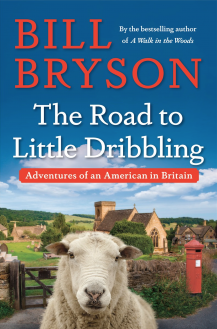
Bill Bryson’s newest book is already high on the best seller list, so he  needs no plug from me  — Victoria here relating some delightful hours spent with Bryson’s insightful, comic, and profound views of and about Britain.

Twenty years ago when he published Notes from a Small Island, I became a fan — having shared a few similar experiences in my travels around the UK and having hailed from the Midwest (he is from Iowa originally). I envied him his continent-traveling work. Now he has moved back to Britain, become a dual citizen, and followed the suggestion of his publishers to do a followup of his popular Notes From A Small Island.
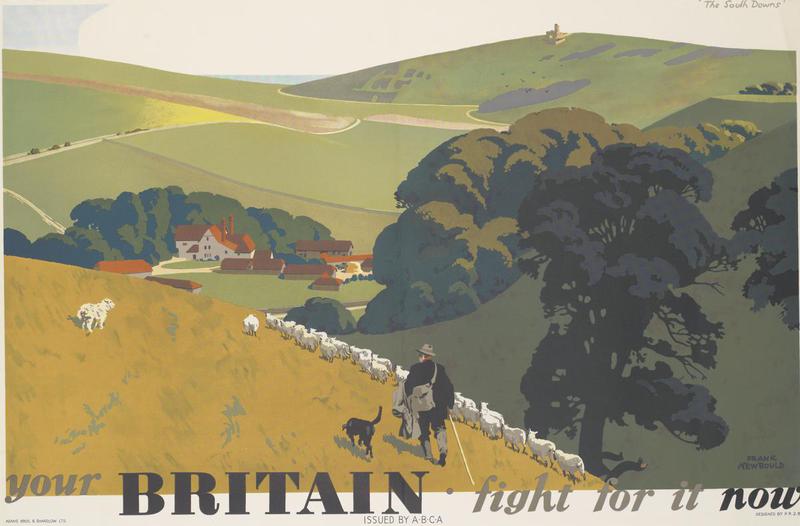
Iconic WWII poster by Artist Frank Newbould

He covers all sorts of subjects such as the ideal of Britain as represented by iconic posters of during the WWII. He searched for and found the source for the poster above, one of the best by Frank Newbould in a series created in 1939 on the eve of the war to inspire the population by giving them reminders of what was worth fighting for. Only slightly altered, Bryson found the Sussex coastline and the Belle Tout lighthouse almost as Newbould painted them.

Nearby he was photographed above the Beachy Head lighthouse.

To shape his rambles, Bryson drew a line as straight as he could from Land’s End at the southwestern tip of Cornwall to the northern most point, Cape Wrath in Scotland.

Land’s End

Cape Wrath
Along his journey, traveling by bus, train and auto, visited London as well as small towns and villages; he made observations on urbanization, the eccentricities of aging, the joys of public footpaths, and the good and bad of the underground system, among many other subjects. He investigated the area of Heathrow airport and speculated about its future expansion.
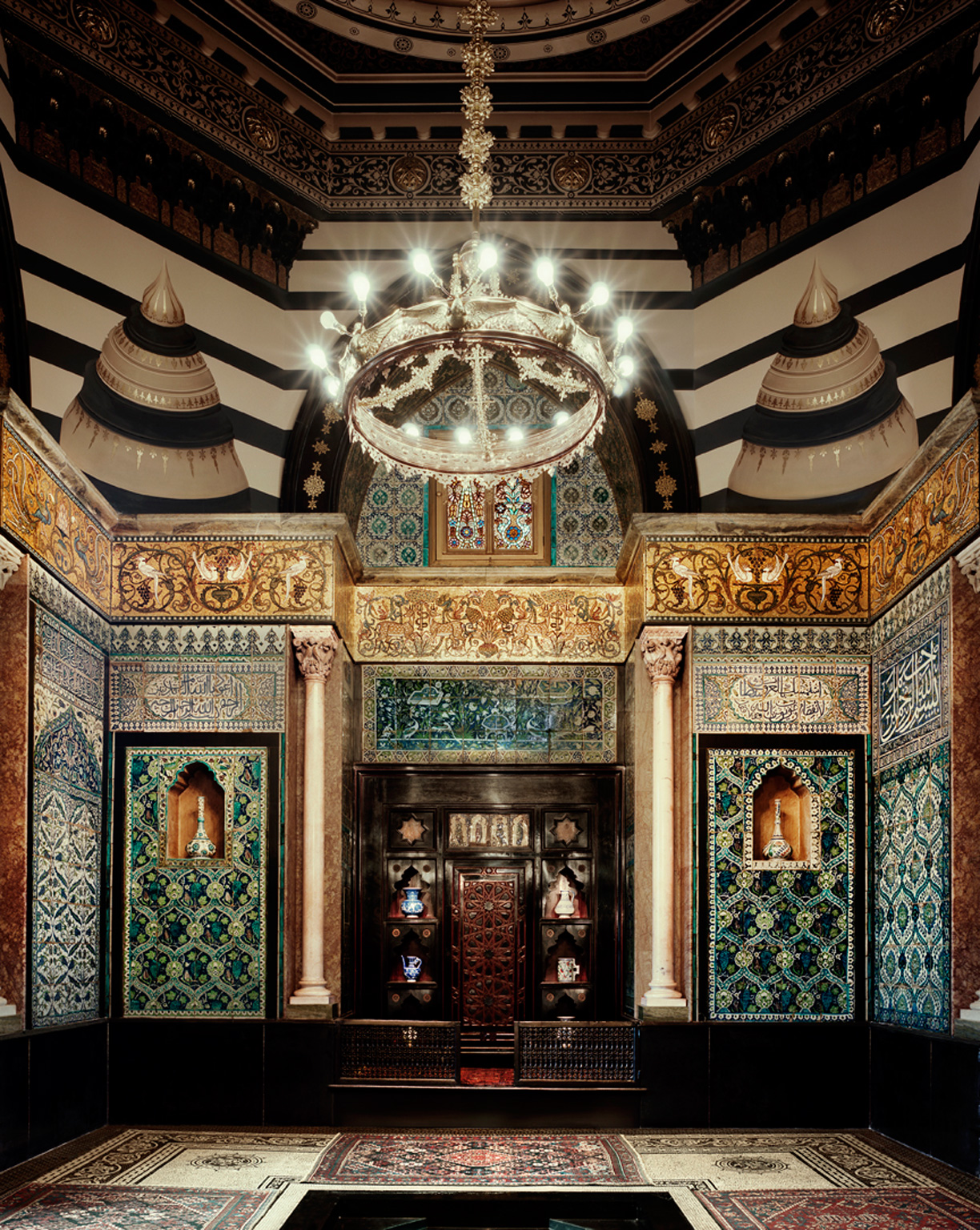
One of his favorite London sights is also one of mine: the house and studio of artist Frederic Leighton, president of the Royal Academy in 1878, and a favorite artist of Victoria and Albert. He traveled widely and painted many dramatic desert scenes as well as reproducing the decor in his residence.
Leighton House Museum, London
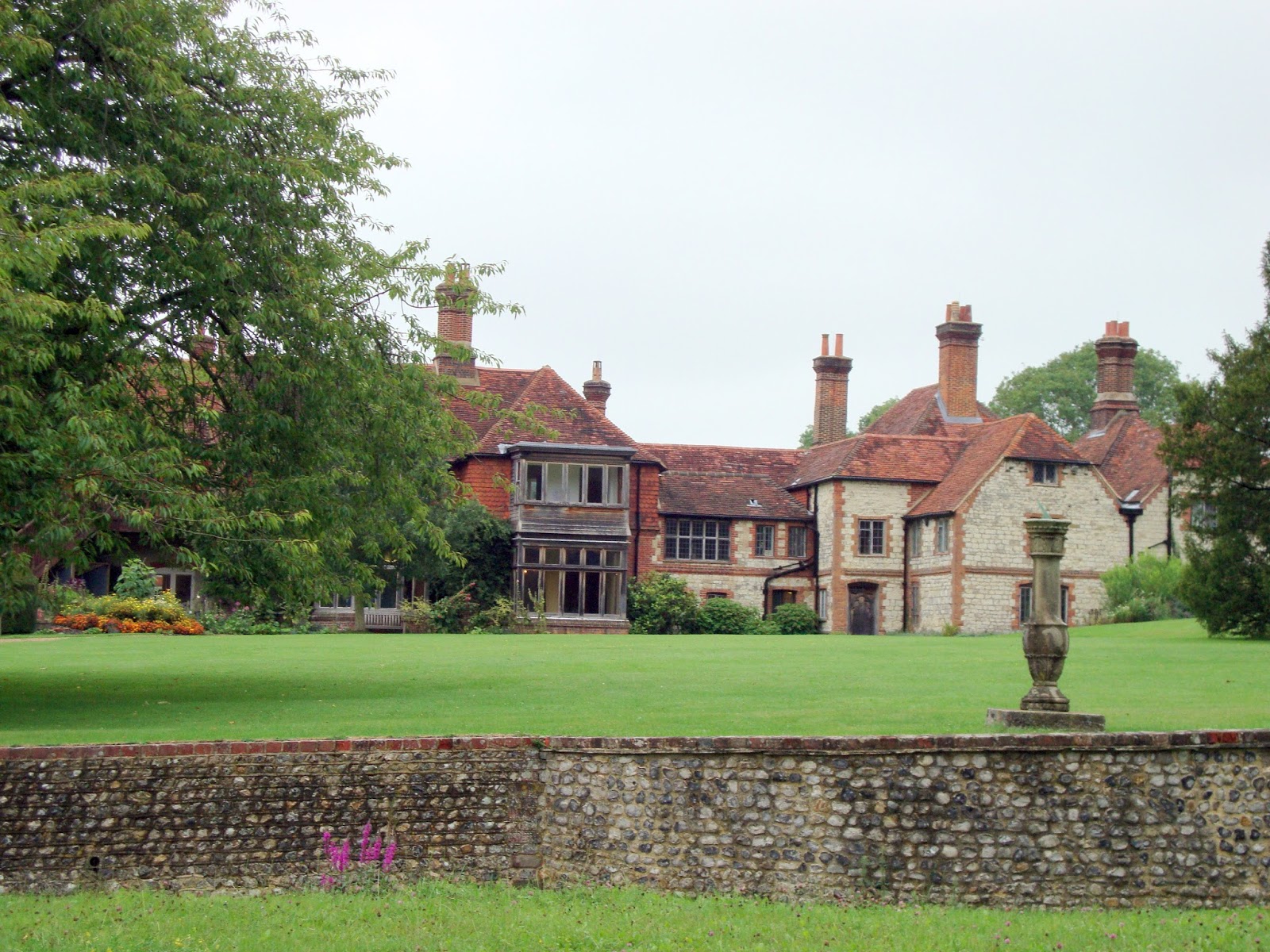
He visited a village I have enjoyed: Selborne and the home of Gilbert White, who spent his life studying the nature of his home locale, published in 1788. My husband and I visited a few years ago when we were on a Jane Austen binge, for it is near Chawton and White’s book was known to her. We enjoyed the museum, the bountiful garden, and an excellent pub down the street.
Back View of Gilbert White’s House
Bryson did not ignore ancient Britain, stopping at Avebury and Stonehenge. At the all latter site, he was pleased to find the improvements made lately. Though access to the stones is still restricted somewhat, the visitor center, he says, is much better. Perhaps I need a return visit. I remember finding the facilities quite shabby at Stonehenge years ago.
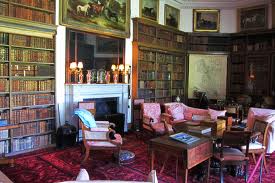
One spot on my “to do” list has to be Calke Abbey in Derbyshire. More than 400 years of a family’s lif
e were spent here. The National Trust acquired the house in 1985 after it had been abandoned for many years. They made the building into a unique experience. Instead of renovation and restoration, they left it as it was, more or less, calling it the ‘un-stately home,’ a jumble of furniture and art, even to the unmade beds.
Calke Abbey library
Like Bill Bryson, I found the Lake District almost impossibly beautiful.  And even better is the preservation which has kept development from spoiling it.  The main danger, he says, is from the crowd of people who can’t resist its charms. Who can blame them?
Windermere

Cape Wrath is beyond Scotland’s Highlands, an area I need to visit someday.  How have I missed it?  I’ve really not been north of Edinburgh. Shame on me.

I hope this short account has whetted your appetite for this wonderful book, filled with insight, opinion and delight. Here’s to good reading!

POST TOUR: EXPLORING PART OF THE CITY OF LONDON

Victoria here, relating our activities after the Duke of Wellington Tour back in September 2014. After wandering Hampstead, Kristine and I needed a good sit-down — and where better than on a London bus…so we grabbed one and had a ringside seat for the street scenes from Hampstead all the way to the City of London.  It is always fun to explore a new area — and we were looking for Cheapside, once a popular shopping area.

Here’s a bit of what we saw –
.

Elia, Charles Lamb, a bust by William Reynolds-Stephens in Gitspur Street on the wall of St. Sepulchre-without-Newgate

Old Bailey

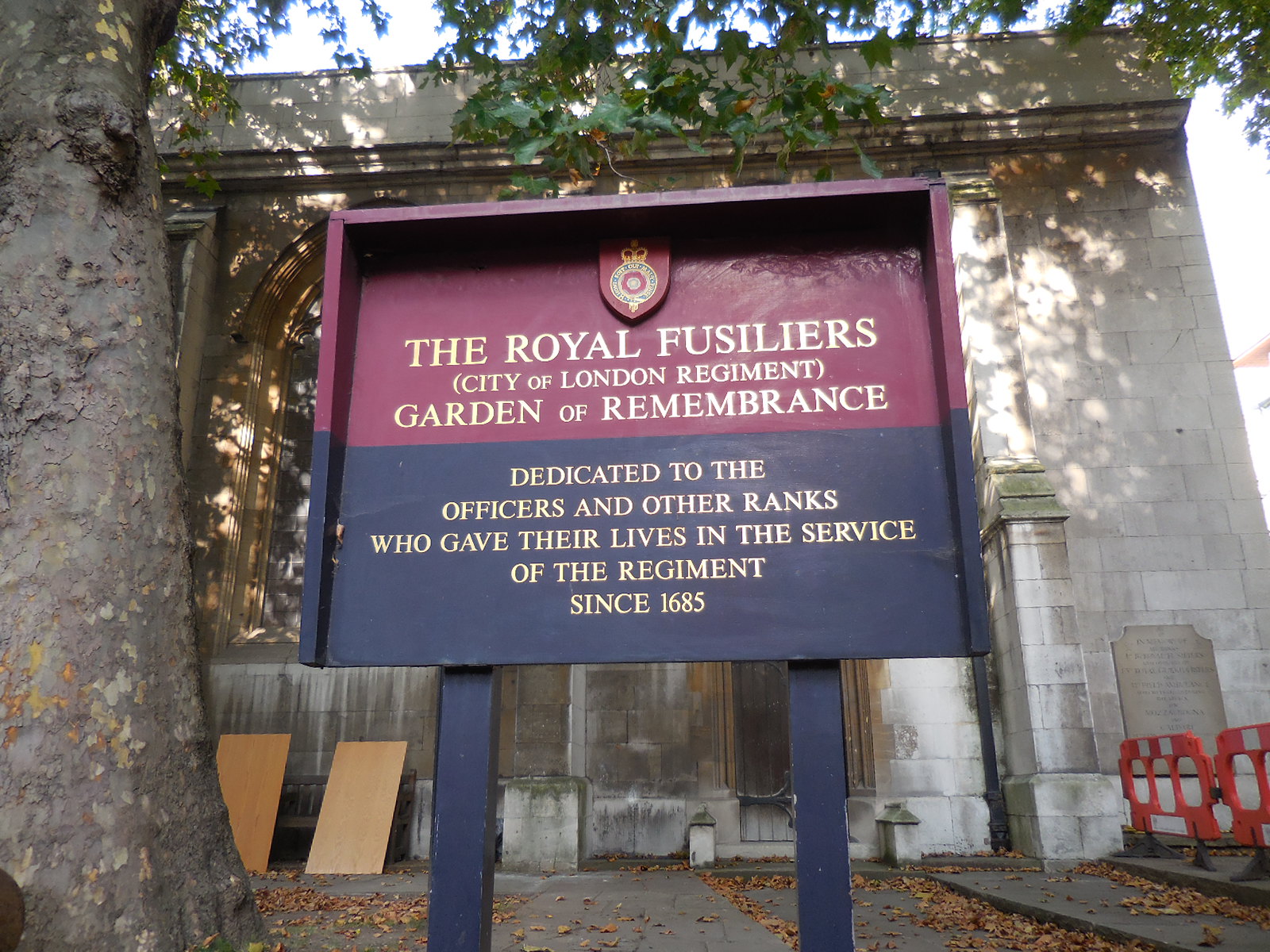
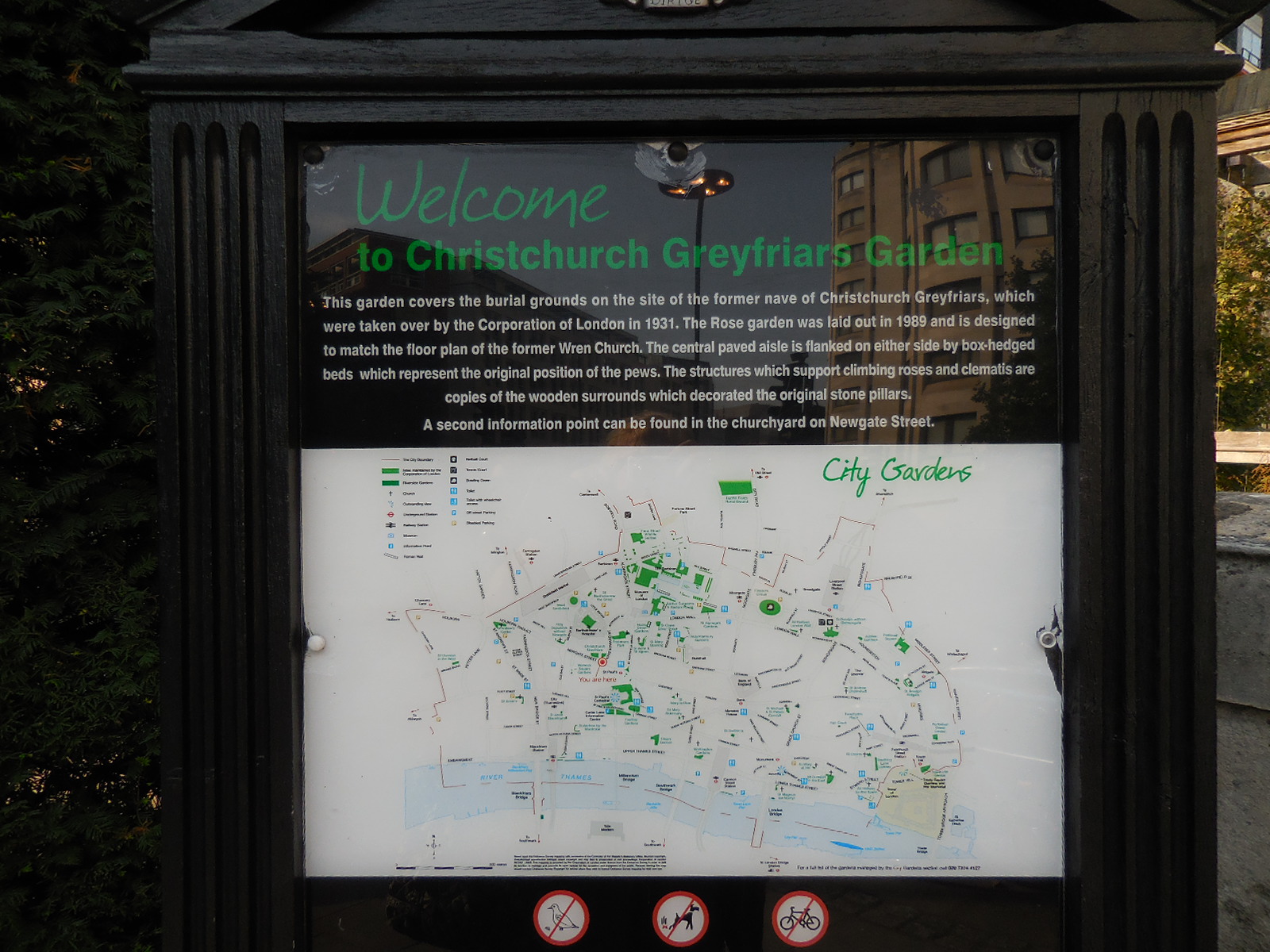
Christchurch Greyfriars Garden

St. Paul’s

St. Mary-le-Bow

St. Mary-le-Bow interior
Bank of England

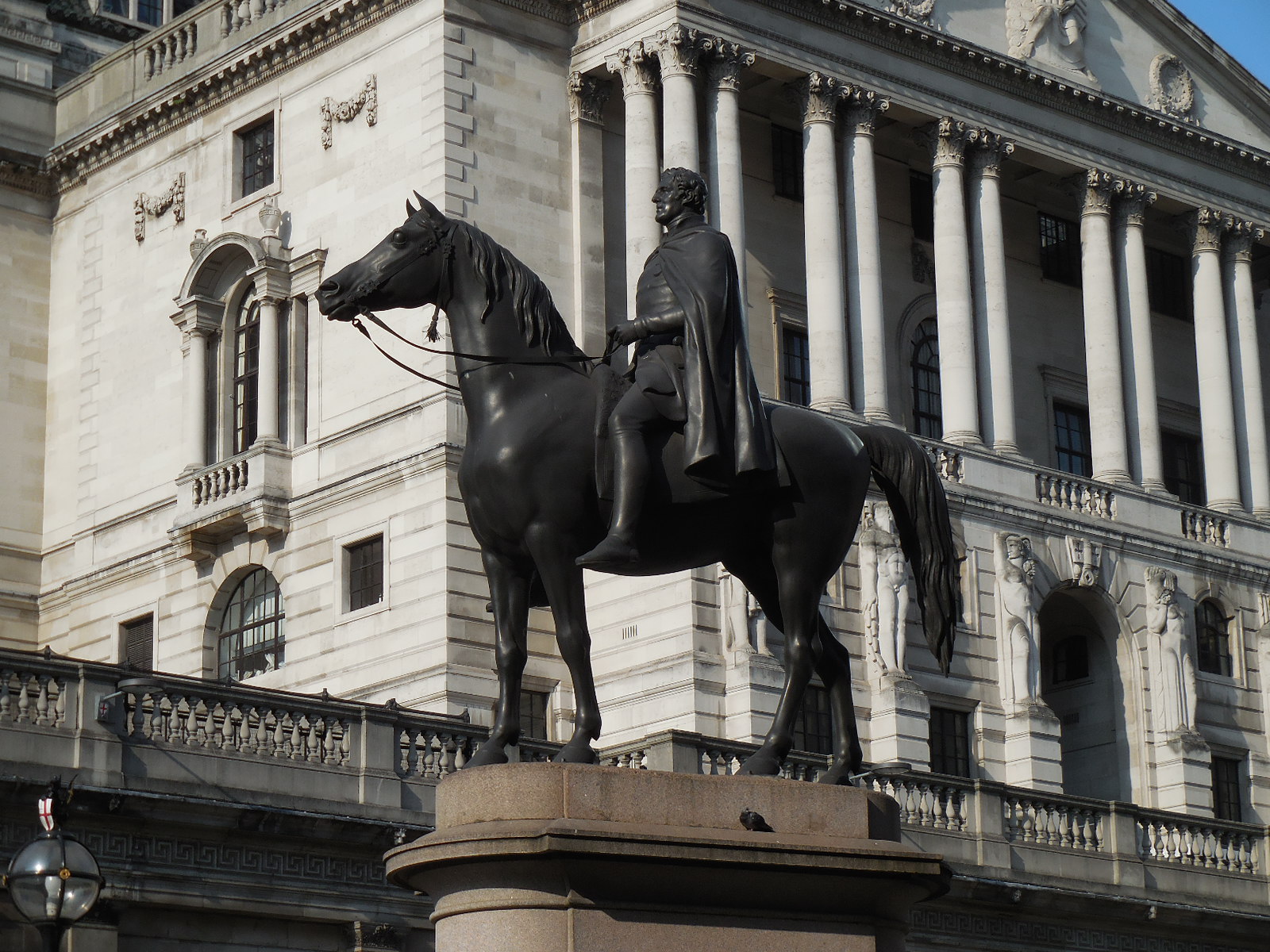
Duke of Wellington by Francis Leggatt Chantrey;
The Duke, Queen Victoria, and Frederick Augustus II, King of Saxony, attended the unveiling on June 18, 1844, anniversary of the Battle of Waterloo.

VIDEO WEDNESDAY – BYGONE ROYALS

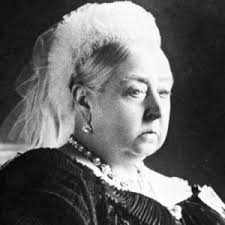
Queen Victoria visits Dublin 1897

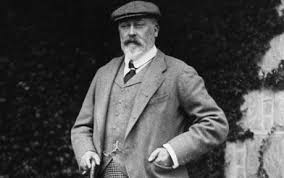
King Edward VII at Sandringham 1909


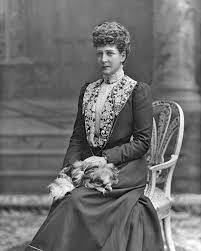
Queen Alexandra at various events – 1910 to 1925


Duke of Gloucester home


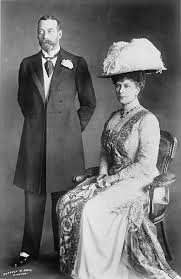
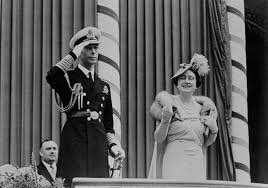
King George VI and Queen Elizabeth visit Washington D.C. 1939


Documentary European Royal Families featuring 
various royals in early 20th century newsreels (28 mins)


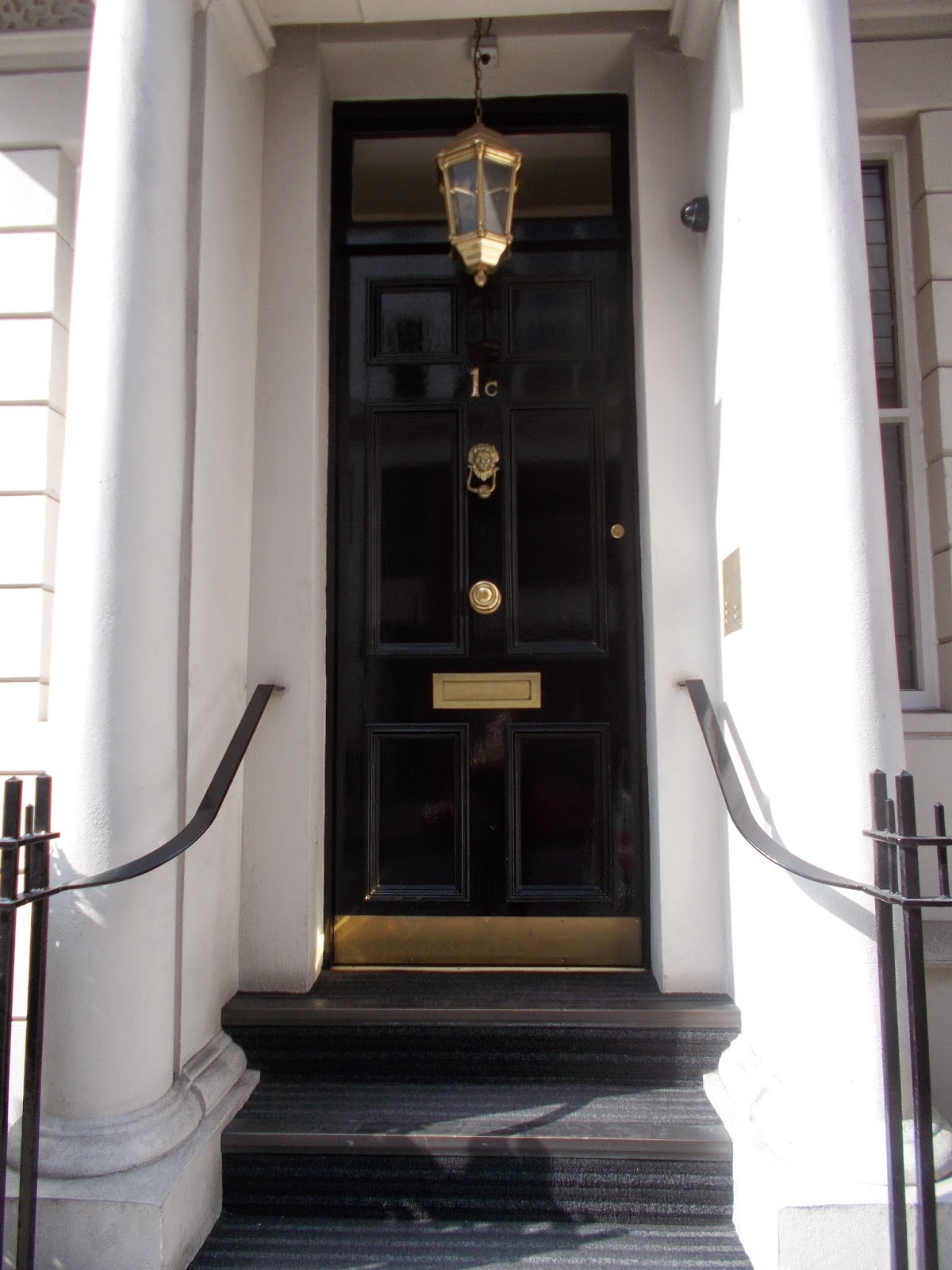
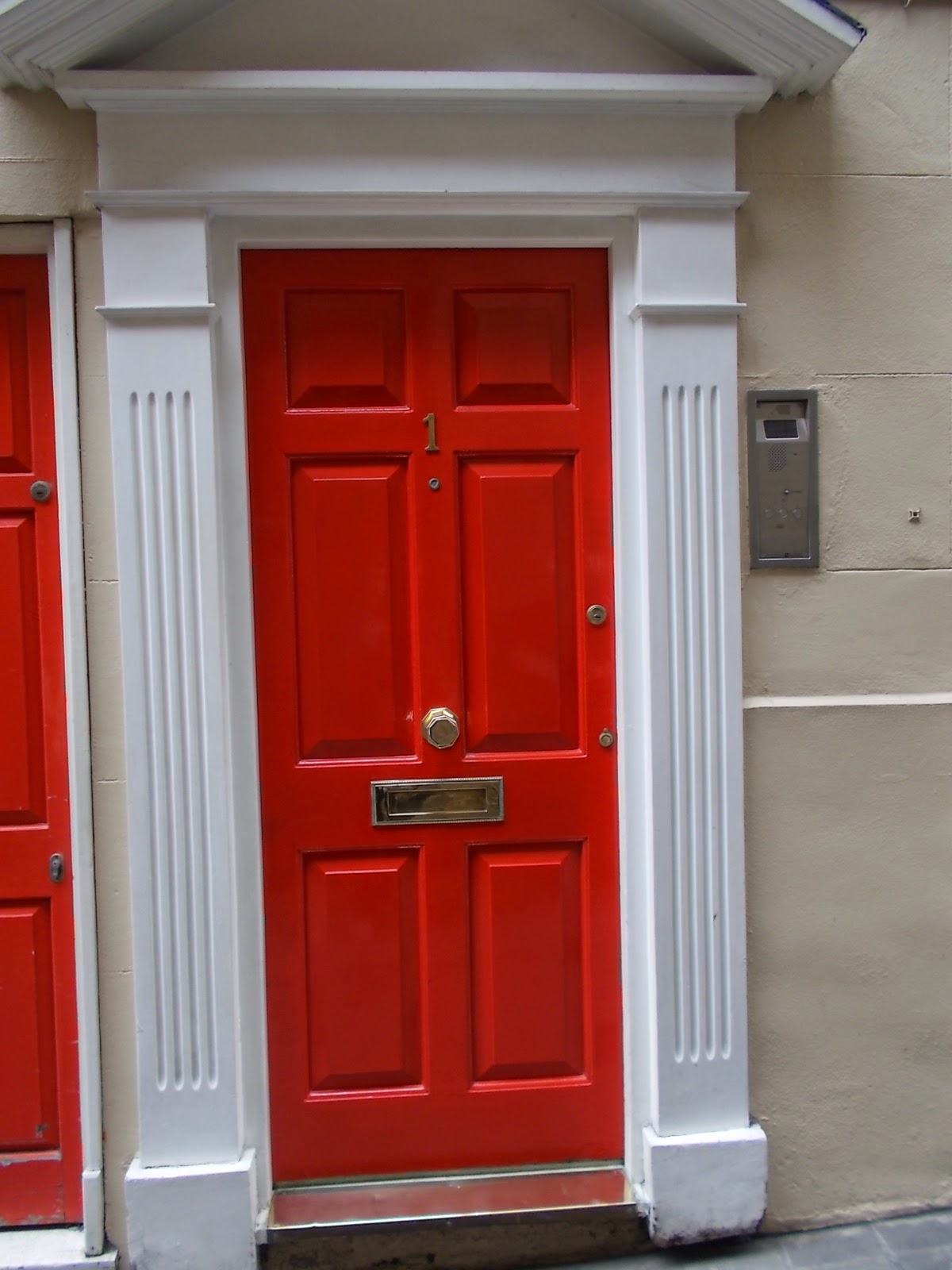
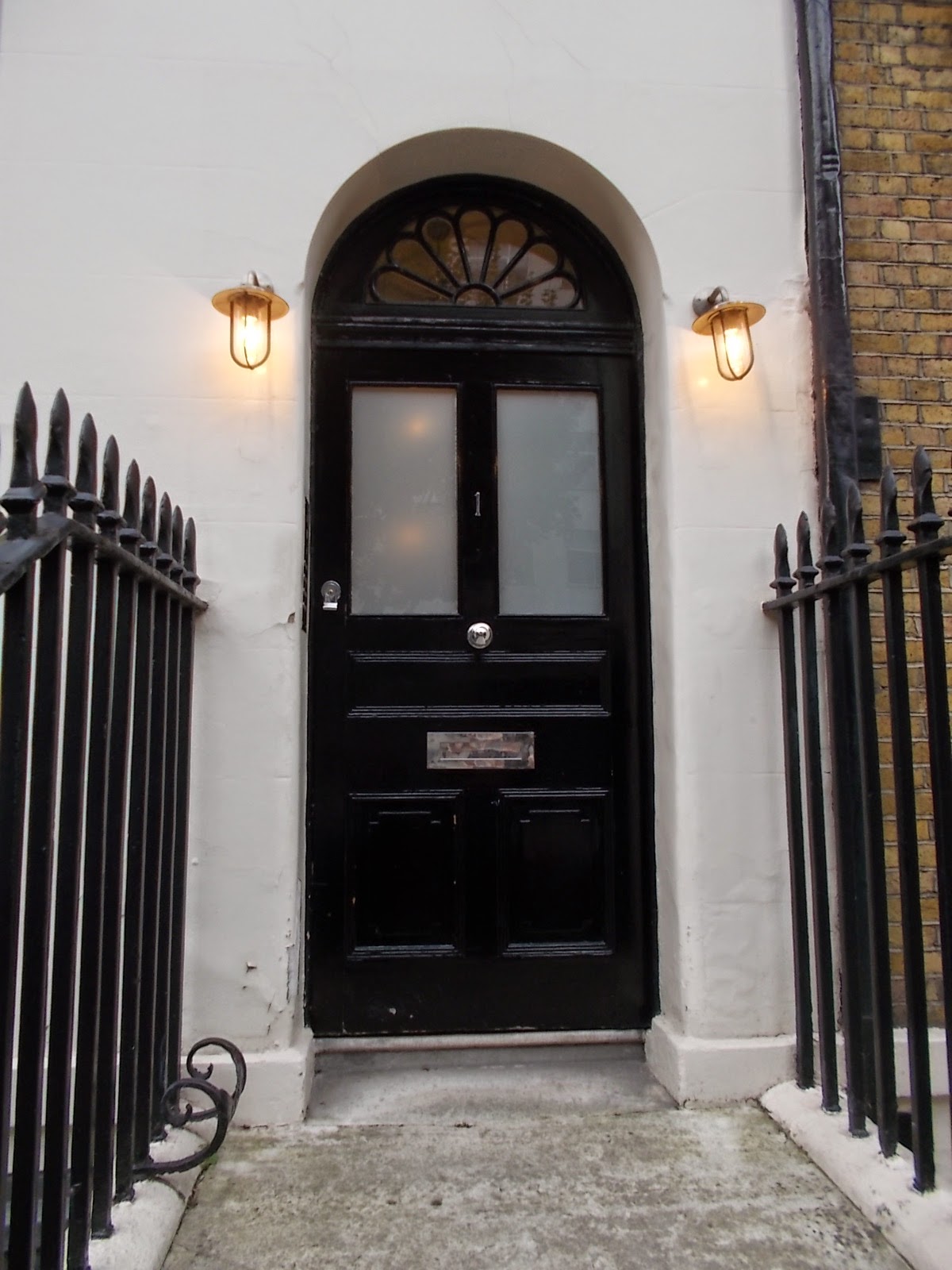
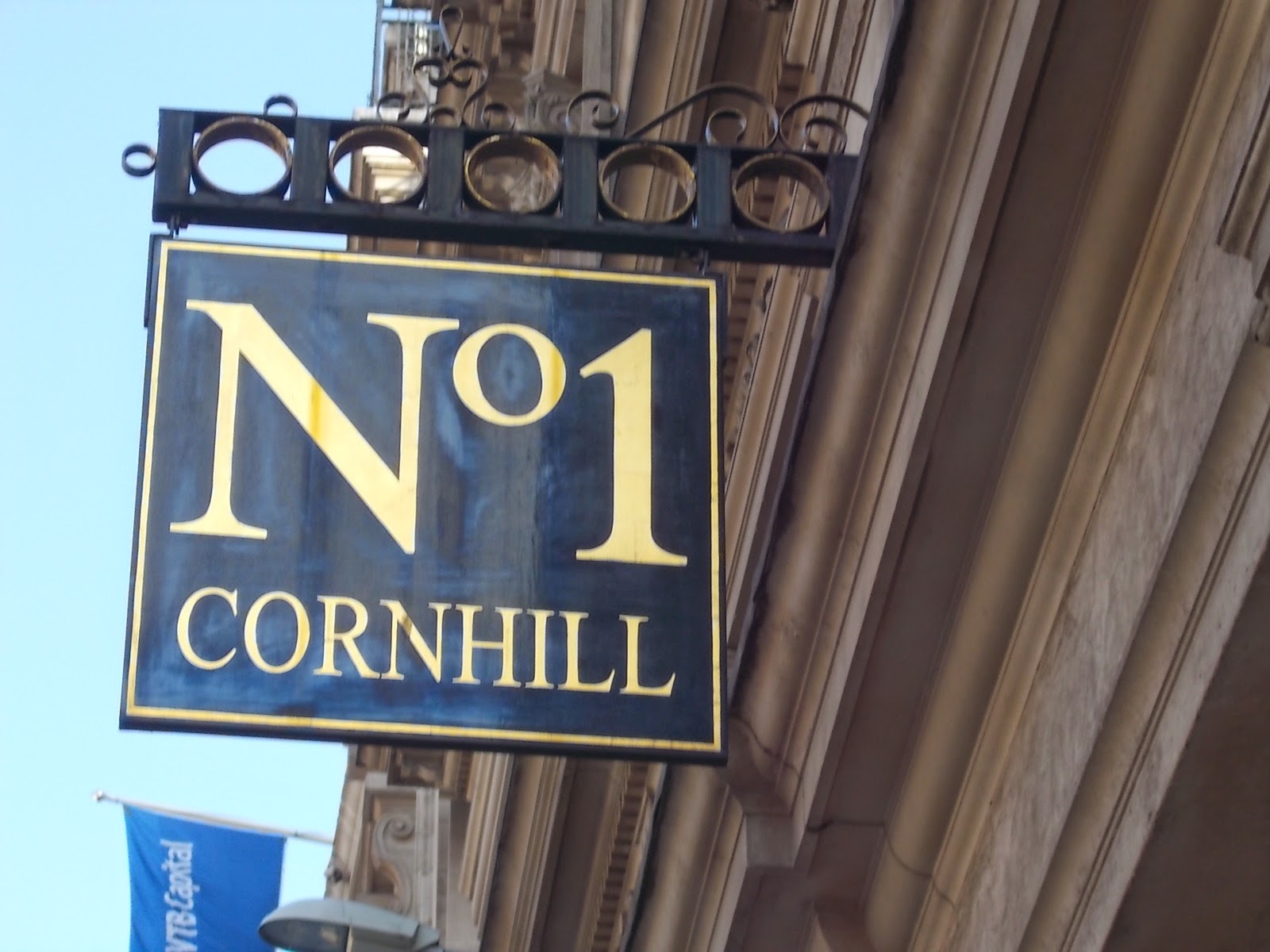
NUMBER ONES: A FEW WE FOUND IN ENGLAND

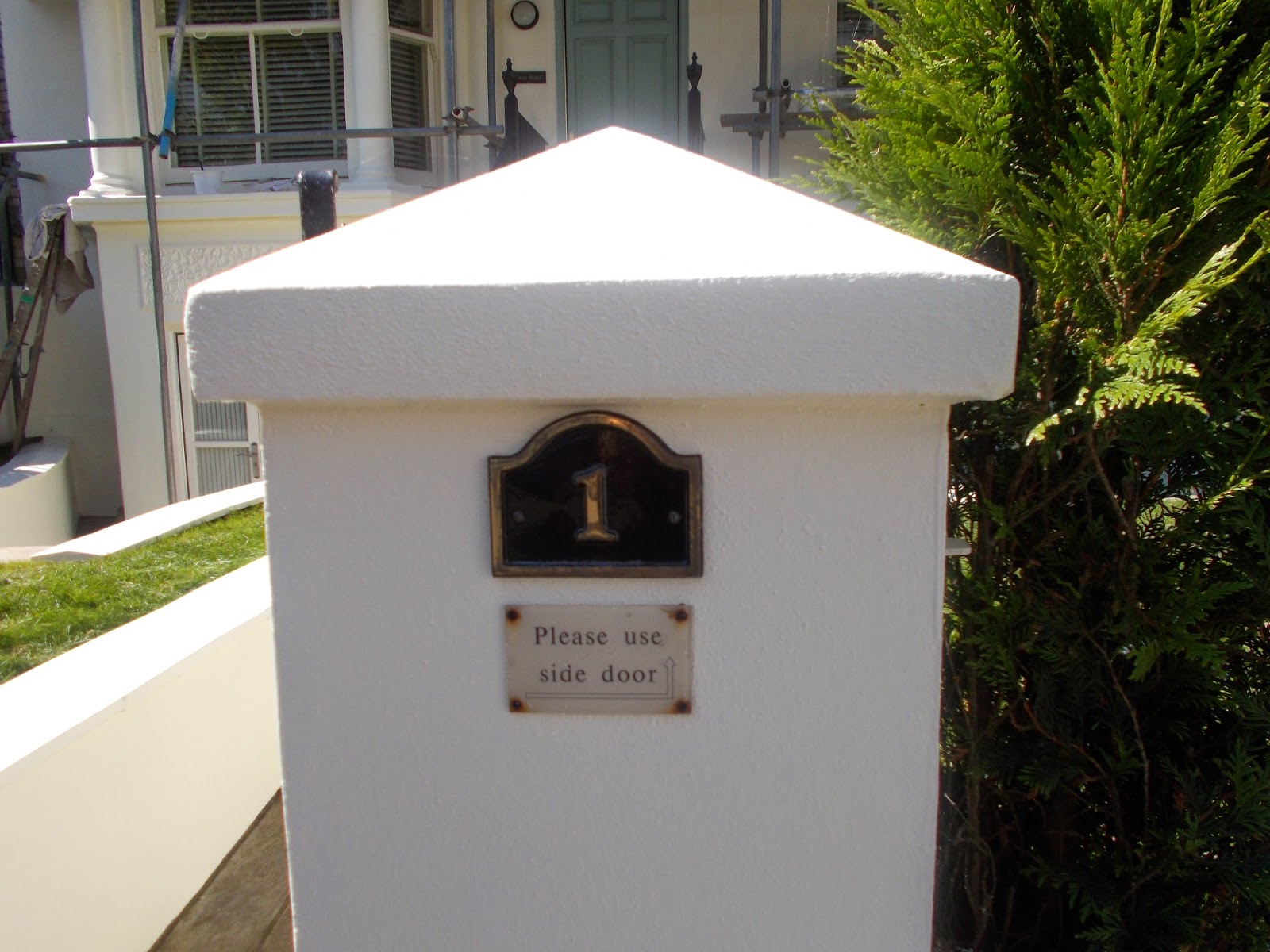
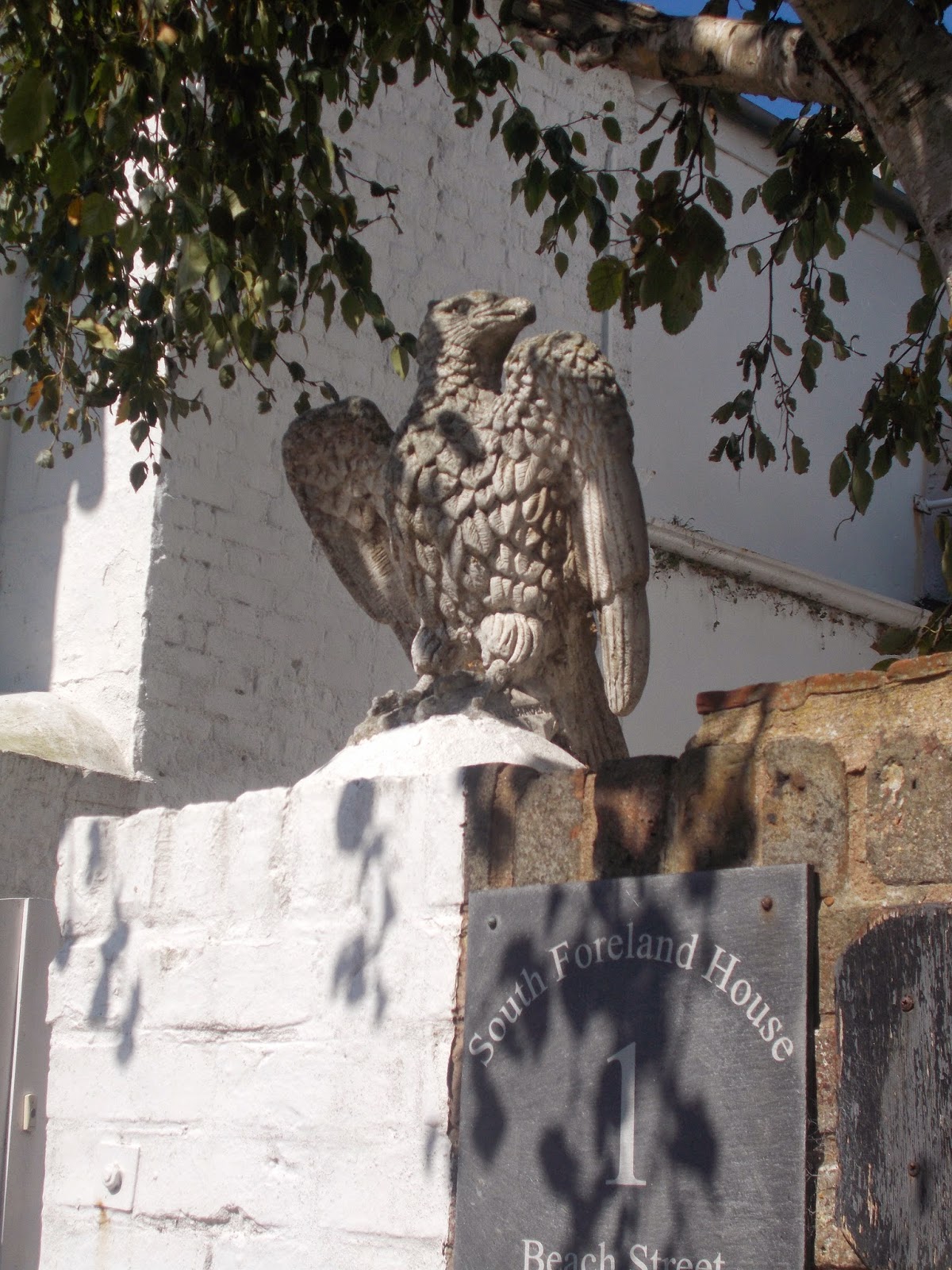
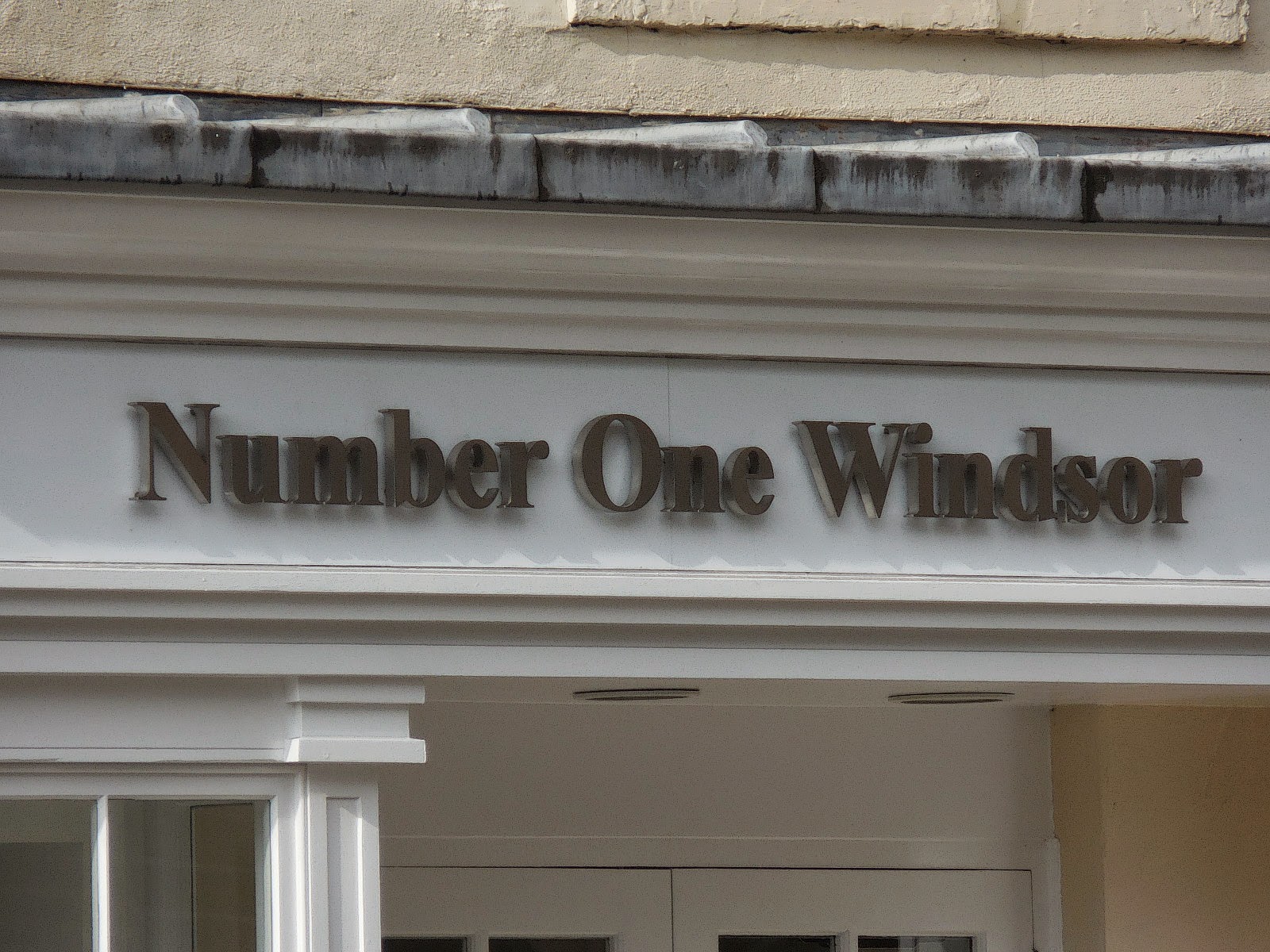
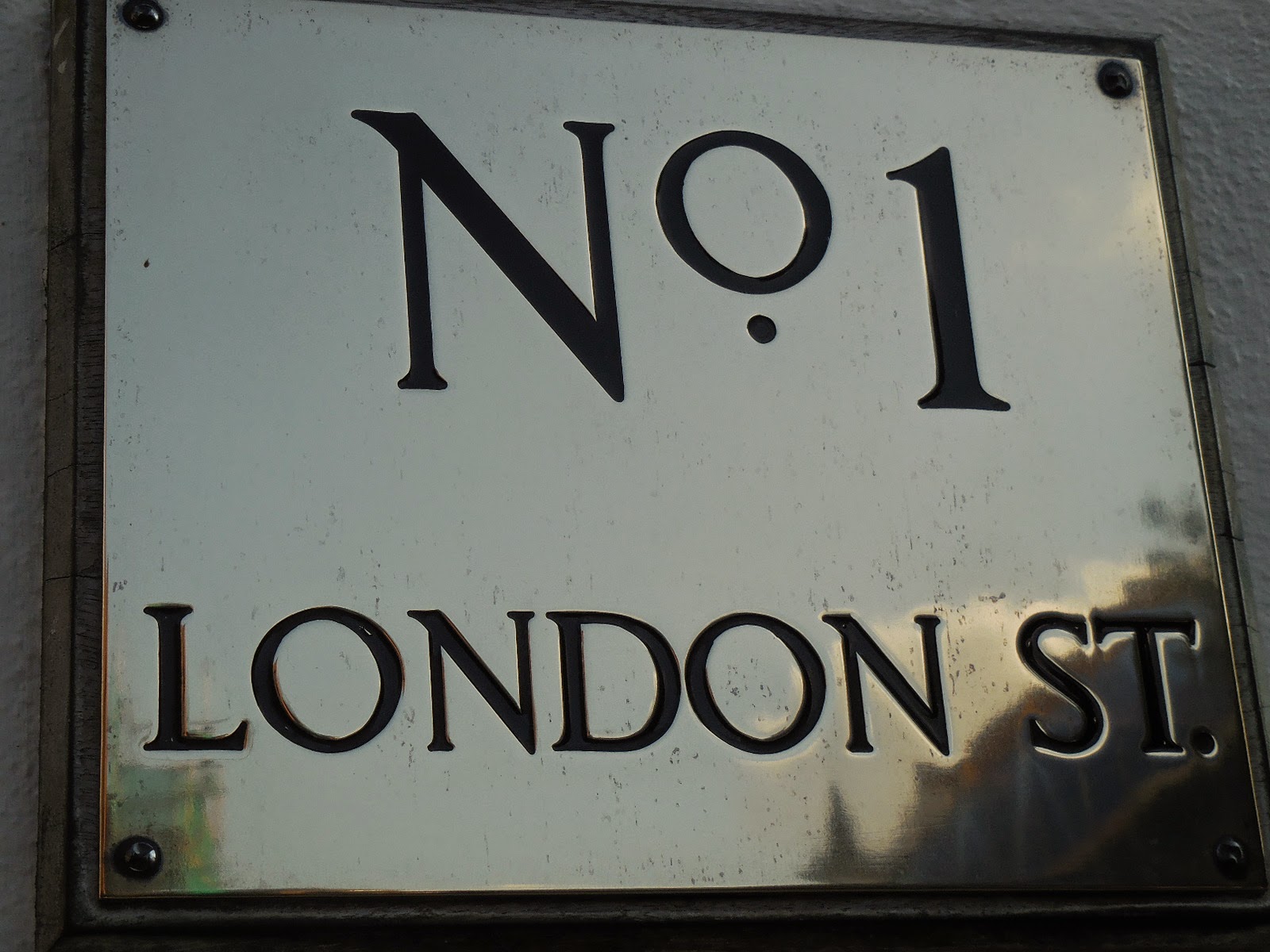
In London, Windsor, Hampstead, and elsewhere, we found lots of Number Ones to complement our favorite, Apsley House! Which as our faithful readers will know, is the London home of the Dukes of Wellington, and the Wellington Museum housing a distinguished art collection as well as the many awards presented to the first Duke for his leadership of the Allied defeat of Napoleon in 1815.
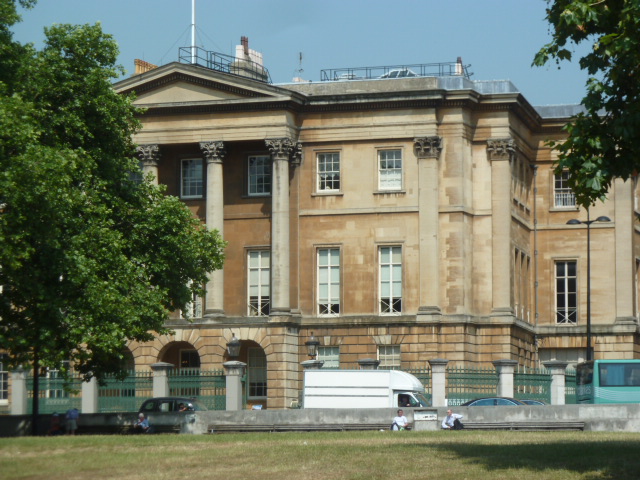
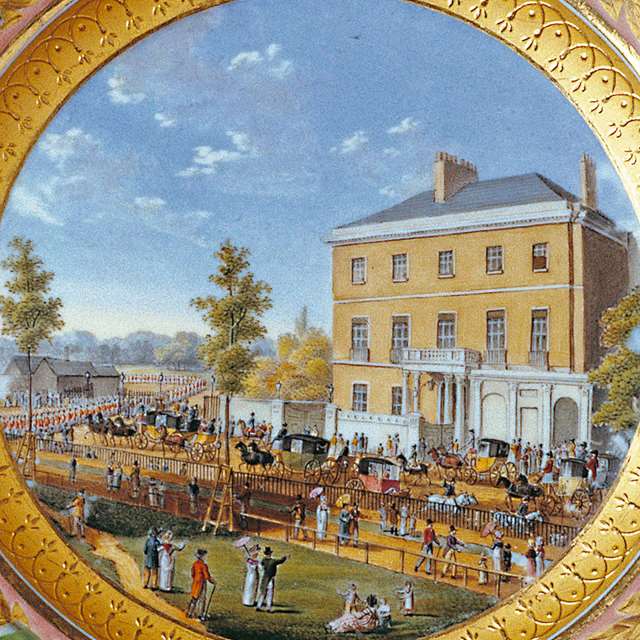
The address of Apsley House is actually 149 Piccadilly, Hyde Park Corner, London, But it has long been known as Number One London
The original house

From the English Heritage website:   “Apsley House was originally designed and built between 1771 and 1778 for Lord Chancellor Henry, 1st Baron Apsley (later 2nd Earl Bathurst), by the fashionable architect Robert Adam (1728–92). The site chosen was on Piccadilly, at the formal entrance to Hyde Park, which was Crown land. Bathurst negotiated the lease of land from the Crown in order to build his new house. Apsley was the first house on the north side of Piccadilly, located opposite a turnpike with toll houses, and consequently it became known as ‘Number 1, London’. Its correct postal address is now 149 Piccadilly.

The original house was a five-bay red brick building, with a spacious entrance hall and central colonnaded oval staircase. Adam had to design the house to respect the existing stable block on the eastern side, which contributed to its irregular floor plan. Adam completed the building and furnishing of the house at a cost of £10,000. The structure of this house survives underneath the later stone encasement and extensions.”

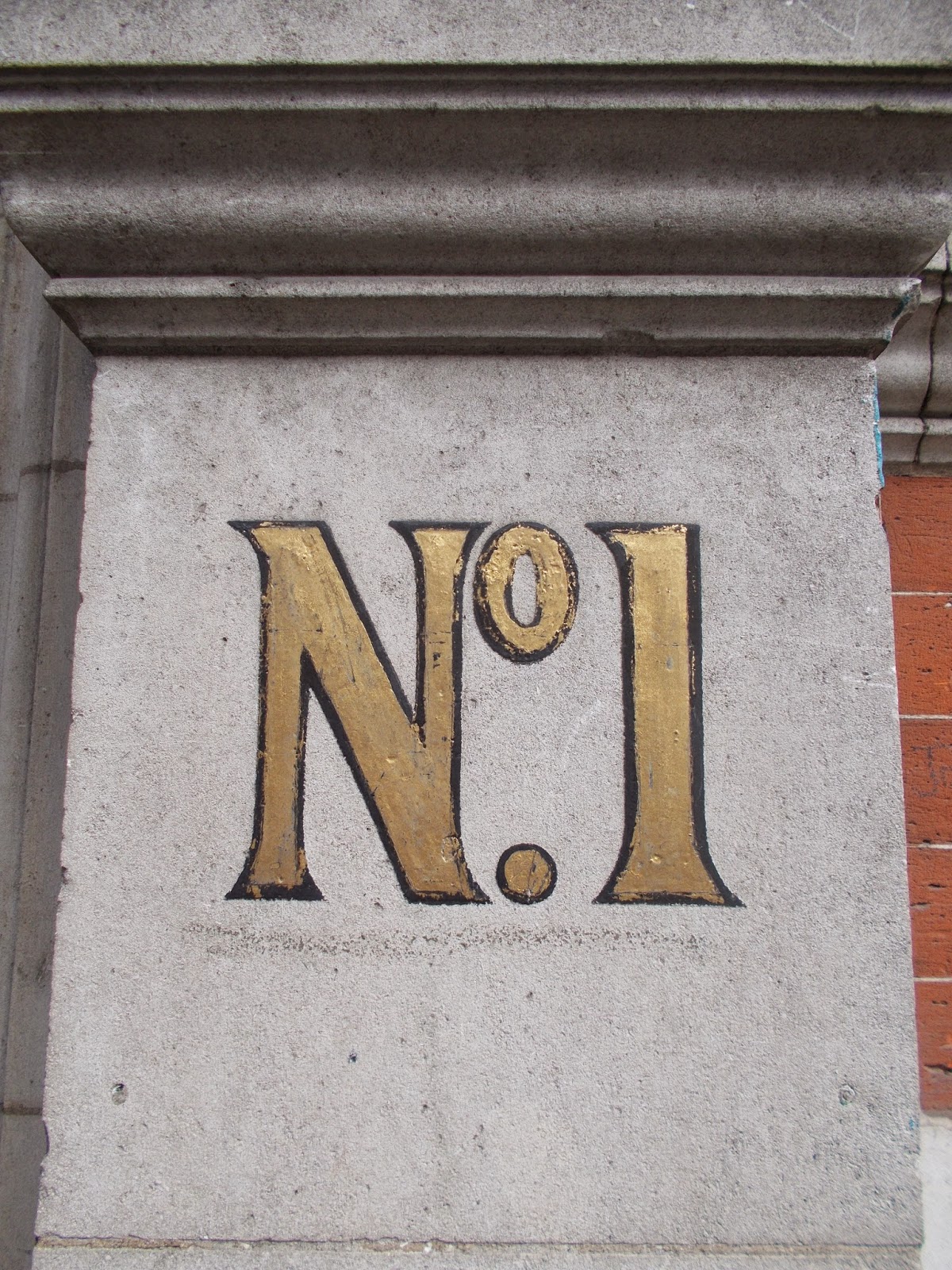
Here are some of our Number One Discoveries…in no particular order…
Deal
Deal

POST-TOUR: EXPLORING HAMPSTEAD, PART TWO

Above and below: 

Above and below: Burgh House, New End Square

Those lovely fall crocus blooming in the flowerbeds
Burgh House, in Queen Anne Style, was built in 1704.

Main floor Music Room
Music Room
The house escaped bomb damage in WW II; the Hampstead Museum was opened upstairs in 1979.
Museum displays of WWI uniforms

Above and Below,  The Library Room for local research 

Model of Burgh House

The Chalybeate Well, no longer functioning, once a flowing mineral spring

Residence of John Constable in Hampstead

The Wells, 30, Well Walk, provided delicious fare, both liquid and solid, just when we needed it.

more luscious roses
Hunh???

Keeping London well-observed!
unidentified statue outside No. 28 Hampstead High Street

After most of a day happily tramping around Hampstead, we jumped aboard a bus and took a relaxing ride, all the way to the City of London,  next time