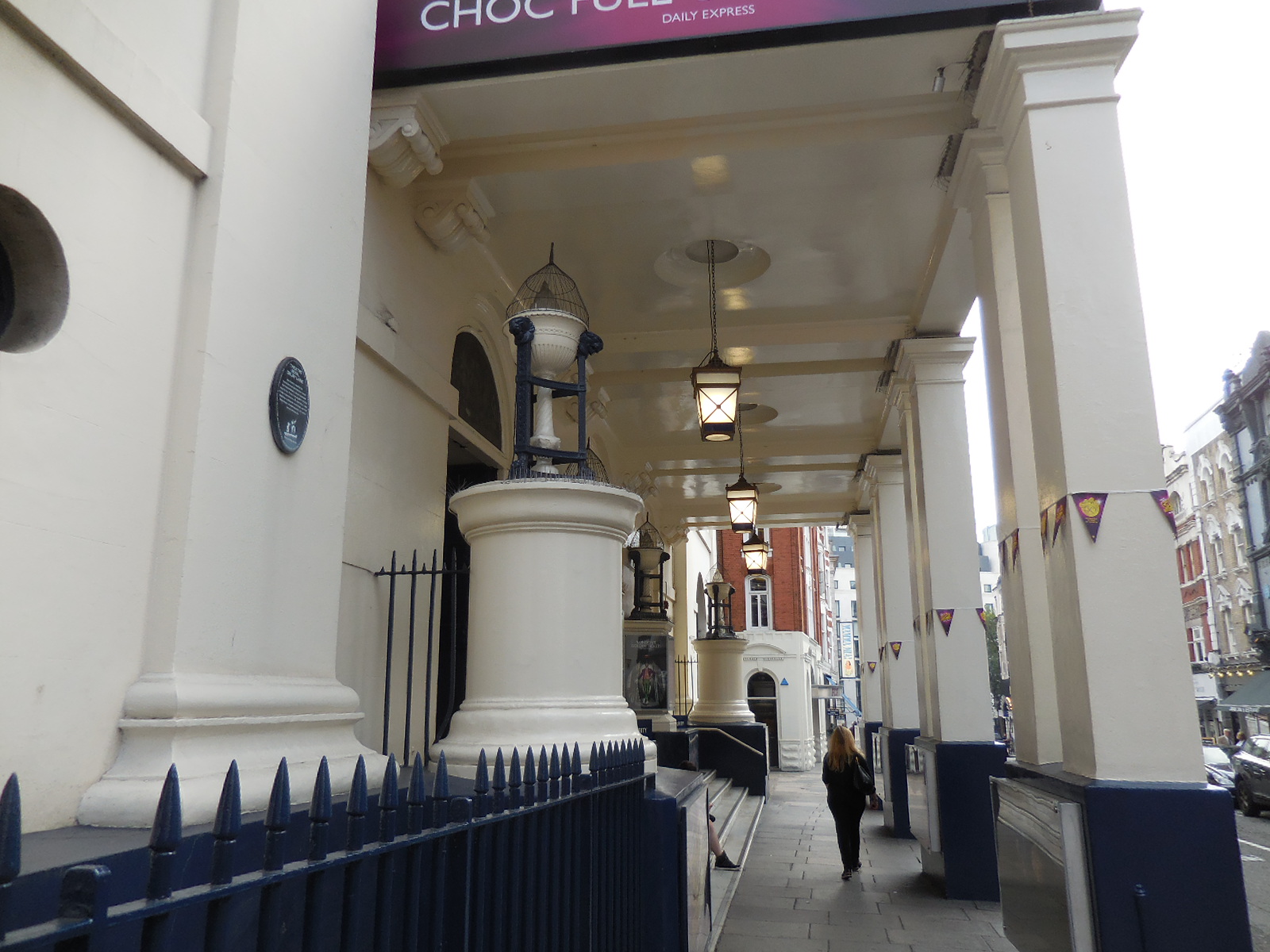
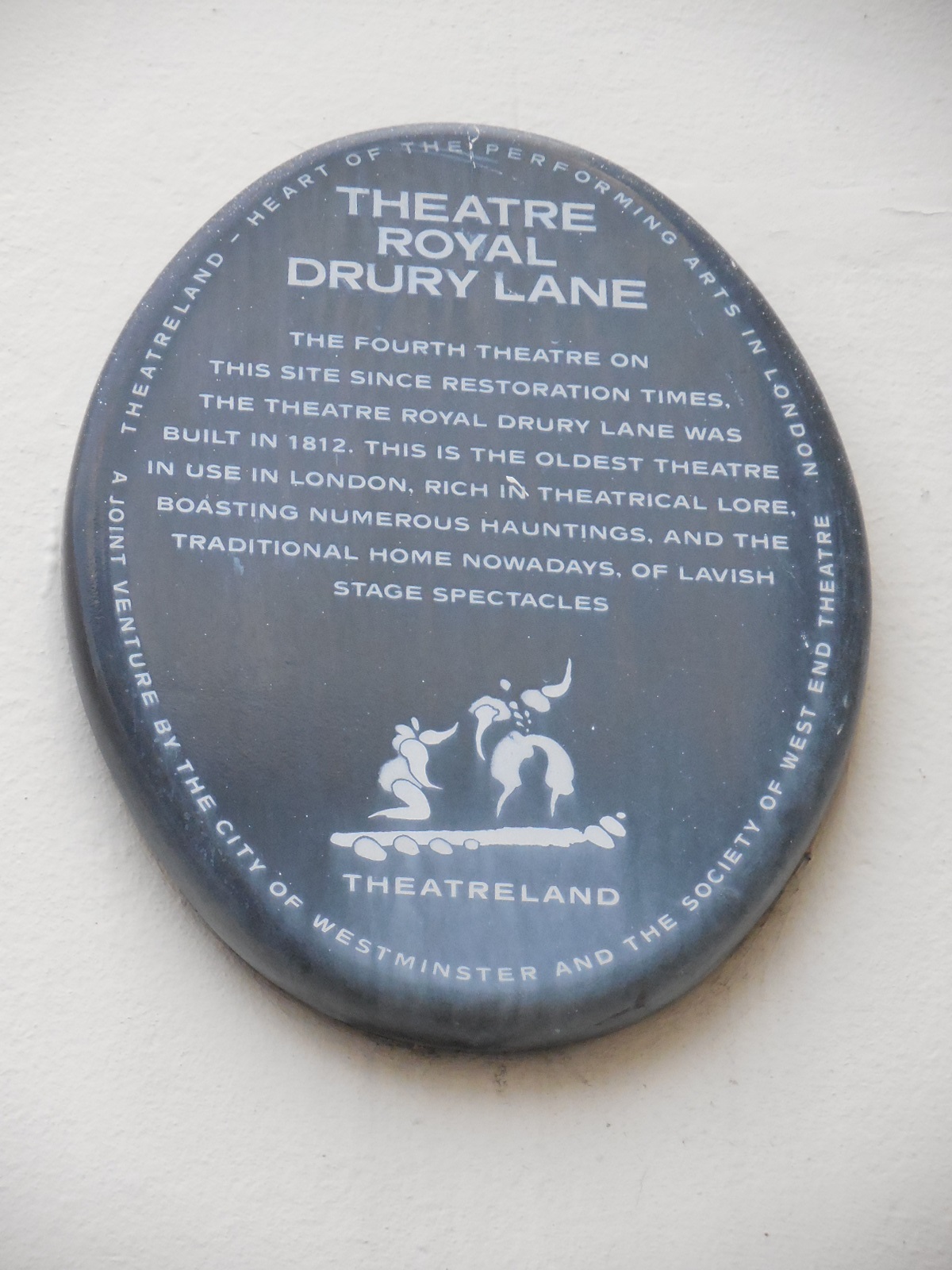
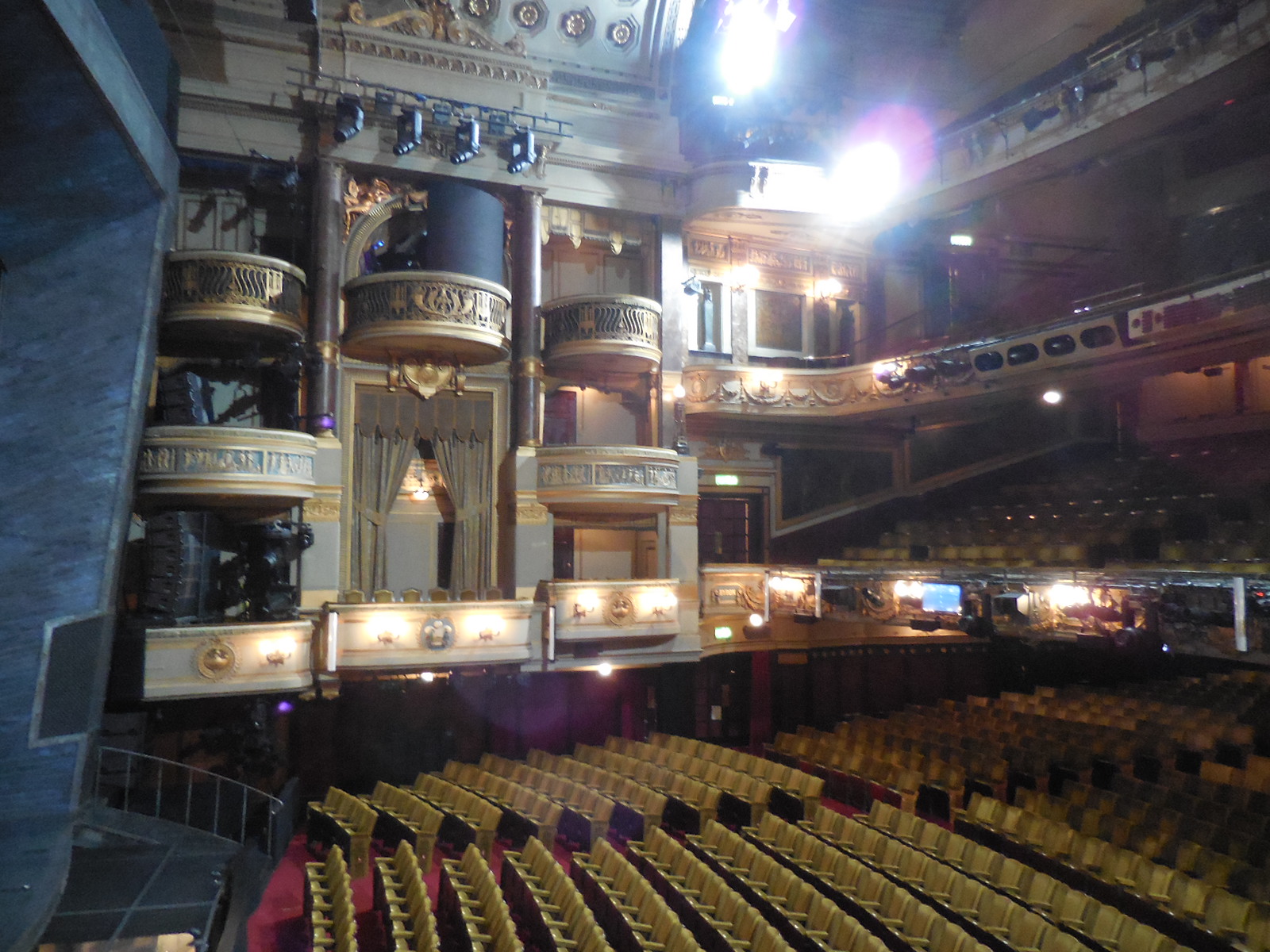
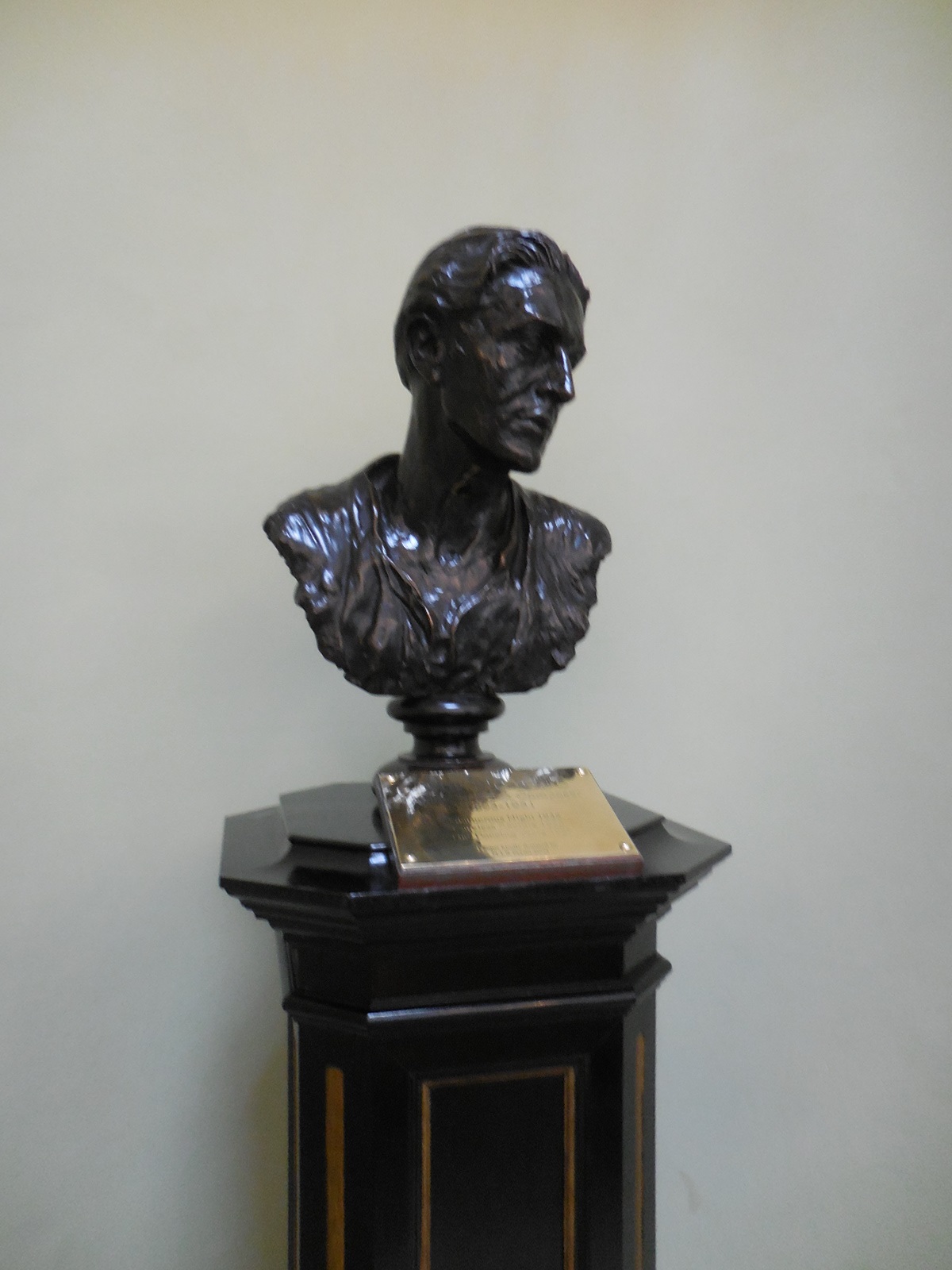
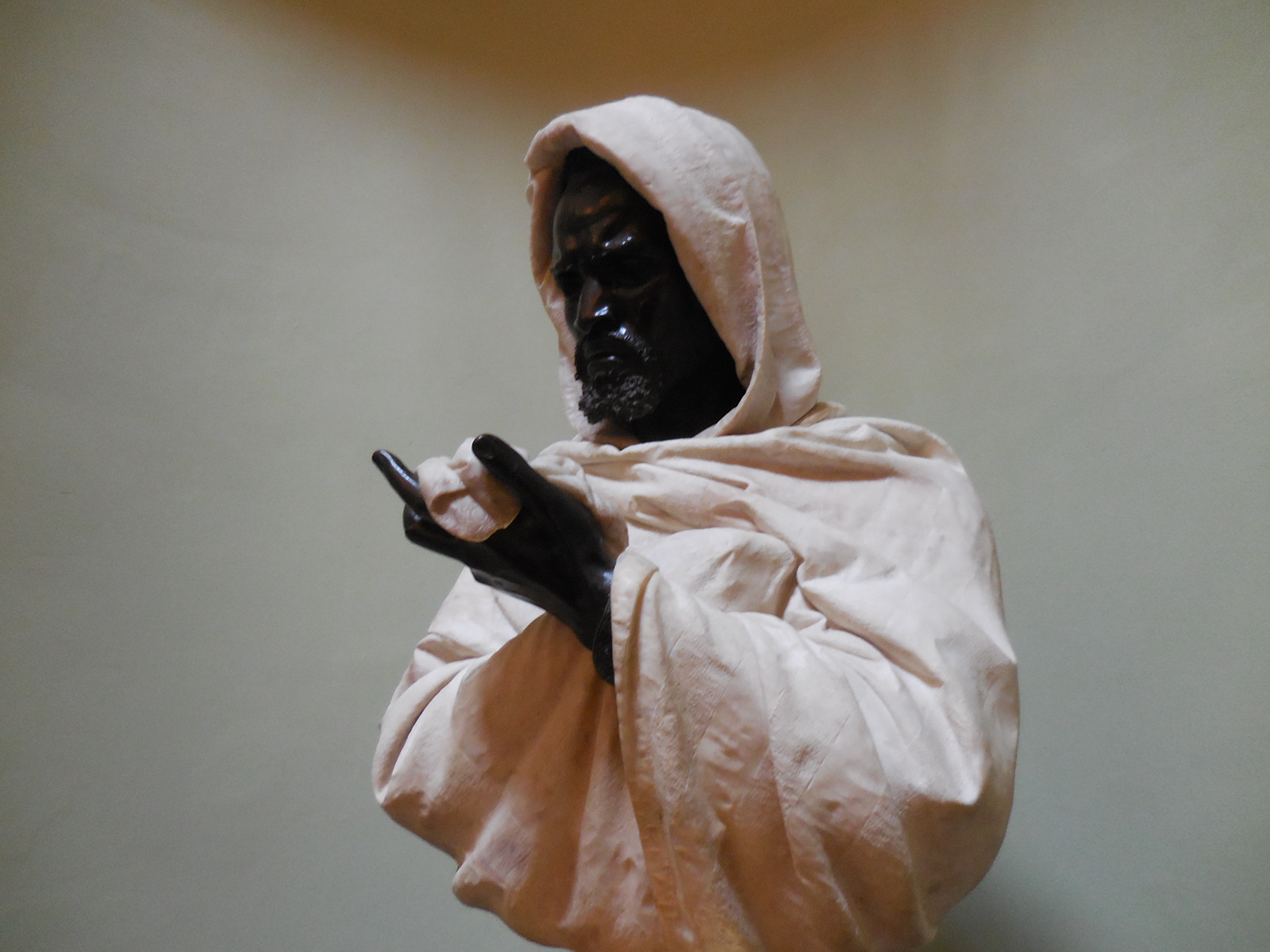
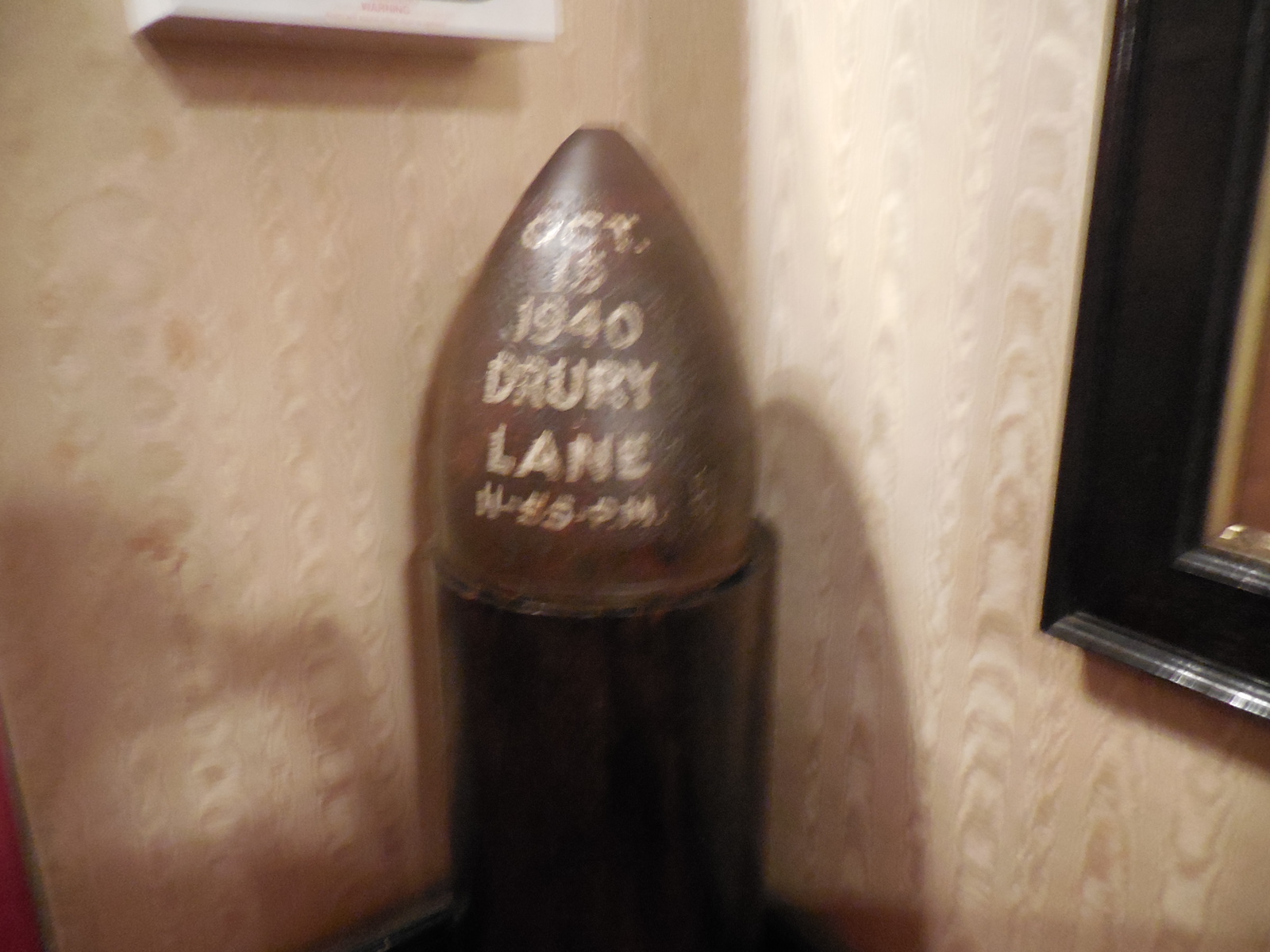
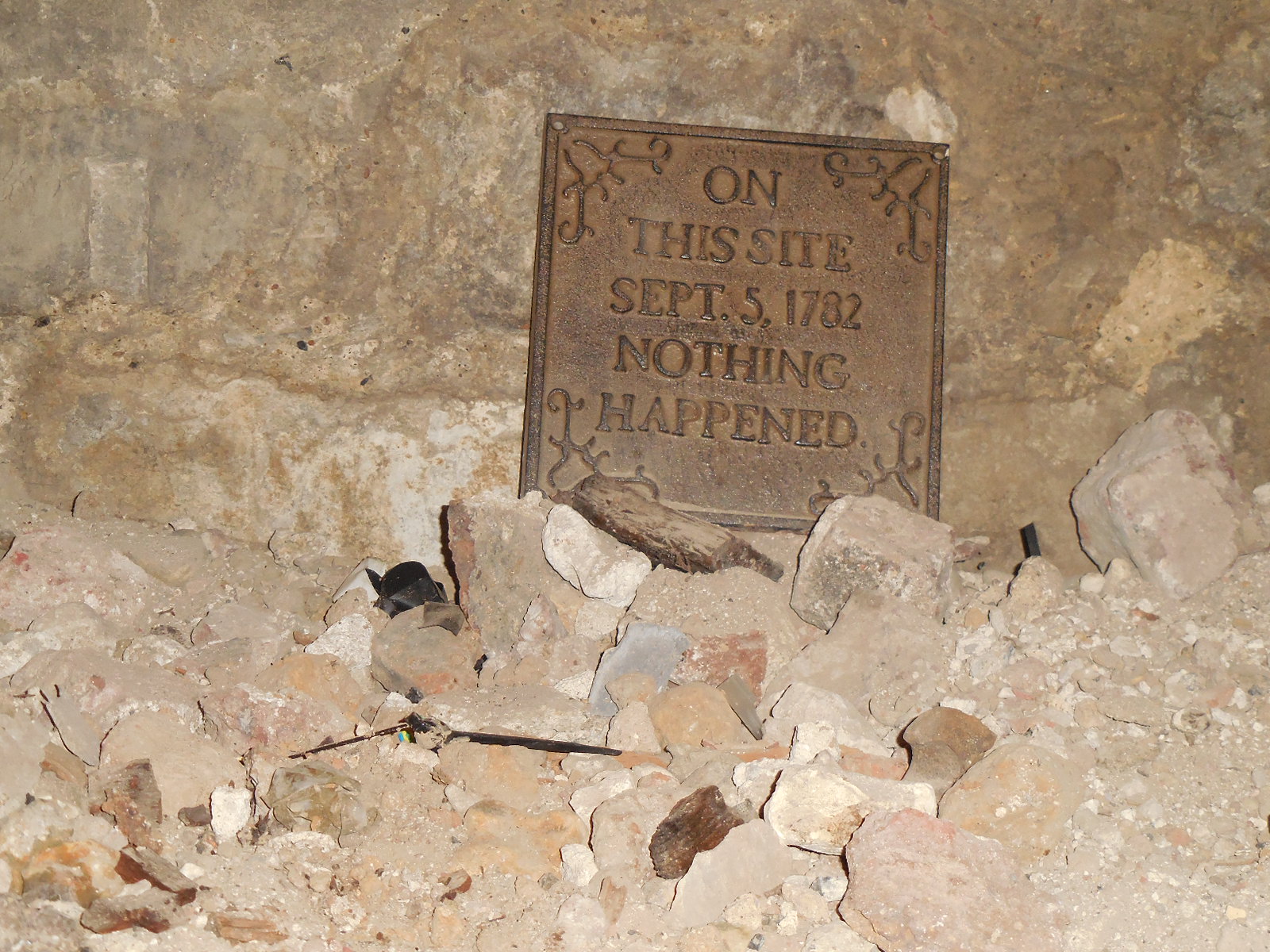
The souvenir brochure at the Drury Lane Theatre opens with this statement: “Theatre Royal Drury Lane has, over the last three centuries, established itself as a centre of performing excellence and extraordinary versatility. Tragedy, fire, bankruptcy and argument have all taken their toll, nonetheless “Old Drury” has survived to earn itself a reputation second to none.”
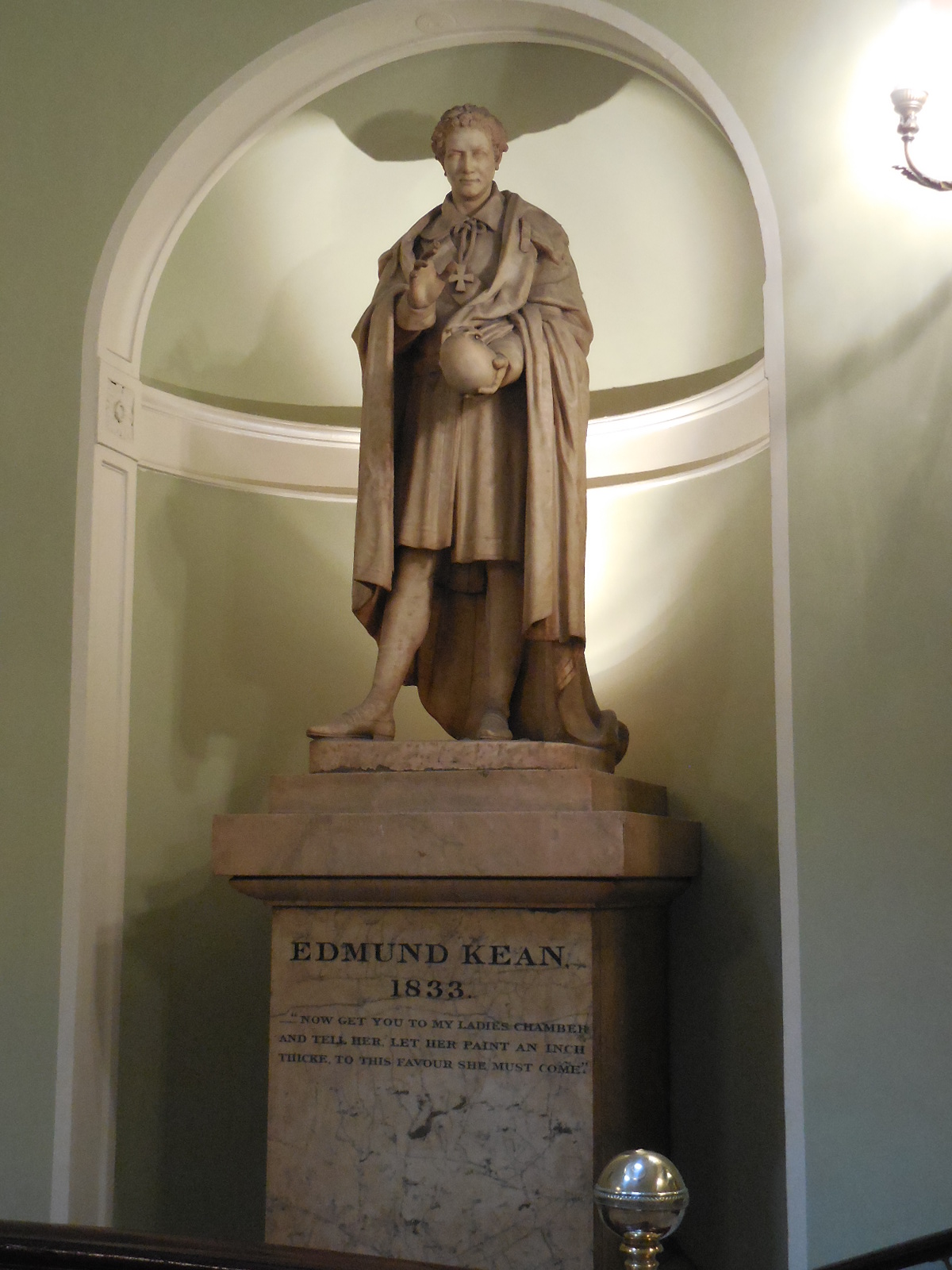
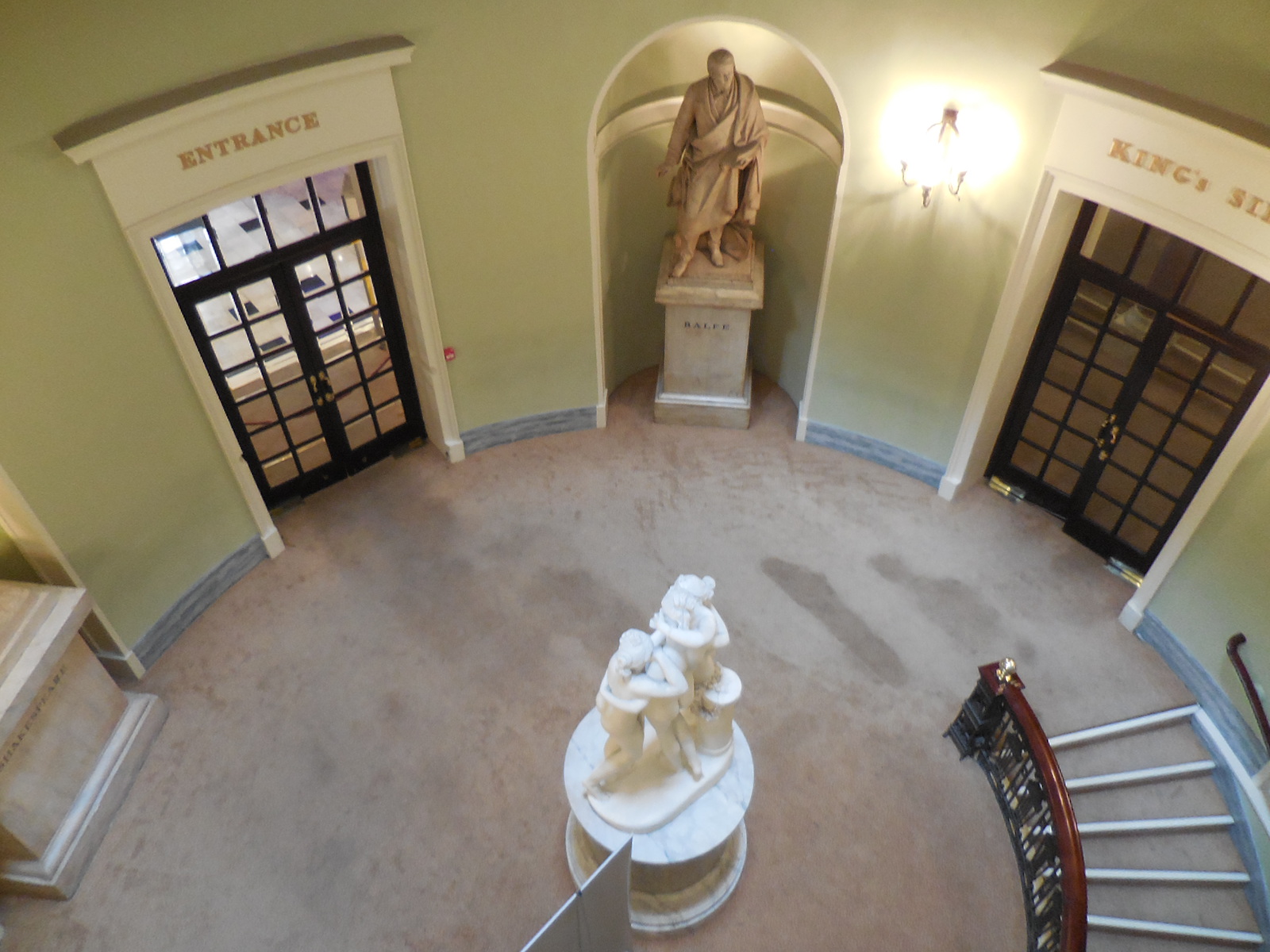
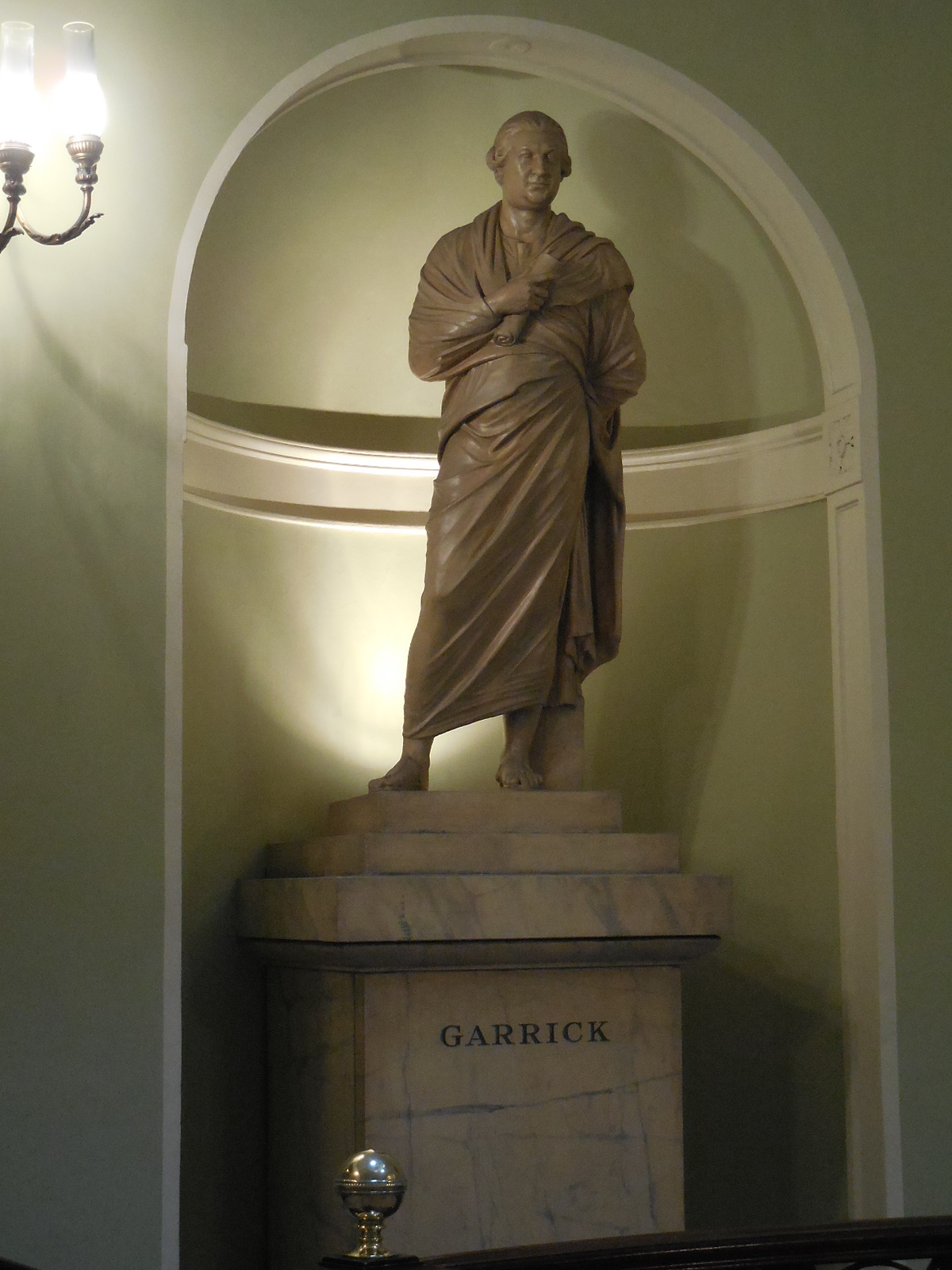
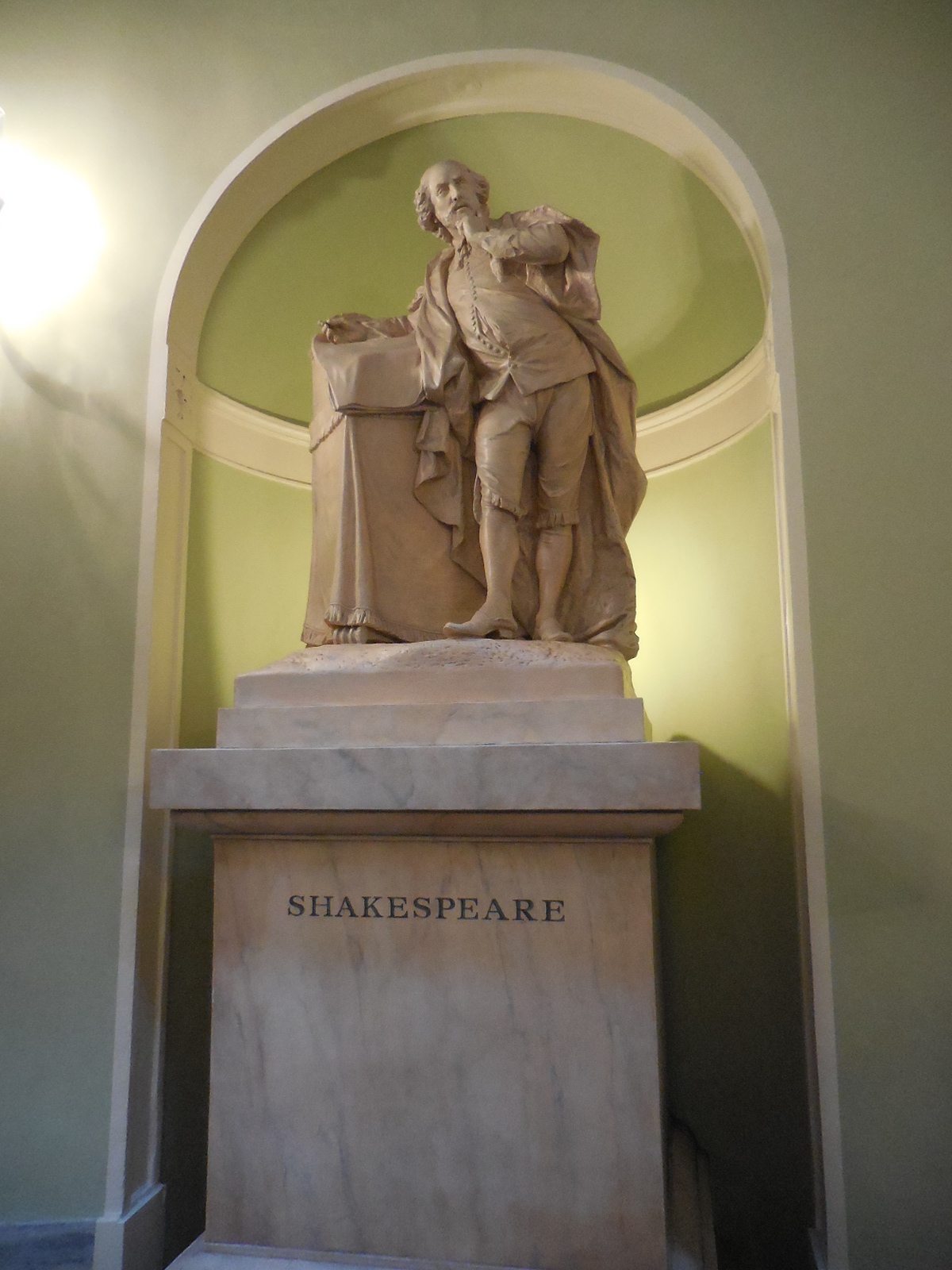
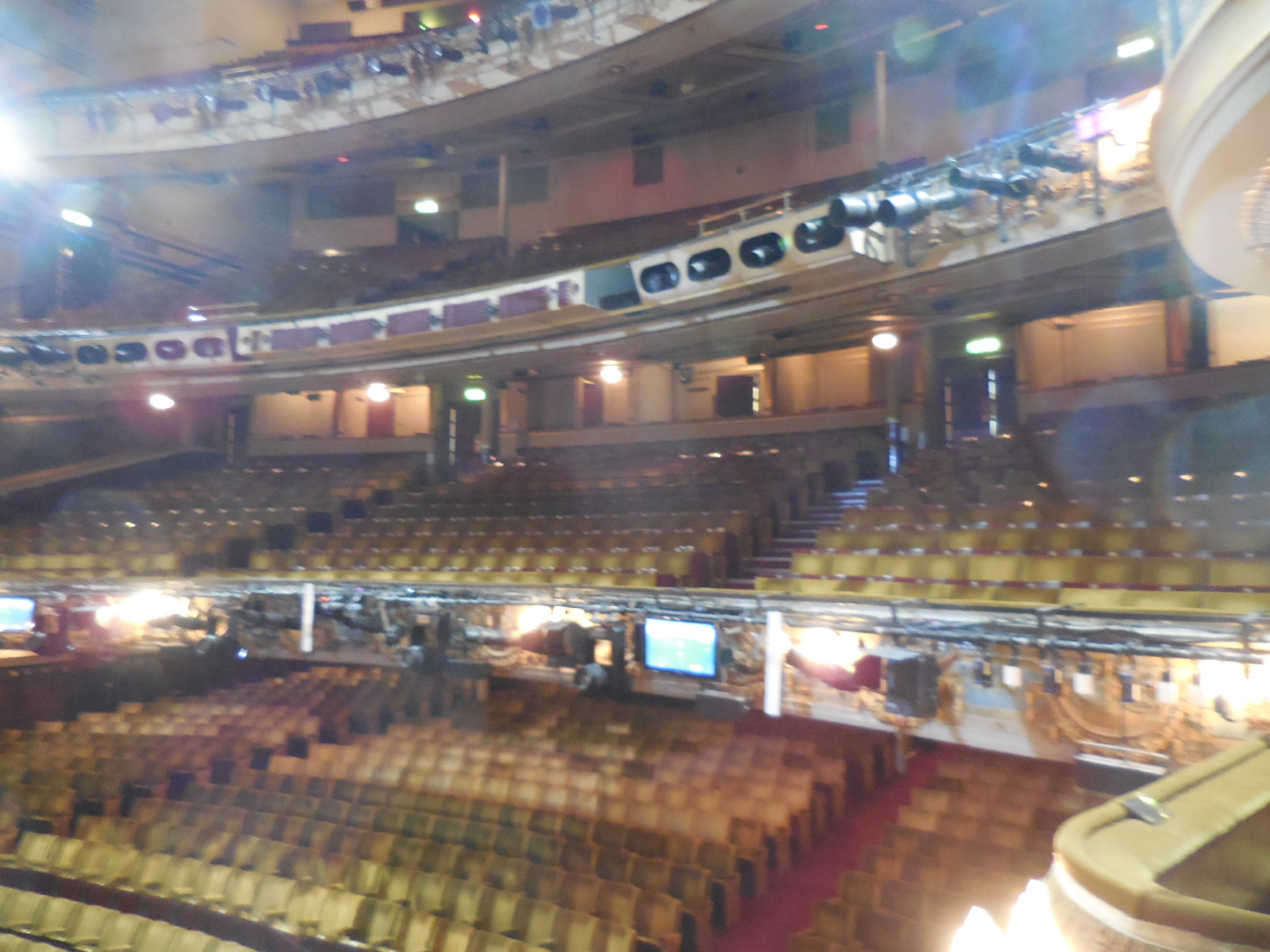
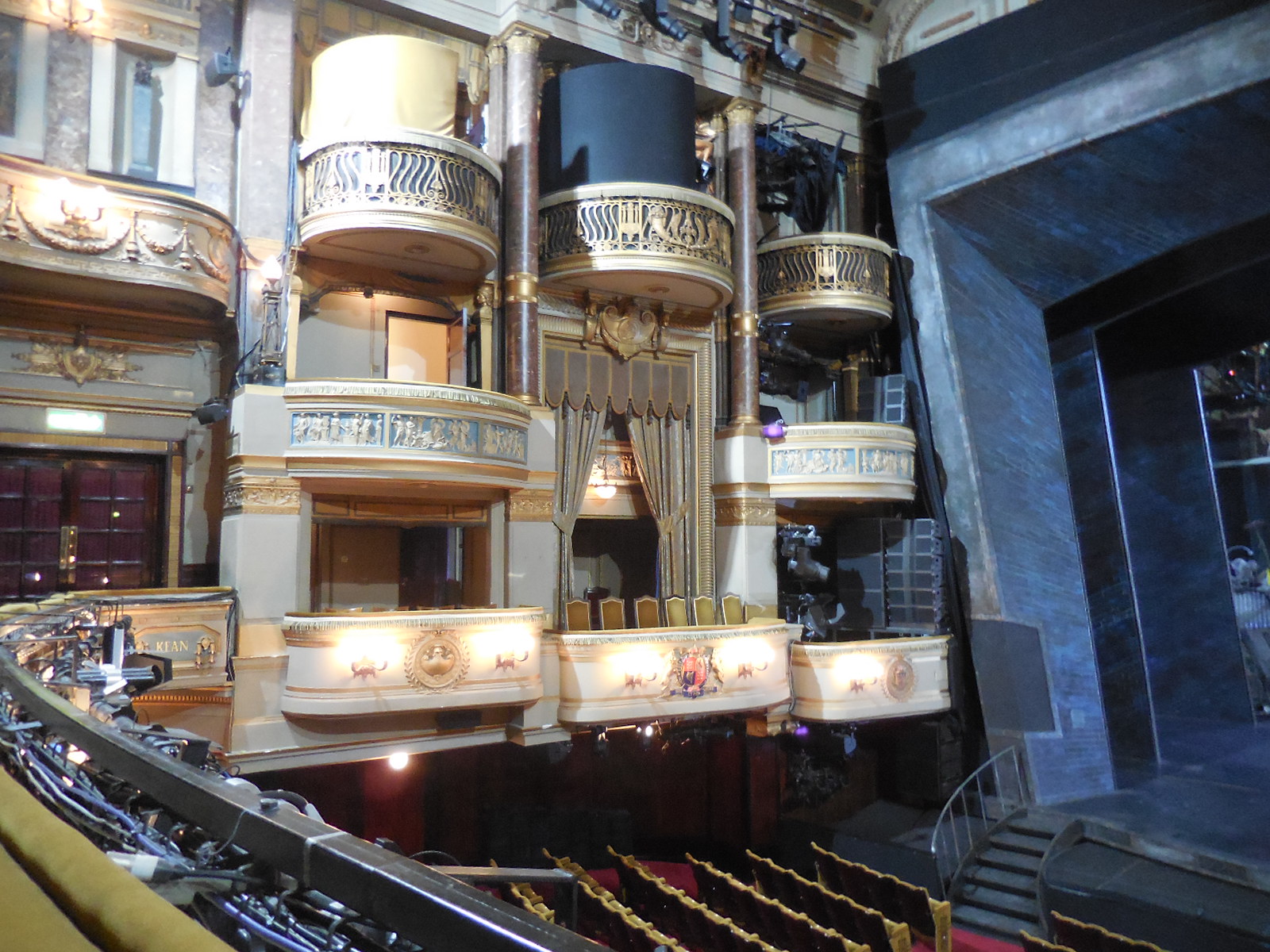
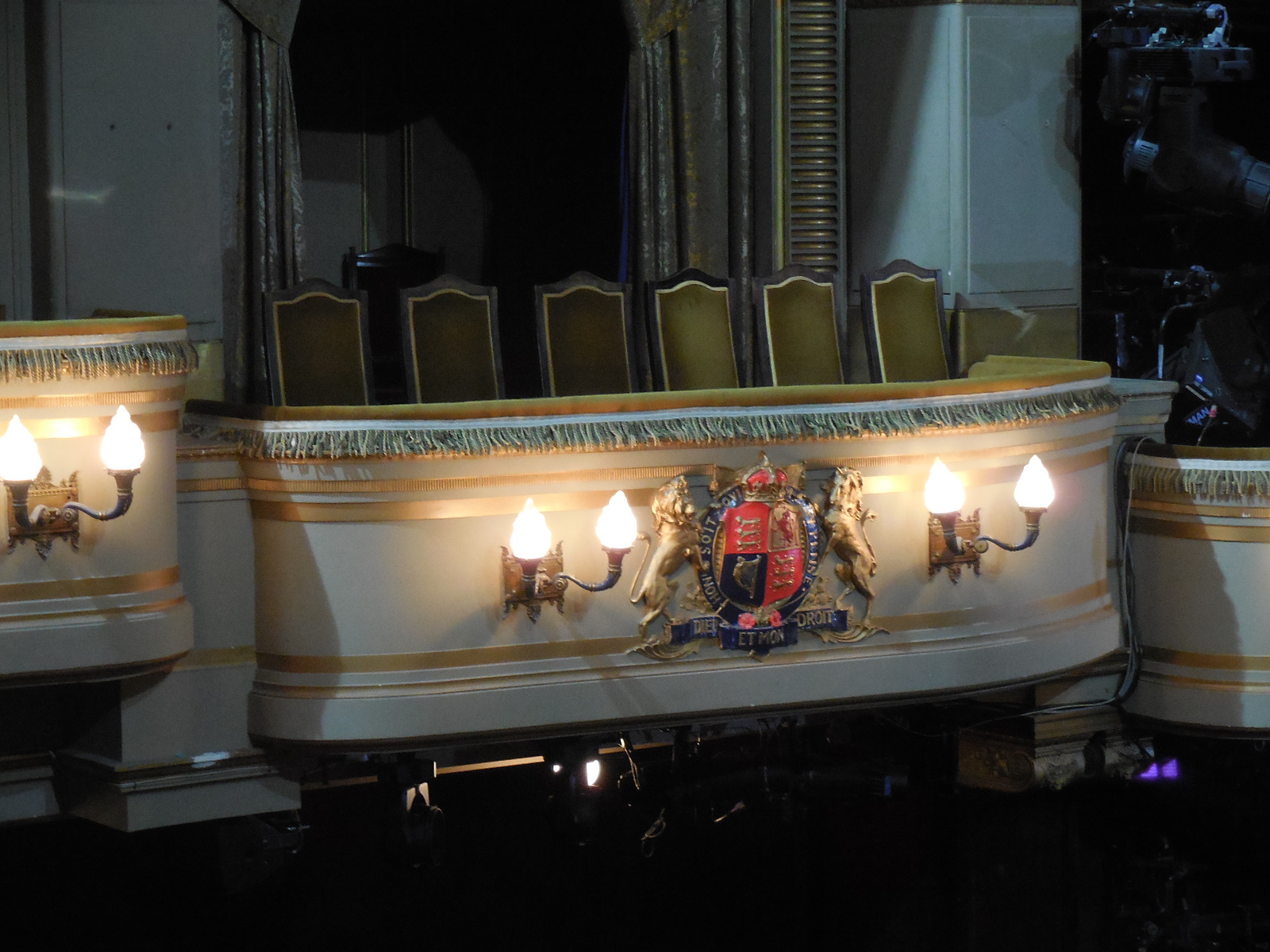
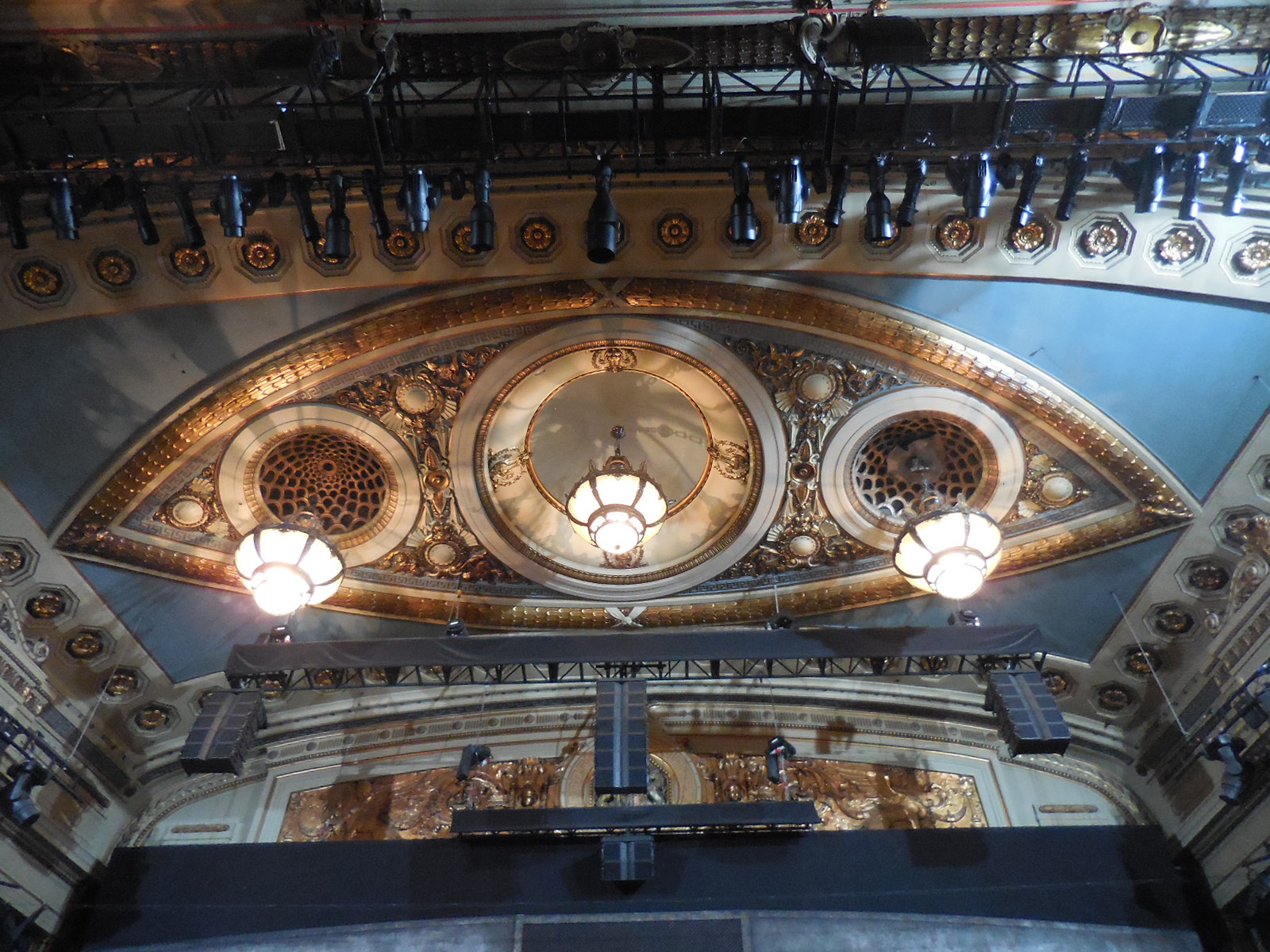
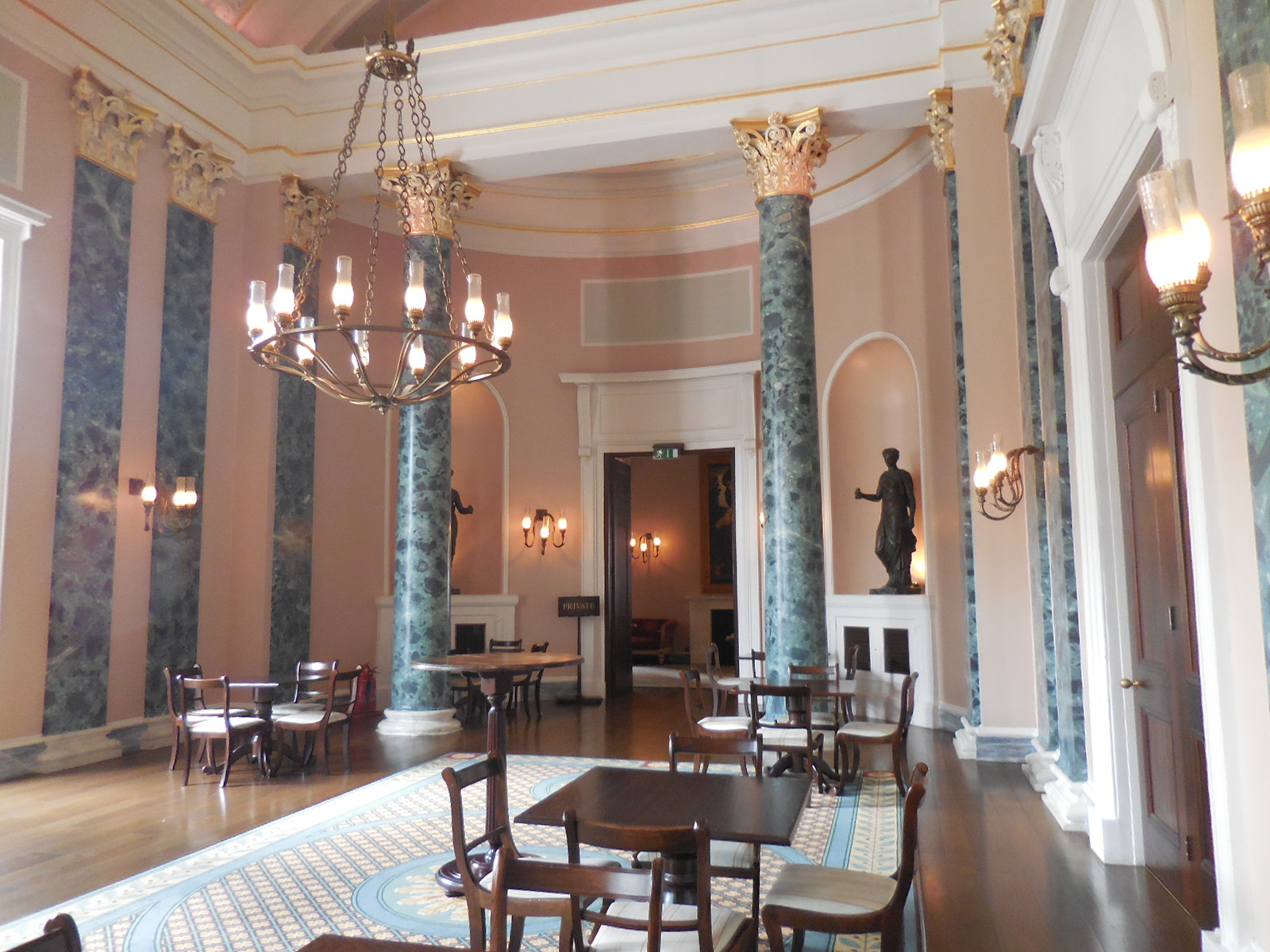
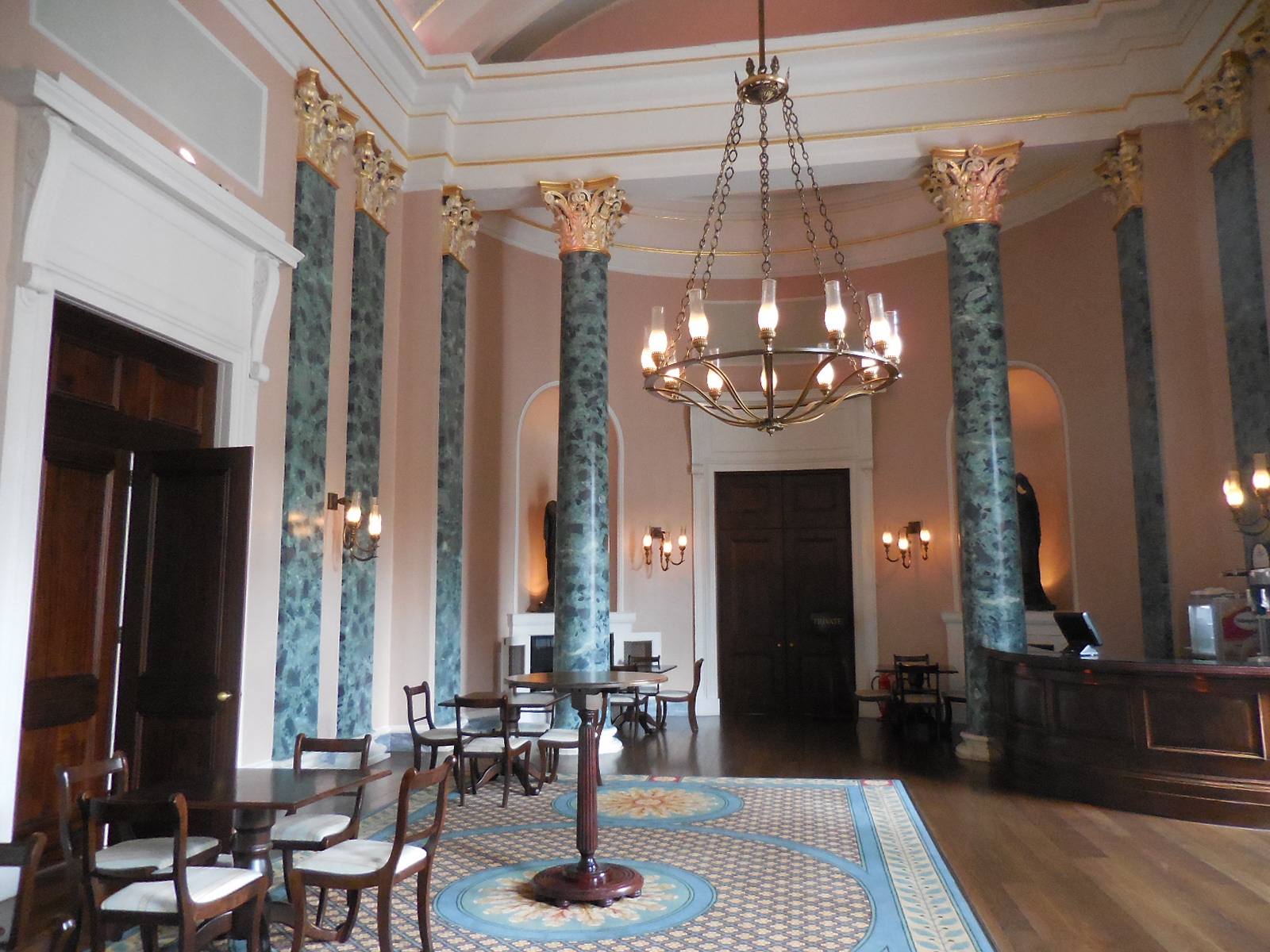
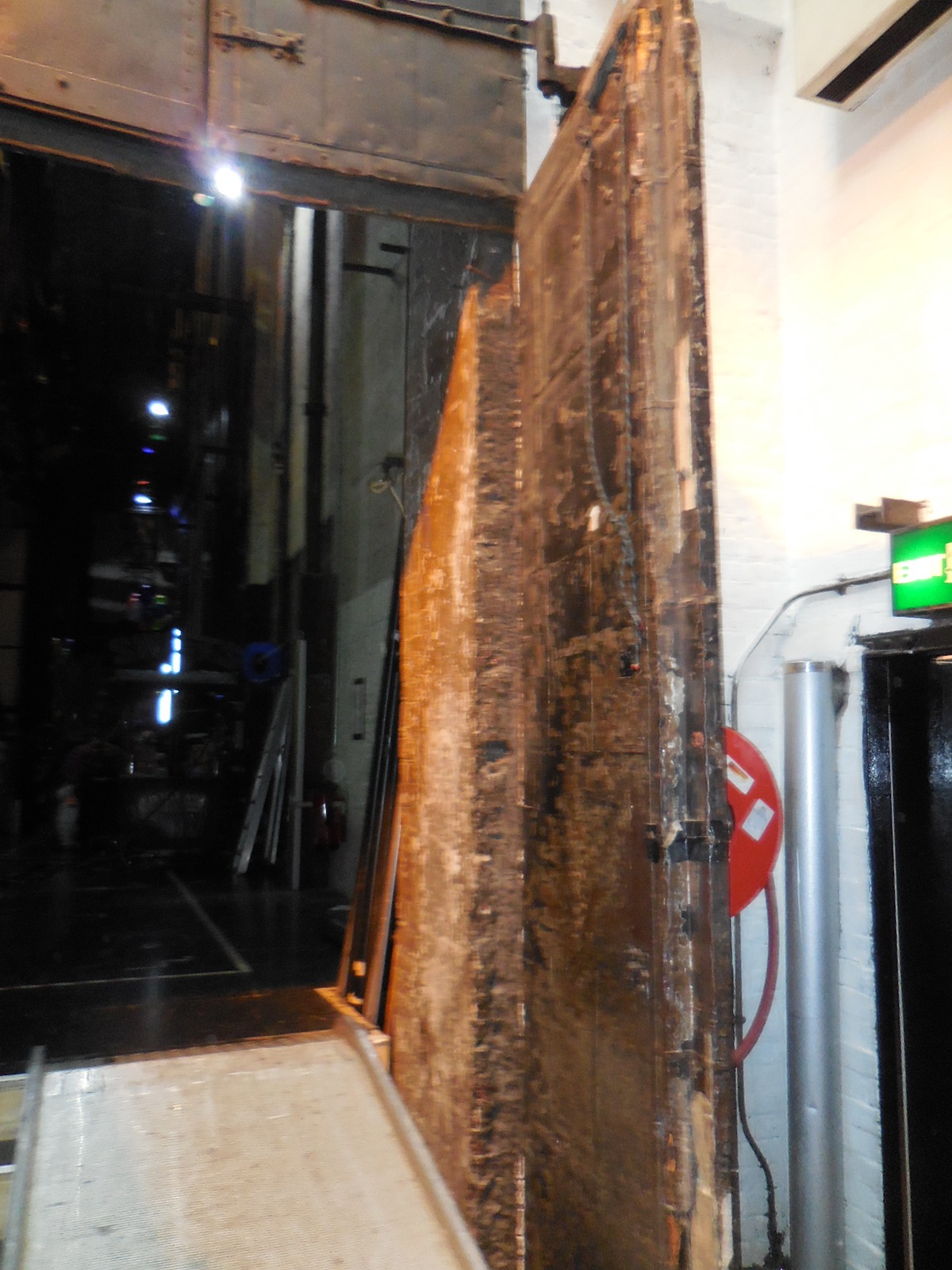
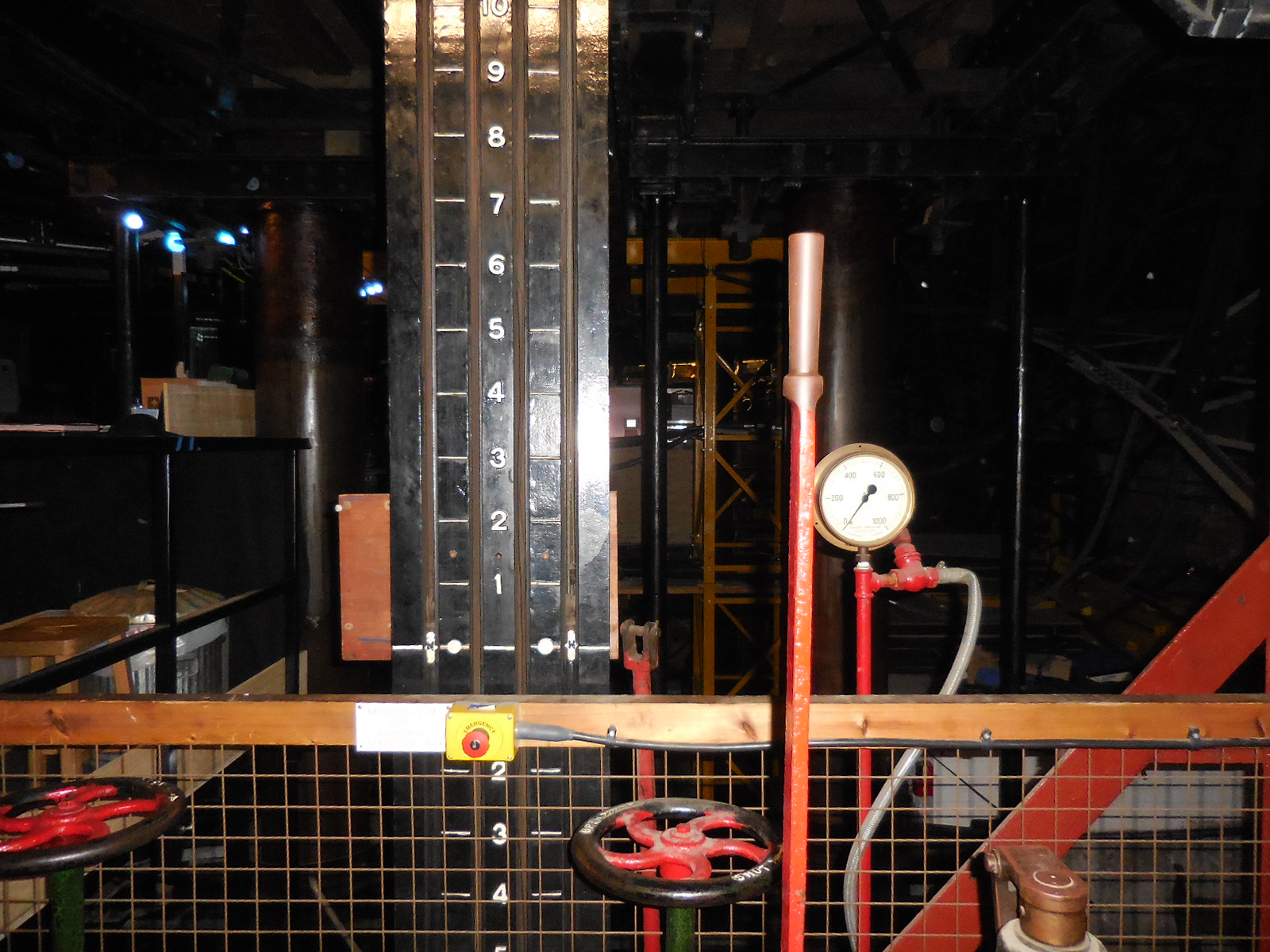
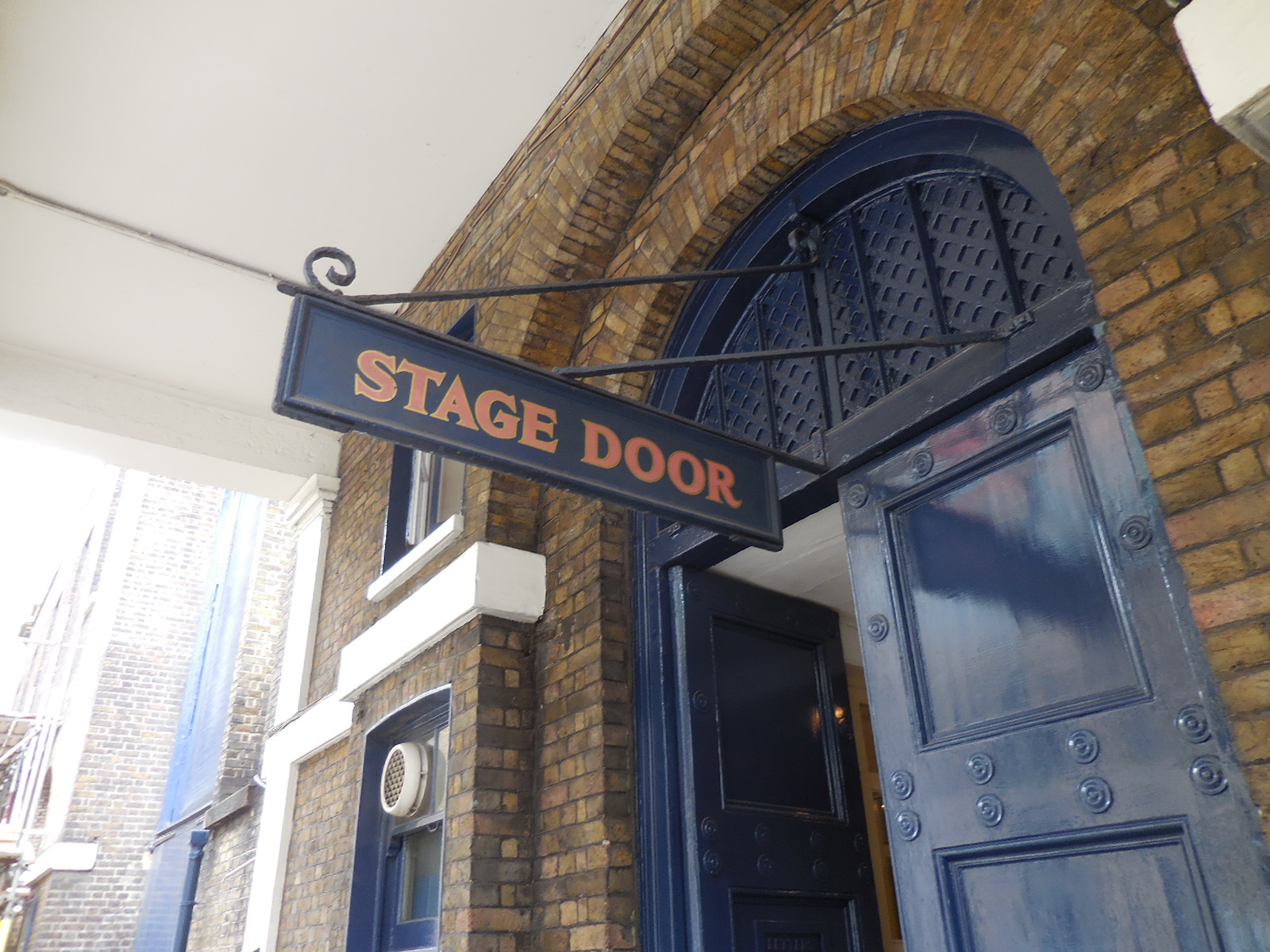
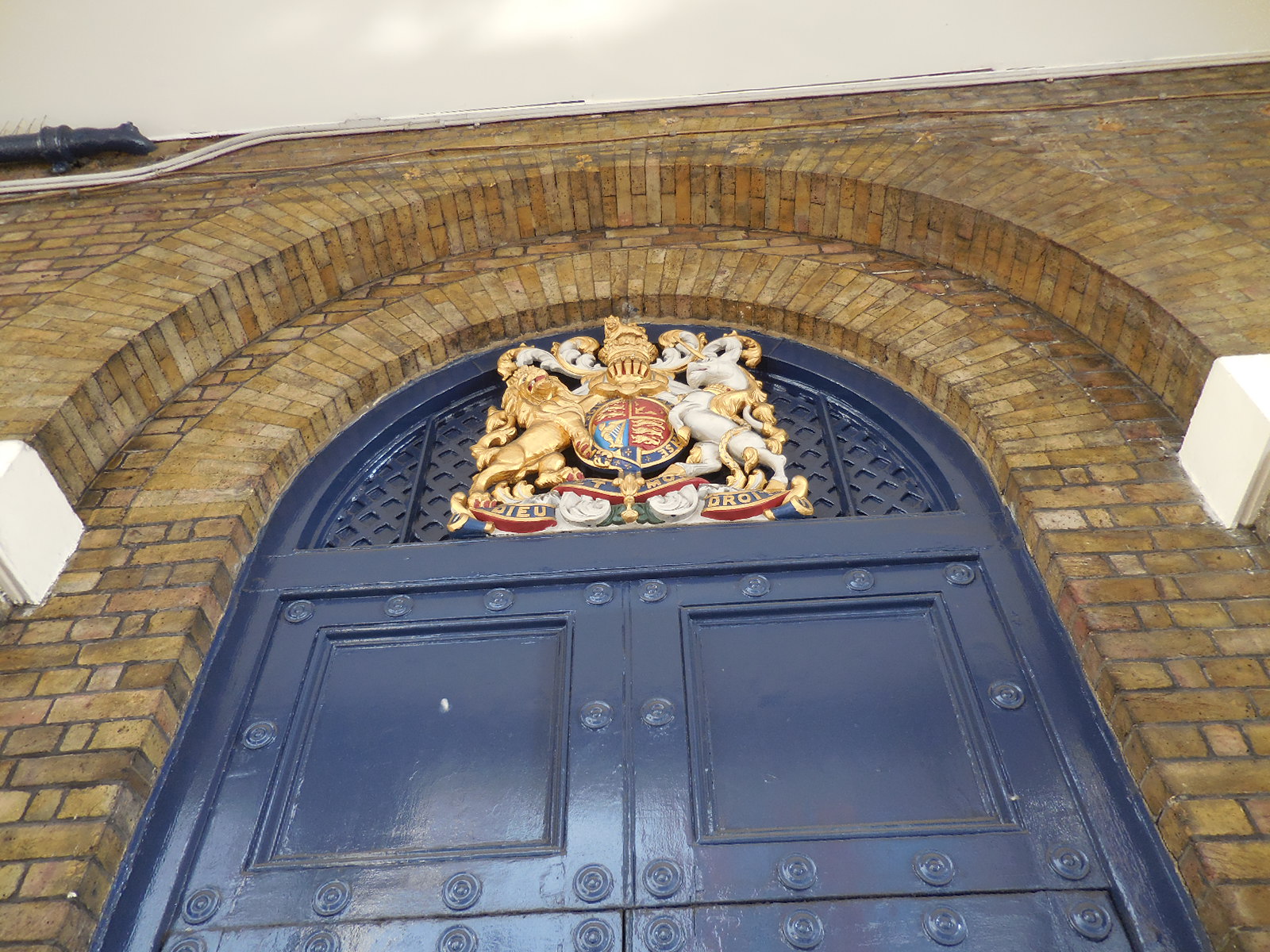
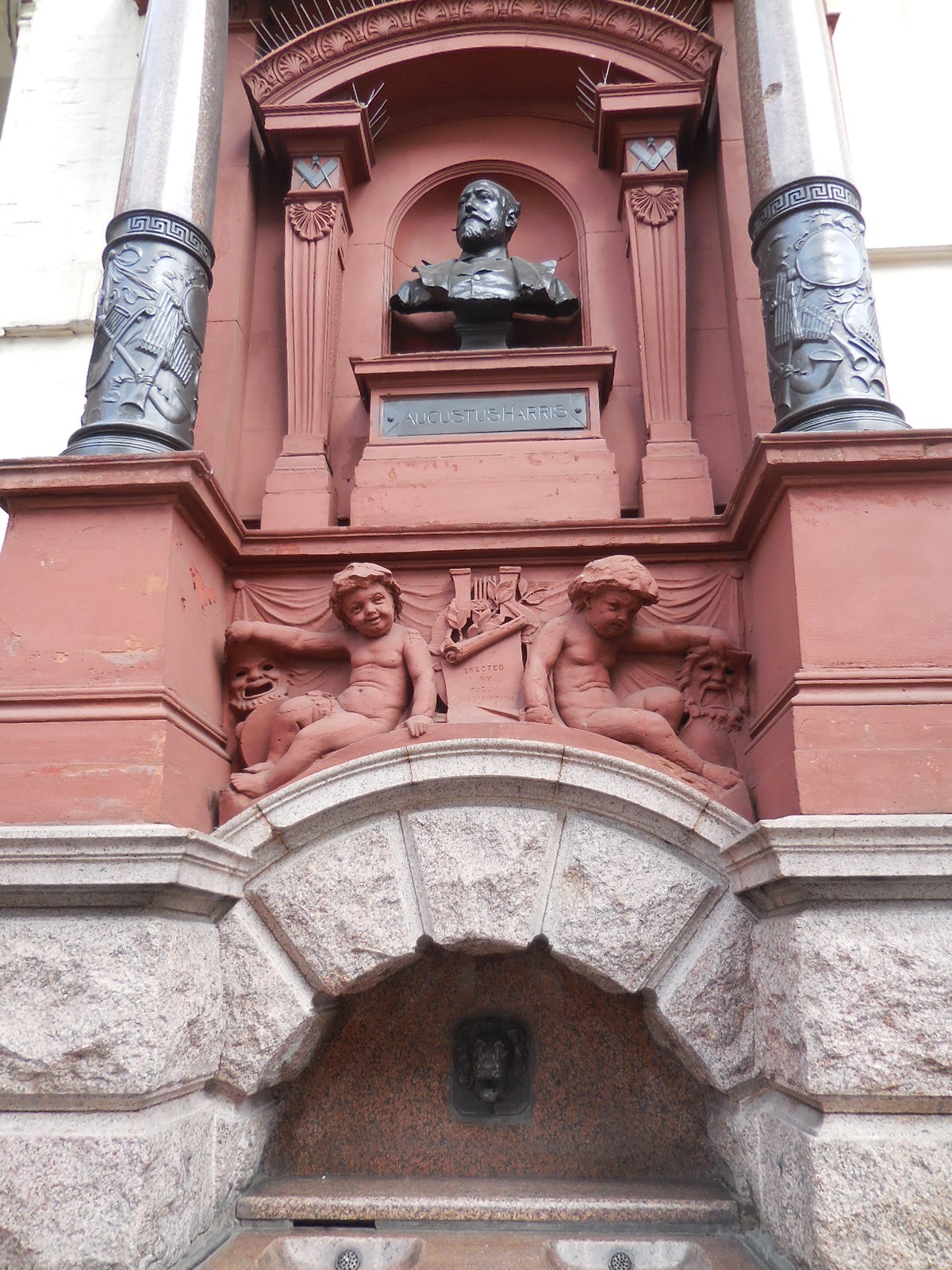
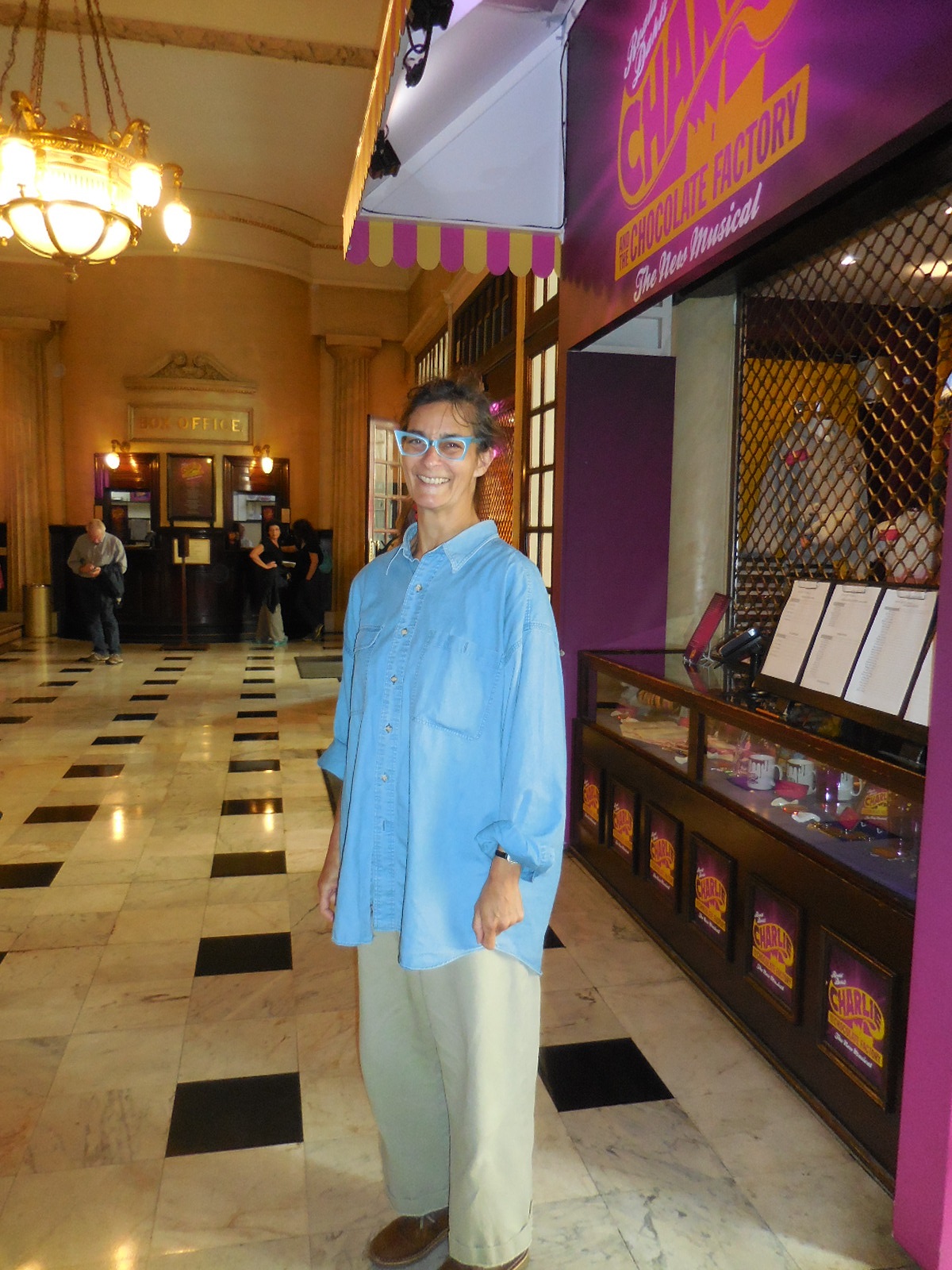
Victoria, here, reporting on the tour Kristine and I took of the theatre a few days after the conclusion of the Duke of Wellington Tour in September 2014. The Grade One Listed building claims to be the oldest theatre still in use in London.



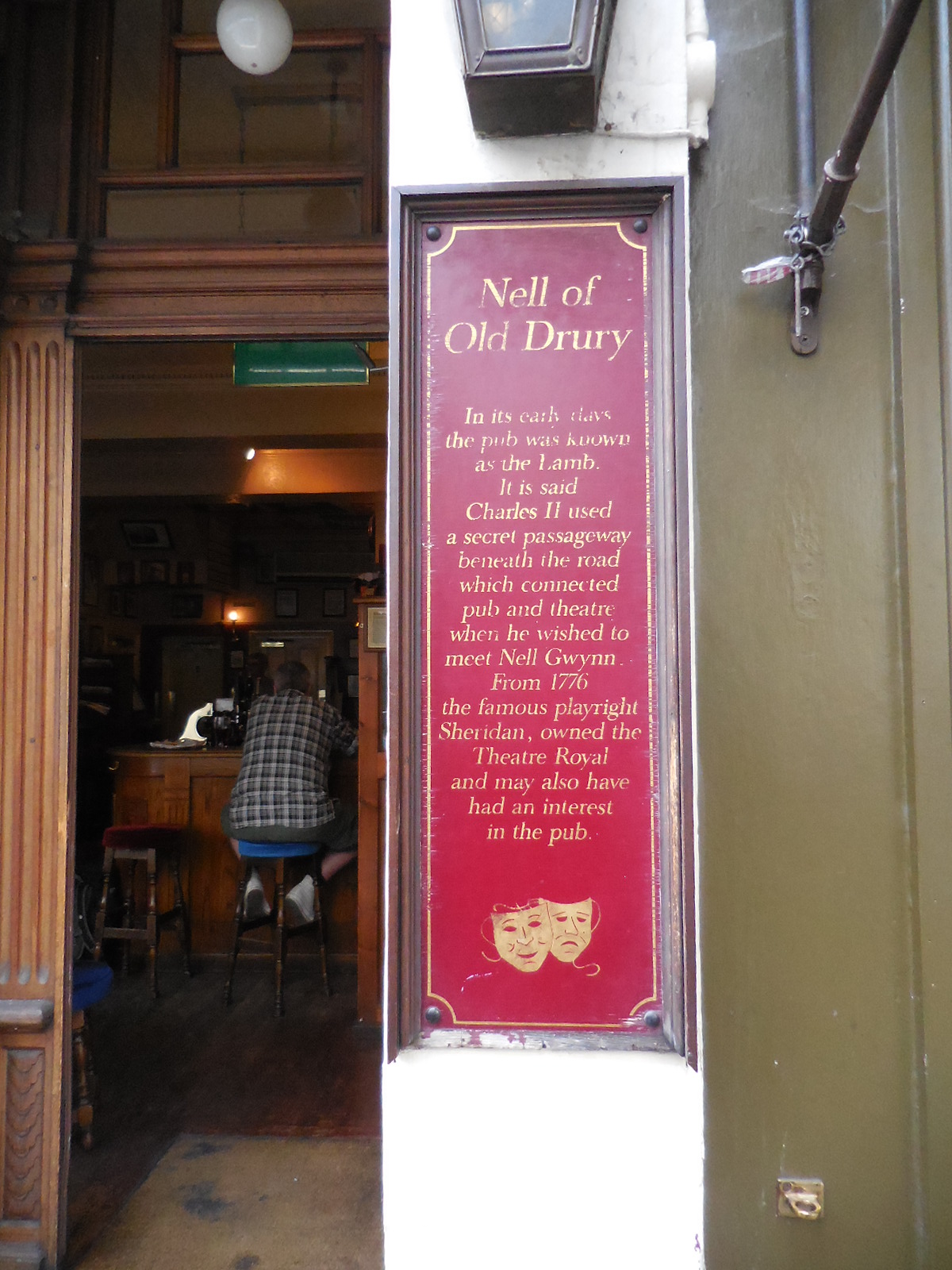
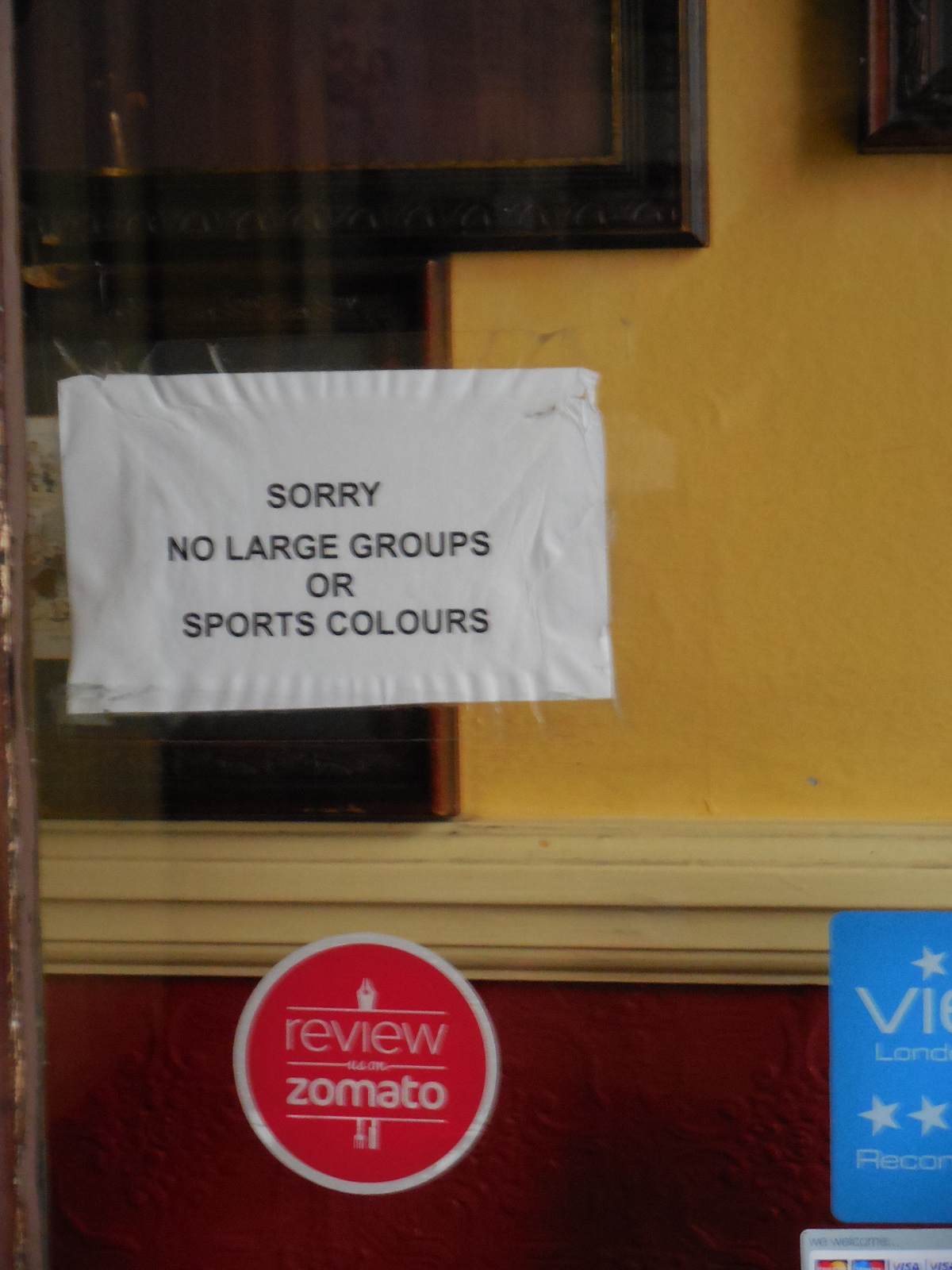
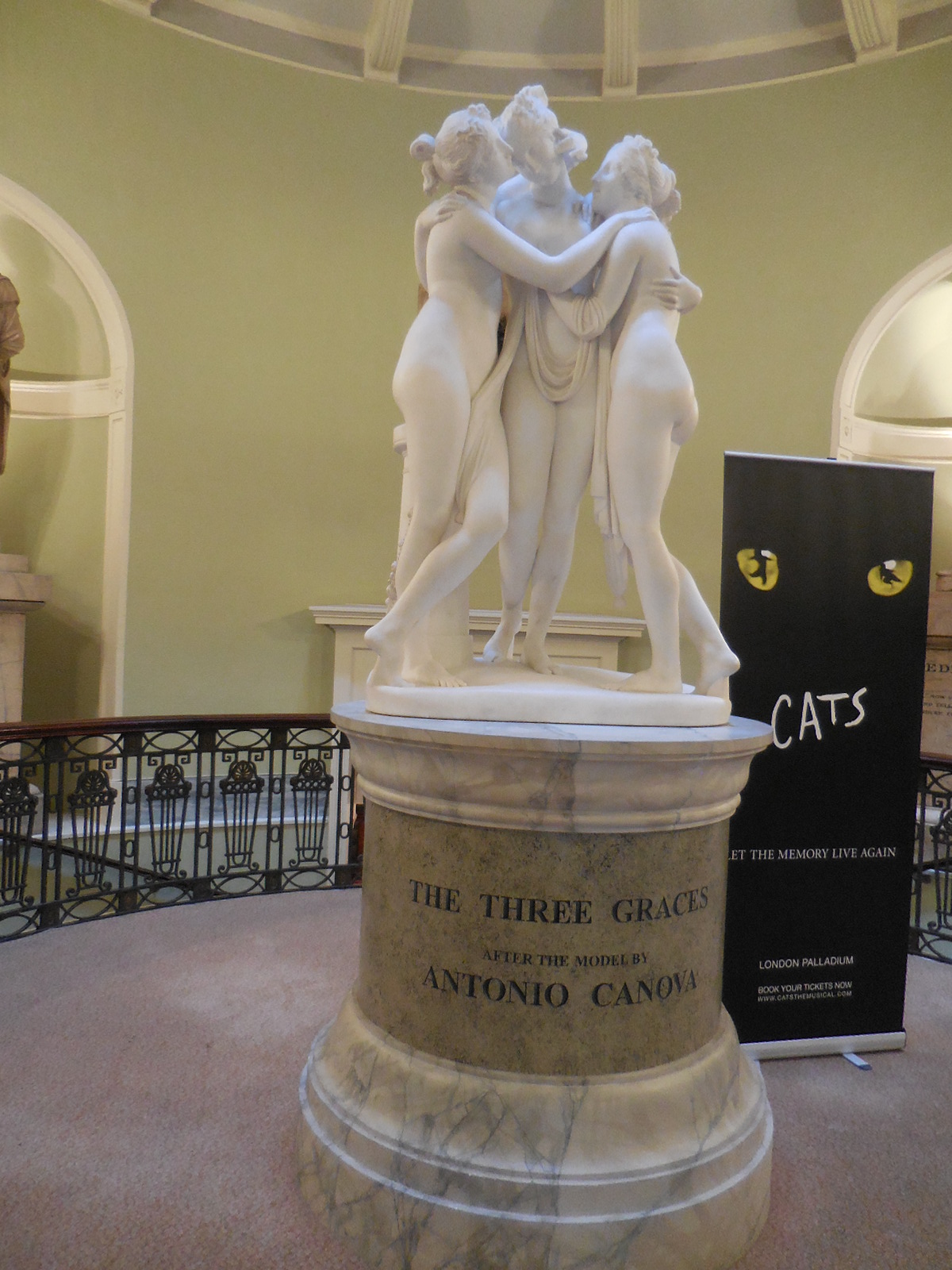
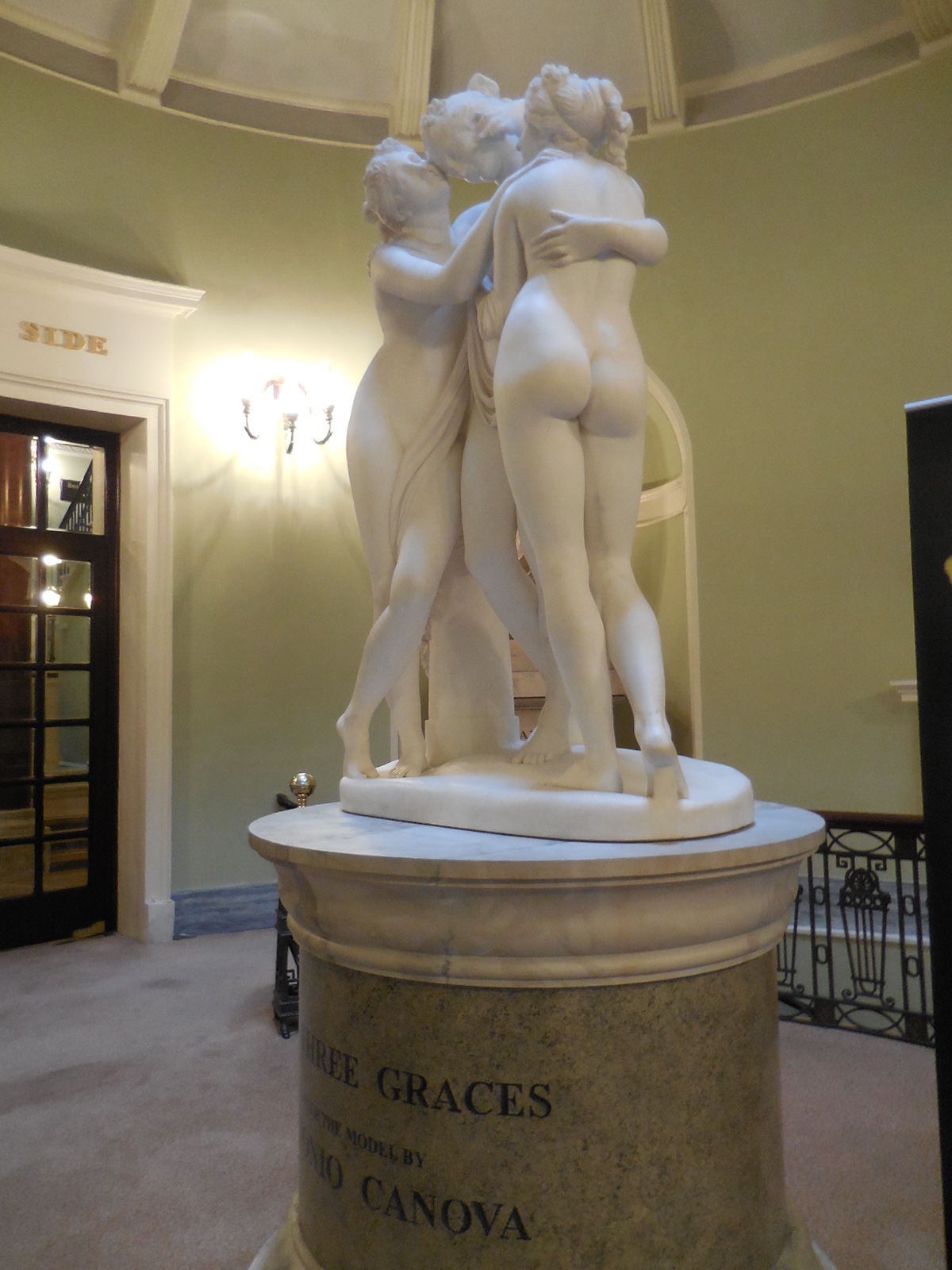
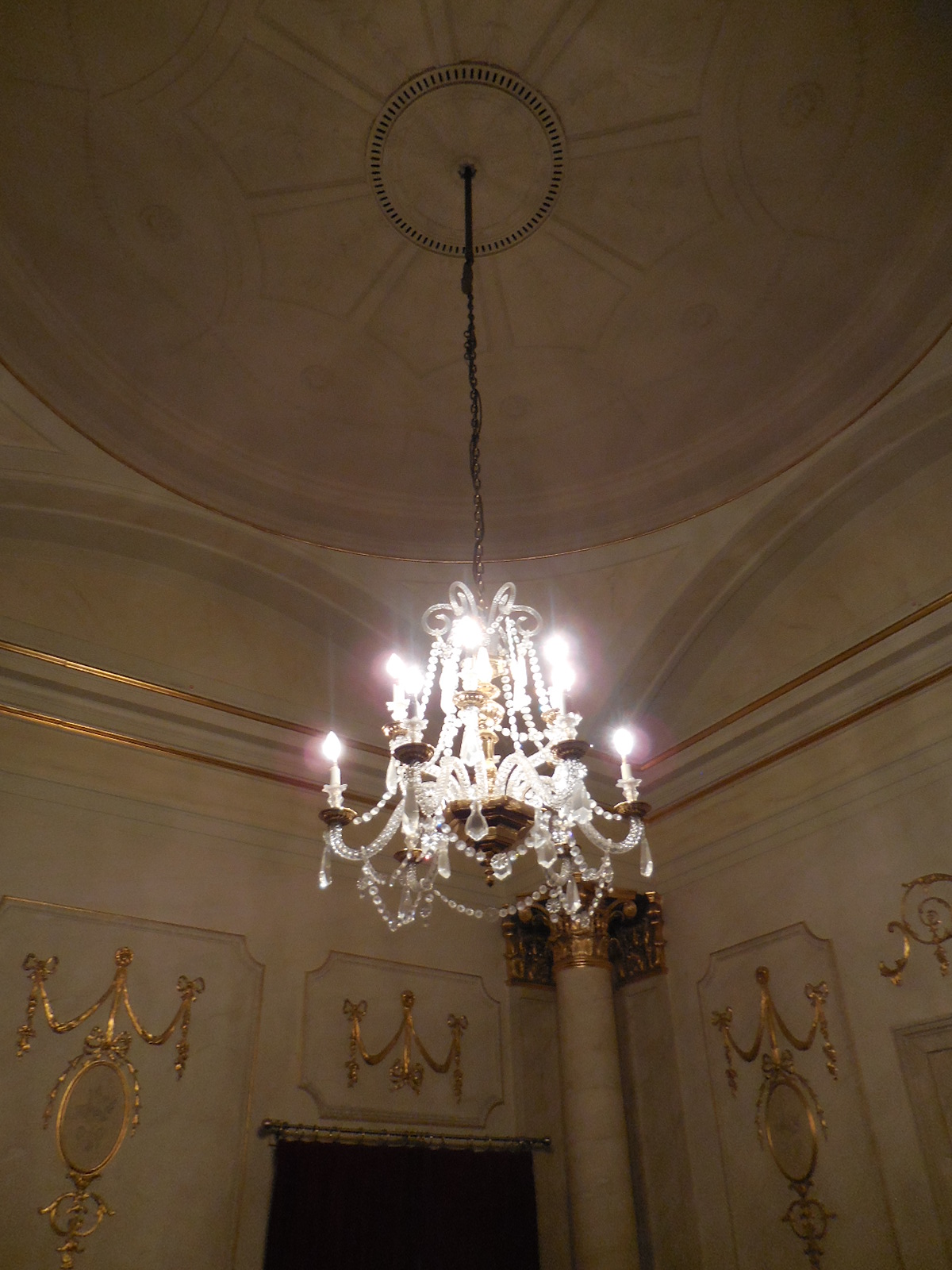
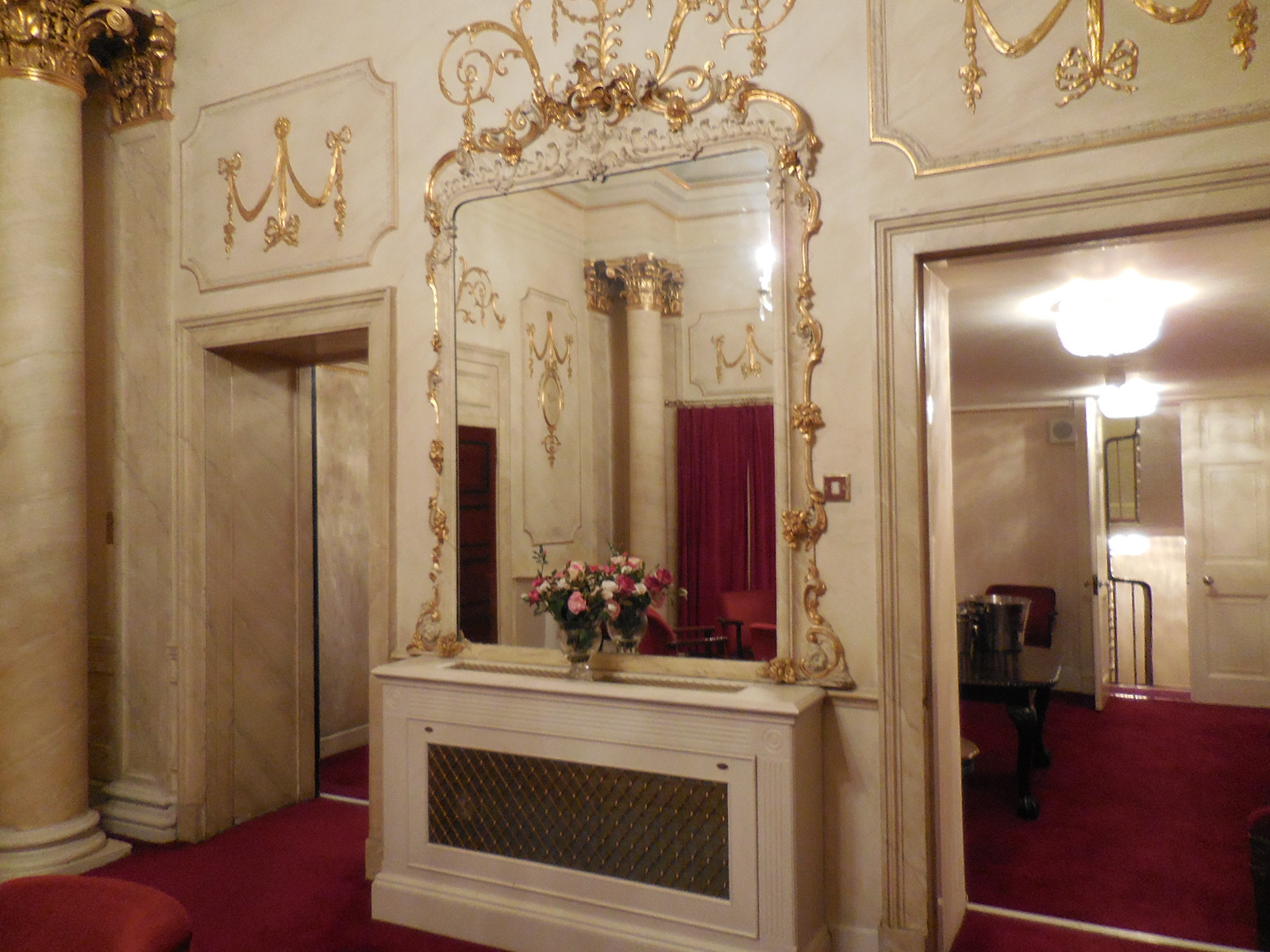
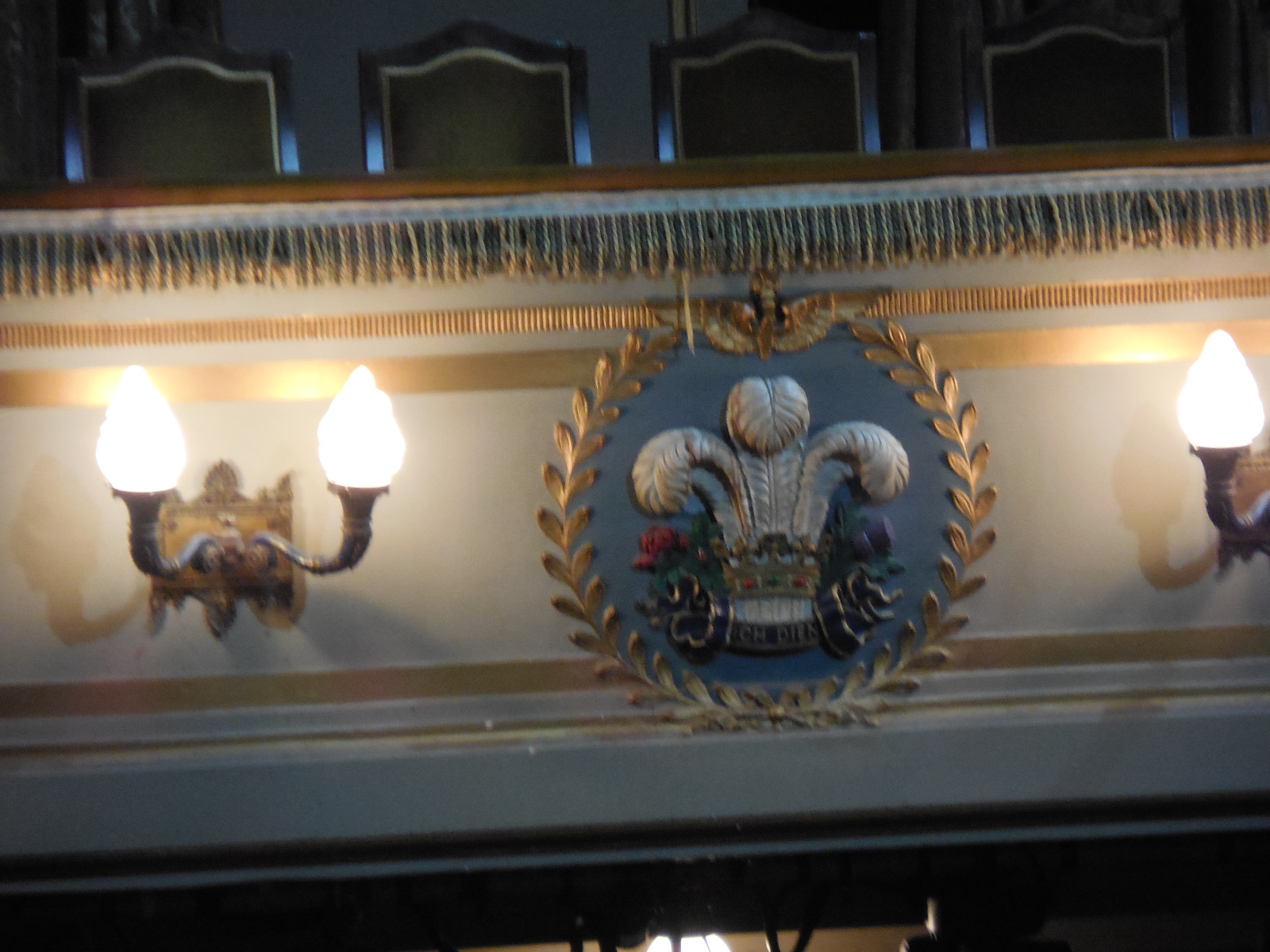
The inside of the theatre, the rotunda, lobbies, and bars are lavishly built and decorated, as befit the place to see and be seen.



HAPPY 90TH BIRTHDAY, YOUR MAJESTY
APRIL 21, 1926


Ninety years in ninety seconds: click here.

CHARLOTTE BRONTE BICENTENARY

Victoria here, wishing Happy 200th Birthday to Miss Bronte.

Among many other events planned for the bicentenary, the Bronte Society and Bronte’s home, the Haworth Parsonage Museum, are mounting an exhibition curated by Tracy Chevalier, here, entitled Charlotte Great and Small.

The National Portrait Gallery, London, will show Bronte items through August 15, 2016.

Charlotte, born April 21 1816, was the oldest of the Bronte sisters. Her most famous novel, Jane Eyre, was published in 1847; Charlotte used the pen name Currer Bell. One of the best-known works of English literature, it has been filmed many times with varying interpretations of both Jane and Rochester.
Personally, as a young person, I loved it, Then I came across an analysis which criticized the way in which Rochester dealt with his first wife, Bertha (madwoman in the attic); other women, including Jane; and how he and Jane cannot fulfill their love until he is maimed. Okay then…I changed my mind and I no longer care for it.
Plus I read a very interesting novel about the first Mrs. Rochester, her life in Jamaica, and her mental disturbances. Out in 1966, Wide Sargasso Sea written by Jean Rhys, is a disturbing story involving British plantation owning families, their slaves, and the dangerous, disease-laden life on the island. It also has been filmed.

A further chapter in my personal encounter with Jane Eyre came some years ago when Kristine and I visited Norton Conyers, a decaying country house in North Yorkshire. According to its website, “The discovery in 2004 of a blocked staircase connecting the first floor to the attics and clearly mentioned in the novel, aroused world-wide interest in Norton Conyers and confirmed it as a principal original of ‘Thornfield Hall’.”
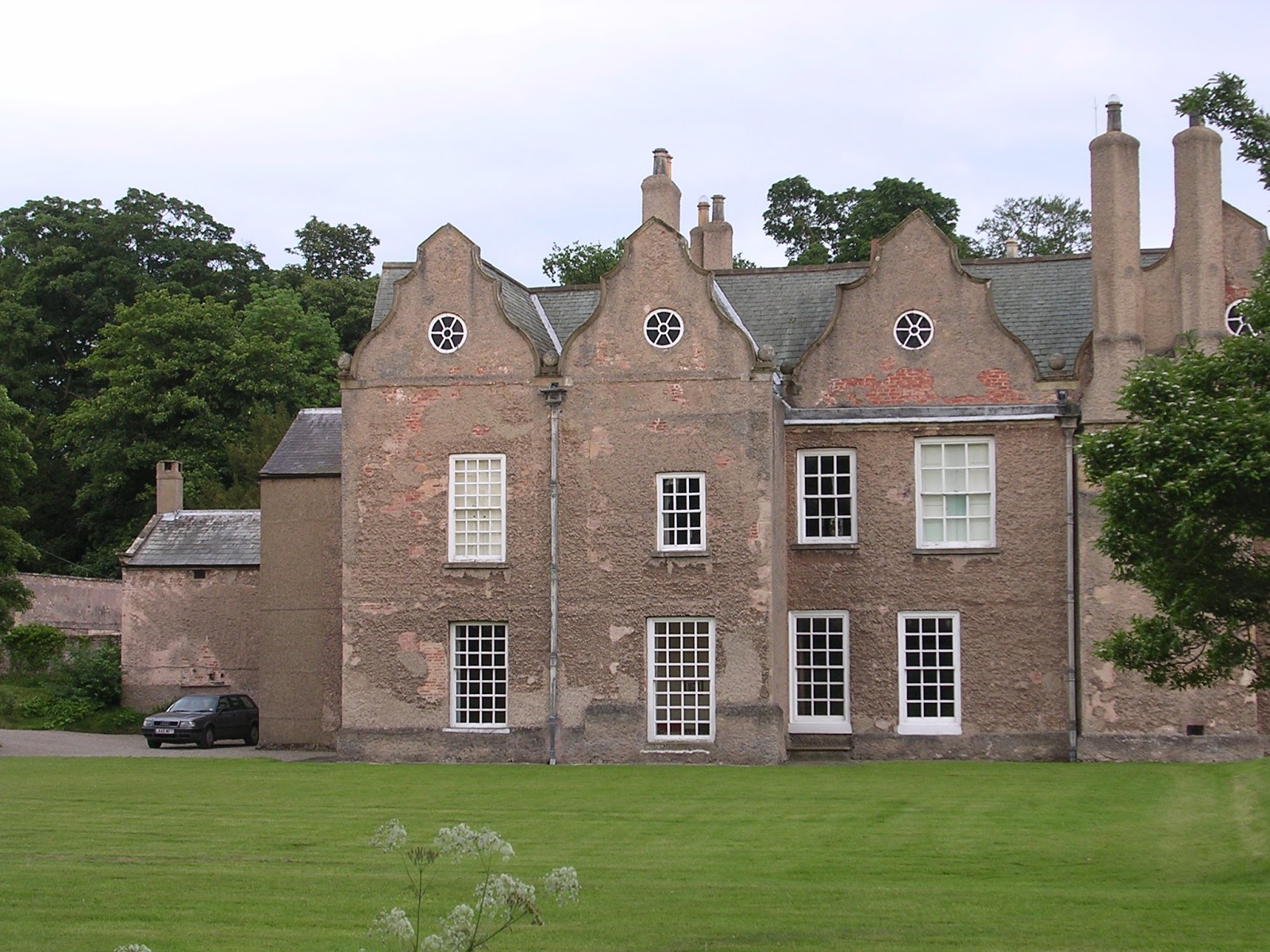
The owners welcomed our little group, told us about the history of the very old house, probably dating back to before the 15th century. But it might be most famous for the story of how Charlotte Bronte, then a governess nearby, visited the house. For now lost reasons, a madwoman had been imprisoned in the attic, giving Charlotte ideas for the story of Jane Eyre.
They invited us to go upstairs and take a look, so we clambered up to the very dusty and cobwebby attic to see the place supposedly occupied by the madwoman.


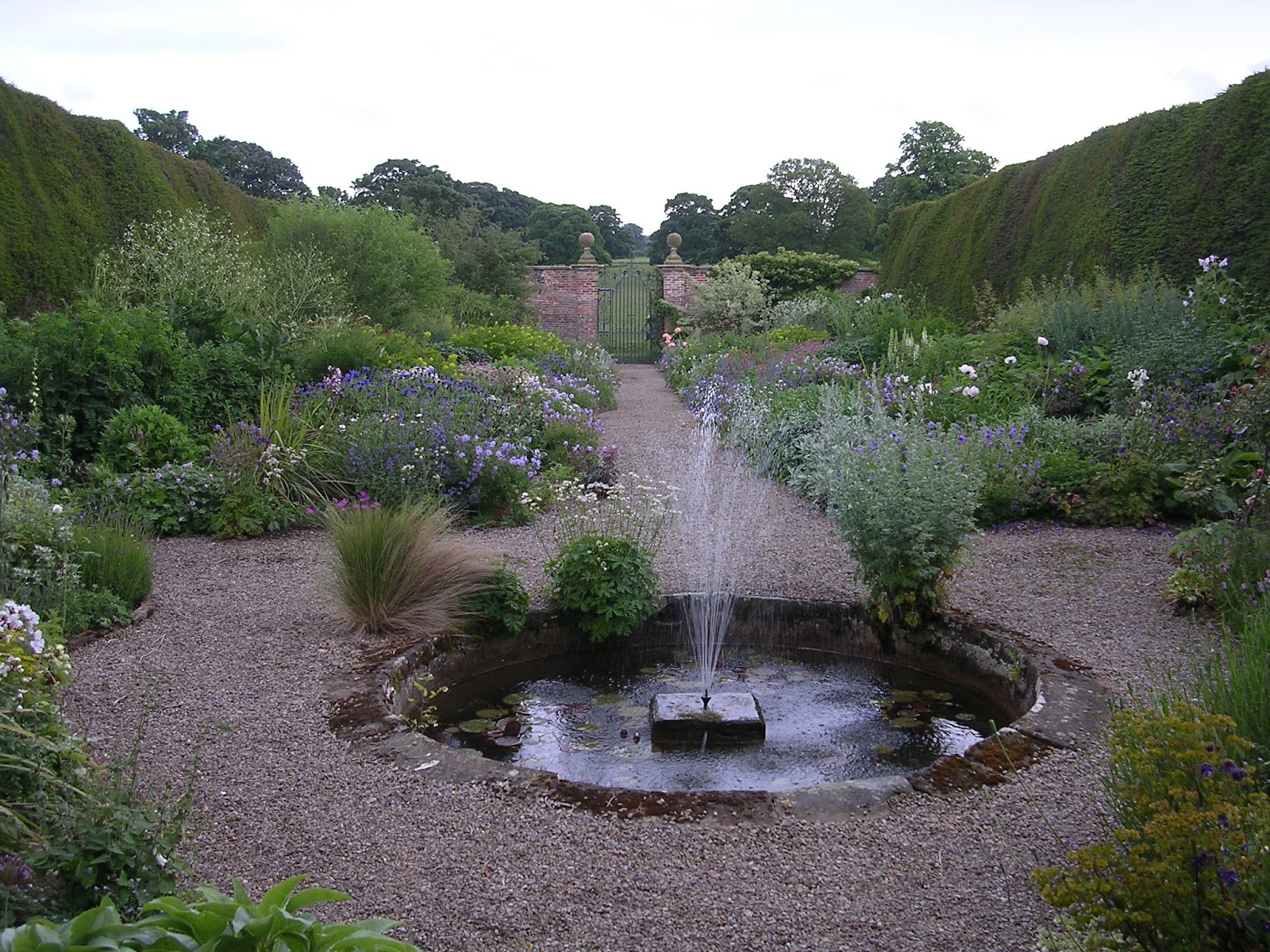
The gardens at Norton Conyers are beautiful, probably even more so because they have gone a little wild. The grounds are sometimes used for weddings.


Irish-born Patrick Bronte (1777-1861), father of the six Bronte children, survived all of them, as well as his wife. They lived in Haworth, where he was curate of St, Michael’s and All Angels Church. Set amidst the moors, the town even today has a dreary and dismal atmosphere. When I visited, I couldn’t wait to get away. No wonder all the children suffered ill health and most died young.
Charlotte Bronte wrote poetry, several other novels, most notably Shirley (1849) and Villette (1853). Anne wrote as well, primarily The Tenant of Wildfell Hall. Emily is most famous for Wuthering Heights, another novel I once admired until I realized how abusive Heathcliff was.
After the deaths of all her siblings, Charlotte accepted a marriage proposal from Arthur Bell Nichols in 1854, but she lived only a short time after the wedding.
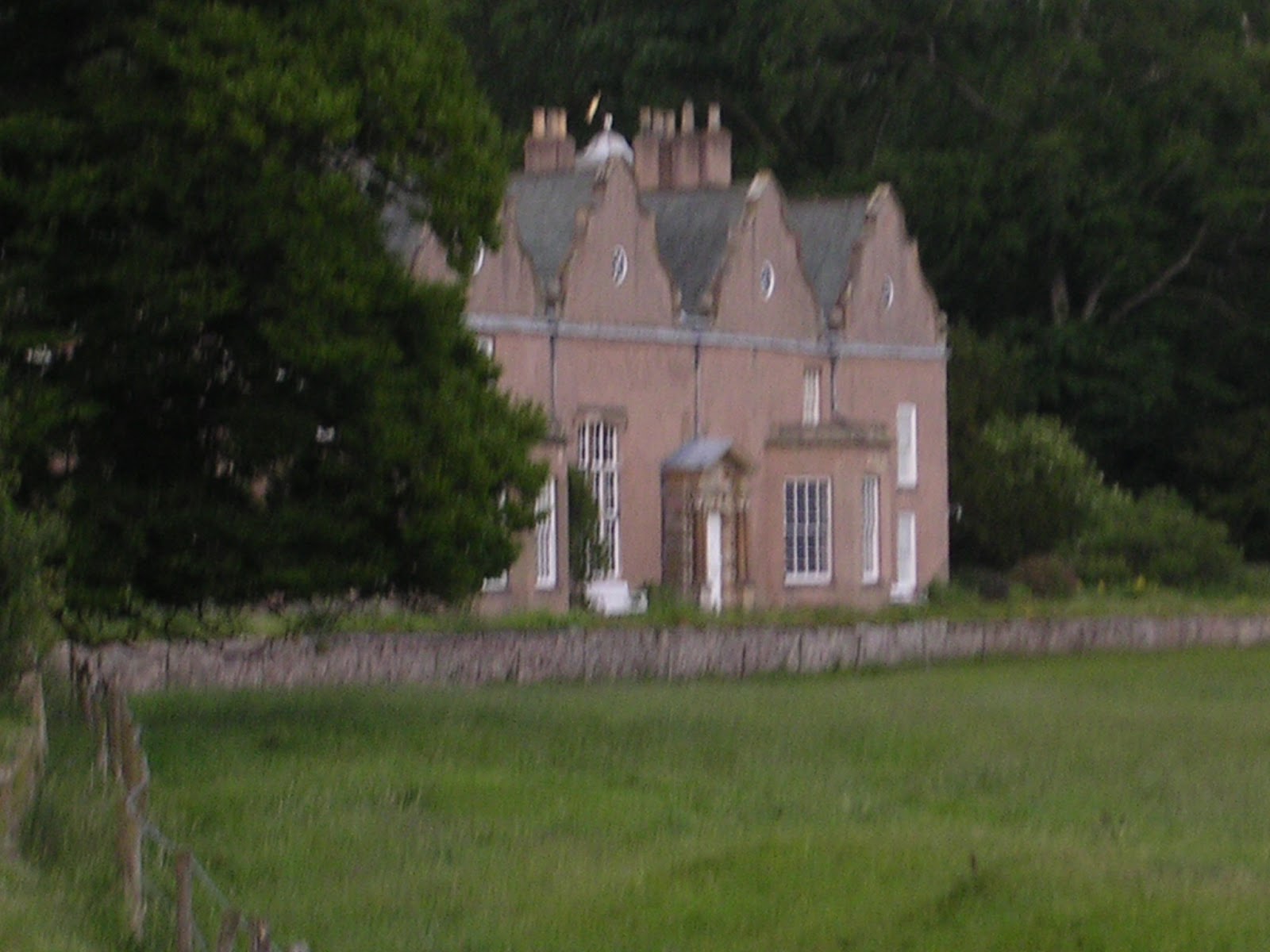
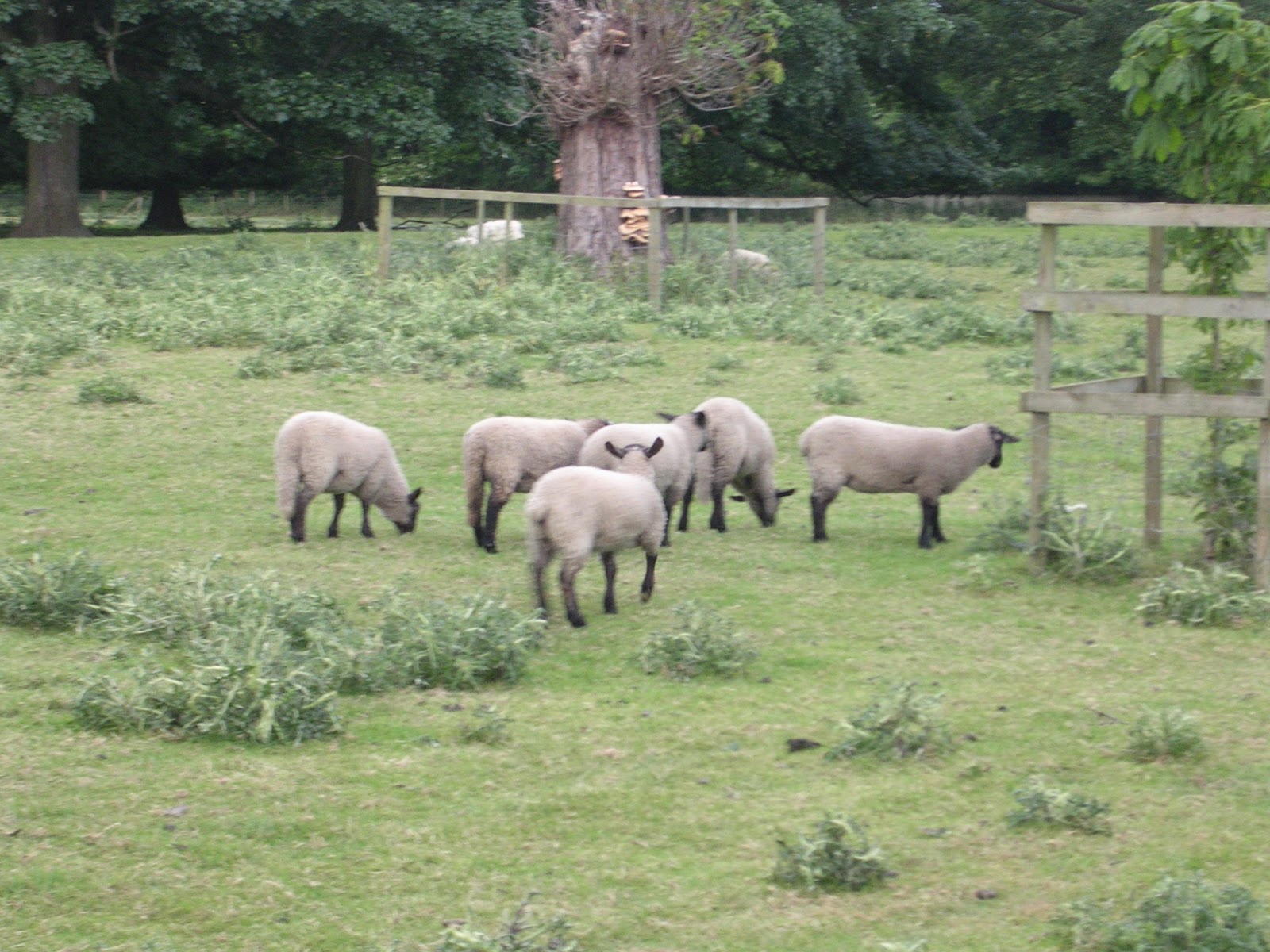
To cheer you, a few more pictures from Norton Conyers.


THE PLAGUE VILLAGE OF DERBYSHIRE
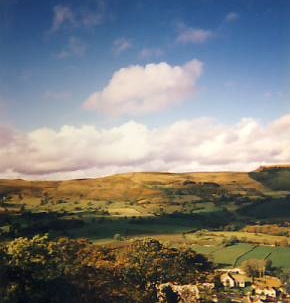
Victoria here, reporting on a a wonderful book I read recently, chosen for one of my book groups. The author Geraldine Brooks, who has written several novels in addition to her career as a reporter in some of the world’s most dangerous locales, gives us a fictionalized account of real events in the village of Eyam in Derbyshire in 1665-66.

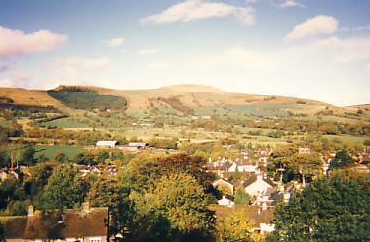
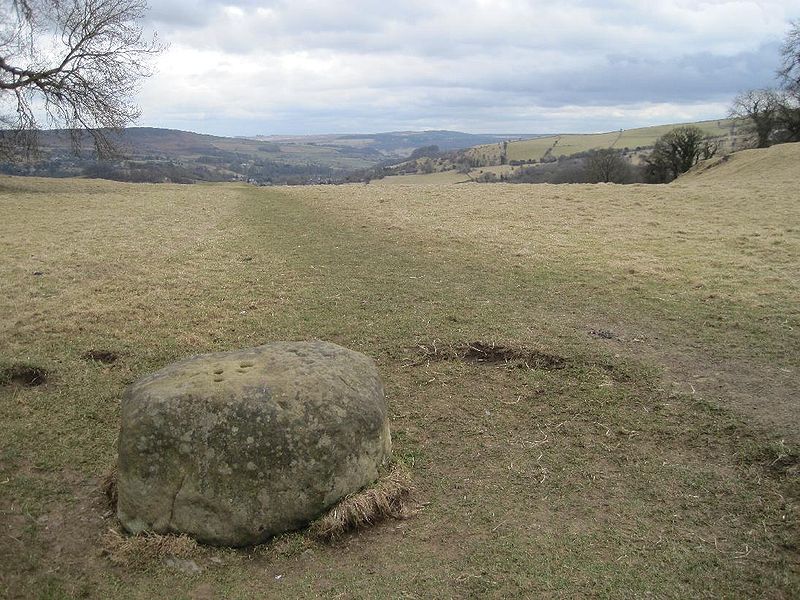
A friend and I visited Eyam on a whirlwind tour of the region a few years ago. We were fascinated with the story of the community which quarantined itself to protect the neighboring villages and thus may have save the entire nation from a wider tragedy.
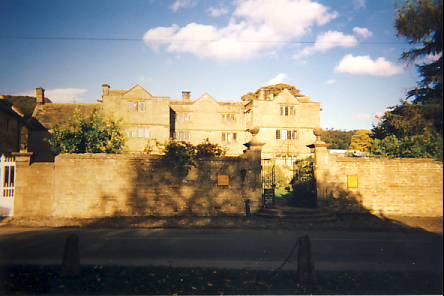
Though I hadn’t realized it at the time, Eyam Hall, below, actually dates from the years just after the plague ended.

POST-TOUR THREE LONDON SQUARES
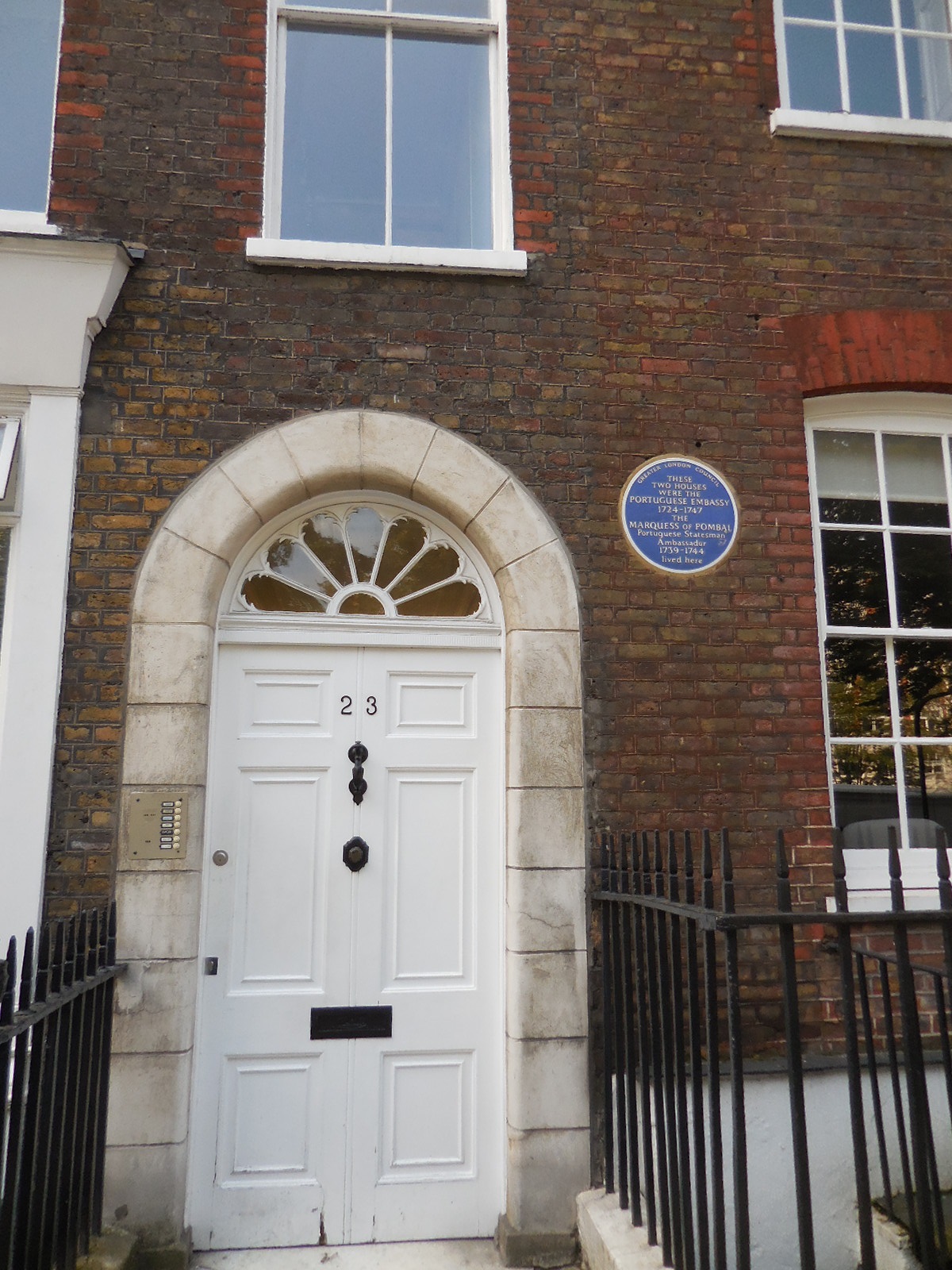
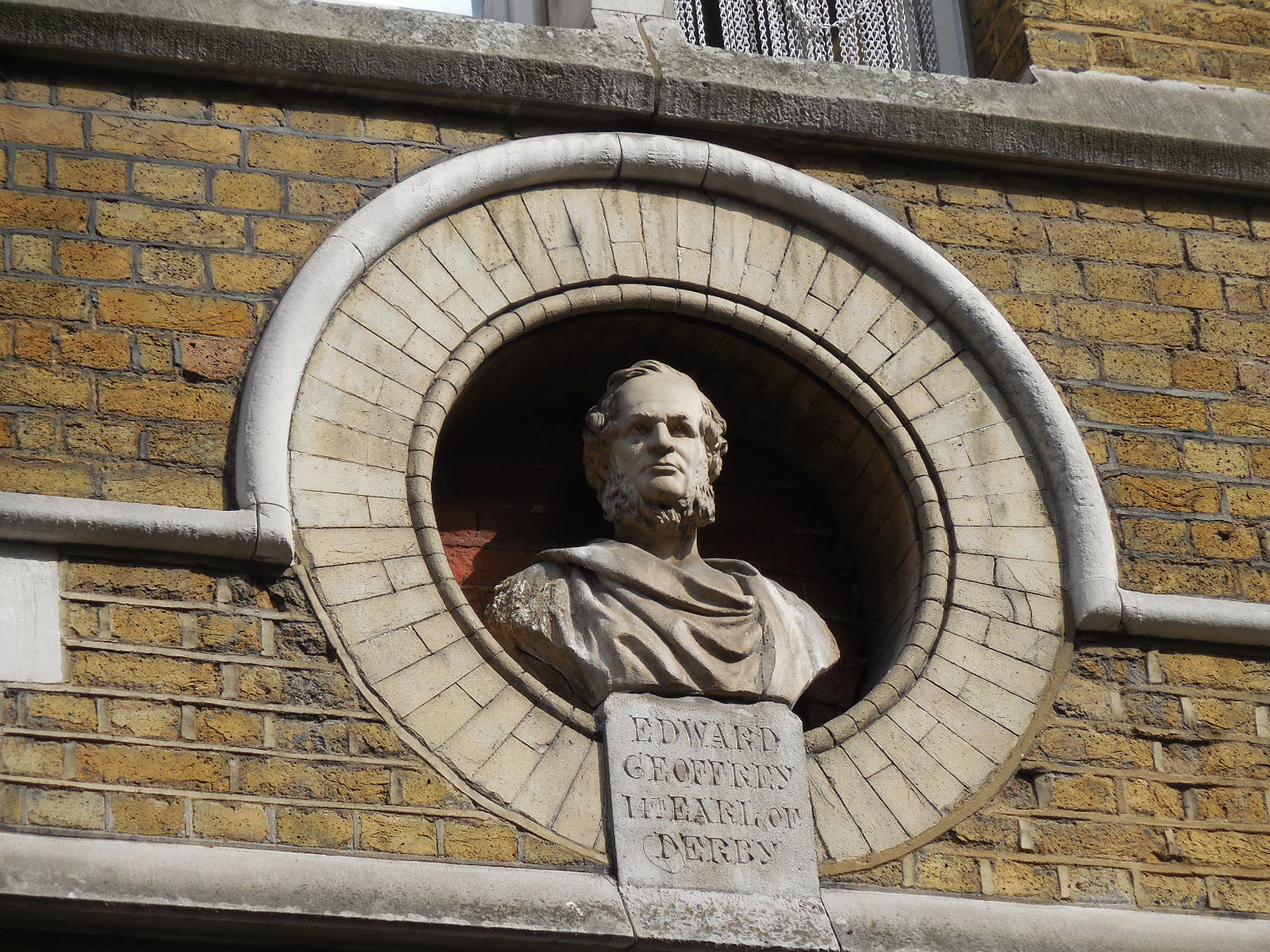
In the morning we explored a little more of London’s Mayfair and Soho areas before our booked tour of a great old theater.
BERKELEY SQUARE
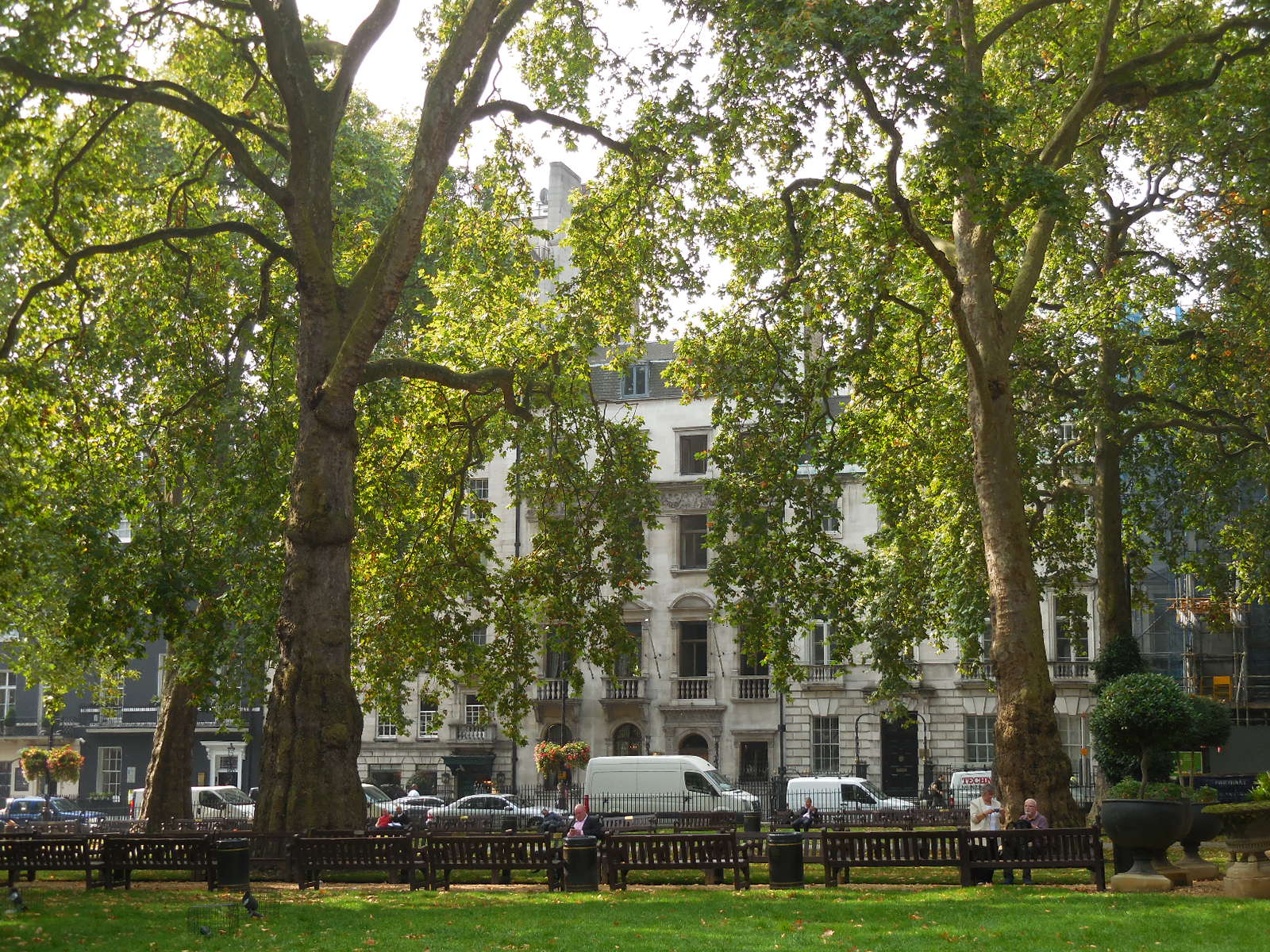
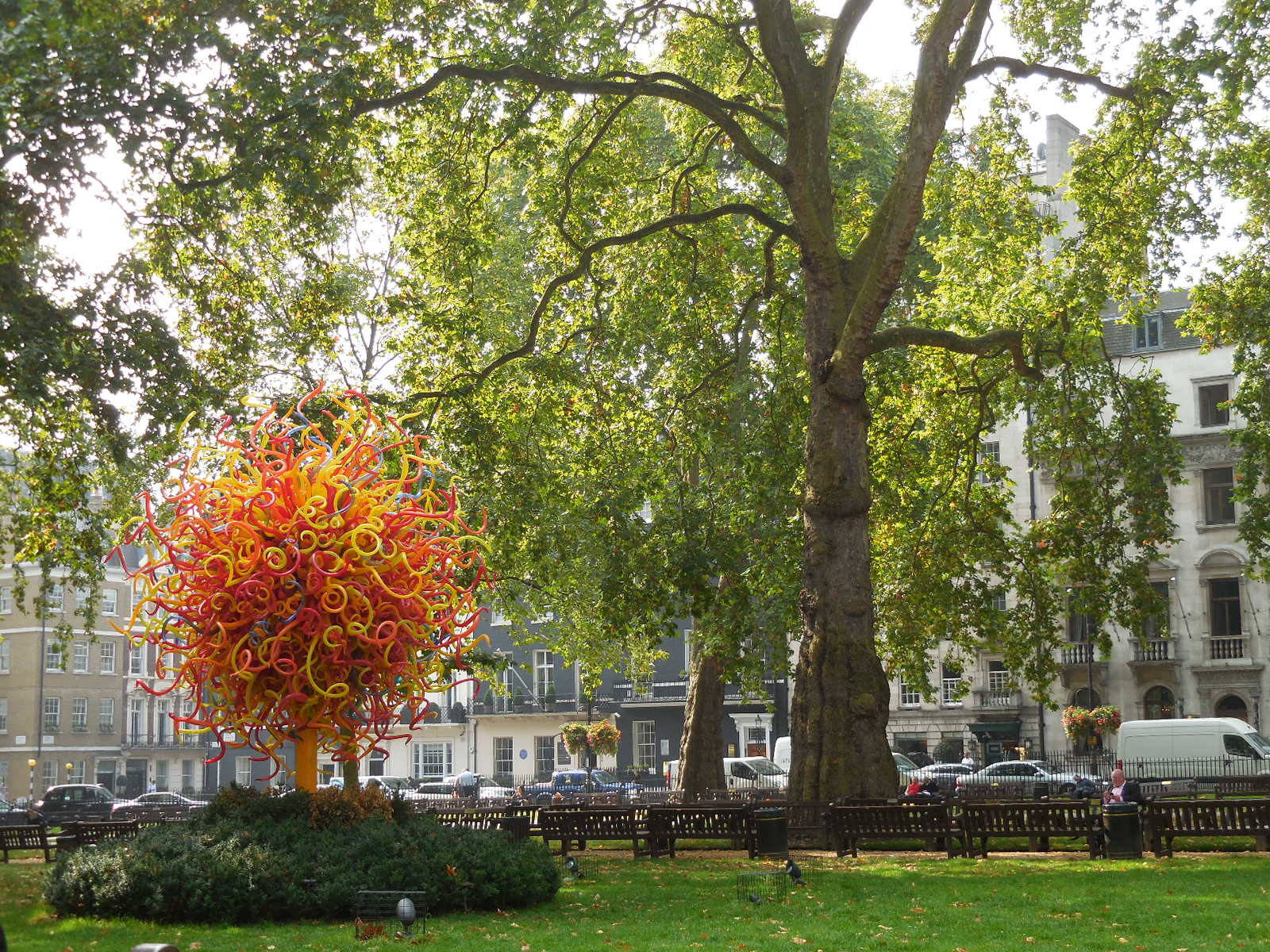
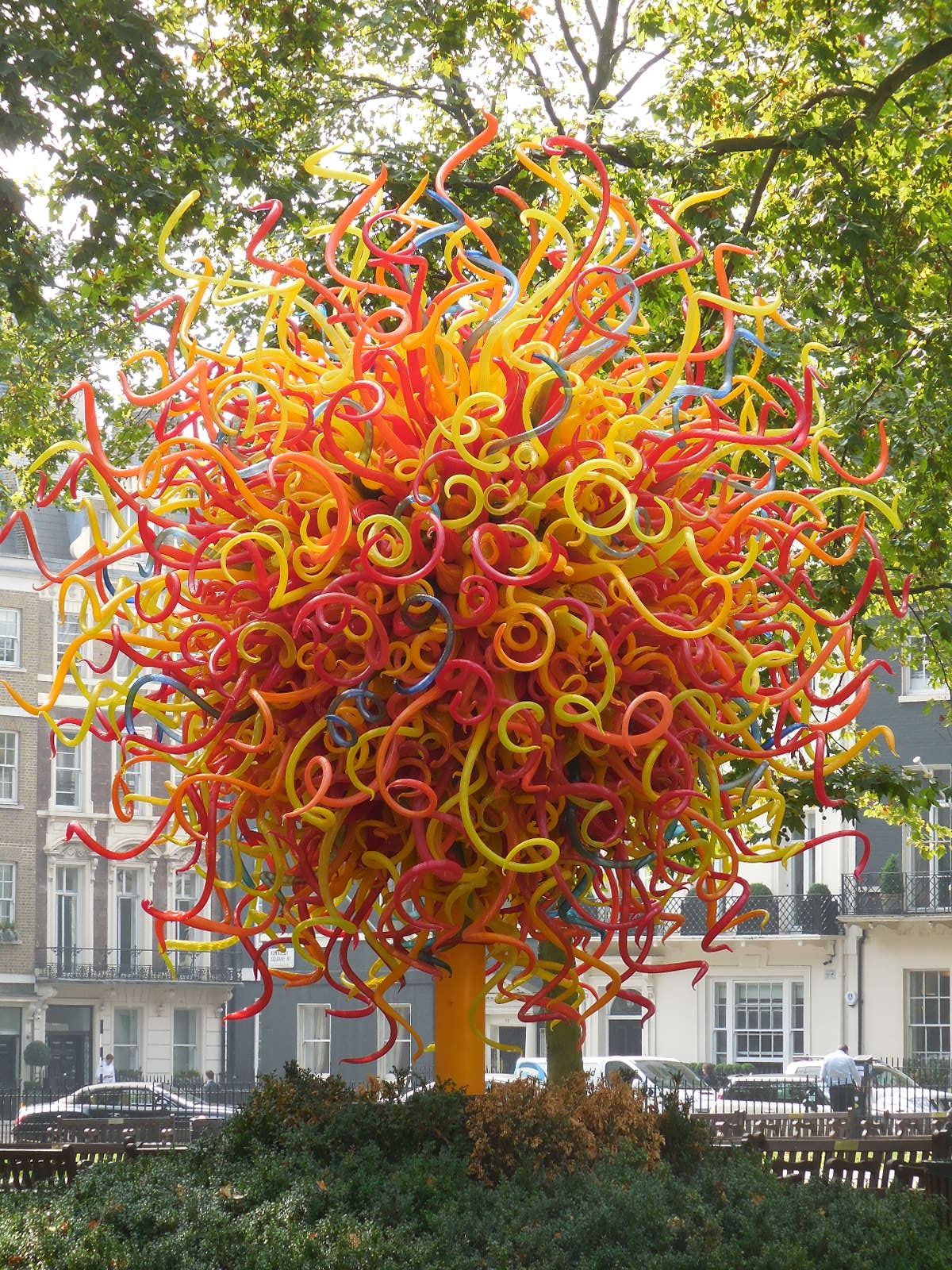

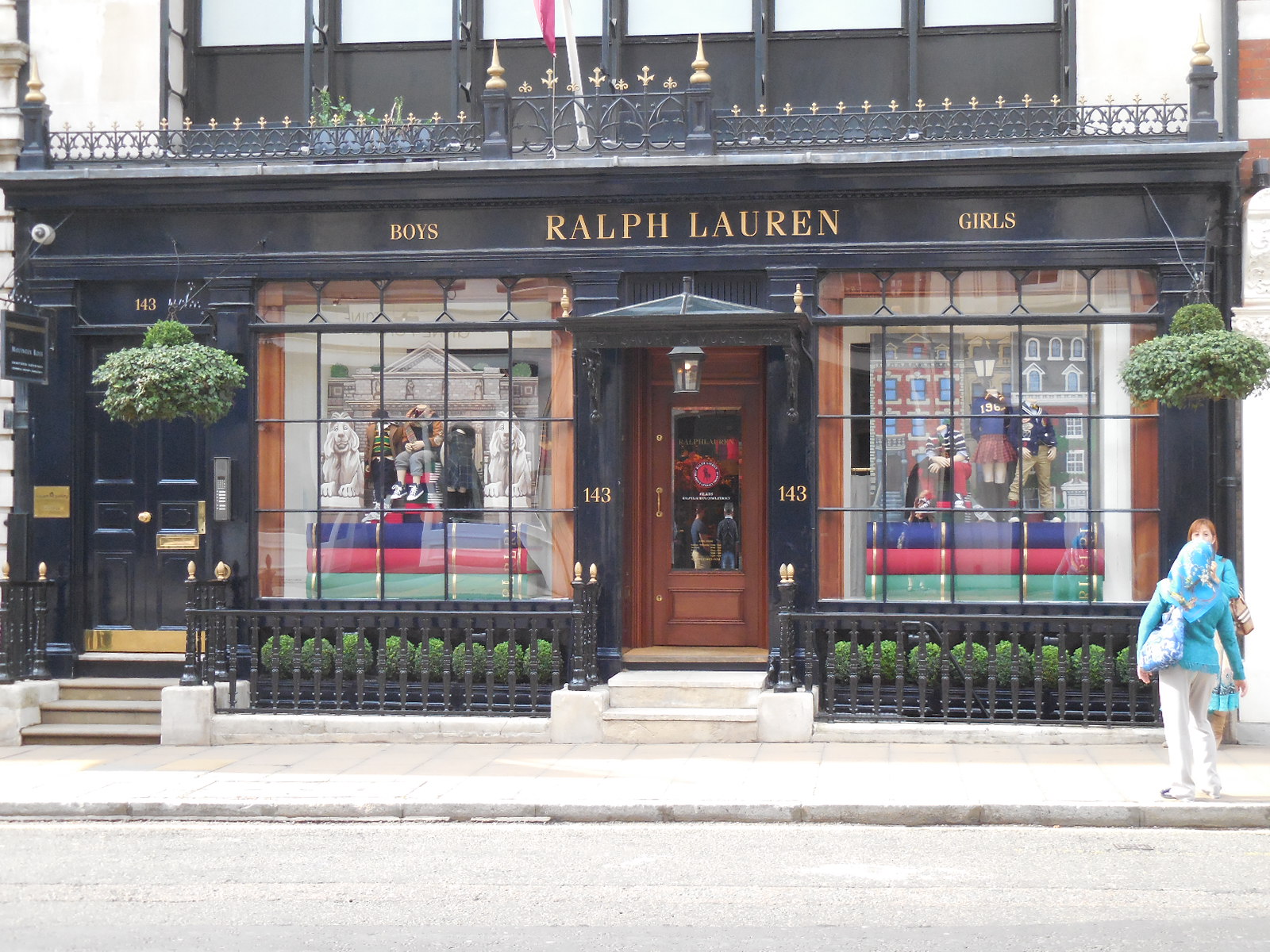
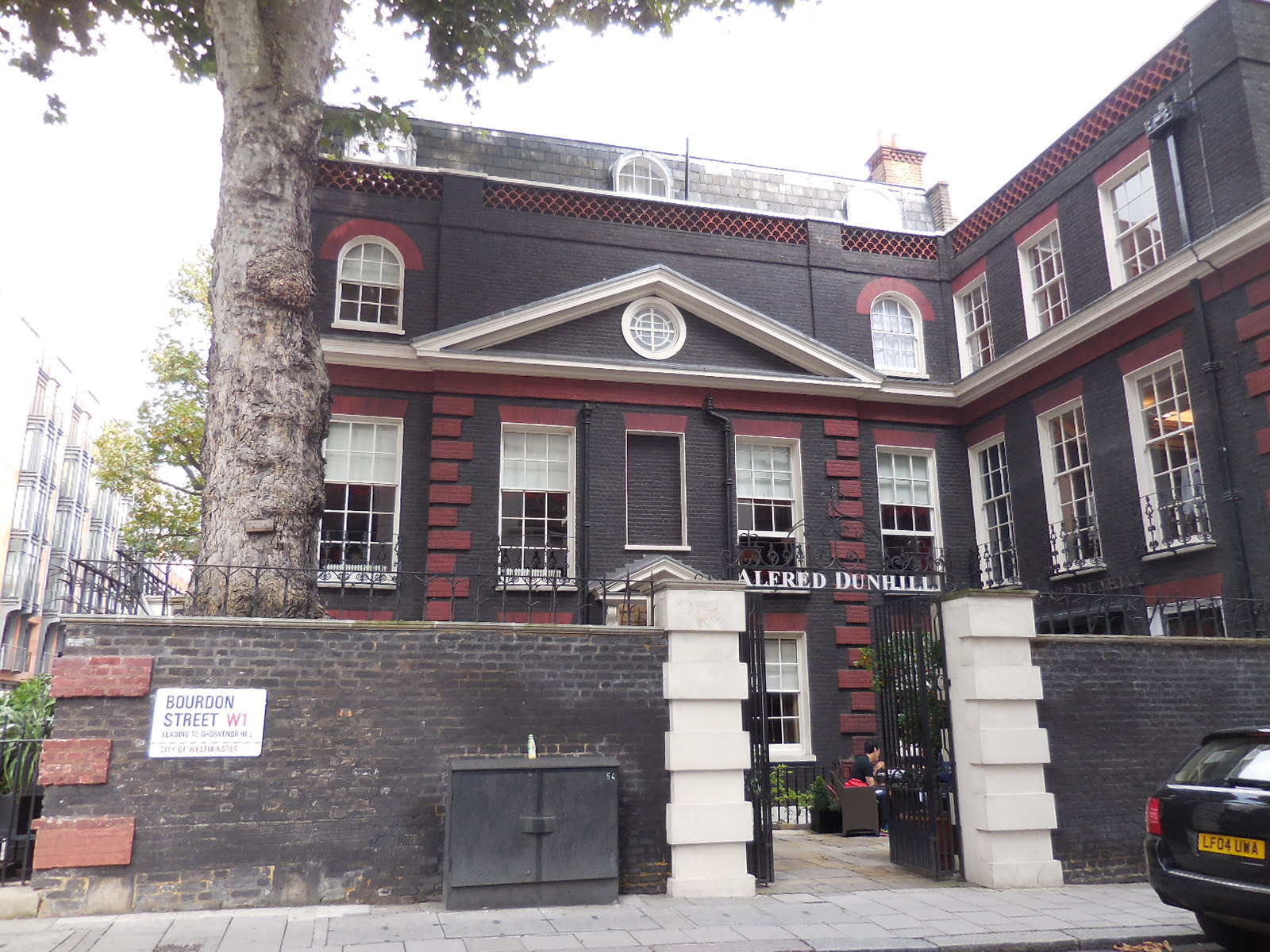
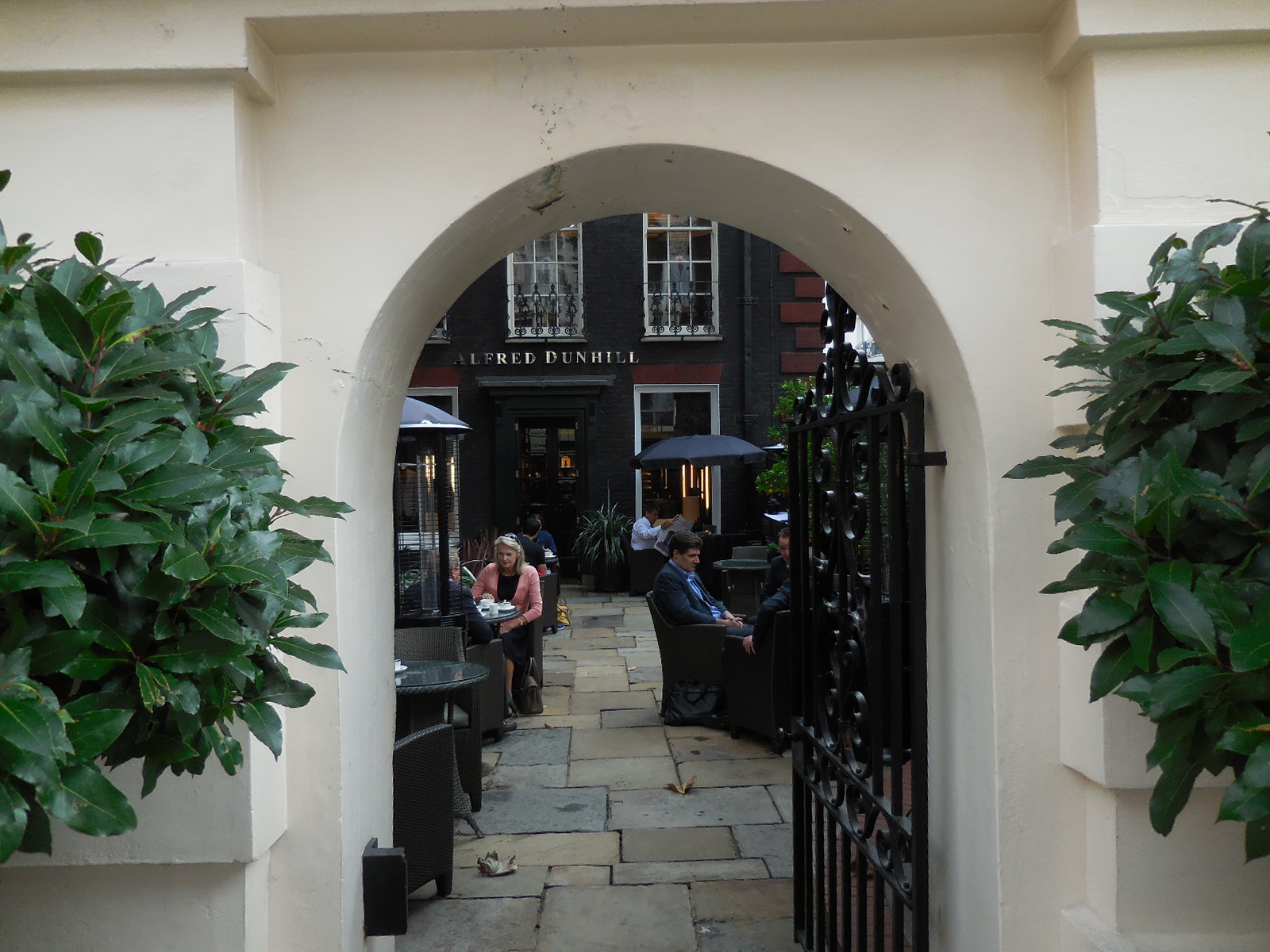
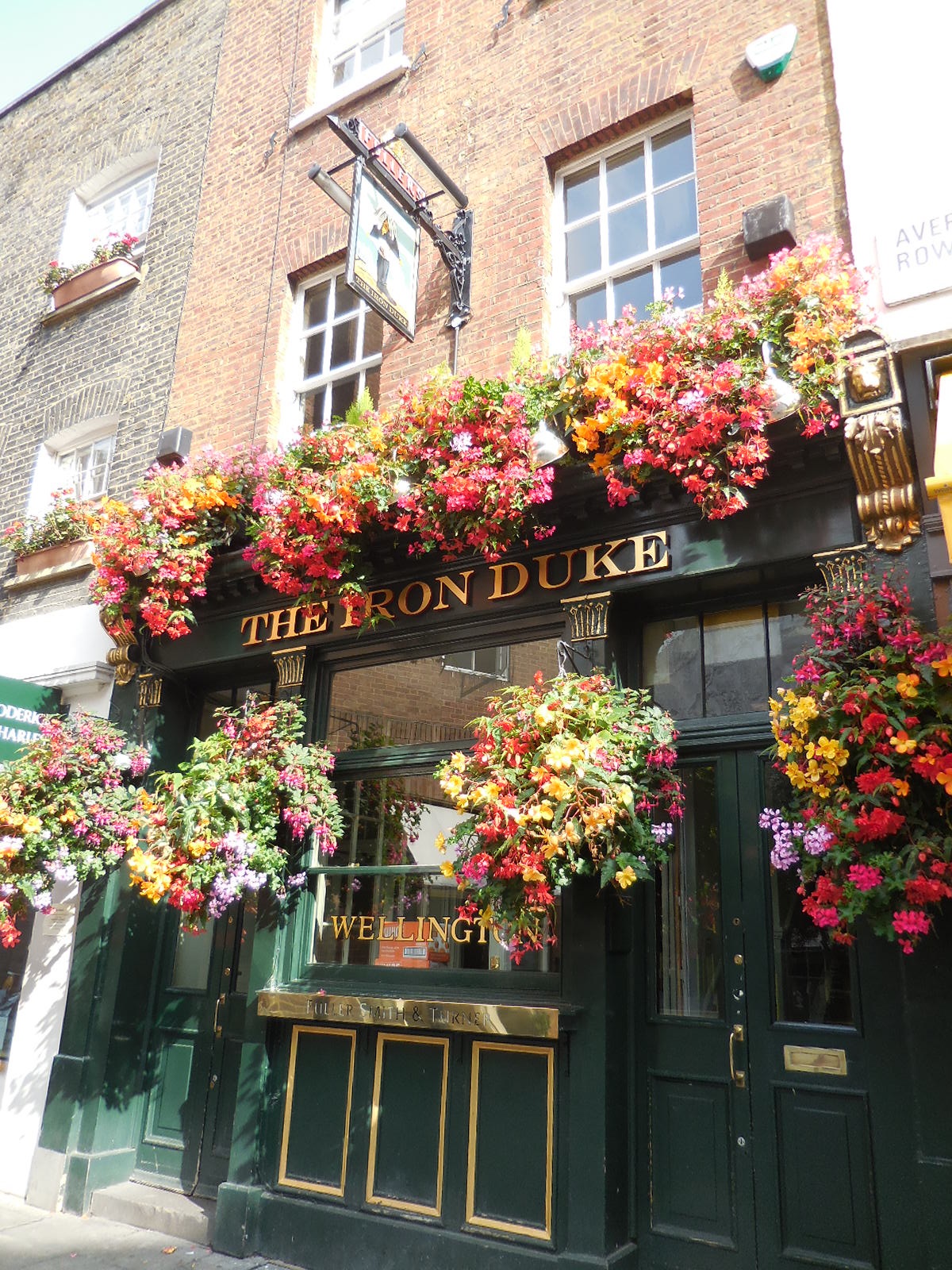
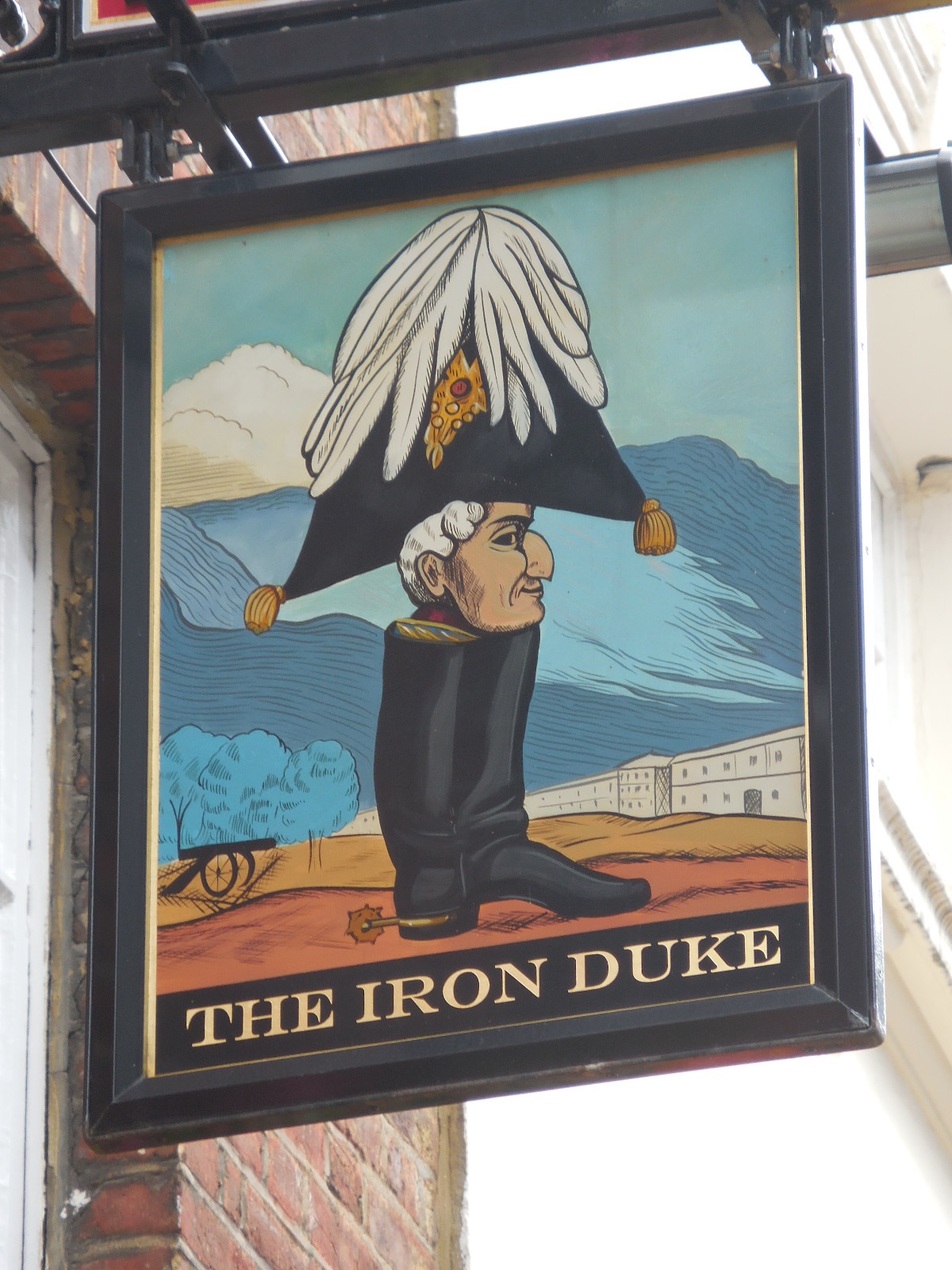
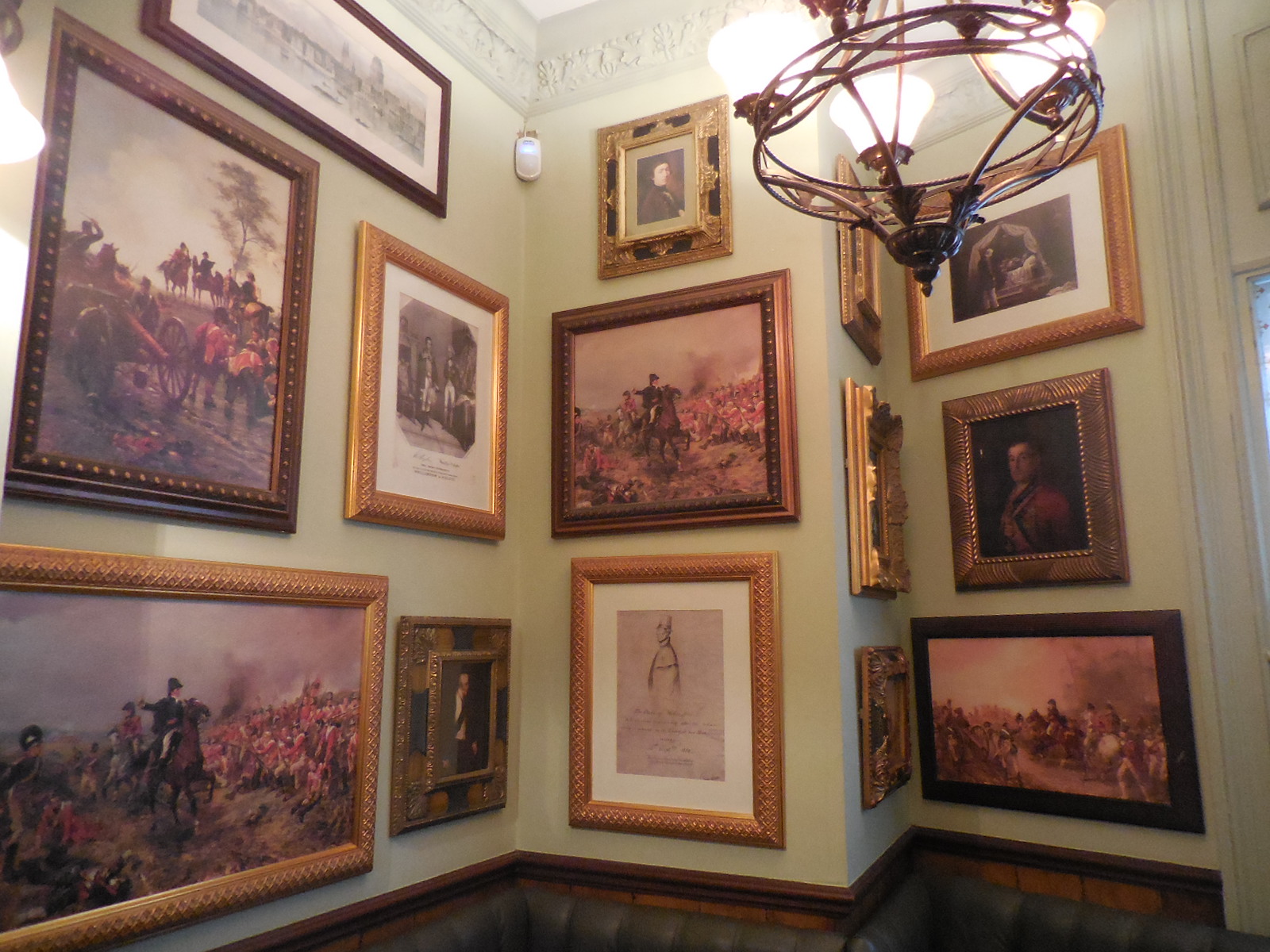
After lunch at the Duke of Wellington, we walked over to Hanover Square, which was unusually crowded with big lines — for the Regent Street Apple Store, it turned out — all were waiting for the newest gadget being introduced that day.
.
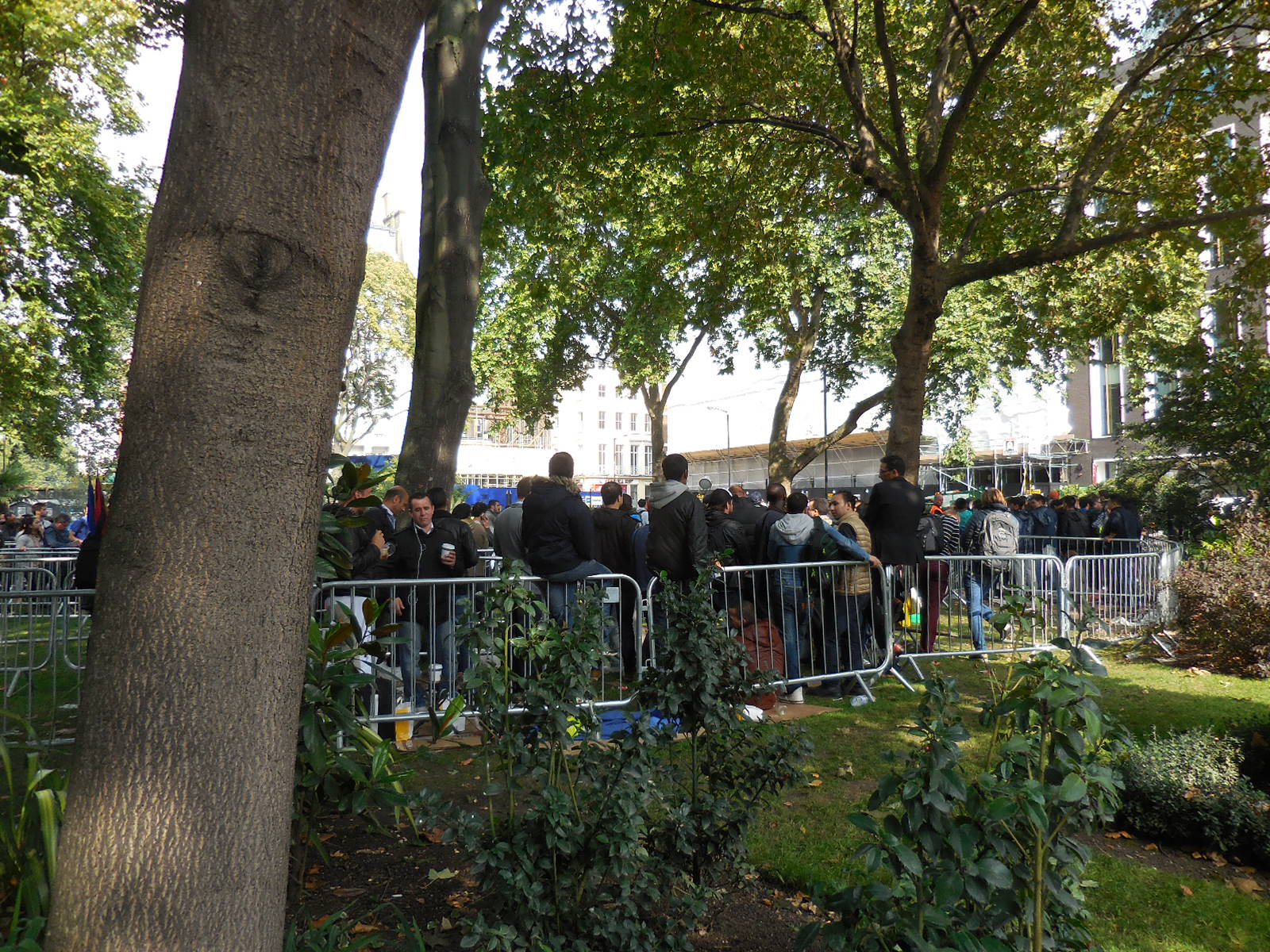
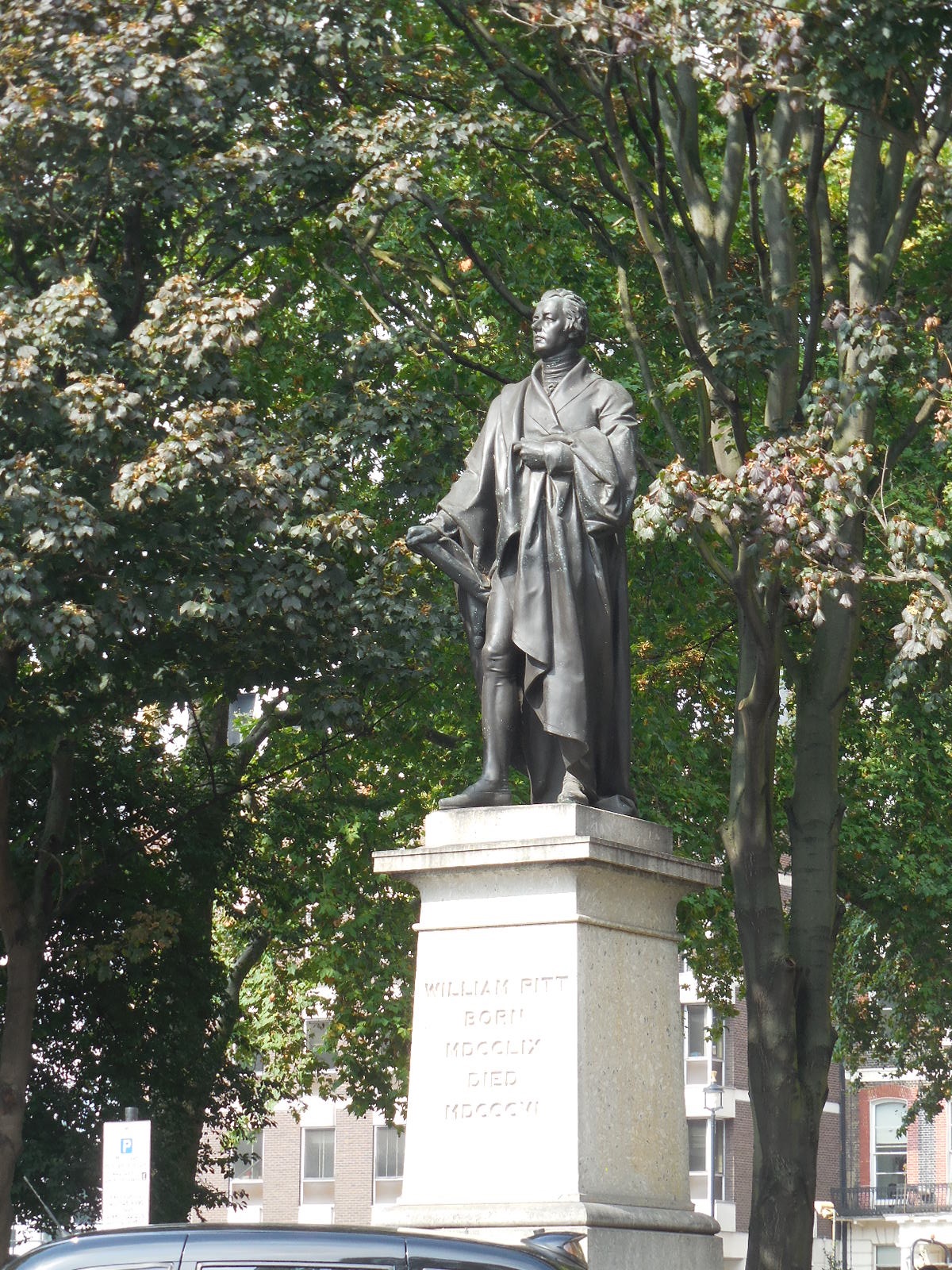
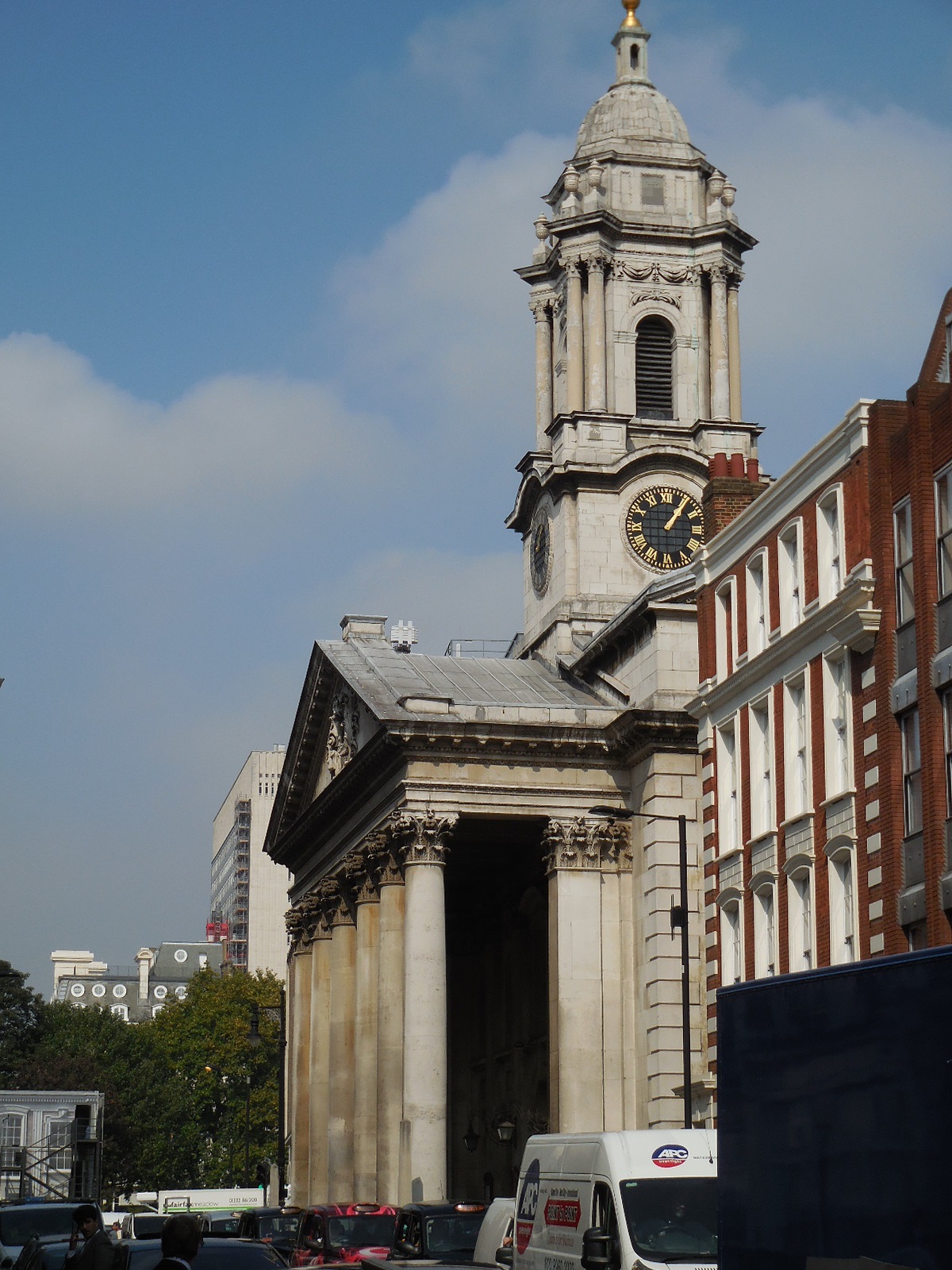
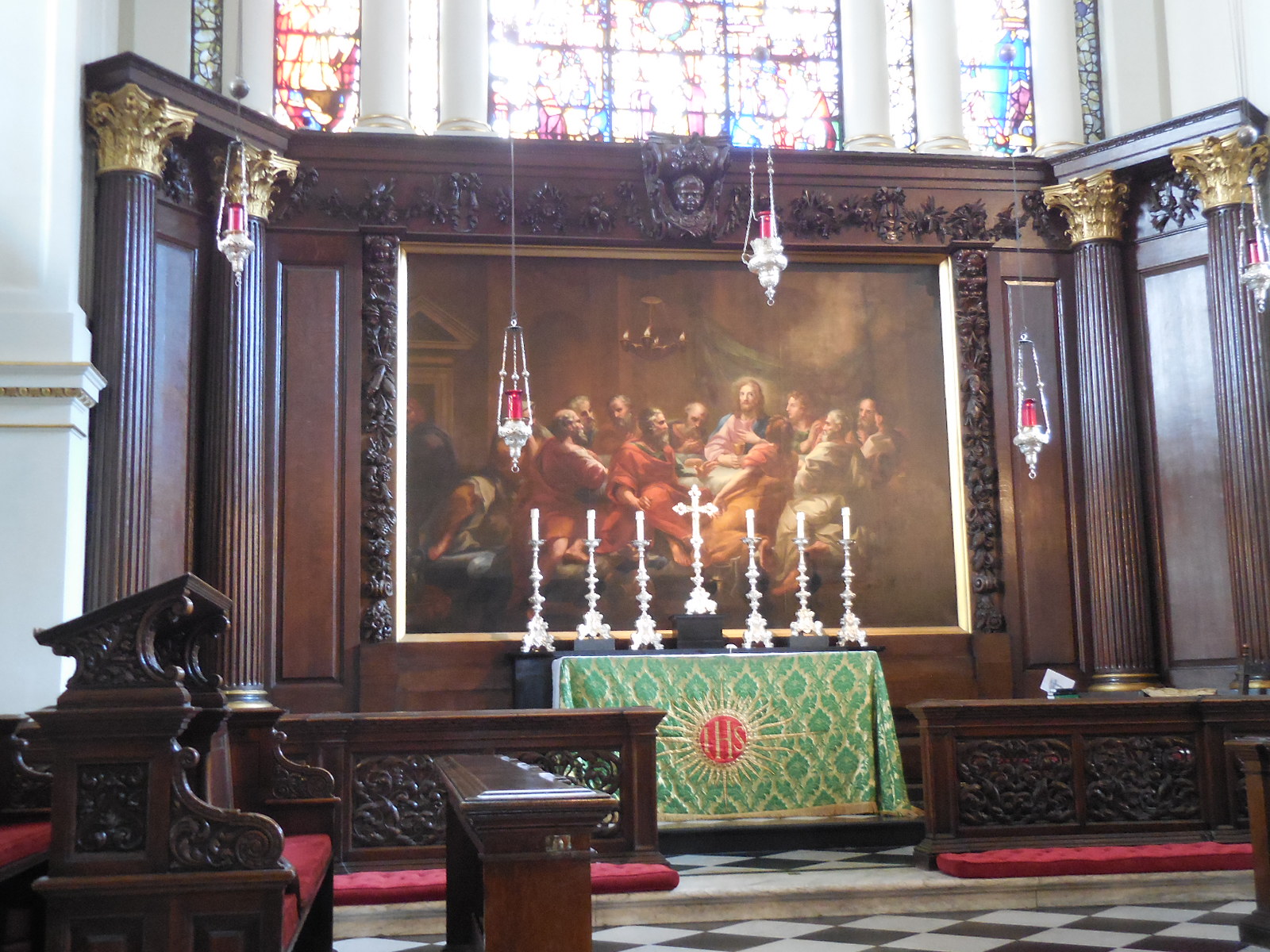
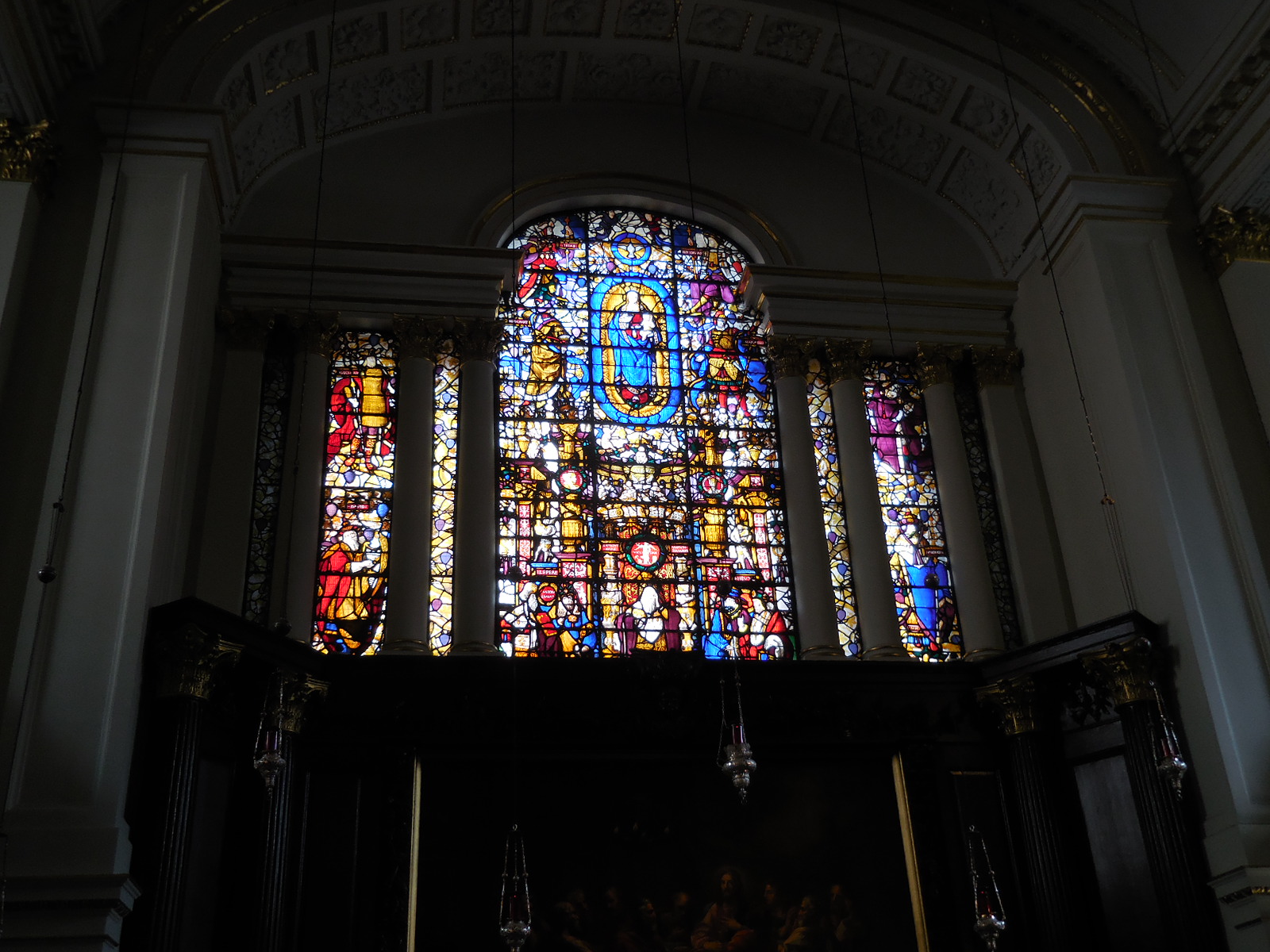
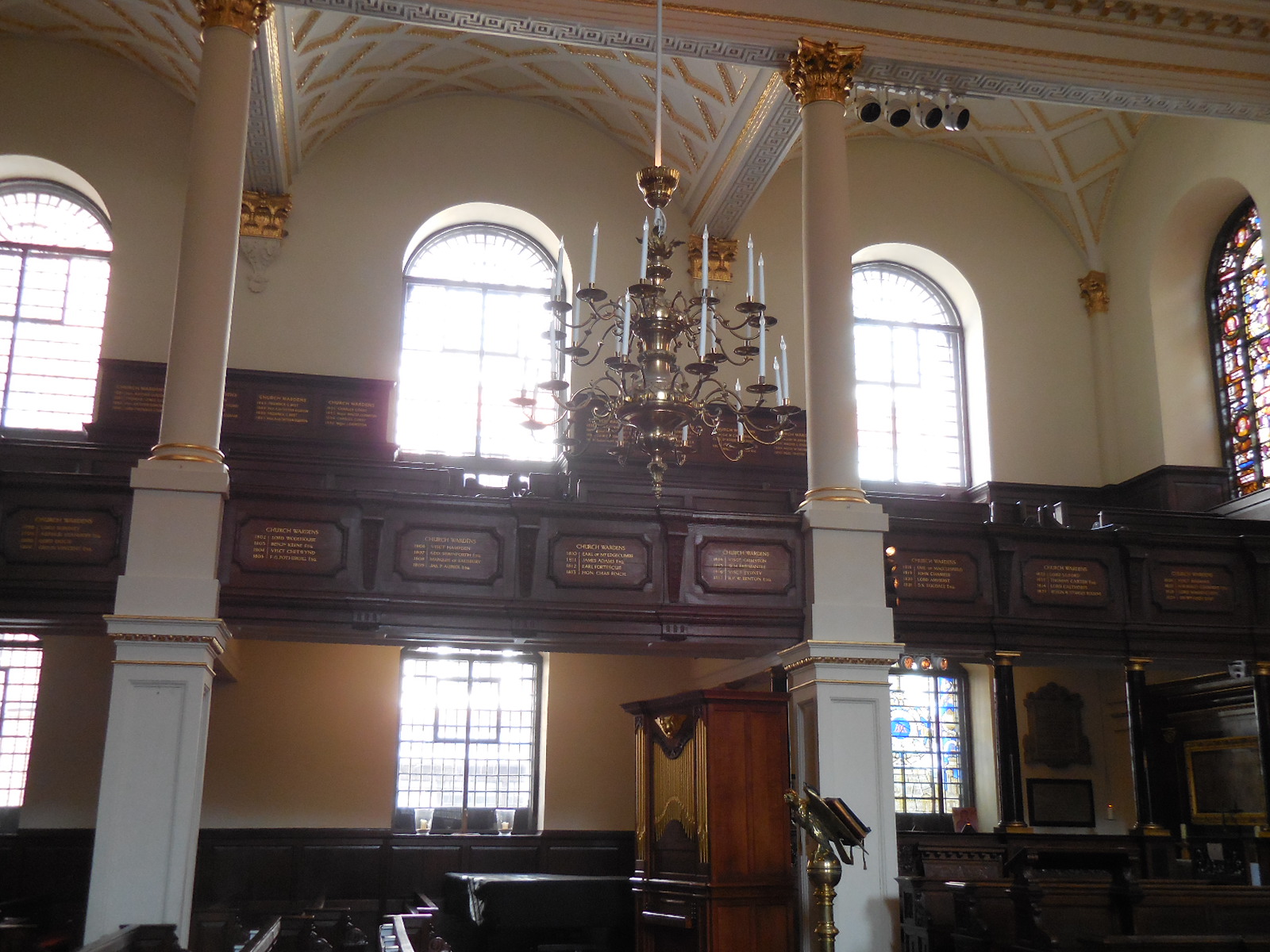
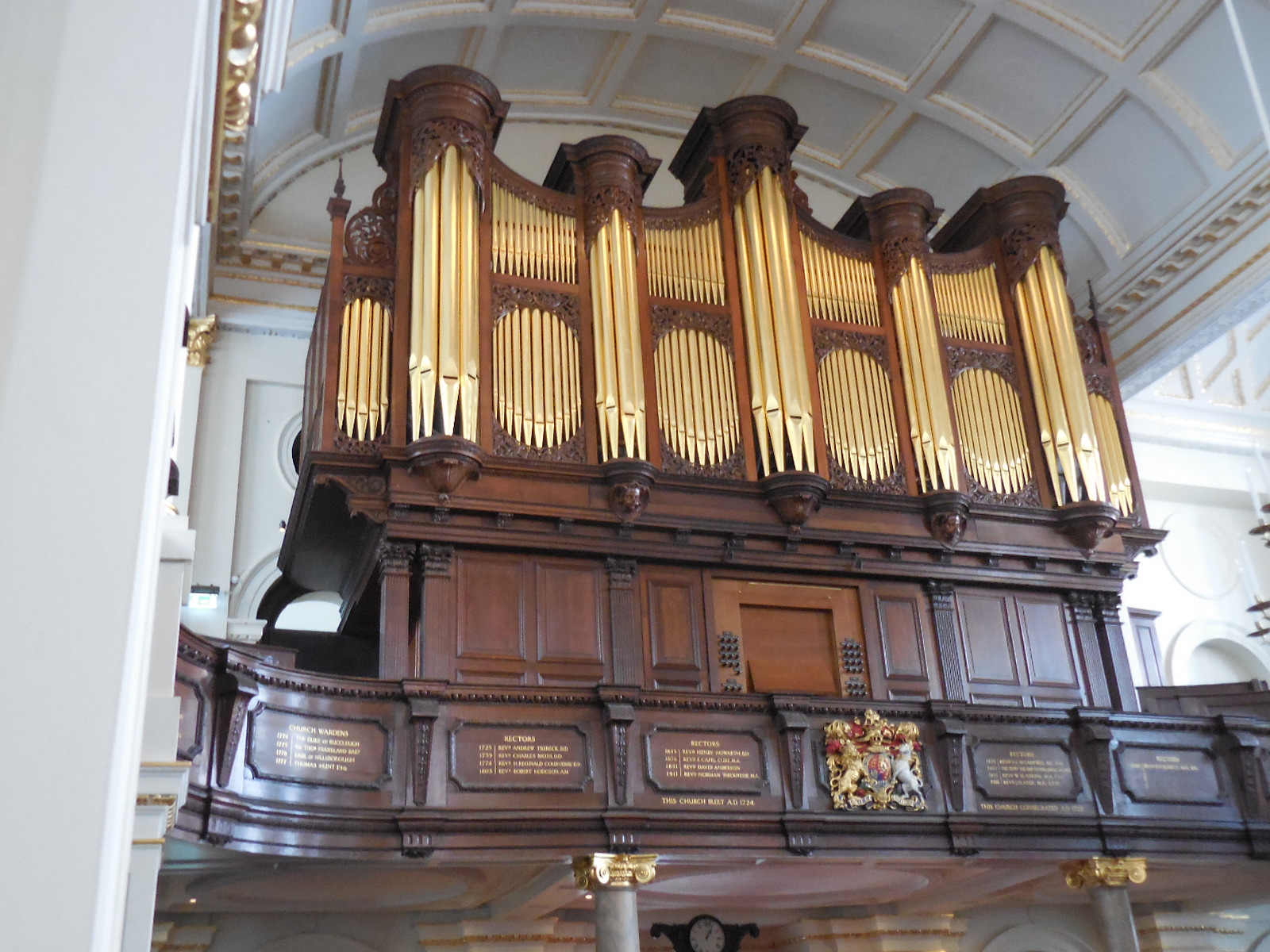
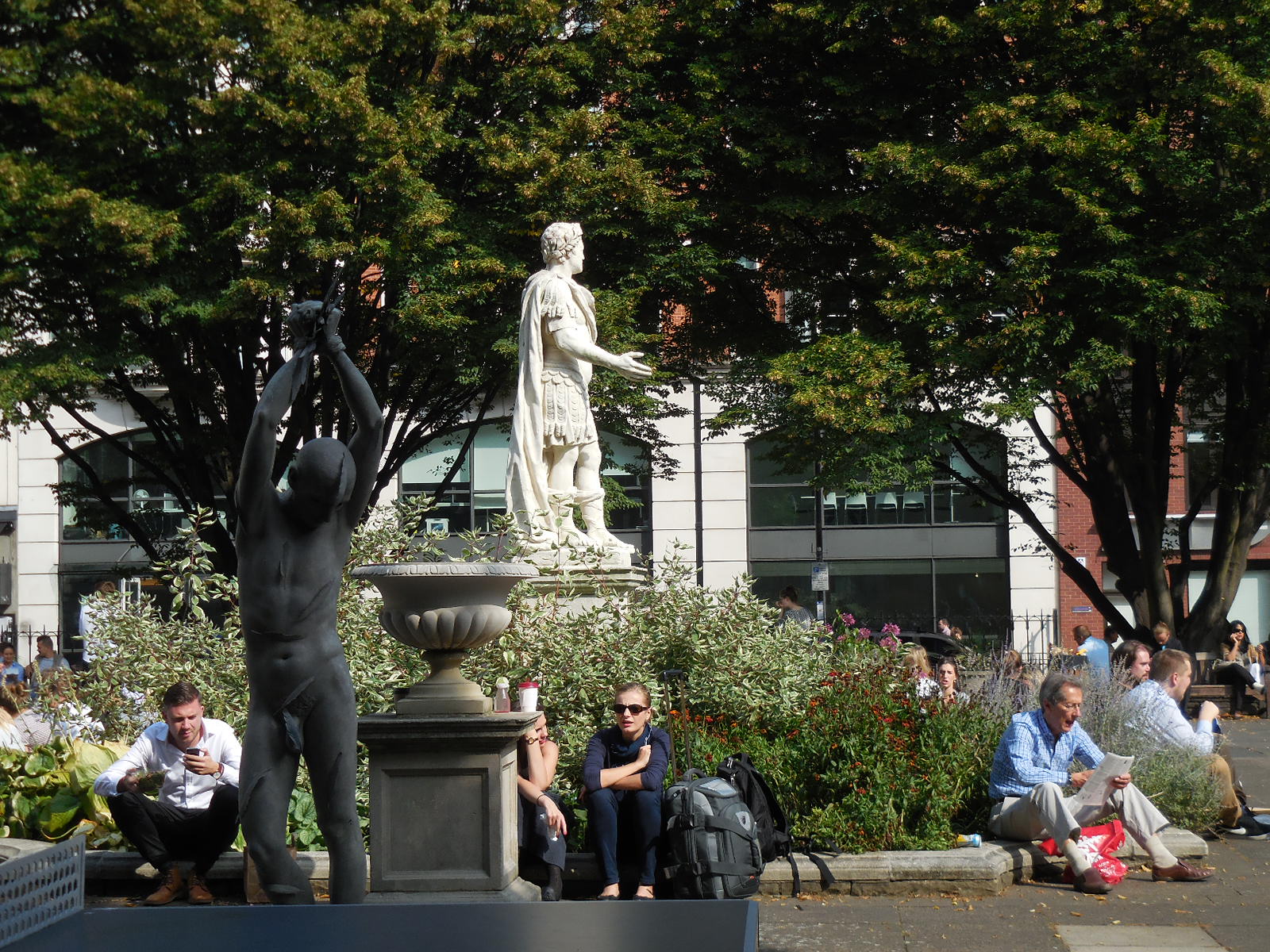
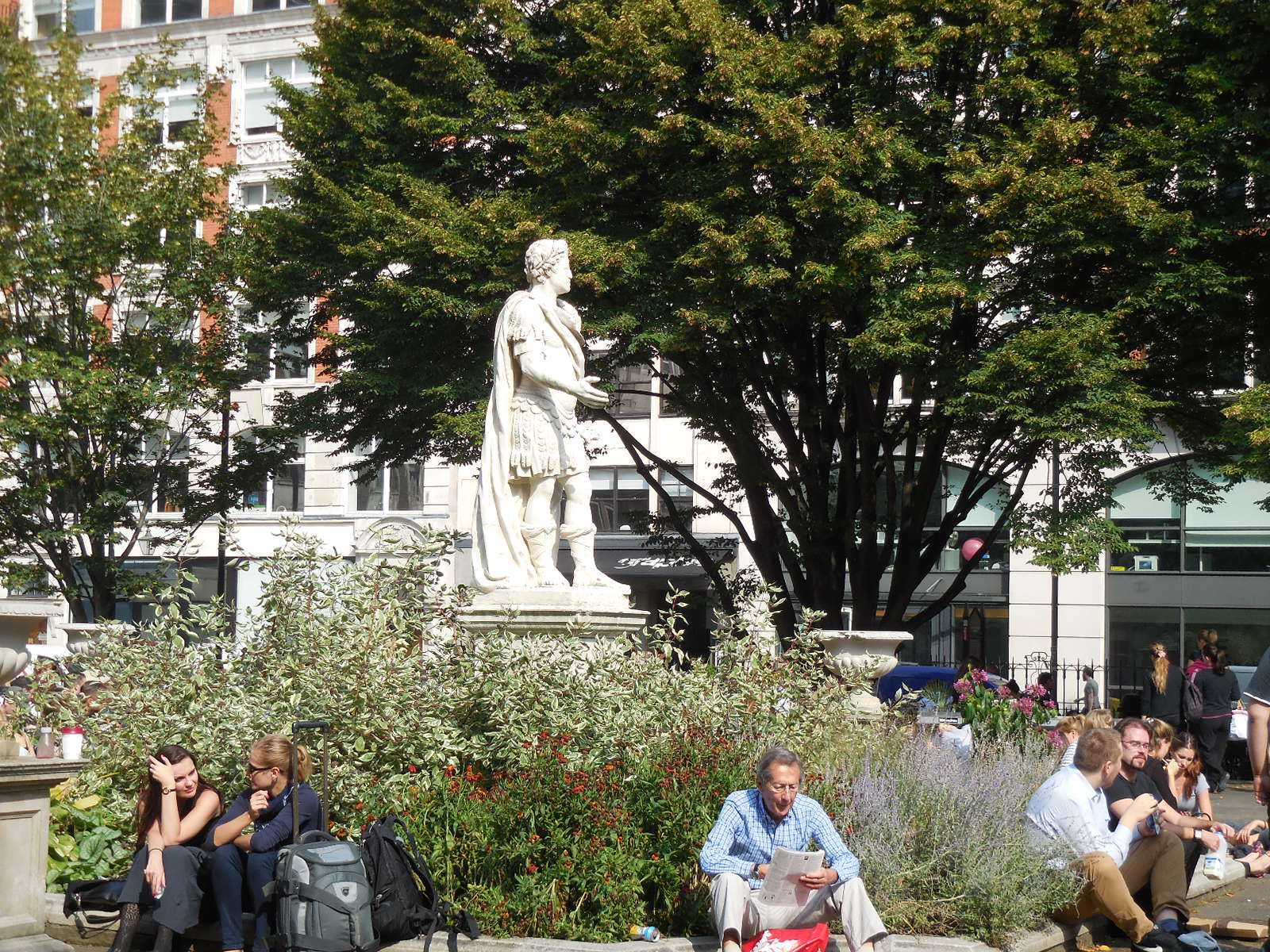
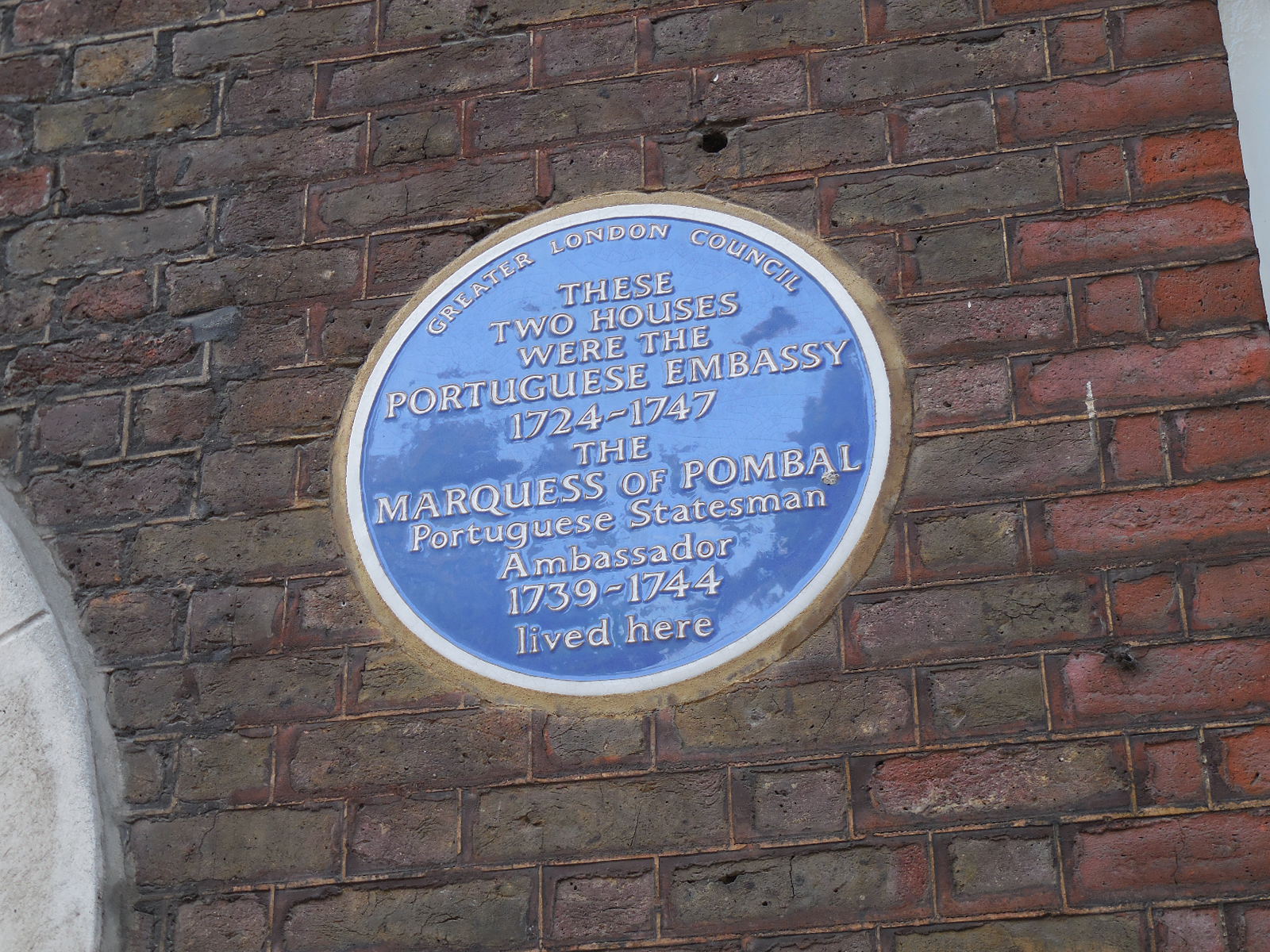
We wandered onward, to Golden Square, full of Londoners enjoying their lunch hour outside on a perfect day. Golden Square was laid out in the late 17th century and was an area occupied by many prominent individuals and families, such as the Duke of Chandos and the Duchess of Cleveland.
 |