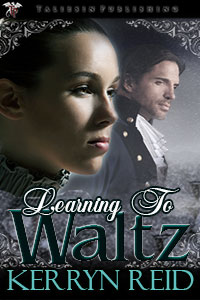
KERRYN REID LEARNING TO WALTZ

Last fall, when I found out Learning to Waltz had been chosen best Regency romance for 2014 by Chanticleer Book Reviews, Victoria and Kristine invited me to Number One London to share my excitement. (See that post here.)

I’m back again, because at long last I have received my prize: A free Chanticleer review. Five stars! I’d say it was worth the wait. (Read the review here.)

“Reid’s focus,” says the reviewer, “is on her richly developed characters, not just costumes and carriages.” She is right that character comes first. A novel without memorable characters isn’t worth reading. And beyond memorable, there has to be at least one I really like and can root for, however flawed he or she might be. (In Learning to Waltz, of course, there is more than one. In fact, I have a soft spot for each and every one of them. Yes, even Doctor Overley and Deborah’s feckless brother!)
But setting runs a pretty close second, and that makes “costumes and carriages” important too. Setting encompasses a lot of different elements, from geography and climate to the scene outside – and inside – the window. But in historical fiction, so much of setting is wrapped up in when the story takes place. Costumes and carriages, of course, but also language, food, holidays, religion, political events… aargh, the list goes on forever. Yet these details of daily life add so much! They make it feel authentic, realistic. They help draw a reader into the story and persuade her it really could have happened.
Which brings me (finally!) to today’s topic: research. Most of the historical writers I know love research as much as they love writing. Many of us could get lost in it and never come out again. After all, if we didn’t like history, we would probably choose a different genre.
Research is critical to a good historical novel – thankfully there’s a lot of information out there! Too much, I sometimes think. Books from the period ran the gamut from Gothic novels to sermons, travelogues to gardening. Newspapers covered politics, entertainment and more. (Even the ads are fascinating.) A wide variety of periodicals provide abundant information  about literature, science, fashion. And there are the personal documents: letters, ledgers, household lists and “receipts” (recipes), and so much more.

Plenty of important history took place during the Regency, from the Napoleonic wars on down; there were bound to be historical researchers digging in and writing about their findings. But it makes a difference, I think, that Regency Romance has been popular for so long. Since Georgette Heyer published Regency Buck in 1935, this brief ten-year span (1811-1820) has received more than its share of attention from novelists. While the historians pry out political secrets, others delight in discovering the daily facts of life and write their own books, not only novels but also non-fiction to help other writers and enthusiasts.

My humble Regency research library consists of some 70 volumes. Sounds like a lot, yet there are probably thousands more. Unfortunately I don’t have the money to buy them, the space to keep them, or the time to read them. In fact, I don’t often sit down and read the books I have; when I have a question I need answered, I pull out the most likely ones and utter some swear words about inadequate indexing. Then I go to the internet, where there are hundreds of blogs and newsletters on the subject, most of them easy to navigate. Maybe that’s because they’re mostly published by my fellow Regency writers, who know how important it is to be able to find what you’re looking for!
My second book will have the benefit of another type of research! I expect to have a complete first draft by the time I visit Yorkshire in October, but there will still be time for changes. I want to see those northern moors in person, and the 1808 library in Leeds where I’ve set a crucial scene. I want to see historical buildings large and small, rich and poor, and find out what they’re made of. Leeds has some fantastic online resources, but I want more! I only wish I could see it as it was in 1822! A couple of hours would do, just until I needed a proper toilet.
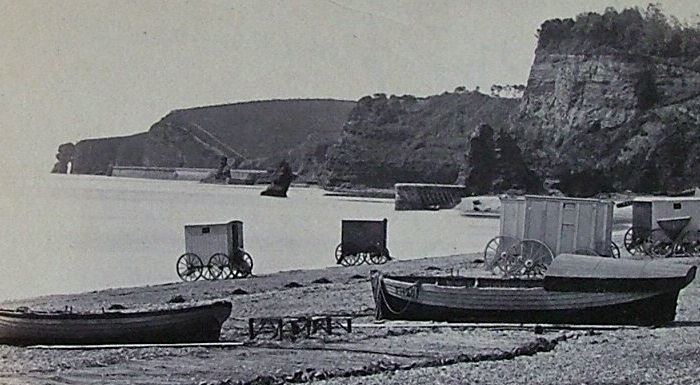
I’m sorry I couldn’t give Learning to Waltz that kind of attention. Measham, where most of the action takes place, is fictional, but Lydford, where Deborah grew up, is very real. Dawlish too, where Evan explores the natural arch in what was then Langstone Headland and rides breakneck down the beach in a storm. Finding that arch online inspired the scene, which is a turning point in the story. I’m sure the local residents in both places – particularly the town historians – would have no trouble finding inaccuracies.

Dawlish Beach, 1881

(You can see the arch at the far left in this 1881 photo. At low tide it was, and still is, approachable on foot – or horseback. What you can’t see is the railroad, built directly along the beachf
ront in the 1840s. In laying the railbed, they also cut through the headland. The arch, and the rock that contains it, still exist, however. And I sure would have liked to see them before I wrote about them!)
I could, and probably should, have spent ten years doing research before ever setting pen to paper. And traveling all around the British Isles taking notes on absolutely everything! But I’m betting there would still be questions. I would still be searching books and the internet to find the answers. And alas, I would still be making mistakes. I just have to hope the reviewers don’t catch them!

Join my newsletter family! You can find a recent issue here. Each month I share some of my research on social history, and much more besides.
POST-TOUR JAUNTS: THE JOYS OF OPEN CITY DAYS

WE TOUR SOME GREAT OLD BUILDINGS

OPEN CITY is a thriving organization which runs many tours and programs. See their website here, and learn all about their many activities throughout the year. We attended as many events as we could during their annual opening of London Buildings in September 2014.  In 2016, Open City days are Saturday and Sunday, September 17 and 18. Free open weekends are held in many cities, including in the U.S.  Some great viewing available!!

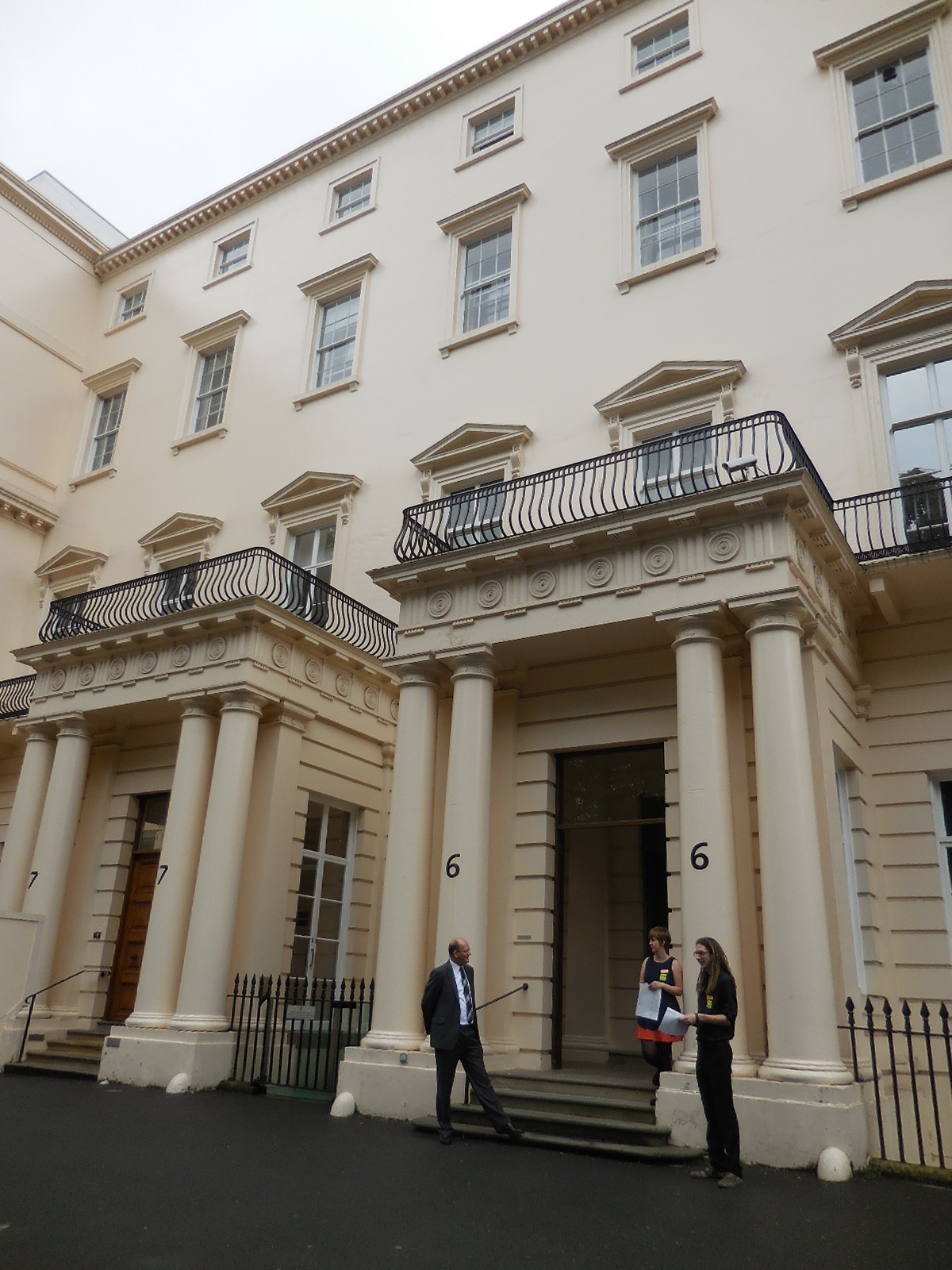
Victoria here. Though no one can see Carlton House, the Prince Regent’s demolished palace, pulled down in 1824-5-6, we did the next best thing. The location of the former palace is now occupied by Waterloo Place and Carlton House Terrace, two rows of tall white stuccoed mansions built in 1827-32. Most of them are occupied by institutions rather than the grand aristocratic families who once resided there.

Here is the door of #6, now the Royal Society. Before WWII, this was the German Embassy, domain of Ambassador von Ribbentrop.  

The Royal Society is an independent scientific academy in Britain and the Commonwealth, founded in 1660 as an “invisible college of natural philosophers.” Today there are 1,600 fellows.

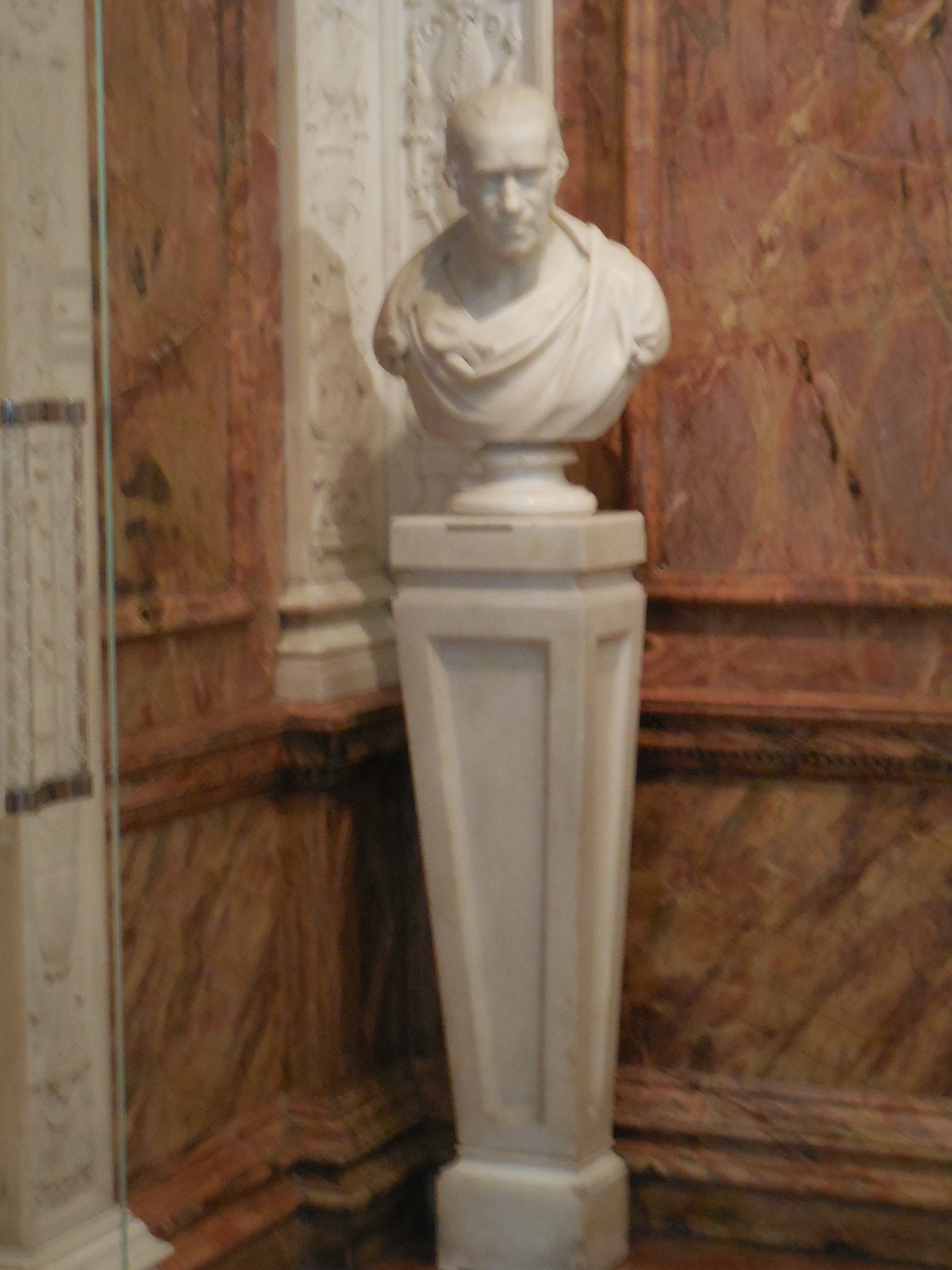
James Watt F.R.S. (Fellow of the Royal Society)

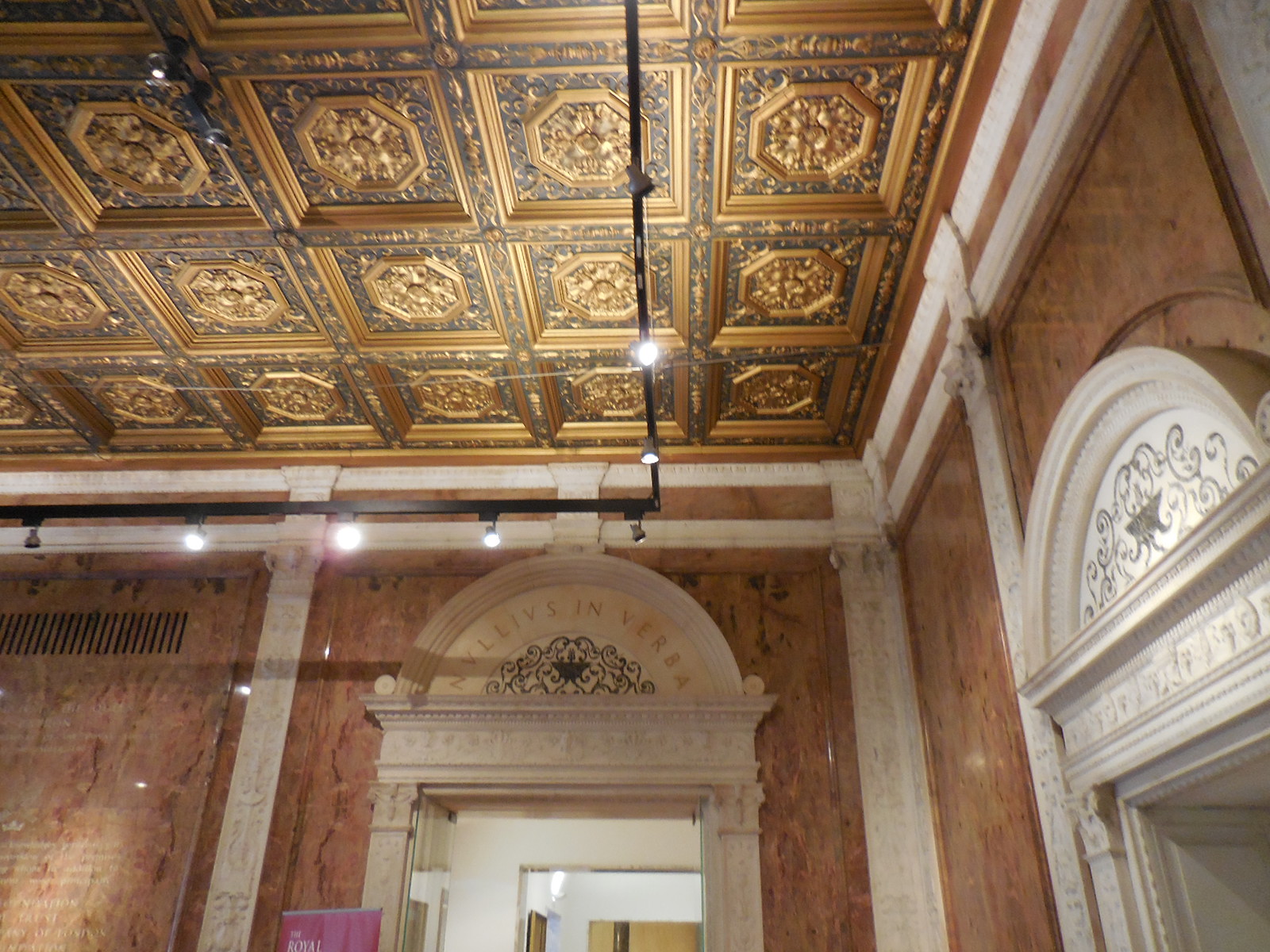
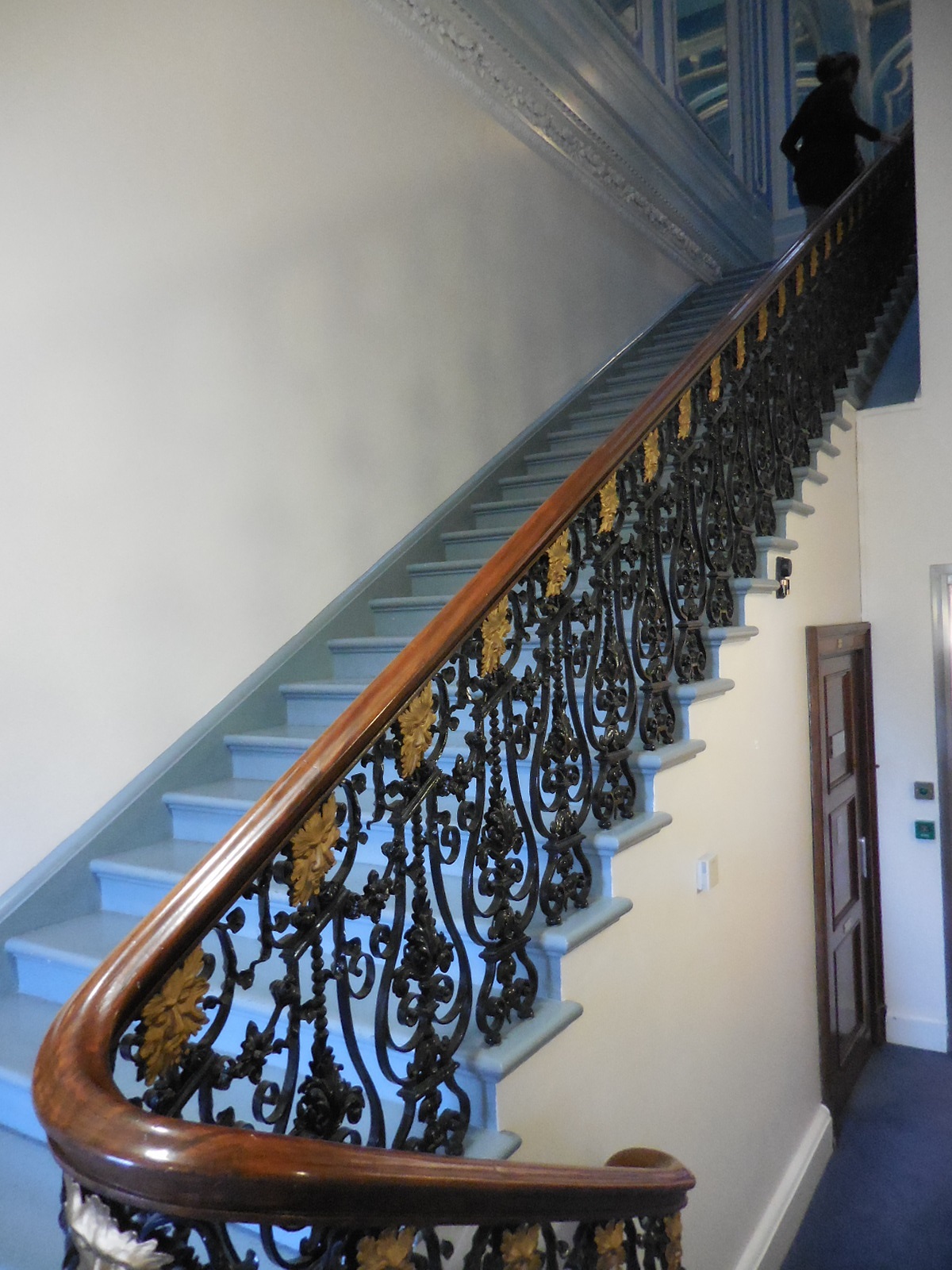
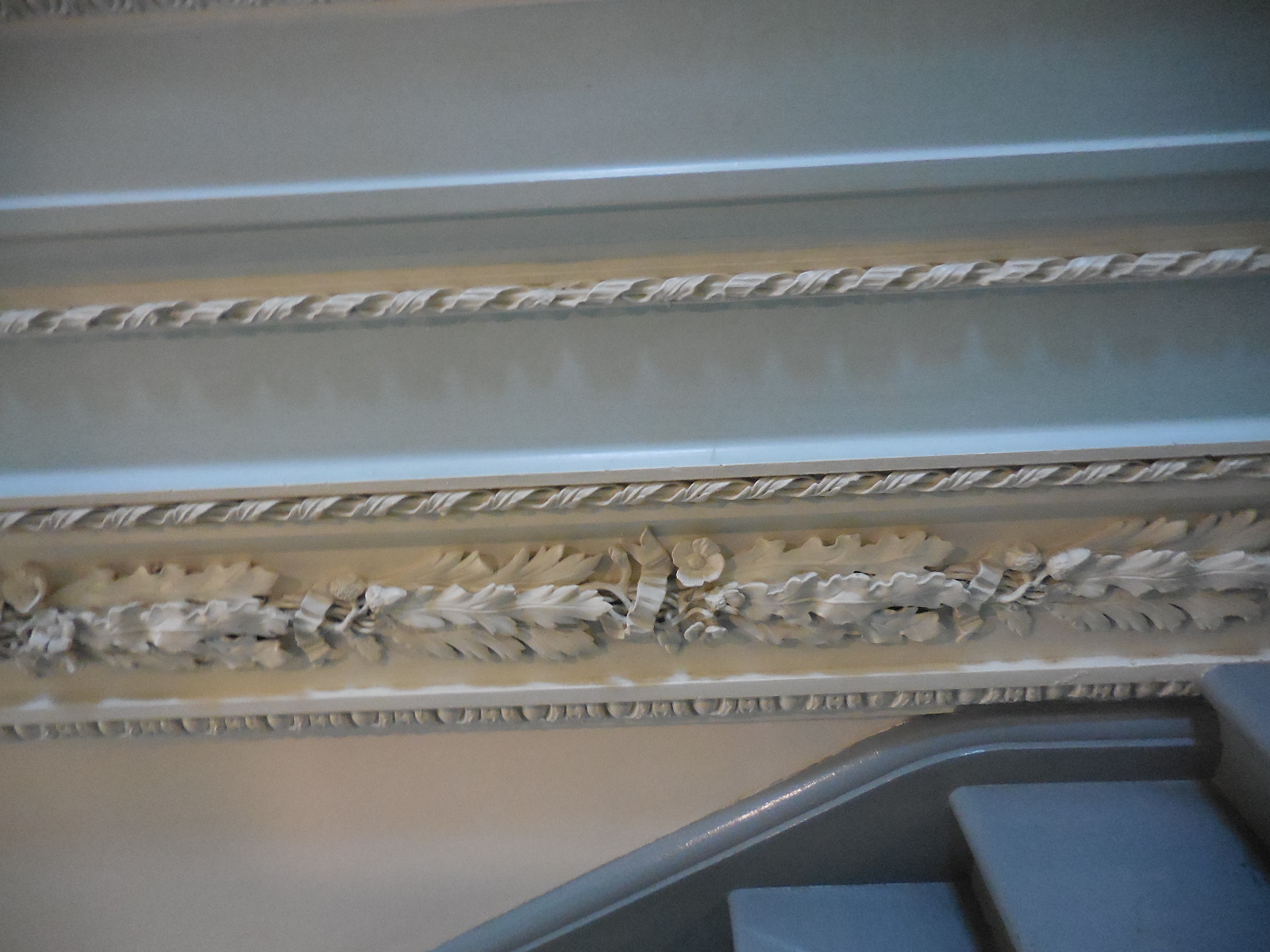
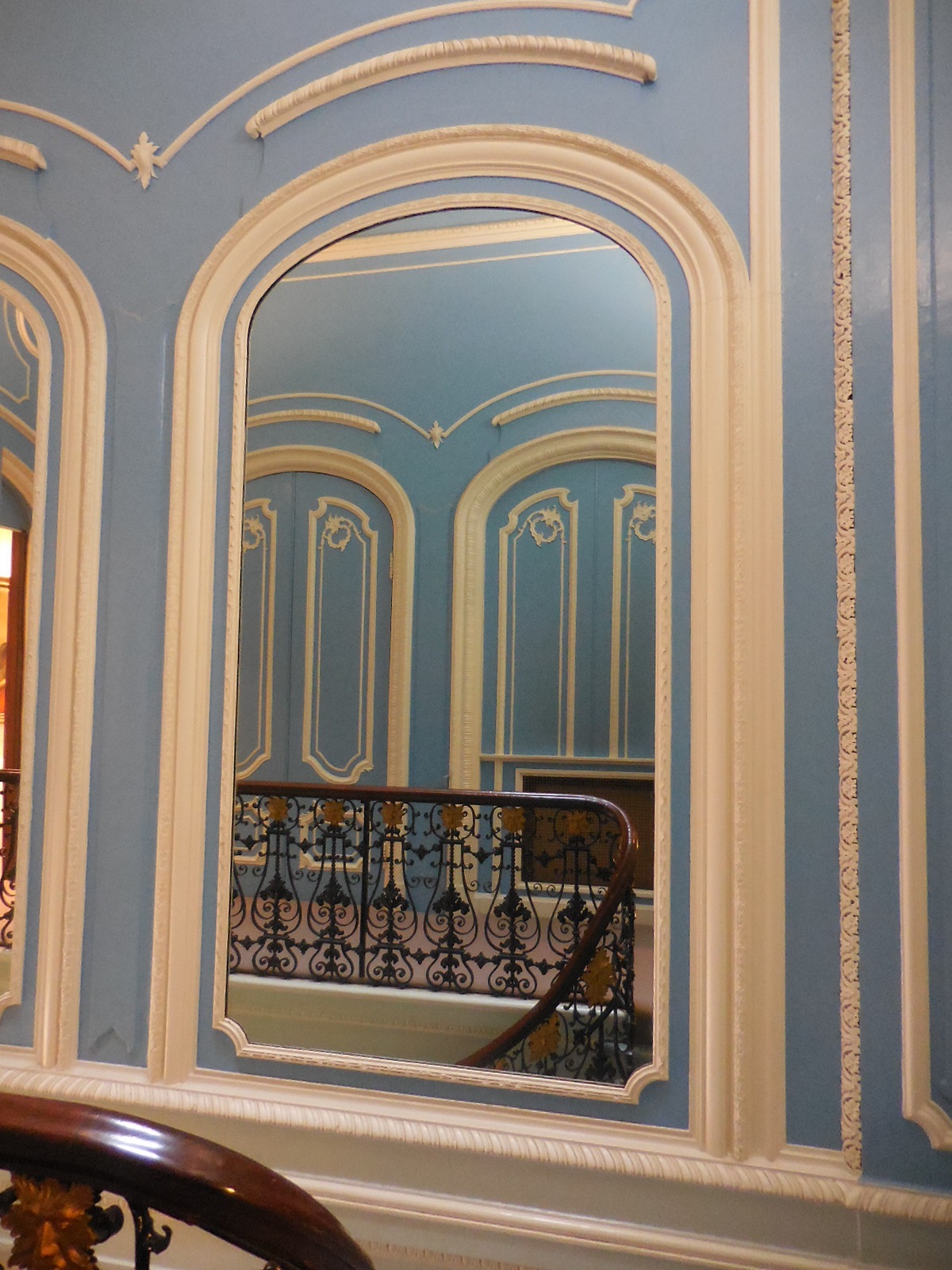
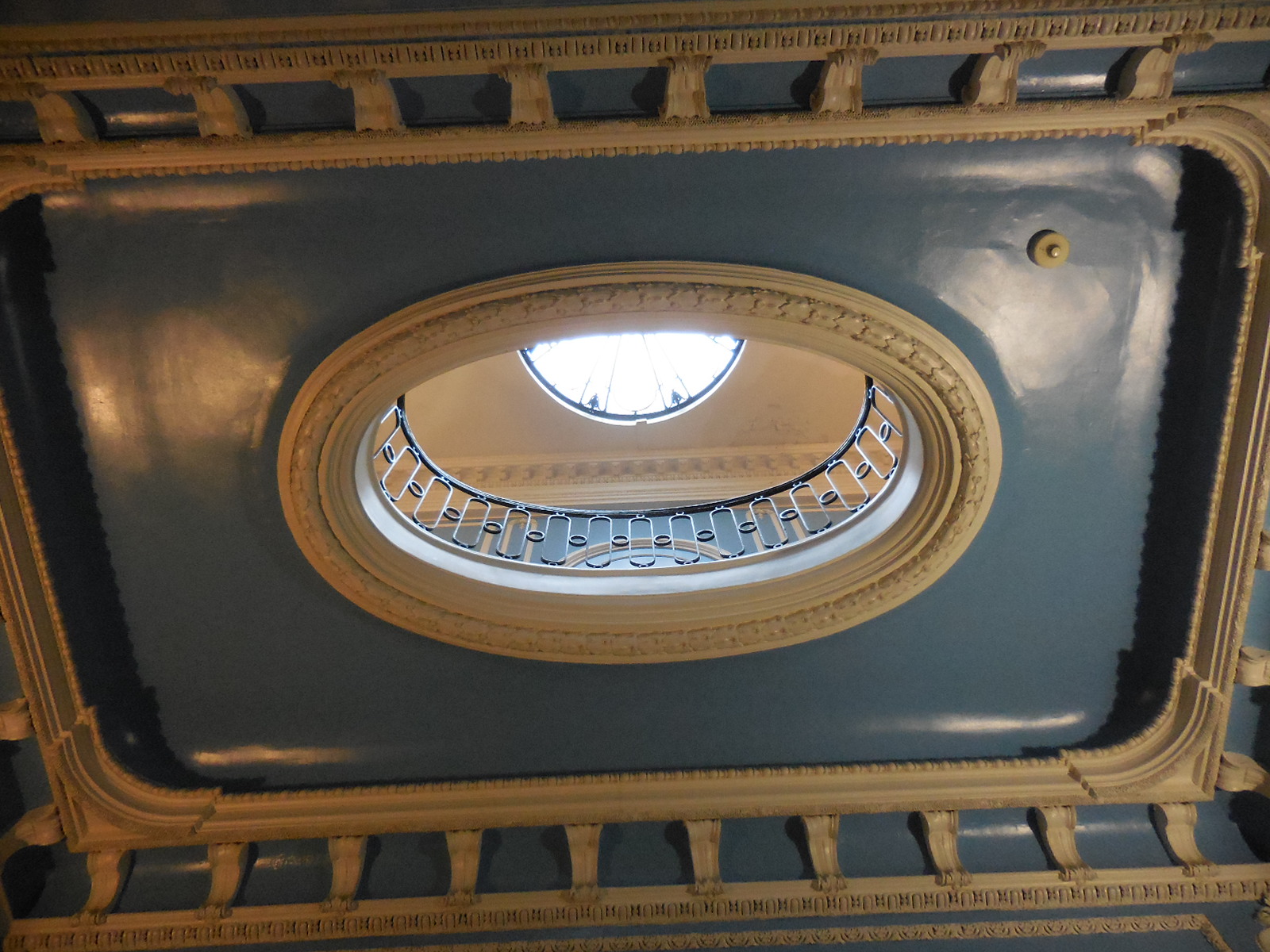
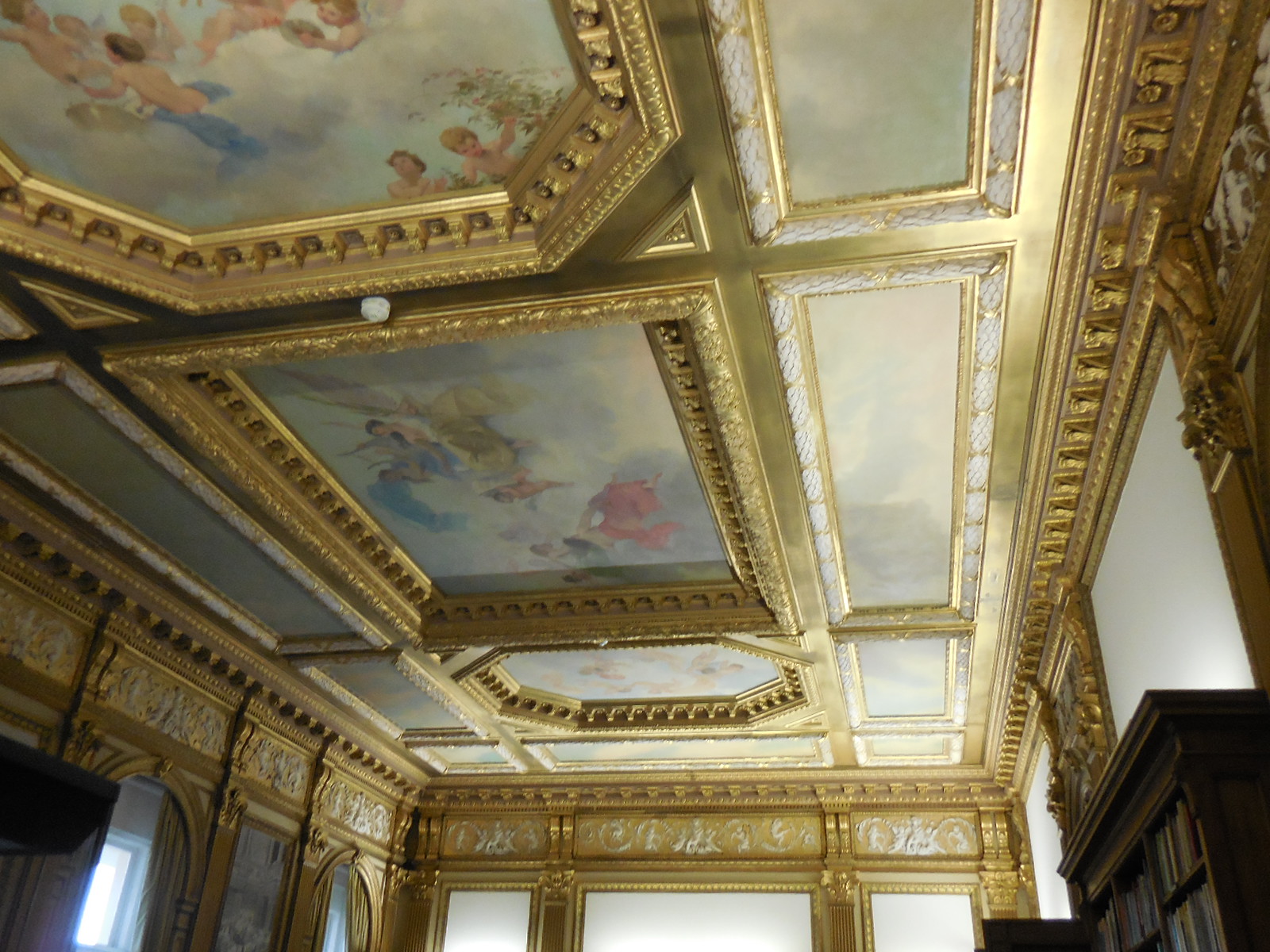
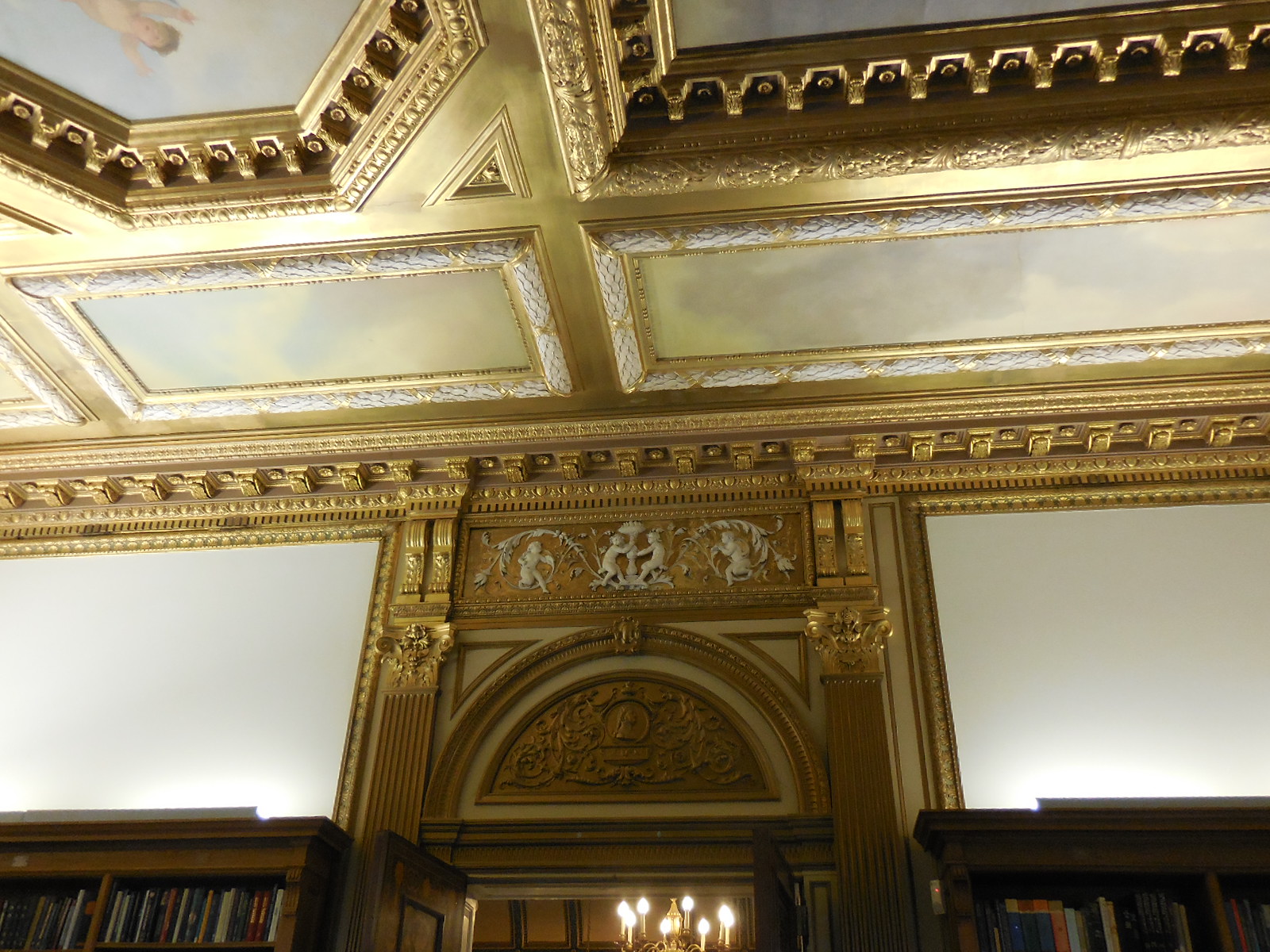
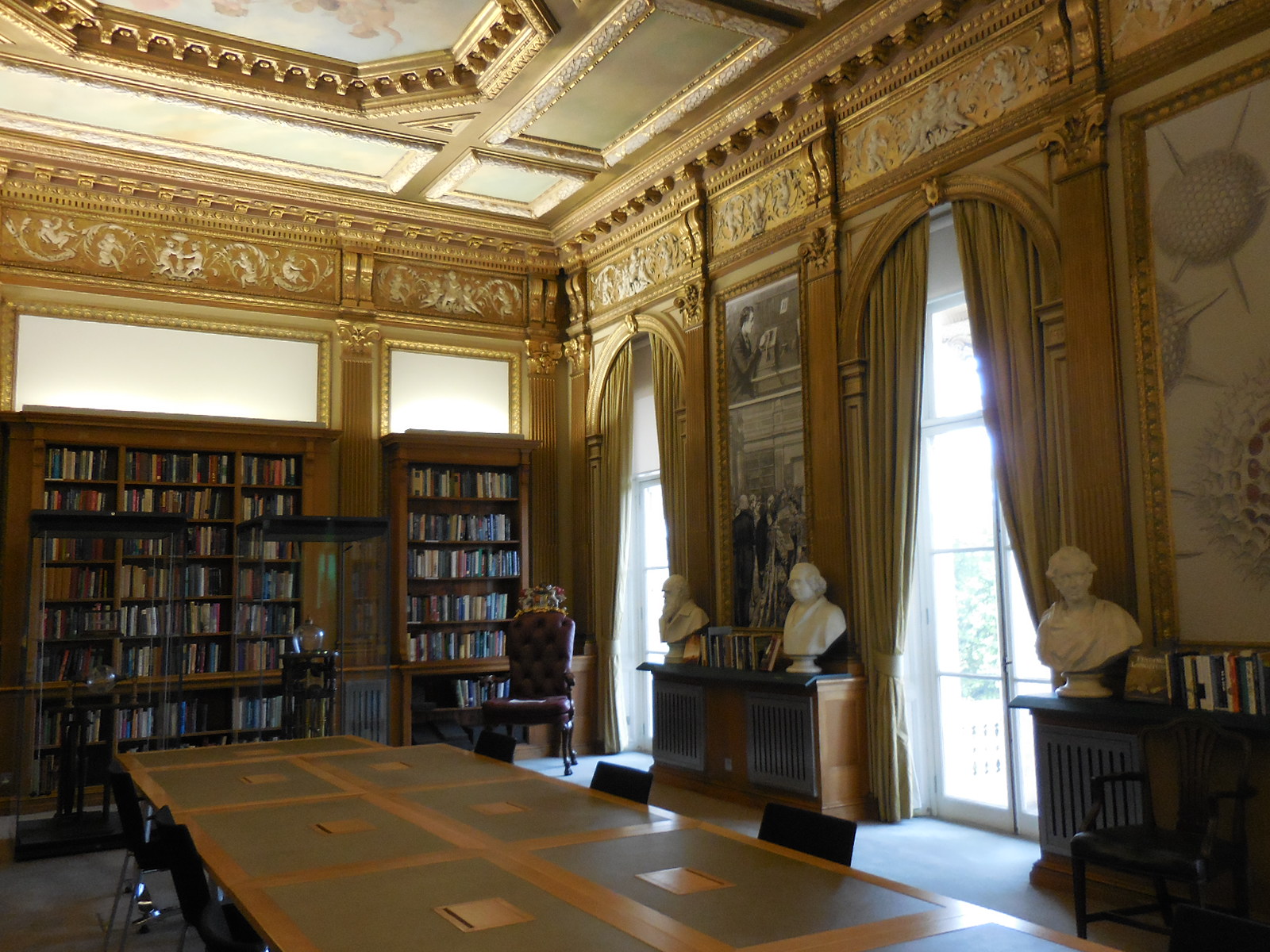
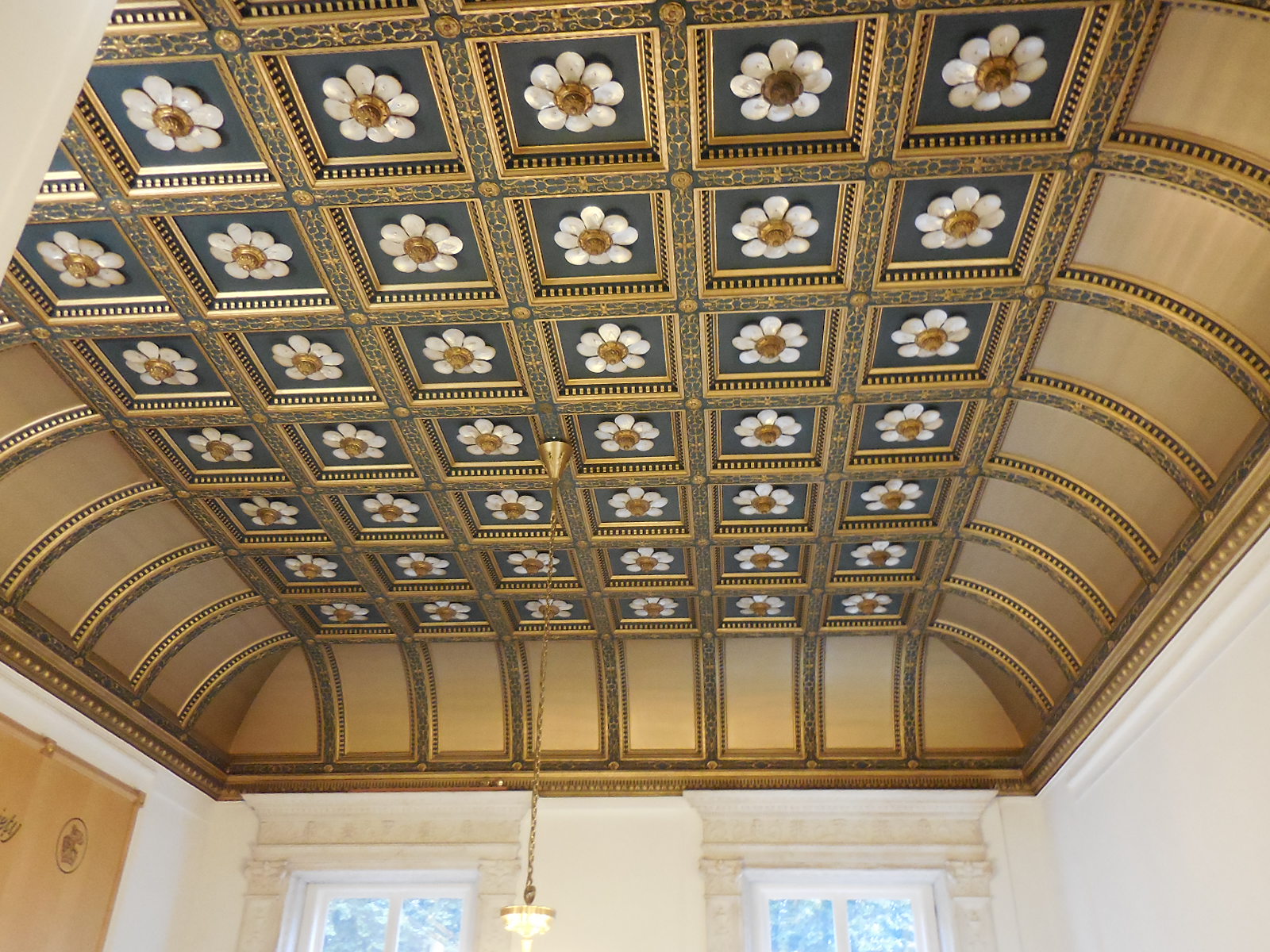
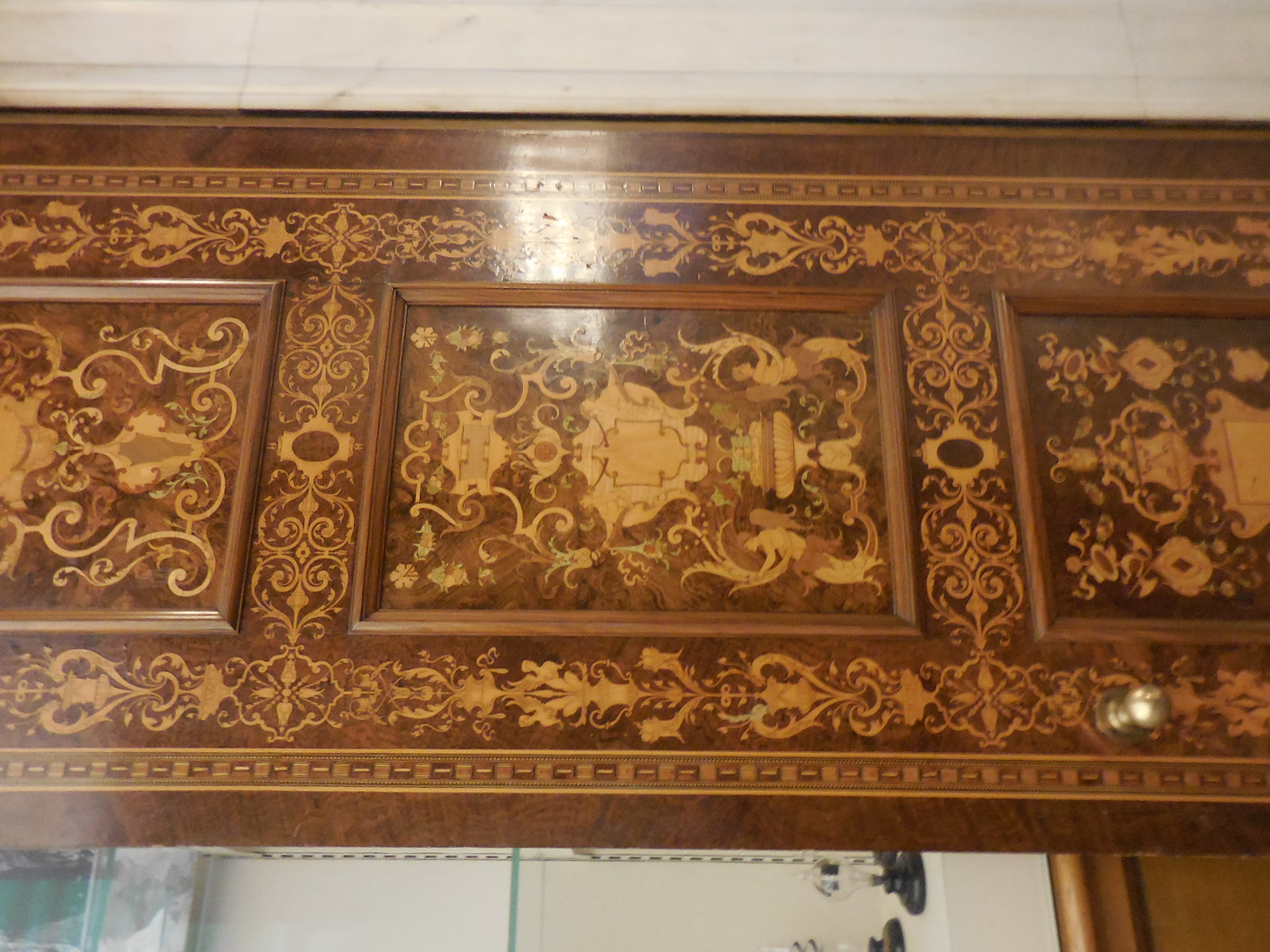
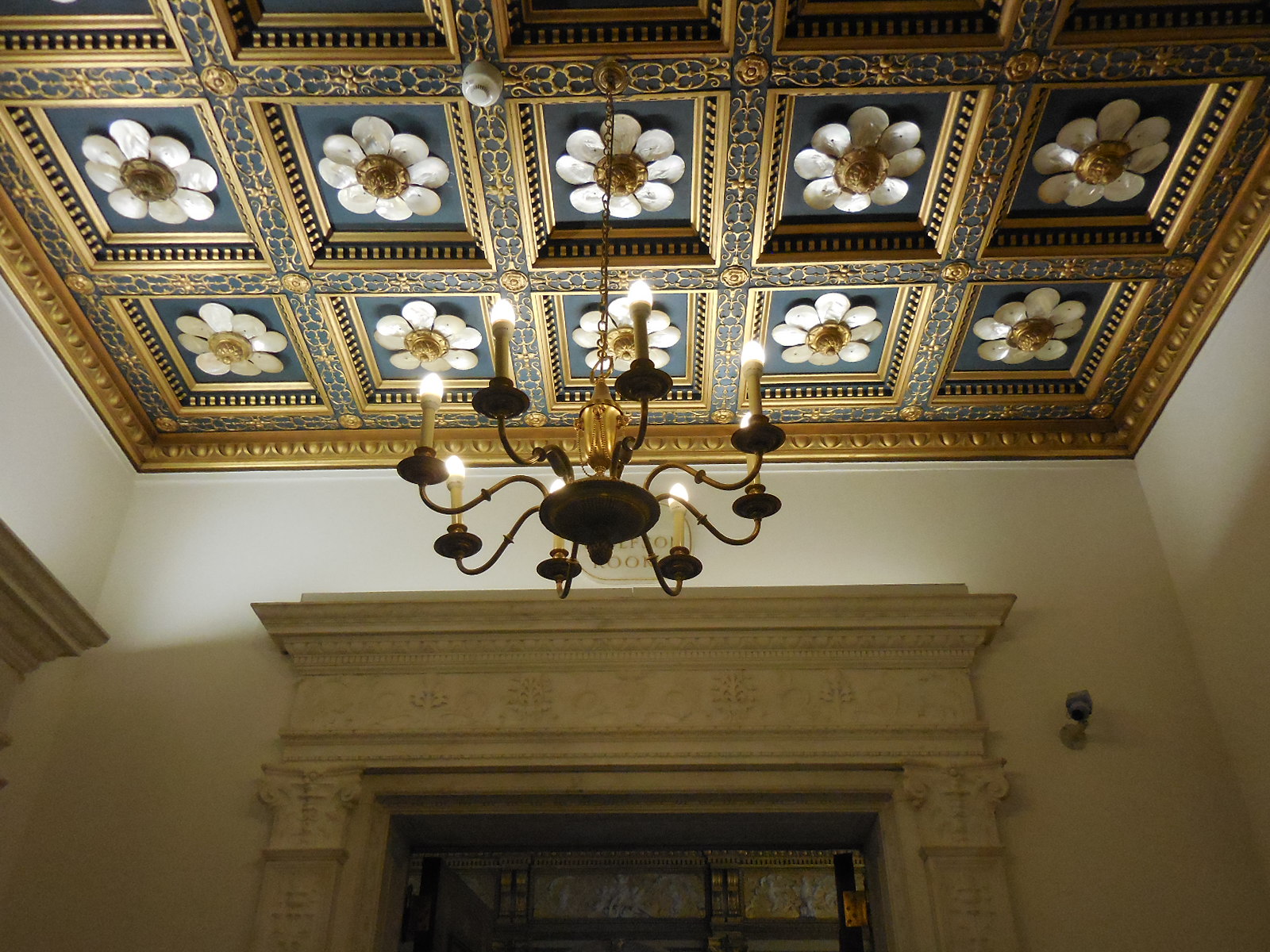
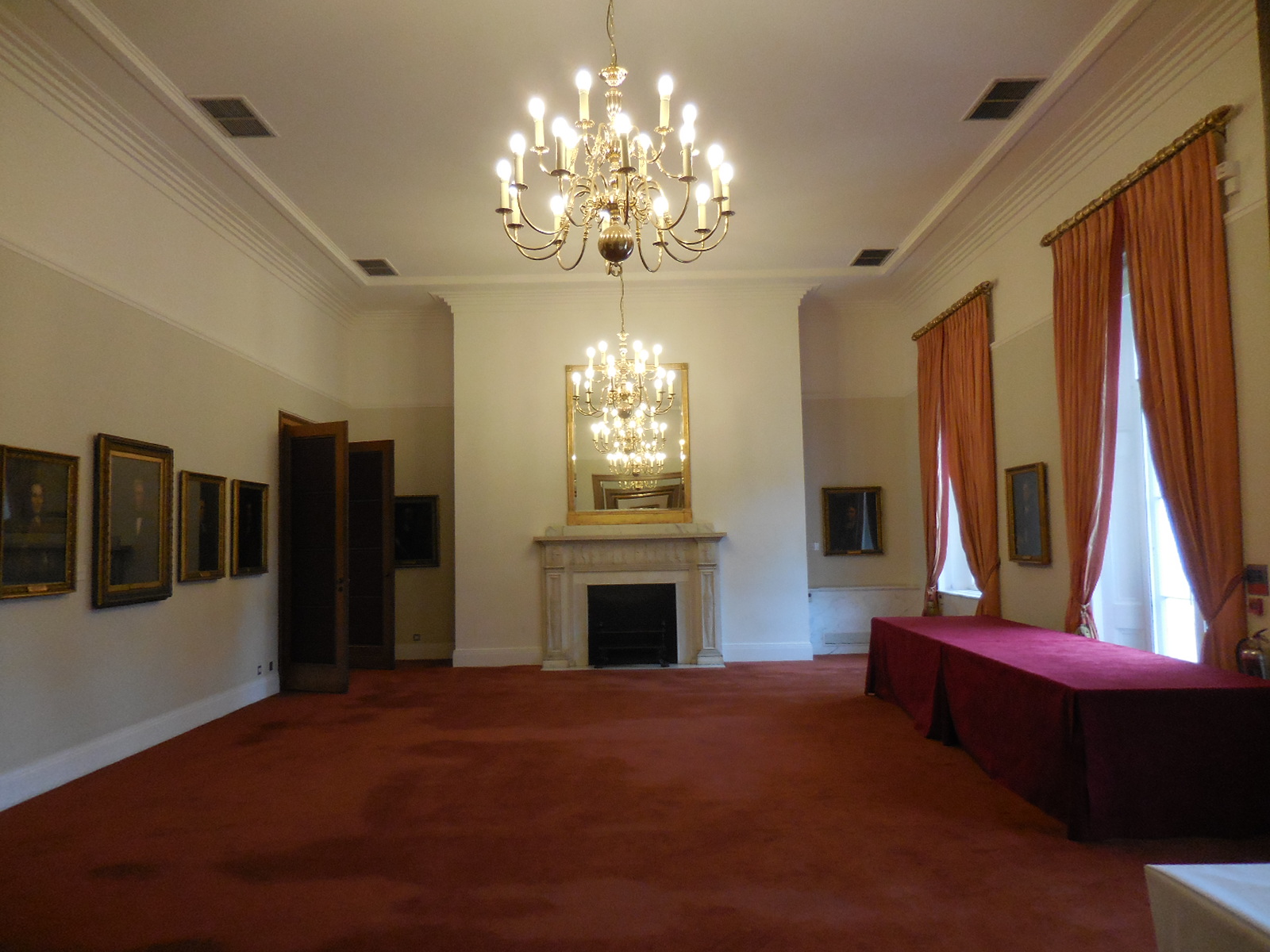
The rooms are beautifully appointed, certainly redone since its beginning, but preserving the character of the early 19th Century.

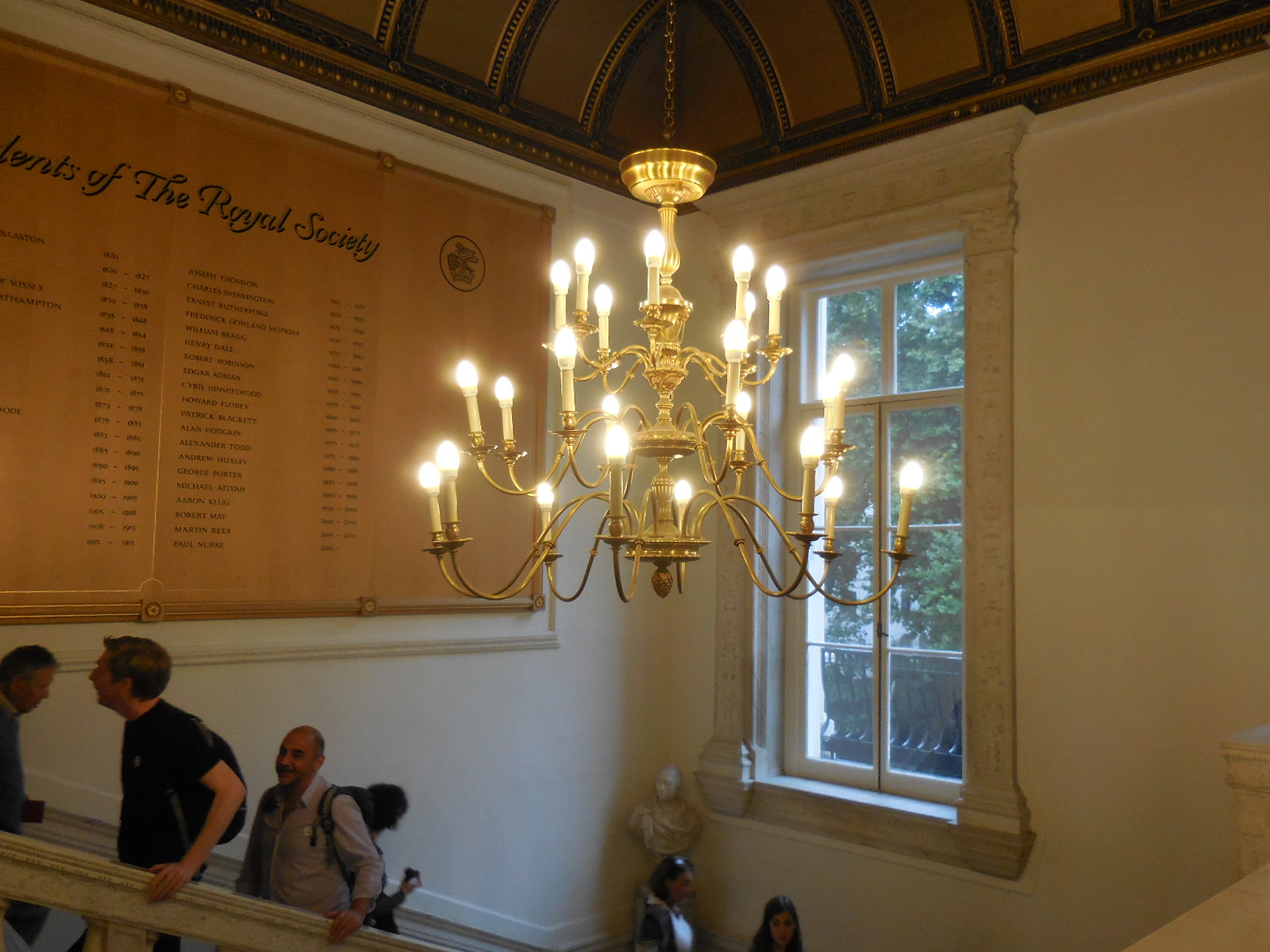
Stairway details

Charles Darwin 1809-1882
naturalist and writer on evolution

looking out

library

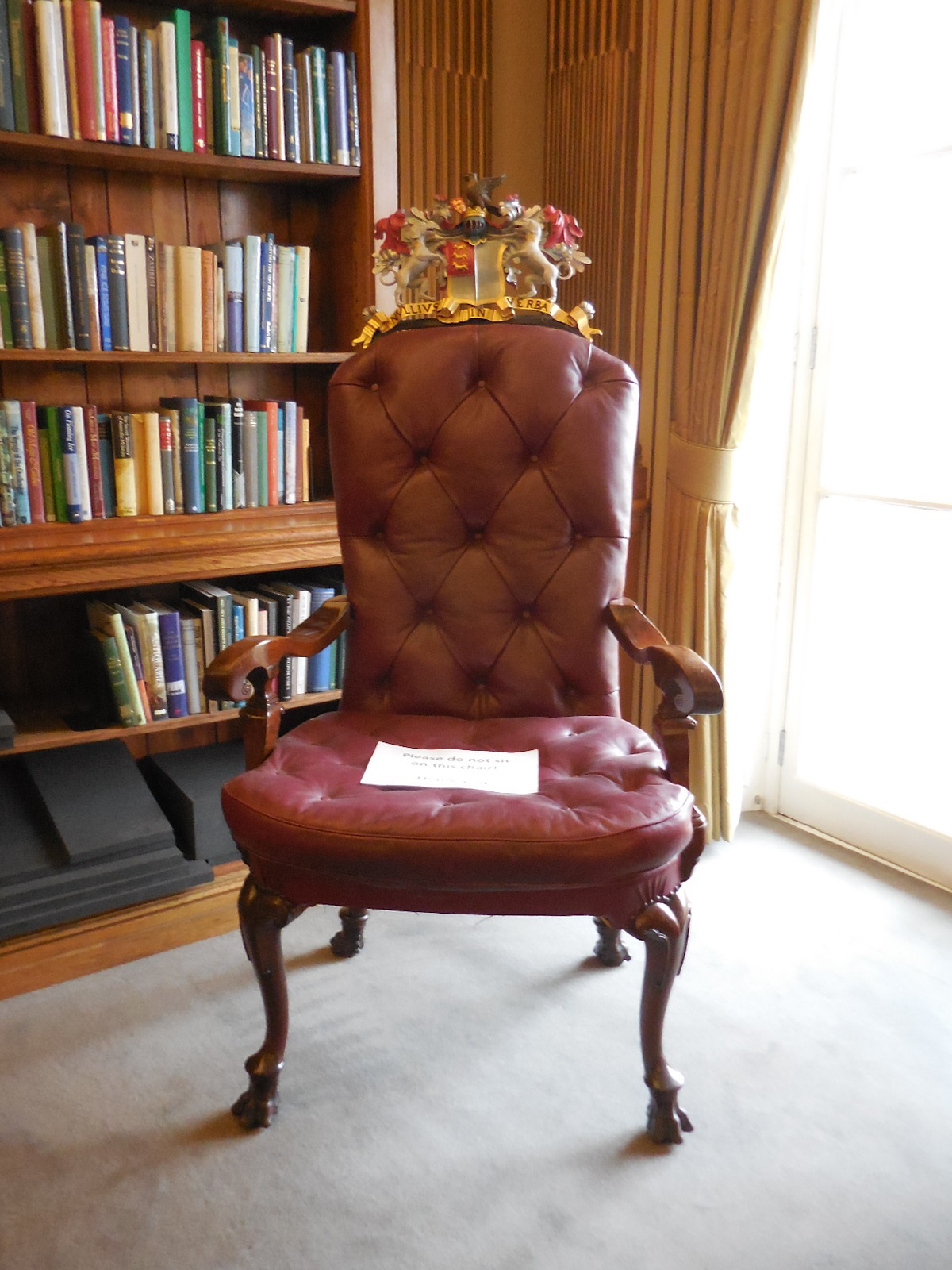
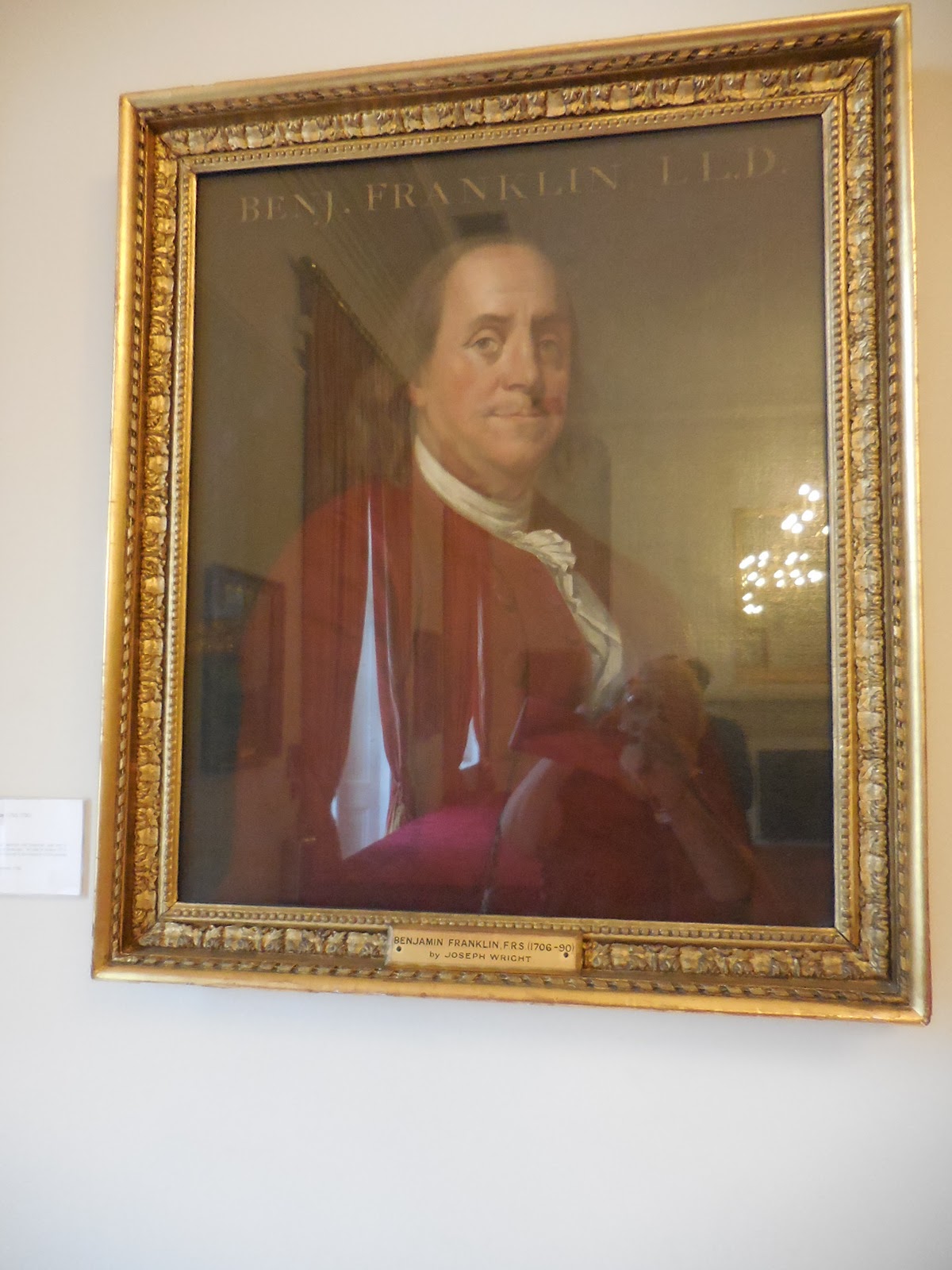
Benjamin Franklin, who spent many years in London, was a member.
The Royal Society’s website is here.
Though we certainly appreciated the many scientific achievements of the fellows and the contributions of the Royal Society to the advancement of science, I have to admit we were even more captivated by examining the architecture and decor, imagining what it must have been long ago.  Luckily we had another spot to visit in the Carlton House Terrace, next time.

THE ADVENTURES OF A TOUR GUIDE


Number One London is preparing a line up of new tours for 2017!
We don’t have details yet, as various components of the tours still have to be finalized. To that end, Kristine will be making the ultimate sacrifice – another trip to England beginning on May 1. 
Regency author Diane Gaston (Perkins) will be along for the ride. And I do mean ride. Whilst I’ll be busy attending to serious tour business, there’s no telling what Diane will be getting up to. I’ve travelled to England with Diane in the past – I know whereof I speak. Here’s the proof –
At Belvoir Castle, Diane picked up a pair of Highwaymen. 
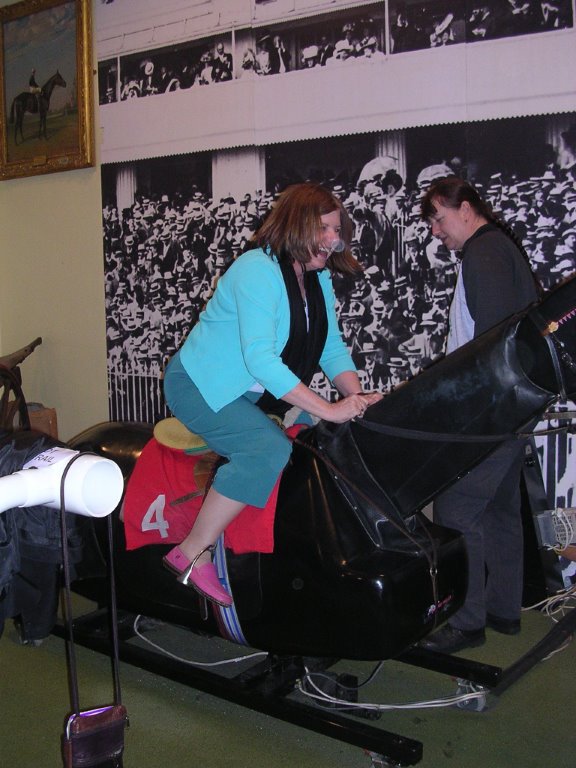
Next thing I knew, she was taking riding lessons at The Jockey Club in Newmarket. 
She said it was all in the name of research, but I have my doubts. 
Check out her latest release and see if you can find any passages based on this “research.”
Diane and I will be visiting London, the Peak District, Derby and Brighton. Along the way, in addition to attending to business, we’ll be visiting with old friends, making new friends and business partners, attending the theatre, viewing stately homes, strolling a beach or two, checking out museums, taking a private tour of Buckingham Palace and seeing a few exhibitions. And yes, we will be re-visiting Apsley House. 
Of course, we’ll be taking new selfies all along the way. And while we’re in England, I’ll be regularly posting to social media so be sure to check my personal Facebook page and our Number One London Facebook page, as well as Twitter and Instagram.


Stay tuned for details on all 2017 Tours coming soon!

OUR TOUR OF THE THEATRE ROYAL DRURY LANE

The souvenir brochure at the Drury Lane Theatre opens with this statement:  “Theatre Royal Drury Lane has, over the last three centuries, established itself as a centre of performing excellence and extraordinary versatility. Tragedy, fire, bankruptcy and argument have all taken their toll, nonetheless “Old Drury” has survived to earn itself a reputation second to none.”

Victoria, here, reporting on the tour Kristine and I took of the theatre a few days after the conclusion of the Duke of Wellington Tour in September 2014.  The Grade One Listed building claims to be the oldest theatre still in use in London.

Drury Lane Theatre, c. 1808, third building of the name on the site
by Rowlandson and Pugin
Today’s Theatre Royal Drury Lane

In 1809, the Theatre Royal Drury Lane burned down. A famous story is told about  Richard Brinsley Sheridan, an MP, playwright, and owner of the theatre. Supposedly, he watched the flames from the street while sipping a glass of wine, and said, “Surely a man may be allowed to take a glass of wine by his own fireside.”
The present building dates from 1812, the fourth theatre here since Restoration times. However, as we learned, portions of the “workings” below stage date from earlier years.
Nell of Old Drury: In its early days the pub was known as The Lamb. It is said Charles II used a secret passage way beneath the road which connected pub and theatre when he wished to meet Nell Gwynn. 
The inside of the theatre, the rotunda, lobbies, and bars are lavishly built and decorated, as befit the place to see and be seen.

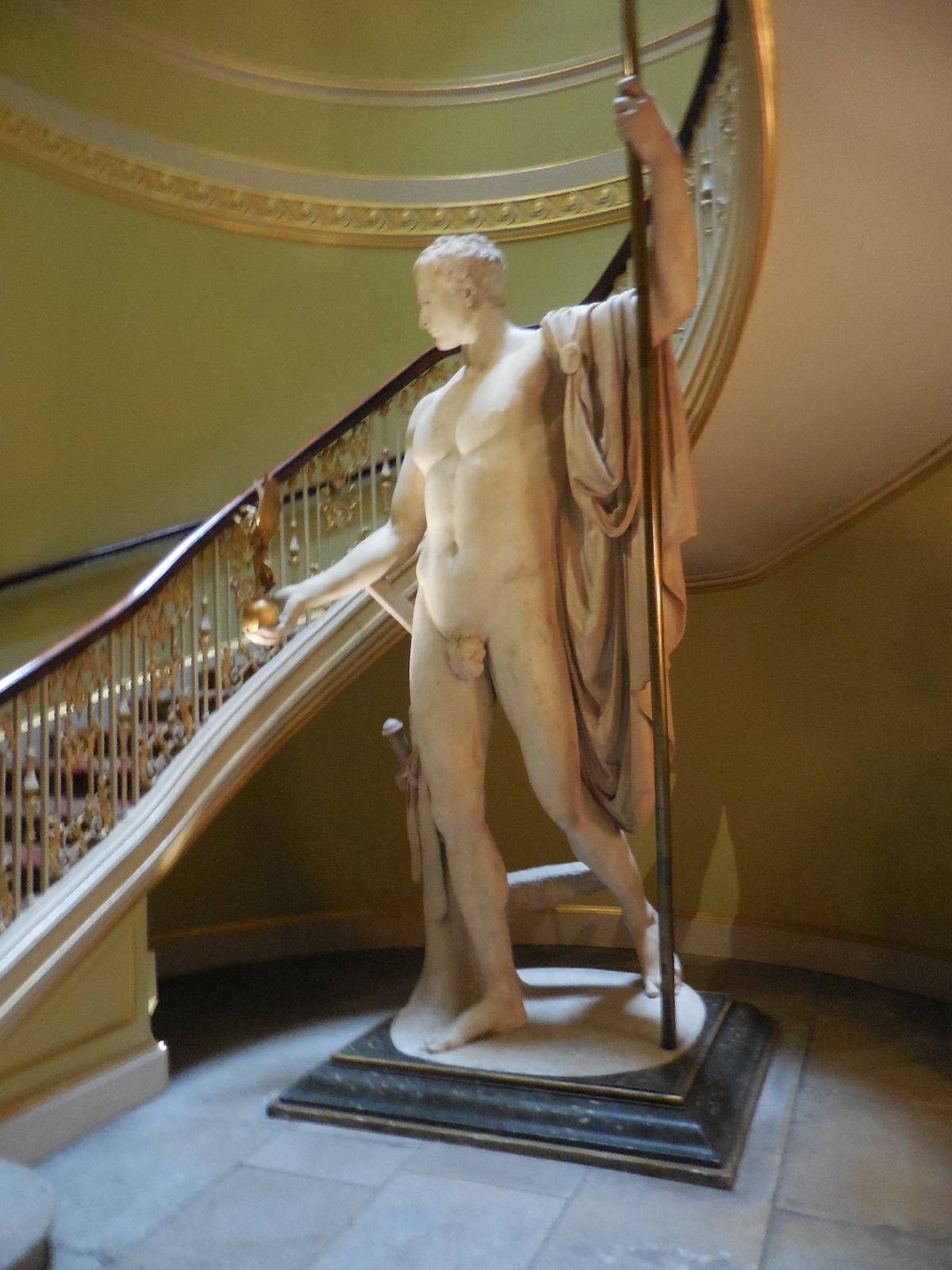
In 2013, Andrew Lloyd Webber purchased this copy of Antonio Canova’s famous sculpture “The Three Graces” to stand in the lower rotunda.  Restoration of the theatre had returned the decor and colors to their Georgian originals, in keeping with Webber’s desire to have it reflect authentic Regency design.

Edmund Kean (1787-1833) performed at as Shylock in Shakespeare’s Merchant of Venice in 1814, supposedly causing some to faint in their seats at his realism.

King George III loved watching the audience members arriving from the balcony of the rotunda. When he became outraged that his son, the future Prince Regent and George IV, created a disturbance with his noisy friends, the theatre managers were upset.

 Ultimately they split the entrance into King’s and Prince’s sides, which remain today.

Michael William Balfe, (1808-1870), Composer, Violinist and Singer

David Garrick (1717-1779) Poet, Actor, and Producer, managed the Drury Lane for 29 years.
William Shakespeare (1564-1616) Poet, Playwright

Above and below, The Royal Retiring Room
Below, the Auditorium, stage at left

The Prince’s Side

The King’s Side, above and below
lighting above the stage

Above and below, the Grand Saloon 

Ivor Novello (1893-1951) Composer and Actor
Ira Aldridge (1807-1867) Famous Shakespearean Actor
“The African Roscius”
Bomb Casing from the Blitz; the theatre continued to operate during WWII

Some wag’s comment on the “luminaries” throughout the building

Above and below; deep under the stage some of the mechanicals date back to the 18th Century

The excellent technical equipment and huge stage have allowed vast spectacles to be performed at Drury Lane, including one I saw a few years ago, Miss Saigon, which had a helicopter land on the stage. The production showing when we visited was Charlie and the Chocolate Factory.

Outside, the Stage Door
Nearby, a memorial to Sir Augustus Harris (1825-1873)
Actor, Dramatist and Impresario, manager of the Drury Lane
Our intrepid tour guide who did a wonderful job, but couldn’t turn up any of the theatre’s ghosts