1816 FASHIONISTAS

What were the ladies of London wearing 200 years ago? According to the Fashion plates from La Belle Assemblee, Ackermann’s Repository, and others, here are some examples from my collection.

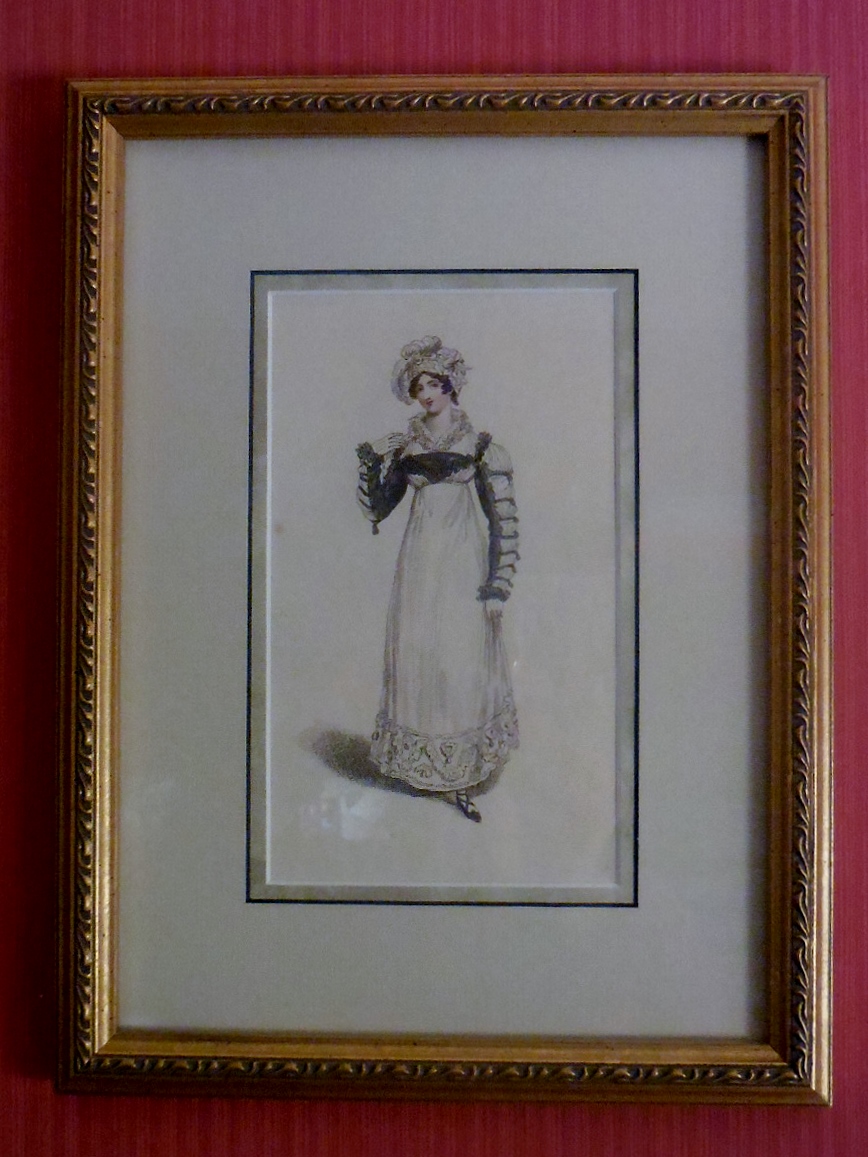
La Belle Assemblée July 1815, on my office wall: Waterloo Walking Dress

As I have posted before, the publishers of this magazine must have raced to find a suitable dress to commemorate the battle, something in the colors of mourning for the dead, yet expressive of the victorious celebration throughout the nation.
From the magazine: “Waterloo Walking Dress

This very beautiful dress, which answers the double purpose of walking or dinner dress, is composed of clear muslin and is made in a most original and tasteful style:  the petticoat, as our readers will perceive by the Print, is ornamented in an elegant and appropriate manner with a tasteful black trimming.  The body and sleeves, composed of an intermixture of black satin and clear muslin, are exquisitely fancied; they are made in a style of novelty, elegance, and simplicity which we never recollect being equalled in the mourning costume.  The Waterloo dress, when worn for dinner parties, has no shirt, but some ladies shade the neck a little by a narrow frill of white crape round the bosom.  In the walking costume it is worn with a shirt invented for the occasion, and trimmed in a very novel and appropriate style.  Of the hat worn with this dress we can only observe that it is the most elegant and striking headdress ever invented for mourning; it is an intermixture of white satin and black crape, most tastefully ornamented with either black or white feathers.  Black or white kid sandals and white kid gloves finish the dress, the effect of which altogether is much more elegant than our fair readers can conceive either from the Print or from our description.  The above dress was invented by Mrs. Bell, Inventress of the Ladies Chapeau Bras and the Circassian Corset, and of whom only they can be had, at her Magazin des Modes, No. 26, Charlotte Street, Bedford-Square.”
Now, moving into 1816: 

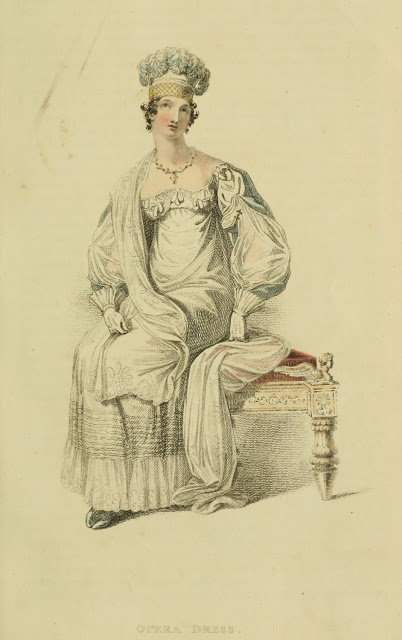
from Ackermann’s, an Opera Dress, April 1816
A few years ago, I was fortunate enough to acquire the two bound copies of 1816’s La Belle Assemblee and one of 1815, each containing six monthly issues complete with fashion plates. For years, I read and copied material from them, a wonderful opportunity.  Though the bindings were in poor condition, they were entirely readable and usable. The fashion plates, once scanned and framed, are hardly distinguishable from the originals.

La Belle Assemblee: Riding Dress, June. 1816

Sometimes when one goes to a library, the issues of the old magazines have had their fashion plates razored out. All those plates for sale on ebay and elsewhere come from someplace and many have been stolen.  A pox on anyone who steals from libraries!!!

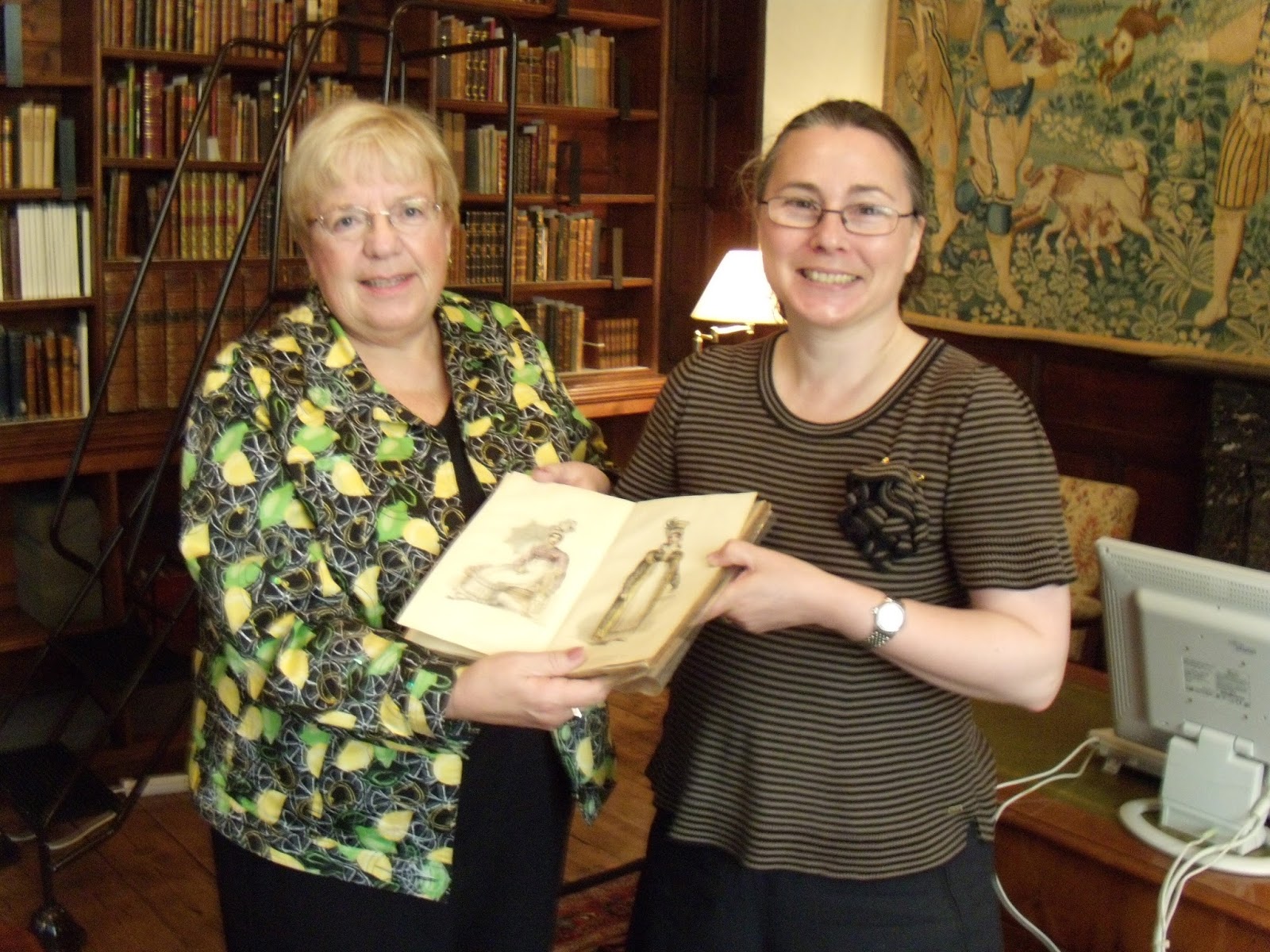
So I was eager to donate my three volumes to a place where they would be protected. To me, the best spot was Chawton House Library. Below, I am handing them to then-librarian Jacqui Grainger.

Victoria and Jacqui
Don’t you love the shelves of books in the background and
the computer at the right? 

In order not to take the plates out of their frames, I found a few versions of those I own on other websites.  A hunt will turn up most of them. Try Pinterest, for example, and the websites/blogs of experts and collectors like Candice HernRegency EncyclopediaRachel Knowles, Jane Austen’s World, E.K. Duncan,  and others.

Coeffure a la Romaine, Robe de Perkale, from Costume Parisien, 1816

Above, I think she is far more interested in her book than in her appearance, though the hem decoration is unusual and may attract some comment on the ballroom floor.
POST-TOUR: EXPLORING HAMPSTEAD, PART ONE

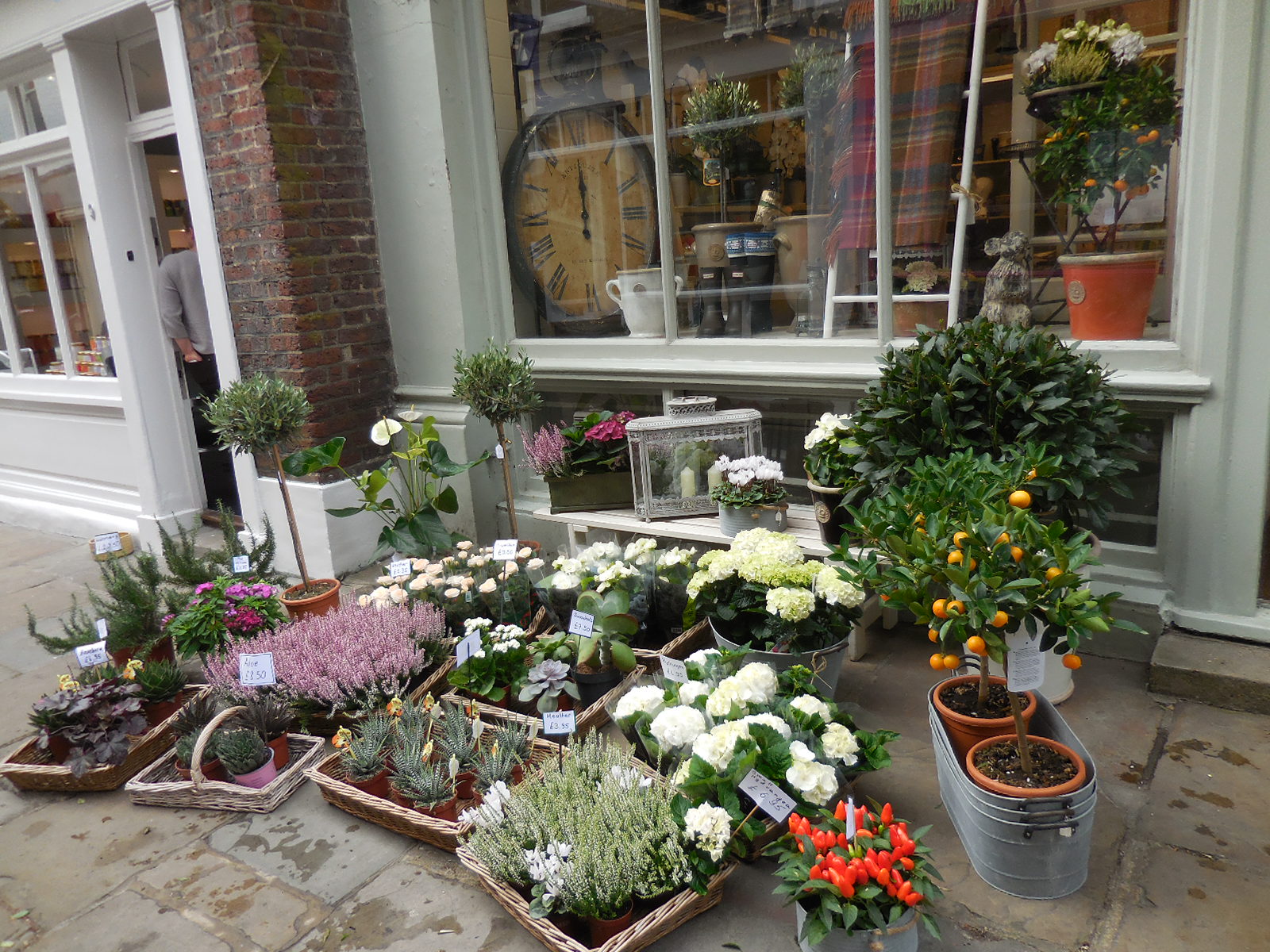
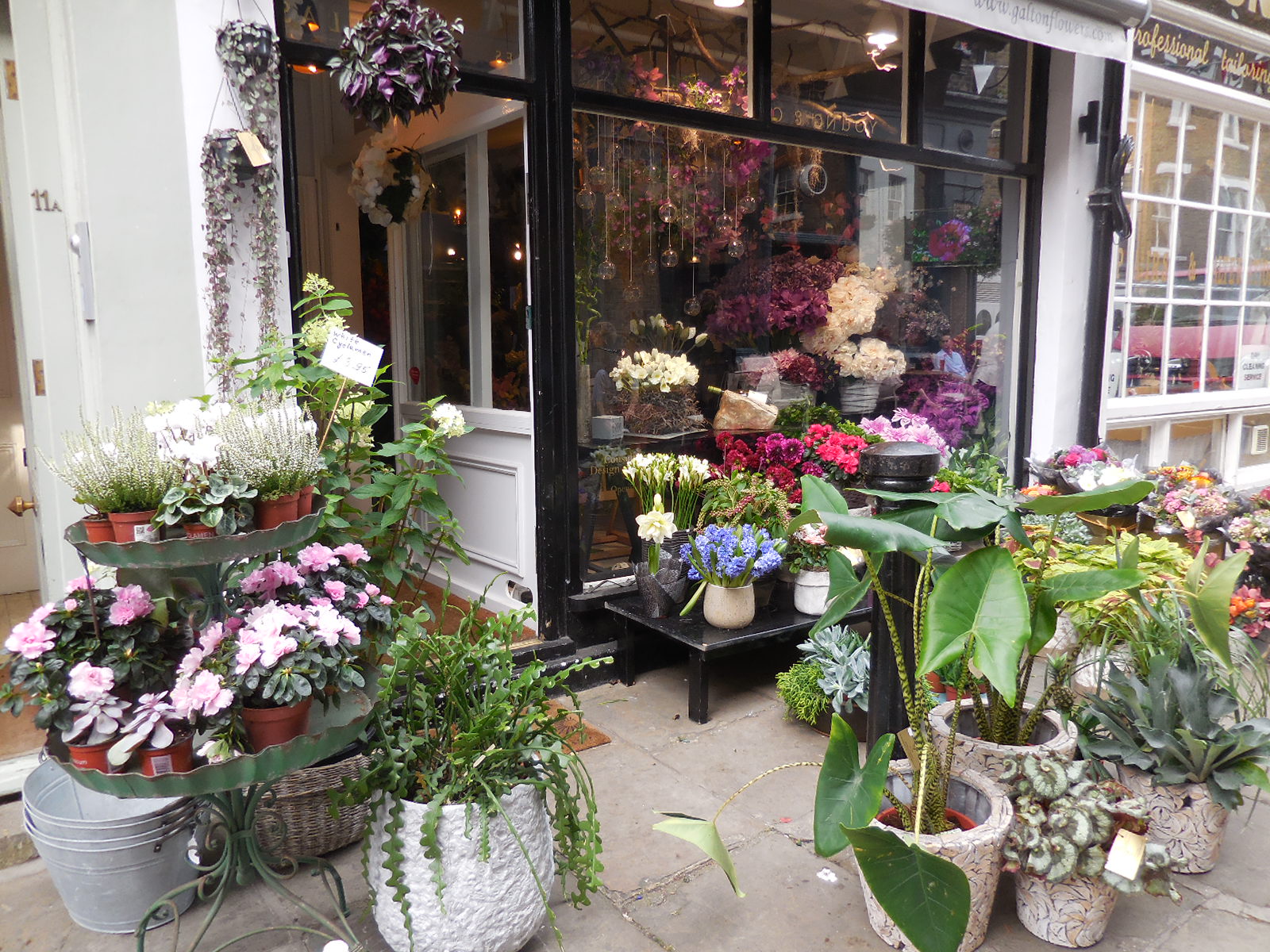
Victoria, here, picking up after our visit to Ben Franklin’s House. Since Hampstead was a neighborhood of London we had not sufficiently explored, Kristine and I found a B and B there for the remaining days of our stay in England.

Accordingly, we did a bit of wandering about, by no means covering all of the area’s treats.  We had already visited Kenwood House on the Heath prior to the Duke of Wellington Tour. And trekked through nearby Highgate Cemetery (for our posts on these adventures click here and here for Kenwood House. Click here and here for Highgate Cemetery).
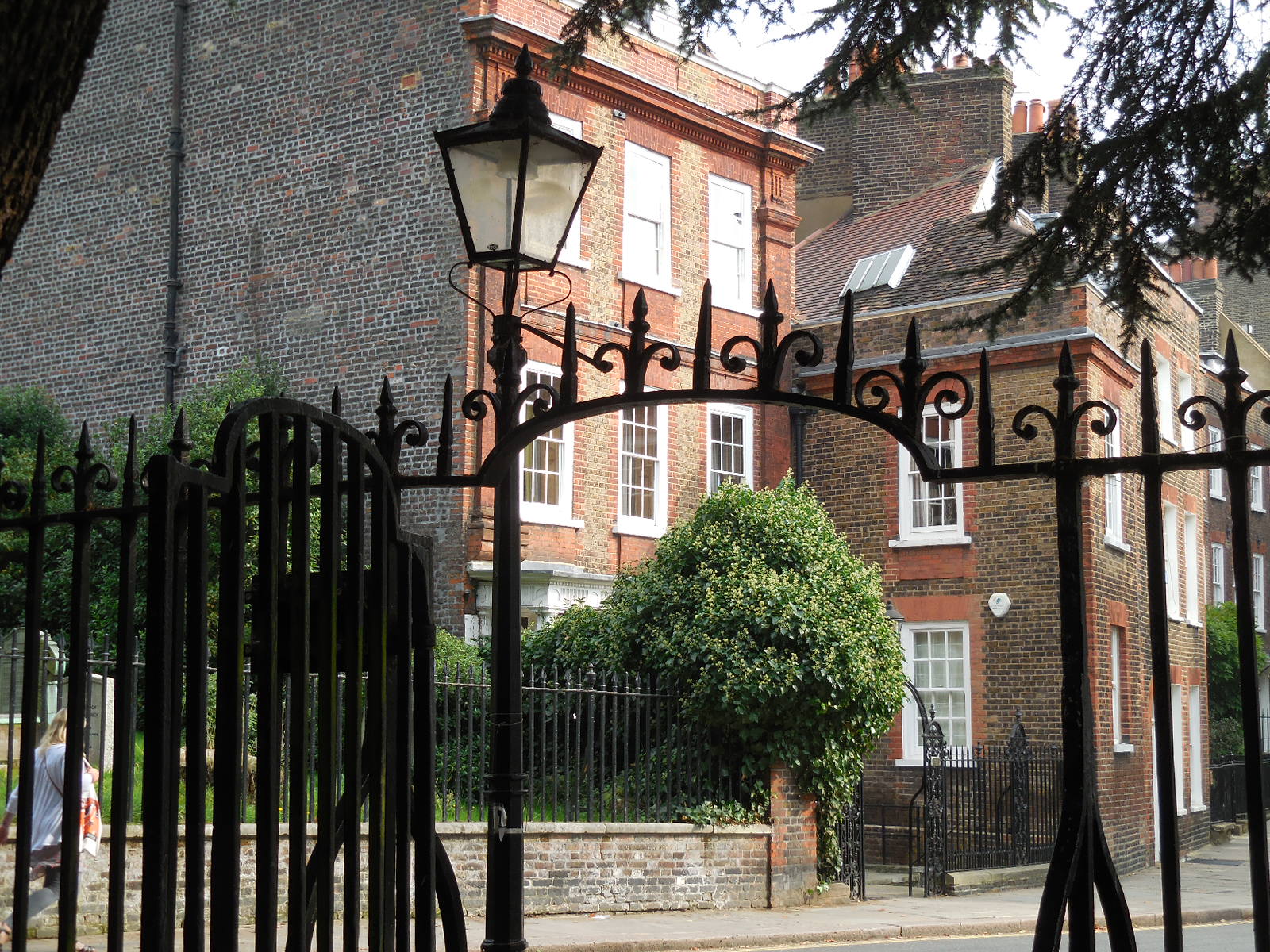
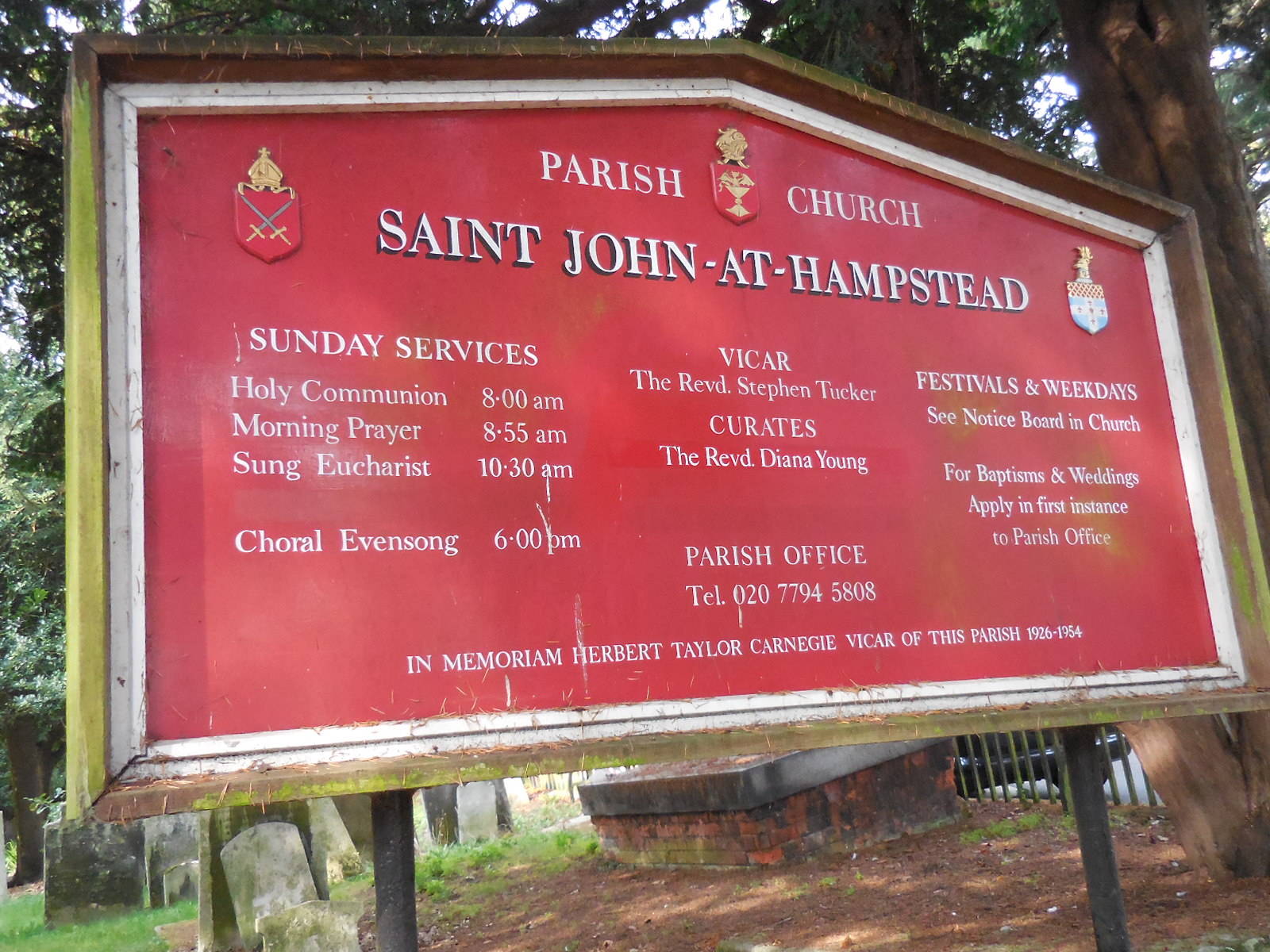
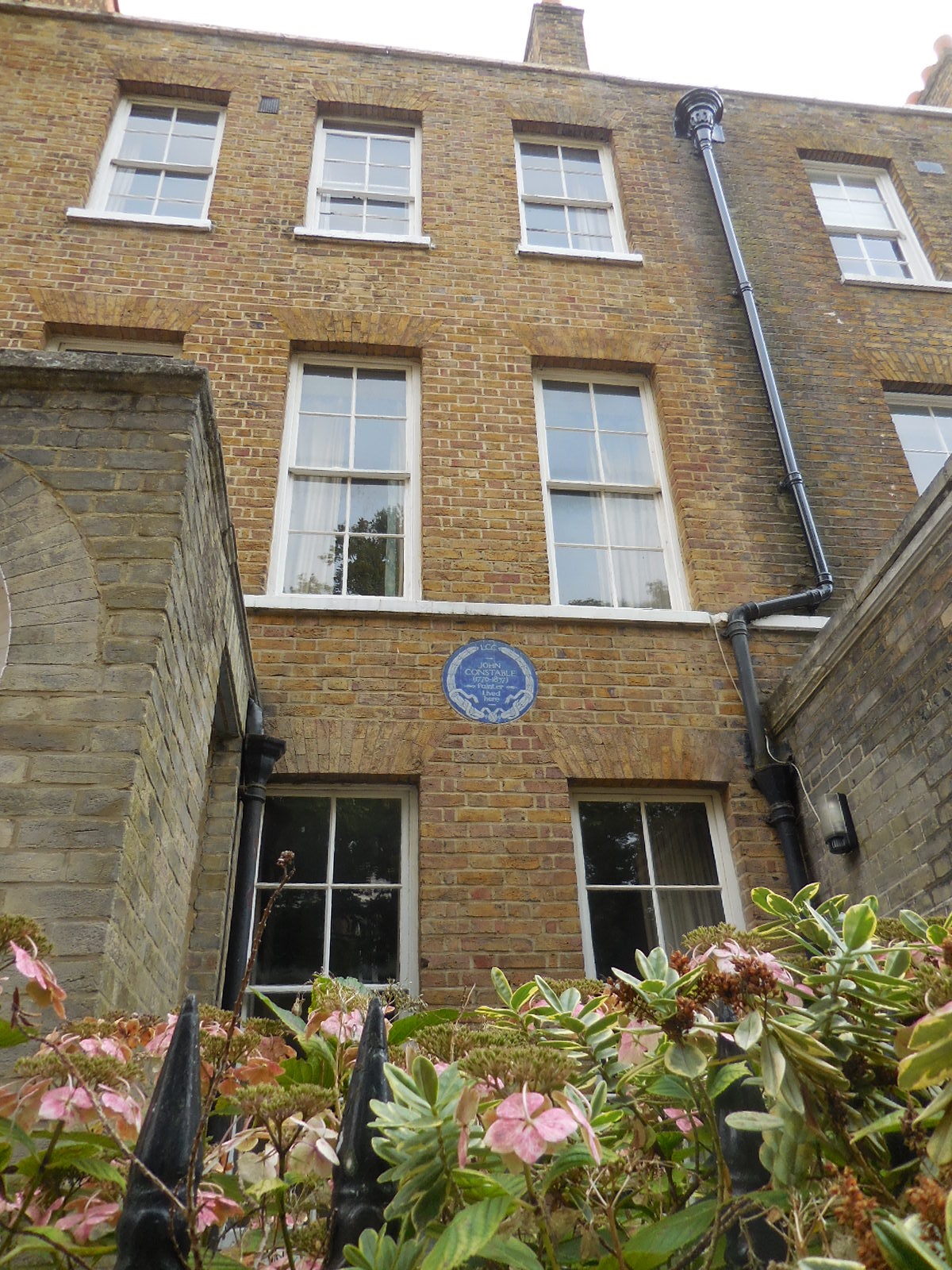
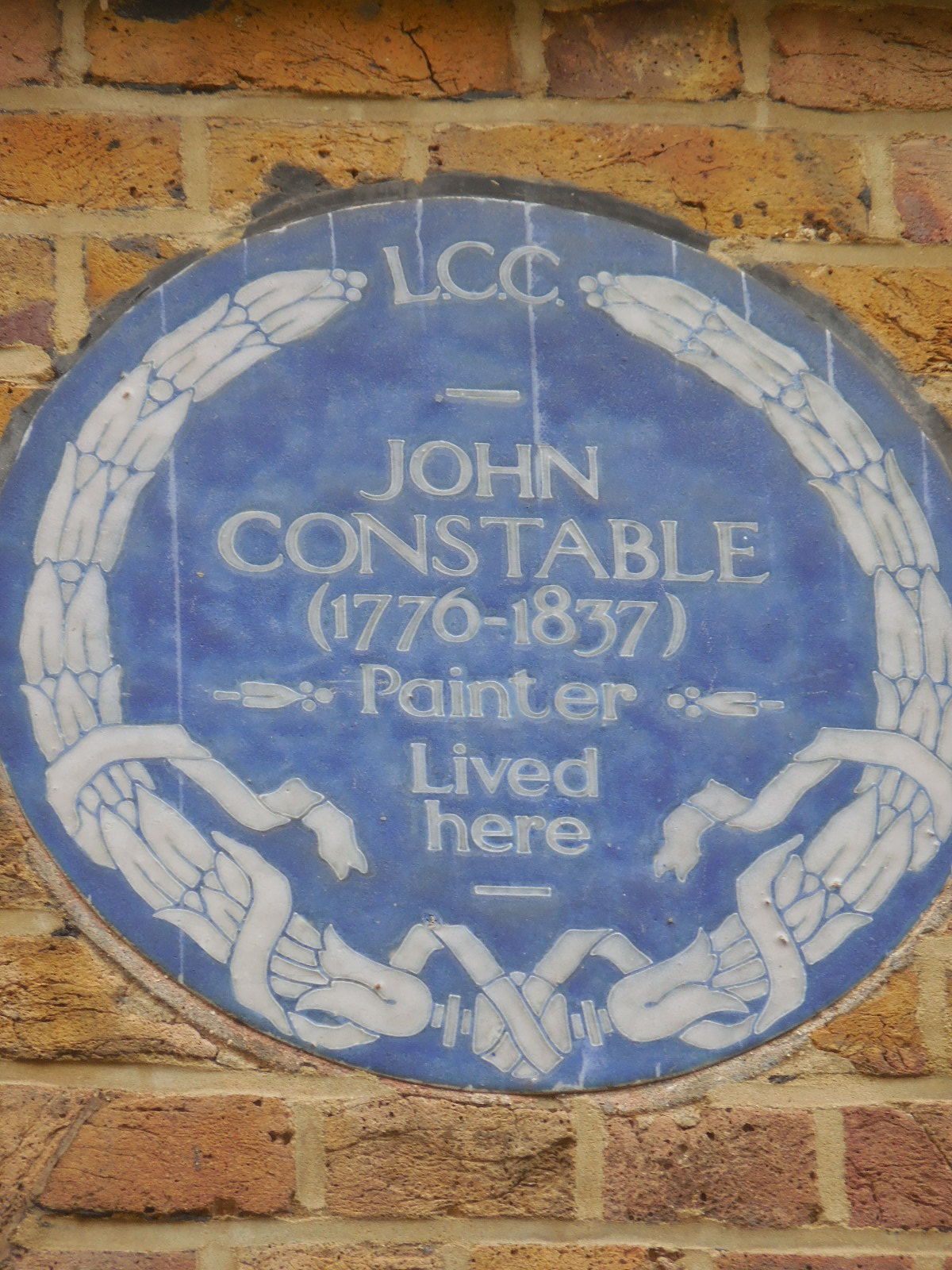
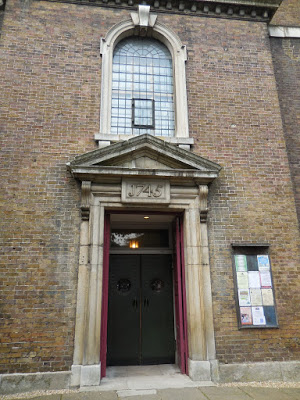
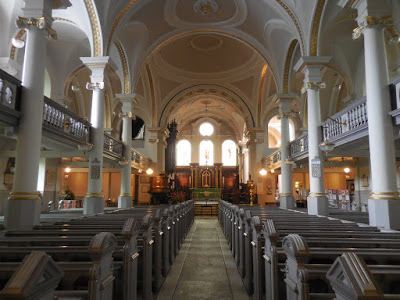
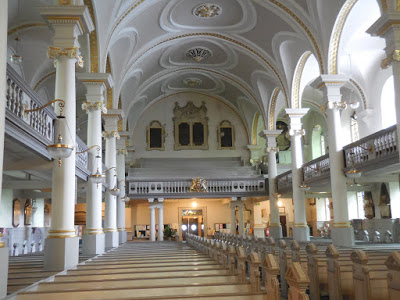
High on our “must see” list was St. John’s Church, where we expected to find the grave of John Constable right after the wonderful exhibition we had just seen at the Victoria and Albert Museum.

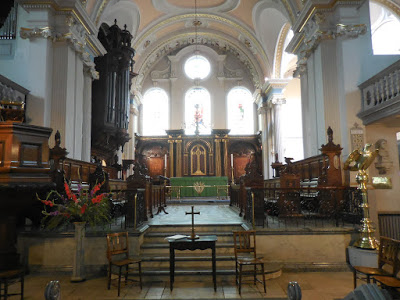
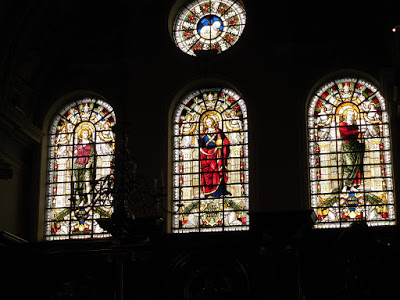
 After exploring the interior of the Church, we consulted a map of the graveyard and, with the help of an attendant, went straight to Constable’s tomb.

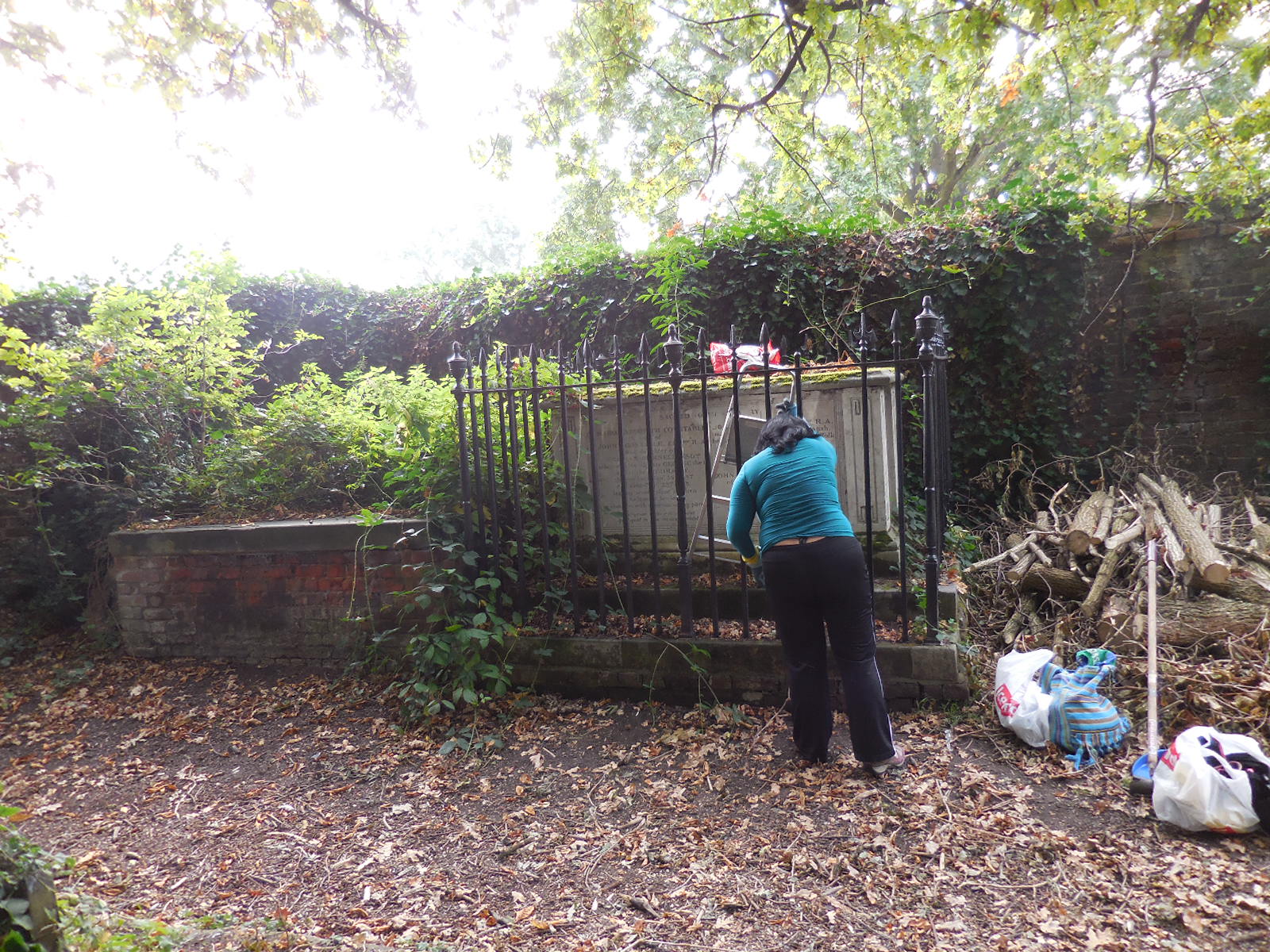
We were surprised to find a local resident and volunteer cleaning the stone and trimming the ivy. She’d brought her equipment and told us she found it unacceptable that the gravesite should be so neglected.  We agreed, and the attendant quietly faded away, perhaps chagrined we’d found his duties equally neglected. We loved chatting with the volunteer, a immigrant to Britain in her earlier years. Brava to her!  If (when?) we moved to Britain, I would hope Kristine and I would be out there trimming and scrubbing anything that needed attention too.

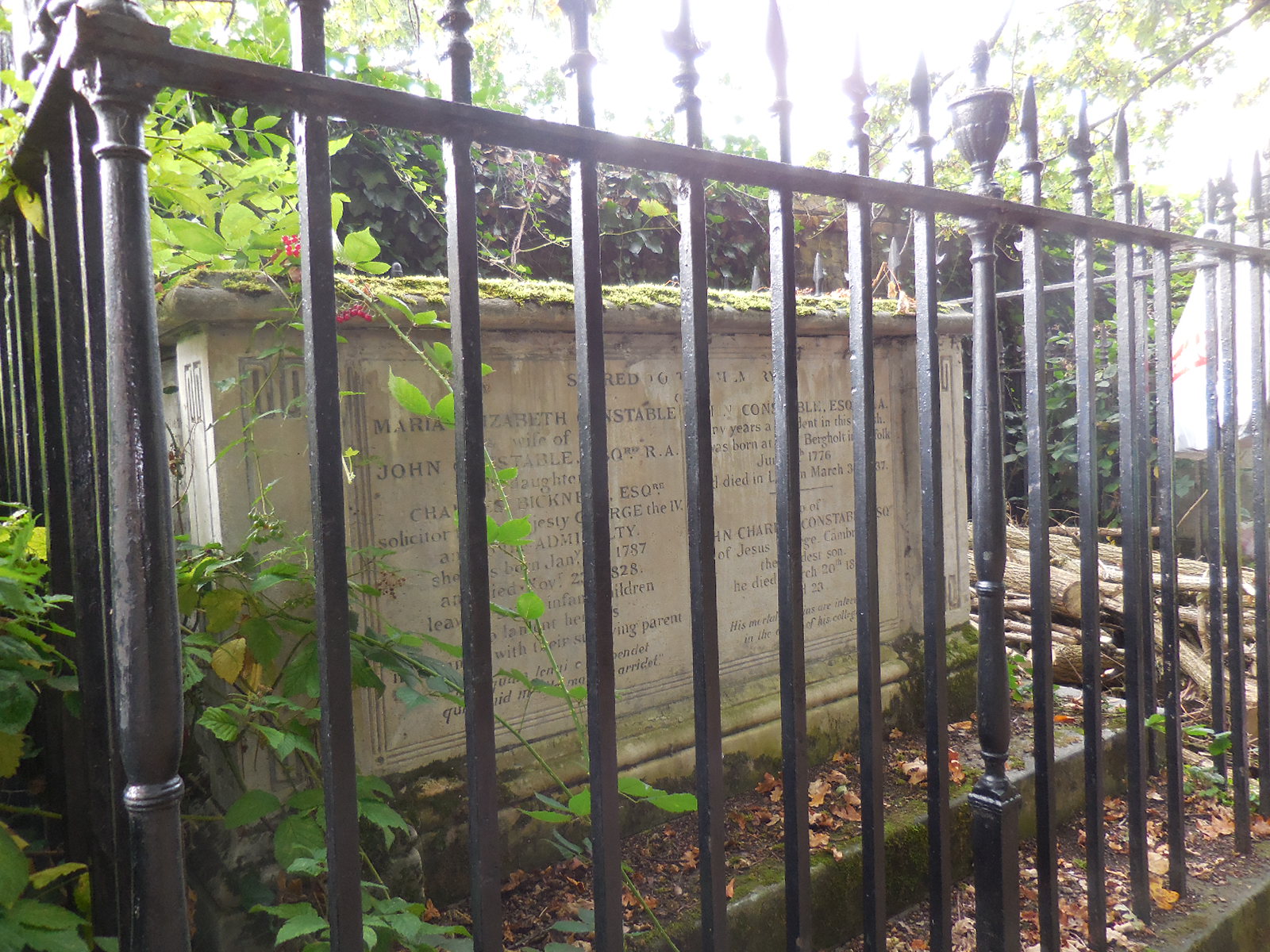
Tomb of John Constable

Inscriptions on the tomb read :”Sacred to the Memory of Maria Elizabeth Constable, wife of John Constable, Esq. RA, daughter of Charles Bicknell, Esq. solicitor to His Majesty King George IV and to the Admiralty; born Jan. 15, 1787 died November 23, 1828, leaving seven infant children to lament her loss in common with their surviving parent. John Constable, Esq., RA, many years resident in this parish, he was born at East Bergholt in Suffolk June 11, 1776 and died in London March 31, 1837.  Also of John Charles Constable, Esq. of Jesus College, Cambridge, their eldest son, he died March 30, 1841, aged 23. His mortal remains are interred in the chapel of his college. Also of Charles Golding Constable, 1821-1878 of the British East India navy.”

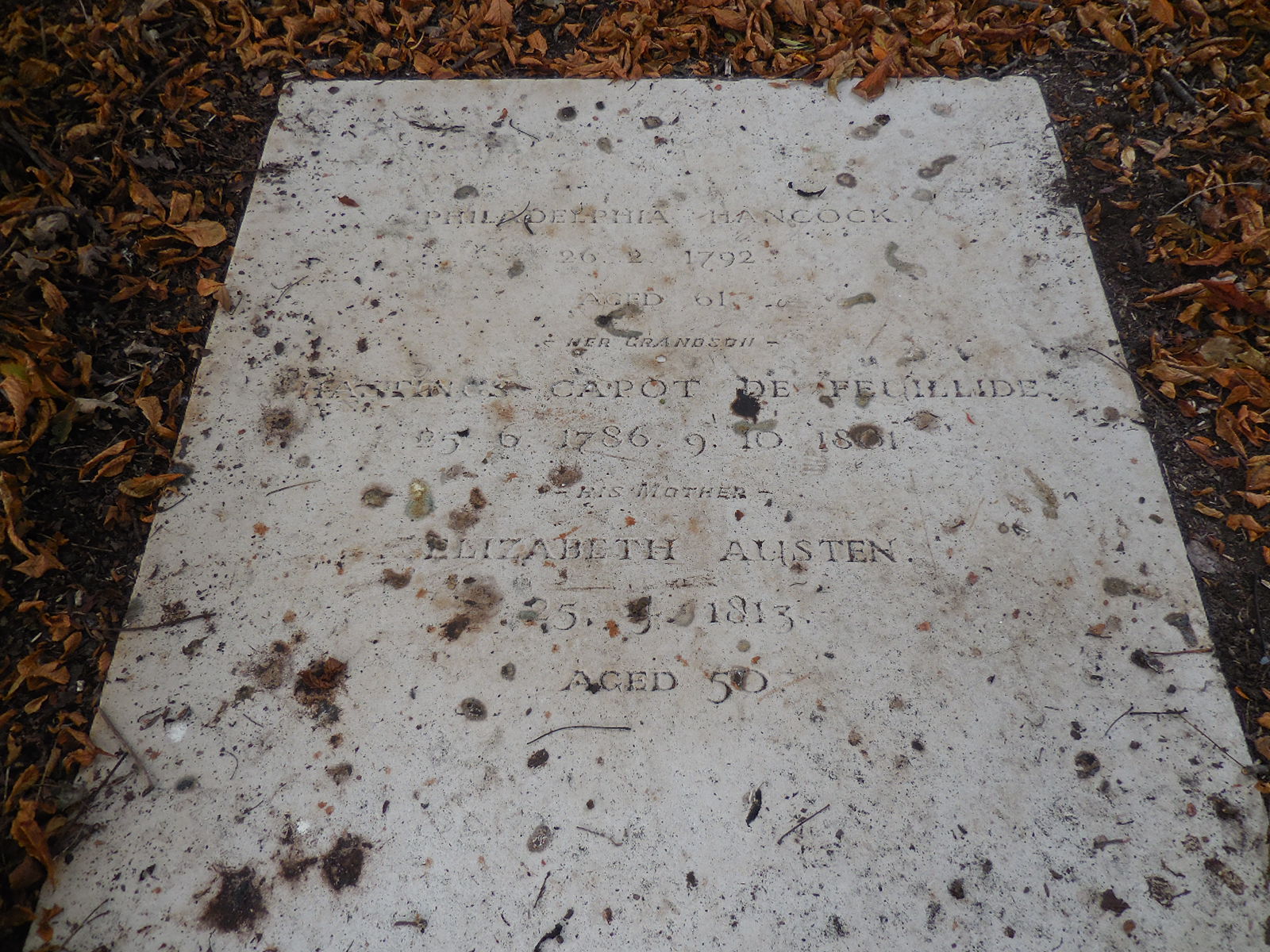
Nearby we found another grave taken care of by an unknown benefactor: the stone marking the resting place of Jane Austen’s aunt, Philadelphia Hancock, as well as those of a cousin and the cousin’s young son.

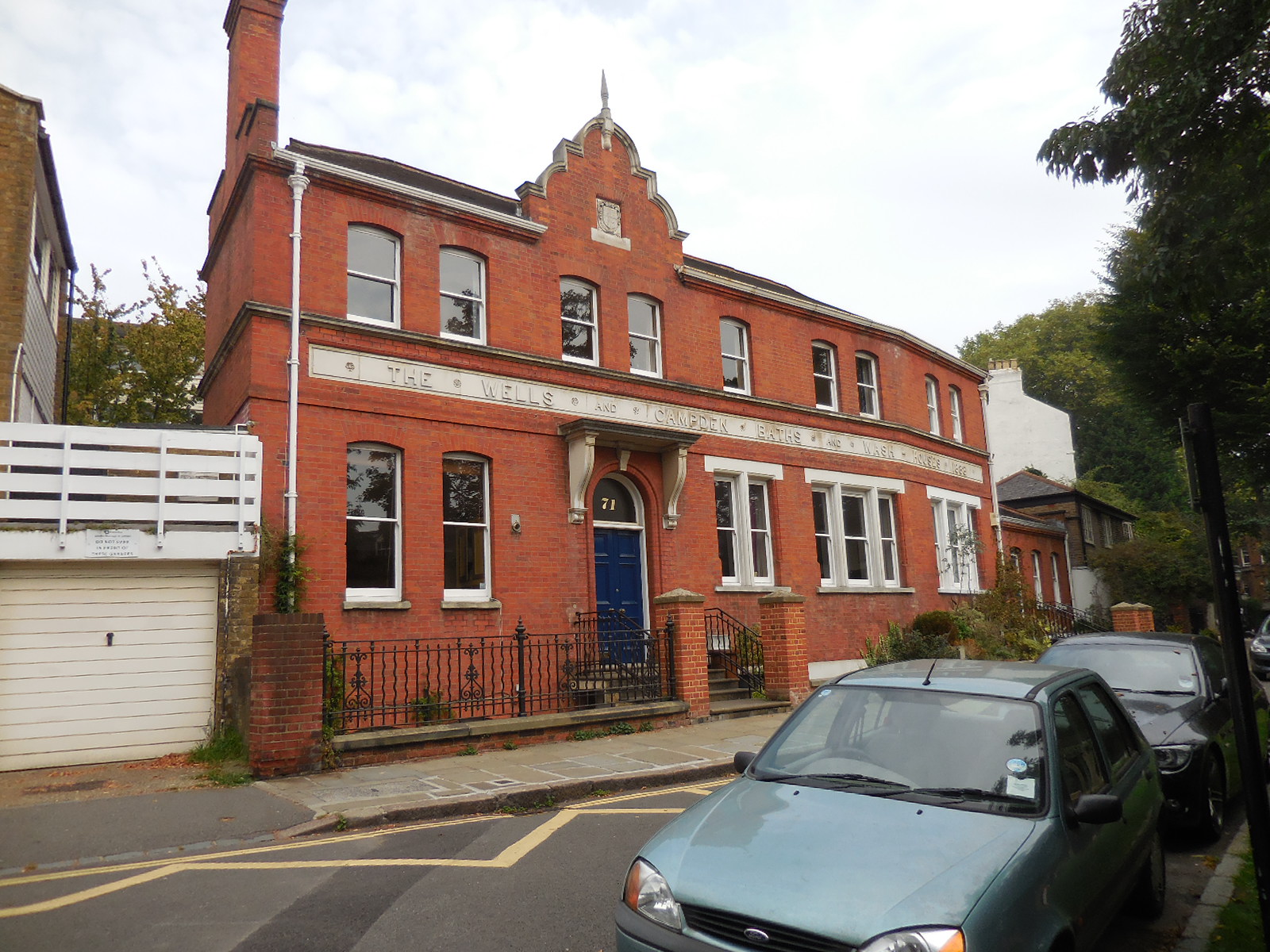
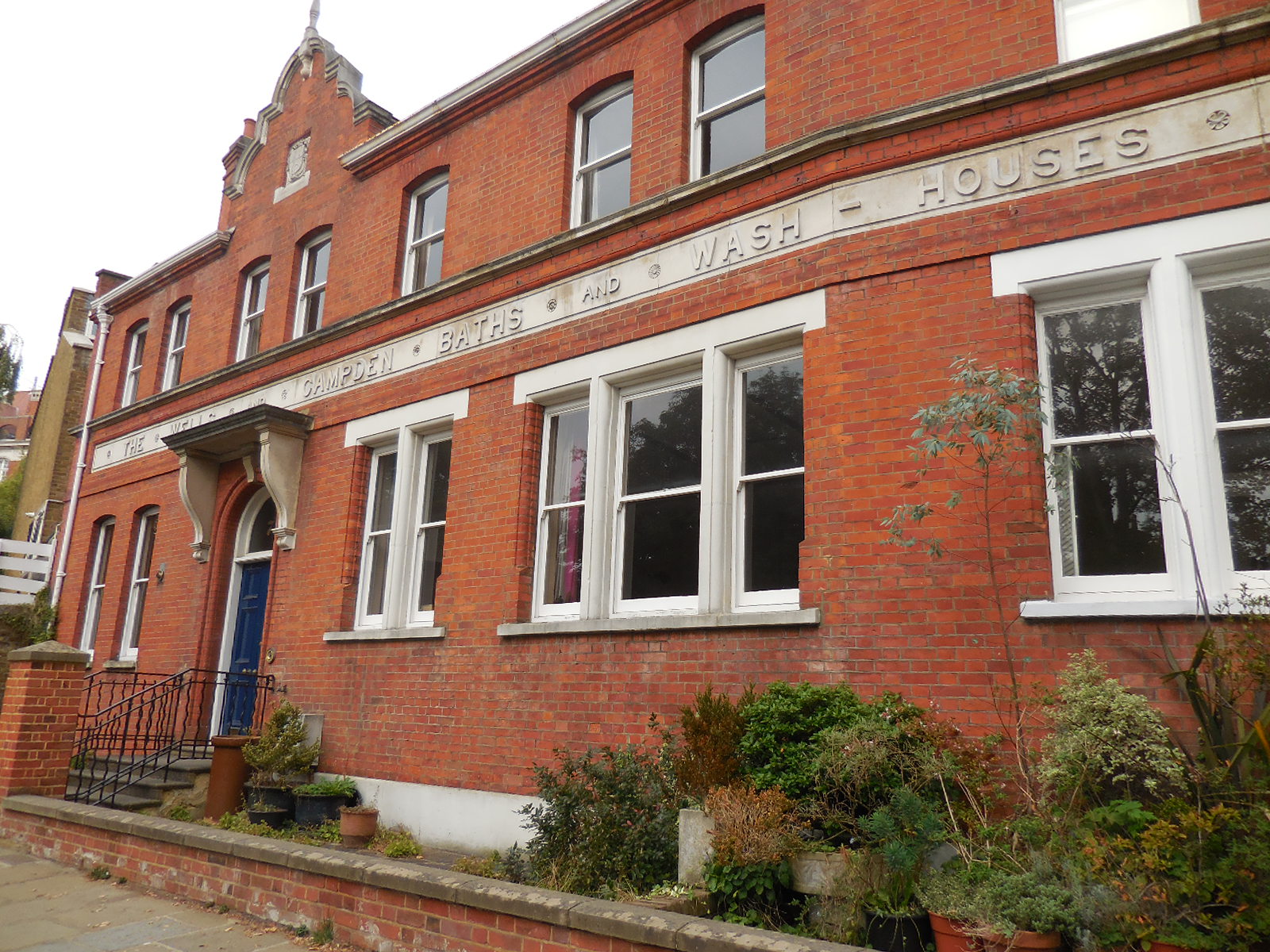
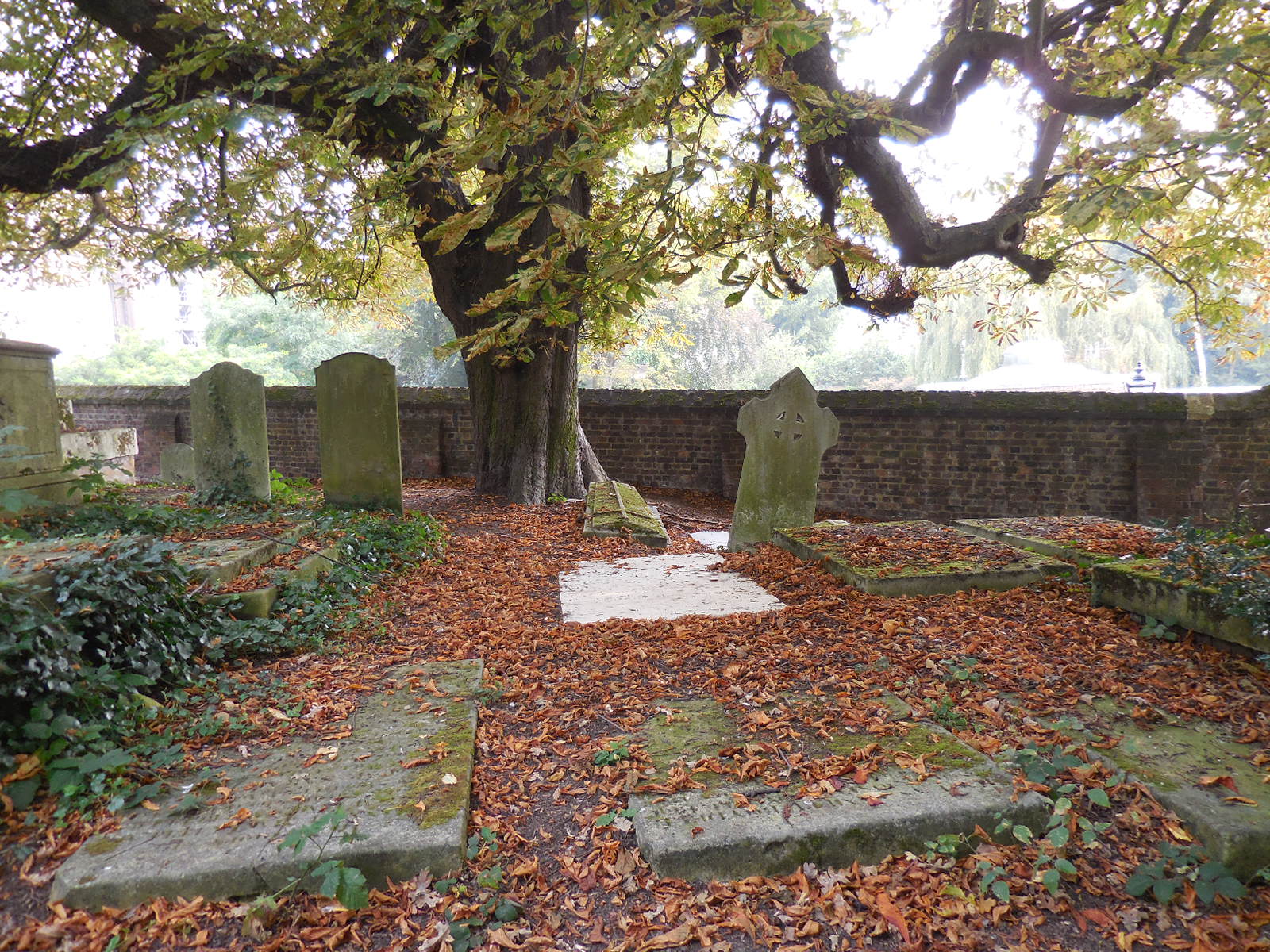
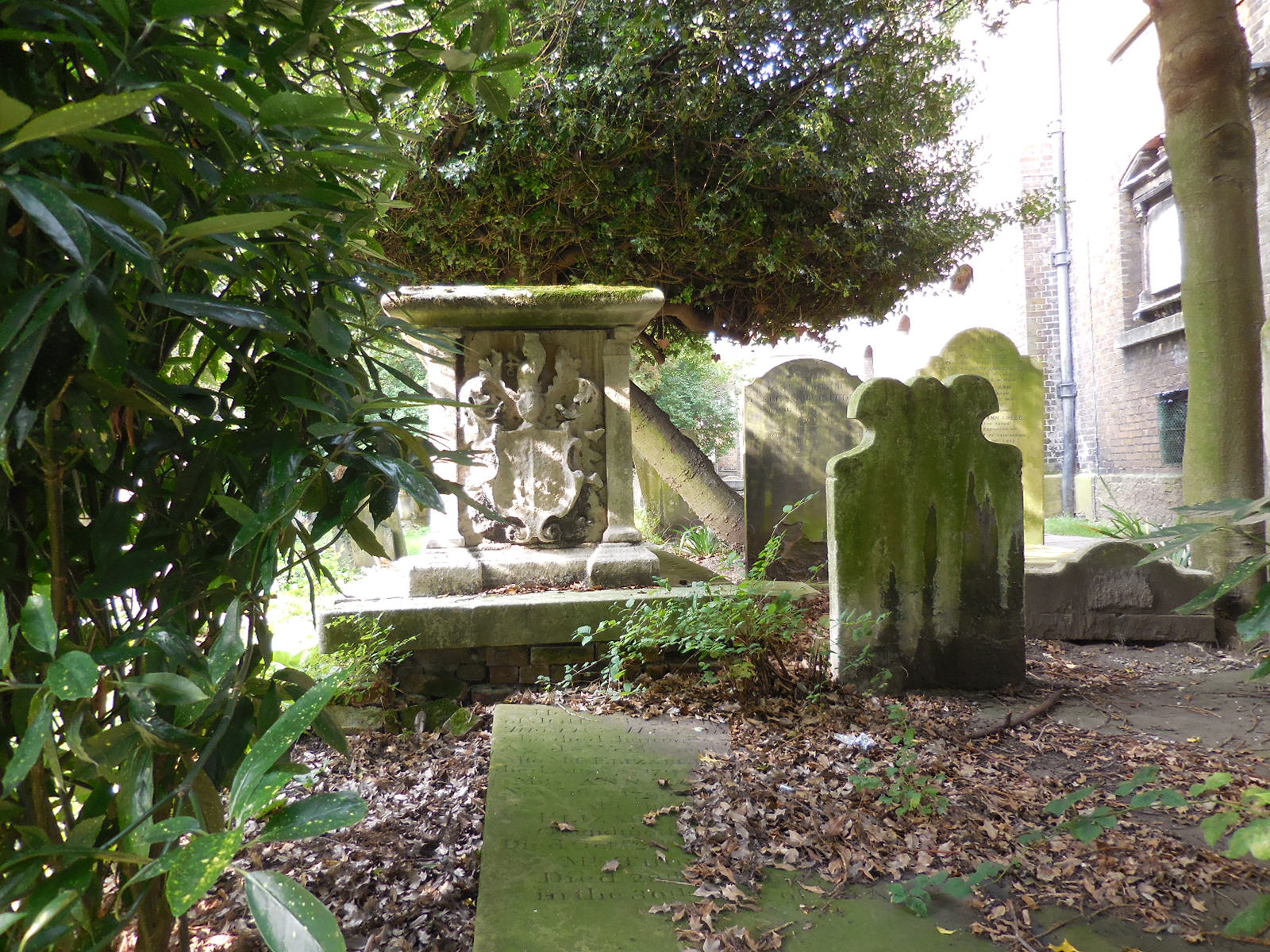
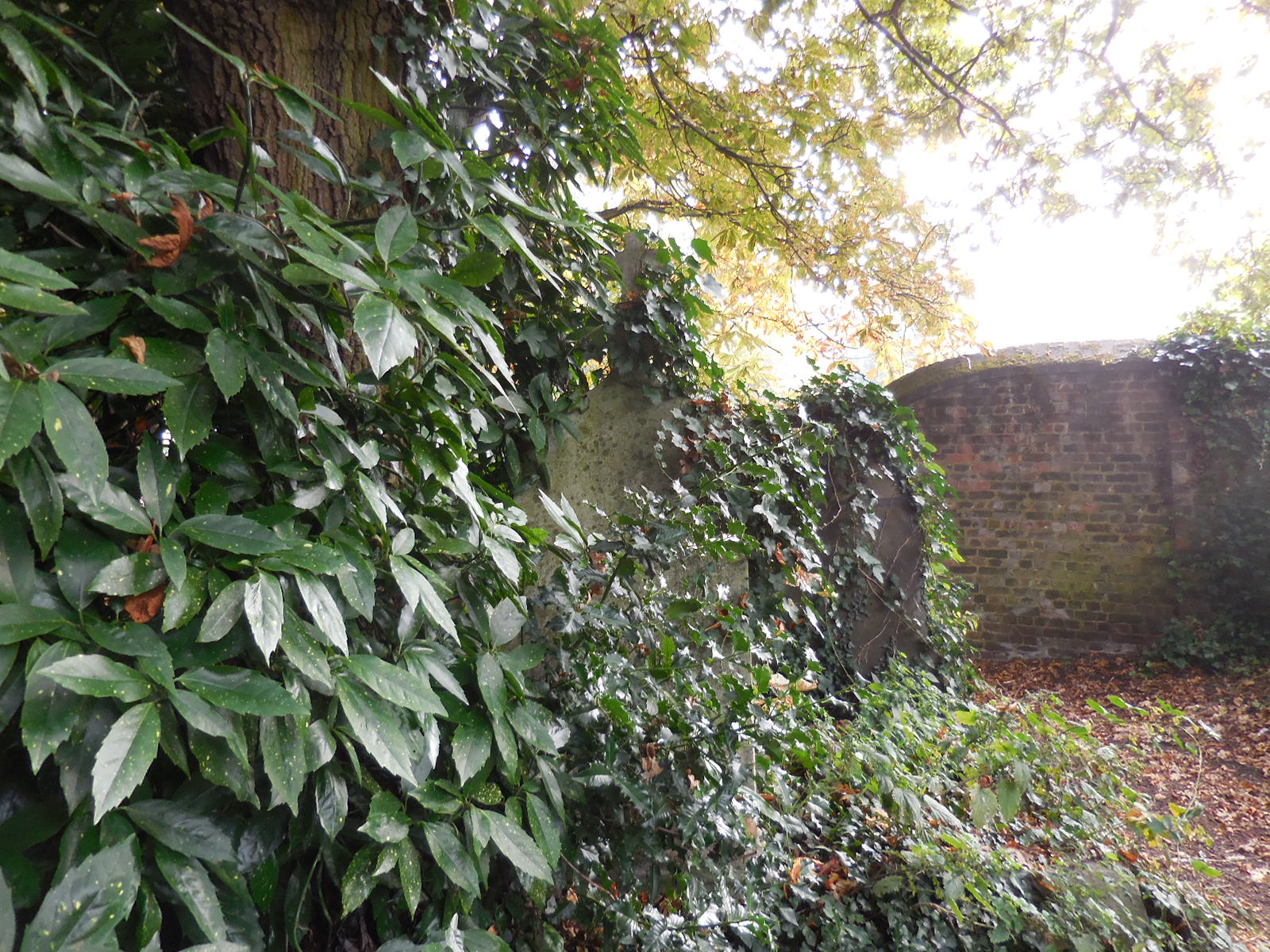
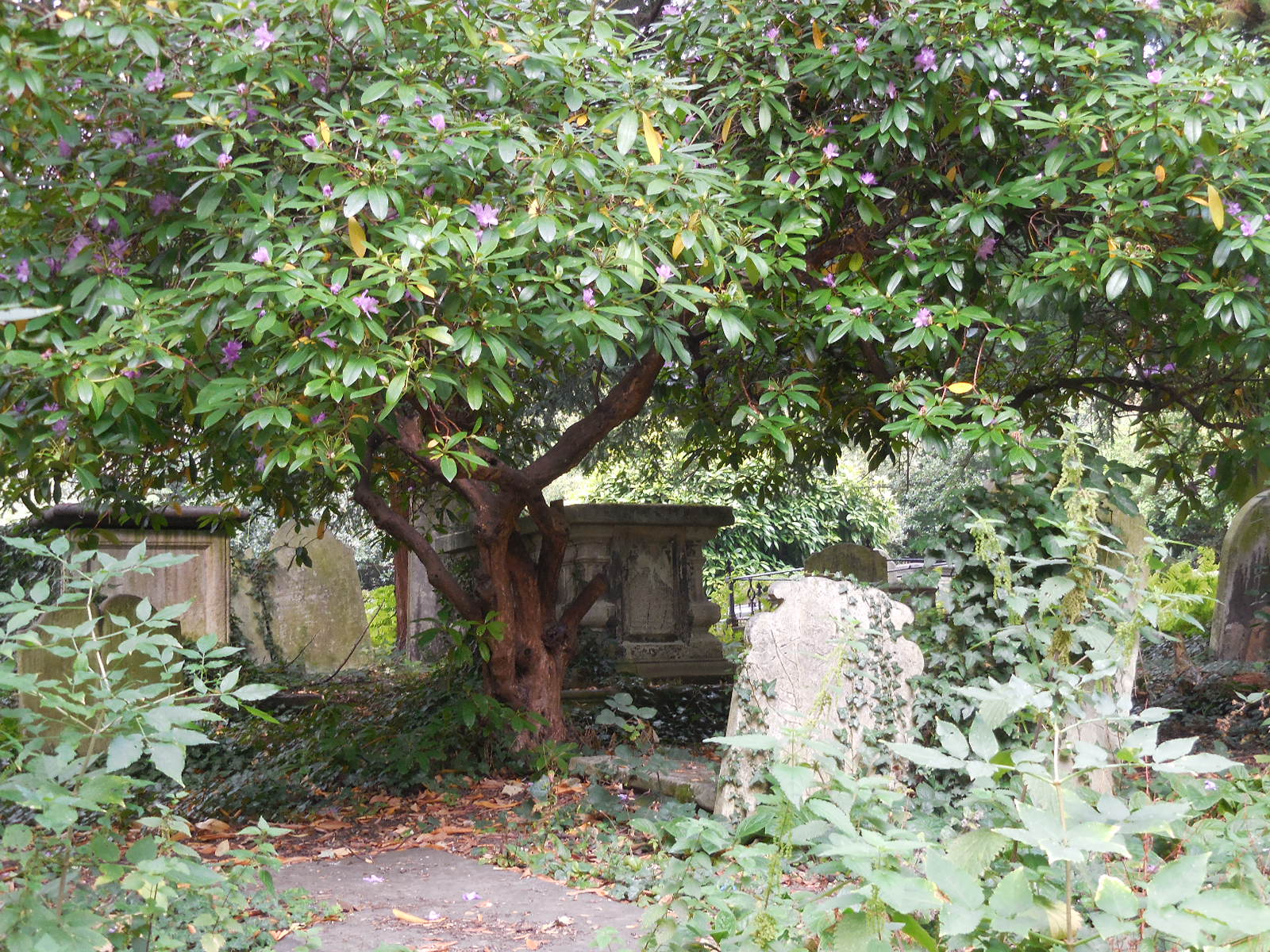
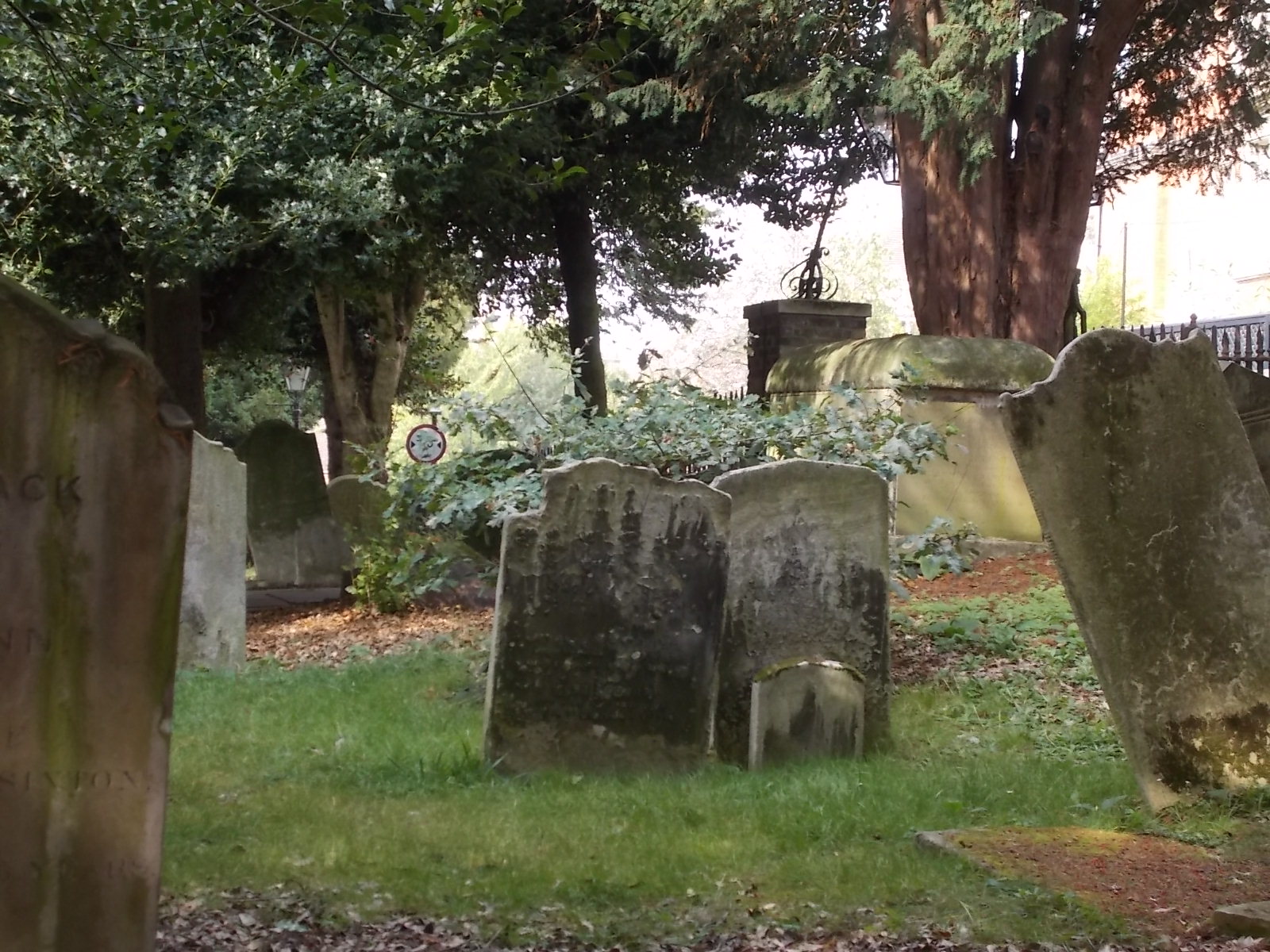
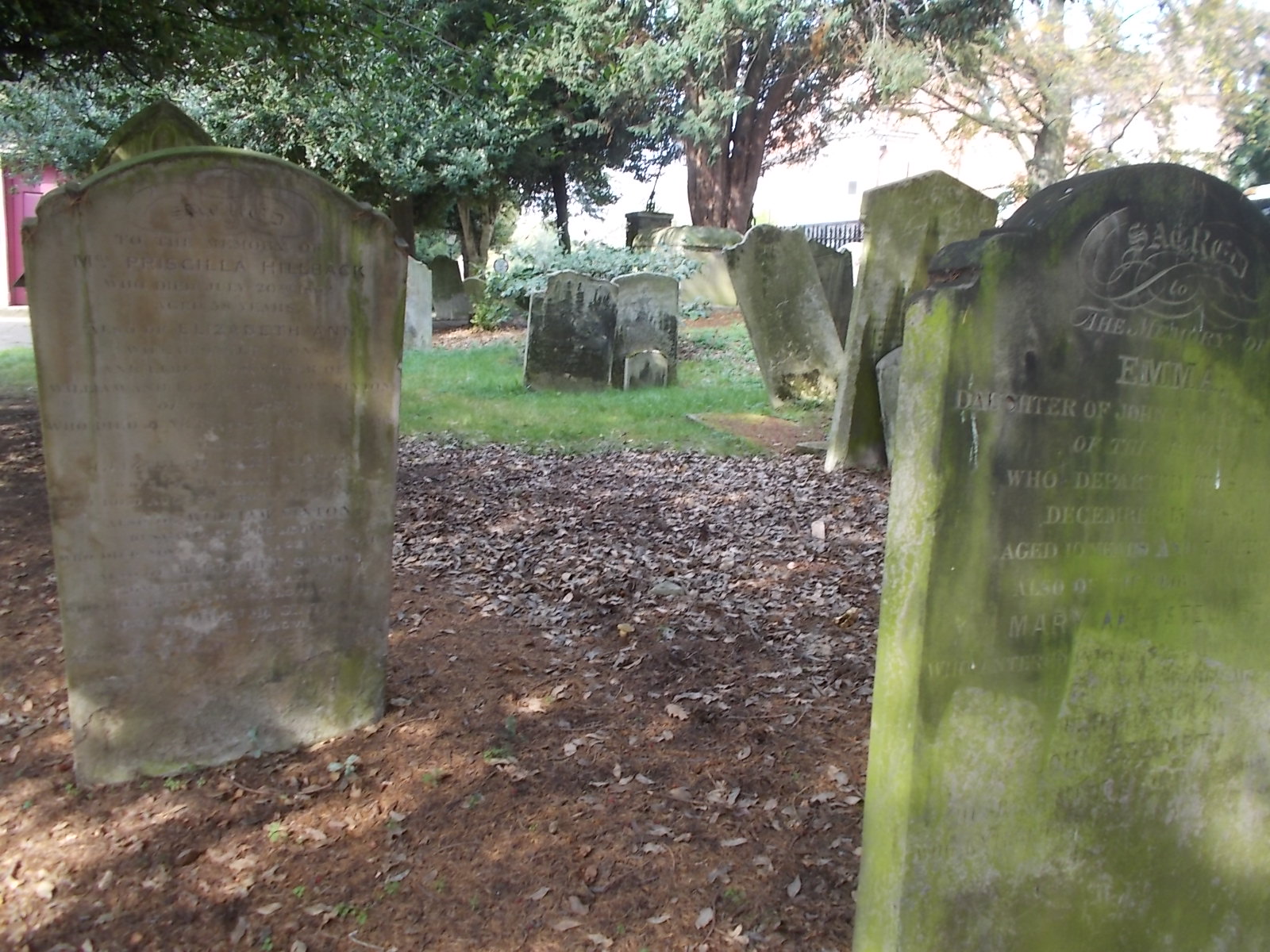
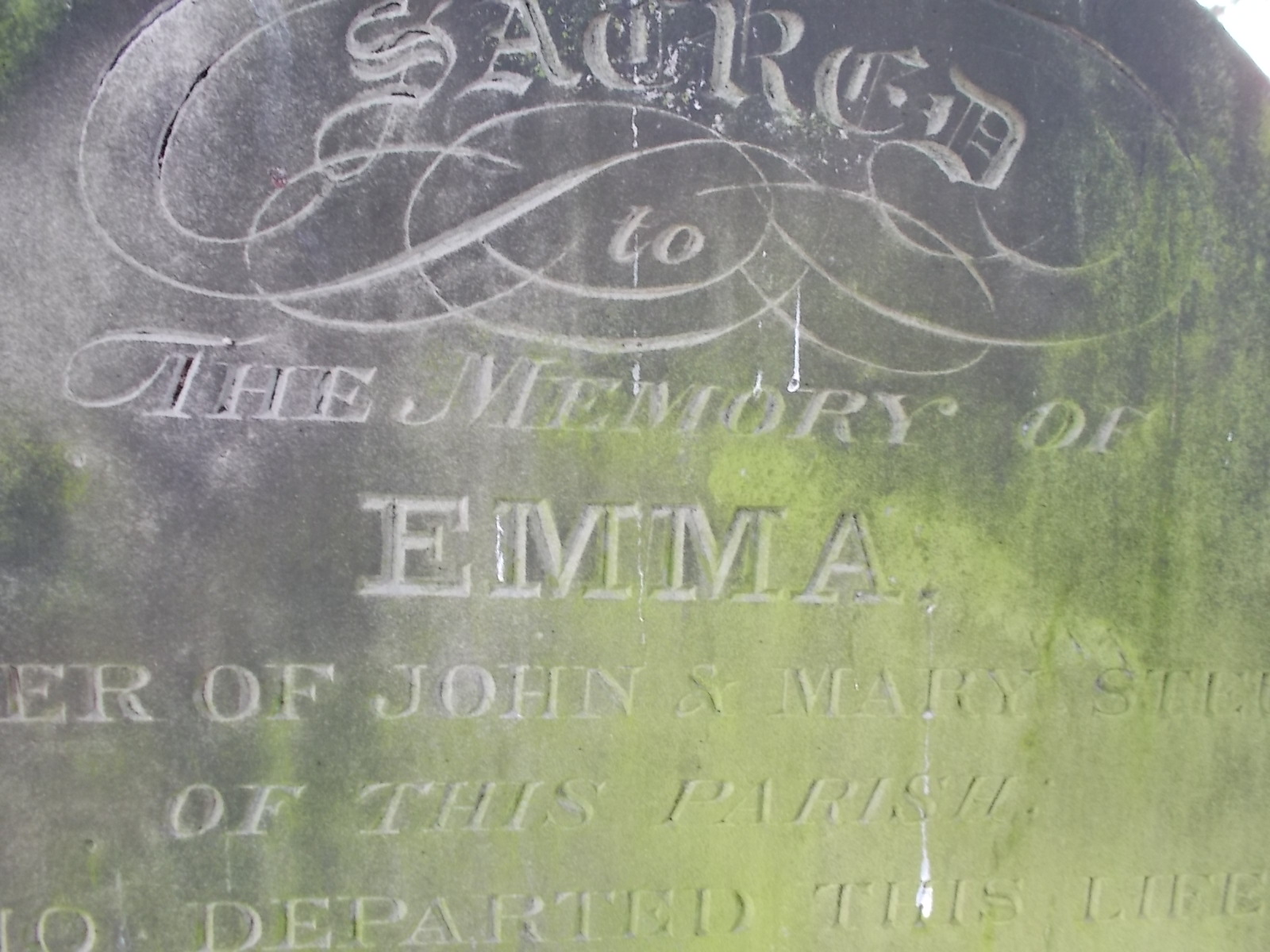
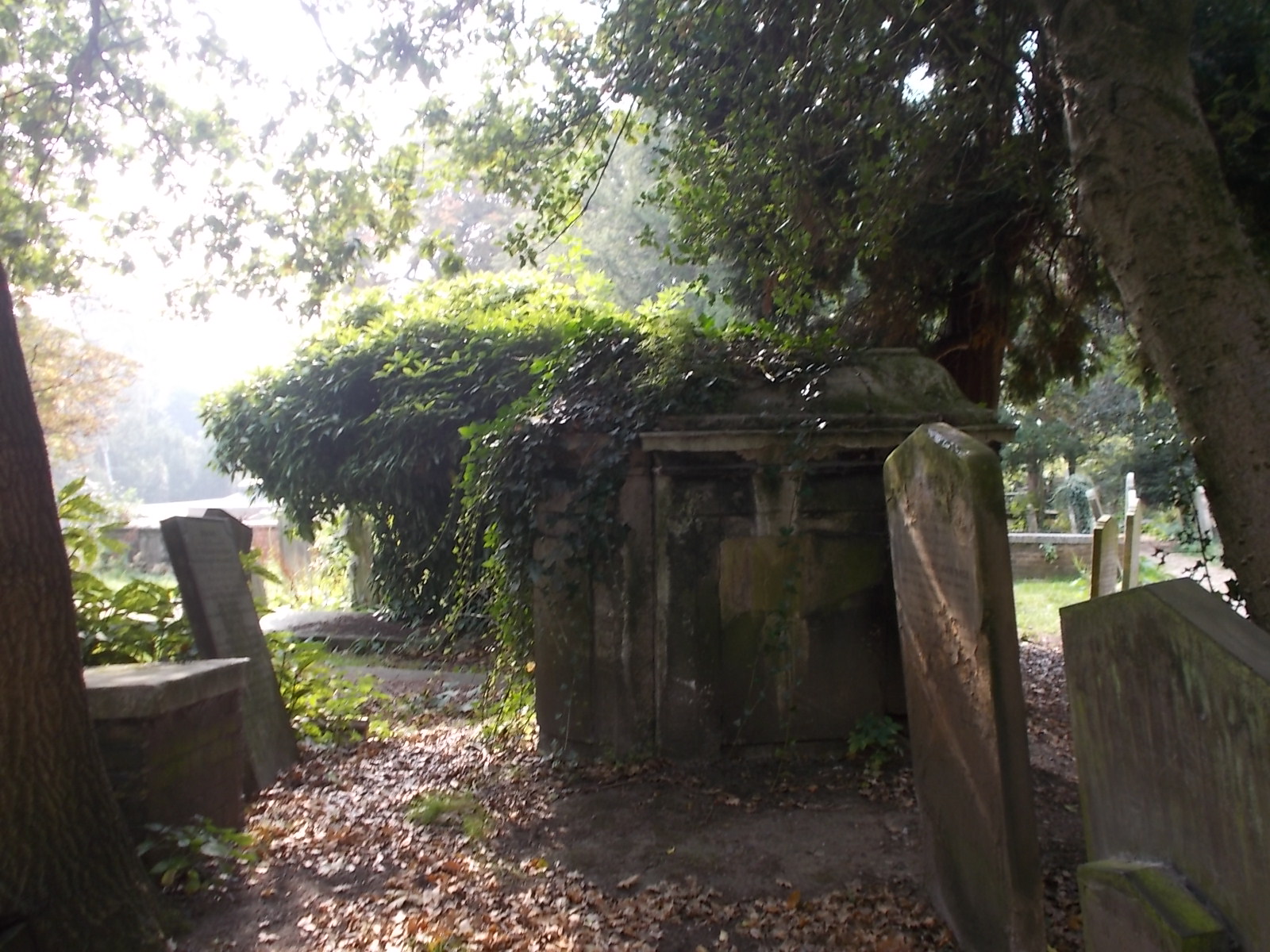
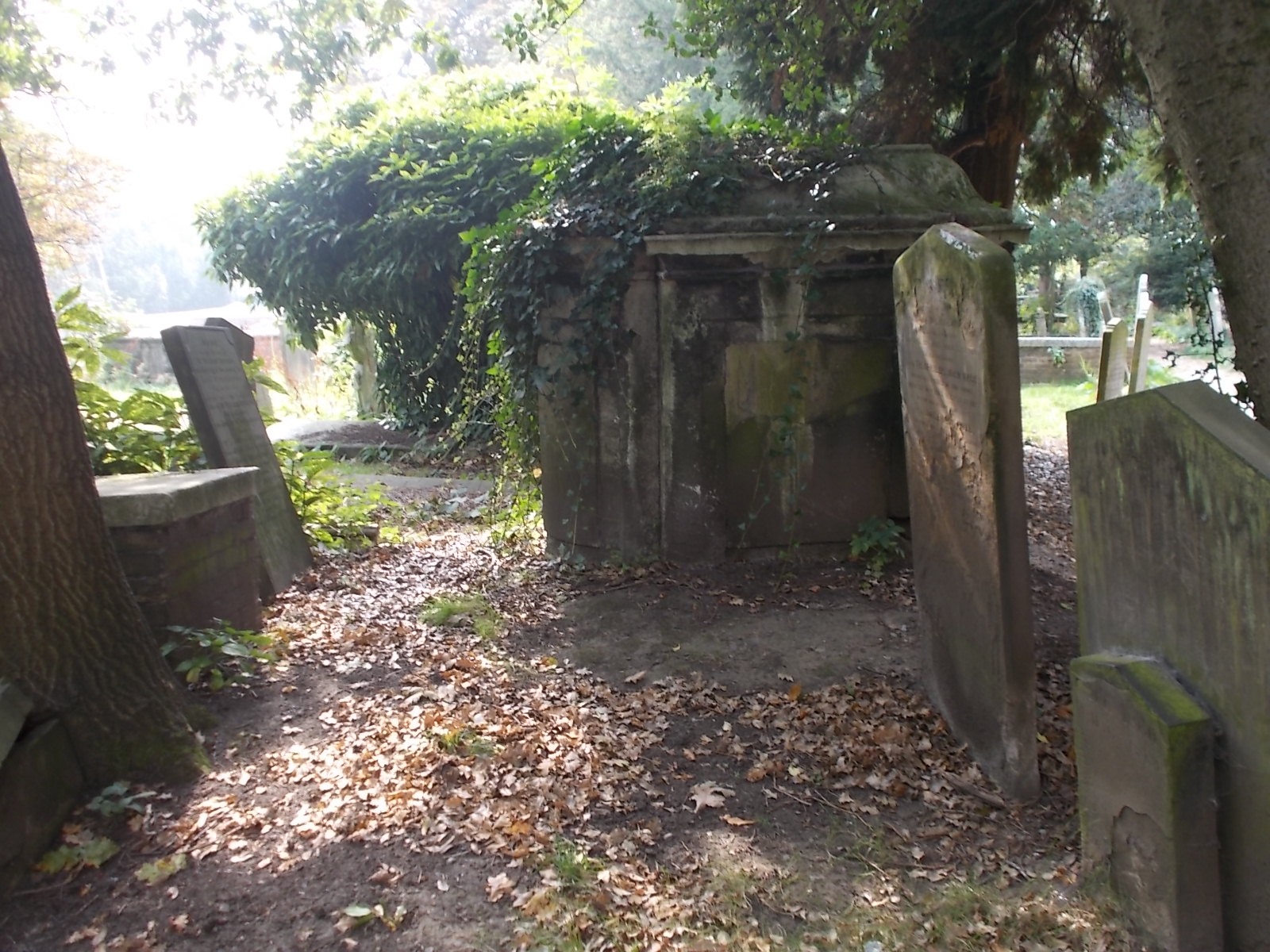
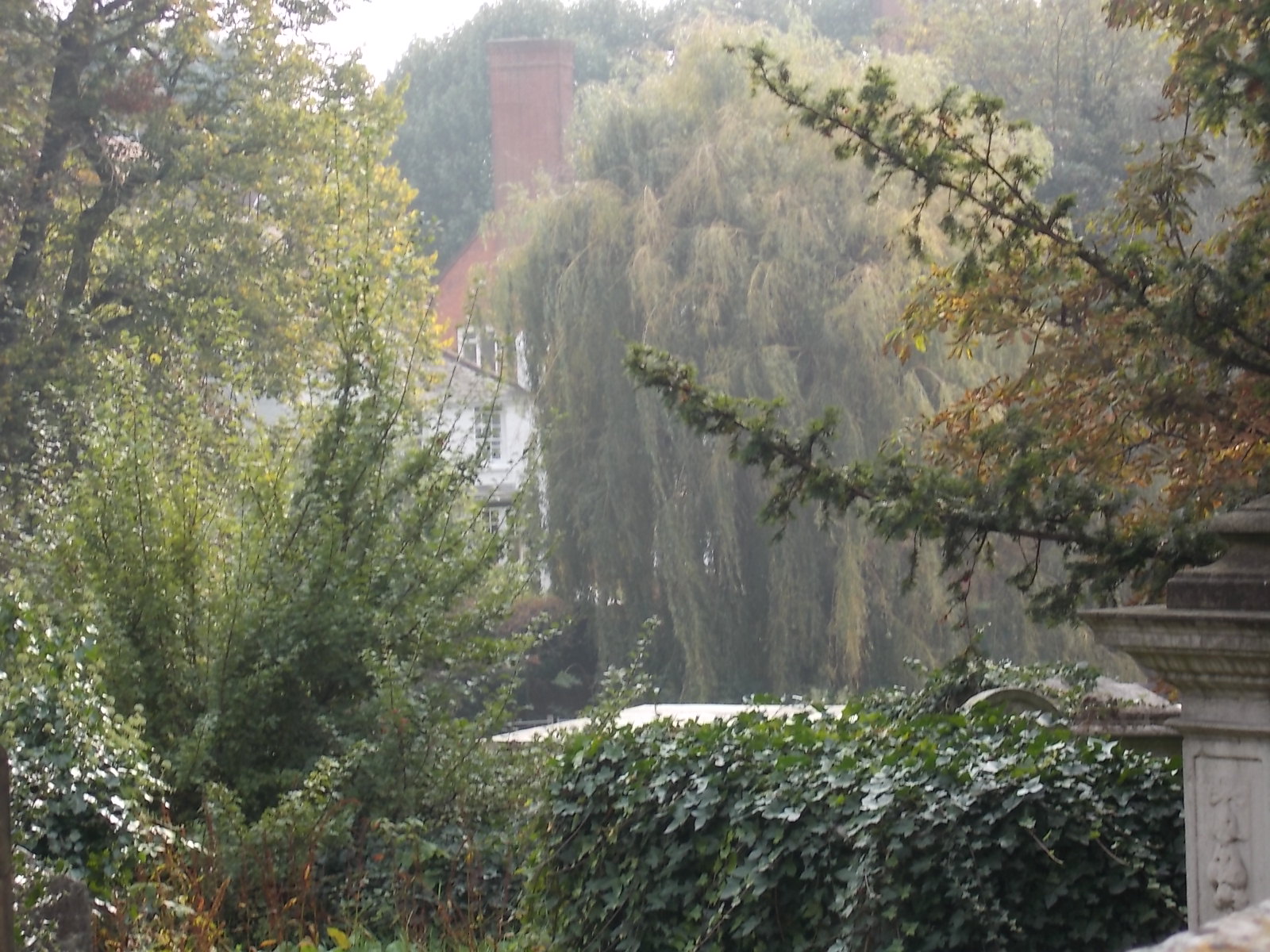
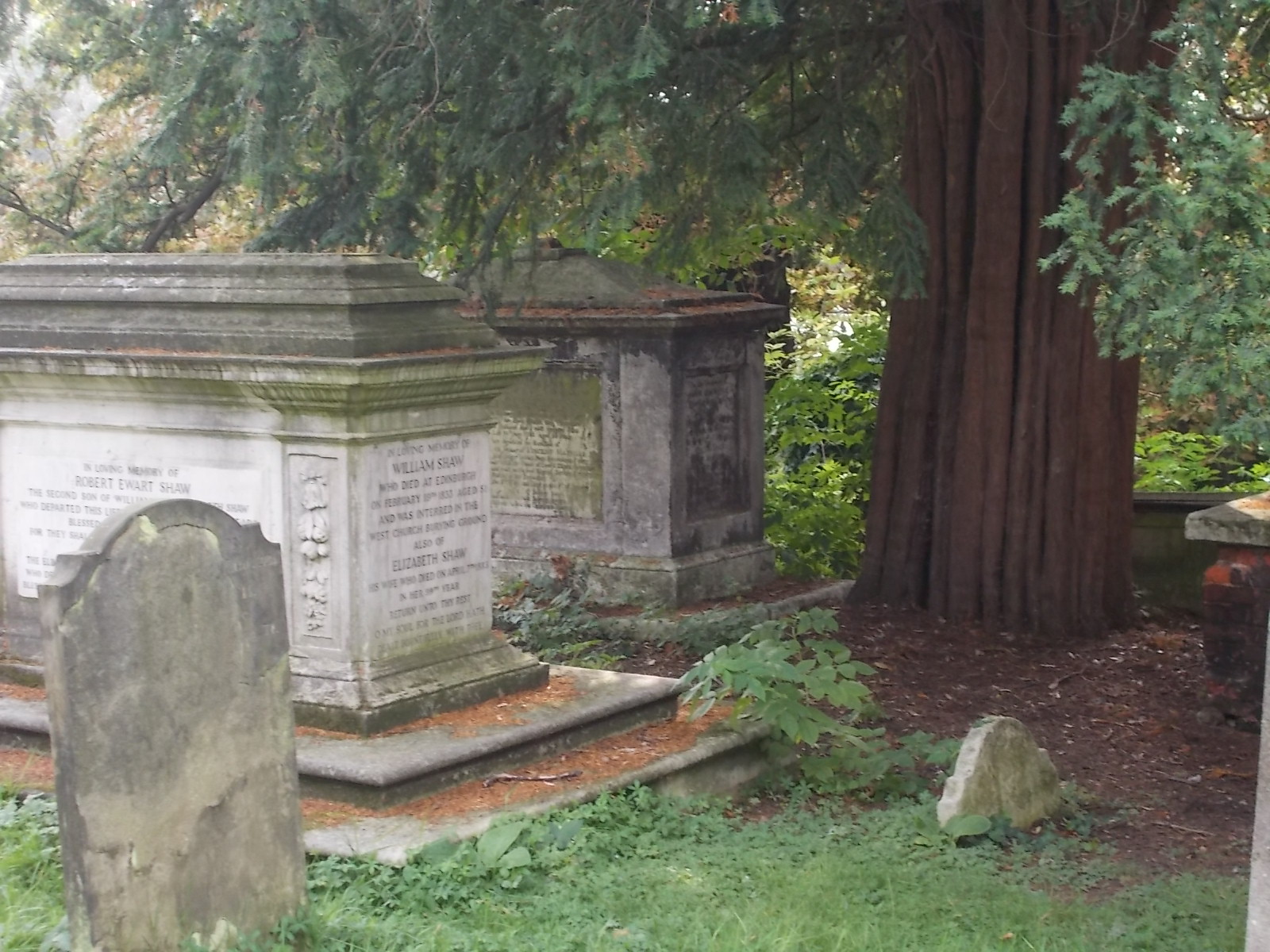
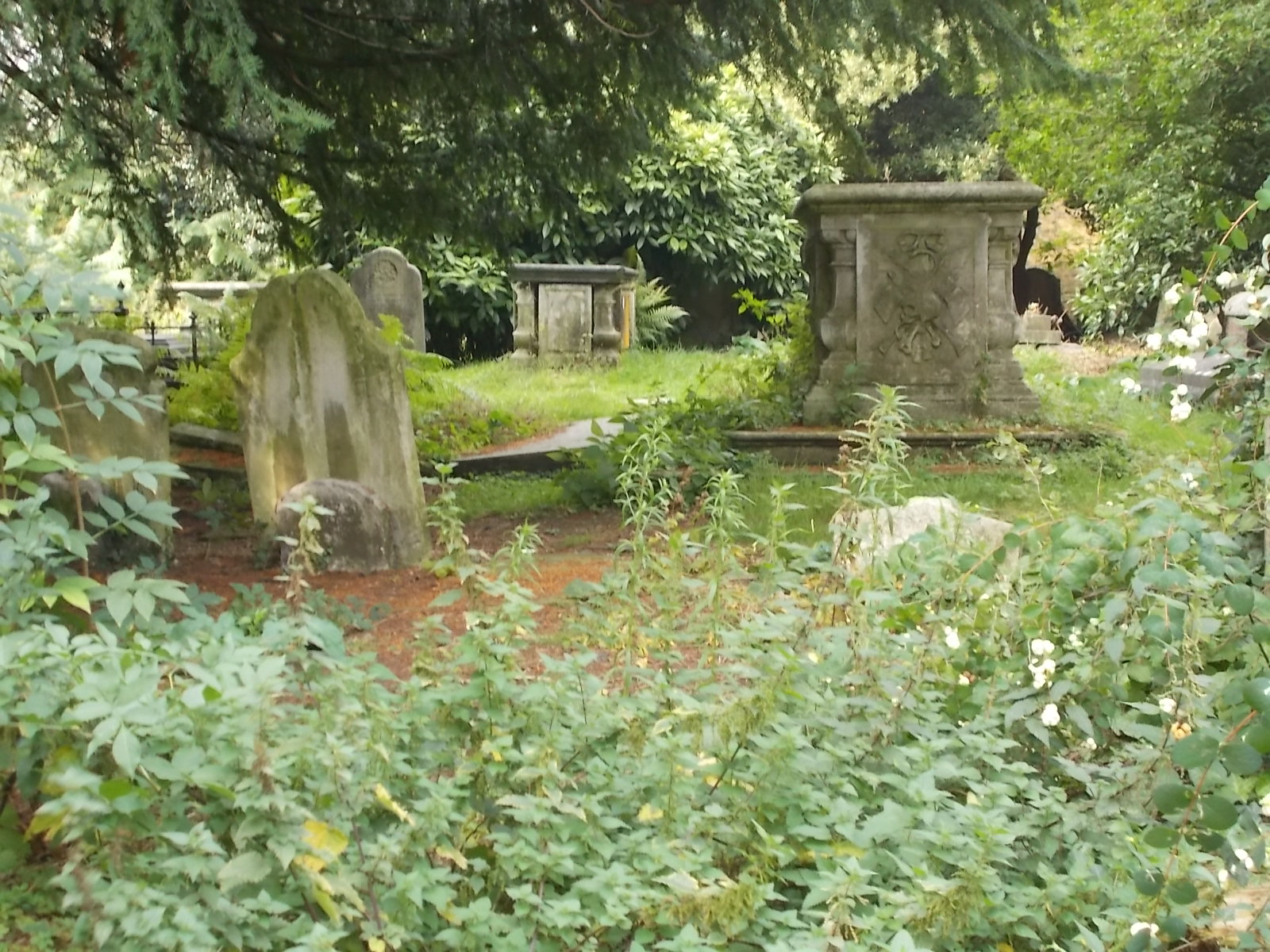
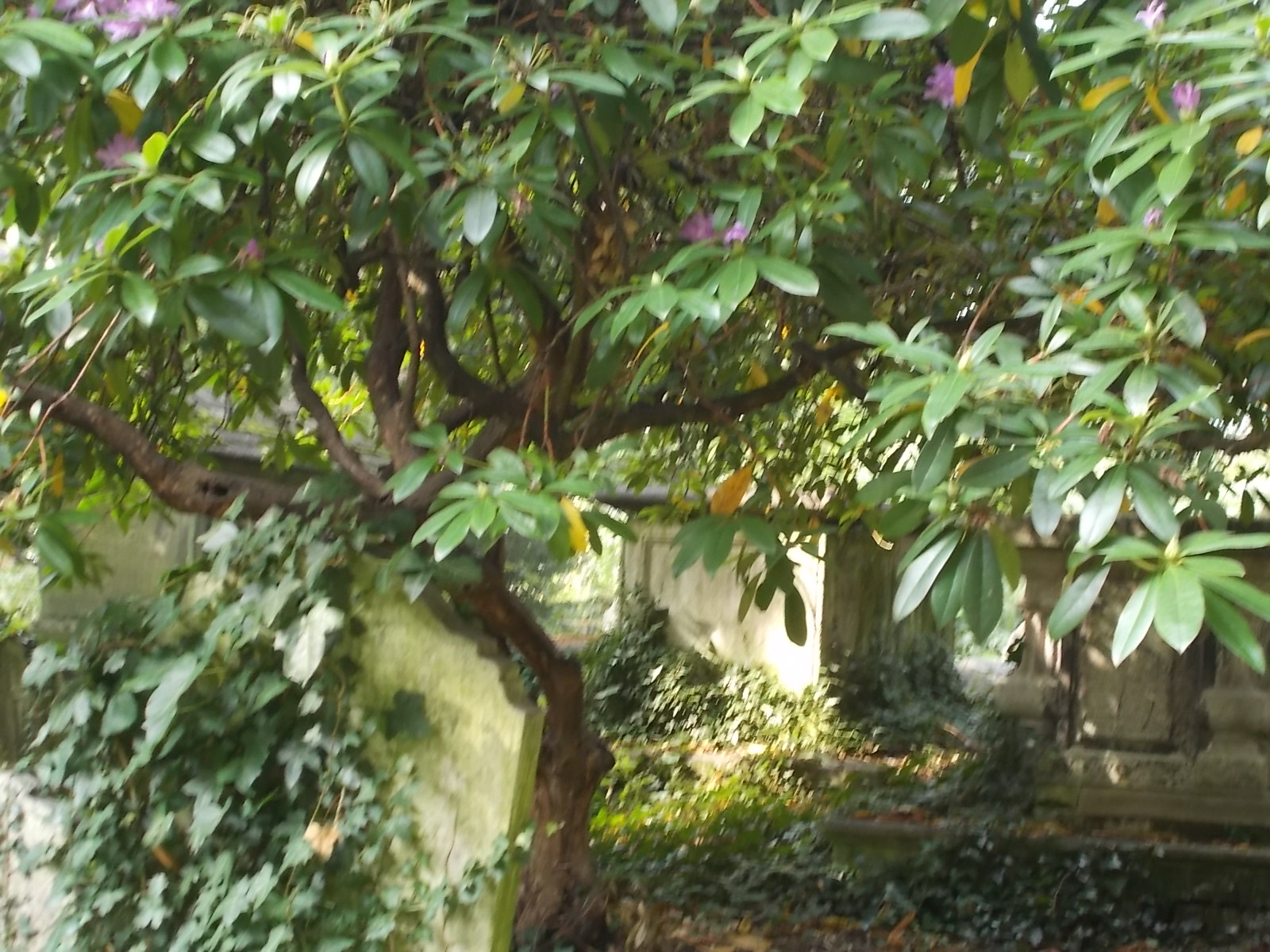
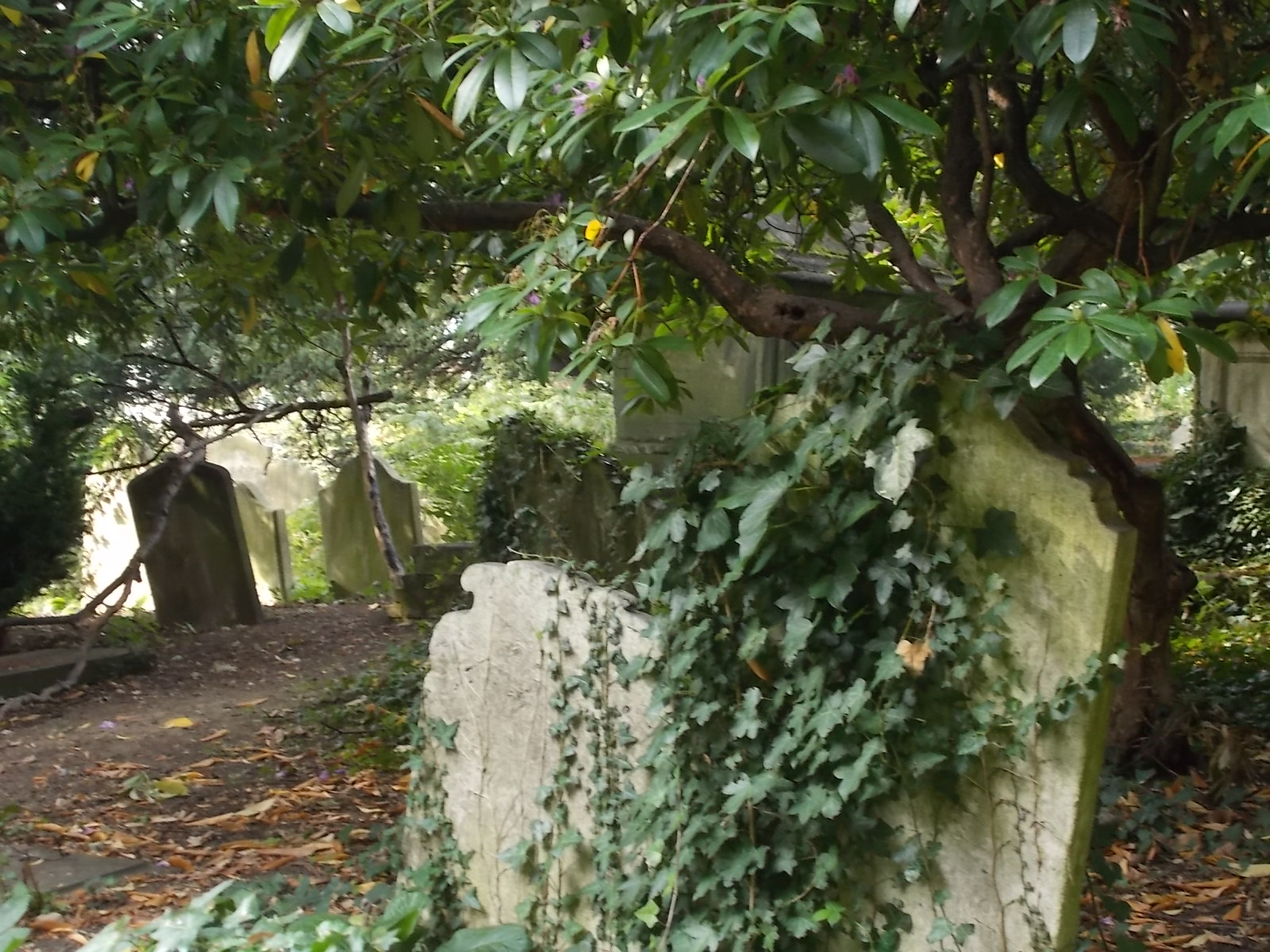
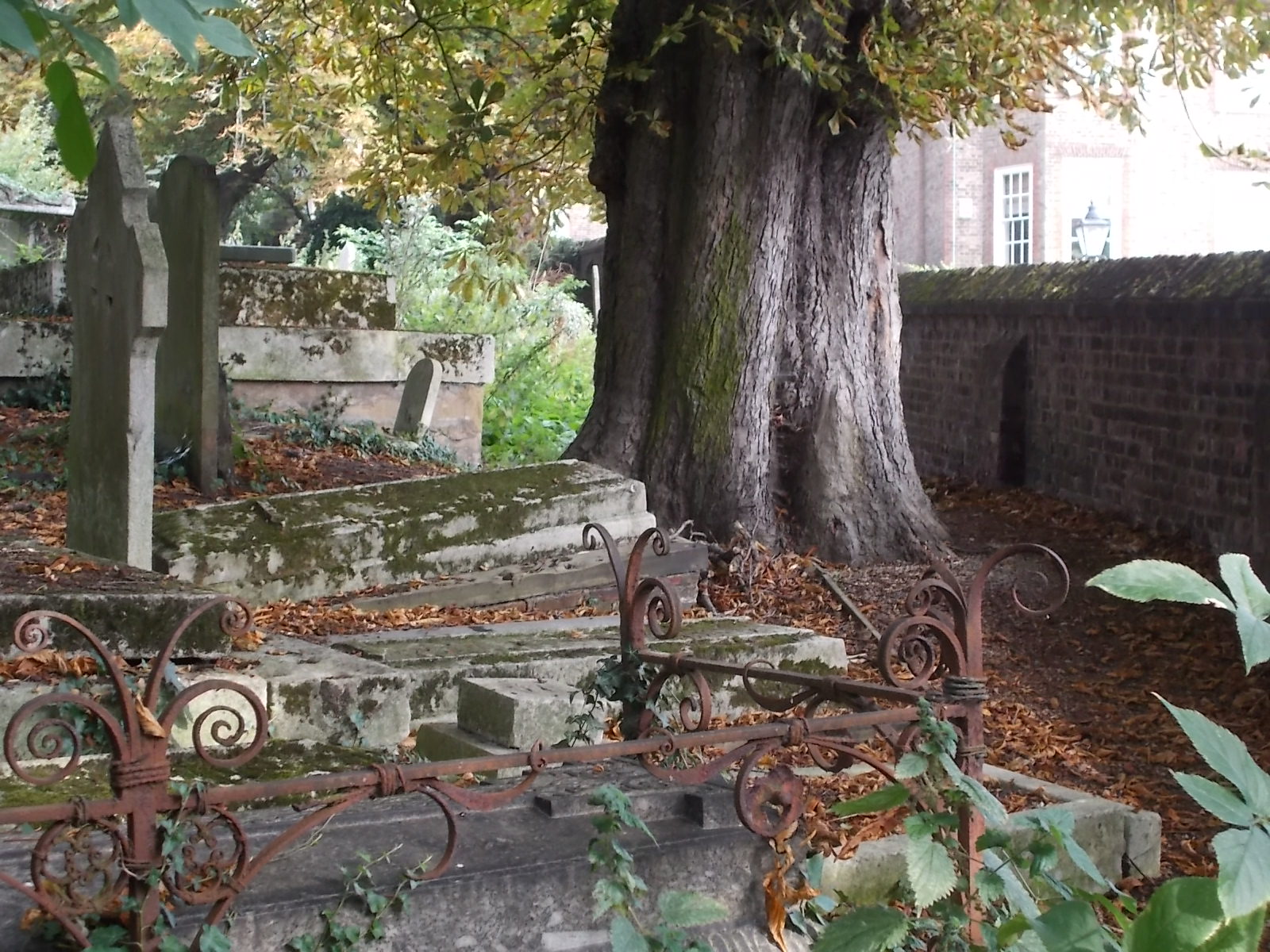
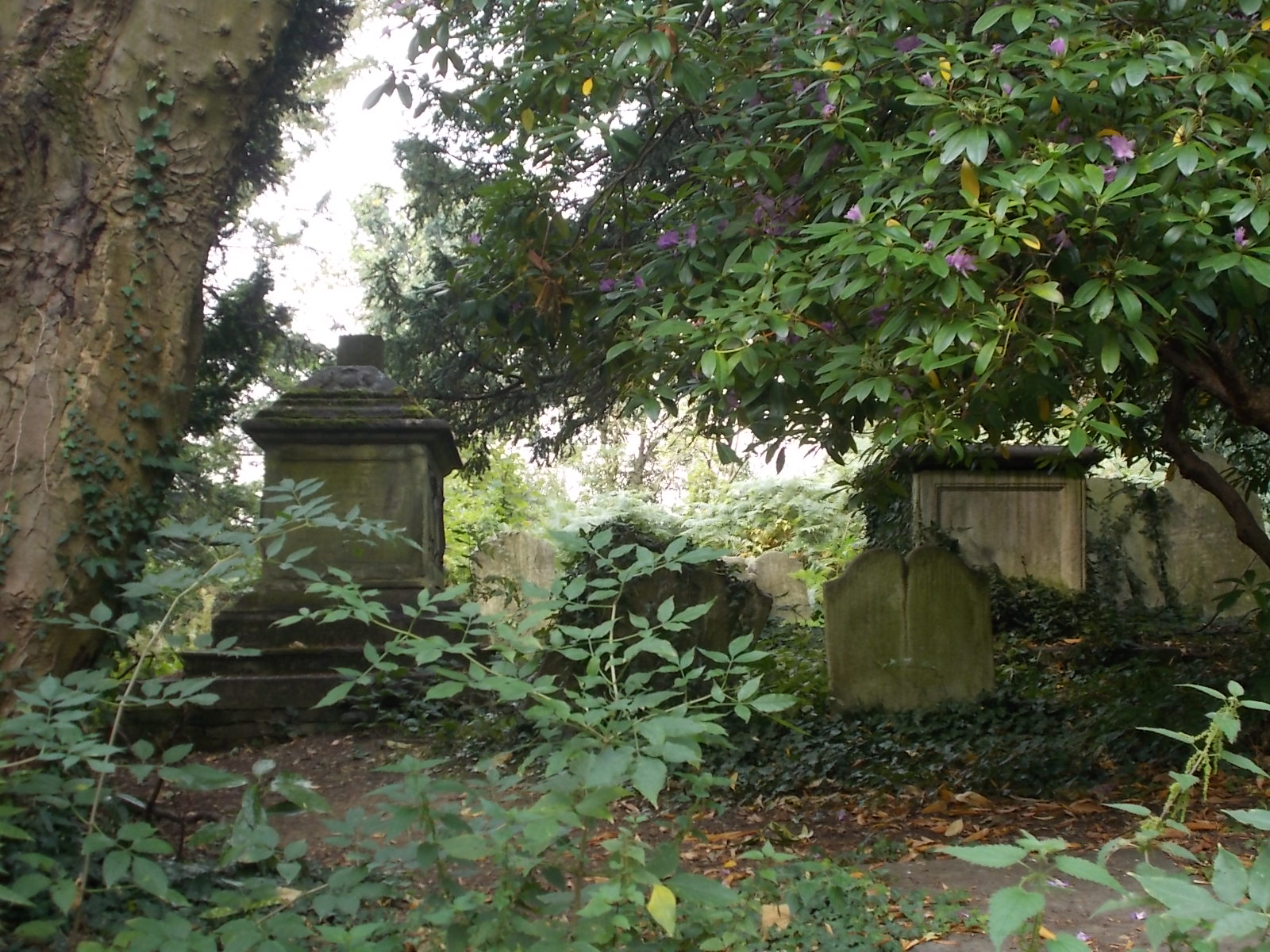
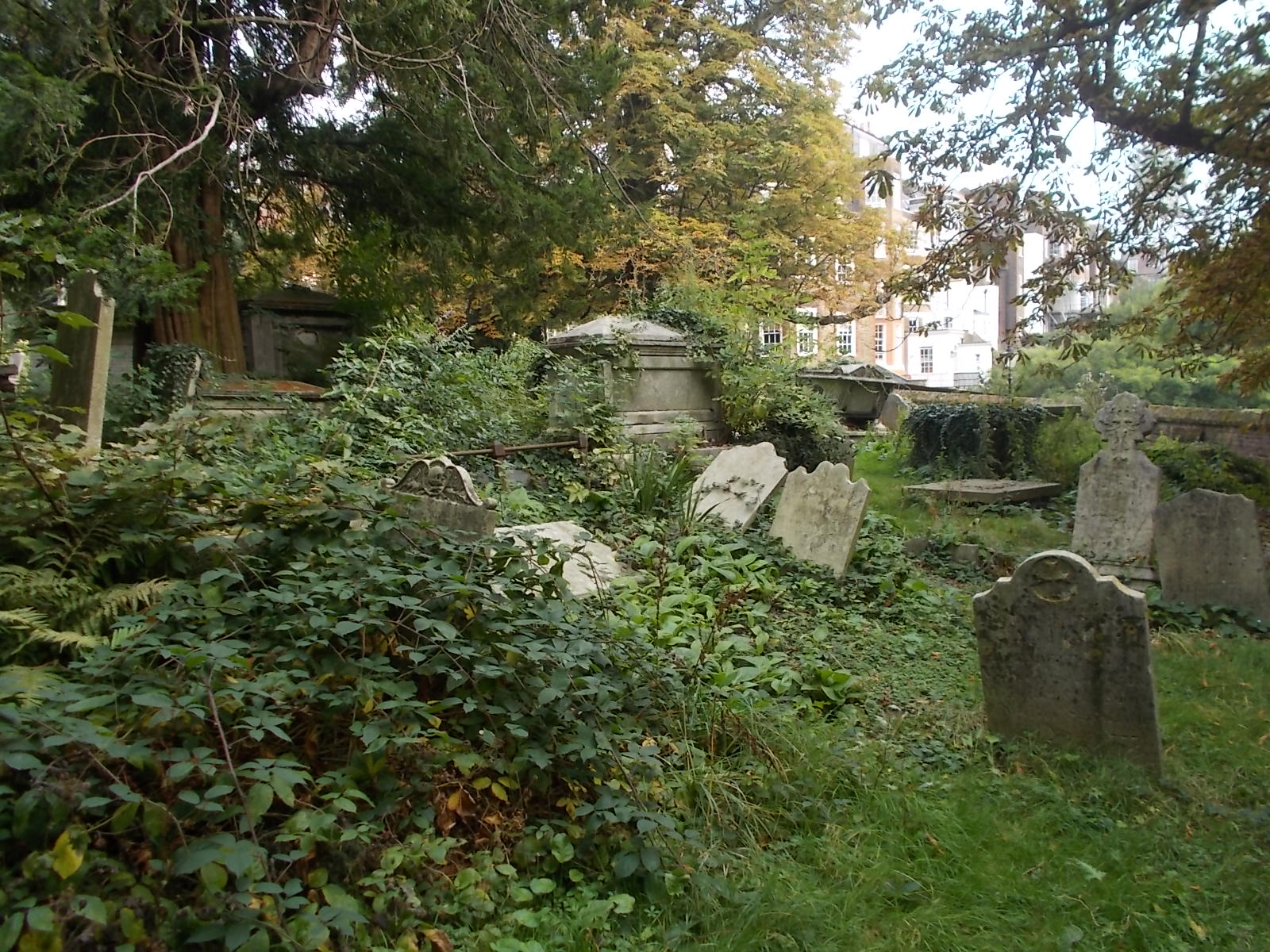
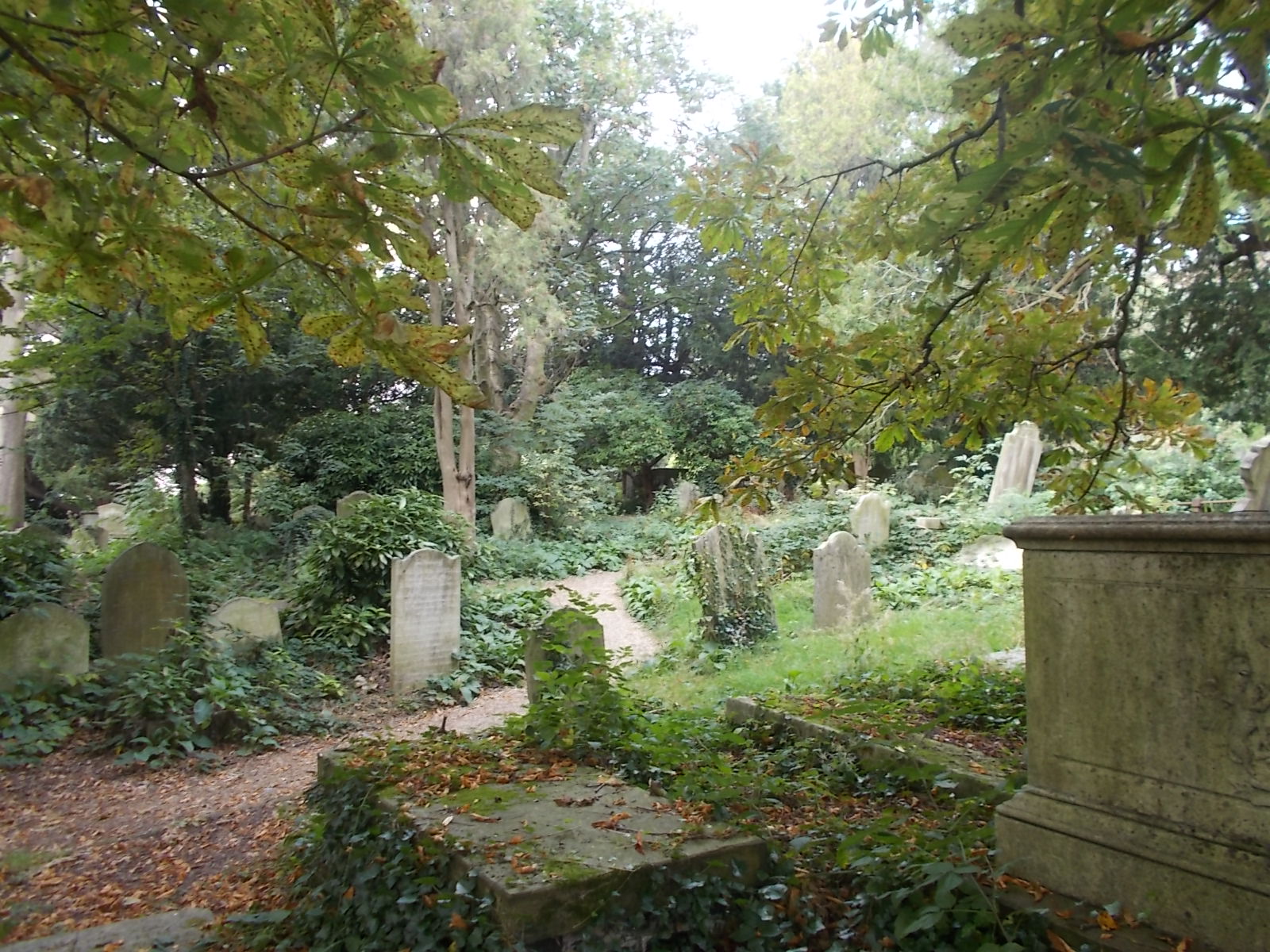
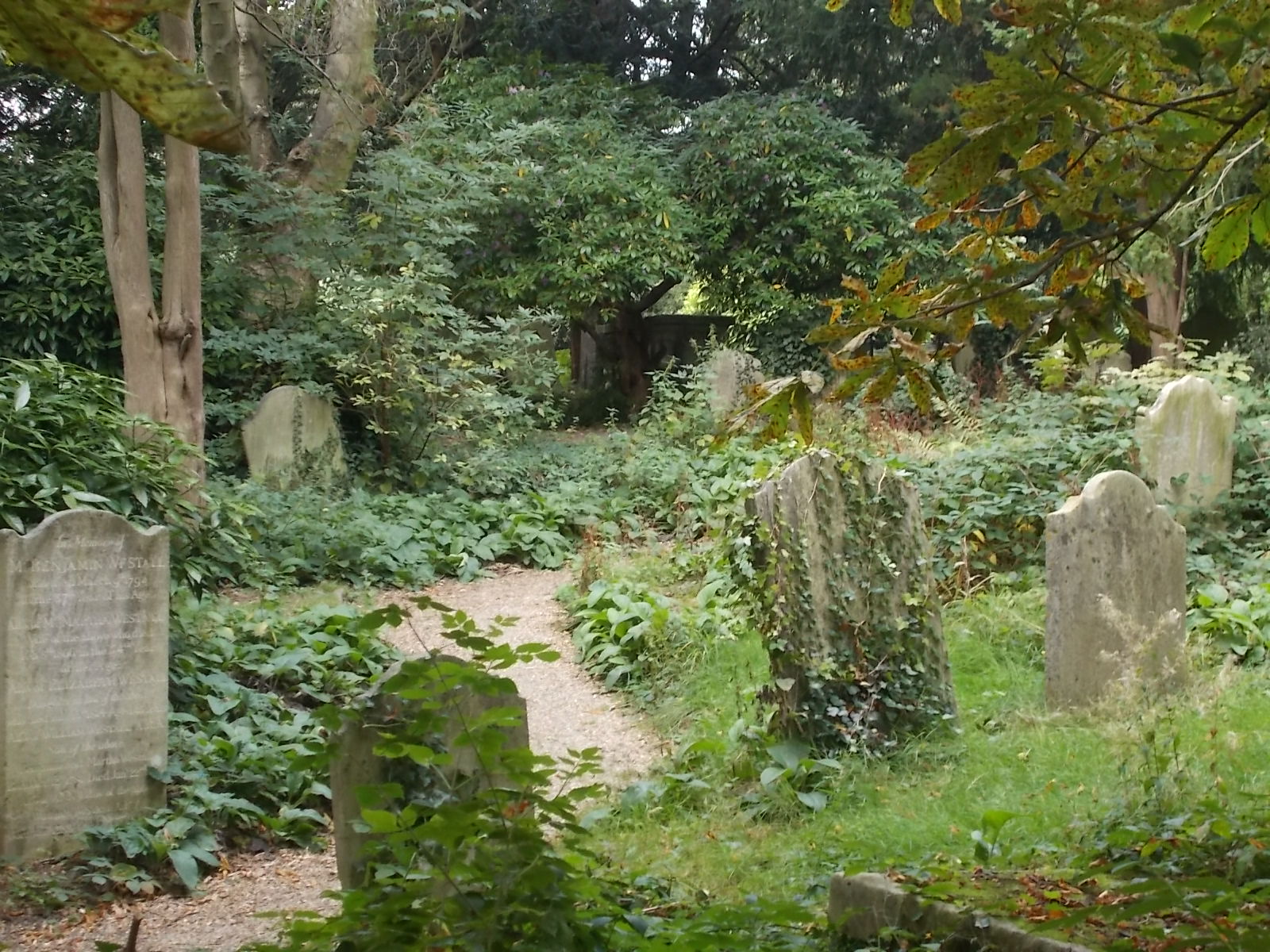
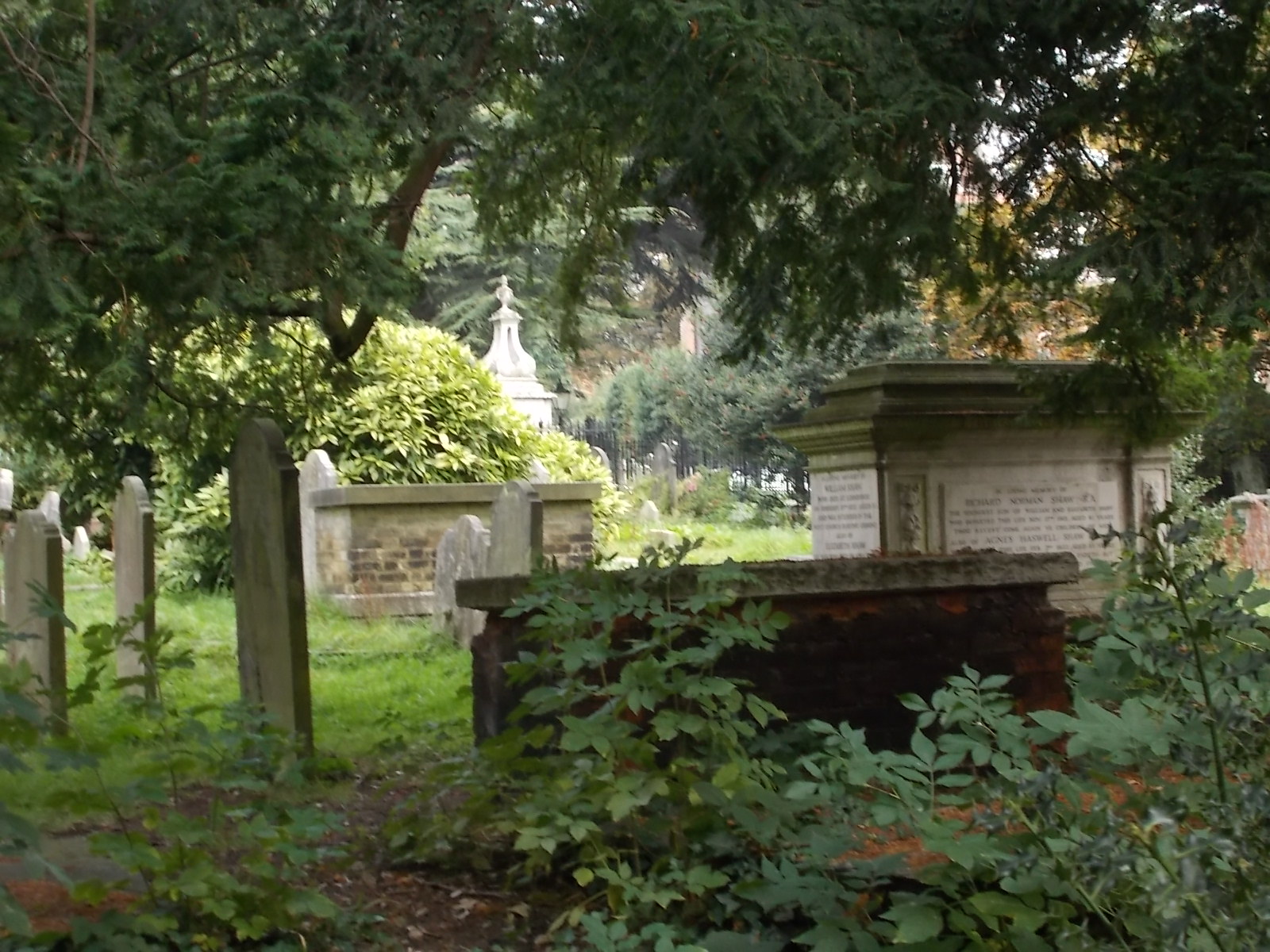
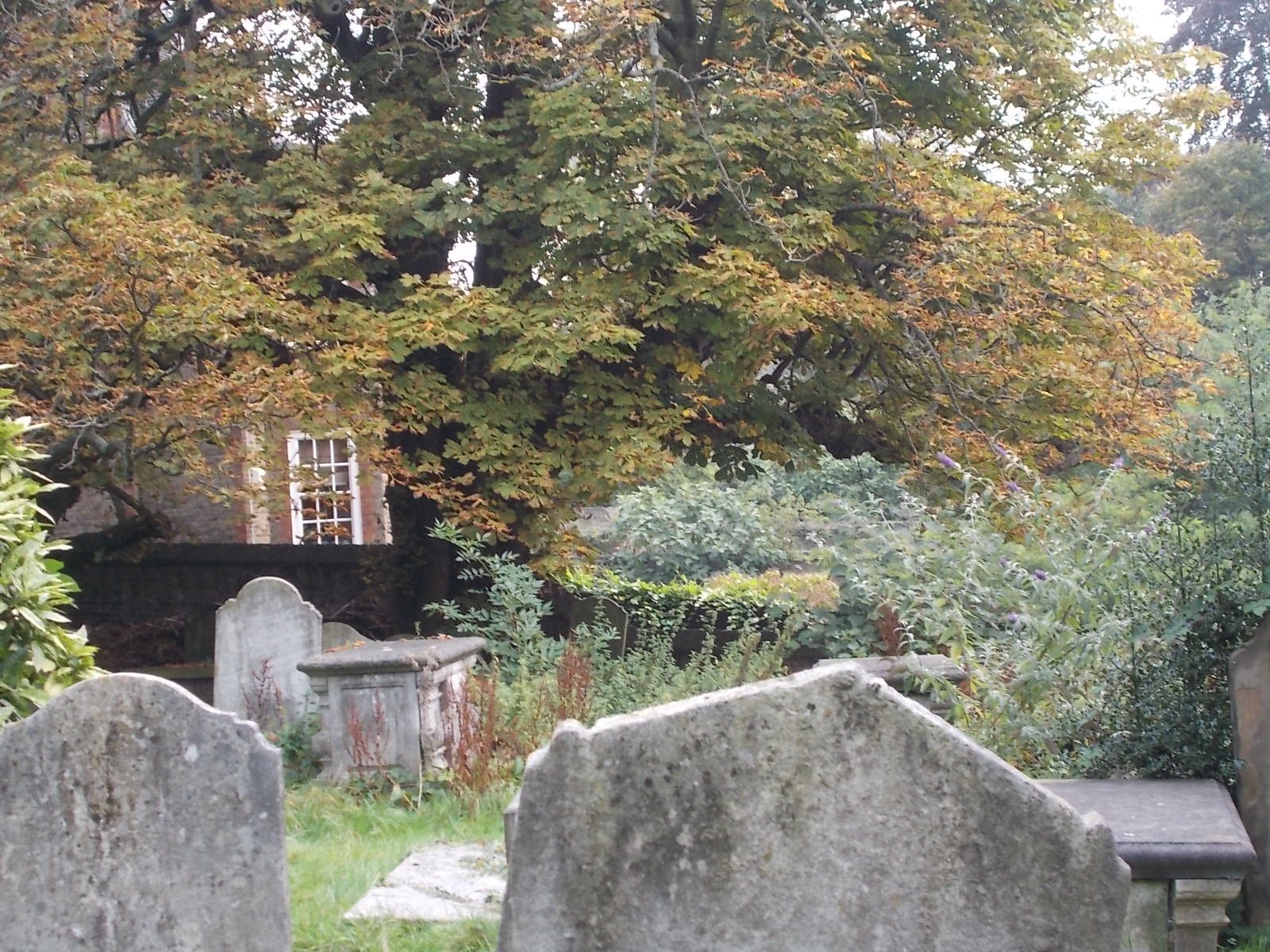
A few of the graves near the church  itself were well tended, but the majority of the graveyard was decidedly unkempt – the paths swept, but the stones tilting and  leaning in every direction, overgrown with ivy and dead leaves. Certainly picturesque. Here are a few of the photos we took along the way. 

Apparently we were captivated by the foliage, stones and atmosphere of the area! Took a multitude of pictures, didn’t we?

VIDEO WEDNESDAY – STEPHEN FRY'S KEY TO THE CITY OF LONDON

In Exploring the Mysteries of the City of London (46 mins), Stephen Fry is prompted to delve into the history of London after being honoured with the Freedom of the City and so takes us on a tour of London the likes of which you’ve never seen. Join him as he explores the Square Mile and takes us on behind-the-scenes visits to Tower Bridge, the trading floor at the London Metal Exchange, the Bank of England, the Old Bailey and remnants of Newgate Prison, a Roman bath house below a modern office block, Lloyd’s of London and the City Livery Company. If that’s not enough for you, he also introduces us to Beadles without the Guildhall, the Lord Mayor, banker Lord Levine, skyscraper window washers, bee keepers and Doris McGovern – wait till you meet Doris. She’s a corker.

This is good stuff! Watch it here.

DO YOU KNOW ABOUT – THE SHIPPING FORECAST?

The BBC’s Shipping Forecast has been broadcasting coastal weather conditions to its listeners for over 150 years and its loyal following extends far beyond mariners. Fans of the television show As Time Goes By will be aware that Mrs. Bale, the Hardcastle’s housekeeper at their country home, stops everything in order to listen the Shipping Forecast. In Keeping Up Appearances, Hyacinth Bucket consults the Shipping Forecast before she and Richard go boating – even though their sail will only follow the inland Thames. In addition, the Shipping Forecast has inspired music, literature and art. Heck, my online friend and fellow blogger Scott Lyman even named his blog The Shipping Forecast.

So . . . . just what is the Shipping Forecast?

From Wikipedia:

The Shipping Forecast is a BBC Radio broadcast of weather reports and forecasts for the seas around the coasts of the British Isles. It is produced by the Met Office and broadcast by BBC Radio 4 on behalf of the Maritime and Coastguard Agency. The forecasts sent over the Navtex system use a similar format and the same sea areas. The waters around the British Isles are divided into 31 sea areas, also known as weather areas (see map below)[1] There are four broadcasts per day at the following (UK local) times:
  • 0048 – transmitted on FM and LW. Includes weather reports from an extended list of coastal stations at 0052 and an inshore waters forecast at 0055 and concludes with a brief UK weather outlook for the coming day. The broadcast finishes at approximately 0058.
  • 0520 – transmitted on FM and LW. Includes weather reports from coastal stations at 0525, and an inshore waters forecast at 0527.
  • 1201 – normally transmitted on LW only.
  • 1754 – transmitted only on LW on weekdays, as an opt-out from the PM programme, but at weekends transmitted on both FM and LW.
The unique and distinctive sound of these broadcasts has led to their attracting an audience much wider than that directly interested in maritime weather conditions. Many listeners find the repetition of the names of the sea areas almost hypnotic, particularly during the night-time broadcast at 0048 UK time.
In October 1859, the steam clipper Royal Charter wrecked in a strong storm off Anglesey; 450 people lost their lives. Due to this loss, Vice-Admiral Robert FitzRoy introduced a warning service for shipping in February 1861, using telegraph communications. This remained the United Kingdom’s Met Office primary responsibility for some time afterwards. In 1911, the Met Office had begun issuing marine weather forecasts which included gale and storm warnings via radio transmission for areas around Great Britain. This service was discontinued during and following World War I, between 1914 and June 1921, and again during World War II between 1939 and 1945.[2]
Today, although most ships have onboard technology to provide the Forecast’s information, they still use it to check their data.
The last broadcast of the Shipping Forecast at 0048 each day is traditionally preceded by the playing of “Sailing By“, a light orchestral piece by Ronald Binge. This is only very rarely omitted, generally when the schedule is running late. Though occasionally played in full, it is common for only a section of the piece to be broadcast; that section being the length required to fill the gap between the previous programme’s ending and the start of the forecast at precisely 0048.[8] More importantly, Sailing By serves as a vital identification tool – it is distinctive and as such assists anyone attempting to tune in. The forecast is then followed by the National anthem and the closedown of the station for the day, with the BBC World Service taking over the frequencies after the pips of the Greenwich Time Signal at 0100.

You can listen to a broadcast of the Shipping Forecast here.

Alternately, here’s Stephen Fry’s cheeky take on the shipping forecast.