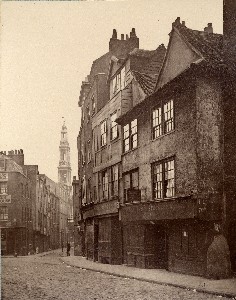
EARTHQUAKE!

On the 8th of February, 1750, an earthquake was felt in London, followed exactly a month afterwards by a second and severer one, when the bells of the church clocks struck against the chiming-hammers, dogs howled, and fish jumped high out of the water. Horace Walpole, in a letter to Sir Horace Mann, draws a lively picture of the effect created by the event, and we cannot do better than borrow his narration:

“. . . . . as far as earthquakes go towards lowering the price of wonderful commodities, to be sure we are over-stocked. We have had a second, much more violent than the first; and you must not be surprised if, by next post, you hear of a burning mountain springing up in Smithfield. In the night between Wednesday and Thursday last, the earth had a shivering fit between one and two; but so slight that, if no more had followed, I don’t believe it would have been noticed. I had been awake, and had scarce dozed again,—on a sudden I felt my bolster lift my head. I thought somebody was getting from under my bed, but soon found it was a strong earthquake that lasted nearly half a minute, with a violent vibration and great roaring. I got up and found people running into the streets, but saw no mischief done. There has been some; two old houses flung down, several chimnies, and much earthenware. The bells rang in several houses. Admiral Knowles, who has lived long in Jamaica, and felt seven there, says this was more violent than any of them. The wise say, that if we have not rain soon we shall certainly have more. Several people are going out of town, for it has nowhere reached above ten miles from London: they say they are not frightened, but that it is such fine weather, “Lord, one can’t help going into the country!” The only visible effect it has had was in the Ridotto, at which, being the following morning, there were but 400 people.

“A parson who came into White’s the morning after earthquake the first, and heard bets laid on whether it was an earthquake or the blowing up of powder mills, went away exceedingly scandalised, and said, “I protest they are such an impious set of people, that I believe, if the last trumpet was to sound, they would bet puppet-show against judgment!” The excitement grew intense: following the example of Bishops Seeker and Sherlock, the clergy showered down sermons and exhortations, and a country quack sold pills “as good against an earthquake.” (Walpole himself advised anyone who would listen to “take bark”). A crazy Life-guardsman predicted a third and more fatal earthquake at the end of four weeks after the second, and a frantic terror prevailed among all classes as the time drew near.”
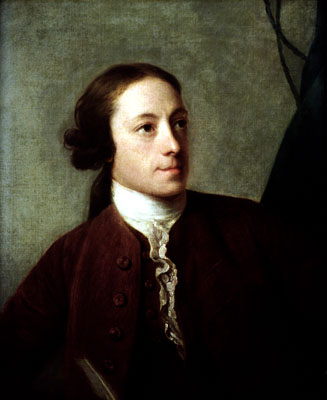
Horace Walpole

On the evening preceding the 5th of April, the roads out of London were crowded with vehicles, spite of an advertisement in the papers threatening the publication “of an exact list of all the nobility and gentry who have left or shall leave this place through fear of another earthquake.” “Earth-quake gowns “—warm gowns to wear while sitting out of doors all night—were in great request with women. Many people sat in coaches all night in Hyde Park, passing away the time with the aid of cards and candles; and Walpole asks his correspondent, ‘What will you think of Lady Catherine Pelham, Lady Frances Arundel, and Lord and Lady Galway, who go this evening to an inn ten miles out of town, where they are to play brag till four o’clock in the morning, and then come back, I suppose, to look for the bones of their husbands and families under the rubbish?’

On the 18th of March in the same year an earthquake was felt at Portsmouth, Southampton, and the Isle of Wight. In April, Cheshire, Flintshire, and Yorkshire were startled in like manner: this was followed by an earthquake in Dorsetshire in May, by another in Somersetshire in July, and in Lincoln-shire in August, the catalogue being completed on the 30th. of September by an earthquake ex-tending through the counties of Suffolk, Leicester, and Northampton.

N.B. The feared third London earthquake did not occur.
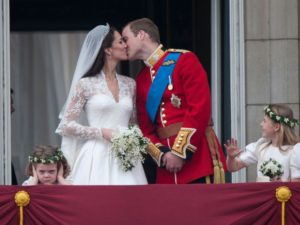
THE ROYAL WEDDING

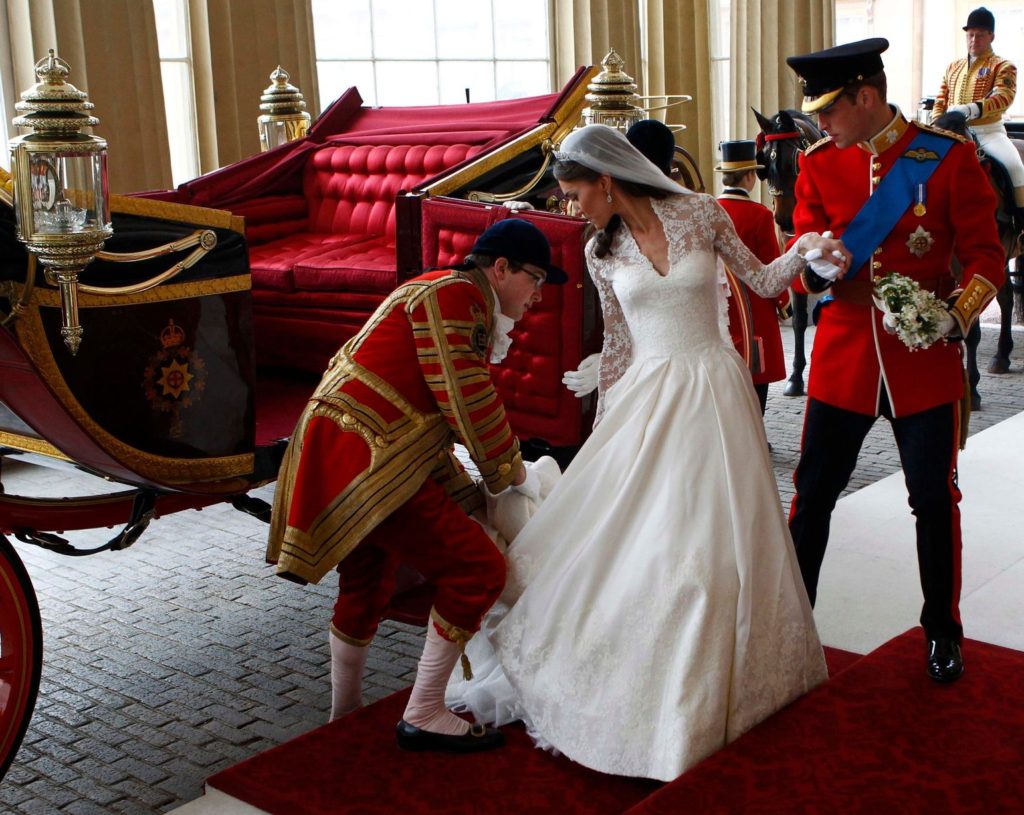
If you were reading this blog back in 2011, you may remember our coverage of the marriage of William and Kate on 29 April, 2011. Number One London certainly got into the spirit of things, bringing you all the news and speculation in posts during the months leading up to the wedding on subjects including wedding plans, the order of ceremony, the dress, wedding guests, photos, etc.

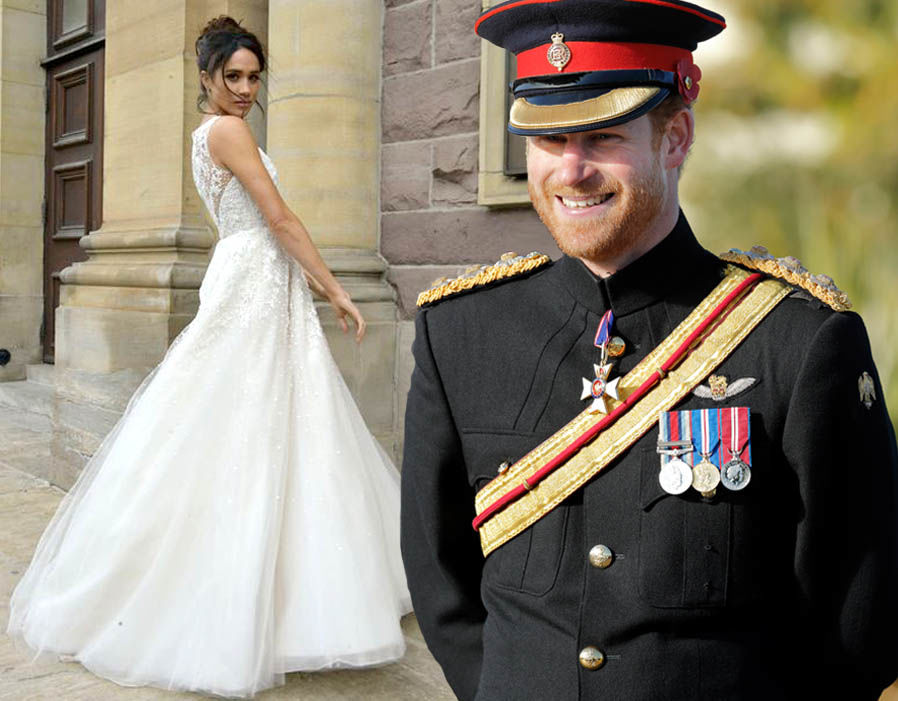
In fact, some of our posts regarding the Royal Wedding were among the most viewed on this blog and you can be sure we’ll be repeating the effort in the lead up to the wedding of Harry and Meghan on 19 May.

To see what’s in store, click here to see a round-up of our coverage of William and Kate’s wedding.

And click here to see our round-up of the wedding day itself.  Scroll down to see the comments received in response to our commentary.

Once again, we’ll be posting weekly with all the news surrounding the upcoming wedding and we will again be posting in real time on the day, this time using Facebook as our platform.

 We hope you’re as thrilled as we are about the upcoming nuptials and we can’t wait to share it all with you – again. It’s going to be another fun ride – Our first “Royal Wedding: Harry and Meghan” post will appear soon!

LIVE LIKE A GEORGIAN

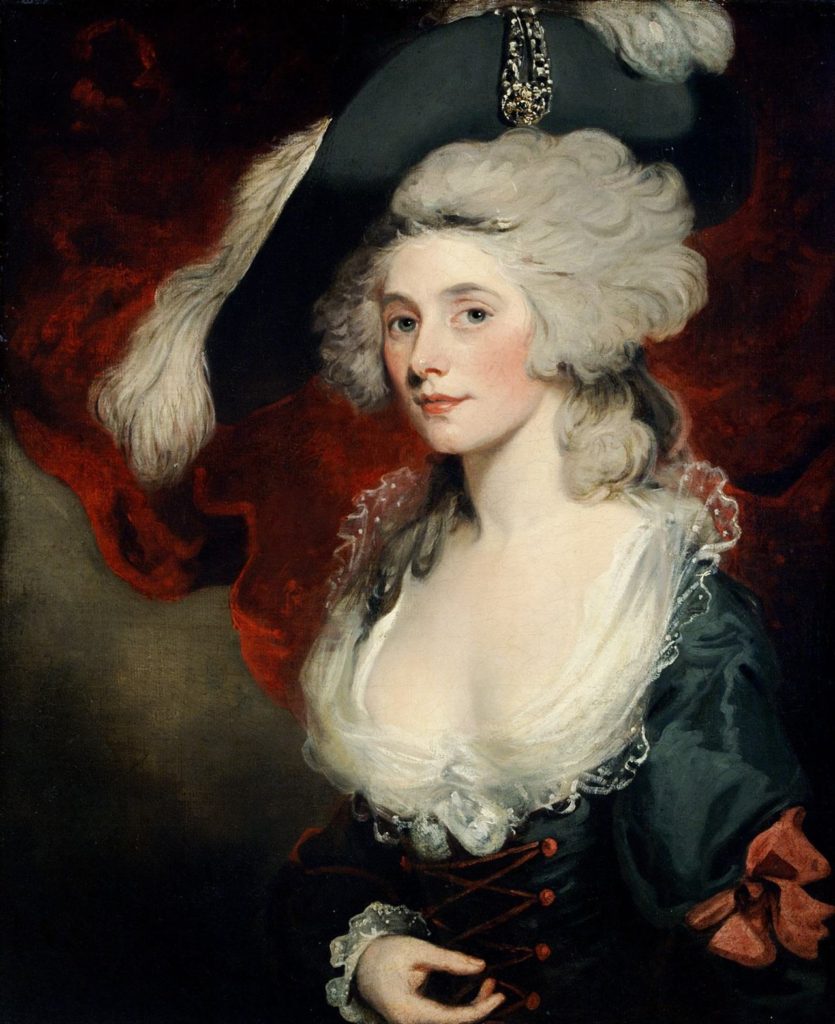
Mary Robinson as “Perdita.”

Here’s your opportunity to live like a Georgian – or a Regency – lady for an entire week during Number One London’s Georgian Tour in April 2018 as we visit London and Bath.

The Georgian Tour will include many of the periods’ most beloved sites, while affording you the opportunity for hands-on research of architecture, fashion, stately homes, interiors and gardens.

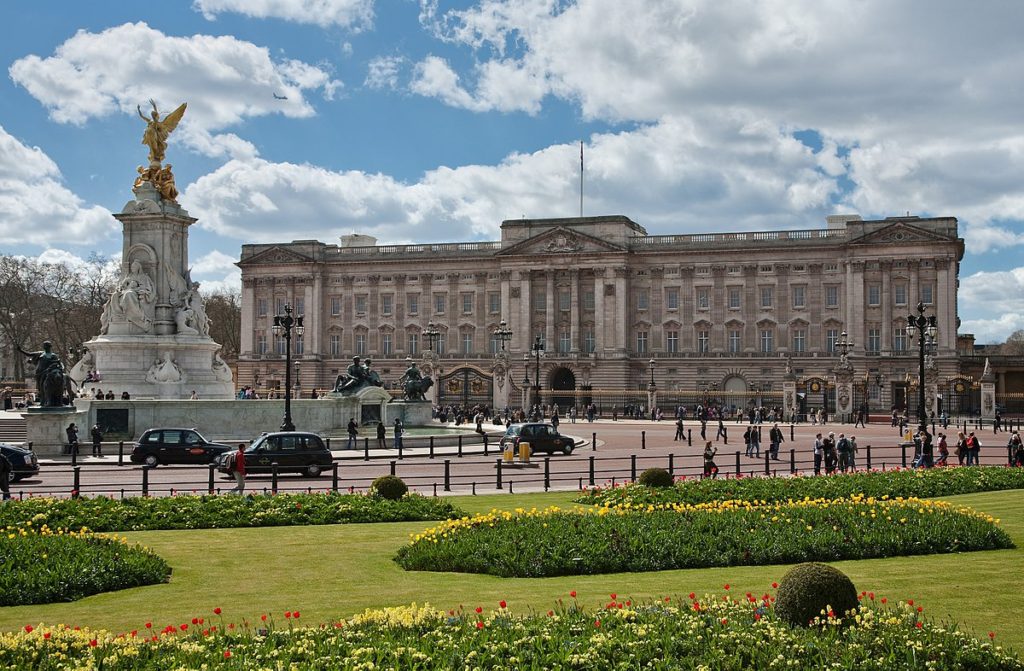
The fully escorted Tour includes our signature “St. James’s Walk,” during which you’ll stroll past iconic sites such as White’s Club, Buckingham Palace, Spencer House, Almack’s and Apsley House, while learning about the history of each and exploring many of London’s “hidden” landmarks.

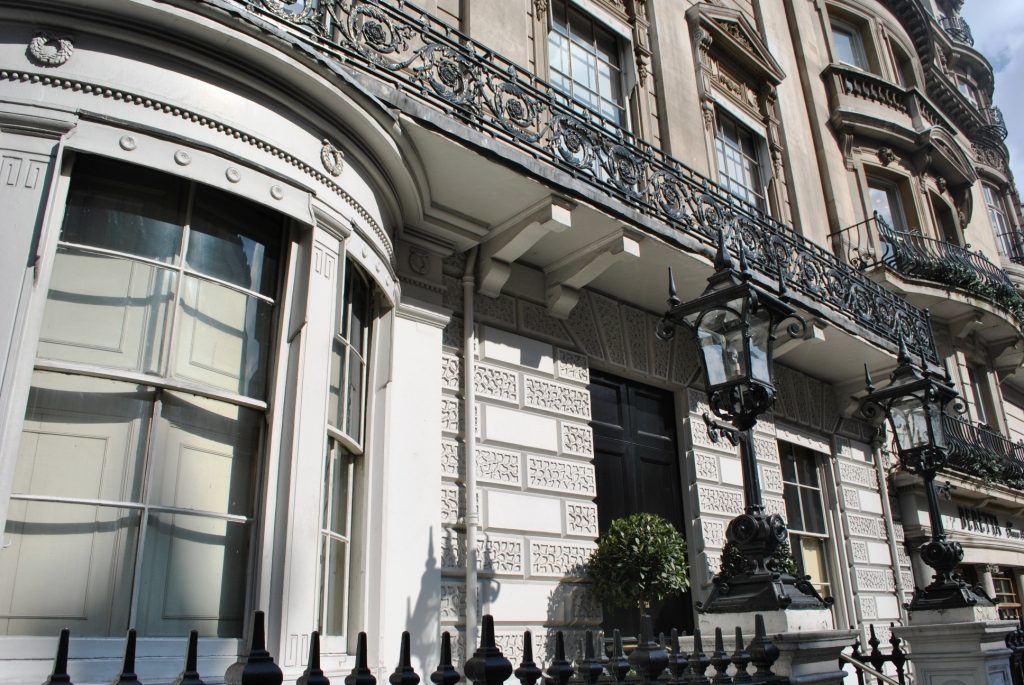
The famous Bow Window at White’s Club.
Buckingham Palace
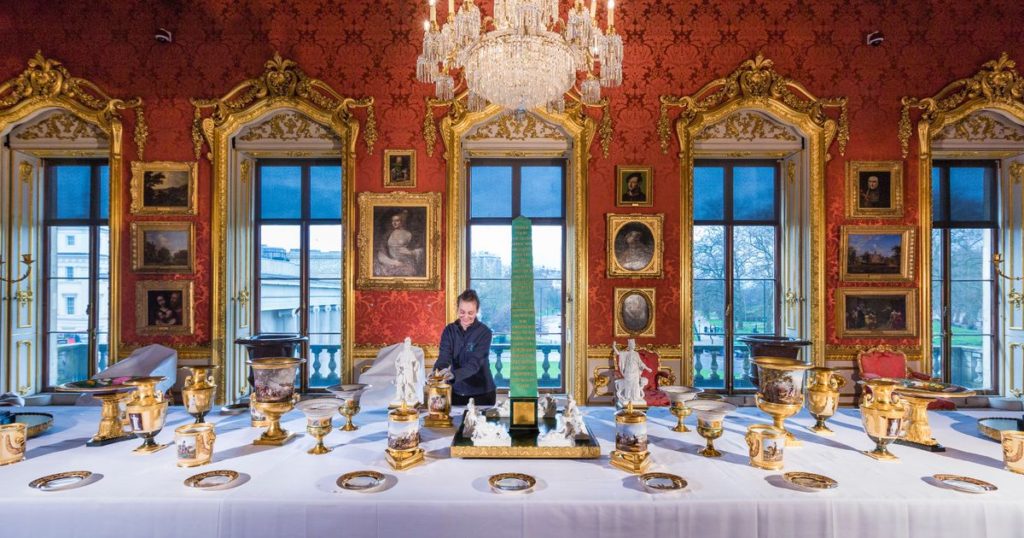
The Waterloo Chamber, Apsley House

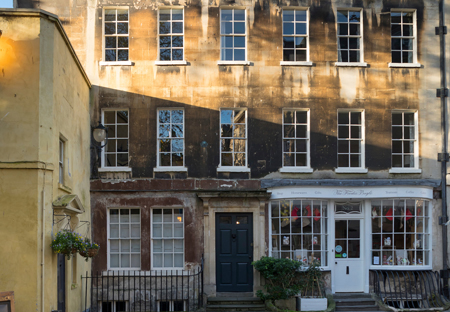
 Traveling on to Bath, we’ll enjoy the private use of a period townhouse located in the most historic section of the City, within walking distance to local landmarks.
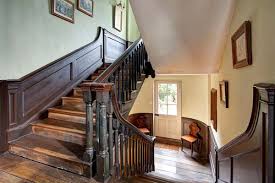
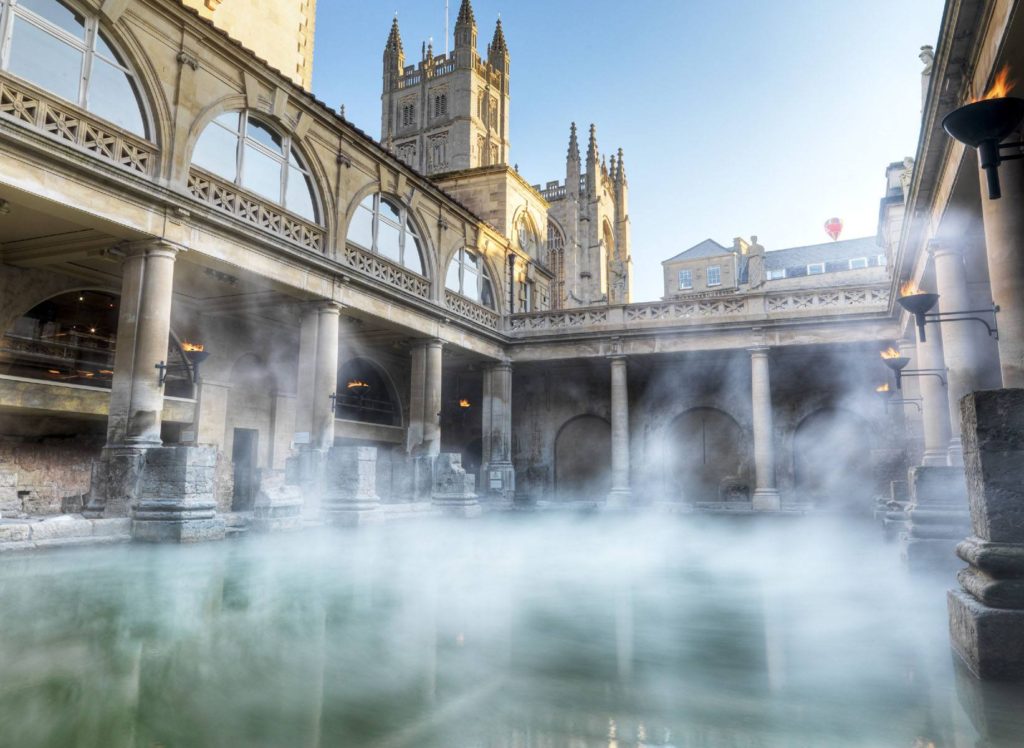
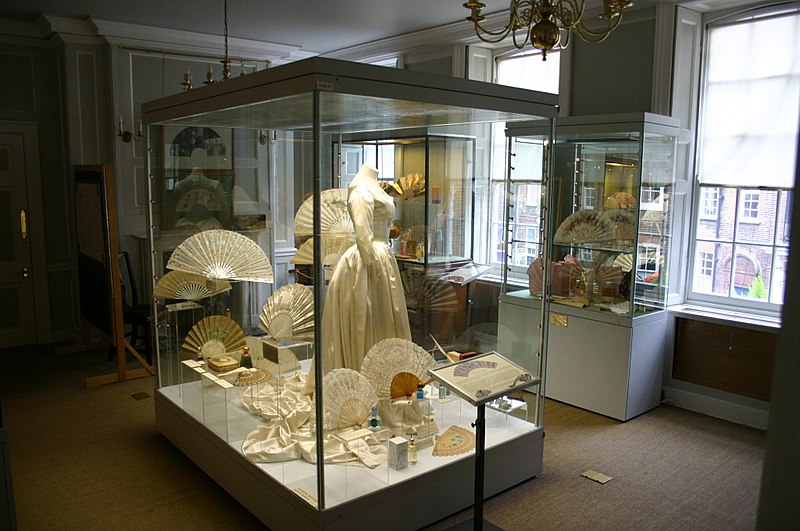
Over the next few days, we’ll visit the Roman Baths, the Jane Austen Centre, the museum at No. 1 Royal Crescent and the Fashion Museum and Pump Rooms.

The Roman Baths

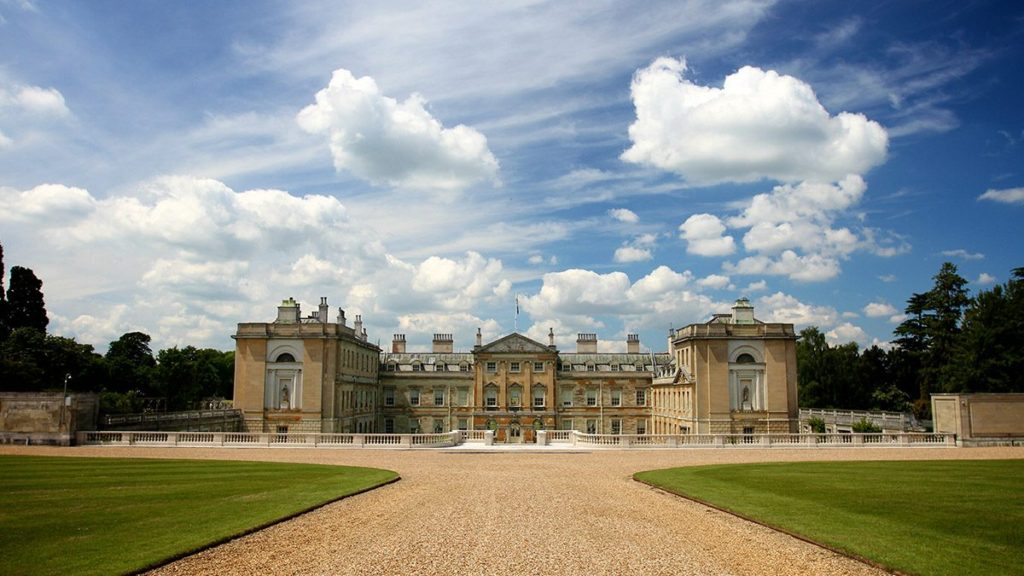
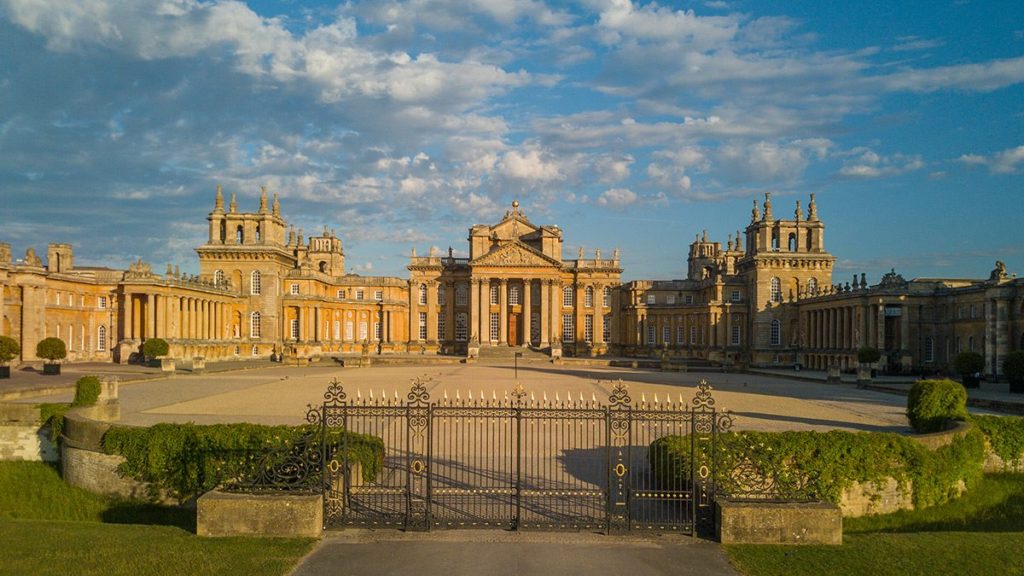
As if this were’t itinerary enough, we’ll also be visiting two of England’s most stunning Stately Homes – Woburn Abbey and Blenheim Palace.

Woburn Abbey
Blenheim Palace
Whether you’re an author, history buff or a savvy tourist, you won’t want to miss out on this  fully escorted, small group tour!

COMPLETE TOUR DETAILS HERE

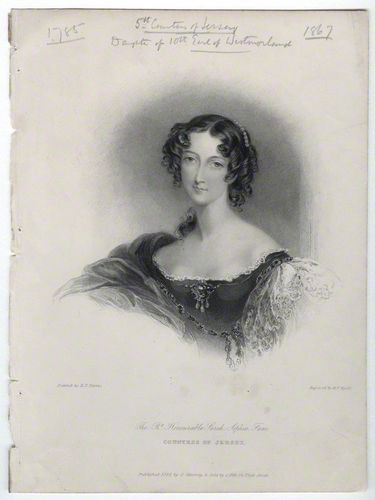
THE DEATH OF LADY JERSEY in 1867

The March 1867 issue of The Gentleman’s Magazine carried an obituary for Sarah Sophia Fane Child-Villiers, Dowager Countess of Jersey:

January 26 – At 38 Berkeley Square, suddenly by the rupture of a blood vessel, aged 81, Sarah Sophia, Dowager Countess of Jersey.

            Her ladyship was the eldest and only surviving child of John, 10th Earl of Westmorland, by Anne, only daughter and heir of Mr. Robert Child. She was born March 4, 1785 and in May 1804 she married George, Viscount Villiers, who in the following year succeeded his father, the 5th Earl of Jersey, and by whom she had a family of four sons and three daughters. Her eldest son, George Augustus Frederick, died three weeks after the death of his father in 1859; and was the father of Victor, 7th Earl; Augustus John died at Rome in 1847; Frederick married to Lady Elizabeth, daughter of the 8th Earl of Athlonel (title extinct); Francis John died in May 1862; Lady Sarah, married to Prince Nicholas Esterhazy, son of his Excellency the late Prince, many years an ambassador to the Court of St. James’s, from Austria, died at Torquay in November 1853; Lady Clementia died unmarried in December 1858, and Lady Adela, wife of Lieut. Colonel Charles Ibbetson, who died suddenly in September 1860.

Osterley Park, Greater London

            The late Countess, on the death of her maternal grandfather, Mr. Robert Child, the banker, by his will succeeded to his large property, both real and personal. Owing to her mother having eloped with the Earl of Westmorland, Mr. Child carried out his determination that not a shilling of his property should go to the male heirs of the earldom, and he bequeathed his large and valuable property to the county of Middlesex and his interest in the old banking house at Temple Bar to the Countess. The deceased Lady Jersey was kind and charitable to the poor, but studiously avoided publicity in doing good to those beneath her. Many indigent families will regret her death, as well as an extensive circle of friends.

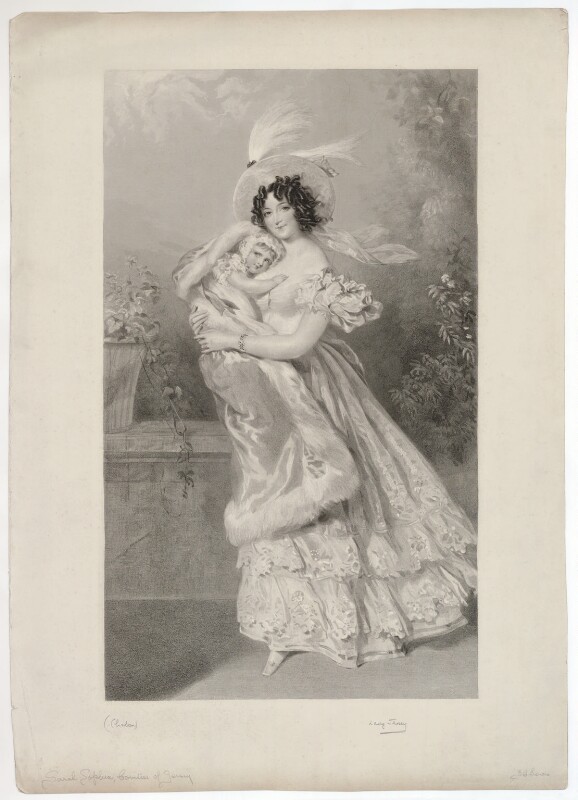
Lady Jersey, National Portrait Gallery
by Frederick Christian Lewis Sr, after Alfred Edward Chalon
stipple engraving, published 1839
            The Countess of Jersey was for many years one of the leading ladies patronesses of “Almacks” and with Viscountess Palmerston shared the greatest influence; indeed she had for more than half a century occupied the highest position in London society. She was a woman of extraordinary abilities and no female member of the aristocracy could surpass her in her knowledge of European politics. For nearly fifty years her saloons were nightly open to receive the distinguished foreign diplomatists of the day and the prominent political character of the Tory and Conservative party. The Countess’s “at homes” were however, unlike those of Devonshire and Holland houses, exclusively confined to a distinct political faction. Lord Brougham was a great personal friend of the deceased lady, and Viscount Palmerston was among her occasional visitors, even while in office. Lady Jersey was connected by marriage with the late Viscount Ponsonby, the late Marquis of Anglesey; the Earl of Bessborough and a large number of friends of opposite politics.
Entrance Hall, NT
            It was not until the death of her husband in October 1859, that Lady Jersey retired into comparative seclusion.—That is to say, sought only the society of her most intimate friends. The Countess was honoured by the personal regard of the late Emperor Nicholas, the late Kings of Hanover, Prussia, Holland, Belgium, and of George IV when Prince Regent.


Lady Jersey, National Portrait Gallery
by Henry Thomas Ryall, published by John Murray, sold by Charles Tilt,
 after Edmund Thomas Parris  stipple engraving, published 1833

            The interment of the deceased took place in the family vault of the parish church of Middleton Stoney, Oxon on the 2d of February, the body of the Countess having been brought to Middleton Park on the day previous. The funeral procession was preceded by the principal tenancy of the estates.

Note from Victoria: The Jersey estate at Middleton, Oxfordshire, was the family’s principal country home after its purchase in 1737, though the property had been a manor since the 13th  century. The house built there in the 1750’s and used by Sarah, Lady Jersey, for extensive entertaining, was pulled down in 1934 and replaced a few years later with a modern house designed by Sir Edward Lutyens, now made into flats. The former Middleton Park grounds are now mostly a public park.  The village of Middleton Stoney boasts one public house, the Jersey Arms.