AT AUCTION: BONHAM'S VICTORIAN CARRIAGE AND COACHES

Following on the heels of Victoria’s Friday post, Loose in London: Royal Day Out, in which she brought you our trip to the Royal Mews, we thought we’d carry on with the carriage theme – on March 7, Bonham’s Oxford auction rooms will offer Carriages, Coaches and all manner of coaching accouterments for sale by auction. You can find the complete auction listing here, but we thought we’d share a few of the highlights below. Starting breaking open those piggy banks, there are some real treasures on the block.

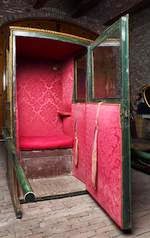
Lot 203
C.1800 SEDAN CHAIR
£4,000 – 6,000
US$ 6,000 – 9,000

c.1800 Sedan Chair – No ReserveFOOTNOTES

  • Sedan chairs reached their peak across Europe in the late 1700’s. They afforded a clean and safe means of transport to the nobility and upper middle classes. Many were kept inside houses where the owners could enter them before being carried out into the often, filthy streets. 
  • This sedan chair features a softwood frame construction with canvass stretched over for lightness. Externally the chair cabin is very original and would benefit from some conservation and stabilisation work. The panels depict cherubs and angels in differing scenes. 
  • The roof is leather covered, this is held in place with a carved moulding that has been picked out in gold leaf. 
  • Access to the cabin is via the front door that contains a single window, the side panels are also fitted with windows and all three can be lowered. Internally the cabin has been subject to an older restoration and is upholstered in a maroon velour material.
  • A rare opportunity to acquire a sedan chair that would benefit from some conservation work.

Lot 205
C.1880 PARK DRAG
Coachwork by Holland & Holland, London, England
£70,000 – 90,000
US$ 110,000 – 140,000

c.1880 Park Drag
Coachwork by Holland & Holland, London, England

FOOTNOTES

  • Holland & Holland coachbuilders are widely regarded as building some of the finest light drags. Park Drags were used by gentlemen and ladies to attend race meetings and other events where they could be used to entertain friends and associates. Many were supplied with roof mounted picnic sets (imperials), sun shades and wine cellaretes that were contained within the rear boot.

    This Park Drag is finished with a dark blue undercarriage, lower quarter panels and seat risers, the upper panels are black. The line detail is a deep red. It has been restored by Stolk of Holland and the Drag is representative of their high standard of craftsmanship. The Drag is fitted with patent mail oil axles and runs on English pattern iron shod wheels.

    The passenger compartment is accessed on each side via door with a folding body step. The doors have a brass ‘T’ handle and there is a ivory plaque at the bottom of each door bearing the builders name. Internally the seat cushions and seat backs are upholstered in a blue wool cloth with blue tufted surface buttons and dark blue broad lace surrounds. The original oil cloth headlining has been preserved and brown leather hat straps are fitted. The window frames are finished in a blue wool cloth. Shutters are also contained within the door window recess, the nearside shutter is fitted with an internal mirror. The front internal seat back is hinged and lifting this gives access to the front boot that contains a comprehensive spares kit that includes a new set of brake shoes and supports for the roof mounted imperial. The rear boot contains correct type mahogany wine cellarets with zinc liners, with a top drawer for glasses/nappery

    With the exception of minor cracks to the toe board and front boot the external coach painted mahogany panels are in very good condition. The external cushions are upholstered in blue wool cloth and the seat frames are bound in plain black leather. The roof seat lazy backs are hinged and give access to the roof mounted imperial (picnic set). With the top of the imperial removed the sides unfold to provide trays and a picnic platform. The foot platforms are covered with leather edged lino with protective pierced rubber over mats. The Coachman’s toe board has a brass watch case mounted on it. A black wicker umbrella basket is fitted to the near side rear seat frame. The coachman’s seat frame has a tan leather whip holder and tan leather passenger grab handles are fitted to all roof seats. Two spare bars are strapped to the rear of the grooms seat frame and a folding passenger ladder is hanging on the underside of the groom’s seat. There is a coachman operated hand brake that acts on the rear wheels.

    The Drag is complete with lamps (no makers name),a single lense toe board lamp team pole and bars and drag shoe. It represents a wonderful opportunity to compete at the highest level in the Coaching classes for many years to come.


Lot 210
C.1890 HANSOM CAB
Coachwork by Forder & Co, London, England
£20,000 – 25,000
US$ 30,000 – 38,000
c.1890 Hanson Cab
Coachwork by Forder & Co, London, England
No Reserve

FOOTNOTES

  • Designed to convey members of the public in safety and comfort Hansom cabs became a common site of the streets of London. Today Hansom Cabs are strongly associated with late Victorian crime writers and feature in many of the famous Sherlock Holmes books. Several companies built hansom cabs but it was the coachbuilders Forder & Co who developed the best known design of Cab and the award of several medals meant that they were favoured by cab proprietors. Designed to carry two passengers the driver sat high up on the rear mounted external seat.

    This Hansom Cab is finished with a light green under carriage and a contrasting dark green line. The upper body panels have been conserved and are painted black. The cab is fitted with patent collinge oil axles and runs on rubber shod warner band type wheels.

    The passenger compartment is accessed via double opening doors, these are operated by the driver who would pull the leather window strap thereby ‘unlocking’ the doors and allowing the passenger out, prior to payment of course!, which would have been made via the small roof hatch to the rear of the passenger compartment. The seat cushion and back are upholstered in a dark green wool cloth with matching broad lace edging. The remaining surface areas are also finished in a dark green wool cloth. The metal fittings in the compartment are silver plated and there is a builders plaque mounted on the rear seat back stating that the cab is ‘Public Cab – Patent Number 2209 – Royal Hansom’. There are ivory surrounds attached to two side mirrors and a rare communication whistle is also fitted so that the driver could be alerted.

    Externally the driver’s seat is upholstered in a green wool cloth. The roof and upper panels have been conserved but they would have originally had a highly japanned finish. The dash board is covered in polished leather and the passenger boarding platform is fitted with a pyramid rubber mat. The cab would have been drawn by a single large horse and the shafts are ash with supporting ironwork. On the underside of each step there are extended supports that the cab would have rested on when not in use. Original correct type lamps are fitted to the Cab but they do not bear the builders name.


Lot 221
C.1835 TRAVELING LANDAU
Coachwork by Adams & Hooper, London, England
£200,000 – 300,000
US$ 300,000 – 450,000
Ex-Royal British Mews, ex-James Coson Collection, Fastidiously Restored
c.1835 Traveling Landau
Coachwork by Adams & Hooper, London, England

FOOTNOTES

  • This outstanding carriage has been the subject of one of the most impressive restorations carried
    out in recent years.

    Adams and Hooper were founded in 1805 and soon built up a reputation for building the finest carriages. From their premises in Haymarket, London, carriages were built for wealthy patrons the world over. By 1830 the company held the Royal Warrant.

    Travelling Landaus were used by the nobility on extended tours throughout Britain and Europe. Designed to carry their owners in comfort over long distances they proved to be an ideal carriage prior to the introduction of the railways.

    Ordered by the Royal Mews from Adams and Hooper for King William IV the Landau was delivered in 1835. The carriage would have been used by trusted representatives and possibly the King himself when undertaking long journeys. Other carriages and out riders would have formed part of the travelling entourage to carry luggage, servants and official documents. It is likely that the Landau was delivered with a detachable coachman’s seat and hammer cloth, however over the course of time this has been lost. In its current configuration the Landau is arranged to by driven by postilion riders. It is uncertain why postilion riders came into being but one theory is that it allowed the occupants of the carriage to have ‘open’ conversations without fear of being overheard by the coachman. The Landau was sold by the Royal mews in the early part of the 20th Century. Following its sale from the Mews its history is uncertain but it was probably saved because of its ‘Royal’ history and provenance. Eventually it was acquired by the famous American collector James Coson and is featured in the book of his collection published in 1989, complete with a foreword from His Royal Highness Prince Philip. When the Coson collection was sold its new owner decided to restore the Landau to its original specification. The carriage was sent to the renowned restorers Stolk of Holland who over a period of time returned the Landau to its rightful former grandeur.

    The Landau is resplendent in its Royal Colours of red under carriage with gold leaf lining and black flank detail, deep royal claret body panels with Royal crests and insignia and leather front and rear boots. Mounted on ‘C’ springs with leather braces the body has additional rope through braces allowing the carriage to cope with the roughest of roads. Strong grease axles are fitted and the Landau runs on iron shod English pattern wheels.

    Access to the passenger compartment is made via double folding steps and doors from either side. A footman would have first lowered the windows or shutter, opened the door and then unfolded the carpeted steps, once safely inside the footman would have folded the steps back into position and then closed the door making sure that the glass strings were not caught in the step recess. Inside the carriage the seat cushions and back are upholstered in a deep blue brocade with surface buttoning. The doors, seat falls and hood linings are finished in a dark blue wool cloth, and beautifully woven bespoke 3 inch broad laces are used to edge the cushions, door surrounds and glass strings. Each door contains a blue wool cloth trimmed window and separate shutter with a brass makers name plate. The louvres for each shutter can be adjusted by a small brass ratchet set into the varnished frame. The individual shutters are finished in red with a broad gold leaf line with fine black flank lines.

    Externally the Landau has been beautifully coach painted, period coach painting books often describe the finished panels of carriages as having a ‘glass like depth’ to them and ground pumice would have been used to polish out small particles of dust. The panels on the Landau are a true reflection of the finish achieved by the very best coach painters some 150 years ago. The lower claret body panels and doors feature hand painted royal coats of arms and insignia detail. Each will have been painted directly onto the panel by hand and will have taken several hundred hours to complete; they have then been varnished over for protection. To the front of the carriage there is a leather covered ‘Salisbury boot’ adorned with four brass crowns, access is via the front hinged lid and it would have been used to store spares for the coach and harness when travelling

    Beautifully detailed lamps are attached directly to the front folding hood, they have been silver plated internally and have a small royal crown on each candle font, larger brass crowns sit atop each lamp.

    The folding leather hoods are held in position by black hood jacks and three brass royal insignias are fitted along the top edge of each hood side panel. The leather hood covering has been hand stitched into position, the raw leather seams have been ‘plain bound’ in the correct fashion and the whole structure is fastened in position with brass pin bead. To the rear of the main body there is a leather covered ‘sword case’, gentlemen travelling in the Landau would have been expected to remove their swords and to have placed them within the ‘sword case’ which is accessed via a hinged rear seat back panel.

    At the back of the Landau there is a leather covered Rumble seat where two footmen would have sat, the seat is mounted on leaf springs to give some comfort during long journeys and is upholstered in a dark blue wool cloth. The area underneath the seat provides additional storage and is accessed via the hinged rear flap.

    The under carriage is finished in red with gold leaf detail, on each corner there is a large ‘C’ spring. Hand stitched leather braces run around the outside of each spring to support the body, the height of which is adjusted on large ratchet adjusters. Additional leather covered rope bracing runs the length of the Landau to control the front to back movement of the body, whilst on the underside of the body there are two further leather straps that control the side to side ‘sway’.

    Hanging from the perch there are three separate devices to control the Landau when descending or ascending hills and stopping. The first is a drag shoe that would have been used as a skid to lock up the rear nearside wheel when descending a hill. The second is the small hinged red pole, called a drag staff, that would have been lowered onto the ground when ascending a hill, if the Landau had to stop for any reason the pole would have dug into the road surface to stop the carriage from rolling back. The last item is the leather covered hook, this would have been used as a parking brake with the hook placed around a wheel spoke.

    The Landau is a truly wonderful piece of early Royal transport and the restoration work carried out to return it to its former glory is unlikely to be ever repeated again.

Lot 228
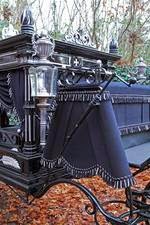
C.1905 HEARSE
Coachwork by H. Topig Wagenbau, Leuba stritz, Germany
£5,000 – 8,000
US$ 7,500 – 12,000
c.1905 Hearse
Coachwork by H. Topig Wagenbau, Leuba stritz, Germany
No Reserve

FOOTNOTES

  • The use of horse drawn hearses reached its peak in the early 1900’s. European hearses tended to be more ‘gothic’ in design, often featuring heavily carved timber hammercloths, more elaborate head pieces along the upper edges of the body and seldom had glass side panels.

    The hearse is finished in black throughout with silver leaf applied to the ornate carvings and lining detail. The hearse is fitted with patent collinge oil axles and runs on iron shod wheels.

    The rear coffin here has been lined out with black wool cloth. The side openings feature black wool cloth swags and drapes that are edged with a silver and black bullion fringe. The here is accessed via a folding rear step and a hinged section of steel grating and is fitted with a runner mounted coffin plate.

    Externally the solid timber hammer cloth and coachman’s seat are upholstered in black wool cloth throughout. The coachman’s toe board is fitted with a rubber mat. The roof features a decorated silver leaf urn that is fitted over a faux leather oil cloth covering. Original hearse lamps are fitted to the coachman’s seat.

    The hearse has been completely restored by Stolk of Holland and presents an ideal opportunity to purchase useful carriage for future use!
You’ll find the complete catalogue for this 


LOOSE IN LONDON: ROYAL DAY OUT, PART ONE

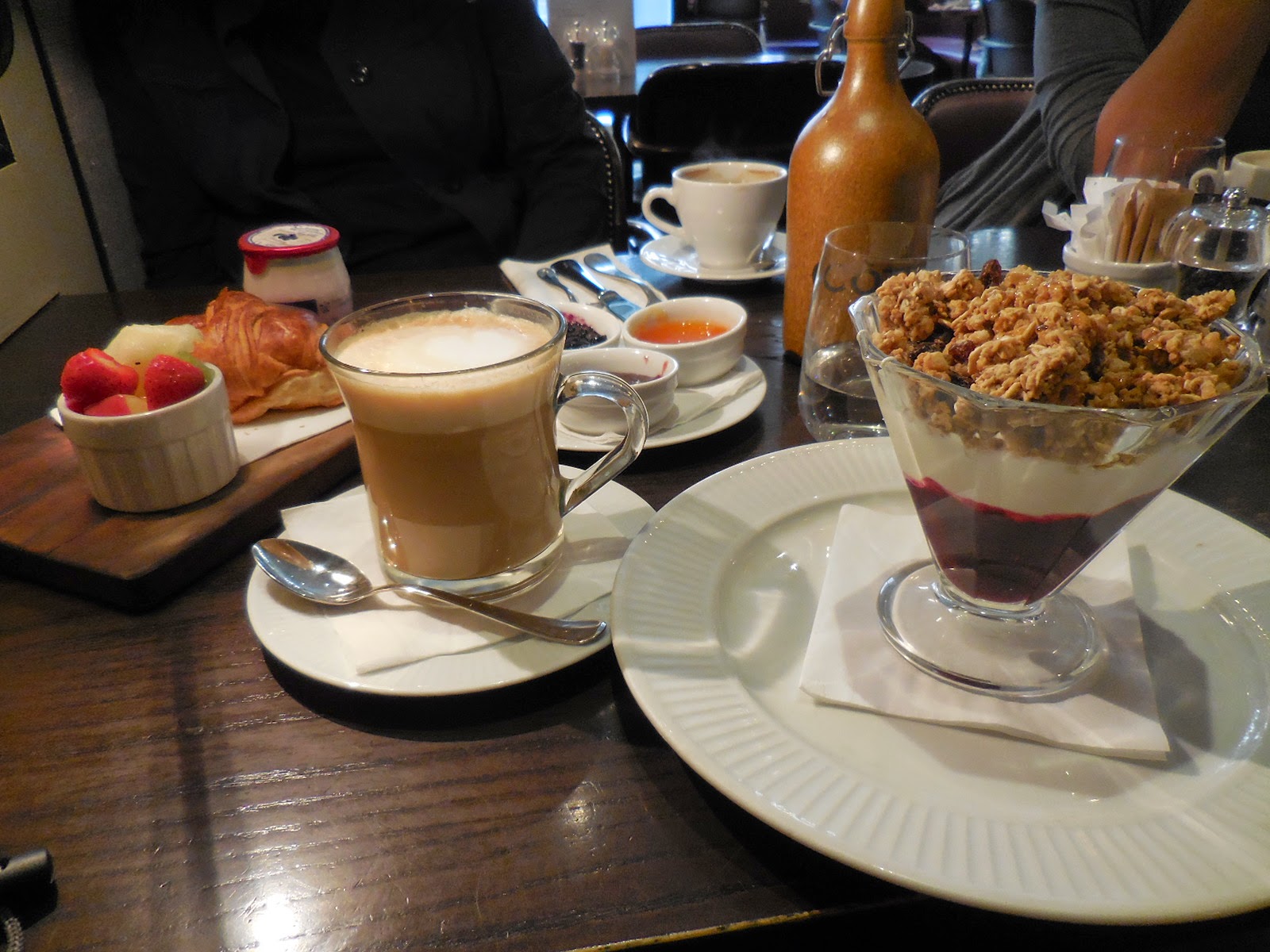
Beginning a memorable day (for several reasons, LOL) on Tuesday, September 2, 2014…our pre-ordered ticket for the Extravaganza known as the Royal Day Out!  Victoria here (eventually telling MY side of the story), beginning with our delicious breakfast at our hotel’s adjacent restaurant…

Yum!
The day’s activities were scheduled to begin at the Royal Mews, continue through the Queen;s Gallery and be crowned by the tour of Buckingham Palace.  What could be better? To be accompanied on this lovely day by three delightful companions — Kristine, Diane Gaston and Marilyn Gaston (sisters) with whom to share every experience….but again, more about that later!
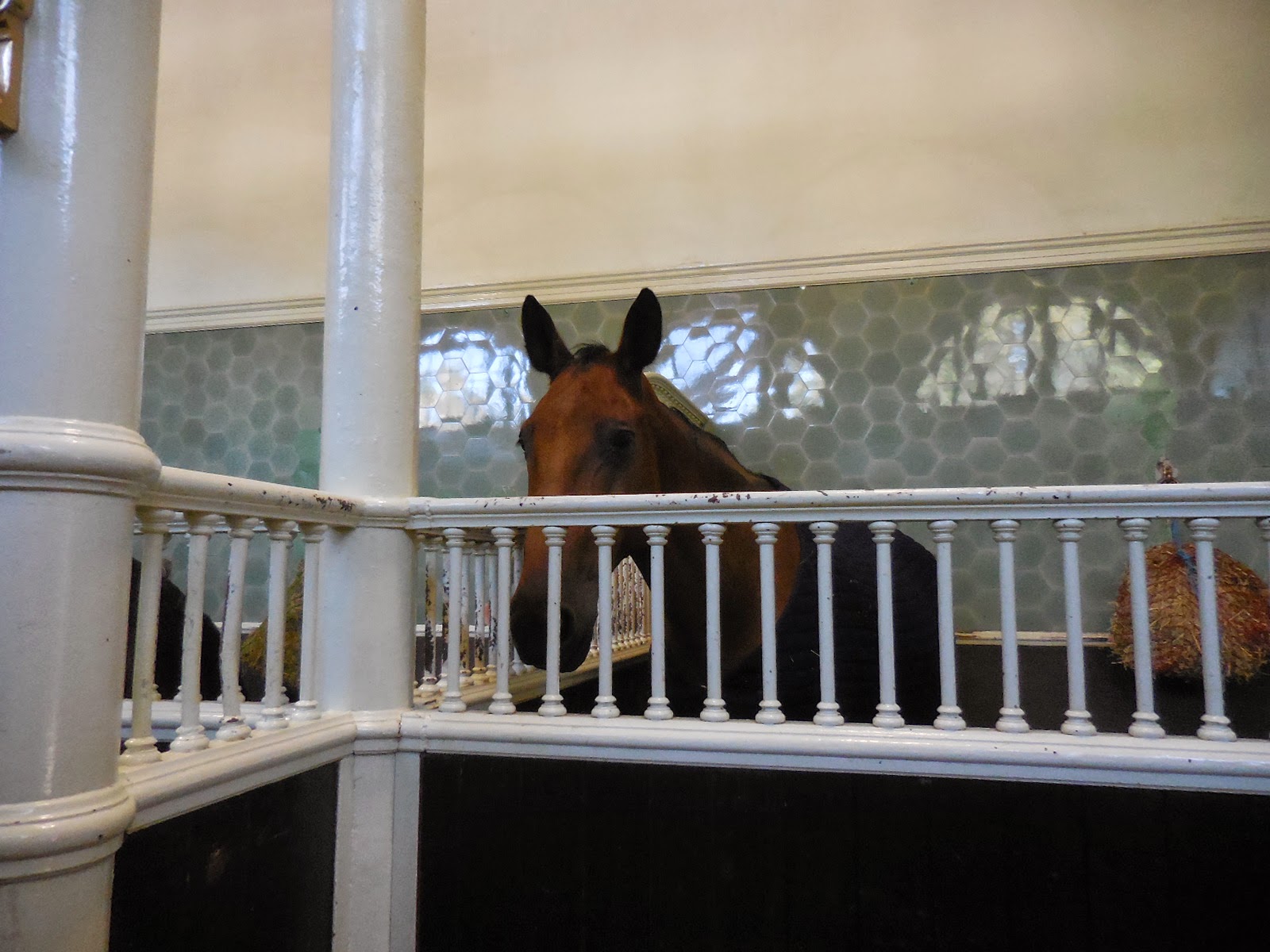
It was not the first visit to the Royal Mews for three of our quartet.  As a matter of fact, for me, it was the fourth visit, but since I love horses and the fragrance of a stable always makes me think of happy times (and not an odoriferous dump) I never pass up a chance to go back.
As you can see, it is kept spotlessly clean, but horses will be horses, and even in this exalted spot, their evidence takes a few minutes to remove…thus one of my childhood memories is readily triggered.
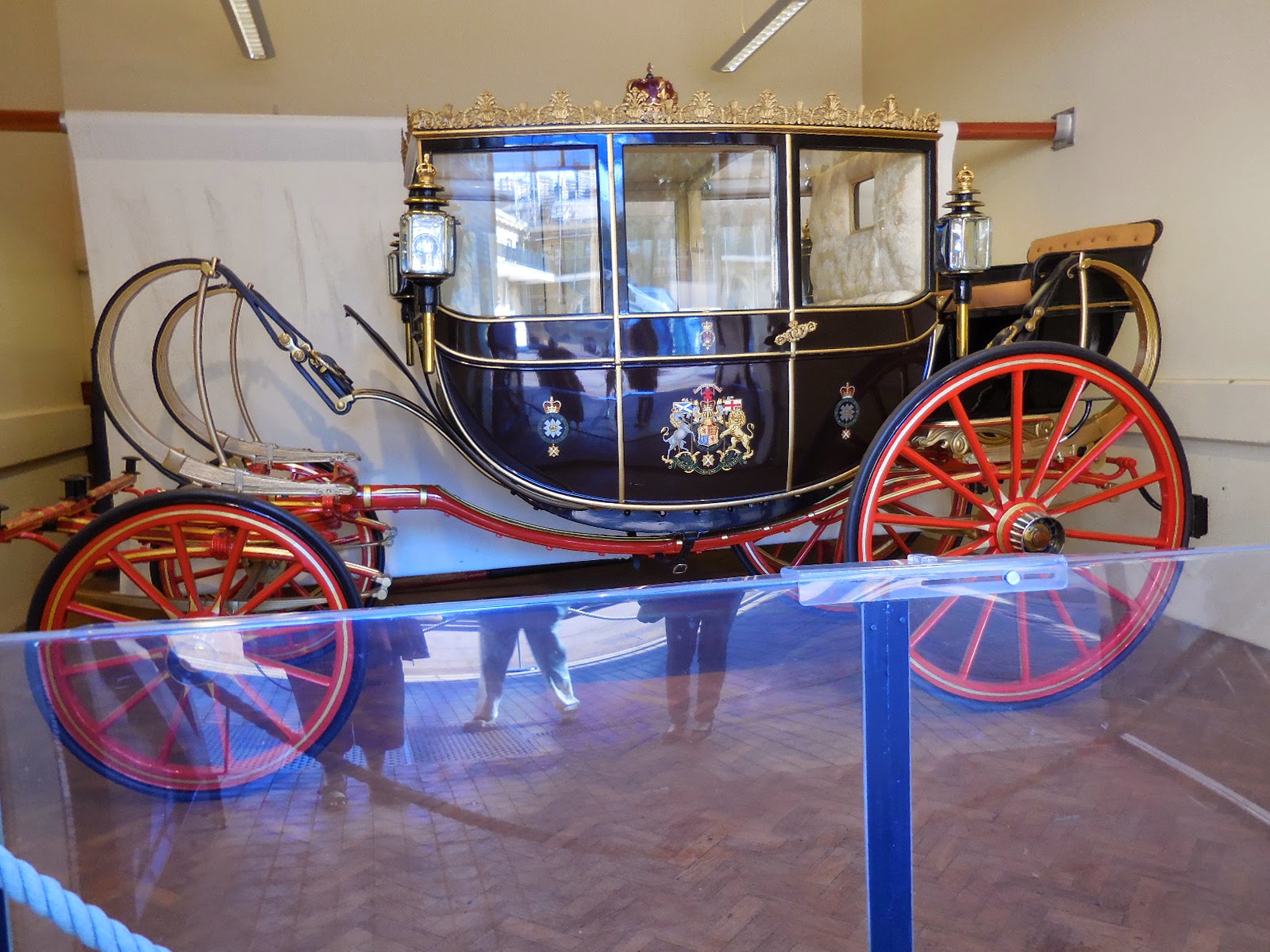
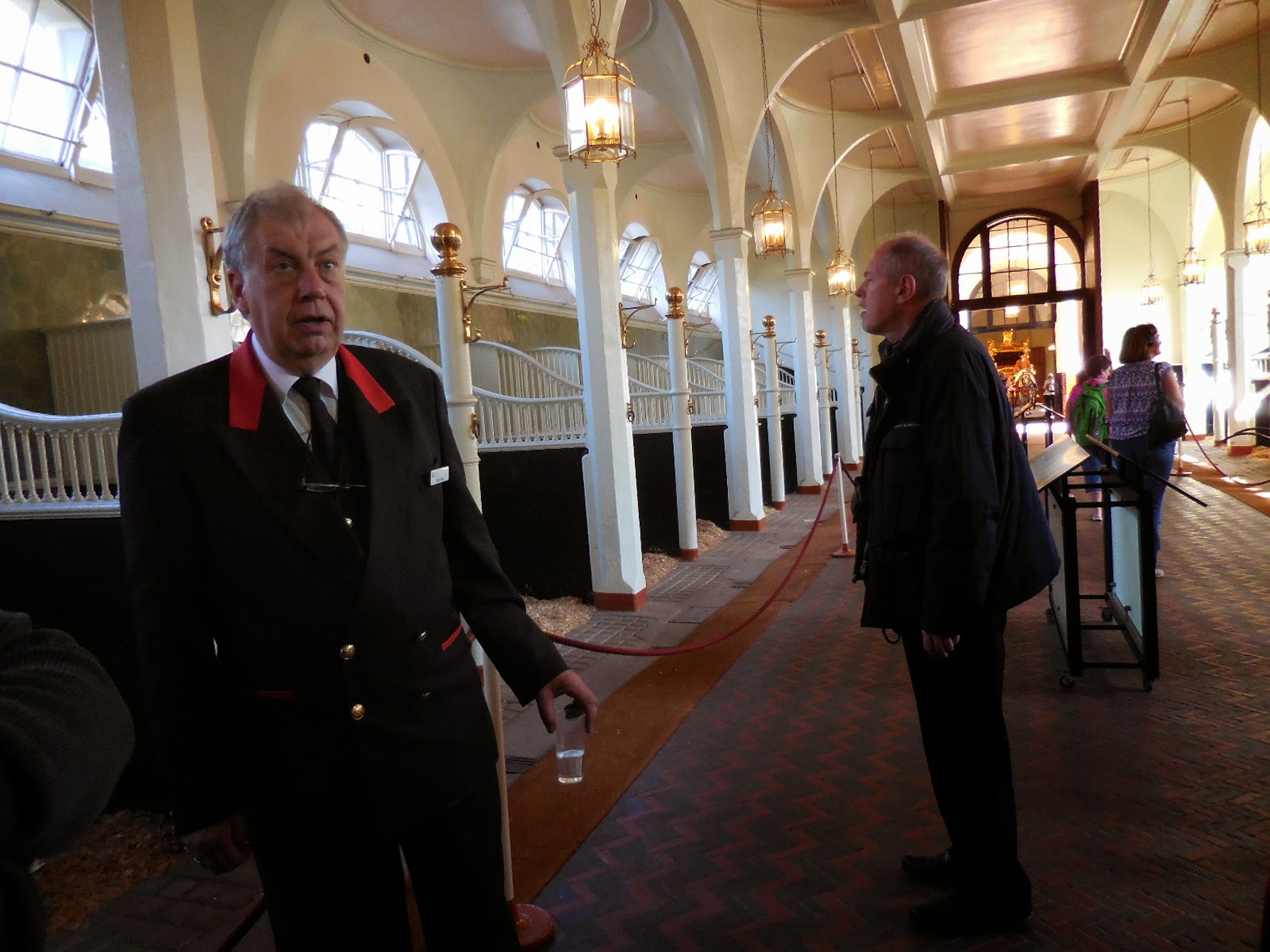
Our guide was a veteran of many years in the Queen’s service and shared wonderful reminiscences. I hope I have the correct names for the coaches below.  
Irish State Coach
The carriages are superbly maintained and displayed.
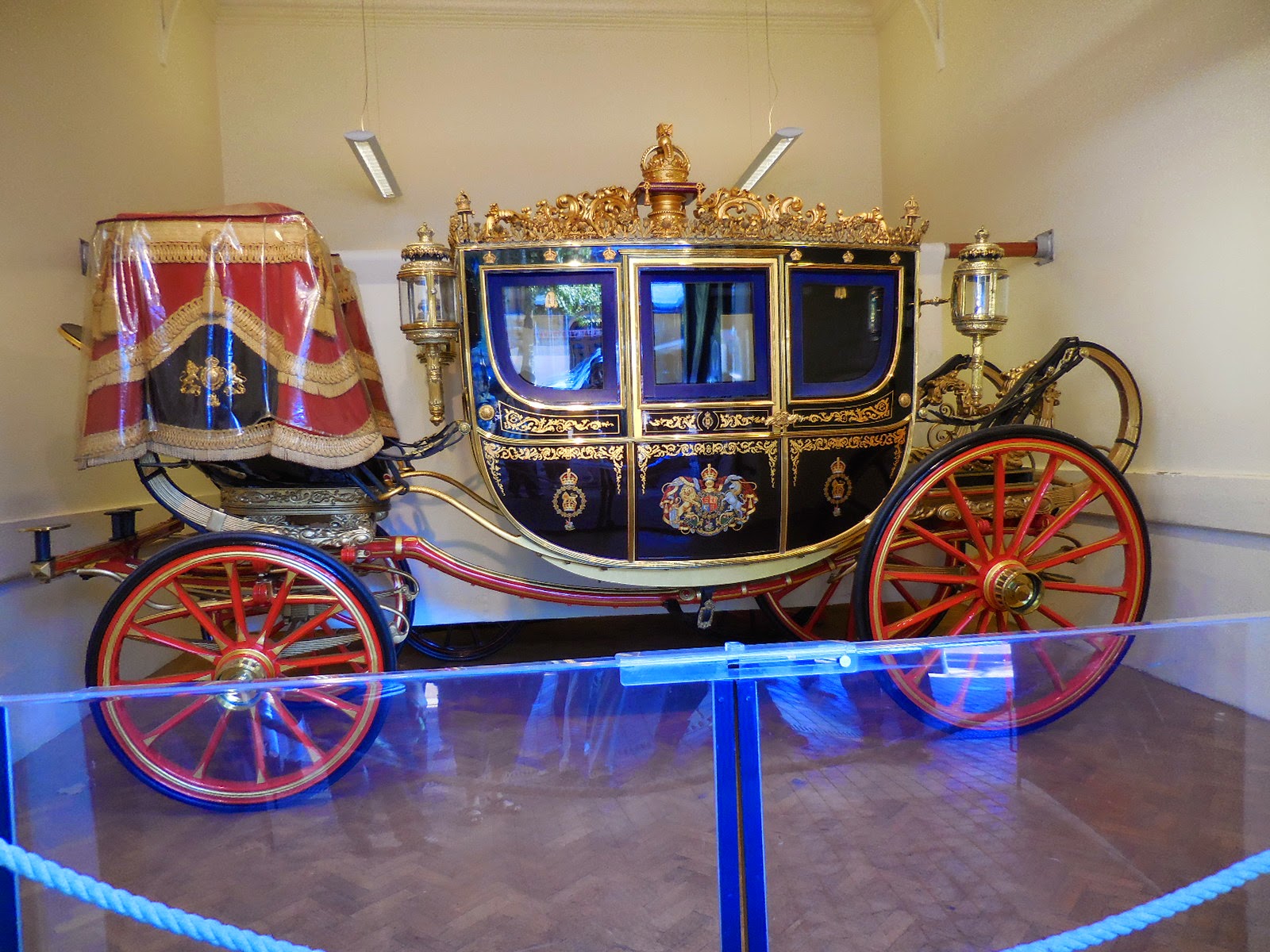
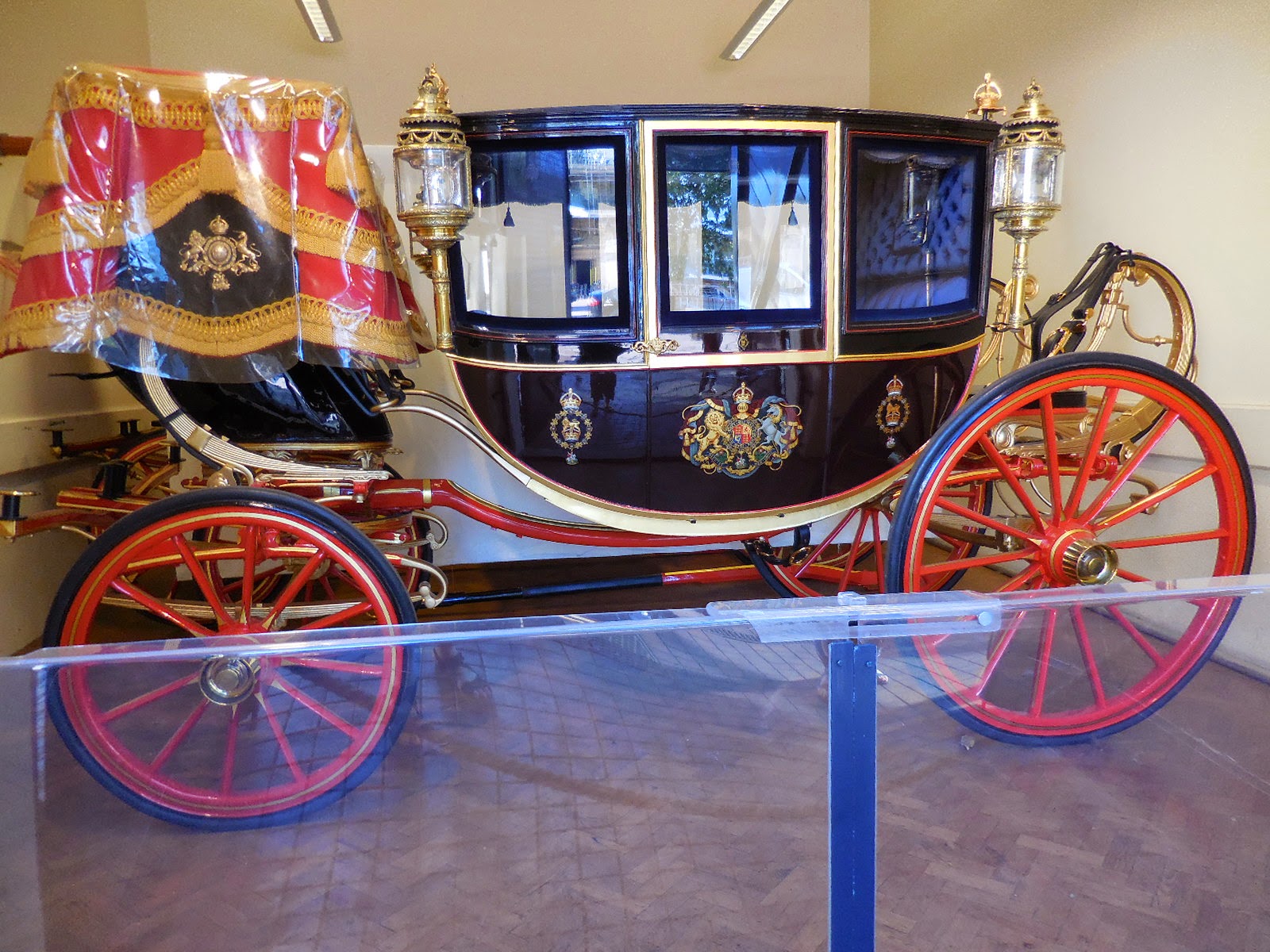
The Glass Coach
The Scottish State Coach
A Rolls Royce Phantom IV is tucked off in a corner, perhaps useful for a run to the supermarket.
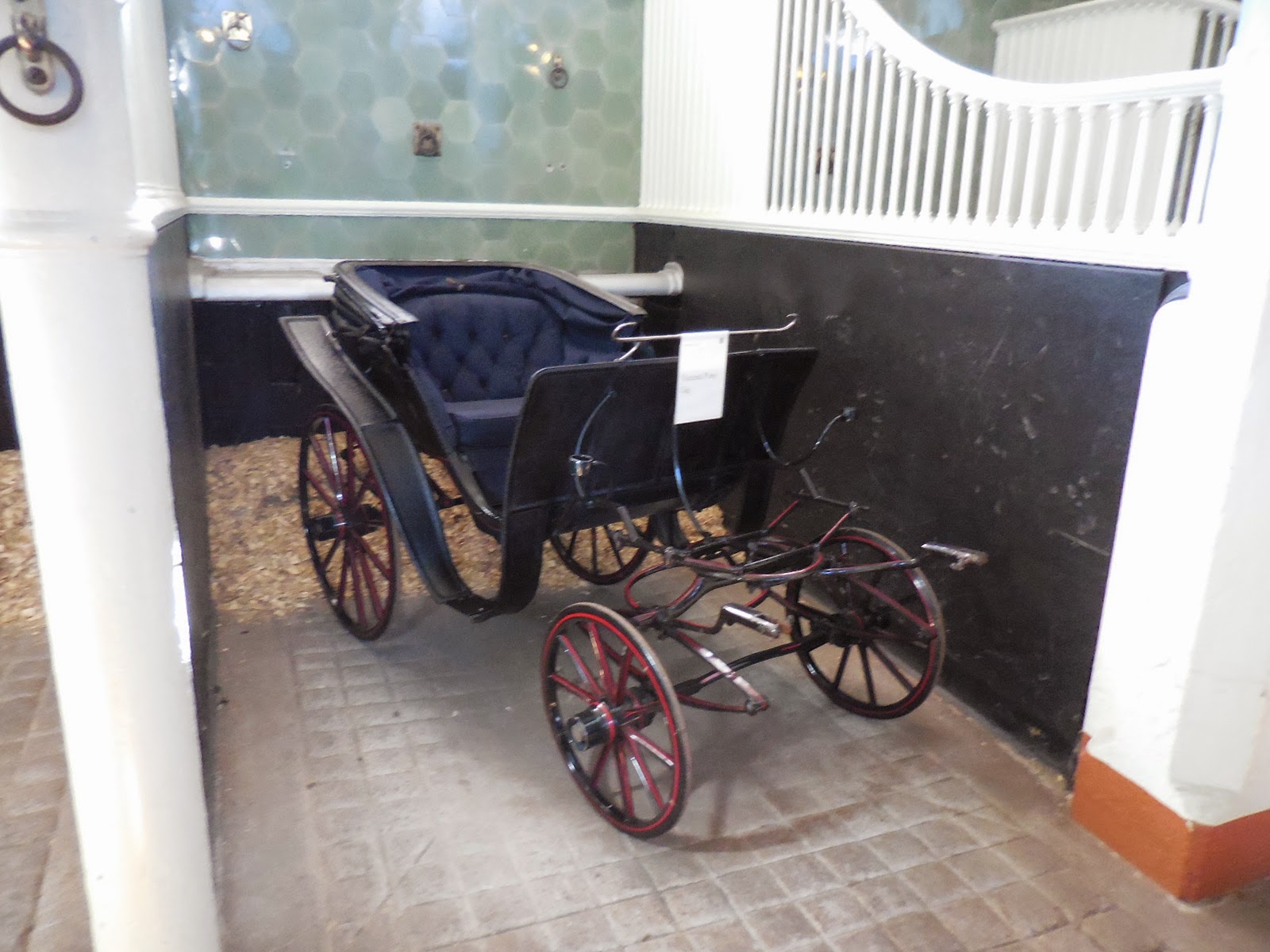
 Pony Cart
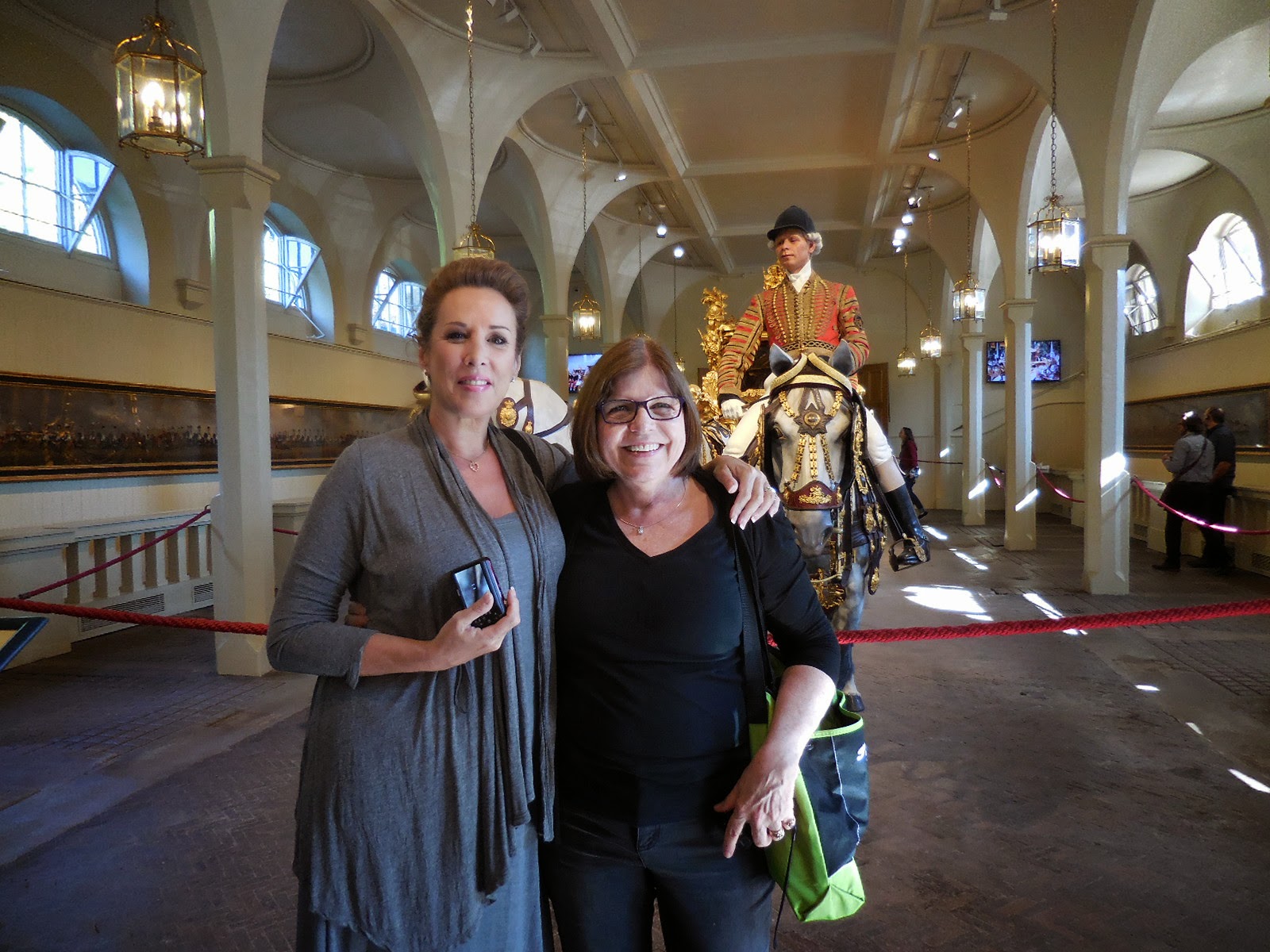
Kristine and Diane pose in front of the oncoming coach; 
luckily, the horses and postilion are only models or the girls would have been trampled.

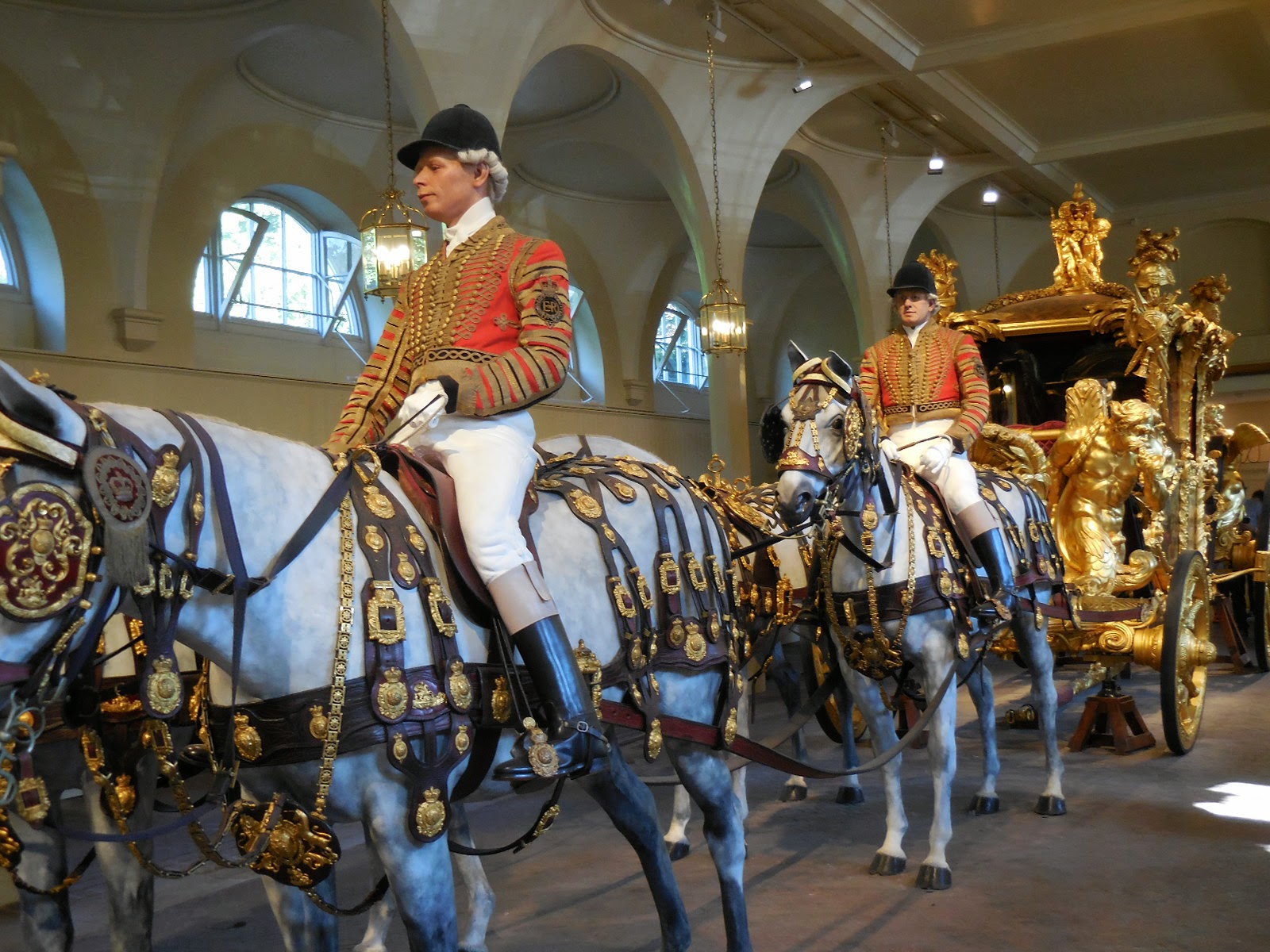
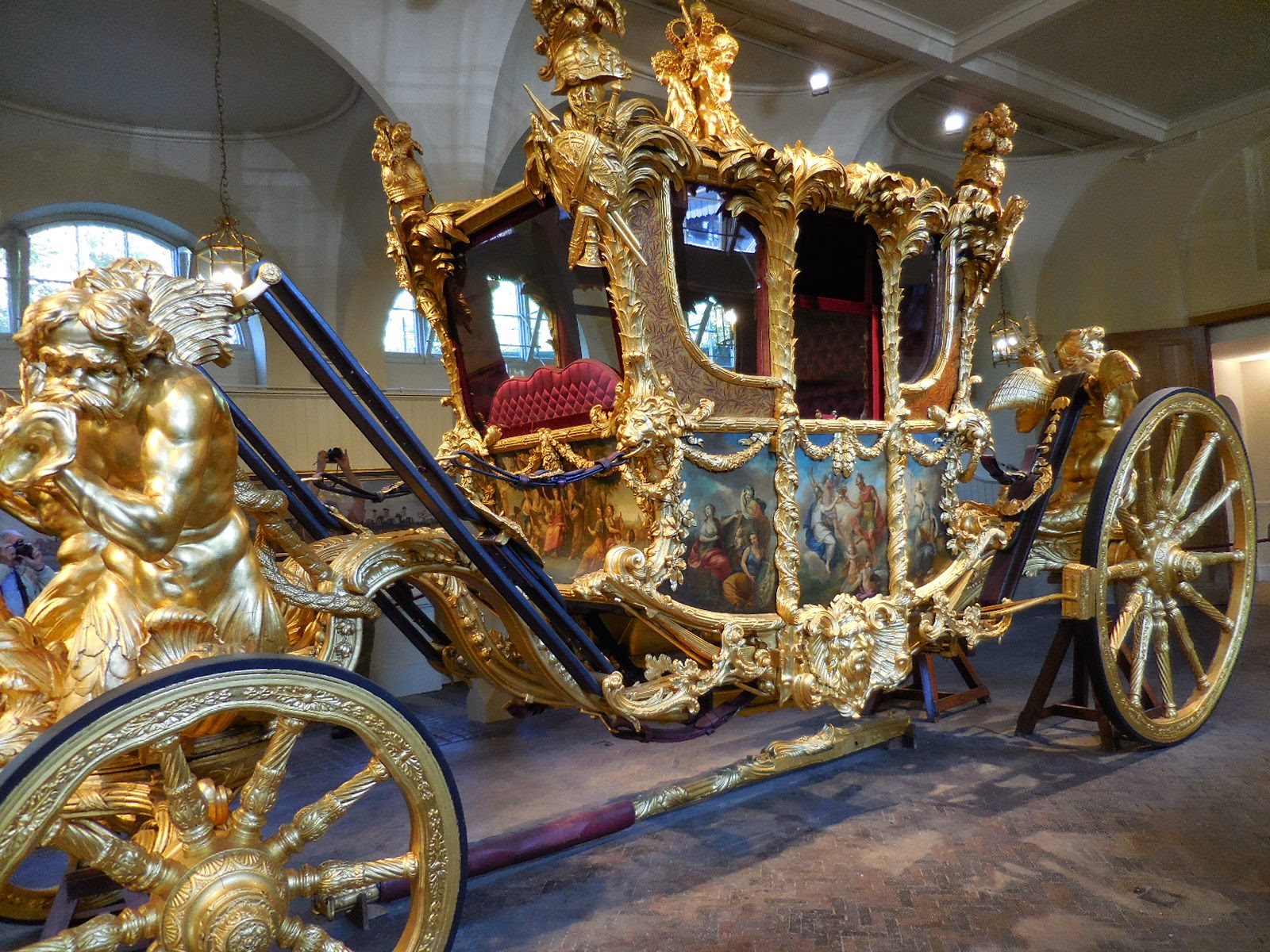
The Gold State Coach, completed in 1762

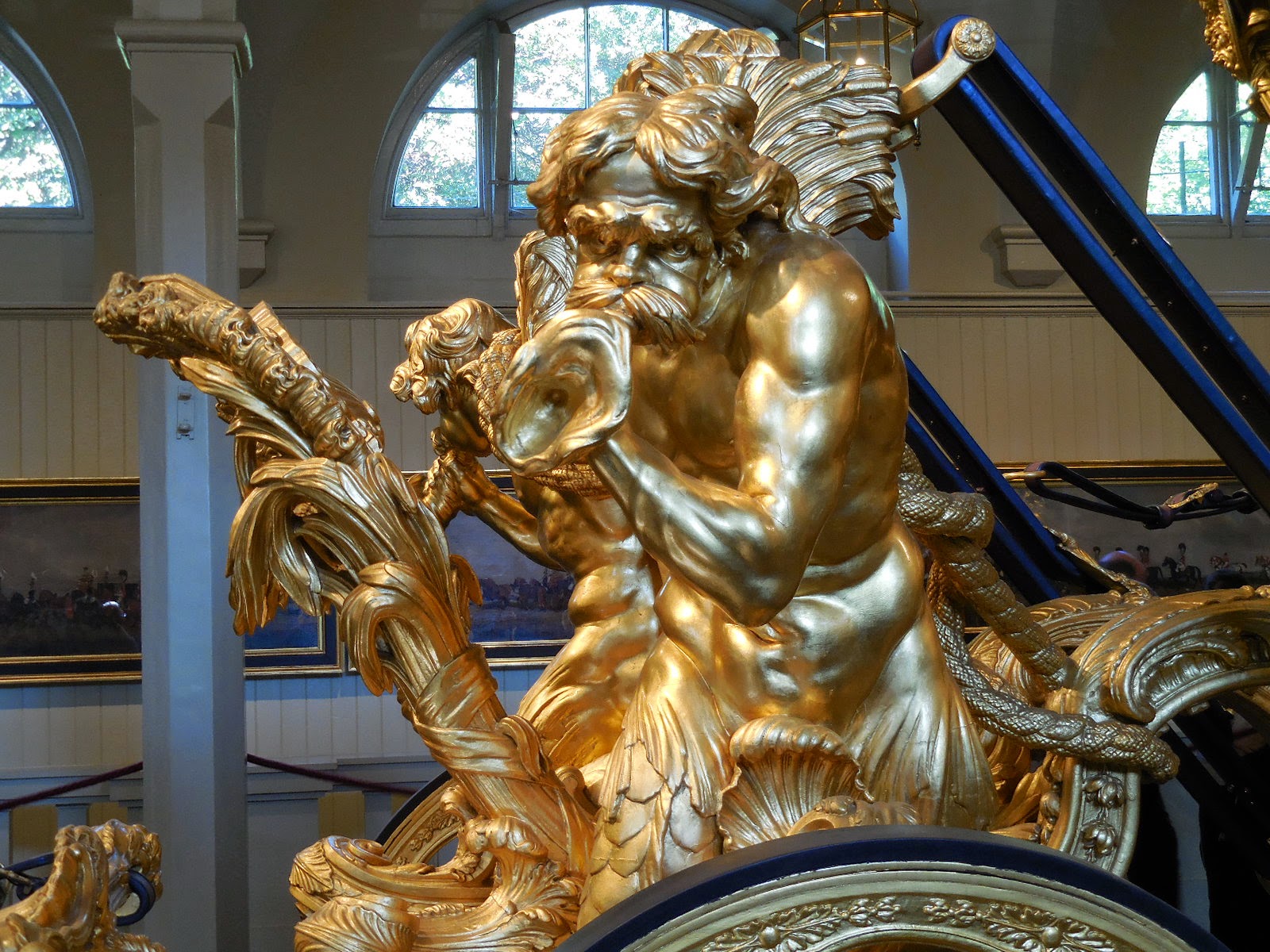
A Triton blowing his conch shell horn to announce the approaching monarch; 
the carvings were executed by sculptor Joseph Wilton.

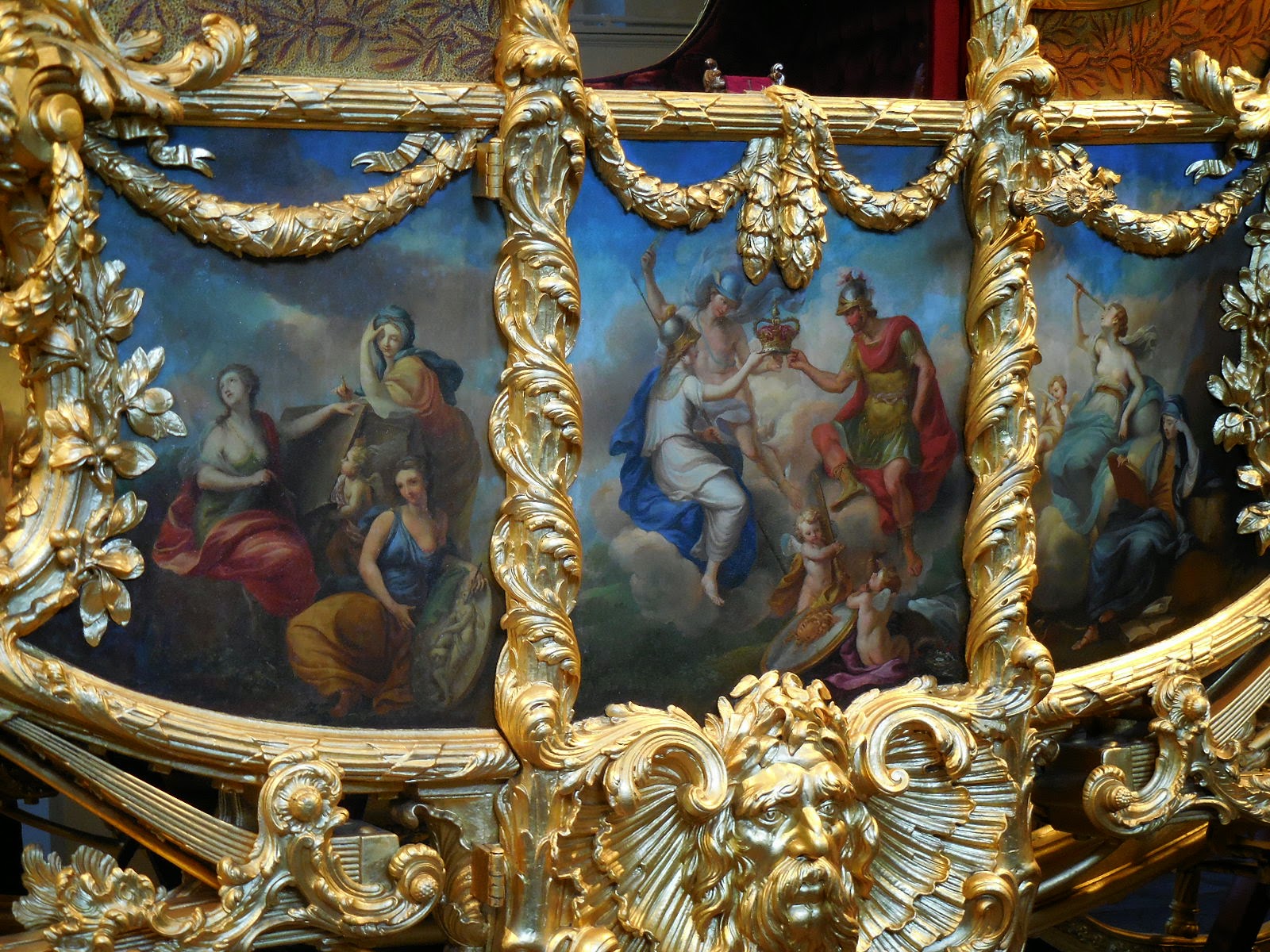
The panel paintings are Giovanni Cipriani, an Italian living in London
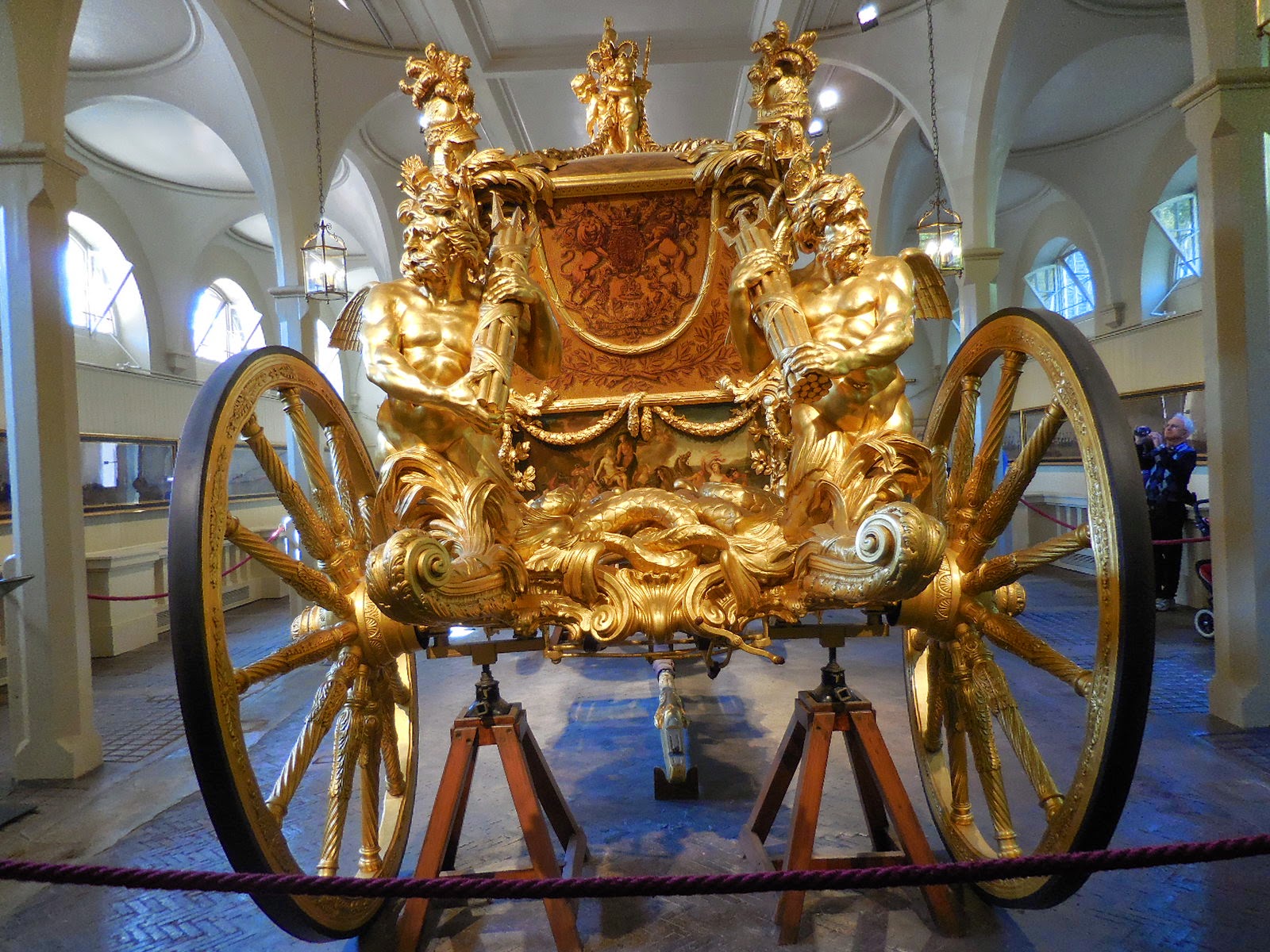
From the Rear

This concludes Part One of the Royal Day Out, So far, so good, group-wise…the crunch was yet to come.  I should add that we spent quite a bit of time in the gift shop, but in view of our upcoming time at the Queen’s Gallery and in the Palace, we saved our actual purchases for later.

More Loose In London Coming Soon!

STAYING POWER: PHOTOGRAPHS OF BLACK BRITISH EXPERIENCE 1950s to 1990s

Staying Power: Photographs of Black British Experience 1950s-1990s 
16 February – 24 May 2015 
vam.ac.uk/page/s/staying-power/
High Street Kensington, 1976, © Al Vandenberg

This spring the V&A will present a display of over 50 recently acquired photographs that explore the experiences of black people in Britain in the latter half of the 20th century, enhanced by excerpts from oral histories gathered by Black Cultural Archives. Over the last seven years the V&A has been working with Black Cultural Archives to acquire photographs either by black photographers or which document the lives of black people in Britain, a previously under-represented area in the V&A’s photographs collection. Funded by the Heritage Lottery Fund (HLF), the Museum has been able to collect 118 works by 17 artists ranging from Yinka Shonibare’s large-scale series Diary of a Victorian Dandy (1998), to studies of elaborate headties worn by Nigerian women, by J.D. Okhai Ojeikere, to black and white street photography of 1970s London by Al Vandenberg.

Staying Power will showcase a variety of photographic responses to black British experience. On display will be intimate portrayals of British-Caribbean life in London in the 1960s-70s by Neil Kenlock, Armet Francis, Dennis Morris and Charlie Phillips. Music, style and fashion are documented in Raphael Albert’s depictions of the black beauty pageants he organised from the 1960s to the 1980s to help celebrate the growing black community in Britain and Norman ‘Normski’ Anderson’s colourful depictions of vibrant youth culture of the 1980s and 90s.

The display also features more conceptual explorations of race and identity. Yinka Shonibare’s series, Diary of a Victorian Dandy, depicts the artist playing the role of a dandy. The work demonstrates Shonibare’s identification with the dandy as an outsider or foreigner who uses his flamboyance, wit and style to penetrate the highest levels of society, which would otherwise be closed to him. Maxine Walker also draws attention to racial stereotypes by photographing herself in a variety of guises. In her Untitled series (1995) she presents herself with different skin tones and hairstyles as though they were instantaneous transformations made in a photo booth.

The V&A’s Photographs Collection – The V&A was the first museum to collect and exhibit photography as an art form. It now holds the UK’s national collection of art photography, which is one of the largest and most important in the world. The V&A has over 500,000 photographs in its collections, ranging from works created in 1839, when the medium was first invented, to the present.

Black Cultural Archives – Founded in 1981, Black Cultural Archives’ mission is to collect, preserve and celebrate the heritage and history of Black people in Britain. They opened the UK’s first dedicated Black heritage centre in Brixton, London in July 2014, enabling greater access to the archive collection and providing dedicated learning spaces and an exciting programme of exhibitions and events that explore British history from a unique perspective. The archive collection offers insight into the history of people of African and Caribbean descent in Britain and includes personal papers, organisational records, rare books, ephemera, photographs, and a small collection of objects. bcaheritage.org.uk

LOOSE IN LONDON: DOING THE CHIMP WALK

Many of you have commented on the amount of things Victoria and I seem to cram into each and every day whenever we’re in London. It’s true – we’re on a mission, we’re only there for a period of time and we want to see and experience all that we can. More often than not, we forget that we’re only human (and of a certain age) and so we push ourselves,expecting our bodies to respond to all we ask of it and expecting no unwanted consequences in return.  Boy, are we surprised when, by the end of a busy day, we become aware of our bodies balking at the onslaught and teaching us a lesson by making us aware of aches, pains and diminished energy. Our feet, naturally, become the biggest complainers. Slowly, over the course of a day, the toll on our bodies becomes evident, especially in the way we walk.

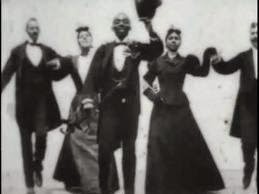
Having a distinctive walk of one’s own is not always a bad thing. After all, there have been many famous walks through history – there’s the Cake Walk of the 1940’s

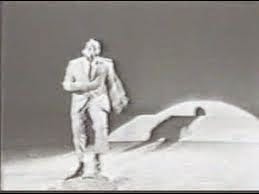
The Camel Walk
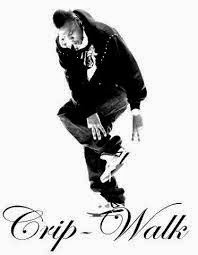
The Crip Walk
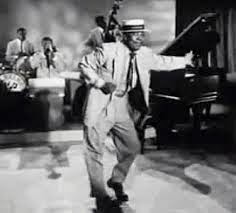
And of course the Moon Walk
Unfortunately, the walk Victoria and I tend to develop by day’s end is not quite so pretty. It’s a gait that comes from sore backs, aching hips and, the biggest culprit, sore feet. All those elements combine to have a strange effect on our gait at the end of a London sightseeing day.  You can watch it here.  Yes, dear Reader, Victoria and I are now officially The Chimp Sisters, at least when we’re in England. 

LOOSE IN LONDON: A RAINY DAY IN LONDONTOWN

Victoria here to tell you about our Monday the first of September 2014.  And there we were in London, just like we lived there, ready to run some errands…battling traffic, negotiating construction sites, and trying to remember which way to look before stepping off the curb.

Sloane Square
Our first errand was to find batteries for Kristine’s Camera…a futile search as it turned out.,  But we started off from Sloane Square with all the energy we could muster, and boarded a bus for Tottenham Court Road, near some camera shops off Oxford Street.

newest versions of the red London busses

Riding the bus is one of My Favorite Pastimes in London. Have you noticed what a long list this is? I love everything in London.  The tube is usually more efficient, but the scenery is not much!

But, it was threatening rain. We all know that if you carry an umbrella, it won’t be a deluge, but my umbrella was safely tucked away in the hotel.  So first goal upon departing the bus at Oxford Street, was a cheap umbrella.  And it worked, for the most part,  We had a bit of drizzle now and then but by the time I juggled my purse, etc. and got the darn thing raised, it stopped. Hooray!

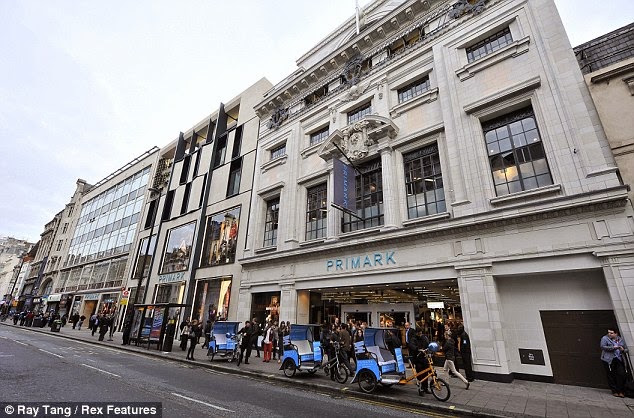
We ducked into a Primark store to check out shoes for Kristine’s poor feet and for me to look for a purse of a size somewhere between a satchel so large it held everything and was so heavy I couldn’t lift it — and a petite evening bag, perfect for an evening soiree at the Palace (too bad the invitation got lost in the mail).  We were both unsuccessful, for the most part, in finding what we wanted, though we had fun browsing around and trying on things.  But onward for the primary purpose of the day.

Primark

In the world of camera batteries, time had marched on from the last time Kristine had updated her photographic paraphernalia.  Two stores said Nyet. But at the third, a nicely-priced new camera seemed to tempt her and she went into conference mode with the clerk.

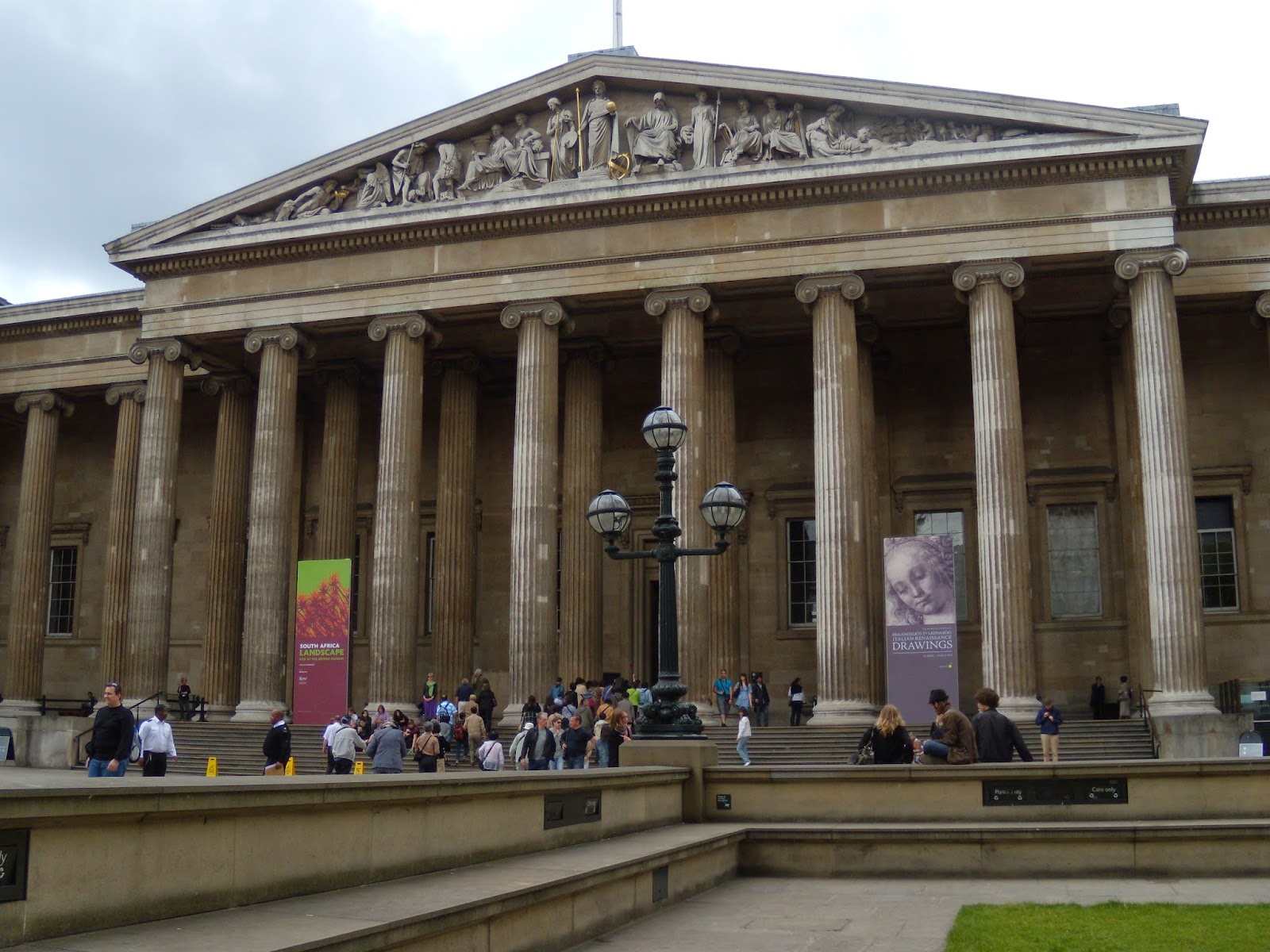
British Museum

Meanwhile, I was getting anxious about getting to the British Museum, where I needed to go to the Print Study Room and access a couple of documents I wanted to photograph.  So we made plans to meet up in the British Museum — no problem finding a pal in there, right???

To make a long story short, I found my documents, got my pics, and we actually met up — finding one another which was sort of a miracle since every single school child from France, Japan, and the U.S was in the museum that day.

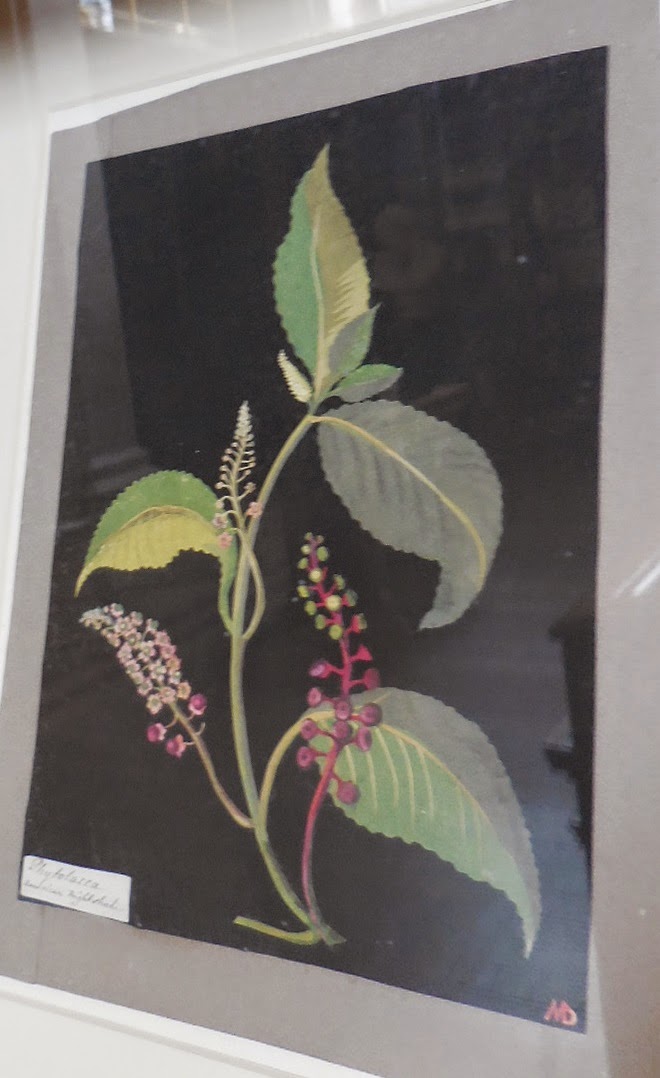
Paper mosaic by Mrs. Delaney
We took a quick walkabout in the Enlightenment Gallery (click here) about which I have written before on this blog, To see my remarks from 2012, click here.
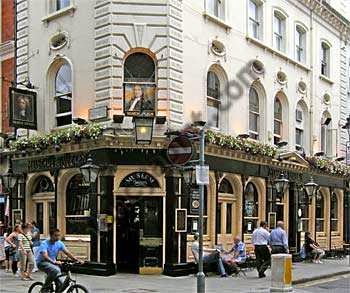
However, hunger drove us to the Museum Tavern, a pub, where we  have enjoyed ourselves before. The BM itself has lots of restaurants — and lots of noisy customers.  So we hurried across the street,and eagerly related our adventures, mine with the excellent service in the print room where I found exactly what I needed and Kristine’s new camera in all its glory.
The Museum Tavern, an oasis indeed

Kristine here: Picking up the story at the Museum Tavern, where we met and shared a table with an Englishman and his young son – as one does in London. We were forced, albeit gladly, to share the last table. We all ordered food – Victoria and I ordering the full English Breakfast – and three pints and then we were off, talking about America, Churchill, the Duke of Wellington, house prices, and many other things that I can no longer recall. A great time was had by all.

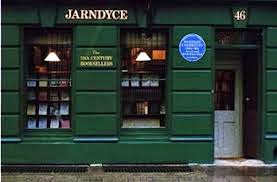
After lunch, we spent some time browsing at the Jarndyce Book and Print shop a few doors down and then we got a cab and rode back to the St. James’s area, as Victoria and I wanted to finalize the route we’d be taking the tour group on for our Sunday St. James’s Walk.

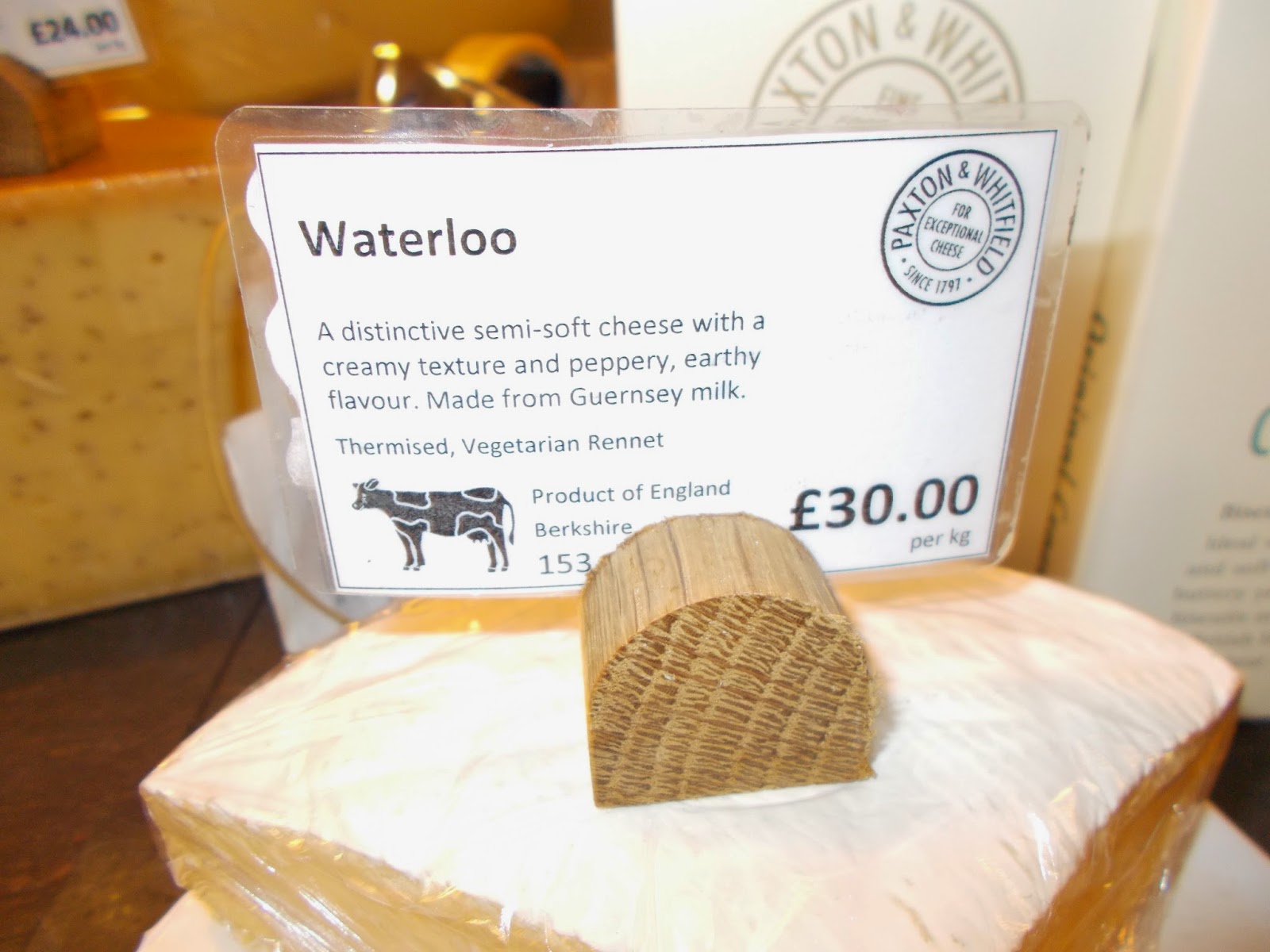
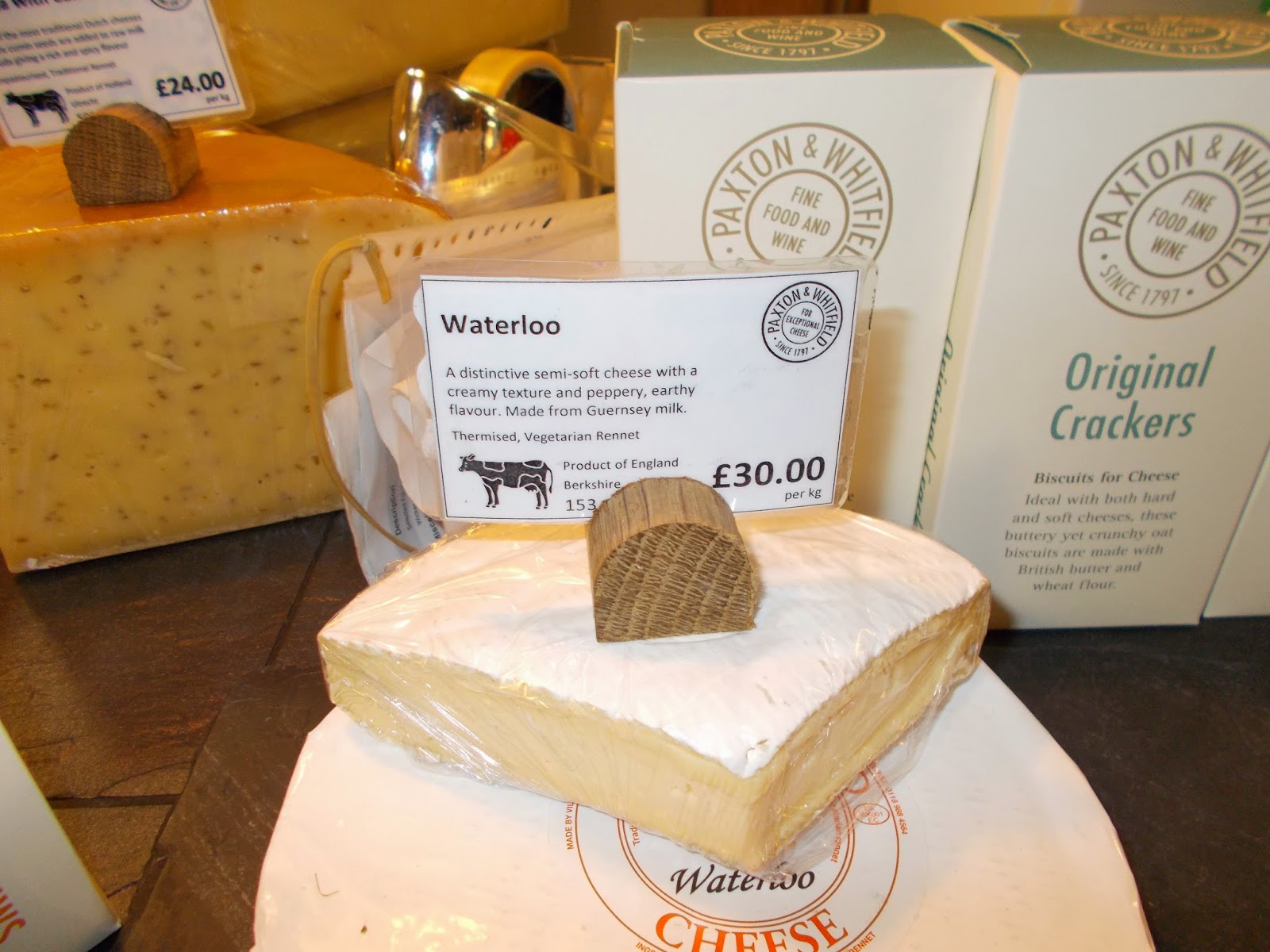
We made a few pit stops along the way, one of which was that venerable cheese shop, Paxton and Whitfield where we found Waterloo cheese! Thank goodness we had our cameras at the ready, or you’d never have believed it. Cheese.com tells us: Waterloo cheese is a mild, semi-soft cheese made by Anne and Andy Wigmore near Riseley, Berkshire in United Kingdom. The cheese is made from unpasteurised Guernsey milk sourced from a farm near Henley. A full-fat cheese, it has a fat content of 45%. Waterloo cheese is made using washed curd method, which tempers the acidity and contributes to a soft, gentle, buttery flavour. The characteristic yellow colour is due to the presence of natural carotene. The interiors have a creamy rich pate, slightly firm and flaky centre. The affinage period is between 4 and 10 weeks. Sarah Freedman, food writer and author of ‘The Real Cheese Companion’ has described Waterloo cheese as, “Waterloo is luscious and creamy with the sweetness of the rich milk and undertones of herbs and grass.”

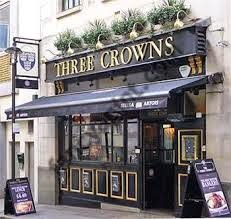
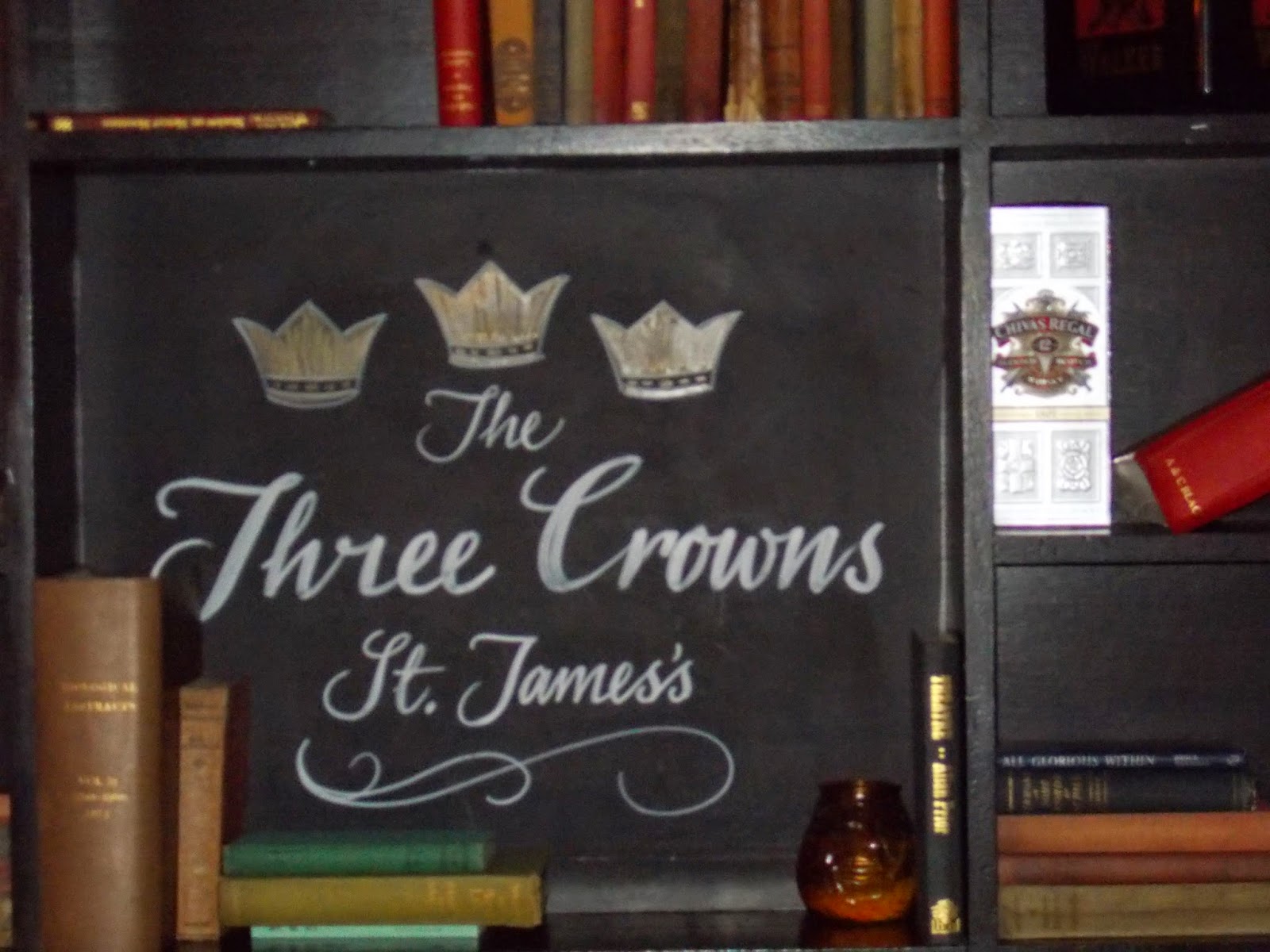
Afterwards, we stopped into the atmospheric Three Crowns pub at 19 Babmaes Street and fortified ourselves with a rum and coke.

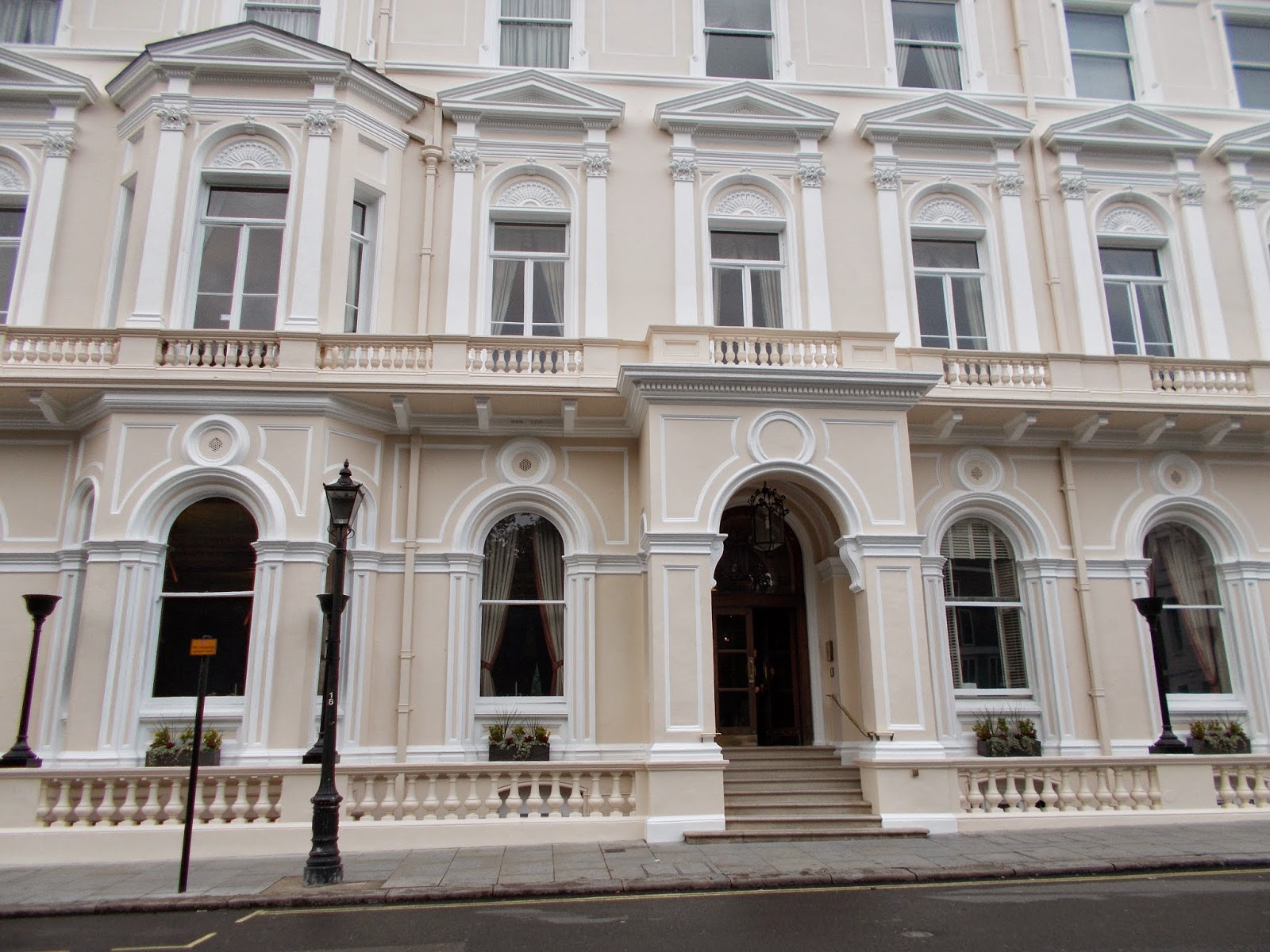
Eventually, we toddled our way over to St. James’s Square in order to nail down which house had been the former home of the Boehm’s, Number 16, where Henry Percy had delivered Wellington’s Waterloo Dispatch and the captured French Eagles to the Prince Regent. Number 16, it turned out, is today part of the East India Club.

Victoria stood on the sidewalk and gazed up at the building. The East India Club. I thought of feats of derring do and exotic locales and the large piece of British military history that now loomed before us. Here’s what the East India Club website has to say:

Waterloo 200 The original house in which the club was founded was noted for being the location where Wellington’s dispatch from waterloo was presented to the Prince Regent. In honour of this unique connection the club is pleased to be a founder member of Wateroo 200. further details can be found by visiting www.waterloo200.org

“Let’s go in,” Victoria said, ever the risk taker.

“We can’t!” I cried.

“Why ever not?” Victoria challenged.

“Er, because we’re not men, we don’t have waxed mustachios or pith helmets, or spiffy red uniforms and – most importantly – we’re not members.”

Victoria gave me a withering glance, “Since when has that ever stopped us?”

She had a point, and so we climbed the stairs, pushed the doors open and walked into the oak paneled lobby. Surprisingly, once we’d explained the reasons for our desire to see the inside of the Club, the man on duty was only too happy to answer our questions. Unfortunately, the room in which the Despatch was actually delivered – the current Club library – was undergoing renovations and thus was off limits. However, our host pointed out a book about the Club’s history and suggested that we sit on the leather couches and take our time looking through it.

After a while I began to wonder how the Club was still in existence.

“How is the Club still in existence?” I asked Victoria.

What?”

“The East India Company is long gone, right? It was the members of that Company and those affiliated with it who were members of the original Club. If there’s no long an East India Company, where do they find members?”

It turns out that we found the answer a few pages on in the book:


All applications must be from gentlemen 18 years of age or older and must be presented on the official application form available from the Membership Secretary’s office or by downloading it here

The categories of membership are Town, Country and Overseas, and the rates vary according to category and age. Town membership applies to gentlemen who either have a residence or a place of business within a 50-mile radius of the clubhouse. In accordance with its constitution, membership of the East India is available only to gentlemen.


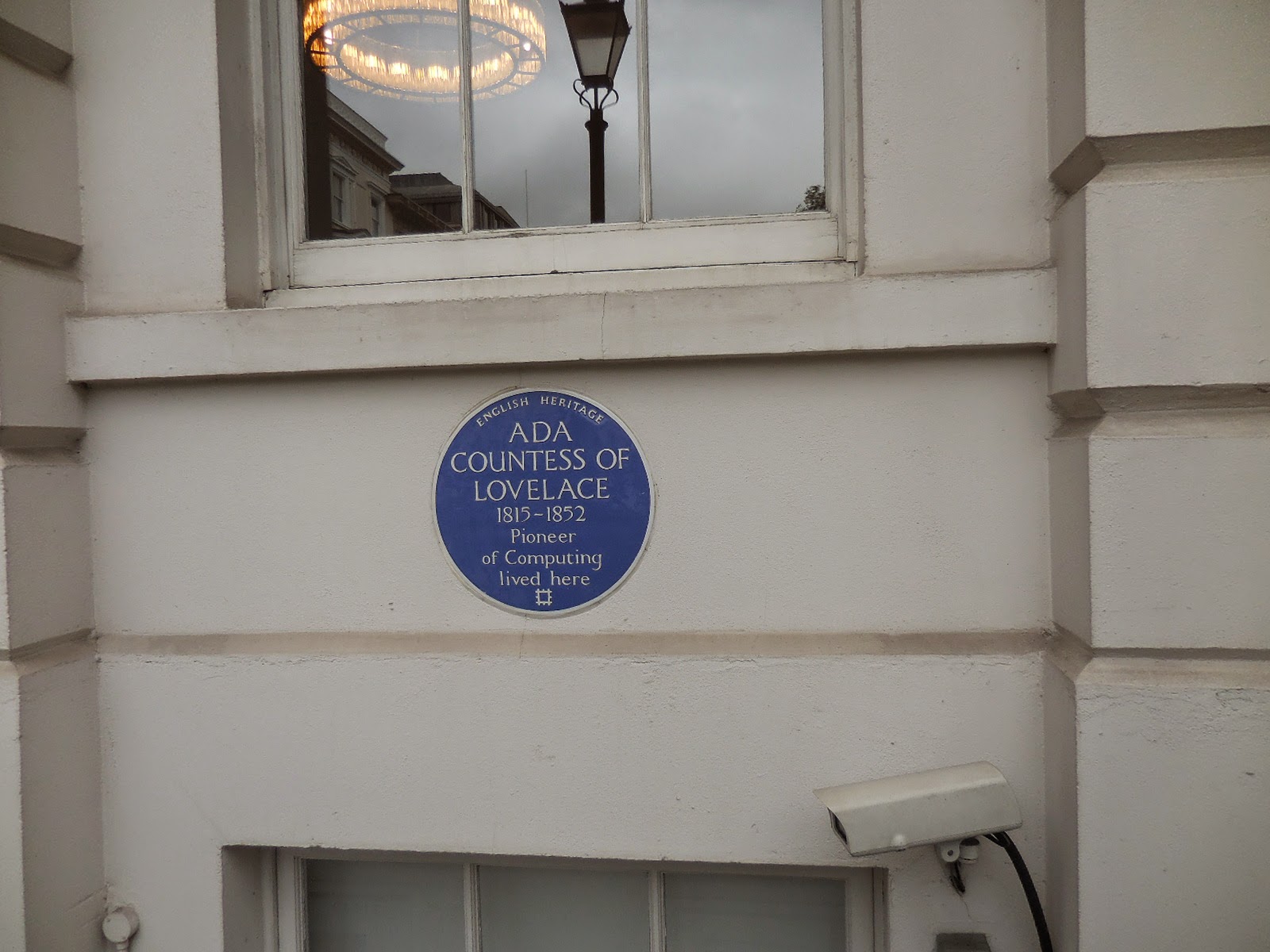
Leaving the Club, we walked some ways down the Square until we found this blue plaque to Byron’s daughter. It was whilst we were discussing Ada that a very dapper gentleman exited one of the houses and came to speak of us. He was Greek, but spoke perfect English and launched into fascinating detail regarding Byron and Ada. Victoria and I were enraptured. He then asked what had brought us to England and we told him about the Duke of Wellington Tour. This provided many more minutes of conversation between ourselves and the handsome, well turned out stranger. We were charmed . . . . . until of a sudden, his countenance hardened and, like the veriest religious zealot, he launched into a sermon on the evils of the world and how, in fact, the end of the world was near. Victoria and I exchanged sideways glances as he urged us to repent in order to secure our places at the second coming. With great haste, Victoria and I suddenly remembered an enormously important appointment that we were now quite late for and we took our leave just as fast as our confused little feet could carry us. 

It was a good thing that we were to meet two of the tour participants that night, Diane Perkins and Marilyn Gaston, for dinner at the Duke of Wellington Pub. By my reckoning, that made three pubs we’d be visiting that day and, boy, did Victoria and I need a drink by the time we’d fled St. James’s Square. 


Victoria and I, Marilyn and Diane (author Diane Gaston) had a great meal, many drinks, lots of Wellington talk and more laughs than could be considered decent by polite society. 

More Loose in London Coming Soon!