
COMING IN MARCH

.JPG)
.JPG)
.JPG)

.JPG)
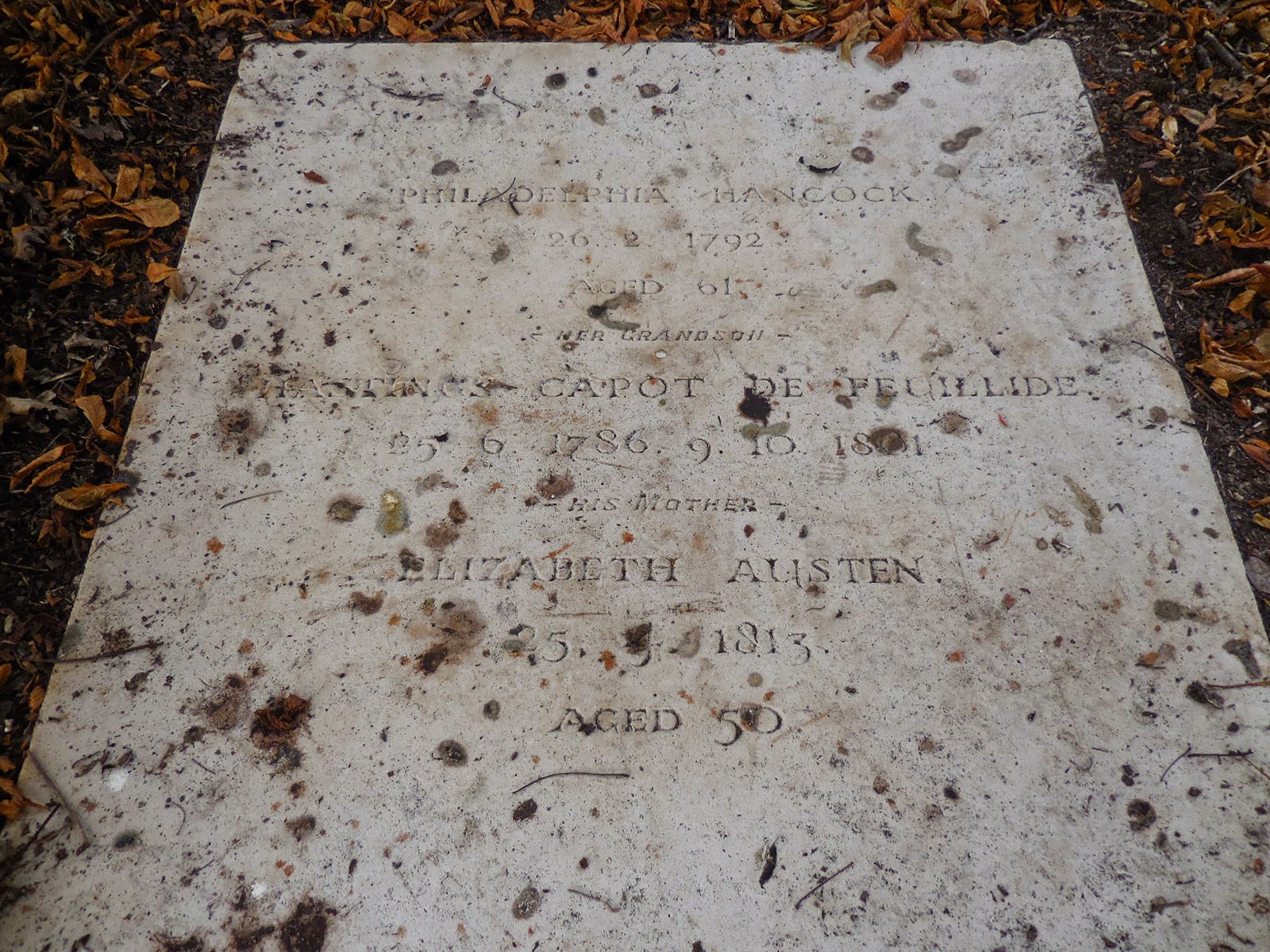
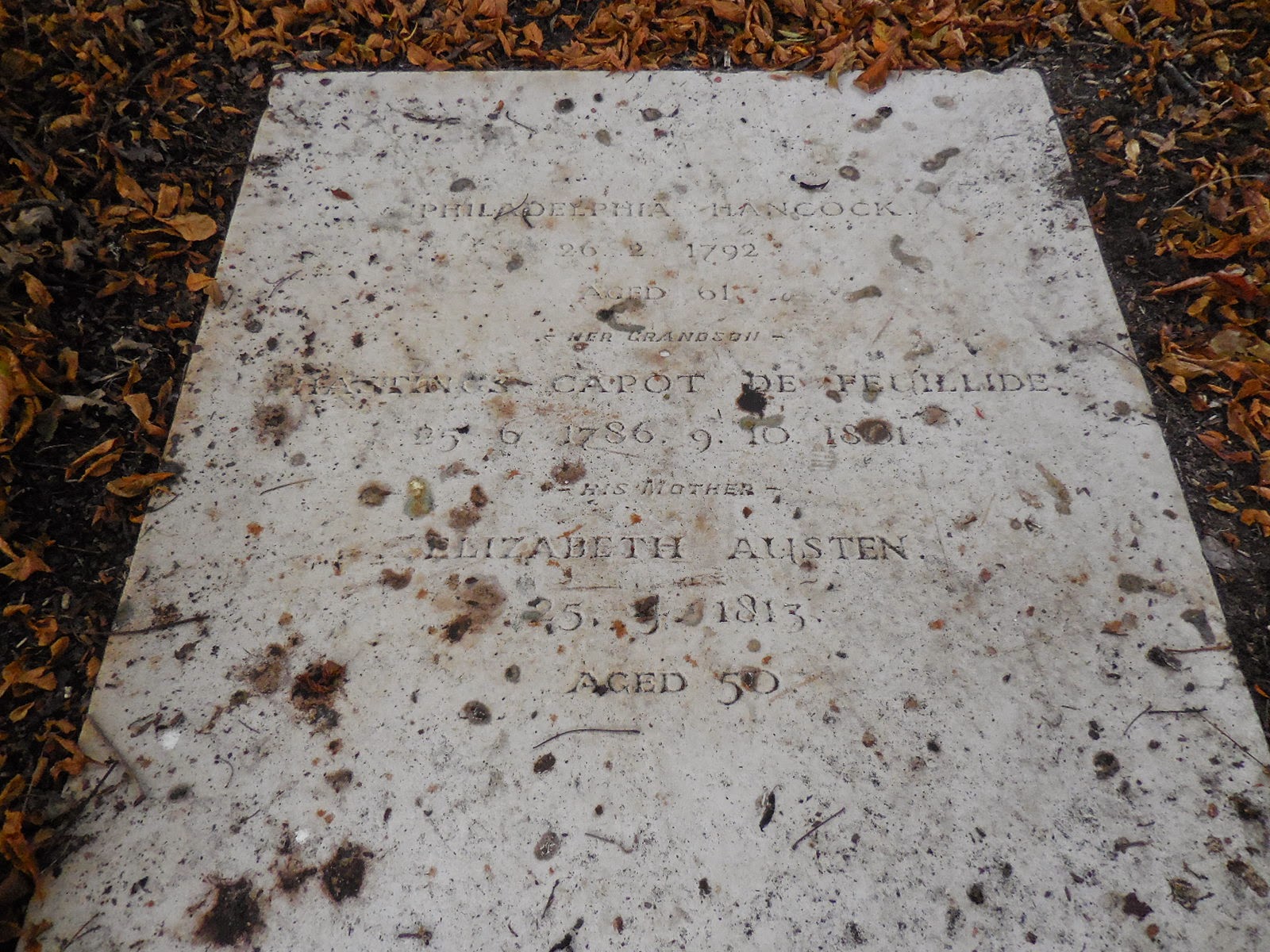
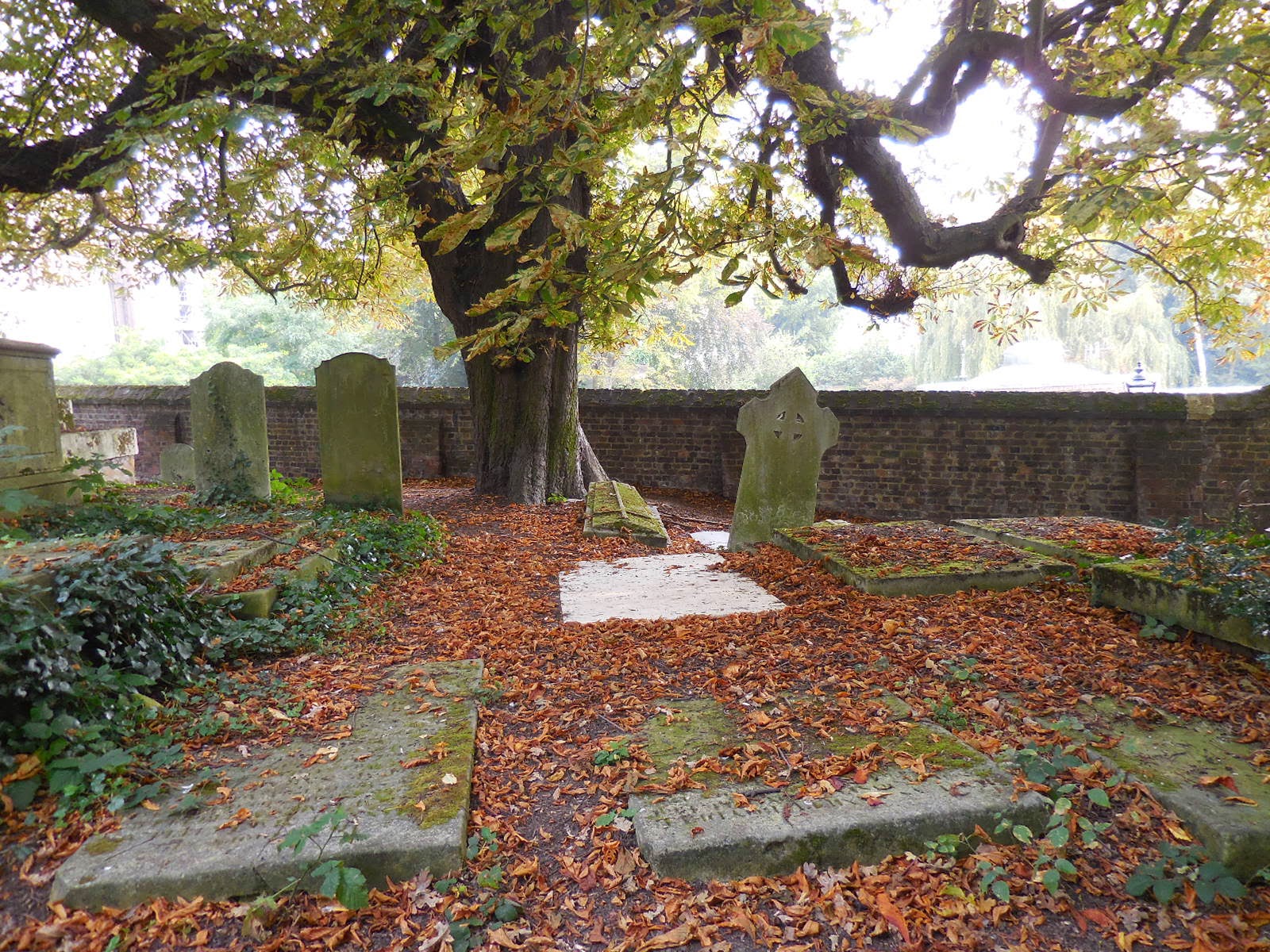
Imagine my surprise when came upon the graves in Hamsptead of Eliza, her son, and her mother.
.JPG)
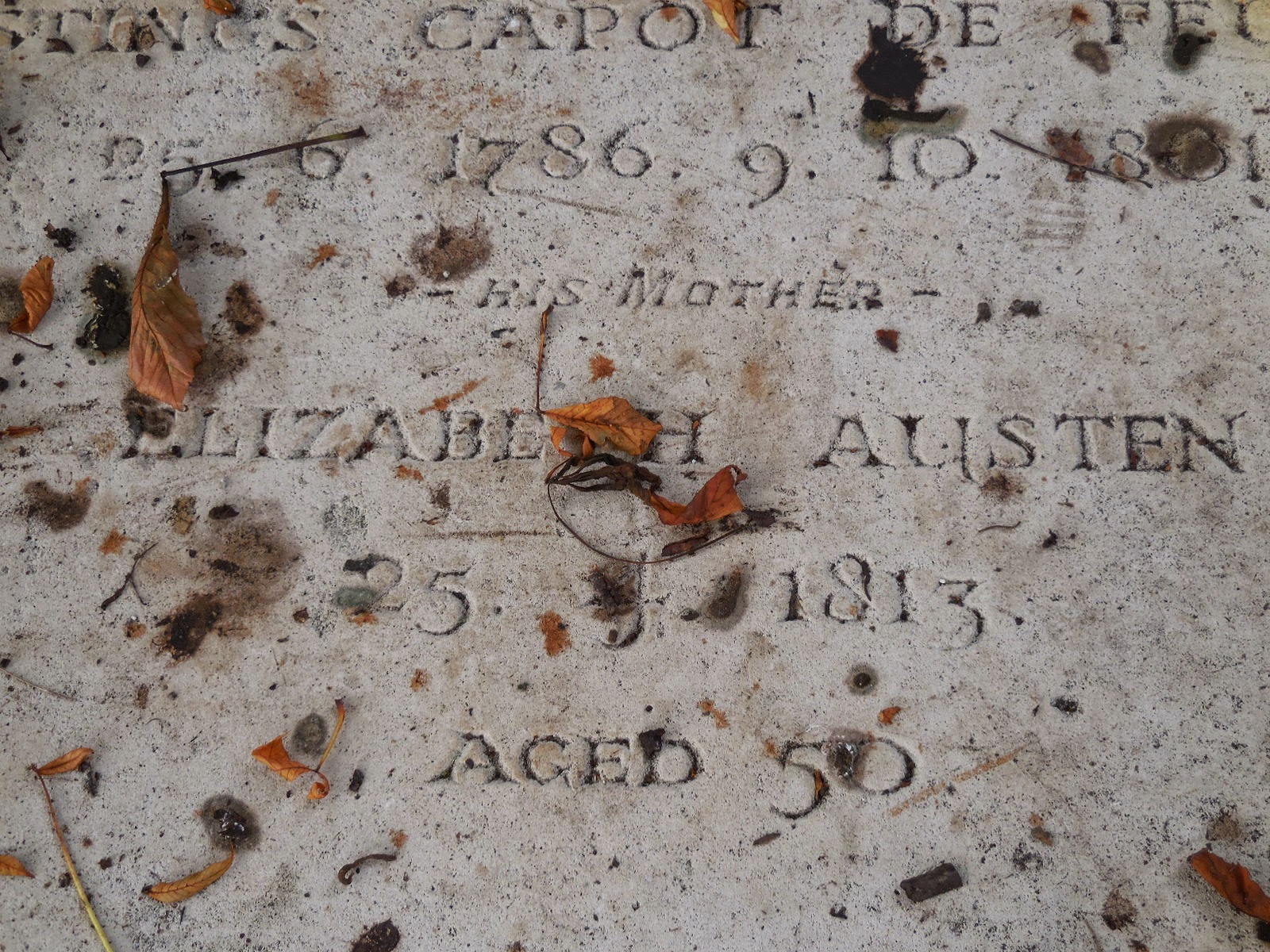
The gravestone, at St. John-at-Hampstead church, appeared tro be recently cleaned. It honors Philadelphia Hancock (d. 1792, age 61), her grandson Hastings (d. 1801, age six), and Elizabeth Austen (Eliza Hancock de Feuillide Austen), who was the wife of Jane’s brother Henry Austen. died at age 50 in 1813.
.
We visited Reading, in Berkshire, where we met author Beth Elliott, who is lucky enough to live nearby. Click here for her website and news of her books.

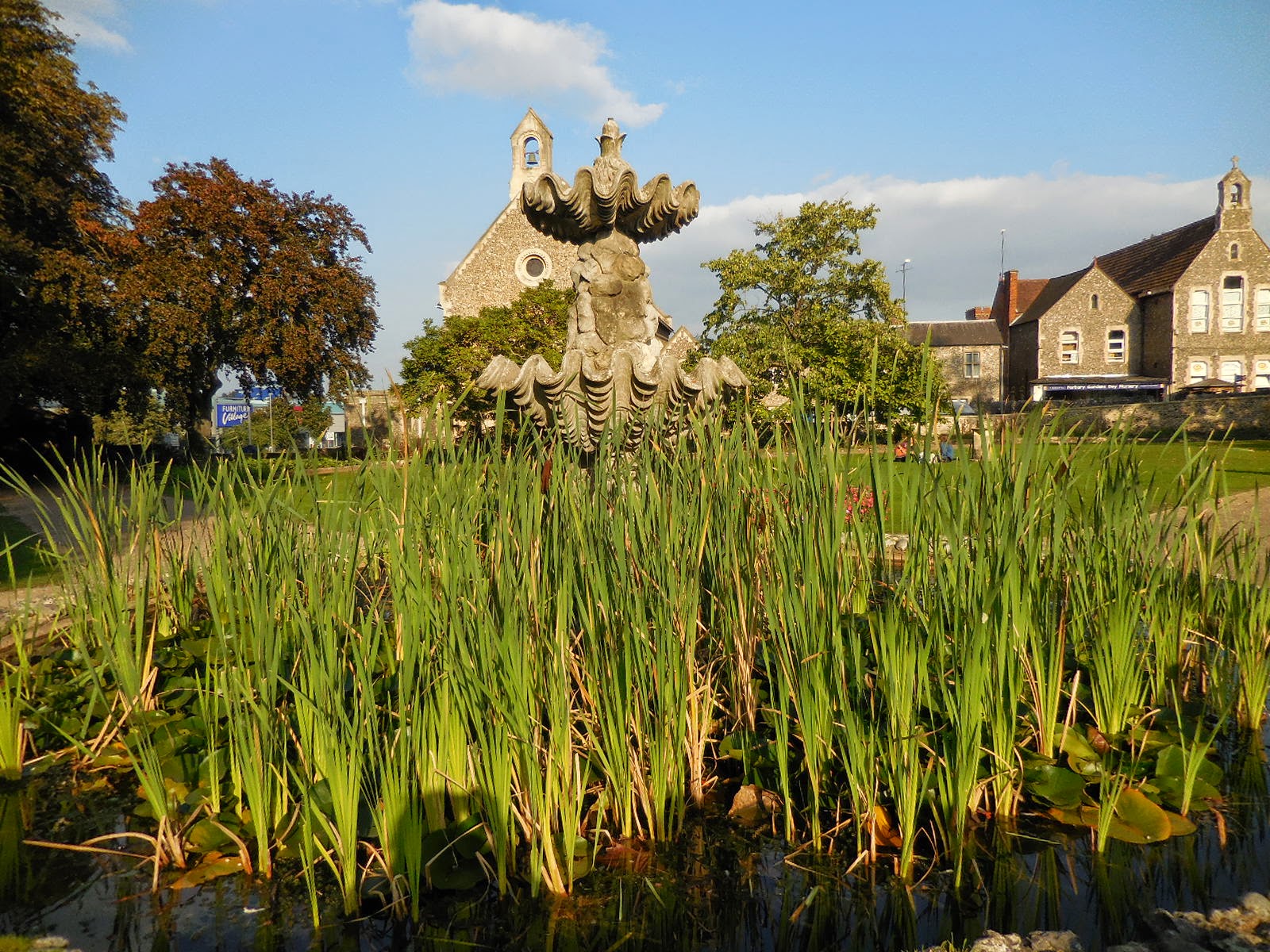
Beth kindly led us on a tour of the Forbury Gardens and the ruins of the Abbey.
.JPG)
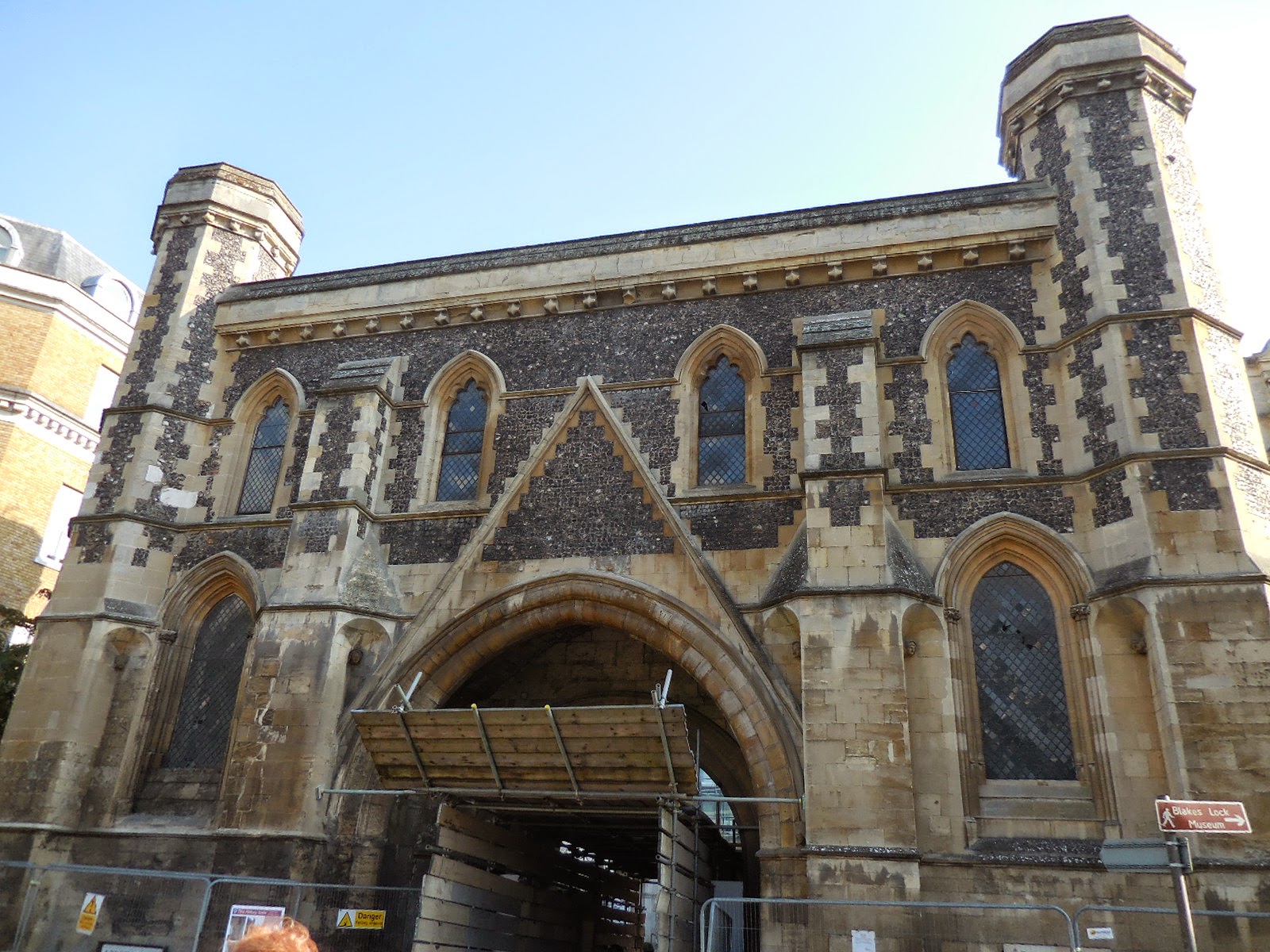
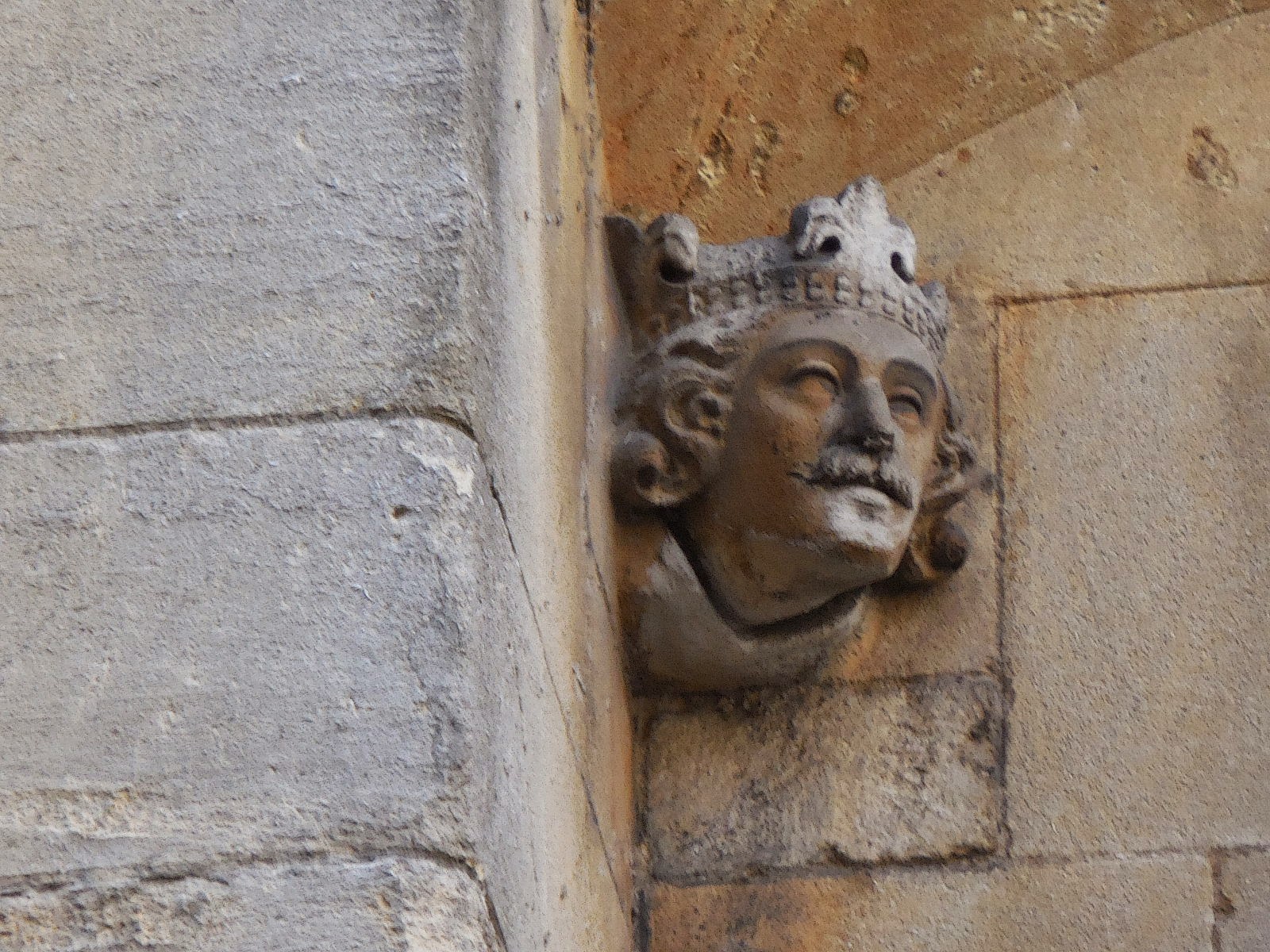
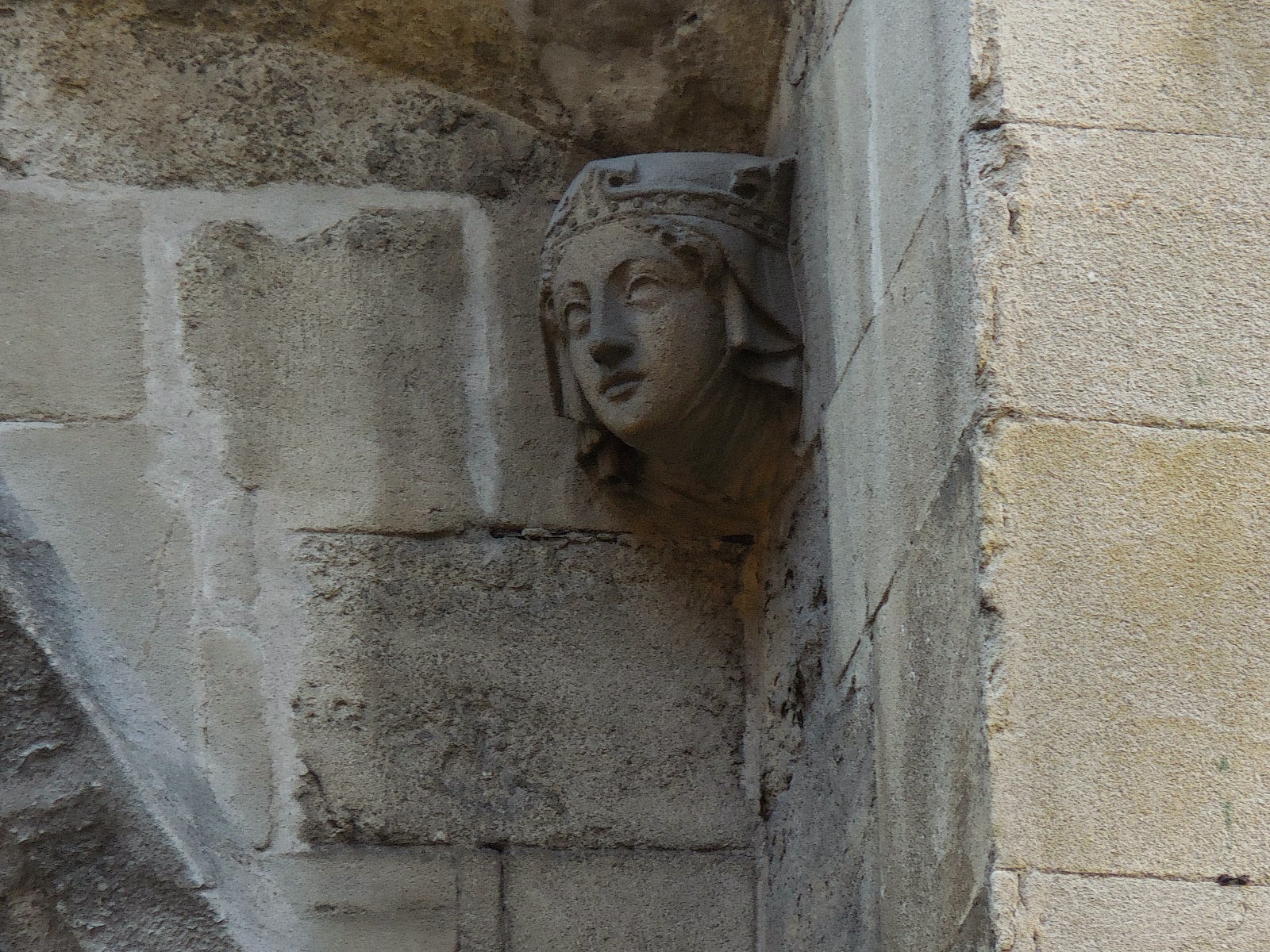
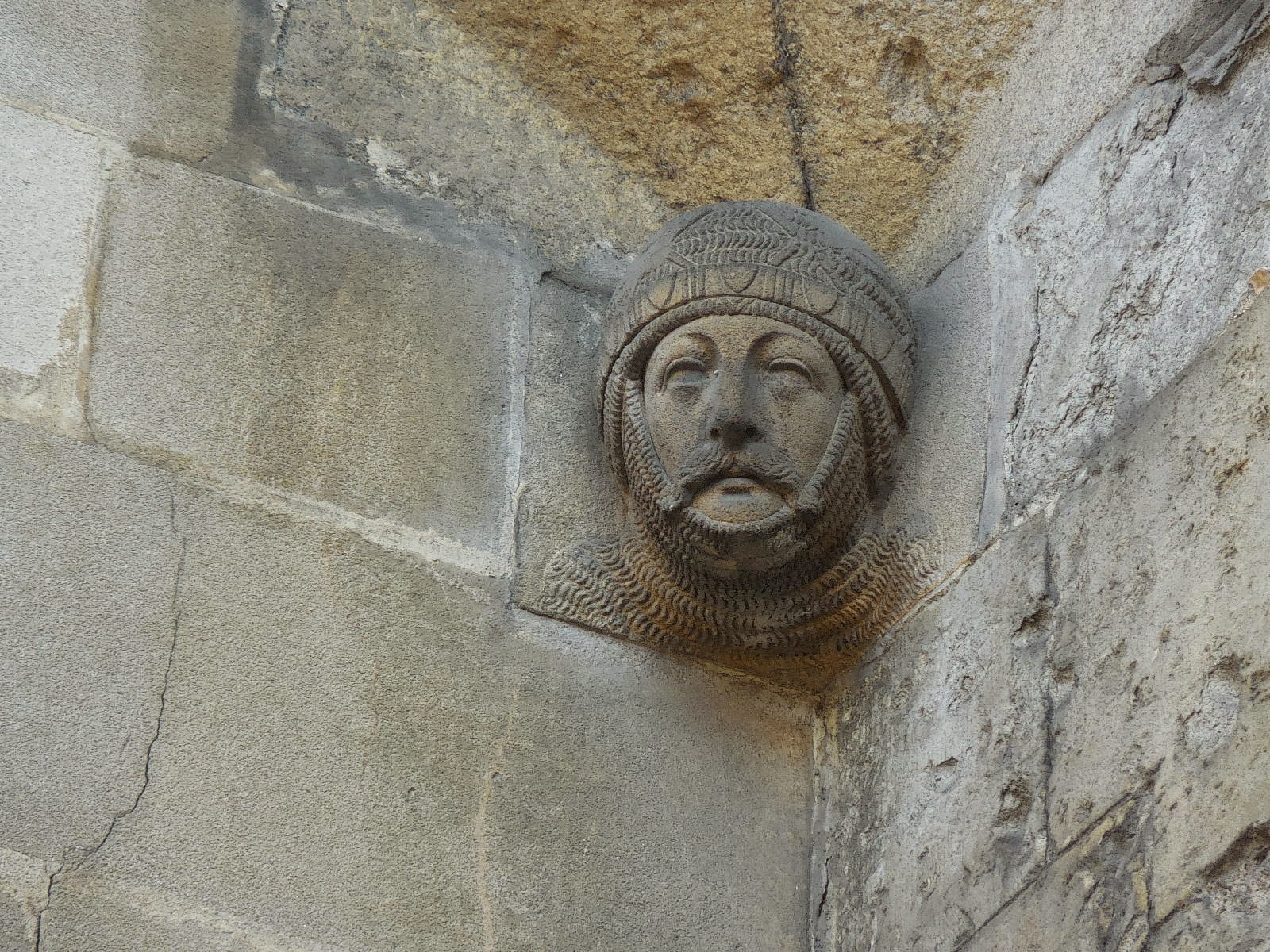
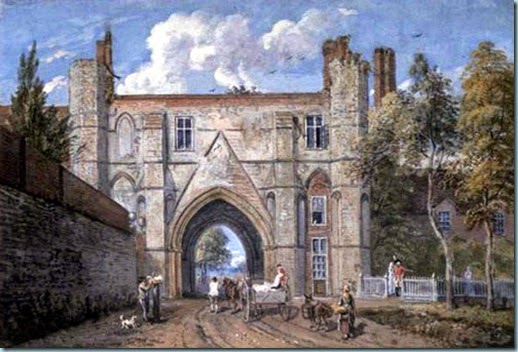
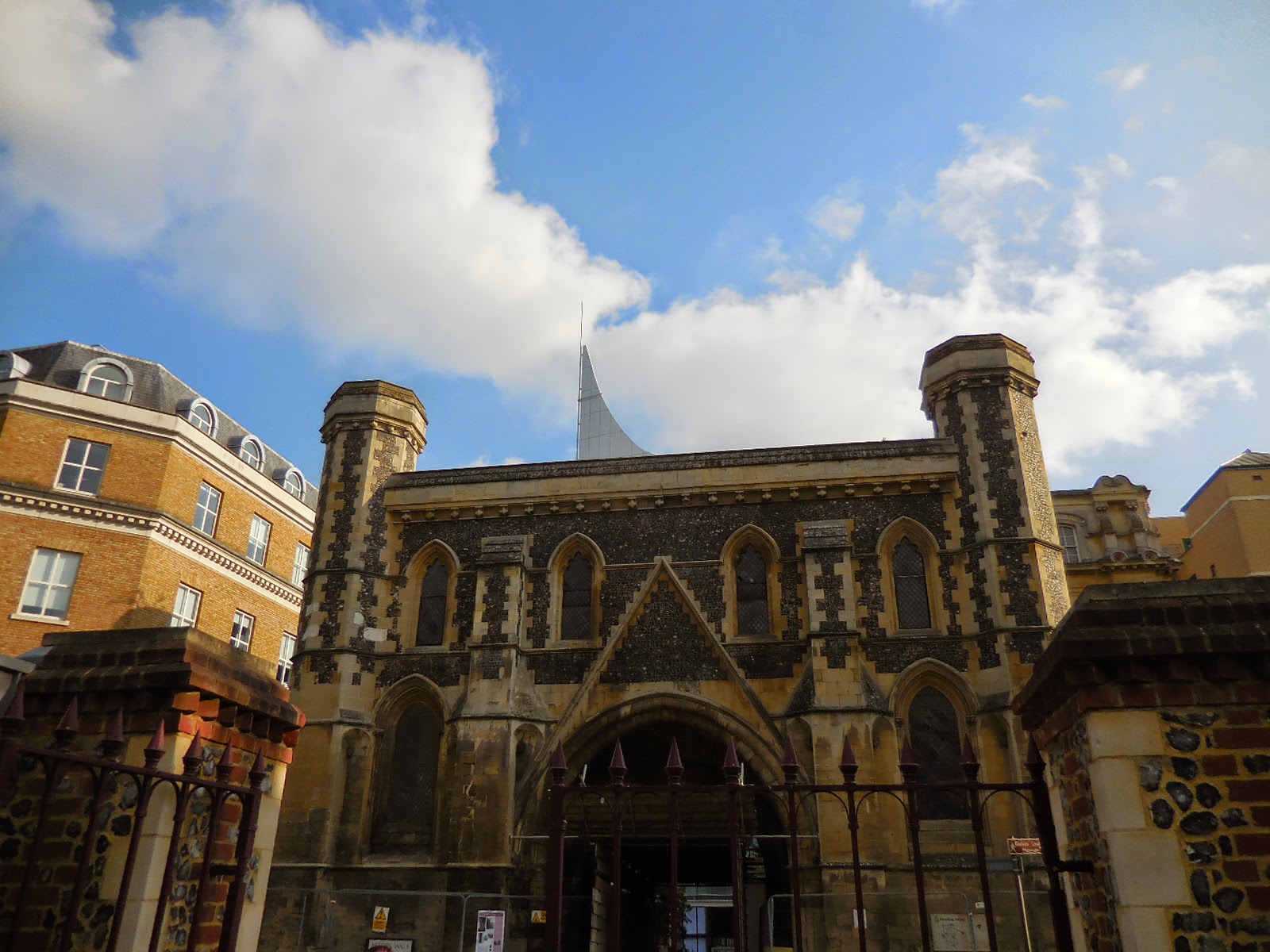
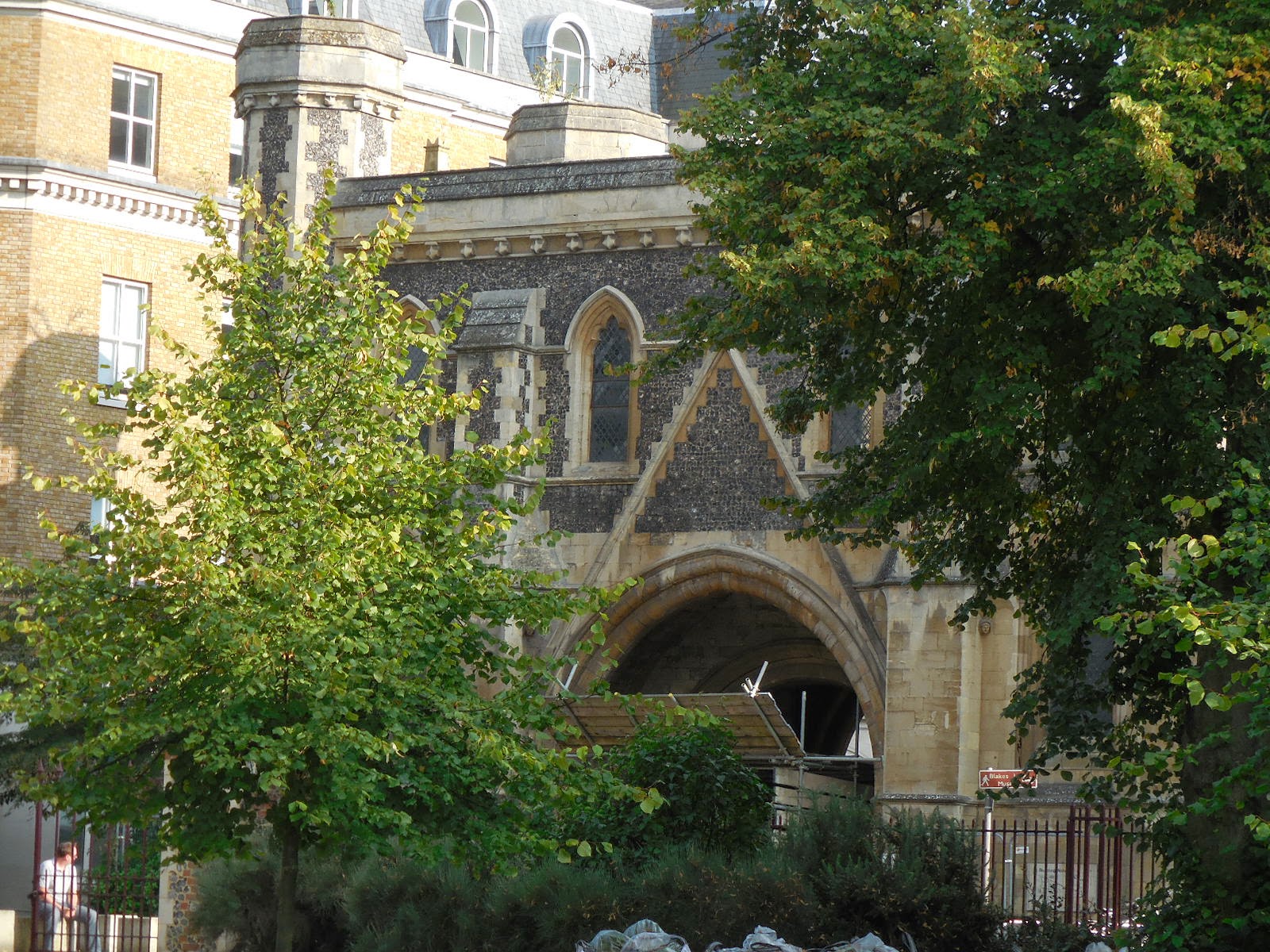
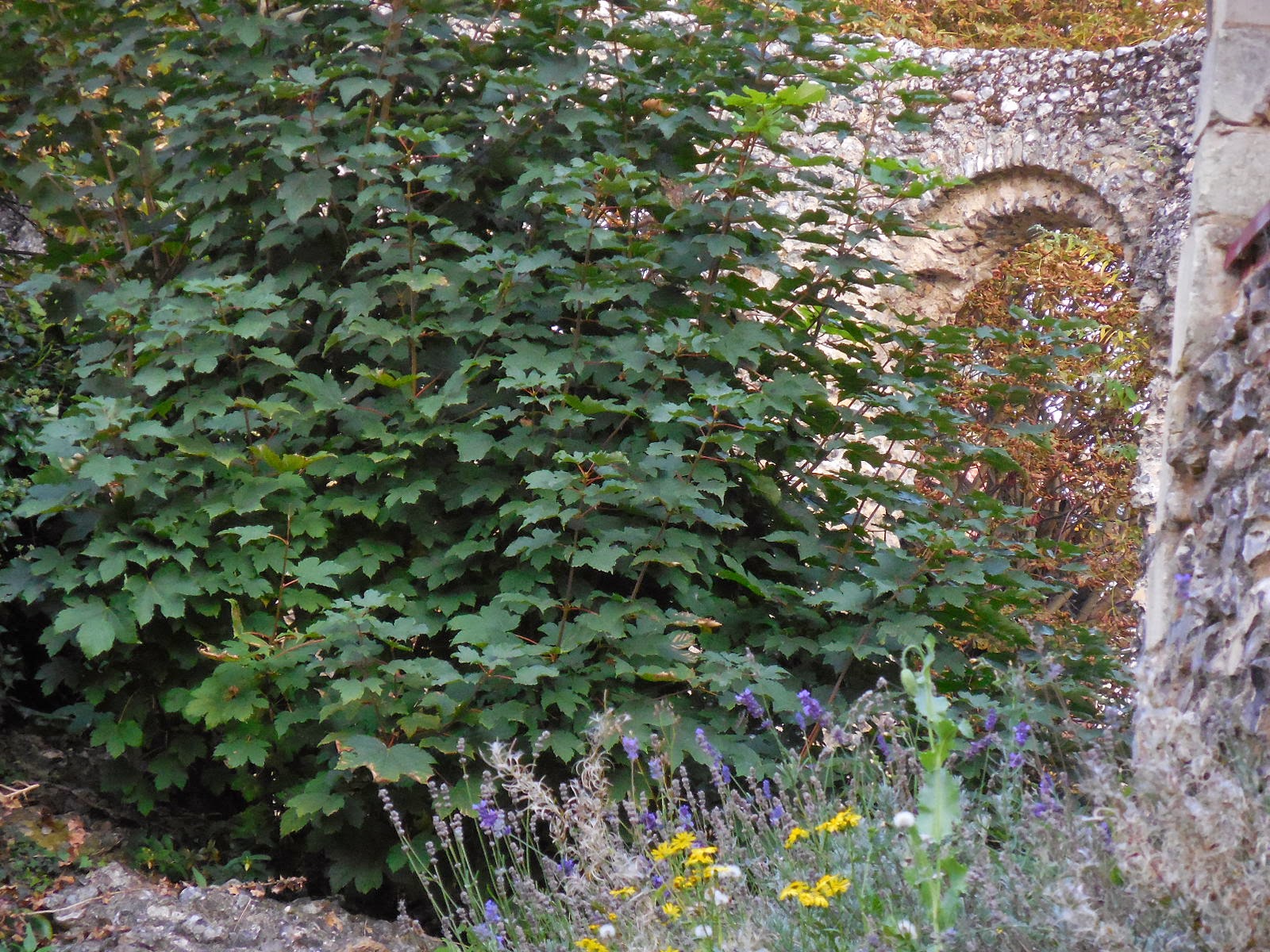
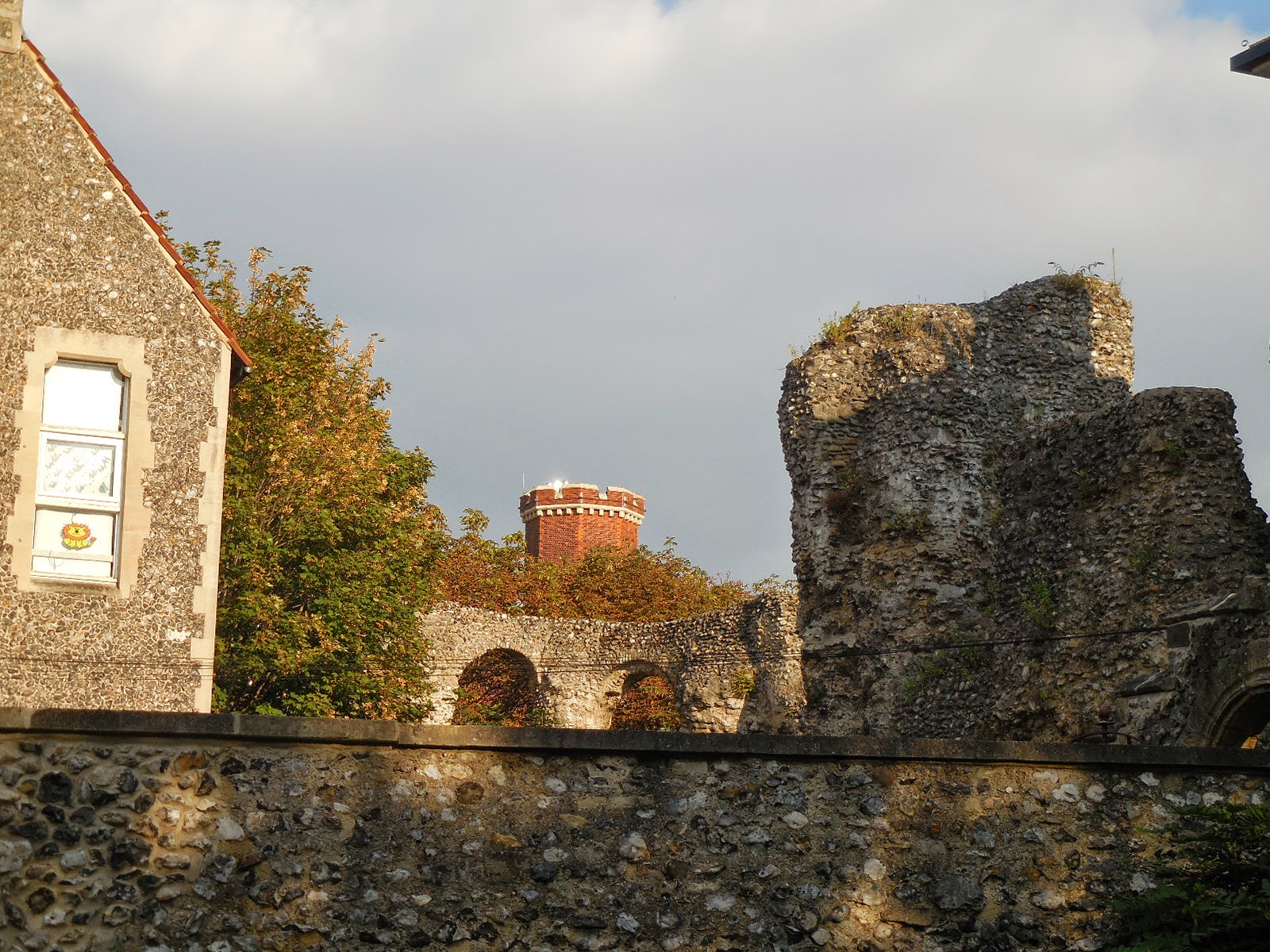
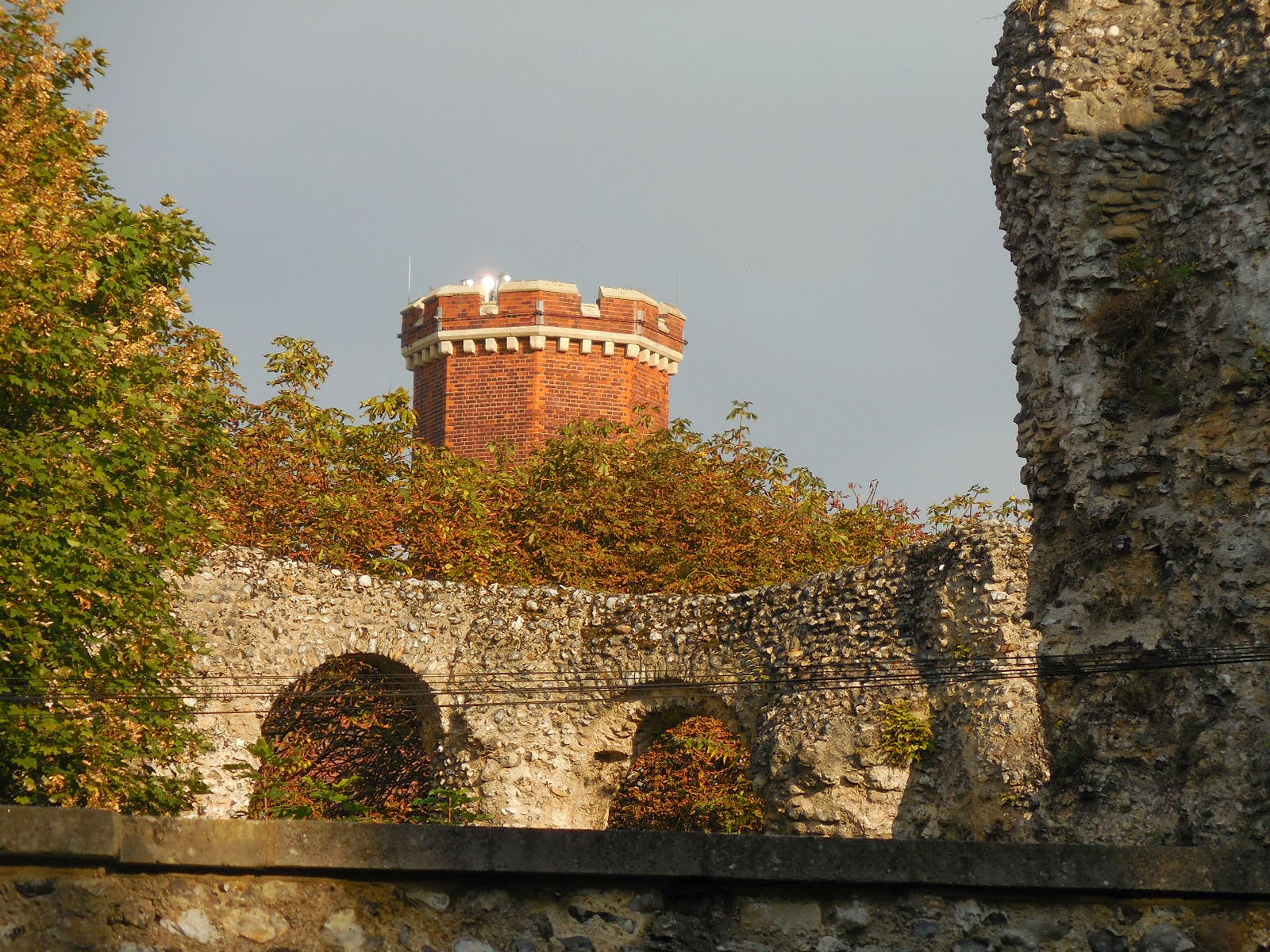
Reading Abbey was founded in 1121 by King Henry I, youngest son of William the Conqueror. Igt was an important royal site for centuries until the Dissolution of the Monasteries by Henry VIII in 1539.
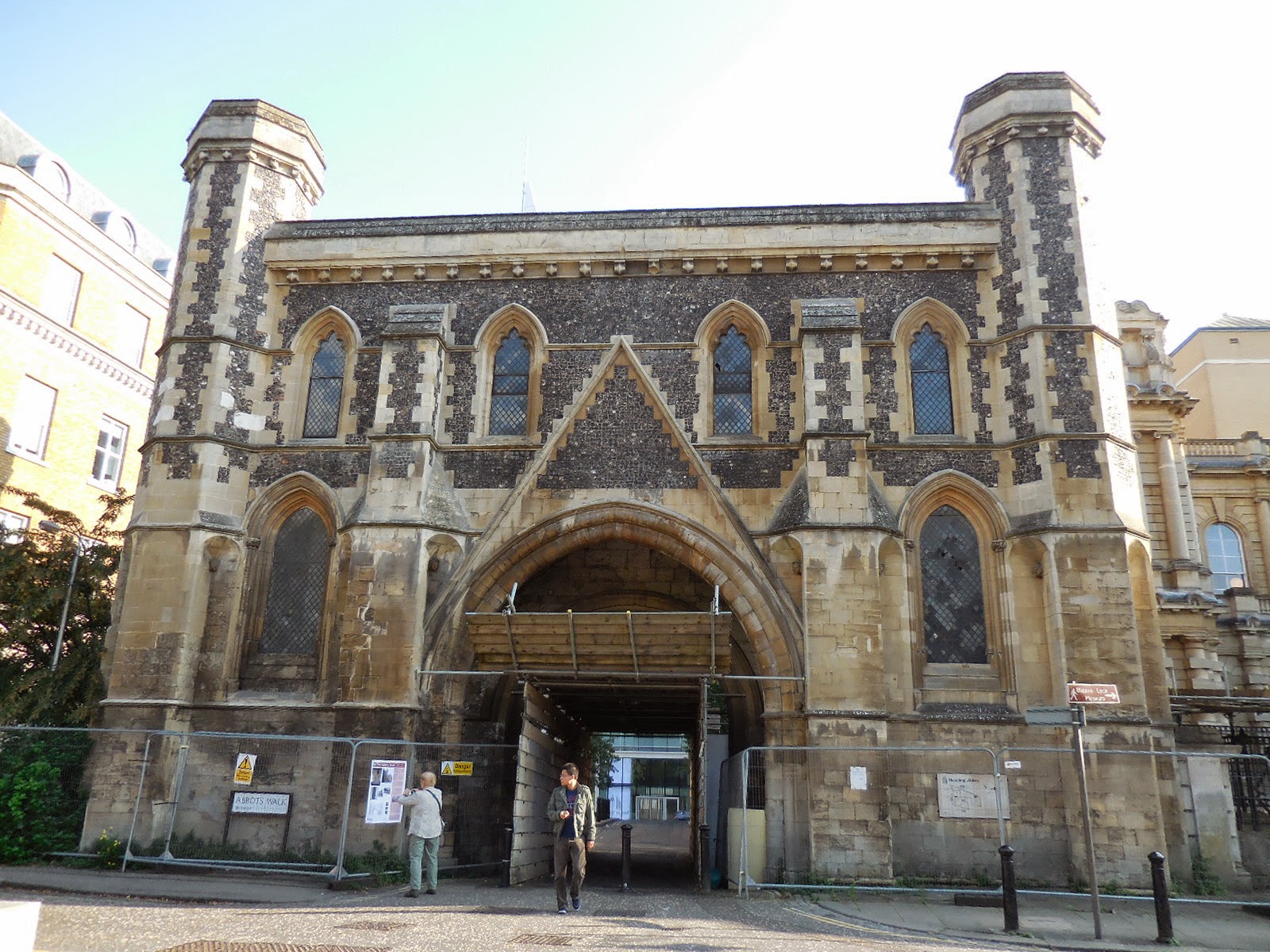
Considerable damage has occurred over the years, particularly from water. Currently, repairs are planned for the entire abbey complex, of which this is the only remaining intact building.
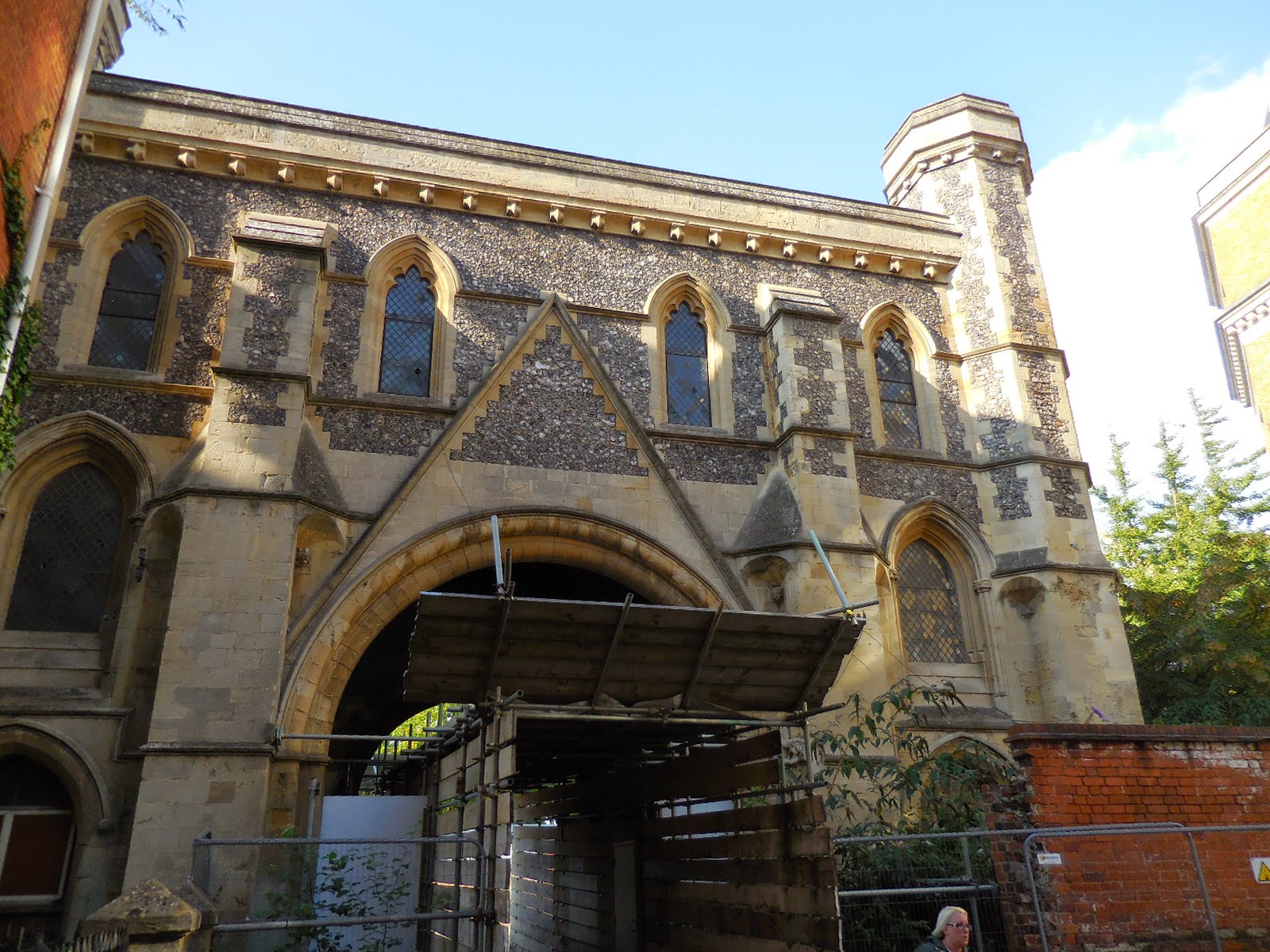
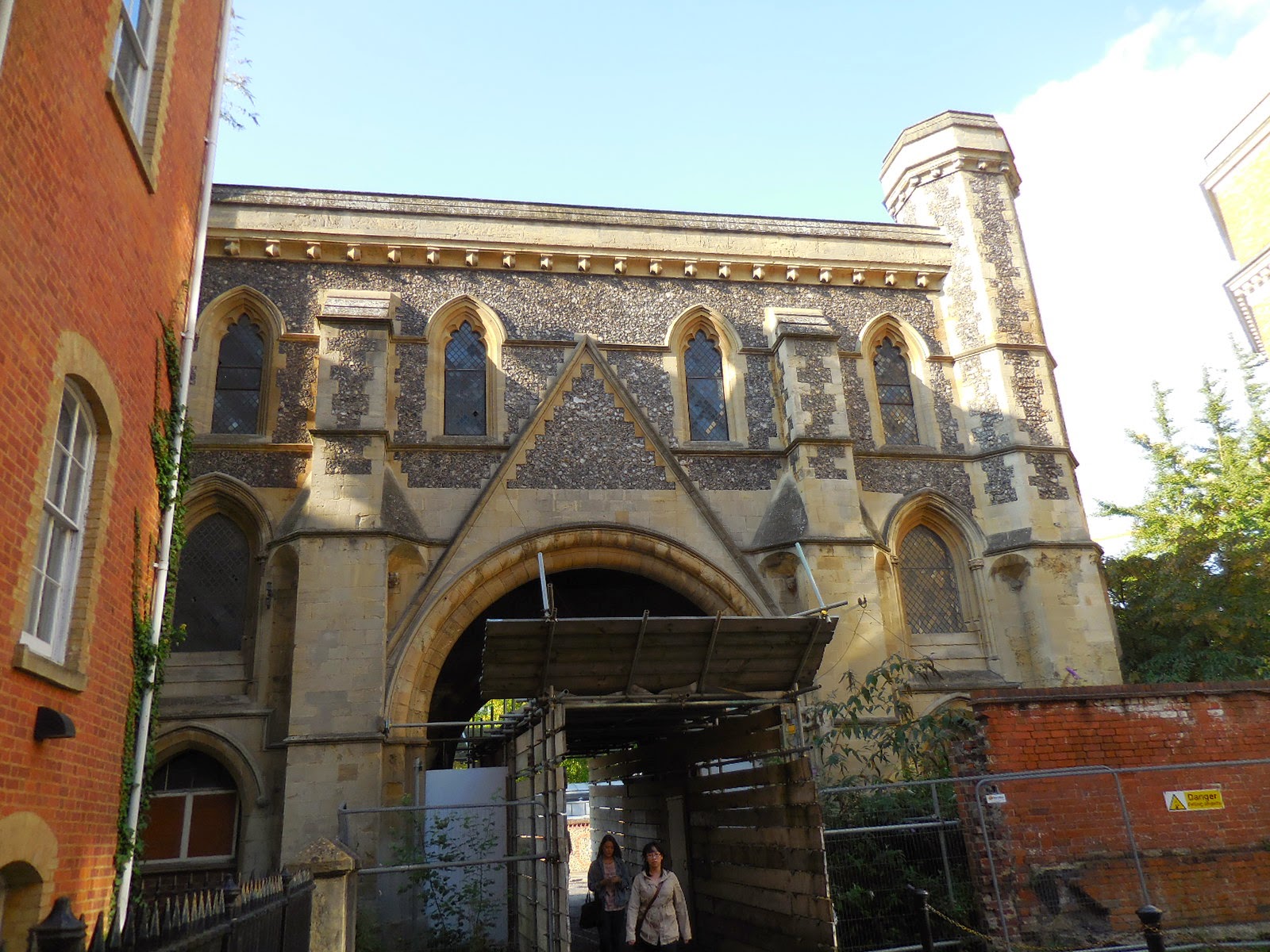


.jpg)


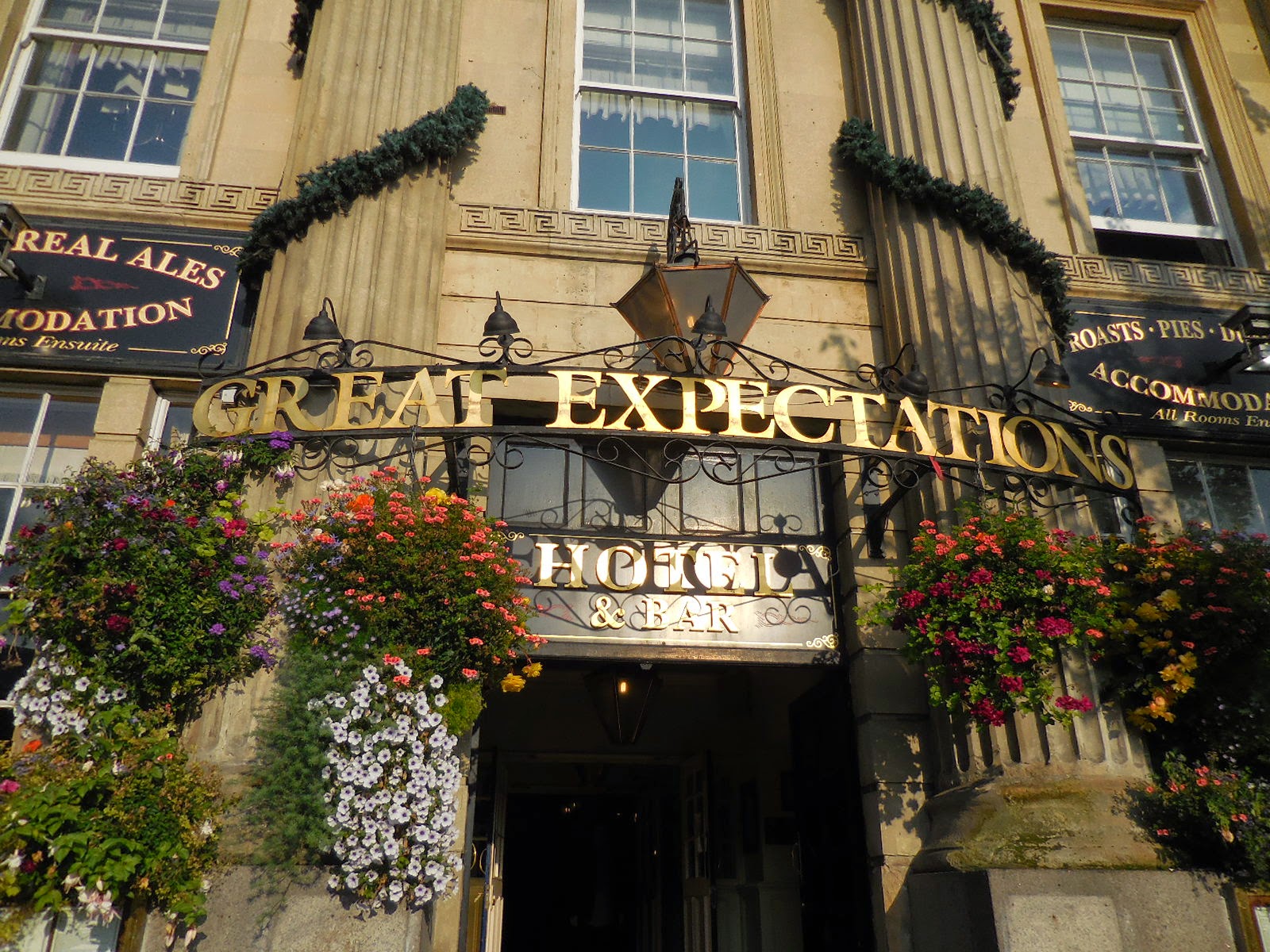
.JPG)


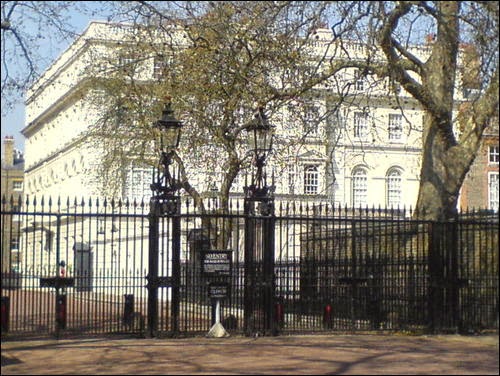
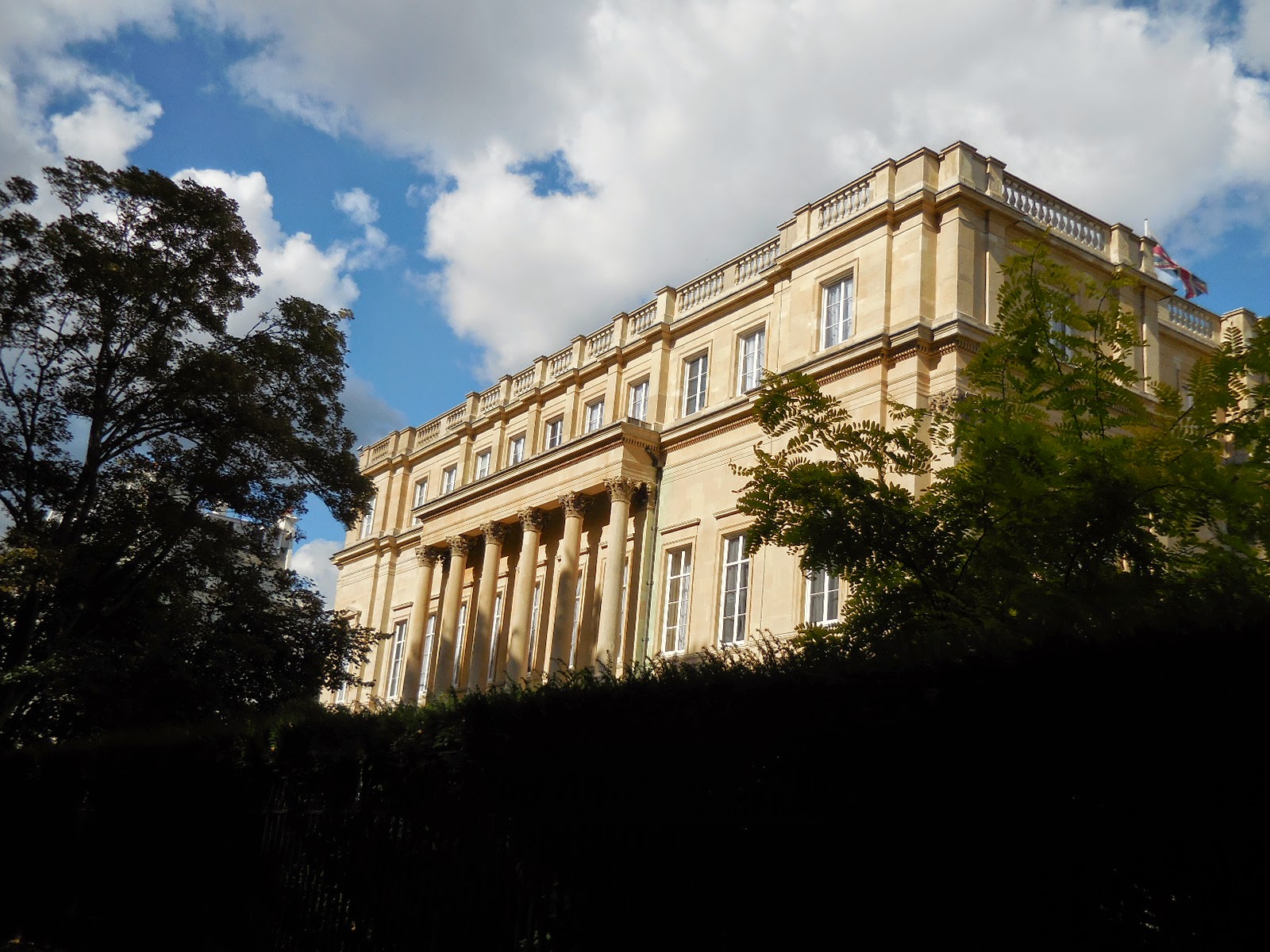
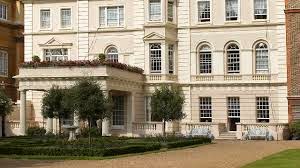
Clarence House , designed by John Nash,was built for the Duke of Clarence between 1825 and 1827. After the death of his elder brother, George IV, the duke became King William IV in 1830. He and his wife, Queen Adelaide, continued to live in Clarence House until his death in 1837.
George IV’s extensive plans with Nash for remodeling Buckingham Palace were not finished at the king’s death. According to Wikipedia, “Unlike his elder brother George IV, the Duke of Clarence was not a connoisseur of art and fine furnishings. The interior of Clarence House was plainly decorated and furnished in comparison to Buckingham Palace and York House.”

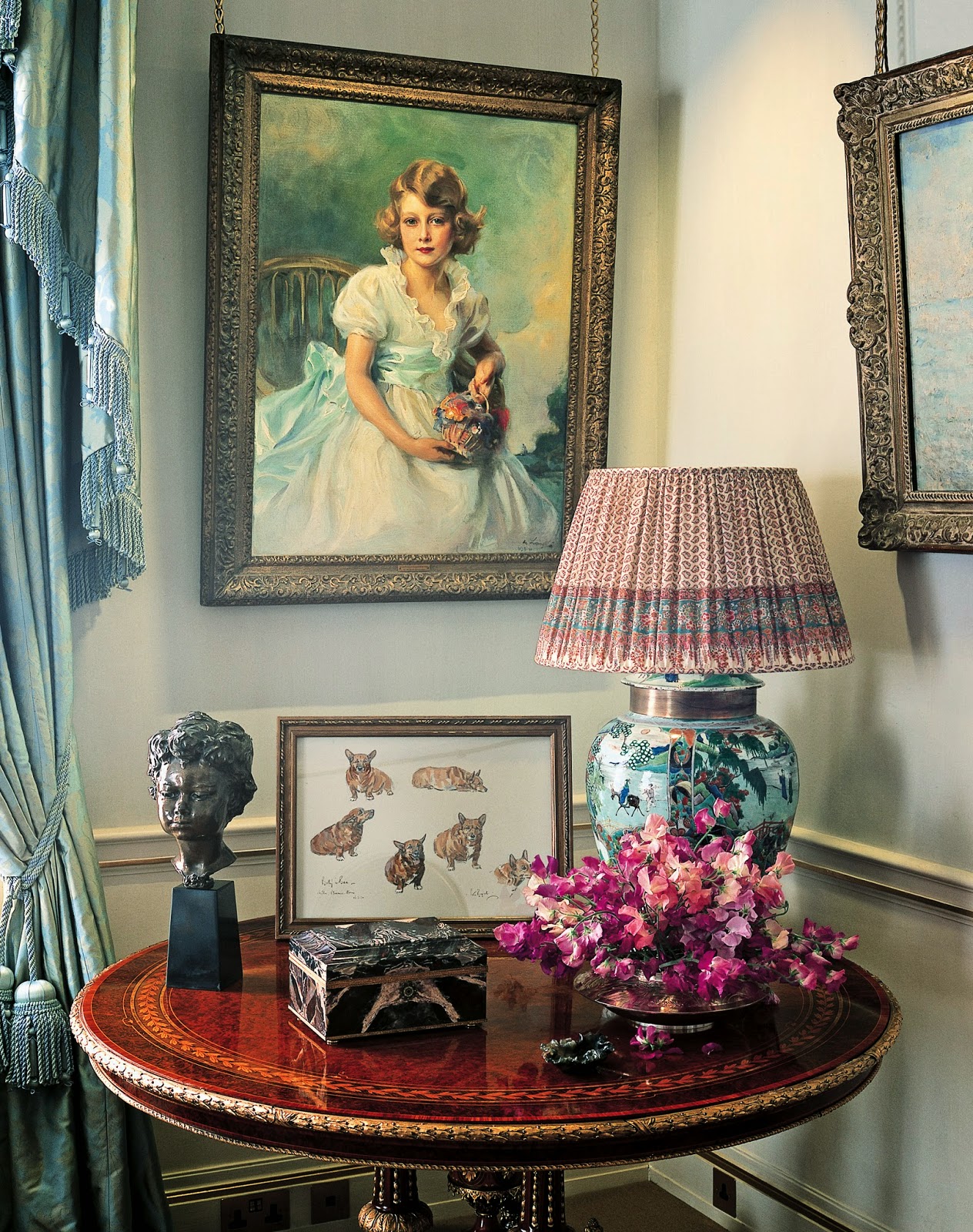


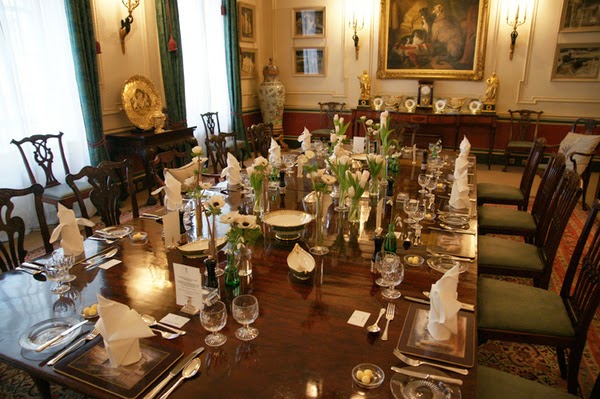

.jpg)


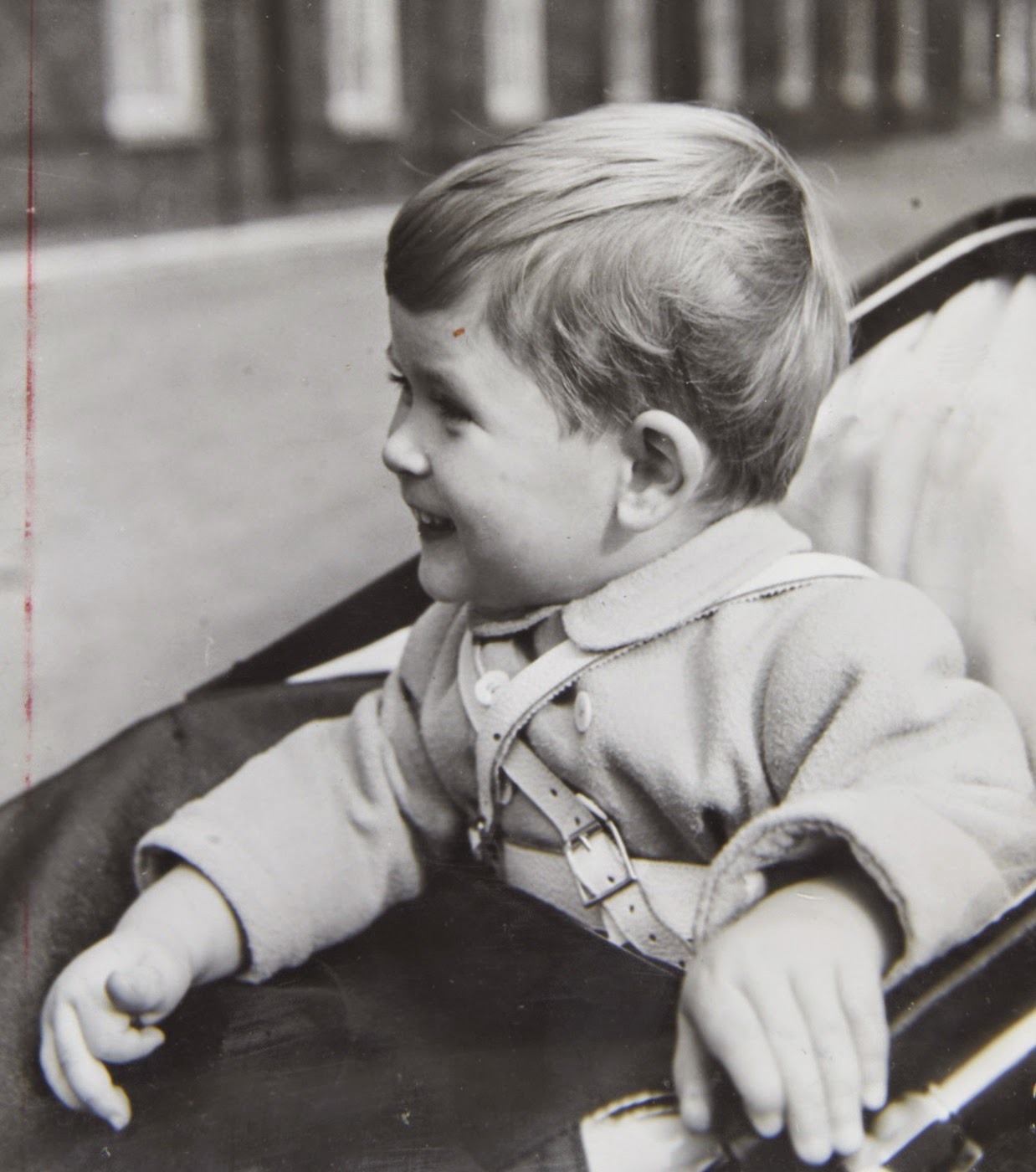.jpg)
Many members of the Royal Family have lived at Clarence House in its nearly 200-year history. Princess Elizabeth and Prince Philip, Duke of Edinburgh, lived here from 1949 until they moved to Buckingham Palace in 1952 when she became Queen. The Prince of Wales moved back to Clarence House in 2003 with his wife, Camilla, Duchess of Cornwall.
Prince Charles inspired a lovely garden, which seemed to have yielded considerable produce. Gardening and land use are among the Prince’s favorite interests.


As you’ll recall, Victoria and I lucked out with gorgeous weather for our mudlarking adventure.
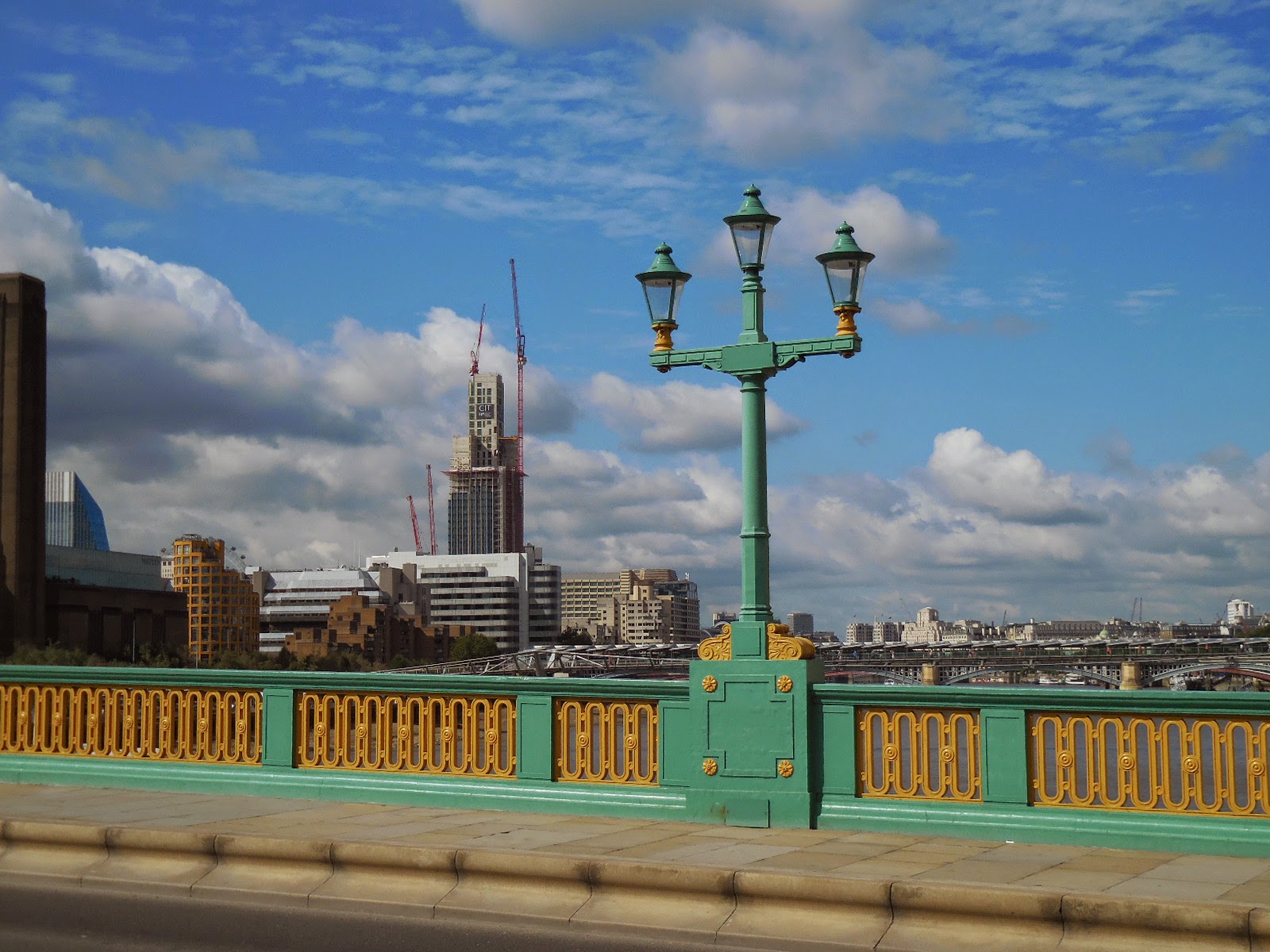
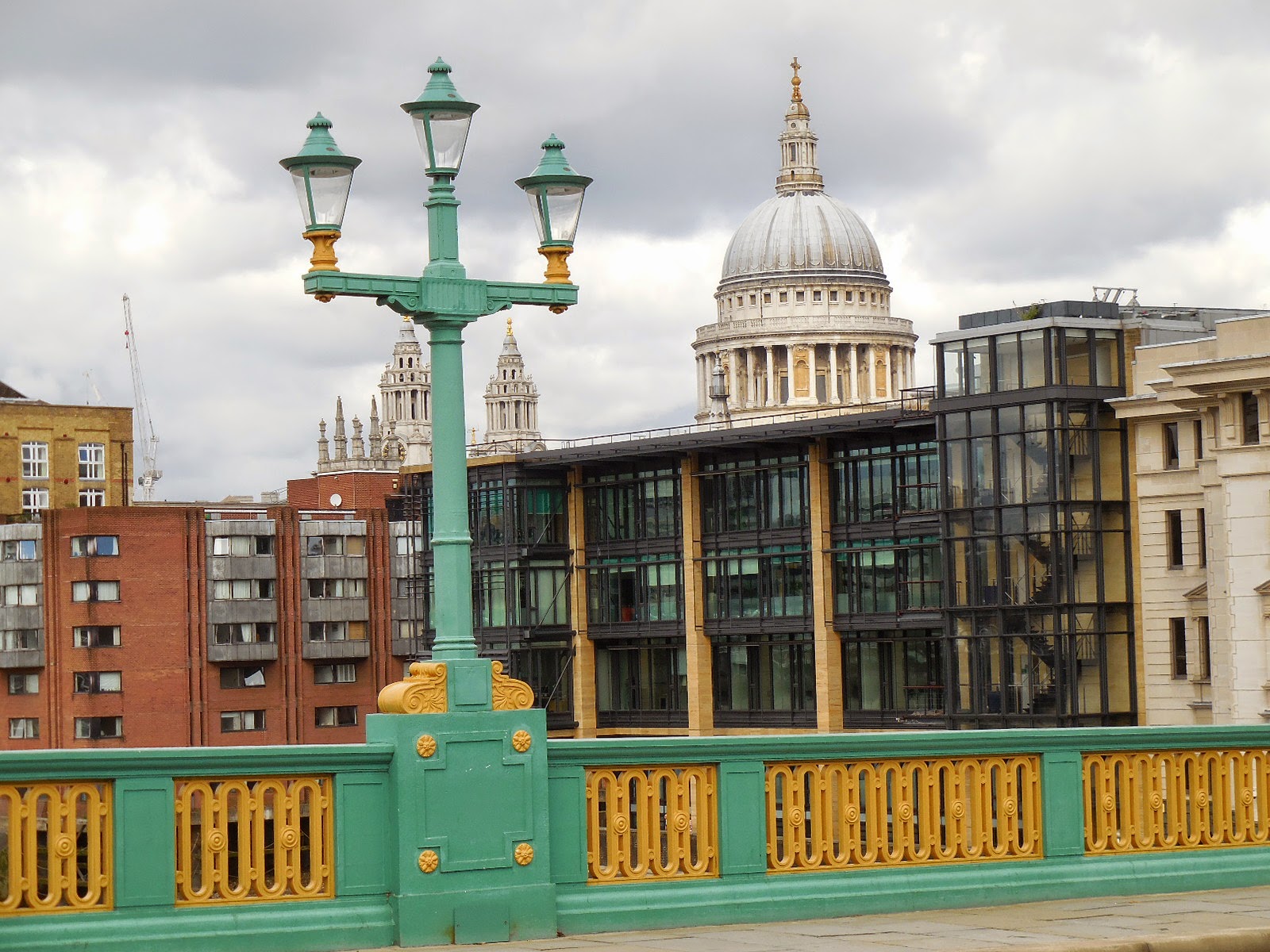
We decided to up towards Gabriel Wharf for a bite of lunch and on our way we passed a few landmarks you may recognize.
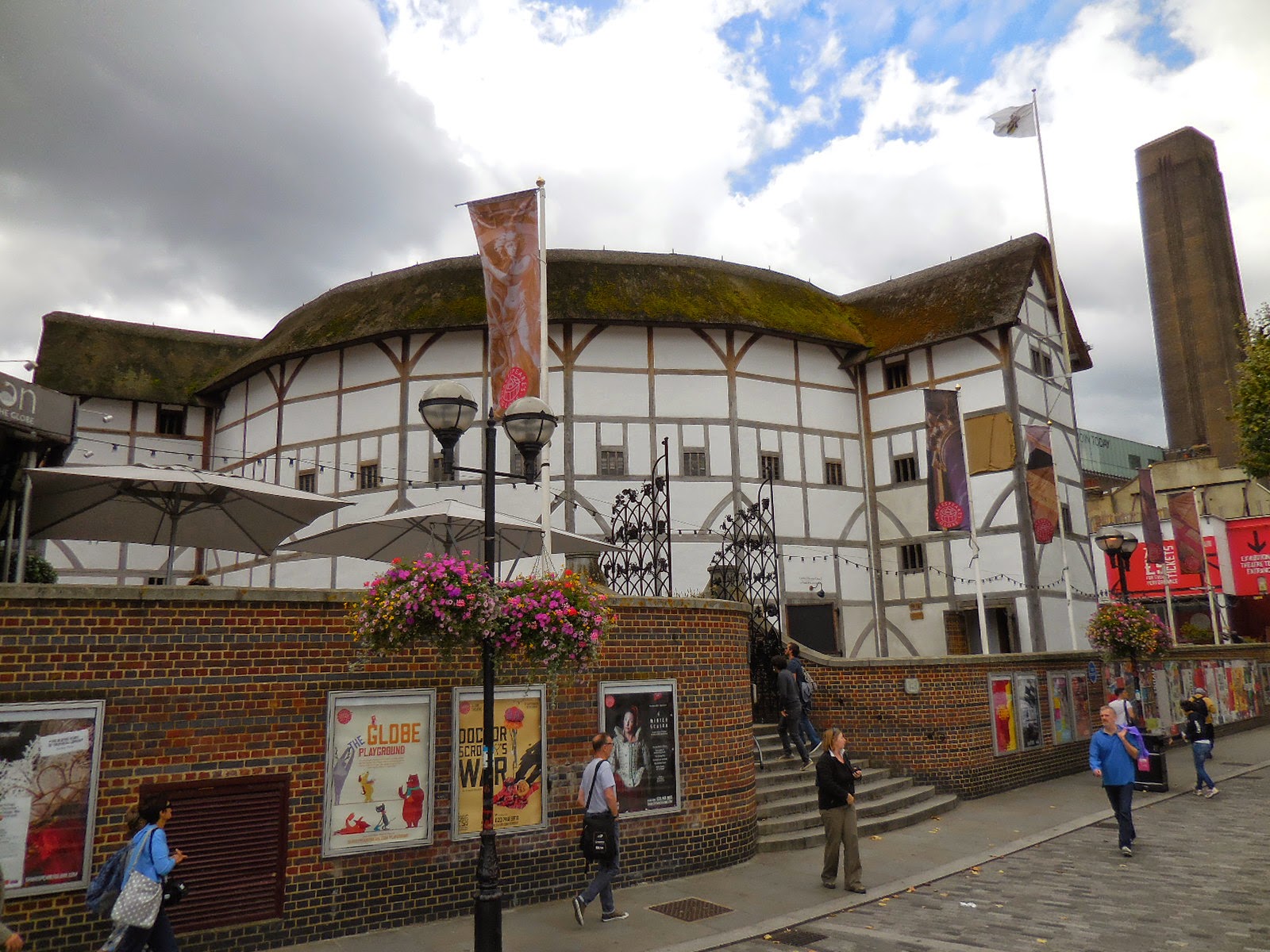
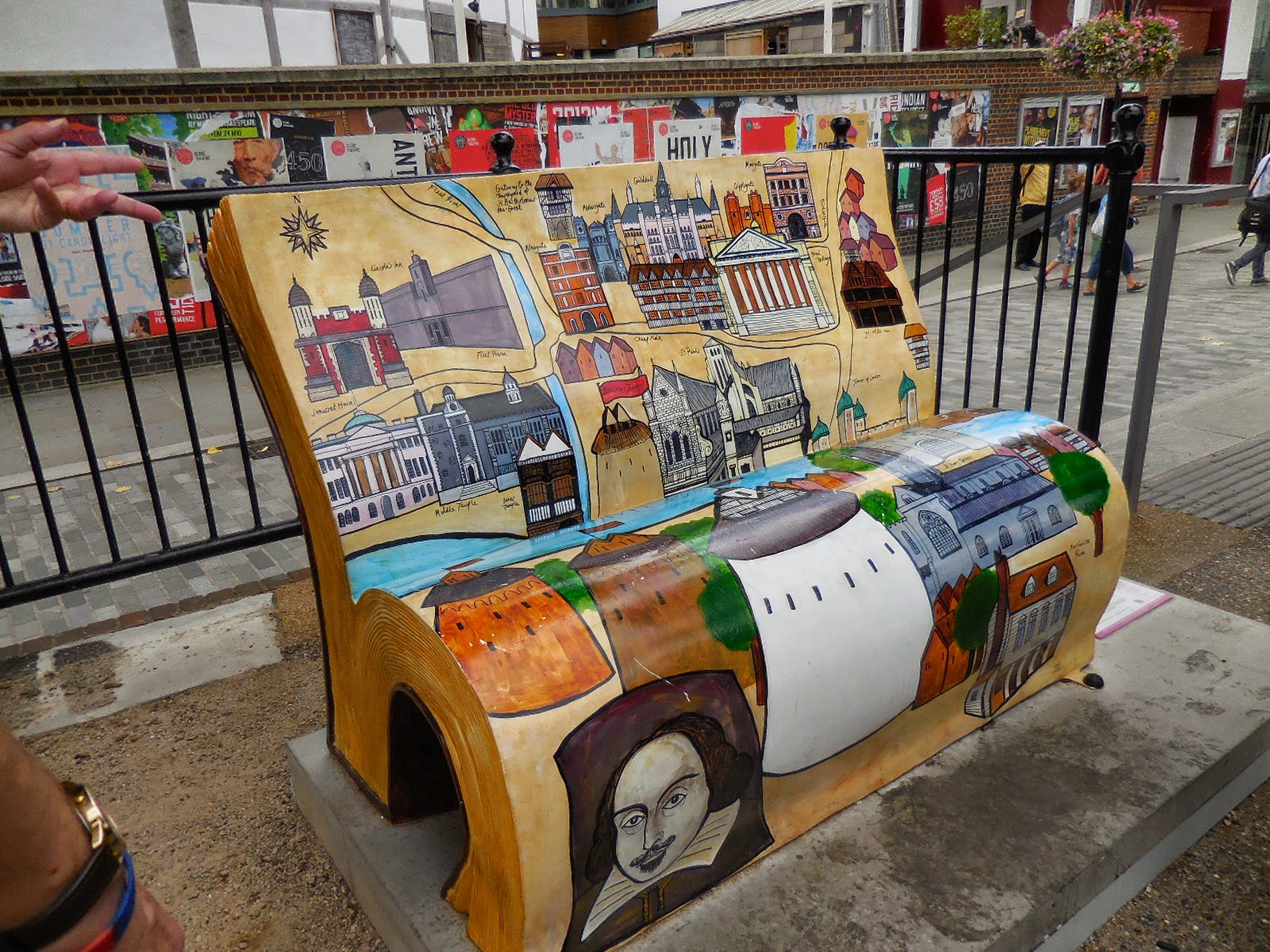


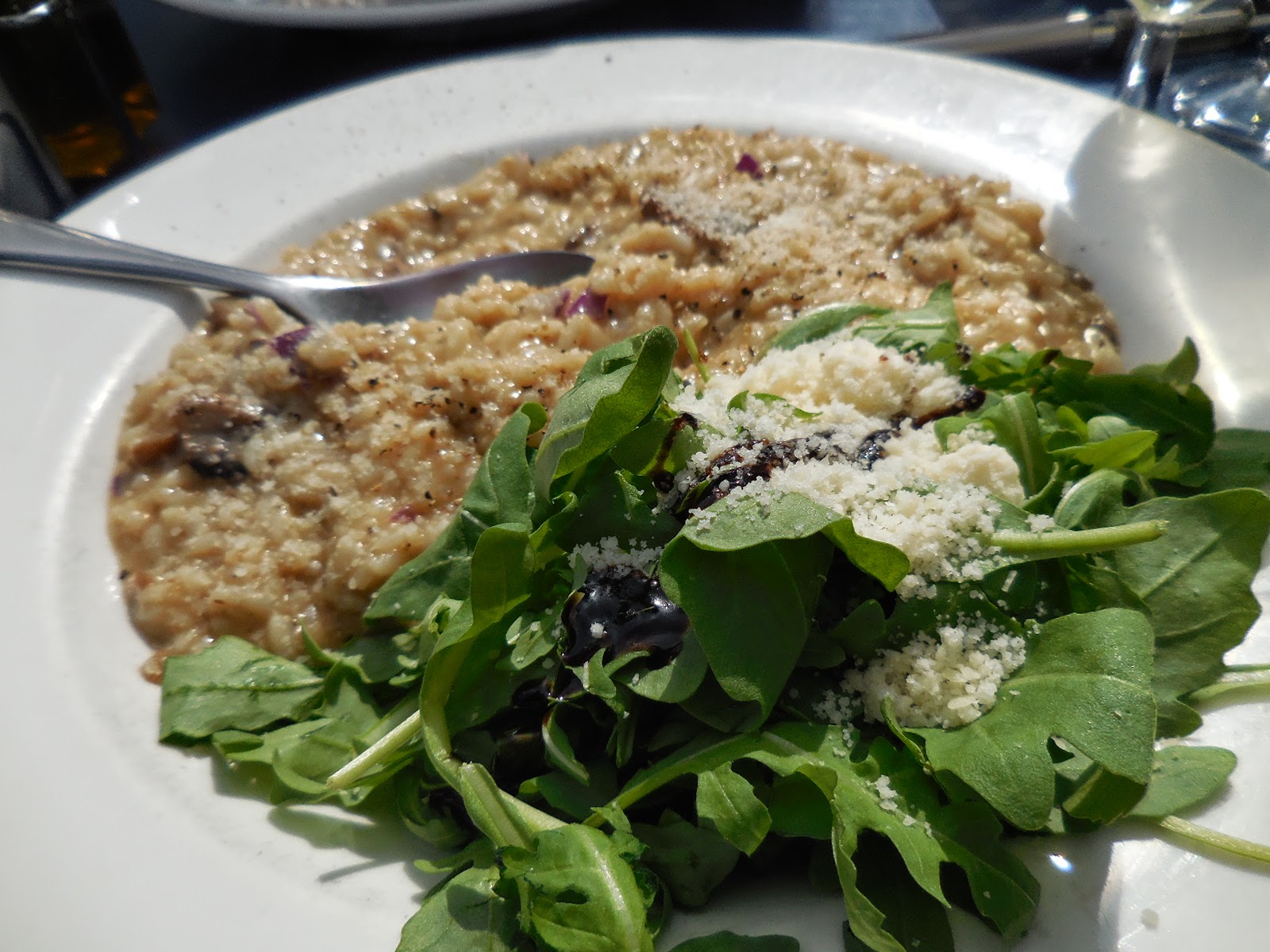
After lunch, we needed to get back across the River, so we walked out the back of the Wharf to a street known as the Upper Ground. This is where the docks once stood where, once upon a time, the streets teemed with a decidedly rough and ready trade – sailors who had just docked after months at sea and who were looking to let loose, ladies of the night (or day) looking to make a bit of coin, foreigners of all sorts seeking to sell or buy cargoes of exotic goods, street hawkers, cab men, coster mongers, fishermen, boatmen, etc. etc. The ships drove the neighborhood and the streets would have been awash in people of all stripes. Today, however, these were the sights we were met with.

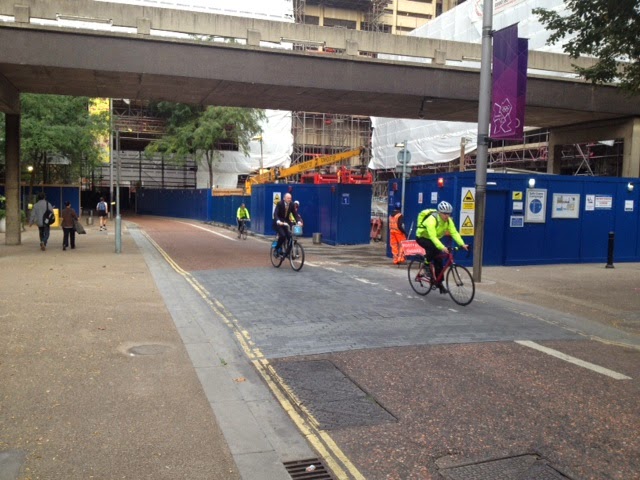
Of course, this is more the way I was picturing it in my mind


“Where are we going?” Victoria finally asked.
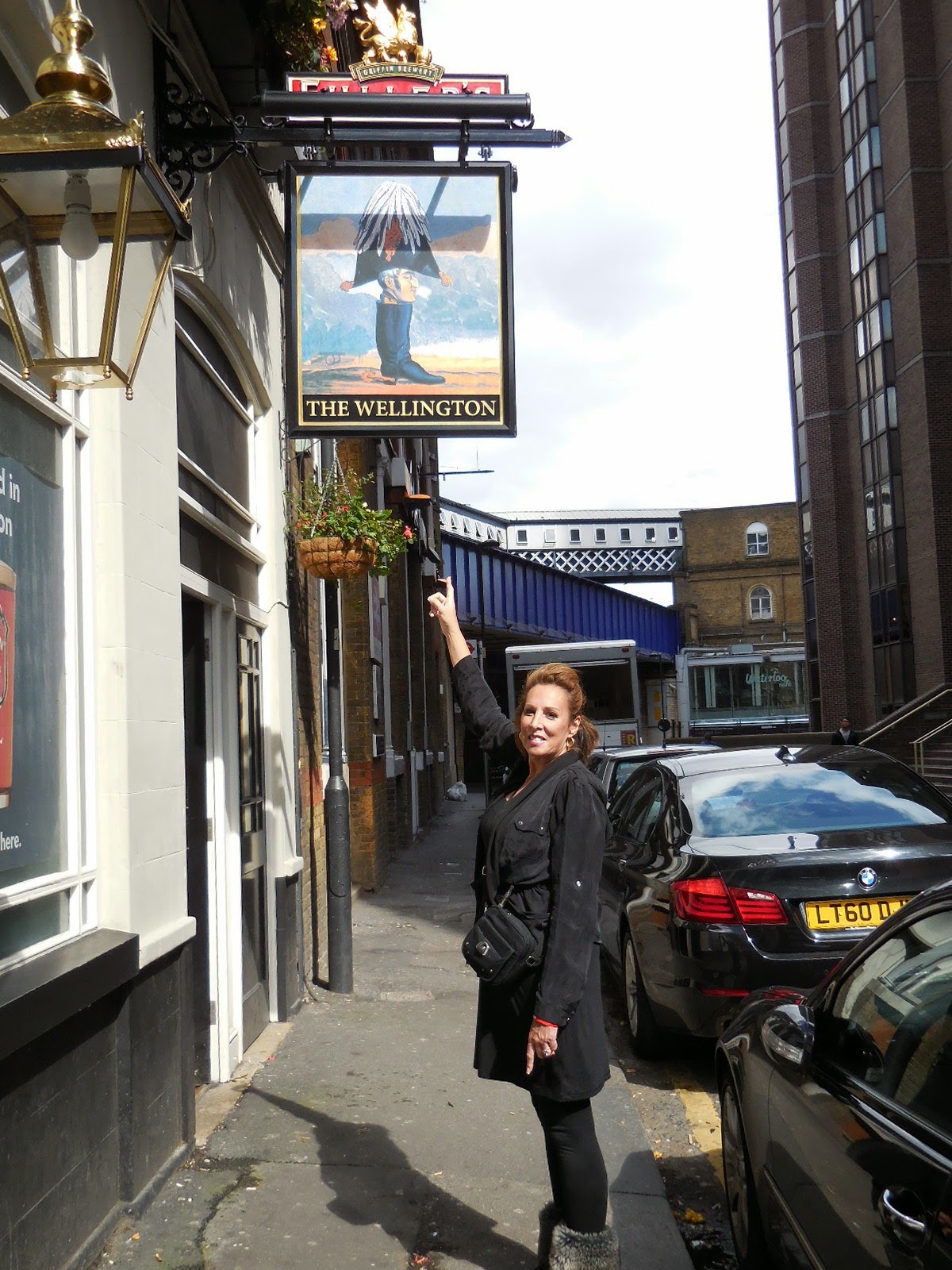
“Waterloo. Station. And the Duke of Wellington Pub.”
“Do you know the story about Churchill and Waterloo Station?” Victoria asked me.
“I don’t think so.”
“Before he died, Churchill worked on the plans for his own funeral. He was going to be buried at St. Martin’s Church in Bladon, in Oxfordshire, where many members of the Spencer Churchill family had been buried.”

“So,” Victoria went on, “Churchill’s fune
ral cortege would have traveled to Oxford by train. And trains to Oxford leave from which London station?”
“Paddington,” I answered.
“Exactly. But Churchill asked if it would be possible for his funeral train to depart from Waterloo Station, instead. Certainly, and official told him. It would mean diverting tracks and re-route thousands of daily tube passengers, it would involve redirecting signals and a host of other alterations, but in theory it could be done. Looking pleased, Churchill told him to arrange it when the time came. But why, asked official. What did Churchill have against Paddington Station? Nothing, he replied, but no doubt other countries would send heads of state to attend the funeral. France would no doubt send a representative, to which the official agreed. “Well,” Churchill said, “I don’t want to pass up the opportunity to force French President de Gaulle to have to walk through Waterloo Station.”
“Are you making this up?”
“No,” Victoria laughed, “If it isn’t true, it should be. Where are we going? Are you sure Waterloo Station down this way? It doesn’t look right.”
“The last time I walked this way, I wound up at Waterloo. It’s just down here,” I said, pointing.
Two girls were passing and Victoria asked them if this were the way to Waterloo Station. They told that indeed it was, and pointed in the direction I’d just indicated.
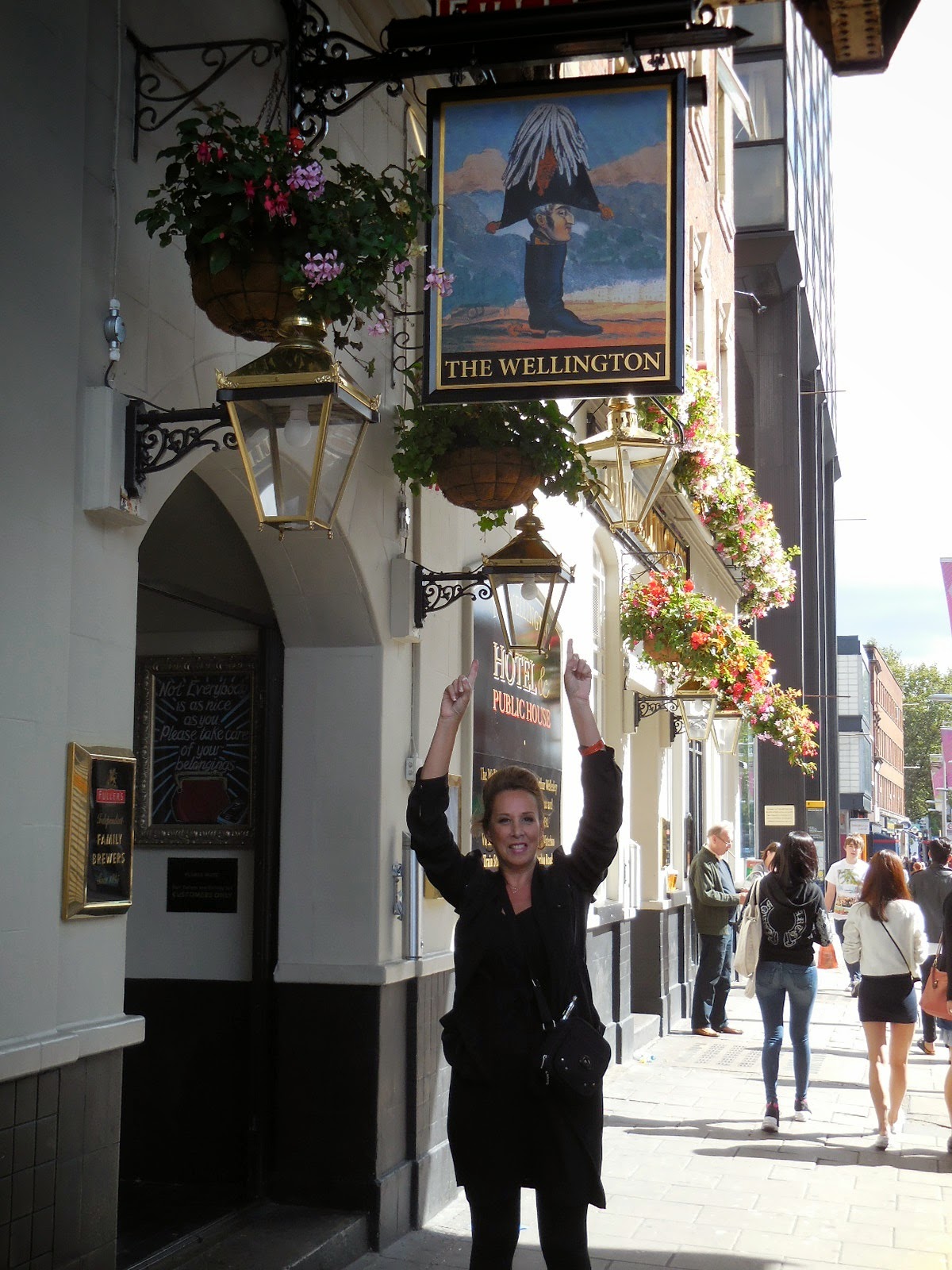
“Oh, ye of little faith,” I said. “And look, there’s the Wellington Pub. They haven’t moved that, either.”
.JPG)
.jpg)
.JPG)
.jpg)
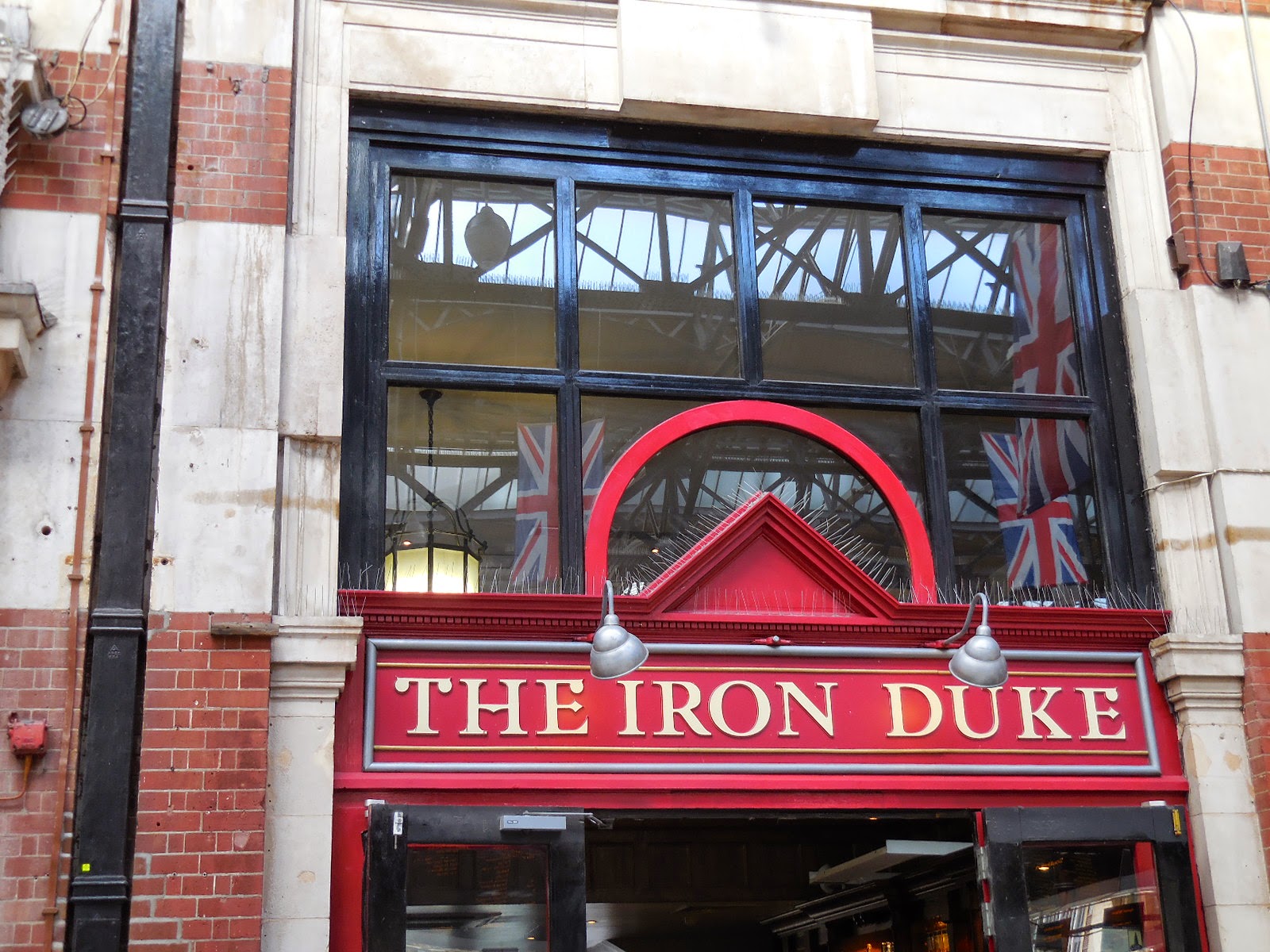
And believe it or not, this is the poster we were met with inside the station, advertising the Wellington Exhibit we’d planned to see at the Tower. Nice to know I had unconsciously dressed to match Wellington’s uniform. He had Wellies, I have fur lined boots.


With still more on the day’s schedule ahead, we headed out onto Buckingham Palace Road and headed towards Buckingham Palace, passing one of our old haunts, the Bag O’ Nails pub, along the way.
Before long, we’d reached the Queen’s Gallery, where Victoria and I have attended many an exhibition. There’s another old haunt of ours just outside the Gallery – a long, low wall just perfect for resting upon, so we decided to take a short sit before going on.
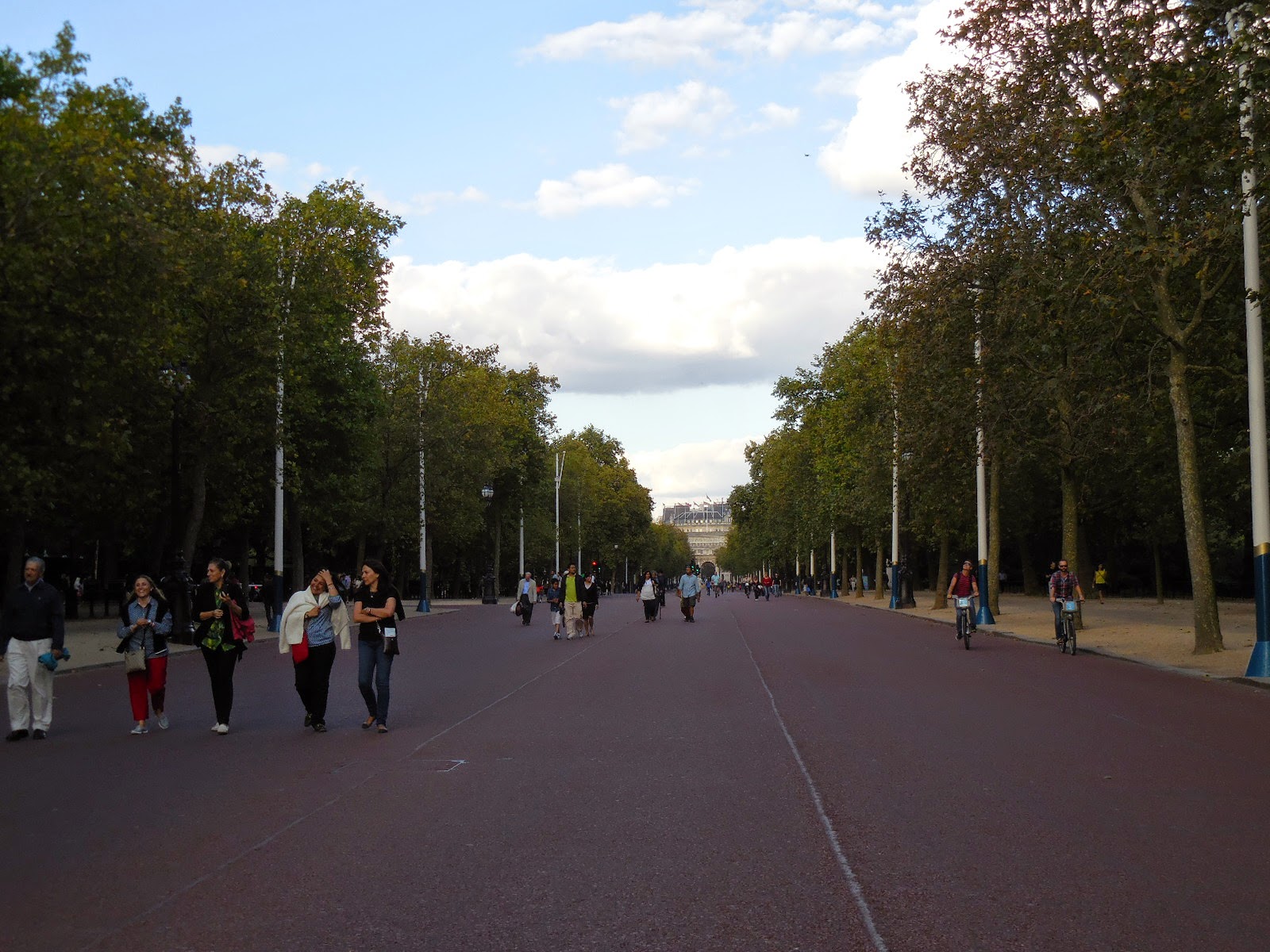
After our break, we carried on, finally reaching the front of the Palace.

.JPG)
.jpg&container=blogger&gadget=a&rewriteMime=image%2F*)
.jpg)