AMERICA V. ENGLAND
THREE NIGHT EVENT BEGINS
SUNDAY, JANUARY 25TH ON
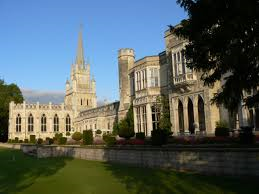
From the Journal of Mrs. Arbuthnot – January 23, 1822: We went to Ashridge (Lord Bridgewater’s in Hertfordshire) to meet the Duke of York and a large shooting party. The house has been totally built by Lord Bridgewater; it is modern Gothic, which I do not admire, but altogether it is certainly very fine; the rooms are magnificent, very finely proportioned and beautifully finished, the staircase is very fine indeed and highly ornamented. . . . The flower gardens and conservatories are beautiful and the whole establishment worthy of a great nobleman and an excellent good man. Lord Bridgewater employs 500 men all the year round upon his estate and makes it a rule never to refuse work to any who apply for it, and he frequently has 800 men in his pay. The shooting was excellent; Lord Londonderry was generally at the head and one day killed 107 head. The Duke of Wellington killed above 80 one of the days. I played whist in the evening with the Duke of York against the Duke of Wellington, whose luck at cards is quite extraordinary. It seems as if his good genius accompanied him in every, the most trivial concerns of life. Lady Bridgewater, one of the mornings, took Lady Londonderry and me all over the work shops where they were carving wood and stone ornaments for the chapel, which is certainly the chef-d’oeuvre of the house.

Aired on BBC Two, History Cold Case is a series that sees the skeletons of everyday people from across the ages analysed in staggering detail, opening new windows on the history of our forebears by literally revealing the person behind the skeleton.
This is a fabulous series, with each episode bringing the daily lives, times and history surrounding each skeleton to life. Wonderful for history lovers and medical enthusiasts. Many thanks to Jo Manning for bringing this to our attention!

You’ll find the link to the full playlist here.
More about the series:
You may recall a prior post about mudlarking on the River Thames that I wrote a few years ago – you’ll find it here. I had been longing to return to the River again and was chuffed when Victoria said she’d like to take a turn at mudlarking while we were in London.
Victoria and I started out as part of a London Walks mudlarking tour on Sunday morning, with at least thirty other people in our group. The group was so big that the guide and her assistant broke us up into two groups, while she went back and forth relating the history of the Thames, it’s bridges and, incidentally, mud larking. This went on for quite some time before
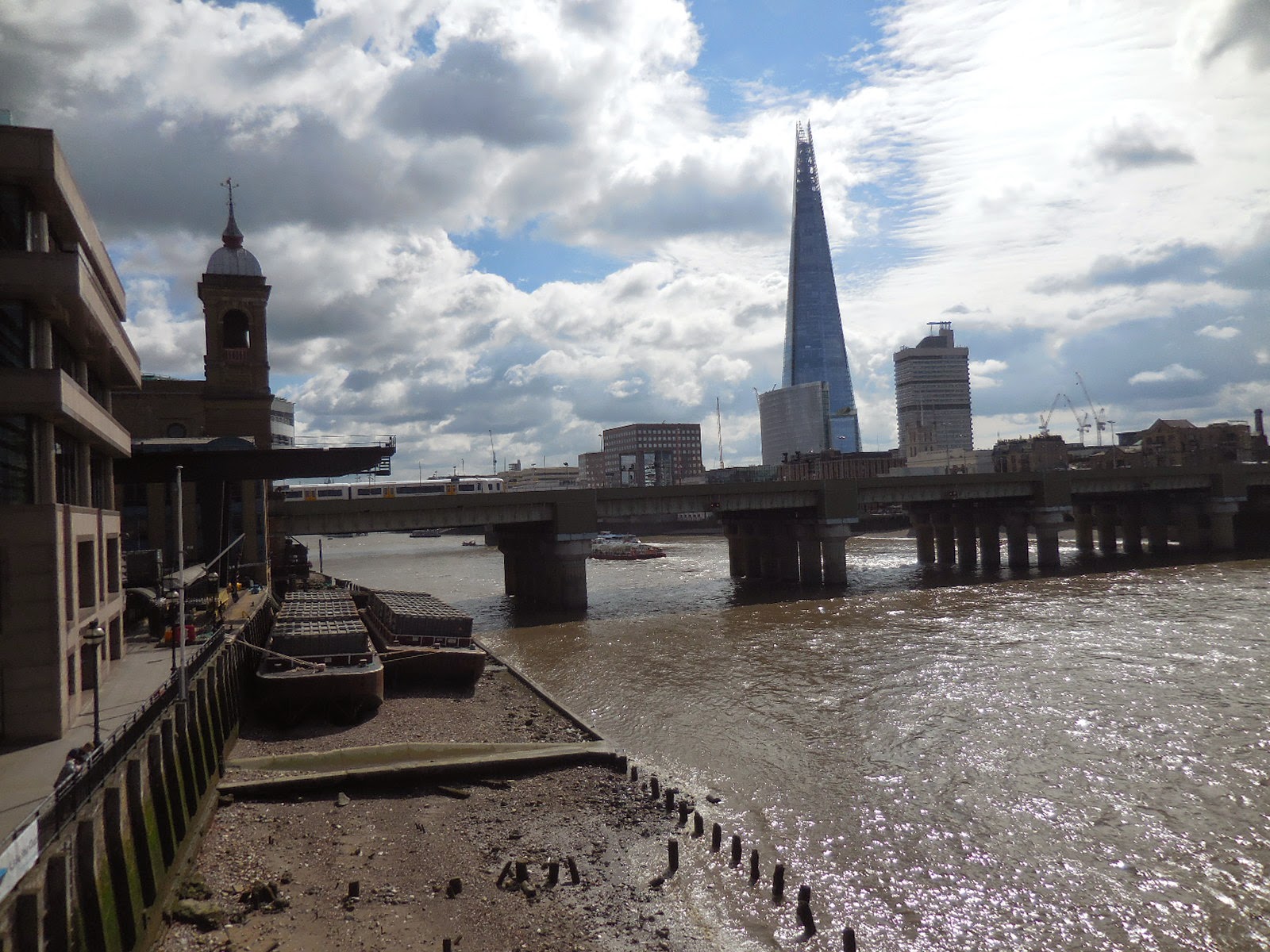

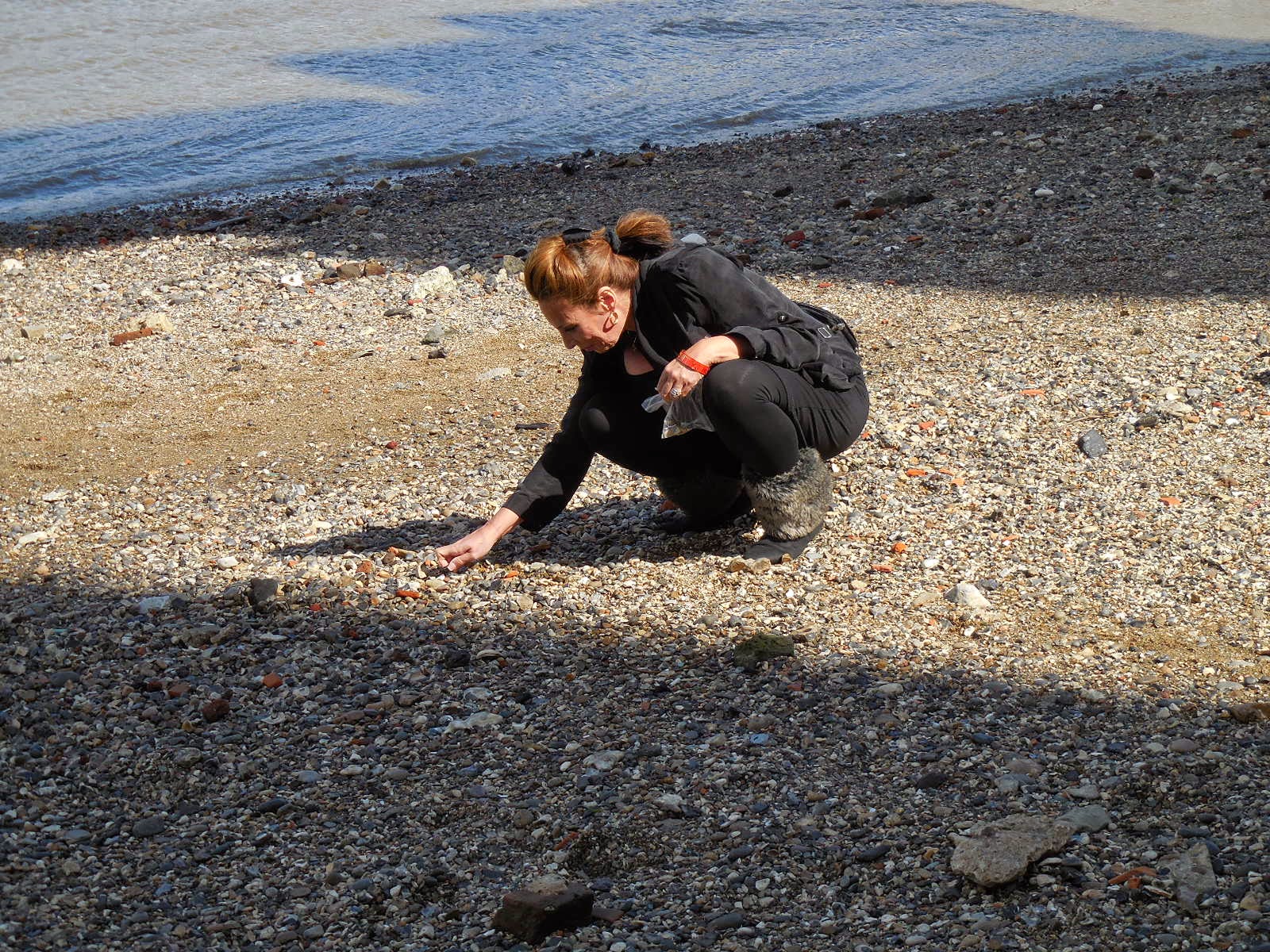
Here’s a photo of me on the River bank, wearing my now famous fur lined boots. Before long, Victoria and I had drifted apart. Her wanderings took her in one direction, mine in another as we both dug through a few decades, if not centuries, of silt and sand.
I’ll always remember seeing the opening scenes in one of the Robert Downey Jr. Sherlock Holmes films – the London docks of the 19th century. Never had I seen a movie set that looked so exactly as I had always pictured a place in my mind’s eye. I felt that what I was looking at was 19th century London, magically brought to life on the screen. Imagine my dismay when I later found out that the scenes had actually been shot at Stanley Docks in Liverpool. Here’s a trailer from the film – there’s actually very little of the docks in the clip, but it’s a hoot.
You’ll see from the photos below that it was glorious London day, perfect weather for being outdoors. This is what the riverbank looked like when we were there.
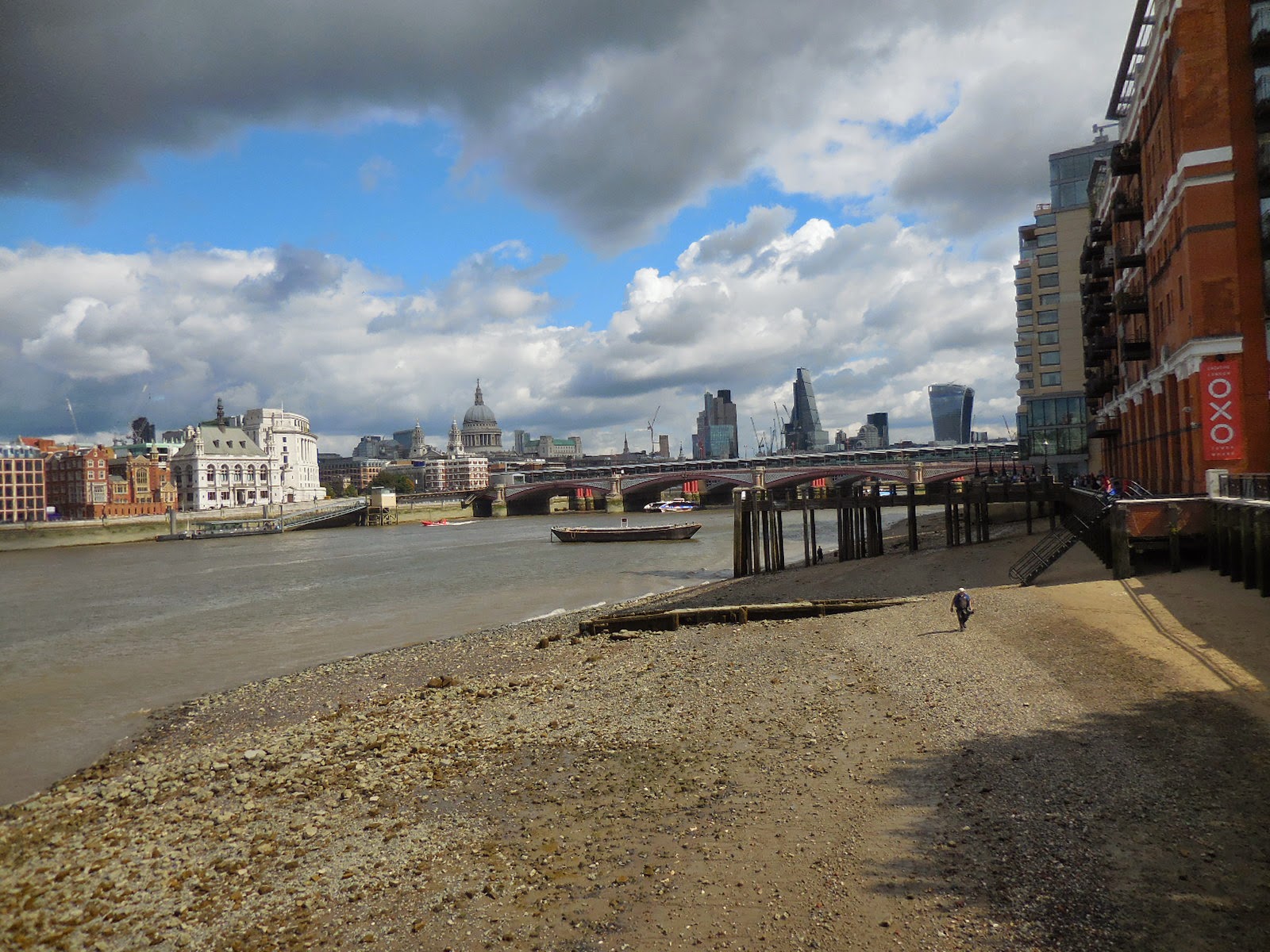
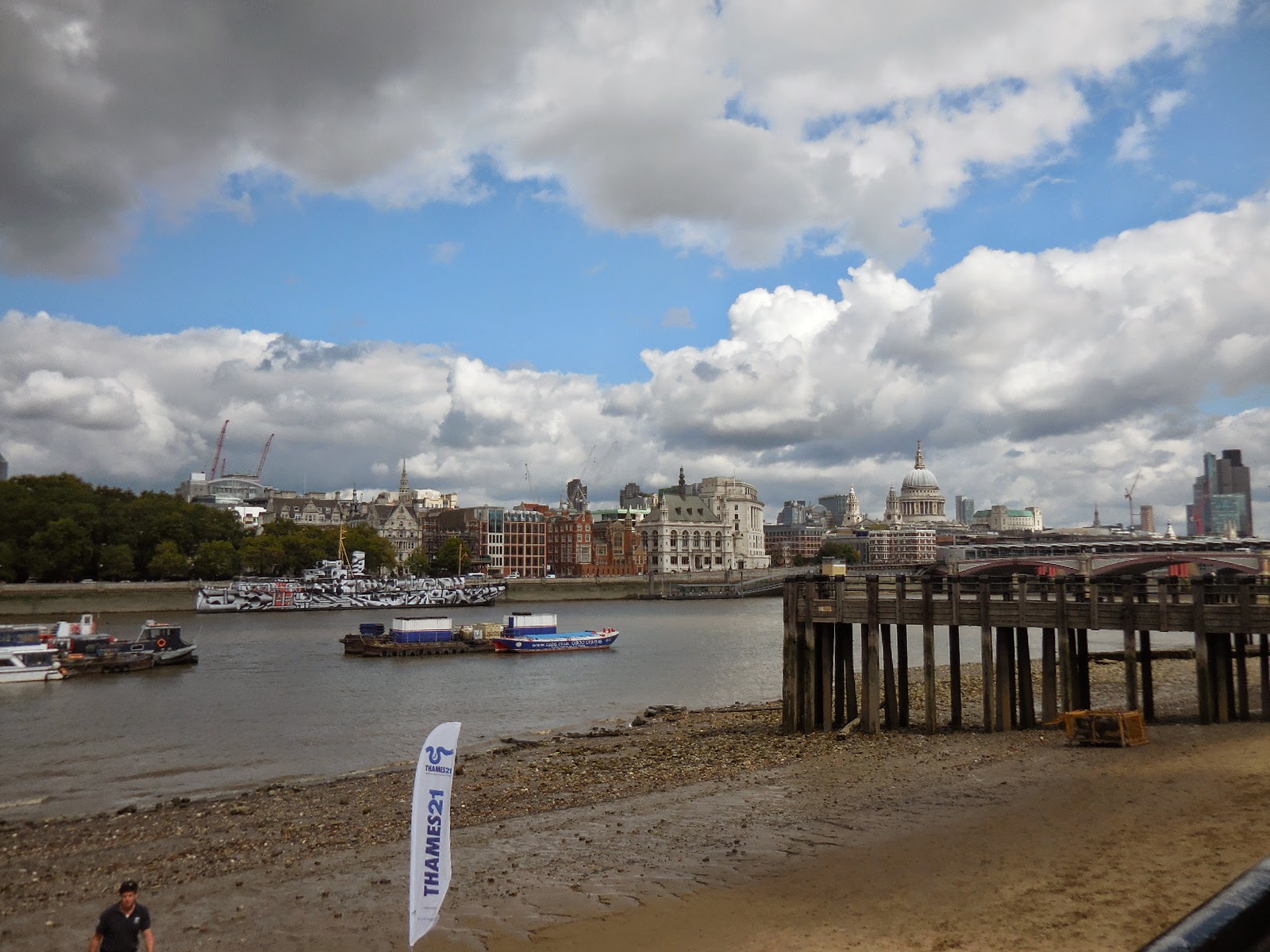
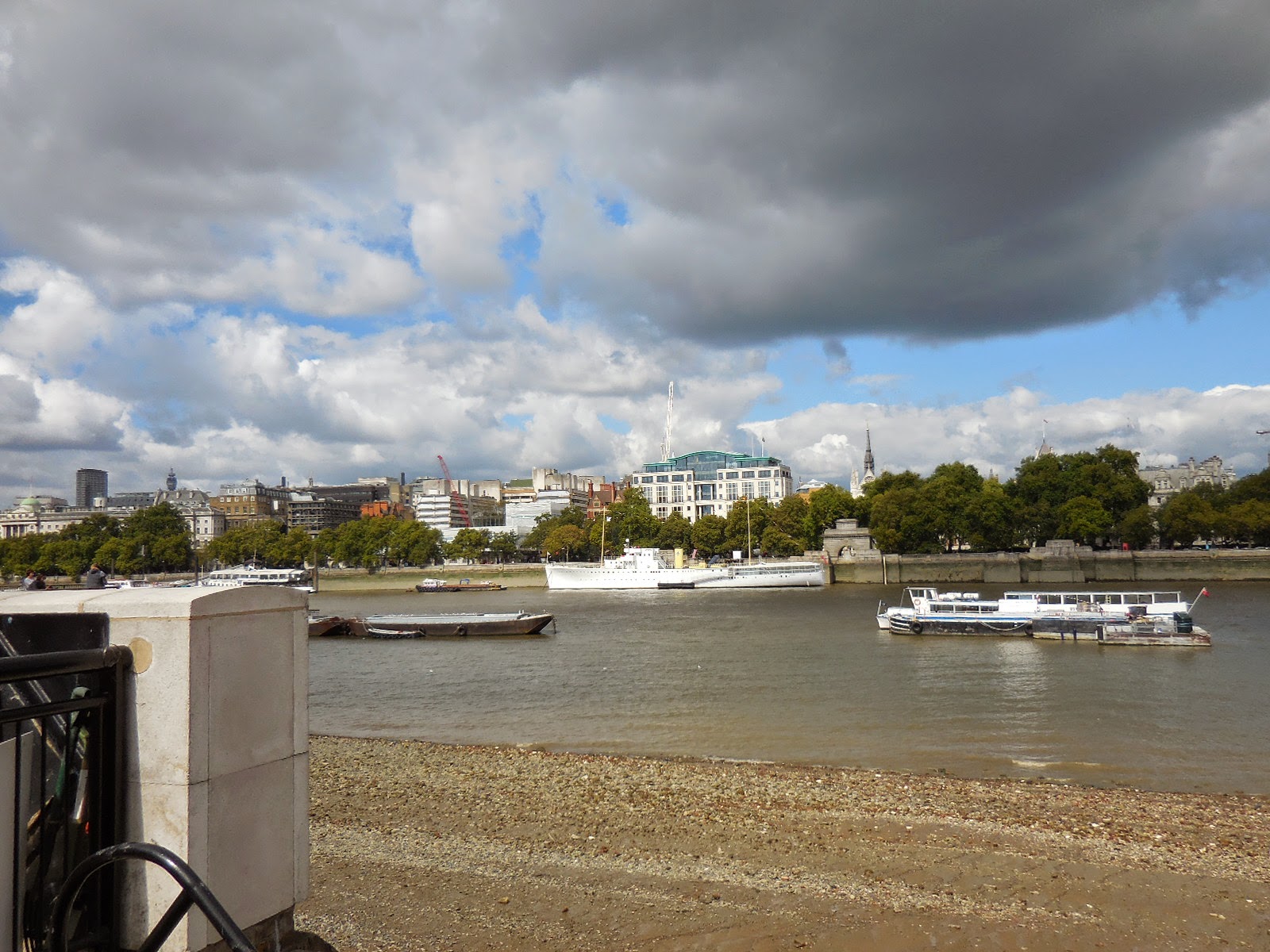

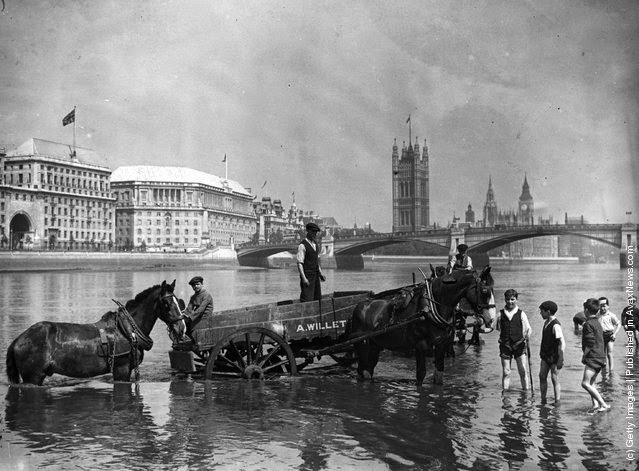

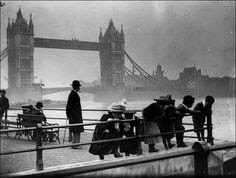

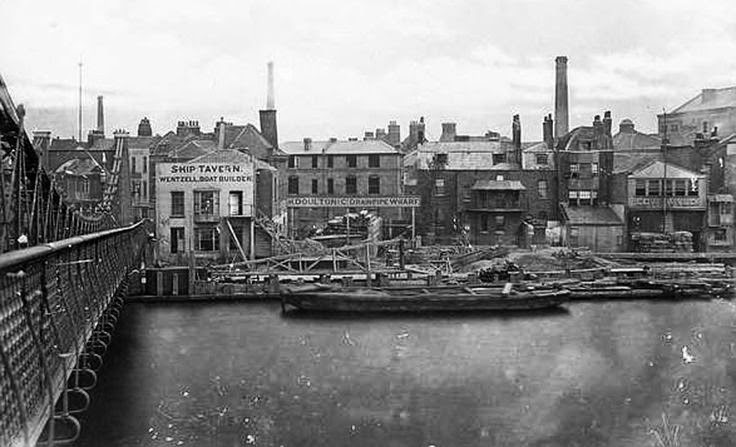
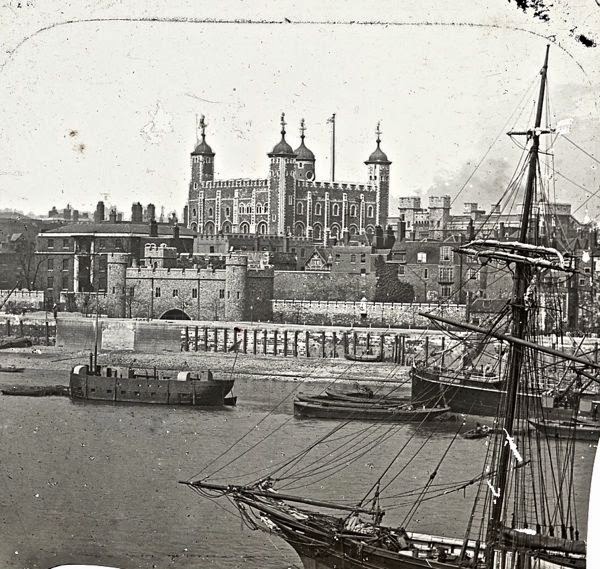


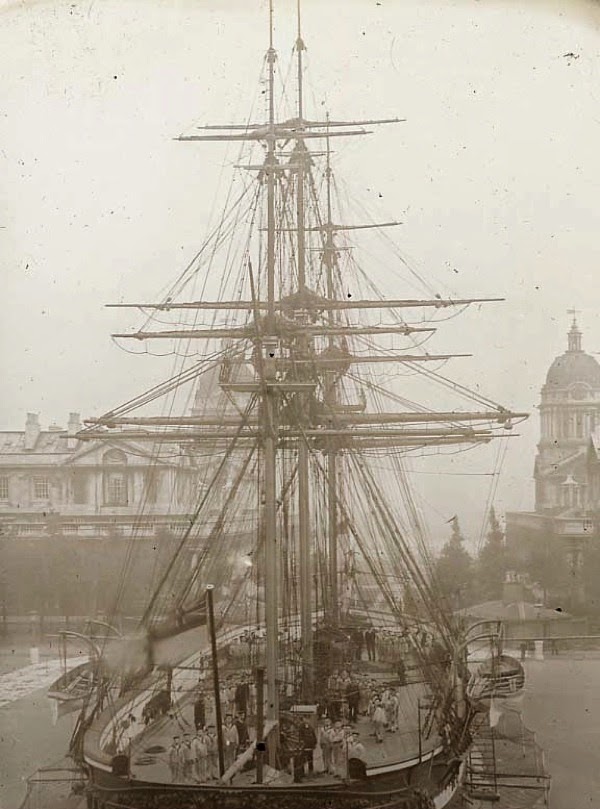
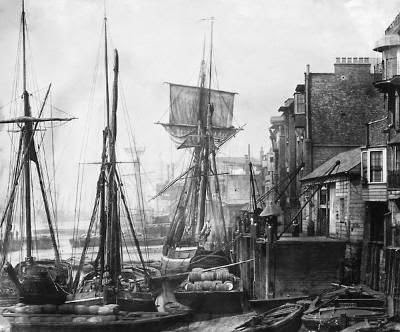
Yes, Victoria, I was picturing a place where everyone was wearing period costume. And sailing in period ships.
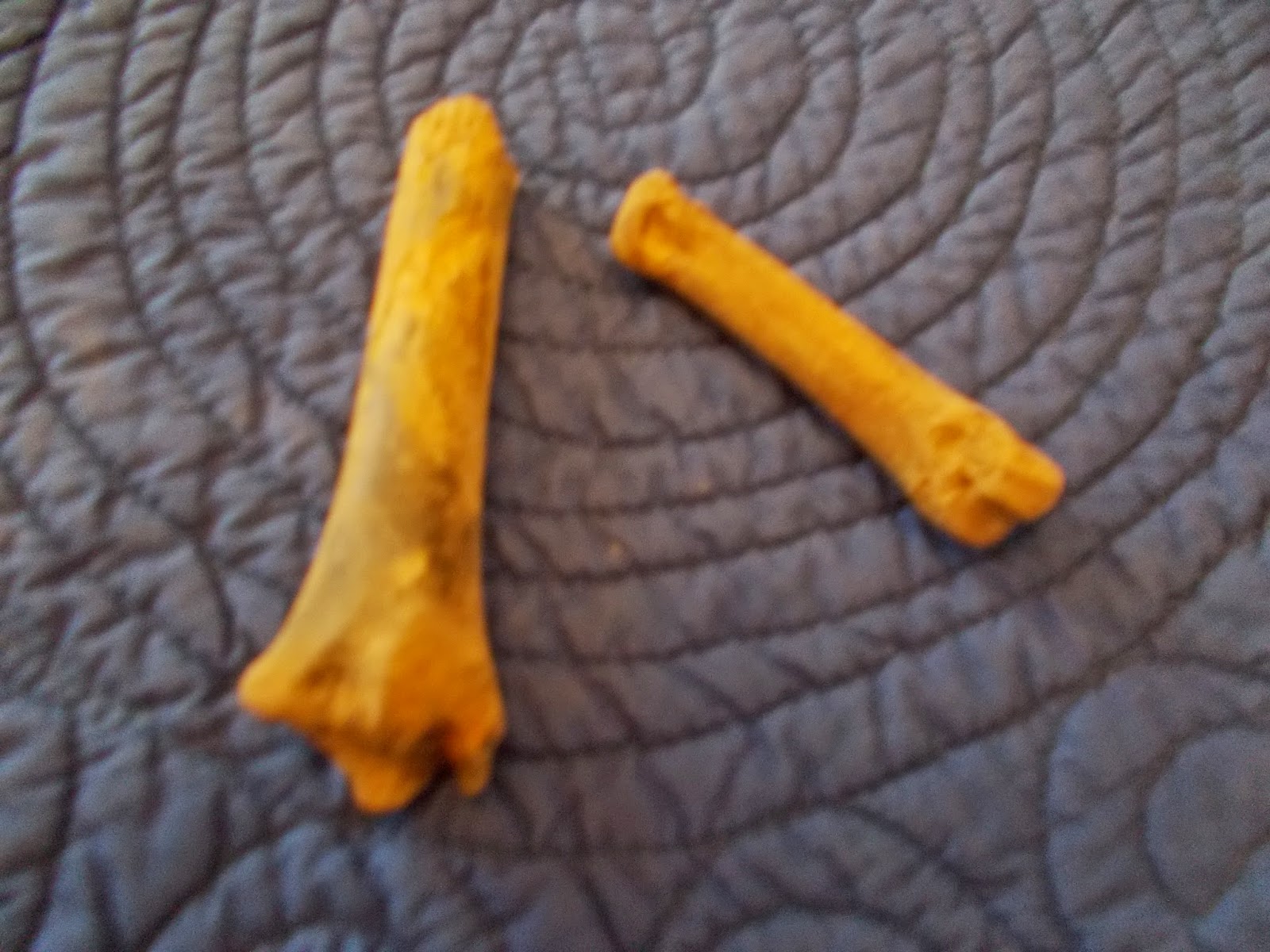
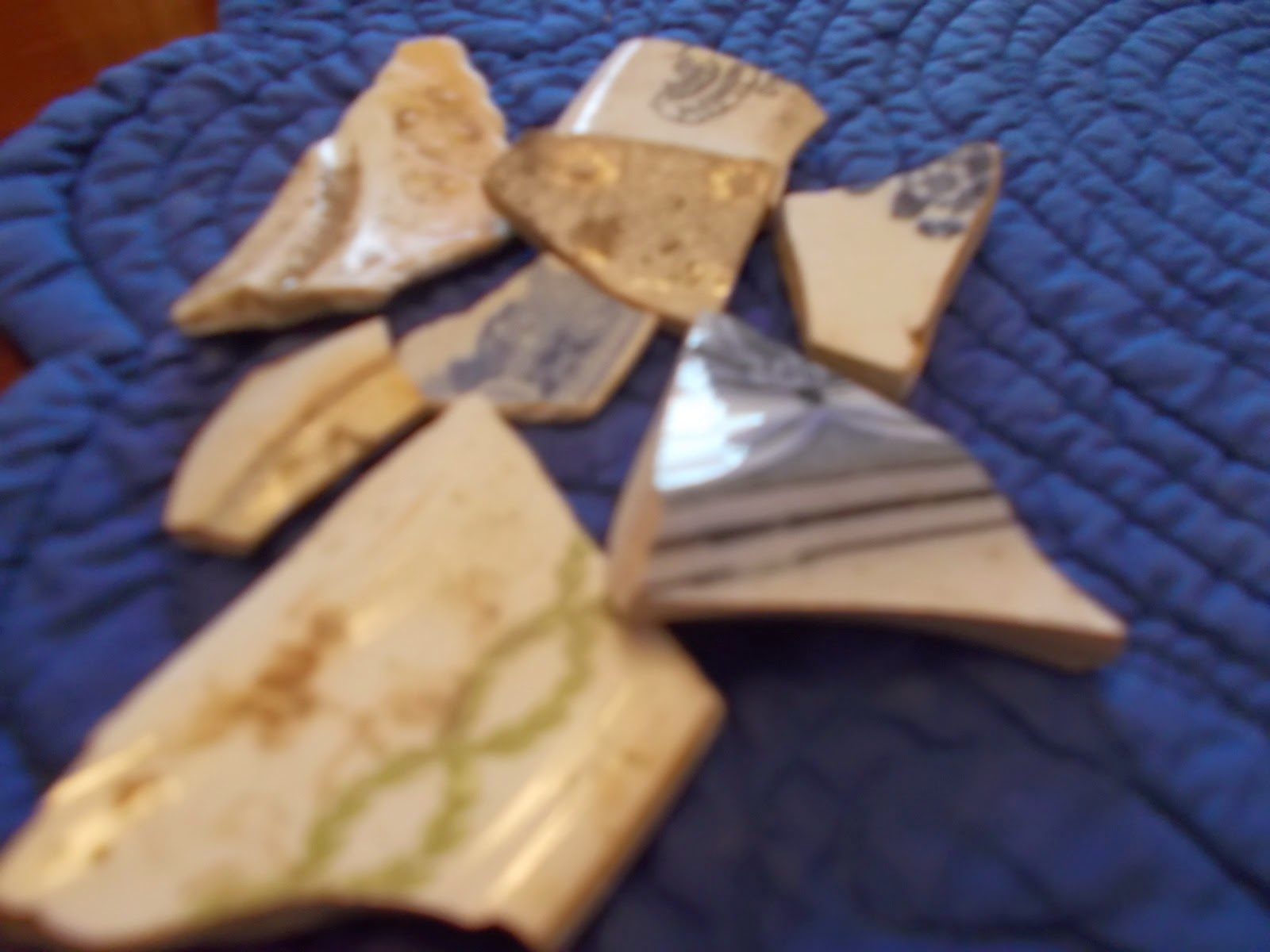
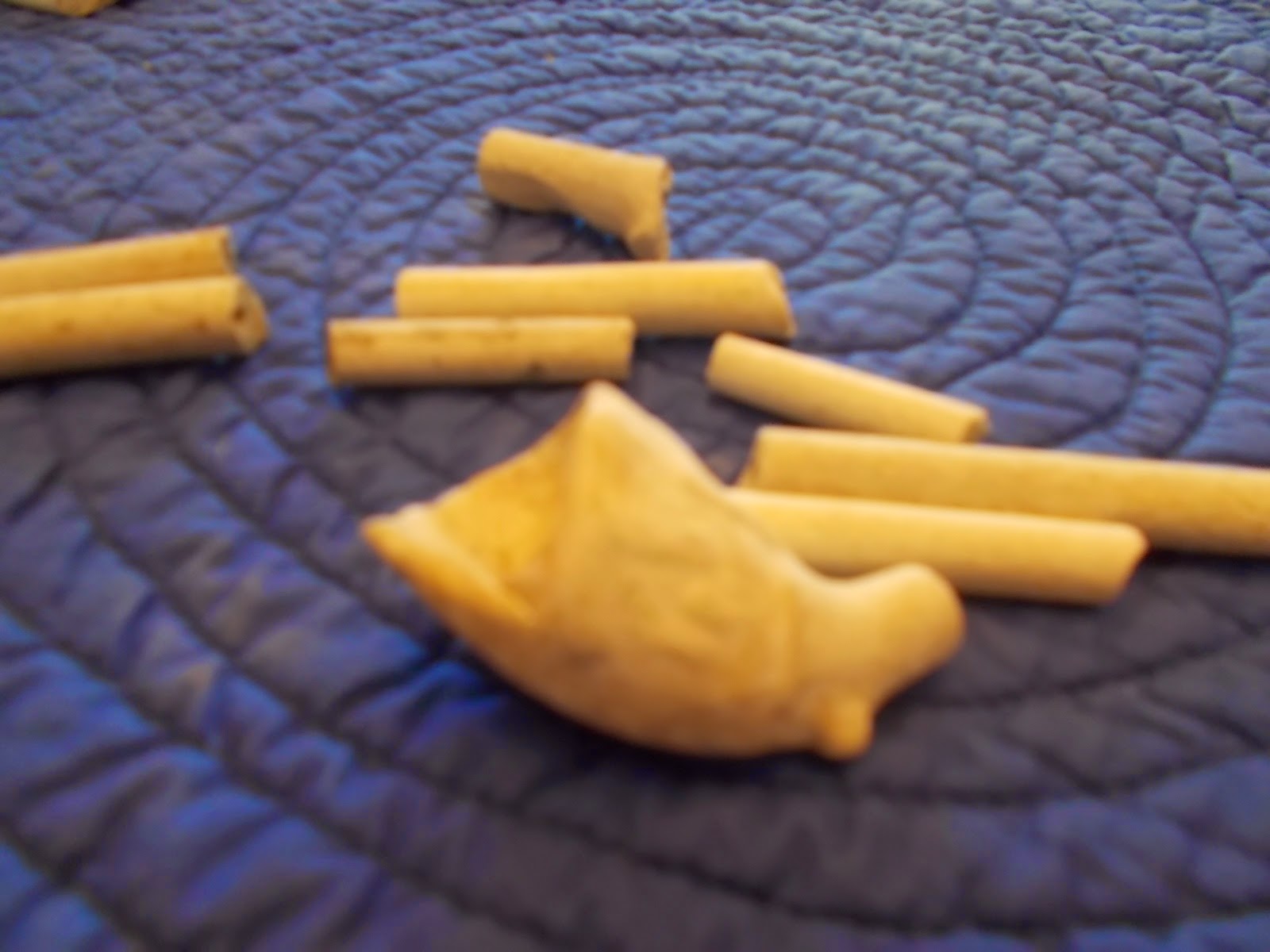
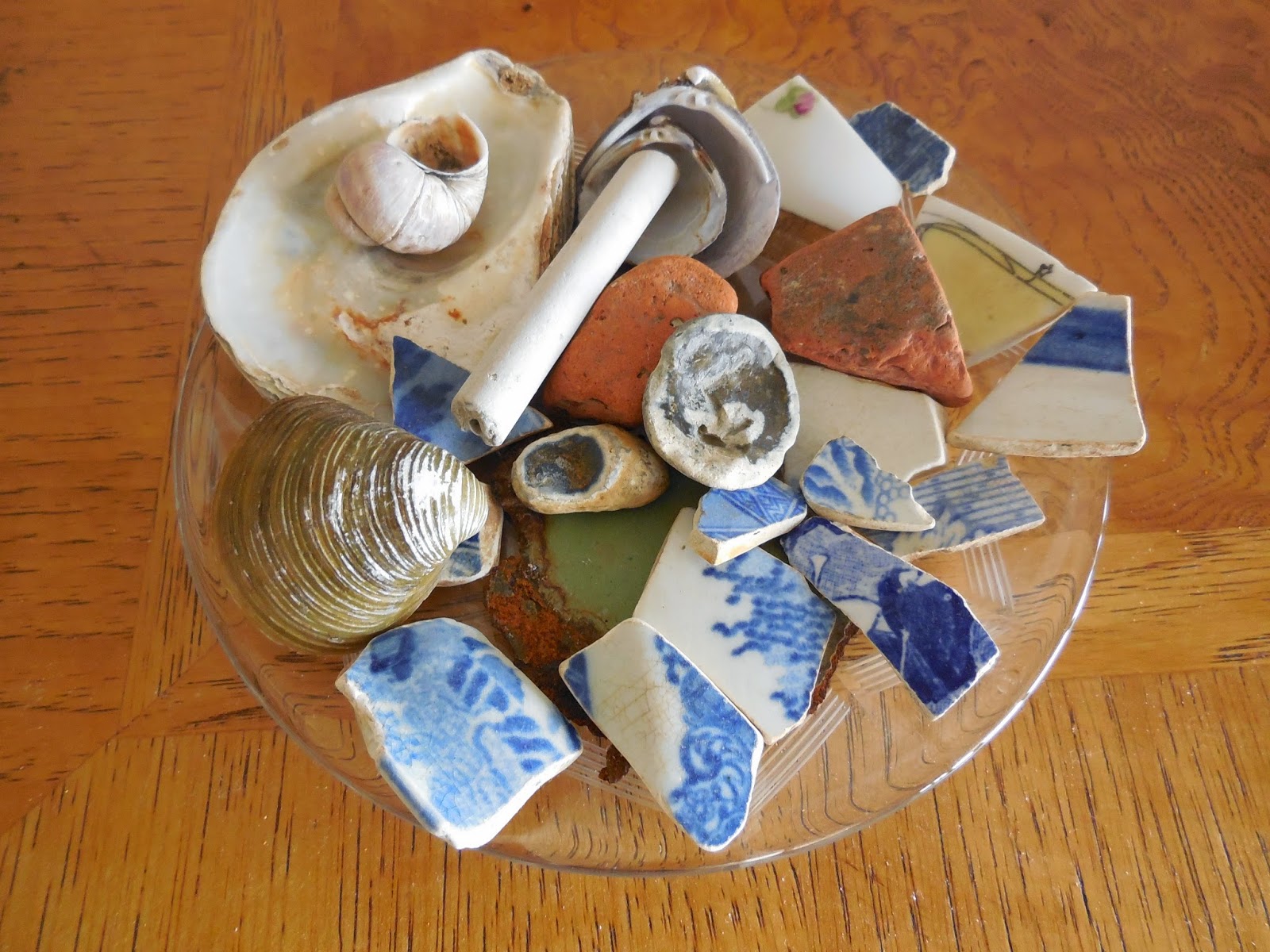
Back in the 21st century, Victoria and I had a fabulous time collecting treasures from the River. Pottery shards, pipe stems and bowls, animal bones, driftwood, bits of metal and, most surprisingly, shells. We spent not a few hours treasure hunting before I looked up to see
“We’ve got to wrap things up,” she said when I’d reached her. “We need to eat something and then make our way over to Clarence House.” We’d booked a tour of Clarence House for four o’clock that afternoon, another place we’d always wanted to see, but which is rarely open to the public.
Reluctantly, I agreed but stopped by the station the Clean Up the Thames group had set up nearby. In addition to the sand sculptures below, they had set up a table manned by River historians and archaeologists who were available to a provide insight into the items people had found that day.