THE WATERLOO ANTHOLOGY RELEASE PARTY

Victoria here, with blatant and shameless self-promotion for an anthology I participated in, released April 1 (no joke). Nine authors explore the experiences of fictional participants in the spectacle that unfolded 200 years ago in this new e-book anthology, Beaux, Ballrooms, and Battles: A Celebration of Waterloo, available for $.99 for a limited time.  You can find it on Kindle, iBooks, Kobo, Nook (if not this minute, then very soon).  


Aileen Fish and others created the cover, using details from this picture of the Duchess of Richmond’s Ball by artist Robert Alexander Hillingford. The original hangs in the Richmond’s country home Goodwood House in West Sussex.

Here is part of the article I wrote for The Regency Reader: “What is more poignant than a warrior kissing his beloved farewell as he leaves for battle, perhaps never to return? What is more intense than her emotions as she faces hours and days of waiting helplessly, fearful, and ignorant of developments on the battlefield? What is more dramatic than their reunion as worry dissolves into the ecstasy of being together again?”

Summoned to Waterloo by R.A. Hillingford

We held a Release Party on Facebook, following up our Cover Reveal party also on FB a couple of weeks ago.  It was lots of fun, with almost 200 people posting about what they were wearing, their escorts, doing their own promotion, greeting old and making new friends…and answering lots of questions.   Our guest authors are a very impressive group of regency specialists, all of whom offered prizes for responders to their questions,some of which had specific answers and others which solicited opinions and favorites.. They all entered into the fantasy of the event.

Eileen Dreyer arrived with her escort, Colonel Sharpe, leaving us all swooning. And she modeled her lovely gown.

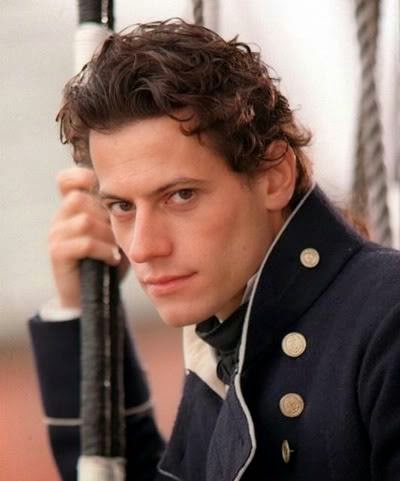
Sheri Cobb South asked a tricky questions about the Bow Street Runners, but many of us were more  diverted by her escort, the esteemed Horatio Hornblower as portrayed by Ioan Gruffudd.

Jessica Jefferson asked which Darcy is your favorite? Mine is Colin Firth.  If only Matthew had combed his hair ONCE!

Collette Cameron had a quirky take on castles, including this one of white chocolate! Yum!!

Bronwen Evans responded with  picture of New Zealand’s only castle,

I chose my escort based on his stellar appearance at Horse Guards, a member of the Blues and Royals.  We had a wonderful time together!

On duty at Horse Guards

Annie Burrows showed us pictures of the military unit imagined by a group of Harlequin authors who’ve done a trilogy on the rouges and their Wa
terloo brides.

Re-enactors re-imagined
Popular and prolific author Cheryl Bolen sought opinions on whether readers prefer Alpha or Beta heroes. Results were decidedly mixed, with may saying they like the Alpha heroes in fiction, but prefer their Betas in real life.  Yep.
Janice Preston  asked which three qualities best describe a regency hero.
Vivien Jackson invited readers to tell us how they were originally hooked by Regencies stories. 
Maggie Robinson wrote about The British Army’s Redcoats and asked about favorite genres to read.
Here is a hint about my story in Beaux, Ballrooms, and Battles: A Celebration of Waterloo, called “Folie Bleue:”
On the night of the 30th Anniversary of the Battle of Waterloo, Aimée, Lady Prescott, reminisces about meeting her husband in Bruxelles on the eve of the fighting. She had avoided the dashing scarlet-clad British officers, but she could not resist the tempting smile and spellbinding charm of Captain Robert Prescott of the 16th Light Dragoons who— dangerously to Aimée— wore blue.
The Waterloo Banquet by artist William Salter hangs in Apsley House
The inspiration for my story came from standing in Apsley House last summer and looking at the painting above — and wondering who the lonely wives of all the heroes were — and what they did on the evening of the anniversary of the battle, June 18, when the Duke of Wellington hosted his annual reunion.
Diane Gaston, another of our wonderful guest authors at the Release party, was standing right beside me in Apsley House.  Diane posted a picture of the battleground, and talked of the effects of the conflict.
Diane Gaston’s posted picture shows the dreadful confusion and carnage of the battle.
Regina Scott enquired about what kind of pictures you like on your walls… 
Regina Jeffers wanted to know if readers think villains possess redeeming qualities. 
Ella Quinn  indulged in the conversation and perhaps one of the delicious glasses of champagne?
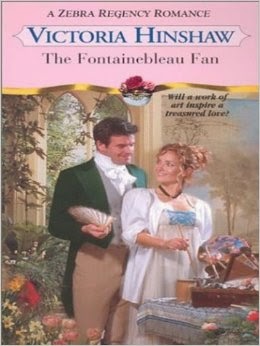
The prize for one of the commenters on my posts was a copy of my first Regency, The Fontainebleau Fan.  And the winner was Denise Duvall who wants to see Hever Castle, Hsmpton Court, the Victoria and Albert Museum, and Stirling, Scotland, where she has relatives.Thanks for coming to the party, Denise and watch the snail mail for that book soon!
Because all the listings about the Anthology’s nine authors are in alphabetical order, I am reversing the trend.
David William Wilkin is not only an excellent writer, but also a tech wizard, who uploaded the versions of the book to various sites….
Sophia Strathmore asked  a question similar to mine — what is your favorite spot to visit or to dream about visiting in England?
  
Christa Paige wanted to know what is the most typical drink you see in Regencies. 
Heather King, a horse lover and our UK rep, wrote about the Duke of Wellington’s mount, Copenhagen.  Last September at the Duke’s country home Stratfield Saye, we left roses on the stallion’s grave.
Victoria Hinshaw (me!) I was very pleased to be included and I admire all my colleagues as we nine cooks managed not to spoil our broth. I asked what place in England you most wanted to visit. 
Aileen Fish masterminded our cover design. 
Susana Ellis and Aileen made the Cover Reveal and Release parties happen. 
Tea Cooper brought us the Australian point of view and even discovered some interesting connections to Waterloo in her home country.
Jillian Chantal had a difficult question — How many horses were shot from beneath French Marshal Ney?  if you don’t know, you better study up!
The Release Party was great fun — and just for good measure, here’s one more suggestion to order your copy at $.99 for a limited time.  

LOOSE IN LONDON; VISITING SIR JOHN SOANE'S MUSEUM

Victoria here. reporting on our visit to Sir John Soane’s Museum in Lincoln’s Inn Fields.

Sir John Soane’s Museum has been the topic of several previous posts on this blog. Click here for reprise of my earlier visits.

The museum’s website is here.  You can read about the many events scheduled even in the midst of an ambitious £7 million program to restore, refurbish, and improve the museum.

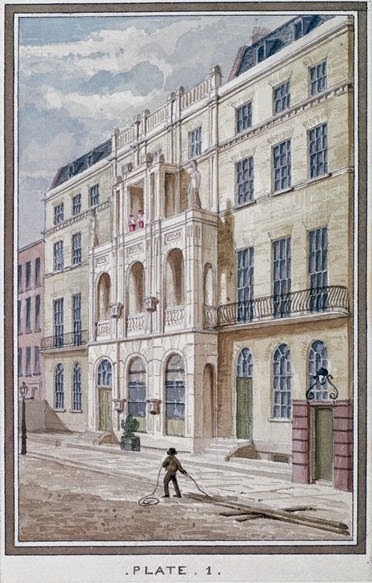
The above print shows the three buildings Sir John Soane built at #s 12, 13, and 14 Lincoln’s Inn  Fields.  The Museum,formerly in 12 and 13, purchased #14 and is consolidating offices, enhancing exhibition space and the library and returning the living quarters and teaching rooms to their appearance when Sir John died in 1837. All this is being accomplished while keeping the museum open to the public.  As he decreed in his will, it is free  — although please consider a contribution to help ensure its future.

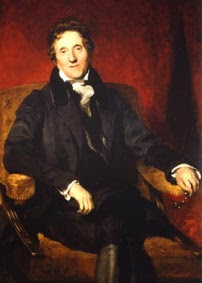
Sir John Soane by Sir Thomas Lawrence
Soane (1753-1837) was a distinguished architect and teacher.  Among his many buildings were splendid country houses,  remodeling of the Bank of England which sadly has been almost obliterated by subsequent alterations, the Dulwich Picture gallery (click here), and Soane’s country home Pitshanger Manor in Ealing (click here). The latter two institutions are easily accessible from Central London, being now in what we would call suburbs.  Add in one or both on your next  jaunt to London.

We’ve written about them before (click here), and Guest Blogger Jo Manning detailed renovations plans for Pitshanger here.

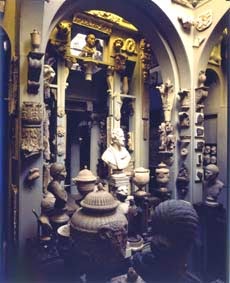
Just a  sample of the objects Soane used to instruct his students
Soane’s bust by Sir Francis Chantry in center
But to return to the late summer of 2014, Kristine, Vicky and Marilyn were pleased to poke around among the rooms, some containing scaffolding,and to trot up and down the various back stairs needed while the “front” was being fixed up.  From the catacombs to the attics, Sir John filled his abode with instructional materials, aside from a few rooms in which his family lived and entertained.
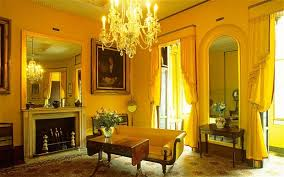
#13 Lincoln’s Inn Fields, Sir John Soane’s Drawing Room
We were there to visit — or re-visit — the house as well as experience the small exhibition mounted in 2014 to show a bit of what happened in both Great Britain and France when Napoleon was first expelled and peace established. It is hard of course, to ignore the hindsight we all have, knowing how short that peace lasted, and what the ultimate outcome was by late June of 1815.

Temple of Concord, 1814, St. James’s Park
We wrote about this exhibition before we left for London (click here) and we were not the slightest disappointed at what we saw there.
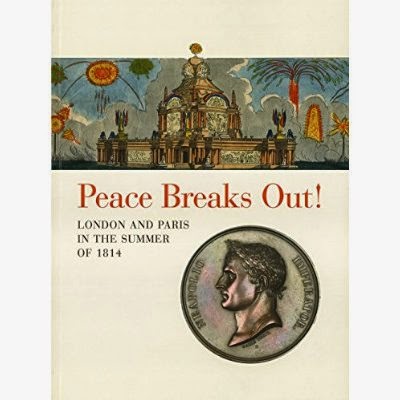
Catalogue
The Catalogue of the Exhibition is available on the website, along with may other wonderful books and objects in the Gift Shop

WATERLOO WEDNESDAY: WATERLOO 200 SITE

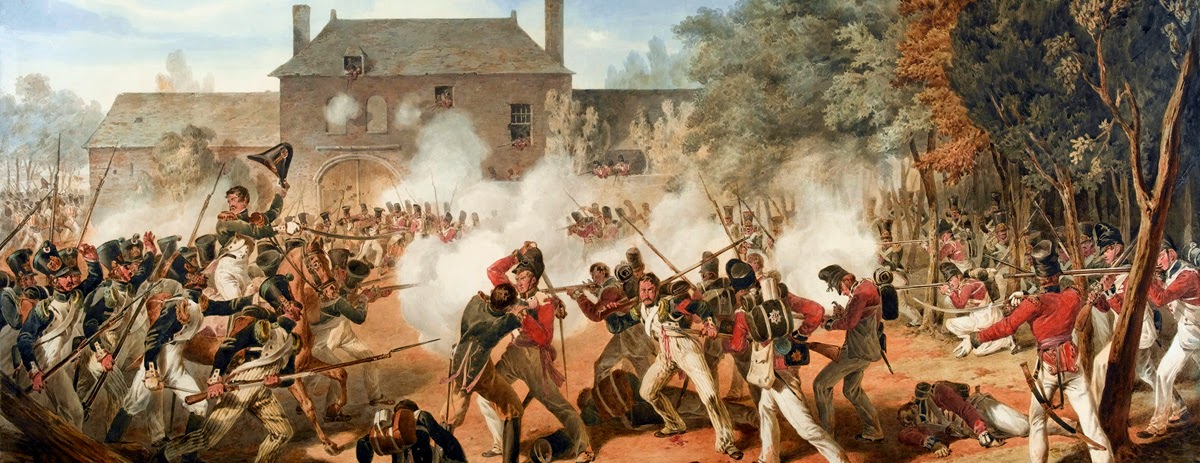
At this website, Waterloo 200 (click here), you will find all Waterloo events and information, including lots of pictures of relics of the battle and much much more.

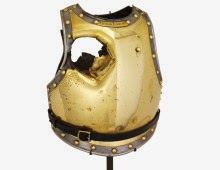
French Army Cuirass, a breastplate worn by the heavy cavalry.  This one was pierced by a cannonball, killing Francois-Antoine Fauveau — or was it his brother?  A mystery indeed, 
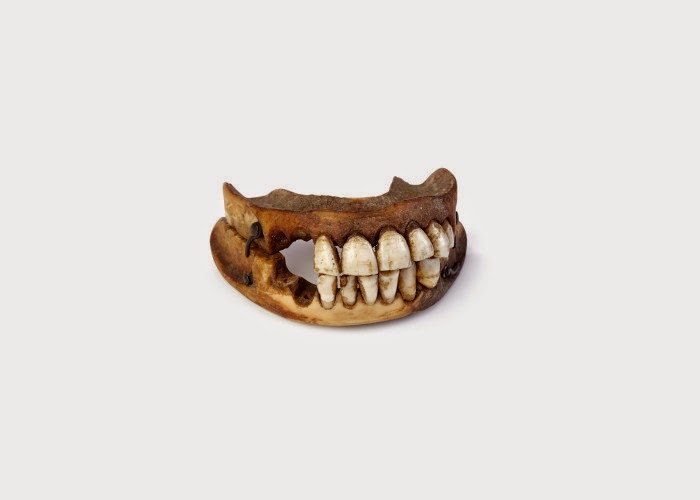
Waterloo teeth
As grisly as it sounds, bodies were mutilated for their teeth, later sold as part of dentures for those who needed them…real teeth, it seems, are far superior to faux ones, but how would you feel if you knew where they came from?
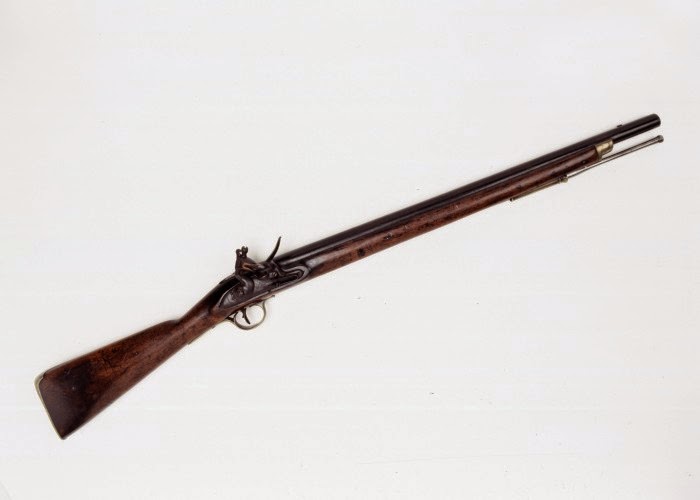
British cavalry carbine (musket)
Real all about it here
Take your time exploring this site and you will be multiply rewarded!

AN ARTIST OF WATERLOO

Many great artists painted scenes of Waterloo, as based on visits to the battlefield in the wake of the conflict and/or imagined later.

Victoria here, writing of one of my favorites, Robert Alexander Hillingford (1825-1904), born in London  He studied in Germany and worked in Italy for several years. After he returned to London in 1864, he began to do historical paintings and became a regular exhibitor at the Royal Academy and other prominent galleries.

His painting of the Duchess of Richmond’s Ball hangs at Goodwood House, the Richmond ducal seat in West Sussex.

The Duchess  Richmond’s Ball by Robert A. Hillingford

 Details from the painting are featured on the cover of the Beaux, Ballrooms, and Battles: A Celebration of Waterloo.  This anthology brings you nine stories by nine best-selling and award-winning authors, including me (she whispered shamelessly).

An exhibition, Dancing into Battle, on view at Goodwood House August 3 to October 22,  2015, is organized around the famous painting. For the website, click here.
From the description of the display:
“On 15th June 1815, the Duchess of Richmond hosted a ball at her home in Brussels. … Goodwood’s summer exhibition will celebrate the 200th anniversary of the ball…
“Like many English aristocrats, the 4th Duke and Duchess of Richmond were living in Brussels owing to straightened financial circumstances. Their house became a hub of social activity filled with family and friends, including their own fourteen children. The Duchess invited the cream of Belgian and Dutch society, British civilians, diplomats and army officers to her ball. The Duke of Wellington, a great friend of the family, and the Prince of Orange were among the guests, all of whom appear in her guest list which is one of the treasures of the Goodwood collection – and which will also be on display during the summer exhibition.
“… The message that was delivered to Wellington in the middle of the ball reported that Napoleon had crossed the border into Belgium. Examining a map with the Duke of Richmond, Wellington declared, ‘Napoleon has humbugged me, by God, he has gained twenty-four hours march on me’. When Richmond asked what he intended to do, he said that he had told the army to concentrate at Quatre-Bras, but that he would not stop Napoleon there, and pointing to the map placed his thumbnail on Waterloo declaring ‘I must fight him here’. 
“That night many of the guests left straight for the holding battle of Quatre-Bas, followed two days later by the battle of Waterloo. Heart-wrenching scenes took place in the early hours of the morning as soldiers said goodbye to their loved ones, some never to see them again.” 
Summoned to Waterloo by Robert A. Hillingford

Hillingford’s painting, Summoned to Waterloo, depicts the courtyard of the house where the ball was held. At dawn on June 16th, the soldiers are leaving their sweethearts to head for combat.

On the site of the Richmond Ball in Brussels an office building now stands;  there is no trace left of the dramatic scenes of June 15-16, 1815.

The Turning Point by Robert A. Hillingford

The Turning Point shows Napoleon and his Imperial Guard at the moment he realizes their attack on Wellington’s troops is failing.

Lord Hill Inviting Surrender of the  Imperial Guard by Robert A. Hillingford

Another Waterloo painting by Hillingford shows General Rowland Hill, 1st Viscount Hill, commander of the British II Corps, inviting the French Imperial Guard to surrender at the end of the battle late in the day.

Wellington At Waterloo by Robert A. Hillingford
Most famous of all, perhaps, is Hillingford’s portrayal of the Duke of Wellington mounted on Copenhagen, summoning his troops to the final attack.  “Up Guards and at them again,”  he called, according to a Captain of the Foot Guards.

Hillingford completed many detailed battle scenes, from several wars. Though completed long after the battles themselves, they convey both vivid action and spectacle.  

English Civil War Scene (between 1642-1649)by Robert A Hillingford


Marlborough Signing the Blenheim Dispatch in 1794  by Robert Alexander Hillingford.
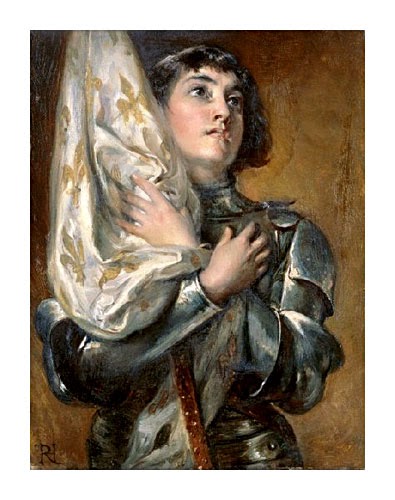
Saint Joan d’Arc by Robert A. Hillingford
This portrait is much more intimate and conveys the spirit of Joan (c.1412-1431), if not her precise appearance. 
Peasants of the Campagna by Robert A. Hilllingford
He painted a wide variety of popular scenes, including some on which he drew from his experiences in Italy.
And he did many scenes from the theatre, such as the one below.
Much Ado About Nothing by Robert A. Hillingford

LOOSE IN LONDON: THE TALE OF THE SHOES

So, the tale of Kristine’s shoes continues. If you thought, because my feet hadn’t been mentioned in the last few posts, that the problem had resolved itself, not so. I was still in pain, still bandaging my feet every morning and every eve. When last we left you, we had all been reunited with Victoria in the tea tent behind Buckingham Palace. Whilst I was glad to be reunited with Victoria, I was having a hard time keeping the grimace off my face. I had that morning decided to wear a shorter pair of black boots for our Royal Day Out, and they worked out fine – until the late afternoon, when they began to attack all the spots on my feet that hadn’t been torn to shreds previously. By the end of our day, I was in real pain.

I must say that the Royals have really got the tourist dollar thing down to a science. When you end the tour of Buckingham Palace, they see that you exit at the tea tent, which leads down a lane to a huge gift shop, which then exits you onto a path through the royal gardens behind the Palace. All of which would have been a delight if every single step wasn’t outright torture.

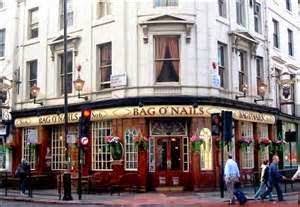
You’ve no idea how happy I was when we made a pit stop at the Bag O’ Nails in Buckingham Palace Road for a much needed drink.

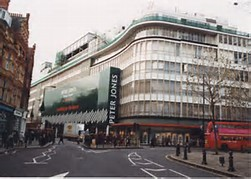
Now, I’m skipping ahead a bit here in order to tie up the tale of the shoes and for all of us to be done with the state of my feet. If you recall, our Royal Day Out took place on the Sunday, so all shops were shut. No hope of buying an alternate, comfortable pair of shoes. Next day, Victoria, Marilyn and I visited the Soane Museum, Covent Garden, the Duke of Wellington Pub and Cecil Court, amongst other places. I promise that we’ll be covering all that in full in the near future. For now, know that at the end of that day, I made a pit stop at the Peter Jones department store in Sloane Square, just doors away from our hotel.

I was after a pair of flip flops. I’d go so far as to say that at that moment, I lusted after a pair of flip flops. Which was pretty funny actually, as I live in Florida and own numerous pairs of flip flops. In fact, as I’d been packing for this trip, a little voice in my head had encouraged me to throw a pair of flip flops into my suitcase. Don’t be daft, I’d told myself, what are you going to do with flip flops in England? Throw in another pair of boots instead. Oy vey.

But I digress (again). I took the escalator up to the shoe department only to find that the selection of summer shoes was slim, indeed. Finally, I found a too large pair of plain flip flops and grabbed at them as if they were pure gold. Eureka!

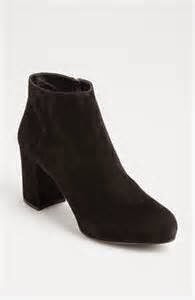
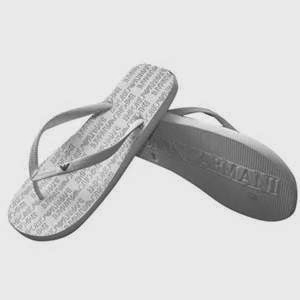
Now, these are not the exact pair I bought, but they’re close enough. Just a plain old pair of flip flops, the sort you can buy at any store in Florida for $7.99. These cost me twenty pounds – or roughly $35.00. A crime, really, but well worth the price for comfort alone.

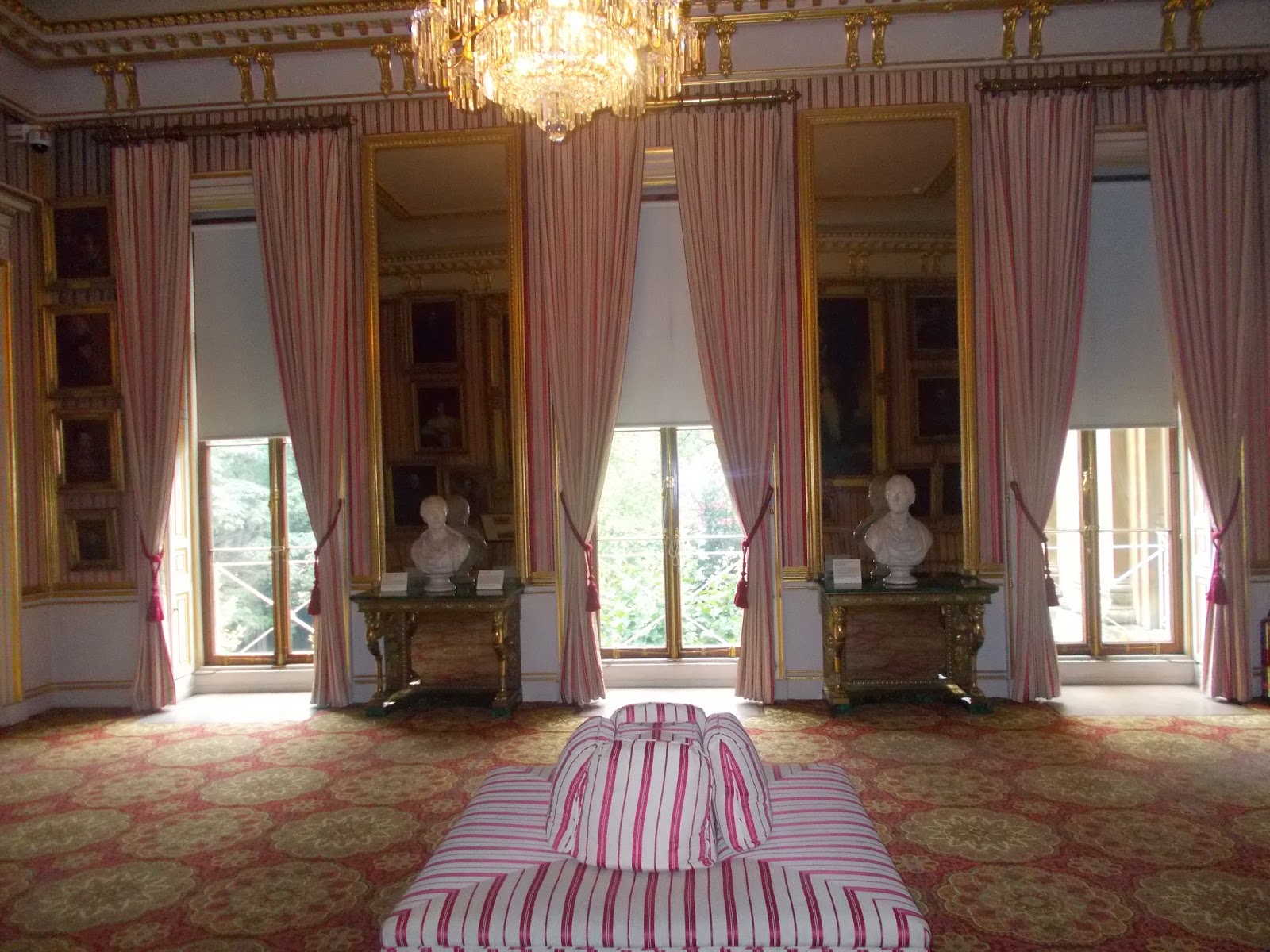
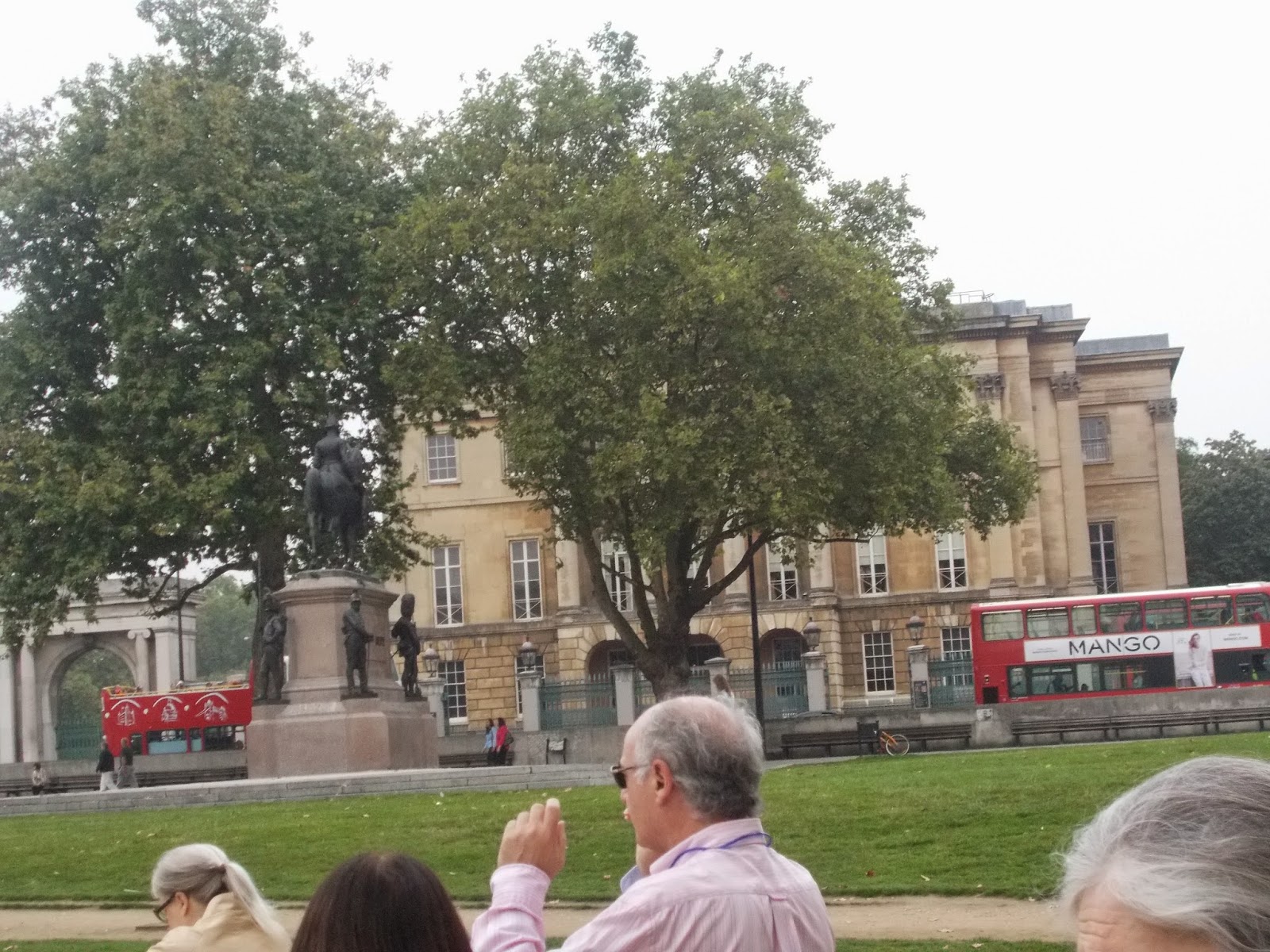
I’d like to be able to tell you that the Tale of the Shoes ended there, but it didn’t. A few days on, when the Duke of Wellington Tour actually started, we visited Apsley House. I’d been wearing my flip flops every day since I’d bought them, but really, one can’t wear flip flops to Apsley House. It just wasn’t done, or so I thought. So I put my short, black boots on for our private tour of the house. Again, Victoria and I will be covering our visit to Apsley House and the Wellington Arch shortly, but for now you should know that I did pretty well with the boots on until we got to the striped drawing room just beyond the dining room. My feet began to yell in protest and I made a beeline to the settee you can see in the photo below.

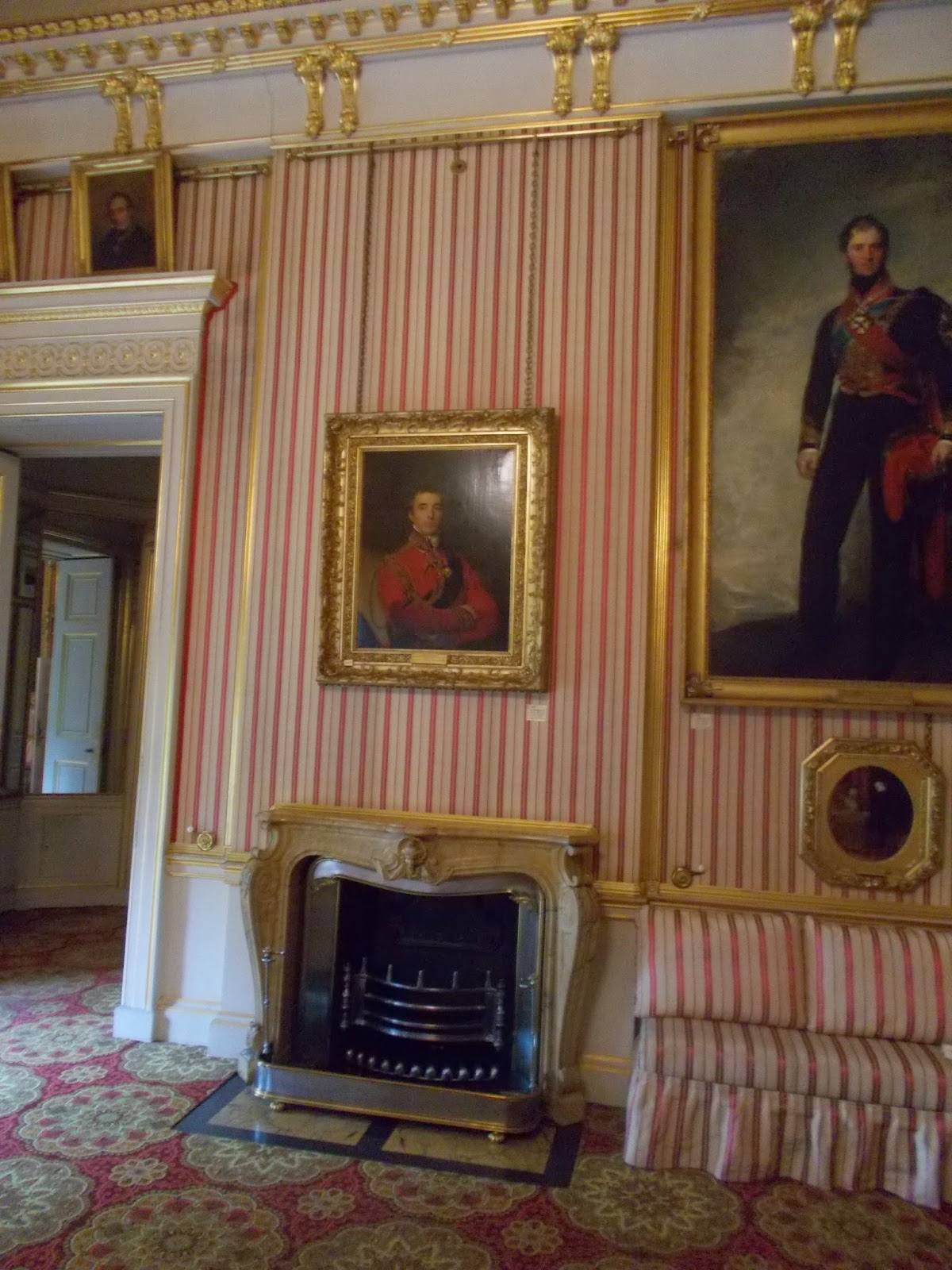
You may recall that this is the same settee that Hubby and I had sat upon together during a previous trip when we paused to admire the Thomas Lawrence portrait of the Duke below.
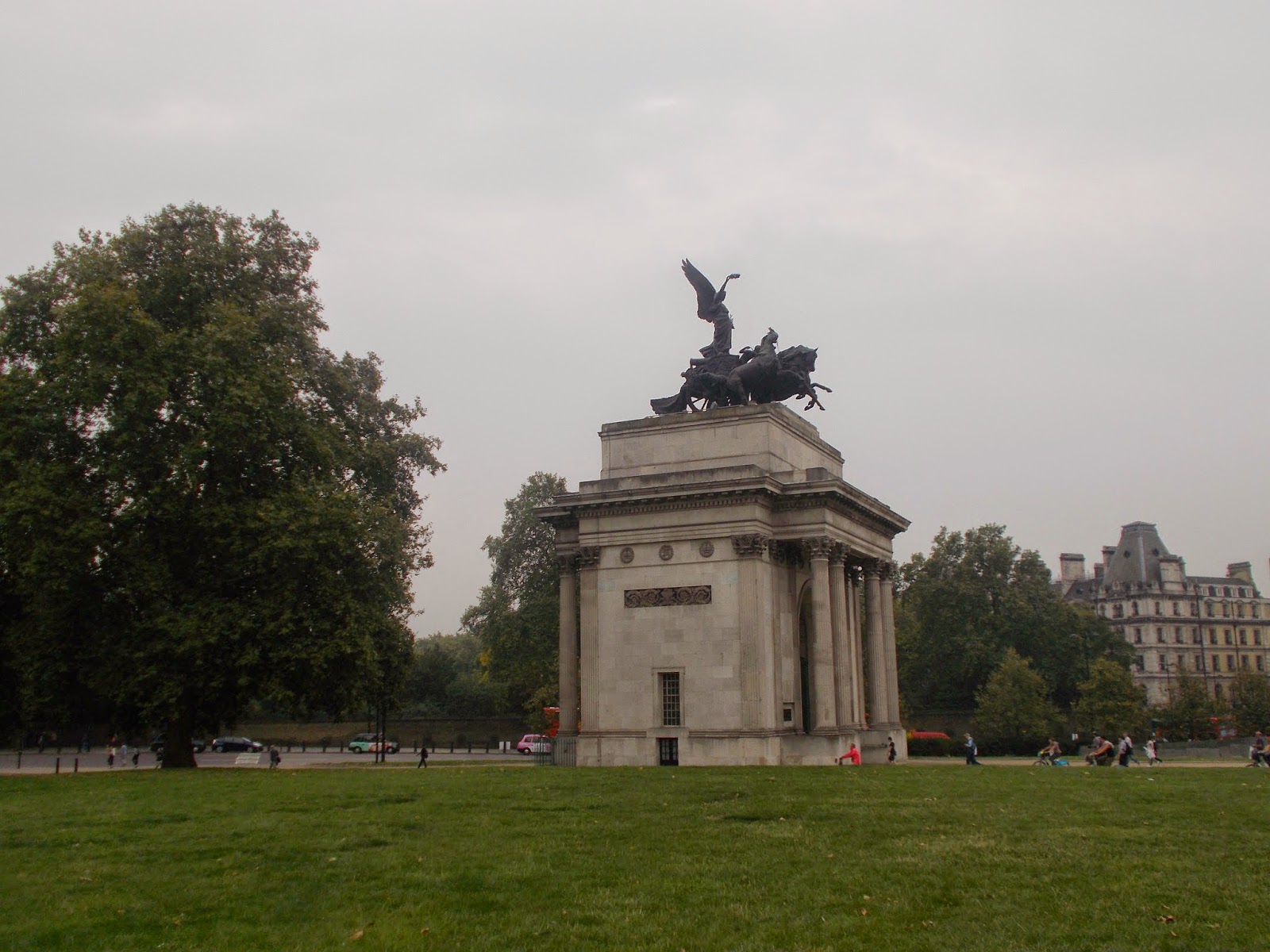
Upon leaving Apsley House, we were scheduled for a private guided tour of the Wellington Arch.
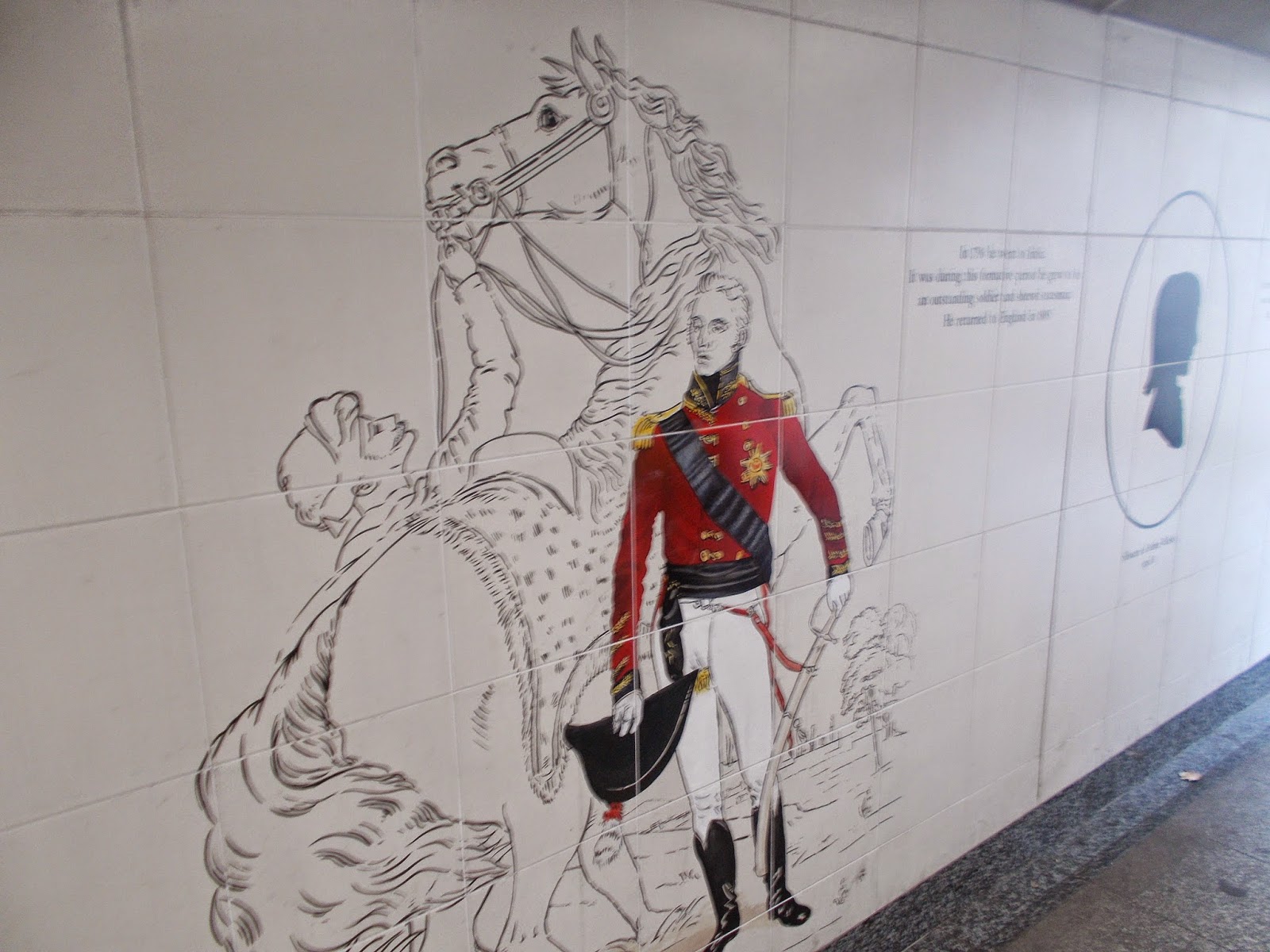
We made our way through the pedestrian underpass to the Arch, when I finally took my boots off and walked the rest of the way barefoot. I hoped that the Duke wouldn’t perceive this as a mark of disrespect but, knowing how he felt about his soldiers being well shod, I took the chance that he’d appreciate my predicament.
 Across the lawn I walked, barefoot, heedless of what, exactly, I was stepping upon.
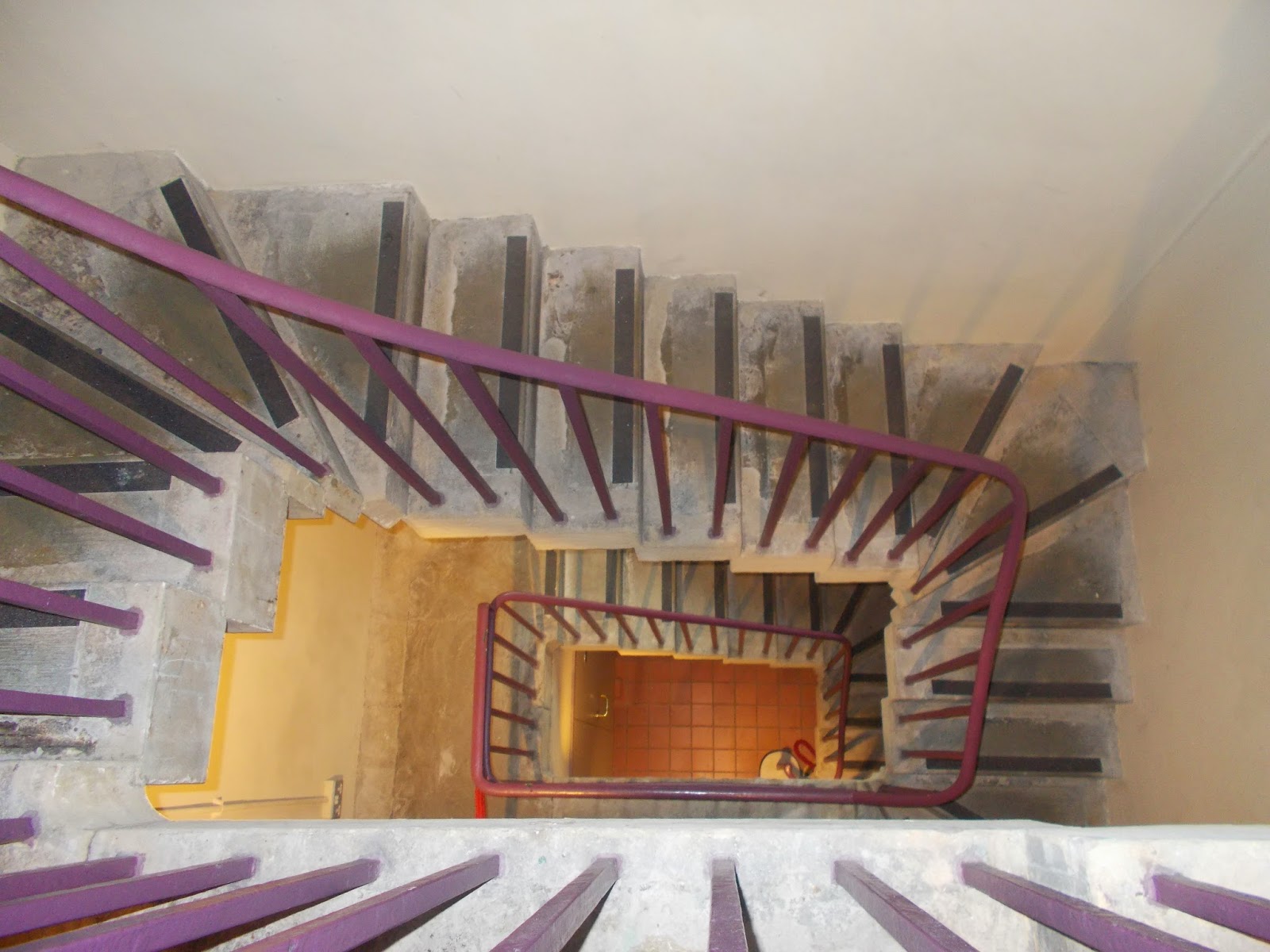
Once inside the Arch, we climbed, and climbed, and climbed to the top. Reader, I would never had made it had I still been wearing my boots.
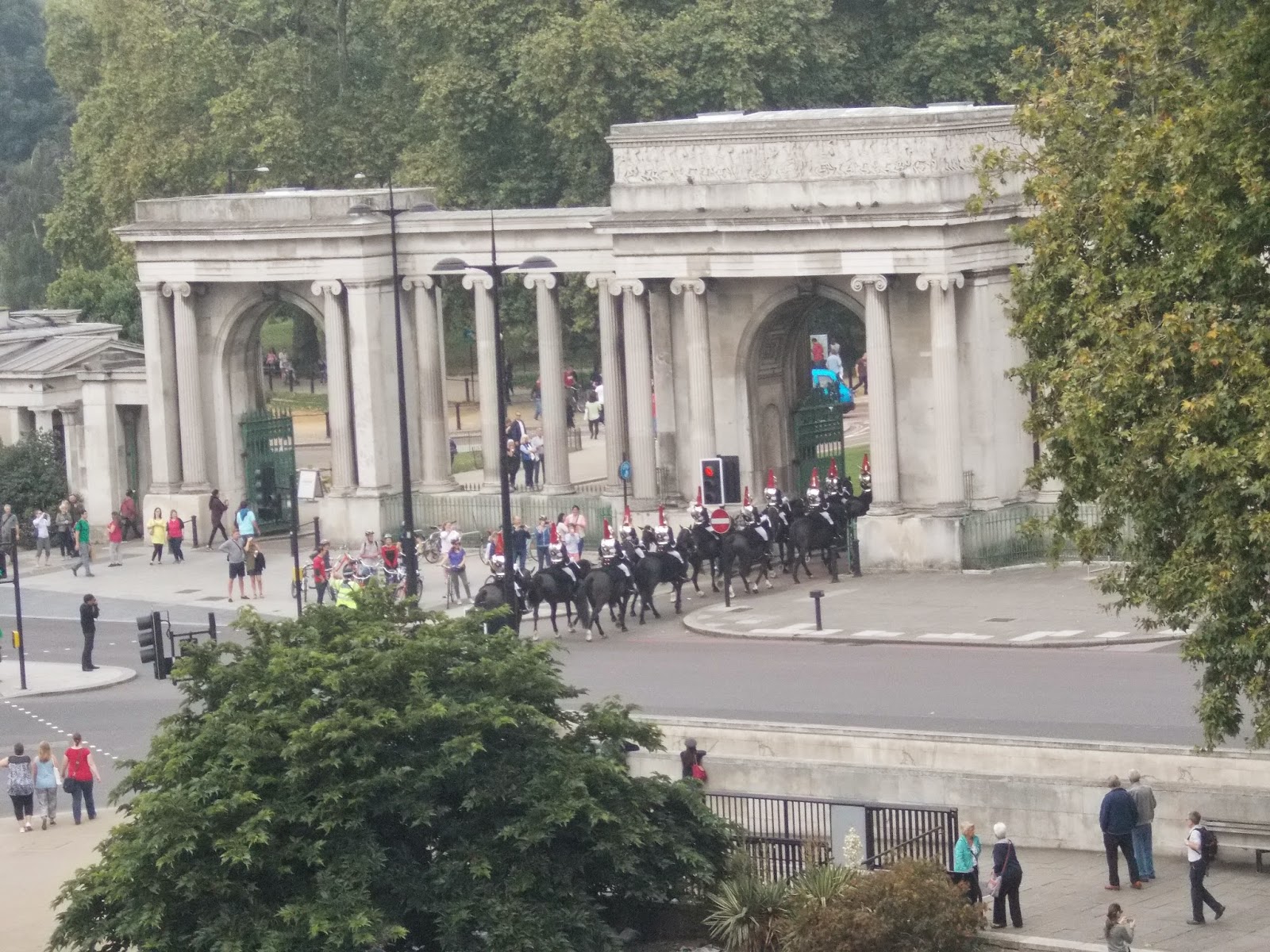
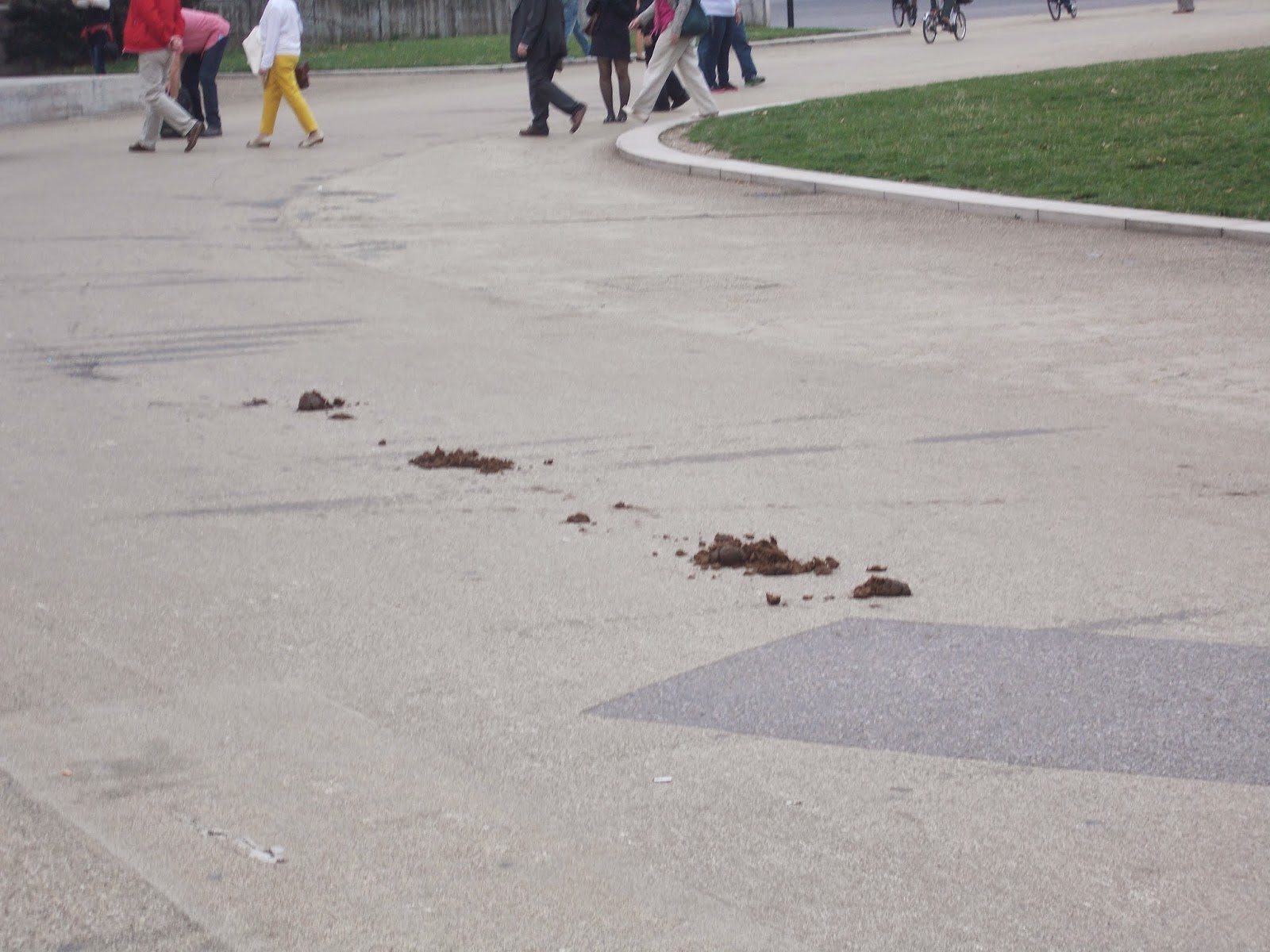
At the top, we had a true bird’s eye view of the Guards as they made their way back to the barracks from the Palace. All went well until we reached the ground again and I discovered that the Guards, or rather their horses, had left me a few things to be avoided, especially whilst barefooted.
 Back across the grass I walked until we’d reached our tour bus, where I put my flip flops back on and left them on for the remainder of the trip. And that, dear Readers, ends the tale of my feet. And shoes. Your sympathy has been much appreciated.
More Loose In London coming soon!