ON THE SHELF: THE QUEST FOR QUEEN MARY

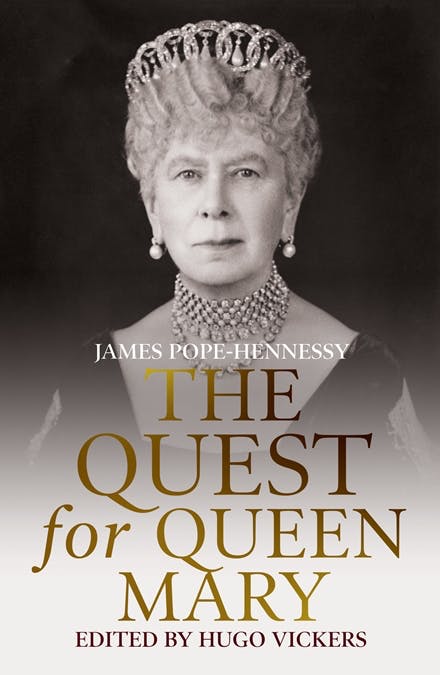
Recently, I was reading a royal biography and, as so often happens, it led me to another title, The Quest for Queen Mary, by James Pope-Hennessy (2018). The mention of this book described how screamingly funny the Queen Mary book was in parts. Of course, I went straight to Amazon Books online and searched for it, when I found other, similar quotes on the book jacket:

“One of this year’s funniest and most eccentric books.” Mail on Sunday.

“. . . Arguably the most riotously funny volume published this year.” The Sunday Times.

“Illuminating, intriguing and boundlessly entertaining.” Country Life

Naturally, I clicked the buy now button.

The Quest for Queen Mary is not a biography (find that here), but a compilation of the notes Pope-Hennessy wrote up regarding the people he met and the interviews he conducted while researching the biography, the whole edited by Hugo Vickers.

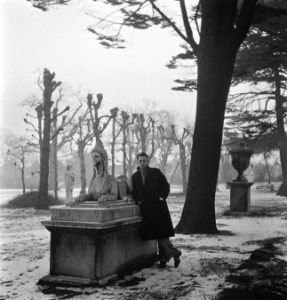
James Pope-Hennessy by Cecil Beaton

I was familiar with P-H (Pope-Hennessy) through the various inter-war diaries, letters and biographies I had read. He was a mainstay of the Bright Young Things set, socializing with the likes of the Mitfords, Cecil Beaton, Lord Berners, Rex Whistler, Duff and Diana Cooper, et al. For the life of me, I couldn’t recall that anyone had ever said that P-H had been particularly funny.

At one time, Richard James Arthur Pope-Hennessy had been editor of The Spectator. He was also a travel writer and a biographer whose book on Lord Crewe led to his being commissioned by the Queen in 1955 to write the biography of Queen Mary.  His brother was Sir John Pope-Hennessy, who had served as the Director of both the V&A and British Museums.

Friends did describe P-H as being two different people inhabiting one body. He could be a brilliant and talented work horse of a writer, but he was also known to have a darker, somewhat brooding side. James Lees-Milne once wrote of Pope-Hennessy that ‘the devil got a firm grip of him in his twenties and early thirties.’  He spent the money of older women whilst frankly discussing his homosexual life to them.

At one time, P-H had been in a relationship with Harold Nicolson, the former diplomat, writer and MP, and had also once shared a flat with the disgraced spy, Guy Burgess. His friends knew that he often sought the company of shady individuals and on occasion P-H paid for the services of ‘rent boys,’ one of whom lived at P-H’s flat at the time that newspapers reported that P-H had received $150,000 to write a book about Sir Noel Coward (1974). Believing that the money was in the flat, the rent boy recruited two friends and the trio bound P-H, who was then 57, and viciously beat him. P-H’s valet, Leslie (Walter) Smith, 25, returned to the property during the course of the attack and was stabbed. He managed to make it out into the street and summon help. Smith survived, Pope-Hennessy did not.

What makes The Quest for Queen Mary funny are P-H’s wonderfully drawn descriptions of the places he visited and the people he interviewed. His razor sharp perceptions and eye for both detail and the absurd all contribute to the laugh out loud moments in his book.

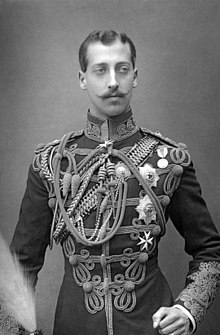
Prince Albert Victor, Duke of Clarence, who died 14 January 1892 at Sandringham.

Regarding Sandringham – Across the head of the main stairs is situated a truly sinister warren of small rooms . . . You go through and down two or three steps in a very narrow carpeted passage; the first door on the left is where the Duke of Clarence died. This dim and cheerless hole is surprisingly small: opposite the door a window, to the right of the door a fire-place and immediately on the r-hand wall the brass bedstead, so that you could touch the mantlepiece with your hand if lying on the bed. . . How 14 people, including the (rather fat) Duchess of Teck crammed into this room on the morning of 14 January 1892 foxes me completely . . . To sum up: this is a hideous house with a horrible atmosphere in parts, and in others no atmosphere at all. It is like a vast morgue . . . .

Pope-Hennessy related how he’d told Sir Owen Morshead (Royal Librarian) about being introduced (to Princess Alice, Countess of Athlone) as Mr. Poke-Henderson. Sir Owen duly addressed his next letter: “My dear Poke-Henderson . . . “ and told him that he had been called every possible name, including “Alan Horsehead.”

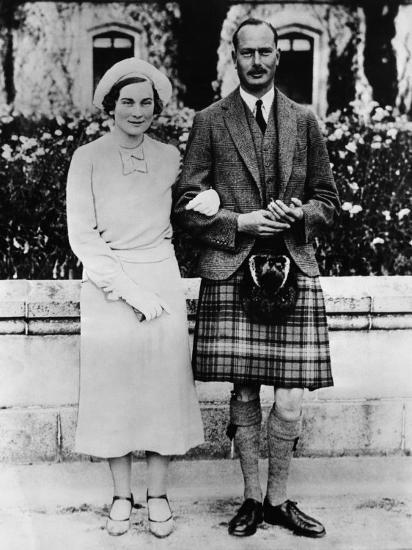
The Duke and Duchess of Gloucester in 1935

P-H was invited to stay with the Duke and Duchess of Gloucester at Bramwell in order to conduct his interviews with them – I returned to the drawing room, having seen my very comfortable room, and observed with pleasure a small, framed notice on the dressing table . . . ‘Guests are particularly requested not to offer gratuities to the indoor or outdoor staff as they are NOT allowed to accept them.’ I sat down, waiting for the next episode and looking at the drink tray, and smoking. There was a huge, high, Coromandel screen with six folds hiding the door, so that it was rather exciting, like a good play with new characters, waiting to see who was going to enter next. There was a good deal of heavy breathing and heavy martial shuffle, and the Duke of Gloucester, eyes bulging and his hair standing on end from the wind, entered, wearing corduroys, a jersey, a Guards tie and a tweed coat. . . he veered off like a tacking sailing ship towards the drink tray and began delicately dropping angostura bitters out of a tiny silver-topped bottle into a large glass. He then took the gin bottle out of the three bottle canister on the table and said: “Haven’t you had a drink?” . . . He struggled to get the ice, which was a half moon shape I had never seen anywhere before, out of the silver ice pincers. “Oh, damn.” There was a long silence while we stood by the window and looked at the floor.

Staying with the Duke and Duchess of Beaufort at Badminton – P-H joined the Duke and Duchess at the breakfast table on the morning after his arrival. The Duchess was busy giving the dogs their porridge out of plastic saucers coloured pink and pale green. They related how when Lord Digby stayed for three days during the Badminton Horse Trials, he had eaten the dogs’ porridge by mistake one morning and none of them knew how to break it to him, so he went on doing it throughout his stay.

Lady Reid, Maid of Honour to Queen Victoria and widow of James Reid, Queen Victoria’s doctor, told P-H how as a new Maid of Honour, she accompanied Queen Victoria while she was out for a drive at Osborne – Miss Baring (as she was then) trotted beside the pony-carriage. These were the only times one was alone with her, and could speak of anything, but it was all rather breathless, ‘keepin’ up with the pony.’ Her first real outing with the Queen was soon after her arrival for first duty. Miss Phipps explained to her that the Queen liked to distribute her Christmas presents herself at Osborne, and off they set in a great high royal carriage, the Queen and Miss Phipps facing the horses, Miss Baring with her back to them and a pile of presents beside her. At the first cottage a woman came out and stood on the steps of the carriage (‘poor woman it was agonizing for her to hold on’); Miss Baring took the appropriate parcel and handed it to the Queen, saying, “It’s a rug, your Majesty.”

The Queen said nothing and turned to Miss Phipps. “What an odd thing to say, a rug, a r-r-r-rug! I have never heard it called that before. A rug is something which one stands on. It can be called a plaid, or a shawl, or even a wrap. But not a rug. And Susan calls it a r-r-r-rug. I have heard it called a plaid or a wrap, but never a rug. This monologue went on for several minutes, over and over again while the woman was clinging to the steps; and Miss Baring, overcome by it all, laughed and laughed till she nearly died.

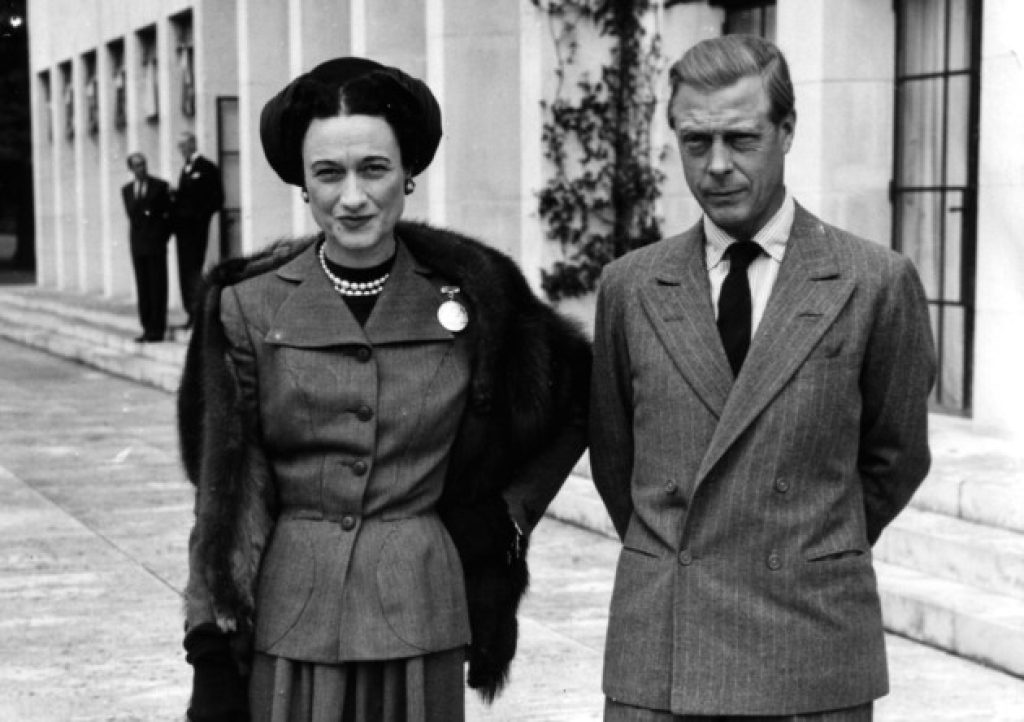
The Duke and Duchess of Windsor

About the Duke and Duchess of Windsor, with whom P-H stayed twice at their house in France while conducting interviews – The Duke of Windsor is, on first sight, much less small than I had been led to believe; he is not at all a manikin, but a well-proportioned human being. . . I was soon startled to find that, except for occasionally repeating a complete story (which the Duchess stops when she can), he is not only the one member of the Royal Family for whom one needs to make no allowances whatever, but that he is exceedingly intelligent, original, liberal minded and quite capable of either leading a conversation or taking a constructive part in one. He is also one of the most considerate men I have ever met of his generation. Like the Duchess, he is perhaps too open and trusting towards others; or else he was determined to be specially helpful to me.

On the Duchess of Windsor – This is one of the very oddest women I have ever seen . . . Like her house, she is tremendously American, and specifically Southern – it was like being back in Montgomery, Alabama, without the tree moss. I should therefore be tempted to classify her simply as An American Woman par excellence, were it not for the suspicion that she is not a woman at all. She is, to look at, phenomenal. She is flat and angular, and could have been designed for a medieval playing card. The shoulders are small and high; the head very, very large, almost monumental; the expression is either anticipatory (signalling to one, ‘I know this is going to be loads of fun, don’t yew?) or appreciative – the great giglamp smile, the wide, wide open eyes, which are so very large and pale and veined, the painted lips and the cannibal teeth. . .

There’s royalty galore in this book, on both sides of the Channel, and they are infinitely amusing whether being interviewed or being spoken about by the interviewee. If you’re a fan of royalty, or Queen Mary or historic houses or the period in general, I highly recommend this book.

Oddly, no one P-H interviewed once mentioned Queen Mary’s alleged habit of pinching things from the homes she visited.

KENWOOD HOUSE – PART ONE

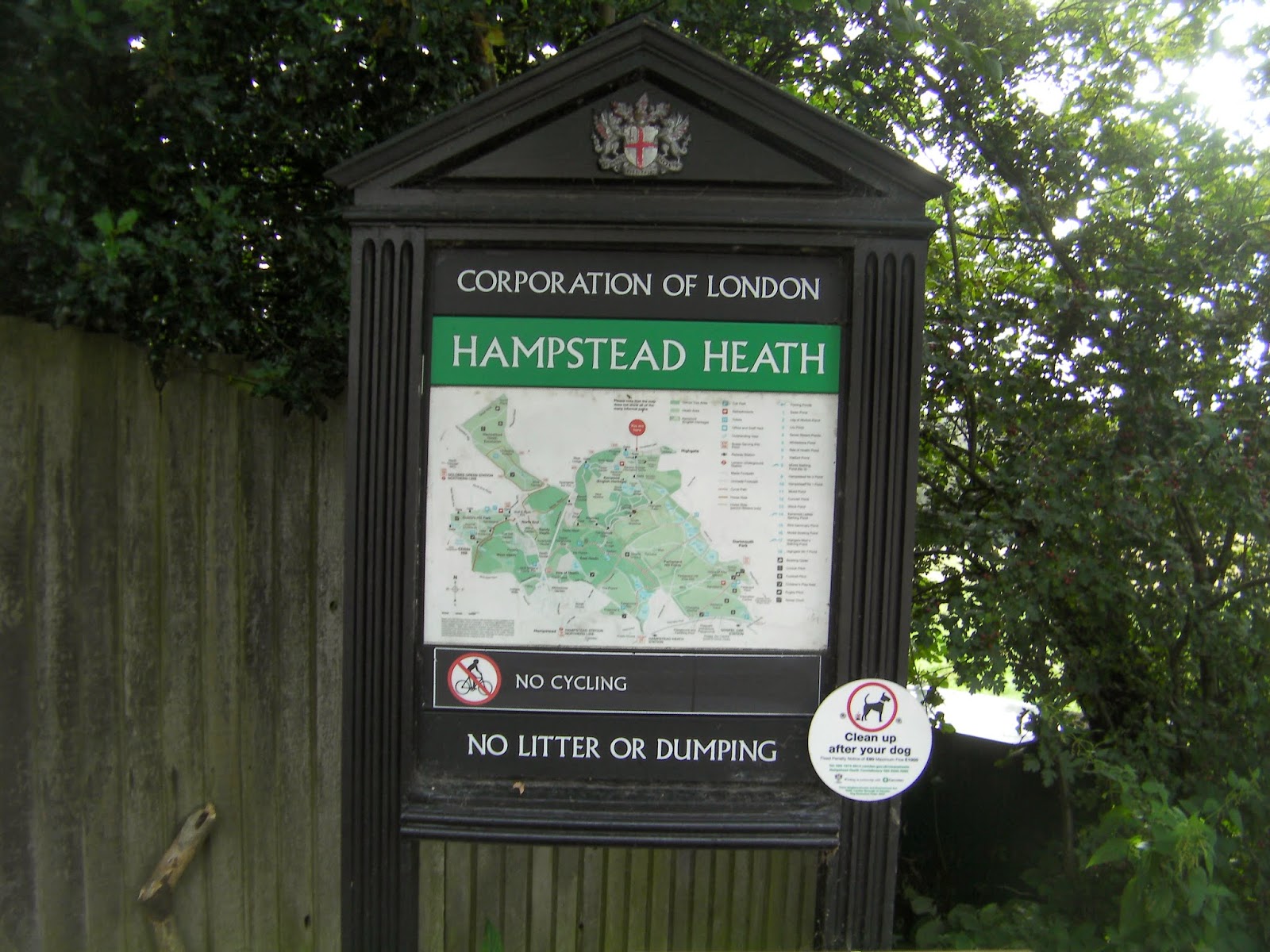
In 2014, Victoria and I visited Kenwood House together, just one of many visits each of us have made to Kenwood before and since. What’s so special about Kenwood House? Situated in Hampstead Heath, Kenwood is one of the last examples of a private estate remaining in London.
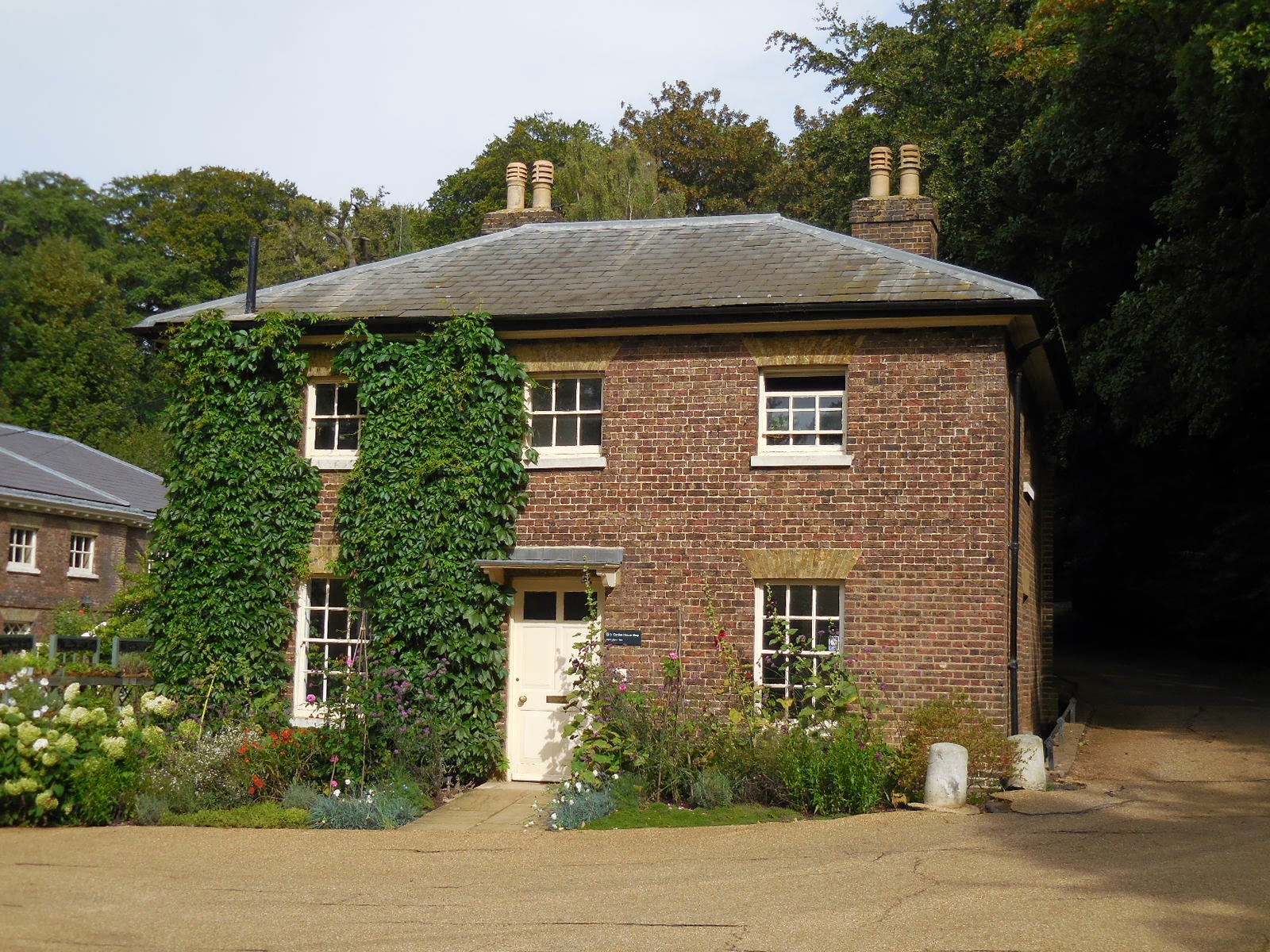
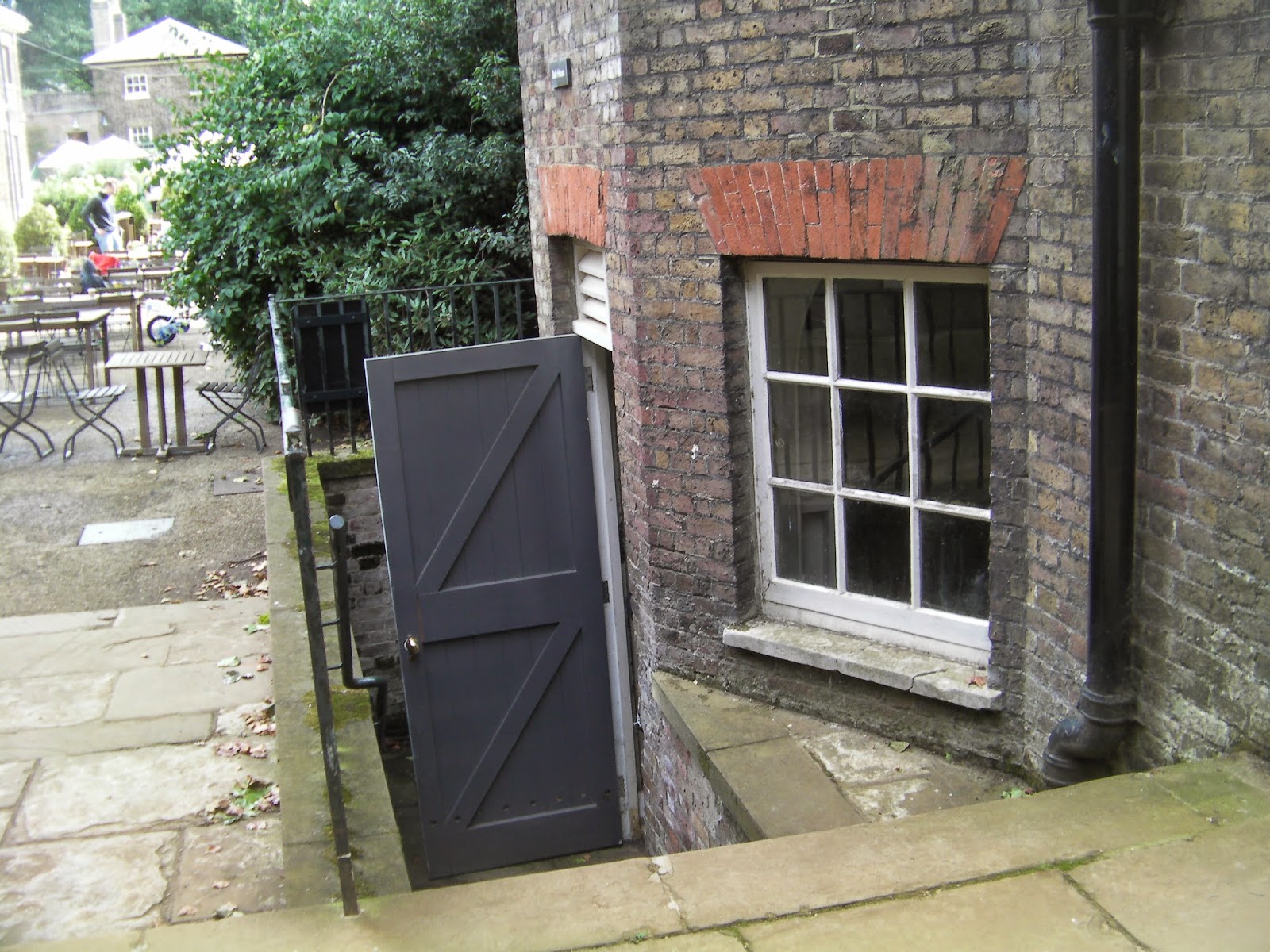
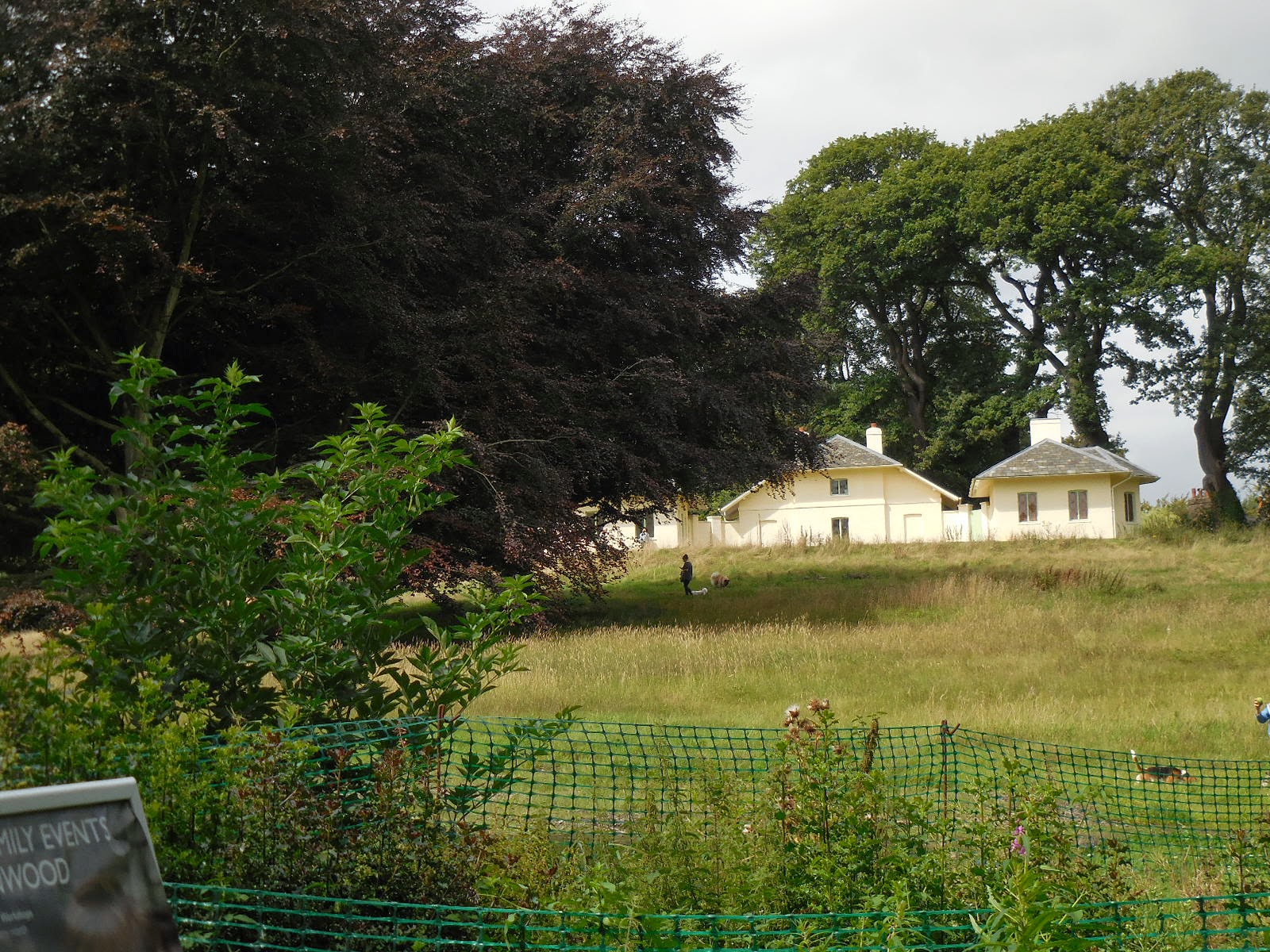
Just inside the gate is this gardener’s cottage, but Kenwood House can boast rather more unique survivors of a bygone age in its grounds, including a bath house and dairy.
A flight of stairs lead to the baths themselves.

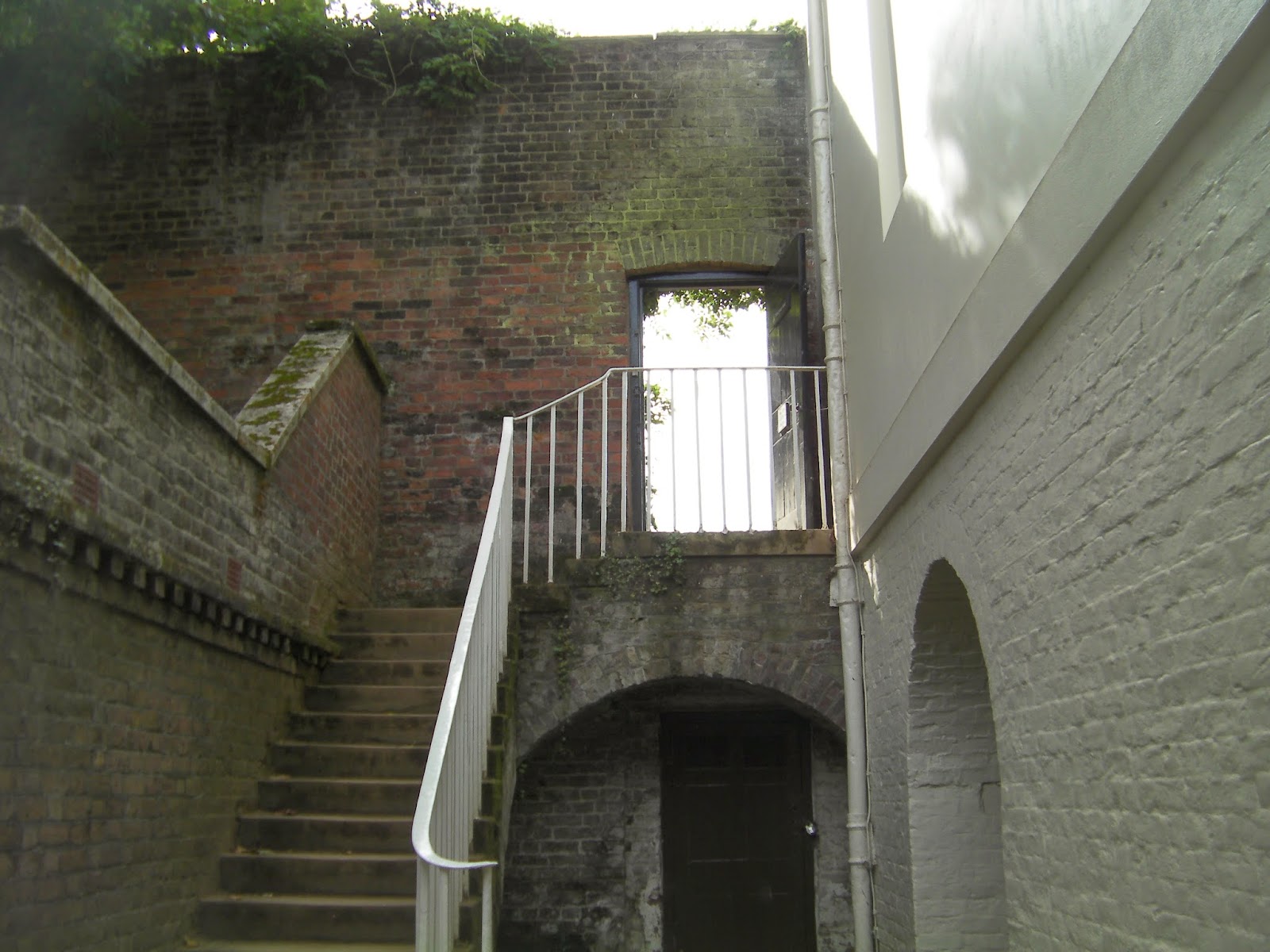
Just outside the baths, you’ll find these stairs and a doorway that leads to . . . . . the terrace at the rear of the house.

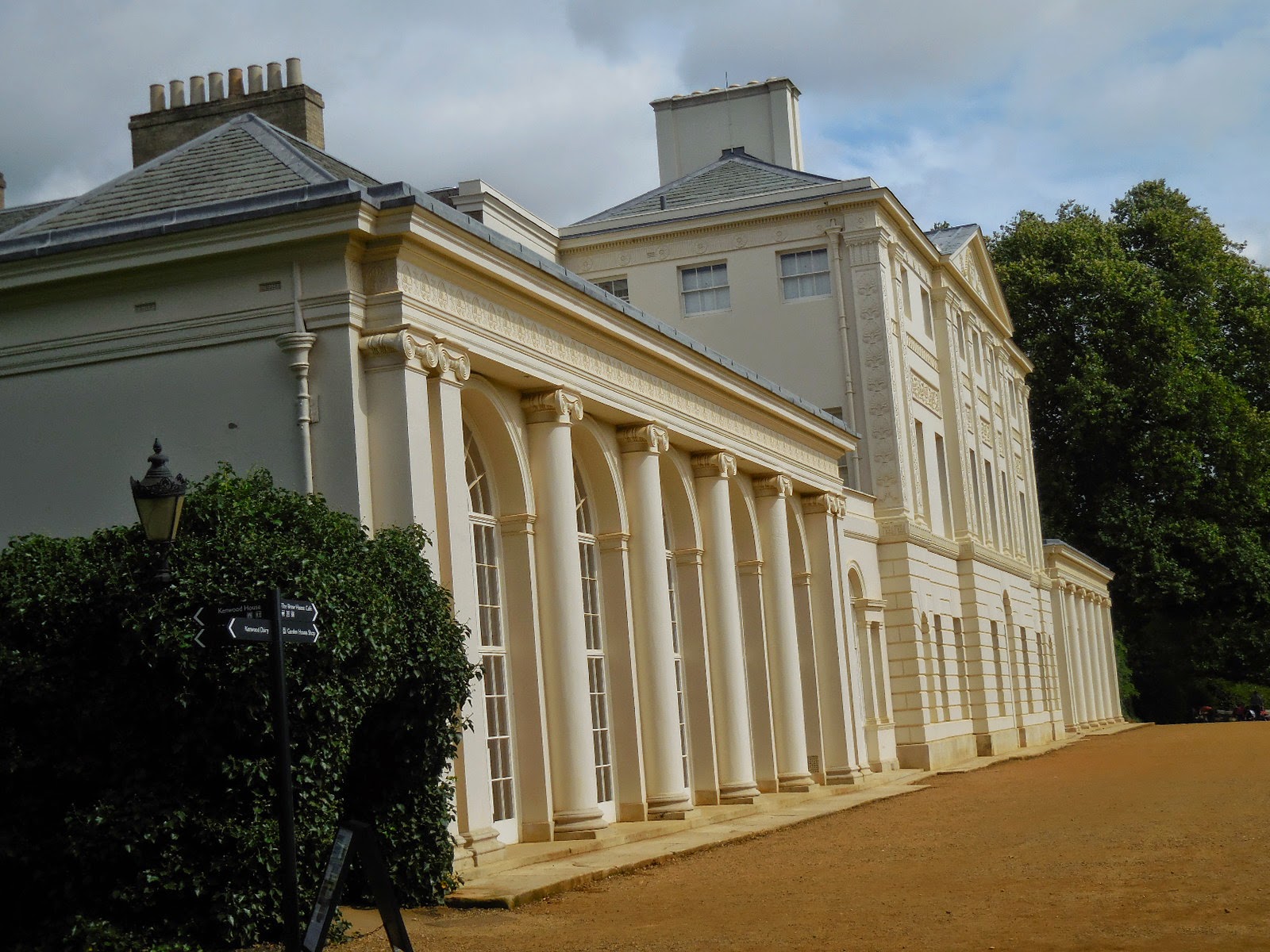
The Orangery
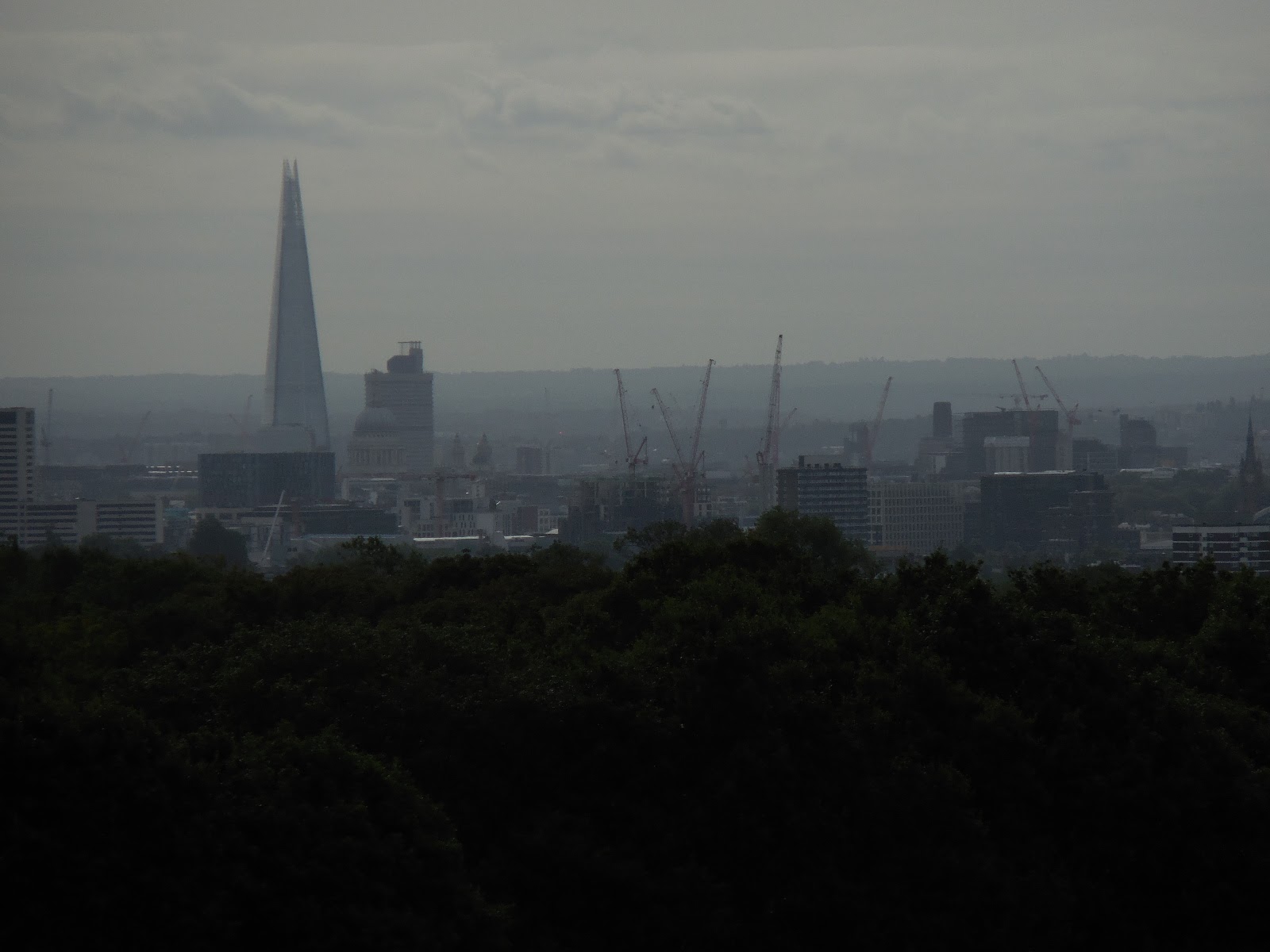
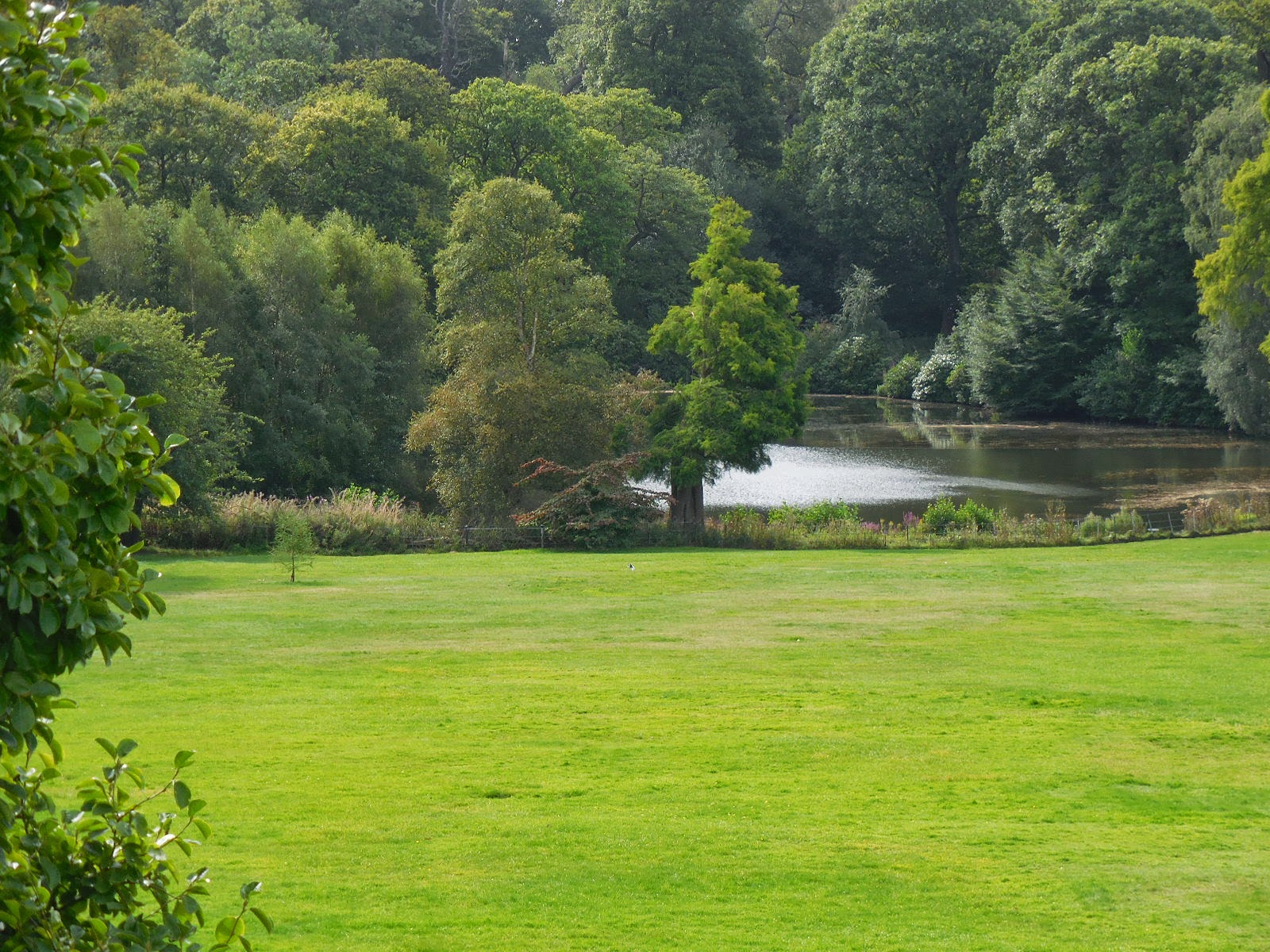
As you can see, the views were stunning and we decided to walk down to the dairy before touring the house.
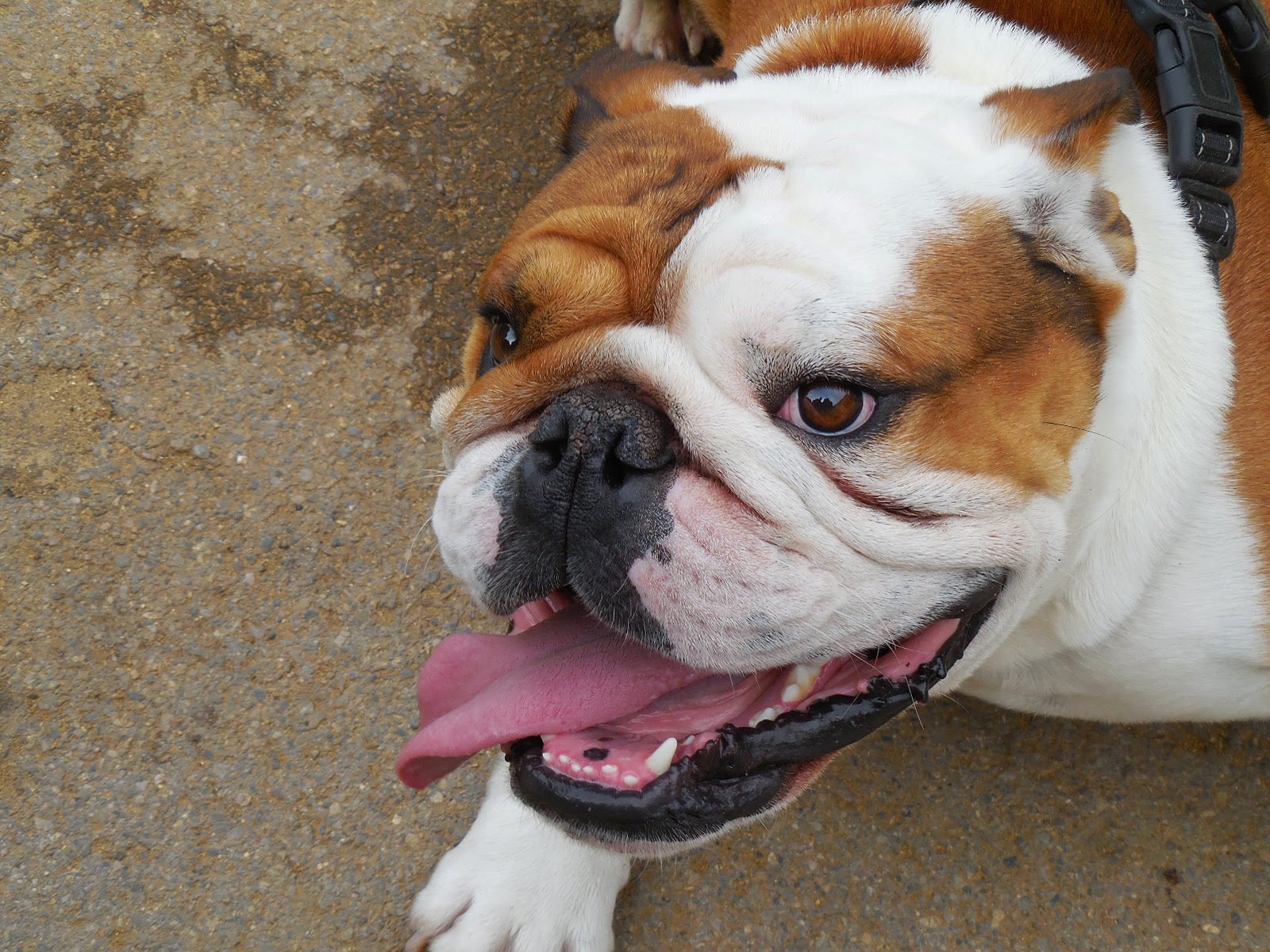
On the way, we encountered several others strolling the grounds, including the cutie below, whose name, we learned, was Duke. Really. Not even kidding. Duke.
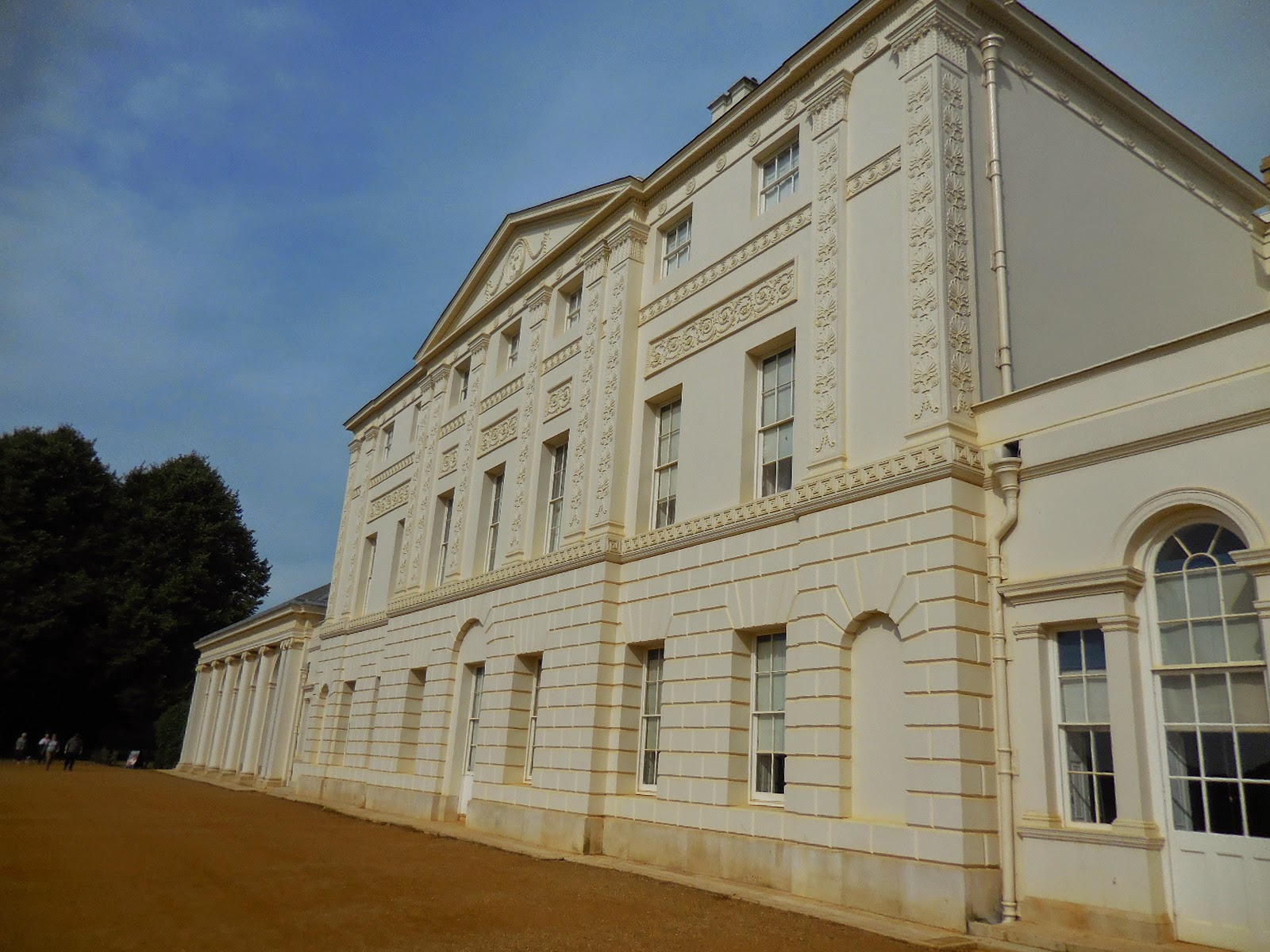
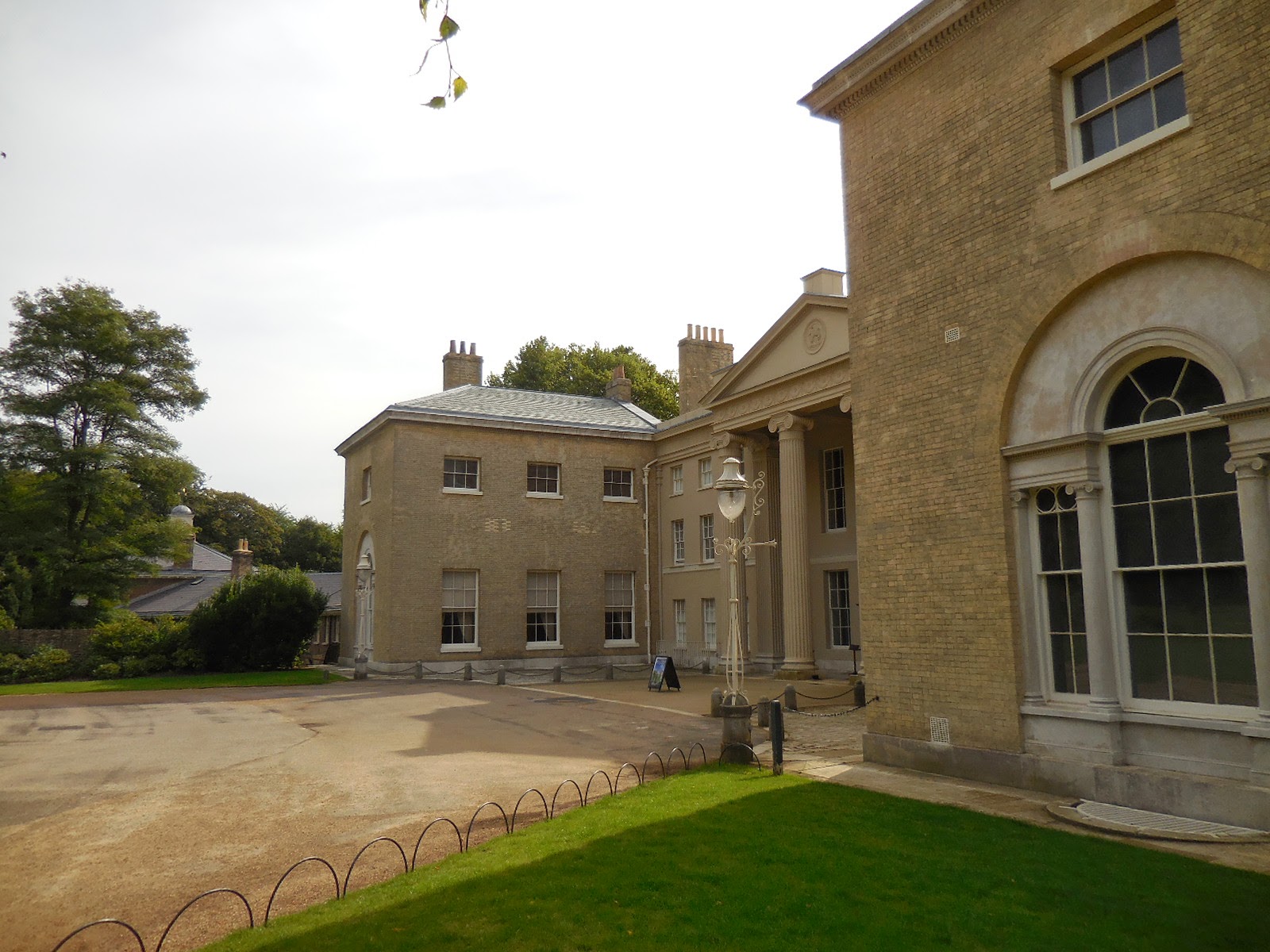
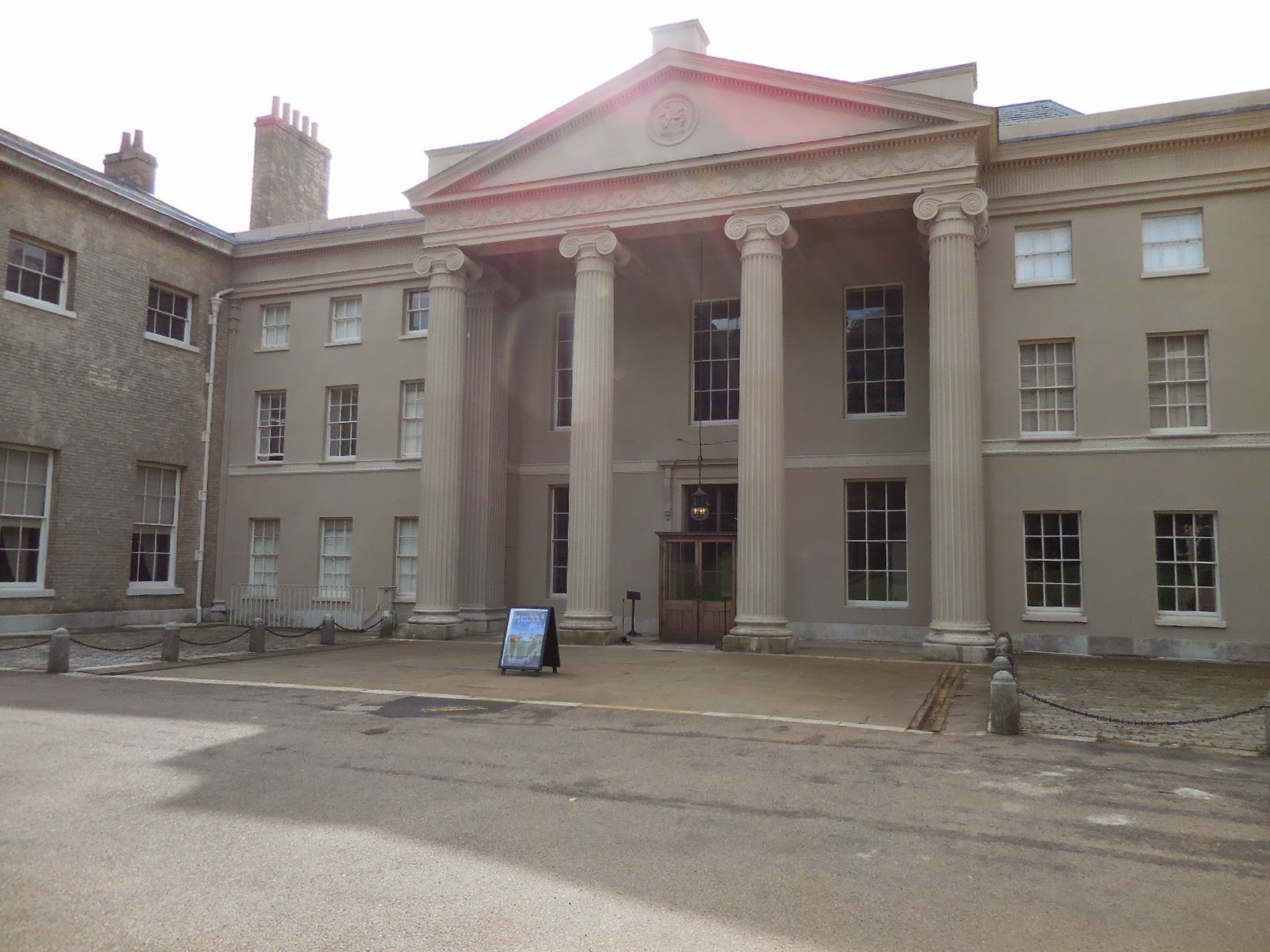
Around to the front entrance
The classical portico, added by Robert Adam for William Murray, 1st Earl of Mansfield
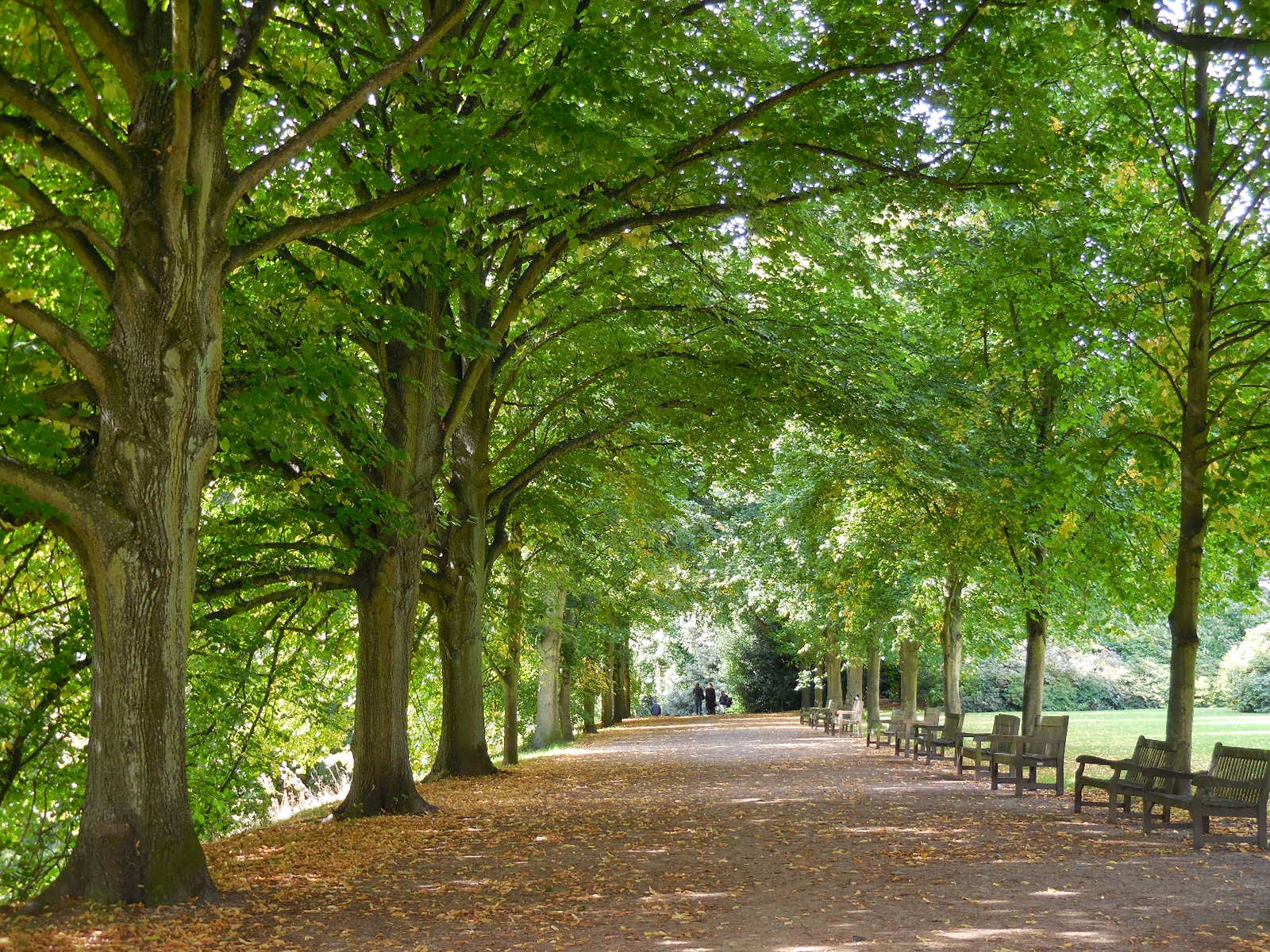
The walking the path leading to the Dairy
From the website:

Kenwood became what would be described in 1838 as ‘beyond all question, the finest country residence in the suburbs of London’. Tending a dairy was then a fashionable hobby for aristocratic women, following the example of the French queen Marie Antoinette. But such dairies were still functional, and the one at Kenwood would have supplied the house with butter, milk and cream, while ice was stored in the ice-house below.

Now, after restoration, the three dairy buildings can be appreciated once again: the small, colourfully decorated octagonal tea room, where Louisa entertained her friends, the rooms where the dairymaid lived, and the dairy room. The original marble benches in the dairy room are still here, although the more than 30 black marble milk pans and basins listed in the accounts are missing.

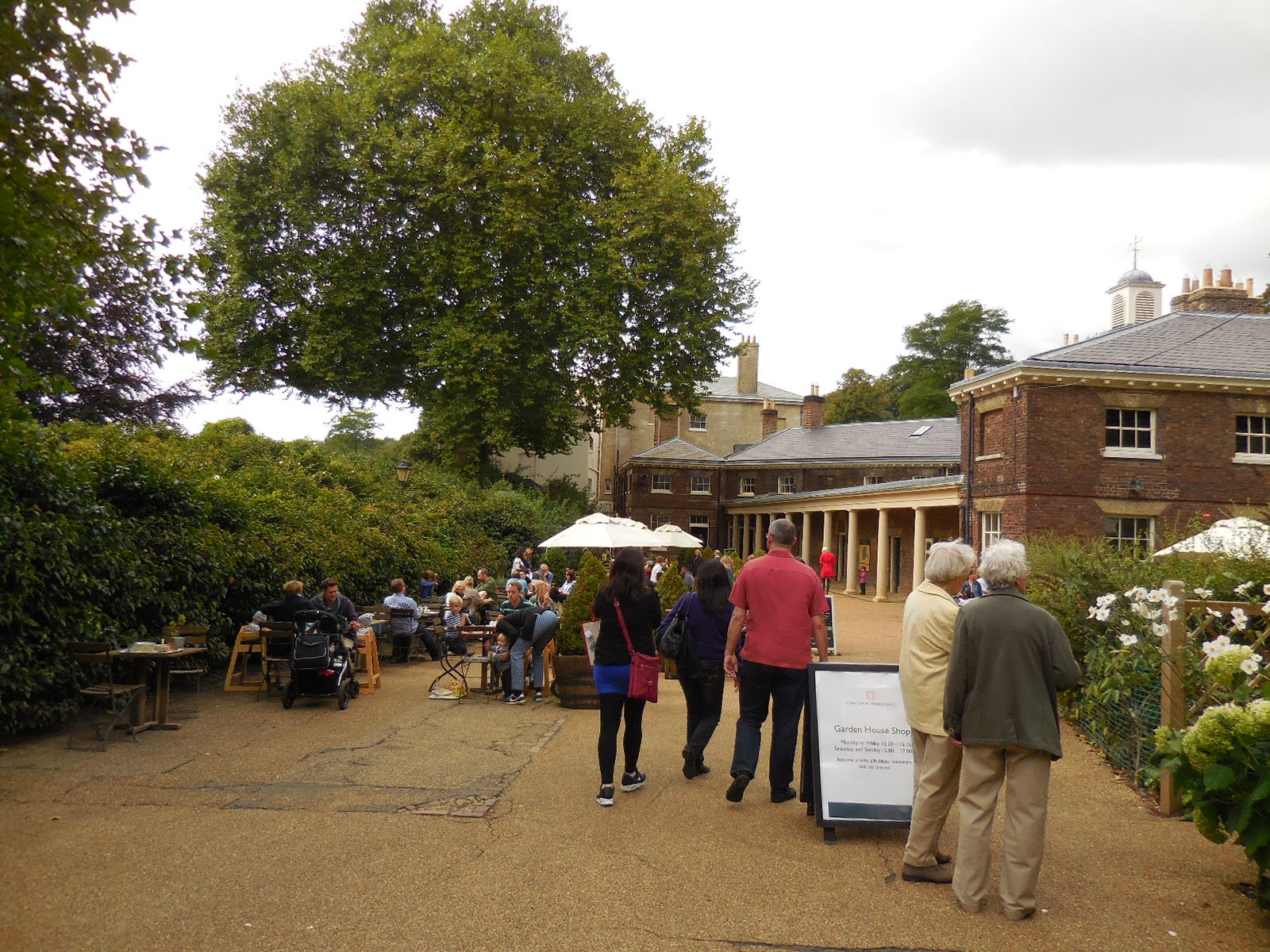
By this time, we were both a bit peckish, so we decided to walk back to the cafe for lunch before touring the house.

Roses in the Brewhouse Restaurant garden
Brewhouse Restaurant
“Hey, Vic,” I said through a mouthful of clotted cream once we’d been served.
“Hhhmmm?”
“I have something to say to you and I want you to look me in the eye while I say it.”
“Is it something bad?”
“Non. It’s something good. You ready?”
Victoria nodded.
“Here we are. Together. In London. At Kenwood House.”
Victoria grinned at me. “I know. It’s terrific. Alone together in England. Like minded travelers wallowing in British history.”
“We can overdose on 19th century Britain and Wellington to our hearts content.”
I’m not certain, but I think it was at this point that Victoria and I clapped our hands together and laughed with childlike glee.
Before long, we struck up a conversation with a really nice lady named Frances. The three of us walked outside and continued the conversation, talking about where Frances had been in the U.S. and where we’d been in England. Then I handed her our Number One London business card, which prompted Frances to tell us that she loved historical research, herself being a direct descendant of architect James Wyatt. Which prompted even more discussion, as you may well imagine.

Finally, Victoria and I entered the house and were greeted by two volunteer docents, who welcomed us warmly and asked us if this was our first visit to Kenwood House. Victoria told the young man that she’d been to the house before and had also seen the traveling exhibit of its artwork when it showed in Milwaukee. Which led to more discussion and mention of our blog. I handed him our card.

“I know this site,” he said. “It’s great.”

Victoria and I glanced at each other. Was he having us on?

“I have a blog about London, too. The Lost Valley of London. I travel round London and shoot videos of out of the way places and my adventures.”

This jogged my memory. “Wait a minute,” I said, “I know your site. You wear a pith helmet, right?” Really, what were the odds that Anthony and I should meet at Kenwood House? All of this led to more discussion and mutual admiration, which lasted another few minutes.

We did, finally, tour the house and for that part of our visit I hand you over to Victoria, who will be bringing you Part Two of our day at Kenwood House soon.

You can see Kenwood House up close and personal on
Number One London’s 2020 Town and Country House Tour.

A FIGHT WITH THE GENTLEMAN

By Guest Blogger Regina Scott

Once more we return to the boxing square! If you missed part one of this series, you can find it here. And part two is here.

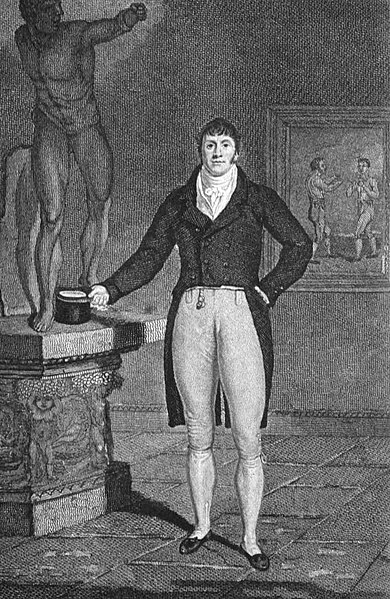
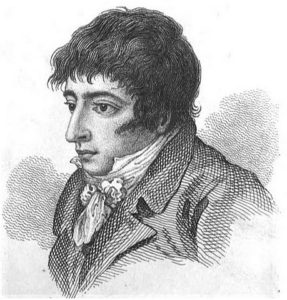
Gentleman Jackson cut quite a figure in his day (from Pierce Egan’s Boxiana, 1812)

As you can imagine, there were a great many gentlemen in the Regency period, but only one man known as The Gentleman. Gentleman John Jackson was born in 1769 to a Worcestershire family of builders. He decided at age 19 to become a boxer, much against his parents’ wishes. With the awe he ultimately inspired in just about every fellow of substance, including the Prince Regent, it’s surprising to find that he only fought professionally three times, and one of those he lost. However, as the other two times he fought men who were considered top champions, he was known in his time as the heavy-weight champion of England. He held that title for one year, in 1795, after beating Daniel Mendoza—nicknamed The Jew—who had held the title the previous two years.

Daniel Mendoza lost the title to Jackson in what would be only Jackson’s third professional fight (from Pierce Egan’s Boxiana, 1812)

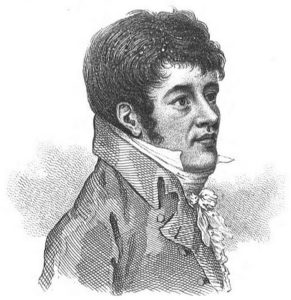
When Jackson retired, Thomas Owen beat all comers to gain the title in 1796, followed by Jack Bartholomew (1797 to 1800), Jem Belcher (1800 to 1803), and “Hen” Henry Pearce the Game Chicken (1803 to 1806). After Hen retired, John Gully beat all comers and reined for two years before opening his own school in London. Belcher was also known for taking on pupils.

Henry Pearce held the title for three years, despite being nicknamed the Game Chicken (from Pierce Egan’s Boxiana, 1812)

So why was John Jackson held as the “best”?

For one thing, he appears to have been a splendid specimen of masculinity. At 5 feet 11 inches tall and 195 pounds, his body was said to be so perfectly developed (with the Regency idea of “perfection” being the statues of the Greek gods), that artists and sculptors came from all around to use him as a model. For another, he dressed well (although he favored bright colors) and spoke in cultured tones, making him the darling of the ton. His two flaws in looks were that he had a sloping forehead and ears that stuck straight out from the sides of his head. Presumably, the sculptors and artists used someone else to model the head.

Besides being the man to whom every gentleman, including Lord Byron, went for lessons, Jackson is credited with keeping the sport honest in a time when bouts were often fixed. He developed the equivalent of the Boxing Commission in the Pugilistic Club, which collected subscriptions from wealthy patrons and sponsored fights several times a year. For each fight, a Banker was appointed to hold the purse as well as many side bets that might be made. Jackson was often nominated for this position.

So great was his prestige that Jackson was called on to arrange pugilistic demonstrations for the aristocracy, including fights before the Emperor of Russia, King of Prussia, Prince of Wales, and Prince of Mecklenburg. At the 1821 coronation of George IV, Jackson furnished a group of pugilists to act as guards to keep lesser mortals at bay.

The Gentleman bowed out of this world on October 7, 1845. But he left a legacy that endures to this day.

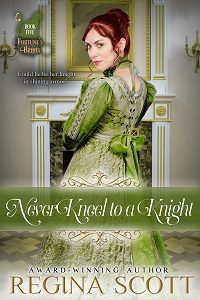
Regina Scott is the award-winning author of more than 40 works of sweet historical romance, several of which feature Regency gentlemen who box. In her recent release, Never Kneel to a Knight, a boxer being knighted for saving the prince’s life must prove to a Society lady who is miles out of his league that their love is meant to be.

You’ll find more on Regina online at her website,  on her blog, or on Facebook.


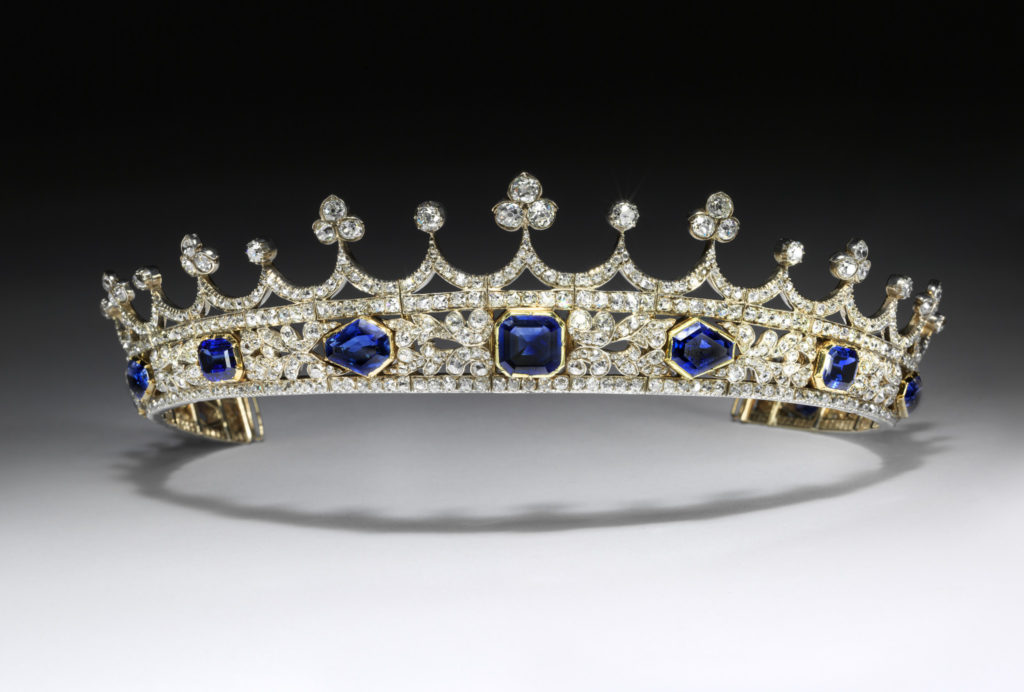
Queen Victoria’s sapphire and diamond coronet among

80 new works joining Jewellery at V&A from April 2019

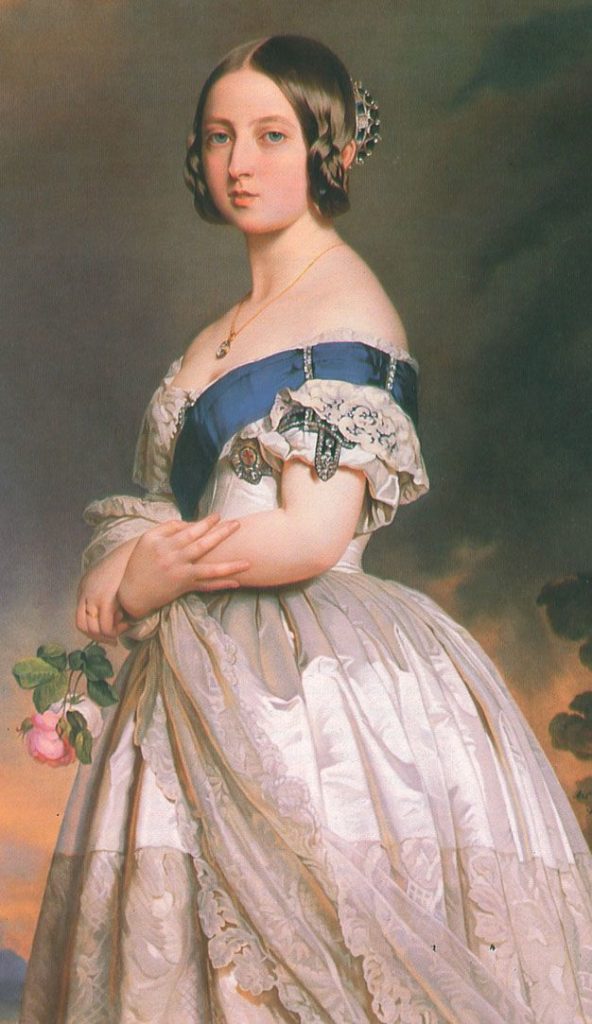
From 11 April 2019, Queen Victoria’s sapphire and diamond coronet will go on permanent public display at the V&A for the first time as the centrepiece of the William and Judith Bollinger Gallery.

Queen Victoria’s sapphire and diamond coronet was acquired by the V&A in 2017, purchased through the generosity of William & Judith, and Douglas and James Bollinger as a gift to the Nation and the Commonwealth. One of Queen Victoria’s most important jewels, it was designed for her by Prince Albert in 1840 – the royal couple’s wedding year – and made by Joseph Kitching, partner at Kitching and Abud. Albert played a key role in arranging Victoria’s jewels, and he based the coronet’s design on the Saxon Rautenkranz, or circlet of rue, which runs diagonally across the coat of arms of Saxony.


In 1842, Victoria wore the newly completed coronet in a famous portrait by Franz Xaver Winterhalter, the first he painted of her.  It carried the image of the young queen around the world through replicas, copies and engravings. Over twenty years later, Victoria wore the coronet instead of her crown in 1866 when she felt able to open Parliament for the first time since Albert’s death in 1861, with her crown carried on a cushion.

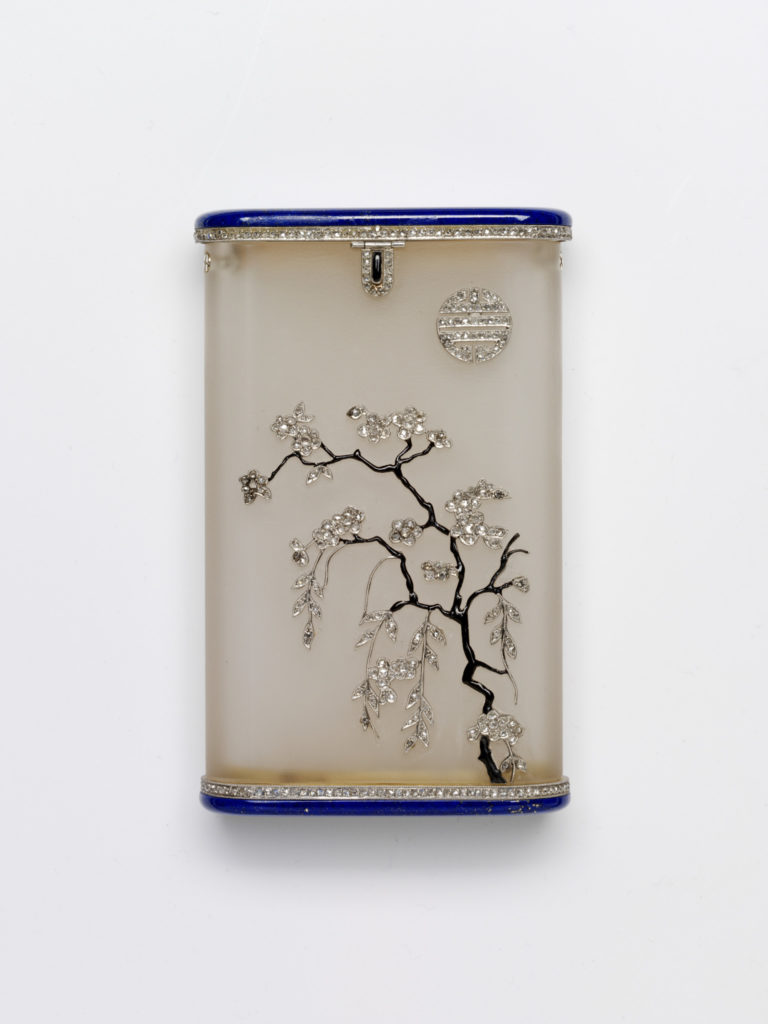
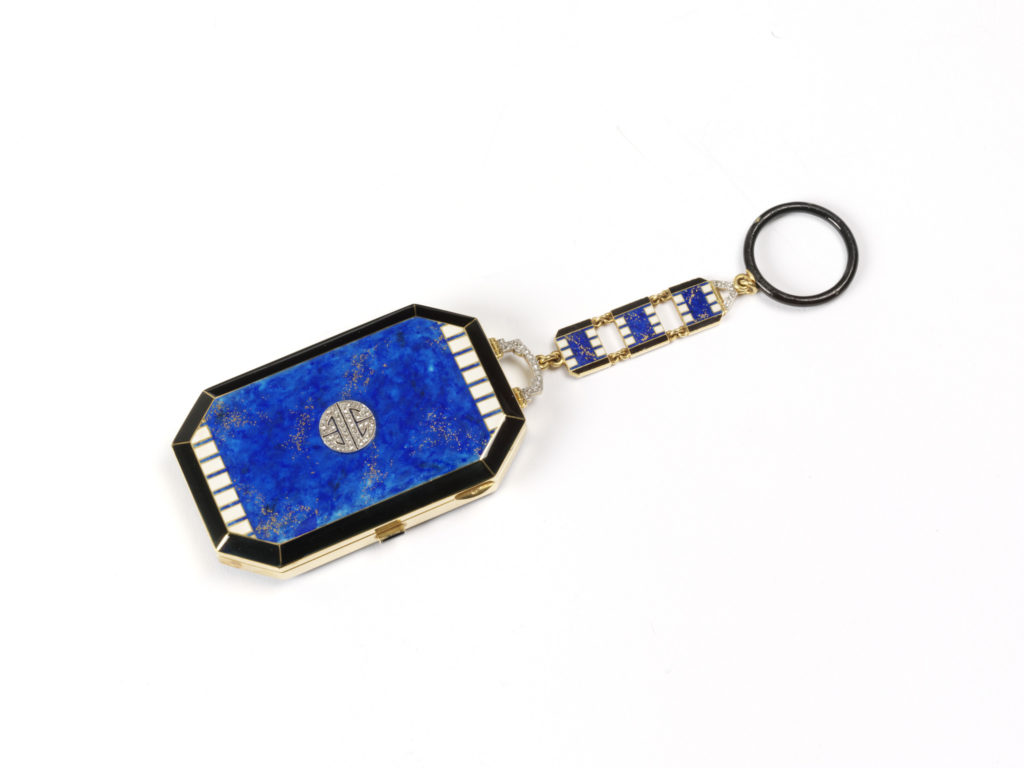
Together with the coronet, a superb collection of 49 Art Deco vanity cases will be joining the gallery as a loan and promised gift from Kashmira Bulsara in memory of her brother, Freddie Mercury. Taking inspiration from Modernism as well as Persia, Ancient Egypt, China and Japan, the cases in richly coloured hardstones, enamel and lacquer were made by, or for, Cartier, Lacloche, Van Cleef & Arpels, Charlton and other leading jewellers in Paris and New York. The collection will transform the presentation of the Art Deco period in the gallery.

Additions and new acquisitions are regularly incorporated into the display, with recent examples being Nicholas Snowman’s gift of Fabergé, and Beyoncé’s gift of a Papillon ring by Glenn Spiro. New in April 2019 will be thirty pieces ranging from the late 19th century to the present, comprising works by contemporary makers Ute Decker and Charlotte de Syllas working in Britain, Flóra Vági in Hungary, and Annamaria Zanella in Italy, among others. Pieces will include Christopher Thompson Royds’ Natura Morta necklace with poppies of gold, enamel and diamonds, Gijs Bakker’s Porsche bracelet in polyester, and a gold pendant of Paddington Bear by Cartier, created in 1975.

BABY IT’S COLD… IN REGENCY ENGLAND !

LOUISA CORNELL

As the weather begins to warm up here in LA (Lower Alabama) my thoughts, of course, turn to…WINTER ! Having spent three years in England in my youth and five years in Germany as a youngish adult, I have a much higher tolerance for and appreciation of cooler weather. Alabama in the Spring and Summer months moves from :

“It’s another warm one out there.”

to

“Crank up the AC, please.”  

to

“It is hotter than the hinges of hell.”

to

“Tarzan couldn’t take this heat! When will it end!”

Suffice it to say, I am quite ready for Fall and Winter’s return. When the temperatures will drop into the seventies.

These days we have myriad devices available to us to adjust the temperature to a more survivable level. During the Regency Era, whilst the devices were also abundant, they were not always as efficient as today’s versions. However, some came quite close. In this post, we will explore the world of…

THE REGENCY FOOT WARMER

There are a number of places to research what the weather was like in England during the years of the Regency Era. One of my favorites is :

http://www.pascalbonenfant.com/18c/geography/weather.html

I like this site because, rather than give simple temperatures and basic weather information, it actually includes weather events for each year and more commentary on what the weather was like and what it was like to live through it. For instance, the winter of 1813/1814 was one of the five worst winters on record. Heavy snow fell for a number of days in January, 1814 with a brief thaw and then more snow. In short, it was cold.

Now imagine going to church in such weather. Services conducted in a large high vaulted ceiling edifice with no heat source whatsoever. Imagine the journey to said church or to a ball or to London in a carriage on less than serviceable roads. Are you feet frozen yet? Enter the foot warmer.

Foot warmers took a number of forms. The most important aspects were its size, practicality, and ease of transport. The simplest version consisted of a brick wrapped in flannel material which was placed as close as was safely possible to the fire burning in the hearths of inns and taverns. It was then placed in the carriage as it left the inn, either on the floor beneath a lady’s skirt or beneath the feet of a gentleman, perhaps with a carriage blanket draped over his legs. The brick or bricks returned to the fireplace of each inn where the carriage stopped along the way to be warmed  and placed back in the carriage on departure. A simple enough device which provided heat until the absorbed warmth faded, usually long before the next coaching inn.

Most of the more advanced foot warmers were boxes of either wood, tin or brass. Each of these versions contained a metal tray at the bottom capable of being slid in and out to be filled with hot coals. Holes were poked in the sides in a regular pattern and a rope or metal handle was attached at the top for ease of portability.

Foot Warmer (Courtesy of eBay)
A Dutch version, meant to be used as a hand warmer.
Advertisement images for more elaborate foot warmers used in the home as well as in carriages.


Carriage Foot Warmer

An innovation brought into production during the latter part of the Regency Era and even more prevalent during the Victorian Era was the ceramic foot warmer. This device was filled with water, heated on the hearth, and placed on the carriage floor beneath a lady’s skirts. Early versions were completely round, but latter versions had a flat side, designed to stabilize the device on the floors of moving carriages.

Anitque Stoneware/Clay “Blind Pig” Hot Water Bottle Bed/Foot Warmer Flat

You will notice on the one above there is a hole for the water to be poured into it. What the photo does not show is how the bottle is closed. They are usually fitted with a cork at the end of a clay piece that looks rather like the top and first several threads of a screw. I know this from personal experience as I own two of these bottles. Treasures my mother purchased at an estate sale whilst we lived in England over fifty years ago.

An interesting use made of warming pans and foot warmers during the Regency Era was as a sort of vaporizer against colds, coughs, and some forms of asthma. Below is a mention of this use in a period newspaper.


Whitehall Evening Post, December 22, 1785

At this season of the year when the excessive damps, produced from the vapours of the earth have such a visible effect on the human body generating colds and putrid disease of the most fatal kind; the following, which has been tried in the circle of a few families, would doubtless have its use if more generally adopted, as it is not only a specific preventive, but is the surest palliative in asthmatic and consumptive constitutions. When the air is thick, foggy or moist, let small lumps of pitch be thrown into your first in such degree and so frequent, as to keep up an almost constant smell of bitumen in the apartment. In rooms where fires are not frequently used, a warming pan throwing into it small lumps of the same particularly before going to bed, might be applied with conveniency. Houses newly painted are best purified in this manner, and the more so as neither injures nor soils.

It wasn’t impossible to stay warm during the Regency Era, but in many cases it took a great deal of ingenuity. And a great deal of caution. Hot coals, even in a tin box, presented a very real danger to ladies wearing skirts made of materials not known for their fire-resistant properties. There are no reports of this sort of accident occurring, but I daresay there were some close calls.

So for those ladies who have not yet met their Mr. Darcy,

Might I suggest a foot warmer? Or perhaps a pug or two?