The Wellington Connection: Traffic Court

From The Life of the Duke of Wellington by Joachim Hayward Stocqueler, Volume 2 1853
The Duke of Wellington attended on Saturday (4th May, 1845) at the Marlborough Street Police Court, for the purpose of preferring a charge of furious driving, whereby his life was endangered, against Henry Woods, driver of one of the carriers’ carts. To prevent inconvenience to his Grace from the crowd which his appearance would attract to this court, the summons was so arranged as to take precedence of the night charges. At half-past eleven o’clock his Grace, accompanied by Lord Charles Fitzroy Somerset and Mr. Mayne, entered the court. His Grace having been sworn, said—I was walking, on Tuesday last, between two and three o’clock, in Park Lane, on the left-hand side, going out of Piccadilly, and when near the Duchess of Gloucester’s house, a very heavy four-wheeled cart passed me. I endeavoured to cross the lane, to get to the pavement on the other side, under the protection of this heavy cart; I got as far as the right-hand wheel of the cart, keeping the cart at my left hand, when I found myself struck on the shoulder, and knocked forward. It was a severe blow, and I found it had been given by another cart, the driver of which did not attempt to give me warning by calling out, until he had struck me. I did not fall; if I had, I must have been under the wheels of both carts. Now, I have no further complaint to make against the man at the bar who drove the cart, than that he was going at such a monstrous pace that he had no control over his horse; indeed, he came along so fast, that he got the whole length of Park Lane without my having perceived him; and the pace he was going at was such, that it was impossible he could stop his horse. This is my complaint; and I bring it forward on public grounds, because I think it is not right that carriages should go along in the public streets at this great rate. The cart by which I was struck was a heavy, tilted cart; the driver was under the tilt. My groom was behind with my horses, and I called him and desired him to follow the cart. My groom trotted as hard as he could, but was unable to overtake the cart until he got as far as South Strand. This will prove the rapid pace at which the driver of the cart was going.


copyright The Canal Museum
The defendant said he was truly sorry at what had occurred, but he declared the whole circumstance was accidental. He saw a gentleman about to cross the road, and he called out to warn him; but be was not aware that he had touched any one. He was not going at very great speed, for his horse was an old one, and could not accomplish more than seven miles an hour; and at the time when he passed his Grace, he was going up hill. His attention was directed to the vehicles in the carriage-road, and this prevented his noticing what was doing on the foot-path.
Mr. Hardwick: Had you kept your eyes directed as you ought, not only to avoid carriages but foot passengers, the circumstance would not have occurred. The reason you have given for not seeing his Grace is no excuse for your conduct.
The Duke of Wellington: There was plenty of room to have passed, without running against me.
Mr. Hall, No. 12, Park Lane, said he saw his Grace attempting to cross the lane at the time that a carrier’s cart, which was going at the rate of seven or eight miles an hour, was coming down the lane. Thinking, from the way the man was driving, that his Grace would be knocked down, he ran to the door, and saw the cart strike his Grace on the shoulder. Had his Grace but turned round sharply, the cart must have been over his feet. The pace the man was driving at was not more than seven miles an hour. He was driving negligently rather than furiously.
Mr. Hardwick: Had he kept a proper look-out, he must have seen his Grace?
Witness: Certainly. He was going up hill, and could have stopped the horse easier than if he was going down hill.
Mr. Hardwick: Did you hear the man call out? Witness: No, I did not.

In defence, the man repeated that he was exceedingly sorry for what had occurred.


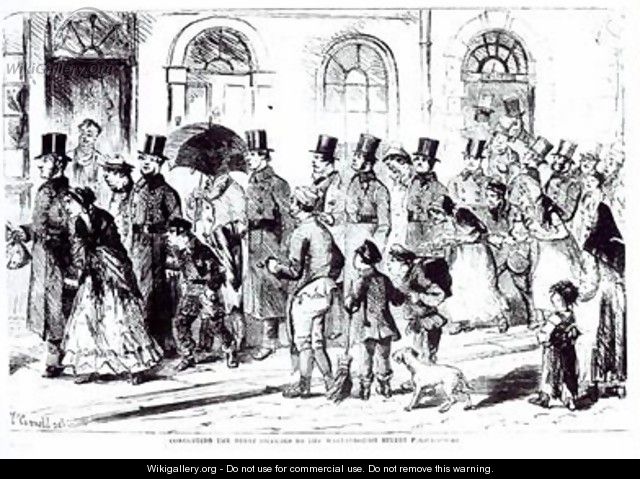
Conducting the Night Charges to the Marlborough Street Police Court
copyright wikigallery


Mr. Hardwick: It appears from the evidence that you were driving, if not at a furious, still at a rapid rate; but as you were going up hill at the time, had you used the ordinary precautions in driving along the public street, and if you had proper command over your horse, this accident could not have occurred. A witness has described your careless mode of driving at the time, by saying you were neither looking to the right hand nor to the left; and the whole evidence goes to prove that your mode of driving was reckless and careless, exhibiting a perfect indifference to the life and limbs of foot-passengers. This case I shall deal with as a case of assault. You have committed several serious offences: first, furious driving; next, endangering life and limb; and, lastly, committing an assault, for running against the person and striking that person with the cart, is as much an assault as if the blow were given by hand. For the assault, which is clearly proved, you will pay a fine
of 4l. or one month’s imprisonment.
The defendant was then locked up.

Chicago Janeites Hold a Spring Gala

Three entertaining and informative presentations filled Saturday’s meeting of the Greater Chicago Region of the Jane Austen Society of North America – “Staging Sensibility: Jane Austen and the Performing Arts.” Along with many conversations centering on the Royal Wedding, members were fascinated by talks by Dr. Gillian Dow and Dr. Erin Smith, as well as an appearance by Jane Austen herself, in the person of Debra Ann Miller, all celebrating the 200th anniversary of Jane’s Austen’s first novel, Sense and Sensibility (1811).

Maggiano’s delicious continental breakfast and sumptuous luncheon made us feel like we were attending the royal wedding celebrations. 

Dr. Gillian Dow (l), of Chawton House Library and Southampton University;  Regional Coordinator for GCR, Jeffrey Nigro; and Dr. Erin Smith of Western Governors University.

Dr. Gillian Dow is a Lecturer at Chawton House Library in England and at the University of Southampton School of Humanities where she specializes in the literature of the 18th c, particularly French literature in Britain 1780-1830, cross-channel migration of ideas. Her topic for the morning was fascinating. “An Excess of Sensibility (for which we were always remarkable): Jane Austen, Marianne, and the French Tradition.”

Addressing the theme of female hysteria in literature, she began by discussing Jane Austen’s Love and Freindship, from her juvenilia, in which Laura, writing to Marianne (advice to her friend’s daughter), relates her hyper-sensibility, alternately swooning and fainting at every turn of the plot. It is the kind of parody of exaggerated characters and overblown plots that the clever and witty young Jane Austen wrote for the amusement of her family.  The female hysteric was a very familiar character in fiction of the time in Britain and on the continent. Dr. Dow introduced us to the novels of Pierre de Marivaux, a popular French author of the 18th c, whose novel La Vie de Marianne  was popular in England in the early years of the 18th c, and was considered to be an influence on Fielding, Richardson and Fanny Burney, among others.

Dr. Dow related the enlightening story of the French translation of Austen’s Sense and Sensibility by French novelist Isabelle Montolieu (1751-1832).  From the letters of Austen sister-in-law Eliza de Feuillide. we know that Jane Austen read Montolieu’s novel entitled Caroline de Lichtfield (1780’s), but Austen probably never knew of the translation.  Dr. Dow compared passages of the novel in Austen’s original English to the corresponding translated French passages.  Montolieu certainly added dramatically to the passages describing Marianne’s emotional behavior, to a comical extent in the view of most of the audience.  Or did that surprised laughter reflect dismay at the transformation of our Jane’s sacred text?  

Dr. Dow discussed Jane Austen’s attitude toward sensbility, in which she differentiates between sensibility that is real and pure, as in Marianne Dashwood, and the phony and overly emotional sentimentality of other characters, such as the Steele sisters. The same kind of contrast, she said, could be found in Austen’s portraits of Colonel Brandon and Willoughby, the former being an honorable man of feeling, complex and well-rounded,  the latter showing the wrong side of sensibility, i.e. impulsive and ill-considered behavior reflecting shallowness and sham sincerity.

Everyone was buzzing about the amazing French translation and surprise that it, not the original English text, was sometimes used as the basis for translation of Sense and Sensibility into other European languages for many years. What, we wondered, would we have thought of Jane Austen if this exaggerated and hysterical version was our first introduction to her work?

 Dr. Erin Smith and Elisabeth Lenckos of the University of Chicago, Program Director for JASNA GCR.

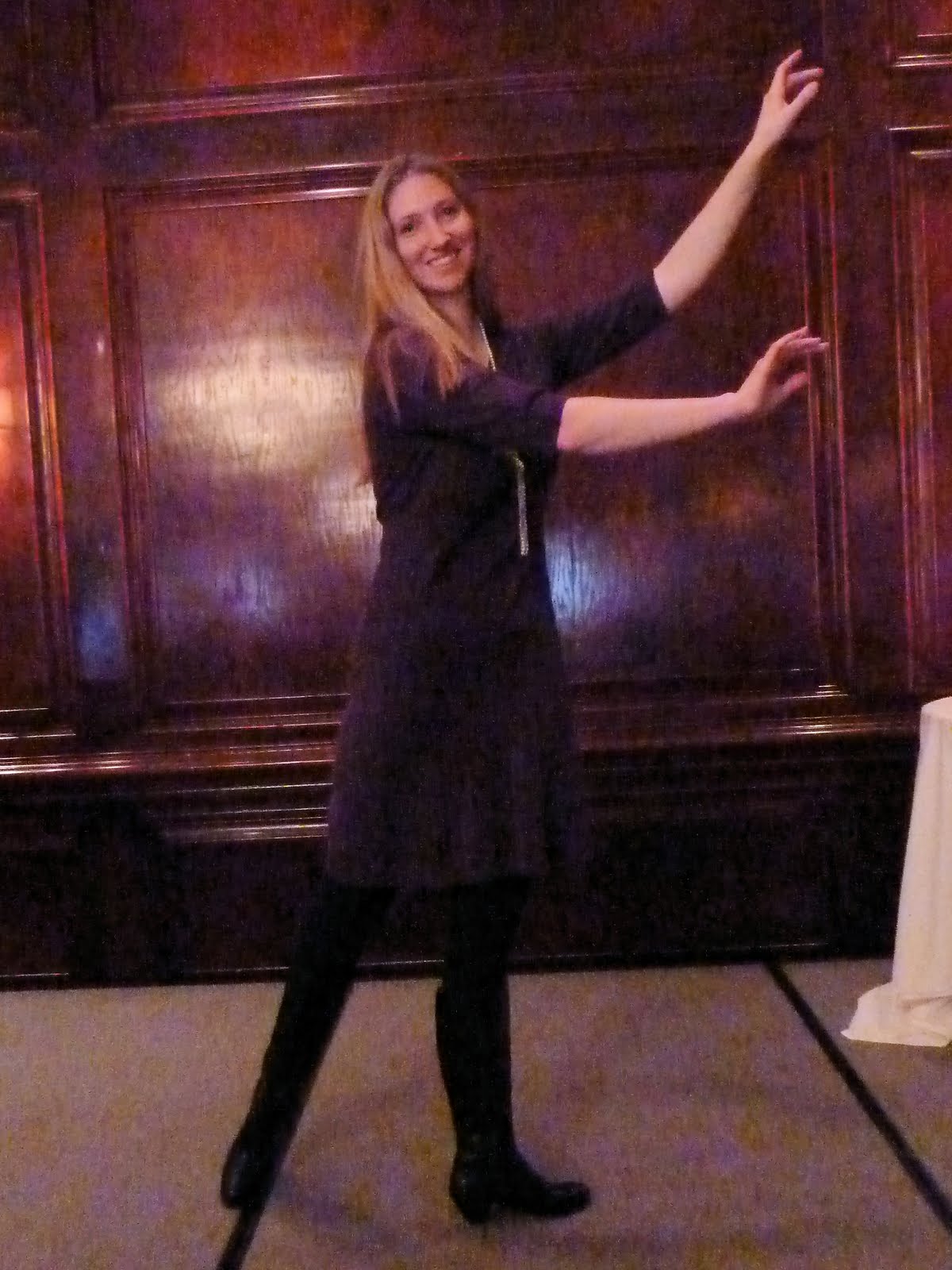
“Jane Austen and Ballet: Dances of Hysteria in Sense and Sensibility and Giselle” was Dr. Smith’s topic. Her research into the theatrical ballets of the late 18th c. and up to the 1840’s when Giselle was created lead her to believe that the romantic sensibilities of the period grew out of shared themes. Common to many balletic structures are young women on the brink of marriage, a moment of many dramatic possibilities, including alteration into a story of a female scorned and abandoned.  Ballet was particularly well suited to portraying the “restless pain of mind and body” of the hysterical woman who goes “mad for love.” In fact, Dr. Smith pointed out, these are almost the very words Jane Austen uses as Col. Brandon describes the fate of Eliza I.

  Dr. Smith demonstrates some of the most characteristic movements and gestures of 18th c. ballet.

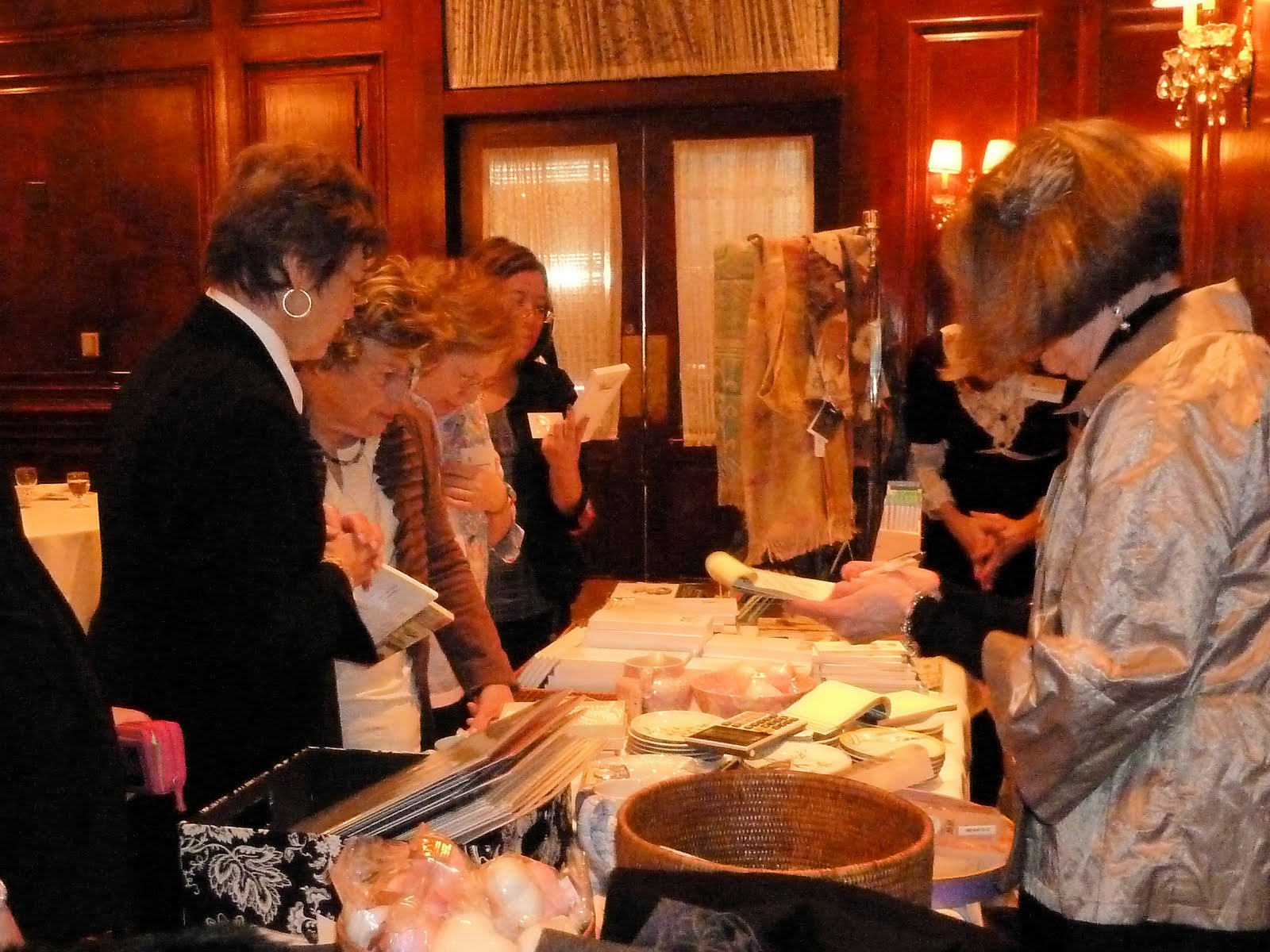
Before, after and during luncheon we shopped at the Emporium — beautiful shawls, fashion prints, jewelry and hats were extremely tempting.

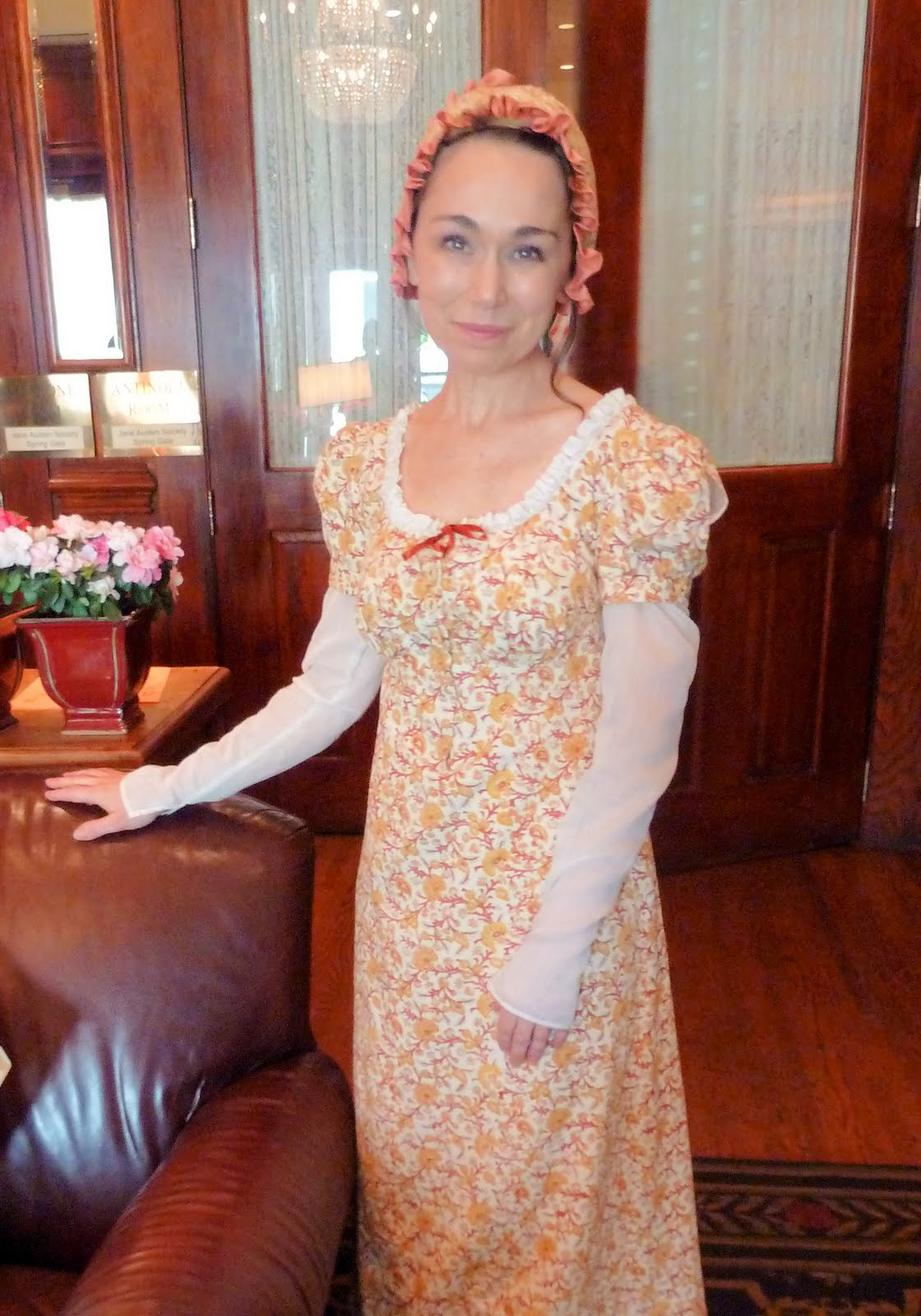
Miss Jane Austen herself graced our meeting — in the person of  actor Debra Ann Miller, who presented a charming account of Miss Austen’s life, mainly in her own words.

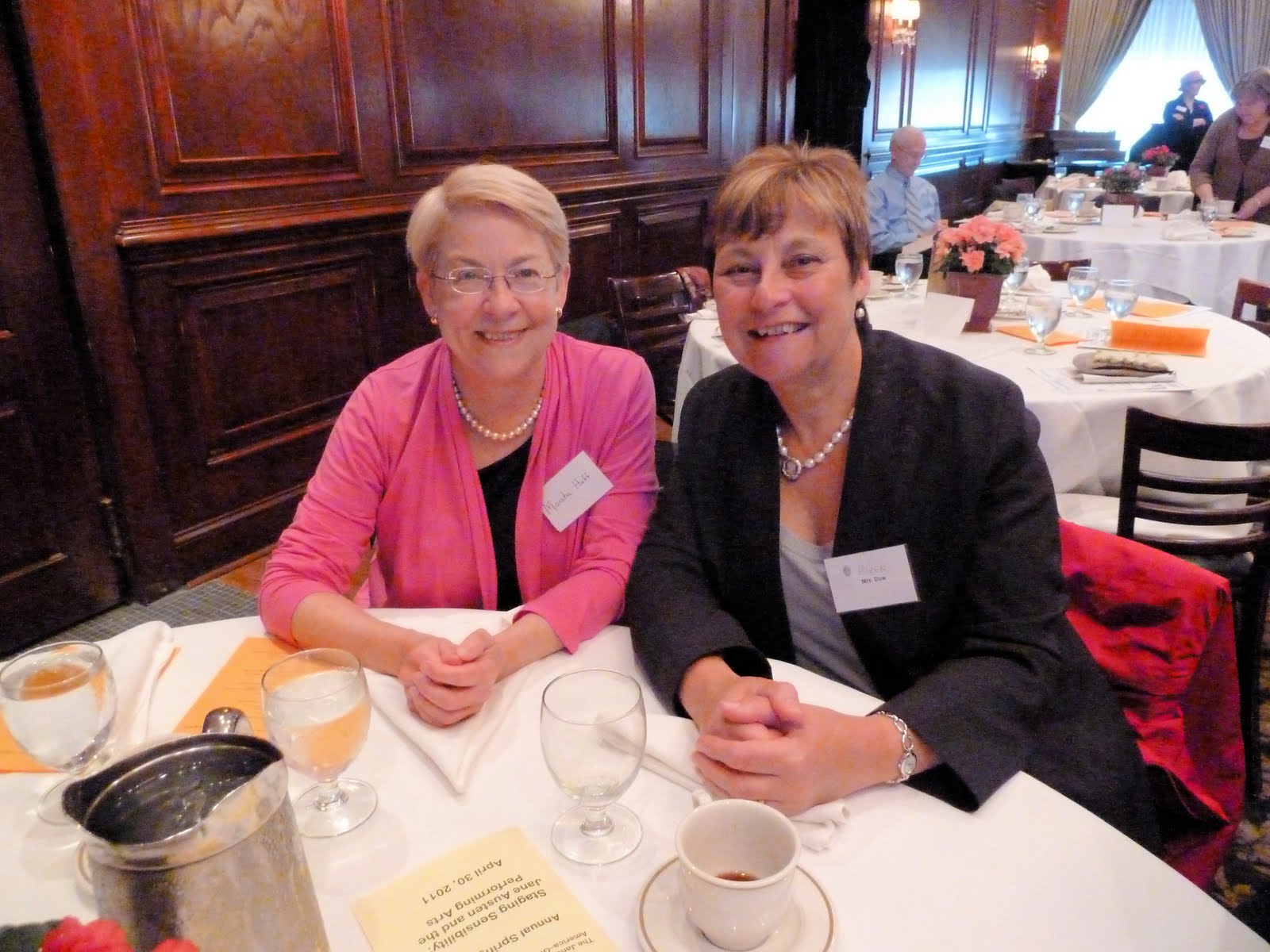
Among the honored guests were Marsha Huff, previous past-president of JASNA (l) and Karen Dow, proud mother of Dr. Gillian Dow, visiting from Yorkshire, on her very first trip to Chicago.

Mother and daughter, Karen and Gillian, enjoying the afternoon and looking forward to a return visit to the Art Institute of Chicago to see the famous Thorne Rooms, miniatures which reproduce iconic rooms from history, especially British palaces.  For a look yourself, click here.
Thanks to everyone at JASNA GCA for a scintillating and thought-provoking day.

Mrs. Montagu and the Chimney Sweeps

Mrs. Elizabeth Montagu

From The Days Before Yesterday by Lord Frederic Hamilton (1856)
“The story of Mrs. Montagu is well known. The large house standing in a garden at the corner of Portman Square and Gloucester Place was built for Mrs. Montagu by James Wyatt at the end of the eighteenth century, and the adjoining Montague Street and Montagu Square derive their names from her. Somehow Mrs. Montagu’s only son got kidnapped, and all attempts to recover the child failed. Time went on, and he was regarded as dead. On a certain 1st of May the sweeps arrived to clean Mrs. Montagu’s chimneys, and a climbing-boy was sent up to his horrible task. . . he lost his way in the network of flues and emerged in a different room to the one he had started from. Something in the aspect of the room struck a half-familiar, half-forgotten chord in his brain. He turned the handle of the door to the next room and found a lady seated there. Then he remembered. Filthy and soot-stained as he was, the little sweep flung himself into the arms of the beautiful lady with a cry of “Mother!” Mrs. Montagu had found her lost son.
“In gratitude for the recovery of her son, Mrs. Montagu entertained every climbing-boy in London at dinner on the anniversary of her son’s return and arranged that they should have a holiday on that day. At her death she left a legacy to continue the treat. Such, at least, is the story as I have always heard it.”
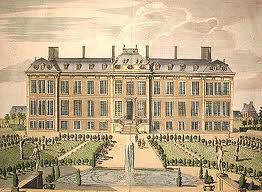
Montagu House
Edwin Beresford Chancellor must have heard almost the same tale, for he writes in The History of the Squares of London: Topographical and Historical
“Mrs. Montagu was one whose amiable character was almost better pleased in making happy those who were not invariably happy; and the feast to the chimney sweeps which she annually, on the 1st May, gave in the grounds of Montagu House, is an xemplification of this pleasant characteristic. That the sweeps — at that time, if not a dirtier, chimney-sweeping was a very much more terrifying, and often dangerous calling to its younger members — might enjoy one day of pure happiness in the year, she regaled them with beef and plum-pudding and gave them the run of her fine garden at Montagu House. There is a tradition that the origin of the idea was the kidnapping of a young Montagu — some say the son of Lady Mary Wortley — by chimney sweeps and his accidental return to his family, by a sweep employed to clean the chimneys of the house from which the child had many years before been stolen. If this be correct, the fraternity, had it been composed of logical minds, might well have deduced from such a return for such an act, almost an incentive to fresh depredations on the youthful offspring of their patrons.”

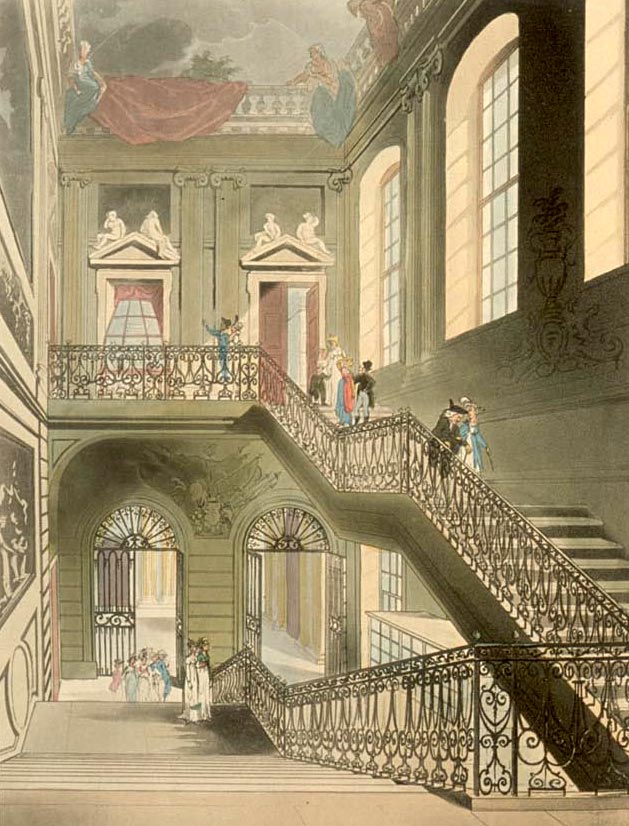
The staircase at Montagu House
Beresford’s take on the story is closer to the truth in the tale – if any truth there be – since Elizabeth’s own son, John, born in 1743, died suddenly when he was about a year old and therefore could not have been later either lost or kidnapped. She had no other children. A leader of English society, Elizabeth Robinson was born at York on the 2nd of October 1720. In 1742 she married Charles Montagu, cousin of Edward Wortley Montagu and son of the Earl of Sandwich — a wealthy man, considerably her senior. Thanks to her, his Mayfair house became the social center of intellectual society in London, and her breakfast parties and evening conversationes gained for her from her admirers the title of “The Madame du Deffand of the English capital.” When her husband died in 1775, Mrs. Montagu inherited a considerable fortune and large estates, in the management of which she proved shrewd. In 1781 she built Sandleford Priory, near Newbury. Elizabeth Montagu died on the 25th of August 1800.

The Royal Wedding in Milwaukee

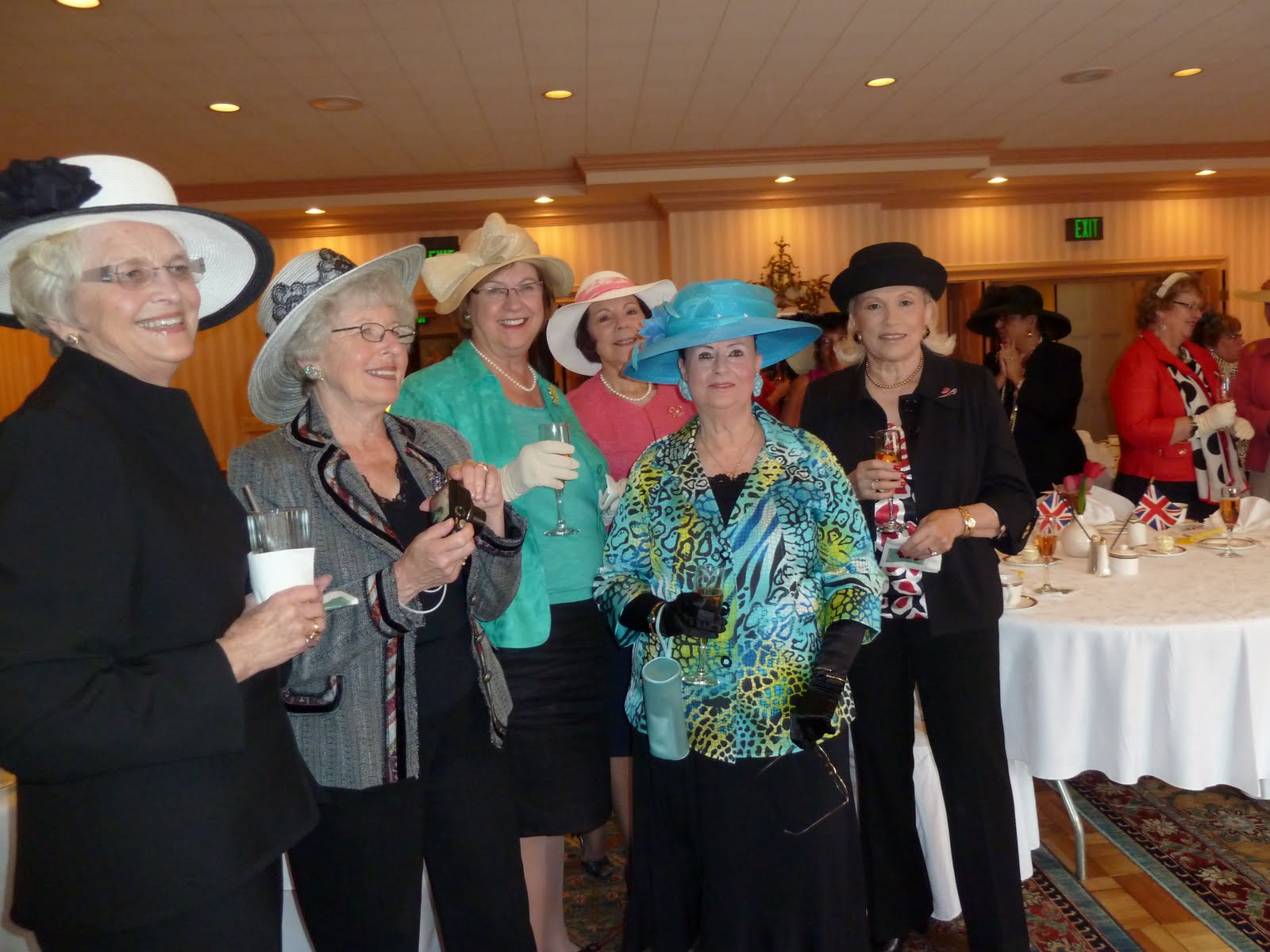
Kilbourn Avenue in Milwaukee, Wisconsin, on the shore of Lake Michigan, became a little slice of Britain on Friday, April 29, 2011.  Members of the Woman’s Club of Wisconsin, est. 1876,  gathered at the elegant clubhouse to celebrate the wedding of Prince William and Catherine Middleton, now the Duke and Duchess of Cambridge.

Kir Royales were approriate for the many  toasts to the happy couple . . .

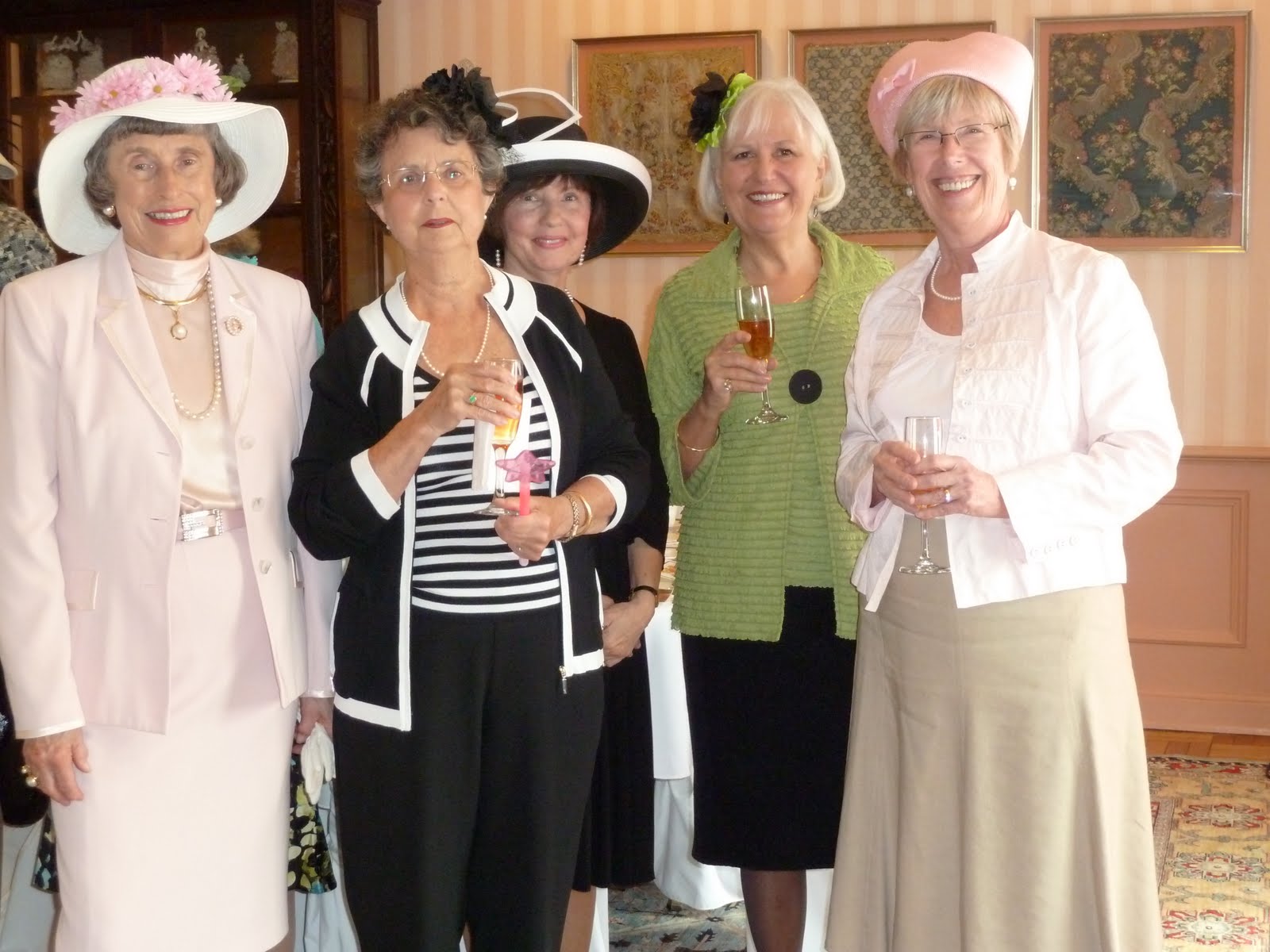
Everyone is always eager for an excuse to wear her favorite hat — though some opted for fascinators.
The printed Menu Card was cleverly contrived to include a picture of “The Kiss” above the words “William and Kate Forever.”  Thanks to the tech-savvy staff members who managed the feat!

The menu, crafted by chef Steve Derby:
Petite Prime Rib of Beef
Queen Elizabeth Mashed Potatoes
Minted Pea Puree
Royal Bread Pudding
with Vanilla Sauce
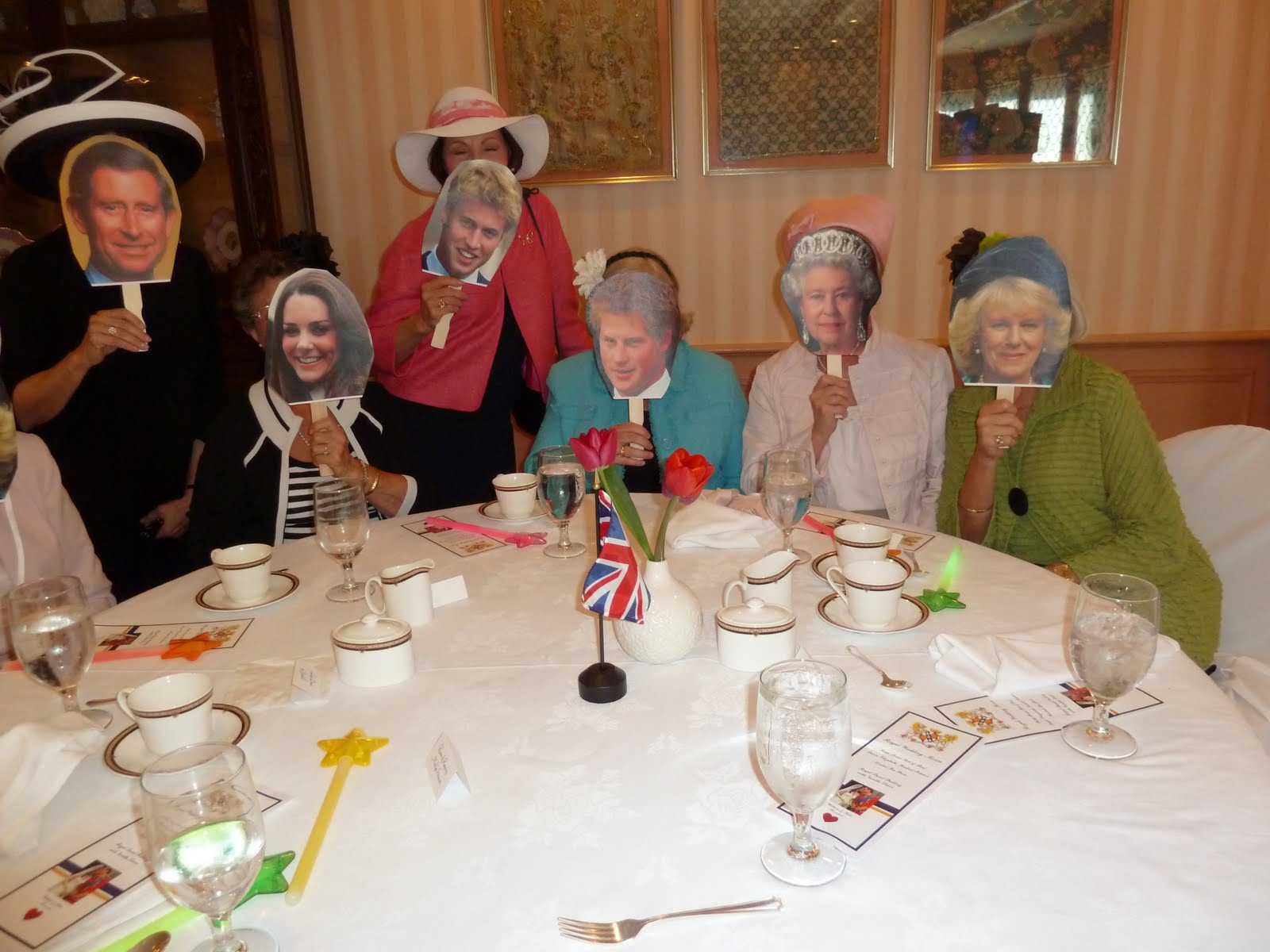
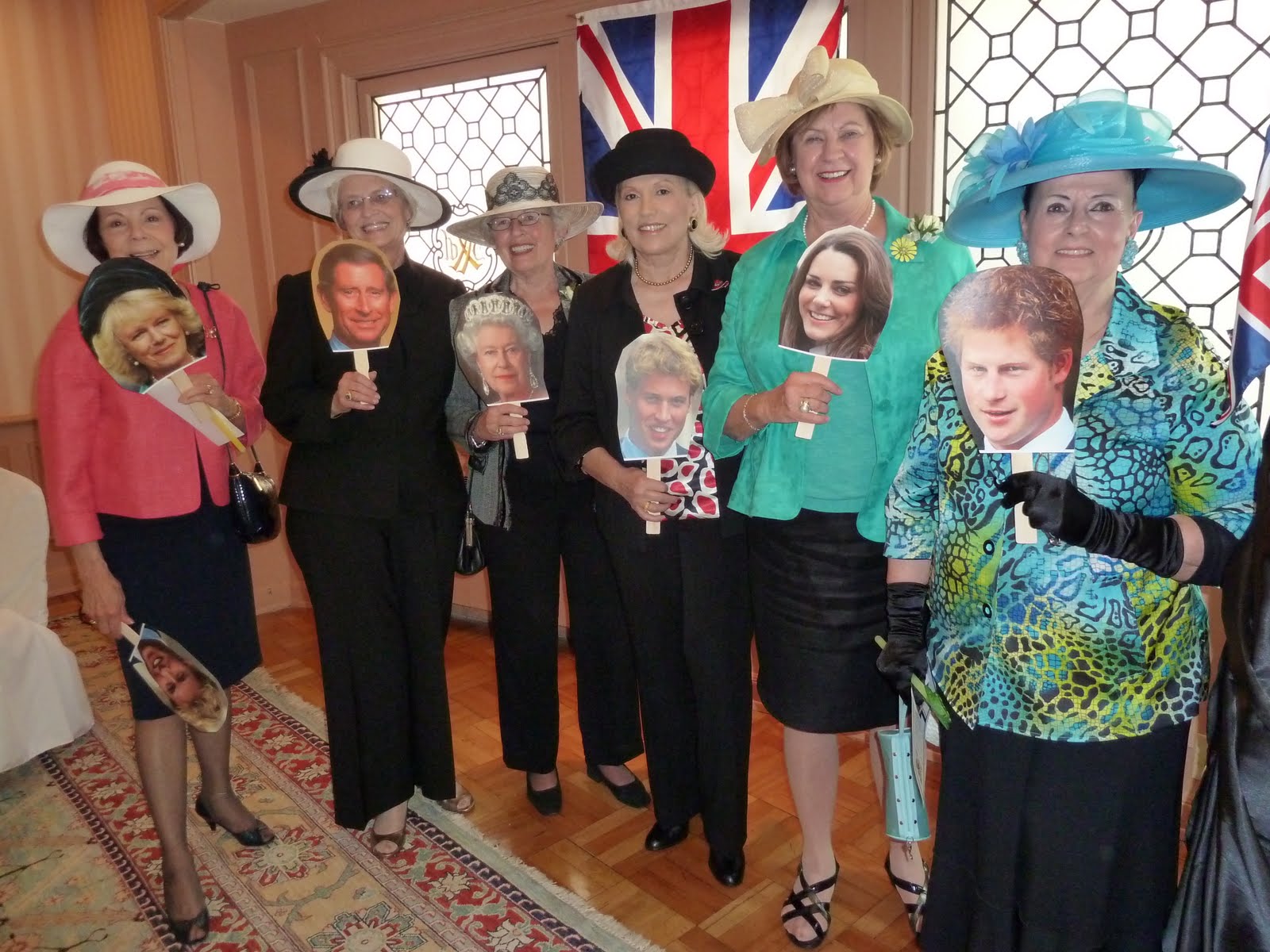
Some of the guests looked amazingly familiar…
Oh, now we get it…
And if Prince Harry is looking for some company, just send him over!
We had a great time, just one of thousands of groups of Anglophiles the world over.
Best wishes to the happy couple….

The Wedding Day!

Wedding dress designer – Sarah Burton

Blogger “Boy Meets Fashion’s” on-the-ground video of balcony kiss and fly past can be seen here
Newlyweds leave Palace in Prince Charles’s Aston Martin
Watch the video

All about the cake

All about the tiara

The Secrets Behind Kate’s hairdo revealed
Gorgeous photos of the wedding can be seen here
You’ll find video of the wedding highlights here
and photos of the reception here

Recipe for William’s Groom’s Cake