Travels with Victoria: Penshurst Place

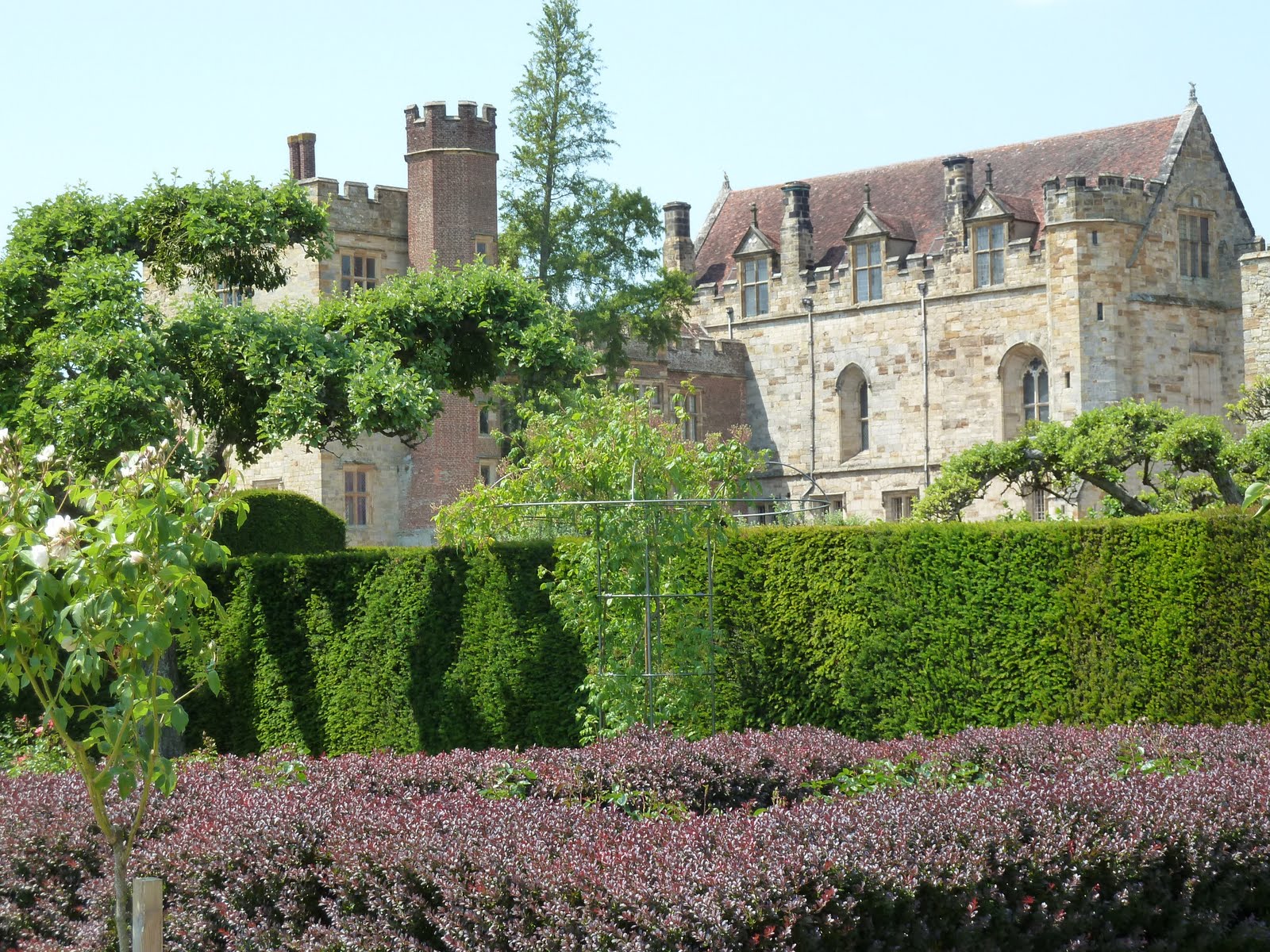
As long as I have been interested in English Country Houses, I have yearned to visit Penshurst Place in Kent, near Tonbridge. It was definitely worth waiting for.  Their website is here.

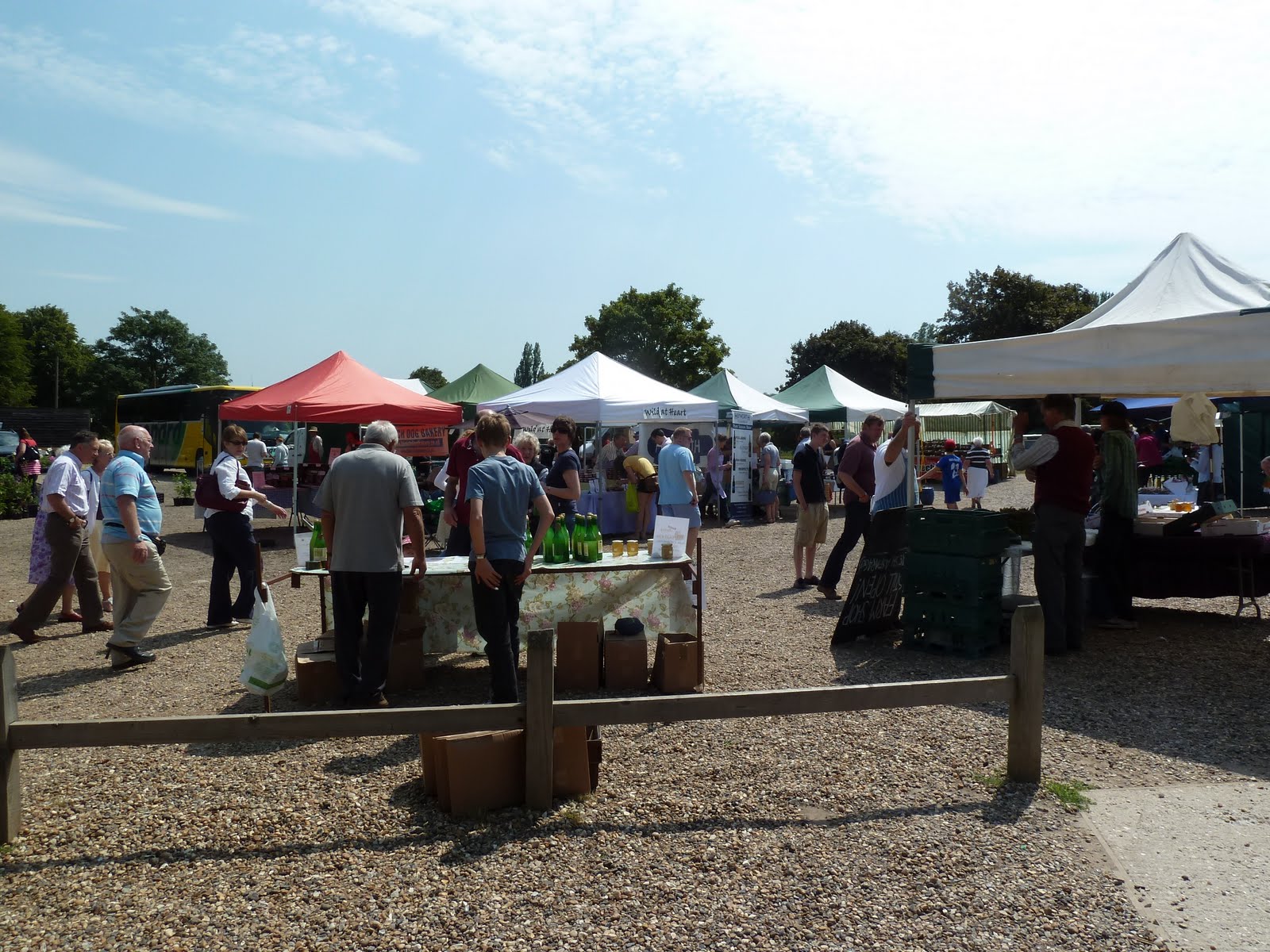
On a warm sunny day in early June 2011, we were greeted by a local organic food fair outside the entrance. I wanted to browse, but I was far too eager to get to the house and gardens. From the looks of the crowd, however, they were doing a good business in eggs, meat, poultry, veggies and ciders.

When I took a course on English Country Houses at Oxford, one of the prime examples presented of the ancient fortified manor house was Penshurst Place.  Though many others still exist, the Baron’s Hall  (built 1341) is, according to the guidebook and my don (professor), “the best preserved example of 14th century domestic architecture in England.”

This is where the members of the household lived, ate, slept — and died. The fire pit in the center of the hall was vented through the roof, so it would have been smoky, as well as crowded, smelly, and noisy.  If danger threatened, many more people — farmers, shepherds, villagers — would crowd in for protection.  The Lord of the Manor and his family ate at the High Table on a raised dais, but probably withdrew to the Solar for most of their activities.

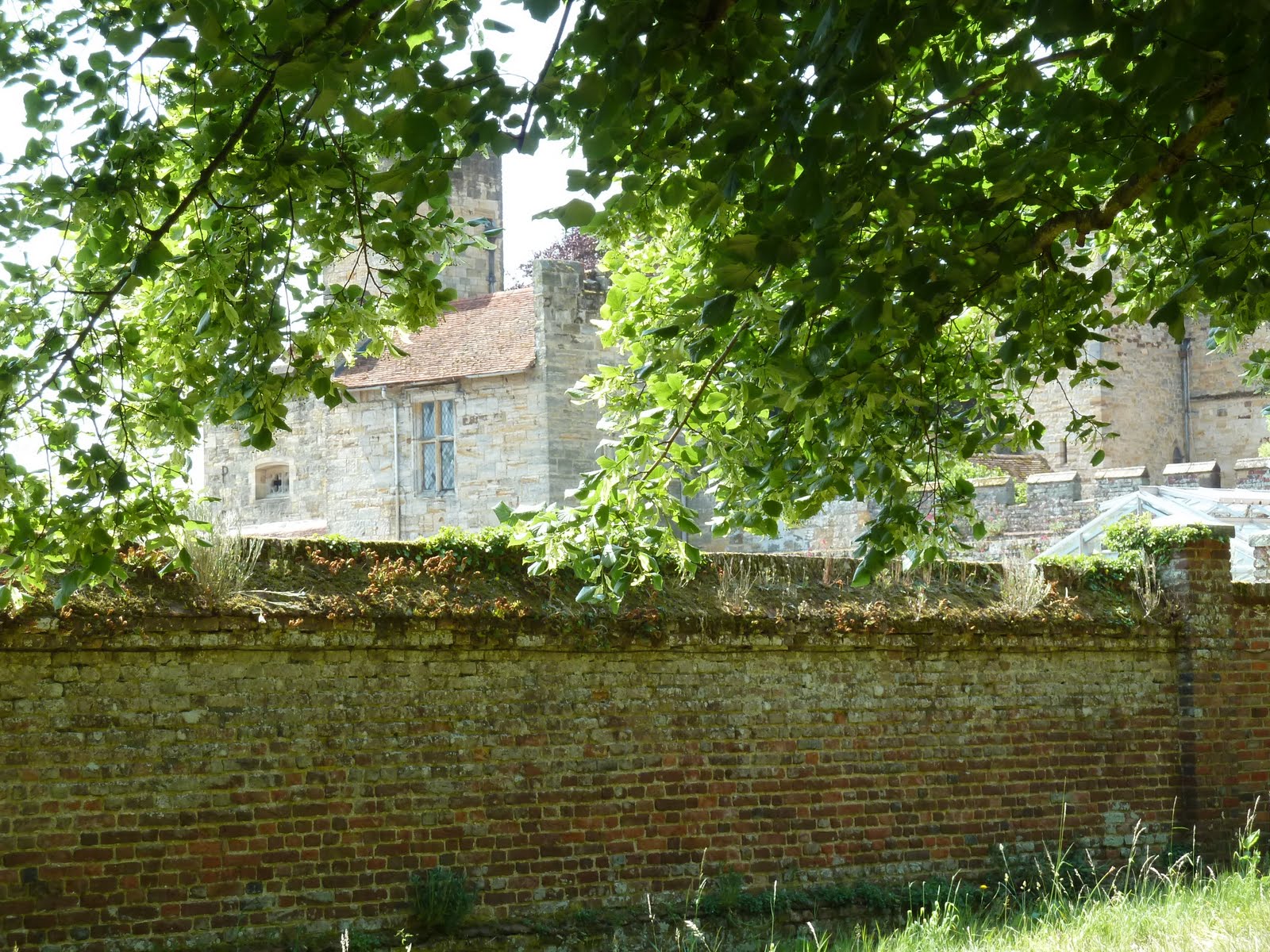
The high pointed roof in the middle is the exterior of the Baron’s Hall. Though the hall was originally built by Sir John de Pulteney, who incidentally was Lord Warden of the

Cinque Ports, the enlarged house became the home of the Sidney family, various branches of which have owned it ever since.

National Portrait Gallery, London

Penshurst was the birthplace of Sir Philip Sidney (1554-1586), one of those amazing examples of the Renaissance man: courtier, statesman, soldier, and poet, known for his honor and virtue.  There are hundreds of fascinating stories about the people who lived here, or wanted to: feuders, plotters of intrigue, scandalous characters, builders, and wastrels, as well as many government officials, country gentlemen and ladies who were sober and industrious — and everything in between the miscreants and the gallants. The interiors of the house are fascinating, showing features from many centuries and reflecting the history of the family — but again, there are no photos permitted. Why? Talk about cutting off your own nose, etc.  Below, looks like somebody scanned the Long Gallery photo from the guidebook.

And here’s another interior, of the Panelled Room, with its magnificent bed.

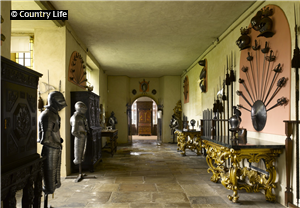
Below, the Nether Gallery, with its collection of arms and armor, from Country Life magazine.

In the family tree of the current residents, the family of Viscount D’Isle and

Dudley, are many of the most famous names in English history: Sidney, of course; Dudleys, Perrys,  Shelleys, Spencers, and Churchills; Dukes of Northumberland; Lady Jane Grey; Earls of Leicester, Salisbury, Sunderland, and Bridgewater, and the Duke of Clarence, later King William IV. His daughter by the actress Dora Jordan, Lady Sophia FitzClarence, married Philip Sidney, 1st Lord L’Isle and
Dudley (1800-1856). 

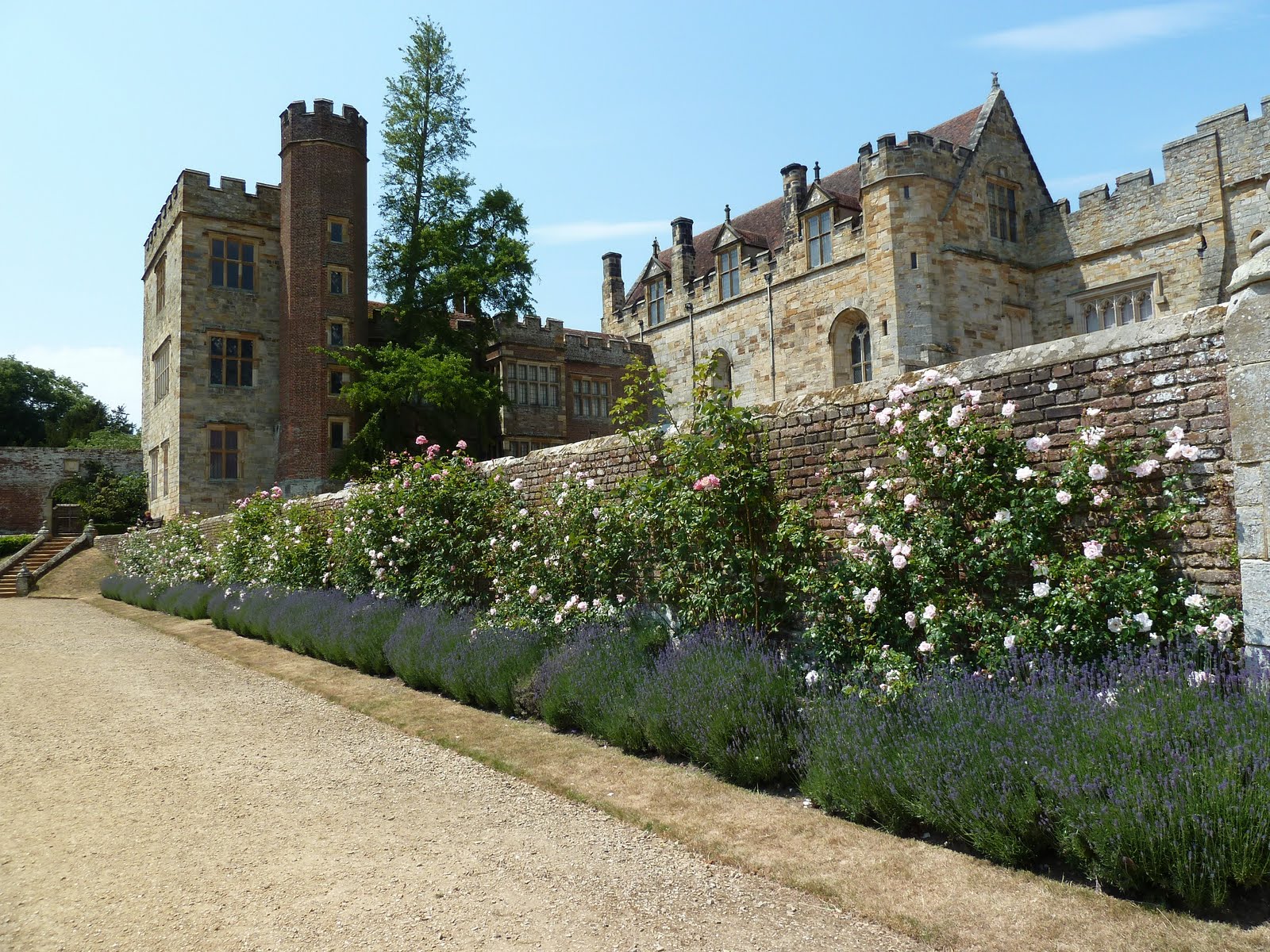
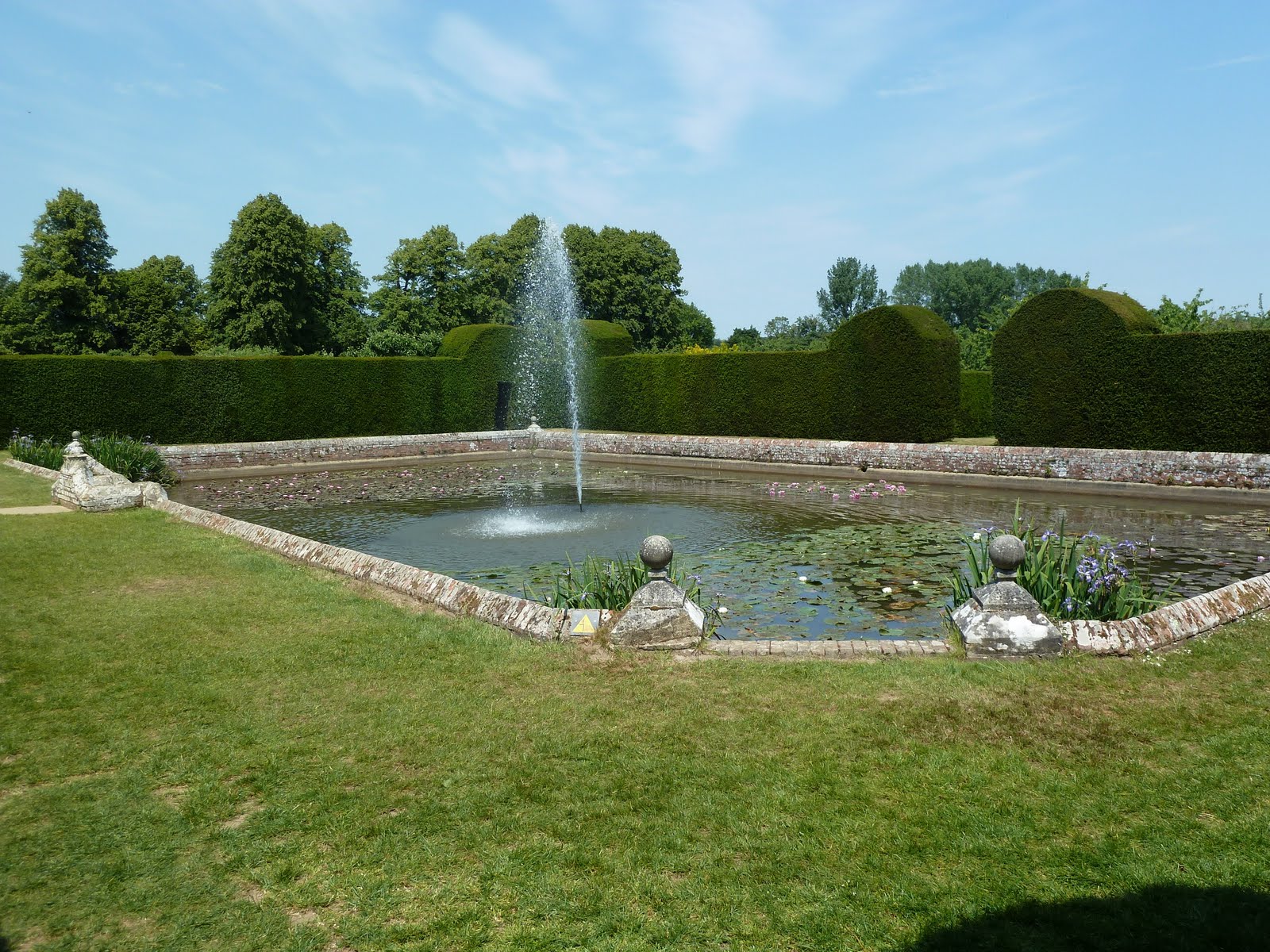
The gardens at Penshurst Place are spectacular.

There are many wings of the house which are not open to tourists, but I felt quite satisfied with seeing the oldest areas, which are impressively preserved. Bravo, Viscount D’Lisle!!

Travels with Victoria will journey to Horace Walpole’s Strawberry Hill, next.

The Wellington Connection – Walmer Castle


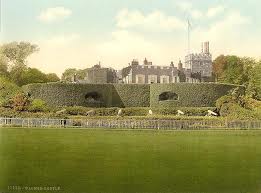
Walmer Castle, Kent


 From The History of Walmer and Walmer Castle By Charles Robert Stebbing Elvin (1894)
The quiet unostentations life which the Duke of Wellington led at Walmer, has been familiarized to us by Earl Stanhope in his “Conversations.” But one trait must be briefly alluded to, namely, the Duke’s love for children, which was evinced in a characteristic manner. We are told by Lord Stanhope that, in the autumn of 1837, Wellington had staying with him at Walmer Castle, two little children of Lord and Lady Robert Grosvenor, a boy and girl, and these chicks having expressed a desire to receive letters through the post—it was before the days of the penny post—the Duke used to write to them every morning a letter containing good advice for the day, which was regularly delivered when the post came in. He used also constantly to play fooball with the little boy upon the ramparts.
It was in the October of this year that poor Haydon spent some days at the castle, having come down at the Duke’s request, to paint his portrait for certain gentlemen at Liverpool. Haydon relates in his Diary, how charmed he was with the Duke’s playfulness with “six dear healthy noisy children,” no less than with his unostentatious reverence at the parish church on Sunday.  . . . . It is further related of the Duke of Wellington, that he sometimes took out with him, in his walks, a number of sovereigns and half-sovereigns, each suspended from a red or blue ribbon, and that when he came upon a group of children, he would present them with one of these, either red or blue, according as they declared themselves when interrogated, to be for the army or navy. The Duke’s early habits are well known, and an old gentlemen still living, tells me that when he was a boy at Walmer, he and his school-fellows used frequently in the summer, to be taken down to the sea near Walmer Castle, at six o’clock in the morning, to bathe, and the Duke would often come on the beach and converse with them.
In addition to children, the Duke also entertained more mature guests at the Castle
The Duke of Wellington was repeatedly honoured with visits from Royalty, during his occupancy of Walmer Castle. Thus Earl Stanhope mentions in his Conversations his meeting Prince George of Cambridge (the present Duke) at dinner at Walmer Castle, on October 14th, 1833; and on October 17th, 1837, records a luncheon at the Castle to meet the Princess Augusta of Saxony.
From the same source, also, we learn that two years later the Duke of Cambridge (father of Prince George above-mentioned), and first Duke of Cambridge with the Duchess and Princess Augusta, spent five days at Walmer Castle, namely, from October 3rd to October 8th. And how they were entertained we are also informed. On the evening after their arrival, there was a dinner party of eighteen persons, followed by a concert, for which the Duke of Wellington had engaged several vocalists from London, and to which he invited most of the neighbours: another dinner given on the 6th Oct., was followed by a larger party still, and a concert in the evening: while on the last day of their sojourn, October 7th, a great public breakfast given by the Duke in their honour, at 2 p.m., was attended by from a hundred to a hundred and twenty persons, many of whom came from Ramsgate and Dover; and in the evening there was another concert and large party.

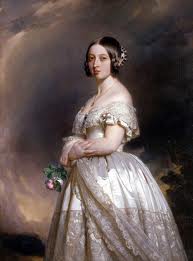
But the chief interest centres in the visits of our present beloved Queen, who first became acquainted with Walmer in 1835 ; in the autumn of which year, she being then the Princess Victoria and a girl of sixteen, paid a visit to the Duke of Wellington and lunched at the castle, with her mother, the Duchess of Kent, and the King and Queen of the Belgians.
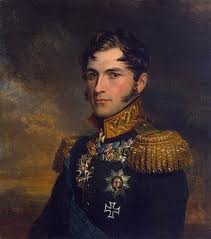
Leopold, King of the Belgians
The following account of this visit has been preserved in a letter by the then Lady Burghersh to her husband :—” The King and Queen of the Belgians arrived exactly at 2 in the same carriage with the Dnchess of Kent and Princess Victoria. The Duke of Wellington and I went to meet them on the drawbridge, and brought them up the outside staircase to the ramparts (where nearly all the company were already assembled), the lower battery firing a salute. The scene was beautiful; the whole of the beach in front of the castle and the roads leading to Deal and to the village, were filled with people; all the colours hoisted at the different places along the coast and on the ships, of which, fortunately, there were quantities in the Downs. The only drawback was that we were disappointed of getting a band from Canterbury, so there was no music. After walking about the ramparts and speaking with the company, the King and Queen went with the Duke round the garden, but the Princess Victoria had a little cold; so I staid in the drawing room with her and the Duchess of Kent, and baby was brought in and behaved like a little angel, and was much admired. She was sent for again afterwards to see the Queen. As the crowd outside were eager to see Princess Victoria, I asked the Duchess of Kent if she thought she might come out for a moment to shew herself, and I fetched my ermine tippet for her, which she put on, and came out on the ramparts and was very much cheered.”
Seven years later we find her Majesty again at Walmer Castle; being no longer a girl, but a Queen and a mother. It was on the morning of Thursday, November 10th, 1842, that the Royal party, consisting of the Queen, Prince Albert, and th
eir two children, the Prince of Wales and the Princess Royal, left Windsor Castle, accompanied by a distinguished suite, en route for Walmer Castle; where they arrived the same day escorted by a troop of the 7th Hussars, then quartered at Canterbury, and with a guard of honour furnished by the 51st Infantry. With the exception of the journey from Slough to Paddington, the whole distance was accomplished by road; Her Majesty being everywhere greeted with the most enthusiastic demonstrations of loyalty and esteem. On the outskirts of Upper Deal, the Royal Party were met by the Duke of Wellington, who afterwards rode on to receive Her Majesty and the Prince at Walmer Castle, which was then placed entirely at their disposal; the Duke proceeding to Dover to take up his quarters during the royal visit.
Although the accommodation at the castle was somewhat restricted, being much less in those days than at present, no effort was spared to ensure the comfort of the royal guests and their suite. Two of the principal rooms in the castle had been thrown into one, for the sleeping apartment of Her Majesty and the Prince; while the portion of the fortress appropriated for the royal nursery, consisted of four rooms in “the outworks or north tower,” with the windows facing in a northerly direction. Viscount Sydney, as the Lord in Waiting, and Lady Portman as the Lady in Waiting, as well as the Honble. C. A. Murray, Master of the Household, and others, occupied some other rooms; while the rest of the guests were accommodated in a large house about three quarters of a mile away.


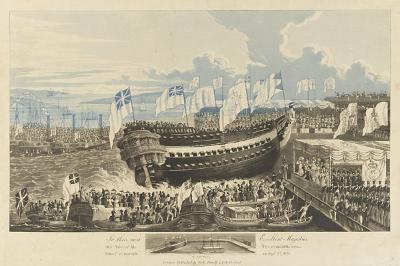
The Launch of The Thunderer, 1831
Copyright Port Cities London


The inhabitants of the whole district seem to have vied with each other in their efforts to do honour to the royal visitors; the illuminations throughout the neighbourhood being most brilliant. And on the following morning, when the royal standard was hoisted on Walmer Castle, the Thunderer manned yards, and saluted Her Majesty with twenty-one guns. The royal party remained at the castle nearly a month; and it was while here that the Queen received by special messenger from Downing Street, the news of the recapture of Ghuznee and Cabul, and the rescue of the prisoners.

An incident took place during this visit, which displays, in a remarkable degree, the natural goodness of heart and kindliness of disposition, which have always been shewn by her Majesty in her intercourse with her people. The Queen and Prince Consort were one day walking on the shore in the direction of Kingsdown, when they were driven by a sudden shower to take refuge in an old boat-house, which, besides being a place for storing boat’s gear, served also as a dwelling for an aged boatman—Thomas Erridge—and his wife; who, although they failed to recognize their visitors, readily offered them such mean accommodation as the place afforded. The royal pair were soon provided with a seat, consisting of some spars placed upon empty water-casks and covered with a spare sail; and there they sat and conversed with their simple-minded hosts, until the shower ceased ; and the latter were afterwards rewarded for their rude, but kindly hospitality, with a pension, with which the Queen provided them for the rest of their days.
The last meeting between Prince Albert and the Duke of Wellington, took place at Walmer Castle, on a similar occasion to the last, and only two years later. It was on August 17th, 1852, a month before the Duke’s death: the royal squadron having anchored in the Downs for one night, with the Queen and the Prince Consort en route for Belgium, His Royal Highness landed in a small boat from the Victoria and Albert, and paid a visit to the castle, where he had a long conversation with the aged warrior and statesman.
Whilst the Duke took excellent care of his many guests, he seems to have been rather more lenient in his care of the Castle gardens –
The next considerable improvement to the (Castle) grounds was made by the Earl of Liverpool (Warden before Wellington), who added the two meadows— since thrown into one—with the express proviso that, in the event of the office of Lord Warden being ever abolished, they should revert to the representatives of his own family.
The Duke of Wellington did not improve the grounds: on the contrary, he seems to have allowed them to fall into a state that would very much shock the professional gardener. But then the Duke’s gardener was not a professional, but a veteran sergeant of the Peninsular Army, and a Waterloo man, named Townsend, who received his appointment to the post of gardener at Walmer Castle under the following peculiar circumstances. The story goes, that shortly after the Duke became Lord Warden, he received a letter from Sergeant Townsend, complaining that he had been discharged from the service without a pension: that thereupon he immediately replied, “Field Marshall the Duke of Wellington would be happy to see Sergeant Townsend at Apsley House -on Friday at noon “: that on the interview taking place, his Grace inquired, “Do you know anything about gardening?” and, on receiving a negative reply, added, “Then learn, learn, and come here this day fortnight at the same hour.” The sergeant withdrew, and when, in obedience to orders, he appeared the second time at Apsley House, was greeted with—”Take the place of gardener at Walmer Castle; and on replying, “But I know nothing about gardening,” was cut short by the Duke with “Nor do I, nor do I, take your place at once.”
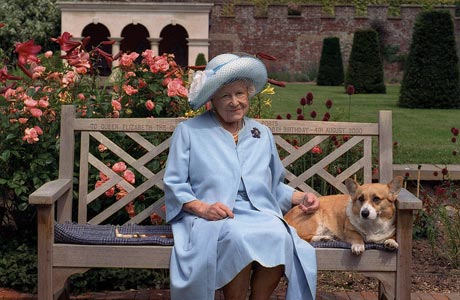
HM Queen Elizabeth the Queen Mother was Lord Warden for 24 years
 and spent many summers in residence at Walmer Castle.

Travels with Victoria: Walmer Castle

A visit to Walmer Castle opens a number of interesting windows on English history. As you might expect if you have read this blog for a while, one of those windows concerns the Duke of Wellington, our favorite hero. But the story began centuries before the Duke arrived on the scene.

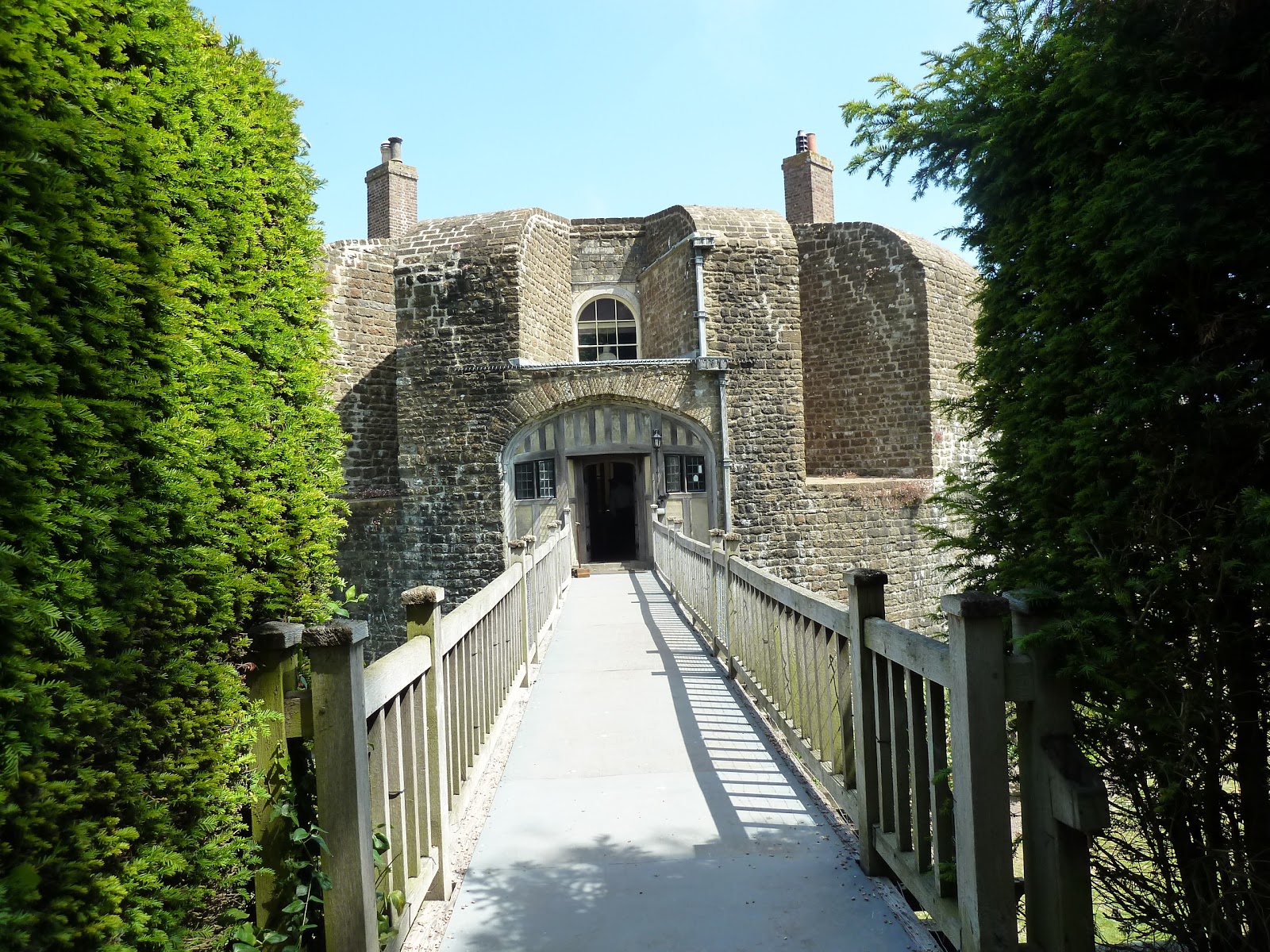
Above, the moat is now partially filled in with garden and lawn, but when Walmer was built in 1539 by Henry VIII, it was an important defensive feature.  Concerned about invasion by Spain, the king ordered a chain of fortresses along the coast, including Deal Castle, just a few miles north of Walmer.  Henry had defied the Church of Rome, divorced the Spanish Catherine of Aragon and married Anne Boleyn.  He had reason for concern.

The design of Walmer (above) and Deal, which is the larger of the two, responded to the technological developments in firepower by the sixteenth century. The low shape and size provided positions for many types and calibres of guns as well as making a difficult target from ships out at sea. The goal was to protect the coastal harbors and fleet anchorages along the Downs of eastern Kent.
 

Cannons on the parapet at Walmer Castle
Unlike the town of Sandwich just up the road, Walmer is still right on the English Channel beach.  The Spanish Armada did not approach until 1588;  although the defenses at Deal and Walmer were prepared, the action took place elsewhere.
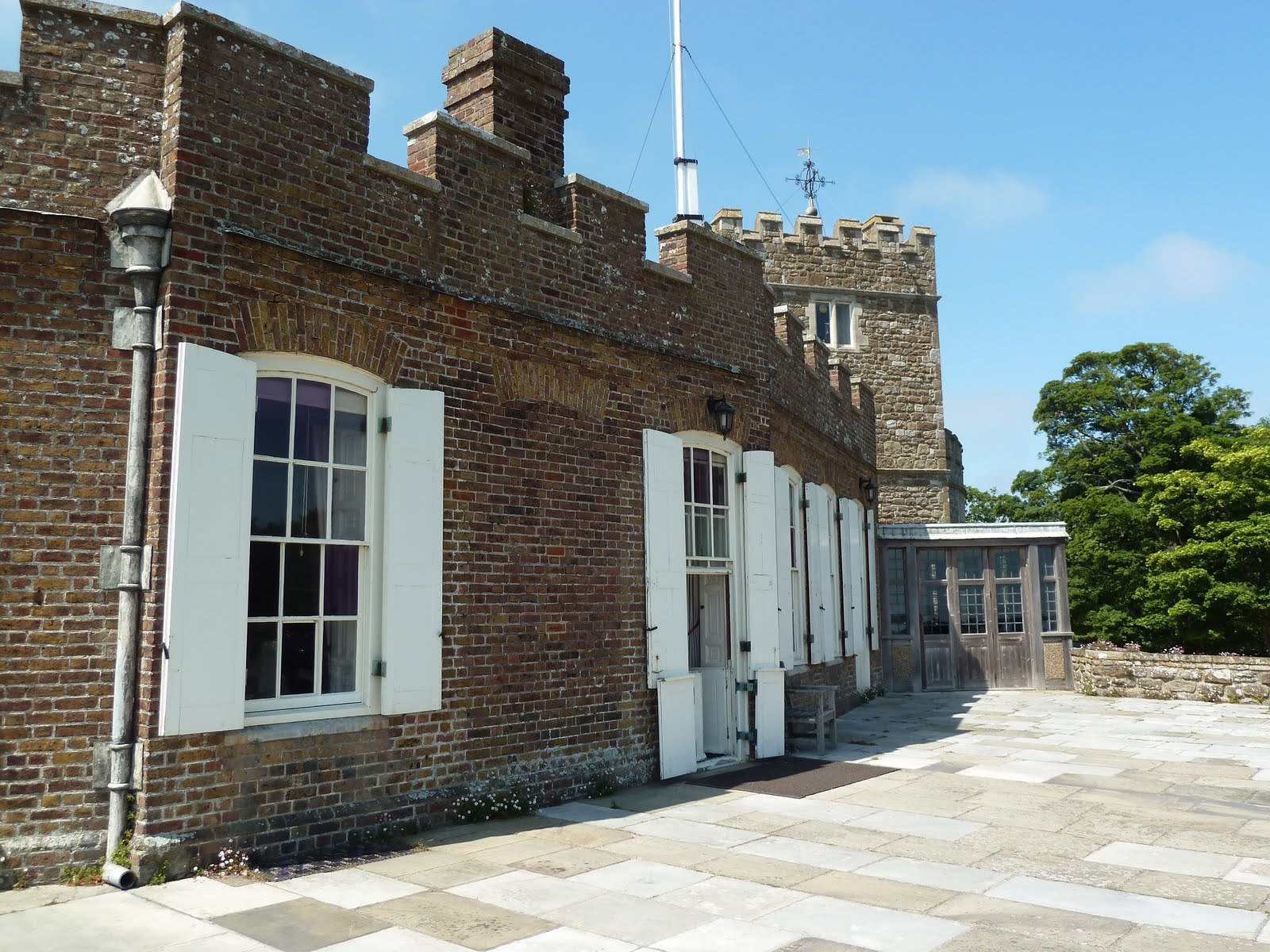
Alongside the canons, are comfortable lounge chairs for gazing at the sea. Looking in the opposite direction, the residential parts of the castle have the look of a comfortable Georgian house.
The office of Lord Warden of the Cinque Ports is ancient, but became less important by the 16th century, because most of the original ports had silted up and were no longer required to provide ships to the Crown — which had the Royal Navy at its disposal. Nevertheless, the office continued with limited responsibilities; by the 19th century, it was a largely ceremonial position. Walmer Castle has been the residence of the Lords Warden since 1708.
The Dining room also has a Georgian look.
Prime Minister William Pitt the Younger was the Lord Warden from 1792 until his death in 1806, the first commoner to hold the post. Receiving the annual stipend helped him to offset some of his debts while also providing a position from which he could raise a local militia during the wars with France. Pitt’s niece, Lady Hester Stanhope (1776-1839), lived at Walmer and worked hard to improve the gardens.  Later, Lady Hester became famous (or perhaps infamous) for living in the Lebanese wilderness, reclusive and devoted to the occult.

interior shots from English Heritage

The Duke of Wellington spent increasing amounts of time at Walmer as he aged. This is the room in which he died in 1852; he had served as Lord Warden since 1829. More about the Duke at Walmer will be on the blog tomorrow. (Yes, Kristine, that’s the armchair in which the Duke breathed his last).

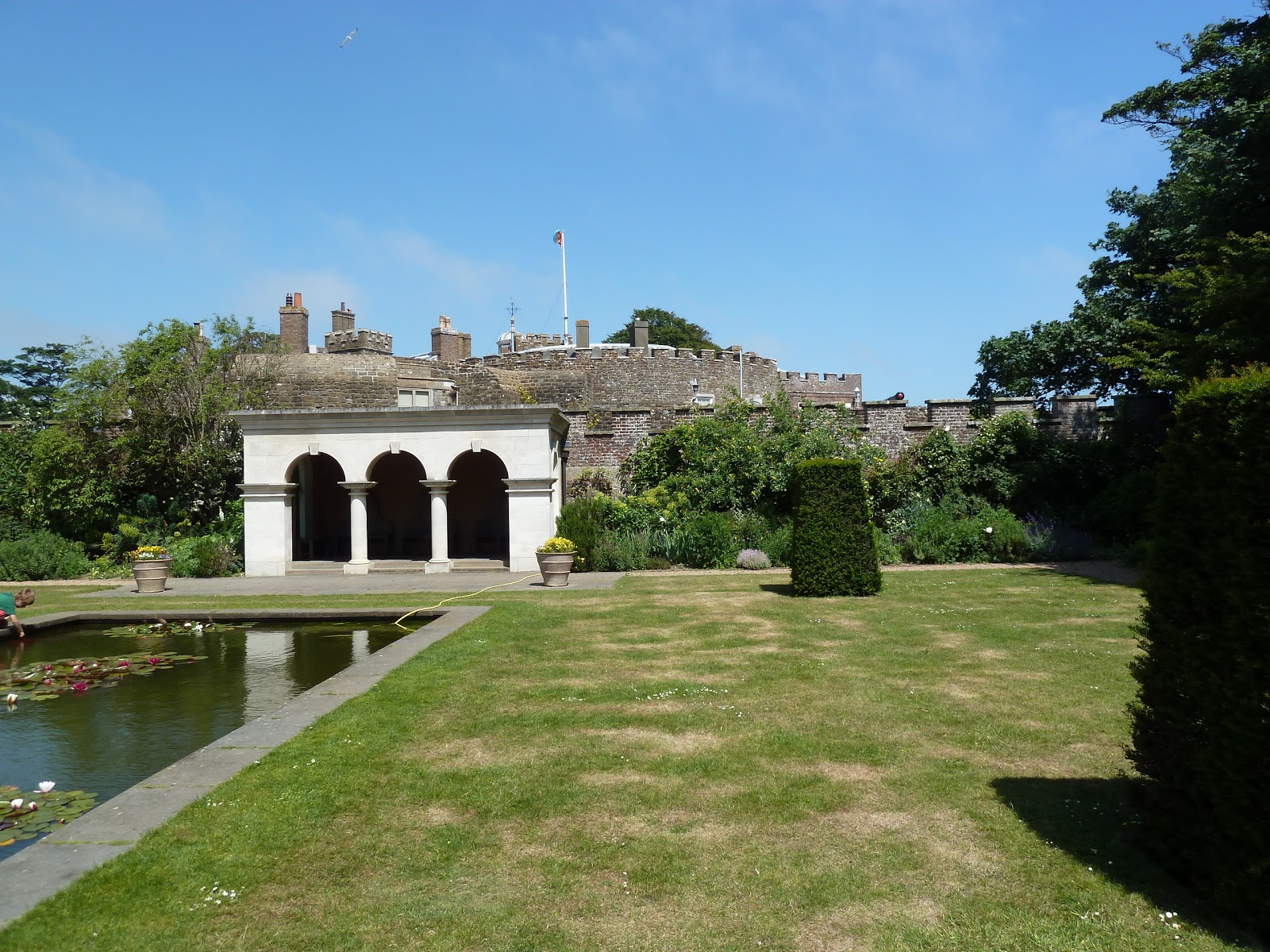
This view of the garden with the castle behind the pavilion shows you how dry the spring had been in Kent in 2011. Even a short distance from the sea, the lawn was browning.  Among some of the other significant Lords Warden were W.H. Smith (1825-1891), the founder of railway newsagents, whose company still bears his name on every British High
Street and well beyond; HRH The Prince of Wales, later Edward VII; Sir Winston Churchill; and HM Queen Elizabeth, the Queen Mother.  Since her death, the post has been held by Admiral Lord Boyce.

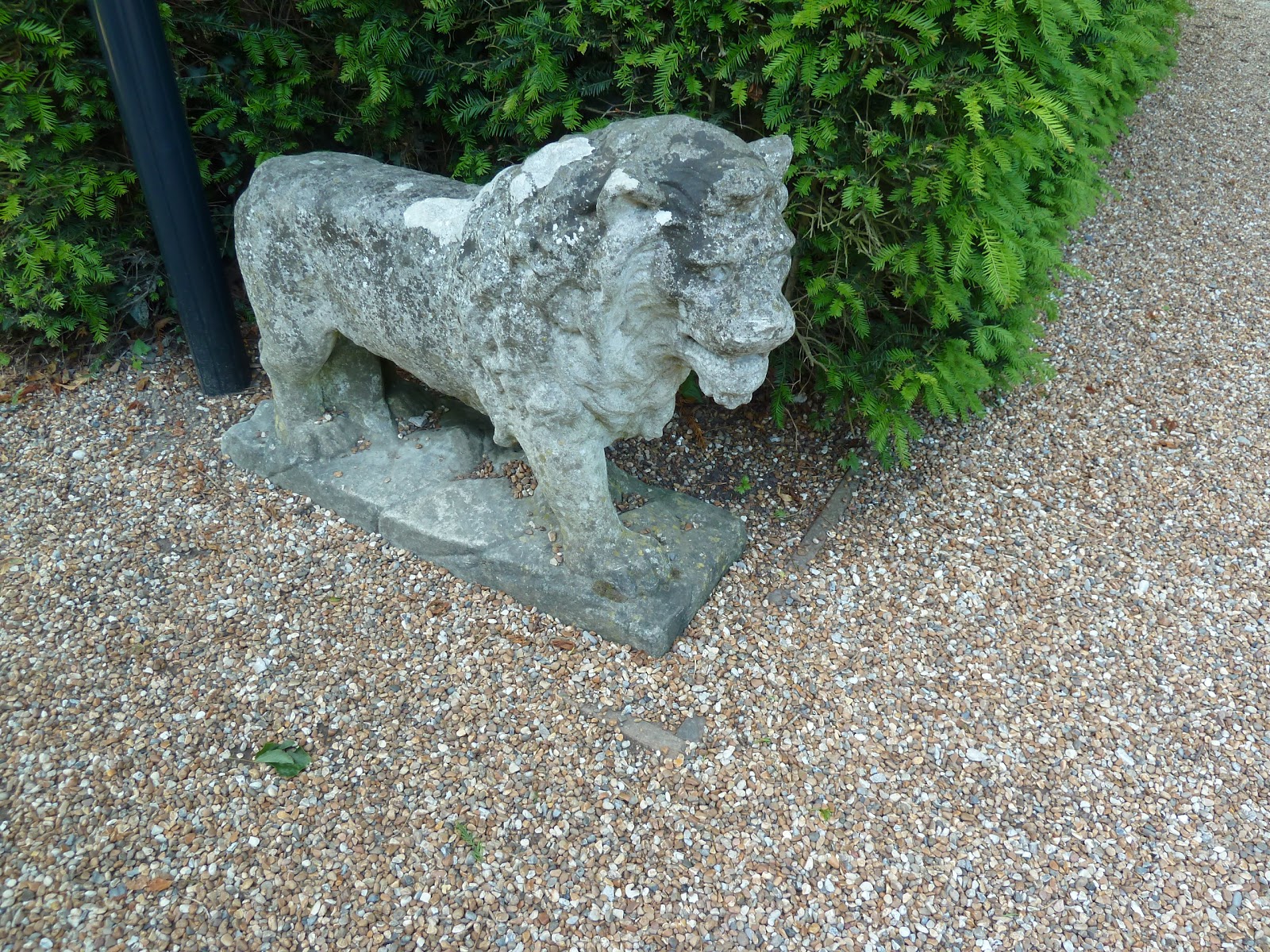
This weather-beaten lion somehow symbolizes Walmer perfectly for me, a place which time has passsed by but which still provides an afternoon’s enjoyment and remembrance of things past.

Tomorrow, more on the Duke of Wellington at Walmer; Next on Travels with Victoria, Penshurst Place

Travels with Victoria: The Charming Town of Sandwich, Kent

Sandwich has little or nothing to do with the famous dish of the name, other than the fact that the 4th Earl of Sandwich invented it in the 18th century. The earl’s title had been taken from the name of the city in the 17th century. However, one of the amusing vagaries of geography is in the vicinity. I must admit I never saw the hamlet of Ham.

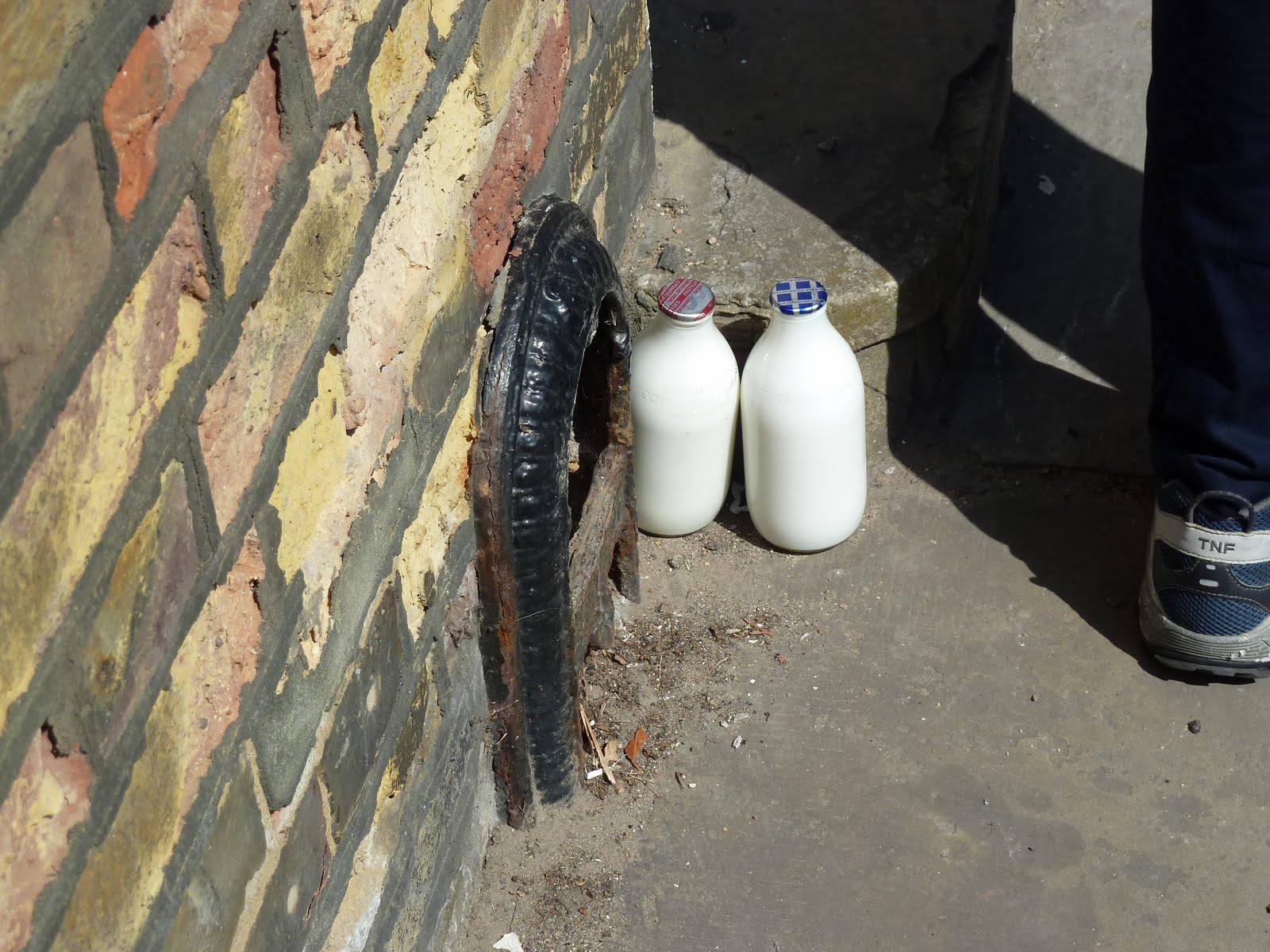
If you need a glass of milk with your sandwich, you will find it still delivered in glass bottles.  Shades of long ago!

And just in case you wondered where the meat came from…

But seriously, folks… Sandwich has been important since before the Roman landings here in the first century AD, and as one of the vital Cinque Ports, so designated in the 12th century.  Along with such harbours as Dover, Hastings, and Hythe, Sandwich was protected by the crown, exempted from some taxes and fees, in exchange for performing official services, such as the provision of ships for the king.

The organization continues in a ceremonial format to this day. We’ll encounter the Cinque Ports when we talk soon of nearby Walmer Castle. Though Sandwich’s harbor was once on the English Channel, today the silted up harbour means it is two miles inland, joined to the sea by channels and the River Stour.

Across from the quay stands the Fisher Tower, dating from 1384, the only one of original gates in the town’s walls to survive. It is constructed of bricks and the kind of flinty stone so common in this region of Kent.

Nearby is the much-remodeled Barbican, formerly the toll house for the bridge over the Stour.

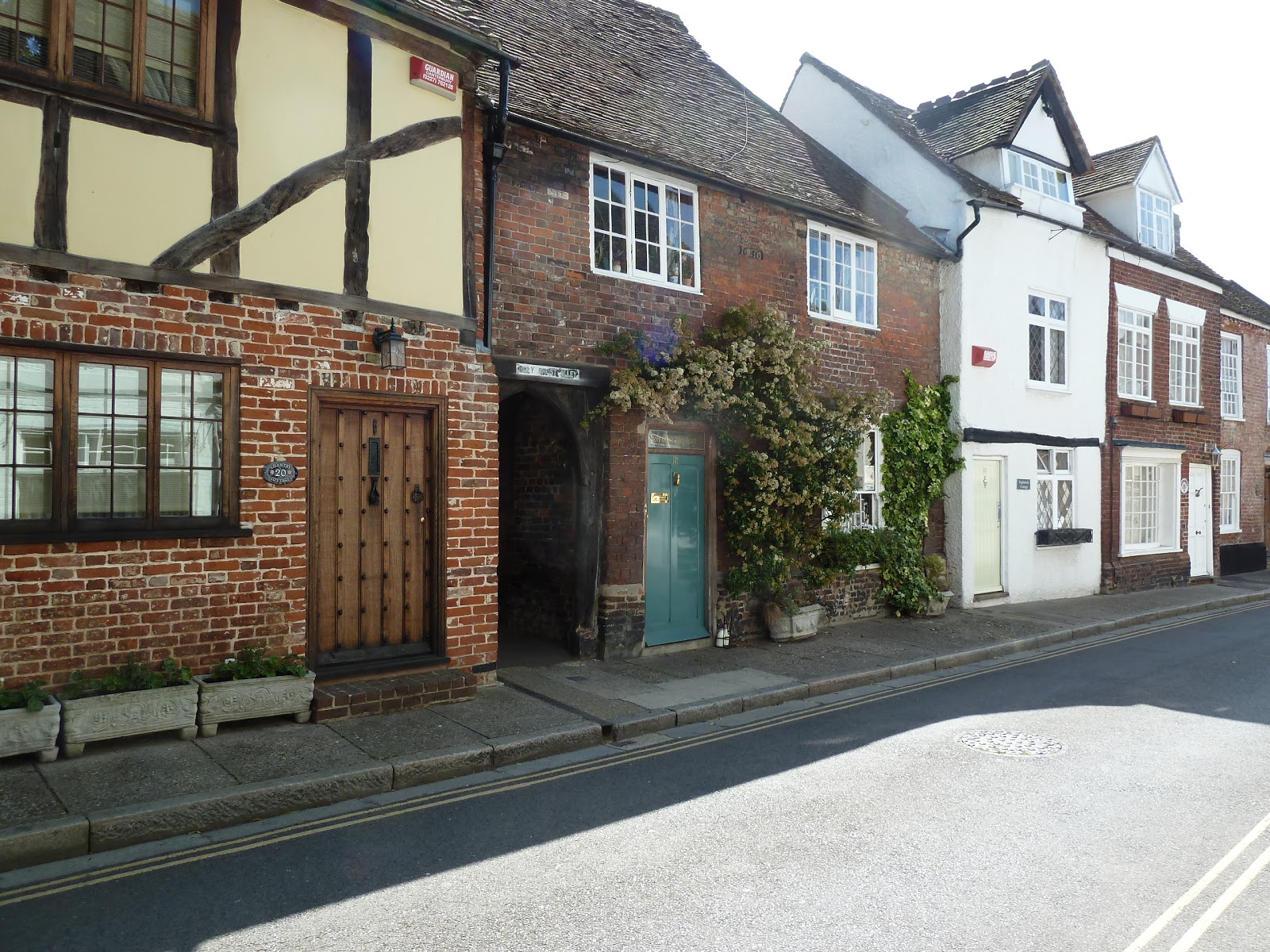
As we wandered the crooked streets and gazed at the old houses, our guide told us the town is now very prosperous.  A nearby pharmaceutical company provides many good jobs. Two championship golf courses and the easy access to the sea make Sandwich a very desirable place to live and a sought-after weekend retreat for wealthy Londoners.

The old houses and hidden gardens are popular and pricey. Sandwich is another of those when-I-win-the-lottery places!

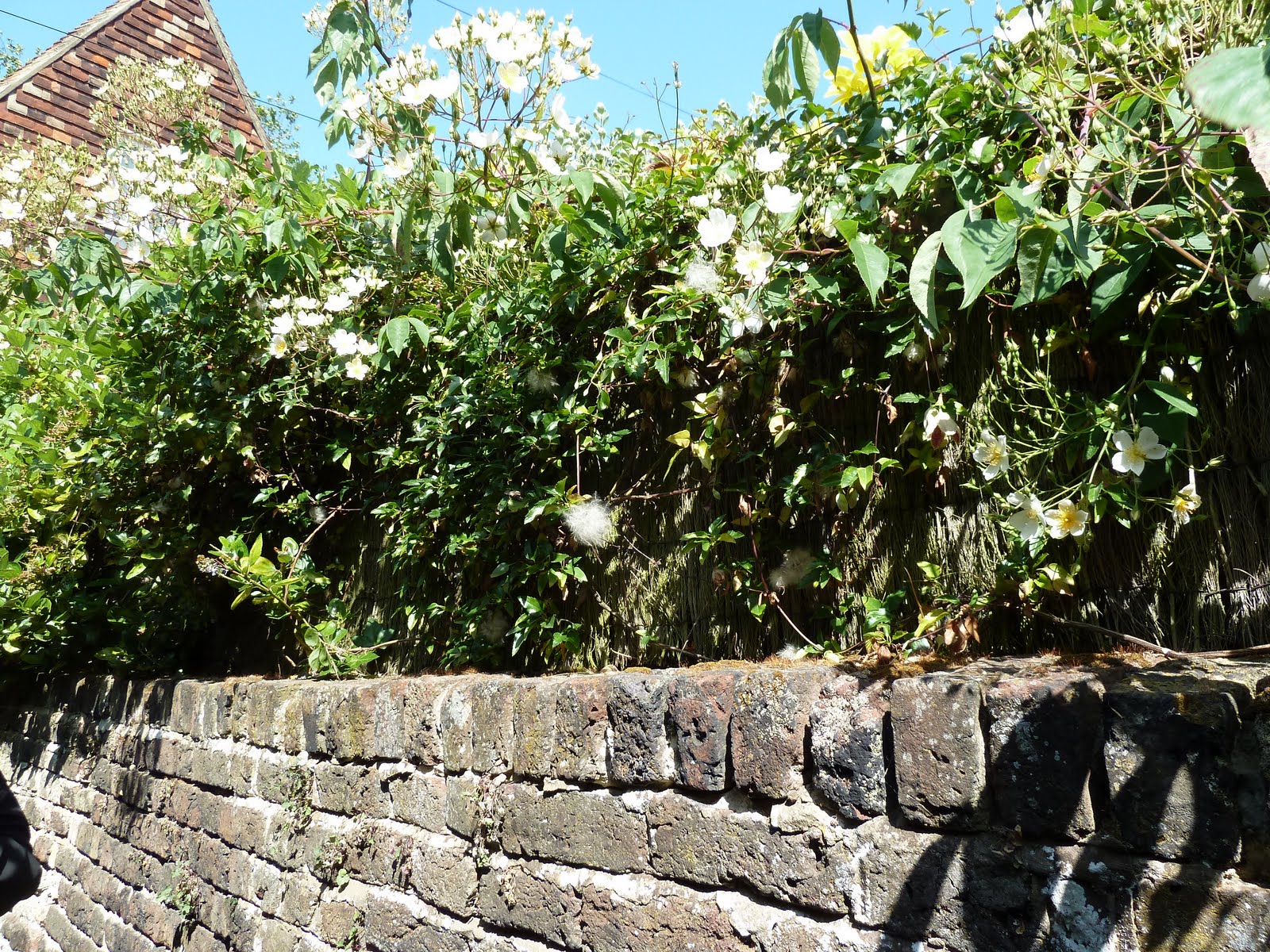
I can’t tell you how tempted I was to try and climb up to peek over.

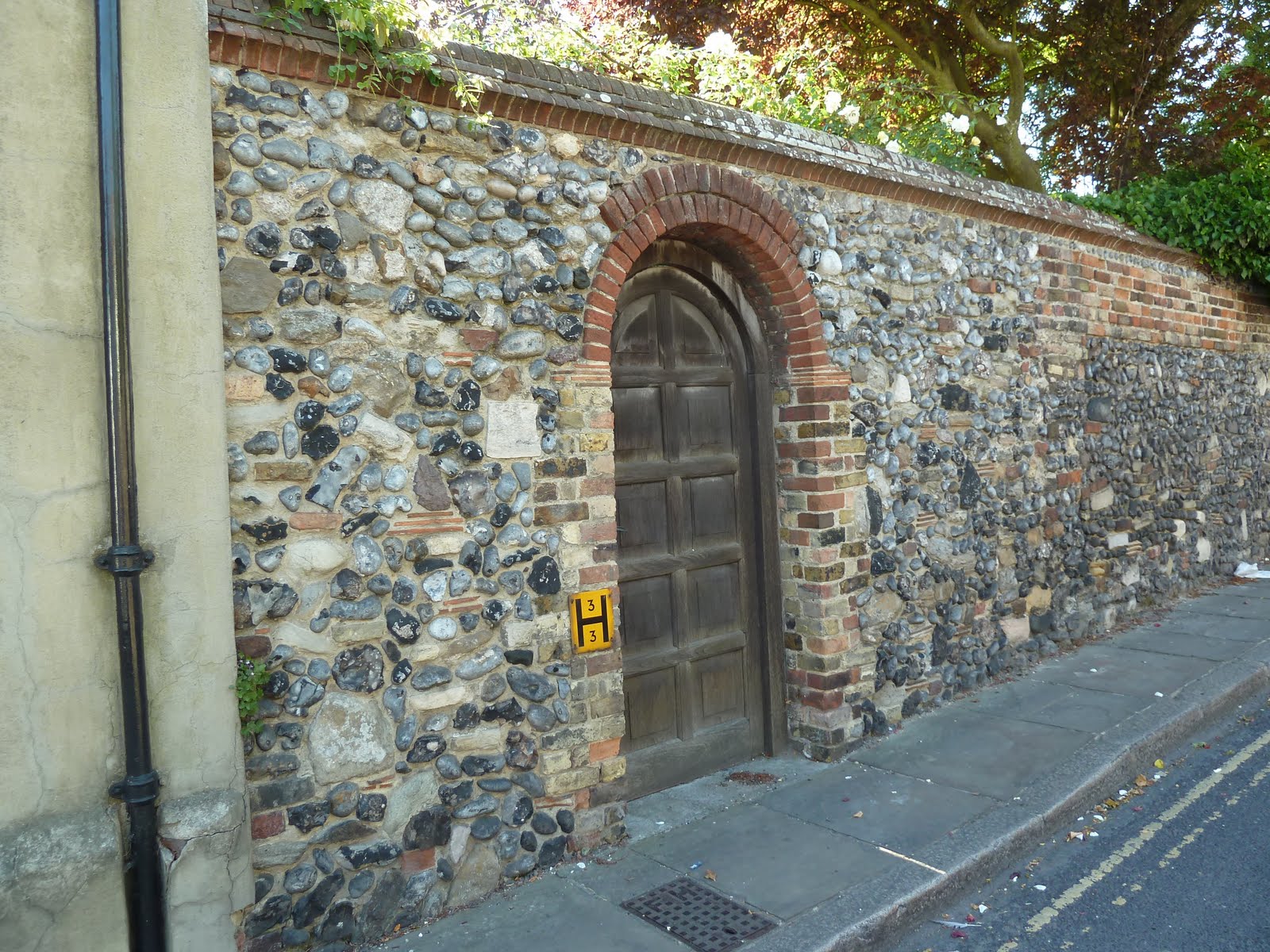
Seems like there were a lot of these garden walls…this one of more of that flinty stone.

Above and below, up close and
personal…

This wall encloses a famous secret garden…and a mansion designed by Sir Edward Lutyens in 1912.

It is now part of the complex  known as The Salutation, which provides luxury accommodations and has a tea room within the gardens designed by Gertrude Jekyll in the early 20th century.

Sandwich has been in the sports headlines recently as the site of the 2011 British Open Golf Tournament, held at the Royal St. Georges Golf Club (website here).  More than a dozen British Opens have been held here.
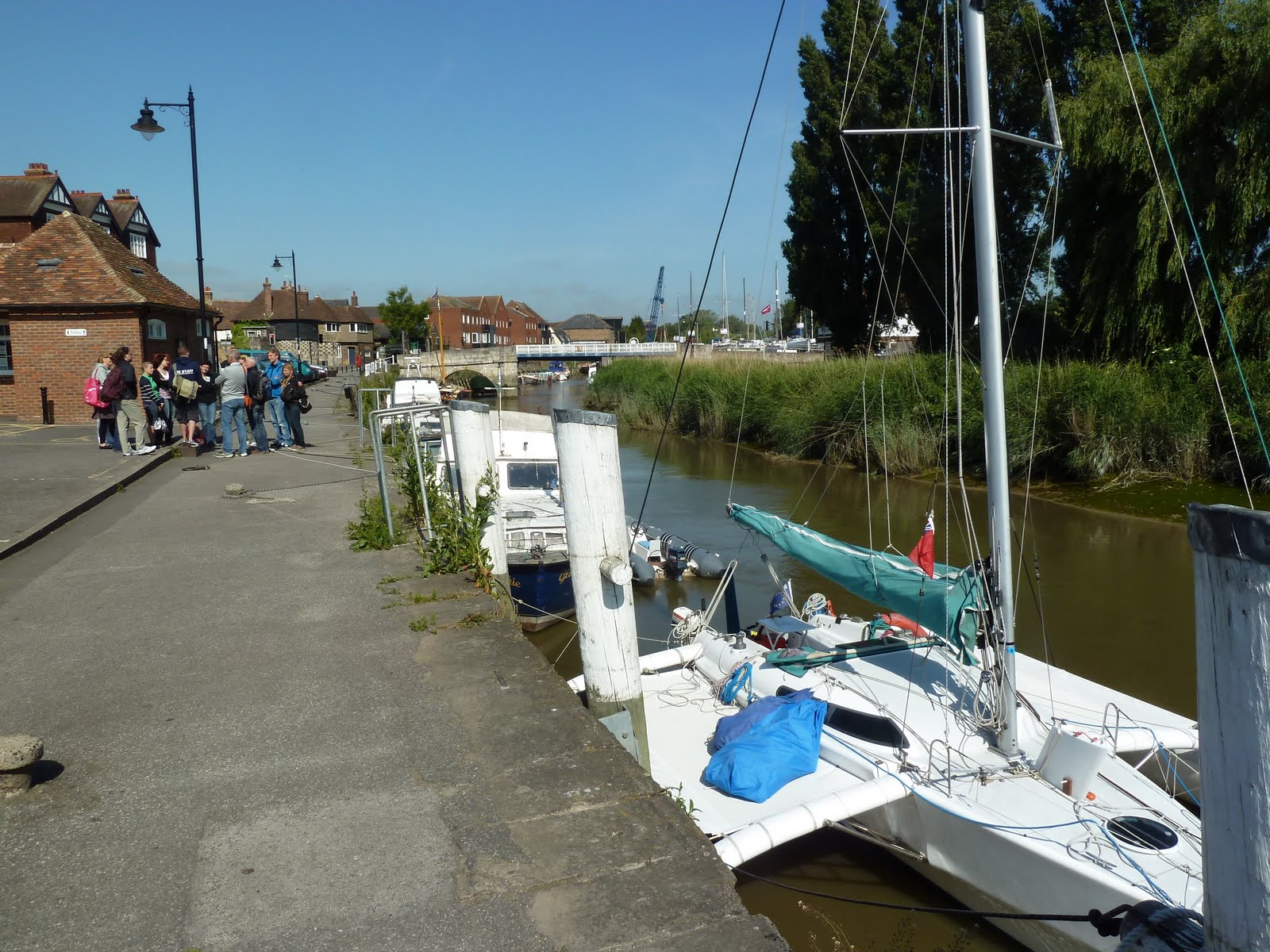
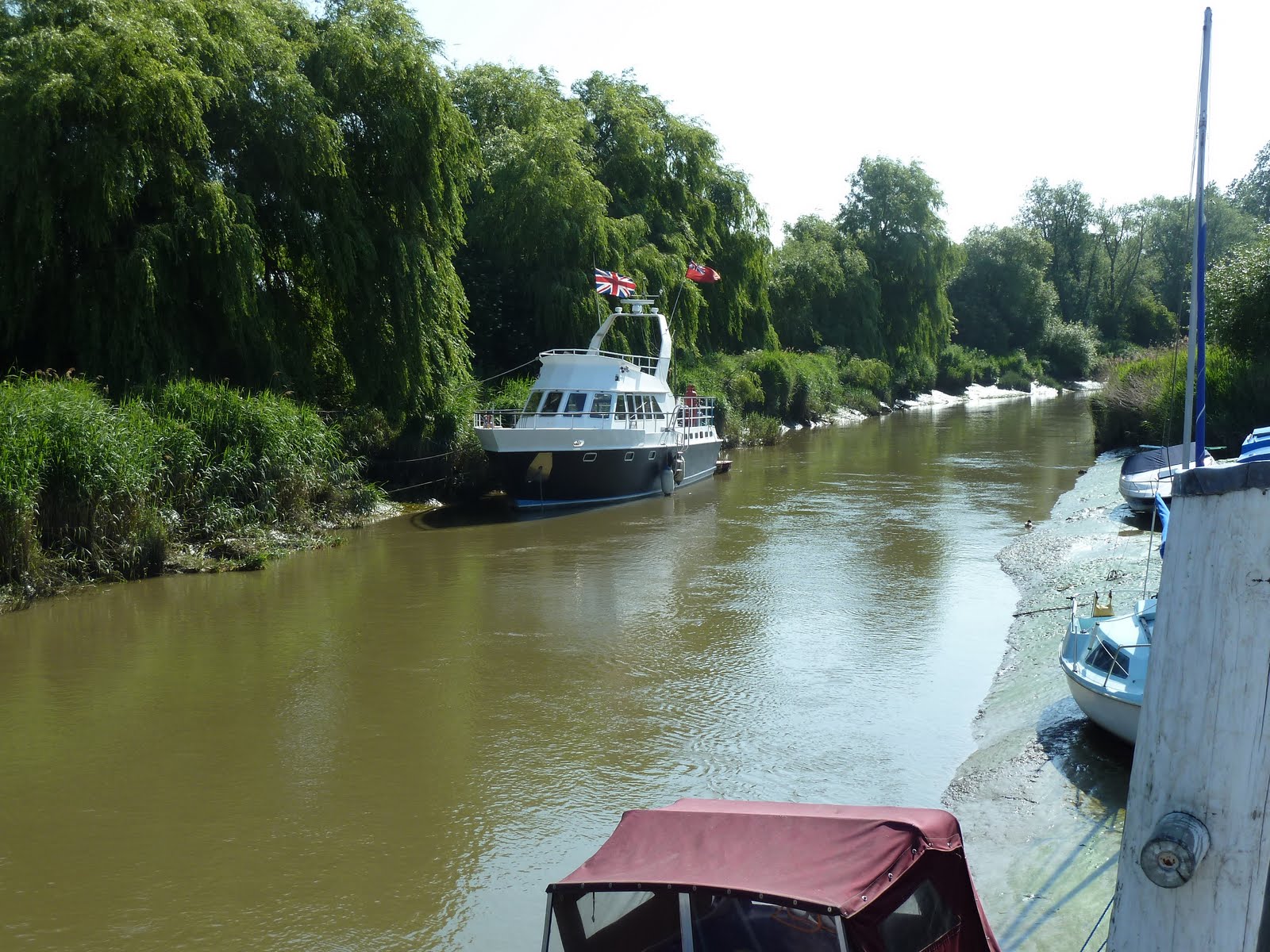
Our quick tour of Sandwich only whetted my appetite for more, but I was eager to go a few miles back toward Dover, through the town of Deal to Walmer Castle…next.

The Hedgehog Factor

Victoria , here.  Was it my childhood love for Mrs. Tiggy-Winkle?

Or just because they are so darn cute?

 Whatever the reason, I love hedgehogs, and over the years, I have collected quite a few. Not real ones, of course. Real ones are increasingly endangered, while those on my shelves are sitting pretty.

Maybe one of the sources of my love for hedgehogs comes from my admiration for the British hedgerow, which gives the countryside so much character. Yet, these are also in danger.

picture from the NLS: National Hedgelaying Society

I was quite appalled at reading — in a recent issue of Country Life  — about the urgency of the need for protecting hedgehog habitats in Britain and developing new ones, perhaps in urban gardens.  As usual with vanishing wildlife, we have met the culprit, and he is us, encroaching humans and our urge to pave over everything.  Along with loss of habitat, cars and pesticides endanger hedgehogs.

The source for  more information is here.   Hedgehogs are not native to North America, which makes them all the more interesting — and a bit exotic.

As I was surfing the internet, I found several websites offering hedgehogs as pets.  Though I know some people like to tame wild animals, I am not so sure that living in a cage would be very comfortable for a hedgehog. On the other hand, keeping one in the garden might be quite fun. Actually a pair might be more agreeable to the little creatures.

As an example of ideal adaptation, I cannot imagine anything better than a hedgehog.  They eat insects and small animals such as frogs, as well as vegetation.  Once I played with a baby hedgehog in Greece, feeding it bits of lettuce and tomato. But generally, hedgehogs are nocturnal, so if you want them around in the daytime, I highly recommend the kind I collect: made of wood, ceramic, brass, or fabric. 

Whatever the material, they always make me smile.