Excerpts from the Reminiscences of Captain Gronow

Rees Howell Gronow (1794 – 1865) is remembered  best for his Reminiscences, which he wrote down in his old age.  Some observers suspect his memories were not always accurate, but he presents a clear picture of the Regency era and subsequent events, particularly in regard to the characters he wrote about with frankness and humor.

He put out four volumes of his recollections from 1862-1866. His collected works appeared in 1888 and have been re-edited and re-published many times. In his youth, he was educated at Eton, where he was friendly with the poet Shelley. In 1812, Gronow was commissioned an Ensign in the Foot guards, eventually rising to be a Captain in the Welsh Grenadier Guards.  He served in the Peninsular War and in 1815 at the Battle of Waterloo.

Romeo Coates

Always well dressed, Gronow moved in the highest circles of London society and wrote many accounts of the ladies and gentlemen whose exploits we still care about today.  One of these men was Romeo Coates, a true eccentric. Robert Coates (1772-1848), often known as Romeo, was born in the West Indies and came to England with a substantial fortune…but let Gronow tell his story:

This singular man, more than forty years ago, occupied a large portion of public attention; his eccentricities were the theme of general wonder, and great was the curiosity to catch a glance at as strange a being as any that ever appeared in English society.  This extraordinary individual was a native of one of the West India Islands, and was represented as a man of extraordinary wealth; to which, however, he had no claim.

 About the year 1808 there arrived at the York Hotel, at Bath, a person about the age of fifty, somewhat gentlemanlike, but so different from the usual men of the day that considerable attention was directed to him.  He was of a good figure; but his face was sallow, seamed with wrinkles, and more expressive of cunning than of any other quality. His dress was remarkable: in the day-time he was covered at all seasons with enormous quantities of fur; but the evening costume in which he went to the balls made a great impression, from its gaudy appearance; for his buttons as well as his knee-buckles were of diamonds. There was of course great curiosity to know who this stranger was; and this

curiosity was heightened by an announcement that he proposed to appear at the theatre in the character of Romeo.  There was something so unlike the impassioned lover in his appearance–so much that indicated a man with few intellectual gifts–that everybody was prepared for a failure. No one, however, anticipated the reality.

 On the night fixed for his appearance the house was crowded to suffocation. The playbills had given out that “an amateur of fashion” would for that night only perform in the character of Romeo; besides, it was generally whispered that the rehearsals gave indication of comedy rather than tragedy, and that his readings were of a perfectly novel character.

 The very first appearance of Romeo convulsed the house with laughter. Benvolio prepares the audience for the stealthy visit of the lover to the object of his admiration; and fully did the amateur give the expression to one sense of the words uttered, for he was indeed the true representative of a thief stealing onwards in the night, “with Tarquin’s ravishing strides,” and disguising his face as if he were thoroughly ashamed of it.  The darkness of the scene did not, however, show his real character so much as the masquerade, when he came forward with hideous grin, and made what he considered his bow,–which consisted in thrusting his head forward and bobbing it up and down several times, his body remaining perfectly upright and stiff, like a toy mandarin with moveable head.

His dress was outre in the extreme: whether Spanish, Italian, or English, no one could say; it was like nothing ever worn.  In a cloak of sky-blue silk, profusely spangled, red pantaloons, a vest of white muslin, surmounted by an enormously thick cravat, and a wig a la Charles the Second, capped by an opera hat, he presented one of the most grotesque spectacles ever witnessed upon the stage.  The whole of his garments were evidently too tight for him; and his movements appeared so incongruous, that every time he raised his arm, or moved a limb, it was impossible to refrain from laughter: but what chiefly convulsed the audience was the bursting of a seam in an inexpressible part of his dress, and the sudden extrusion through the red rent of a quantity of white linen sufficient to make a Bourbon flag, which was visible whenever he turned round.  This was at first supposed to be a wilful offence against common decency, and some disapprobation was evinced; but the utter unconsciousness of the odd creature was soon apparent, and then urestrained mirth reigned throughout the boxes, pit, and gallery.  The total want of flexibility of limb, the awkwardness of his gait, and the idiotic manner in which he stood still, all produced a most ludicrous effect; but when his guttural voice was heard, and his total misapprehension of every passage in the play, especially the vulgarity of his address to Juliet, were perceived, everyone was satisfied that Shakspeare’s Romeo was burlesqued on that occasion.

The balcony scene was interrupted by shrieks of laughter, for in the midst of one of Juliet’s impassioned exclamations, Romeo quietly took out his snuff-box and applied a pinch to his nose; on this a wag in the gallery bawled out, “I say, Romeo, give us a pinch,” when the impassioned lover, in the most affected manner, walked to the side boxes and offered the contents of his box first to the gentlemen, and then, with great gallantry, to the ladies.  This new interpretation of Shakspeare was hailed with loud bravos, which the actor acknowledged with his usual grin and nod.  Romeo then returned to the balcony, and was seen to extend his arms; but all passed in dumb show, so incessant were the shouts of laughter. All that went on upon the stage was for a time quite inaudible, but previous to the soliloquy “I do remember an apothecary,” there was for a moment a dead silence; for in rushed the hero with a precipitate step until he reached the stage lamps, when he commenced his speech in the lowest possible whisper, as if he had something to communicate to the pit that ought not to be generally known; and this tone was kept up throughout the whole of the soliloquy, so that not a sound could be heard.

 The amateur actor showed many indications of aberration of mind
, and
seemed rather the object of pity than of amusement; he, however, appeared delighted with himself, and also with his audience, for at the conclusion he walked first to the left of the stage and bobbed his head in his usual grotesque manner at the side boxes; then to the right, performing the same feat; after which, going to the centre of the stage with the usual bob, and placing his hand upon his left breast, he exclaimed, “Haven’t I done it well?”  To this inquiry the house, convulsed as it was with shouts of laughter, responded in such a way as delighted the heart of Kean on one great occasion, when he said, “The pit rose at me.” The whole audience started up as if with one accord, giving a yell of derision, whilst pocket-handkerchiefs waved from all parts of the theatre.

 The dying scene was irresistibly comic, and I question if Liston, Munden, or Joey Knight, was ever greeted with such merriment; for Romeo dragged the unfortunate Juliet from the tomb, much in the same manner as a washerwoman thrusts into her cart the bag of foul linen. But how shall I describe his death?  Out came a dirty silk handkerchief from his pocket, with which he carefully swept the ground; then his opera hat was carefully placed for a pillow, and down he laid himself.  After various tossings about he seemed reconciled to the position; but the house vociferously bawled out, “Die again, Romeo!”  and, obedient to the command, he rose up, and went through the ceremony again.  Scarcely had he lain quietly down, when the call was again heard, and the well-pleased amateur was evidently prepared to enact a third death; but Juliet now rose up from her tomb, and gracefully put an end to this ludicrous scene by advancing to the front of the stage and aptly applying a quotation from Shakspeare:

  “Dying is such sweet sorrow,
  That he will die again until to-morrow.”

Thus ended an extravaganza such as has seldom been witnessed; for although Coates repeated the play at the Haymarket, amidst shouts of laughter from the playgoers, there never was so ludicrous a performance as that which took place at Bath on the first night of his appearance. Eventually he was driven from the stage with much contumely, in consequence of its having been discovered that, under pretence of acting for a charitable purpose, he had obtained a sum of money for his performances. His love of notoriety led him to have a most singular shell-shaped carriage built, in which, drawn by two fine white horses, he was wont to parade in the park; the harness, and every available part of the vehicle (which was really handsome) were blazoned over with his heraldic device–a cock crowing, and his appearance was heralded by the gamins of London shrieking out “cock-a-doodle-doo.” Coates eventually quitted London and settled at Boulogne, where a fair lady was induced to become the partner of his existence, notwithstanding the ridicule of the whole world.
End of Gronow on Romeo Coates; More Gronow excerpts coming soon…

Butlers, Paragons of Perfection

I think the perfect addition to my life would be a butler.  Someone to anticipate my every need, to meet me at the door with a reviving tonic, to serve (and prepare) my meals, organize my life and give me a big dose of CLASS.

Apparently I am not alone, for butlering as a profession seems to be more and more popular. I ran across an interesting article from Bloomberg (here) telling about how many butlers, preferably British-trained, will be needed for the growing numbers of billionaires in the world. 

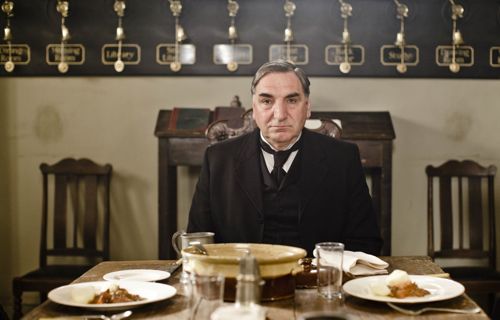
Jim Carter as Mr. Carson, Downton Abbey’s Butler
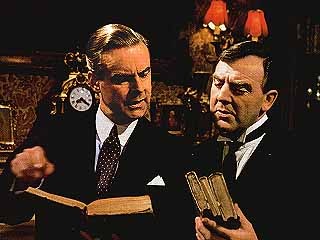
At the present moment, considering butlers,  probably most people think of Carson, the butler in Downton Abbey. I agree that he is generally a most able fellow, and usually holds his profession to a high standard. However, I cannot think he is quite as good as his renowned predecessor in English tv series, the commendable Mr. Hudson of Upstairs, Downstairs.  I do not recall that Hudson ever passed out while serving dinner to guests, however efficiently the staff recovered and carried on.

Gordon Jackson as Mr. Hudson

I also think that being a Scot adds immensely to a butler’s character.  The team of Mr. Hudson and Mrs. Bridges has a much warmer spot in my heart than Carson and Mrs. Patmore or Mrs. Hughes.  Mrs. H. should definitely keep a closer watch on O’Brien, and Carson should have long ago disciplined Thomas, the cheeky footman.

l-r, Jim Carter, Phyllis Logan as Mrs. Hughes, Siobhan Finneran as O’Brien
Call me old fashioned, but I think my two favorite butlers in all of literature and from television are Bunter and Jeeves.  Does anyone  disagree with me?  They are two very different men, but perhaps equally worthy.

 
Lord Peter Wimsey and Bunter
Perhaps Dorothy L. Sayers (1893-1957) was not dreaming of perfection when she created Mervyn Bunter as Lord Peter Wimsey’s man, but she achieved it.  According to some sources, she modeled her gentleman’s gentleman on P.G. Wodehouse’s Jeeves. Unlike Bertie Wooster, however, Lord Peter is mostly a serious solver of crimes.  Bunter is an able asistant whether it comes to clues, sartorial issues, or any kind of general information.

P.G. Wodehouse (Sir Pelham Grenville Wodehouse, 1881-1975) wrote many plays and novels, and is probably best known for his stories about Bertie Wooster, an eccentric young aristocrat often rescued by his man, and Jeeves, who performs every task he undertakes with faultless skill one can only pine for.  Oh, to have him for just a few hours.  Every week. 52 a year. 
Back to the idea of training for professional careers as butlers, personal assistants, and so forth.  At the time of the Royal Wedding last April, the Telegraph interviewed a former footman to the Queen about some of the intricacies of arranging such a great event. The article (here) tells about Christopher Ely, who provides courses to train candidates for service positions.  He runs a school in New York City now, after his career in England.
And if you google butler training, you will find many more such programs.  So I know where I can hire that butler, if I just could win the lottery — but wouldn’t that mean I had to buy a ticket?  Odds of winning are rotten, sad to say. If I just had Jeeves to choose the power ball number…

In Residence at Ickworth, Suffolk

Yes, dear readers, I have indeed lived at Ickworth — that is, I’ve stayed at the hotel in one wing of the estate — for a few  days.  Victoria here, with a few words about this amazing National Trust property which houses a family hotel as well as the handsomely maintained State Rooms in the Rotunda and a fine park.  And there are some fascinating characters and family stories (even scandals) to go along with your tour.

The National Trust has a lovely slide show of Ickworth here.  They are in the process of developing more insights into the individuals both above and below stairs who occupied this unique spot for several centuries.
I admit that while I think I can appreciate life long ago, I do enjoy the mod cons of our contemporary lives.

This east wing of Ickworth houses the hotel, which has a website here. I wish we could have stayed longer because the amenities were excellent, the food delicious, and for ambiance, it excelled! I should point out that my photo was taken from behind the buildings.  The other wing, the West Wing, has been developed for conferences, weddings and other events. The east wing was first used as the Hervey family residence. The west wing was empty, built only for the symmetry of the architecture.  For a time, it was used as a conservatory.

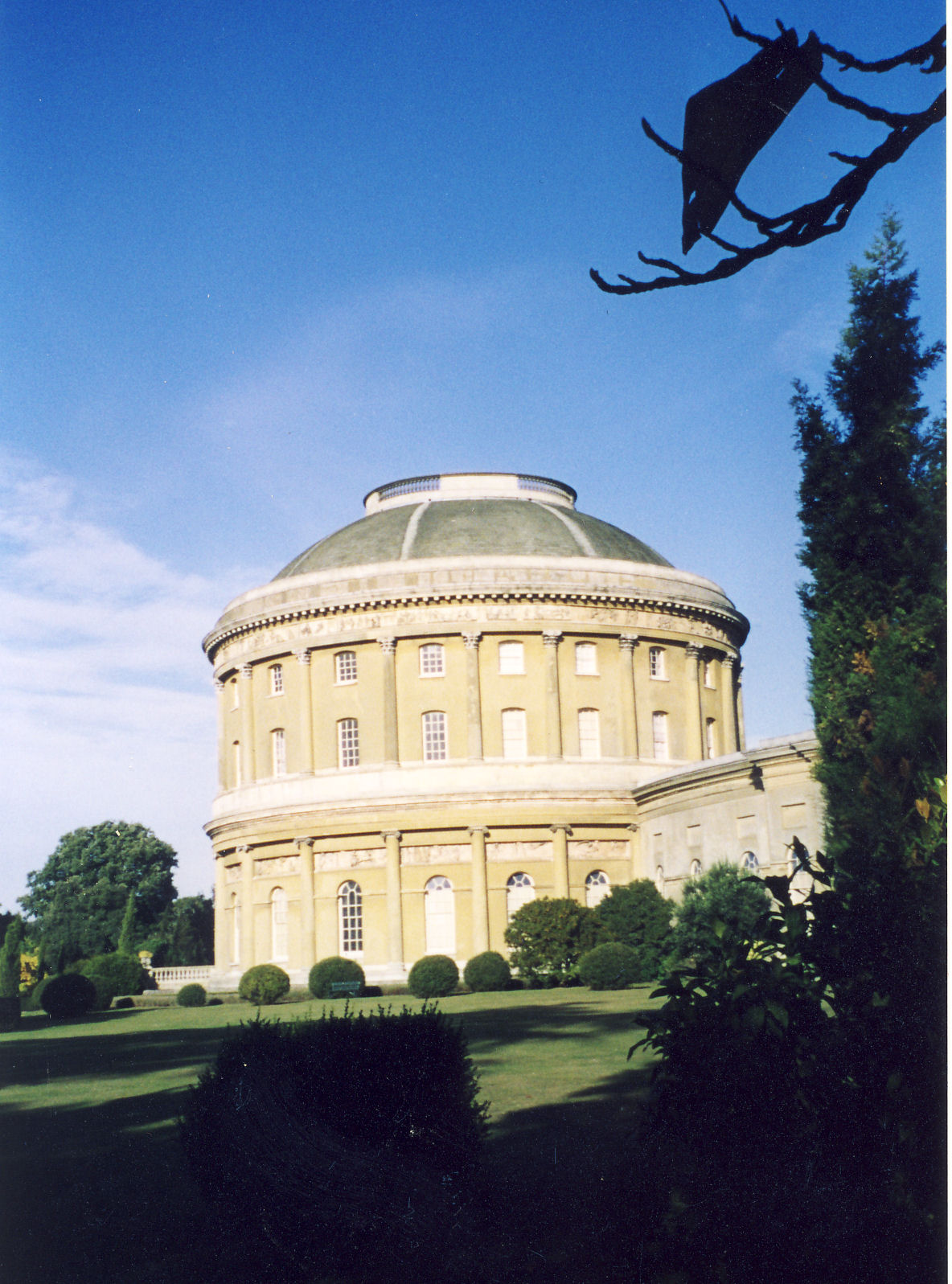
This is the entrance to the rotunda, the galleries and rooms housing the NT collections.  The Hervey family lived at the Ickworth estate for centuries, though this building was not completed until the 19th century.

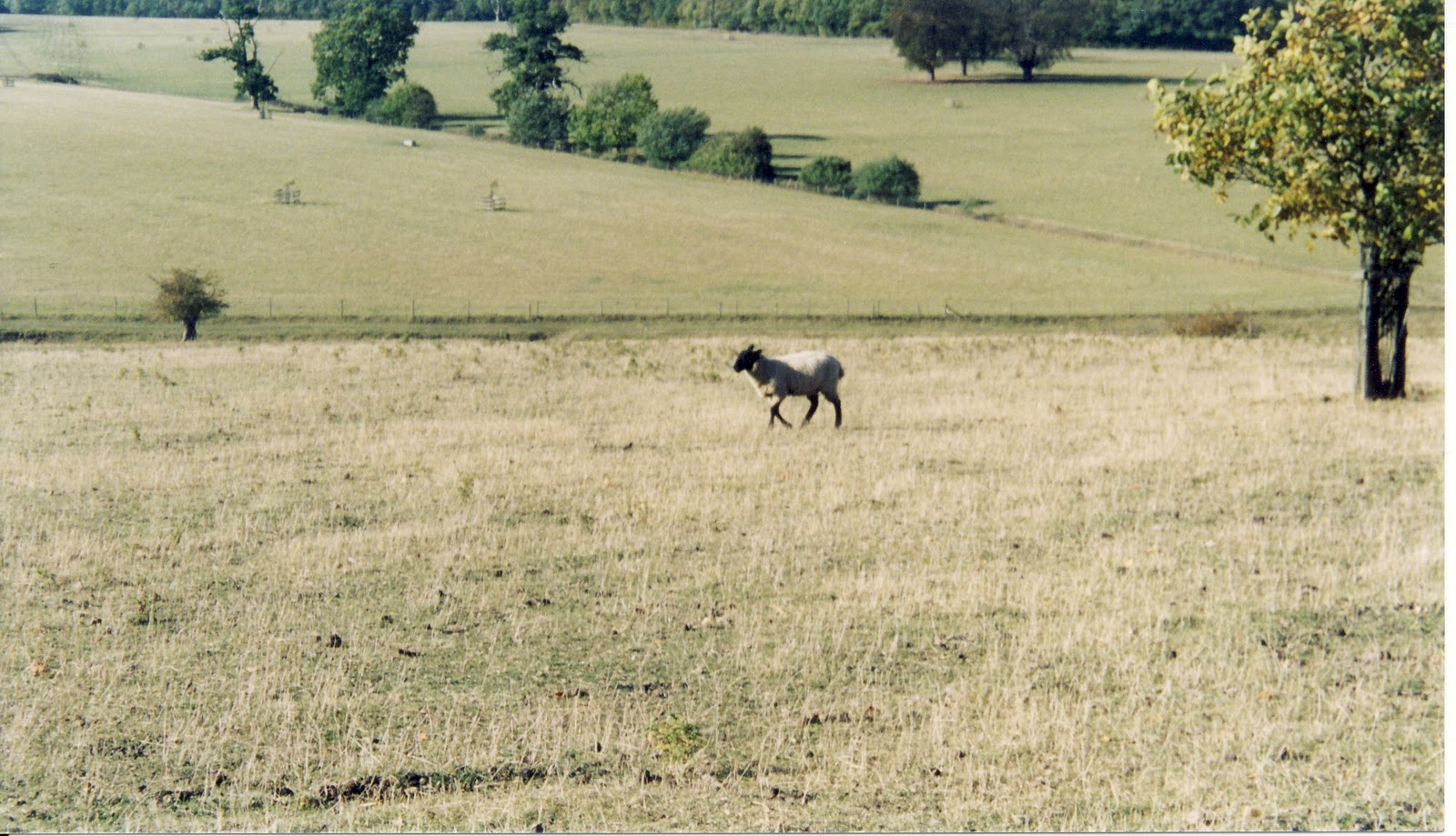
 Not far from this lonely sheep there is a walled garden, now a vineyard. Here is more information on their output. It is very tasty.

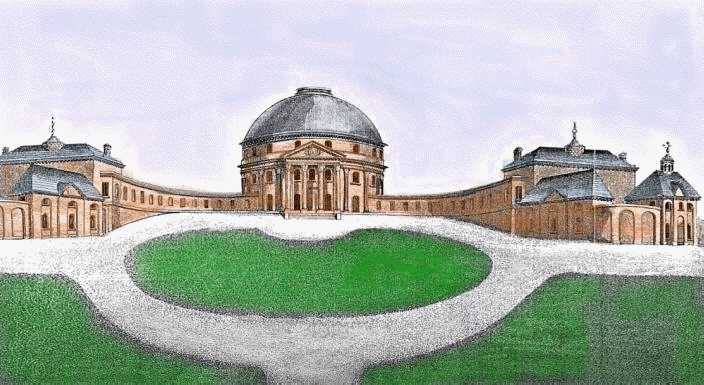
Ickworth as it stands today was the creation of an eccentric and passionate collector, the Earl Bishop, as he is popularly known.  Frederick Augustus Hervey (1739-1803) was a younger son but succeeded to the title of  4th Earl of Bristol, following two of his brothers.  Though he had originally chosen a legal career, he took orders and was eventually named Bishop of Cloyne (1767) and of  Derry (1768) in Ireland.  He grew rich on the proceeds of this and other offices and built a great house in Ballyscullion, which he had designed by Mario Aspucci, an Italian architect, for throughout his life the Earl Bishop traveled and collected in Italy, hoping to furnish his magnificent houses with the finest art and furnishings. He was partial to the rotunda style of building in the great Roman tradition.

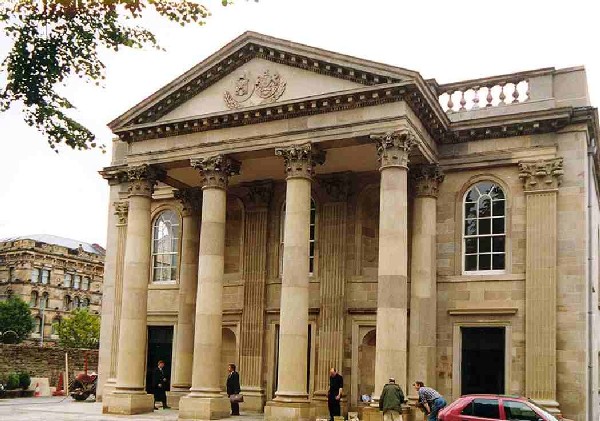
Above is a drawing of the house at Ballyscullion. It did not last long, for it was demolished in the early 19th century, never completely finished and already deteriorating.  However, the handsome portico was saved and can be seen today as part of St.George’s Church, Belfast. Notice how it resembles the portico of the rotunda, above.

The Bishop succeeded his brother in 1779 as 4th Earl of Bristol and became known as the Earl-Bishop. He also inherited the properties at Ickworth, an old manor which had a relatively small lodge to house the family. The Earl Bishop used something very similar to the plans for his Ballyscullion house to build Ickworth. The project began in 1795.

                                                               Ickworth from the Park

However, his extraordinary life ran into some bad karma. In 1798, the invading Napoleonic troops in Italy overran and confiscated his collection, destined for the new house at Ickworth.  He himself died in 1803 and was succeeded by the youngest of his sons, another Frederick (1769-1859), who spend his lifetime trying to complete the great mansion at Ickworth. It was finished in 1841, though the Pompeiian Room was not decorated until 1879. In the Rotunda, operated as a museum by the NT, the Earl Bishop’s surviving collections are exhibited, including a few pieces purchased much later from the stolen cache.

Bess Foster by Elisabeth Vigee-Lebrun
The Earl Bishop’s most famous, perhaps notorious, child was his daughter Elizabeth Christiana Hervey (1758-1824) who married John Thomas Foster in 1776 and left her husband and two sons a few years later. Though she was probably mistreated, she had no recourse. She met Georgiana, Duchess of Devonshire, and they became bosom buds, in an infamous menage a trois with the Duke.  During the period 1782 to Georgiana’s death in 1806, she bore the duke  two children, a son and a daughter, who were raised with his legitimate offspring at Devonshire House and Chatsworth. Bess married the Duke of Devonshire in 1809, only two years before his death.
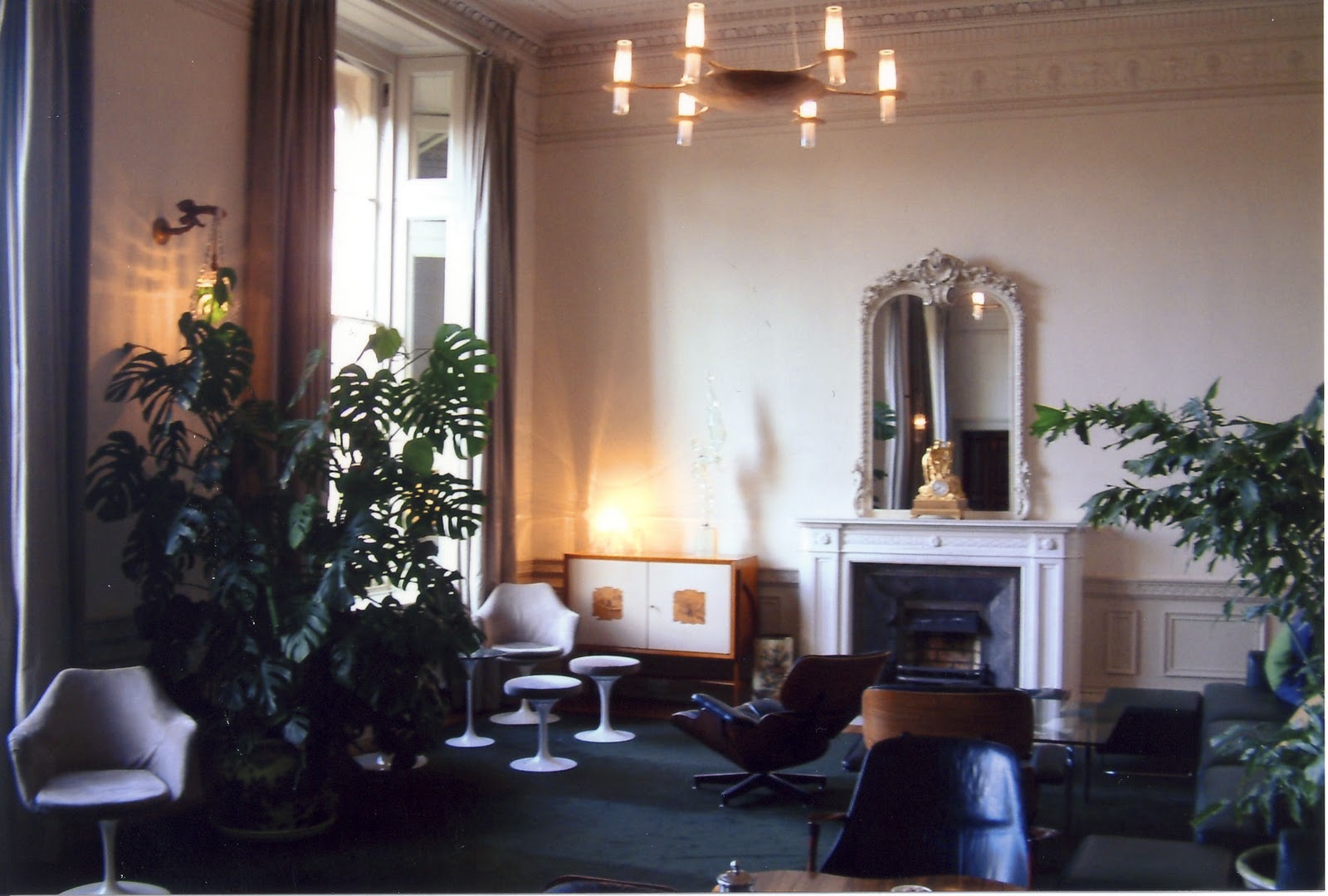
A  Lounge at the Ickworth Hotel

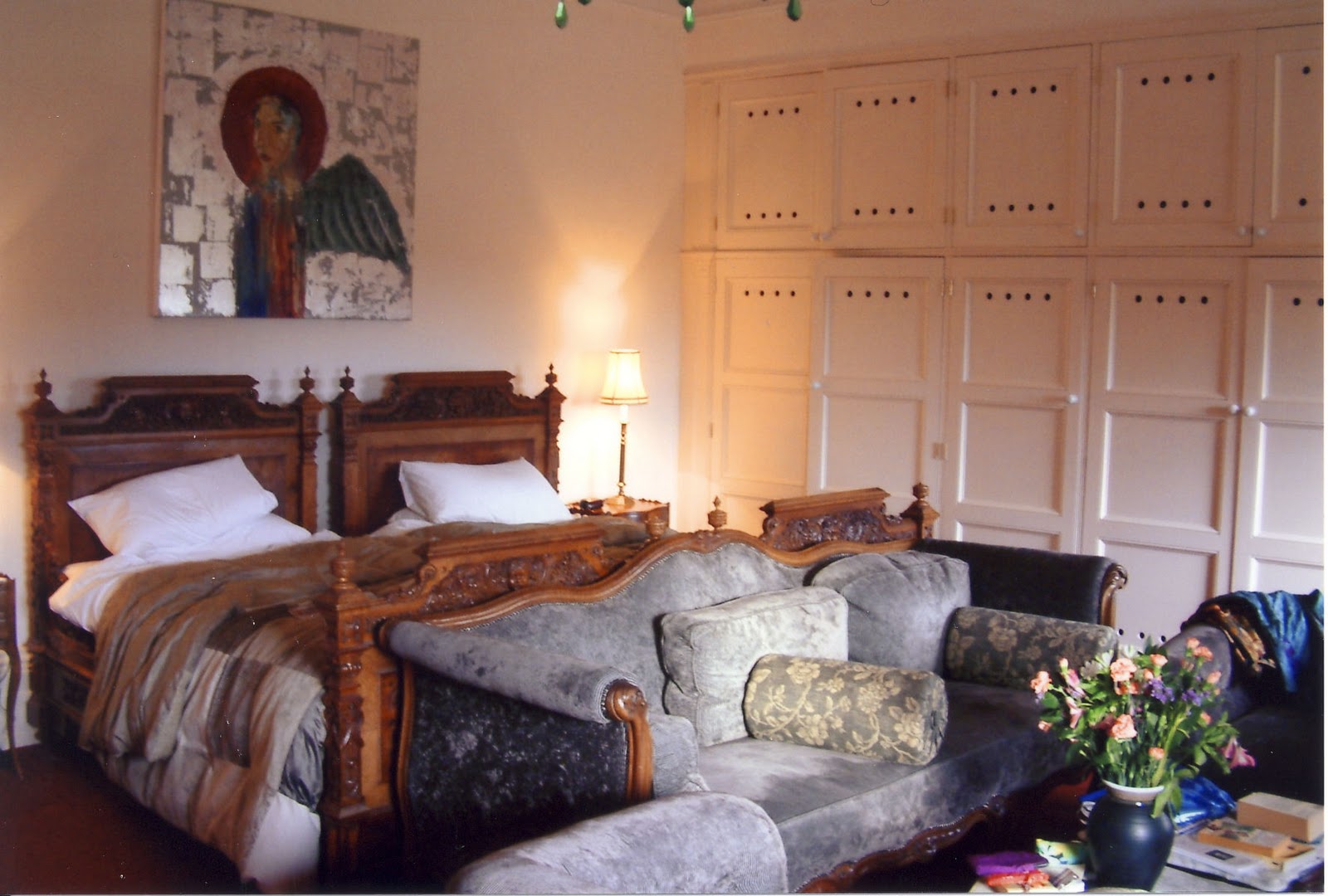
                                 Above, two views of our lovely bedchamber in the hotel.

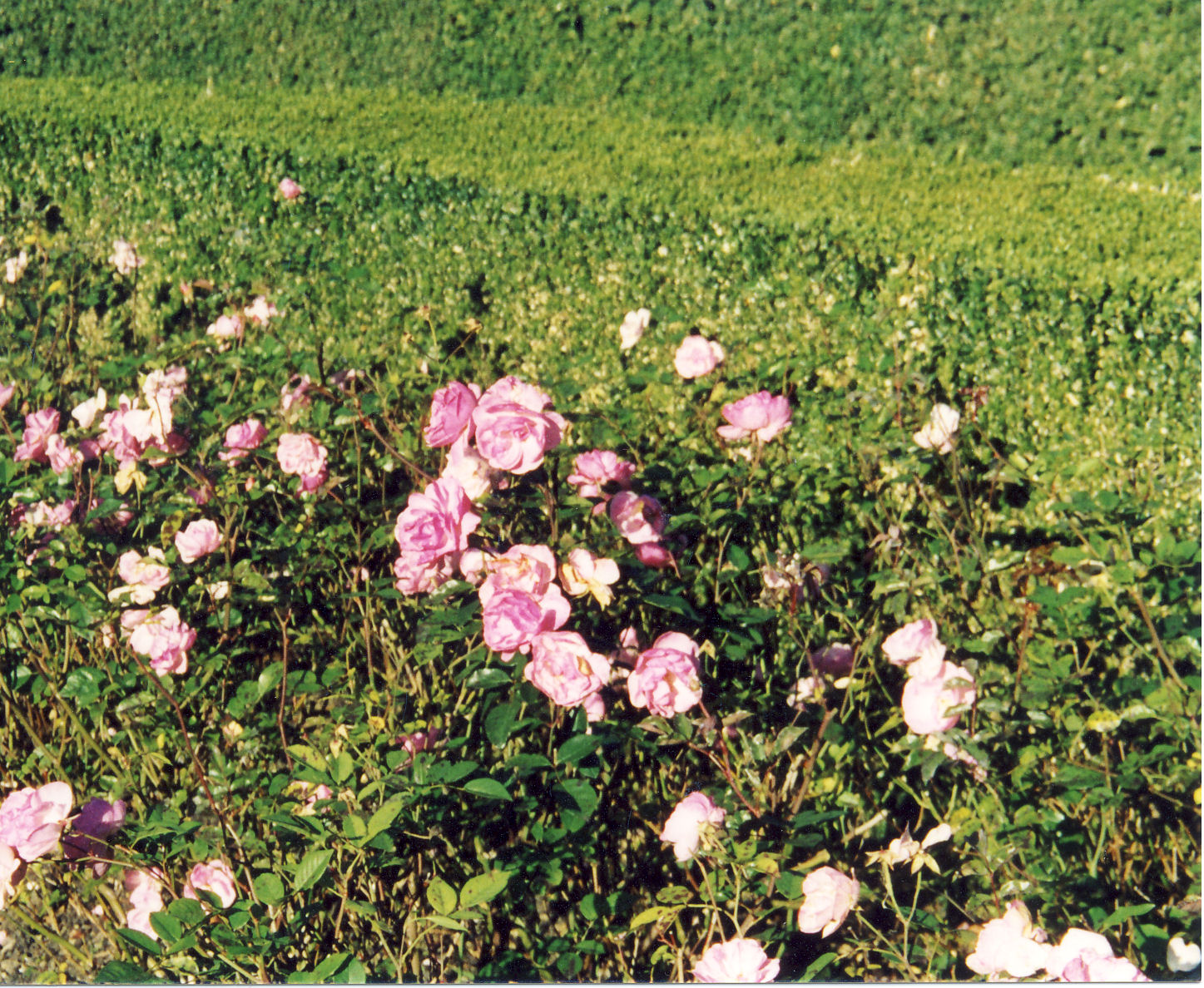
Although it was October, the roses were still in bloom.

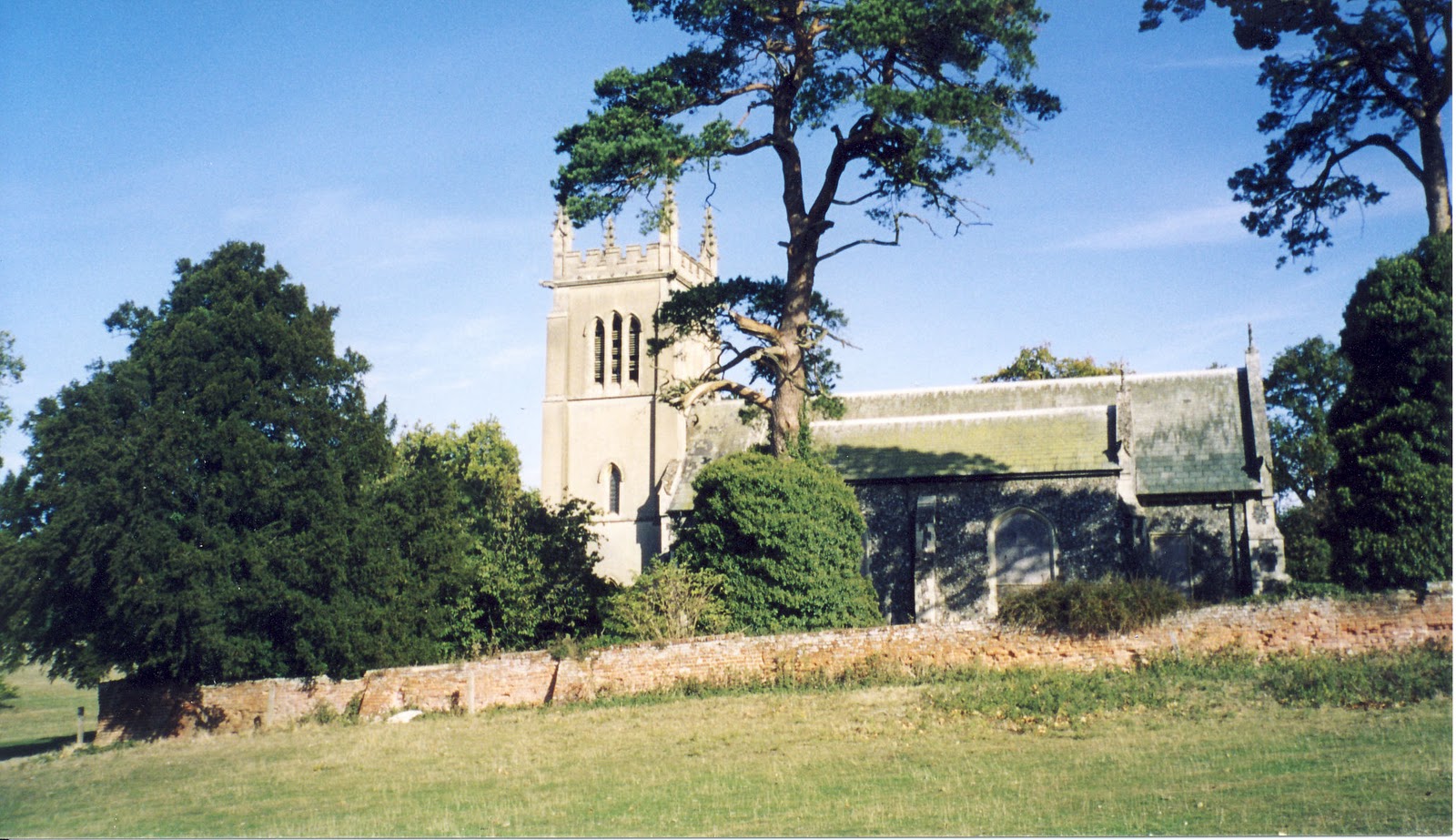
St. Mary’s Ickworth
When we visited, this historic church, the burial place for Hervey Family members, was still in disrepair and unopen to visitors. I hope they restore it soon.

As eccentric as it appears, a little slice of ancient Italy in Suffolk, it is a beautiful place to visit. It has everything for family entertainment plus the great museum, the park and nearby is the picturesque town of Bury St. Edmunds, not to mention the Newmarket racetrack.  All are highly recommended!!!

Birthday of Robert Burns, January 25, 1759

Did you notice around last New Year’s Eve all the coverage of Auld Lang Syne — and how we all sang it at midnight to welcome the new year, but few of us actually knew the words — or where the song originated?  I think I saw or heard  similar stories on all of the major networks and news channels.

Why, I wondered, when this song had been a tradition for so long, was everyone talking about it this year?  The answer is that the Morgan Library in New York City has an exhibition about Auld Lang Syne and its author, Scottish poet Robert Burns (1759-1796), whose birthday we celebrate on the 25th of January. For more information about the exhibition, soon to conclude at the Morgan Library, click here.

Of course, we remember Burns for much more than just this one song, however often we sing it on New Year’s Eve. 

Burns Nights, on January 25, are celebrated all over the world.  If you have one in the planning, you can find some guidance here.  I have attended only one Burns Night Supper, which I enjoyed very much, though I admit I ate sparingly of the Haggis.  It generally tastes delicious, until you remember what the ingredients are. 

Like tartans, bagpipes, golf, scotch whisky and oatmeal, Burns is part of the essential Scottish tradition.  We remember his many poems — probably in truth just fragments of them —

My Love is Like a Red Red Rose…

To a Mouse…

The list is endless. How did the man accomplish anything but his writing?  There is more than one person can absorb…

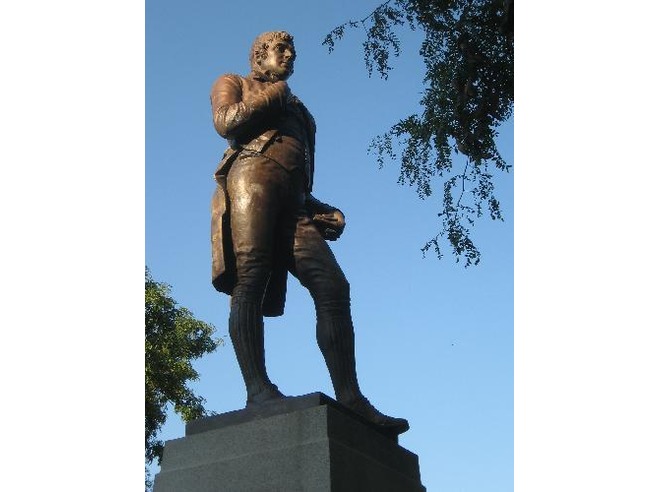
Above, Burns in Central Park, New York City.  Above that is a statue in Dumfries,Scotland. It is said that there are more public statues of Burns in places around the world than anyone else in history. I have no idea if this is true, but I’ve seen a lot. Below, Burns Commons in Milwaukee, WI, that bastion of Scottish heritage (not).
And just in case you haven’t made your Haggis for tonight, here are the ingredients:

stomach of a sheep
sheep’s heart,lungs, kidney and liver
onions, beef suet,  oatmeal
salt and pepper, stock — beef or chicken

Okay. That’s as far as I can go.  I suggest that if you want to assemble these ingredients, you Google a recipe.  I’ll have a ham sandwich.

But I will definitely raise a glass of Scotch Whisky in Burns’s honor!!!

.
Above, The Burns birthplace and museum in Alloyway, Ayshire, Scotland. Happy birthday, Rabbie!!

The Wellington Connection: Theme Parks

There are plans afoot to build “Napoleonland” in France. And, no, before you ask . . . I’m not kidding.

Funding is as yet unsecured, but preliminary plans are for the theme park to be built at the site where Napoleon defeated the Austrians in the Battle of Montereau in 1814 in Montereau-Fault-Yonne just south of Paris. The six-day battle was the nation’s last military victory over the Austrians.

Having apparently not gotten the memo telling the organizers of the park that Napoleon lost at Waterloo, they plan to re-create the Battle of Waterloo on a daily basis and visitors may even be able to take part in the reenactments. They will also be able to take in a water show recreating the Battle of Trafalgar, a la the entertainments once staged at London’s Vauxhall Gardens.

A museum, a hotel, shops, restaurants and a congress are all expected to be built at the theme park. French politician Yves Jego, who is backing the project, hopes that construction work can get underway in 2014 and that the park will open its doors in 2017. One has to assume that Jego will not be seeking re-election, as things go from bad to worse in the bad taste department with further plans to include a re-creation of the killing of Louis XVI, France’s last King, who died after being guillotined during the Revolution and. . . . . . . yet another attraction which will allow visitors to ski around the bodies of soldiers and horses frozen on the battlefield.

Why are there no plans to build Artie World instead?