Walking St. James's, Part Two

Victoria here, continuing my walk through parts of St. James’s…I reached Marlborough House, once the residence of Edward, Prince of Wales (later Edward VII), and his wife Alexandra of Denmark.

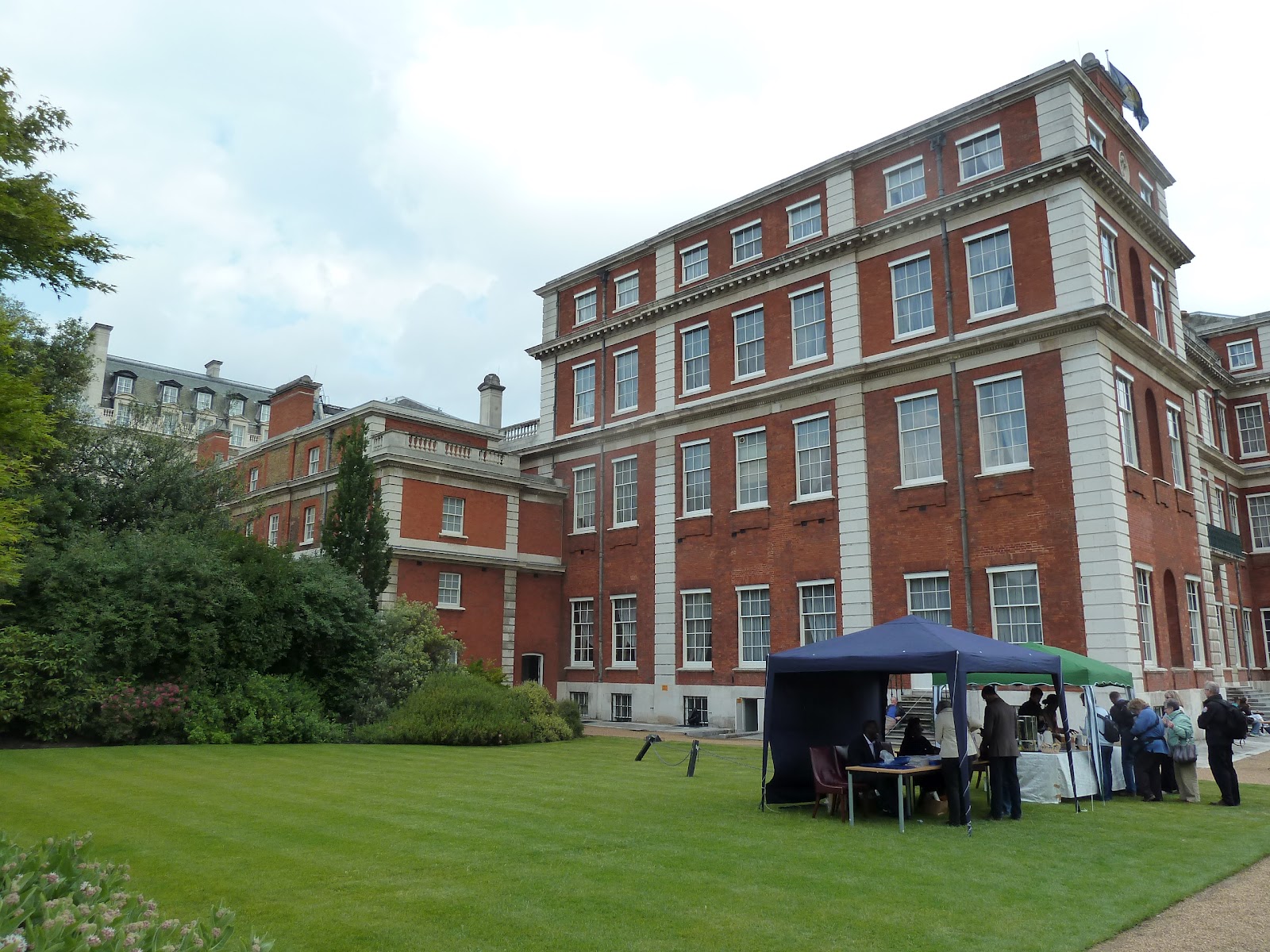
Since it was not only the day of Trooping the Colour but also part of the Open Squares weekend, the gardens of Marlborough House  were open to the public.  It is now the home of the Commonwealth Secretariat and Conference Center. The tents shown above not only dispensed hot tea, a necessity on this chilly day, but also displayed brochures and booklets on the 54 member nations of the Commonwealth.  Anyone for a vacation in Tasmania?

Marlborough House was built for Sarah Churchill, first Duchess of Marlborough by Sir Christopher Wren, closely bordering the grounds of St. James’s Palace.  Eventually the house was taken up by the crown and used by various members of the royal family.  For many years, as the residence of Edward and Alexandra, it was the home of the Marlborough Set, a late Victorian social circle around the Prince of Wales.

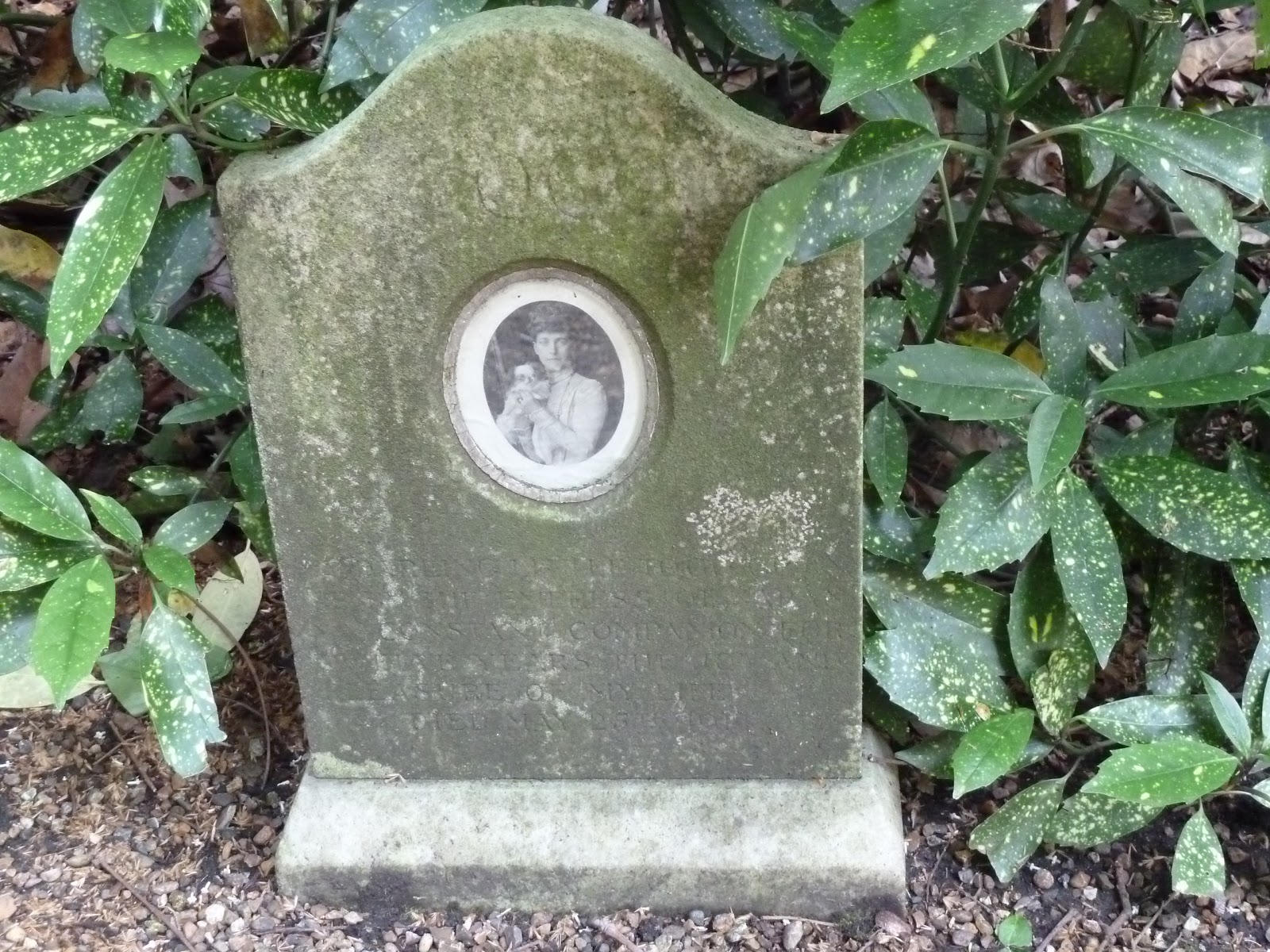
My favorite feature of these gardens was most definitely the Pet Cemetery where Alexandra’s dear little dogs are buried in a corner.  

I walked to the opposite corner of the gardens and watched the troops escorting the Queen back to Buckingham Palace. I stood on a mound inside the wall that gave an excellent views, only partially blocked by the police and mounted officers along the route.

A memorial to Queen Alexandria is built into the garden wall of Marlborough House, just opposite St. James’s Palace.

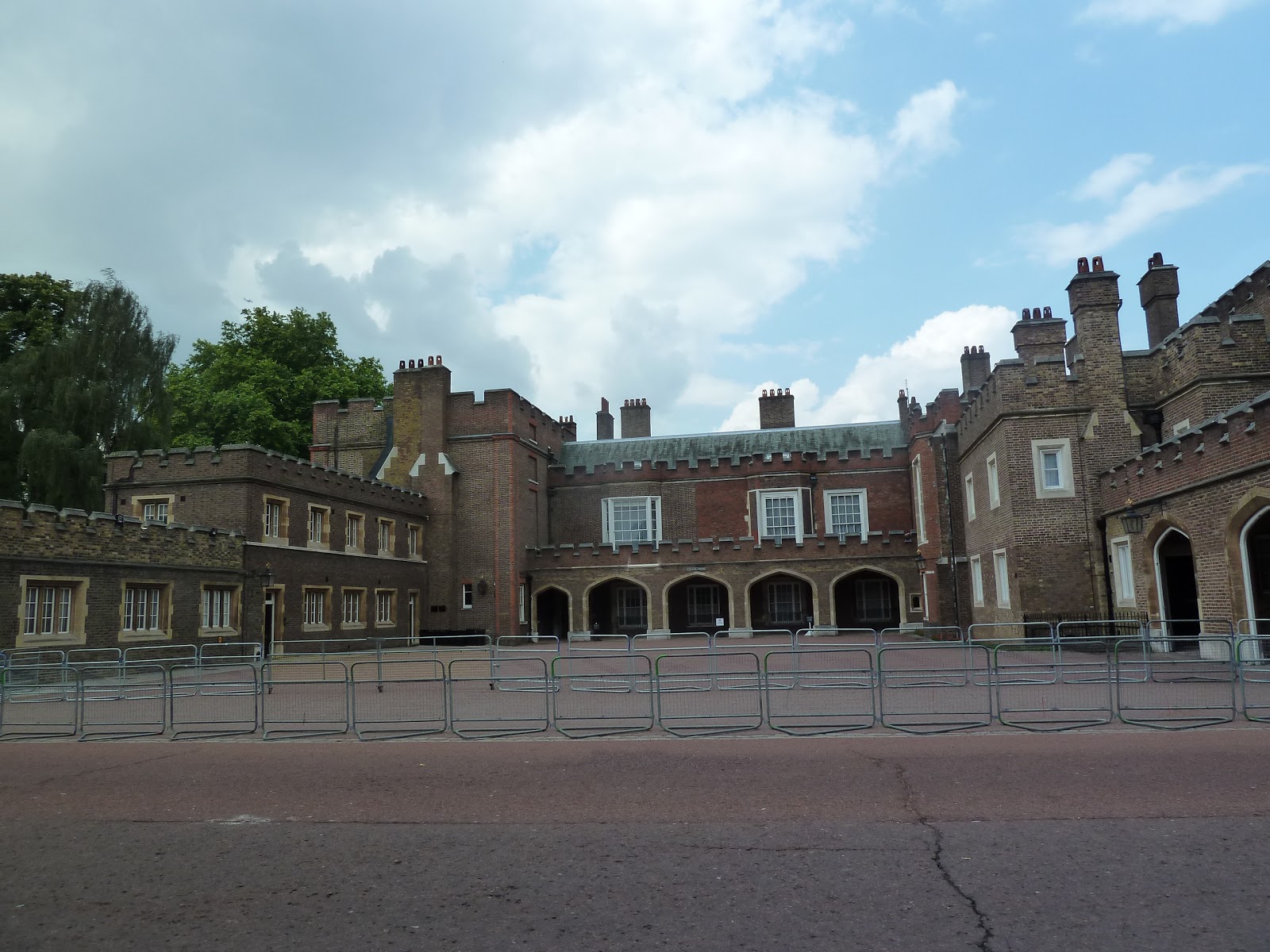
East facade of St. James’s, facing the grounds of Marlborough House
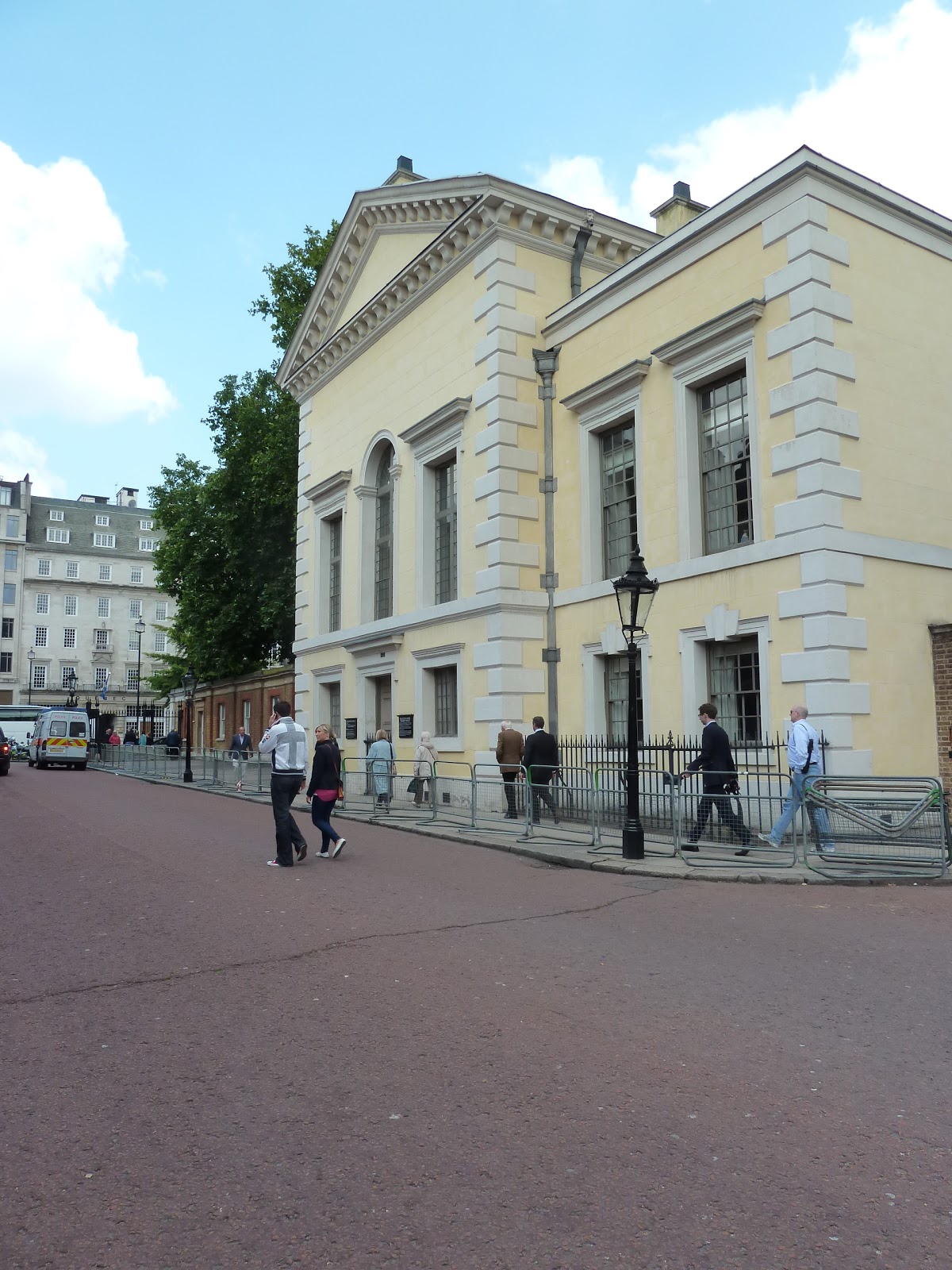
Queen’s Chapel, opposite St James’s Palace, north of Marlborough House
The Queen’s Chapel was built for Henrietta Maria, wife of Charles I, in 1625 and designed by Inigo Jones.  It is used for services at various times of the year that are open to the public.  It was originally Roman Catholic but is now Church of England.
I walked around the corner of St. James’s Palace to the more familiar facade of the palace which faces north, up St. James’s St. toward Piccadilly.
From here on, the royal connections are more limited: the warrants given to various merchants which supply the royal family and the memberships various royals hold in the gentleman’s clubs.
Berry Bros. and Rudd, wine merchants, est. 1698

Through a narrow passage beside the shop is Pickering Place, a small courtyard reputed to be the sight of duels.
  They must have involved swords for certainly it is too small for gun play.


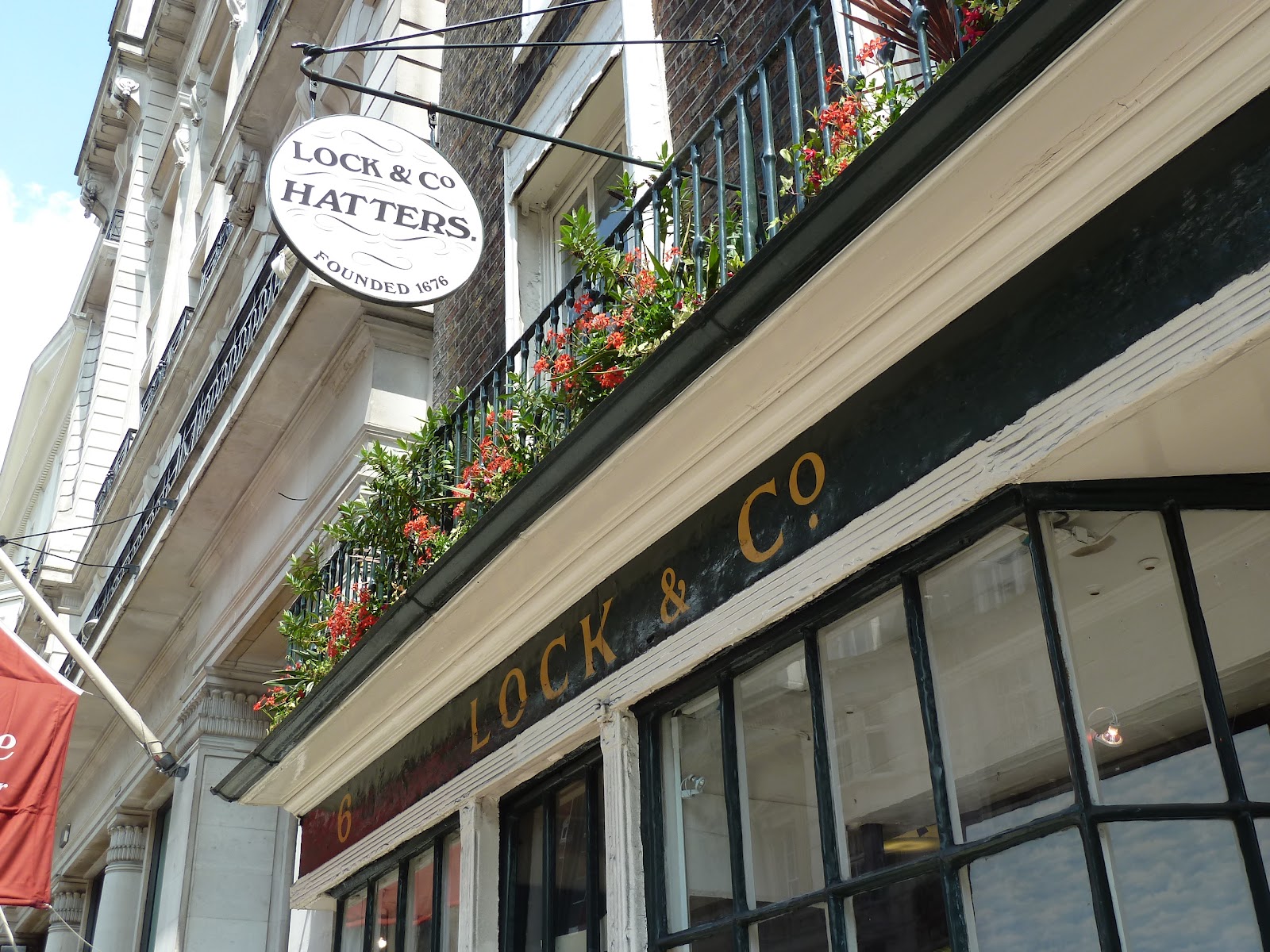
Nearby is Lock and Co. Hatters, est. 1676.

D. R. Harris, Chemists, is located at 29  St. James’s St. Their website is here.

St. James’s Street is also the location of several of Britain’s most prestigious gentleman’s clubs. Below is Brook’s.

Here is the famous bow window of White’s.
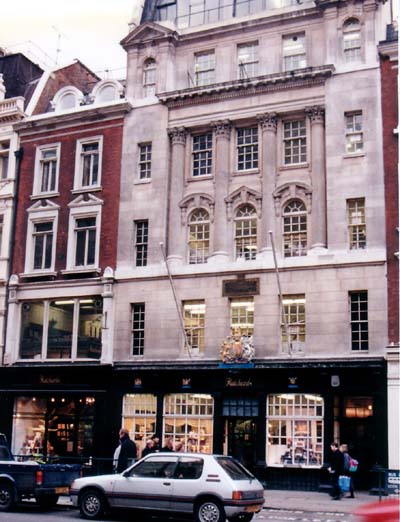
When I reached the top of St. James’s Street, at Piccadilly, I turned east once more and sought the comforting, yet stimulating, confines of Hatchards Bookshop.  Oh, to be there once more!!  Their website is here.
I will leave you here, as I immerse myself in some wonderful volume — most likely more about London or British history.

Thomas Crapper Is Alive And Well

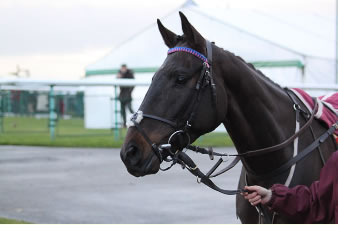
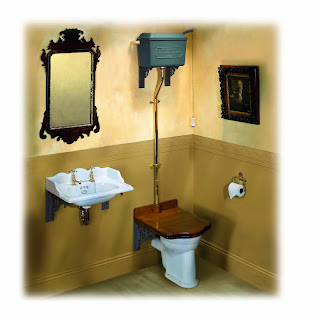
No, not the racehorse named Thomas Crapper, above. Though he’s doing well, too – even has his own website and is owned by a syndicate that includes – you guessed it – Thomas Crapper and Co., which is the Crapper I was talking about. I recently discovered that they’re still in business and offer a select range of bathroom fittings manufactured along the same Victorian and Edwardian designs first used by the firm.

As everyone is aware, Thomas Crapper invented the W.C. as we know it today. According to the Company’s website: “By the 1880’s, Crapper and Co.’s reputation was such that they were invited to supply the Prince of Wales (later Edward VII) at Sandringham. Subsequently, Windsor Castle, Buckingham Palace and Westminster Abbey all benefited from Crapper goods and services. Crapper and Co. remained by Royal Appointment to Edward when he became king and was also warranted by George V, as Prince of Wales and once again as king.

“Thomas Crapper died in 1910 and was buried near the grave of the cricketer, W.G. Grace, in Elmers End Cemetery. The company continued under the guidance of his old partner Robert M. Wharam, his son Robert G. Wharam and Mr. Crapper’s nephew George Crapper. However by the late 1950s, after the demise of the original partners, it was evident to Robert G. Wharam that with no Crappers or Wharams left to run the business, the sale of the company was becoming inevitable. In addition, perhaps people cared little for quality and tradition during that period. In 1963 came the end of an era; Thomas Crapper and Co. became the property of a rival, Messrs. John Bolding and Sons, Ltd.”

Today, the firm has been resurrected and, whislt the website doesn’t tell us quite how this came about, do we really care? The fact remains that we can now purchase and use authentic period lavatory items designed by Crapper himself, including, but not limited to:

A Day With JASNA-WI

The Spring Gala of the Wisconsin Region of the Jane Austen Society of North America was held on April 28 at the Wisconsin Club, historic home of Alexander Mitchell (1817-1887), a Scottish-born business leader in Milwaukee. More about the Mitchell Family below.

The program began with Sheryl Craig, a JASNA traveling scholar and editor of JASNA News. Dr. Craig presented her AGM talk on the economic background of Sense and Sensibility: “Wealth Has Much to Do With It..”  Jane Austen was a keen observer of economic and social conditions in the year 1795 when she was writing the first draft of the novel, then known as Elinor and Marianne.

Dr. Craig illustrated her points by summarizing the character and attitude of the three “Johns” in Sense and Sensibility, who represented three common if differing positions among the English gentry of the period.  The miserly Mr. John Dashwood leaves his step-mother and half-sisters nearly destitute as he tends to his so-called improvements of Norland Park, including the enclosure of common lands, thus depriving the poor and working class of their former rights.  John Willoughby is a selfish, money-grubbing rake who ruins Eliza and breaks Marianne’s heart while he seeks a wealthy wife.

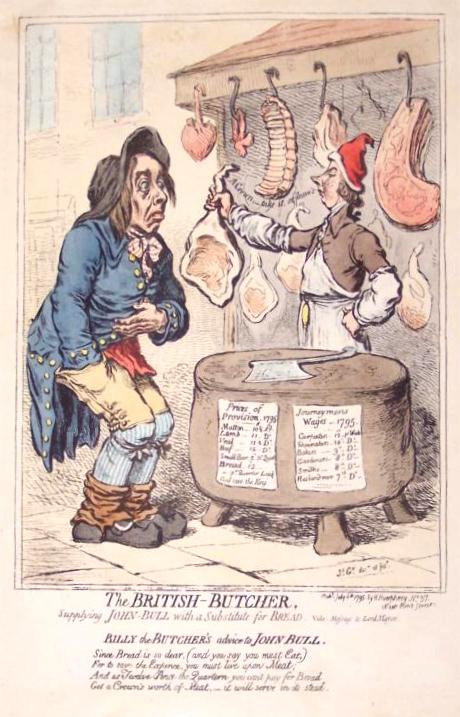
Gillray Cartoon showing P. M. Pitt offering a cut of beef to a man unable to afford a loaf of bread
Sir John Middleton represents the honest landowners who care for their property, tenants and neighborhoods, generous and accommodating to friends, acquaintances and family alike.  Dr. Craig’s discussion of the parliamentary debates on reform of the Poor Laws in that period prompted many in the audience to draw parallels between the times of Prime Minister Pitt and today’s news from London and Washington.
Presenters Victoria Hinshaw, Dr. Sheryl Craig, and JASNA-WI Regional Coordinator Elizabeth Cooper

“The Sensible Regency Wedding” was the topic of Victoria Hinshaw.  She spoke about the modest and quiet nature of most regency weddings, including those of Jane Austen’s niece as recounted by Caroline Austen and the quiet nuptials of Lord Byron and Annabella Millbanke as reported by John Cam Hobhouse.

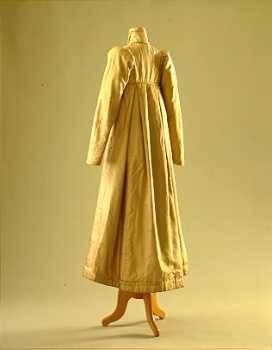
Lady Byron’s Wedding Pelisse, Museum of Costume, Bath


Hinshaw also discussed courtship, the legalities of marriage, wedding customs, elopements, separation and divorce. She commented on Jane Austen’s attitude toward love and marriage as expressed in her life, her letters and her novels.

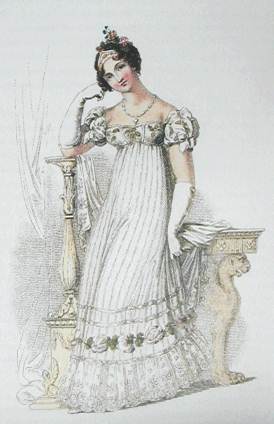
Wedding Gown, Ackermann’s Repository, June 1816

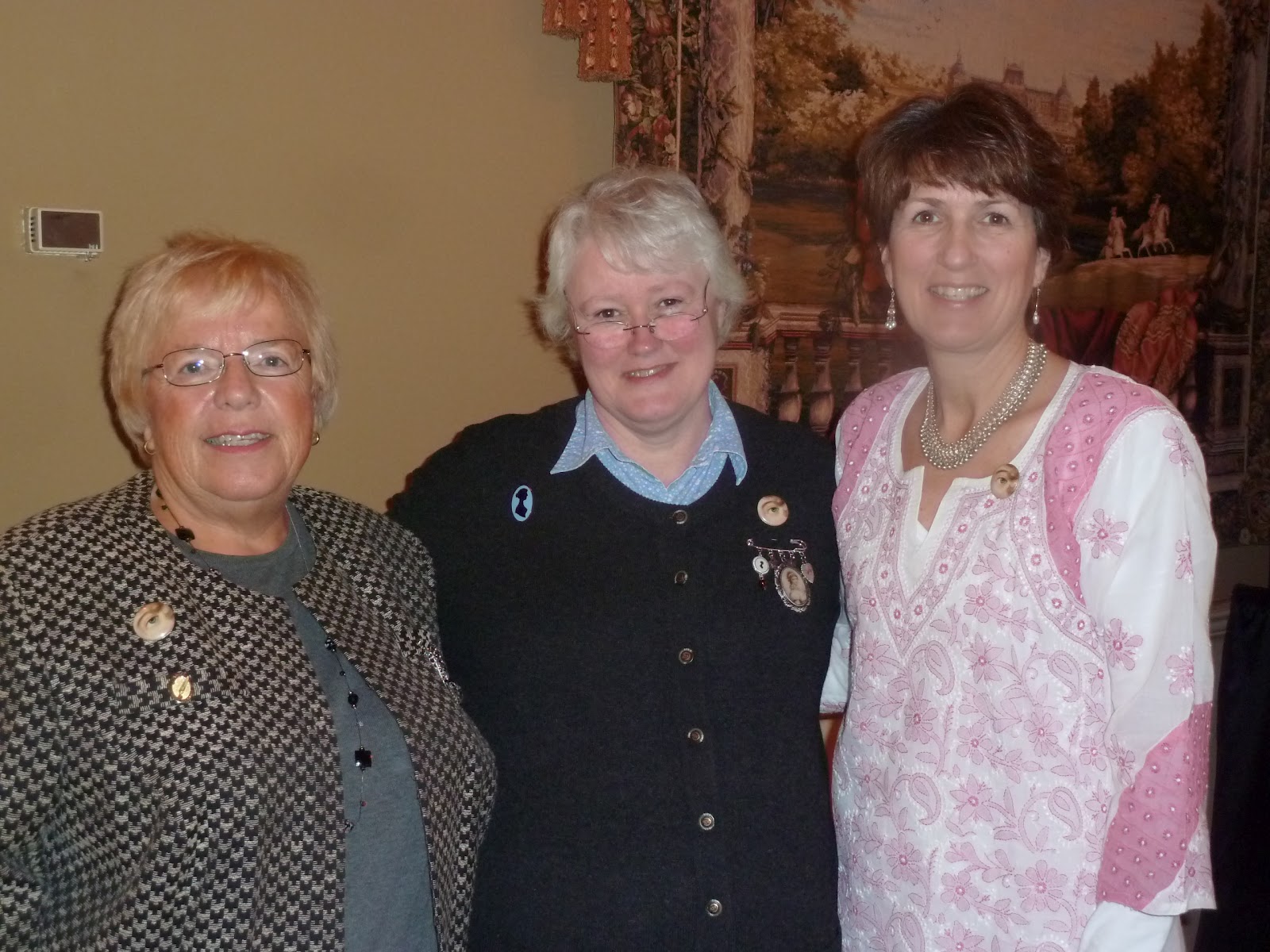
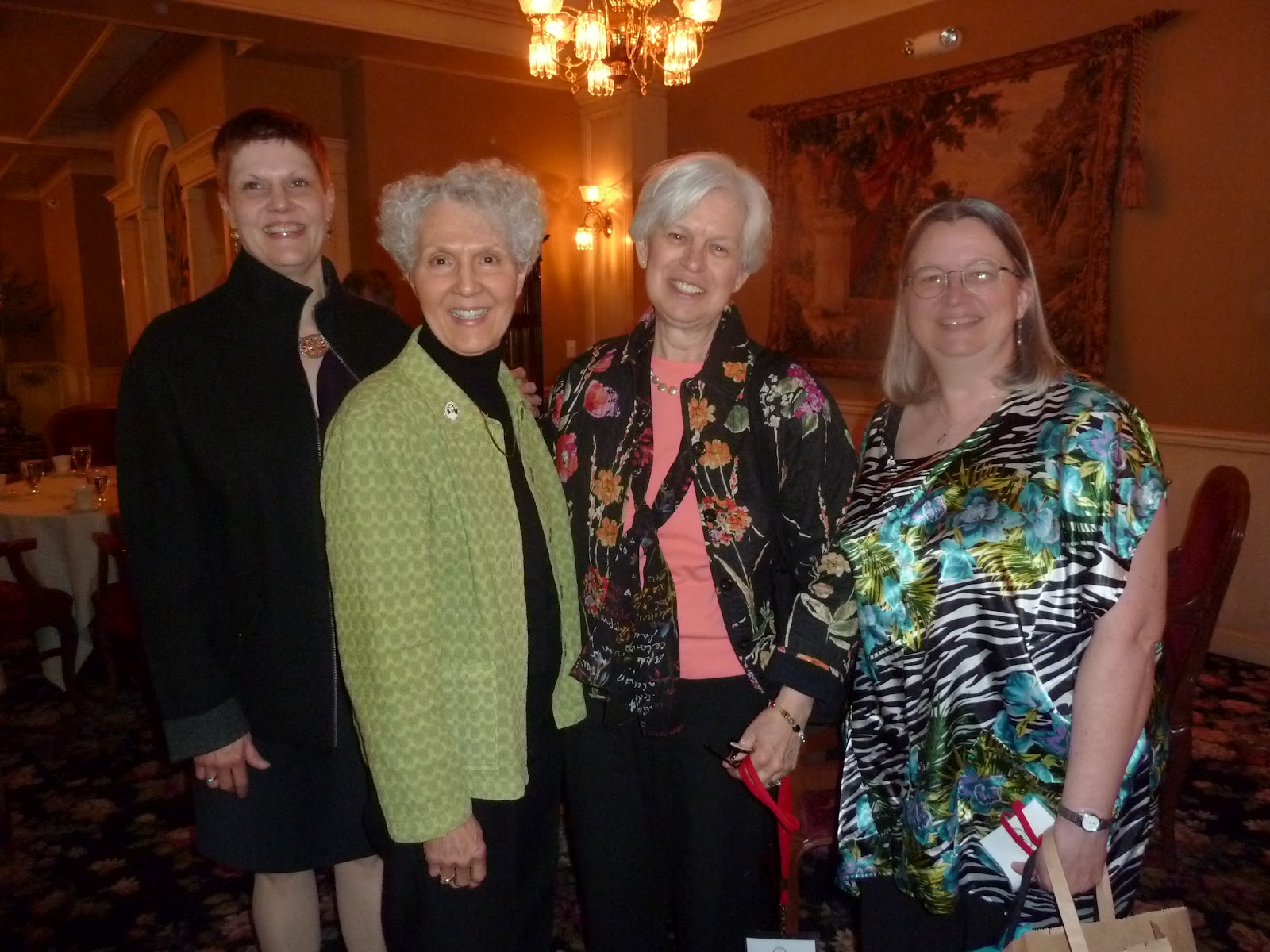
JASNA-WI members and guests enjoyed socializing before and after the presentations.  There is never enough time to talk about Jane Austen.

Trish Vanderhoef, Joanne Fuller, Jane Glaser, Carolyn Hippert

Kathy O’Brien, Diana Burns, Judy Beine

Marion Stuenkel, Jean Long
Jennifer Carlson, Carolyn Hippert
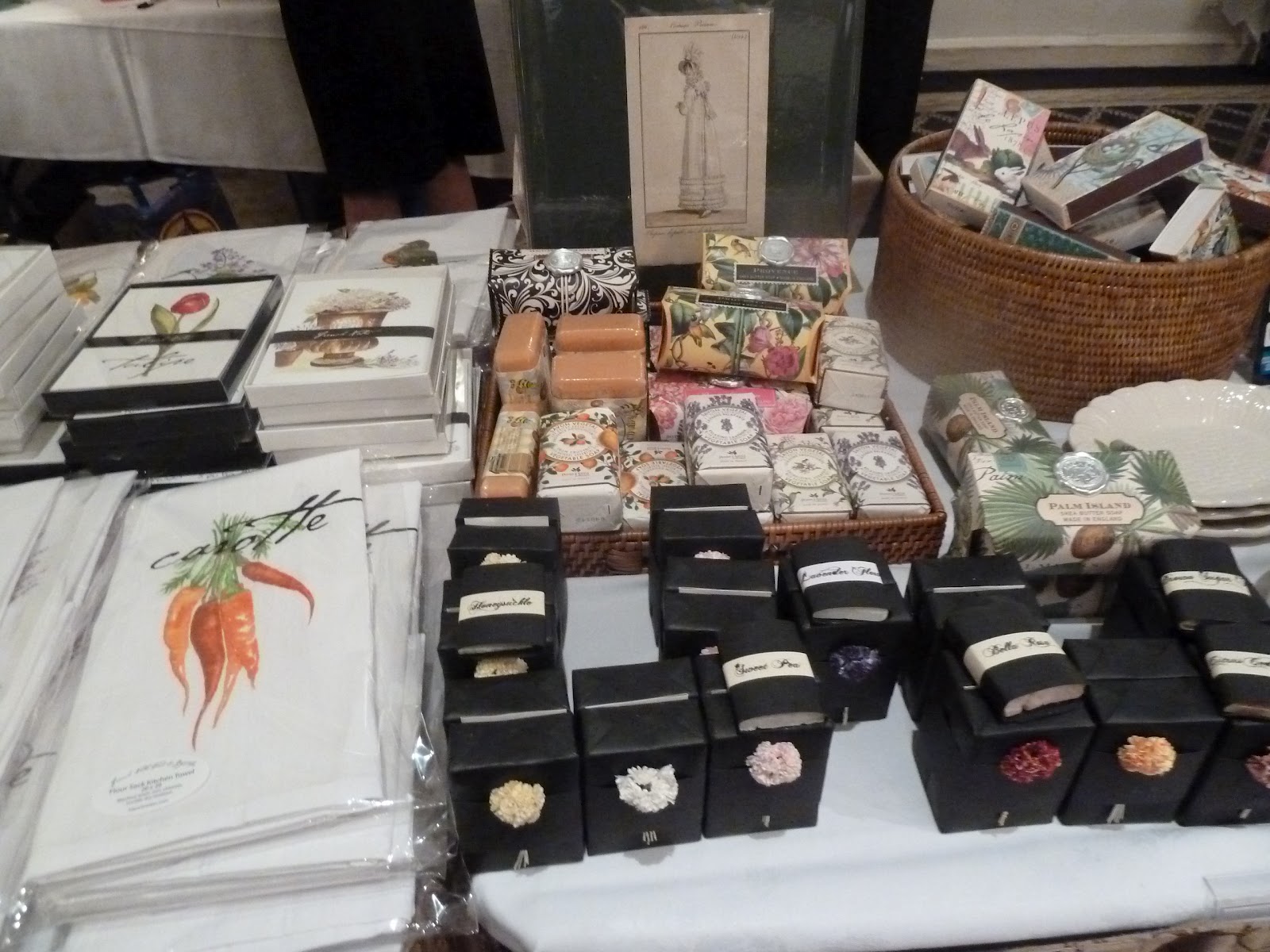
Pat Latkin brought us many temptations.

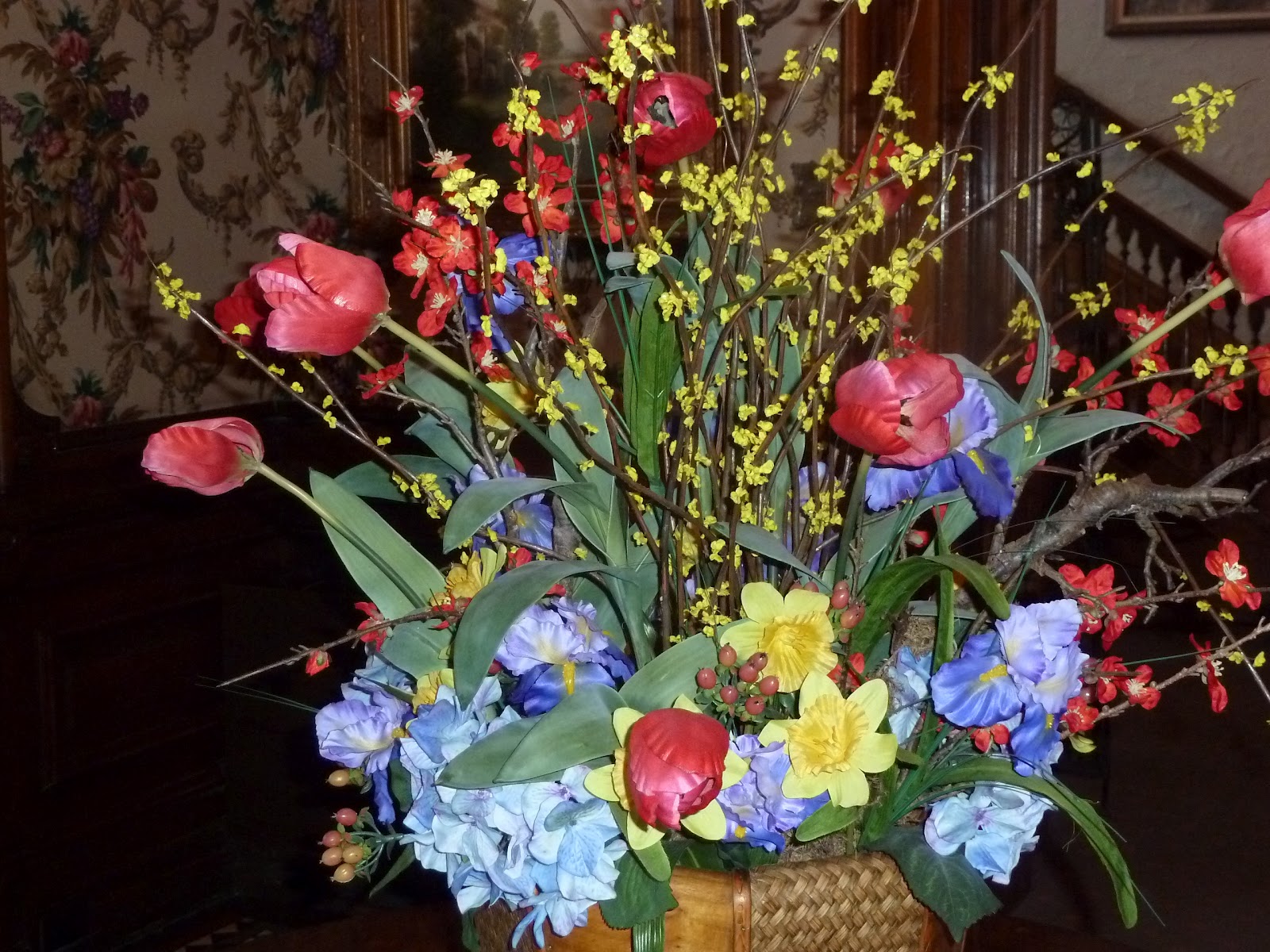
Spring Flowers in the foyer.
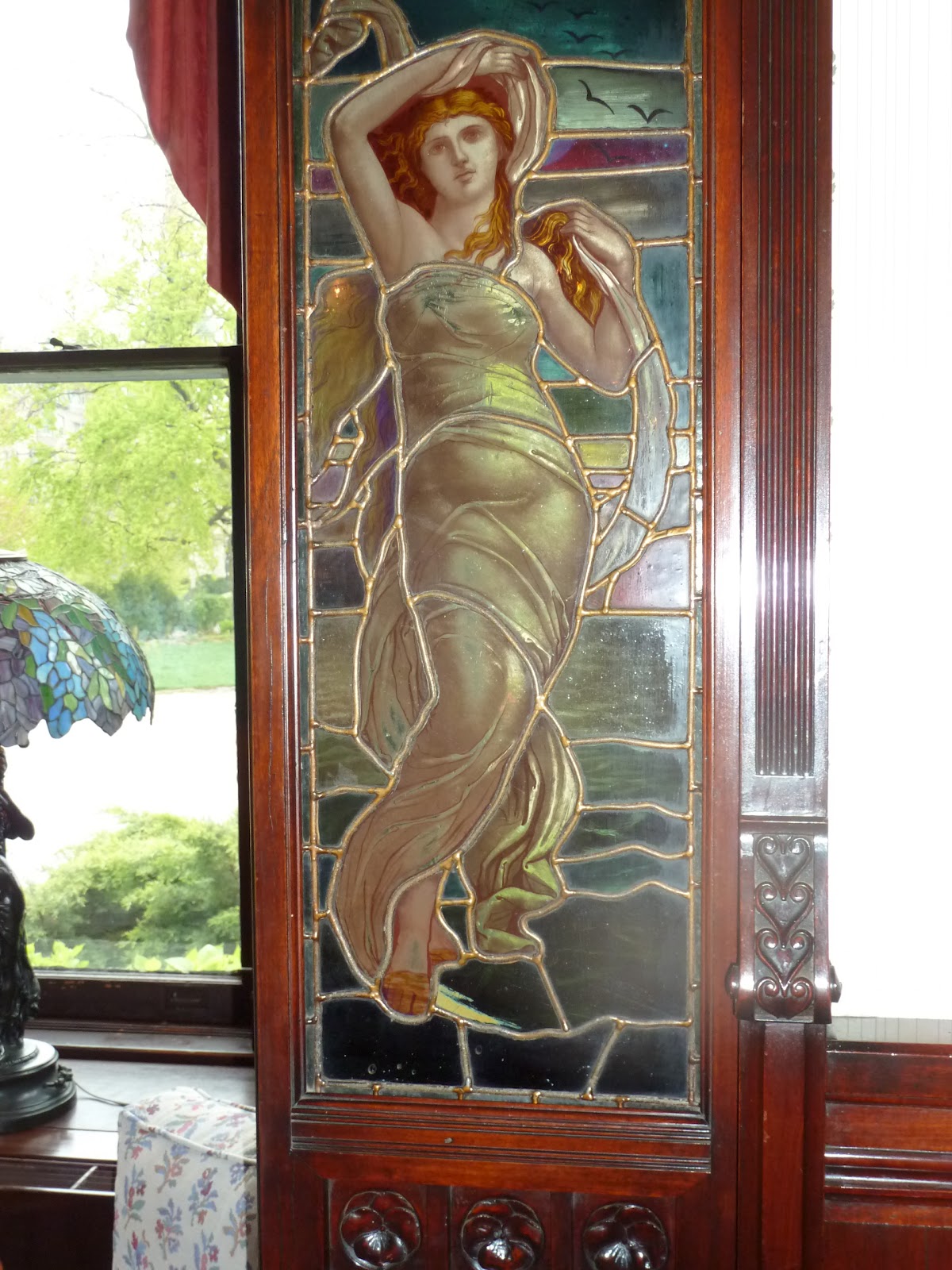
scene in The Wisconsin Club

Alexander Mitchell (1817-1887) was born in Aberdeenshire, Scotland, and came to the U.S. in 1839. He settled in Milwaukee where he became a business leader in banking, insurance and railroads.  He served in the U.S. Congress and was a local philanthropist.  His wife, Martha Reid, was a leader in civic activities and artistic circles; she was one of the founders of The Woman’s Club of Wisconsin in 1876.  Their grandson, WWI flying ace General Billy Mitchell, is known as the Father of the U.S. Airforce.
Thanks to Judy Beine for her photographs.

from The Naturalists' Diary, May 1826

The Naturalists’ Diary, May 1826

From The Time’s Telescope

            There is something revivifying in this season of the year—a gaiety and mirthfulness of which all God’s creatures more or less partake. A thousand joyous feelings are associated with the smell of hawthorn, and the sight of the bright green trees, and the sound of the notes of the sweet singing birds; and the daisies and cowslips spangle the surface of the grassy fields, and the playful butterflies wanton in the glittering sunbeams.
Daisies
To wander at will, in the earliest hours of spring (as it is beautifully observed by Mr. Wiffen, in his Preface to the ‘Aonian Hours’) is one of the sweetest and most refined enjoyments. The face of things and the mind’s feelings have then a fresher aspect and a dearer sensation than at any other period of the year.
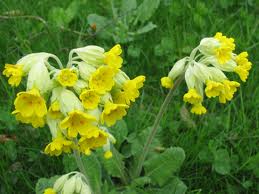
Cowslips
 It is only at the first starting of Nature from the repose of winter, that these emotions are forcibly excited; for, after we have been accustomed but for a few weeks to the prospect of buds, and flowers, and the gladness of all things, the mind recedes into its habitual temper and tone of feeling. When these sensations are connected with other associations,–with the spot of our boyhood or our birth, or with the pleasures of maturer life, the charm becomes still stronger and sweeter; and we may truly say, as the Arabian prophet exclaimed of Damascus, “This is almost too delicious!”
Hawthorne
 Let our readers, then, particularly our female friends,

Rise betimes, while th’ opal-coloured morn

In golden pomp doth May-day’s door adorn

and hasten to enjoy the exhilarating pleasures of a fine May morning.

Spotted Flycatcher

            The latest species of the summer birds of passage arrive about the beginning of May. Among these are the goatsucker, or fern-owl, the spotted fly-catcher, and the sedge bird. In this and the following month, the dotterel is in season. Birds are still occupied in building their nests or laying their eggs. The parental care of birds at this period, in hatching and rearing their young, can never be sufficiently admired.

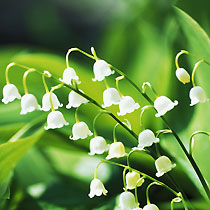
            The lily of the valley now opens her snowy bells, and the flowers of the chestnut-tree begin to unfold; the tulip tree has its leaves quite out; and the flowers of the Scotch fir, the beech, the oak, and the honey-suckle, climbing round its neighbours for support, are now in full bloom.
 honeysuckle
            All the varieties of the strawberry, ‘plant of my native soil,’ open their blossoms, their runners extending on all sides. The mulberry-tree puts forth its leaves.
Strawberry

            The insect tribe continue to add to their numbers. A few butterflies that have passed the inclement season in the chrysalis state, are seen on the wing early in May. And about the latter end of the month, the Papilio Machaon, or
swallow-tailed butterfly, one of the most superb of the British Insects, makes its appearance. It is very local, but is abundant in the places where it is found, particularly in the fens of Huntingdon and Cambridge. The caterpillar is green, banded with black, and marked by a row of red spots; it feeds on various umbellate plants.

            Mr. Samouelle, in his directions to the Entomological Collector says, ‘as soon as the white-thorn is in leaf, the hedges should be well beaten;–the season for taking caterpillars now commences, from which most of the Lepidoptera are obtained, and this is by far the best method, as the insects are generally perfect, and the specimens very fine. Great attention should be paid to the larvae, and they should be supplied with fresh food, and moist earth kept at the bottom of their cages.’—Introduction to British Entomology, p. 315.

            Field crickets, the chaffer or may-bug, and the forest fly, which so much annoys horses and cattle, are now seen. The female wasp appears at the latter end of the month, and the swarming of bees takes place.—The garden now affords rhubarb, green apricots, and green gooseberries, for making pies and tarts.

            In this month, the orchis will be found in moist pastures, distinguished by its broad, black spotted leaves and spike of large purple flowers. The walnut has its flowers in full bloom.

            The banks of rills and shaded hedges are ornamented with the pretty tribe of speedwells, particularly the germander speedwell, the field mouse-ear, the dove’s foot crane’s bill, and the read campion, the two first of azure blue, and the two last of rose colour, intermixing their flowers with attractive variety.—The country is now in perfection, every bush a nosegay, all the ground a piece of embroidery. The air, indeed, is enriched with native perfumes, and the whole creation seems to smile; on each tree we hear the voice of melody, and in every grove there is a concert of warbling music.
Cranesbill

            The lilac, the barberry, and the maple, are now in flower. At the latter end of the month rye is in ear; the mountain-ash, laburnum, the guilder-rose, clover, columbines, with their singular and fantastic nectarines,–the alder, the wild chervil, the wayfaring tree, or wild guelder-rose, and the elm, have their flowers in full bloom.
Lilac

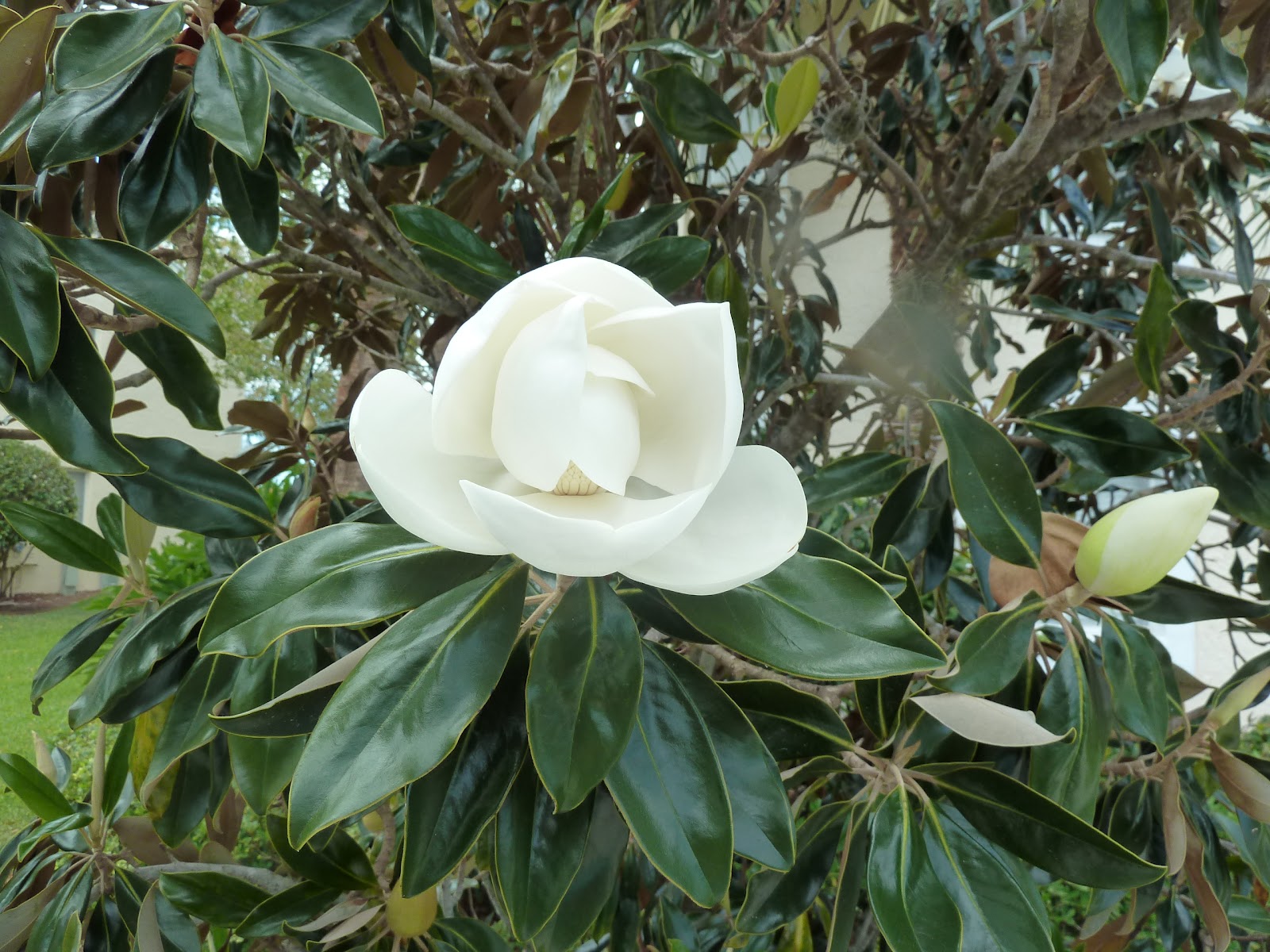
            Many fine plants are in flower, both in artificial climates and the open garden. The American tribes flower in great numbers during this month, as Magnolias, Azaleas, Vacciniums, &c. ‘We saw in the last week of April, in Malcolm and Gray’s Nursery, Kensington, one of the finest Youlan Magnolias in flower we ever beheld. It was a standard of a conical shape, about twenty feet high, and in an open, unsheltered part of the garden. It was covered with tulip shaped blossoms of a pure white, and exceedingly fragrant. Each blossom was as large as that of a Van Thol tulip, and their perfume was sensibly felt for a circumference of many yards. Hundreds of lovers of gardening, if they were aware of the beauty of this plant, would possess a specimen, for a greater ornament no shrubbery could possess.
Magnolia
There is not a country gentleman, who, were he to see such a plant, would not have one of them, coute qui coute; but as gentlemen necessarily rely on their gardeners for selecting plants and trees, and as this tree is but of recent introduction, it is unknown to most gardeners in place. Young gardeners recently become masters and now coming out as such, will recommend it; but, still, this shows that scarcely any new plant can become general throughout the country in less than half a century from its first introduction. A gardener takes a place at twenty-five years of age, and remains in it, or in other places, thirty years probably at an average; he then dies, and is succeeded by a young man who, familiar with the best things of the preceding thirty years, introduces them. In this way, the Youlan Magnolia
may be about as common as the Horse-chestnut in 1850 or 1860; Pyrus Japonica, Prunus Japonica and many now rare Azaleas and other early flowering plants, will then abound; and what a glorious sight will our shrubberies present!”—Literary Gazette.

            About the middle of the month the greenhouse plants are ventured out; the rule is, the foliation of the common ash and the mulberry. This is a critical month for insects, especially the green fly or aphis family, and the caterpillars. Tobacco, lime-water, and handpicking, are the remedies.
David Austin Old Roses

            The various species of meadow grass are in flower. The buttercup spreads over the meadows; the coleseed in corn fields, bryony, the arum, or cuckoo-pint, in hedges, the Tartarian honeysuckle, and the Corchorus Japonica, now show their flowers. The ‘rose, with all its sweetest leaves yet folded,’ now tempts the changeful atmosphere of May, but, too oft oppressed with ungentle showers, and overcharged with wet, bows her head to the coming storm; reserving her riper beauties for the more powerful sun of June. Sweet violets still continue to shed their delicious odours.

            Towards the end of the month, that magnificent and beautiful tree, the horse-chestnut, displays its honours of fine green leaves, and its handsome ‘spike pyramidal’ of white and red flowers; it is quite the glory of forest trees. The hawthorn (white and pink) is usually in blossom about the middle or end of the month.
Hawthorne

            The principal show of tulips takes place in this month. The dazzling and gorgeous appearance of beds of tulips cannot fail to attract the notice of the most indifferent observer; some varieties of this elegant flower are very splendid, and unrivalled for the beauty of their exquisite colours. But they boast only of a showy exterior; they possess no fragrance,–and however gaudy their attire, like a handsome female devoid of mental requirements, they soon cease to call forth our admiration. ‘Surprise and wonder are transitory passions,’ and, tired of beholding mere beauty, we seek for utility in the endless charms of a cultivated mind.

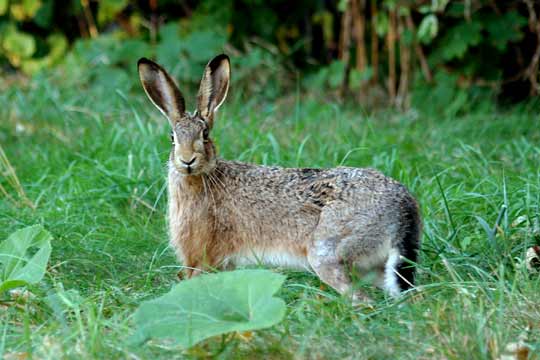
            Young hares or leverets, in favourable seasons are now seen feeding near the edges of woods and copses; these may be considered as the first produce of the year, but the mother will commonly bring forth two or more pairs in the season.
Hare

            Towards the end of the month, the Phalaena humuli, called by some the ghost-moth, makes its appearance, and continues visible during the greater part of the month of June. The female glow-worm (Lampyris noctiluca) is now seen on dry banks, about woods, pastures, and hedgeways.

            This is now the benting time of pigeons. After the spring-sown corn has vegetated, until the harvest, they are driven to the immature seeds and green panicles of the grasses for subsistence, and are seen in large flocks in pasture fields, where they pick up so bare a living, as to have occasioned an old couplet, often quoted in the country—

 The pigeon never knoweth woe

Until a benting it doth go.

Pigeon

            May, June, and July constitute the most fashionable portion of a ‘Winter in London’ and during this time there are more dinners, routes, concerts, and public dejeunes a la fourchette, than at any other period of the year. These eagerly sought pleasures, however, will have but little attraction for the contemplative man, and the admirer of the beauties of nature. Dinner parties at eight o’clock, and crowded assemblies which break up at two or three A.M., afford but a bad preparation for a morning ramble, to enjoy the sweet breath of May.

The Milk Maid

From Life in the London Streets or Struggles for Daily Bread by Richard Rowe (1881)

The following is the story of old Patty Morgan, who used to dispense glassf uls of milk in the Mall, a cheeryfaced old body, muffled in a faded Welsh plaid shawl, think of the historical associations of her place of trade.
“Oh, deary no, I’ve got no cows. It’s my master’s I take to the park, sometimes one and sometimes another, just as may happen. It’s a many years I’ve been in London: yes, indeed, with one master and another. I used to go out with the milk for ever so long, but I’m too old for that now. I’ve borne the yoke in my youth, and now I get a bit of rest in my old age, not but what it’s very cold sometimes sitting in the park; but what’s the good of grumbling? I couldn’t lug about those heavy pails now. When I was younger the saucy monkeys of boys used to make fun of me and say I waddled like a duck; so I’m thankful I’ve got something I can do. When I’m not milking I can knit, and it’s a comfort to an old woman not to be always on her feet, and to have something to lean the back against.

“Our business varies very much. Sometimes we’ll do next to nothing, and then again we’ll sell about as much as the cow can give. It depends so much on the weather, you see. A fine day brings the folks out like butterflies. It’s mostly children we sell to. A father will come with his little ones and treat them to a glassful each, and sometimes a nurse will be sent regular with a child that is ailin’, so that it may drink new milk and smell the cow’s breath. Certainly the milk is better than what’s sold at the doors; yes, indeed.Oh yes, you can get pure milk from the milkmen if you want it for an invalid; they’ll not cheat you, but go out of their way in a case like that, to send you the best they can,—but then, you see, you’ve to pay more for it. Milk was so plenty where I come from that it puzzled me at first, it did, the price they gave for it in London. Sheep’s milk we used most, but we’d cow’s milk as well, and as much as ever we wanted. A child wouldn’t have thought much of a glass of milk there,—it wasn’t any treat: I’d only to run into the dairy and help myself. . . . .
 

“There’s often a good bit of fun and frolic about the cows, and folly too with the soldiers and the young men out with their sweethearts; but if they and the girls never drank anything worse than milk, there wouldn’t be so much harm come of their courting.
“As I’ve told you I used to go milk-walks before I got hired to milk in the park. It’s a tiring work that, carrying round the pails, and you’re out in all weathers; still I always kept my health pretty well whilst I was at it. I don’t drink gin, as some do, to keep the cold out: coffee in the morning and tea at night, that’s what I take.
“You hear a good deal of news on a milkwalk: well, yes, no doubt a good deal of it is lies. Either the mistresses or the maids are ready enough to gossip with you. Give and take, that’s their motto: hear what you’ve got to say, and tell you what you don’t know about the neighbourhood. If some of the masters and mistresses that think everybody thinks them the respectablest of the respectable could hear what their own servants say about them, they would be rather astonished; and they wouldn’t be best pleased either if they knew how these stories get about from house to house,—about the quarrels, and the lots of spirits that’s drunk on the sly, and the gentleman that master doesn’t like calling so often, when he’s out, on missis, and all that kind of talk. No doubt a good half or more of it is made up. Folks that are so fond of talking, as most servant girls are, must tell lies pretty often, or they couldn’t keep their tongues wagging as they do.
“And then it’s queer the different things that are happening at the different houses you call at. At one, mayhap a new baby has just come, and the bailiffs at another; there’s a wedding at No. 3, and somebody dying next door, and a hearse and mourning coaches going away from No. 7.
“Houses, too, that are pretty near as like as peas outside are so different when the door’s opened, in masters, and mistresses, and servants, and children, and furniture, and cleanliness, and everything. One may be as neat as a new pin with nobody but nice people in it, and the next all muddle and muck and wrangling.

“It was my father’s misfortunes sent me up to London. He had a farm out by Pont-y-pridd, and he was forced to leave it, and it broke his heart, poor old man: he died just in time to save him from the workhouse. I’d been promised to a young man who had a good place at Merthyr,—not one of the common workers, but a kind of over-looker. He wasn’t true: he broke with me when our troubles came, and married my own cousin. I couldn’t stand that, —to see them coming backwards and forwards to uncle’s,—so I came up to London; and here I’ve been ever since, this many a year.
“After a bit I married a man who worked for one of my masters. He made me a fairish husband, poor man, though he never made much pretence of loving of me, and he was rather too fond of liquor. We’d a large family, and I’d to work for them; but, thank God, they were all dear, good children. None of them lived to be married, except the youngest; and now she’s gone, and her little one: so I should be all alone if I couldn’t say, praise God, ‘Though I walk through the valley of the shadow of death, I will fear no evil; for Thou art with me; Thy rod and Thy staff they comfort me.'”