Meet Mrs. Vesey


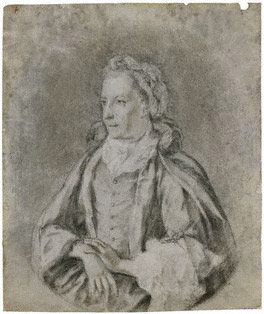
Copyright National Portrait Gallery

Elizabeth Vesey was the daughter of Sir Thomas Vesey, Bishop of Ossory. She first married William Handcock and then Agmondisham Vesey, M.P., Accountant-General of Ireland. She was one of the Bluestocking Circle, along with Mrs. Elizabeth Montagu, Elizabeth Carter and Fanny Burney. The following excerpt refers to the botanist Benjamin Stillingfleet (1702-71), who was welcomed at one of Elizabeth Montagu’s salons even though he had arrived absent-mindedly wearing the blue woollen stockings normally worn by working men, instead of the more formal white silk, hence another theory on how the term “blue stocking” was coined.

From Mrs. Montagu by R. Huchon

. . . . Stillingfleet had taken refuge in the cultivation of his garden, which gave him health, and in the study of botany and harmony, which procured him some pleasure. He was often seen at Bath or about town, doubtless stooping in his gait and plunged in his mildly pessimistic thoughts. His accomplishments as a scholar and a wit made him a favourite with Mrs Montagu and the other learned ladies. One day, about 1750, he was at Bath, and received an invitation to “a literary meeting at Mrs Vesey’s.” He “declined to accept it,” Mme d’Arblay informs us, “from not being, he said, in the habit of displaying a proper equipment for an evening assembly. ‘Pho, pho” cried Mrs Vesey, with her wellknown, yet always original simplicity, while she looked inquisitively at him and his accoutrement, “don’t mind dress! Come in your blue stockings!” With which words, humorously repeating them as he entered the apartment of the chosen coterie, Mr Stillingfleet claimed permission to appear according to order. And those words ever after were fixed in playful stigma upon Mrs Vesey’s associations.” It seems a confirmation of this account that, on 13th November 1756, a friend of Mrs Montagu’s should write to her that “Monsey,” the physician of Chelsea Hospital, “swears he will make out some story of you and Stillingfleet before you are much older; you shall not keep blew stockings at Sandleford for nothing.” And Mrs Montagu herself, in the following March, having mentioned Stillingfleet in a letter to Monsey, said of him: “I assure you our old philosopher is so much a man of pleasure, he has left off his old friends and his blue stockings, and is at operas and other gay assemblies every night.” Stillingfleet and his “blue stockings” there-fore became interchangeable terms among his acquaintances. As Boswell observes : “Such was the excellence of his conversation, that his absence was felt as so great a loss that it used to be said: We can do nothing without the blue stockings; and thus by degrees the title was established.” Wherever Stillingfleet appeared, there were the Blue Stockings. By a very natural process, the name extended from Mrs Vesey’s parties to those of Mrs Montagu and others. It even crossed the Channel at the end of the century.


Benjamin Stillingfleet

 Since the institution and its ” title” in all probability originated with Mrs Vesey, it would be unjust to pass her over in silence. She formed a strong contrast with Mrs . Montagu in her disposition and manners. She seemed “of imagination all compact,” and her friends had affectionately nicknamed her “the Sylph,” for, like an “etherial” being, she lived and thought “in a world of her own.” In her actual work-a-day life she was none too happy. Fondly attached to her second husband, Agmondesham Vesey, of Lucan, near Dublin, “for many years a member of the Irish House of Commons and Comptroller and Accountant-General for Ireland,” she had not succeeded in fixing his affections. “He has many amiable qualities,” Mrs Carter said in 1774, “and would have many more if he formed his standard of action from his own mind, for I am inclined to think he is not vicious so much from inclination as from the example of the world. If it was a fashionable thing for wits and scholars and lord – lieutenants and other distinguished personages to be true to their wives, probably our friend would not have found him an unfaithful husband.” This disappointment had doubtless enhanced Mrs Vesey’s flightiness and her dissatisfaction with the things of this world: “She scarcely ever enjoys any one object,” Mrs Carter wrote to Mrs Montagu, “from the apprehension that something better may possibly be found in another. It is really astonishing to see how this restless pursuit counteracts all the feelings of her amiable and affectionate heart. There are few things, I believe, that she loves like you and me; yet, when she is with us, she finds that you and I, not being absolute divinities, have no power of bestowing perfect happiness, and so from us she flies away, to try if it is to be met with at an assembly or an opera.”1 Ever ingenious at difficulties and little distresses, she lived in “a perpetual forecast of disappointment.” One day she fancied that she was losing her senses, or else she felt her memory going and her power of expressing herself decreasing. The joys of friendship were spoilt for her by the bitter thought of their transitoriness. “Is it reasonable,” Mrs Carter exclaimed on reading her complaints, “to wish to reject the possession of any real good, merely because it may happen not to be a perpetuity?” She had “a mind formed for doubt,” she said of herself, and her bias towards scepticism, though undecided, alarmed her pious friends by its intermittent recurrence.

. . . . Her fears were so great of the horror, as it was styled, of a circle, from the ceremony and awe which it produced, that she pushed all the small sofas, as well as chairs, pell mell about the apartments, so as not to leave even a zigzag path of communication free from impediment: and her greatest delight was to place the seats back to back, so that those who occupied them could perceive no more of their nearest neighbour than if the parties had been sent into different rooms: an arrangement that could only be eluded by such a twisting of the neck as to threaten the interlocutors with a spasmodic affection.

But what most contributed to render the scenes of her social circle nearly dramatic in comic effect, was her deafness. . . . She had commonly two or three or more ear-trumpets hanging to her wrists, or slung about her neck, or tost upon the chimney-piece or table. The instant that any earnestness of countenance or animation of gesture struck her eye, she darted forward trumpet in hand to inquire what was going on, but almost always arrived at the speaker at the moment that he was become, in his turn, the hearer. And after quietly listening some minutes, she would gently utter her disappointment by crying: ‘ Well, I really thought you were talking of something.’ A
nd then, though a whole group would hold it fitting to flock around her, and recount what had been said, if a smile caught her roving eye from any opposite direction, the fear of losing something more entertaining would make her beg not to trouble them, and again rush on the gayer talkers. But as a laugh is excited more commonly by sportive nonsense than by wit, she usually gleaned nothing from her change of place and hastened therefore back to ask for the rest of what she had interrupted. But generally finding that set dispersing or dispersed, she would look around her with a forlorn surprise and cry: “I can’t conceive why it is that nobody talks to-night. I can’t catch a word.” Yet with all these peculiarities Mrs Vesey was eminently amiable, candid, gentle and even sensible, but she had an ardour to know whatever was going forward and to see whoever was named, that kept her curiosity constantly in a panic, and almost dangerously increased the singular wanderings of her imagination.

Mrs. Vesey died in 1789.
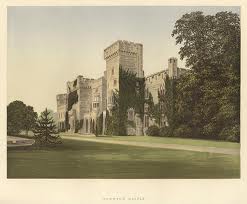
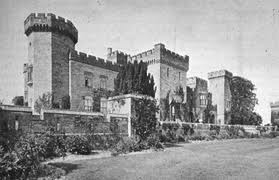
Downton Castle

 From the Greville Memoirs

June 26th, (1839) Delbury.— “I rode to Downton Castle on Monday, a gimcrack castle and bad house, built by Payne Knight, an epicurean philosopher, who after building the castle went and lived in a lodge or cottage in the park: there he died, not without suspicion of having put an end to himself, which would have been fully conformable to his notions. He was a sensualist in all ways, but a great and self-educated scholar. His property is now in Chancery, because he chose to make his own will. The prospect from the windows is beautiful, and the walk through the wood, overhanging the river Teme, surpasses anything I have ever seen of the kind. It is as wild as the walk over the hill at Chatsworth, and much more beautiful, because the distant prospect resembles the cheerful hills of Sussex instead of the brown and sombre Derbyshire moors. The path now creeps along the margin, and now rises above the bed of a clear and murmuring stream, and immediately opposite is another hill as lofty and wild, both covered with the finest trees—oaks, ash, and chestnut —which push out their gnarled roots in a thousand fantastic shapes, and grow out of vast masses of rock in the most luxuriant and picturesque manner. Yesterday I came here, a tolerable place with no pretension, but very well kept, not without handsome trees, a,nd surrounded by a very pretty country.”


Downton Castle


Richard Payne Knight by Sir Thomas Lawrence

 Richard Payne Knight (1750-1824), was born in 1750 and called Payne after his grandmother, Elizabeth, daughter of Andrew Payne, and wife of Richard Knight (1659-1745), the founder of the Knight family, who acquired great wealth by the ironworks of Shropshire, and settled at Downton, Herefordshire. Being of a weakly constitution, Knight was not sent to school till he was fourteen, and did not begin to learn Greek till he was seventeen. He was not at any university. About 1767 he went to Italy, and remained abroad several years.

Knight again visited Italy in 1777, and from April to June of that year was in Sicily in company with Philipp IIackert,the German painter, and Charles Gore. When in Italy Knight spent much time at Naples, where his friend Sir William Hamilton (1730-1803) was the British envoy. About 1764 Knight had inherited the estates at Downton, Herefordshire. He ornamented the grounds, and there erected from his own designs a stone mansion in castellated style. Knight invited Lord Nelson and Lady Hamilton to Downton Castle in 1802 and also owned a house in Soho Square, London, where he used one of the large rooms as his museum. In 1780 he became M.P. for Leominster, and from 1784 to 1806 sat for Ludlow

Knight died at his house in Soho Square, on 23 April 1824, of ‘an apoplectic affection’ (Gent. Mag. 1824, pt. ii. p. 185). He was buried in Wormesley Church, Herefordshire, where there is a monument to him, with a Latin epitaph by Cornewall, bishop of Worcester.

His Downton estate passed to his brother, Thomas Andrew Knight. He made to the British Museum, of which he had been Townley trustee since 1814, the munificent bequest of his bronzes, coins, gems, marbles, and drawings. The collection was valued at the time at sums varying from 30,000/. to 60,000/. The acquisition of the bronzes and coins immensely strengthened the national collection. The trustees of the British Museum printed and published in 1830  Knight’s own manuscript catalogue of the coins, with the title ‘Nummi Veteres.’

More on the Bahamas

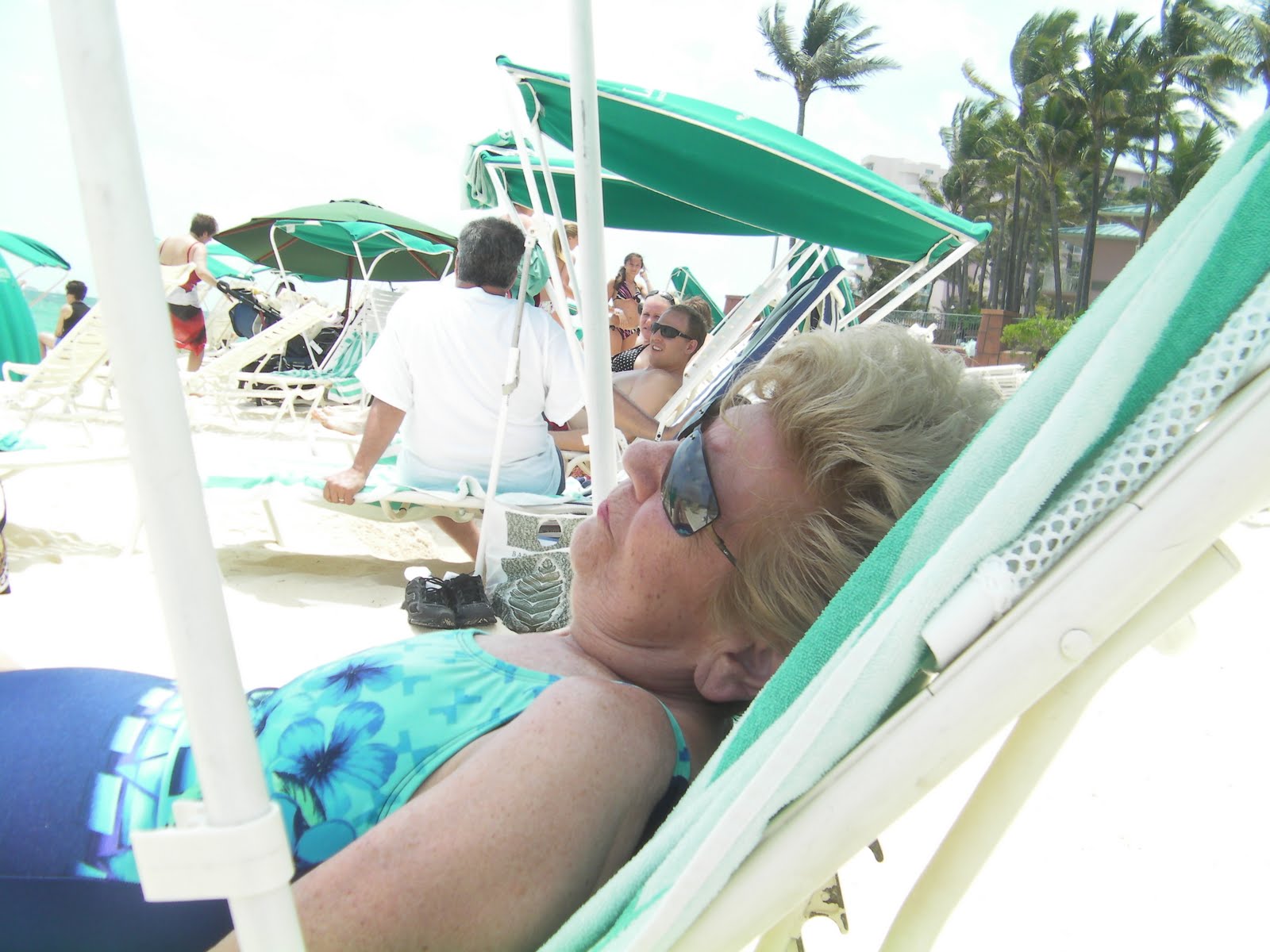
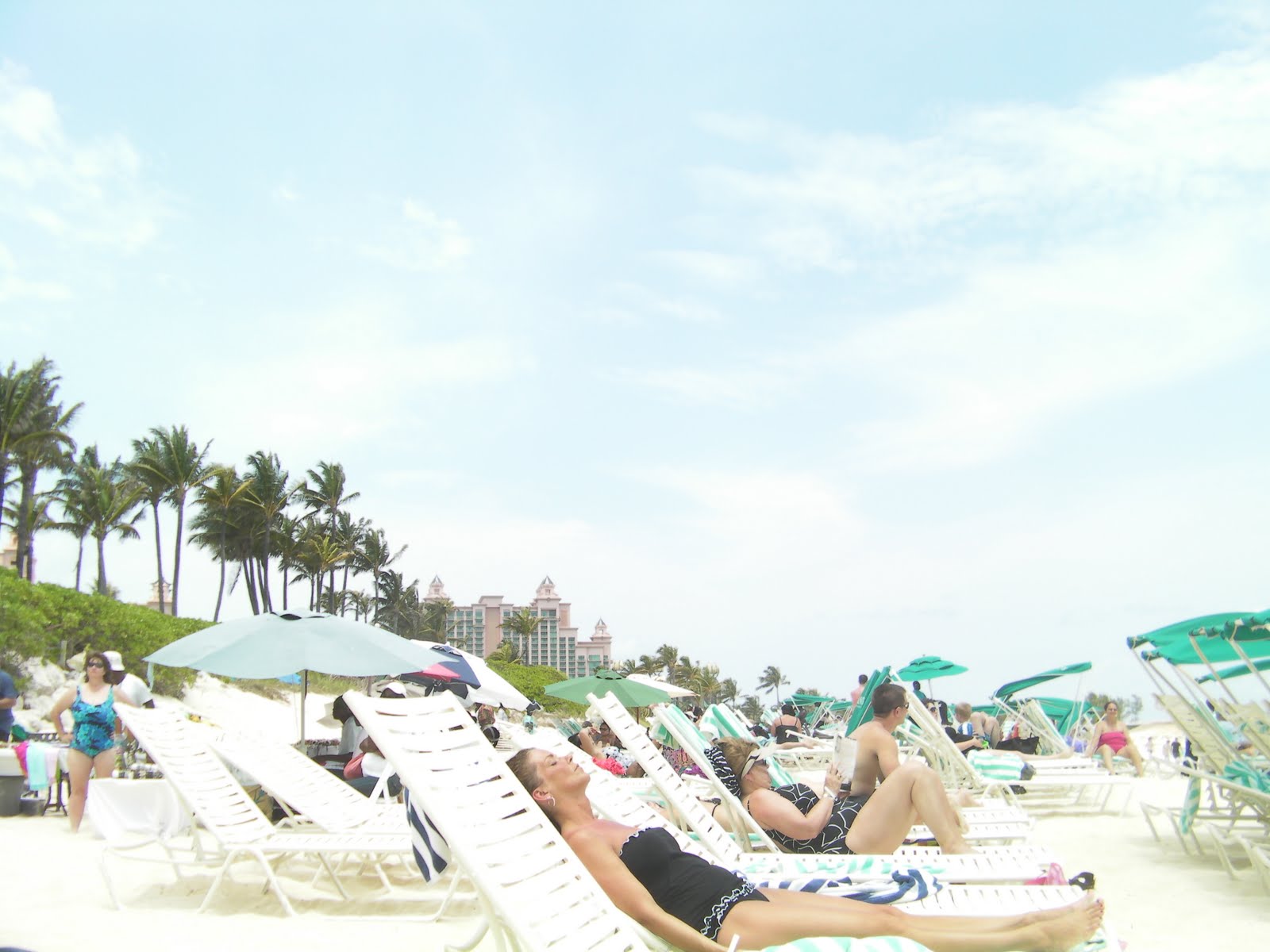
While we were in Nassau recently, Brooke and I decided to hit the beach and play in the frigid surf, while others who shall remain nameless took the opportunity to grab forty winks. 

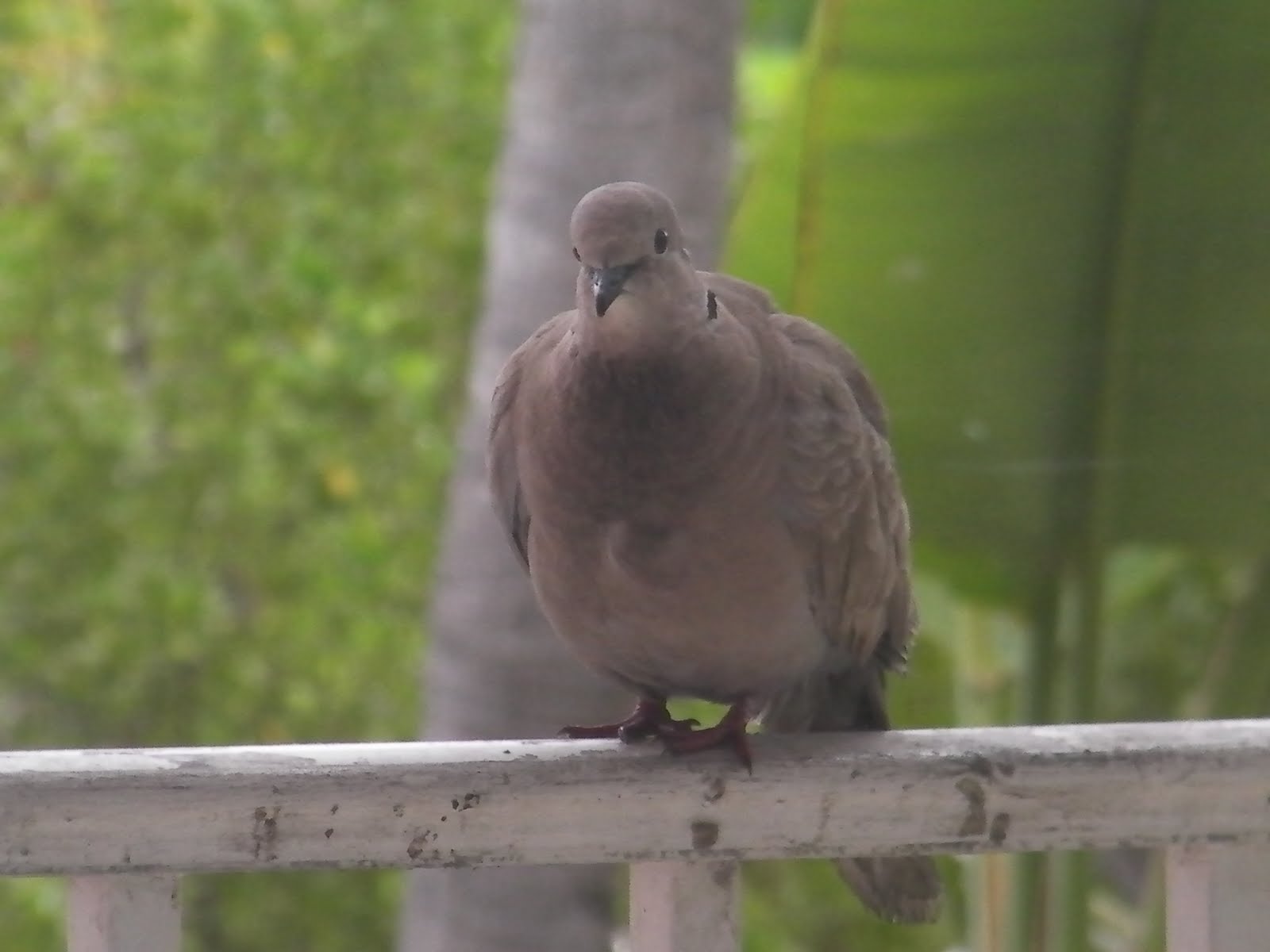
You’ll note that while there were many people on the beach, the water was empty. Brrrr. Brooke and I dove in and it wasn’t long before I had been face-planted in the sand by a rogue wave/the incoming tide. With literally a mouth and bathing suit full of sand, I went to wash off, when I encountered a new friend.  
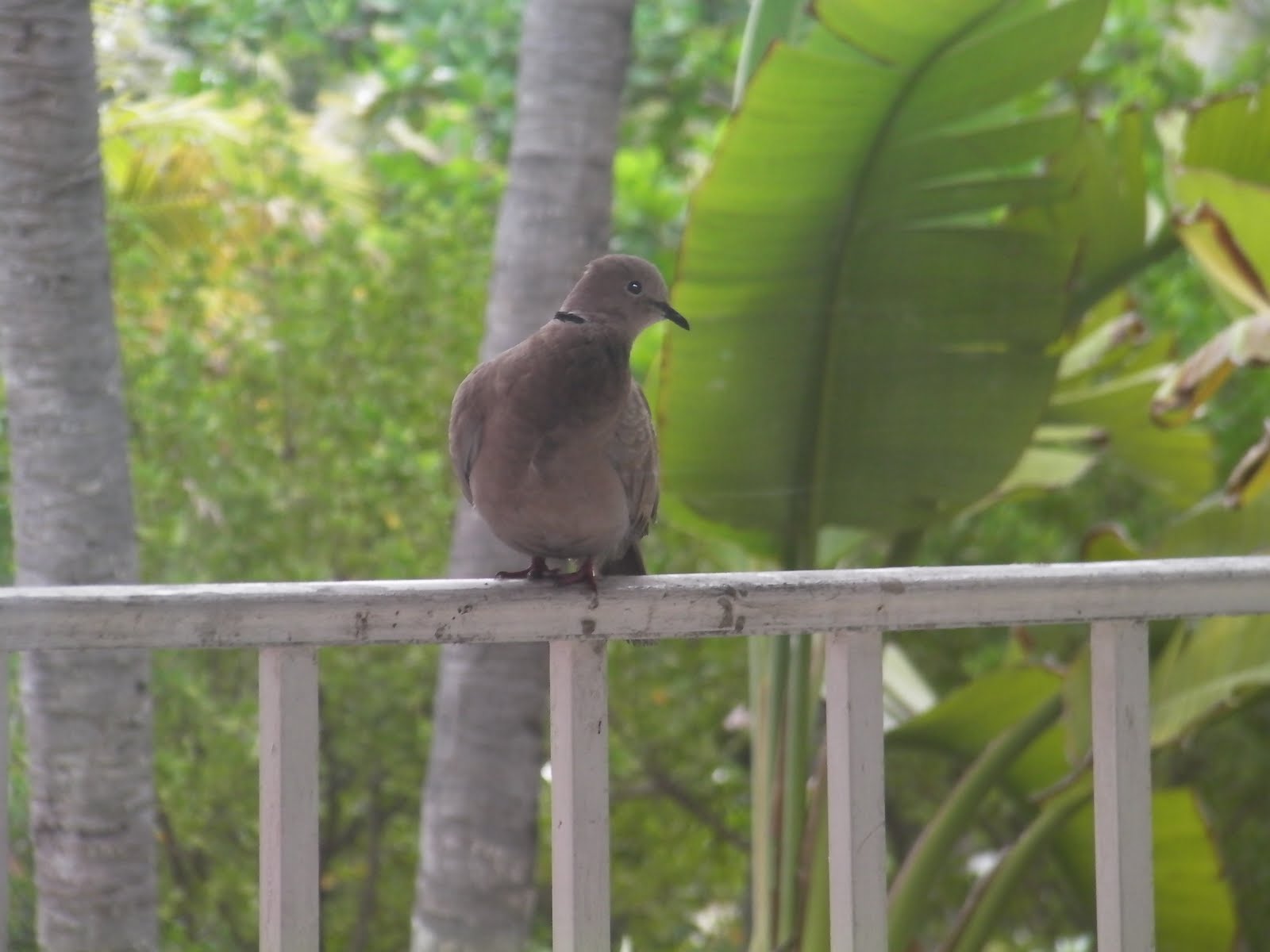
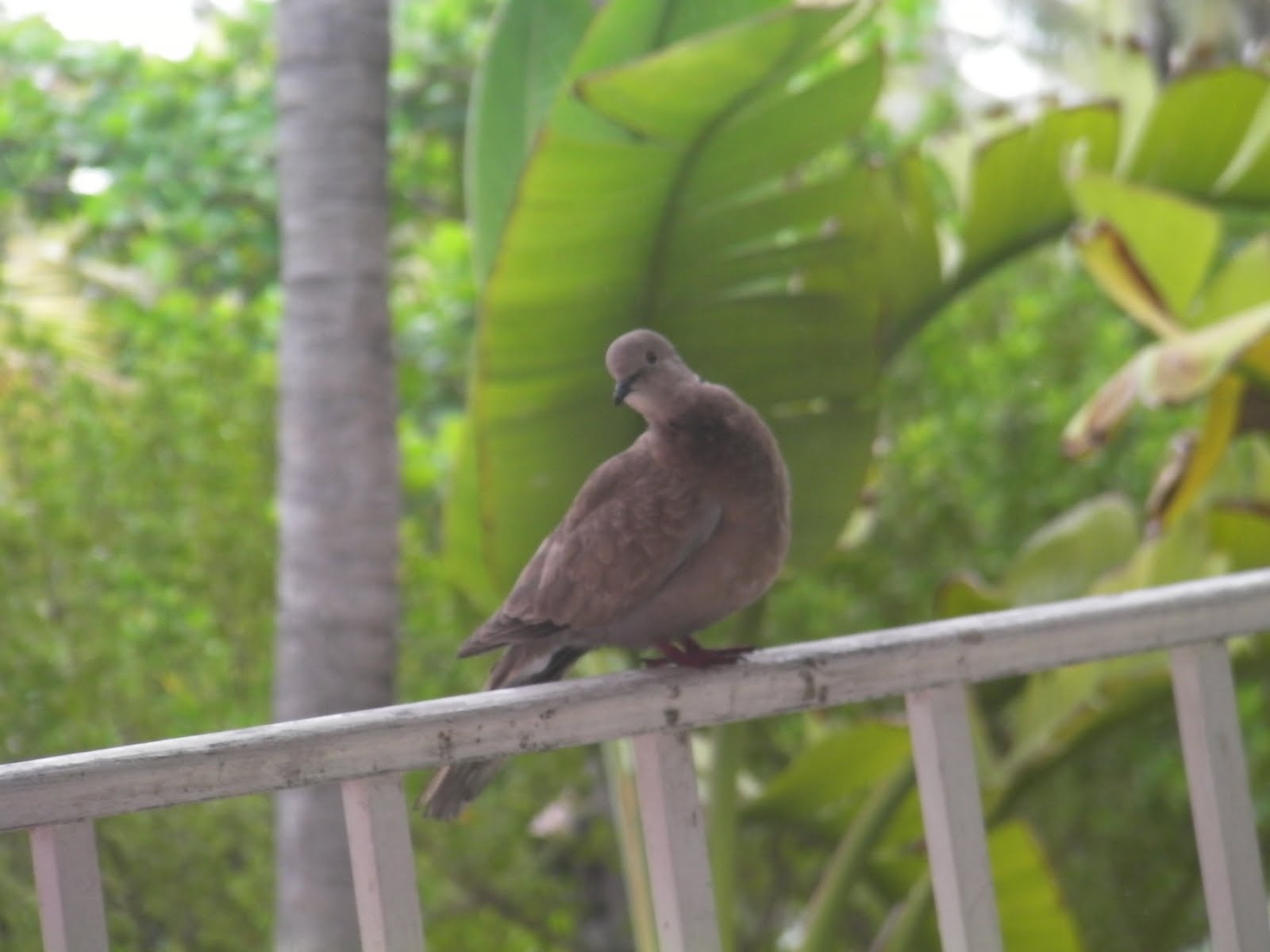
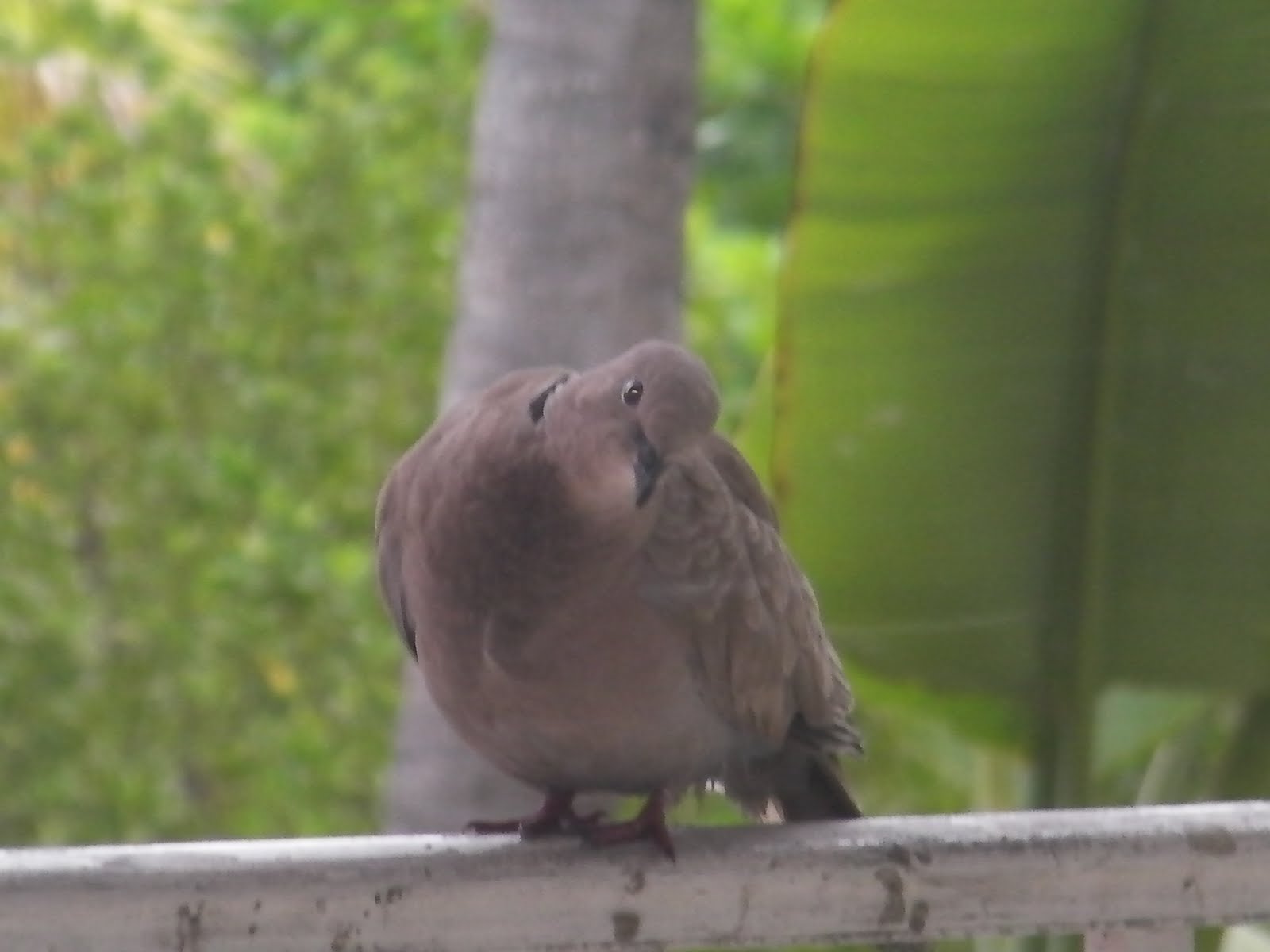
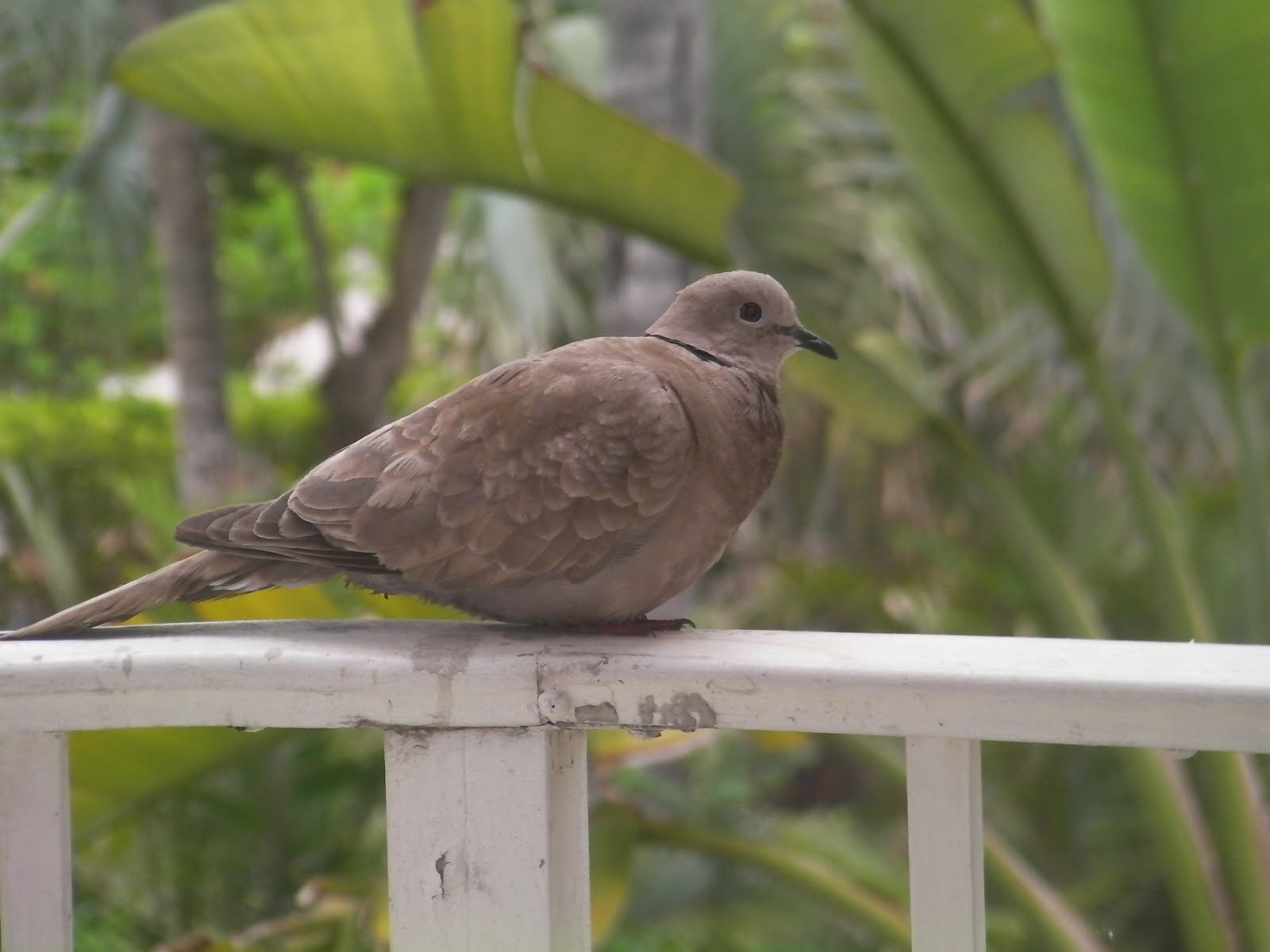
Regular readers of this blog will recall that I met an entertaining French crow when in Paris last year. This Bahamian dove had all the sauciness of his French counterpart, as well as an eye for the ladies.

“Yeah, Mon, dat’s one good looking woman. Rockin’ legs, Mama!”

“And here’s another. Work it, girl! Dose buns truly be mighty fine.”

“Is dat suppose to be a bathing suit? I heard of thongs, but dat’s takin’ it to the extreme. Not dat I’m complaining. Just sayin . . . . “

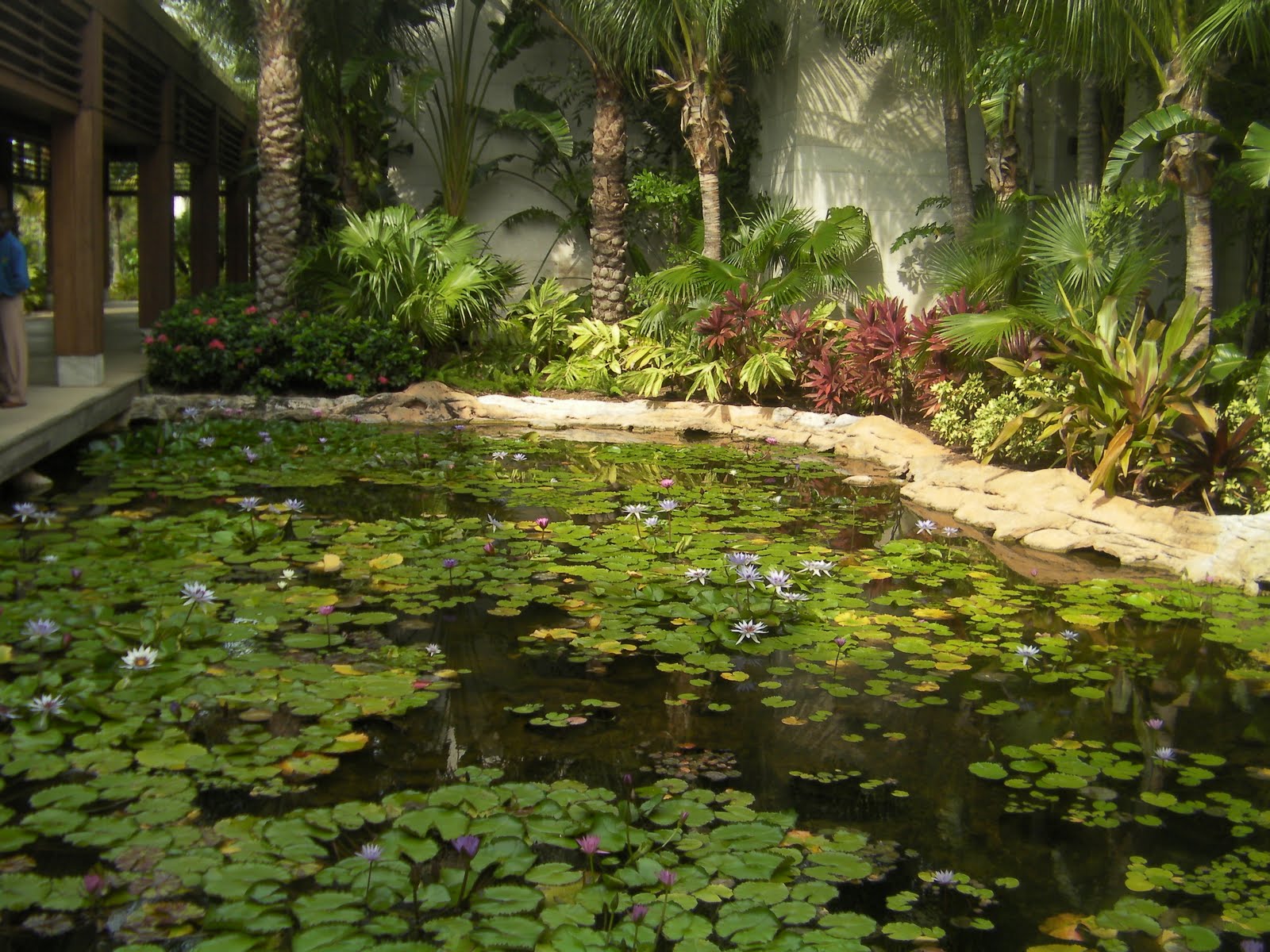
“Oh, Mon, the wife be coming back. Best pull me eyes back in my head and pretend I been looking at these water lilies all along. Look here, sweetheart, I found you a Monet garden almost a gorgeous as you are . . . I been missing you while you was gone. What took you so long?”

Paying Occupations for Gentlewomen

From Cassell’s Family Magazine – 1896
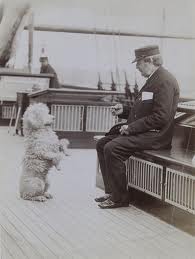
I would mention poodle-clipping as an agreeable and remunerative profession in which a few gentlewomen might engage. In an article on ” New Paid Occupations for Women ” published in Cassall’s Family Magazine about a year ago, I spoke of a new employment, then recently started in New York—that of brushing, combing and exercising pet dogs, and have since heard that the occupation has been taken up by some English girls with great success. There are so many pet dogs in London that there is chance for much competition in this matter, and it is certainly a very healthy and agreeable sort of outdoor work. The business of poodle-clipping for women, however, is one that, so far as I know, has never been attempted either in the United States or in England, and I would suggest to some enterprising gentlewoman that she be the first to engage in it. The idea occurred to me about two months ago, when on making a morning call I found a friend wielding a pair of clippers on her own poodle, which she explained had been previously subjected to careless if not cruel treatment by his male barber, who charged twelve shillings and sixpence for his mutilations. In recommending poodle-clipping as a suitable employment for women, I am able to vouch for its practicability, because I have since made the experiment myself on a poodle, and have had the pleasure of hearing my handiwork highly commended.


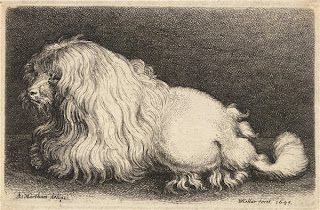
The Poodle, from a 17th century engraving


Poodles are now so fashionable and are so frequently to be seen in the streets and parks that I need not describe the ” costumes” affected by them, but it is not generally known that the machine which clips and shaves them so fantastically and artistically may be purchased in a small size suitable for ladies’ use for seven shillings and sixpence, and that a pair of nippers for cutting their nails is to be bought for half-a-crown. These two things are all that are required for starting in business. The shopman from whom the clippers are purchased (they are to be bought at any of the general stores) will explain all that it is necessary to know as to the manner of using the machine, which is an affair greatly resembling a pair of scissors, composed of two rows of sharp teeth or combs and worked precisely on the scissors principle. If, however, one is fearful to begin the work without having first seen it done, it is an easy matter to gain admittance to a dog fancier’s and see a poodle clipped. The gentlewoman must, of course, be clever with her fingers and have something of an artistic eye in order to clip a dog in the prevailing style, which demands ” ruffles ” and ” shoes and stockings ” and ” mustachios.” The nail nippers are only an extra strong pair of scissors, which must be used in such a way as to cut off only the tip end of the nail in order to avoid hurting the dog.
The next thing is to get the poodles, which should be an easy matter if a well-worded advertisement is inserted in the newspaper columns where dogs and horses are announced for sale. This department of the paper is much better than the ordinary ” situations wanted ” column. It would also be well to advertise in a popular ladies’ weekly paper, or, better, in a periodical devoted to the interests of household pets. Let the advertisement state that a gentlewoman who is fond of and kind to animals is prepared to visit ladies’ houses for poodle-clipping. The price should be stated as being lower than that charged by ordinary dog fanciers, and as there are probably none who would undertake the work for less than half-a-guinea, let the lady poodle-clipper shave dogs for seven shillings and sixpence each. The work would require no setting up in a shop and no tools except those I have mentioned. The owner of the dog will have a large kitchen table which is to be used as the ” barber’s chair ” during the clipping process, and the person who does the clipping will need a large print apron.

There is room in London for at least six or eight gentlewomen as dog-clippers, and as the up-to-date poodle needs clipping every month or six weeks, there is no reason why such women should not find steady employment. The time required for clipping one dog is from three to four hours. For women who are fond of animals—and kindness to animals is one of the most pleasing traits in the Englishwoman’s character—this work should be neither difficult nor disagreeable, and it is quite within the bounds of practicability, which is more than can be said for many other occupations recommended to gentlewomen.

Atlantis Resort, Bahamas

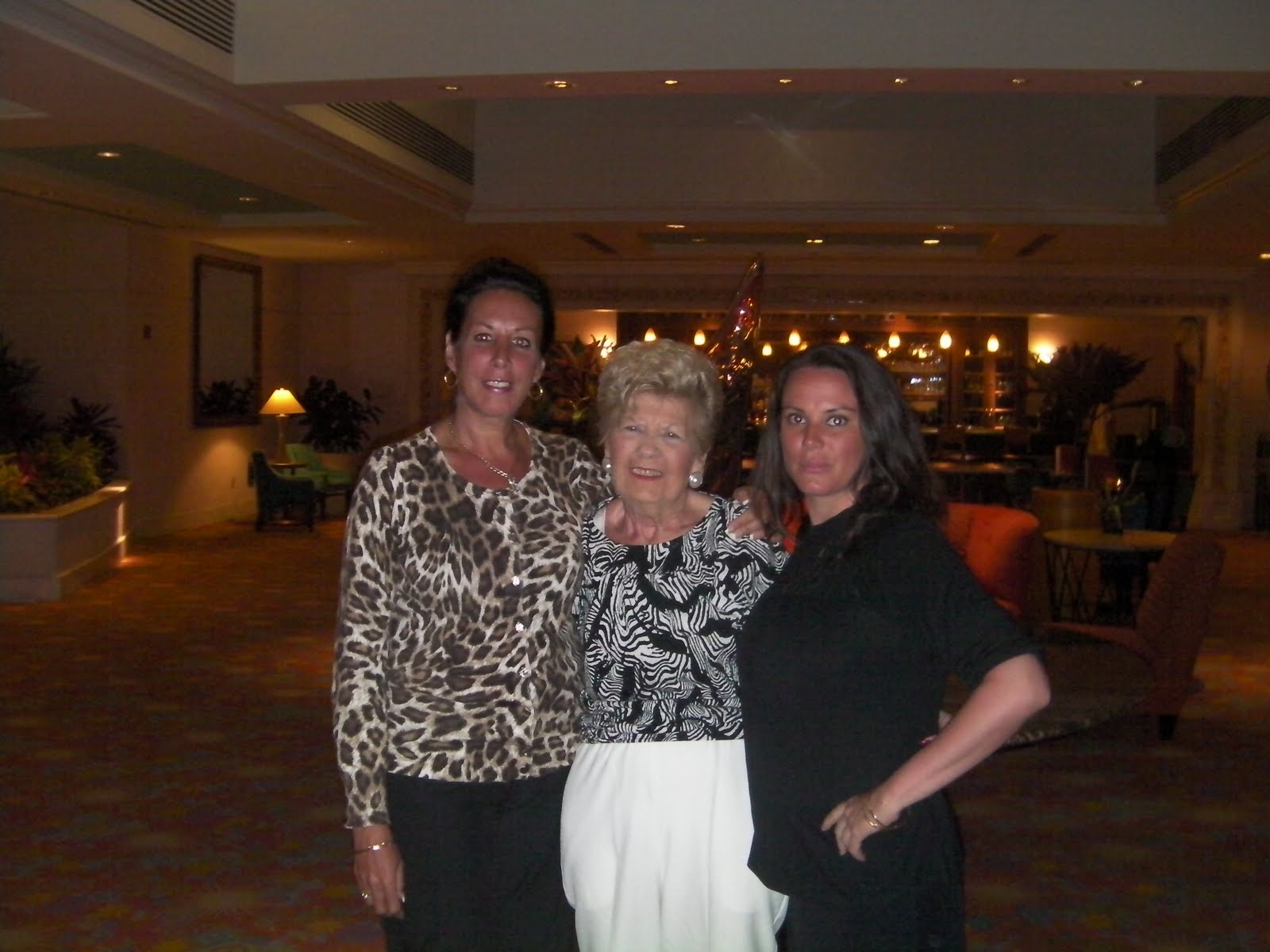
Last week, I went with my mother, Rose, and my daughter, Brooke, to the Atlantis Resort in Nassau, Bahamas. We enjoyed a few days of sun, water and food, not to mention marine life.

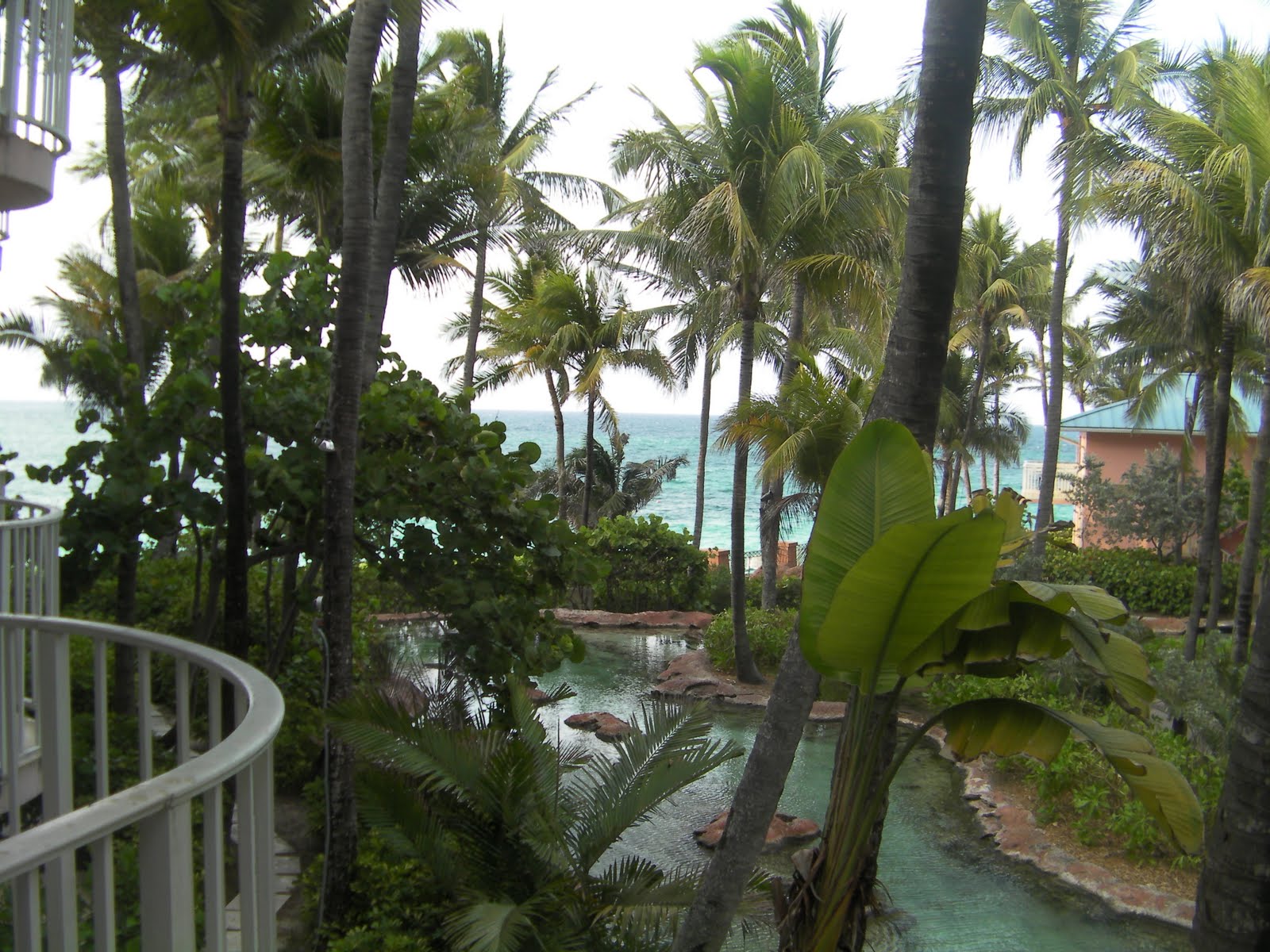
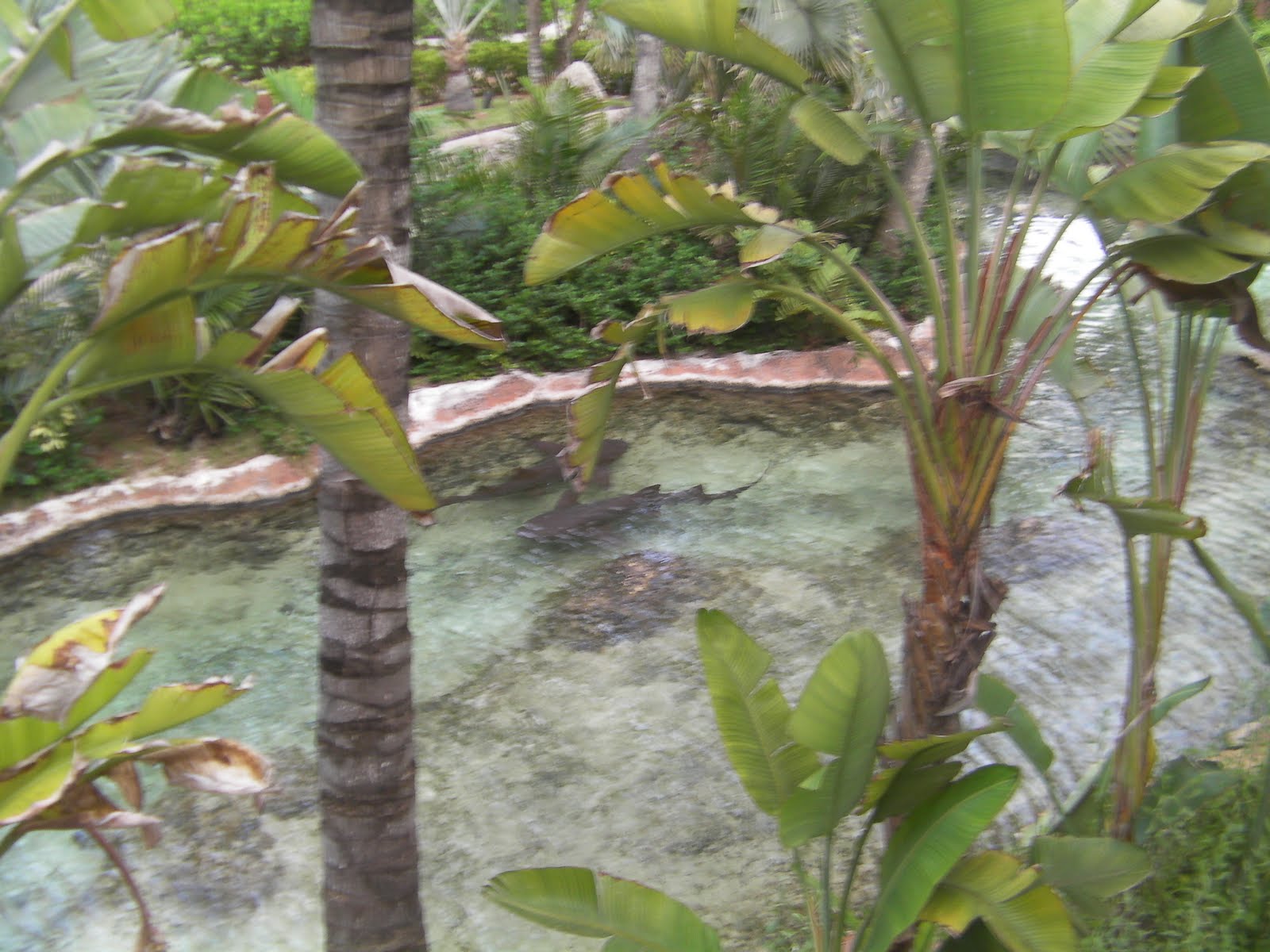
Our hotel room had gorgeous views of both the ocean and the shark pool, which was just beneath our balcony.

It didn’t take long for us to begin exploring the grounds, where Brooke soon came across a waterfall.

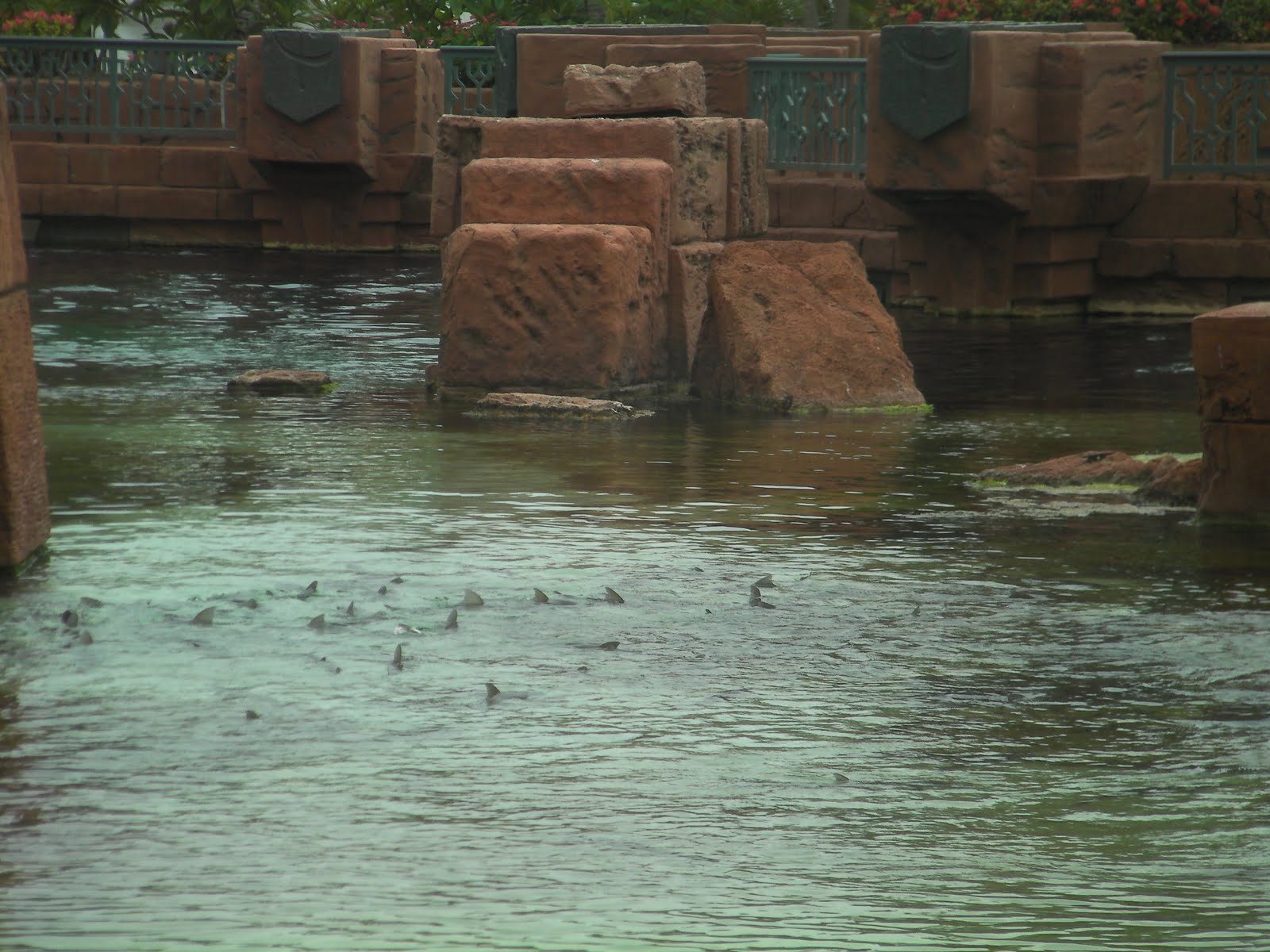
And yet another shark pool – this one with the species that bite. Here they are circling for food.
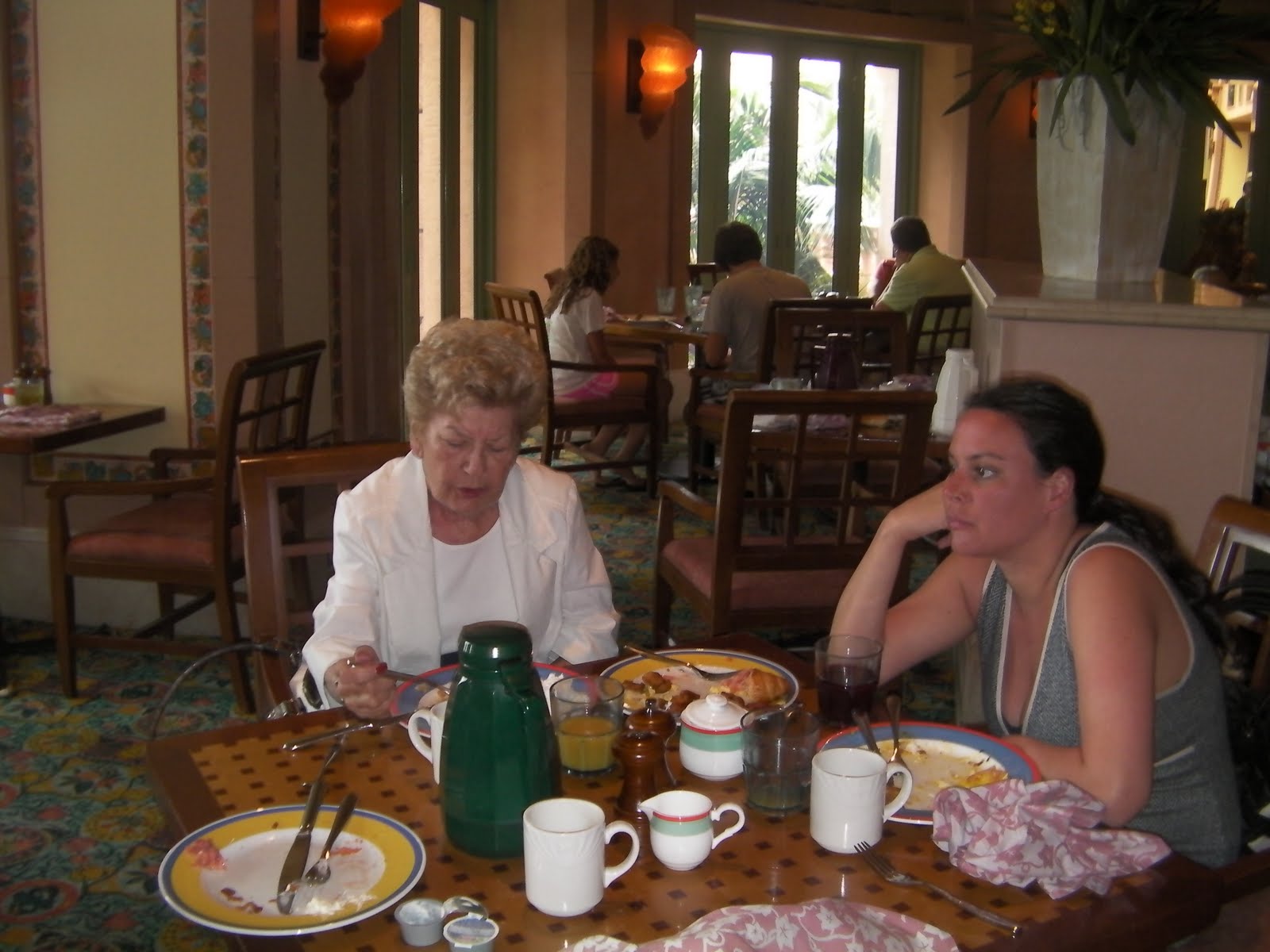
We spent a good portion of our time circling for food, as well. Here are Rose and Brooke at the buffet breakfast. The nearby windows offered us the view of the feeding sharks.

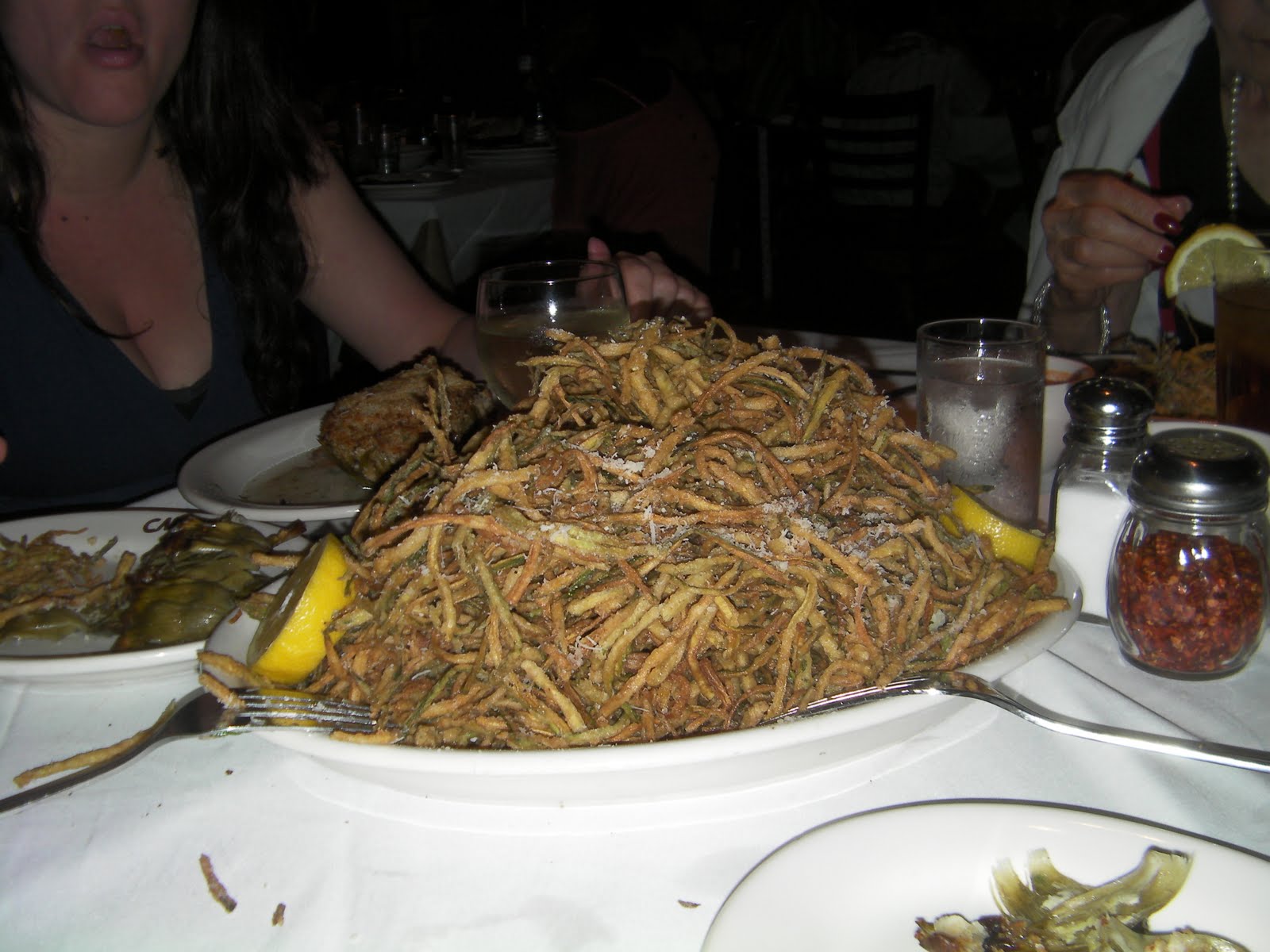
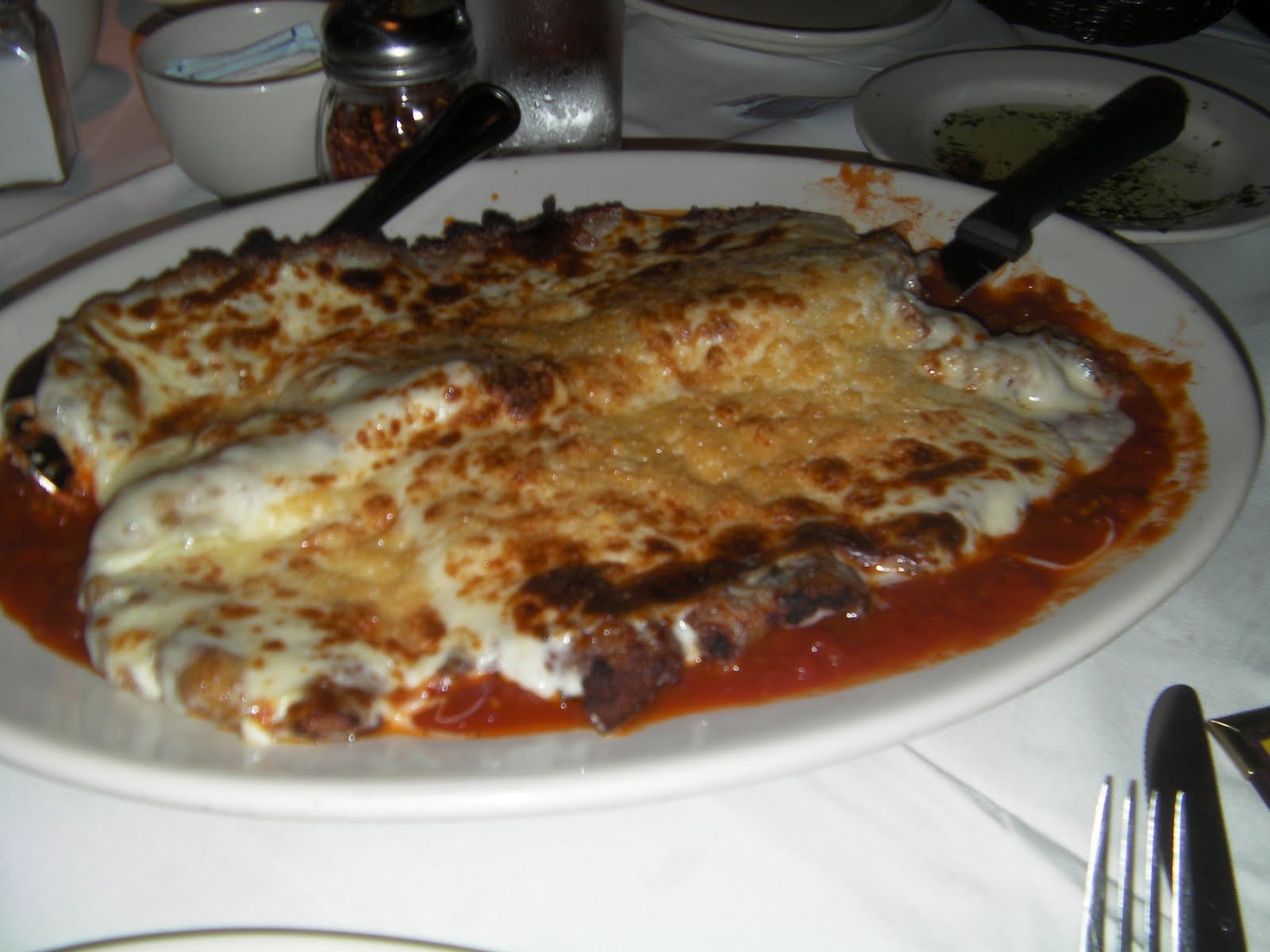
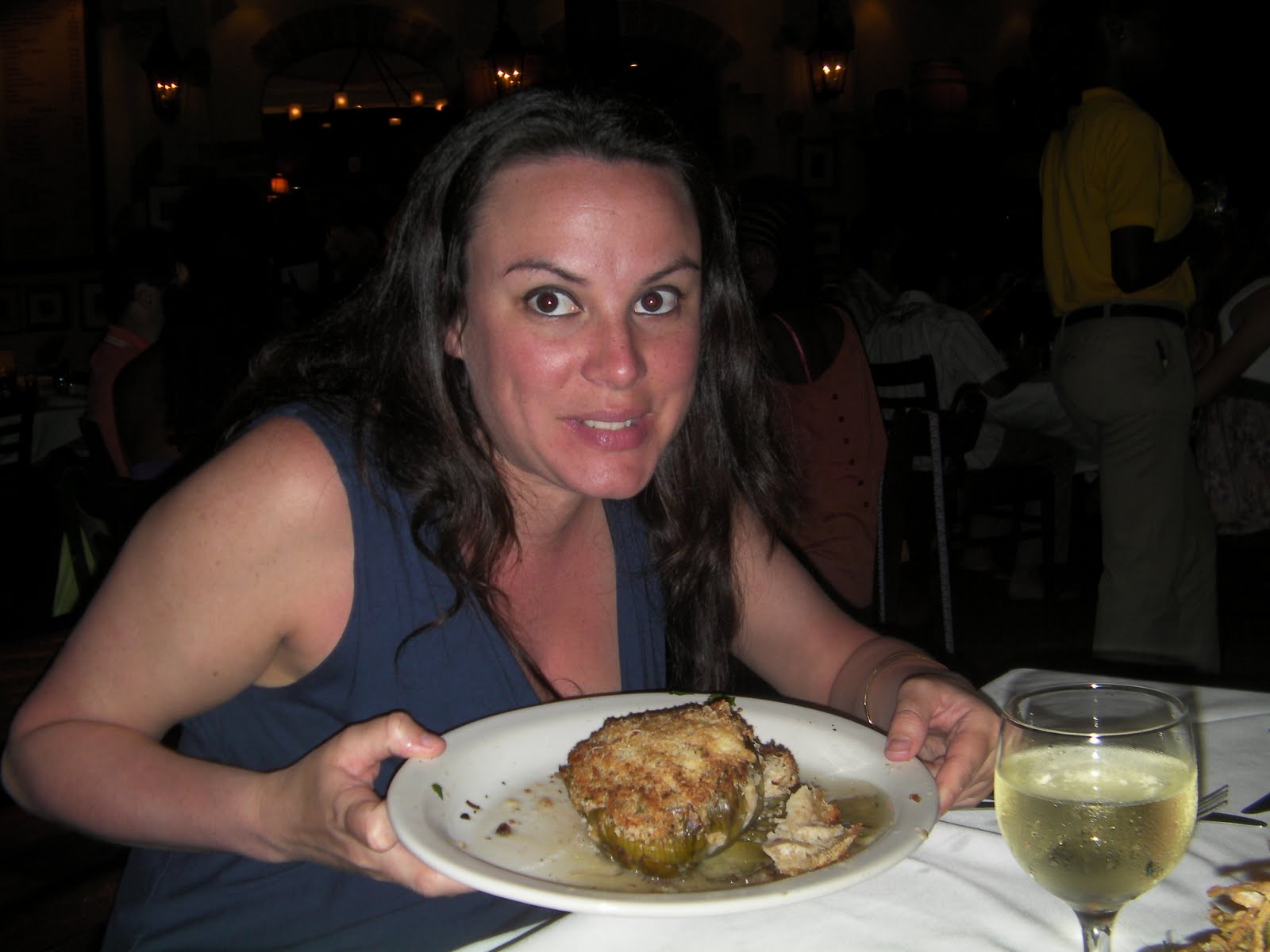
One night we went to Carmine’s, where the portions are huge, rather than delicious.

Above is the fried zucchini appetizer, which was huge and tasty. Below was the veal parm which was huge and tough.

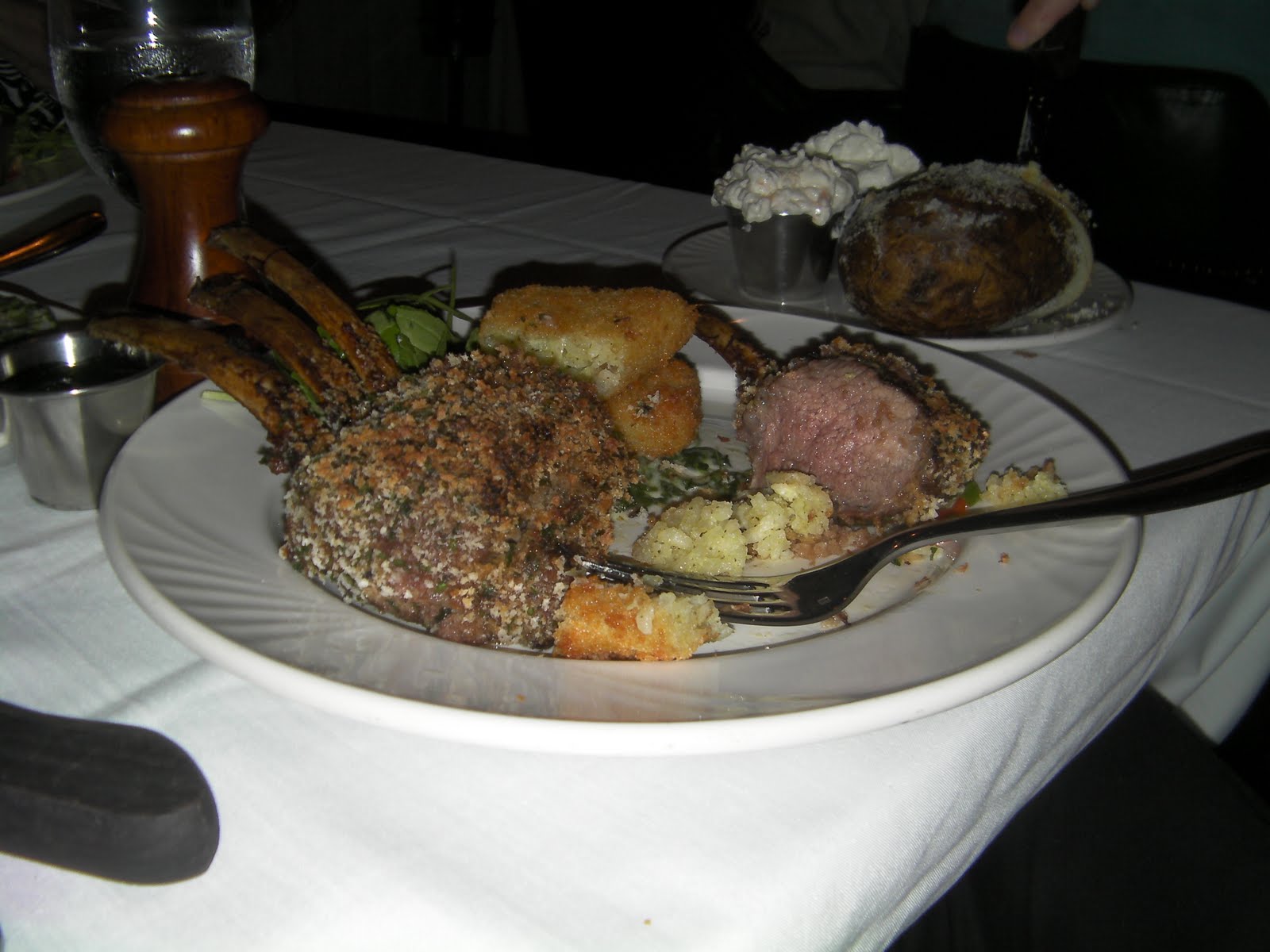
Brooke enjoyed her rack of lamb at the upscale Bahamian Club restaurant.

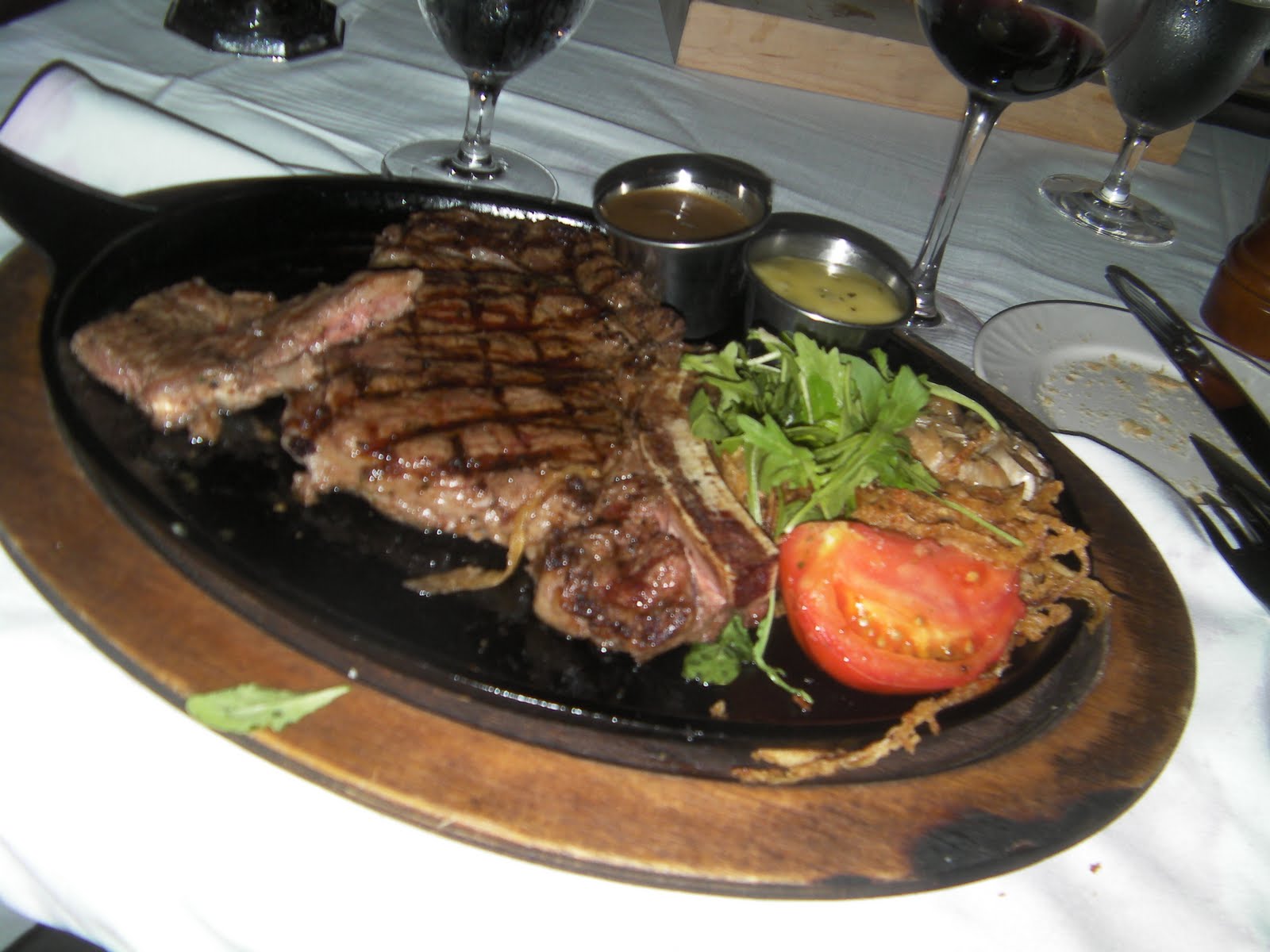
I chowed down on massive prime rib served on a sizzling platter. Dr. Atkins would have been proud.

We took some time out from eating in order to venture into town to the straw market, where piracy is still alive and well – knock-off designer bags are the hot items here. I bought three.

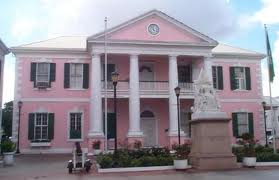
I should confess that the only nod I gave to British history during the trip was when we passed by Parliament Square in the taxi.

Needless to say, a good time was had by all. More on our Bahamian adventures soon.