A Pinterest Post

The theme of this Pinterest Post is “things that might appear in an historical novel set in London.”

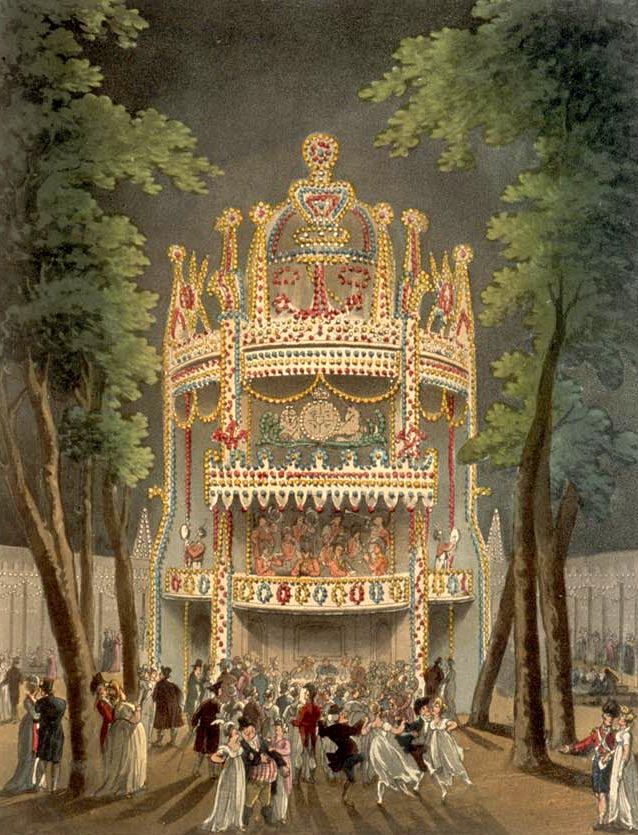
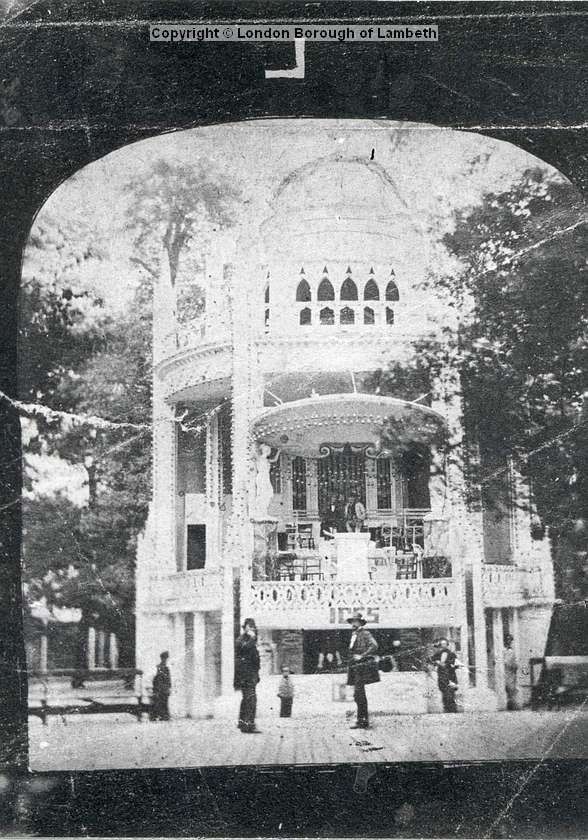
Date : c.1850 The Orchestra Stand at Vauxhall Gardens in the centre of the grove. The organ seen immediately below the roof with the orchestra seats below it and the supper-boxes on the ground floor. This is the first photograph I’ve ever seen of Vauxhall. If you know of others, please share. I must say, the image below paints a much more romantic view of the Gardens. Note: Vauxhall Gardens closed for the last and final time in 1859.


From what I can tell, this was pinned from author Jo Beverly’s Flicker page – small world, isn’t it?


The Crystal Palace fire, November 30, 1936 and the ruins of the Palace below.

 
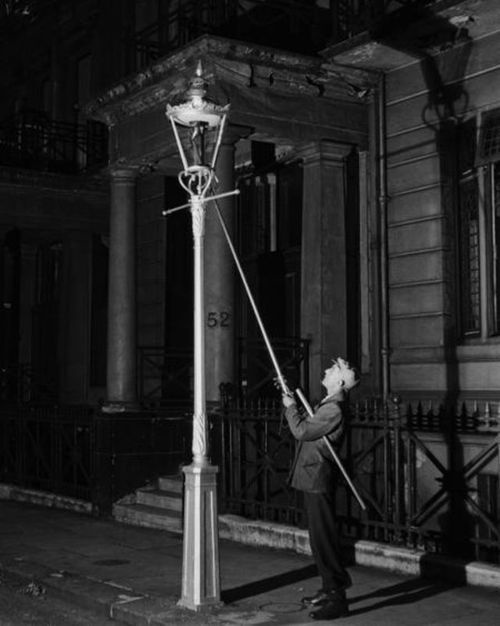
Lamplighter, c.. 1930


This water gate stood at the river’s edge, fifty yards from Samuel Pepys’ house. Built in 1626, as the triumphal entry for the Duke of Buckingham to York House, since the Victoria Embankment was completed in 1870 it has been marooned a hundred yards from the Thames. From  “In Search of Relics of Old London” at Spitalfields Life.

An Edwardian housemaid


1920’s chimney sweep


Coachman and Footmen of the 3rd Lord Egerton of Tatton outside 9 Seamore Place, Mayfair.
Before the Coronation of George V. Cheshire County Council/National Trust.


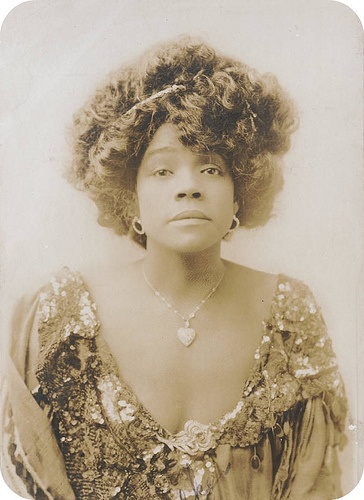
Aida Overton Walker dazzled early-twentieth-century theater audiences with her original dance routines, her enchanting singing voice, and her penchant for elegant costumes. One of the premiere African American women artists of the turn of the century, she popularized the cakewalk and introduced it to English society.

London Cabmen: c.1877, John Thomson
 
 
 1920’s – sheep grazing beside the Serpentine, Hyde Park


You can find all of my Pinterest boards here.

A Couple In England – Day 10 – Part Two

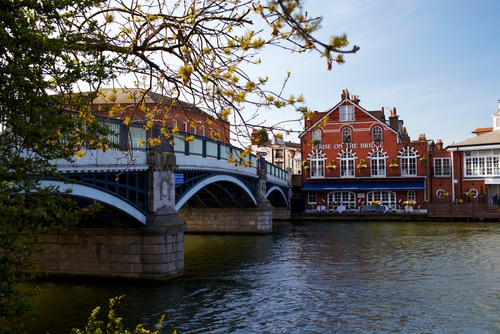
After leaving the Guildhall, Hester and I took a leisurely stroll down to the Thames and stood on the bridge.

“One day I’m going to come back and take the boat ride,” I sighed.

“You’ve never done the boat?” Hester asked.

“No. I never have the time. There’s always somewhere to rush off to see.”

“Speaking of which,” Hester said, looking at her watch, “we’d better get ourselves some lunch before it’s time for the kitchen tour at the Castle.”

So off we went and found ourselves a nearby restaurant, where we ordered tomato basil soup accompanied by warm bread with lashings of butter and two lattes. I can’t recall exactly what Hester and I discussed over the meal, though it had something to do with conducting research at the Royal Archives, the families (ours, rather than Royal) and other odds and ends. Afterwards, we made our way to the Castle.

“Tell me the truth,” I said to Hester as we made our way to the entrance, “are you heartily sick of my dragging you to the Castle? It seems like I make you do it every time I visit.”

“But I’ve never seen the kitchens,” she said. “I’m really looking forward to it.”

We arrived early enough for us to visit the gift shop.


I was on the hunt for a Golden Jubilee item to add to my collection and there wasn’t a shortage of items on offer. Which should I choose?  Hhhmmmm. Before I could decide, it was time for the Kitchen Tour, so Hester and I made our way over to the meeting point.


Above is a rendering of the vast Windsor Castle kitchen in late Georgian days. The present day kitchen tour “takes you behind the scenes to the oldest working kitchen in the country, in constant use for nearly 750 years. Today, staff of the Royal Household use the Great Kitchen to prepare food for both grand ceremonial occasions, such as State Banquets, and more informal events in the royal diary. Your guide will tell you about the devastating fire of 1992 and how restoration work uncovered the Great Kitchen’s original medieval structure. You will hear about royal dining, past and present, and have a fascinating insight into Windsor Castle as a working royal palace.” In addition, the tour includes the State Entrance and the medieval Undercroft, areas not normally open to the public.


 The copper cookware you see in the photo above all bear the cypher of King George IV and the cast iron stoves installed by Prince Albert are still in place, though now rarely used. The kitchens were deserted when we tour them, the photo below being one I swiped off the internet, as photography was not allowed.


As stated above, the tour also included halls and passages that are rarely on show, so that we found ourselves walking through stone corridors that appeared untouched since at least the Georgian era. It was a rare insight into this magnificent building.   


After the tour, we returned to the gift shop, where I finally made up my mind and purchased the Jubilee beaker above. It now holds pride of place on my living room mantle.

The Final Installment In This Series Coming Soon!

A Couple In England – Day 10

After Hampton Court Palace, Hubby and I went back to the Castle Hotel and rested for a while before venturing out again for dinner. This time, we ventured a whole two blocks away, just down the High Street to the Duchess of Cambridge pub.

Soon after we’d sat down, I realized that the three blokes at the next table were ardently discussing Downton Abbey. I tried to eavesdrop, naturally, but it was hard to decipher every word and, besides, I was distracted by the Duchess of Cambridge. The Duchess of Cambridge who? I wracked my brain for an historical Duchess of Cambridge who’d rank pub name status. In Windsor, no less. Which Duchess of Cambridge had ties to Windsor? Princess Augusta, who’d married Prinny’s brother, the Duke of Cambridge? Hadn’t they spent a good portion of their time in Hanover, rather than England? And his son, George, had married an actress, whose existence was ignored by the entire Royal Family and she’d been denied the title HRH, anyway. And upon George’s death, the title became extinct until it was bestowed upon the present Prince William. Hhhmmmm . . . .

“Hon?”

“Huh?”

“You were off in a cloud. What are you thinking about?” Hubby asked.

I opened my mouth to answer, realized what I’d been thinking about, and said instead, “Nothing.”

Our waiter approached to take our orders. “Can you tell me which Duchess of Cambridge the pub is named for?” I asked.

“Er, Kate Middleton?” he answered.

This brought me up short. “But the pub’s been here for years. I’ve been here before, long before Kate was the Duchess of Cambridge.”

“Oh, yeah, it’s been here for centuries, but it wasn’t named the Duchess of Cambridge then. We just changed the name last year.”

Ah, now I felt better, although slightly tricked.

After dinner, we made an early night of it and the next day I met Hester at the Guildhall for a private, guided tour of the Museum – where Hester got to meet the Queen.


The present Guildhall replaced an older cornmarket and was built in the late 17th century and is often associated with Christopher Wren, although there’s no evidence of this. The Museum itself is housed in a 19th century extension and serves to display items of local history.


Upstairs, royal portraits adorn the walls, including one of himself given by Prinny which was so large the council had to take a window out to fit it in. Also upstairs is the room where Prince Charles married Camilla – dubbed by myself as “the scene of the crime.” The room contains several stained glass windows and more portraits, including a grim one of Queen Victoria and a rather nice one of the present Queen when young.


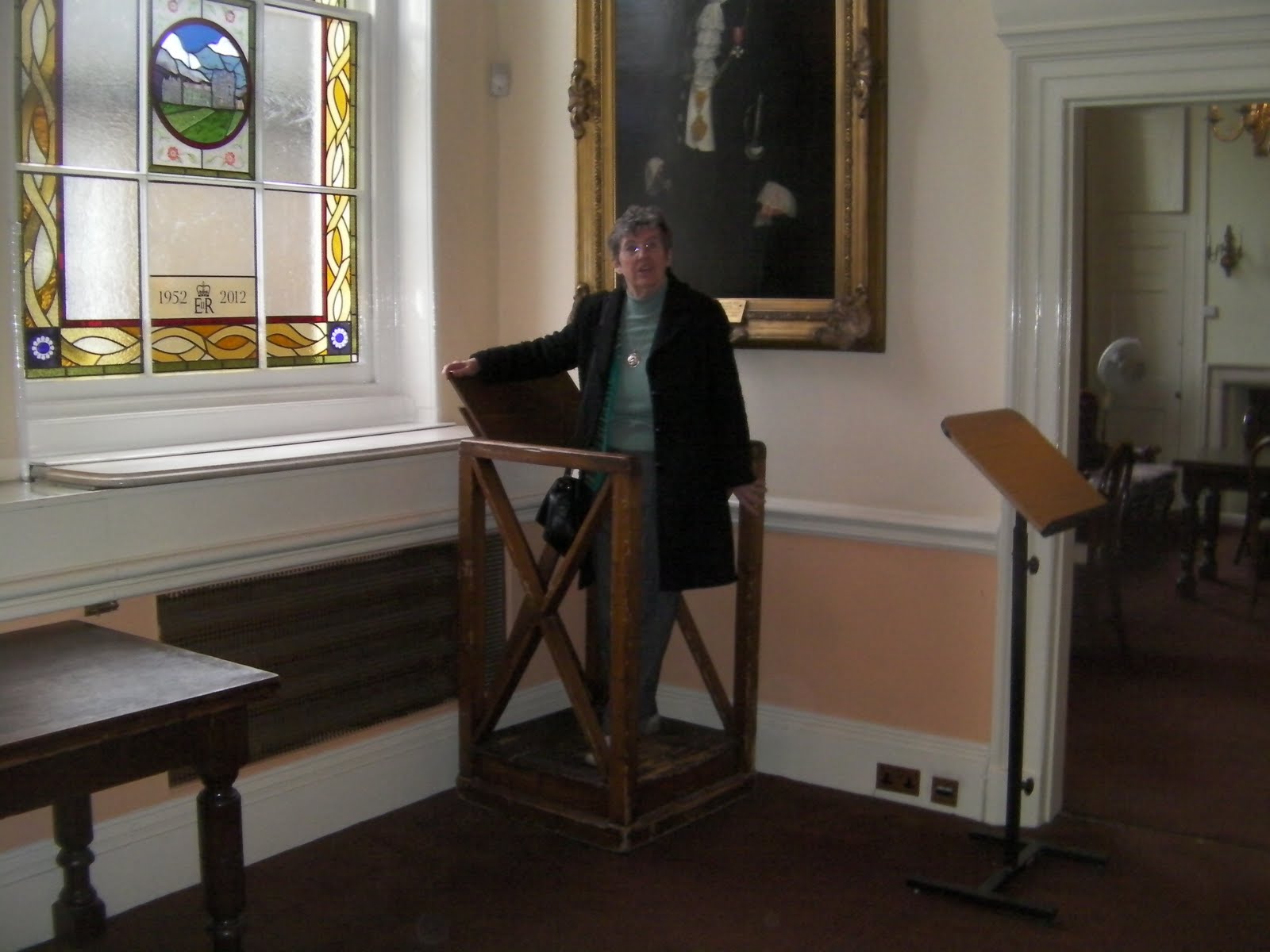
Here’s Hester standing in the very room where, by the way, Elton John was also married. To the left in the picture above can be seen one of the new Diamond Jubilee windows, showing Balmoral Castle.
Here’s the story of the dock, or pulpit, Hester is standing upon in Hester’s own words: “In 1882 a Scotsman, Roderick McLean, attempted to shoot Queen Victoria at the railway station. He missed, but was arrested and was to be brought before the magistrates in the Guildhall next day, for formal proceedings to send him for full trial in Reading (county town). But there wasn’t a dock. So overnight a carpenter knocked up the piece of furniture you see. McLean was duly arraigned and despatched for a full trial at Reading. There he was found ‘Not guilty but insane.’ The Queen was furious, there was a big fuss and the result was that today in such cases the verdict is recorded ‘Guilty but insane.’ McLean spent the rest of his life in a mental asylum. Why did he want to shoot the Queen? He had sent her some poetry he’d written, and she hadn’t said thank you! (I always draw the moral when children are present.) Nowadays this dock is used by witnesses giving evidence at Coroners’ Courts.”

Part Two Coming Soon!

A Couple In England: Day 9 – Part Two

Upon leaving Oatlands, Hester, Hubby and myself set off for Hampton Court Palace. I had never been before and therefore felt that I should rectify that. Now I’ll come clean and tell you that I have relatively no interest in British history prior to roughly 1750. Henry VIII interests me not at all and anything earlier than that is off my historical radar. I have two great friends who write Scottish medieval romances – Sue Ellen Welfonder and the late Arnette Lamb. I’ve posed the same question to them both – why? What is remotely romantic about unwashed men with unkempt beards who wear skirts and sport dirt under their fingernails? Neither have ever given me a reason that satisfied.

Now don’t get me wrong, in the typical course of things I’m up for visiting medieval, Tudor and Restoration sites, but I’m more interested in their history and occupants during the Georgian, Regency and Victorian eras. So when I went to Hampton Court Palace, my mission was to find Grace and Favour Apartment No. 9, where the Duke of Wellington’s sister, Lady Anne, once lived. I mentioned this to Hester and Hubby when we arrived at the Palace.

Hester said: “Well, we’ll do our best to track it down. There must be someone here who knows where it is.”

Hubby said: “Why?”

An ice skating rink had been set up near the entrance, so we stopped for a few minutes to watch the skaters.

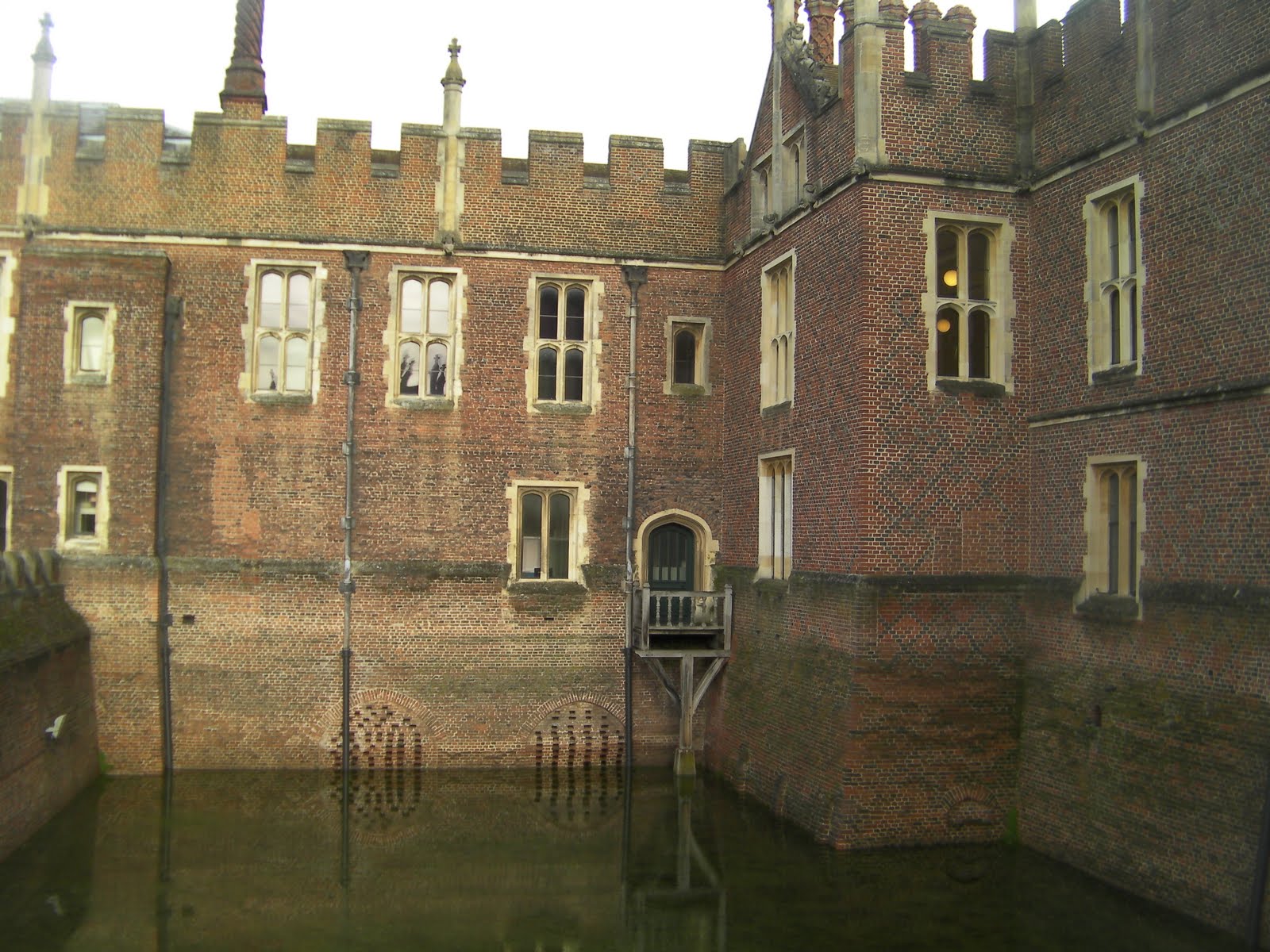
And then we passed over the moat on our way through the entrance.

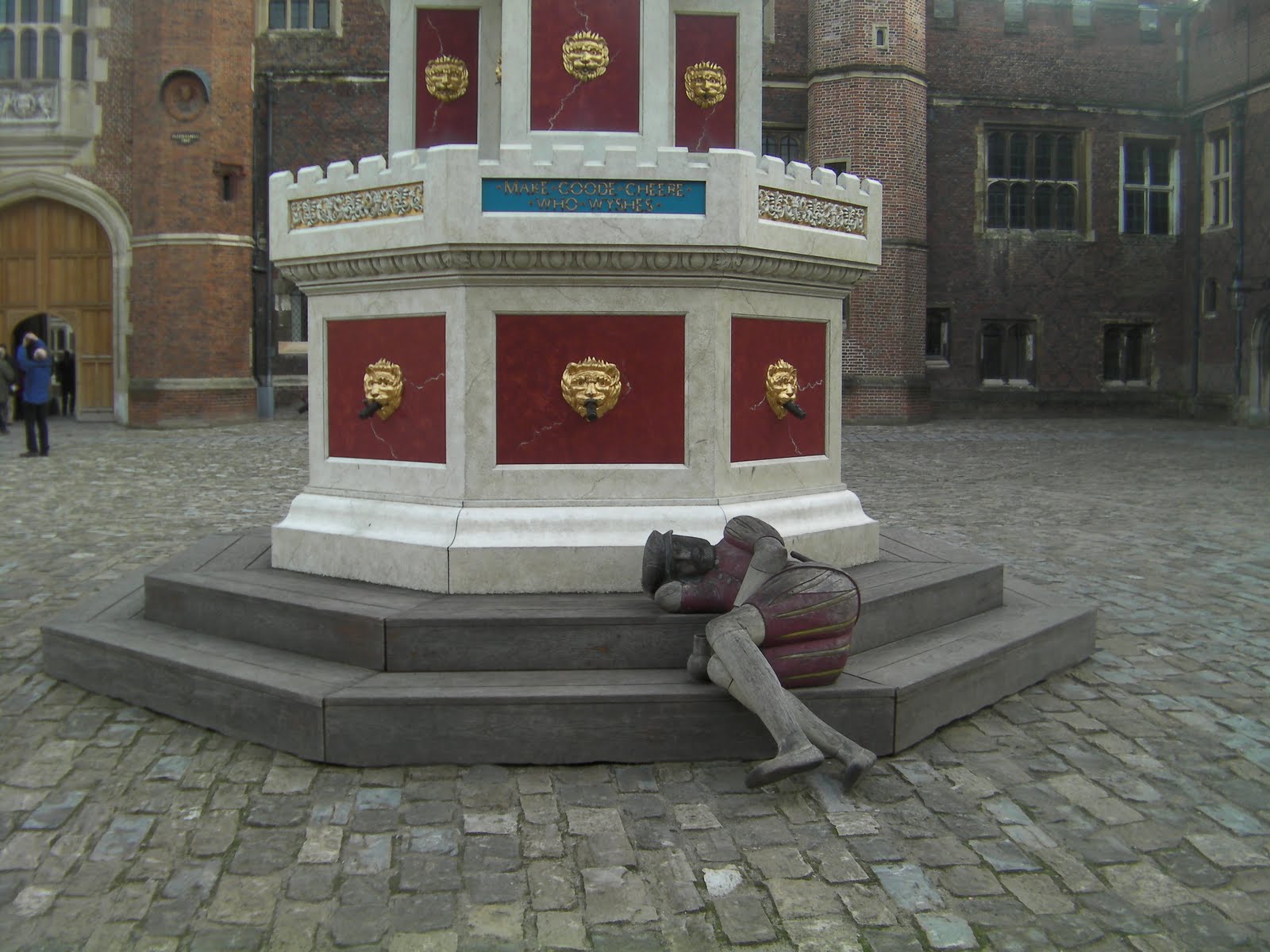
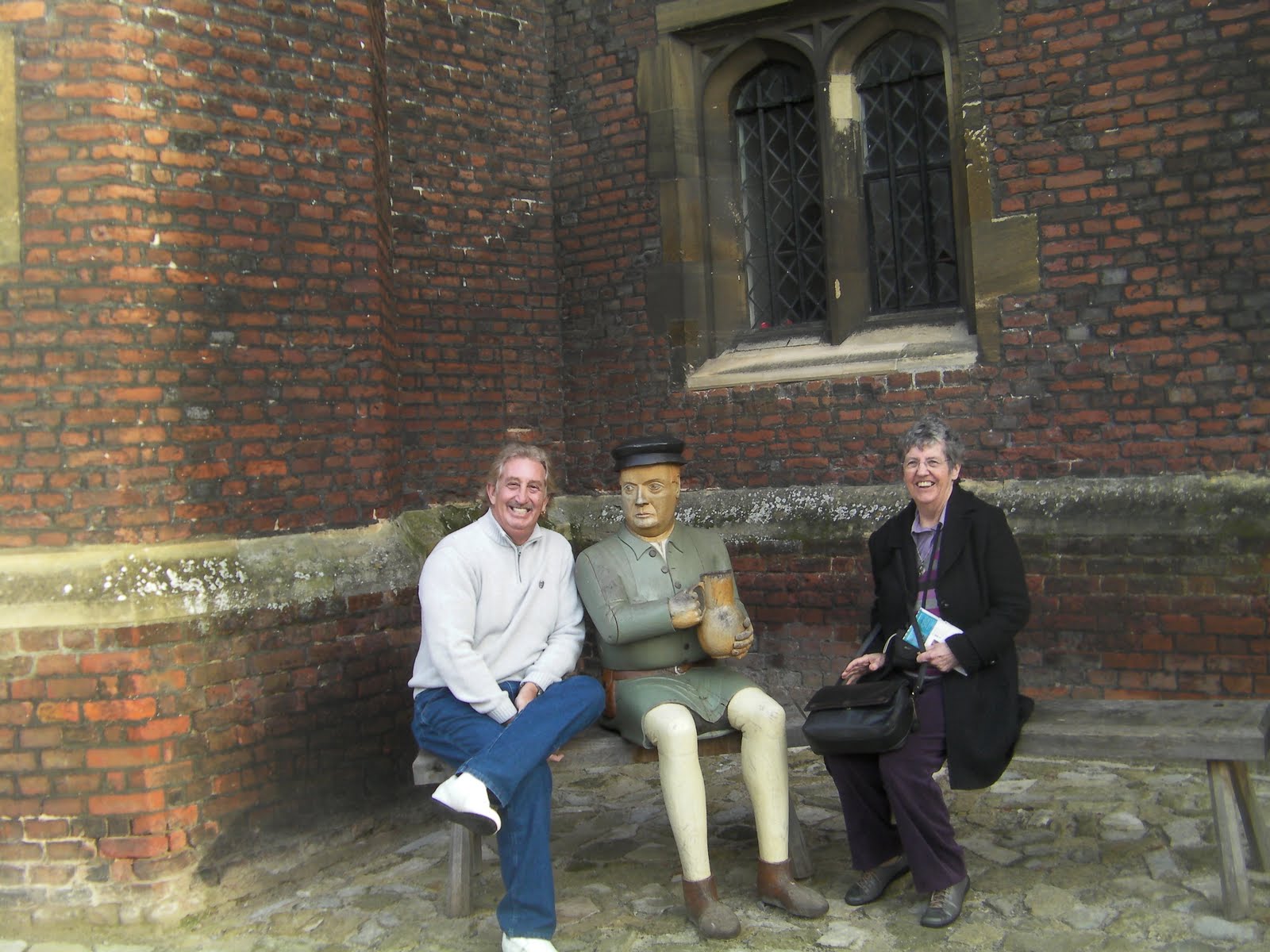
And found ourselves in a courtyard, where we couldn’t help but notice the painted wooden figures scattered about. The one below seems to be napping.


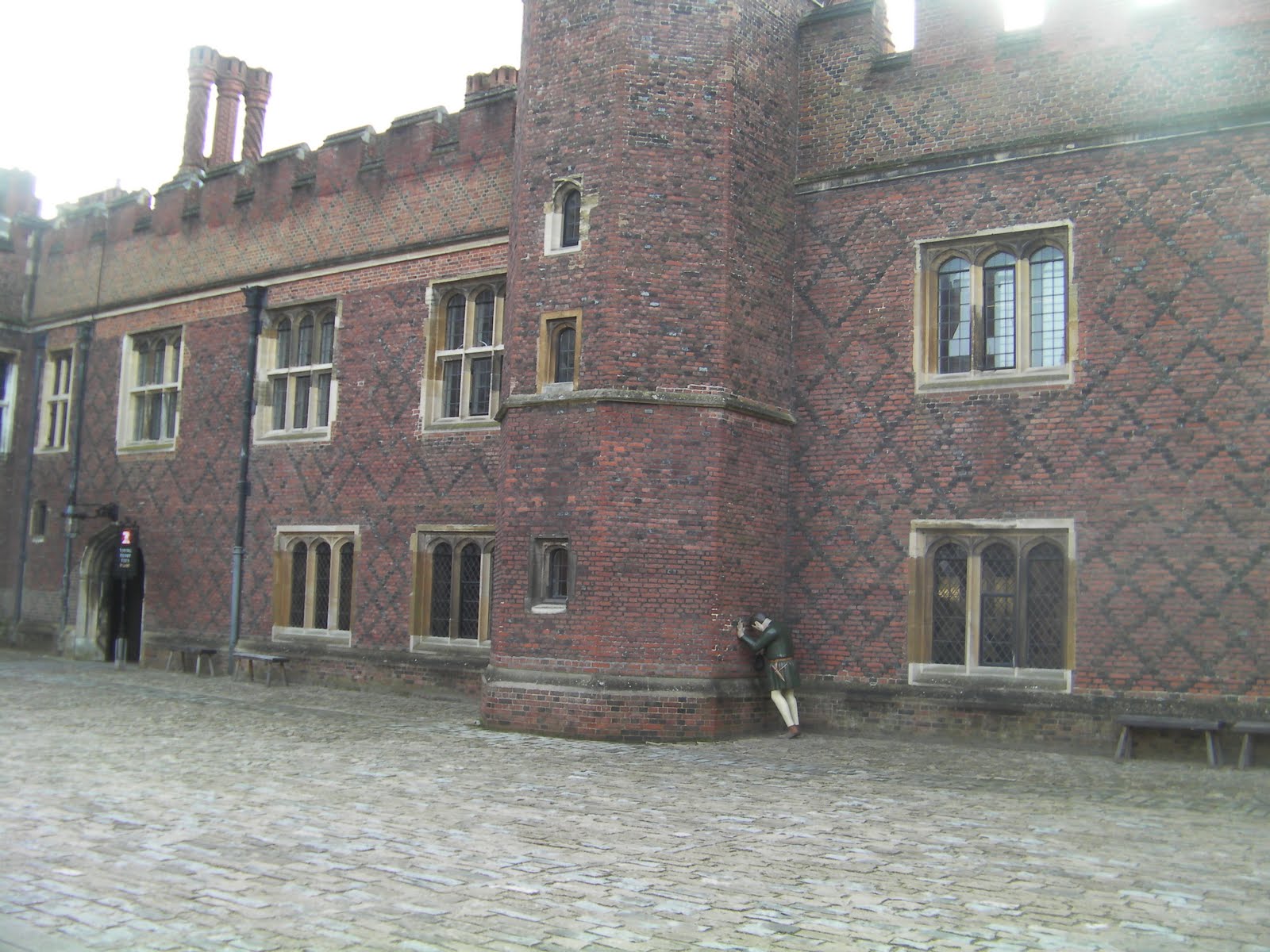
While this one looks to be hiding

And the figure above made room for Hester and Hubby to sit beside him. Too bad there wasn’t actually anything to drink in the jug he was holding. If you know the story behind these figures, do let me know. A Google search has turned up nothing so far.

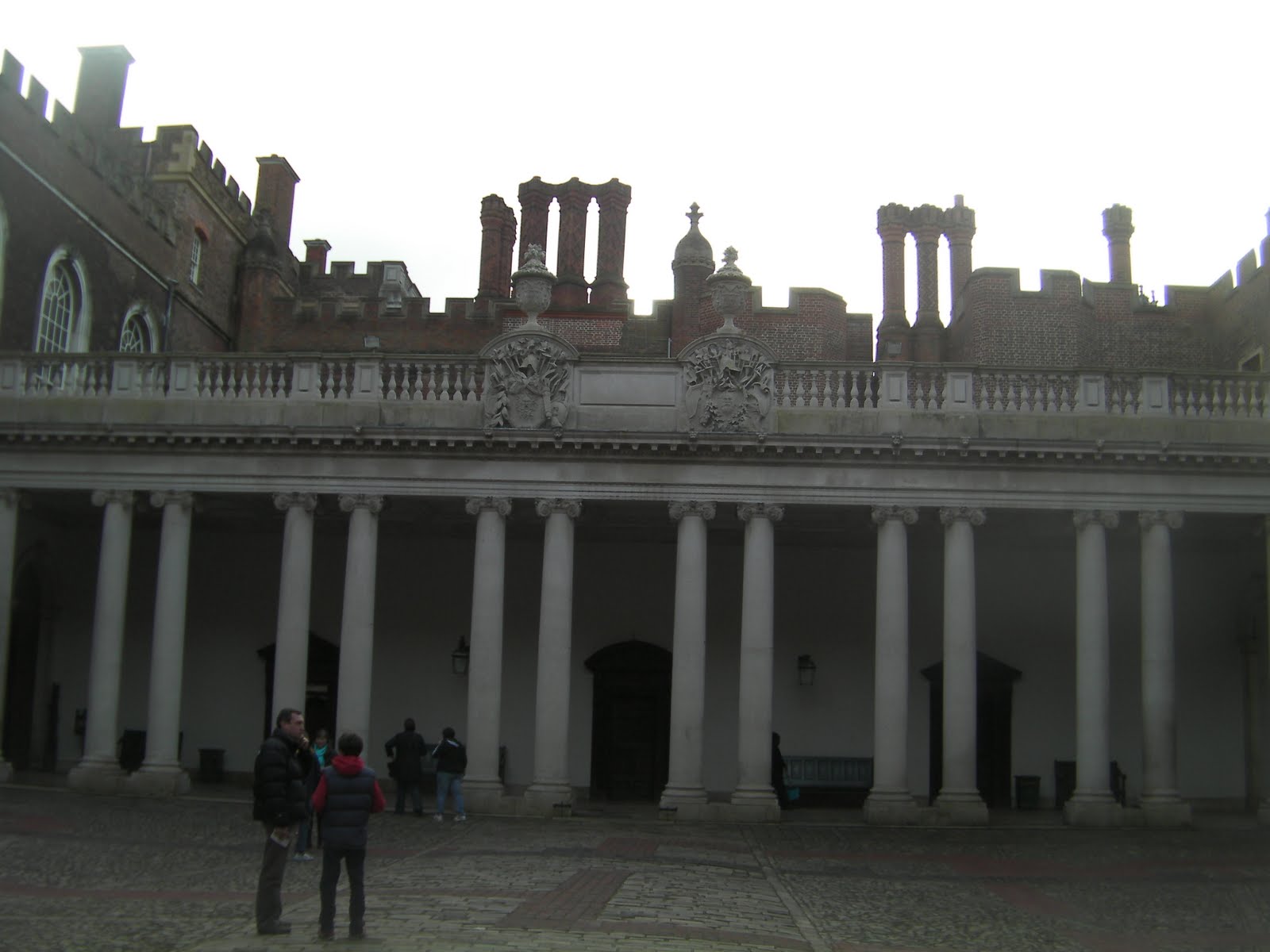
After taking note of the interesting chimney pots above, we crossed over the courtyard and into the visitor’s centre, where we paid our entry fee and Hester asked the nice lady on duty if she knew the location of Apartment 9. She said she didn’t, but that we should ask one of the Warders inside.

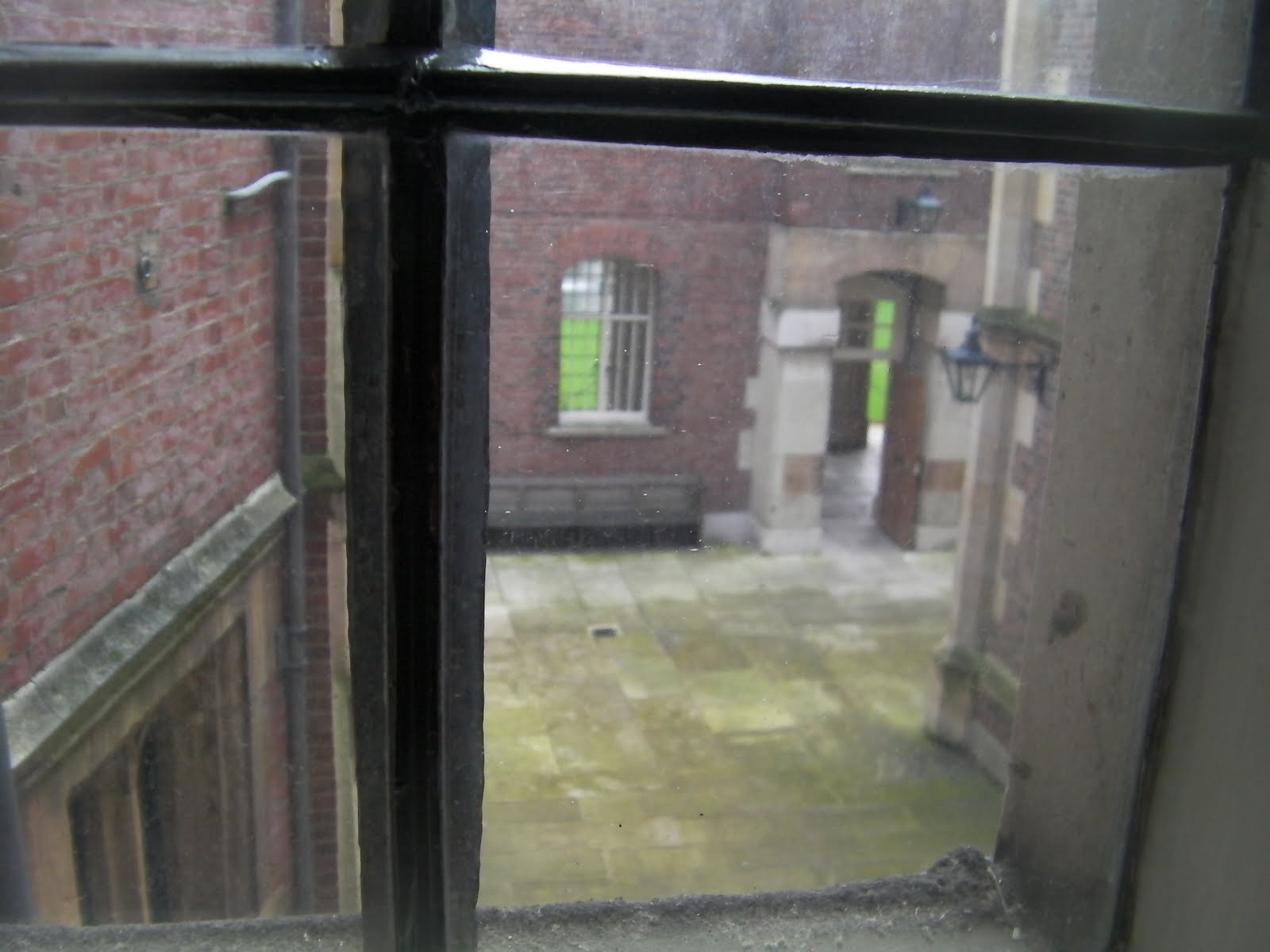
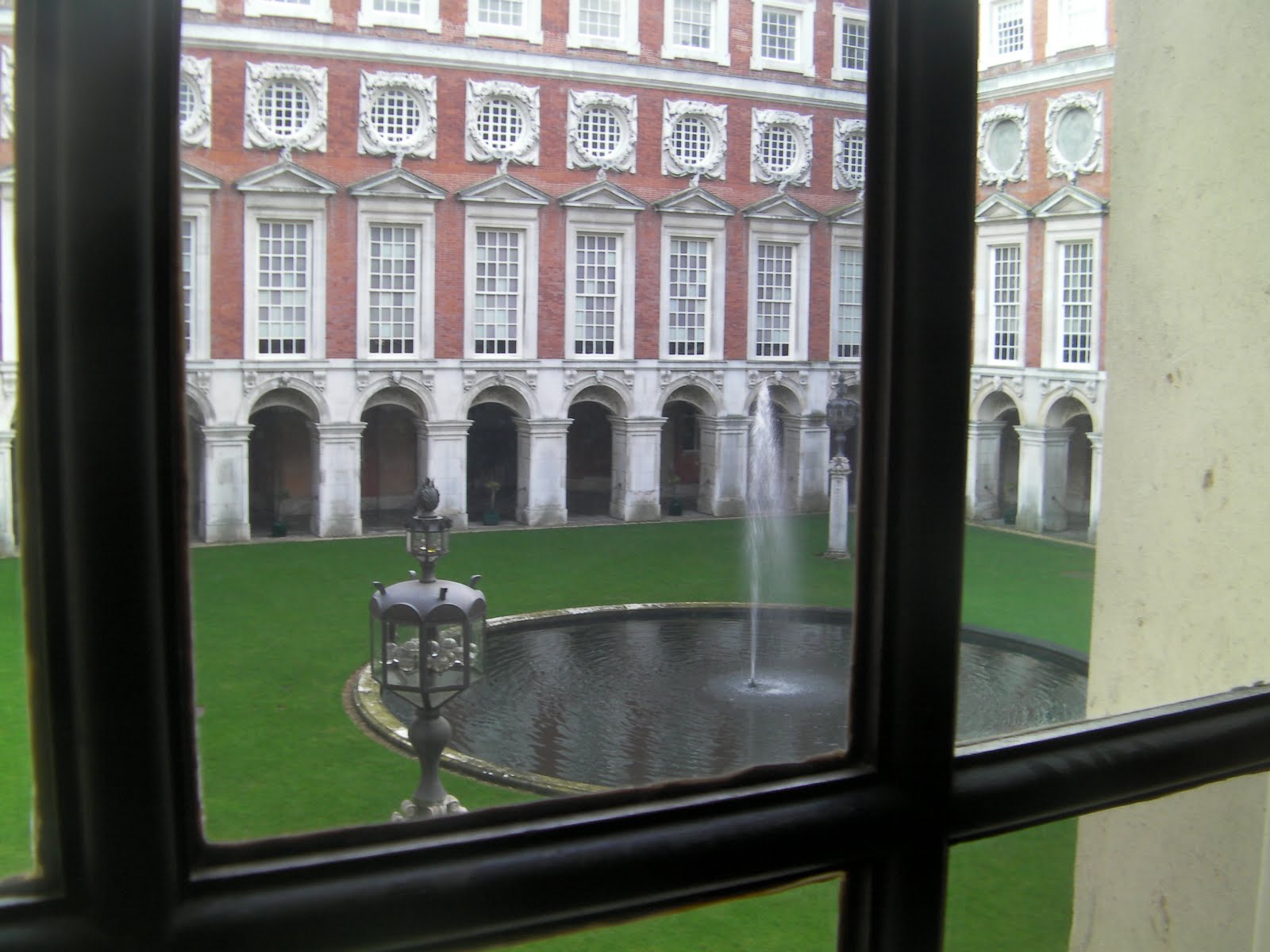
We traversed many a hallway and staircase and peeked out many a window before finding our first Warder. Upon Hester’s asking him about Apartment 9, once home to the sister of the Duke of Wellington, this Warder said, “Ah, you’ll be wanting Ian. He’ll know. That’s his time period. I believe he’s in the Georgian Rooms.”

We thanked him and moved on – before realizing that we hadn’t asked where the Georgian Rooms are. So we traversed more halls and large, empty rooms.

By this time, Hubby was decidedly fading.

“Oh, dear,” said Hester, after getting a good look at his pale and clammy face. “Maybe you should sit down,” she suggested.

“If there was a chair in sight, I’d take you up on that,” Hubby replied. .

Finally, we found another Warder.

“Ian?” we all asked in hopeful unison.

“No, sorry. Ian’s in the Georgian Rooms.”

“You wouldn’t know where Apartment 9 is, by any chance?”

“Apartment 9?”

“Yes, the grace and favour apartment where the Duke of Wellington’s sister lived.”

“Sorry. Ian’s your man. He’ll know. That’s his time period.”

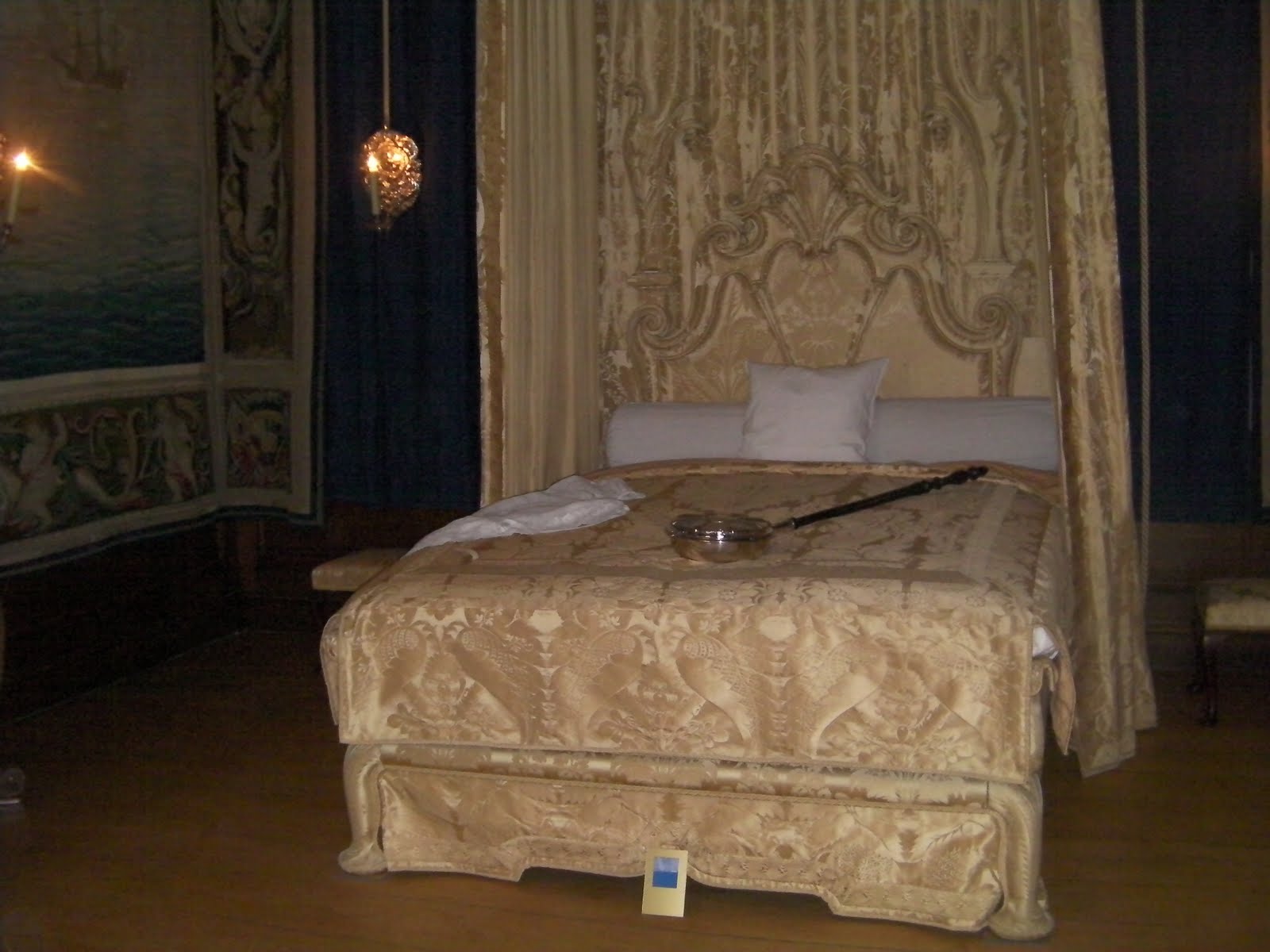
We climbed up another set of stone stairs, with Hubby flagging behind us. Finally we arrived a room that actually had furniture in it. And a bed. I had to physically restrain Hubby from lying down upon it. And there was another Warder.

“Ian?” This one shook his head and pointed down a long and empty corridor. Sigh.

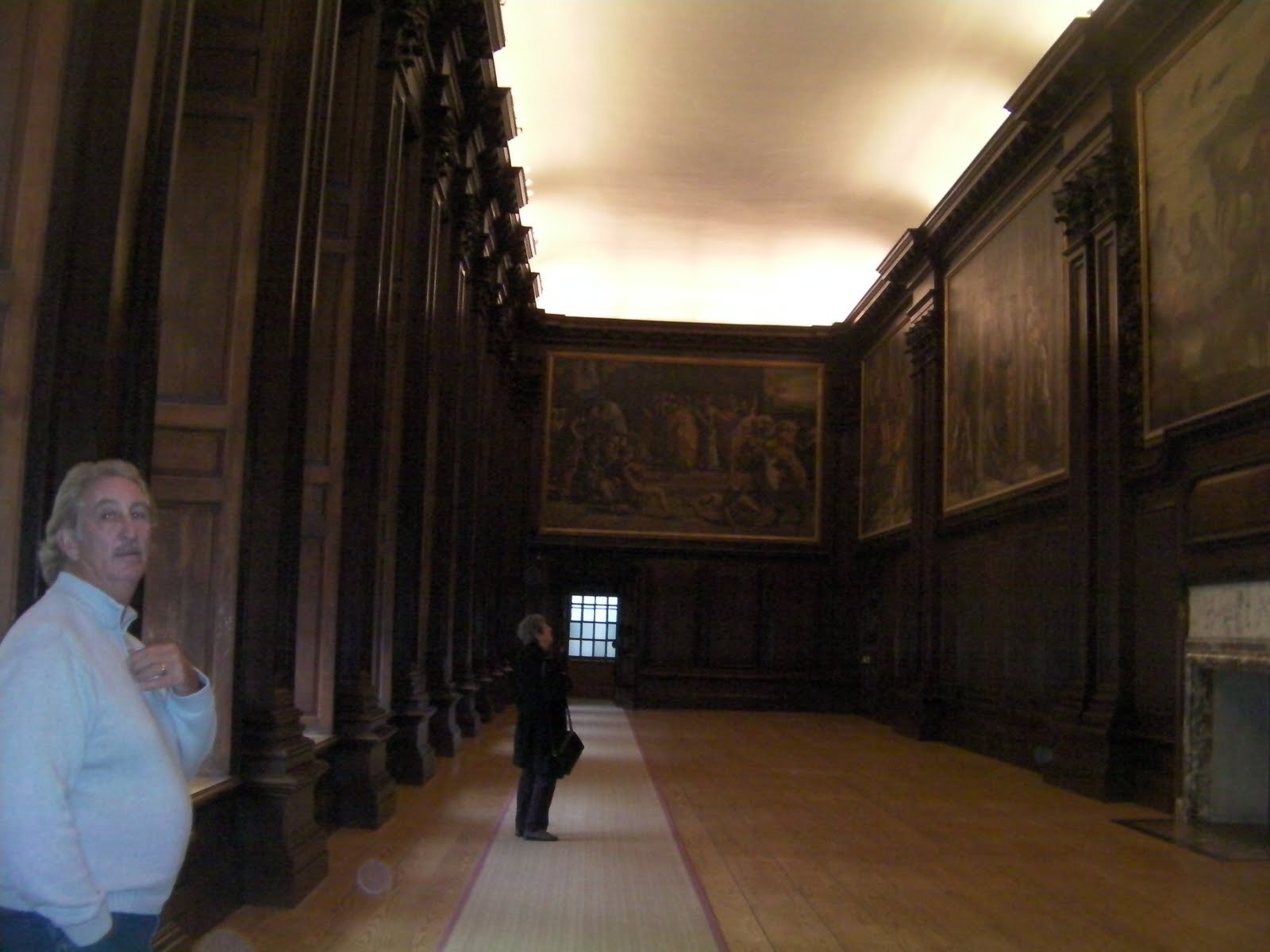
Down the hallway we all trudged until it opened into a panelled and painting lined room. In it stood another Warder.

“Ian?”

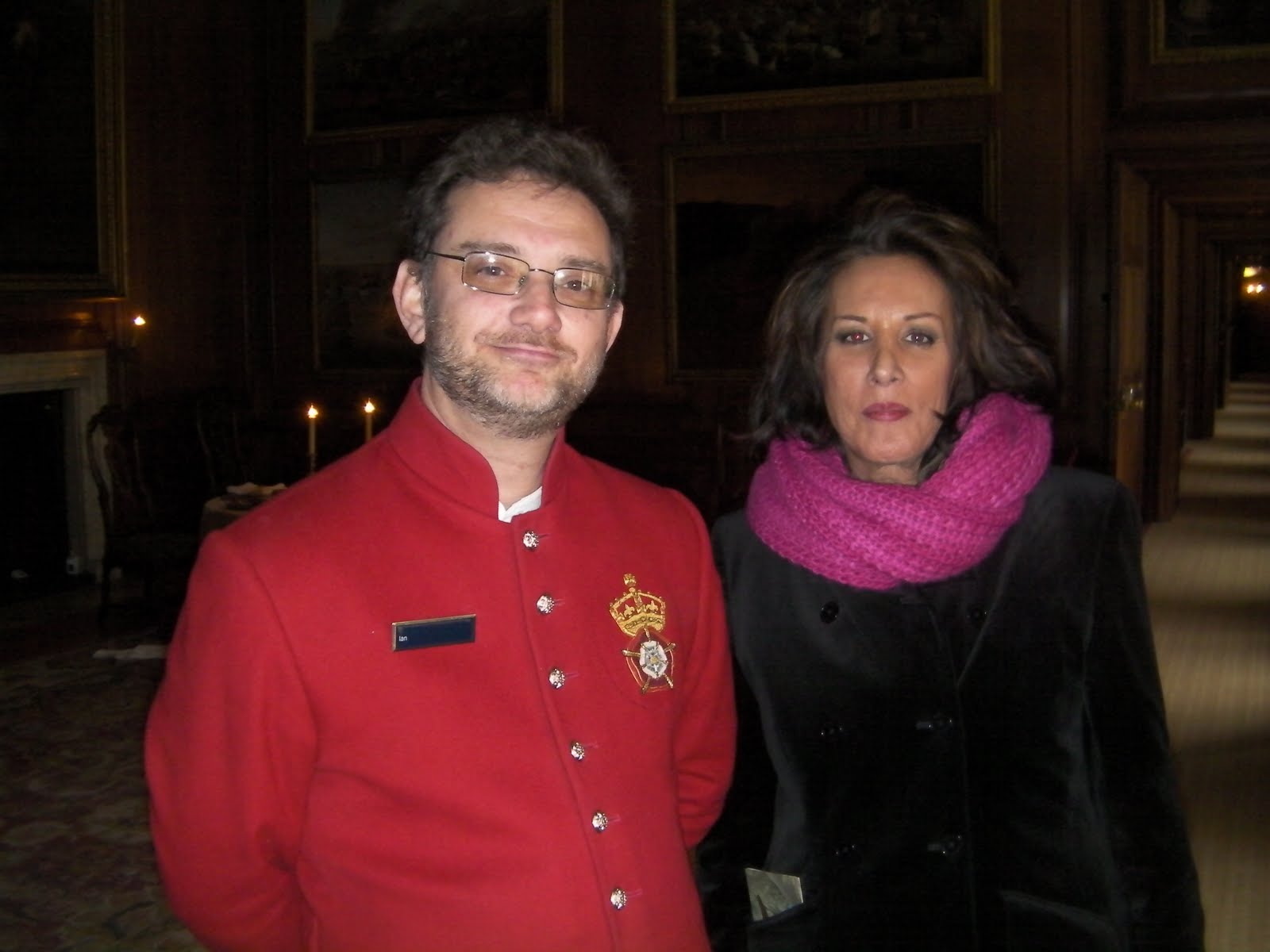
“Yes?”

Hester and I could have kissed him. Hubby collapsed onto a wide window ledge.

We told Ian all about our search for him and how we’d traipsed high and low searching for him, as we’d been told that he’d know all about the Duke of Wellington, Lady Anne and Apartment 9.

“Apartment 9? That’s a new one on me. Lady Anne, you say?”

“Wellington’s sister.”

“I could look it up in the archives, of course, but that wouldn’t do you much good today.”

We exchanged email addresses and Ian, Hester and I began discussing the Regency and early Victorian history of Hampton Court. Turns out that Ian was, indeed, a font of knowledge. I can’t tell you off hand all we discussed, but the conversation didn’t flag for a moment and it went on for ages. After a while, I thought to check on Hubby.

Oh, dear. There he was, poor man, looking for all the world like something out the Night of the Living Dead and sitting patiently by whilst Hester and I jawed with Ian. As we turned to go, Ian said, “I’ll email you about Apartment 9. But in the meantime perhaps you’d like to see where Wellington’s mother lived?”

“Wellington’s mother? Lady Mornington?”

“Yes,” Ian nodded.

“Lived here, at Hampton Court?”

“Yes,” Ian nodded. “Didn’t you know?”

Apparently not.

So off we went, following a map that Ian was kind enough to draw for us.

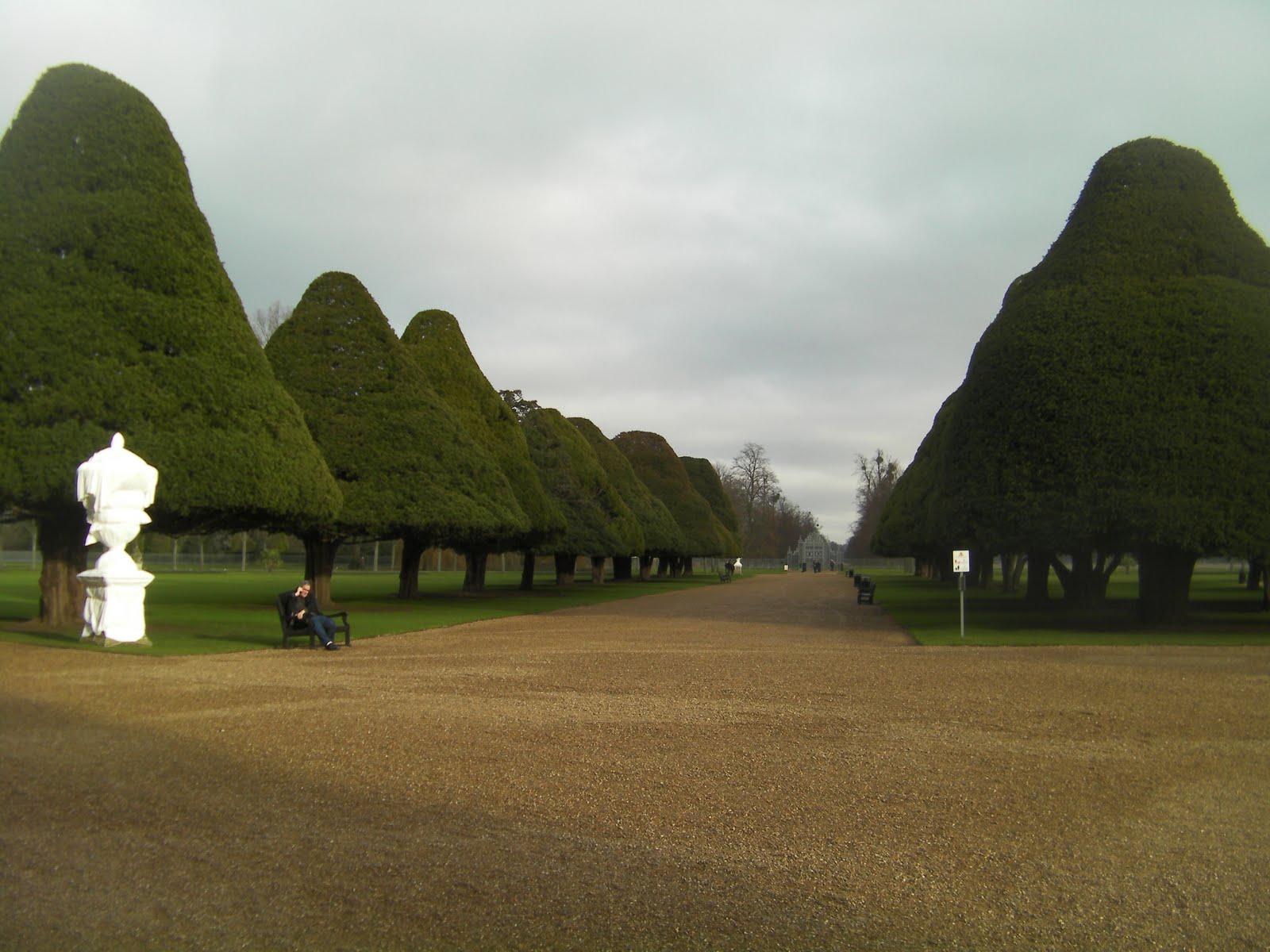
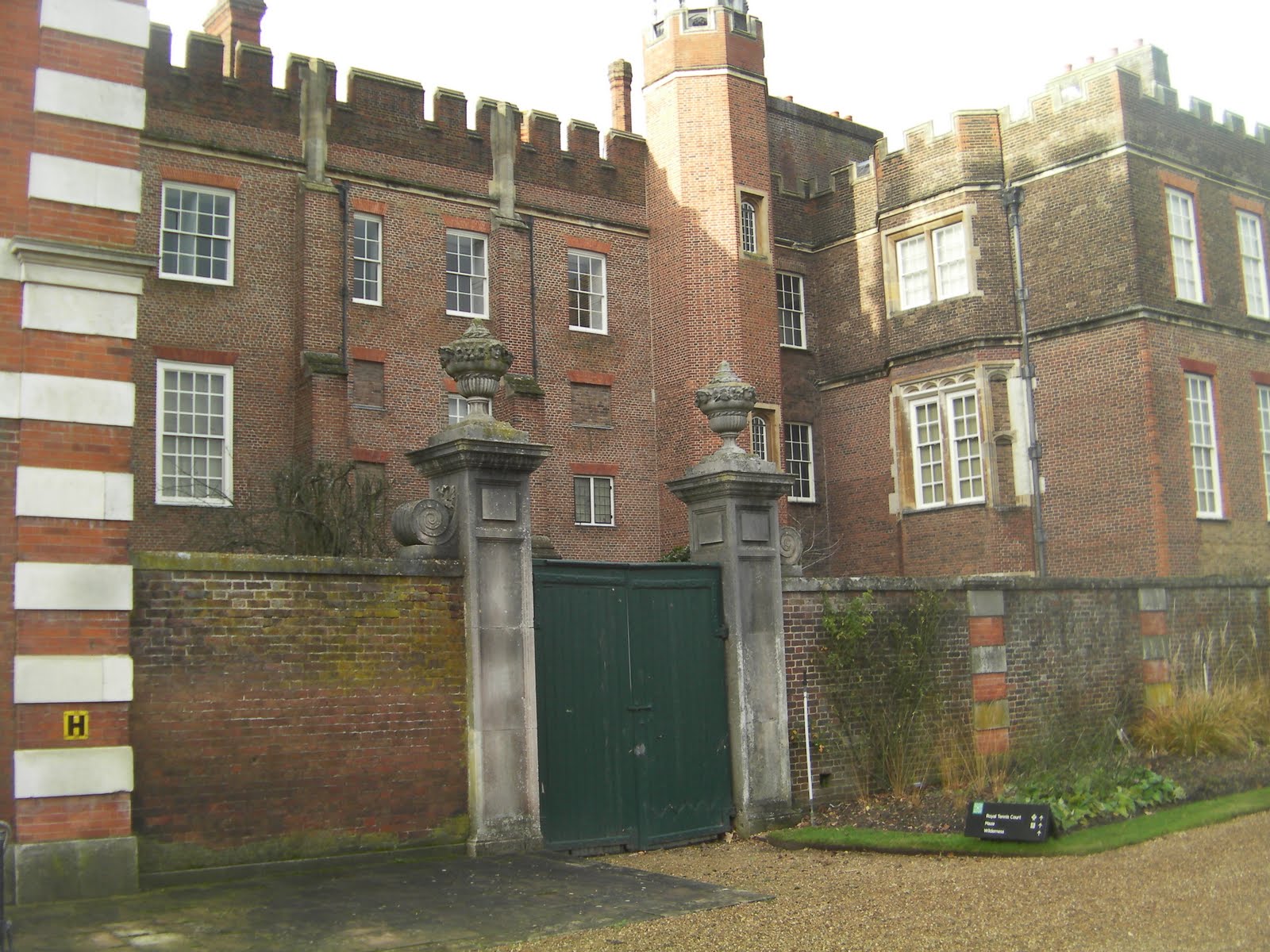
We walked the gravel paths and marveled at the sculpted trees until, miracle or miracles, we found the entrance to the apartment where Lady Mornington once lived, pictured below, exactly as described to us by Ian. Apparently, Lady Mornington kept a garden of some note behind these green gates. I contented myself with the fact that we’d at least found the spot and took pity upon Hubby by suggesting that we head back to Windsor, and our hotel room.

As we turned to go, I said to Hester, “Thank you for bringing us to see Hampton Court. And don’t forget we’ve got the tour of the kitchens at Windsor Castle tomorrow.”

“Oooh, I’m looking forward to that,” she replied.

“Kitchens? A tour of kitchens? I don’t have to go, do I?” asked Hubby.

“Well, I’ve got you a ticket.”

“Hon, in case you haven’t noticed, I’m dying here.”

“And you’ve been such a good sport today,” Hester encouraged him. Looking at me sideways, she continued, “Perhaps he’d be better off in bed.”

“Well, of course you could stay in bed, but it’s the royal kitchens. They aren’t open all the time, you know, it’s a special tour.”

“I’ll make the sacrifice.”
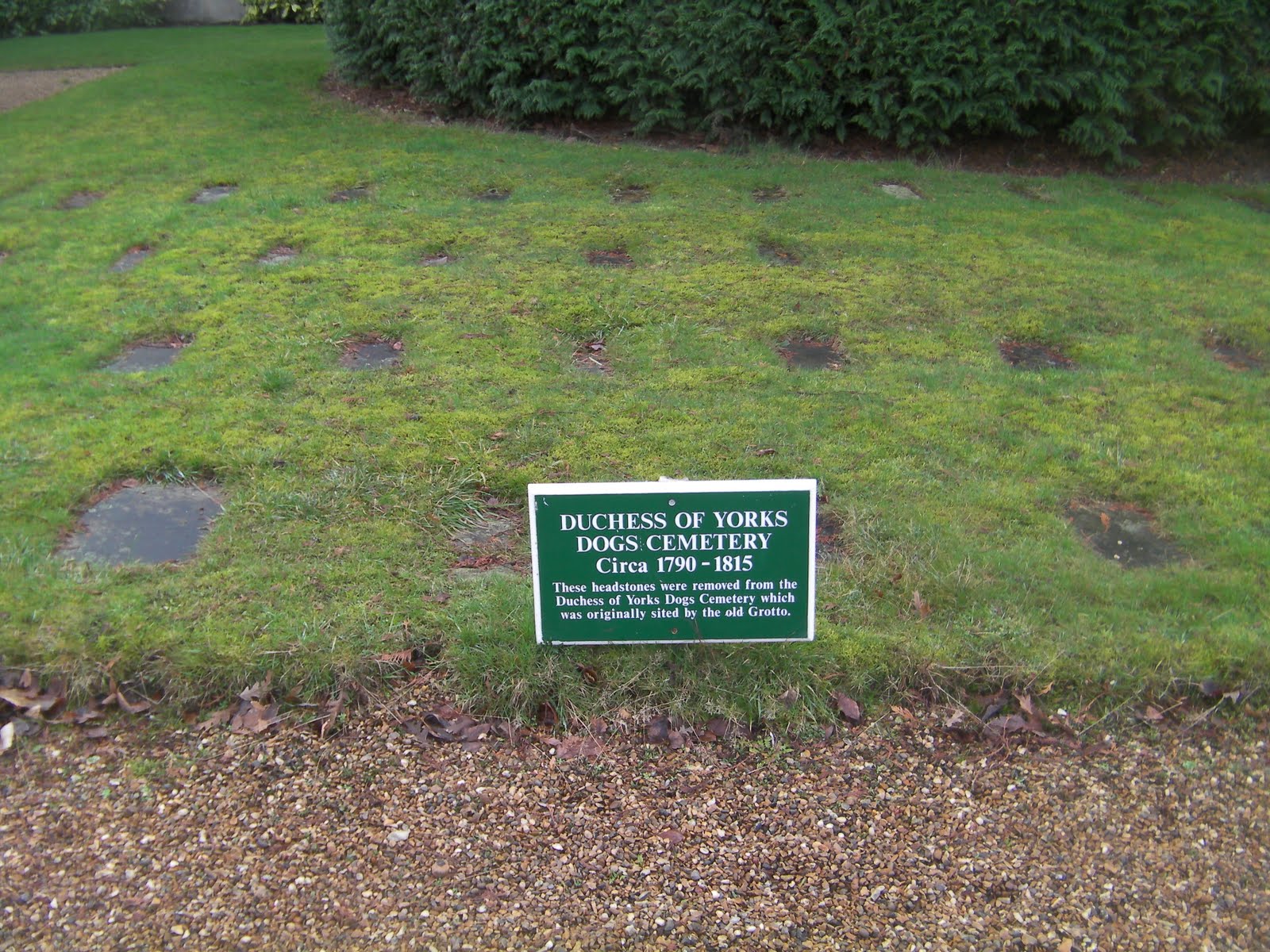
The Pet Cemetery at Oatlands Park

In an effort to get to the bottom of the indecipherable tablets I saw on the graves in the Duchess of York’s pet cemetery at Oatland’s Park, I’ve been going through my old notes and found a magazine article from the late 1800’s that gives a fairly detailed report of the place. No wonder I thought I’d seen proper headstones on the graves – they are pictured in this same article from The Ludgate Monthly from 1897. I was not imagining things. The photo above shows what the pet cemetery looks like today. Follow this link for pictures of the original markers and the full story.

Question 1: I’d wager anything that there is not a single bone beneath any of these markers. If the graves have been moved from their original location and the headstones replaced, if in short nothing remains of the original cemetery, why go to the effort of erecting a poor facsimile of the cemetery and saying that it still exists?

Question 2: Why does this deception bother me so much?

Question 3: What’s worse than finding out there’s no Easter Bunny?