A TOUR GUIDE IN ENGLAND: A RETURN TO EDENSOR


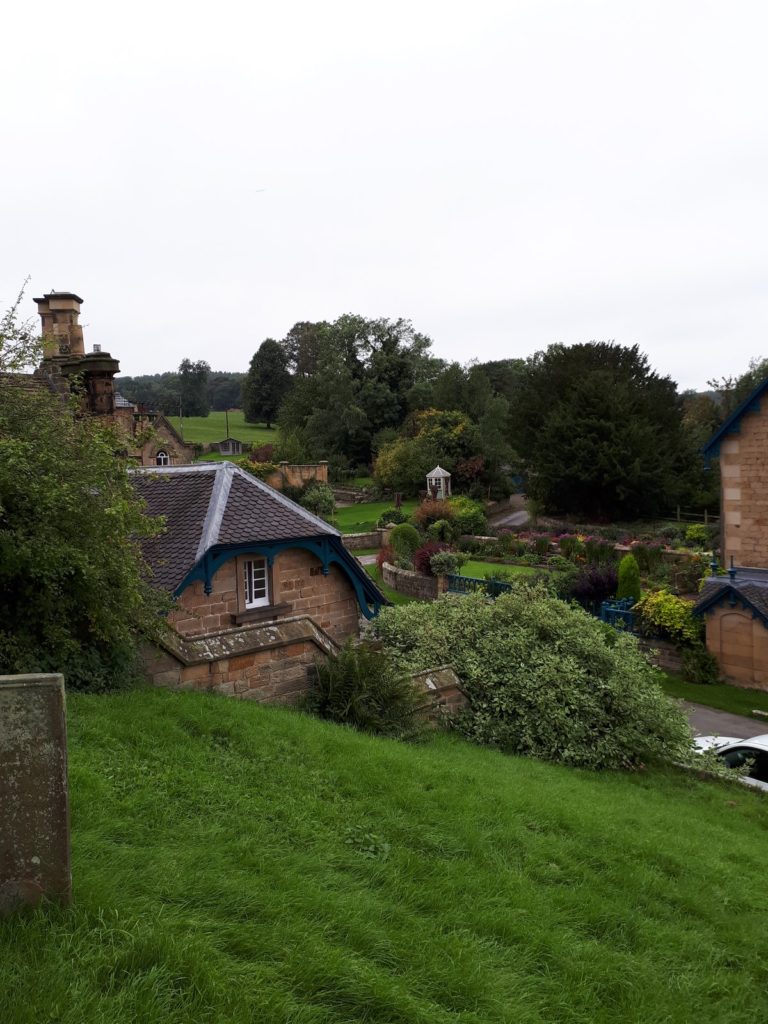
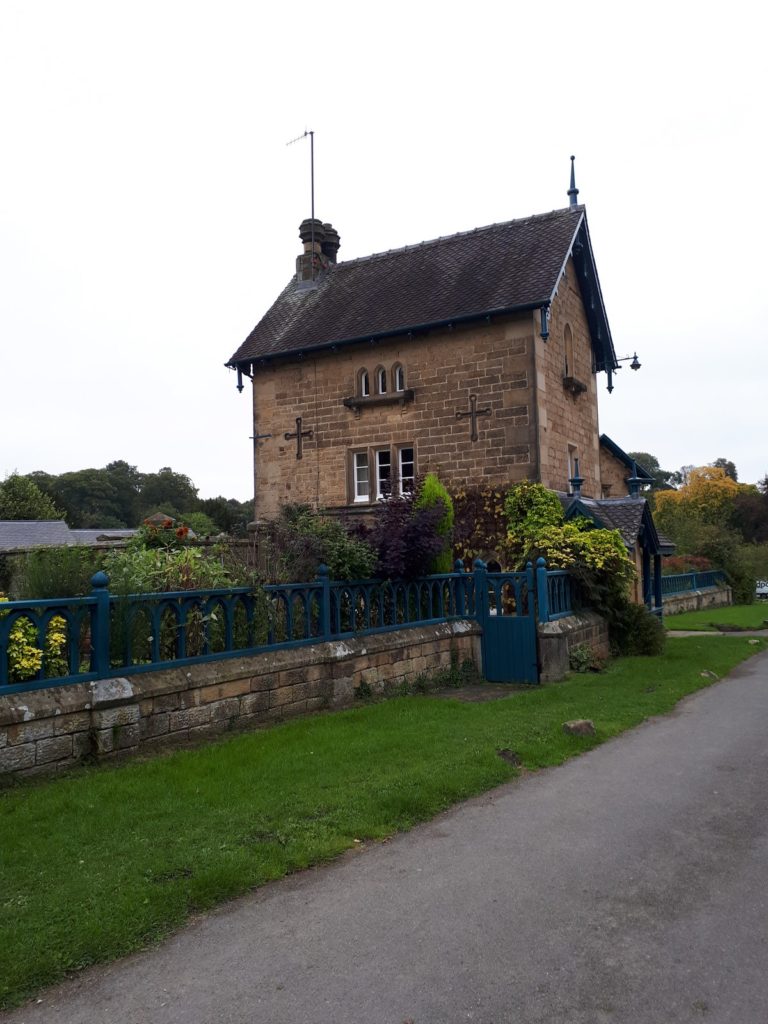
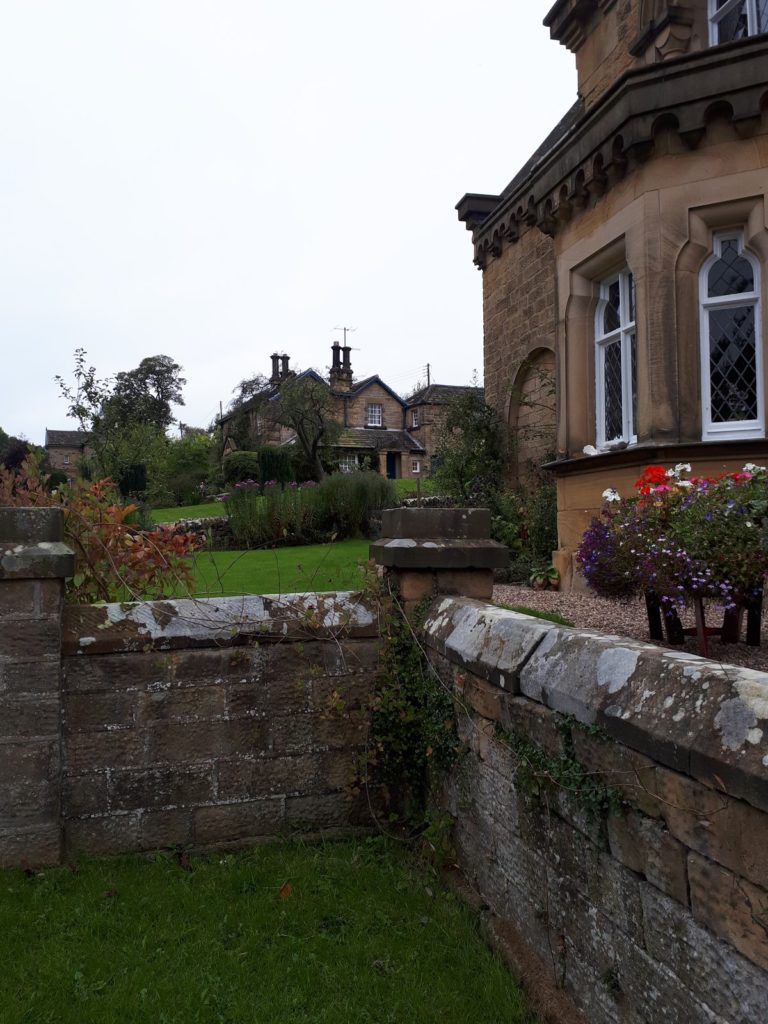
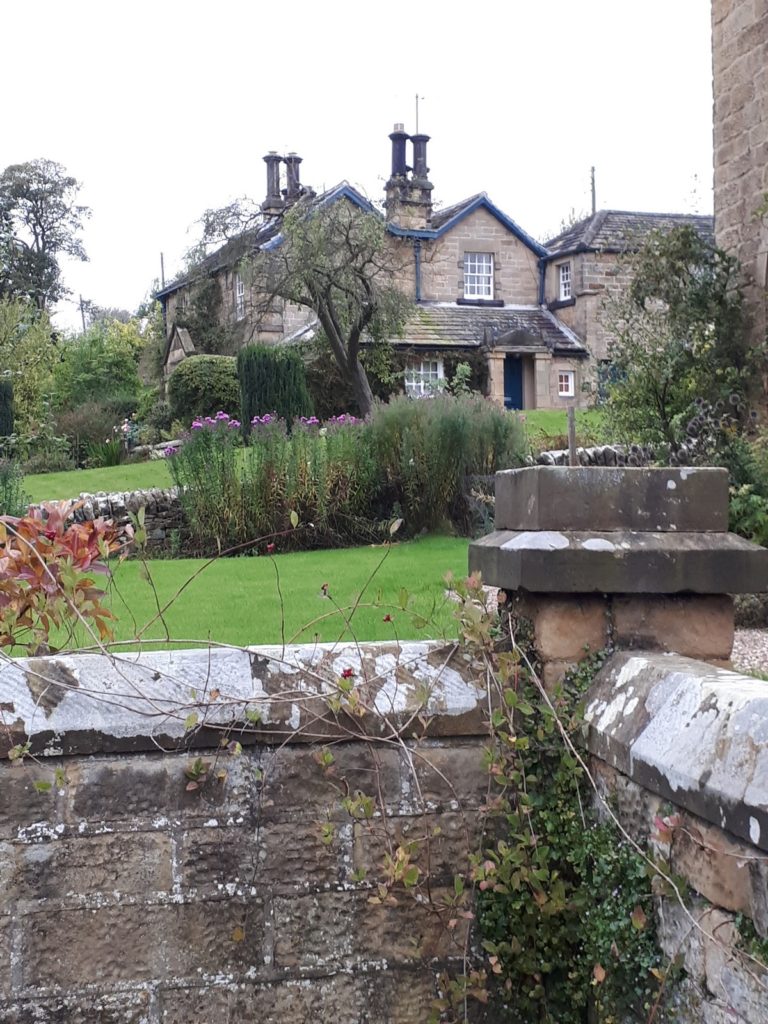
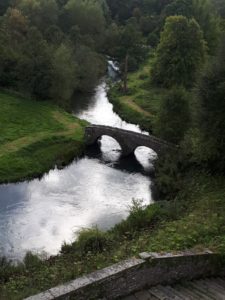
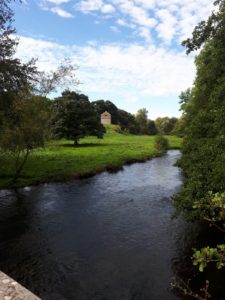
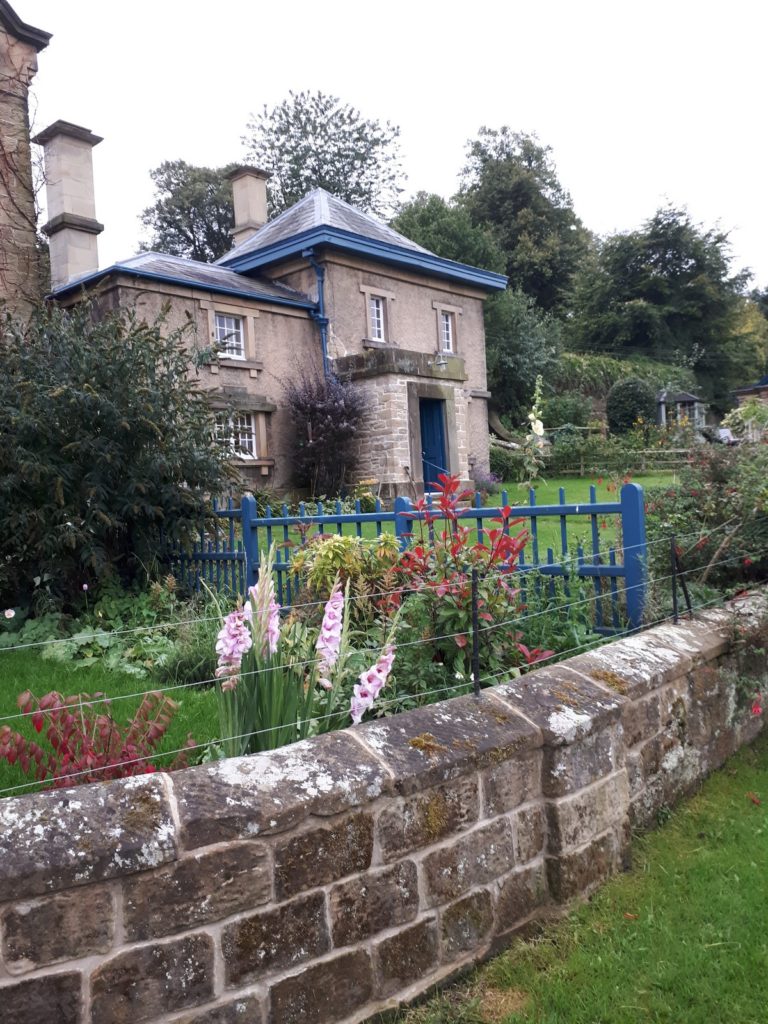
Two years ago, Diane (Perkins) Gaston and I had walked to Chatsworth House from Baslow, continuing on just over a rise for our first glimpse of Edensor, the picturesque model village built to the specifications of the 6th Duke of Devonshire with the help of Joseph Paxton. The entire village was moved over the hill from it’s original location just by the River Derwent, thus freeing up the view and leaving it idyllic as seen from the House. It is said that after being presented with a selection of designs for the houses in the village, the Duke could not make up his mind and so chose one of each style in the book. The result is that Edensor is a charming mix of designs ranging from Norman to Jacobean, Swiss-style to Italian villas. Only a few of the old buildings remained virtually untouched including parts of the old vicarage, two cottages overlooking the green, the old farmhouse which now houses the post office, shop and tea rooms, as well as the Gardener’s Cottage across the road. Today, as then, those who are fortunate enough to live in this charming village are either current or former employees of Chatsworth House.

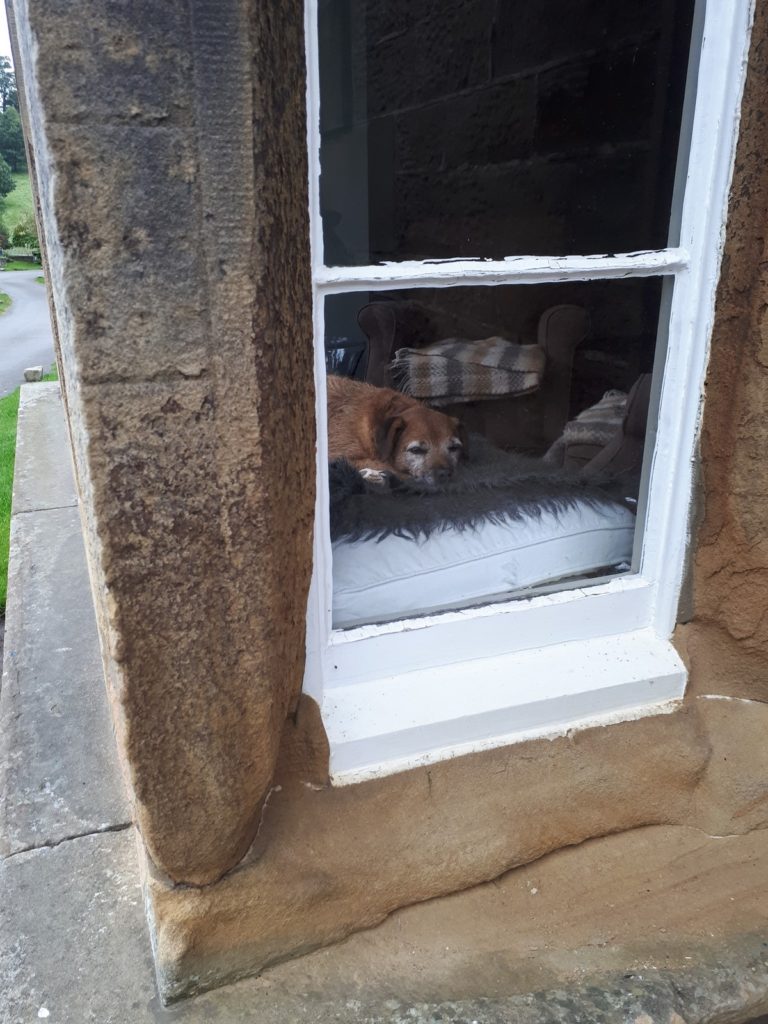
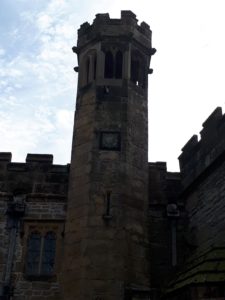
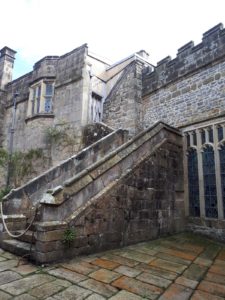
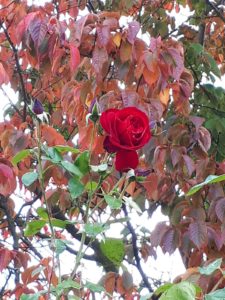
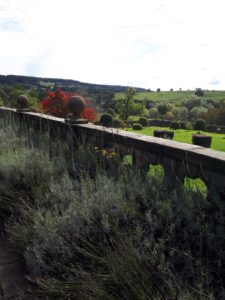
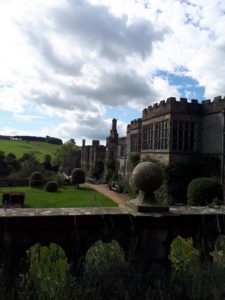
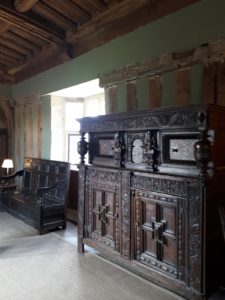
I had the opportunity to revisit Edensor in September on Number One London’s Country House Tour, when we were given a private tour of the village. The photo’s below are a mix of photos taken on both visits.


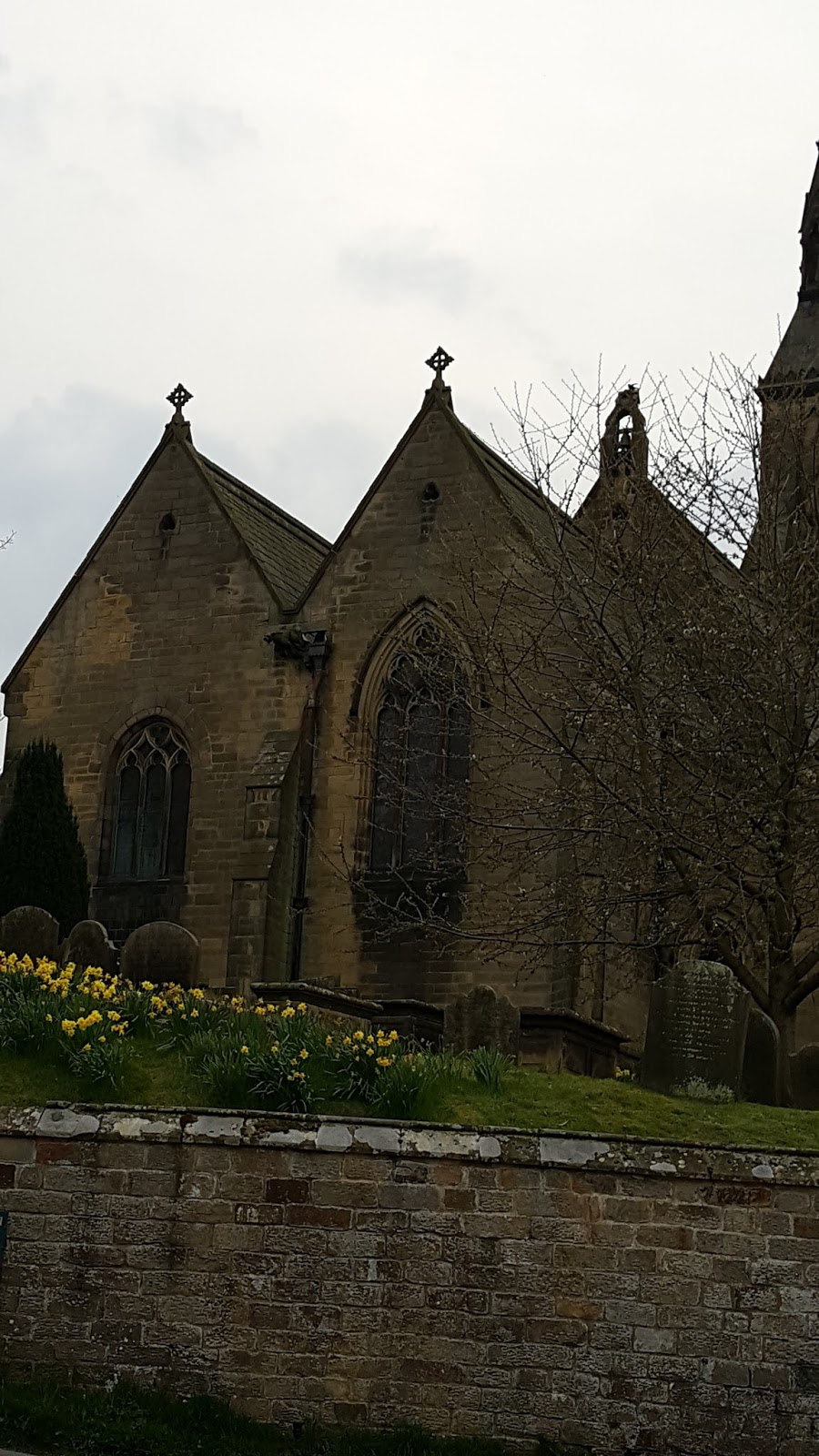
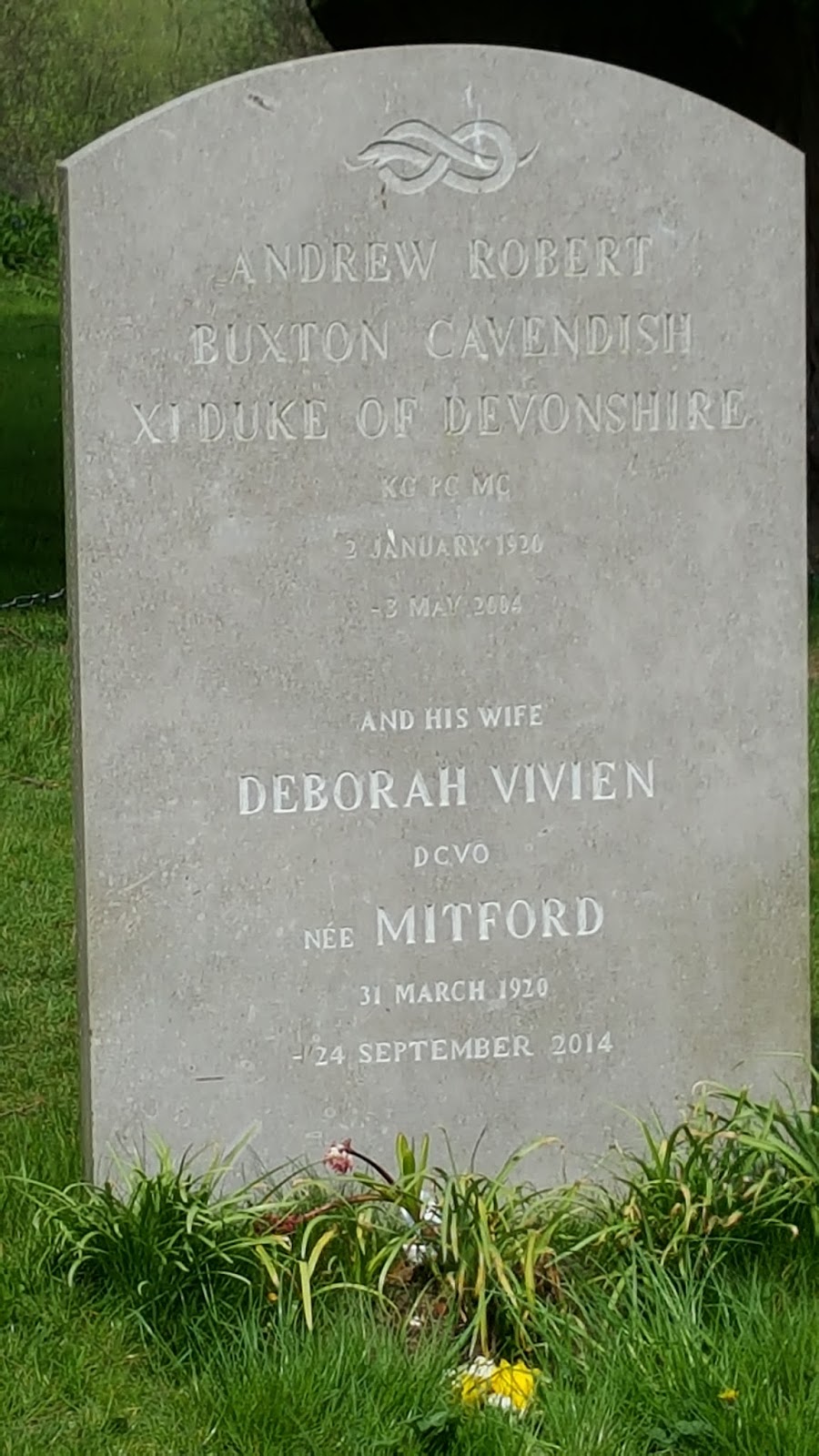
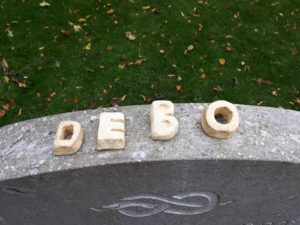
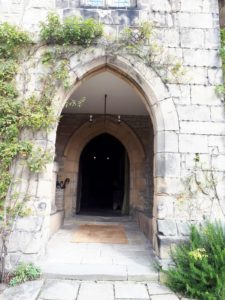
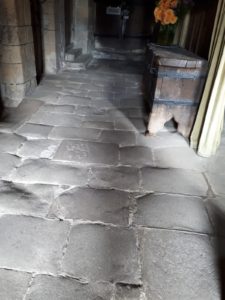
After a look round the picturesque village, we headed to Edensor’s St. Peter’s Church and it’s cemetery where Kathleen Kennedy Cavendish and Deborah Mitford Cavendish rest. Kathleen “Kick” Kennedy was the daughter of Joseph P. Kennedy, Sr. and Rose Kennedy, sister of future U.S. President John F. Kennedy, and wife of William Cavendish, Marquess of Hartington, heir apparent to the Duke of Devonshire.
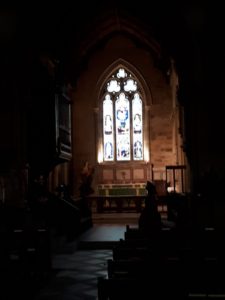
They married in May 1944 and, sadly, he was killed on active service, only a few weeks later. Kathleen died in a plane crash in 1948, flying to the South of France on holiday with her new fiancé Peter Wentworth-Fitzwilliam, 8th Earl Fitzwilliam. The Cavendish family considered Kick one of their own and had her buried at St. Peter’s in the family plot.
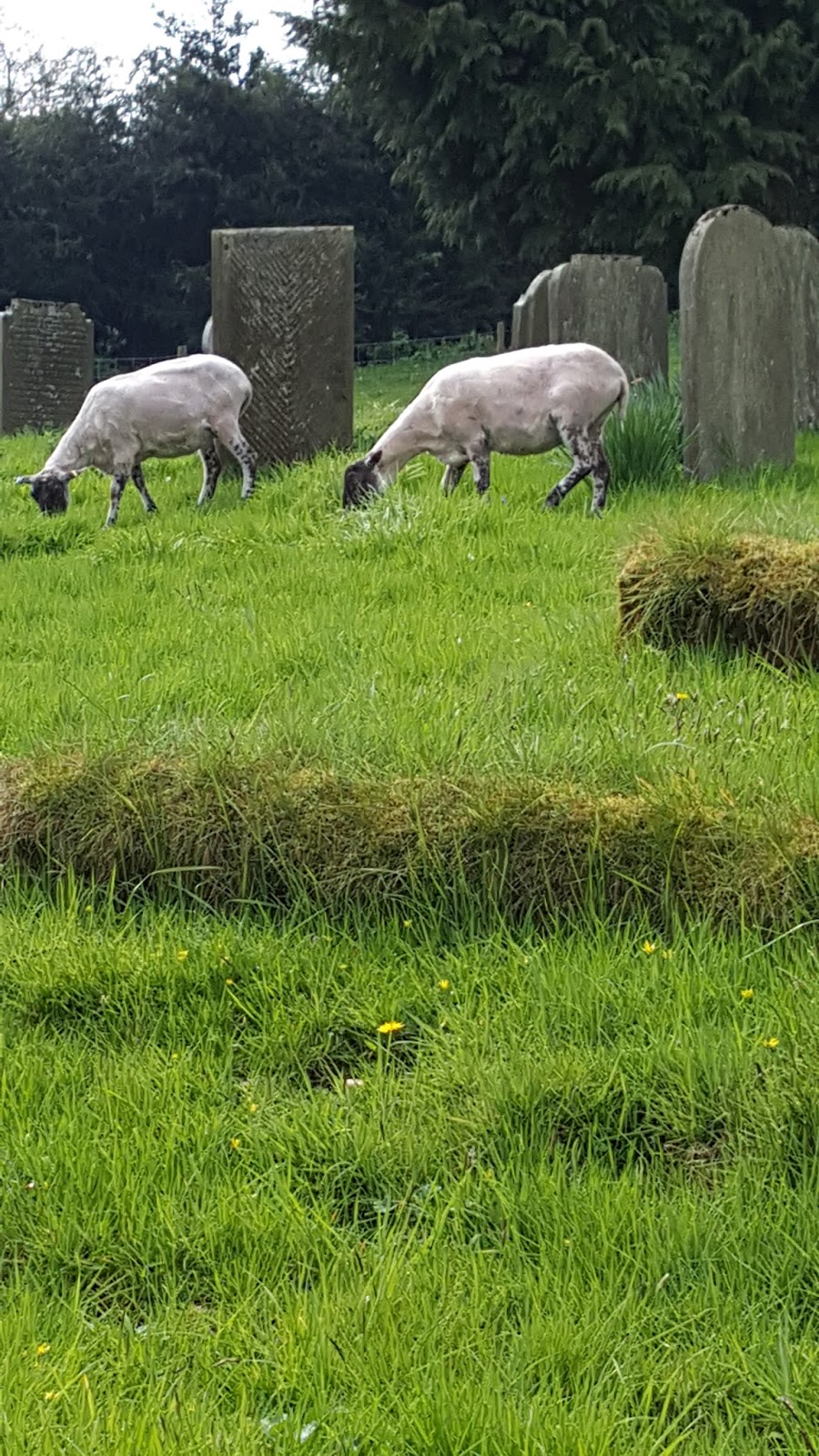
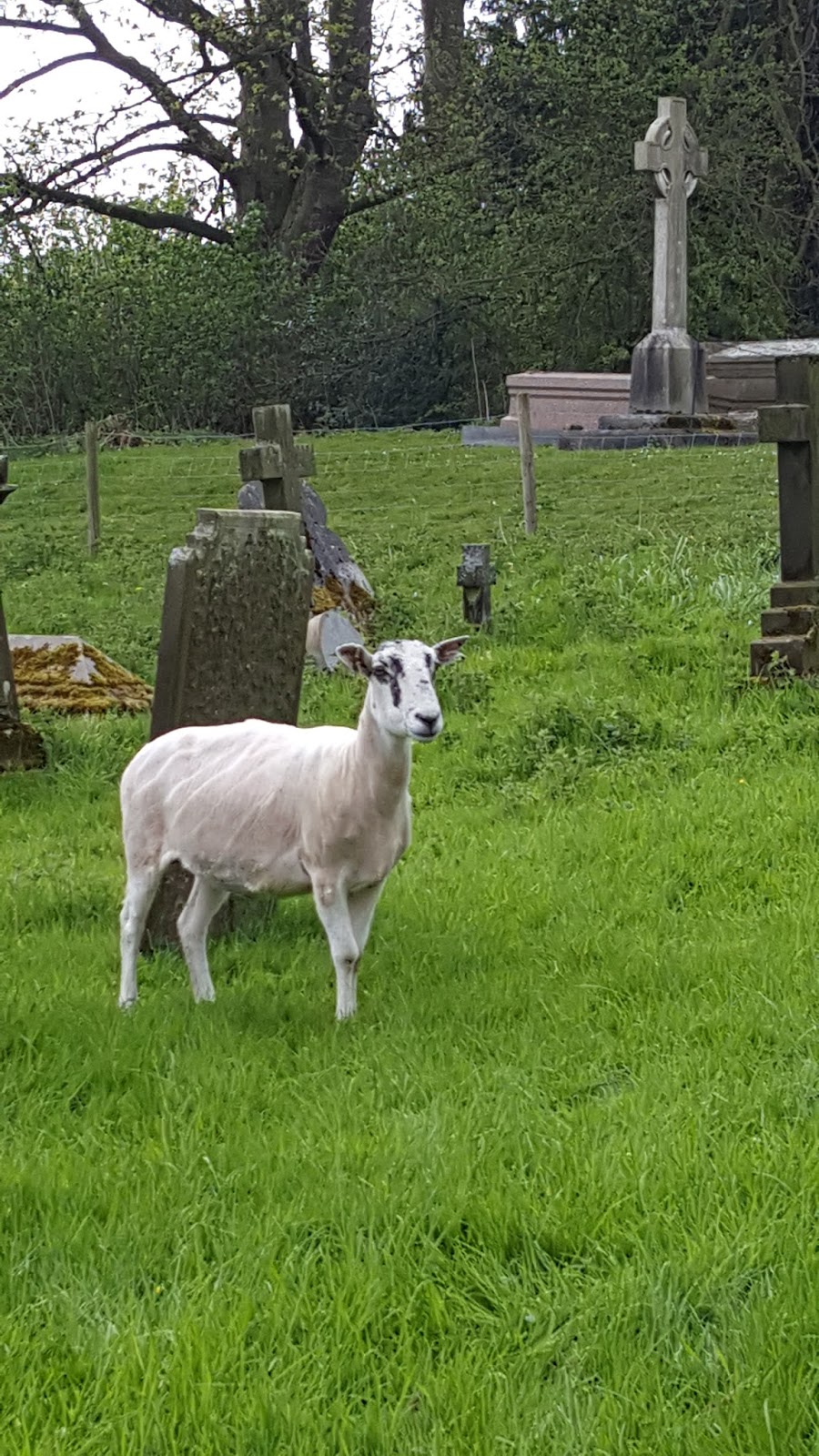
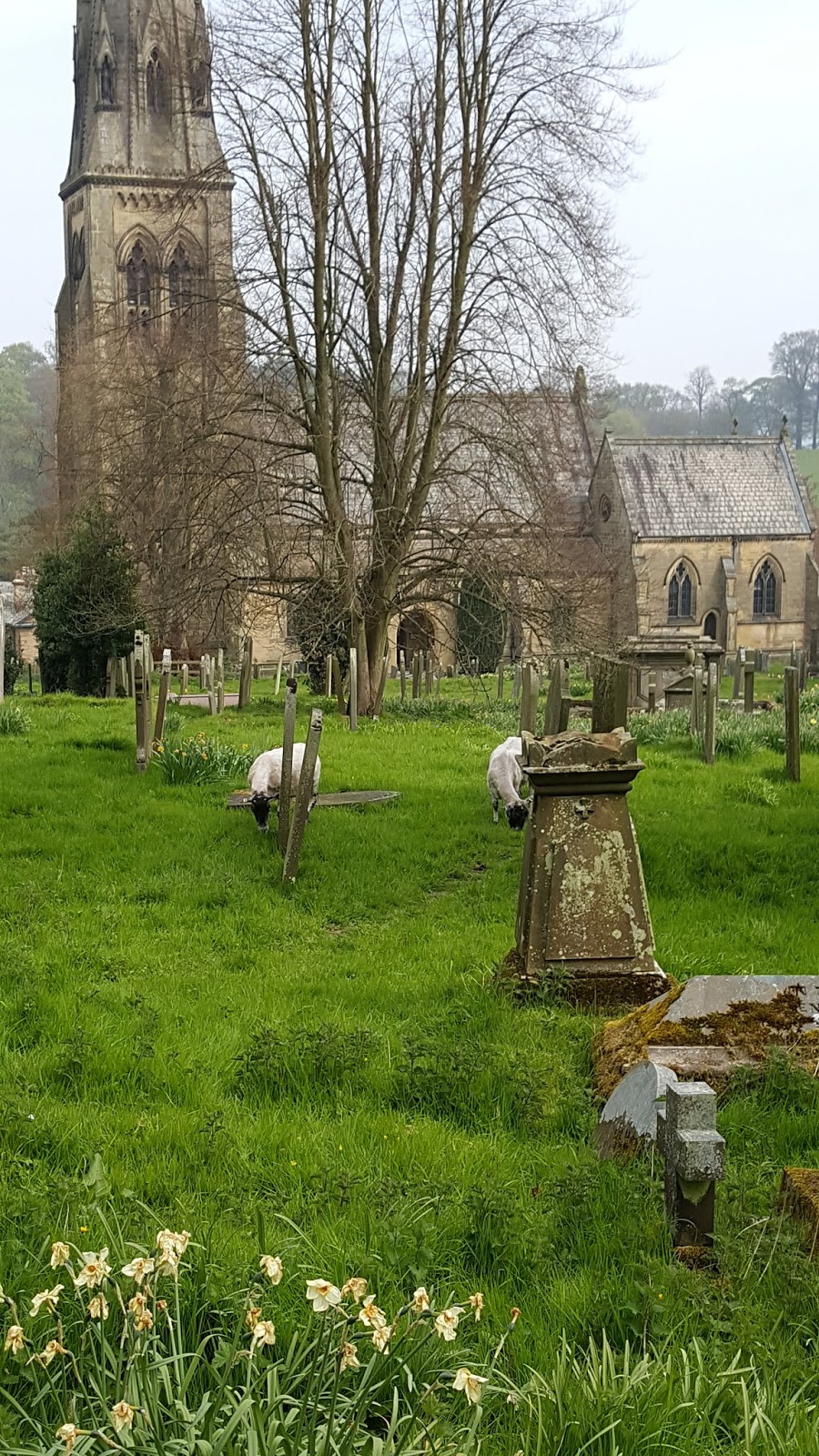
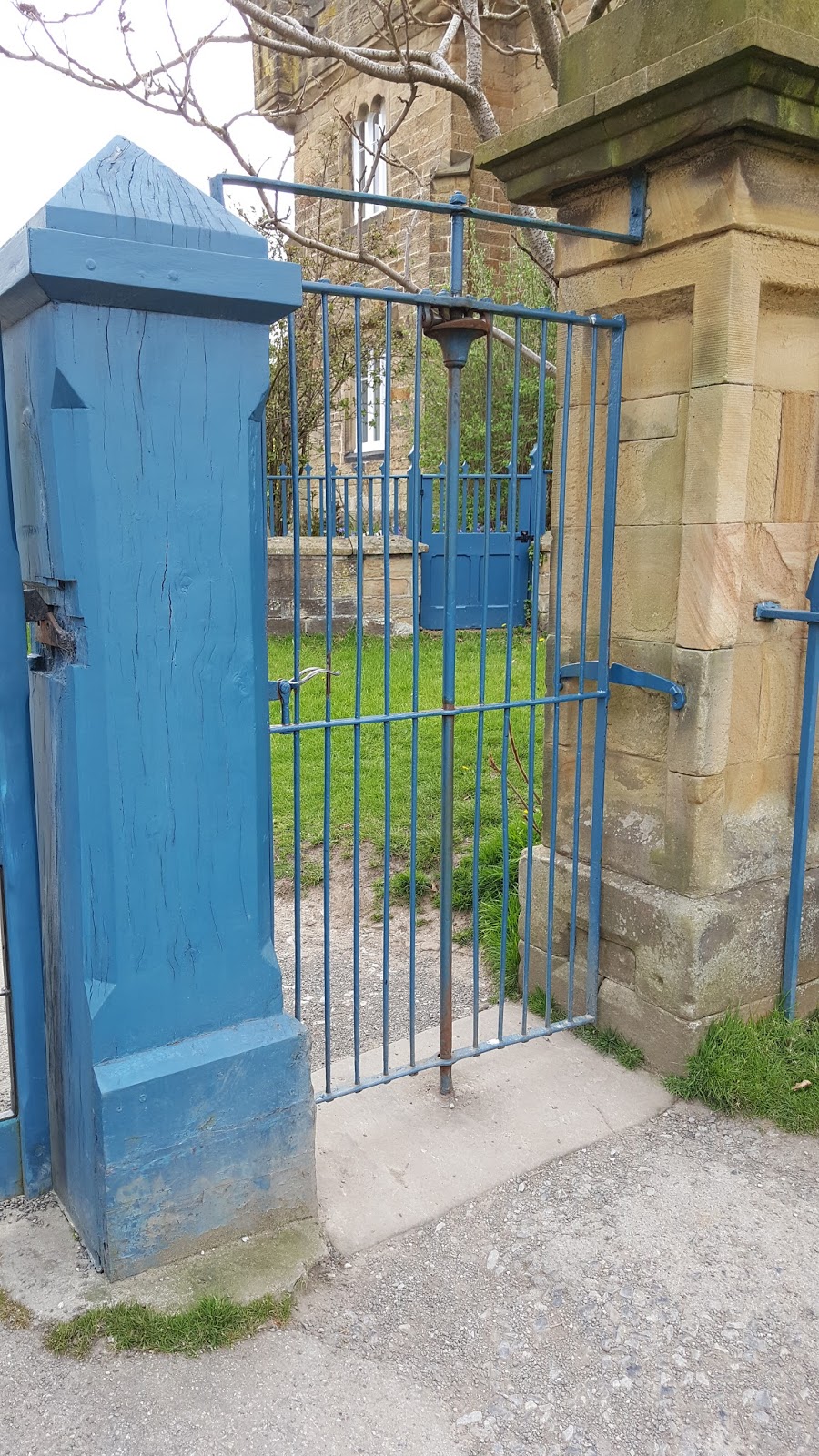
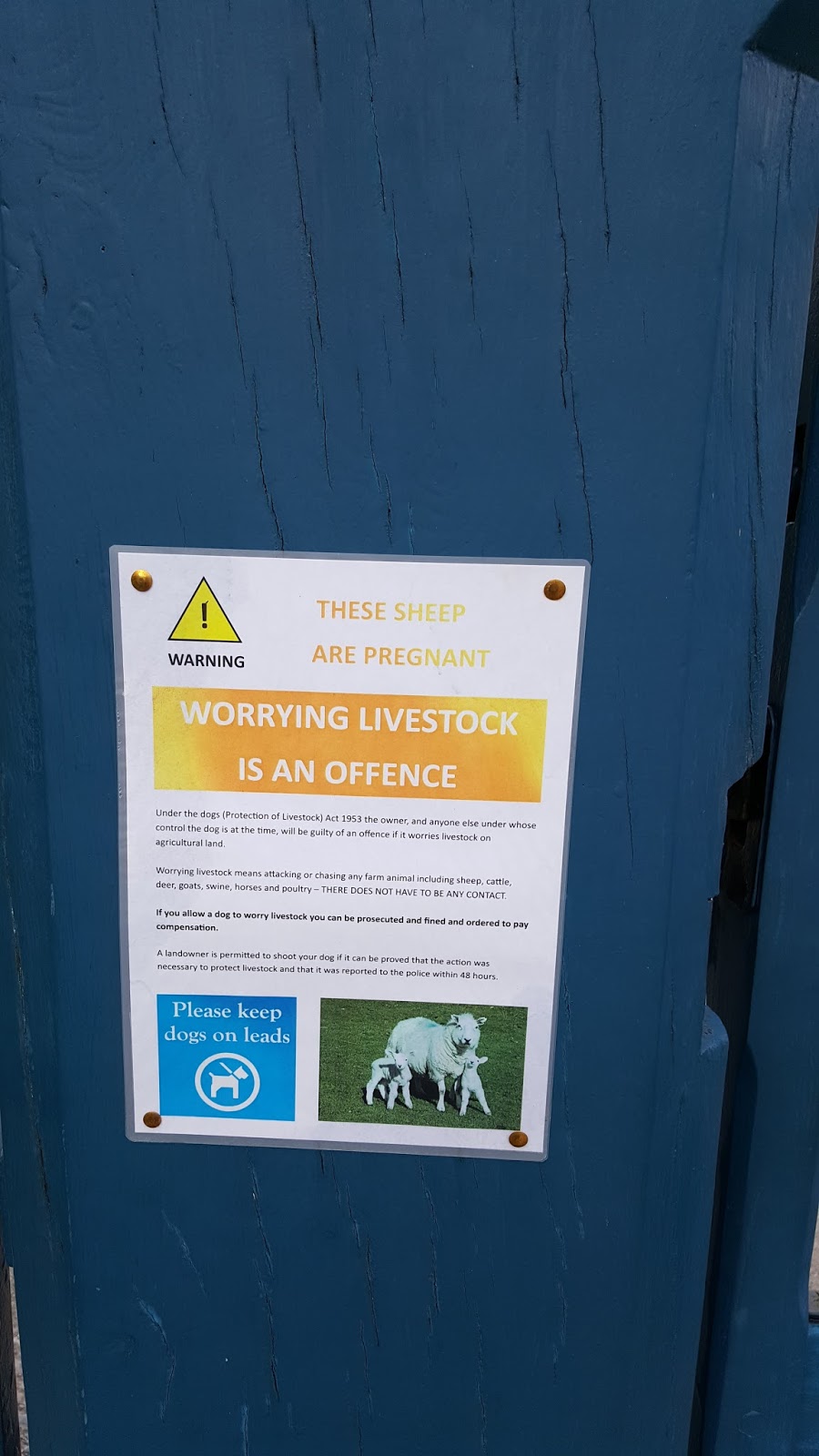
Edensor has a unique and charming way of keeping the graveyard tidy. 


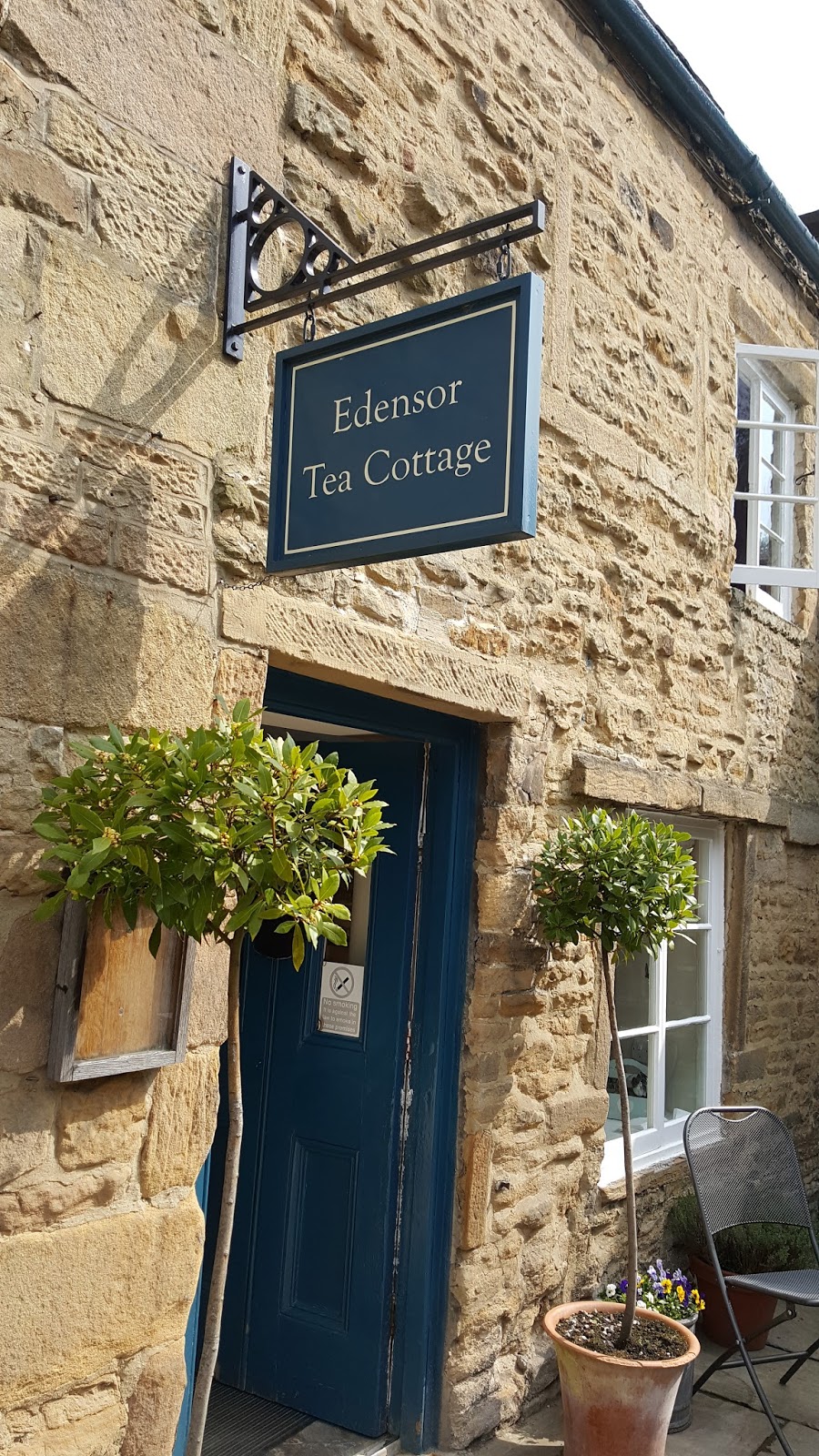
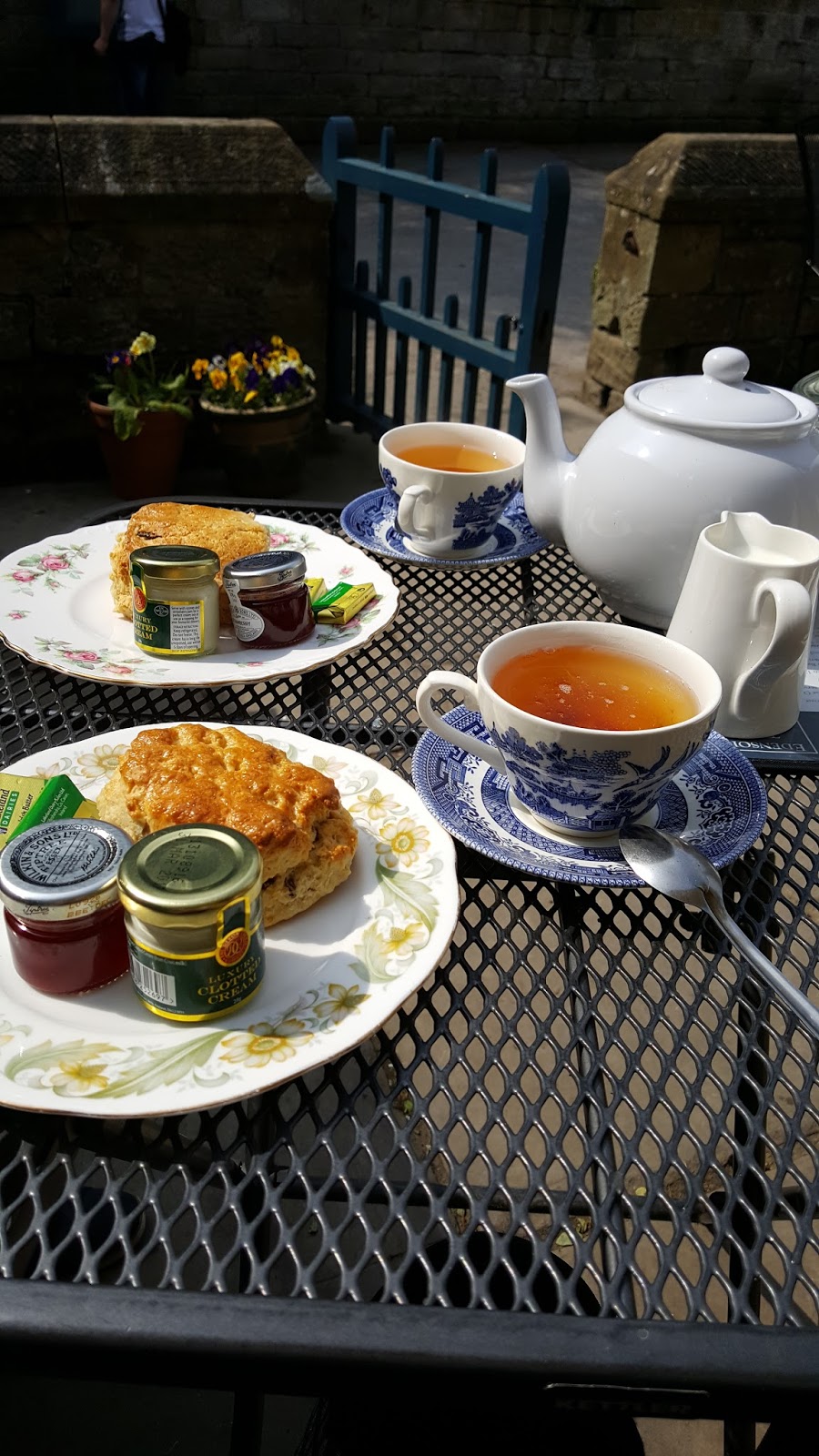
Before we left Edensor, there was time for another, more leisurely stop at the Tea Cottage. 


And one last look over a garden fence before heading back to Chatsworth House.


Would you like to see Edensor for yourself? We’ll be returning to the village during Number One London’s 2018 Upstairs, Downstairs Country House Tour!


THE WRETCHED LOVE LIFE OF SIR THOMAS LAWRENCE

On this day, the anniversary of the death of artist Sir Thomas Lawrence RA in 1830,  we begin a series by guest blogger Jo Manning that originally appeared in 2010 entitlted –

The Wretched Love Life of Thomas Lawrence (1769-1830), extraordinary painter, elusive personality…


Master Lawrence takes very striking likenesses of ladies and gentlemen

for a charge of one guinea for an oval crayon. —Bath Chronicle, 1782

There is an exhibition currently at the National Portrait Gallery in London: Thomas Lawrence, Regency Power and Brilliance. Only 54 paintings, but they are choice. Most of his work is held privately and several of the paintings in this exhibition are lent by owners who prefer to remain anonymous. (I met such an owner – his painting is not in this show – when researching My Lady Scandalous; he kindly allowed me to use a Lawrence painting on the condition that I not identify him.)

Actress Sarah Siddons by J. Dickinson

I came across the name of Thomas Lawrence for the second time when I was researching the life of Anna Foldsone (sometimes spelled Foldstone or Foltson, but later known as Anne Mee), a talented miniaturist, for a possible collective biography (tentatively titled Artists In Love) of six 18th century female artists. (That project, alas, is currently hanging fire.)

Lawrence, a friend of Anna’s journeyman painter father Joseph Foldsone, was cited as one of her teachers, and, later, after the death of her father when she was a teenager, as her fiancé. Apparently, nothing happened – as nothing seemed to happen with any of Lawrence’s relationships with women – he never married — and I could find little more on the subject of him and this very lovely artist.

Anna Foldsone, shortly after what did or did not happen with Lawrence, married an Irish barrister named Joseph Mee; it was not a happy marriage and she could have been on the rebound from Lawrence. Here’s a self-portrait of her below; she was known for her glorious, thick, curly blonde hair.

Anne Mee, by Anne Mee
There was, however, a good deal of speculation on his relationships with the Siddons women, Sarah, the mother, arguably the most famous actress of the time, and her two daughters, Sally and Maria. What exactly transpired is unknown, but there was enough gossip at the time to indicate he behaved like an utter cad, first wooing Sally and then dumping her for Maria; then he dumped Maria and went back to Sally! There was also speculation he was involved with their mother Sarah. Tragically, both sisters died young, probably of consumption, Maria in 1798 and Sally in 1803. Around 1904, Oswald Knapp exploited this scandal in his biography of Lawrence, An Artist’s Love Story. For the most part, biographers of Lawrence have tended to ignore his love life, which is readily understandable because it was such a mess, but it seems to me that the time seems ripe for a full-blown, warts-and-all biography of this talented, complicated man.

What’s so interesting in this sordid story of the Siddons daughters is that Sarah Siddons reportedly stayed friendly with the artist, who went on to paint a number of portraits of her, despite his questionable behavior with the two girls. Many years later, the writer Andre Maurois weighed in on this in a novel, remarking that it was the mother Lawrence was “in thrall” to, that she, not Sally, not Maria, was the object of his heated pursuits.

After the females in the Siddons family, Lawrence’s name was most closely linked with Isabella Wolff, with whom he might have fathered a son – though I doubt it — but more about that later, when I discuss the paintings in this current exhibition.

In addition to the great mystery of his love life there was the mystery of where all his money went; he had great financial problems despite his very successful career and his estate at his death was mired in debt. The first mystery leads me to wonder if the problem was that he may have been attracted to his own gender but felt he had to play the game of pursuing women. He was unable to commit to any one woman, yet he was an odd kind of womanizer; he appeared to show great, passionate, intense interest … and then it more or less fizzled out. His behavior was strange, erratic, immature, confused. I’ve yet to find any speculation – much less evidence — that Lawrence might have been gay, but closeted gay men were not that uncommon in Georgian England. Sodomy was punishable by hanging, however, so overt behavior carried the threat of death. One painting in particular in this exhibition set me onto this course of thought.

Part Two Coming Soon!

BLOOMING AT HADDON HALL BY VICKY HINSHAW

Originally published in 2010, we’re re-running this post now because we think you may like to look at Haddon Hall’s glorious gardens on this cold December day. Victoria and Kristine revisited Haddon Hall this past September on Number One London’s Country House Tour and the gardens were stunning. Do check our new line-up of tours at Number One London for details on the 2018 Country House Tour!


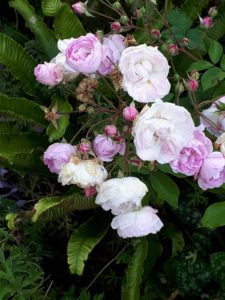
I visited Haddon Hall on a cool early summer day and found roses climbing all over the ancient grey walls, their colorful profusion a perfect complement to the lichen-covered stone.

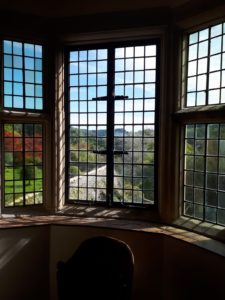
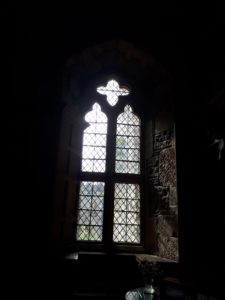
Haddon Hall, high above the Wye River near Matlock in Derbyshire, is typical of medieval manor houses: built of local rock with thick walls and small windows.


The property is listed in the Domesday Survey conducted shortly after William the Conqueror took over England. The Domesday Book was a great survey completed in 1086, a sort of census. William wanted to know who the landholders were and what taxes he could collect from them, so his clerks looked for property holders from the time of Edward the Confessor. The judgment of the assessors was final and there was no appeal. The name Domesday comes from the Old English word dom (same root as doom in modern English) meaning accounting or reckoning. The book of this census is known by the English as ‘Domesday’, that is the Day of Judgment.


Many of the finest English Country Houses evolved from ancient foundation structures of which few traces remain. Rebuilding, remodeling, and redecorating have been beloved preoccupations for centuries. Houses were altered by almost every generation to incorporate the latest technological improvements or to enhance the size, style and beauty of their surroundings. The richer the family members, the more they rebuilt over and over again.


The Haddon estate came into the Vernon family through the marriage of its heiress in 1170 to Richard Vernon.

The oldest and best-preserved old houses usually are passed down in a family through the female side. History repeated itself when in the mid-1550’s, Dorothy Vernon eloped with Sir John Manners, a son of the Duke of Rutland, against the wishes of her father. But despite his opposition to the match, Haddon Hall soon became the property of the Manners family, which has owned it ever since. It was, however, a secondary residence to the Rutland’s primary estate, Belvoir (pronounced Beever) Castle.

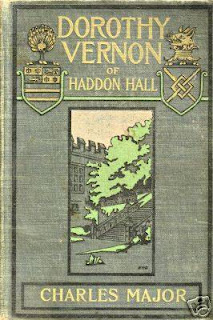
Since secondary residences were visited rarely, there was little urge to remodel to wife’s property.  This pattern is repeated many times throughout the history of various stately homes. Cotehele in Cornwall and Chiswick near London are two more excellent examples. The romance of Dorothy Vernon and Sir John Manners was the basis for the 1902 novel Dorothy Vernon of Haddon Hall by Charles Major, popular author of historical romances including When Knighthood was in Flower (1898). Major altered parts of the story and his novel was further enhanced when it was made into a movie starring Mary Pickford in 1924. The story has also inspired a play and an opera.


Haddon’s exterior is typically medieval, severe and somber, yet softened by lovely gardens.


Inside, many rooms are open to visitors.  In 1370, Richard de Vernon built the banqueting hall to house forty to fifty people. The house and continued to grow in subsequent centuries, both in number of inhabitants and in number of rooms and outbuildings.


The long gallery was added later and is typical of those found in Tudor and Elizabethan era houses, designed to replace cloister-style open air walkways. One strolled back and forth in the long gallery to take daily exercise where it was somewhat more protected.

Throughout the 18th and 19th centuries, Haddon Hall was ignored and fell into disrepair. Not until the 1920’s was major restoration begun. It continues today under the direction of Lord and Lady Edward Manners. Haddon Hall is often used in films and stood in as Prince Humperdink’s castle in The Princess Bride.

Whether it was the elopement story or the abundant roses, I found Haddon Hall very romantic and great inspiration for the imagination.

Previously published in 2010.

THE WELLINGTON CONNECTION – TOURISTS

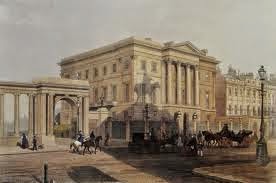
As many of you know, I always make time to visit Apsley House when I’m in London, either dropping in on my own or scheduling the visit as a stop on one of my tours. In April 2018, we’ll be visiting Apsley House as part of the 1815 Waterloo Tour, but our group will be far from the first tourists to pay a call in order to admire the stunning interiors and artwork. In fact, tourists have been trying to gain entry into Apsley House since the time when the first Duke still lived there. Oddly enough, it seems that people were commonly writing to the owners of various houses in the hopes of being allowed inside and of being given a tour of the premises. Horace Walpole was plagued by applications for admission to his Strawberry Hill and owners of other unique properties were also applied to for the same purpose.
In 1850, the Duke of Wellington replied to a letter written to him by Lady Salisbury inquiring as to how best she and Lord Salisbury should deal with those who applied to them with requests to see their home, Hatfield House. In other words, how best to deal with 19th century tourists. The Duke answered her thusly:
London, July 27, 1850
  ” . . . . . I permit my servants to show the House and Place to whom they please and as they please. But I avoid to give an order that anything should be shown to anybody. I enclose the Lithograph answer sent to every application. You will find some regulation of the same description very convenient to yourself and Lord Salisbury. . . . . . “
Copy of Lithograph
 
   Field Marshal The Duke of Wellington presents his 
compliments. He is not in the habit of giving orders 
to his Servants to show his House or its contents to 
Gentlemen with whom he is not acquainted. They 
are responsible for the good, cleanly and safe 
keeping thereof, and they must form their own 
judgment as to whom they will admit to see it, taking 
care always that those whom they may admit do 
not interfere with the convenient occupation of their 
apartments by his son, his daughter-in-law and himself. 
 
Unfortunately, the Duke was also plagued with requests from tourists at Walmer Castle, as the following letter to Lady Salisbury the following September illustrates –
Walmer, September 19, 1850
     “. . . . . You are amused by the applications made to me. I have had a most curious one from one of the young ladies who were in the habit, as children, of coming to my Garden Gate in Hyde Park. This young lady is now with some friends a Broadstairs! and she insists upon my sending her an order that the interior of Walmer Castle should be shewn to her and her friends during the time that I am residing there; at which time, she has heard that the interior of the Castle is not usually shewn.
I have told her that my Predecessor in the office of Lord Warden had fitted up part of this Castle as a residence for the Lard Wardens, which I now occupy! that I have one room in this Residence, in which I sleep, dress and write all day! that the remainder of the House is occupied by my daughters-in-law and their Children or by other visitors, male or female! That I permitted the Servants to shew to whom they pleased, excepting when inhabited. But at such periods only when not inconvenient to the inhabitants. I added that I believed that I was the only individual in England who would be required by anybody to make a shew of his Bed Room and Dressing Room; and that I doubted much whether my daughters-in-law, or their Children, or any Ladies or Gentlemen, inhabitants of Rooms in this Residence, would much like the proposition that their Rooms should be made a shew of while they should inhabit them. I have received no answer.”
Alas, visitors are no longer allowed into the private apartments at Apsley House, though Wellington’s room at Walmer Castle has been preserved as it was at the time of his death and is still on view. As our visit will be confined to viewing the public rooms only at Apsley House during the 1815 Waterloo Tour, I like to think that the Duke won’t mind our presence too much. Complete details regarding the upcoming Tour can be found here.


HAPPY BIRTHDAY JANE AUSTEN!

Jane Austen December 16, 1775 – June 18, 1817

By Victoria Hinshaw

My dearest Jane,

Here I am in the snowy midwest of the United States (that country born just after you), 242 years after your birth, expressing my thanks to you for all your talents and achievements.  I can only hope that somehow you are aware of the esteem in which you are held by millions of people.  Are you surprised that your novels are still adored 200 years after their publication? And that you are celebrated as one of English Literature’s most famous authors?

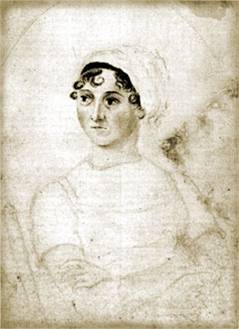
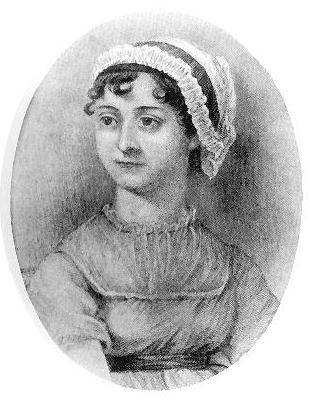
Jane Austen, sketch by sister Cassandra

How do you account for the fact that many of us call ourselves Janeites? That we gather yearly in several countries to discuss your work, from the earliest of juvenilia to the final letters, prayers and poems you wrote just before your demise? That we scour your words, the accounts of relatives and friends, the objects you touched, your travels, your acquaintances, and every scrap we can uncover that might relate to your life? That universities devote entire courses of you? And that your work has provided the backbone for a whole industry of films, television series, sequels, continuations, contemporary interpretations, and scholarly treatises?

Jane Austen, as revised 1871

I wonder how you would like to visit Chawton Cottage and see how it has become a shrine to you and your books?  Or Chawton House, where the mansion has been restored to its late 18th century appearance and is now a library of women’s writings before 1900? I would not recommend that you travel the streets of London to see the blue plaques on the buildings where you stayed with Henry — it’s far too dangerous unless you have a blue badge guide and skillful driver.  Of a car, not a chaise.

Would you believe that among the most popular reasons that people visit Stoneleigh Abbey, Netley Abbey, The Vyne or the Wheatsheaf Inn is that you were there?  Or that one of the highlights of my life was to eat an apple in the garden of Chawton House when the gardener told me it was from a tree which you probably knew and from which you sampled the fruit.  I wasn’t alone either.

And were you lingering high in the lofts of Winchester Cathedral when JASNA held a service dedicated to your memory, and that was only one of many so held in that great place? I hope you died in the knowledge that your family loved you and that someday you would be commemorated worldwide.

Perhaps some of us have overdone things a bit and owe you an apology. Zombies, vampires, sea monsters, as well as highly fantasized so-called bio-pics have played fast and loose with the facts of your stories and your life. But through it all, we know, if we love Jane Austen (and we do!), all we have to do is pick up a copy of one of your books and immerse ourselves once more.

Most of all, I want to express my gratitude for the brilliant way you have enriched my life and that of many of my friends.  You are one of a kind, Jane Austen, and we are so lucky to have “known” you.  Thank you, Jane.

Yrs very affecly,
V. Hinshaw