Travels with Victoria: The Isle of Guernsey

Continuing our cruise from Lisbon to Dover in late May and early June 2011, we stopped at Belle-Ile-en-Mer, above, off the coast of Brittany.  Like almost every other stop on this cruise, I’d enjoy going  back for more. One if the most famous people associated with Belle Ile was Sarah Bernhardt (1844-1923), who had a holiday home here and entertained many of Europe’s leading cultural figures.

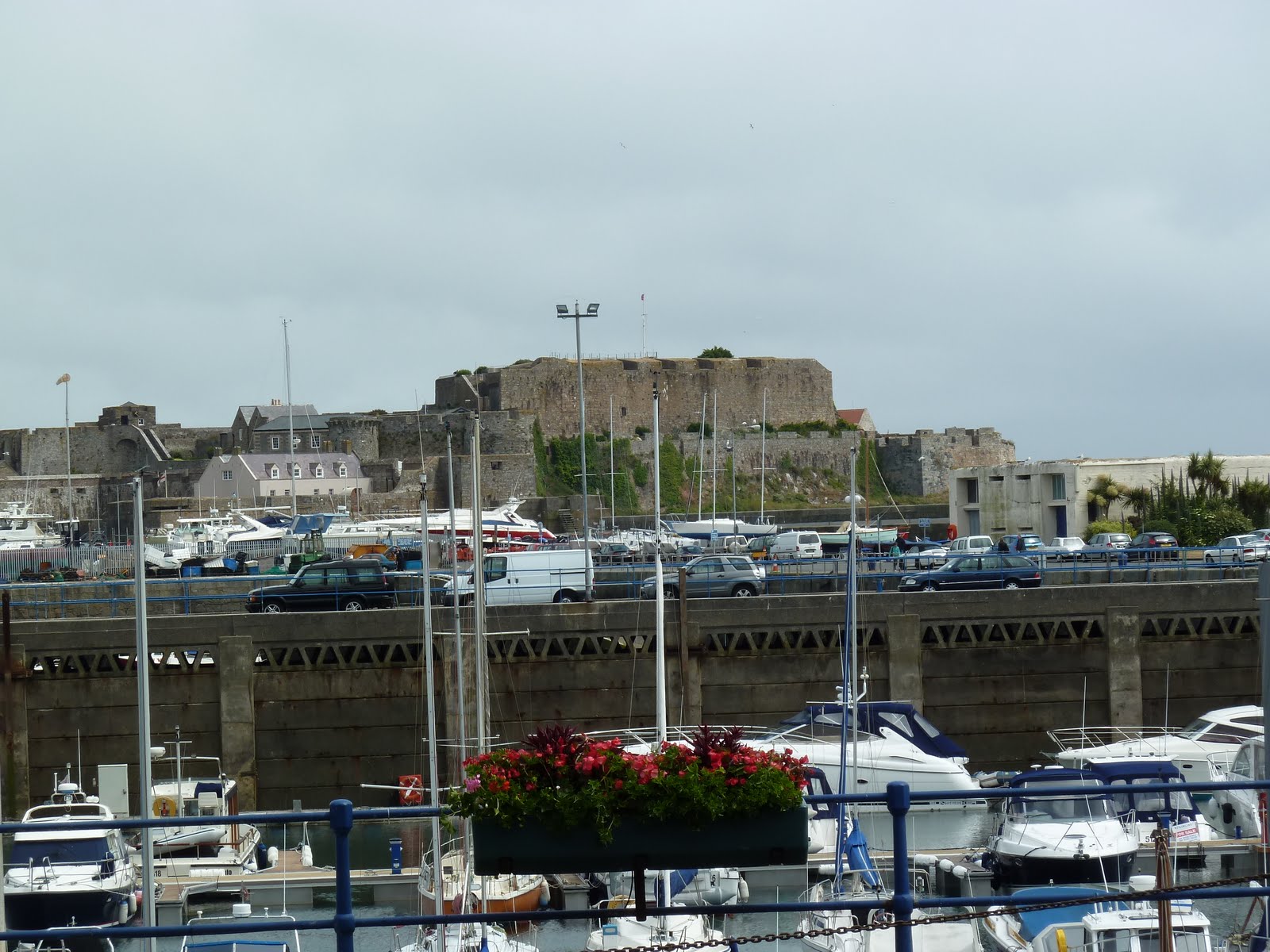
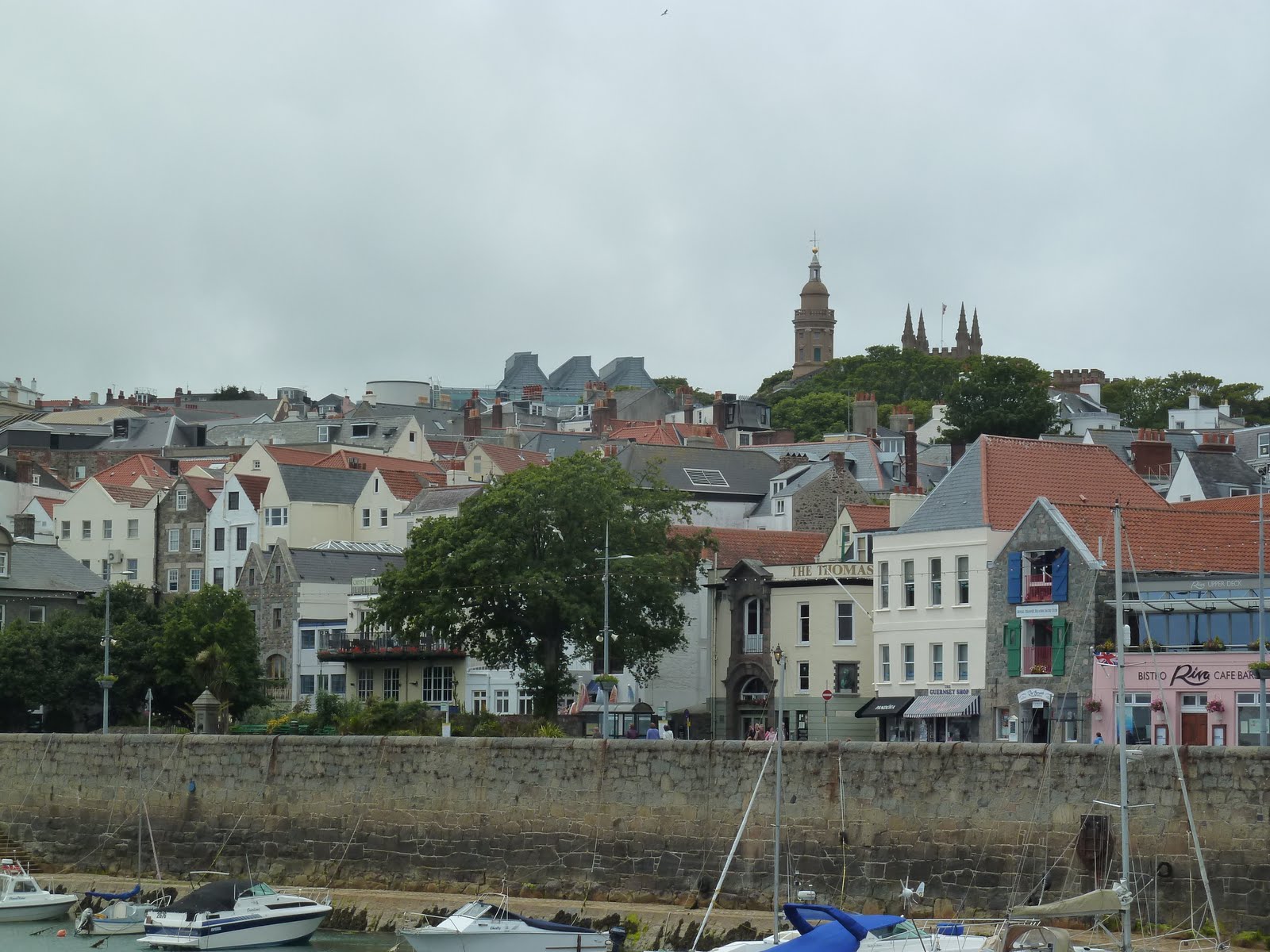
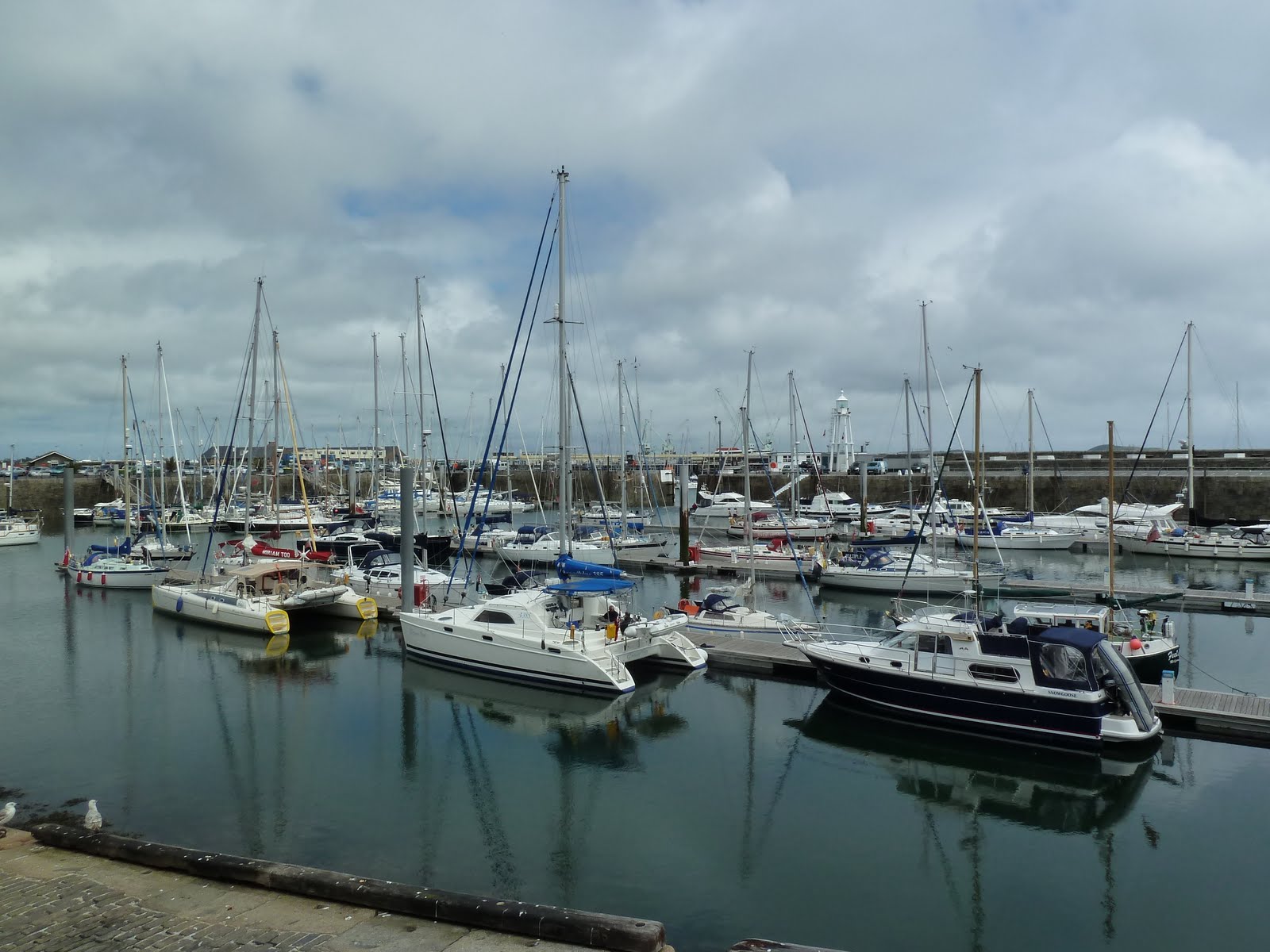
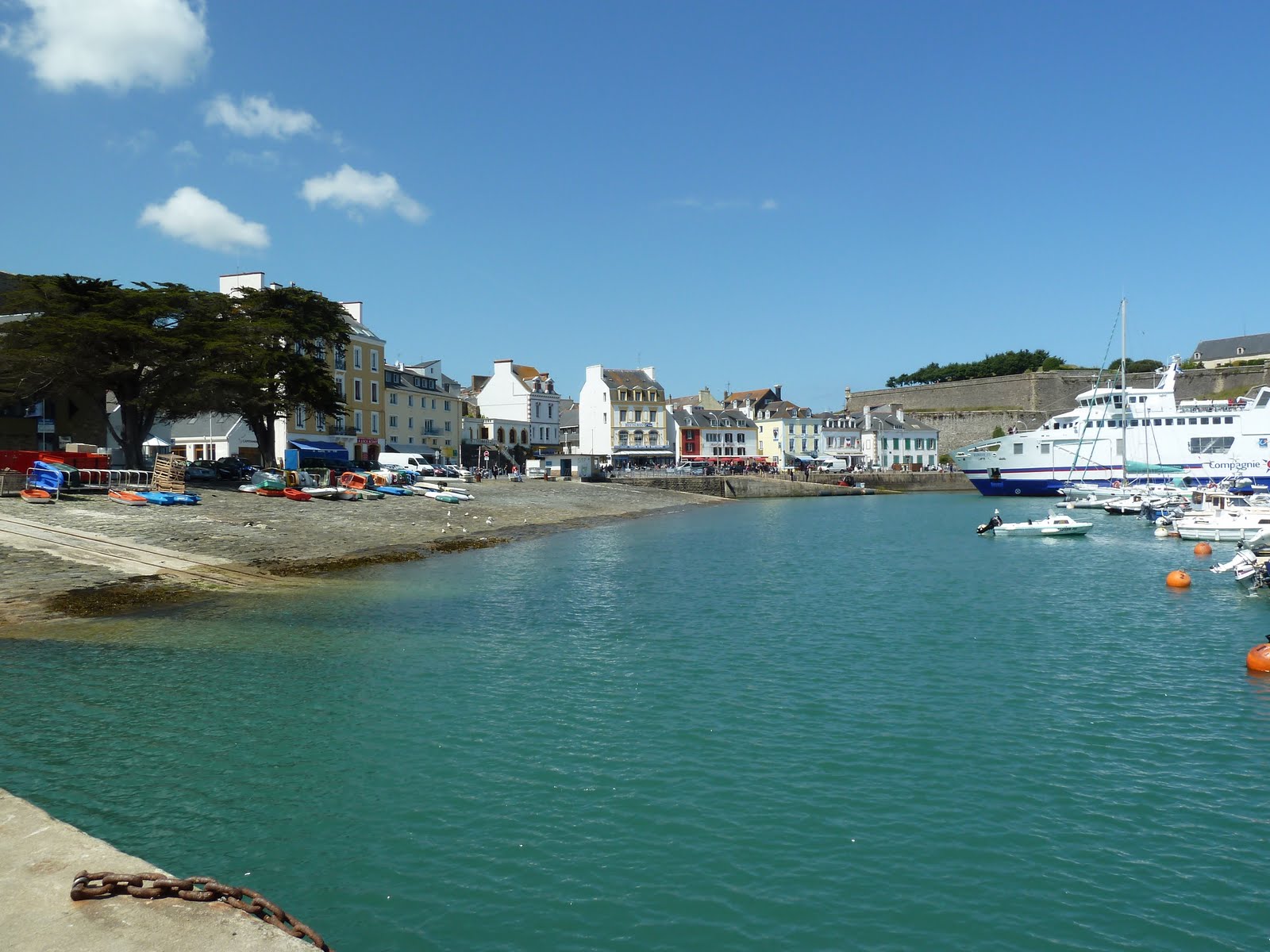
Arriving in St. Peter Port, Guernsey, I hardly knew where to focus my attention — the distant Castle Cornet, the activity in the harbor or on the colorful waterfront line of shops.

Before I read the wonderful novel The Guernsey Literary and Potato Peel Pie Society, I admit that the only associations I made with the two main Channel Isles were the famous breeds of Guernsey and Jersey cows.  So here are a few wiki-facts.  Both are Bailiwicks of Great Britain, crown dependencies, a particular form of governing not quite part of the U.K. (they have their own currencies), but not independent either. Residents are British citizens, but you will often hear French spoken. Guernsey has a population of 65,000+ and Jersey has nearly 90,000.  Both islands are popular tourist destinations, only a few miles off the coast of Normandy; cruise ships like ours are more likely to stop in Guernsey.  Both islands are known for their relaxed living, quaint ways, and convoluted history. 
 
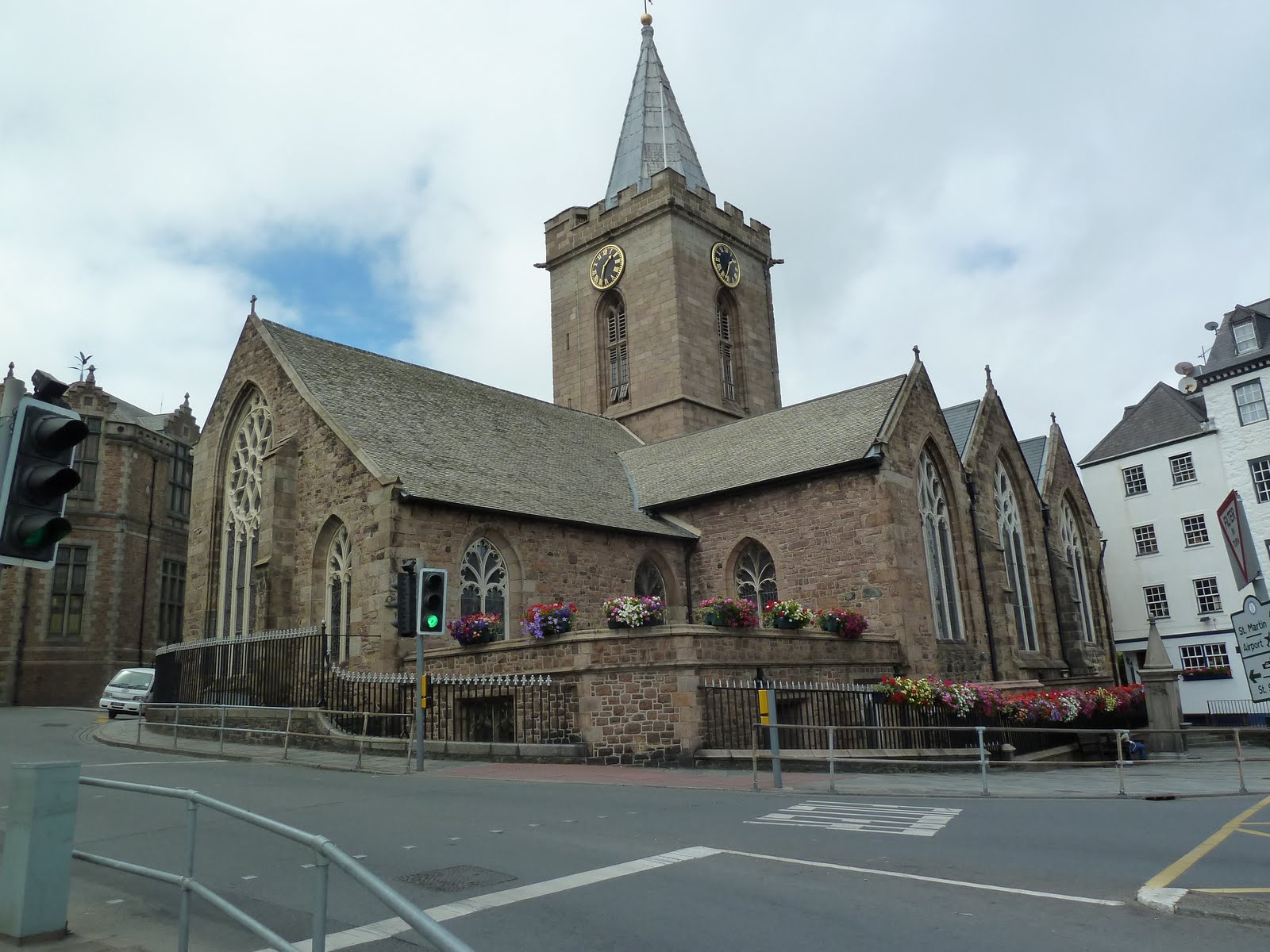
Parish Church of St. Peter Port
We took a ride on the local bus all the way around Guernsey, which was particularly fun. Both tourist and residents use the buses and we eagerly eavesdropped on conversations about everything from the weather to the International Court.  The trip, which took about 90 minutes, passed neolithic sites, such as burial tombs, wide beaches, rocky coasts sprayed by wild waves, Napoleonic-era martello towers and a fort, Nazi bunkers dating from the German Occupation, and bright new cottages surrounded by colorful gardens.

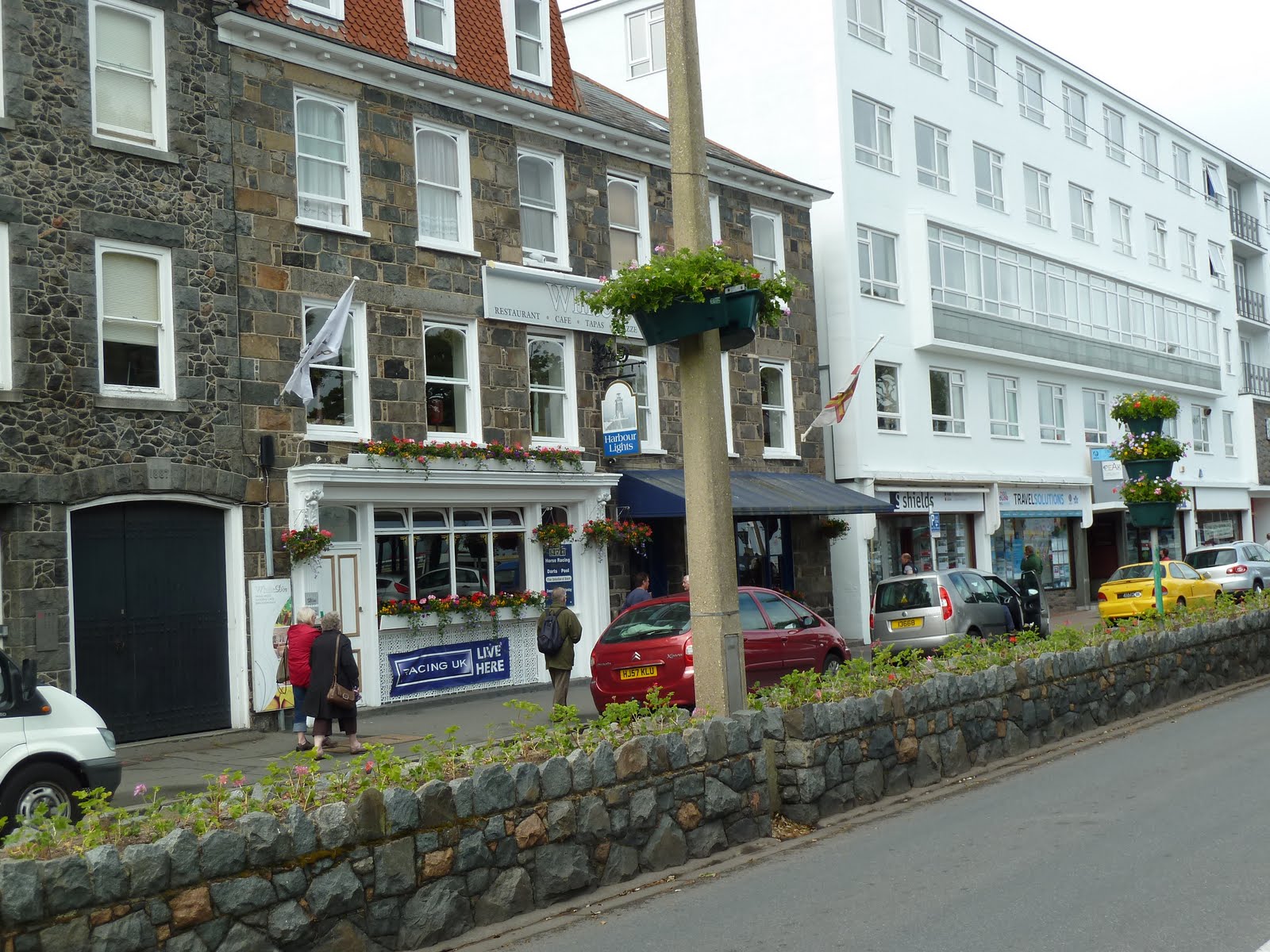
Waterfront shops in St. Peter Port

 Unlike tour busses, the local conveyance did not stop for photo ops, so I can’t share any of the sights along our ride.  I suggest you plan a trip and see for yourself.


St. Peter Port Harbour

Our next stop was St. Malo, Brittany, from which we drove to see Mont St. Michel, an amazing sight no matter how many times you have see the pictures. More about it in my next post.

Travels With Victoria: To Sip a Rich Bordeaux

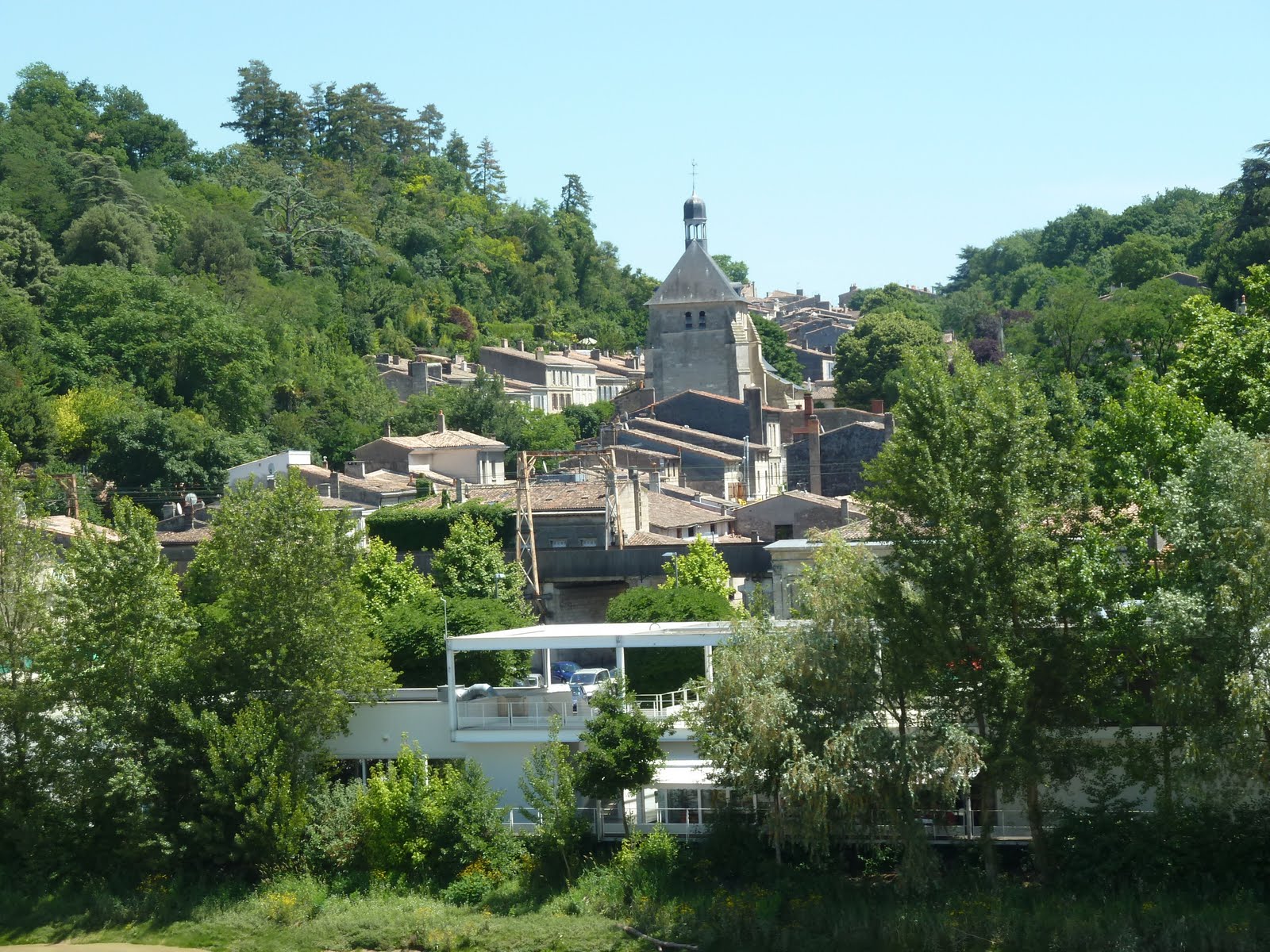
Our ship cruised up the Garonne River to reach the wine capital of France, the city of Bordeaux. All along the shores of the river were vineyards and chateaux, villages and woods, truly idyllic scenes.

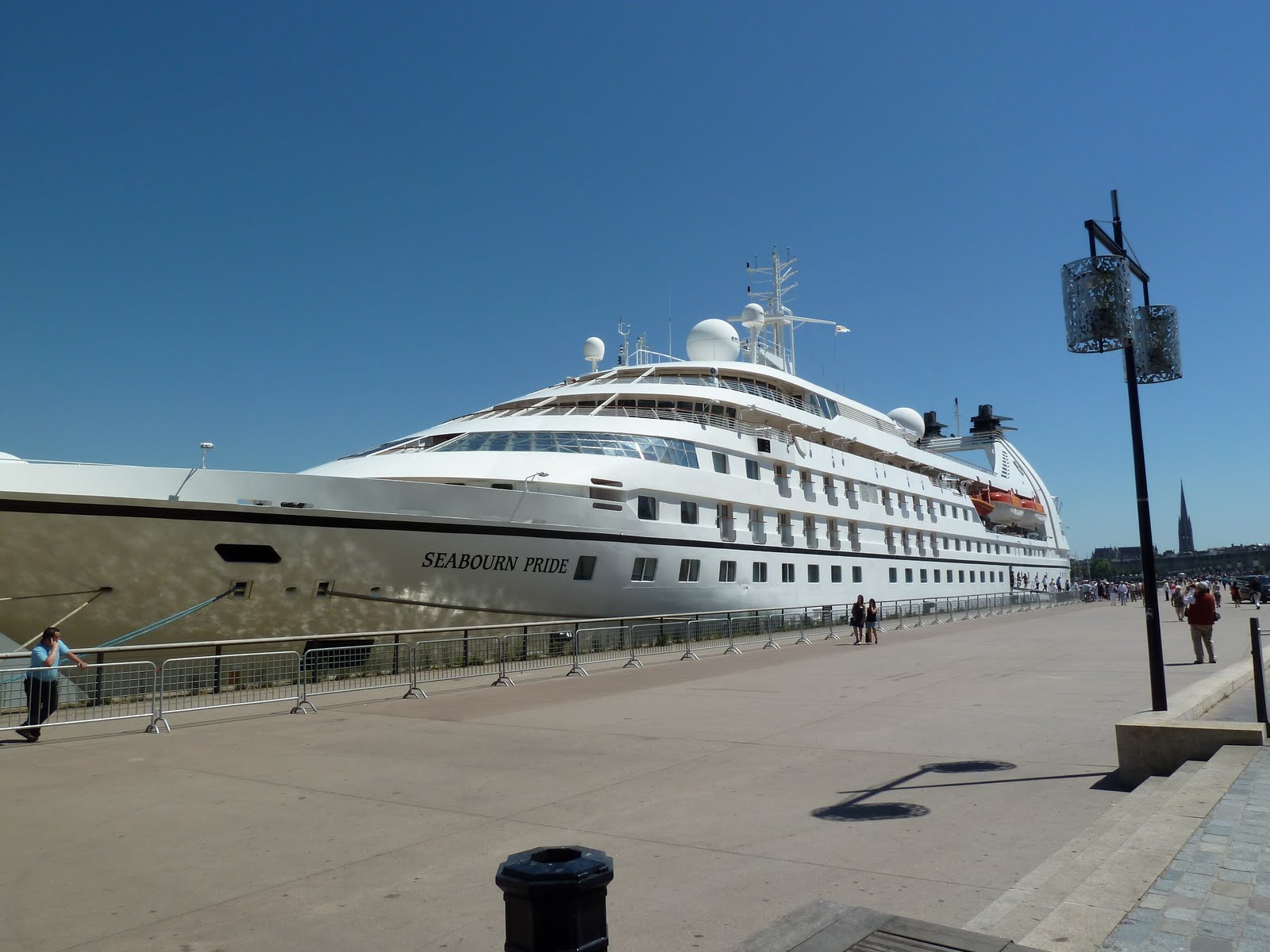
The lovely Seabourn Pride docked right downtown and we could stroll all over the charming city of Bordeaux.
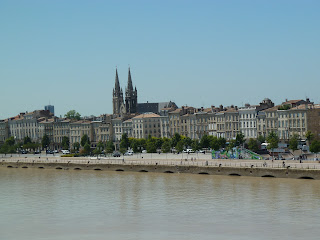
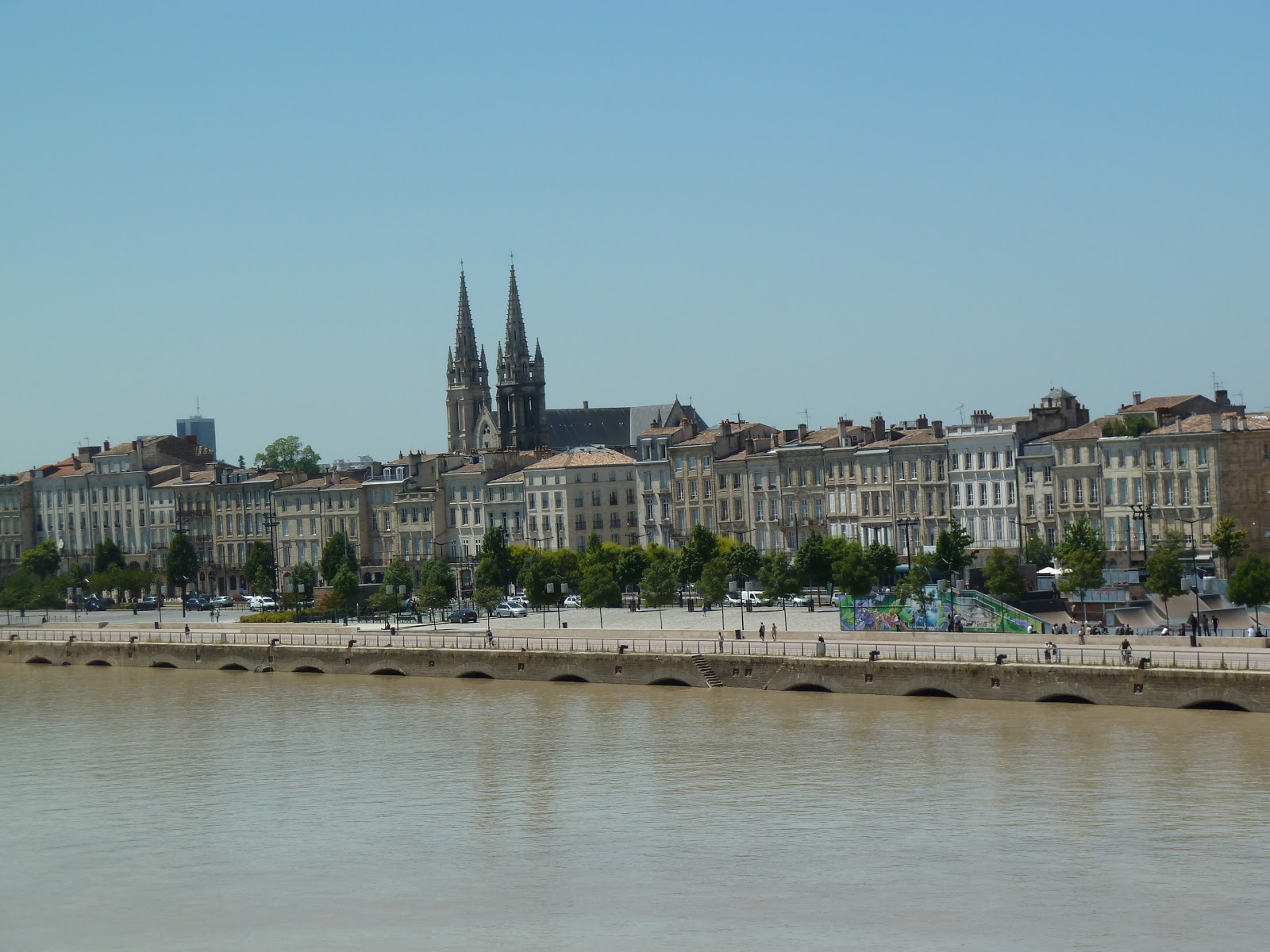
The Quay as we arrived

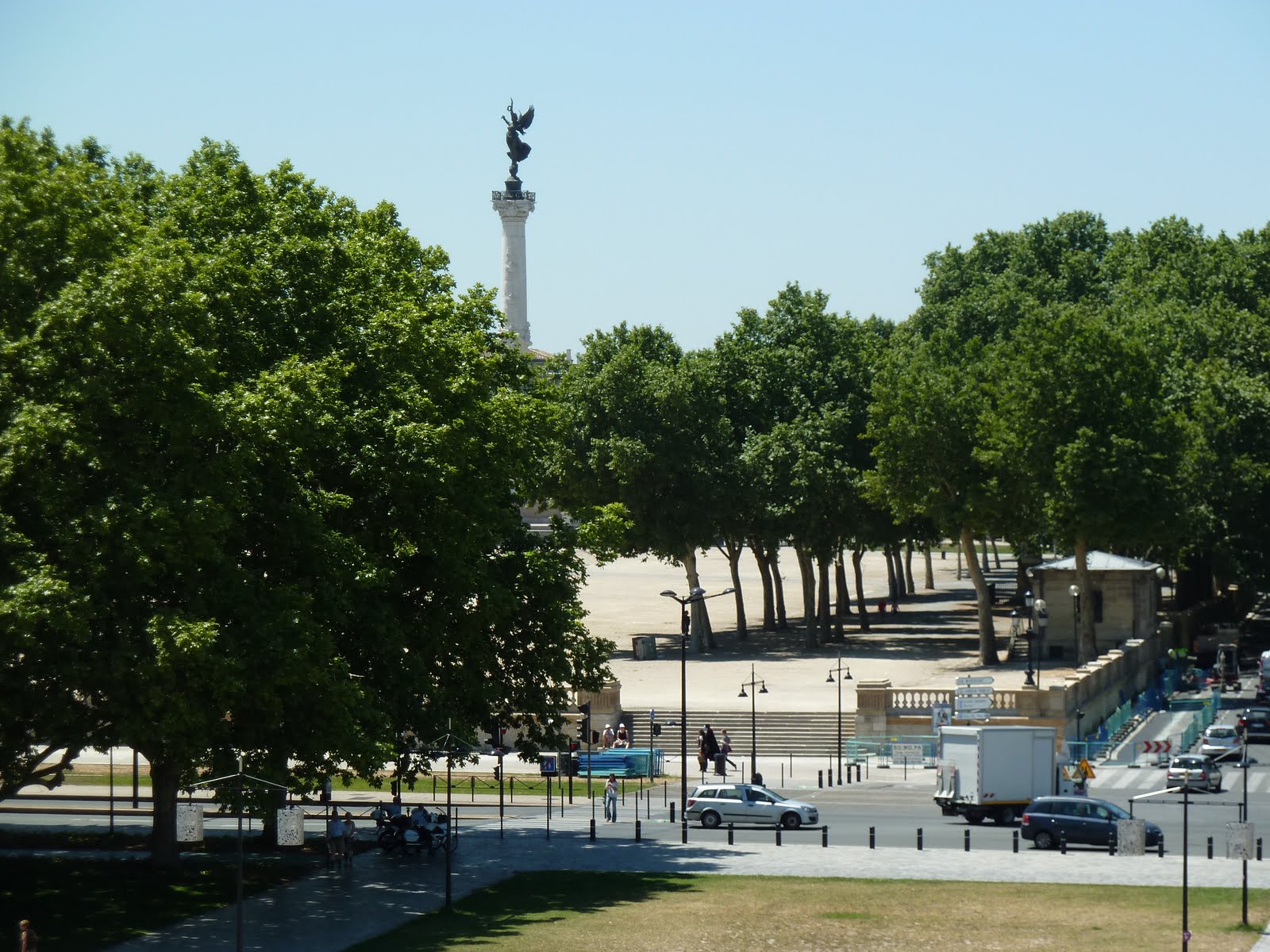
From the ship’s deck we saw the jardin.

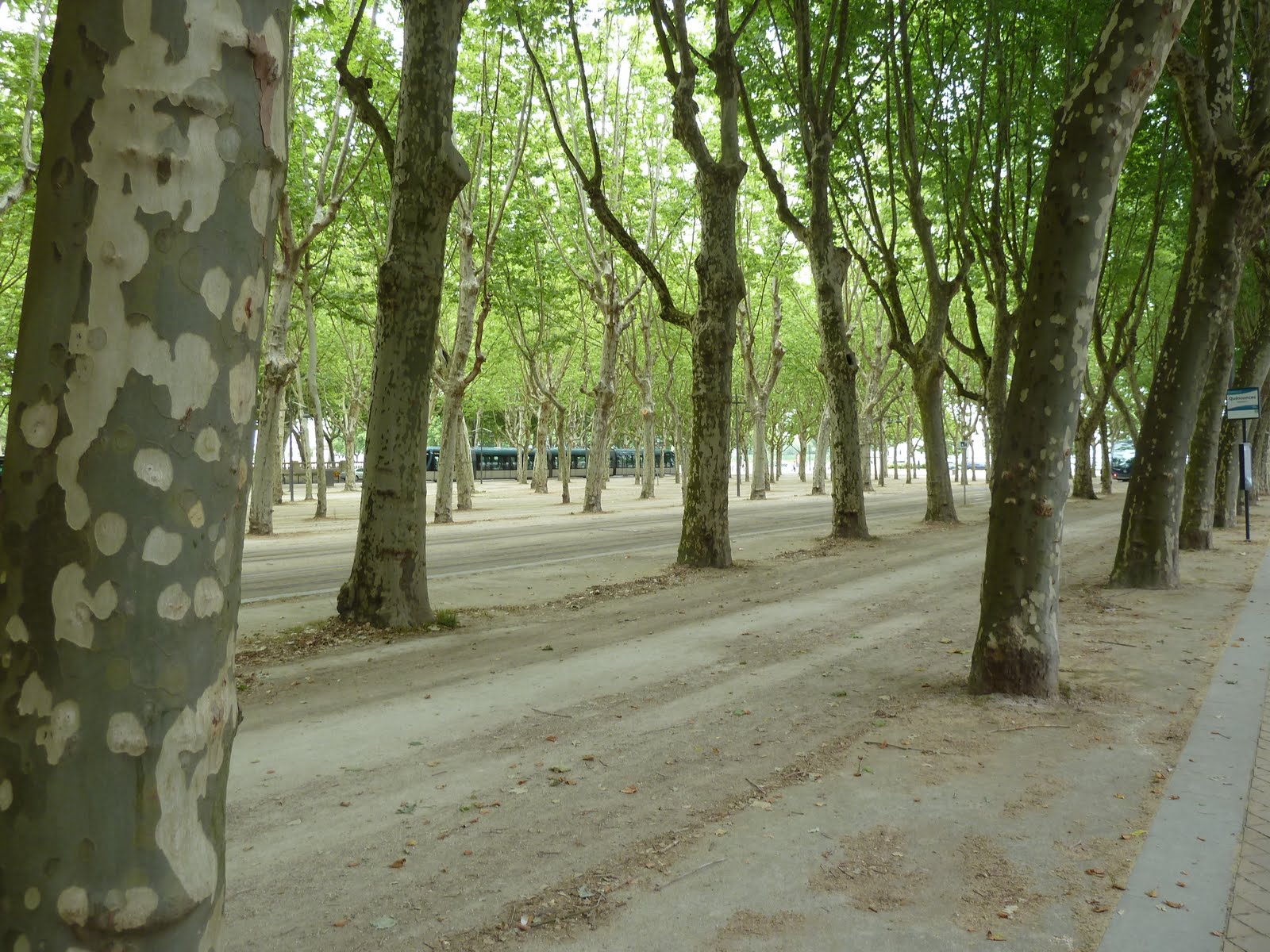
Later, we walked in the shade through the perfectly spaced trees – so very French!!

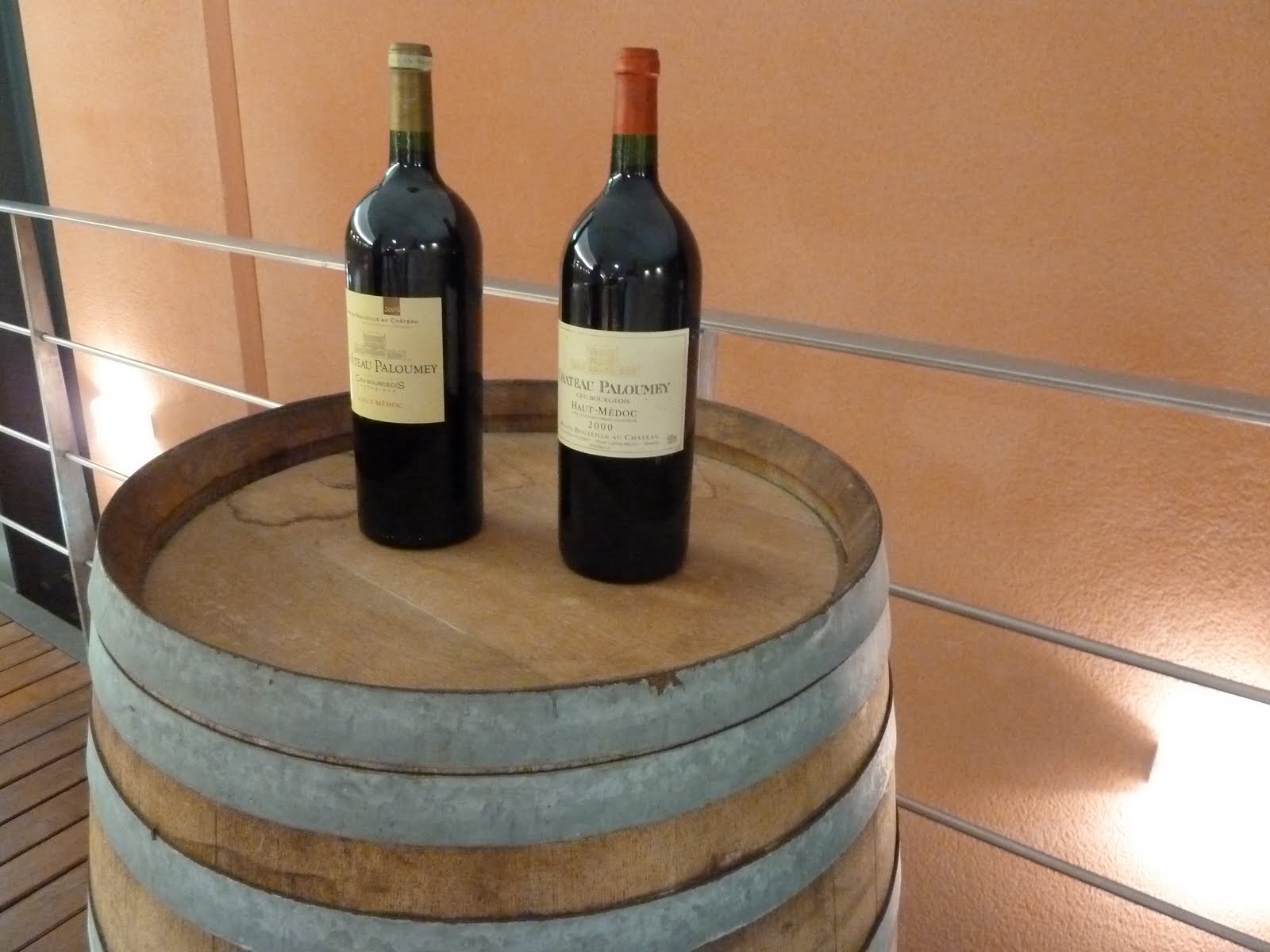
At Chateau Paloumey…the final products.

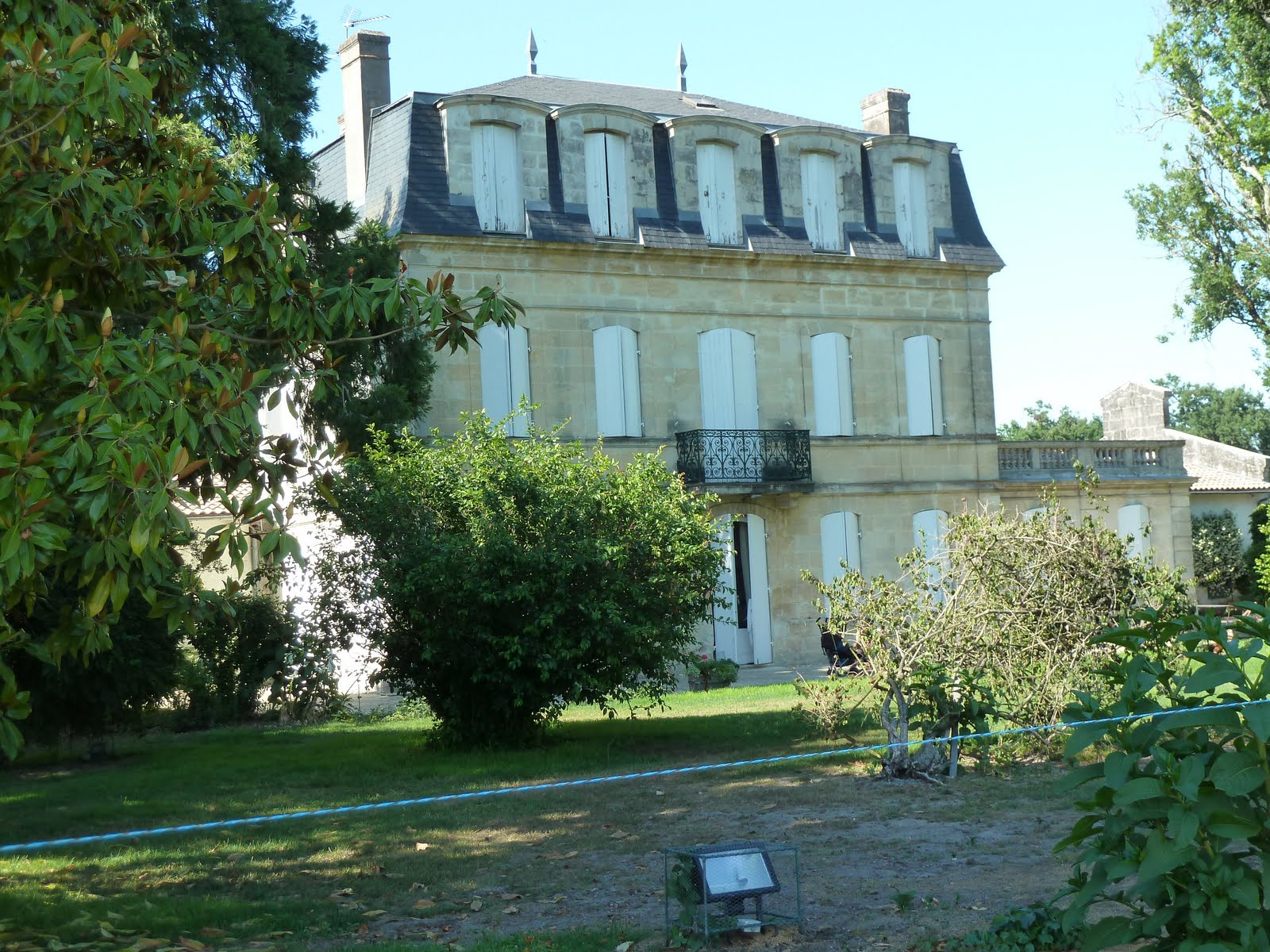
One cannot visit Bordeaux without tasting the wines and we had the marvelous opportunity to visit
Chateau Paloumey (website here) where we indulged in a Blending Workshop.  We tasted three one-year old wines, a Merlot, a Cabernet Franc, and a Cabernet Sauvignon. Our instructor told us how to judge the color, aroma and taste of the young wines, at the very point at which a professional would choose to blend the three in the best proportions for future aging in the barrel and eventual bottling.

Due to a warm spring, in May they were predicting a very early harvest.

I can truly say that I have no future as a blender of fine wines.  I wasn’t very good at it — but I learned a lot and have a new appreciation of how the complexities of the various wines can enhance each other.  Bordeaux reds, like we tasted, need a long period of aging.  Blending after only one year in the barrel requires long years of experience. I recommend leaving this process to the experts!

Chateau Paloumey is owned by Martine Cazeneuve, who is one of a group of six women wine-makers in the region. They have banded together for promotional activities and probably managed to shake up the centuries-old male-dominated wine business of the region.  You go, girl!

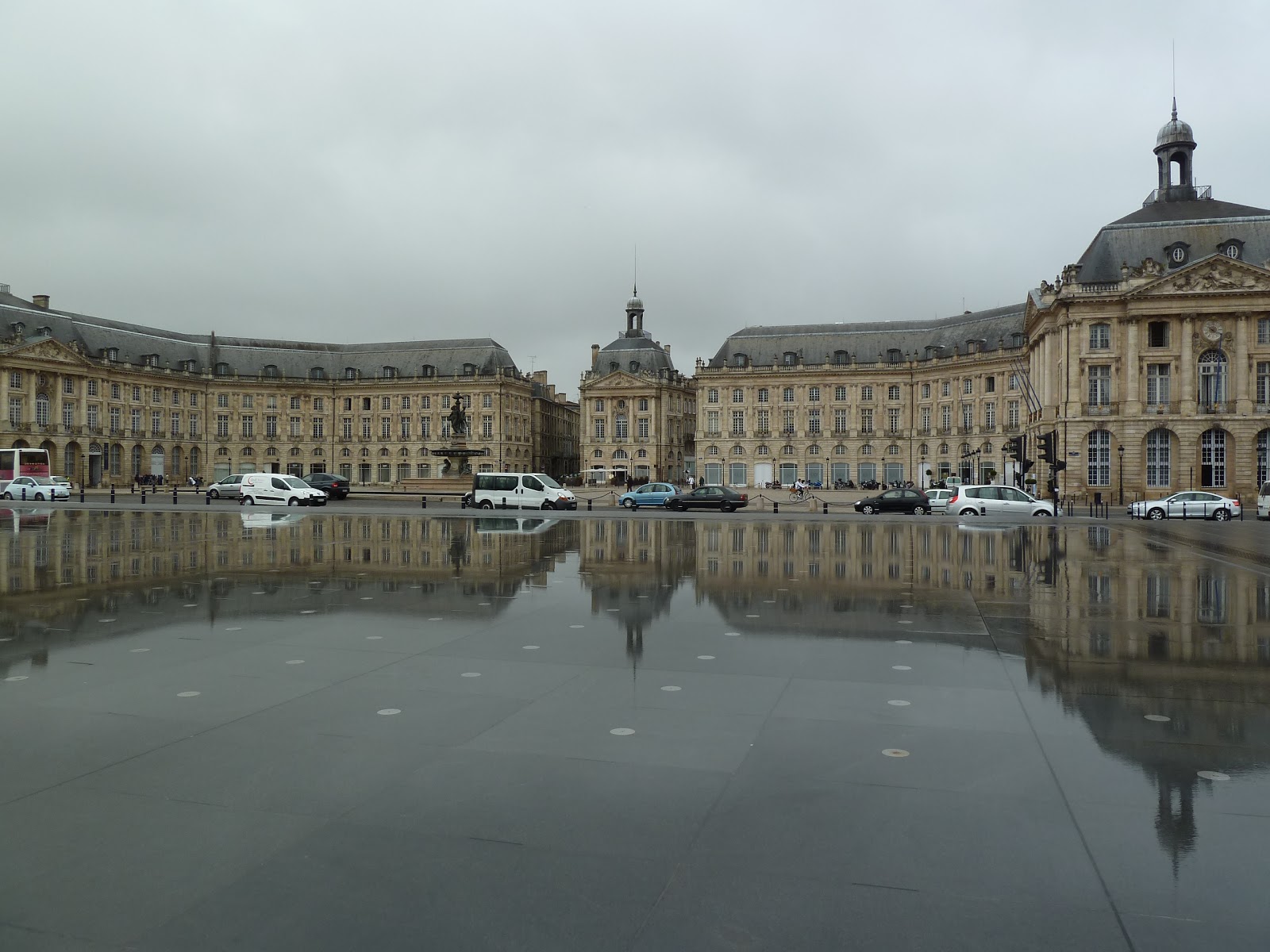
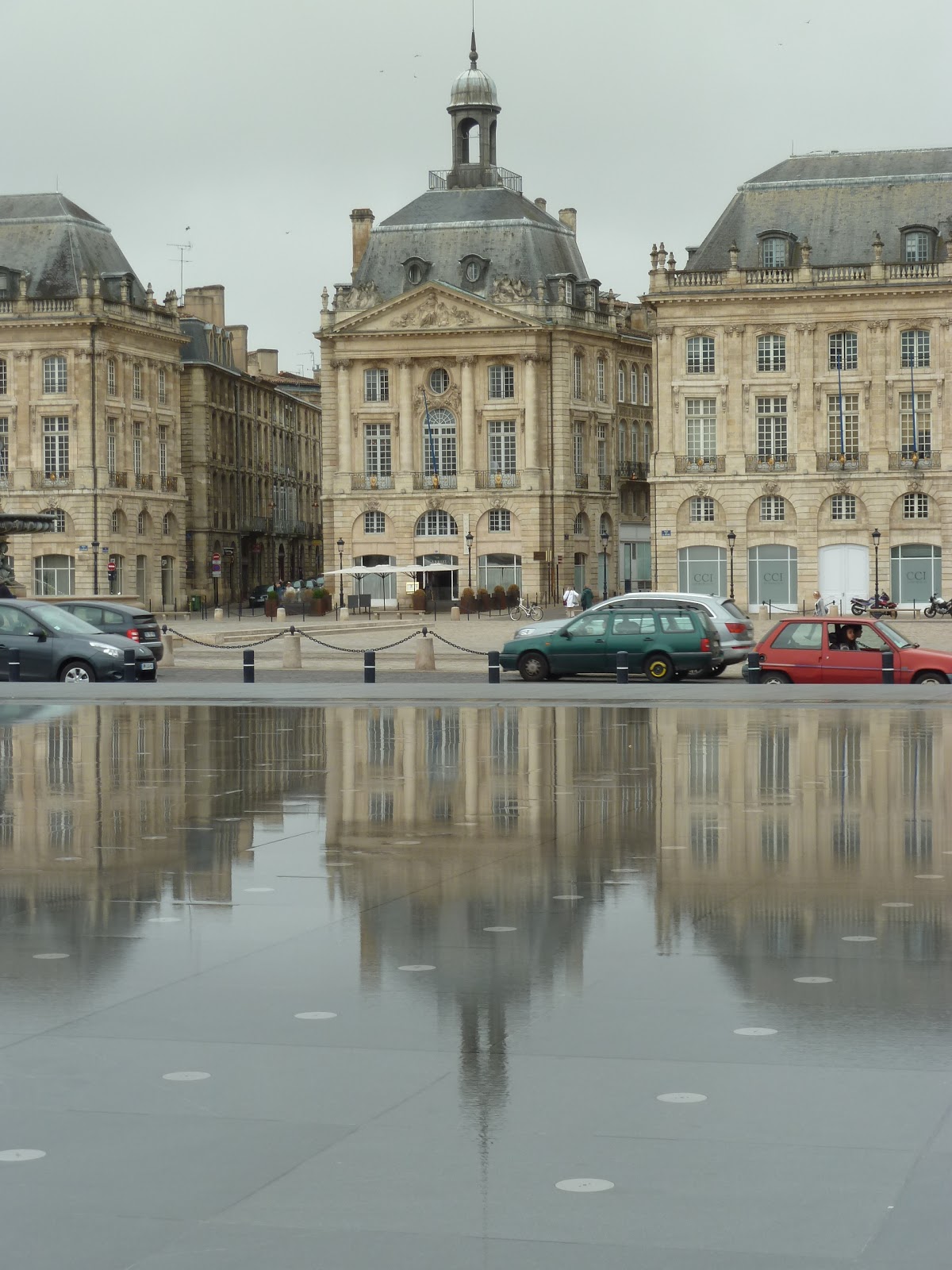
Above are two shots of the Place de la Bourse (stock market) and the miroir d’eau, developed to reflect the beautiful 18th century buildings.  It is a broad raised slab of stone covered with
a half inch or so of water, a perfect mirror, and also a great place for the kids to splash on a hot day.

The Cathedral of St. Andre has a gothic facade…

             …and brilliant stained glass windows — as well as many sacred chapels and tombs.

We usually try to visit the leading art museum in major cities — and Bordeaux has a honey! The Musee des Beaux Arts has a wonderful collection, covering many centuries. Naturally, I gravitated to the 18th and 19th century galleries and was reward by finding many interesting pictures and even a few old friends.

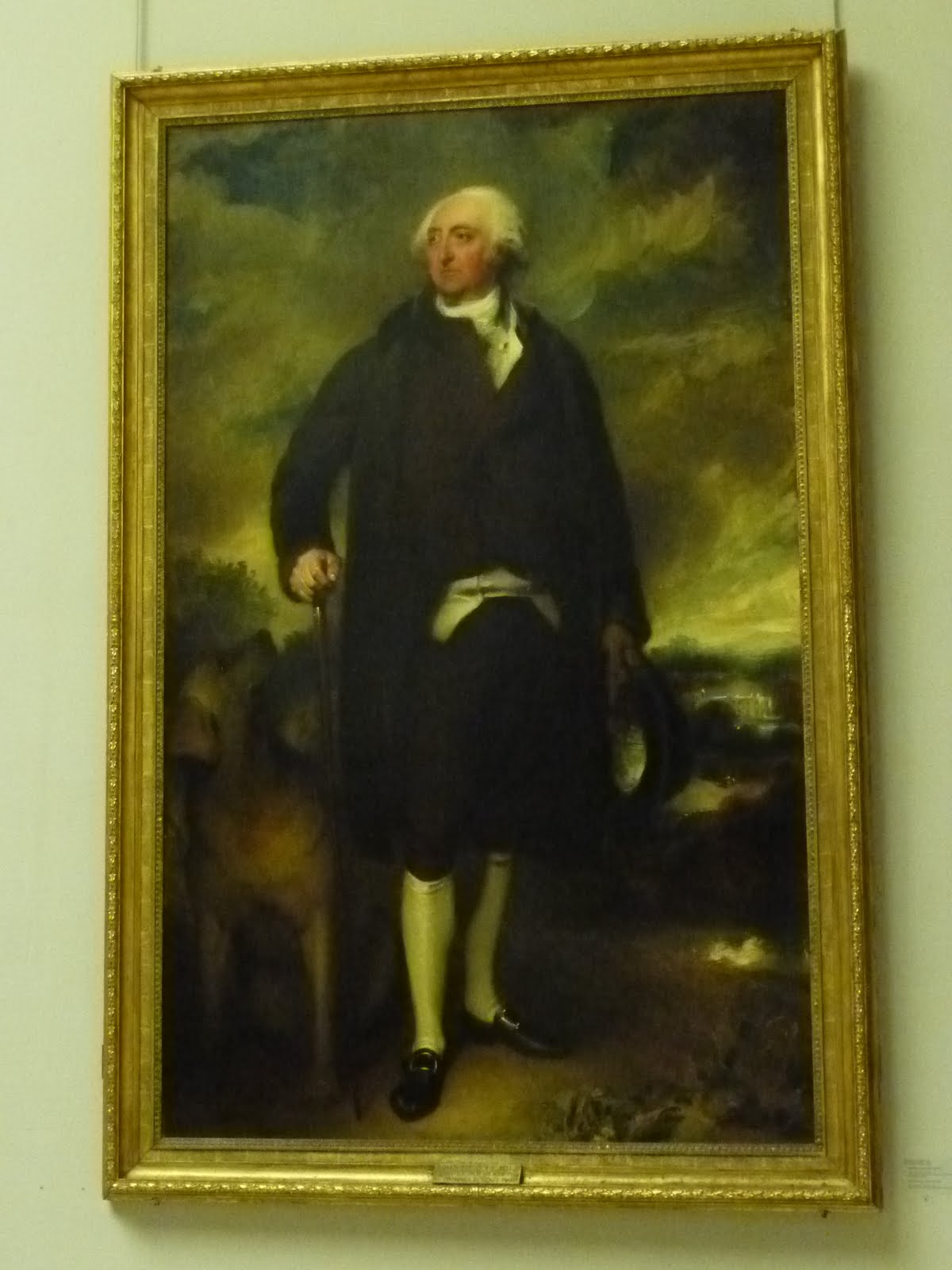
                Above is a portrait of John Hunter (c.1789) by Sir Thomas Lawrence (1769-1830).

              Countess Elisabeth of Salisbury (1769) is the work of Allan Ramsay (1713-1784).

Eugene Delacroix (1798-1863) painted this representation of ‘Greece on the Ruins of Messolonghi’ in 1828,  the site of Byron’s death in 1824 in the war for the independence of Greece.

A typical shop in Bordeaux where I was very tempted to buy French lavender plants, but I could not imagine keeping them alive and getting them home.  This was my very first visit to Bordeaux, which has a population of over a million in the metro area, the sixth largest city in France. I found it a delight and well worth another visit. In the meantime, I will comfort myself with Bordeaux — by the bottle!

Next stop: Guernsey
Travels with Victoria: A Visit to the Guggenheim Museum in Bilbao

I am going to stretch the boundaries of this blog a little here to relate this visit to our usual focus on the U.K.  Let’s see.  Many large museums, such as the Tate(s) and the Guggenheim(s) have developed a number of branch venues over recent years. The Tate has not only the Tate Britain and the Tate Modern; there is the Tate Liverpool and the Tate St. Ives. The Guggenheim is not only in New York City and at Peggy Guggenheim’s mansion in Venice. They have art museums in Bilbao, Spain; Berlin; and under construction, in Abu Dhabi. I guess it is the wave of the future in the rarefied world of the large art institutions. And provides the excuse for my post about Bilbao.

Santander Spain

Our ship docked at the Spanish port of Santander on the north coast of Spain. This incredibly lovely natural harbour was the spot through which the British troops of General Wellington were supplied throughout much of the Peninsular War. But little is left of the old city due to a disastrous fire in 1941. 
We drove to Bilbao, a trip of about an hour, through countryside that was evocative of Switzerland rather than what I expect of Spain. Of course, Switzerland has no ocean beaches and we saw many on our drive. But the mountainous terrain, the lush green vegetation, even the look of the residential architecture was Alpine. A nice surprise.

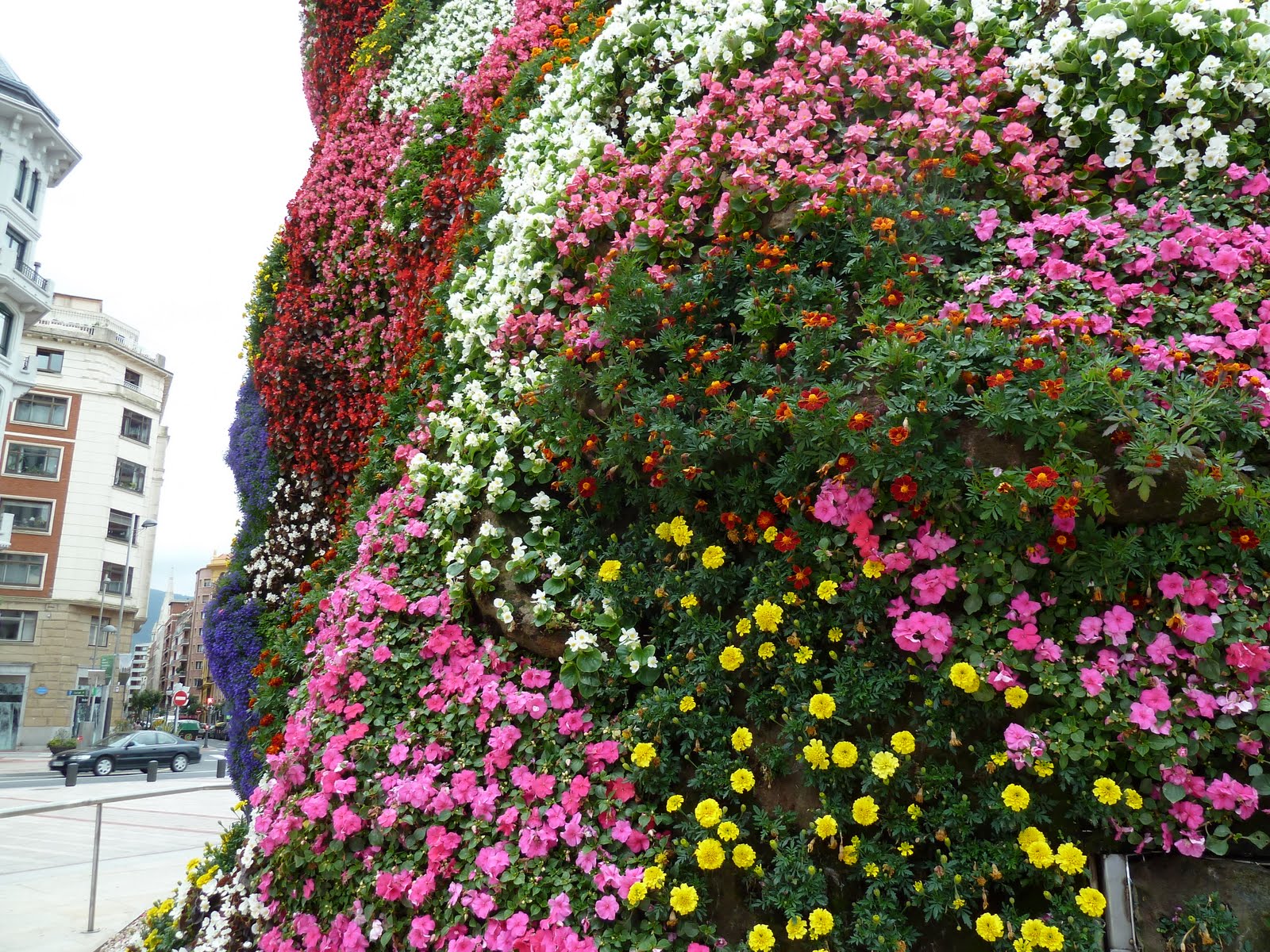
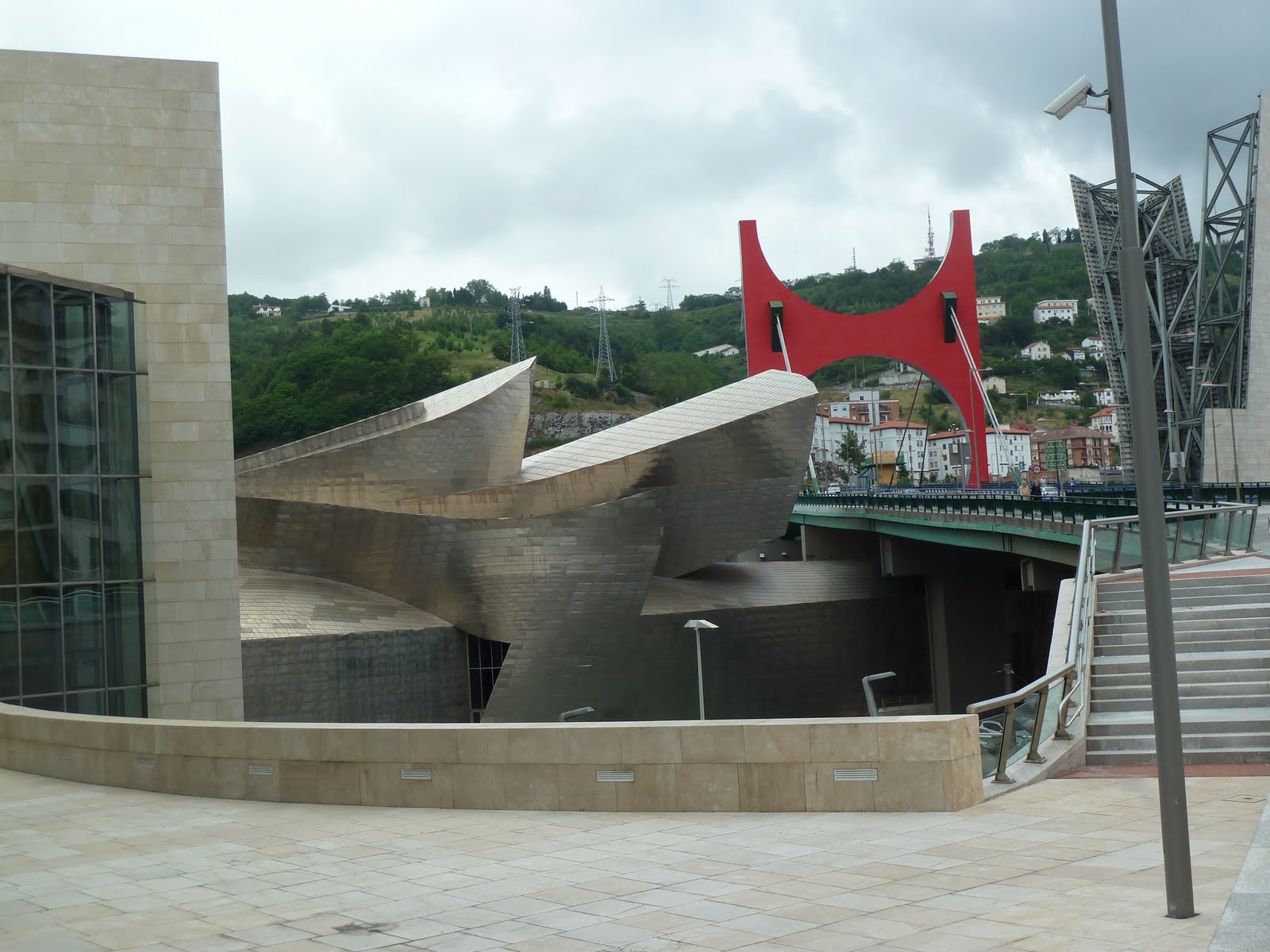
Bilbao has truly become a destination city since the construction of the signature museum building by Frank Gehry.  Gehry’s unique style is popular worldwide; despite the almost random look of the huge structural elements of the buildings, the interiors are brilliantly functional and efficient.  On the large plaza in front of the main entrance stood Jeff Koons’ gigantic flower-bedecked puppy, which had everyones’ cameras clicking away.

close-up of the puppy’s colorful blooms

On the waterfront plaza stands Maman (1999), from the Spider series by Louise Bourgeois (1911-2010). And here’s another little connection to all things British — it was first shown inside the great turbine hall in the Tate Britain.

The Frank Gehry building, the Guggenheim Collection and the exhibitions here have had their desired effect. Bilbao has attracted many more activities, structures and events along with all attention.
One of my favorite contemporary architects is Santiago Calatrava (see Milwaukee’s art museum here), who has designed the lovely Zubizuri foot bridge near Bilbao’s Guggenheim.
Calatrava also designed the Bilbao airport terminal, below.

Back to the Guggenheim, Bilbao…and more of my 100’s of shots, taken on a cloudy day. People told us that this region of Spain  has a cloud, misty, rainy climate, somewhat akin to the northwest coast of the US.  Certainly was on our visit.

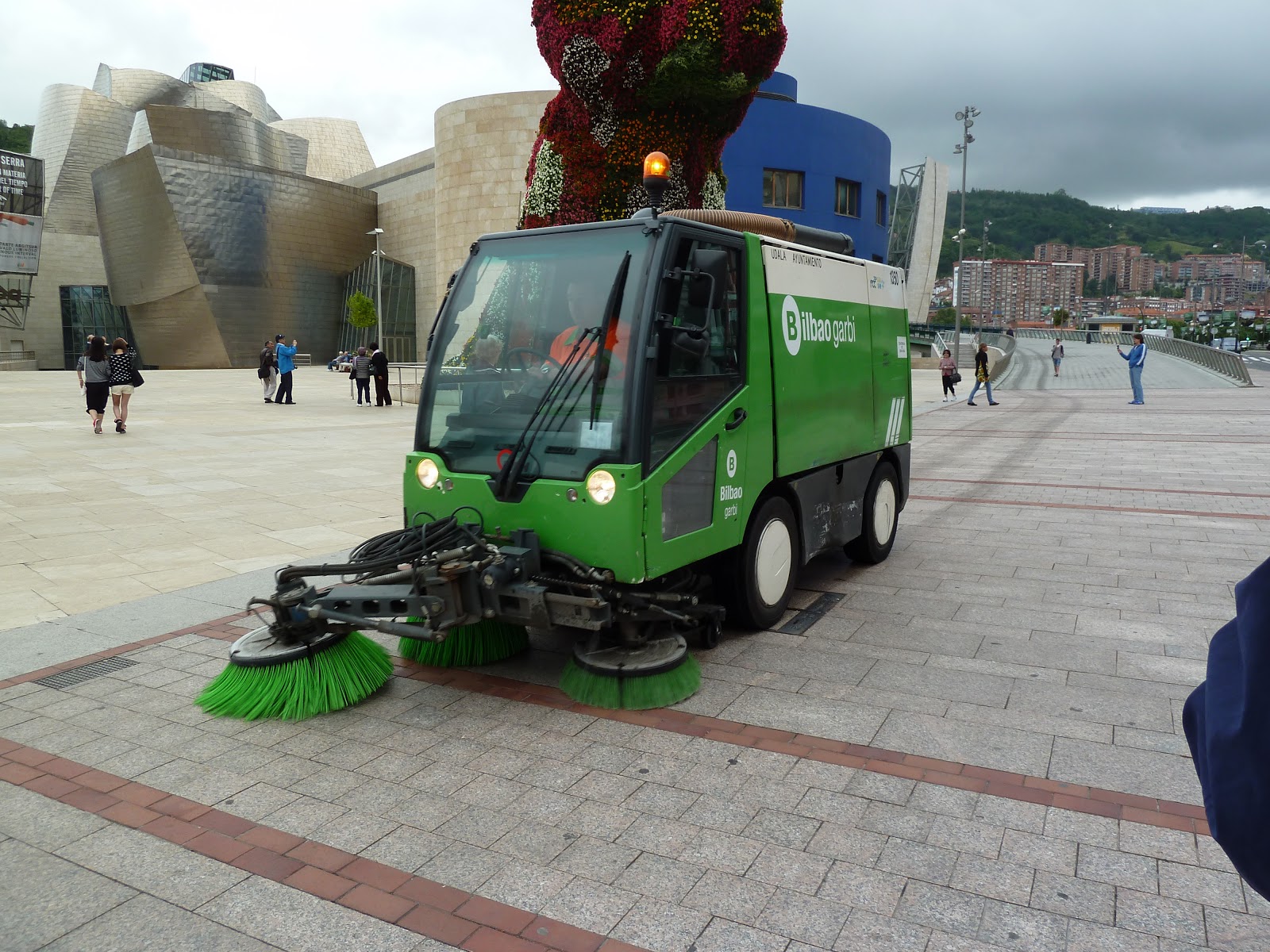
The green street sweeper made a bright contrast to the steel and concrete.

Adios, Spain. Bienvenue, France…Bordeaux is next.

Miss Marple in The Pale Horse Sunday

Julia McKenzie is back as Agatha Christie’s detective with a gentle smile and probing mind in the all-new episode The Pale Horse (July 10). Miss Marple’s old friend is found murdered, and when she receives a list of names sent by the victim before his death, Miss Marple seeks justice.

From the Masterpiece website: “Fair is foul and foul is fair in the hamlet of Much Deeping, where the Pale Horse Inn is run by a trio of entrepreneurial witches, and the annual celebration of the town’s witch trials of 1664 is about to commence. Arriving just in time is Miss Marple (Julia McKenzie, Cranford), who has set her knitting aside to pursue the murderer of her old friend, Father Gorman. Armed with a cryptic list of names sent to her by the good clergyman just prior to his death, Miss Marple follows clues as she joins the assemblage of eccentric guests and infiltrates the witches’ sanctum santorum. But when a fellow guest at the Pale Horse Inn is found dead, the tidily tailored and unassuming sleuth must determine whether black magic or something even more sinister is at work.”

What do you think – are you getting used to Julia McKenzie in the role of Miss Marple? For a review of actresses who have owned the role in the past, take a look at a past post on the subject here and then let us know who you’re favorite Miss Marple is/was.

Travels With Victoria: From Lisbon to A Coruna, Spain


Lisbon from the Tagus River


Victoria here, recently back from a month in Europe, which started with a two week cruise up the Atlantic coast of Portugal, Spain and France, ending in Dover. We began our Cruise from Lisbon to Dover  by flying to Madrid to enter the EU, then on to Portugal. With an extra day to stroll the pleasant streets of Lisbon, we took a Metro (subway) ride to the waterfront. Once we found the spot where our ship would dock the next day, we toured the nearby National Army Museum.
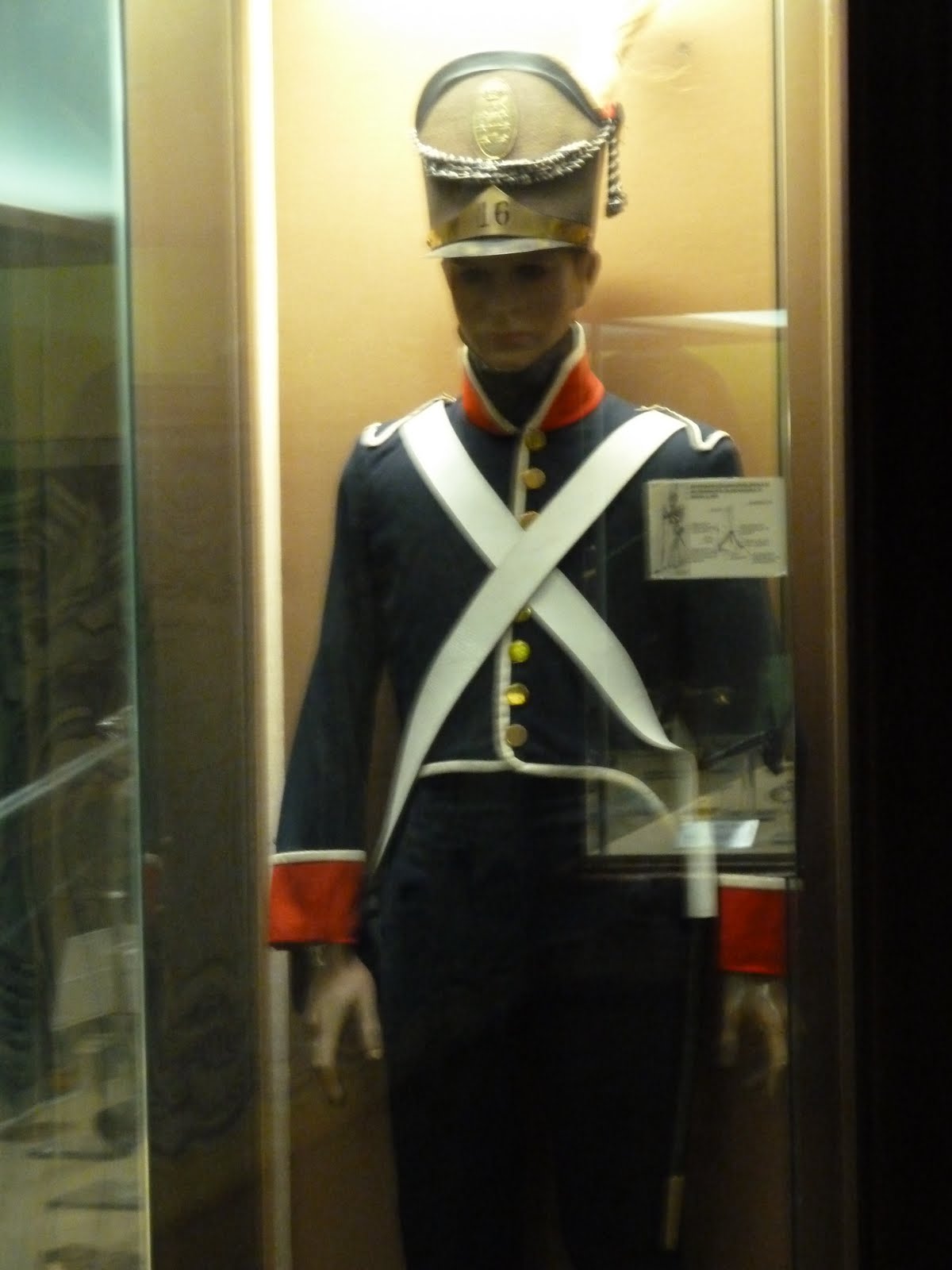
I was very naughty and snapped a forbidden photo (without my flash, of course) of a Portugese uniform from the Peninsular War. (Why are many museums so eager to forbid pictures?)
In the courtyard of the museum, they were quite amenable to pictures.  Significant scenes from the military history of Portugal were executed in blue and white tiles. Magnificent.
The grounds of the Foundation Gulbenkian offered us a perfect venue for a morning stroll before we departed Lisbon the next day. The two museums, the institute, and the library on the grounds were the gift of the late philanthropist Calouste Gulbenkian, and they house great treasures of the world’s artistic and cultural heritage.


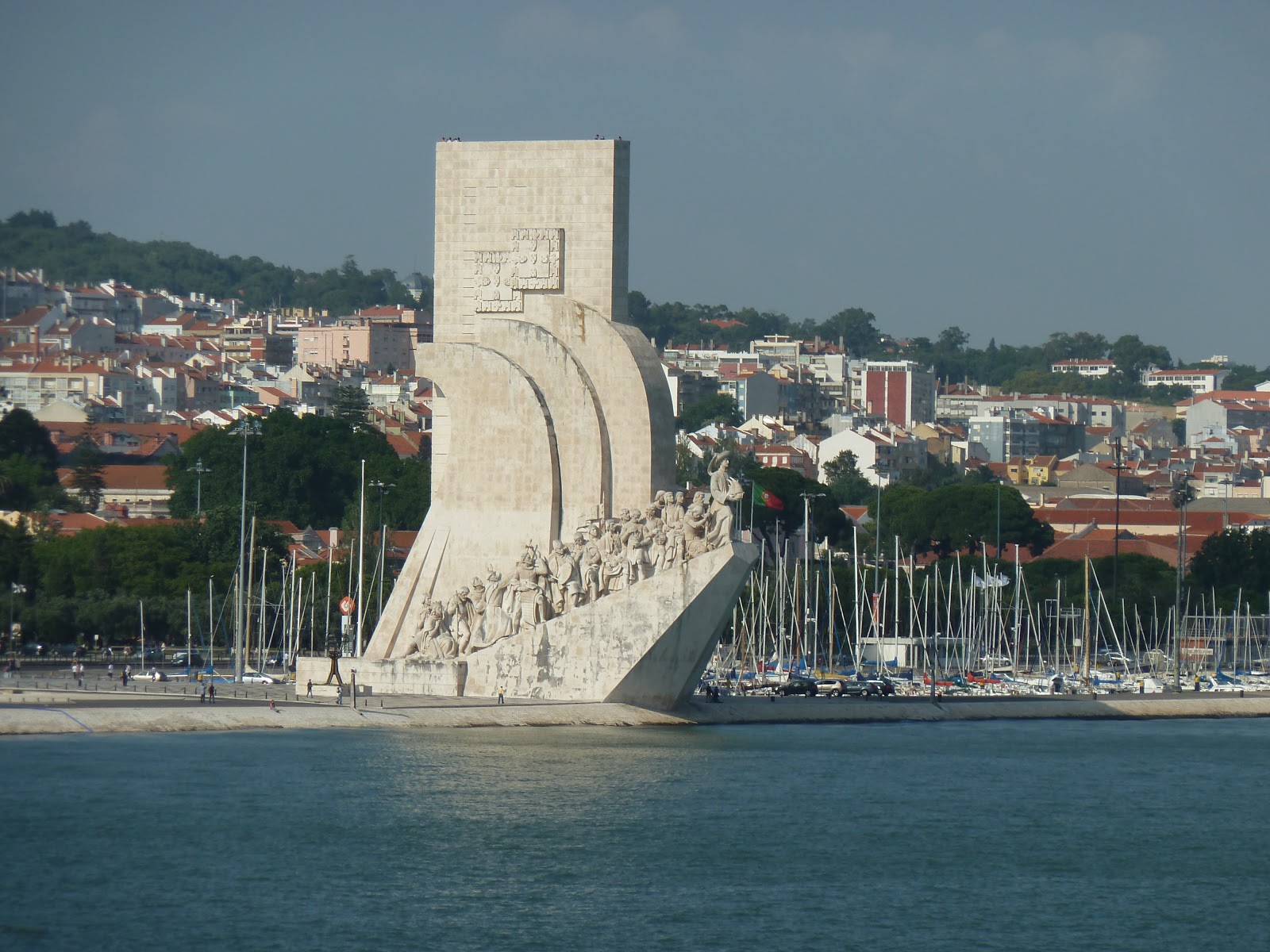
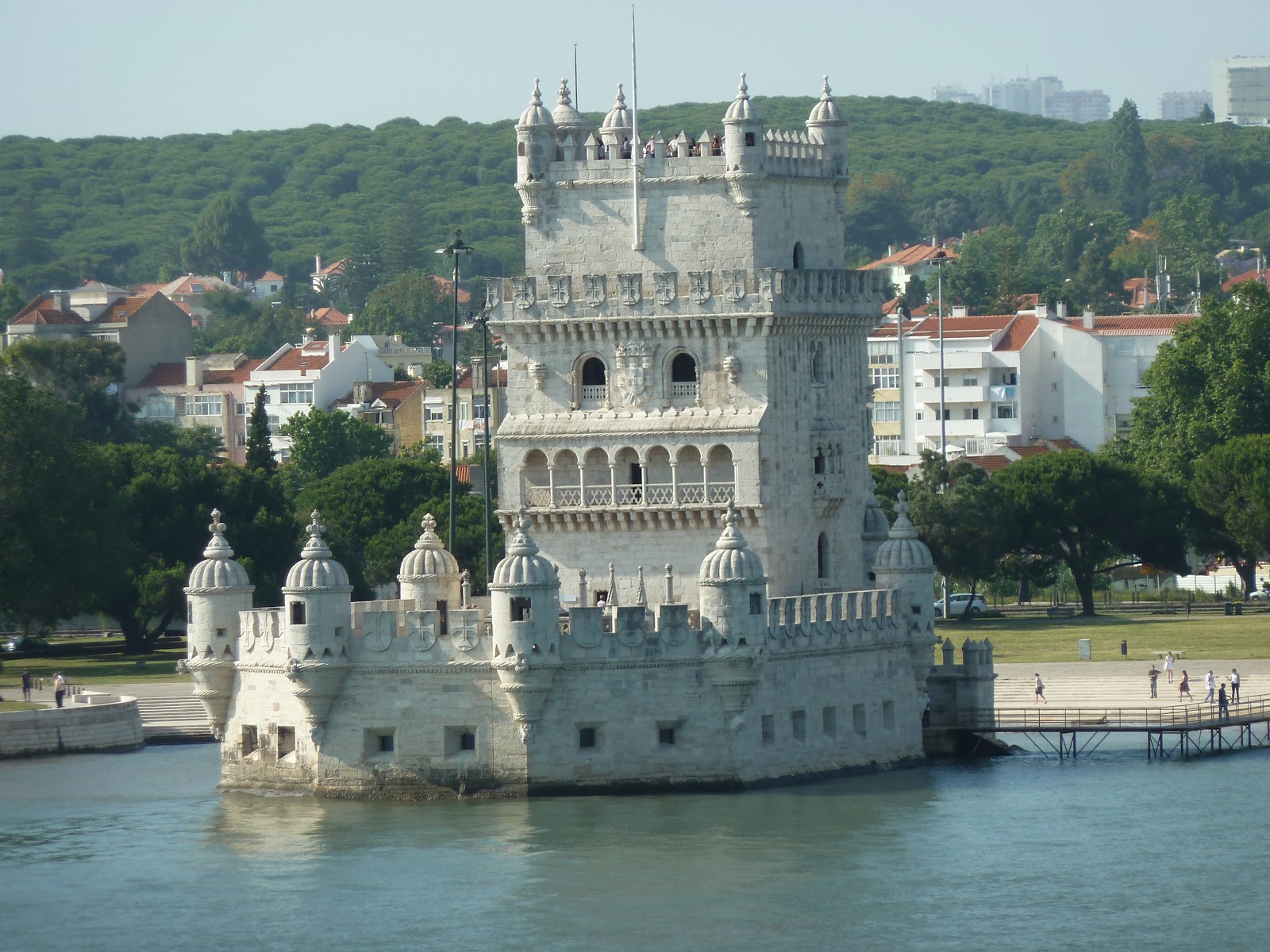
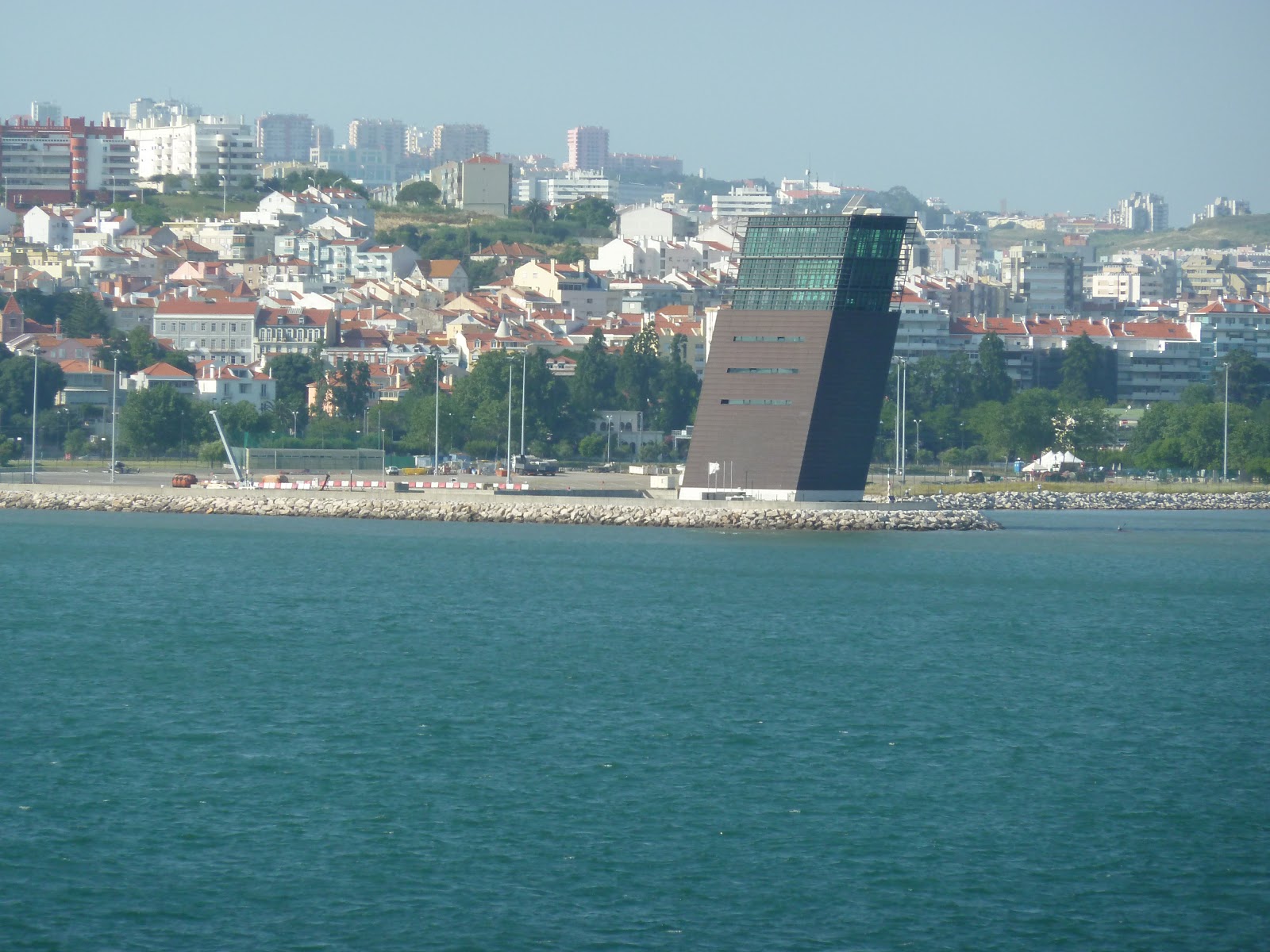
We left Lisbon on a sunny afternoon, cruising out of the Tagus River into the Atlantic.  We passed by three towers, representing entirely different architectural styles.  First is the monument to the discoveries, (e.g. Prince Henry the Navigator and Vasco da Gama) who led the way for European exploration of the globe, erected in the 20th century; next, the 16th century Tower of Belem, a real gem; and finally the contemporary Tower of Navigation, which guides traffic into and out of the Port of Lisbon.

 
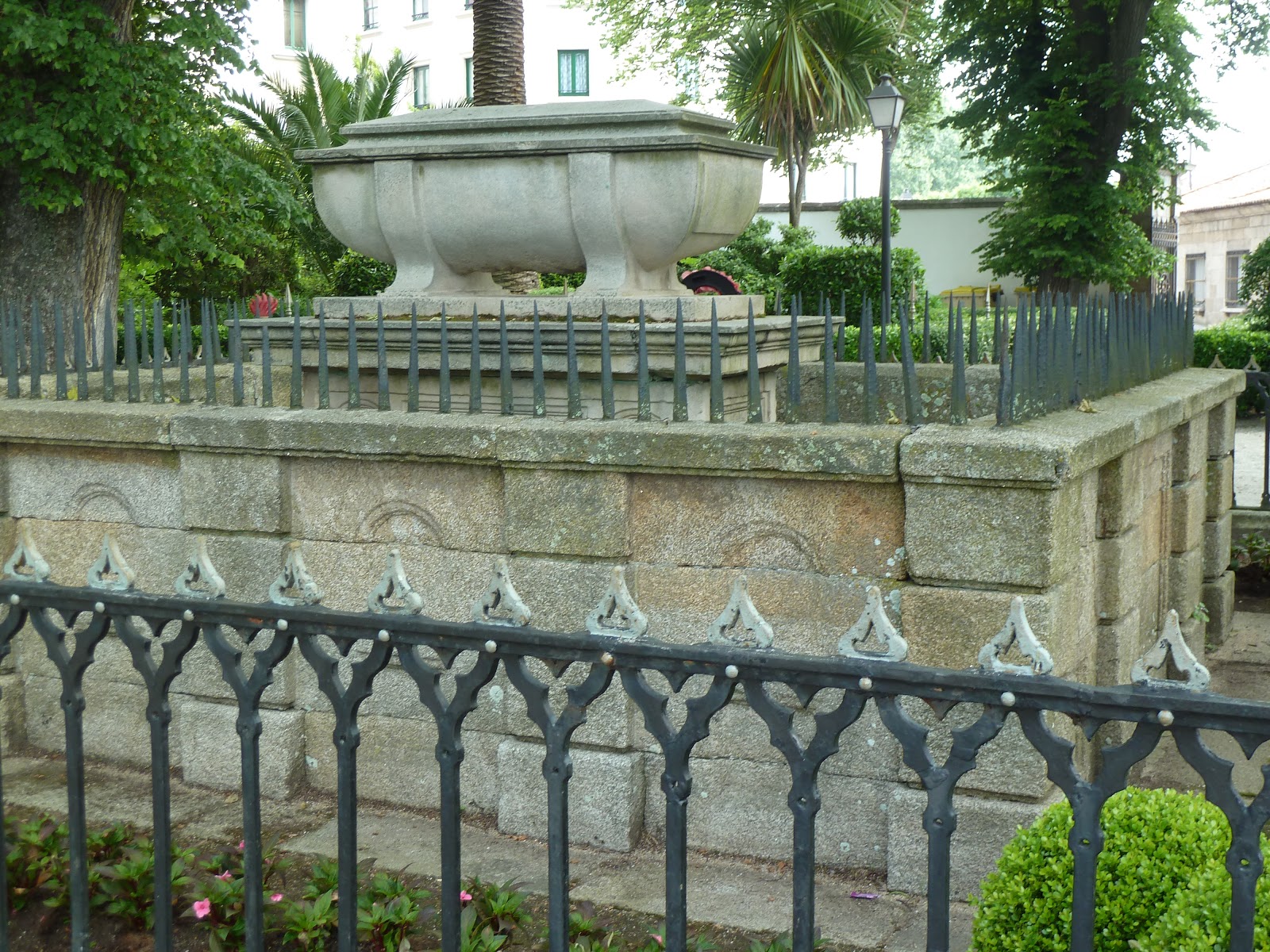
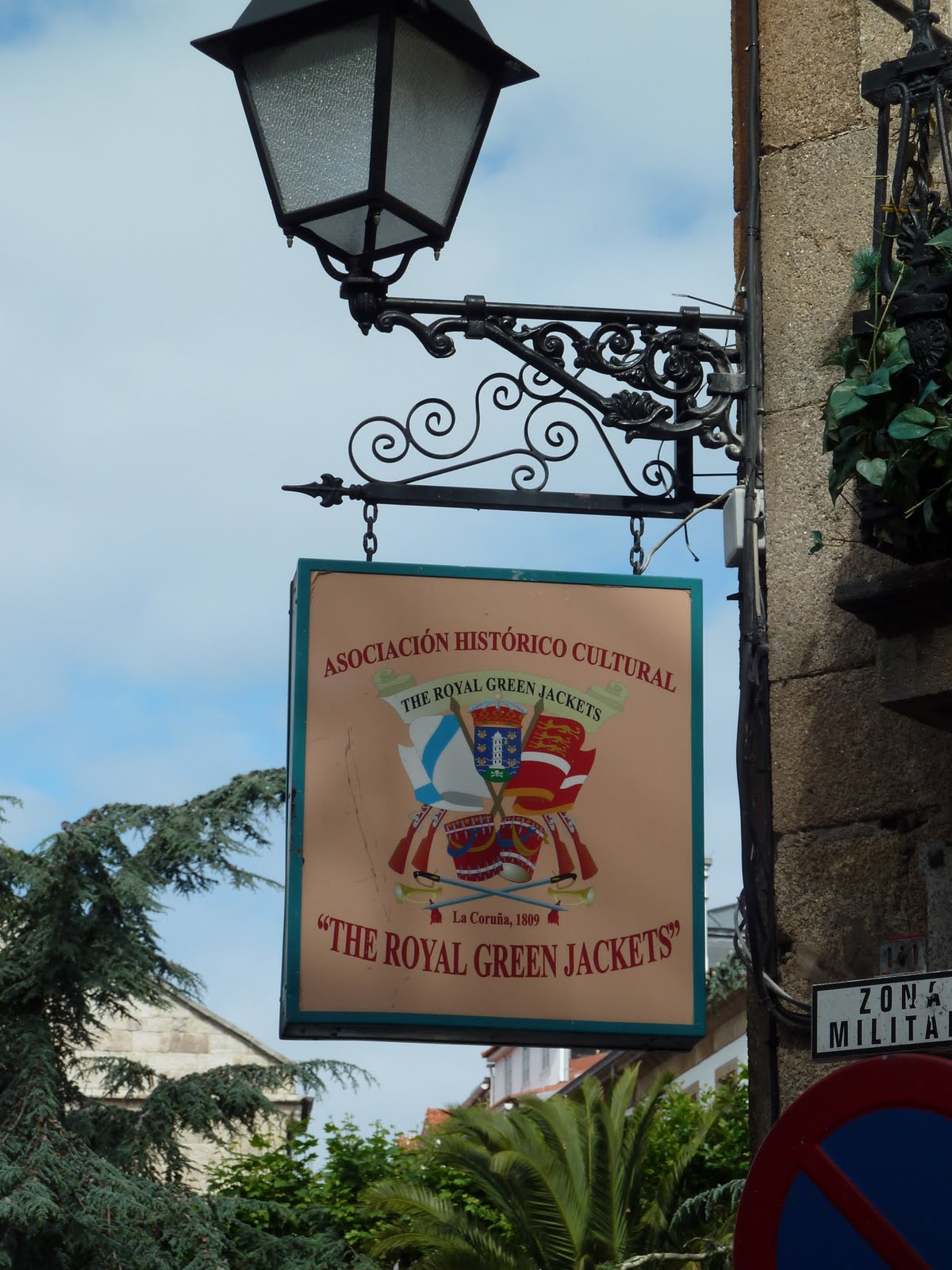
After a day at sea, we arrived at A Coruna, Spain (aka Corunna), a charming city on the Atlantic, with a busy harbor and magnificent beaches.  We walked around the Ciudad Vieja (Old Town) and found San Carlos Gardens,  the beautiful park where  Moore is buried.  It is marked, “In Memory of General Sir John Moore who fell at the Battle of Elvina while covering the embarkation of the British troops, 16 January 1809.”  We also passed a small organization (closed, sadly, at the time) with another kind of memorial  to the British troops in the Peninsular Wars: The Royal Green Jackets.

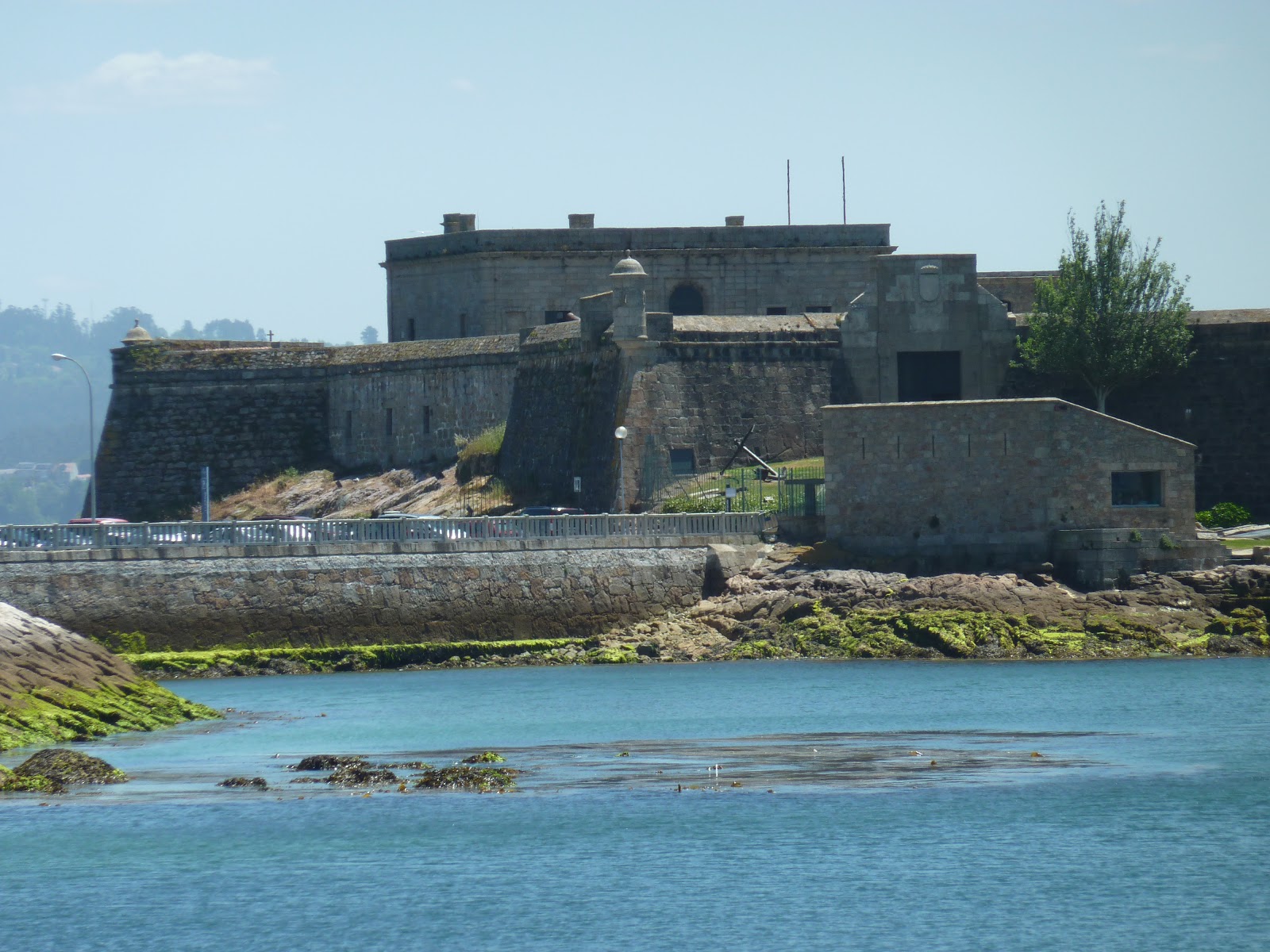
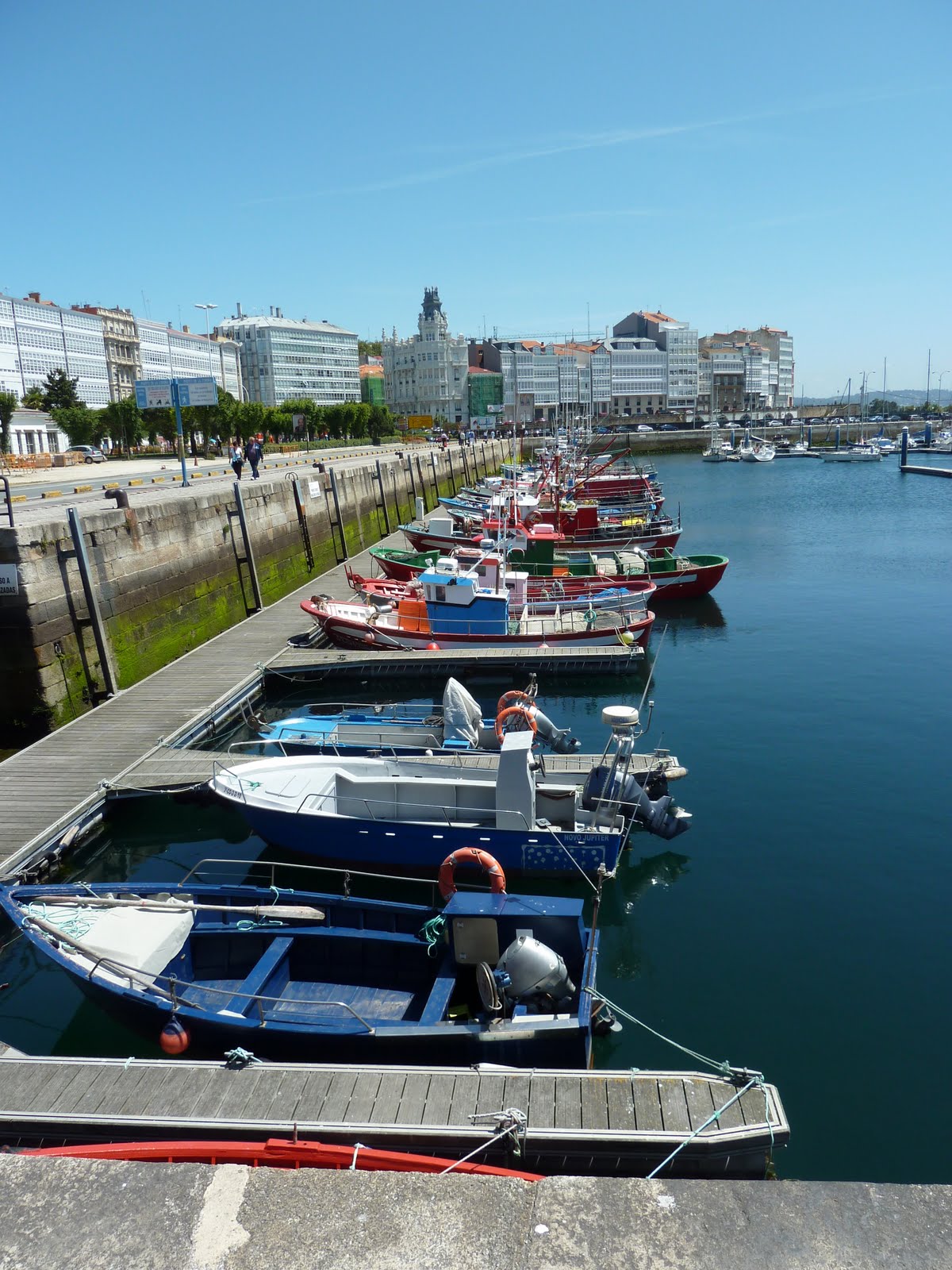
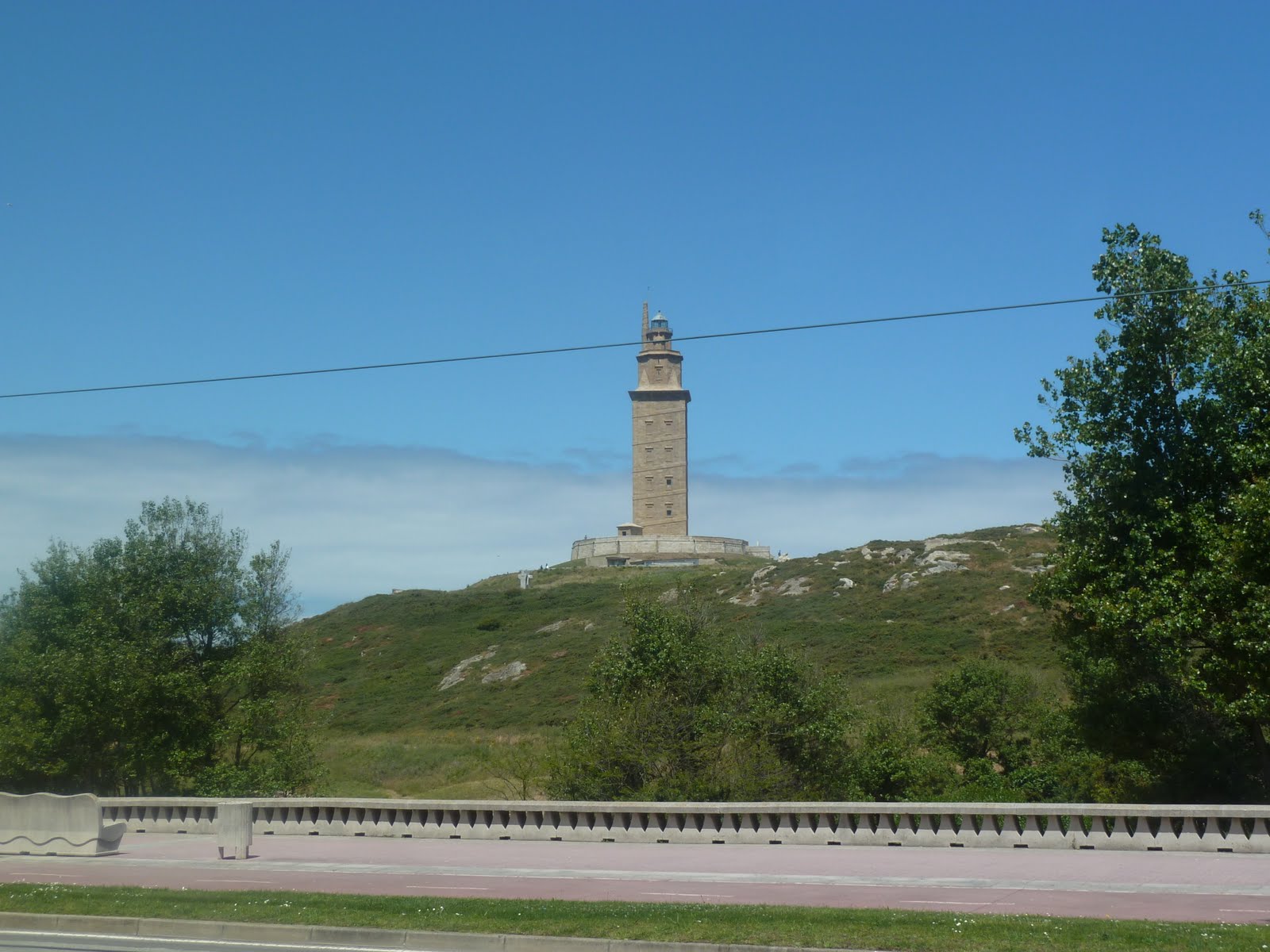
It was a quiet Sunday in A Coruna with a few tourists in the plaza in front of the Palacio Municipal, a regatta out in the harbor, many families out enjoying the fresh breeze, and riding bikes around the extensive seashore from harbor to beaches to the soccer stadium. A small but picturesque fort guards the harbor (and helped turn away the raids of Sir Francis Drake) and on a western-most peninsula is the famous Tower of Hercules, a lighthouse with origins in the Roman Empire. Beside our ship, the fishing boats were all in port for Sunday, but the neighboring marina was a little busier with leisure boating.

Palacio Municipal
San Anton Castle


fishing boats in port

This beautiful beach wasn’t as empty as it looks in my picture!
Tower of Hercules

 I can well imagine a leisurely holiday here in A Coruna…but that will have to wait for a while.
Next Stop: Santander, Spain