Mrs. Sage, The First Englishwoman Aeronaut

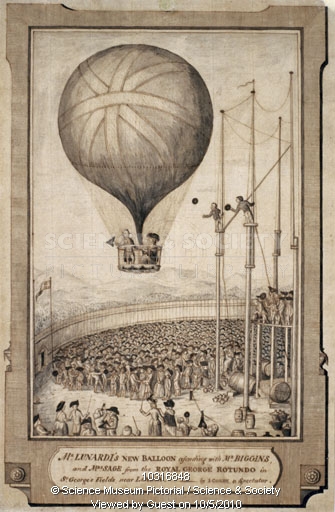
Mrs Laetitia Sage became the first English woman to fly in a hydrogen balloon in Vincent Lunardi’s ascent of 29 June 1785. Vincent (or Vincenzo) Lunardi (1759-1806), was Italian secretary to the Neapolitan ambassador in London and had made the first ascent in a hydrogen balloon in Britain on 15 September 1784 from Moorfields in London. Unfortunately, the combined weight of Mrs Sage and the other two passengers, George Biggin and Colonel Hastings, was too much for the balloon. Lunardi and Hastings agreed to stay behind, allowing Mrs Sage and Biggin, a wealthy Etonian, to continue alone. Together they flew in a red, white and blue balloon from St. George’s Fields in London, over St James’s Park and Piccadilly, before landing over two hours later in fields near Harrow.

Mrs Sage was described as Junoesque, and apparently weighed in at over 200 pounds. In a later account, Mrs. Sage blamed herself for the balloon going over the weight limit, as she hadn’t volunteered her exact weight to Mr. Lunardi and he’d been too polite to ask it of her. The gondola was draped in swags, but the gate had a neat arrangement of lacing so that the watchers on the ground could see the people up in the air. Upon exiting the gondola,  Lunardi failed to do up the lacings of the gondola door. As the balloon sailed away over Picadilly The beautiful Mrs Sage was on all fours re-threading the lacings to close the door.


Watercolour sketch by Cordy, a spectator, showing Lunardi’s
second balloon carrying George Biggin and Mrs Sage

 
The flight followed the line of the Thames westwards finally landing heavily in Harrow on the Hill where the balloon damaged a hedge and gouged a strip through the middle of an uncut hayfield, leaving the farmer ranting abuse and threats. The honour of the first female aeronaut was saved by the young gentlemen from Harrow school who had a whip-round to pay off the farmer and then carried Mrs Sage bodily, in triumph, to the local pub. Mrs. Sage later published her experience as Britain’s first female aeronaut, an account which realized two printings.

Meet Mrs. Vesey


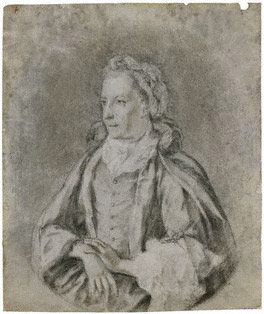
Copyright National Portrait Gallery

Elizabeth Vesey was the daughter of Sir Thomas Vesey, Bishop of Ossory. She first married William Handcock and then Agmondisham Vesey, M.P., Accountant-General of Ireland. She was one of the Bluestocking Circle, along with Mrs. Elizabeth Montagu, Elizabeth Carter and Fanny Burney. The following excerpt refers to the botanist Benjamin Stillingfleet (1702-71), who was welcomed at one of Elizabeth Montagu’s salons even though he had arrived absent-mindedly wearing the blue woollen stockings normally worn by working men, instead of the more formal white silk, hence another theory on how the term “blue stocking” was coined.

From Mrs. Montagu by R. Huchon

. . . . Stillingfleet had taken refuge in the cultivation of his garden, which gave him health, and in the study of botany and harmony, which procured him some pleasure. He was often seen at Bath or about town, doubtless stooping in his gait and plunged in his mildly pessimistic thoughts. His accomplishments as a scholar and a wit made him a favourite with Mrs Montagu and the other learned ladies. One day, about 1750, he was at Bath, and received an invitation to “a literary meeting at Mrs Vesey’s.” He “declined to accept it,” Mme d’Arblay informs us, “from not being, he said, in the habit of displaying a proper equipment for an evening assembly. ‘Pho, pho” cried Mrs Vesey, with her wellknown, yet always original simplicity, while she looked inquisitively at him and his accoutrement, “don’t mind dress! Come in your blue stockings!” With which words, humorously repeating them as he entered the apartment of the chosen coterie, Mr Stillingfleet claimed permission to appear according to order. And those words ever after were fixed in playful stigma upon Mrs Vesey’s associations.” It seems a confirmation of this account that, on 13th November 1756, a friend of Mrs Montagu’s should write to her that “Monsey,” the physician of Chelsea Hospital, “swears he will make out some story of you and Stillingfleet before you are much older; you shall not keep blew stockings at Sandleford for nothing.” And Mrs Montagu herself, in the following March, having mentioned Stillingfleet in a letter to Monsey, said of him: “I assure you our old philosopher is so much a man of pleasure, he has left off his old friends and his blue stockings, and is at operas and other gay assemblies every night.” Stillingfleet and his “blue stockings” there-fore became interchangeable terms among his acquaintances. As Boswell observes : “Such was the excellence of his conversation, that his absence was felt as so great a loss that it used to be said: We can do nothing without the blue stockings; and thus by degrees the title was established.” Wherever Stillingfleet appeared, there were the Blue Stockings. By a very natural process, the name extended from Mrs Vesey’s parties to those of Mrs Montagu and others. It even crossed the Channel at the end of the century.


Benjamin Stillingfleet

 Since the institution and its ” title” in all probability originated with Mrs Vesey, it would be unjust to pass her over in silence. She formed a strong contrast with Mrs . Montagu in her disposition and manners. She seemed “of imagination all compact,” and her friends had affectionately nicknamed her “the Sylph,” for, like an “etherial” being, she lived and thought “in a world of her own.” In her actual work-a-day life she was none too happy. Fondly attached to her second husband, Agmondesham Vesey, of Lucan, near Dublin, “for many years a member of the Irish House of Commons and Comptroller and Accountant-General for Ireland,” she had not succeeded in fixing his affections. “He has many amiable qualities,” Mrs Carter said in 1774, “and would have many more if he formed his standard of action from his own mind, for I am inclined to think he is not vicious so much from inclination as from the example of the world. If it was a fashionable thing for wits and scholars and lord – lieutenants and other distinguished personages to be true to their wives, probably our friend would not have found him an unfaithful husband.” This disappointment had doubtless enhanced Mrs Vesey’s flightiness and her dissatisfaction with the things of this world: “She scarcely ever enjoys any one object,” Mrs Carter wrote to Mrs Montagu, “from the apprehension that something better may possibly be found in another. It is really astonishing to see how this restless pursuit counteracts all the feelings of her amiable and affectionate heart. There are few things, I believe, that she loves like you and me; yet, when she is with us, she finds that you and I, not being absolute divinities, have no power of bestowing perfect happiness, and so from us she flies away, to try if it is to be met with at an assembly or an opera.”1 Ever ingenious at difficulties and little distresses, she lived in “a perpetual forecast of disappointment.” One day she fancied that she was losing her senses, or else she felt her memory going and her power of expressing herself decreasing. The joys of friendship were spoilt for her by the bitter thought of their transitoriness. “Is it reasonable,” Mrs Carter exclaimed on reading her complaints, “to wish to reject the possession of any real good, merely because it may happen not to be a perpetuity?” She had “a mind formed for doubt,” she said of herself, and her bias towards scepticism, though undecided, alarmed her pious friends by its intermittent recurrence.

. . . . Her fears were so great of the horror, as it was styled, of a circle, from the ceremony and awe which it produced, that she pushed all the small sofas, as well as chairs, pell mell about the apartments, so as not to leave even a zigzag path of communication free from impediment: and her greatest delight was to place the seats back to back, so that those who occupied them could perceive no more of their nearest neighbour than if the parties had been sent into different rooms: an arrangement that could only be eluded by such a twisting of the neck as to threaten the interlocutors with a spasmodic affection.

But what most contributed to render the scenes of her social circle nearly dramatic in comic effect, was her deafness. . . . She had commonly two or three or more ear-trumpets hanging to her wrists, or slung about her neck, or tost upon the chimney-piece or table. The instant that any earnestness of countenance or animation of gesture struck her eye, she darted forward trumpet in hand to inquire what was going on, but almost always arrived at the speaker at the moment that he was become, in his turn, the hearer. And after quietly listening some minutes, she would gently utter her disappointment by crying: ‘ Well, I really thought you were talking of something.’ A
nd then, though a whole group would hold it fitting to flock around her, and recount what had been said, if a smile caught her roving eye from any opposite direction, the fear of losing something more entertaining would make her beg not to trouble them, and again rush on the gayer talkers. But as a laugh is excited more commonly by sportive nonsense than by wit, she usually gleaned nothing from her change of place and hastened therefore back to ask for the rest of what she had interrupted. But generally finding that set dispersing or dispersed, she would look around her with a forlorn surprise and cry: “I can’t conceive why it is that nobody talks to-night. I can’t catch a word.” Yet with all these peculiarities Mrs Vesey was eminently amiable, candid, gentle and even sensible, but she had an ardour to know whatever was going forward and to see whoever was named, that kept her curiosity constantly in a panic, and almost dangerously increased the singular wanderings of her imagination.

Mrs. Vesey died in 1789.
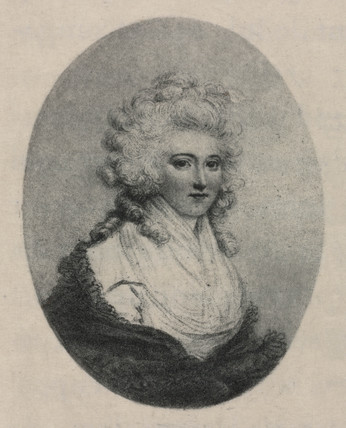
A Note From Victoria

I’m back in the US after my trip to Europe; I will be at the Romance Writers of America meeting in New York City all this week.  I had hoped to post about some of my experiences in Portugal, Spain,
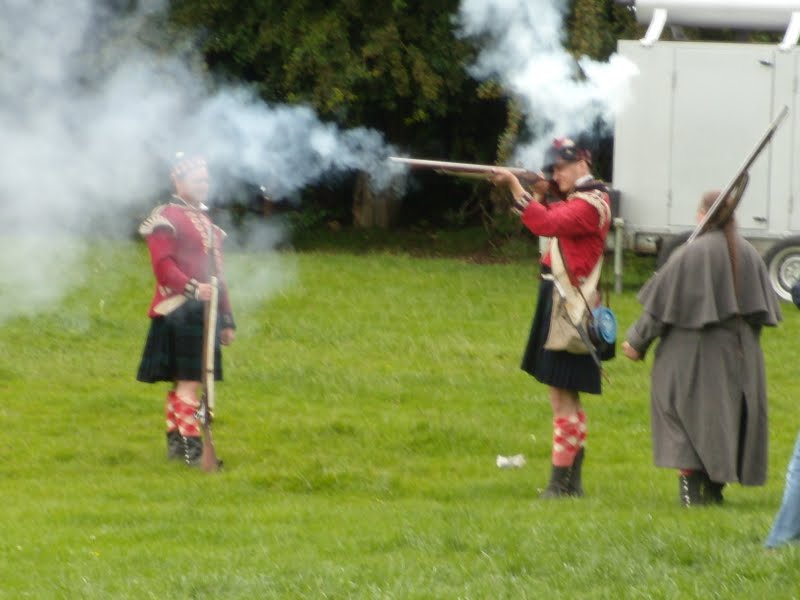
France and, of course, Merrie Olde England, but I have run out of time before preparing for RWA and the meeting of the Beau Monde Chapter where I will present a power-point program on The Battle of Waterloo and our trip to the 195th anniversasry last year (2010).
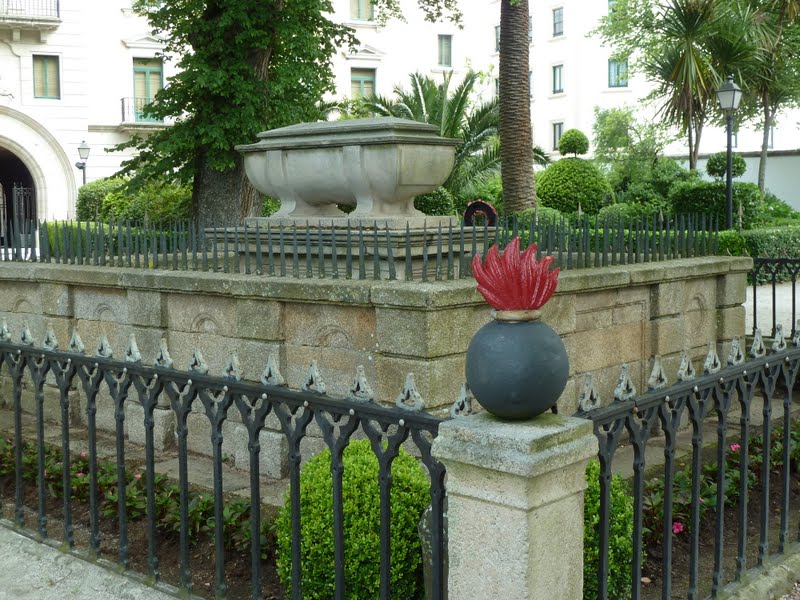
I am eager to tell everyone about all my experiences, from visiting the tomb of General Sir John Moore in A Corunna, Spain

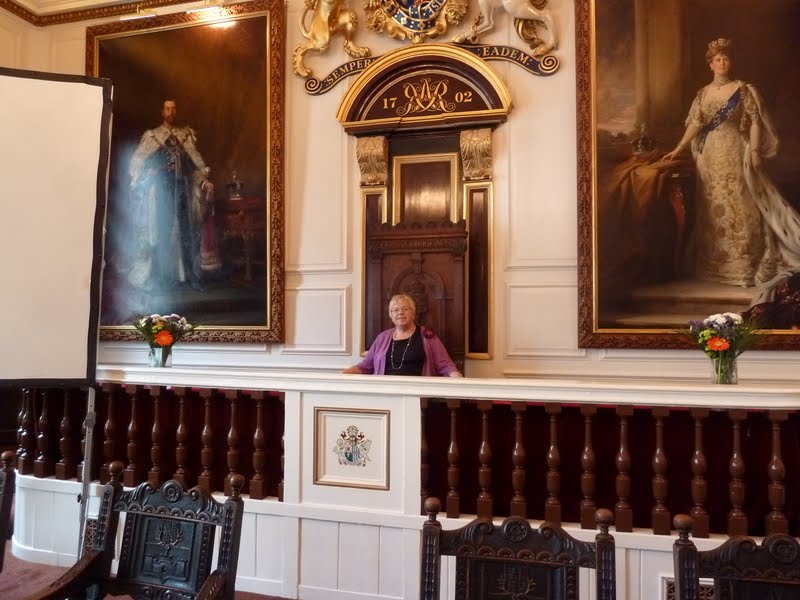
to sitting in the mayor’s chair in Windsor when I spent a wonderful day with our good friend and Windsor expert Hester Davenport.

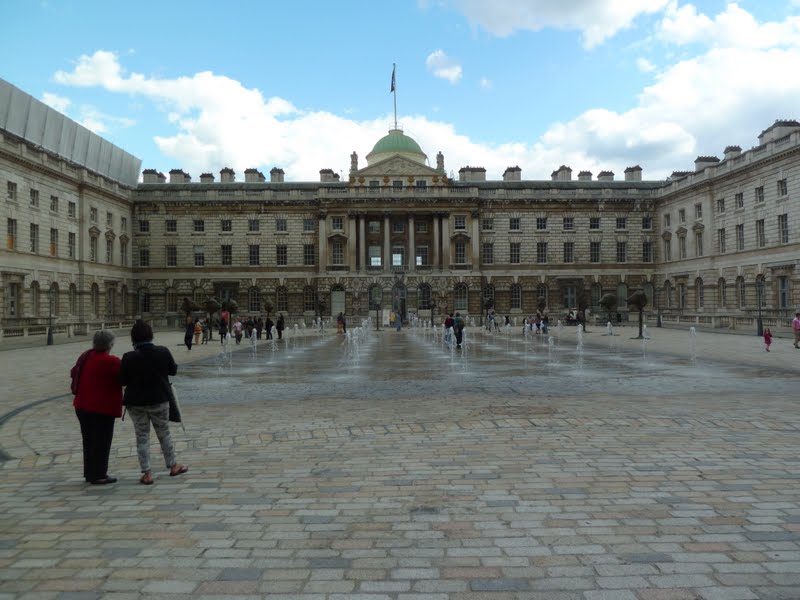
I have many tales to tell and pictures to show about my experiences and my research.  One thing that has become even more meaningful to me since I got back was seeing the Ai Weiwei Chinese horoscope sculptures at Somerset House in London. Now that he has been released from detention in China, I am really happy I visited his work, which made me sad at the time.

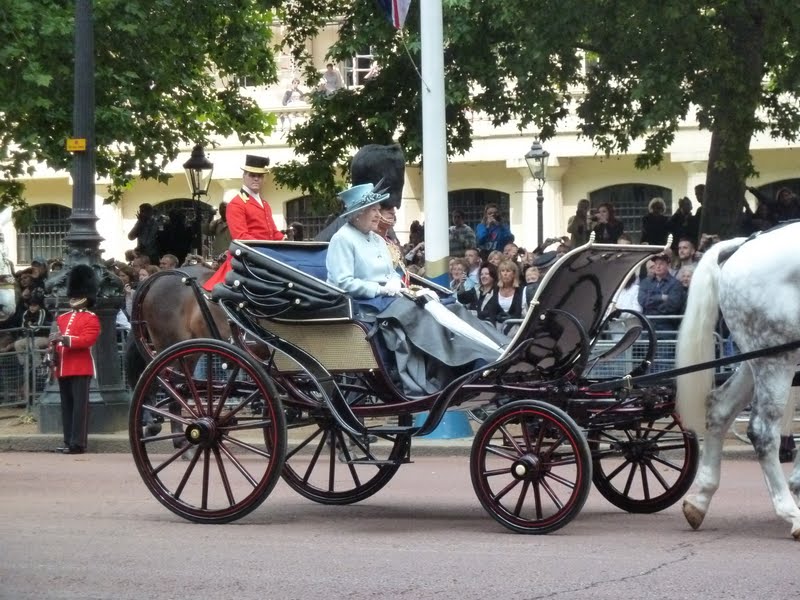
Now, a confession.  I had a nasty cold much of the trip.  I hope it didn’t clip my wings too much, but I would have had a much better time if I had been hale and hearty.  I took lot of decongestants which helped immensely, but gave me a sort of foggy feeling. Nevertheless, I am glad to say I saw the Queen twice.  My photo from Trooping the Colour below.

Above is a newspaper shot of the prettiest hat I’ve ever seen on the Queen.  I did see her, up close if not very personal, but I missed the photo.  Thanks again, Hester, for taking me to the “parade.”

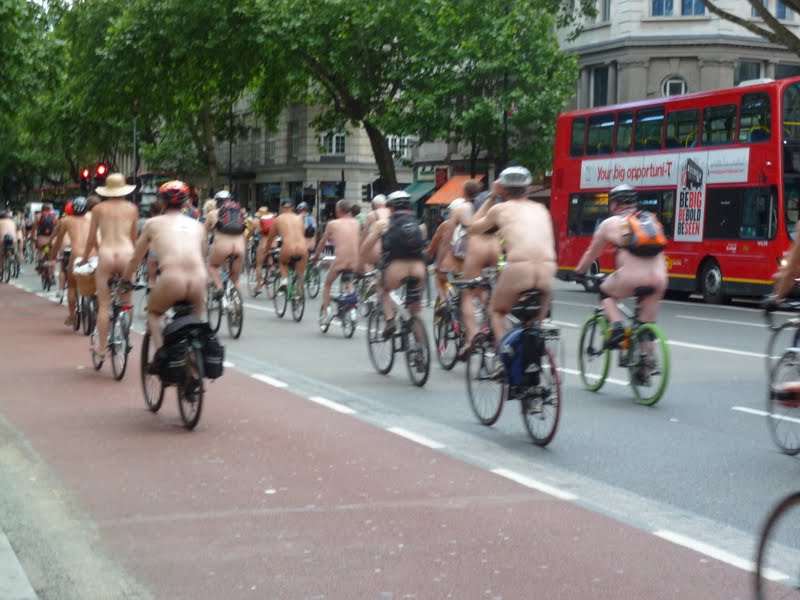
And finally, to descend from the sublime to the ridiculous, can you believe I managed to be present at a London Naked Bike Ride for the second year in a row?  Yes, I walked out of the British Museum and headed for my hotel, only to be stopped by the procession of the group, accompanied by some police and a lot of amused bus riders, down Kingsway. I only took pictures from the rear — for obvious reasons! I know there’s a method to their madeness, but it gets lost in the shuffle!

So stick around, I’ll get to blogging again in a week or two.  Kristine has done a great job of keeping things rolling, so here is a public thank you — she does the lion’s share of the work!!  But if she enjoys it half so much as I do, it is more than worthwhile.

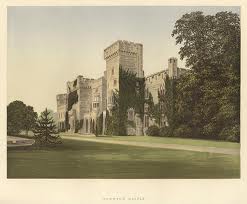
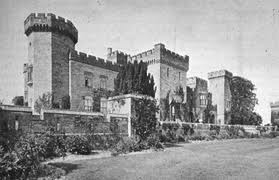
Downton Castle

 From the Greville Memoirs

June 26th, (1839) Delbury.— “I rode to Downton Castle on Monday, a gimcrack castle and bad house, built by Payne Knight, an epicurean philosopher, who after building the castle went and lived in a lodge or cottage in the park: there he died, not without suspicion of having put an end to himself, which would have been fully conformable to his notions. He was a sensualist in all ways, but a great and self-educated scholar. His property is now in Chancery, because he chose to make his own will. The prospect from the windows is beautiful, and the walk through the wood, overhanging the river Teme, surpasses anything I have ever seen of the kind. It is as wild as the walk over the hill at Chatsworth, and much more beautiful, because the distant prospect resembles the cheerful hills of Sussex instead of the brown and sombre Derbyshire moors. The path now creeps along the margin, and now rises above the bed of a clear and murmuring stream, and immediately opposite is another hill as lofty and wild, both covered with the finest trees—oaks, ash, and chestnut —which push out their gnarled roots in a thousand fantastic shapes, and grow out of vast masses of rock in the most luxuriant and picturesque manner. Yesterday I came here, a tolerable place with no pretension, but very well kept, not without handsome trees, a,nd surrounded by a very pretty country.”


Downton Castle


Richard Payne Knight by Sir Thomas Lawrence

 Richard Payne Knight (1750-1824), was born in 1750 and called Payne after his grandmother, Elizabeth, daughter of Andrew Payne, and wife of Richard Knight (1659-1745), the founder of the Knight family, who acquired great wealth by the ironworks of Shropshire, and settled at Downton, Herefordshire. Being of a weakly constitution, Knight was not sent to school till he was fourteen, and did not begin to learn Greek till he was seventeen. He was not at any university. About 1767 he went to Italy, and remained abroad several years.

Knight again visited Italy in 1777, and from April to June of that year was in Sicily in company with Philipp IIackert,the German painter, and Charles Gore. When in Italy Knight spent much time at Naples, where his friend Sir William Hamilton (1730-1803) was the British envoy. About 1764 Knight had inherited the estates at Downton, Herefordshire. He ornamented the grounds, and there erected from his own designs a stone mansion in castellated style. Knight invited Lord Nelson and Lady Hamilton to Downton Castle in 1802 and also owned a house in Soho Square, London, where he used one of the large rooms as his museum. In 1780 he became M.P. for Leominster, and from 1784 to 1806 sat for Ludlow

Knight died at his house in Soho Square, on 23 April 1824, of ‘an apoplectic affection’ (Gent. Mag. 1824, pt. ii. p. 185). He was buried in Wormesley Church, Herefordshire, where there is a monument to him, with a Latin epitaph by Cornewall, bishop of Worcester.

His Downton estate passed to his brother, Thomas Andrew Knight. He made to the British Museum, of which he had been Townley trustee since 1814, the munificent bequest of his bronzes, coins, gems, marbles, and drawings. The collection was valued at the time at sums varying from 30,000/. to 60,000/. The acquisition of the bronzes and coins immensely strengthened the national collection. The trustees of the British Museum printed and published in 1830  Knight’s own manuscript catalogue of the coins, with the title ‘Nummi Veteres.’

More on the Bahamas

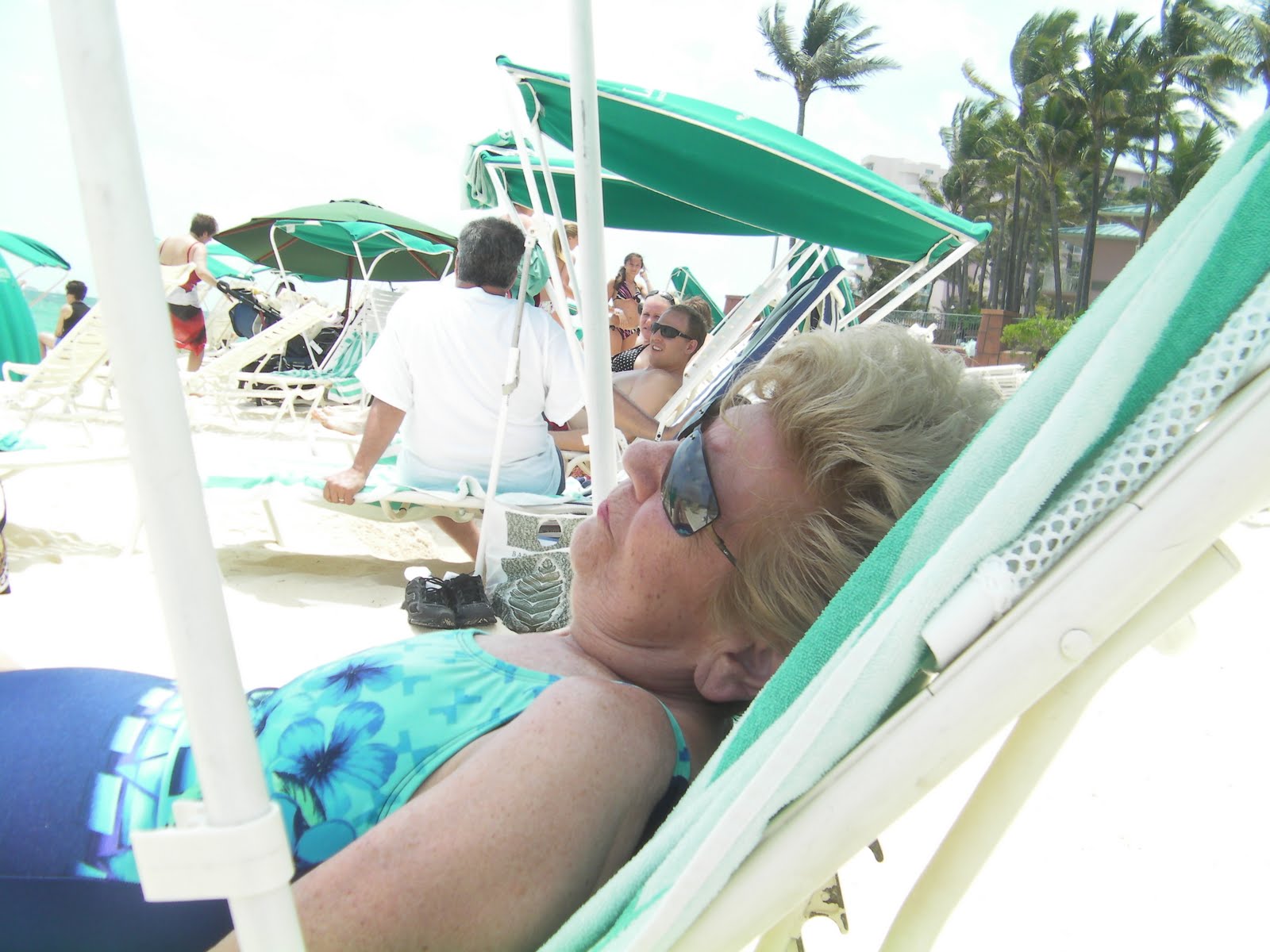
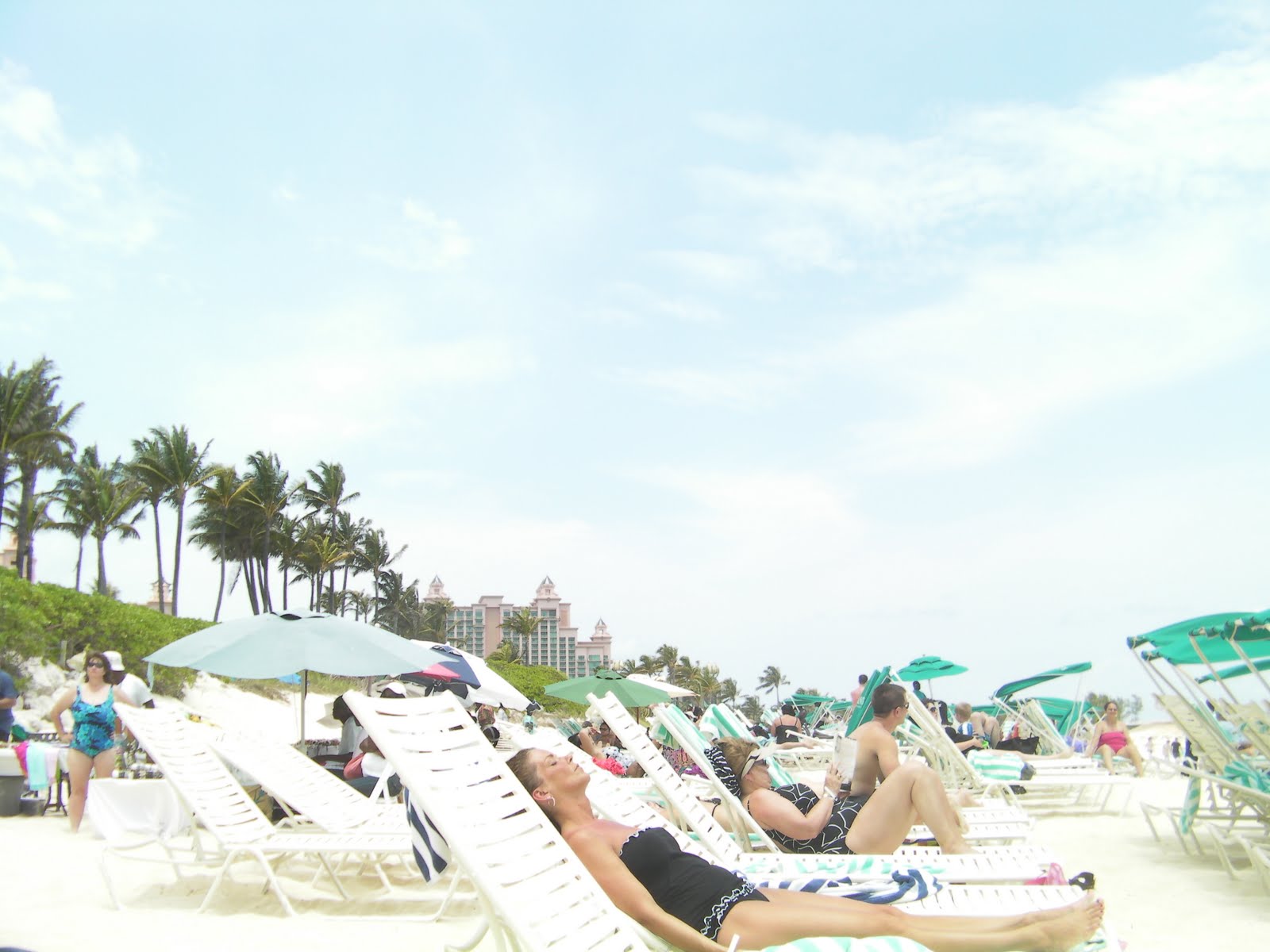
While we were in Nassau recently, Brooke and I decided to hit the beach and play in the frigid surf, while others who shall remain nameless took the opportunity to grab forty winks. 

You’ll note that while there were many people on the beach, the water was empty. Brrrr. Brooke and I dove in and it wasn’t long before I had been face-planted in the sand by a rogue wave/the incoming tide. With literally a mouth and bathing suit full of sand, I went to wash off, when I encountered a new friend.  
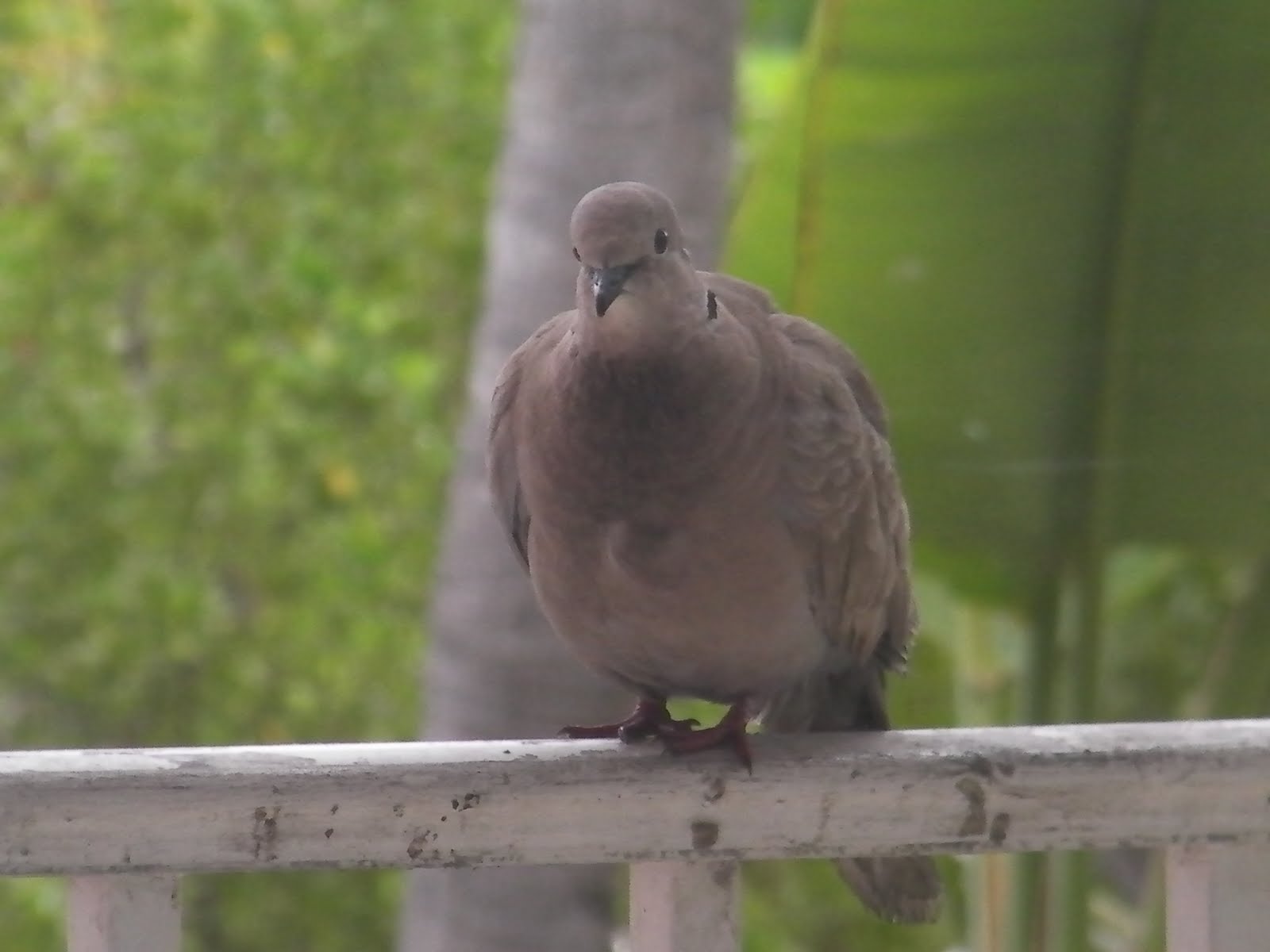
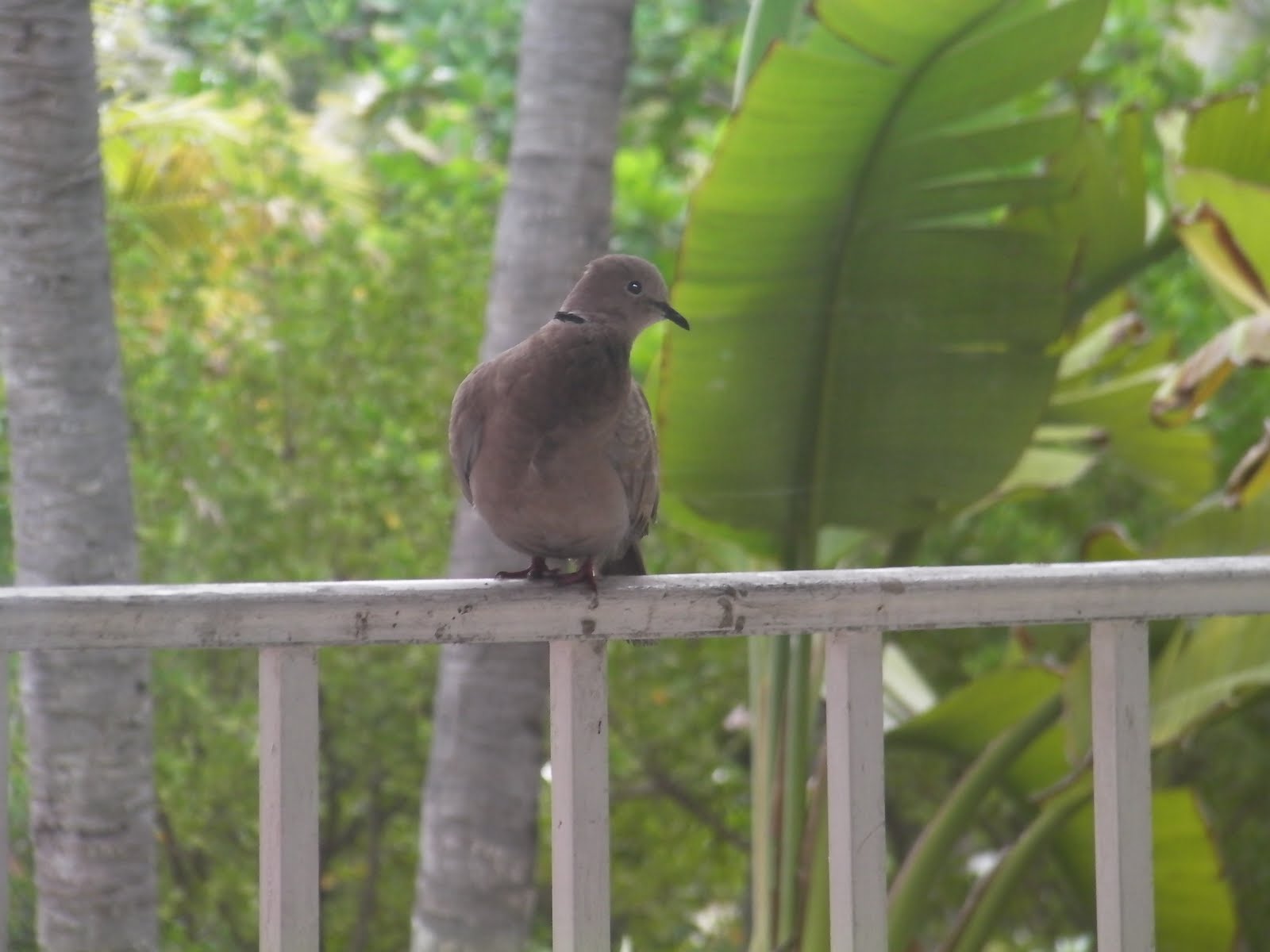
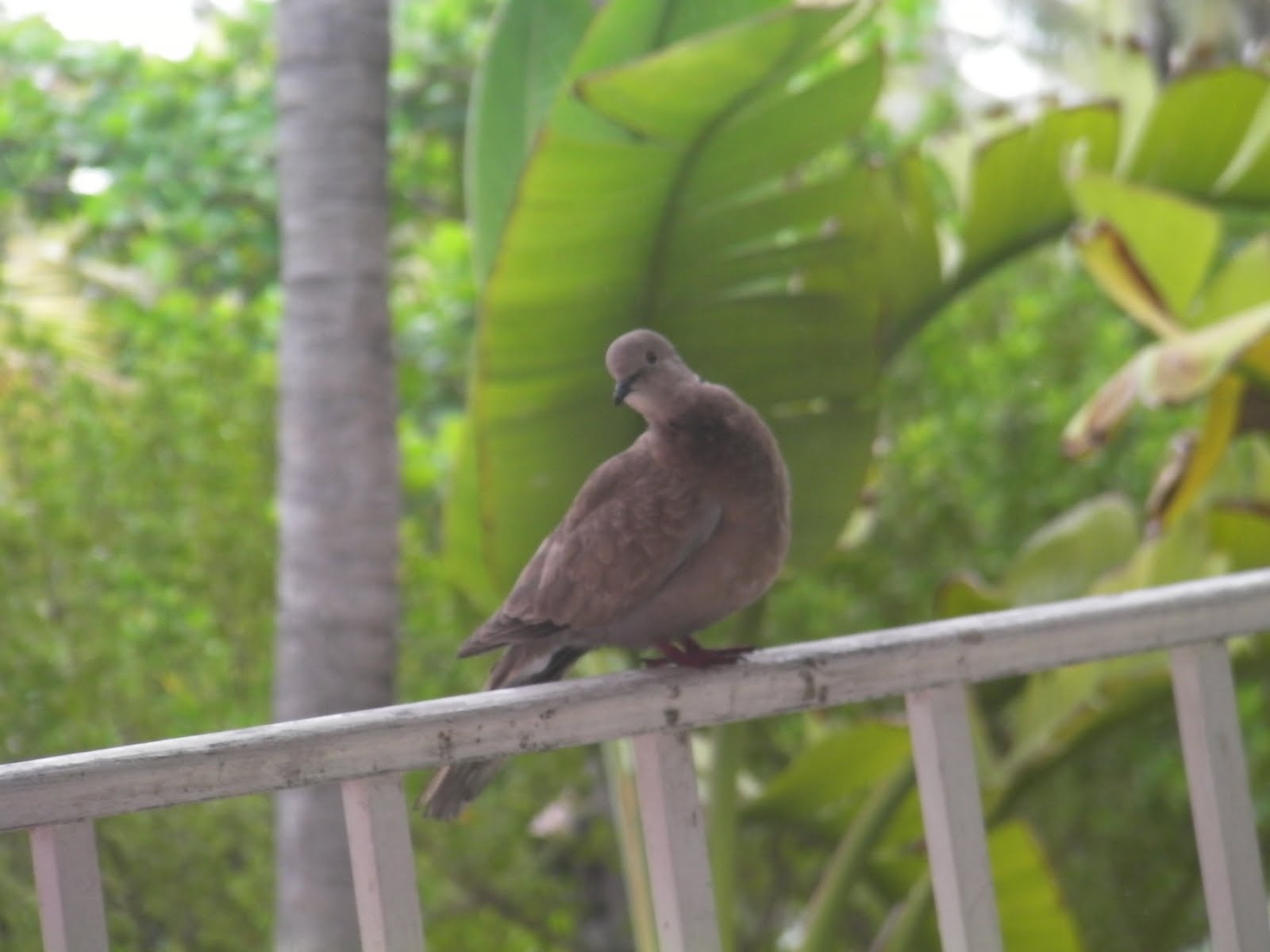
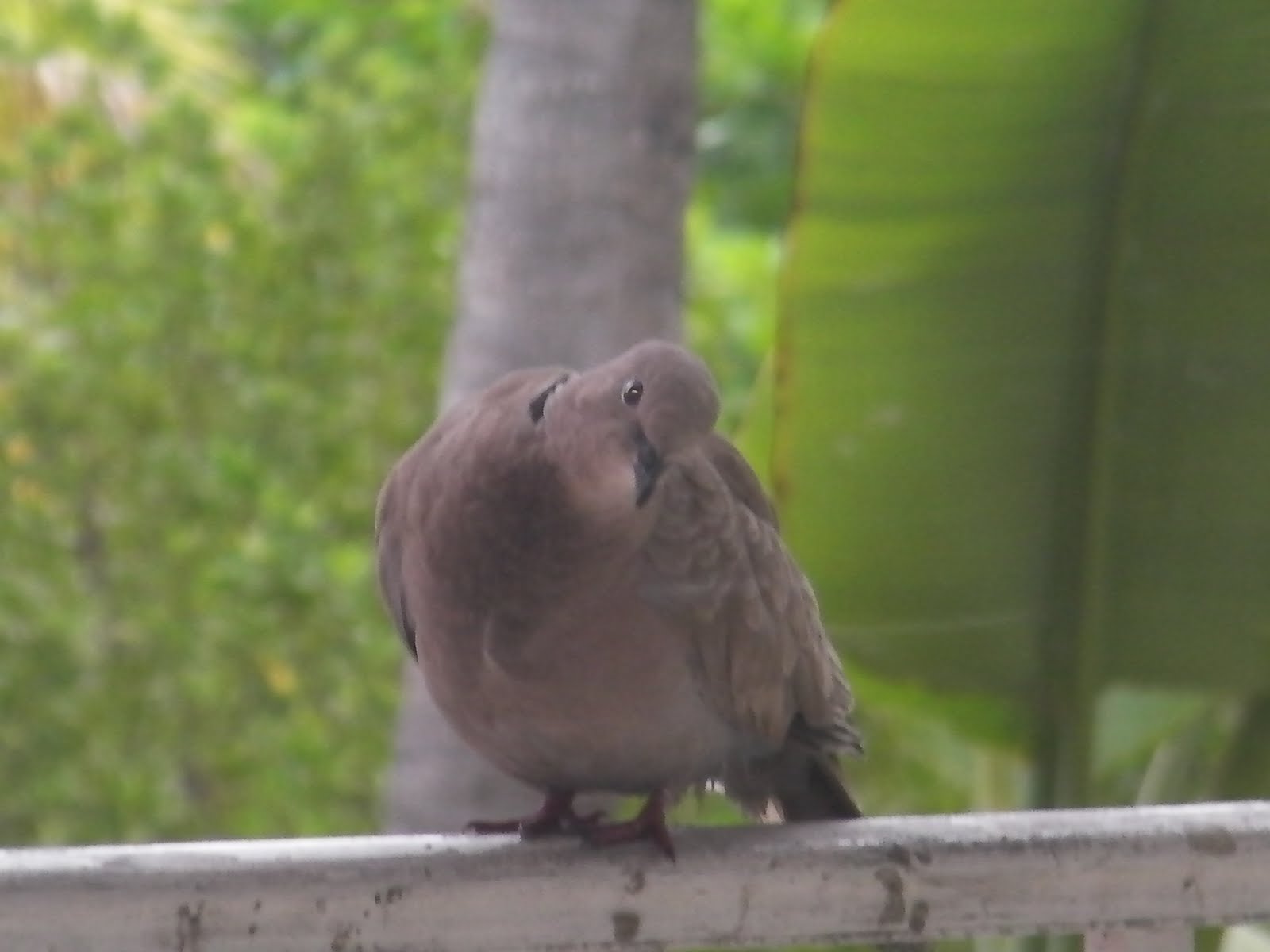
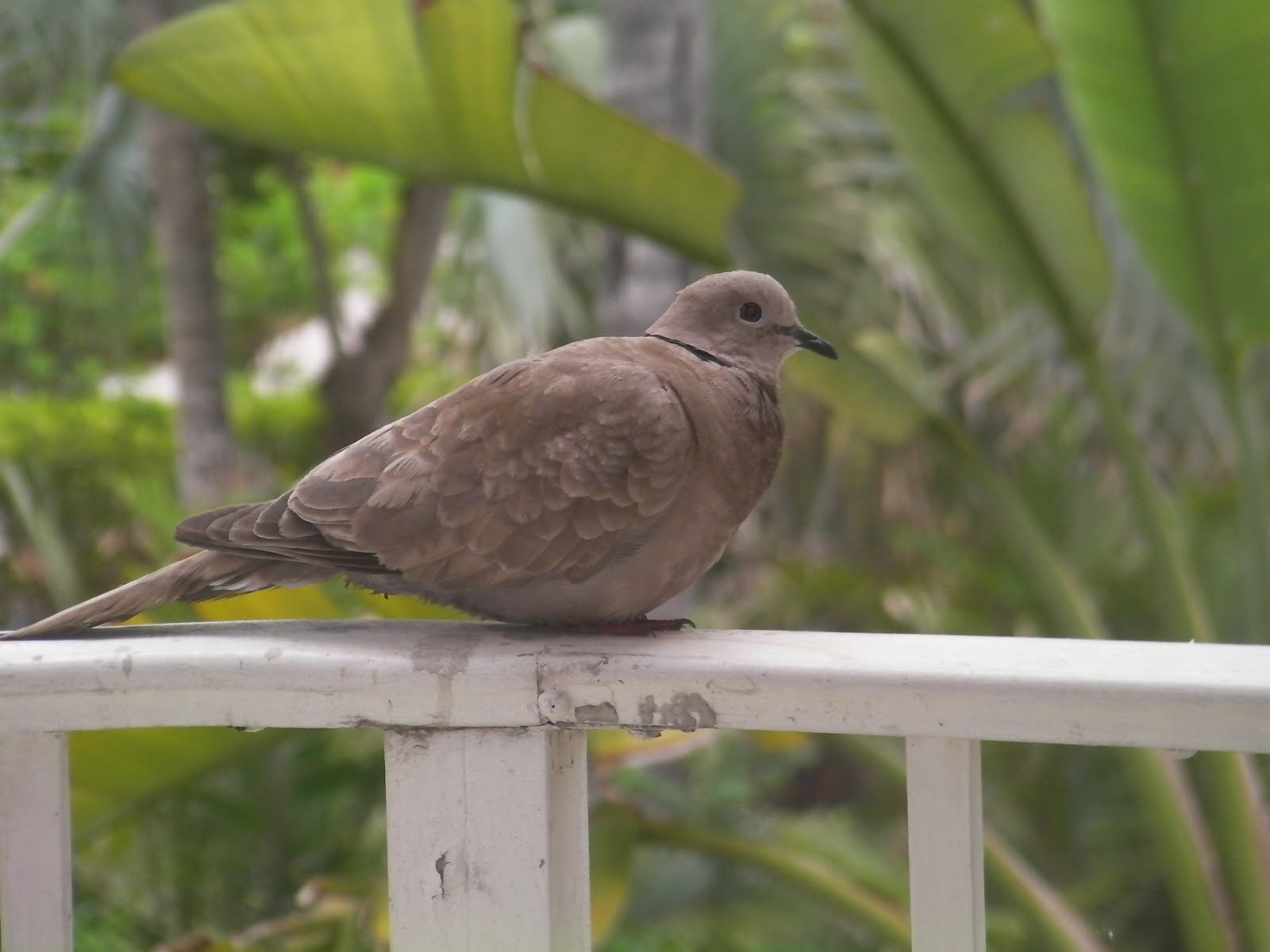
Regular readers of this blog will recall that I met an entertaining French crow when in Paris last year. This Bahamian dove had all the sauciness of his French counterpart, as well as an eye for the ladies.

“Yeah, Mon, dat’s one good looking woman. Rockin’ legs, Mama!”

“And here’s another. Work it, girl! Dose buns truly be mighty fine.”

“Is dat suppose to be a bathing suit? I heard of thongs, but dat’s takin’ it to the extreme. Not dat I’m complaining. Just sayin . . . . “

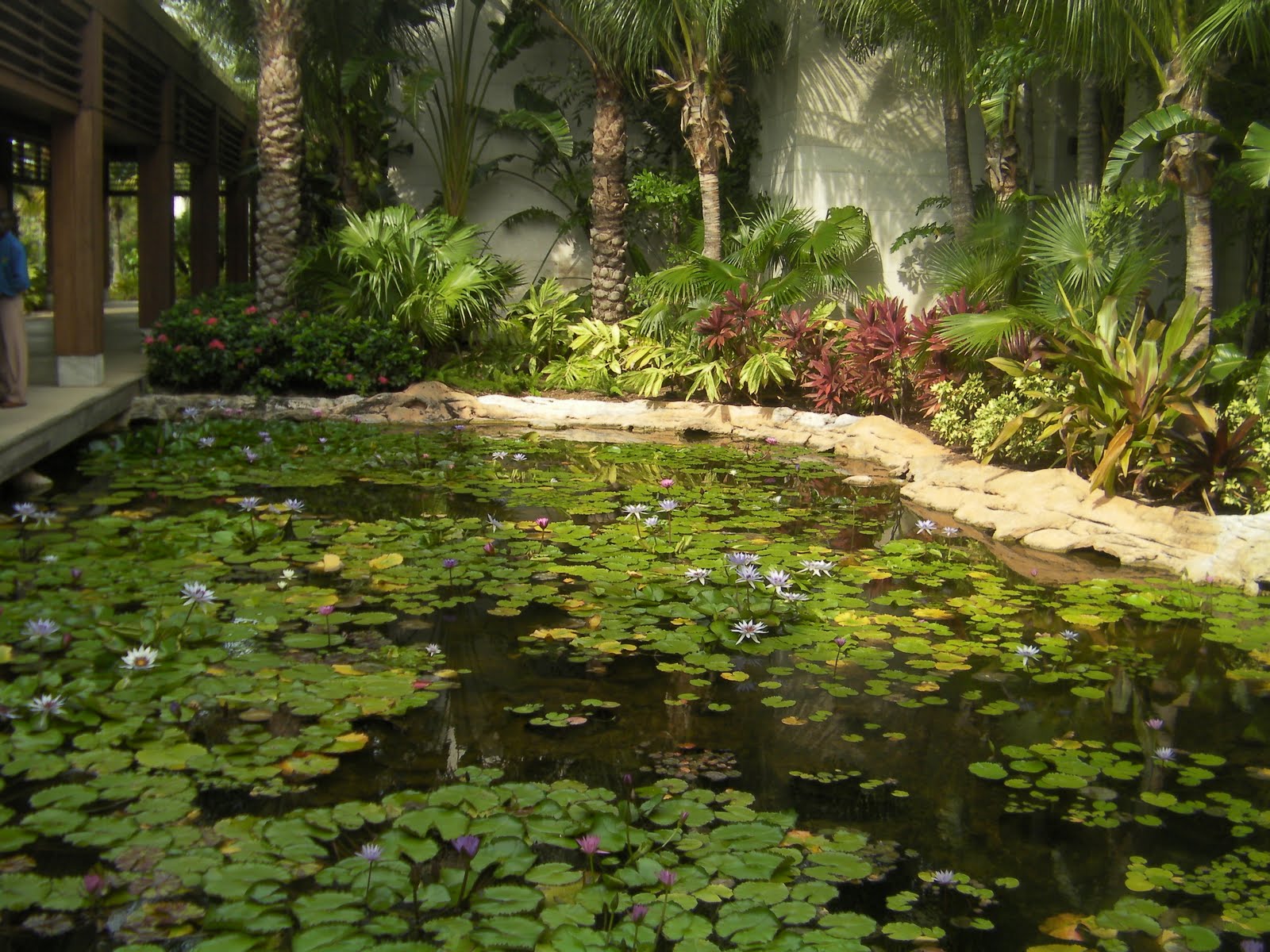
“Oh, Mon, the wife be coming back. Best pull me eyes back in my head and pretend I been looking at these water lilies all along. Look here, sweetheart, I found you a Monet garden almost a gorgeous as you are . . . I been missing you while you was gone. What took you so long?”