The Passing of Hilary Evans

Married to Mary Evans, who passed away last year, Hilary Evans and his wife created the Mary Evans Picture Library, an invaluable London-based resource known to all historians and researchers. As if that achievment was not monumental in itself, Mr. Evans was also a serious UFO researcher and a collector of arcane beers and their brewing methods. Additionally, Evans wrote three novels and two non-fiction books on the Victorian era. In short, Evans, had he lived during the last centuries, would surely have gone down in the history books as one of those unique and quirky personalities we love so well. You can read his full obituary here.

Gossip Between Lady Shelley and Mrs. Arbuthnot

Harriette, Mrs. Arbuthnot by Richard Cosway
copyright Artchives.com

Mrs. Arbuthnot to Lady Shelley

Woodford, Wednesday [no date].
“My Dear Lady Shelley,
What an age it is since I have written to you! but my house has been so full; and I have been so full of regret at not being in the north hearing all the speeches and witnessing all the applause with which the Duke was received everywhere. Lady Bathurst and Sir Henry Harding have written me long accounts of it, all which is lucky for the Duke (of Wellington), as I should (very unjustly) be in a fury with him, for he enters into no details. To be sure one could not expect him to plume himself on his success; and, as I have heard it from others, I am satisfied. They are all enchanted with him, and he has done everything quite right, as he always does. I have Lord and Lady Francis Gower here and Mr. Greville and Lady Charlotte. Do you not think Mr. Greville the most agreeable man you know? I do; he has so much gossip, and tells a story so well. He has just been saying, God forgive me! but I wish Canning had lived to undergo the mortification of this visit of the Duke’s to the north; it would have been a good lesson to him, and would have killed him.’ He is in very good humour, and bears with my small house with the greatest fortitude. I am quite sorry they are going, which they do tomorrow for Chatsworth. Lady Charlotte is grown fearfully old and wrinkled. Lord Westmorland comes here to-morrow and stays till Saturday, on which day we go to Drayton.

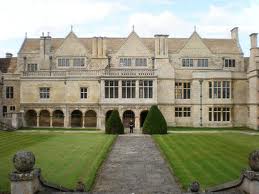
We go to Apethorpe (pictured above) on Wednesday next. How all the ladies seem to be increasing in these days of over-population; it is quite surprising, and Mrs. Griffiths is in despair, for I understand they all come together. Lady Jersey, you know, always publishes it immediately. I did not know the Duke had been so sly about his visit there, but I am greatly amused at your not daring to quiz him; I did not think you had been so shy! especially with him. Do you know any news of our wise Ministers? what they mean to do with Turkey and Portugal? Never was such a condition as they have placed us in, I think, but they may thank the master mind for that. Poor Lord Dudley must be at his wits’ end, I think, with these perpetual conferences and interviews that one reads of. Pray write and tell me the London news, for I hear none of the Newmarket news. I see Sir John has a match. Ever, my dear Lady Shelley,

“Yours very affly.,
“H. A.”
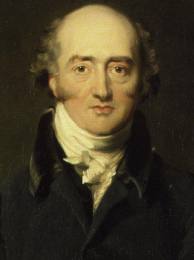
George Canning
August 10, 1827.
“My Dear Lady Shelley,
“Thank you for sending me an account of the Duke. I am very glad you think he looks well. He writes me word he is quite well again. I got both your letters the same day, as he did not frank your Monday one till Tuesday. Poor Mr. Canning! I daresay you will not agree with me, but I am really very sorry for him. In the first place I had much rather have had a fight with him next session, and beat him in that way, and secondly, I hate to have anybody die. I cannot feel rancour against the dead; and, fatally mischievous as he has been to us, I cannot help pitying him. He has suffered so horribly, mind as well as body! depend upon it his has been a bed of thorns; nothing can have been more humiliating and degrading than all he has endured in the last four months. He was the vainest man that ever lived, with the quickest and most irritable feelings, and I know he felt his position most acutely. I have quite longed to write to Planta, to enquire after him; but I have not, for I should very likely have been accused of hypocrisy. I only hope our newspapers will not abuse him, tho’ to be sure the abuse heaped upon us just now by the Times is quite laughable. One thing I do rather enjoy, and that is the consternation in which our rats must be, such as your friend Sir George Clerk, etc., etc., etc. I have no guess what will happen, but I do not expect the King will send for any of us now. It will be, to use his own words, poor man, a curious coincidence if he dies the same day as Queen Caroline! Metternich’s remark about our luck is certainly just; but how he made out that the new parliament in South America could have anything to do with the Berlin Decrees I don’t understand. I am delighted to hear Mr. Peel has taken Maresfield; he cannot fail to like it, and the joy of getting it off your hands will help to restore you. I have been reading ‘Falkland.’ I like it very much, all but the ghost. 1 don’t suppose it is very moral, but I think it is natural and well written. Have you read it? I have also read ‘Judge Jeffreys,’ which I don’t like at all, and think it very ill done; I have no patience with the author who apologises for such an inhuman beast. I am now reading General Foy, who puts me in a rage with his fulsome praise of French soldiers and their mildness and kindneartedness! I had a letter from the Duke of Rutland to-day. Lady C. Powlett had been there for a night; she went from here. I think I shall put her nose, and Mrs. Foxs’, out of joint in that quarter, and yours too; His Grace writes so very tenderly. I don’t know how I shall manage them in Derbyshire; I shall have to sing the old song ‘ How happy could I be with either, were t’other dear Duke but away’—but that would be a copy of my countenance; there is but one Duke worth thinking about in the world, in my opinion. But do not show up that I joke about the other; it is only to amuse you, and he is very goodnatured and kind to me, and I like him, and would not laugh about him on any account, but you know he has a sentimental way with him. I shall write to the Duke about Mr. L. Wellesley, for a madman is never to be despised. I hope nothing fresh has happened?
Ever, my dear Lady Shelley, Yours affly.,
“H. A.”

Travels with Victoria: The Gardens of Westminster Abbey

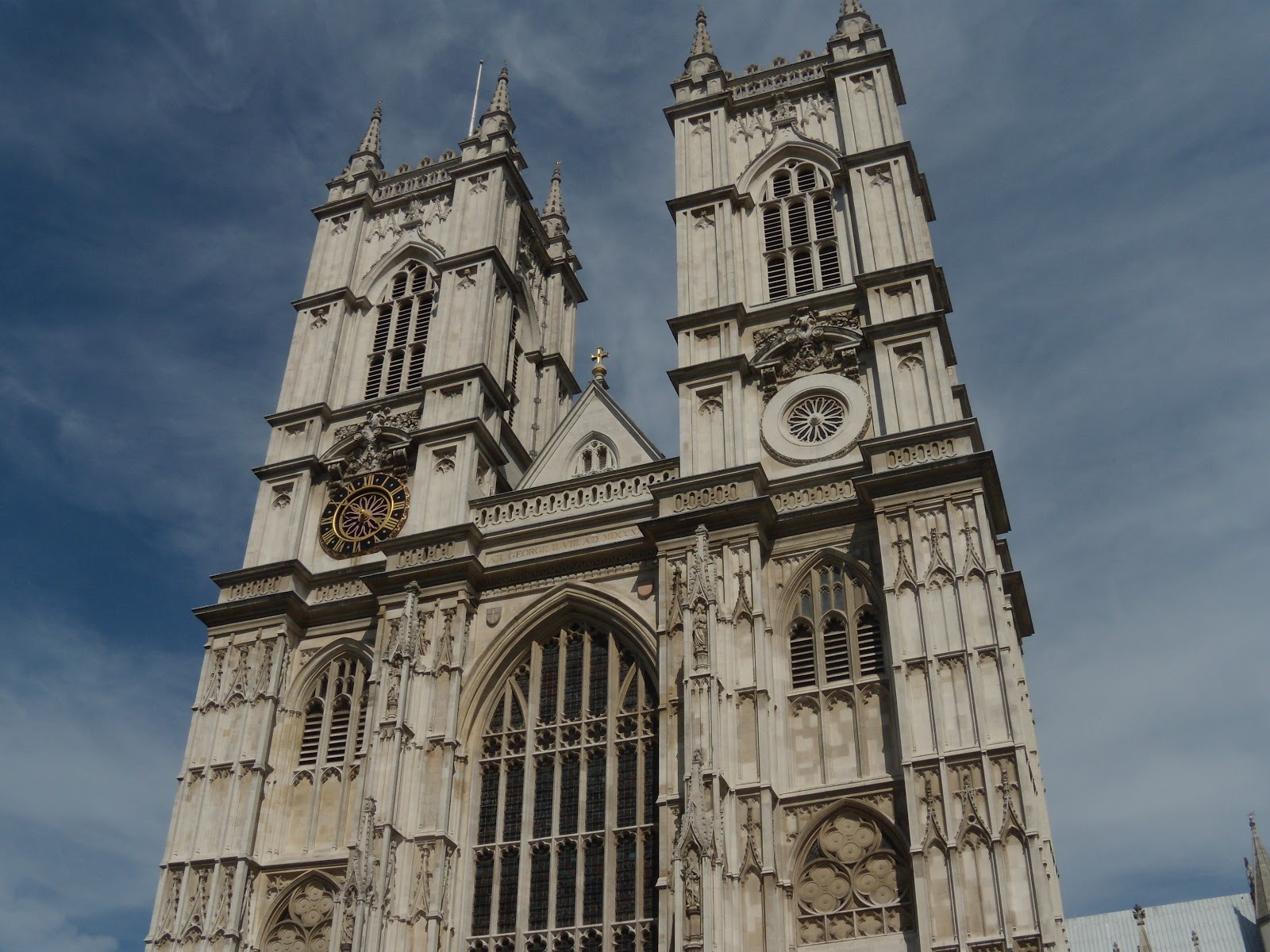
On Sunday, June 12, 2011, on a  rainy day, I decided to attend services at the Abbey in advance of my visits to the gardens of the area.  Since it was a sung service, the Abbey was crowded with tourists and worshippers alike. Did you know that the official name for the Abbey is the Collegiate Church of St. Peter, Westminster, and it is classified as a “Royal Peculiar.”  Here is the website.

  The beauty of the choral works and the magnificence of the organ were every bit as impressive as they were the previous month at the royal wedding. The morning’s sermon was excellent, delivered by The Venerable Jane Hedges, cannon of the Abbey. She was kind enough to explain to me later that the “Venerable” in her title is just a traditional term for her office, not descriptive!    

At the conclusion of the service, the Abbey bells performed a long peal ( I think that is the proper term; for more info click here).  The beautiful bells accompmanied most of my ramble around the Abbey Gardens, all open for the Open Squares Weekend, 2011. 

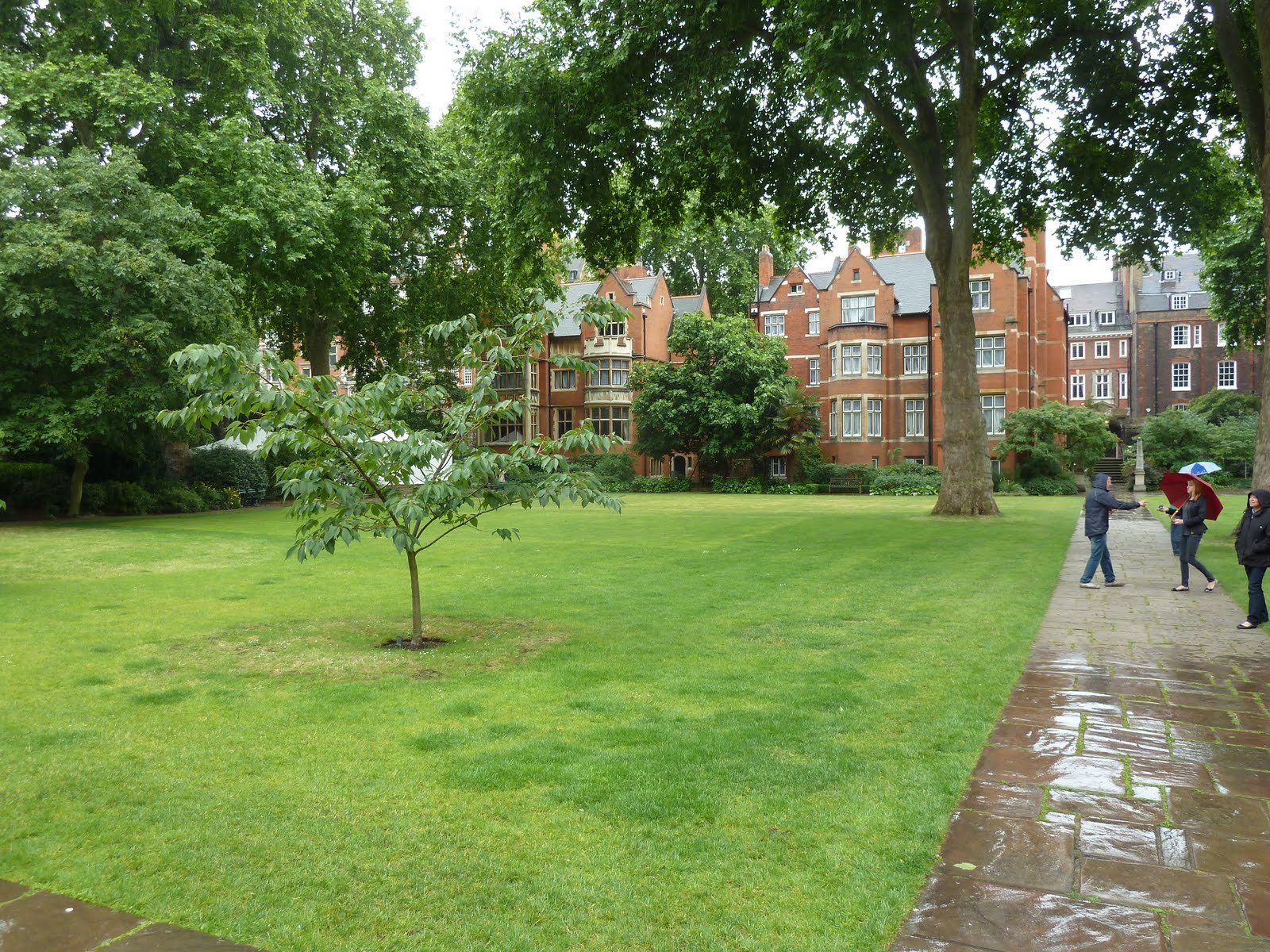
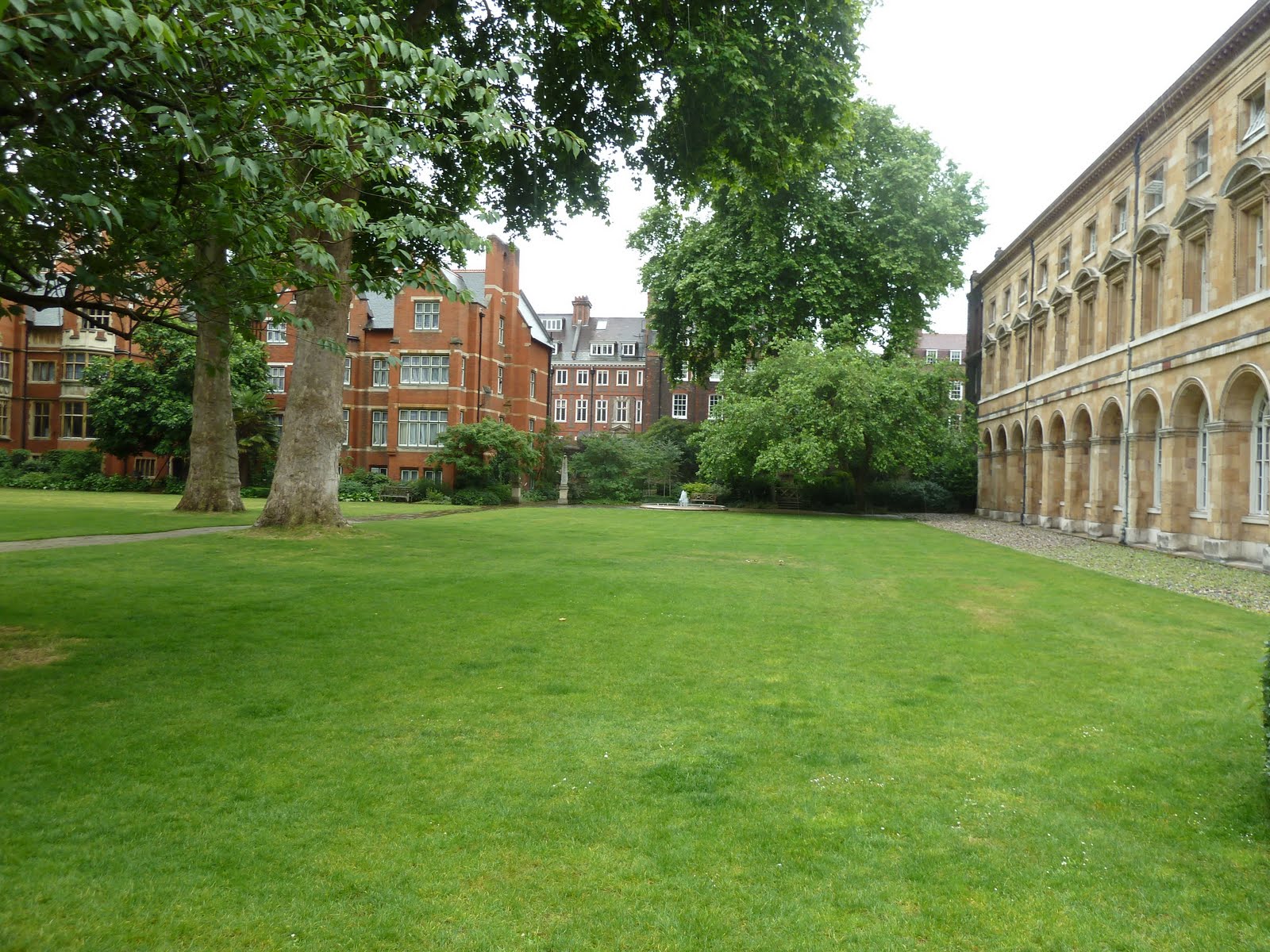
 The College Garden, according to the Abbey Garden brochure, “Is reputed to be the oldest in England and was originally an isolated piece of land inside the Thames called ‘Thorney Island’….

“…After the Dissolution of the monasteries in 1540, it became an area of recration for the clergy. In more recent years, an attempt has been made to acknowledge the Garden’s original use by planting vegetables, herbs and fruit trees.”

From the College Garden, the Abbey is right next door, and the bells were continuing with great beauty.

Above, St. Catherine’s Garden includes the ruins of the Chapel of St. Catherine, built in the 12th century, once the  abbey infirmary.

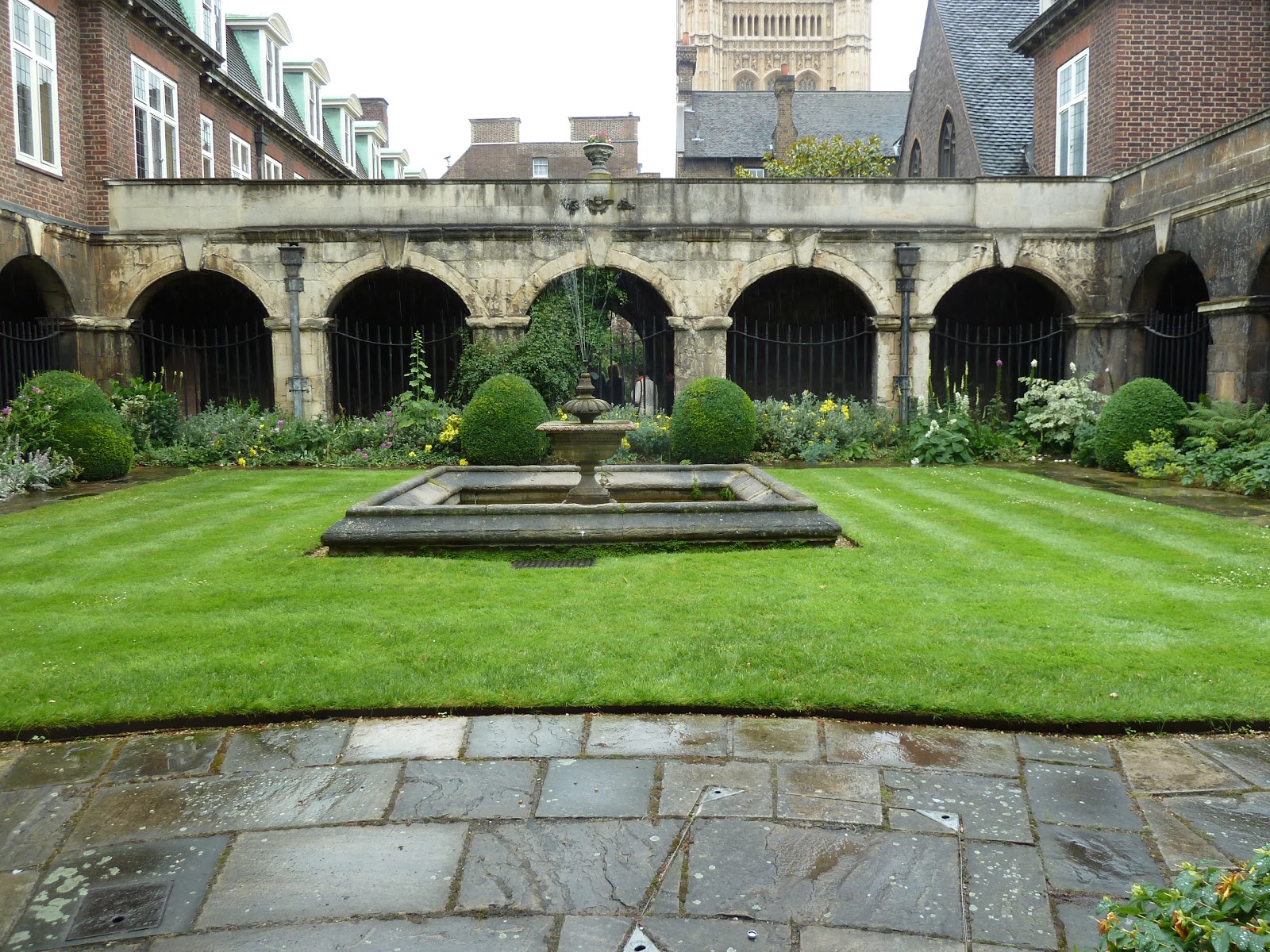
The Little Cloister provided peaceful silence and respite for the monks, now perhaps the most visited of the Abbey Gardens, for it is often open when the others are not.

Sadly, I did not wander much further since the rain continued. I was also eager to get to my next stop, the Queen’s Gallery, for an exhibition honoring the 200th anniversary of the beginning of the Regency in 1811, coming soon.

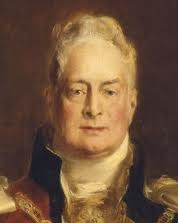
Happy Birthday William IV

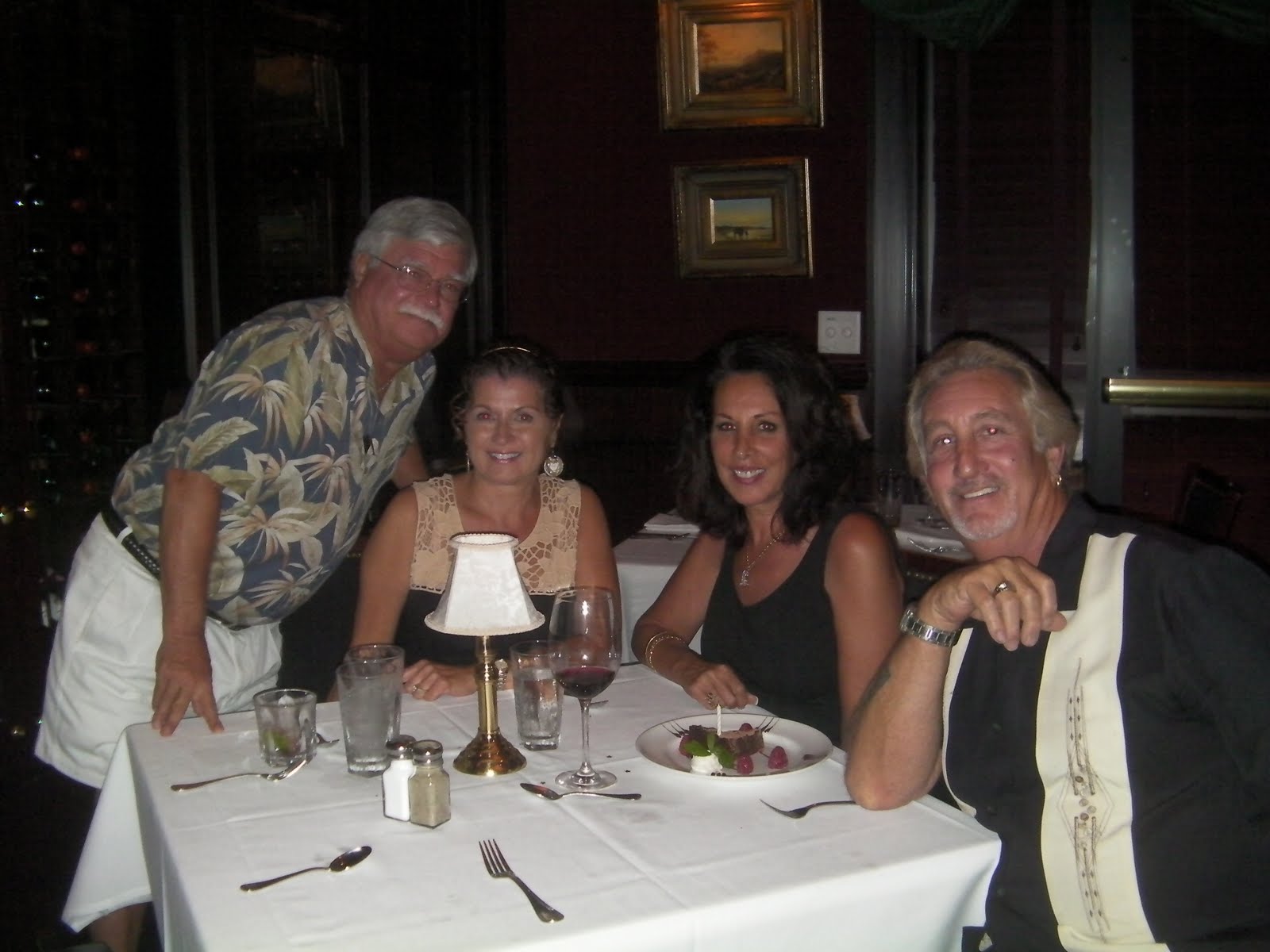
Happy Birthday to King William IV, whose birthday I share. In order to celebrate our birthdays, my husband, Greg, and I went out to dinner with friends to the Capital Grill last night.

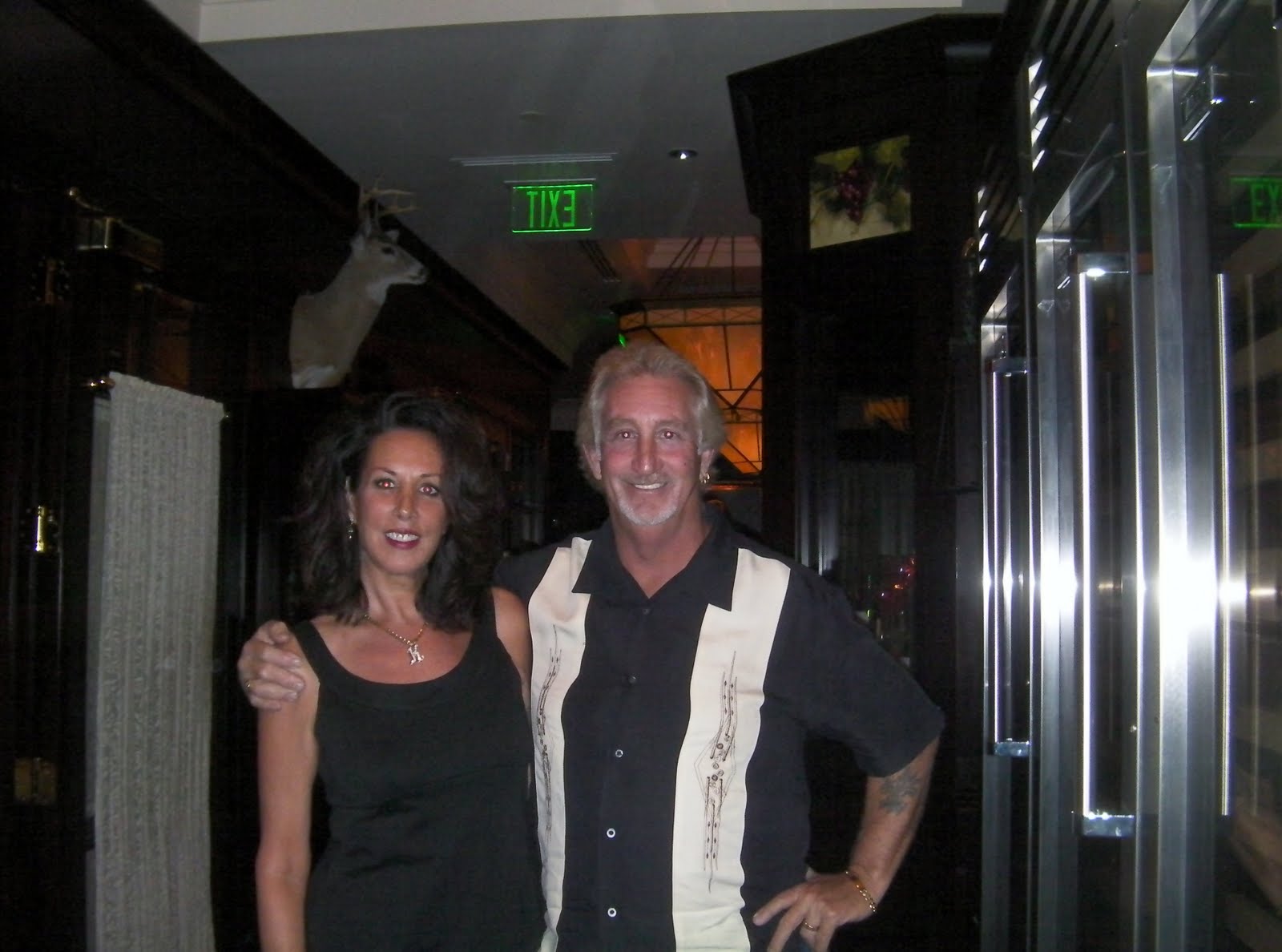
Here’s a snap Greg took of my girlfriend Mary Ann and I –

And here’s another

We ate, drank and laughed lots. A good time was had by all.

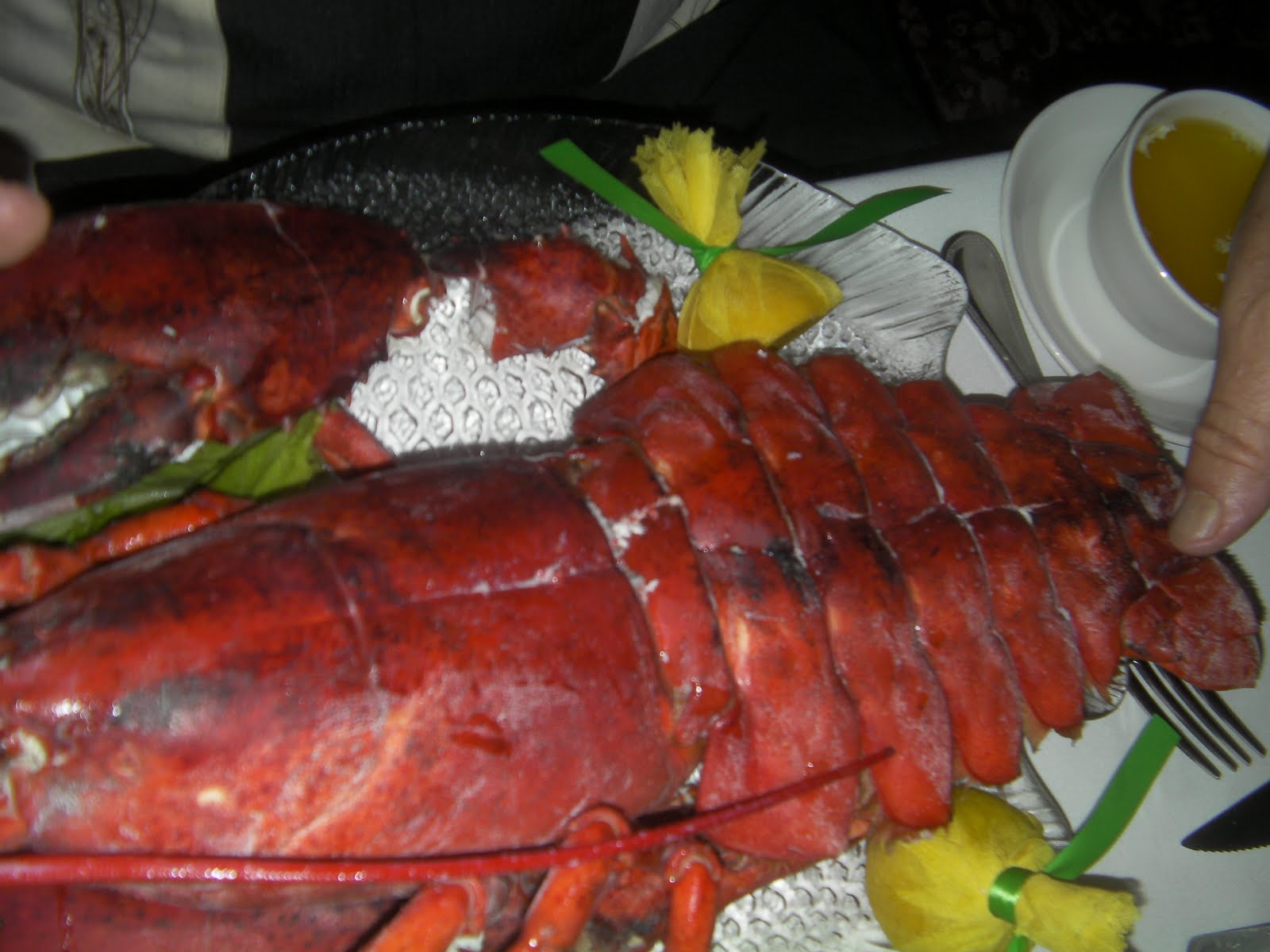
However, I must say that in all honesty the real star of the evening was neither King William nor myself, but instead was Greg’s four pound lobster.

Charles Greville on Lord and Lady Holland from 1841

Charles Cavendish Fulke Greville (1794 – 1865)  kept a journal during his many years as an associate of the poltical and social leadership of Great Britain.  He was essentially a well-born gentleman of leisure who knew “everyone” and went “everywhere.”  You can access all his work on-line at Project Gutenberg.  Greville characterizes Lady Holland’s domineering style as she chides a respected historian, below.

Charles Greville
From The Greville Memoirs (Second Part), “A Journal of the Reign of Queen Victoria from 1837 to 1852″   (Volume 1 of 3)  by Charles C. F. Greville
“December 31st, 1840:
The end of the year is a point from which, as from a sort of eminence, one looks back over the past… That which has made the deepest impression on society is the death of Lord Holland. I doubt, from all I see, whether anybody (except his own family, including Allen) had really a very warm affection for Lord Holland, and the reason probably is that he had none for anybody. He was a man with an inexhaustible good humour, and an ever-flowing nature, but not of strong feelings; and there are men whose society is always enjoyed but who never inspire deep and strong attachment. I remember to have heard good observers say that Lady Holland had more feeling than Lord Holland–would regret with livelier grief the loss of a friend than this equable philosopher was capable of feeling. The truth is social qualities–merely social and intellectual–are not those which inspire affection. A man may be steeped in faults and vices, nay, in odious qualities, and yet be the object of passionate attachment, if he is only what the Italians term ‘_simpatico_.’…
Henry Vassall Fox, 3rd Baron Holland, c. 1795
“January 21st, 1841: I dined with Lady Holland yesterday. Everything there is exactly the same as it used to be, excepting only the person of Lord Holland, who seems to be pretty well forgotten. The same talk went merrily round, the laugh rang loudly and frequently, and, but for the black and the mob-cap of the lady, one might have fancied he had never lived or had died half a century ago. Such are, however, affections and friendships, and such is the world.

Holland House, 1896
“Macaulay dined there, and I never was more struck than upon this occasion by the inexhaustible variety and extent of his information…It is impossible to mention any book in any language with which he is not familiar; to touch upon any subject, whether relating to persons or things, on which he does not know everything that is to be known. And if he could tread less heavily on the ground, if he could touch the subjects he handles with a lighter hand, if he knew when to stop as well as he knows what to say, his talk would be as attractive as it is wonderful. What Henry Taylor said of him is epigrammatic and true, ‘that his memory has swamped his mind;’…
Thomas Babington Macaulay (1800-1859)
“We had yesterday a party well composed for talk, for there were listeners of intelligence and a good specimen of the sort of society of this house–Macaulay, Melbourne, Morpeth, Duncannon, Baron Rolfe, Allen and Lady Holland, and John Russell came in the evening. I wish that a shorthand writer could have been there to take down all the conversation, or that I could have carried it away in my head;…
Elizabeth, Lady Holland (1770-1845), c. 1793
” …and then the name of Sir Thomas Munro came uppermost. Lady Holland did not know why Sir Thomas Munro was so distinguished; when Macaulay explained all that he had ever said, done, written, or thought, and vindicated his claim to the title of a great man, till Lady Holland got bored with Sir Thomas, told Macaulay she had had enough of him, and would have no more. This would have dashed and silenced an ordinary talker, but to Macaulay it was no more than replacing a book on its shelf, and he was as ready as ever to open on any other topic….
sketch by Sir Henry Landseer of Lady Holland, Lord Holland and Mrs. Brown (maid)
c. 1833, National Portrait Gallery
” It would be impossible to follow and describe the various mazes of conversation, all of which he threaded with an ease that was always astonishing and instructive, and generally interesting and amusing…. ‘I remember a sermon,’ he said, ‘of Chrysostom’s in praise of the Bishop of Antioch;’ and then he proceeded to give us the substance of this sermon till Lady Holland got tired of the Fathers, again put her extinguisher on Chrysostom as s
he had done on Munro…