Sue Ellen and Kristine at a working slate mine in the Lake District
My special guest today is
USA Today bestselling author
Sue Ellen Welfonder, who writes historical romances set in medieval Scotland under own name, as well as Scottish-set paranormal romances as Allie Mackay. On a personal level, Sue Ellen and I have been sister/friends for close to thirty years. Yup. Thirty.
Sue Ellen’s heart has always belonged to Scotland – she’s traveled there extensively and has an in-depth knowledge of it’s history. So who else would I have called upon to head up the Scottish Tours division of Number One London Tours? My initial phone call to Sue Ellen went something like this:
SEW: Hello?
KHP: Hey, Bozzy, it’s me.
SEW: Gorgeous!
(Note: I have called Sue Ellen “Bozzy,” after diarist James Boswell, since our first trip to England together. Like Boswell, Sue Ellen documents everything with copious diary entries. She calls me “Gorgeous” because she’s nuts).
KHP: Can you put together a Scottish itinerary for Number One London? Oh, and by the way, you are now Vice President in charge of the Scottish Division.
SEW:What? I am? What does that even mean?
KHP: It means you’ll be coming up with the itineraries for all of our Scotland tours. Oh, and you’ll be coming along on the Scottish tours as the tour guide.
SEW: I will?
KHP: You’ll have to, Bozzy. I don’t know anything about Scotland. Think of a theme for the tour and then build an itinerary around that. Easy peasy.
Naturally, Sue Ellen came up with a pip of a tour theme – Scottish Castles. The 10 day tour includes six castles, plus visits to Edinburgh, a Loch Lomond cruise and a Highland Safari. Full Tour details can be found here.
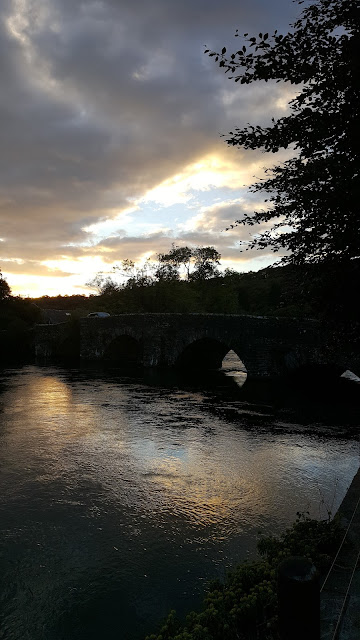
Of course, we couldn’t possibly plan a tour to Scotland without actually going over there. Just to be certain we’d gotten everything right, you understand. Our visit also included the Lake District, as above at Newby Bridge, Lake Windermere.

And we did some mudlarking on the River while we were in London.
Eventually, we made our way to the George Hotel in Prince’s Street, Edinburgh, above. In addition to visiting sites we’ll be including on Number One London’s Scottish Castles Tour, I was able to revisit this sweet cottage in the Prince’s Gardens.
And then we set out for some of the sights included in the upcoming September tour to Scotland, including a cruise on Loch Lomond, below.


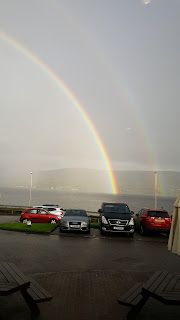
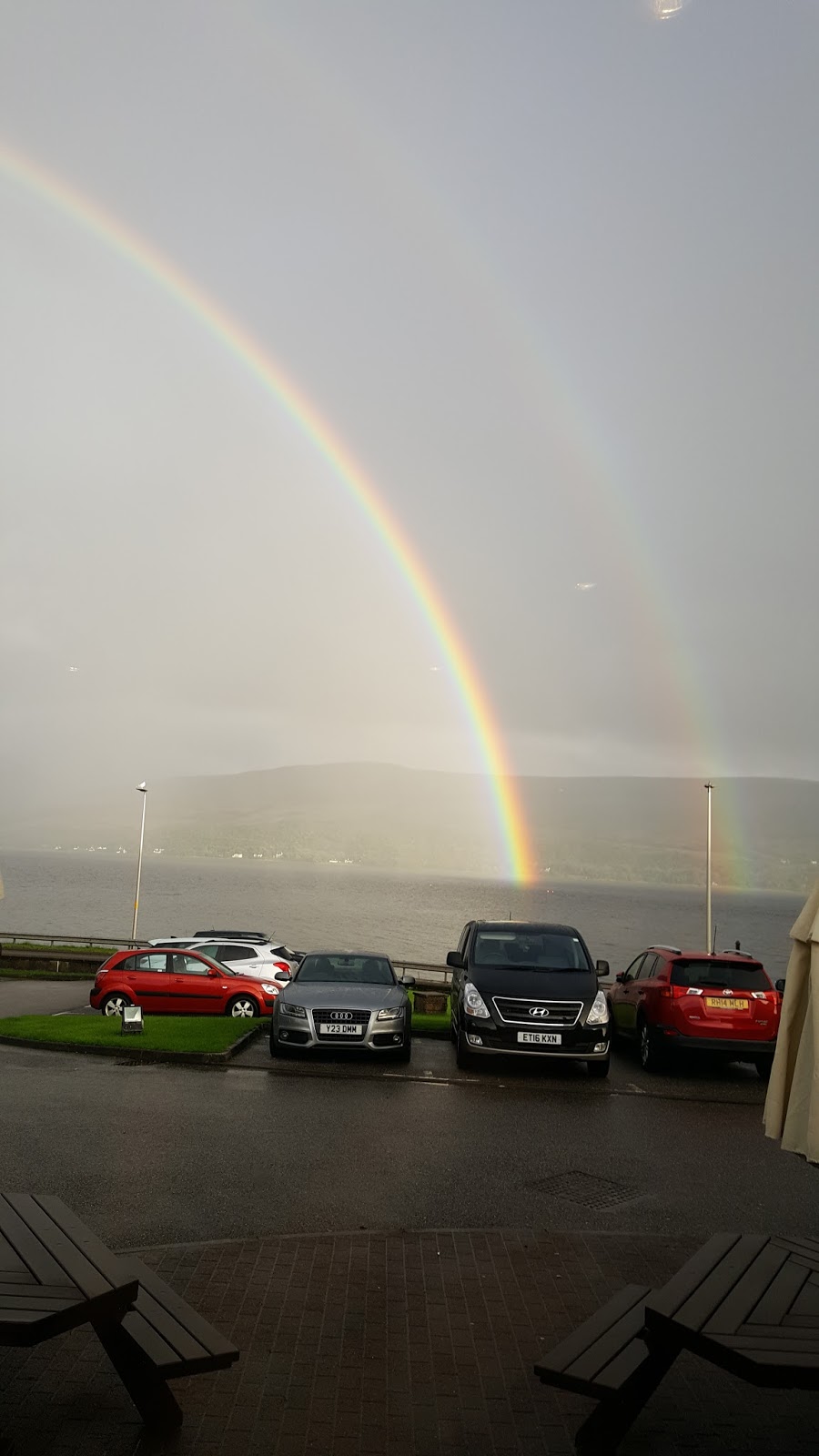
Scotland must be the land of rainbows because we saw them on Loch Lomond, above, and at Inveraray, below.
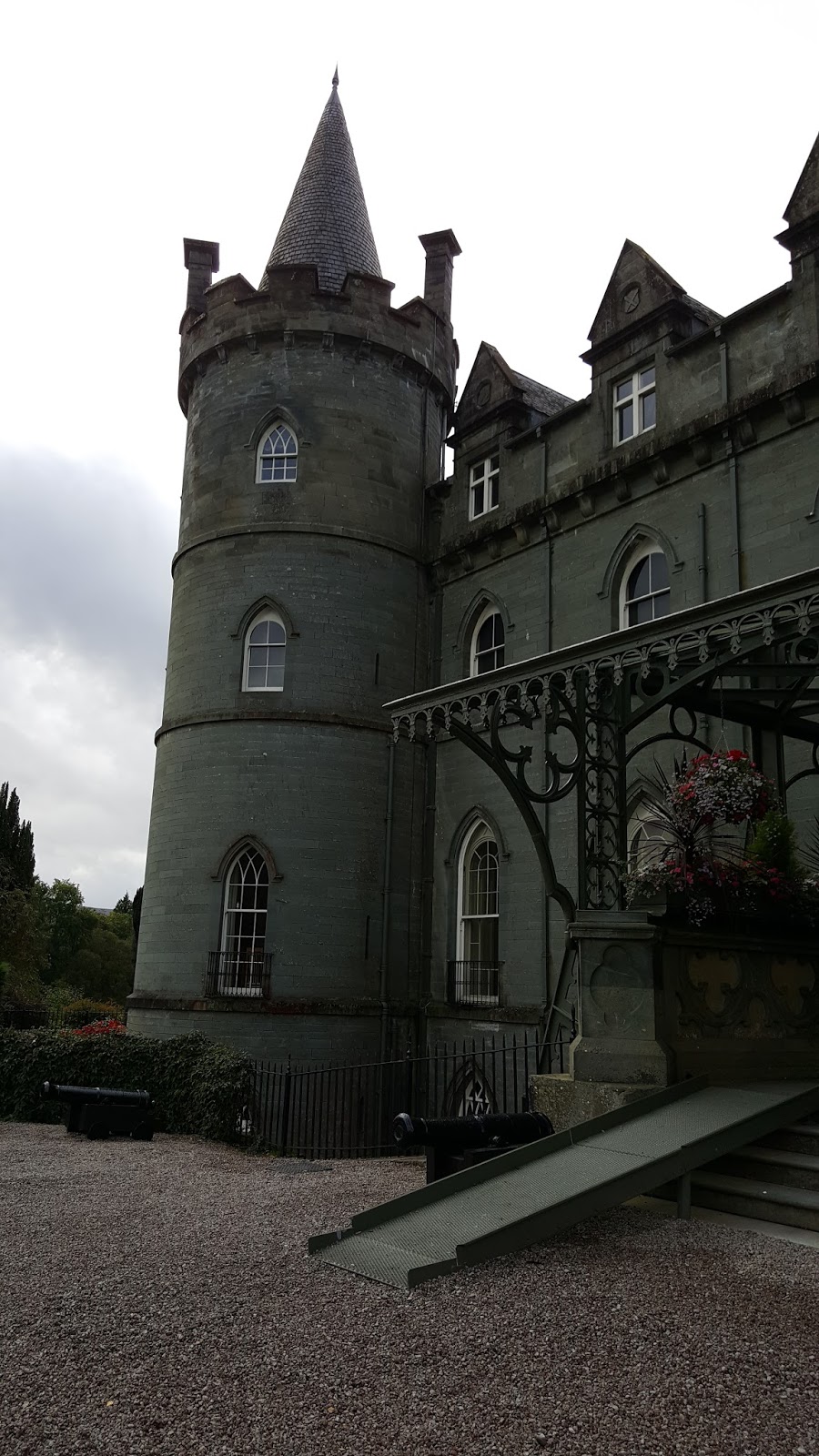
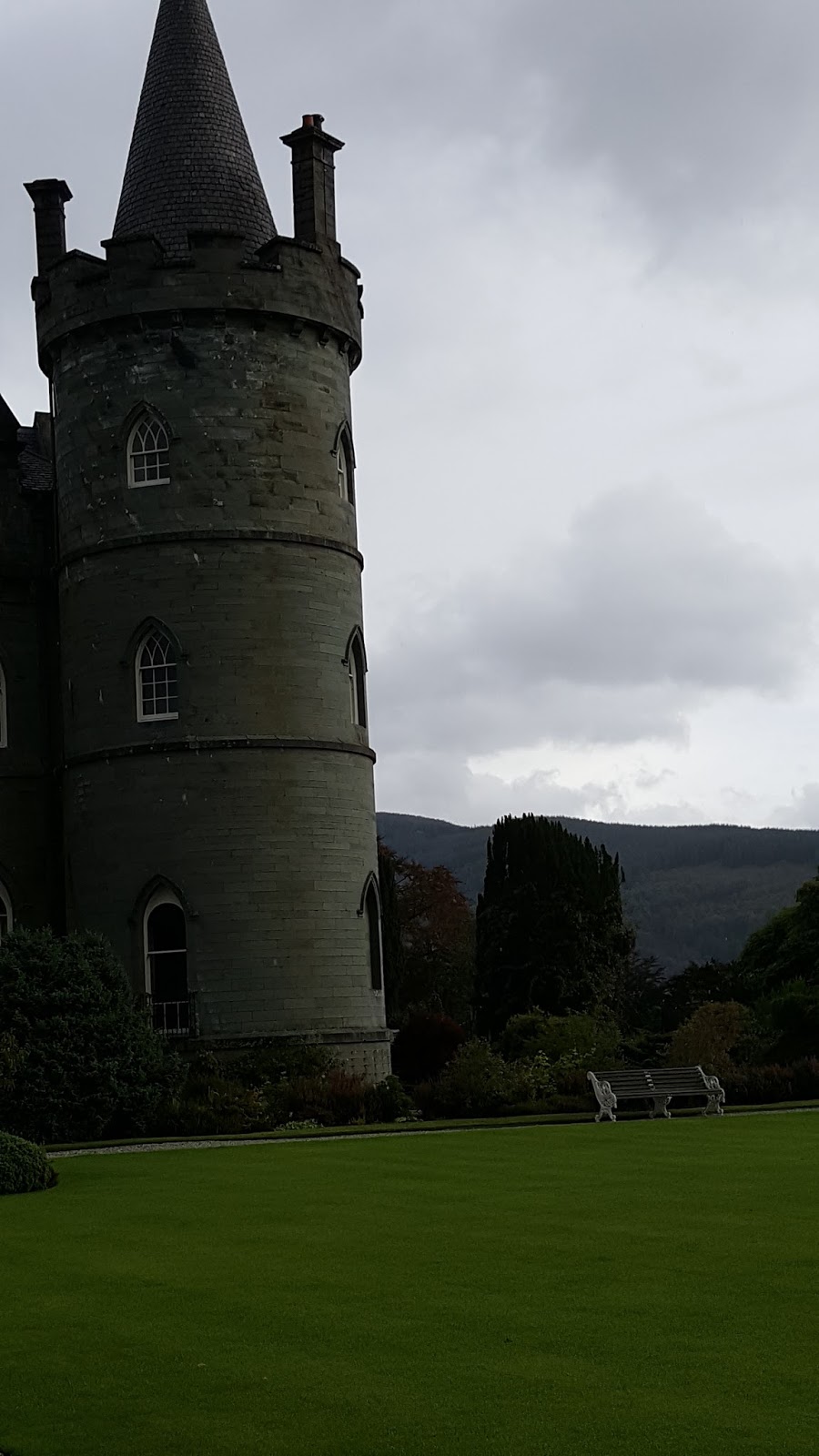
 And then it was on to Inveraray Castle, home to the Dukes of Argyll, chiefs of the Clan Campbell, below.
The Castle is a magical place, easily walkable from the Loch Fyne Hotel and what an approach!

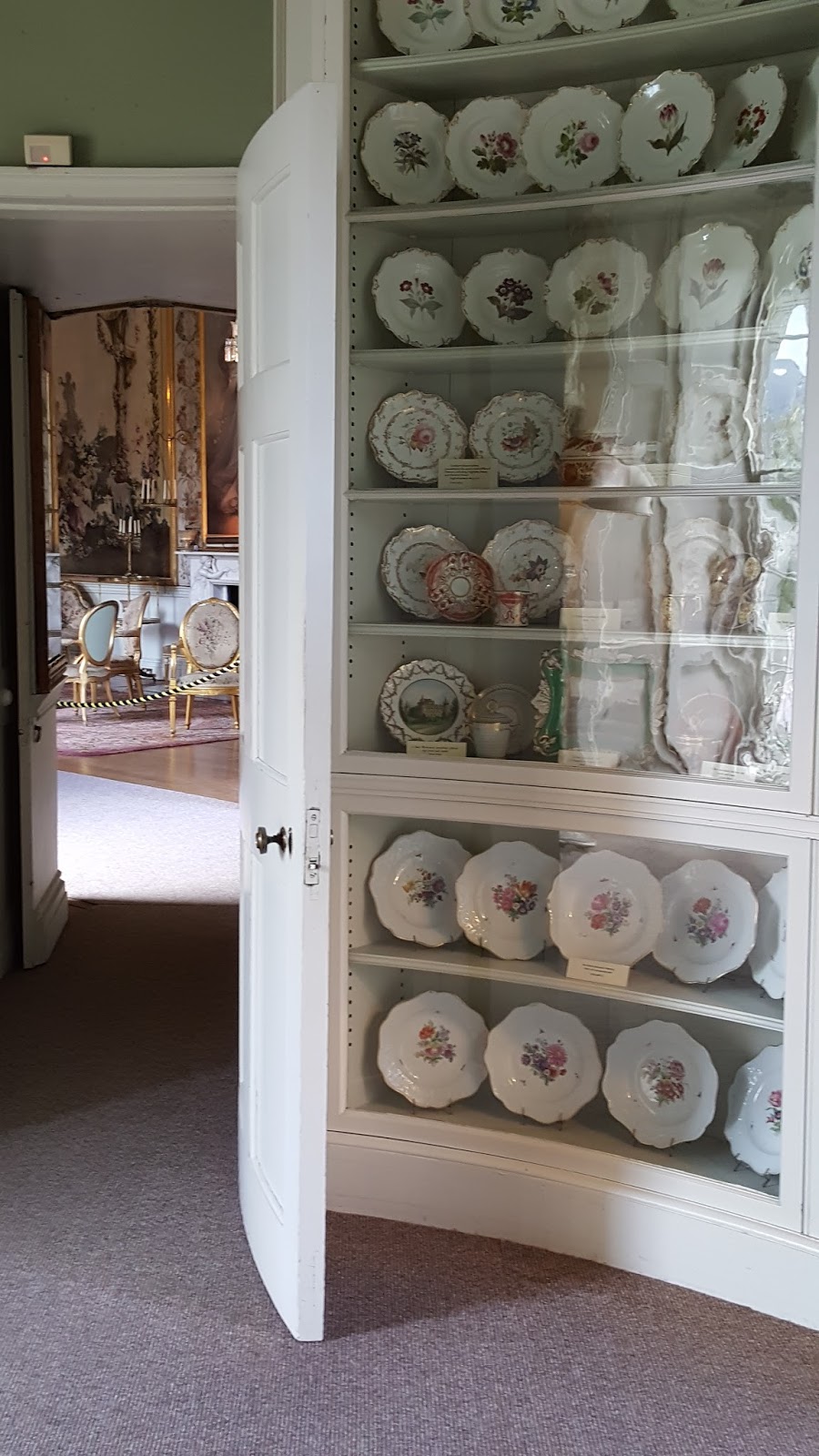
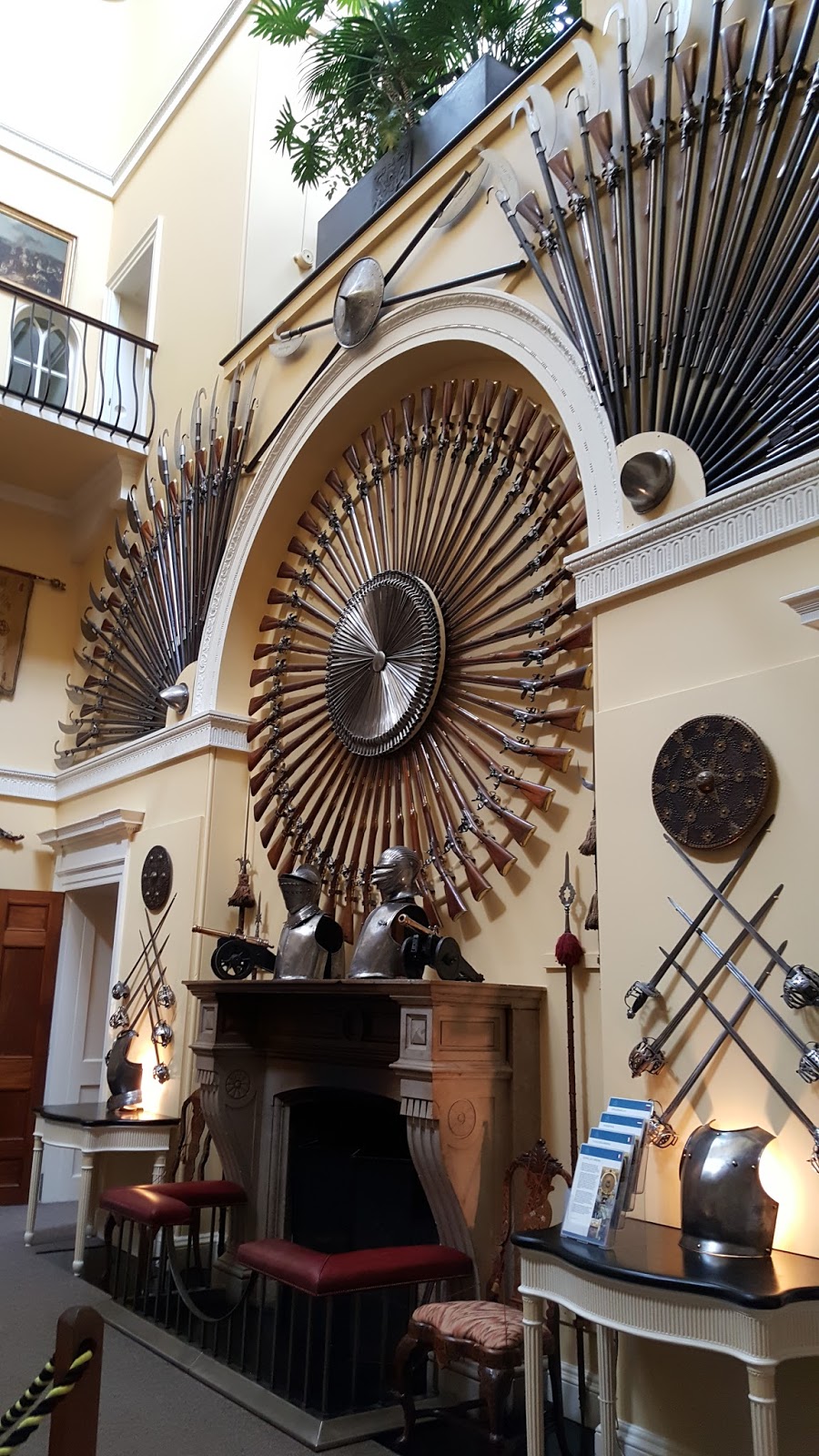
The interiors, as you may imagine, are incredible, with hundreds of years of history oozing from every wall.
There’s much to see at the Castle, as the photos show, everything from medieval arms to Georgian furnishings and costume displays.
There’s also a Wellington connection – Henry Paget (Lord Uxbridge, later Marquess of Angelsey, who fought under Wellington at Waterloo) ran off with Wellington’s sister-in-law, Charlotte, wife of his brother Henry. The wife Paget left in order to do so was Lady Caroline Elizabeth Villiers, daughter of the 4th Earl and Countess of Jersey. By that time, they had eight children together. But it all ended well for Lady Caroline, as she went on to remarry – the Duke of Argyll.
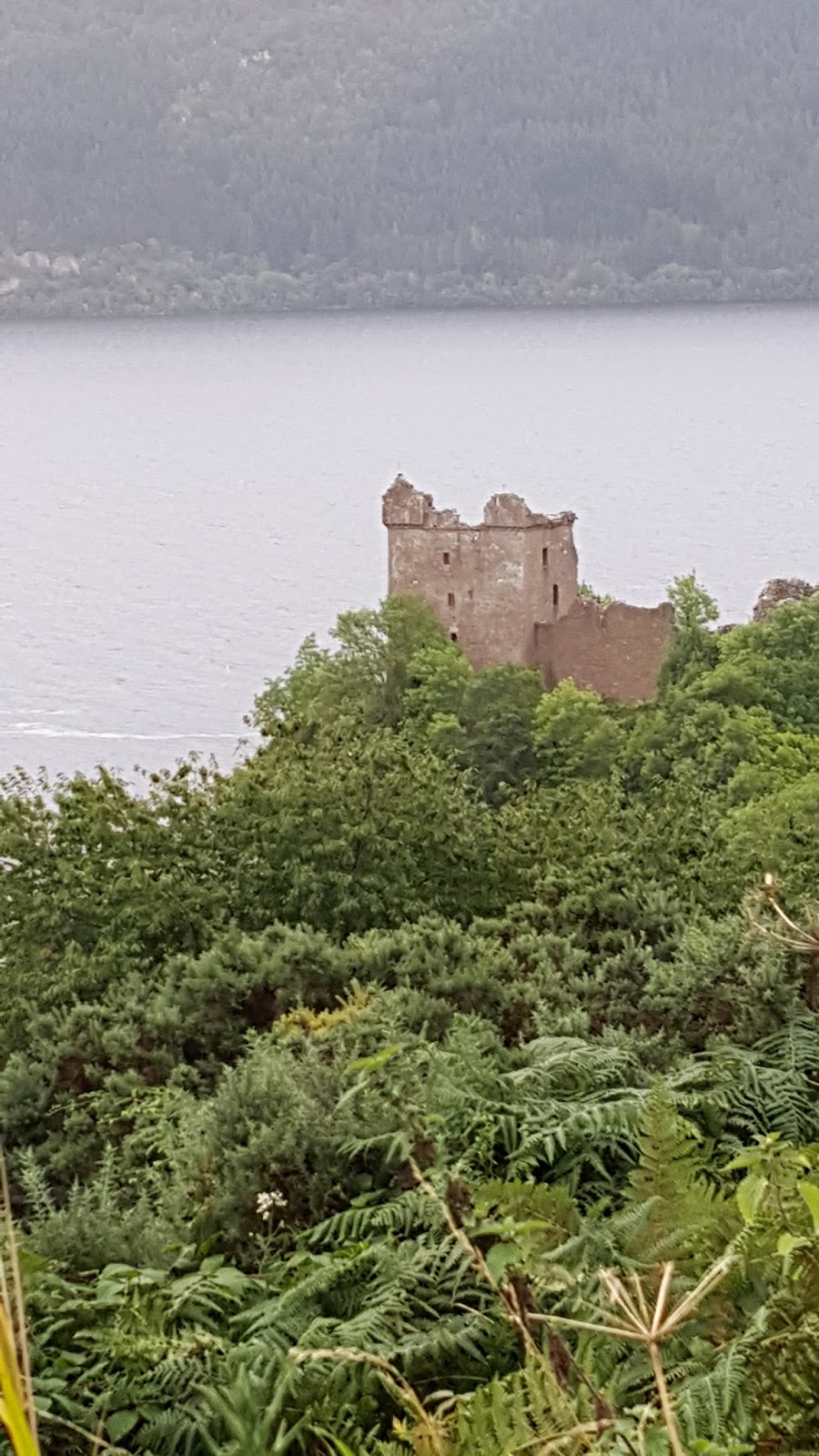
Leaving Inveraray, Sue Ellen and I did a drive by of Loch Ness and the iconic Urquhart Castle, below. No, we didn’t see Nessy, more’s the pity.
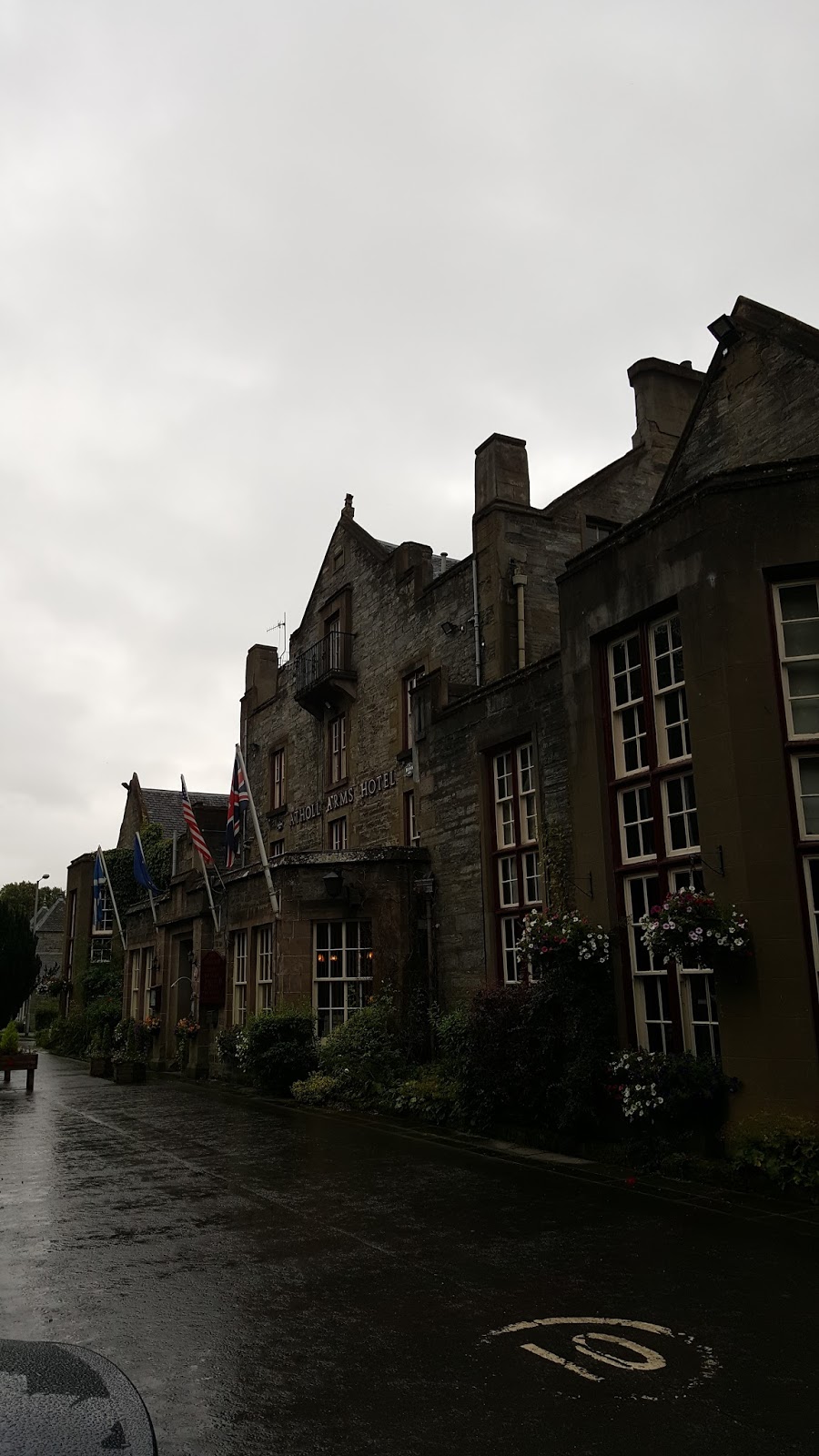
From there it was on to Blair Atholl and our atmospheric hotel, the Atholl Arms, located just over the road from Blair Castle.
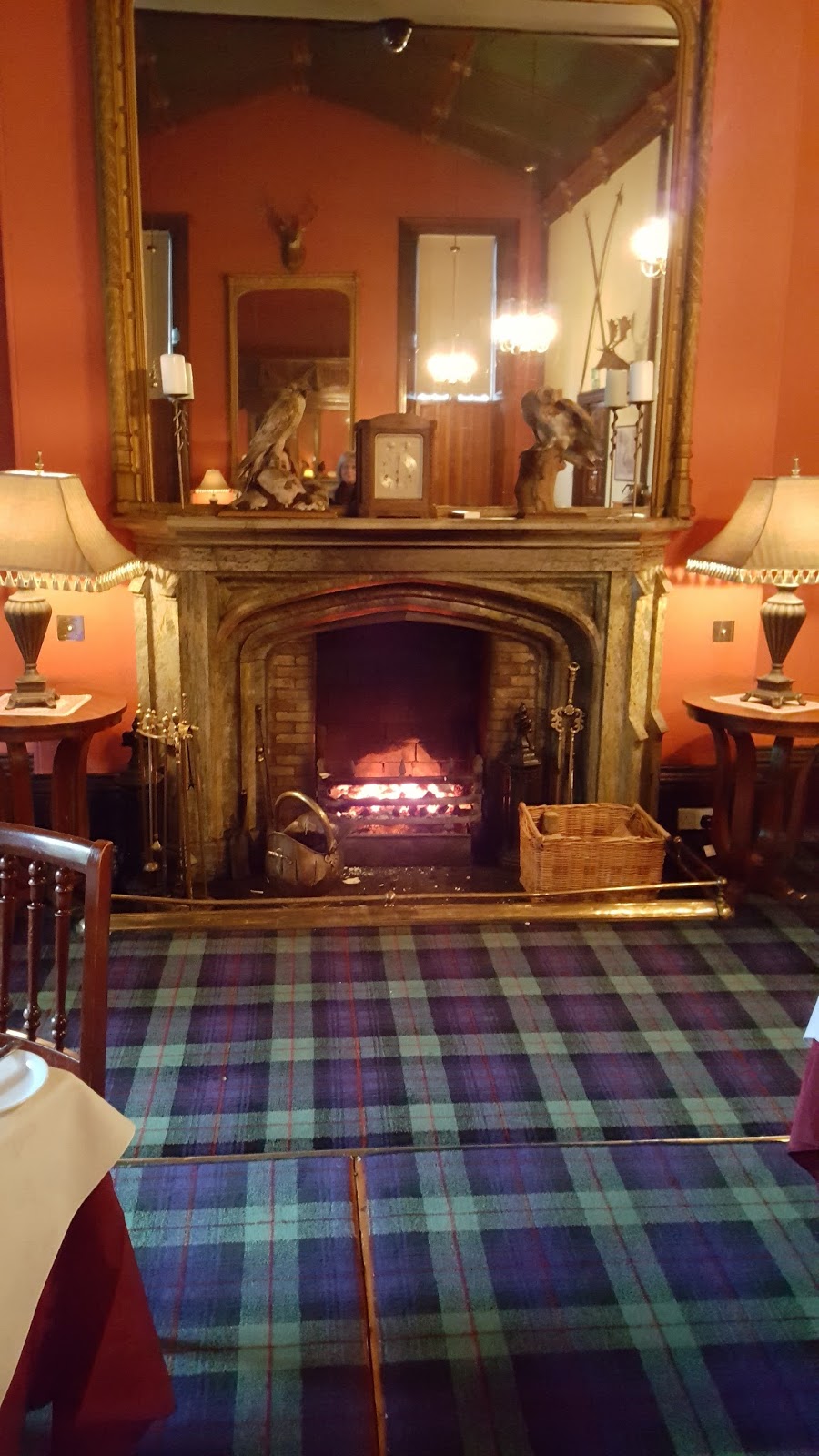
The Hotel is chock full of Scottish atmosphere, with an abundance of tartan, open fires and grand rooms. Truly the perfect place to stay in the Highlands.
Here’s Sue Ellen at the dinner table at the Atholl Arms, getting warm by the coal fire.
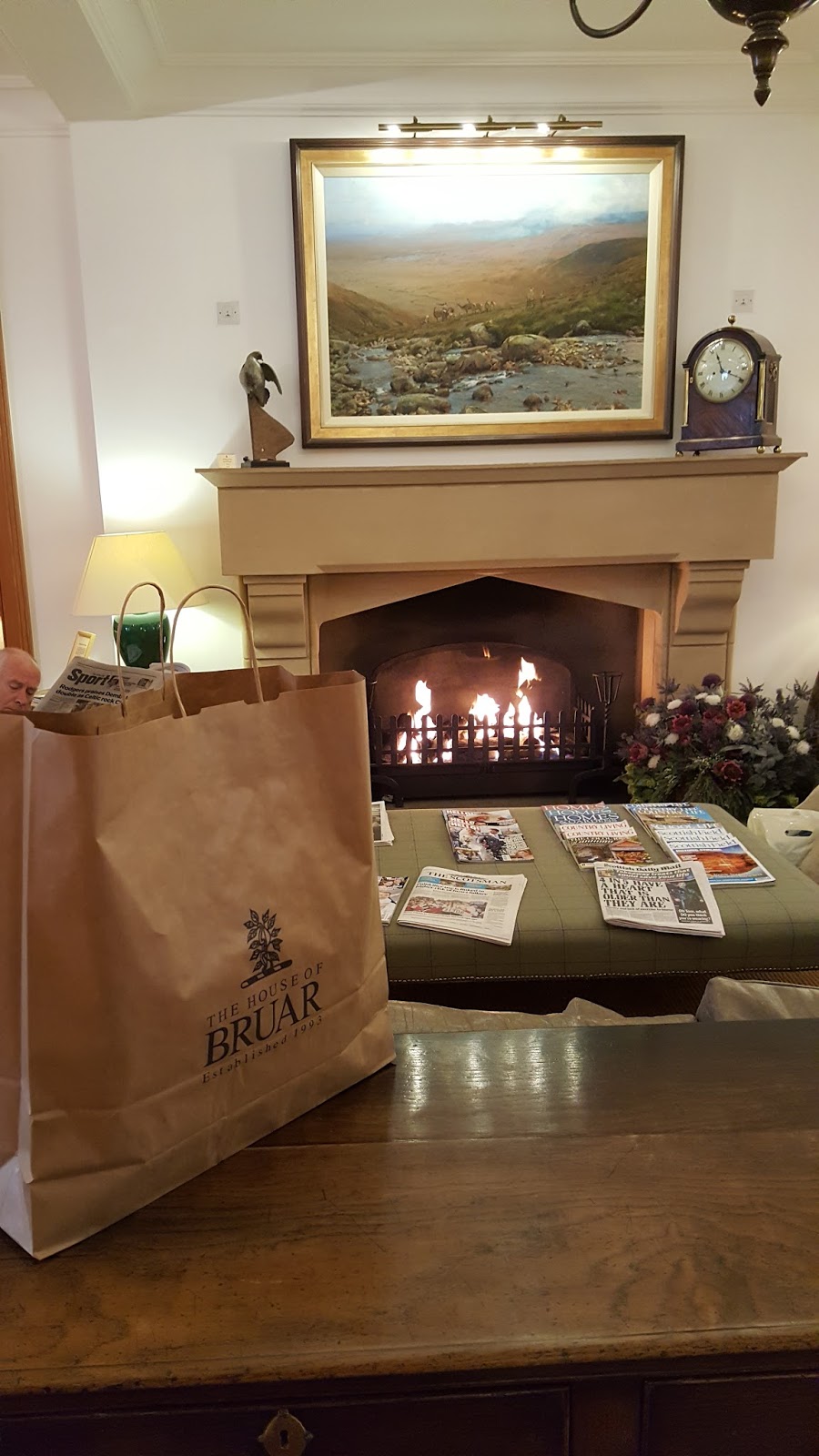
Next day, we visit the
House of Bruar, known as “the Harrods of the North”, where fine cashmere and tweeds are on offer for both ladies and gentlemen, in addition to a wide array of leather, hats, food and accessories.
Yes – we’ve included it on the itinerary for our Scottish Castles Tour!
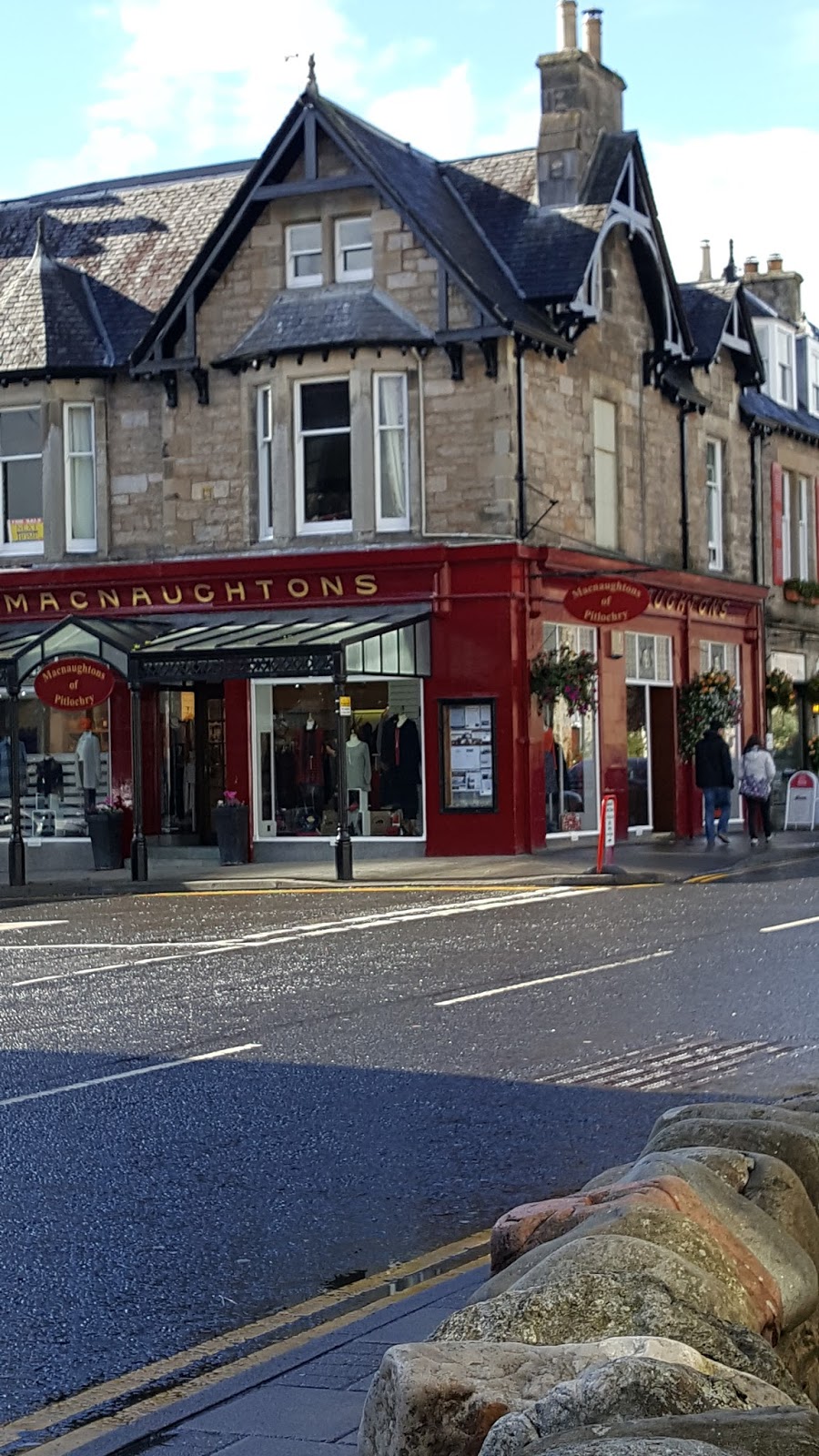
Also on the itinerary is a stop at Pitlochry, below, one of the most charming period towns to be found in the Highlands.
A true highlight of our time in the Highlands was our visit to Blair Castle. Again, we walked there from our hotel and the grounds are simply spectacular.
The Blair Estate is huge, with thousands of acres under their control, as well as a whole host of livestock – cattle, sheep, horses, deer and rivers full of salmon.
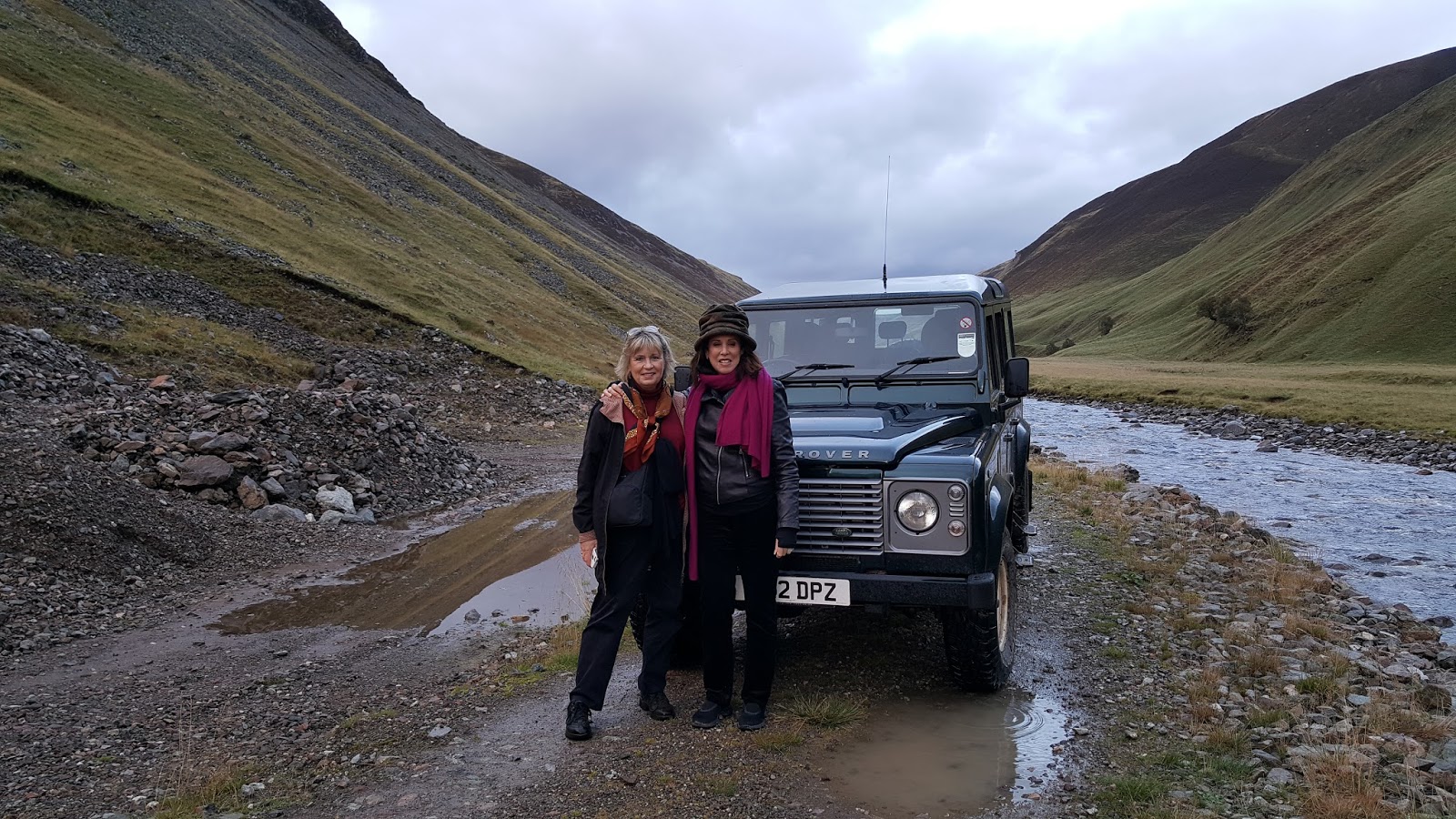
The absolute highlight of our visit to Blair – or anywhere in Scotland – was the Land Rover Highland Safari Sue Ellen and I were given by our guide, Izzy, one of the Rangers on the estate.
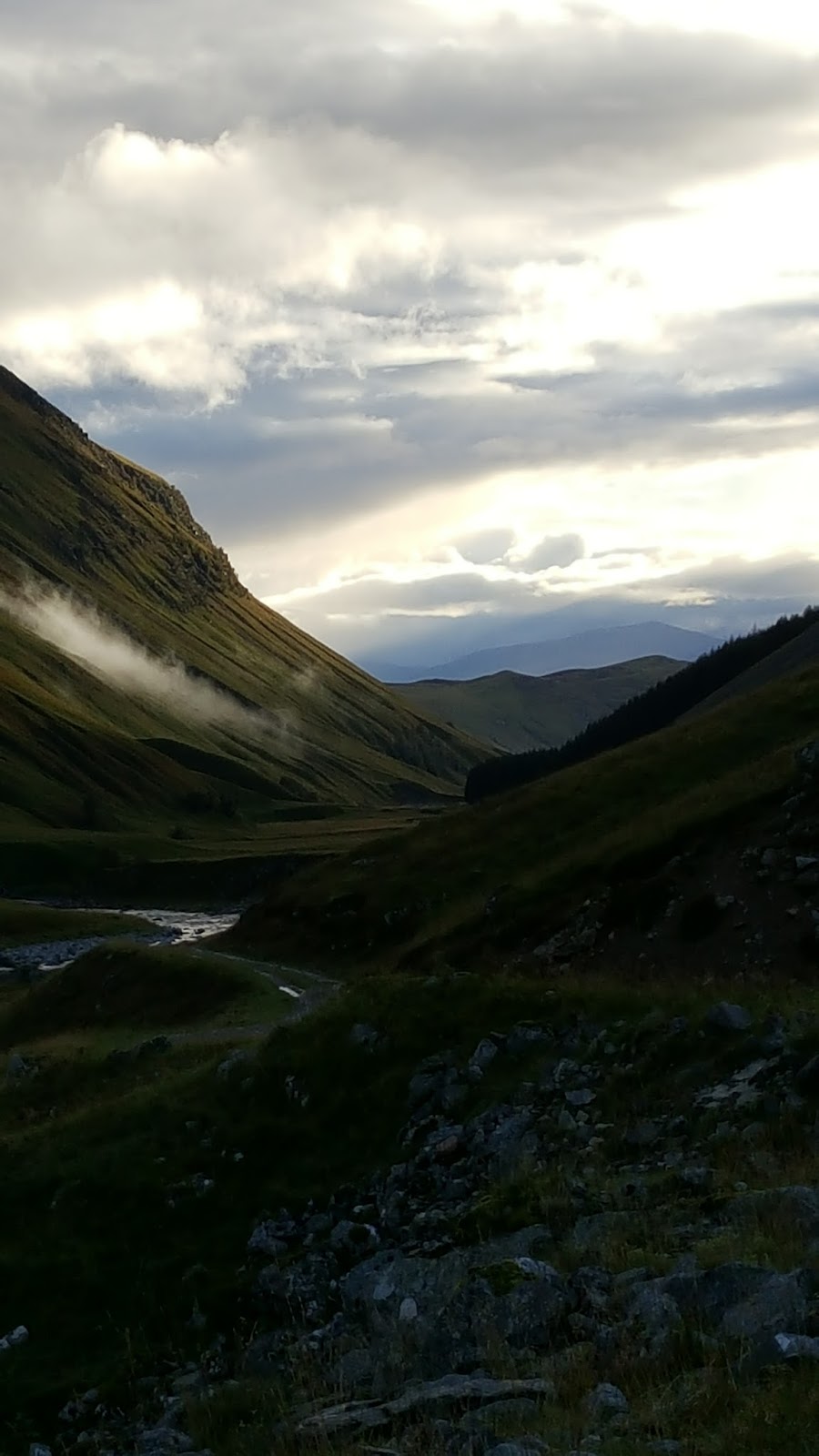
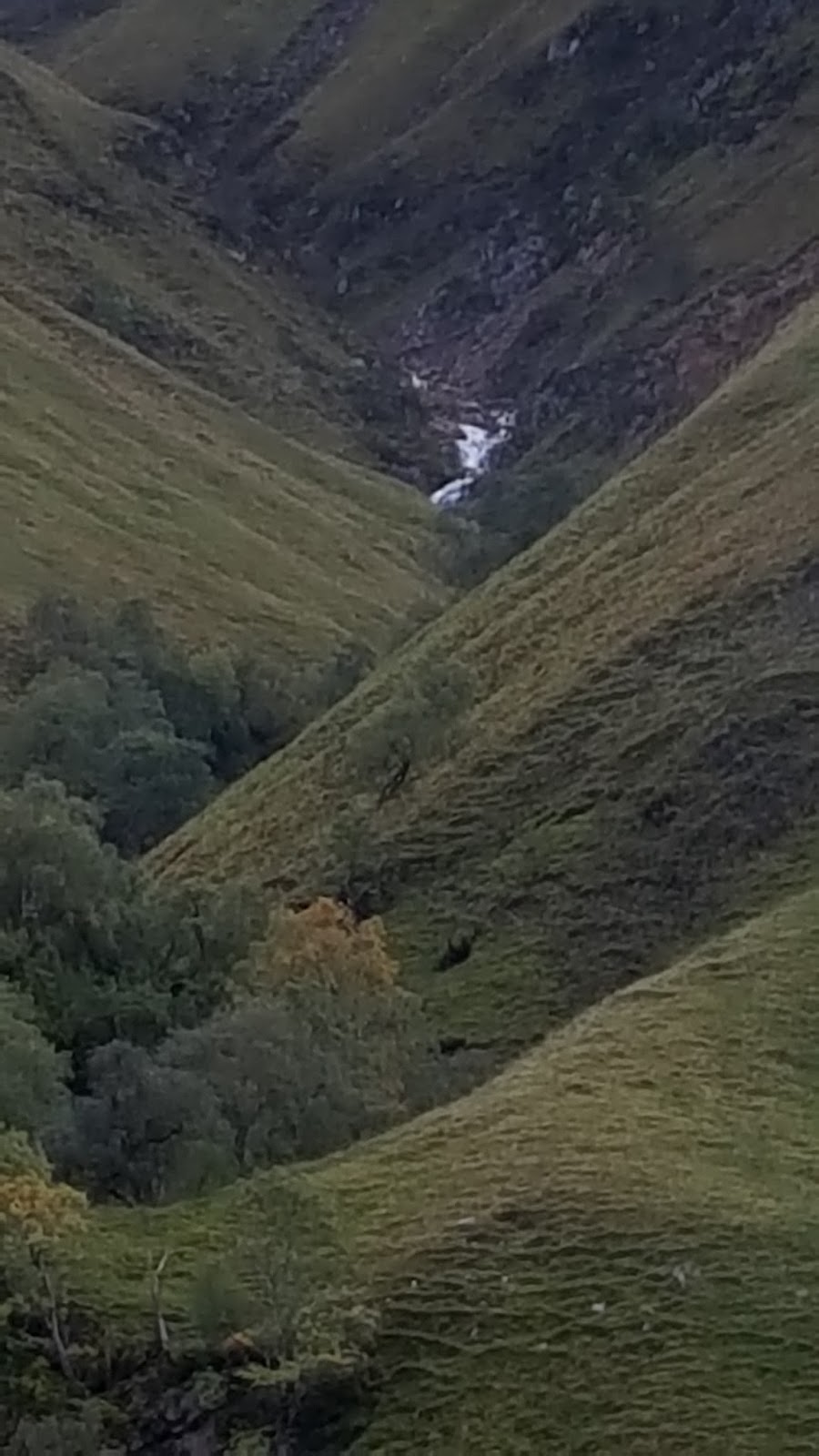
There’s truly something magical about being the only people out for miles around. Izzy took us through streams, up craggy hillsides and into glens where we easily spotted herds of deer.
Truly, our Safari was a once in a lifetime experience, a chance to get down and dirty in the Highlands.
As evidenced by Sue Ellen’s shoes, below.
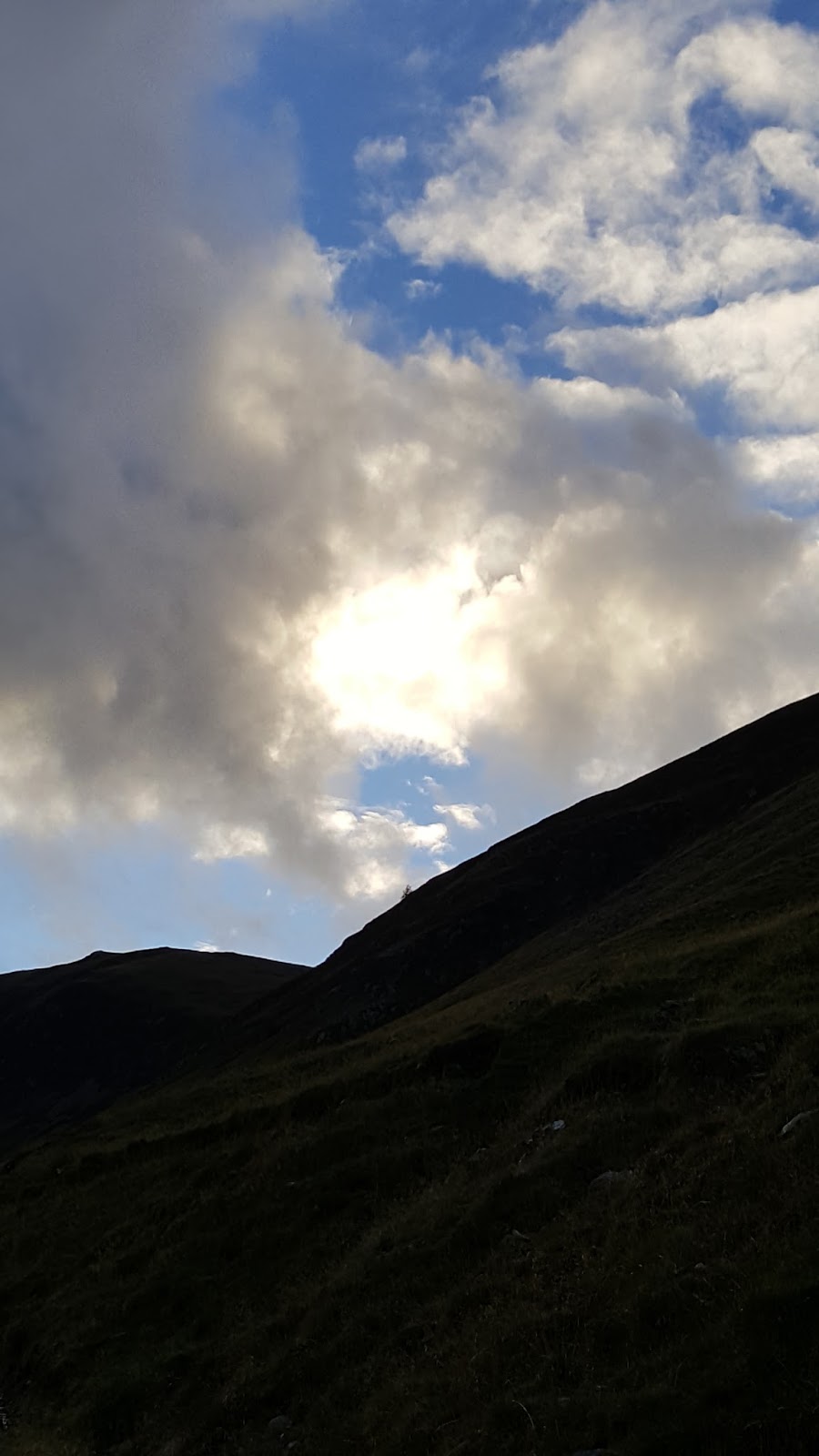
Majestic sights met us round every bend and Sue Ellen and I were blessed to have experienced the adventure together. Yes, we’ve included the same adventure on the Scottish Castles Tour in September.
Our guide, Izzy, below. She will be one of the Rangers who will take our group on the same adventure in September.
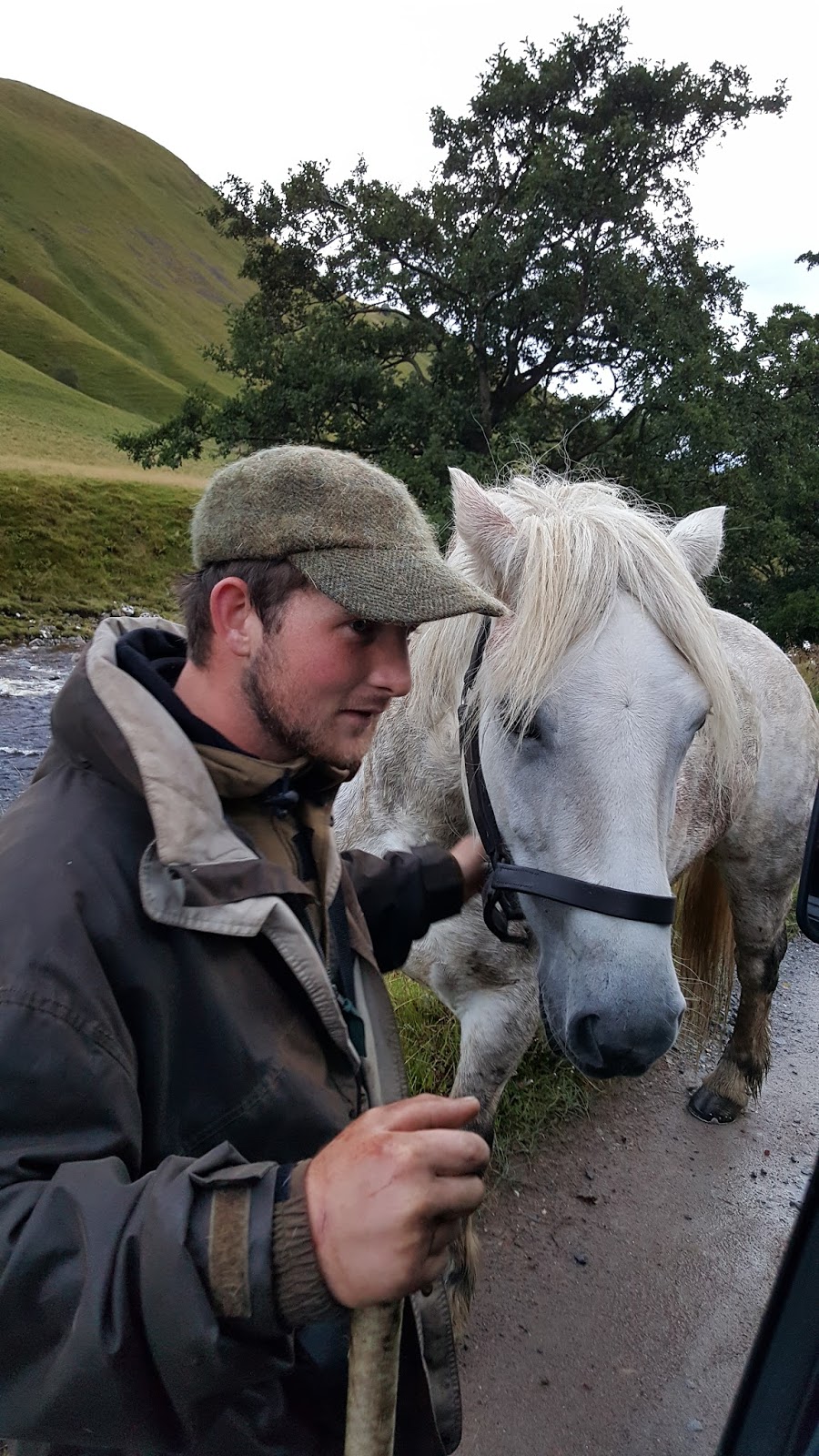
Below, ghilly Stewart, who we ran into on our return journey. He and the pony had just taken a stag off the mountain as it was culling season. Sue Ellen and I are convinced that Izzy called Central Casting and ordered a true Scotsman to show up at the most picturesque spot.
Truly, it doesn’t get much more “Highlands” than this!
We hope you’ll consider joining us for a true Scottish adventure including town, castles and the Highlands on Number One London’s Scottish Castles Tour in September 2017. Full itinerary and details can be found here.
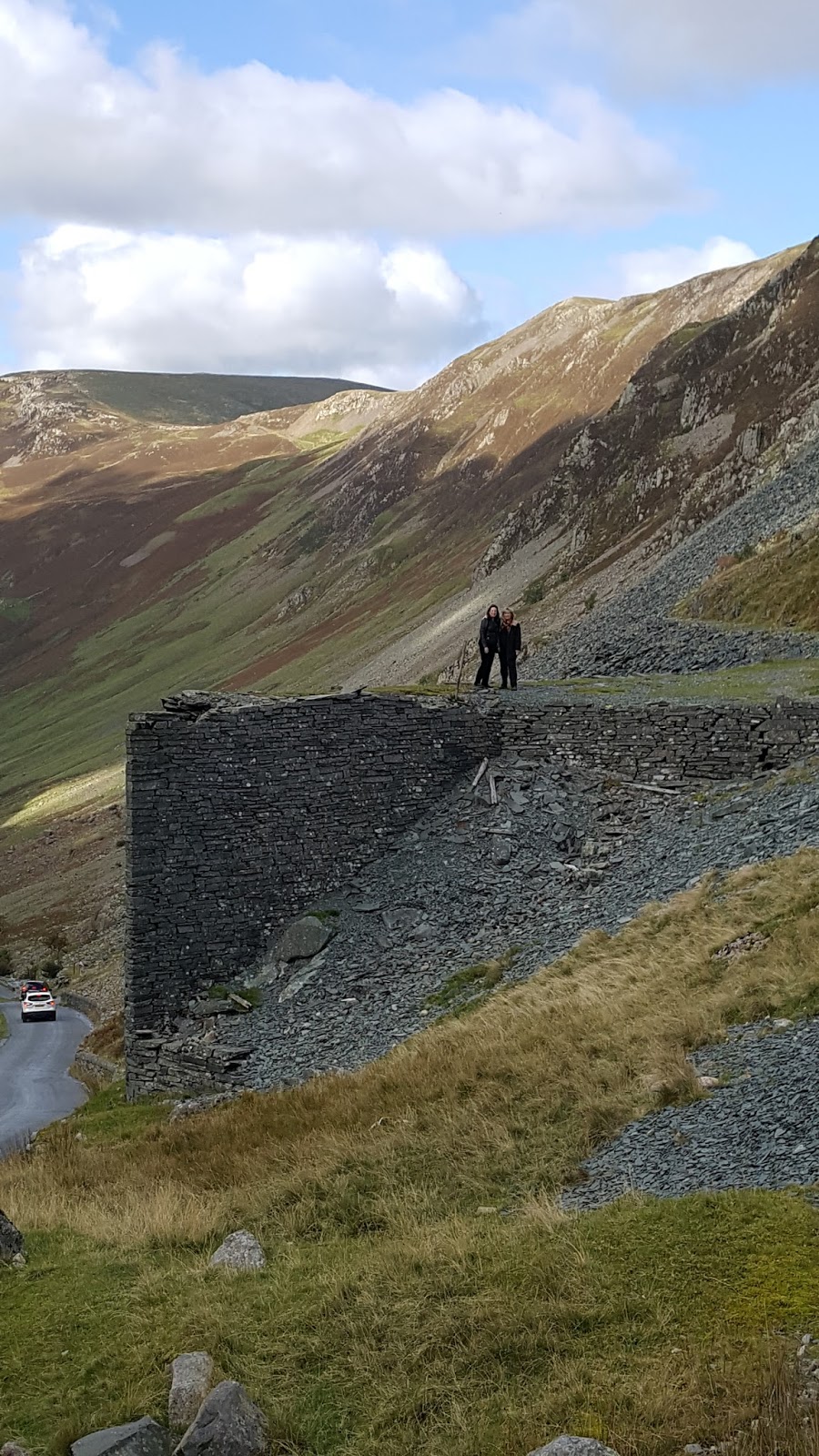 Sue Ellen and Kristine at a working slate mine in the Lake District
 And we did some mudlarking on the River while we were in London.


 And then it was on to Inveraray Castle, home to the Dukes of Argyll, chiefs of the Clan Campbell, below.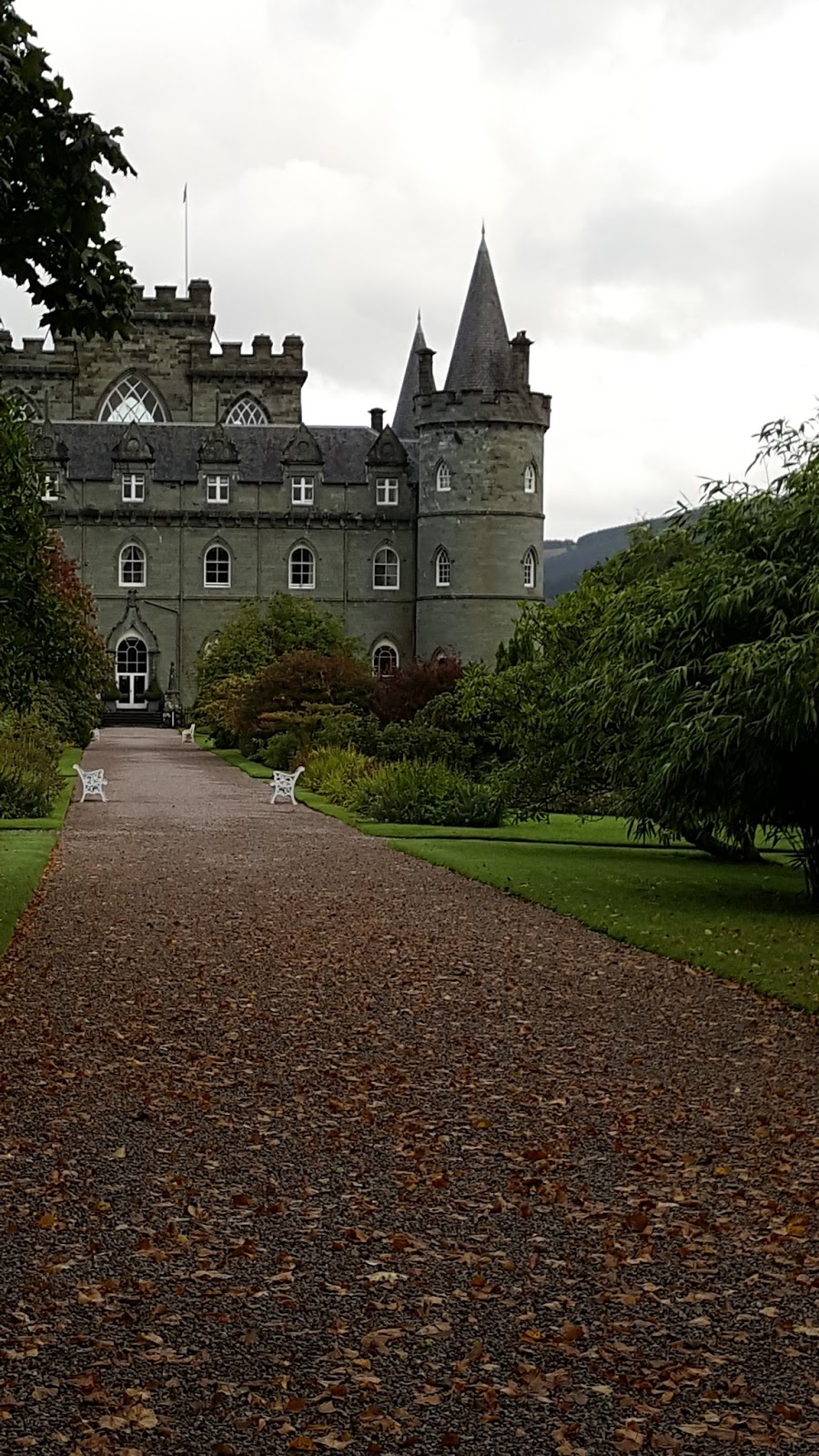

















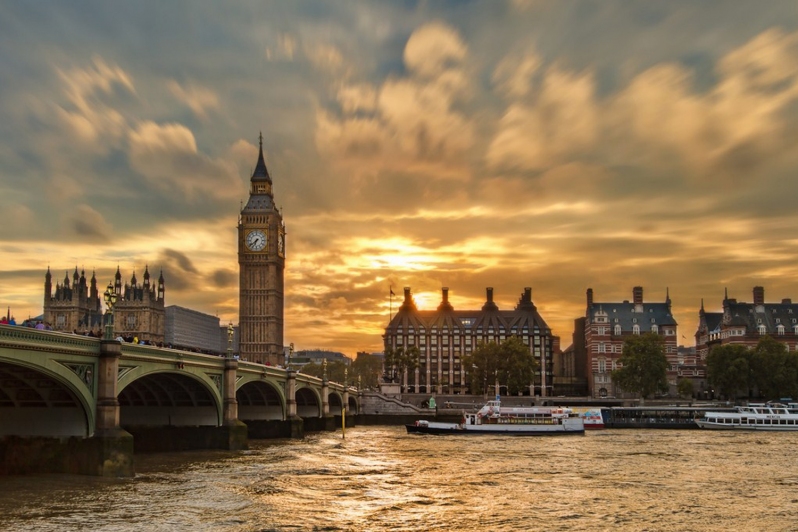







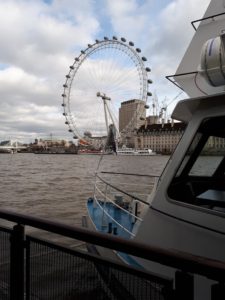 Once we’d done with the phone purchase, Beth and I took a cab to Westminster Pier in order to board the water taxi to Greenwich, as originally planned. We settled in to await our departure and took a few photos to document the day and I told Beth how glad I was that our day together fell on the day I needed her help most. A former teacher, now
  We spent most of the trip marveling at the changing face of the various London docks, which have morphed from being some of the largest shipping depots in the world into some of the most desirable London real estate properties, regardless of sky high costs. We also marveled at the pure courage displayed by early sailors, who willingly set sail on ships bound for uncharted shores, never certain if they’d ever see their homes or dry land again. Before long, the