This is the first installment on a series of posts we’ll be re-running from The Horse-World of London by William John Gordon (1893), each one chock-a-block full of interesting details. We hope you’ll enjoy them as much as we do!
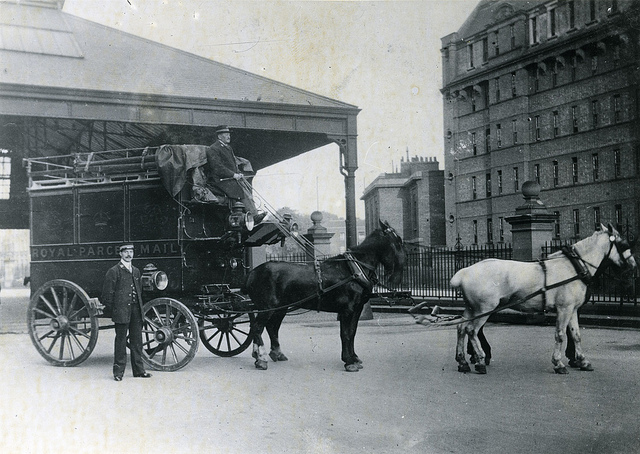
Copyright The Postal Museum
The Post Office owns no horses; it does its work by contract, and McNamara’s have `horsed the mails’ ever since 1837, when so many good things began. They have now 600 horses at their central quarters in Finsbury and the local branches from which the outer ring of postal districts is worked, besides a few hundred others for trade traffic. And out of London there are forty-two horses on the Brighton road working the Parcels Coach, and the twenty-six Tunbridge Wells Coach horses, and the other coach horses; but these cannot fairly come into our census, except as regards those for the first stage out and last stage home —the stages being the ten-mile ones of’ the glorious old coaching-days,’ concerning which we may have something to say presently.
The mail horse is the least conspicuous of draught animals. How often do we hear a shout of ‘Here comes the mail!’ and how seldom do we trouble as to what its horses are like! Our attention is caught and fixed by the scarlet cart, while horse and man pass unnoticed; scarlet will have its way, and a mass of it in movement throws all its surroundings into background. Not that the horse need fear criticism. At times he is somewhat rough, at others a trifle weedy; but, taking him by the hundred, he is a serviceable servant, with no nonsense about him, and rarely much to find fault with. Like most of his brethren, he makes his first appearance in the London streets between his fifth and seventh years. Younger than five, no wise master will have a horse for London cartage work. ‘Under that age,’ as an authority told us, ‘they are like children and catch every ailment that comes along.’
The Post-Office horse is always at work. What with ‘mails inwards’ in the morning, ‘mails interchangeable’ during the day, and ‘mails outwards’ at night, and ‘foreign mails’ arriving before their time at all hours of the day and night, and which he must always be at the railway to meet, he has quite enough to employ and worry him. He begins his week’s work at four o’clock on Sunday afternoon; he ends it at half-past ten on Sunday morning; and at any time during that long week he is liable for instant service, and has only five and a half hours’ undisturbed rest. Of course he gets a good deal more as he becomes used to the bustle of the stable, but that is the only respite he is sure of—just enough, as it were, to go to church and digest the Sunday’s dinner. And yet with all this, while the tram horse is cast after four years, and the omnibus horse after five, the mail horse is not weeded out of the service until on an average he has spent six in it.
He is generally English, but comes from no county in particular, and costs rather more than the omnibus horse, for we shall be averaging him rather under the mark at 36L; but he is well looked after and has few ailments. It is not often that a mail horse is sick or goes very wrong. At every railway station to which he goes there is a foreman to look after him, and at every stable there is a keeper to every dozen horses, so that he is attended to at both ends, and his keepers check each other to his advantage. And he lives, as a rule, in flats, in an atmosphere of disinfectants and a continual round of whitewashing; so that everything is done to keep him in health, and the result justifies the effort.
And he is fed well—indeed, if he were not, he could not stand the work. One of the noticeable things at the ever-extending headquarters in Castle Street is the mixing machine, in which the oats and clover and hay and beans are blended into the general mass which forms the fodder. On one floor the hay and clover are being chopped by steam, the knives, owing to the silex in the straw, requiring renewal every twenty minutes; on another floor the chopped stuff is being poured into hoppers sackful by sackful; on another, oats are being poured into another hopper, beans into another; and all these hoppers communicate with channels and spiral travellers and ingenious mixers, so that in the delivery the blend is even and free from all patchiness—the last stage being when the mixture is shot into a huge bin, the bottom of which is, by a turn of a lever, converted into so many swing-fans, between which the provender falls instantly into the sacks below.
McNamara’s not only mix their own fodder, but make their own harness, their own shoes, their own wheels, and even their own carts—for the mail carts are not designed by the Post Office, but by the contractors, and then built on approval. The body of a one-horse mail cart looks n6t unlike a cupboard until it gets the wheels on, but it is rather more elaborate in its decoration, simple as it may seem, for before it gains the royal colour which saves the horse from notice it requires no less than sixteen different coats of paint and varnish. There are 260 of these red carts and vans, and the yard is busy with them and the parcel coaches coming in splashed and thick with mud—the coaches having been out all night, to remain till night, and the carts having most of them been out since four in the morning, and being off again with the change horse.
In and out the horses are worked with very little attempt at a hard-and-fast routine, owing to the irregularity in time and bulk of the foreign mails, which forms the great difficulty of the business, and makes the problem to be dealt with that of dealing with surprise trains. The unexpectedness of these is due to the limit being made as wide as possible at the shipping company’s request, in order to save them from all risk of penalty for being behind-hand, and the arrival taking place as far as possible within the limit, for the sake of the company’s reputation. The inland mail that comes to the moment can be provided for as easily as the outgoing mail that starts to its time; it is the foreign mail brought by the record-breaker, and delivered any number of hours before it is due, for which the Post Office horse has to suffer.
Number One London Tours loves surprises, whether it’s an impromptu stop at an 18th century village, a surprise run-in with Prince Charles or an unexpected stroll in the rain.
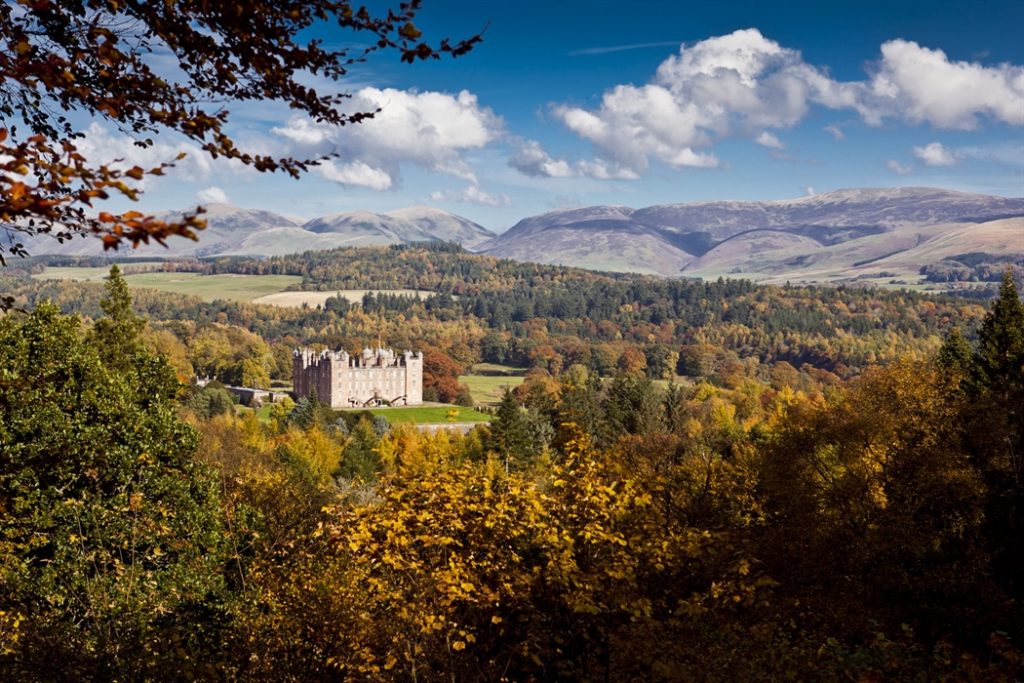
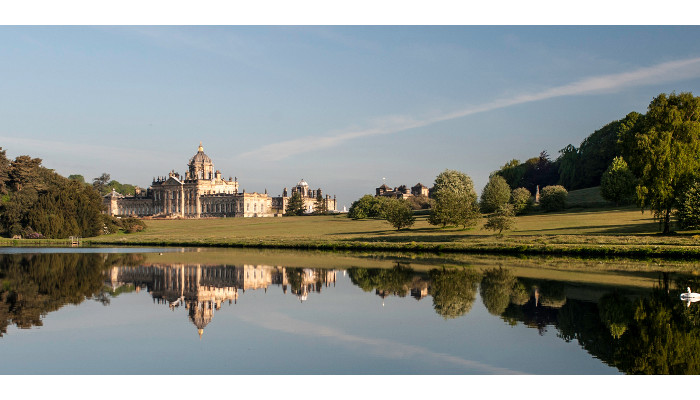
Sometimes, we arrange the surprises, as we did by adding a three hour Land Rover tour of the Drumlanrig estate to our upcoming Scottish Writers Retreat itinerary in September. Of course, a tour of the Castle will follow.
I’m posting this video of a partridge shoot at Drumlanrig because it includes great shots of the stunning landscapes we’ll be driving and walking through with our guides, the estate Rangers.
Our 2019 Scottish Writer’s Retreat at Auchinleck House sold out so quickly, we’ve added another Retreat at Gargunnock House for 2019 – details here.
Warning: This video includes segments of an actual shoot. Nothing graphic, but birds do fall from the sky. You can skip past the shooting segments to see the Castle and landscapes, including hills, river and waterfalls.
Partridge Shoot at Drumlanrig Castle – Part One, Part Two will play afterwards.
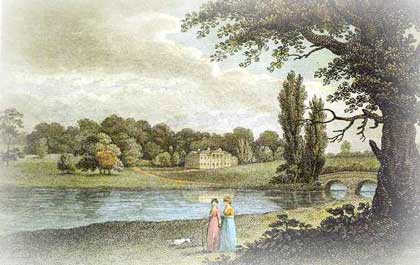
In her own time, Elizabeth, Lady Craven was famed for two things – for the private theatricals that she loved to put on in her own home, and for the series of scandalous love affairs that filled the gossip columns and often provided material for salacious satire. Younger daughter of the Earl of Berkeley, she was married at the age of sixteen to the boorish but immensely wealthy Lord Craven. In 1774, when the French ambassador, the Comte de Guînes, paid her rather too much attention, her jealous husband made his fury very public and whisked her off to his Berkshire estate, Benham Park, to keep her out of mischief. By 1783 their marriage broke down altogether and Elizabeth had to leave England in a storm of scandal and disgrace.
Elizabeth Craven painted by Ozias Humphrey c.1780
Nothing daunted her as she braved social disapproval and ostracism, and after a couple of years living in France set out on a protracted tour of the whole of Europe. She visited Italy, Austria, Poland, Russia, Turkey, Greece, Romania and Hungary, writing about everything she saw. She then spent several years in Germany as the mistress of the Margrave of Ansbach, before marrying him and returning to England in 1792. She went on writing and producing plays for a lively and artistic social circle, while the prim and proper never quite got over their disapproval. After her second husband’s death, in 1815, she retired to Naples where she had a little villa built for herself overlooking the bay with views of Vesuvius and Capri.
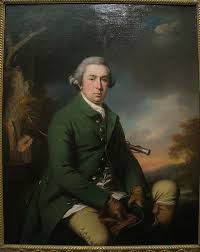
Lord Craven painted by Thomas Beach
I have never enjoyed writing any book more than the biography of Elizabeth Craven. I first heard of her when reading a book about theatre in German courts, which said that this remarkable Englishwoman, the mistress of the Margrave of Ansbach, had taken over the theatricals and entertainments in his little German court and was putting on plays of all sorts, including some she had written herself. I was intrigued, and simply had to know more about her, so I read her travelogue, A Journey Through the Crimea to Constantinople, and started to discover an amazing woman, bold, adventurous and outspoken. The more I read about her – and the more of her own writings I discovered – the more enthusiastic I became. This was a woman who was not only beautiful but brainy too, an author of poems, plays, stories and letters, witty observant and full of passion for life. She faced down a lot of social disapproval for her love affairs and she had some advanced feminist opinions.
Benham Park from a Regency print
Lady Craven actually wrote her own Memoirs in her old age, but while they included a lot of detail about all the famous people she had known – the writers, artists, actors, musicians, statesmen and royalty – and the places she had visited, they are not very candid about her love affairs. I had to track those down via her poems and her surviving letters, some of which are in manuscript collections. What a passionate person she was! She loved and scandalized, and lived to love and scandalize again.
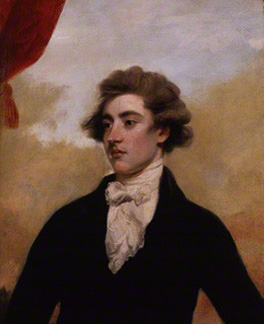
William Beckford by Sir Joshua Reynolds, oil on canvas, 1782
One of her lovers was the young William Beckford, a prodigiously talented writer who shared Elizabeth’s love of music. In 1782 the pair of them collaborated on an Arcadian Pastoral, a musical entertainment, which was performed in London in front of an audience of high society that included the Duchess of Devonshire and her mother, Lady Spencer. Elizabeth Craven was the first person to read Beckford’s novel Vathek, which he sent to her in manuscript.
But Elizabeth was living dangerously. Her marriage fell apart. Her husband had a mistress and decided to prosecute her for divorce. London resounded with the scandal and gossip and she had to leave for France with her youngest son, Keppel, leaving her six other children behind in the care of their father. Georgian divorce laws were very cruel to the woman.
She did not accept this injustice silently. In France she wrote one of her most interesting books, Letters to Her Son, in which she denounces all the unfair laws of marriage and divorce. Why should a woman have to obey her husband? Why should he be allowed to beat her, lock her up, give her no money, or be unfaithful while she had no legal redress? Why should the father get the children after a marital separation, even if he was impudently living with a mistress? All this was tyranny. Craven set out for her son a plan for a happy and successful marriage, in which the partners treat each other as affectionate equals. Without a doubt she was way ahead of her time.
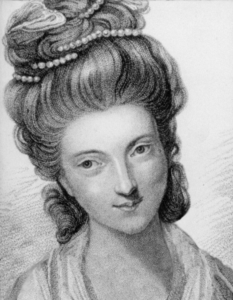
Reynolds’ drawing of Elizabeth Craven
While she was a feminist, she was no man-hater. In 1785, she set off on her travels with an English lover, Henry Vernon, who had gone into the Spanish navy for fun and come out a hero. They started by touring Genoa, Pisa, Florence and Venice. Then they went on to Vienna, which she loved, and then Warsaw, where they met King Stanislaus Augustus, and St. Petersburg, where they were received in a friendly way by Catherine the Great. Elizabeth drove over frozen wastes in a sledge, and rode with Cossack horsemen to see remote beauty spots. She dined with Tartar chieftains in the Crimea, and explored all the sights of Istanbul, including the great mosques and the old city.
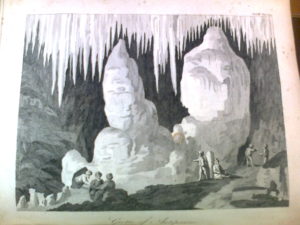
Grotto of Antiparos drawn by Craven herself
The prospect of seeing Greece excited her so much she wrote a poem about it. On the Greek island of Antiparos she boldly descended into an underground grotto, filled with extraordinary stalactites, which she drew, and in Athens she marvelled at the sculptures on the Parthenon. Finally they started to wend their way back slowly through Transylvania and Hungary, wary of bandits and sometimes sleeping in the wagon or on the floor of a bare cottage.
The Margrave of Ansbach
From 1787 until 1791, Elizabeth lived in Germany as the guest then the mistress of the Margrave of Ansbach, a genial and cultured man whose previous mistress had been the celebrated French actress Mme Clairon. Elizabeth could not only act, she loved to write plays and produce them and she took over the court entertainments as a full-time job. One of her most entertaining plays, The Modern Philosopher, was written for production at Triesdorf. Her son Keppel went with her and took part in many of the productions. After the death of the Margrave’s wife, and of Lord Craven in 1792, the Margrave married Elizabeth, in defiance of convention. She refused to accept the status of a “fallen woman” excluded from society, and when they came to live in England they attracted a crowd of artistic, Bohemian, and unconventional friends around them. While she was never received at court, she hosted a lot of lively and creative people, and took in many refugees from the French Revolution, (among them the notorious adventurer and womanizer the Comte de Tilly, who became her last secret love). Her beloved youngest son Keppel brought his own friends to stay and fill the house with the laughter of young people.
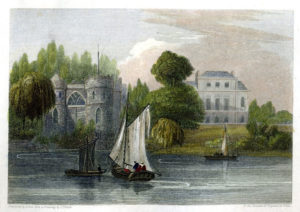
Brandenburgh House, Hammersmith
When the Margrave died, Elizabeth was not left rich. I am still finding out more about her financial affairs, now, after publishing the book, and it appears that she had to be resourceful in coping with unpaid debts and pensions that did not turn up. So she retired to Naples where she could live inexpensively, basking in the warm climate of the South, and creating a wonderful garden – another one of her passions. She died at the age of 78, with Keppel at her side.
Posillipo at Naples, where Elizabeth Craven spent her old age.
I will never get tired of learning more about Elizabeth Craven. Since publishing her biolgraphy, I have discovered another lost work of hers, a full-length novel called The Witch and the Maid of Honour, which can be added to the considerable list of her works. Every new discovery just seems to make her more fascinating.
Editor’s Note:
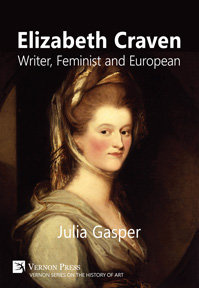
Julia Gaspar’s book, Elizabeth Craven: Writer, Feminist and European (Vernon Press 2017), contains the full story of Elizabeth Craven and her circle – Now out in paperback.
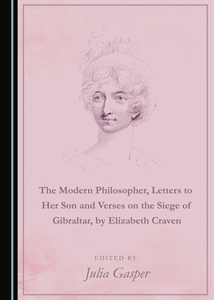
You can learn more about The Modern Philosopher, by Elizabeth Craven, translated and edited by Julia Gasper, published by Cambridge Scholars Press October 2017 here.
You’ll find Julia’s blog, Elizabeth Craven and her Worldhere, and Julia’s post for the Wordsworth Trust, Elizabeth Craven: Georgian Feminist here.
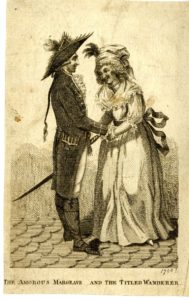
The Amorous Marrave and the Titled Wanderer: Elizabeth with her second husband.
Last time across the Pond, my flight landed at 6:30 a.m. at Gatwick. Taking the Gatwick Express to Victoria, I jumped into a cab and headed to meet Sandra Mettler at our hotel in Sloane Square. We were stealing a few days for ourselves before the Georgian Tour began.
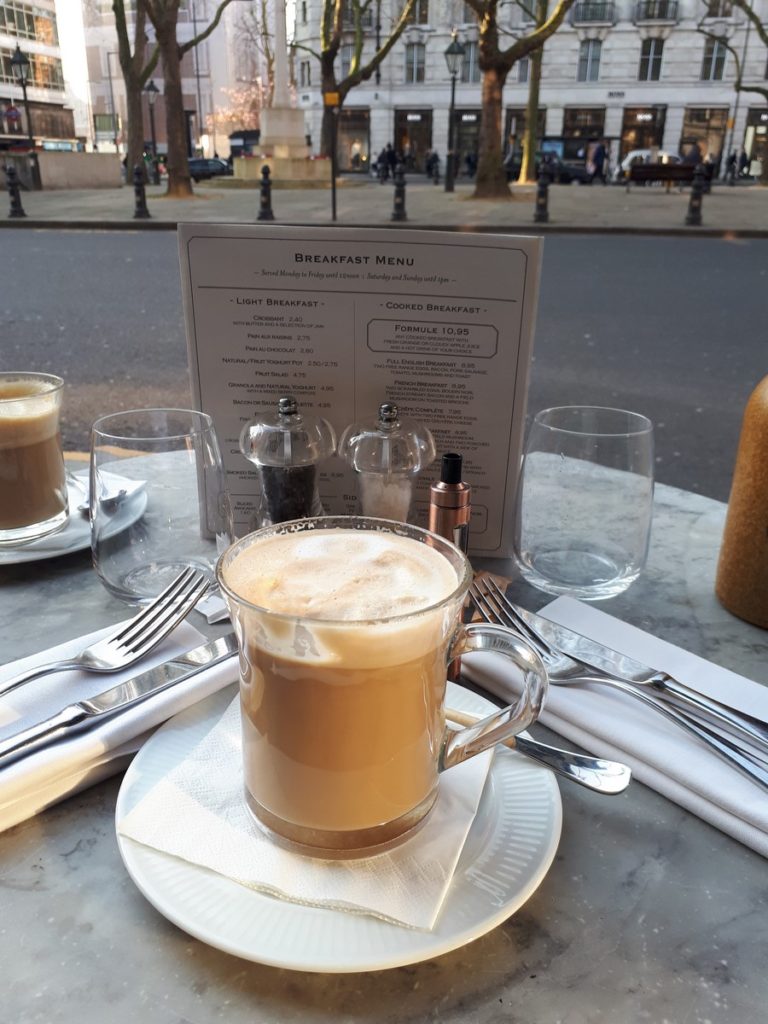
Pulling into the Square, I spied a sight for sore eyes – Sandra, seated at a sidewalk table outside of our hotel, drinking a latte. We waved frantically and once I’d paid off the cab, we embraced like a pair of six year-olds meeting on the playground –
“Honks!”
“Henny!”
I should explain here that Sandra and I are huge fans of the Mitford sisters and we regularly refer to each other by Mitford nicknames – I’m Honks (Diana). Sandra is Henderson, aka Henny, aka Hen (Debo).
The weather in London was glorious, a balmy Spring day that was perfect for people watching as we caught up over lattes, with Hen telling me about the performance of Hamilton she’d seen the night before.
After a while, Hen asked, “So, what do you want to do today? We have ten hours before we have to meet Adam Holloway at Parliament.”
“I don’t know. I’d be fine sitting here all day. But we’ve got to do something that will keep me from falling asleep between now and then.”
“Oh, look! They’ve brought our car round,” exclaimed Hen. Such a kidder.
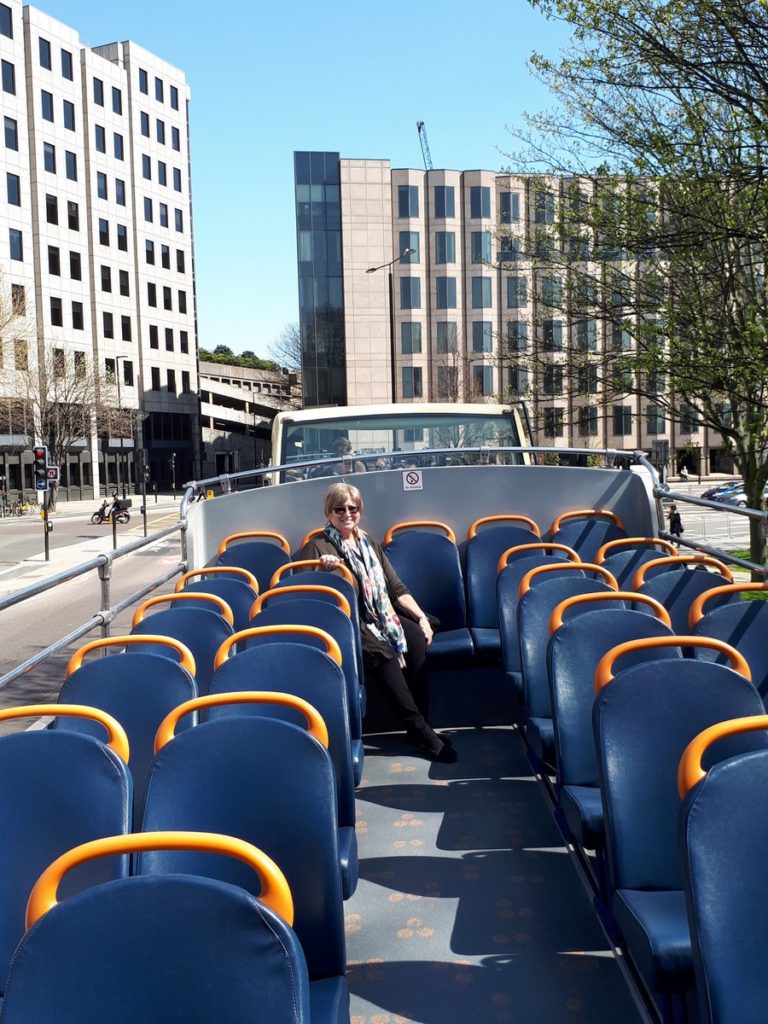
“Listen,” she went on, “I know this is going to sound really cheesy, but what do you say to our getting the Hop On, Hop Off bus and riding around all day? If we want to get off anywhere, we can. Or we can just sit and sight-see all day.”
“What do I say? Perfect, Hen! That’s exactly all I feel like doing today. You’re brilliant.”
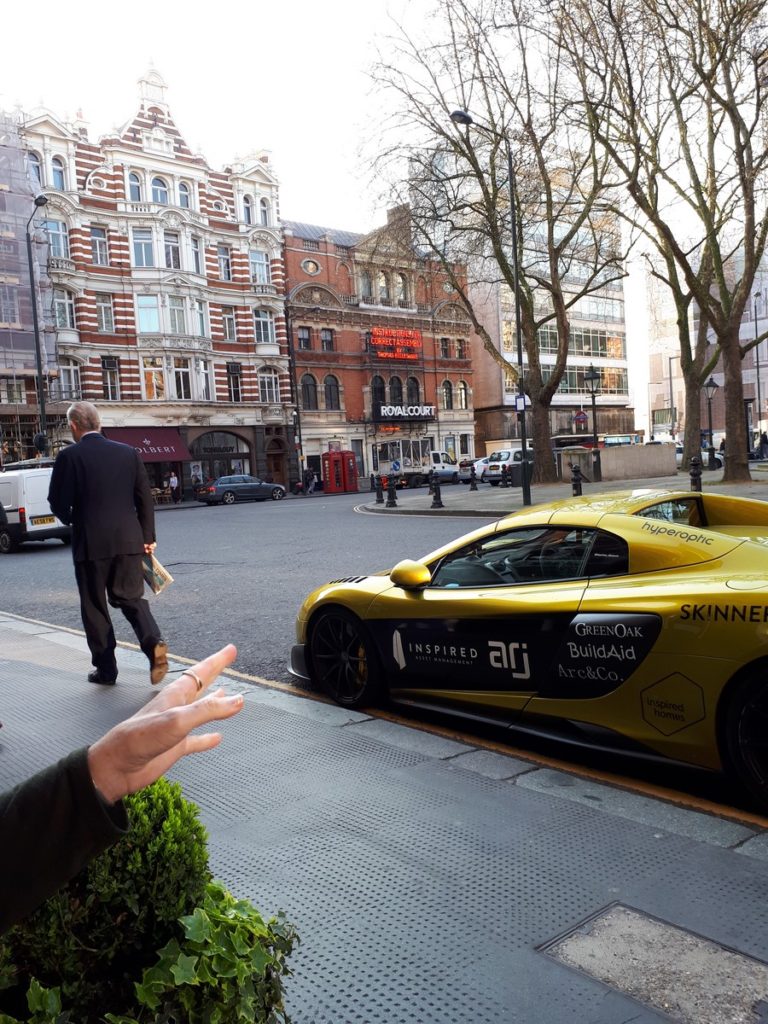
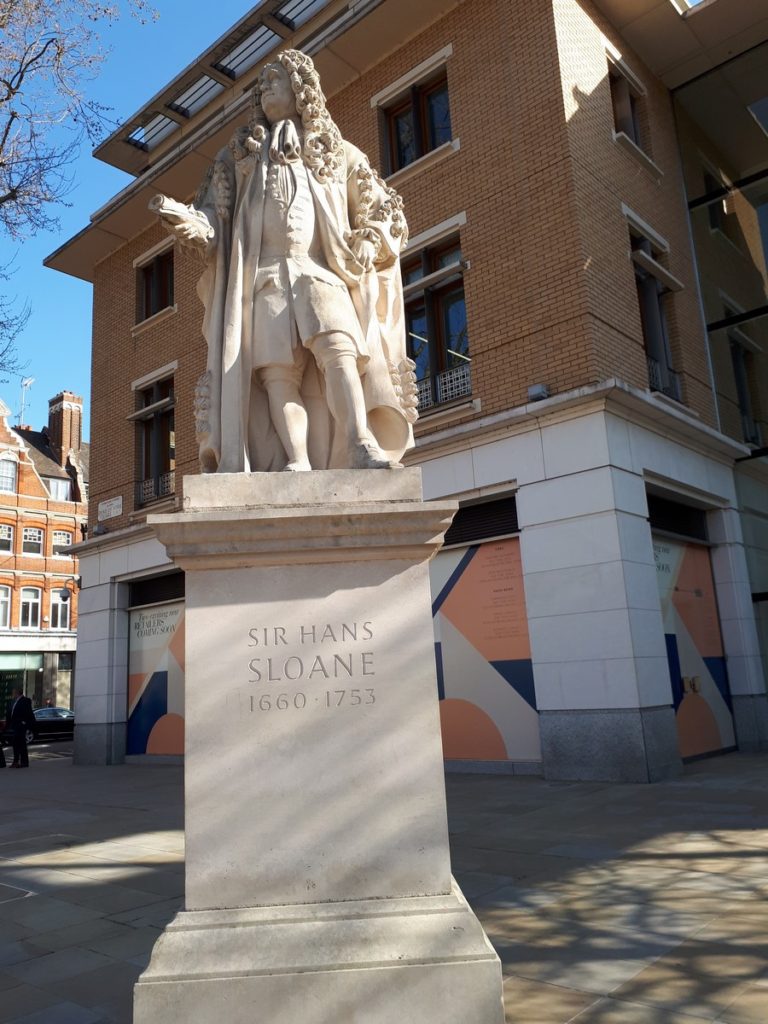
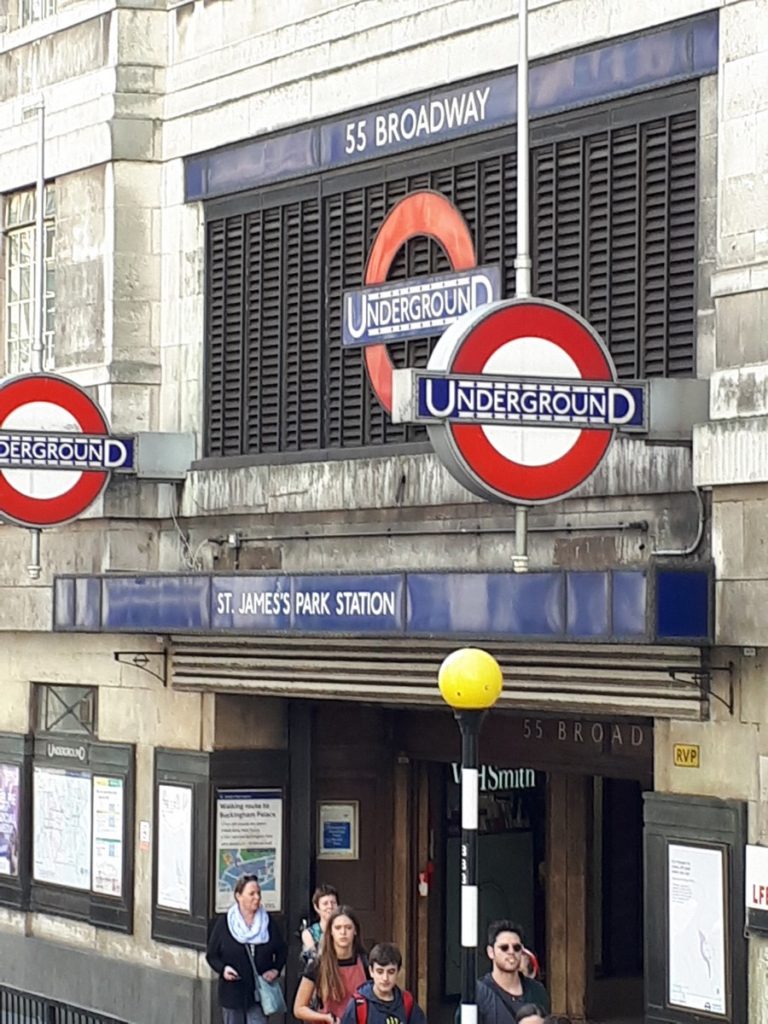
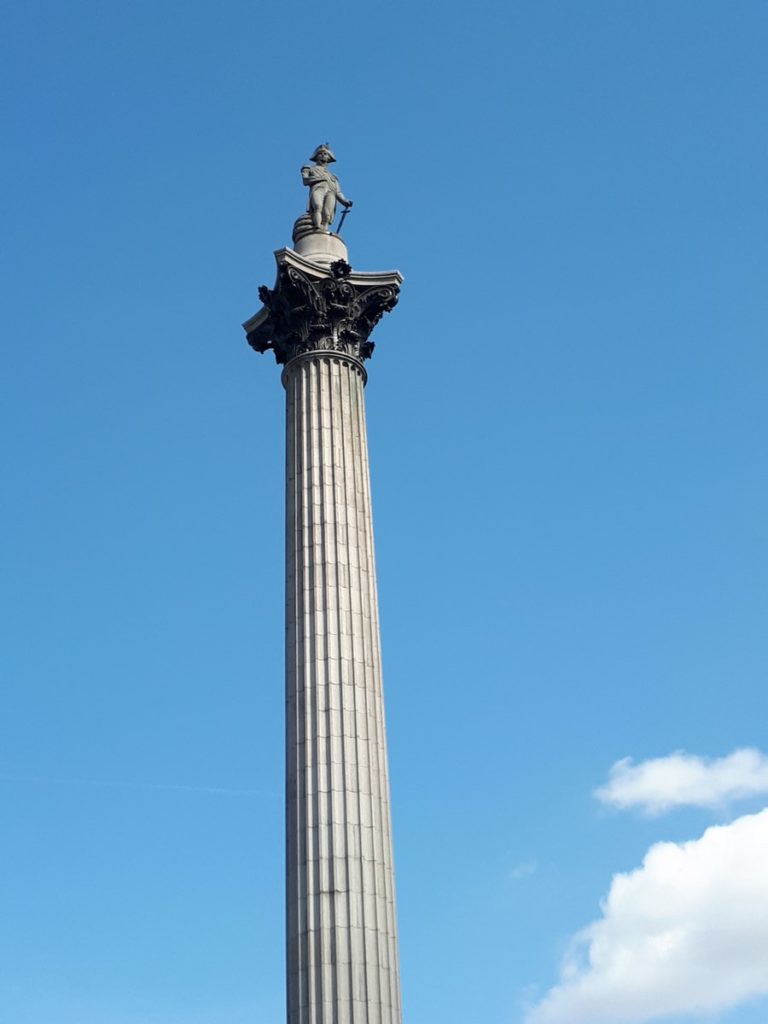
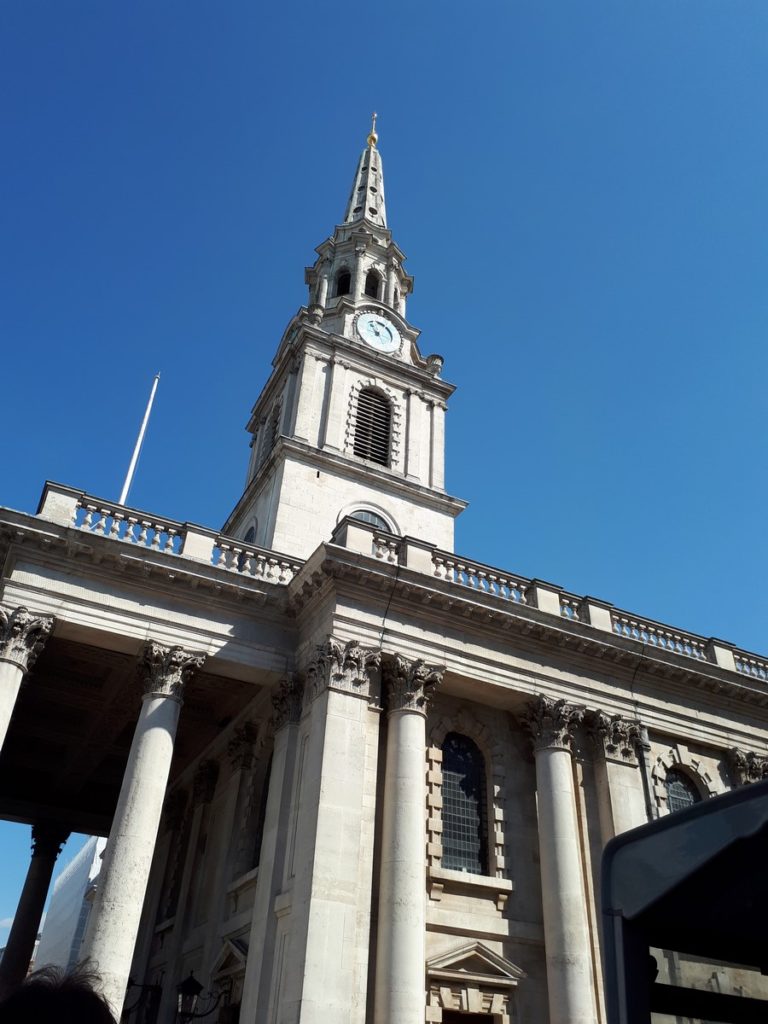
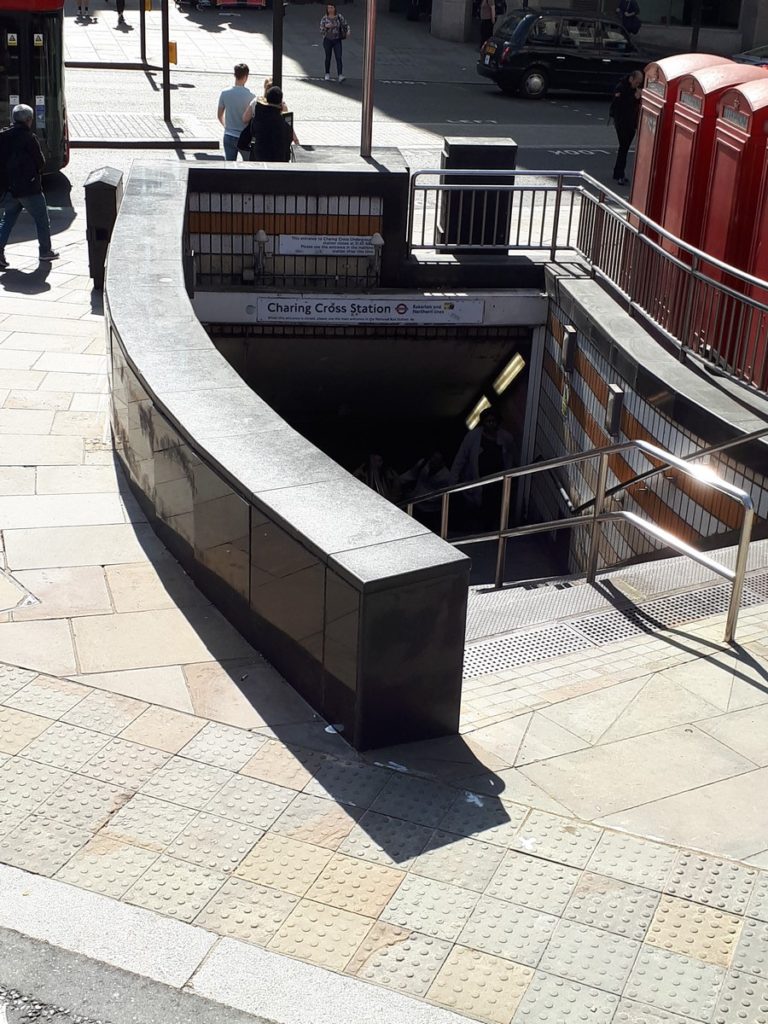
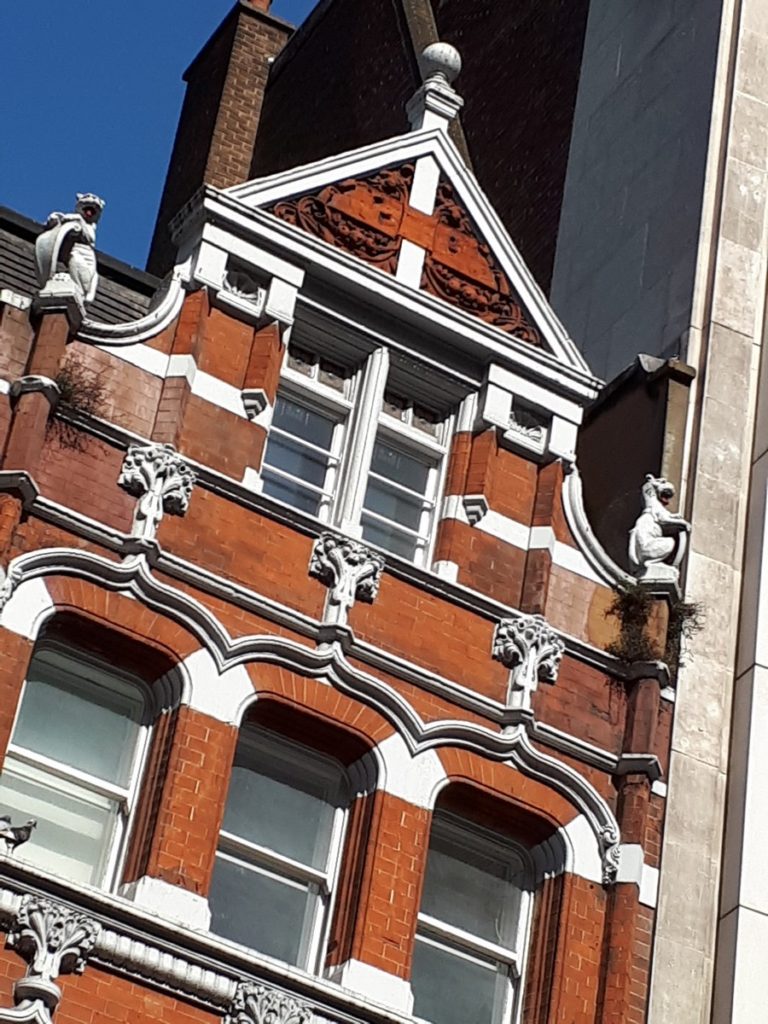
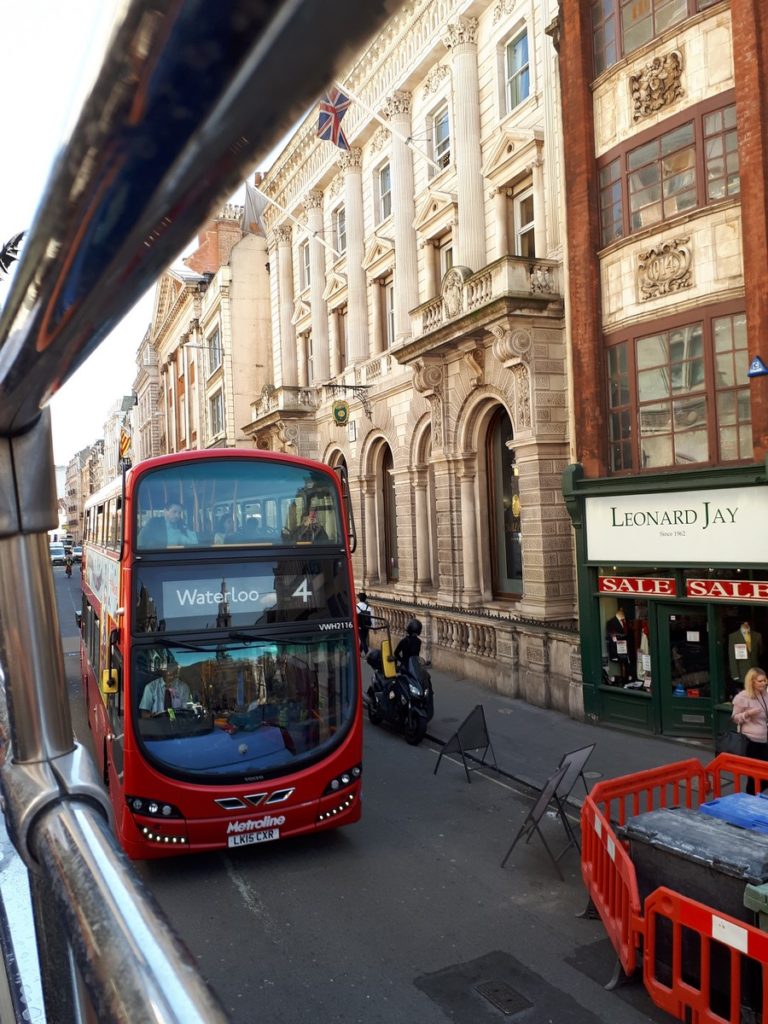
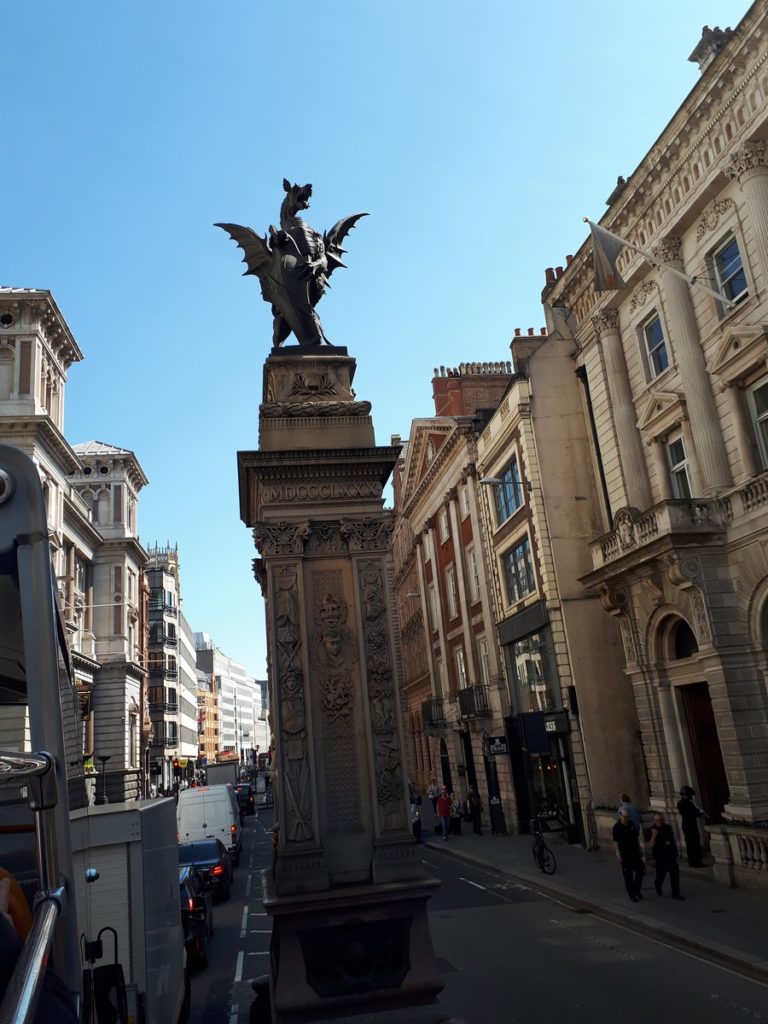
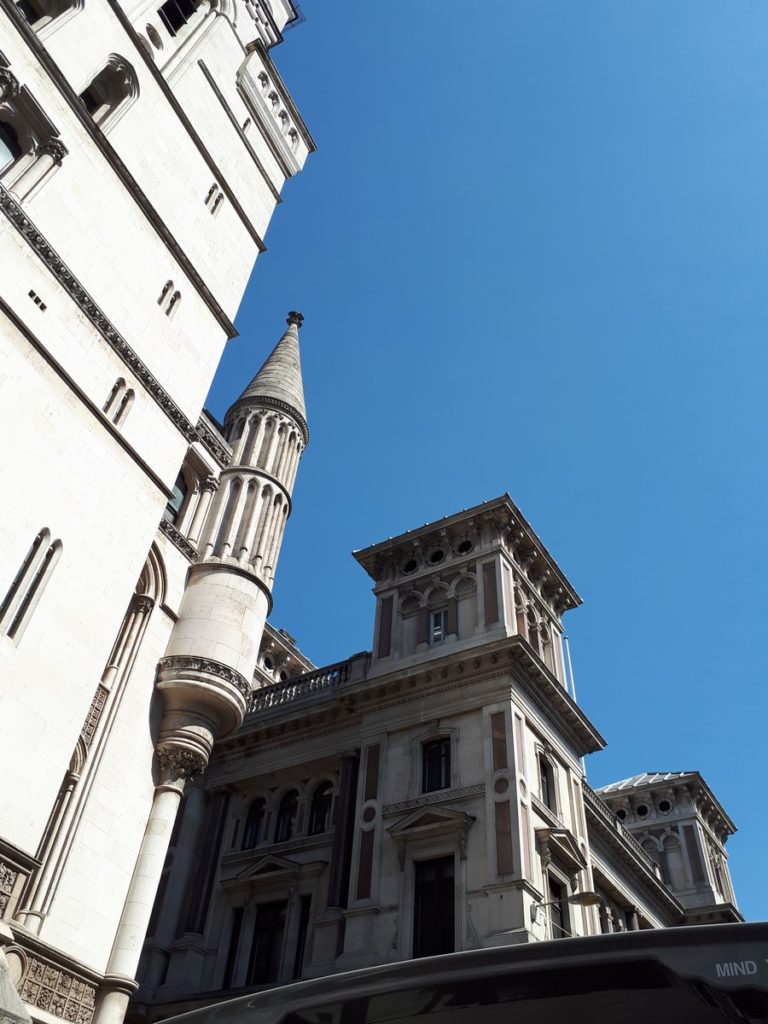
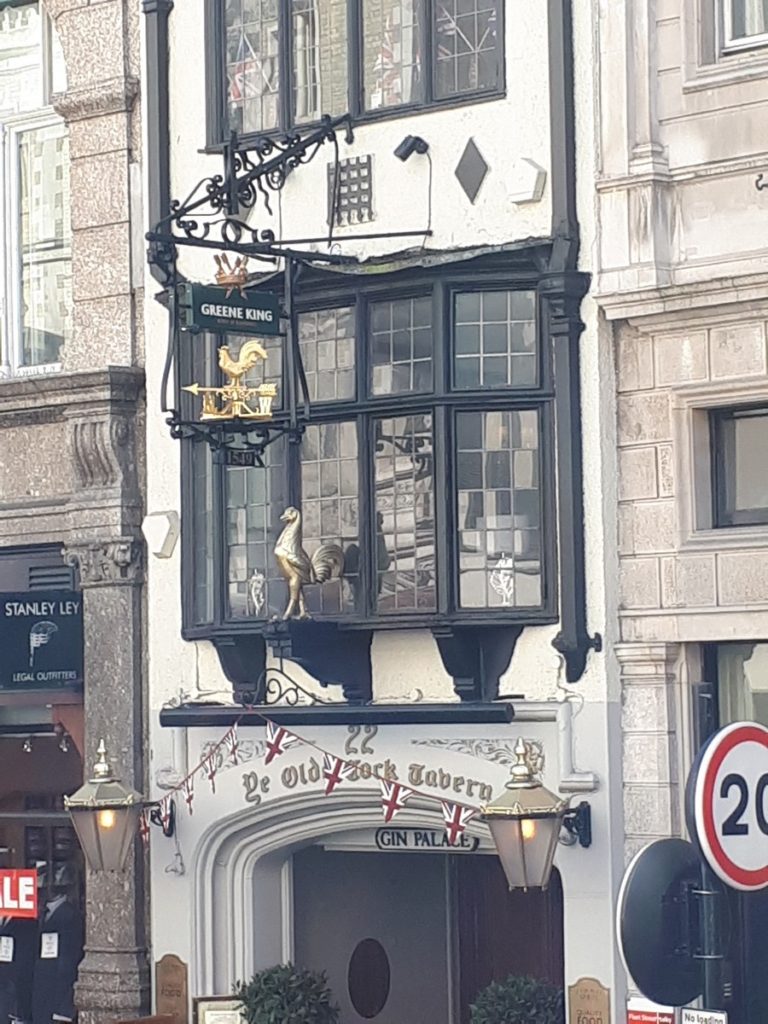
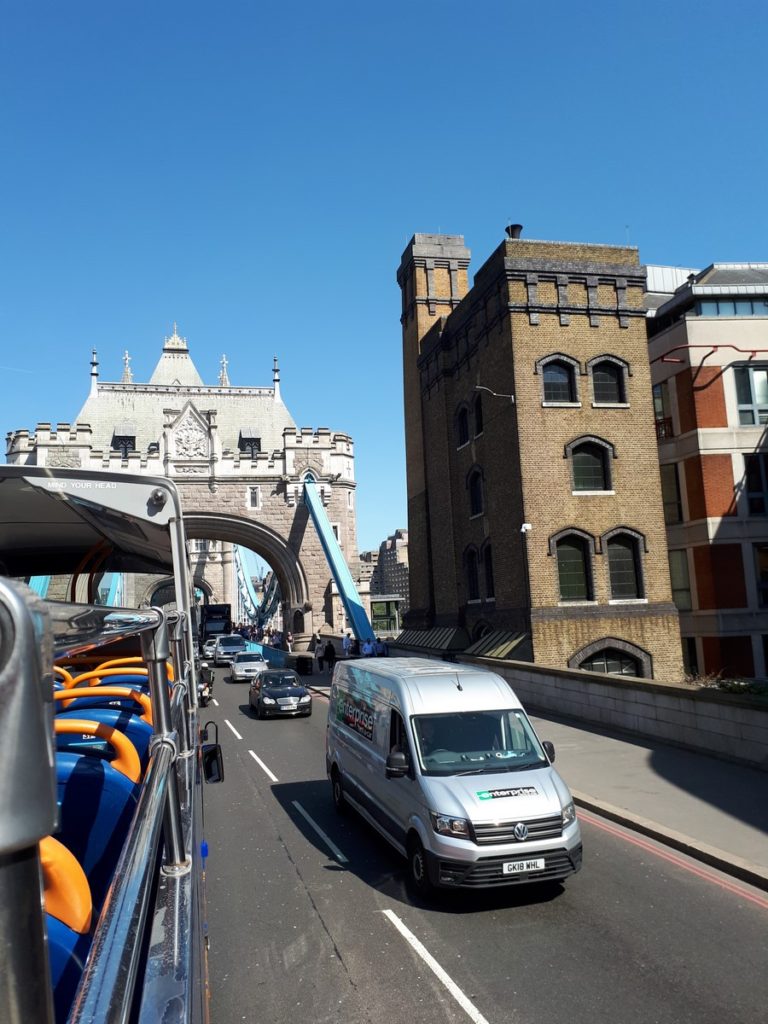
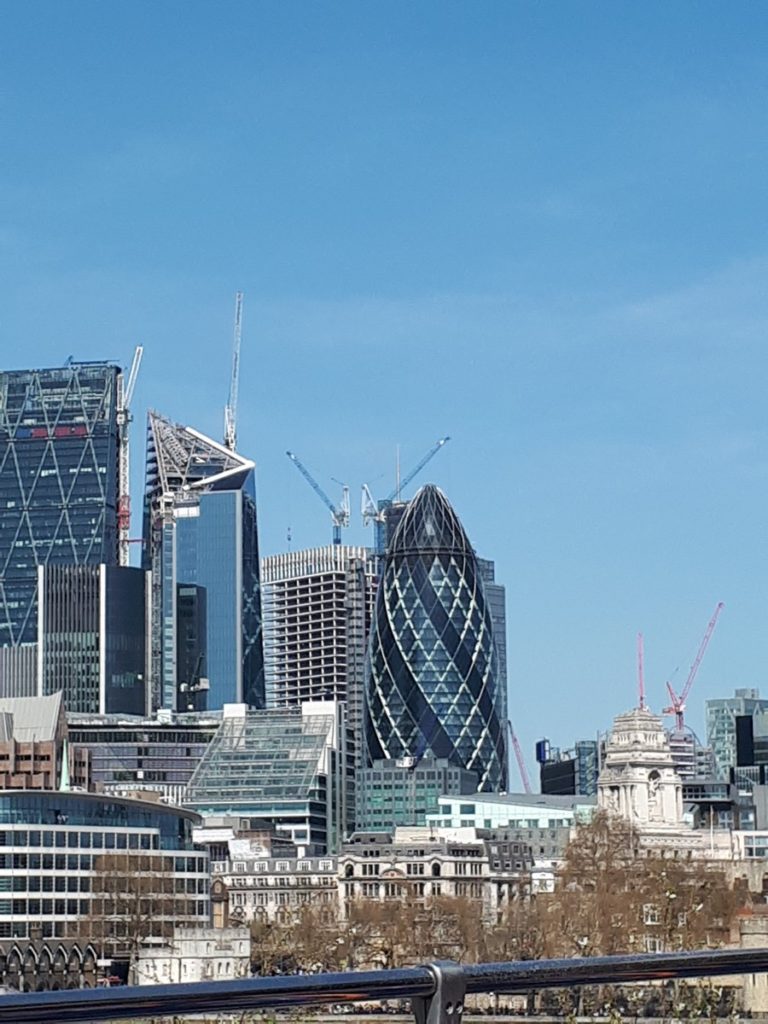
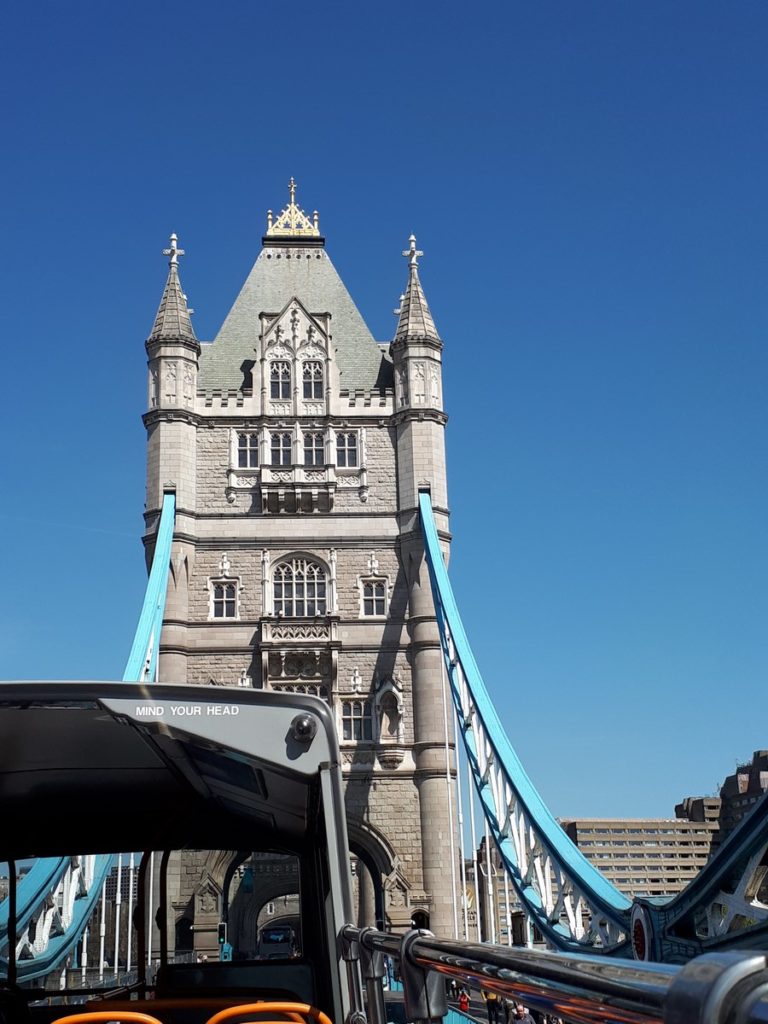
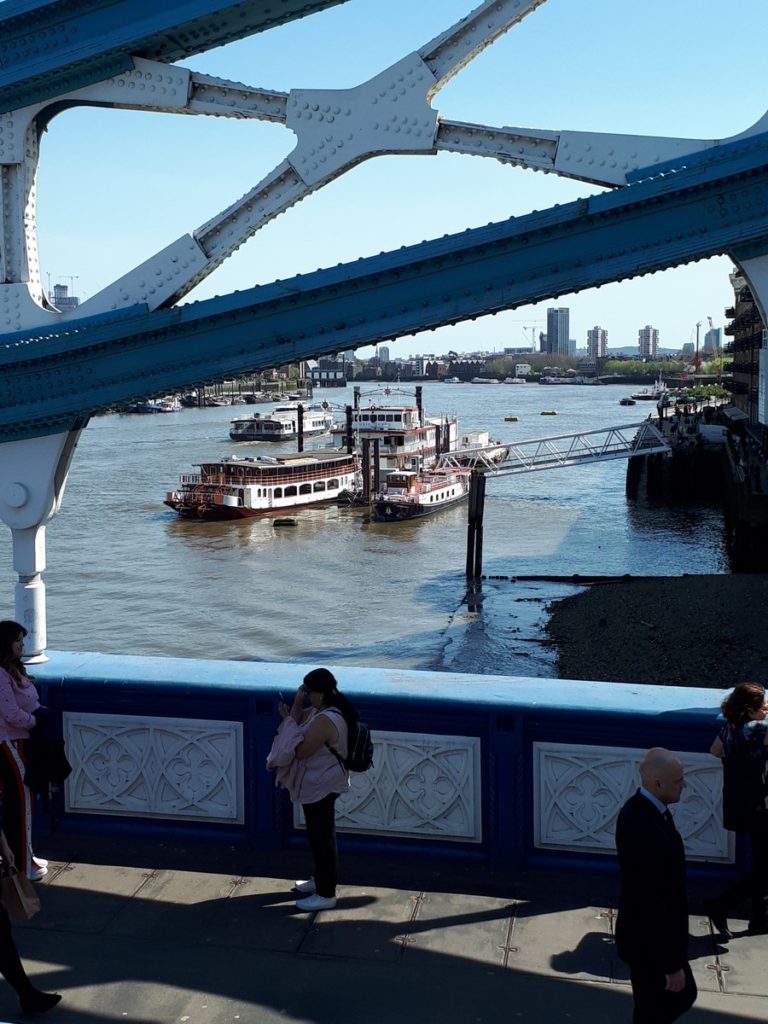
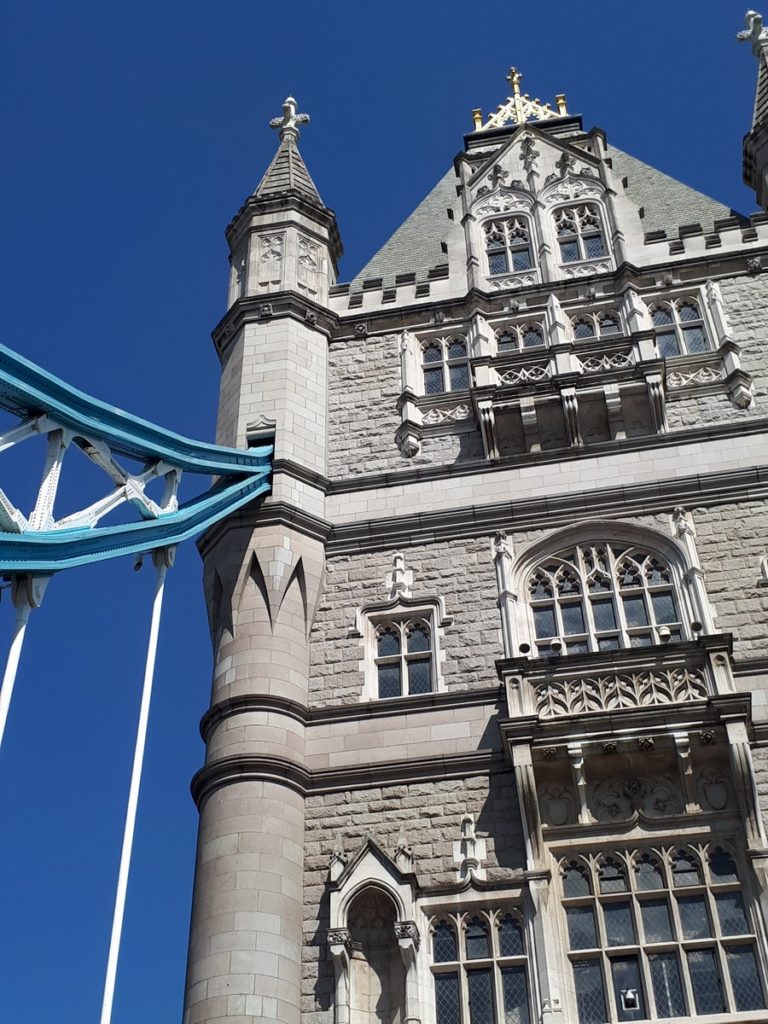
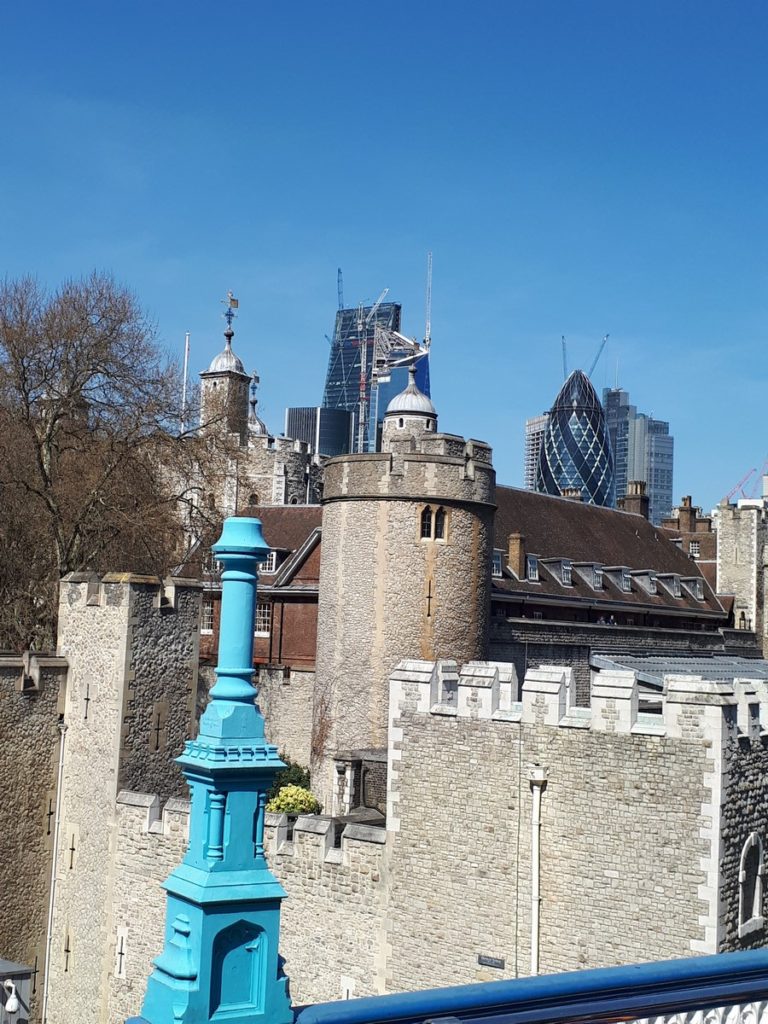
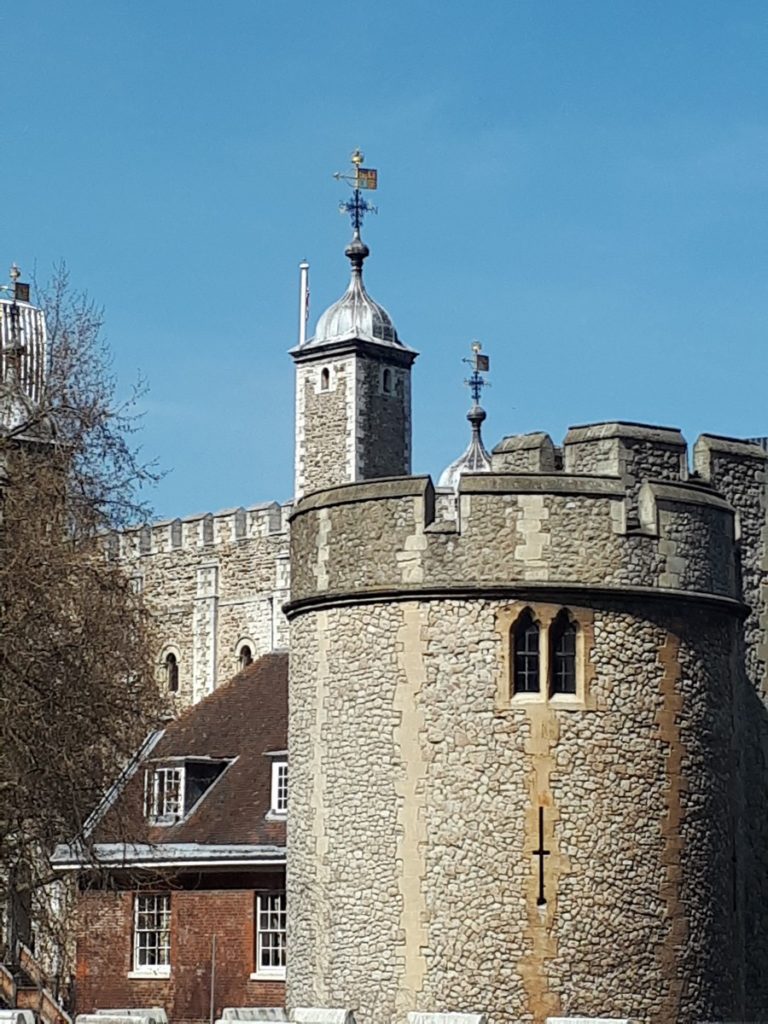
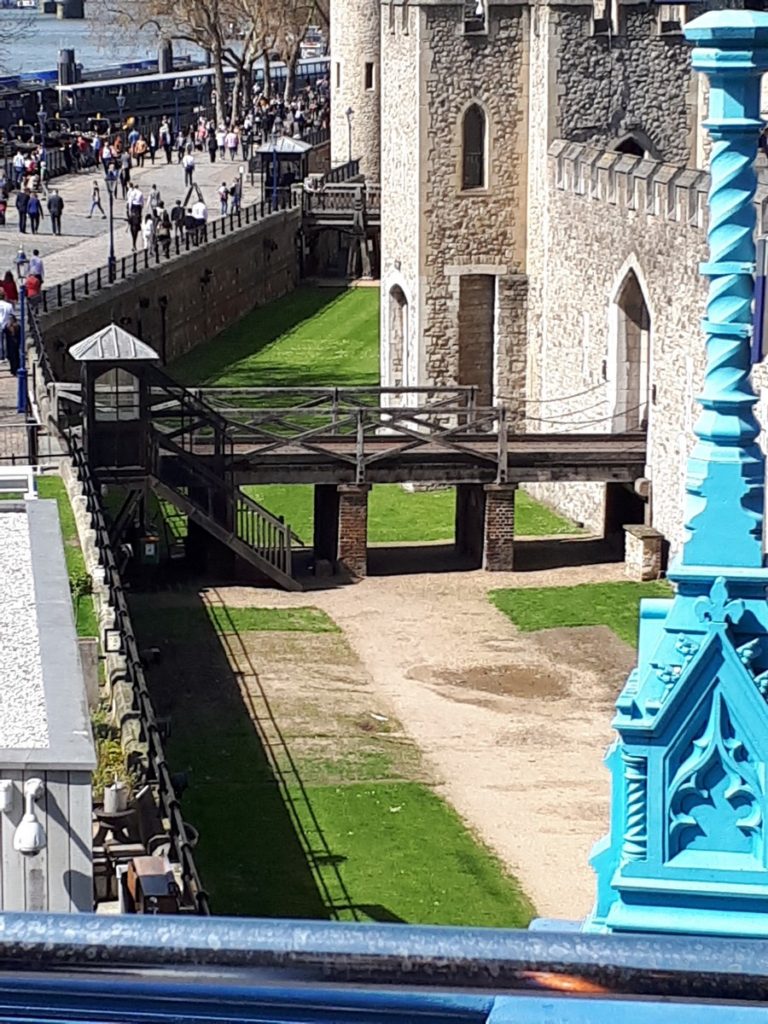
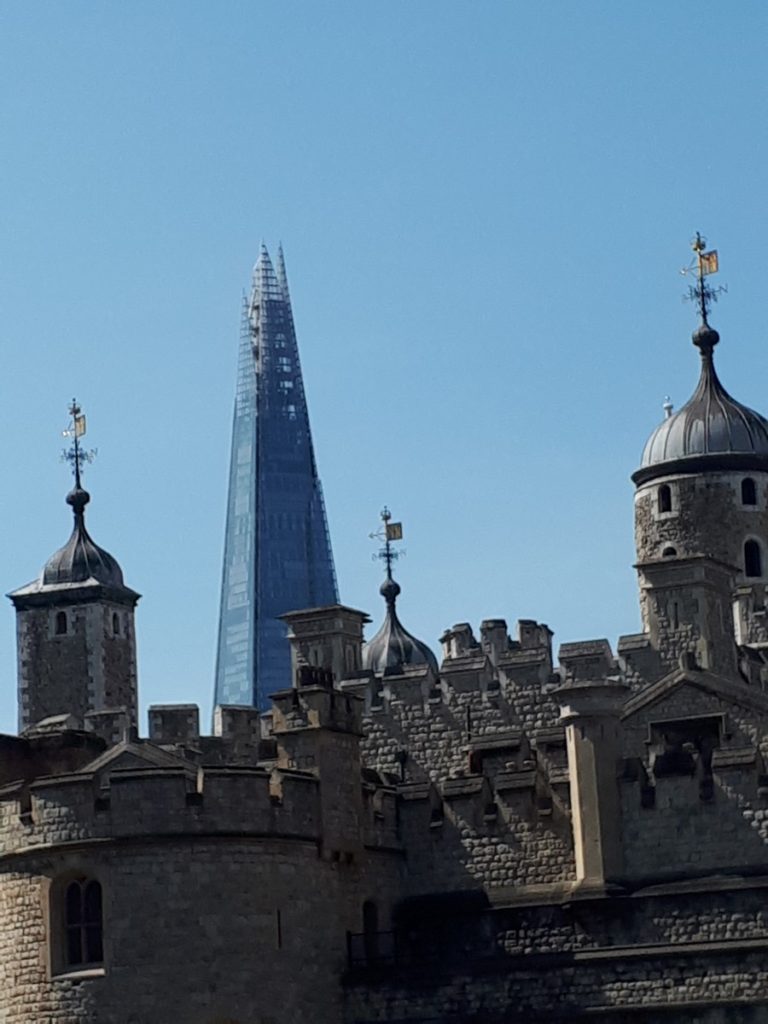
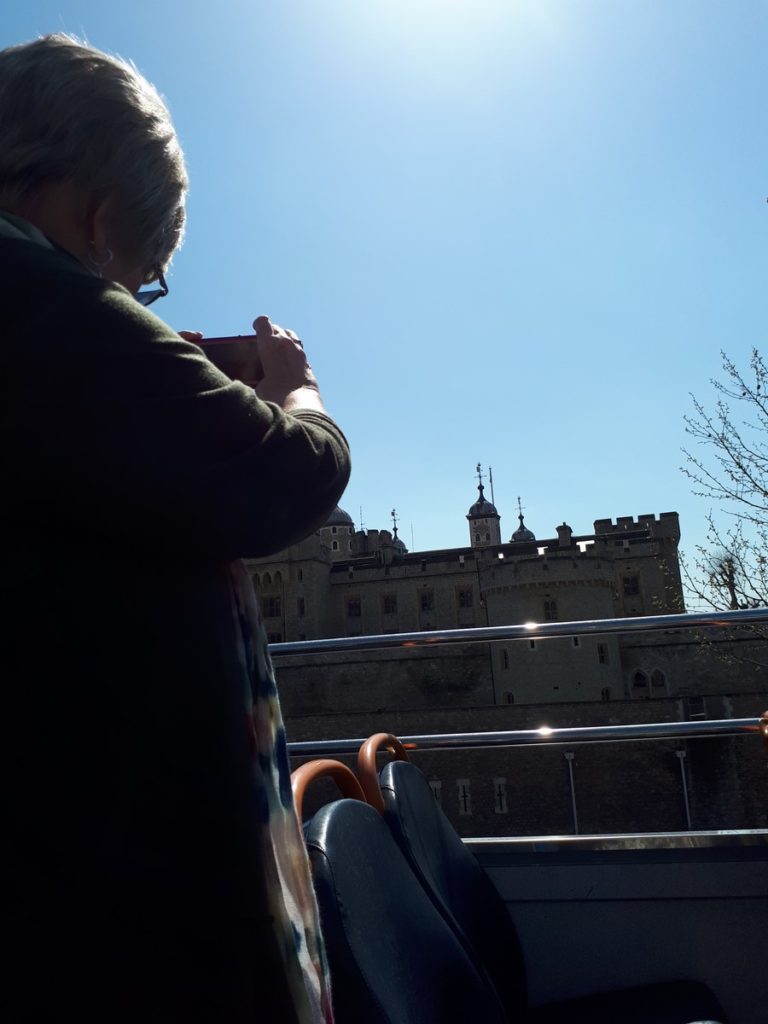
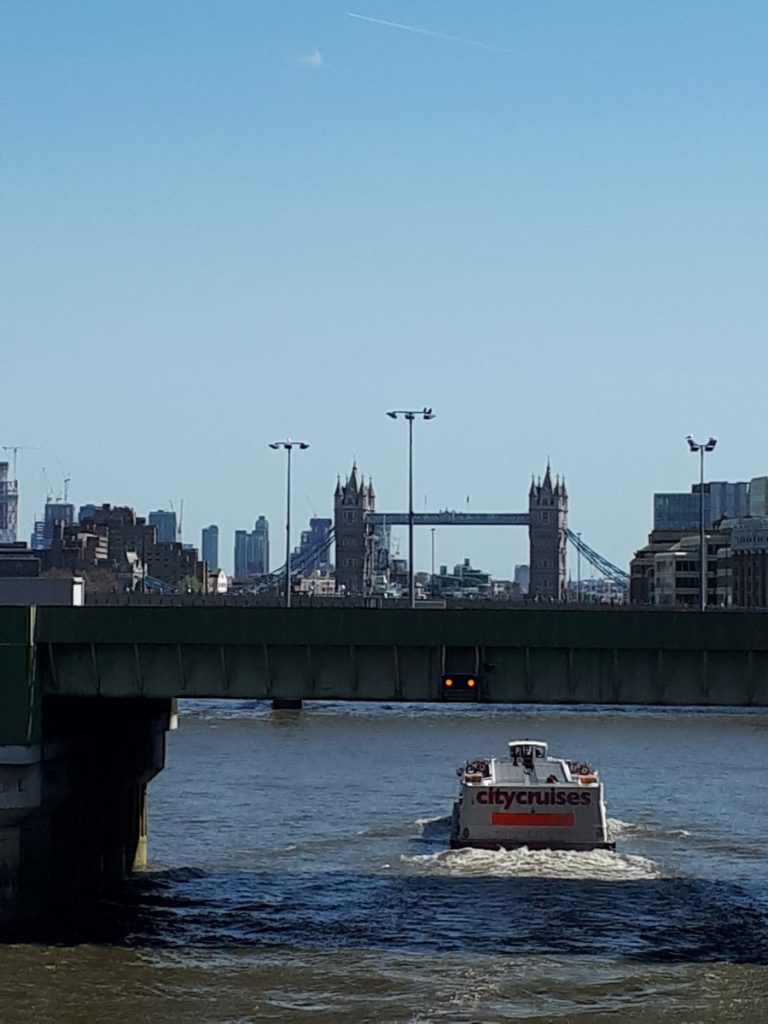
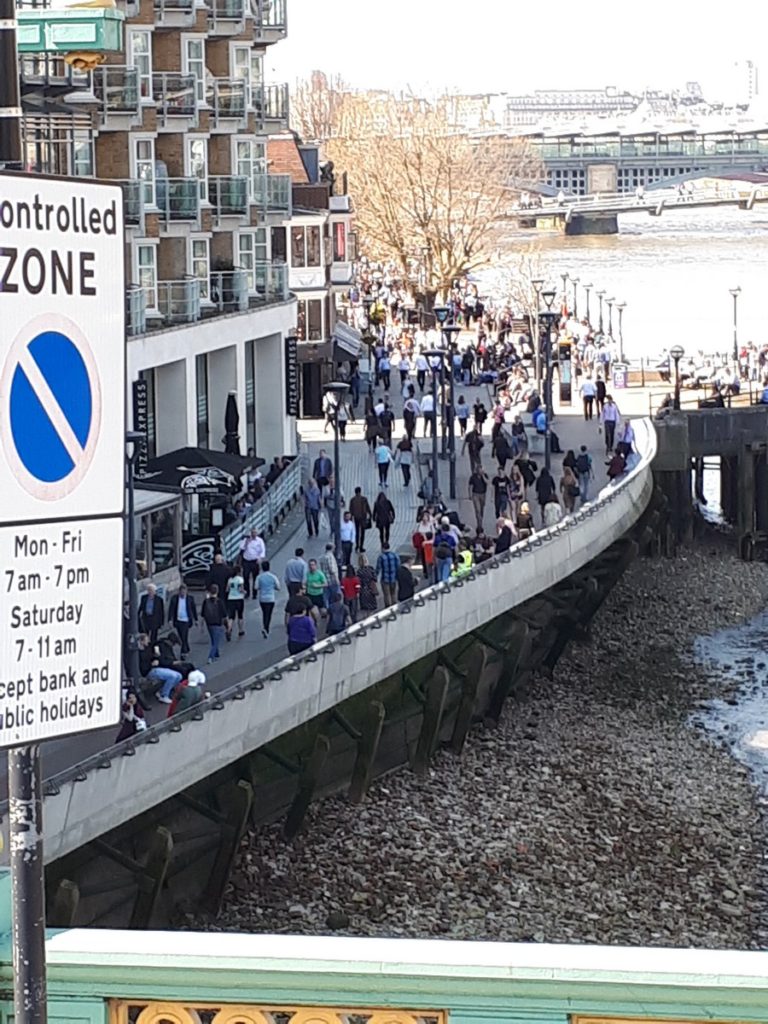
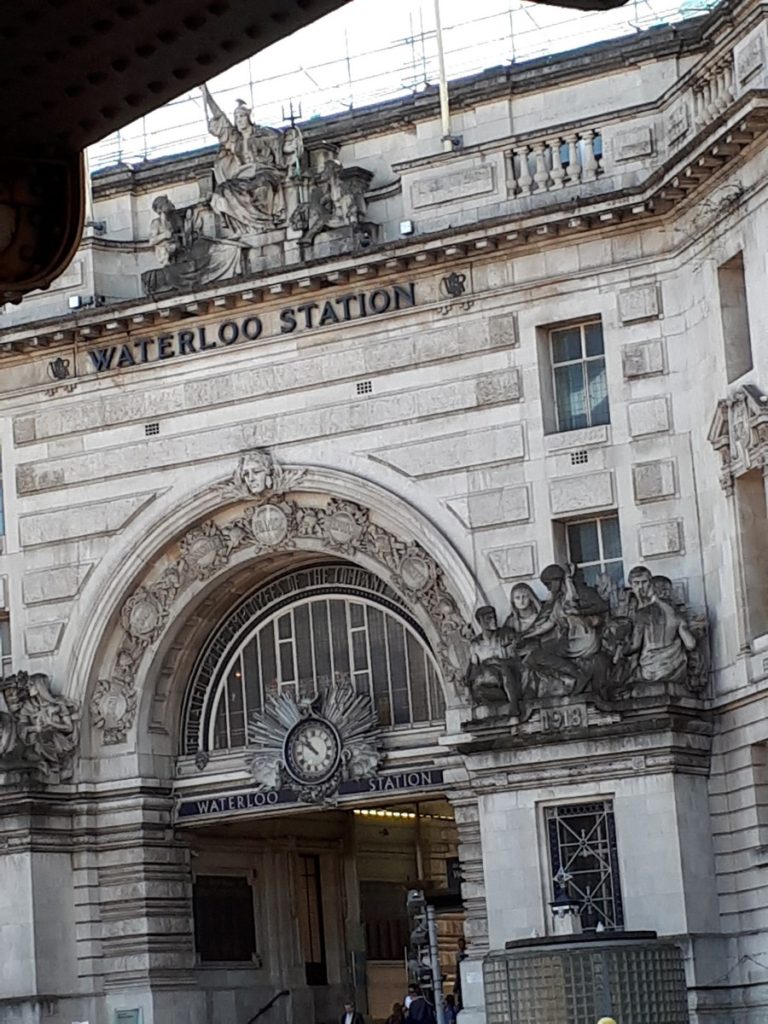
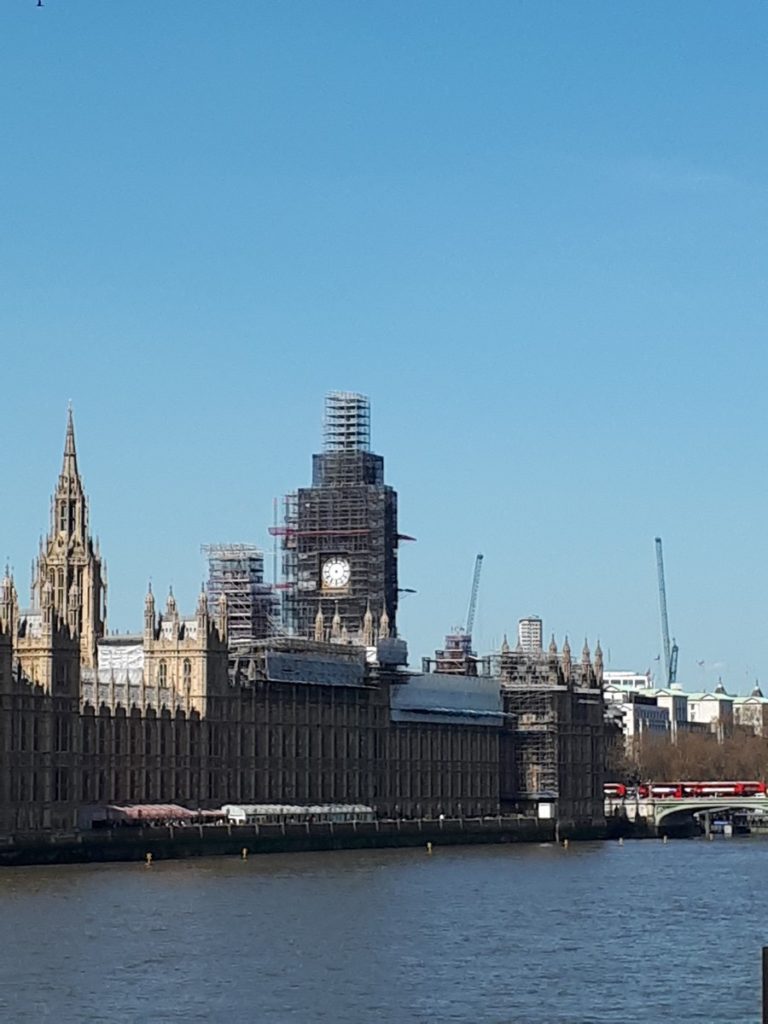
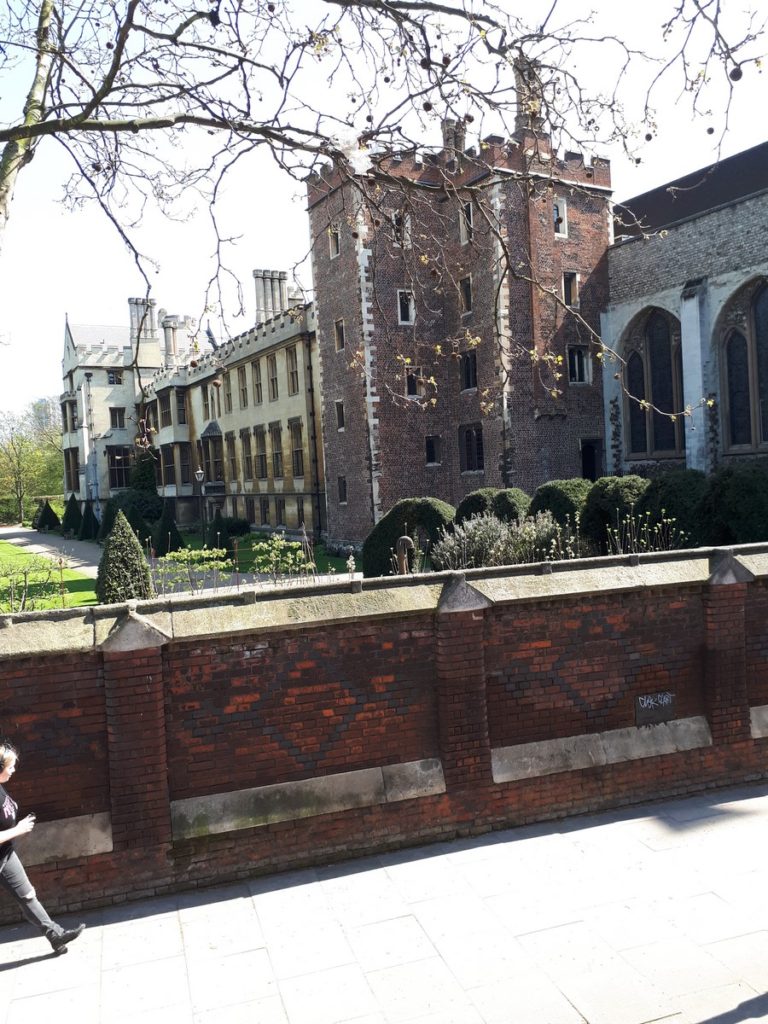
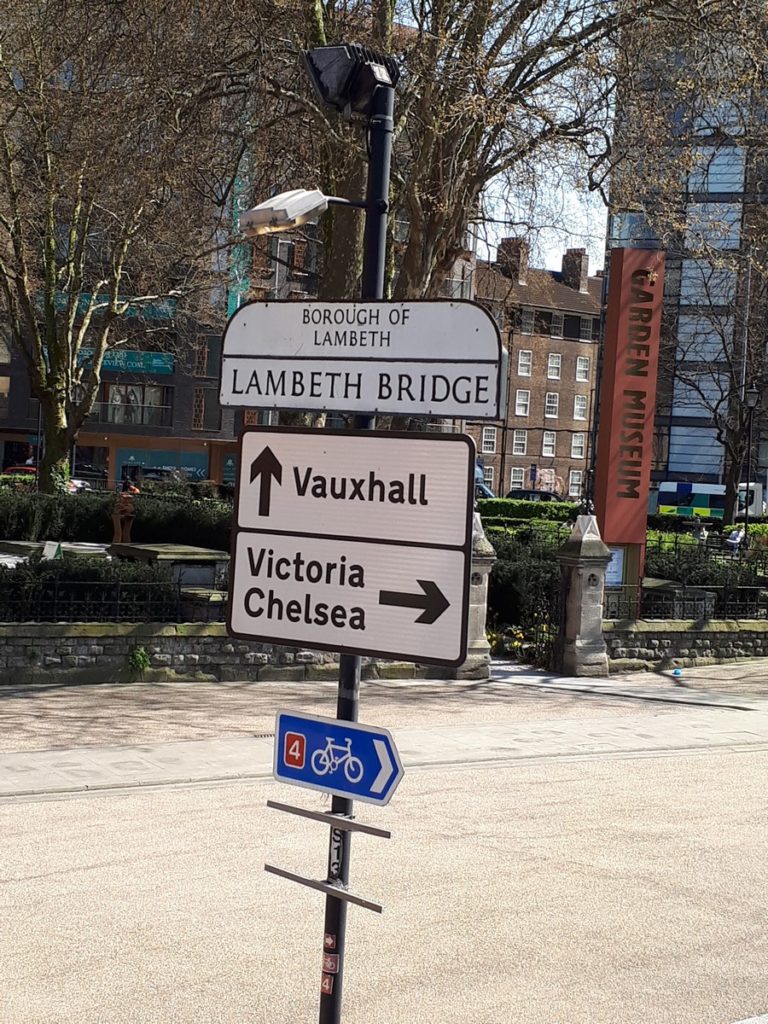
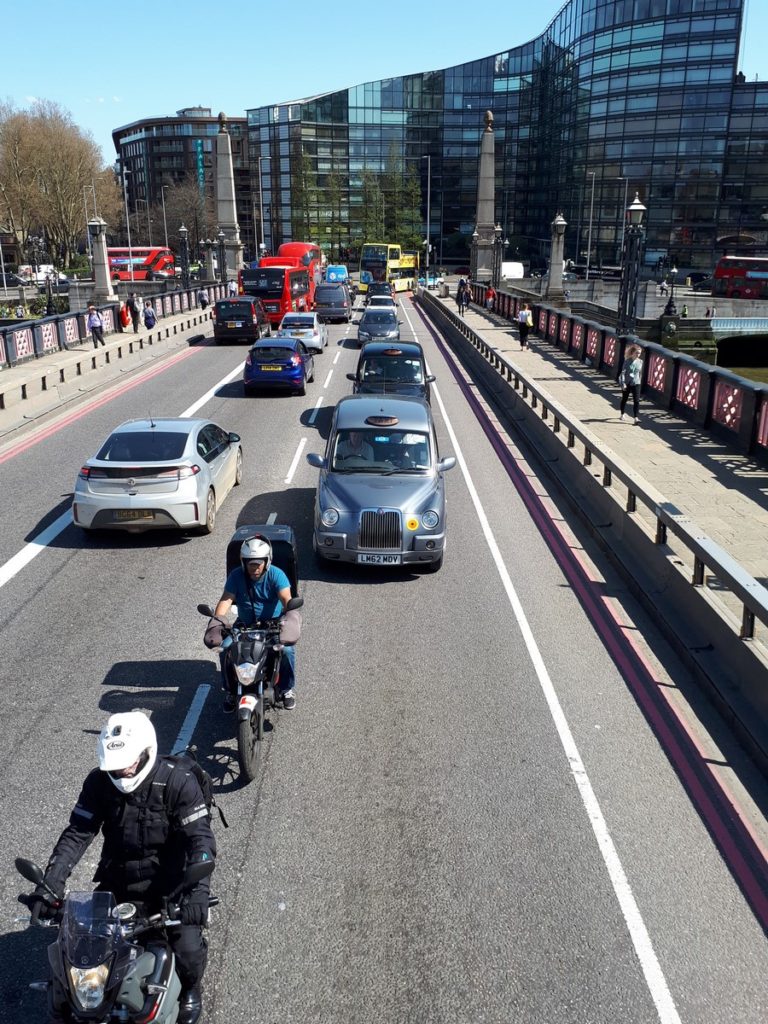
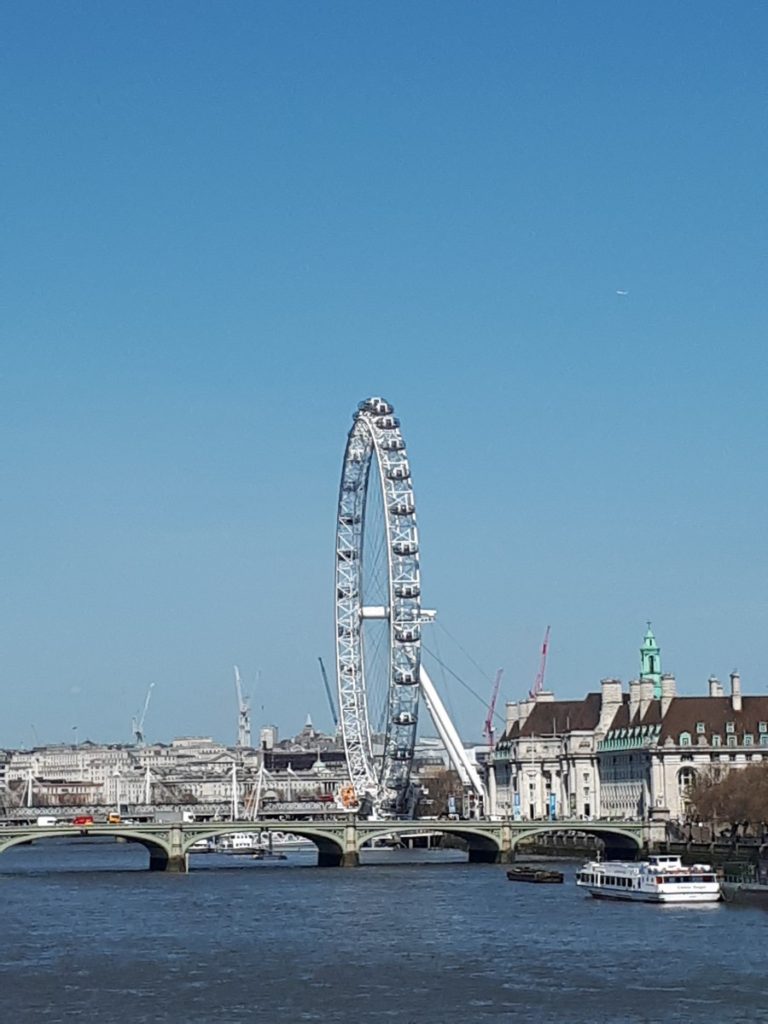
And, as it turned out, the day was brilliant, as well. The weather held and our bus was never full. Here are a few photos taken that day that will give you the flavour of our tour.