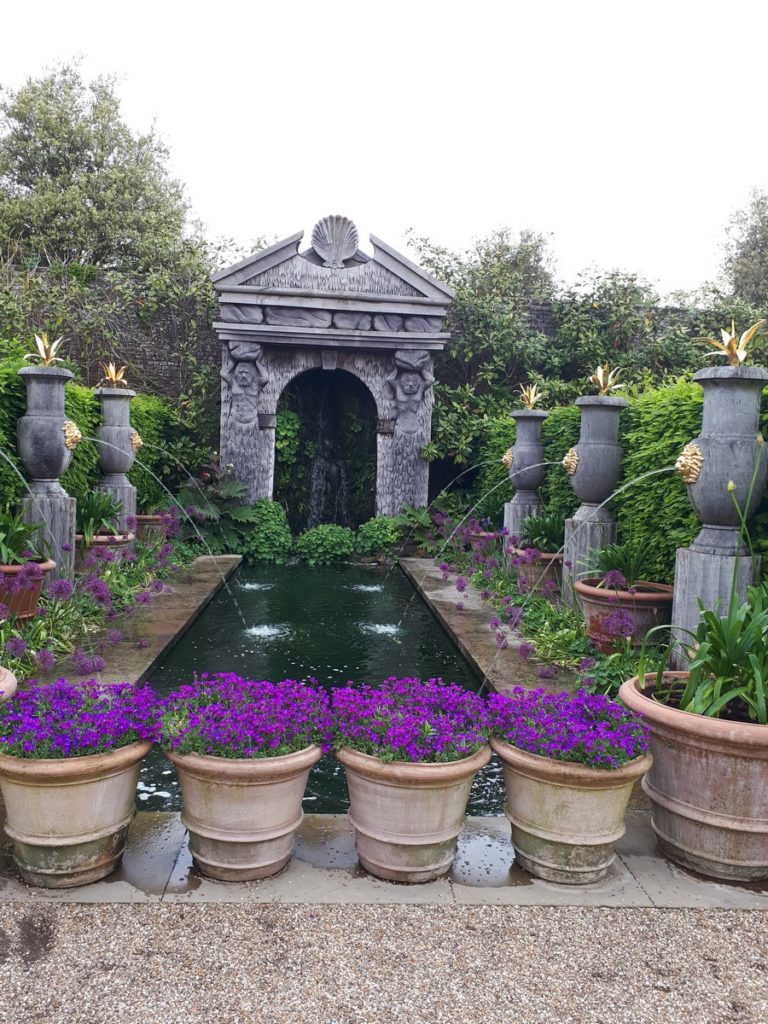
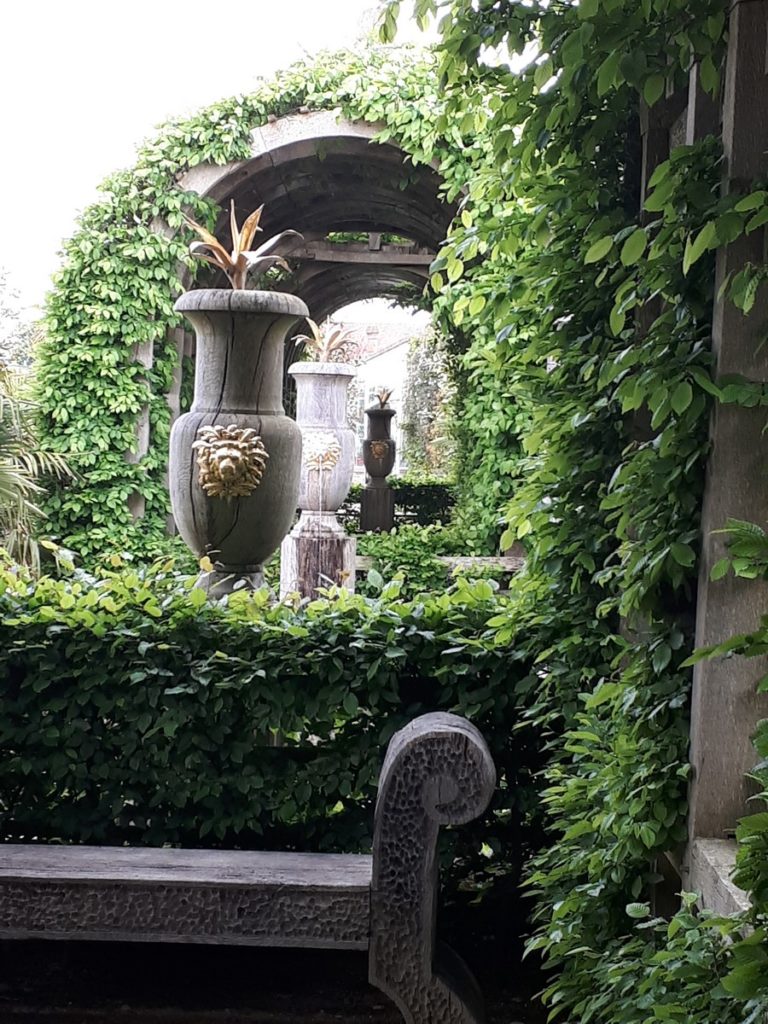
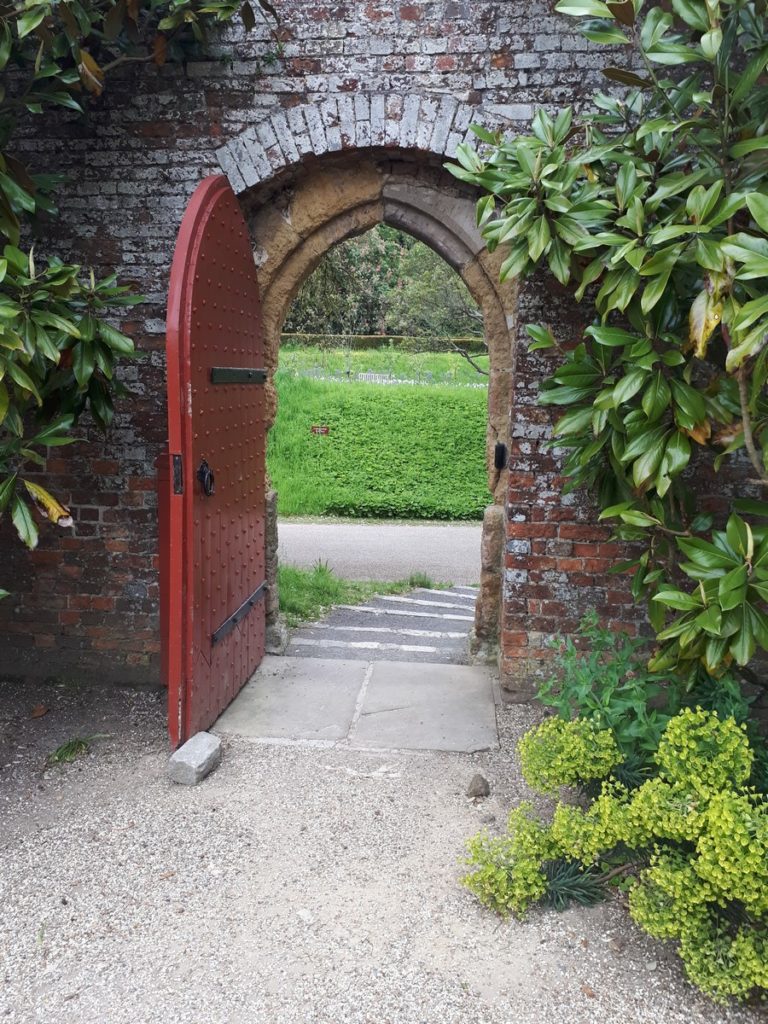
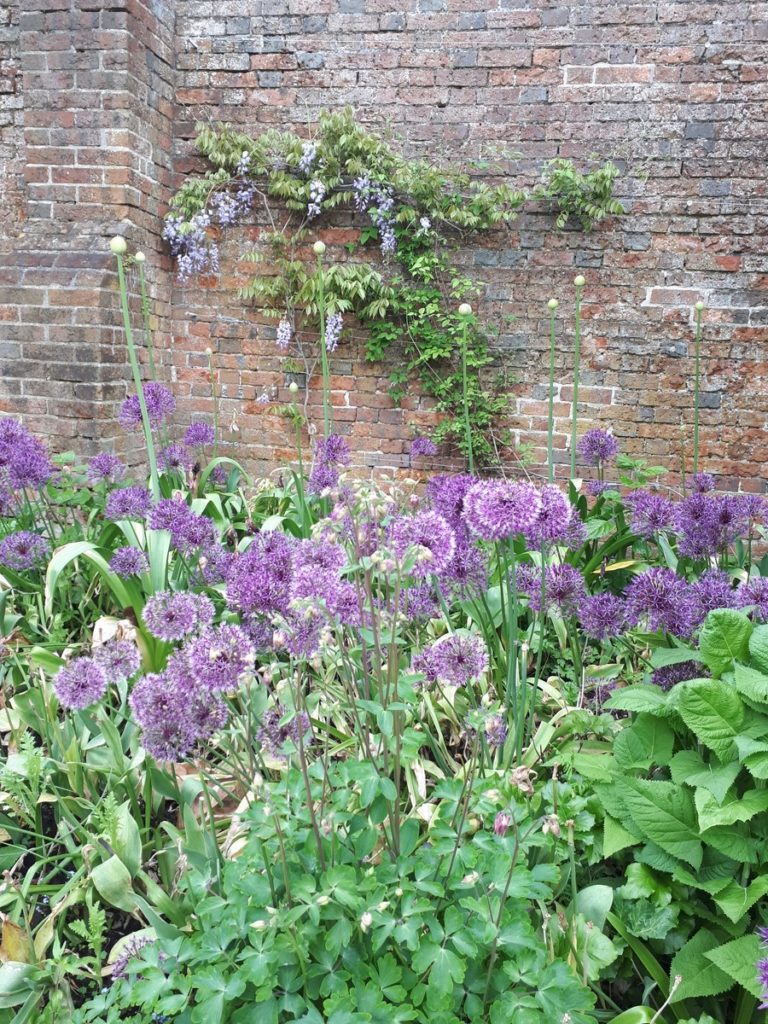
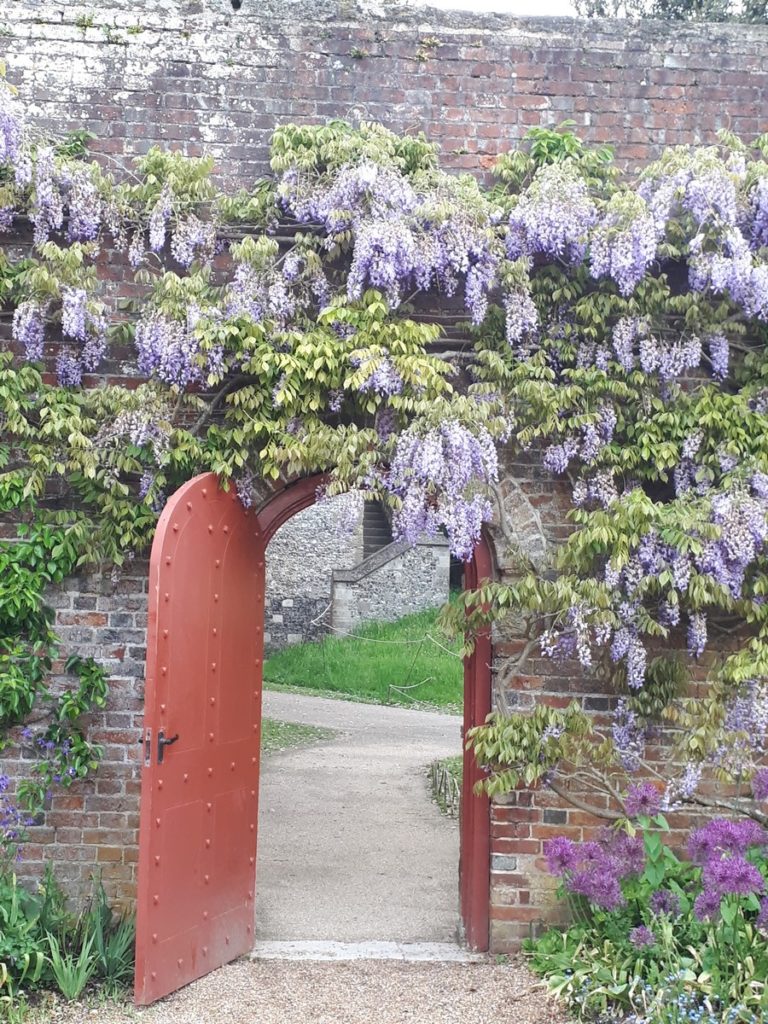
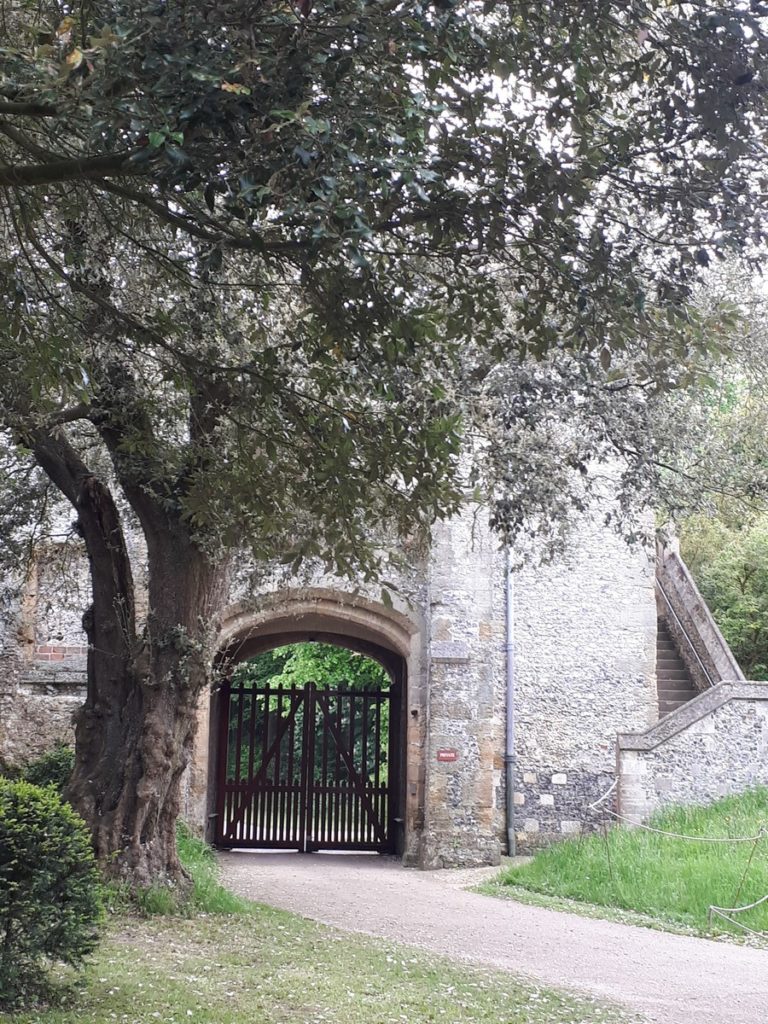
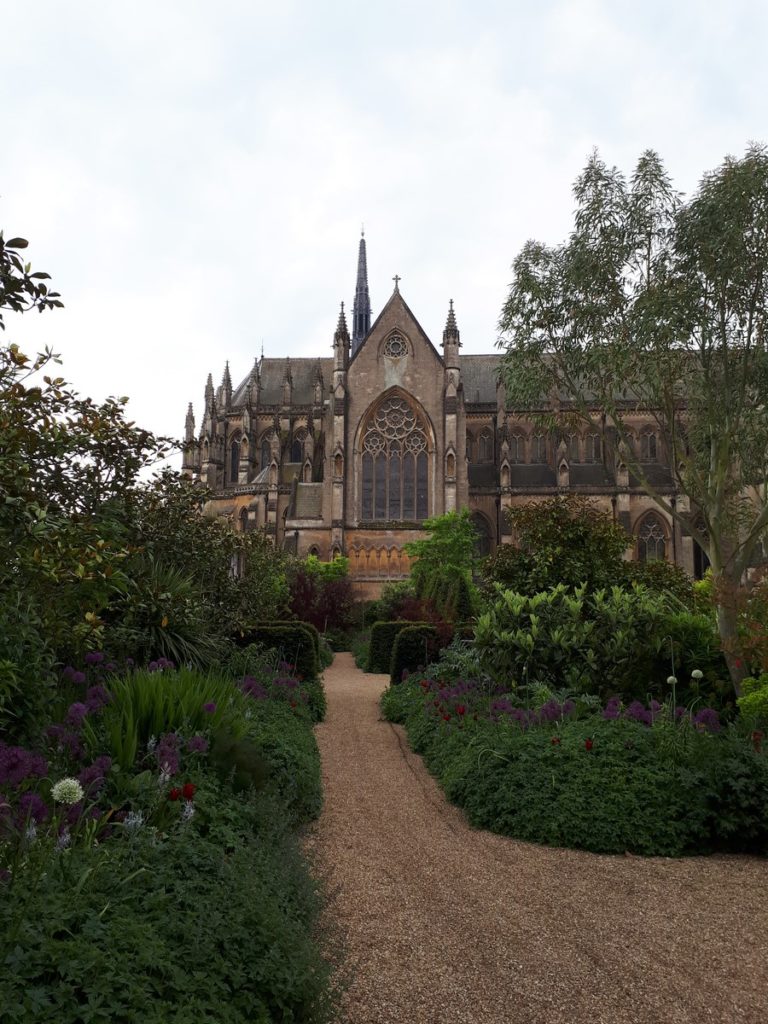
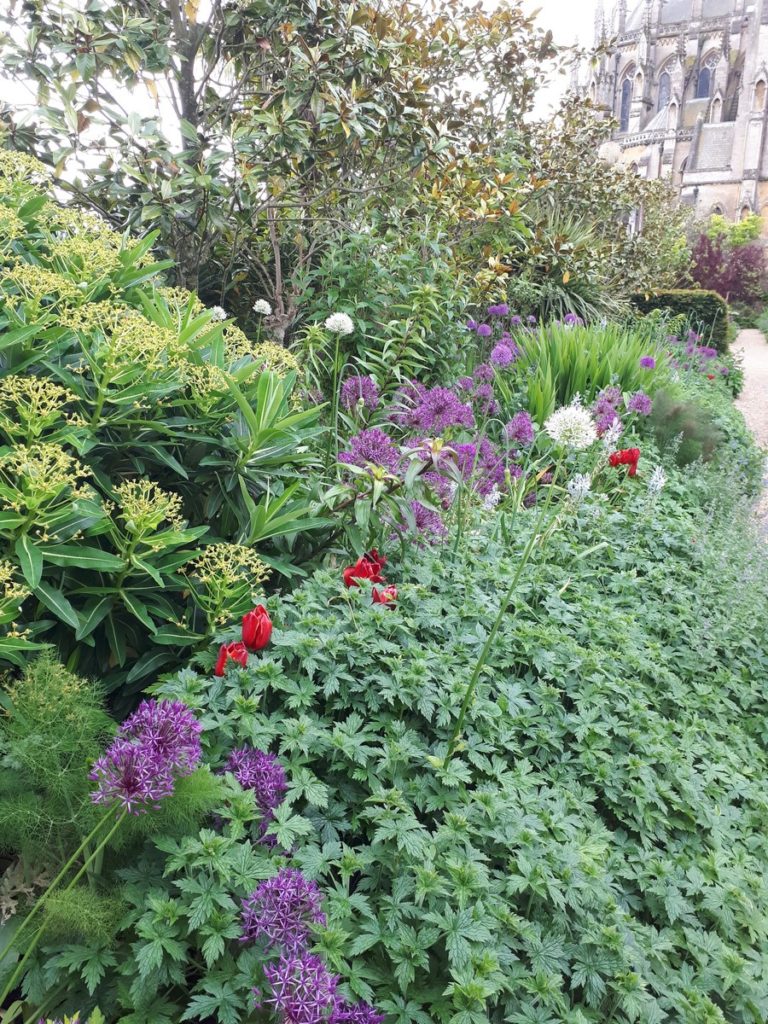
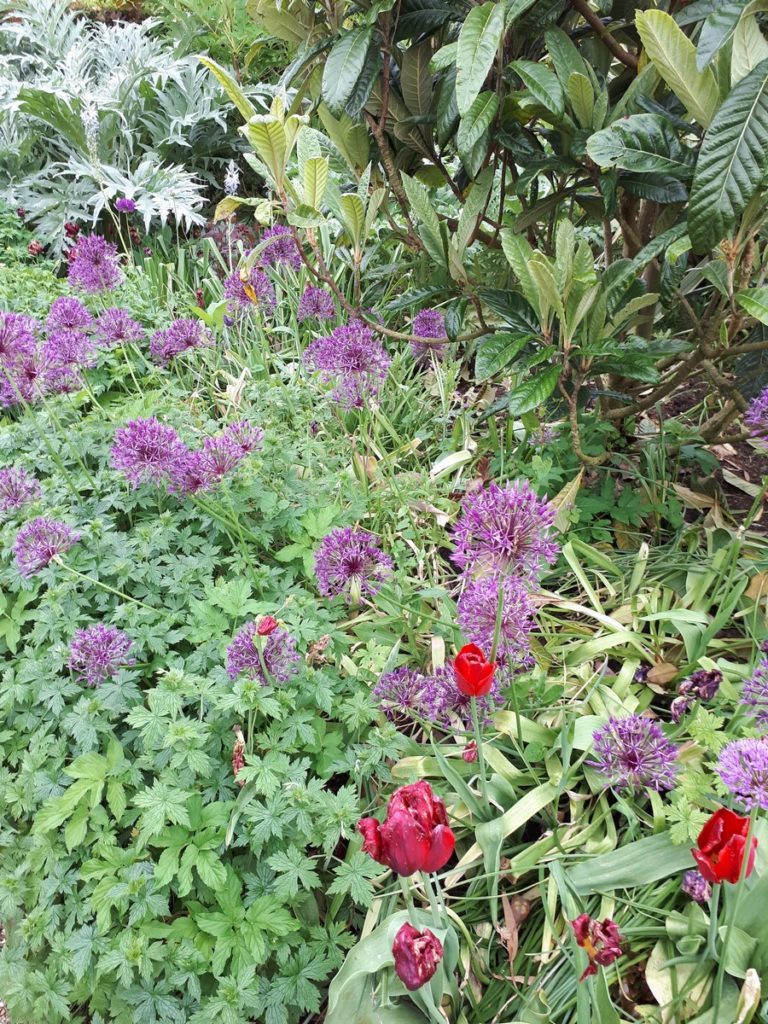
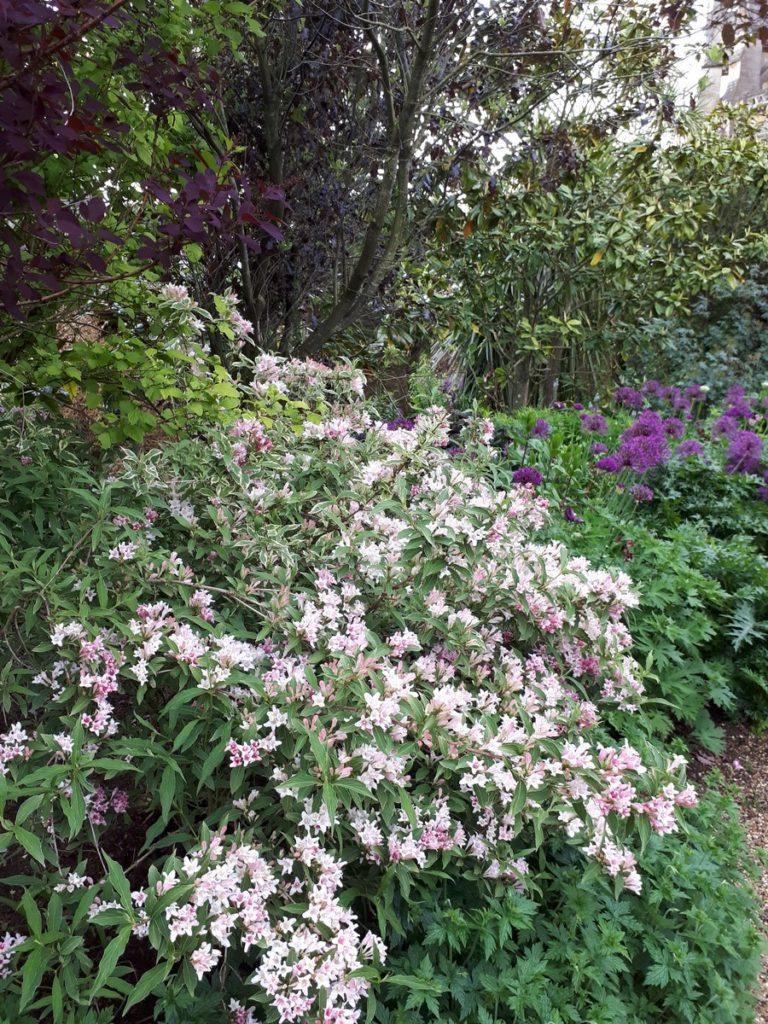
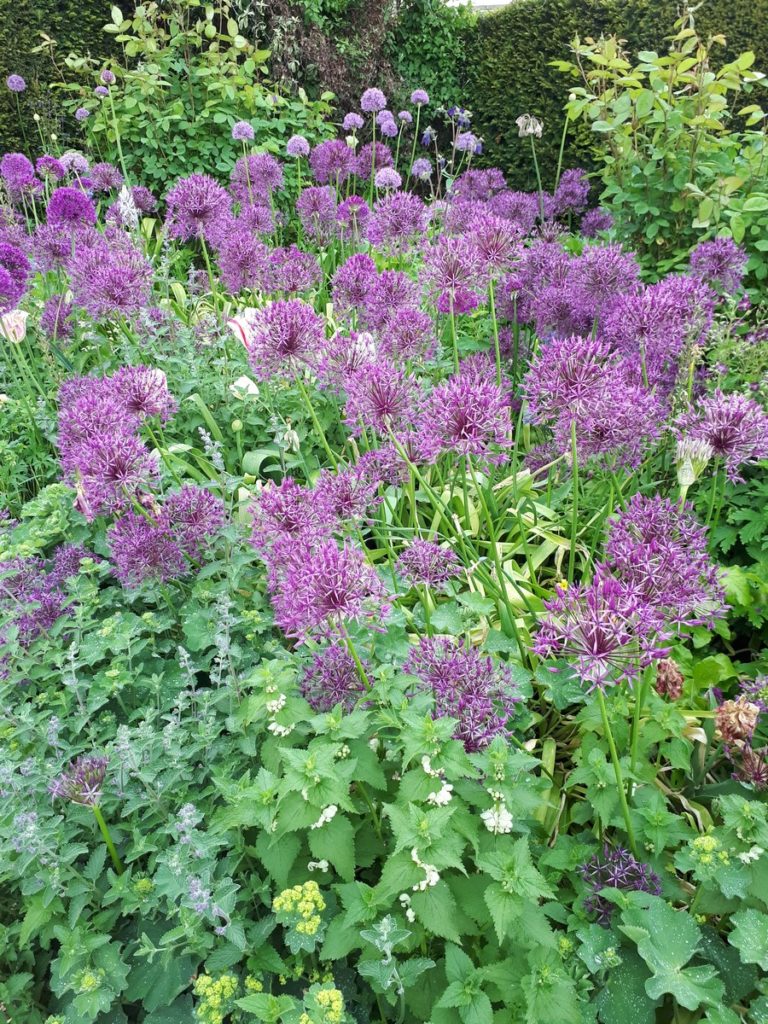
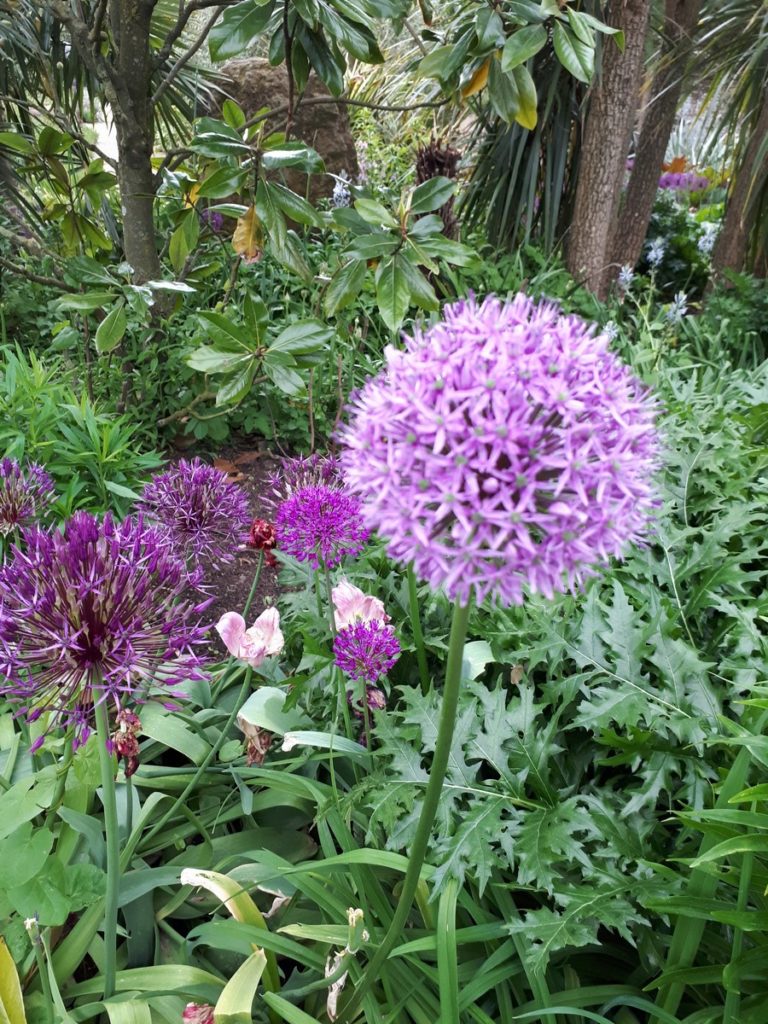
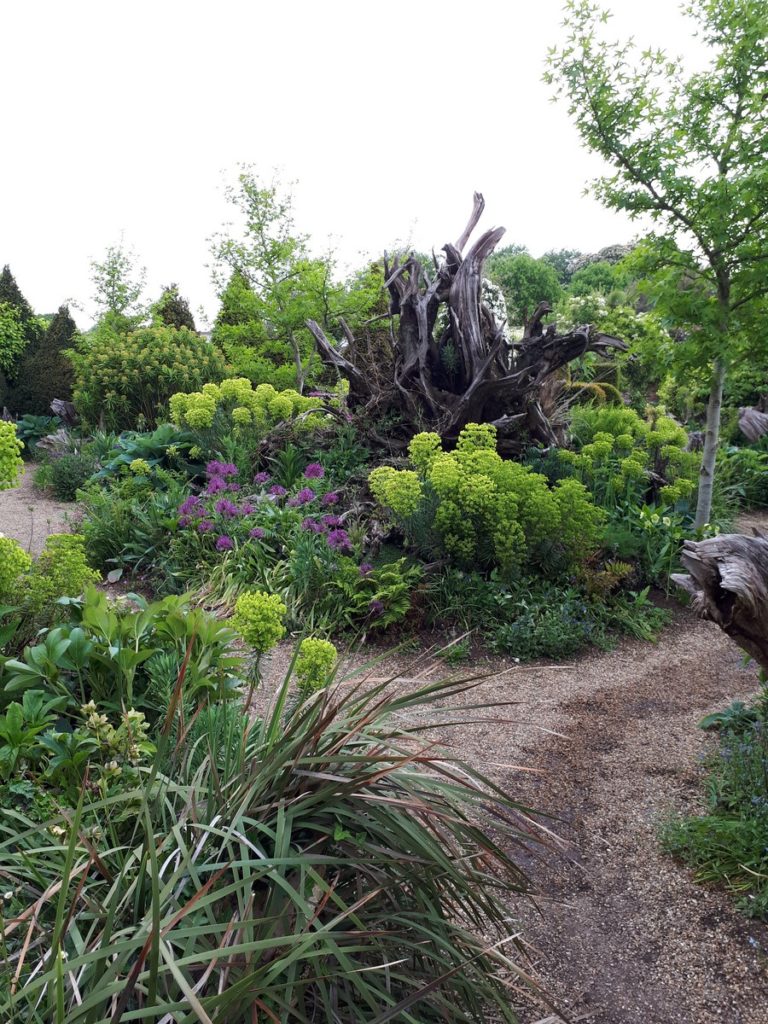
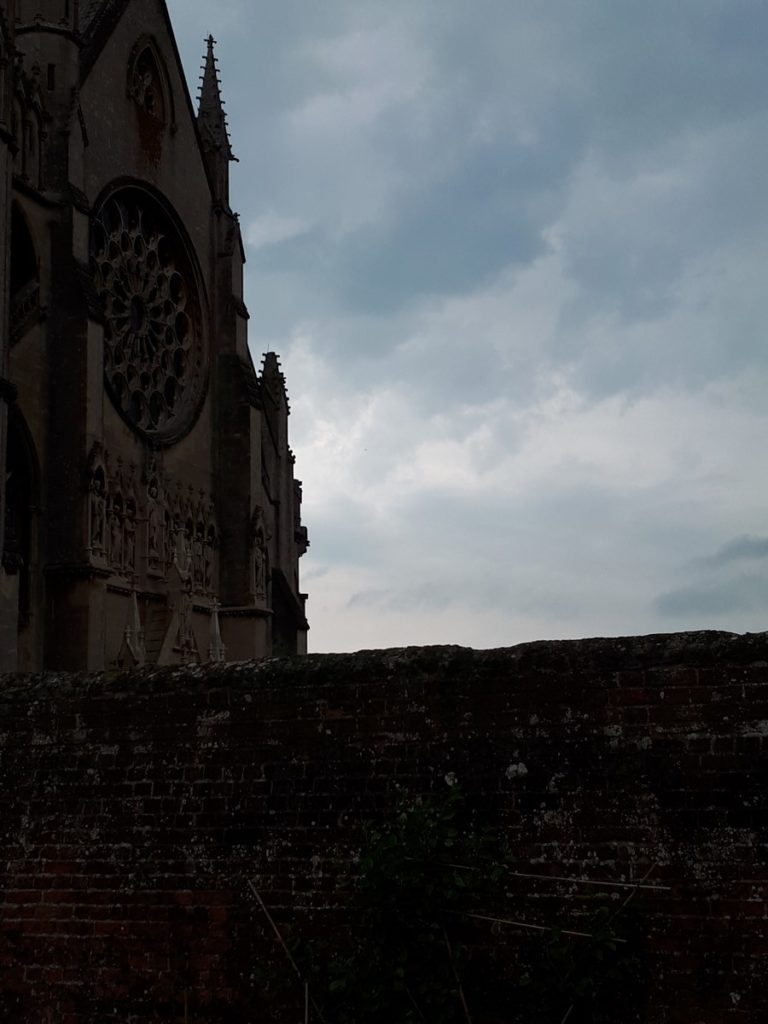
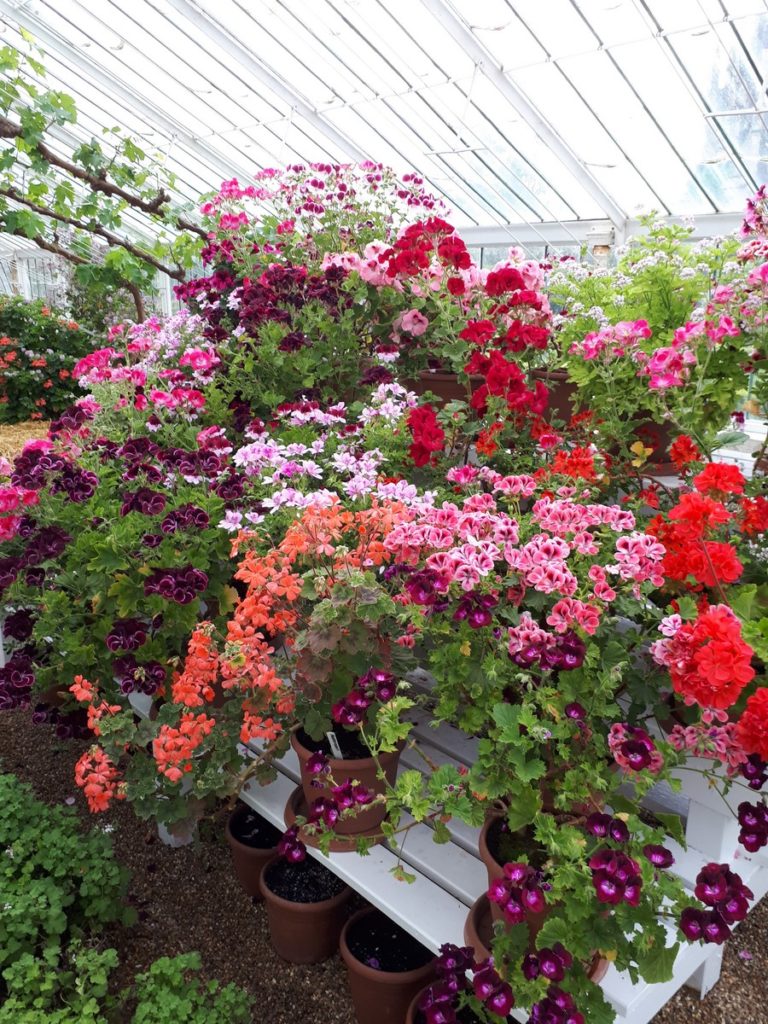
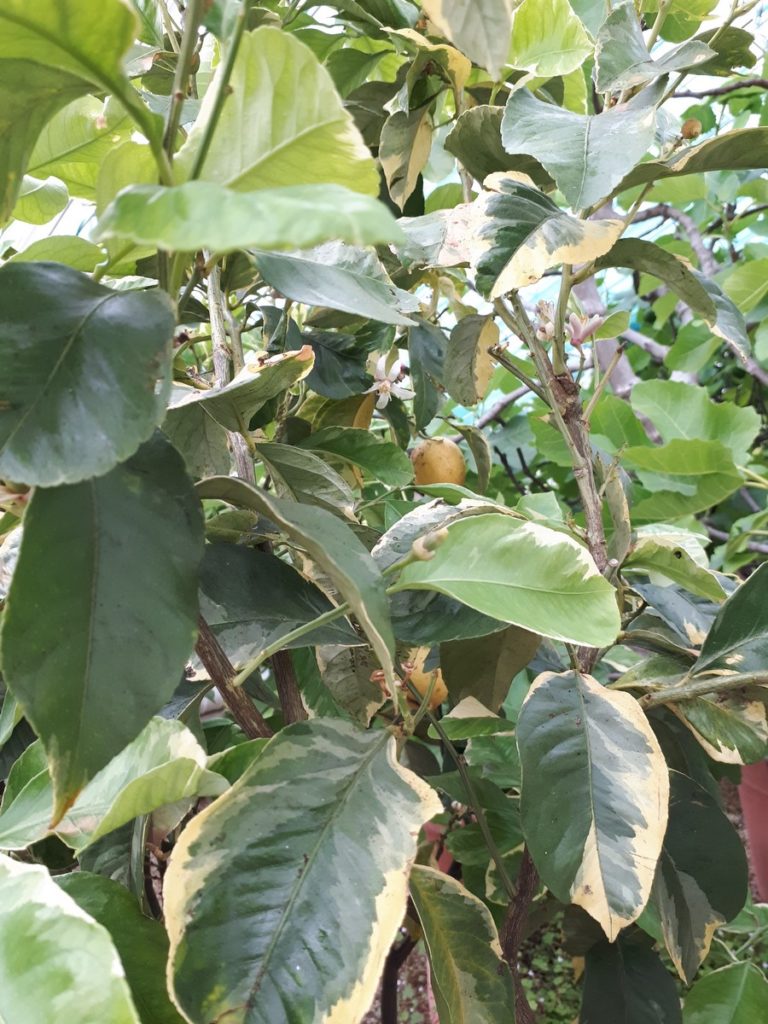
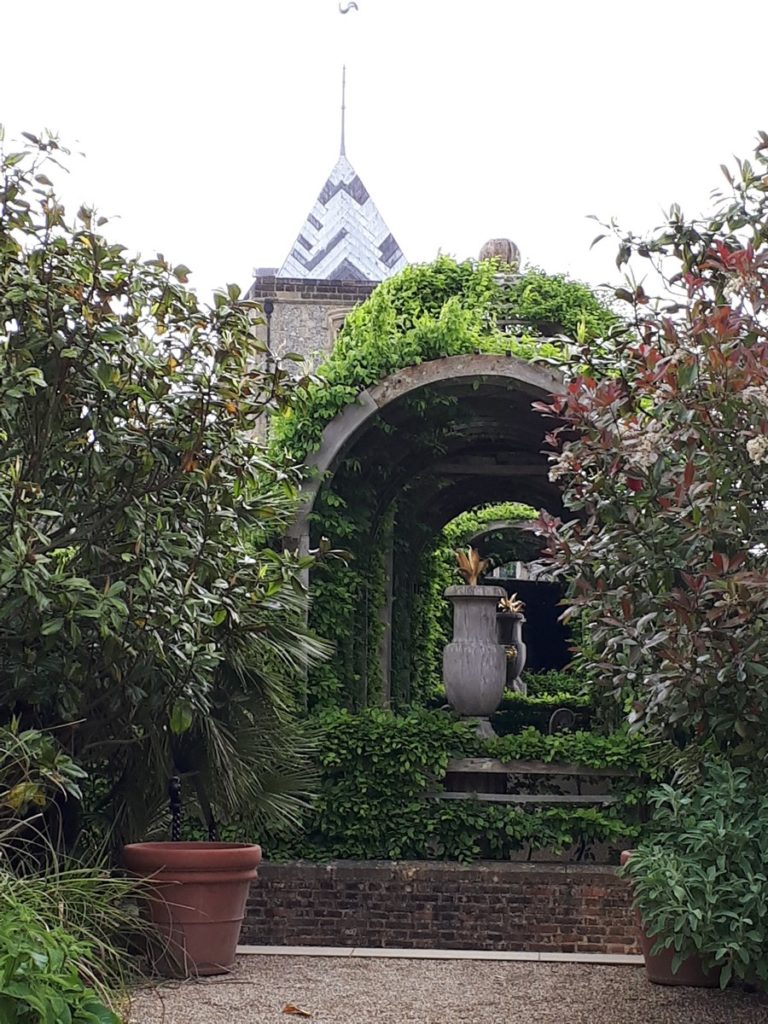
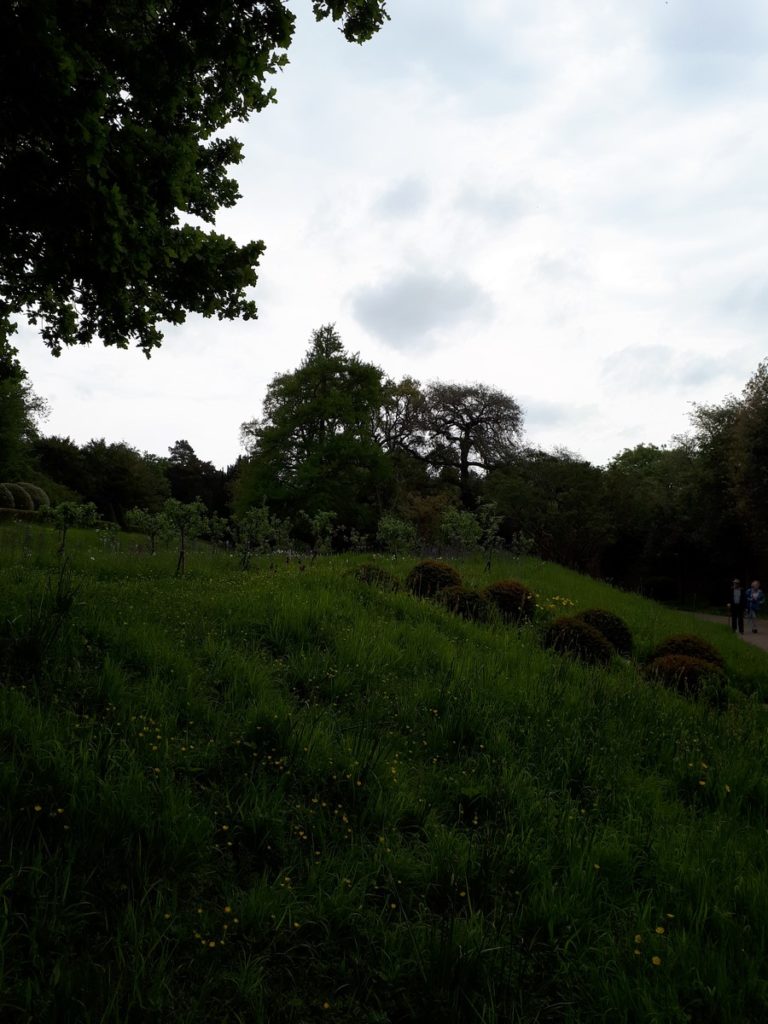
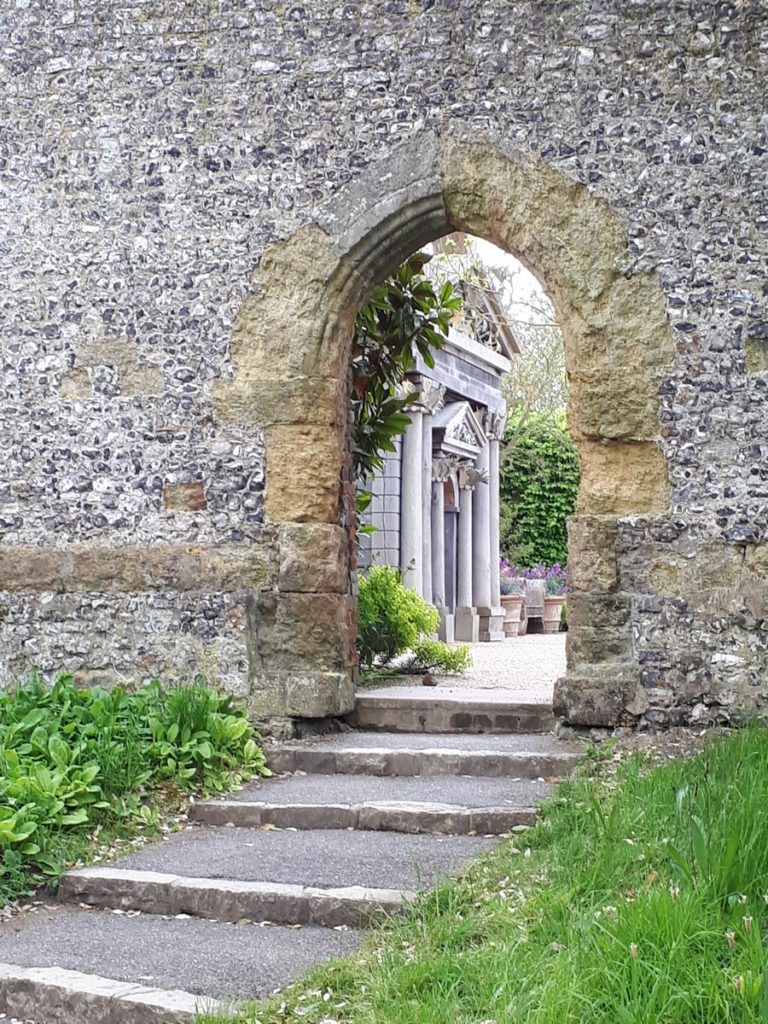
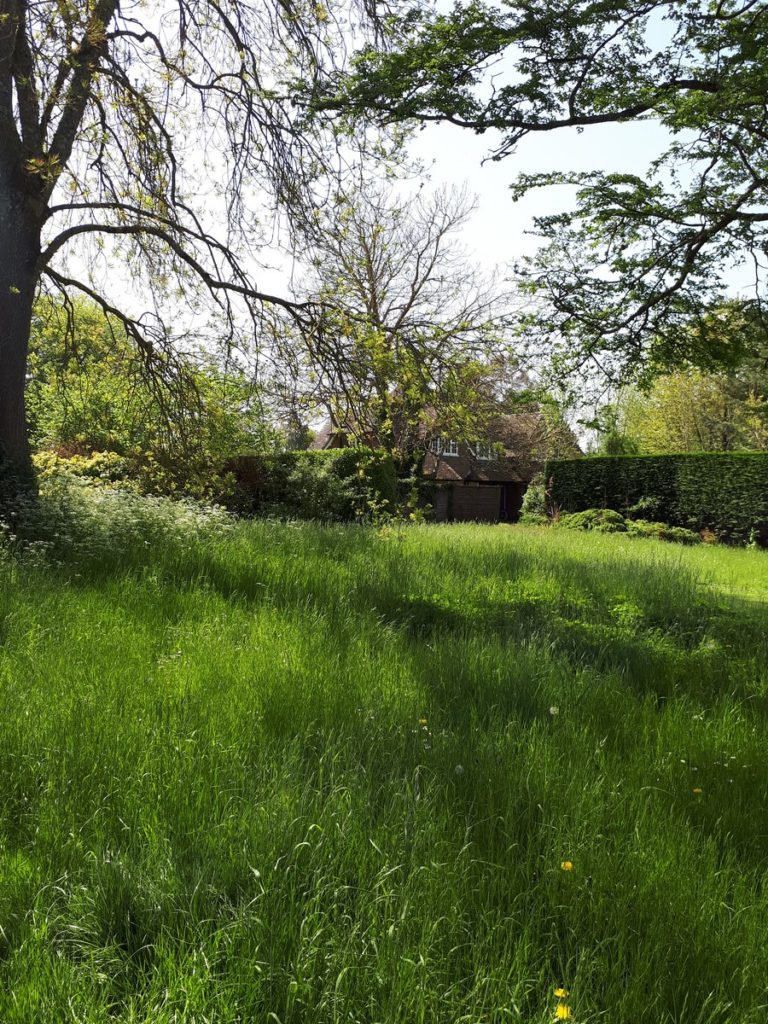
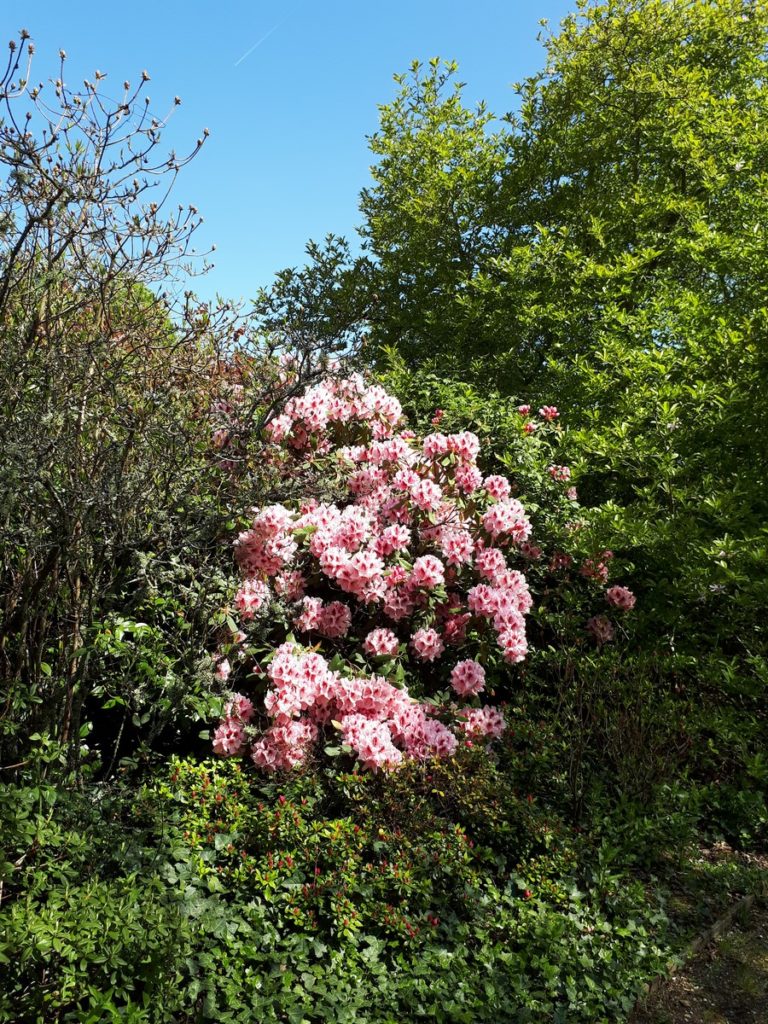
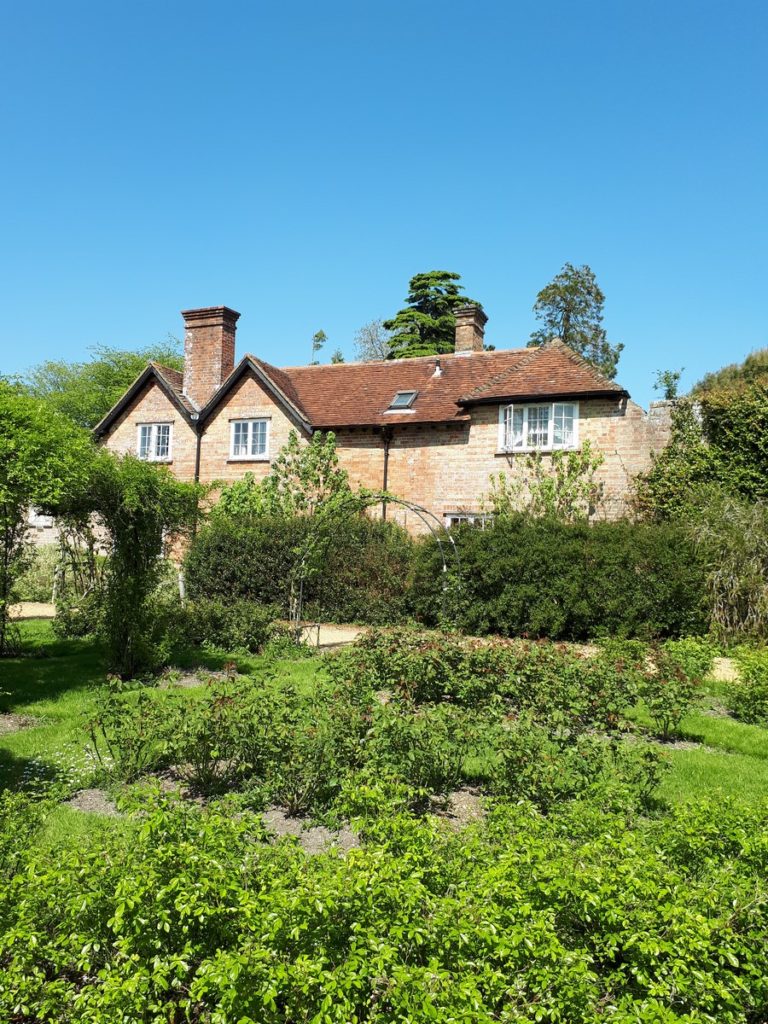
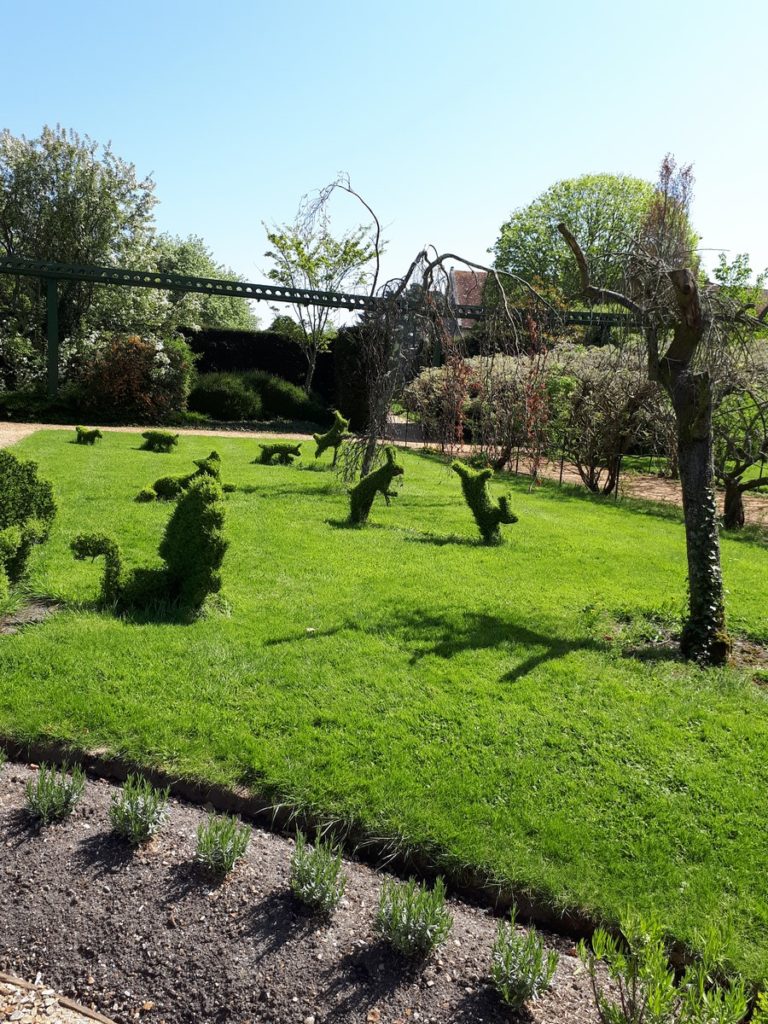
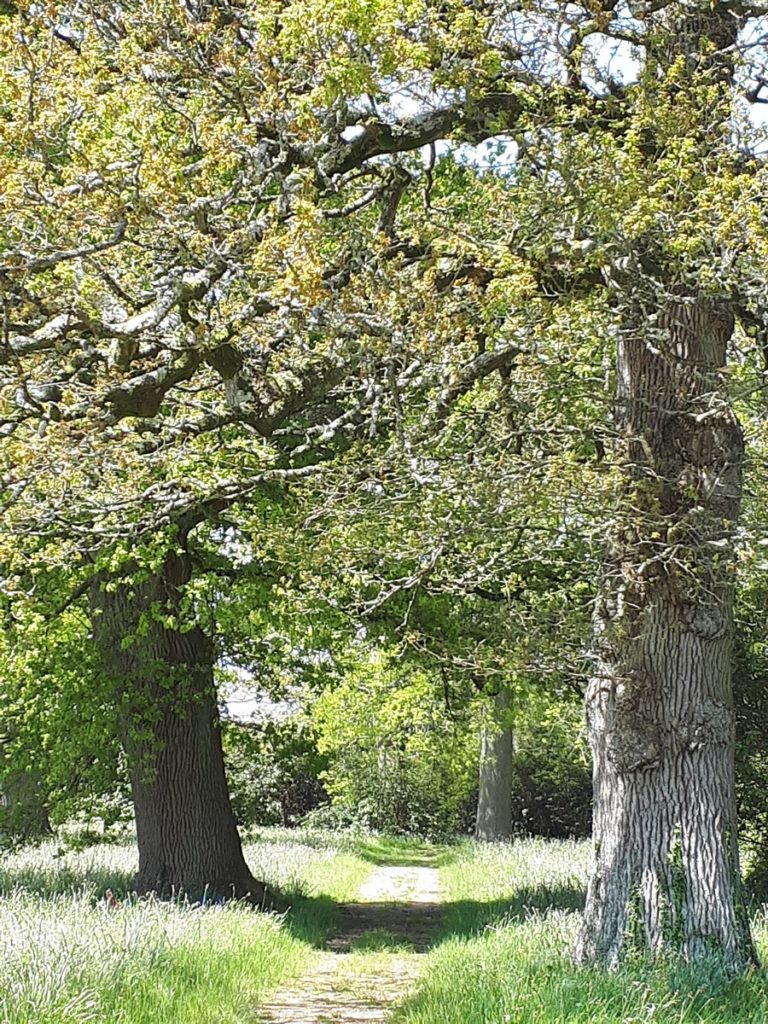
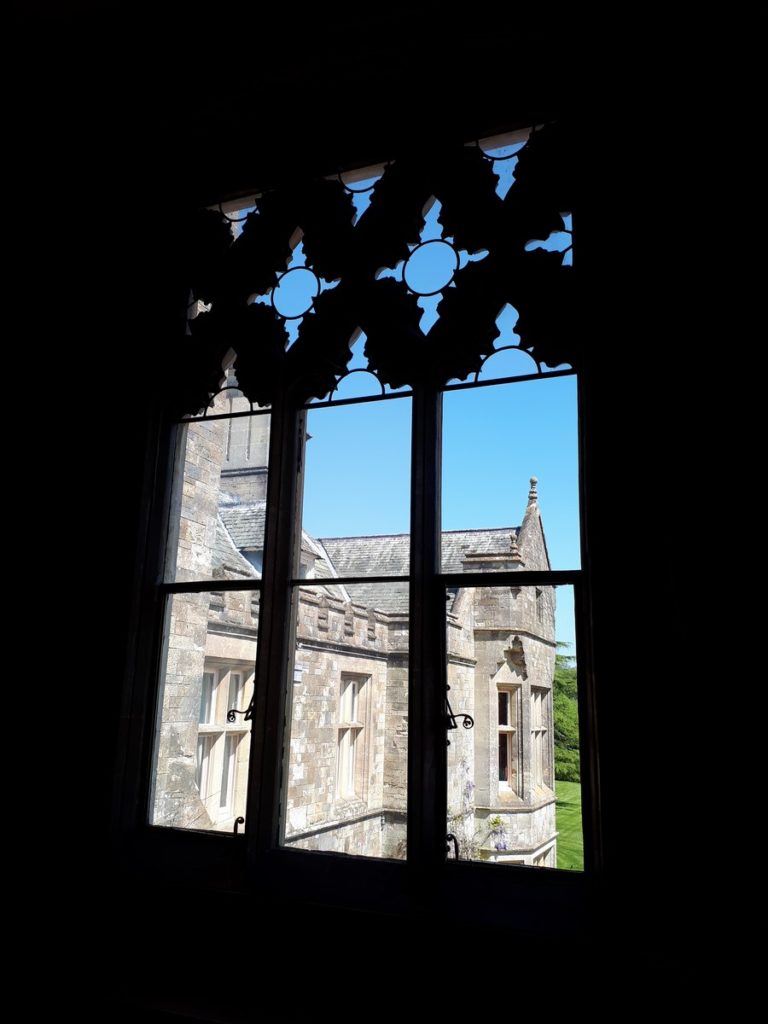
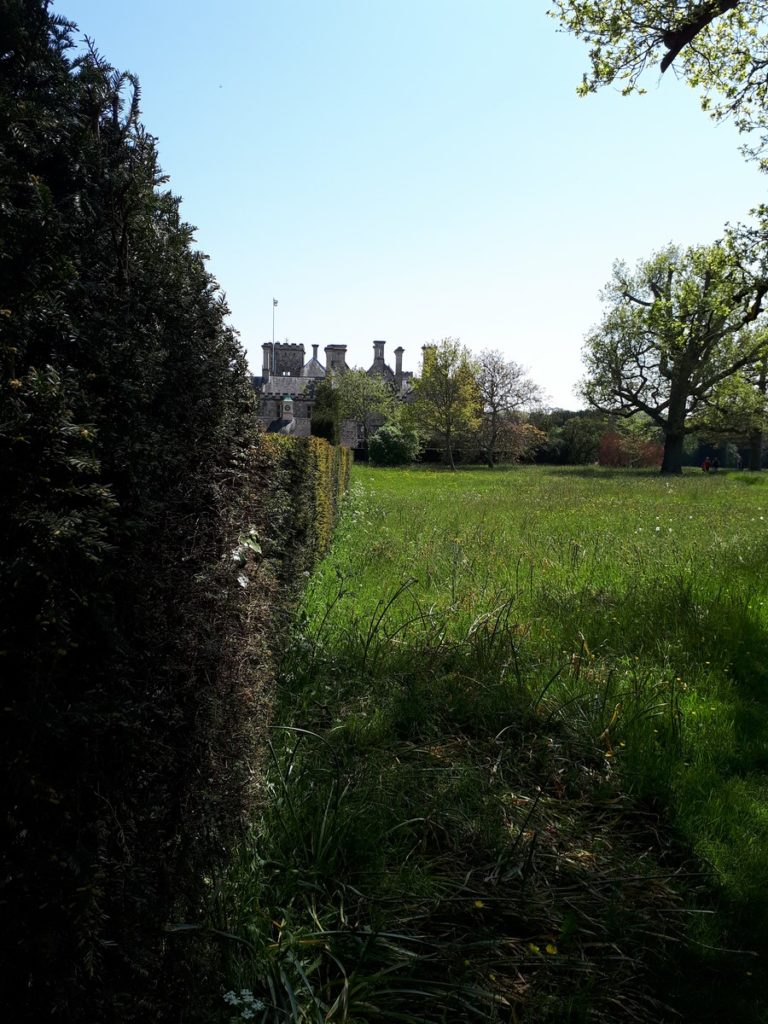
While doing research at the Wellington archives in Chichester, Vicky and I were able to steal a day at Arundel Castle. We began our visit in the gardens and, really, no further words are necessary.
Would you like to see Arundel Castle for yourself? We’ll be returning to the Castle on Number One London’s 2020 Regency Tour – complete itinerary and details can be found here.
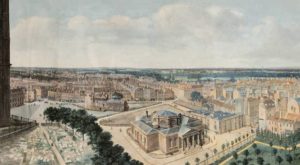
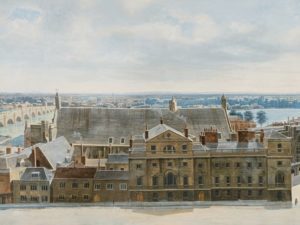
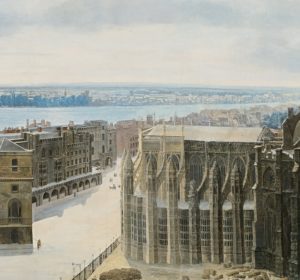
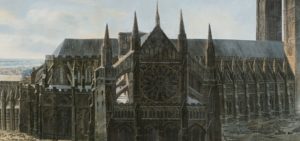
Cast your eyes along our recently acquired panorama of London, painted around 1815 by Pierre Prévost. As an added twist, we've pointed out where some more modern buildings now stand. On display 15 March.
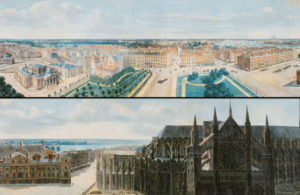
A very exciting exhibition featuring a Panorama of London begins March 15 at the Museum of London, and will run until September 2019. This extraordinary work was executed as a study for a panorama that was shown in Paris from 1816-1819 by artist Pierre Prévost. The full-sized work, several times larger than these studies, is now lost. One newspaper referred to the work as “London as the Duke of Wellington would have seen it.” Others have noted it is the London Jane Austen knew.
The artist, Pierre Prévost (1764-1823), viewed London from the bell tower of St Margaret’s Church, adjacent to Westminster Abbey.
St. Margaret’s Church, London; note Big Ben behind the trees to the left
The first view in the scan above looks west from the edge of Westminster Abbey (at the left edge); the large building in the center, above, is the now-demolished Middlesex Guildhall and in the distance is St. James Park, and in a better reproduction, you can see Buckingham House, the palace, as it was in 1815.
Above, the studies split in half. The top image is west and north; the bottom image is east and south.
The Sotheby’s Auction Catalogue description:
Pierre Prévost – MONTIGNY-LE-GANNELON 1764 – 1823 PARIS
A PANORAMIC VIEW OF LONDON, FROM THE TOWER OF ST. MARGARET’S CHURCH, WESTMINSTER
Watercolour and bodycolour over pencil, squared for transfer in pencil, the squares numbered, on multiple sheets of paper laid onto canvas 850 by 6050 mm.
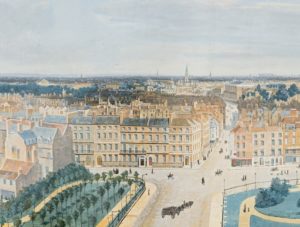
Looking north up Whitehall, the Banqueting House is seen at the curve; the steeple in the distance is St. Martin’s-in-the-Fields but Trafalgar Square which it faces today, was not yet created. The Sotheby’s Catalogue states, “To the centre of the composition, one can see the only remaining component of the Palace of Whitehall, the Banqueting House. Designed by the leading English architect Inigo Jones (1573-1652), the Banqueting House was commissioned by Charles I; in 1649, just 27 years after its construction, it was the site of his execution. The neoclassical St. Martin-in-the-Fields stands nearby. The site of a church since the medieval period, this had been re-built by James Gibbs in the 1720s. Prévost’s view shows the area prior to the construction of Trafalgar Square in the 1820s, and the church of St. Martin-in-the-Fields would therefore have appeared considerably different to how it does today. Contemporary accounts of the area describe the church as crowded in by surrounding buildings, which detract from the impressive nature of Gibbs’ edifice.”
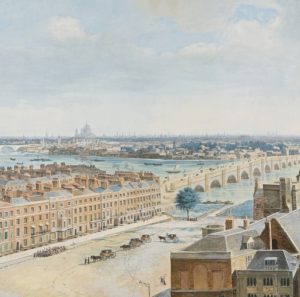
Above, looking northeast, beyond Westminster bridge one see the City, mercifully shorn of its tall buildings with the outline of St. Paul’s Cathedral on the horizon slightly left of center.
The view above looks east across the Thames, with the Westminster Bridge on the left and the roof of Westminster Hall parallel to the river in the center. The buildings in the foreground were various elements of the Palace of Westminster which burned in 1834 and were replaced by today’s Houses of Parliament, also known as the Palace of Westminster, incorporating the ancient and restored Westminster Hall.
The final sections, above and below, feature Westminster Abbey in its smoke darkened coating.
In the Georgian era, panoramas were popular exhibitions. The first opened in London in 1792 and according to The Guardian, viewers paid three shillings to view the painting which curved around a room “dramatically” lit.
In preparing this post, I was surprised to learn that the Museum of London is planning to move its entire Barbican operation to a new site in the old Smithfield Market, also located in the City of London. No doubt they will construct a fine exhibit space for this painting when they complete their plans and move, sometime in the next decade.
Being from Milwaukee, Wisconsin, I have occasionally run across the stories of the German Panorama Painters who came to the city in the mid-19th century and painted many of these works installed in various cities. The only remaining one I know of is in Atlanta, Georgia, and recently reopened as the Cyclorama in the Civil War Museum.
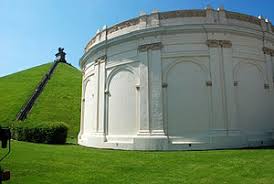
However, the only panorama I have ever seen is the one that still exists in Waterloo, Belgium, picturing the famous battle in 1815 when the Duke of Wellington led the Allied forces to victory over the emperor Napoleon, pictured below.
More details about the London Panorama from the Sotheby’s catalogue:
“Of extraordinary size, detail and topographical accuracy, this view of London is a remarkable preparatory study for a lost panorama of approximately 30 metres in diameter, by Pierre Prévost, which shows the artist at the pinnacle of a highly successful career as a panoramist …. The illusion of depth, height and distance is testament to Prévost’s ability to work on such a large scale, and this complete, circular image, joined at Westminster Abbey, is one of the finest drawings of its type to have survived….
“By 1800 panoramas could be viewed in many European capitals. The works were usually exhibited for a short period of time in a rotunda, before travelling on, and ultimately were replaced or sold. The nature of this process has ensured the rarity of the completed panorama, as excessive handling and transportation in most cases resulted in their ultimate destruction.”
The Sotheby’s catalogue entry states: “While the final canvas created by Prévost would have been very much larger (it was exhibited in a purpose built rotunda on the rue Neuve Saint-Augustin in Paris, measuring 32 metres in diameter, over five times the size of this preparatory drawing), even this preliminary study is of an impressive size, and is highly finished ….
“The street scenes in the foreground bring a sense of life to the panorama, and allow the viewer to engage fully with the daily activity of the city’s inhabitants….Here, shops and professions are indicated in the foreground in remarkable detail. On Great George Street, the road running horizontally across the centre foreground, the shops include a wine and brandy merchant and a solicitor, whilst on Bridge Street, which runs towards Westminster Bridge, an apothecary, a shoe-maker and a children’s clothes store are indicated. ”
I hope many people enjoy seeing the London Panorama of 1815.
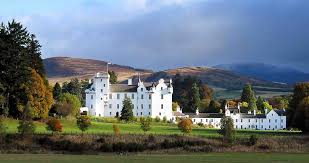
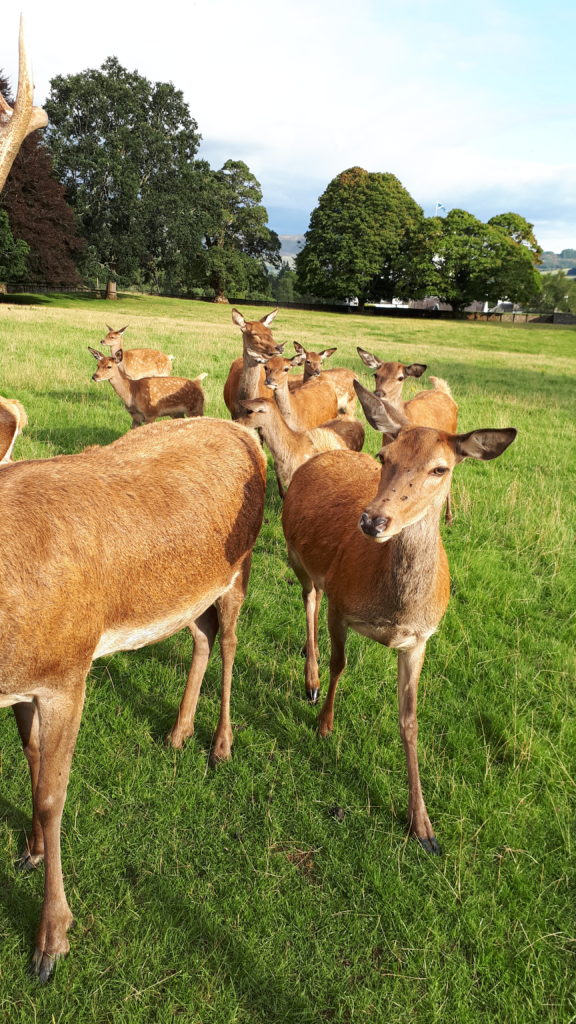
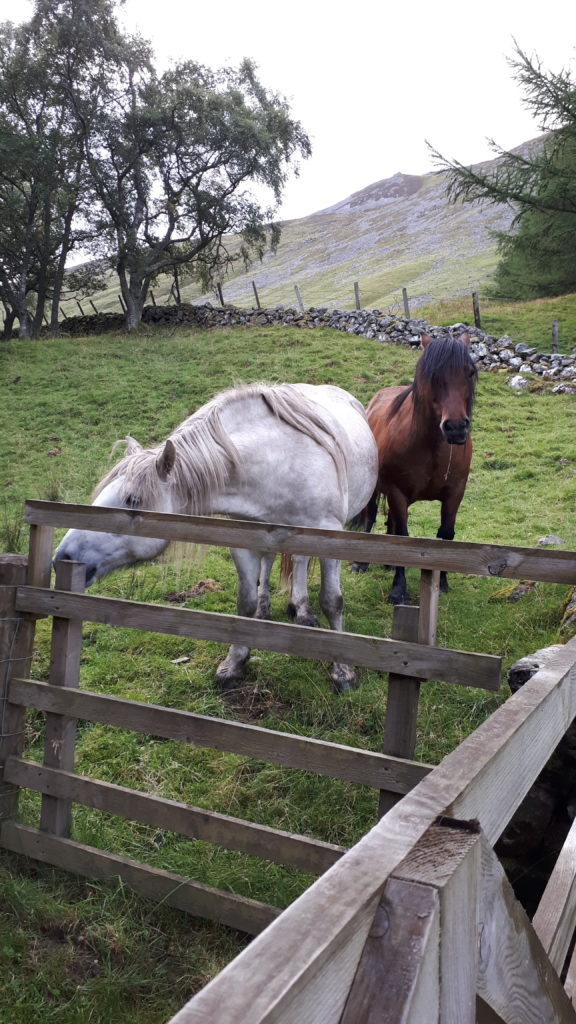
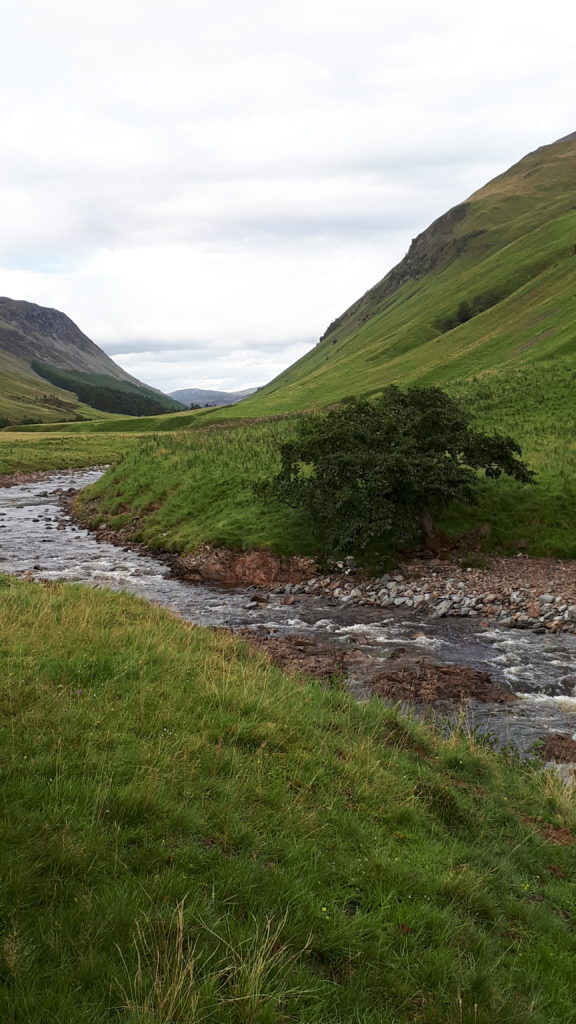
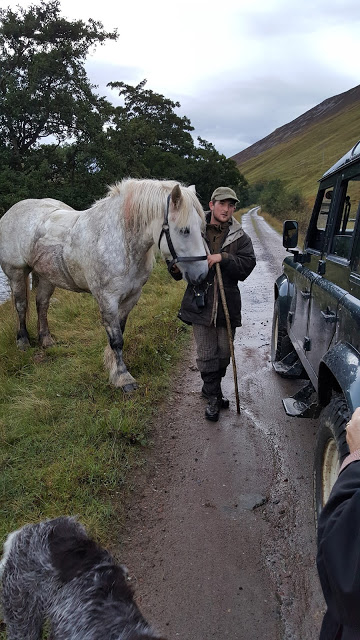
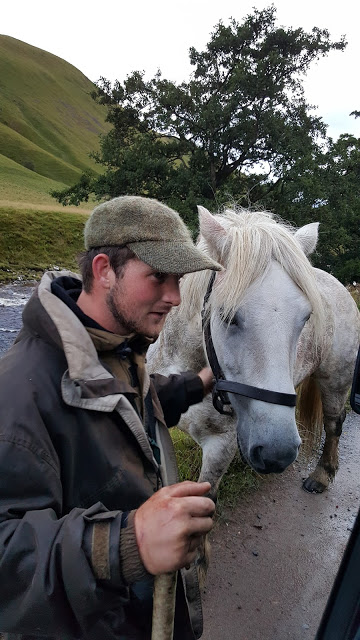
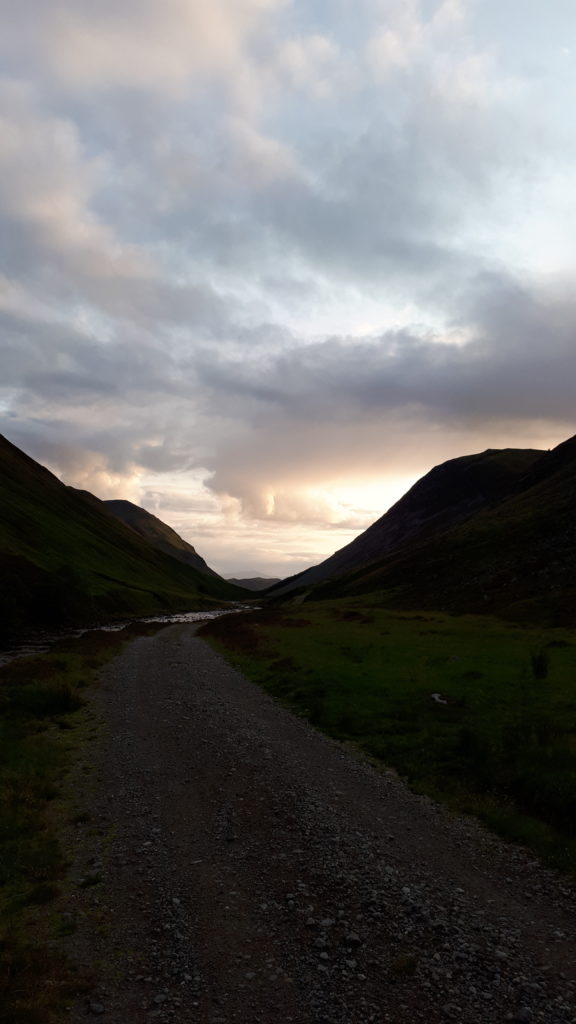
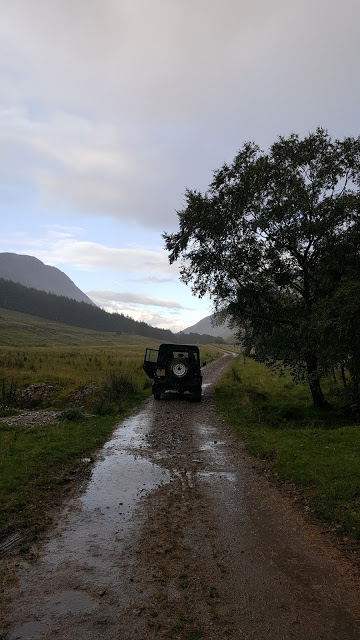
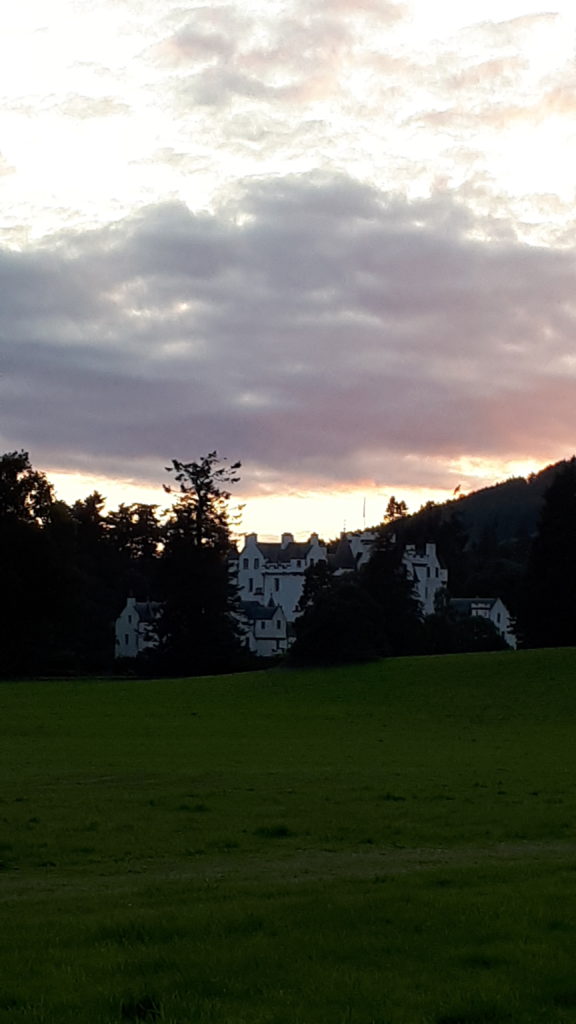
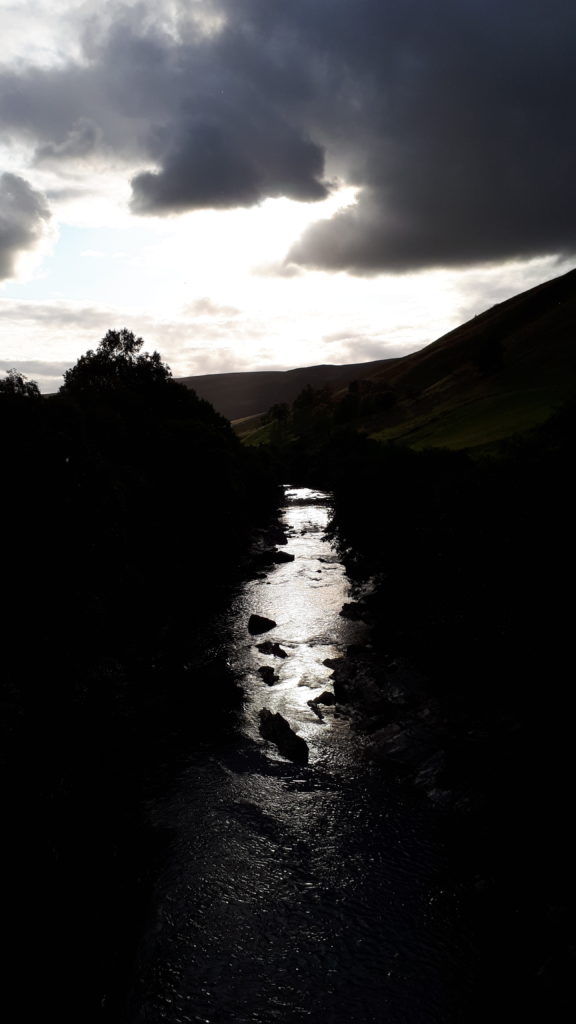
The highlight of every Number One London Tours adventure in Scotland is always the Highland Safari and we’ll be embarking on another during our Scottish Retreat in September. We’ll be returning to the Blair Athol Estates for a half day Land Rover tour with our ghillie guides behind the wheel to show us over the vast landscape that includes rugged terrain, rushing streams, breathtaking views and the native wildlife, including wild deer, horses and sheep. We’ll also be visiting Blair Castle, ancestral home of the clan Murray.
I could continue to wax lyrical about the Highland Safari experience, but instead I’ll just show you the pictures I’ve taken on past tours.
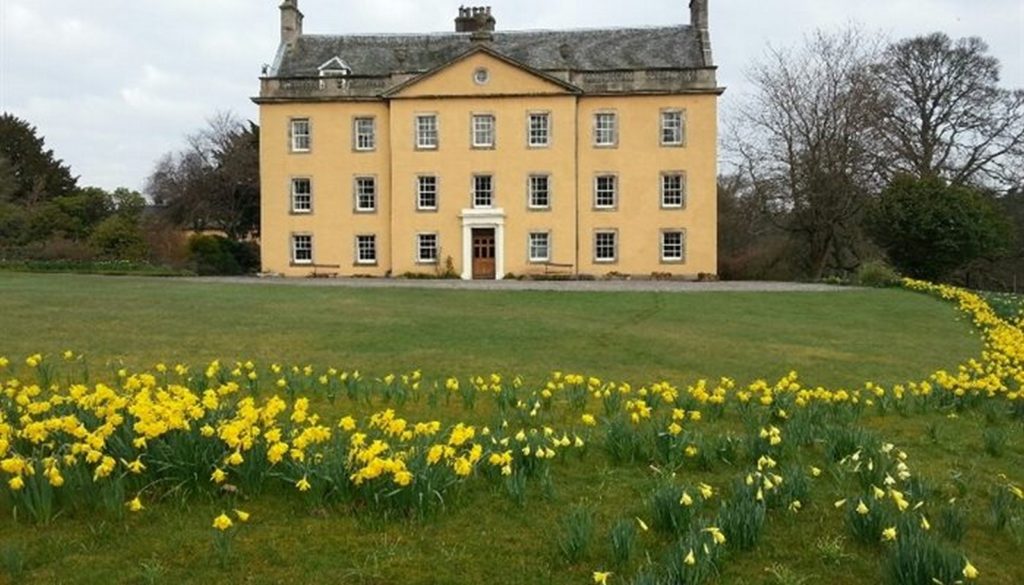
During the Scottish Retreat in September, we’ll be staying at Gargunnock House, a classic example of the gentleman’s shooting box, complete with open fires, flagstone floors, period details, spiraling staircases and Georgian furnishings.
Being a period property, Gargunnock House has a limited number of bedrooms and there are only 5 spaces left on the tour.
Arthur Wellesley, 1st Duke of Wellington, by Alfred, Count D’Orsay
Whilst the Duke of Wellington approved of elegance and was himself known as “the Beau,” he felt obliged to advise his splendidly uniformed Grenadier Guards that their behavior was “not only ridiculous but unmilitary” when they rode into battle on a rainy day with their umbrellas raised. A dandy Wellington was not. Odd, then, that the picture of himself that Wellington liked most was done by one of the greatest dandies of his day – Count d’Orsay. d’Orsay painted the Duke in profile (above), in evening dress, and the Duke is said to have rather liked the picture, because it “made him look like a gentleman.”
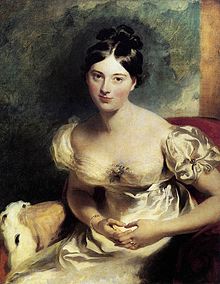
Marguerite, Countess of Blessington
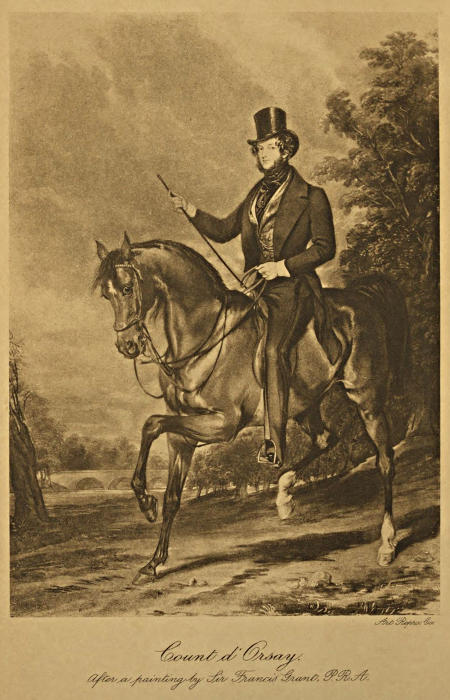
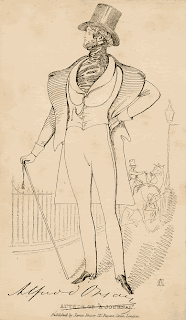
Count Albert Guillaume d’Orsay, the son of one of Napoleon’s generals, and descended by a morganatic marriage from the King of Wurttemburg, was himself a gentleman in every sense, and his courtesy was of the highest kind. At the balls given by his regiment, although he was more courted than any other officer, d’Orsay always sought out the plainest girls and showed them the most flattering attentions. During his first visit to London, Count d’Orsay was invited once or twice to receptions given by the Earl and Countess of Blessington, where he was well received. Before the story proceeds any further it is necessary to give an account of the Earl and of Lady Blessington, since both of their careers had been, to say the least, unusual.
Count d’Orsay, after a painting by Sir Francis Grant, P.R.A.
Lord Blessington was an Irish peer for whom an ancient title had been revived. He was remotely descended from the Stuarts of Scotland, and therefore had royal blood to boast of. He had been well educated, and in many ways was a man of pleasing manner. On the other hand, he had early inherited a very large property which yielded him an income of about thirty thousand pounds a year. He had estates in Ireland, and he owned nearly the whole of a fashionable street in London, along with the buildings erected upon it. Thrown together by the same society and so often in each other’s company, the Earl of Blessington became as devoted to D’Orsay as did his wife. The two urged the Count to secure a leave of absence and to accompany them to Italy. This he was easily persuaded to do; and the three passed weeks and months of a languorous and alluring intercourse among the lakes and the seductive influence of romantic Italy. Just what passed between Count d’Orsay and Marguerite Blessington at this time cannot be known, for the secret of it has perished with them; but it is certain that before very long they came to know that each was indispensable to the other.The situation was complicated by the Earl of Blessington, who, entirely unsuspicious, proposed that the Count should marry Lady Harriet Gardiner, his eldest legitimate daughter by his first wife. He pressed the match upon the embarrassed d’Orsay, and offered to settle the sum of forty thousand pounds upon the bride. The girl was less than fifteen years of age. She had no gifts either of beauty or of intelligence; and, in addition, d’Orsay was now deeply in love with her stepmother.
Count d’Orsay
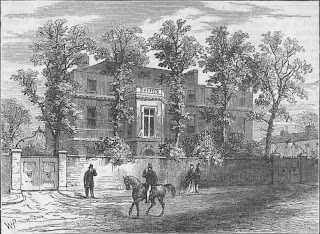
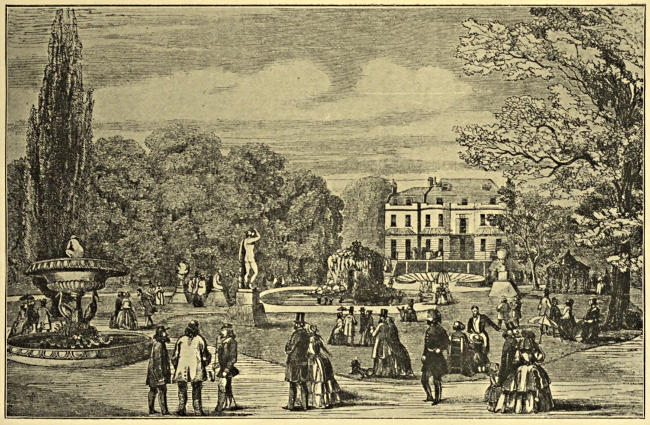
But once again I digress. Suffice it to say that eventually Lady Blessington and the Count set up a home together, both in London, at Gore House, and in Paris, where Lady Blessington died. Upon her death, and before when they found themselves in straightened financial waters, the Count drew upon his artistic talents, both in painting and sculpture, in order to earn money. Whatever one thought about the Count personally, no one could deny his artistic talent. d’Orsay would go on to produce a painting of Gore House, of which I can find no image to use here. Instead, I give you a contemporary print of Gore House –
Gore House
And the description of d’Orsay’s painting, which illustrates the illustrious circles d’Orsay found himself within and also brings us back to the Duke of Wellington –
“A garden view of Gore House, the residence of the late Countess of Blessington, with Portraits of the Duke of Wellington, Lady Blessington, the Earl of Chesterfield, Sir Edwin Landseer, Count d’Orsay, the Marquis of Douro (2nd Duke of Wellington), Lord Brougham, the Misses Power, etc. In the foreground, to the right, are the Duke of Wellington and the Countess of Blessington; in the centre, Sir Edwin Landseer seated, who is in the act of sketching a very fine cow, which is standing in front, with a calf by its side, while Count d’Orsay, with two favorite dogs, is seen on the right of the group, and the Earl of Chesterfield on the left; nearer the house, the two Misses Power (nieces of Lady Blessington) are reading a letter, a gentleman walking behind. Further to the left appear Lord Brougham, the Marquis of Douro, etc., seated under a tree in conversation.”
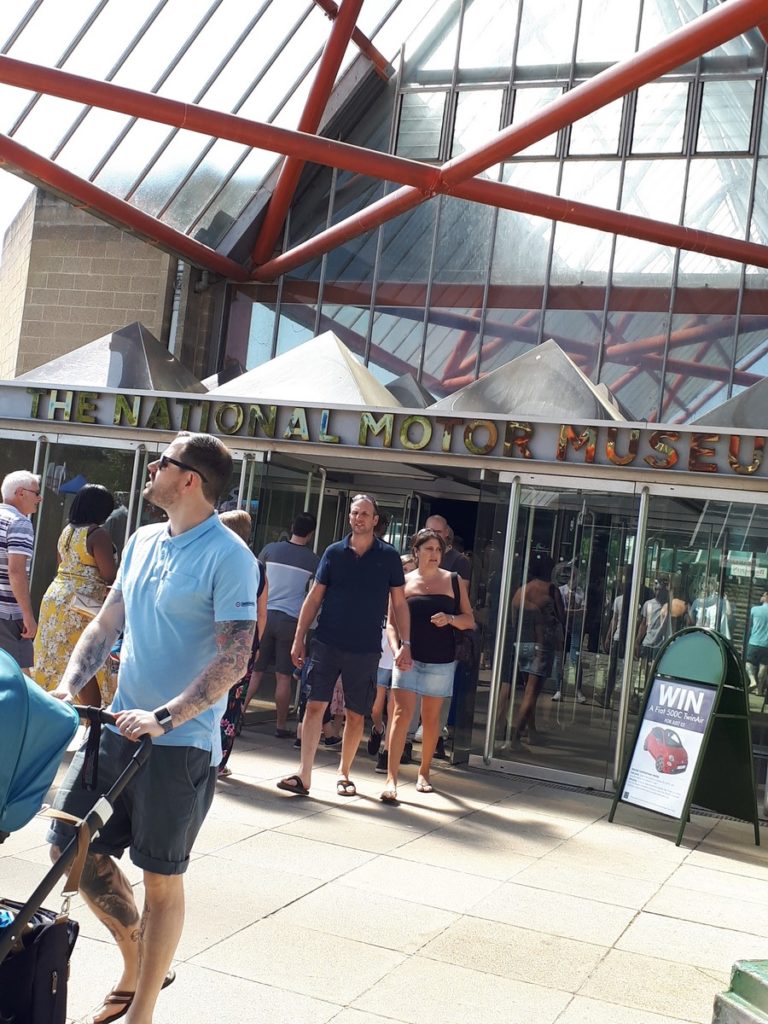
When Vicky and I visited Beaulieu in September, we were of course aware that the grounds also housed the National Motor Museum, but we were unprepared for the crowds of people who had turned out for a special, televised event that particular day.
Never having planned on visiting the Motor Museum anyway, Vicky and I hurried through the crowds and headed for the gardens and the Abbey.
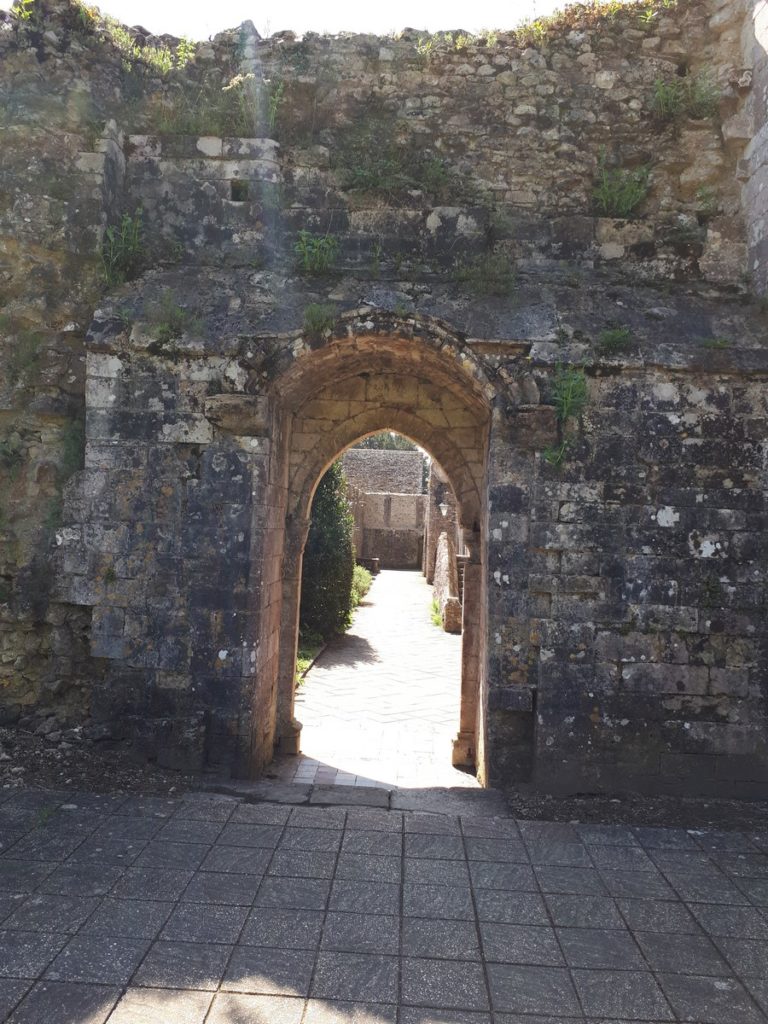
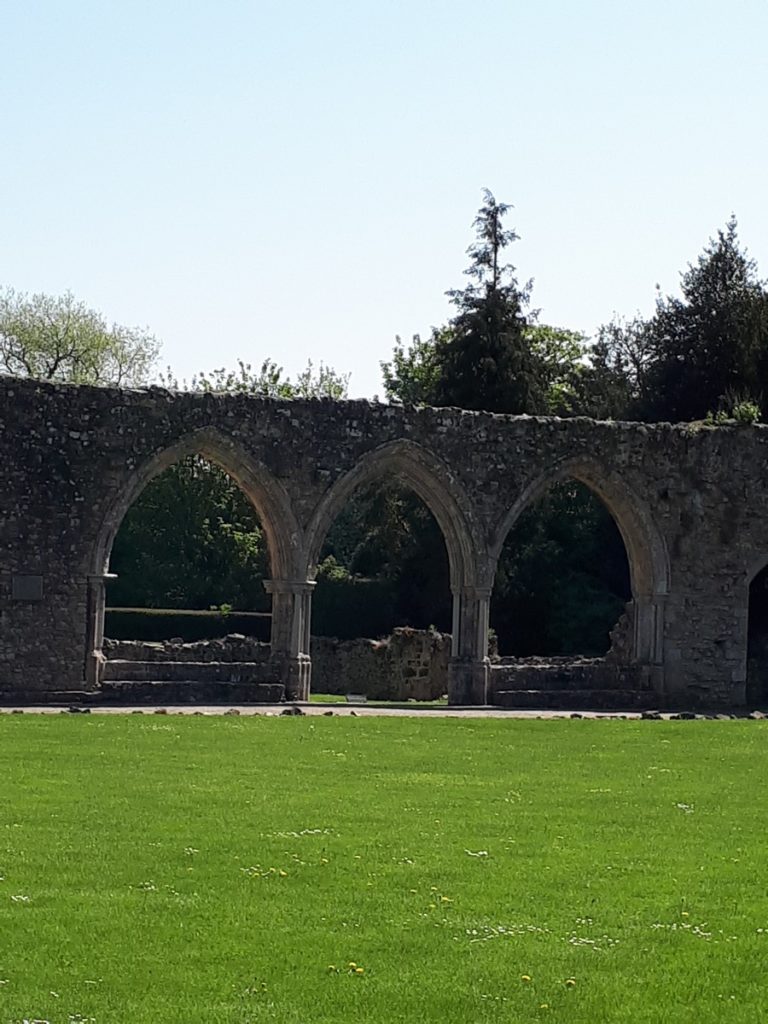
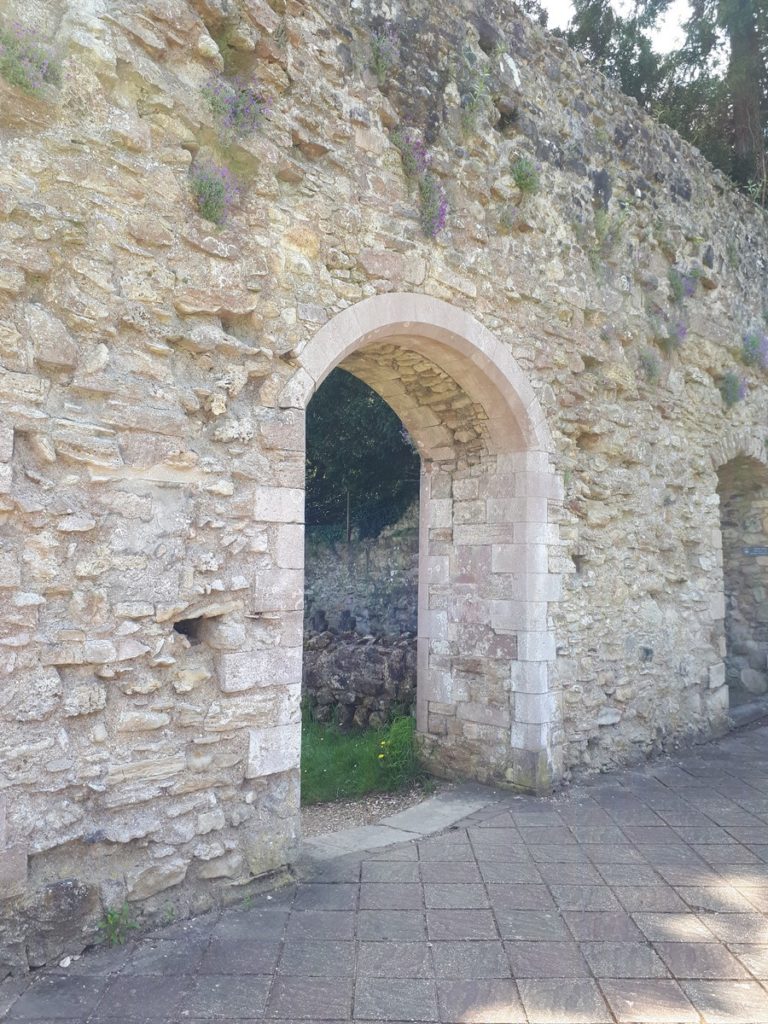
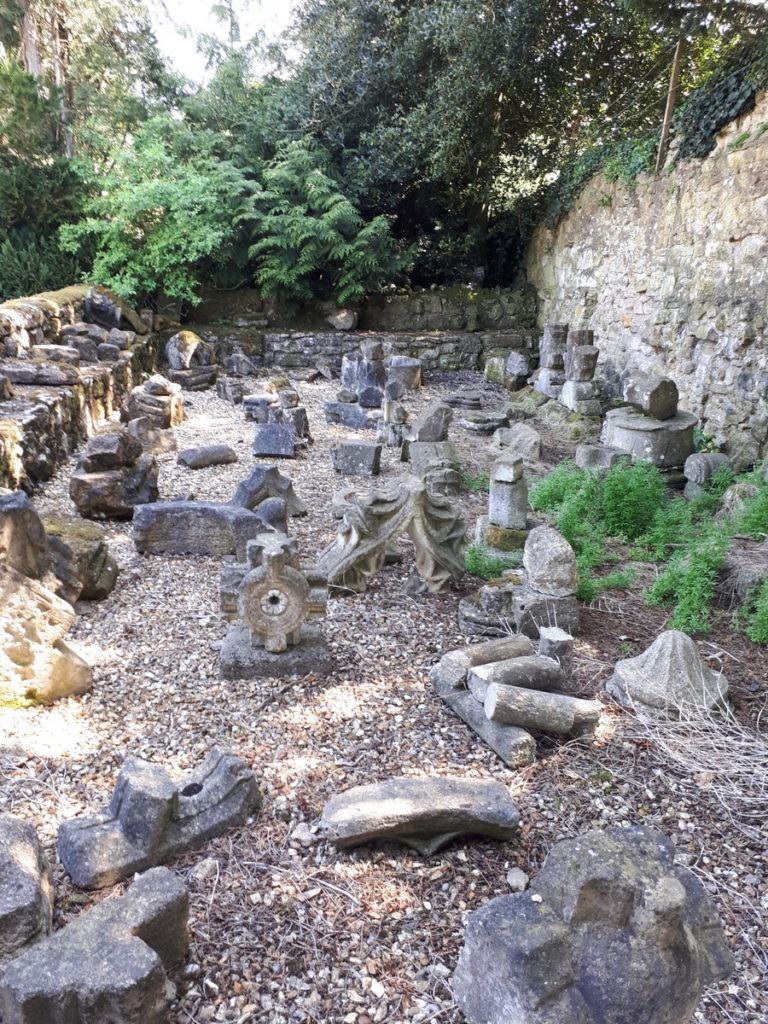
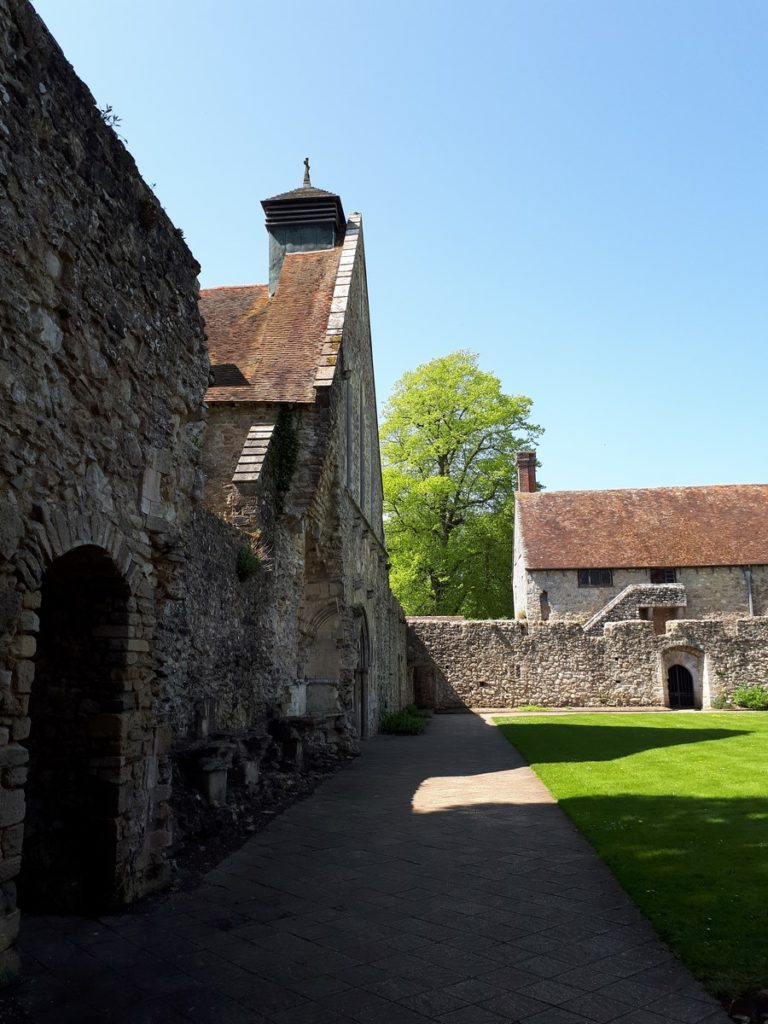
And we very quickly found ourselves quite alone in the grounds and able to explore at our leisure.
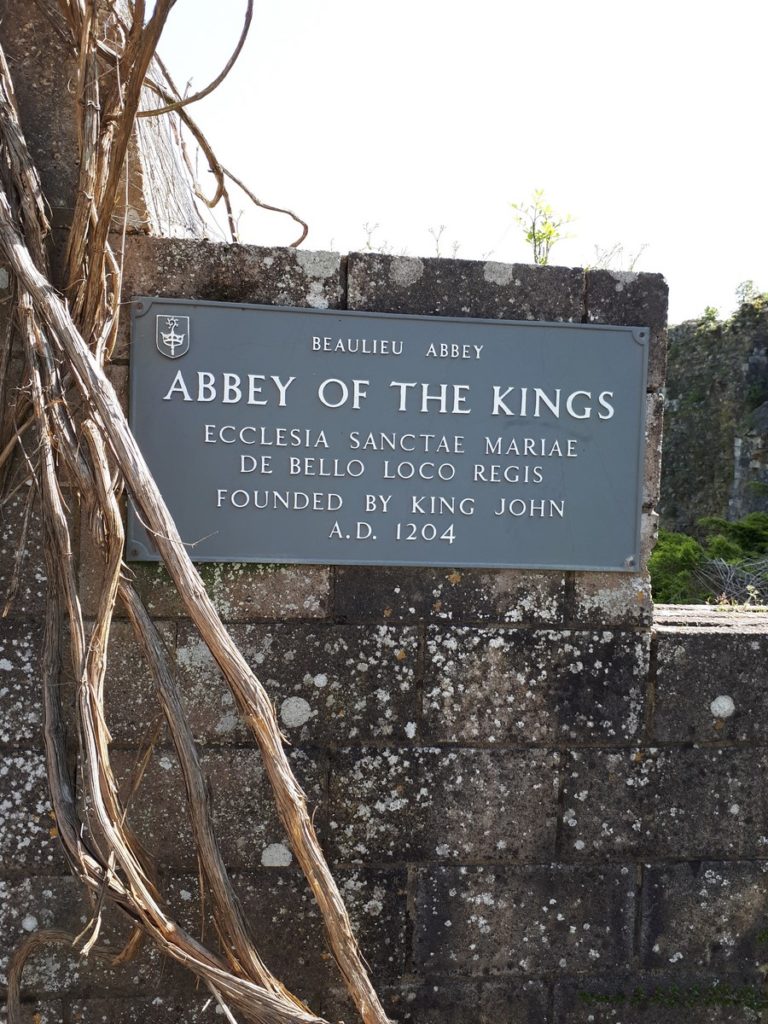
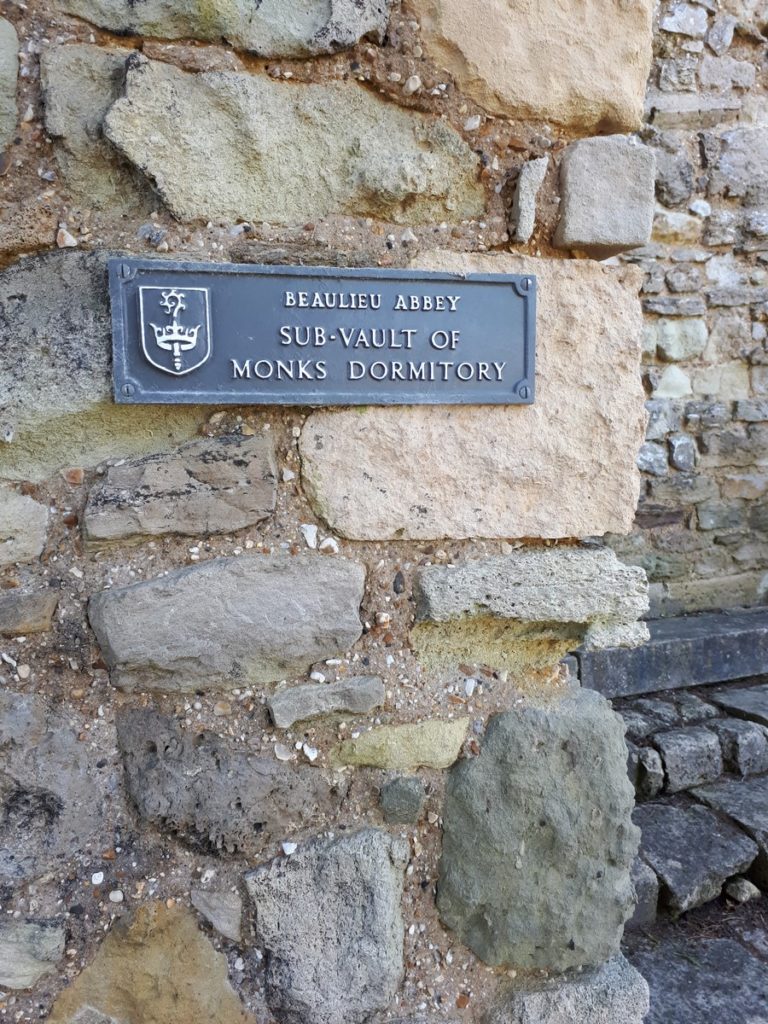
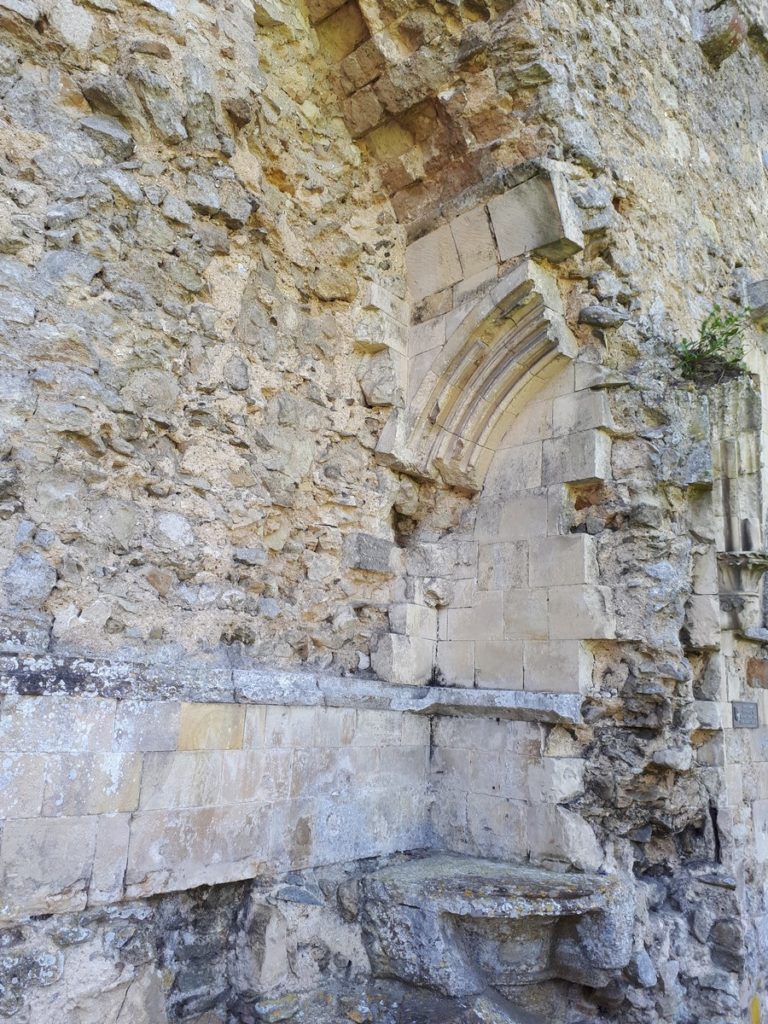
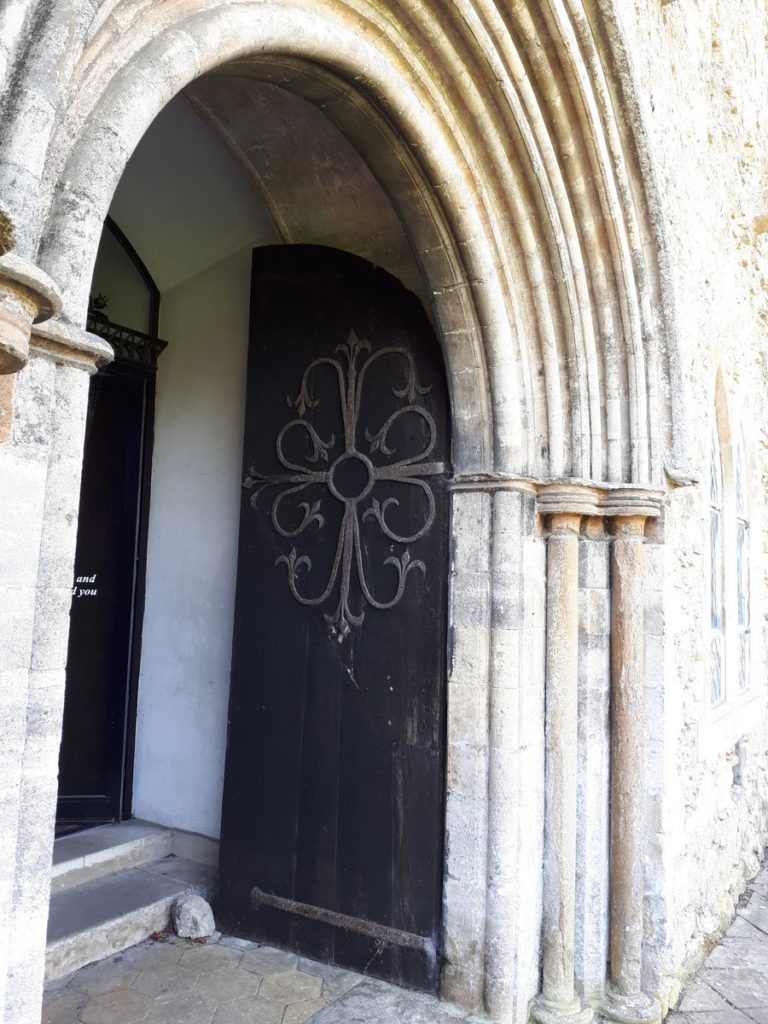
Beaulieu Abbey was a Cistercian abbey founded in 1203–1204 by King John and populated by 30 monks sent from the abbey of Cîteaux in France, the mother house of the Cistercian order.
In 1535 the abbey’s income was assessed in the Valor Ecclesiasticus, Henry VIII‘s general survey of church finances prior to the plunder, at £428 gross, £326 net. According to the terms of the first Suppression Act, Henry’s initial move in the Dissolution of the Monasteries, this meant that it escaped immediate confiscation, though the clouds were gathering.
Though Beaulieu managed to survive until April 1538, at that point it was finally forced to surrender to the government. Many of the monks were granted pensions, the abbot receiving 100 marks per year. Abbot Thomas ended his days as treasurer of Salisbury Cathedral. He died in 1550.
At the dissolution of the monastery in 1538, the Commissioners for the Dissolution reported to the government that thirty-two sanctuary-men, who were here for debt, felony, or murder, were living in houses in the monastic precincts with their wives and families. When the abbey was dissolved there was some debate about what to do with them, however, in the end it was decided, after pleading by the former abbot and certain government officials, to allow the debtors to live in their houses on the abbey grounds permanently.
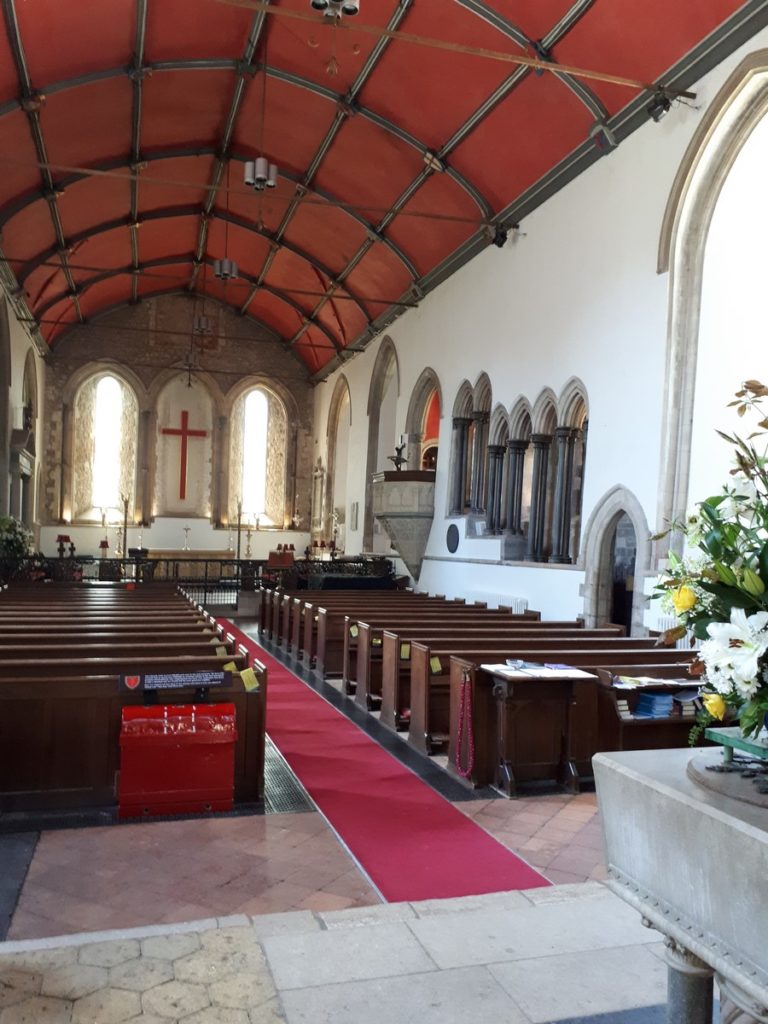
Following the Dissolution, the monk’s refectory was converted to the current church.
The Abbey and its grounds are said to be haunted by the monks. The video below is a portion of a special called The Stately Ghosts of England, with actress Margaret Rutherford, her husband, Stringer Davis and celebrity ghost hunter of that time, Tom Corbett. In it, you will see the grounds of the Abbey and visit Beaulieu house.
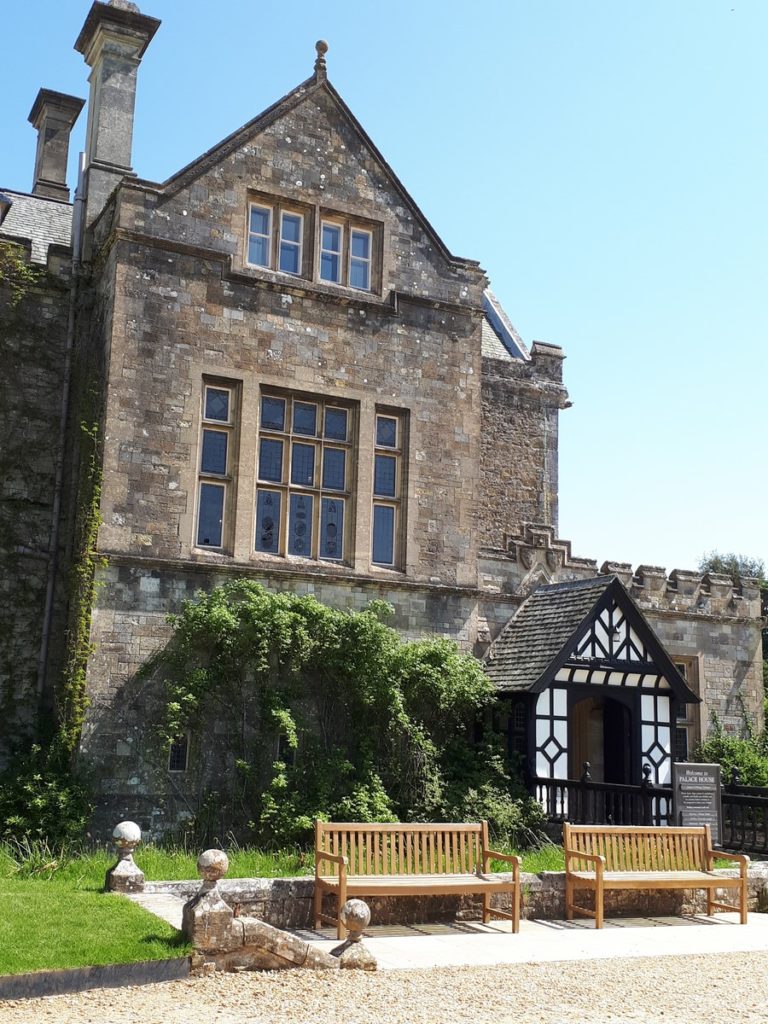
Victoria and I, too, visited Beaulieu House, adjacent to the Abbey and reached via a wooded walk.
Beaulieu Palace House, to give it its full title, is a 13th-century house, originally part of the Abbey. It was purchased by Thomas Wriothesley, 1st Earl of Southampton in 1538, following the Dissolution of the Monasteries and is still owned and occupied by the earl’s descendants, the Barons Montagu of Beaulieu.
Post box
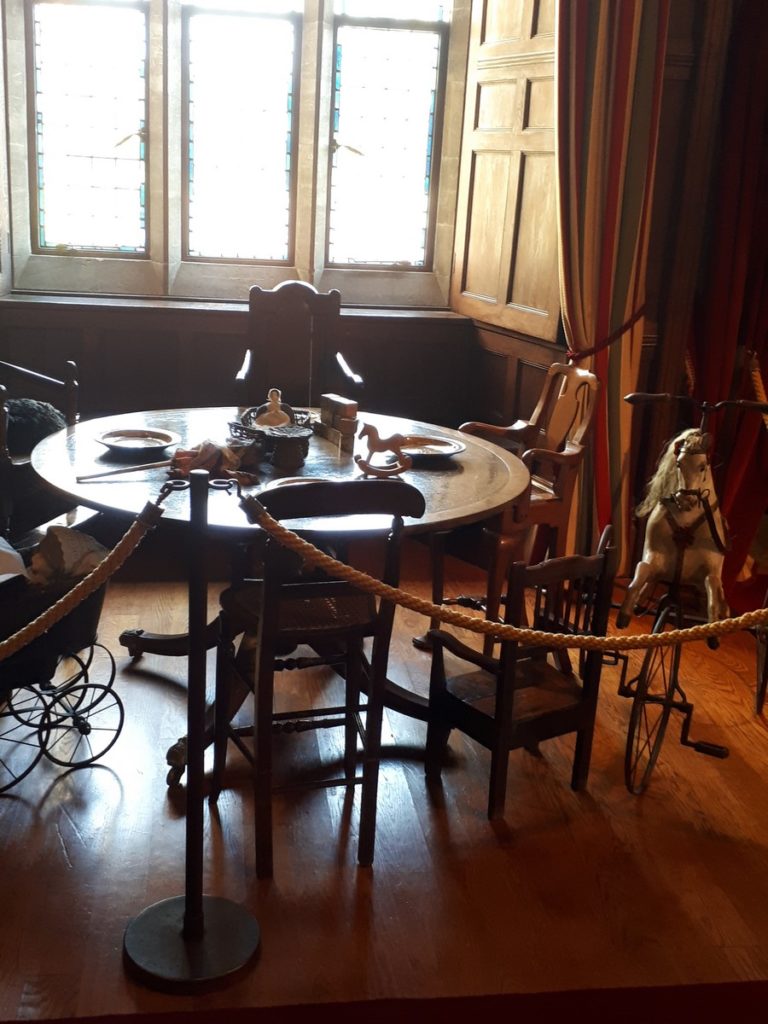
Though a grand house, Beaulieu feels more like a family home, as evidenced by the post box in the hall and the children’s table, above, set up in the dining room.
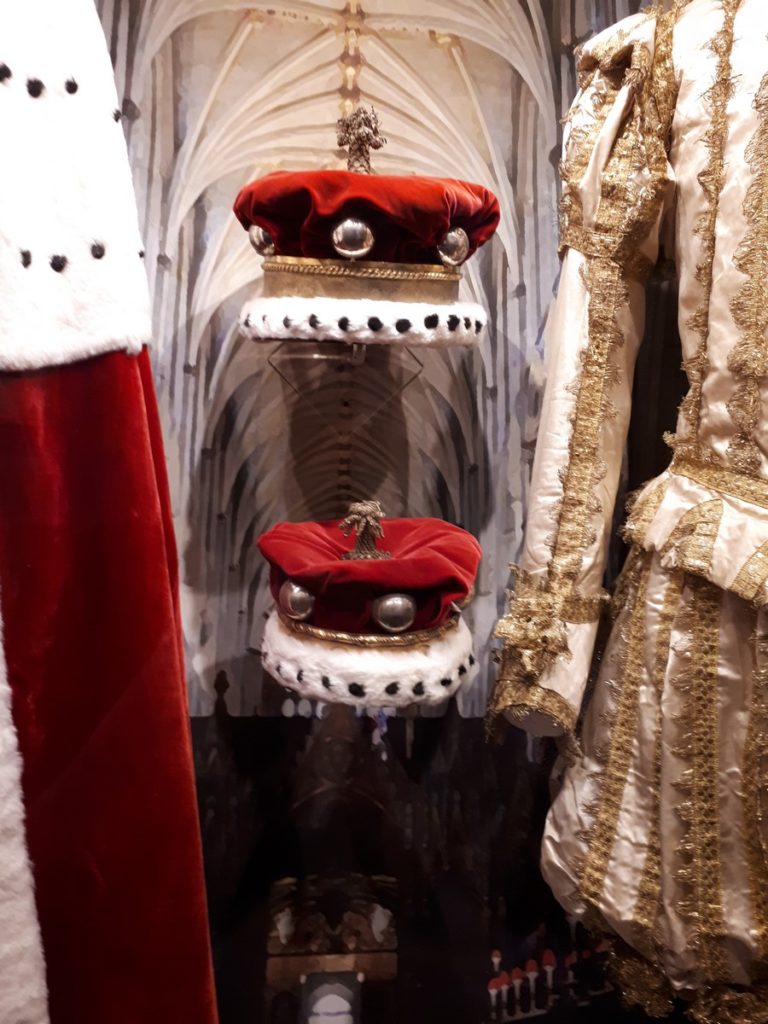
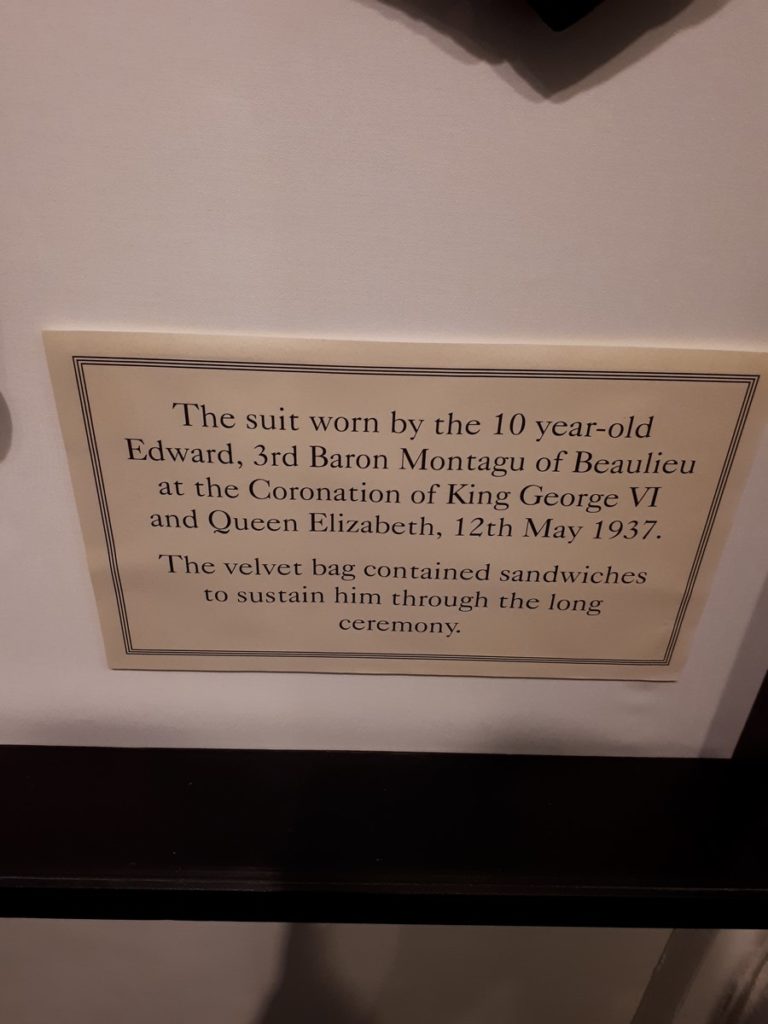
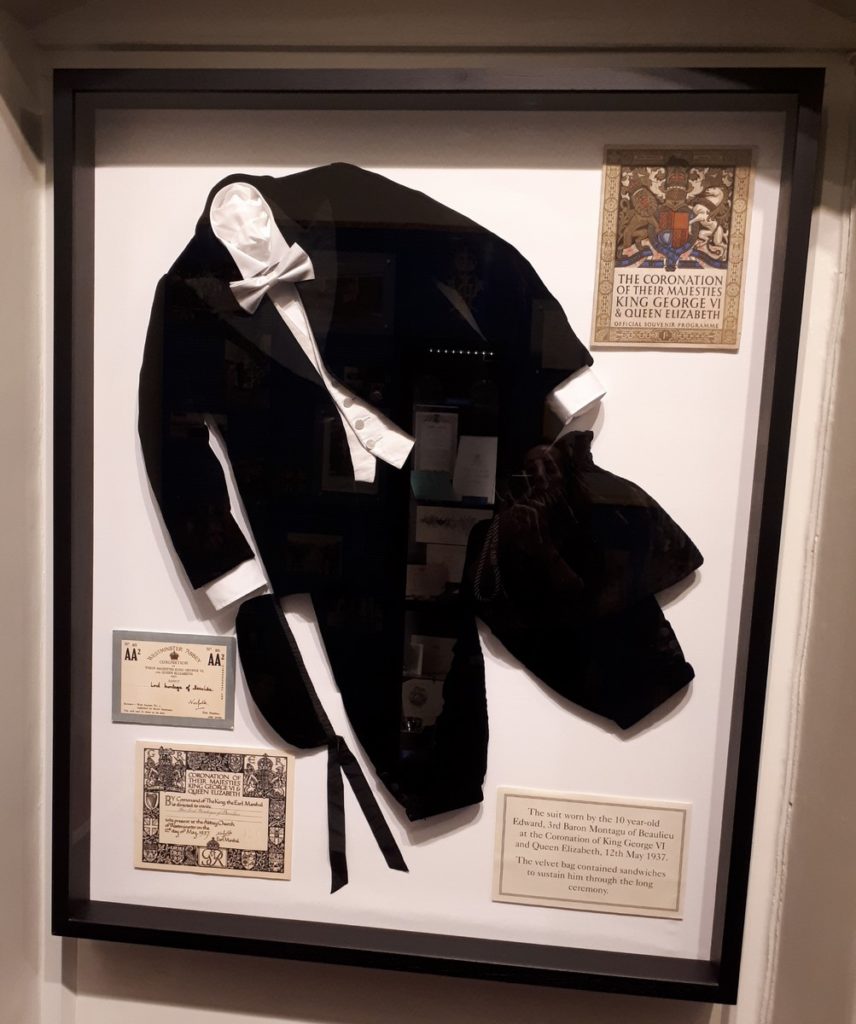
Above and below, the coronation robes worn by family members at the coronations of George IV (top and bottom right) and those of George VI and Elizabeth II.
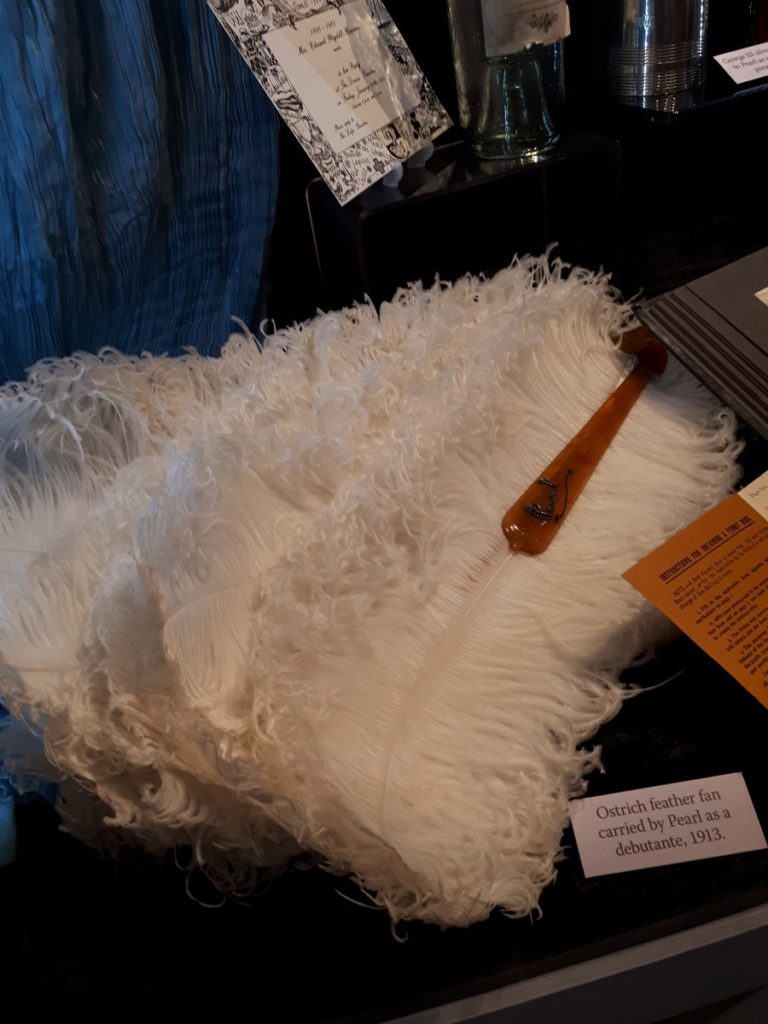
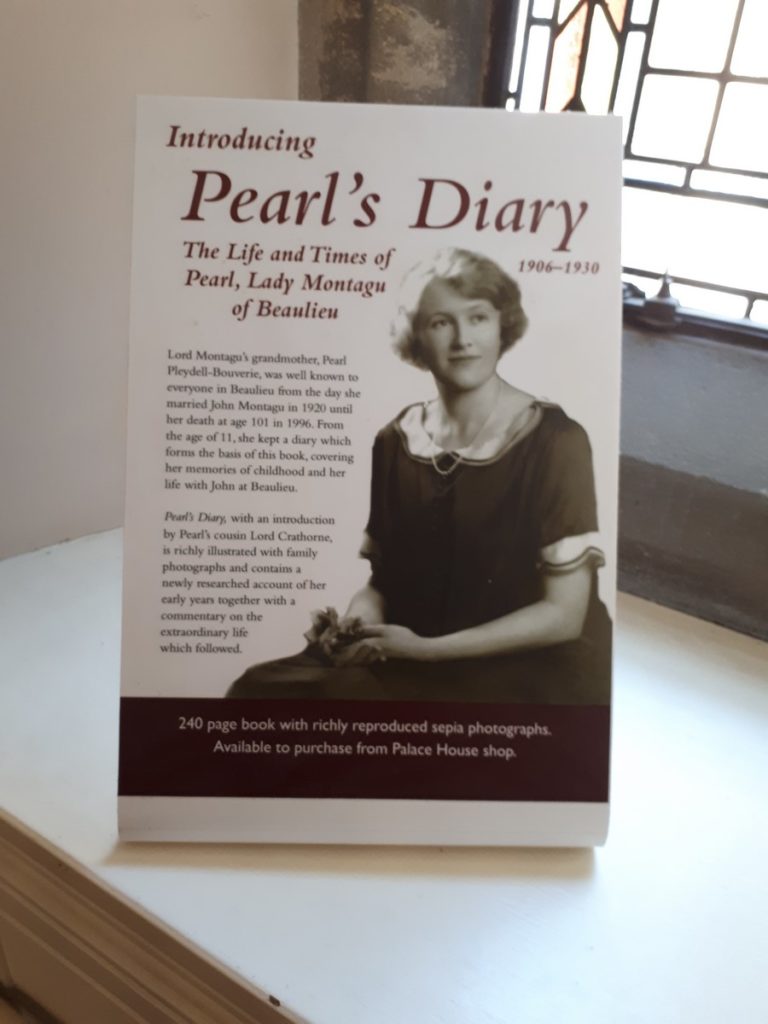
The memoires (1906-30) of Lord Montagu’s grandmother Pearl Pleydell-Bouverie have been published and tell the story of her childhood and her time as wife to the motoring pioneer John, 2nd Baron Montagu of Beaulieu.
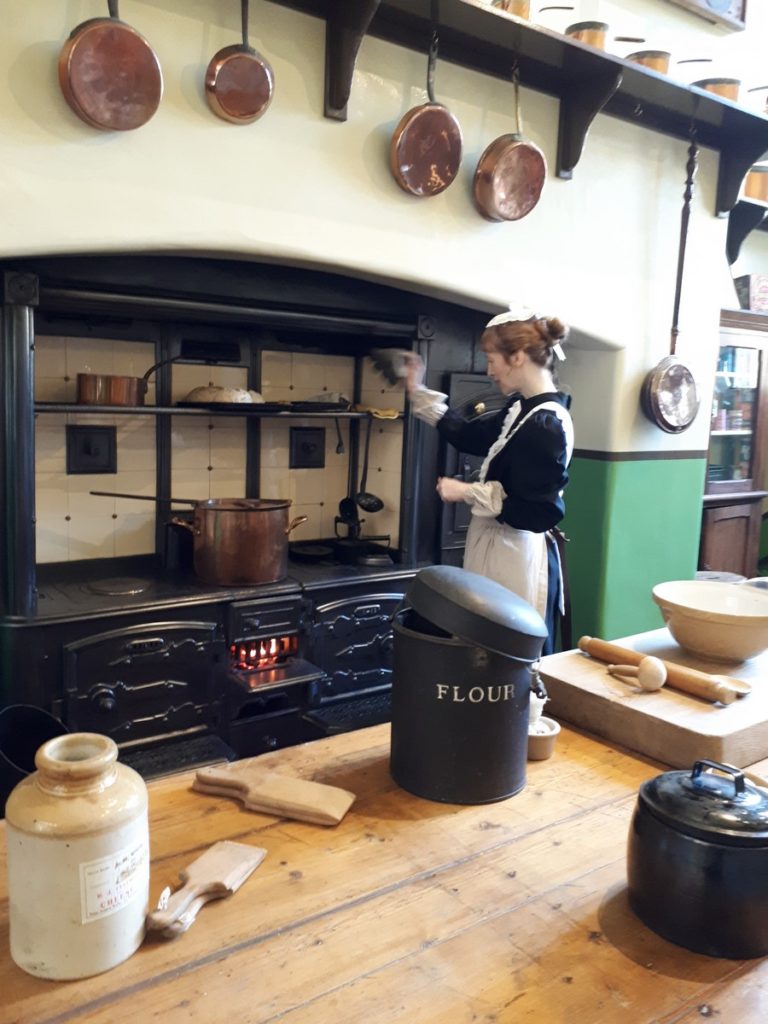
Something was cooking in the kitchen – and it smelled good.
Leaving Beaulieu, we drove through the New Forest and saw many of the famed ponies, who definitely have the right of way. You can read about the breed here.
More adventures to follow . . . .
Would you like to experience travel in England first-hand?