Travels with Victoria: The Gardens of Westminster Abbey

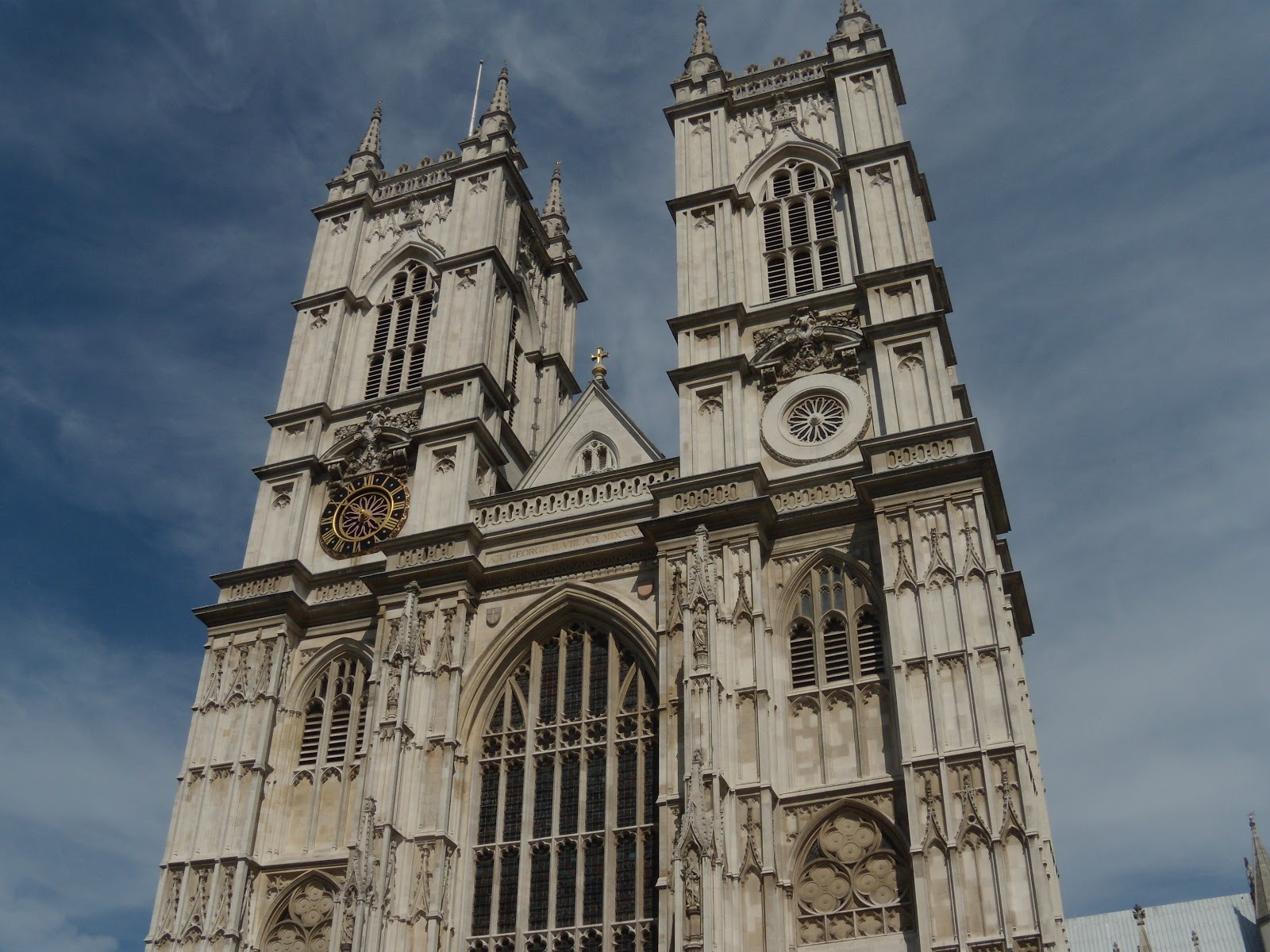
On Sunday, June 12, 2011, on a  rainy day, I decided to attend services at the Abbey in advance of my visits to the gardens of the area.  Since it was a sung service, the Abbey was crowded with tourists and worshippers alike. Did you know that the official name for the Abbey is the Collegiate Church of St. Peter, Westminster, and it is classified as a “Royal Peculiar.”  Here is the website.

  The beauty of the choral works and the magnificence of the organ were every bit as impressive as they were the previous month at the royal wedding. The morning’s sermon was excellent, delivered by The Venerable Jane Hedges, cannon of the Abbey. She was kind enough to explain to me later that the “Venerable” in her title is just a traditional term for her office, not descriptive!    

At the conclusion of the service, the Abbey bells performed a long peal ( I think that is the proper term; for more info click here).  The beautiful bells accompmanied most of my ramble around the Abbey Gardens, all open for the Open Squares Weekend, 2011. 

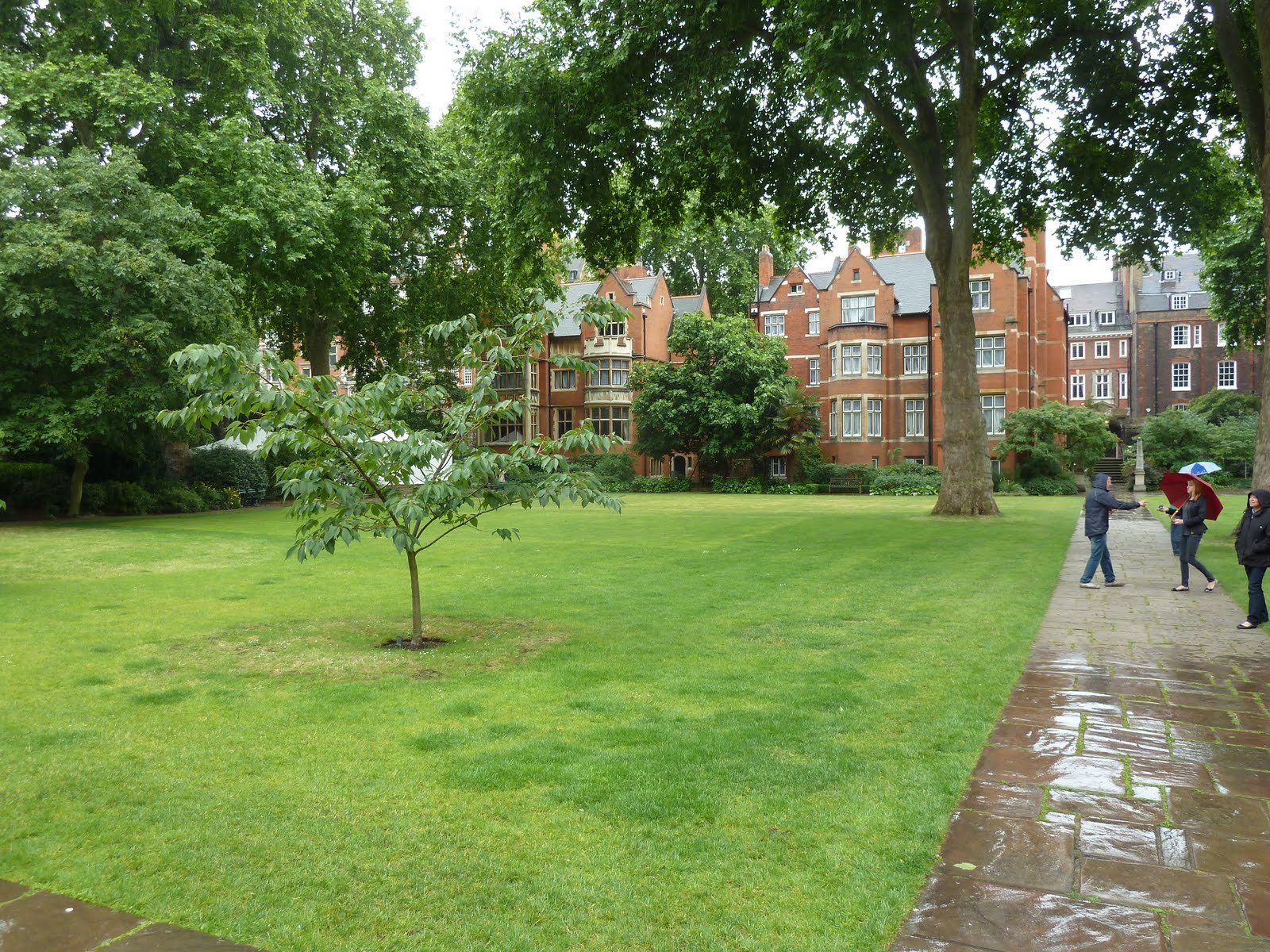
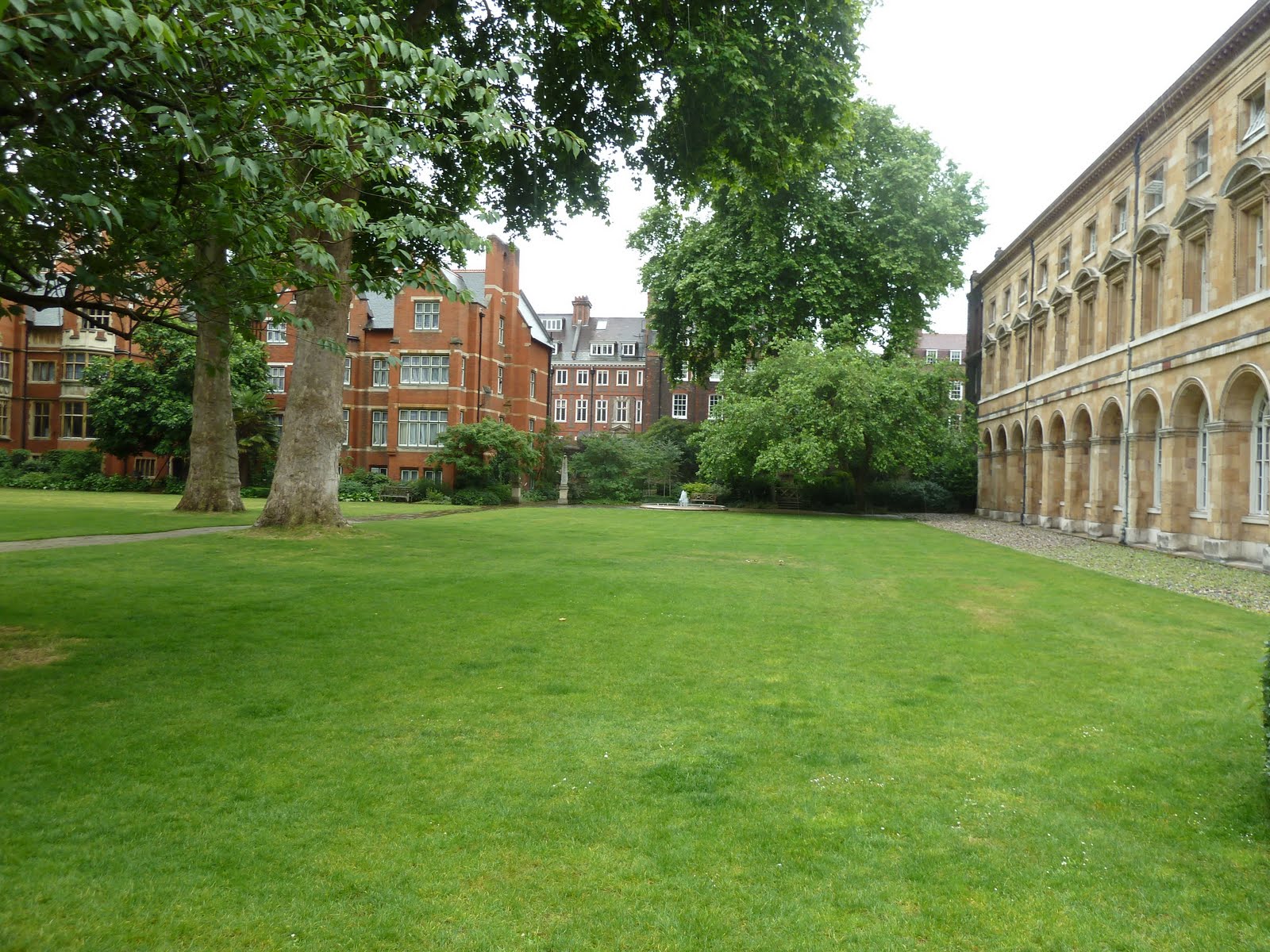
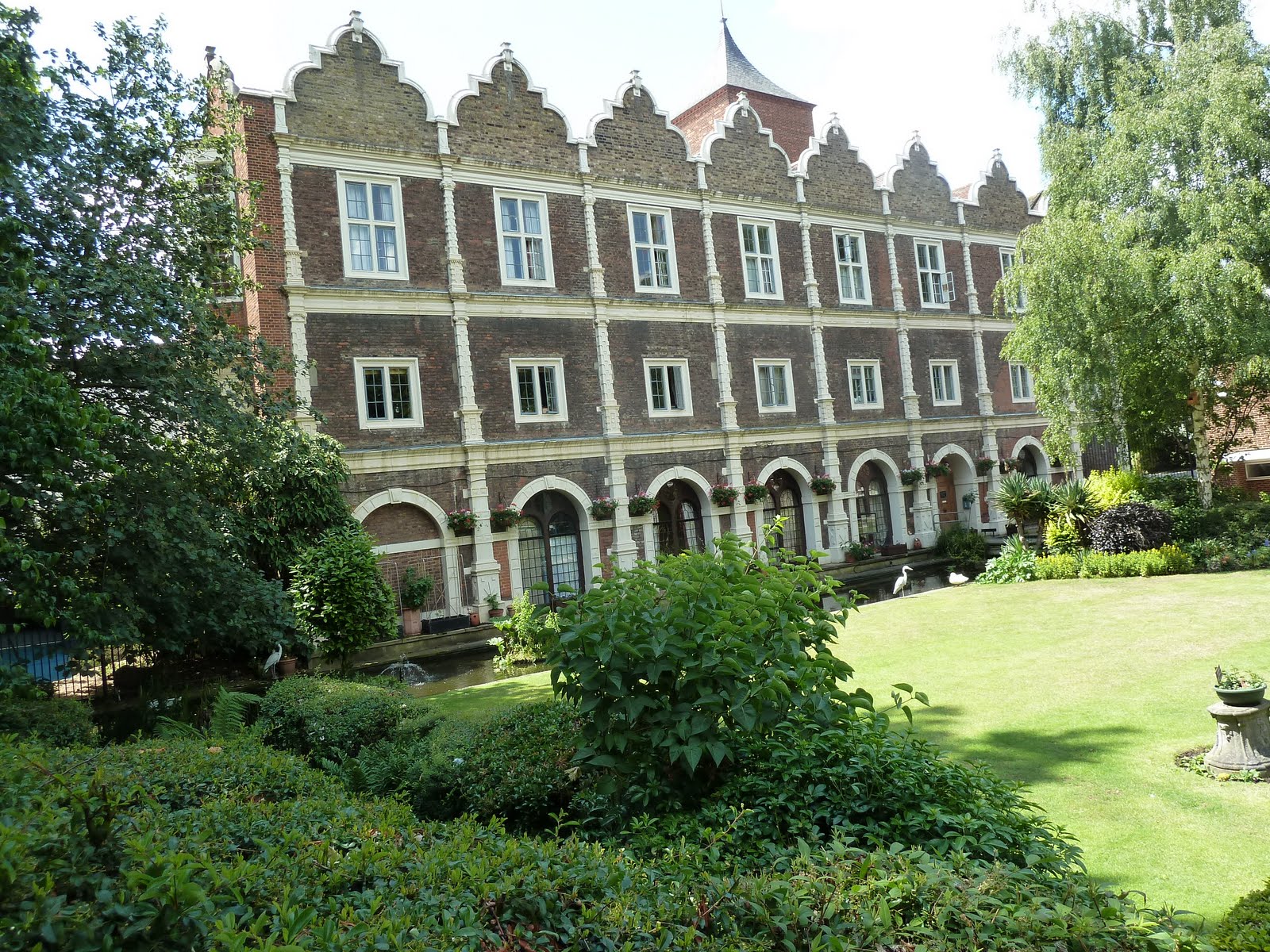
 The College Garden, according to the Abbey Garden brochure, “Is reputed to be the oldest in England and was originally an isolated piece of land inside the Thames called ‘Thorney Island’….

“…After the Dissolution of the monasteries in 1540, it became an area of recration for the clergy. In more recent years, an attempt has been made to acknowledge the Garden’s original use by planting vegetables, herbs and fruit trees.”

From the College Garden, the Abbey is right next door, and the bells were continuing with great beauty.

Above, St. Catherine’s Garden includes the ruins of the Chapel of St. Catherine, built in the 12th century, once the  abbey infirmary.

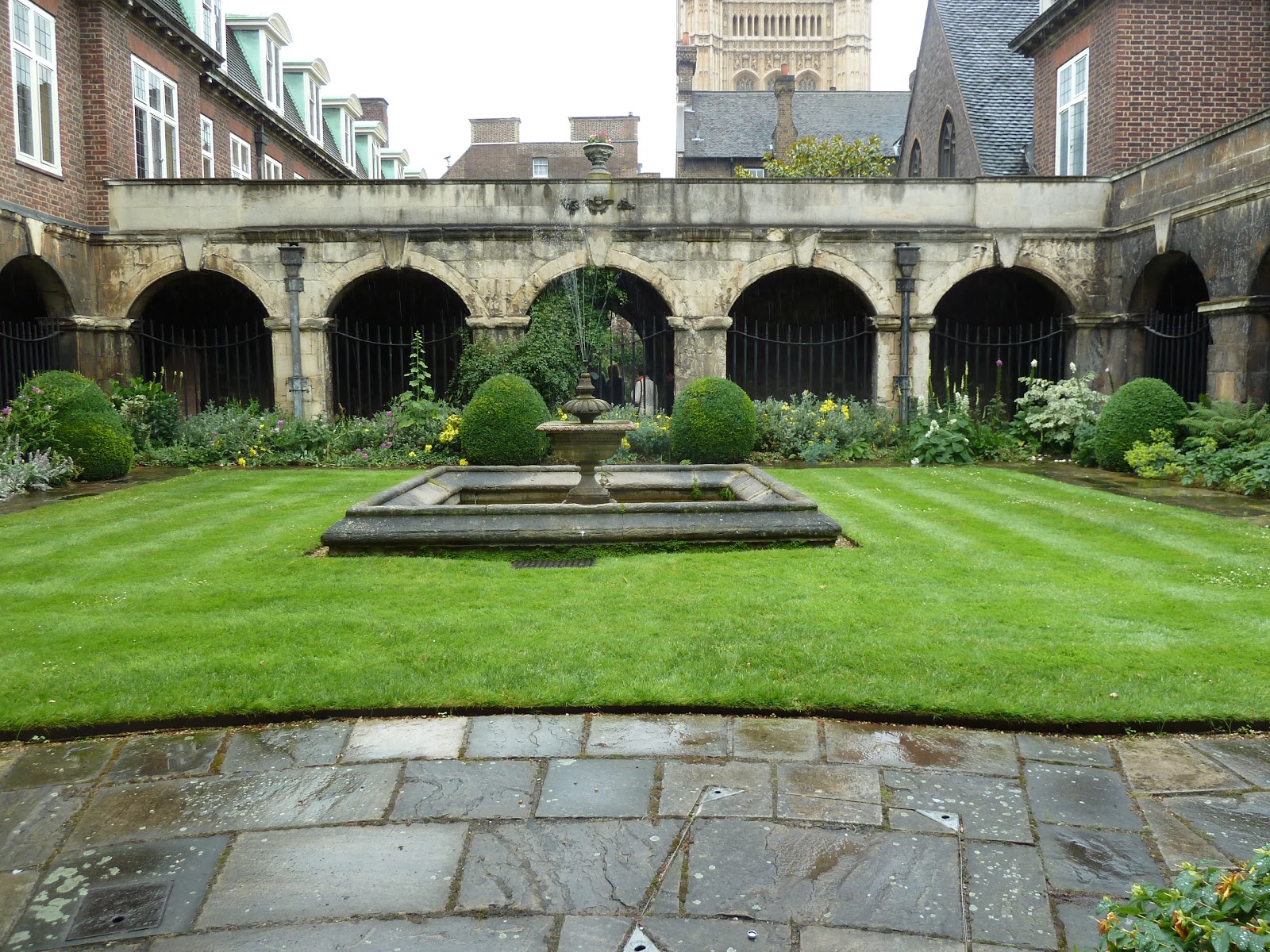
The Little Cloister provided peaceful silence and respite for the monks, now perhaps the most visited of the Abbey Gardens, for it is often open when the others are not.

Sadly, I did not wander much further since the rain continued. I was also eager to get to my next stop, the Queen’s Gallery, for an exhibition honoring the 200th anniversary of the beginning of the Regency in 1811, coming soon.

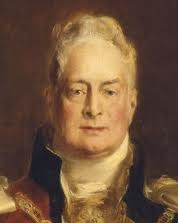
Happy Birthday William IV

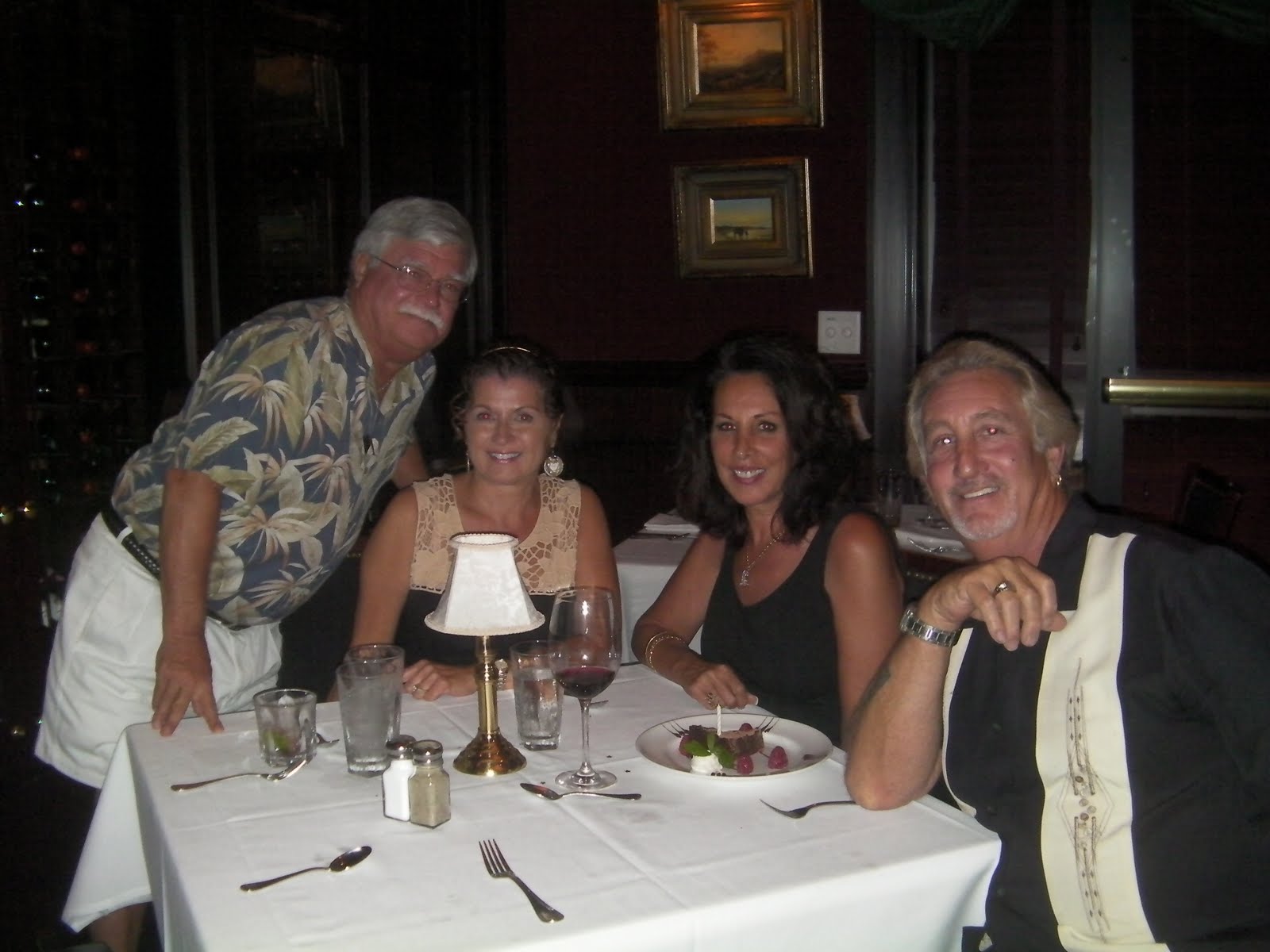
Happy Birthday to King William IV, whose birthday I share. In order to celebrate our birthdays, my husband, Greg, and I went out to dinner with friends to the Capital Grill last night.

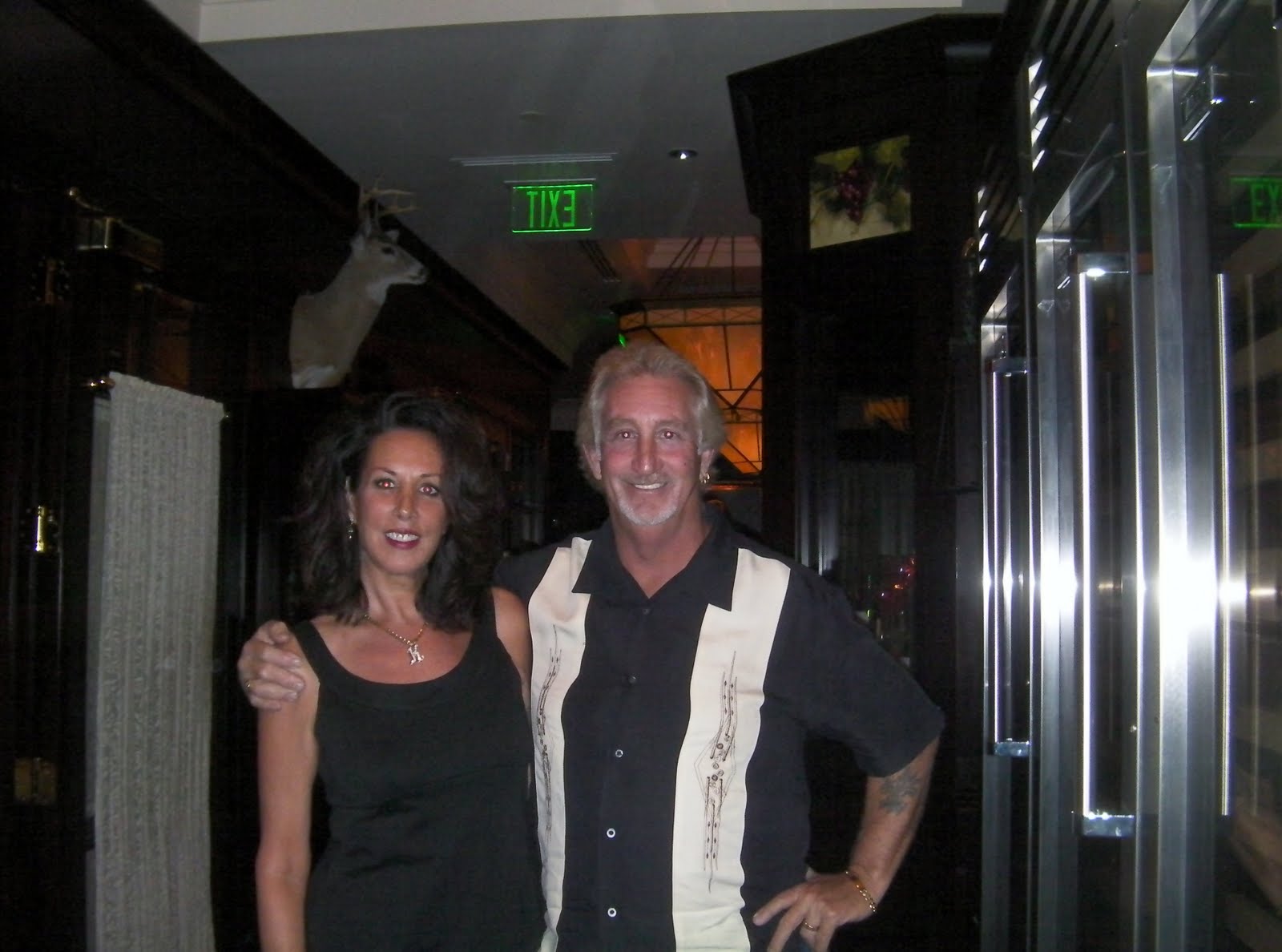
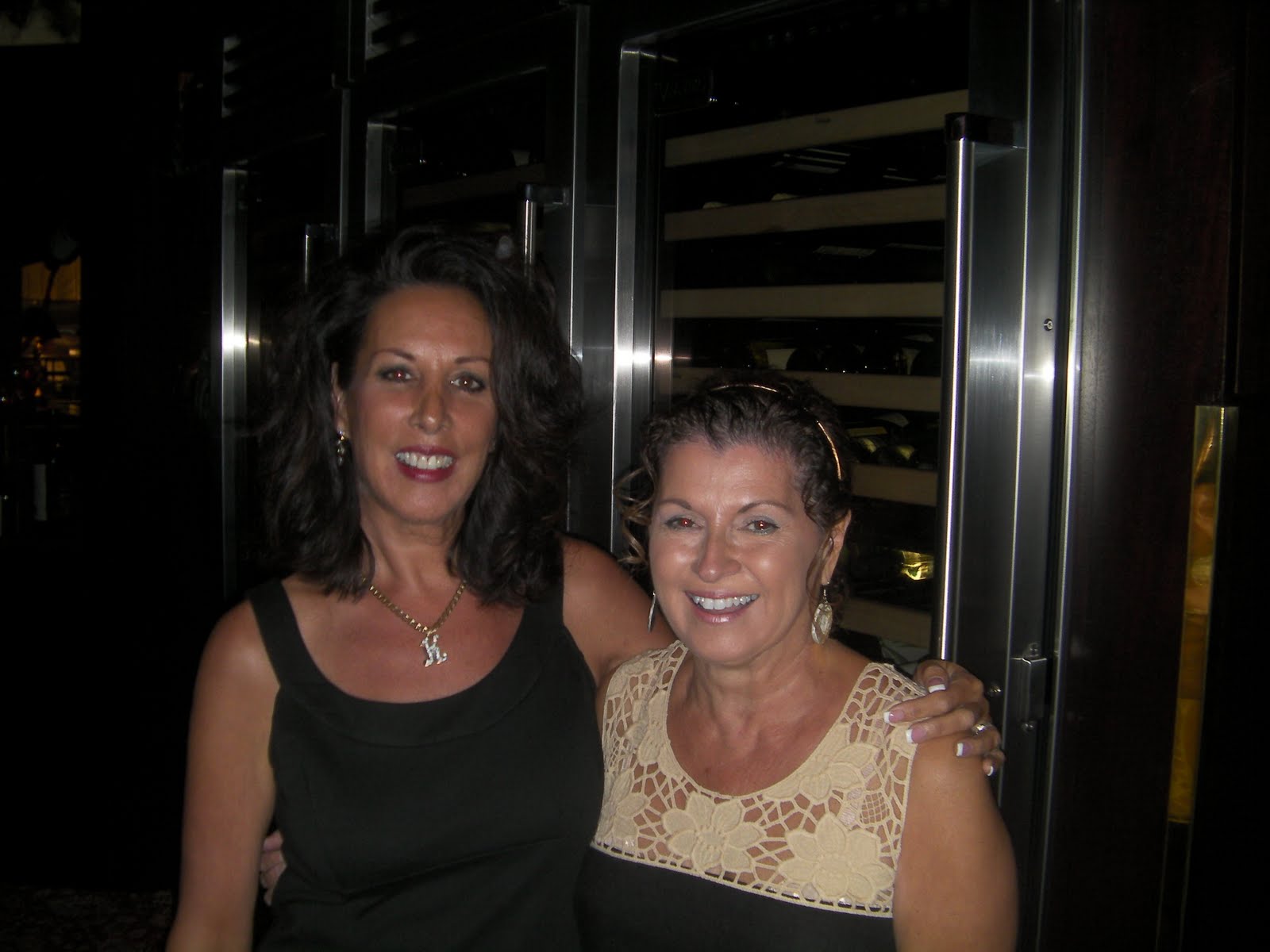
Here’s a snap Greg took of my girlfriend Mary Ann and I –

And here’s another

We ate, drank and laughed lots. A good time was had by all.

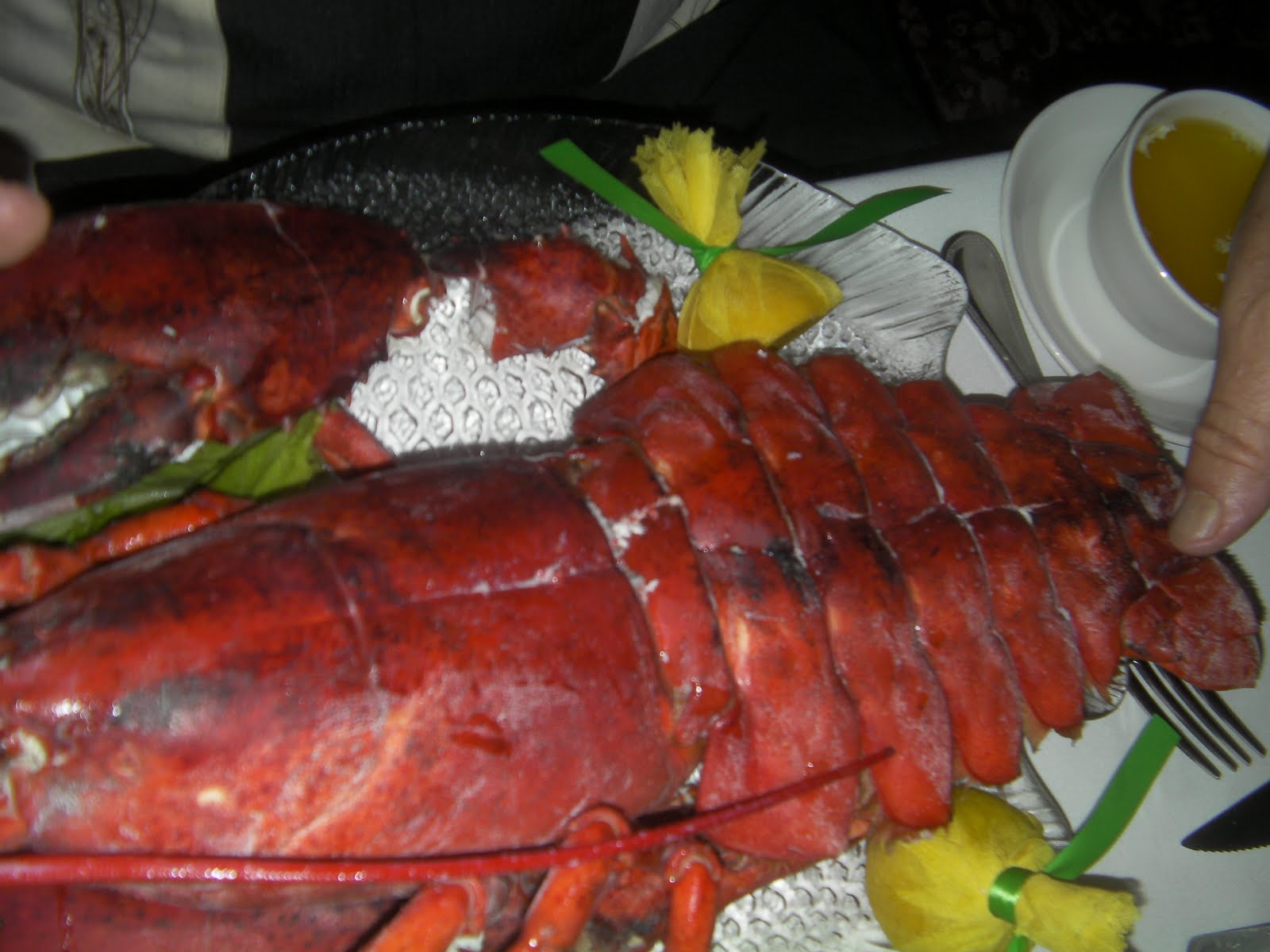
However, I must say that in all honesty the real star of the evening was neither King William nor myself, but instead was Greg’s four pound lobster.

Charles Greville on Lord and Lady Holland from 1841

Charles Cavendish Fulke Greville (1794 – 1865)  kept a journal during his many years as an associate of the poltical and social leadership of Great Britain.  He was essentially a well-born gentleman of leisure who knew “everyone” and went “everywhere.”  You can access all his work on-line at Project Gutenberg.  Greville characterizes Lady Holland’s domineering style as she chides a respected historian, below.

Charles Greville
From The Greville Memoirs (Second Part), “A Journal of the Reign of Queen Victoria from 1837 to 1852″   (Volume 1 of 3)  by Charles C. F. Greville
“December 31st, 1840:
The end of the year is a point from which, as from a sort of eminence, one looks back over the past… That which has made the deepest impression on society is the death of Lord Holland. I doubt, from all I see, whether anybody (except his own family, including Allen) had really a very warm affection for Lord Holland, and the reason probably is that he had none for anybody. He was a man with an inexhaustible good humour, and an ever-flowing nature, but not of strong feelings; and there are men whose society is always enjoyed but who never inspire deep and strong attachment. I remember to have heard good observers say that Lady Holland had more feeling than Lord Holland–would regret with livelier grief the loss of a friend than this equable philosopher was capable of feeling. The truth is social qualities–merely social and intellectual–are not those which inspire affection. A man may be steeped in faults and vices, nay, in odious qualities, and yet be the object of passionate attachment, if he is only what the Italians term ‘_simpatico_.’…
Henry Vassall Fox, 3rd Baron Holland, c. 1795
“January 21st, 1841: I dined with Lady Holland yesterday. Everything there is exactly the same as it used to be, excepting only the person of Lord Holland, who seems to be pretty well forgotten. The same talk went merrily round, the laugh rang loudly and frequently, and, but for the black and the mob-cap of the lady, one might have fancied he had never lived or had died half a century ago. Such are, however, affections and friendships, and such is the world.

Holland House, 1896
“Macaulay dined there, and I never was more struck than upon this occasion by the inexhaustible variety and extent of his information…It is impossible to mention any book in any language with which he is not familiar; to touch upon any subject, whether relating to persons or things, on which he does not know everything that is to be known. And if he could tread less heavily on the ground, if he could touch the subjects he handles with a lighter hand, if he knew when to stop as well as he knows what to say, his talk would be as attractive as it is wonderful. What Henry Taylor said of him is epigrammatic and true, ‘that his memory has swamped his mind;’…
Thomas Babington Macaulay (1800-1859)
“We had yesterday a party well composed for talk, for there were listeners of intelligence and a good specimen of the sort of society of this house–Macaulay, Melbourne, Morpeth, Duncannon, Baron Rolfe, Allen and Lady Holland, and John Russell came in the evening. I wish that a shorthand writer could have been there to take down all the conversation, or that I could have carried it away in my head;…
Elizabeth, Lady Holland (1770-1845), c. 1793
” …and then the name of Sir Thomas Munro came uppermost. Lady Holland did not know why Sir Thomas Munro was so distinguished; when Macaulay explained all that he had ever said, done, written, or thought, and vindicated his claim to the title of a great man, till Lady Holland got bored with Sir Thomas, told Macaulay she had had enough of him, and would have no more. This would have dashed and silenced an ordinary talker, but to Macaulay it was no more than replacing a book on its shelf, and he was as ready as ever to open on any other topic….
sketch by Sir Henry Landseer of Lady Holland, Lord Holland and Mrs. Brown (maid)
c. 1833, National Portrait Gallery
” It would be impossible to follow and describe the various mazes of conversation, all of which he threaded with an ease that was always astonishing and instructive, and generally interesting and amusing…. ‘I remember a sermon,’ he said, ‘of Chrysostom’s in praise of the Bishop of Antioch;’ and then he proceeded to give us the substance of this sermon till Lady Holland got tired of the Fathers, again put her extinguisher on Chrysostom as s
he had done on Munro…

Travels With Victoria: Holland Park

On all my trips to London, I have meant to visit Holland Park, and I finally made it.  Today Holland Park is in the center of town. When it was in its heyday as the gathering place  for the grand Whigs in the late 18th and early 19th centuries it was a country house, beyond the boundaries of London and Westminster.

Holland House, today
Very little of the original house remains after most of it was destroyed in 1940 by German bombs. The remainder, above, was turned into a youth hostel. Elsewhere in the park the Opera Holland Park performances are held outside.
As part of the Open Squares Weekend, June 11-12, 2011, I wanted to visit the garden, a very attractive design for its placement in the midst of a shady park.

Above is the Jacobean House as it appeared in a drawing of 1812 when it was already 200 years old. First built in 1605 for Sir Walter Cope, it was known as Cope Castle, and occupied 600 acres of land in Kensington about two miles west of London. The house was inherited by Cope’s son-in-law, Henry Rich, first Earl Holland, who lost his head to the forces of Parliament in the Civil War. His family regained the estate, now known as Holland House, at the Restoration.

 Several generations later, it became the property of Henry Fox, 1st Baron Holland (1705-1774), who lived there with his wife Caroline Lennox (1723-1774), daughter of the 2nd Duke of Richmond.  They had eloped due to the political emnity of the father and prospective son-in-law, as well as considerations of difference the in ages of the couple. Nevertheless, it was a happy marriage, though marred by the tendency of their sons toward dissolute lives.

Caroline Lennox Fox, Lady Holland

Their story is told in the book The Aristocrats by Stella Tillyard, an account of the lives of the Lennox sisters, later produced for television.  Among Caroline’s children was the renowned late 18th century politician and stateman Charles James Fox, whose life is full of fascinating contradictions. He was the arch rival of Prime Minister William Pitt the Younger.

Whig politican Charles James Fox (1749 -1806)

Henry Vassall Fox, 3rd Baron Holland (1773-1840), was traveling in Naples, Italy, when he met Elizabeth Vassall, Lady Webster, wife of Sir Godfrey Webster, 4th Baronet.  Baron Holland and Lady Webster fell in love, though she already had borne five children to Webster (3 of whom survived infancy).  Webster sought and obtained a divorce on the grounds of adultery, a shocking and rare situation in those days. His estranged wife already had a child with Holland, a son, Charles Richard Fox, who later became a general in the British Army. A few days after the divorce, Baron Holland married Elizabeth;  They had 3 more children who lived to adulthood. 

Statue of 3rd Baron Holland in the park.

Lord and Lady Holland lived at Holland House, and for forty-plus years, they presided over a brilliant social and political salon, despite the fact she had been divorced and was not received at court. All the influential Whigs, including the Prince of Wales, and leading government ministers came to Holland House.

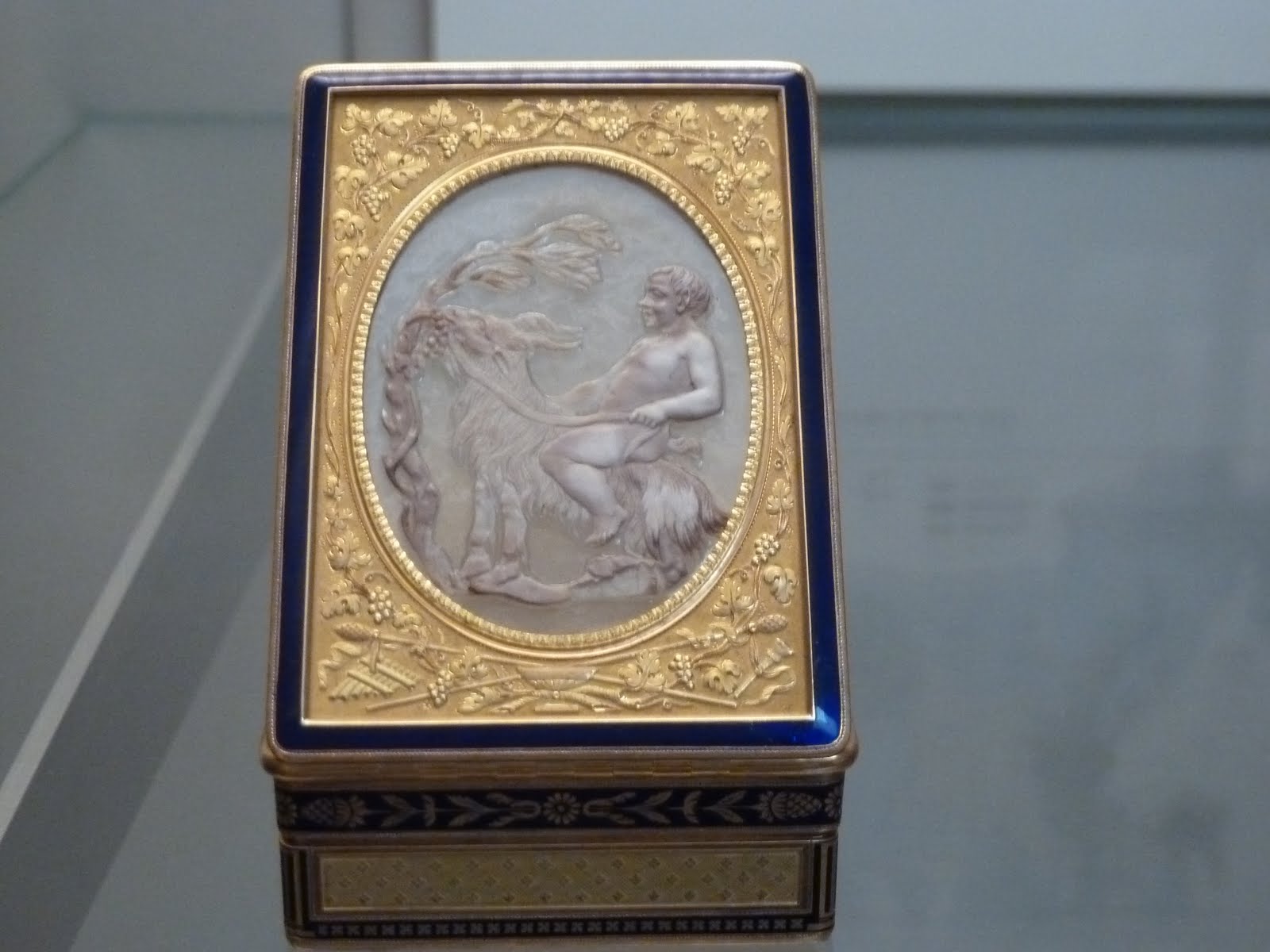
The Gold Cameo Box, shown here at the British Museum, was bequeathed to Lady Holland by Napoleon in 1821, having been a gift from the Pope to Napoleon in 1797.  Lord and Lady Holland were supporters  and admirers of Napoleon, as were many prominent Whigs.

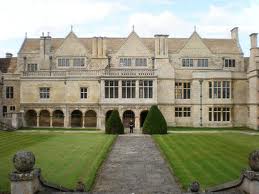
Henry Edward Fox, 4th Baron Holland, and his wife had no male offspring and thus the Holland title became extinct.  The house passed to the Fox-Strangways family, Earls of Ilchester, who also entertained political and social leaders there into the 20th century. King George VI and Queen Elizabeth attended a ball at Holland House just a few days before it was destroyed.

Searching the library in the bombed out Holland House

Though there is not much of the house remaining, the park is lovely, home to roaming peacocks among other wildlife. There are also fields for team sports and gently winding walks, often crowded with joggers and strollers.

Exiting the park to the north, the residential area is lovely, with large mansions in white stucco dominating the streets.

I couldn’t decide which side of the street I wanted to choose, so I have delayed the decision!  I think either one would do!!

Next post: Recollections of Lord and Lady Holland by Charles Greville
Next on Travels with Victoria:  The Gardens of Westminster Abbey

The Charlotte Gunning Portrait at Chawton House by Guest Blogger Hester Davenport

The Portrait of Charlotte Gunning (1759-94)
copyright Chawton House Library

On 15 May 1784 it was the turn of Charlotte Margaret Gunning, Maid of Honour to Queen Charlotte, to have use of the Royal Coach. Her friend Mary Hamilton called at St James’s Palace, and went with Charlotte to ‘Romney’s, the Painter’s’ where Miss Gunning was ‘to sit for her picture’. That half-length portrait now hangs in Chawton House Great Hall.
Mary Hamilton had also been employed in the royal household, to help with the education of the young princesses; she found her duties arduous, thankfully withdrawing from court after five years. Perhaps the two young women talked over the difficulties of royal service, which included their reputations as ‘learned ladies’. Both had had ‘masculine’ educations in the classical languages: according to Fanny Burney Miss Gunning was derogatively nicknamed ‘Lady Charlotte Hebrew’ for her learning.
Charlotte was the daughter of Sir Robert Gunning (1731-1816), a diplomat who was so successful in conducting the King’s business with the Empress of Russia that in 1773 he was made  Knight of the Bath. His daughter’s appointment as Maid of Honour to Queen Charlotte in 1779 was no doubt a further sign of royal favour. He had two other children, his son George who would inherit the baronetcy, and another daughter Barbara. His wife had died when Charlotte was eleven-years-old, but in the 1780s he ordered portraits of himself and his three children from the society portraitist, George Romney (1734-1802).
The painting of the 25-year-old Charlotte is interesting in its apparent contradictions. The colours are muted, with the head veiled in white and the black dress severely plain, yet it is very low-cut, and the sitter looks out self-assured and even challenging. A warm glow in the sky behind suggests there is feeling and passion beneath that cool exterior. Charlotte’s hair is dressed high on her head and fashionably powdered. A hat might have been expected, but scarves, called ‘fascinators’, sometimes replaced large hats, especially for evening wear.
There were six Maids of Honour, paid £300 a year, with duties that must have been stultifyingly dull, standing in attendance at the Queen’s ‘Drawing rooms’ and other court functions (though periods of duty were rotated). Charlotte kept her position for nearly twelve years before managing to escape. It was not easy to withdraw from royal service, as both Mary Hamilton and Fanny Burney discovered, and reaching her thirtieth birthday in 1789 Charlotte must have feared a dreary life of spinsterhood. But on 6 January 1790 she achieved an honourable discharge when she married a widower, Colonel the Honourable Stephen Digby, the Queen’s Vice Chamberlain. Another of Charlotte’s friends, Mary Noel, wrote in a letter of her surprise that Sir Robert gave his consent ‘as it must be a very bad match for her if he has four children’, though she also recorded Charlotte saying that she ‘can’t live without his friendship and could not keep that without marrying him’.
For Fanny Burney the news of the forthcoming wedding was a shock: she believed that Digby had been paying her marked attention for two years and that she should have received the proposal. Her sense of betrayal was huge and she gave vent to her feelings in page after page of her journal. She never blamed Charlotte but no doubt got sly pleasure from noting the King shaking his head over ‘Poor Digby’ (because his bride was a learned lady) or recording the strange details of the wedding: that it was performed by Dr Fisher, Bishop of Salisbury, in the Drawing-room of Sir Robert’s house in Northampton, with the guests sitting round on sofas and ladies’ workboxes not cleared away. The new Mrs Digby paid a visit to Miss Burney, ‘quite brilliant in smiles and spirits’ and Fanny did her the justice of saying that she believed that Miss Gunning had ‘long cherished a passionate regard’ for Colonel Digby.
Two children, Henry Robert and Isabella Margaret, were born in quick succession, but the marriage was not to be long-lasting. In June 1794 Charlotte Digby died (possibly in childbirth – the brief obituary notice in the Genteman’s Magazine gives no cause of death). She was buried in the vault of Thames Ditton church where Digby’s first wife lay: he would join his two ‘dear wives’ there in 1800.
Charlotte Gunning wrote no books, has found no place in history. But there could surely be no more suitable place for her portrait than Chawton Women’s Library, in the society of so many other ‘learned ladies’.
Permission to reprint this article, which first ran in The Female Spectator, was kindly granted by that publication and Chawton House Library.