At the King's Table by Susanne Groom

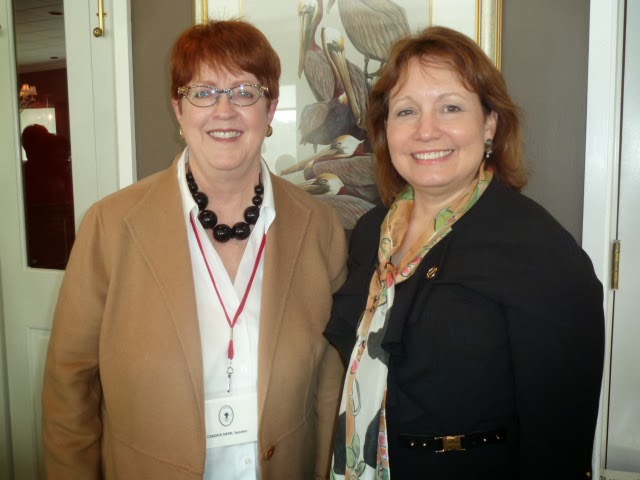
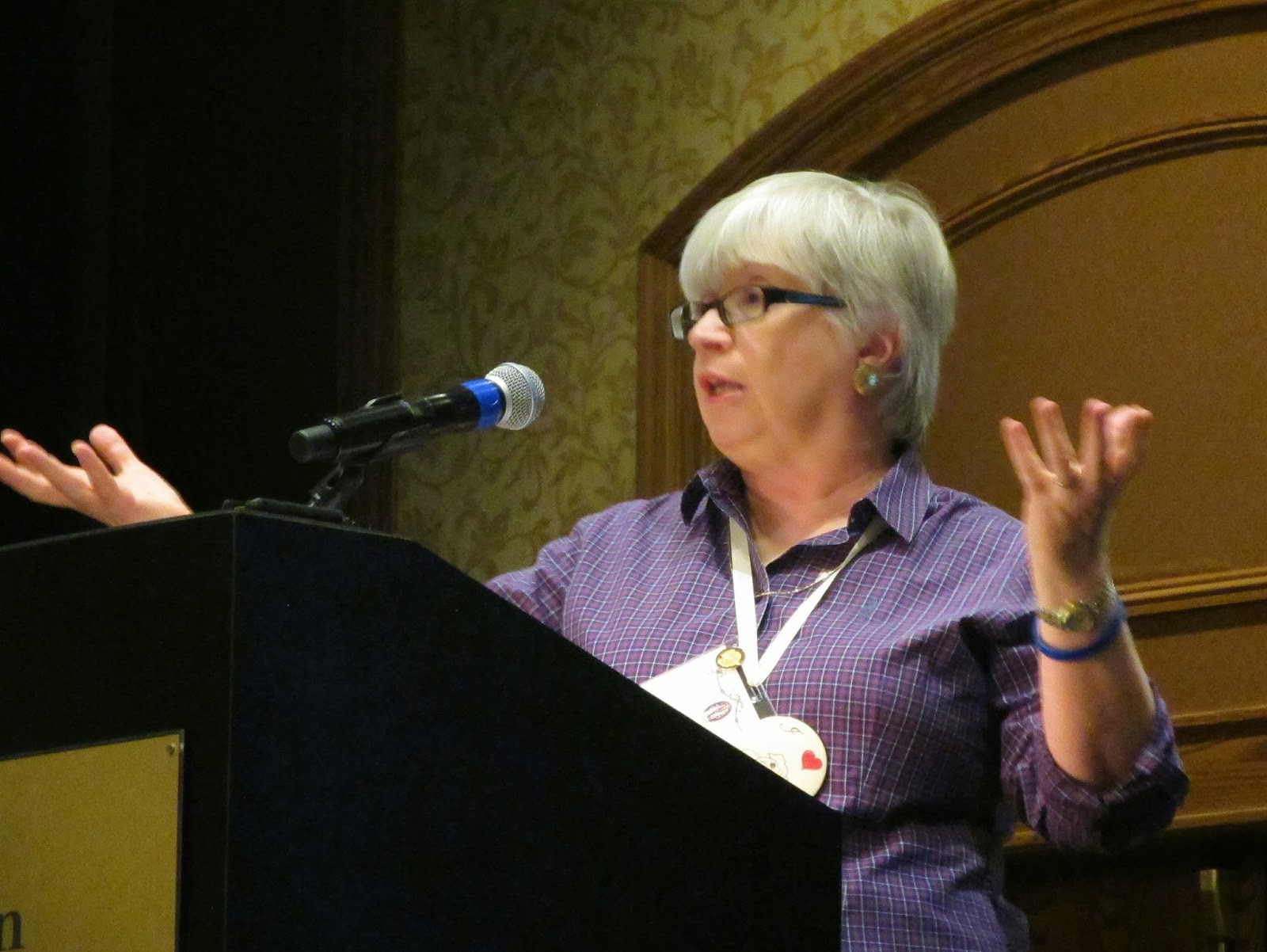
Victoria here, reporting on a meeting I attended recently at Chicago’s Newberry Library.  Cosponsored by the Royal Oak Foundation, the U.S. support group for Britain’s National Trust, and Historic Royal Palaces Inc., I met my pal Susan Forgue to hear Suzanne Groom speak about her new book, At the King’s Table

 
In addition to many other activities, the Royal Oak Foundation brings speakers to various cities around the U.S. for fascinating illustrated lectures.  To learn more about the Royal Oak Foundation, click here.  Historic Royal Palaces website is here.  And, to complete the picture, click here for the Newberry Library website.
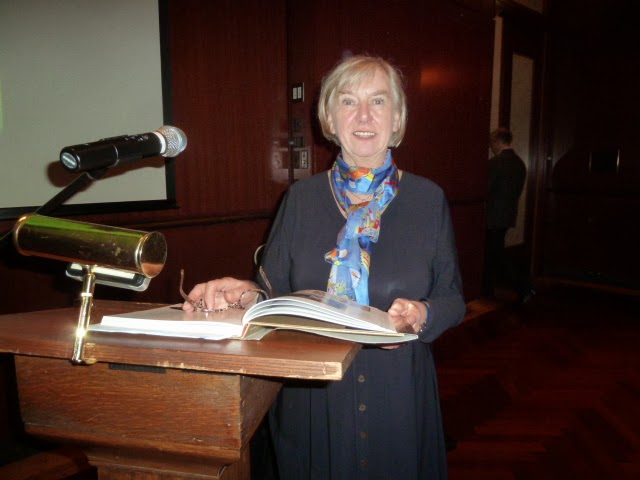
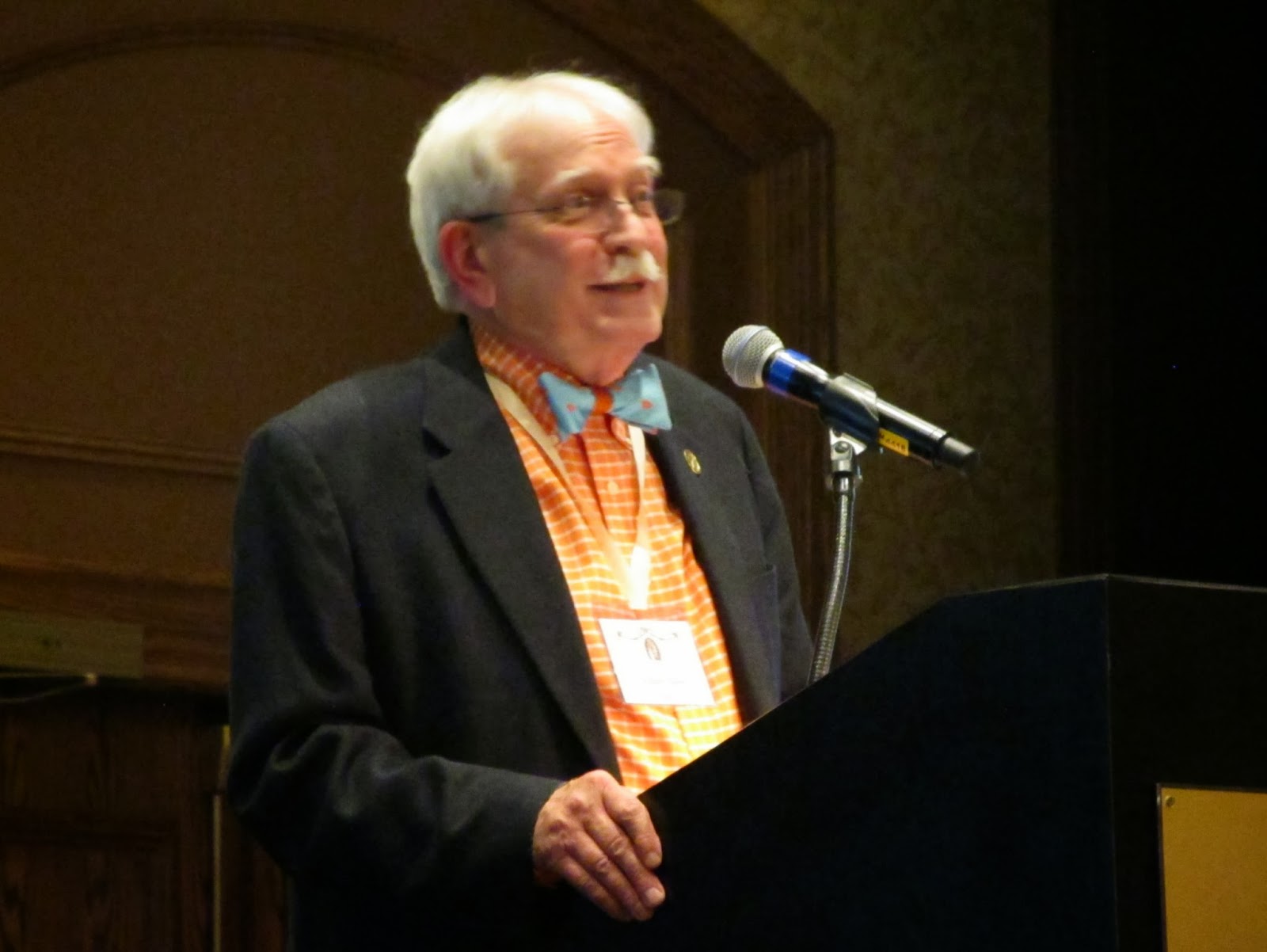
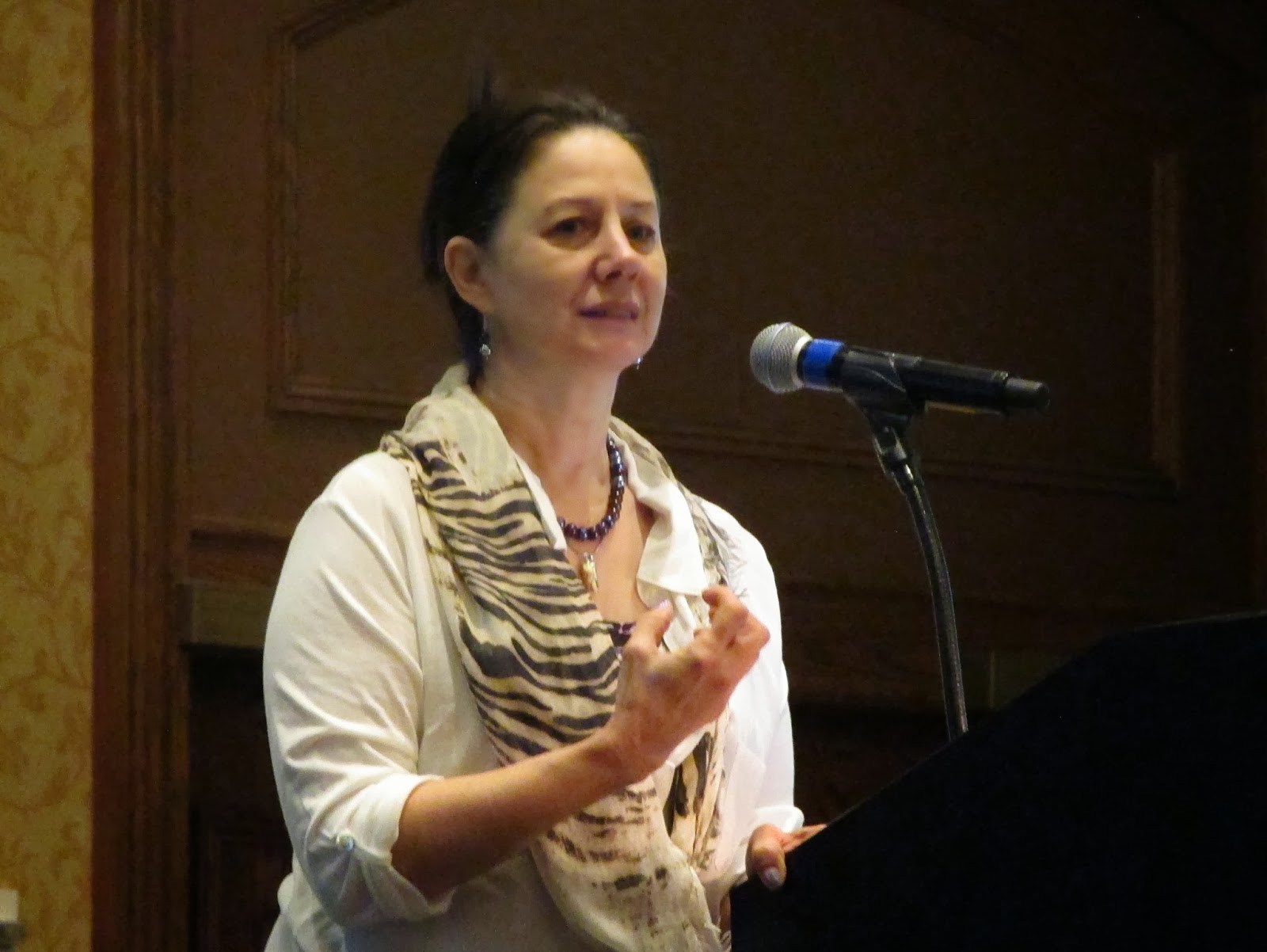
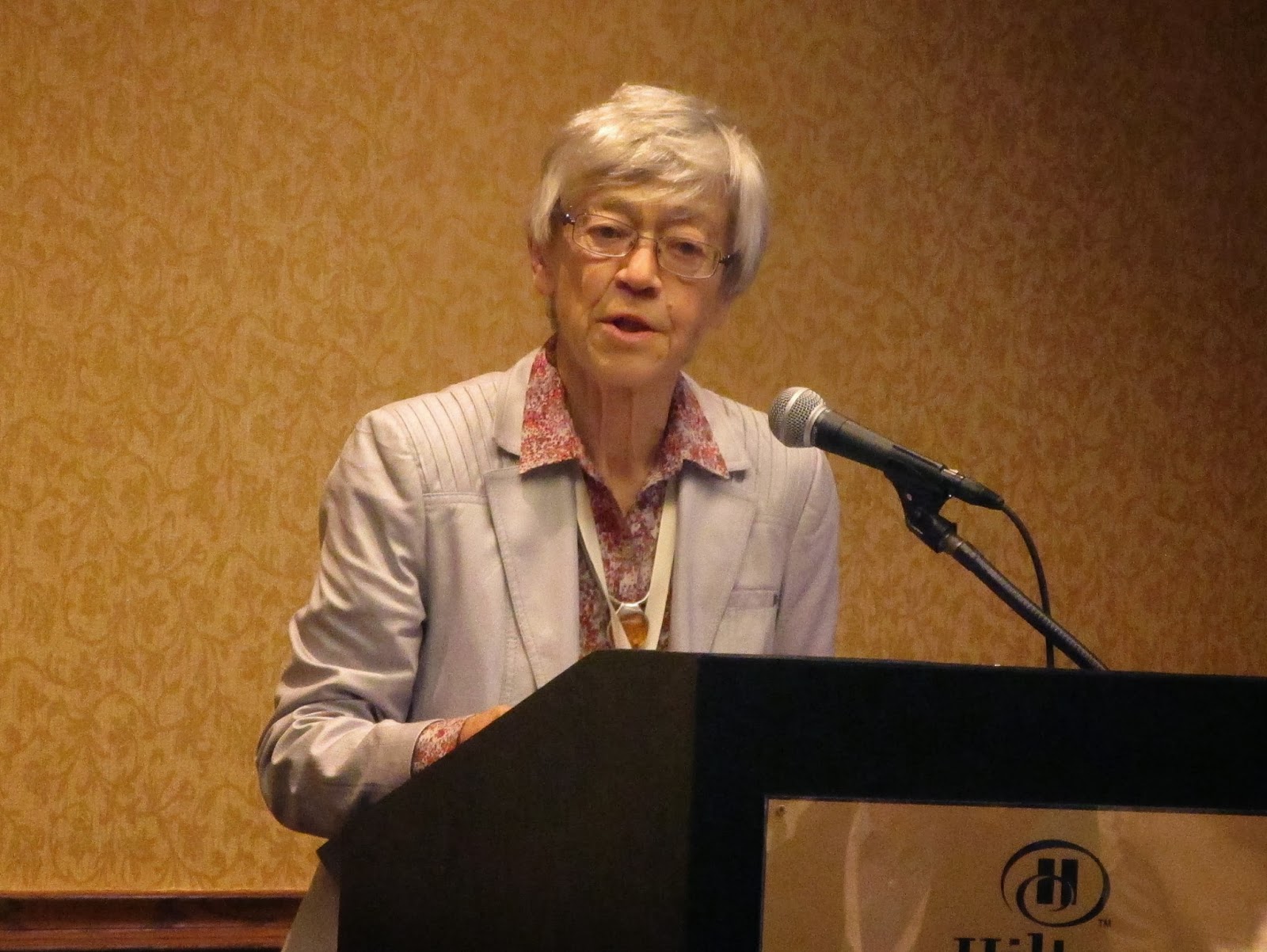
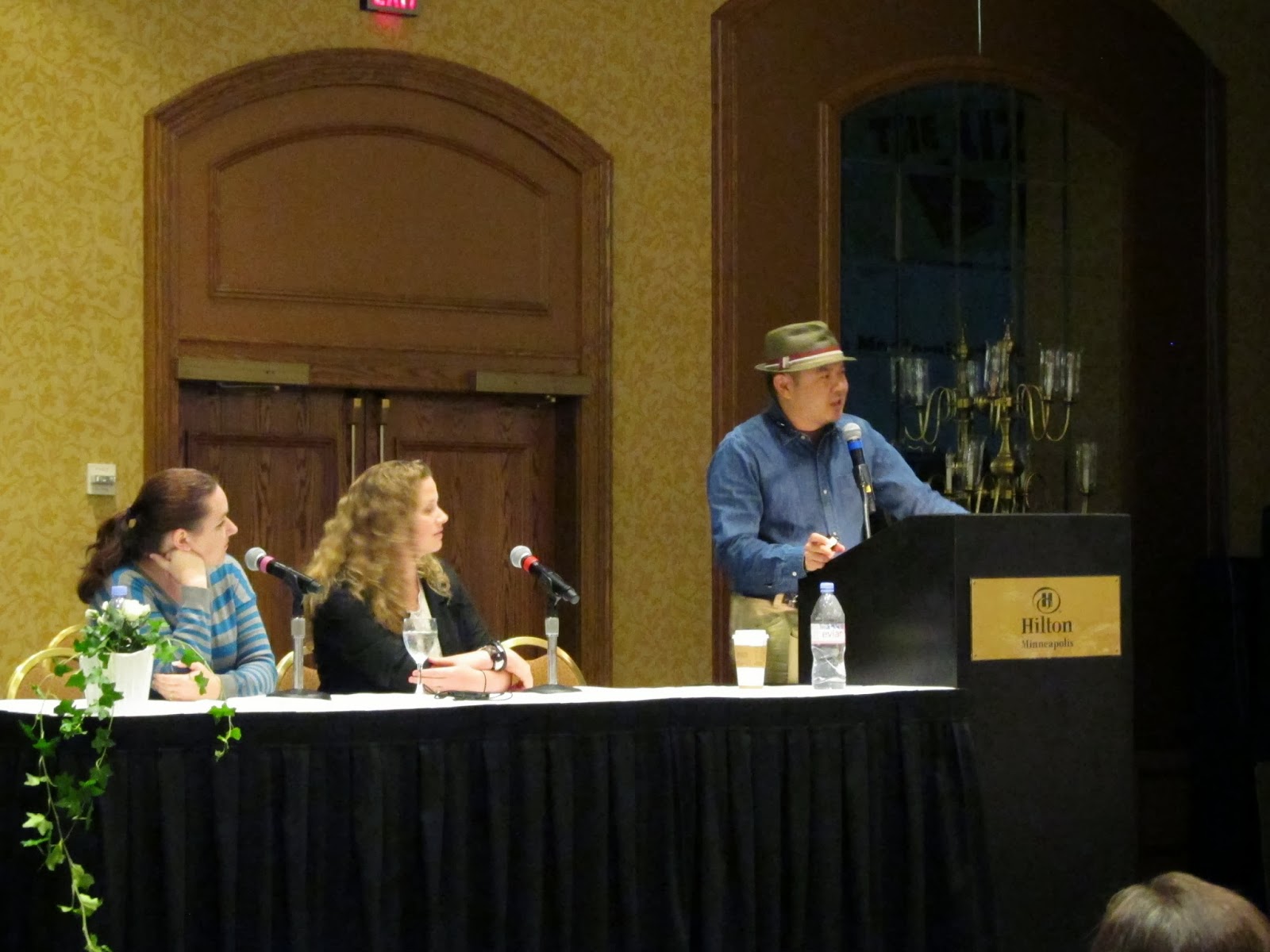
Suzanne Groom, author of At the King’s Table

 
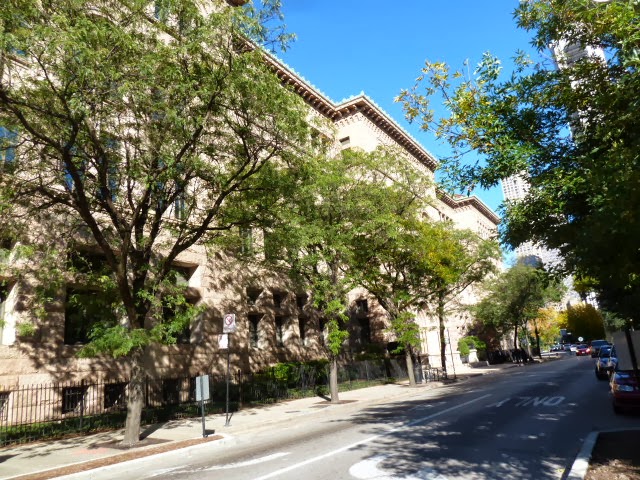
The Newberry Library in October
 
Ms. Groom spent 25 years with Historic Royal Palaces, working at projects at Hampton Court, the Banqueting House and Kew Palace.   Her account, beautifully illustrated, of the feasts held by the Kings of England, goes back to William the Conqueror.  I cannot begin to reproduce all her fascinating stories of Royal Banquets, but I can recount a few.  You will find much, much more in the book.
 
 The Field of Cloth of Gold
1774 Print by James Basire from a 16th-century painting in the Royal Collection
 
In June of 1520,  two young kings, accompanied by their queens, large retinues of knights and retainers and hundreds of servants, met for a conference, jousting and games, music and dancing, and an unprecedented effort to out-impress one another with their sumptuous banquets and extravagant arrangements. Henry VIII and François I of France met at the Field of Cloth of Gold in France,  for weeks of celebration of the recent treaty of friendship between the two traditional enemy nations.  Despite the fine cuisine and the jolly time for all of those above the scullery help, the friendship was enmity again within a few years. The name of the event grew out of the lavish use for tents, furnishing, and attire of cloth woven with gold thread.
 
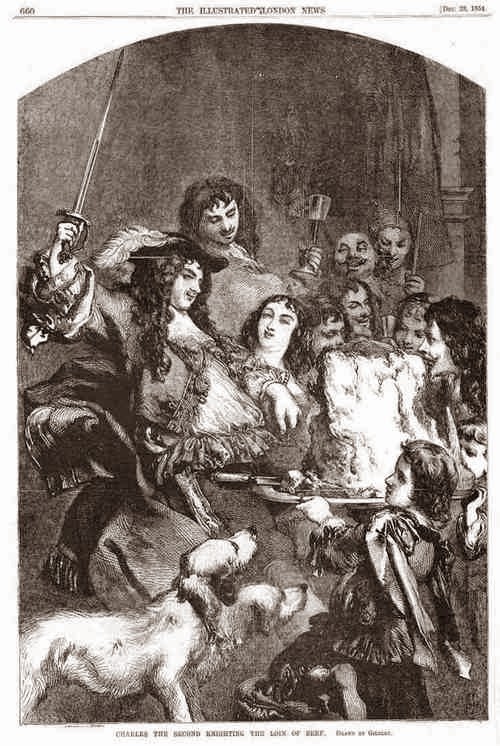
Charles II knighting the beef: Sir Loin
 
An old tale that is difficult to verify tells of a monarch — in various versions  Henry VIII, Elizabeth I, James I, or Charles II — who drew a sword and knighted a delicious cut of beef.  “Arise, Sir Loin,” the monarch supposedly said, and thus the finest cuts of beef are so named. True or not, it is an amusing story.

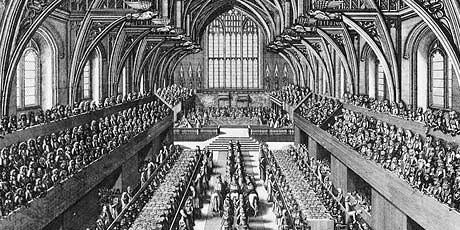
Coronation Banquet for James II

A story that  is substantiated in many accounts is the coronation banquet of James II (1633-1701), held in Westminster Hall, April 23, 1685.  It began at 11:30 am with the arrival of the King and Queen, but other participants had to be in place much earlier.  Royalty departed at 7 pm, after the diners had been served 1,145 dishes, including  many cuts of meat, sweetmeats, jellies and blancmange.  James II did not last long as king; he was replaced in the Glorious Revolution of 1688 by William III of Orange and his Queen, James’s daughter Mary.
 
 
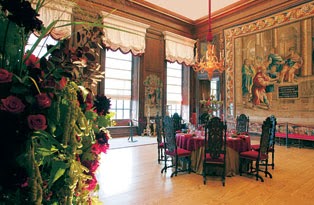
King’s Eating Room, Hampton Court Palace  
 
William and Mary added on to Hampton Court Palace, and the King’s Eating Room is now available for you to hire for your own soiree, if you so desire.
 
As the website says, “It seems an odd idea to us now, but if you visited court in the 18th century one of the highlights would be watching the king eating his dinner. Anyone respectable enough and well-dressed enough (ie, wearing their coat, wig, sword….) would be admitted to see the sight, which took place several times a month. During public dining, King William III or King George II would not sit down to eat with their friends, but would be served in solitary splendour at a table in this room, with the crowds of spectators respectfully standing back.” For more information, click here.
 
 
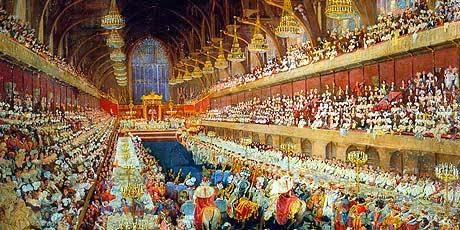
Coronation Banquet of George IV, 1821


Westminster Hall was also the scene of George IV’s coronation banquet, the last one held there, although many of us certainly remember the tv pictures of ERII’s Diamond Jubilee luncheon served there in 2012.  As his reputation as a Voluptuary (see Gillray, below) might predict, George IV presided over an expensive and (melo)dramatic pageant for his coronation, which is probably best remembered for locking the door against his estranged wife, who was prepared to be crowned as queen.  One of the accounts of the banquet enumerated some of the dishes served, “soups including turtle, salmon, turbot, and trout, venison and veal, mutton and beef, braised ham and savoury pies, daubed geese and braised capon, lobster and crayfish, cold roast fowl and cold lamb, potatoes, peas and cauliflower. There were mounted pastries, dishes of jellies and creams, over a thousand side dishes, nearly five hundred sauce boats brimming with lobster sauce, butter sauce and mint.”
.

A Voluptuary under the horrors of Digestion, James Gillray, 1792
British Museum


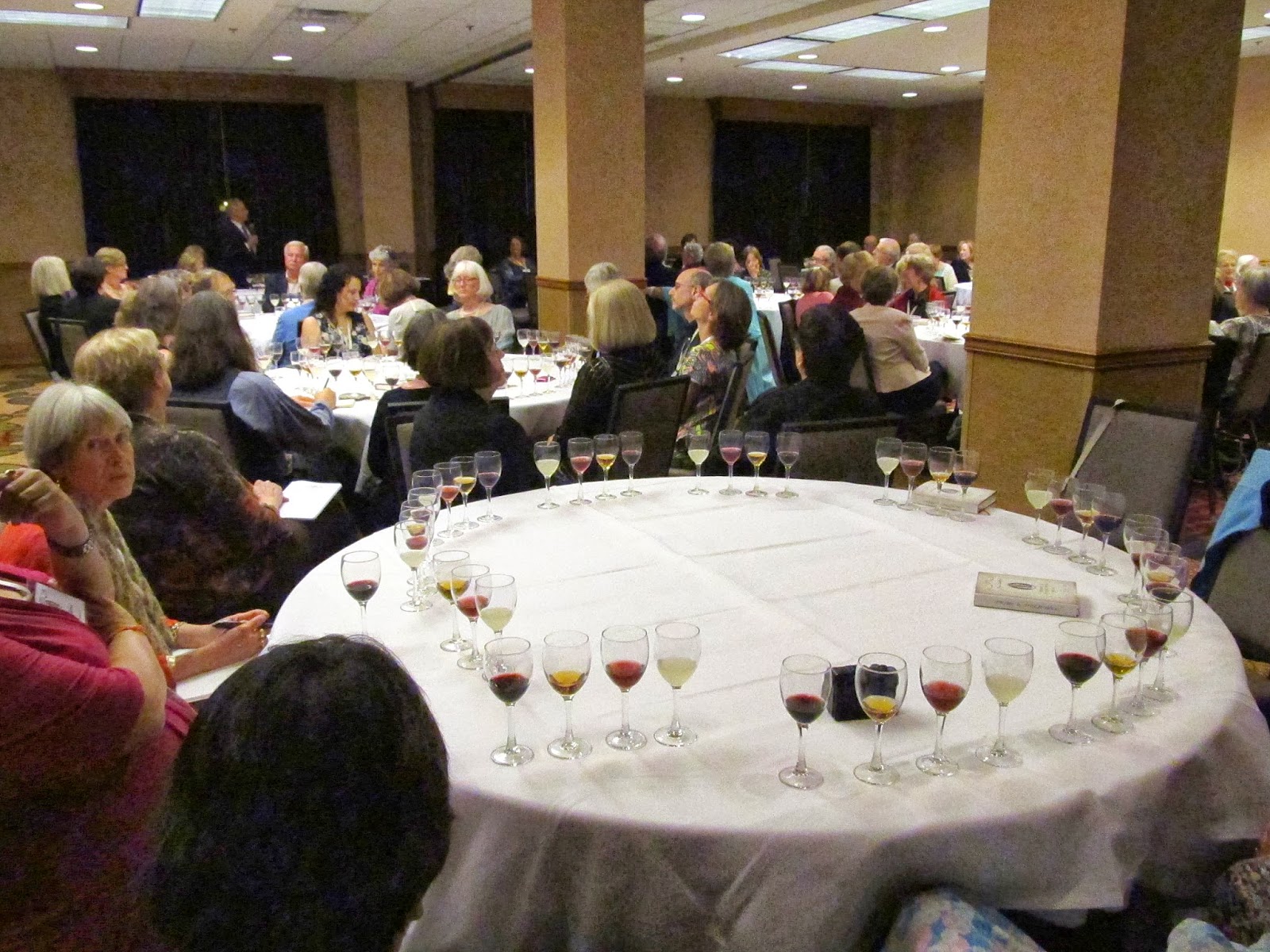
This post is just a nibble (pun intended) of the delights in Suzanne Groom’s new book, At the King’s Table.  I will add that the sponsors of her talk had the good taste to serve cheese and crackers and a small glass of wine rather than compete with royalty!

Soon, an account of an exhibition at the Newberry Library concerning the American Civil War — including the role of Great Britain

Victoria Explores Euston/St. Pancras


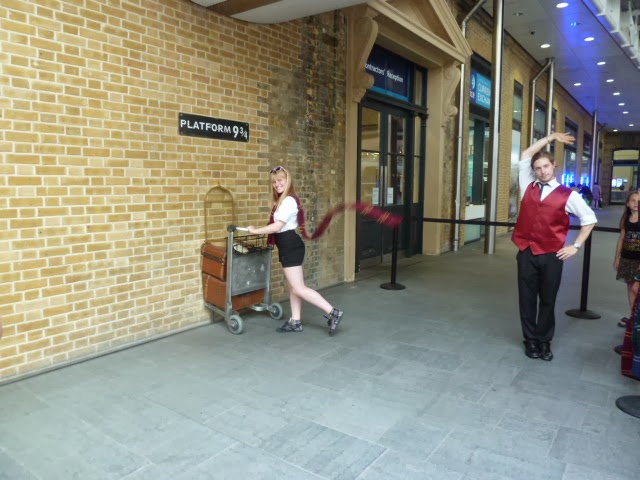
On a warm morning last July, Ed and I returned to London from our marvelous foray into East Anglia. Ed was still worried about his sore foot and not too enthused about running around in London for the rest of our trip.  So we decided to stay close to “home” for the afternoon.   On our way out of the King’s Cross RR Station we saw this cute display of Platform 9 3/4 where the students at Hogwarts School of Witchcraft and Wizardry leave London in the Harry Potter books. 
 
 
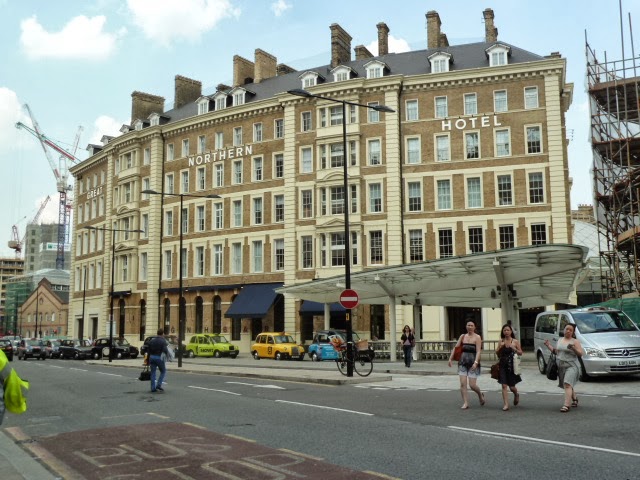
Outside, the Northern Hotel, next to Kings Cross has been attractively renovated.


St. Pancras Station
 
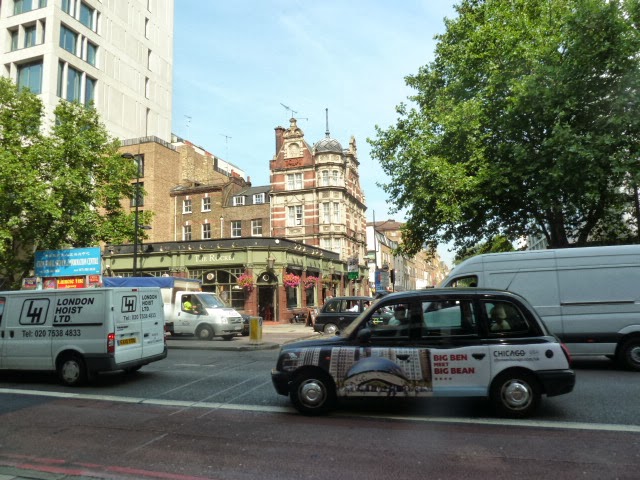
And next door to King’s Cross and the Northern Hotel is St. Pancras, now the terminal for the Eurostar trains to Paris and Brussels.  As such, it has caused a dramatic gentrification in the neighborhood.  Almost all the buildings nearby along Euston Road were wrapped in scaffolding and cranes pierced the skies everywhere.  We saw many signs for the offices of international conglomerates.
 
through the traffic to Chalton Street
 
We found several pubs and bistros on Chalton Street beside our hotel, and I wondered how long this thoroughfare of little shops and newsstands  could withstand the pressure of rising prices and new construction all around.  Seems sad they might have to move and be replaced by the same chains one sees in Piccadilly. That’s the down side of gentrification.
 
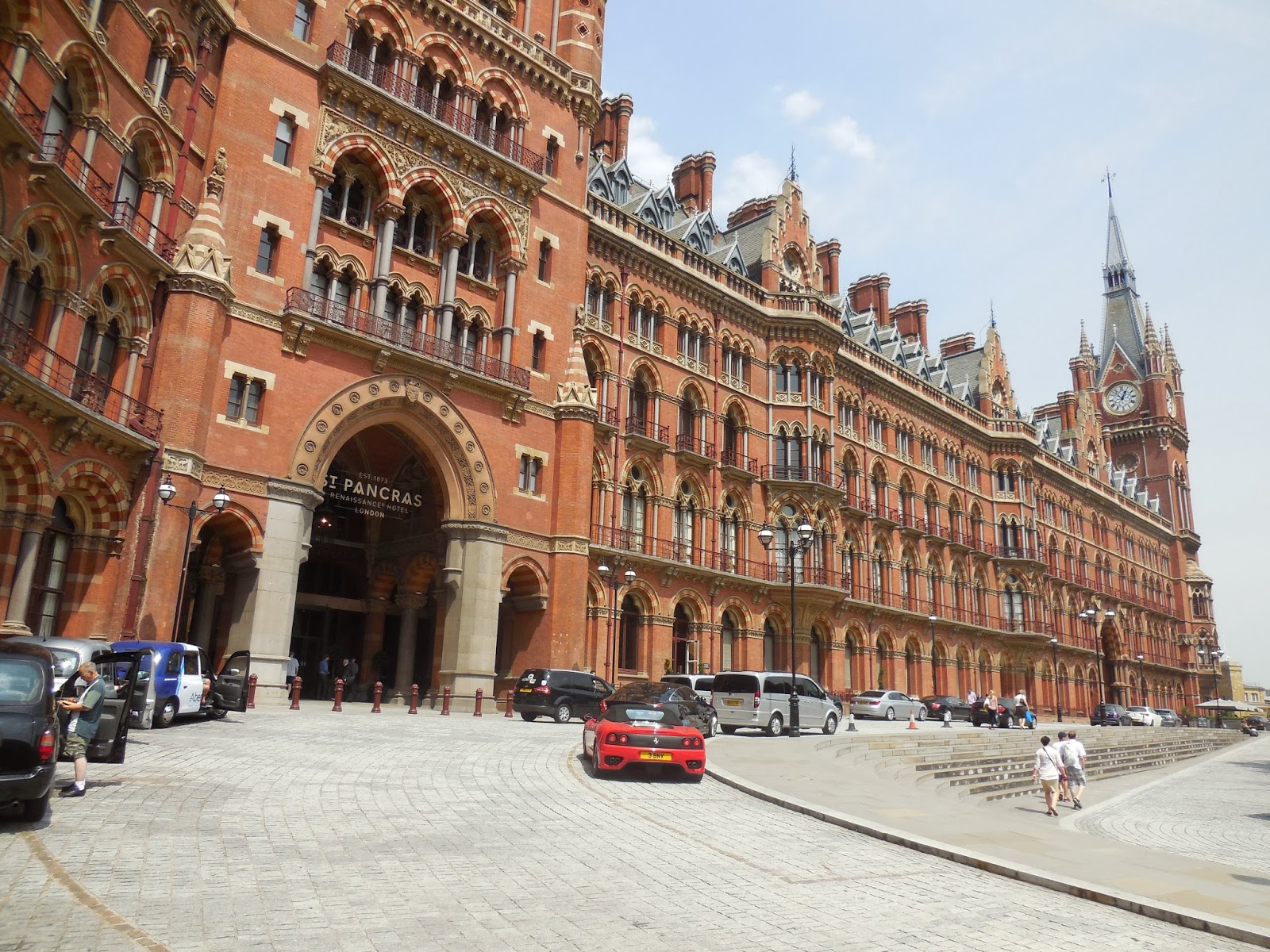
St. Pancras Hotel
 
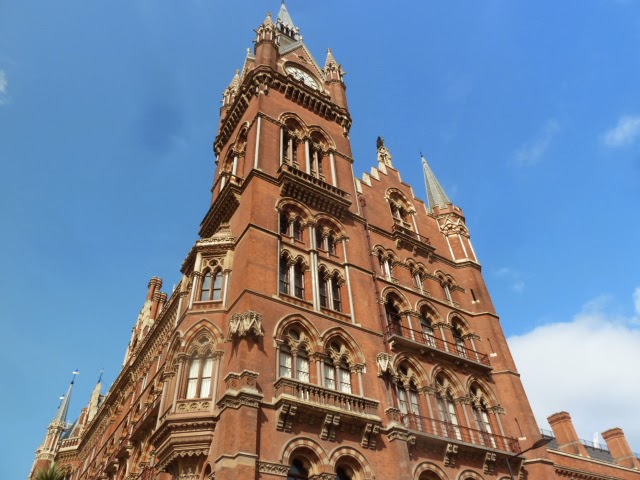
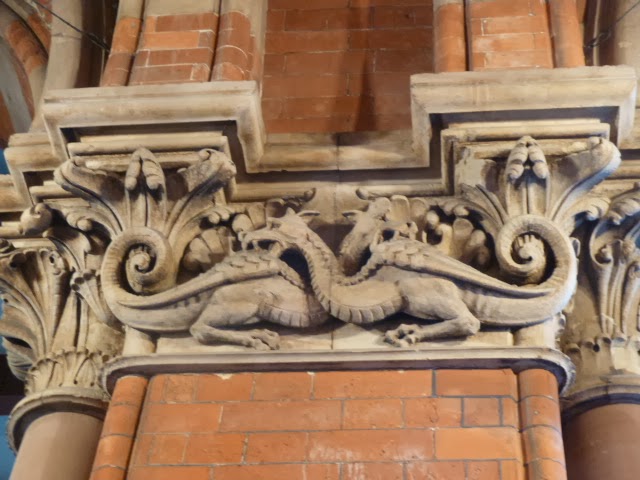
The upside of  gentrification is the renovation of great old buildings like the Northern Hotel and the St. Pancras Hotel. a fantasy of Victorian wretched excess that is quite charming for all its Neo-Gothic extremes.  Here are a few shots of the exterior décor.


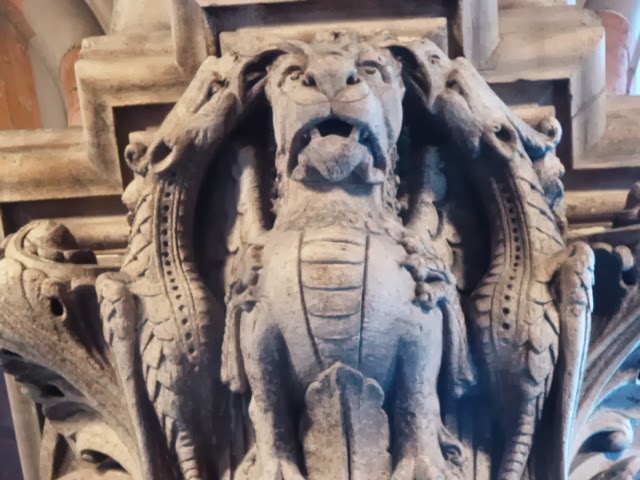
I assume the Hotel, a very posh place, has antidotes to nightmares caused by these gargoyles. The architect of the hotel, opened originally in 1868 as the Midland Grand Hotel, was Sir George Gilbert Scott (1811-1878), who is also responsible for the Albert Memorial in Hyde Park and the Foreign and Commonwealth Office in Whitehall at King Charles Street. Sir George would be proud of the restoration I am sure.  Although we could hardly afford to stay there, we did enjoy a wonderful luncheon in the restaurant called “The Booking Office.” 
 
 
Vicky, Rev. Susan, Dr. Jim, and Ed
 
 
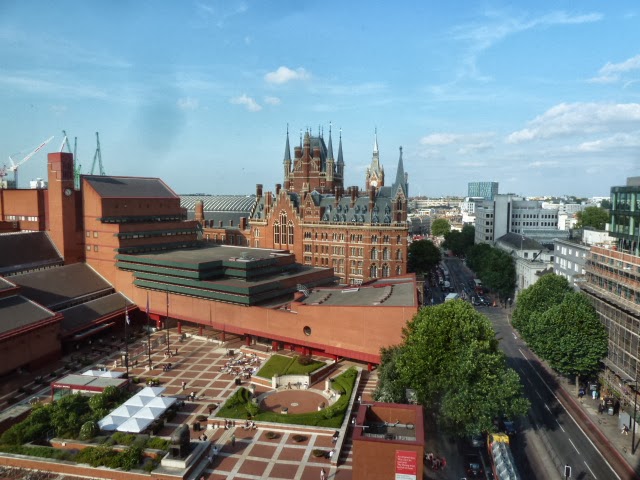
View from Pullman St. Pancras Hotel of the British Library (foregro
und)
 and the St. Pancras Hotel and Station in Euston Road
 
 
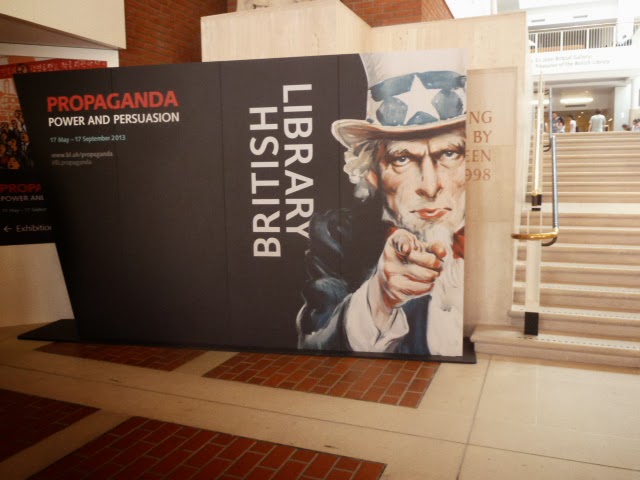
Exhibit in the British Library
 
In the courtyard of the BL, an people were enjoying the warm afternoon, sipping cool drinks, reading, talking and/or checking their mobiles. We visited the Propaganda exhibit, then walked around the permanent exhibit where there are copies of the Magna Carta, ancient maps, the Beatles’ songs, Jane Austen’s desk, and other  fascinating manuscripts and objects.


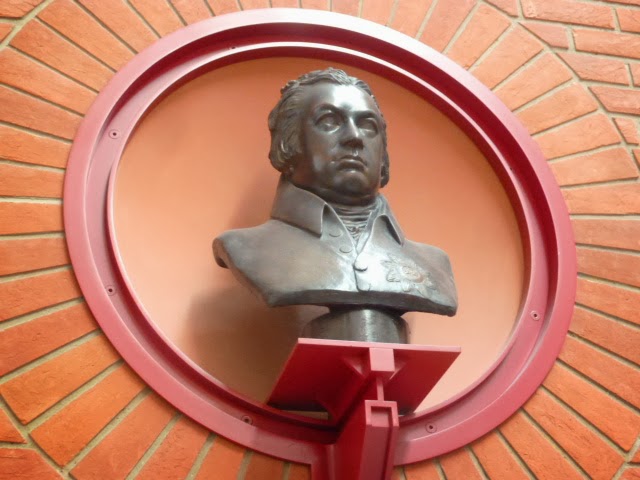
Sir Joseph Banks (1743-1820)
by sculptor Anne Seymour Damer
Among the busts of the Library Founders.
 
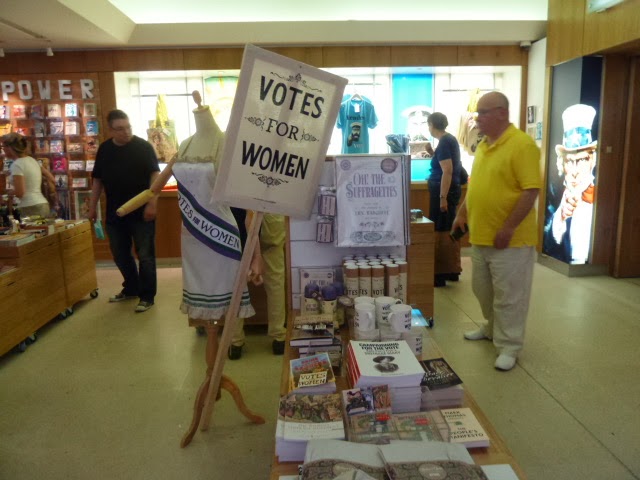
In the gift/book shop
 
Looking at our tall hotel from the BL Courtyard
 
 
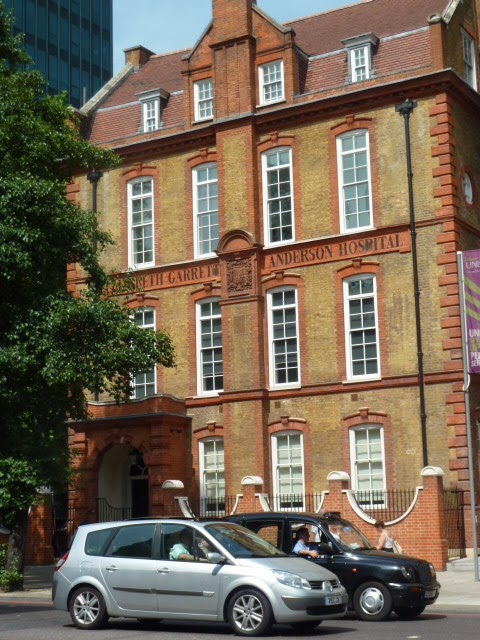
The Elizabeth Garret Anderson Hospital
 
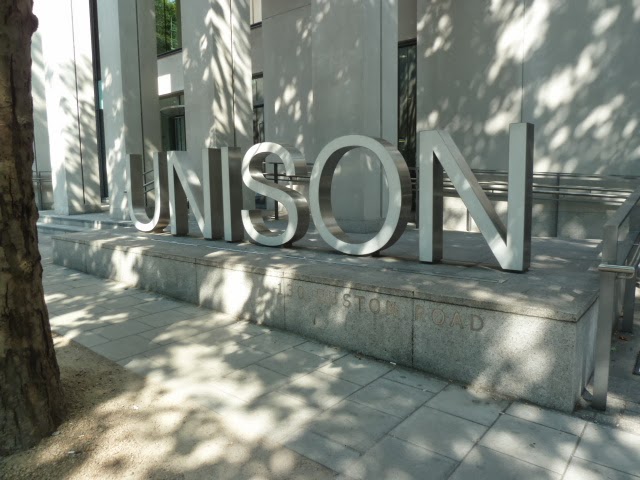
A little farther west on Euston Road, near Euston Station, is the building above, which was built by Britain’s first woman physician and surgeon.  It has become part of the new National Headquarters for the public service trade union Unison.  Elizabeth Garret Anderson’s life story is fascinating.  Check it out here.


Two more neighborhood institutions were well worth our visit. 
 
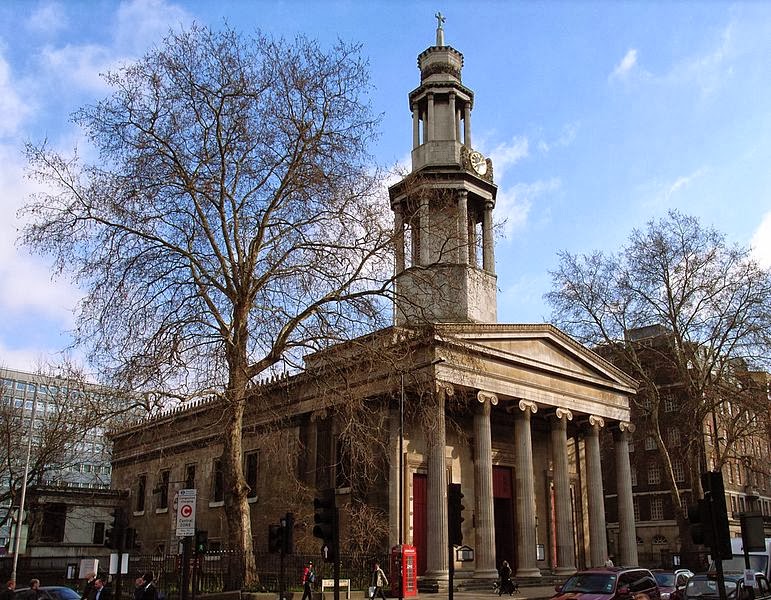
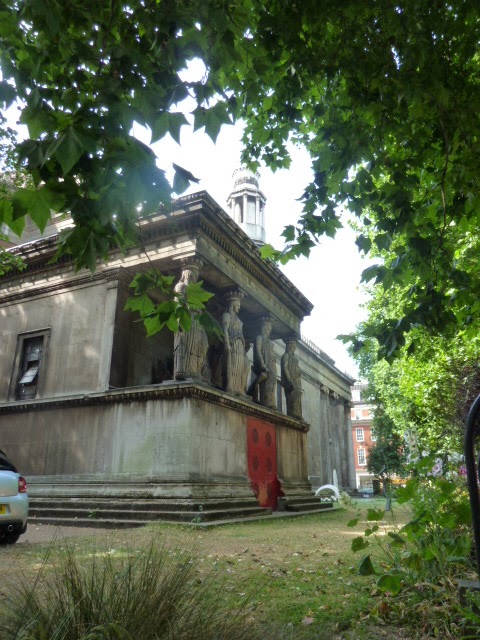
The St. Pancras Church at the corner of Euston Road and Upper Woburn Place was constructed in 1819-1822 and designed by architect William Inwood and his son, Henry Inwood.


 The building was modeled on two Athens landmarks from the Acropolis: the Tower of the Winds and the Erechtheum, the latter with its Ionic columns and the Porch of the Caryatids.
 
Porch of the Caryatids
 
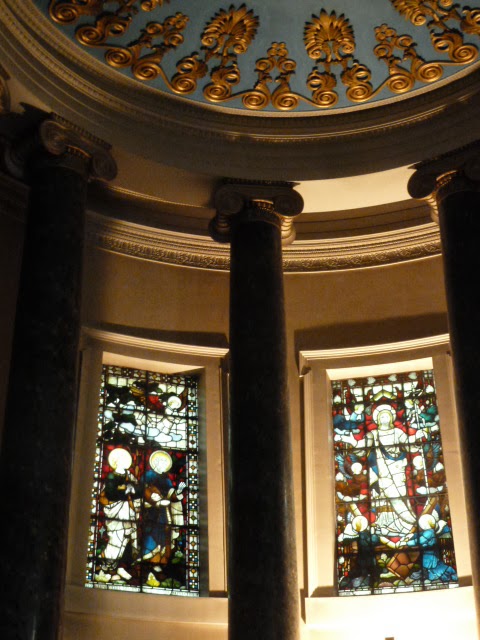
The Apse, St. Pancras Church
 
 
The final neighborhood attraction we visited was the fascinating premises of the Wellcome Collection.  The objects displayed were acquired by Sir Henry Wellcome (1845-1936), who explored the relationship of art, medicine, and the human body. 
 
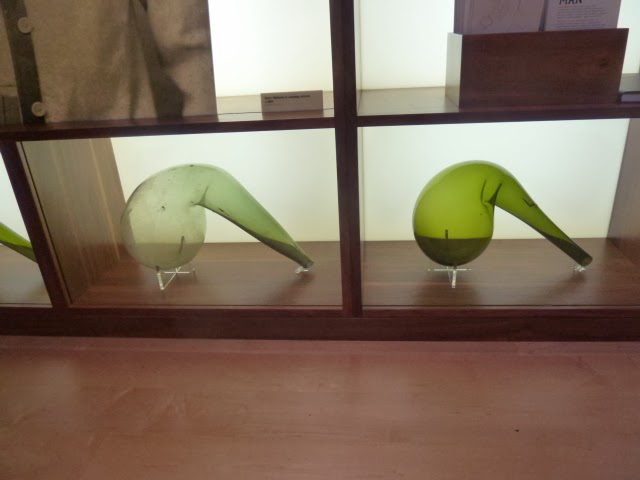
beakers, two of 100’s
 
 
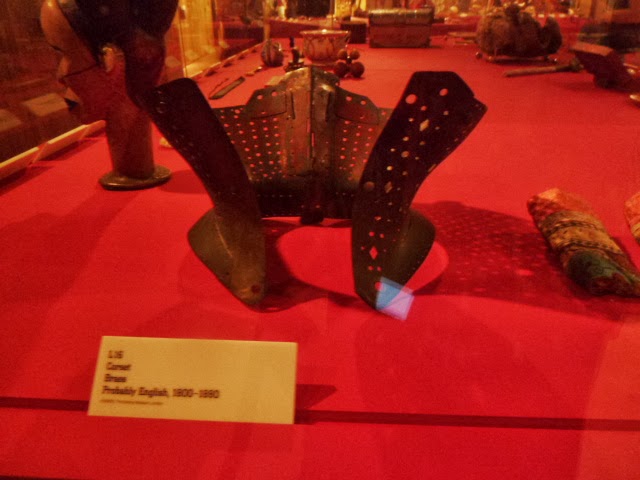
Iron Corset
 
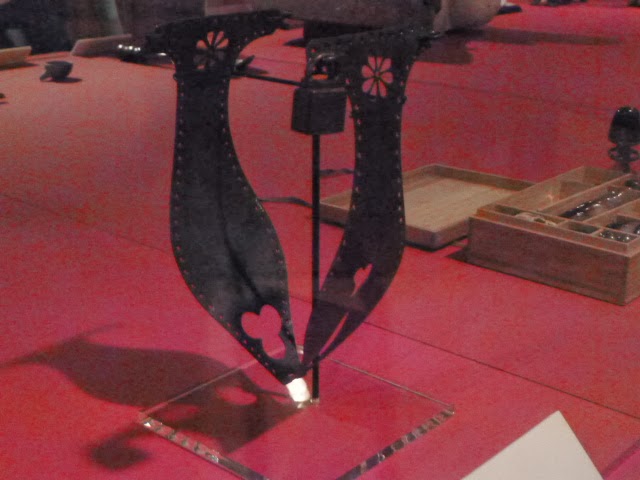
A Chastity Belt of iron and velvet
 
The Wellcome Collection advertises itself as “the free destination for the incurably curious.”  Ed ad I found this a perfect description of the odd assortment of items in the museum.  Also part of the Wellcome Trust are educational organizations and a medical library.  If you are looking for the unusual in London, you will find it here.
 
We enjoyed this Euston Road neighborhood, with its diverse institutions and attractions.
 
 
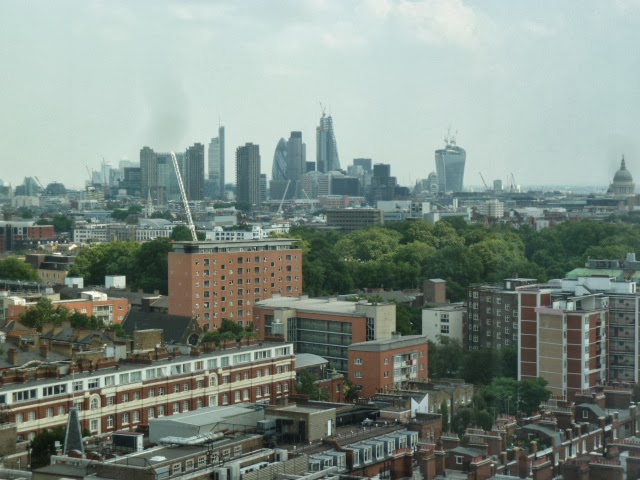
View of the City from the Pullman Hotel, St. Paul’s Cathedral at the far right in the distance
 
My visit to the Wellington Arch is coming soon.


Artist Thomas Sully in Milwaukee

Victoria here, reporting on a wonderful exhibition at my local hang-out, the Milwaukee Art Museum.  Last year about this time I was observing the wonderful exhibition at the MAM from London’s Kenwood House.  Click here if you need a reminder.

This autumn we are fortunate to have a gathering of works from many museums for Thomas Sully: Painted Performance.  After it closes in Milwaukee in January, the exhibition will travel to the San Antonio Museum of Art February 7 through May 11, 2014.

 Lady with a Harp Eliza Ridgeway, 1818,
National Gallery of Art, Washington, D.C.
 
This is one of my favorite paintings in Washington and I usually breeze by to say hello on my annual forays to the capital. Now here she is in my front yard.
 
Andrew Jackson, 1845
National Gallery of Art, Washington, D.C.
 
The Andrew Jackson portrait is very familiar to all Americans as the inspiration of the etching on the $20 bill.


Thomas Sully (1783–1872) was born in Lincolnshire, England, to a family in the theatrical business.  In 1792, they settled in Charleston, South Carolina.  Though young Tom often acted, his skills in sketching and painting were soon evident.  Eventually he worked with his brother Lawrence, also a painter. Tom moved around from Richmond, VA, to New York, and for a while to Boston to study with Gilbert Stuart, perhaps the young republic’s most renowned artist. Sully settled in Philadelphia in 1806; there he stayed for the rest of his life, other than time in 1809 studying in London with Benjamin West and later a London trip to paint the young Queen Victoria in 1837-38.
 
Queen Victoria, Metropolitan Museum of Art
 
Other versions of this painting hang in the Wallace Collection in London and the Royal Collection as well. Below, a full length version, not in this exhibition.
 
Queen Victoria, 1838
Metropolitan Museum of Art, NYC
 
 Among the amazing 2300 pictures Sully painted are many American politicians and other citizens, both men and women. The focus of this MAM exhibition is performance, particularly on the stage.
 
 George Frederick Cooke, in the role of Shakespeare’s Richard III
Pennsylvania Academy of the Fine Arts

 
Famed Actress Frances Anne (Fanny) Kemble as Beatrice, 1833
Pennsylvania Academy of the Fine Arts 
 
Sarah Esther Hindman as Little Red Riding Hood, 1833
  The Maryland State Archives, Photo by Harry Connolly
 
 
Sully not only painted actors; he also produced many paintings illustrating scenes from books and other “Fancy” pictures, many of which were reproduced for widespread purchase and display in everyday homes.
 
Prison Scene from James Fenimore Cooper’s “The Pilot”, 1841
Birmingham (AL) Museum of Art
 
 
Little Nell Asleep in Dickens’ The Old Curiosity Shop
Free Library of Philadelphia
 
 
Cinderella at the Kitchen Fire, 1843
Dallas Museum of Art
 
Among Thomas Sully’s most prized paintings are his many portraits, and particularly the adorable lad below, beloved to generations of MFA visitors.


The Torn Hat, 1820
© 2013, Museum of Fine Arts, Boston 
 
 
Major Thomas Biddle, 1818
Pennsylvania Academy of the Fine Arts, Philadelphia
 
 
I am looking forward to rambling around among these pictures many times in the next couple of months.  Sully’s work has a luminosity I love. 
 
When this blog visited the Look of Love exhibition in Birmingham, we became acquainted with Tom Sully, great , great, great grandson of Thomas Sully and himself a renowned artist. For our interview with Tom, click here


This is the first Thomas Sully retrospective in thirty years, showing about eighty paintings. Thomas Sully: Painted Performance is organized by the Milwaukee Art Museum, co-curated by Dr. William Keyse Rudolph, the Museum’s Dudley J. Godfrey Jr. Curator of American Art and Decorative Arts and Director of Exhibitions, and Dr. Carol Eaton Soltis, Project Associate Curator of American Art, Philadelphia Museum of Art.

The Jane Austen Society in Minneapolis

Seven hundred fans and scholars met in Minneapolis at the end of September for immersion in All Things Jane.  Victoria here, relating my experience celebrating two hundred years of Pride and Prejudice with so many of those who love it too. Many thanks to Dave O’Brien for the use of his excellent photos, more of which can be seen on the JASNA-WI website.

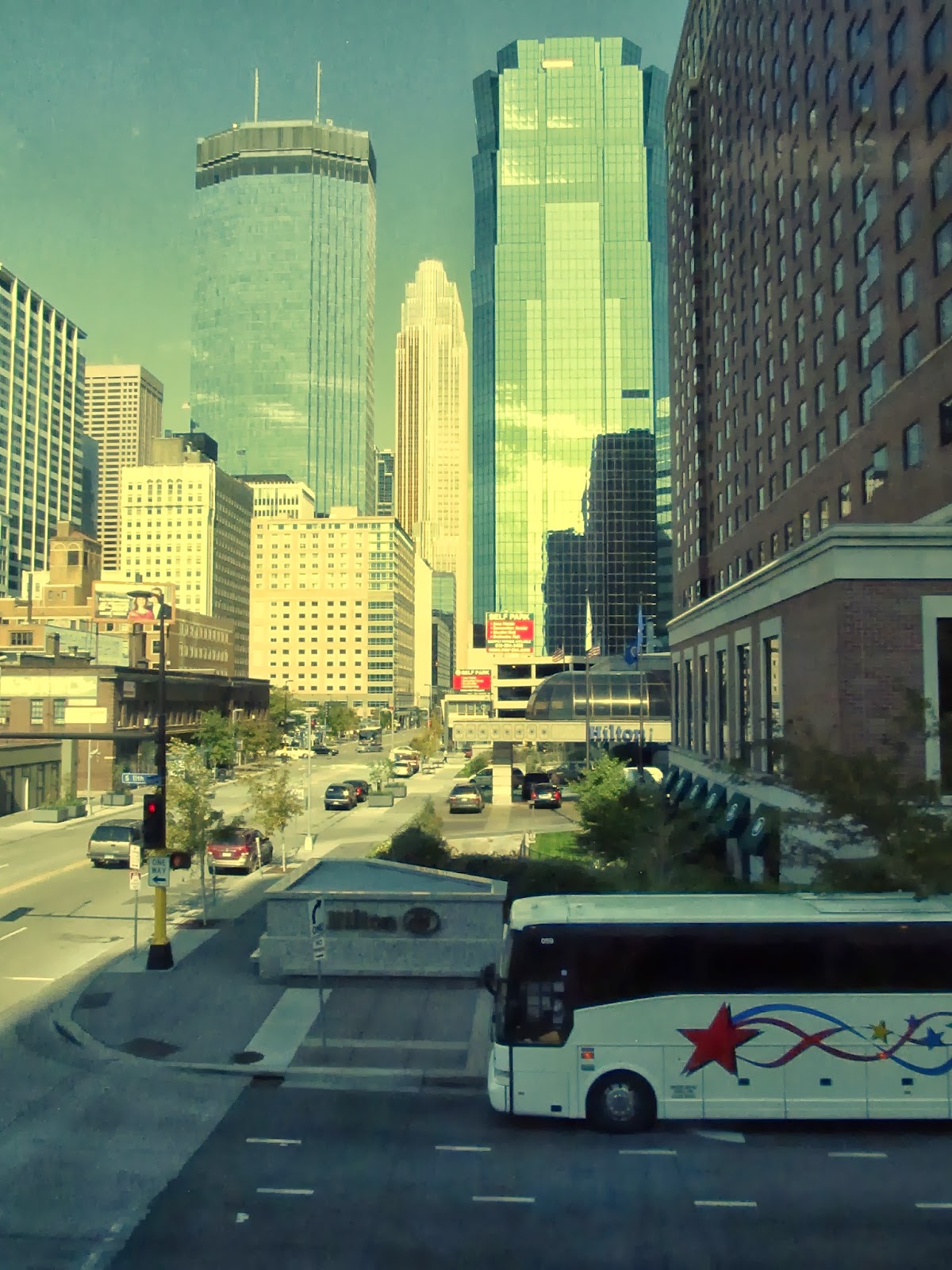
Minneapolis, 2013
 
As always at an AGM, part of the fun is touring the city and surroundings…and we had perfect weather to enjoy such treats as the Guthrie Theatre, the Mill Museum,  tours devoted to F. Scott Fitzgerald and Sherlock Holmes, plus the art museums and pub crawls.
 
 
The Emporium


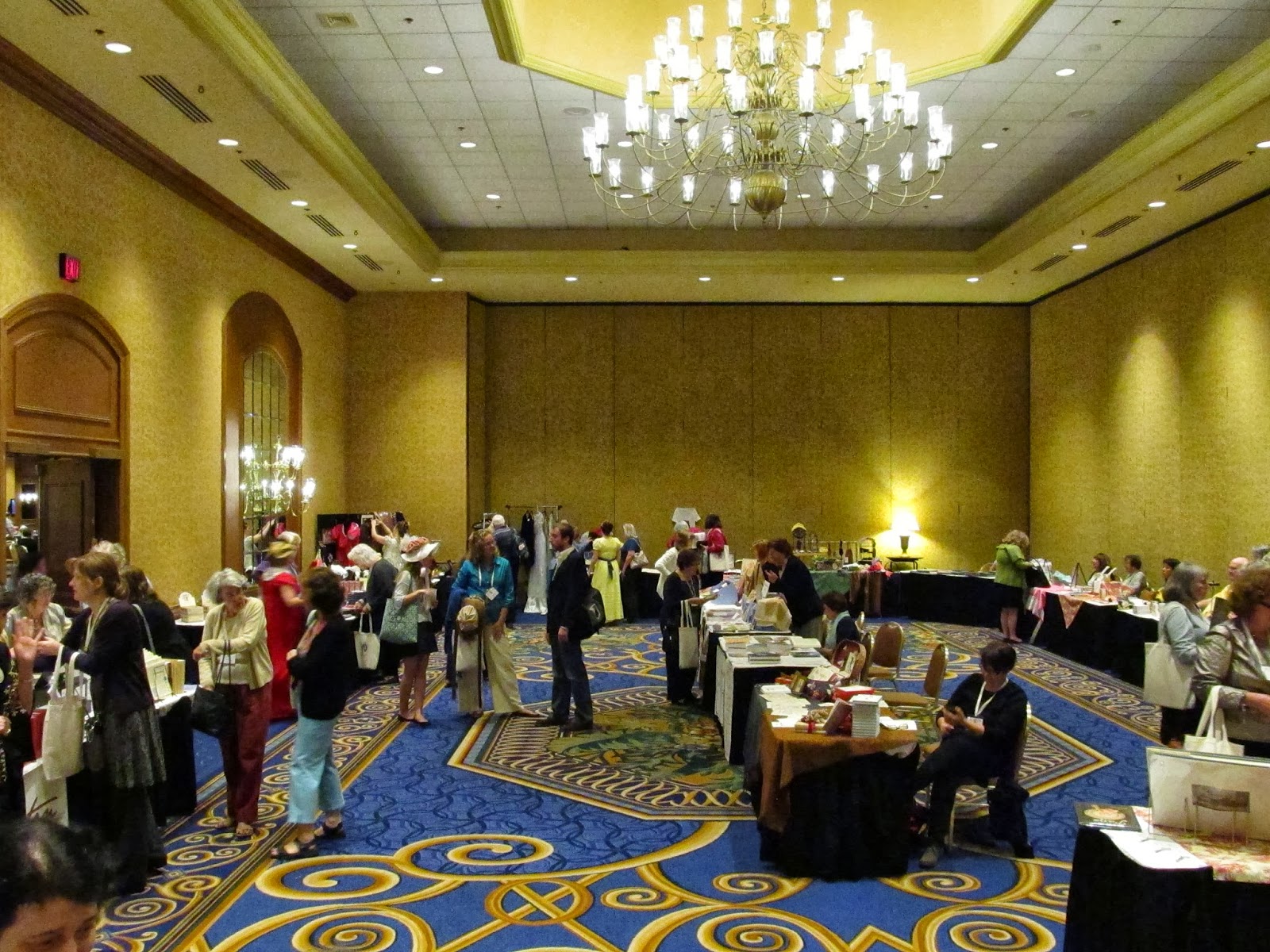
  Another popular feature of an AGM the Emporium where JASNA chapters and commercial providers have their sales tables.  Books, hats, fans, pens and paper, English antique tea cups, all sorts of temptations abound.

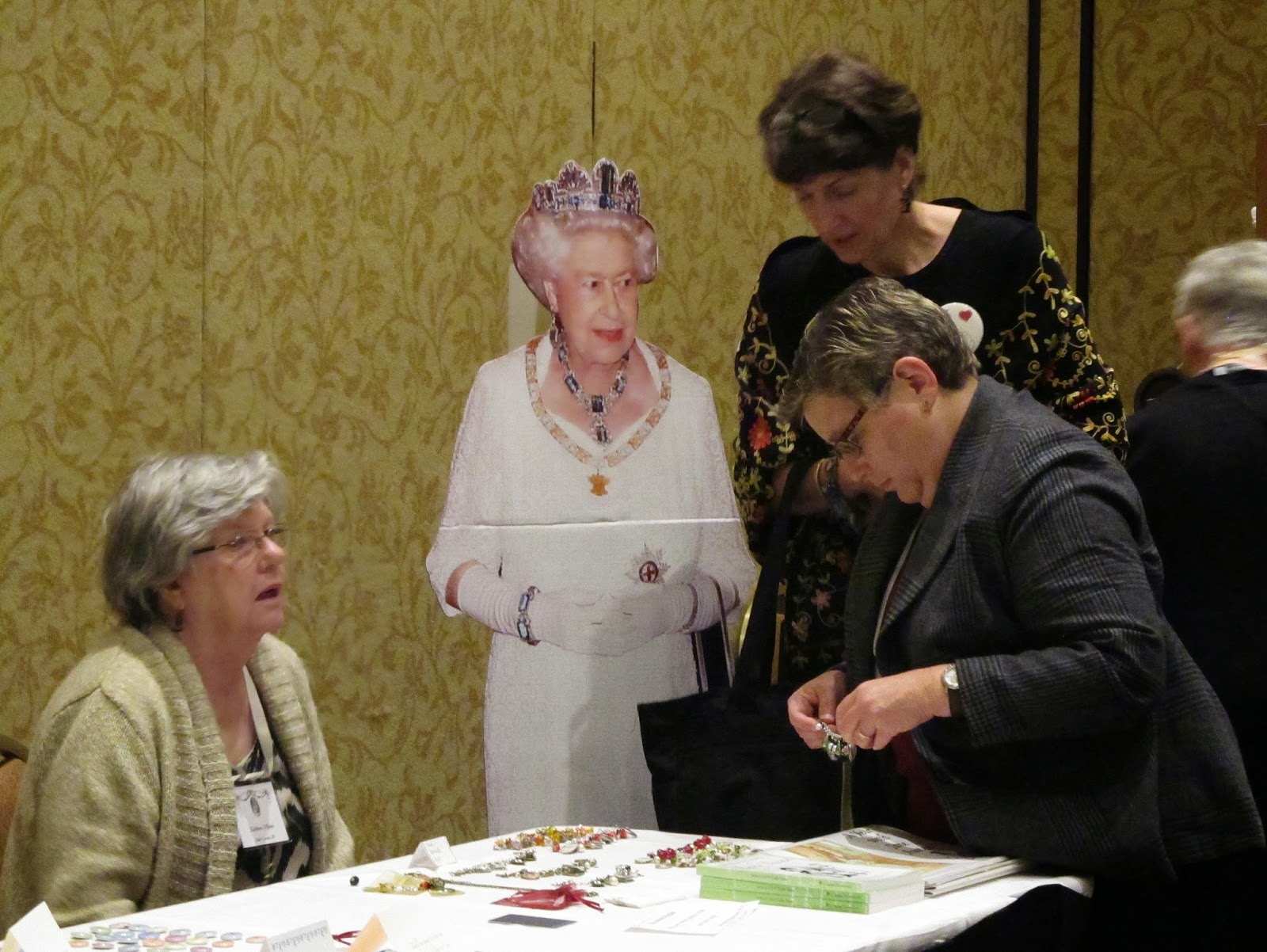
Kathy O’Brien entertains the Queen, Liz Cooper and a customer for
JASNA-WI’s 2014 Calendar.
 
To order yours, click here.


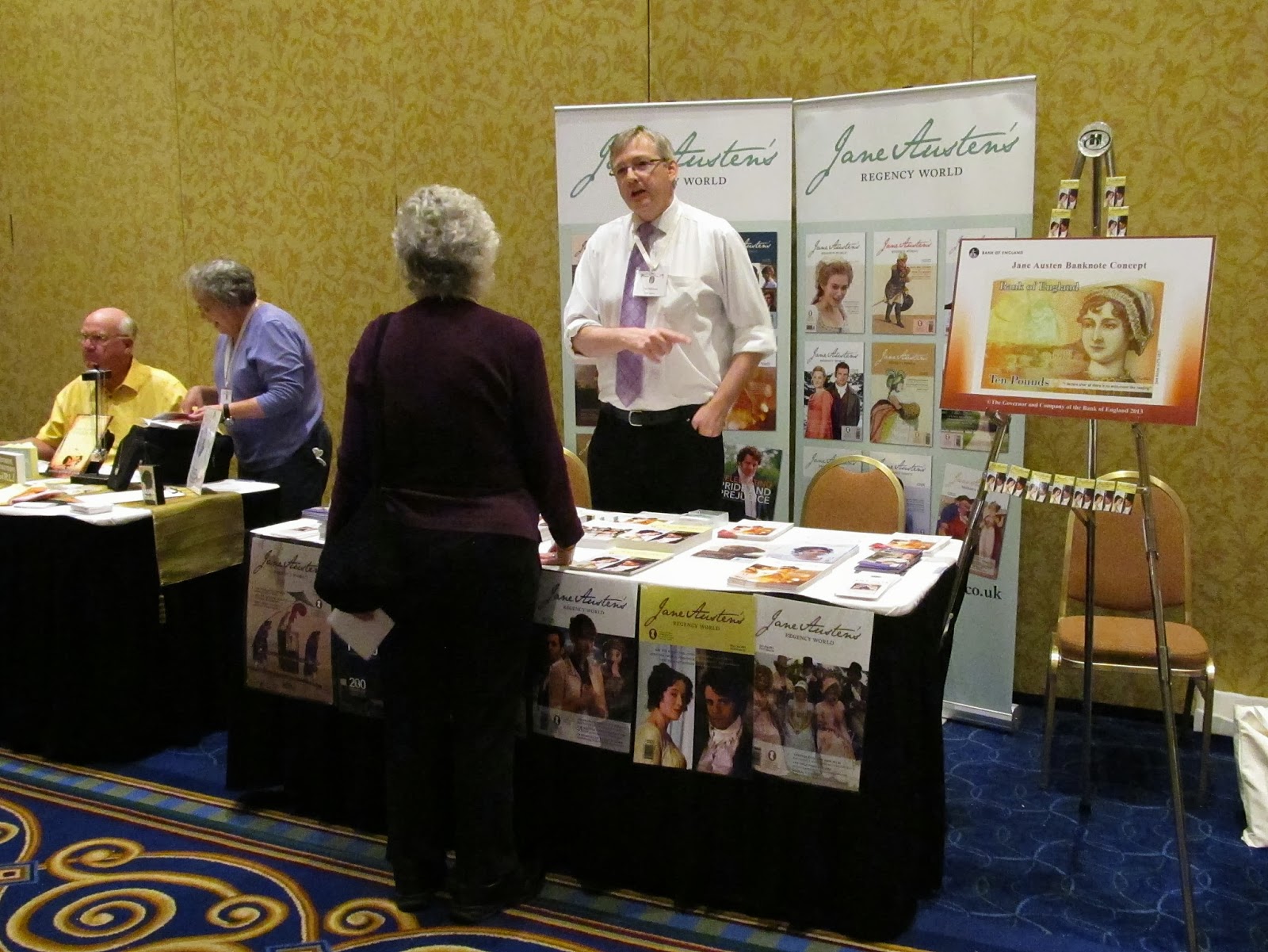
Below, editor Tim Bullamore collects subscribers to Jane Austen’s Regency World magazine.

 
For more information on JARW, click here.
 
 
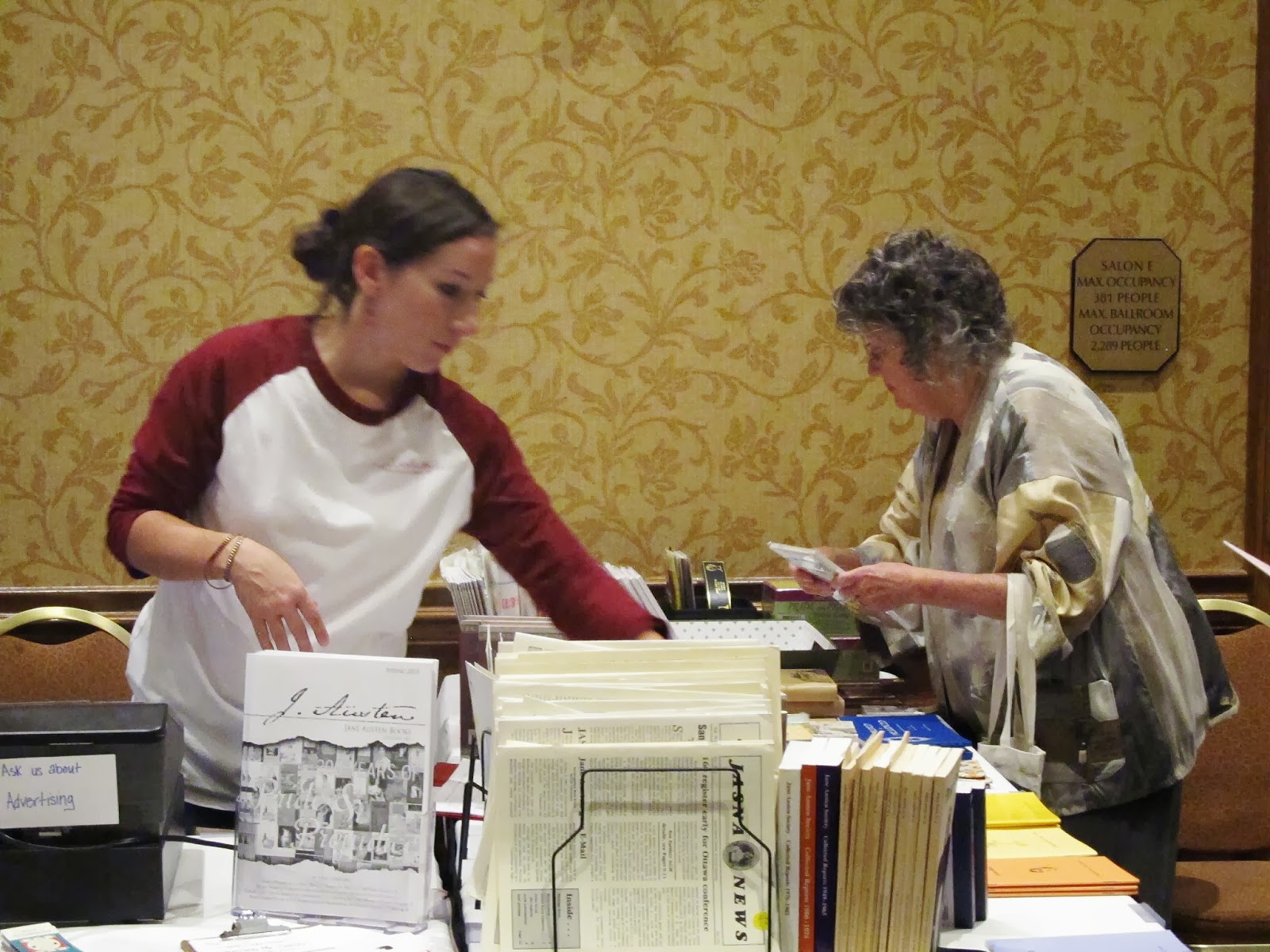
Jane Austen Books is always a popular vendor.
 
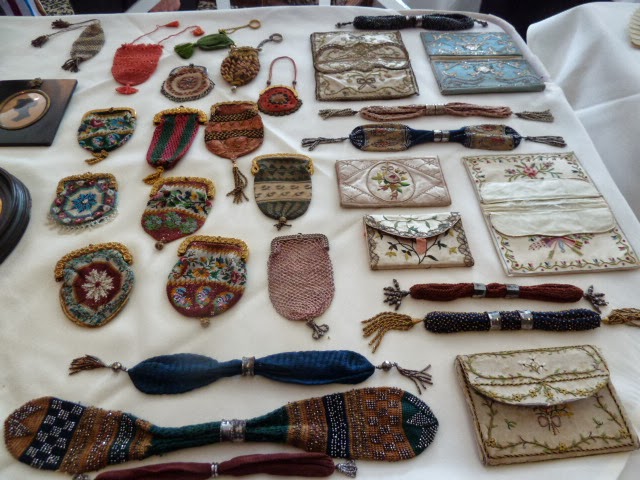
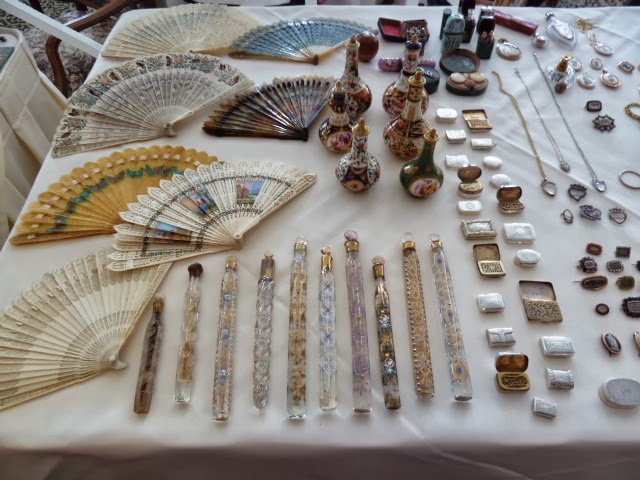
The Regency Room featured the antique collection of author Candice Hern, left
with JASNA President Iris Lutz (in May 2013 in Madison, WI)
 
 
For more on Candice’s Collections, click here.


As in the past few years, the JASNA AGM events have become so numerous that many are held on the day before the official Keynote. In additions to tours and workshops, Thursday’s speakers included Candice Hern on Regency Magazines; Bruce Richardson on the History of Tea and Jane Austen; a High Tea and Fashion Show; and Curtain Raiser Jocelyn Harris speaking on “Introducing Elizabeth Bennet.”


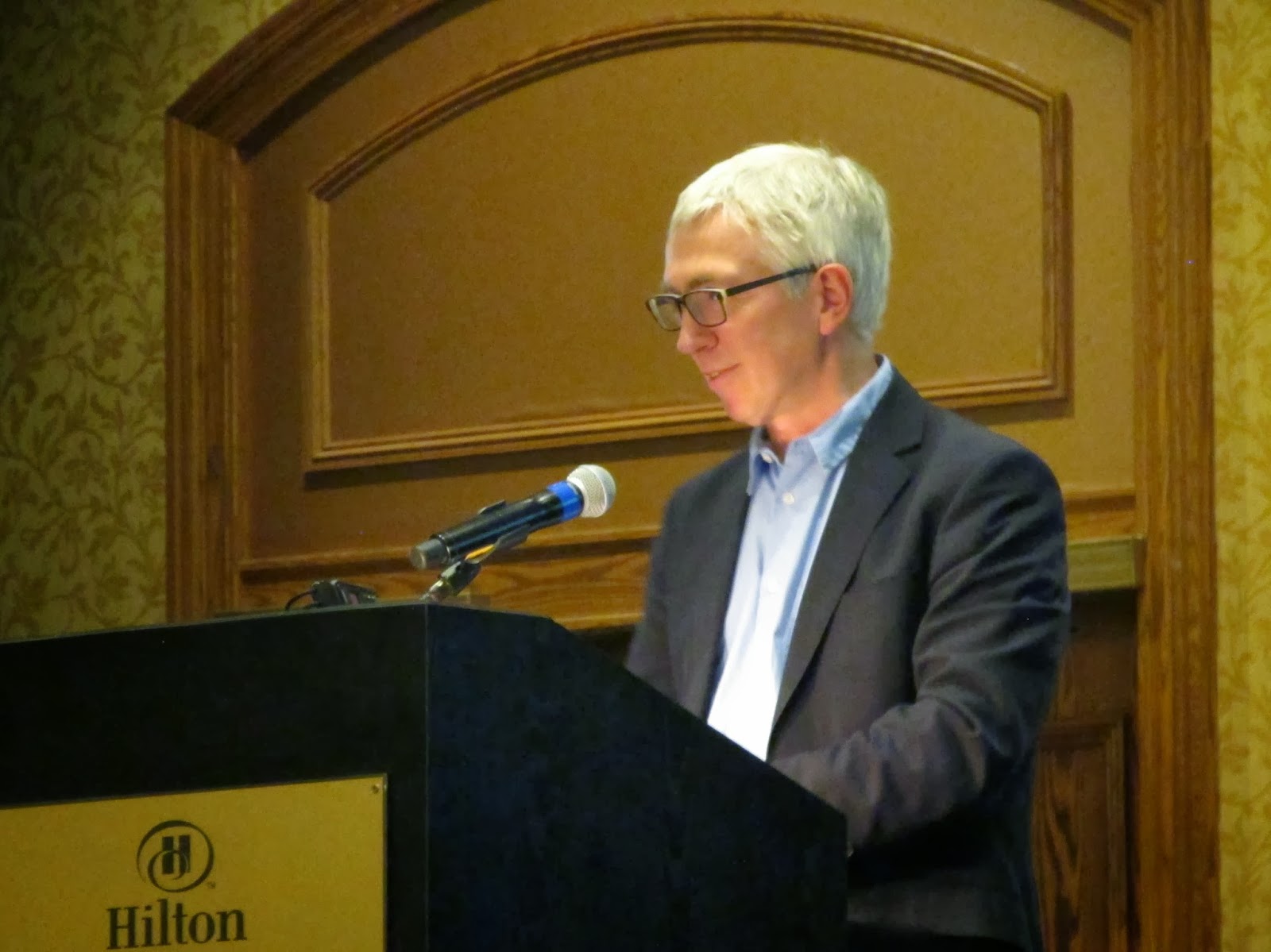
William Phillips of Chicago, a JASNA favorite speaker, spoke on card games:
“Pride, Prejudice and Piquet”
 
Friday morning was also crowded with tours, workshops dance lessons and excellent presentations.
 
Sandy Lerner spoke on “Pen and Parsimony: Carriages in the Novels of Jane Austen”
 
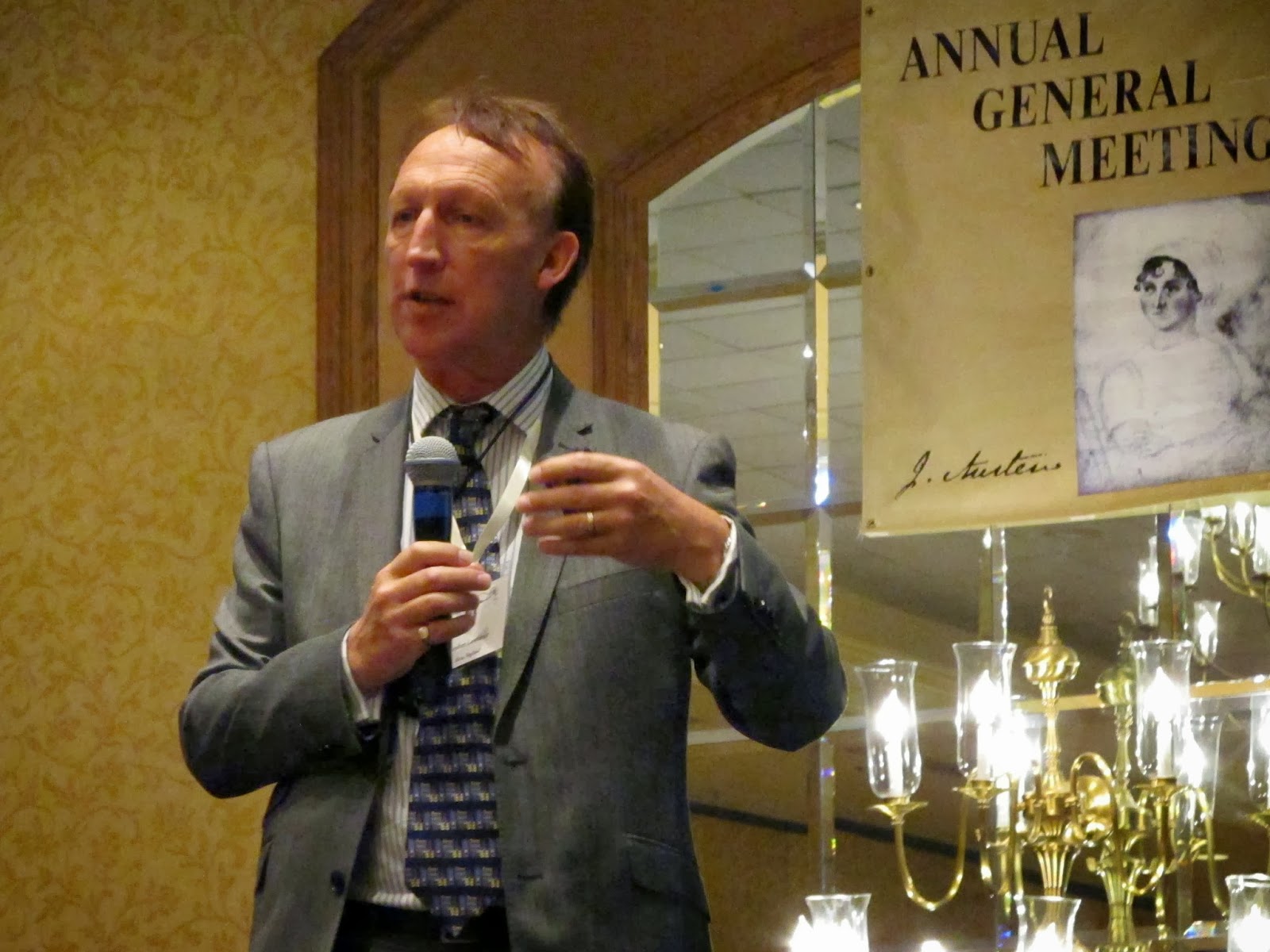
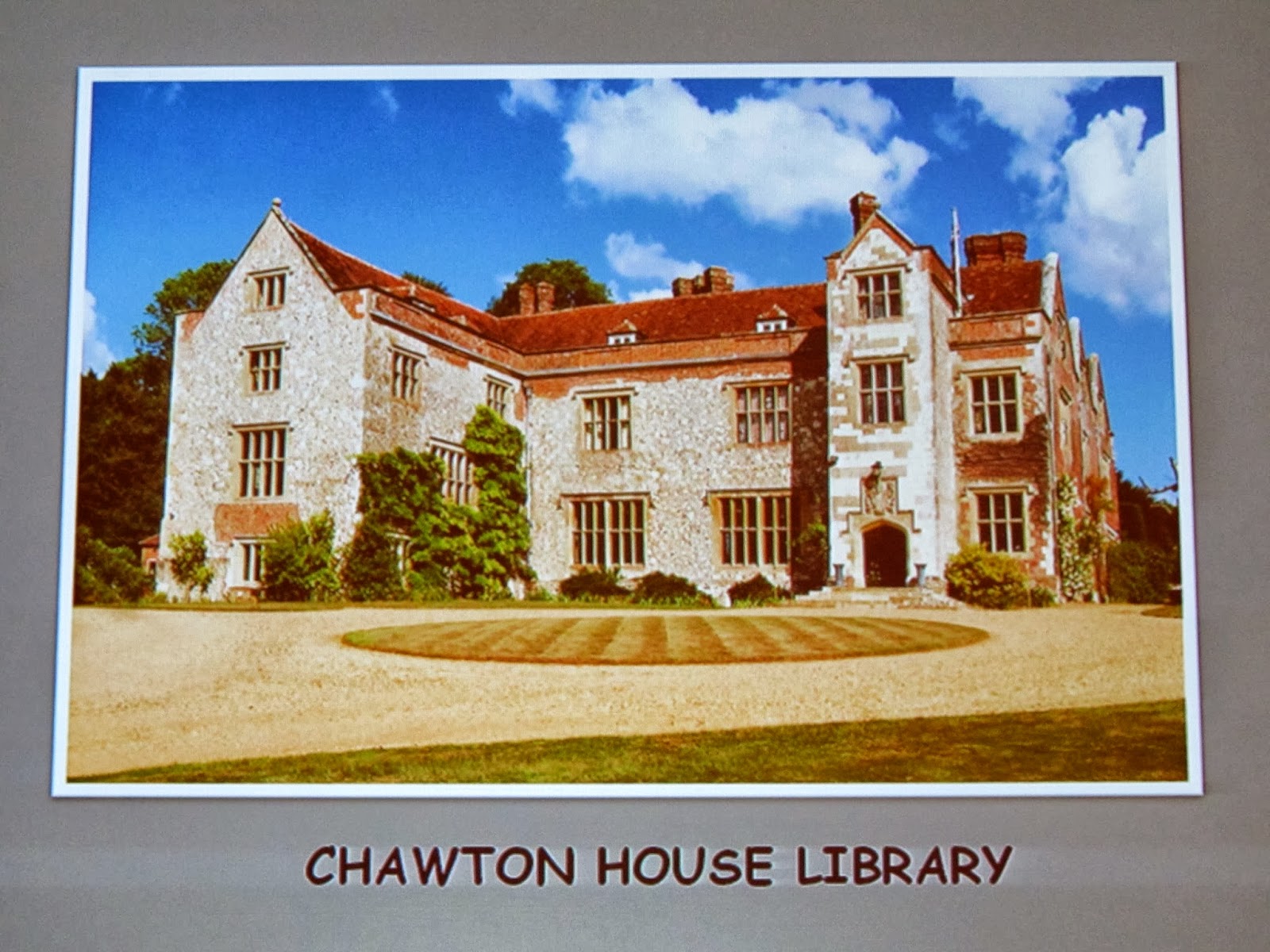
Steve Lawrence, CEO of Chawton House Library, updated us on events there.


I attended the Frances Burney Society AGM, Luncheon, and excellent talk by Dr. Lorna Clark who spoke about Burney’s private writings in the context of her work editing a new edition of two volumes of The Court Journals and Letters of Frances Burney.
 
Dr. Lorna Clark
 
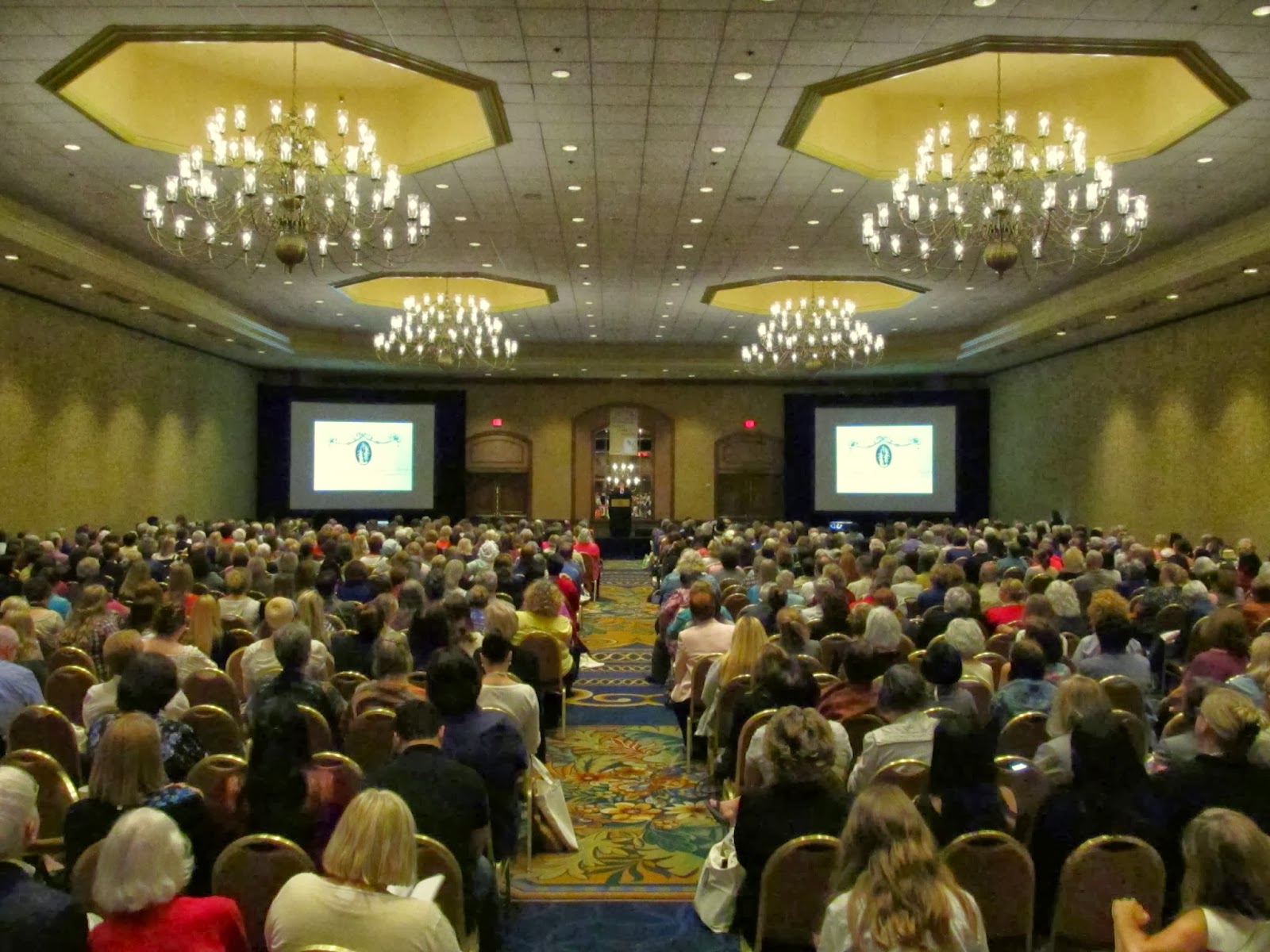
The Opening Plenary Session of the 2013 JASNA AGM,
The Carol Medine Moss Keynote Lecture,
a very entertaining and insightful session.
Professor James Mullan of University College London
Speechless in Pride and Prejudice
author of What Matters in Jane Austen: 20 Crucial Puzzles Solved
 
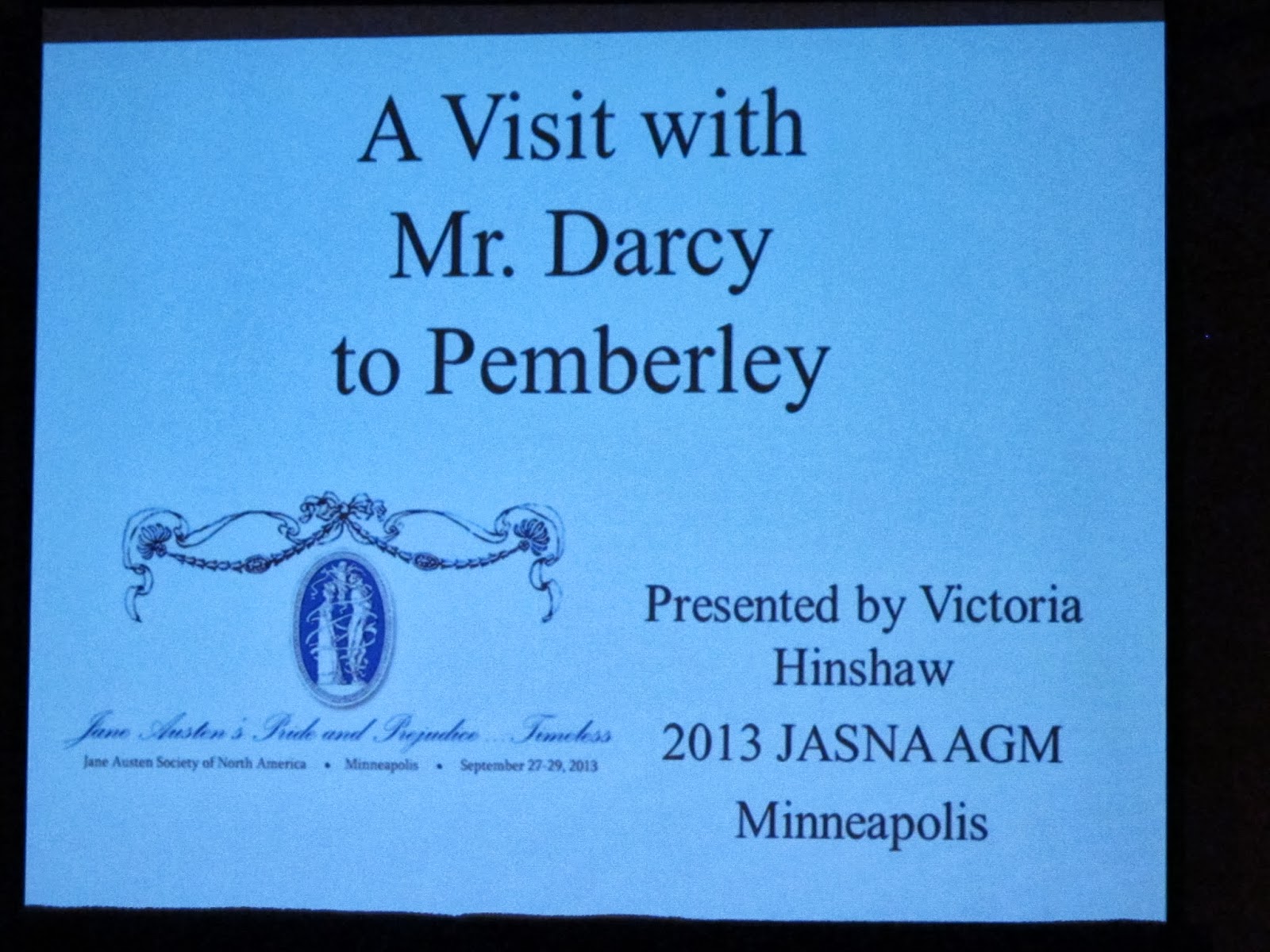
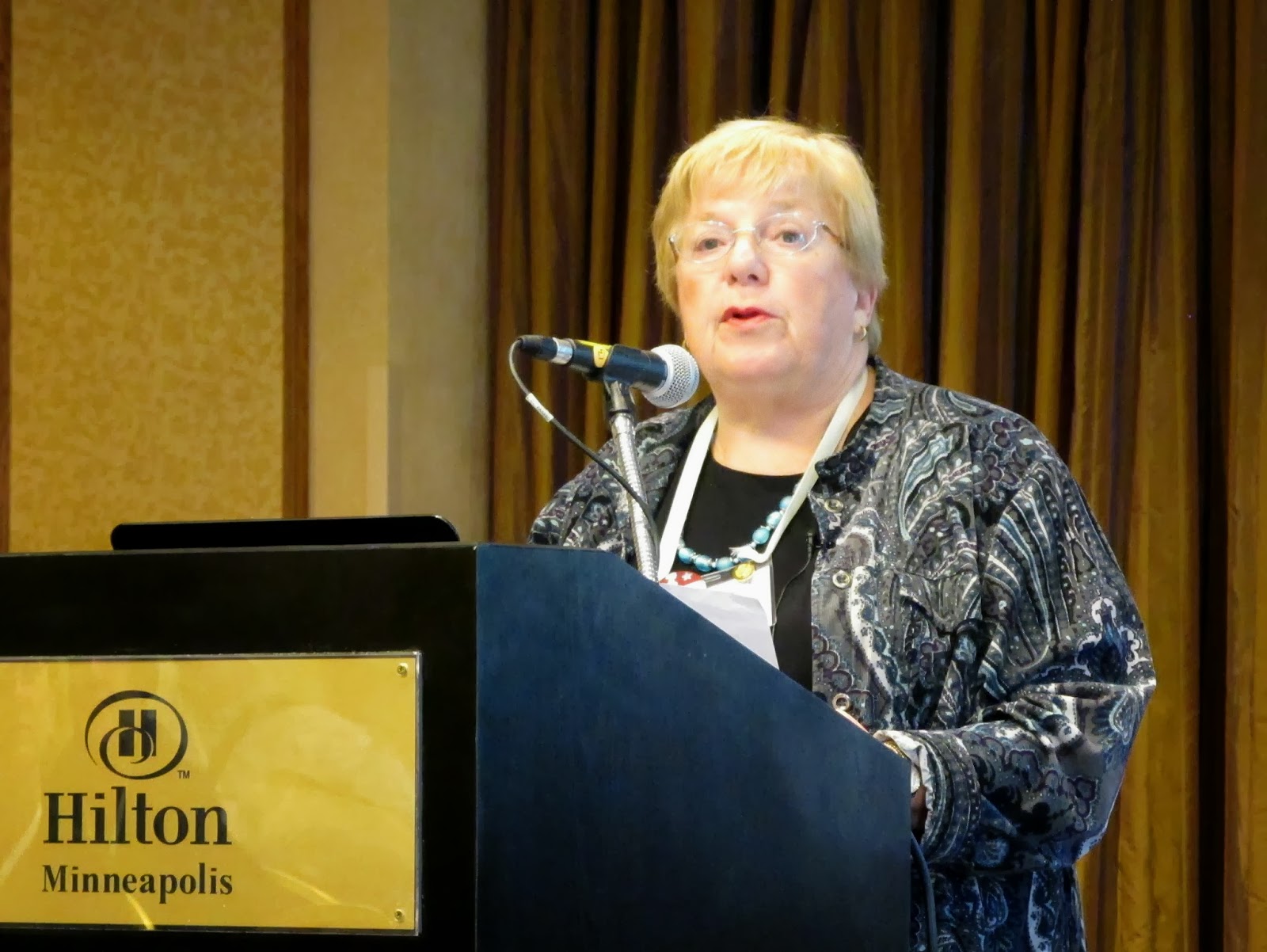
My turn for a Break-out Session
 
She is SERIOUS!
ABC Nightline filmed my entire presentation, but I fear I ended up on the cutting room floor.
 
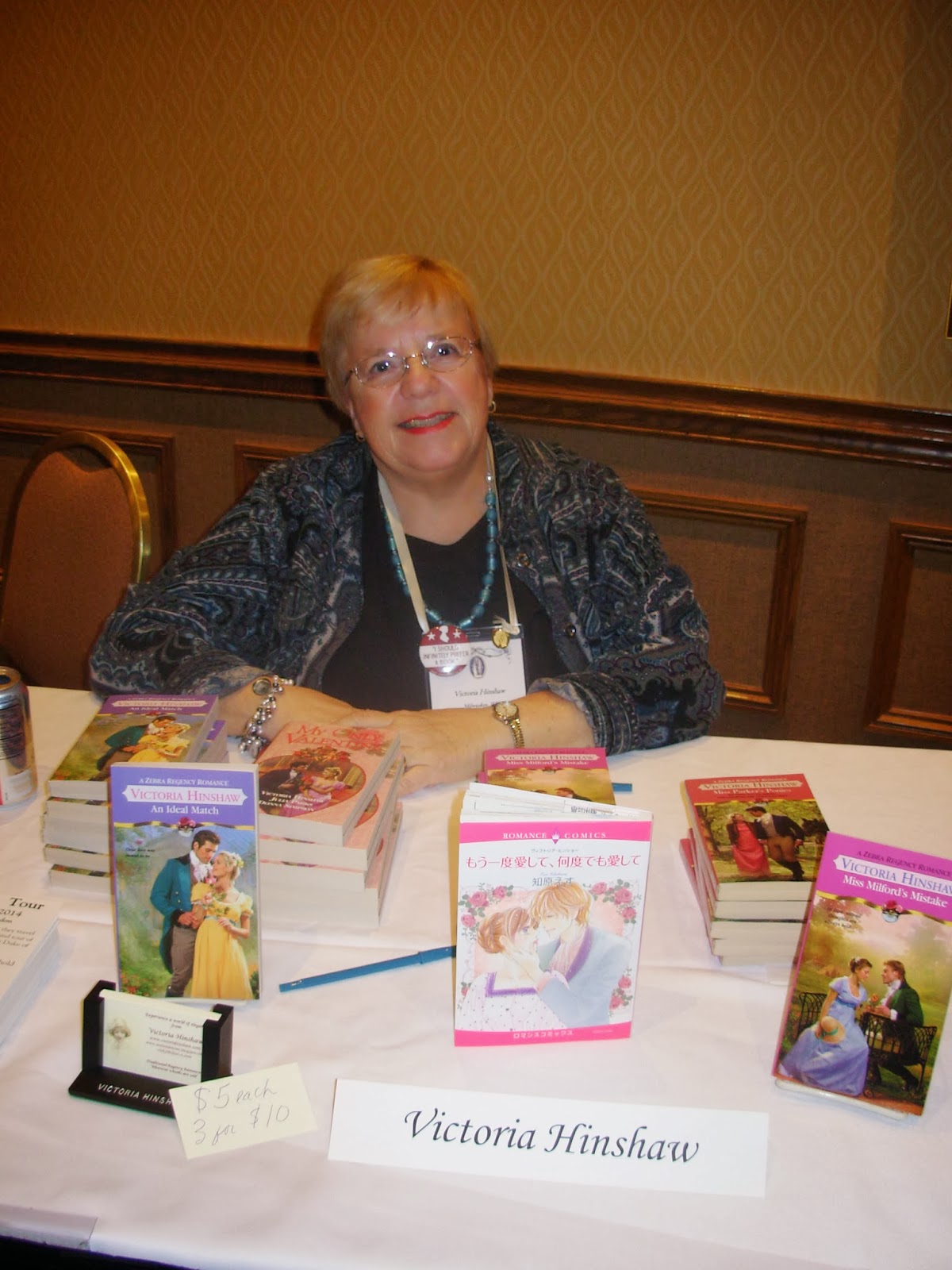
Here I am at the book signing on Friday evening.  In the middle is the Japanese Manga version of
Miss Milford’s Mistake. I’d brought it as an object of curiosity, but a lady bought it to send to a library in Japan. What fun!  Thanks to Julie Klassen for the picture!


Here are some other views of Break-out speakers.

Juliet McMaster

Jeffrey Nigro

The Bingley Sisters: Liz Philosophos Cooper and Molly Philosophos

Susan Forgue

 
Teresa Kinney, Joan Ray, and Cheryl Kinney
 
 
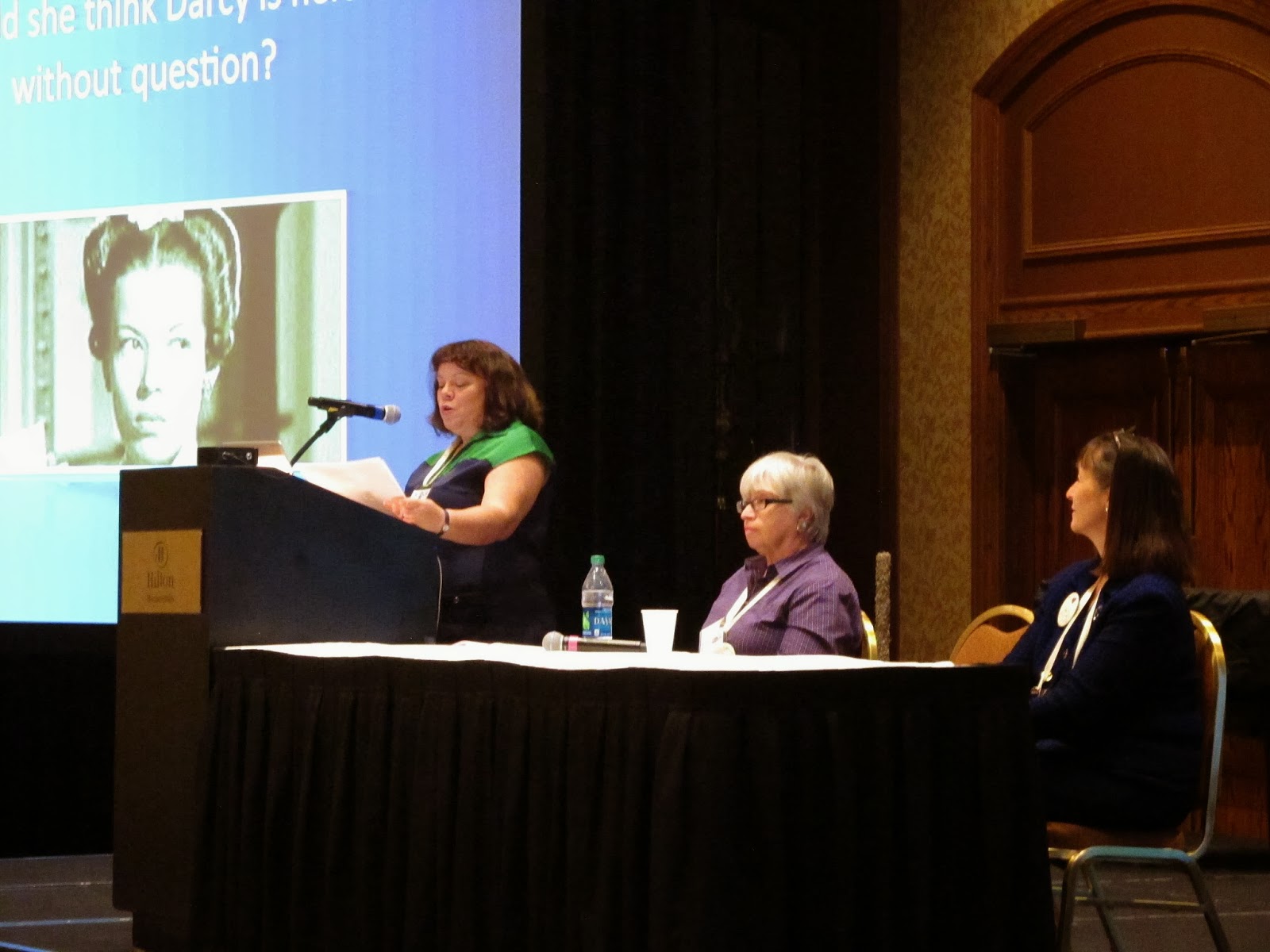
Plenary speaker Joan K. Ray on “Do Elizabeth and Darcy Really Improve Upon Acquaintance?”
Dr. Ray challenged us with a new approach to Darcy’s tolerance and Elizabeth’s grudge.
 
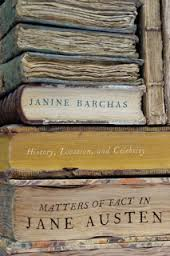
Plenary speaker Janine Barchas discussed “Naming Names in Pride and Prejudice” particularly the Fitzwilliam family of Wentworth Woodhouse and other “celebrity teasers” hidden in plain sight. These and other interesting sidelights on Jane Austen’s characters can be found in Barchas’s book, Matters of Fact in Jane Austen.


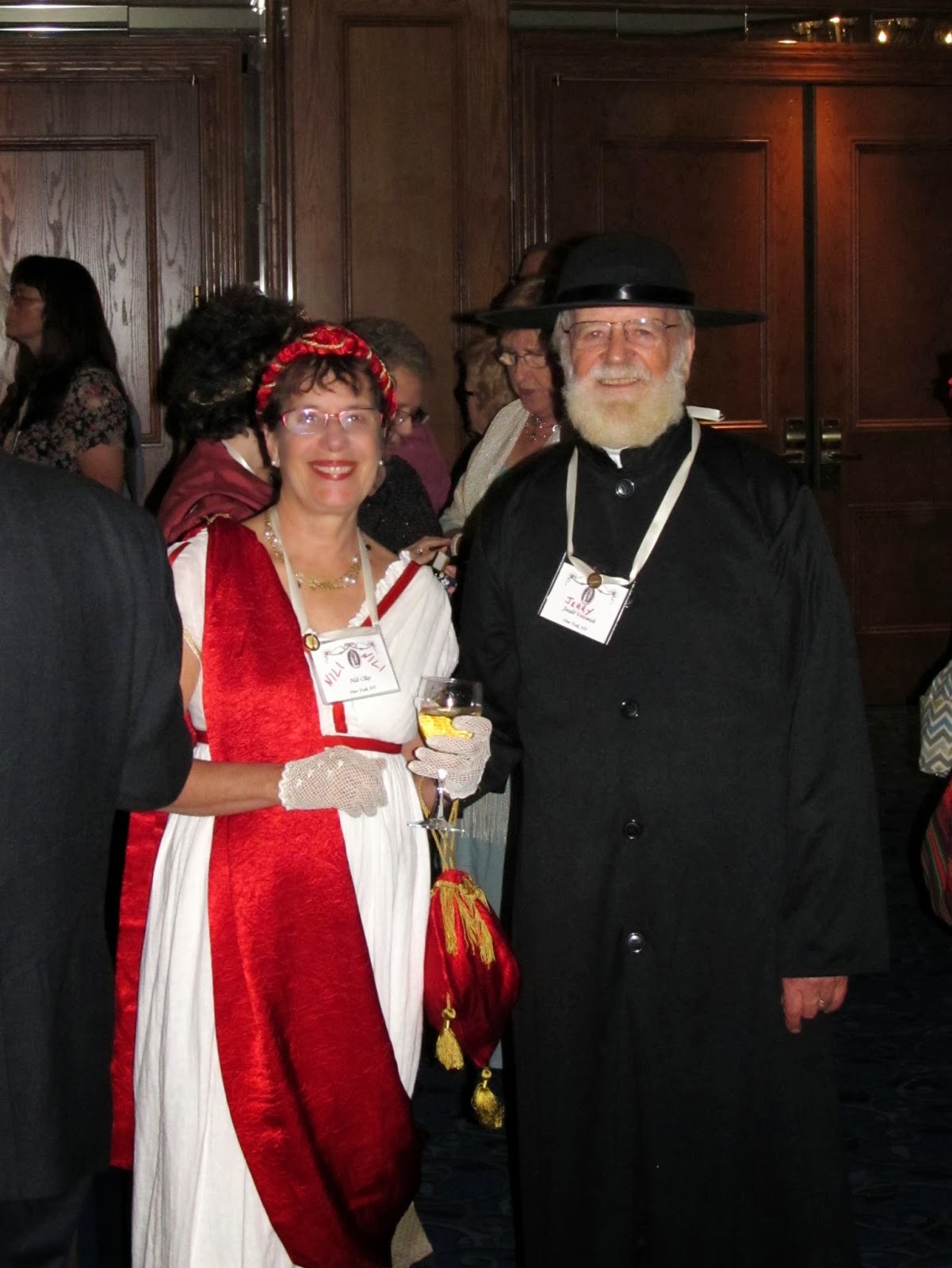
Nili Olay and Jerry Vetowich, after the Saturday Banquet
 
The Bingley Sisters lead the costumed promenade through the neighborhood
 
 
Bill Pierson instructs us on tasting “Libations In the Regency Manner”
 
  
Sunday’s Closing Brunch
 
 
 The Lizzie Bennet Diaries team on how they adapted Jane Austen’s Pride and Prejudice
 for You-Tube episodes and won an Emmy!
 

After packing in so many activities in just a few days, we say farewell to the Minneapolis AGM and look forward to Montreal in 2014
Thanks again to Dave O’Brien for most of the photos.  See more at


Victoria at Holkham Hall, Part Two

My first post on Holkham Hall told you about my visit to the great mansion, but a trip to Norfolk to see the Coke estates involves more than the Hall.  There is a wonderful hotel on the grounds, with the very appealing name of The Victoria Inn.  Click here.  Of course, I could not resist.

Entrance to the Victoria Inn

On the evening after my visit to nearby Houghton Hall with the still limping hubby Ed, we met our trusty taxi driver who took us to the Victoria Inn for our long-reserved two-night stay.  The Inn is part of the Holkham Estate, officially in Wells-by-the-Sea. 

Victoria Inn from the road

When we went into the dining room, we found that most of the other residents had spent hours on the beach, sandy sun-burned, and in the case of the children, all tired from an exciting treat of a day.  You will remember, July was an unusually warm month in England.

Ancient Antlers at The Victoria Lounge

The cuisine was excellent, local specialties for the most part.  After dinner, despite his aching foot, we took a few turns around the quaint village, and investigated the local wine store which also carried a Norfolk-distilled English Whiskey.

Holkham Village

The next morning, deferring to Ed’s painful foot, we decided against a walk on the beach, and accepted the kind offer of a young Inn employee to drive us up to the house.  The Victoria is at the beginning of the driveway, but it is almost a mile to reach the mansion. We were most appreciative, especially when he agreed to return for us later in the afternoon.  Norfolk people are the BEST!!!

The House did not open for an hour or two, so we toured the Bygones Museum, in the outbuildings and stables near the Hall.

The Museum is an eclectic collection of objects from long ago and the recent past.  Ed,  former TV journalist and anchorman, enjoyed this bulky old TV camera.  How well we remember it, now replaced with smaller digital HD descendants.

Seed Drill
 
Many of the displays related to Coke of Norfolk’s agricultural achievements.  He was a great advocate of improvements in land, draining, fertilizing, and renewing the soil.  Crop rotation was advocated, with a four year repeating cycle of planting  root crops such as turnips, barley or oats the next year, then clover and grass for grazing and natural fertilization, and wheat in the fourth year, after which the cycle begins again.

Mantrap

The less accommodating side of estate life is represented by the devices used to prevent or catch poachers.  The deer in the park, the birds in the bush, and the fish in the streams were carefully cultivated and reserved for the use of the estate owners. 

Dairy implements
 
The dairy was an important supplier of milk, cream, butter and cheese from the estate herds.
 
 
 hand-pumped fire engine
 
To protect the hundreds of people (and animals) who lived and worked on the estate, many dealing with open fires, it was necessary to have fire-fighting equipment ready to use.


From horse-drawn carriages to a Rolls Royce, the museum was filled with vehicles of all sorts.
 
After a little snack at the lovely tea ship on the premises, we decided to ride (on a small electric bus) to the walled garden, where restoration of the glass-houses and the flower beds is underway
 
The lake
 
The ice house
 
On the way, we passed acres of lawn, a large lake, and many outbuildings.  The renewal of the 6.5- acre walled garden is a relatively new project, expected to be finished in the next year or two. 
 

I simply cannot resist photographing the roses.


Ed spent most of his time in the garden sitting on a convenient bench.  I must say he was not up for the game of cricket on the lawn either.  Not that we know the rules, but it certainly looked like the proper thing to do on a Sunday afternoon in Norfolk.
 
The following day we returned to London and I will relate those adventures soon.  Would it tempt you if I hinted that I was about to visit the British Library?