THE WELLINGTON TOUR: DINNER AT THE GRENADIER


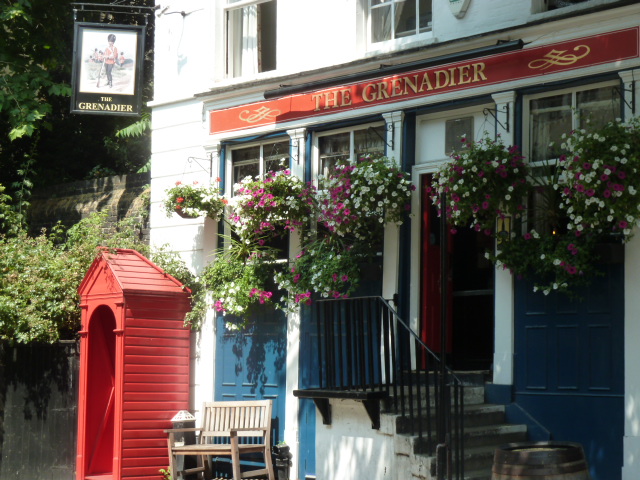
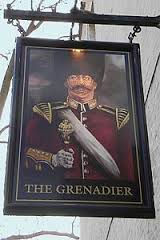
After spending our day steeped in All Things Wellington via visits to Apsley House, the Wellington Arch, the Tower and Horseguards, there really was no question as to how to end the day – with dinner at the Grenadier Pub, of course. 

The Grenadier 18 Wilton Row Belgrave Square Knightsbridge London SW1X 7NR


We’ve posted about the Grenadier in the past – here’s link with some good background and history. Read this post and then return here to finish reading this post about our Tour dinner. 

The Grendier is within walking distance of Apsley House and legend has it that the Pub was used as a mess by soldiers in the Duke of Wellington’s regiment, although a pub in some form has stood on the spot since 1720. 
 
The Grenadier’s military connection is not in doubt. Until 1834, Old Barrack Yard, the remnants of which run along the side of the Grenadier Pub, once formed the access road to Knightsbridge Foot Barracks, located on the site now occupied by St. Paul’s Church, Wilton Place. When the Guards moved to their current home at Wellington Barracks in Birdcage Walk, the land was donated by the owner, the Duke of Westminster, to the Diocese of London. 


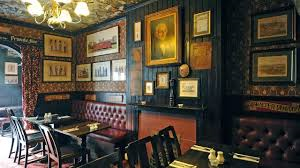
The interior of the Grenadier is lined with Wellington, Waterloo and military memorabilia. Above the fireplace is an engraving of Wellington that is part of a series of pictures depicting the highlights of Wellington’s life. They were printed in 1852 and all feature rosewood frames. The print I have depicts Wellington in his Oxford robes as Chancellor of the University.


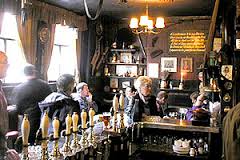
The bar area, below, is truly cozy, but they serve a variety of beer on tap, mixed cocktails and, of course several types of port.


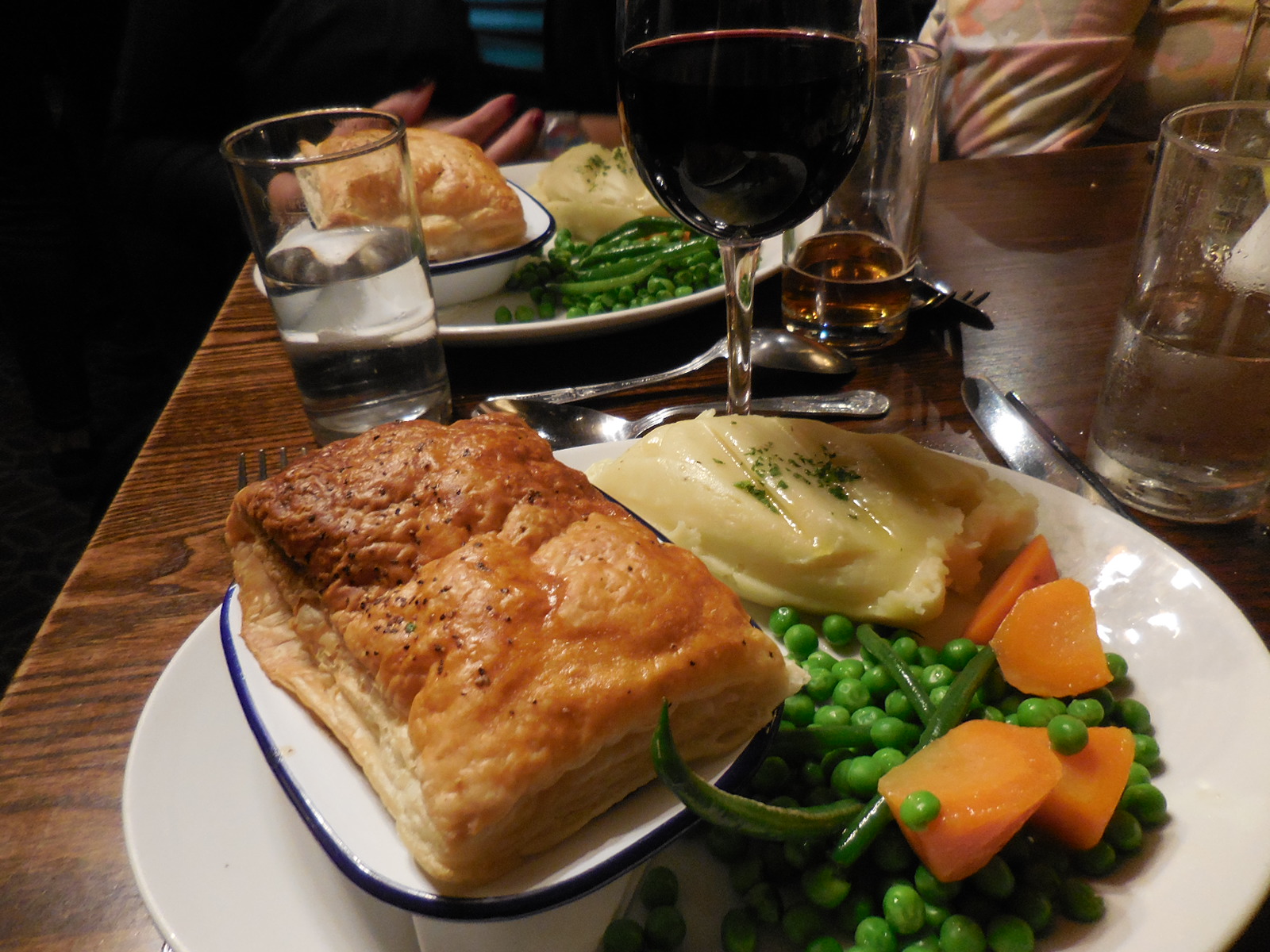
The dinner itself was fabulous. I remember that much. There was soup, as you can see . . . .


As well as something beneath what appears to be a Yorkshire pud, along with mashed potatoes and peas and carrots.


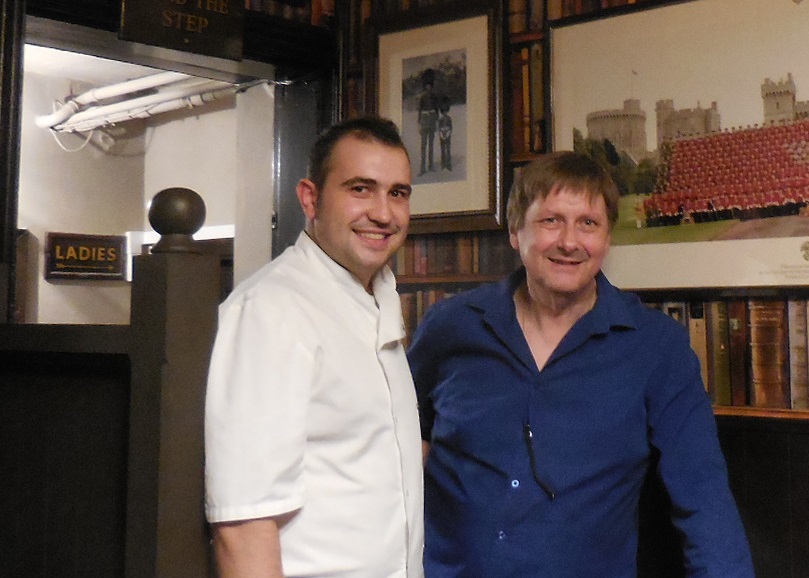
Our tour group was treated like royalty by Paul Hodgett, and his excellent chef. 
 
After a lovely meal, we all took time to explore the prints, ephemera and bookshelves that line the rooms at the Grenadier. 


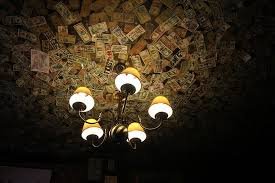
As in all good pubs, the ceiling at the Grenadier is lined with money stuck there by past guests. Most of it is British, but there are examples from all over the world, as well.
And finally, Kristine, Denise and Diane indulged in an taking the always flattering selfie.


Much More Wellington Tour to Come!

NAPOLEON'S FAMILY AFTER WATERLOO

NAPOLEON’S FAMILY

Marie-Louise, Duchess of Parma 1791-1847

Empress Marie-Louise (1791-1847)

Marie-Louise was the oldest child of Austrian ruler Francis I. When Napoleon chose her as his second wife in 1810, there was a lull in the continental battles between France and Austria and her allies.  The year after the wedding, Napoleon’s only legitimate son was born, Napoleon II, immediately given the title of King of Rome.


Marie-Louise was awarded the Duchy of Parma and other territories in the settlement after Napoleon’s first abdication in 1814. She fled home to Vienna with her son, never to see her husband again. The attendant on her flight, Count Adam Albert von Neipperg, later became her second husband and father of her three more children. After Neipperg’s death, her third husband was another chamberlain, Count Charles Rene de Bombelles.  Both of these men had been placed in her entourage by Metternich, perhaps to keep her occupied and away from meddling in Austrian politics?  Marie-Louise ruled as the Duchess of Parma until her death.


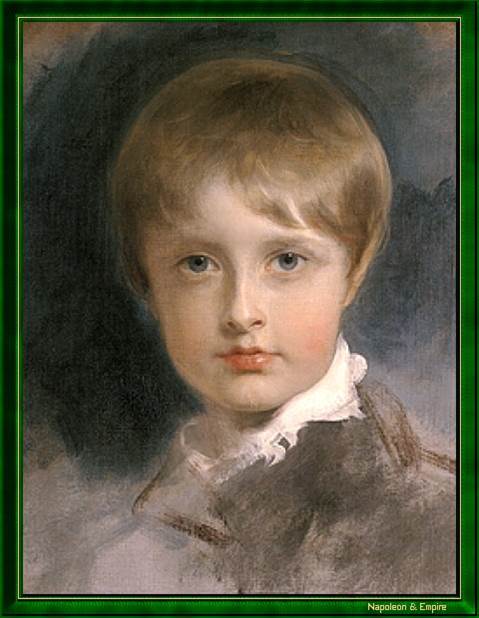
Napoleon II, as infant, studio of Sir Thomas Lawrence
Francois Charles Joseph Napoleon II, King of Rome, Duc de Reichstadt by Sir Thomas Lawrence
Fogg Art Museum, Harvard University


Napoleon II (1811-1832) was known in Austria as Franz, Duke of Reichstadt. He received military training and served as a cadet in the Austrian Army at a young age. However, both his grandfather, the Emperor Francis I, and Minister Metternich opposed any serious position for the heir of Bonaparte.

Franz, Duc de Reichstadt, 1811-1832


In 1831, the Duc de Reichstadt received a commission as head of a battalion, but he died soon thereafter of tuberculosis.  He was twenty-one years of age.


Letizia Ramolino Bonaparte 1750-1836, sculpture by Canova


Napoleon’s mother Letizia lived in Rome with her younger brother from 1815 to her death. Napoleon’s father, Carlo Maria Buonaparte, had died of stomach cancer in 1785.


Josephine de Beauharnais Bonaparte 1763-1814


The divorced first wife of Napoleon, Josephine, died in 1814 at Malmaison after walking in her famous gardens with Tsar Alexander I of Russia. Supposedly she caught a chill.

Since Napoleon II died without issue, the  Emperor of France had no direct descendants. However, the Empress Josephine is an ancestress of several current royal families, including Sweden, Belgium, Norway, Denmark, Luxembourg, and Greece, 


Eugène Rose de Beauharnais (1781–1824)


Eugène de Beauharnais was the son of Josephine and her first husband Alexandre de Beauharnais, who was guillotined in the Terror. Napoleon adopted Eugène, and appointed him to command the Italian Army, which he commanded in the Russian campaign. He led the remainder of the army out of Russia in 1813, then fought in several more battles that year. When Napoleon abdicated the first time, Eugene moved to Munich with his wife, the daughter of King Maximilian of Bavaria. He died as Duke of Leuchtenberg and Prince of Eichstatt in 1824.

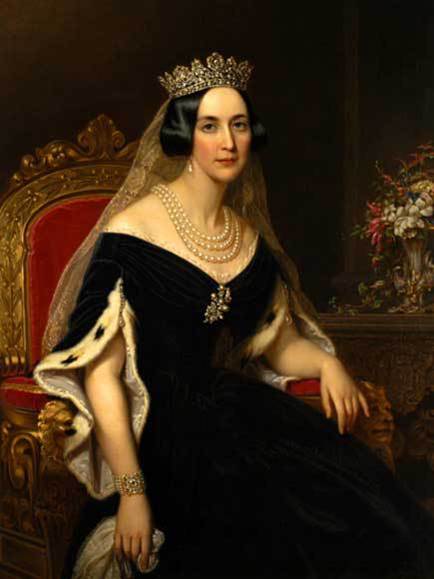
Queen Josephine of Sweden (1807-1876)

Eugene’s daughter, Princess Josephine of Leuchtenberg, married Oscar Bernadotte in 1823, who became Oscar I, King of Sweden, upon the death of his father King Charles XIV, a former Napoleonic general  known as Count Jean-Baptiste Bernadotte until he was chosen as the Swedish Crown Prince in 1810.

King Oscar of Sweden (1799-1859)
Hortense Beauharnais, Queen of Holland (1783-1837)

Hortense (1783-1837), Josephine and Alexandre’s daughter, was also adopted by Napoleon.  She married Napoleon’s younger brother Louis (1778-1846), King of Holland in the years 1806-10. Their son became Napoleon III (1808-1873) Emperor of the French in the years 1852-1870. He died in exile in England in 1873.

In 1814, Hortense was created Duchess of Saint-Leu but after supporting her stepfather in the Hundred Days, she had to leave France.  She lived in Switzerland from 1817 to 1837.  Louis also lived in exile but separately from Hortense; their marriage, forced upon them, had never been a happy one.  

Napoleon III (1808-1873)

Napoleon III, Emperor of the Second French Empire, was the nephew of Napoleon I. He was born to Hortense and Louis as Louis-Napoleon.  He became president of the 2nd French Republic in 1848, then Emperor four years later. He was captured by the Prussians in 1870 and exiled to England for the rest of his life. 

Napoleon I ruled most of his siblings’ lives in regard to marriage as well as profession. His eldest brother Joseph (1768-1844) was first installed as King of Naples (1806-1808), then Napoleon demanded Joseph take over the embattled throne of Spain, from which he was driven out (1808-1813).


Joseph Bonaparte, King of Spain, 1808 by Francois Gerard


Joseph lived in the U.S. from 1817 to 1832, in New Jersey, near Bordentown. He returned to Europe and died in Florence Italy in 1844.

Lucien Bonaparte (1775-1840) was the third brother, one who avoided a royal name until after Napoleon’s first restoration. Early on, he was a dedicated republican but nevertheless assisted Napoleon in gaining power.

Lucien Bonaparte by Fabre


In his later life, he was an active archaeologist. He married twice and had a total of thirteen children.

Louis Bonaparte, King of Holland

The fourth brother Louis Bonaparte (1778-1846) became the King of Holland 1806-1810(see above).


Jerome Bonaparte by Gerard


The youngest (fifth) brother to survive infancy, Jerome (1784-1860), was King of Westphalia (1807-1813). In 1803, he married Elizabeth “Betsey” Patterson (1785-1879) in Baltimore, Maryland.  

Elizabeth Patterson Bonaparte 1804, triple portrait by Gilbert Stuart


Napoleon was outraged and ordered Jerome back to France to begin annulment and/or divorce proceedings.  Betsy, now pregnant, came with him and they attempted to land in France but were turned away. Jerome went to Italy to reason with his brother Joseph. Meanwhile Betsey went to England where her son, Jerome Bonaparte II was born. Betsey and Jerome never saw one another again.

Jerome considered the marriage annulled and actually married again, but Betsey continued working for a divorce from him which she was granted in Baltimore in 1815.  Betsey’s sister-in-law Marianne Caton Patterson, in a strange turn of events, later went to Europe with her Caton sisters and enjoyed an active social life. Though Marianne was admired by the Duke of Wellington, she chose to marry his elder brother, Richard, 1st Marquess Wellesley, in 1825, as his second wife. Though it was not known as a happy marriage, it endured until his death in 1842. Marianne (or Mary Ann as it is sometimes spelled) became a Lady of the Bechamber to Queen Adelaide in 1830.

Betsey lived to age 92, and died in Baltimore in 1879. Jerome Bonaparte II (1805-1870) married and had two sons, one of whom, Charles Joseph Bonaparte (1851-1921), served as U.S. Attorney General and Secretary of the Navy.

The eldest of Napoleon’s three sisters was known as Elisa (1777-1820). At various times in her life she was the Princess of Lucca nd Grand Duchess of Tuscany. She was married to a Corsican noble Felice Pasquale Baciocchi (1762-1841), who took the surname Levoy. They had four children, two of whom lived to adulthood. She preceded Napoleon in death. 

Elisa Bonaparte, Grand Duchess of Tuscany


Pauline Bonaparte, Princess Borghese, with their mother, supported her brother on Elba in his exile, also lived in Rome after 1815. She and her first husband, one of Napoleon’s generals, had one child, a son who died at age six.  

Pauline Bonaparte 


With her second husband, Prince Borghese, she had no children.  Pauline died at age 45 of tuberculosis.  For more on her life, see the wonderful report on her found on  Elizabeth Kerri Mahon’s blog, here

Caroline Bonaparte (1782-1839) was the youngest of the sisters of Napoleon who survived infancy. 

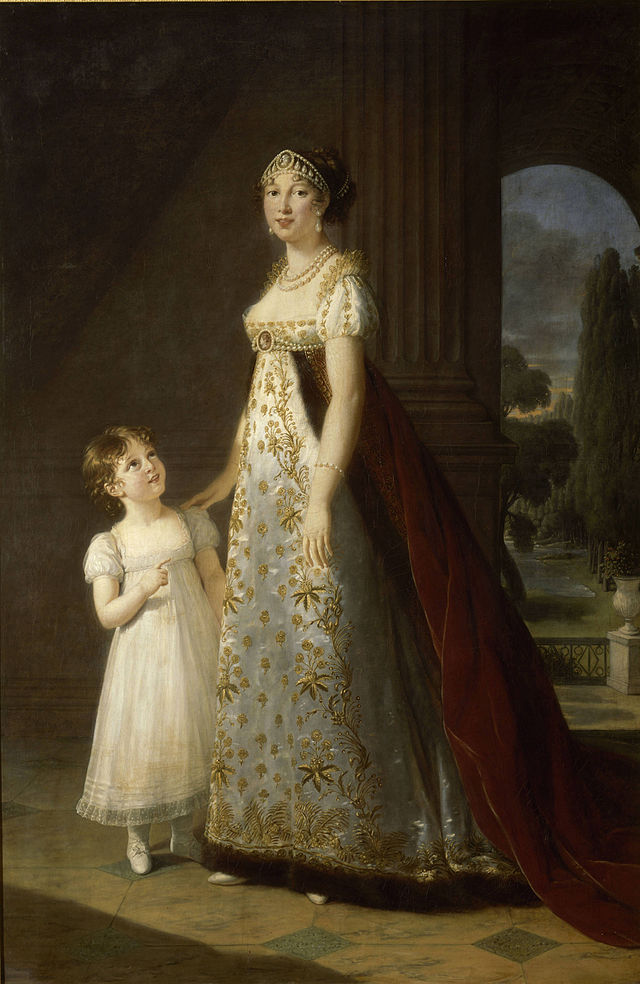
Caroline Murat and daughter, 1807,  by Elisabeth Vigee-Lebrun


Caroline was married to Joachim Murat, a French general. Among other titles, she became the Queen of Naples in 1808 when her husband succeeded his brother-in-law Joseph on the throne. When Murat declared for Napoleon during the hundred days in 1815, he was deposed and executed. Calling herself Countess of Lipona. she lived in Austria and married again in 1830.

Of her four children with Murat, the eldest, Achille Charles Louis Napoleon Murat (1801-1847) lived in the United States, Florida in particular, where he died without issue.

Current head of the House of Bonaparte is Charles, Prince Bonaparte, b. 1950, who lives in France. He is a descendant of Jerome Bonaparte.

June, 2015 
Descendants of the three commanders shake hands at the Waterloo battlefield. L-R, 9th Duke of Wellington, Prince Charles Bonaparte, and Prince Blucher von Wahlstatt, observing the bicentenary of the great battle and remembering the thousands who died.


And finally there is Jean-Christope Bonaparte, Napoleon’s great-great-great-great-nephew through his brother Jerome and who apparently got his looks from the Canova statue of Napoleon. His father is seen in the photo above. A number of the crowned heads of Europe consider Jean-Christophe to be Head of the former Imperial House of France and heir to Napoleon’s legacy.
THE PELL MELL THEATRE COMPANY STAGES TWELFTH NIGHT AT CANARY WHARF

Twelfth Night By the very fangs of malice I swear, I am not that I play…

Pell Mell Theatre Company are delighted to announce their upcoming production of “Twelfth Night” at the Space Theatre. In his decadent, decaying music hall Orsino, a maniacal master of ceremonies, is desperate to pull his former leading lady Olivia, lost in a sinkhole of depression, back onto the stage and into his arms. The only one who can bring a smile back to her face is Orsinoʼs newest recruit, the clown Cesario, a youth with remarkable talents, not only for avoiding uncomfortable questions about the past but also, it seems, for appearing in two places at once…

Using Shakespeareʼs stunningly lyric text alongside a wide range of live music, dance and circus performance Pell Mell presents a bold, boisterous exploration of love, madness and identity as storms rage, families break apart and a steward called Malvolio comes to regret his choice of stockings!

Director Natalie York says “Shakespeare’s text is packed so full of music, magic and deception, for us it fitted perfectly in the world of a theatre where no one is quite who they say they are or what they want to be. The hierarchies, petty jealousies and wild emotions that drive this twisted, brilliant comedy take on a new sense of reality and absurdity amongst gossiping showgirls, arrogant leading ladies, unpredictable clowns and obsessive fans.”

Pell Mell Theatre Company brings its trademark extravagant style to bear on this rich, multifaceted play. Working with the best emerging designers and composers to draw back the curtain on a living, breathing Victorian theatre, from the opulent productions to the grimy backstage nooks and crannies. Off West End Award nominated choreographer Thomas Michael Voss will be masterminding a dazzling range of dances, acrobatics and variety entertainment to bring every moment thrillingly to life.
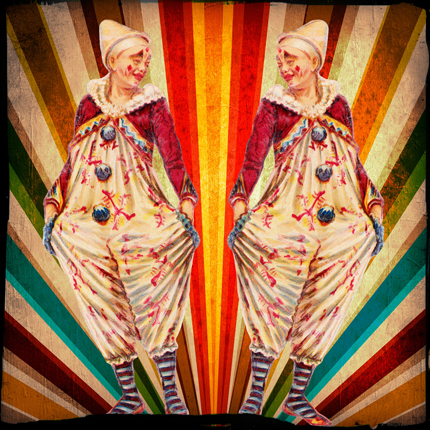
Committed to bringing large-scale productions to the world of fringe theatre, Pell Mell creates shows that tackle classic texts with vibrancy and nuance. Past productions have included “A Midsummer Night’s Dream” and “The Duchess of Malfi” which received 5* and 4* reviews at The New Diorama Theatre in 2014. The company also has a strong history of collaboration with various charities, including Rape Crisis and Mind UK, and relaxed performances are included as an important part of each production, where a comfortable and engaging environment is provided for audiences with mental health difficulties.

“Twelfth Night” will mark Pell Mell Theatre Companyʼs fifth London production and first time at The Space Theatre in Canary Wharf.

Praise for Pell Mell Theatre Company A totally engrossing production…

if you see any fringe theatre this year this is it! Whatʼs On London * * * * *

A triumphant gem of a production! A classic period piece that effortlessly bridges the original era and the modern day Everything Theatre * * * *

An excellent, deliciously dark production London Theatre One Shows taking place at The Space Theatre 269 Westferry Road, London E14 3RS Dates: Tues 21st July – Sat 8th August, 7:30pm (excludes Mondays & 31st July – 1st August)
Tickets: £14/£10 Book tickets via www.camdenfringe.com
Press contact: Sophie Tuck telephone: 07880912242 email: theatre.pellmell@gmail.com

THE DUKE OF WELLINGTON TOUR DAY ONE, CONTINUED: THE TOWER OF LONDON

Heading for the entrance

The remainder of the former menageries: sculptured lions

Our Guide, a Beef Eater aka Yeoman Warder
He explained to us the significance of the wonderful display of hand-made ceramic poppies.  One was cast for each person killed from Great Britain and the Commonwealth, almost 800,000, to be placed around the Tower of London by the anniversary of the conclusion of World War I on November 18, 1818.  It was, he pointed out to us in September 2014, one hundred years since the beginning of the Great War, or, as he slyly added, “For you Americans, 97 years!”
Each poppy is hand-made

The final spray of poppies, to be preserved,
by popular demand
For more information about the art installation Blood Swept Lands and Seas of Red,  click here

Kristine and I soon abandoned the tour and struck out to find the Wellington Exhibition
as advertised on large posters around London. Example below.
As you can imagine we  were eager to see this exhibition at the Tower.

We started out assured by a guard we would find it if we just kept going…
We didn’t even stop to see whose bed this was.
We squeezed through cramped corridors and around one narrow curving staircase after another. and often peeked through windows and arrow slits.
Farther and farther…
Ar least we got a good view of the nooks and crannies of the Tower ramparts

“On 15 June 1845, the Duke of Wellington, hero of the Battle of Waterloo and Constable of the Tower, laid the foundation stone of these barracks, named after his greatest victory. Built to house up to 1,000 soldiers, the barracks were designed by the Royal Engineers, The soldier outside is part of the garrison tradition, still active and guarding the Tower today.
Today, the Waterloo Barracks contain a smaller barracks, offices and the Jewel House. The building also overlooks the military Parade Ground. The ceremonial public duty of the soldiers stationed here is to guard the Crown Jewels and the Queen’s House on behalf of the monarch. They can come from any branch of the armed forces of Britain and the Commonwealth.”
The text panel above was repeated in ten additional languages 

Hot on the Trail: we’re almost there. 

 \

Sucess. But this is all there was, a set of images including the equivalent of a power-point show. We found The Wellington Exhibition at the Tower completely underwhelming.

The White Tower

the line for the Crown Jewels

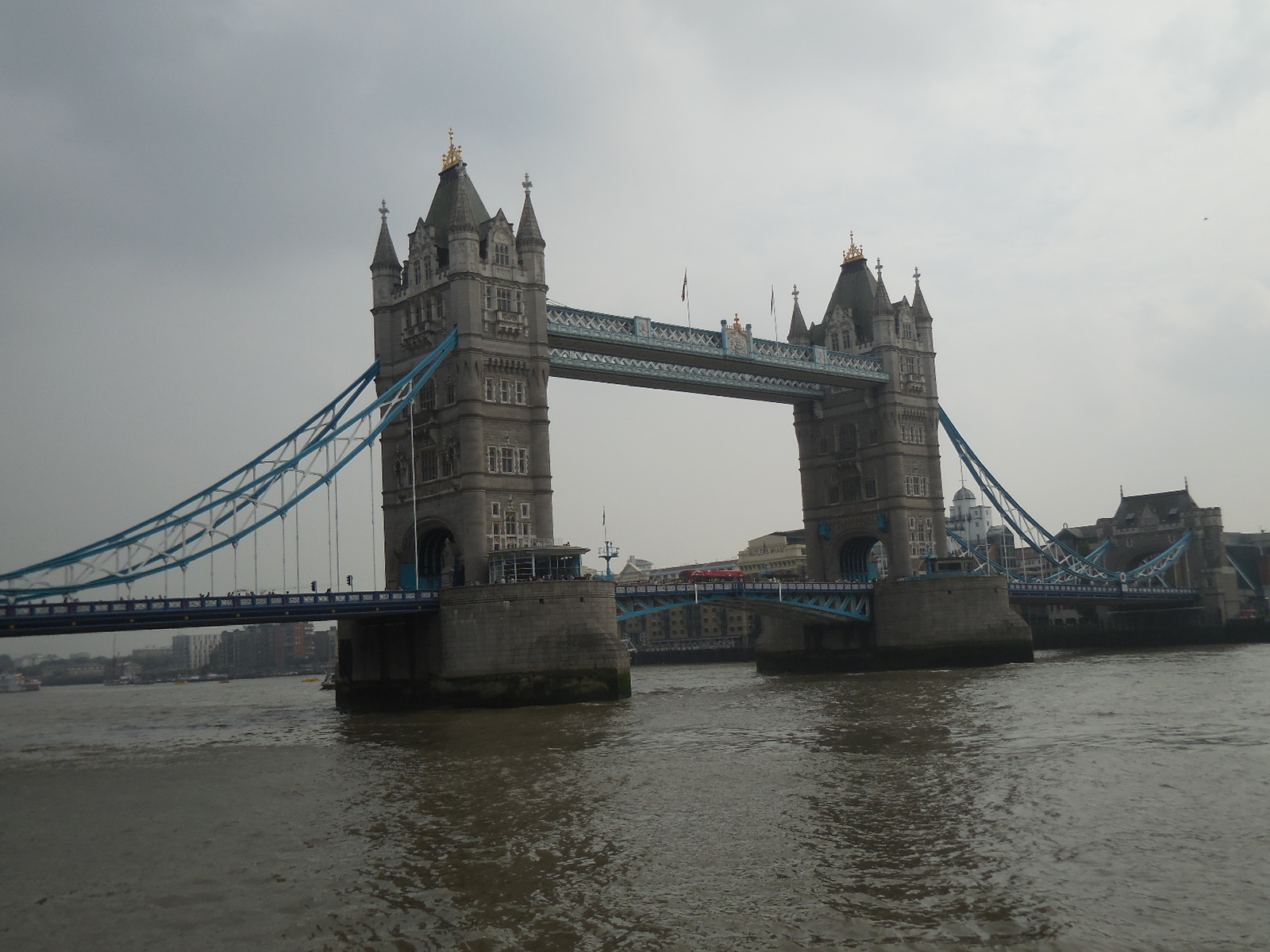
Tower Bridge

Where the poppies were just beginning to be placed

The White Tower

A distant view of the White Tower

The Traitor’s Gate

The wall along the Thames

The poppies from the west

Seeing the poppies was the highlight of the visit to the Tower. And we did negotiate the entire circumference of the place, up and down, in and out, ad nauseum, with a disappointing result. Actually, in retrospect it was pretty amusing to think of the long trek when we could have simply walked through the lawns and found the Wellington Barracks instead of going the long way around. And since Kristine is an expert on Wellington, and I am not so bad myself (says Victoria immodestly), what did we think we would learn?  I guess we were hoping for a tidbit of new materials. To no avail!

On the plus side, we got some exercise, some good shots of the Tower, and a very memorable view of those incredible poppies.

Next, we re-crossed London to Horse Guards in Whitehall for the Afternoon Ceremonies.

Horse Guards
The Horse Guards building, which served as the British Army’s headquarters for many years, was designed by William Kent (1685-1748) and built by John Vardy between 1750 and 1753.  It is a masterpiece of the Palladian style. The Duke of Wellington occupied offices here for a large part of his life.

Two mounted guards from the Household Cavalry are in place every day and a great attraction for the tourists along Whitehall.  Each afternoon, the Daily Inspection takes place at 4 pm.

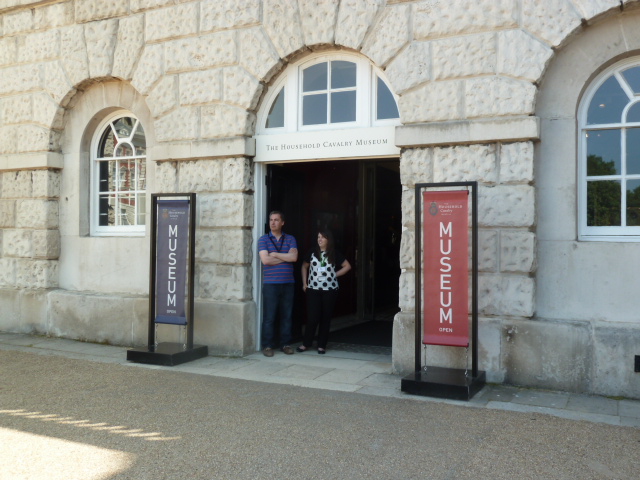
Following the Inspection, we toured the Household Cavalry Museum, which opens onto the Parade Ground behind the building. Their Website is here.

By this time, we were ready for a return to the hotel for a rest before our special dinner at The Grenadier, which we will describe next week.

WATERLOO'S AFTERMATH, PART THREE: RESTORING A GOVERNMENT TO FRANCE

RESTORING KING LOUIS XVIII AND THE  GOVERNMENT OF OCCUPATION

The Duke of Wellington by George Dawe


After completing the despatches and sending them off on June 19th,  the Duke of Wellington returned to Brussels to see some of the wounded and report to the King of the Netherlands. British troops crossed into France June 21, as did the Prussians. 

Lord Castlereagh


To make up for Wellington’s losses, Castlereagh promised reinforcements as more troops returned from North America.  But resistance was light on the part of the French.

On June 22, Wellington’s troops attacked Perronne, which soon surrendered; the French troops were sent home and replaced with a Dutch garrison.

General Sir Charles Colville
Sir Charles Colville commanded the far right of Wellington’s troops at Halle during the Battle of Waterloo, so far to the west of the main action that his troops did not take part in the fighting. Wellington thus sent his troops to storm Cambrai on July 24, the only French fortress that did not surrender immediately. Sir Charles and his troops suffered only a few dozen casualties in taking the town.  Cambrai became Wellington’s headquarters for the occupation of France.

Farther west, the Prussians advanced toward Paris, reportedly plundering as they went, in retribution for former defeats at French hands.

Various engagements were fought with troops under French Generals Grouchy and D’Erlon, as the Prussians and Anglo-Allies approached Paris and commissioners of the Provisional French government sought a cessation of hostilities.

Louis XVIII


Blücher and the Prussians agreed with Wellington: Napoleon’s abdication made no difference; the only way in which the French could end the fighting was to restore the government of King Louis XVIII, the legitimate ruler, the king Napoleon had driven out.

Joseph Fouché, Minister of Police

Two men who changed sides repeatedly — from the time of the French Revolution through the Napoleonic Wars, the restoration, the Hundred Days, and now, choosing to work for another restoration of the Bourbon monarchy – spoke for the French at this crucial moment.  Whether either Talleyrand or Joseph Fouché had any bedrock principles (other than self-preservation) has long been debated.  But at this point, they were both clever enough to have played the game successfully.

Fouché (1763-1820)  early in the Revolution was an eager Jacobin who voted for the execution of Louis XVI. He later became a powerful advocate for centralized power as Minister of Police. Napoleon appointed him head of Internal Security, but alternatively distrusted, then re-appointed him. Fouché had dangerous networks of secret informants and spies.
      When Napoleon first abdicated and went to Elba, Fouché served the restoration government but maintained contact with Napoleon. During the Hundred Days, he again served Napoleon as head of security. Upon Napoleon’s second fall, Fouché acted for the provisional government in negotiation with the Allies for the second restoration. However, once the monarchists were in power again in 1815, he was sent off to Saxony as an ambassador, where his networks were no longer useful.

Talleyrand


Talleyrand managed to make himself necessary to almost every faction that temporarily had power in France for the last twenty years. Though his influence declined during the second restoration, he remained in Paris, freely giving his opinions on policy,  After the July Revolution of 1830, King Louis-Philippe made him French Ambassador to Great Britain for the years 1830-34.

Wellington and Blücher ordered the French army to evacuate Paris and withdraw below the Loire River. Paris resistance collapsed July 5 and King Louis XVIII was again on the throne of France.

Pont d’Iena


Wellington kept Blücher from blowing up a Pont d’Iena, a bridge over the Seine (now near the Eiffel Tower), built to commemorate Napoleon’s victory over the Prussians in 1806.  Reportedly Wellington – the ultimate practical man —  said, “A bridge is a bridge.”


Duc de Richelieu by Sir Thomas Lawrence, 1817, © The Royal Collection


After elections were held in France in August 1815, Armand Emmanuel,  Duke of Richelieu  (1766-1822), gained power as Prime Minister of France, succeeding Talleyrand.  Richelieu officially signed the peace treaties on behalf of his nation in November 1815. He was instrumental in negotiating the end of the occupation of France in 1818.

“Mopping up” took place elsewhere in France and abroad.  British troops retook Martinique and Guadaloupe in the Caribbean.  Even more important were the British actions in the Mediterranean, where the naval ports of Marseilles and Toulon were subdued in July 1815. The last hold-out, on the Luxembourg frontier, surrendered on September 13.


The Treaty of Paris of 1815 was finally signed on November 20, 1815.  The territorial terms were similar to those of the first treaty, signed after Napoleon’s first abdication, but included more sever reparations payments. Signatories were France, Great Britain, Austria, Prussia and Russia. Additional agreements covered claims by individuals, the neutrality of Switzerland, and most importantly, banning the slave trade: “abolition of a Commerce so odious, and so strongly condemned by the laws of religion and nature.”

 Marshall Ney (1769-1815) by Charles Meynier

Execution of Marshall Ney by firing squad;
painting by Jean-Leon Gerome, 1868


In November, Marshal Ney was tried for treason:  deserting Louis XVIII for Napoleon during the Hundred Days. Despite his heroism in leading the French troops at Waterloo, having several horses shot out from under him, Ney was executed by firing squad, declining a blindfold a
nd declaring his patriotism as the squad took aim — the Bravest of the Brave to the end.

In late 1818, the Four Allies met at Aix-la-Chapelle to discuss the withdrawal of the Army of Occupation of France. Agreement was reached and the foreign troops left French soil by the end of November, 1818. A number of other issues were discussed as well, regarding various problems in Europe. The conference set a new standard for the conduct of international affairs.

Congress Memorial in Aix-la-Chapelle (aka Aachen)

 French history in the 19th and 20 centuries saw many changes of government.  Louis XVIII died in 1824, succeeded by his brother, Charles X (1757-1836), from 1824 until 1830. Charles X had been long known as Comte d’Artois, youngest brother of Louis XVI. He spent a large part of his life in exile from France, and lived in Mayfair on South Audley Street from 1805-1814. After he was deposed in 1830, he again spent part of his exile in Britain before dying in Austria in 1836.

Charles X by Pierre-Narcisse Guerin
After only six years on the throne, the July Revolution brought Louis-Philippe, Duke of Orleans, into power as the King of France. Louis-Philippe was part of a “cadet” branch of the Bourbons, a cousin of Louis XVIII and Charles X.  He had been in exile during the Napoleonic era, traveling extensively including in the US.  He was proclaimed King by the Chamber of Deputies in August 1830. Two years later in 1832, Louise-Marie, his daughter, married Leopold I of Belgium 

King Louis-Philippe (1773-1859)
by Francis Xavier Winterhalter
During the February 1848 revolution in France, part of the revolutionary movement that swept Europe that year, Louis-Philippe abdicated and fled to England (where he lived at Claremont House, Surrey, once the home of his son-in-law King Leopold o Belgium when he was married to the late Princess Charlotte).

Claremont House, Surrey
Om France, the Second Republic began, and who should they elect as President but Louis Napoleon, son of Napoleon’s brother Louis and Hortense, daughter of Napoleon’s first wife Josephine.  (Are you keeping score??).  In 1852, Louis Napoleon dissolved the elected Republic and declared himself Napoleon III, thus establishing the Second Empire, which lasted until the Franco Prussian War in 1870-71. Napoleon III followed repressive policies and limited freedoms, but it is his reign that gave us most of the beauties of Paris we enjoy today, a legacy we can appreciate without admiring his other policies. 

Napoleon III by Alexandre Cabanel


When Napoleon III was a captive of Prussia, deputies in Paris declared a government of national defense, which tried to continue the war against Prussia, but within a few months, capitulated and ended the war. The Third French Republic was declared but stiff war reparation payments and other issues led to the Paris Commune.


The two-months of the Paris Commune in 1871, one of many uprisings of Paris workers and socialists during the century, was defeated by the regular army by the end of May 1871. Its short life became an inspiration to communist leaders such as Lenin and Mao. It was not until the 1880’s that the quarrels over re-establishment of a monarchy with competing claims of various pretenders was overcome

The Third French Republic continued until the Fall of France in 1940 and the establishment of the Vichy government. We leave Postwar France to the contemporary historians.

Roses blooming in Josephine’s gardens
Malmaison, 2014