Category: Uncategorized
THE DUKE OF WELLINGTON TOUR: THE REGENCY TOWN HOUSE
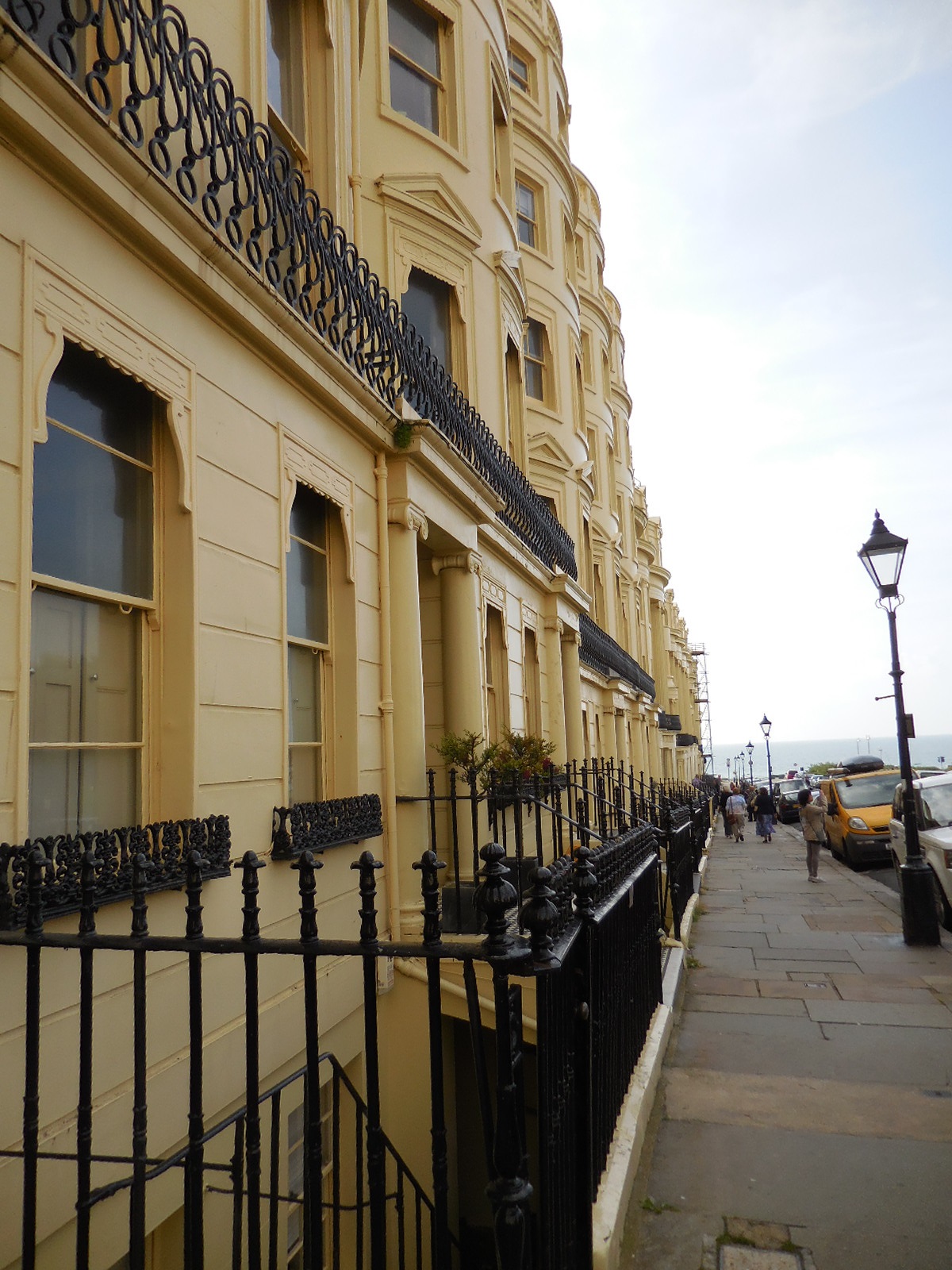
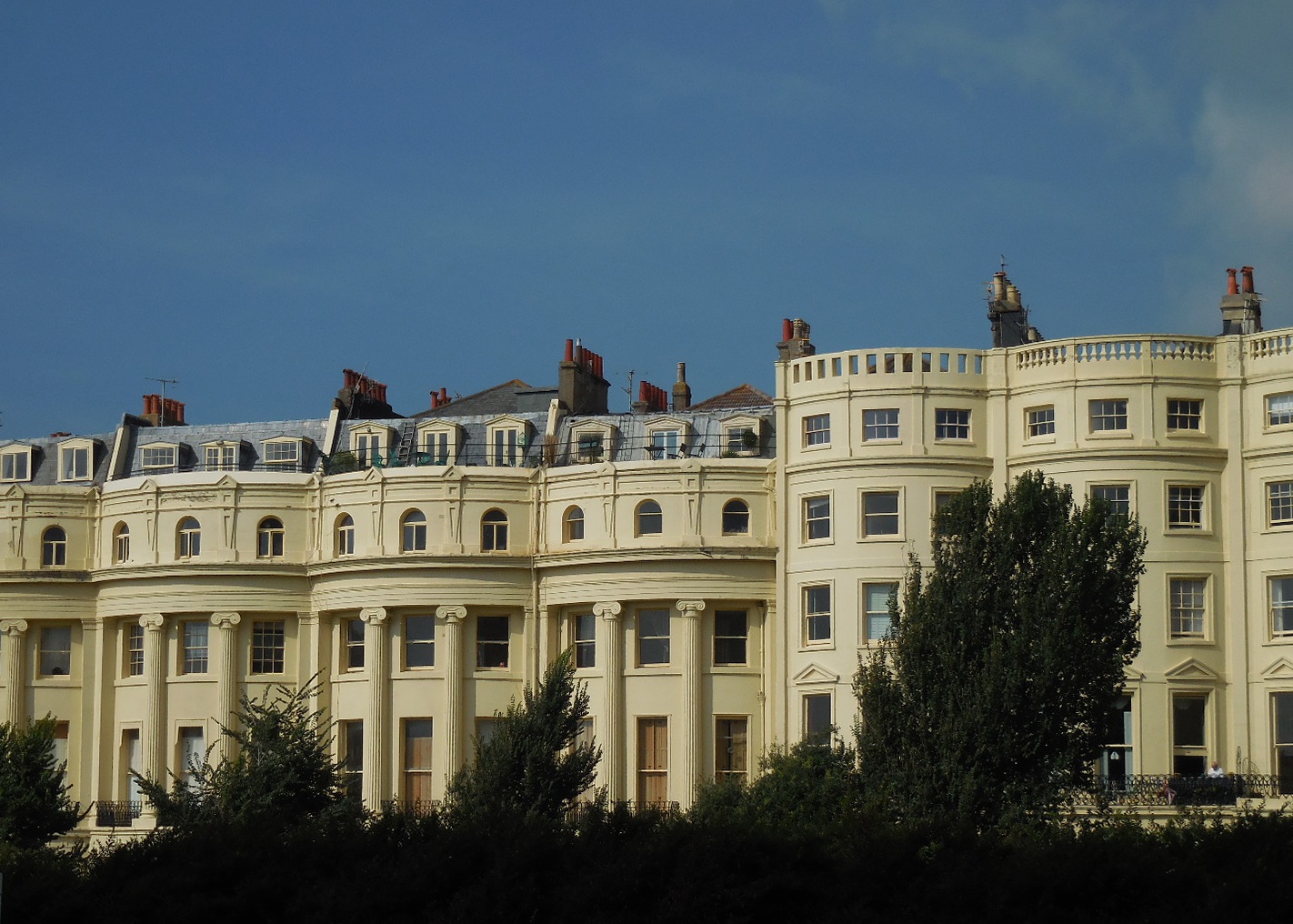
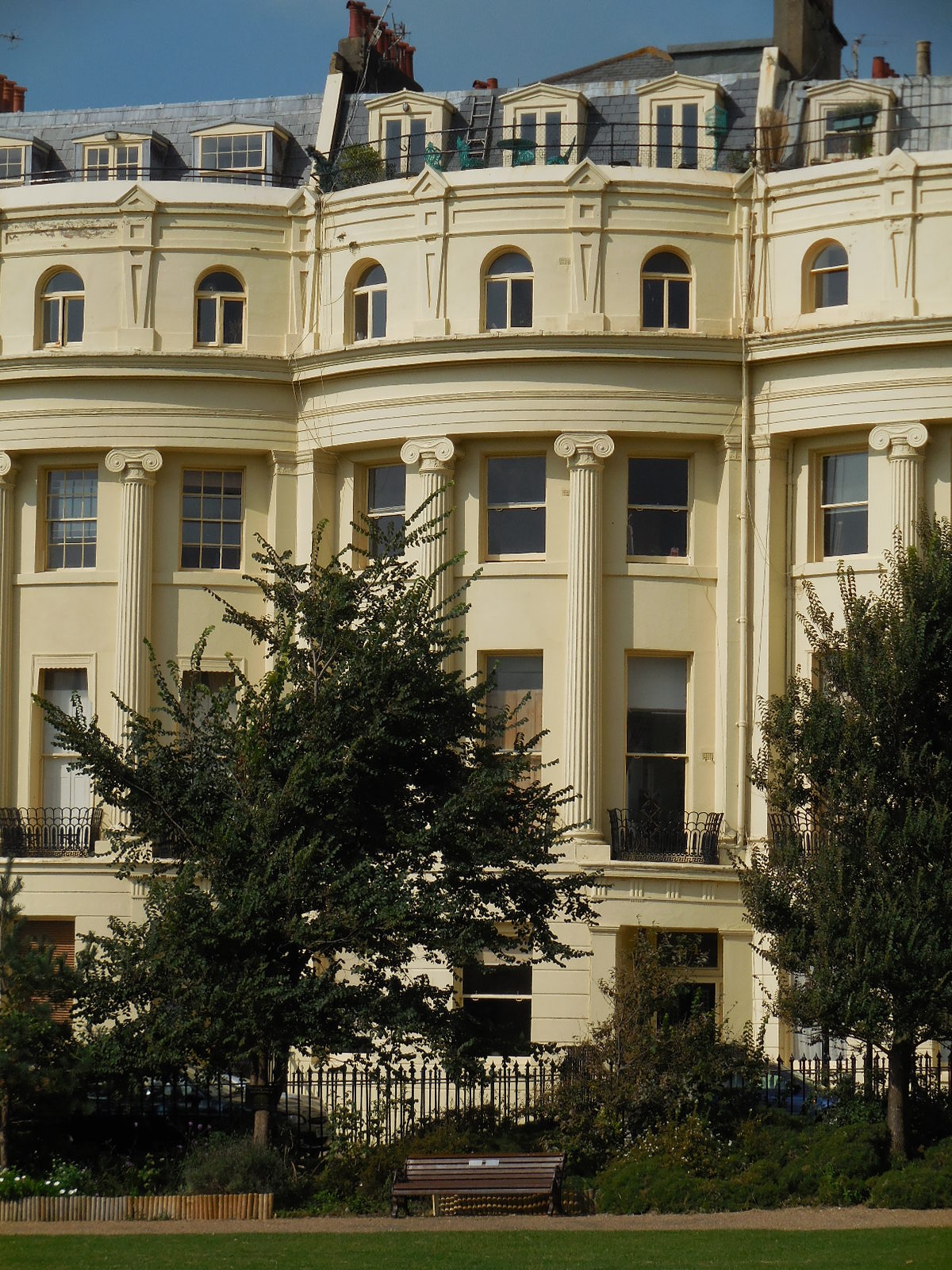
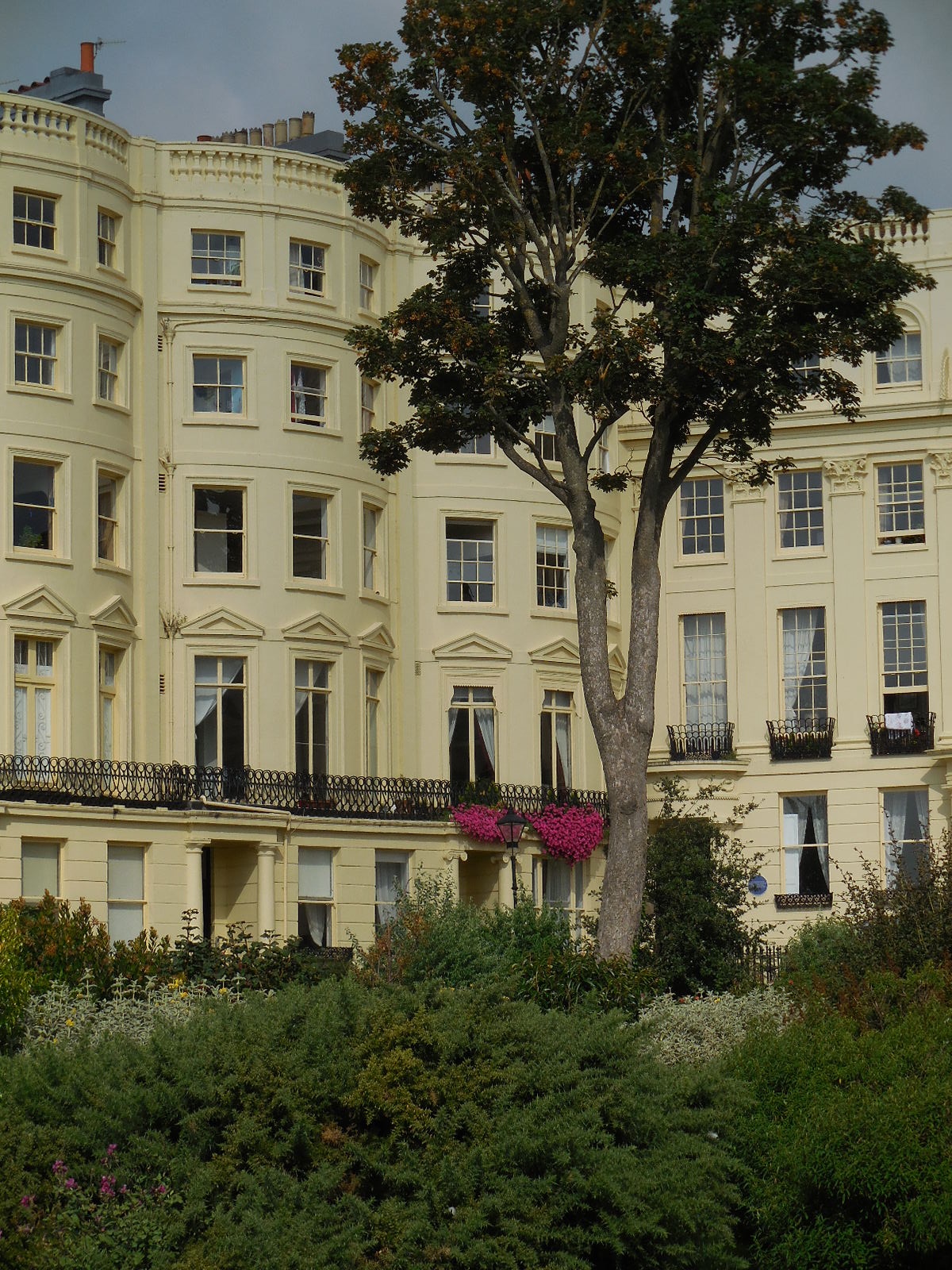
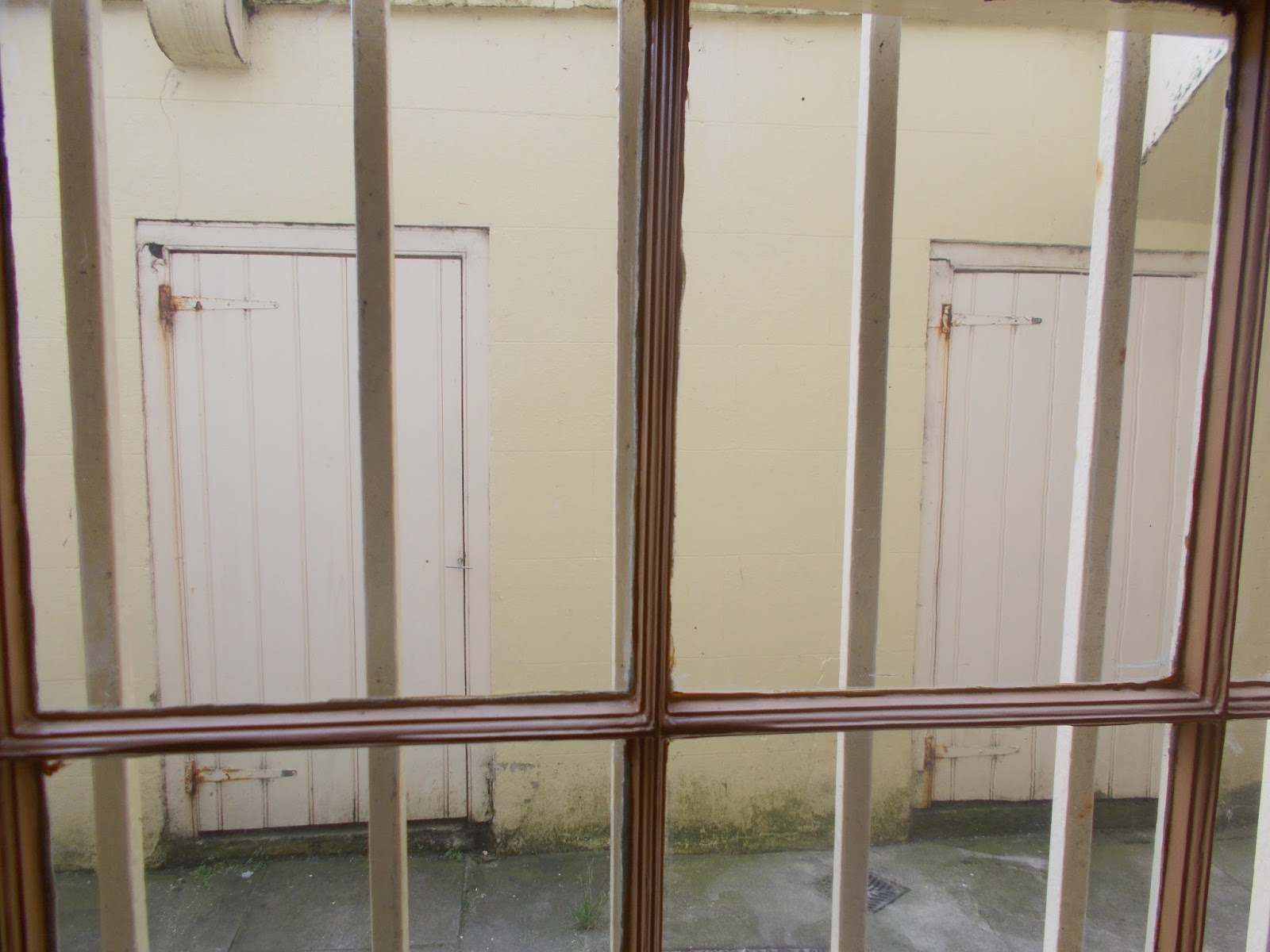
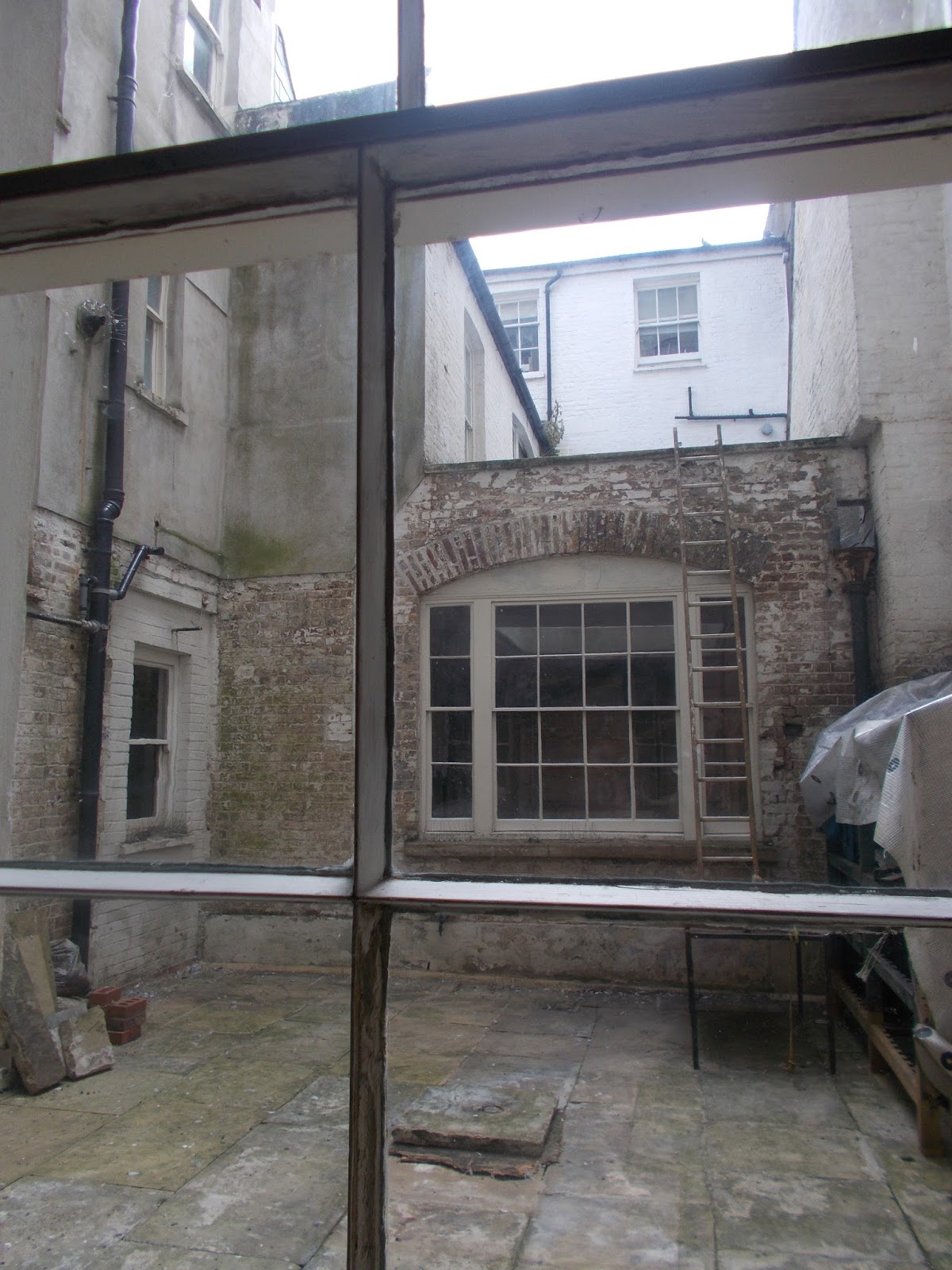
I first visited the Regency Town House about a decade ago, when the restoration project was just getting under way under the guidance of Nick Tyson. The Grade I listed terraced home of the mid-1820s is being developed as a heritage centre and museum to focus on the architecture and social history of Brighton & Hove between the 1780s and 1840s. The Project encompasses so much more than the house itself. In addition to restoring two townhouses, the Project is also delving into the social history of Regency Brighton and Hove. Links on their website will allow you to see who lived in Brighton and Hove at the time and to explore the Bevan and Dewar Letters, which have been transcribed and which give insight into daily and family life in the area from 1824 to 1870. To visit the website of the Regency Town House, click here.
When I knew that the Duke of Wellington Tour would be visiting Brighton as one of it’s stops, I knew that Victoria and I had to include another visit to the Town House for our group to experience this unique project first hand. From the website:
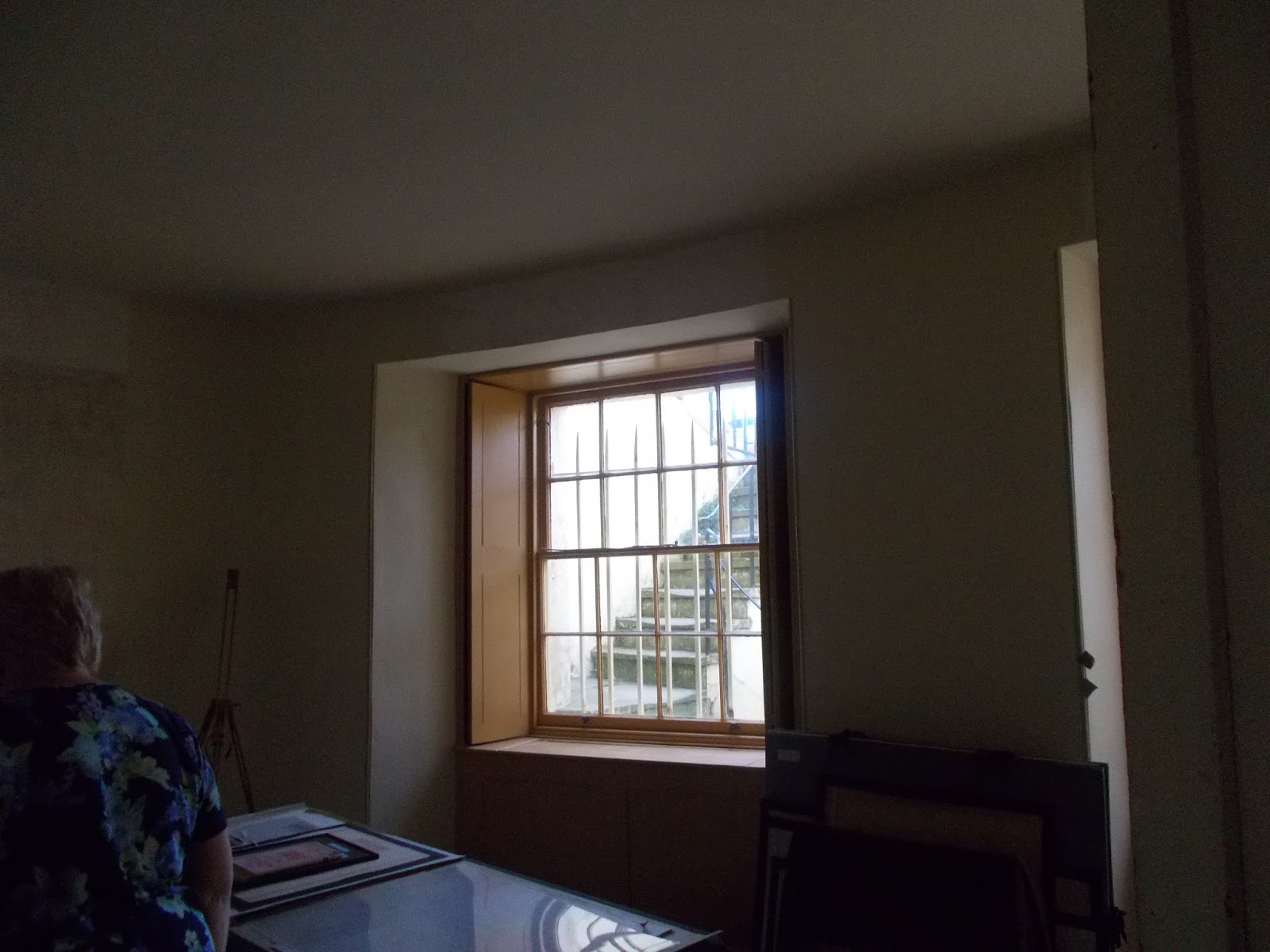
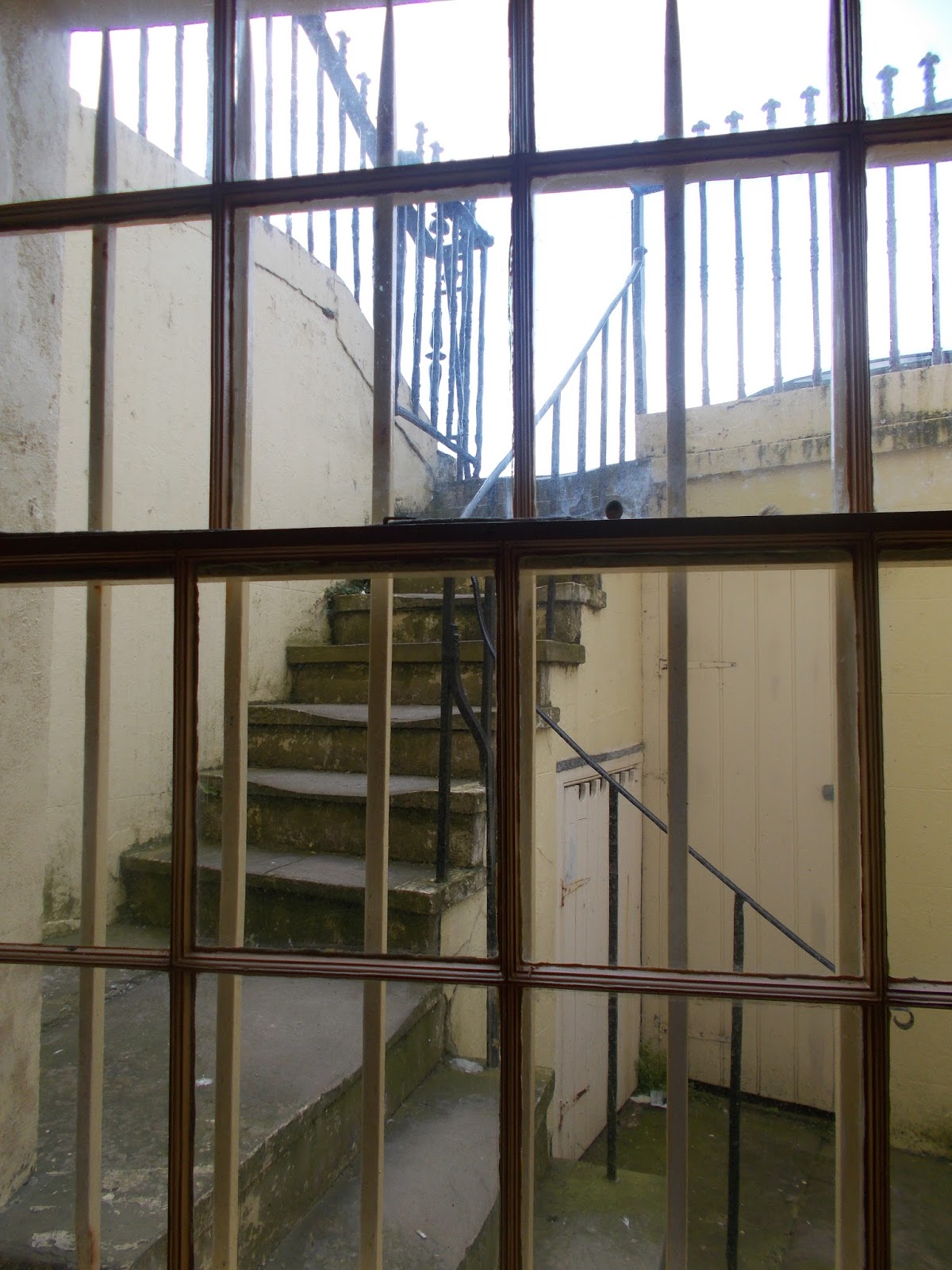
The Regency Town House was built on what had already become the traditional layout for town houses. The domestic offices for the servants were in the basement, the formal rooms were on the ground and first floors and the bedrooms on the floors above. Due to higher land prices in towns, even large houses tended to be built upwards on long, narrow plots. At the back of the house there was a coach house, stable block and quarters for the coachmen and grooms.
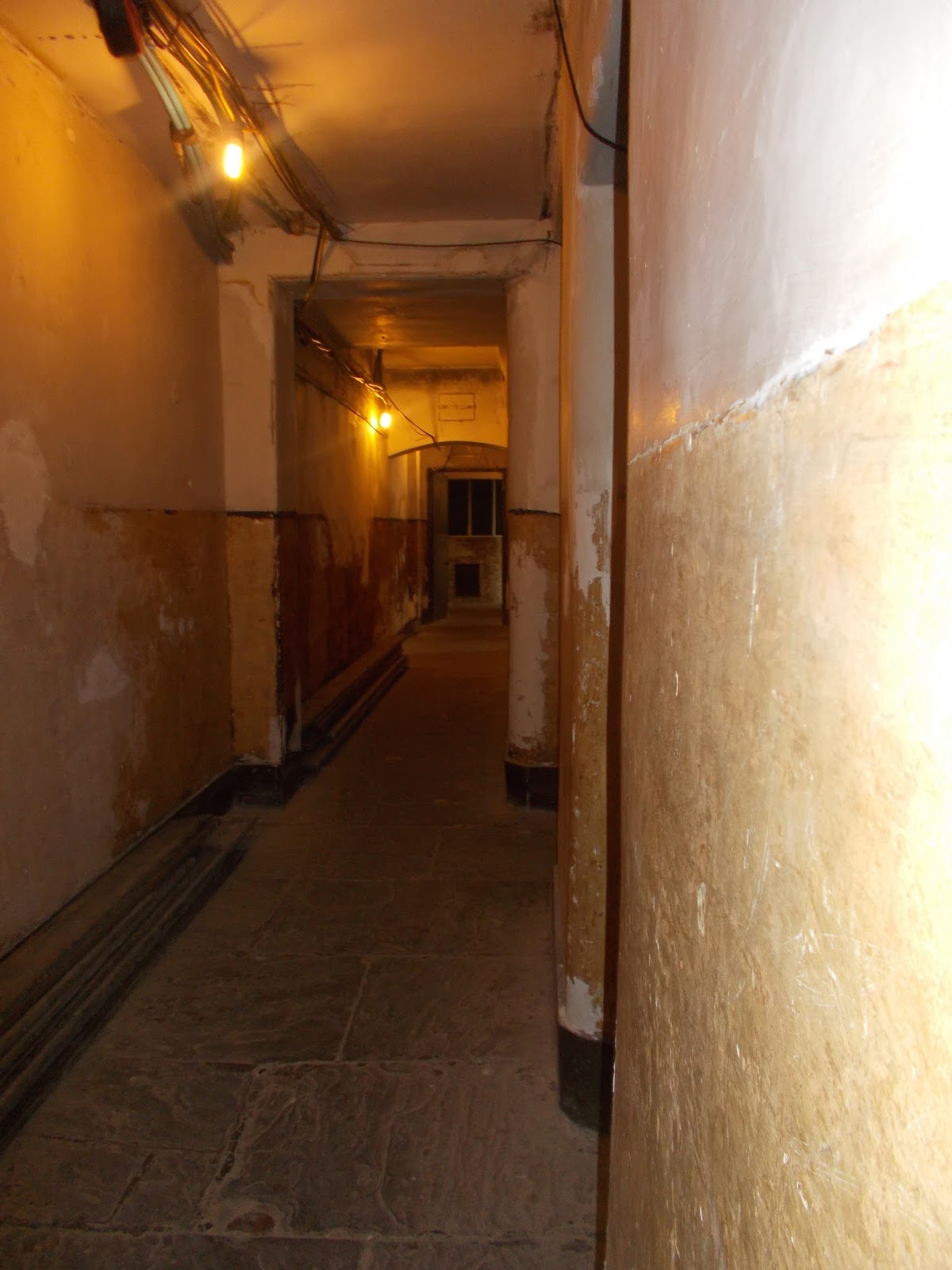
If you think that ten years is a rather long time for the restoration to be ongoing, you should keep in mind that the aim is to restore the entire structure, inside and out, to its Regency state. This means work being undertaken by historians and architectural restorers, painters, masons, roofers, carpenters, tilers, etc., etc. all of whom are using traditional building methods and materials. It also means that the costs can sky rocket depending on the phase of work and unfortunately, the Project is often put on hold as new funds are found or raised in order for the work to continue.
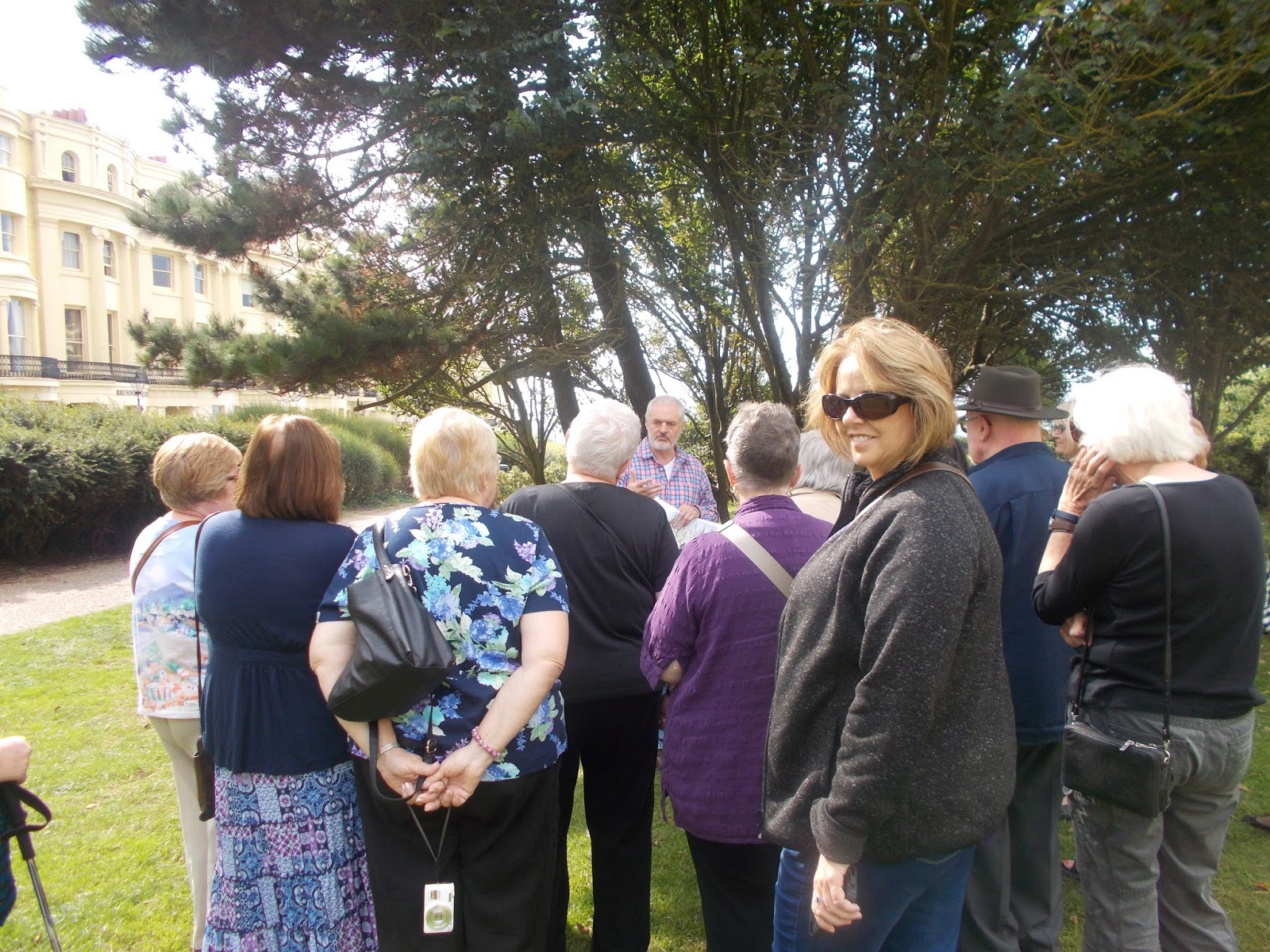
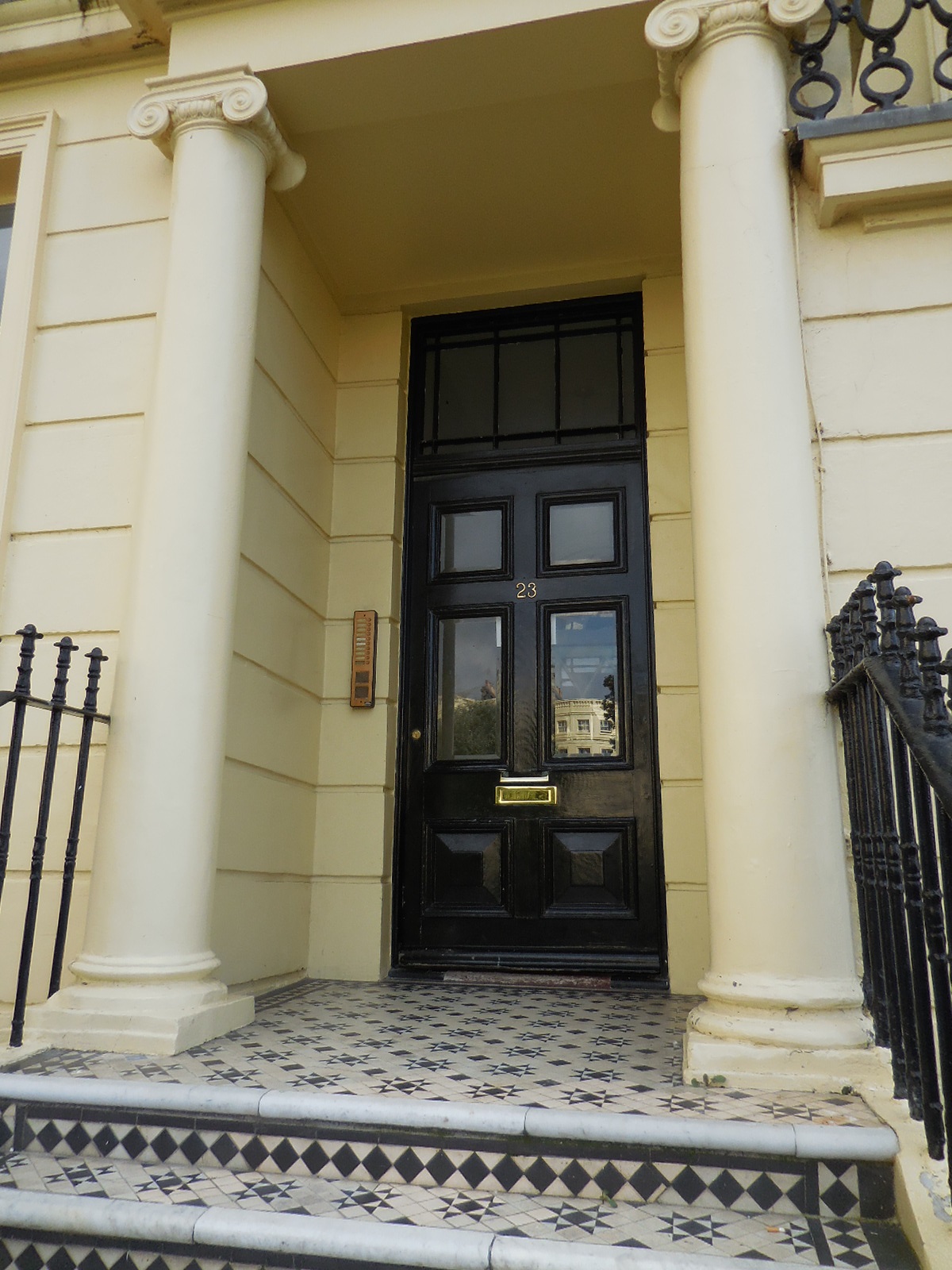
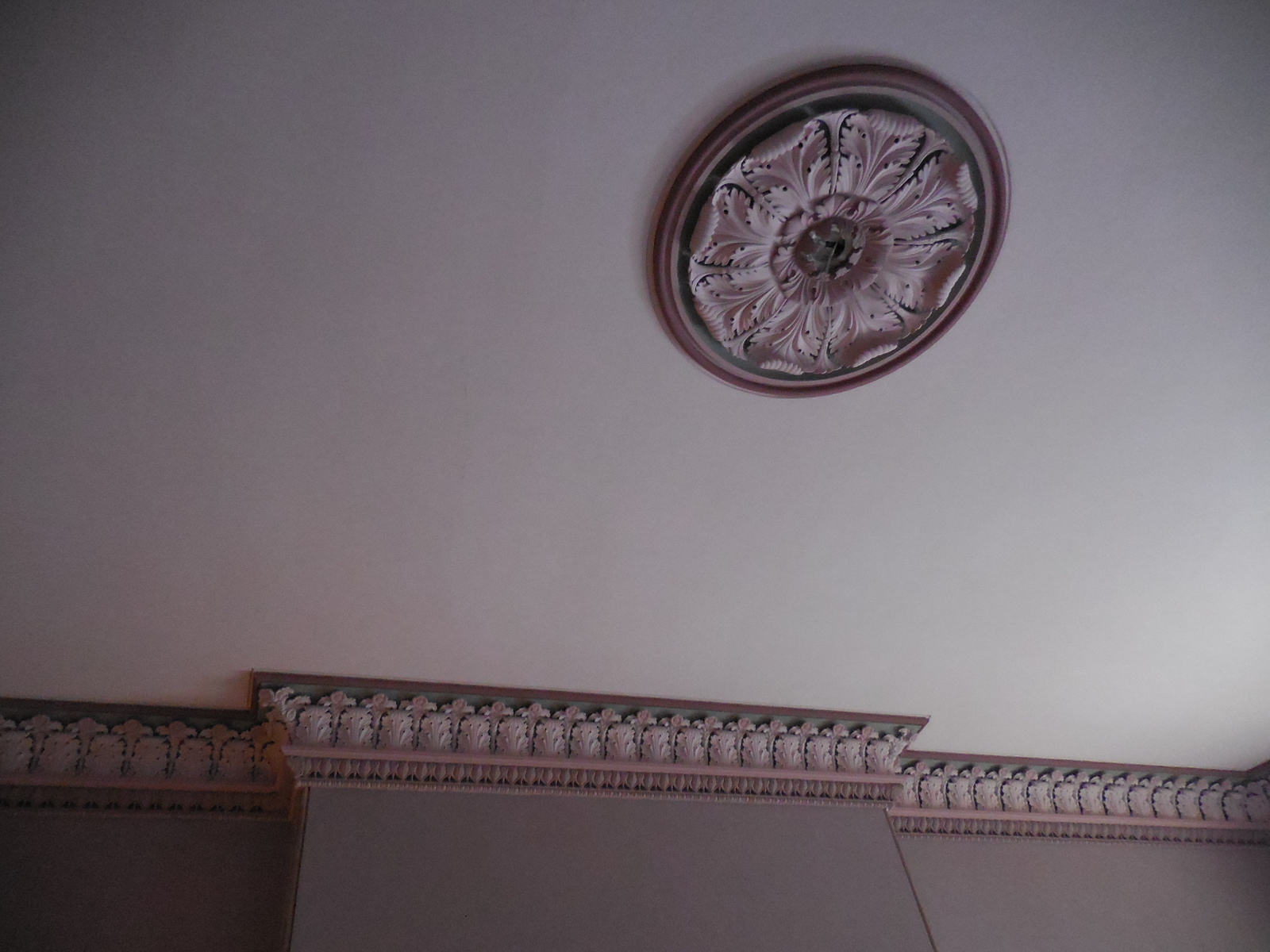
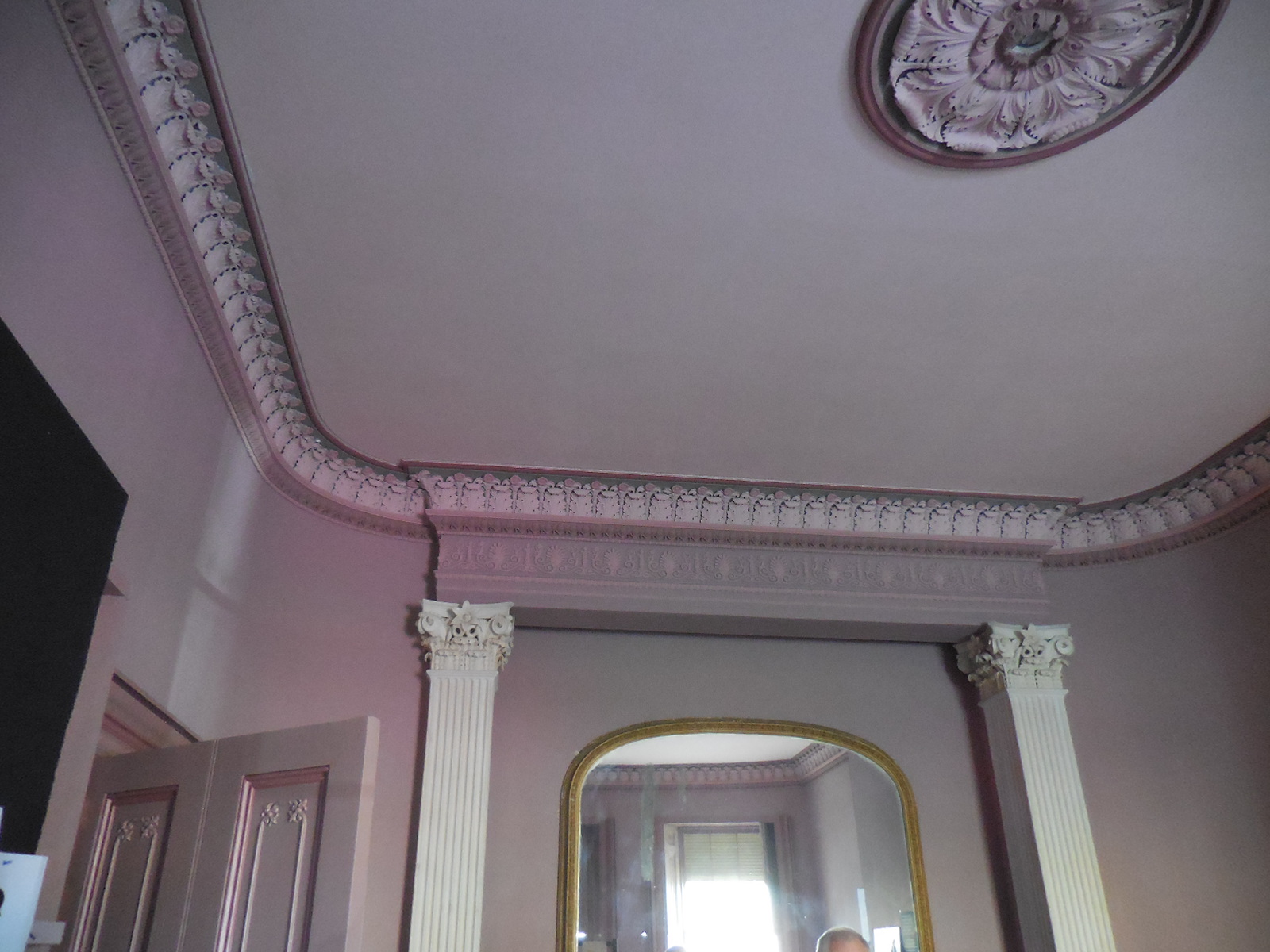
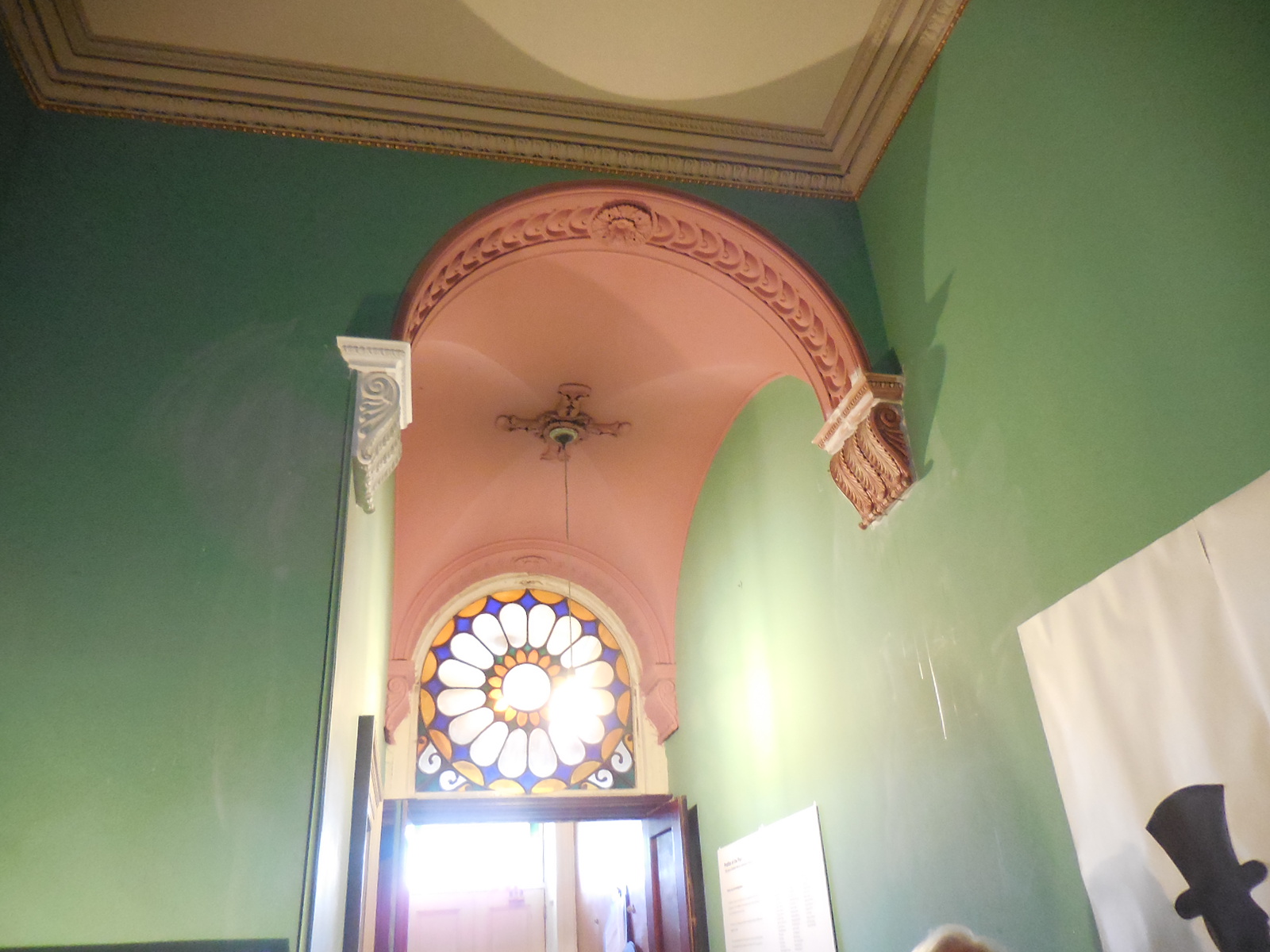
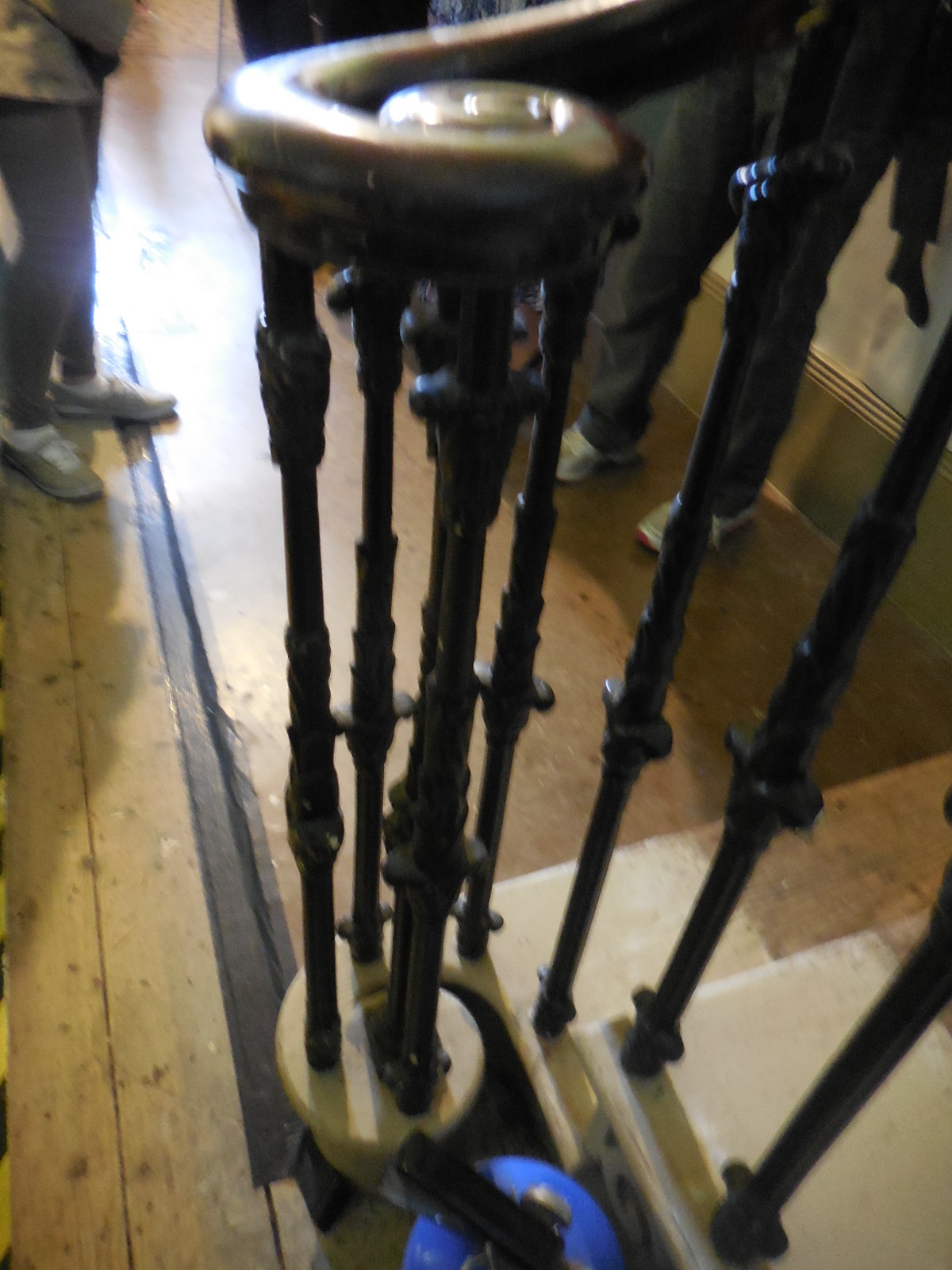
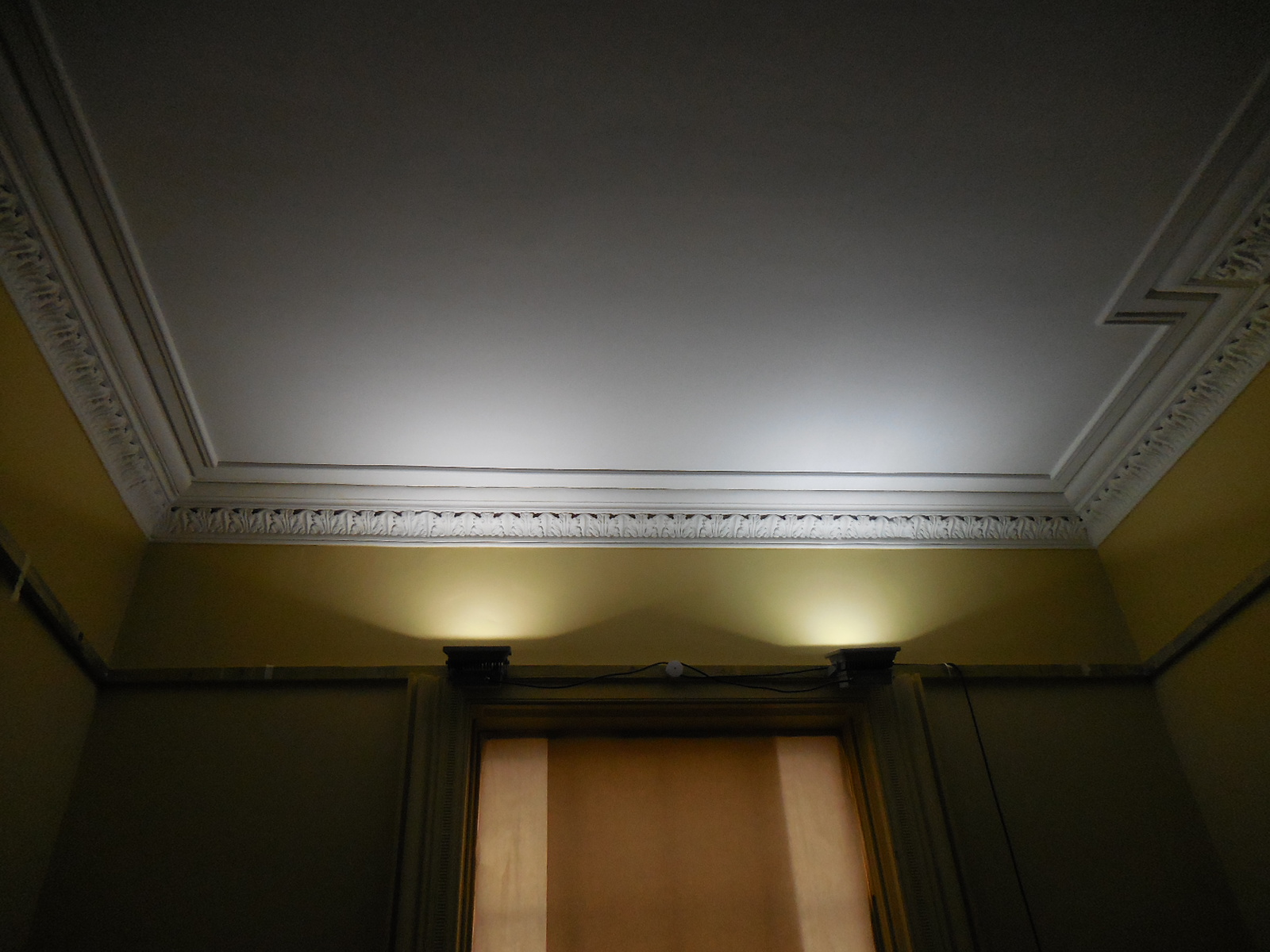
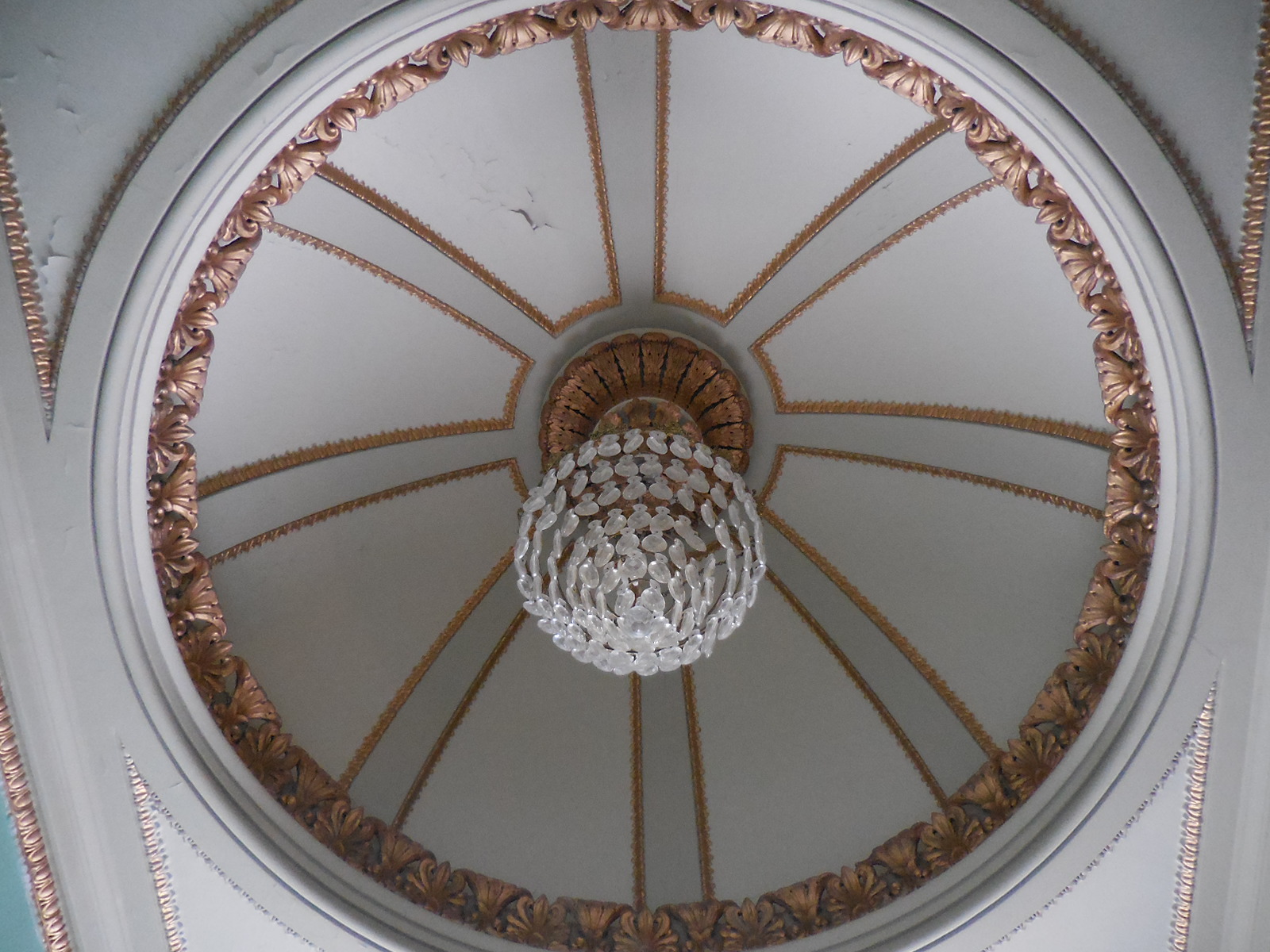
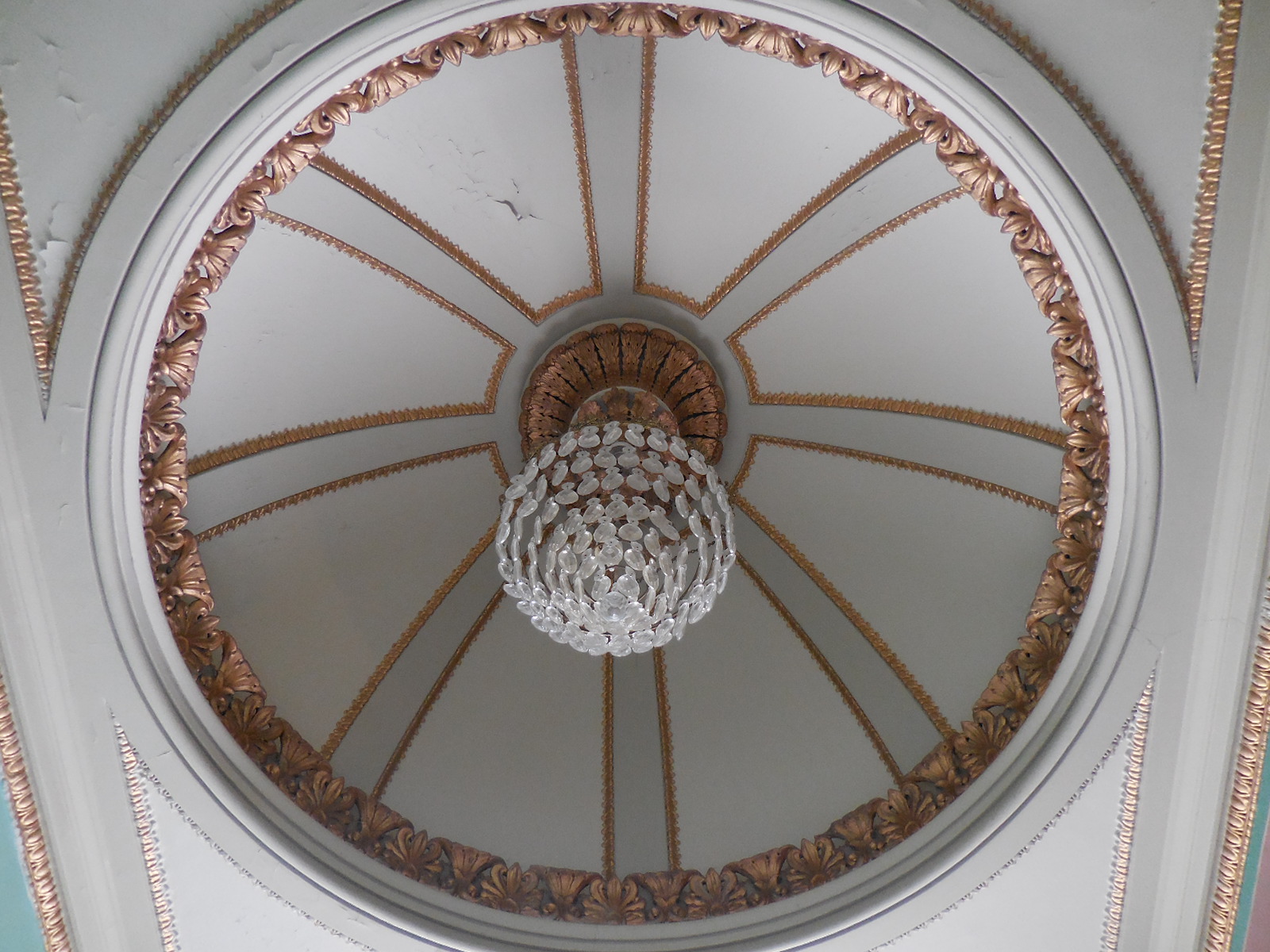
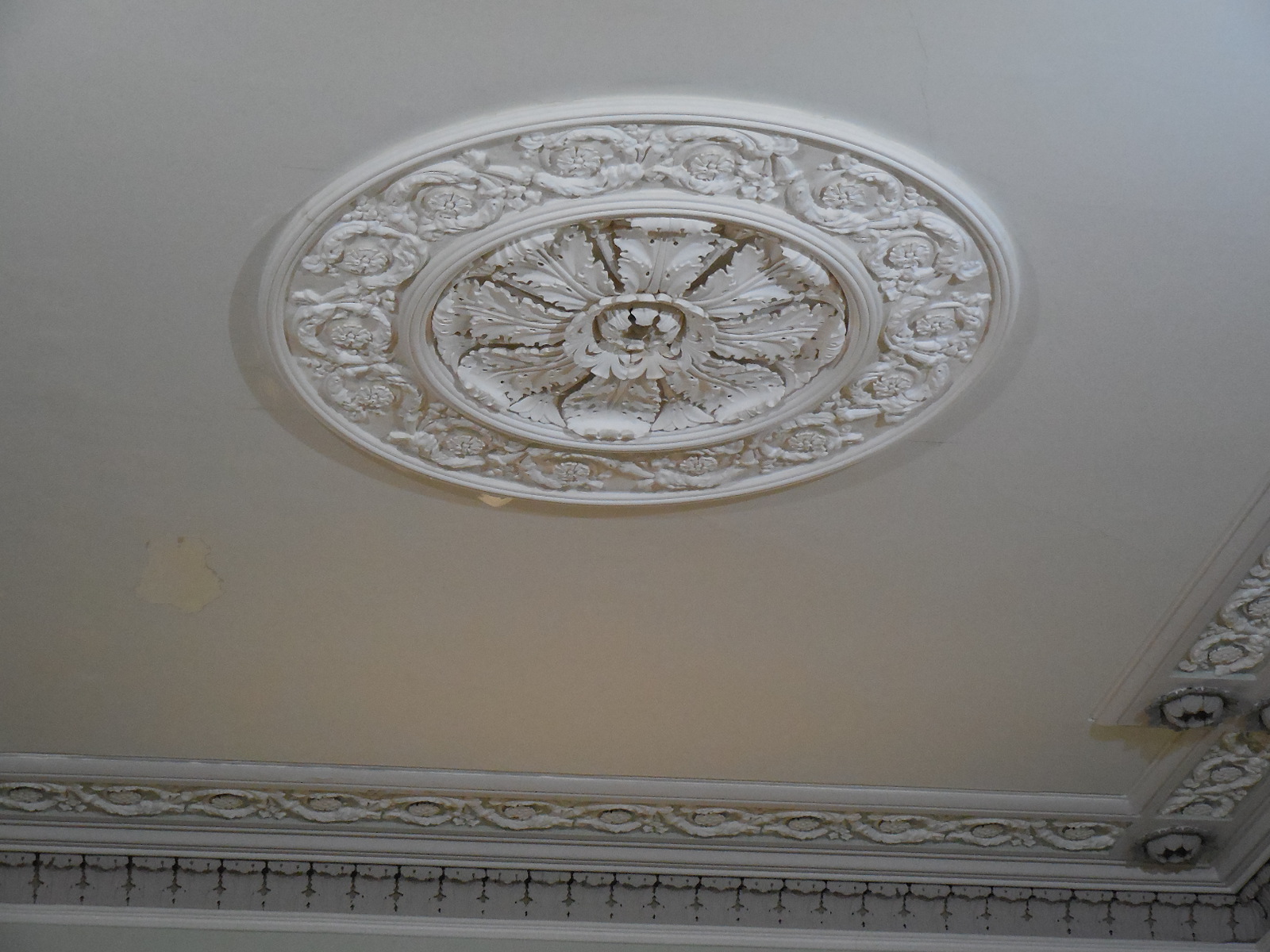
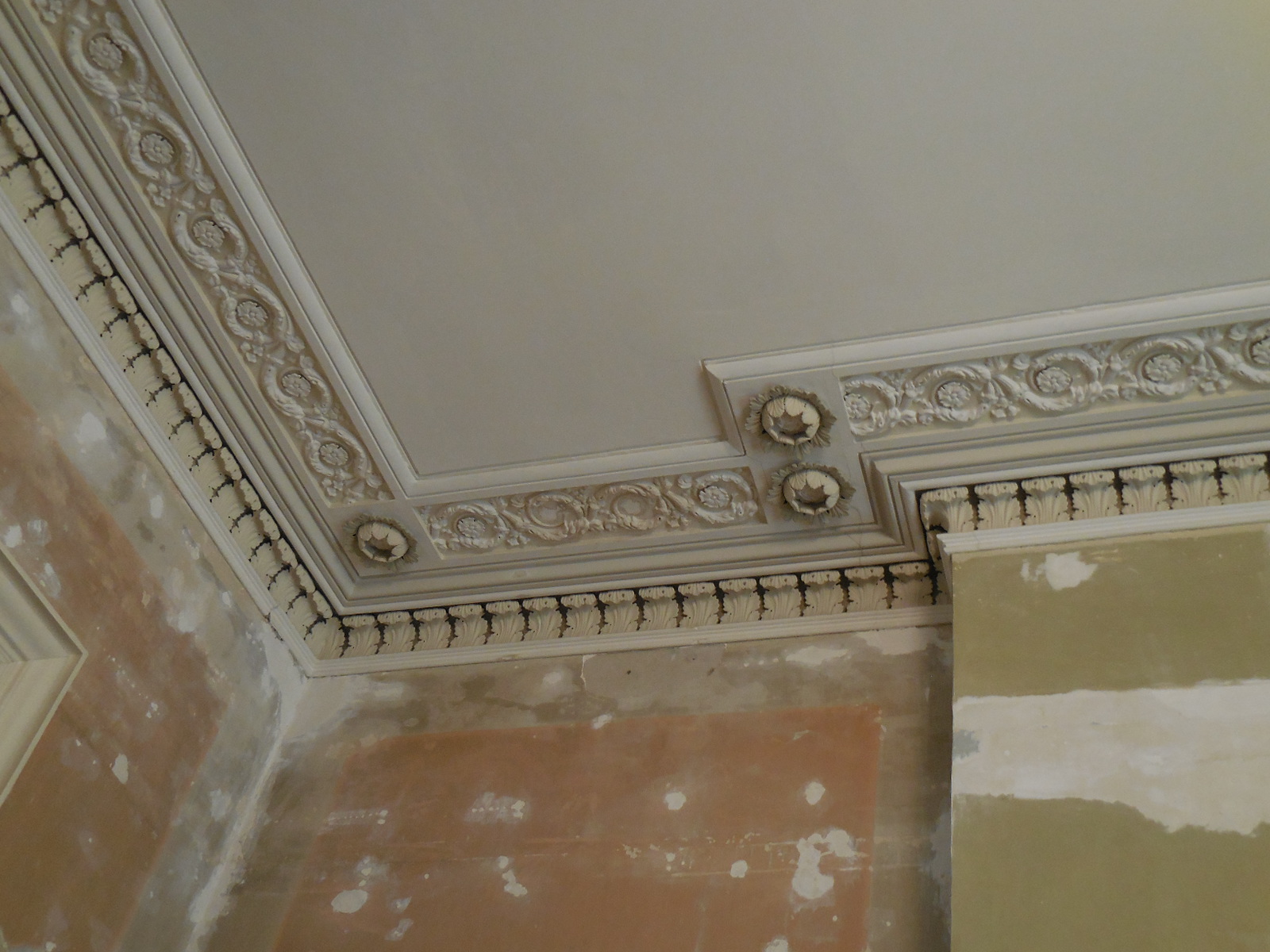
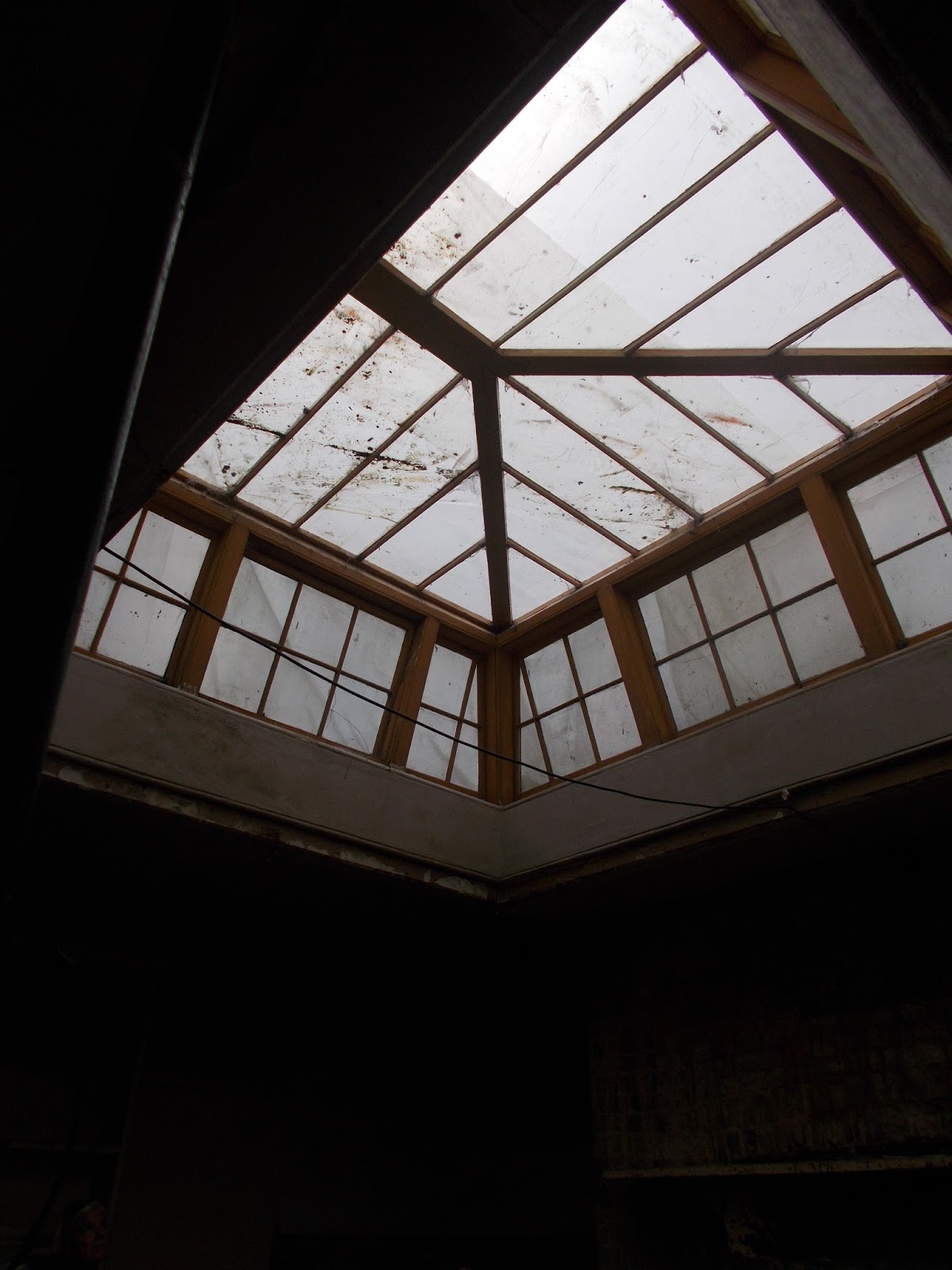
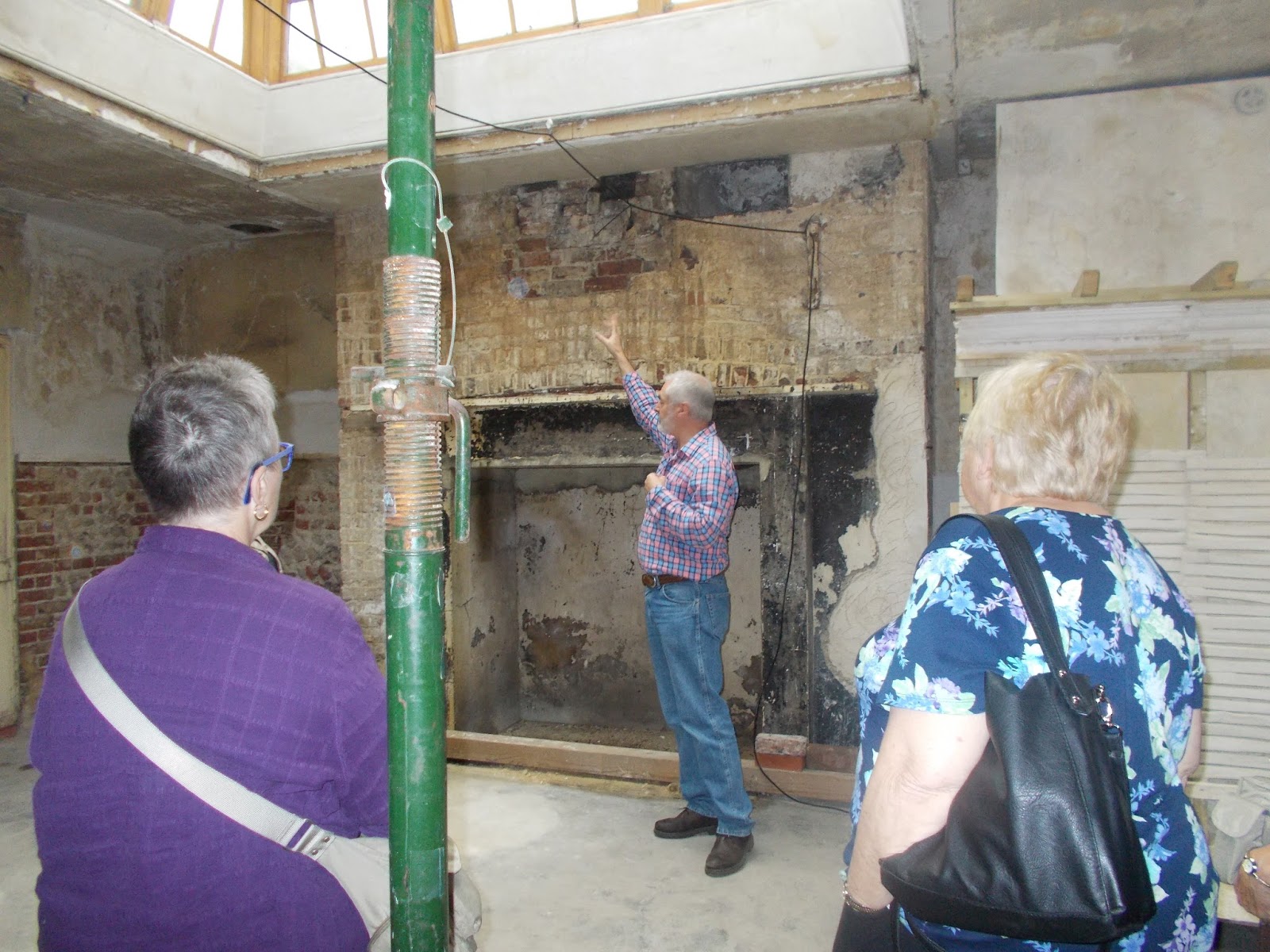
Once inside, Nick explained the scope of work that has been ongoing and pointed out, and elaborated upon, many of the architectural details of the period. The background on these was fascinating.
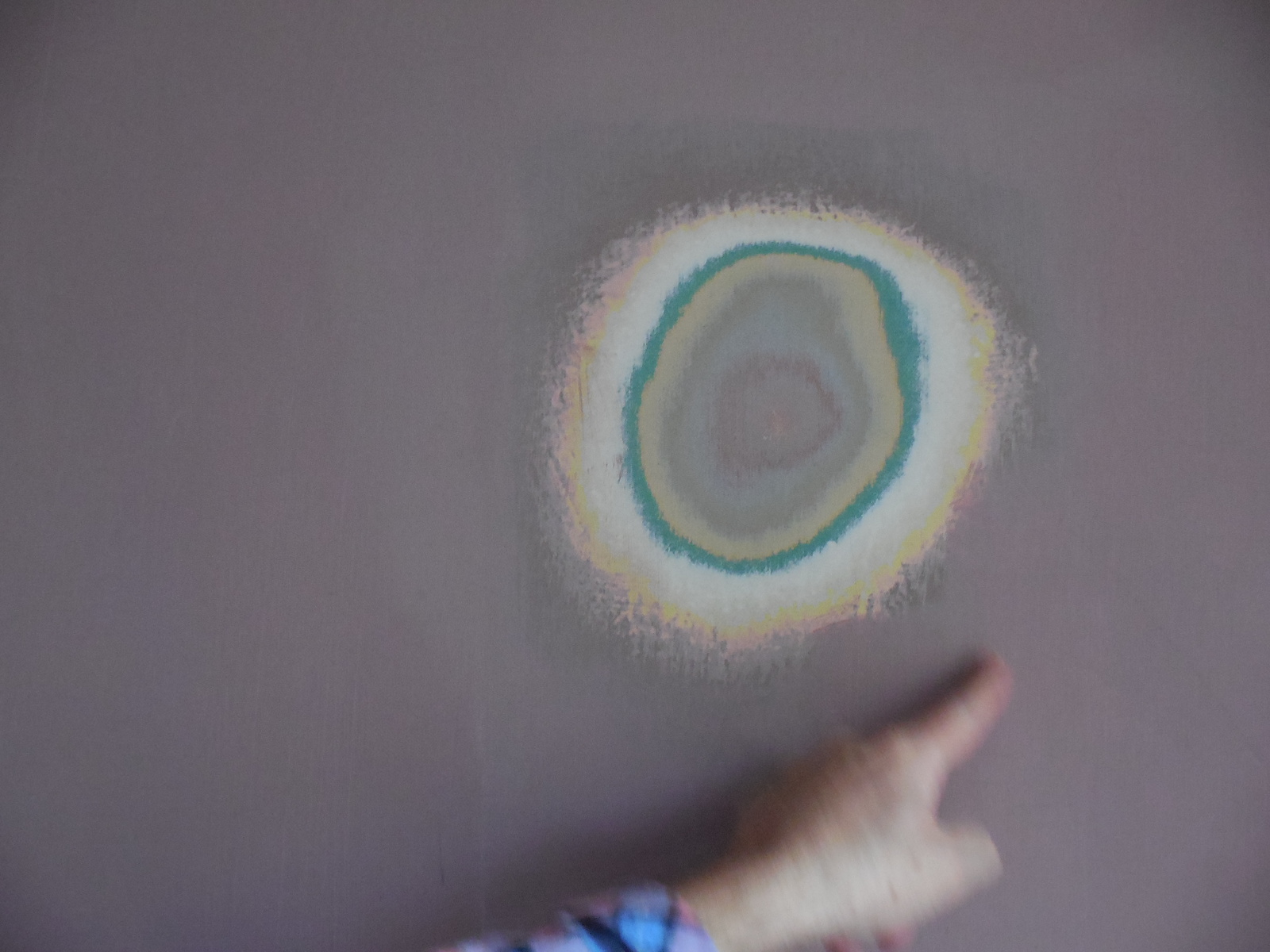
Nick also pointed out the methods that were used to sand down the painted walls so that each individual layer of paint could be analysed and dated.
Many were surprised to learn that Regency paint colours ran the gamut from subdued to bold.
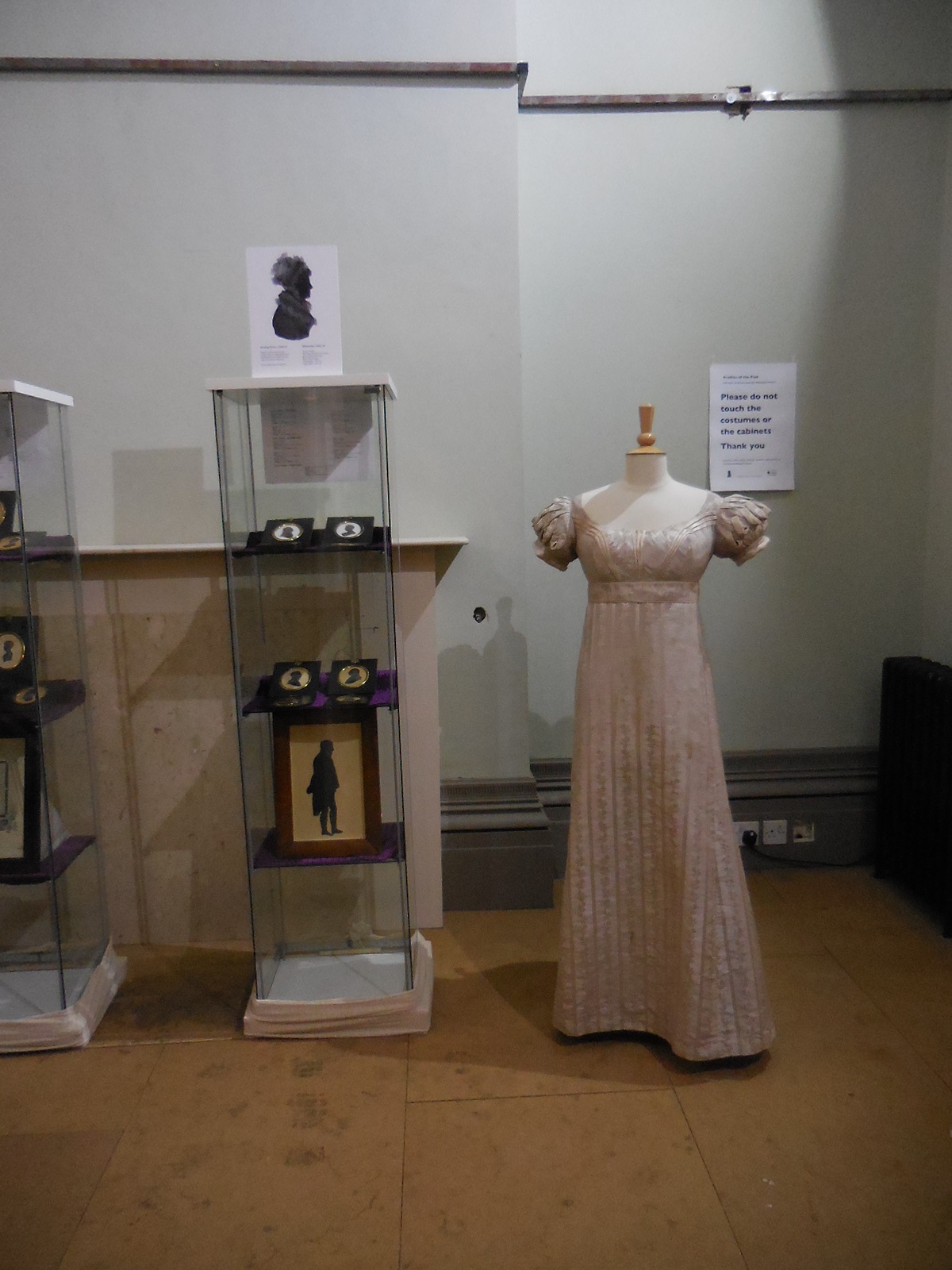
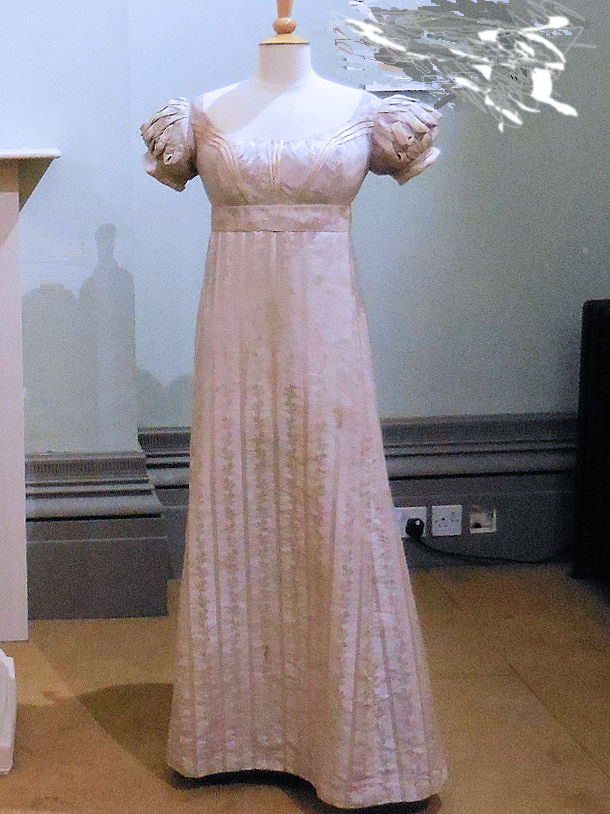
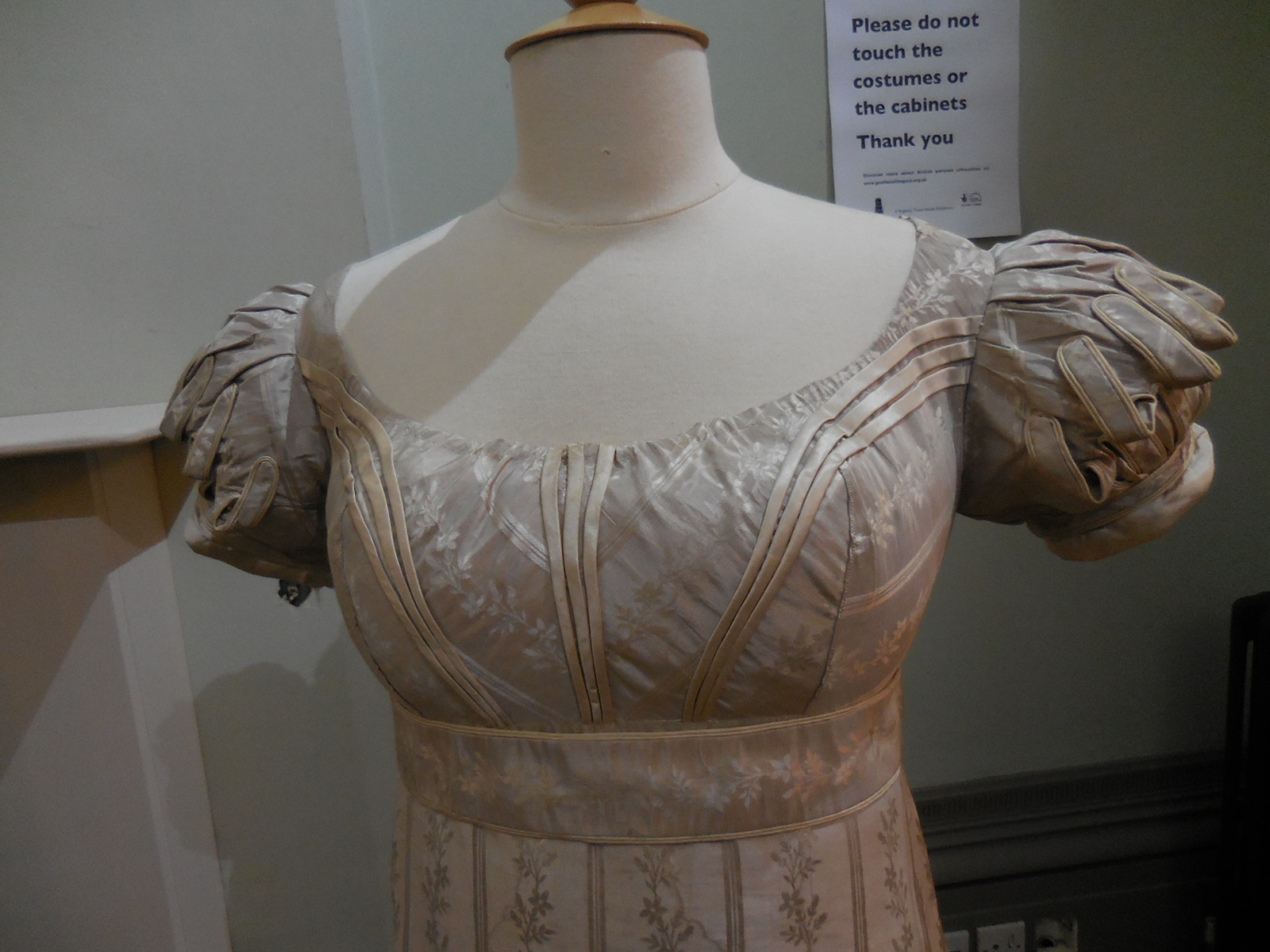
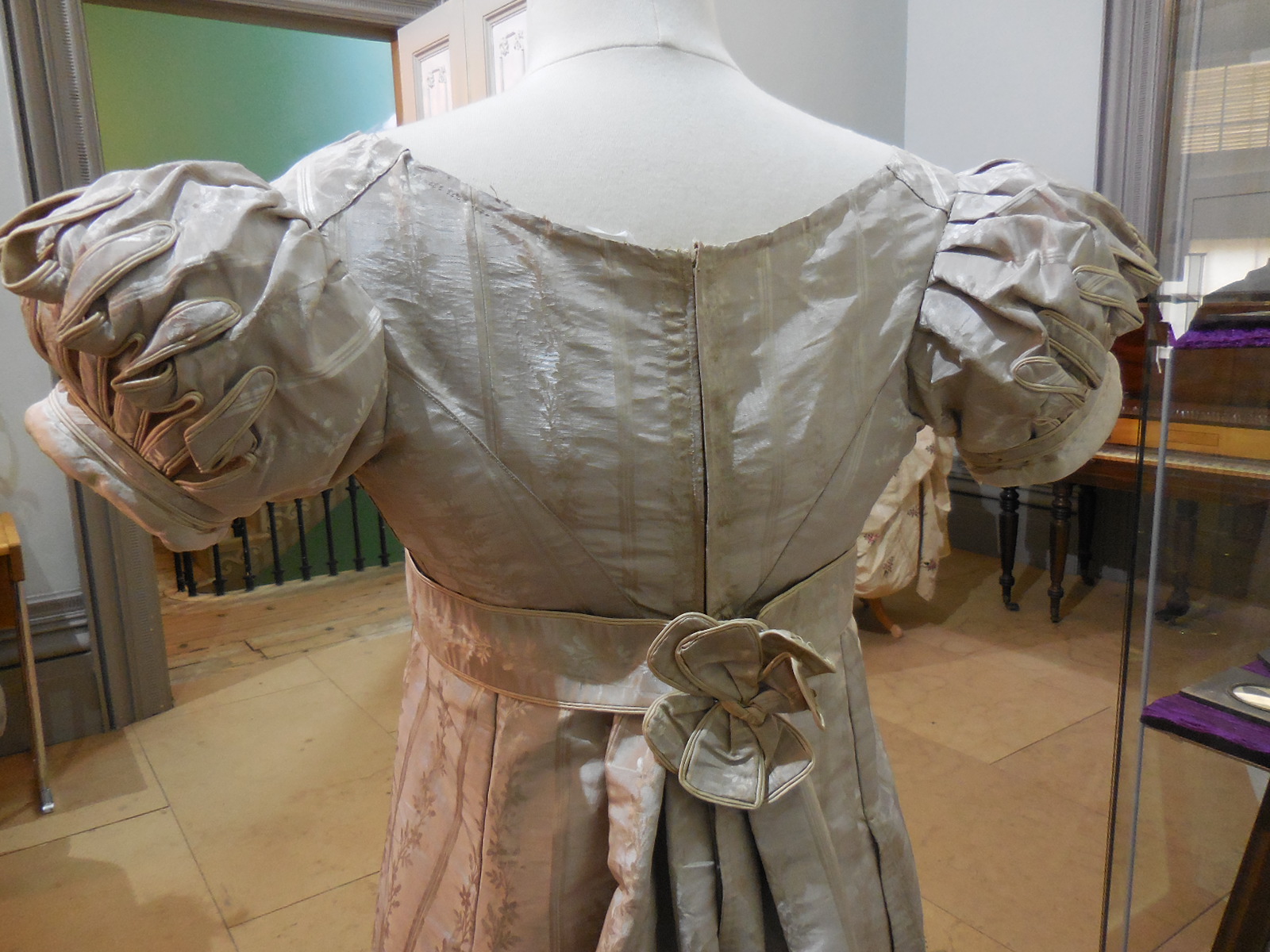
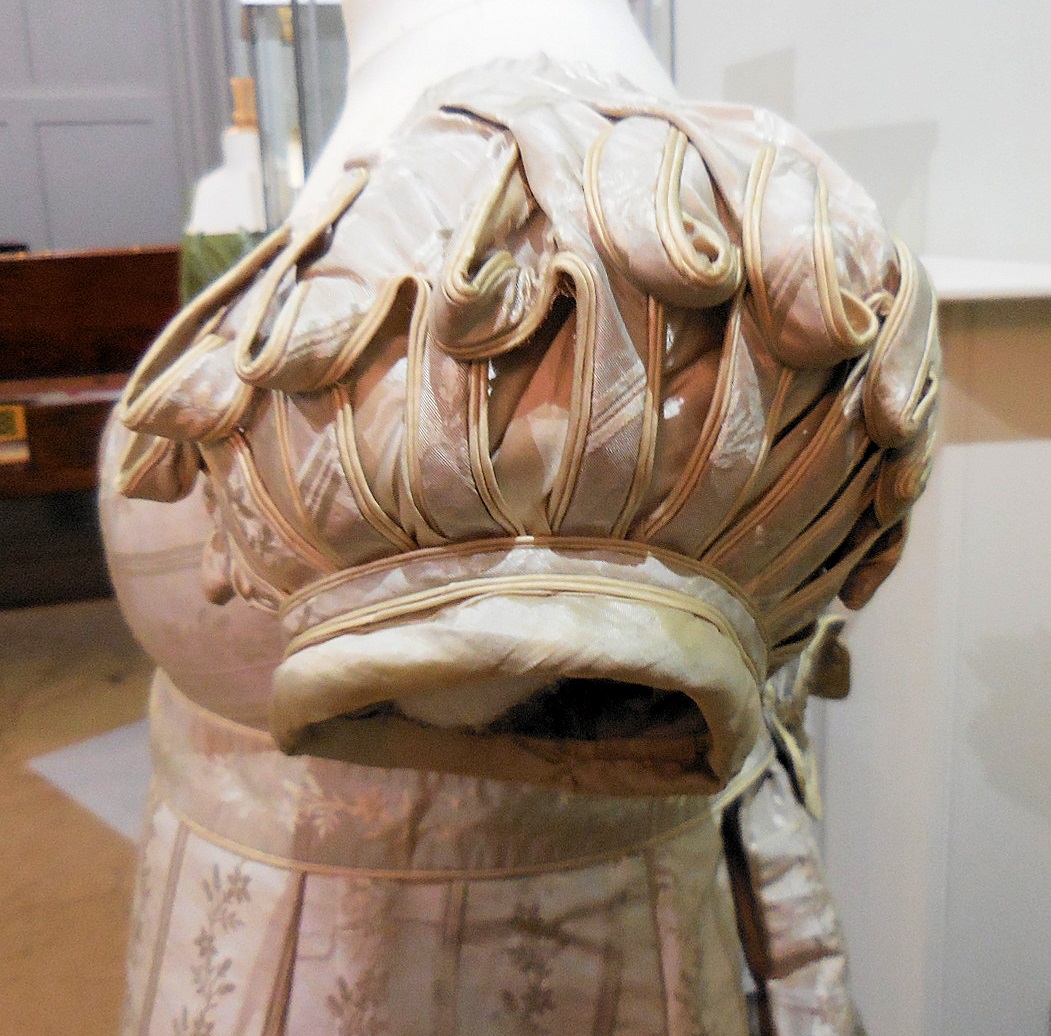
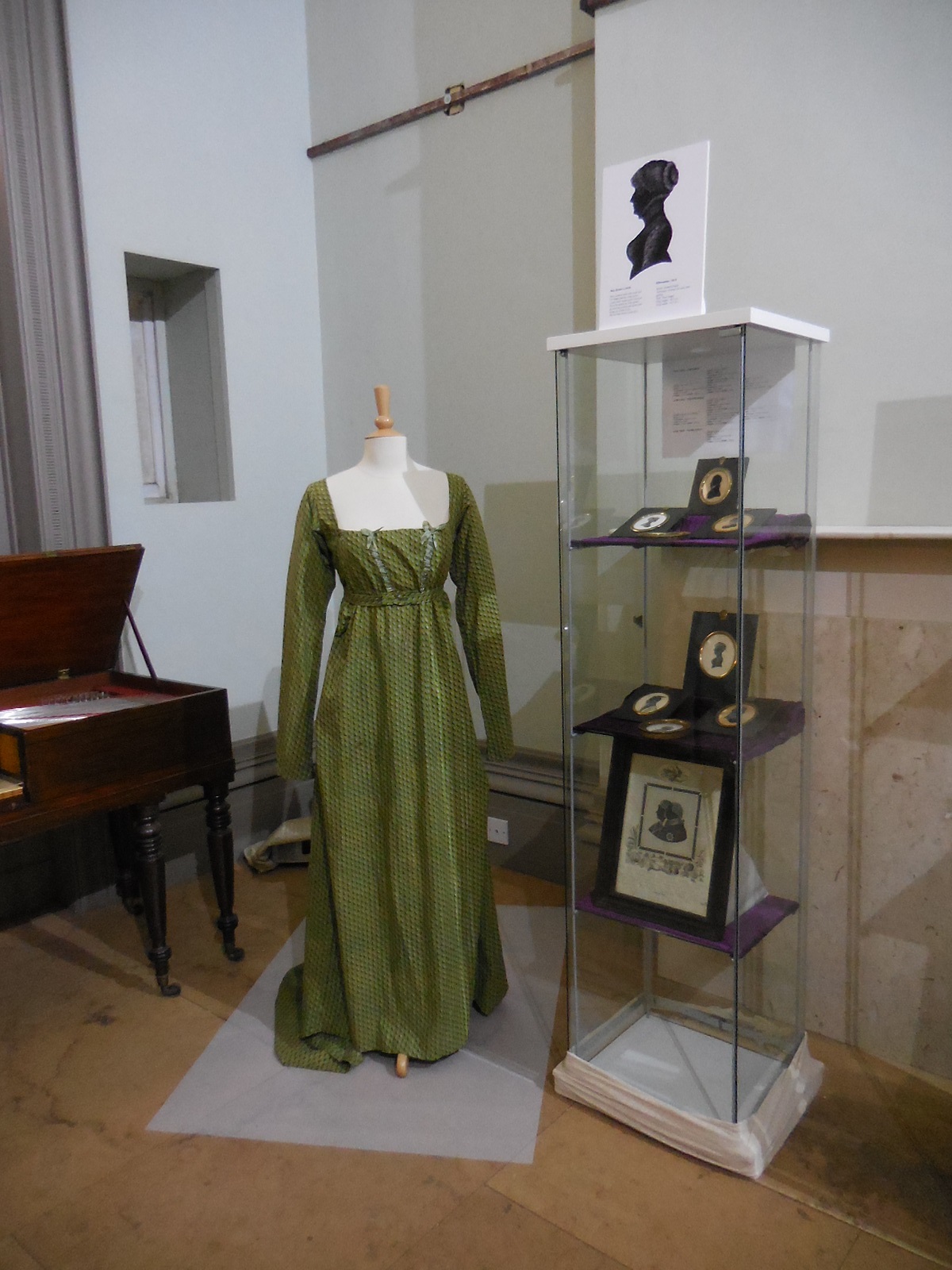
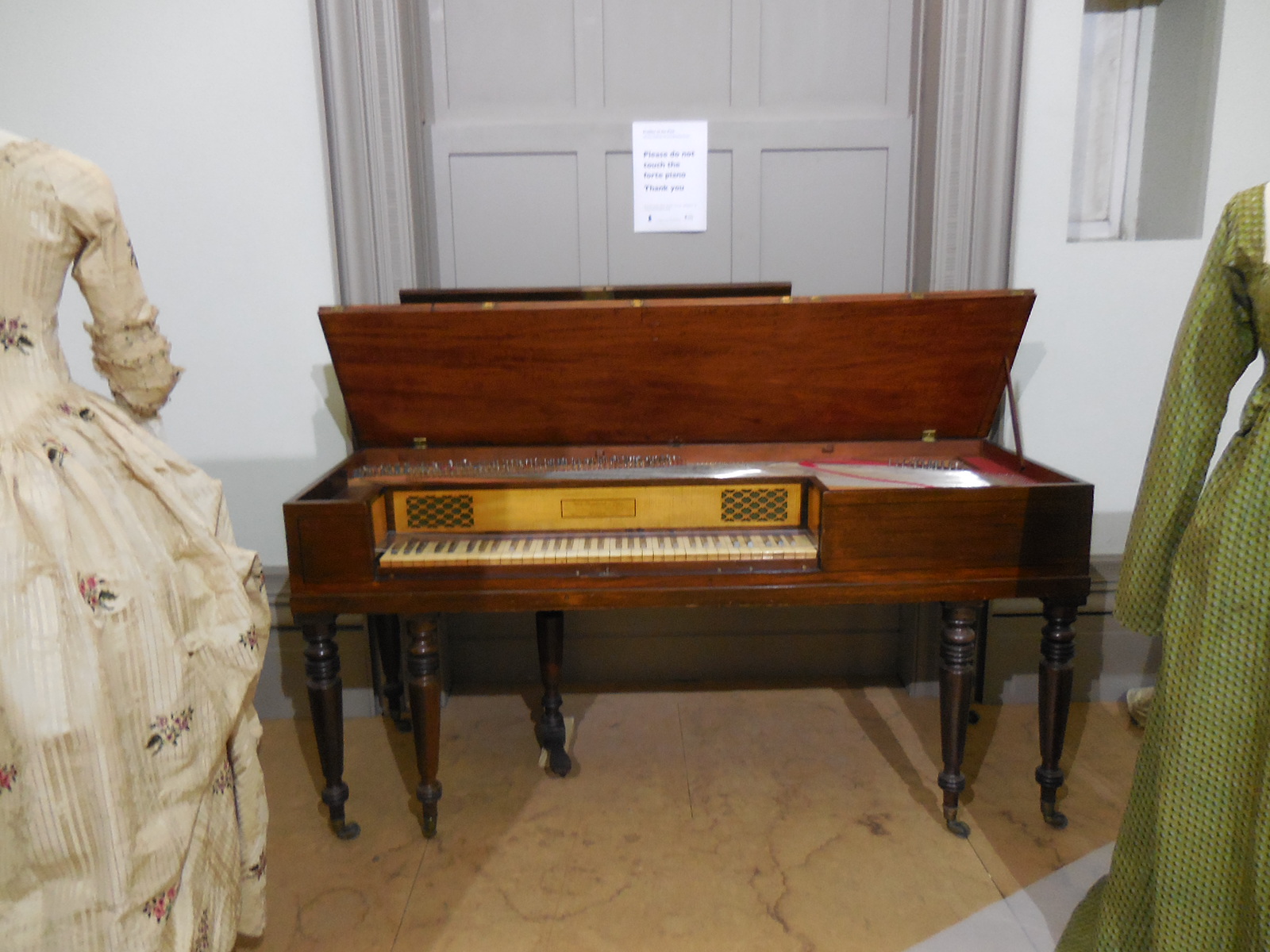
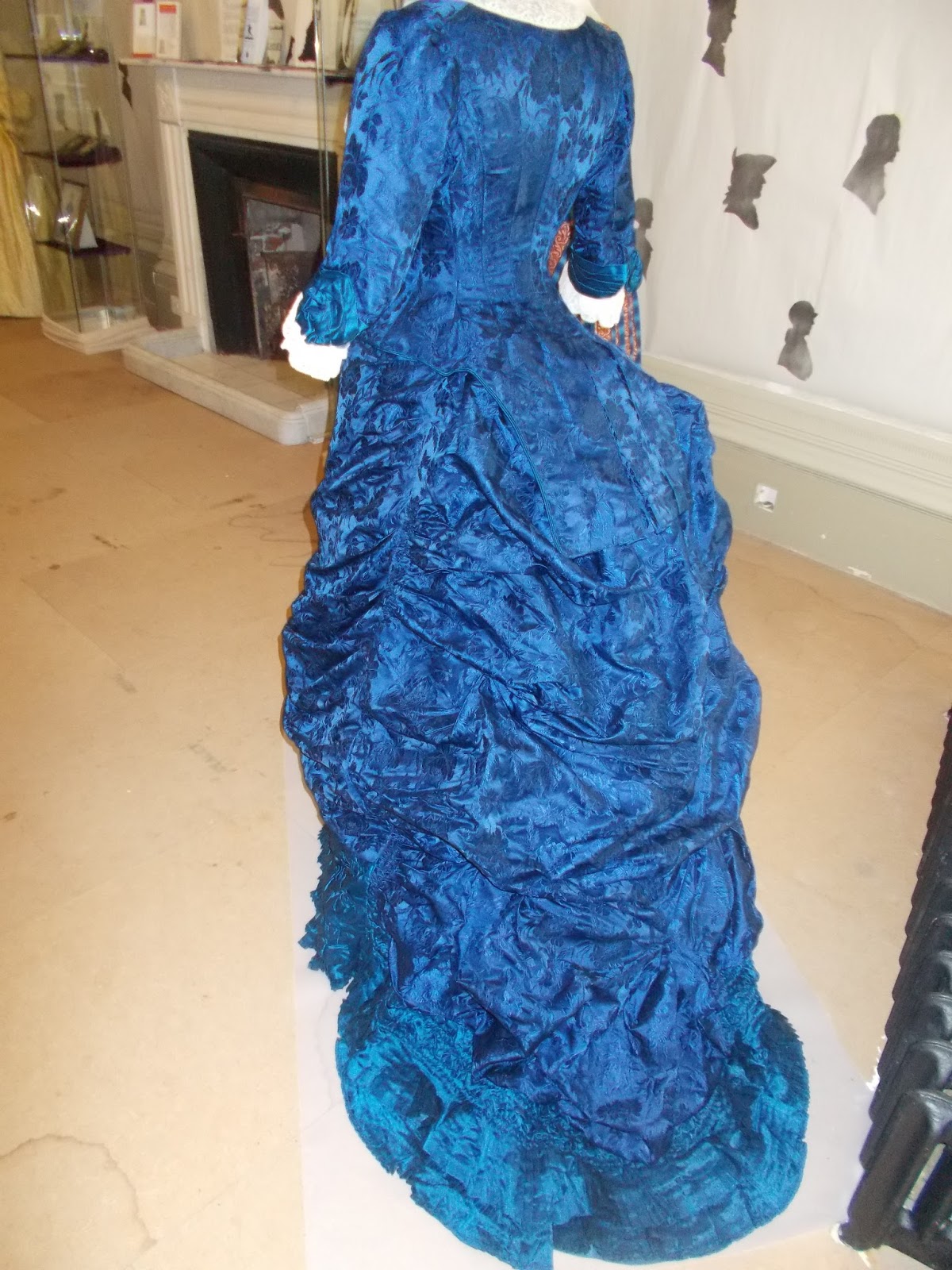
The Town House also curates a collection of period silhouettes, which were on display during our visit alongside a temporary exhibit of historic costumes.
Honestly, we could have stayed for the entire day and never grown tired of listening to Nick explain elements of the Town House and period daily life. He is a font of knowledge, a born storyteller and his passion for the Project is catching. Number One London is seriously thinking about planning a tour centered around the Regency period, the Town House and Brighton as a Royal destination that would include tours and seminars by experts in various fields.
For an online tour of the Regency Townhouse, click here.
You can follow the restoration projects and other events at the Regency Townhouse at their Facebook page, here.
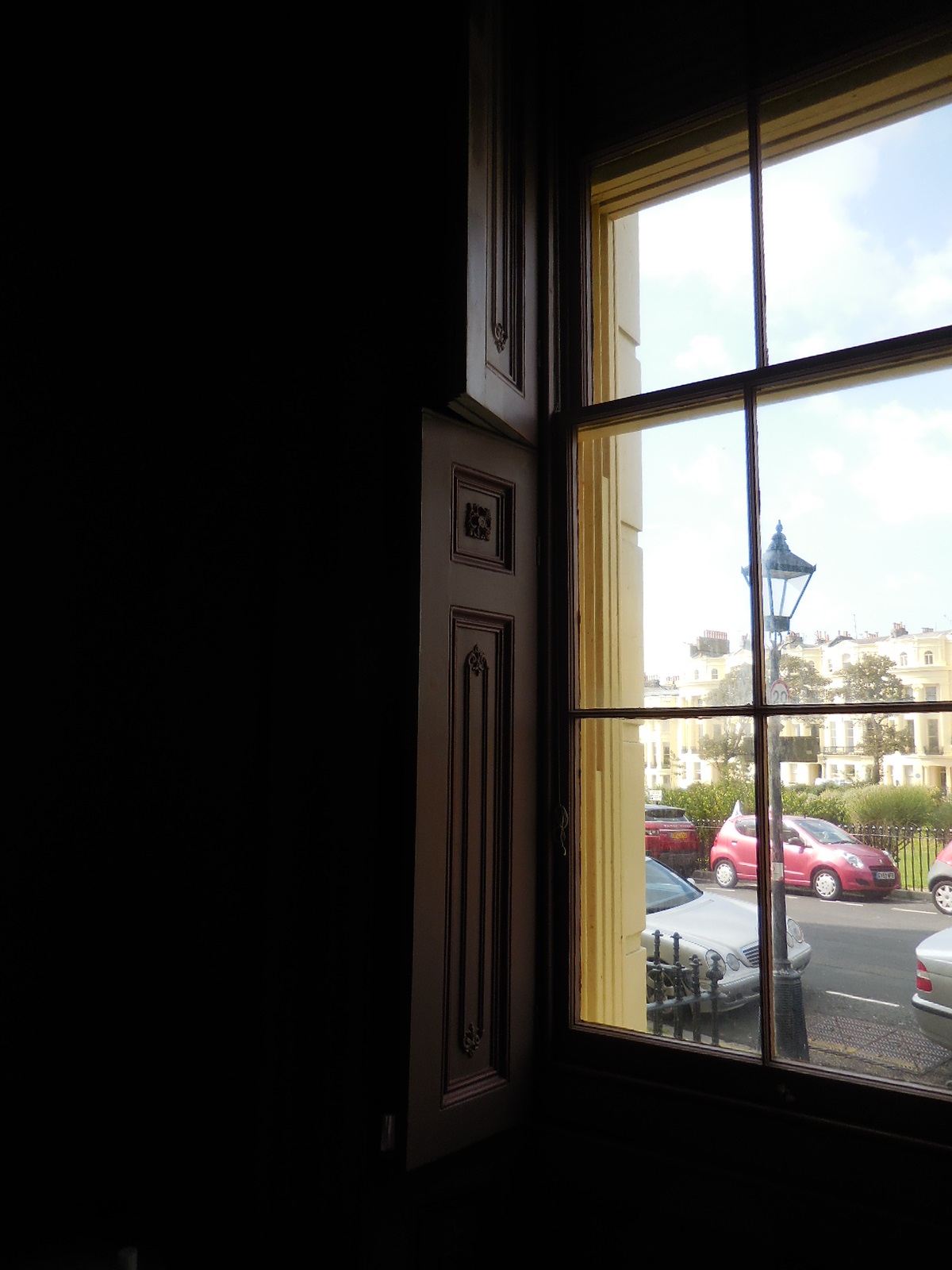
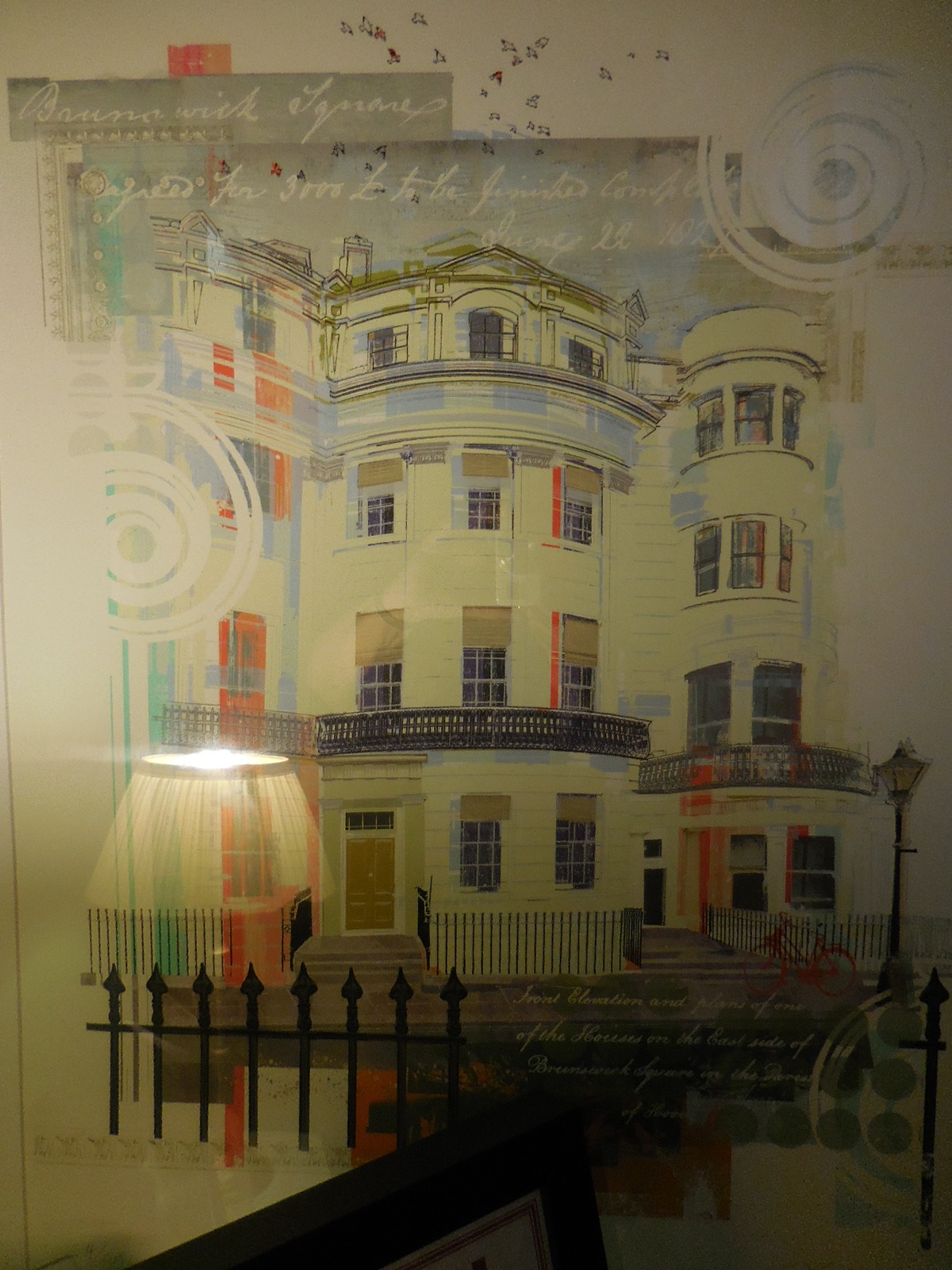
For a 360 degree street view of Brunswick Square, click Google Maps here.
WATERLOO WEDNESDAY: THE MONUMENTS MEN OF 1815
MONUMENTS MEN OF 1815
After the 2014 film The Monuments Men (starring George Clooney and Matt Damon), attention focused on the return of many art objects to their original homes after their looting by Nazi troops. Even more attention arose after the story of the Woman in Gold, starring Helen Mirren, about the return of the 1907 Klimt painting in 2006.
The Nazis were hardly the first victorious troops to steal great cultural artifacts from subjugated societies. It certainly was usual, even expected, to find treasures from a conquered people in the hands of their conquerors. But one might say Napoleon Bonaparte helped himself to more than had been usual when he confiscated many works of art in Europe and Egypt.
Napoleon’s troops, or perhaps the future emperor himself, confiscated this treasured work of Antonio Allegri, known as Correggio, during the French occupation of Italy. Returned to Italy in 1815, it can be seen in Parma’s national gallery. It was originally painted as an altarpiece in the 1520’s for a chapel in Parma’s Church of Sant’Antonio Abate.
Napoleon’s troops also seized the Quadriga, four horses from the front of St. Mark’s in Venice and brought it to Paris where it was placed on top pf the Arc de Triomphe du Carrousel, built to commemorate Napoleon’s triumphs.
![]() |
| Basilica of San Marco, Venice |
The Venetians had stolen the figures from Istanbul in the 13th century; nevertheless, the Quadriga was returned to Venice in 1815.
Due to the effects of air pollution on the statue, the “original” is now in a museum. A replica replaces it on St. Mark’s.
The title Quadriga is derived form the Latin words for ‘four’ and ‘yoke’. As originally sculpted by the or the Greeks, statues of four horses drawing a chariot with a triumphal figure, usually depicting peace, can frequently be found on monumental arches.
Above is the Quadriga created for the Arc de Triomphe du Carrousel, Paris, to replace the Venetian version. This one was “in honor” of the restoration of the Bourbon monarchy to France after Napoleon.
The famous Brandenburg Gate, built in the reign of Frederick William of Prussia, was constructed by Carl Gotthard Langhans from 1788 to 1791. Shortly thereafter it was crowned by a Quadriga of Victory by Johann Gottfried Schadow. In 1806, the Quadriga was stolen by Napoleon and taken to Paris. It was returned by Prussian General Gebhard von Blucher in 1814 after Napoleon’s first exile.The Iron Cross added to the sculpture’s laurel wreath of peace was an object of contention at various points in time, removed by East Germany but restored after German reunification in 1990.
London’s Wellington Museum in Apsley House is the home of many fine paintings stolen from museums in Madrid by Napoleon’s brother and puppet king of Spain, Joseph Bonaparte. When the Duke of Wellington’s forces overran the French troops at the Battle of Vitoria in June, 1813, Joseph escaped but left behind his baggage train containing hundreds of artworks he had looted. The Duke rescued the works and sent them to London for preservation from the war in the Peninsula. Under the care of the Duke’s brother, the works were preserved and re-framed. After the war when Spanish King Ferdinand VII was restored to his throne, Wellington offered to return the works to Madrid. Instead, in thanks for the Duke’s efforts on behalf of the Spanish people, the King gave a significant number of the artworks to the Duke. Many now hang in Apsley House, London. Here are a few examples.
Three canvasses formerly attributed to Titian’s studio were recently cleaned and conserved, revealing them to be the actual work of Titian himself. For a guide to these three paintings, click here.
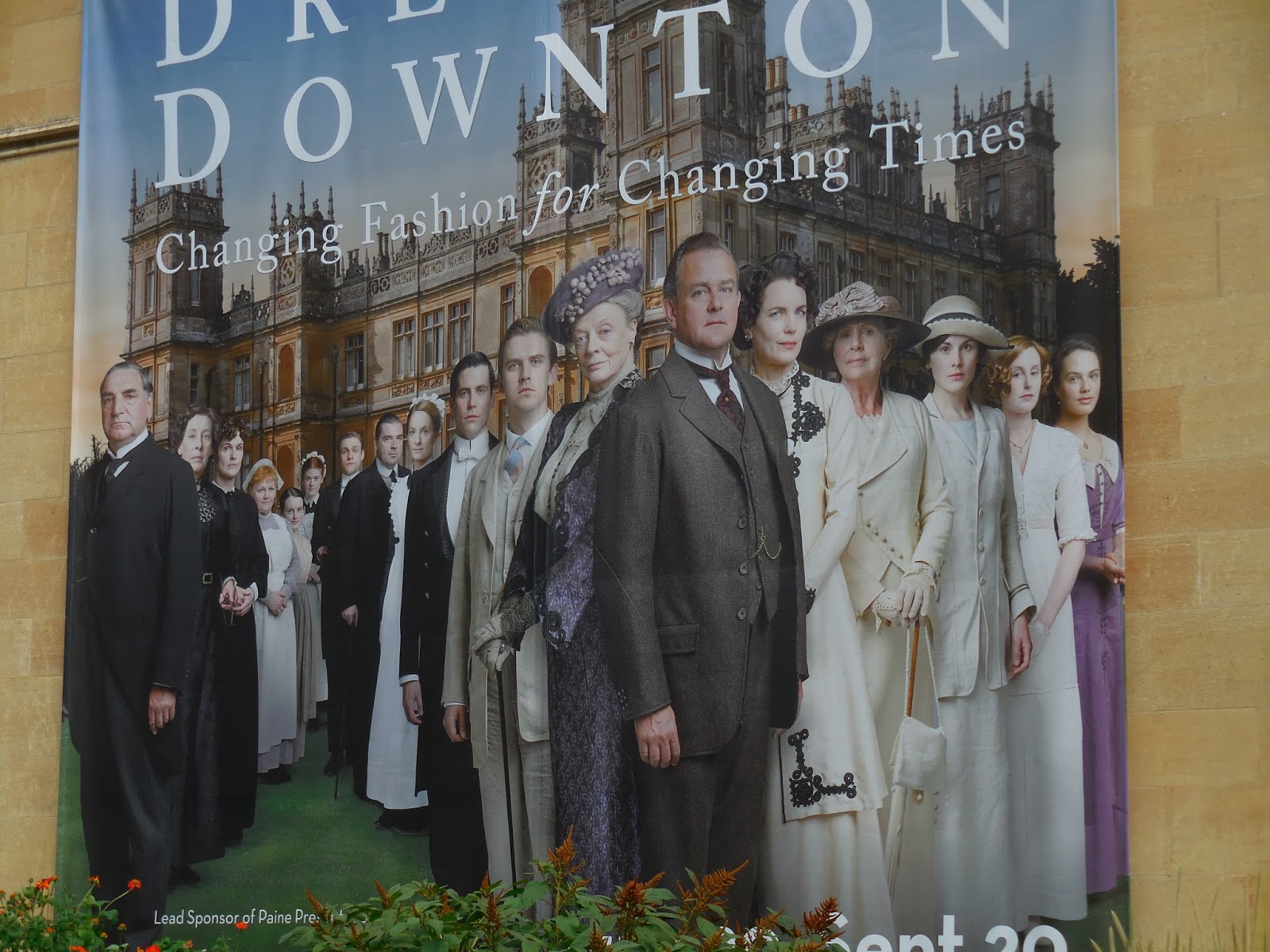
VISITING DOWNTON ABBEY COSTUMES AT AN "ENGLISH" COUNTRY HOUSE IN WISCONSIN
There was a healthy crowd at the Paine, probably among their largest. Most of the costumes were show in the rooms as illustrated in the pictures below, taken from various websites, as they allowed no interior photography.
In all, 36 costumes are seen from DA’s first four seasons, all made by Cosprop Ltd. with under the sponsorship of the program producers and local underwriters.
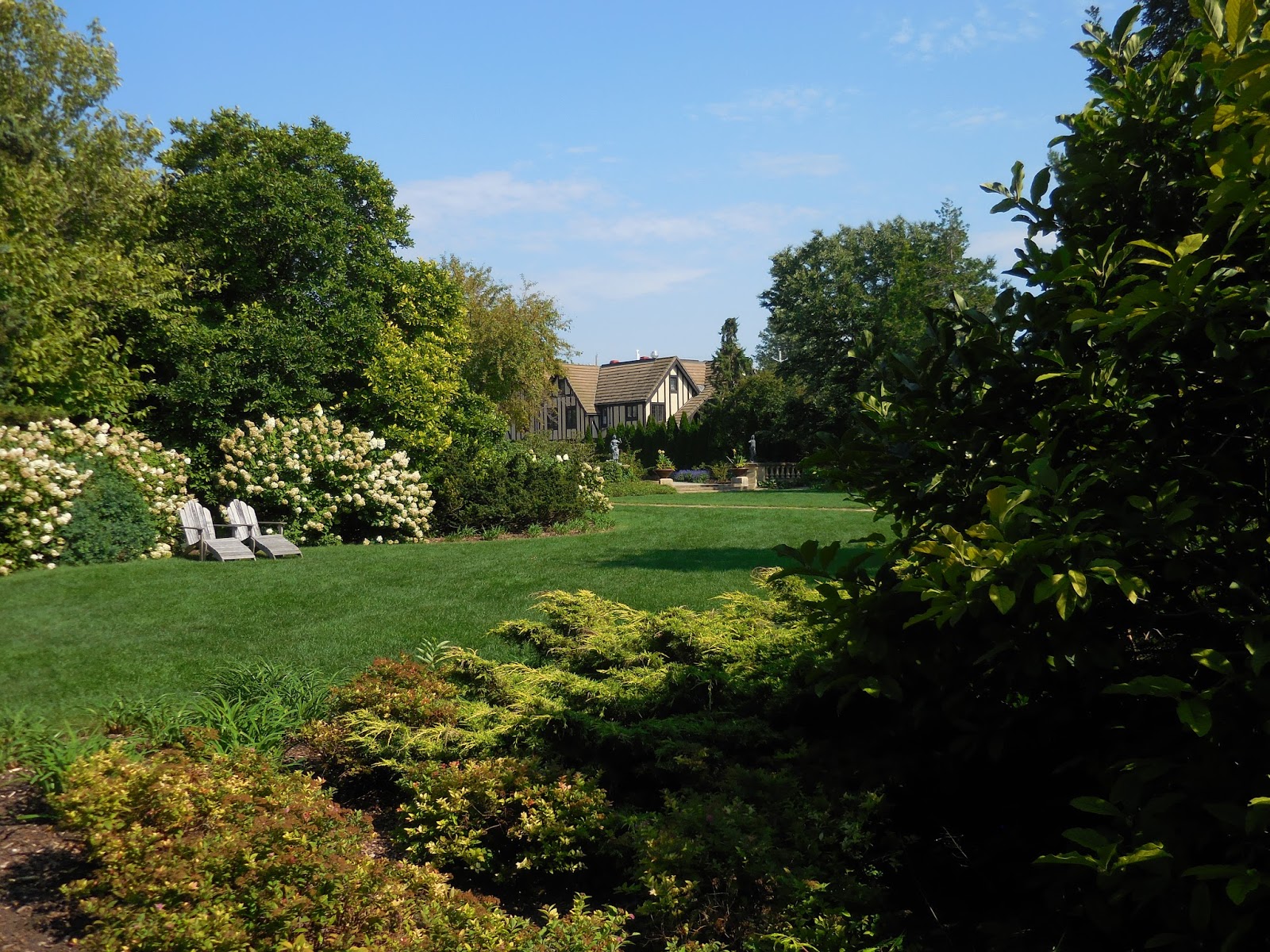
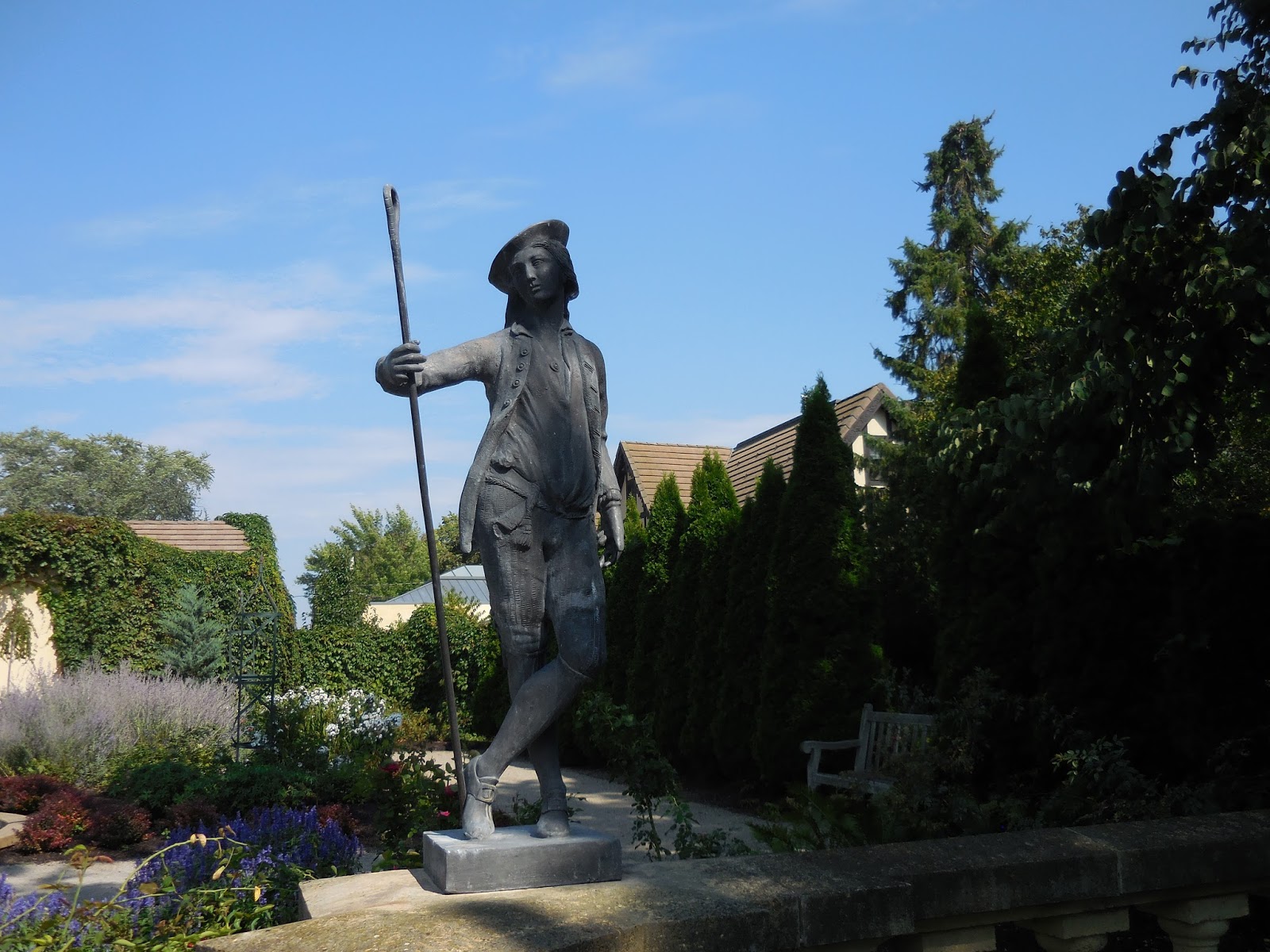
Even though it was unusually hot for Wisconsin, We wandered a bit in the garden, only slightly wilted by the heat. Both the blooms and the people! I snapped a few photos of the house and grounds.
I regret that I waited so late in the Wisconsin showing of this exhibition as I would have preferred to see it several times and now I won’t have time to go back before it ends on September 20, 2015. It had previously been shown at Winterthur in Delaware and at the Biltmore Mansion in North Carolina. Below is the upcoming schedule, so if there is a venue near you, you can share in the opportunity.
To see an account of the exhibition at Biltmore, click here.
| Oshkosh, Wis.* | Paine Art Center and Gardens | June-September 2015 |
| Richmond, Va. | Virginia Historical Society | Oct. 2015-Jan. 2016 |
| Chicago, Ill. | The Richard H. Driehaus Museum | February-May 2016 |
| Cincinnati, Ohio | Taft Museum of Art | July-September 2016 |
| South Bend, Ind. | The History Museum | Oct. 2016-Jan. 2017 |
| Anaheim, Calif. | Muzeo Museum and Cultural Center | February-May 2017 |
| Nashville, Tenn. | Cheekwood Art & Gardens | June-September 2017 |
| St. Augustine, Fla. | The Lightner Museum | Oct. 2017-Jan. 2018 |
ONE YEAR AGO TODAY…. ON THE DUKE OF WELLINGTON TOUR
Here it is, September 11, 2015…exactly one year after the Duke of Wellington Tour visited Highclere Castle, perhaps better known as Downton Abbey. We were all fans of the show, some more than others, but all thrilled to see the setting for many years of Masterpiece Theater evenings.
The Castle’s website is here.
We rather expected the Earl of Canarvon to welcome us, but apparently he was urgently called away.
(Photo of the library from the website)
OUR PICTURES AGAIN…
Views of the Park
The Gardens
Recently we heard that the Queen is a fan of Downton Abbey, watching for little errors. Click here for the story.
Very soon, Downton will return on TV screens in the UK. On January 3, 2016, Downton Abbey returns to MASTERPIECE on PBS with its 6th and final season set in 1925.
For the Season 6 trailer, click here. Spoiler alert: It bodes ill!
For lots more information from PBS, click here.