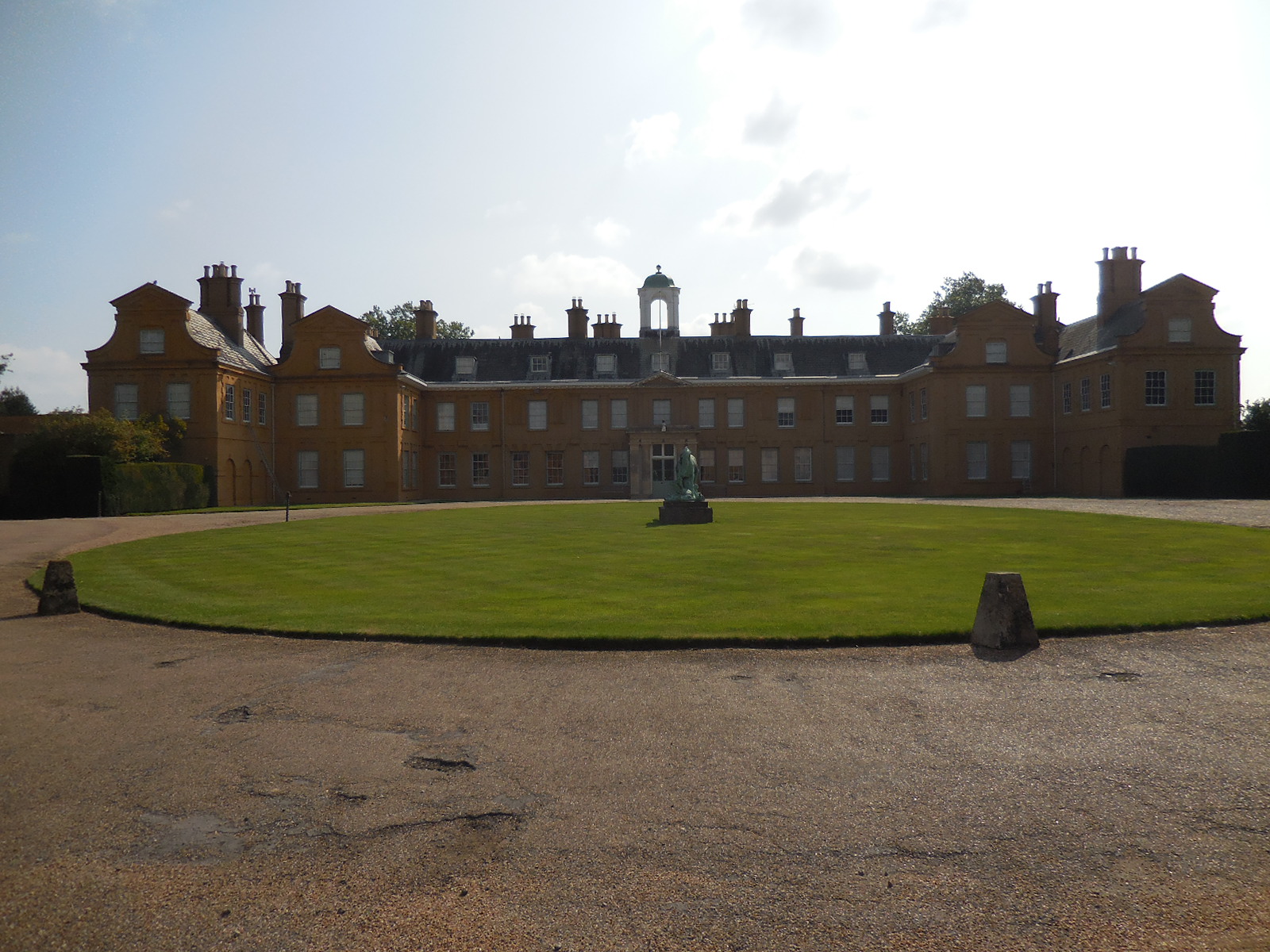
DUKE OF WELLINGTON TOUR: STRATFIELD SAYE

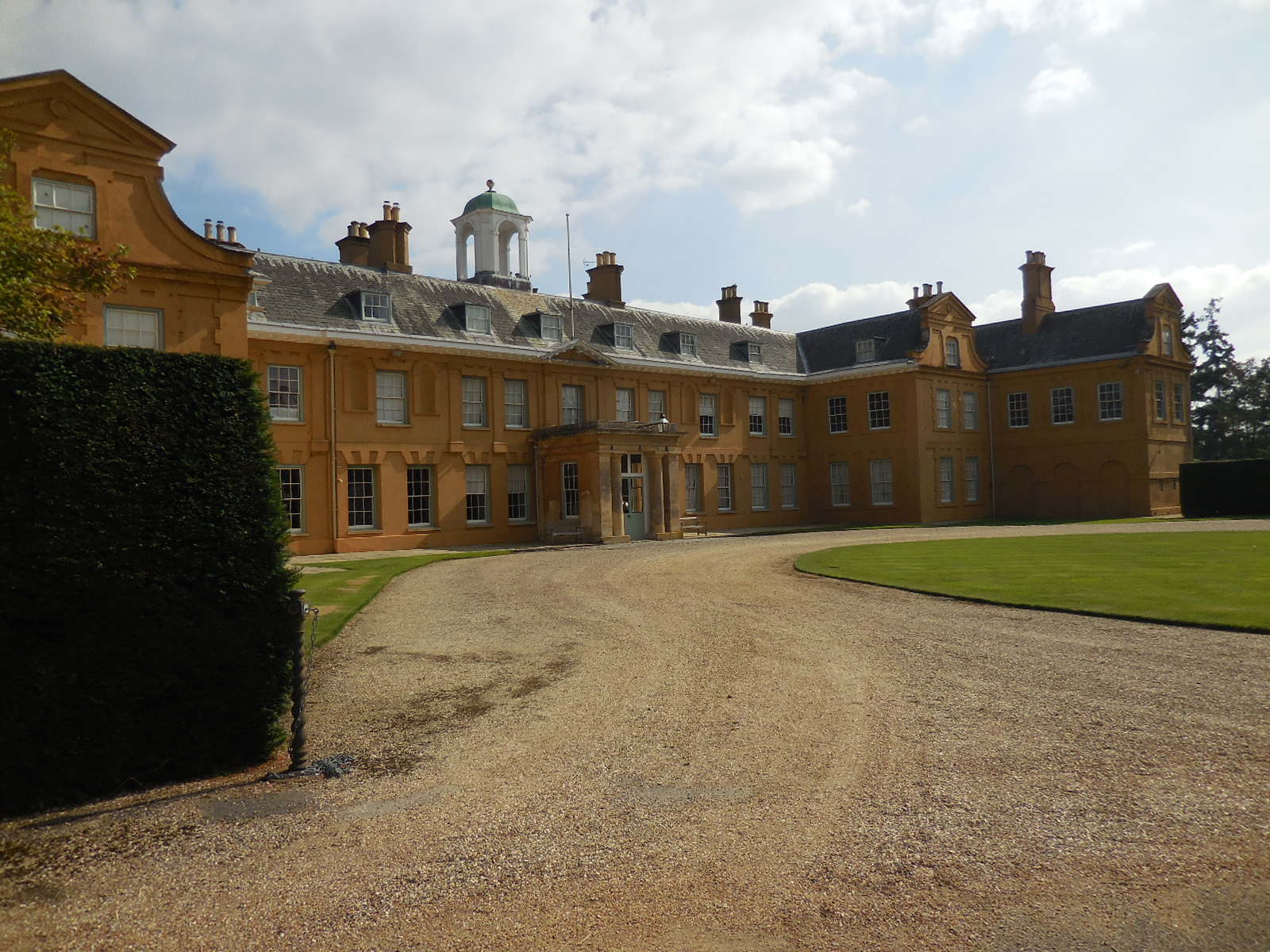
We’ve written about Stratfield Saye on this blog before – you can read Victoria’s account of her previous visit to the property here. However, I had never been to the estate. Each time I’d visited England in the past it was during those periods when the family was in residence and the house had been closed to the public, so this was truly one of the highlights of the Tour for me.

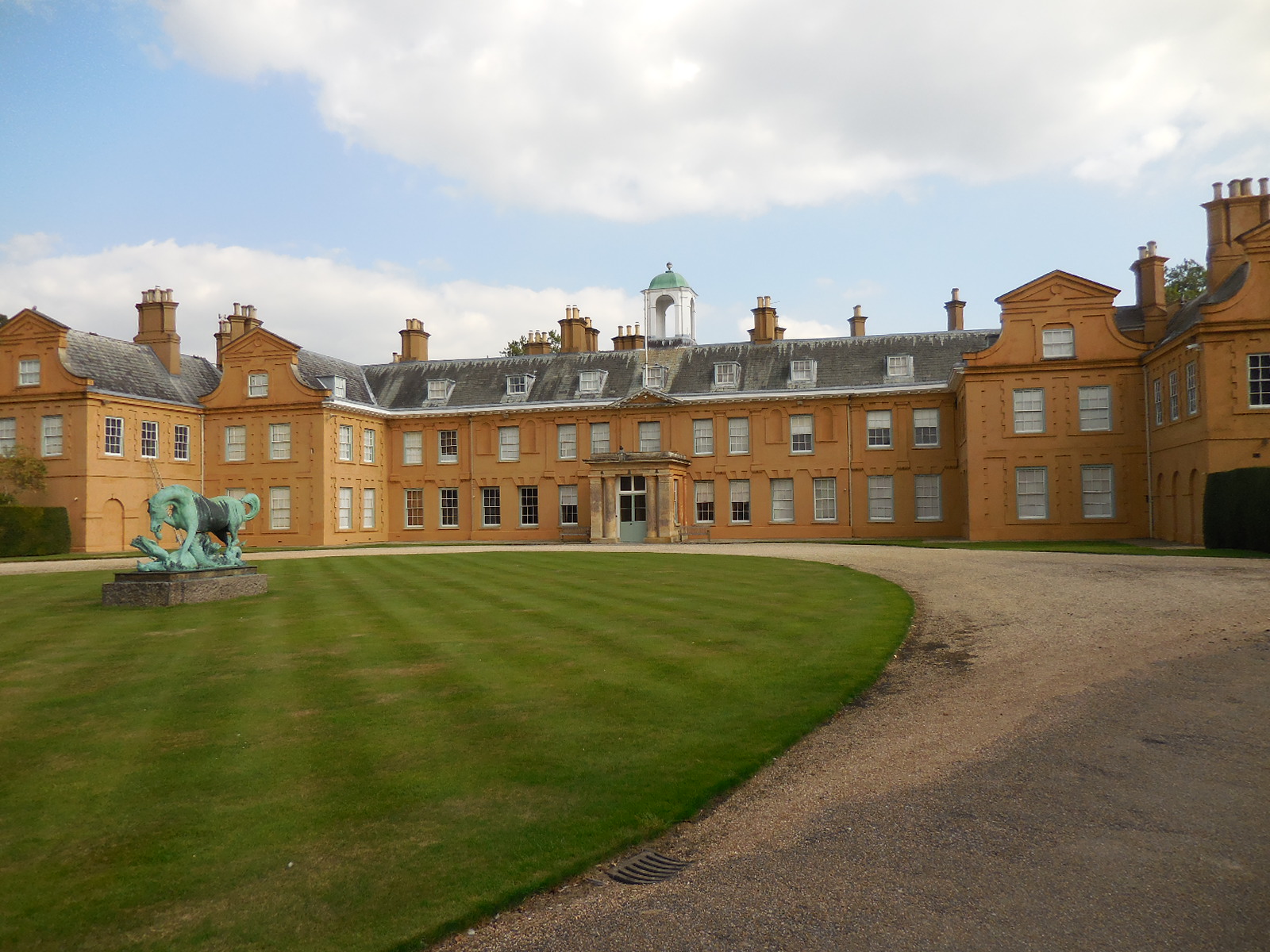
One of the things that surprised me was that the entrance drive to the house cuts straight through the stable blocks. I’ve been to a fair number of stately homes and can honestly say that I’d never seen this configuration before.

From Wikimedia: Statue of horse and dragon, Stratfield Saye This bronze is missing St George. It was initially commissioned by George IV for St George’s Hall, Windsor, but wasn’t completed before the King’s death. It was bought by the second Duke of Wellington for £750 in 1865. 

No photos were allowed inside, but you can some we swiped off the web in Victoria’s post by using the link above. 
Photos of the Church of St. Mary the Virgin, Stratfield Saye
September 2014
When the 8th Duke of Wellington died in January 2015, his funeral was held here.

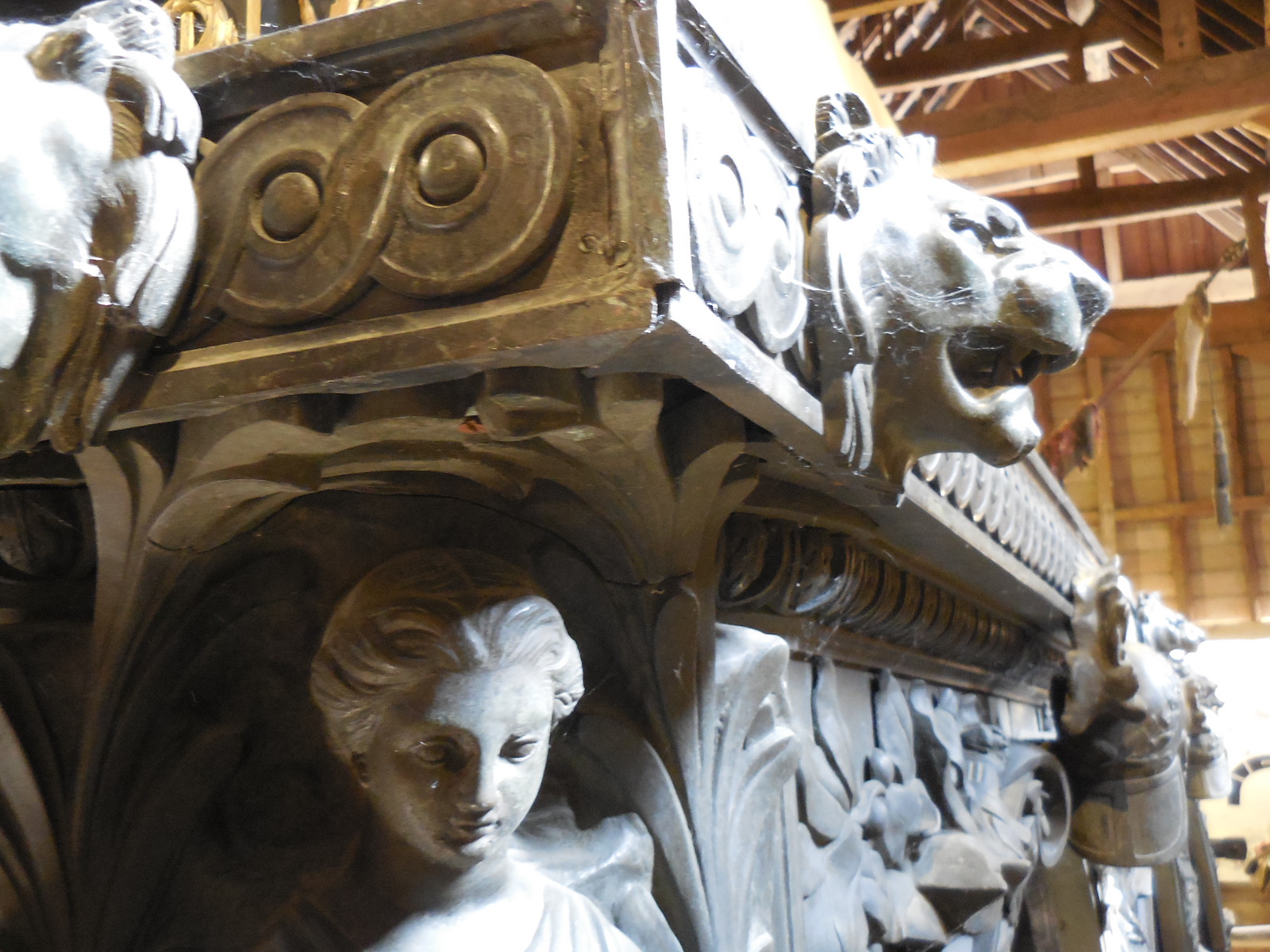
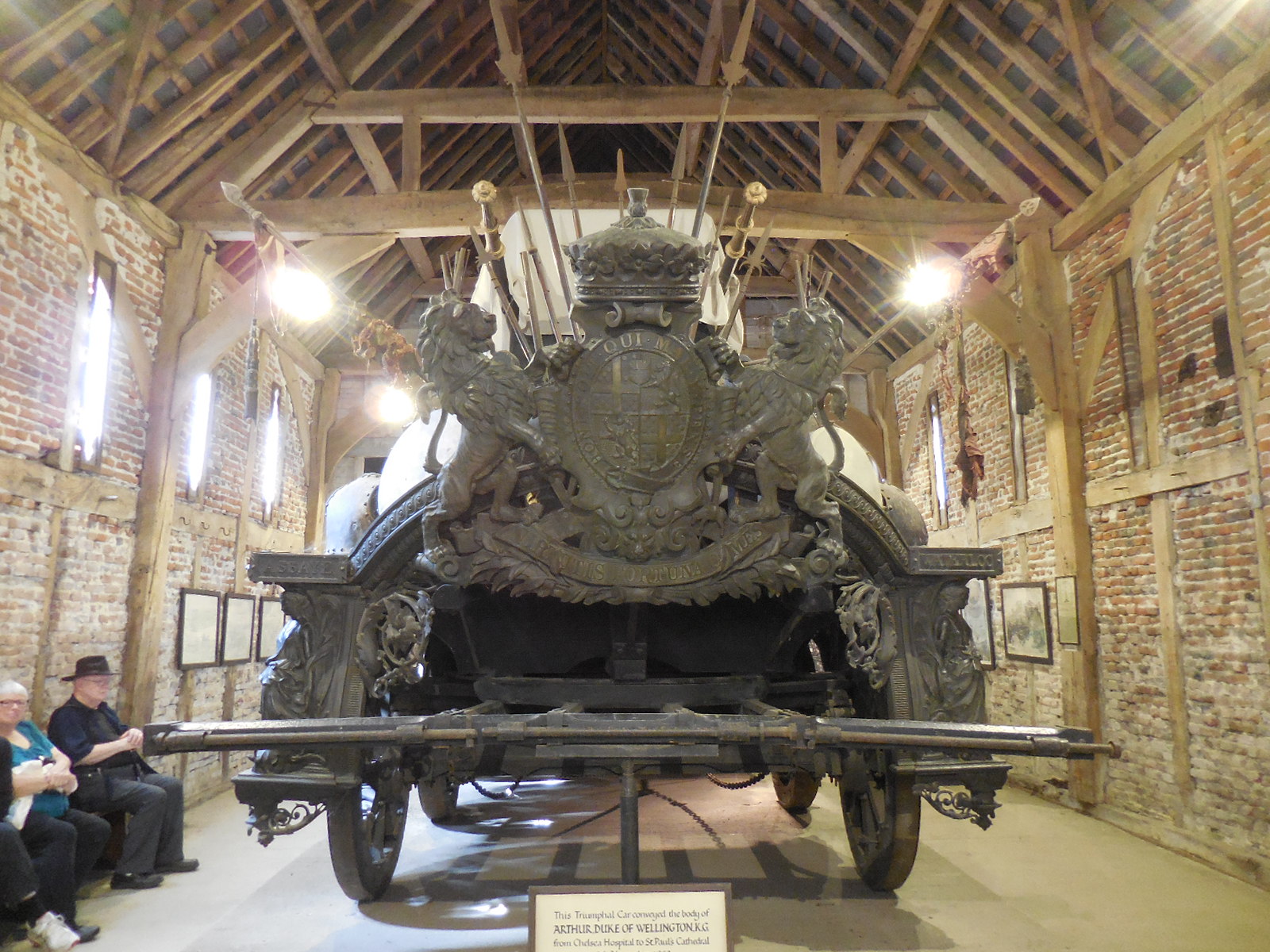
The Wellington Funeral Car:

Commemorating Wellington’s battle victories:
Ahmednuggur, Assaye, Argaum; Gawilghur, Rolica, Vimiera
Douro and Oporto, Talavera, Busaco; Tporres Vesdras, Fuentes D’Oonor, Ciodad Rodrigo

Badajoz, Salamanca, Vittoria; Pampeluna, Pyranees, St. Sebastian
Nivelle, Nive, Orthes; Toulouse, Quatre Bras, Waterloo
Details of the funeral car:

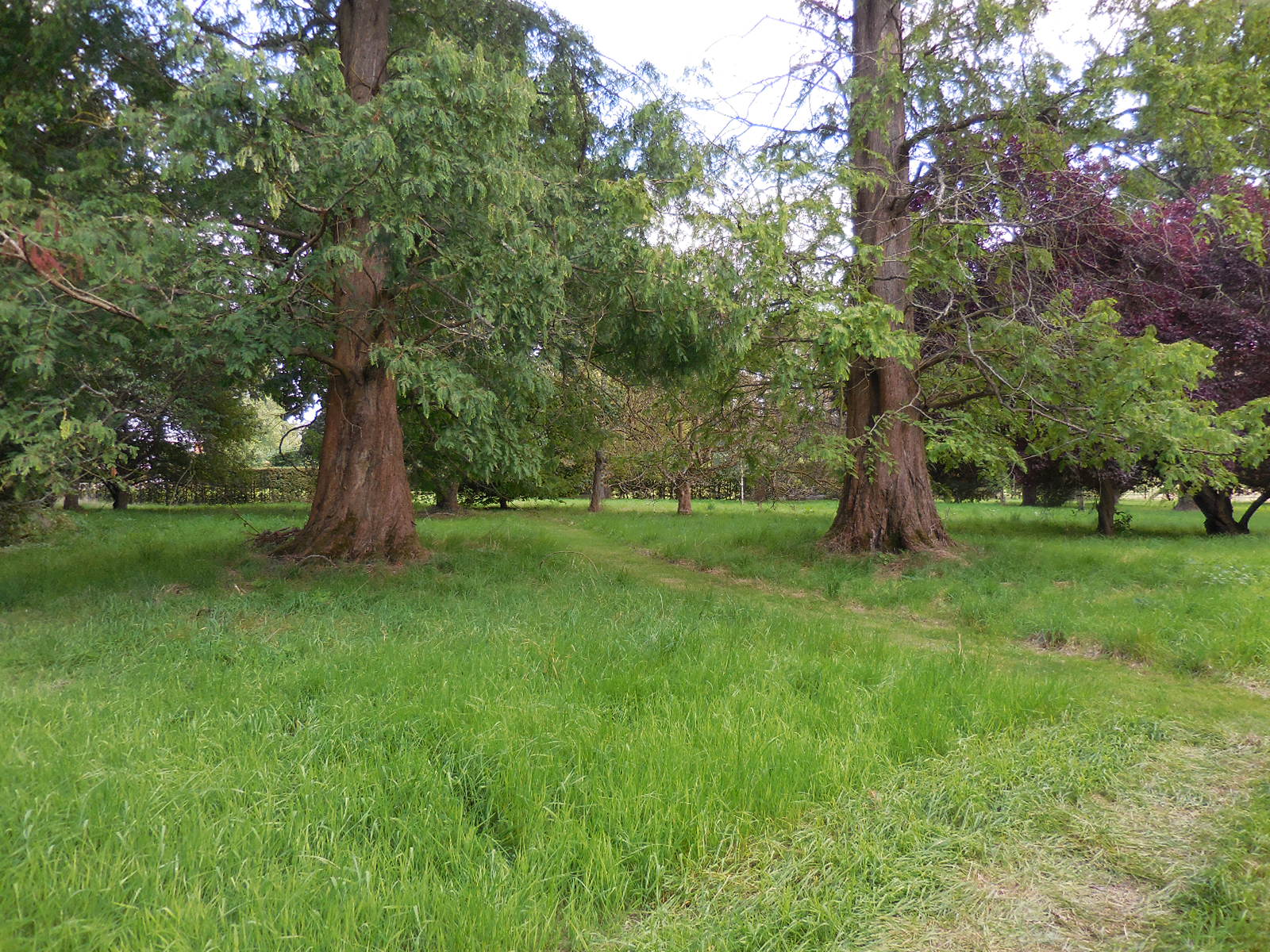
Walking the grounds and gardens of Stratfield Saye:

large mushroom/fungus found by Victoria

Reader, the day, and Stratfield Saye, did not disappoint!

THE DUKE OF WELLINGTON TOUR: KRISTINE AND VICTORIA'S HOTEL ROOMS

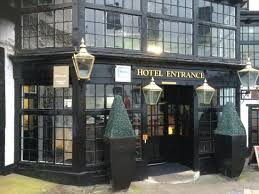
Oh, the opportunities for anecdotes British travel affords one. The stories I could tell you . . . . and I will. Now.  Many moons ago, on a tour far, far away, I stayed at Chilston Park in Kent with a tour group I was leading. I was with my dear, good friend, author Sue Ellen Welfonder. She is the Bozzy to my Samuel Johnson. So, we were on a tour and arrived very late at night at Chilston Park. The tour group had dinner and then I sneaked off to have a cigarette. It was very late, it was very dark, and I stepped outside of the front door pictured above, lit my cigarette and inhaled deeply. Heaven. There I was all by lonesome, until I spied something from the corner of my eye. It was a large something, alive as it was heaving. It was moving, subtly so, but there was movement. It looked for all the world like a bear. Were there bears in England? (er, no) Must be, as there was one there, right before my eyes. I sucked in a lungful of smoke and stood as still as possible. Hopefully, the bear wouldn’t see me and I would live to see another day. And to lead another day of our tour. It was then that the “bear” separated and I made out that it was a couple in a heavy clinch, a lovers embrace, so to speak, and not a bear at all, but rather a bear hug.

And then there was the time that I was in England with my daughter, Brooke, and neither of us could figure out how the shower mechanism worked. We had to call down and have the hotel send someone up to show us how to put the water on. And off.

And then there was the time . . . . well, you see that I have a trove of English hotel stories. And many of them involve Victoria. And some involve the Duke of Wellington Tour. After our visit to the Royal Pavilion in Bath, our coach took us to the Mercure George Hotel in Reading in preparation for our visit to Stratfield Saye the next day ( Huzzah!).

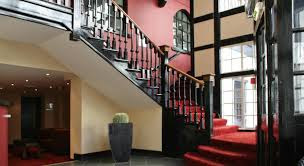
The Mercure George Hotel in Reading is housed within a 15th century building that was once a coaching inn. 

It’s ancient. It’s historic. It’s atmospheric. It’s charming. However, it has no elevator. 
Victoria and I told the tour group that the hotel staff would bring everyone’s bags up. We distributed room keys and planned to meet for dinner in an hour’s time. 
“Do you think they’ll mind that there are no elevators?” Victoria asked me.
“No! The staff will bring the bags up, and how often do you get to sleep in an authentic coaching inn? I don’t think anyone will mind,” I said cheerfully, taking the key card from the front desk lady. “Come on, bring your personal stuff and let’s find our room.”
So off we trotted to our room. Up the first staircase . . . . 

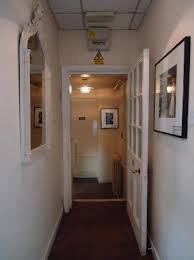
Through a set of swinging doors that led down another hallway. And up another set of stairs. Then down another long hallway. 
“Are they joking?” Victoria asked.
“Whatever can you mean,” I replied, knowing full well what Victoria meant. This was akin to climbing  Everest. I turned to find Victoria resting her back against a wall. 
“How much further?” she asked. 
I answered honestly. “No idea.” Pant, pant. “It can’t be that much further. We’re in a certified coaching inn! Isn’t this marvelous?”
“No.” 
“You have to get into the spirit of things,” I cajoled. “We knew there was no elevator.”
“Yes, but we didn’t know how bloody big this coaching inn would be. No trouble in the days of footmen, but we have no footmen.” Yet another reason to lament being born in the wrong time period.
Off we trudged again. . . down more hallways, through a set of double doors, all the while reading signs that promised to lead us to our room. 

At long last, we arrived at the room. Our room number was emblazoned upon the door. We had arrived!
I put the key card into the lock . . . . and it didn’t work. I turned the card wrong side up and tried again. Still no luck. 
“Give it to me,” Victoria said. I gave it to her. She tried it the right way. She tried it the wrong way. She tried it upside down and she tried it backwards. The key card did not work. 
Victoria and I stared at one another for a time as the truth of situation sunk in. Then Victoria said, “If you think I’m going down that rabbit hole again, and back up again, you’ve got another think coming. I’m done.”
Hmmm. Frankly, I was done, as well, but that wasn’t getting either of closer to a rum and coke. So down again I went, through double doors, down hallways and following signs to the front desk, where I went through the explanations that finally led to a new key being cut and handed over. Reader, this time it worked. Sigh. 
All was well hotel-wise until we got to Windsor, where we stayed at the Mercure Castle Hotel. If you recall, I had stayed here before with Hubby. It’s a fabulous hotel, a literal rock’s throw from Windsor Castle, and this time out, Victoria and I were assigned to quite a large room with a fabulous bath. 
“Well!” Victoria exclaimed, sitting upon the downy bed. “This is more like it!”
“The room is huge, no?” said I.
“Huge, yes, and plenty of room to spread out. Look, there’s a single cup coffee maker and a fridge.” She got up and walked to the end of the room, where two steps down led to . . . “Wow, look at this bathroom!”
I got up and followed, poking my head around Victoria’s. A large space, complete with a deep tub and towel warmer. “I don’t know about you,” I said, “but I can hear Jo Malone calling my name.”
“Let’s unpack and then get some ice and have drink.”
I didn’t argue. I unpacked. As per usual, Victoria and I prioritized our unpacking, setting up our laptops, plugging in the chargers for our cameras, getting out our nightclothes and reading material. It’s so nice to travel with someone who shares the same values. 
Several minutes elapsed before Victoria said, “Hey. Look at the door.”
Hmmm? I plugged my laptop in and looked at the door. “Yeah?”
“Look at the door.” 
“I’m looking.”
“Honestly! If you’d been at Waterloo, you’d have said what Frenchmen? Look at the bottom of the door.”
I looked at the bottom of the door. “What in the Hell?”

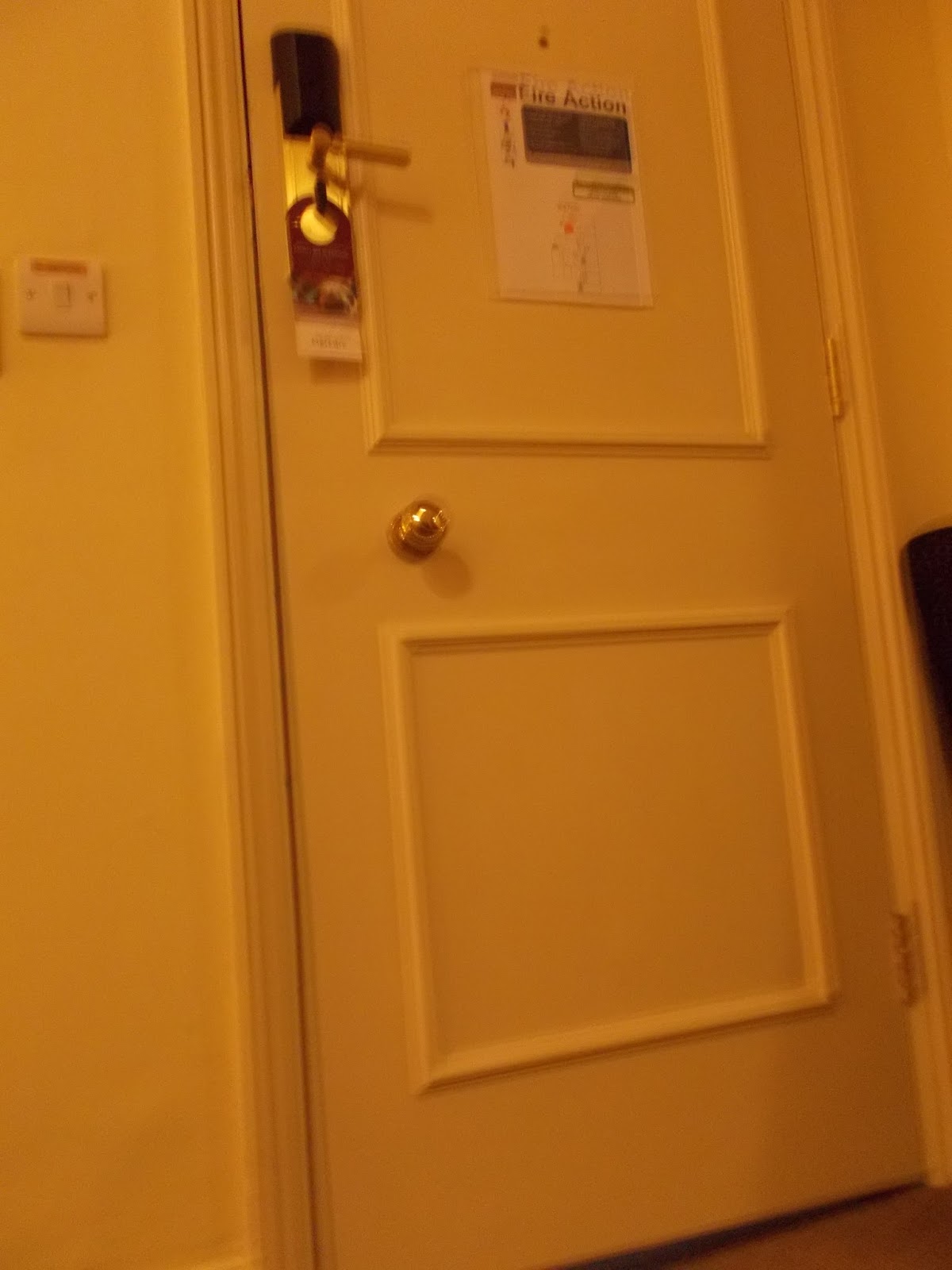
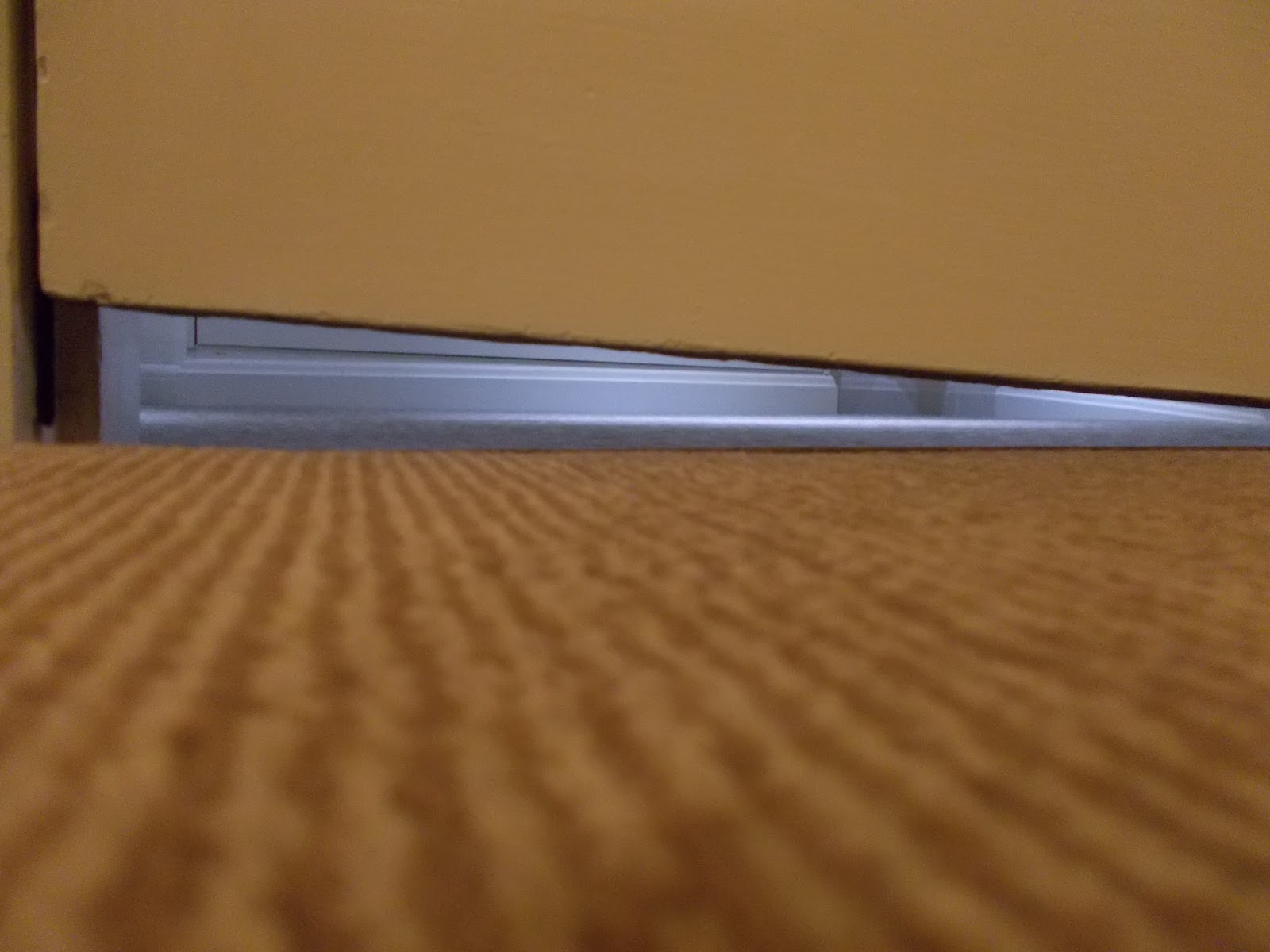
As you can see, there was a rather large gap beneath one side of the door. 
By this time, Victoria and I were sitting side by side on the end of the bed, staring at the bottom of the door. 

“That’s a huge gap.”

“Mmmm. Which you hadn’t noticed.”

“Well . . . . but I’m fairly sure I’d have noticed if it were a Frenchman. Especially if he were in uniform.”

“Why do you think it’s like that?”

“A crap carpenter?”

“No. It’s got to be like that for a reason.”

“A cat could get in through there. Or a ferret. Certainly a snake.”

“Lovely. Thank you for that.” Were there snakes in England?

More minutes went by as we mused on the reason for the wonky carpentry. Finally, Victoria said, “Look! Look how the floor to this room slopes down. See it. The entire room’s on a pitch. They had to cut the bottom of the door like that so that you could open the door. Cause the floor slopes up at that end. If the door weren’t cut like that, you wouldn’t be able to get into the room.”

I saw what she meant. “You’re right. But it still means that
a cat can still get in.”

“What would be worse, a cat or a Frenchman?”

“Definitely a cat,” I replied. “I’m not allergic to Frenchman. As far as I know.”

But back to our time at the George Hotel in Reading . . . . it’s the night before our visit to Stratfield Saye (Huzzah!) Stay tuned for our post covering our most momentous visit to Wellington’s country home coming soon.

DUKE OF WELLINGTON TOUR: BRIGHTON'S ROYAL PAVILION

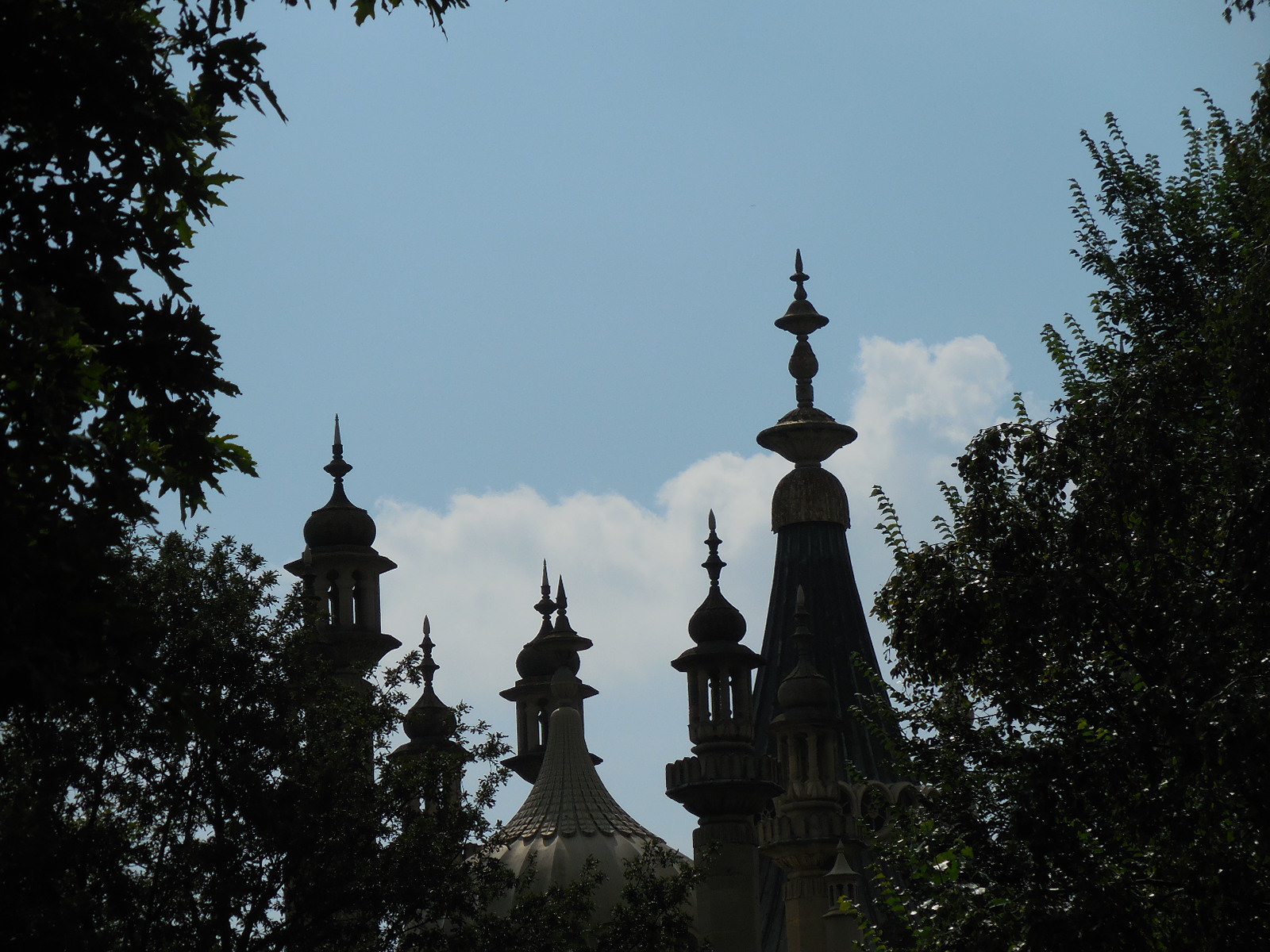
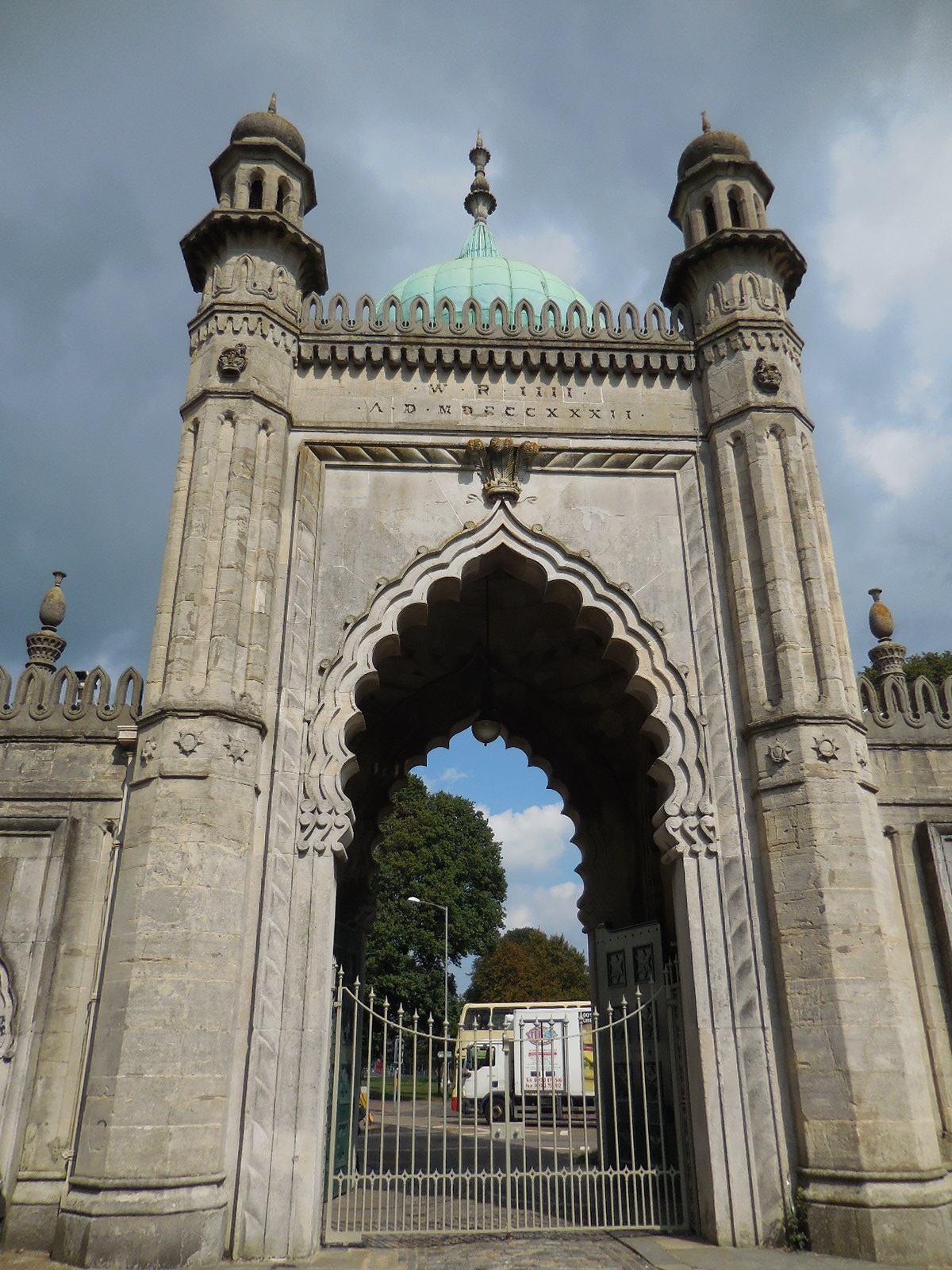
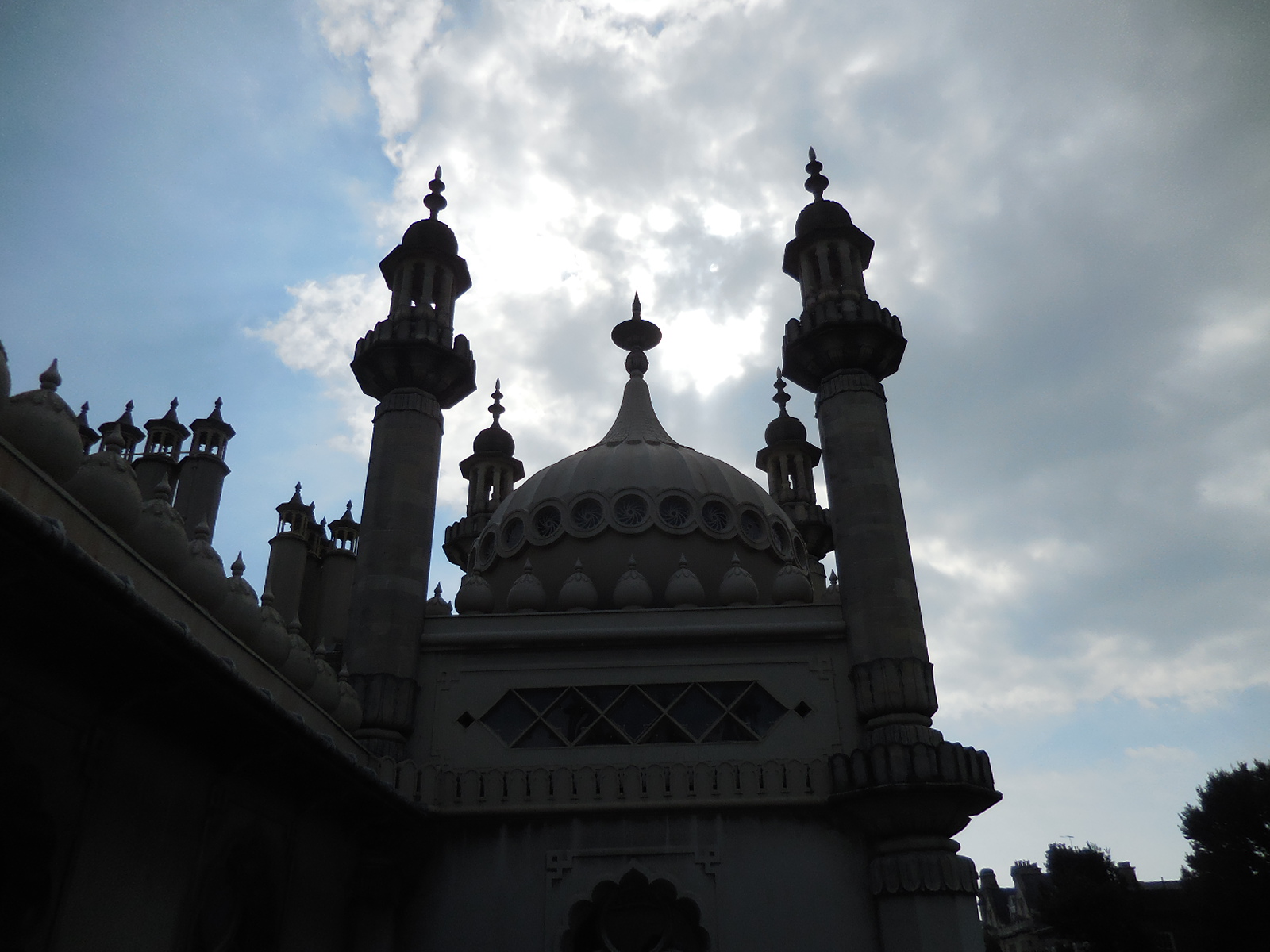
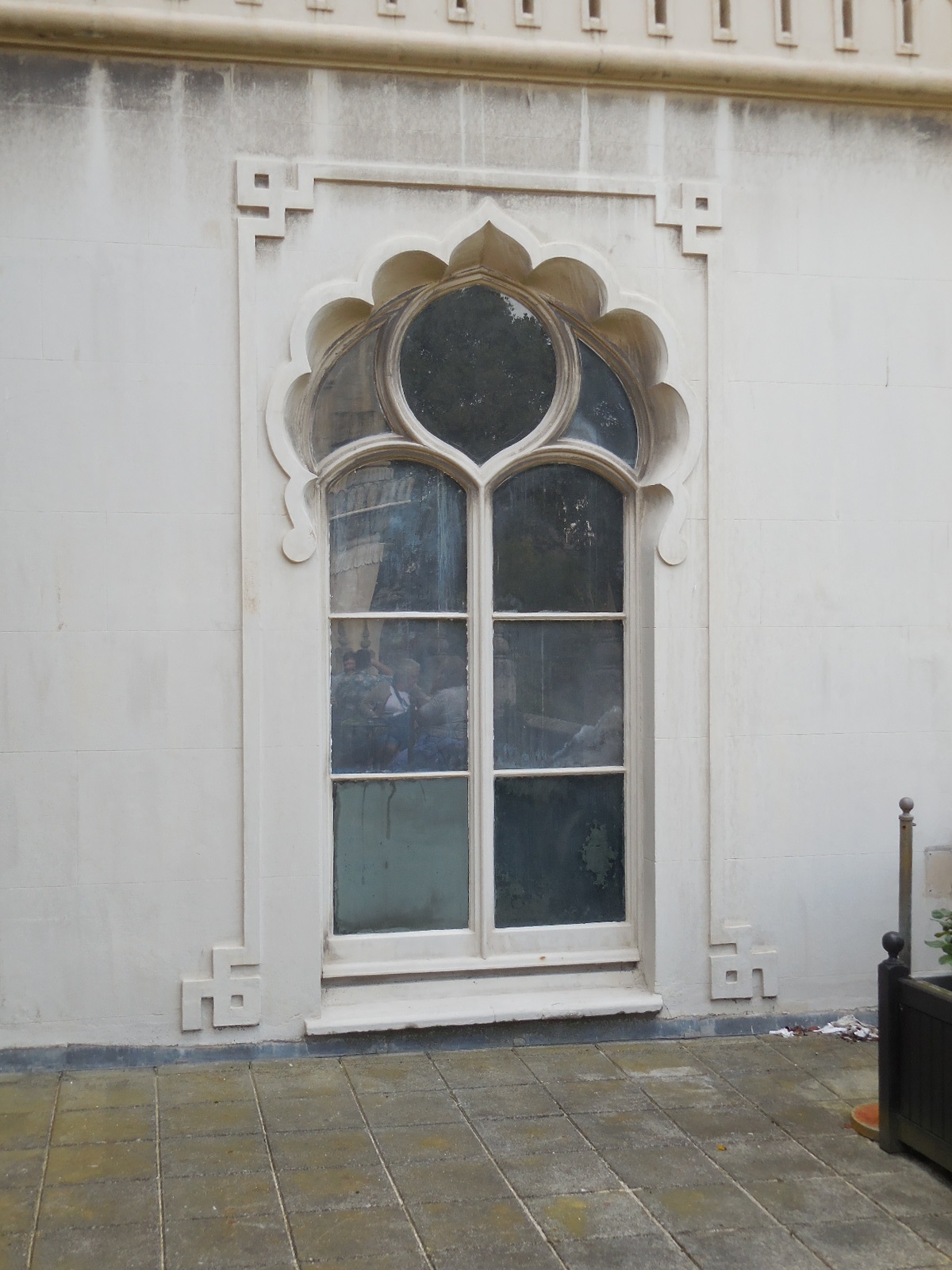
THE BIZARRE WORLD OF THE PRINCE REGENT AMAZES US
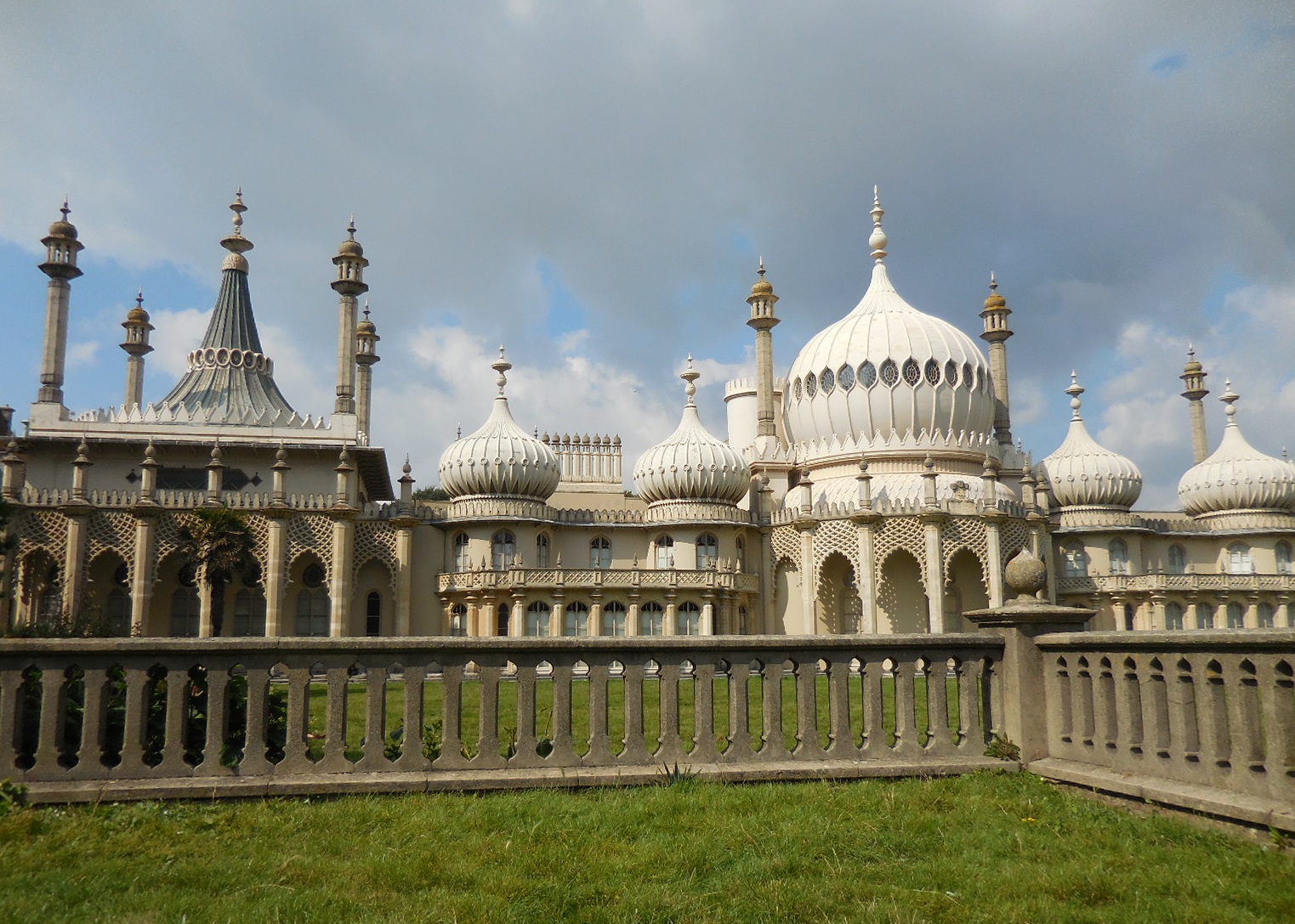
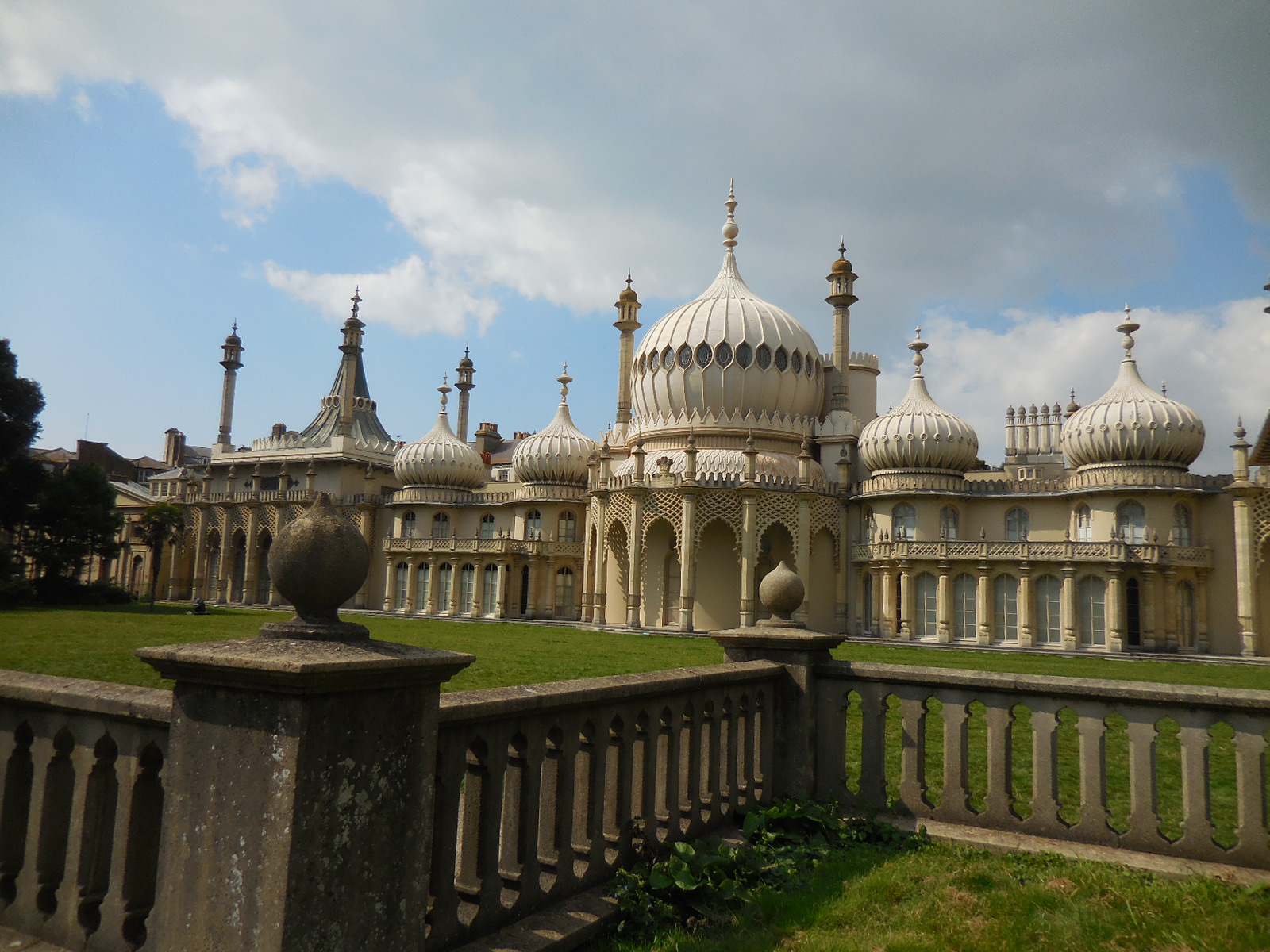
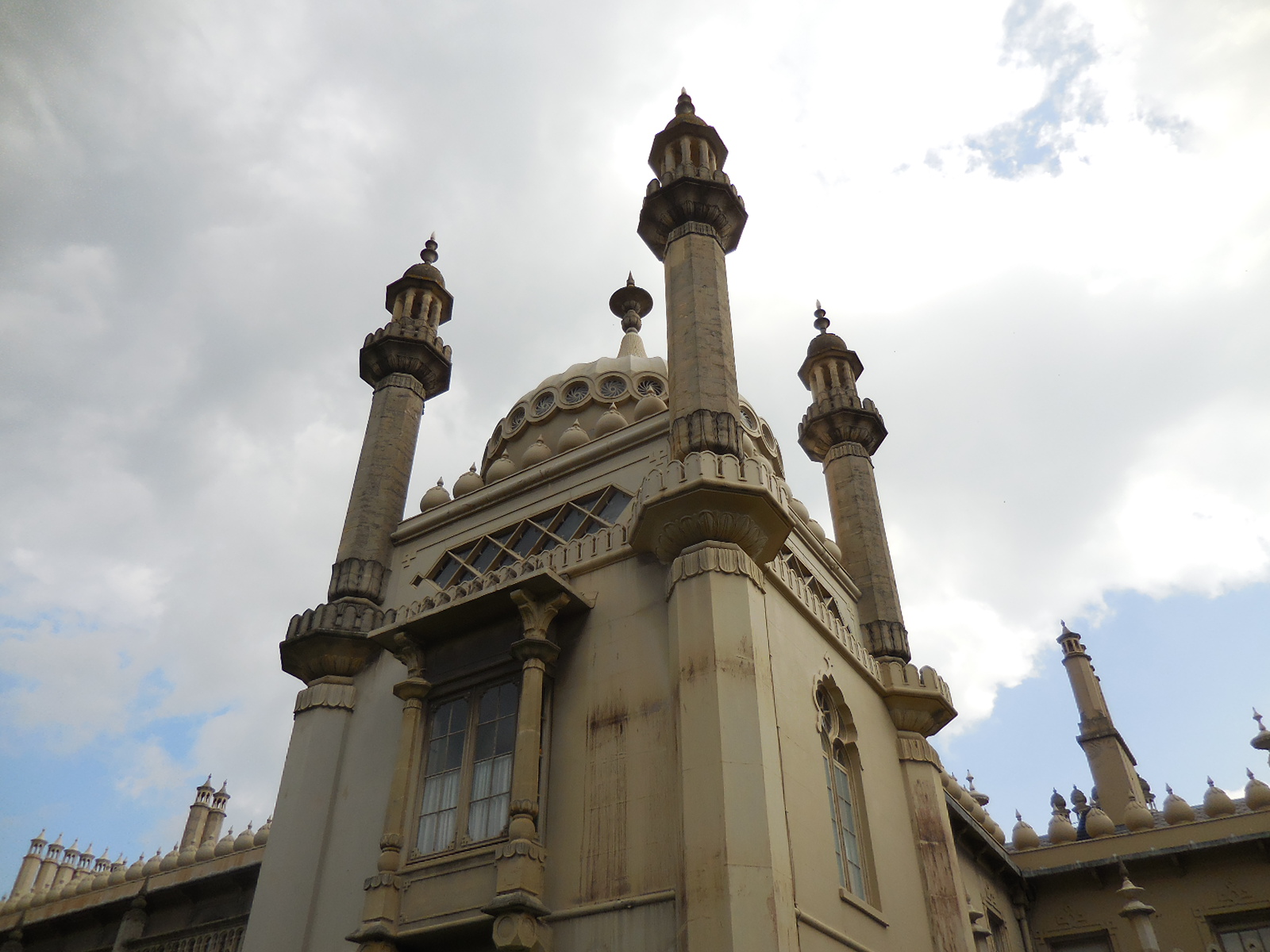
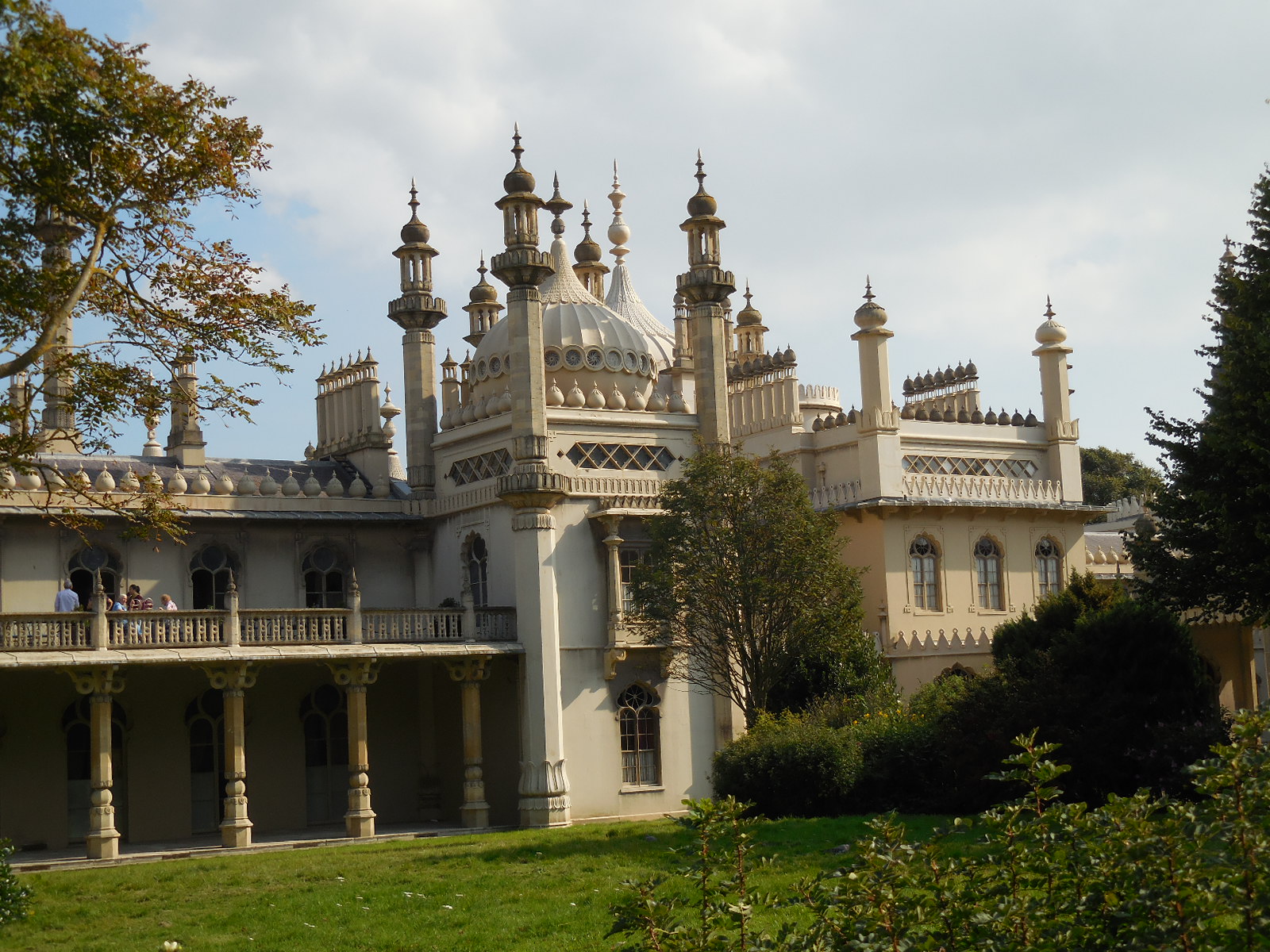
Nothing, no text nor picture, prepares one for the actual experience of standing before the Royal Pavilion. As you can see, Victoria could not stop snapping pictures. Take a step. Click. Another step. Click. Another step. Click, and so forth.

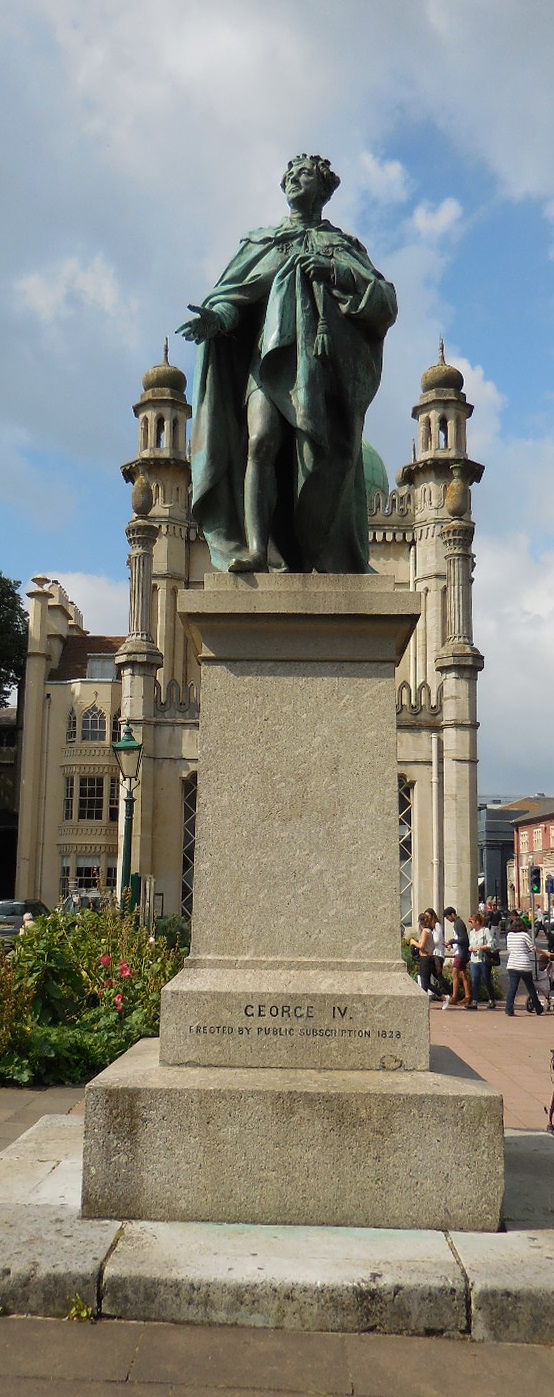
The Prince Regent, later George IV

The Dome of the Stables, now the Brighton Museum. 

< /div>

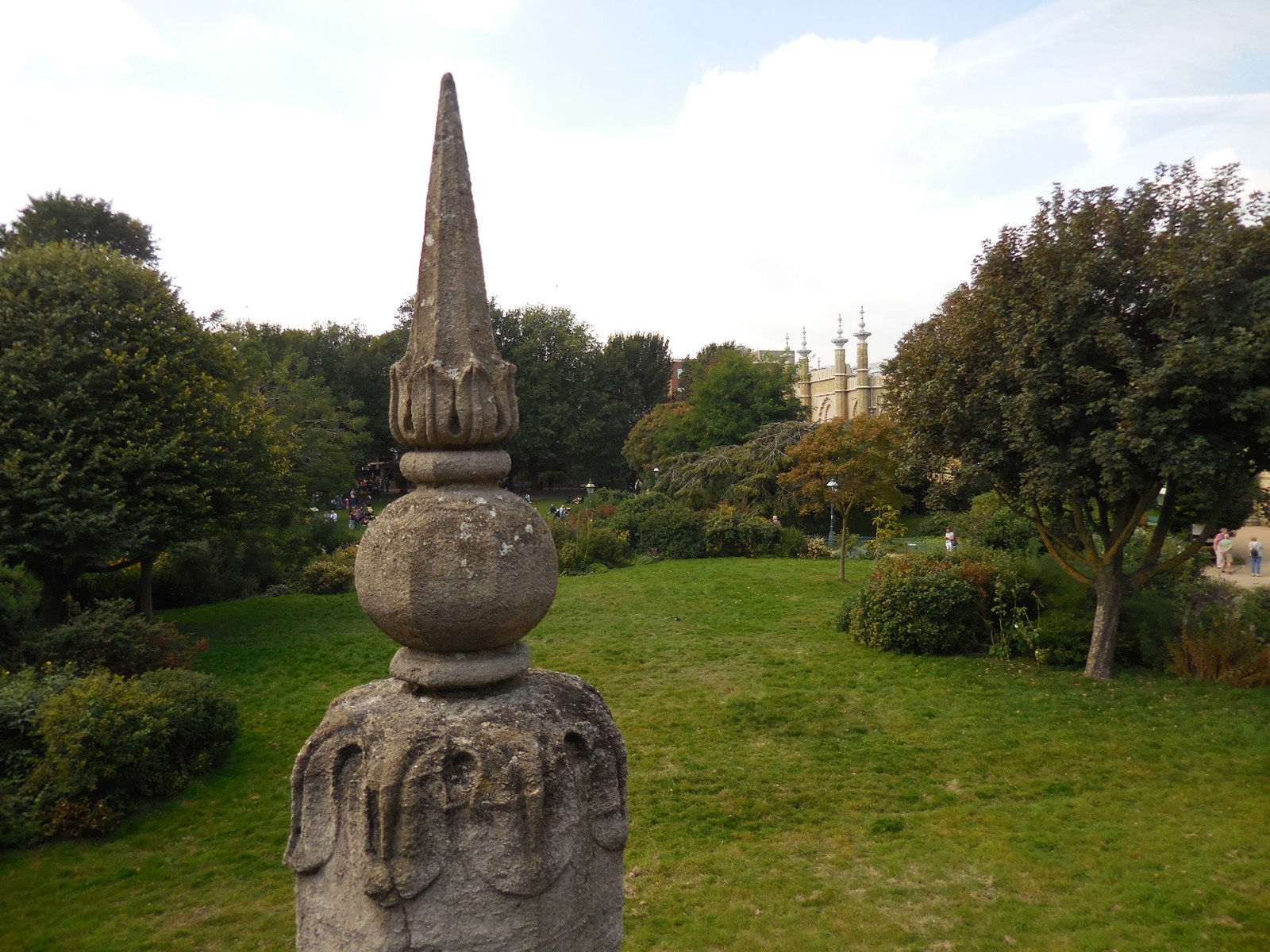
Fuschia in profusion

Sadly, no pictures are allowed inside. but you can do virtual tours on the website if you click here.

This blog has carried several posts on the Pavilion before the Duke of Wellington Tour.

Click here for Tripping the Light Fantastic and interior shots.

Click here for more on the Great Kitchen.

And if you haven’t already visited Brighton, be sure to put it on your next travel itinerary.

WATERLOO WEDNESDAY: VICTORIA'S RANT ON THE SMITHSONIAN ON WATERLOO

from the reenactment in 2015

On the cover of the June 2015 issue of the Smithsonian Magazine I found this Tease: Napoleon’s Last Charge: Why Waterloo should never have been fought.

Here was the challenge in the headline of the article on p. 66: “Napoleon’s Last Charge; On the bicentennial of the most famous battle in world history, a distinguished historian argues that Waterloo never should have been fought.”

Om the website, the copy of the article is headlined: “Why We’d Be Better Off if Napoleon Never Lost at Waterloo”.   To read the article, click here. You’ll get an ad, but click on the upper right to go straight to the story.

Provocative. Controversial. Shabby. Maybe insulting. Surely irritating to Victoria. and I assume Kristine. So understand, dear reader, that my teeth were on edge before I read a word of the story.

It takes eight paragraphs for the author to stop reciting the details of Napoleon’s defeat and ask the headline questions: “Why was the Battle of Waterloo even fought? Was it really necessary to the peace and security of Europe?”

Whose fault was it?

To reach an examination of the author’s answer, read another eighteen or so long paragraphs, ignoring for the moment the claim of Napoleon’s innocence of any previous provocation in the twenty-some years of carnage (“Napoleon started none of those wars; but he won all of them” — REALLY??). 

The author quotes Napoleon’s message to the Allied Powers, including the representative of the legitimate current ruler of France, Louis XVIII: “…from now on it will be more pleasant to know no other rivalry than that of the benefits of peace…”

The author writes; “The foremost motive that the British, Austrians, Prussians, Russians and lesser powers publicly gave for declaring war was that Napoleon couldn’t be trusted to keep the peace.” Seems they knew Napoleon better than he knew himself.

The author then makes several claims about what Napoleon wanted now — that the leopard had changed his spots and now was content with peaceful aims for France. Which begs the question — did the Allies declare war on Napoleon?  They indeed declared him an outlaw.  But who was assembling an army, putting armament manufacturers and tailors to work forging cannons and creating musket, outfitting the army splendidly…was this for the purpose of peace? Napoleon did this as the Allies cobbled together their troops.  Which came first, the chicken or the egg??

Talk about revisionist history! What nonsense.

Daniel Maclise’s version of the meeting after the battle of Blucher and Wellington

From the perspective of 200 years later, we do indeed see that the eventual settlement of European borders and governments was reactionary, repressing the ideals of liberty and equality, of representative powers for the masses. Those were the ideals Napoleon claimed to represent, but when you see what he DID and not what he merely said, what hollow words he uttered.  How could anyone with the responsibility for the welfare of many peoples and nations believe that the returned emperor of the French would be satisfied with peace?

The author of the Smithsonian Magazine article is Andrew Roberts, who has written many books on the great characters in history, including most recently Napoleon: A Life.  If you can tolerate a rather smug interviewee, click here for a segment by Charlie Rose.  Again, I regret you will probably have to endure an ad.

In this interview, and in his book Waterloo: The Battle for Modern Europe (Harper Perennial, 2005) Roberts made no claim that Waterloo should not have been fought at all.  In the interview, he affirms that Napoleon was indeed guilty of war crimes — if indeed marching large armies into neighboring countries for a dozen years was not fact enough to cause the Allies to doubt his newly-proclaimed dedication to peace in 1815.

It certainly appears to me, that whatever the claims to peaceful intentions, the army that crossed the border from France into the Kingdom of the Netherlands was that of Napoleon.

After the Battle, by J.M.W. Turner

As for the claim that Napoleon didn’t start any of his battles, I believe it is already obvious without further elaboration that one should laugh off this ridiculous claim.

Smithsonian Magazine — for shame!  Andrew Roberts –  what were you thinking?  I guess I thought better of both the author and the magazine. I didn’t think they would stoop to such obvious baiting and taunting the reader — seems a cheap way of enticing readership.  Next month, they could do an article comparing Josephine to whats-her-name Kardashian.  Pure trashiness again.

Humbug!!
Click here for a more reasonable approach.

By the way, I sent a shorter version of this message to Smithsonian magazine but in the July issue they published others.  One was a paen to Roberts’ faulty views, praising Napoleon’s “progressive politics” while the other found Roberts’ “admiration for Napoleon is far too rosy.” Gee, how insightful.

What do you think?  Do you think the Allies should have trusted Napoleon not to attack ever again and stay within French borders?  Or were they wise to prepare to defeat him once and for all?