Category: Uncategorized
A Walk Through Minster Lovell
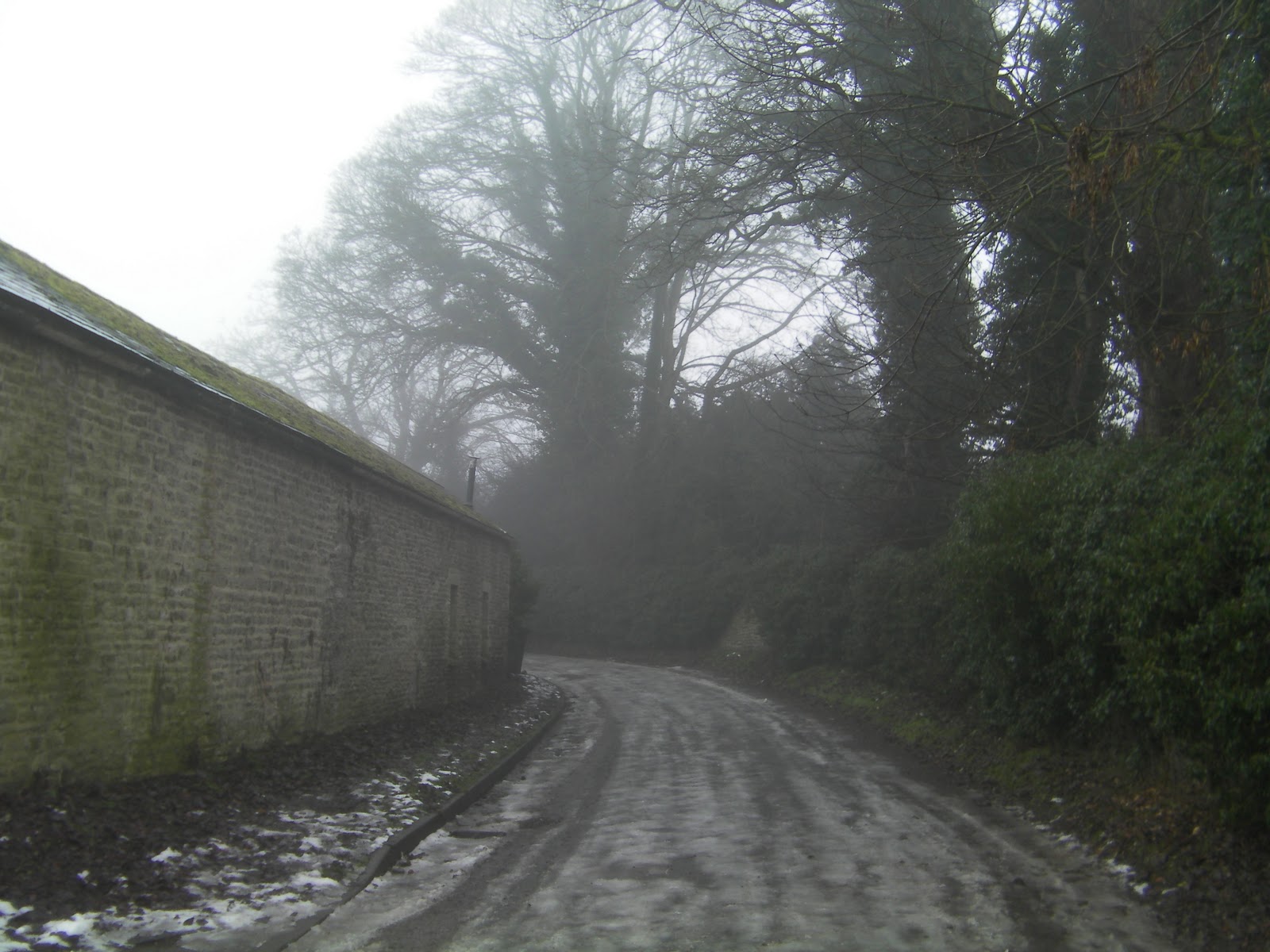
On one of our day trips out of London, Greg and I took a train to Oxford and the Cotswolds on a London Walks tour. The day was cold, the ground was covered in snow and the view from the train was obscured by heavy fog. After arriving in Oxford, we boarded a private coach for the village of Minster Lovell, located to the west of Oxford. The village is approached via a bridge over the River Windrush.
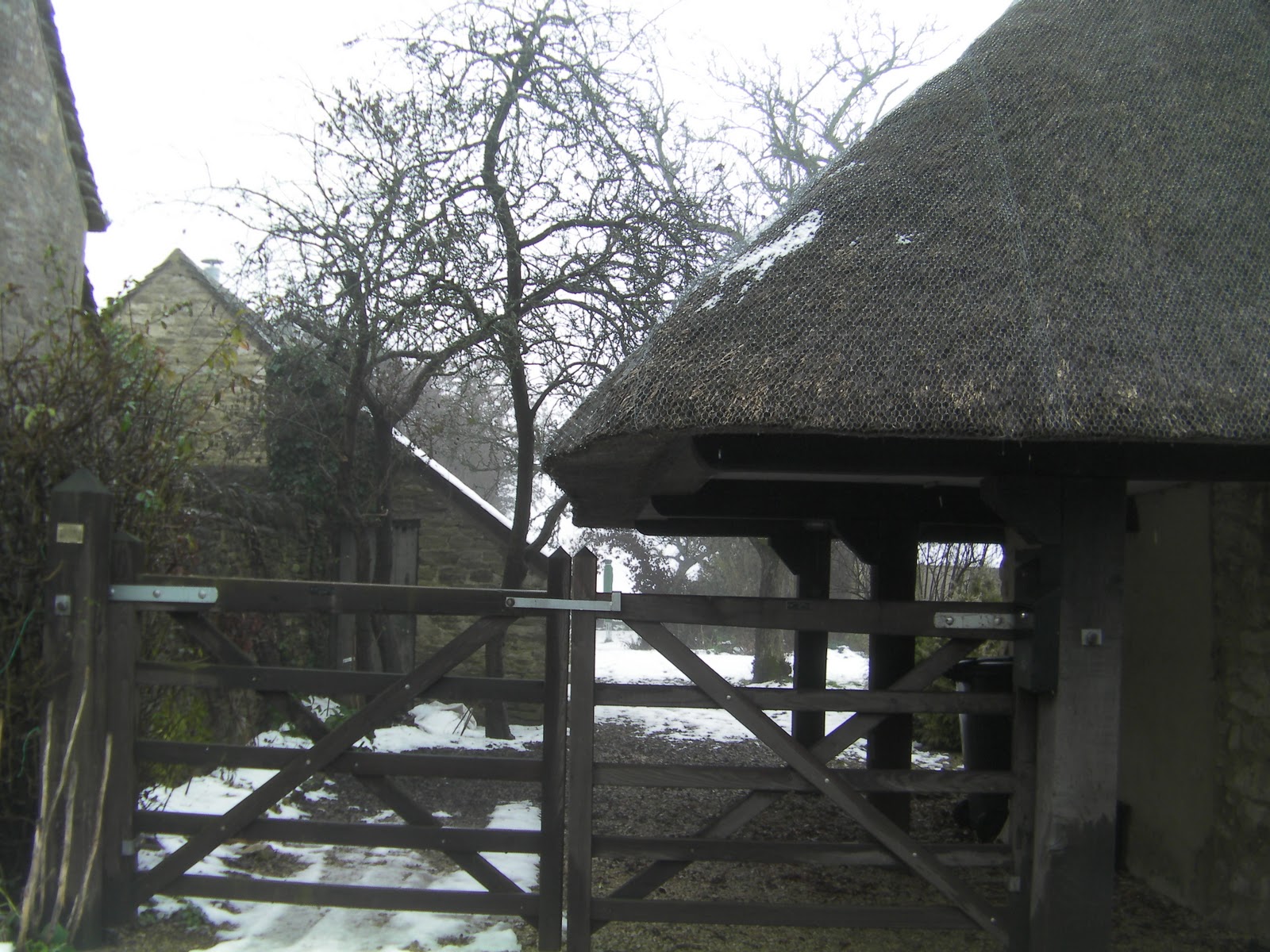
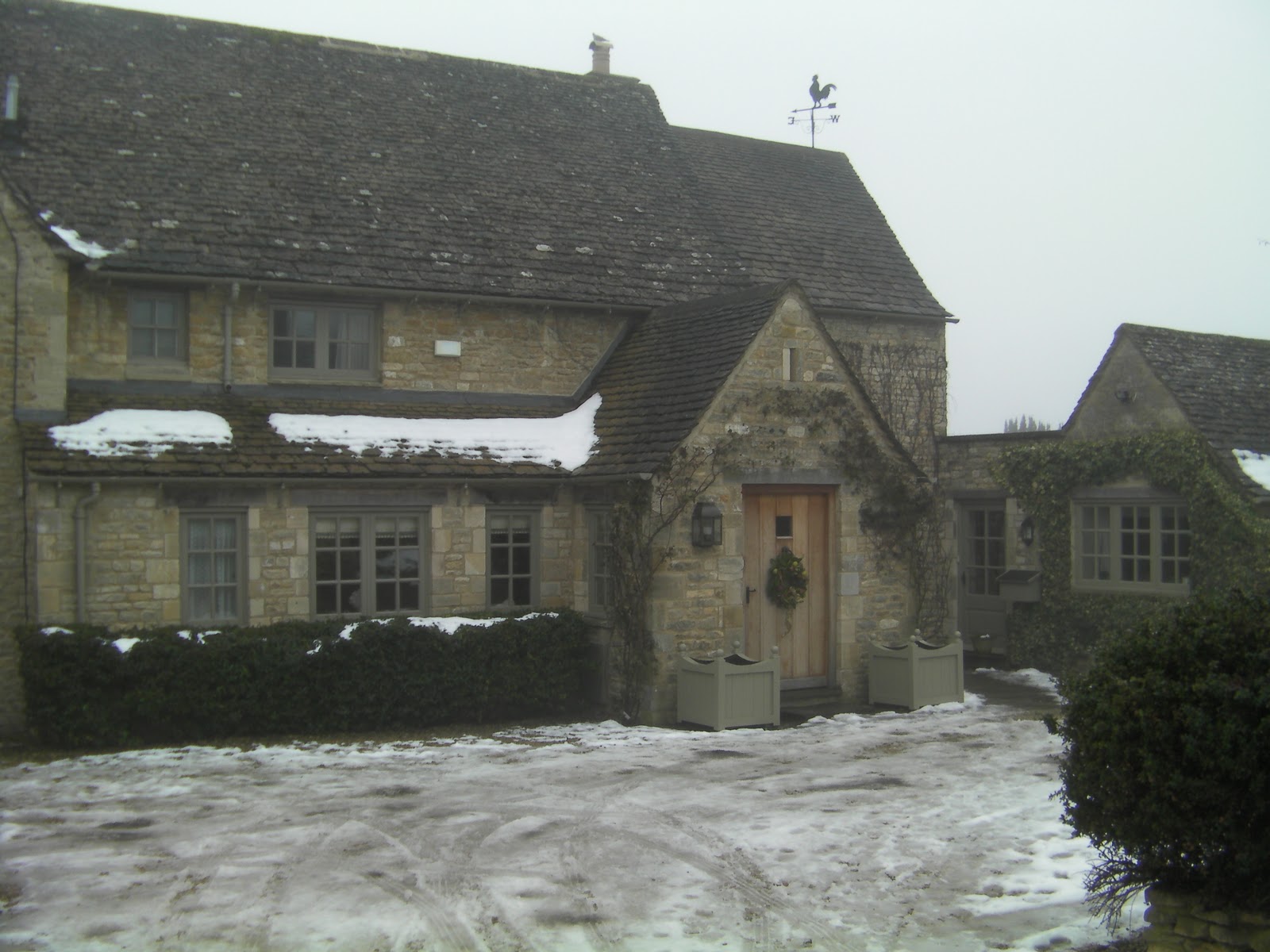
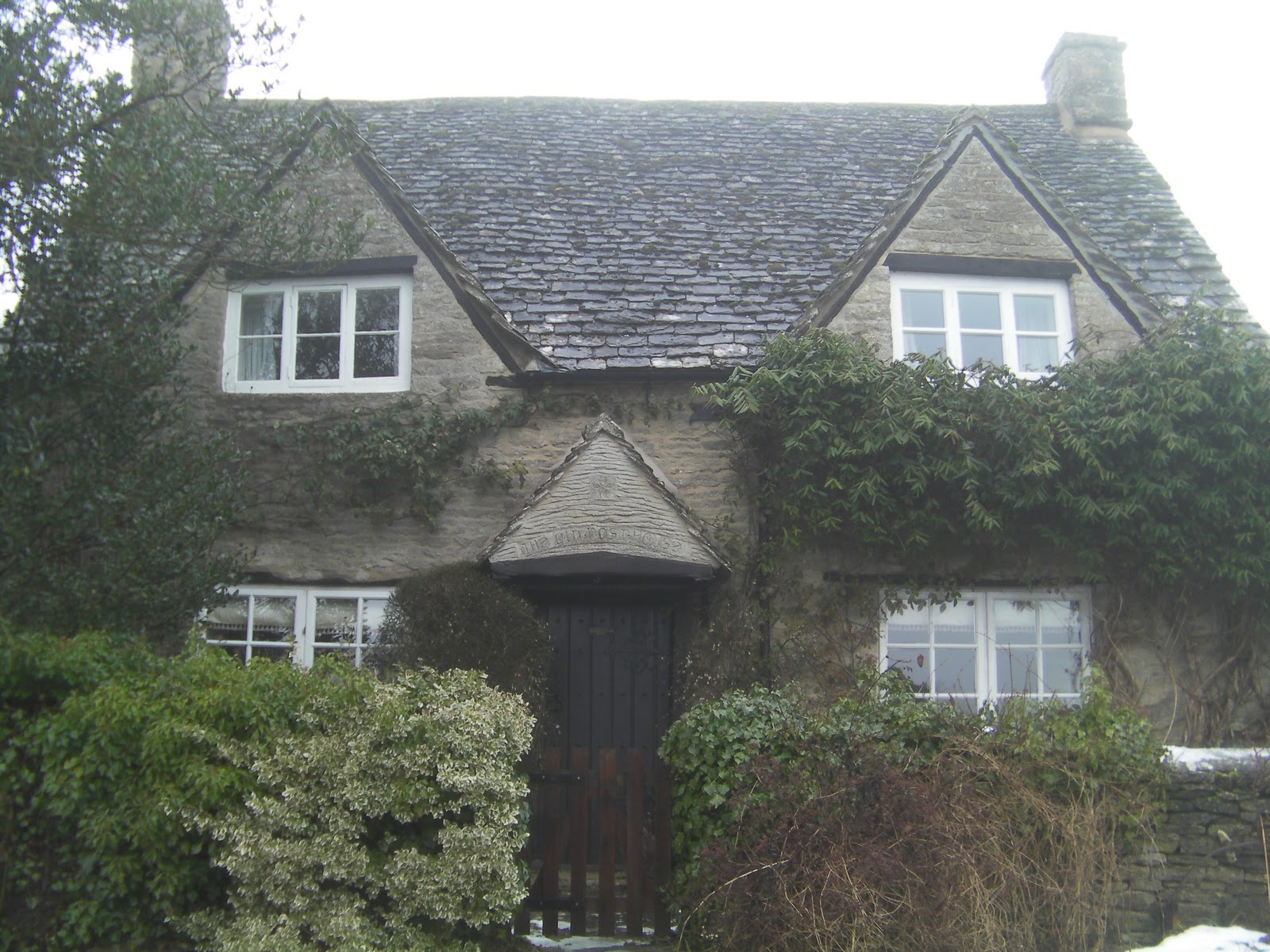
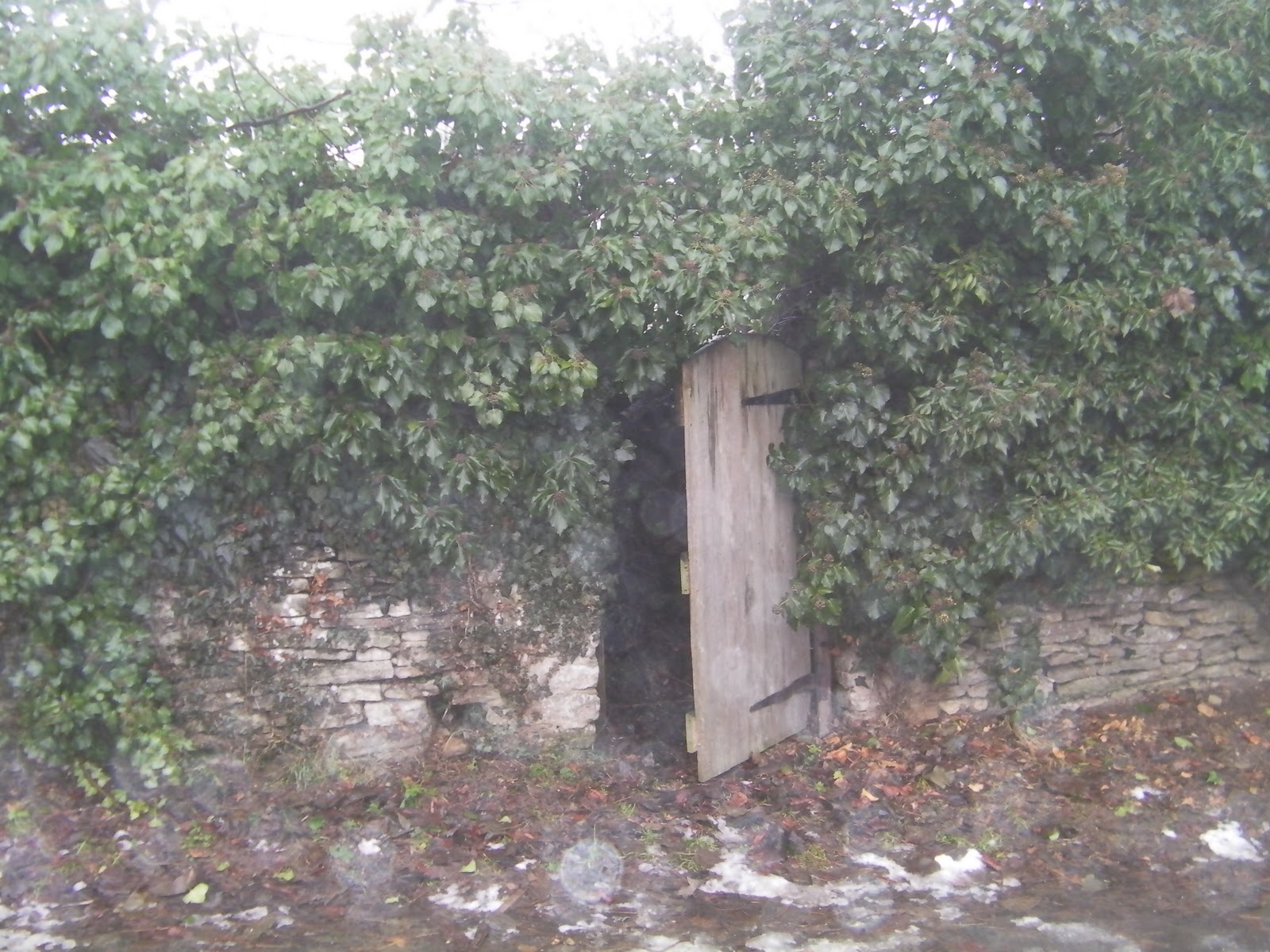
Disembarking, we had time to take in the chocolate box cottages with thatched roofs that line the single main road of the village that will probably never make it to an episode of Midsomer Murder, as apart from the charming houses, there is only a pub, a church and a ruin. Narrative here isn’t really necessary . . . . let’s just stroll quietly up the frozen road together and admire the view . . . . . .
Downton Abbey – Again
Okay, Episode 2 was much better. Some characters seemed better defined, others were less annoying. I know, I know – I love these period pieces and no one wants to love this one more than me. I don’t know what the problem is. I have to say that every time I see either Jim Carter as Mr. Carson
or Brendan Coyle as John Bates
I’m transported back to Lark Rise. Seeing them together in the same scene makes me think that Laura is going to come running into view at any moment.
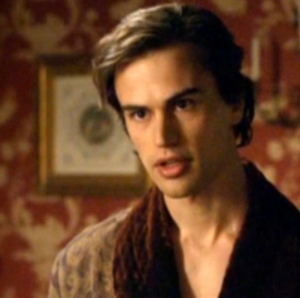
However, the appearance of Turkish houseguest Kemal Pamuk, played by Theo James, made me think that things were, indeed, picking up. And then he died. Which, as a plot device, was hysterical.
And which prompted Maggie Smith to utter one of the funniest lines so far – “No Englishman would ever dream of dying in someone else’s house.” Thank goodness I wasn’t drinking anything when I heard it.
If you can’t wait until the conclusion this Sunday – and I admit that I’m now looking forward to it myself – the ITV website offers exclusvie features, click here. And, of course, you can visit the Masterpiece Theater site, where you can watch the first two episodes again.
The Long Lost Story of Prinny's Tailor by Guest Blogger Charles Bazalgette
Charles Bazalgette is at present writing the biography of his great-great-great-great-grandfather Louis Bazalgette (1750-1830), who was tailor to the Prince of Wales (later George IV) for 32 years, but who is quite unknown and has never been mentioned in any books. The only reason why he has been able to piece together his life story is because he researched him from the genealogical angle, a task that has so far taken him 15 years. As Charles told us:
This biography, which is planned to be ready to publish next year, had its origins in my genealogical research into the British branch of the Bazalgette family, of whom Louis (who was born in the Cevennes in southern France) was the patriarch. When researching Louis’ life, apart from the usual vital records, I hit the proverbial brick wall. He was an unknown man. He never got his name in the newspapers, apart from the odd modest donation to charity, and was never mentioned in contemporary accounts, diaries etc., of which I ploughed through a great number. He never advertised, probably because the Prince’s orders for clothes took up all of his manufacturing capacity. The fact that over many years I have been able to piece together his life story is due mainly to the ‘snapping up of unconsidered trifles’ and to painstaking detective work, plus those few measures of luck that lead the researcher up the right path, against the run of the play, which usually consists of Dame Fortune blithely pointing him down the garden variety.
The main point is that it’s very clear that Louis was a self-effacing, discreet and even secretive man. So, having become the Prince’s tailor when the latter was as young as eighteen, he was able to visit him to take and deliver orders almost clandestinely, which of course suited both of them very well, and though the quantity of clothes he supplied was colossal, he passed unobserved. His name did appear in the royal accounts as being owed far more than any other creditor, but otherwise, apart from amassing a large fortune, and then lending money to the Prince and his brothers, as well as to other prominent figures such as Richard Sheridan, unless, like me, you had followed him like a bloodhound, you would never have found this out.
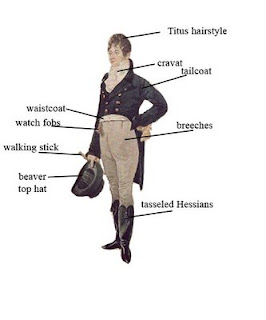
So Louis was (until now) the Unknown Tailor, who made most of Prinny’s clothes from 1780 until at least 1795. By this time, the Prince had met the young Beau Brummell, and under his influence was beginning to look to English tailors for his clothes, and to dress in a more sober style. Another important reason why the Prince’s clothes orders to Louis diminished after 1795 was that he owed so much money to Louis, who had, by the good offices of Thomas Coutts, ensured that these loans were all in the form of debenture bonds, which Prinny (or rather Parliament) could not escape paying, that he needed to spread his debts elsewhere. Nevertheless, Louis continued to supply his fanciful uniforms, and livery for his household, until about 1812.
Louis was therefore the right man at the right time, providing an exclusive service of great quality and efficiency and almost imperceptibly making himself a millionaire, in modern terms, as a result. He was then able, in his unnoticed way, to become a propertied gentleman and to enjoy his dotage as Lord of the Manor of Great Bookham.
A few words about the research I did…I did a great deal of reading around the subject and the period, and fruitless searching for mentions of the tailor Prinny used. All accounts mention the later tailors, such as John Weston, Schweitzer & Davidson etc. I started a chronology of known events in the Louis’ life, which looked rather sparse until I discovered that Louis was a customer of Coutt’s Bank in the Strand. If you are researching a potential customer it is always worth checking with their archivist. I was allowed to examine and photograph the original ledgers, and therefore had all of Louis’ bank statements fron 1792 until 1830. This was before digital cameras so each page was on a 5×7 print. As you can imagine, reading the prints with a magnifiying glass and transcribing all of the entries into the chronology took a great deal of time, but it was worth it because I learned a great deal about his activities, and so was able to research the people mentioned.
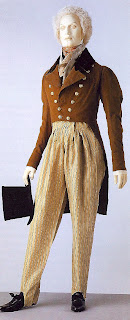
Although I used to visit archives personally while we lived in England, we moved to western Canada twelve years ago. Fortunately the growth of the internet the digitization of records, and the arrival of online catalogues etc has done nothing to to harm my research at all. Quite the opposite. I had the first draft almost done, when by mere chance I discovered that all Louis’ accounts with the Prince between 1786 and 1795 were quietly rotting away in a box in the National Archives. I had all 300 pages photographed (digitally this time), and am about half-way through transribing these records. They have added immeasurably to the tailoring content of the book, which previously had been sadly lacking before. I’m quite glad to have discovered these records late in the day, when a lot of the more humdrum work has already been done. It’s like the Devonshire cream on the scone! I have had to learn a great deal about 18th century tailoring in a few months, and am still learning, but it has been quite fascinating.
Some excerpts from the book, and other information on 18th century tailoring, can be found on Charles’ blog.
The Elegant Taste of the Georgians
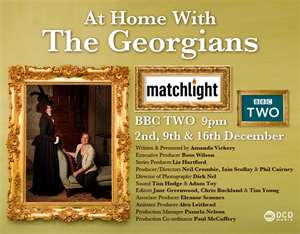
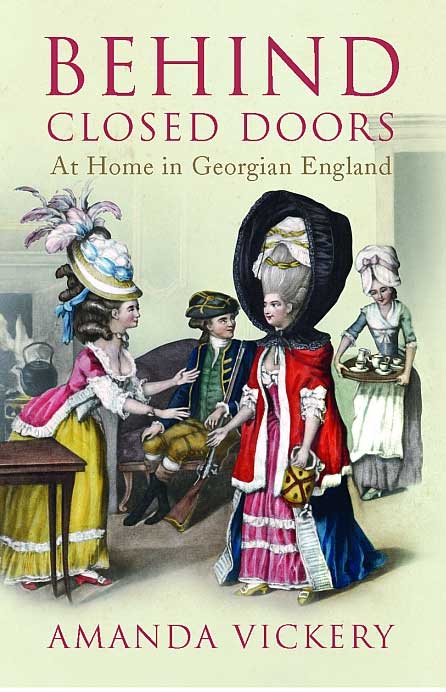
Victoria here. I subscribe to a number of British publications — and always save them until I can sit down with a cuppa — and enjoy them without pressure. Needless to say, they pile up. The BBC History magazine for December 2010 had to wait until last weekend when my DH was immersed in football games. I had much more fun reading “All in the best possible Taste” on p. 42, which was written to accompany the BBC Two series At Home with the Georgians, presented by Amanda Vickery. Her book, Behind Closed Doors: At Home in Georgian England, was published in the U.S. by the Yale University Press in 2010.
Amanda Vickery is a professor of history at Queen Mary, University of London. While investigating the subject of taste, she discusses Lady Shelburne. Faithful readers of this blog will already be familiar with Lady Shelburne’s taste, as shown in her homes. Lansdowne House, London, and Bowood, in Wiltshire, were the topics here last March 29 and 31 and April 4, 2010. As Earl and Countess of Shelburne, William and Sophia established prominence in Georgian social and political circles. Later, after Lady Shelburne’s early death at age 25, the earl was named first Marquess of Lansdowne.
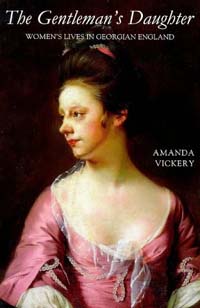
Amanda Vickery has specialized in matters domestic in her latest book as well as in her earlier work,The Gentleman’s Daughter: Women’s Lives in Georgian England, winner of the Longman History Today Prize in 1998. Marriage, child-bearing and housekeeping are described based on Vickery’s research into the letters and diaries of 18th and early 19th century women.
I am sorry to report that the BBC Two website does not have a replay available for the three-part series At Home with the Georgians. Why not, I’d like to know? Perhaps it will show up in one of those catalogues or PBS will run it.
Vickery, in the brief article in the December BBC History magazine, tells of the arranged marriage of William, Earl of Shelburne, and Lady Sophia Carteret in 1765 which blossomed into a true love match. Together they chose furnishings for their households, including paintings, decor, statuary and carpets.
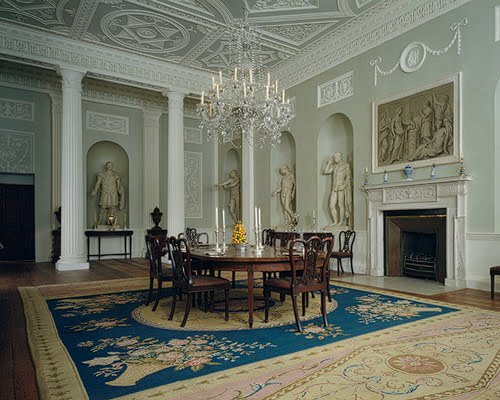
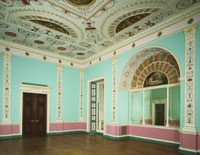
Taste, in the prevailing view of their time and class, was based on classical themes, evidence of knowlege of the Greek and Roman civilizations. At right is the Adam Room in London’s Lansdowne Club, part of the former mansion belonging to the Shelburne/Lansdownes, as recently restored. Note particularly the elaborate ceiling design.
At left is the Shelburne/Lansdowne dining room as it was reconstructed in New York’s Metropolitan Museum of Art after the partial demolition in the 1930’s of the London house just off Berkeley Square. Shelburne was a rising Whig politician and the family homes were important arenas of social and political life in those days.
After the sad death of Lady Sophia (1745-1771), he married again. I suppose it was necessary to have a hostess to preside over these fine rooms!
Etruscan/Pompeiian designs. It was in rooms such as these that members of Britain’s ruling circles combined their discussions of pending legislation with the enjoyment of fine wines and elaborate meals, dancing, concerts, and cards.
The Shelburne/Lansdowne family also entertained at the Wiltshire property of Bowood, their principle country home not far from Bath. At left is the dining room from Bowood which is now the Board Room in the venerable Lloyds of London, occupying a place of honor in the otherwise extremely modern building in the City of London
.
The taste of the furnishings provided the proper setting for the establishment of national policy and thus had an important effect upon them.