WE'RE BATTING A THOUSAND!

Welcome – you are reading our 1,000th post! If you’ve arrived at this page, you must share our interest in all things Georgian, Regency and Victorian, as well as our passion for the England of today. How many of the 999 previous blog posts we’ve published have you read?  Have you been with us from the start in March 2010?

When we first began this blog, we had no idea how central it would become to our lives…almost everything that happens to either of us is considered possible fodder for a post.   Articles in magazines and newspapers, art exhibitions, books, dinners, plays, concerts, movies, interesting tweets, our travels, our husbands …would it work for Number One London?  A London connection — anything vaguely British will do.

But we’ve also learned a lot from our wanderings on the web and elsewhere. Geography and history foremost among them.  Eccentricities are our favorite — or wait!  Maybe posts on actors from the old days.  Or do we really prefer some of the new actors like Benedict or Jude or Orlando.  Double wait — what about Colin and Sean and Alan?
But let’s get back to the basics.  We like to research, write, and dream about the Duke of Wellington.
And now we’re planning and leading the Duke of Wellington Tour next September.  You are cordially invited to accompany us, meeting up on the 4th of September in London, and visiting around Kent, Sussex, Hampshire and Berkshire until we depart on September 14 from Windsor, with transfers to Heathrow included. For all the details, click here.

Highclere Castle, aka Downton Abbey

Counting our shared 2010 trip to Britain and the Battlefield of Waterloo in Belgium, we’ve reported on six trips to England…sharing our pictures and experiences with our readers. 
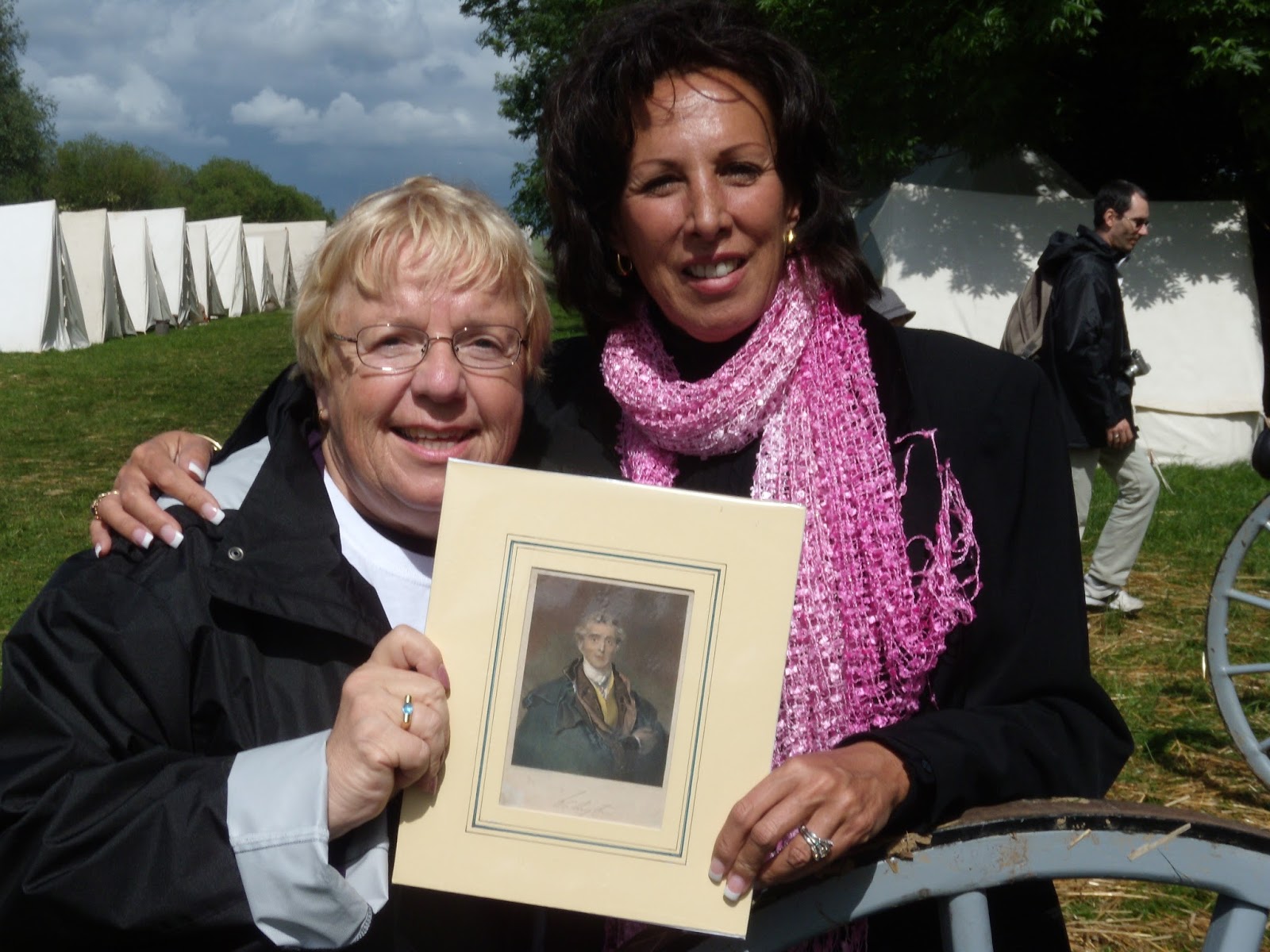
At the site of the Battle of Waterloo, Belgium, 2010 with the Duke

Here’s the post that got us started:

If you’ve arrived at this page, you must share our interest in all things Georgian, Regency and Victorian, as well as our passion for the England of today.

Having written The Writer’s Guide to Everyday Life in Regency and Victorian England, Kristine Hughes has spent the last several years researching her next book, a true opus that will focus on fashionable daily life as experienced by the ladies of London 1700 – 1900.  Victoria Hinshaw has published eight Regency-set novels and three novellas with Kensington Zebra. She is working on several more projects associated with the Georgian era but she admits to a real delight in the Victorian period, since it is hers. Whatever motivated her parents to choose the name Victoria, she has always believed that there exsists a mystical tie between the Great Queen and her.

Victoria and Kristine originally named this blog Research England, for that is their vocation and avocation. But they are not deeply academic, and their mischevious senses of humor crept into their posts. So they decided to start over as Number One London. They promise lots of research oriented material, considerable travel  reporting, and amusing incidents, all accompanied by occasional asides, nonsense and bon mots.

Kristine has been planning to attend the re-enactment of the Battle of Waterloo near Brussels for some years now. The 2010 event has always been her goal and the year has finally arrived – Huzza! The trip will be even more wonderful now that Victoria Hinshaw will be joining her and they’ll be spending several days in London before taking the Dover ferry to Calais. Oh, how they wish they weren’t many decades too late to call upon poor Mr. Brummell while they’re in France! Look for blogs and details about their upcoming adventures both before, during and after the magical days of June 2010.


Victoria and Kristine look forward to making your aquaintance. Please visit often!
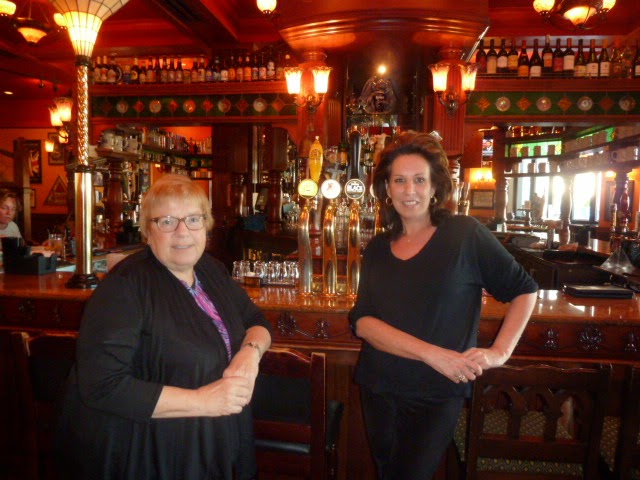
 Have we succeeded?  Let us know!
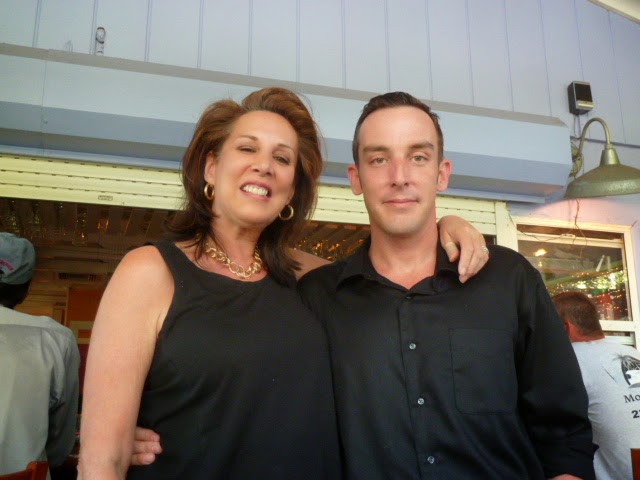
How we look when at The Pub together
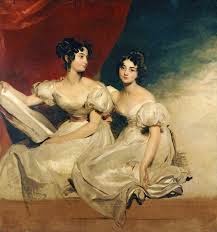
How we look when we are in England together.*
*Sir Thomas Lawrence, The Fullerton Sisters

THE DUKE OF WELLINGTON TOUR – VIDEO HIGHLIGHTS – PART FIVE

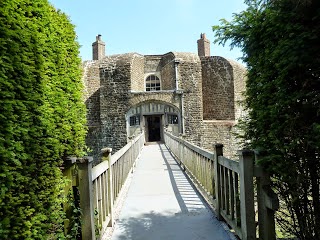
Walmer Castle, Kent

On Monday, September 8th, 2014, we will journey by private bus from London through the countryside of Kent to the coast of the British Channel at Walmer Castle.

Walmer Castle


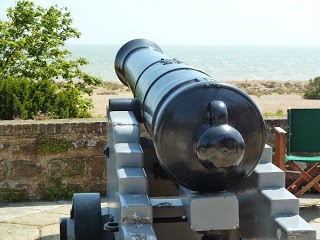
Walmer Castle was built by Henry VIII to fortify the Kentish Coast against the invasion. The Duke lived – and died – here, his residence as Lord Warden of the Cinque Ports, an appointment that dates back to the 12th century. In much more recent times, Winston Churchill was the Lord Warden; and Queen Elizabeth the Queen Mother was Lord Warden from 1978-2002  (We’ll get to see the rose garden she planted at Walmer).  Here is  lovely video of the Castle and Gardens, accompanied by Bach..

In November, 1842, Queen Victoria and Prince Albert, with their first two children, Vicky, the Princess Royal, and Bertie, later King Edward VII, visited Walmer Castle.  One of the ladies in waiting,
Lady Lyttleton wrote of the Castle in her Correspondence:

“This is much what I expected. A Big round tower, with odd additions stuck on.  Immense thick walls, and a heap of comical rooms of the odd shapes necessary as parts of a round house built close upon the shingly beach…It seems needless to go out for air, doors and windows all chatter and sing at once, and hardly keep out the dark storm of wind and rain which is howling round. All this outward rudeness mixes very oddly with the numbers of smart servants and courtly whispers and very tolerably got-up imitation of the palace mummeries we have contrived indoors…”

Lady Lyttelton by John Jackson 
Lady Lyttelton (1787-1870) was the daughter of the 2nd Earl Spencer and his Countess, nee Lavinia Bingham; Lady Sarah was thus the niece of Georgiana, Duchess of Devonshire.  In 1813, Lady Sarah married William Henry Lyttelton (1782–1837) who became the 3rd Baron Lyttleton in 1828; they had three sons and two daughters.  Baron Lyttleton died in 1837, and soon afterwards, Lady Lyttleton became a lady in waiting to the new Queen Victoria.
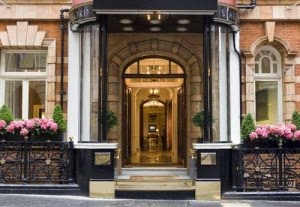
As a brief aside, the Lyttelton family resided at 17 St. James’s Place, now part of the Stafford Hotel, which we’ll be viewing as part of the St. James’s Walking Tour we’ve scheduled during the London portion of the Tour.
Stafford Hotel, St. James’s, London
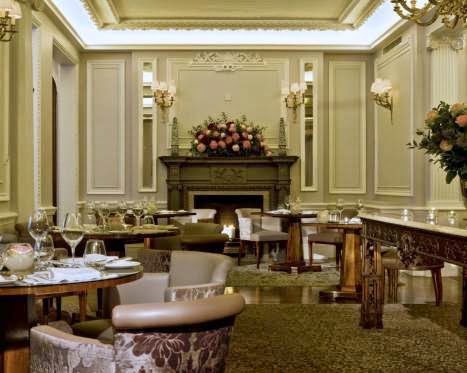
The Lyttleton, fine dining room in the Stafford
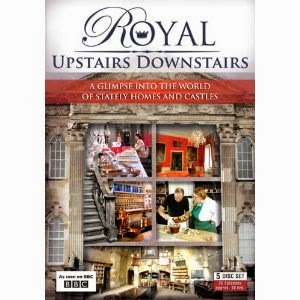
Lady Lyttleton’s further comments on Walmer Castle are included in this video, from the BBC series Royal Upstairs Downstairs.  Antiques expert Tim Wonnacott and chef Rosemary Shrager visit twenty of the houses visited by Queen Victoria to see what she saw and taste what she ate. In this 29-minute episode, they are at Walmer Castle.
You can see three more posts from this blog about Walmer Castle.
Victoria visits in 2011 here.
Wellington’s life at Walmer here.
The Death of Wellington at Walmer here.


You’ll find the complete itinerary and details for 


AT THE CORCORAN: PART TWO – THE AMERICAN COLLECTION

Victoria here, inviting you to join me in a brief view of some of the American treasures in the collection of the Corcoran Gallery in Washington DC.  I wrote about some European masterpieces here.  I have more to share about the Corcoran, very soon.

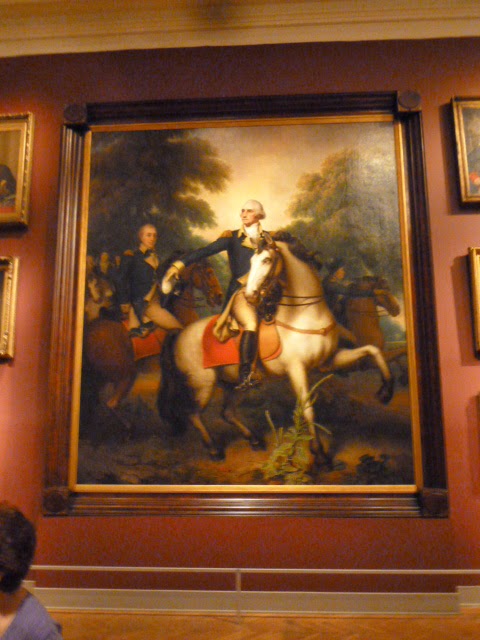
Washington Before Yorktown, 1824-25
Rembrandt Peale (1778-1860)
As befits a museum in the nation’s capital, the Corcoran collects American paintings from the colonial period through the present day. 
 
Cupid Stung by a Bee
Benjamin West (b. Swarthmore, PA, 1738 – d. London 1820
A different version of this scene, also by West, hangs in the Hermitage, St. Petersburg, Russia.  Benjamin West, born in  Pennsylvania, was recognized for his abilities by wealthy colonial citizens and traveled to Italy to study the old masters.  On his way home, he stopped in London and never returned to the colonies, after 1776, the United States.  He met and received commendations from many prominent British leaders, and was named the second president of the Royal Academy, following in the footsteps of Sir Joshua Reynolds. West, surveyor of the King’s pictures for many years, was called “the American Raphael.”  His historical paintings are found in museums all over the world.

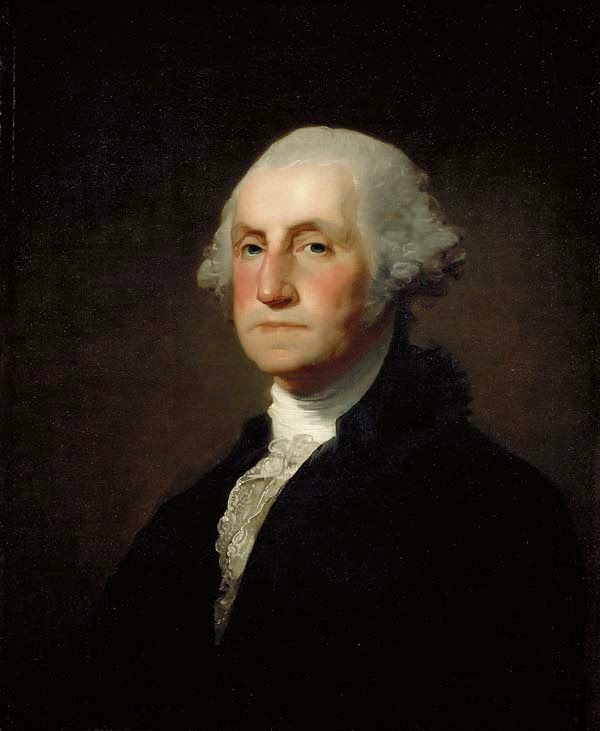
Gilbert Stuart, 1755-1828: George Washington, ca. 1800
Gilbert Stuart. who studied with West in London, painted a number of similar portraits of the first President of the United States, especially familiar since his image is reproduced on the U. S. one dollar bill.
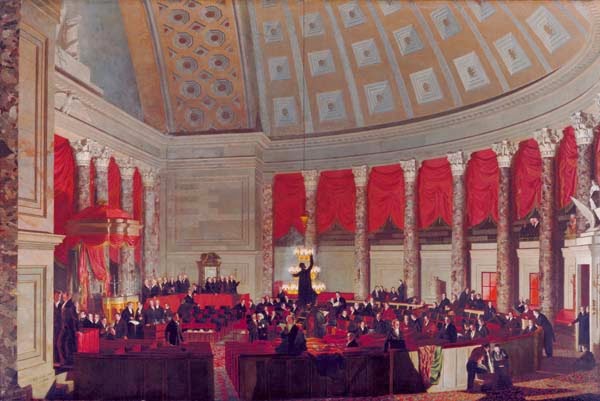
Samuel F. B. Morse (1791-1872) House of Representatives, 1822-23
Another of  West’s students was Samuel Finley Breese Morse, a celebrated painter who later turned to inventing and is credited co-developing the single wire telegraph and Morse Code.   
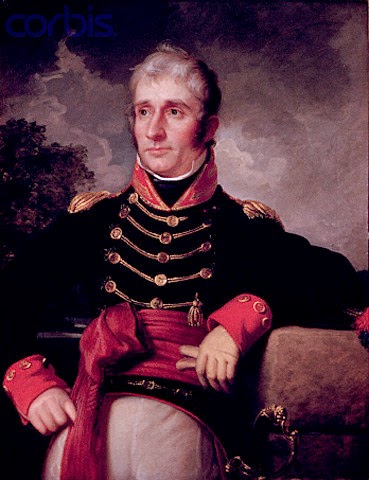
Rembrandt Peale: Lt. Col. Joseph Outen Bogart, c. 1822
Charles Willson Peale (1741-1826) sired a number of children named after famous artists, many of whom became well-known painters in their own right: Rembrandt Peale, Rapaelle Peale, Rubens Peale, and Angelica Kauffman Peale. Charles and several of his children studied with West in London.  They became well known for portraits of early American leaders.
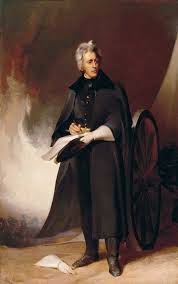
Thomas Sully ( 1783-1872): General Andrew Jackson, 1845
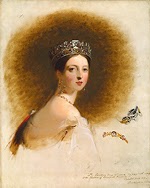
Thomas Sully was born in England but came to the United States as a child of nine in 1792.  He returned to London and studied under Benjamin West. Sully was celebrated enough to paint the young Queen Victoria in 1838.  The version below is in New York’s Metropolitan Museum.  several other versions and copies are in the Royal Collection.,

Sully: Queen Victoria


The Corcoran’s American Collection continues with many painters from the Hudson River School and other landscapes and portraits celebrating the beauties and dangers of the open spaces of the West.


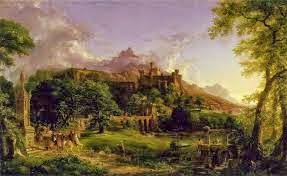
Thomas Cole (1801-1848) The Departure, 1837

 
Born in Lancashire, England, Cole came to Ohio as a boy and studied with itinerant painters. After moving t
o Philadelphia and developing as a painter, he studied the great masters in Europe. Cole is generally attributed with being the founder of the Hudson River School, that loosely based confederation of artists whose landscapes of the unspoiled American wilderness are treasured by museums across the country.

Frederic Edwin Church (1826-1900), Niagra, 1857
Church was born in Connecticut to a wealthy family.  He studied with Thomas Cole and became widely known and revered for his dramatic, romantic landscapes.


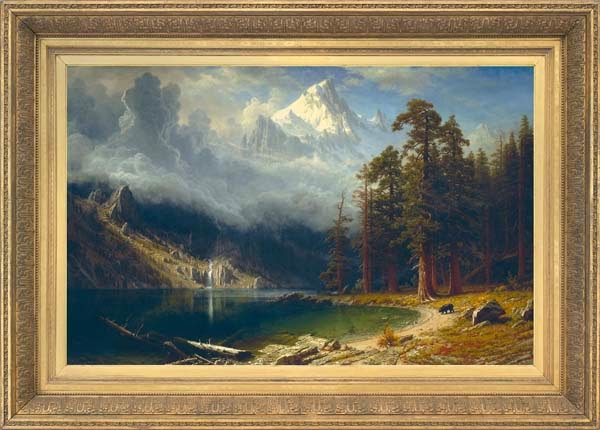
Albert Bierstadt (1830-1902) Mount Corcoran 1877

Bierstadt was born in Prussia, and came to the U.S. in childhood. Though he returned to Germany to study art, he is best known for his romantic views of the American landscape as well as studies of the Westward Expansion. He traveled to the Pacific Coast, throughout California, Oregon and Washington.

John Singer Sargent (1856-1925) The Oyster Gatherers at Cancale, 1878
Sargent was born to Amercan expatriate parents in Florence, Italy.  He lived in Europe most of his life, studying in Paris and becoming a popular portrait painter in London.  When he traveled to the US, he received many important commissions.  But like so many successful portraitists, he preferred other subjects.  Sargent traveled throughout Europe and to the Middle East, making watercolors sketches of his journeys.


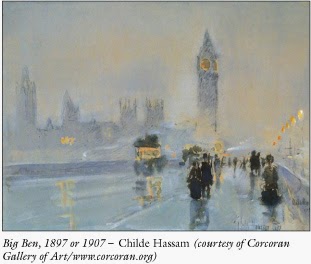
Childe Hassam, Big Ben, 1897-1907


Frederick Childe Hassam (1859-1935) was an influential American Impressionist, whose work helped to bring acceptance to the styles we now accept as so very familiar.

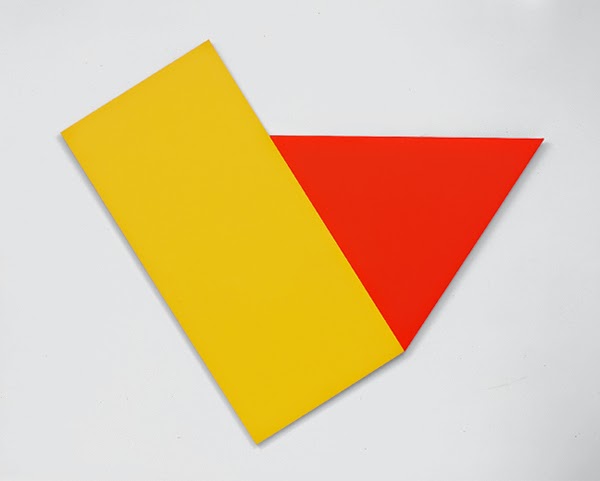
Ellsworth Kelly (b. 1923) Yellow Red Triangle, 1973


Ellsworth Kelly is one of many contemporary American artists whose works are in the collection of the Corcoran.
More ahead on the Corcoran Gallery of Art.
All photos (except the first) ©Corcoran Gallery of Art


Victoria and Kristine Throw a Sleepover Party

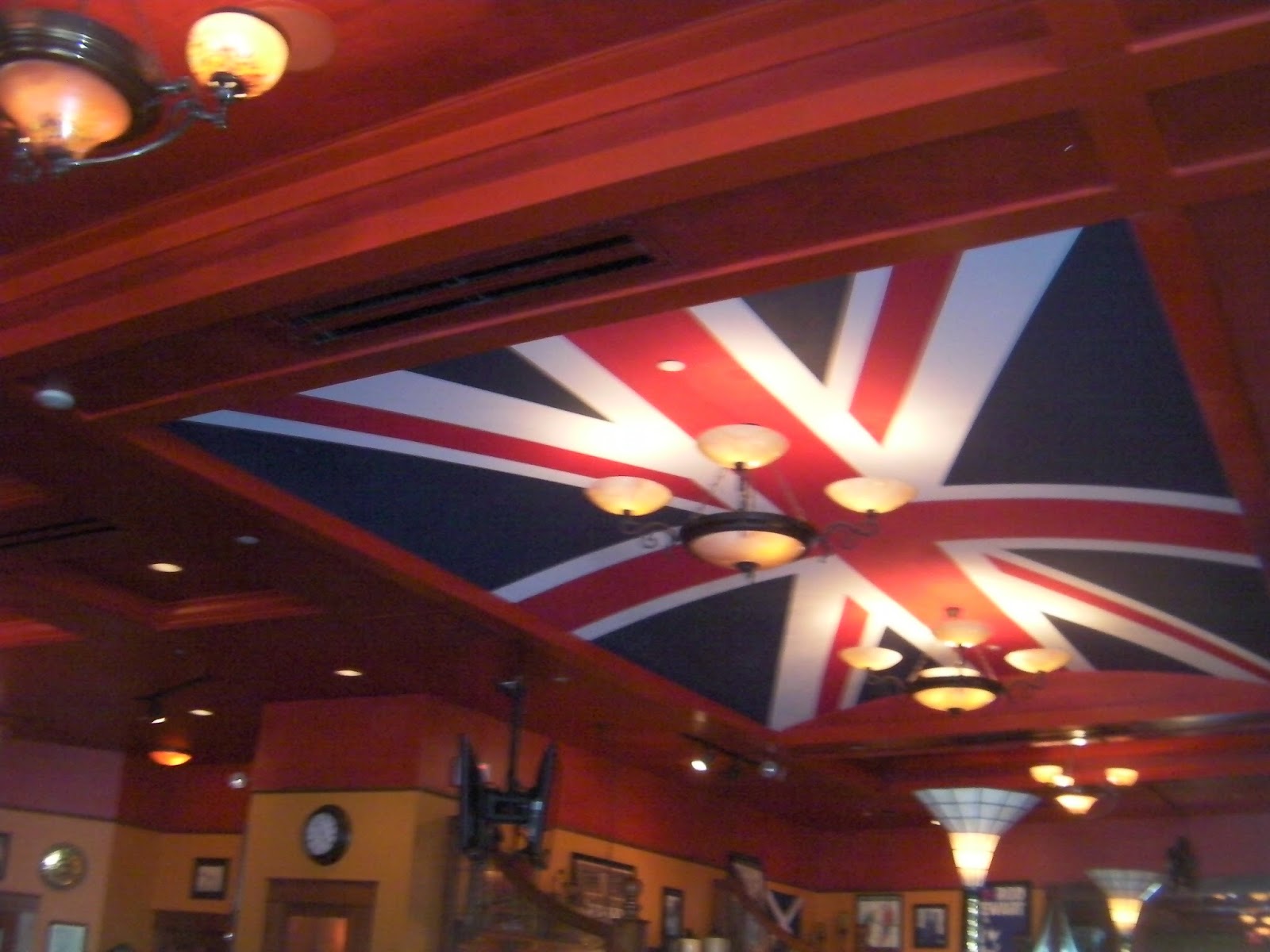
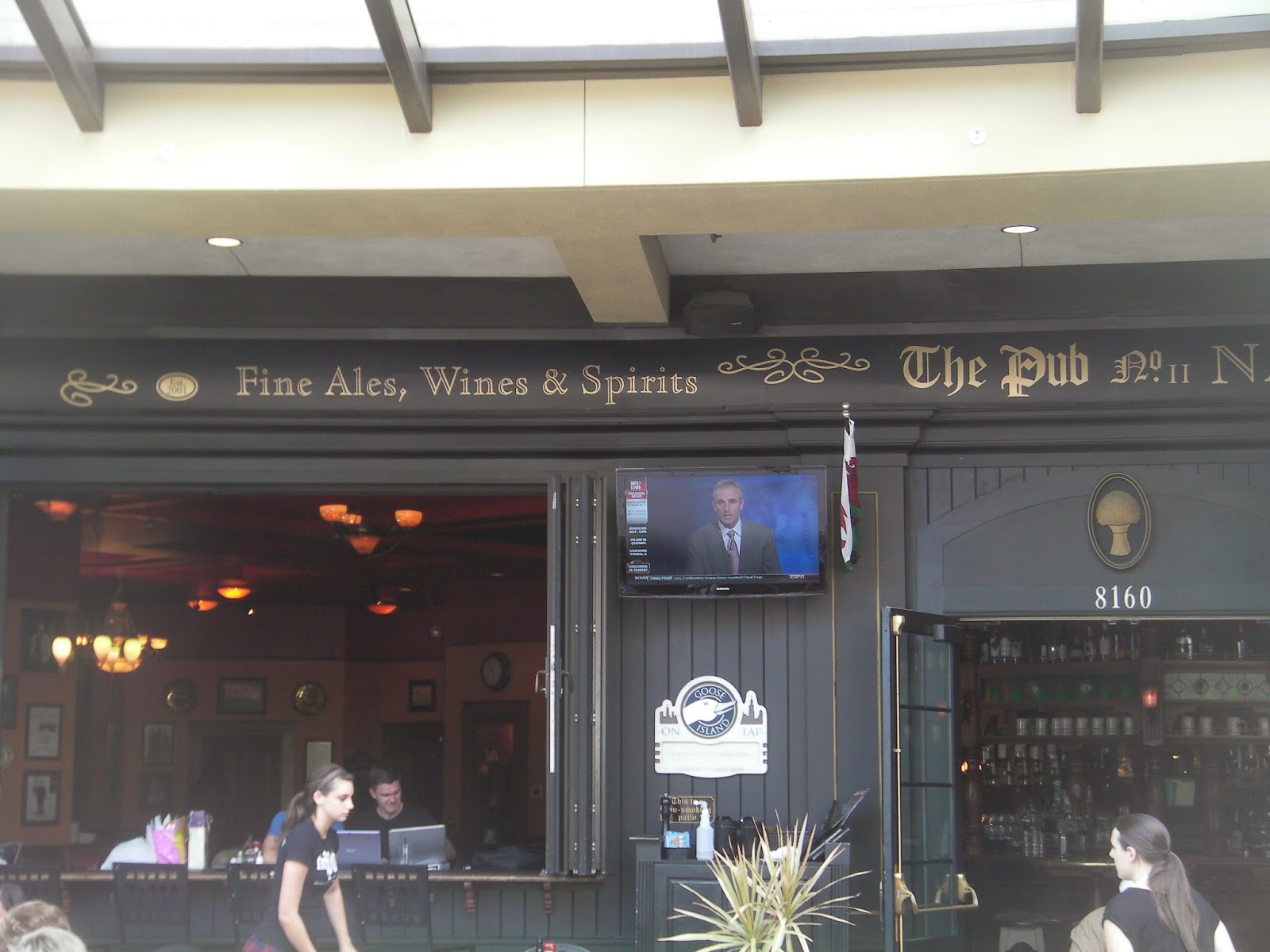
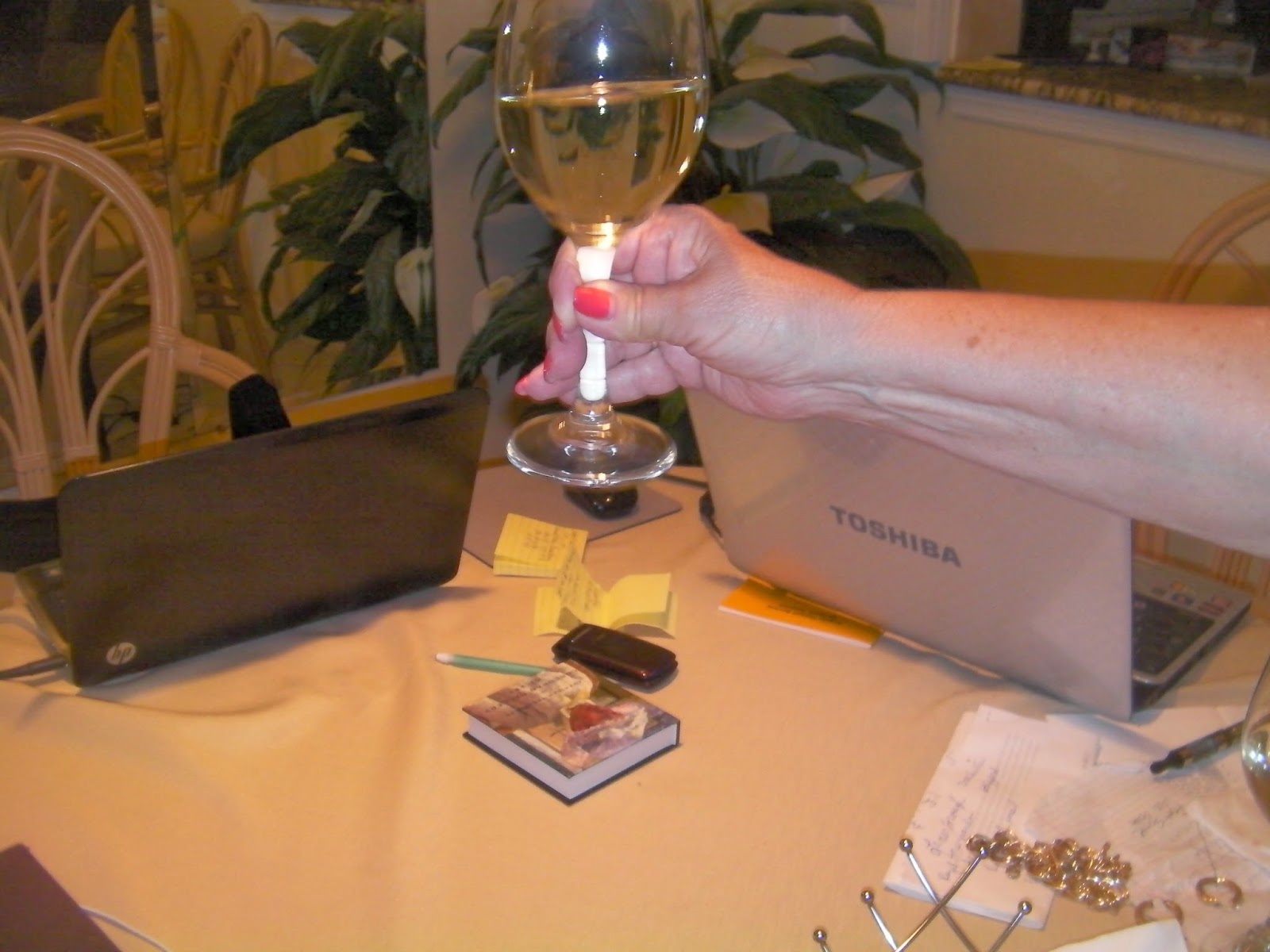
Last week, I drove down to Naples, Florida, in order to have a two day sleepover at Victoria’s place. The husbands were away, and we planned to spend the time working on this blog and finalizing details of The Duke of Wellington Tour. I brought my laptop with me and we spent a few hours on arrival day working on our blog. And talking. And we had a few drinks. Then, before we knew it, the time had arrived to drive to Mercato, an upscale, outdoor shopping and entertainment venue close to Victoria’s condo. We had pre-arranged to meet my daughter, Brooke, at the English Pub, before going on to the movie theatre in order to see The Grand Budapest Hotel.

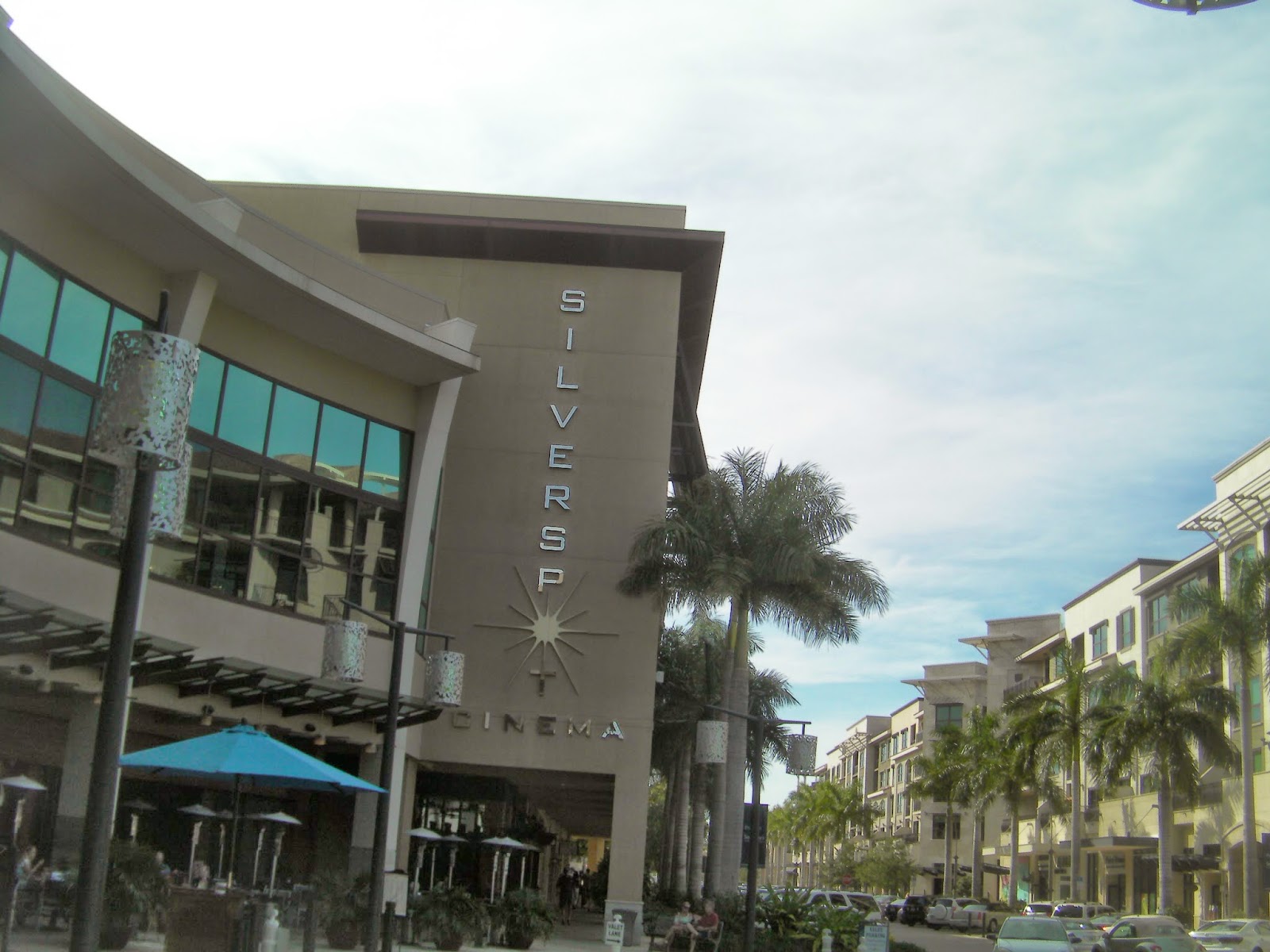
I had pre-ordered our movie tickets online from The Silverspot Cinema, 
virtually one door away from the Pub. 

The Cinema has a full bar, below, where we purchased cocktails

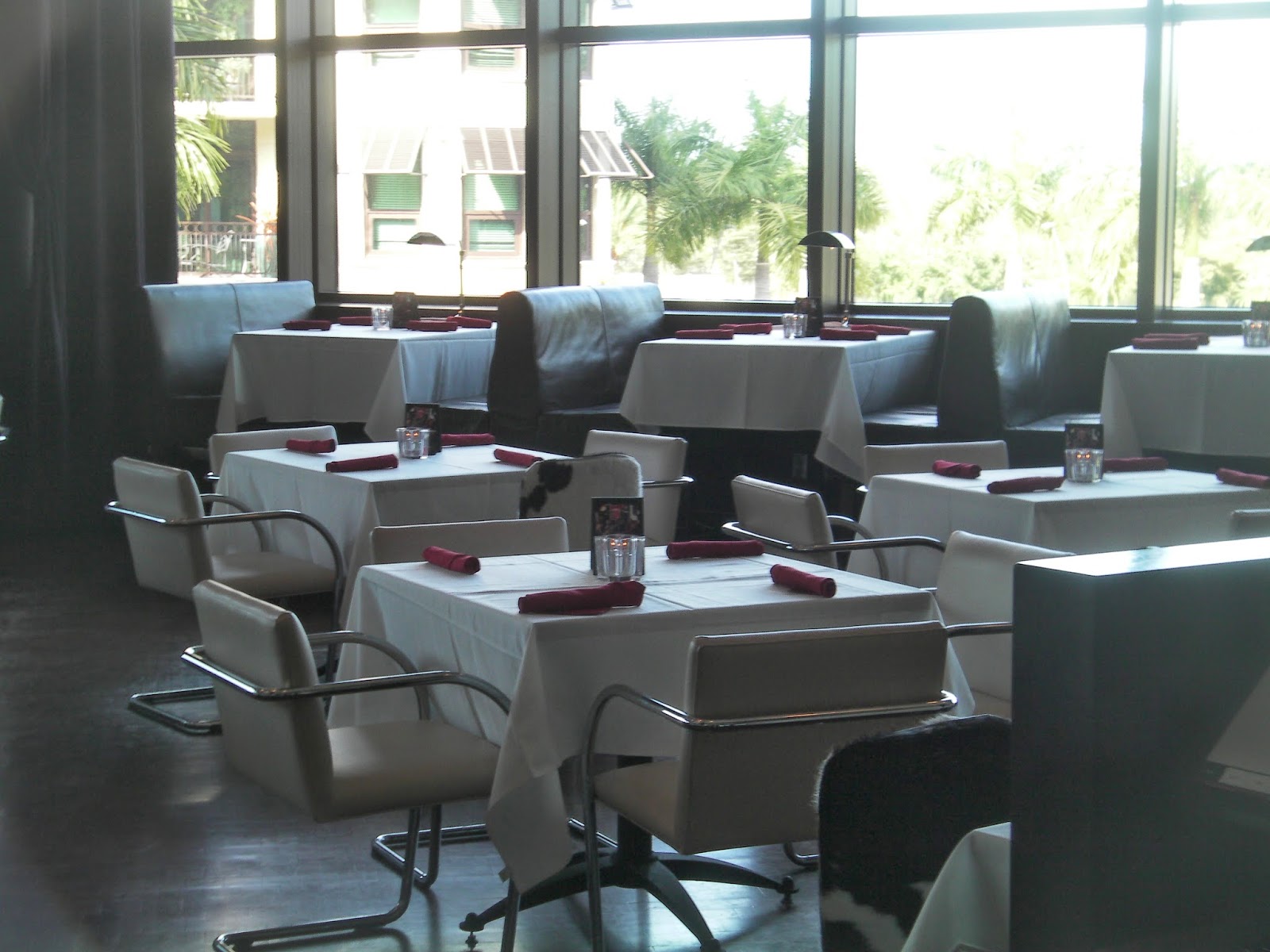
There’s also a restaurant, which we didn’t visit.
We found our (oversized leather) seats and settled down to watch the trailers, two of which looked intriguing 
and
Soon, it was time for the main attraction
The Grand Budapest Hotel was a treat. I’d been looking forward to seeing it for months and, having watched many of the film’s trailers, I feared that I may have ruined the experience for myself. But, as Victoria and Brooke agreed afterwards, the film was nothing like we expected. In fact, the trailers lead one to believe that the film will be a rollicking, madcap romp through pre-WWI Europe, but it turned out to be much more. I won’t include any spoilers here. I’ll just encourage you to see it for yourself.  Click here to watch the trailer for the film.

Then join the staff at Mendl’s, Zubrowka’s premiere patisserie, as they show you how to make their legendary “courtesan au chocolat”, as enjoyed my M. Gustave and all those at The Grand Budapest Hotel.

Afterwards, we went to the Naples Flatbread and Wine Bar for dinner. And wine.

Then Victoria and myself went back to her condo, ostensibly to do some more work on the blog/tour, but in reality we just sat around our computers playing games (Victoria) and watching
Coronation Street (me) whilst drinking prosecco. I did work on my needlepoint while watching telly, if that counts at all.

On Friday morning, Victoria and I sat at our laptops and both logged onto Google Maps. We accessed Streetview and put our little yellow men onto St. James’s Street and began mapping out our route for the Walking Tour of St. James’s we’ll be hosting during our stay in London on the Wellington Tour. Of course, each of us quickly became side tracked – we toddled up St. James’s Street to St. James’s Place and peeked at Spencer House before visiting the Stafford Hotel. We Googled the menues for Brasserie St. Jacques and Franco’s in Jermyn Street. Then we strolled (virtually) up to Piccadilly and spent some time investigating The Albany. This, of course, necessitated more Googling, as well as much discussion and the reading of many articles about same on the internet.

At this point, we decided to make Bloody Mary’s and re-heat our food from last night for our lunch. However, before we could uncap the vodka, Victoria went into her bedroom only to find a gecko on the wall. I had just had this problem at my own house last week, so I instructed Victoria to get me a broom and together we chased the gecko up walls, behind furniture and across the carpeting. Finally, we trapped it beneath a small waste basket and slid a magazine under it in order to trap the gecko within. Of course the gecko escaped as we lifted the basket, so I pounced, grabbed the gecko up in my fist and ran outside with it.

 Thus having averted a gecko crisis (Victoria would not have been able to sleep knowing there was a gecko in the bedroom with her), we rewarded ourselves with our famous Wake Up Crabby Bloody Marys.

Surprisingly, we spent a productive few hours thereafter working on this blog. In fact, I was working on this very post, whilst Victoria penned Part Two of her post on the Corcoran Art Gallery.
As night fell, we ventured out to the funky Real Macaw restaurant in Naples, where we met up with my son, Matthew.
And then we went on to Harold’s Place, a poolside chiki bar where we had a few drinks with my daughter, Brooke 
before having dinner at The French American Bistro, where we feasted on escargot and beef bourguignon.
As you are now aware, writing this blog is hard work – drinking, writing, feasting and gecko wrangling all take their toll, so I decided to finish the weekend with a massage before driving home.
A good time was had by all and we can’t wait to do it all again!
Note from Victoria:  It was wonderful, delicious and slosh-ful!  And fruitful, believe it or not. The kind of break I could use every week!!!

The Duke of Wellington Tour – Video Highlights – Part Four – St. James's Street

ST. JAMES’S STREET, LONDON

Kristine and Victoria have a very special day planned for Sunday, September 7th – a walking tour of the St. James’s area of London. Below you’ll find highlights of just a few of the places we’ll be visiting as we take a meandering walk, during which you’ll hear tales about gentlemen’s clubs and famed personalities who frequented the area. Hear tales of bawdy houses, royal chapels, and courtesans. Explore hidden alleys and tucked away streets. Discover their connections to duels, downfalls, and dandies before we quench our thirst at some of London’s most historic and atmospheric pubs. The day also includes time to stop for snacks, lunch, and a bit of shopping.

We’ll leave our hotel, the Grosvenor, at Victoria Station and walk up to Buckingham Palace 


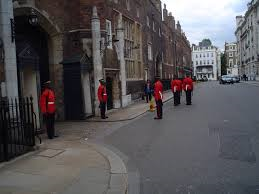
From there, we’ll take a peek into St. James’s and Green Park before turning down The Mall to pass Clarence House and take a short cut up to St. James’s Palace and St. James’s Street. Click here to watch a video of a stroll down the Street .

St. James's Palace London


Arriving at St. James’s Street, we’ll steep ourselves in Georgian and Regency history as we stroll past the shopfronts of such venerable institutions as Lock’s Hatters and Berry Brothers and Rudd. We’ll pass the iconic and fabled gentlemen’s clubs – Brooks’s Club, Boodles and, of course, White’s, where we’ll stroll by the famous bow window, where Brummell held court.


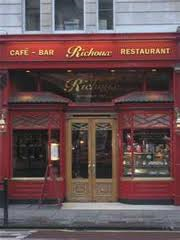
At the top of the Street, we’ll arrive at Piccadilly, where we’ll have plenty of time to see the Royal Academy (formerly Burlington House) and explore Hatchard’s Bookstore (above) and Fortnum and Mason. We’ll stop for tea at Richoux Tea Rooms, a favourite haunt of Victoria and Kristine’s.

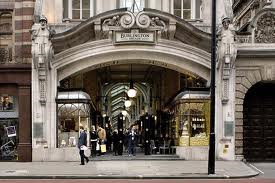
Regency Burlington Arcade

Afterwards, we’ll cross the street in order to see the Burlington Arcade, the longest covered shopping street in the world. The Burlington Arcade (above) was built from designs by Ware for Lord George Cavendish in 1815, and is ‘famous,’ as Leigh Hunt tells us, ‘for small shops and tall beadles.’ What’s a beadle, you ask? Click here to find out. For more on Piccadilly and it’s environs, see my prior post here. More soon!

JOIN US IN SEPTEMBER!

For complete itinerary and details of The Duke of Wellington Tour, click here.