A Pictorial Stroll to Apsley House

Here we are together on another London stroll. This time, we’ll be taking in the views as we approach Apsley House whilst walking north on Grosvenor Place.
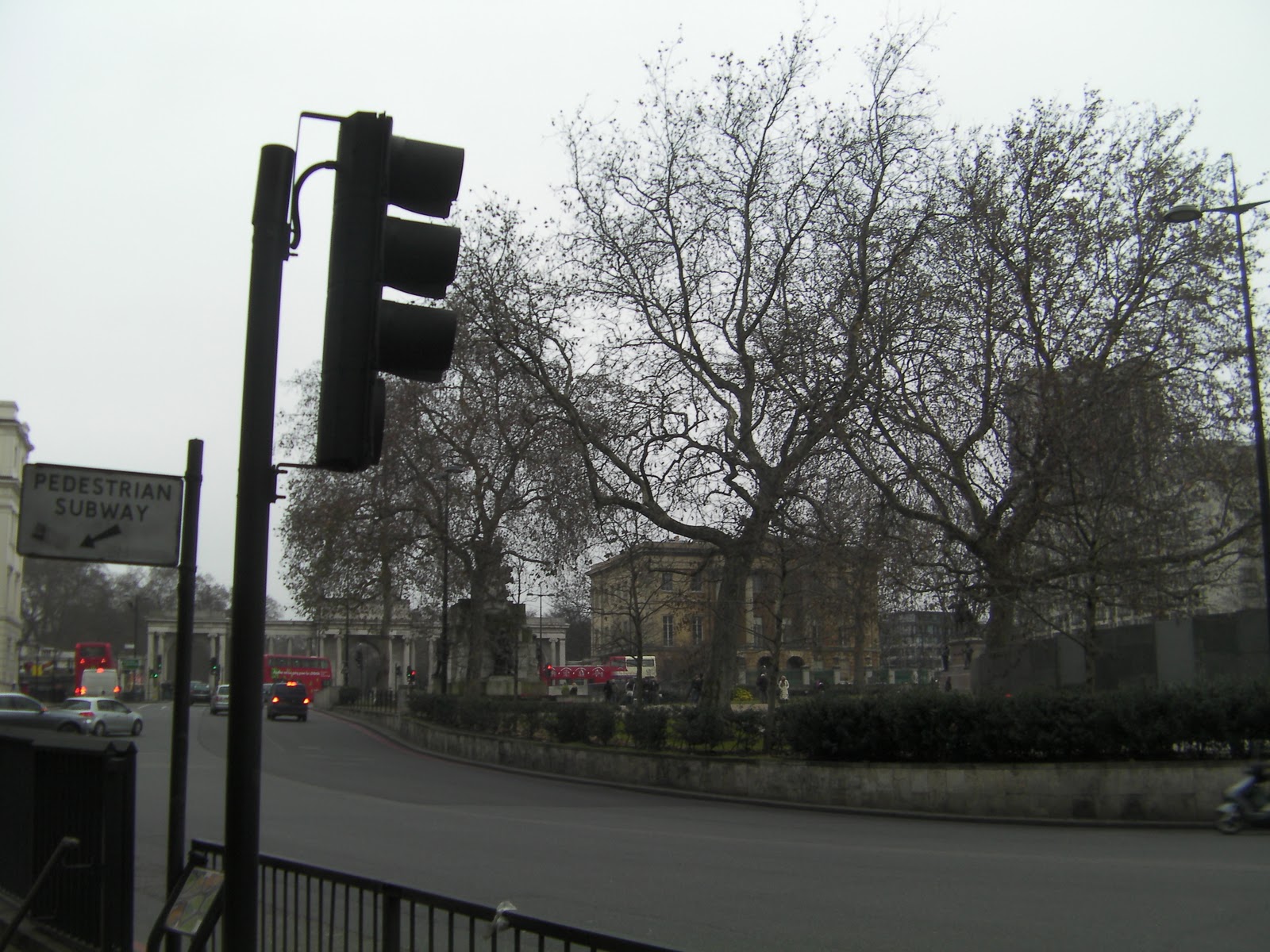
Our first glimpses of Apley House through the trees.
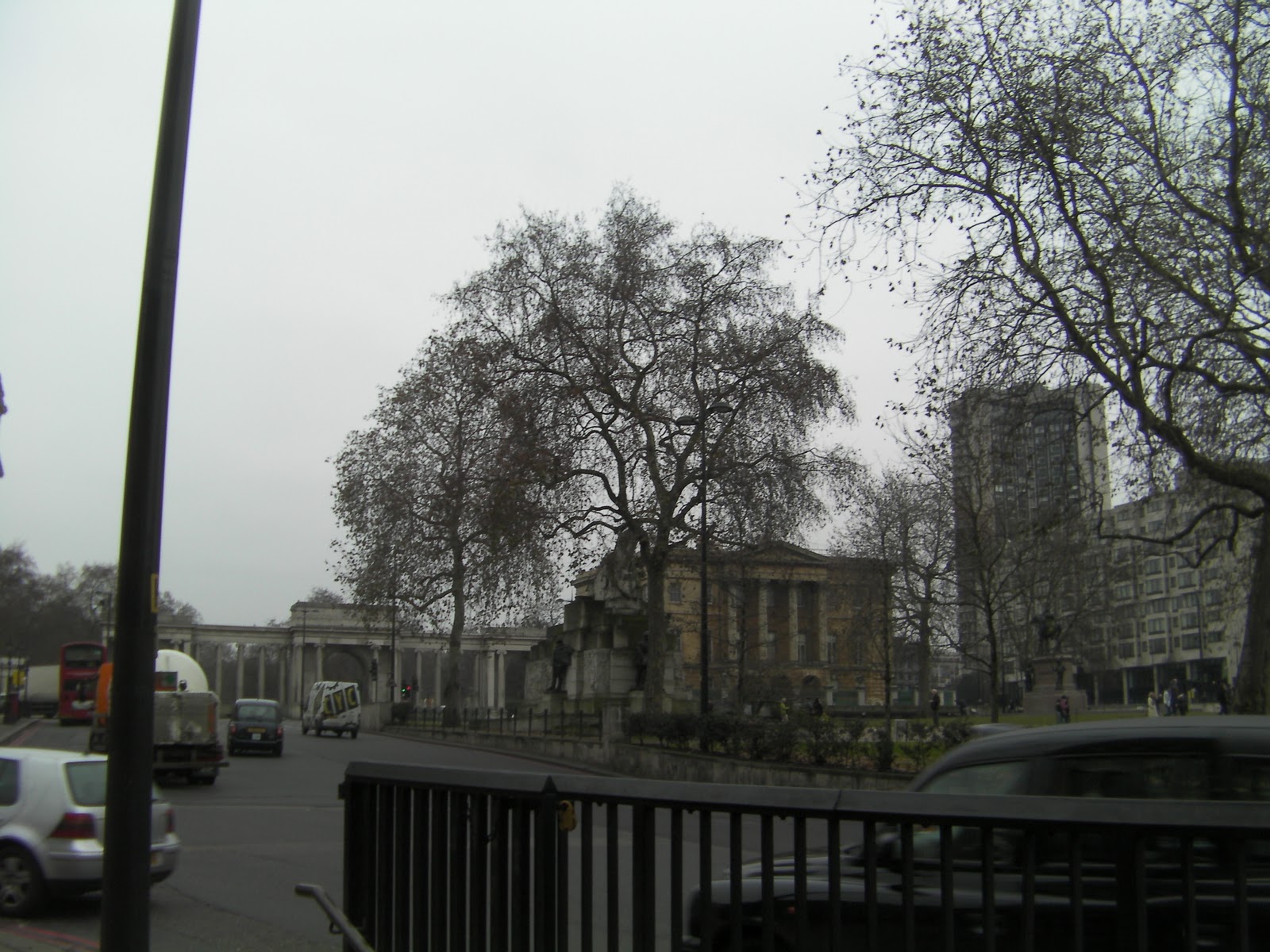
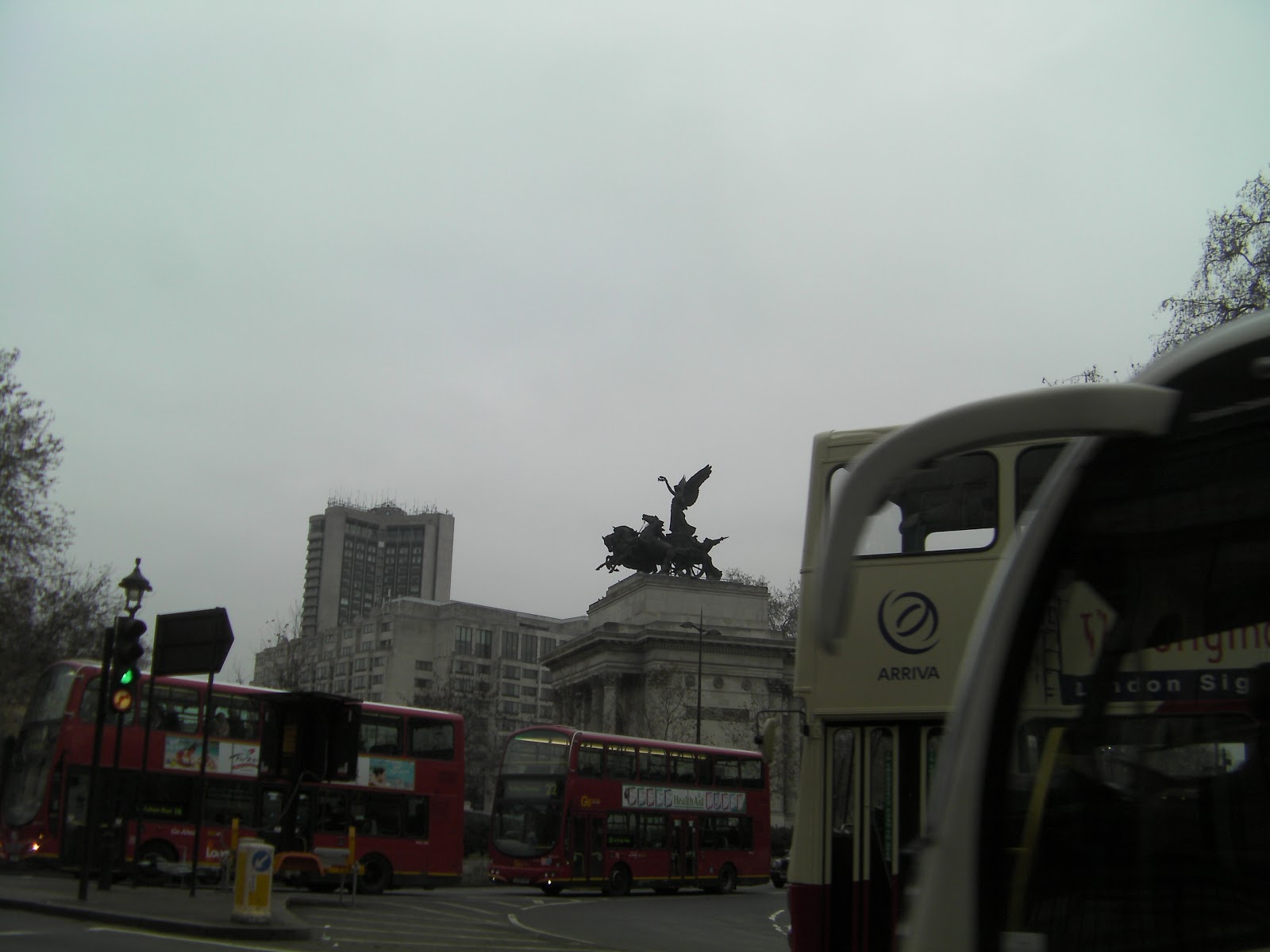
The Wellington Arch! And many double decker buses.
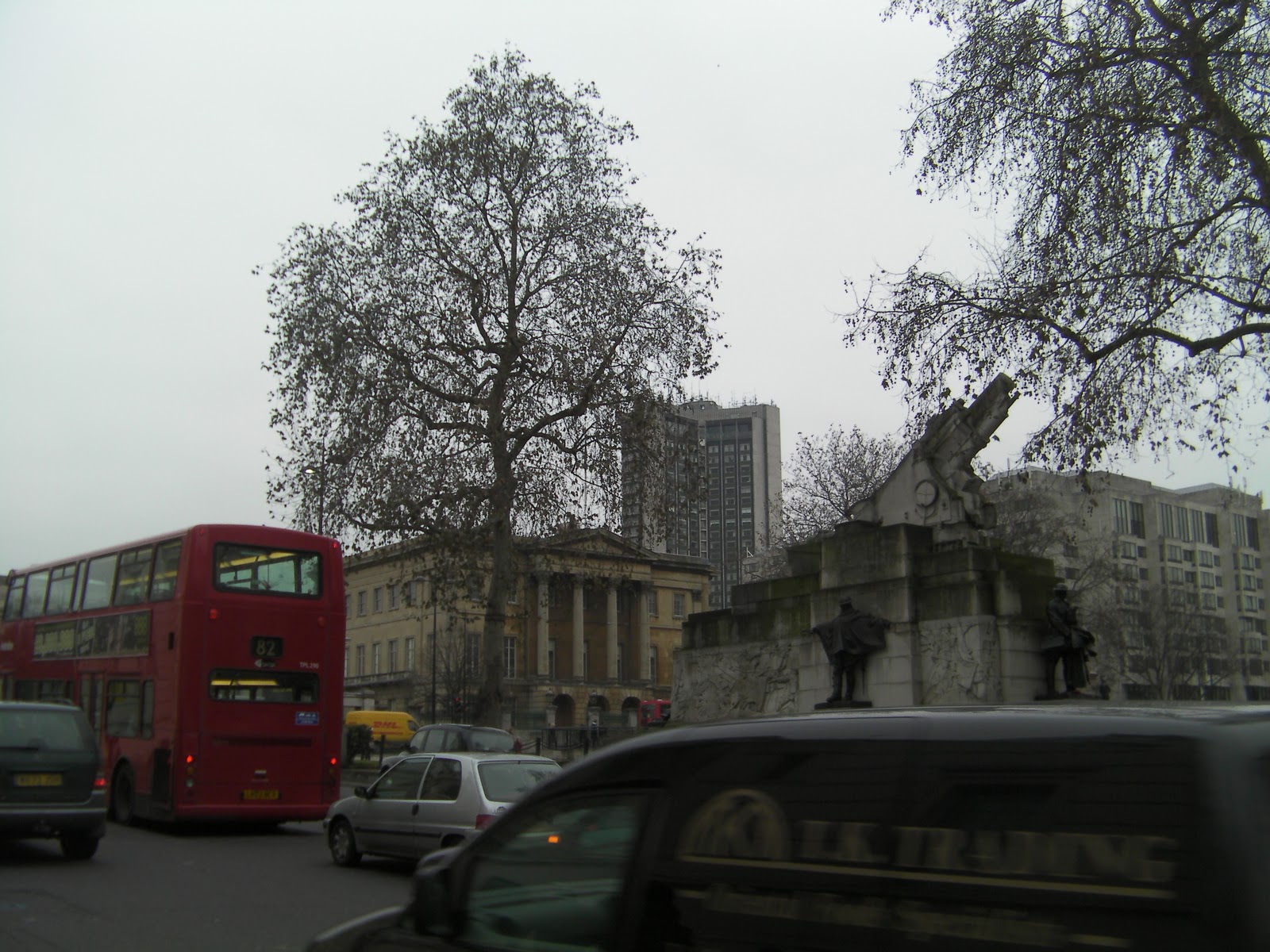
We’re getting closer.
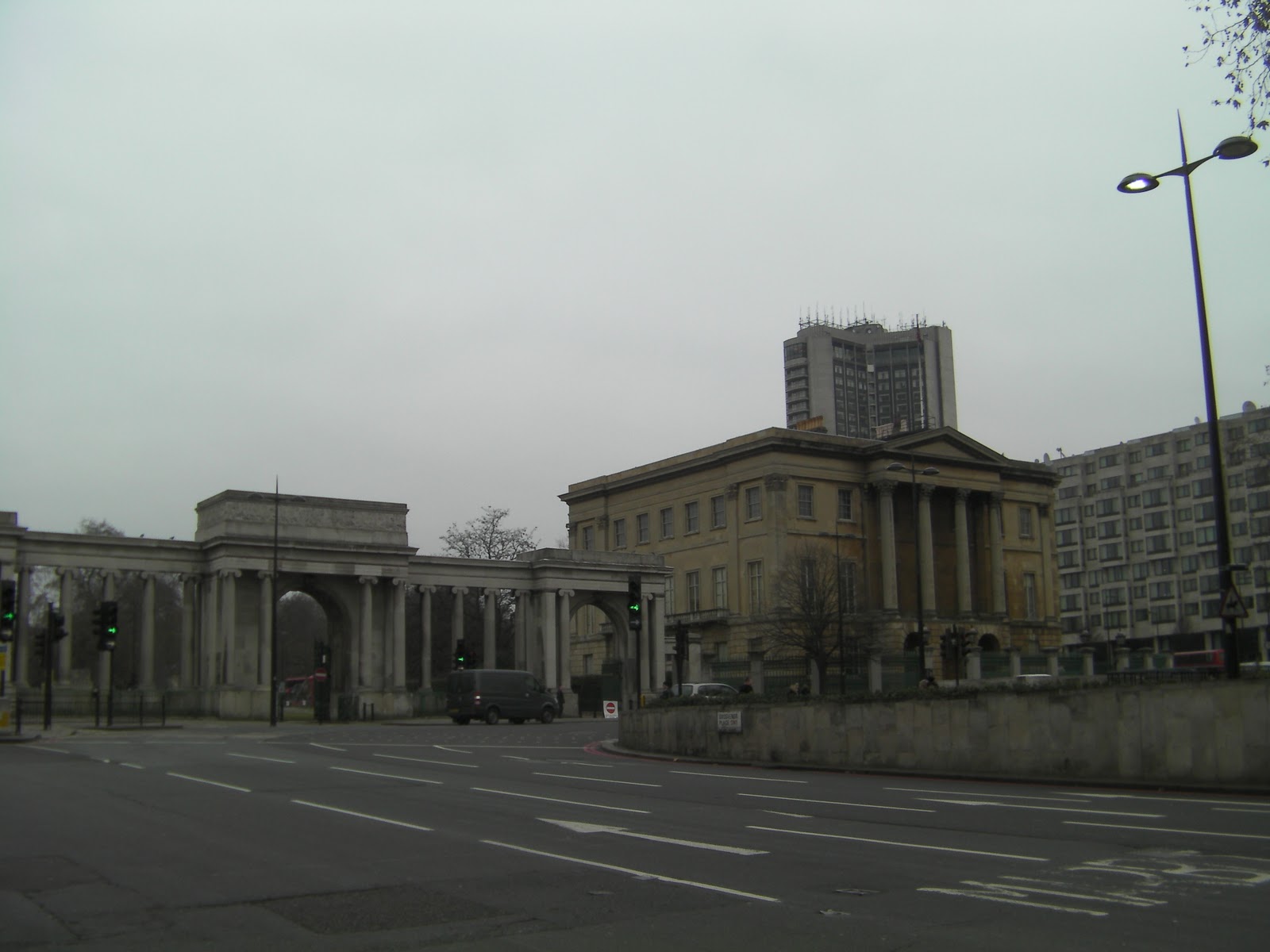
The gate at Hyde Park Corner, Apsley House and a rare break in the traffic.
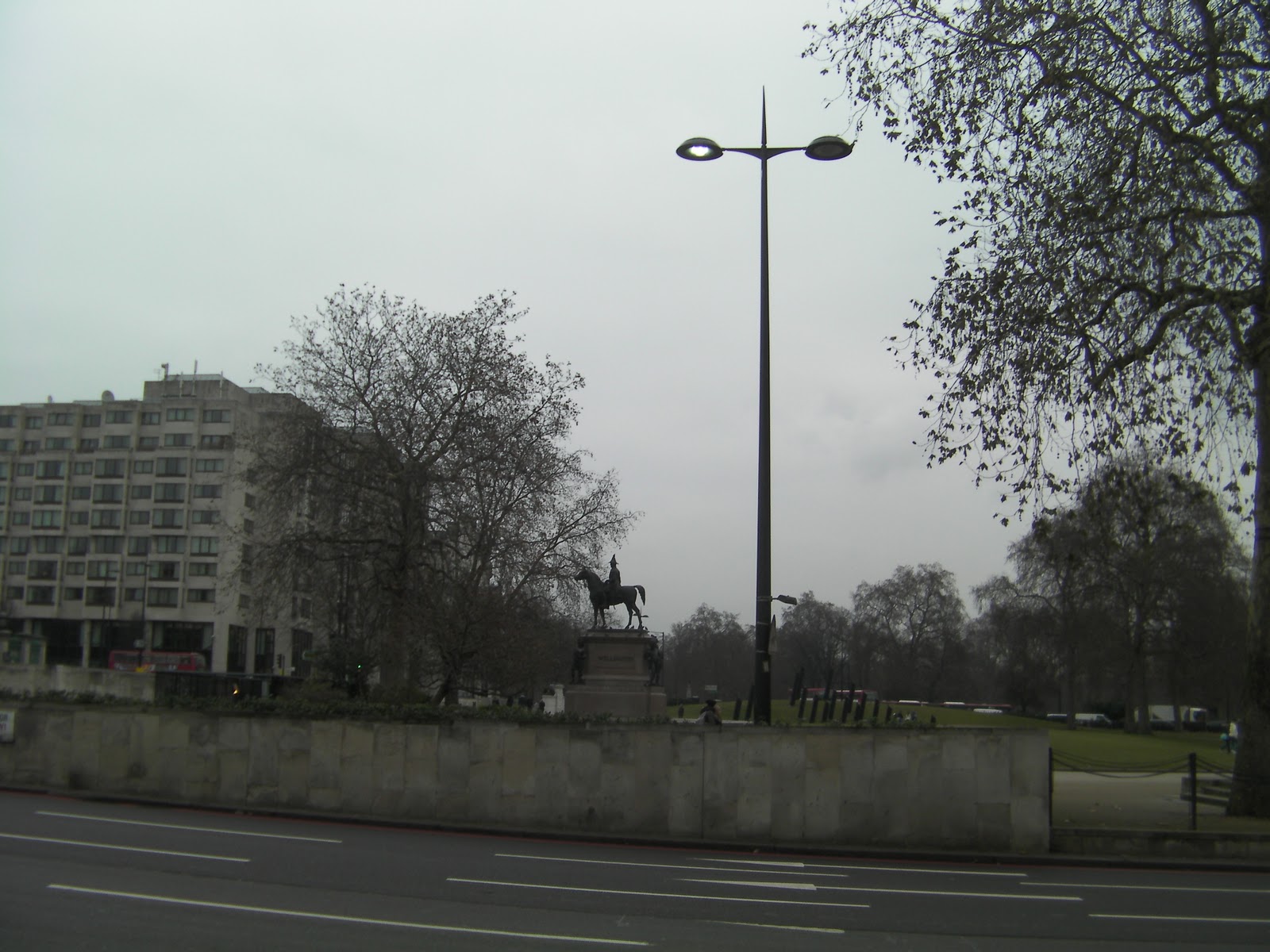
The Wellington Statue!
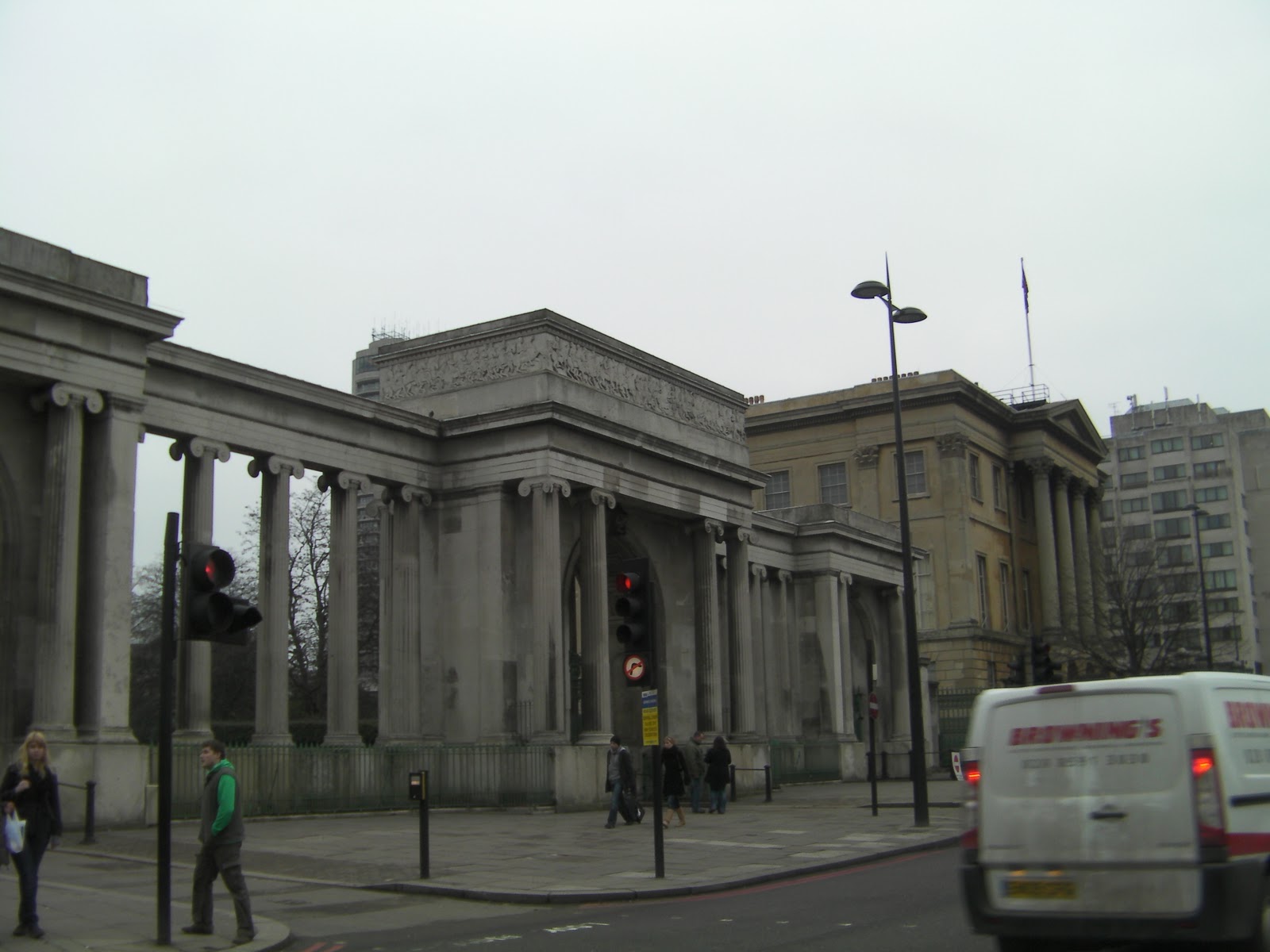
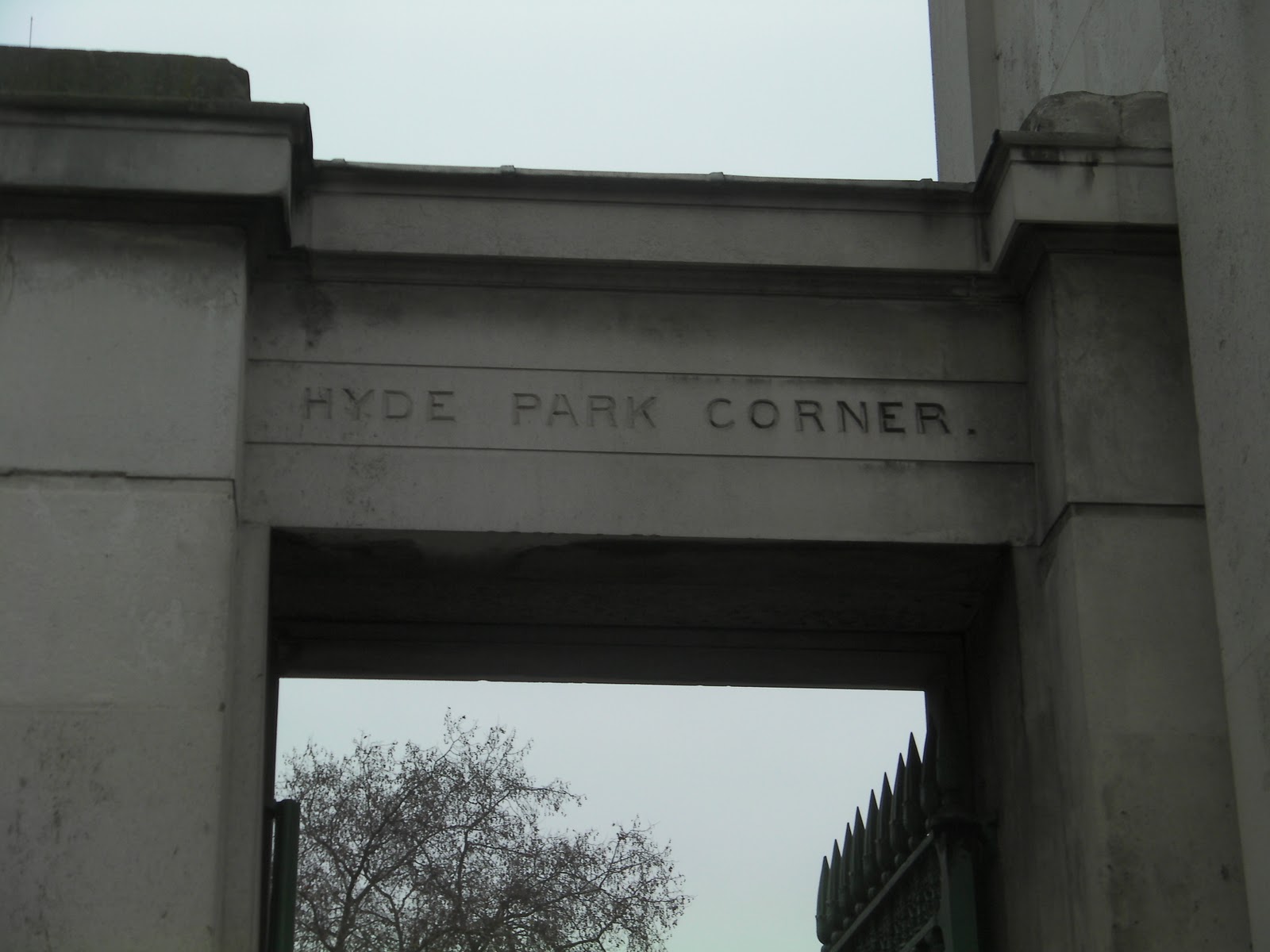
The gates at Hyde Park

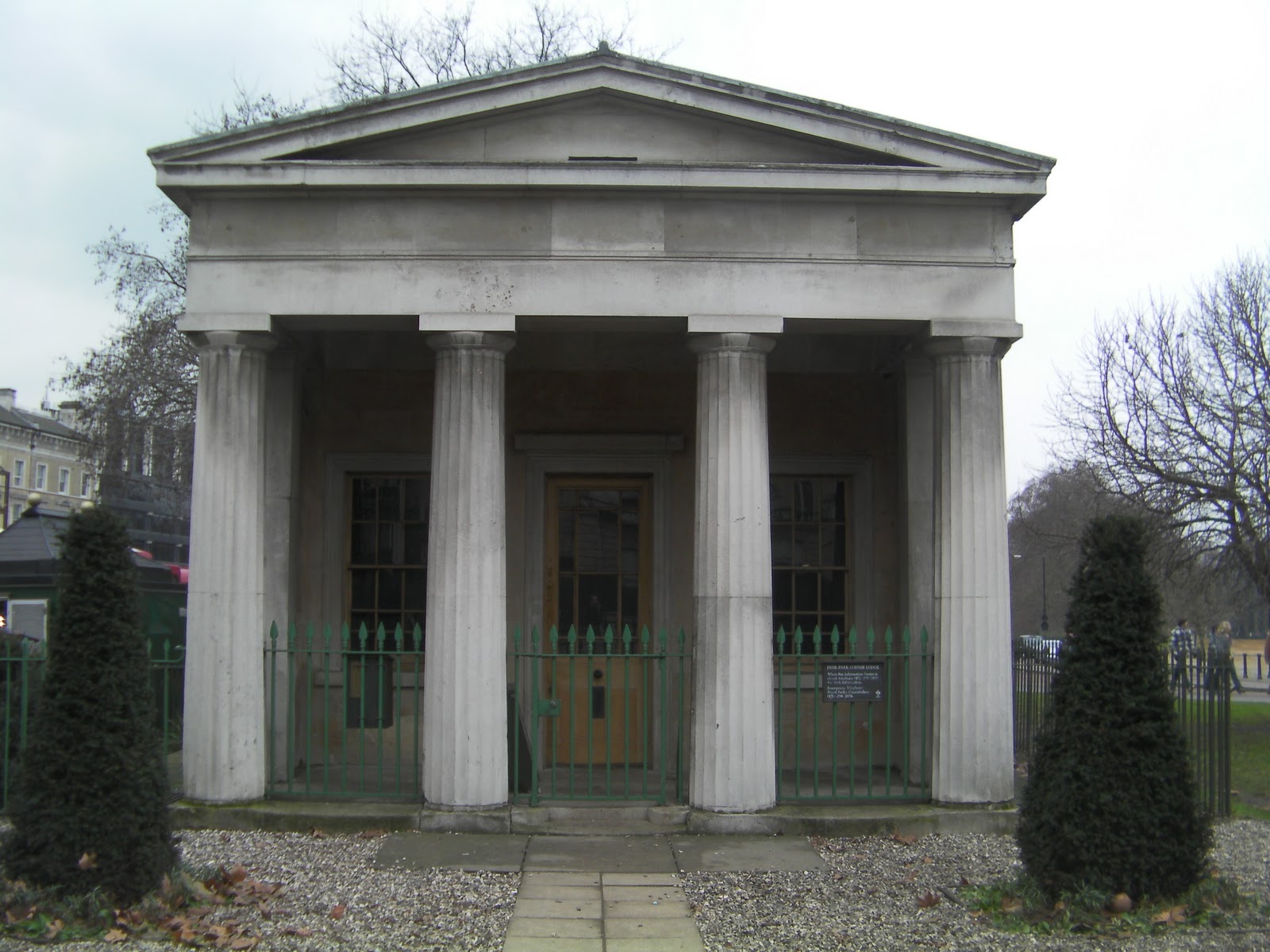
Stepping inside the gates, the toll keeper’s cottage.
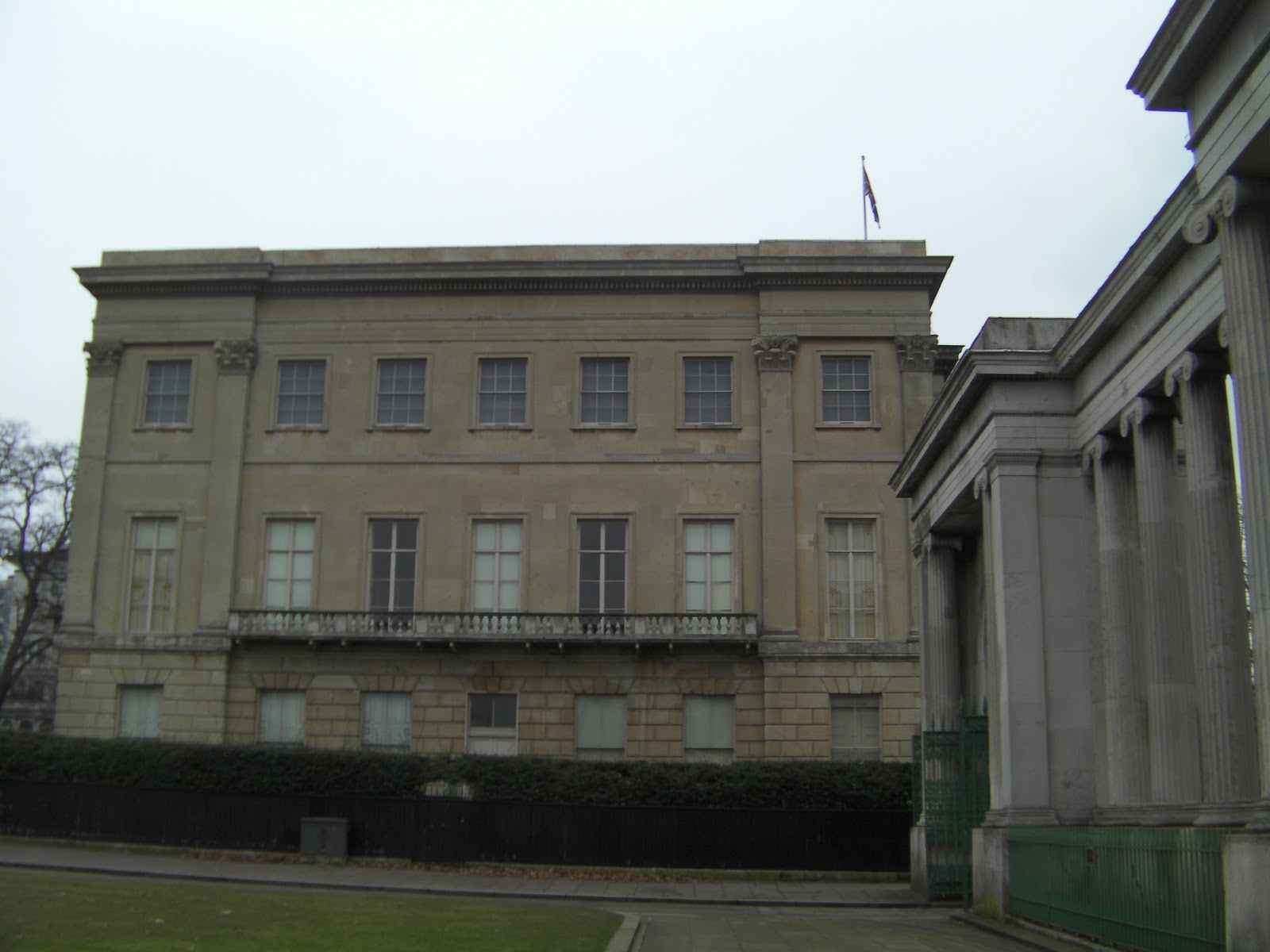
View from inside gates to the side of Apsley House. Wouldn’t we look marvelous standing on that balcony with a cocktail in our hand?
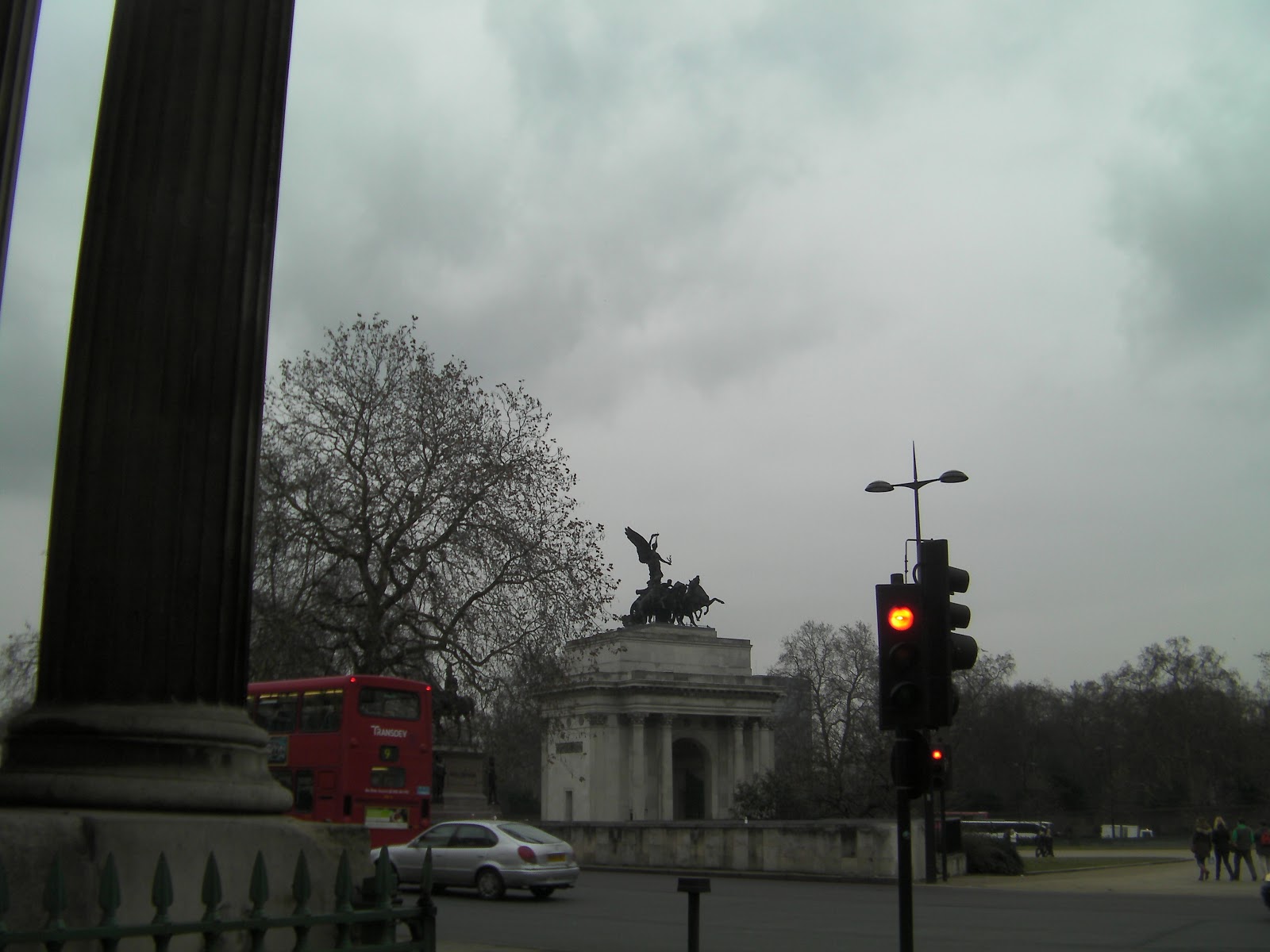
The Wellington Arch!
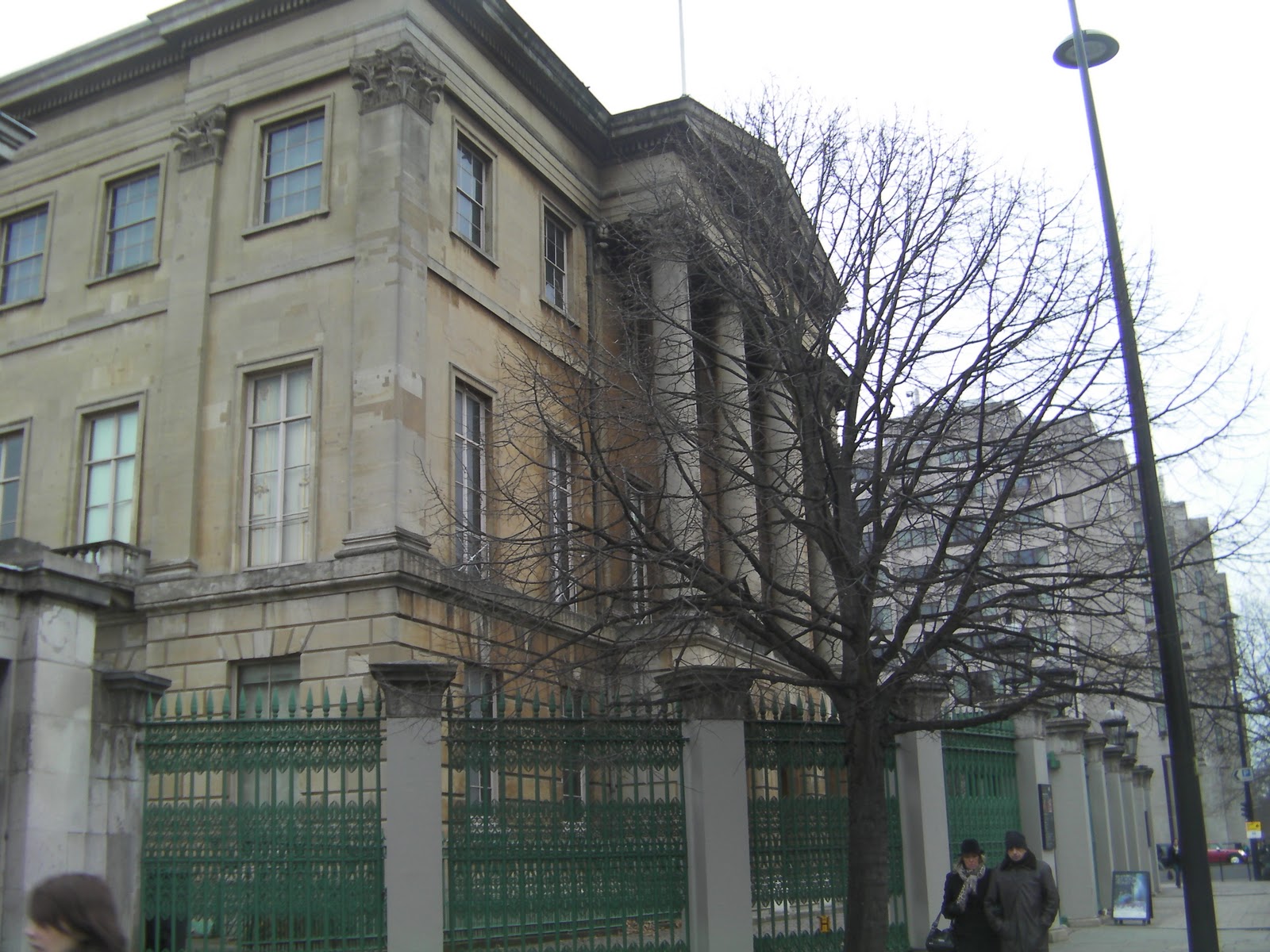
Walking round to the front of Apsley House.
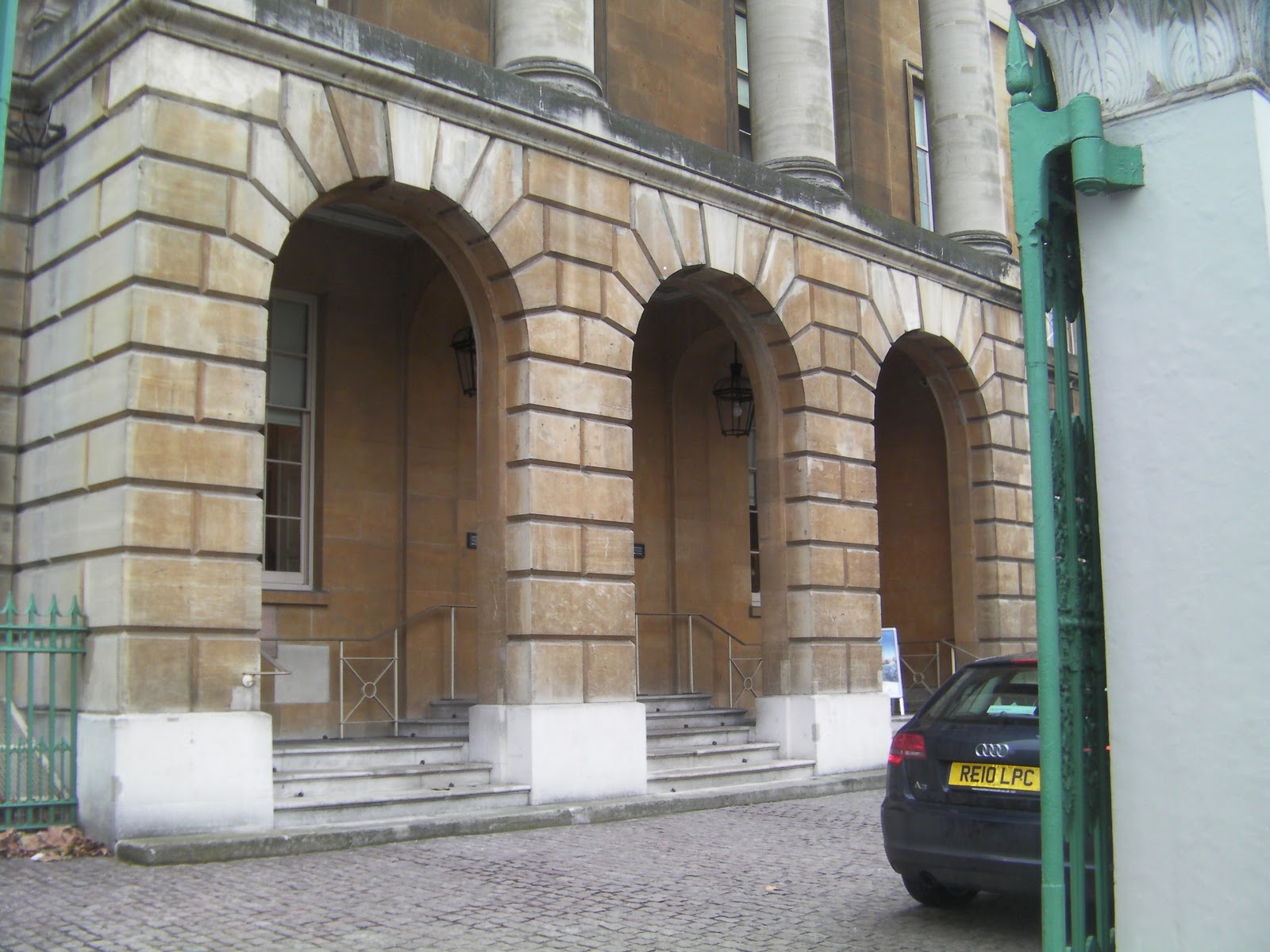
The front of Apsley House.

Whoops! Almost forgot to point out the sign.

The steps leading up to the front door. Note the black dots going up each side of the steps. A carpet rail would be slid into these iron rings to hold a stair carpet in place during important events. Personally, I think our visit is an important event in itself, but I suppose since we’re on first name terms with Artie our visit is considered informal.
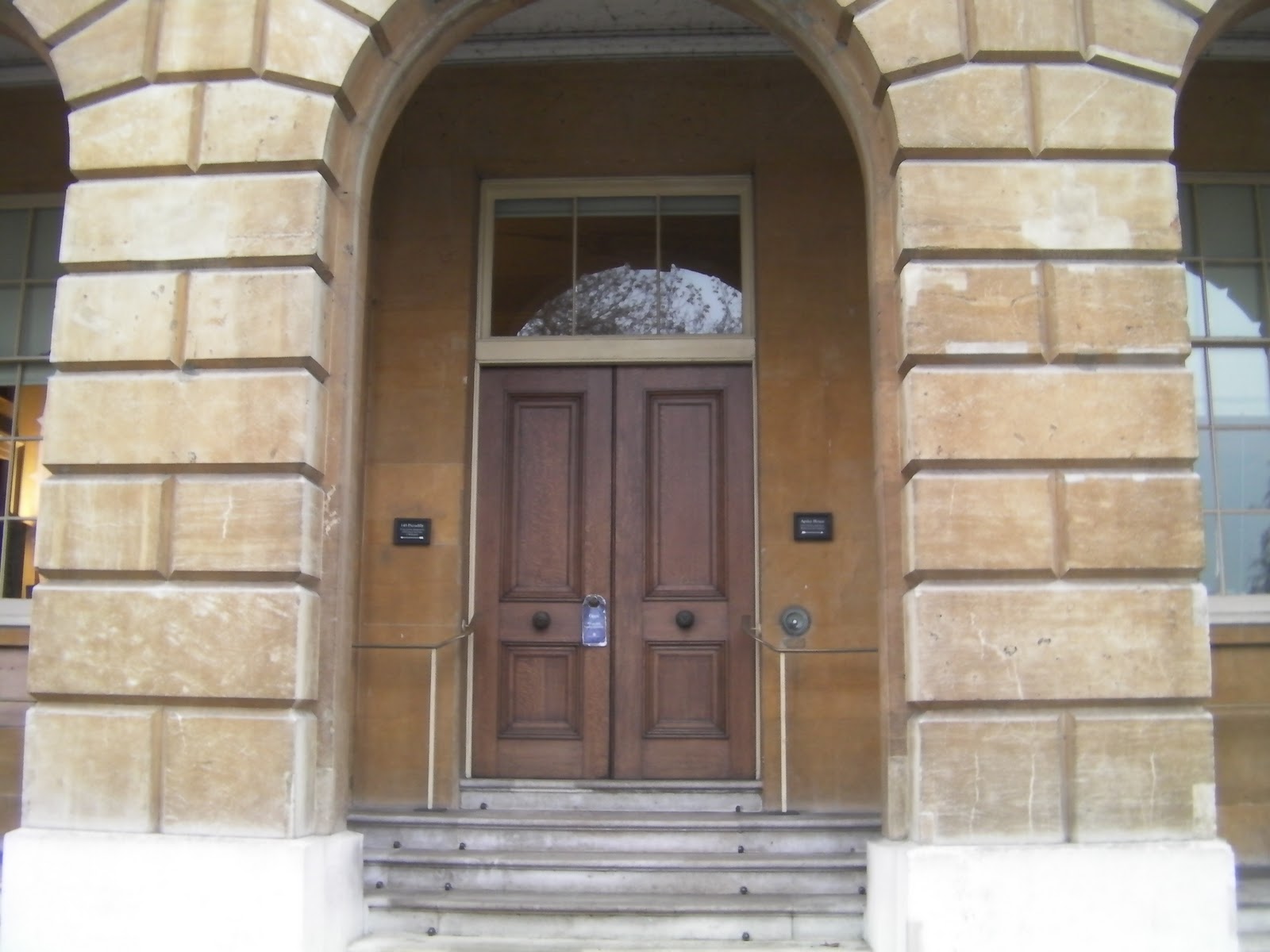
The front door!
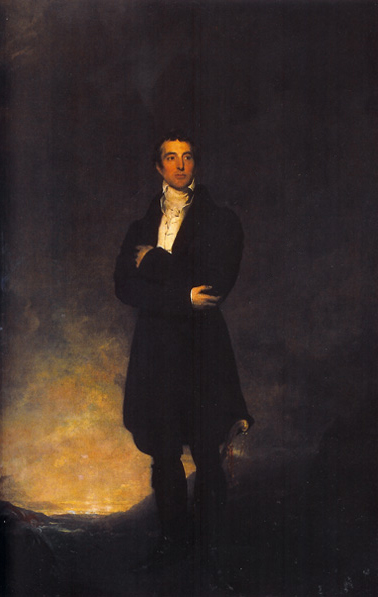
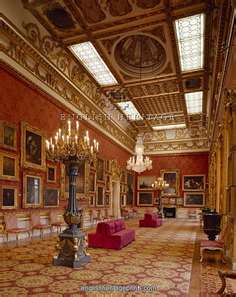
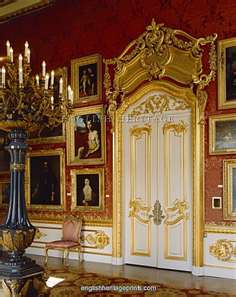
Unfortunately, those are all the first hand photos you’ll see, as no photography is allowed inside. I was able to find a scant few photos online, so those will have to do. I can tell you that the two portraits below, both by Thomas Lawrence, hang within.  
Whilst the portrait above may be the most iconic image of the Duke, I’m also partial to the lesser known and seldom seen portrait below, painted circa 1820.

I feel that this painting captures the essence of the Duke as a man, rather than as a great soldier or statesman. He stands alone, in civilian dress and with no emblem of military might, in the semi-darkness ready to defend against whatever comes his way. At the same time, there is something in the way he protectively holds his arms to his chest that evokes an air of vulnerability, a trait not typically attributed to the Duke of Wellington.

Now we’ll move on to the Waterloo Chamber, below.

Above is the statue of Napoleon by Canova that was taken as a spoil of war and presented to the Duke of Wellington by George IV. I don’t suppose re-gifting was an option then . . . . . .

Above is only a tiny portion of the gold plate presented to the Duke by grateful nations and now on display at Apsley House. Below is the Portuguese Centrepiece, one of the most important examples of Neo-Classical silver ever made, which was always used during the Duke’s annual Waterloo Dinners.

If you’re a faithful reader of this blog, you’ll know that on one of my previous visits I set off the alarm when I touched the centerpiece, which at that time was covered in a layer of dust. I simply couldn’t believe it had been allowed to gather dust and so swiped my finger across it to be sure. I’m happy to report that it’s now gleaming and dust-free. So ends our stroll to Apsley House. I hope you’ve enjoyed as much as I.

A Walk Through Minster Lovell

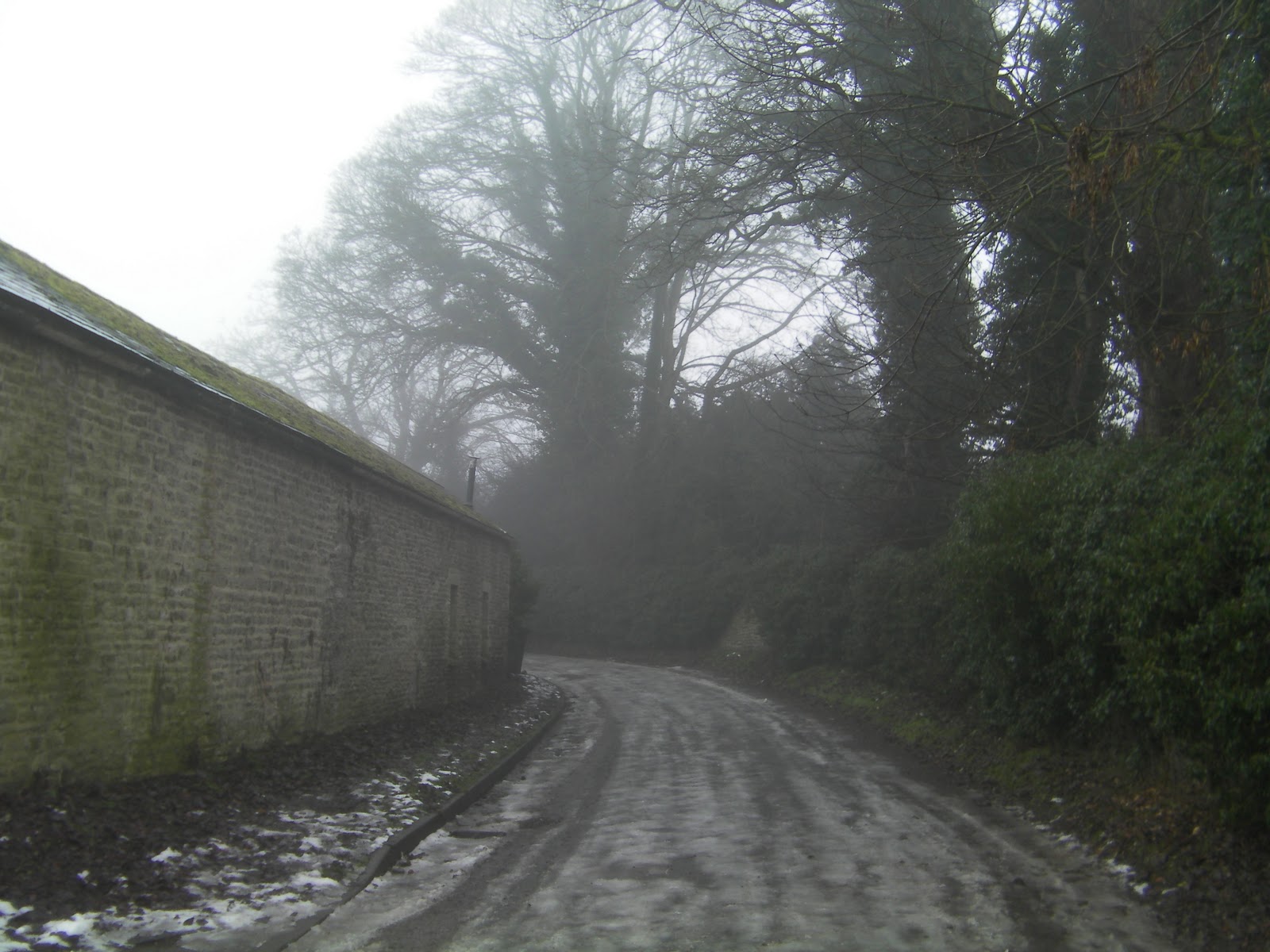
On one of our day trips out of London, Greg and I took a train to Oxford and the Cotswolds on a London Walks tour. The day was cold, the ground was covered in snow and the view from the train was obscured by heavy fog. After arriving in Oxford, we boarded a private coach for the village of Minster Lovell, located to the west of Oxford. The village is approached via a bridge over the River Windrush.

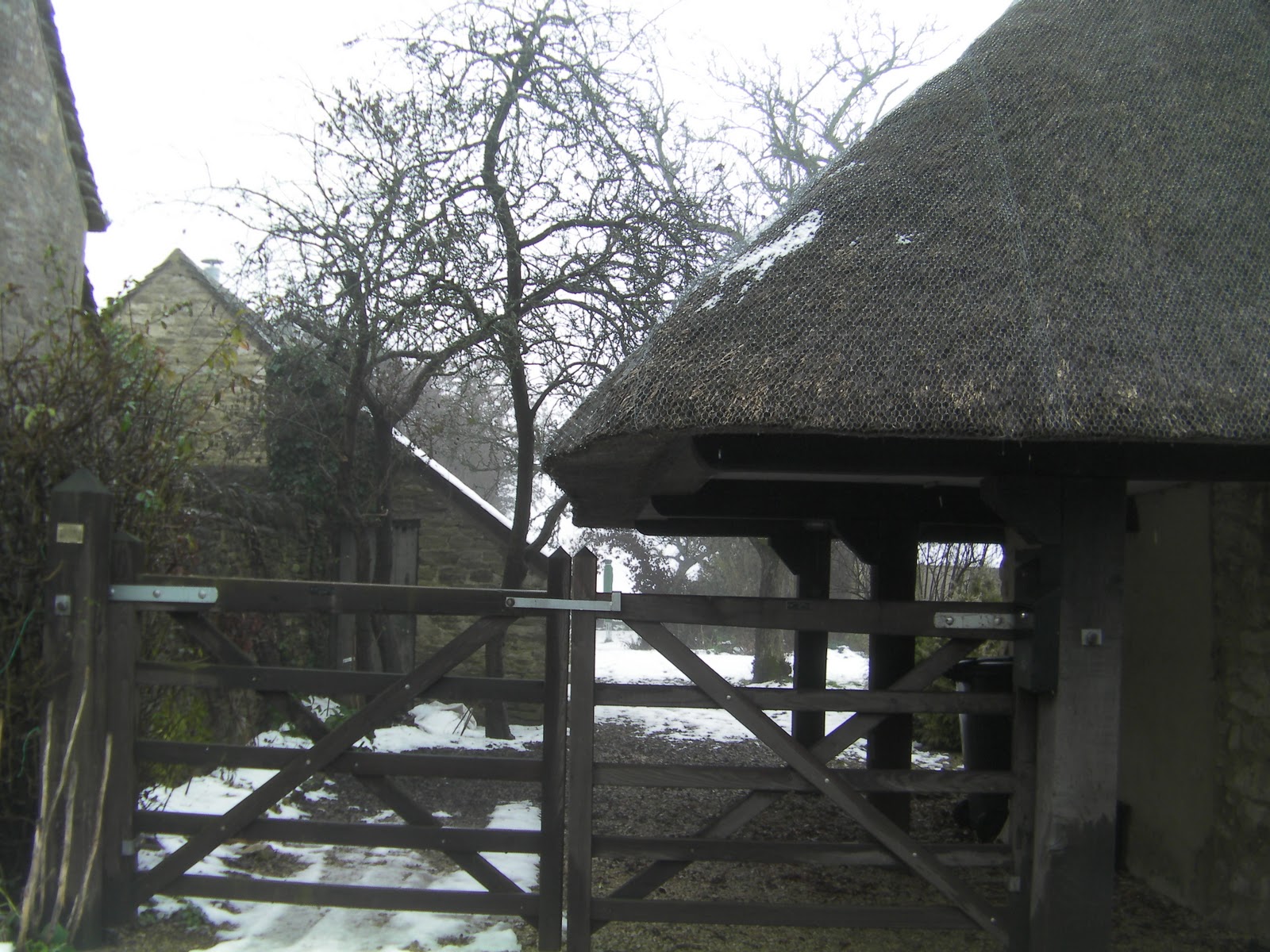
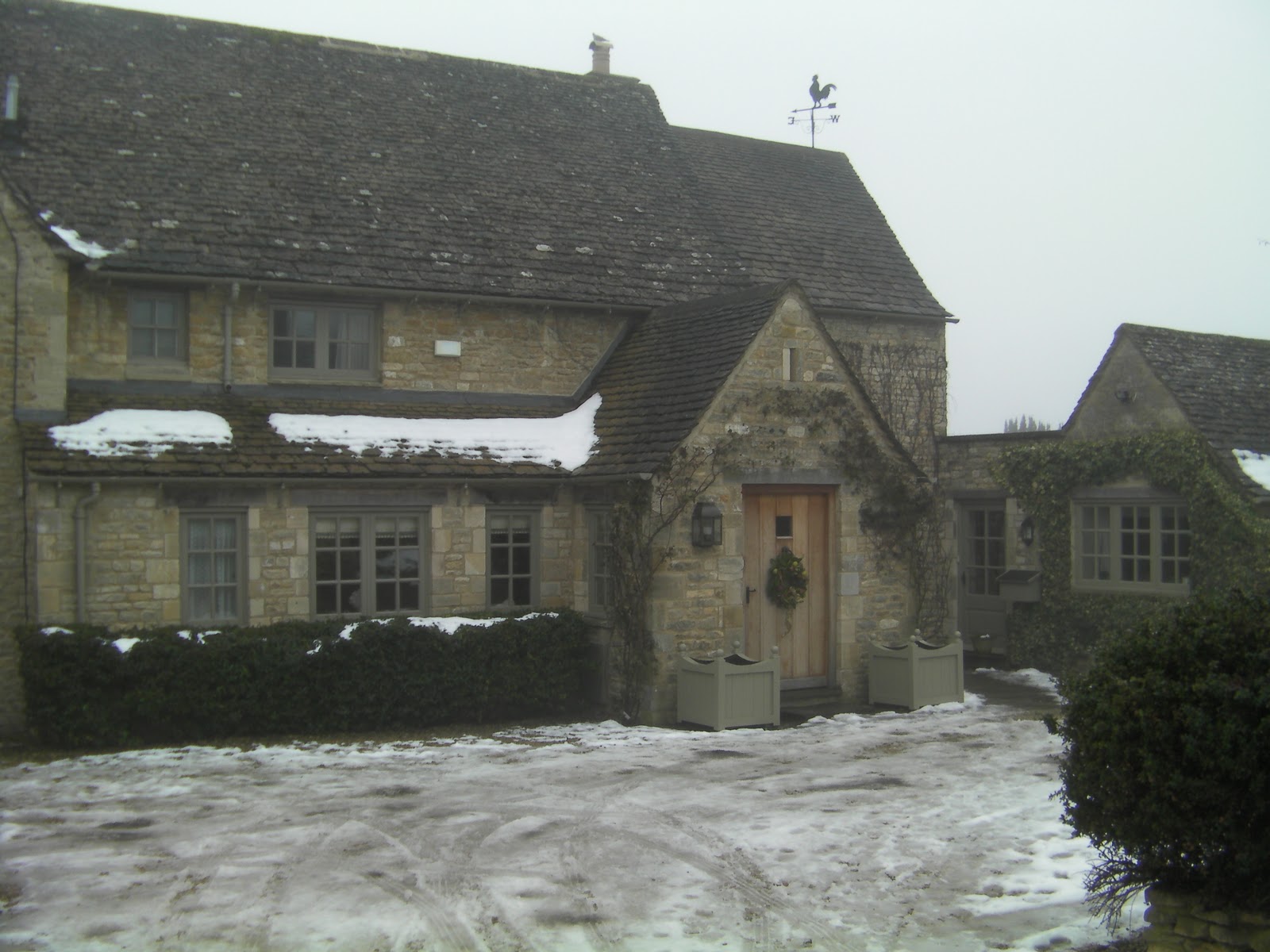
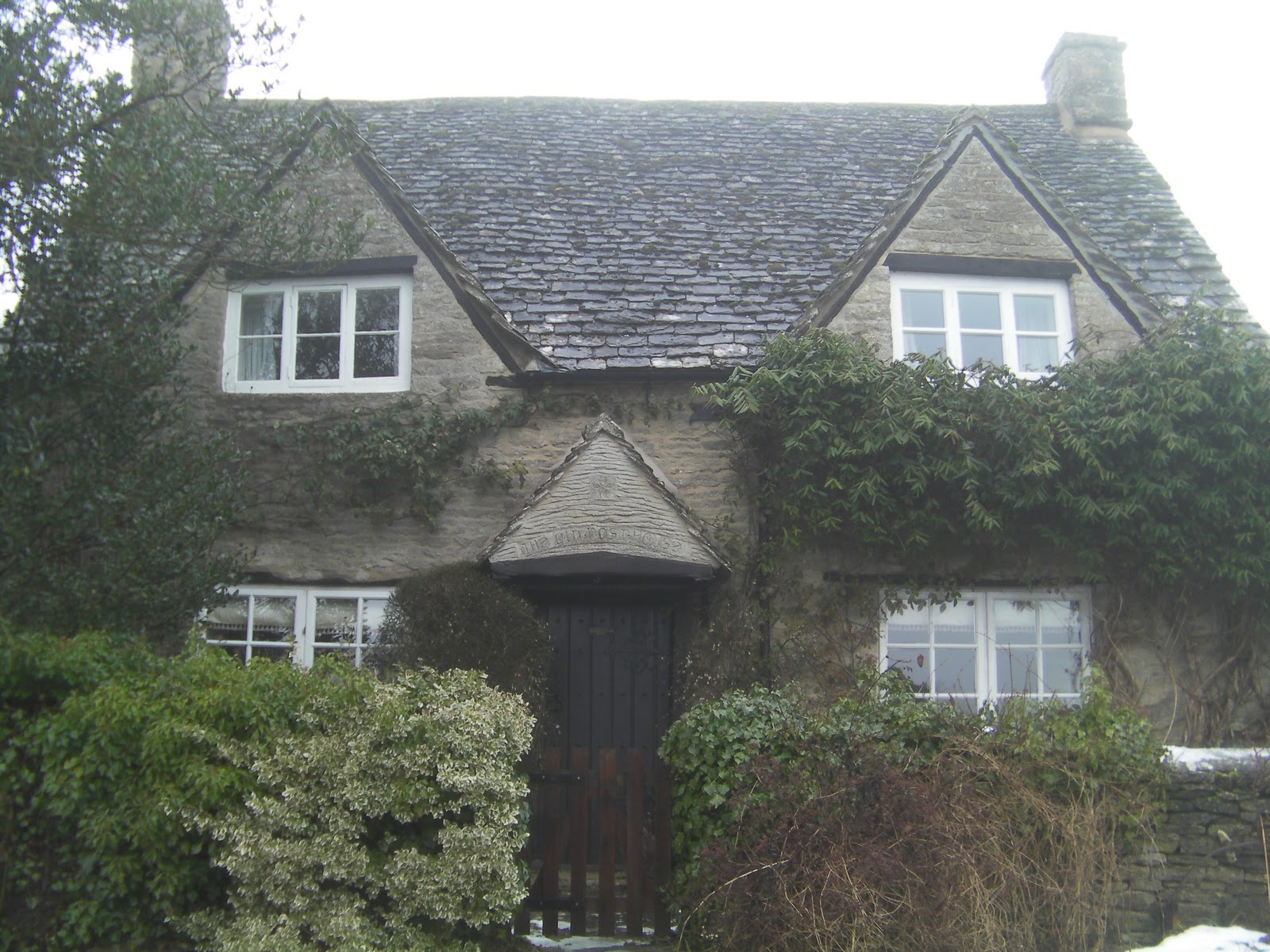
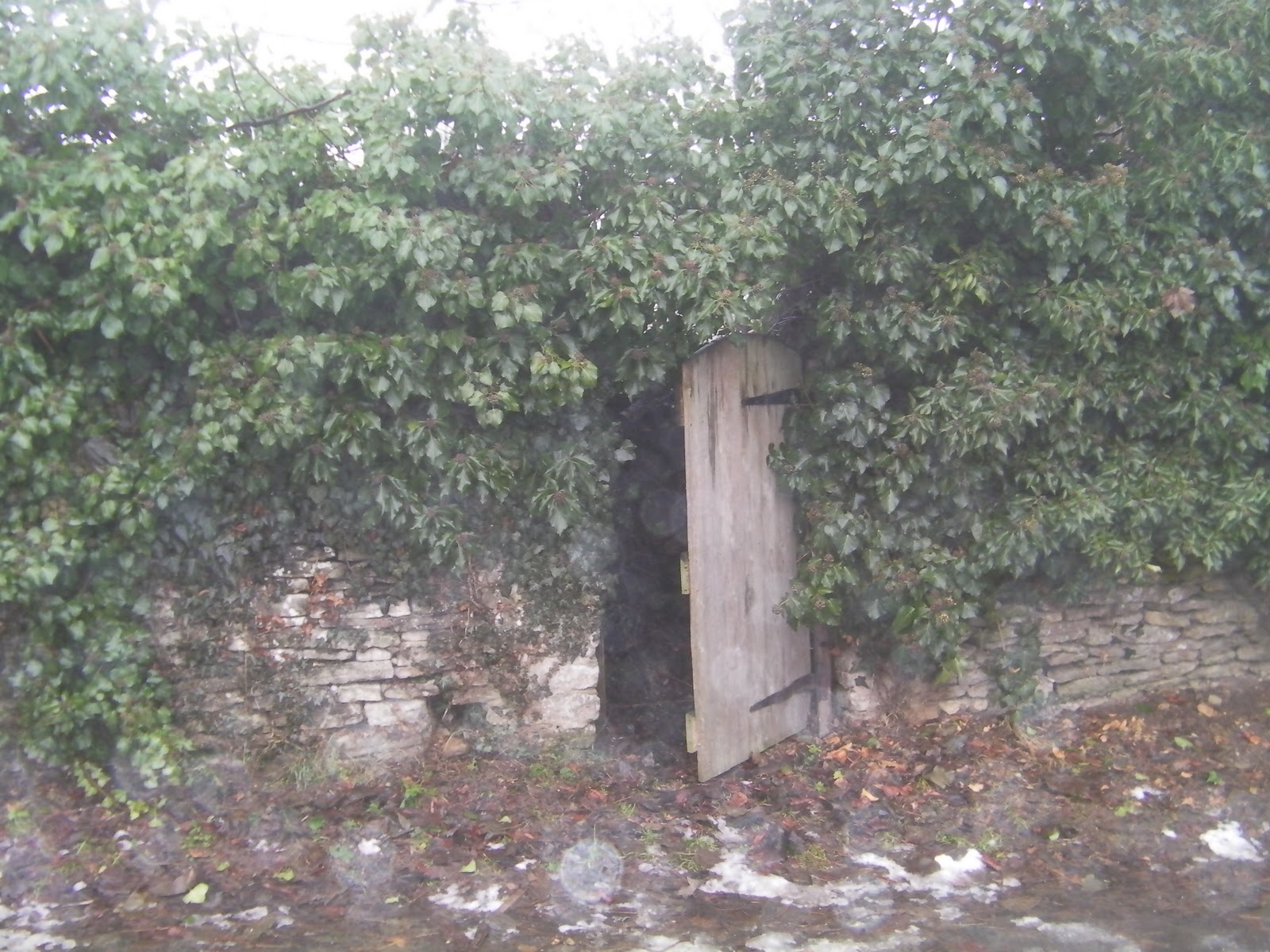
Disembarking, we had time to take in the chocolate box cottages with thatched roofs that line the single main road of the village that will probably never make it to an episode of Midsomer Murder, as apart from the charming houses, there is only a pub, a church and a ruin. Narrative here isn’t really necessary . . . . let’s just stroll quietly up the frozen road together and admire the view . . . . . .

Sigh.

Follow me up this road to the ruins of Minster Lovell Hall and St. Kenelm’s Church . . . 
Coming Soon!

Downton Abbey – Again

Okay, Episode 2 was much better.  Some characters seemed better defined, others were less annoying. I know, I know – I love these period pieces and no one wants to love this one more than me. I don’t know what the problem is. I have to say that every time I see either Jim Carter as Mr. Carson

or Brendan Coyle as John Bates

I’m transported back to Lark Rise. Seeing them together in the same scene makes me think that Laura is going to come running into view at any moment.

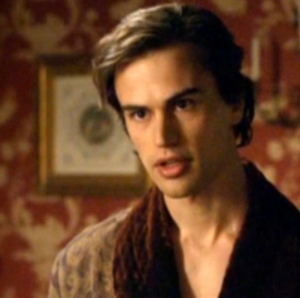
However, the appearance of Turkish houseguest Kemal Pamuk, played by Theo James, made me think that things were, indeed, picking up. And then he died. Which, as a plot device, was hysterical.

And which prompted Maggie Smith to utter one of the funniest lines so far – “No Englishman would ever dream of dying in someone else’s house.” Thank goodness I wasn’t drinking anything when I heard it.

If you can’t wait until the conclusion this Sunday – and I admit that I’m now looking forward to it myself – the ITV website offers exclusvie features, click here. And, of course, you can visit the Masterpiece Theater site, where you can watch the first two episodes again.

Downton Abbey

It was very strange watching Downton Abbey on Sunday night. I kept experiencing this feeling of deja vu, convinced that I’d actually been in some of the rooms at the fictional Downton Abbey.  And then I remembered that Burghley House was used for some of the filming and of course I’d been there and that explained that – one wonders if turtle skulls will be making a below stairs appearance. Anyways, stranger still was the feeling of expectation, the waiting for something marvelous to happen. And waiting. And waiting. You and I both know that I live for this type of television fare and even I was a trifle bored. The UK papers had touted DA as “the surprise drama hit of 2010.” Articles were written and opinions given that DA was hands down better than Upstairs Downstairs. Having seen both, I strongly disagree. So far, DA is pretty much a yawn.

Some critics slammed DA writer Julian Fellowes for his script, acusing him of having lifted tried and true plot lines straight from the works of well known authors, a charge Fellowes vehemently denies. Stolen or not, the plots were hardly worth the effort. Other detractors say that DA is nothing more than a pale imitation of the original U/D. The question is – Why was DA such a runaway hit? Frankly, The Telegraph’s report boggles the mind, saying that DA “attracted a large audience of 8 million viewers and, in a development almost unheard of for a serial drama series, it actually gained viewers through its run. Its final episode, at the end of November, attracted an audience of 10.8million – putting it in the top 10 highest-rated TV shows of the entire year.”  Huh?

Of course I’ll tune again this Sunday night, mainly because I’m ready to give my support to anything period and also because there’s not much else on on a Sunday. I certainly won’t have been compelled to tune in again.

What did you think?

Victoria here, adding my two cents. I was disappointed in DA, probably because I was so hoping it would be terrific. I wonder if they cut too much  from the English version of 6 episodes to make only four in the U.S. It seemed the characters were cliched and the plot threads trite.  OF COURSE the remaining heir didn’t even try to see what his new role would be in a sympathetic way.  OF COURSE the slimy young duke had an affair with the footman and then treated him like a dog.  OF COURSE the eldest daughter didn’t want to wear black, whined about her almost-fiance’s death and allowed the slimy duke to mislead her. And I could go on.

But like Kristine and probably most of you, I’ll be watching again this week, hoping for an improvement.  There must be an American heiress in there someplace, right?

And look at all the things they could have included — car chases, explosions, bloody spurts from gunshots, and aliens from outer space.  Screenwriter Julian Fellowes did at least one of those things (a pretend gunshot wound for Albert that never really happened) for Young Victoria.  I loved his Gosford Park, however, and more of the same would be delightful.

For me, a much better drama was The King’s Speech, which I loved.

Please give us your opinions of Downton Abbey —

Regency Power & Brilliance at the National Portrait Gallery

Hard on the heels of Jo’s wonderful series of posts on Sir Thomas Lawrence, I thought I’d share with you the fact that whilst in London recently I had the chance to take in the exhibition of Sir Thomas Lawrence’s works entitled Regency Power and Brilliance. You can read all about the Exhibition itself in a prior post on this blog by clicking here. This has really been a banner year for me as during my past two trips to London I’ve been fortunate enough to have seen many iconic British paintings in person. My visit to the Lawrence exhibition reminded me just what a brilliant artist he was.

Ironically, the paintings below were hung side by side on the same wall.

Queen Charlotte
Elizabeth Farren, later Countess of Derby
These are each enormous, full length paintings and it was possible to get up really close to each. The detail was stupendous.
The way in which Lawrence rendered Queen Charlotte’s face and the pearls is uncanny, whilst the details of her dress were brilliant – the silk ribbons, the lace overlay on her dress and the airy lace on the sleeves were a sight to behold. The detail on the fur of the muff in the Farren portrait made one want to reach out and stroke it, so life-like did it appear.  Incidentally, I bought the poster of the Farren portrait, but have yet to have it framed.

I also saw two lesser known, but equally stunning, portraits, the first being the drawing below.

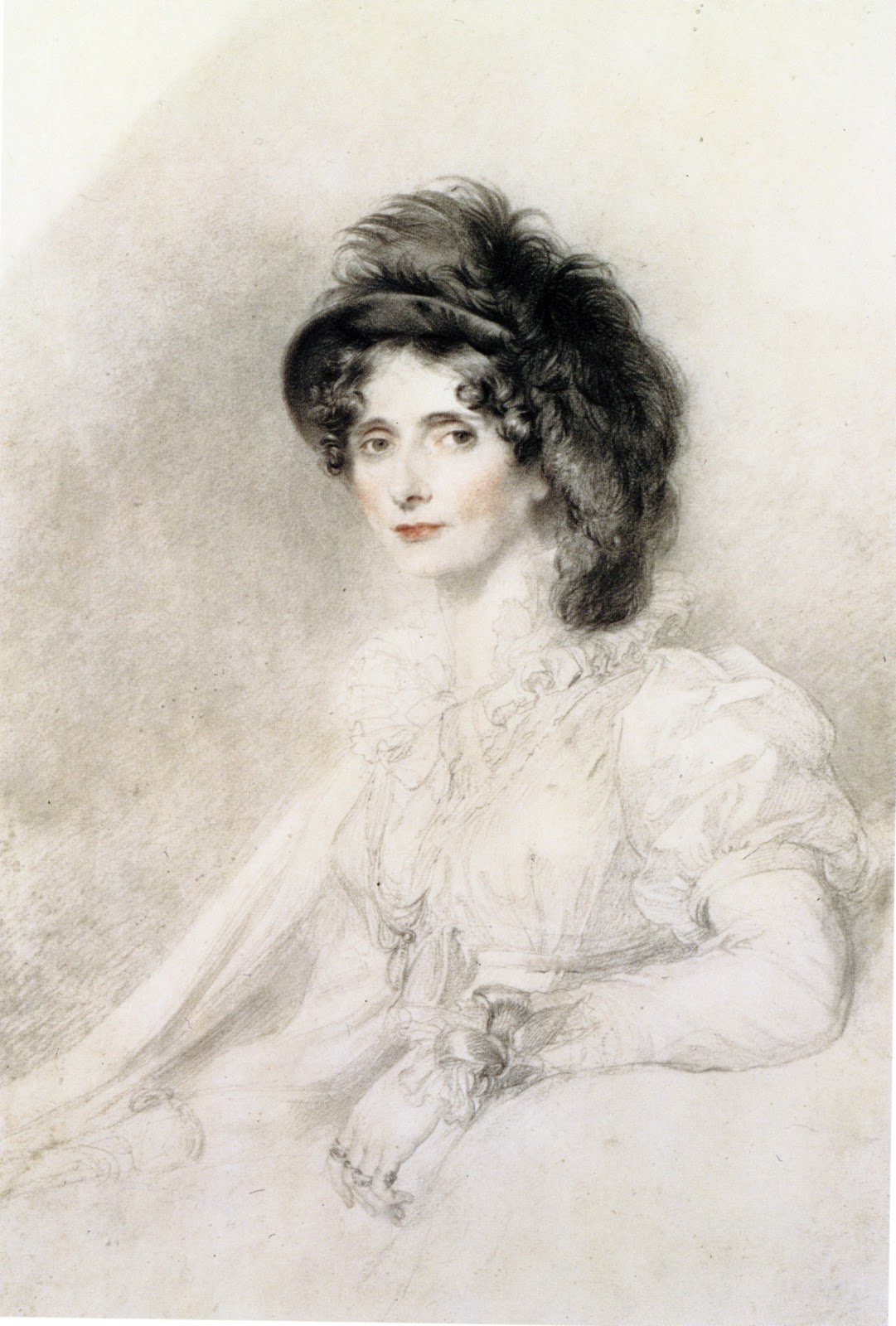
This pencil, black and red chalk drawing of Elizabeth, Duchess of Devonshire done in 1819 is just marvelous. Truly, this picture does not do it justice. Suffice to say that I spent many minutes gazing at Bess’s arresting face.

Is the painting above not one of the most stunning examples of male Regency beauty? The sitter is Arthur Atherley, who had recently graduated from Eton College, which can be seen in the background. So who was Arthur Atherley? There’s not much out there on him, he went on to become a M.P. and Wikipedia has a brief bio on him, but there’s not much else to be found on the web. Really, with such a face and air of insouciance, you’d have thought he’d have gone on to be a serious Brummell rival.

But back to iconic paintings – also included in the Exhibit were these two portraits.

The Prince of Wales, afterwards George IV

and last, but never least . . . .

The Duke of Wellington
Lawrence painted the Duke of Wellington seven times in all and, really, each portrait is equally as good as the next. Again, Lawrence’s superb talent for portraiture is evident in the details of this painting – the folds of the cravat, the red ribbon. When standing before this portrait, one really does feel the force of the Duke’s penetrating gaze.
Hats off to the exceptional talents of Sir Thomas Lawrence, and to the
National Portrait Gallery for mounting this fabulous Exhibition, which moves across the pond to the Yale Center for British Art where it will run from 02/24/11 – 06/05/11.