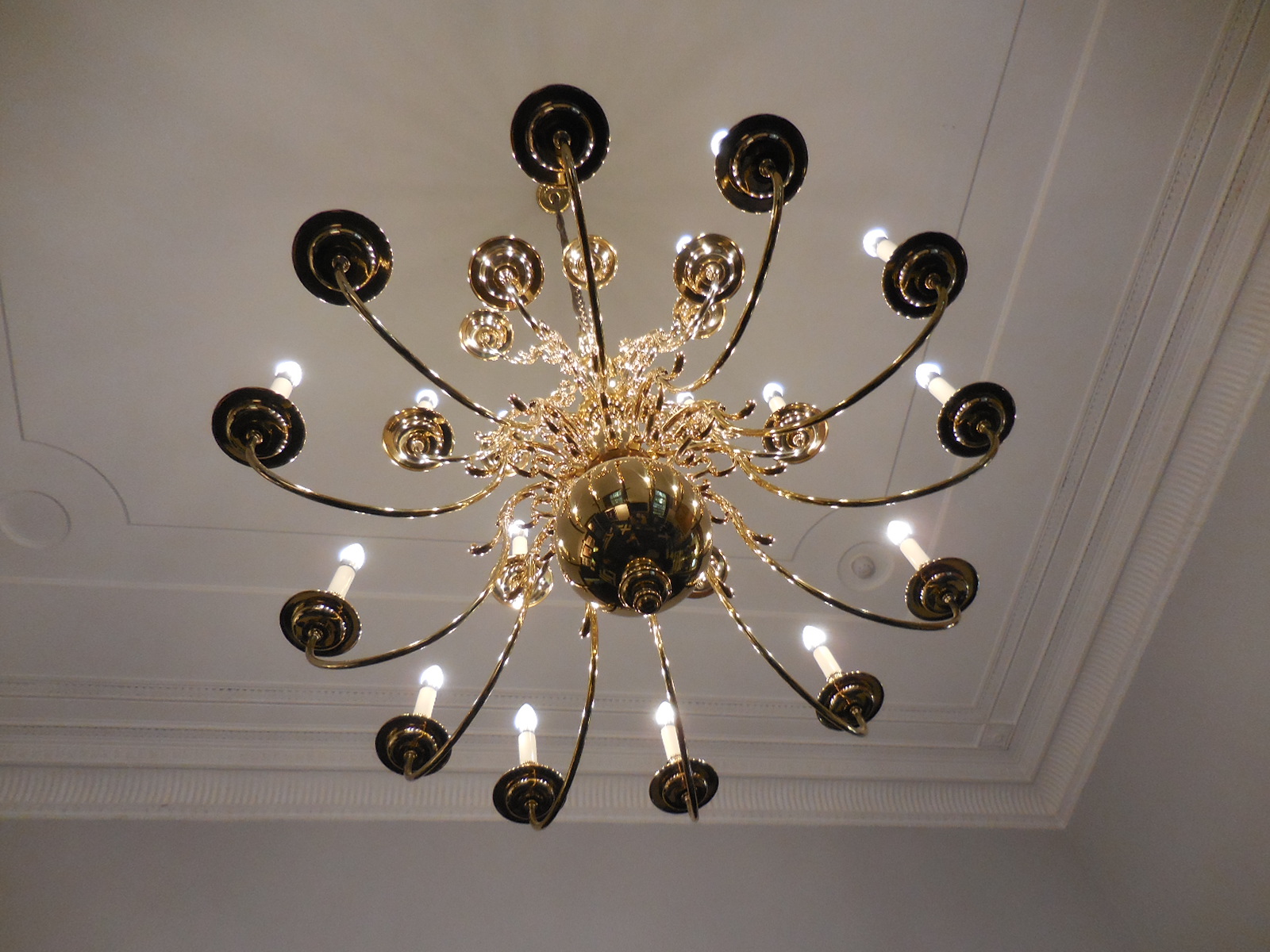
LOOSE IN LONDON: OPEN HOUSE WEEKEND 74 ST. JAMES'S STREET

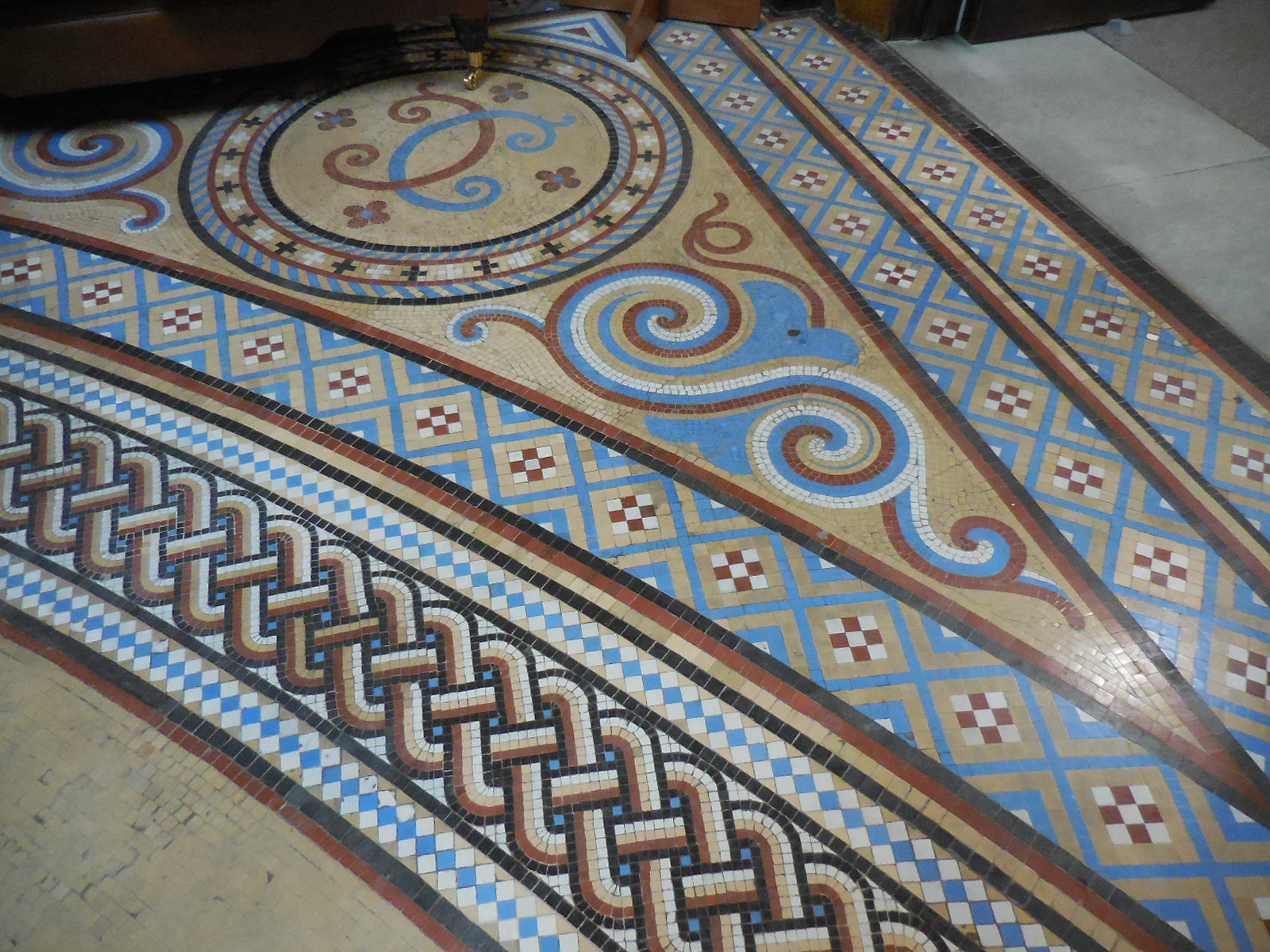
74 St. James Street is an amazing building, now part of a international bank which has preserved the colorful interior.  Victoria here, telling you that Kristine and I could hardly believe our eyes after already visiting three lavish mansions during the 2014 Open City London days…in 2016, the Open weekend will be Saturday and Sunday, September 17 and 18.
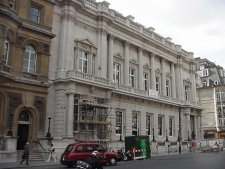
74 St. James Street


74 St. James’s Street was the site of the old Conservative Club, now dissolved. Construction started in 1843,  In 1950 it merged with the Bath Club, and was disbanded in 1981. From 1845 until 1959, the club occupied a building at 74 St James’s Street.and although the club moved out a century later, the building went on to be home to McKinsey and Co. in the early 1970s, and now houses the London office of HSBC Private Bank. 

Prior to the Conservative Club’s occupation of the site, there stood on that corner a range of low buildings derived from the country estate of Sir William Pulteney. The original complex had been converted during the 18th century into shops, taverns and pieds-a-terre. The principal establishment on the site was the Thatched House Tavern, located in the upper stories of the shops lining St. James’s Street and set back from the building line so that the roof of the one-story shops formed a balcony overlooking St. James’s for the drinkers and as a vantage point for watching special events, such as the Duke of York’s funeral procession. 


The tavern was much frequented by clubs and societies: the Society of Dilettanti, the Noblemen and Gentlemen’s Catch Club and the Royal Yacht Squadron, to name a few. A narrow lane at right angles to St. James’s, running through the middle of the site, gave access by a side door to the tavern and led on through to a small court (Thatched House Court) behind it. The Court was of small by pretty houses providing London apartments for people of fashion such as Edward Gibbon, who lived there until his death in 1894. 

The new building built on the site by the Conservative Club at a cost of twenty nine thousand pounds was completed in 1845. The proportions of the saloon were injured in 1951 by the removal of the grand staircase, which led out of the middle door 
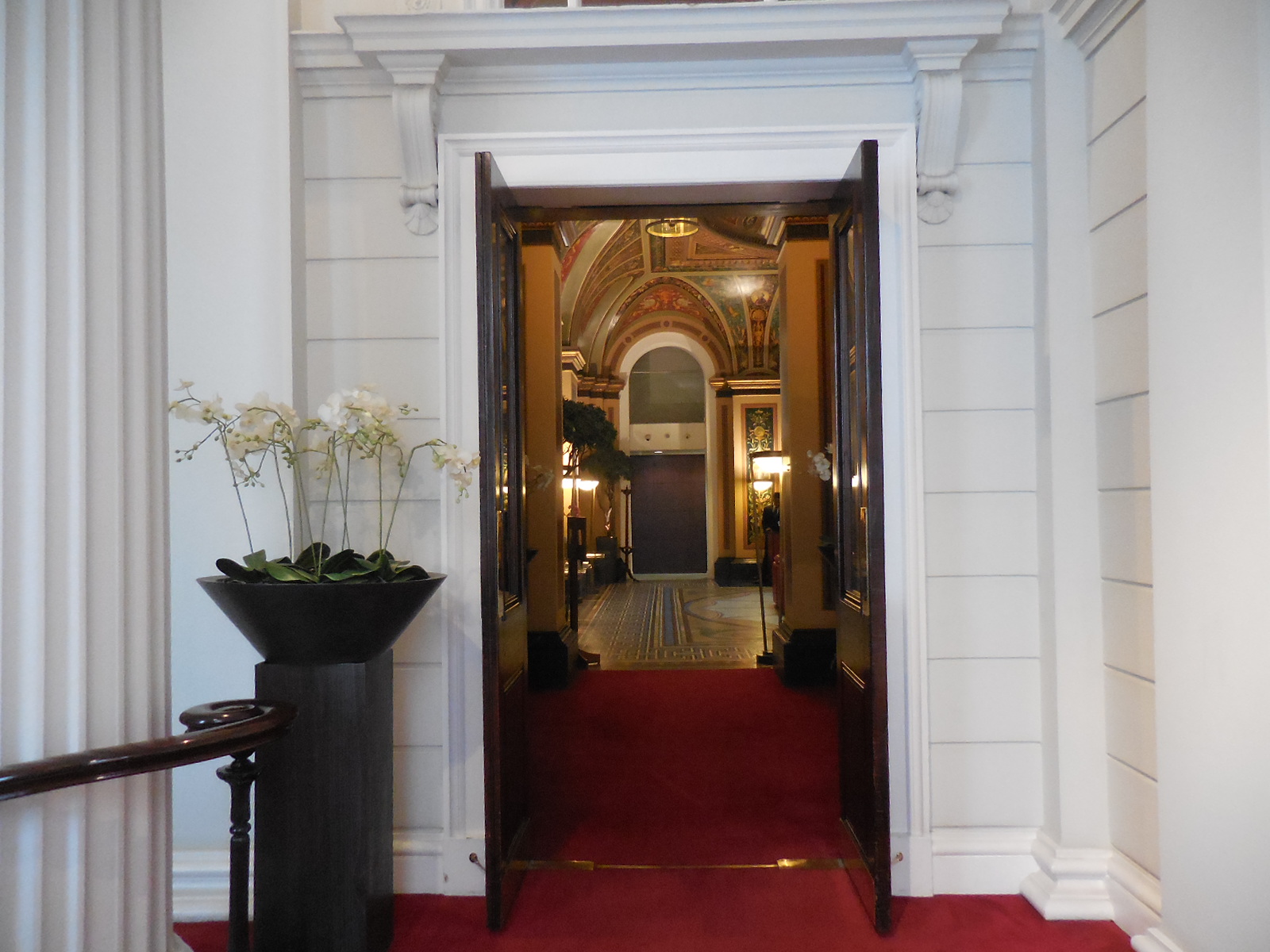

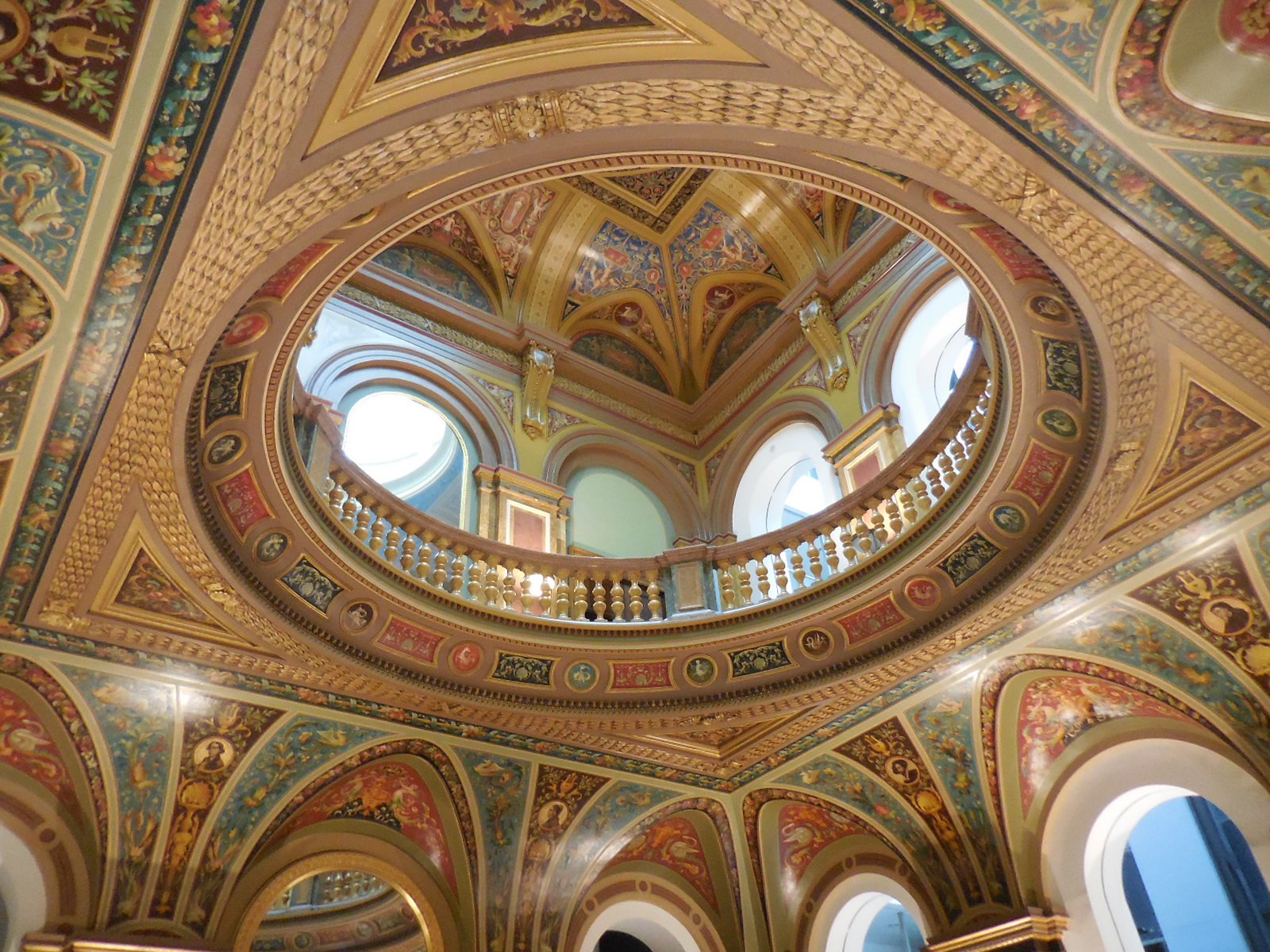
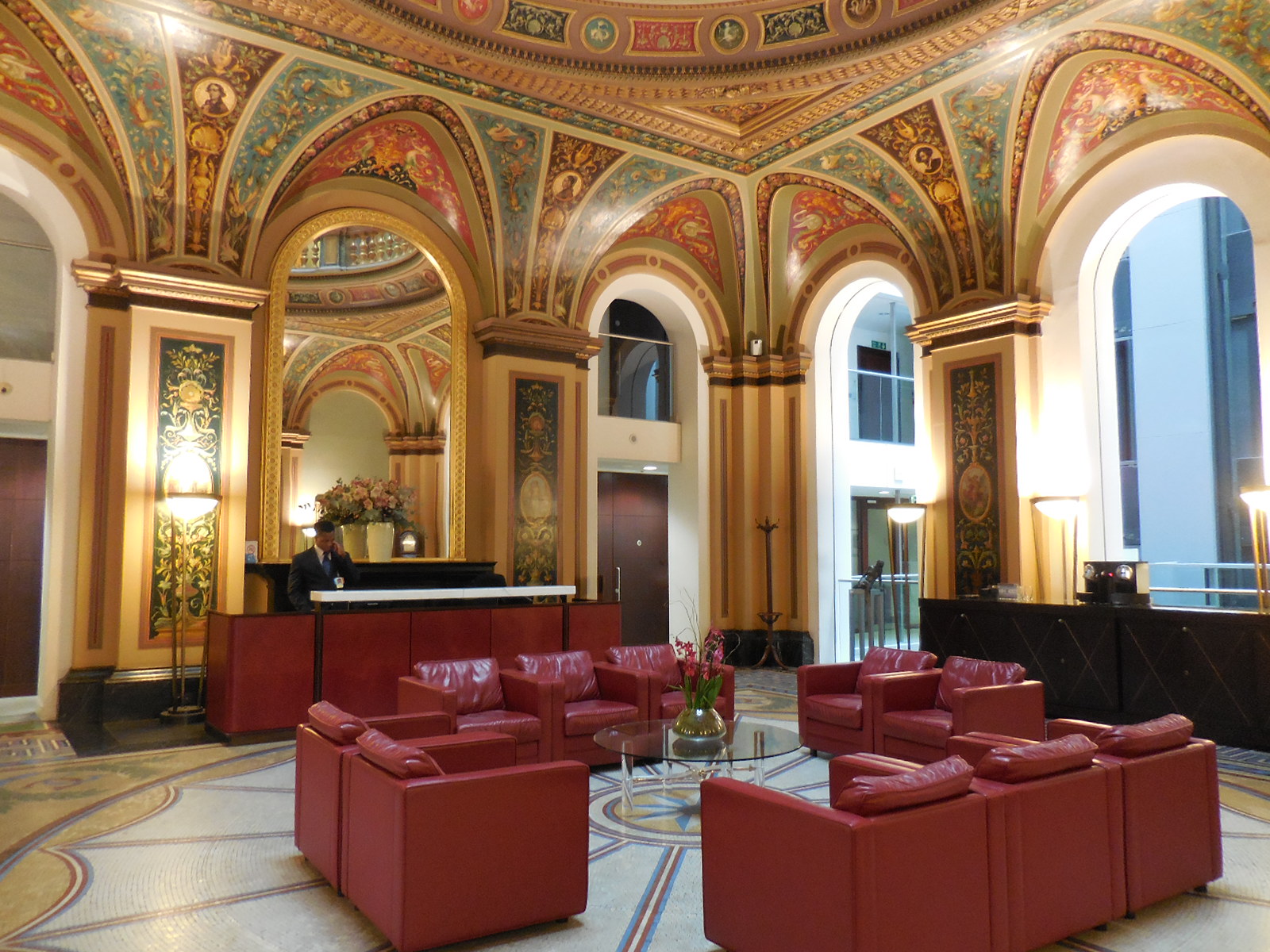
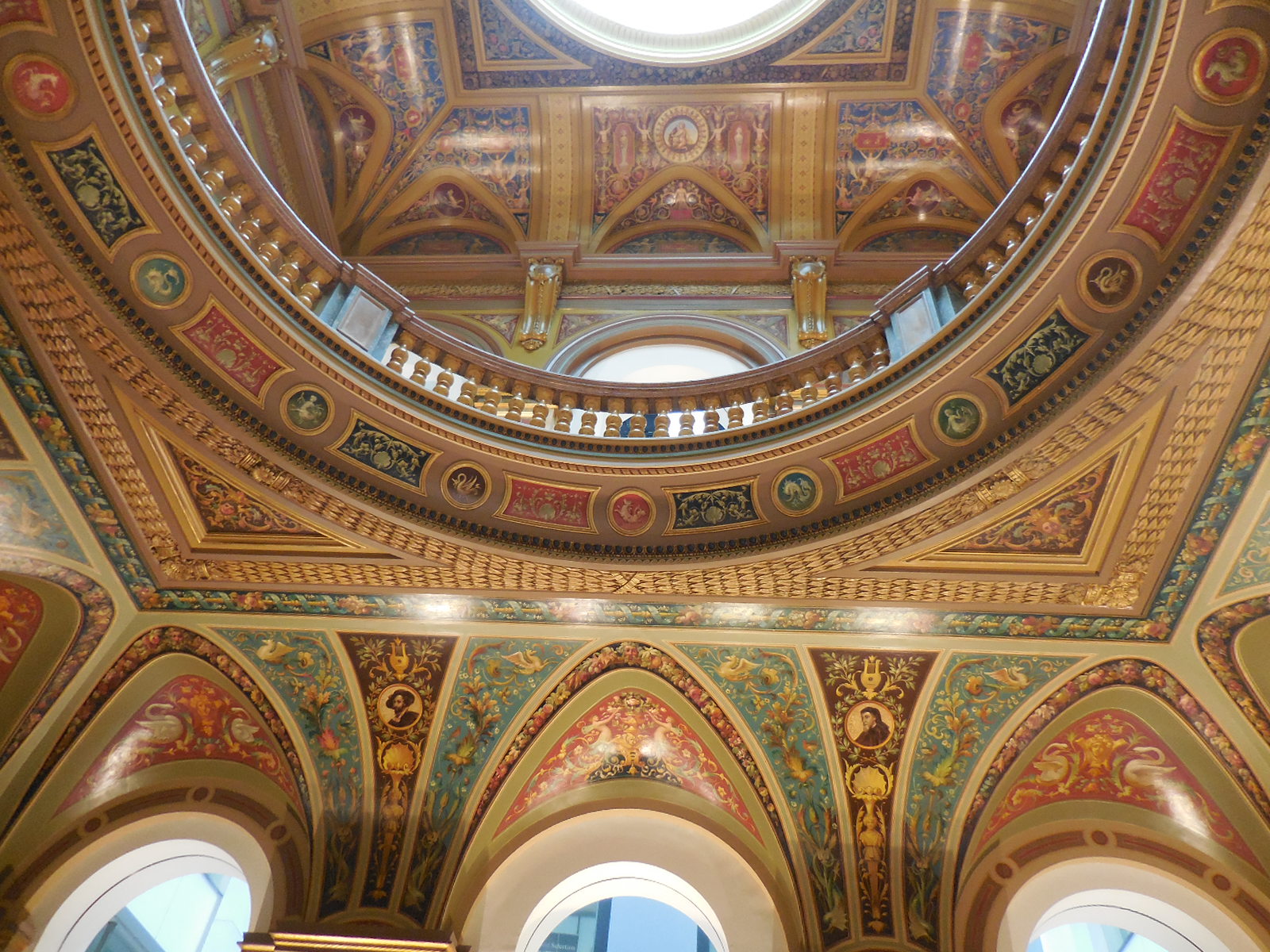
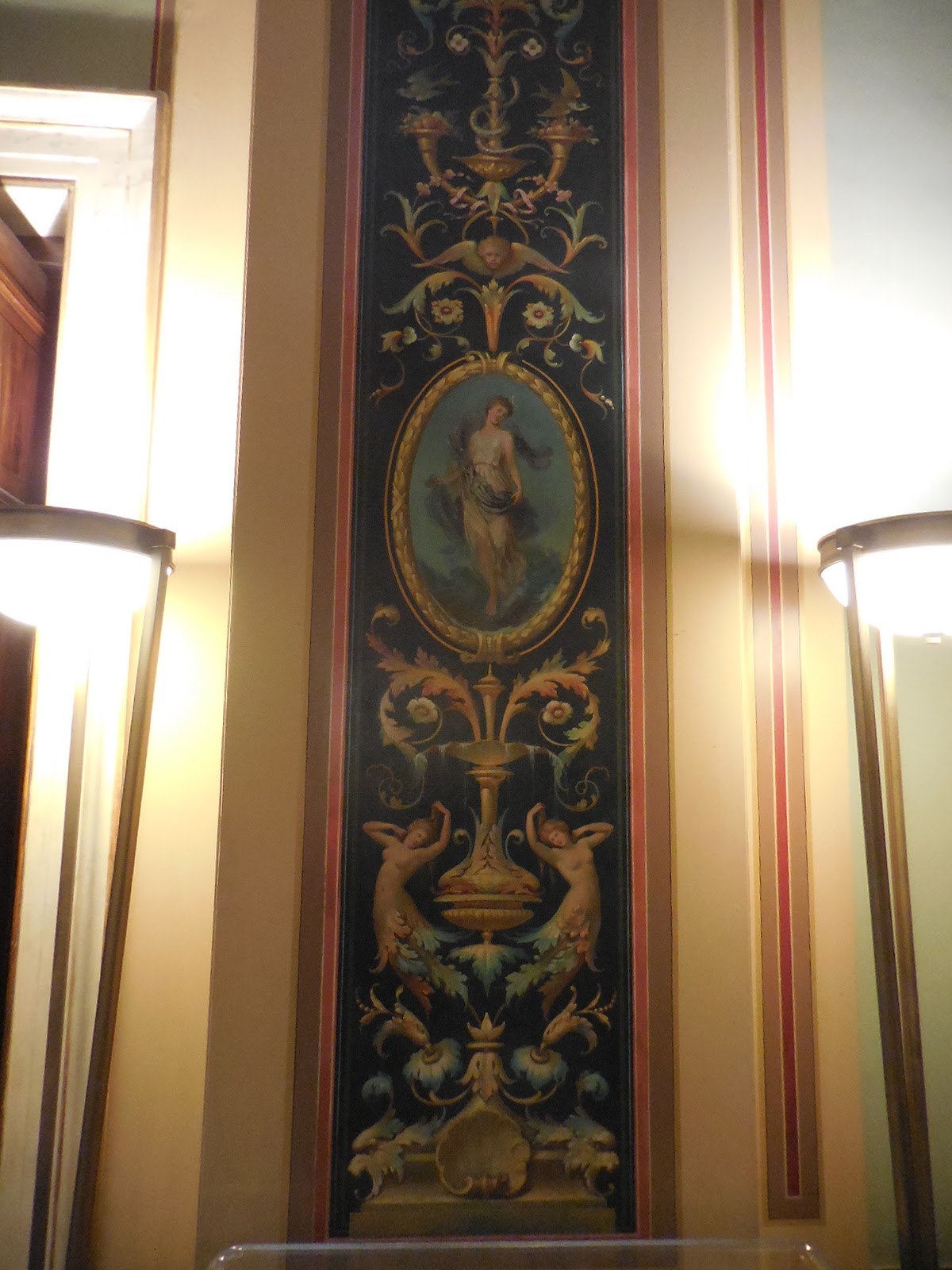
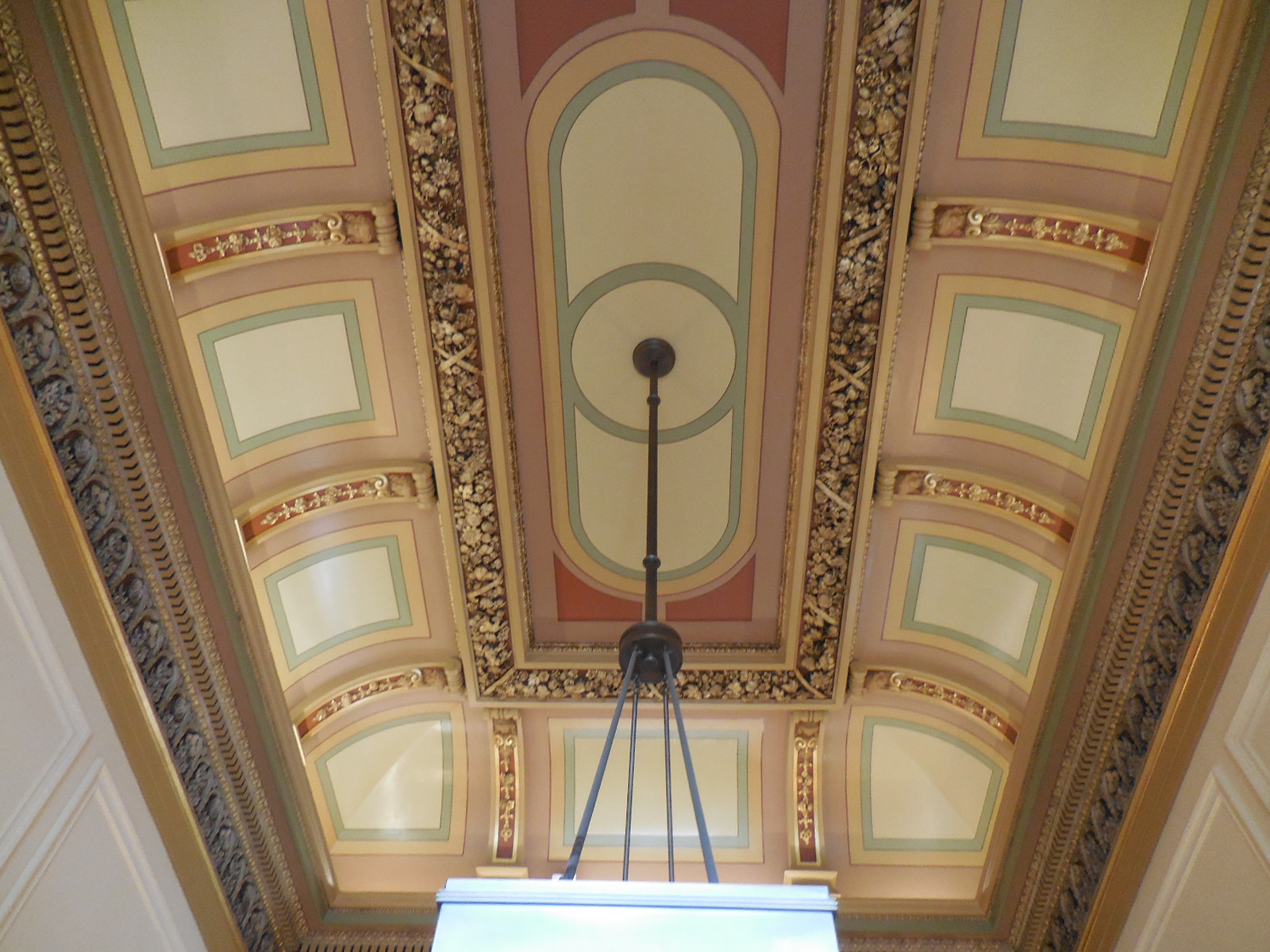
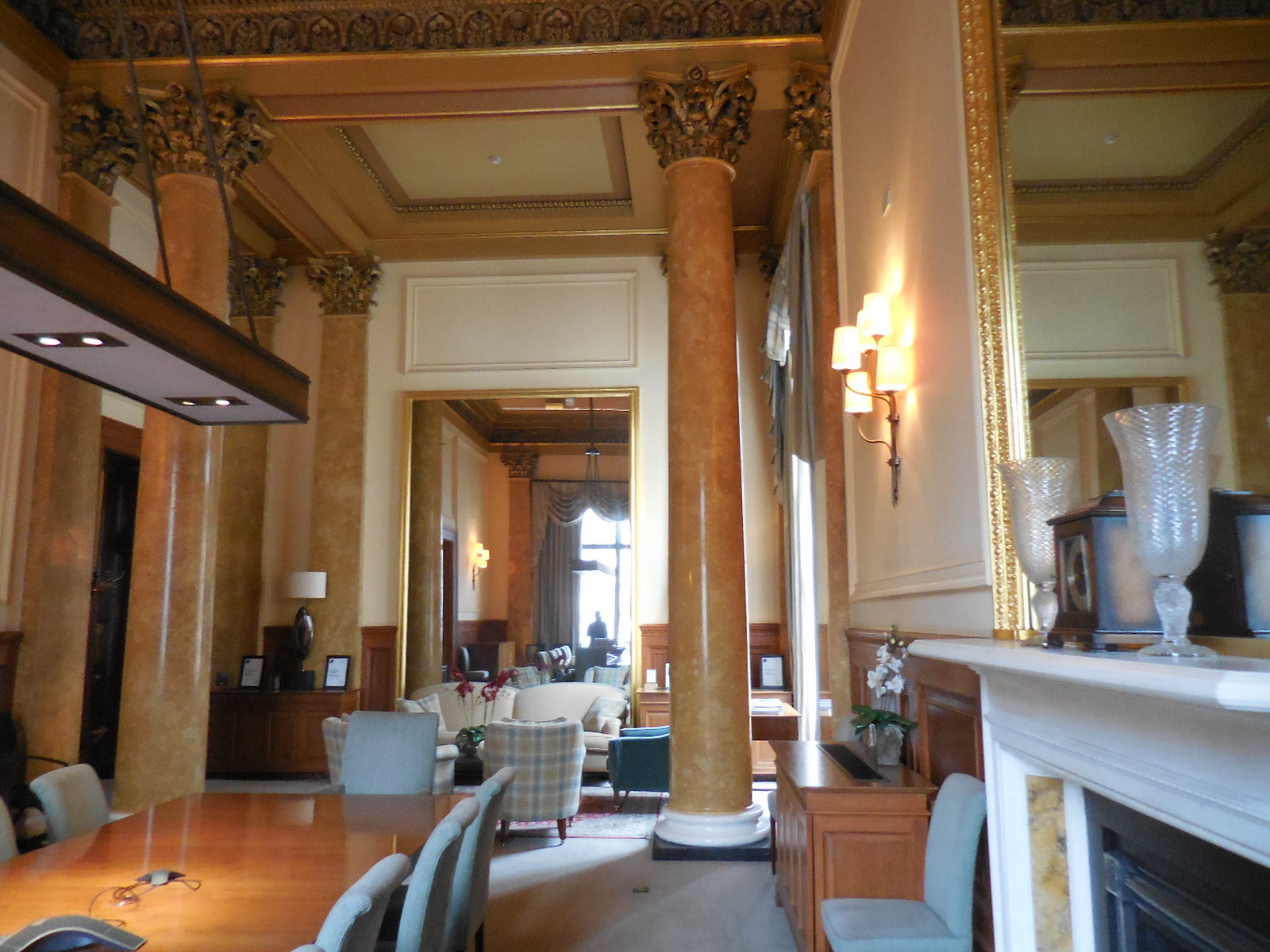
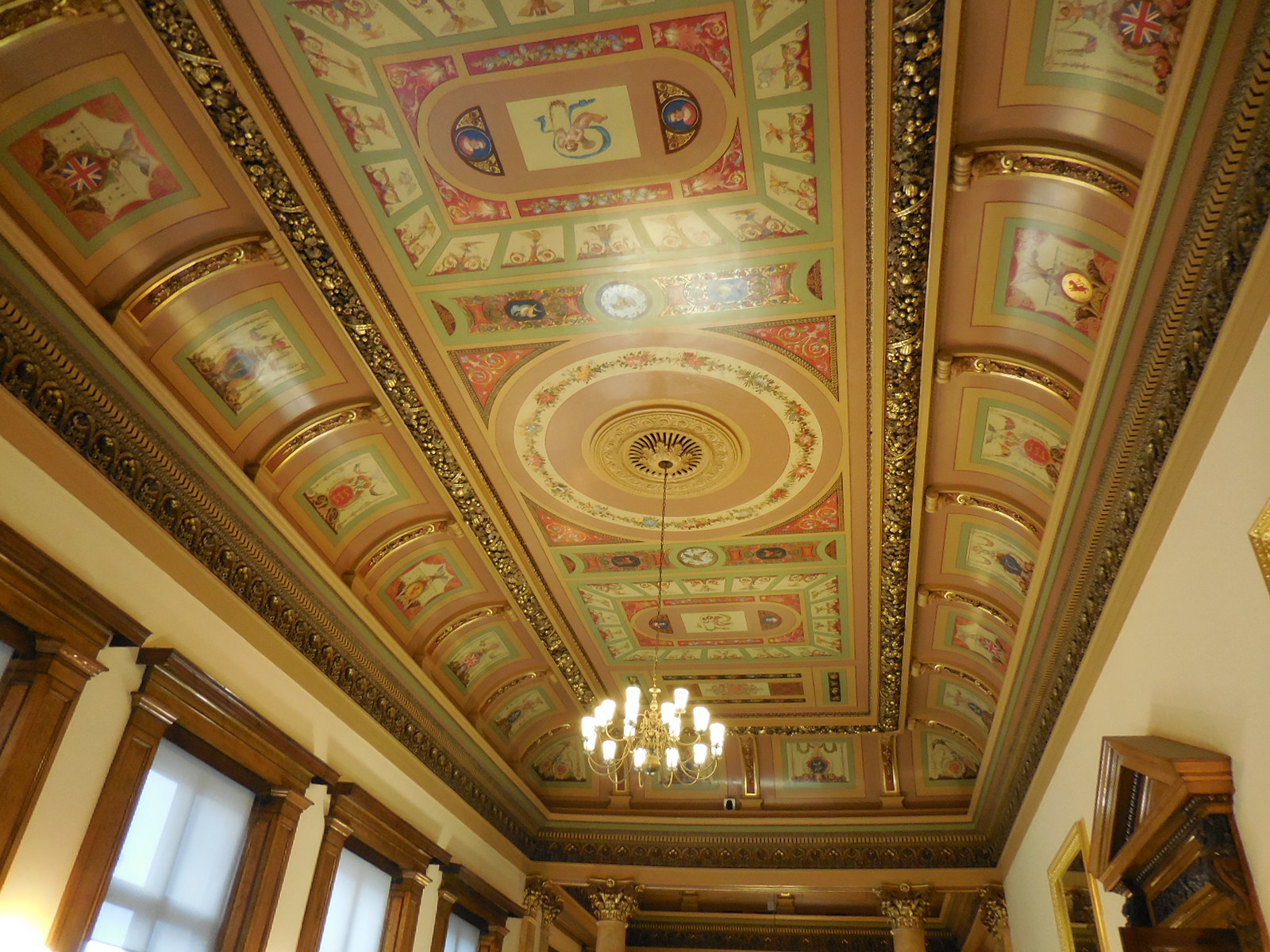
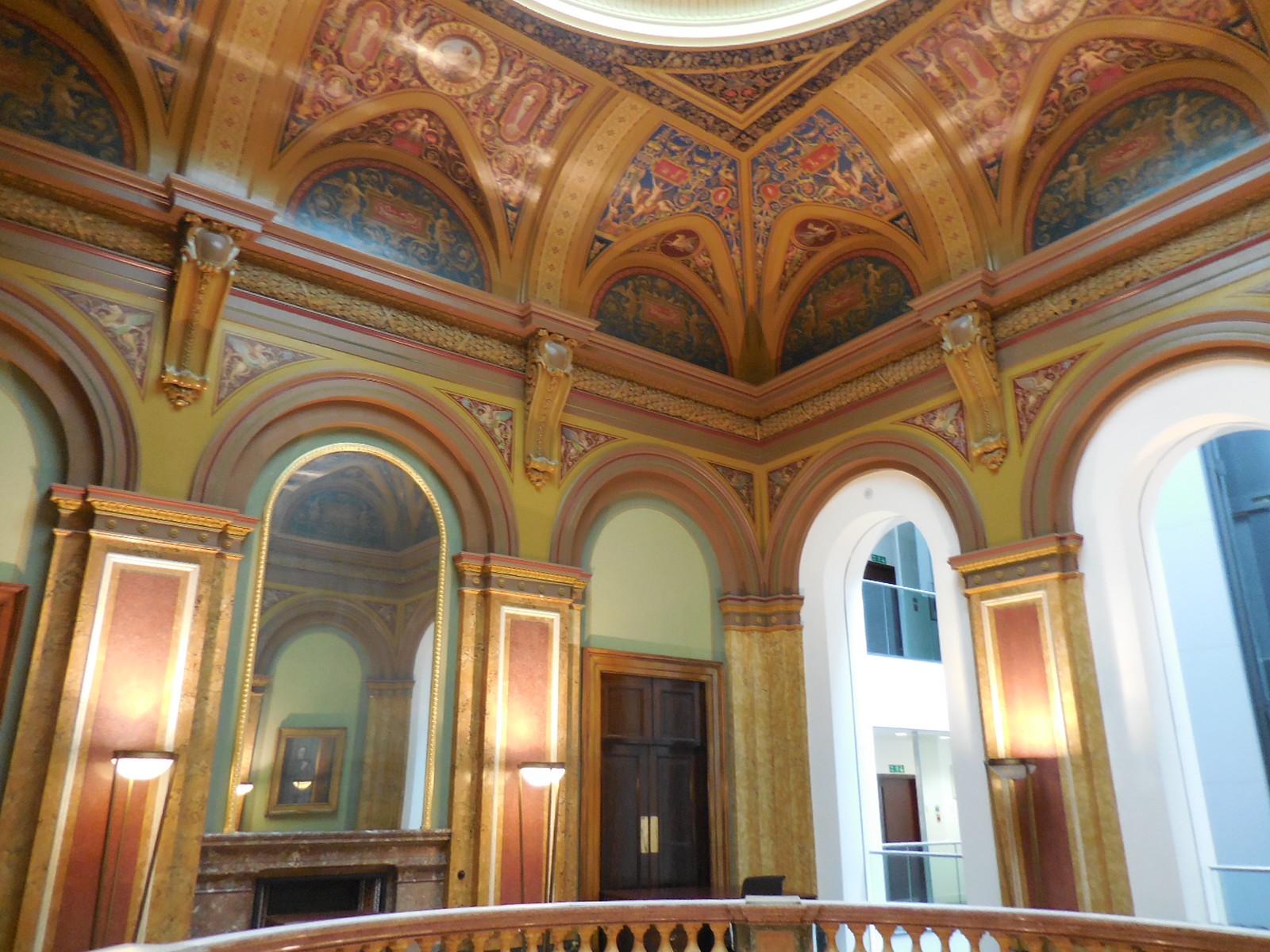
The approach hardly prepared us for the colorful and amazing craftsmanship of the interior.

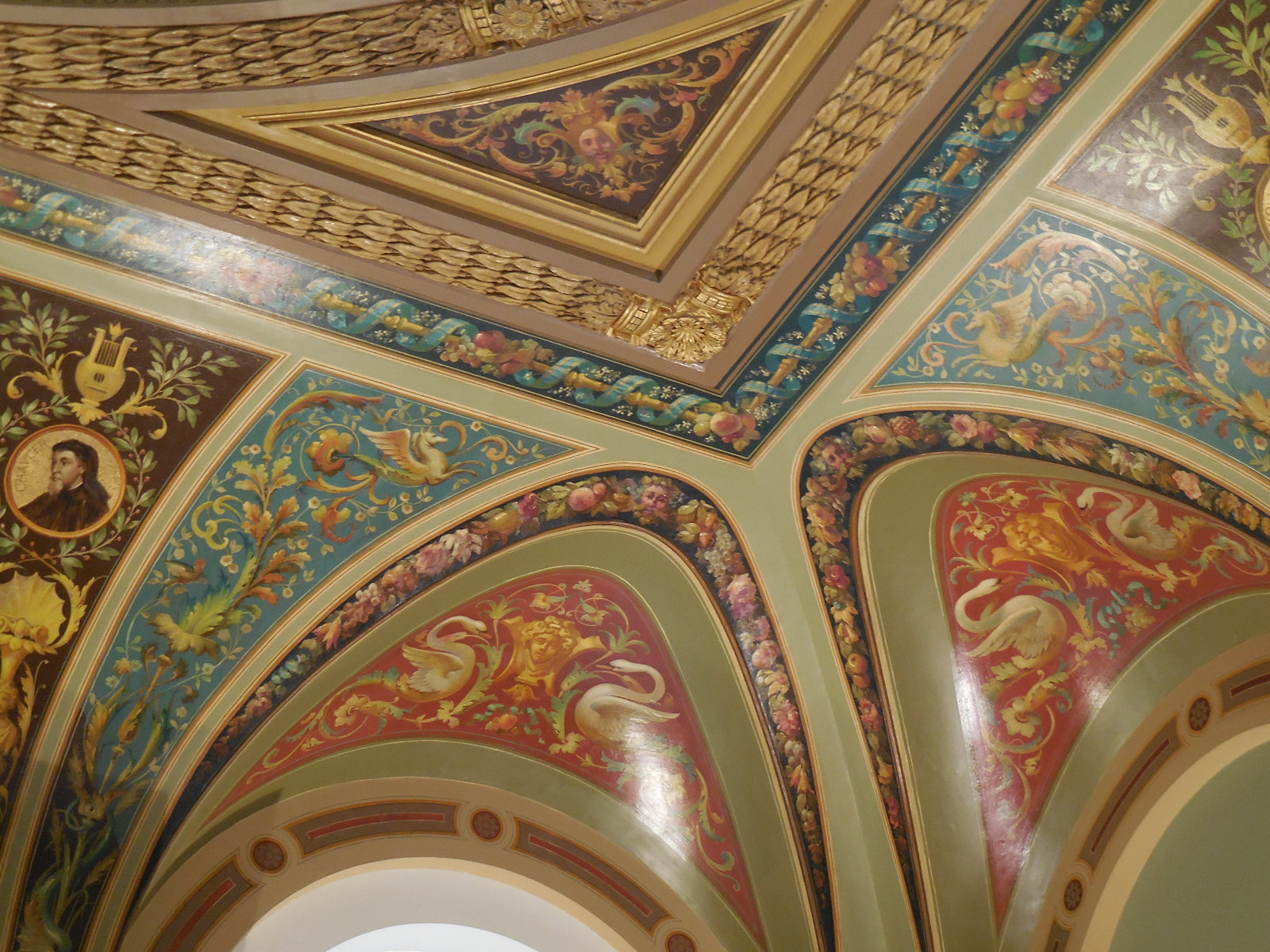
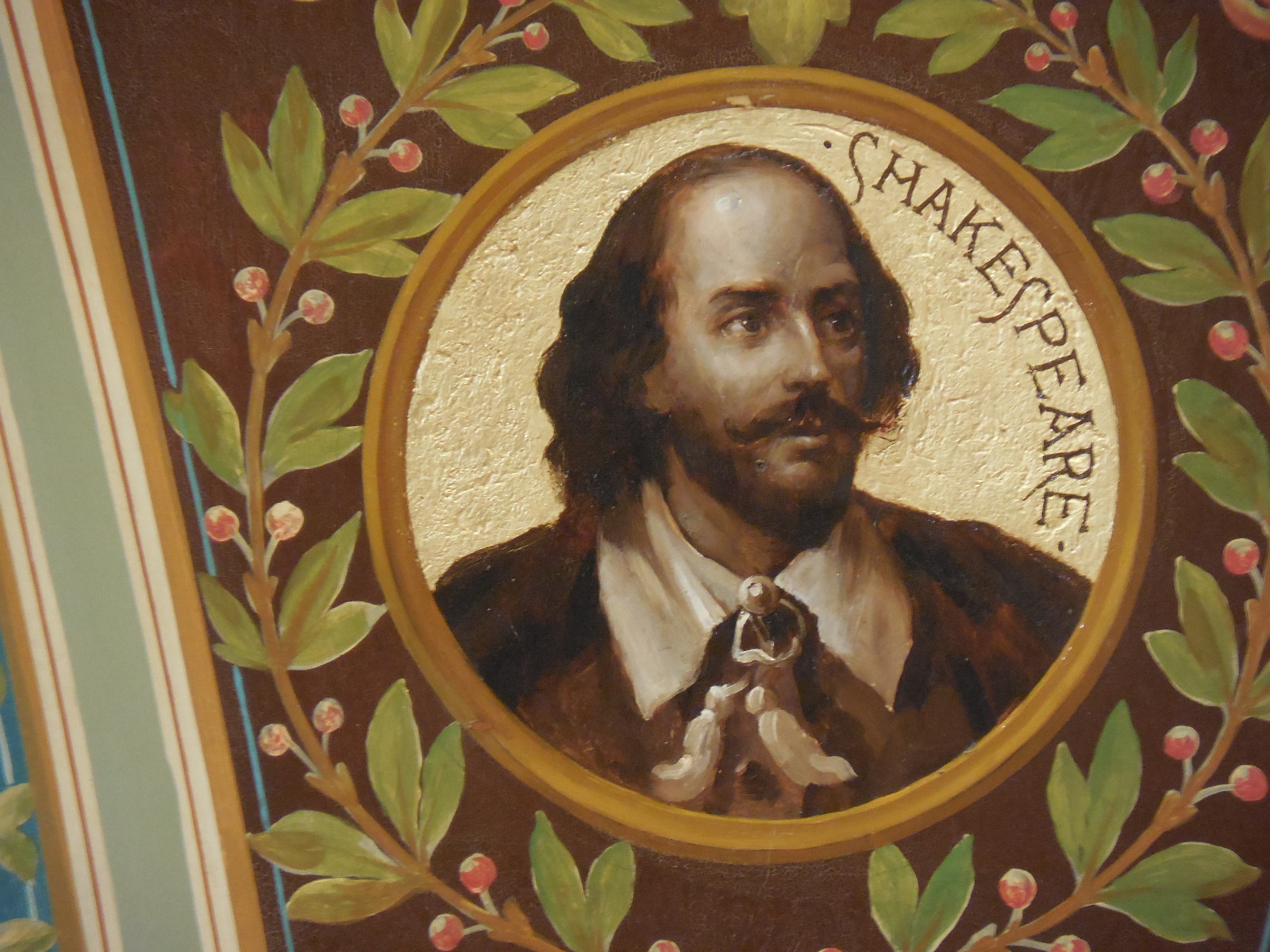
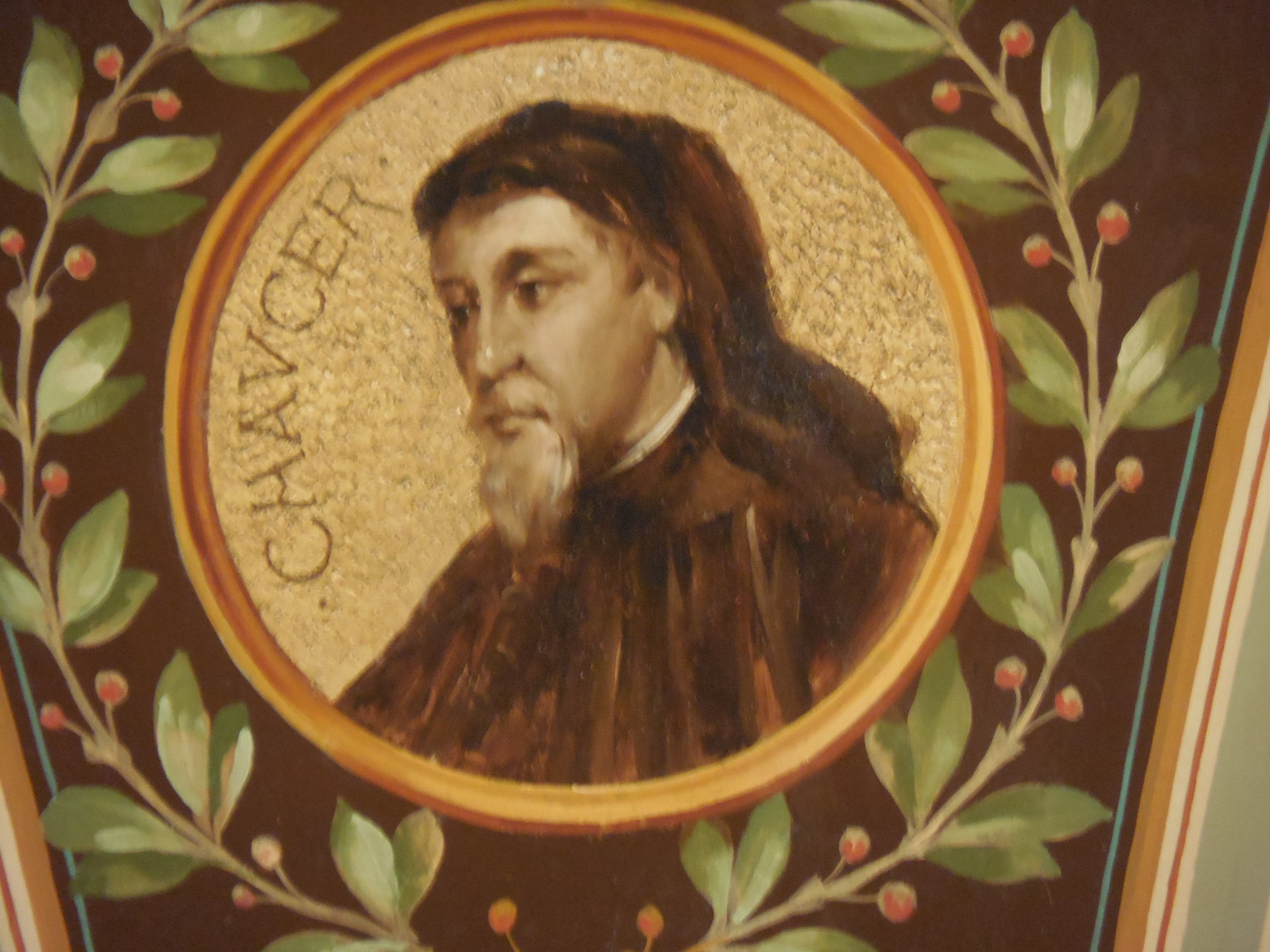
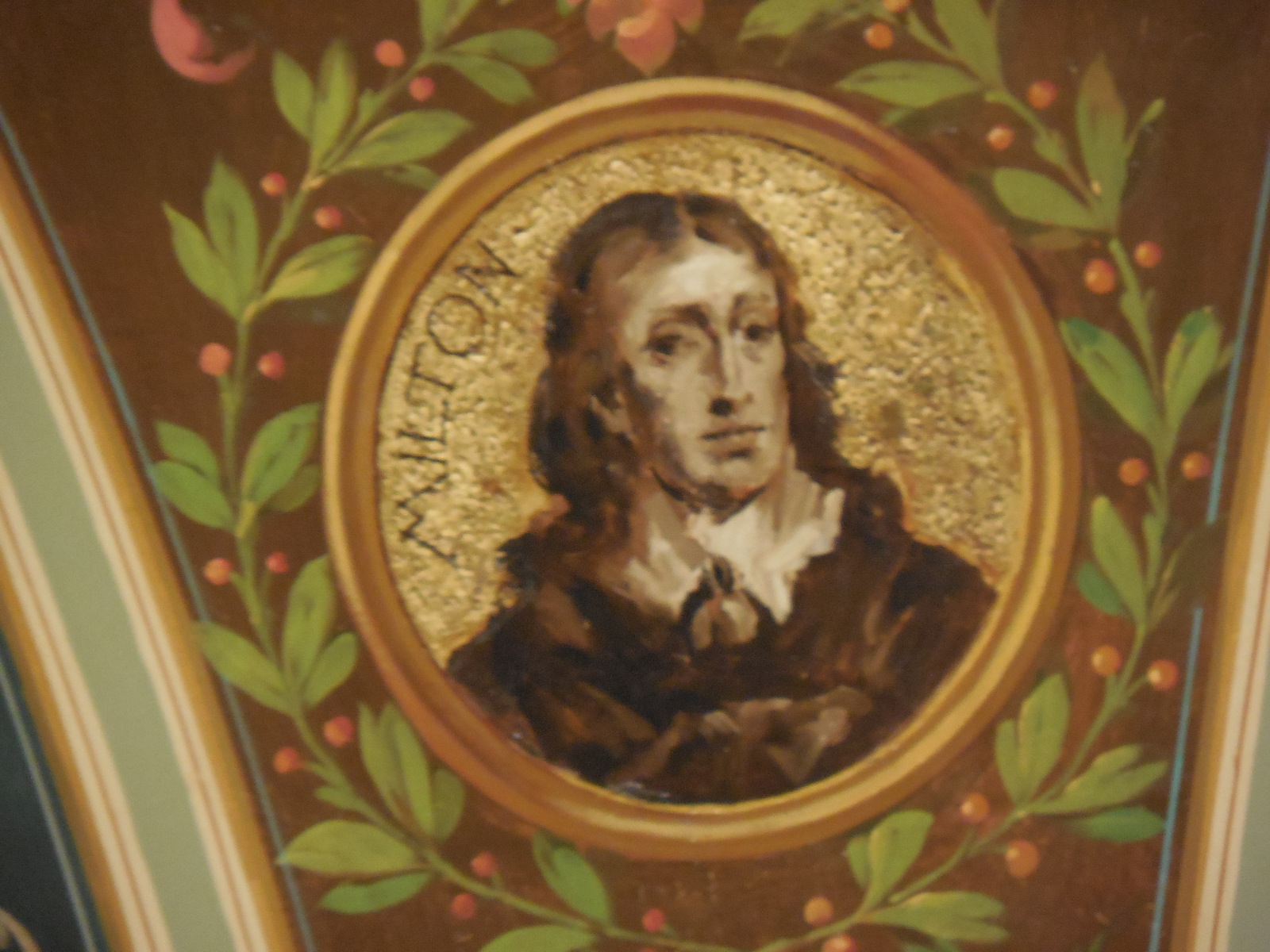
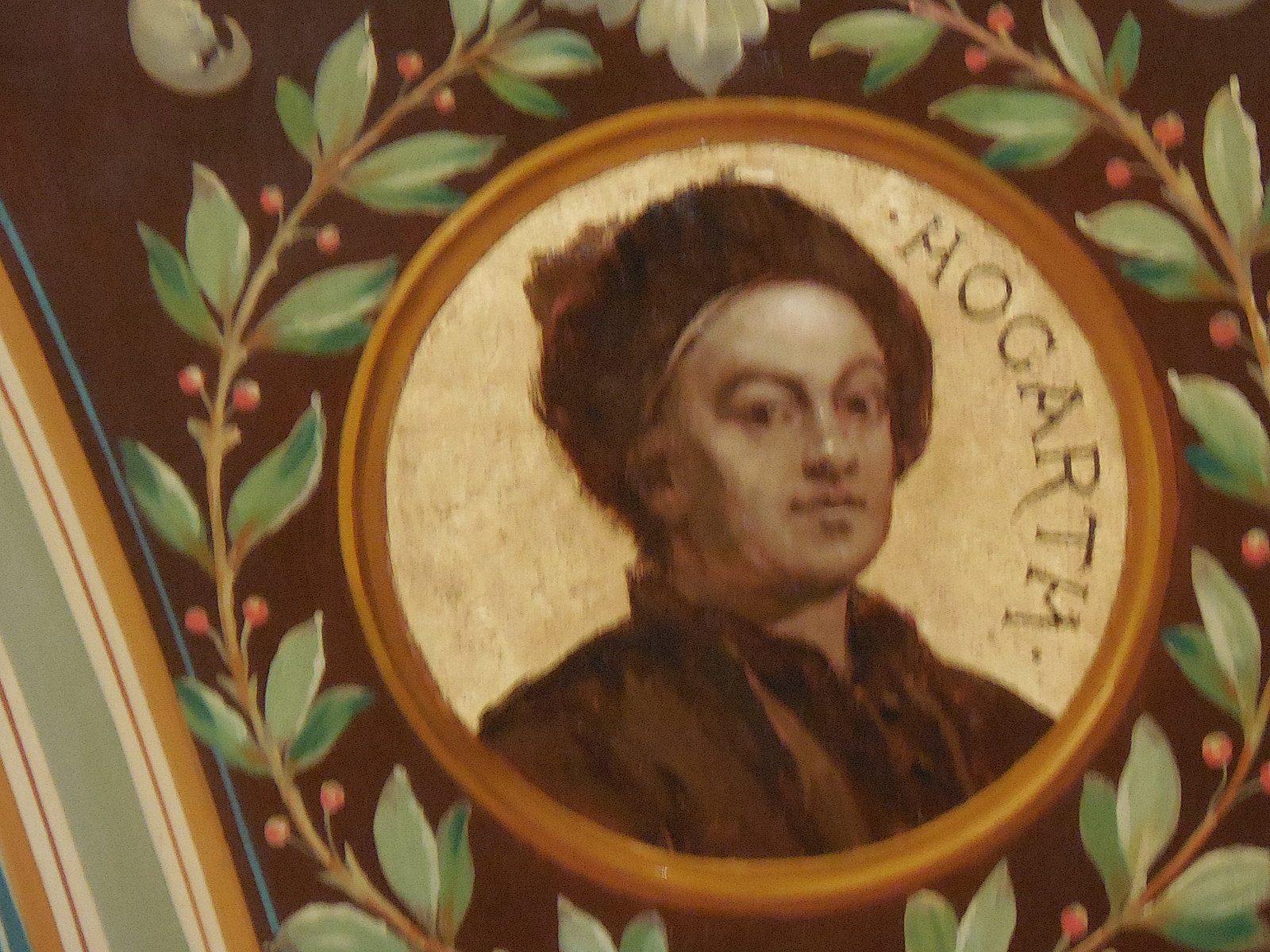
The series of portrait medallions honor the great artists and writers of Britain.
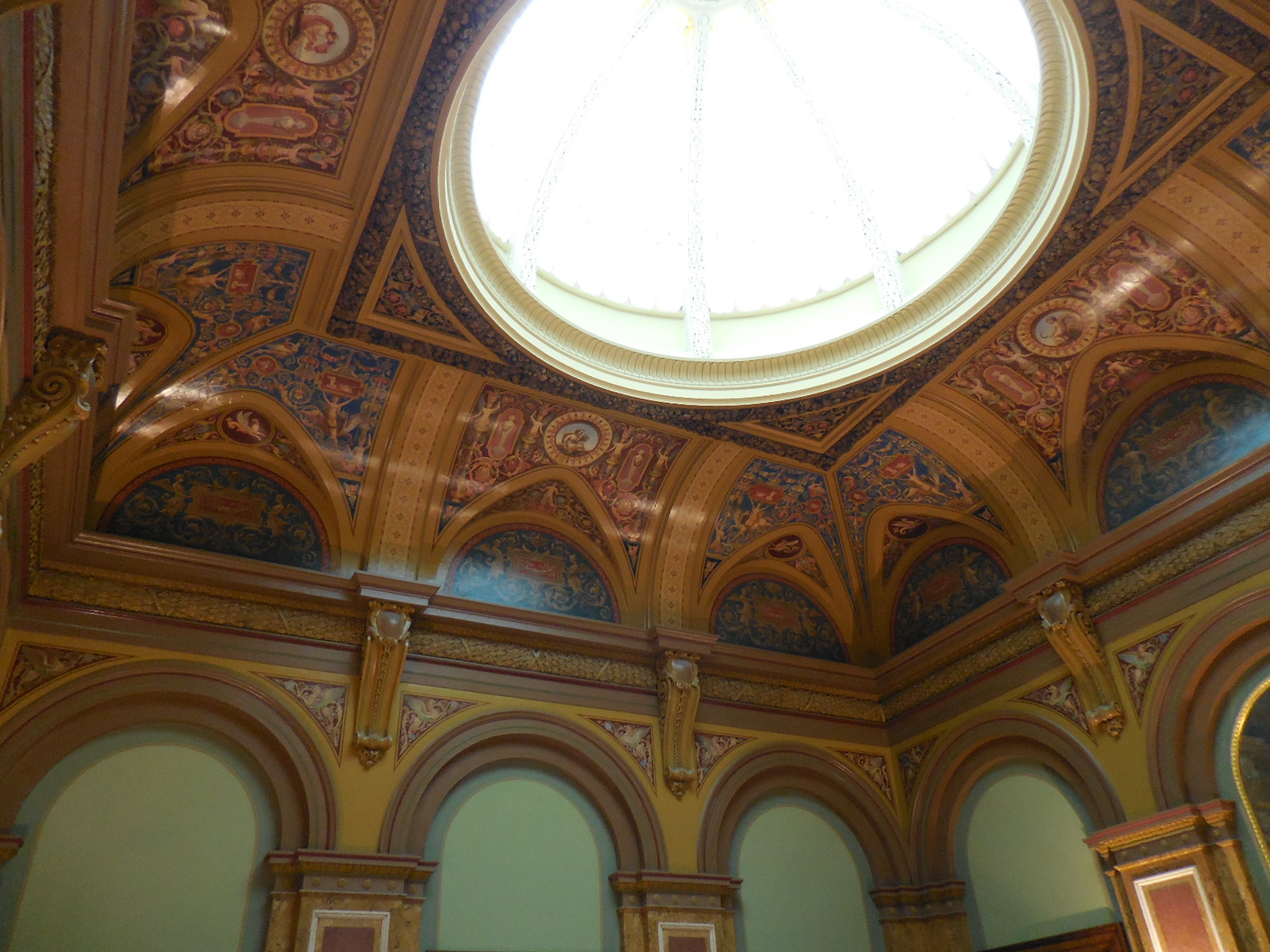
Could you get any work done under this ceiling? I 
think I would spend my time admiring the workmanship.

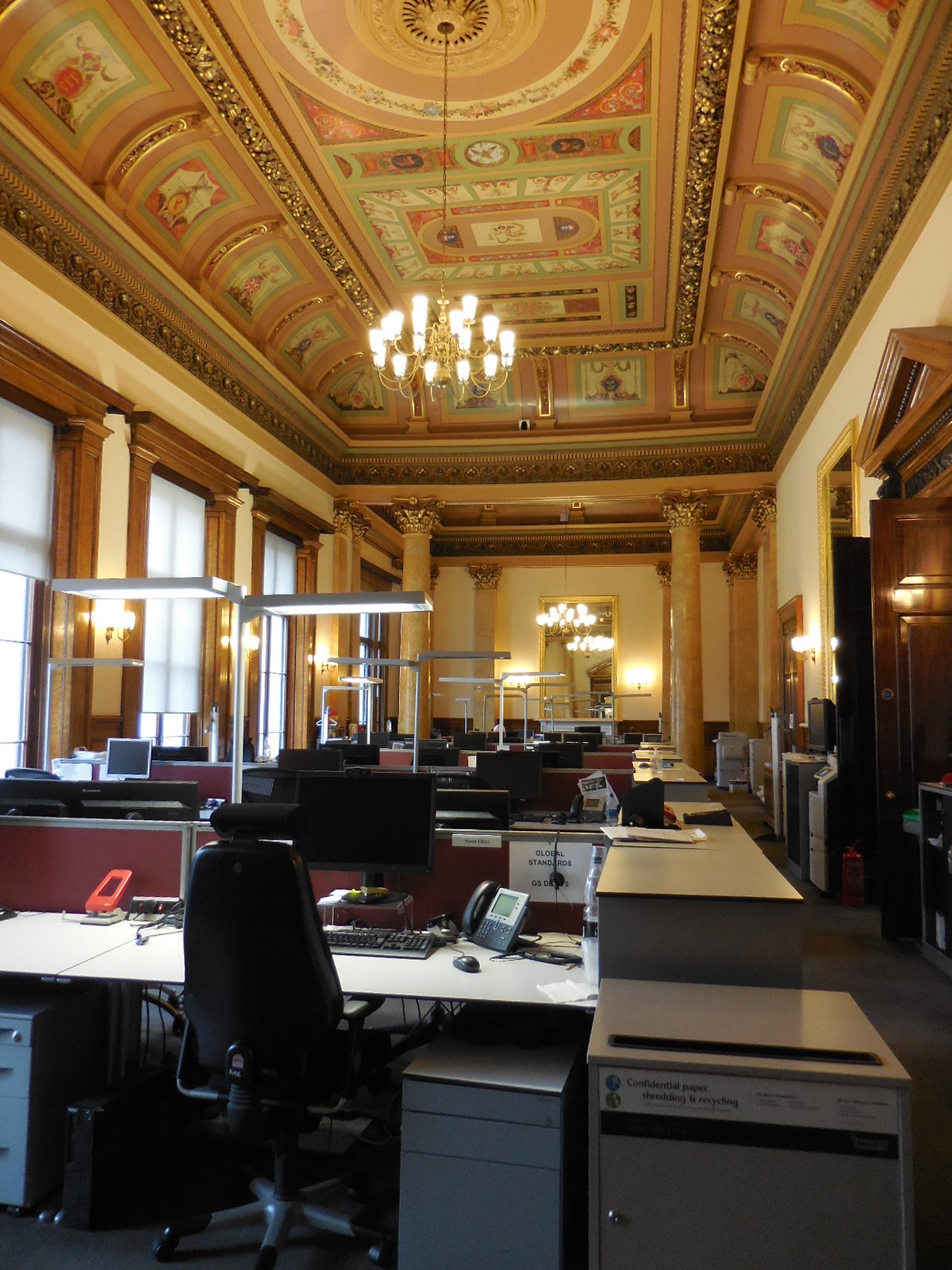
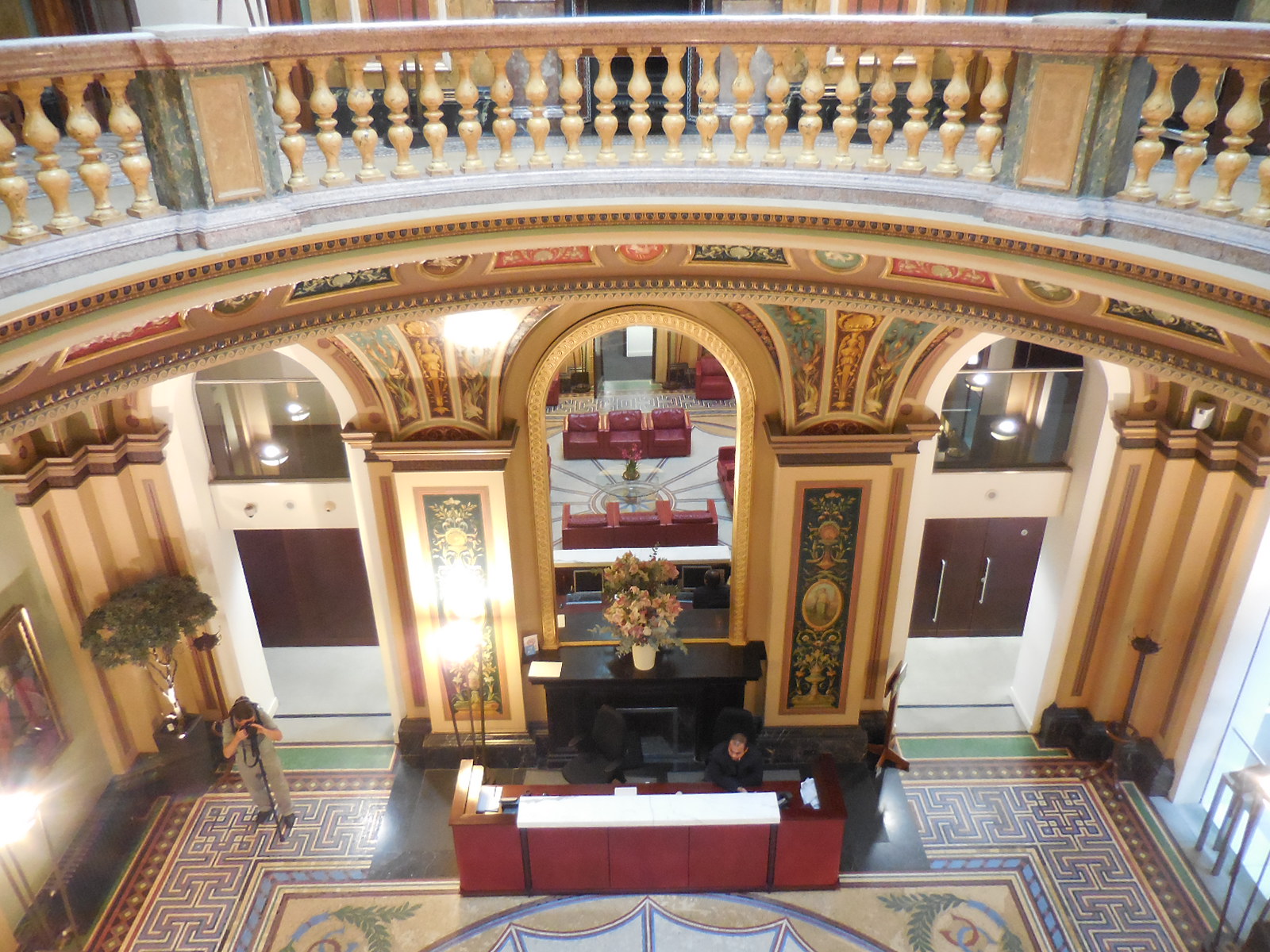
The inevitable mix of modern work areas with Victorian surroundings.


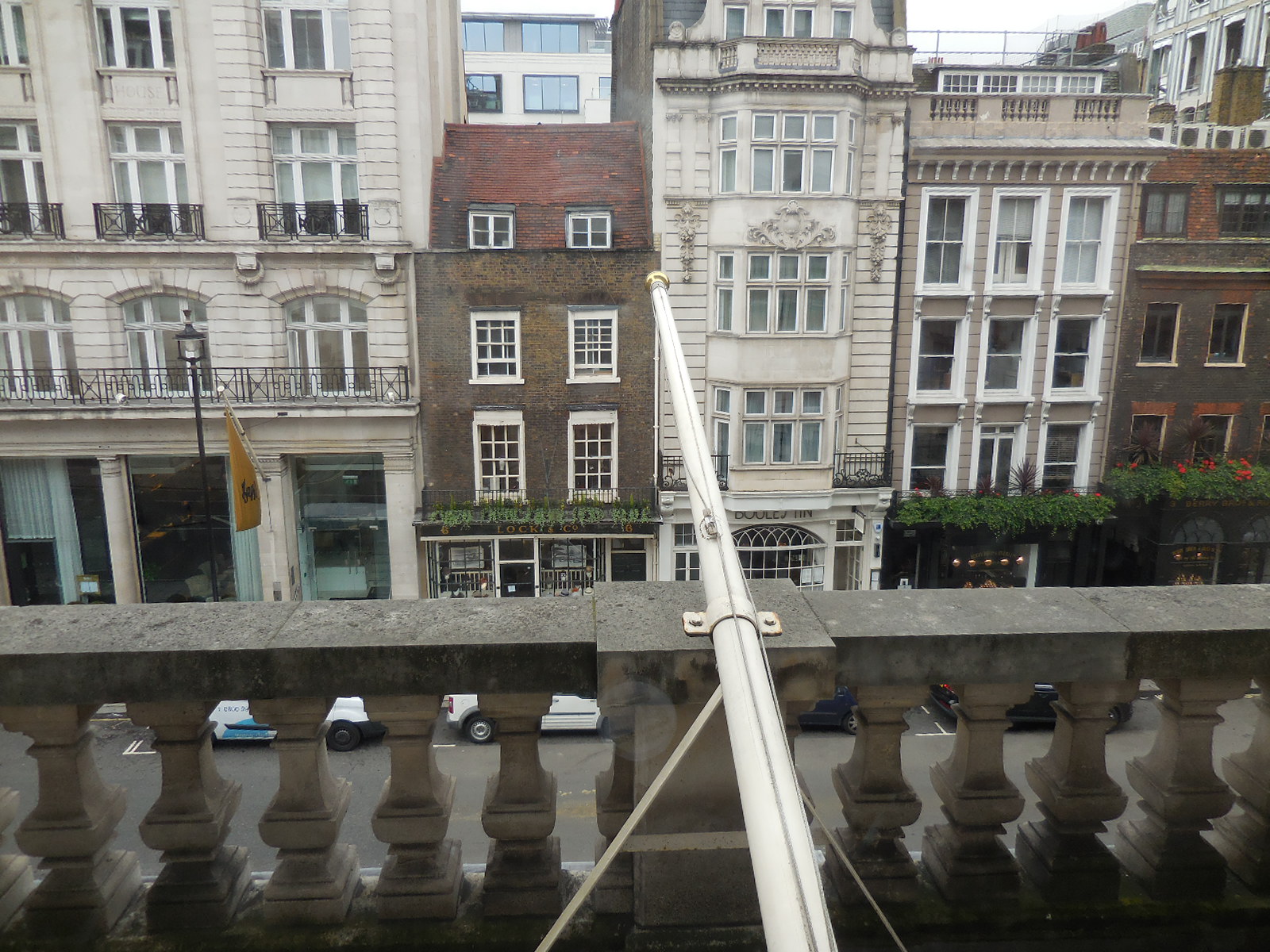
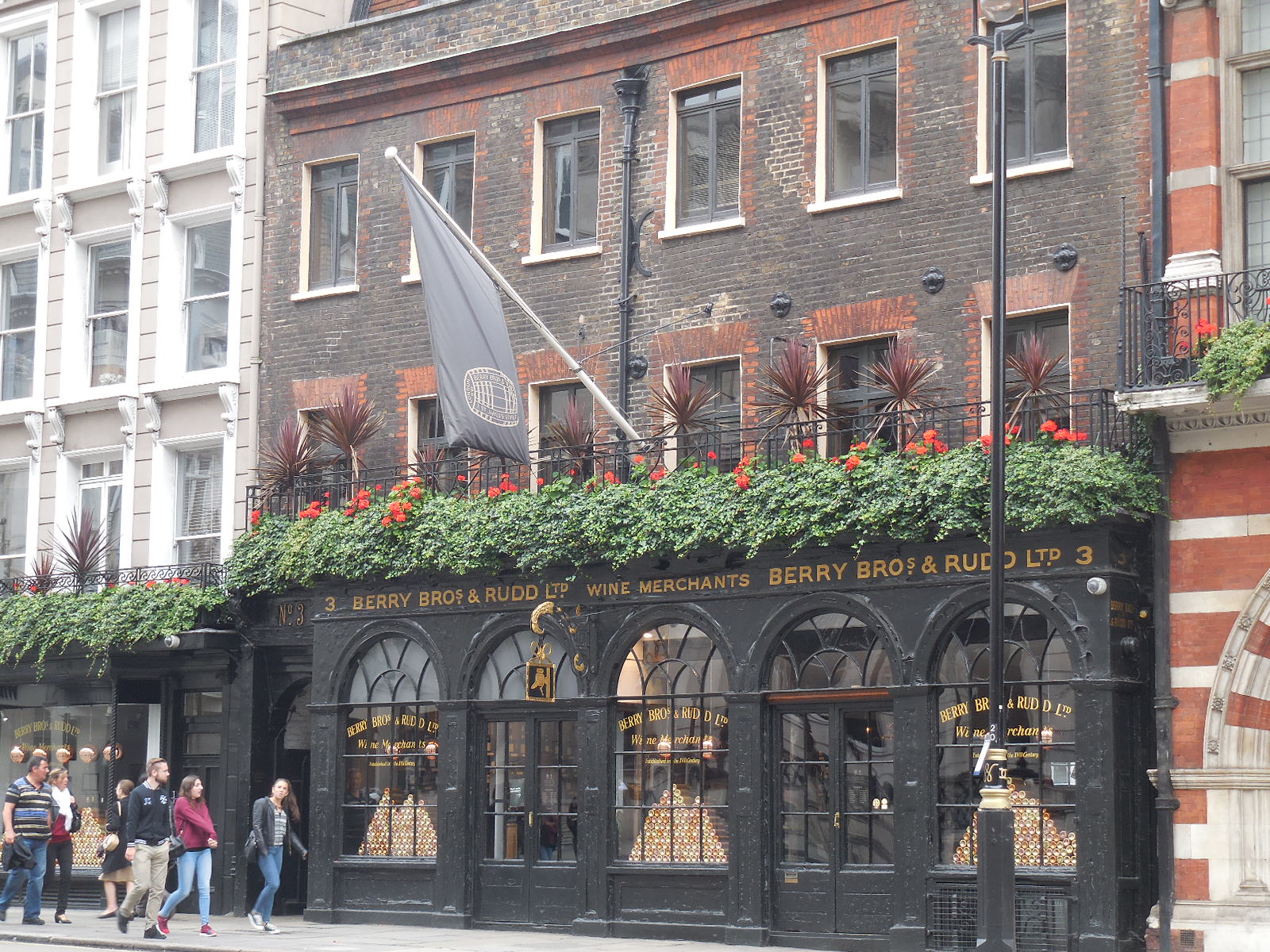
 We stood on the balcony and looked across St. James Street to the famous wine dealer, Berry Brothers and Rudd.
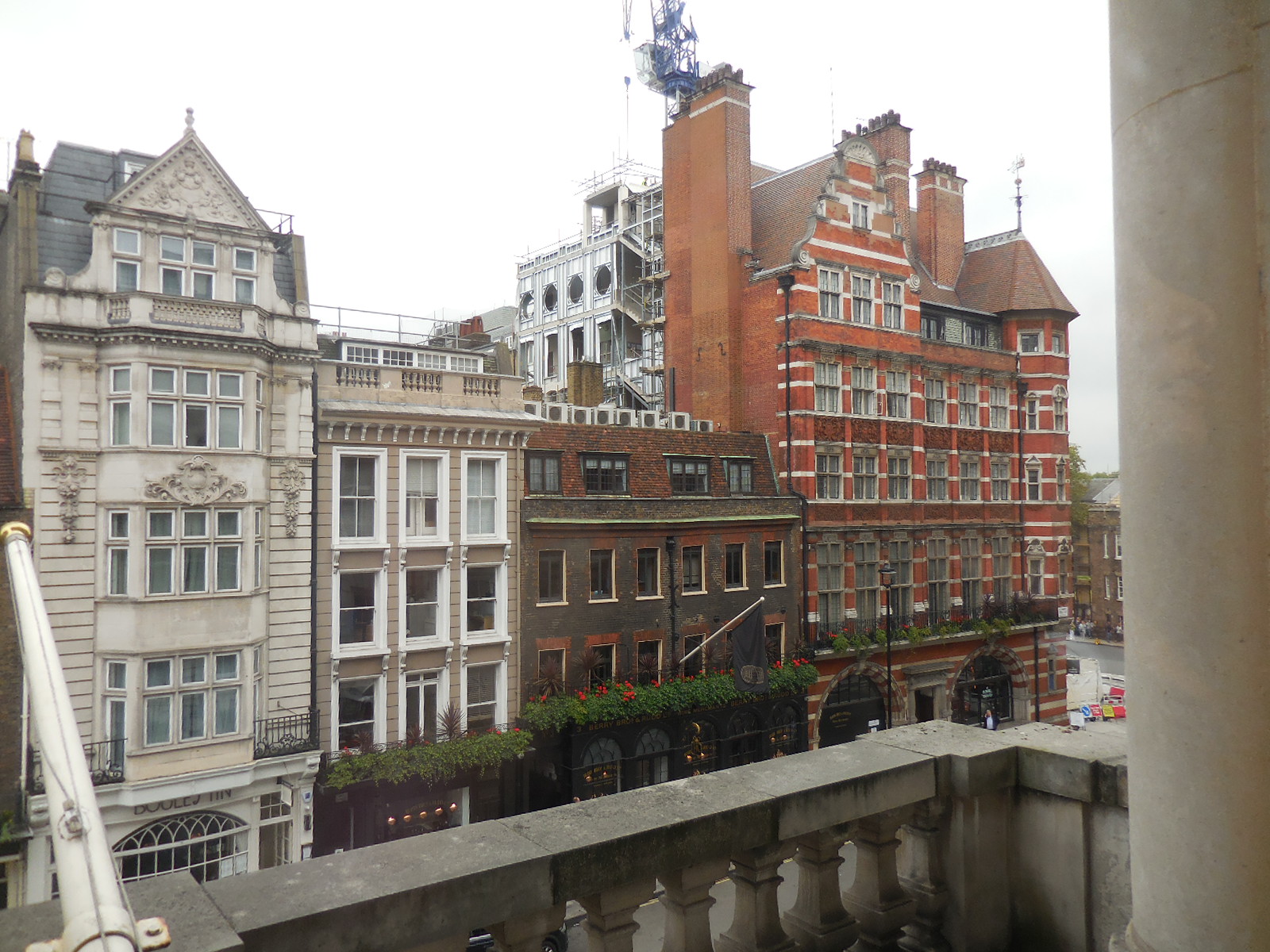
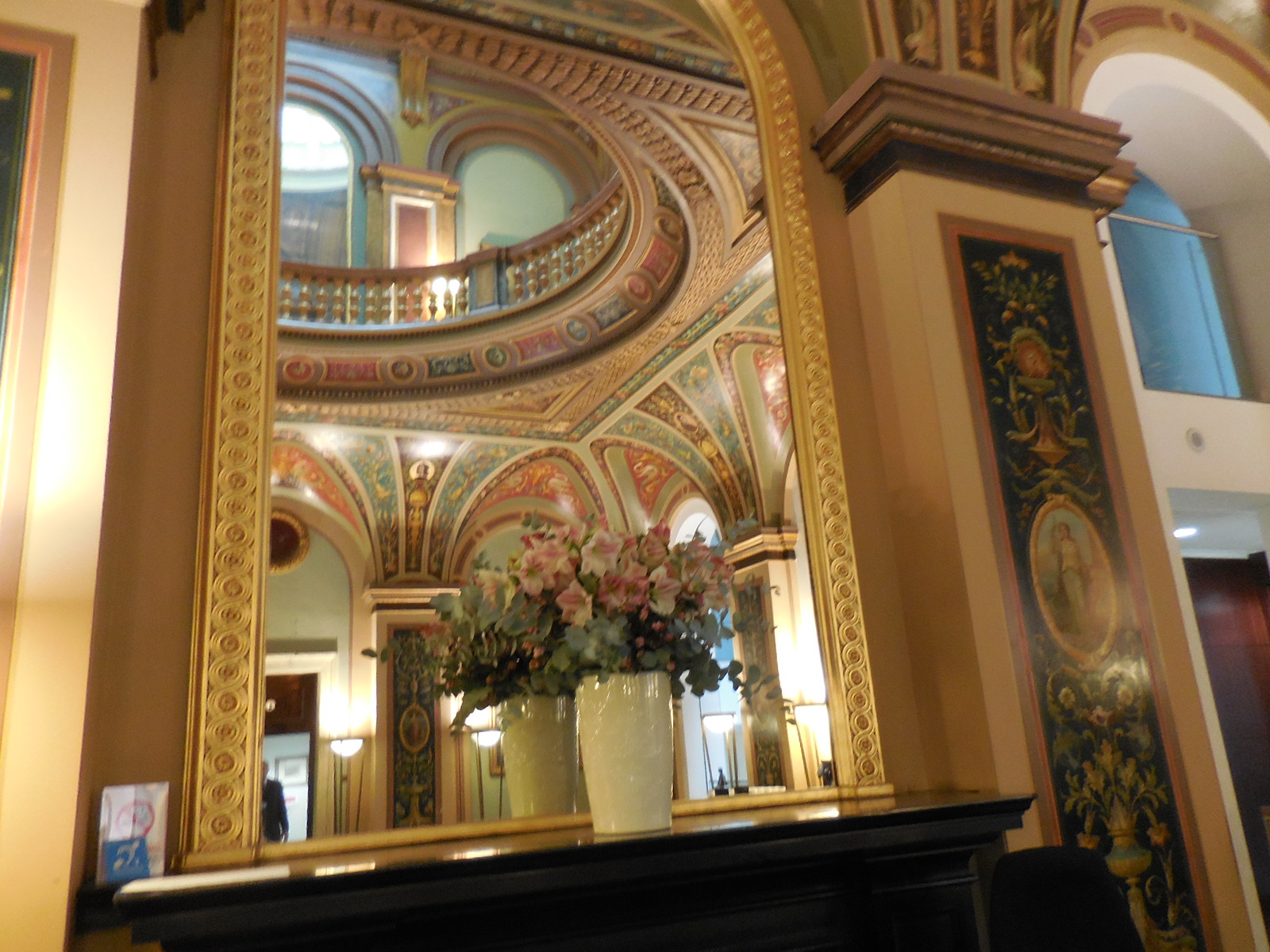
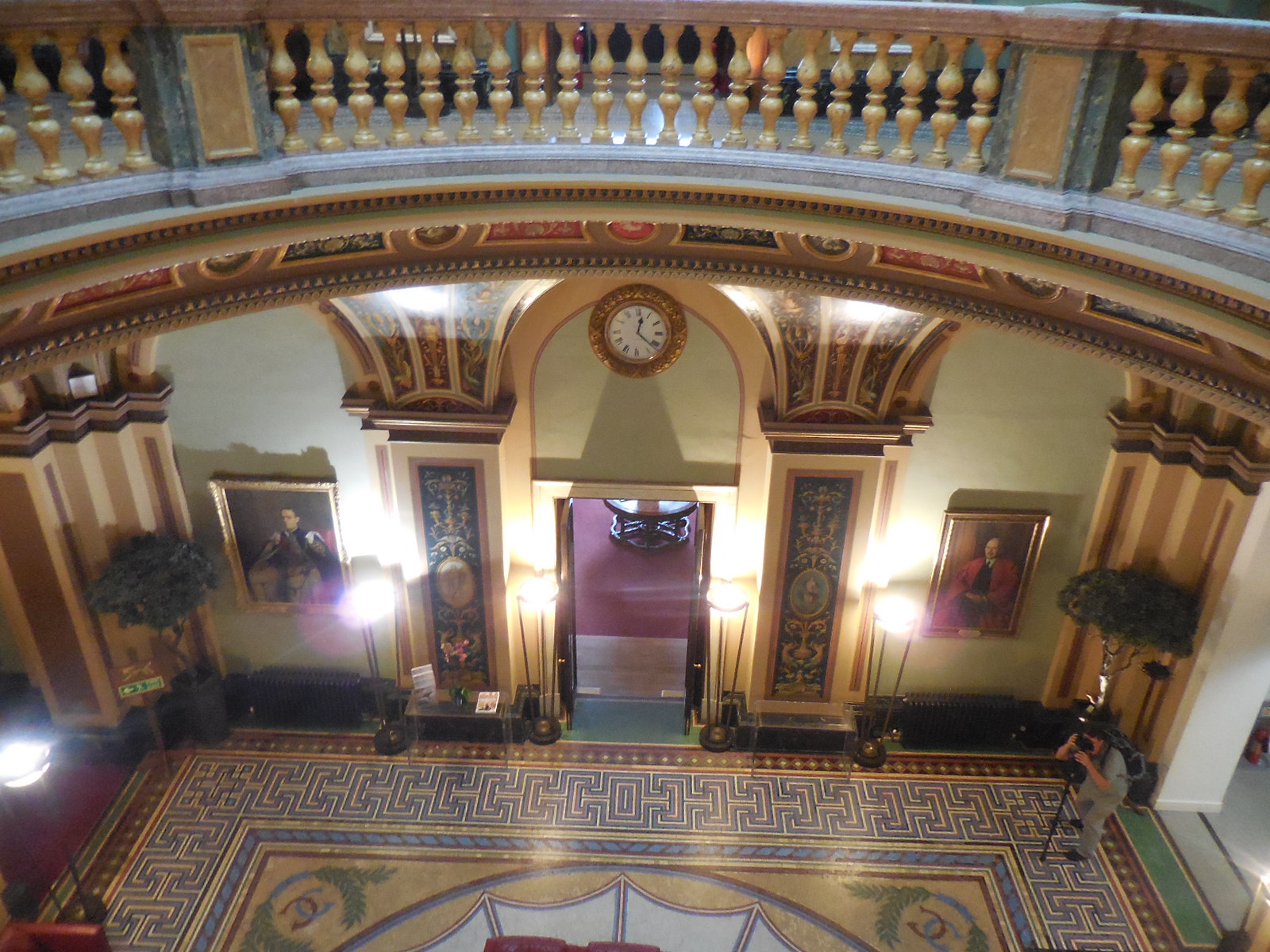
A wider view. To the far right would be St. James Palace.

Thank you, HSBC Bank for preserving this wonderful building in St James Street.
Following our feast for the eyes, we were ready for luncheon! So we went right across the street. coming next! Eating in Pickering Place – yummaaaay.

LOOSE IN LONDON: QUEEN ALEXANDRA'S PET CEMETERY

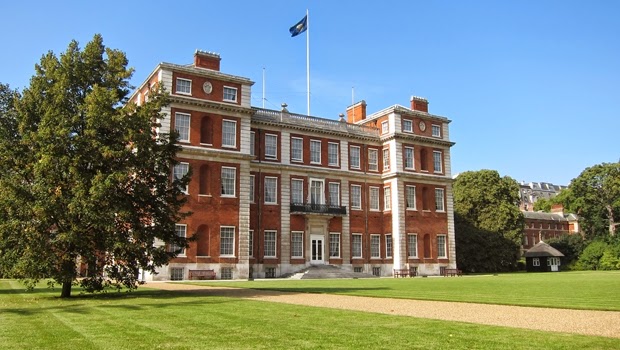
During Open House Weekend, Victoria and I visited Marlborough House.

For the history of Marlborough House, see Victoria’s post about her visit there in 2011 and our post from Monday, May 9, 2016.

from London Gardens Online:

Marlborough House is a former ‘town mansion and genuine `hotel particulier’ of 1707-11′ built to a design of Sir Christopher Wren, which still possesses much of the extent of its original garden. It was commissioned by the first Duke of Marlborough but the idea for a town house was his Duchess Sarah’s. She secured the lease of the site from Queen Anne and chose Wren in preference to Sir John Vanbrugh as architect, although she fell out with Wren during construction and supervised the completion of the house herself. She laid the foundation stone in 1709 and it was completed in 1711, the actual design probably drawn by Wren’s son under his father’s supervision. Sarah died here in 1744, and the Dukes of Marlborough had the house until 1817, after which it was given as the London home to Princess Charlotte and Prince Leopold of Saxe-Coburg-Saalfeld. After Charlotte’s death Prince Leopold continued to use Marlborough House until he became King of the Belgians in 1831, the same year of William IV’s accession to the throne, whose consort Queen Adelaide was granted the house for life in the event of widowhood.
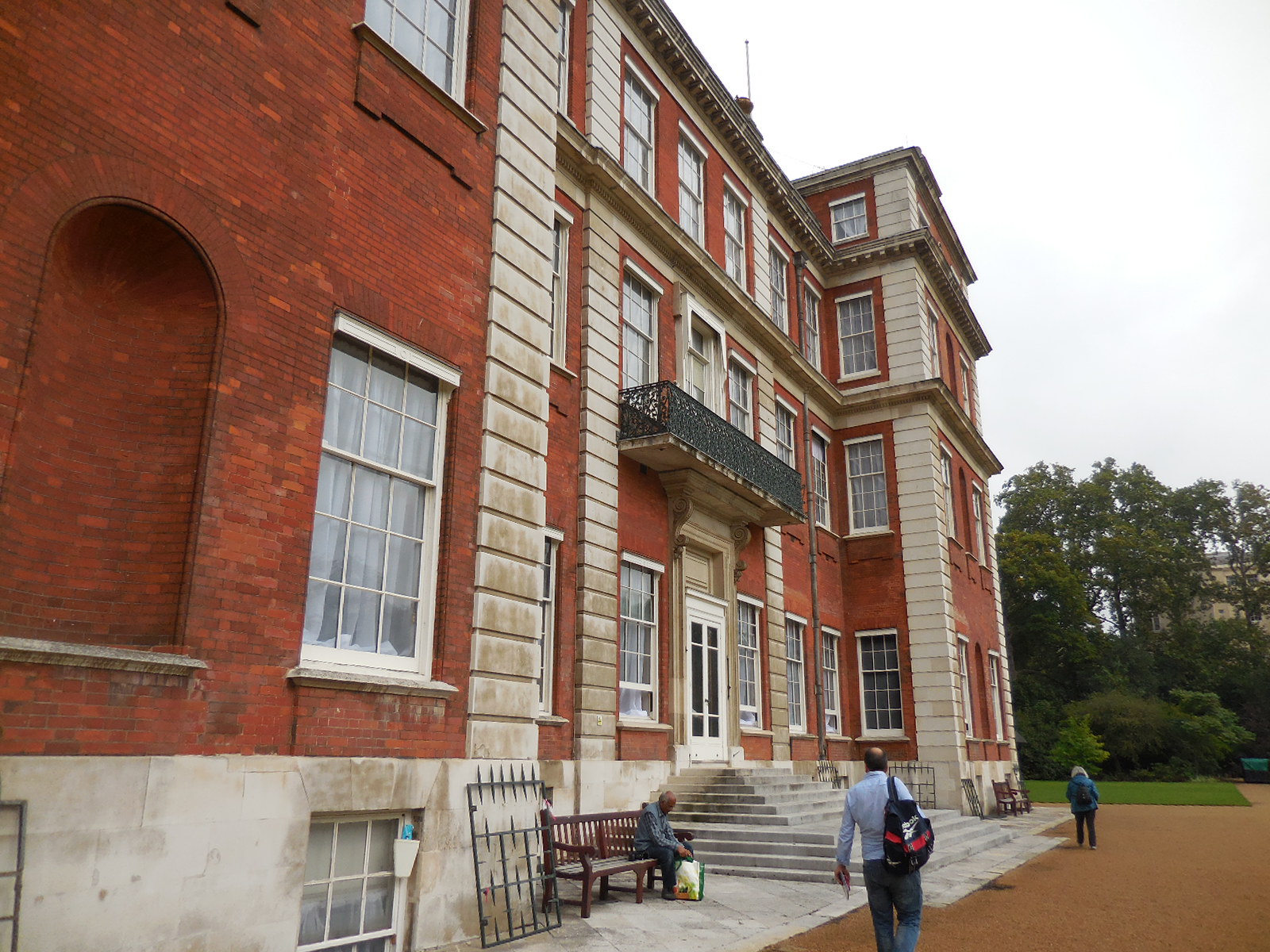
The Queen Dowager continued to spend time here after the King’s death and gave a wedding banquet for Queen Victoria and Prince Albert. After Queen Adelaide’s death it was settled on the Prince of Wales, later Edward VII as his residence from the age of 18. At that time it was substantially altered by Sir James Pennethorne, chief architect at the Office of Works. It continued in royal occupation into the 1950s, by the Duke of York later George V, Edward VII’s widow Queen Alexandra, and finally Queen Mary on the death of George V came to Marlborough House in 1936 and died here in 1953. In 1959 Elizabeth II placed it at the disposal of the Government as a Commonwealth Centre, which it became in 1962, becoming the headquarters of the Commonwealth Secretariat in 1965.

The House was wonderful, but the thing I really wanted to see was Queen Alexandra’s pet cemetery. Regular readers of this blog may recall that on a previous trip to England I’d gone to Oatlands near Windsor in order to view the pet cemetery of Frederica, Duchess of York.

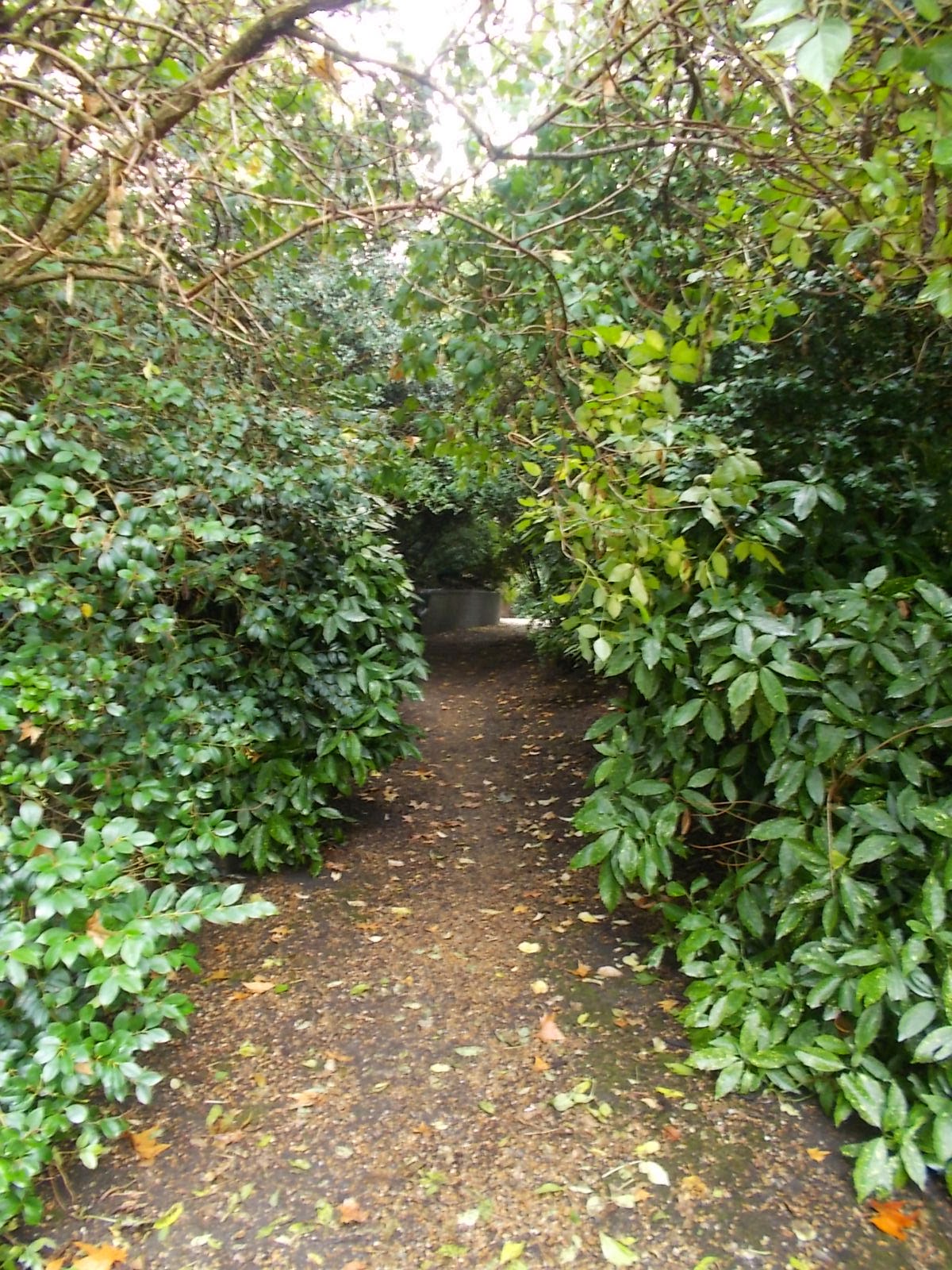
At Marlborough House, a leafy pedestrian lane leads one to the pet cemetery. 
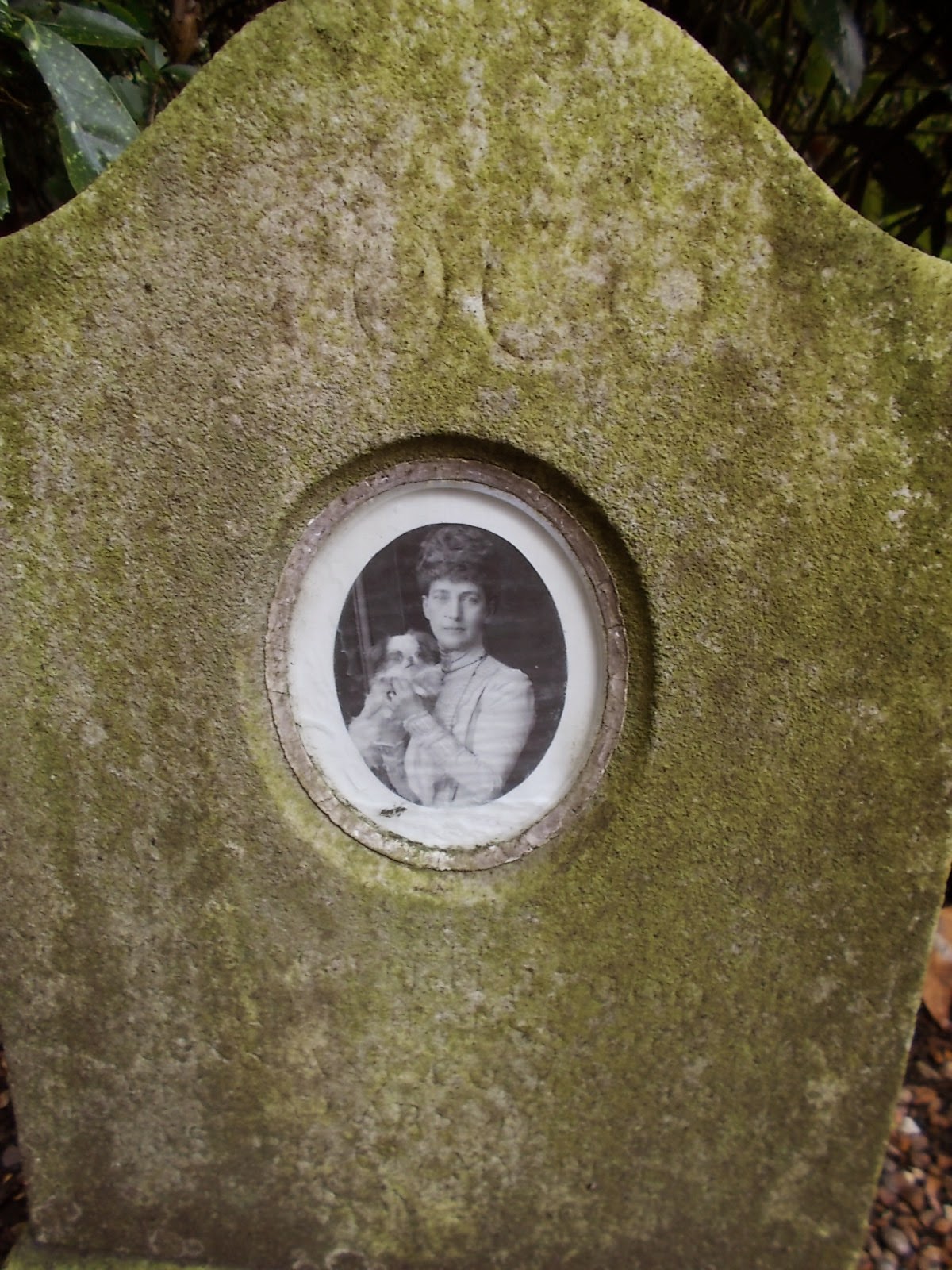
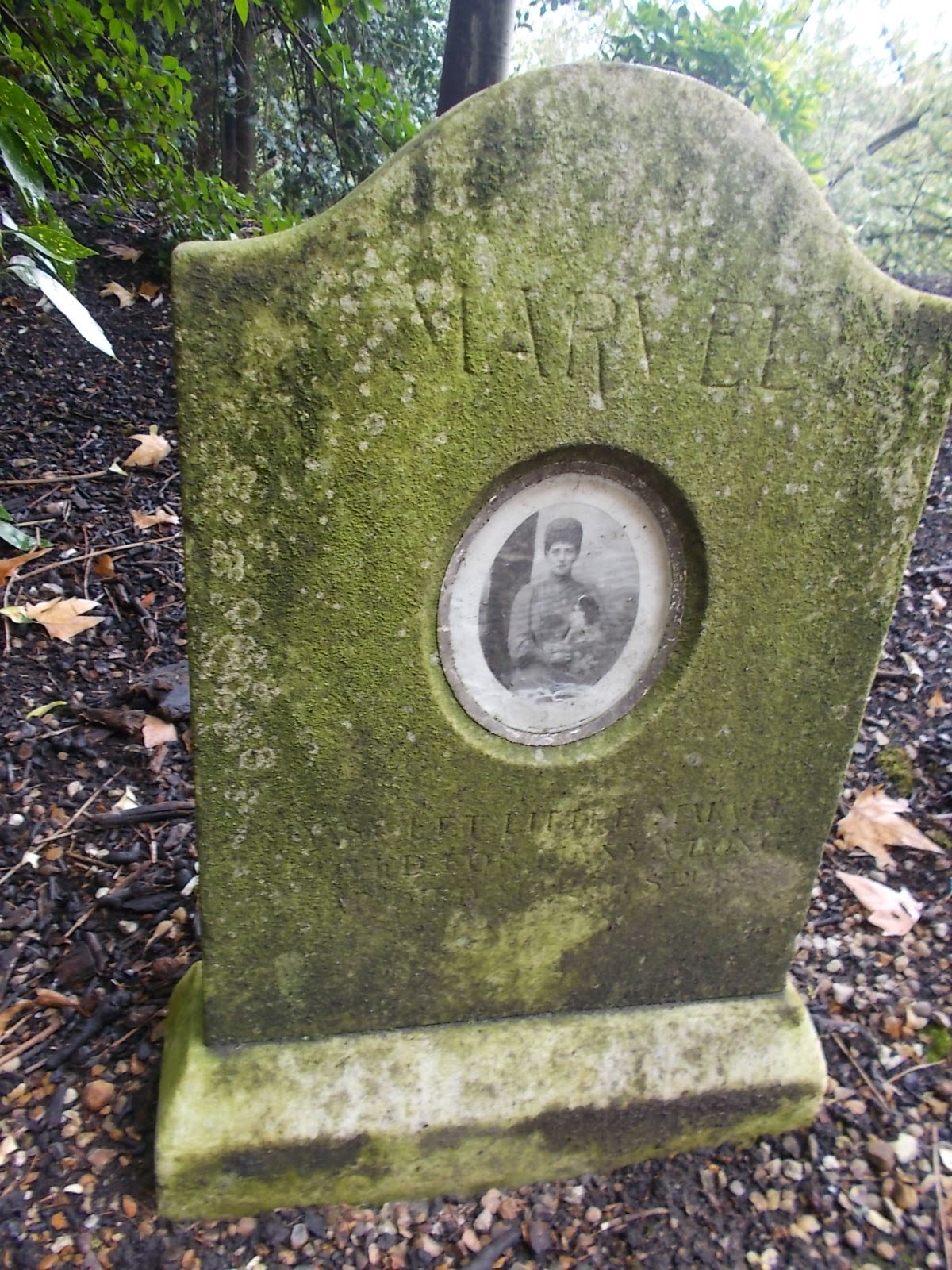
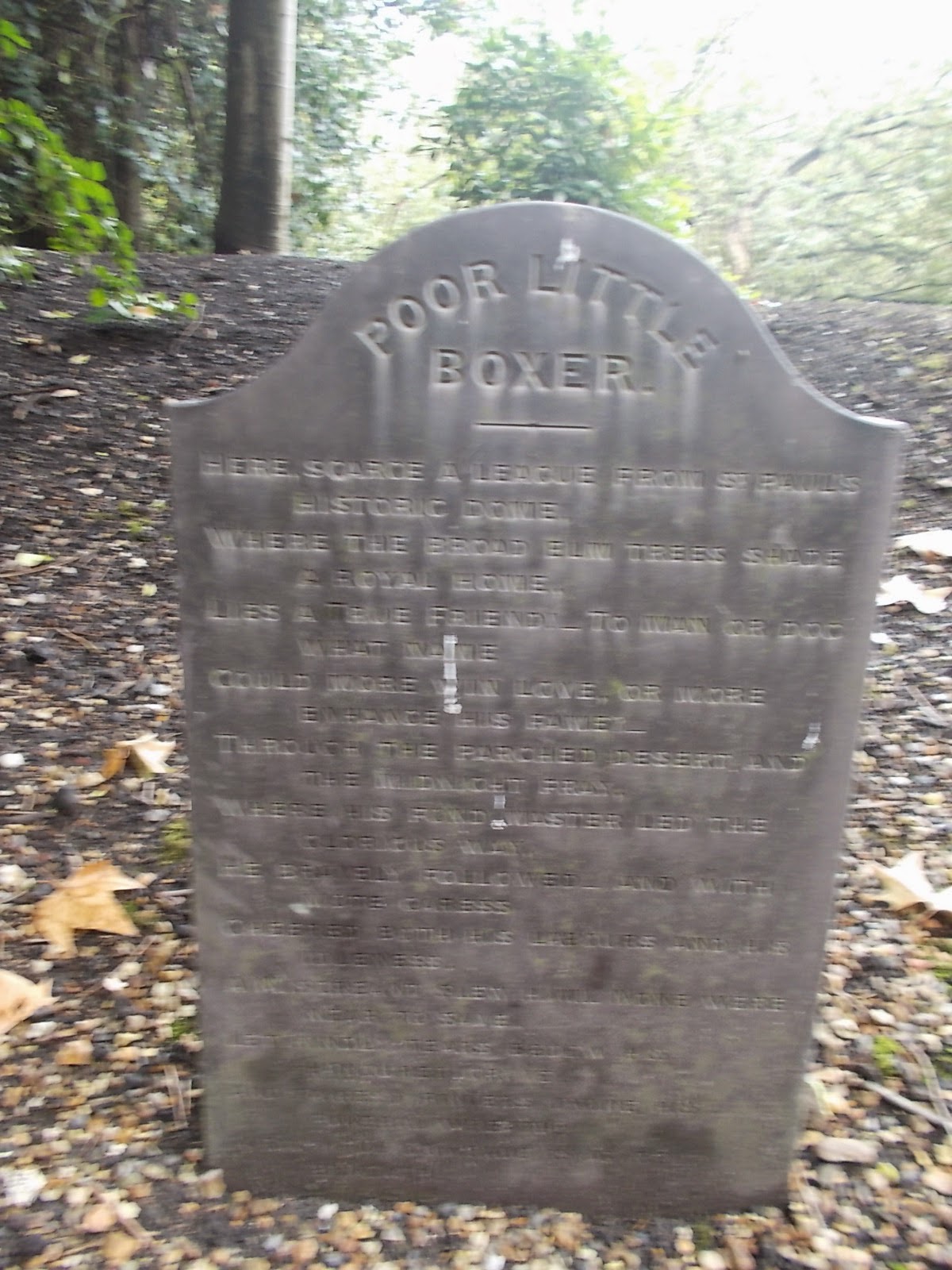
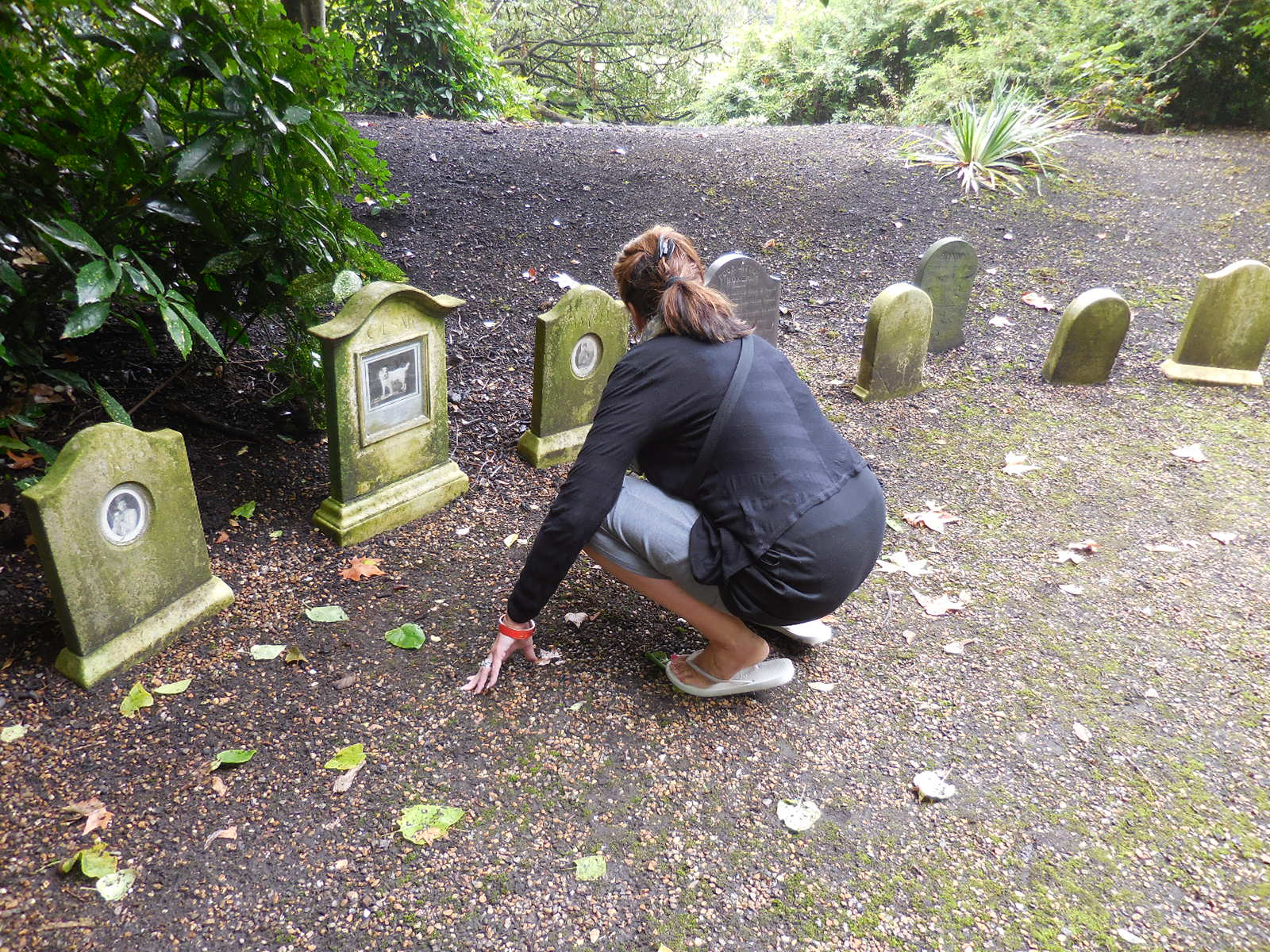
That Queen Alexandra loved her pets is beyond doubt, but there’s also photographic proof of the fact to be seen on several of the markers in the cemetery. 

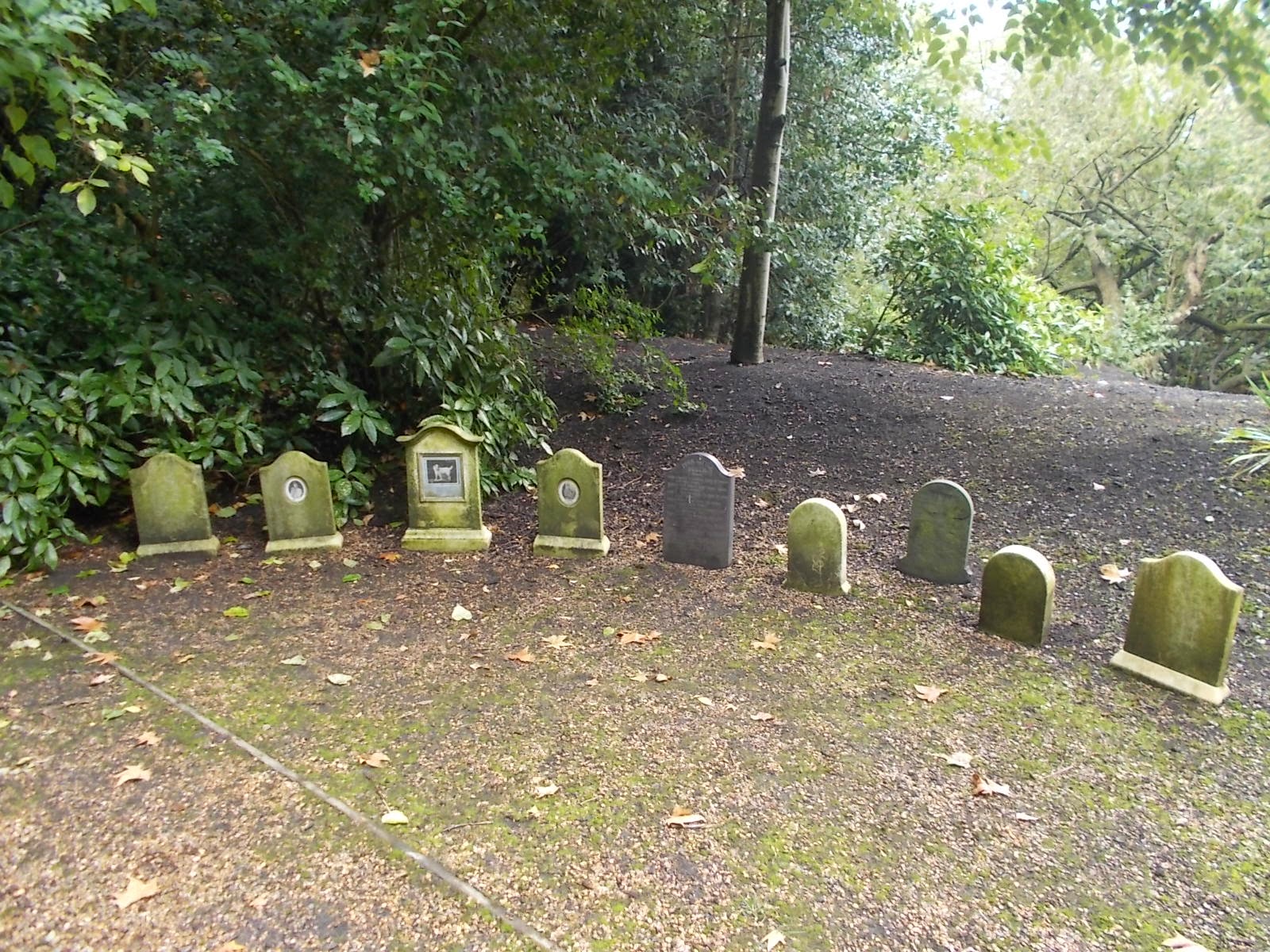
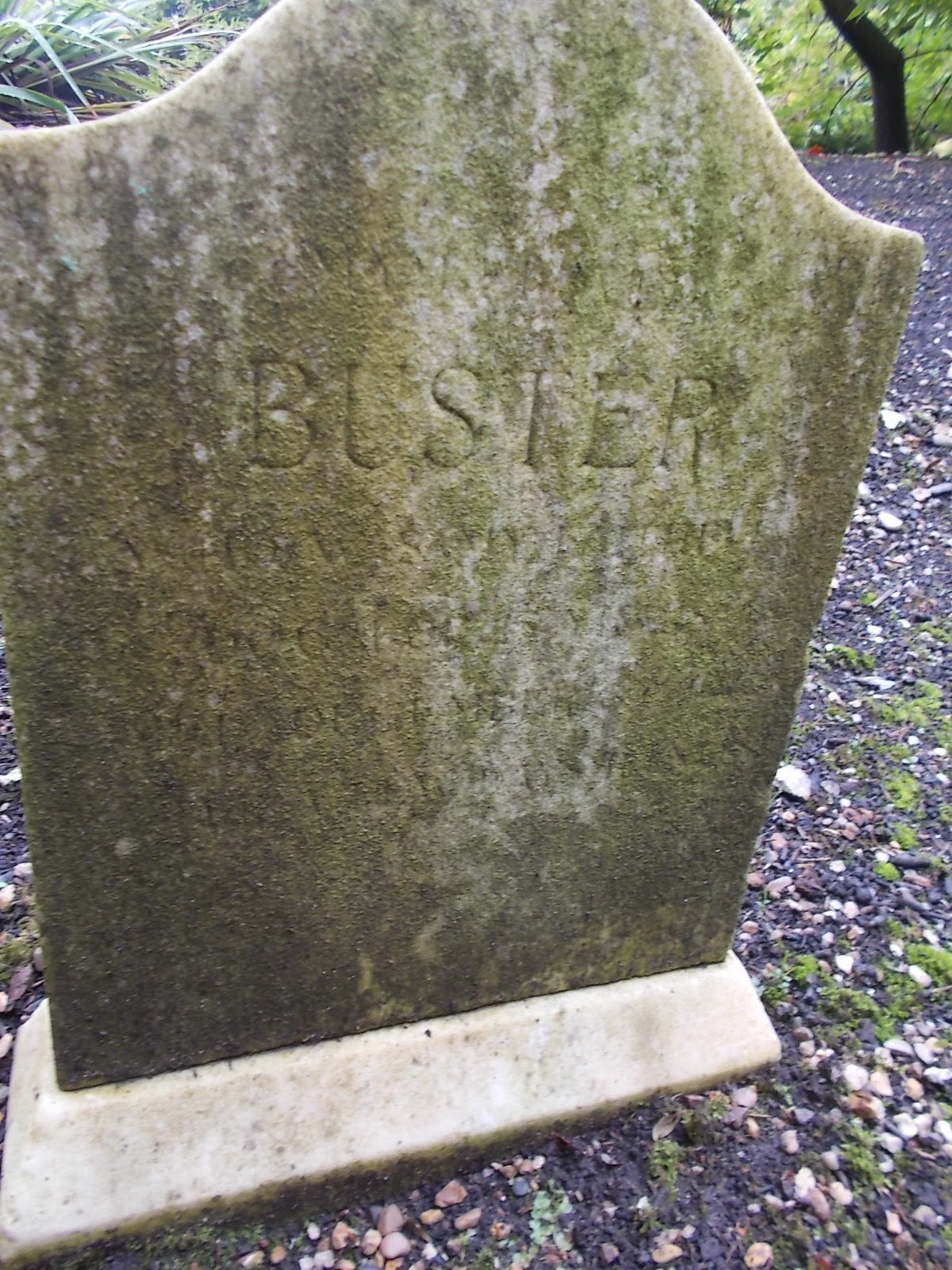
Whilst not all the graves are adorned with photographs, all are evidence of grief over the loss of a beloved friend. 

Kristine gets a closer look.

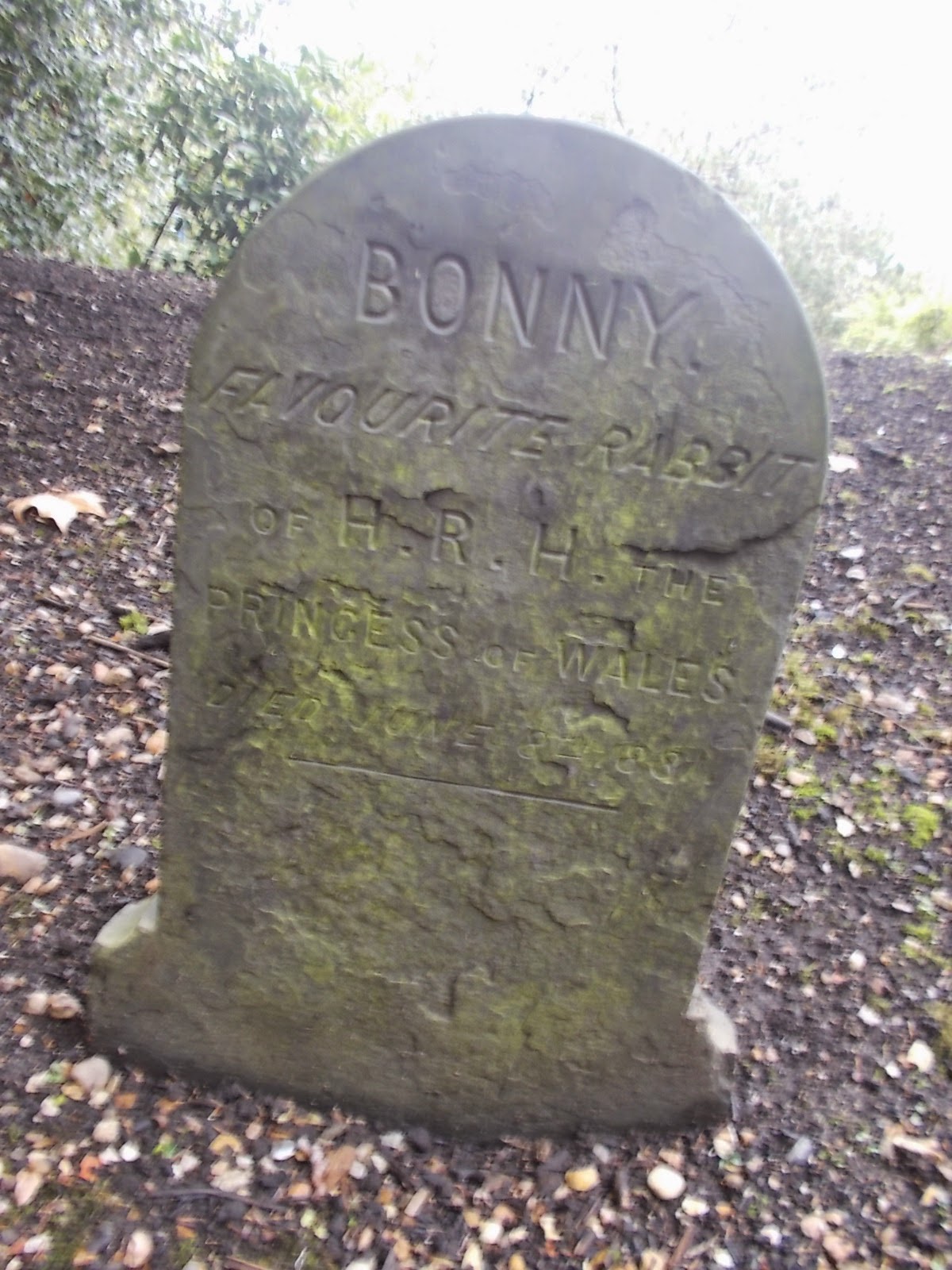
Even the bunnies were given dignified burials. 
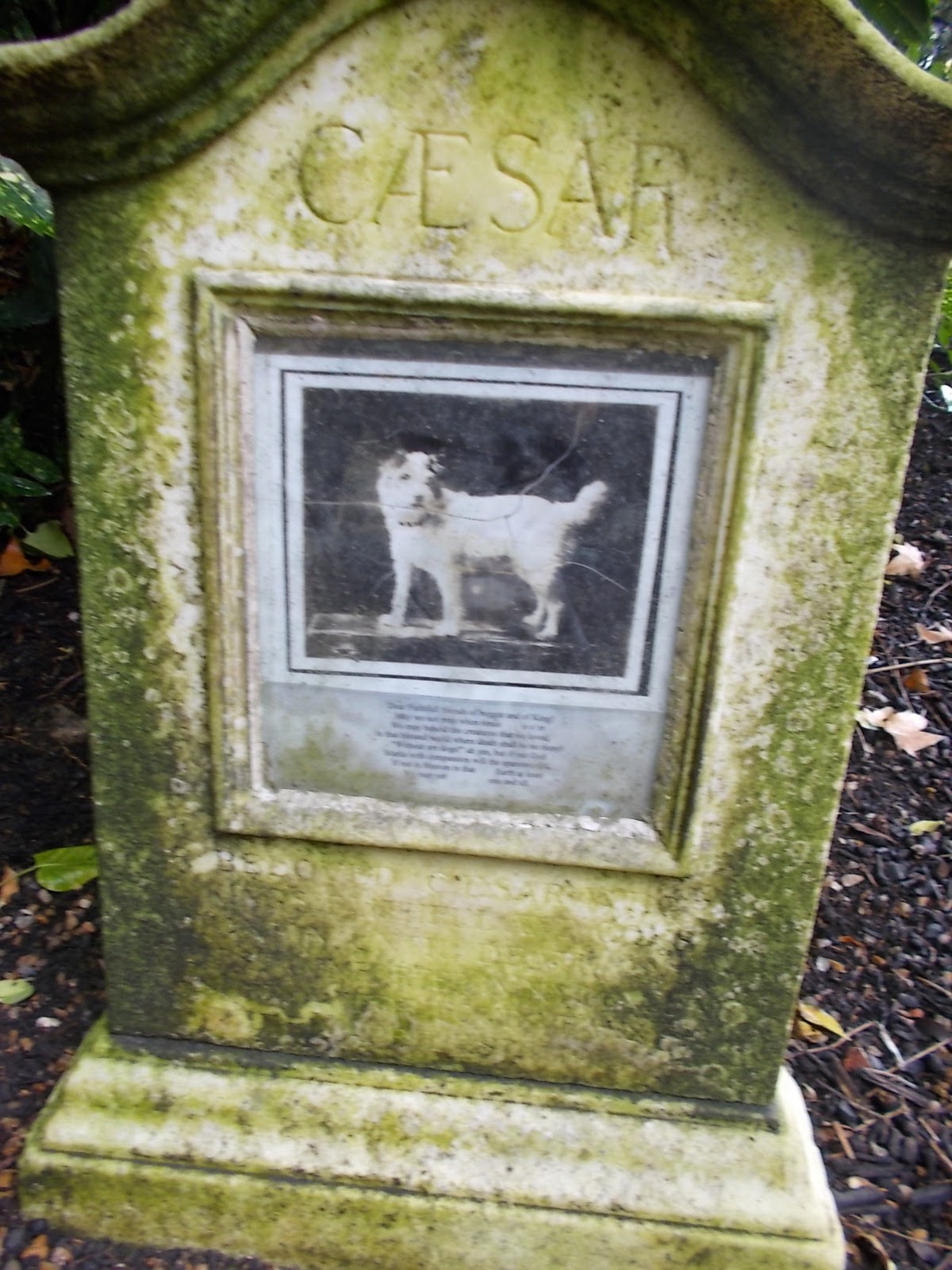
But perhaps the most famous of those buried here is Ceasar, owned by Queen Alexandra’s husband, King Edward VII.

From The College of St. George website:

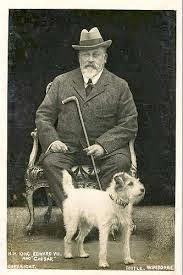
At the foot of the tomb of Edward VII in St George’s Chapel can be seen the curled up figure of Caesar, a wire-haired fox terrier and the King’s favourite dog.
Caesar was Edward VII’s constant companion, following him everywhere and travelling the world with him. His collar read “I am Caesar. I belong to the King”. Such was Edward’s love of his scruffy sidekick that he had Faberge make a trinket of Caesar, which was given to Queen Alexandra. Caesar might not have been popular with everyone, but Edward loved him.


On Edward VII’s death in 1910, Caesar is reported to have been heartbroken, barely eating or drinking, searching the rooms for his missing master. 


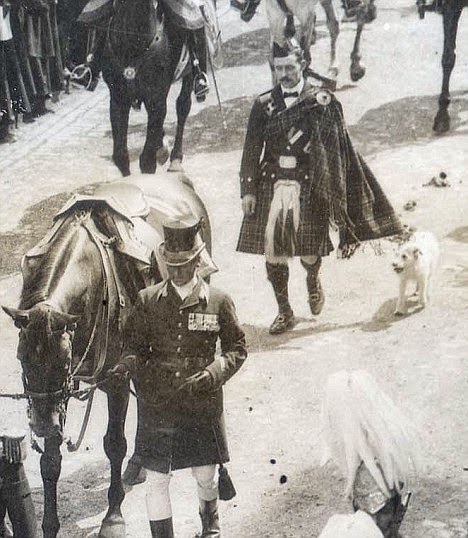
The world was moved by photographs of the little dog, accompanied by Edward’s favourite horse, trotting faithfully behind his master through the streets of London in the funeral procession, together at the last as they had always been. Caesar even preceded the crowned heads of Europe, including Kaiser Wilhelm, an insult which it has been claimed helped fuel the animosity which led to the First World War.
Caesar went to live with Queen Alexandra, and continued his travels with her before eventually dying in 1914. She wrote for his epitaph “Our beloved Caesar who was the King’s Faithful and Constant Companion until Death and My Greatest Comforter in my Loneliness and Sorrow for Four Years after. Died April 18th 1914.″
If you’ve enjoyed this post, you may be interested in the Libby Hall Collection, an online gallery of historic photos of London dogs from all walks of life – a truly fascinating site. 
The actress Ellen Terry with her canine companions. 

THE HUDSON RIVER SCHOOL

JUST A BRIEF BREAK FROM ALL THINGS ENGLISH….

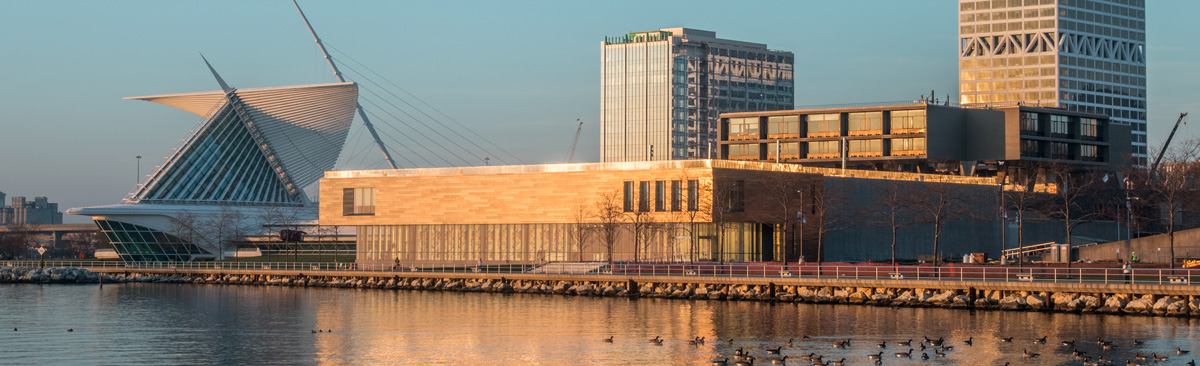
A collection of lovely paintings from the New York historical Society just closed at the Milwaukee Art Museum. Victoria here, to tell you a little bit about them.

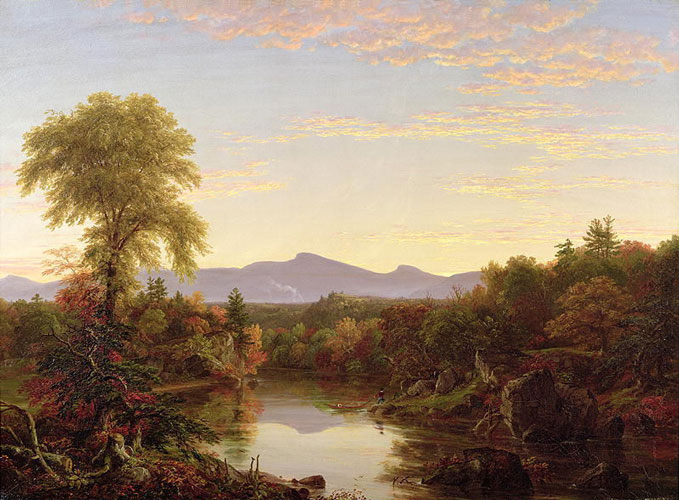
Thomas Cole, Catskill Creek, N.Y. 1845
The group of landscape painters in 19th America which became known as the Hudson River School  started by painting the lovely wilderness landscapes of the “New World” just west of the Atlantic Coast where the first European settlements grew. 
Asher Brown Durand, White Mountain Scenery, Franconia Notch, N.H., 1857

As the artists discovered more and more of the spectacular scenery, their paintings inspired more settlers and even caught the attention of the European art world.

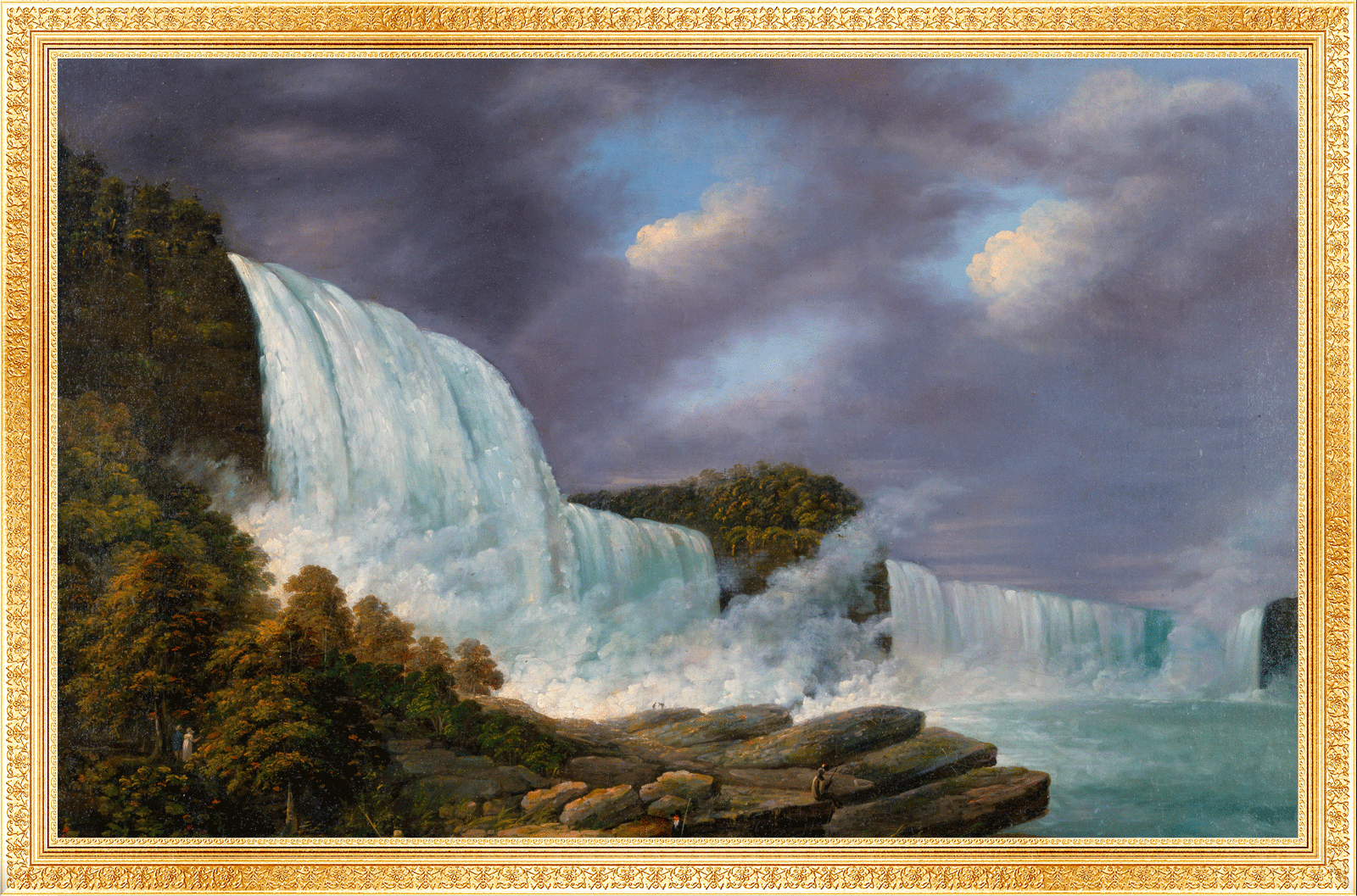
Louise Davis Minot, Niagara Falls, 1818
Imagine encountering this enormous waterfall on the U.S.-Canadian border for the first time. Ms. Minot wrote: “The roar deepened, the rock shook over my head, the earth trembled…It was some time before I could command my pencil.”
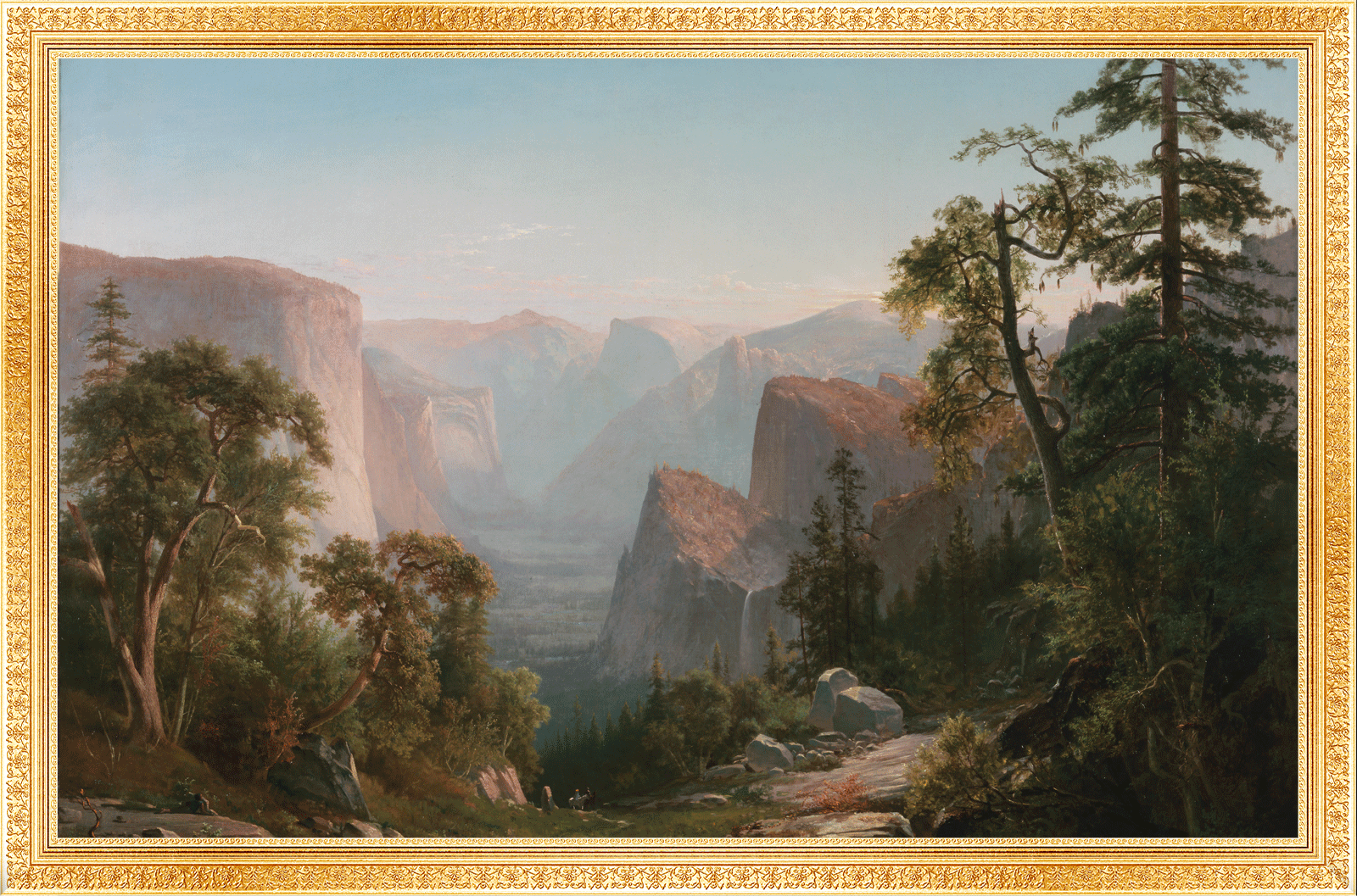
Thomas Hill, View of the Yosemite Valley, 1865
Eventually the artists reached California and its majestic mountains…as well as all the sights in between.
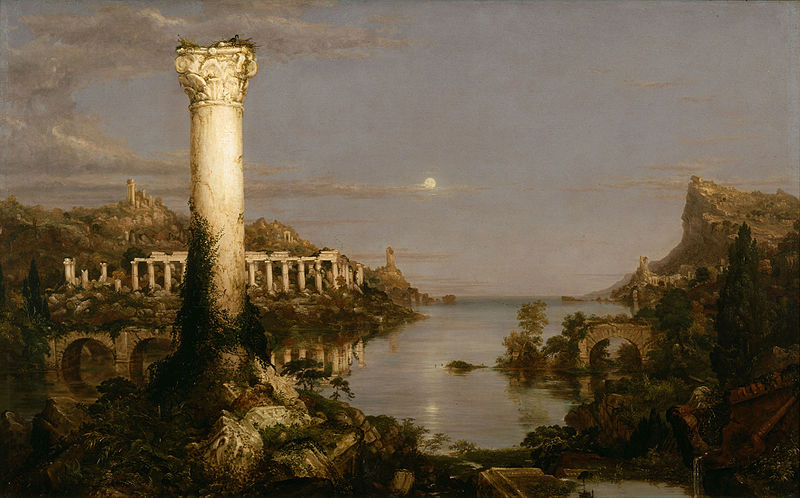
The five paintings by Thomas Cole in the series “Rise and Fall” trace the development and destruction of civilization, from savage nature to feeble ruins.  
Thomas Cole, The Course of Empire: The Savage State, 1834
Thomas Cole, The Course of Empire: The Arcadian or Pastoral State, 1834
Thomas Cole, The Course of Empire: The Consummation of Empire. 1835-36
Thomas Cole, The Course of Empire: Destruction, 1836
Thomas Cole, The Course of Empire: Desolation, 1836

Here is the official description of the exhibition: “Nature and the American Vision is a landmark exhibition featuring nearly fifty masterpieces from the New-York Historical Society’s acclaimed collection of landscape paintings, the most revered in the country. In addition to the beauty and historic value of the paintings, the exhibition charts the emergence of the Hudson River School, considered the nation’s first original artistic movement, and includes iconic works by luminaries alongside rarely seen masterpieces. Rising to eminence during the mid-nineteenth century, this loosely knit group of painters, poets, and writers forged a self-consciously American artistic voice, one grounded in the exploration of the natural world as a resource for spiritual renewal and as an expres
sion of cultural and national identity. This exhibition was organized by the New-York Historical Society and is supported by an indemnity from the Federal Council on the Arts and the Humanities.

Milwaukee Art Museum

OPEN CITY DAYS: MARLBOROUGH HOUSE

VISITING MARLBOROUGH HOUSE

Walking from Carlton House Terrace along Pall Mall

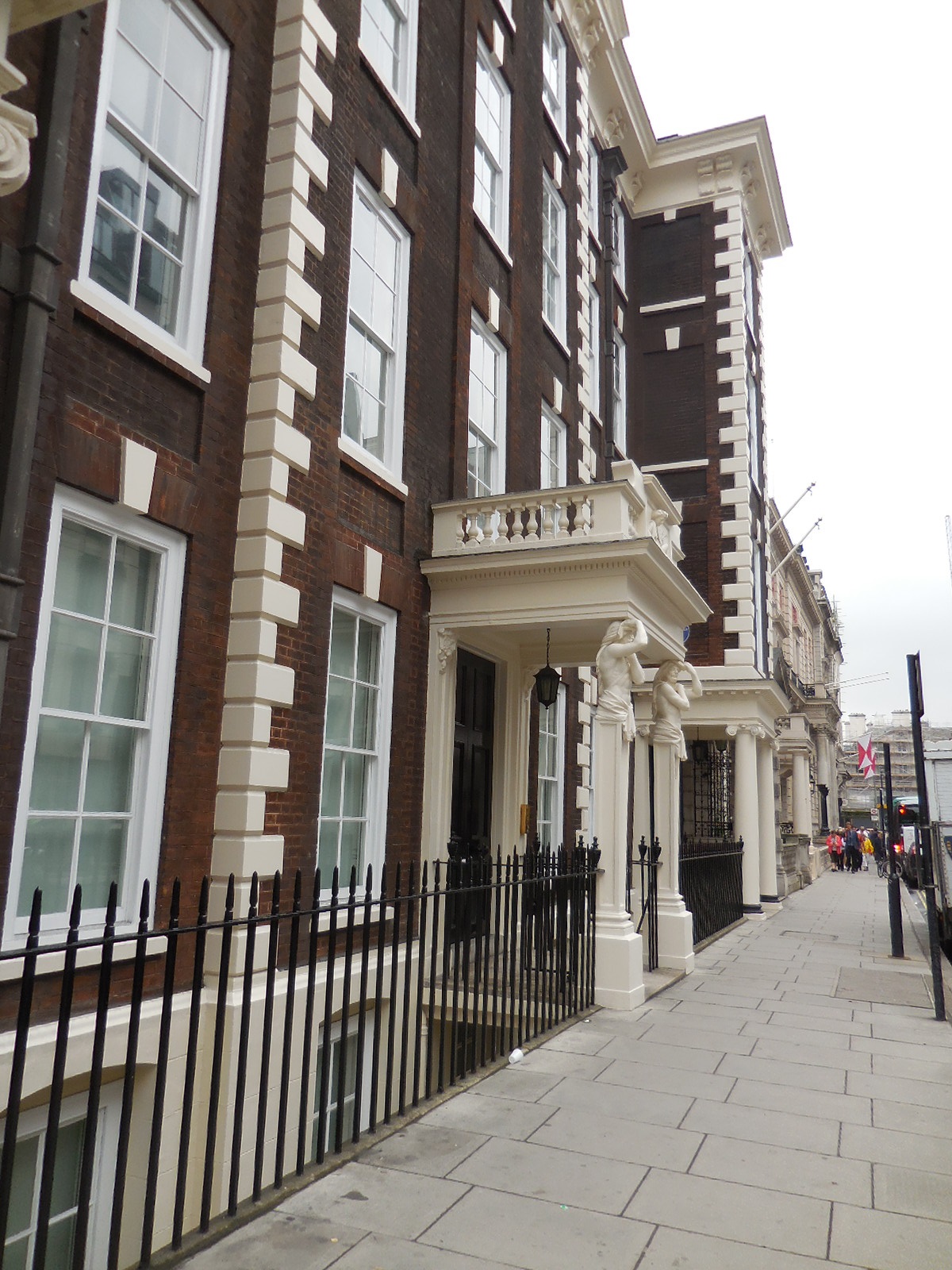
Schomberg House
This building housed the 3rd Duke of Schomberg in the late 17th century, a General working for King William of Orange. Later the building was divided into three separate residences; it had a varied history, to say the least. 

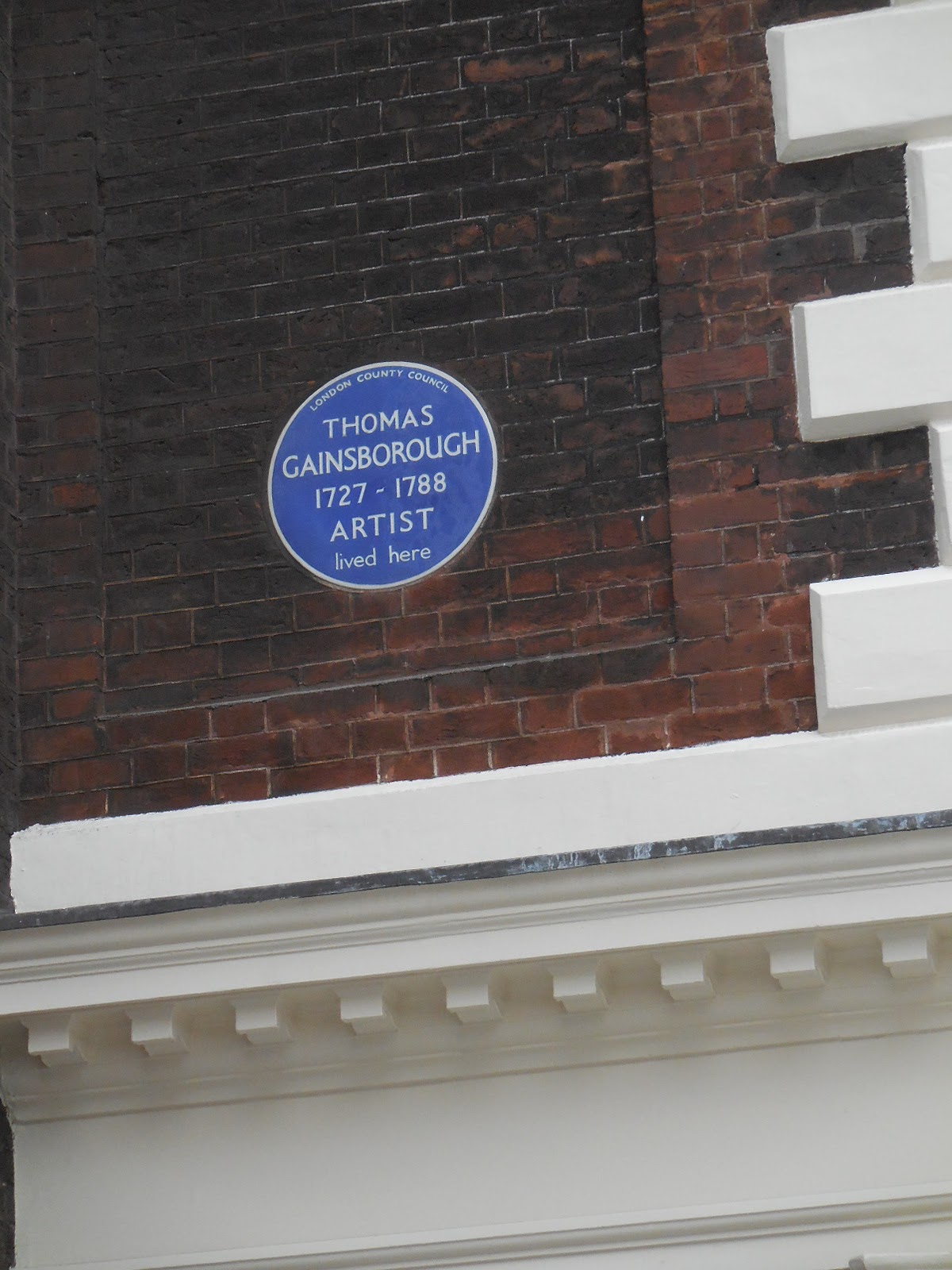
Among the luminaries who lived here were Thomas Gainsborough and fellow artist Richard Cosway. 
One of the residences was, for a time, the Temple of Health and Hymen where a Scottish doctor rented out a “celestial bed” said to cure infertility.  Eventually closed by police, it was later a draper’s, and eventually part of the War Office, along with other mansions along Pall Mall.

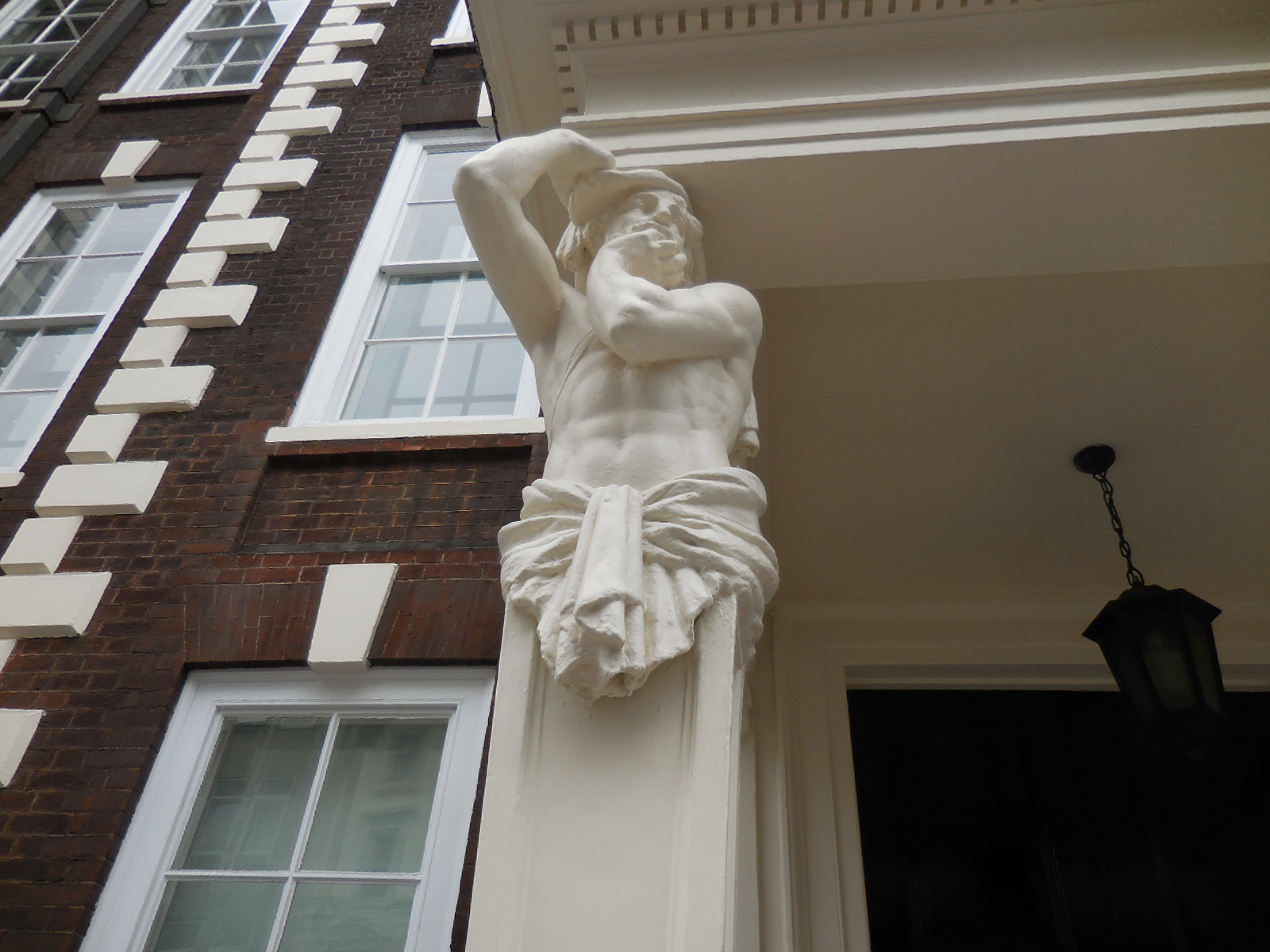
The decorative features of Schomberg House are made of Coade Stone, a popular material for buildings in the early 19th century. Currently, only the facade exists with modern structures behind it.

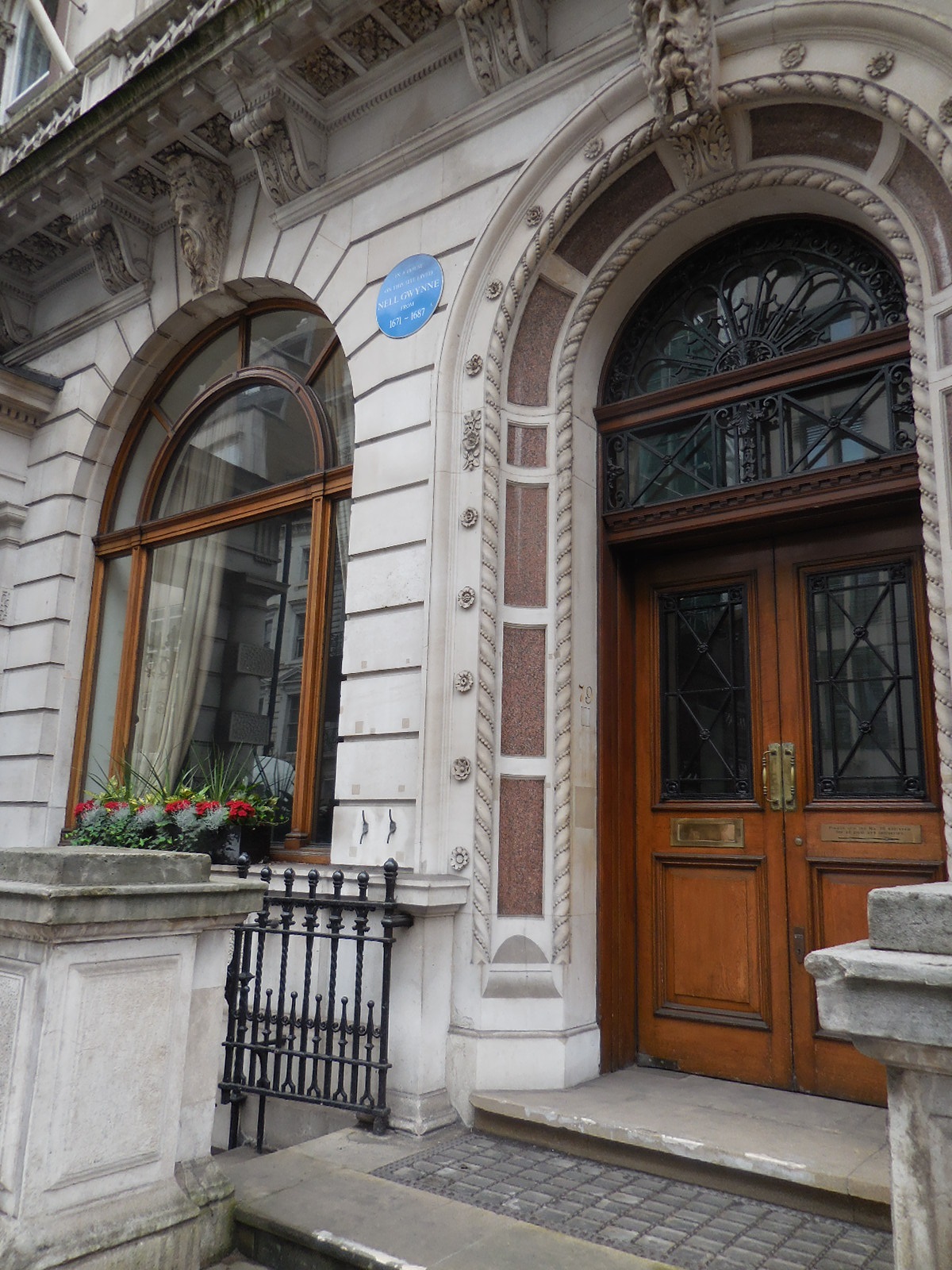
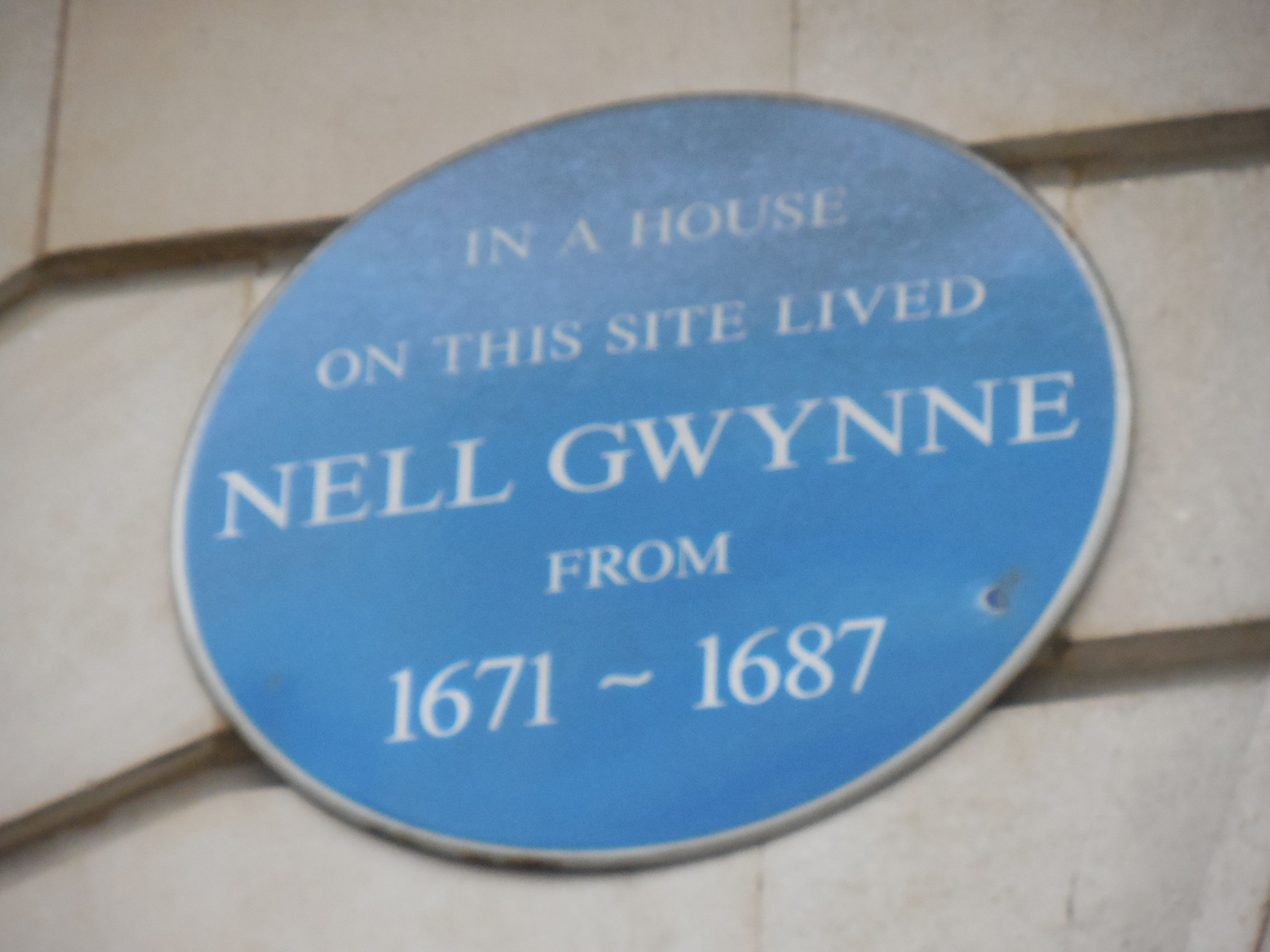
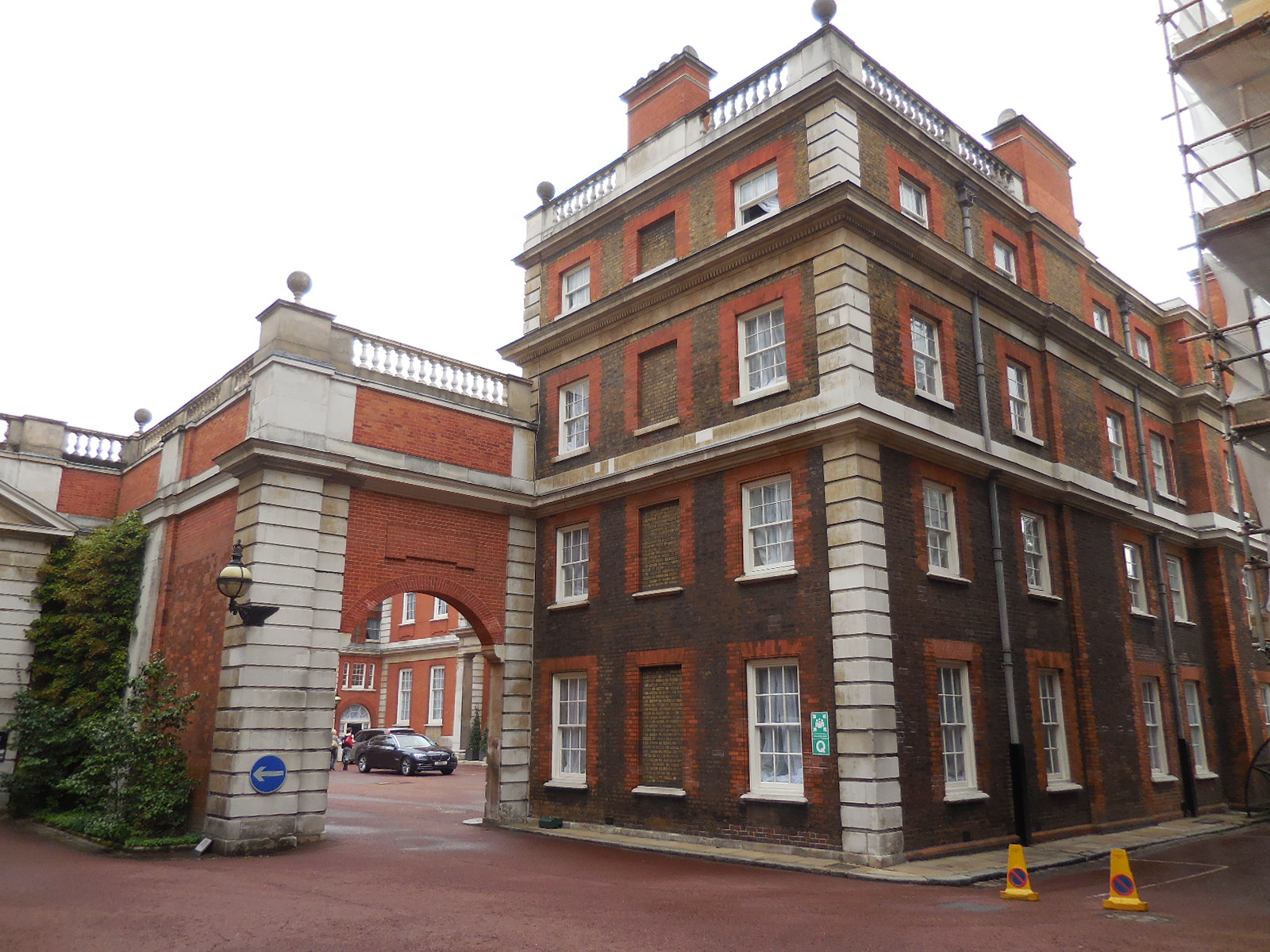
Another well-known resident lived nearby.
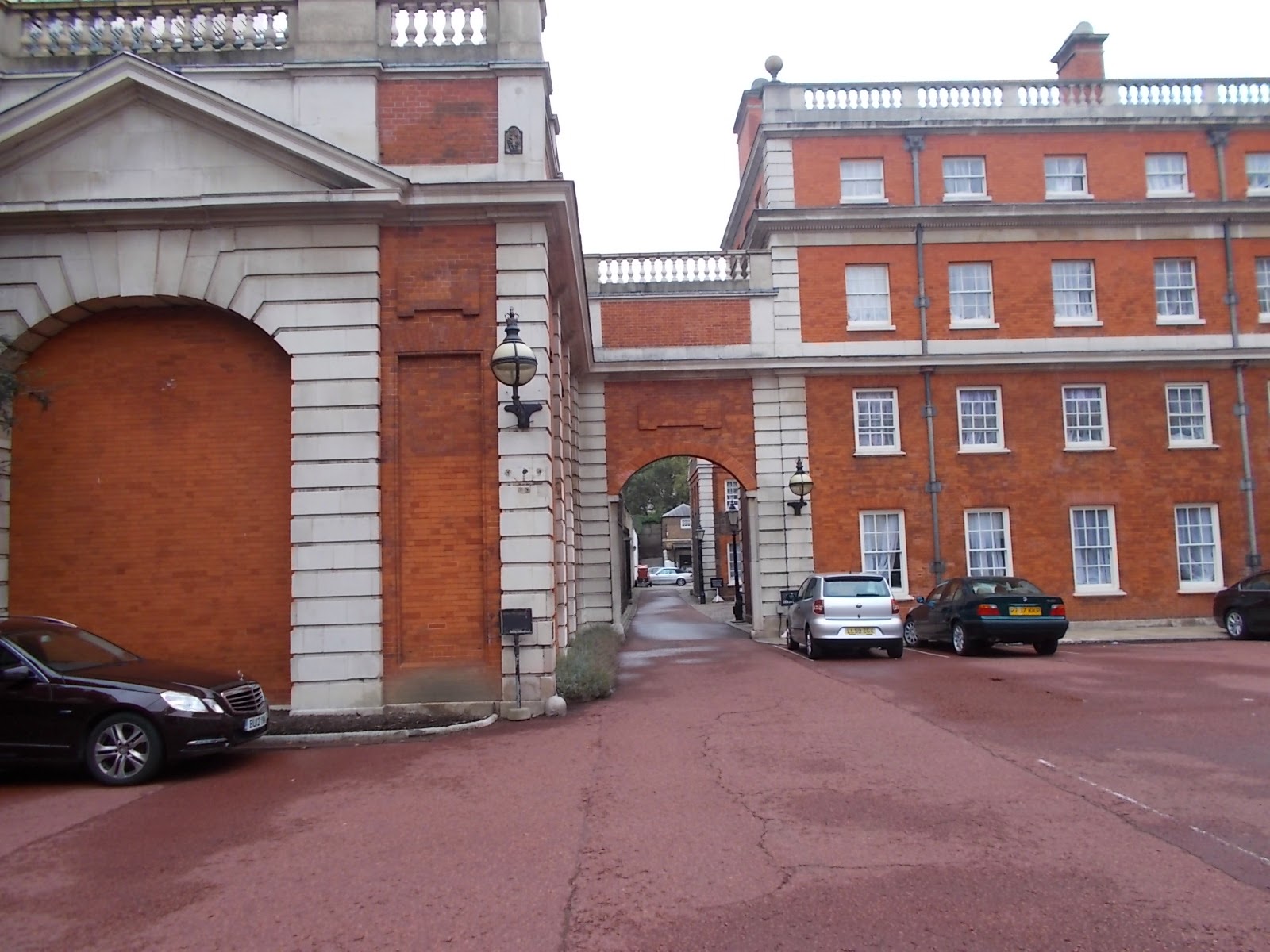
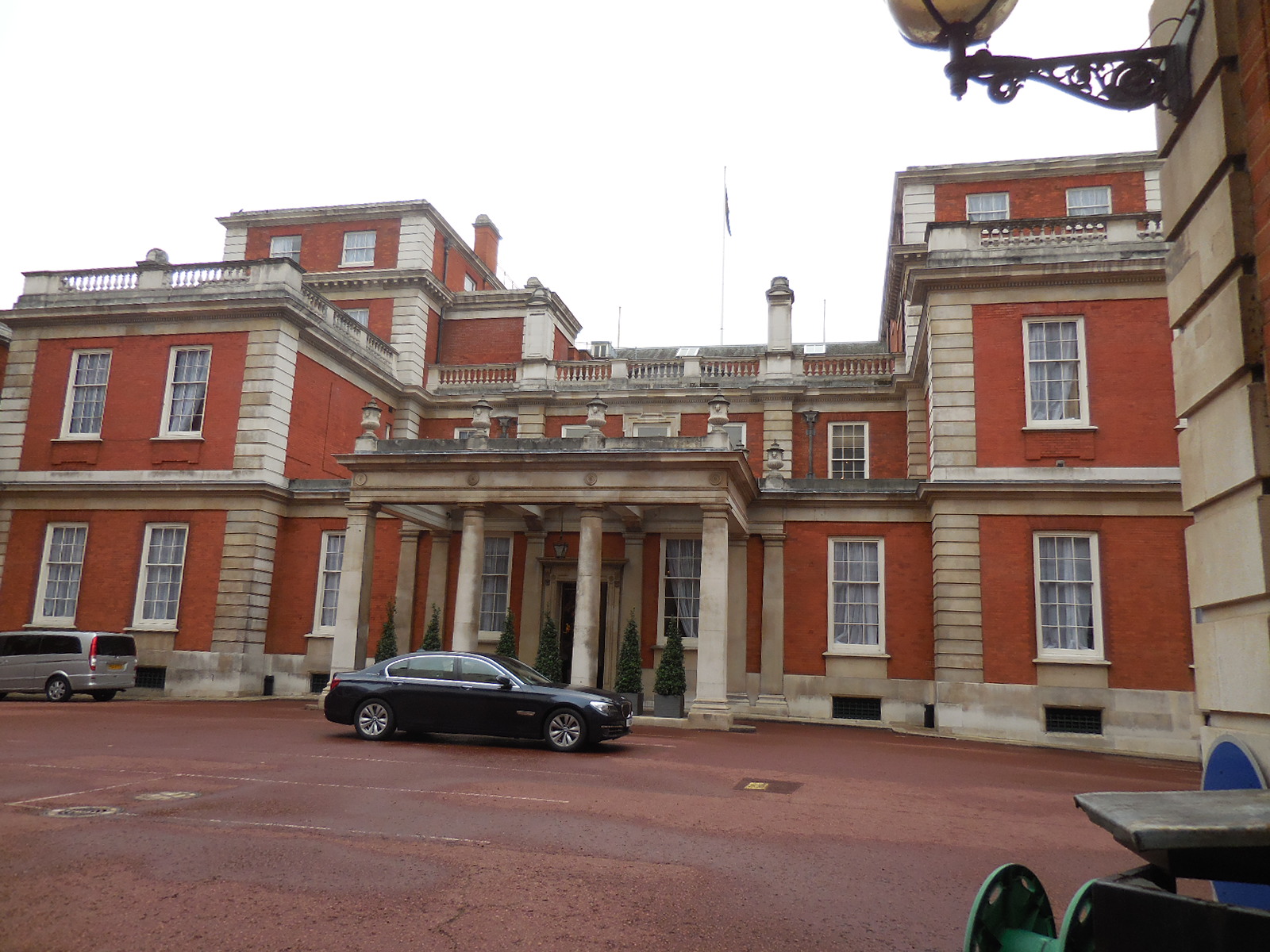
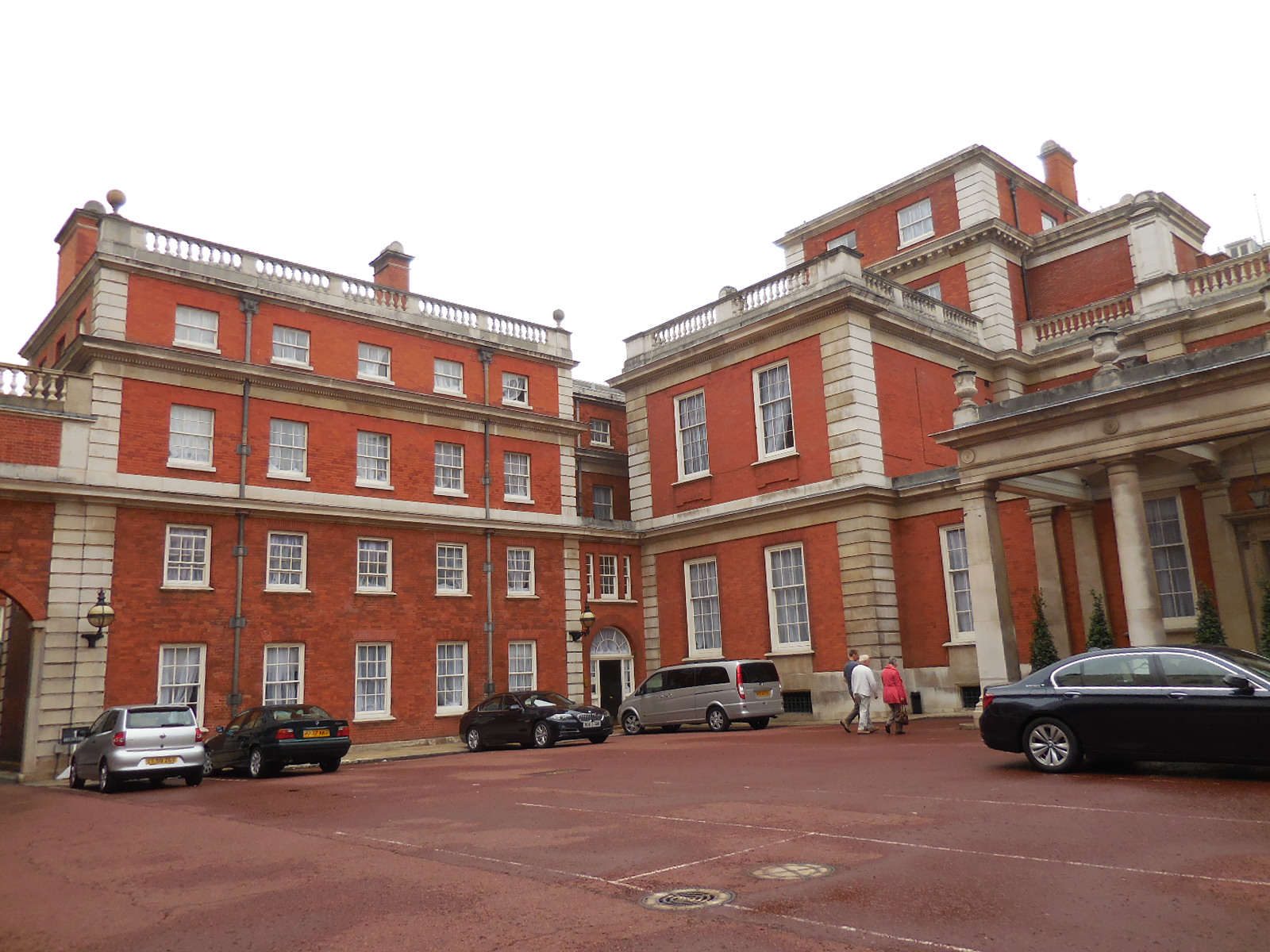
Approaching Marlborough House from the rear:

Marlborough House was built for the Duke of Marlborough in 1709–11 on the site of the St James’s Palace pheasantry.  Sir Christopher Wren designed the house, though plans were drawn by his son, Christopher Wren the younger. The red Dutch bricks of the walls were ballast returning on vessels which transported soldiers to Holland to fight under the Duke of Marlborough.

Beginning about 1817, members of the royal family resided here,  Edward, Prince of Wales (later Edward VII) and his wife, Alexandra of Denmark moved in in the 1860’s, and the society that assembled around this couple became known as the Marlborough House Set.

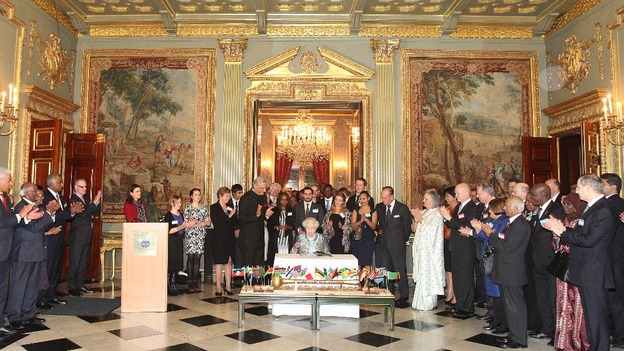
In 1959 Marlborough House became the Commonwealth Secretariat and the Commonwealth Foundation. Sadly, no photos were allowed inside, but the central hall can be found on the internet.

Marlborough House Hall
Queen Elizabeth presides at a Commonweal
th Meeting 

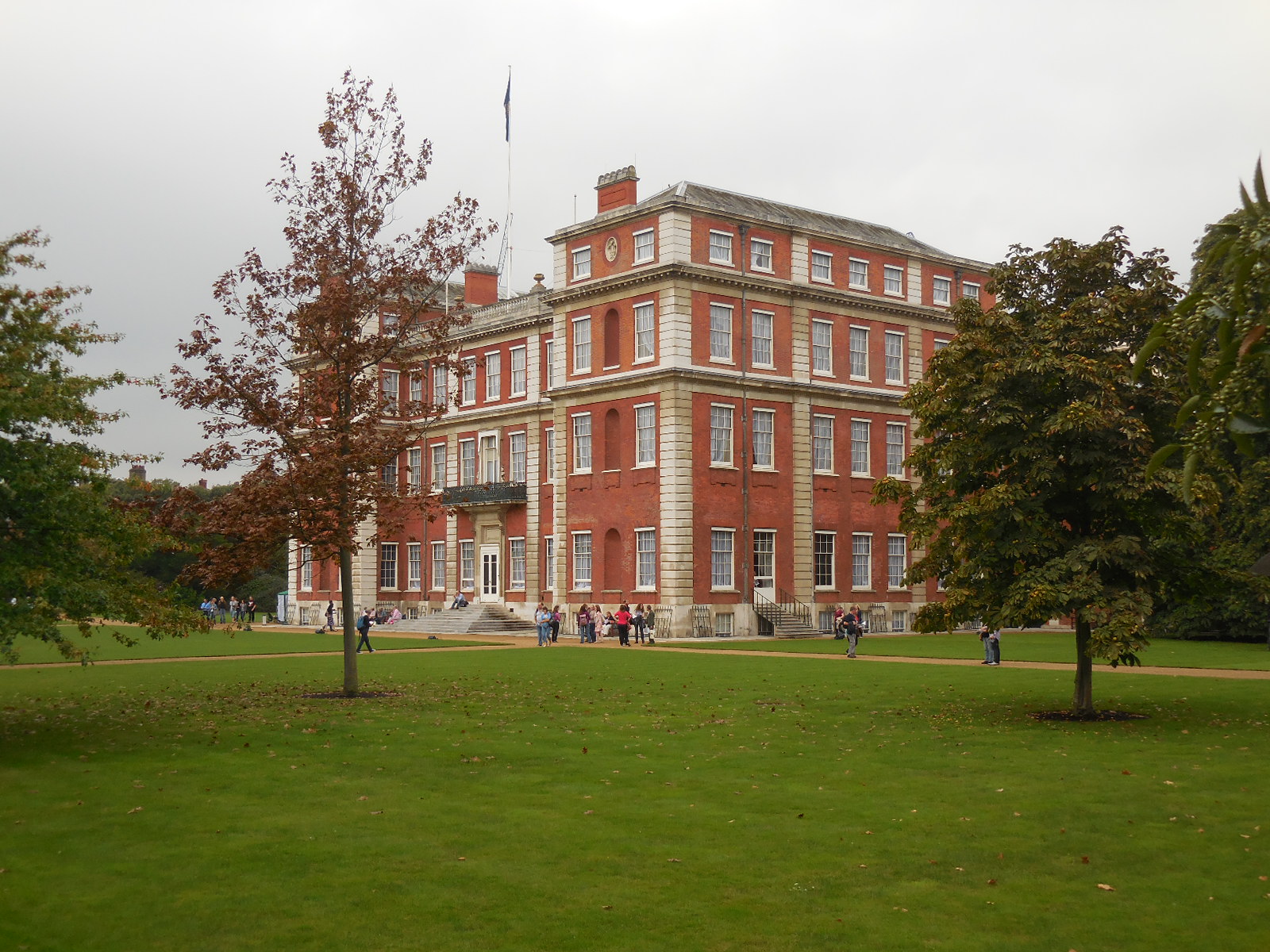
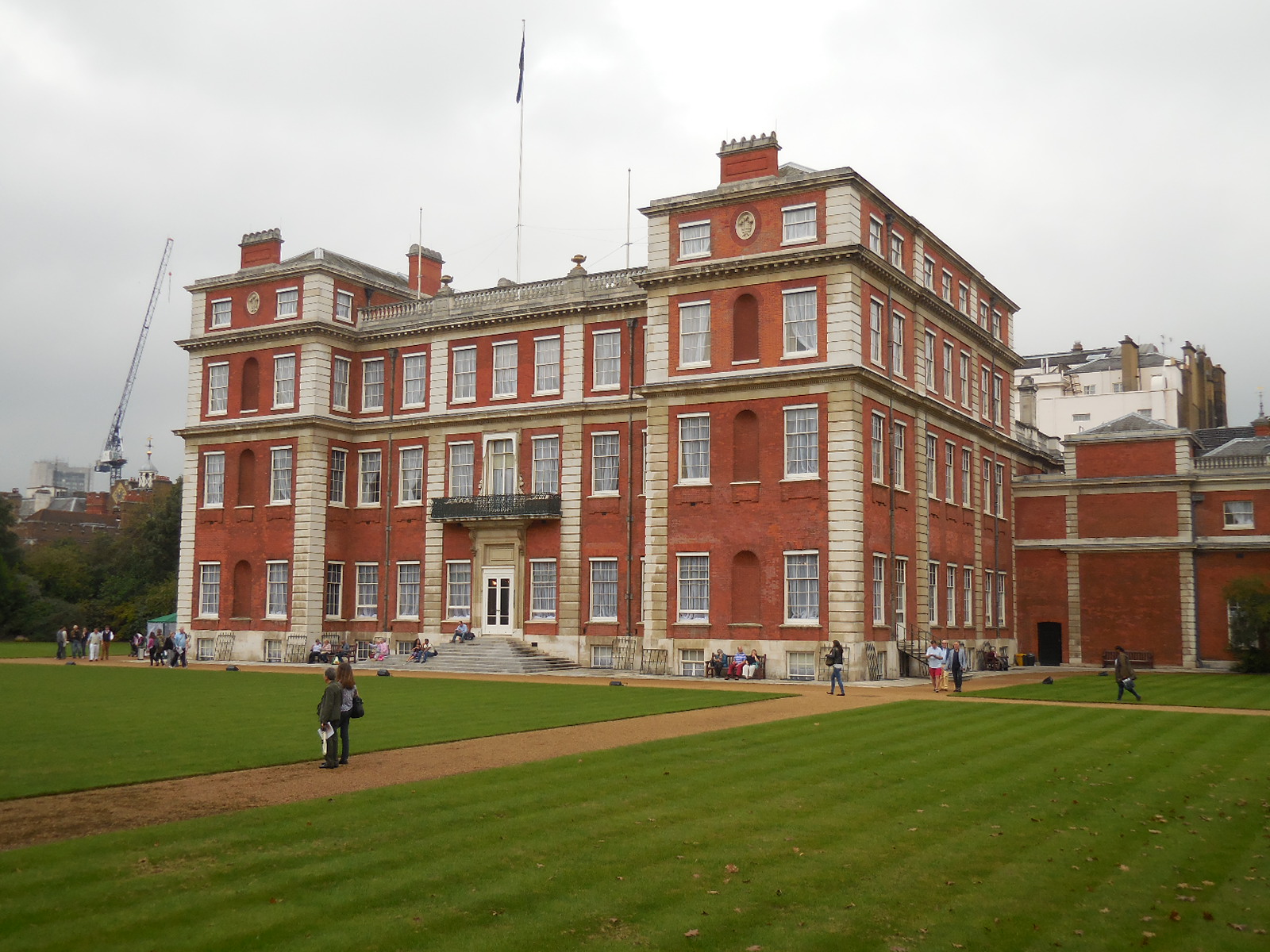
The Garden facade of this noble house!
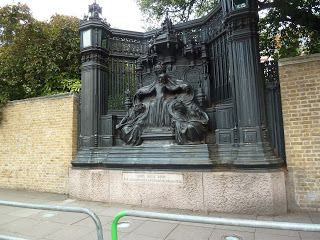
On the Wall along Marlborough Road, stands the Memorial to Queen Alexandra, completed in 1932 by Sir Alfred Gilbert.
Coming next, Kristine visits the Pet Cemetery in the Marlborough House Garden.

OPEN CITY DAYS: THE BRITISH ACADEMY

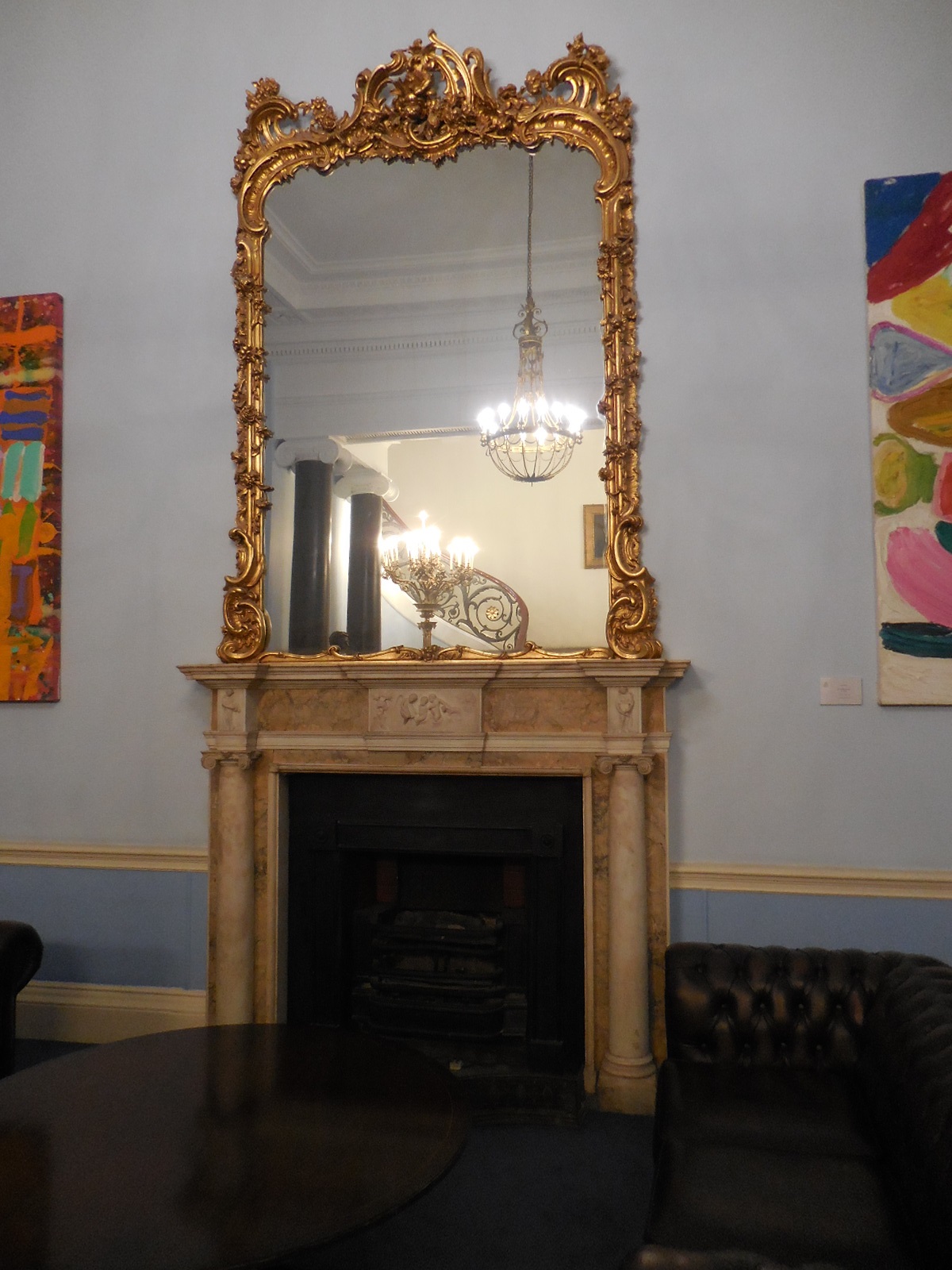
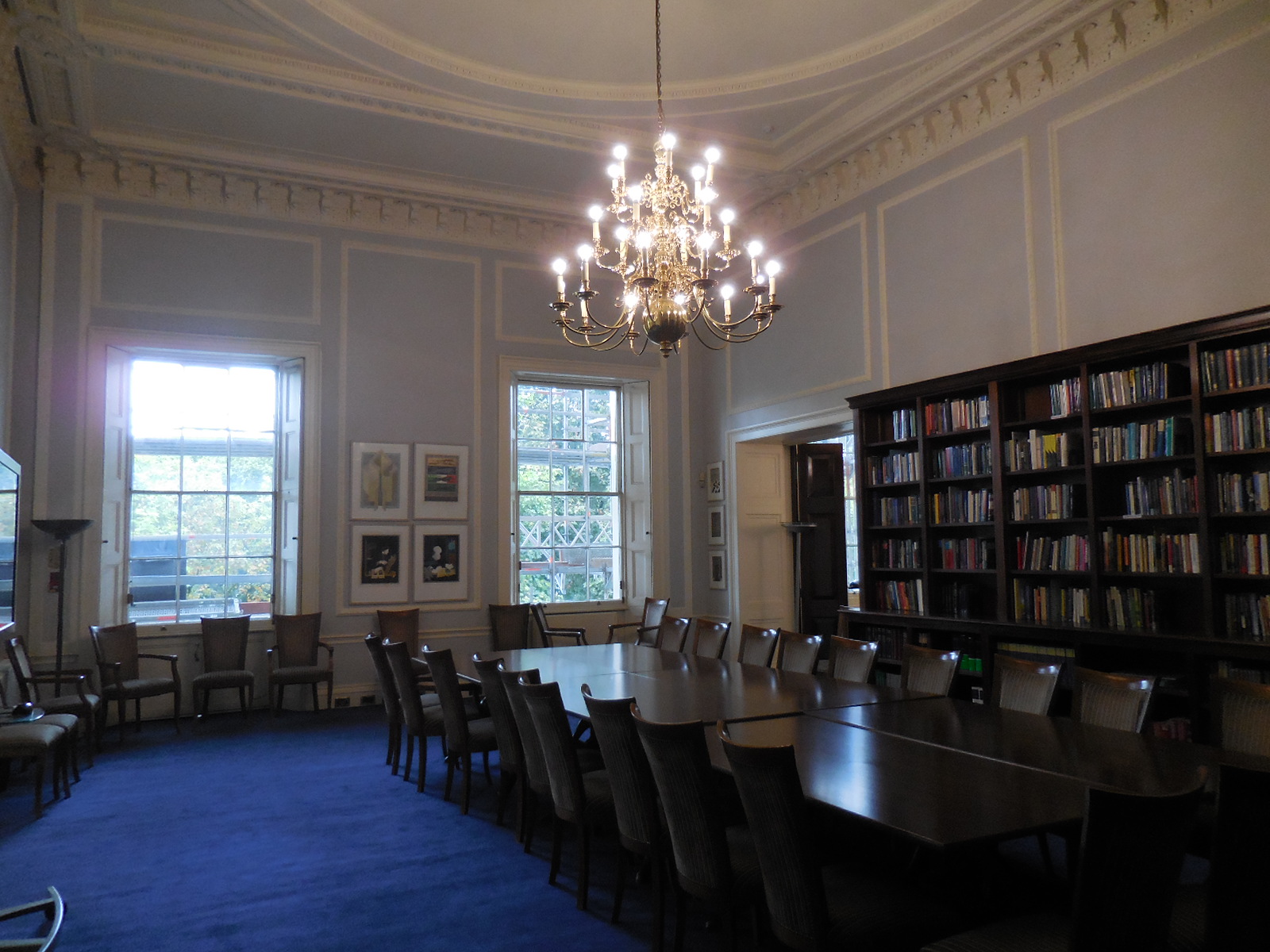
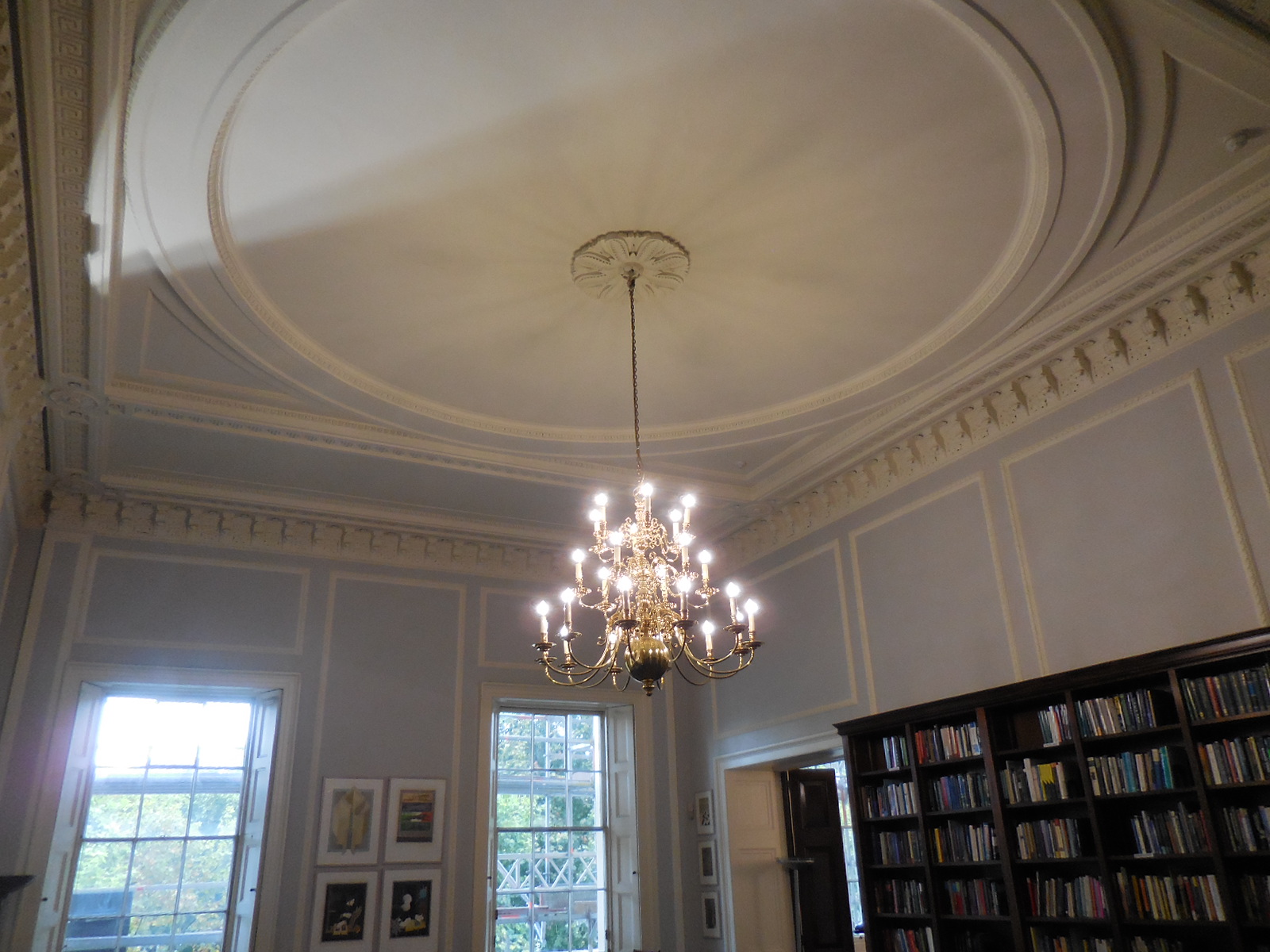
IN CARLTON TERRACE, occupying Numbers 10 and 11, the British Academy is the UK’s national body for the humanities and social sciences – the study of peoples, cultures and societies, past, present and future. It funds fellowships, research grants, awards,  and charitable activities, including British Film Awards.

The British Academy website is here.

On the ground floor for the Open City visitors, the BA displayed an exhibition of photos from the history of the house. Here is their explanation of the exhibition:

“From 1830 until 1920, 10 Carlton House Terrace was the London Home of the Ridley family. The Ridleys were a wealthy Northumberland family who had made their fortune in Coal mining. When war broke out, in 1914, Lady Ridley decided to open up her London home as a hospital for wounded officers.

Affiliated with Queen Alexandria’s Military Hospital in Milbank, it was principally a convalescent hospital. It was staffed by a house doctor, trained nurses, and members of London/52 Voluntary Aid Detachment (VADs). According to newspaper clippings of the time, it  quickly established itself as ‘by far the most fashionable hospital for officers in the war’; and it soon became a popular sight-seeing spot. One report from the period states that ‘every morning an interested crowd collects to see the public shaving of the wounded soldiers, who are so comfortably situated in the temporary hospitals which are perched on the top of terraces behind Carlton House Terraces.’

In 1918, Lady Ridley was made a Dame in recognition of her work as donor and administrator of the Hospital. Upon the hospital’s closure in February 1919, she  wrote to express her gratitude to those who had worked there: ‘It is largely owing to the devoted band of VADs  that the hospital achieved such a standard of efficiency and comfort, and was and was able to bring such a great measure of relief and happiness to those who suffered so much in the War.’”

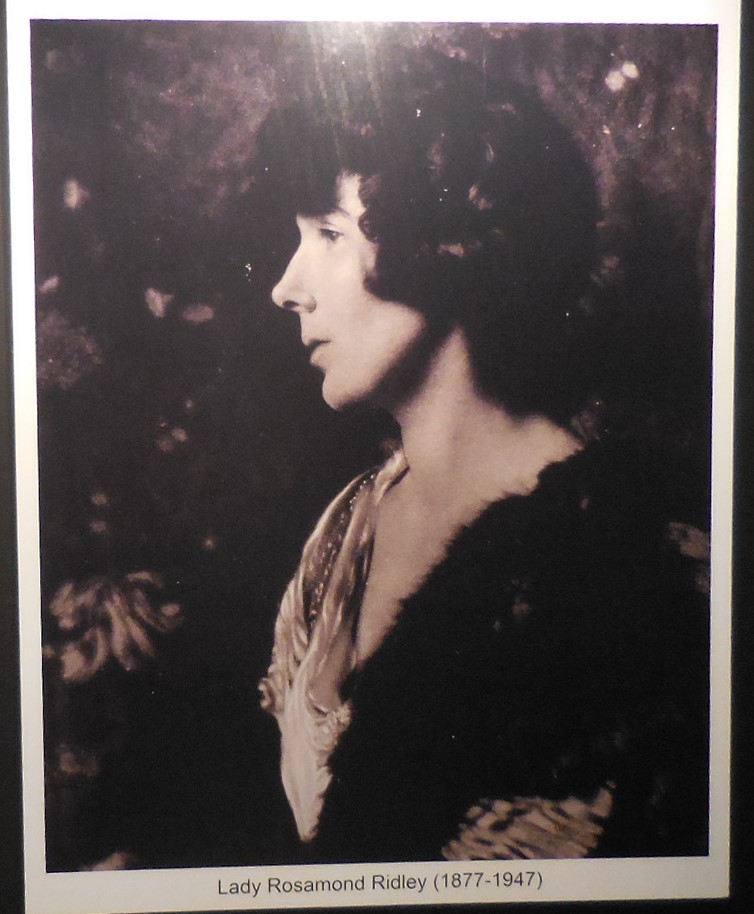
Lady Rosamund Ridley  (1877-1947)
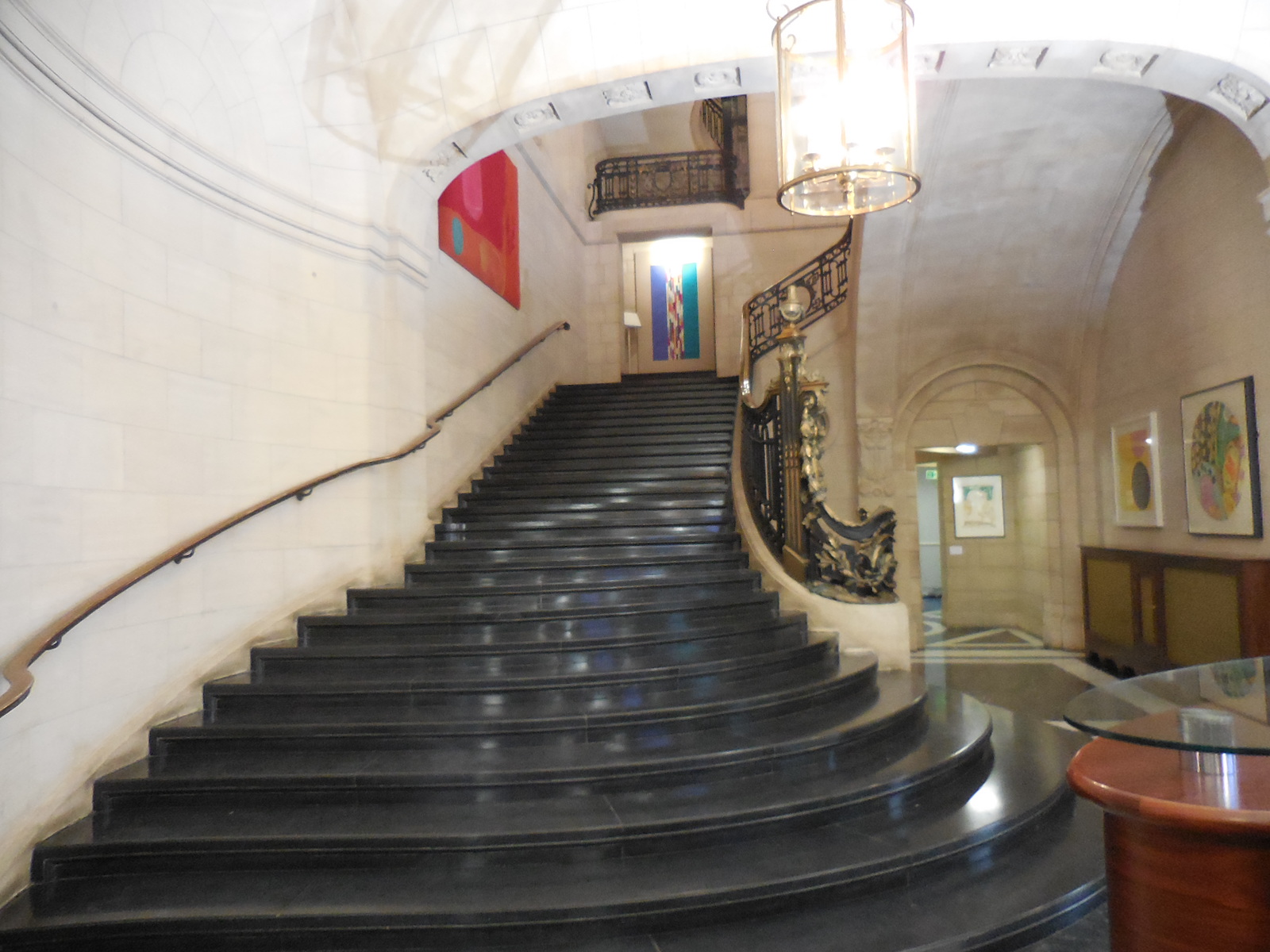
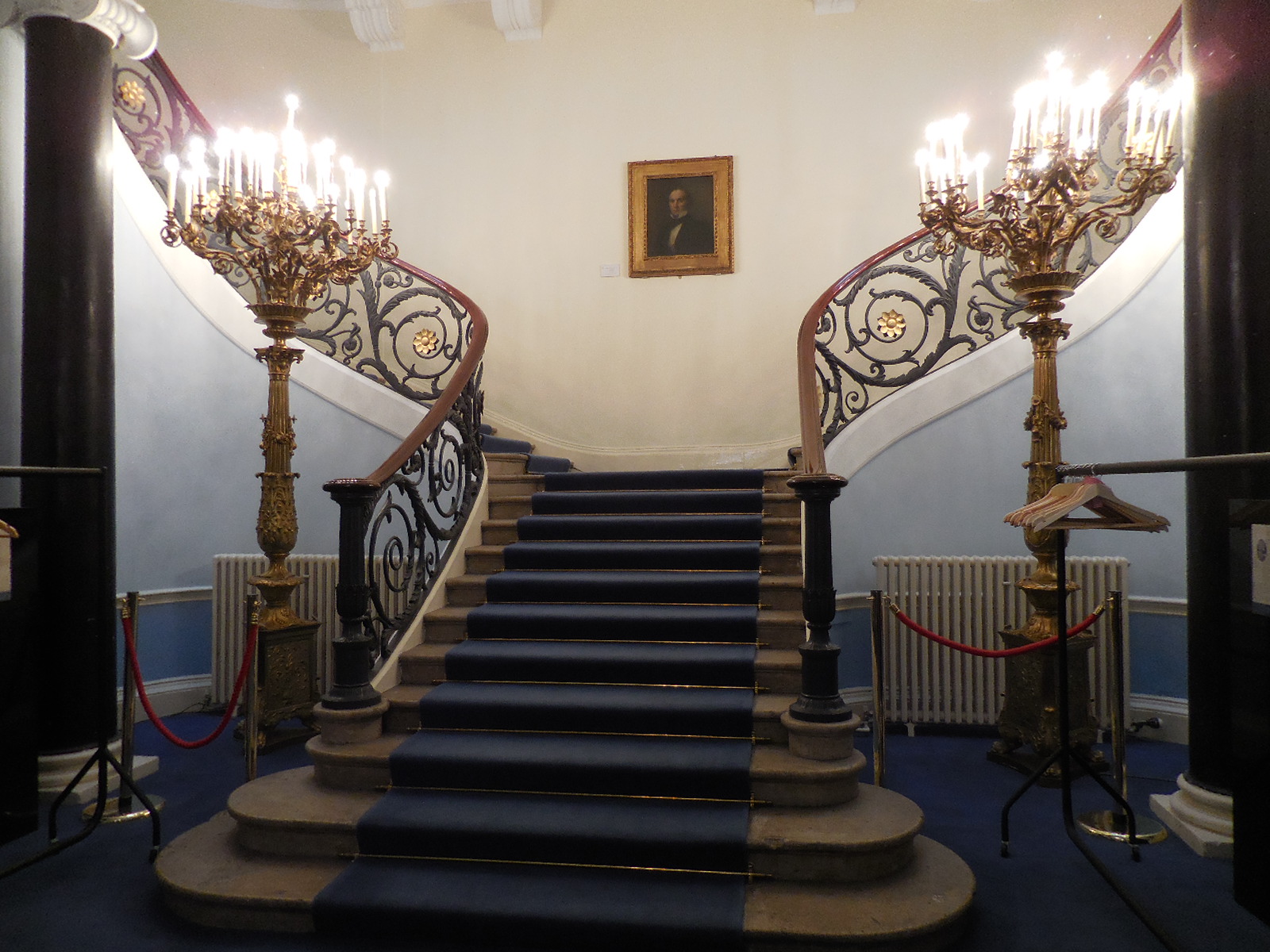
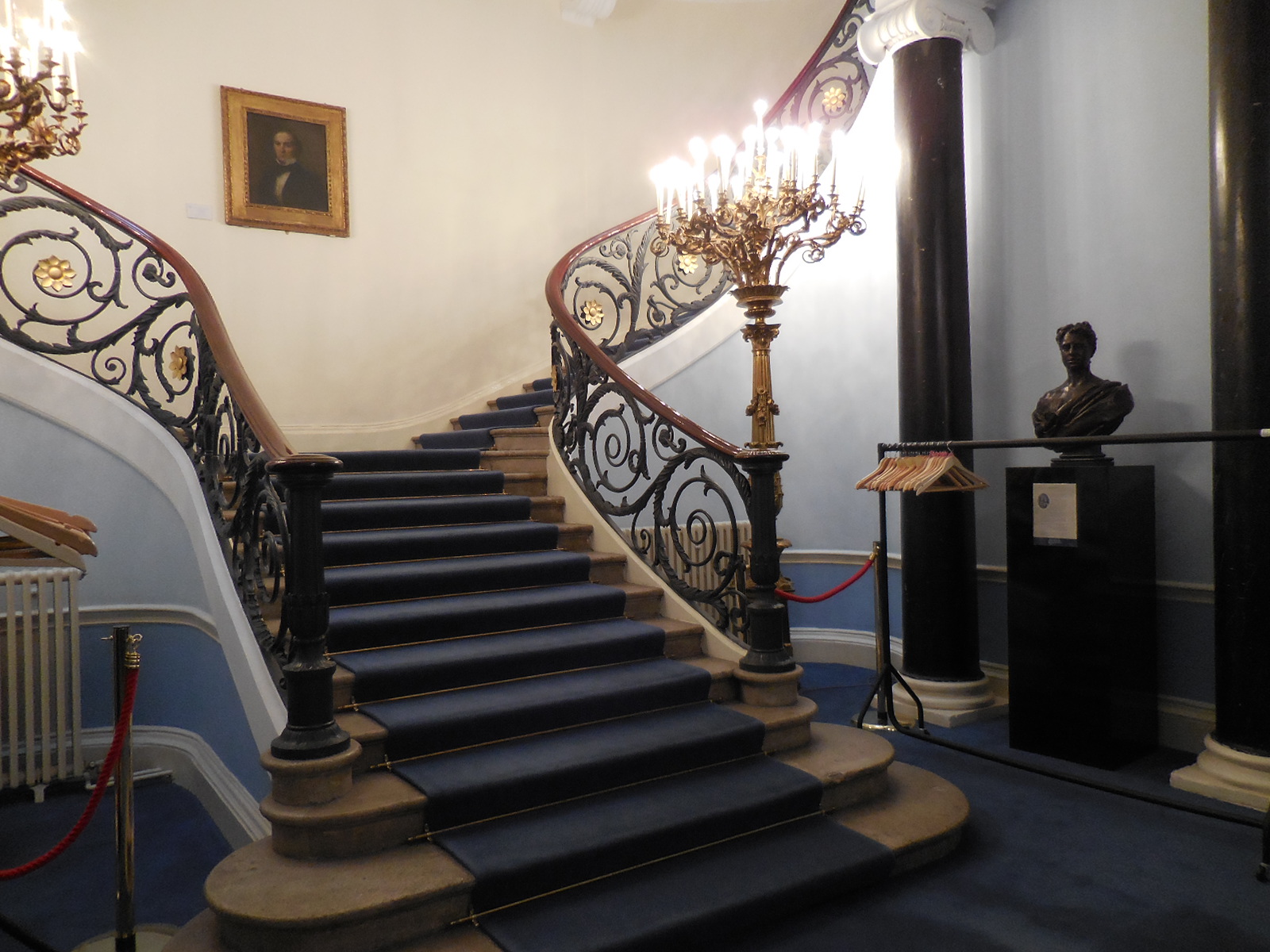
Lady Ridley was a cousin of Sir Winston Churchill and wife of Matthew White Ridley, 1st Viscount Ridley. At the beginning of the 20th century, the Ridleys redecorated the house in the French style and installed  the grand staircase.
French Staircase
 
Beginning in 1914 with 25 beds, Lady Ridley expanded her hospital to 60 beds by 1917.  One volunteer, Aileen Maunsell, became a nurse and worked at Lady Ridley’s Hospital where she also entertained the patients by playing concerts for them. Eventually she married 2nd Lt. Gell in 1920.

Lady Ridley’s Hospital stayed open for several months after the war ended. In later years, the building was the residence of Lord Monson, four-time Prime Minister William Gladstone (1856 to 1875), and the Guinness family, before becoming home to the British Academy in 1998.

The music room from the wedding venue page

The British Academy was established in 1902; a fellowship of more than 900 leading scholars spanning all disciplines across the humanities and social sciences. it is an independent registered charity. The exterior of the building 10-11 Carlton House Terrace can be seen on the popular BBC’s Sherlock,as the Diogenes Club.

Our next goal was a stroll down Pall Mall to Marlborough House…