DO YOU KNOW ABOUT? THE LONDON LIBRARY

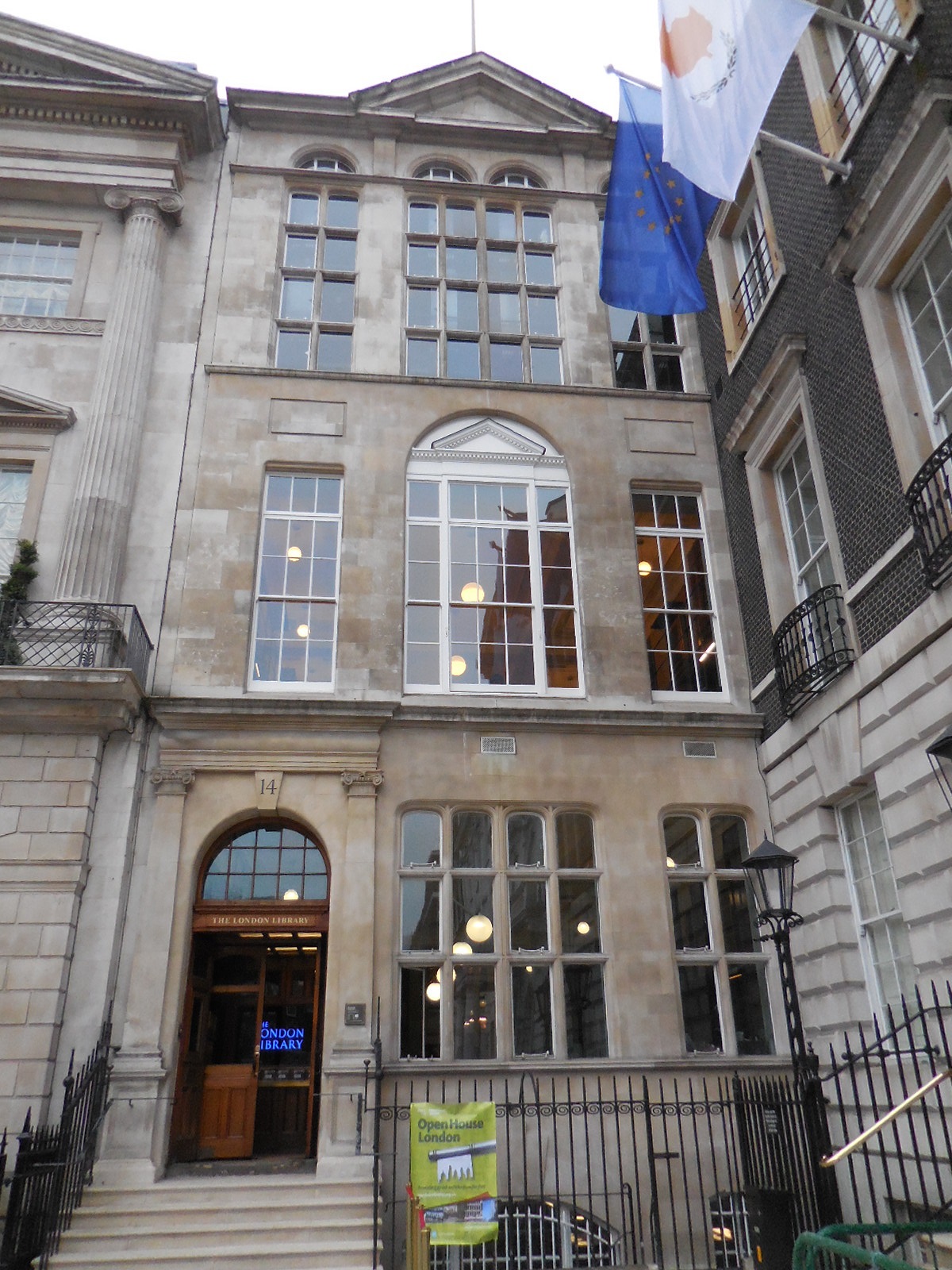
The London Library in St, James Square

Aaah, the London Library. The Holy Grail of research libraries as far as most historians are concerned. The oh so hard to get into Valhalla of archives. Such is the mystique that has been built up about the Library, one is certain that access into it’s hallowed halls is as difficult to attain as a ticket to Almack’s had once been. So, when Victoria and I were in London in September over Open Houses Weekend, we put the London Library in St. James’s Square at the top of our list. This would be our chance to finally see the inside of this venerable institution. Unfortunately, we didn’t know that one had to sign up for the Library tour prior to the date, but the very nice lady at the reception desk invited us to take a seat and to wait for the next tour to start. If the anticipated numbers did not show up, we would be more than welcome to join the group.

So we waited. And we eagerly eyed all who entered. Surely, we’d see the likes of world famous historians, household name authors and mayhap an Oxford don or two. Not a bit of it – everyone who entered the Library looked quite ordinary. Many of them looked to be students. When a pair of particularly young seeming male students walked by, Victoria whispered, “How do you think they got in here?”

“Don’t know,” I whispered back. “How did any of these people get in here?”

“The entrance fee is supposed to be really expensive, and besides that, you have to provide references. What sort of references could a pair of seventeen year olds have?”

“I think you’re making it harder than it really is to get in here. I mean, we have references.”

“We do?”

“Yes,” I hissed, “of course we do. We’re both published authors, aren’t we? And we have the blog, which has been up and running on a regular basis for six years now. That should demonstrate a serious academic bent. At the very least it proves that our interest in researching 19th century Britain is more than a passing fancy.”

“I don’t know,” Victoria said, “I think you have to have like three references from people who are already members of the Library.”

“Are you sure? Maybe you’re confusing it with White’s Club.”

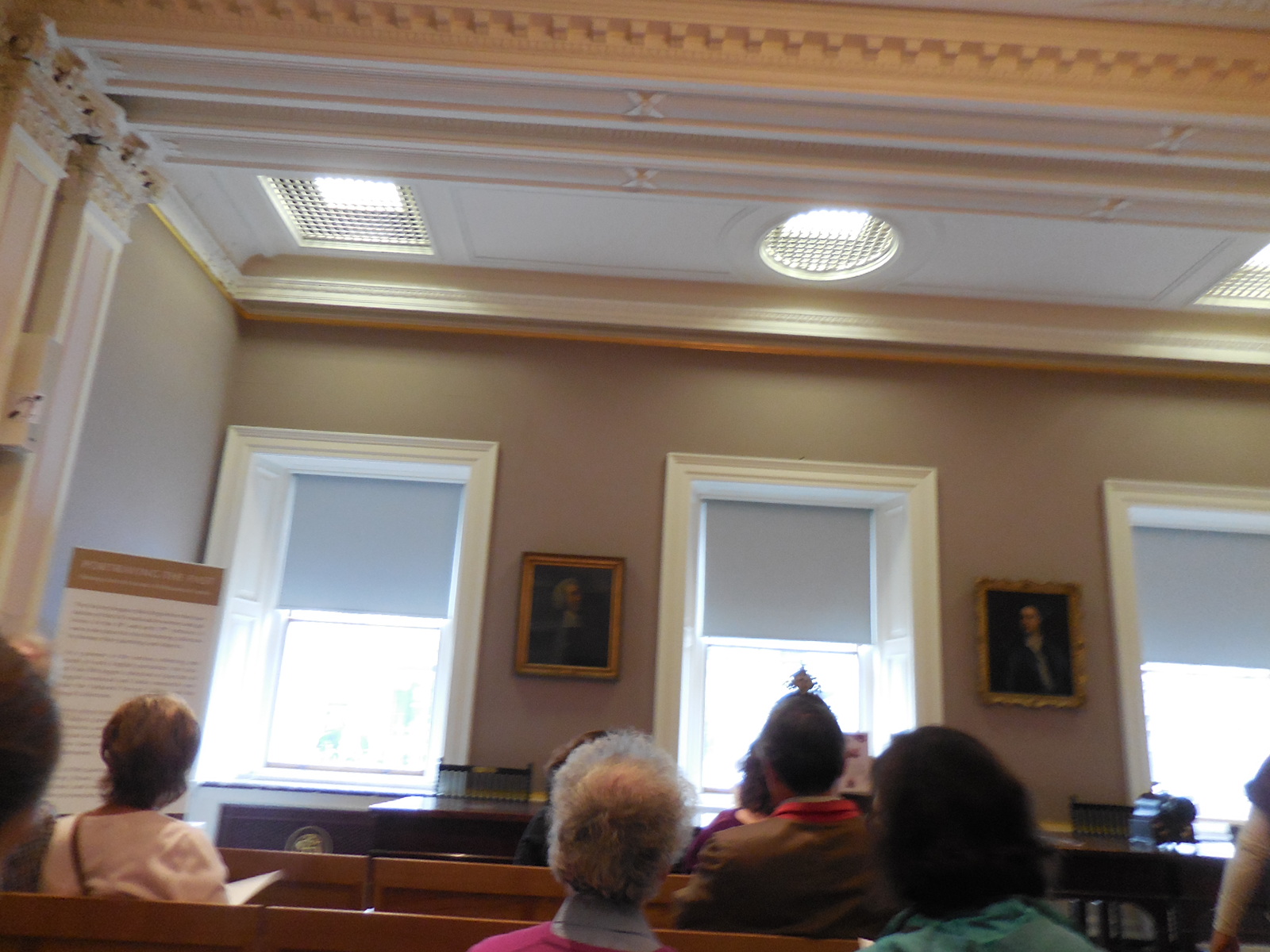
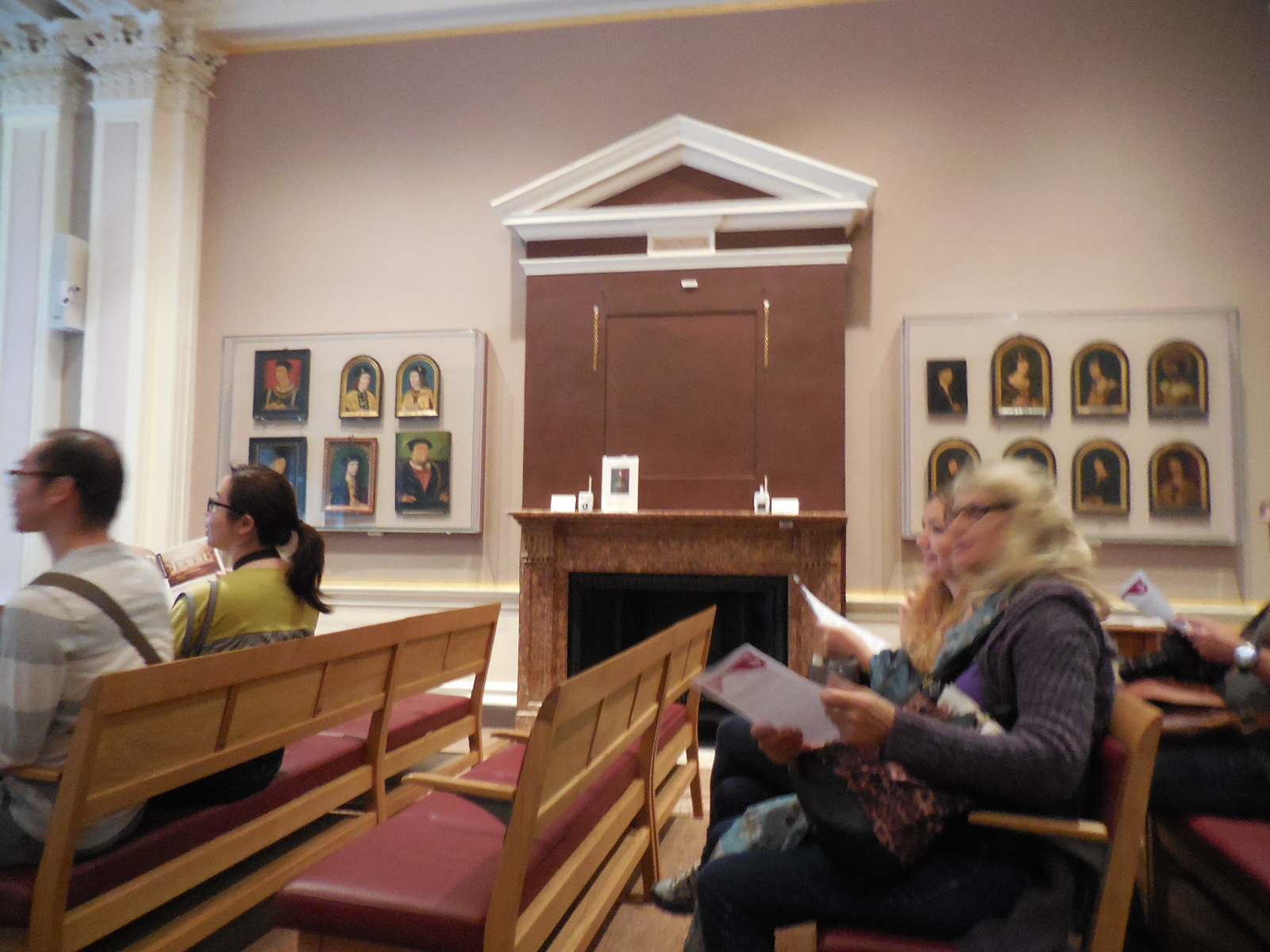
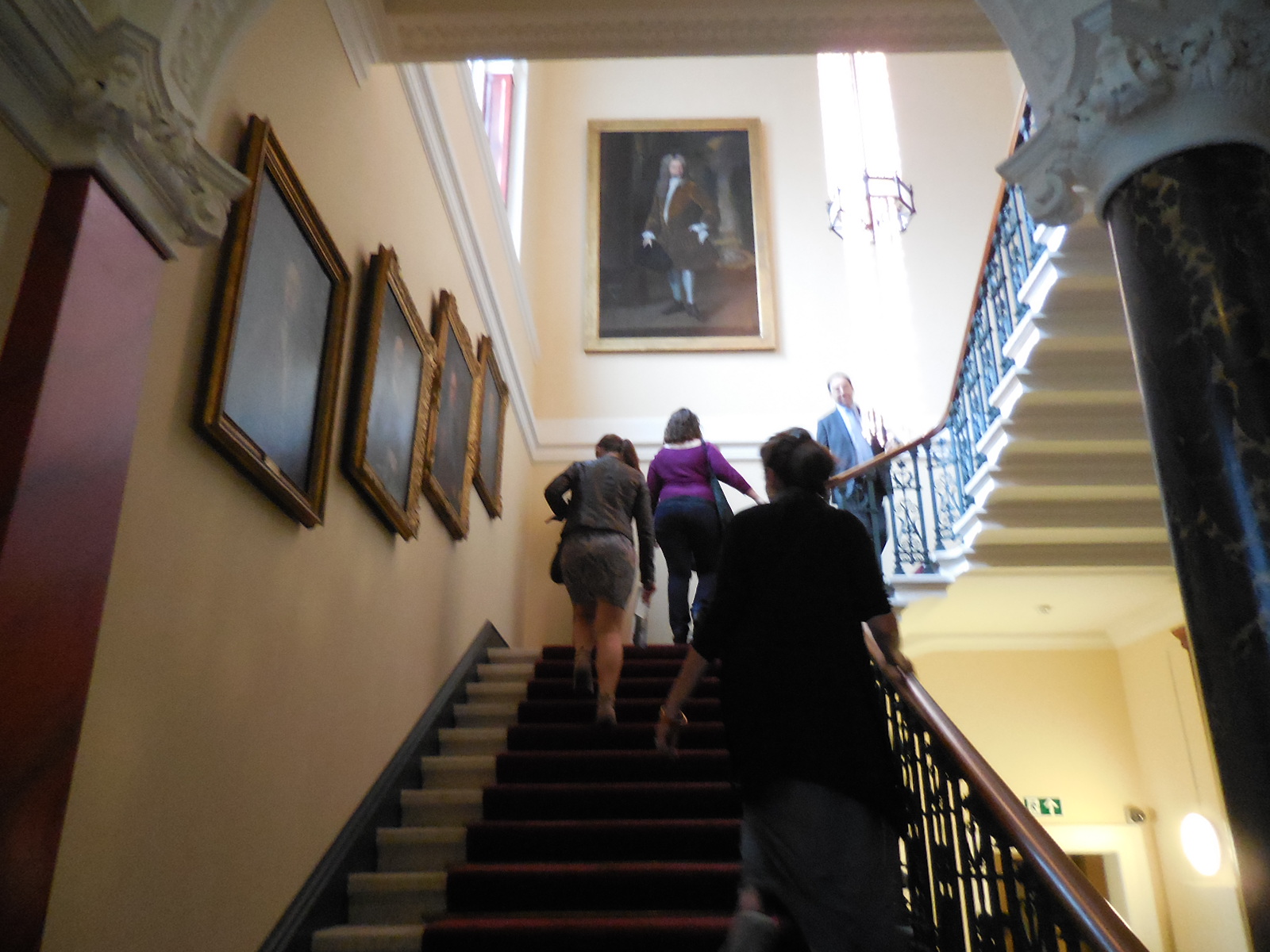
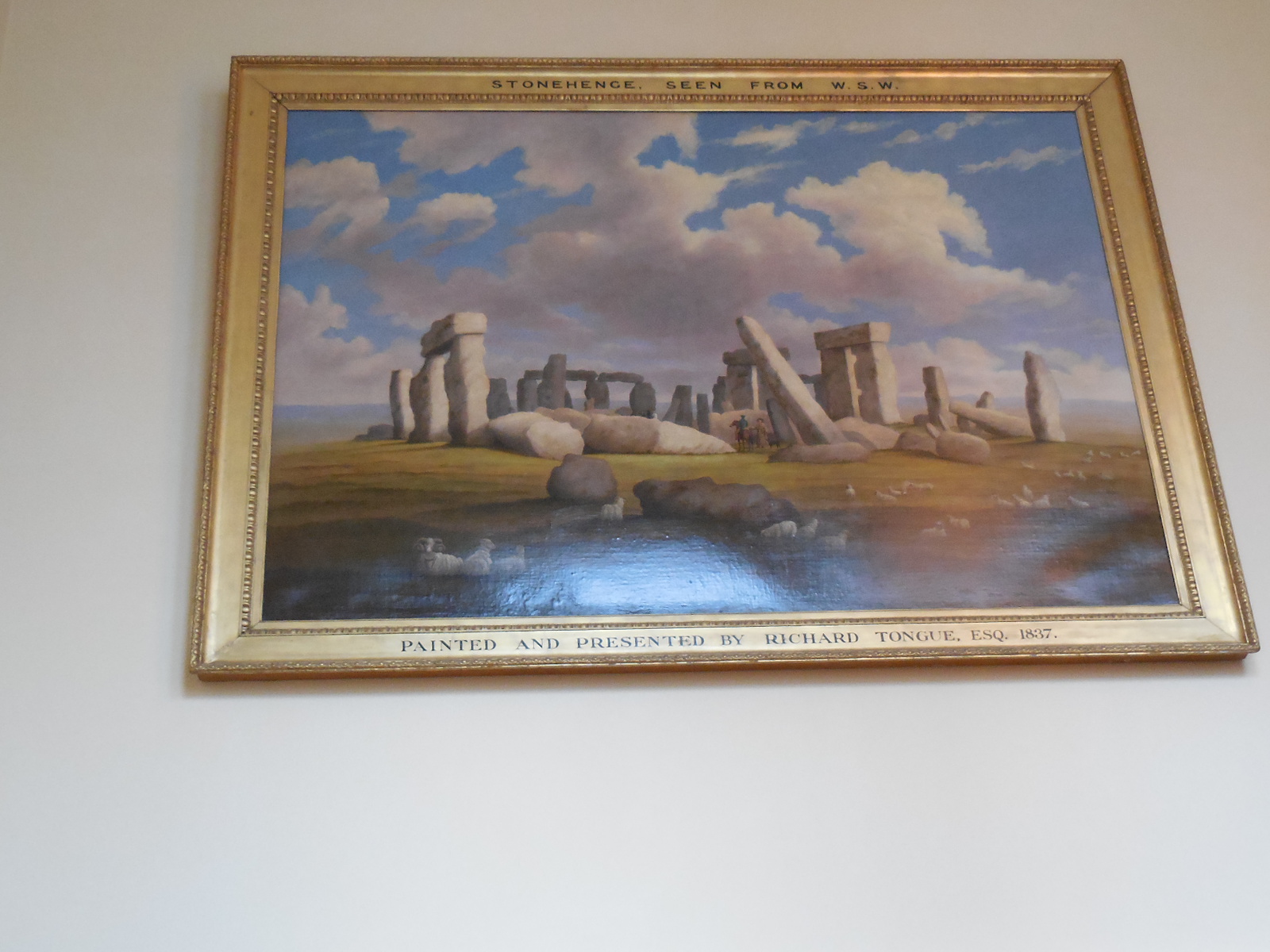
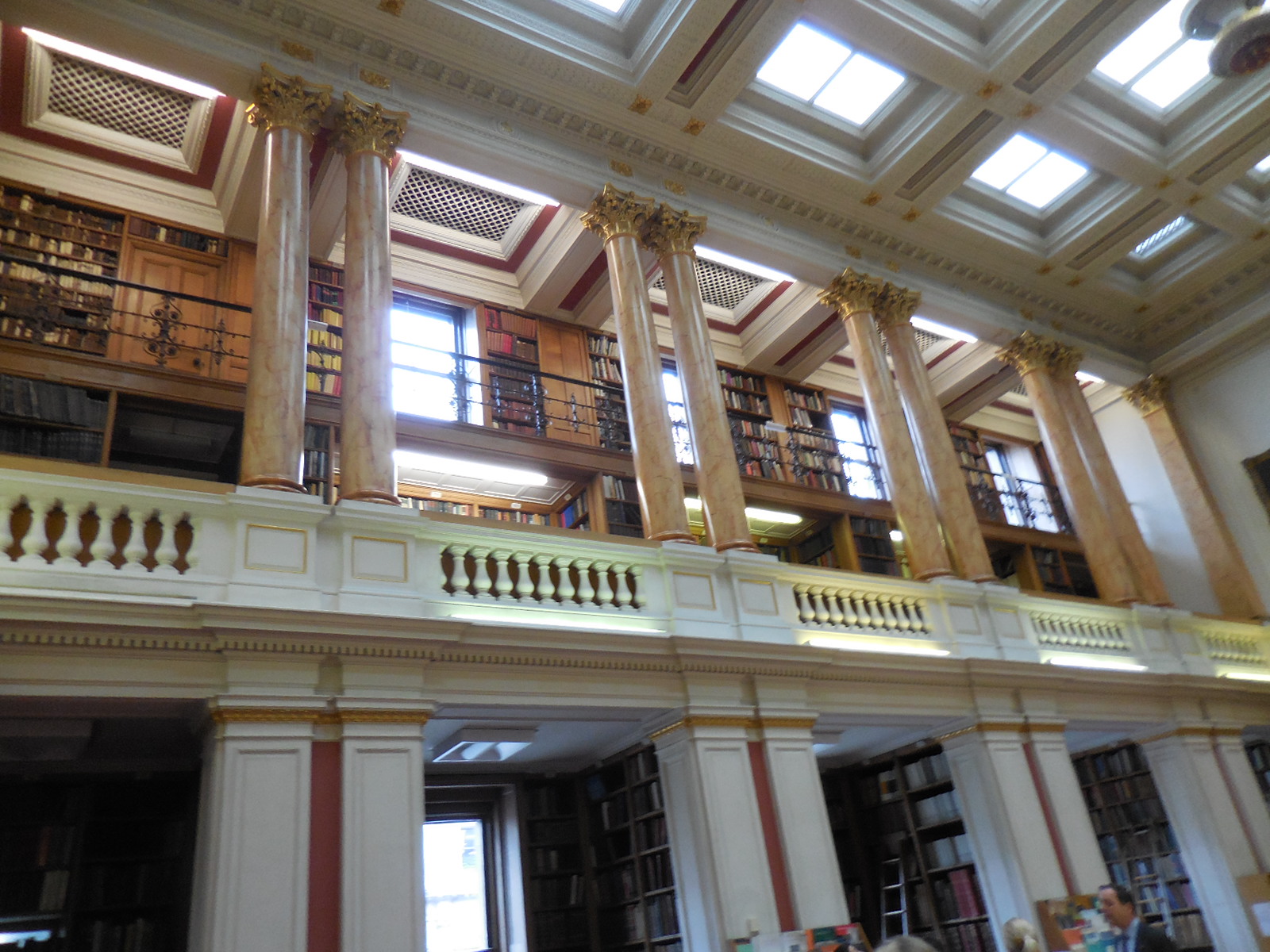
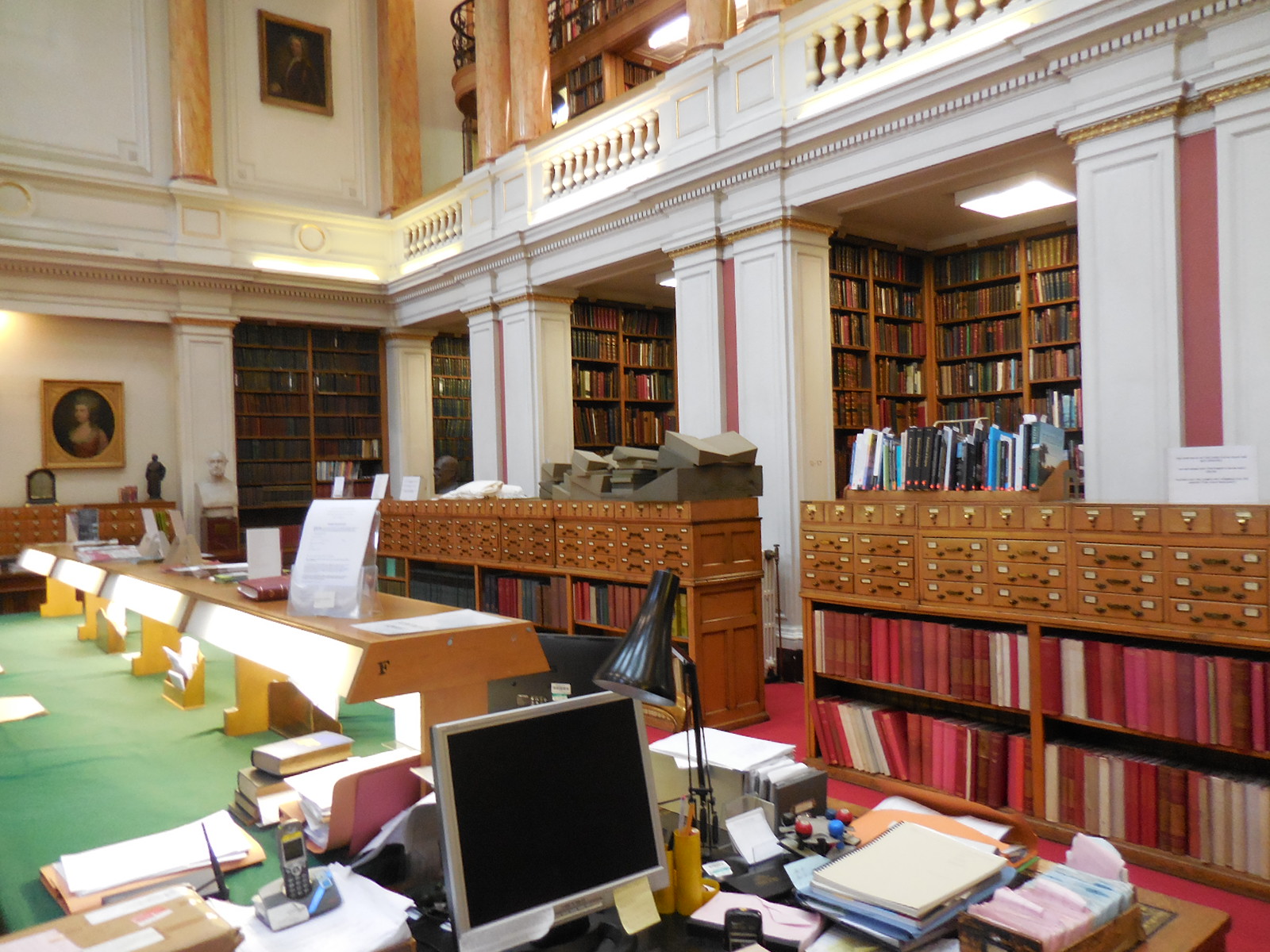
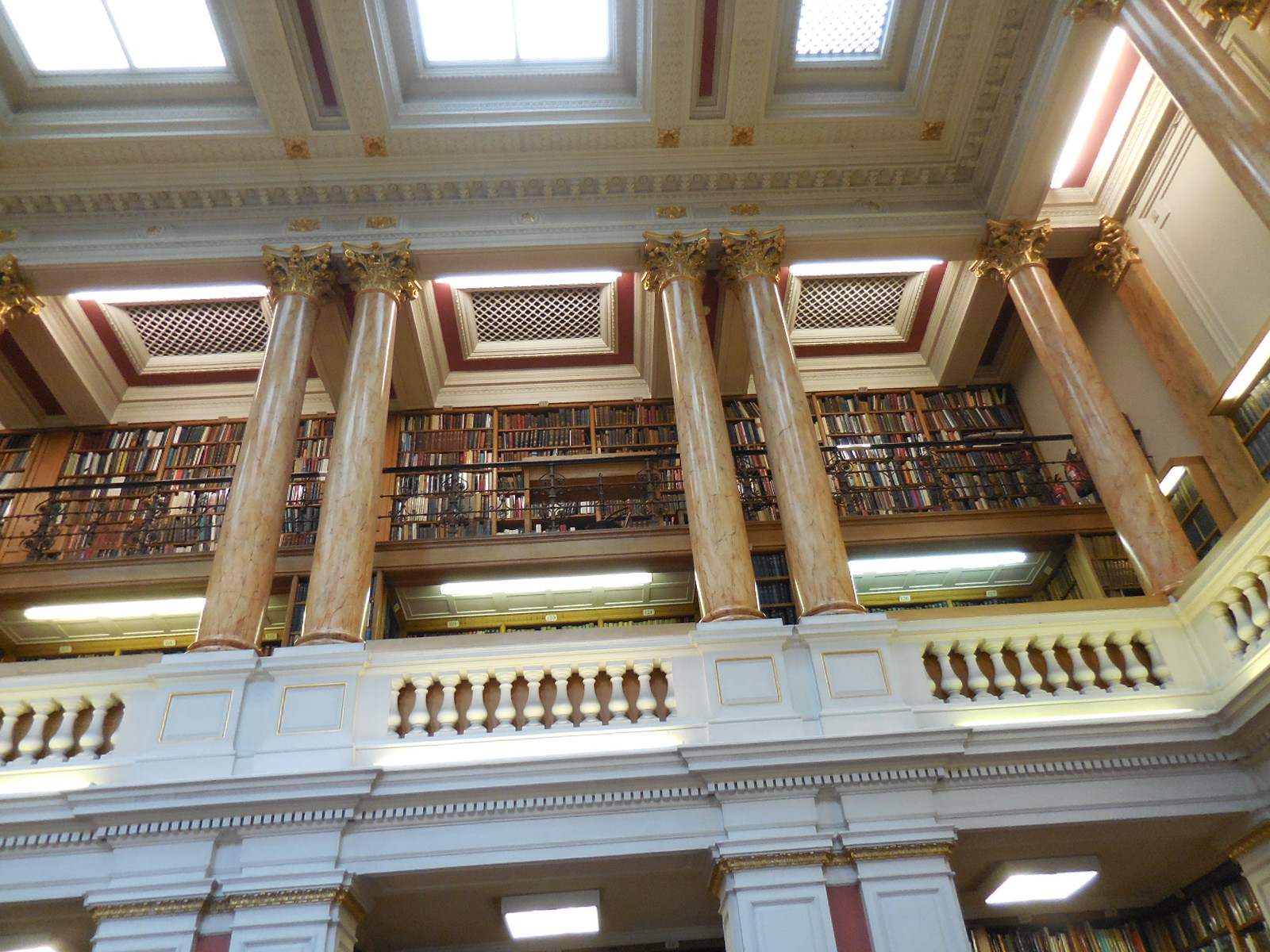
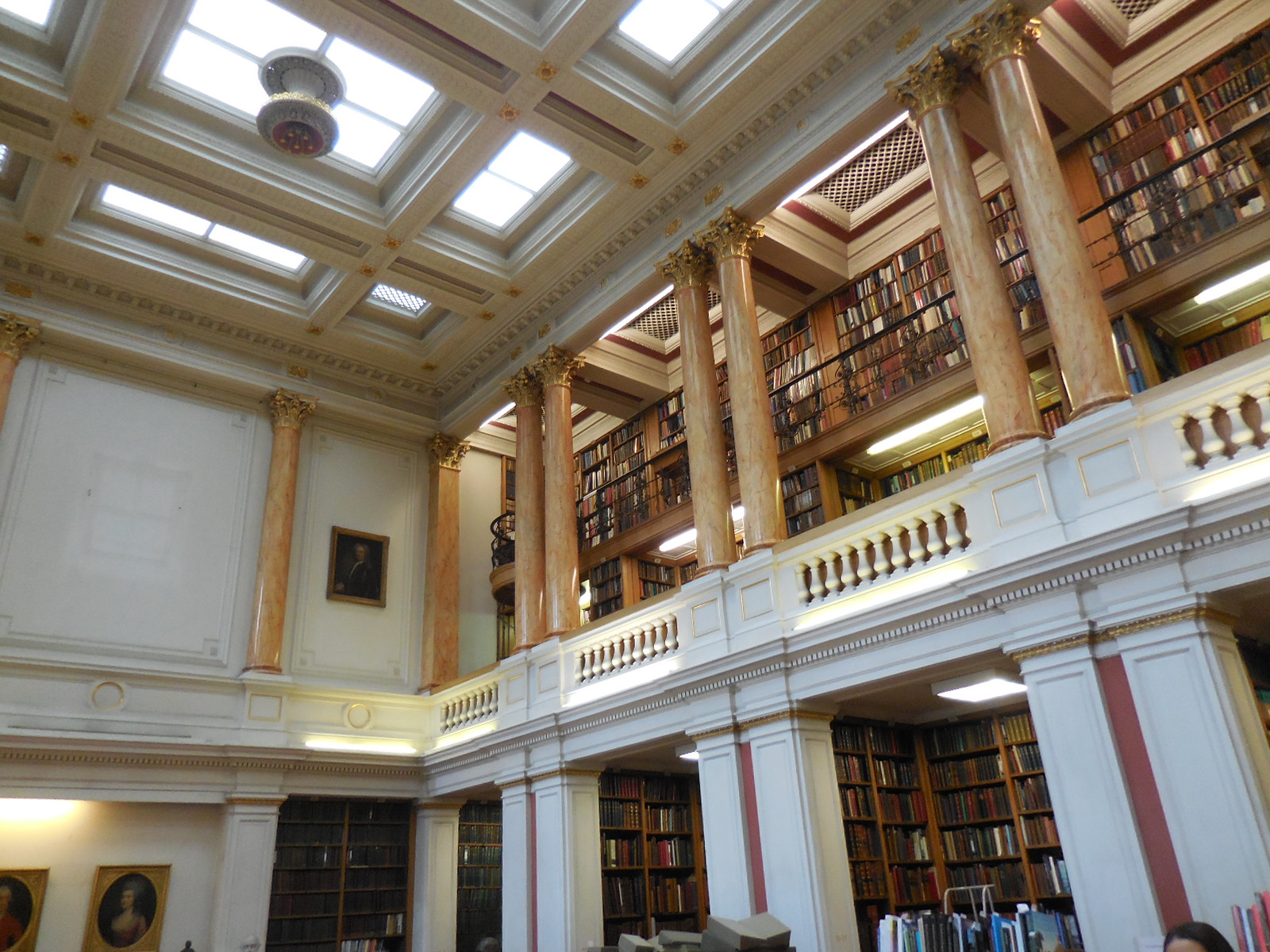
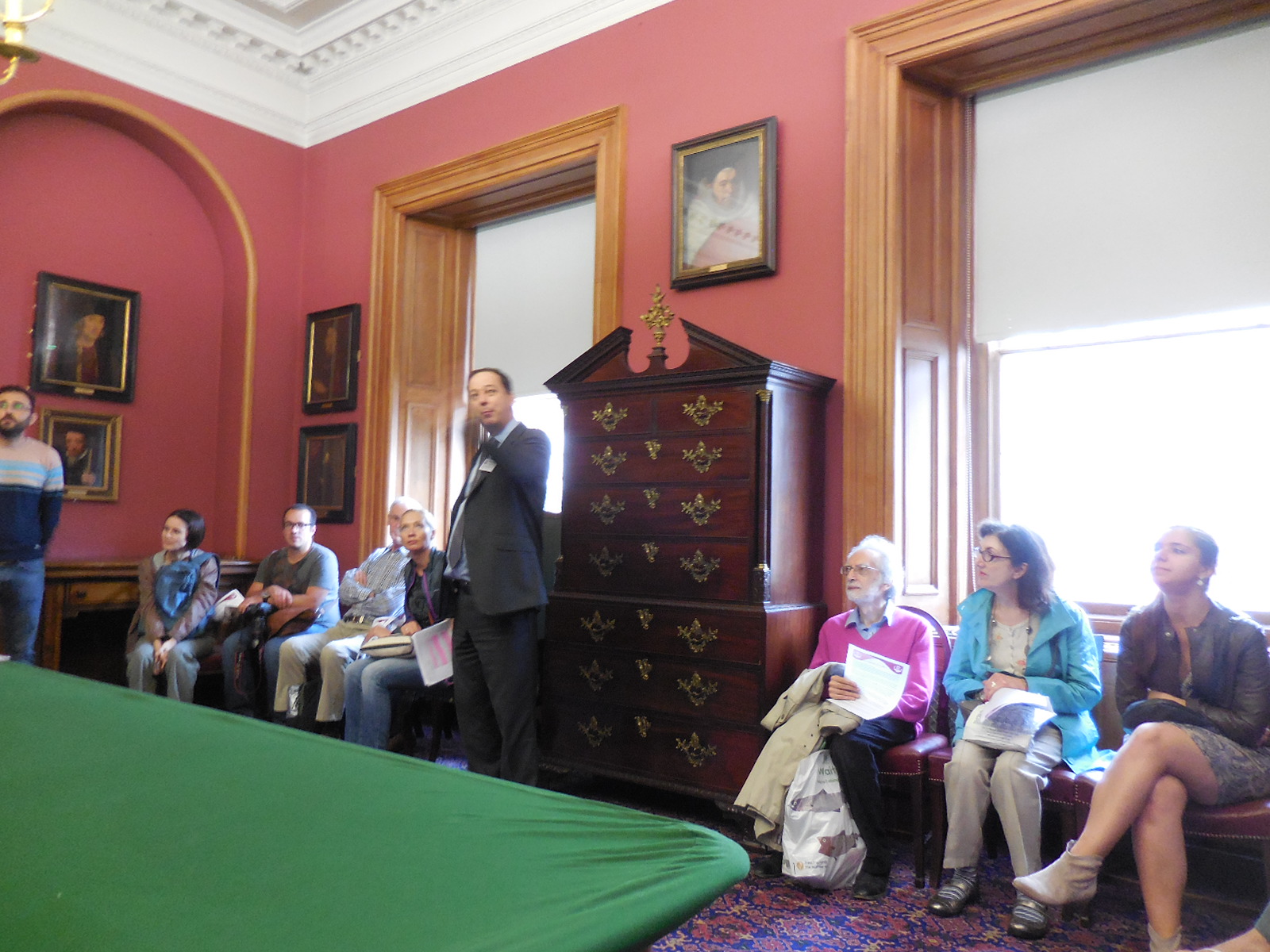
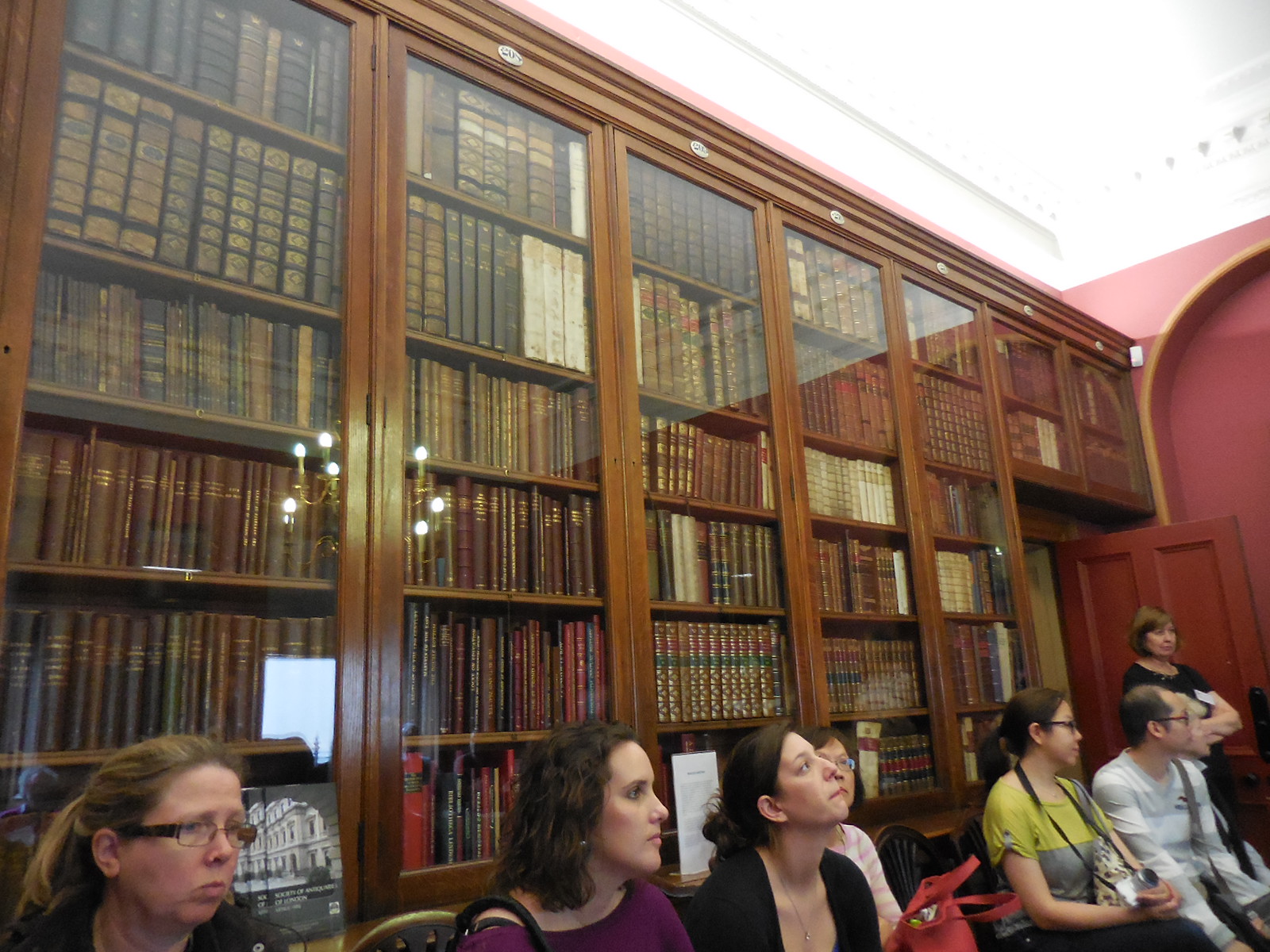
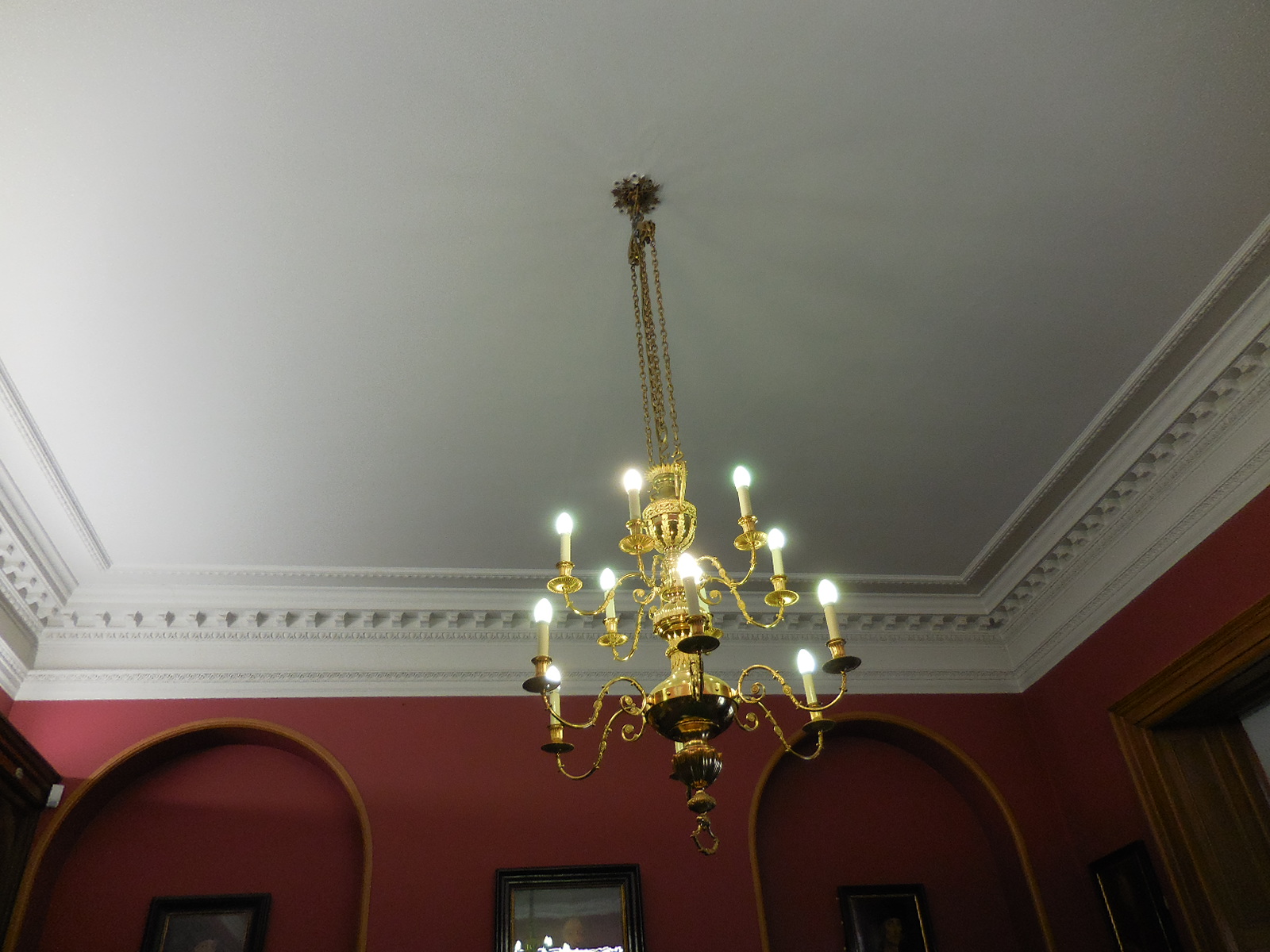
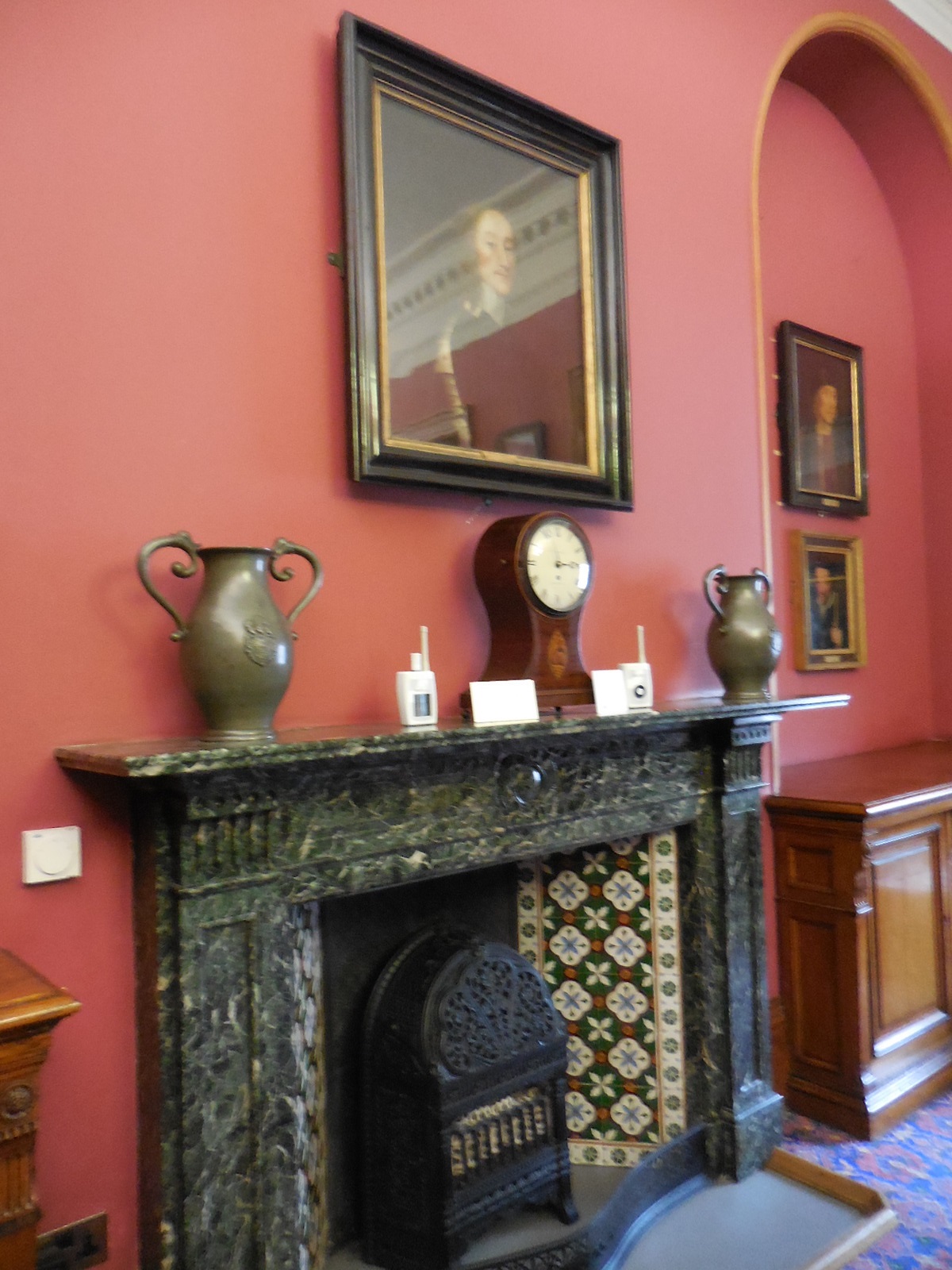
The next tour group began to form and, miraculously, Victoria and I both got in. Joy! I must say, we really were given a behind the scenes tour: we were shown through many of the rooms and miles of stacks. We went up floor by floor to the attics and down again to the basement, all the while being surrounded by books we longed to get our hands on. The pictures below will give you some idea of the Library’s holdings.
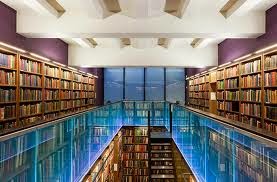
Upon our return to the States, I went online to seriously investigate exactly what membership in the London Library involved. Unsurprisingly, I soon got distracted – the Library has an online catalogue of its holdings called Catalyst, that will not only search for books and journals in the Library, but will also search for titles and in many cases the content of the Library’s eJournal and database collections, as well. So, again unsurprisingly, I searched for the Duke of Wellington.

And got 6,614 results.

I also found online guides to various collections: The Food and Drink Collection,  A Guide to the French CollectionsGuide to the Topography Collections. Many more can be found on the Library’s website

At long last, I got around to the membership page – Individual annual memberships are £485 or forty pounds per month. Victoria was correct, you do need a reference, or Referee, but they do not necessarily have to be a Library member:


Referee: Applicants are asked to give the name of a referee, who should be someone to whom you are known personally (but not someone living at the same address) and whose position can be verified if necessary (e.g. a member of a prof
essional body, an academic, teacher, current member of the Library etc.).
 

And there are alternatives to an annual membership for those who are just visiting the UK, shown below. Can’t wait to let Victoria know – we actually do know several people in the UK who might vet us and we could always split the membership fees and share the online membership. Now it’s just a question of how long it will take me to get through over six thousand results for the Duke of Wellington. 

Daily and Weekly Tickets

Daily & Weekly Tickets

  • A limited number of temporary tickets are made available for non-members who wish to consult specific material from the Library’s collections which is not available in other publicly accessible national, specialist or public libraries
  • Daily tickets £15.00. Weekly tickets £50.00. (Cash or cheque payment only)
  • Advance booking required
  • Tickets are for reference use of the Library only
  • Applicants will need to produce two identification documents – one including a photo (eg passport, driving licence, travel card, student card, ID card) and one including confirmation of their current address (eg driving licence, recent bank statement or utility bill, official letter). Visitors to the UK are required to produce confirmation of their address while in the UK.
  • Contact Book Enquiries in the first instance to enquire about the materials you wish to consult. Contact Reception thereafter to make a booking


Temporary Overseas Visitors Membership

Temporary Overseas Visitors Membership

  • £243.00 for 4 months
  • Available for visitors from overseas with no permanent address in the United Kingdom. In addition to the subscription fee a deposit of £243.00 is payable on admission, refundable at the expiry of the membership, or earlier, provided that the membership card is surrendered and that all loans have been returned
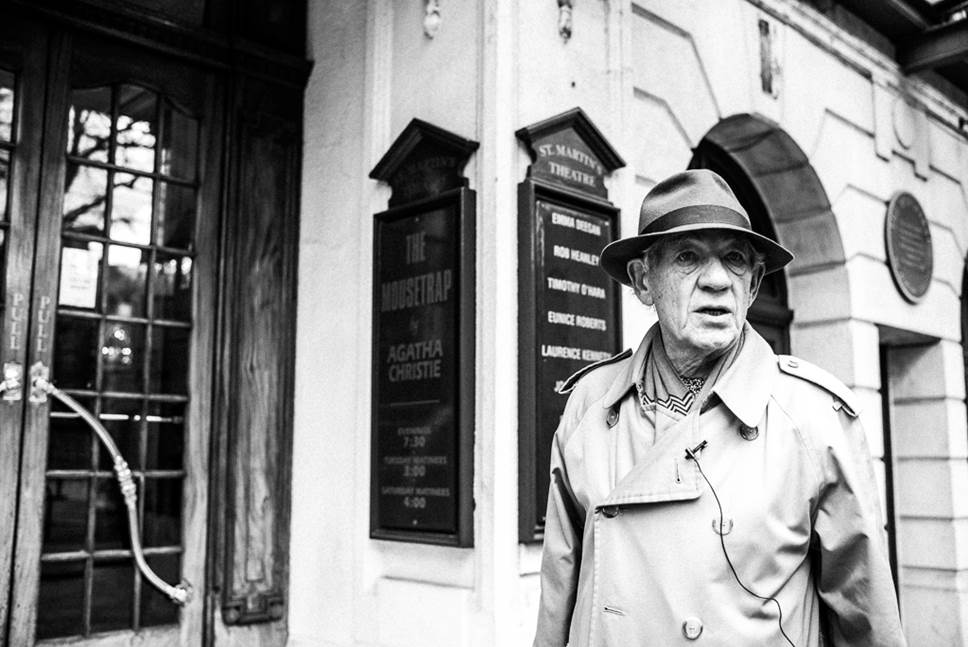

WALKING LONDON WITH SIR IAN McKELLEN

Rediscover the West End on a GPS-guided audio walk with Sir Ian McKellen
Audio tour app VoiceMap has today launched an audio tour through the heart of London’s Theatreland, guided by legendary actor Sir Ian McKellen. The tour gives both Londoners and visitors the unique opportunity to see the West End through McKellen’s eyes, and includes stories of his 52-year-long career on the stage.
Theatreland Tour with Ian McKellen was produced by Official London Theatre – a brand under the not-for-profit Society of London Theatre – and is part of the organisation’s efforts to promote theatregoing. The audio walk can be downloaded free of charge using the VoiceMap apps for iOS and Android devices. These use GPS to play audio automatically, with McKellen directing you through your earphones along the way.
McKellen invites listeners to play the lead role in a one-of-a-kind “performance”, with him as director. The streets of London’s theatre district are the stage, he says, and occasionally McKellen cracks a joke about the listener’s brilliant stage presence, or assigns them an acting test. The tour weaves together tales of theatre’s rich history with McKellen’s own memories, from his West End debut in 1964 at the Duke of York Theatre, to flirting from the art deco windows of the Fortune Theatre in the 1970s, and battling a child  while playing Captain Hook – in high heels – in the 1990s.
Starting and ending at the TKTS ticket booth on Leicester Square, the hour long circular walk passes several significant landmarks. Listeners experience Theatreland as it was for actors and audiences 300 years ago, before electric lights and moving sets, when audiences showed their disapproval by throwing fruit at the stage. The walk takes in Bow Street Magistrates Court, where Oscar Wilde was sentenced to hard labour for “indecent acts”, and the Savoy Theatre, which was the first public building in the world to be lit entirely by electric lights. Central to the story are the actors, architects and managers who shaped this unique part of London, turning it from one of the city’s most disreputable slums into the glittering heart of British theatre.

Unlike traditional walking tours the app allows participants to explore at their own pace, perhaps stopping for a drink or two along the way. McKellen recommends the Coal Hole pub where Gilbert and Sullivan performed during Edwardian times.
Londoners can also use VoiceMap to create audio tours of their own, assisted by the company’s editors. This is free, and tours can be sold via the app at a price set by the tour creator, with royalties paid on each download.

VoiceMap is a mobile application available on iPhones or Android devices that uses your location to play GPS-activated audio tours automatically. It has a fast-growing catalogue of audio tours in over 50 cities worldwide, many of them by bestselling authors, foreign correspondents, and veteran broadcasters.


OPEN CITY DAYS: ROYAL SOCIETY OF ANTIQUARIES

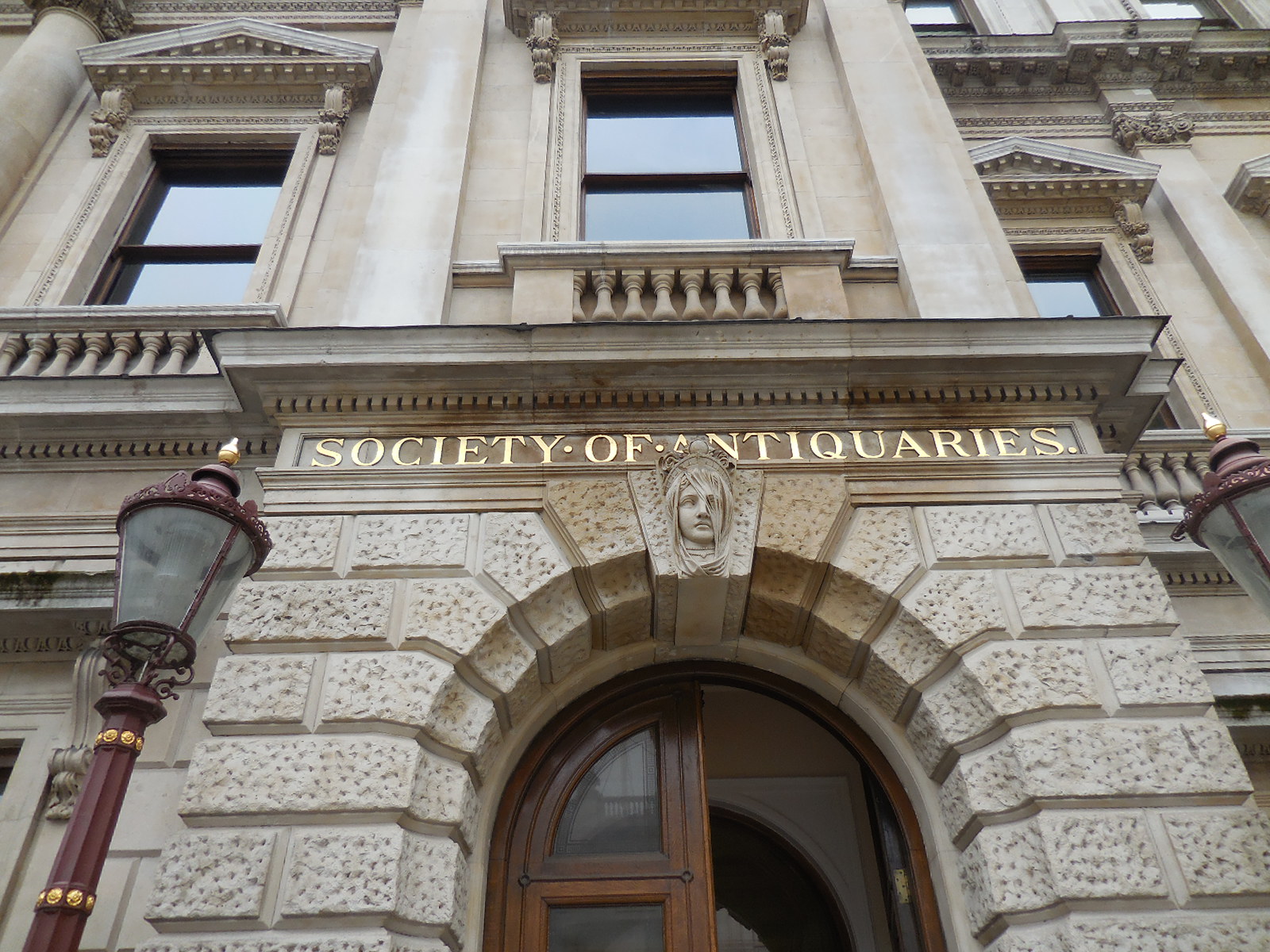
Our next stop along our Open Houses Day route was the Royal Society of Antiquaries, founded in 1707. Today, their 3,000 Fellows include many distinguished archaeologists and art and architectural historians holding positions of responsibility across the cultural heritage. The Fellowship is international in its reach and its interests are inclusive of all aspects of the material past. The Society previously had offices in Somerset House before moving in 1874 to a suite of purpose built apartments in the courtyard of Burlington House, Piccadilly, which offered the Society substantially larger rooms. The Society is also responsible for their Library and Museum collections (at Burlington House and at Kelmscott Manor) and offers conservation and research grant awards, a varied programme of events (lectures and seminars), communications such as publications, a website and e-newsletter.

The entire building was filled with fabulous architecture, but you will understand that Victoria and I were both especially interested in the Library.

From the Society’s website: For 300 years the Library has been at the heart of the Society, helping to shape our understanding of the past. The Library is the largest antiquarian library in the country, with an outstanding collection of more than 130,000 books dating from the fifteenth century to the present day, holdings of historic journals and over 500 current subscriptions, manuscripts and archives, and prints and drawings. It covers British and European archaeology, architectural history, art history and the decorative arts (especially medieval), the historic environment, and British local history. Its collection of county historical and archaeological publications is one of the most comprehensive in the country, as its collection of European journals. Our special collections include 2,000 proclamations from 1464 to the mid-nineteenth century, 1,000 broadsides including a printed indulgence from 1513, the Lowther collection of Civil War tracts, the Fairholt Collection on pageantry, the Prattinton Collection on Worcestershire, the Jackson Collection on Wiltshire, the Willson Collection on Lincolnshire, the archives of the Society of Dilettanti and the Roxburghe Club Library. 

LUNCHEON IN PICKERING PLACE AND A VISIT TO LOCK'S HATTERS

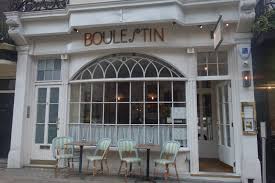
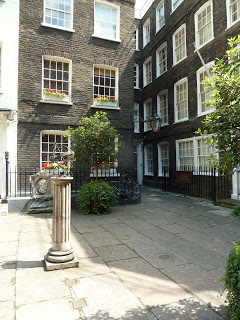
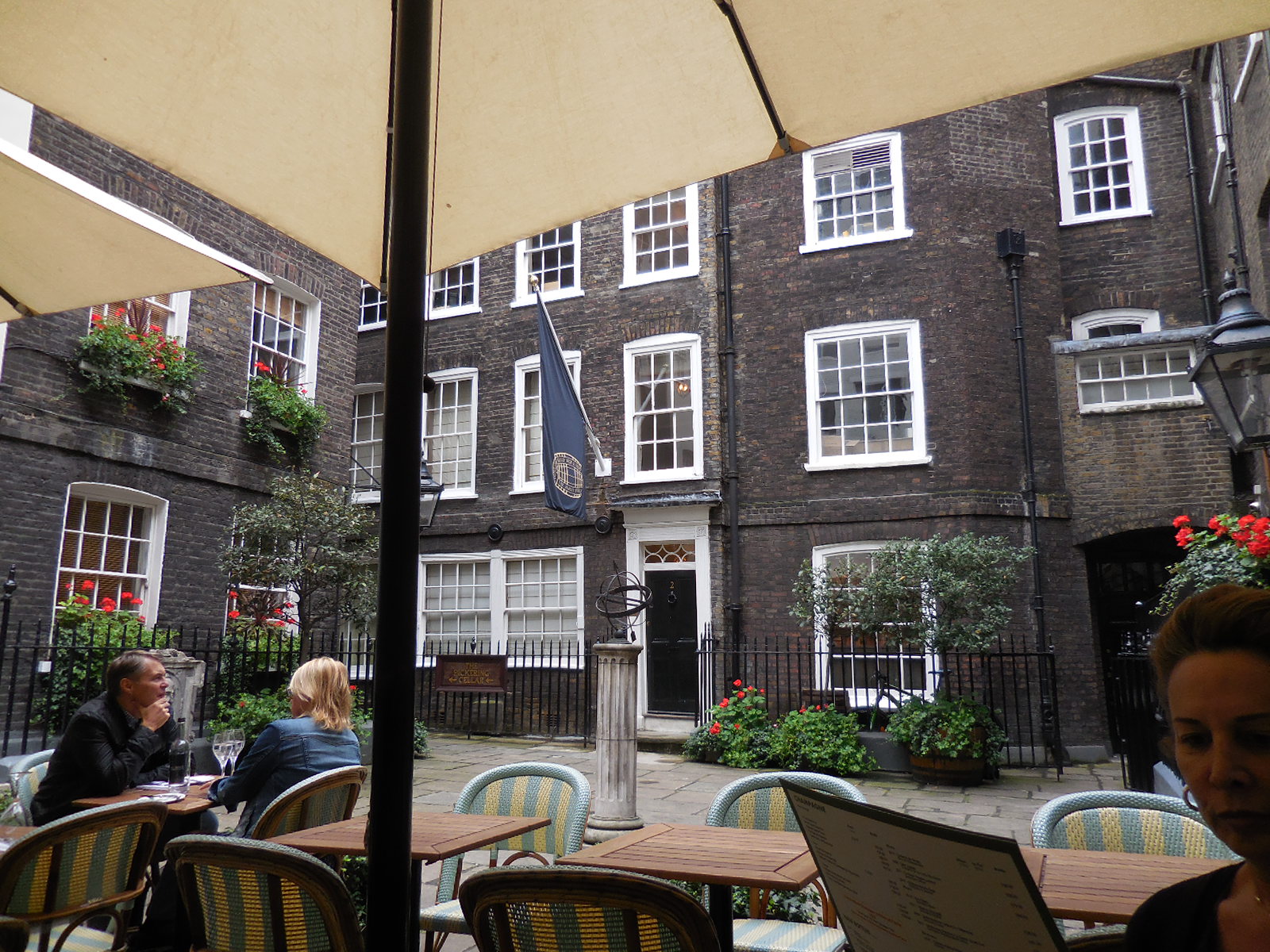
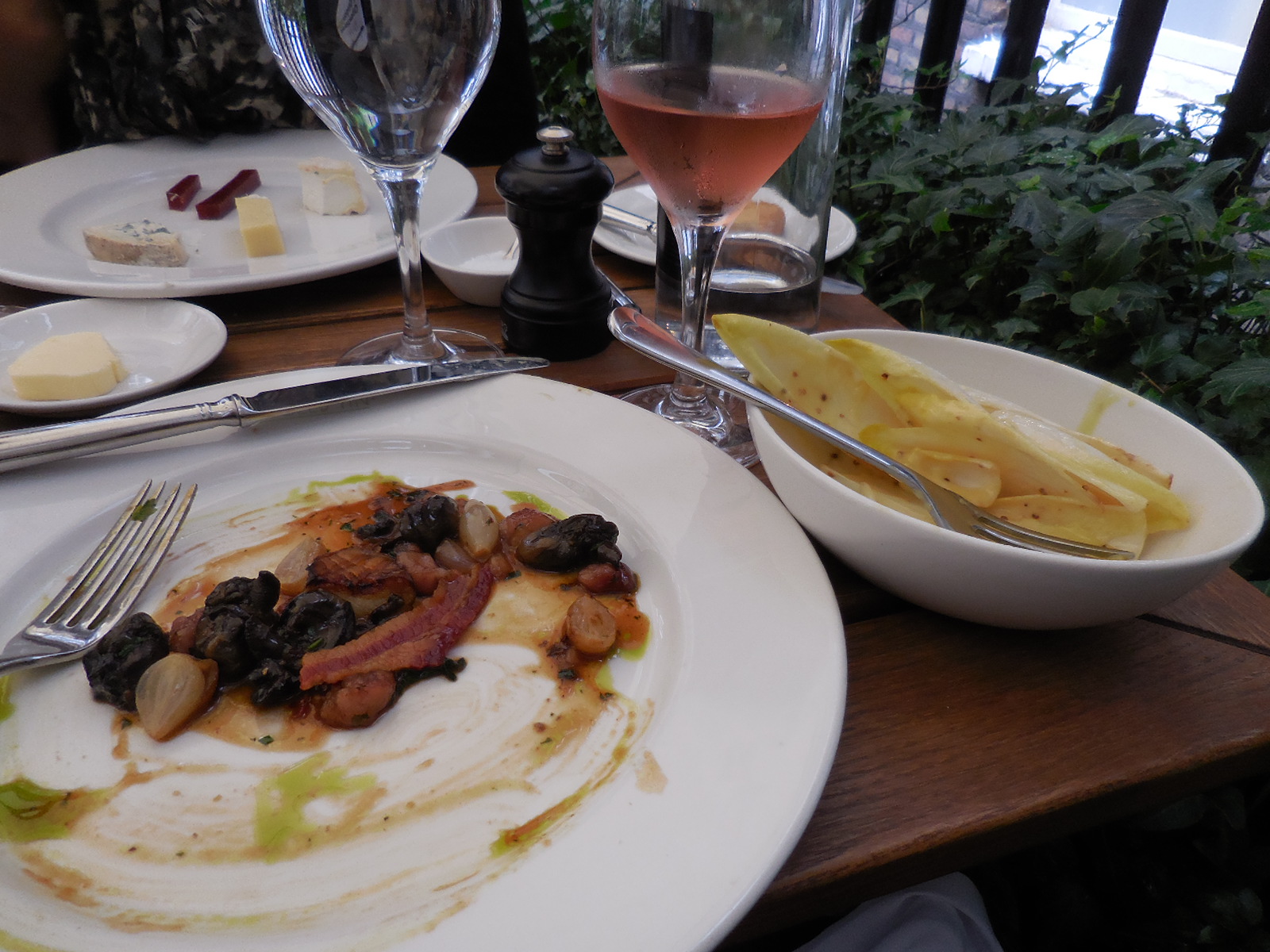
After a busy morning of poking our noses into various London venues, Victoria and I decided to take a much needed pause for lunch at Boulestin in St. James’s Street. Boulestin offers an intimate and elegant setting in which to enjoy modern French cuisine. The food is fabulous and the location even better – the site was once occupied by Overton’s Restaurant and Oyster Bar and its’ outdoor dining tables are in Pickering Place. Yes, that Pickering Place.

Once our food had been delivered and the wine poured I looked at Victoria and said, “We’re eating in Pickering Place.”

“I know.”

“How cool is this?” I asked.

“Tres.”

“Pickering Place.”

“Yup. Duels, even.”

“Have you heard the story about how the Duke of Wellington came back from Paris incognito in 1816 and thrashed the Hell out of Brummell for being such an idiot and getting himself into debt and insulting Prinny? It happened right here. The Duke was punching the crap out of Brummell when an old woman opened a window on the second floor, right there, and yelled `Begone, ye hooligans!’`And Brummell yelled back, `It’s not a hooligan, it’s the Duke of Wellington!’ And the old woman replied, `And I’m Queen Caroline. Now get away with ye before I call out the Watch.’

“Nope,’ Victoria said, “never heard that. Probably because you just made it up. I like it though.”

“Yeah, not bad. Do you want to go next door to Lock’s and look at the Duke’s hat when we’re done?”

“Sure. Do you want any of this brie?”

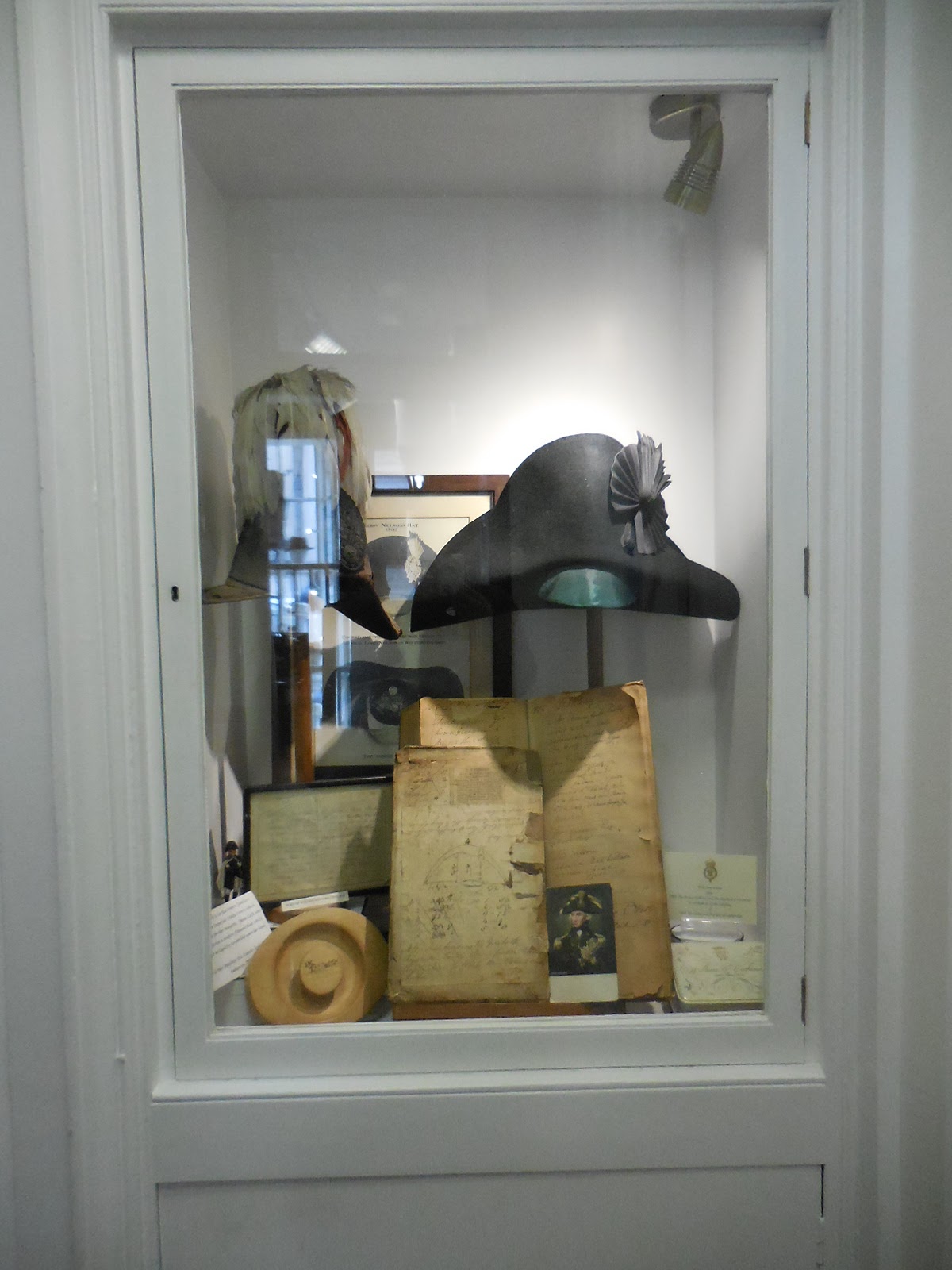
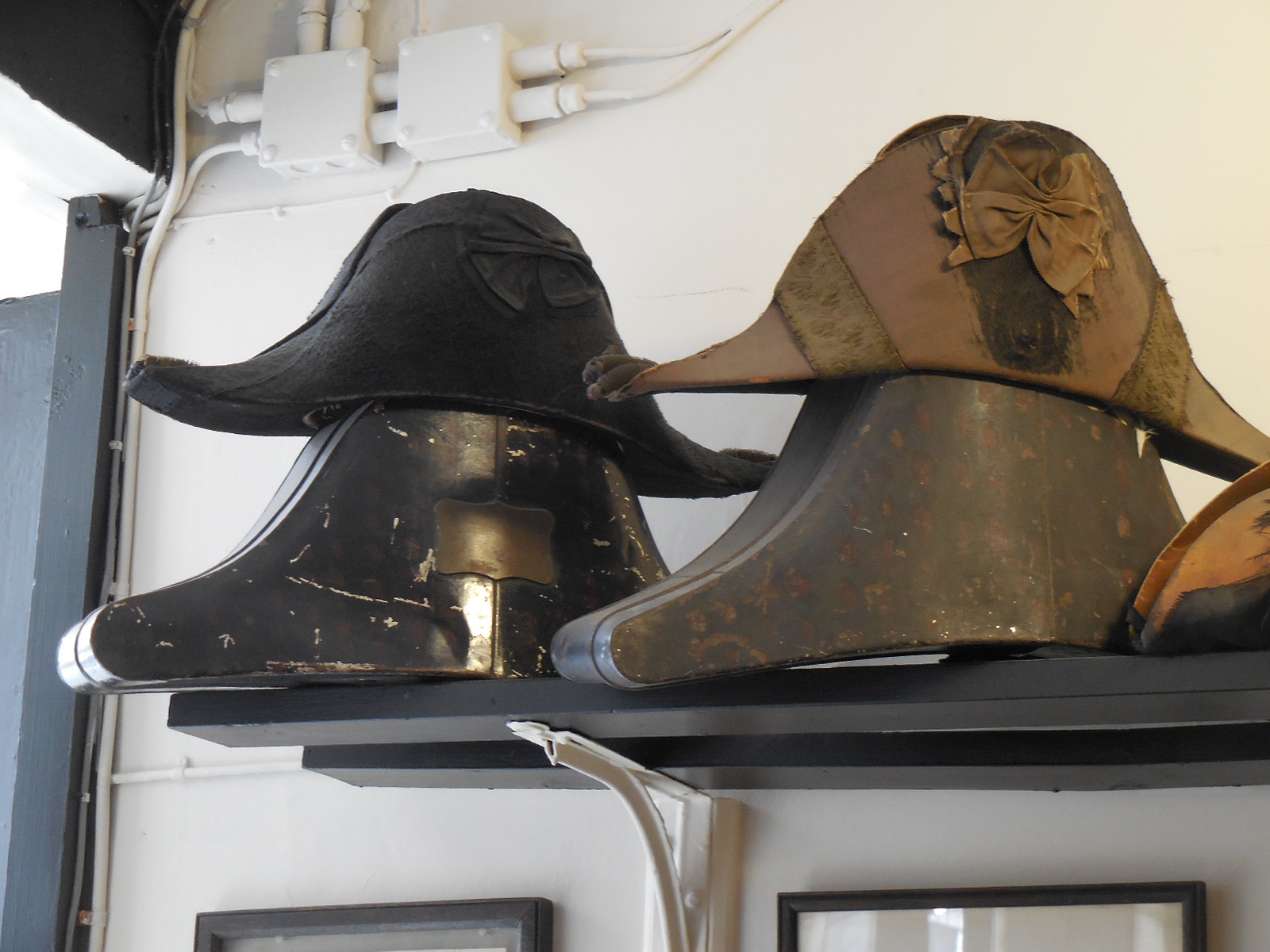
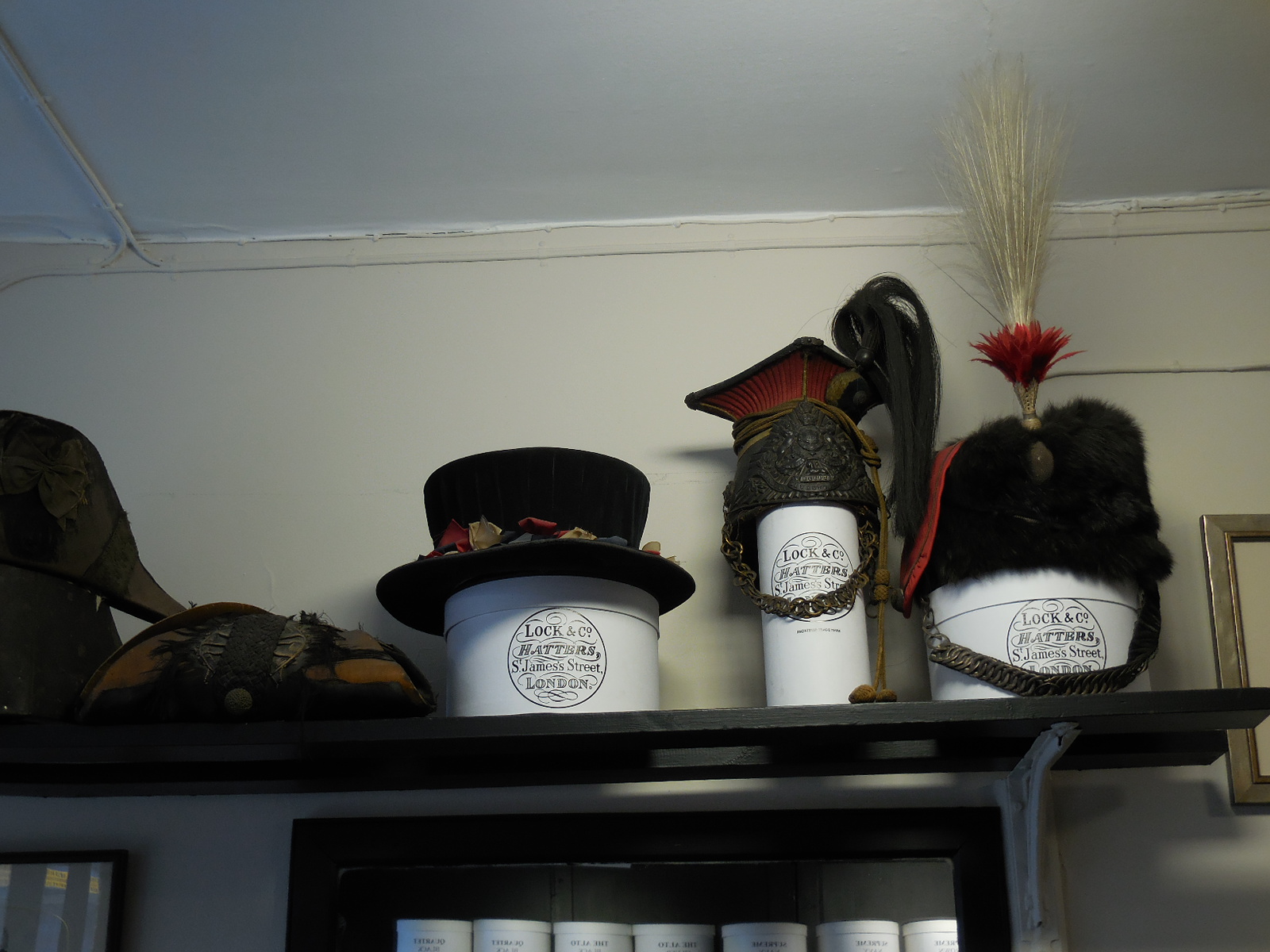
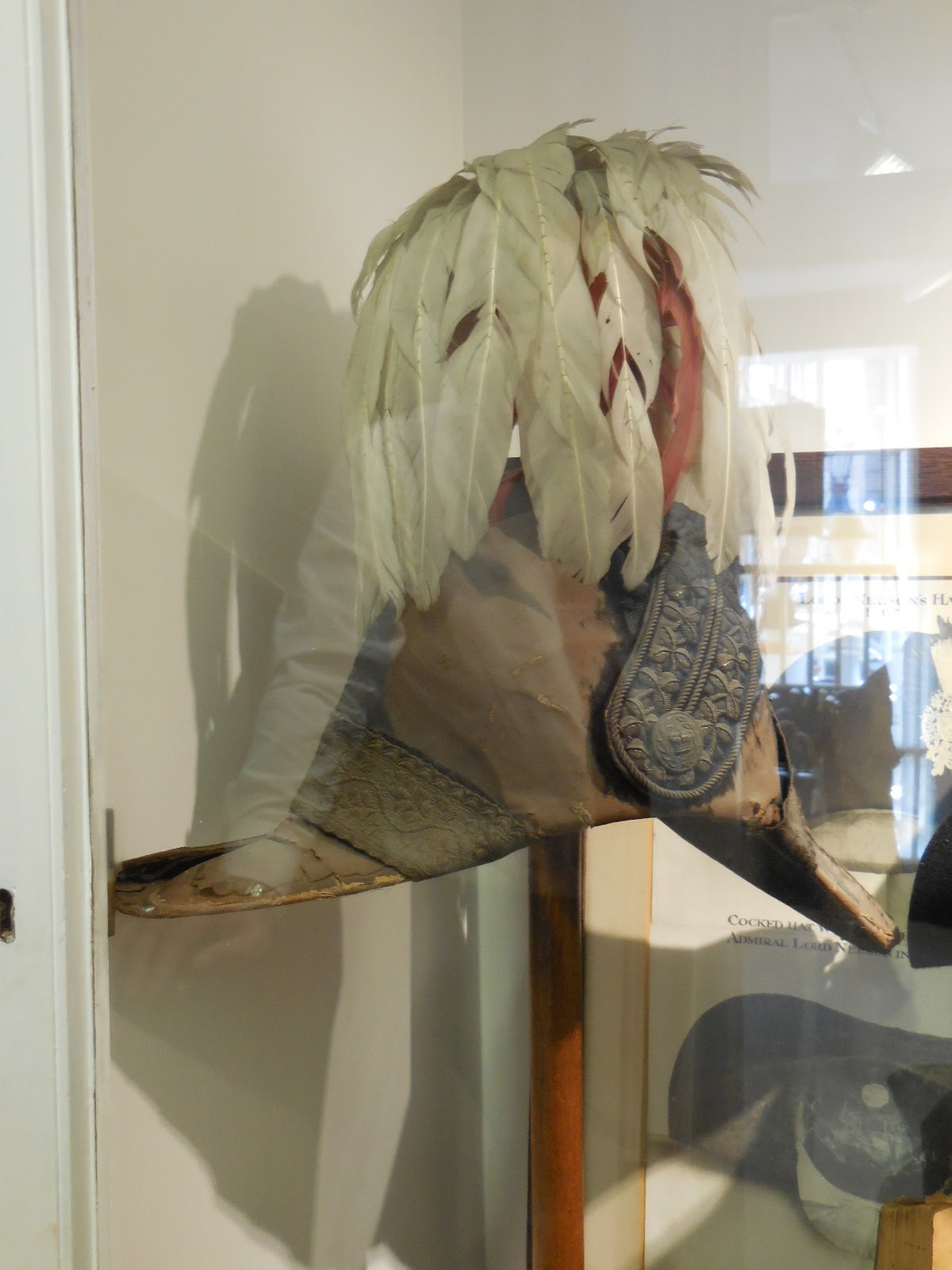
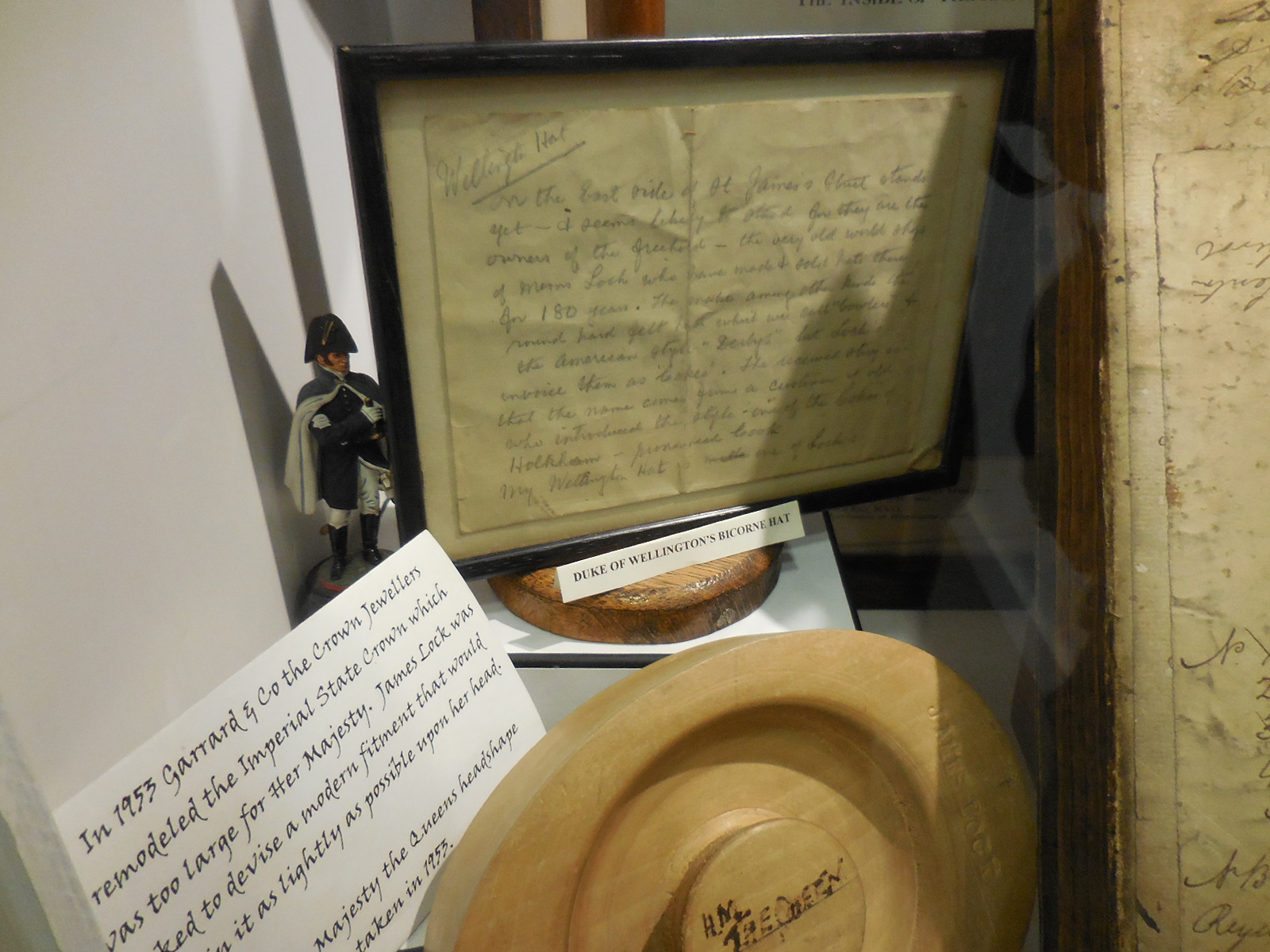
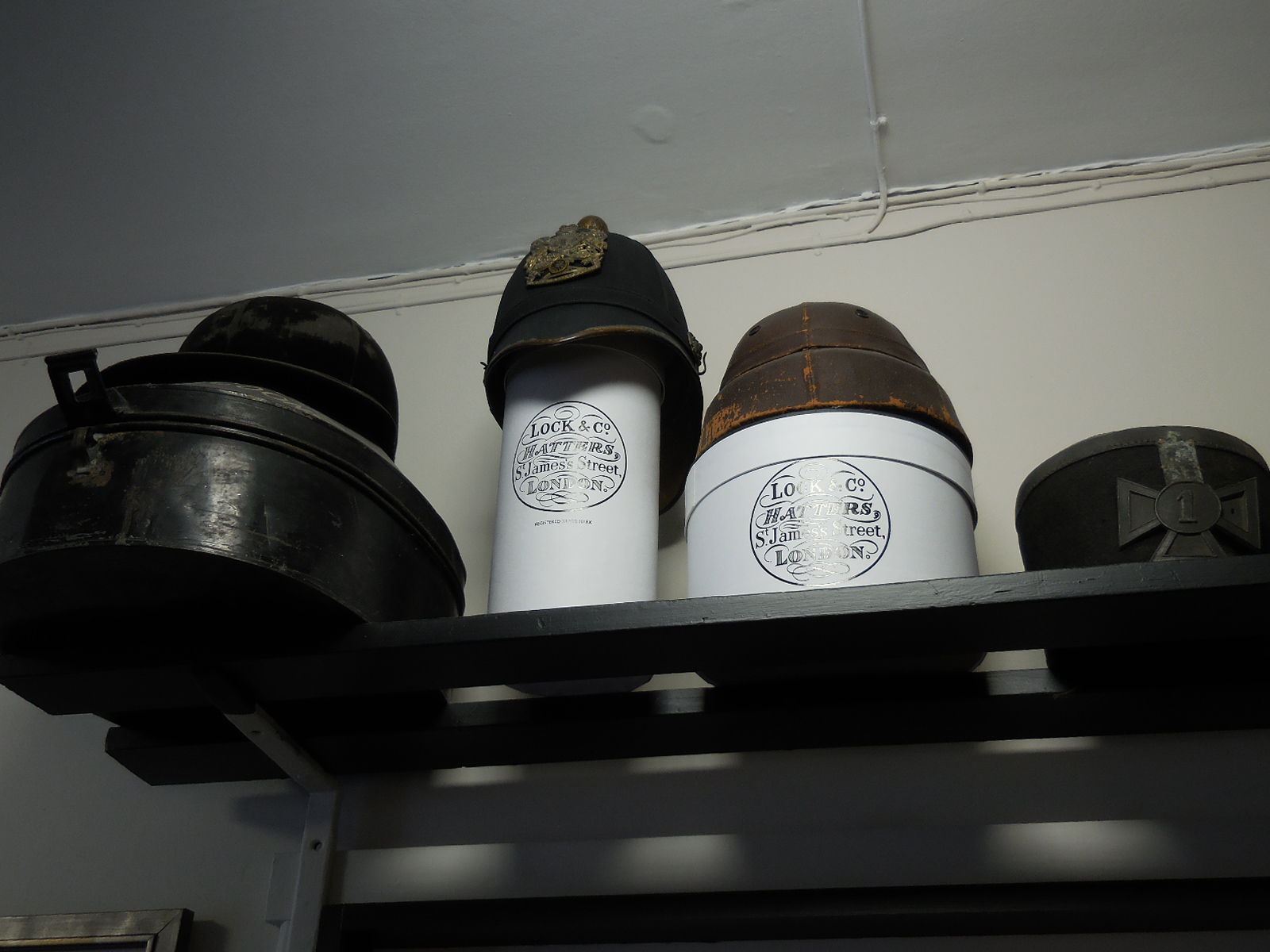
And so we made our way two doors down to Lock’s Hatters, where Wellington’s bicorn and Nelson’s hat, complete with eye patch, are both on display, as are hat forms, order books, letters from famous customers and all other manner of interesting memorabilia.

Above, the Duke of Wellington’s hat. 

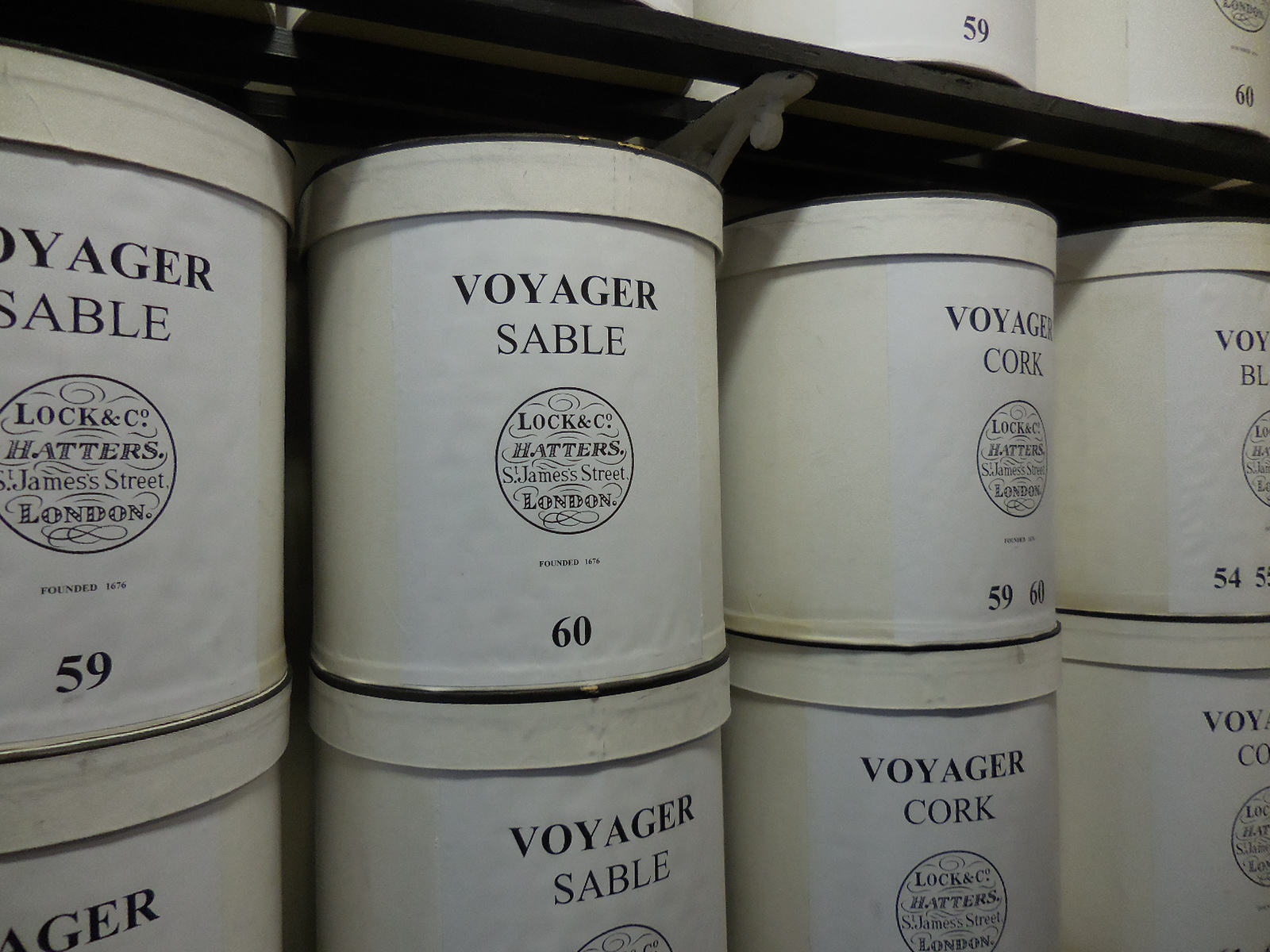
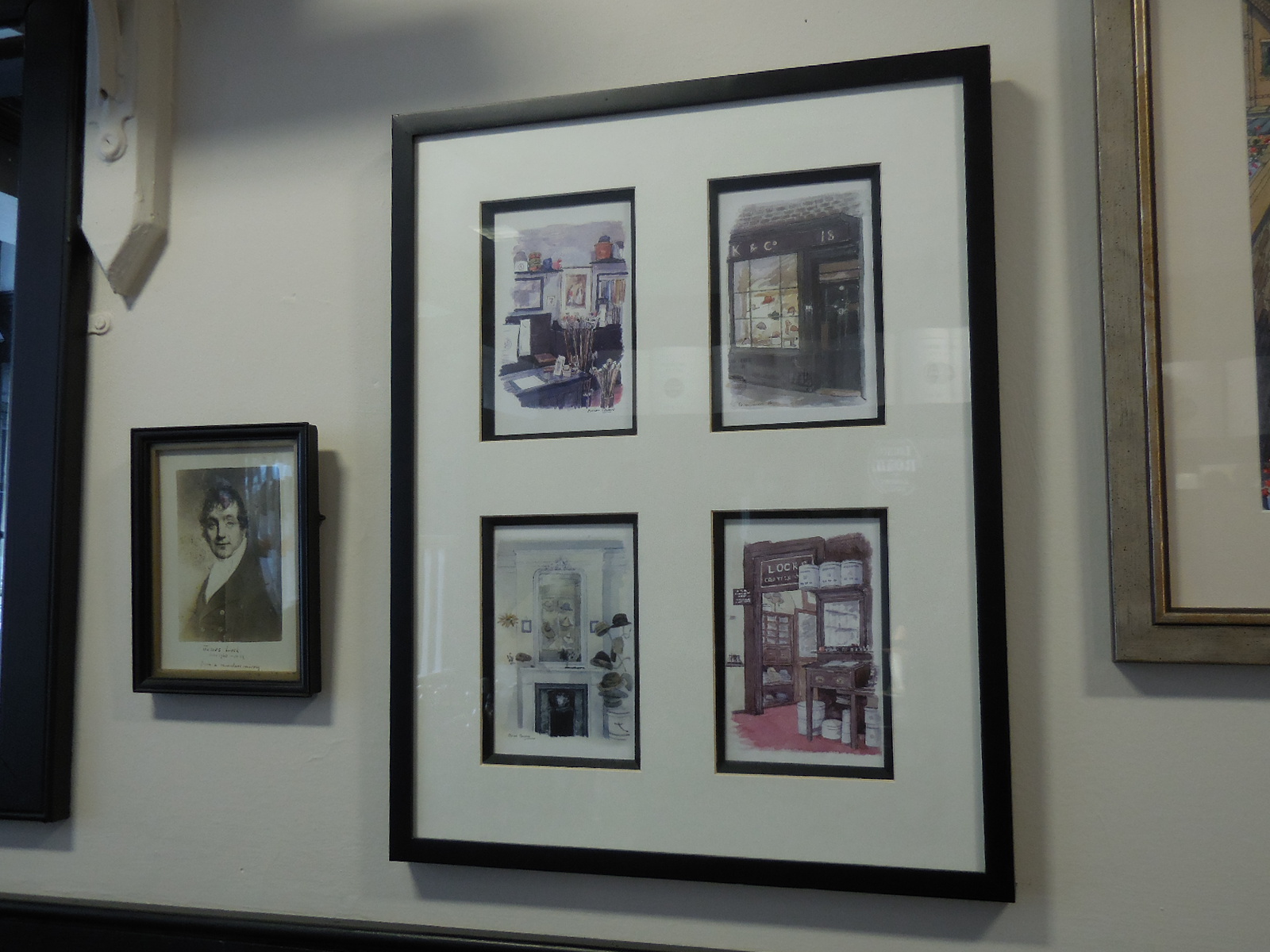
Lock’s is the oldest hat shop in the world – founded in 1676 – and has been at it’s current St. James’s Street location since 1765. Anyone and everyone of note had hats made at Lock’s, especially those gentlemen in the military, who hunted or who appeared at Court. Lock’s records are a veritible who’s who of English society from the Georgian period through to the present day. And whilst Lock’s is most associated with gentlemen’s hats, they also supply millinery services for ladies, as you can see in this video.

Having just visited Lock’s Hatters earlier this month and meeting with current staff, I’m pleased to be able to announce that a visit to the shop will be a feature of several of Number One London’s upcoming tours for 2017.


In fact, most of St. James’s Street will feature on our tours, where we’ll step back in time in order to Research the Regency. In the meantime, stay tuned here for more of Kristine and Victoria’s Open House visits.

JASNA CHICAGO CELEBRATES SPRING

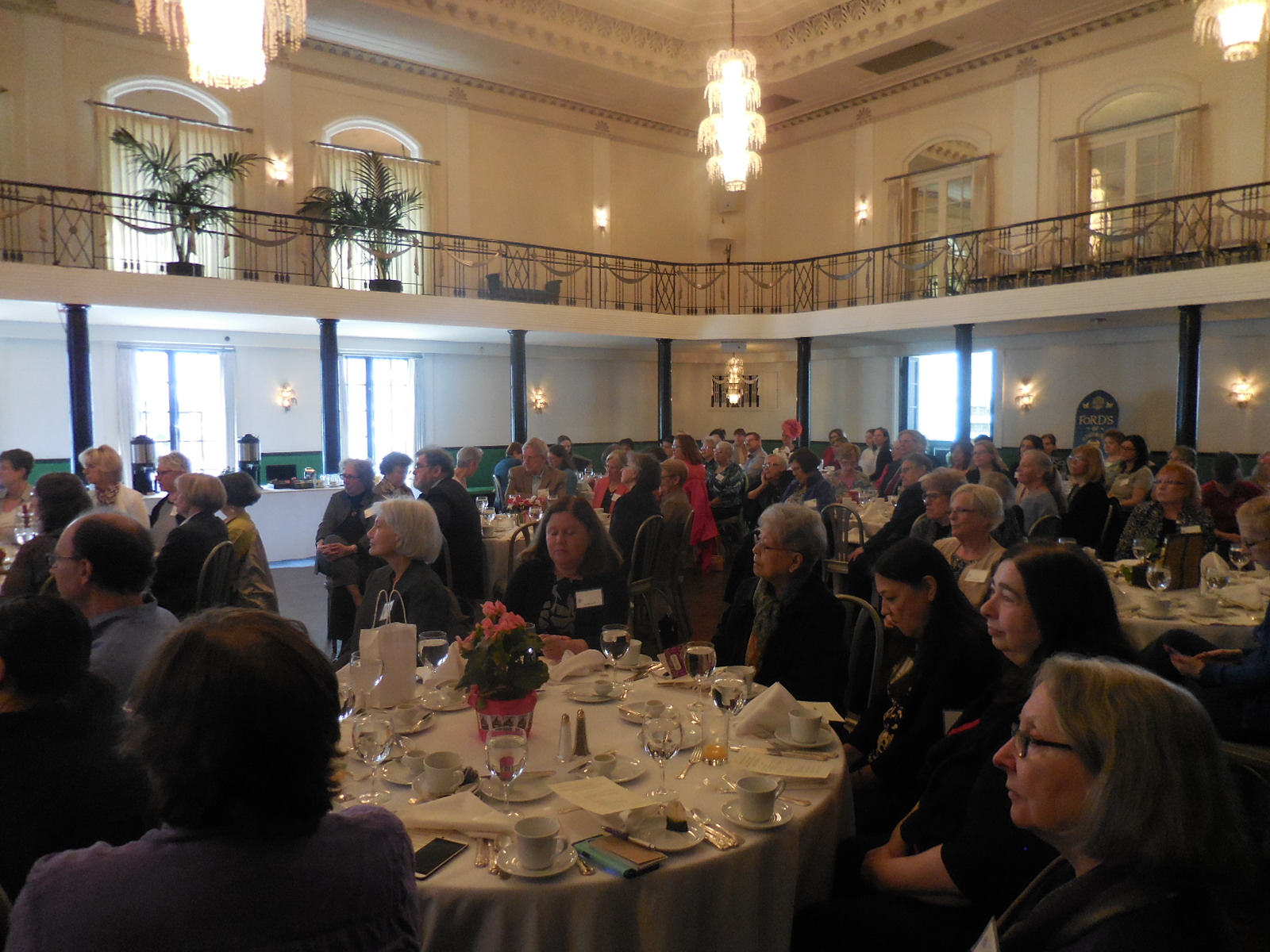
The morning rain heralded a beautiful Spring day as about 100 JASNA members gathered at the Woman’s Athletic Club for the Greater Chicago Region’s Spring Gala on Saturday, May 7, 2016.

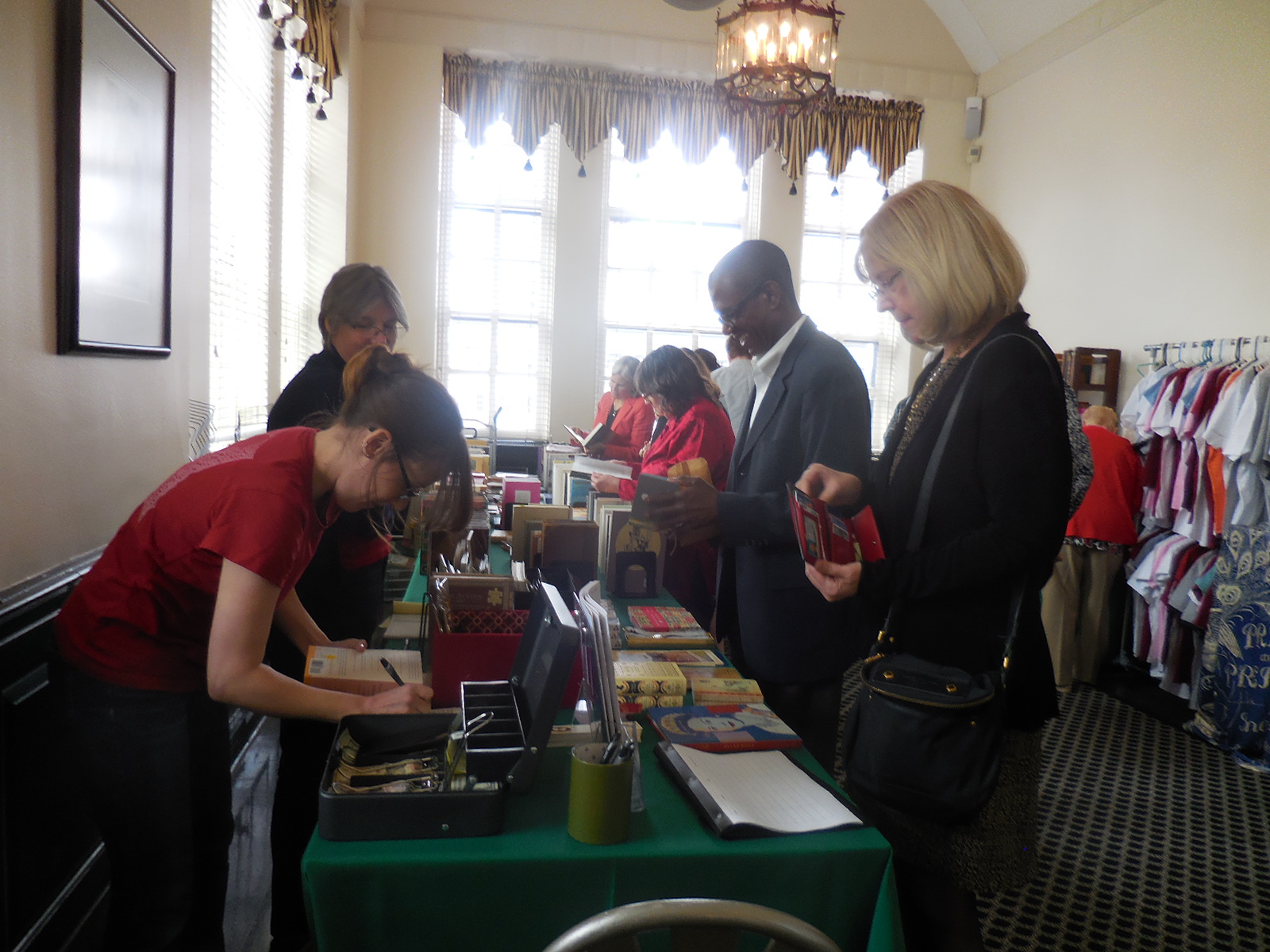
The Emporium was a busy place with Jane Austen Books and other dealers tempting all of us.
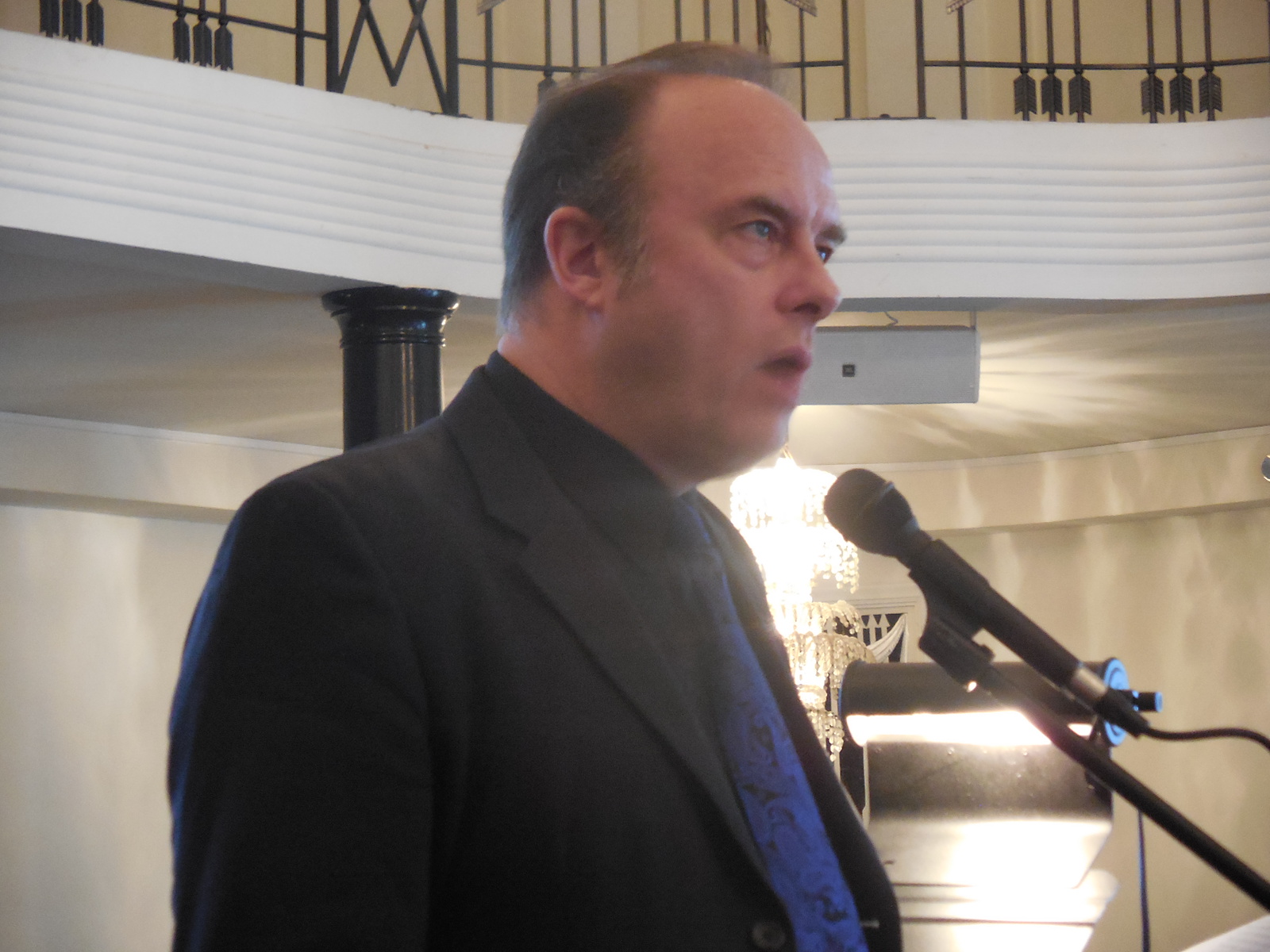
Regional Coordinator Jeffrey Nigro welcomed all of us and introduced the program.
Northwestern University Pianist and Lecturer, Stephen Alltop
The morning program was Jane and Emma — A Celebration of  Music and Words by Stephen Alltrop and Josefien Stoppelenburg. They performed selections from music known to have been played by Jane Austen, many from the books of music she herself copied.
Stephen performed on the elegant Steinway, but due to my corner seat, I couldn’t catch him in the act!
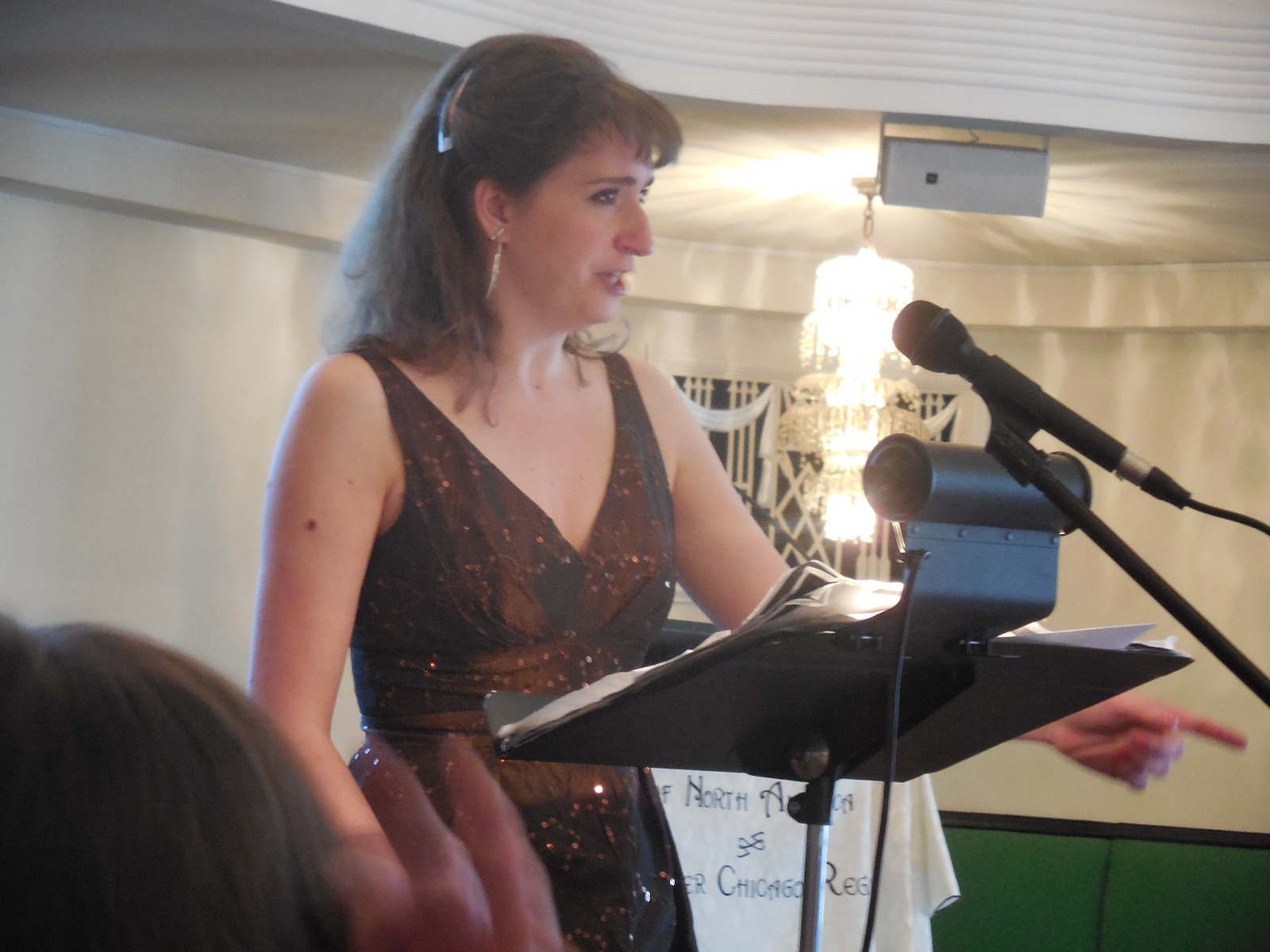
Soprano Ms. Stoppelenburg sang a variety of Austen’s favorites, from Italian arias to English folk tunes.
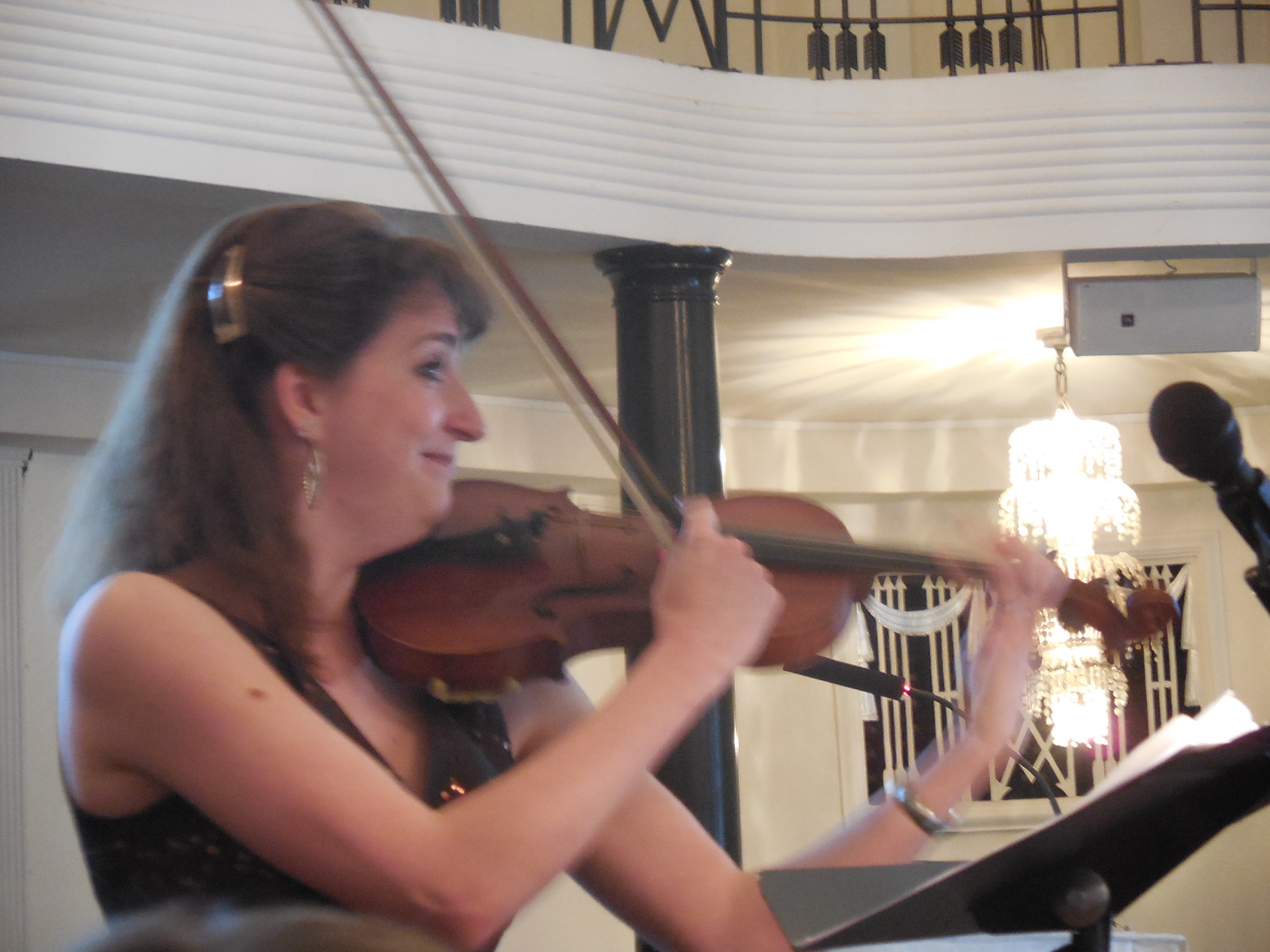
The accomplished soprano also entertained us with her violin.
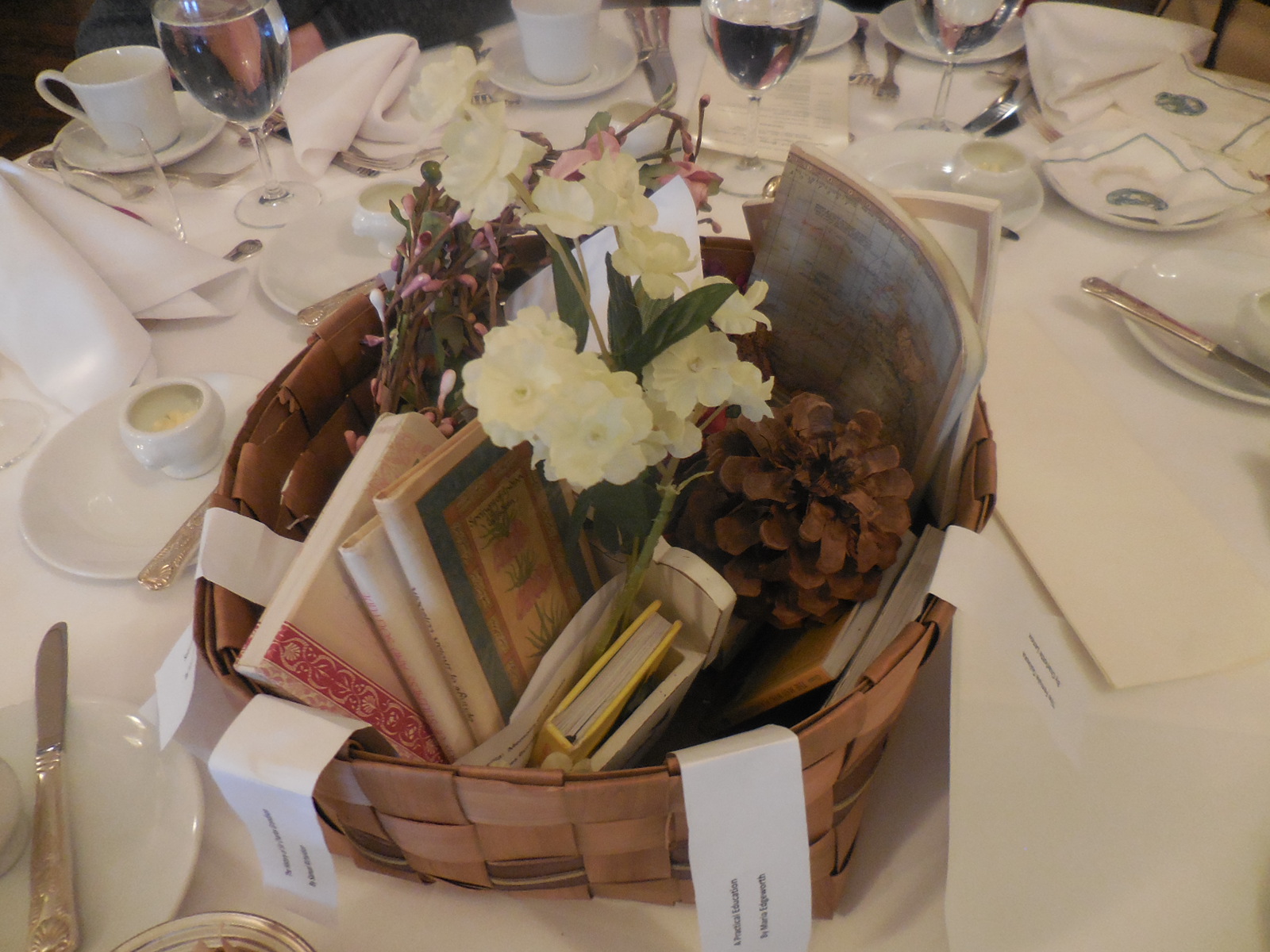
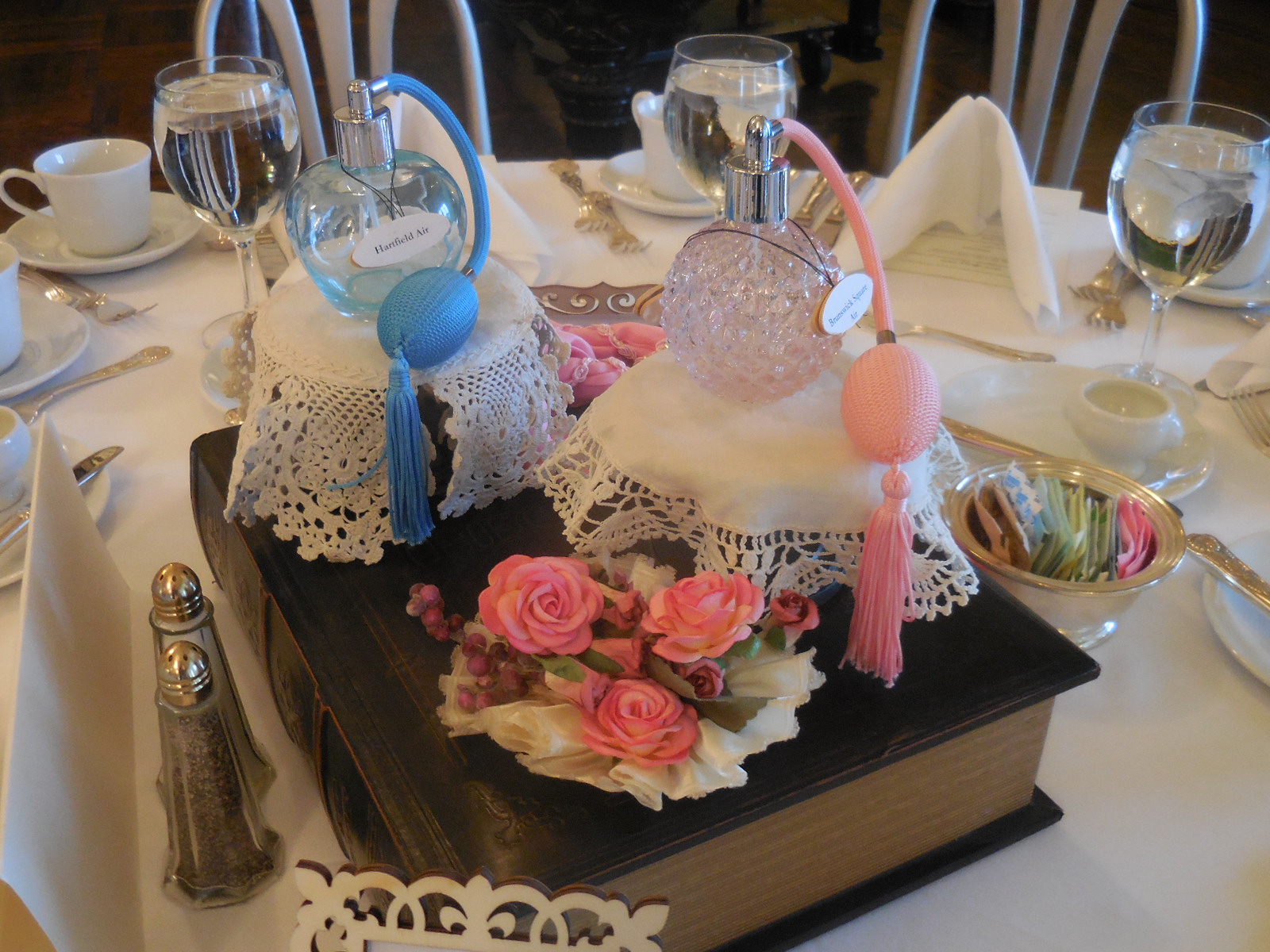
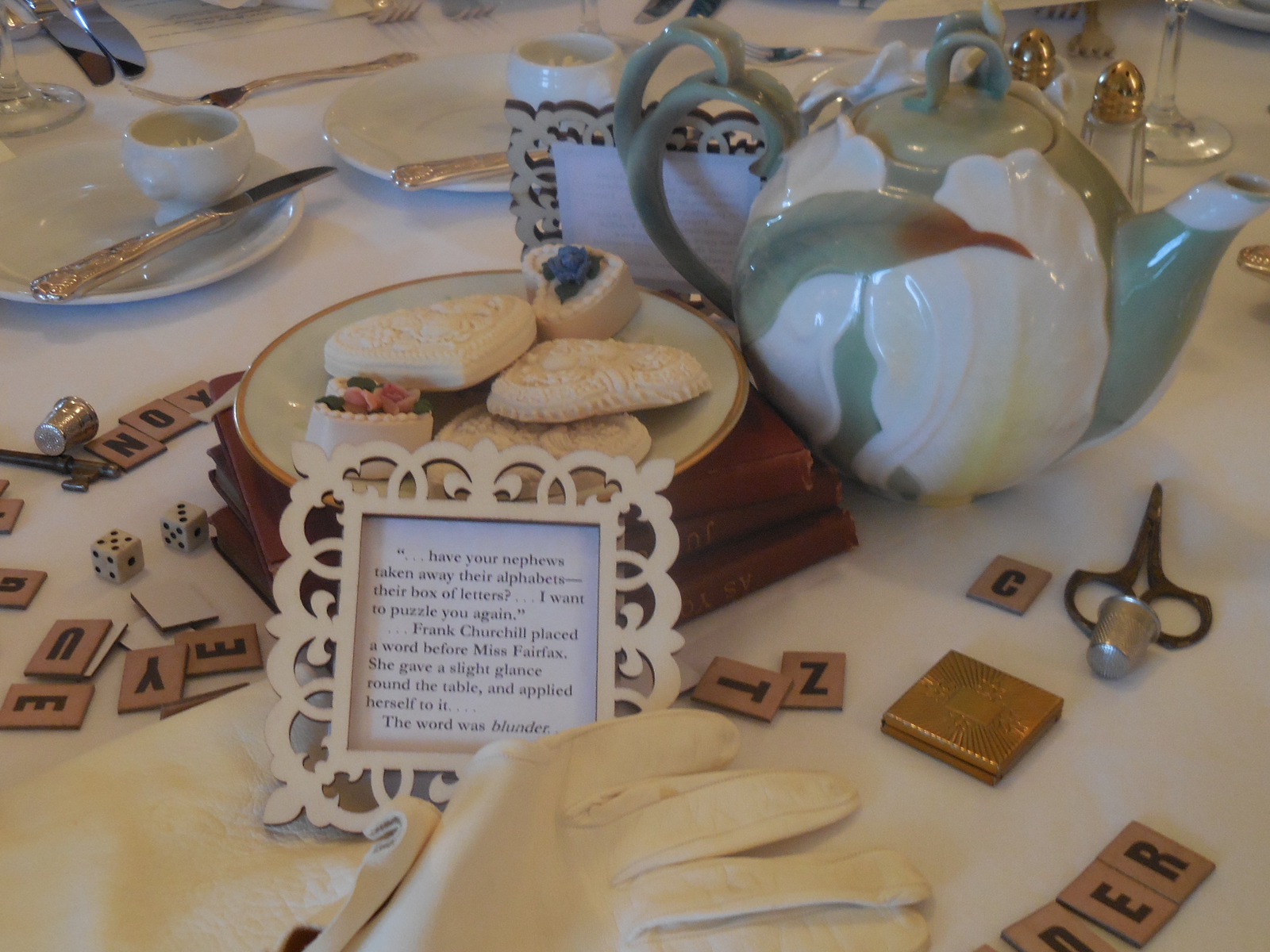
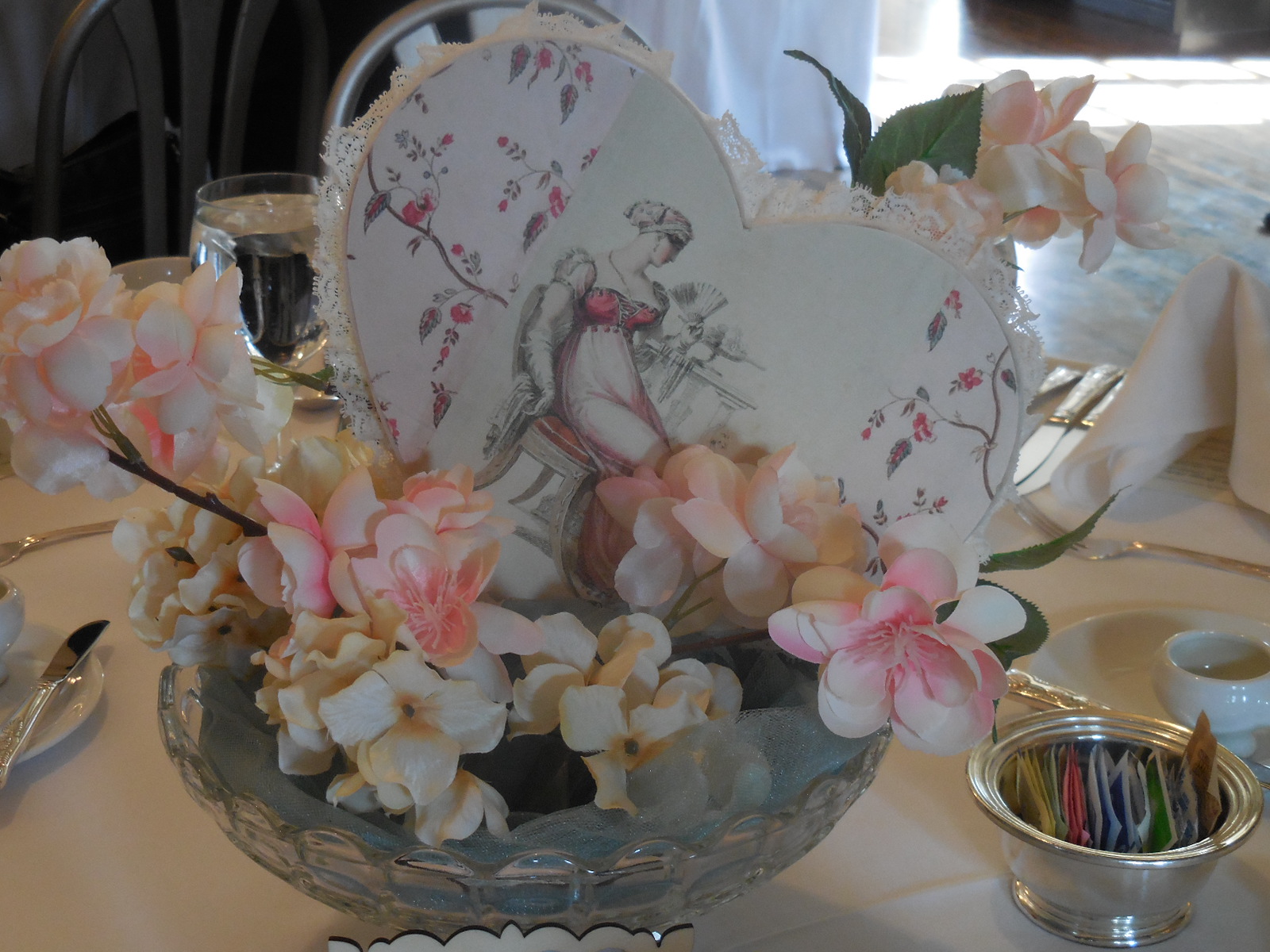
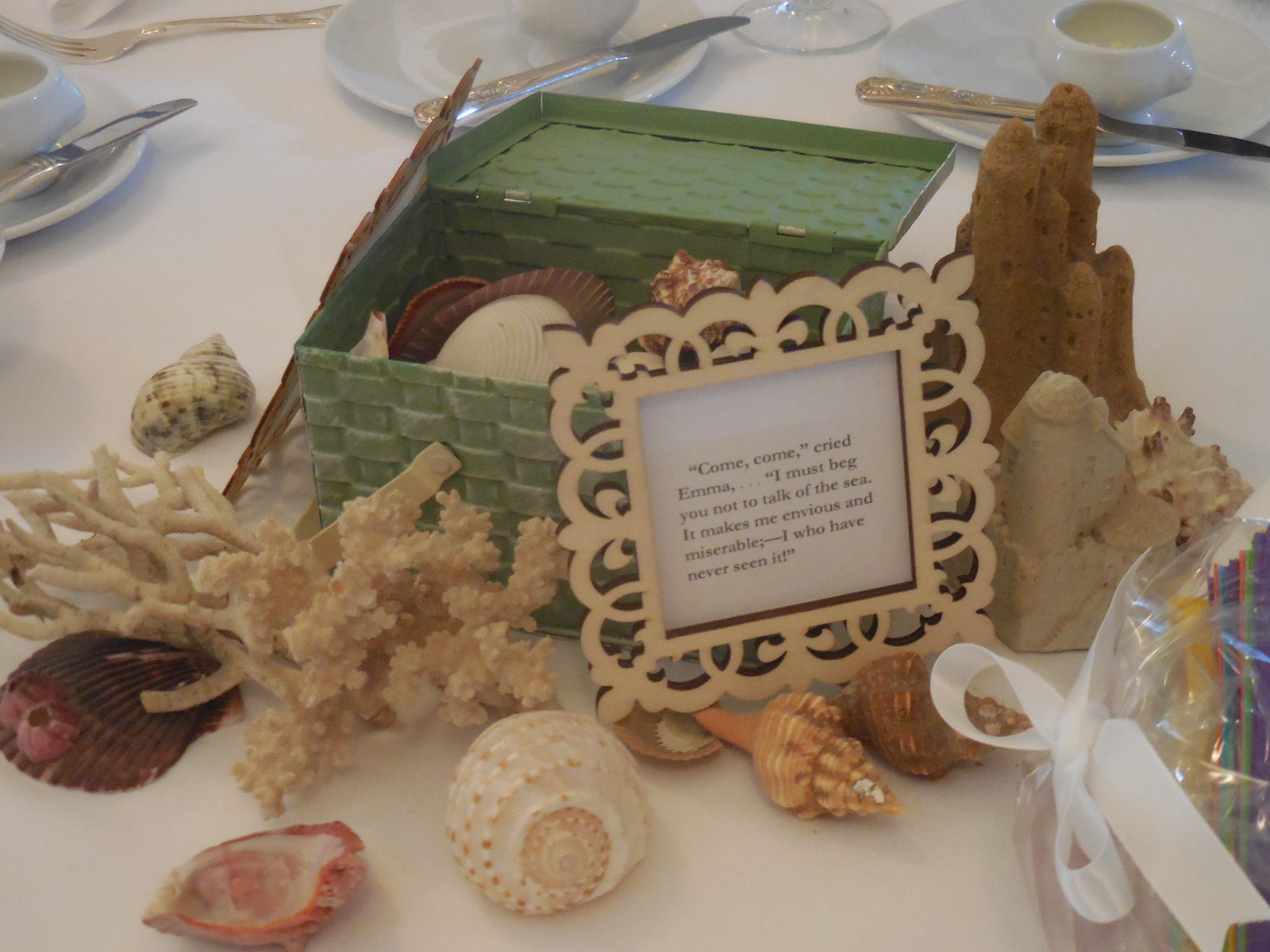
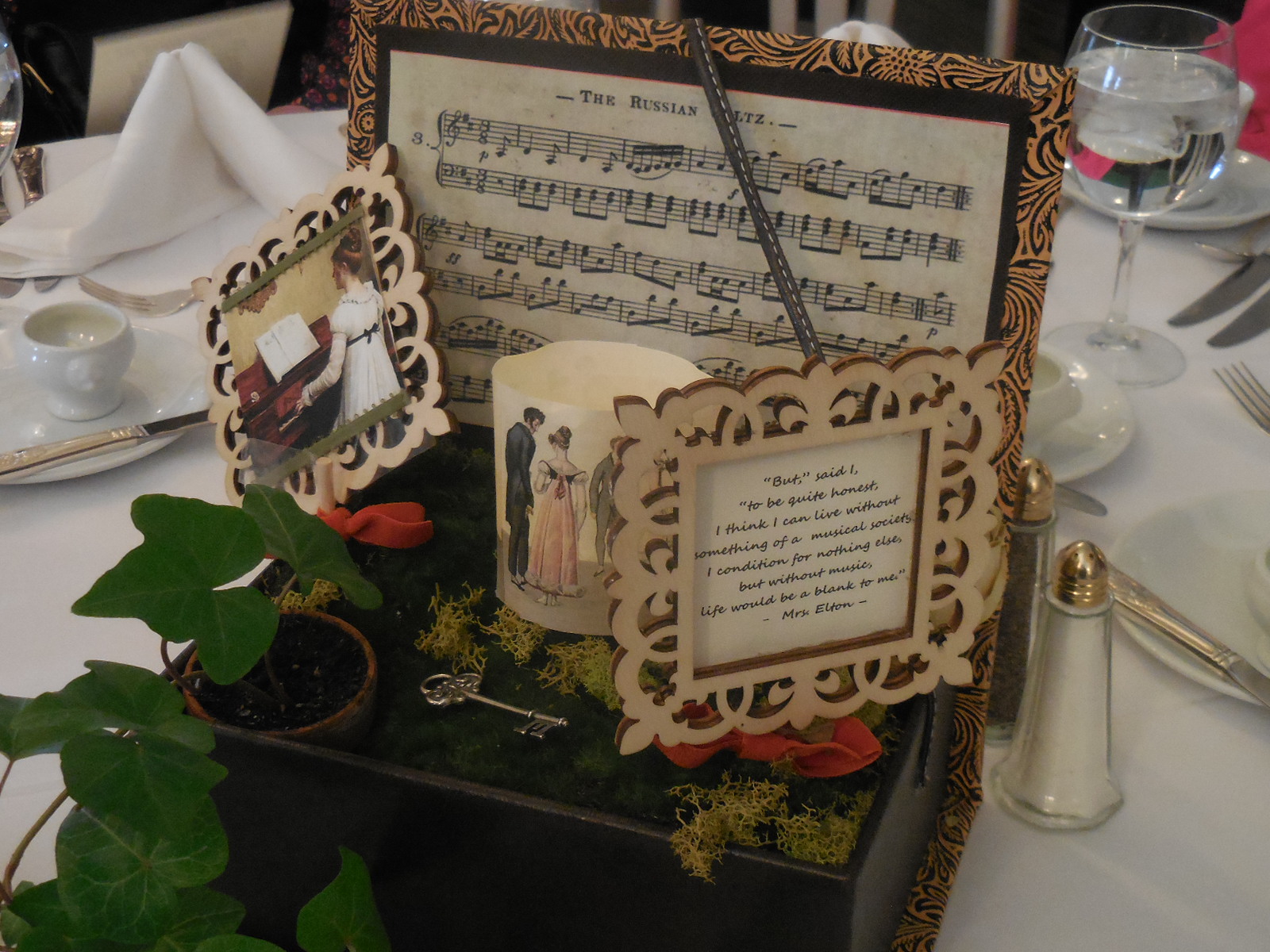
Before luncheon, we all had the opportunity to enjoy the varied and delightful centerpieces on the tables, each representing a scene from Emma and creatively assembled by volunteers. Here is a sampling:

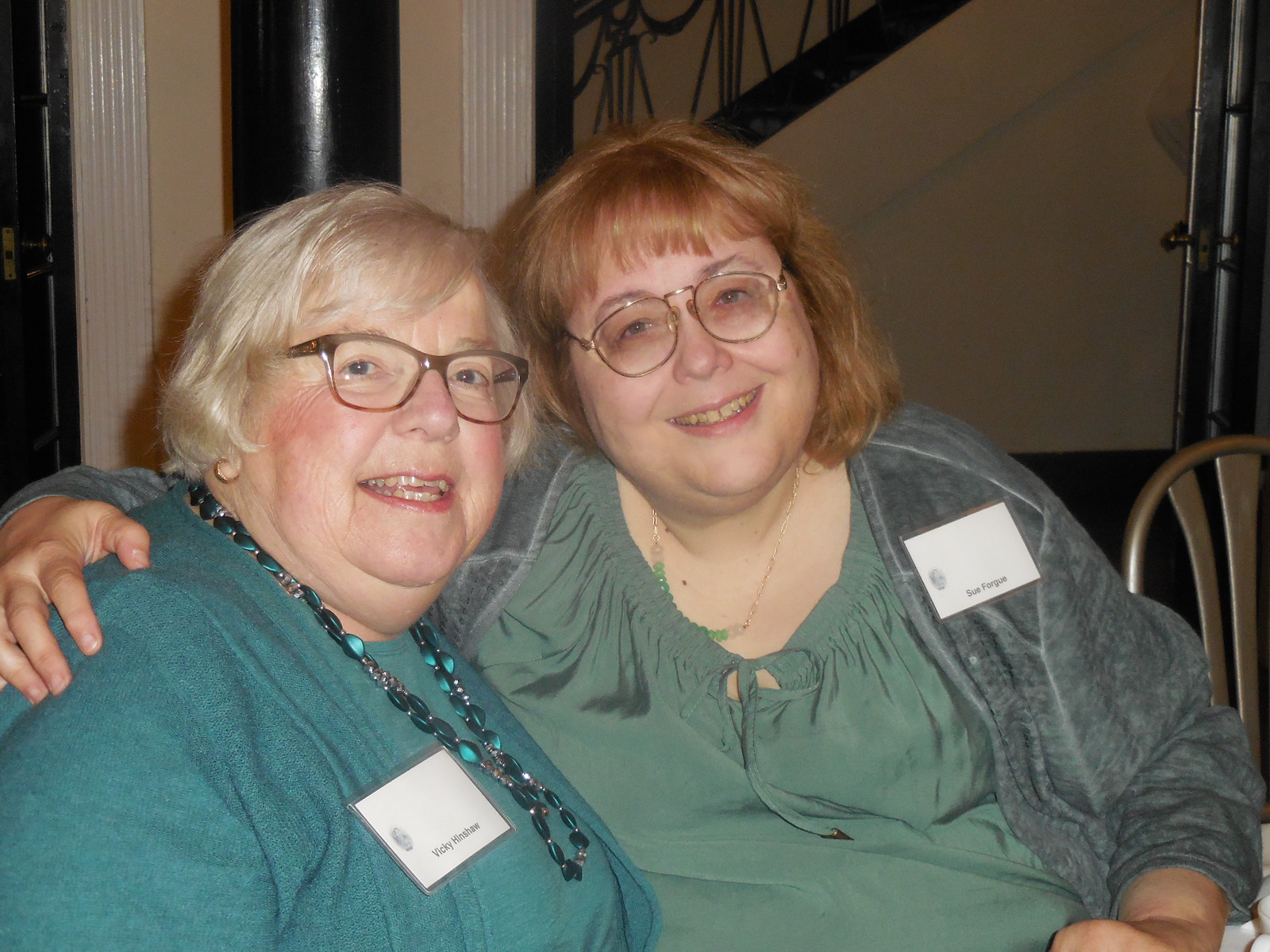
Victoria Hinshaw and Susan Forgue
After luncheon, Susan Forgue and Victoria Hinshaw presented London High Society in Austen’s Novels, including Sue’s beautifully made Almack’s vouchers.
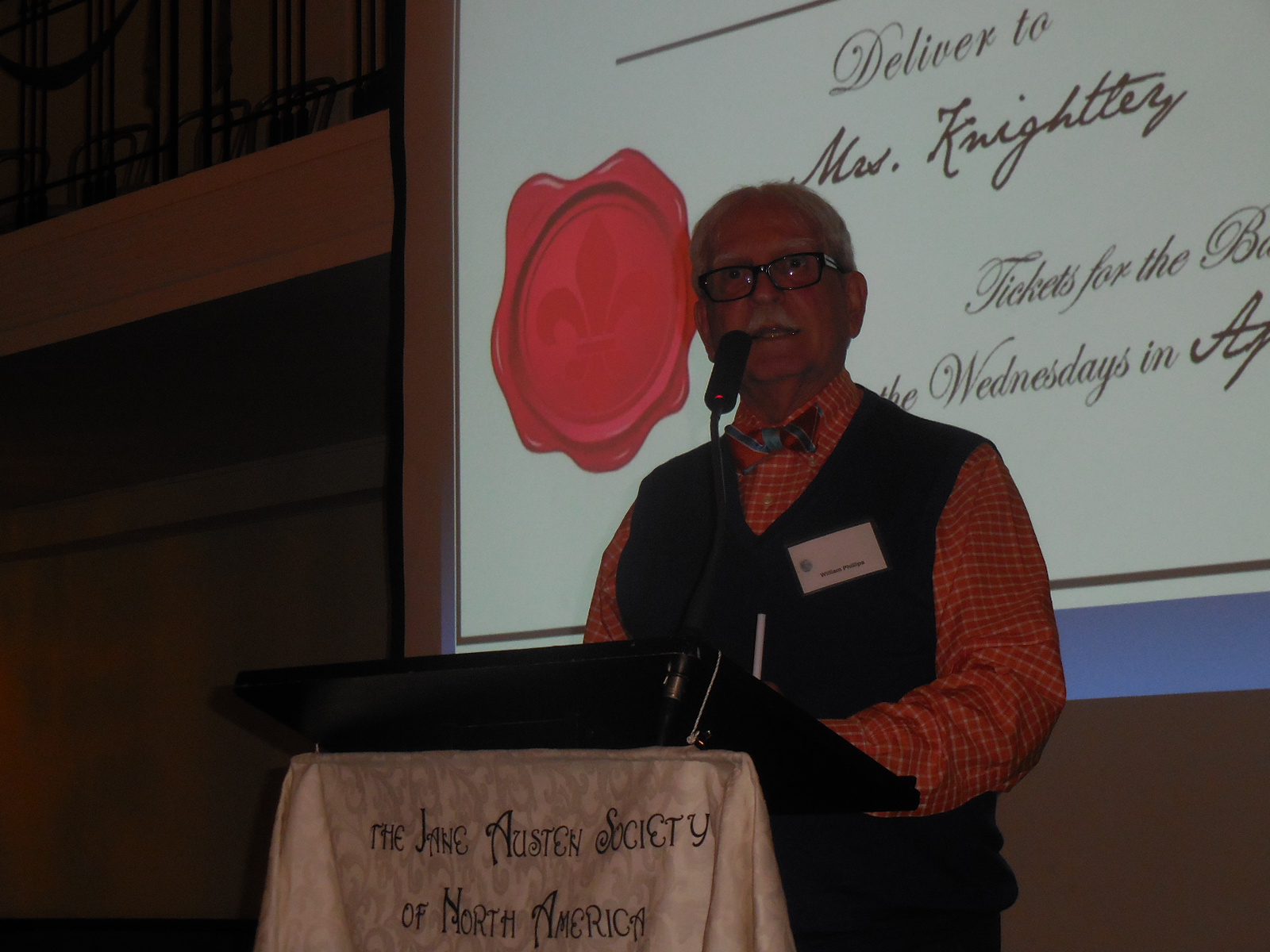
William Phillips in front of the voucher slide!
The only snag in this delightful day (just kidding of course!) was Quizmaster William Phillips’s diabolically difficult questions!  Even those of us who thought we KNEW Emma backwards and forwards were often stumped by the obscure facts he found to challenge us!  I have to admit we should have been forewarned as this is not the first time William has teased us so mercilessly.  Just for that, William, I am showing your picture almost unintelligibly — also since that is the way it turned out!! Sorry.
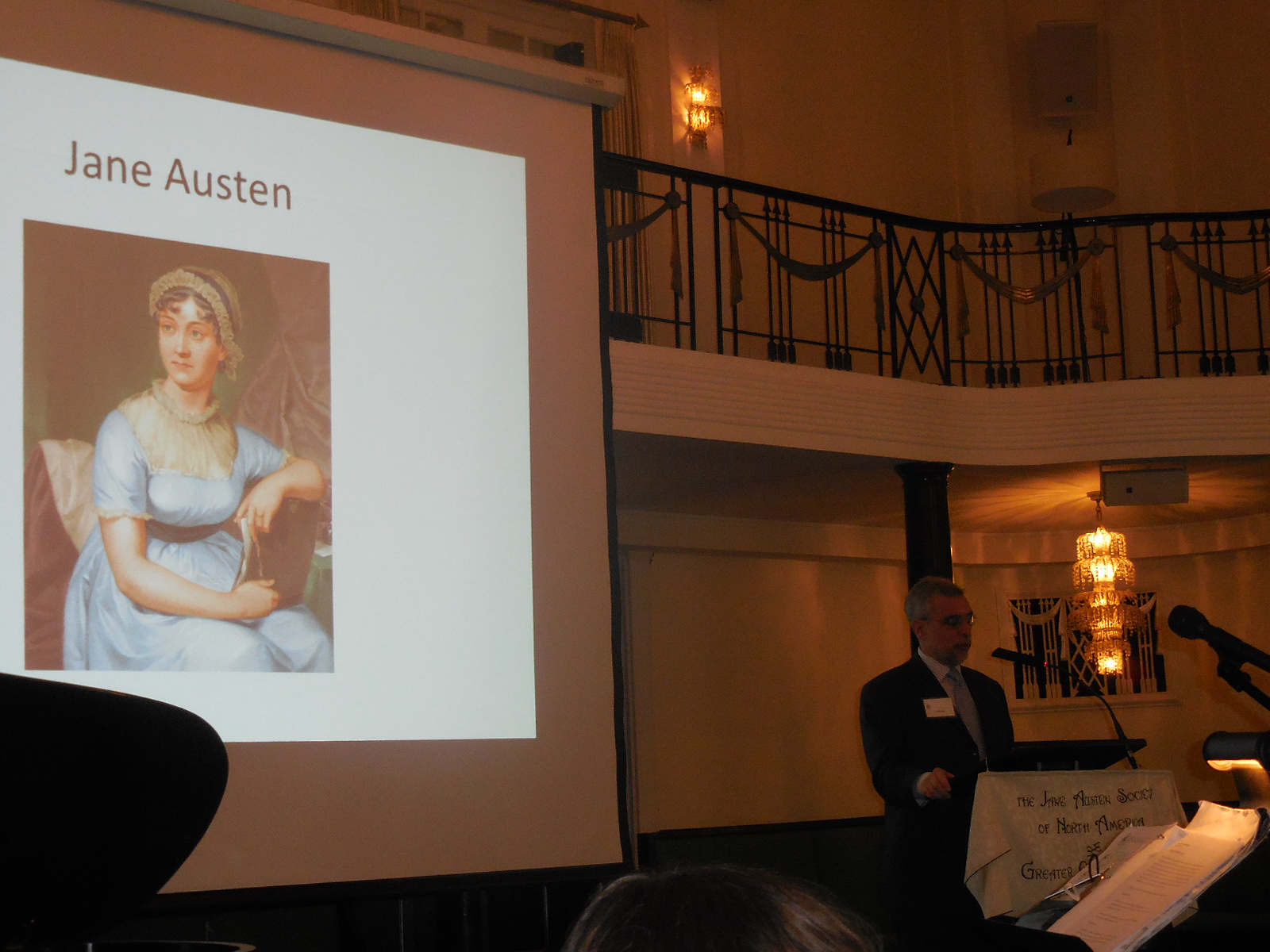
Many thanks to Jeffrey Nigro and Program Chair Debra Miller, the Emporium dealers, and all who attended!