OPEN HOUSE: THE FOREIGN OFFICE

OPEN HOUSE DAYS: THE FOREIGN AND COMMONWEALTH OFFICE, SEPTEMBER, 2014
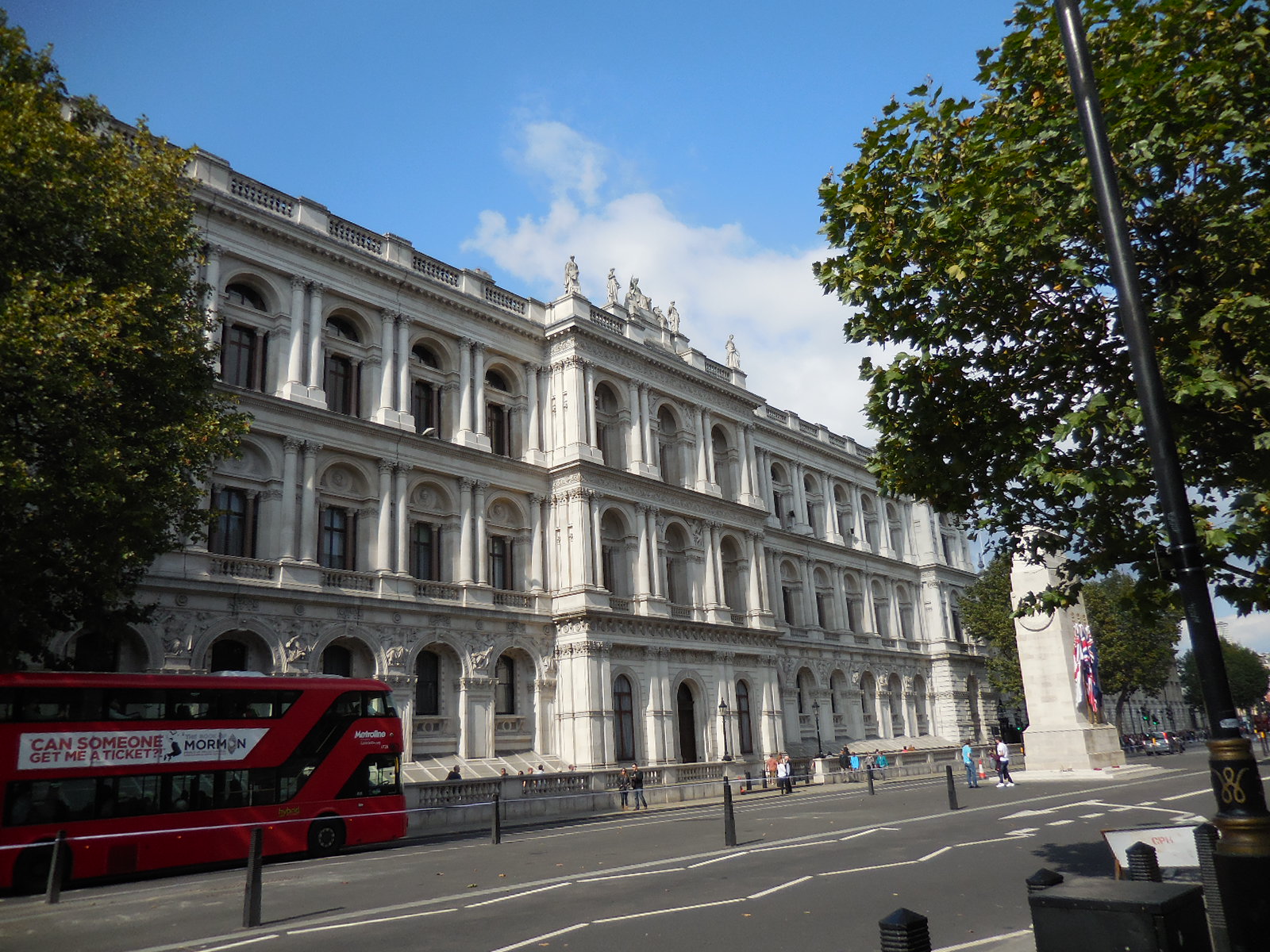
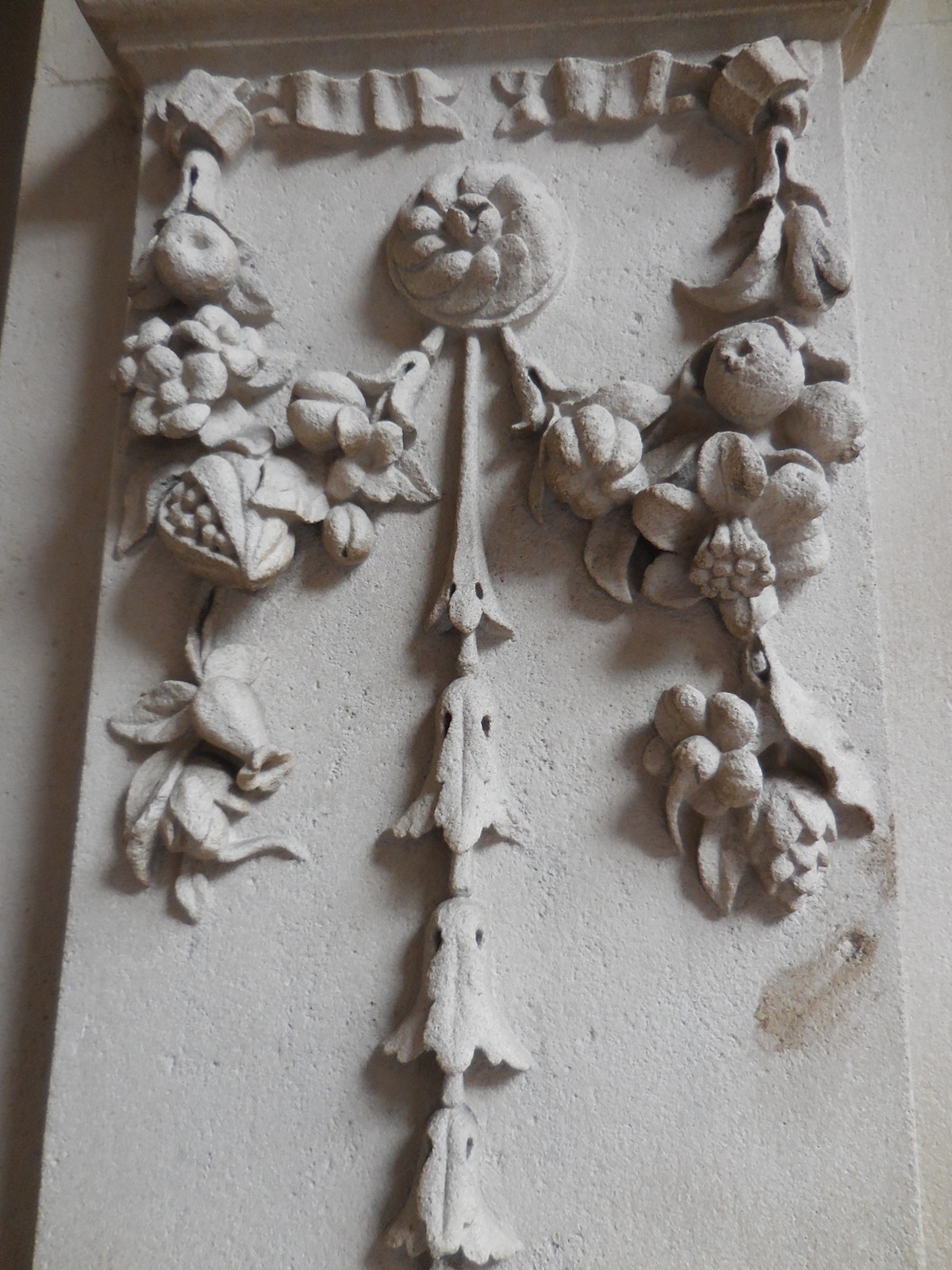
This vast building on Whitehall contains many architectural and decorative treasures, probably far more than we got to see. But perhaps that was a good thing, since so much tends to make one’s eyes glaze over. The building (FCO) is headed by the Secretary of Foreign and Commonwealth Affairs, who sits in the Cabinet.  The building, designed by George Gilbert Scott, was completed in 1868; it formerly housed four separate departments: the Foreign Office, The India Office, the Colonial Office, and the Home Office. 
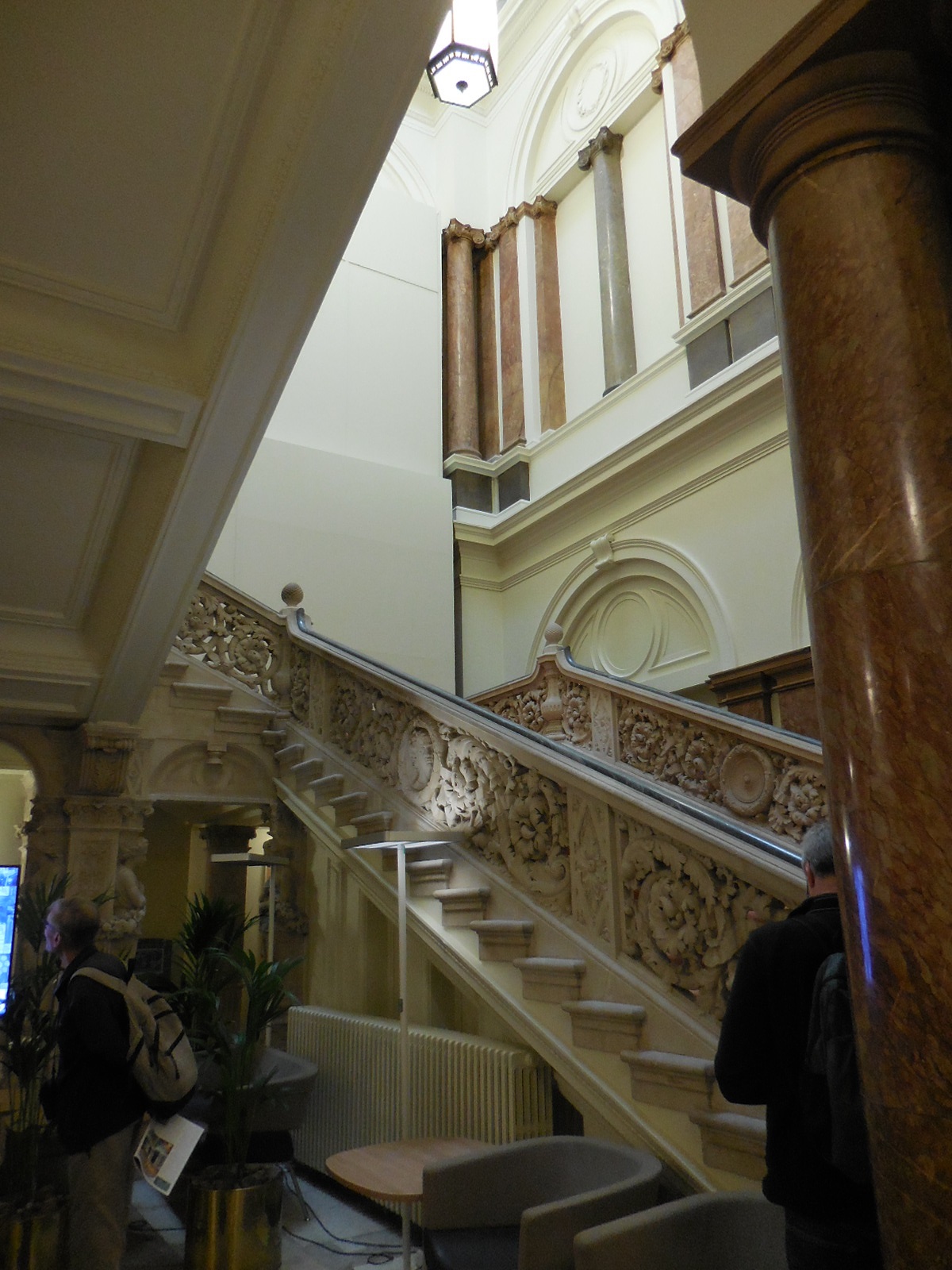
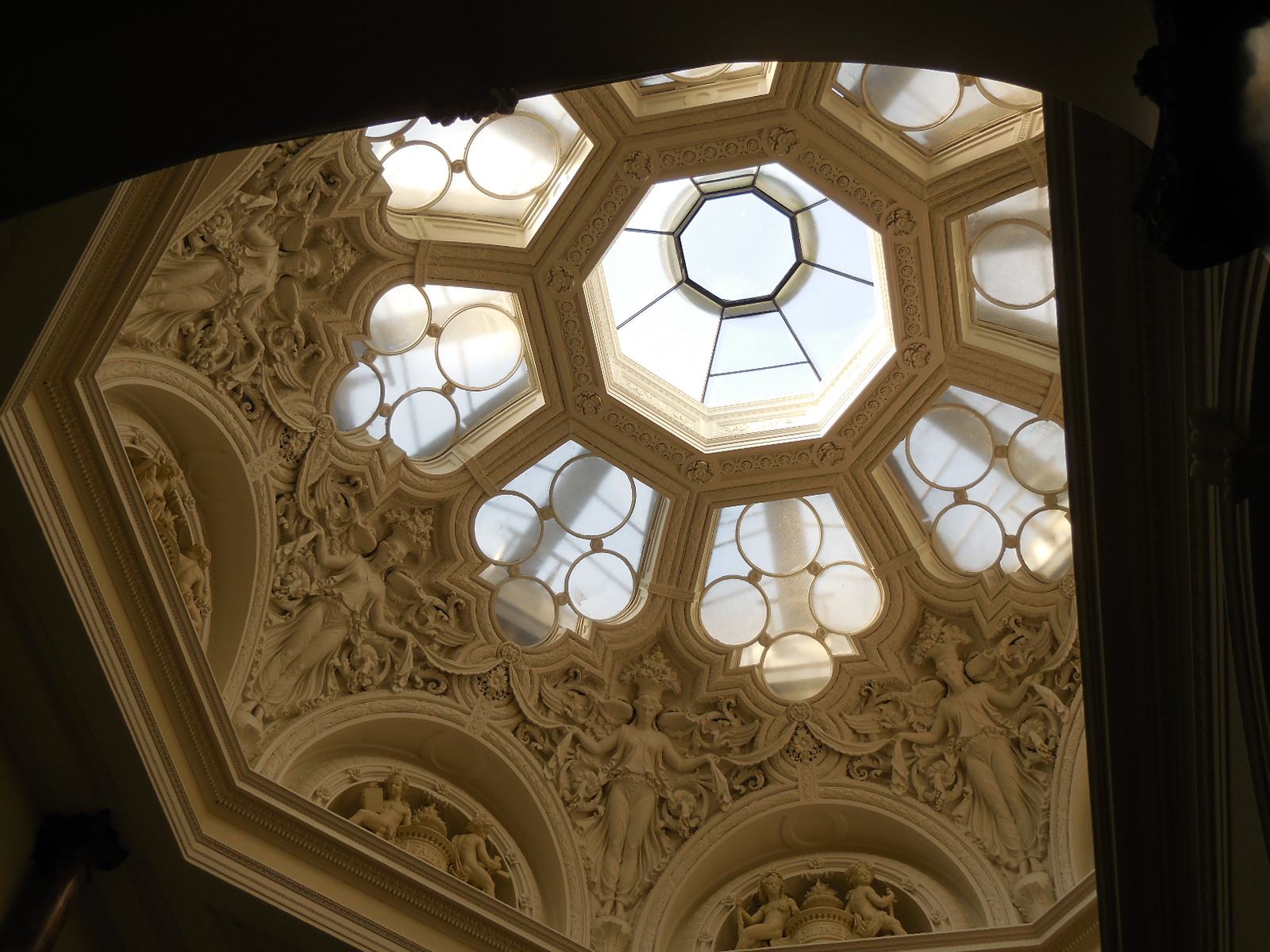
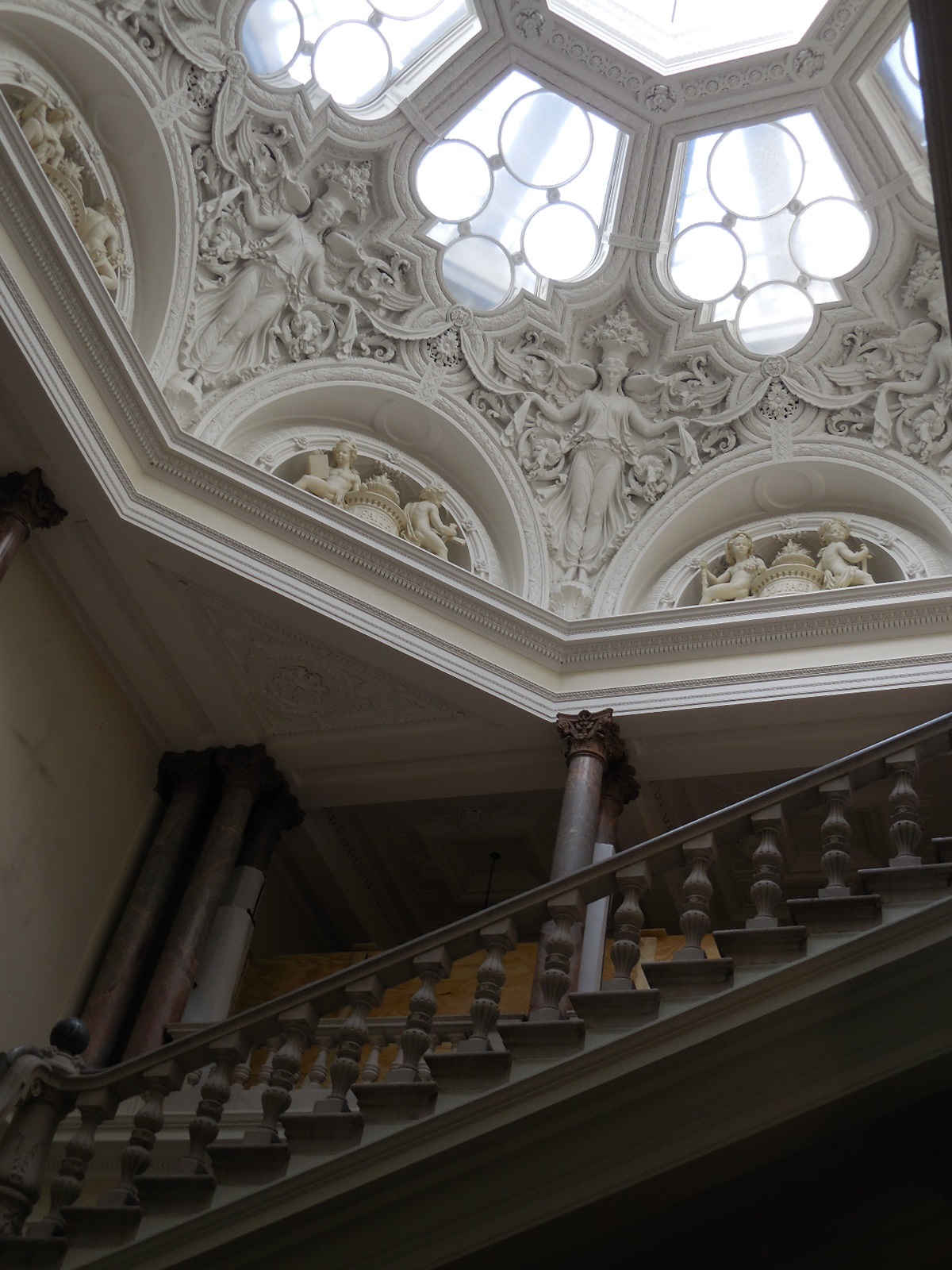
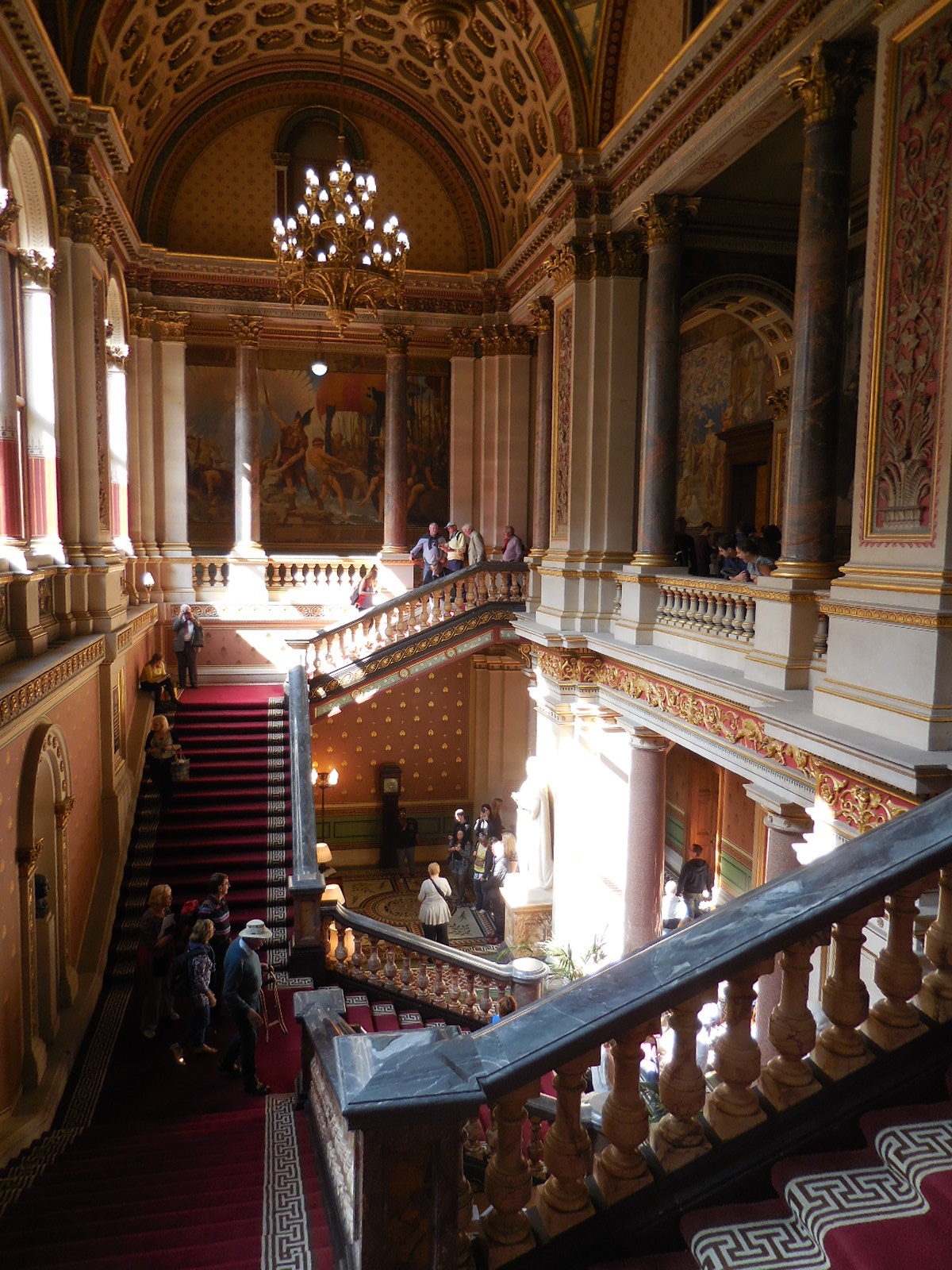
We did not have a long wait in line before we entered, part of a throng as eager as we were to see what was inside.  The stairway was stunning.
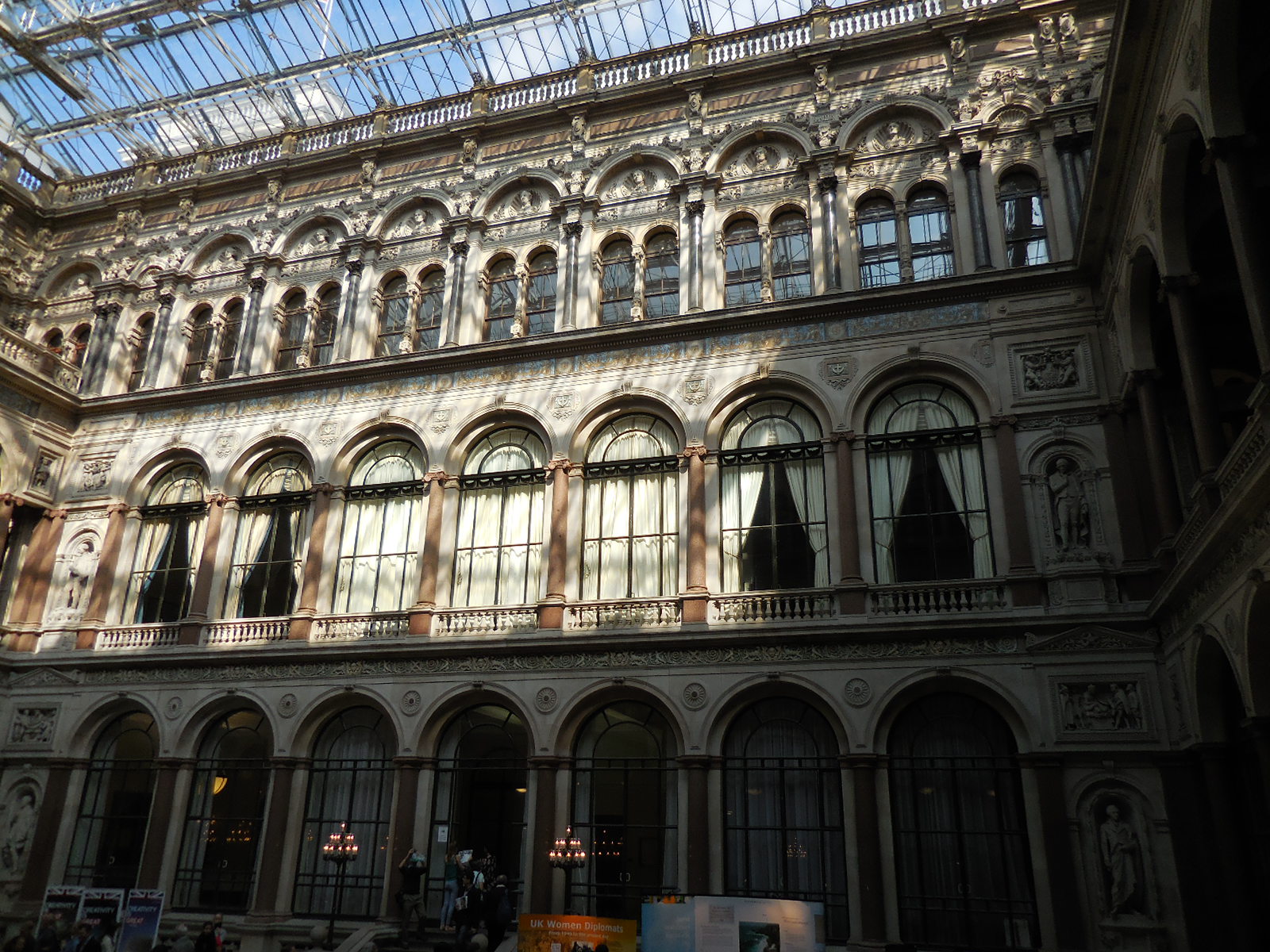
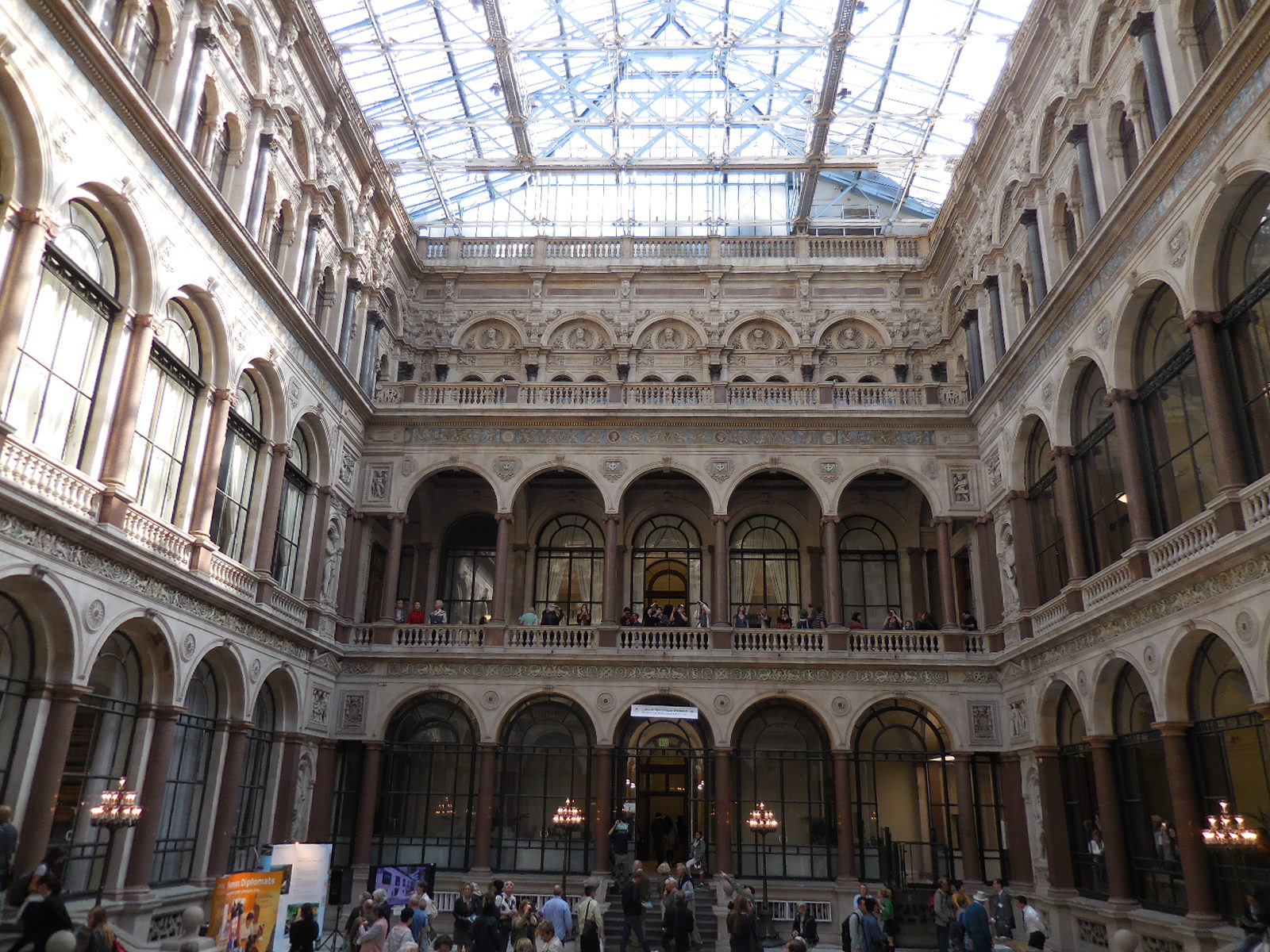
Our first major stop was the Durbar Court, center of the old India Department. The interior of this section of the building was designed by Matthew Digby Wyatt who followed themes of the British in India.
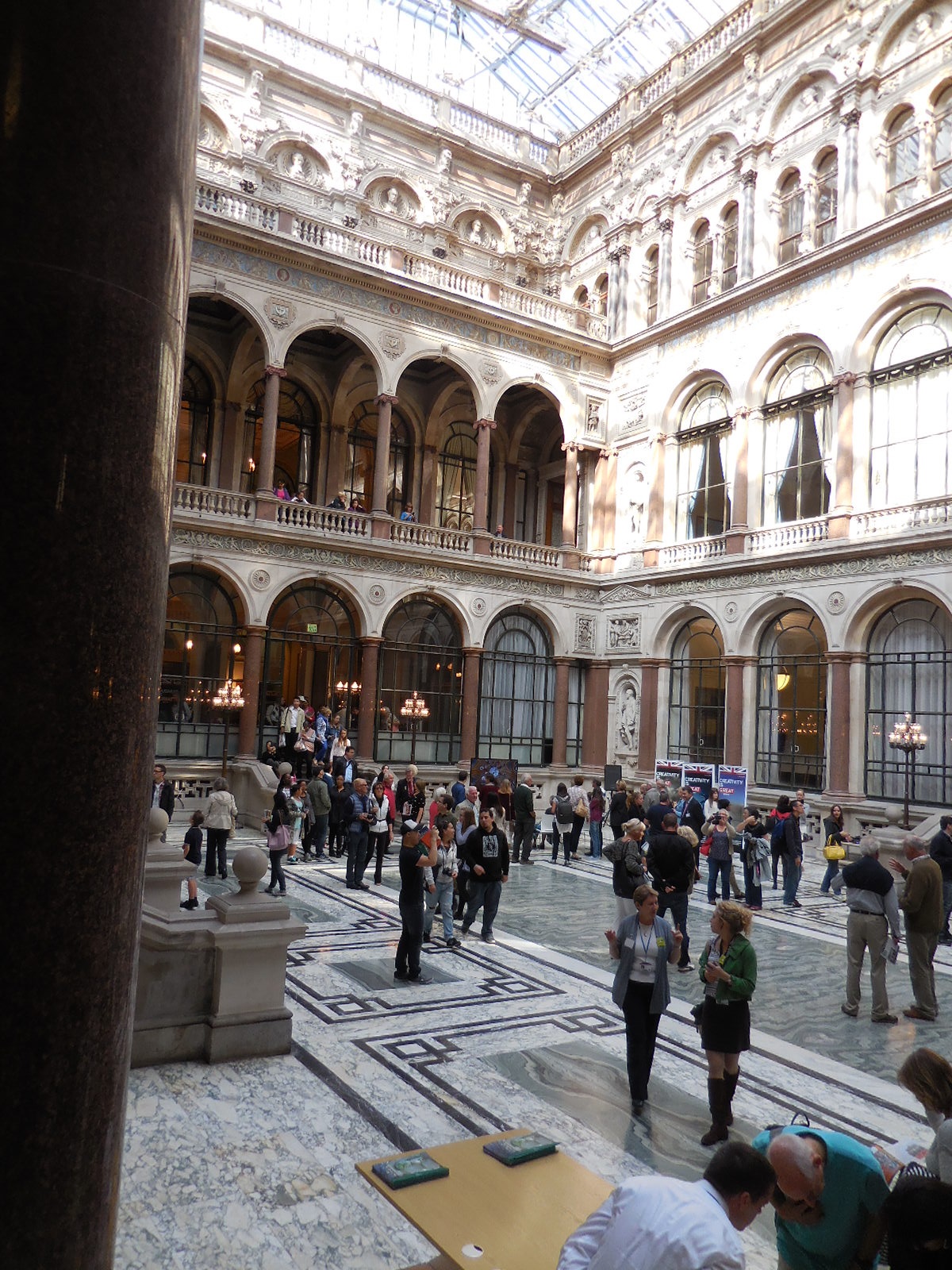
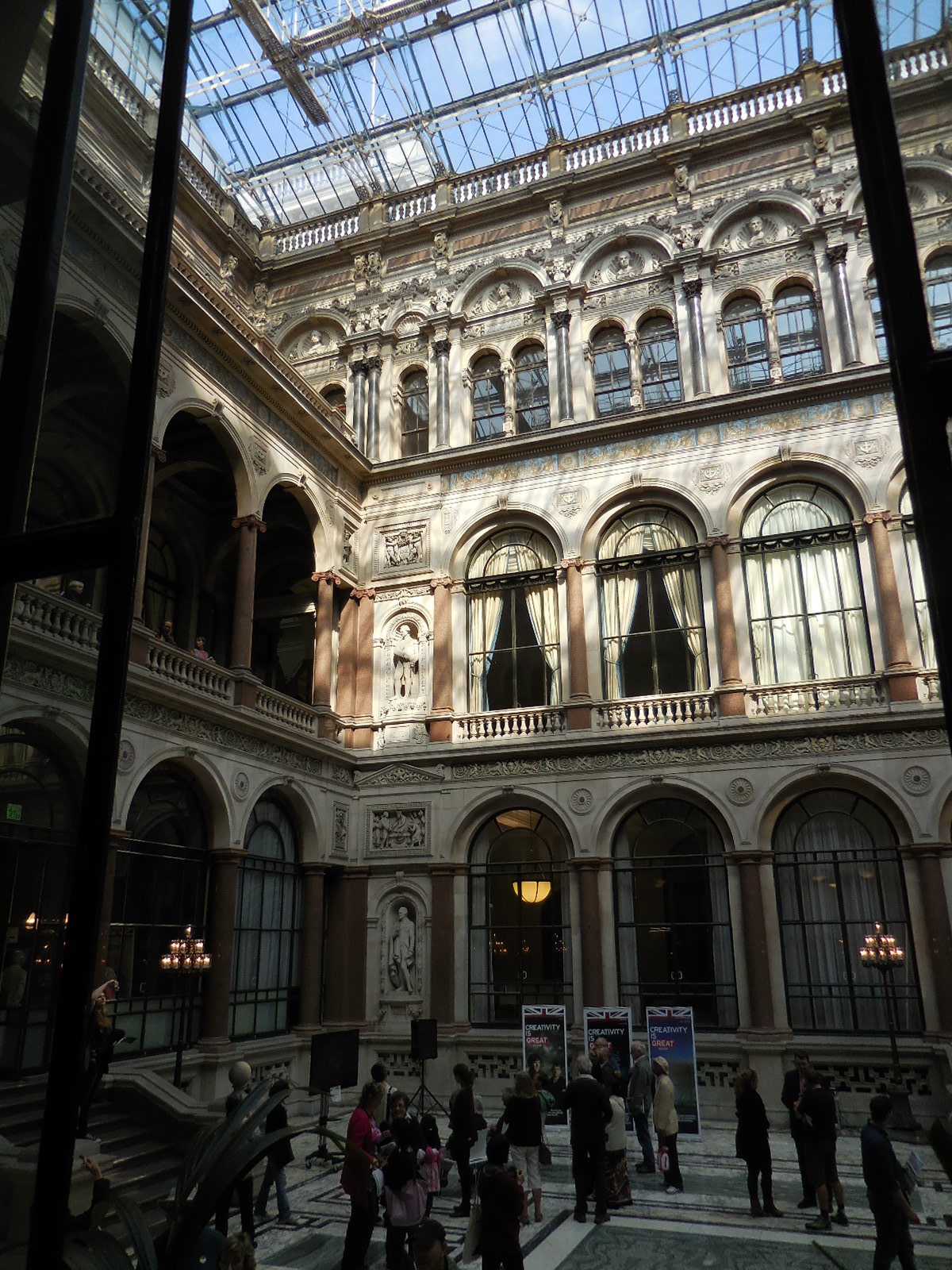
The Durbar Court was so named in 1902 when the coronation “Durbar” of King Edward VII was held there. According to a text panel,  “Durbur” is an Indian 
word meaning court or formal ceremony.
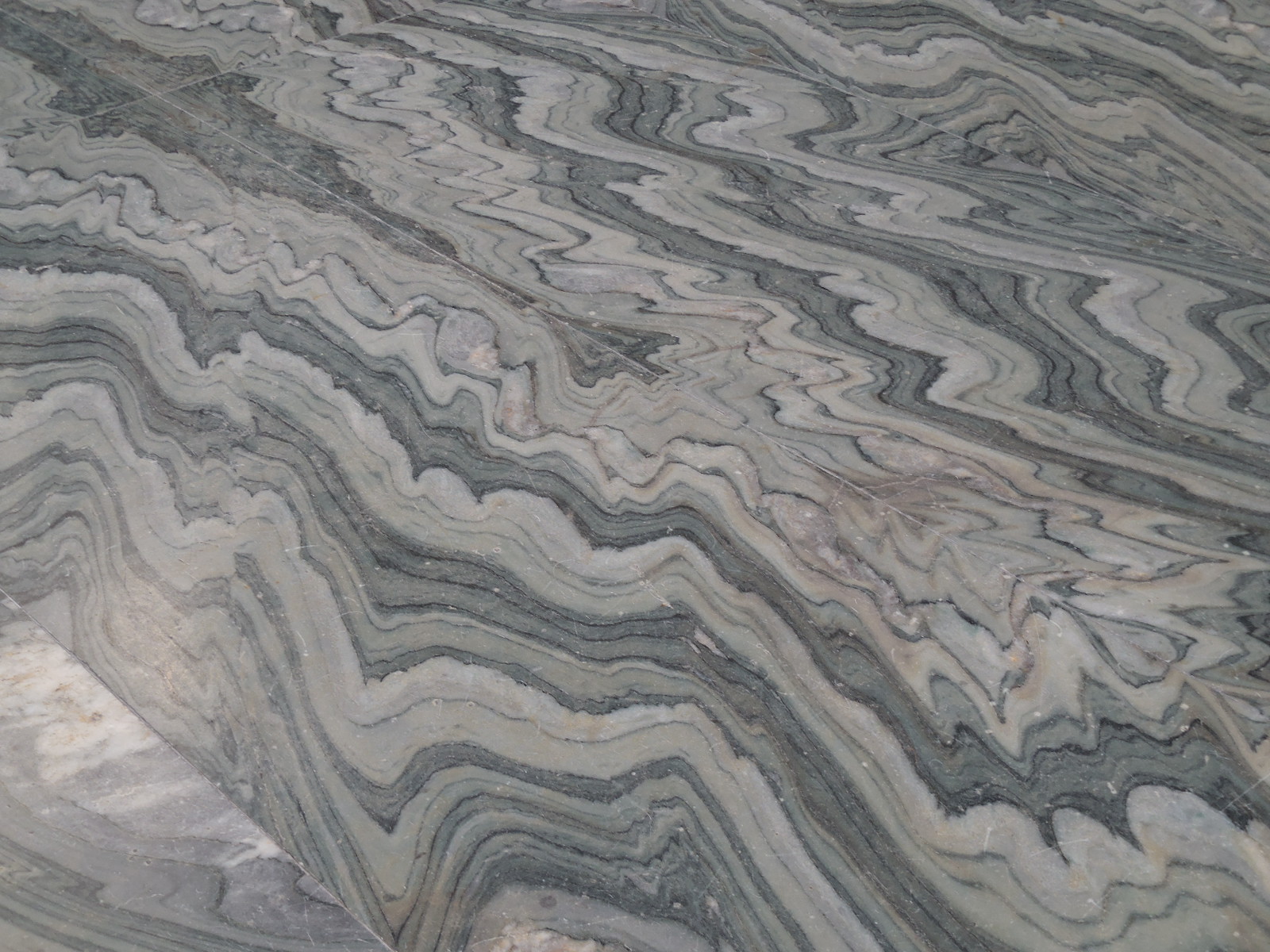
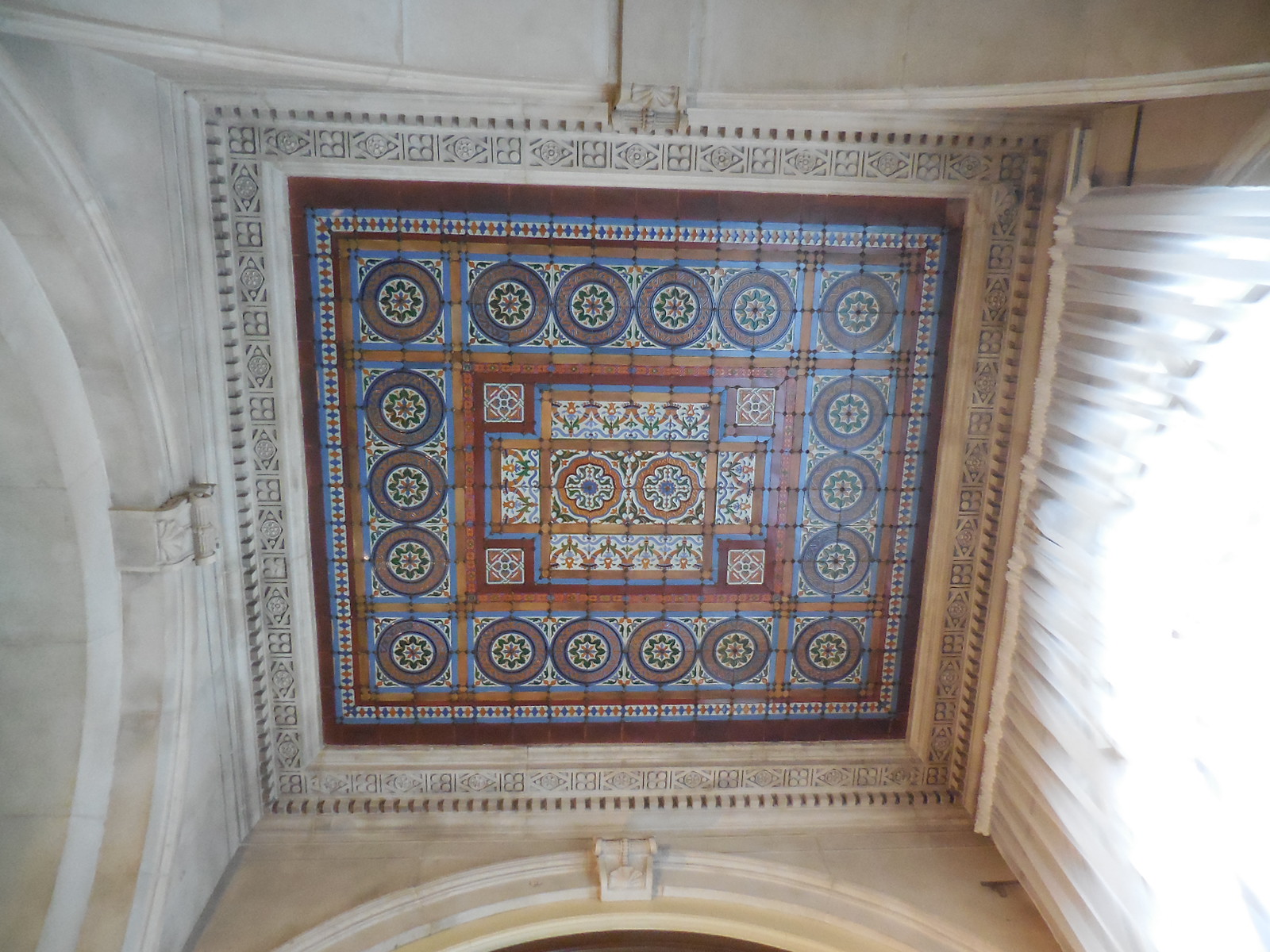
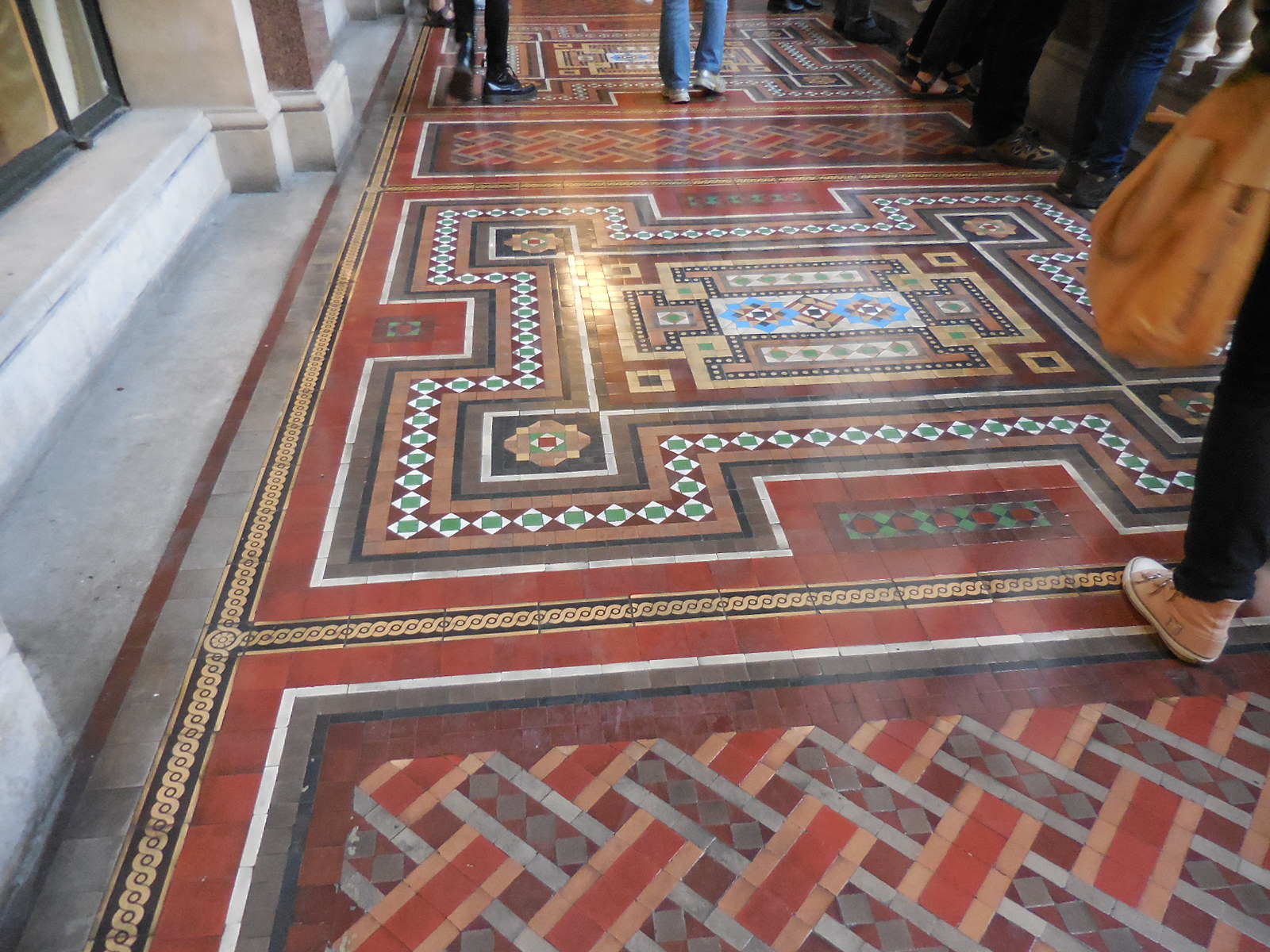
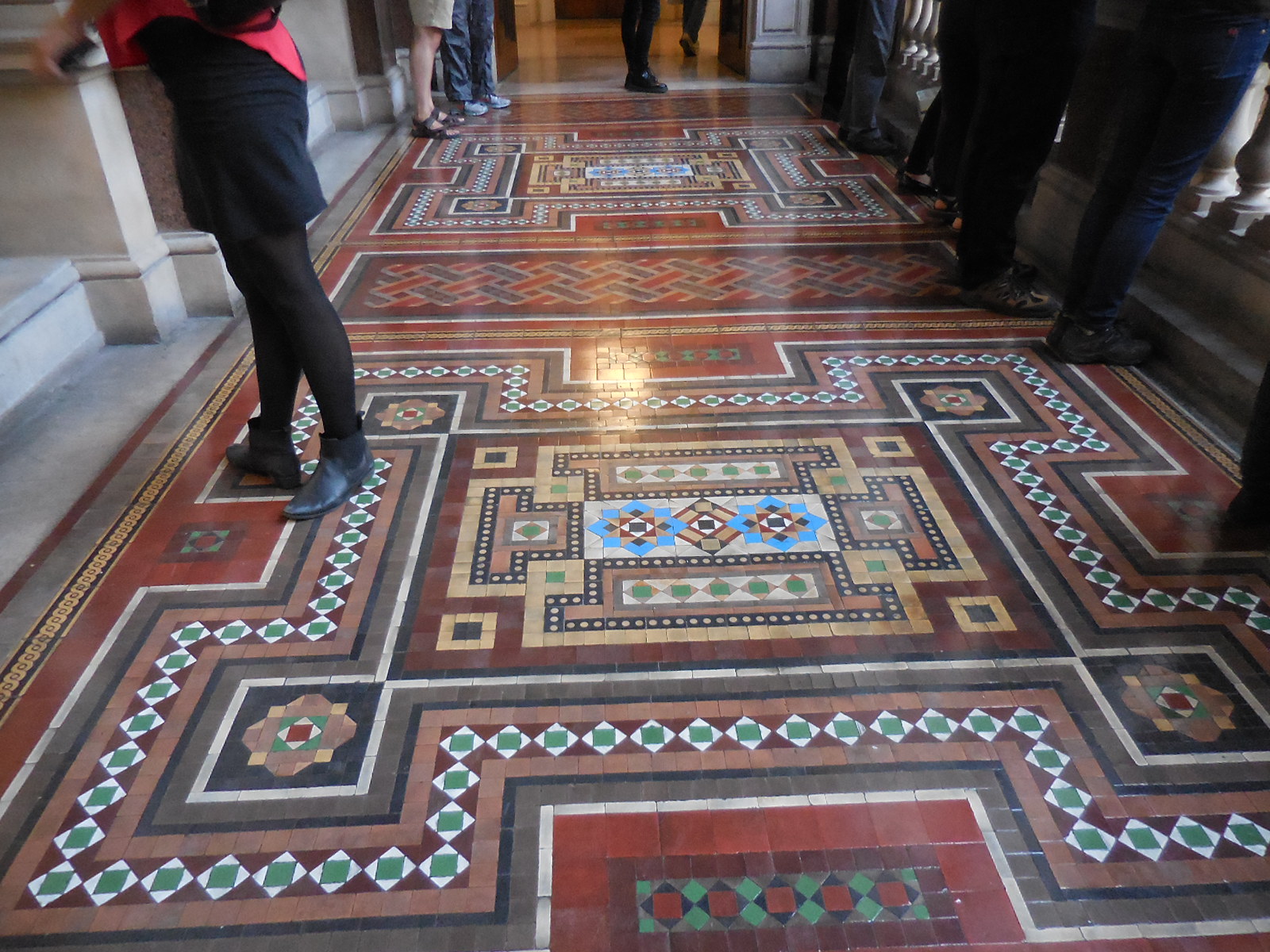
We had to keep reminding ourselves to look downward to appreciate the fantastic floor designs.
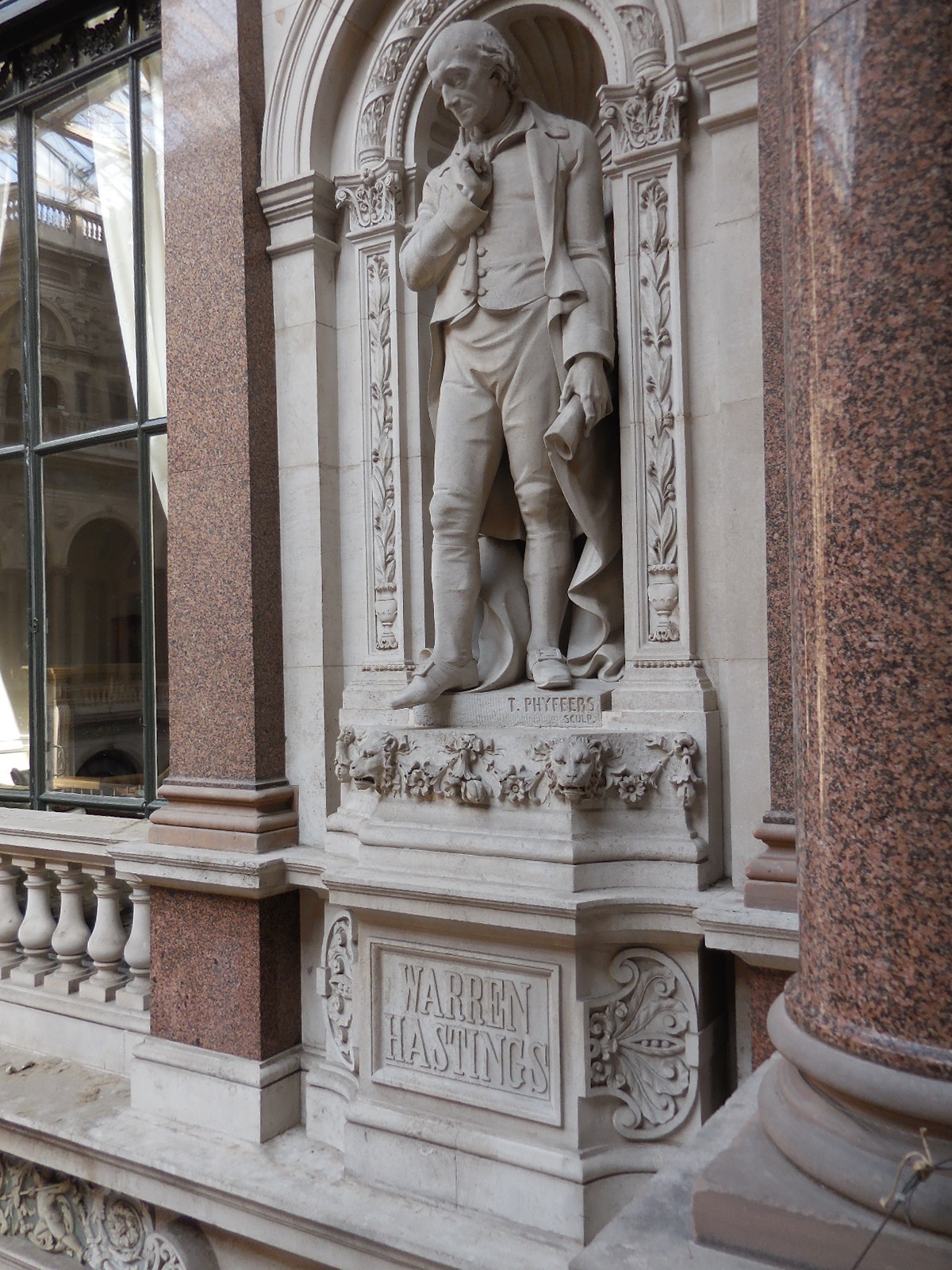
One of many statues, this of Warren Hastings (1732-1818),  who was Governor General of India 1773-1785.
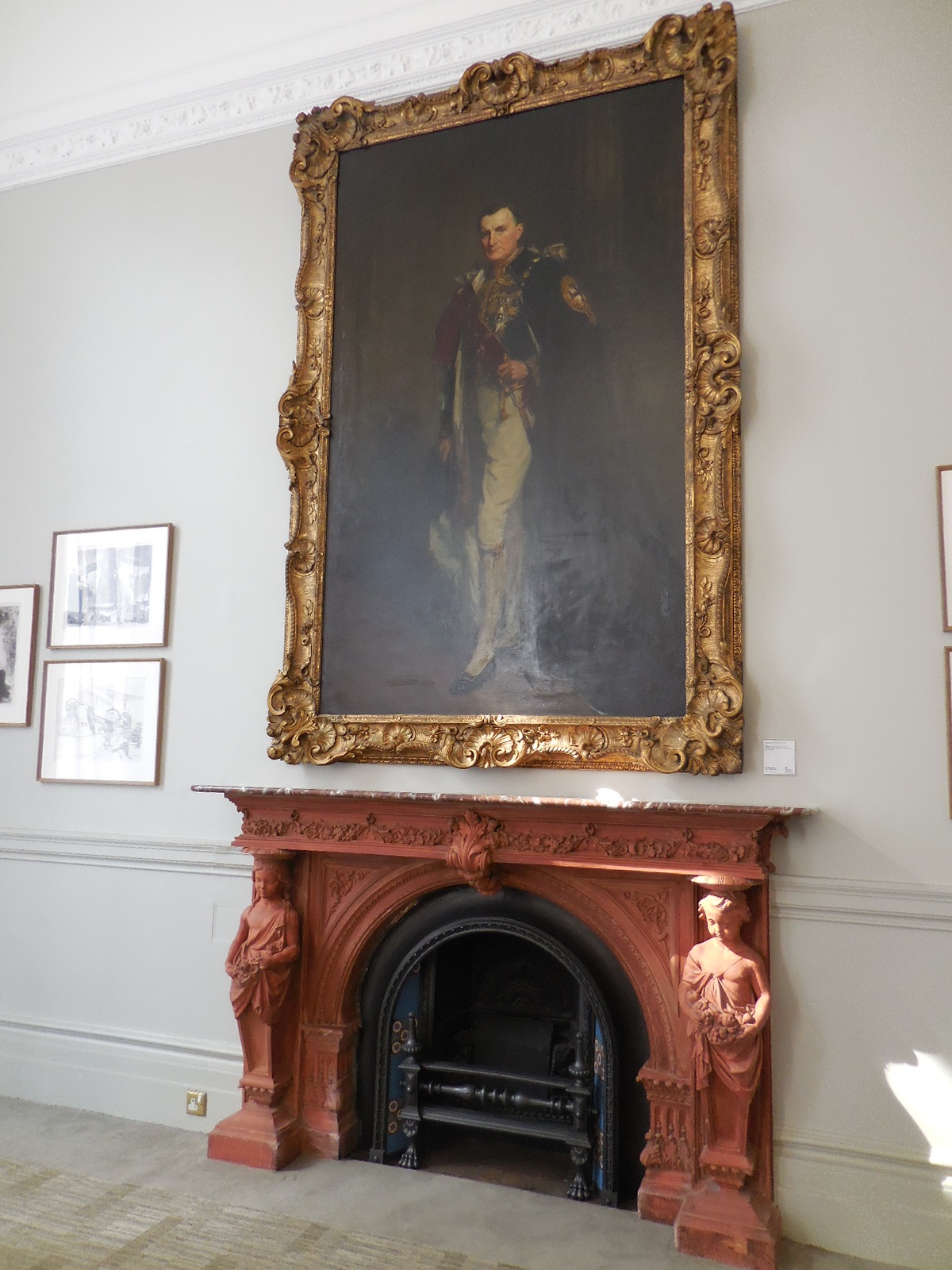
Edward Grey, 1st Viscount Grey of Falloden (1862-1933), Foreign Secretary
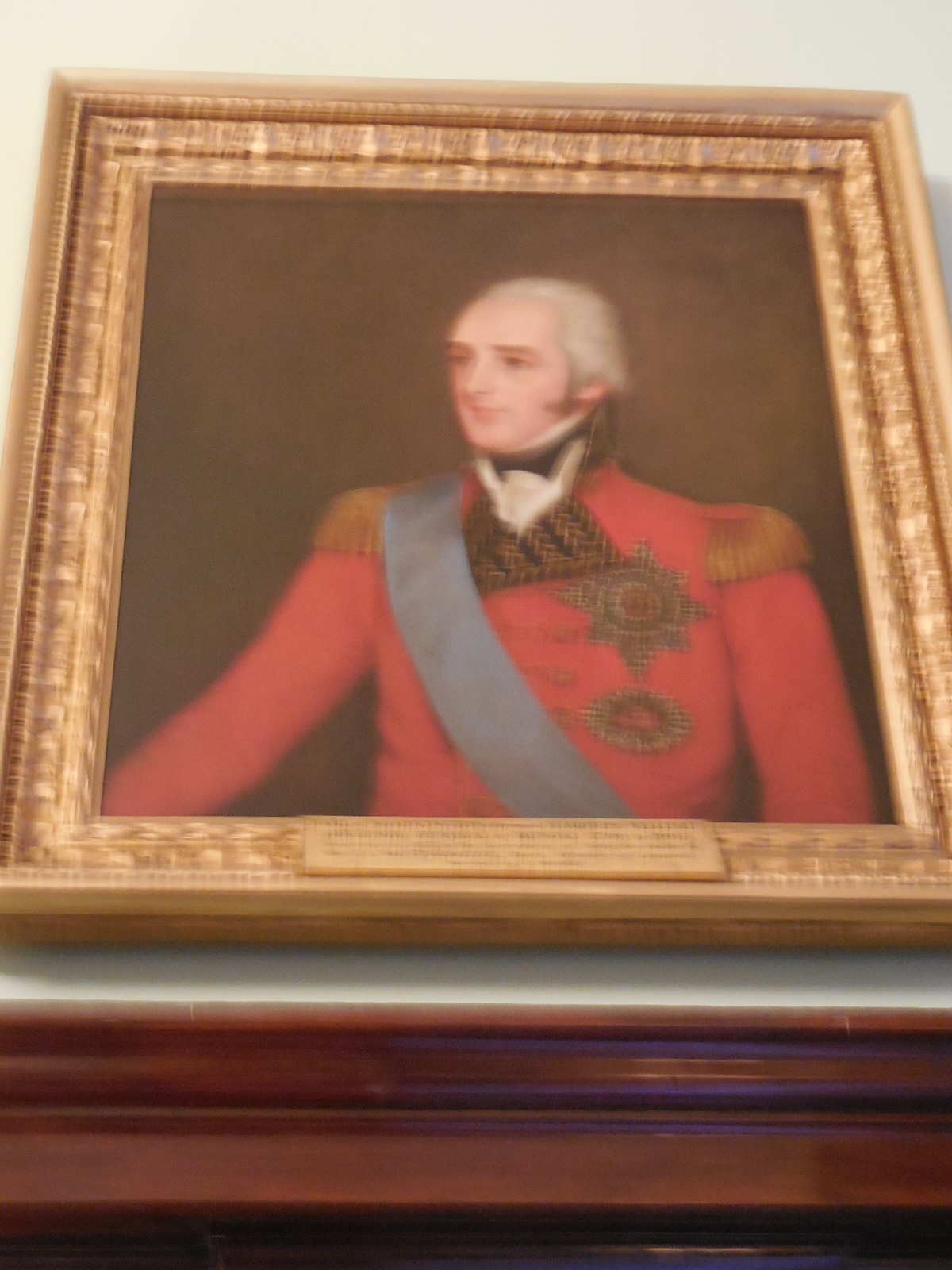
The Marquess of Wellesley (1760-1842), Governor General of India, 1797-1905
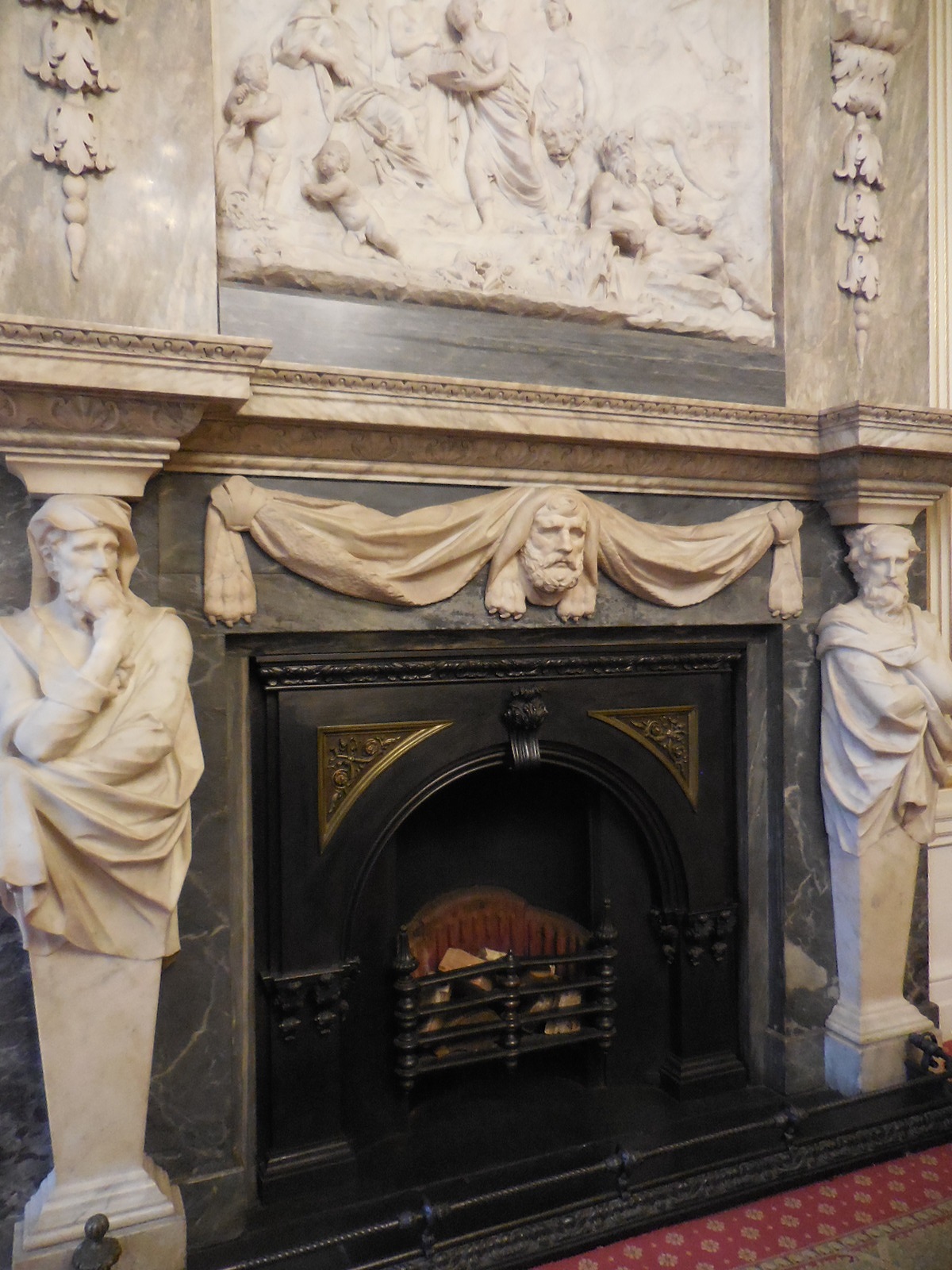
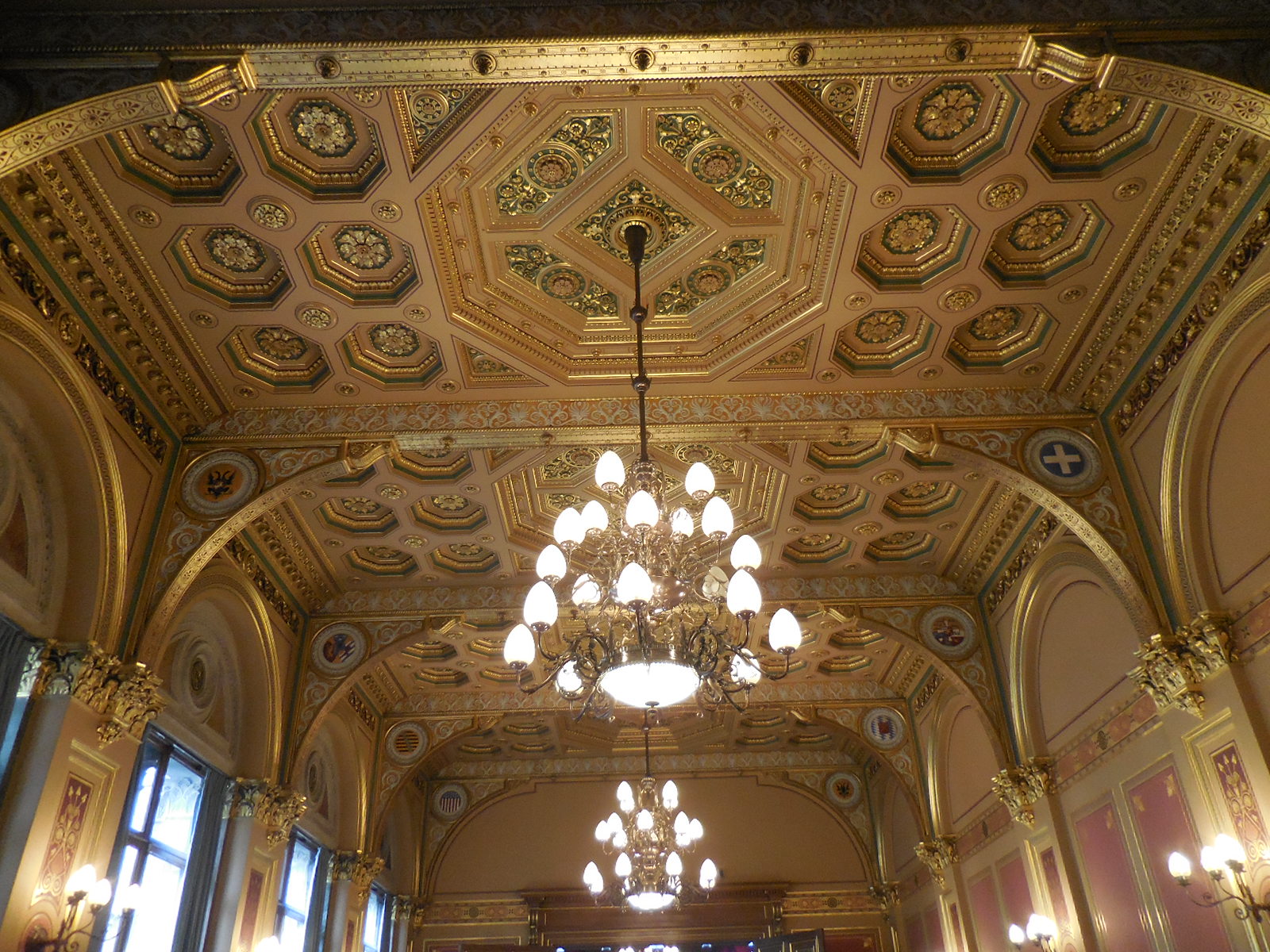
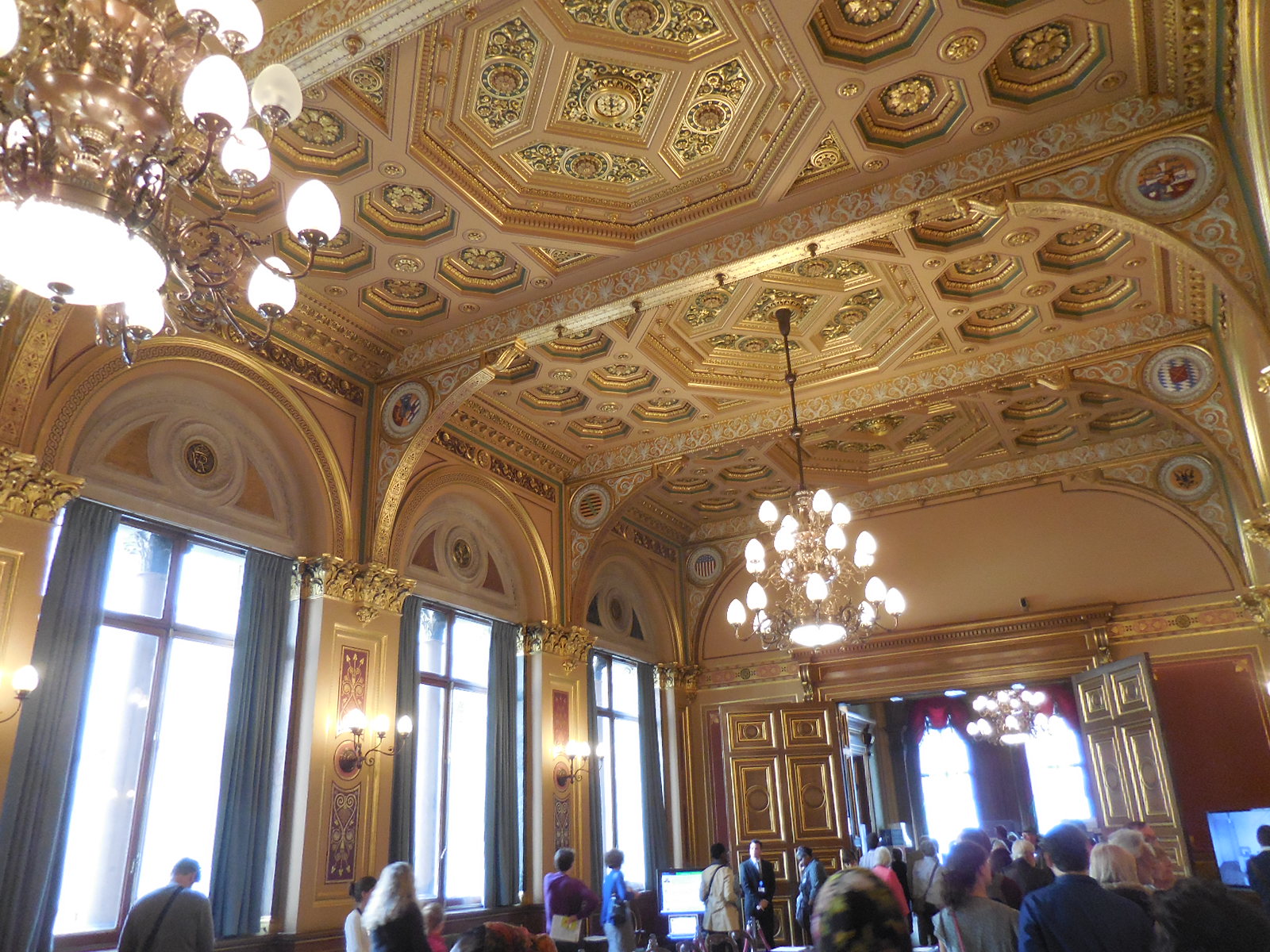
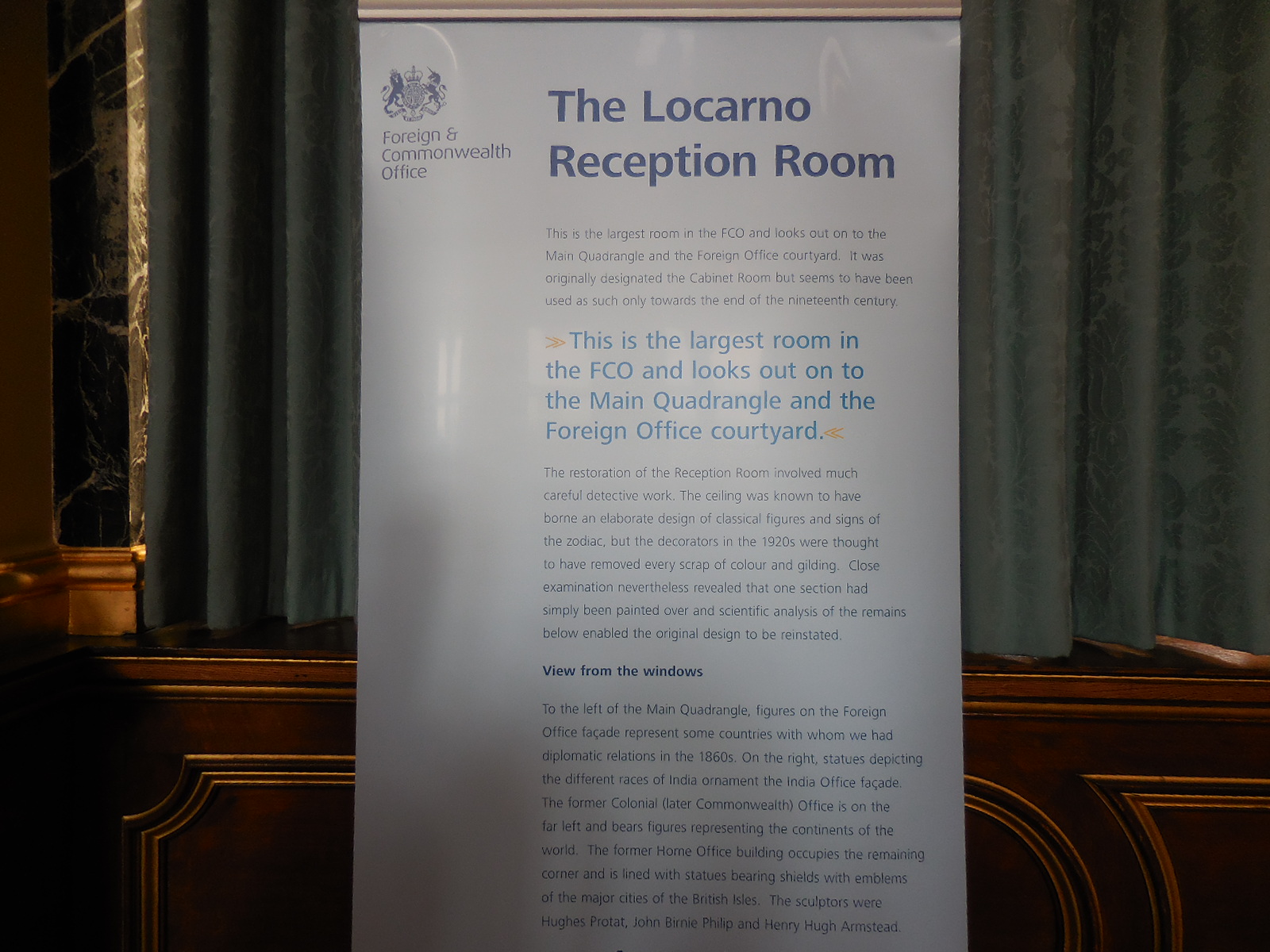
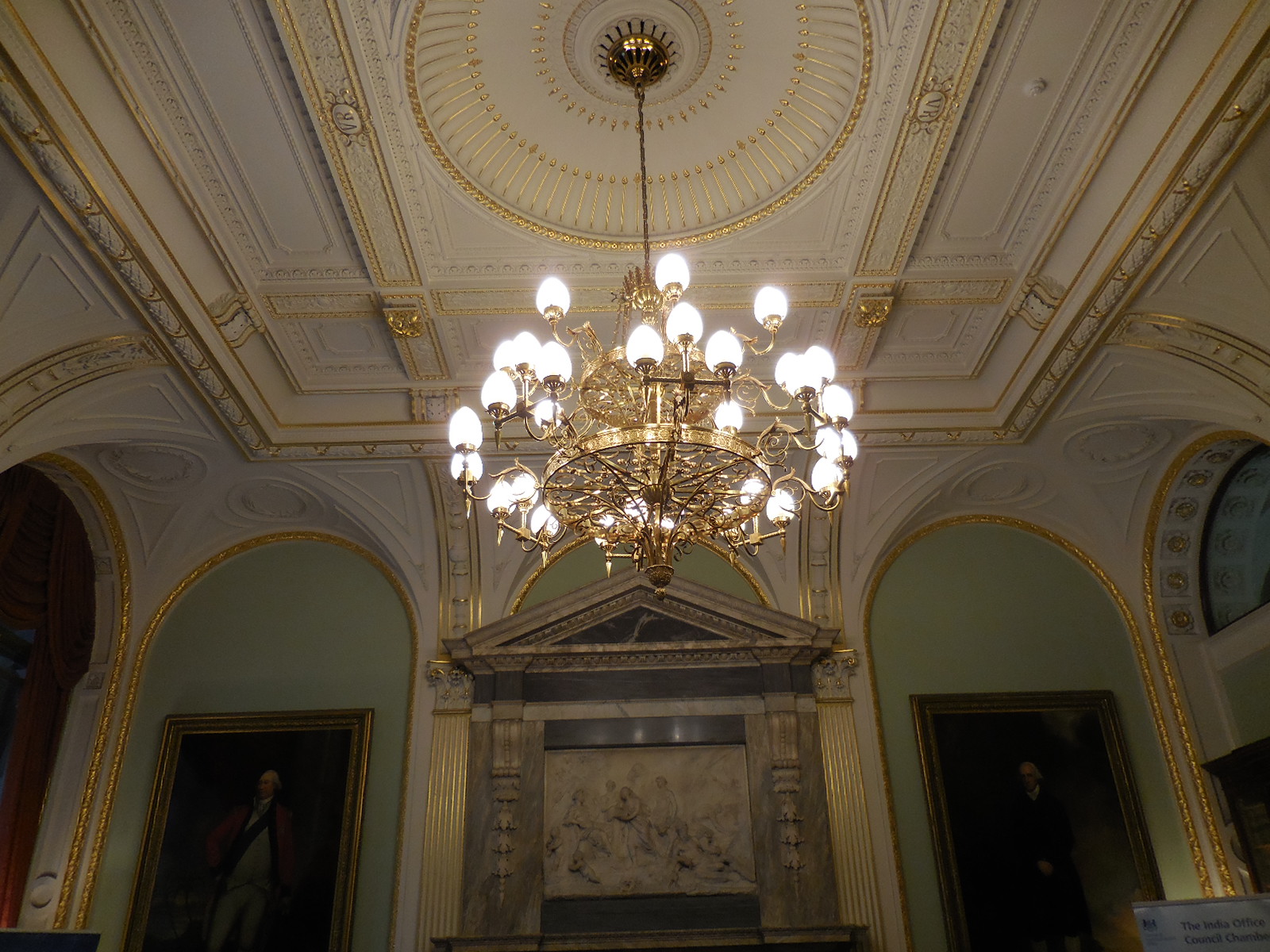
The Lucarno Conference Room
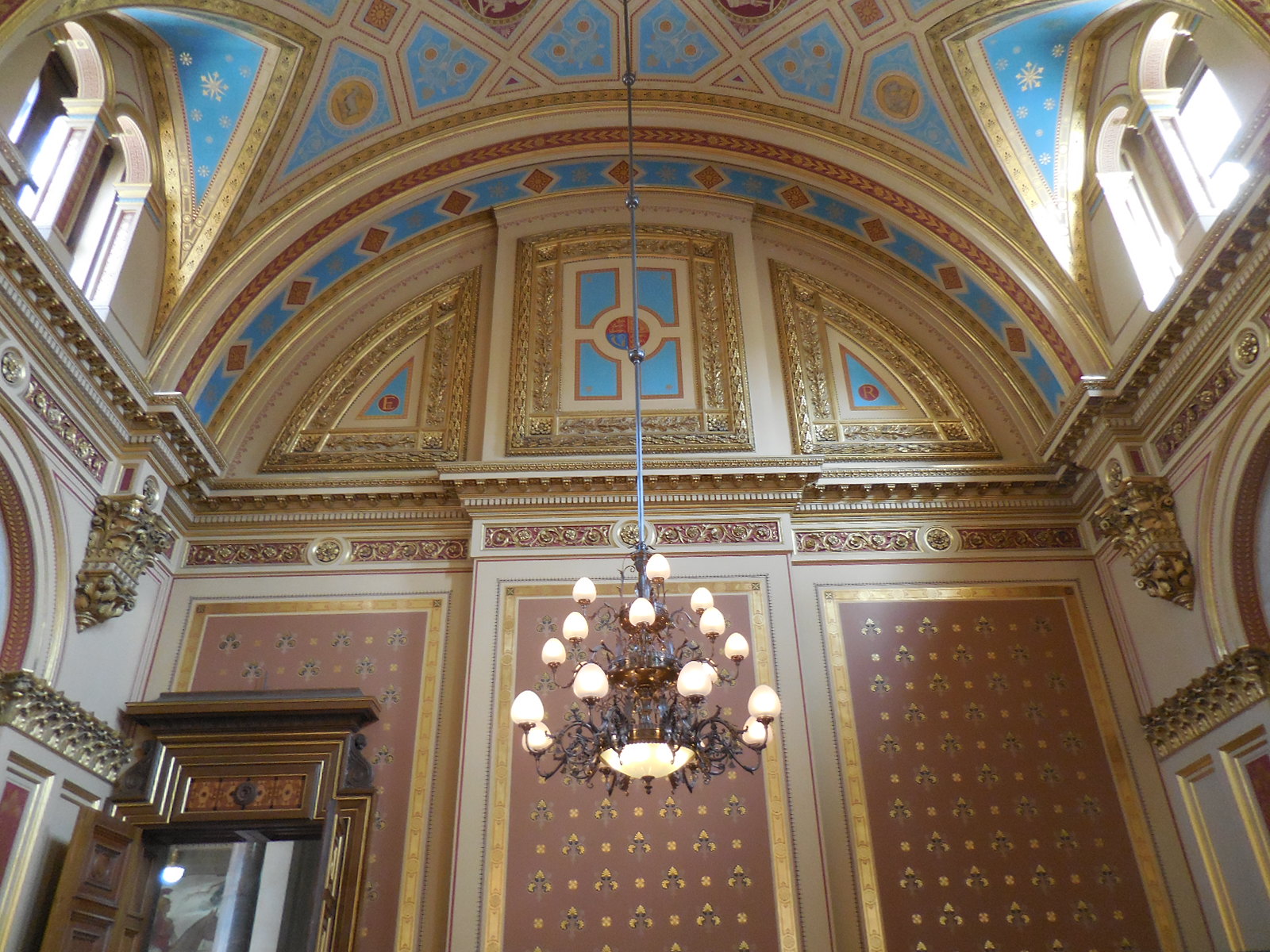
The Locarno Conference Room
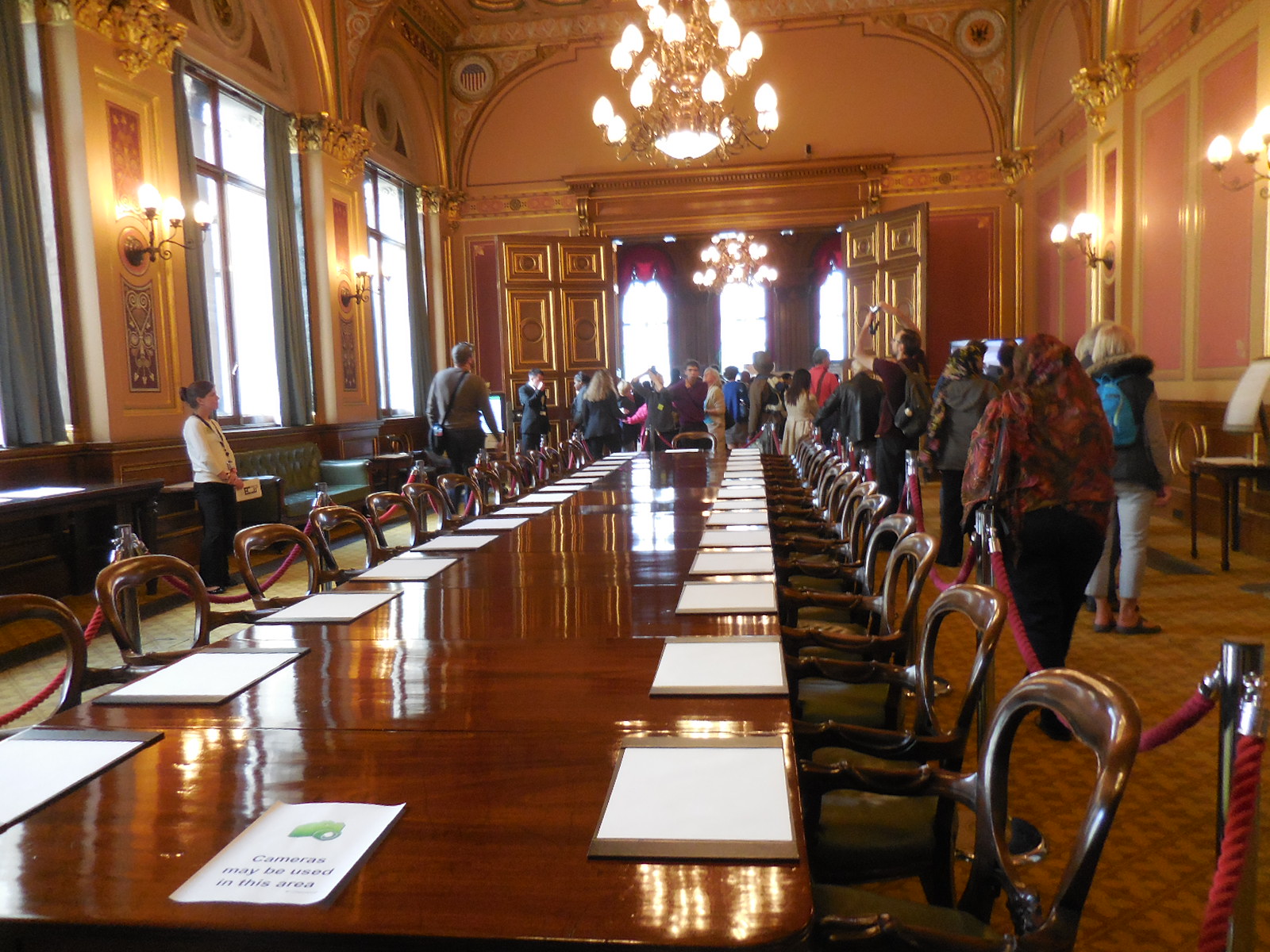
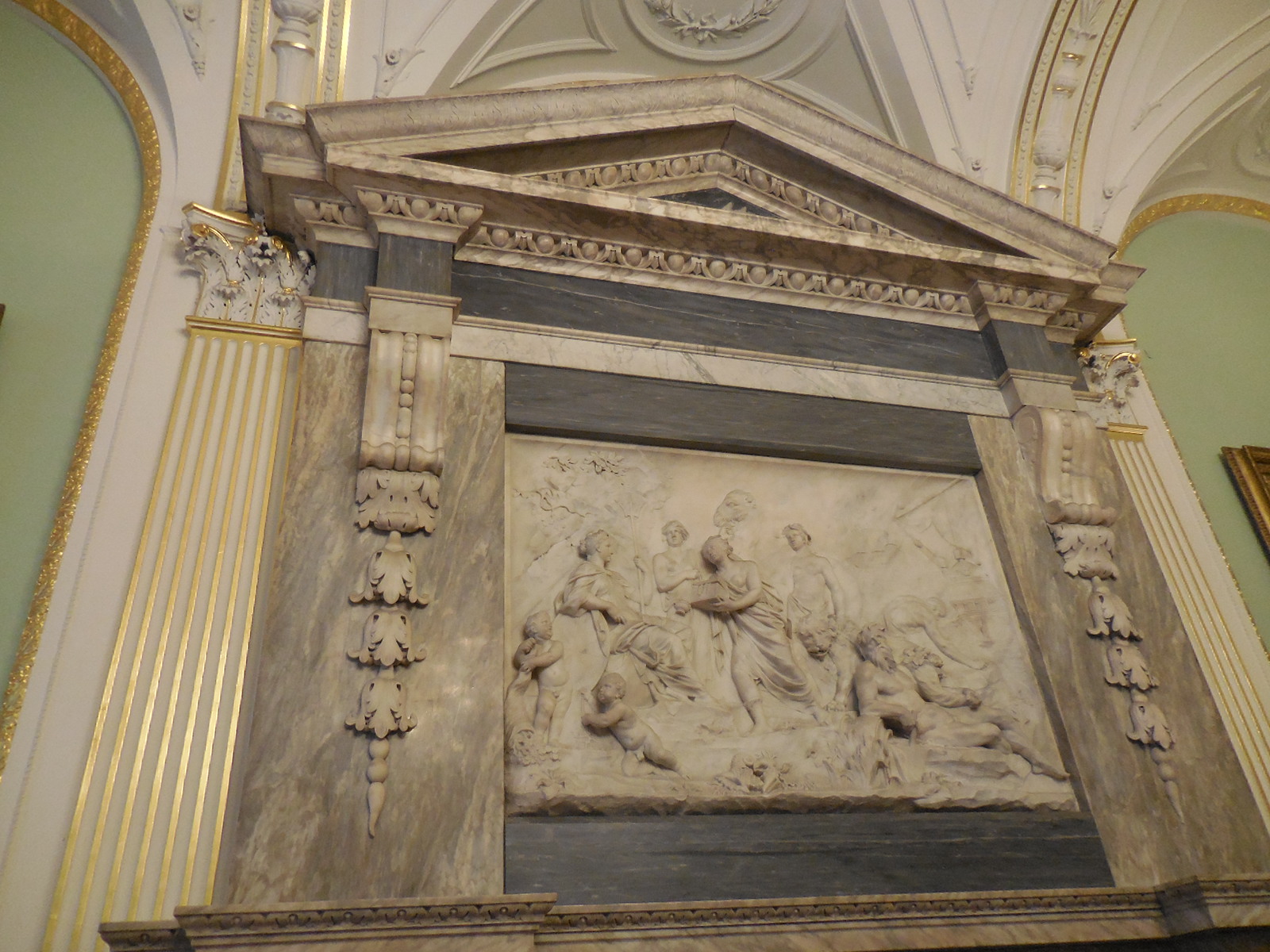
The FCO hosted the signing of the Locarno Treaties on European peace in 1925.  These rooms were the scene of the formal ceremonies, many conferences, and diplomatic dinners. 
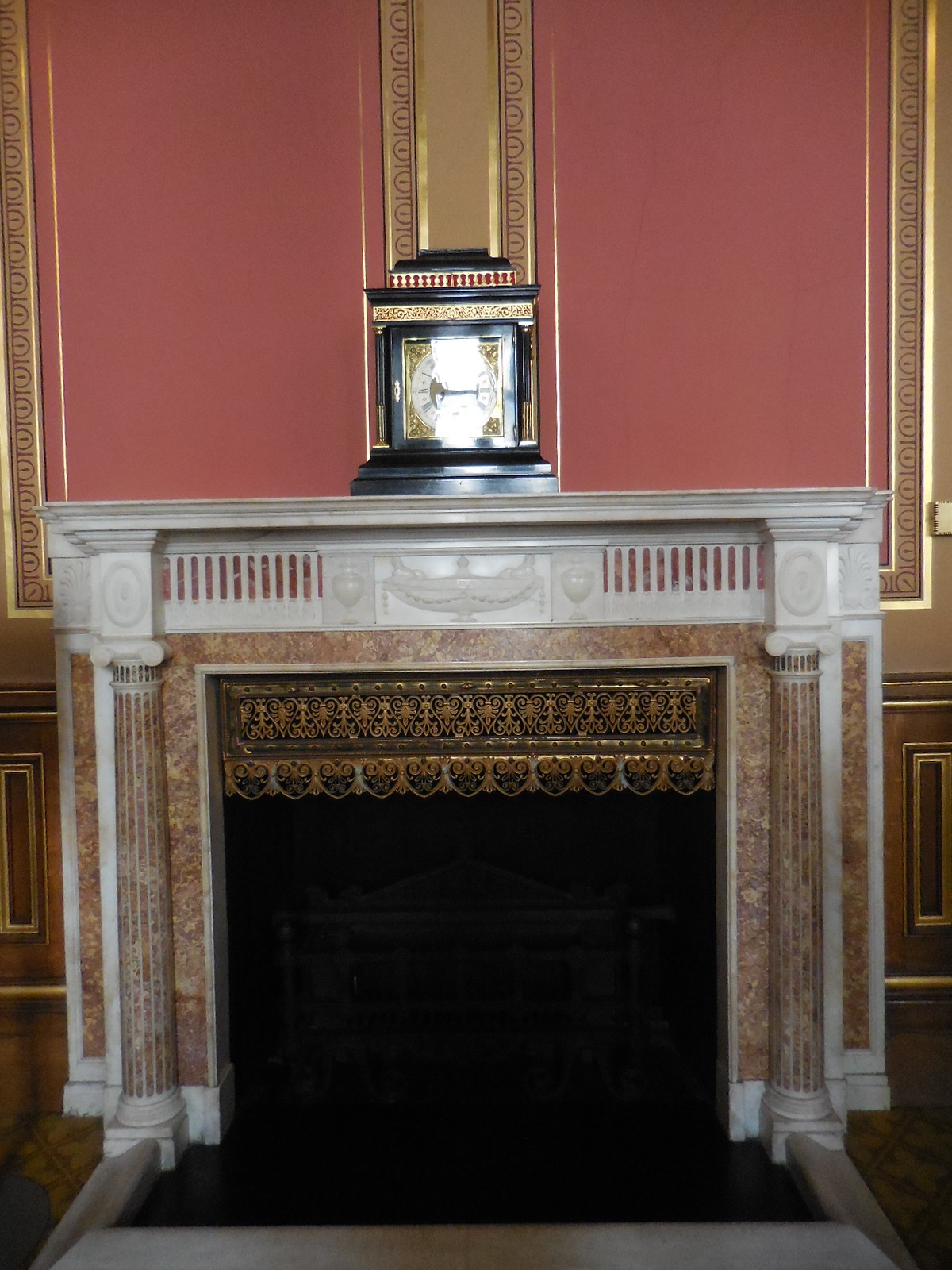
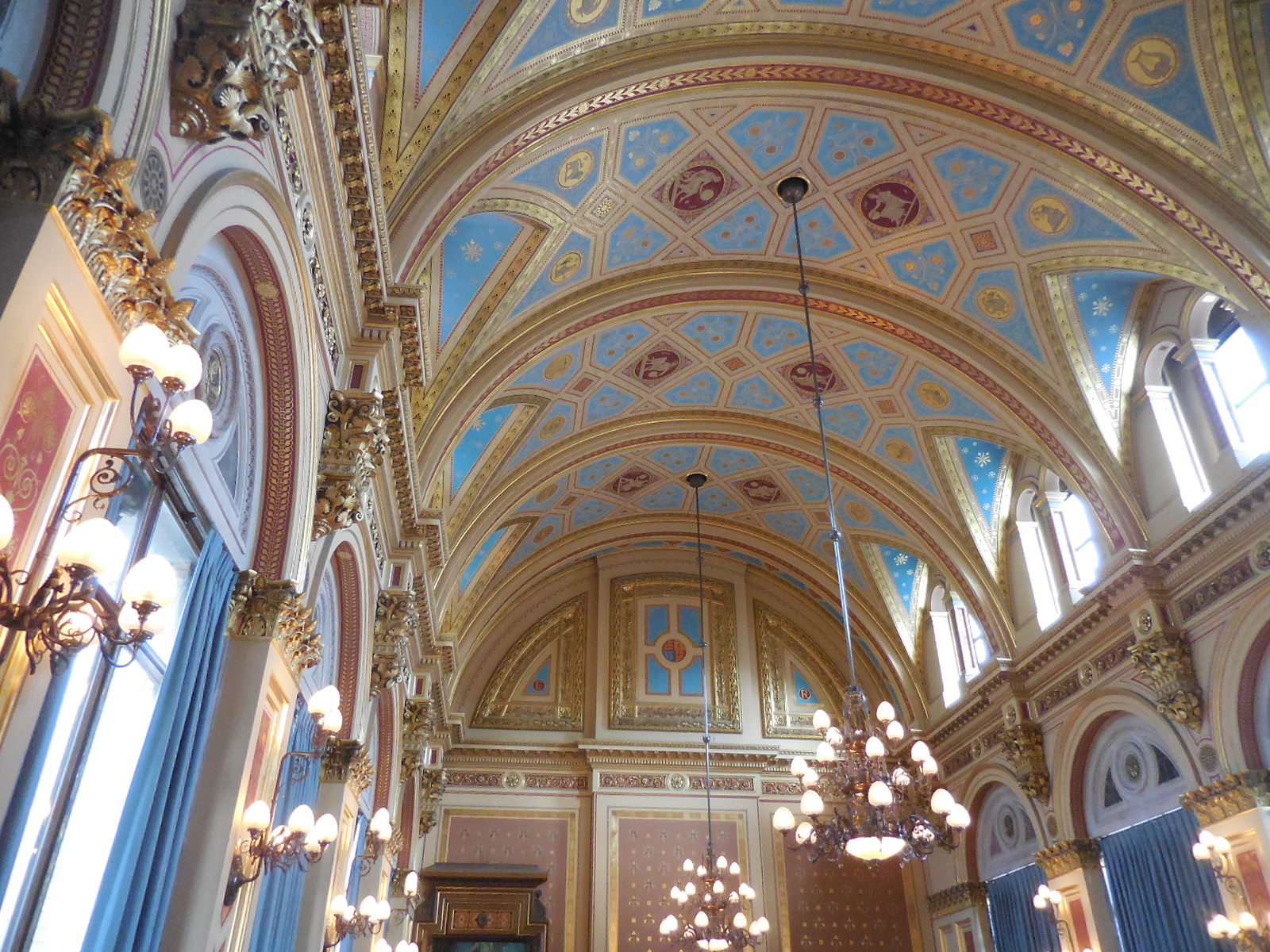
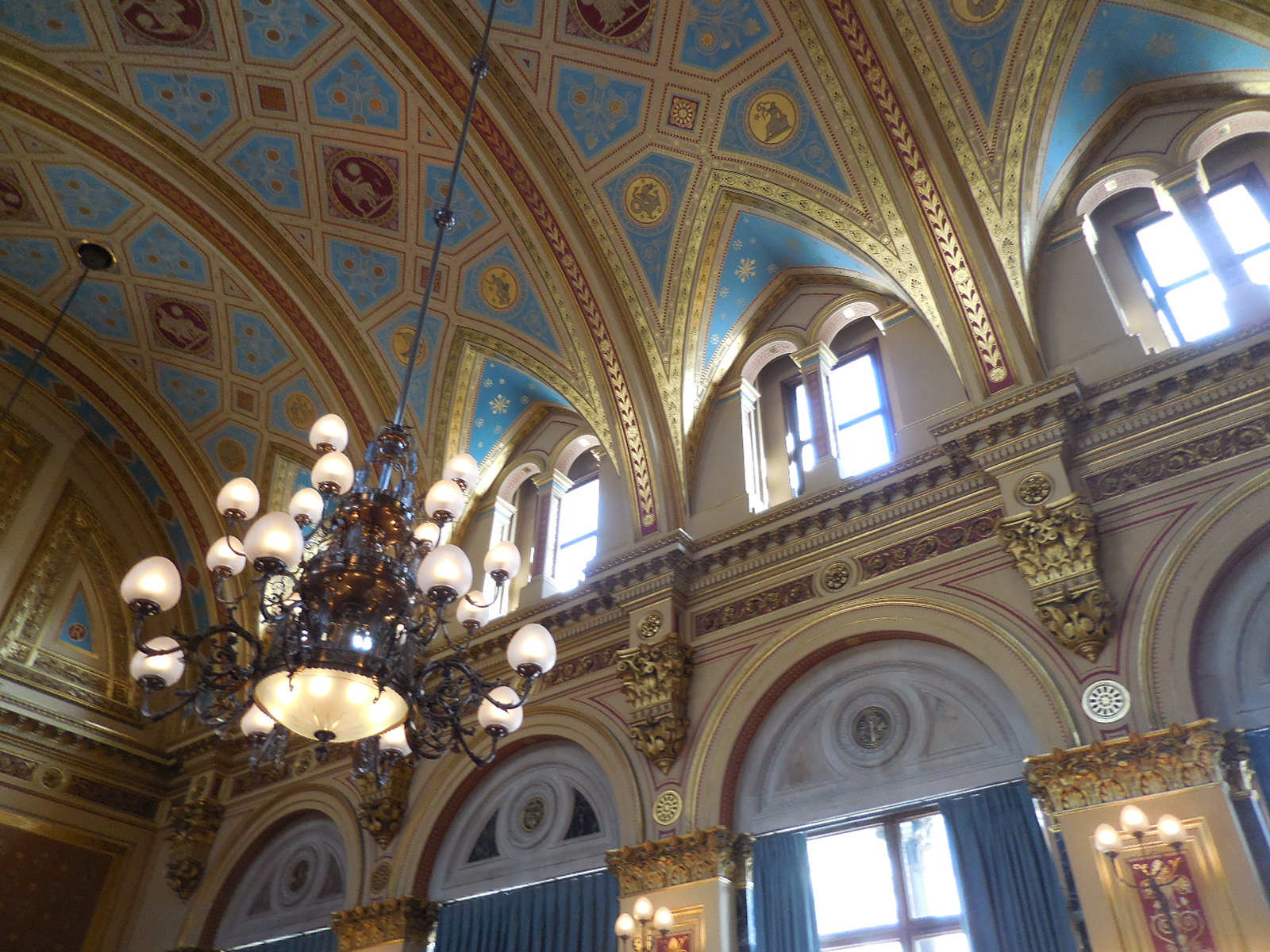
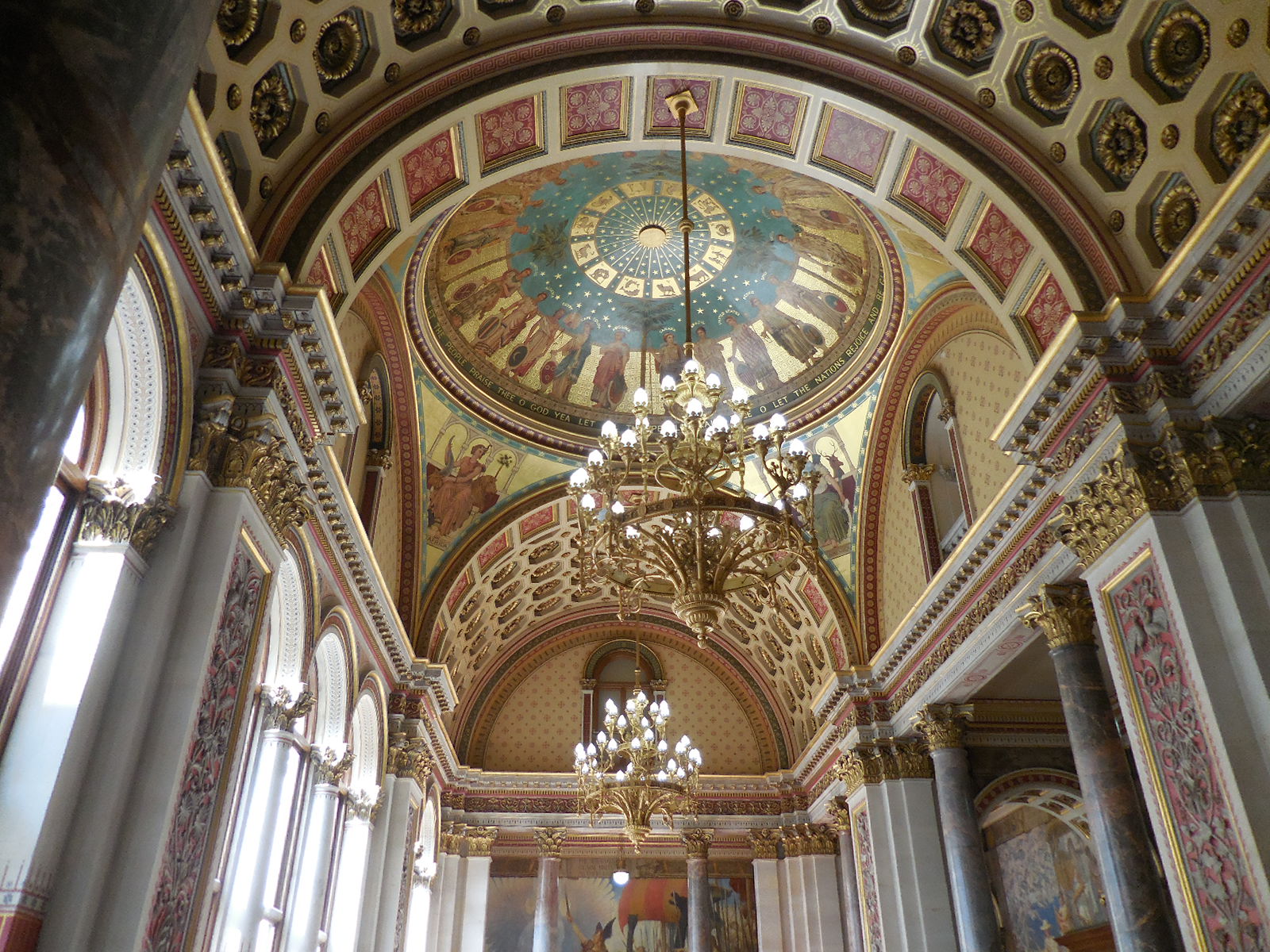
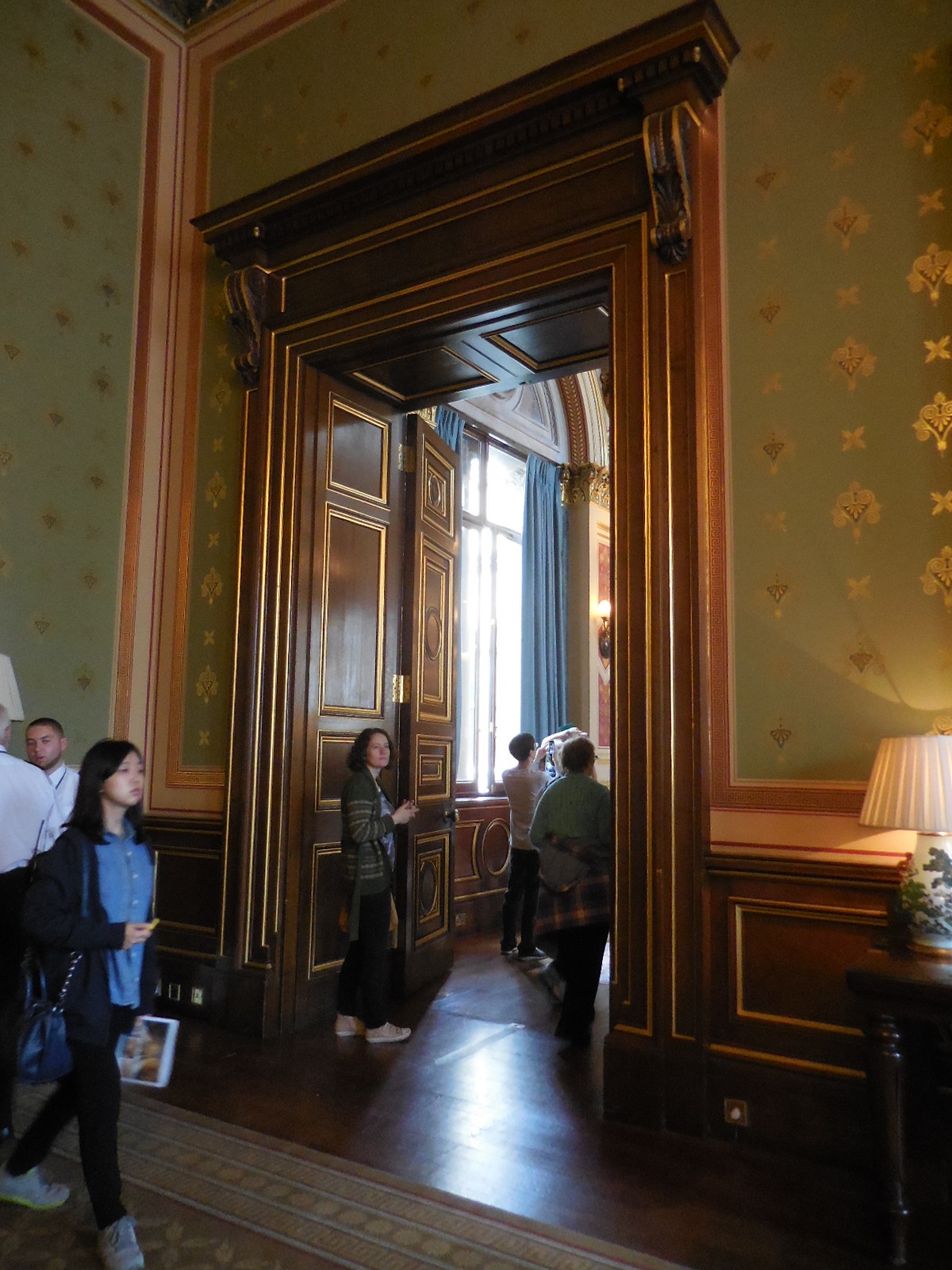
The elaborate Victorian interiors were restored from 1988 to 1992; the rooms are used for staff functions and diplomatic events.
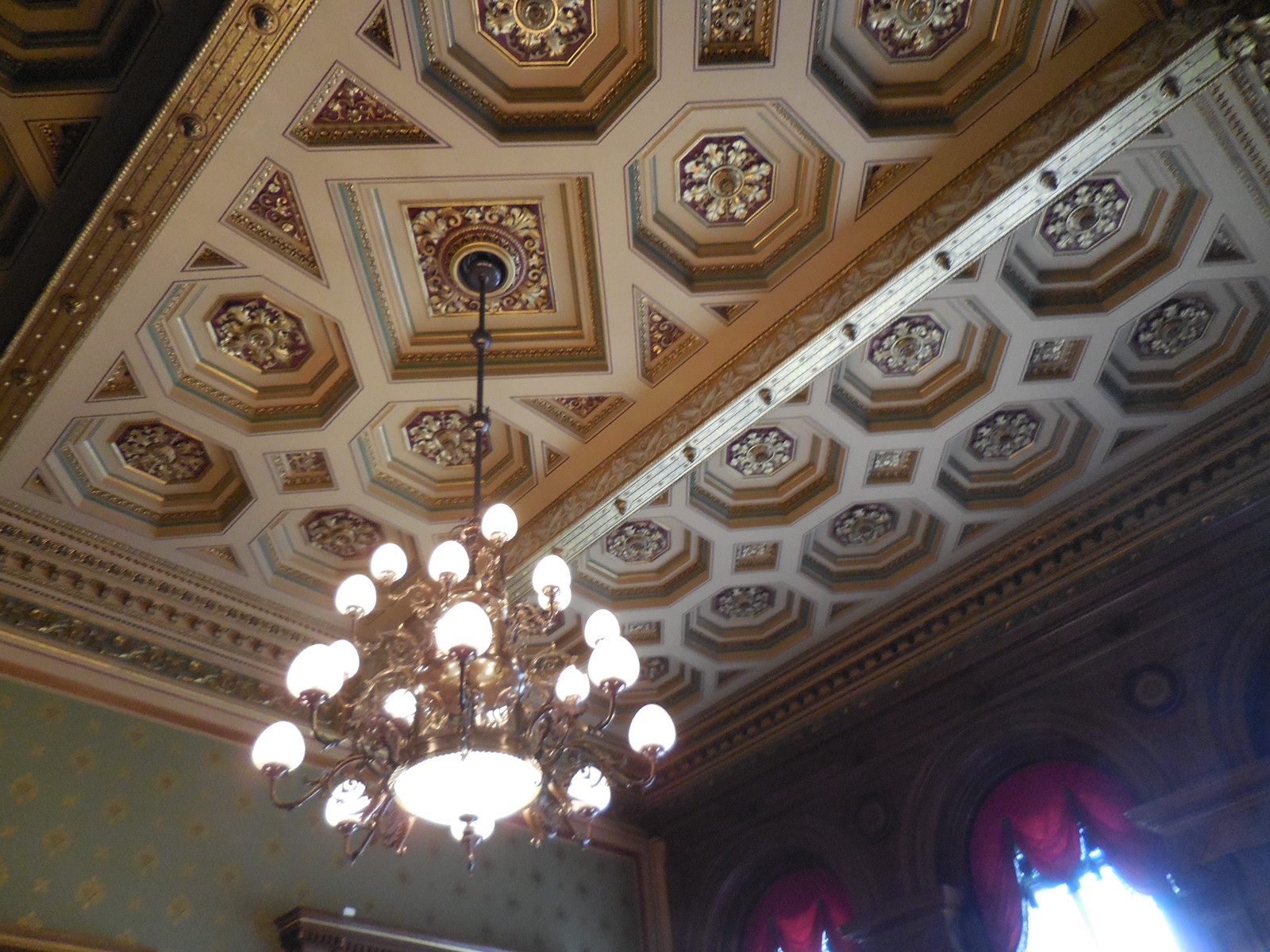
The Locarno Dining Room
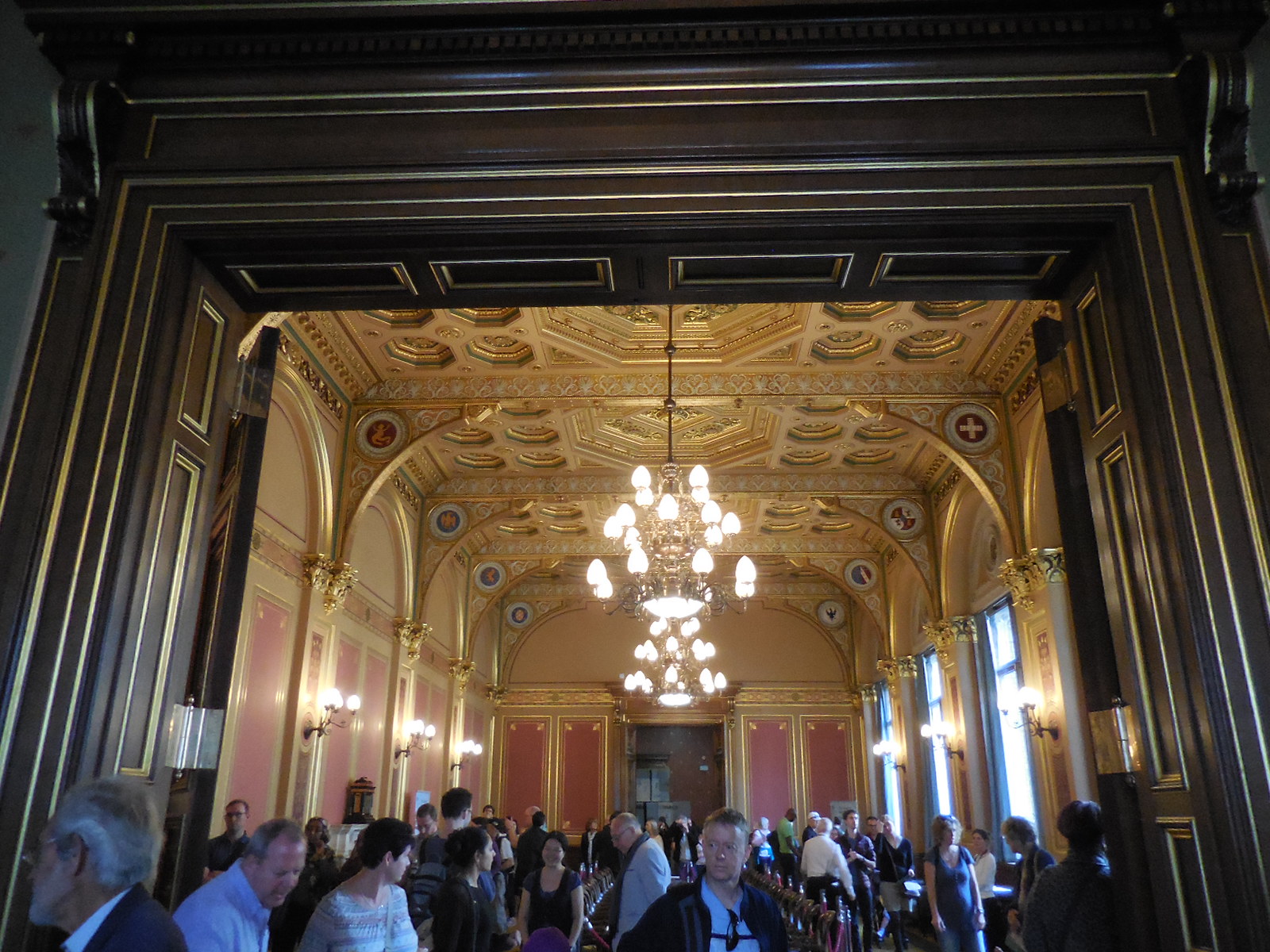
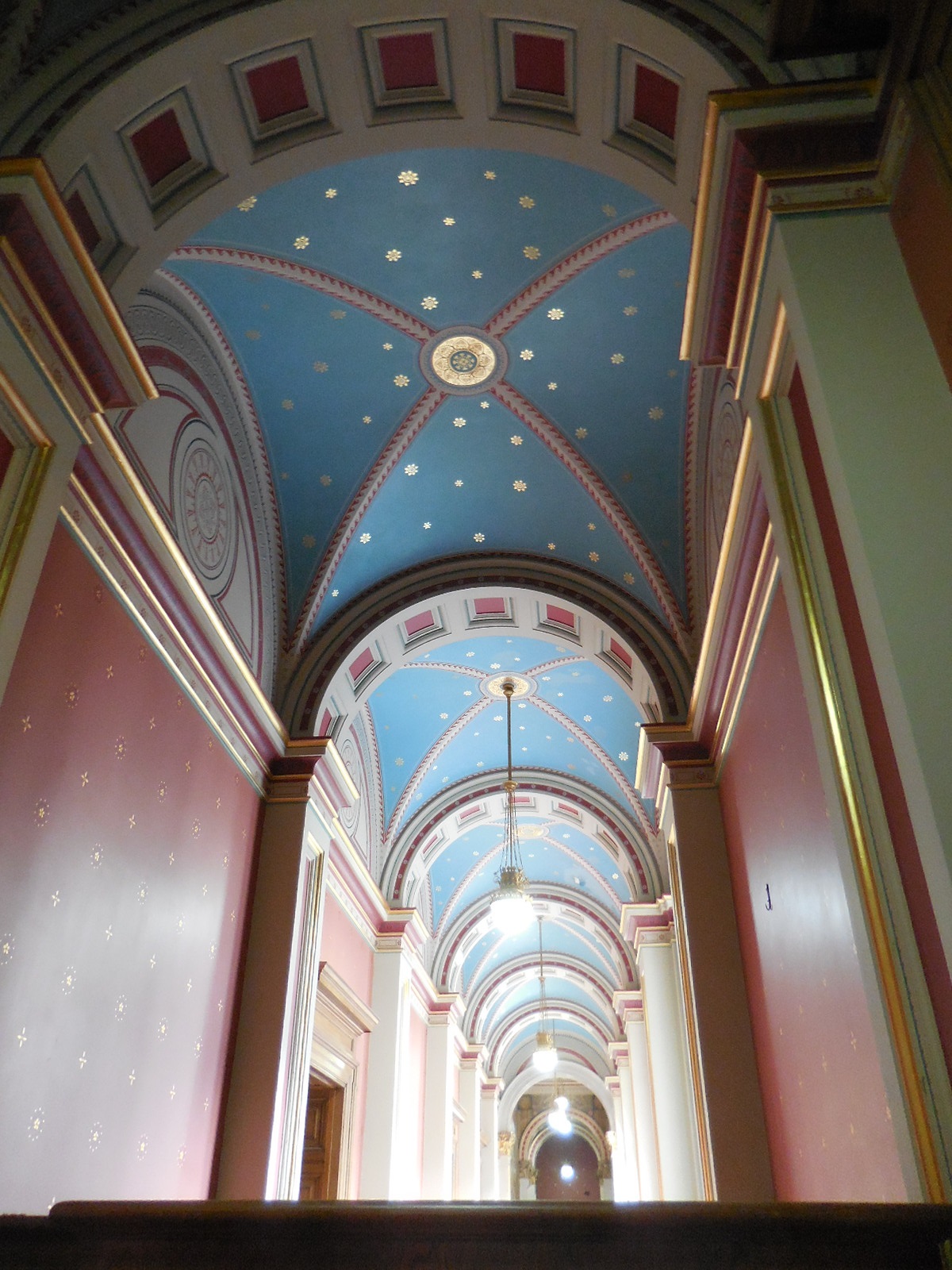
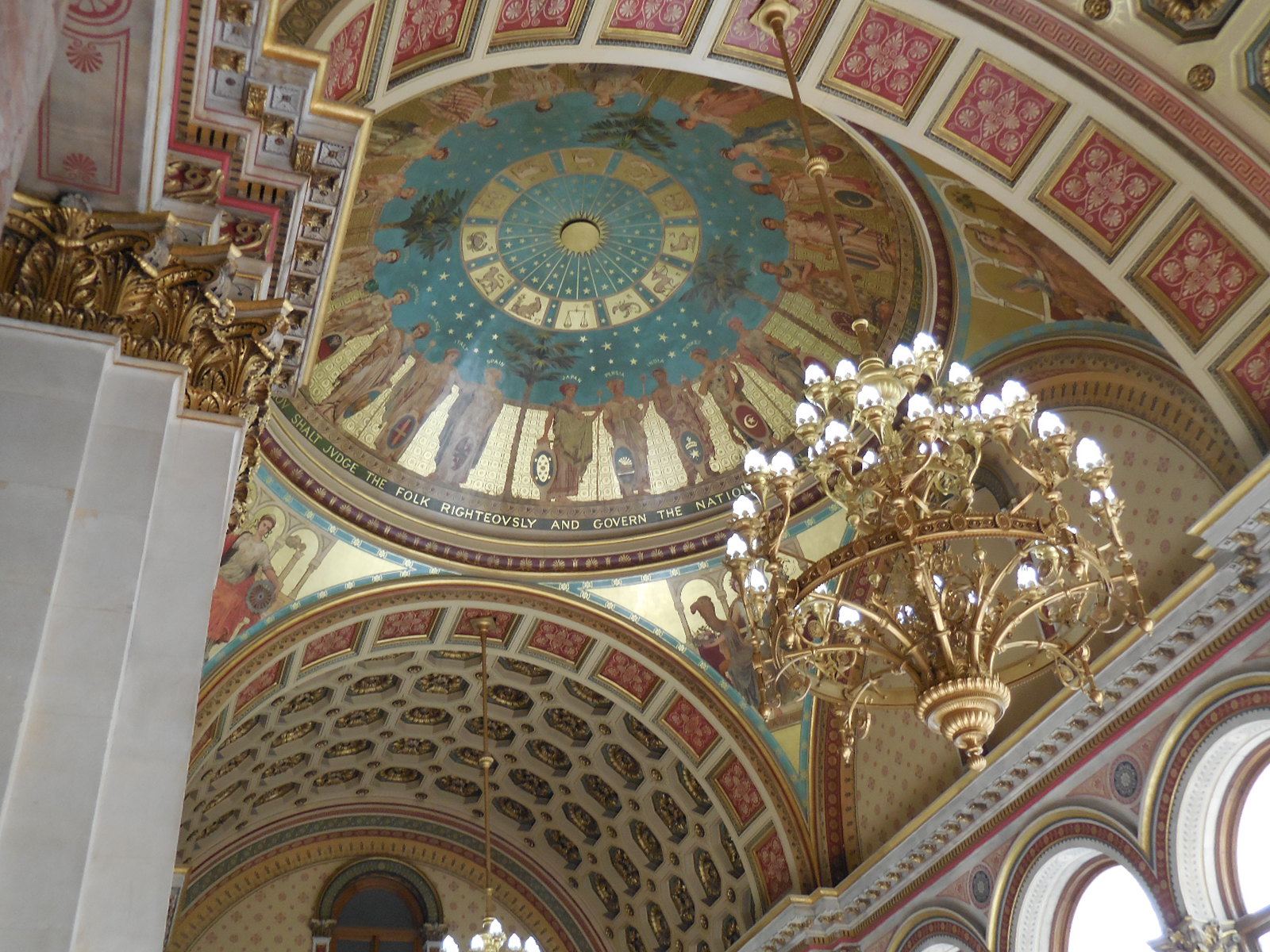
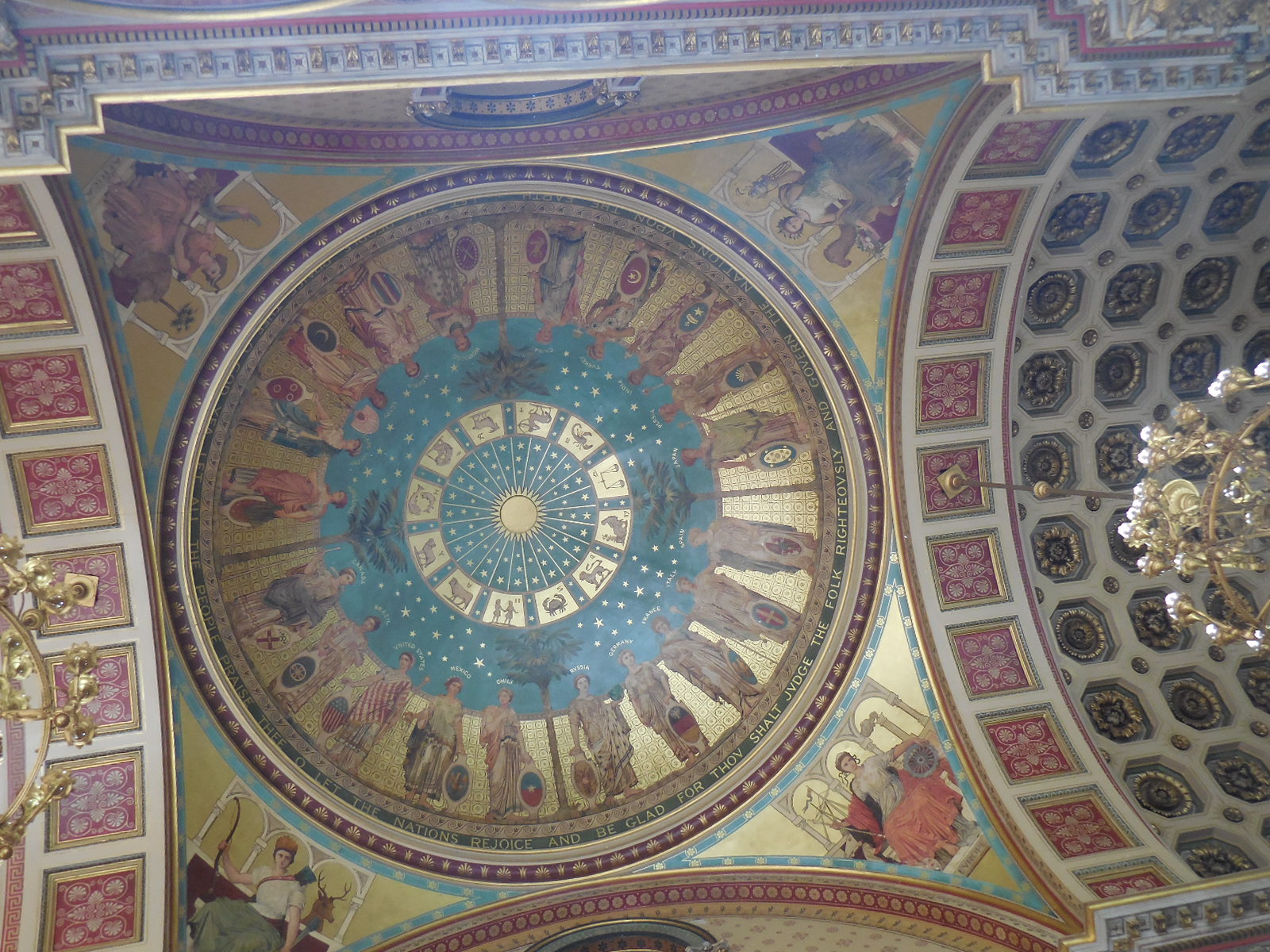
The ceilings and walls are exquisite.
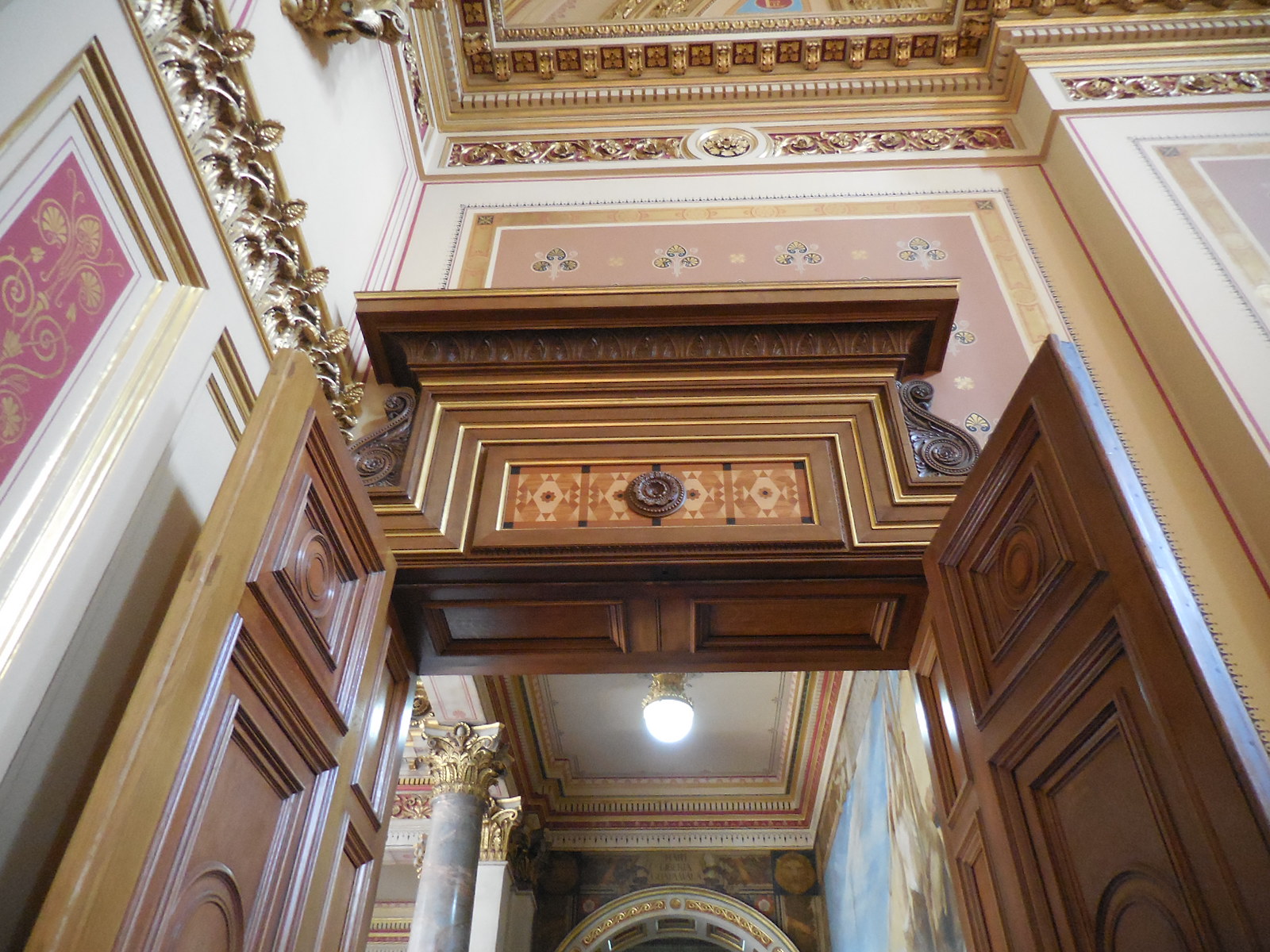
The Grand Staircase
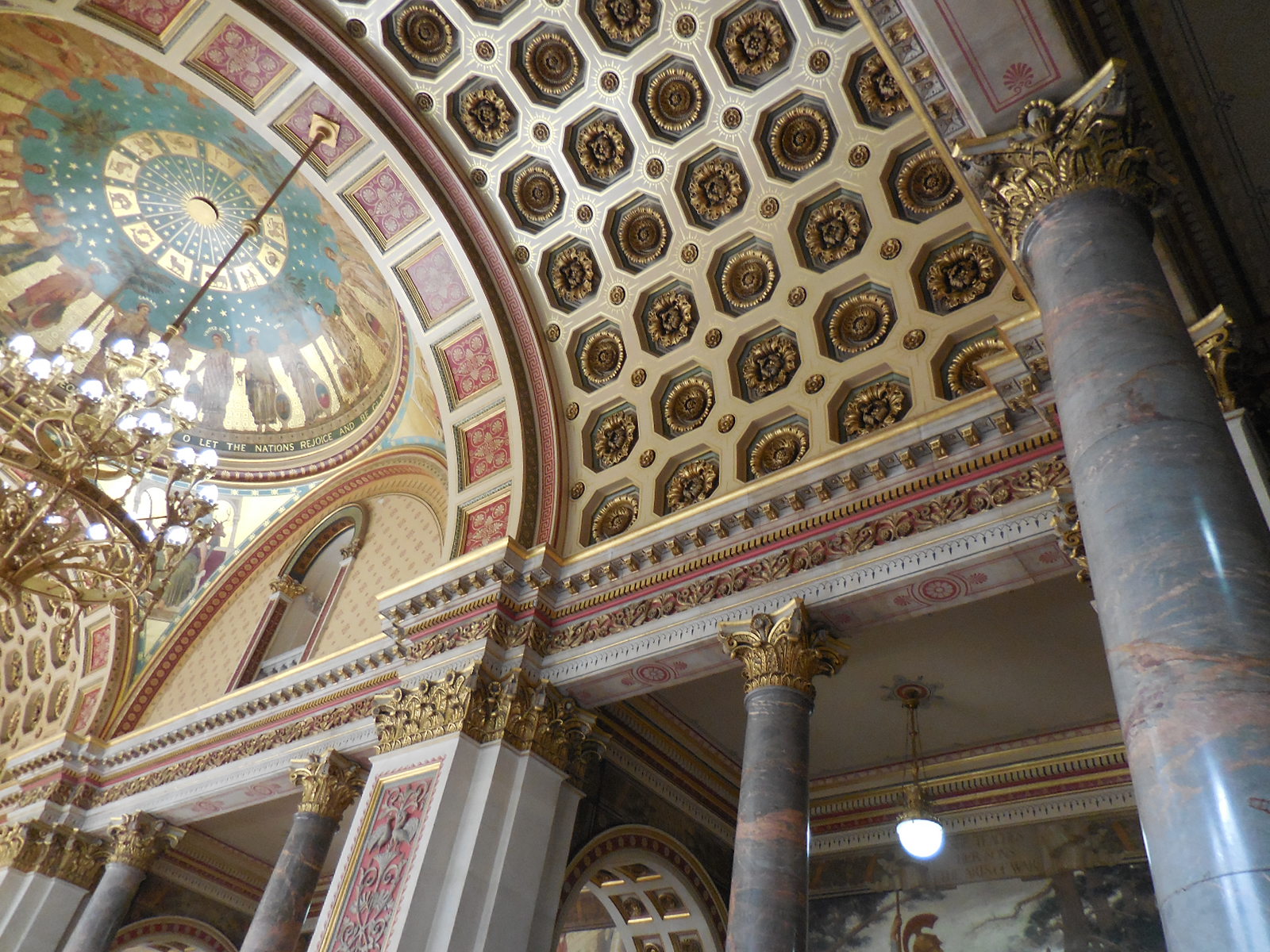
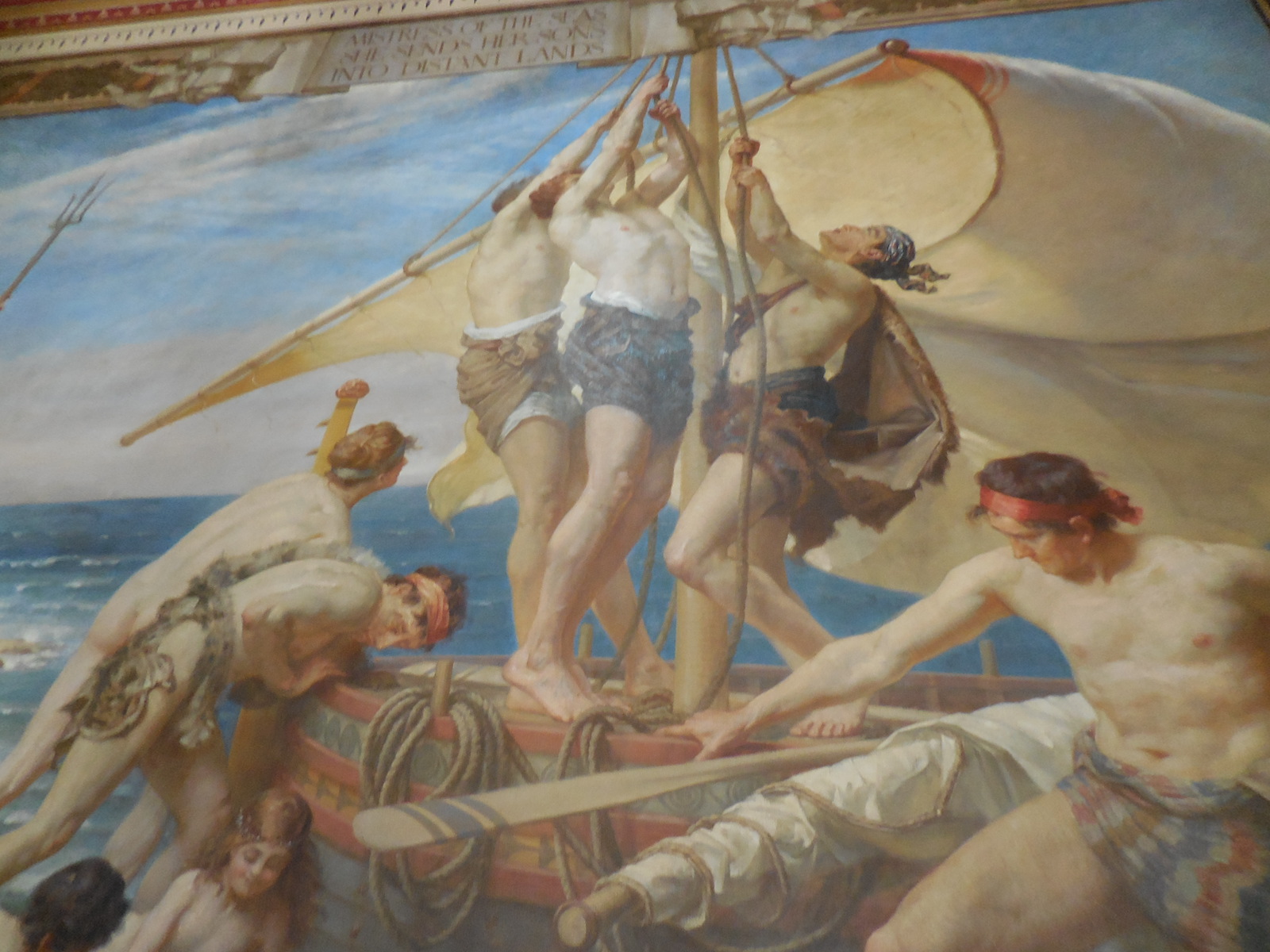
One of the Goetze murals, depicting the development and triumph of the British Empire.
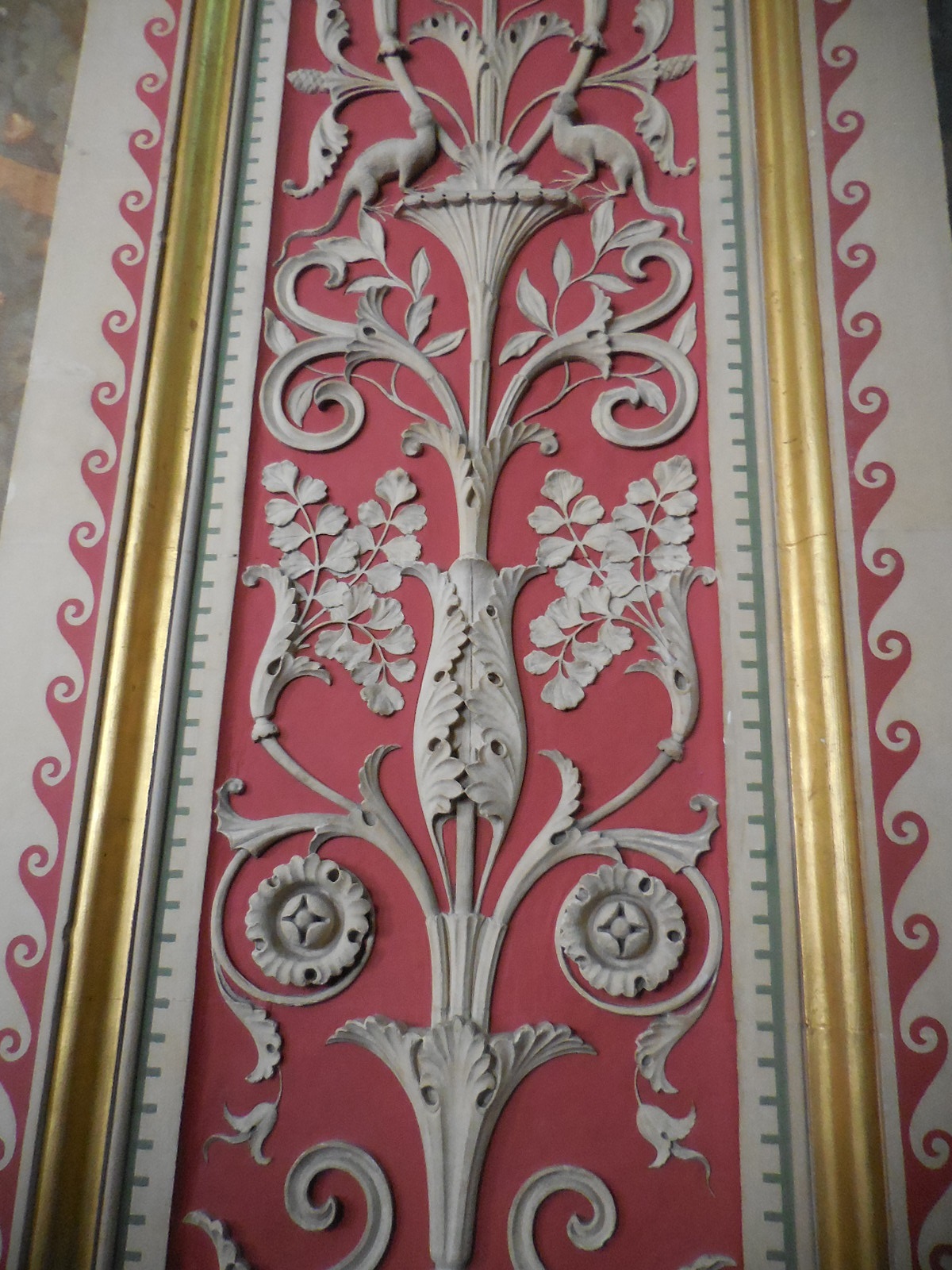
Wall panels
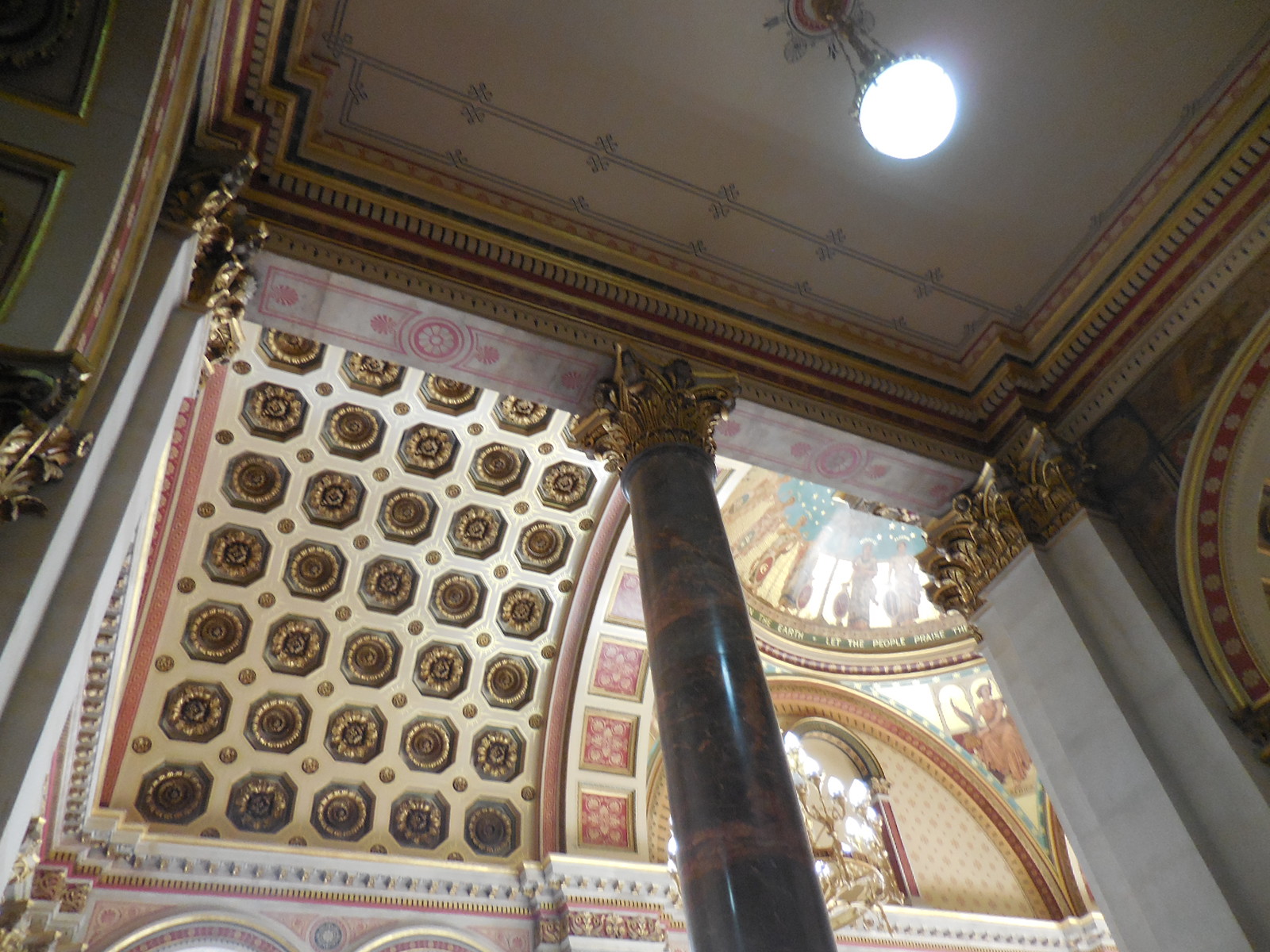
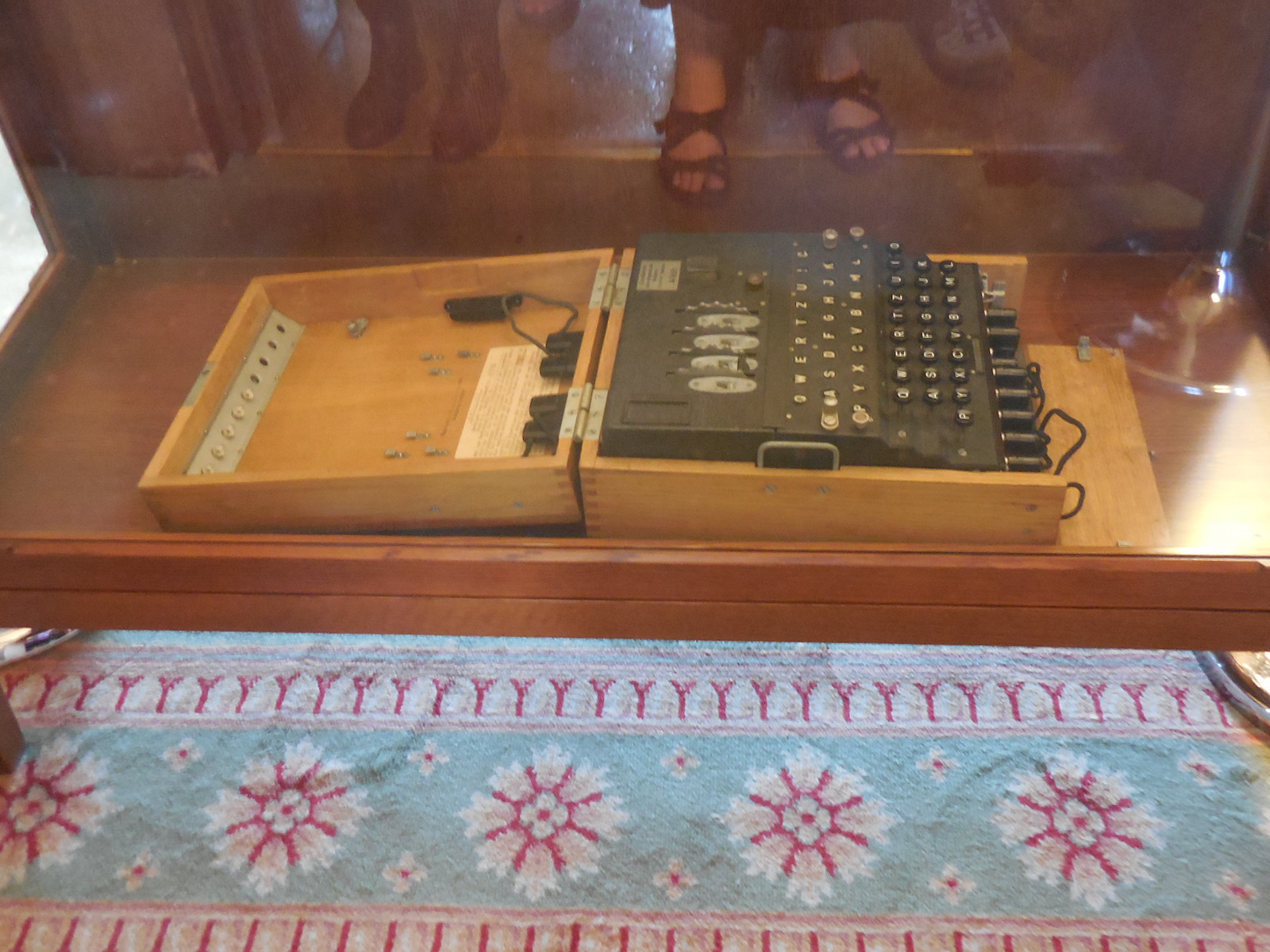
During World War II, these areas were covered with temporary panels and much of the work to decipher Nazi signals took place here, the Enigma project.
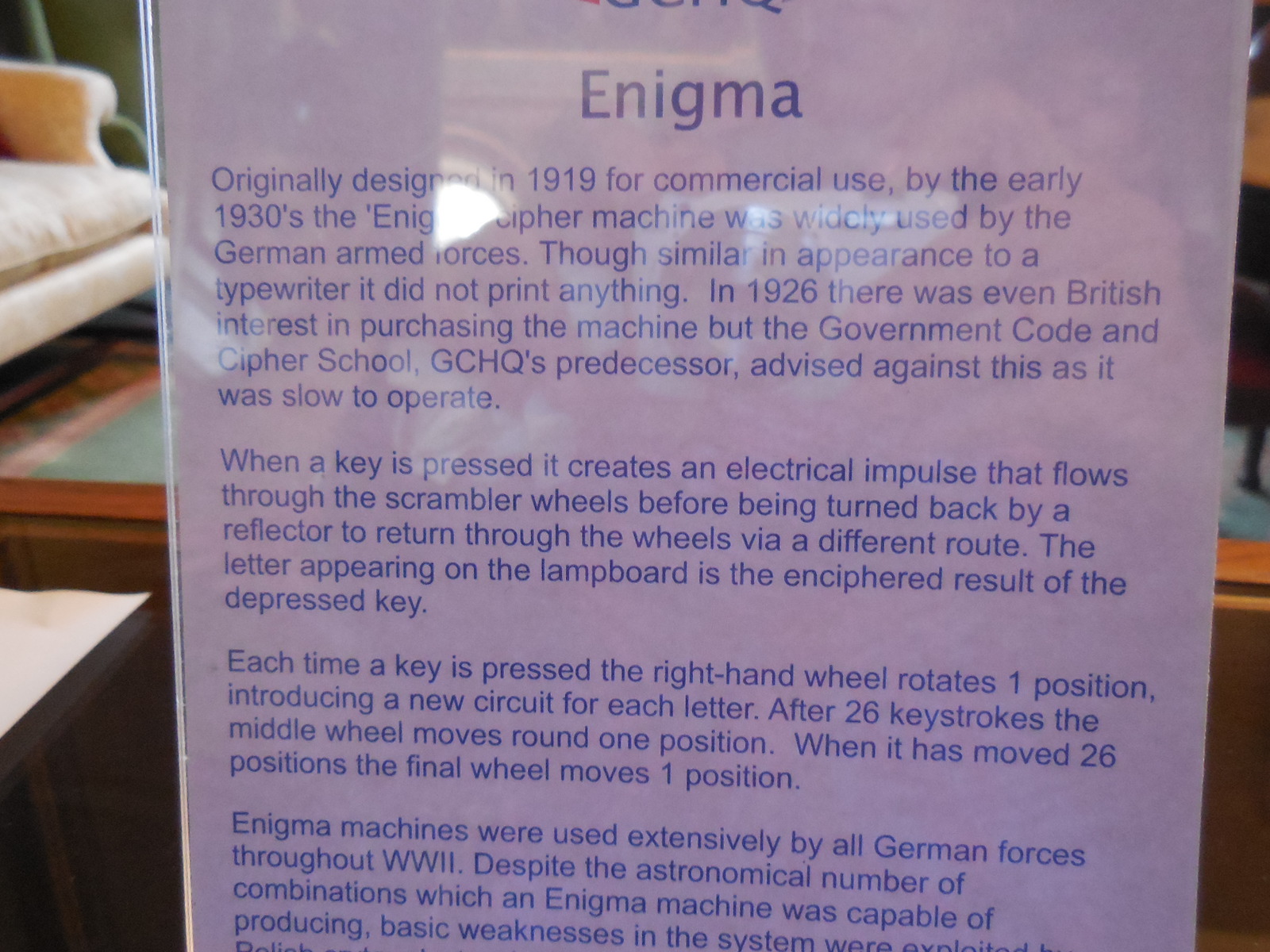
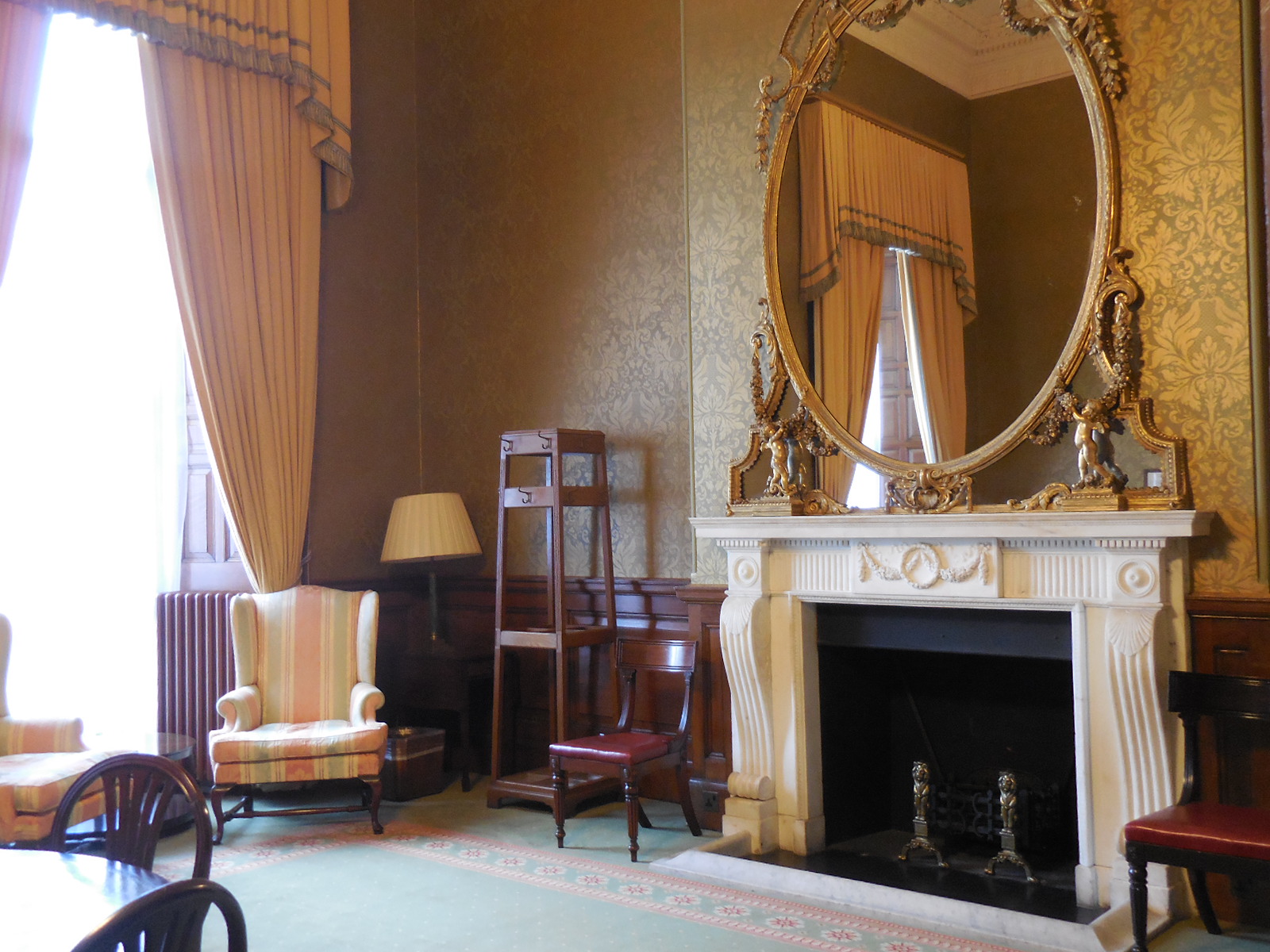
In the 1960’s, proposals to demolish the FCO and replace it with a contemporary structure were considered, and fortunately, discarded in favor of restoration and listing as a Grade I protected site. 
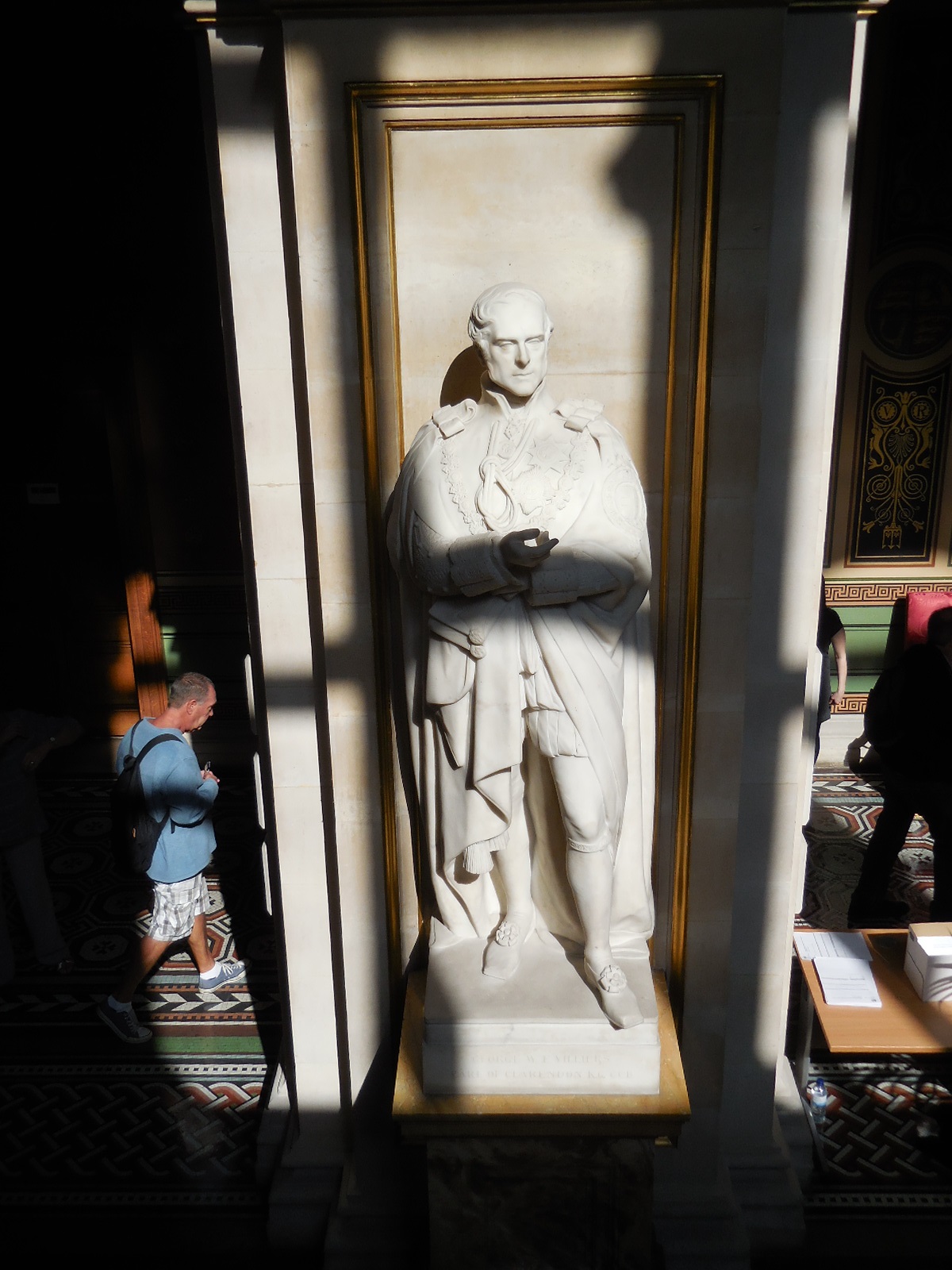
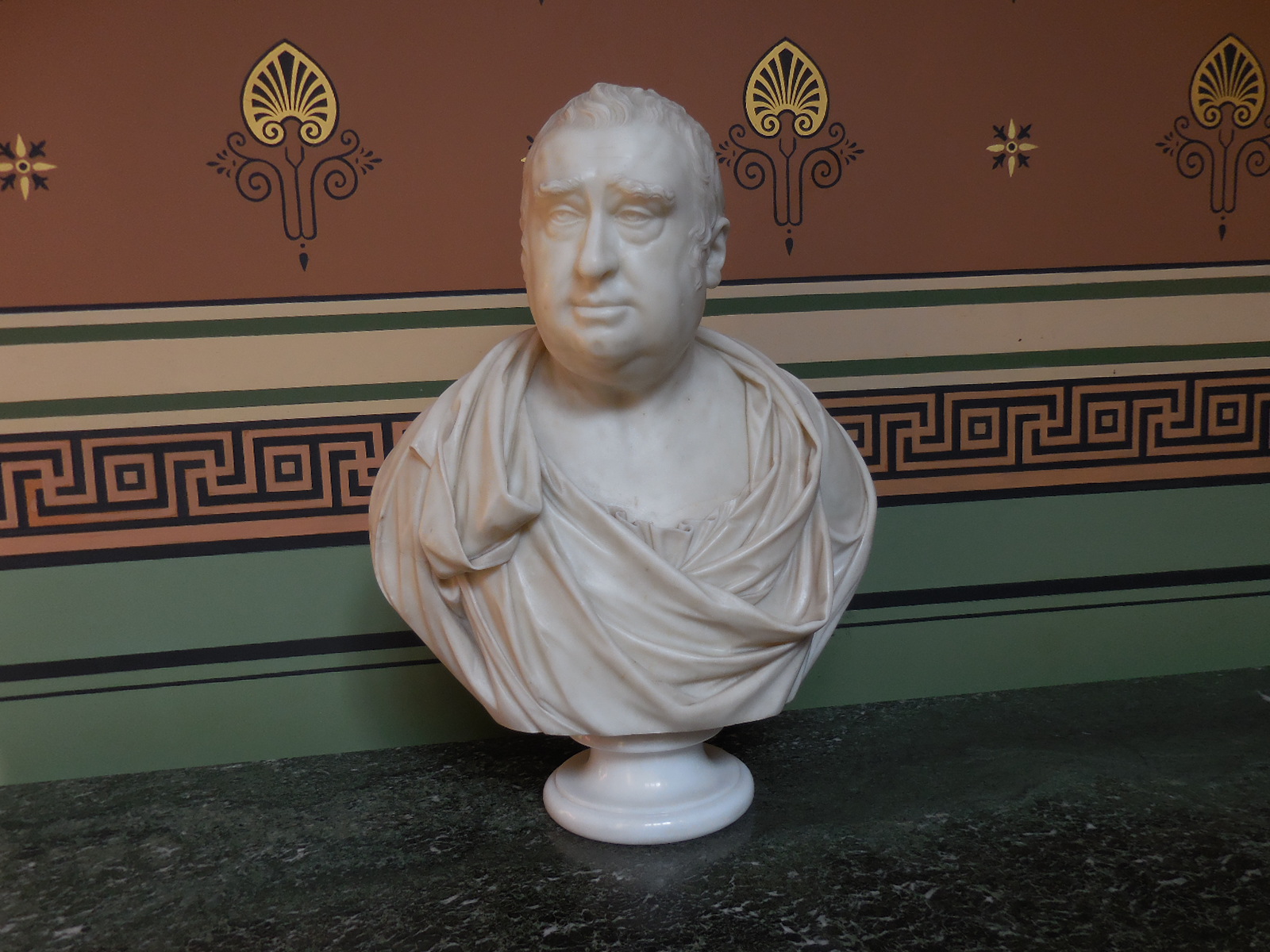
Charles James Fox (1749-1806) was the first Foreign Secretary,
appointed in 1782, much to the disgust of King George III, who despised Fox and all his Whig cohorts.
 

OPEN HOUSE WEEKEND IN 2016 IS SEPTEMBER 17 AND 18.
CELEBRATING JANE AUSTEN IN MINNEAPOLIS

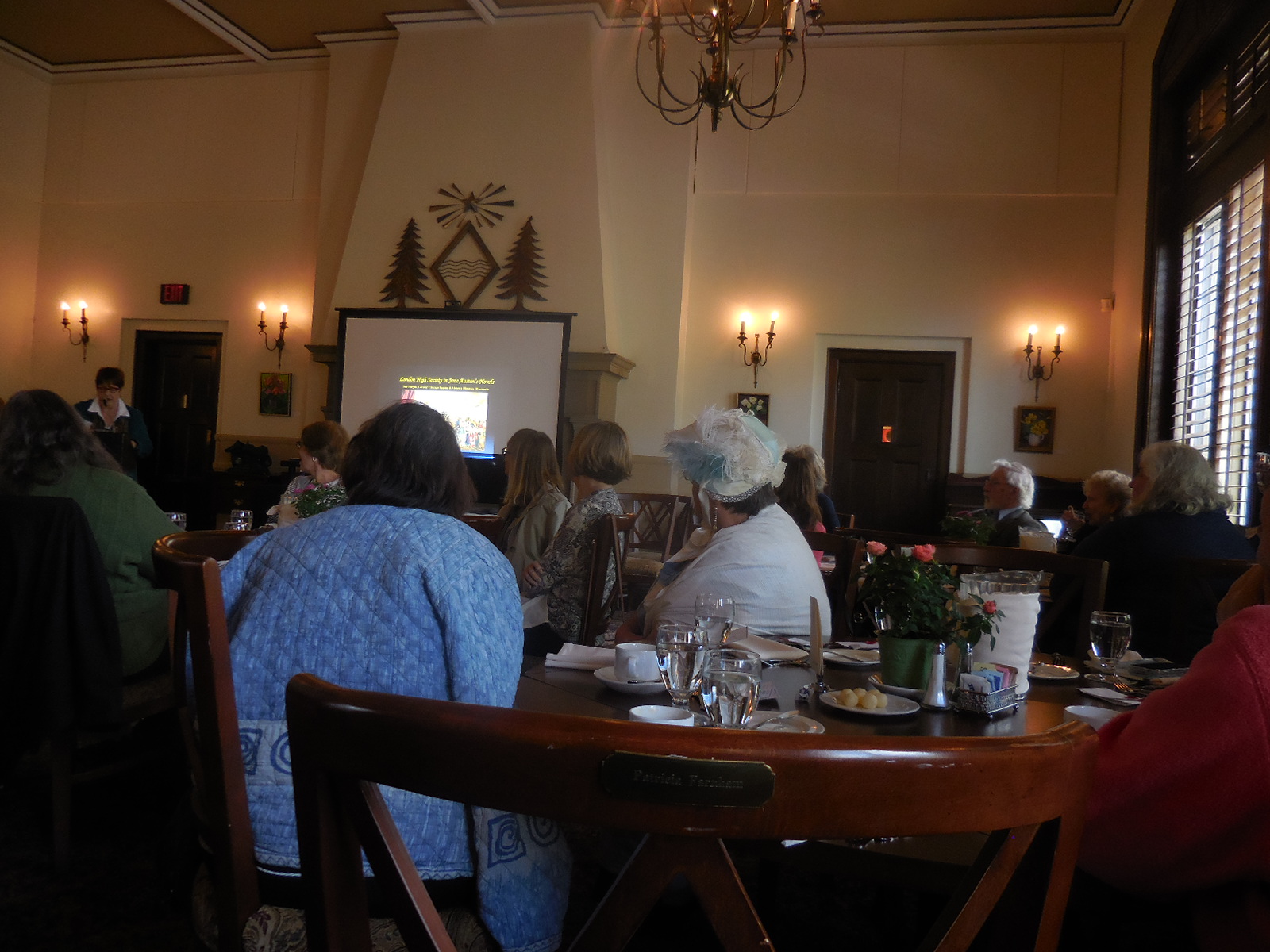
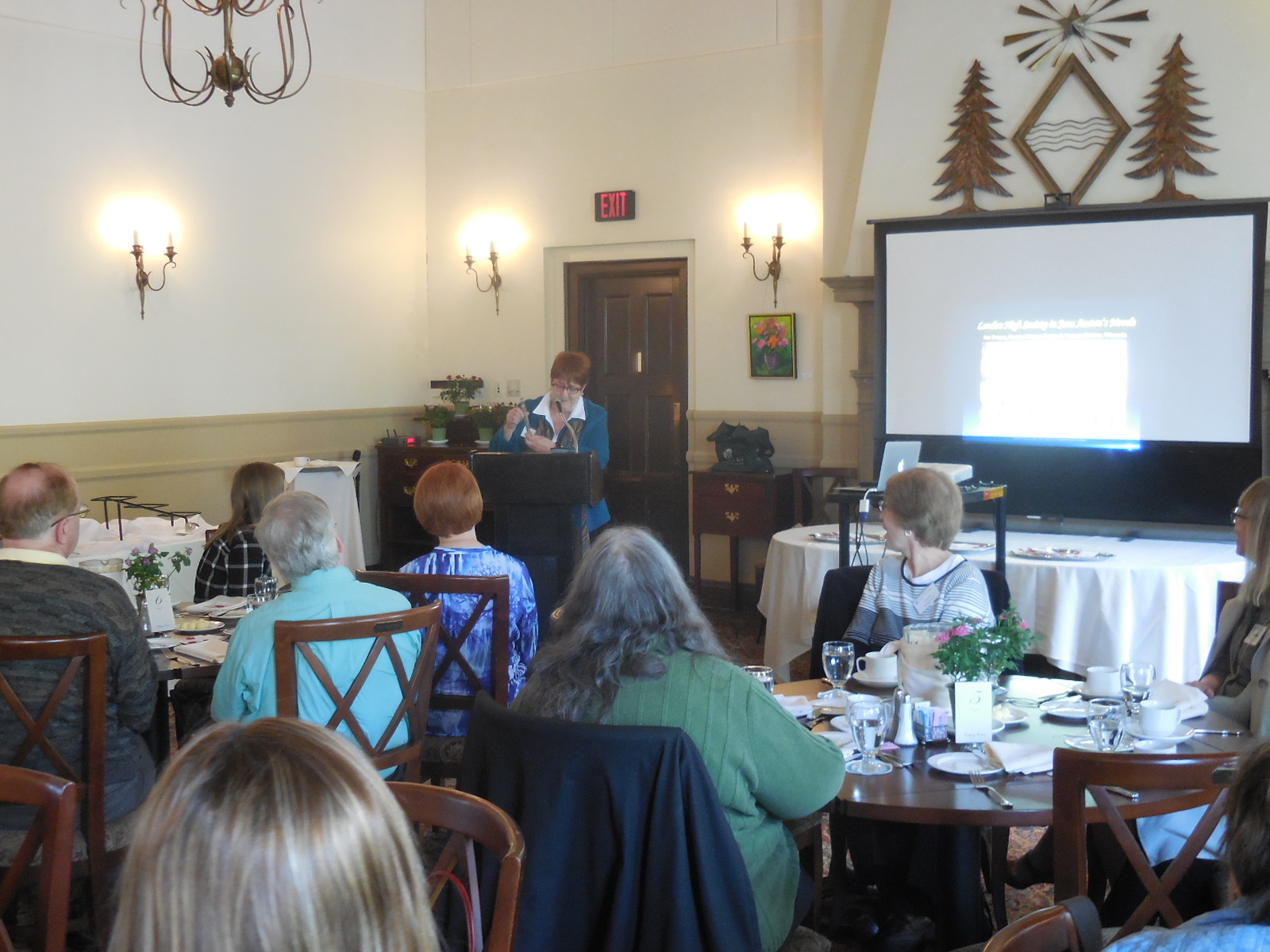
Victoria here. On May 14 Sue Forgue and I enjoyed the Spring meeting of the Minnesota Region of JASNA at the historic Woman’s Club of Minneapolis, where we presented our talk from the Louisville 2015 AGM “London High Society in Austen’s Novels.”
Above and Below, Minneapolis JASNA Regional Coordinator Candice Hern presides.
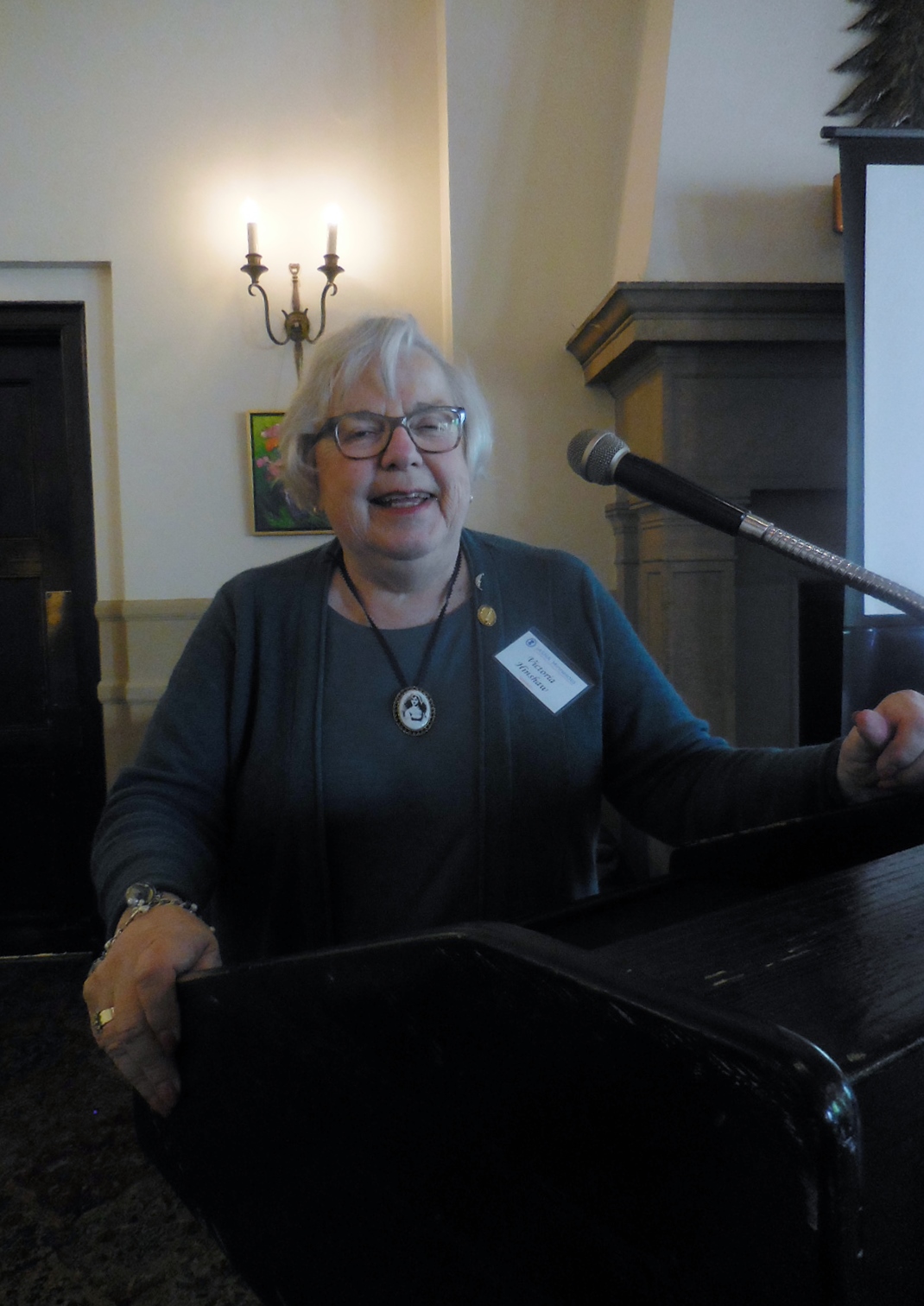
Later, Victoria posed at the lectern

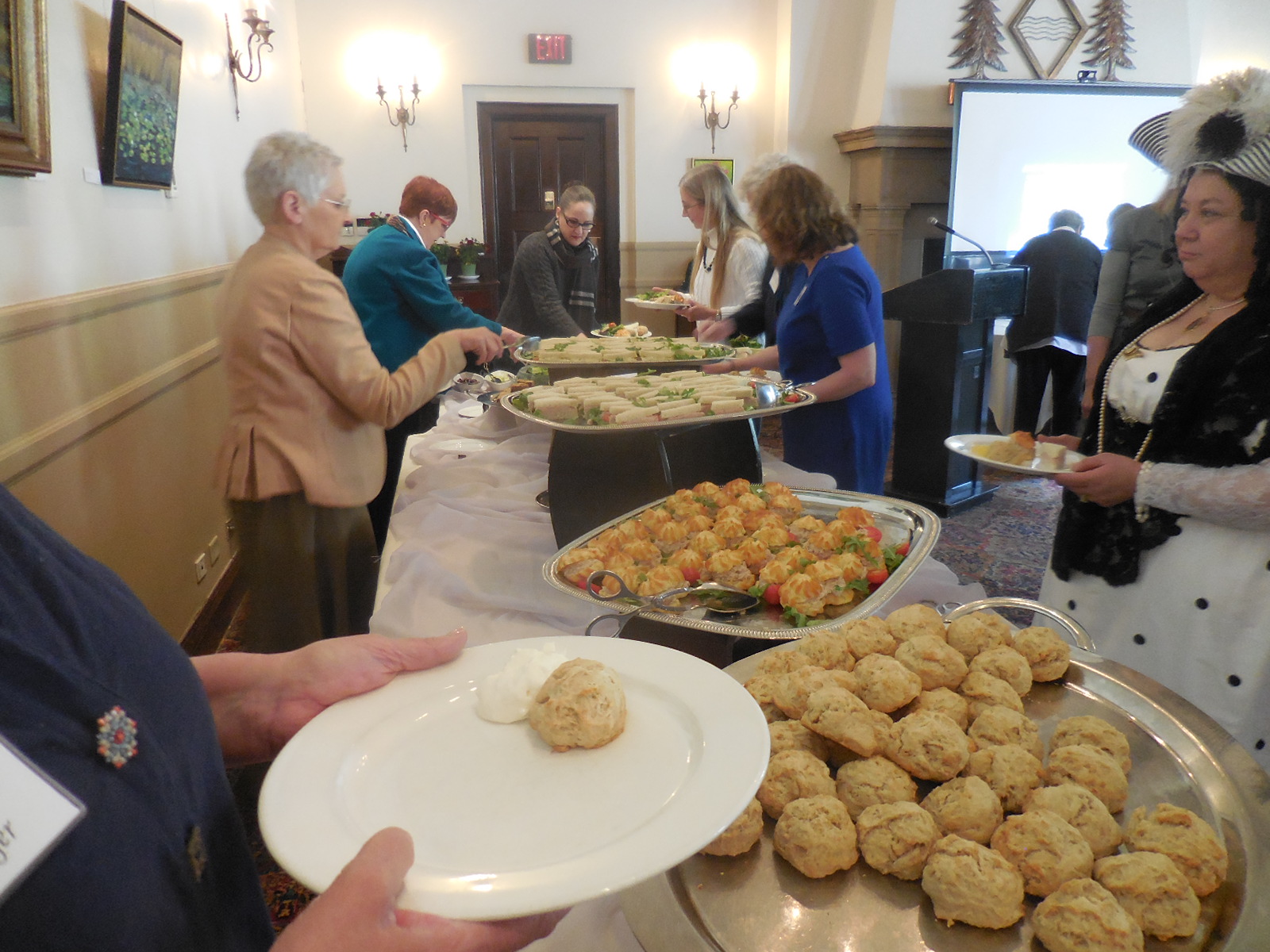
The tea/feast was scrumptious.

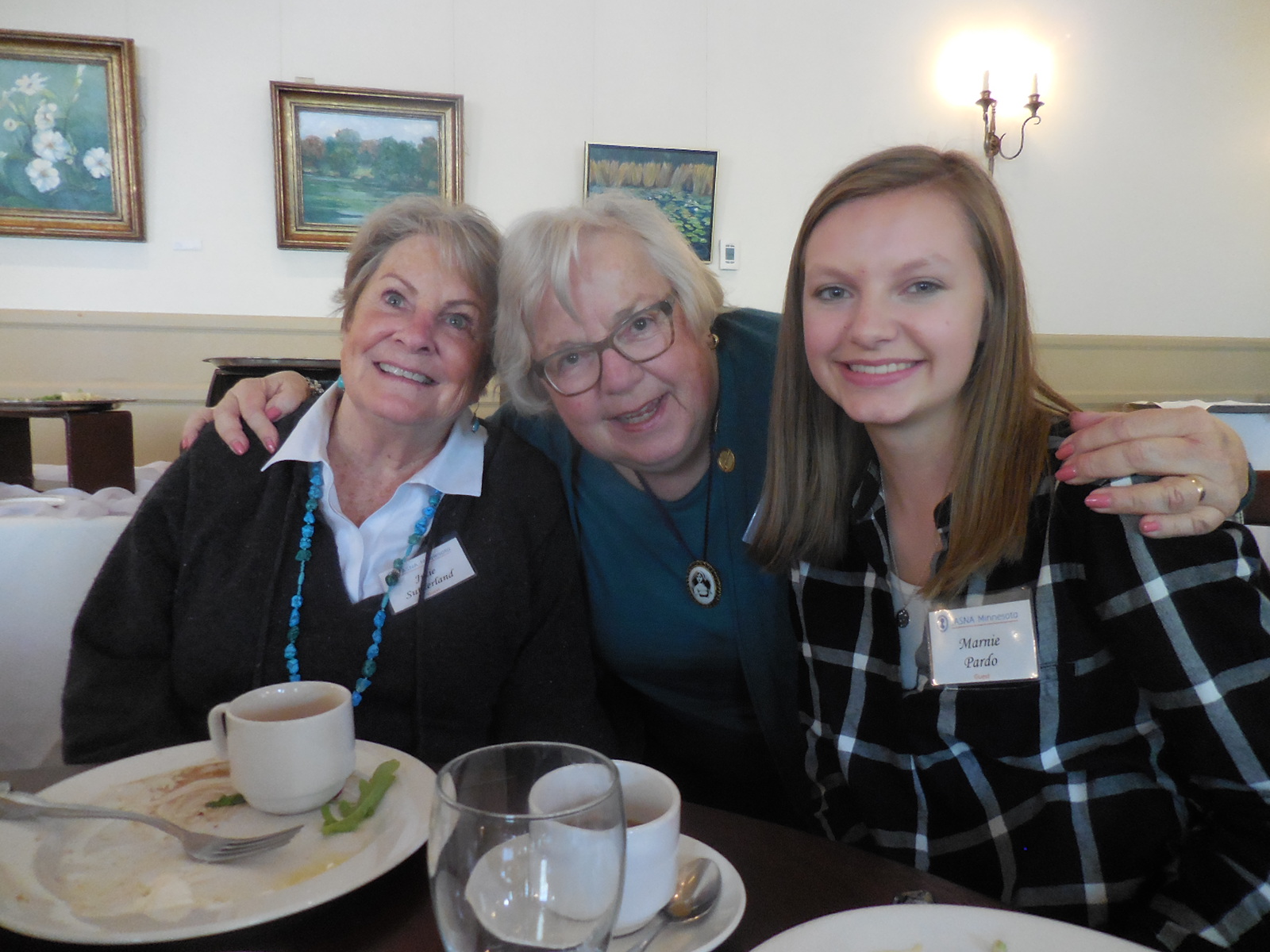
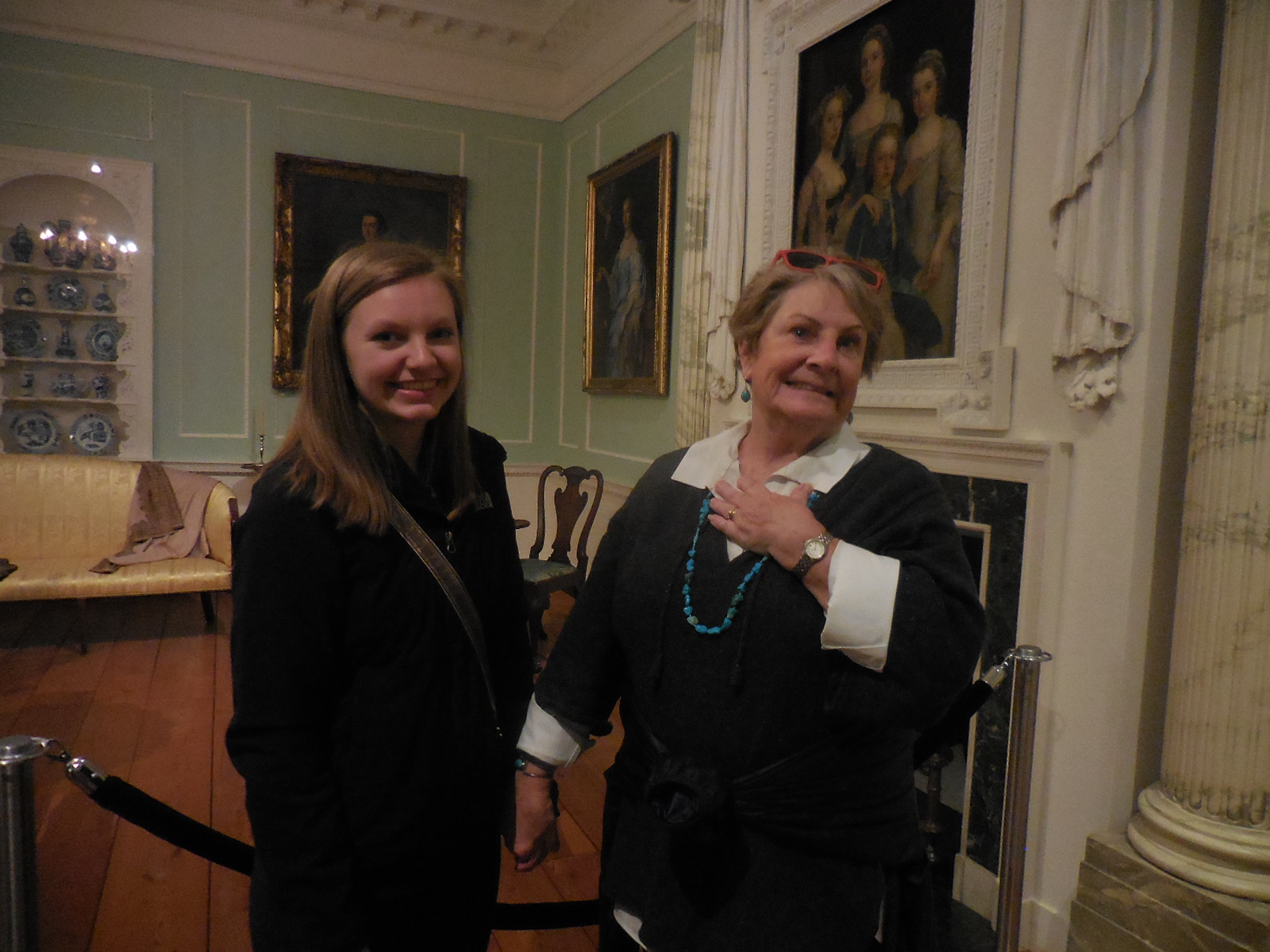
In attendance were my cousin Julie and her granddaughter Marnie.

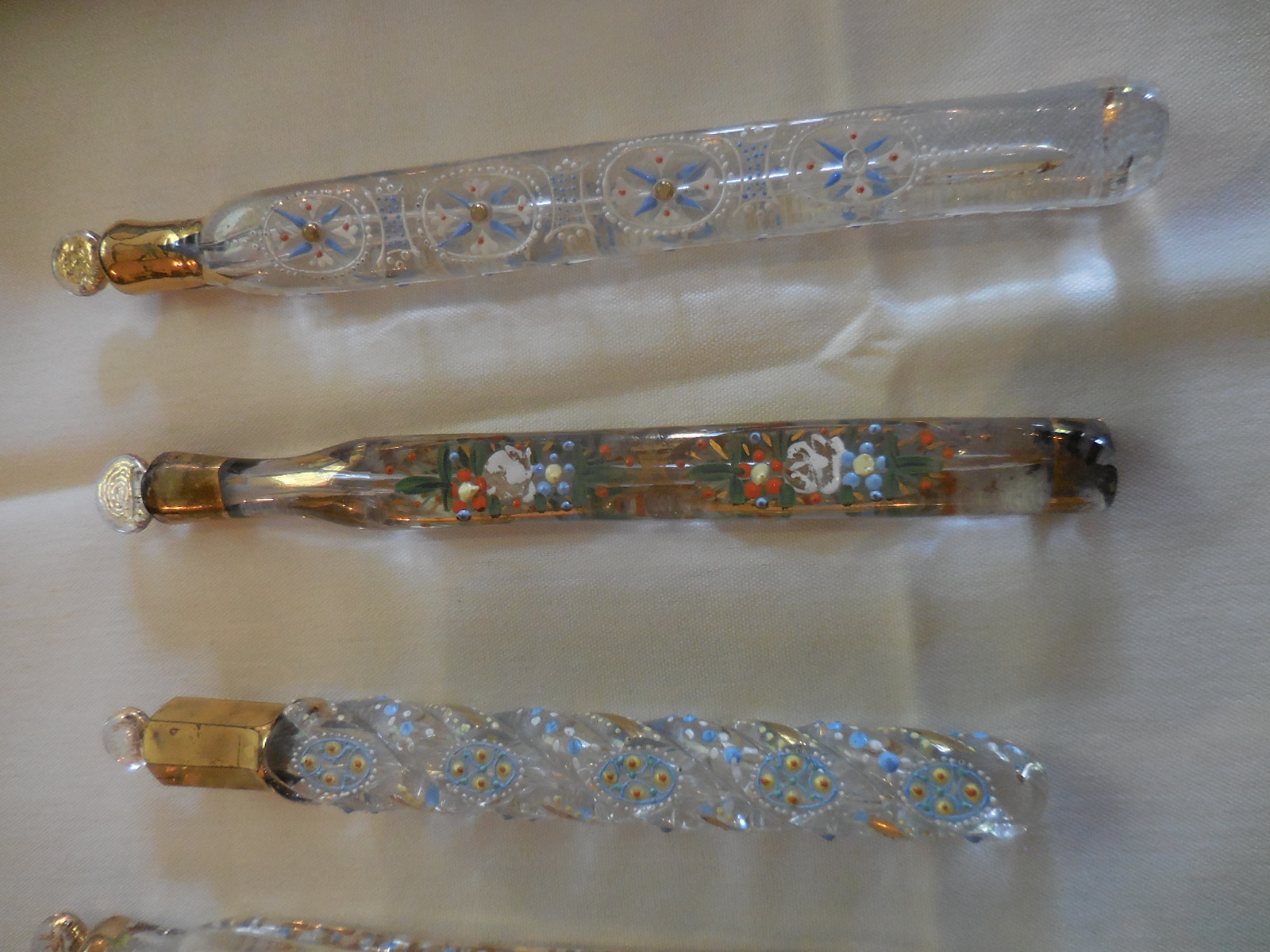
Candice charmed us with her exhibition of antique scent vials. These were used to hold samples of perfume and intended to be discarded. However, many have survived, probably due to their beauty and craftsmanship.  More on Candice’s Collections can be viewed on her outstanding website, here.

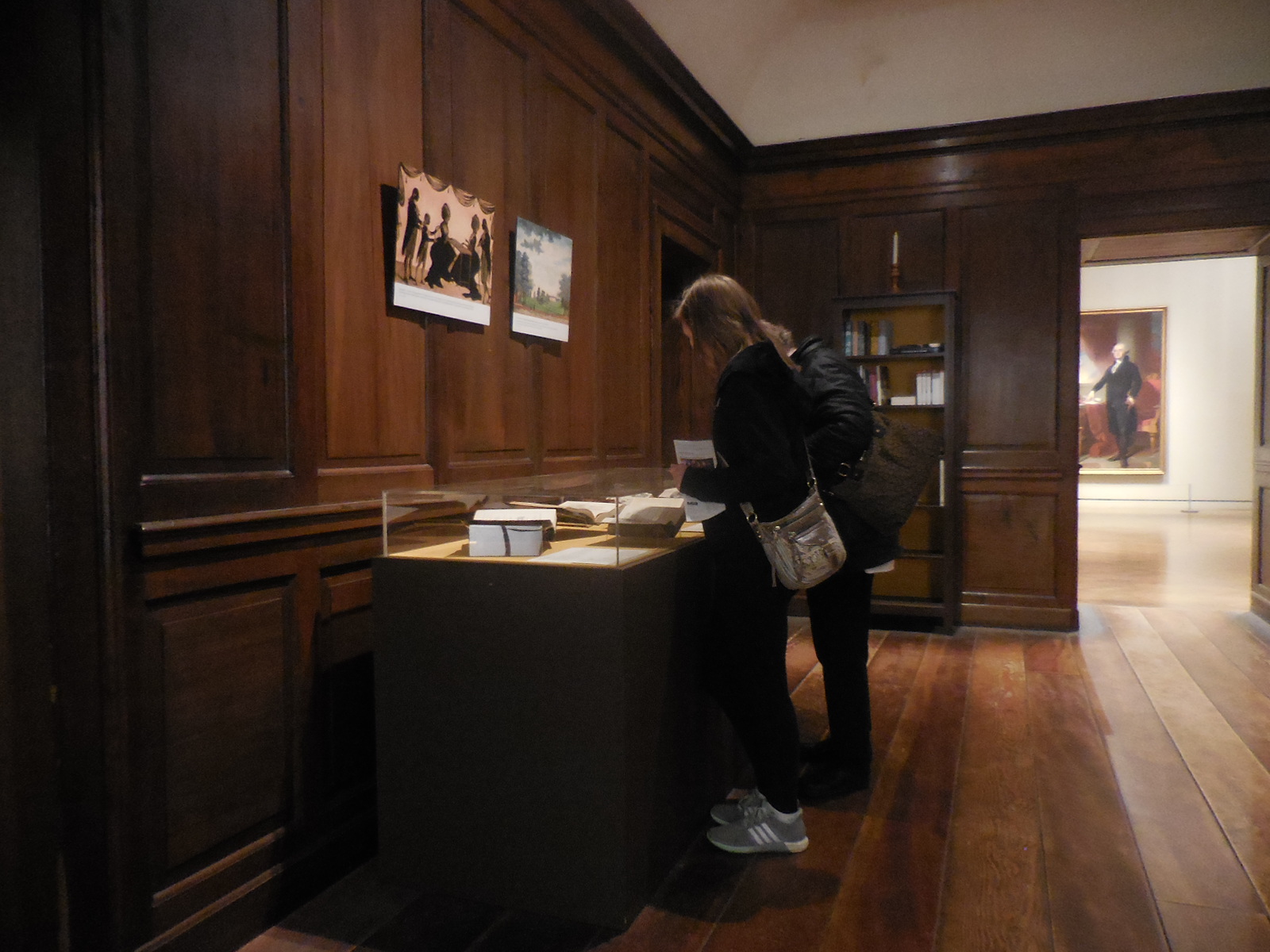
After the program, we drove over to the Minneapolis Institute of Art to see the Jane Austen Room.

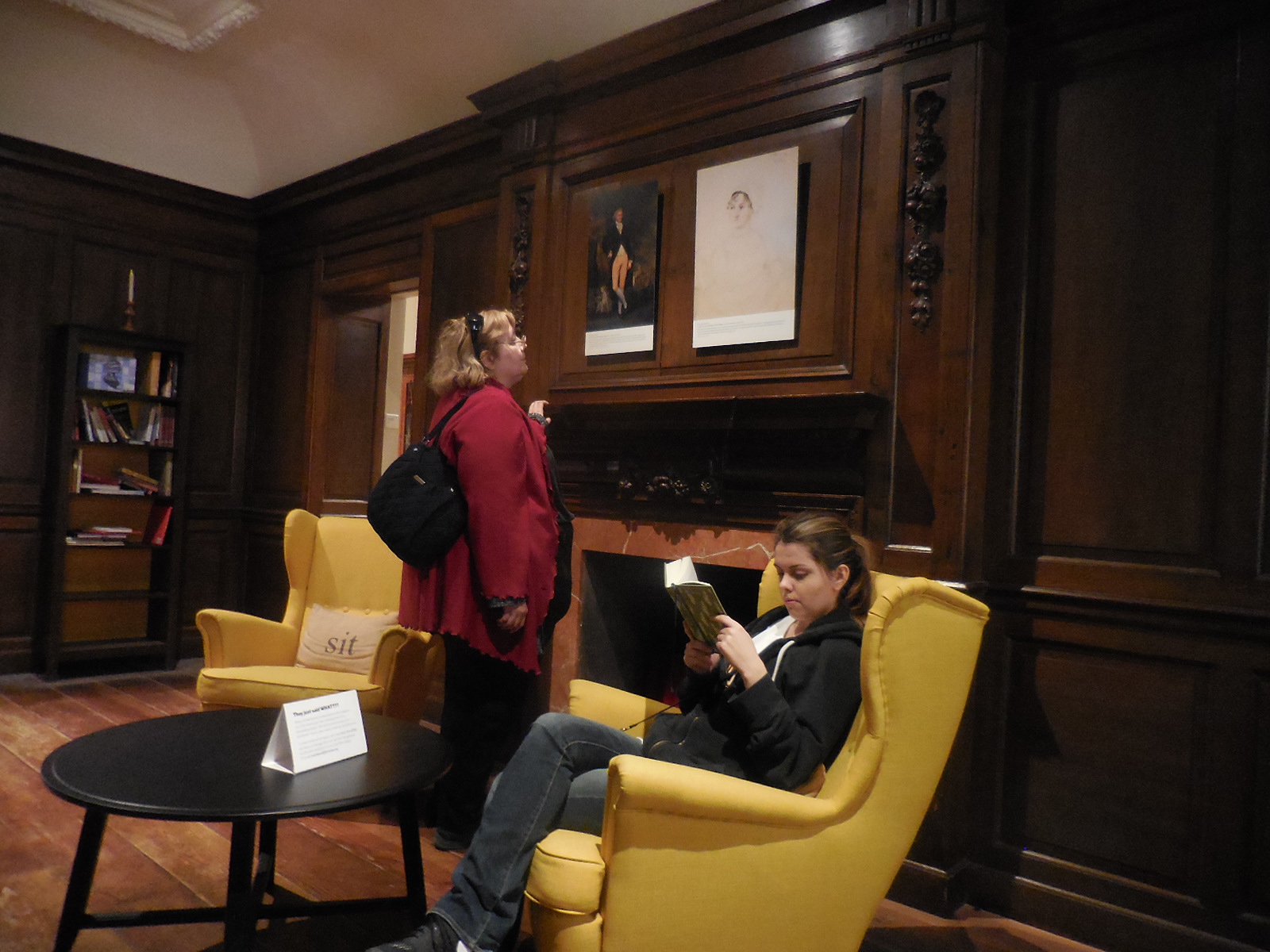
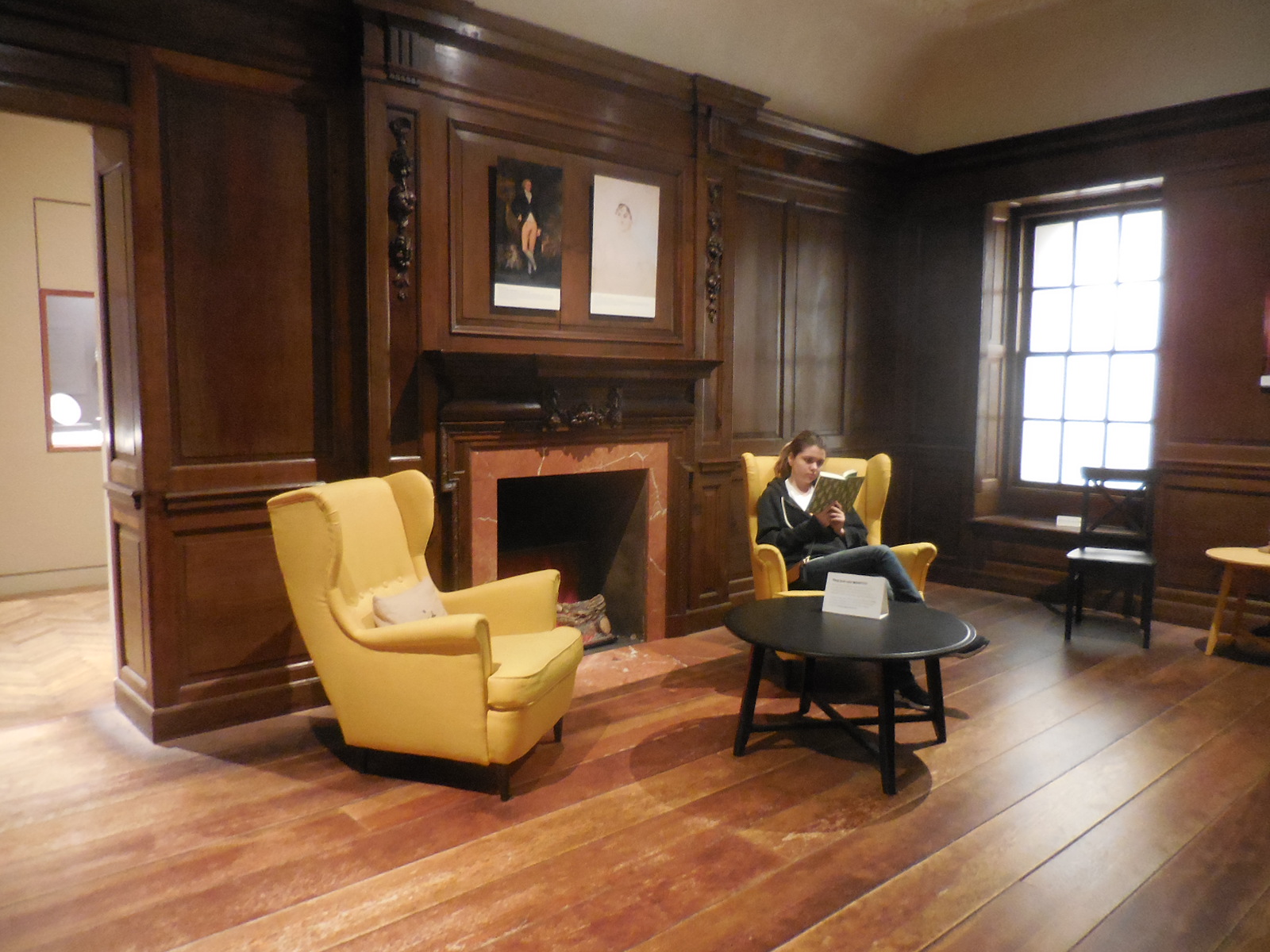
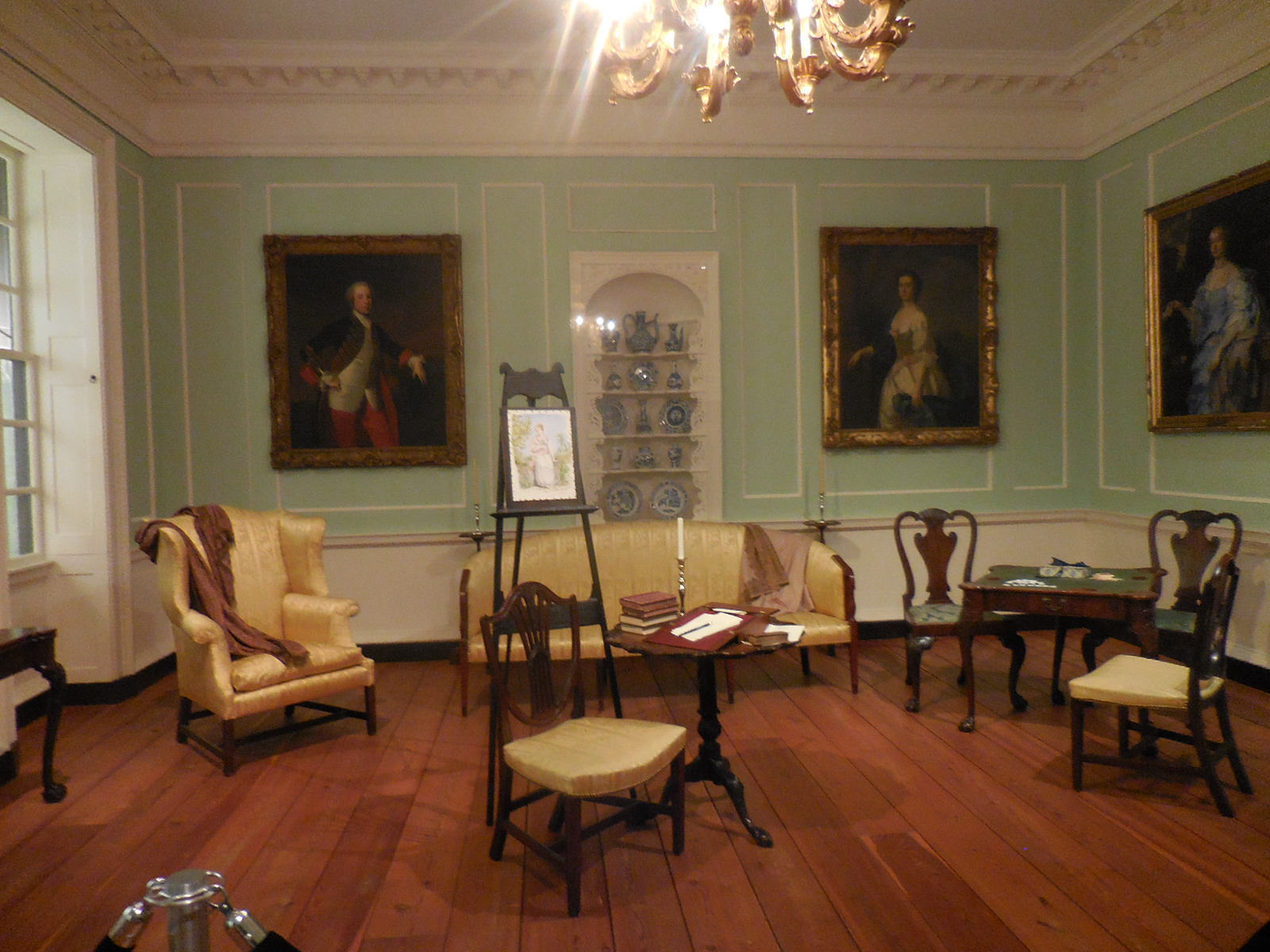
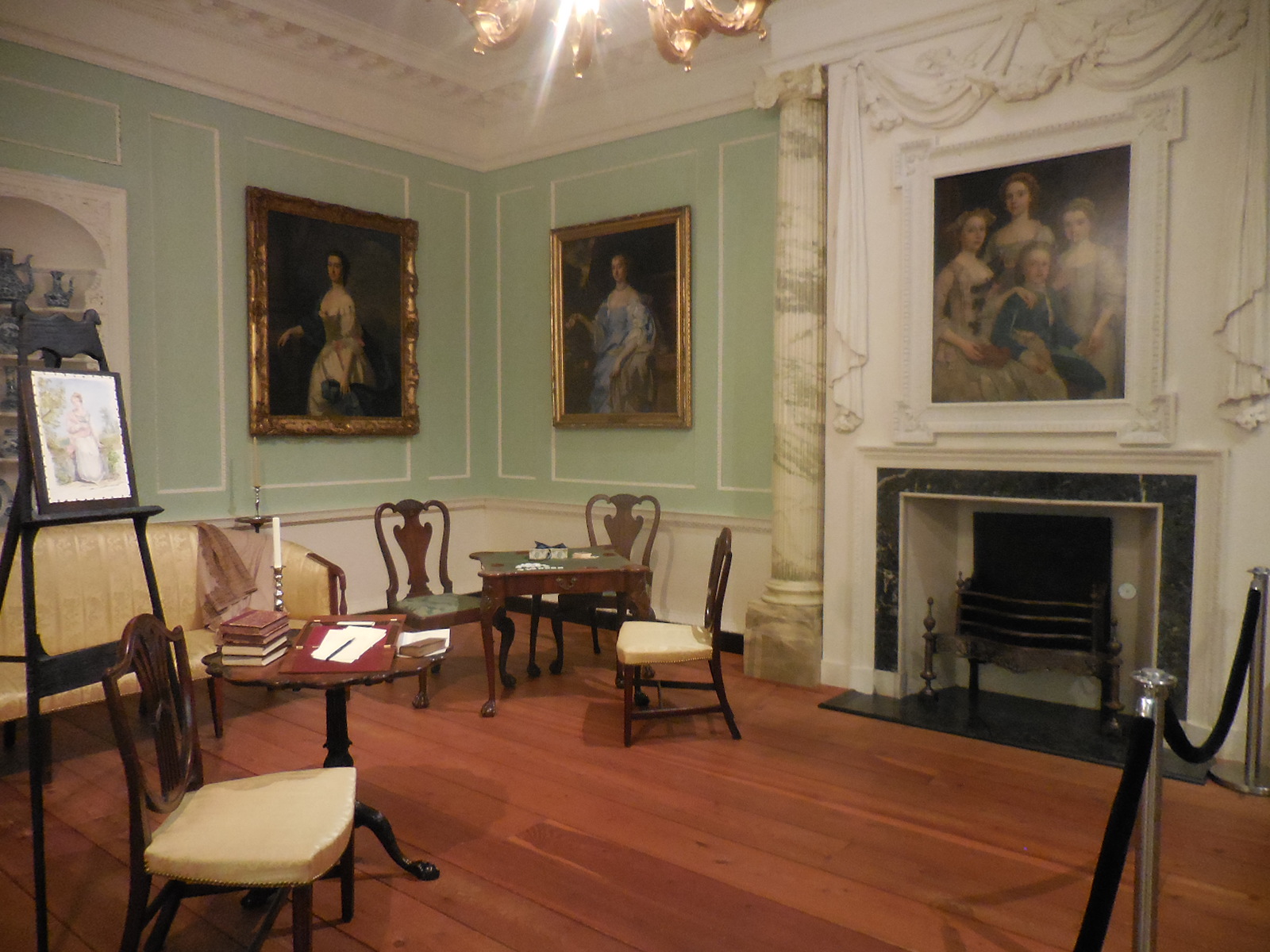
Actually, there were two rooms from the museum’s collection of decorative arts. The paneled room was fitted as a library with exhibits and the books of Jane Austen and some of her comptemporaries for the reading pleasure of visitors.  Here Sue Forgue reads the text panels above the fireplace while an unidentified young lady sits and reads.

The main room was furnished as a drawing room from Emma Woodhouse’s home, Hartfield.

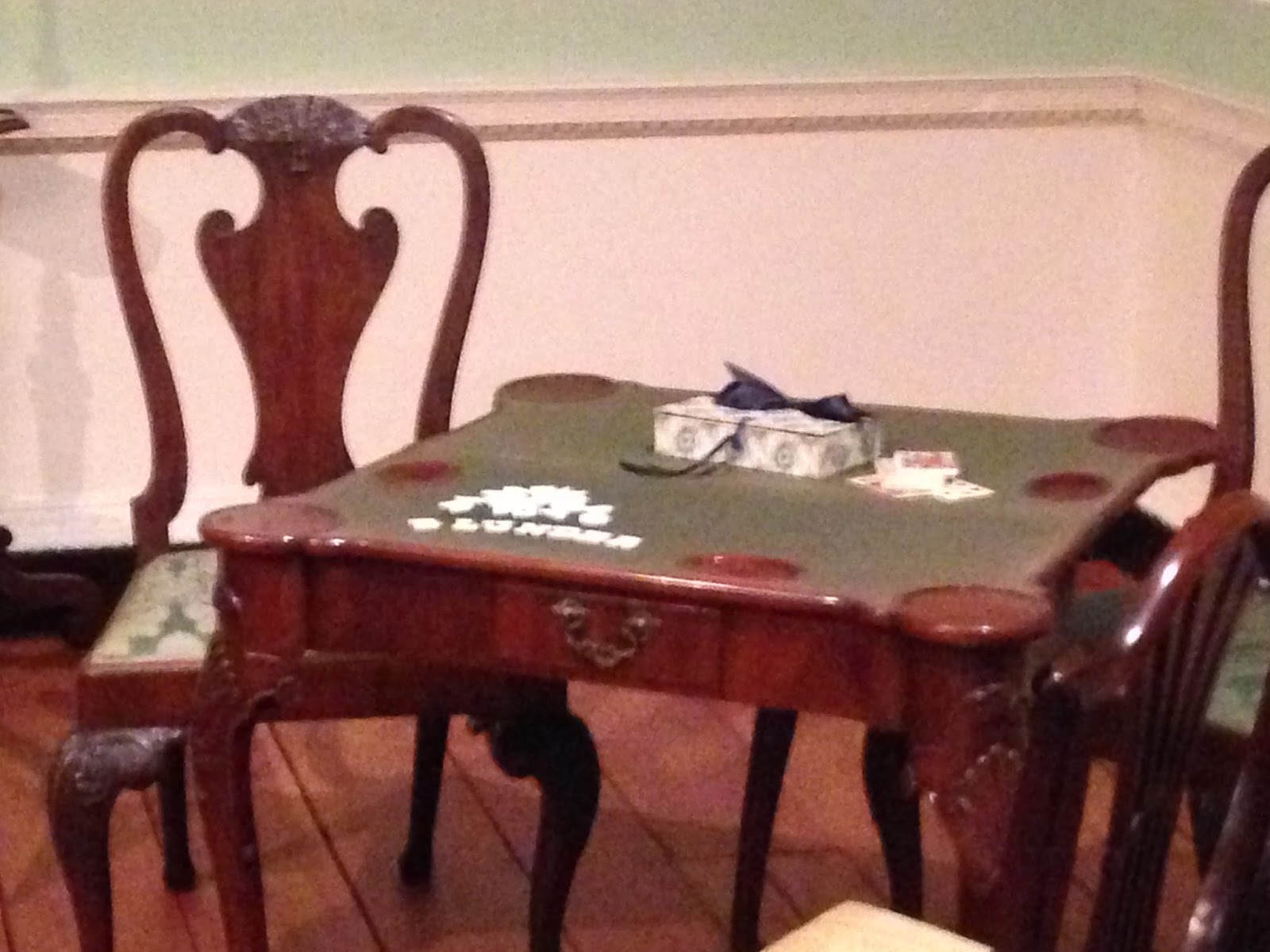
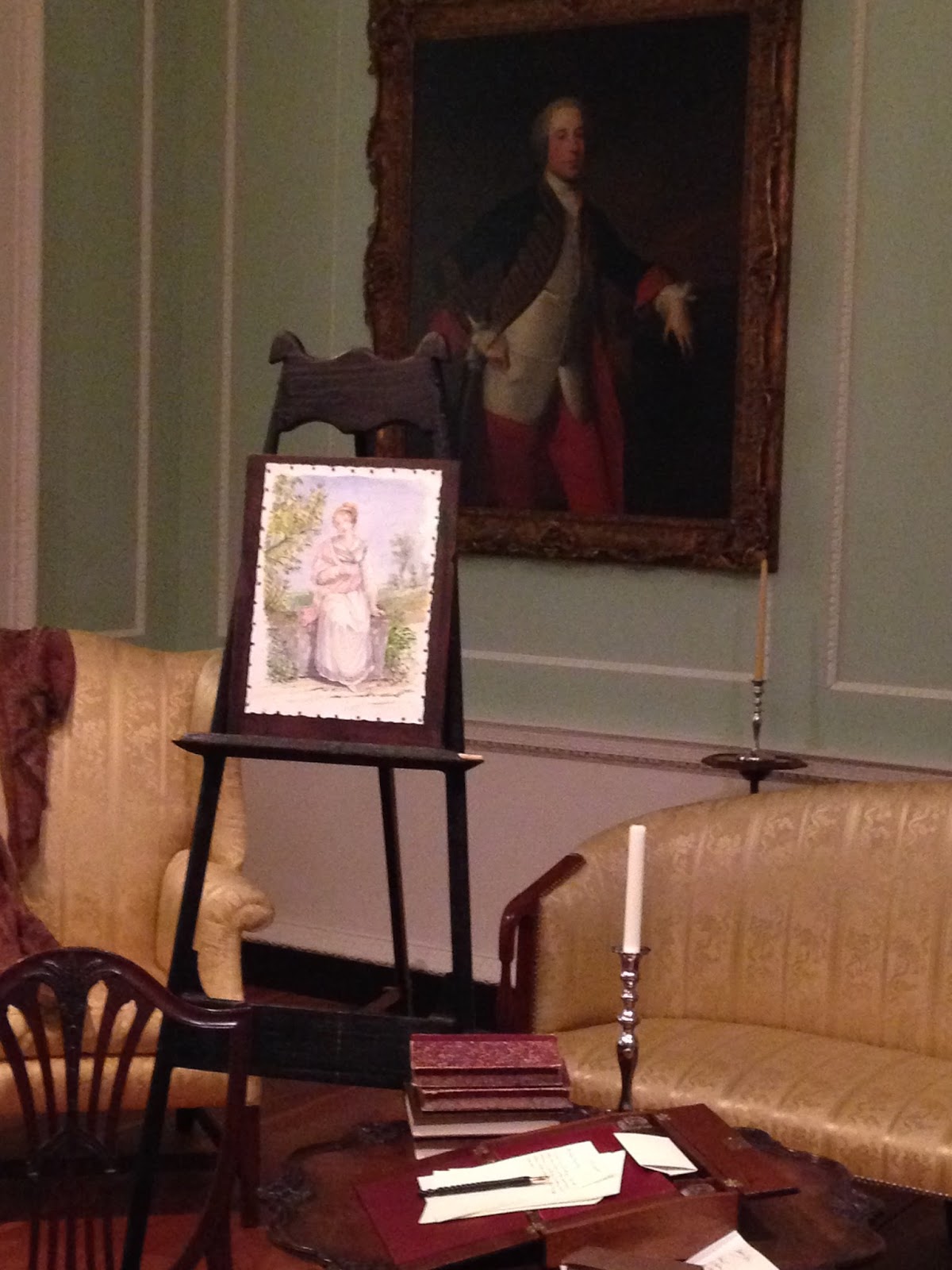
Not only were the furnishings perfect; there were also two special surprises portraying scenes from the novel Emma, this year celebrating its 200th anniversary.
Above, a card table, showing the letter game from Emma in which the word is “blunder.”
Below, Emma’s painting of Harriet Smith, by which Emma is hoping to interest Mr. Elton in her friend as a possible match. Thanks to Sue and her phone for these two close-up pictures.

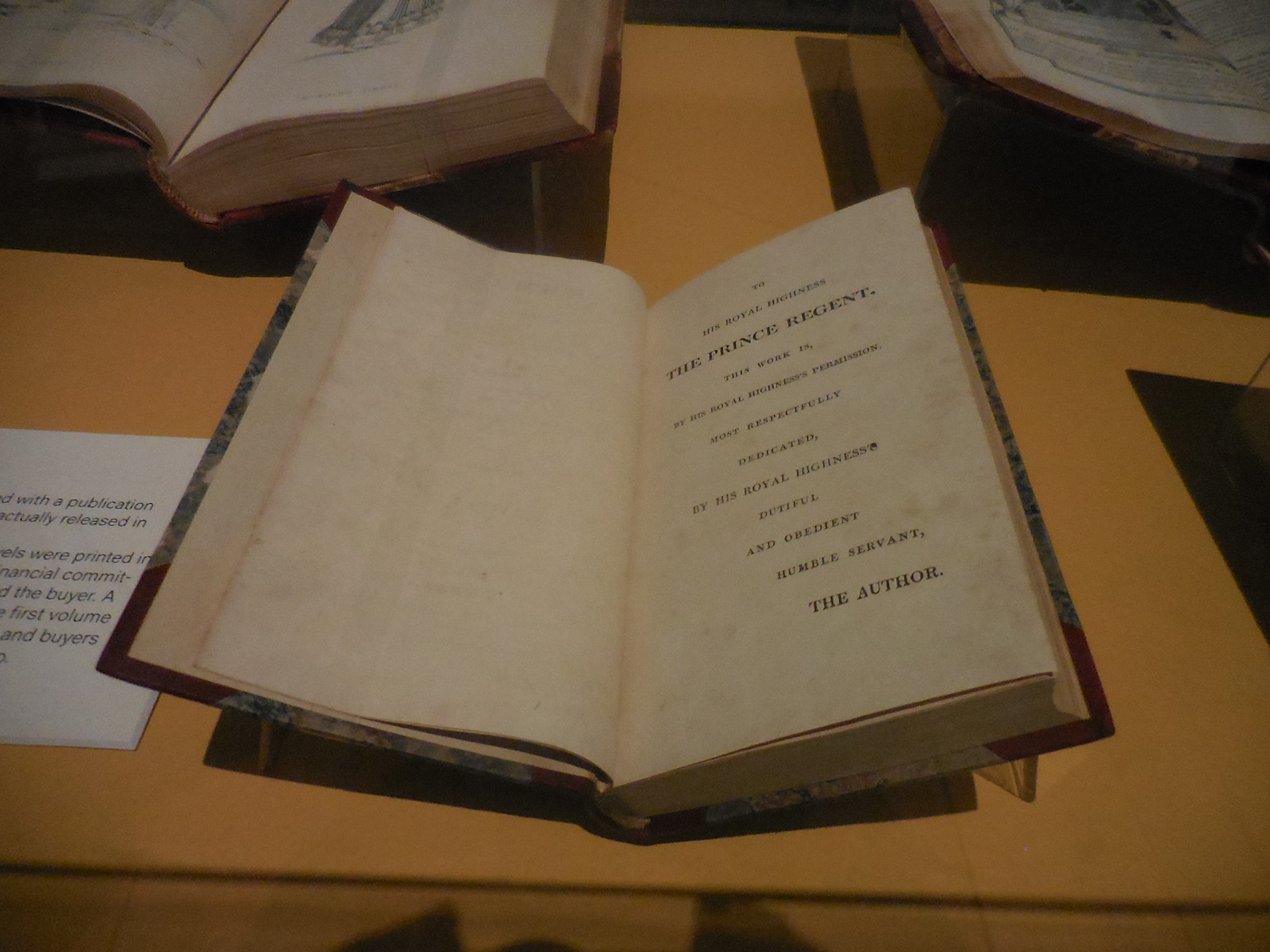
A first edition of Emma, 1816.

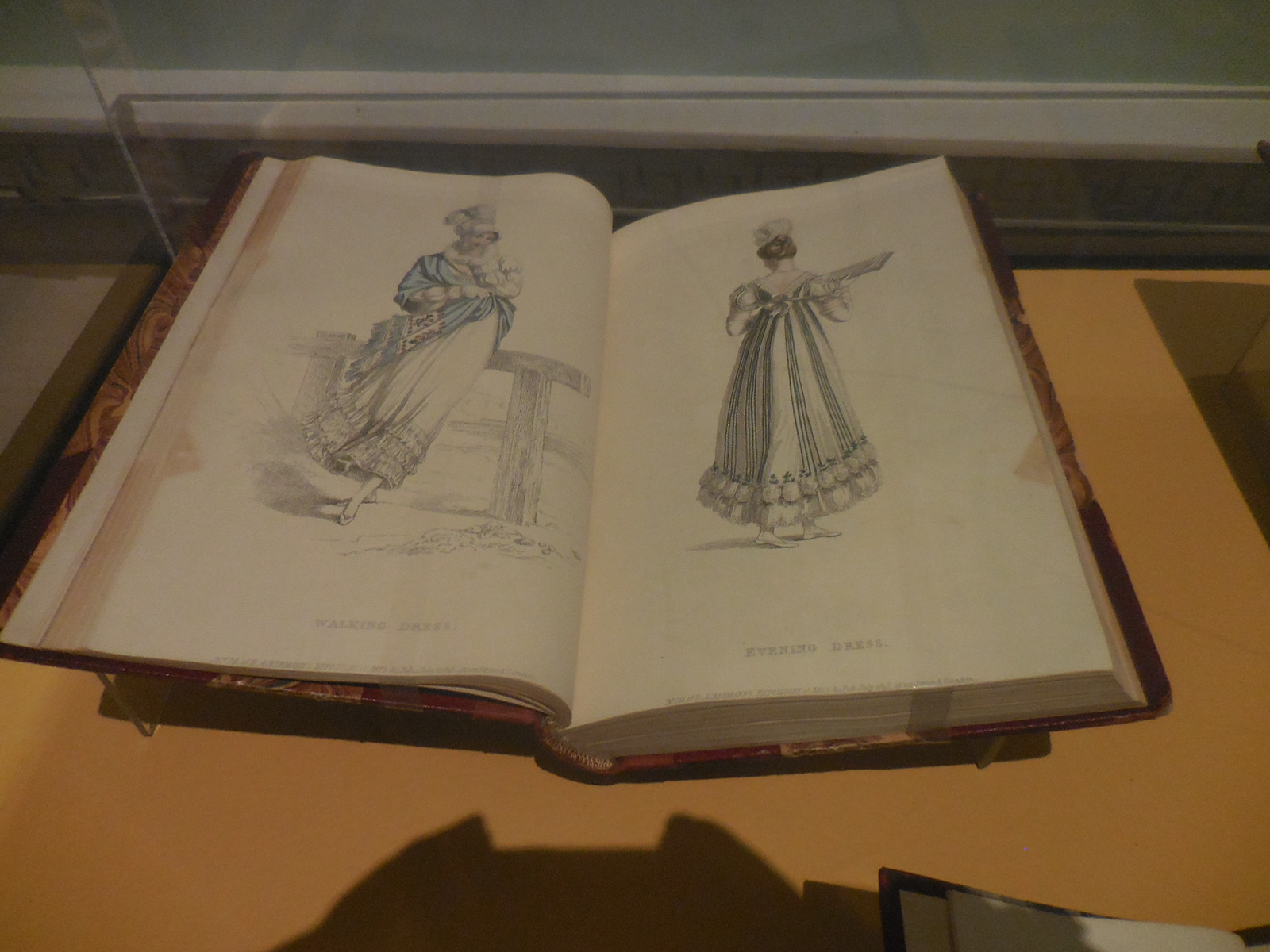
Fashion plates from an 1816 magazine.

Marnie and Julie accompanied us to the MIA.
The MIA website is here.
The Jane Austen Reading Rooms, on display through October 20, 2016, are here.

WHAT KRISTINE AND VICTORIA SAW FROM THEIR SIDEWALK TABLE AT THE CLARENCE, WHITEHALL

Before we get to the sidewalk table, allow me to point out to you – as Victoria pointed out to me – that today’s post is a milestone for us: Number One London’s 1,500th Post! Unbelievable, and how fitting that today’s post should deal with recurring subjects on this blog – Horse Guards, cocktails and visits to London. Weapons and police are new themes, but one has to take the good with the bad and with luck neither of these will have to be referred to by us again. And now to today’s regularly scheduled post . . . . .

It was a warm day…and crowds filled the pavements in order to visit buildings during Open House London, a real treat, during which public and private structures that are usually closed to the public freely welcome visitors on a weekend each autumn. Join us now as we break for reviving cocktails at a sidewalk table at The Clarence in Whitehall, diagonally opposite Horseguards.

To say that sitting outside the Clarence puts one in the thick of things is a bit of an understatement, as these photos demonstrate. However, it’s a grand place from which to people watch and we enjoyed the break – until a mob of protestors arrived en masse, as you can see in the photo below. Unfortunately, neither of us can remember what they were protesting.

In time, they made their way down to The Clarence, where we were seated.

And that’s when the police van pulled up right in front of our table. 

We took it as our cue to leave once the armed cops jumped out of the rear of the van and took up positions pretty much right in front of our table. Even though we were forced to beat a rather hasty retreat towards Trafalgar Square in the opposite direction, we still say that it is worth scheduling your next London visit around the open dates. You’ll have opportunities to visit buildings otherwise never open to the likes of us — or only available at high prices.  For more information, click here. More visits in upcoming posts, sans law enforcement.

OPEN HOUSE 2014: THE BANQUETING HOUSE

OPEN HOUSE 2014: THE BANQUETING HOUSE

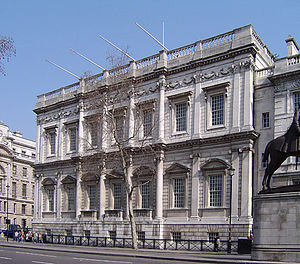
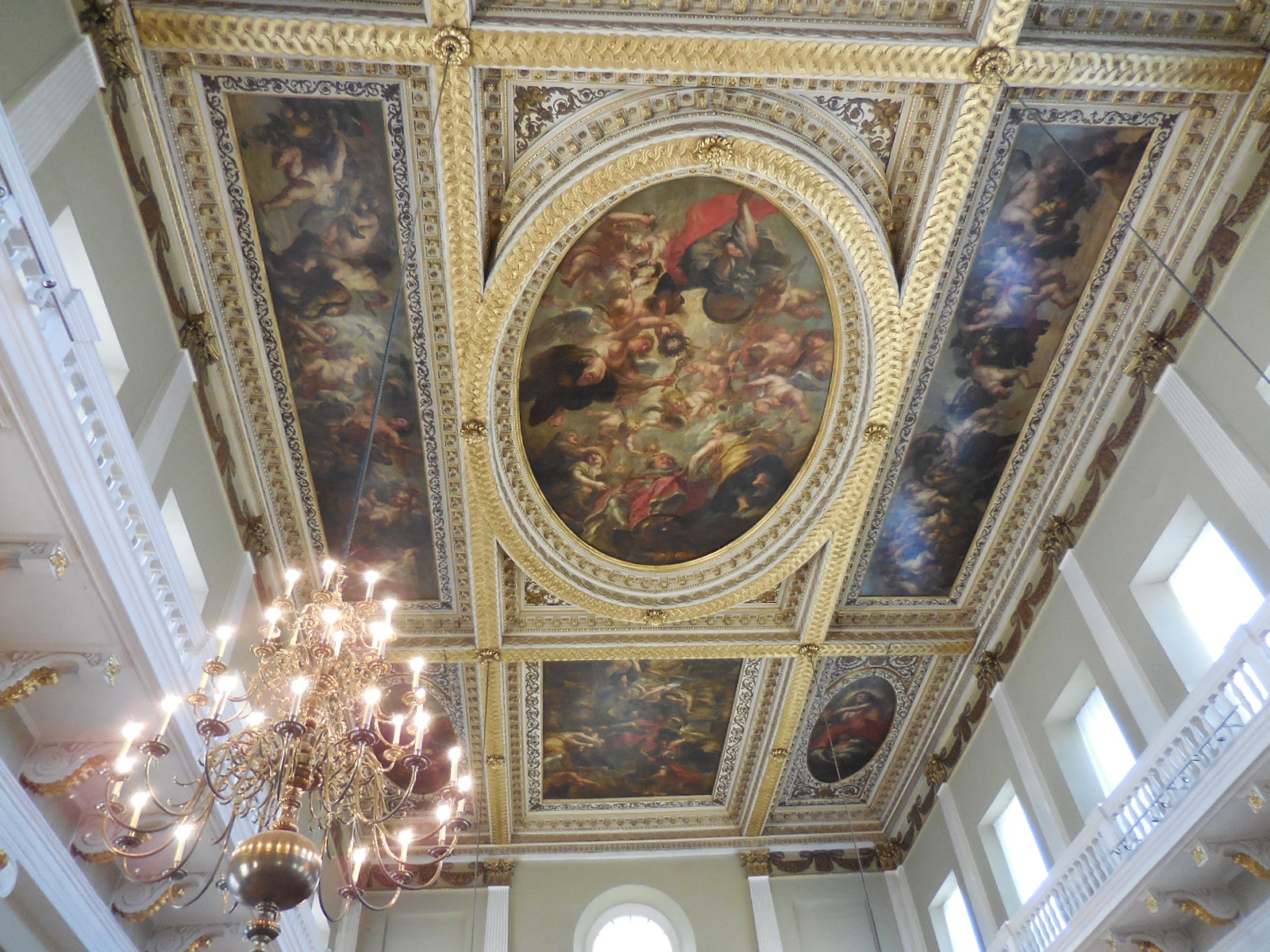
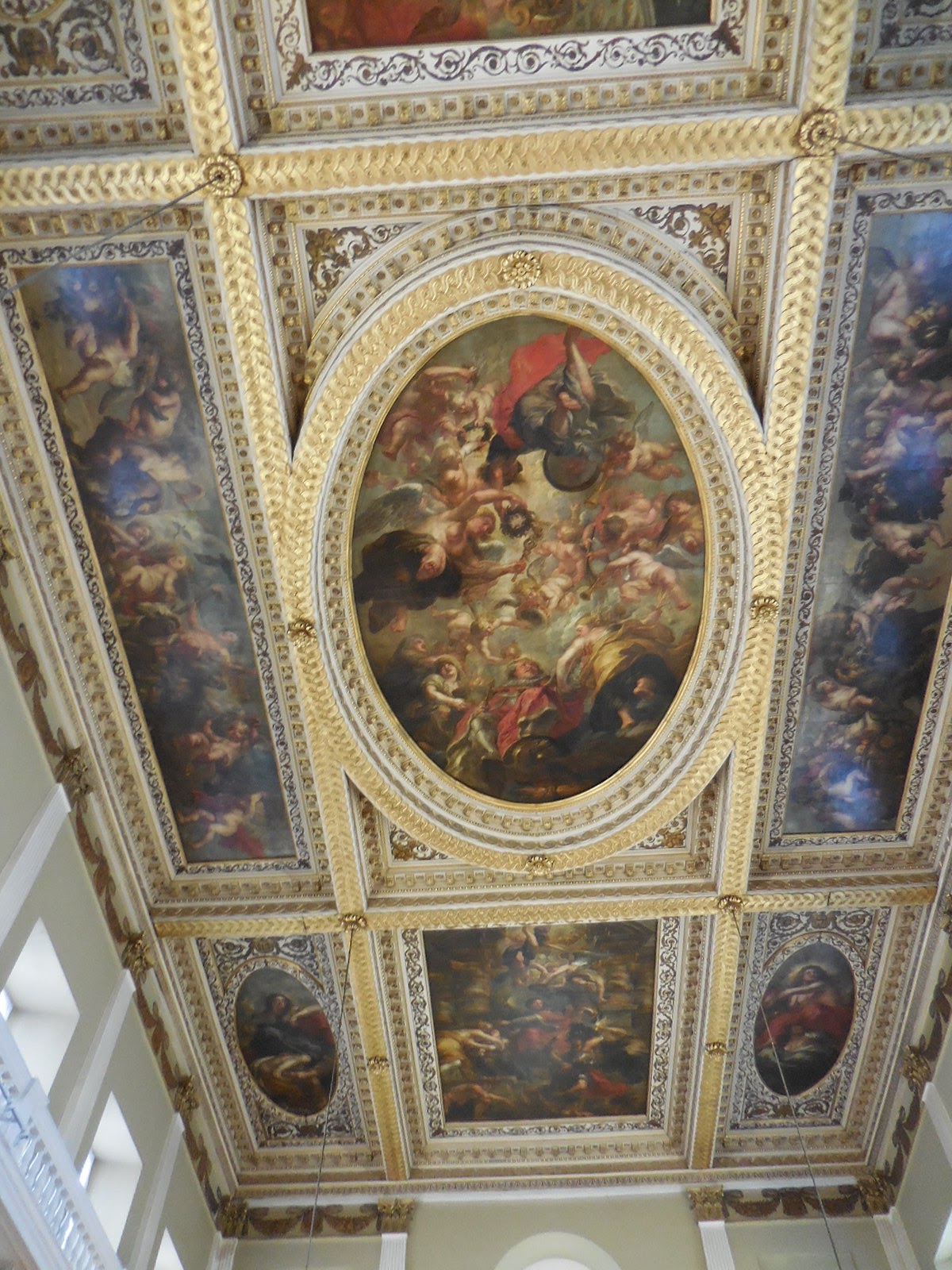
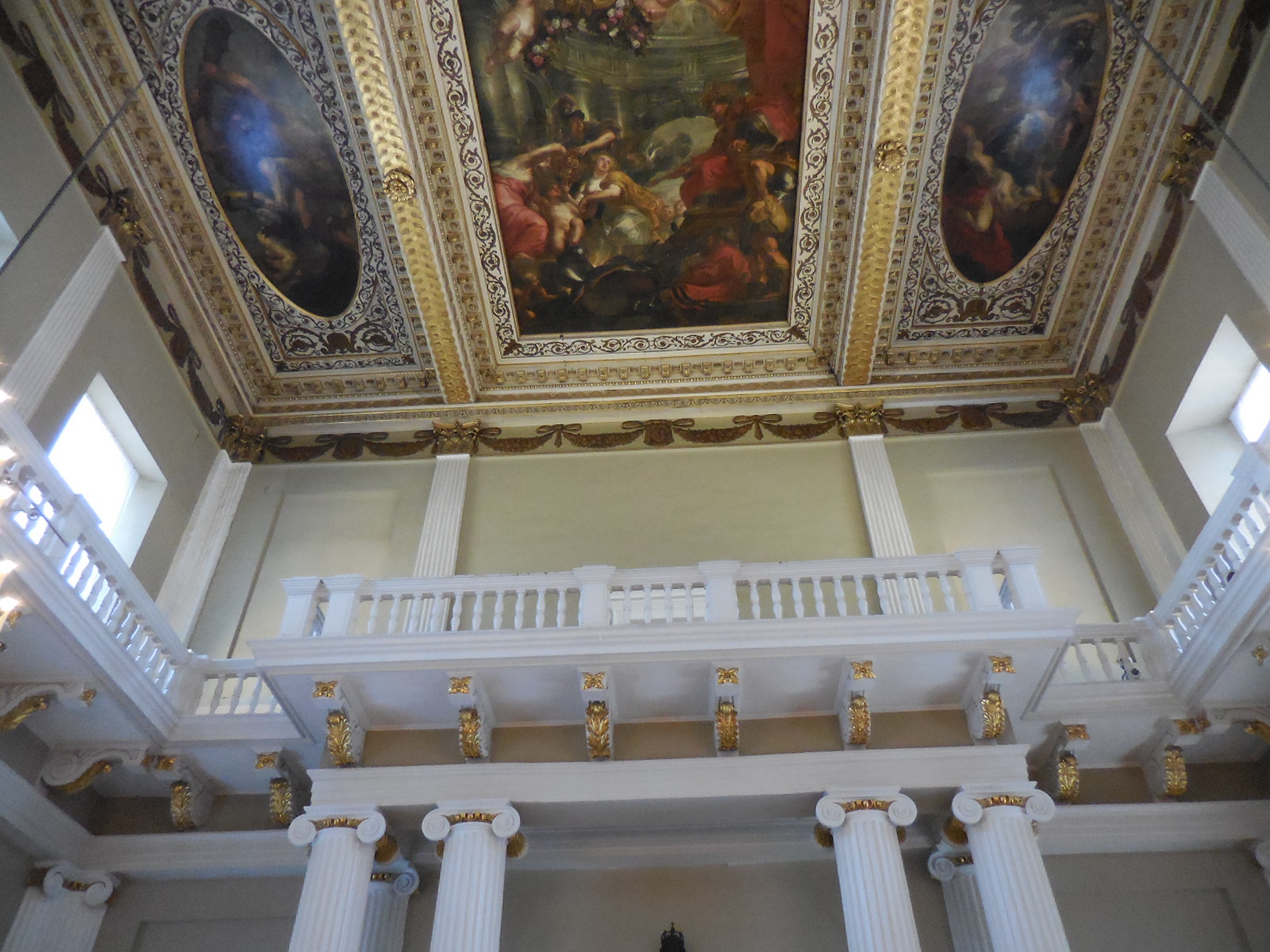
Almost immediately across Whitehall from Horse Guards stands the elegant Banqueting House by architect Inigo Jones, completed in 1622, influenced by the classical buildings created by Andrea Palladio and Renaissance styles in Italy.  Jones had traveled and studied there, and he was an innovator, the first to adapt Palladian styles in Britain.  The building was used for grand occasions: feasts, theatrical masques, and celebrations.  For more about Palladian architecture in Britain, click here.

Drawing of the building

The Banqueting House, Whitehall
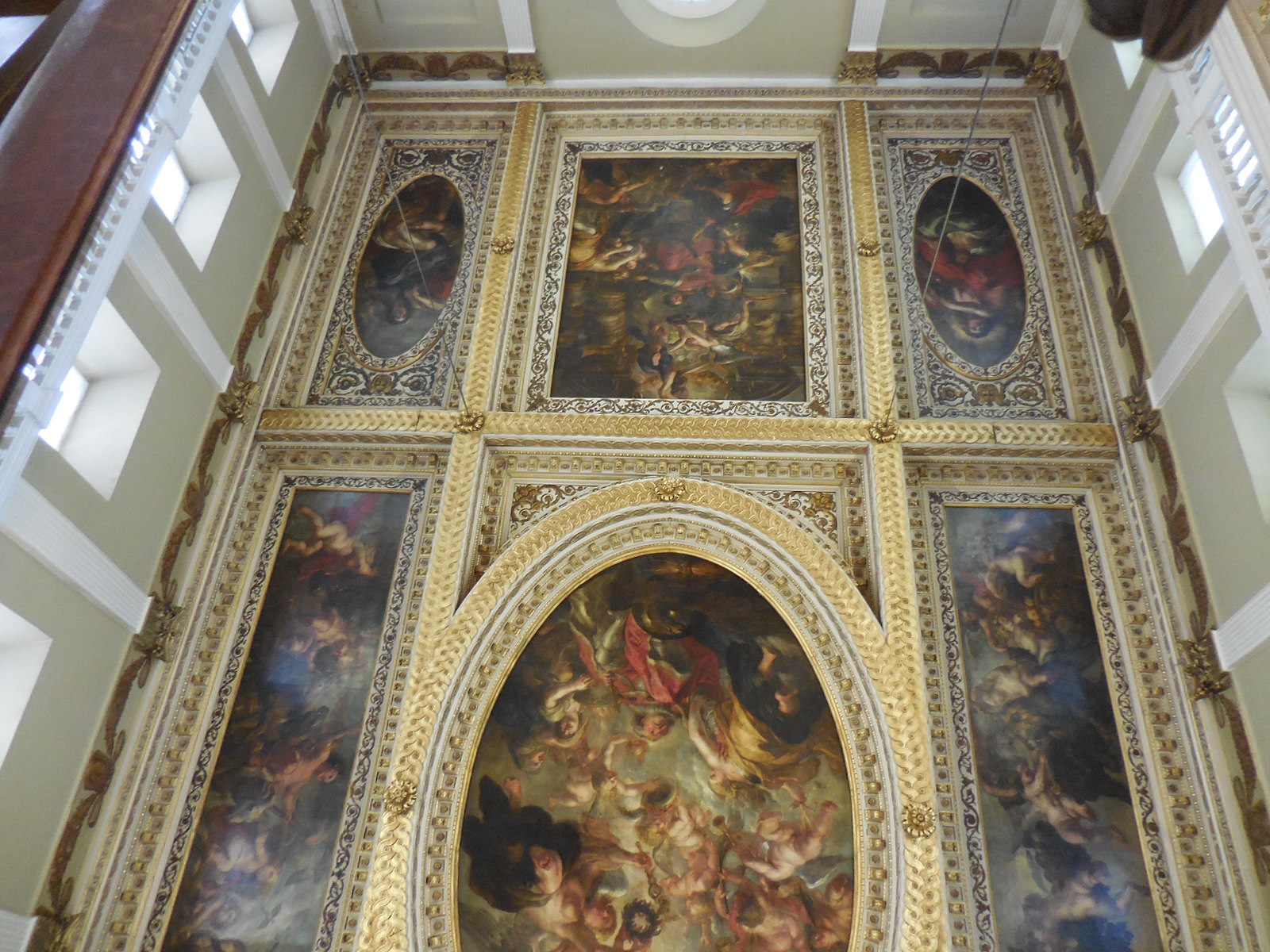
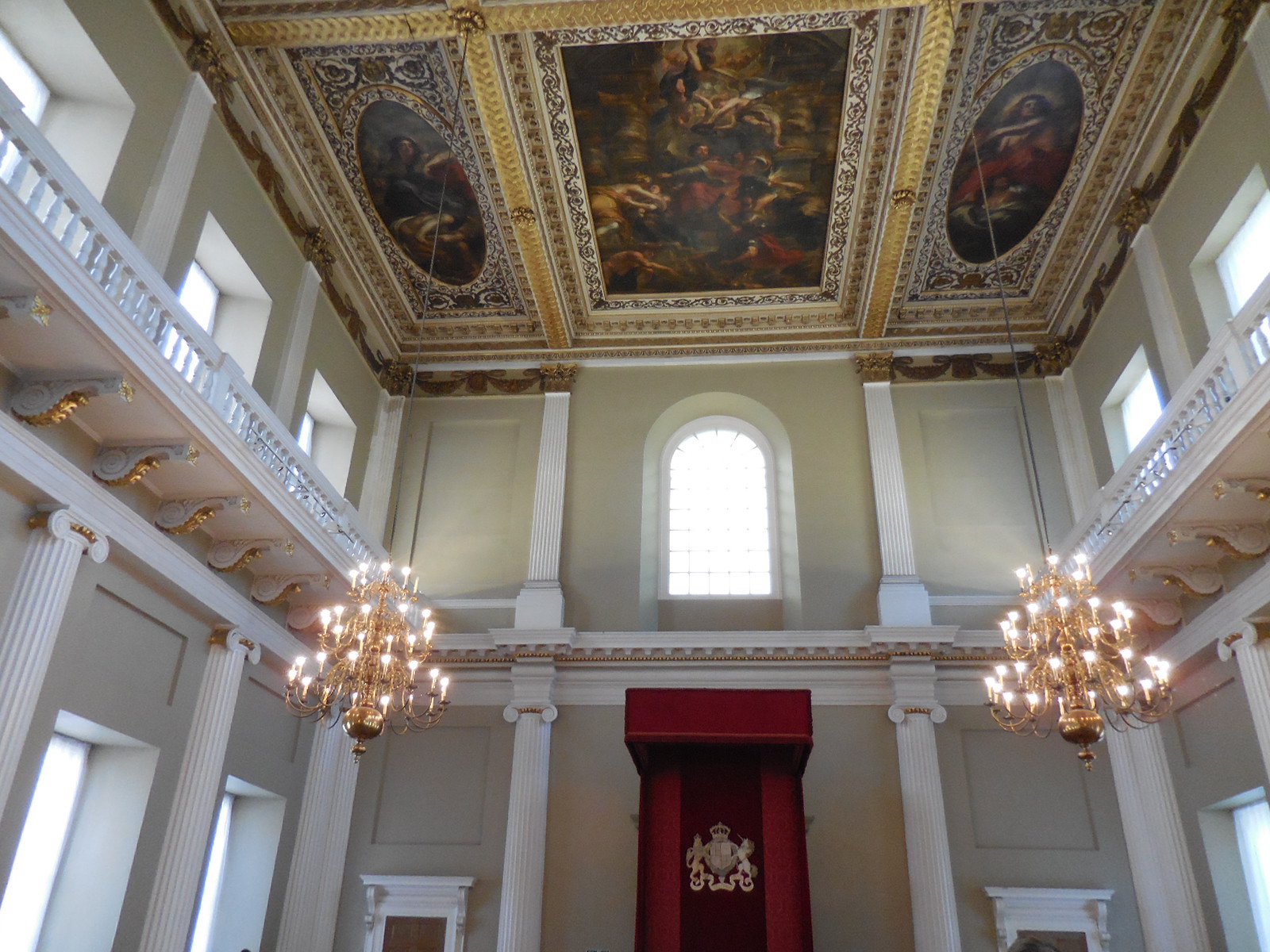
The magnificent ceiling paintings are the work of Sir Peter Paul Rubens,
 who completed them in 1636.

At the center, is The Apotheosis of James I
commissioned by his son, King Charles I.

These are the only ceiling paintings by Rubens still in their original placement.

The main room is a double cube, mathematically precise as these
17th century ideal structures were.

Charles I was beheaded outside the Banqueting House in 1649 after the Civil War.
His son Charles II was returned to the throne in the Restoration of 1660.
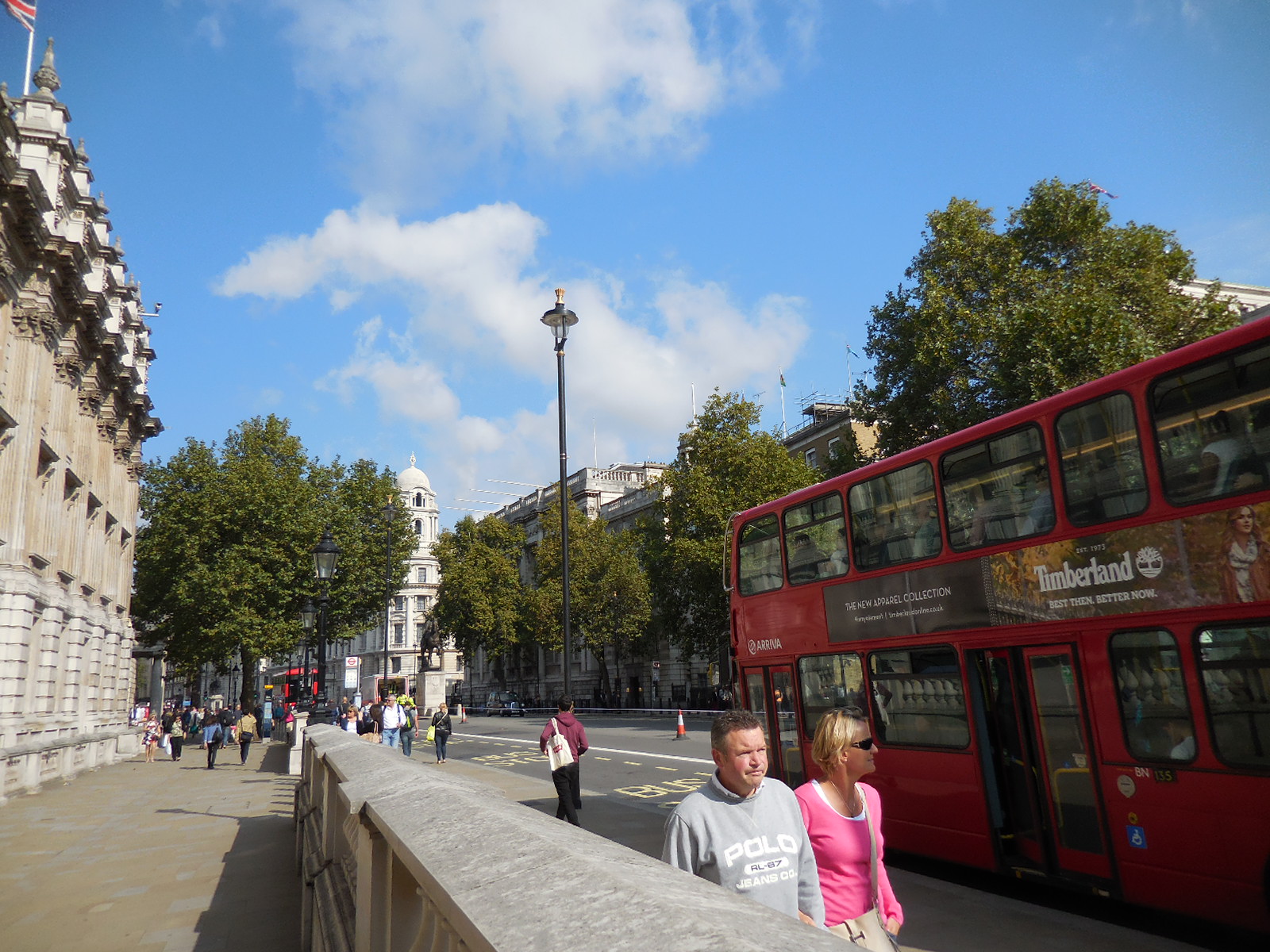
Whitehall

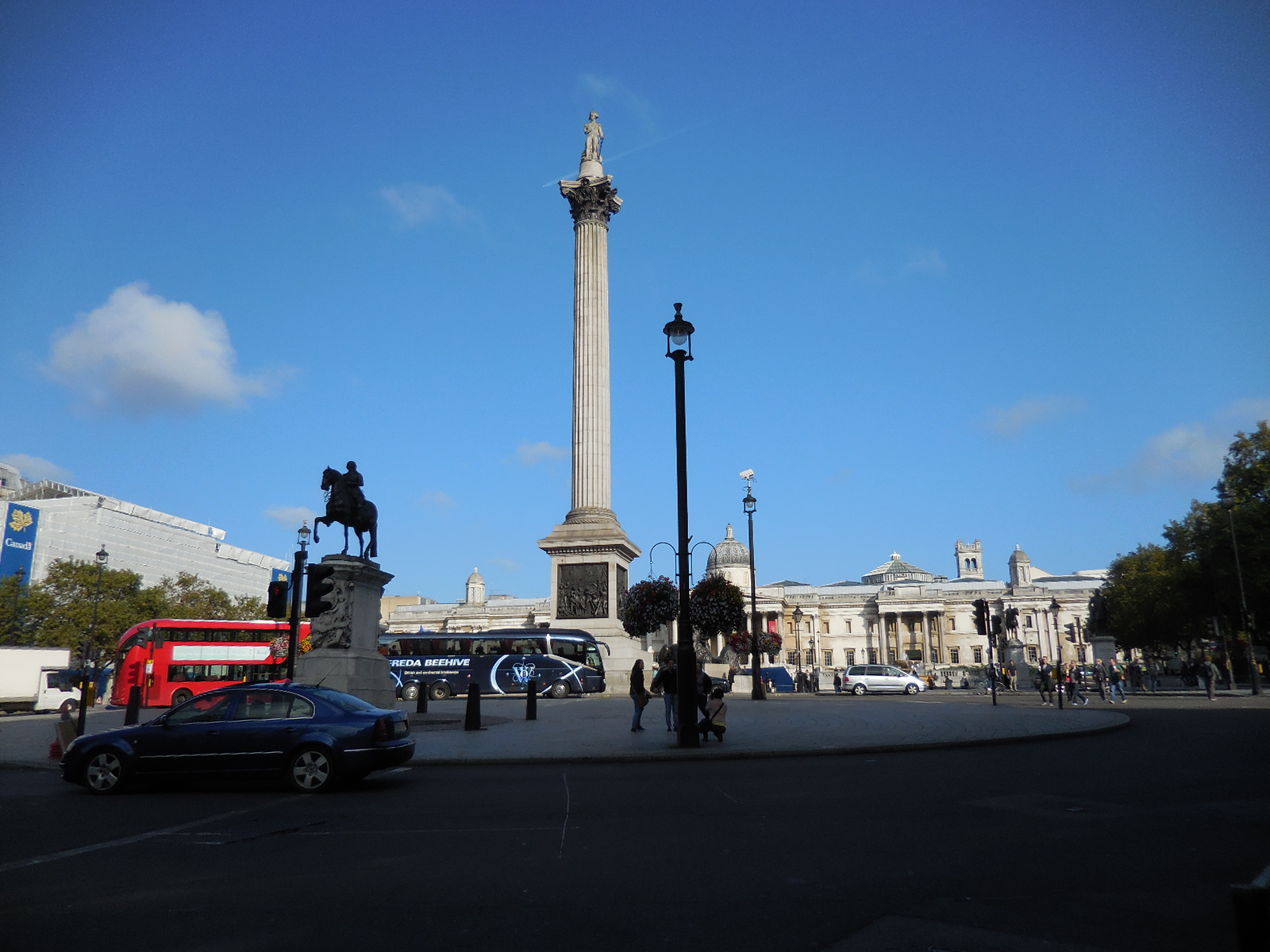
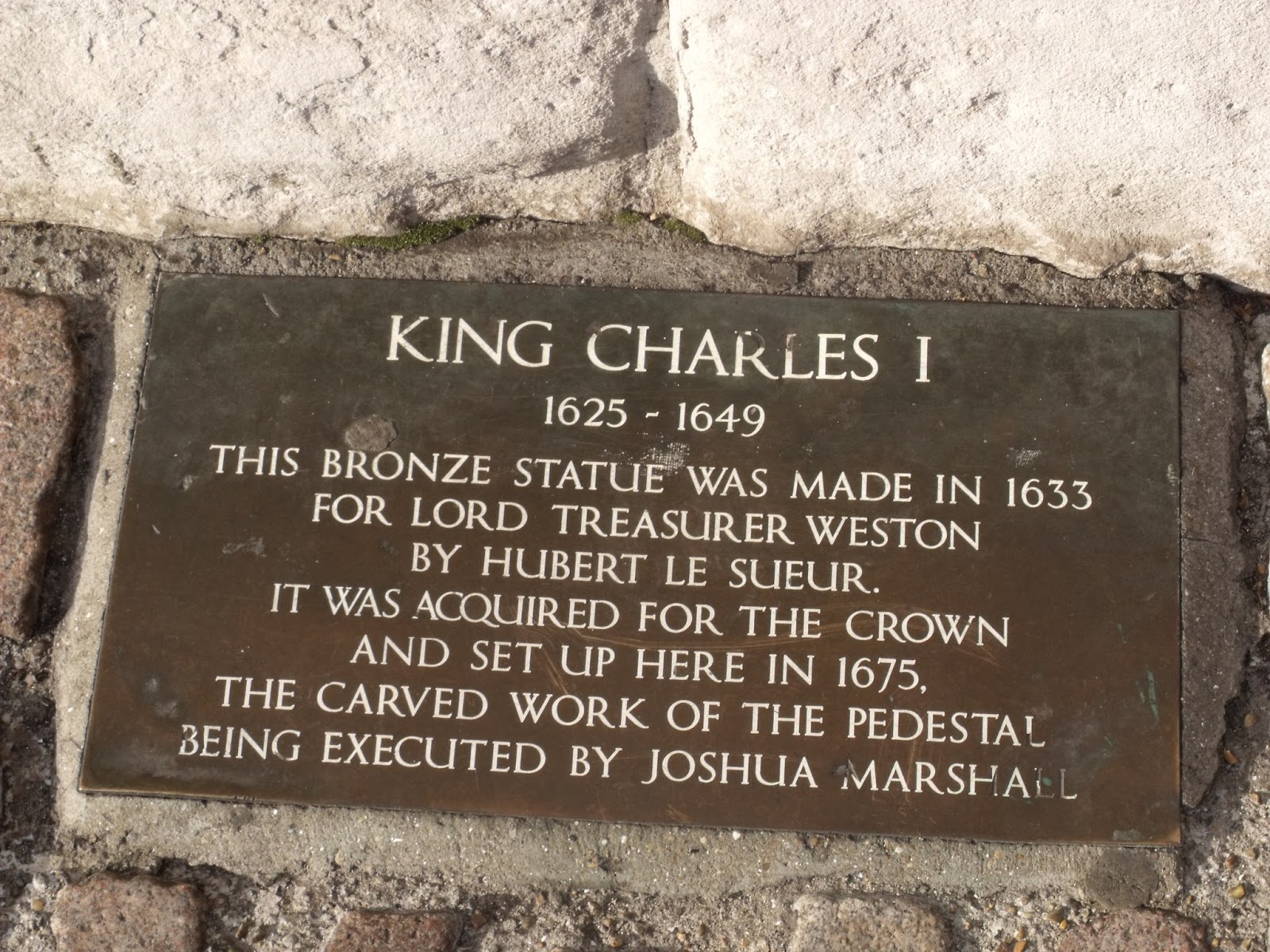
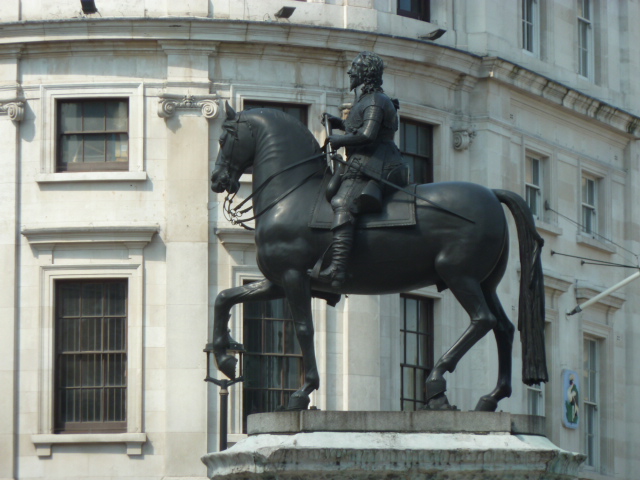
At the top of Whitehall is Trafalgar Square; A statue of Charles I stands at the head of the street.

Charles I (1600-1649)


A TOUR GUIDE IN ENGLAND: BOOKS KRISTINE SAW ALONG THE WAY

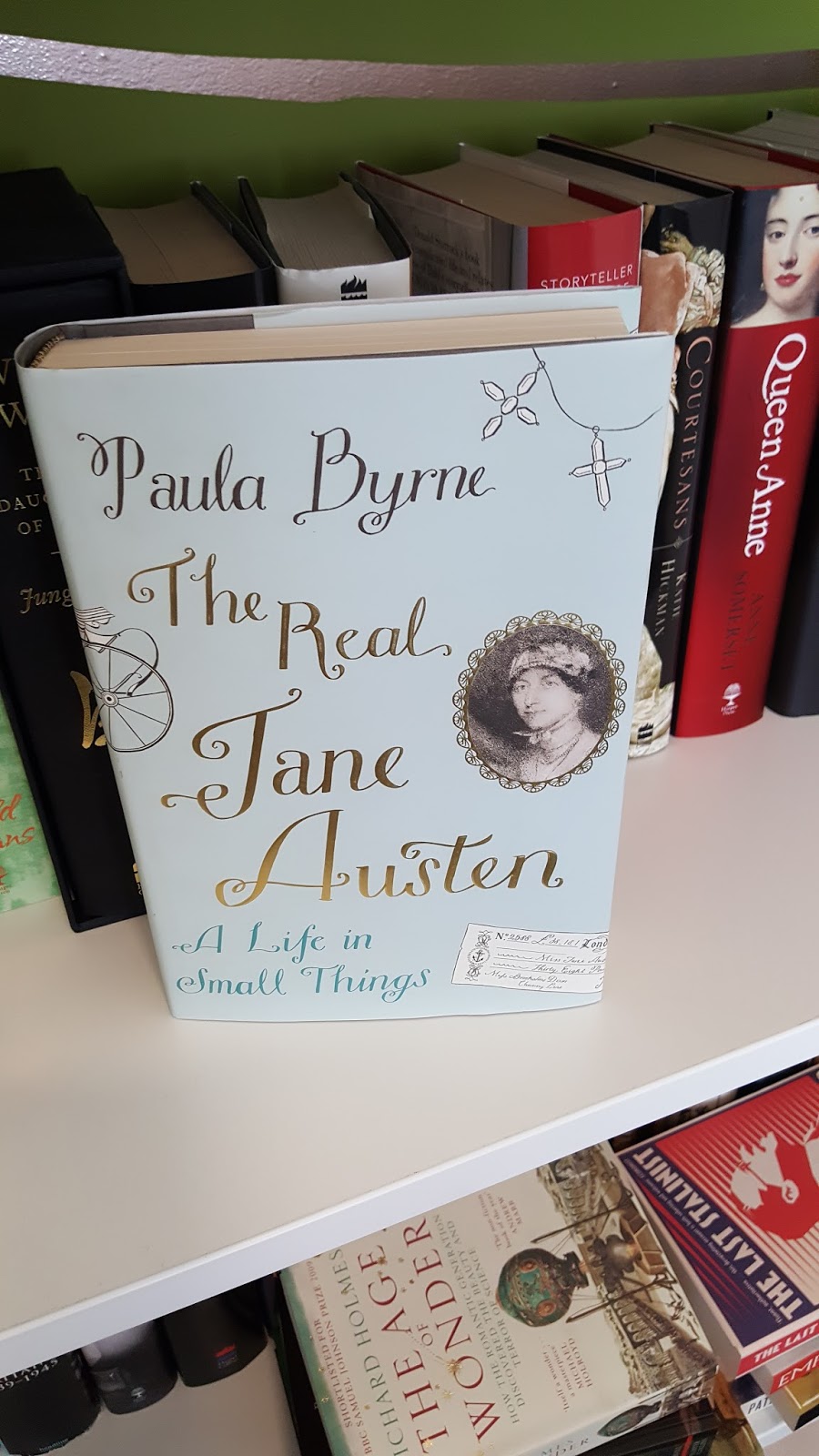
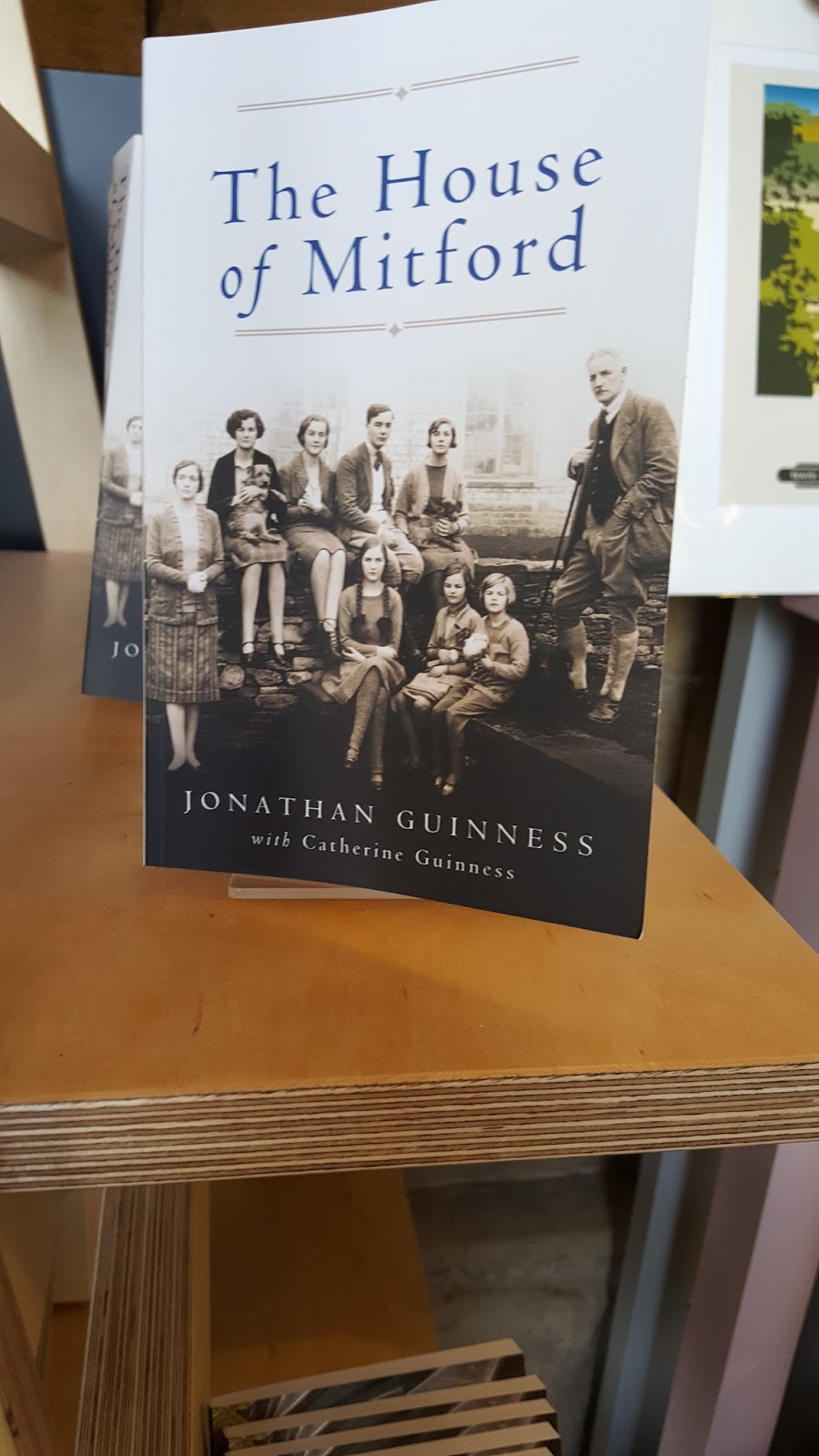
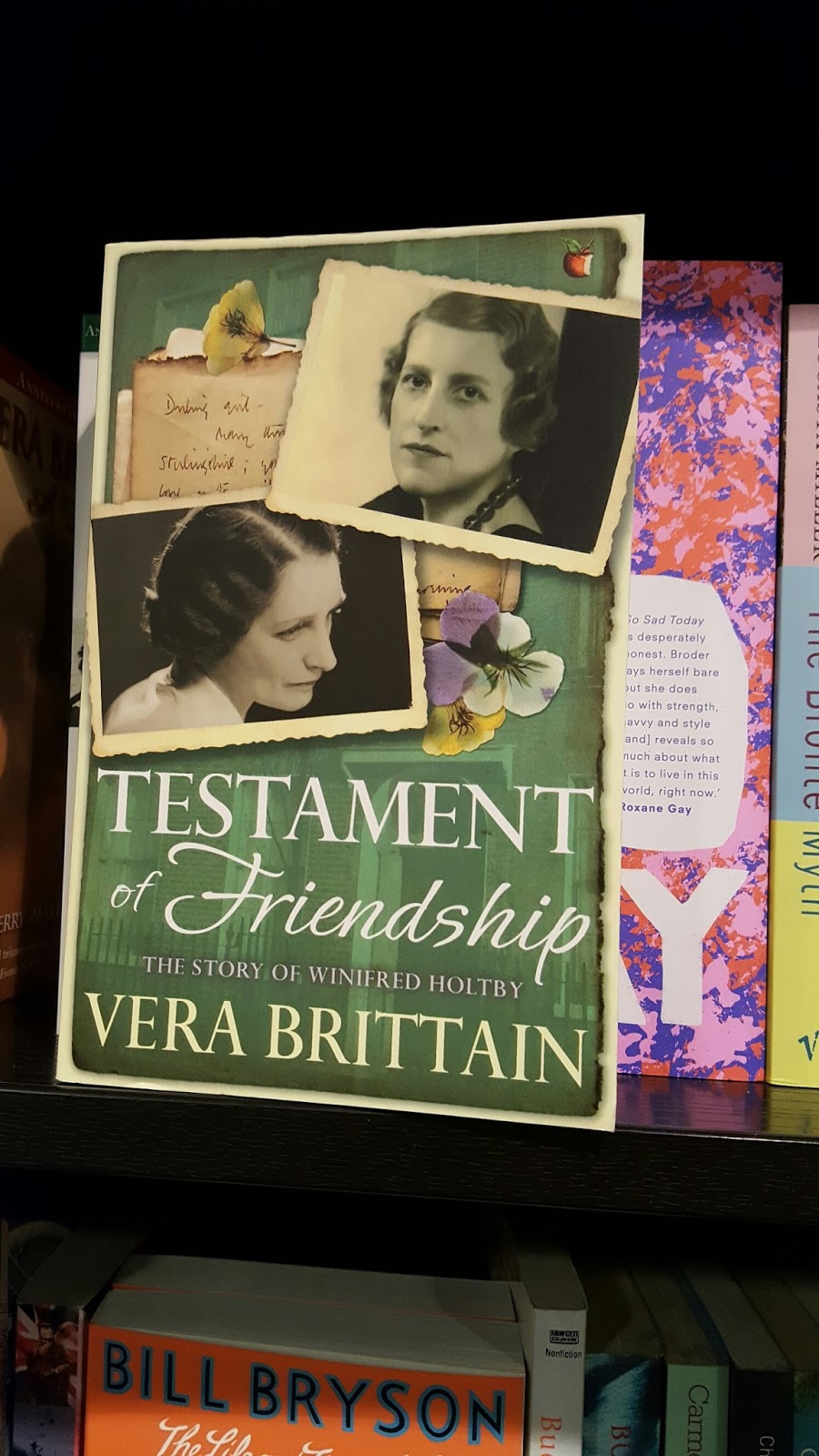
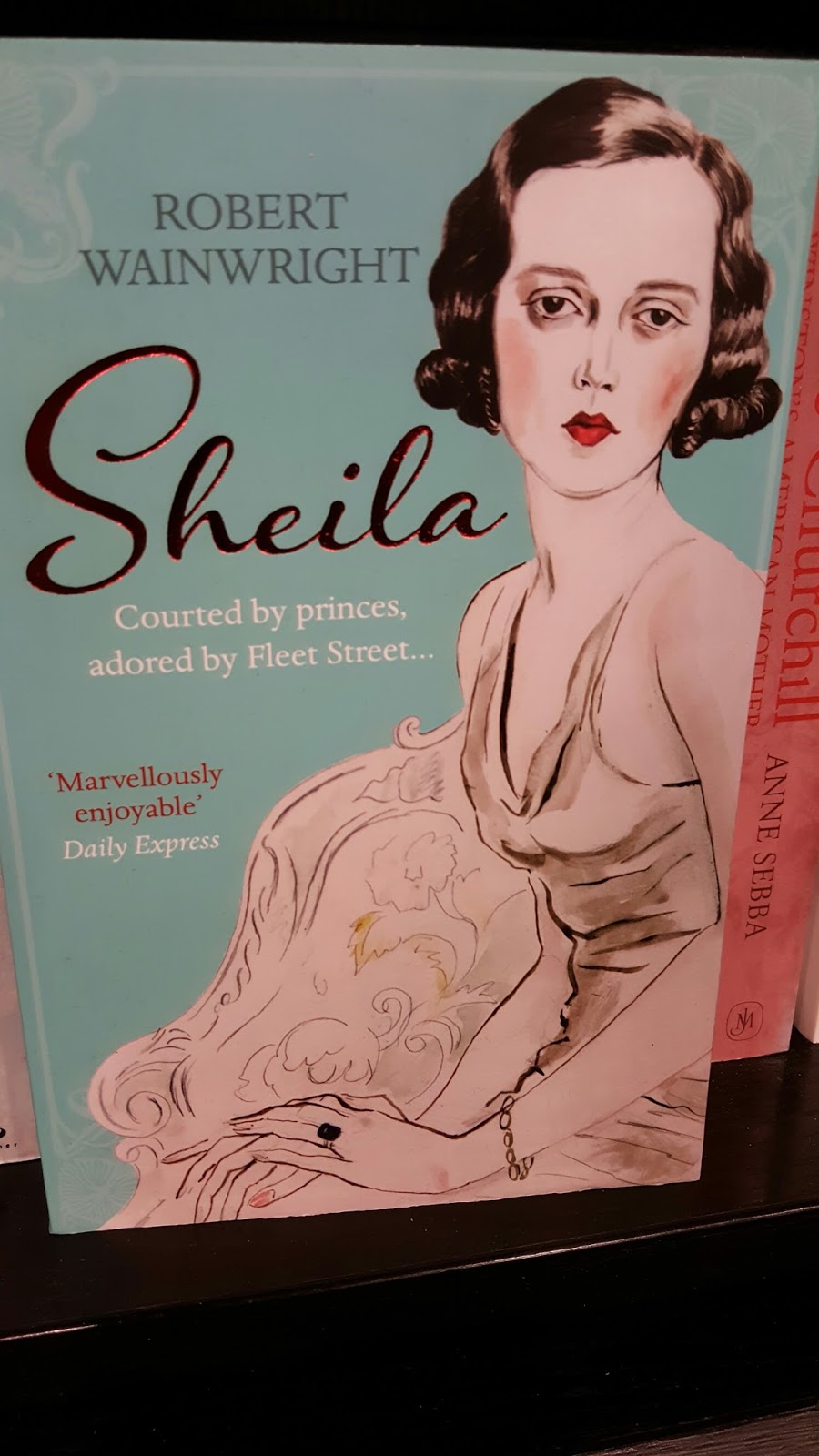
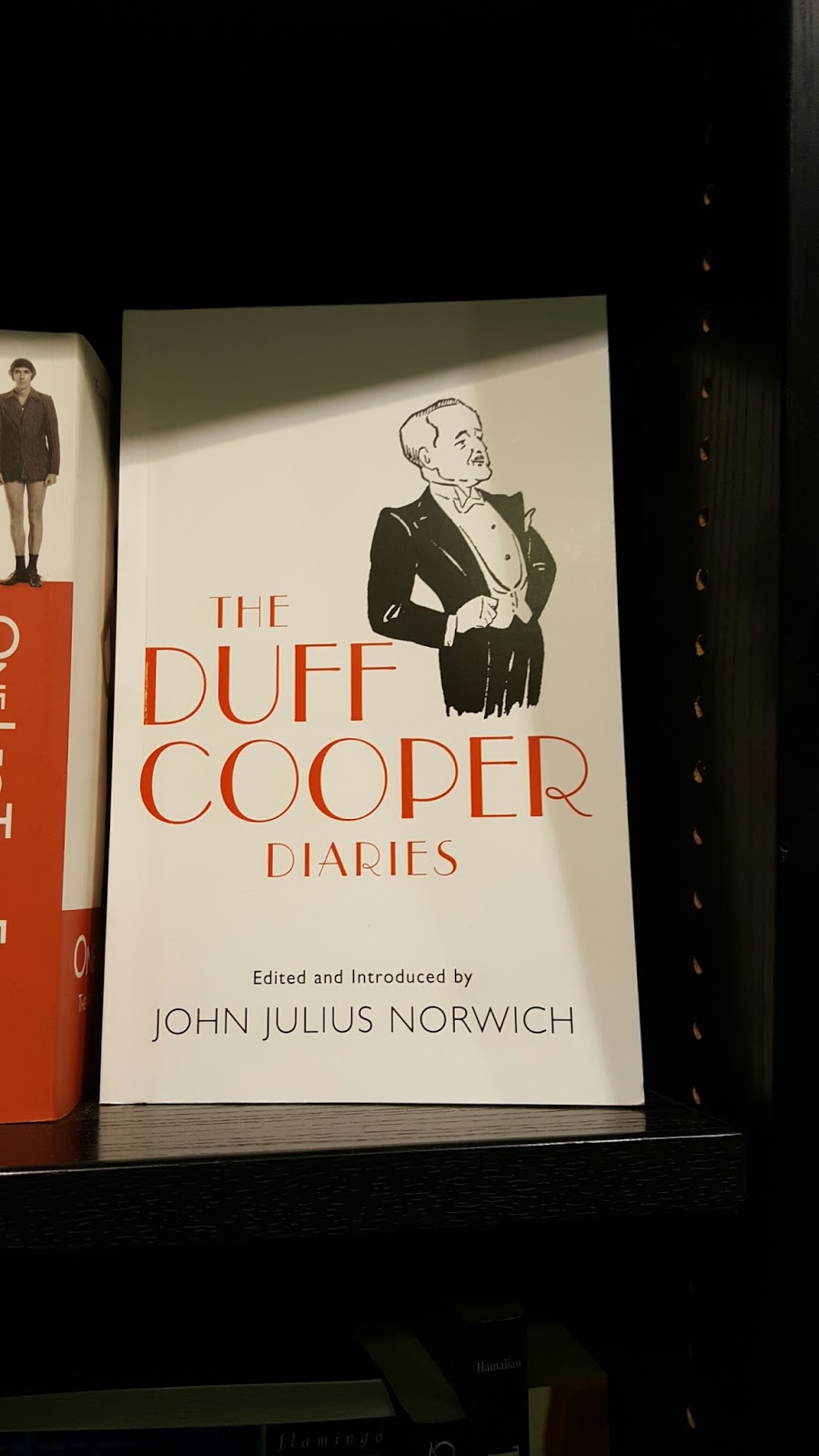
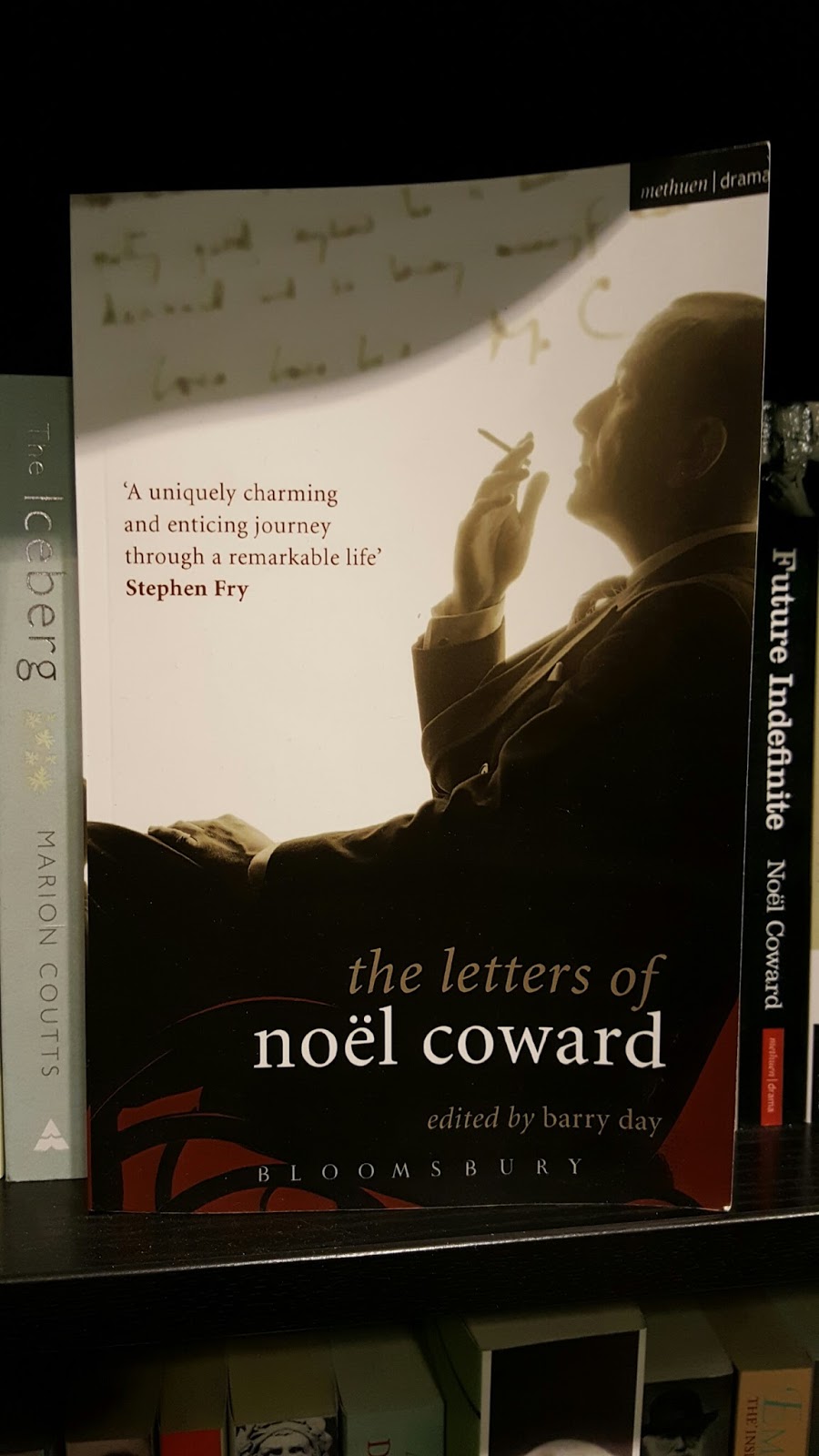
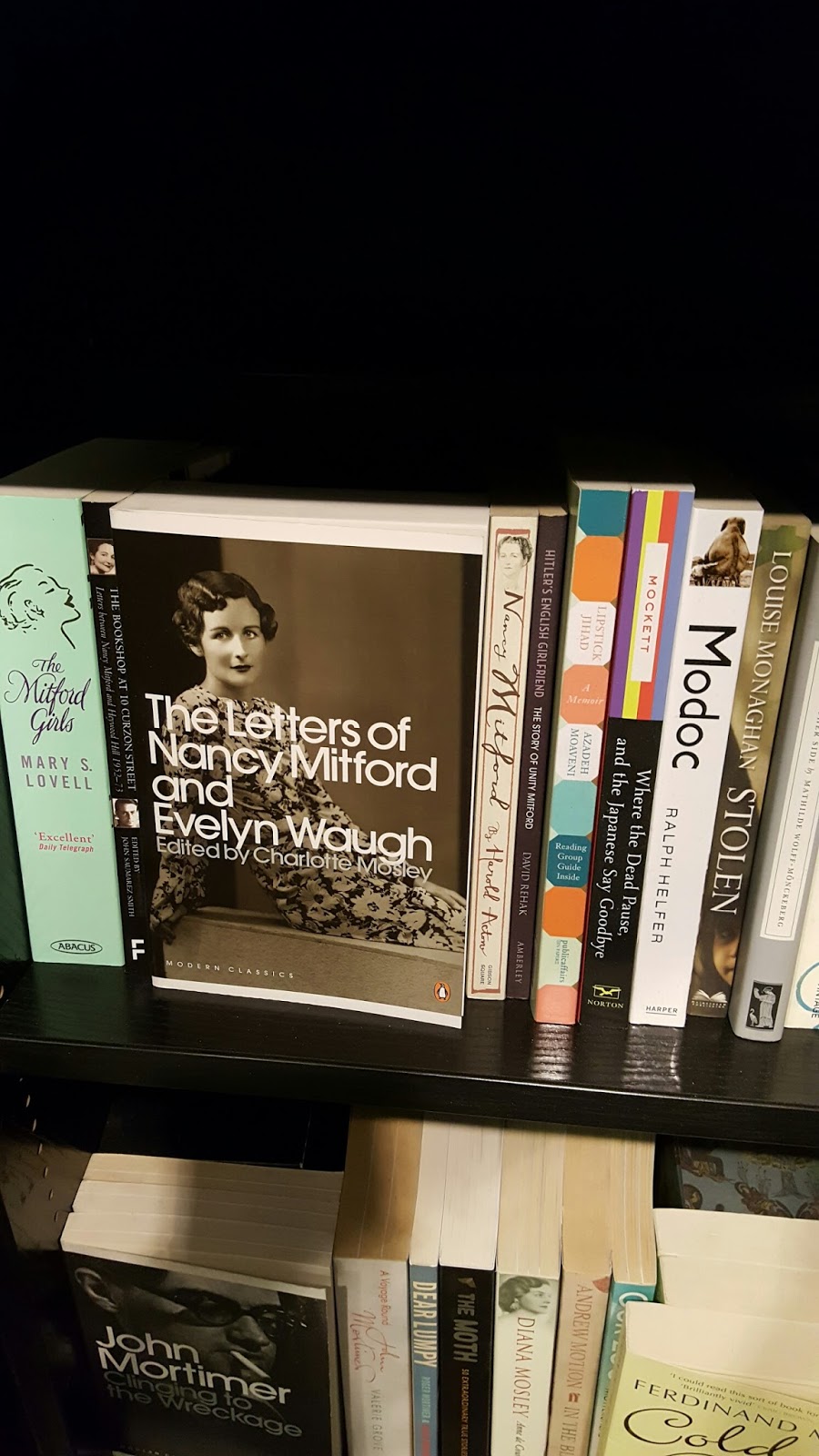
Having just returned from England on Number One London Tour business, I can tell you that great things are in store – stay tuned for complete details of the tours we’ll be offering in Spring/Summer/Fall 2017. In the meantime,  I thought I’d share with you a few of the interesting book titles I saw along the way. Click on the text links for more info on each title.