A TOUR GUIDE IN ENGLAND: DAY 6 PART THREE – WHAT WE SAW IN THE CHATSWORTH GARDENS

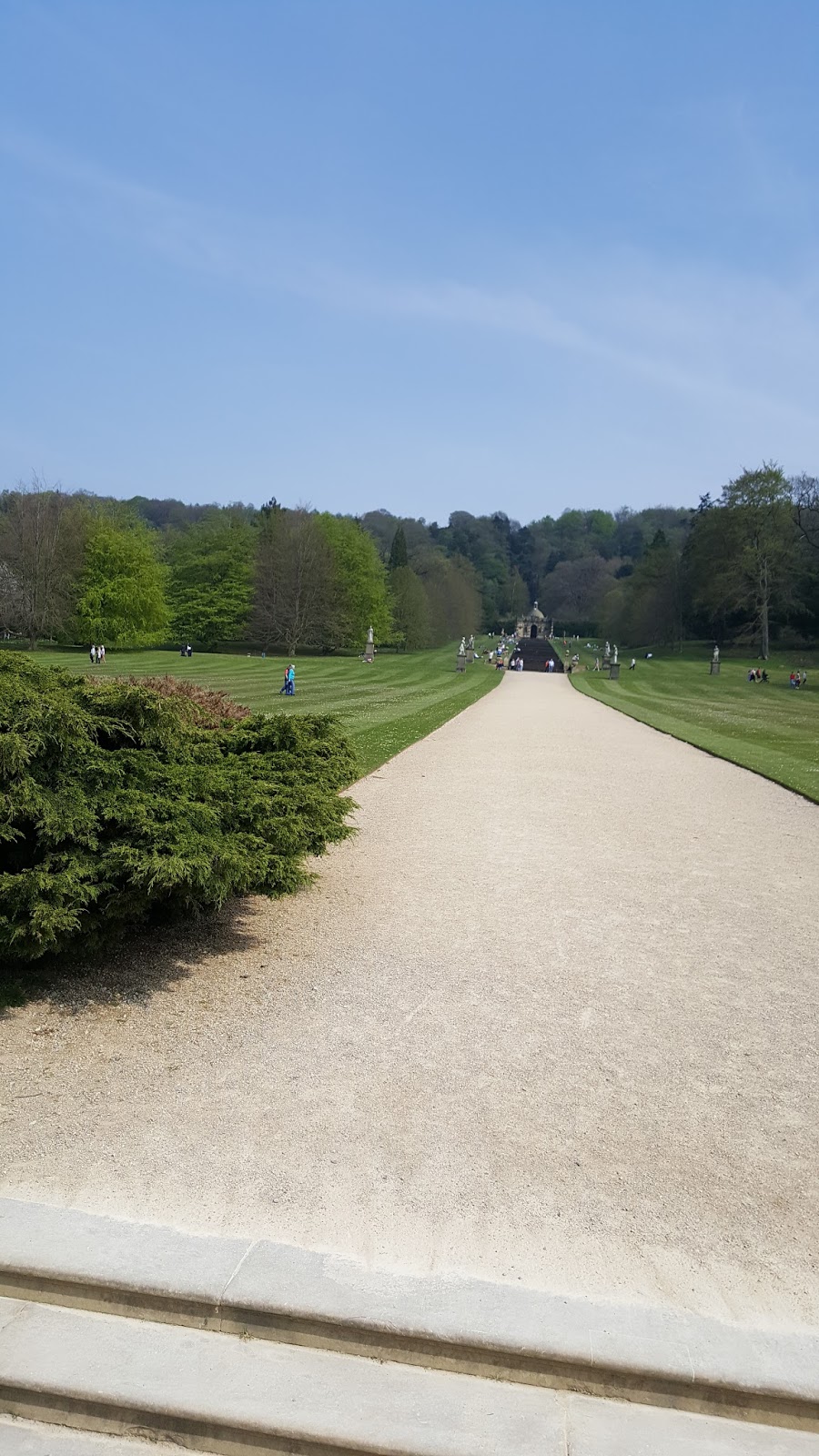
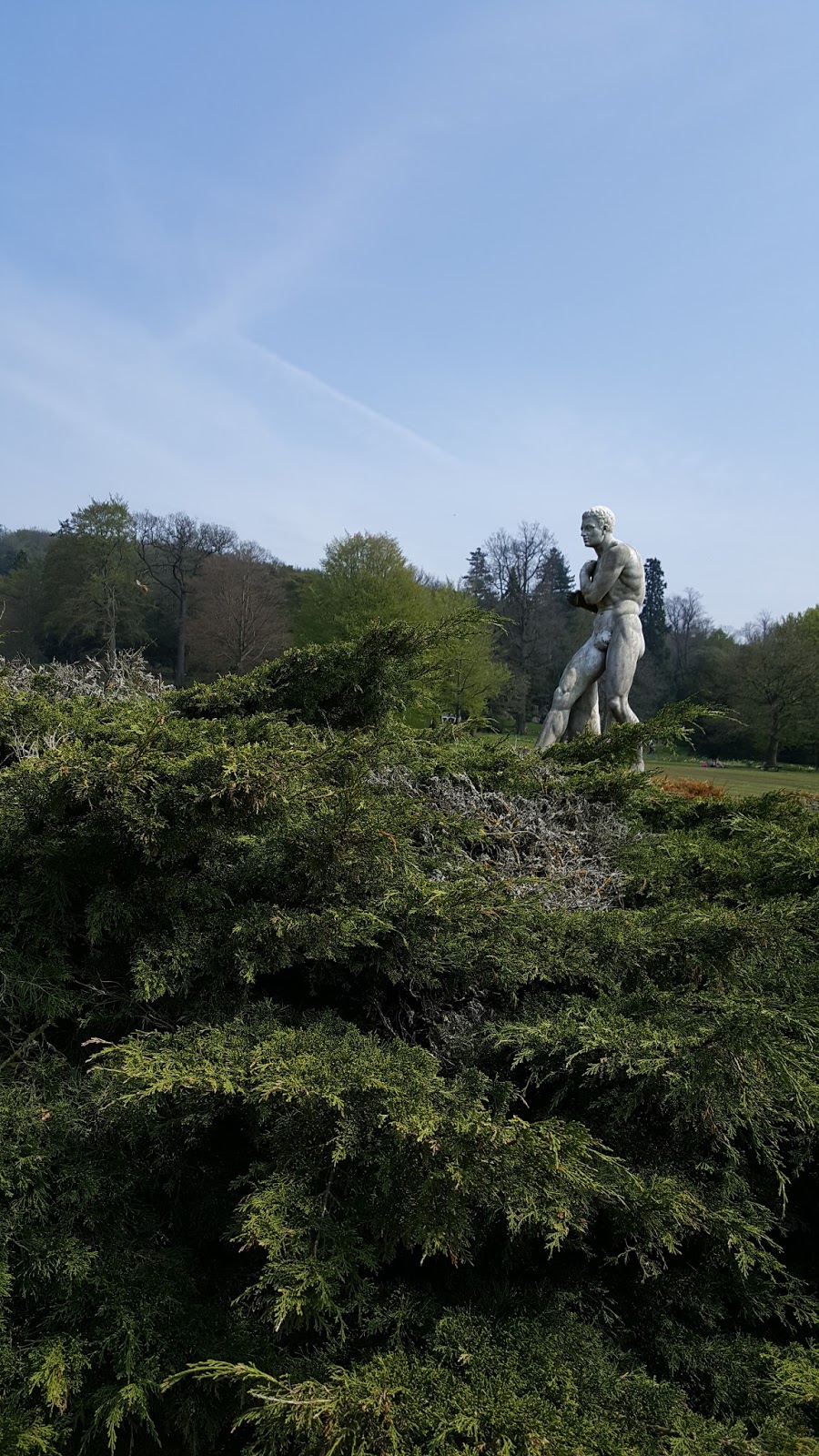
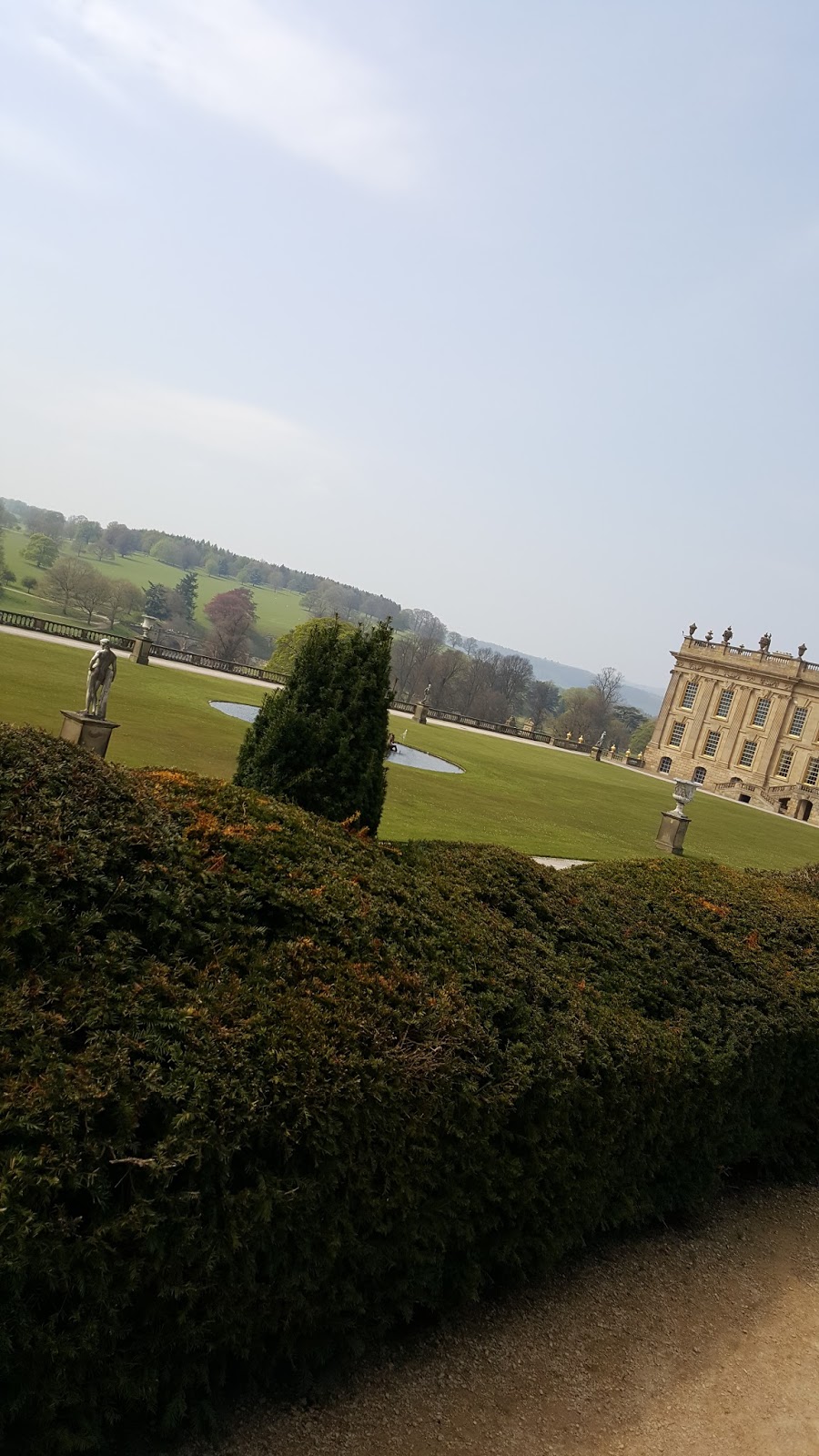
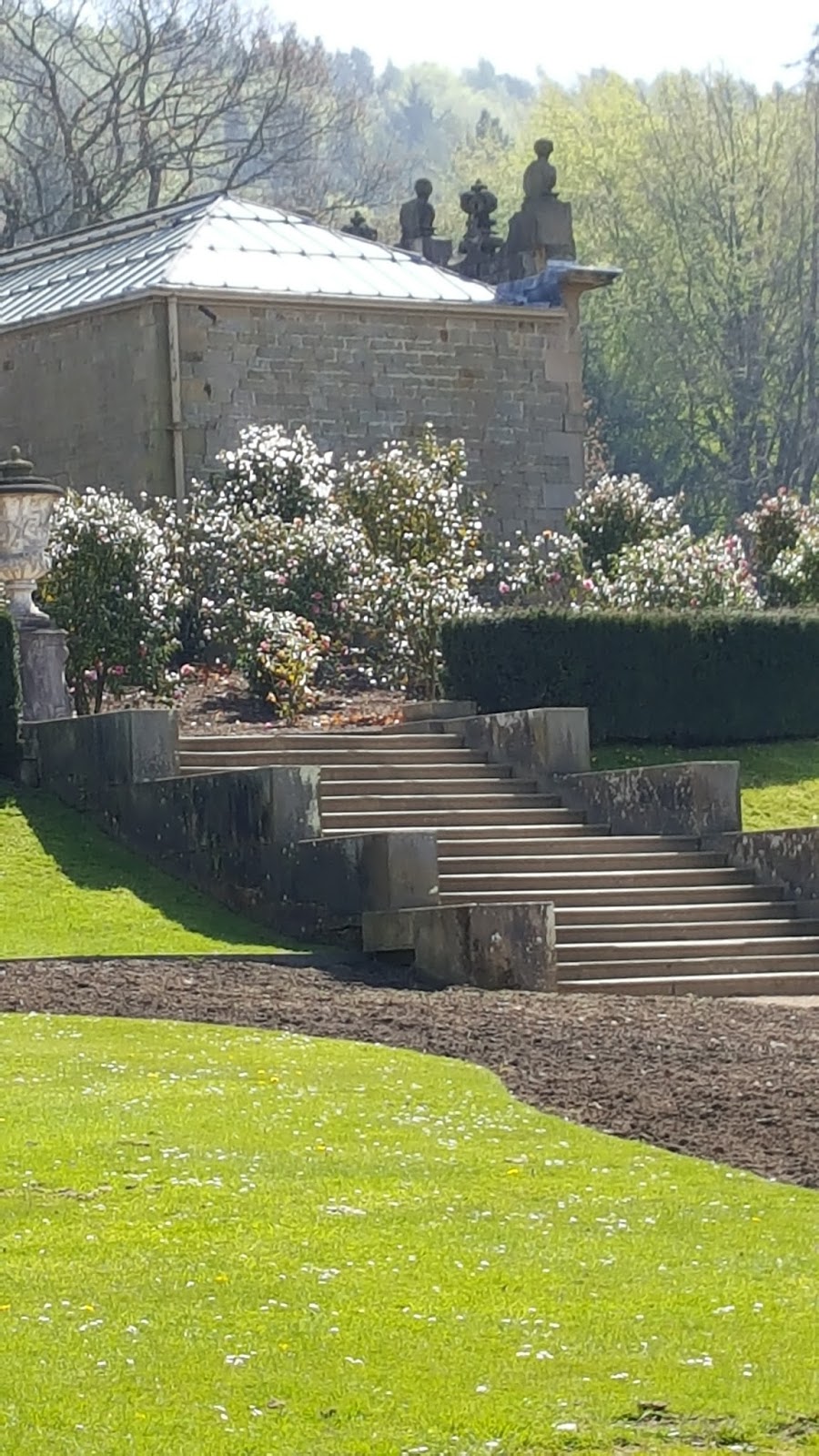
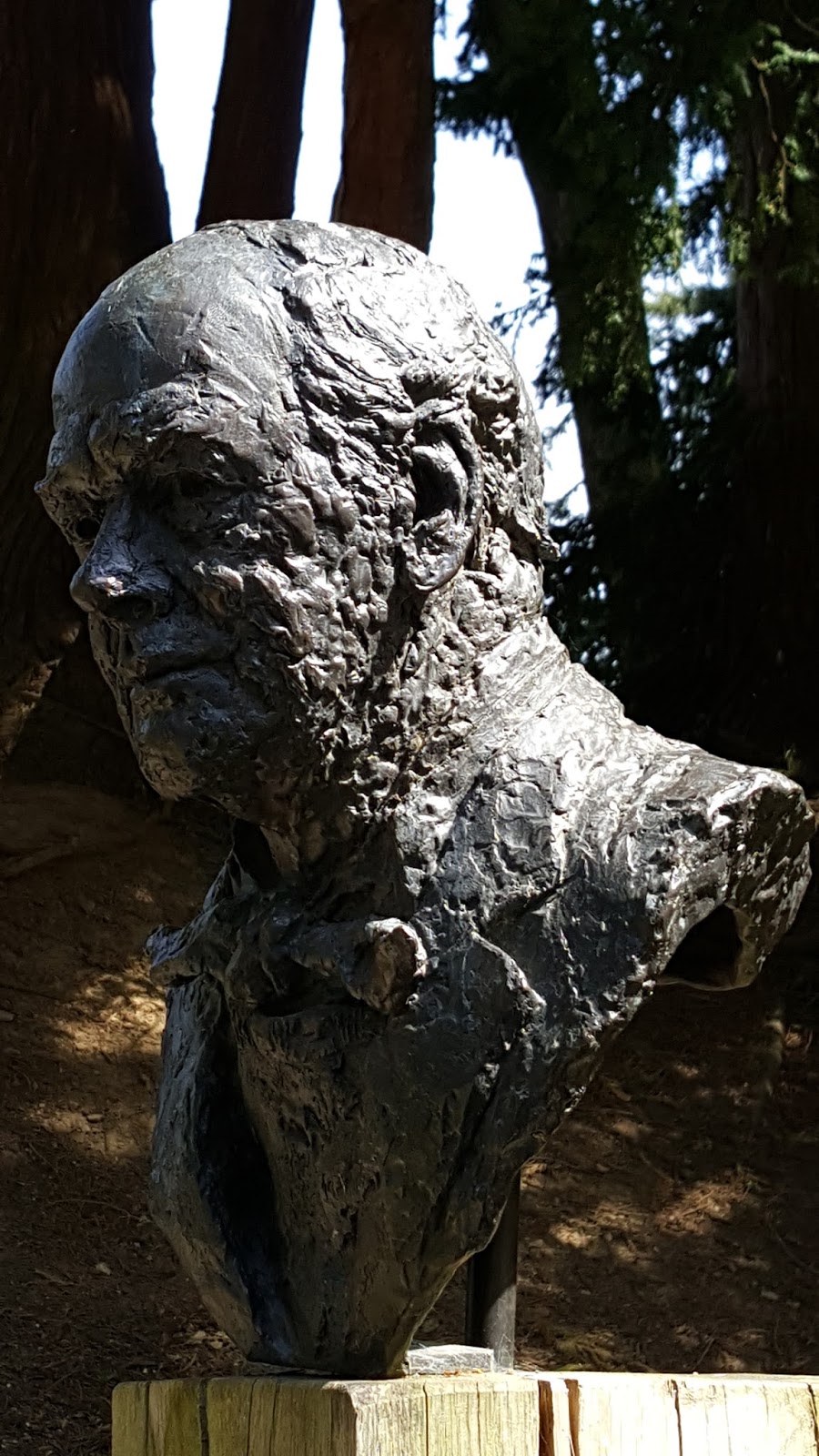
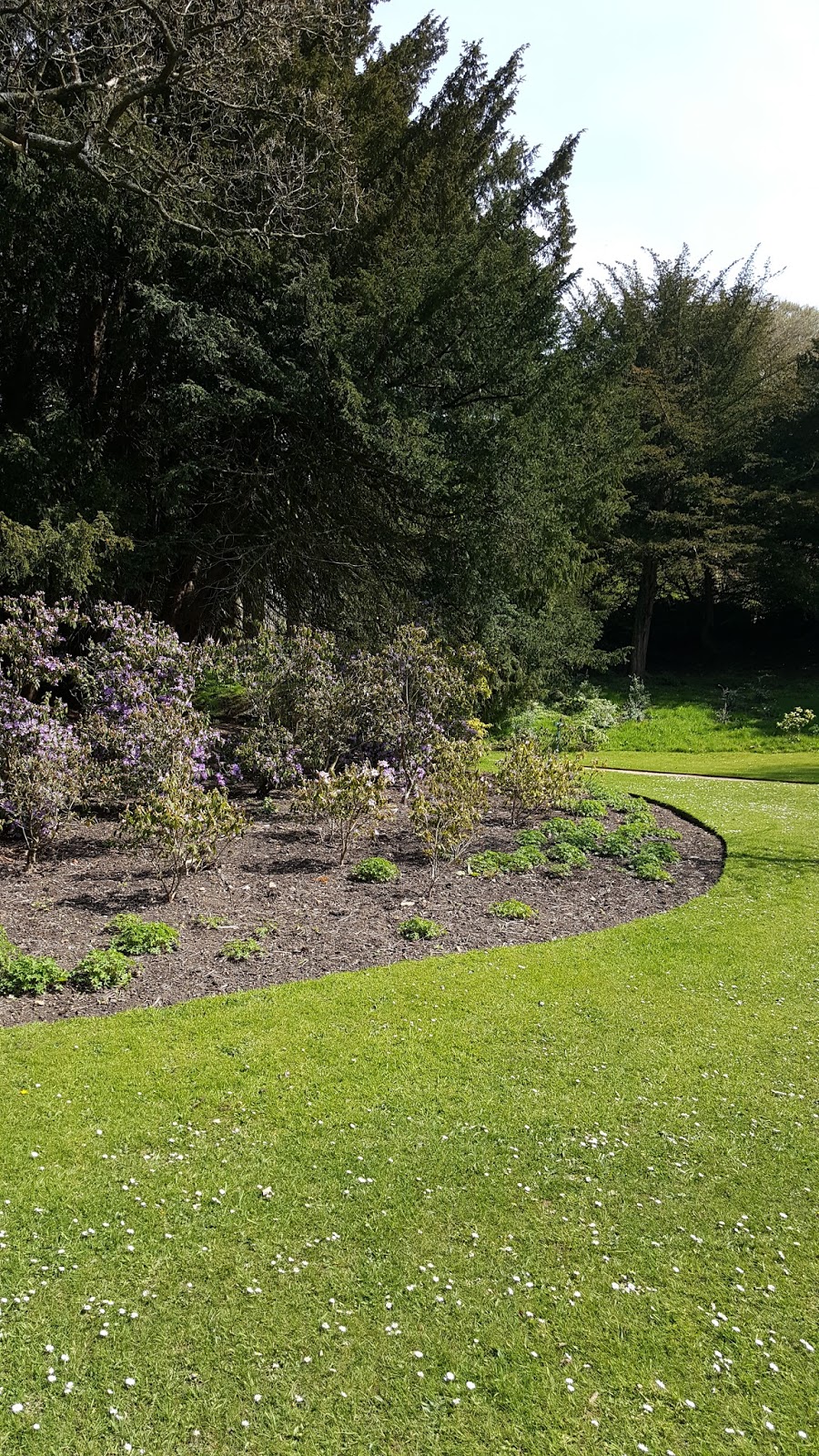
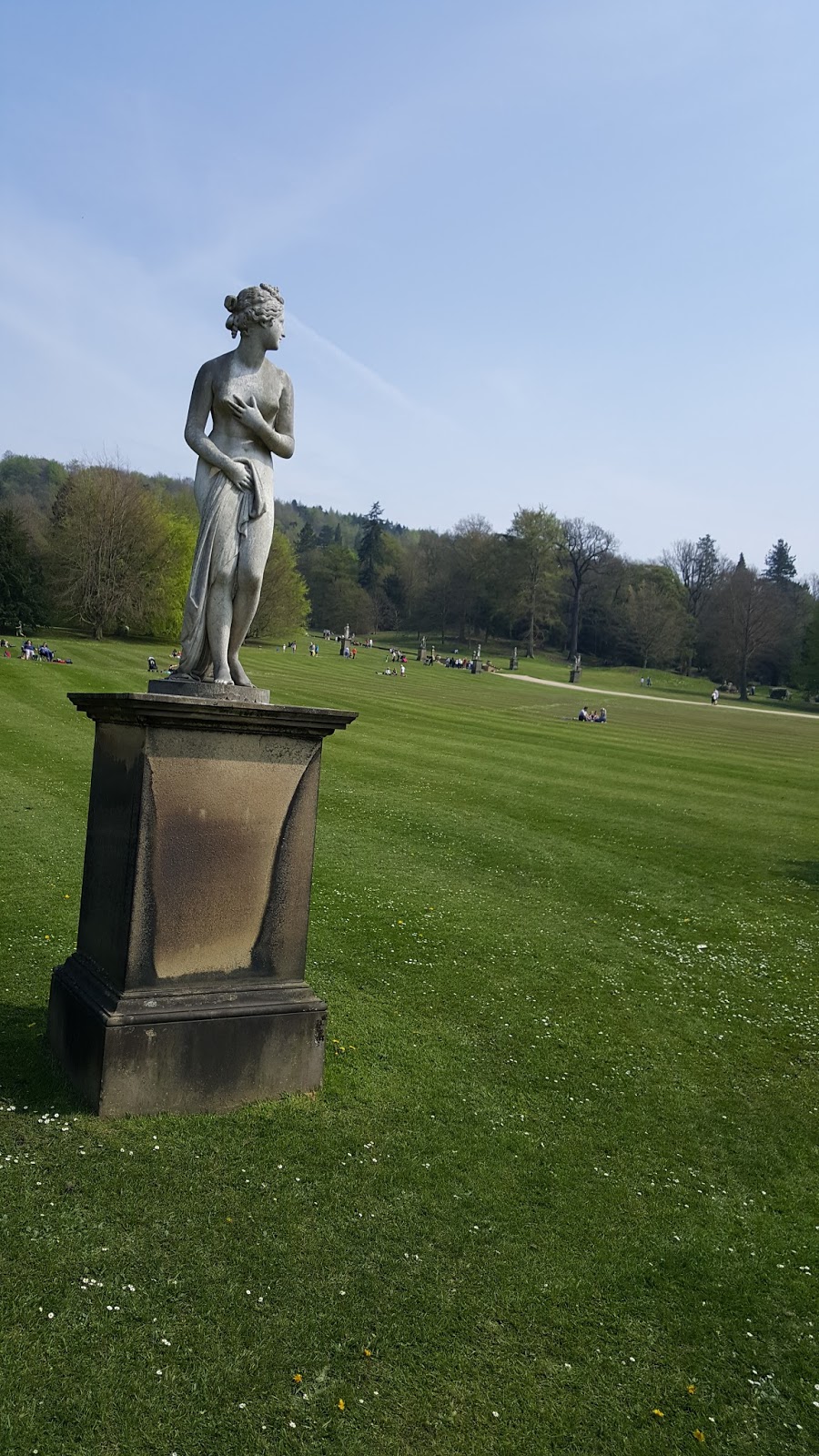
The Gardens at Chatsworth House are extensive, to say the least. There are 105 acres of gardens and they are full of surprises, with waterworks, sculptures, the maze and a wide variety of plants on show. The gardens have been evolving for the past 450 years, with the Bachelor Duke and Joseph Paxton perhaps having had the largest, surely the costliest, influence on the grounds. In 1811 the 6th Duke (known as the Bachelor Duke) inherited a neglected and fifteen years passed before Joseph Paxton was appointed as head gardener. Paxton proved to be the most innovative garden designer of his era, and remains the greatest single influence on Chatsworth’s garden. 

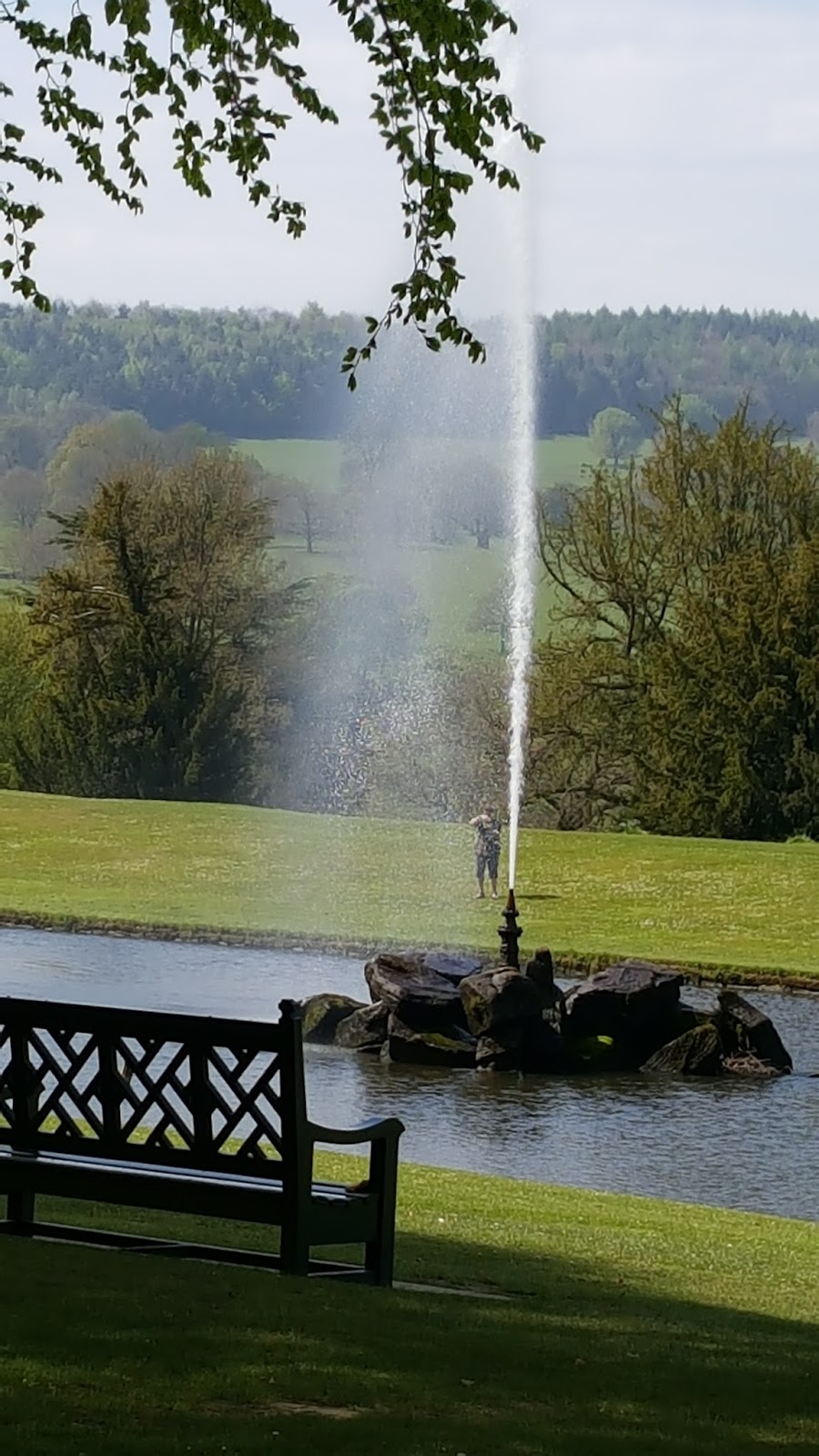
In addition to the 300 year old Cascade, the Gardens include the gravity-fed Emperor Fountain, above. In 1844, it became known that Czar Nicholas, Emperor of Russia might visit Chatsworth. The Duke thought to welcome the Czar with an even higher fountain than the one at Peterhof (the Czar’s palace in N.E. Russia), and so an existing fountain was renovated. Unfortunately, the Czar never visited Chatsworth, but the new fountain was still named after him. 

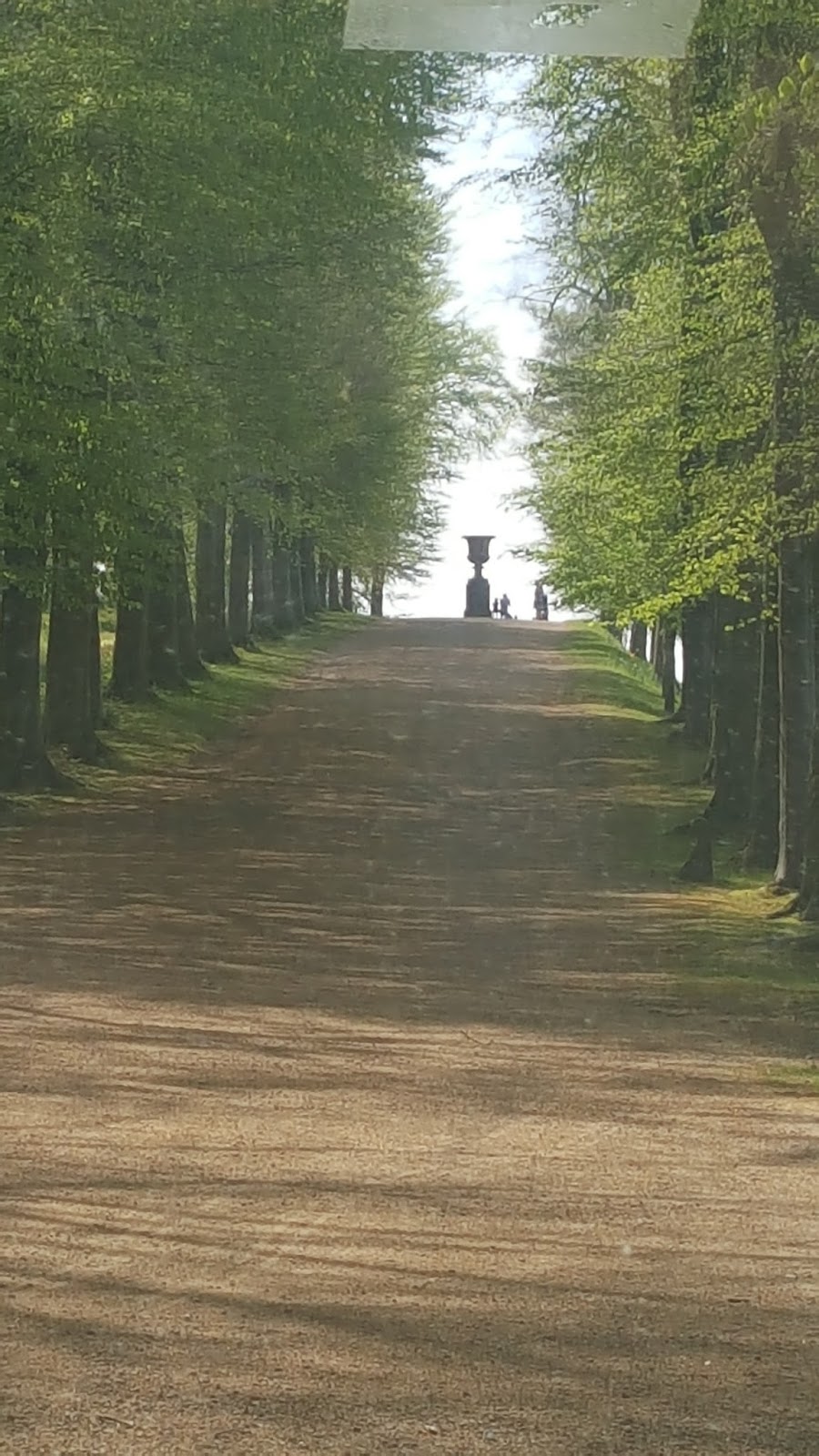
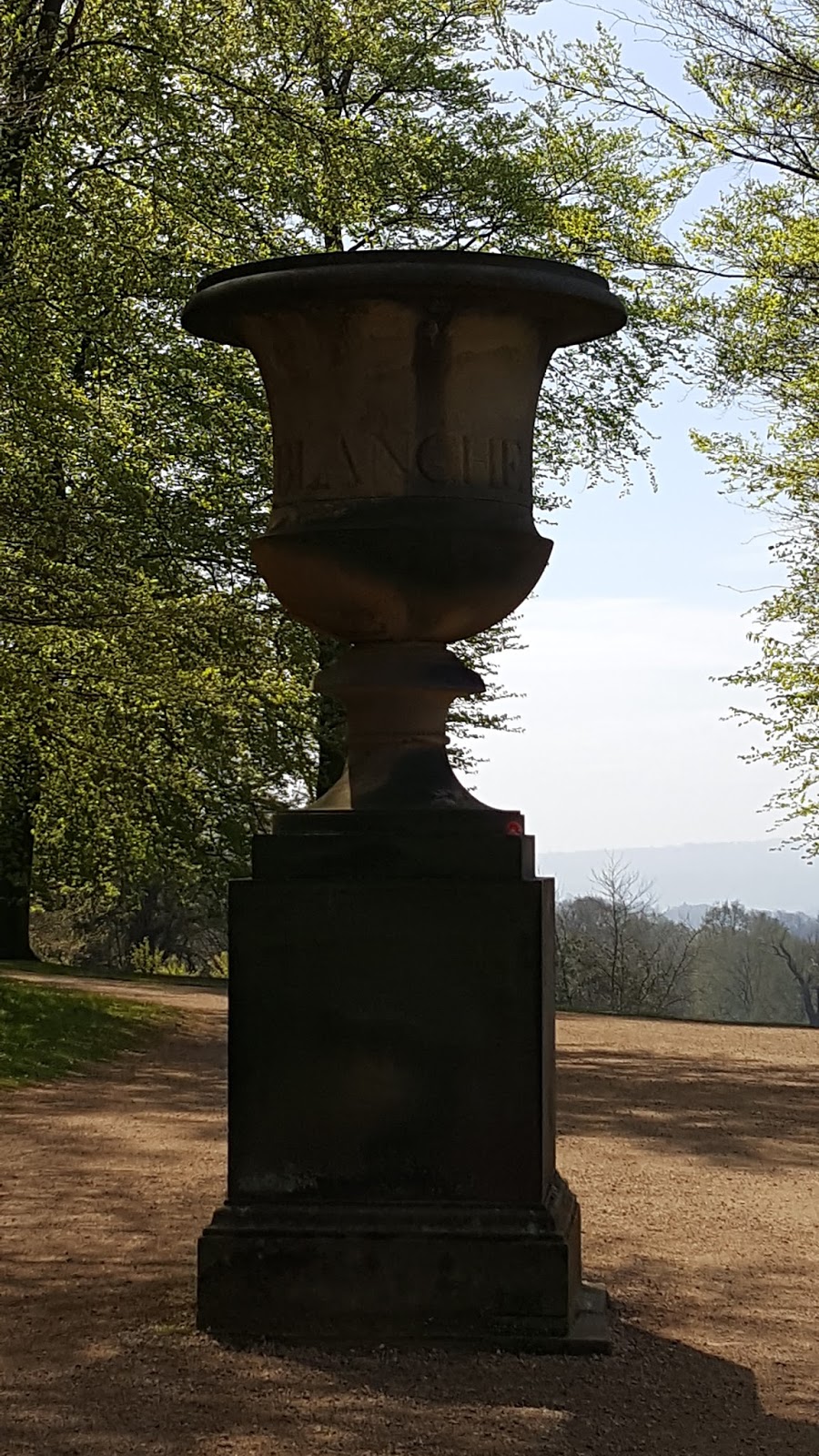
Above and below are photos of Blanche’s Vase, on the Long Walk, named for Blanche Georgiana Cavendish, nee Howard, granddaughter of Georgiana, Duchess of Devonshire. Blanche married William Cavendish, 2nd Earl of Burlington, but tragically died at the age of 28 in 1840. Her uncle, the Duke of Devonshire, was left heartbroken by the death of his favorite niece and wrote the following: “There are many things at Chatsworth that I should not have allowed myself to do had I not reposed in the thoughts of being succeeded by a person so indulgent, so much attached to me as Blanche.” (The Garden at Chatsworth‘ by Deborah, Duchess of Devonshire).

The latest restoration project at the Gardens has been conducted on the Trout Stream. You’ll find a short video on the project here.

We’ll be spending an entire day exploring the Chatsworth gardens during Number One London’s 2017 Country House Tour. Our estate guide will share the hidden stories and history of the gardens, including the famed glasshouses built by Joseph Paxton, and a picnic lunch will be served in the gardens. You’ll find complete tour details here

ONCE AGAIN WEDNESDAY: DO YOU KNOW ABOUT MONARCH OF THE GLEN?

No, not that Monarch of the Glen.
This Monarch of the Glen.
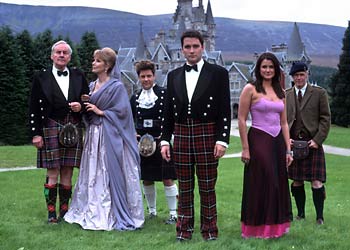
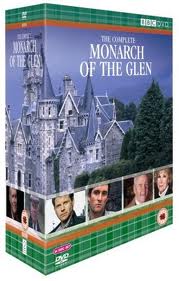
Monarch of the Glen was a BBC TV drama series featuring the exploits of an impecunious and somewhat dysfunctional Highland family in their efforts to keep the estate of Glenbogle going after Archie MacDonald, a young restaurateur, is called back to his childhood home where he must act as the new Laird. 
Adapted from the so-called “Highland” novels of Compton MacKenzie, author of Sylvia Scarlett, the series originally starred Richard Briers, Susan Hampshire, Hamish Clark, Alastair Mackenzie, Dawn Steele and Sandy Morton. The programme ran for seven series, from 2000 to 2006, becoming the longest running non-soap drama ever run by the BBC, beating Ballykissangel by one year.
In reality, Archie is not really the new Laird, as his eccentric father, Hector, is still alive, though increasingly unable, or unwilling, to fulfill the role. Archie’s mother, Molly (Susan Hampshire, right) uses this as a crafty excuse to call her son home. In the first season, Archie resents his obligations as various problems arise at Glenbogle – not the least of which is that Hector’s neglect of the estate has put it in dire financial straights. As the episodes progress, Archie finds himself increasingly attached to both the estate and it’s inhabitants, including Lexie (Dawn Steele), the estate’s sexy, street-smart cook; the shy and bumbling  kilt-wearing handyman Duncan (Hamish Clark), and a quintessentially Scots gilly named Golly (Alexander Morton). Archie is constantly tasked with making the estate profitable, or at least marginally solvent, and schemes for raising money include turning the estate into a museum, a wedding hall, a hotel and a wildlife park.  As the series goes on, we learn more about the lives of these characters, their connections to one another and their own reasons for wanting Glenbogle, and Archie, to succeed.  
Another of the stars of Monarch of the Glen is the atmospheric setting and gorgeous Highland scenery. The series was filmed around Badenoch and Strathspey – mainly in the Laggan, Newtonmore and Kingussie  area, and the fairy-tale like Ardverikie House, on the far shore of Loch Laggan, became Glenbogle Castle. Ardverikie is itself a grand Scottish estate which, through time, has faced many of the problems that underpinned the stories of the dramatized in the series.

Ardverikie was built in 1878 by local craftsmen and has been owned by the same family since then. It has had a rich history, almost chosen by Queen Victoria instead of Balmoral as her Scottish retreat and ironically used briefly in the film `Mrs Brown’ for some scenes. English painter John Millais spent many months here on the estate sketching and drawing. Landseer’s influence is also evident within the house, as well as in the adoption of his most famous stag painting for the title of the television series.

You can watch a bit of Monarch of the Glen here, but the series is widely available through Netflix and local libraries.

If you’ve always dreamed of seeing the Highlands for yourself, consider joining author and guide Sue Ellen Welfonder for Number One London’s 2017 Scottish Castles Tour – details can be found here. We’d love to share our love of Scotland with you!

NUMBER ONE LONDON TOURS HAS ARRIVED!

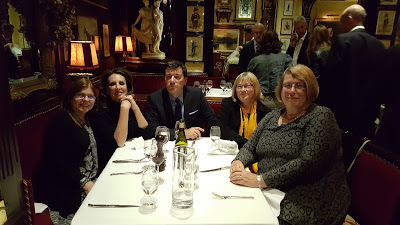
It is with great pleasure that we announce the launch of Number One London Tours. The photo above was taken in May at the legendary restaurant, Simpson’s in the Strand, London, where a few of the people involved in our tours gathered for a working dinner. From left: Diane Perkins/Gaston, Kristine Hughes Patrone, Ian Fletcher, Nicola Cornick and Melanie Hilton/Louise Allen. 


2017 Tours

1815: London to Waterloo

The Regency Tour

A Week at the Lake

The Queen Victoria Tour

A Stay in the Cotswolds

The Country House Tour

The Scottish Castles Tour


THE QUIETEST QUEEN BY GUEST BLOGGER CATHERINE CURZON

A king without an heir is always a matter for concern but a king without so much as a queen is far worse. After all, with no bride, there is not even the faint hope of solving your succession woes. Of course, not having a wife was no bar to having children but they could never take the throne.
One such queenless king was George III, who ascended to the throne on 25 October 1760. George was not without admirers, but the royal marriage bed remained resolutely empty. Just as a list of likely brides was presented at Versailles in 1725 and countless other royal houses throughout the centuries, so Parliament began to think about possible wives for the king. The long list was drawn up, discussed and shown to George, who waved it away. With a sigh, the politicians went back to the drawing board and assembled a second shortlist, no doubt with much fevered mopping of brows.
One of the names on the new list was that of Princess Sophia Charlotte of Mecklenburg-Strelitz who was six years younger than George and, crucially, utterly uncontroversial. Her family was respectable if not particularly illustrious and her youth made her the ideal candidate in the eyes of Georges mother, Augusta of Saxe-Gotha, who did not want anyone too remarkable, lest her own influence be usurped.
Intelligent, just pretty enough, and with her only vices apparently a love of snuff and jewels, everyone agreed that Sophia Charlotte might well be the ideal candidate. Charlottes widowed mother, Elisabeth, negotiated the match  with aplomb, smoothing the road for her daughters forthcoming marriage. Sadly, Elisabeth would not live to see Charlotte marry and died in June 1761, just prior to the future queens departure for England. Even with her entourage to accompany her, to make a trip to a new land whilst grieving for her mother must have put an enormous strain on the young bride. She maintained her composure admirably but behind her placid exterior, Charlotte mourned her lost mother keenly.
On the rough sea journey Charlotte utterly charmed her escorts whilst in England, George waited for his bride with undisguised enthusiasm, keen to meet the woman who appeared, on paper, to be just what he was looking for. Upon her arrival at St Jamess Palace on 8 September 1761, Charlotte threw herself at Georges feet in supplication, head bowed in deference. The king, gentleman that he was, helped his anxious bride to her feet and gently escorted her into the palace to meet his family.
The couple were married by Thomas Secker, Archbishop of Canterbury and from the very beginning, they seemed devoted to one another. This would set the store for the fifty -seven year marriage that was to follow, their love persisting through thick and thin. For George III there were to be no mistresses, official or otherwise; it seemed that, in Charlotte, he had truly found his soul mate.


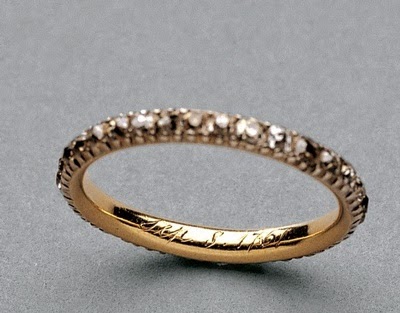
George presented Charlotte with a diamond ring to be worn alongside her wedding ring; inscribed within the band was Sept 8th
1761. Charlotte appears to have been particularly touched by the ring and wore it from the day of her wedding to the day of her death.


Two weeks after the wedding the king and queen attended their Westminster Abbey coronation. With their shared dislike of being in the limelight, Charlotte and George did not particularly enjoy the ceremony and preferred to spend their time in contented seclusion. Certainly, they were secluded often enough to have fifteen children!


As the years passed and George began to succumb to the mental illness that would later dominate him, Charlottes devotion never lessened, She bore the exhausting toll of caring for her husband with fortitude, turning to her unmarried daughters for company, needing someone to show her the affection that her ill husband became increasingly unable to demonstrate.
The king and queens marriage ended with Charlottes death in 1818 and the king, his sanity gone, never knew that the wife he had once adored was dead, laid to rest in the castle that had become his home and hospital.
Bibliography
Campbell Orr, Clarissa. Queenship in Europe 1660-1815: The Role of the Consort. Cambridge: Cambridge University Press, 2004.
Craig, William Marshall. Memoir of Her Majesty Sophia Charlotte of Mecklenburg Strelitz, Queen of Great Britain. Liverpool: Henry Fisher, 1818.
Fraser, Flora. Princesses: The Six Daughters of George III. Edinburgh: A&C Black, 2012.
Hadlow, Janice. The Strangest Family: The Private Lives of George III, Queen Charlotte and the Hanoverians. London: William Collins, 2014.
Hibbert, Christopher. George III: A Personal History. London: Viking, 1998.
Tillyard, Stella. A Royal Affair: George III and his Troublesome Siblings. London: Vintage, 2007.

About the Author
Catherine Curzon is a royal historian and blogs on all matters 18th century at A CoventGarden Gilflurt’s Guide to Life. Her work has featured by publications including BBC History Extra, All About History, History of Royals, Explore History and Jane Austens Regency World. She has performed at venues including the Royal Pavilion, Brighton, Lichfield Guildhall and Dr Johnson’s House. Catherine holds a Masters degree in Film and when not dodging the furies of the guillotine, she lives in Yorkshire atop a ludicrously steep hill. Follow Catherine on Facebook, Twitter, Google+, Pinterest and Instagram

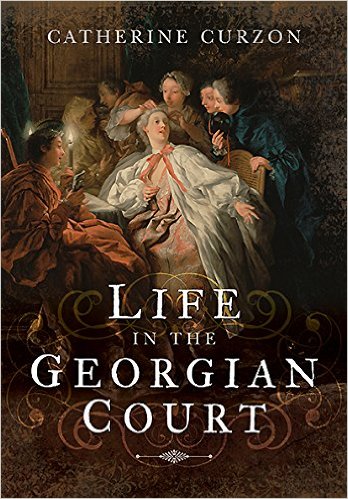
Life in the Georgian Court is available now from Amazon UK, Amazon US, Pen & Sword and all good bookshops!
About the Book
As the glittering Hanoverian court gives birth to the British Georgian era, a golden age of royalty dawns in Europe. Houses rise and fall, births, marriages and scandals change the course of history and in France, Revolution stalks the land.
Peep behind the shutters of the opulent court of the doomed Bourbons, the absolutist powerhouse of Romanov Russia and the epoch-defining family whose kings gave their name to the era, the House of Hanover.
Behind the pomp and ceremony were men and women born into worlds of immense privilege, yet beneath the powdered wigs and robes of state were real people living lives of romance, tragedy, intrigue and eccentricity. Take a journey into the private lives of very public figures and learn of arranged marriages that turned to love or hate and scandals that rocked polite society.
Here the former wife of a king spends three decades in lonely captivity, Prinny makes scandalous eyes at the toast of the London stage and Marie Antoinette begins her last, terrible journey through Paris as her son sits alone in a forgotten prison cell.

Life in the Georgian Court is a privileged peek into the glamorous, tragic and iconic courts of the Georgian world, where even a king could take nothing for granted.
ONCE AGAIN WEDNESDAY: THE DEATH OF NELSON IN LETTERS

Admiral Lord Nelson
(29 September 1758 – 21 October 1805)

Marianne Spencer-Stanhope to John Spencer-Stanhope.

November 20th., 1805. Farnely.
We begin to be impatient for more news. Think of poor Lady Collingwood—she was in a shop in Newcastle when the Mail arrived covered with ribbands, but the coachman with a black hat-band. He immediately declared the great victory, but that Lord Nelson and all the Admirals* were killed. She immediately fainted. When she heard from Lord Collingwood first he wrote in the greatest -grief for his friend, and said the fleet was in a miserable state. Perhaps that may bring him home.
Are you not pleased with his being created a Peer in so handsome a manner. Why has not Lady Nelson some honour conferred upon her? Surely the Widow of our Hero ought not to be so neglected.
Yesterday we drank to the immortal memory of our Hero. Mr Fawkes has got a very fine print of him.
* Lord Collingwood was a Vice Admiral in Nelson’s fleet.
Vice Admiral Cuthbert Collingwood

A Letter from Mrs. Fitzherbert to Mrs. Creevey.

“Nov. 6, 1805.
“Dr. Madam,
“The Prince has this moment recd, an account from the Admiralty of the death of poor Lord Nelson, which has affected him most extremely. I think you may wish to know the news, which, upon any other occasion might be called a glorious victory—twenty out of three and thirty of the enemy’s fleet being entirely destroyed—no English ship being taken or sunk—Capts. Duff and Cook both kill’d, and the French Adl. Villeneuve taken prisoner. Poor Lord Nelson recd, his death by a shot of a musket from the enemy’s ship upon his shoulder, and expir’d two hours after, but not till the ship struck and afterwards sunk, which he had the consolation of hearing, as well as his compleat victory, before he died. Excuse this hurried scrawl: I am so nervous I scarce can hold my pen. God bless you.
The Prince of Wales, afterwards King George IV

Correspondence from Mrs. Creevey to Mr. Creevey.

“Nov. 7, 1805.
“. . . [The Prince’s] sorrow [for Nelson’s death] might help to prevent his coming to dinner at the Pavillion or to Johnstone’s ball. He did neither, but stayed with Mrs. Fitz; and you may imagine the disappointment of the Johnstones. The girl grin’d it off with the captain, but Johnstone had a face of perfect horror all night, and I think he was very near insane. I once lamented Lord Nelson to him, and he said:— ‘Oh shocking: and to come at such an unlucky time!’ . . .”
Emma, Lady Hamilton
“8th Nov.
“. . . The first of my visits this morning was to ‘my Mistress’ (Mrs. Fitzherbert) … I found her alone, and she was excellent—gave me an account of the Prince’s grief about Lord N., and then entered into the domestic failings of the latter in a way infinitely creditable to her, and skilful too. She was all for Lady Nelson and against Lady Hamilton, who, she said (hero as he was) overpower’d him and took possession of him quite by force. But she ended in a natural, good way, by saying:—’ Poor creature! I am sorry for her now, for I suppose she is in grief.'”
“Dec. 5,1805.
“. . . It was a large party at the Pavillion last night, and the Prince was not well . . . and went off to bed. . . . Lord Hutchinson was my chief flirt for the evening, but before Prinny went off he took a seat by me to tell me all this bad news had made him bilious and that he was further overset yesterday by seeing the ship with Lord Nelson’s body on board. . . .”
From an undated letter written by Vice Admiral Collingwood to Edward Collingwood –
My dear friend received his mortal wound about the middle of the fight, and sent an officer to tell me that he should see me no more. His loss was the greatest grief to me. There is nothing like him for gallantry and conduct in battle. It was not a foolish passion for fighting, for he was the most gentle of human creatures, and often lamented the cruel necessity of it; but it was a principle of duty, which all men owed their country in defence of their laws and liberty. He valued his life only as it enabled him to do good, and would not preserve it by any act he thought unworthy. He wore four stars upon his breast and could not be prevailed to put on a plain coat, scorning what he thought a shabby precaution: but that perhaps cost him his life, for his dress made him the general mark.
He is gone, and I shall lament him as long as I live.

Originally published October 21, 2011