ONCE AGAIN WEDNESDAY: THE DEATH OF MISS CHOLMONDELEY

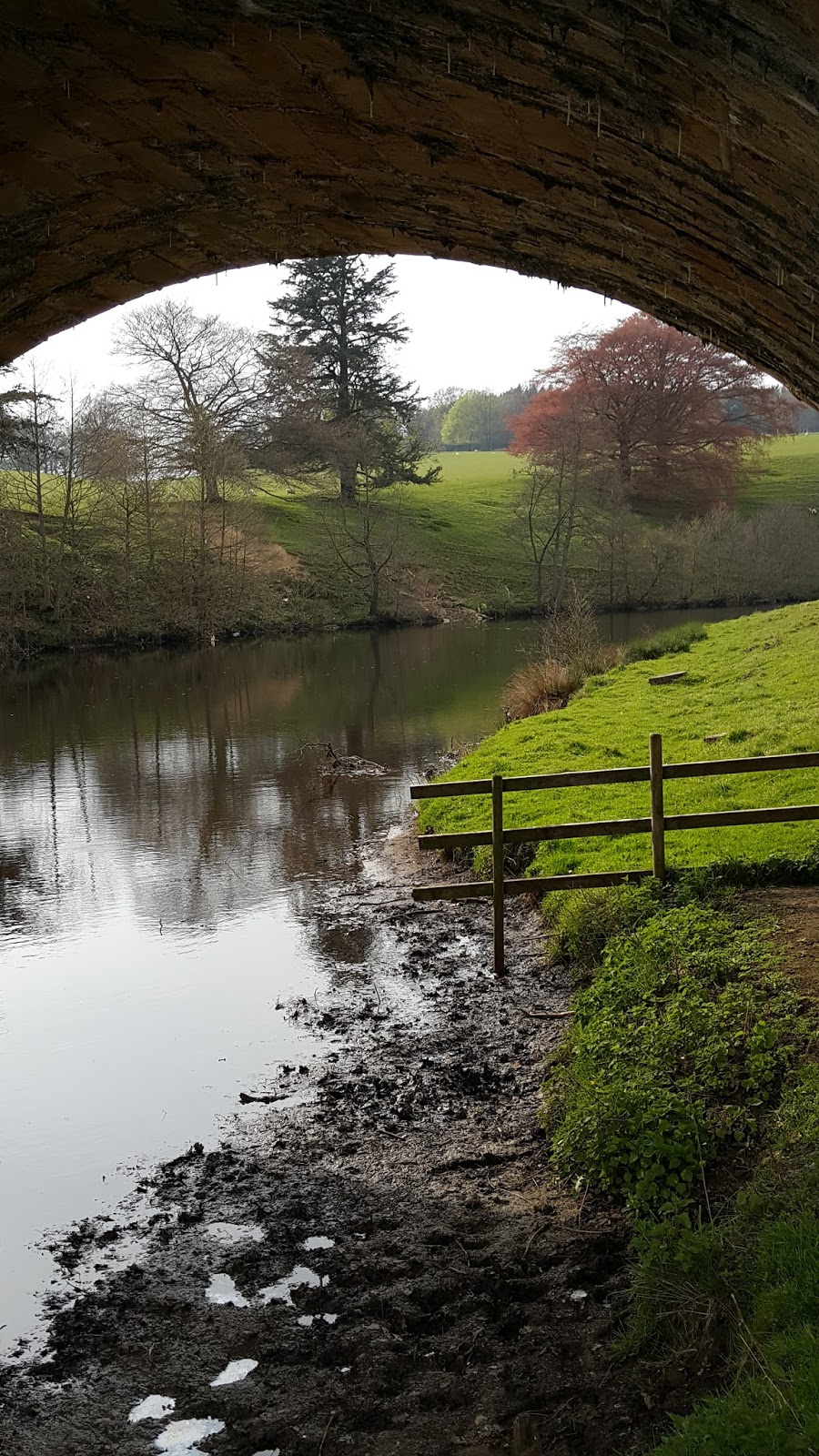
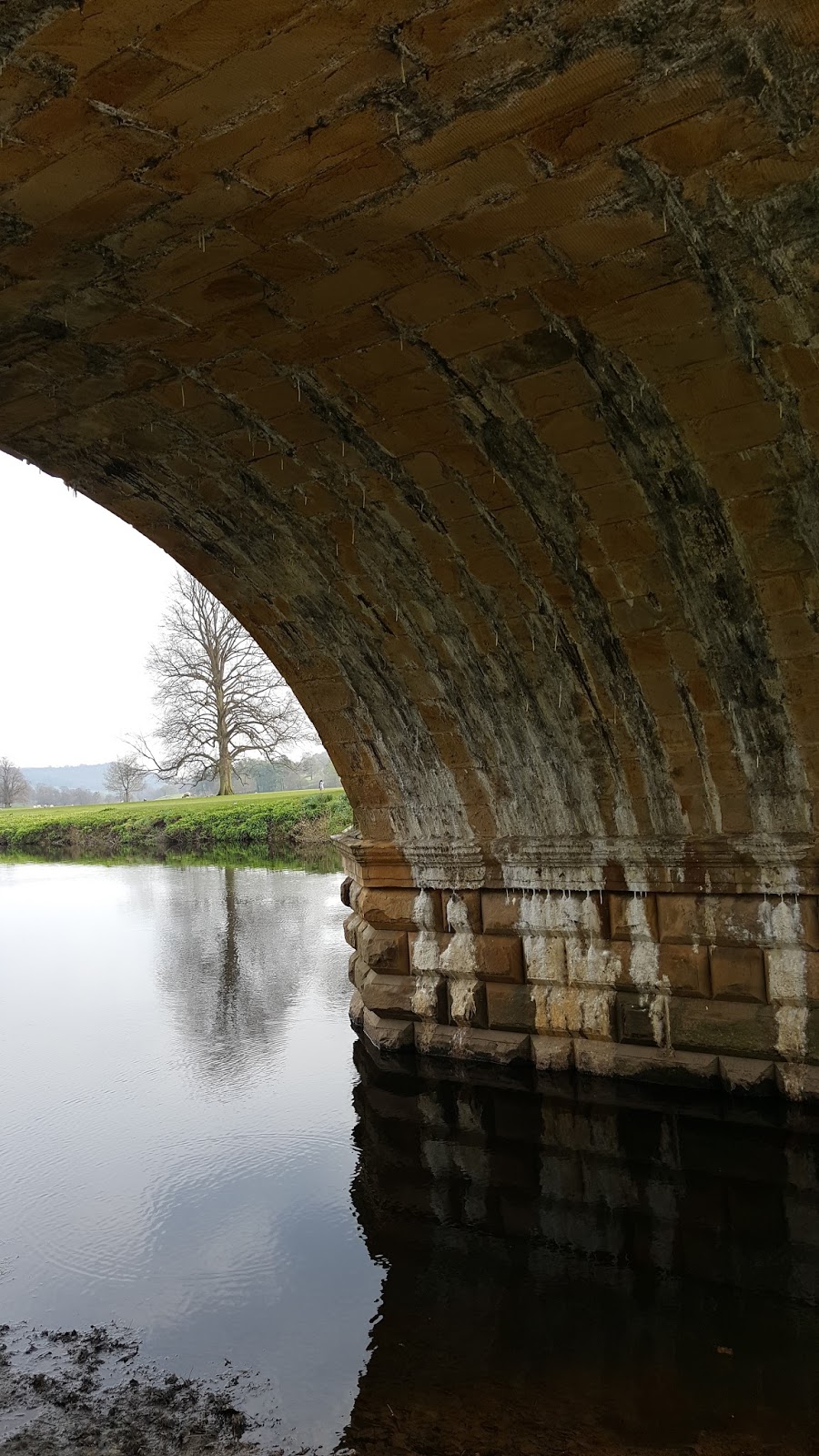
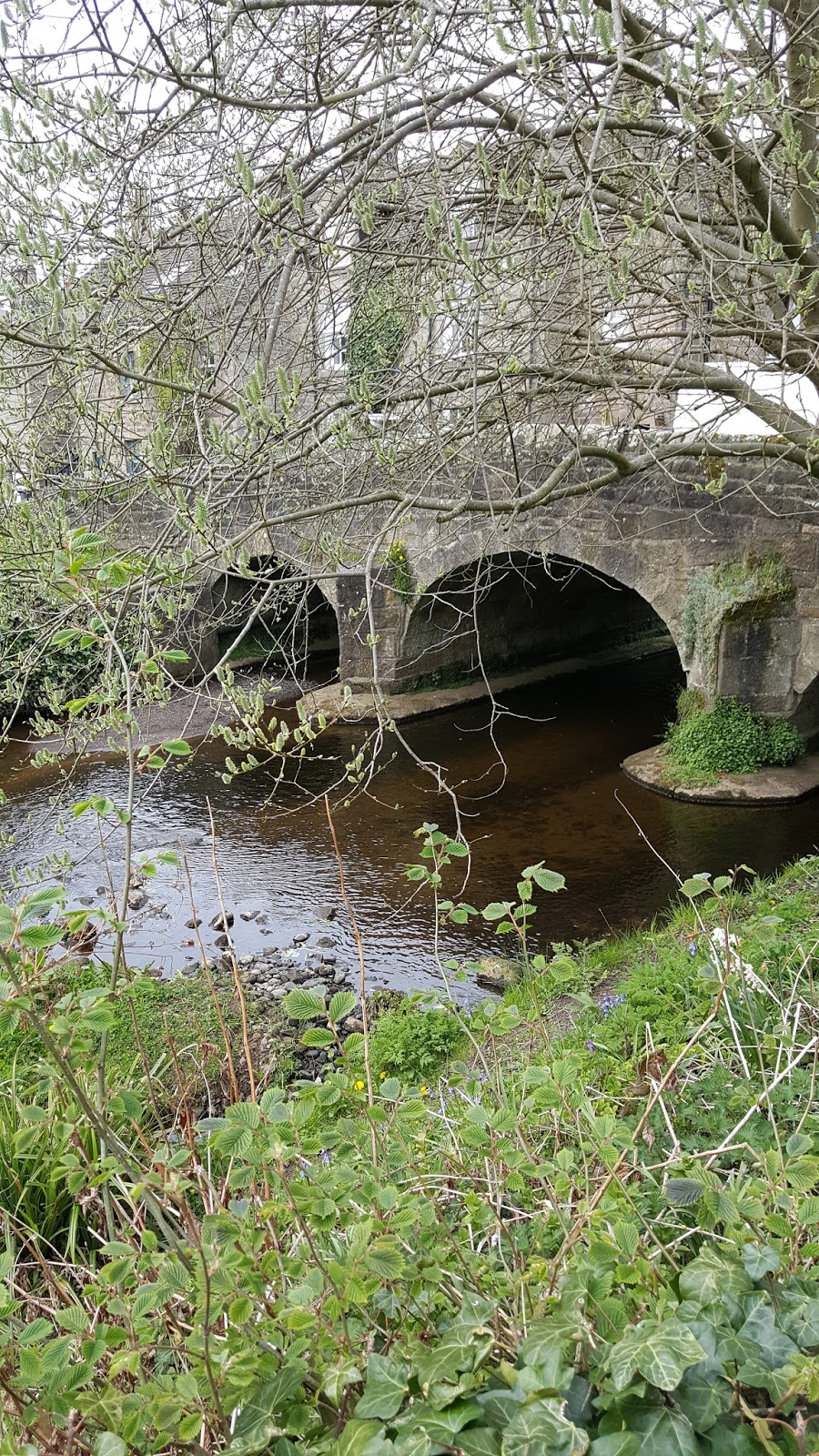
The town of Leatherhead, two miles south of Ashsted, was an ancient market town in Surrey, the market having long been discontinued by the early nineteenth century. The town still held a fair on Lady’s Day, three weeks before Michaelmas, during the Regency period, “but otherwise the town possessed no trade or privilege than what its being a great thoroughfare produces.” The only “remarkables” were the fourteenth-century church and the bridge, which was a very neat structure over the River Mole, built of brick and consisting of fourteen arches.

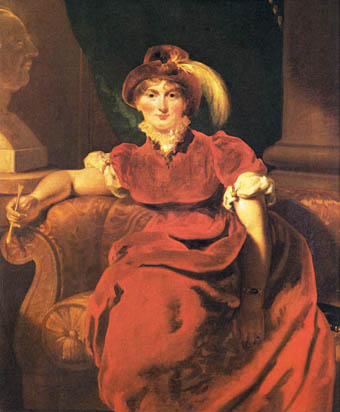
At this quite and idyllic a spot, however, there occurred a Regency tragedy in 1806 – a coaching accident involving the Princess of Wales. Dr. Hughson described the incident thusly in his Description of London:

“A most dreadful accident occurred in this town in the year 1806. Her royal highness the Princess of Wales, on the afternoon of October 2, was on her way in a barouche, attended by Lady Sheffield and Miss Harriet Mary Cholmondeley, to pay a visit to Mrs. Lock, at Norbury Park (right), and was driven by the princess’s own servants as far as Sutton. At this place post-horses were put to the carriage, driven by the post-boys belonging to the Cock Inn; her highnesses horses remained at Sutton till she returned. On her arrival at Leatherhead, the carriage, which was drawn by four horses, whilst turning around an acute angle of the road, was overturned. It appears that the drivers, through extreme caution, had taken too great a sweep in turning the corner, which brought the barouche on a rising ground, by which it was overset; but before its fall it swung about a great tree.

“The dreadful consequence was, that Miss Cholmondeley was killed on the spot; providentially the princess received no other injury, except a cut on her nose, and a bruise on her arm. Lady Sheffield did not receive the slightest hurt, besides that which overwhelmed the royal party, by the shocking accident. Her royal highness returned to Blackheath the next day.”

The Annual Register expands on the incident:

It is with great concern we have to state the following melancholy accident. Her royal highness the Princess of Wales was this afternoon on her way to the seat of Mr. Locke, at Norbury Park, near Leatherhead, Surrey, in a barouche, attended by Lady Sheffield and Miss Harriet Mary Cholmondeley, and was driven by her royal highness’s own servants. They took post horses, and were driven by the post-boys belonging to the Cock Inn. Her royal highnesses horses and servants were left to refresh in order to take her home that evening. Her royal highness proceeded to Leatherhead, when on turning a sharp corner to get into the road which leads to Norbury Park, the carriage was overturned, opposite to a large tree, against which Miss Cholmondeley was thrown with such violence, as to be killed on the spot. She was sitting on the front seat of the barouche alone. Her royal highness and Lady Sheffield occupied the back seat, and were thrown out together. They went into the Swan Inn, at Leatherhead. Sir Lucas Pepys, who lives in that neighbourhood, and had not left Leatherhead (where he had been to visit a patient) more than a quarter of an hour, was immediately followed, and brought back; and a servant was sent to Mr. Locke’s, with an account of the accident. Mrs. L. arrived in her carriage with all expedition, and conducted the princess to Norbury Park, where Sir Lucas Pepys attended her royal highness and, as no surgeon was at hand, bled her himself. On the following day the princess returned to Blackheath. Her royal highness received no other injury than a slight cut on her nose, and a bruise on one of her arms. Lady Sheffield (wife of Lord Sheffield, who was with her, did not receive the slightest injury. — An inquest was held on the 4th, before C. Jemmet, esq. coroner for Surrey, on the body of Miss Cholmondeley, at the Swan Inn, Leatherhead. It appeared, by the evidence of a Mr. Jarrat at Leatherhead, and of an hostler belonging to the inn, that the princess’s carriage, drawn by four horses, with two postillions, while turning round a very acute angle of the road, was overturned. The drivers, through extreme caution, had taken too great a sweep in turning) the corner, which brought the carriage on the rising ground, and occasioned its being upset. The carriage swung round a great tree before it fell. When the surgeon saw the Princess of Wales, she most benevolently desired him to go up stairs, as there was a lady who stood more in need of his assistance. The surgeon (Mr. Lawden, of Great Bookham) then went to Miss Cholmondeley, and found her totally deprived of life. There was a violent contusion on her left temple; and her death appeared to have been occasioned by the rupture of a blood vessel. The jury returned a verdict of Accidental Death. Miss Cholmondeley was born in 1753, and was the daughter of the late lion, and Rev. Robert Cholmondeluy, rector of Hartingford-Bury, and St. Andrews, Hertford, who was son of the third earl of Cholmondeley, and uncle to the present earl. Her mother is living, and resides in Jermyn-street. On the 8th, at 12 o’clock, the remains of this unfortunate lady were interred in Leatherhead church, close to the spot where lady Thompson, wife of sir John Thompson, some years since lord mayor of London, is buried. The body was, on the evening of the sixth, removed from the Swan Inn to an undertaker’s near the church-yard, and was followed to the grave by her brother, George Cholmondcley, esq. one of the Commissioners of excise; the hon. Augustus Phipps ; William Locke, esq ; S. Gray, esq. and several other gentlemen. The fatal spot where this amiable lady met her sudden death is still visited by crowds.

It may be noted that the Locke’s were also close friends of famed diarist and novelist Frances Burney, Mme  d’Arblay who mentions the family often in her journal, as seen by the entries here for 1784. At this period the health of Mrs. Phillips (Fanny’s sister Susan) failed so much that, after some deliberation, she and Captain Phillips decided on removing to Boulogne for change of air. The anxiety evidenced in the letter below was due to Burney’s waiting to here of her sister’s safe arrival in France.

Friday, Oct. 8th.—I set off with my dear father for Chesington, where we passed five days very comfortably; my father was all good humour, all himself,— such as you and I mean by that word. The next day we had the blessing of your D
over letter, and on Thursday, Oct. 14, I arrived at dear Norbury Park at about seven o’clock, after a pleasant ride in the dark. Mr. Lock most kindly and cordially welcomed me; he came out upon the steps to receive me, and his beloved Fredy waited for me in the vestibule. Oh, with what tenderness did she take me to her bosom! I felt melted with her kindness, but I could not express a joy like hers, for my heart was very full—full of my dearest Susan, whose image seemed before me upon the spot where we had so lately been together. They told me that Madame de la Fite, her daughter, and Mr. Hinde, were in the house; but as I am now, I hope, come for a long time, I did not vex at hearing this. Their first inquiries were if I had not heard from Boulogne.

Saturday.—I fully expected a letter, but none came; but Sunday I depended upon one. The post, however, did not arrive before we went to church. Madame de la Fite, seeing my sorrowful looks, good naturedly asked Mrs. Lock what could be set about to divert a little la pauvre Mademoiselle Burney ? and proposed reading a drama of Madame de Genlis. I approved it much, preferring it greatly to conversation; and, accordingly, she and her daughter, each taking characters to themselves, read “La Rosiere de Salency.” It is a very interesting and touchingly simple little drama. . . . Next morning I went up stairs as usual, to treat myself with a solo of impatience for the post, and at about twelve o’clock I heard Mrs. Locke stepping along the passage. I was sure of good news, for I knew, if there was bad, poor Mr. Locke would have brought it. She came in, with three letters in her hand, and three thousand dimples in her cheeks and chin! Oh, my dear Susy, what a sight to me was your hand! I hardly cared for the letter; I hardly desired to open it; the direction alone almost satisfied me sufficiently. How did Mrs. Locke embrace me! I half kissed her to death. Then came dear Mr. Locke, his eyes brighter than ever— “Well, how does she do?”

This question forced me to open my letter; all was just as I could wish, except that I regretted the having written the day before such a lamentation. I was so congratulated! I shook hands with Mr. Locke; the two dear little girls came jumping to wish me joy; and Mrs. Locke ordered a fiddler, that they might have a dance in the evening, which had been promised them from the time of Mademoiselle de la Fite’s arrival, but postponed from day to day, by general desire, on account of my uneasiness.

A TOUR GUIDE IN ENGLAND: DAY 5 – PART TWO: A WALK TO CHATSWORTH

After poking around Baslow for a bit, Diane and I realized that we still had a chunk of time left to us before it was time for dinner. We were both eager to see Chatsworth again and so we quickly decided what better way to spend a few hours than by walking over hill and dale for a glimpse of the House.

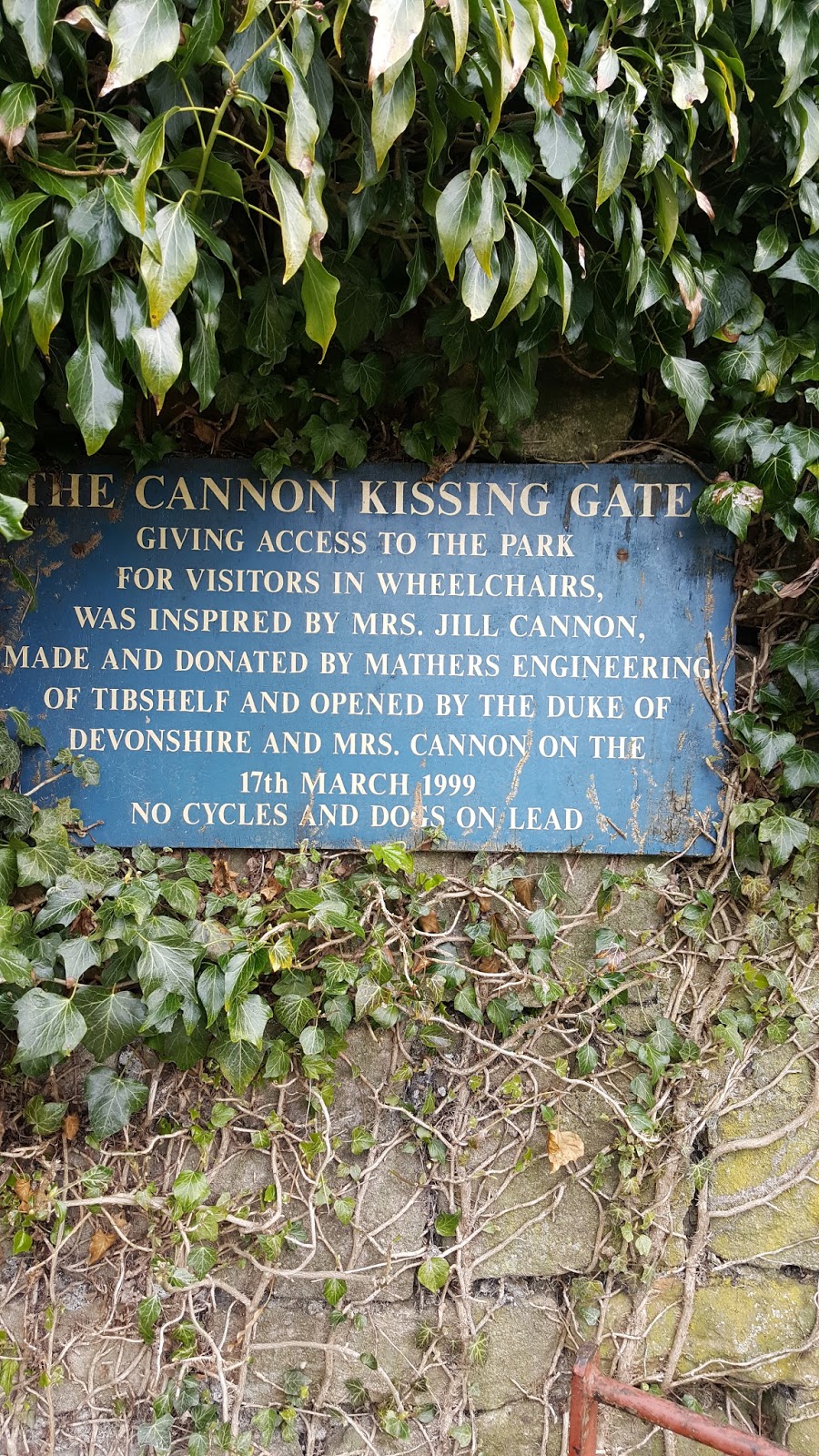
There were many unique and inventive gates to be got through on our way. 

The Cannon Kissing Gate, above and below.

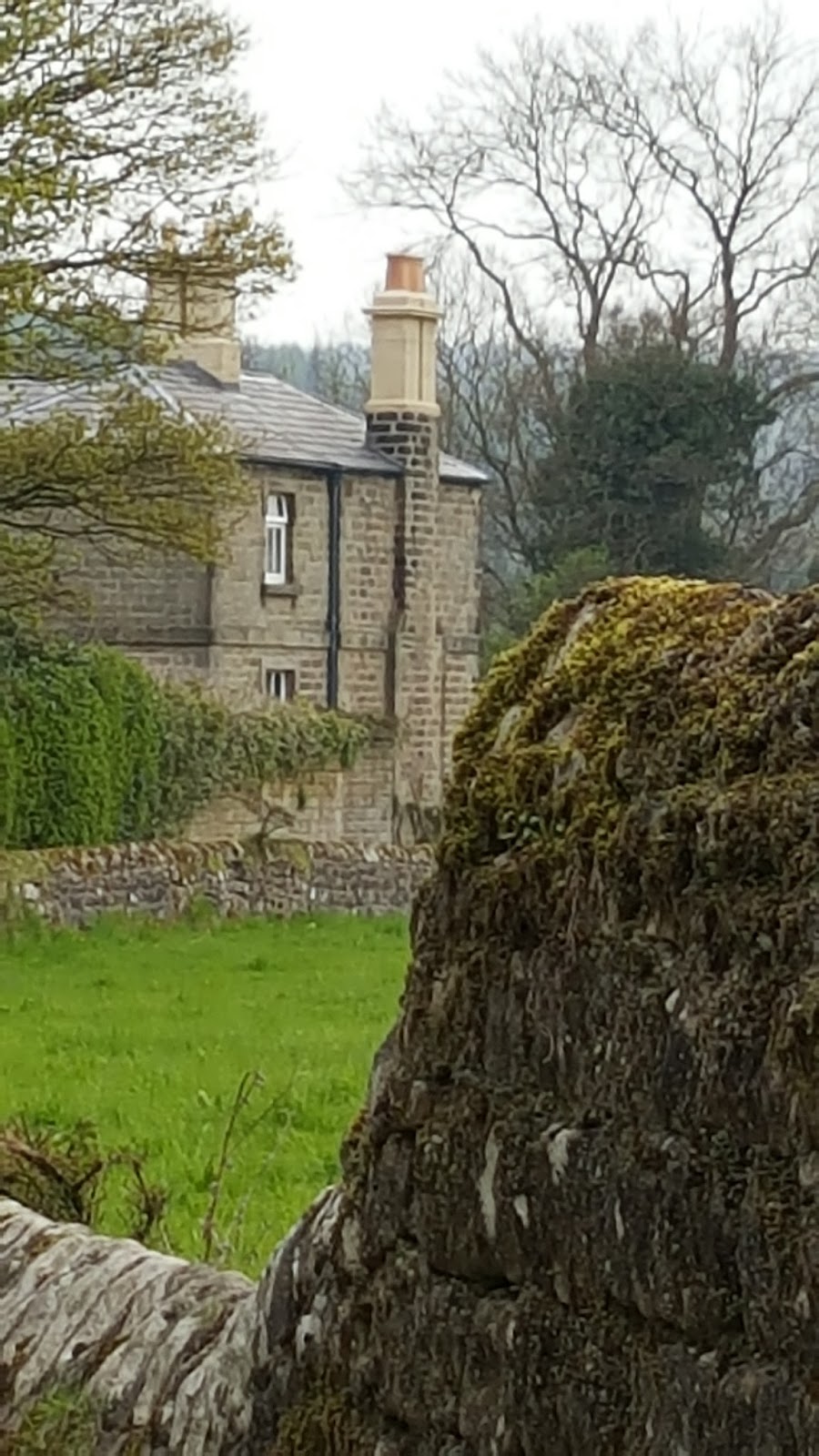
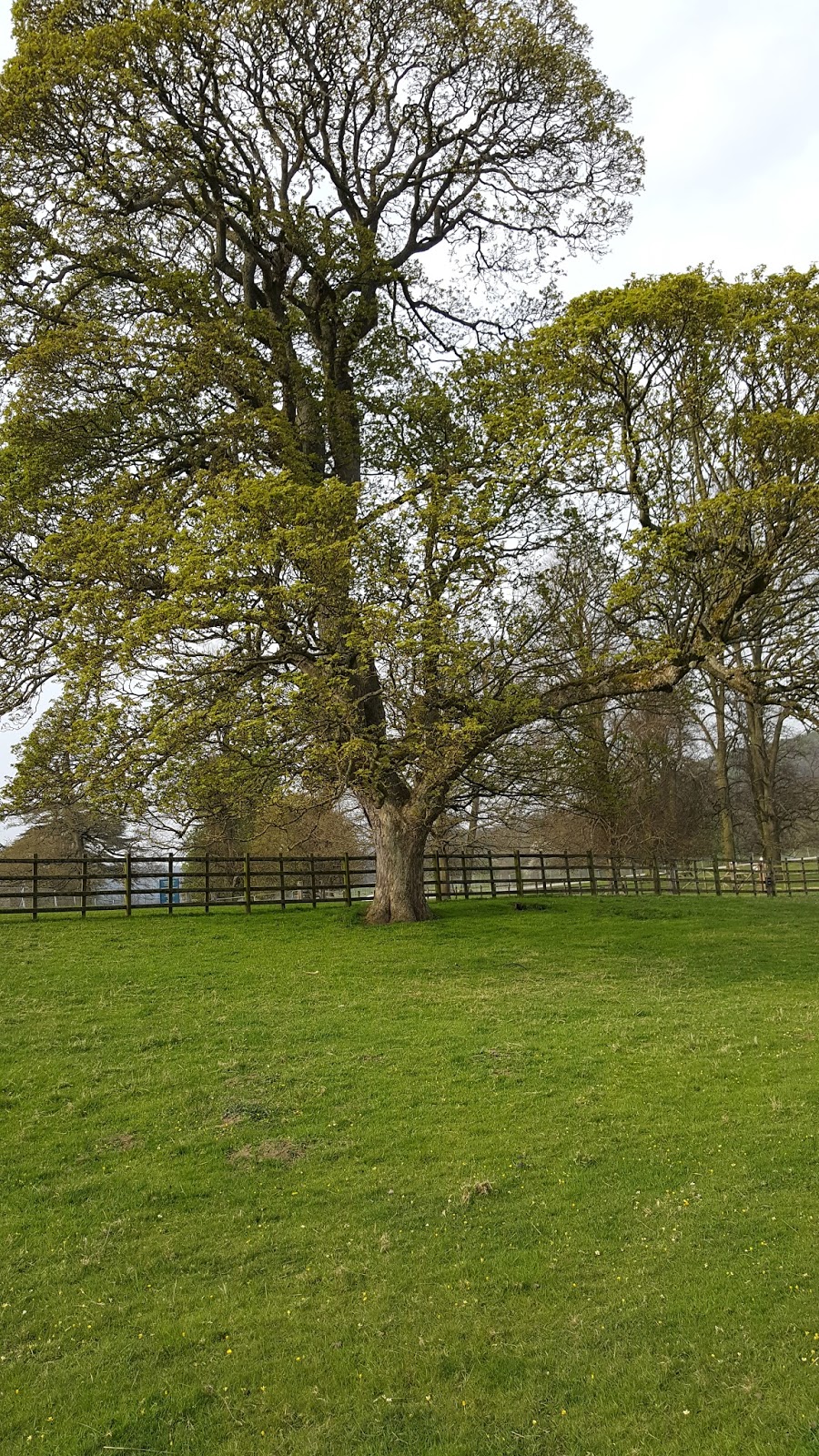
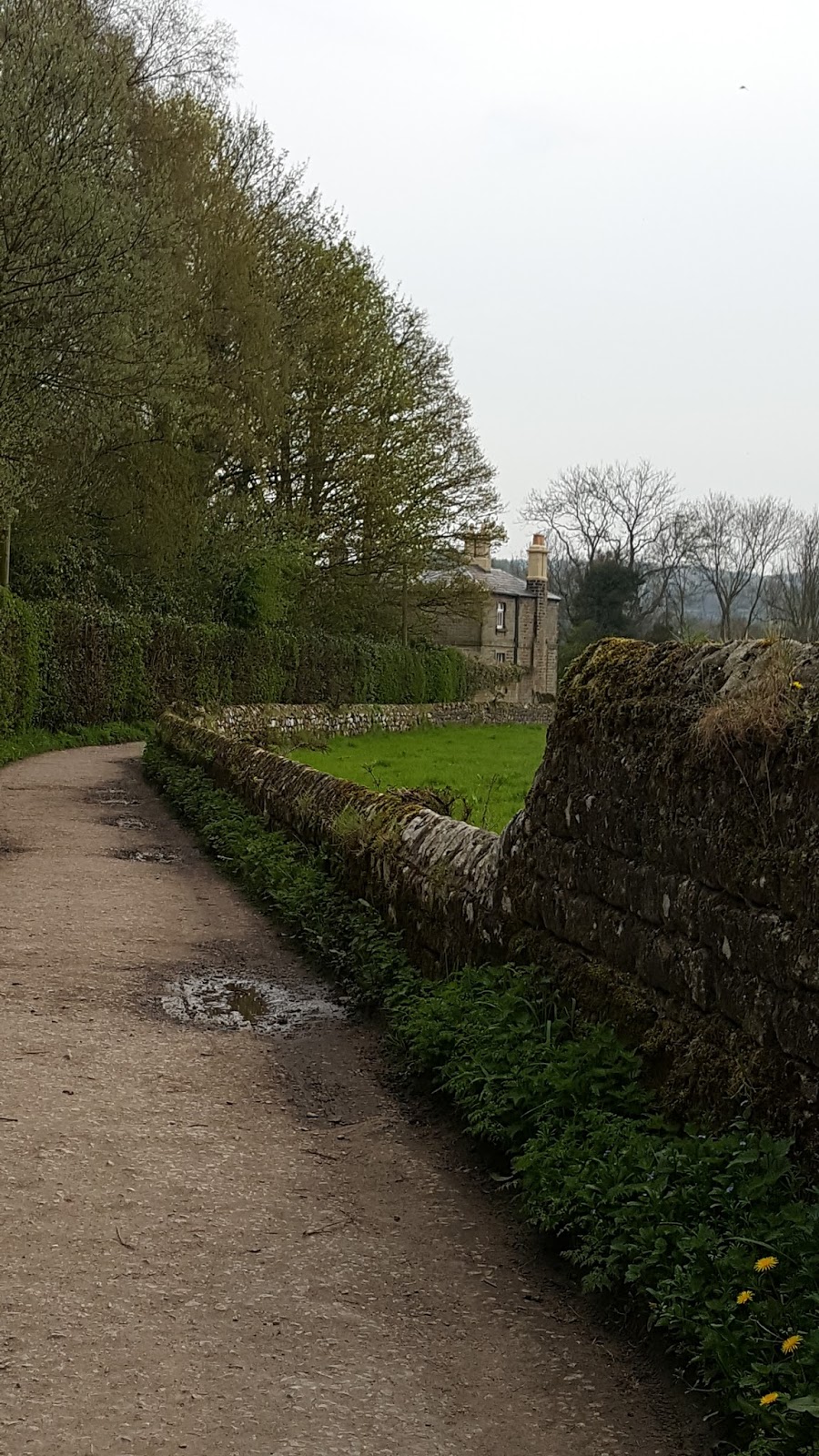
The walk through the Park was longer than we’d expected, but offered rewards along the way, such as finding Barbrook House, where Joseph Paxton, the Bachelor Duke’s garden designer, once lived.

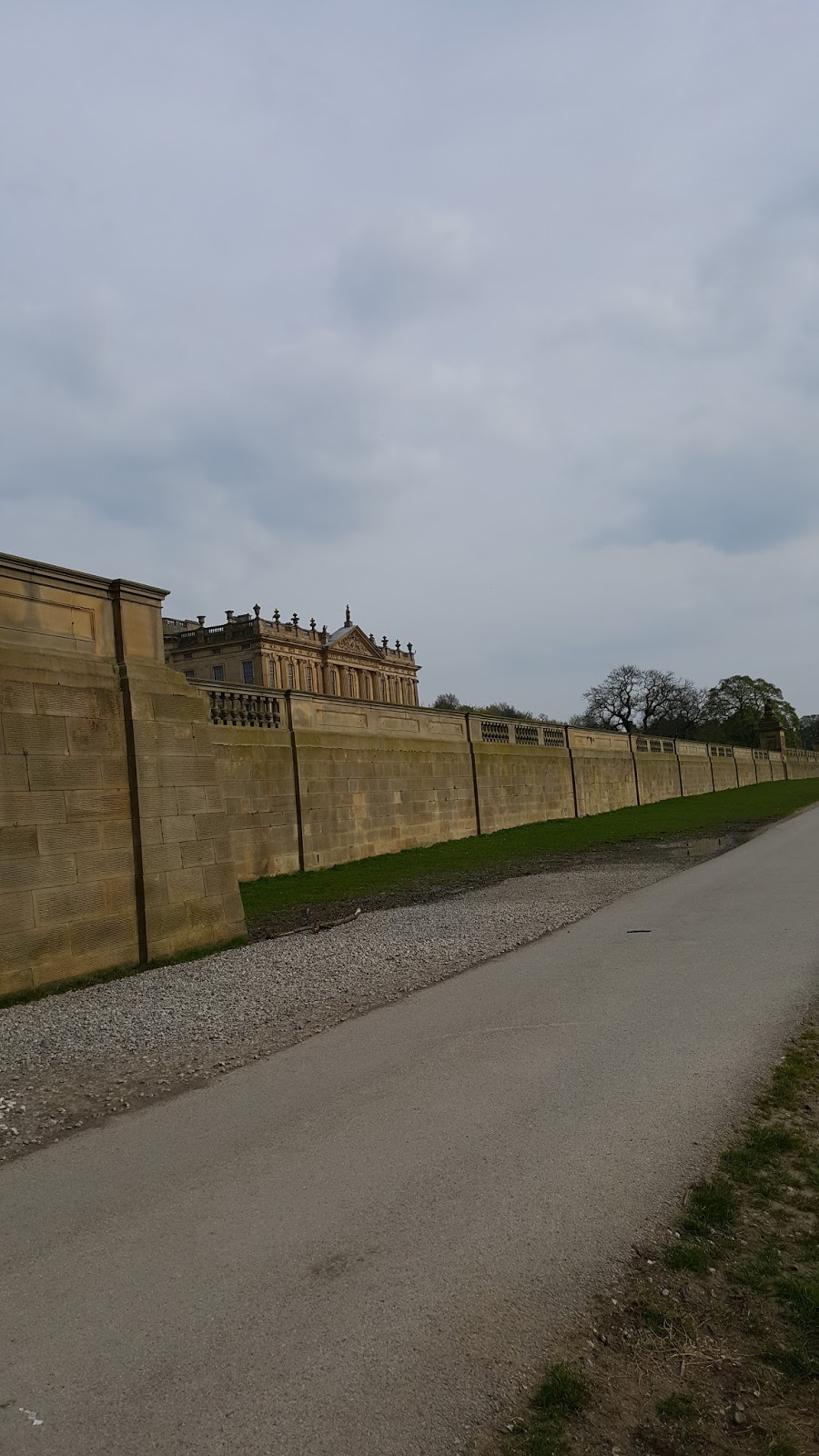
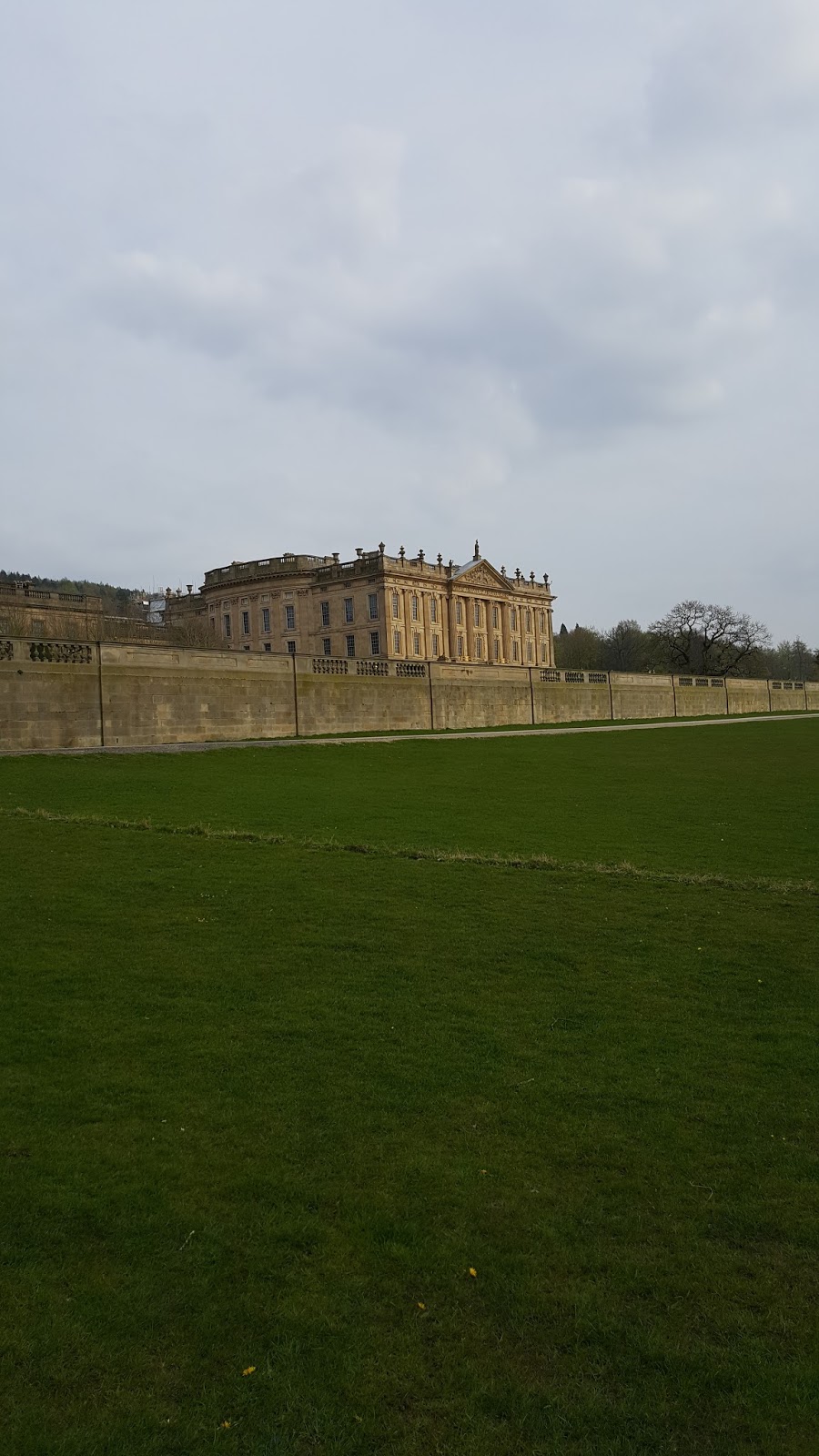
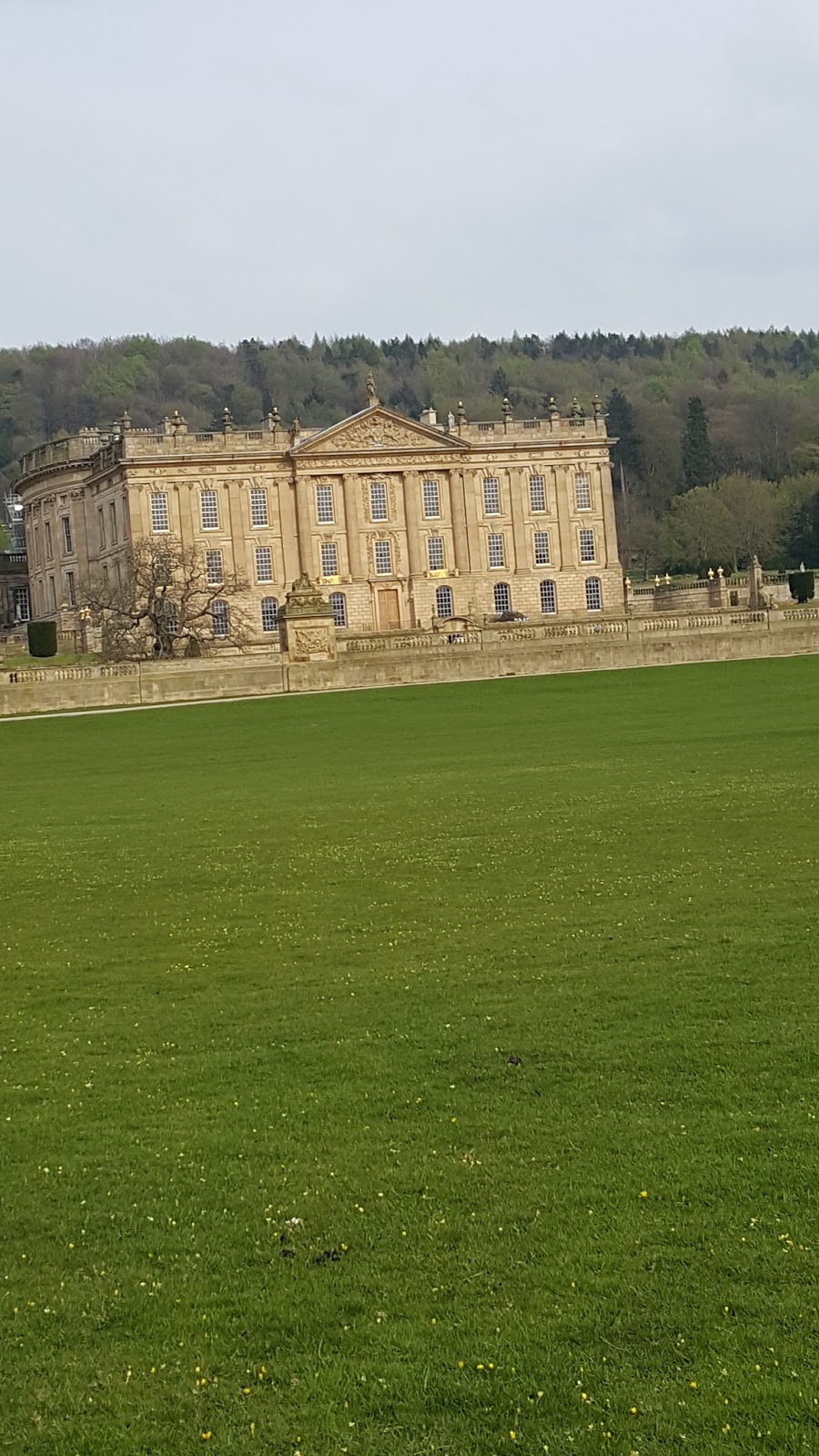
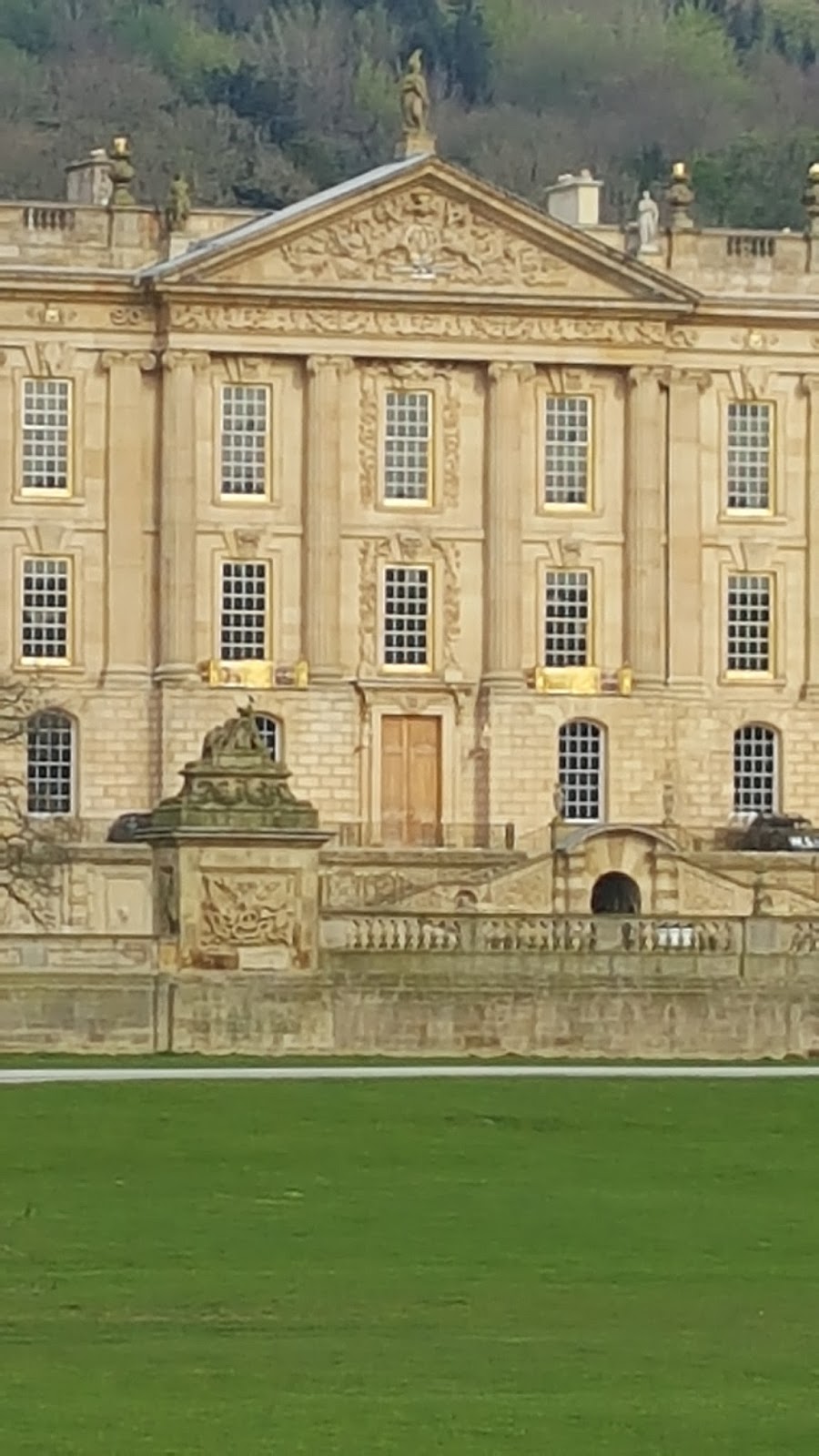
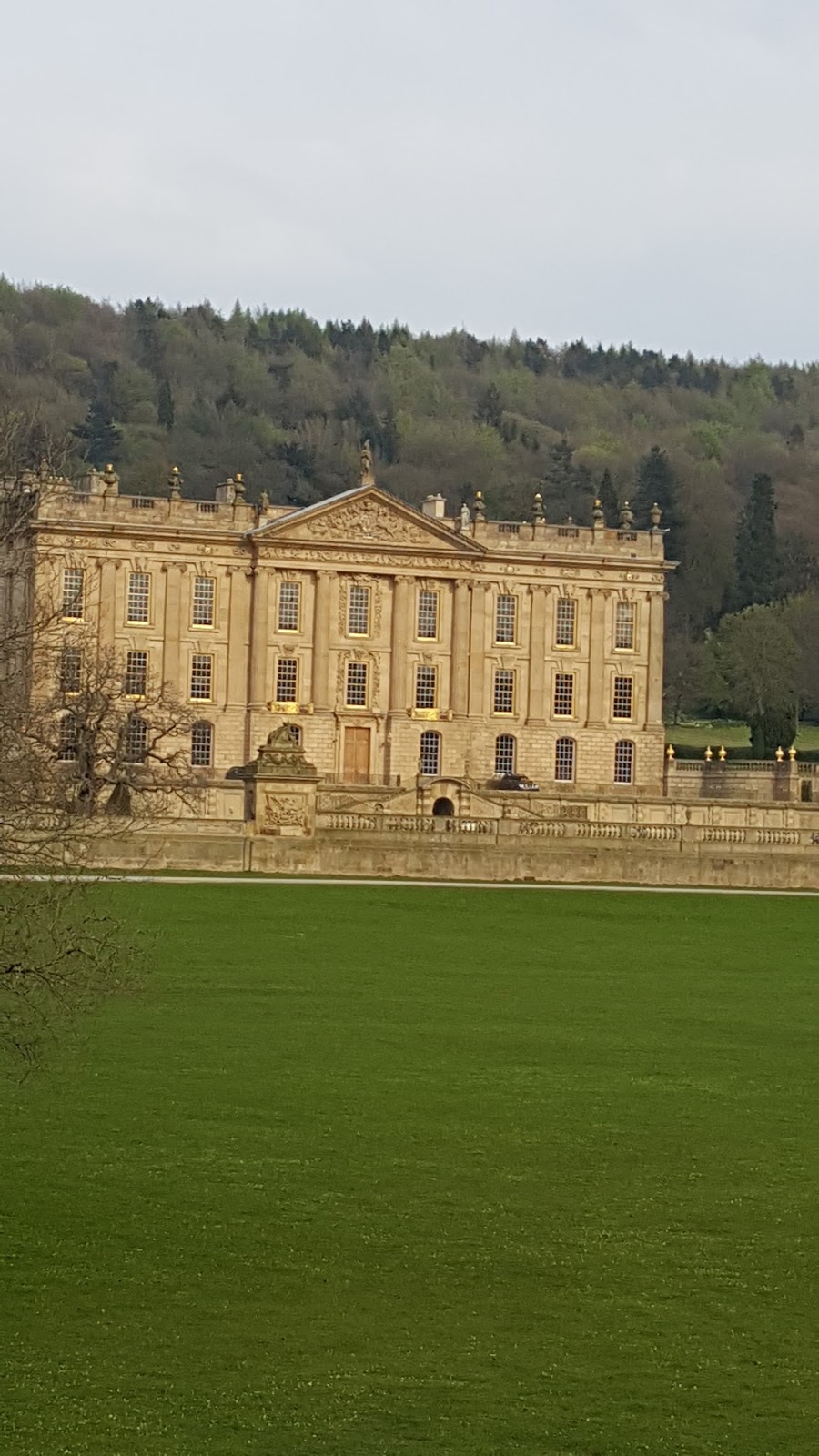
At last, we were rewarded with our first look at the House.

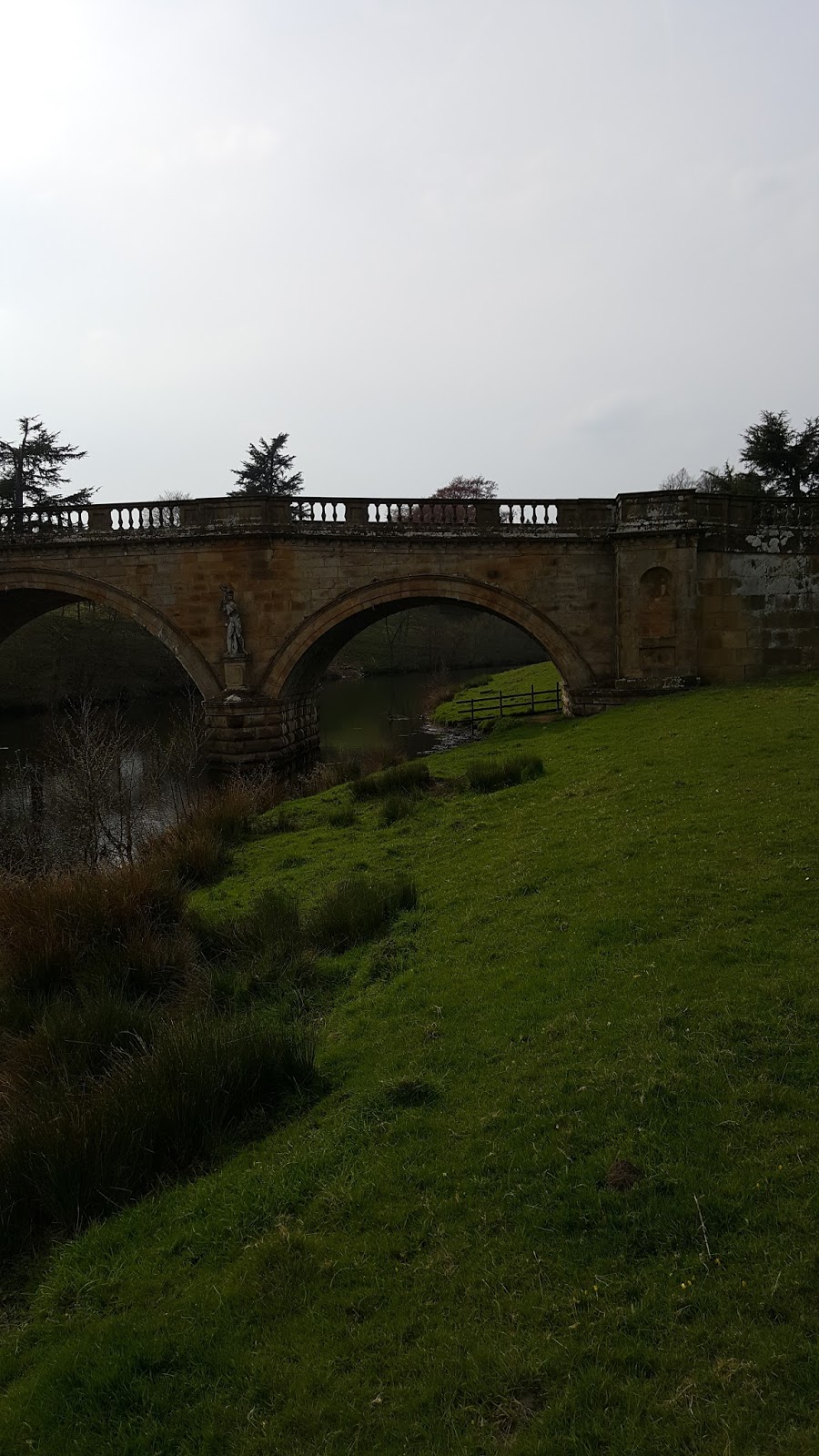
And the iconic stone bridge.

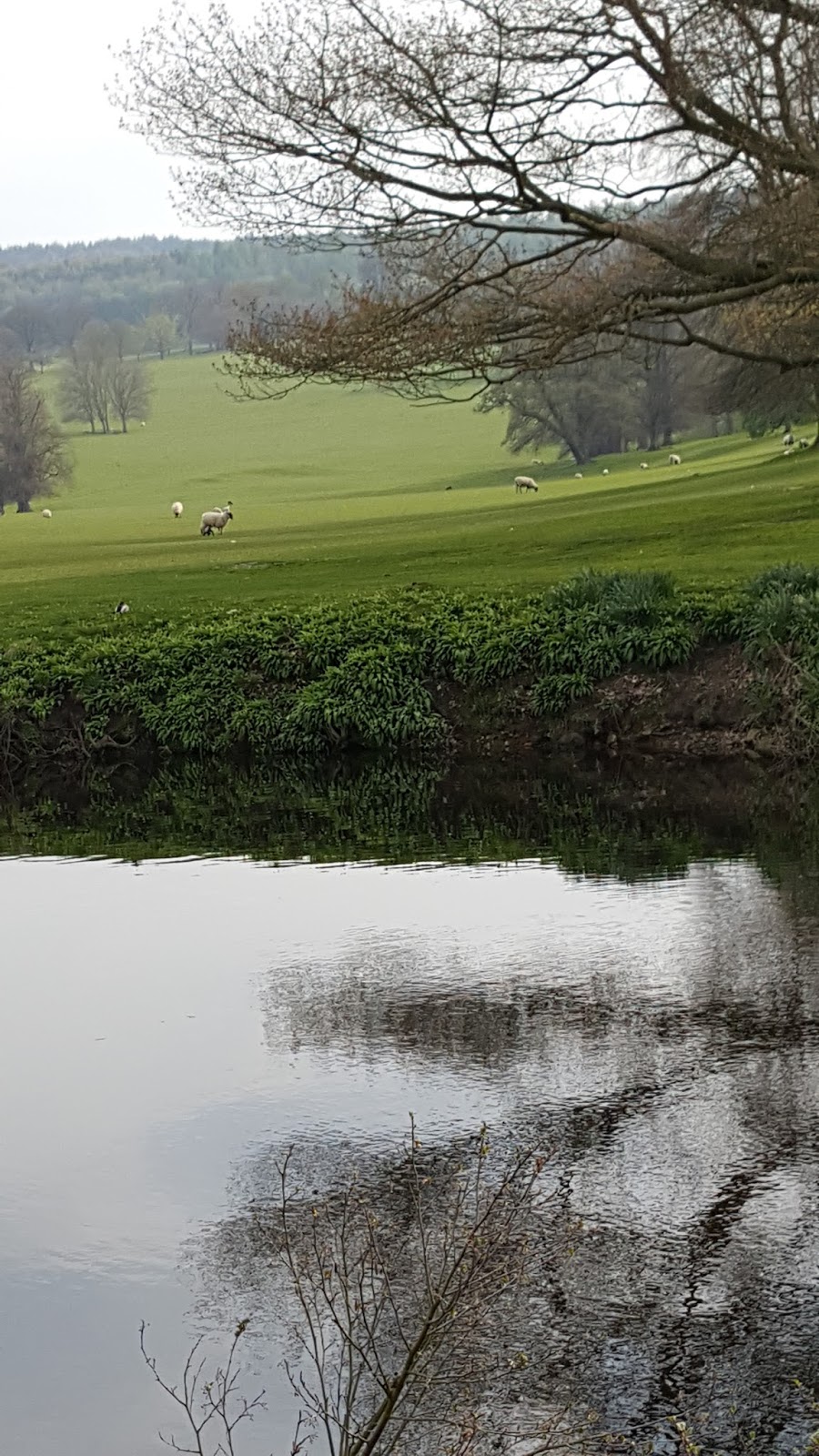
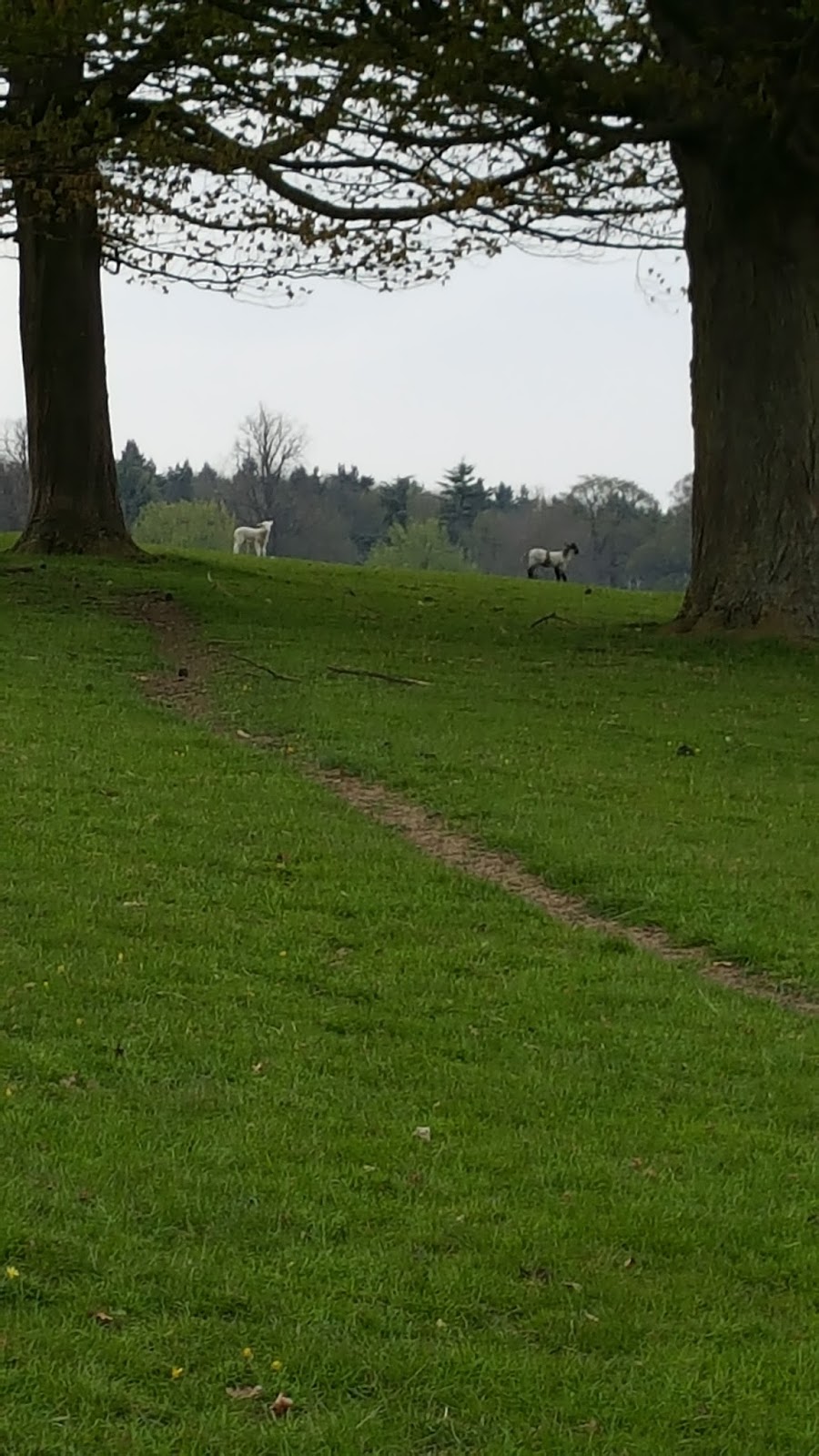
The views of the park, and the resident sheep, were stunning. 


Yep. More sheep. And Diane and I have got more photos of them than you can shake a stick at.
Above, the Hunting Tower.

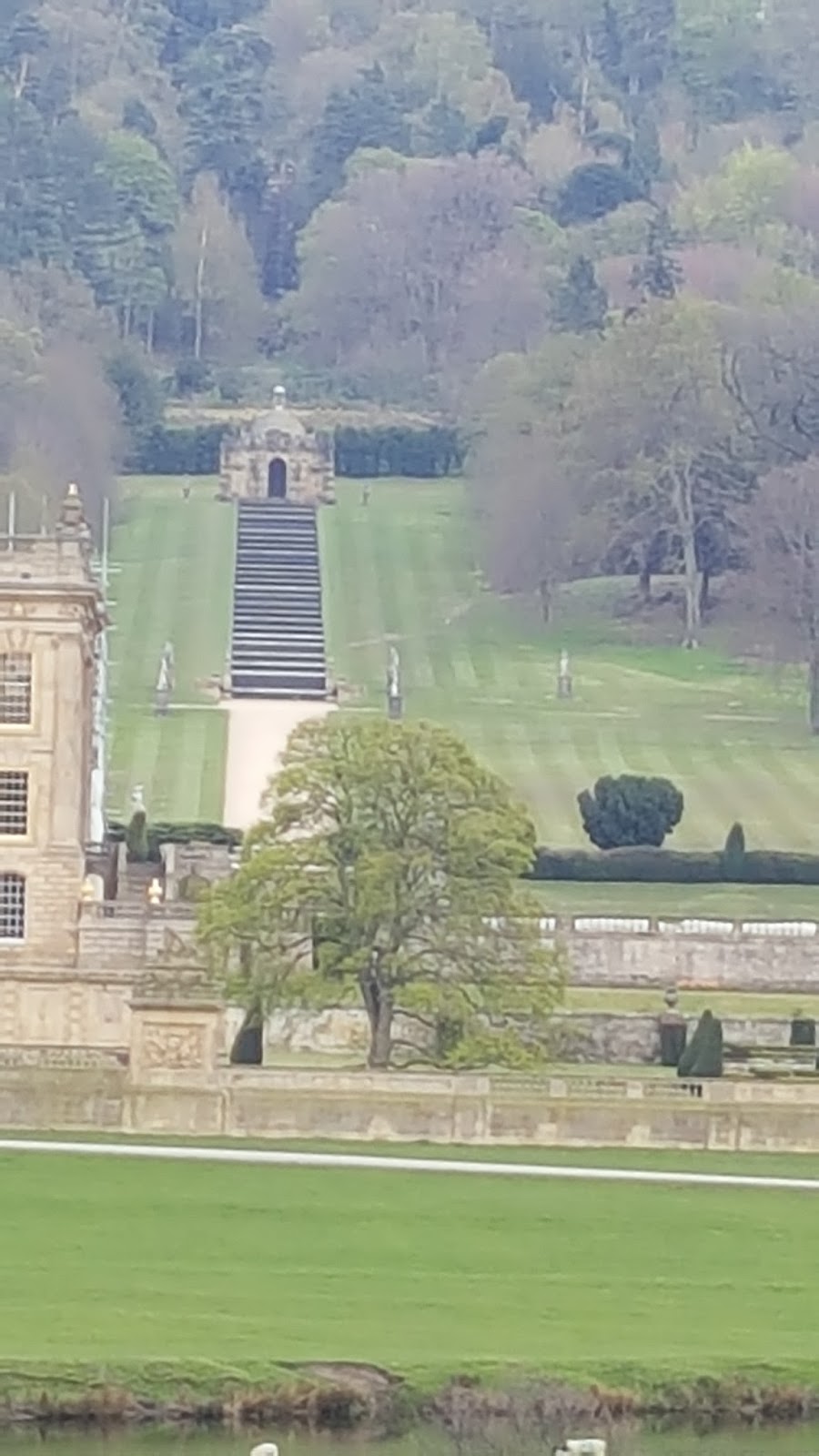
The Cascade, above, was an engineering marvel of its day. 

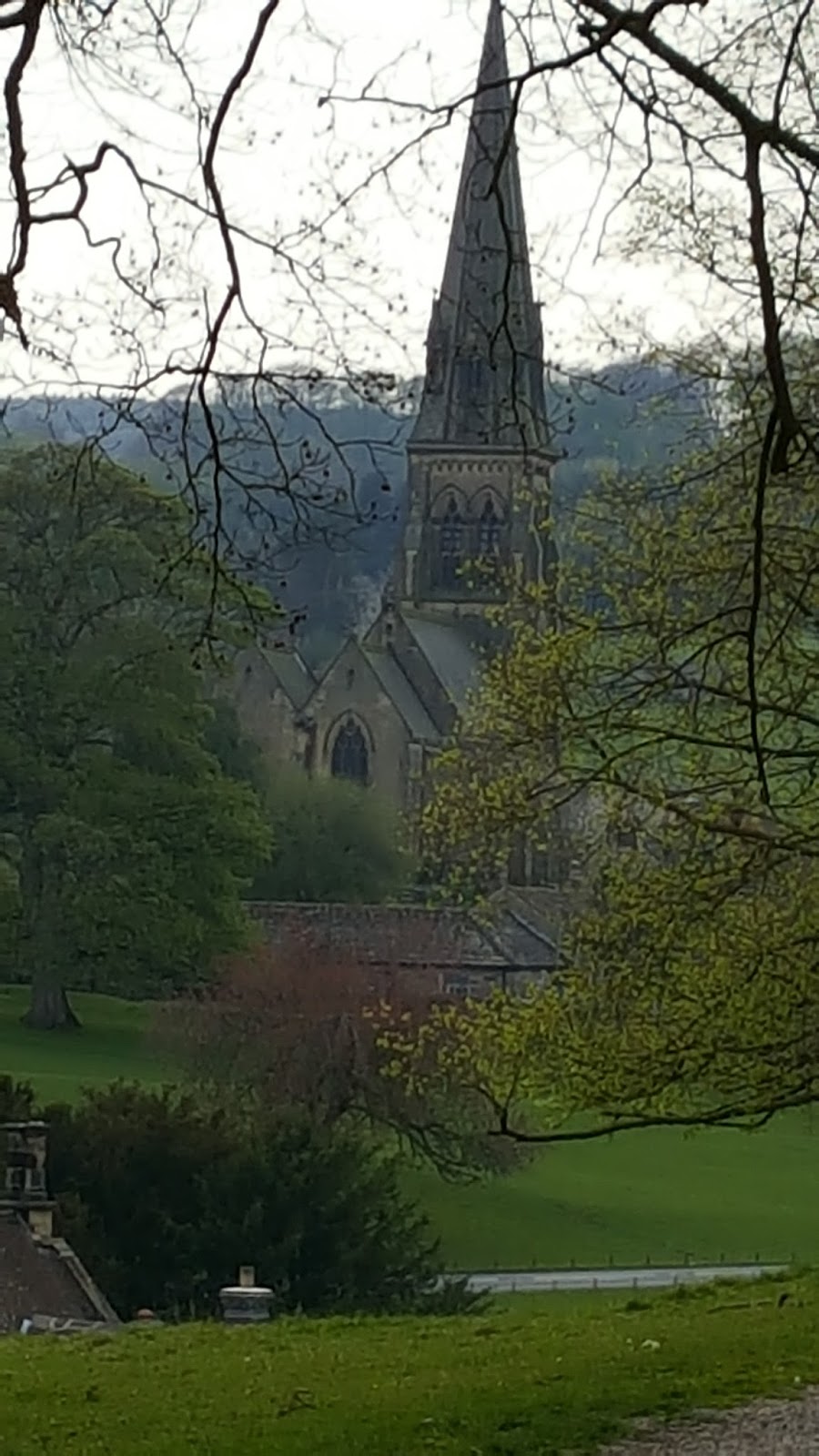
Our walk ended at Edensor, above, where we threw our tired selves upon the mercy of the counter girl at the tea shop, which was just closing, and asked her to call us a cab back to the Cavendish Arms. We had seen Chatsworth, and the walk was lovely, but very much longer than we’d supposed!
Next stop Edensor – coming soon!

GUEST POST BY AUTHOR ABIGAIL DANE, PART THREE

From Victoria:  Abigail Dane presents her third essay, based on research for her trilogy The Whitleigh Series. The Pirate and the Virgin, Book One, is now available. Book two, The Baron and the Lady, will be published soon.   Many thanks, Abigail!

 Battle of Worcester and its Aftermath
Part 3 of 3

 For six weeks, Charles II—“England’s Most Wanted,” if you will—survived many harrowing narrow escapes and near misses before his ultimate safe arrival in France. If those perilous weeks provided the catalyst for the fugitive king’s future frivolity, as some posit, they also exposed him to the ordinary lives of ordinary people in a way most kings would never experience. His turns as servant, tenant farmer, kitchen helper, debt collector and more may help to explain why Charles II was later referred to as “a king without airs and graces.”
     After Oliver Cromwell’s death on 3 September 1658—seven years to the day after the Battle of Worcester—his incompetent son, Richard, became Lord Protector in his stead. Richard’s succession—or usurpation, as it was widely considered—lasted only nine months before he was forced to abdicate in 1659. He was allowed to “fade away” into obscurity but was thereafter referred to, ignominiously, as “Tumbledown Dick.”


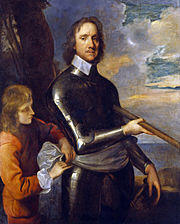
Oliver Cromwell

     By 1660, the vacuum left by the departure of the infamous Cromwells would be filled by none other than the fugitive king himself. Arriving in London on his 30thbirthday and having survived to gain the ultimate victory, Charles reclaimed his father’s throne and reestablished the British monarchy during a period that came to be called “The Restoration,” which restored not only the king and monarchy, but England’s pursuit of pleasure and gaiety, as well. If Cromwell is best remembered for his severe, joyless Puritanism, Charles II—affectionately called “the Merry Monarch”—is best remembered for his many mistresses and his many illegitimate children by them.

Charles II

     With the reign of Charles II, the pendulum would swing its full arc from piety to hedonism—as if the last nine years, with their terrible cost, turmoil, misery and death, had never happened. By the time of Charles’ death in 1685, he had many children but no legitimate heirs, so he was succeeded by his brother James, who reigned as James II. One can only wonder what Cromwell would have thought of his legacy if he had returned to see what had become of his great cause in such a brief time.
POSTSCRIPT: Though the English Civil War ended in Worcester in September 1651, one might say the curtain did not descend on the last act of the play until June 2008. That’s when another Charles, also the Prince of Wales, paid off the debt incurred by his ancestor and namesake 357 years earlier. It seems Charles II had contracted for the Worcester Clothiers Company to provide uniforms to outfit his army, but in his haste, skipped town without paying the £453.3s he owed. With interest, that debt in 2008 would have been £47,500.
Source: “Historical Notes: Battle
of Worcester and its Aftermath,” in The Baron and the Lady, book two in the “Whitleigh series” by Abigail Dane. 
http://TransitionsUnlimited.biz, AbigailDaneRomance@gmail.org.
Abigail Dane

Resources:  Atkinson, Charles Francis (1911) “Great Rebellion#The Third Scottish Invasion of England” in Chisholm, Hugh Encyclopædia Britannica12 (11th ed.) Cambridge University Press pp. 420–421. Also, some background info and images are from the Military Wiki (http://military.wikia.com/wiki/Battle_of_Worcester)

A TOUR GUIDE IN ENGLAND: DAY 5 – PART ONE – ARRIVAL AT BASLOW

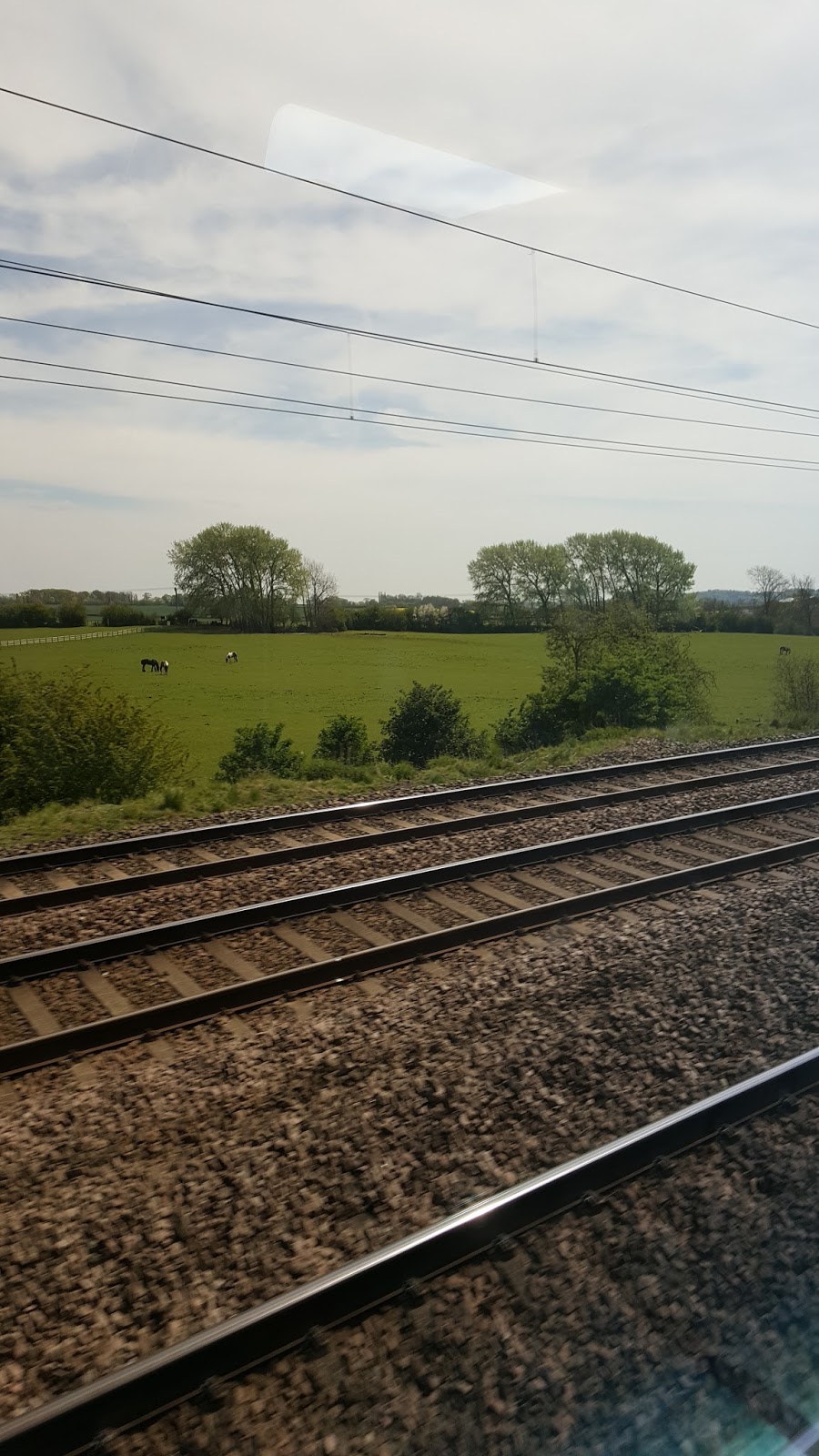
Day 5 saw Diane and I getting the train from St. Pancras to Chesterfield, 
with our ultimate destination being Baslow and, eventually, Chatsworth House. 

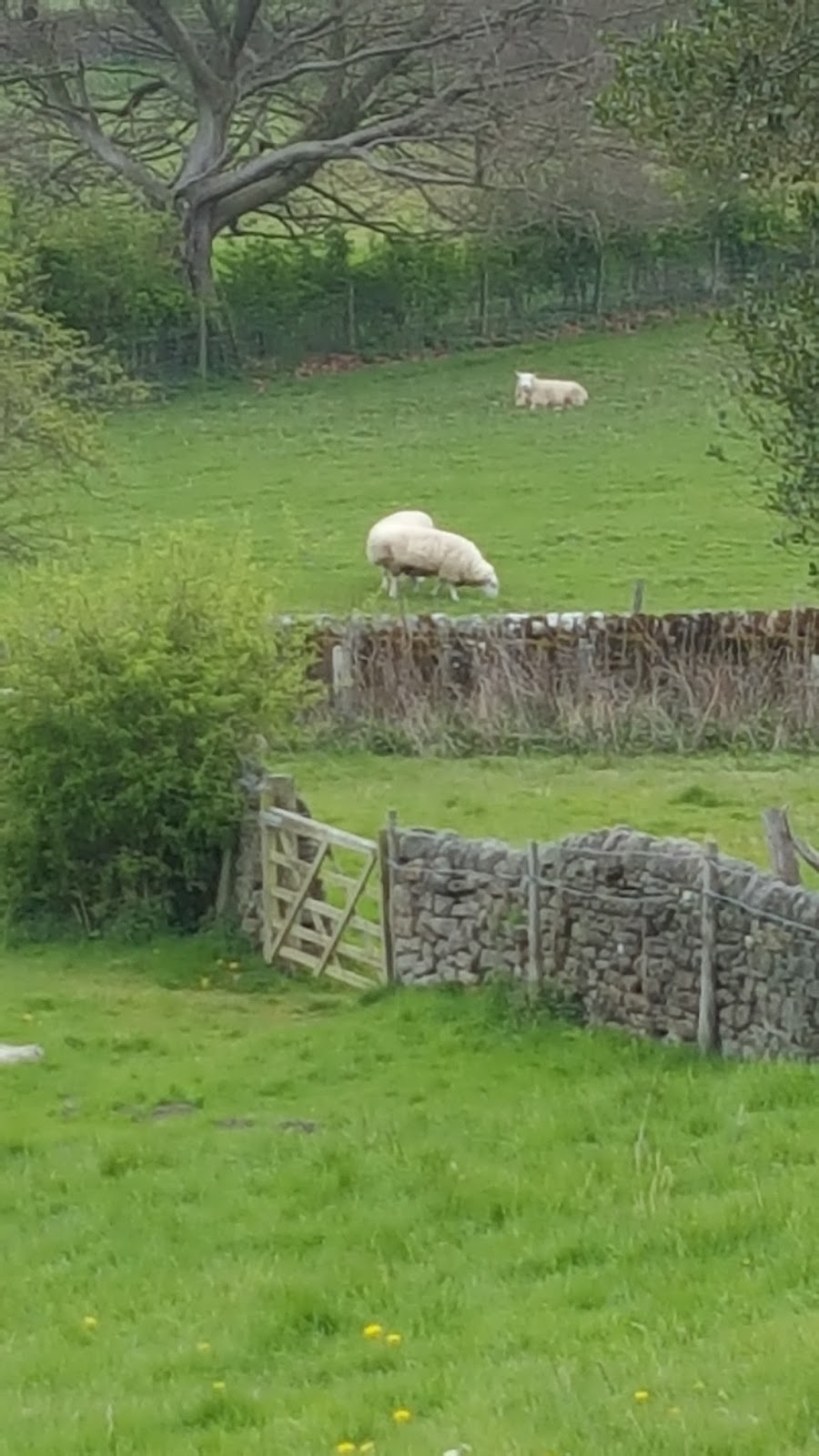
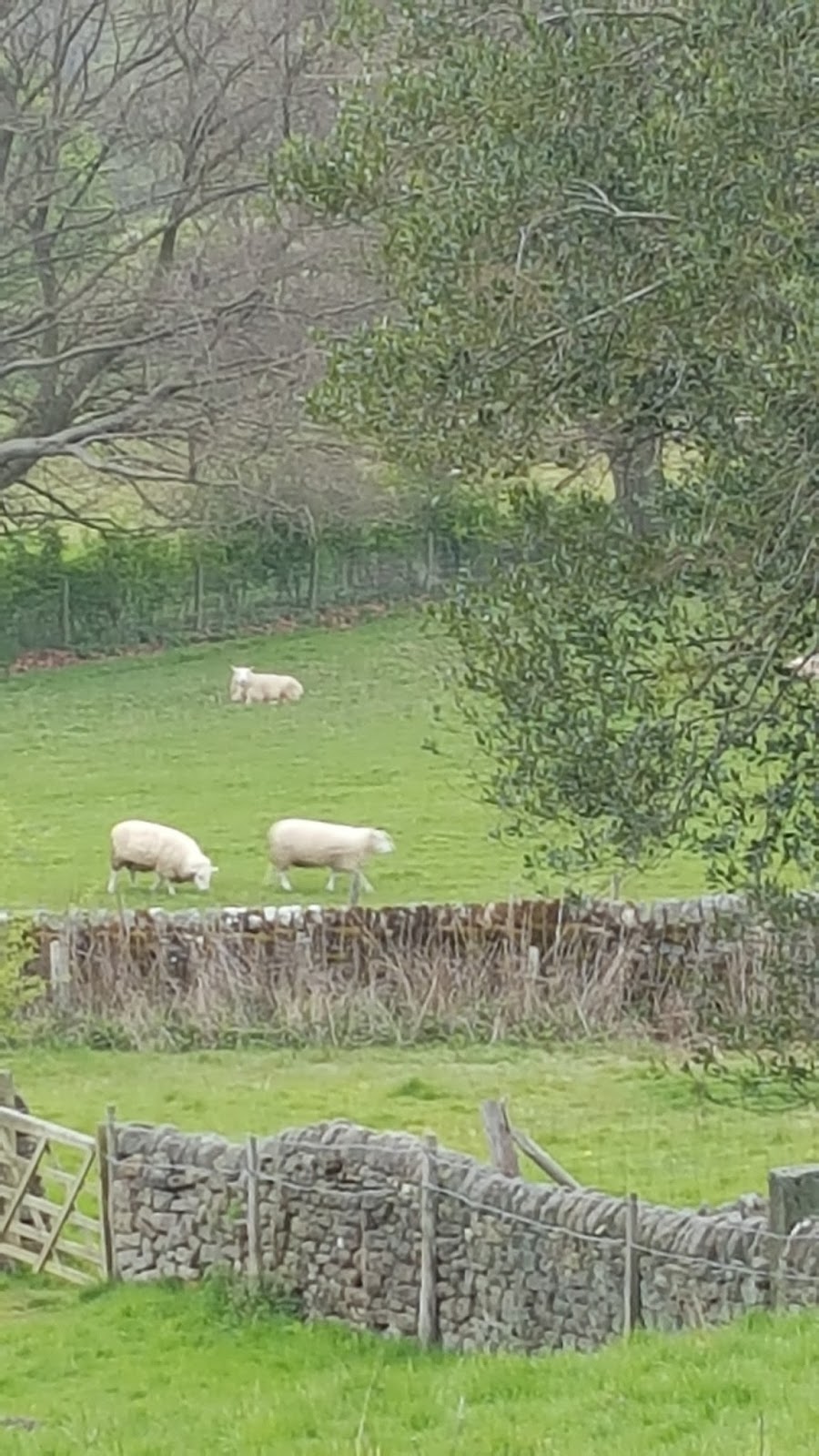
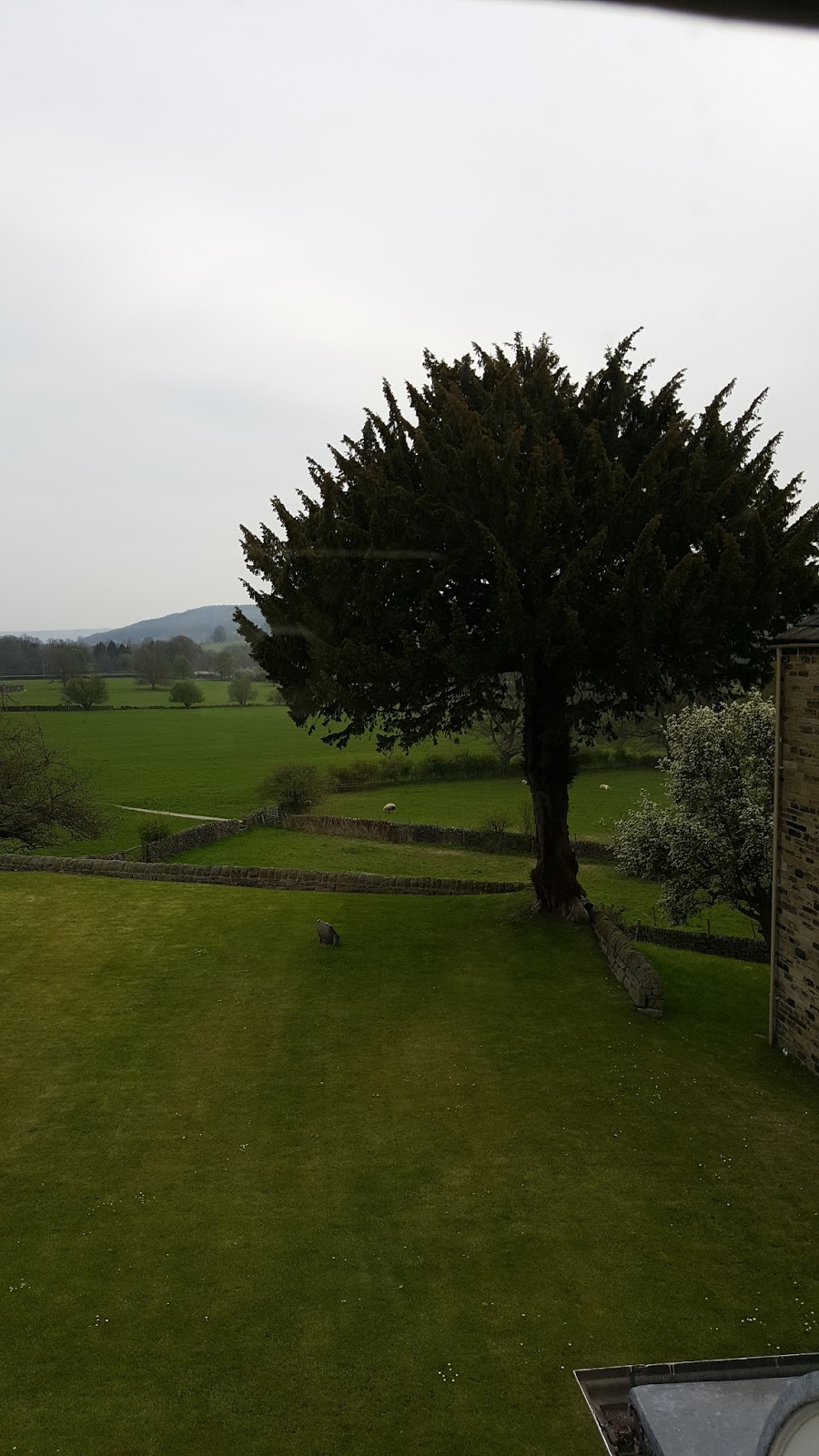
From the station in Chesterfield, we made our way to Baslow and were greeted by the sight of sheep, dozens of them, in the fields behind our hotel, the Cavendish. 

Have I ever mentioned how much I love sheep? It turns out that Diane does, too. 
We were in alt as we left our bags at the door and stood watching them, and listening to their Baaaahing for some time. 

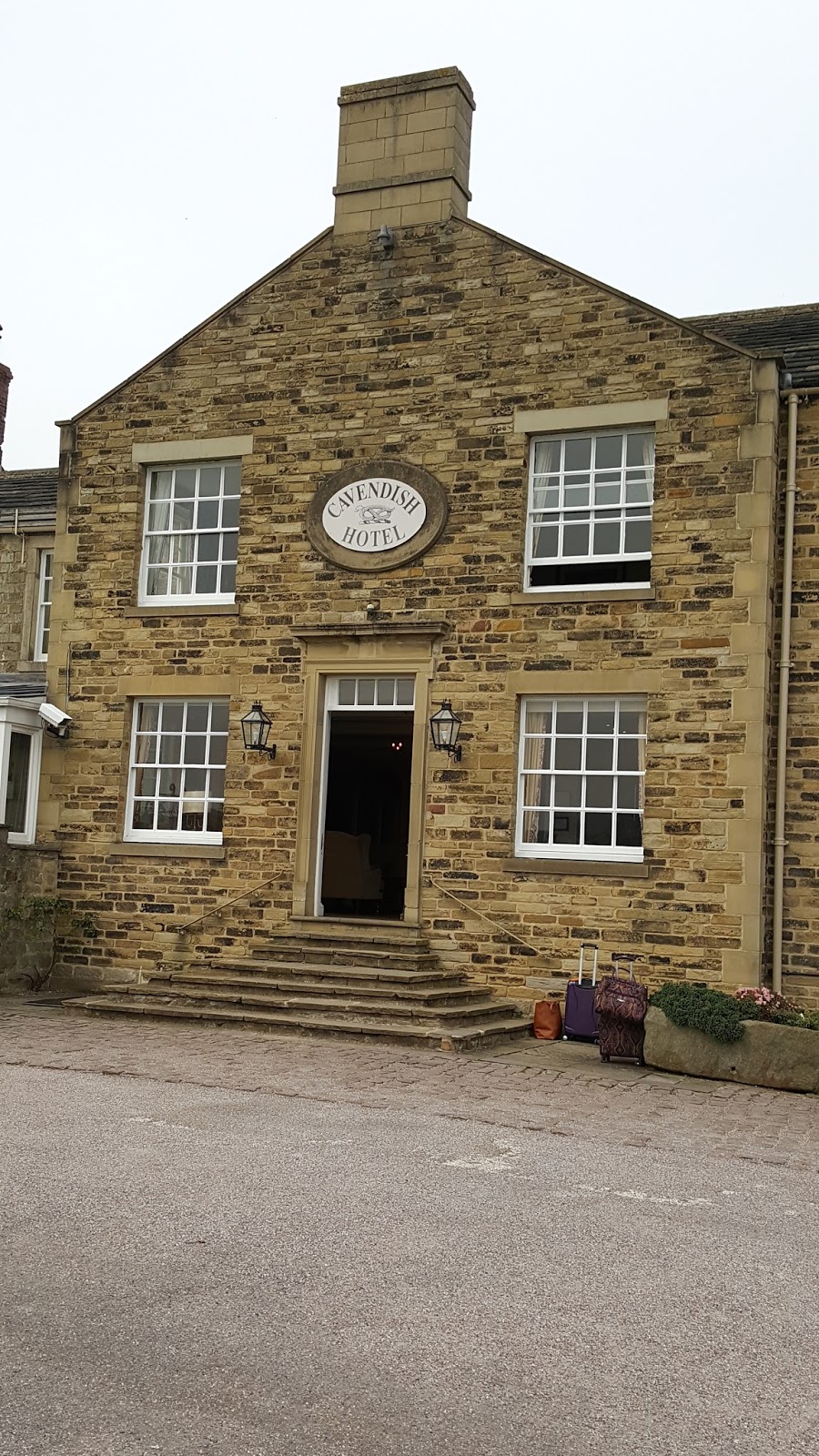
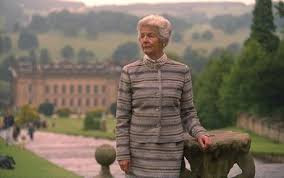
Eventually tearing ourselves away, Diane and I entered the Cavendish Hotel, owned by the Duke and Duchess of Devonshire. In fact, it was the late Duchess of Devonshire, Deborah (nee Mitford) who had worked so hard to restore, decorate and open the hotel in 1975.
Deborah, Duchess of Devonshire
The hotel began life as the Peacock Inn and bcame part of the Devonshire estate around 1830, 
when it was acquired from the Duke of Rutland. Being such a fan of Debo and Chatsworth both, I had been looking forward to our stay at the Cavendish for some time. I’m happy to say that I wasn’t disappointed. 
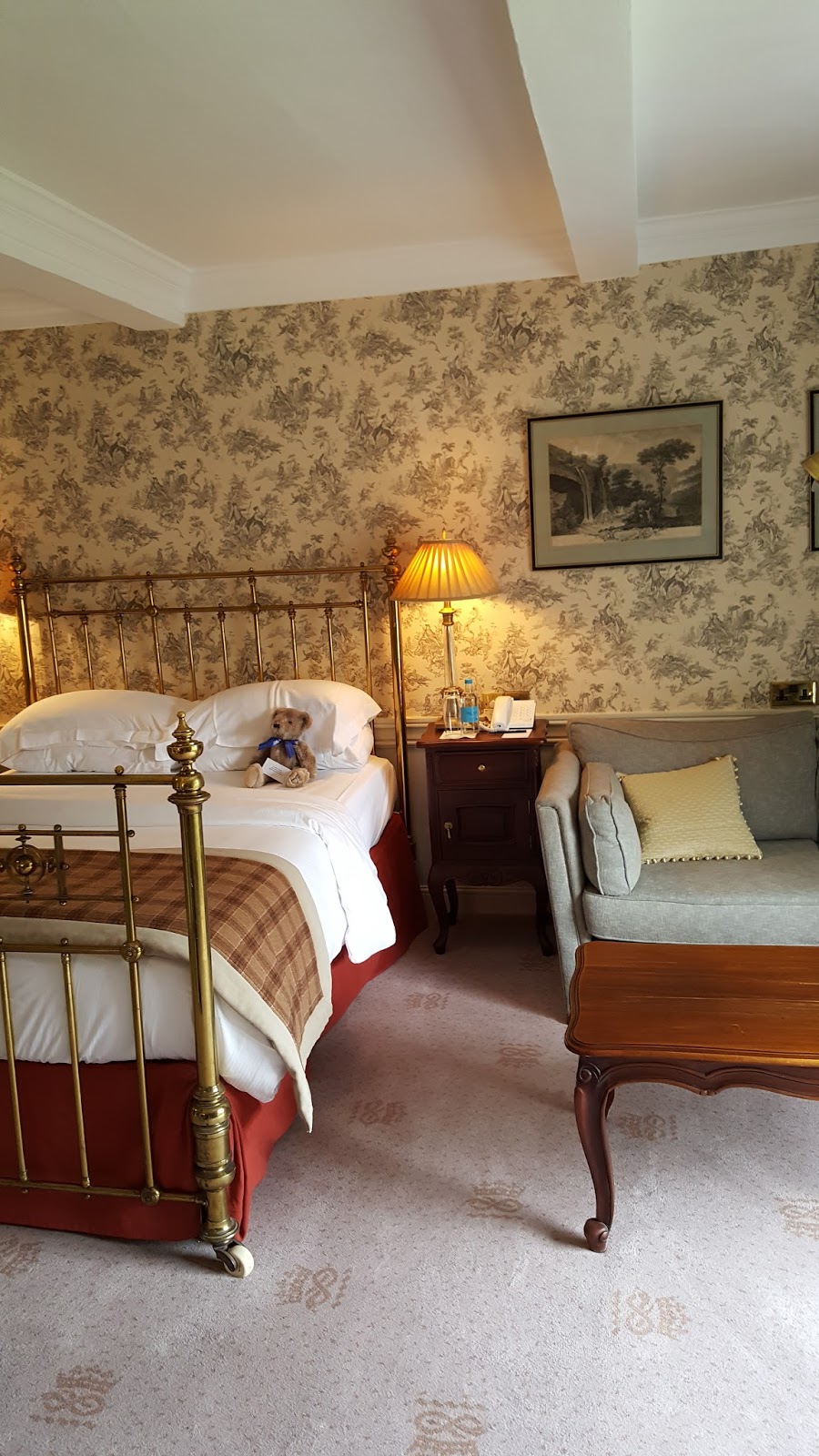
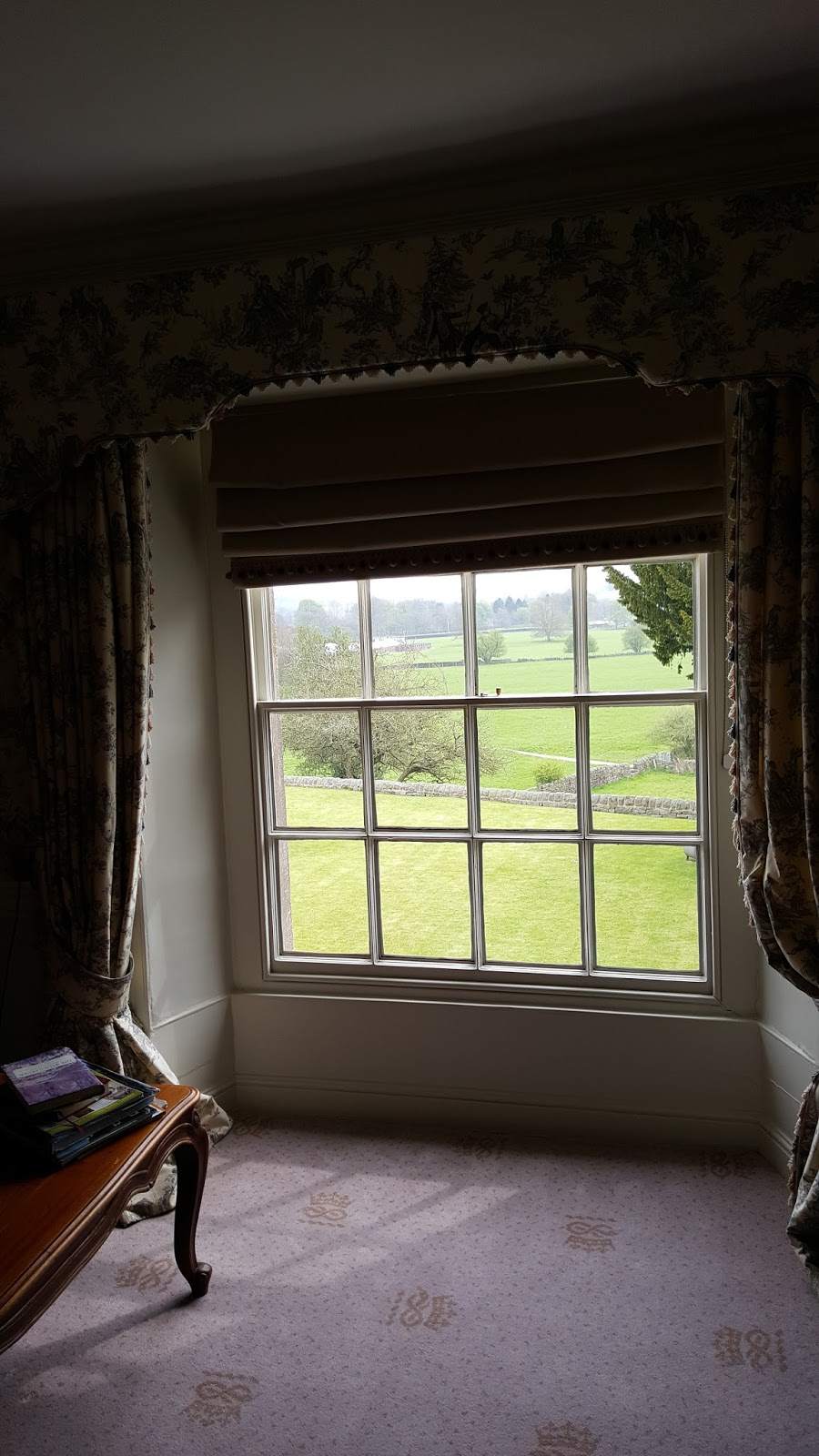
We were given the Burlington Room

After dropping our bags in the room, Diane and I headed out to explore Baslow further. 

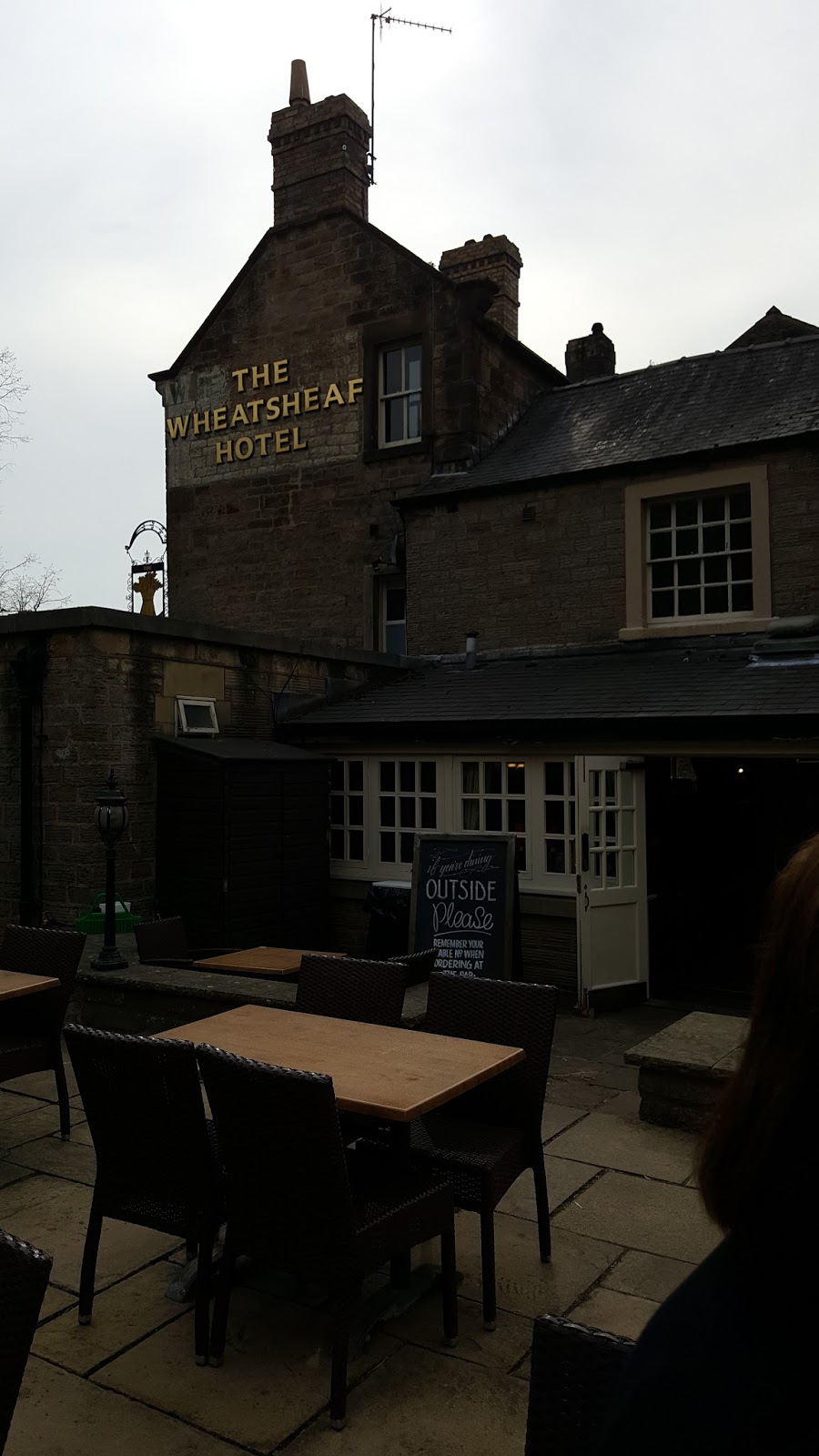
The village offers two pubs, one of which is the Wheatsheaf, above and below.

Baslow is a quintessential English village, with bags of charm round every corner. 

After soaking up the atmosphere, we found that it was just barely three o’clock and so we decided that there was enough time to fit in a walk to Chatsworth House and set off in giddy anticipation, like two kids waking up on Christmas morning. Chatsworth, here we come!

You may be glad to know that a stay in Baslow and a visit to Chatsworth House are both on the itinerary for Number One London’s 2017 Country House Tour. 
Part Two Coming Soon!

GUEST POST BY AUTHOR ABIGAIL DANE, PART TWO

GUEST POST BY AUTHOR ABIGAIL DANE, PART TWO

From Victoria:  Abigail Dane, author of The Pirate and the Virgin, presents the second installment of her research notes.  Welcome back, Abigail!


Battle of Worcester and its Aftermath
Part 2 of 3
      Cromwell’s army took on its own grueling march—20 miles a day in extreme heat for seven days—to reach Ferrybridge on August 19th. Once again, the ever-pragmatic Worcester decided to align itself with the faction occupying it at the time. Cromwell’s New Model Army forces were, by then, 31,000 strong. Delaying the battle just long enough to build two pontoon bridges, Cromwell launched his attack against Charles on September 3rd—the one-year anniversary of the victory at Dunbar.
     With a 2:1 troop advantage stretching over a four-mile-long arc toward the town of Worcester, Cromwell was able to push back the Royalist forces, despite fierce fighting. The Royalist retreat turned into a trouncing after the capture of Fort Royal, a redoubt on a small hill to the southeast of the town. Among Charles’ army, 3,000 were killed and 10,000 captured. Some leaders were executed; some prisoners were sent to fight for Cromwell in Ireland; and around 8,000 Scots were deported to the New World and made to labor as indentured workers there. By contrast, the Parliamentarian casualties were estimated at a mere 200. A clear and complete rout for Cromwell.
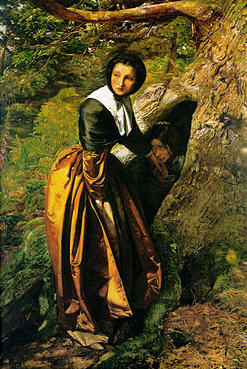
The Proscribed Royalist, 1651, by John Everett Millais, (1853)
After the Battle of Worcester, a young Puritan woman helps a fleeing Royalist—Charles II himself?—
to escape, by hiding him in a hollow tree.

     In the next day’s report of the victory to the Speaker of the House of Commons, Cromwell famously wrote:
The dimensions of this mercy are above my thoughts. It is, for aught I know, a crowning mercy.
     That last sentence, later inscribed on the plaque placed on the Sidbury Gate in Worcester, reads in full:
THE LAST BATTLE OF THE CIVIL WAR
WAS FOUGHT AT WORCESTER ON
3rdSEPTEMBER 1651
IT IS FOR AUGHT I KNOW
A CROWNING MERCY
OLIVER CROMWELL
NEAR THIS SPOT IN THE CITY WALL STOOD
THE SIDBURY GATE, WHICH WAS STORMED
BY THE PARLIAMENTARIAN TROOPS.
ERECTED BY THE CROMWELL ASSOCIATION
AND WORCESTER CITY COUNCIL
WITH THE AID OF PUBLIC SUBSCRIPTION
1993
     Thus, the Royalist Army was destroyed and the bloody and costly conflict known as the “English Civil War” finally ended. As preacher Hugh Peters put it: “…at Worcester, where England’s sorrows began…they were happily ended.” Ironically, as a result of Charles II’s ill-fated decision to detour to Worcester, the final battle was fought just where the first battle had been fought on September 23, 1642—almost exactly nine years earlier.
     Unable to rally his troops and realizing his cause was lost, the thoroughly defeated monarch removed his armor, found a fresh mount and escaping as darkness fell, began a harrowing six-week-long flight. At one point, he hid from the patrols in an oak tree (now referred to as the “Royal Oak”) on the grounds of Boscobel House, as depicted in Millais’ painting, The Proscribed Royalist, 1651. A fearless actor, the fugitive king sometimes hid in plain sight; on one occasion striding through a crowd of Cromwell’s soldiers; on another boldly declaring to the blacksmith who was shoeing his horse: “If that rogue Charles Stuart is taken, he deserves to be hanged more than all the rest, for bringing in the Scots.”
     At a time when the average man was 5’6”, the fugitive king was 6’2” and swarthy. Being so distinctive and hard to disguise made him an exceptional target. The £1,000 reward on his head and the “death without mercy” decree for anyone found helping him made him a tempting one, as well.

Source: “Historical Notes: Battle of Worcester and its Aftermath,” in The Baron and the Lady, book two in the “Whitleigh series” by Abigail Dane.  http://TransitionsUnlimited.biz, AbigailDaneRomance@gmail.org


Abigail Dane