Travels with Victoria: The Charming Town of Sandwich, Kent

Sandwich has little or nothing to do with the famous dish of the name, other than the fact that the 4th Earl of Sandwich invented it in the 18th century. The earl’s title had been taken from the name of the city in the 17th century. However, one of the amusing vagaries of geography is in the vicinity. I must admit I never saw the hamlet of Ham.

If you need a glass of milk with your sandwich, you will find it still delivered in glass bottles.  Shades of long ago!
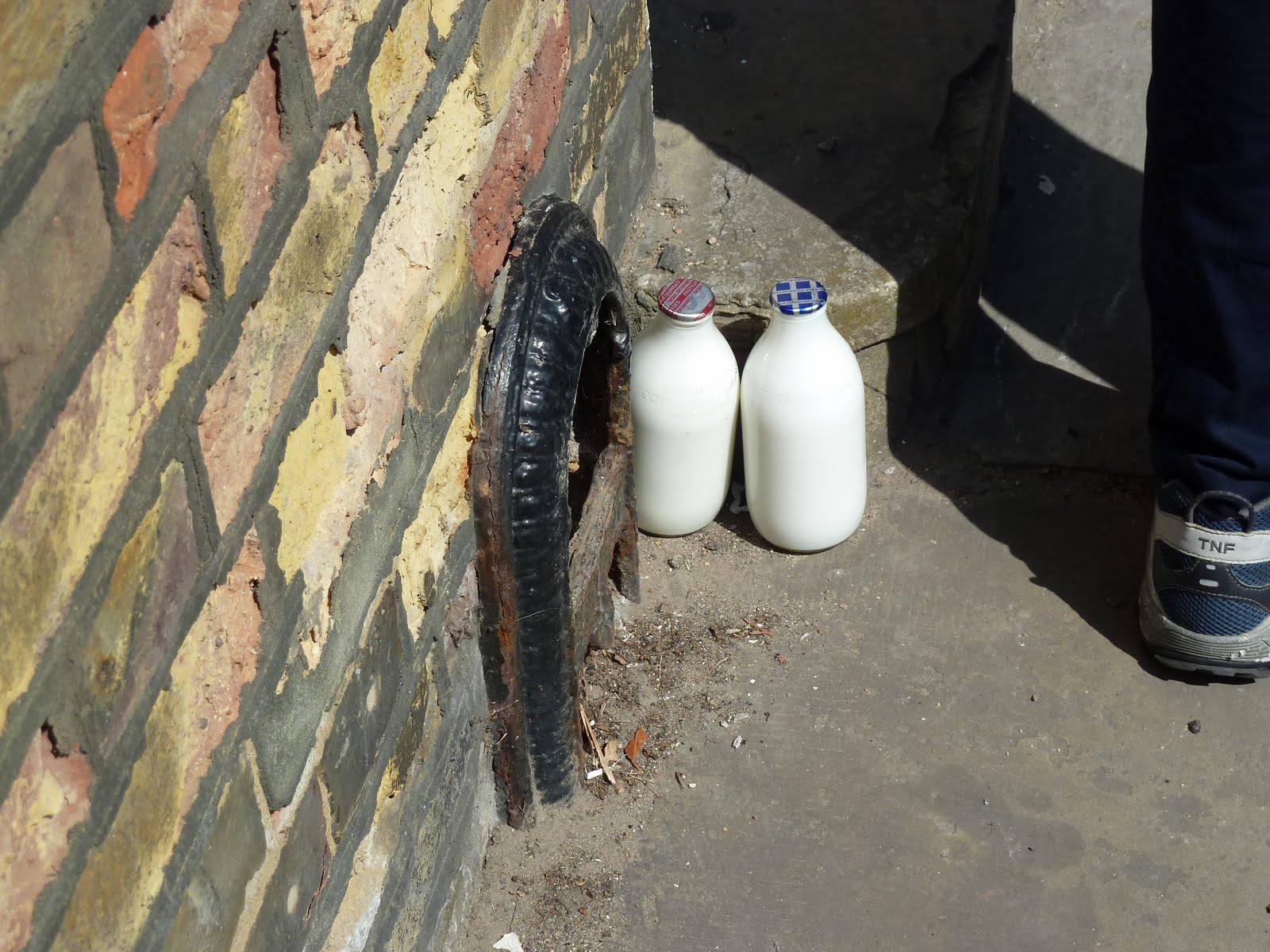
And just in case you wondered where the meat came from…

But seriously, folks… Sandwich has been important since before the Roman landings here in the first century AD, and as one of the vital Cinque Ports, so designated in the 12th century.  Along with such harbours as Dover, Hastings, and Hythe, Sandwich was protected by the crown, exempted from some taxes and fees, in exchange for performing official services, such as the provision of ships for the king.

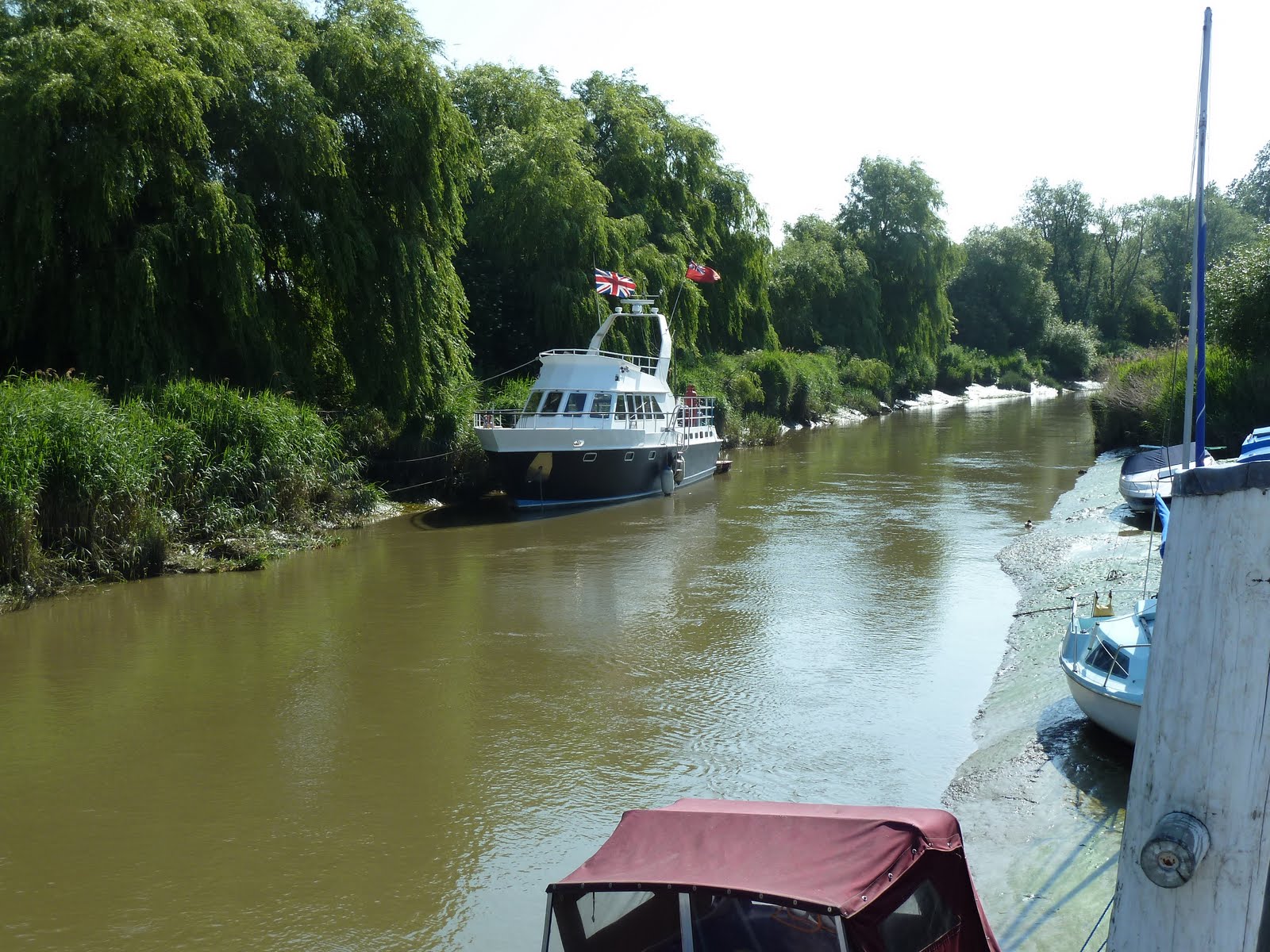
The organization continues in a ceremonial format to this day. We’ll encounter the Cinque Ports when we talk soon of nearby Walmer Castle. Though Sandwich’s harbor was once on the English Channel, today the silted up harbour means it is two miles inland, joined to the sea by channels and the River Stour.
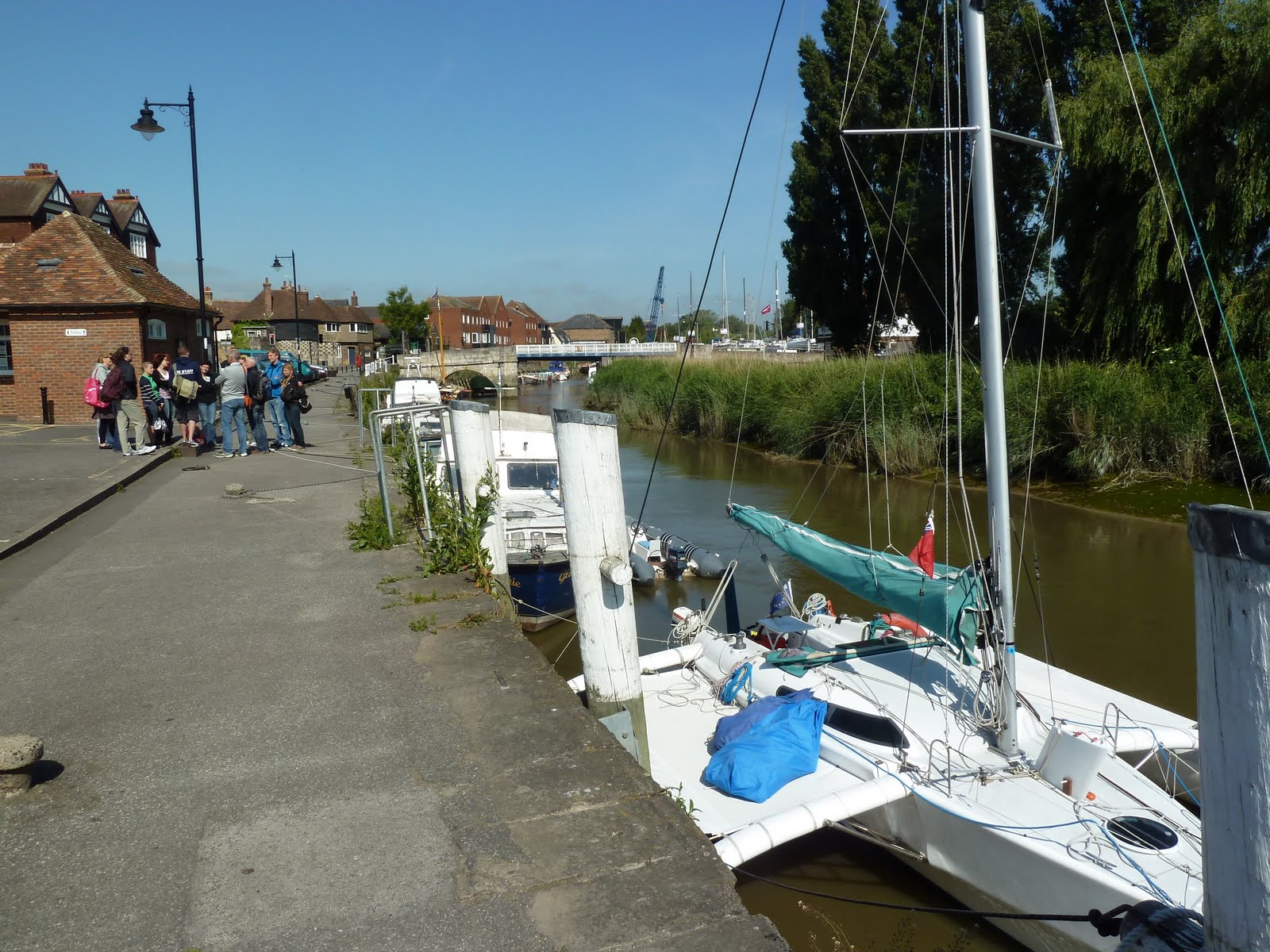
Across from the quay stands the Fisher Tower, dating from 1384, the only one of original gates in the town’s walls to survive. It is constructed of bricks and the kind of flinty stone so common in this region of Kent.

Nearby is the much-remodeled Barbican, formerly the toll house for the bridge over the Stour.

As we wandered the crooked streets and gazed at the old houses, our guide told us the town is now very prosperous.  A nearby pharmaceutical company provides many good jobs. Two championship golf courses and the easy access to the sea make Sandwich a very desirable place to live and a sought-after weekend retreat for wealthy Londoners.

The old houses and hidden gardens are popular and pricey. Sandwich is another of those when-I-win-the-lottery places!

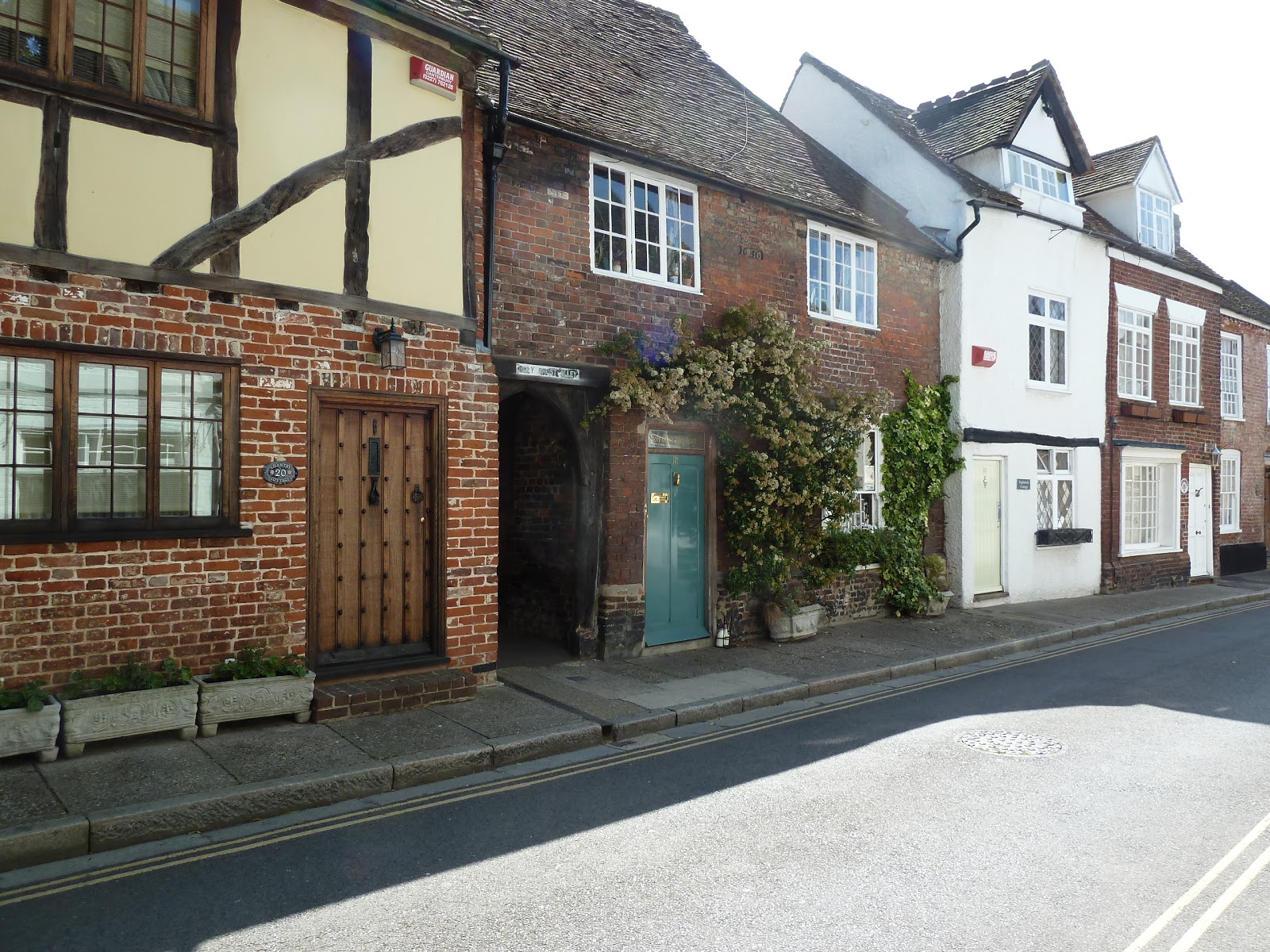
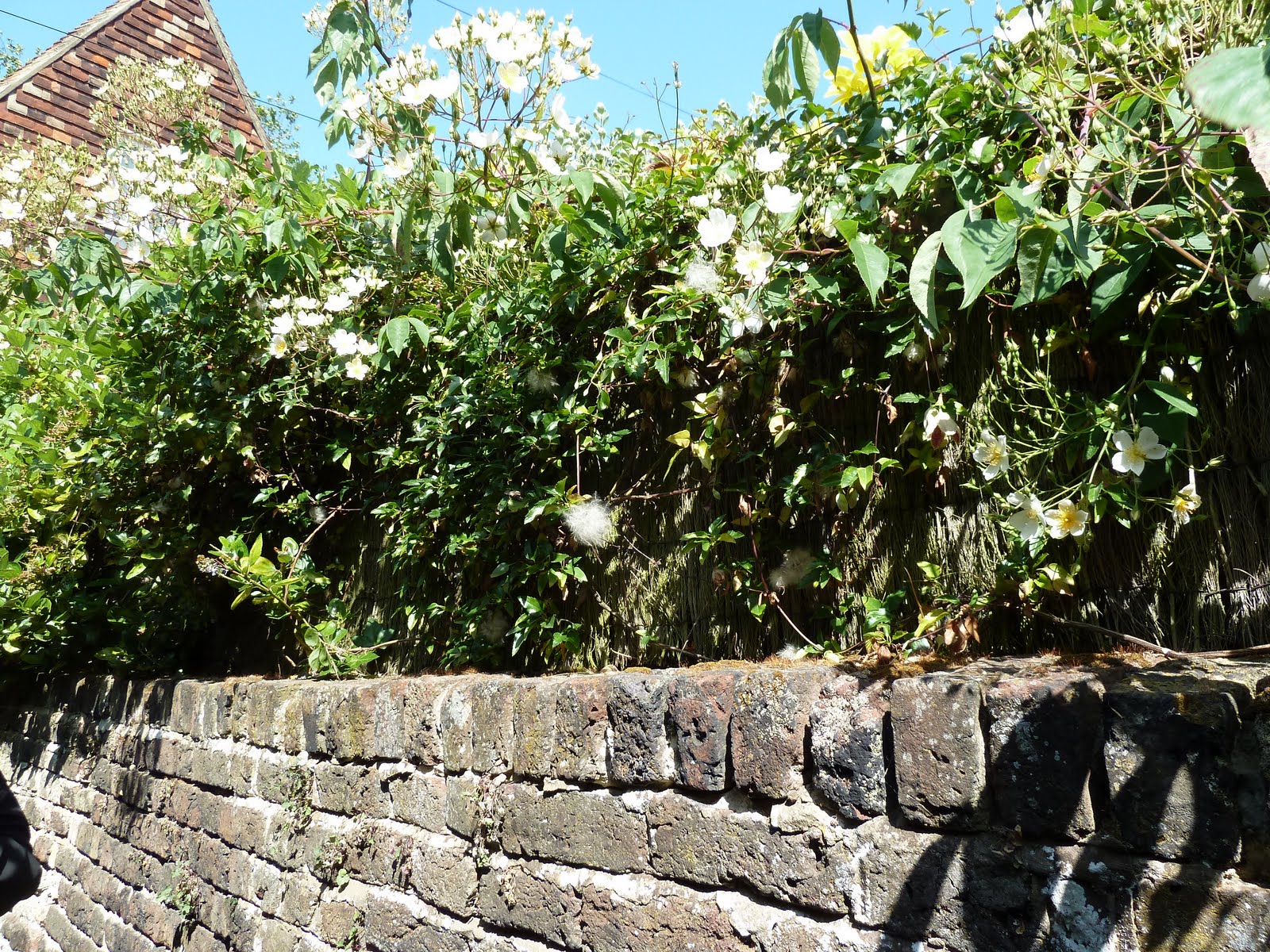
I can’t tell you how tempted I was to try and climb up to peek over.
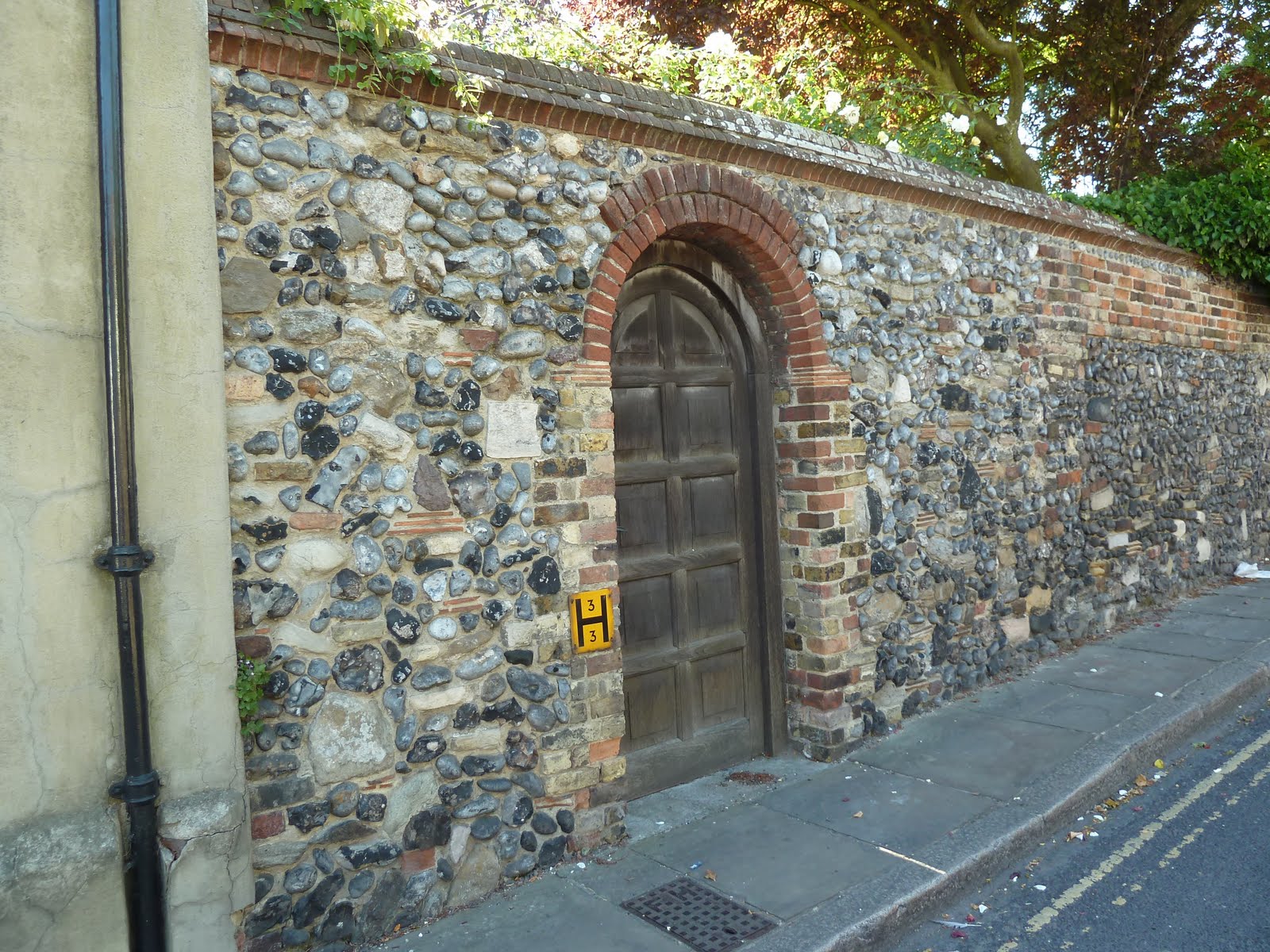
Seems like there were a lot of these garden walls…this one of more of that flinty stone.
Above and below, up close and
personal…

This wall encloses a famous secret garden…and a mansion designed by Sir Edward Lutyens in 1912.

It is now part of the complex  known as The Salutation, which provides luxury accommodations and has a tea room within the gardens designed by Gertrude Jekyll in the early 20th century.

Sandwich has been in the sports headlines recently as the site of the 2011 British Open Golf Tournament, held at the Royal St. Georges Golf Club (website here).  More than a dozen British Opens have been held here.

Our quick tour of Sandwich only whetted my appetite for more, but I was eager to go a few miles back toward Dover, through the town of Deal to Walmer Castle…next.

The Hedgehog Factor

Victoria , here.  Was it my childhood love for Mrs. Tiggy-Winkle?

Or just because they are so darn cute?

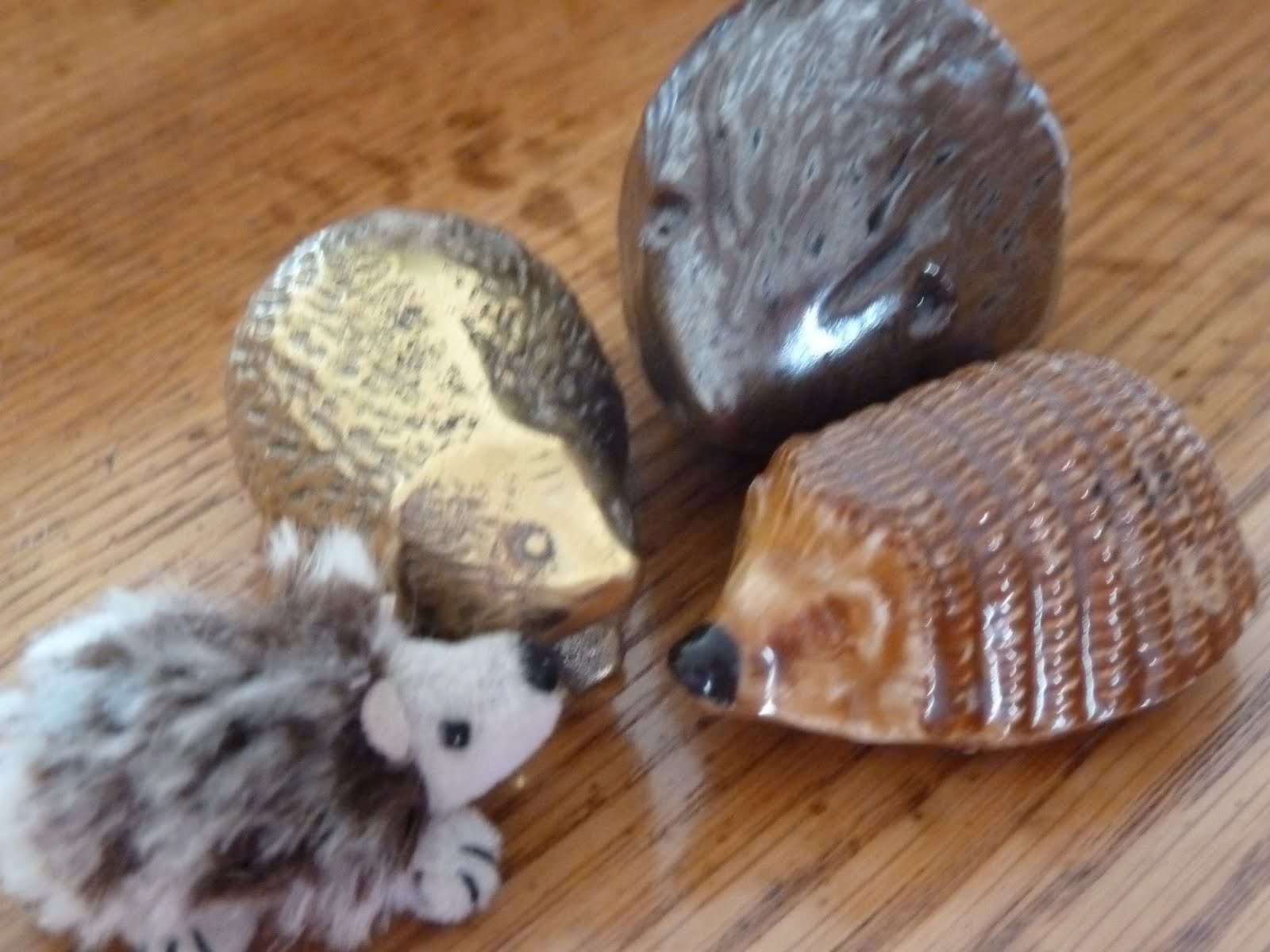
 Whatever the reason, I love hedgehogs, and over the years, I have collected quite a few. Not real ones, of course. Real ones are increasingly endangered, while those on my shelves are sitting pretty.

Maybe one of the sources of my love for hedgehogs comes from my admiration for the British hedgerow, which gives the countryside so much character. Yet, these are also in danger.

picture from the NLS: National Hedgelaying Society

I was quite appalled at reading — in a recent issue of Country Life  — about the urgency of the need for protecting hedgehog habitats in Britain and developing new ones, perhaps in urban gardens.  As usual with vanishing wildlife, we have met the culprit, and he is us, encroaching humans and our urge to pave over everything.  Along with loss of habitat, cars and pesticides endanger hedgehogs.

The source for  more information is here.   Hedgehogs are not native to North America, which makes them all the more interesting — and a bit exotic.

As I was surfing the internet, I found several websites offering hedgehogs as pets.  Though I know some people like to tame wild animals, I am not so sure that living in a cage would be very comfortable for a hedgehog. On the other hand, keeping one in the garden might be quite fun. Actually a pair might be more agreeable to the little creatures.

As an example of ideal adaptation, I cannot imagine anything better than a hedgehog.  They eat insects and small animals such as frogs, as well as vegetation.  Once I played with a baby hedgehog in Greece, feeding it bits of lettuce and tomato. But generally, hedgehogs are nocturnal, so if you want them around in the daytime, I highly recommend the kind I collect: made of wood, ceramic, brass, or fabric. 

Whatever the material, they always make me smile.

Travels with Victoria: Arriving in Dover

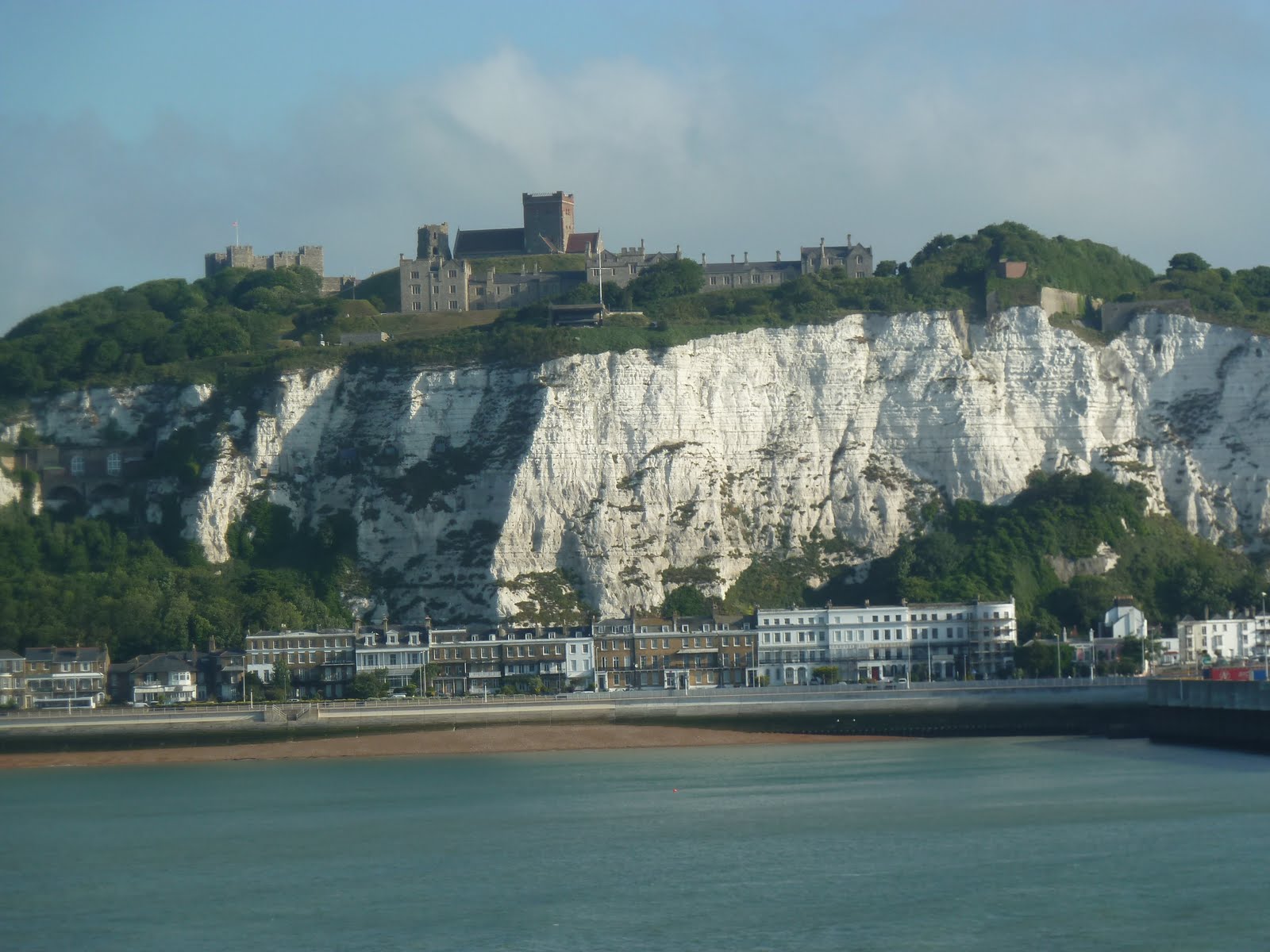
Sunrise over the English Channel on June 3, 2011.  I didn’t notice any bluebirds, but I definitely could not miss the white cliffs! And Dover Castle at the top.

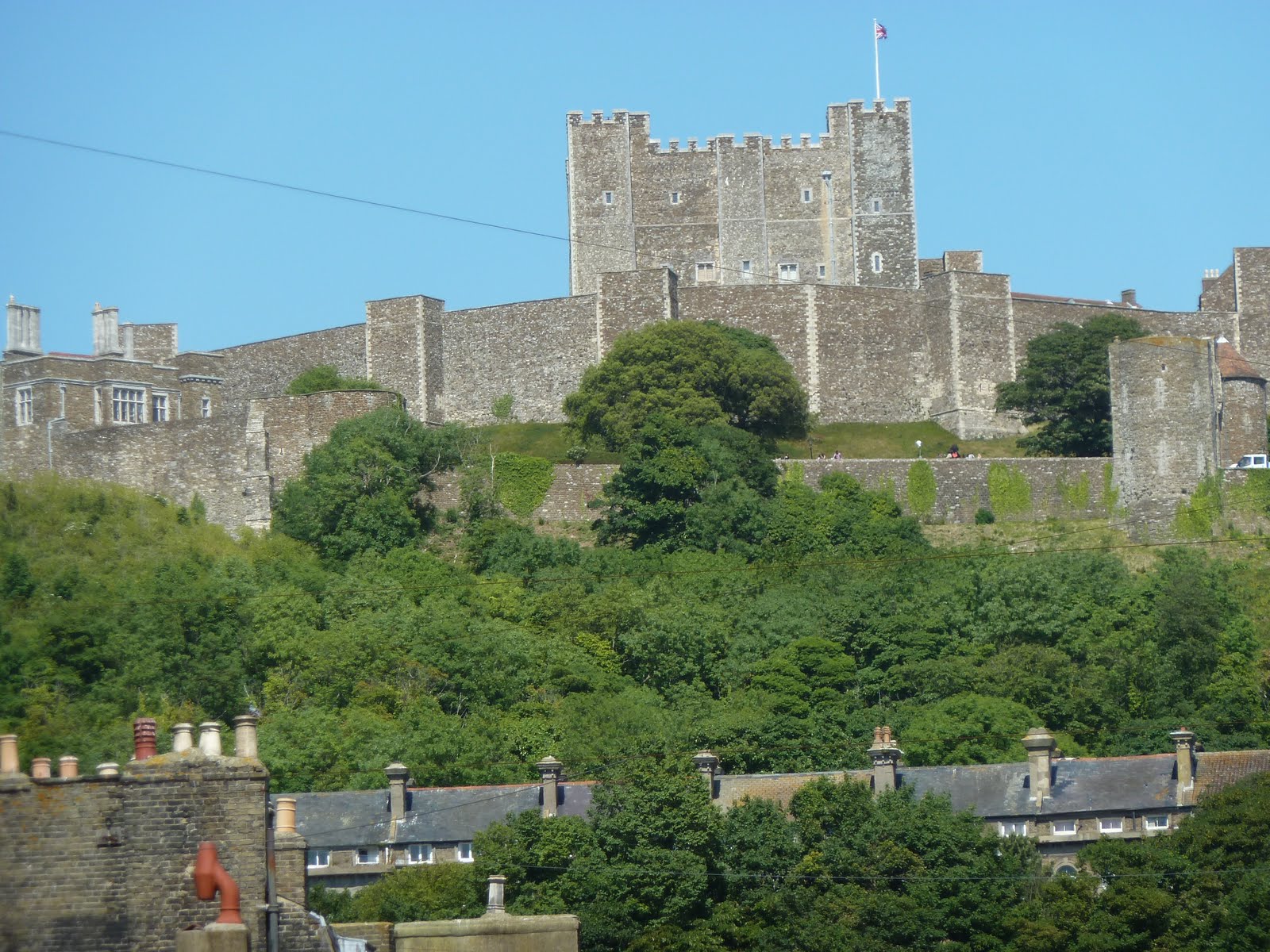
Here’s a closer view of the Castle — which has been in use for more than 900 years, from the time of  Henry II to the present day. And pre-Roman earthworks have been found, making the use of the channel bluff for defense more than 2,000 years old – or more. It has been a continuing process of adaptation and rebuilding, and it’s not over yet.

Currently tourists are invited to tour the World War II secret tunnels, including protected command centers deep under the surface.  Below, reversing the perspective, from the castle to the harbour.

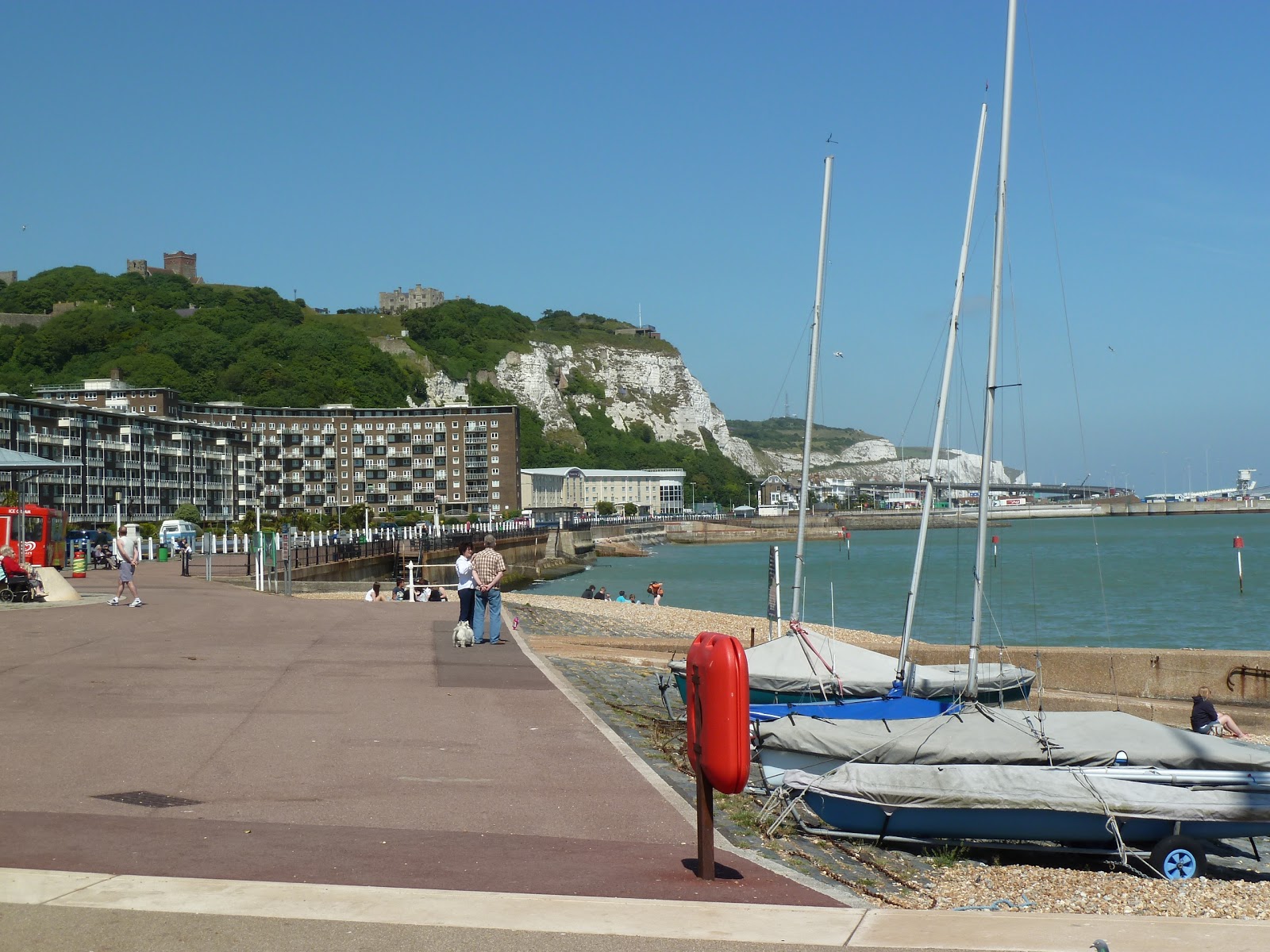
Dover, beyond the castle, is a busy port with ferries arriving and departing almost every hour of the day. From Dover to Calais (and vice versa) is still a popular route, even since the opening of the chunnel and the Eurostar rail service to Paris and Brussels. Along the harbour, the promenade is often full of strollers , sailors, sun bathers and tourists.
Our hotel was across the street from this promenade, and had a lovely outdoor cafe perfect for watching the passing scene.
If you watched the recent repeat of the Poirot episode entitled The Clocks (2009), you would have a very good view of Dover Castle and the promenade, but the residential street in the film was actually in London.

Above, scenes  from The Clocks, by Agatha Christie

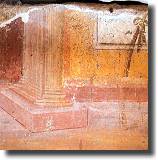
We also walked around the town (found an excellent pub, not to our surprise) and toured the Roman Painted House, excavated in the center of Dover, with continuing explorations going on today. It boasts the finest painted frescoes in Britain from the Roman period. Below, an overview of the site, and below that, one of the frescoes.
From Dover, we visited the charming town of Sandwich and nearby Walmer Castle, at which the Duke of Wellington died in 1852. Next in the series…

Travels with Victoria: Monet's Garden at Giverny

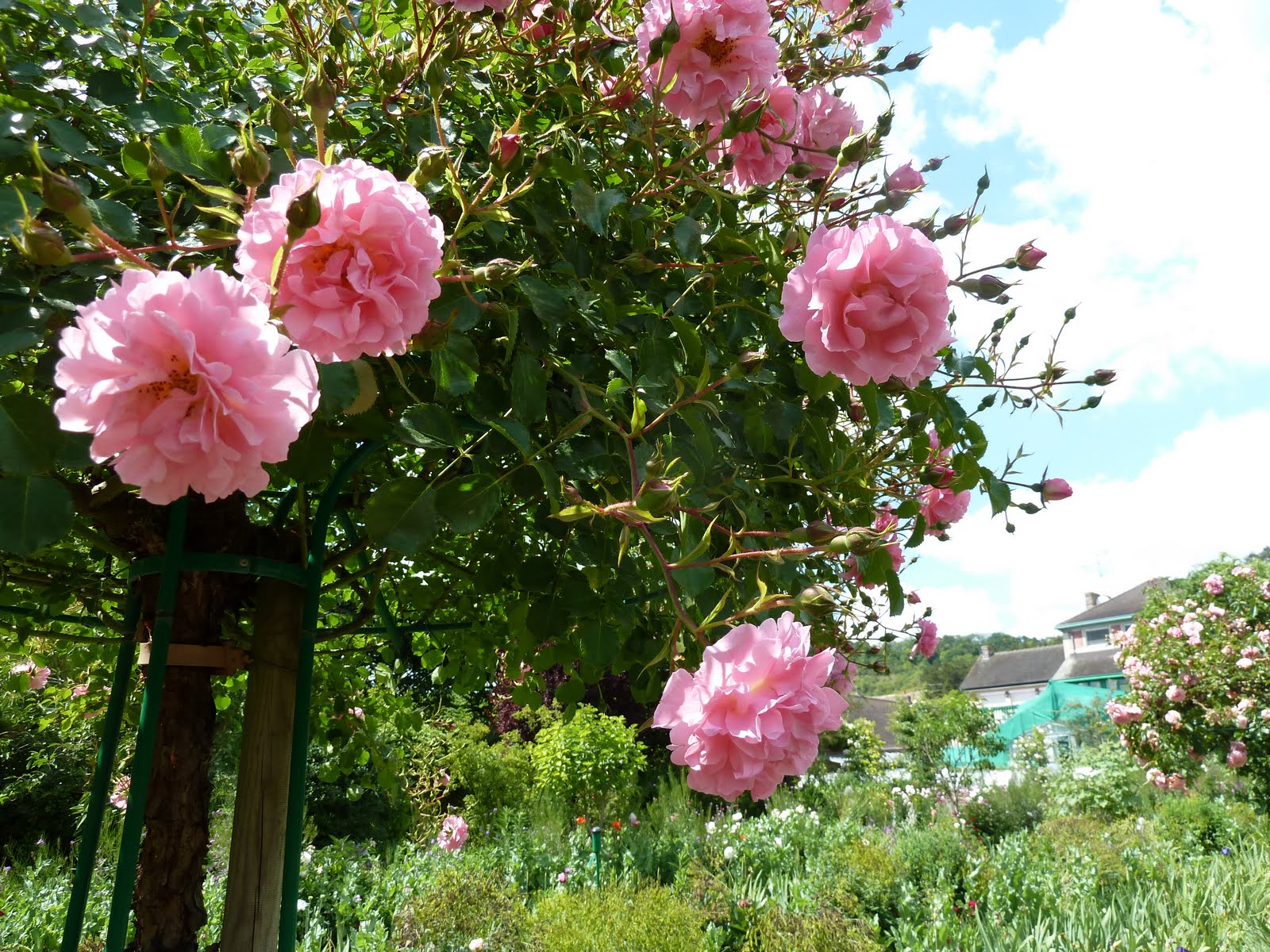
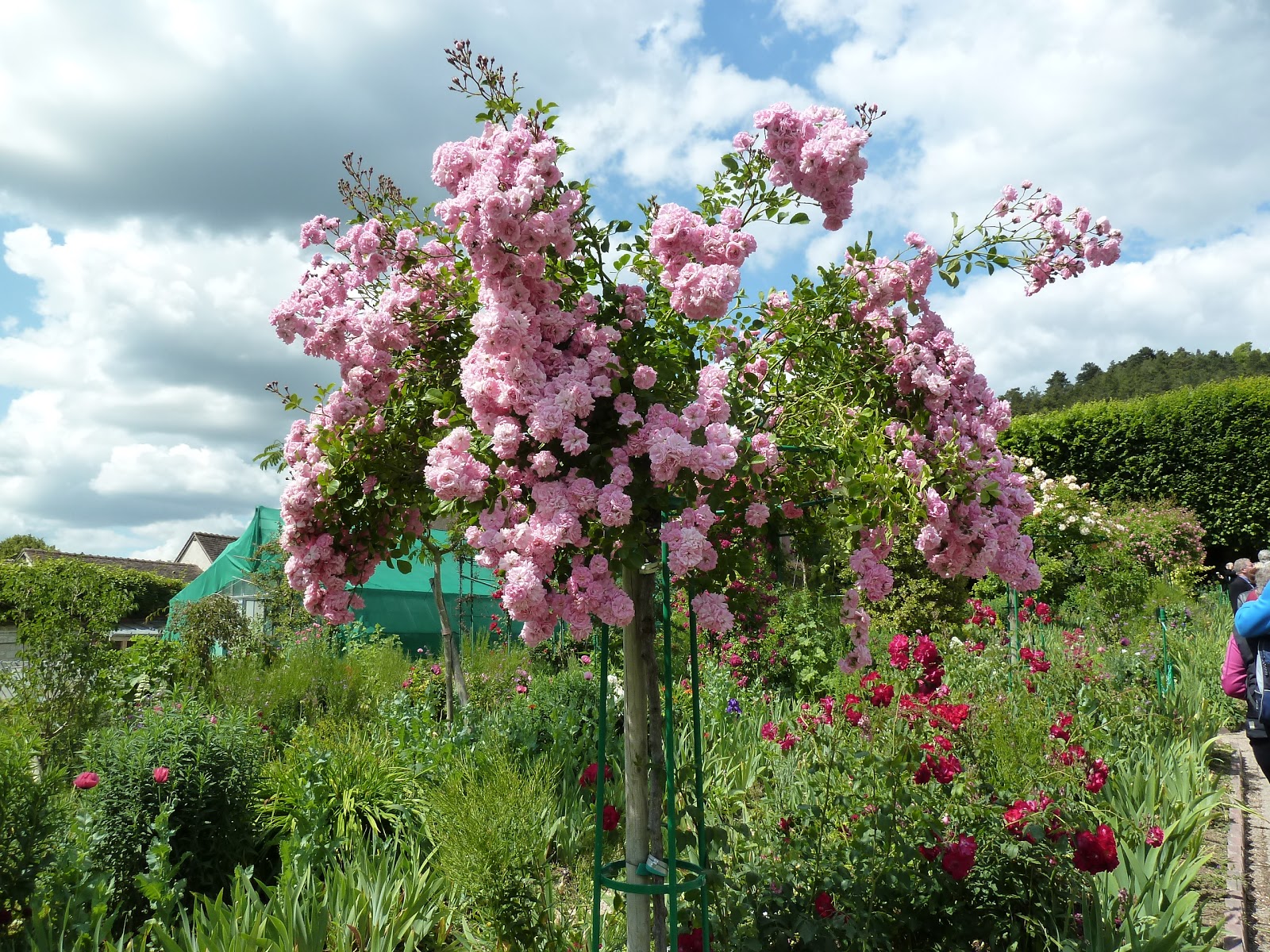
The rose trees stand in front of Claude Monet’s pink house with green shutters at Giverny on the Seine. Here is the website of the Foundation Claude Monet for more details about the house and gardens.

I haven’t exactly formulated a Bucket List of things I MUST do, but visiting Monet’s home would definitely have been included.  I grew up loving all the Monet works in the Chicago Art Institute and loving all the stories about how the Impressionists were shunned by the Art World at first and then triumphed by becoming so popular in the 20th (and 21st) centuries that their work is almost considered low-brow all over again!  It’s that old saw: (over) familiarity breeds contempt, I guess.

Claude Monet (1840-1926) began living at Giverny in 1883, eventually purchasing the property and devoting himself to cultivating his garden and painting it for almost 43 years.  He was one of the founders of the movement known as Impressionism, and his works can be found in almost all major (and many minor) art museums in the world.  When they come on the market, they are sold for millions of dollars, pounds or euros.

While on board the ship, I read Claude and Camille by Stephanie Cowell, an engaging novel about Monet’s first love. It fit in perfectly with this visit to the house where he lived with Camille’s sons and his second wife who had a large family herself.

Though I tried to cut from my pictures as many of the visitors as I could, I thought it was quite crowded on the day we visited, but guides assured us that it was actually a slow day.  Particularly as we negotiated the rooms inside the house, it seemed packed.

No pictures were allowed inside, but I did follow many others in sneaking a shot out the window at the garden from above.  This website reveals all and will lead you to many more accounts and pictures of Monet’s life, his paintings, and his garden.

Monet was obsessed with the play of light on his subjects. He painted the same or similar scenes over and over in various light and weather conditions: haystacks, cathedral facades, landscapes, and of course, his garden.

As of June 1, 2011, an Englishman called James Priest took over as head gardener.  His background includes training at the Royal Botanic Gardens, Kew, and many years working with Gilbert Vahe, who rescued and redeveloped Monet’s Giverny gardens. 

The garden is divided by the road through the village, and the two halves — one near the house and the other mainly the pond — are joined by a walkway under the now-busy road.

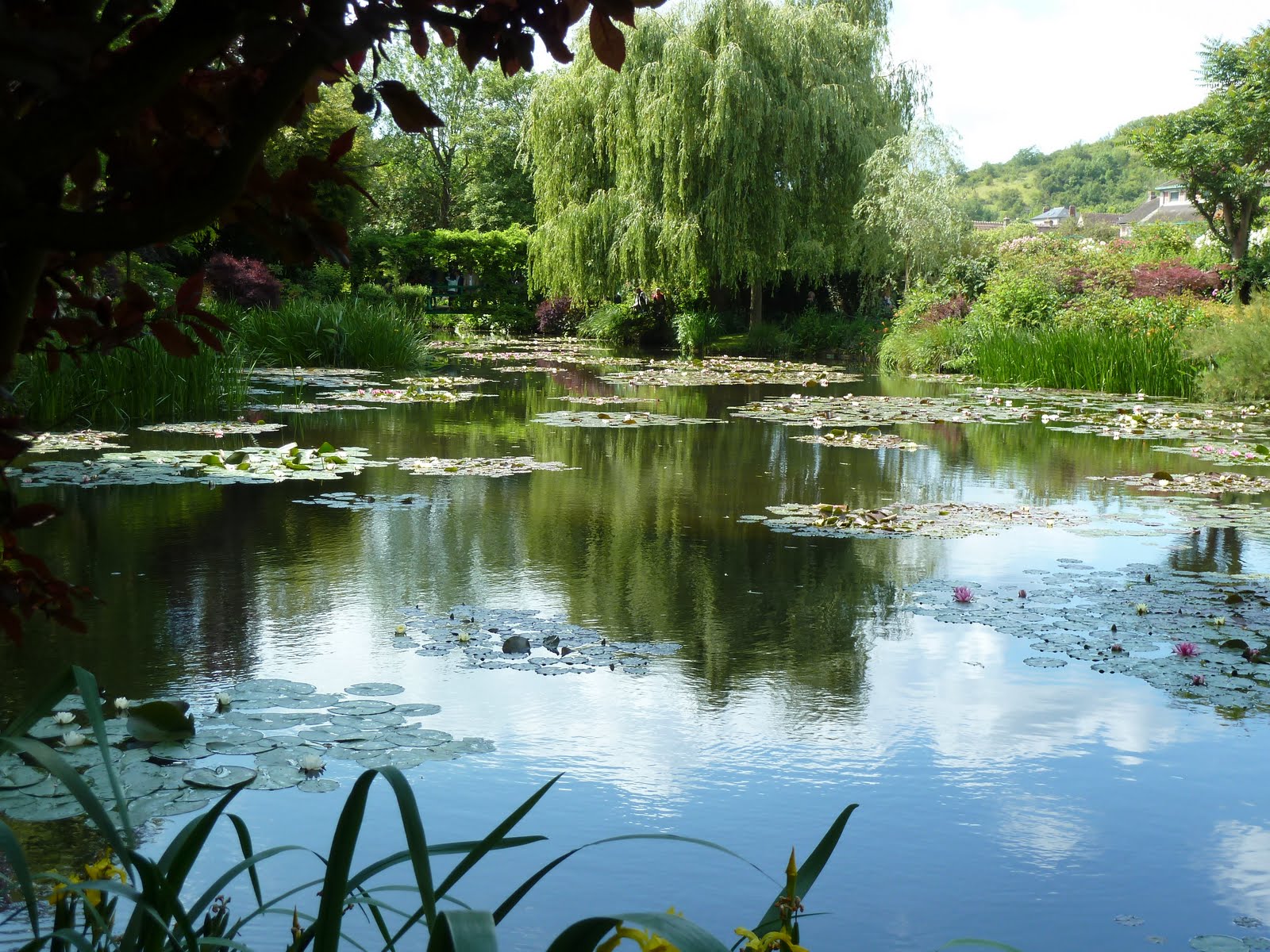
Perhaps Monet’s most famous paintings are those he did of this pond and its waterlilies. 

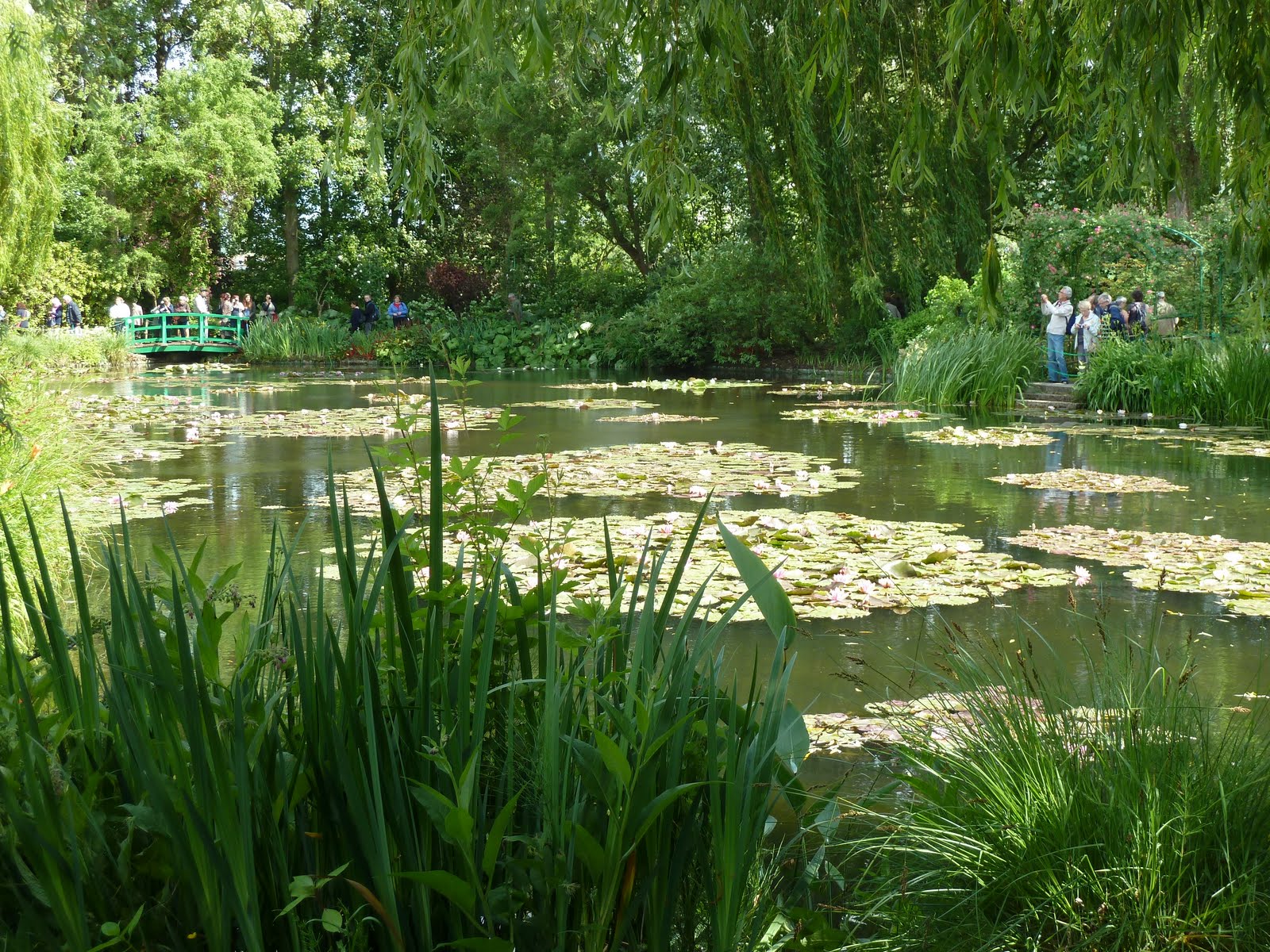
The pond is much larger than I expected, with more than one little Japanese bridge — at least today.

The version of Water Lilies he painted in 1916, below, hangs in the Boston Museum of Fine Arts.

And below, my photo of the water lilies in the pond on June 1, 2011.

Below, another painting, from 1904

 Can you tell the difference?  And, just for good measure, here are a two more of my pond photos…

Thank you, Claude Monet, for bringing so much pleasure to so many people.  Perhaps I will revisit Monet and take a look at the many paintings he did in England someday.
This is next to the last of my posts from our cruise.  After returning to the English Channel from the Seine, we crossed to Dover….soon.