Waving the Flag…

Victoria here.  I recently visited Fort McHenry in Baltimore, MD, where after a bombardment by the British Navy in 1814, American writer Francis Scott Key (1779–1843) wrote the words to the Star Spangled Banner, which became the American national anthem.

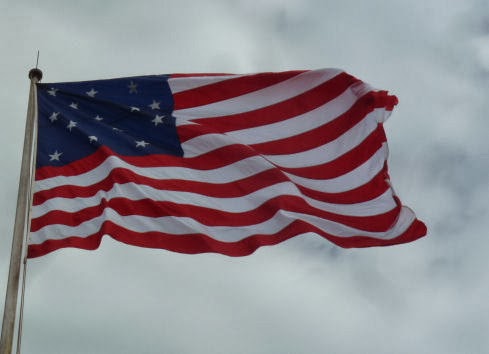
Ft.  McHenry’s 15-star and stripe flag of 1814 (in use from 1795-1818)
 
 
Now, the flag of the USA has thirteen red and white stripes, representing the original 13 British colonies, and fifty stars, representing the 50 states of the union.


The Grand Union Flag was used from December 1775 to June 1777, incorporating the thirteen stripes for the 13 colonies and the British Union Jack.

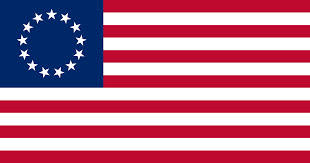
Later there were several versions of the flag with thirteen red and white stripes and thirteen stars on a  the latter either on a blue field in rows or in a circle.

Often called the Betsy Ross Flag

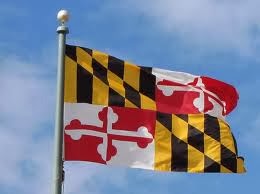
There have been many, many U.S. flags over the years. Then I got to wondering where the Maryland State Flag came from, as it has a quite unique design.  Turns out it is based on the heraldic arms of the founding family of the colony of Maryland, the Calverts, Barons Baltimore, incorporating the arms of the Crossland family as well. According to Wikipedia, it is the only state flag that is based on English heraldry.


Maryland flag
 
 
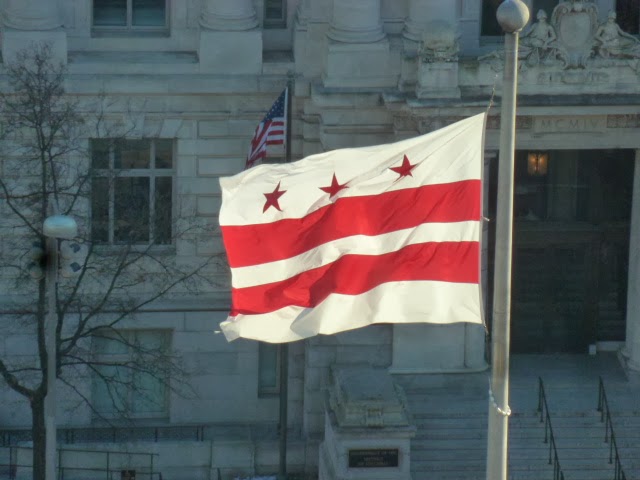
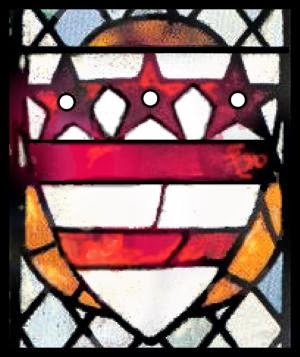
However, the Flag of the District of Columbia, is based on the family crest of the Washington family of County Durham, England,  originating in the 12th century.
 
District of Columbia Flag, adopted in 1938


Below the arms of the Washington Family, in a 14th C. window of the Selby Abbey in Yorkshire.


Who knew???


The Duke of Wellington Tour: St. James's Palace

On Sunday, September 5, 2014, the lucky participants in The Duke of Wellington Tour will take a walking tour (aka a leisurely stroll with many stops for refreshment) of part of London, principally through St. James’s.  Victoria here, with a few facts and pictures.

St. James’s can mean a number of things in London, but generally it refers to a small neighborhood south of Mayfair and west of Whitehall and Trafalgar square, bounded by Piccadilly on the north, St James’s Park on the south, Green Park on the west and Haymarket on the east.  St. James’s is a royal palace; a church on Piccadilly, designed by Sir Christopher Wren; a lovely park; an area known as clubland, and a street of distinguished shops.

The name comes from St. James’s  Palace, so named because it was built on the site of a hospital for lepers dedicated to St. James the Less, one of the twelve Apostles.  Here Henry VIII built the red brick structure which still serves as the official residence of the British monarch.  Note that Ambassadors to Great Britain are officially designated as Ambassadors to the Court of St. James.

Main Entrance on Pall Mall
at the foot of St. James’s Street
 
 
The Tudor Entrance
 

Official events are held here and the Chapel Royal is often the venue for royal weddings and baptisms, such as the christening of Prince George of Cambridge on October 13, 2013.

Prince William, Duke of Cambridge, the Duchess of Cambridge
 and Prince George of Cambridge at St James’s Palace for the Christening
 
 
The Altar, Chapel Royal, from The Mirror
for more pictures of the Chapel Royal, click here.
 
St. James’s Palace is not open to the public, though it is possible to attend some Sunday worship services at the Chapel Royal from October to Good Friday. Click here for details.
 
 
Caroline and George
 
 
The ill-fated wedding of George, Prince of Wales (later George IV) to Princess Caroline of Brunswick took place on April 8, 1795.
 
 
Albert and Queen Victoria
 
Queen Victoria married Prince Albert of Saxe-Coburg-Gotha on February 10, 1840 in the Chapel Royal.  Eighteen years later, their daughter Victoria, The Princess Royal, married here as well, to the future German Emperor Frederick III.
 
 
The Marriage of George V and Princess Mary of Teck, July 6, 1893
Gardens at St. James’s, ca. 1700

According to the Garden Visit website (click here), the original renaissance garden, shown above, compartments, were re-designed in the “gardenesque style.”  

18th Century Print: Cherries; a seller outside the Palace


St. James’s has often been the venue for Royal levees and receptions . This plate below from the Microcosm of London, 1810, shows a “Drawing Room,” where a chosen circle could present themselves and their friends and family formally to the Royals.

Ackermann’s Microcosm of London


On the Duke of Wellington Tour, we won’t be going inside, but we will see the Palace and its neighbors, The Queen’s Chapel, Marlborough House, Lancaster House, Clarence House, the Mall, St. James’s Street, and more.  Below are a few pictures I took on a previous visit to St. James’s.

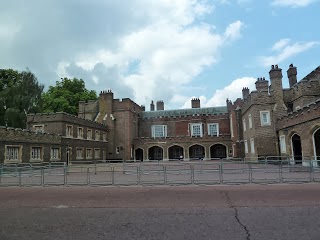
Palace from Marlborough Road

Palace from Marlborough Road


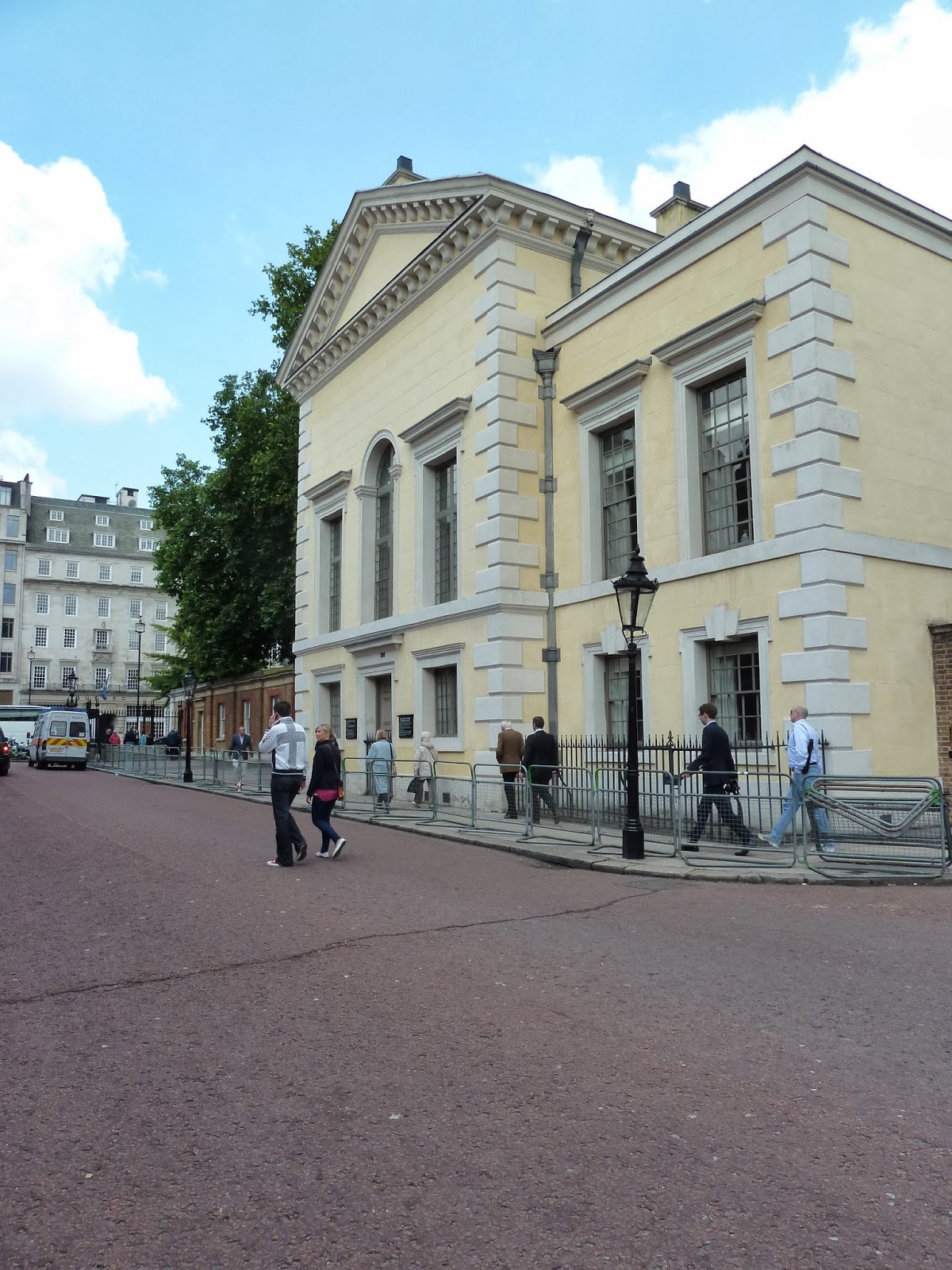
The Queens Chapel in Marlborough Road
 
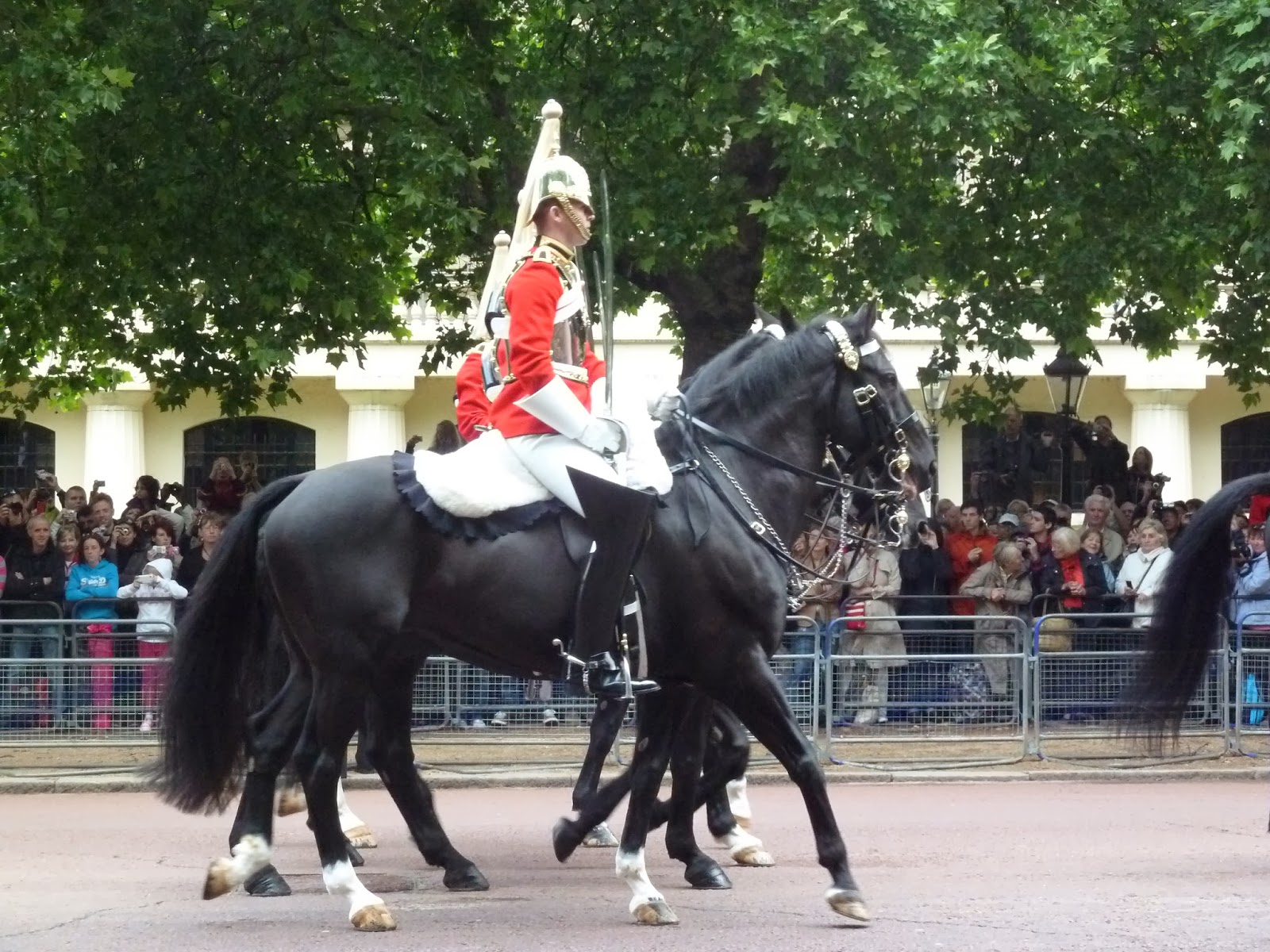
Along the Mall, Trooping of the Colour, 2011
 
Marlborough House
 
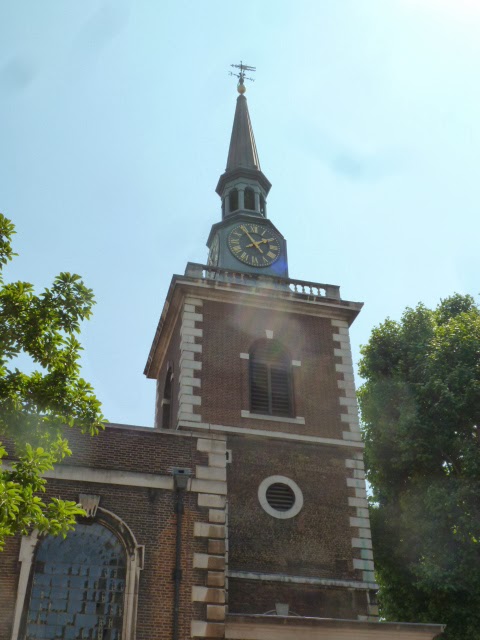
St. James’s Church, Piccadilly


For all the Details about The Duke of Wellington Tour,  click here.
And From Elsewhere On The Web . . . . .

Regency History – The Print Room at Queen Charlotte’s Cottage, Kew
Discovering London – Bird’s eye view maps of Victorian London
Blog for the Immortal American Series – A Regency Palette – popular Regency fashion colours
Sir John Soane’s Museum – Adam’s London: Then and Now – Carlton House, Pall Mall
Past Horizons: Adventures in Archaeology – The Archaeology of a Dress
Downton Abbey Cooks – Mrs. Patmore’s Infamous Raspberry Meringue Pudding
The Art of Mourning – The Hair Work Collection
Royal Central – Palace moves to protect online presence of royal family members
UK Destinations – Visiting stately homes on horseback
C18th Girl – Law enforcement and the criminal courts – Yorkshire 1718-1775

2014: The Year of the Bus

That familiar urban creature, the humble bus, is the object of the London Transport Museum’s celebration in 2014.  Their website is here.

 I doubt any visitors to London leave the metropolis without riding the bus, especially one of those open tops that stop at all the familiar sites as they wend their way through the heavy traffic.
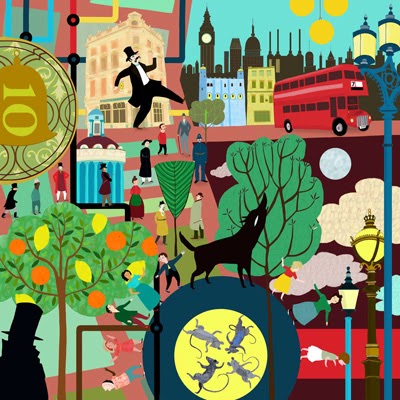
The poster below was chosen to represent this stellar event.  We have yet to decipher all the images.  How about you?  Nevertheless it is colorful and expressive.

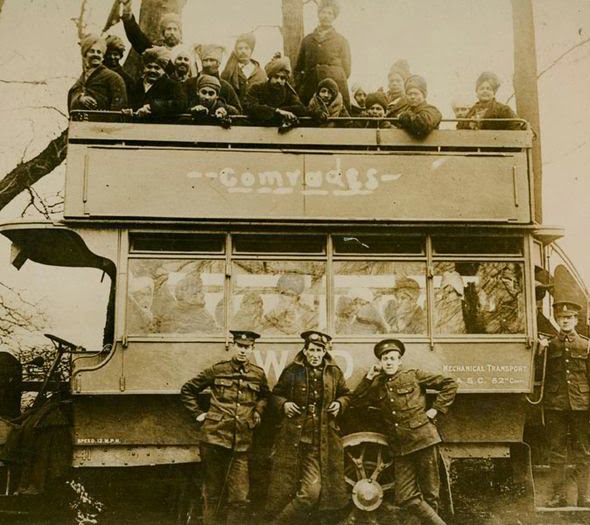
A fascinating aspect of the Year of the Bus is the 100th anniversary of the use of London Buses at the front in World War I.  Read more here.  Introduced in 1910, this first mass-produced bus was in widespread use in London by the outbreak of the war, and a perfect vehicle for transporting troops.

Read the article about the restoration in the Daily Express here.

London Transport Museum photo

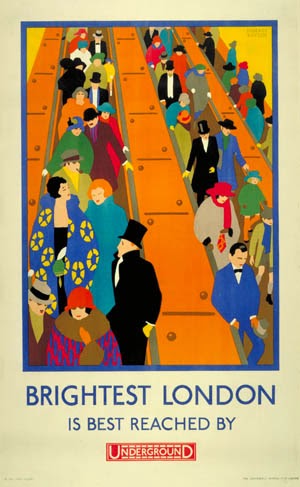
The Transport Museum has an excellent collection of old posters — and here is one of the favorites — all the London toffs mixing with the hoi polloi as they travel the tube.