MORE ROYAL WEDDING GOWNS

by Victoria Hinshaw

Originally posted in February, 2011

This is really just a collection of pretty wedding pictures and  gorgeous dresses.  But, since it’s on our minds, these days, why not?  Some of these brides are related to the U.K. royals, others from European families. At right is Crown Princess Victoria of Sweden with her husband, Daniel   Wrestling.  They were married in Stockholm in June, 2010.

The dress is elegantly simple and looks perfect on Princess Victoria. Only the tiara — though it looks more like a crown — is elaborately decorated.

Crown Princess Victoria Ingrid Alice Désirée was in 1977.  She will become Queen of Sweden upon the death of her father, King Carl XIV Gustav. through her father, Victoria is related to the British royals and actually occupies a position in the line of U.K. royal succession.  Now known as HRH Prince Daniel, Duke of Vastergotland, Victoria’s husband is her former personal trainer and ran a company owning several gyms.

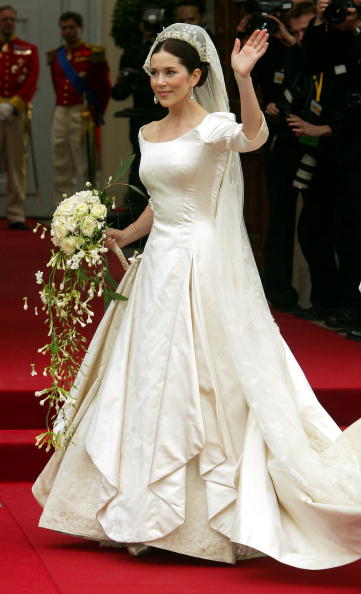
Another Scandinavian royal wedding was in Copenhagen Denmark on May 14, 2005, when HRH Crown Prince Frederik married Mary Donaldson, an Australian.  They recently had twins, in January, 2011, a boy and a girl. Their older siblings are Prince Christian, born in 2005, and Princess Isabella, born in 2007.

Crown Princess Mary made a beautiful bride and her dress was picture perfect.  The overskirt draping makes graceful detailing near the hem, rather an unusual but pleasing feature.


Hollywood royalty was united with royalty from the tiny but rich principality of Monaco when film star Grace Kelly married Prince Rainer in 1956.

The very nigh neckline of the gown amused many observers who were well aware of Kelly’s reputation for behaving entirely contrary to her look of a perfectly-proper ice queen.  Princess Grace, mother of three royal children, died in a car crash in 1982. The Prince died in 2005.


David Armstrong-Jones, Viscount Linley, married Hon. Serena Stanhope in October of 1993 at St. Margaret’s, Westminster. He runs a thriving furniture business with a showroom in Pimlico which is quite fun to visit.  Fashion observers noted how the gown, by Bruce  Bobbins, resembled the neckline design of  Princess Margaret’s gown from 1960. The Viscount is Margaret’s eldest child. The Linleys have two children, Charles, born 1999, and Margarita, born 2002.


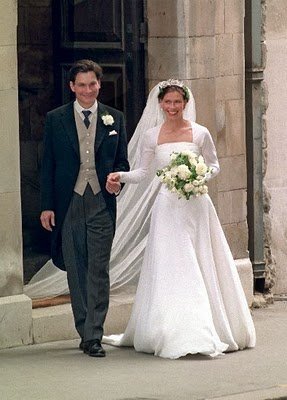
The very next year, Princess Margaret’s daughter Lady Sarah Armstrong-Jones married  actor Daniel Chatto at St Stephen Walbrook in the City of London on July 14,  1994. Her gown by Jasper Conran is elegantly traditional, though the venue for the ceremony was unusual for a member of the royal family.  The Chattos have two sons, born in 1996 and 1999.

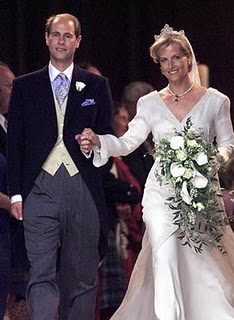
The last of Queen Elizabeth II’s sons to wed was Prince Edward. He married Sophie Rhys-Jones in 1999 at St. George’s Chapel, Windsor Castle, below.  They are titled the Earl and Countess of Wessex. The gown was designed by Samantha Shaw. The Wessexes have two children, Lady Louise, born 2003, and James, Viscount Severn, born in 2007.
 

The Queen’s eldest grandchild, Peter Phillips, married Canadian Autumn Kelly at St. George’s Chapel, Windsor Castle, on May 17, 2008.  The strapless dress was certainly au courant with its lace shrug, or bolero, if you wish. It was designed by Sassi Holford, one of the leading bridal gown providers in Britain.    The tiara worn by Autumn was the “something borrowed” — from Anne, Princess Royal,  Autumn’s new mother-in-law.

The Queen’s first great grandchild was born to Autumn and Peter on December 29, 2010, named Savannah.

Lady Rose Windsor, daughter of the Duke of Gloucester (cousin of Queen Elizabeth II), was married to George Gilman, on July 19, 2008 at the Queen’s Chapel, St. James Palace.  The gown is lovely and the tiara one loaned from the royal collection, but finding the name of the dress designer was impossible — all the press reports focused on what Kate Middleton was wearing.


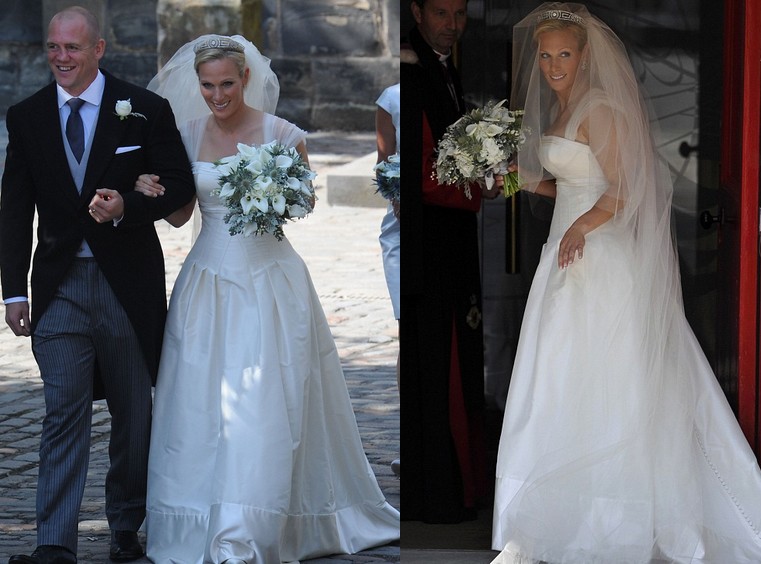
In addition to the wedding of Kate and Prince William, 2011 also saw the wedding of Zara Phillips, daughter of Anne, Princess Royal, and rugby star Mike Tindall on July 30.

A GARMENT BY ANY OTHER NAME

by Kristine Hughes Patrone

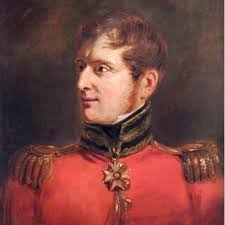
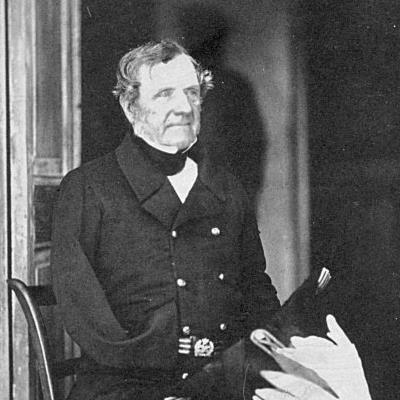
Recently, an article about the Raglan Sleeve brought home to me just how many garments and styles are named for people or places related to British History. Of course I’d been aware of the Raglan Sleeve prior to the article, but as I always think of Raglan as he was – FitzRoy Somerset, the Duke of Wellington’s ADC, private secretary and nephew-in-law (below) – I hadn’t readily connected the dots.


Fitzroy James Henry Somerset, later known as 1st Baron Raglan (below), was with Wellington at the Battle of Waterloo as a 23 year old aide-de-camp and suffered an injury caused by a musket ball that necessitated the amputation of his right arm. As the field surgeon was disposing of the limb, Raglan is purported to have cried out, “I say, bring me back my arm!” Those nearby thought he was delirious, until he explained  that the ring his wife had given him was still on the finger. She might be alright with his losing an arm, but she’d never forgive his losing the ring.

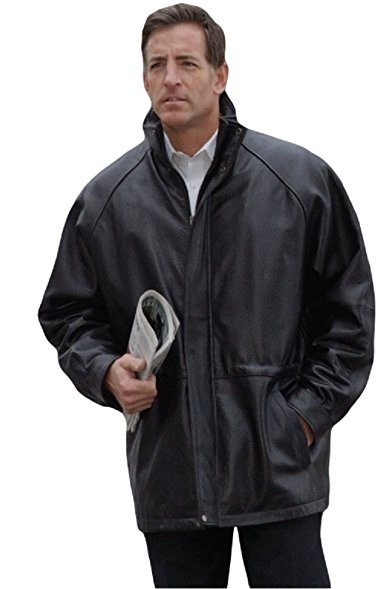
FitzRoy Somerset afterwards taught himself to write with his left hand and continued his military service and his work with Wellington. He also went on to wear a signature overcoat adapted with the sleeves set into a wide, loose armhole by the Aquascutum firm, with both sleeves continuing in one piece up to the neck, less defined shoulder seams and a more deconstructed appearance.


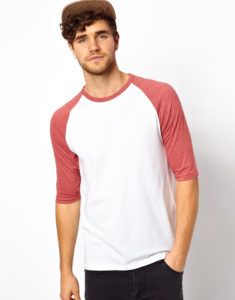
The Raglan coat remains a popular men’s style, while the Raglan sleeve is now a permanent part of our fashion lexicon thanks to the baseball t-shirt.


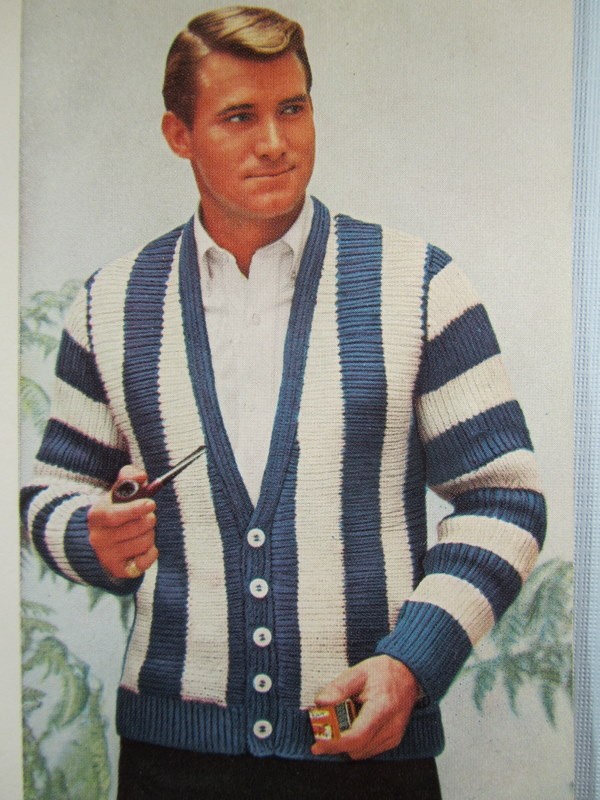
The cardigan sweater was named after James Brudenell, 7th Earl of Cardigan, who led the Charge of the Light Brigade at the Battle of Balaclava during the Crimean War. Fashion lore tells us it was modelled after the knitted wool waistcoat typically worn by British officers.

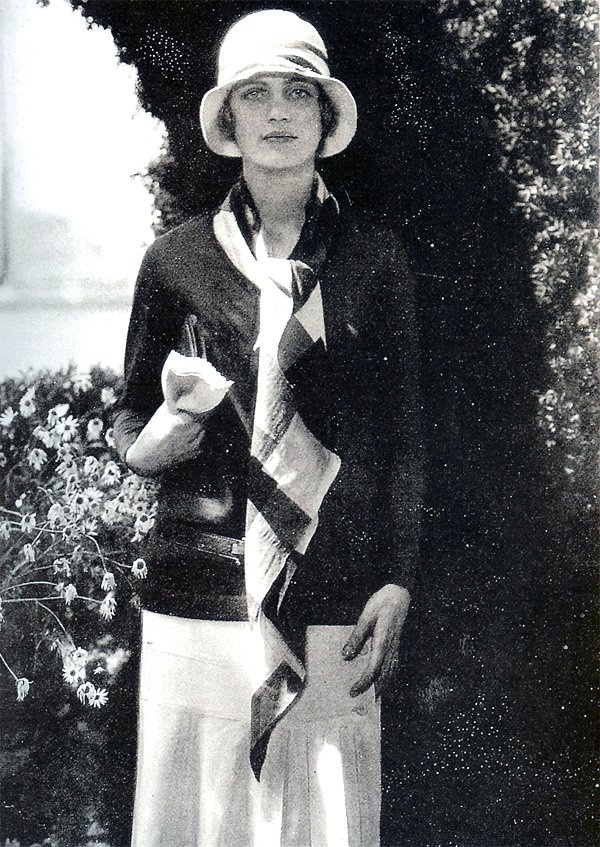
The Cardigan sweater remains a staple of men’s wear, while Coco Chanel is credited with popularizing the feminine version of the look.


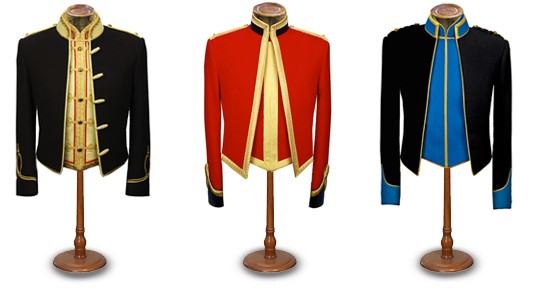
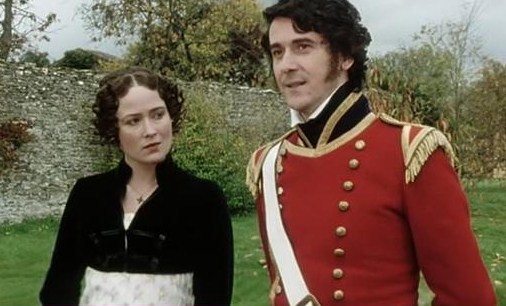
The Spencer coat dates from the 1790’s when, legend has it, George Spencer, 2nd Earl Spencer, got too close to an open fire and burnt the tails of his coat, prompting him to order his tailor to make him a jacket sans tails. The Spencer is a shorter, double breasted, waist-length coat, alternately called a mess jacket, as the style was taken up by officers in the British army, as seen below.


Fans of period dramas will recognize the Spencer as being a popular ladies’ garment during the Regency era.


The Macintosh, or Mackintosh, raincoat was invented by Scotsman Charles Macintosh as a waterproof coat made from an early rubberized fabric and first made it’s appearance in 1824.

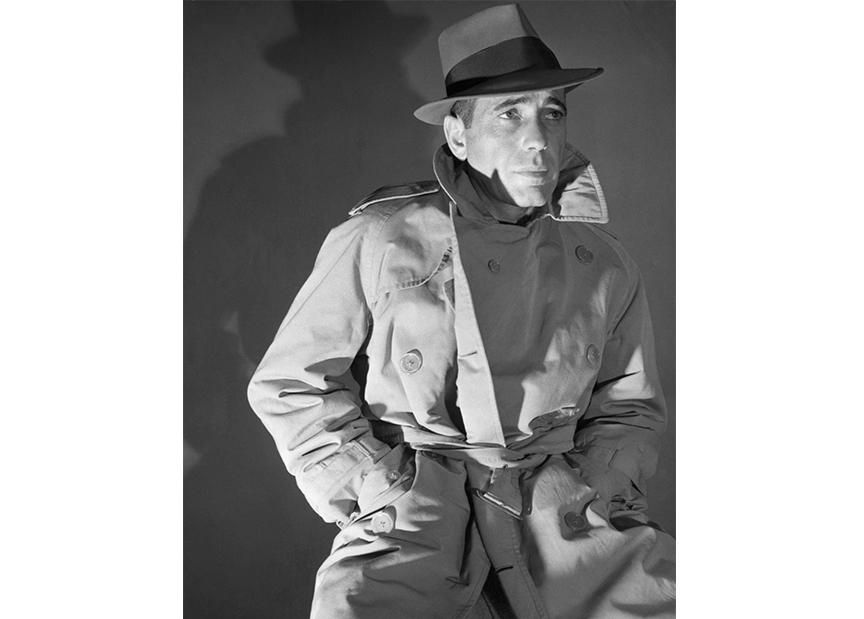
The “mack” has nowadays evolved into the trench coat, but to be considered a true Mack, the coat should be made from waterproof material.

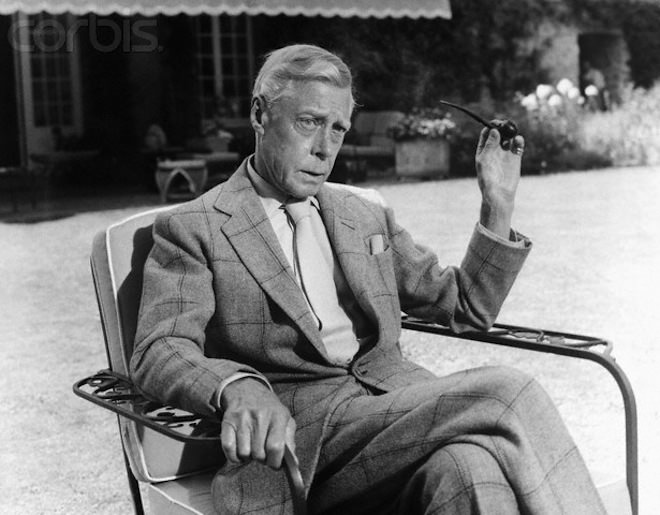
The Duke of Windsor did not invent the Windsor knot, or tie. That’s right. It was his father, King George V, who favoured wide tie knots and had his tailor cut his ties from a wider cloth, so that the knot would be wider than the traditional four-in-hand knot style that was preferred at the time.


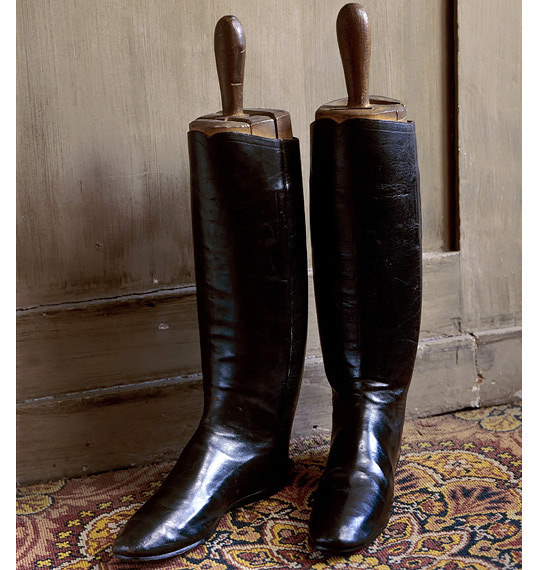
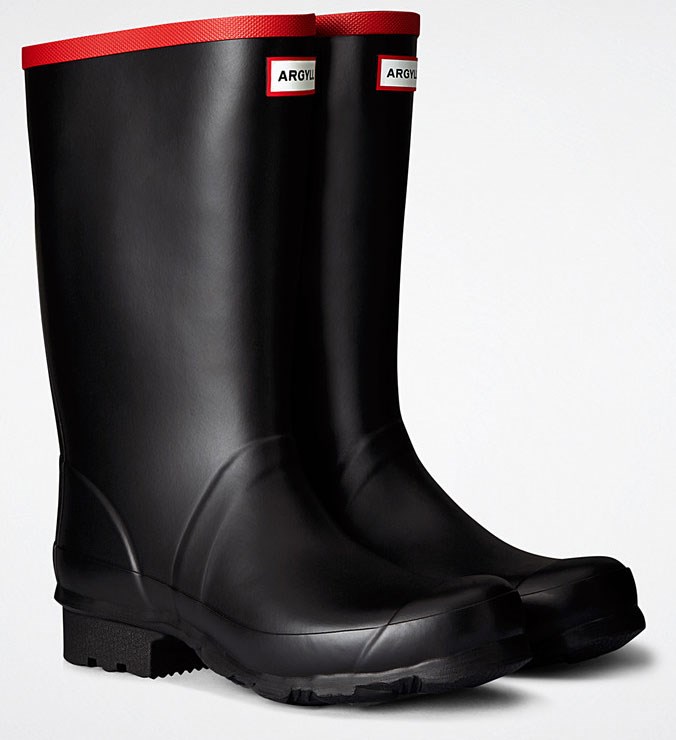
Wellington boots were “invented” by the Duke of Wellington, who directed his bootmaker, Lobb, to cut down traditional leather Hessian boots in order to make them more comfortable when riding on horseback for long periods of time. Today, Wellington boots are more often made of rubber and are indispensable for outdoor wear.


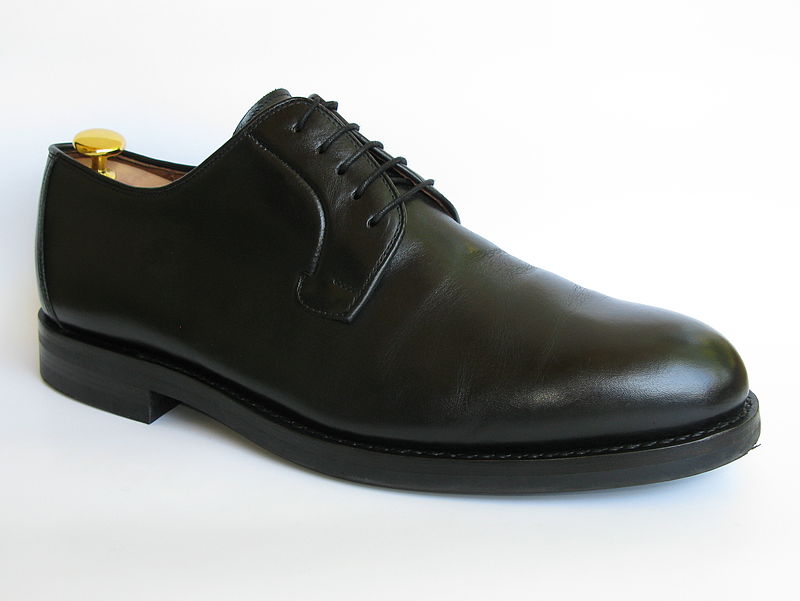
The Blücher is a type of oxford (closed shoe) in which the tongue and vamp (the front part of the shoe) are cut in one. The Blücher is named after the 18th century Prussian field marshal Gebhard Leberecht von Blücher, who commissioned a boot with side pieces lapped over the front in an effort to provide his troops with improved footwear.

The Blücher shoe.

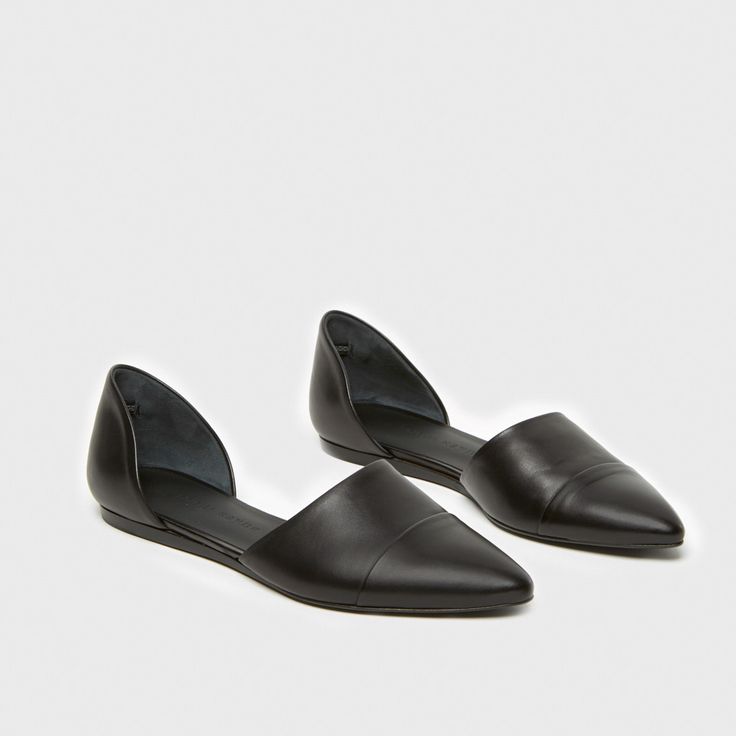
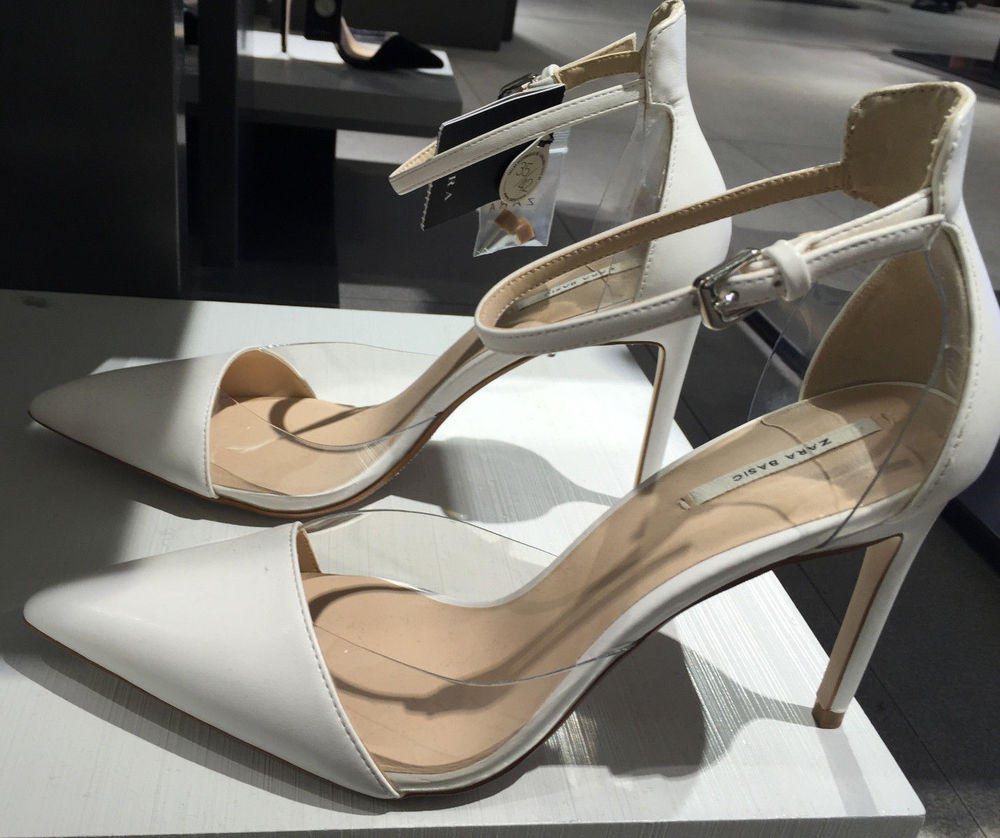
The d’Orsay shoe or slipper refers to any shoe that has a closed heel and toe but which is cut down to the sole at the sides. It can be made with a heel of any type and any style of vamp (front). The style is one of several fashions named after the Count d’Orsay, a fashionable dandy living Paris in the mid-1800s, who went on to marry Lady Blessington.

Today, the term “d’Orsay shoe” is used to describe any women’s shoe that exposes the arch of the foot.

Can you think of any other fashion terms named after persons from history? If so, please share them with us with a comment.

ROYAL WEDDING GOWNS

by Victoria Hinshaw

Originally posted on February 12, 2011, ahead of the other wedding of the decade, that of William and Katherine.

As I write this, there is no word on the designer Kate Middleton has chosen to create her wedding gown, though I have heard many breathless accounts of who is and who is not in the running.  So let’s indulge our royal wedding mania by looking at some of the gowns worn in the past.

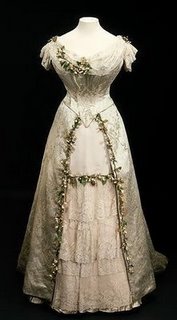
Above is the dress worn by Princess Charlotte of Wales at her May 2, 1816, wedding to Prince Leopold of Saxe-Coburg, as exhibited in the Museum of London here.

The Lady’s Magazine of May, 1816, described the gown: White silk net embroidered in silver strip with a spotted ground and borders. The wedding dress, composed of a most magnificent silver lama on net, over a rich silver tissue slip, with a superb border of silver lama embroidery at the bottom, forming shells and bouquets above the border; a most elegant fullness tastefully designed, in festoons of rich silver lama, and finished with a very brilliant rollio of lama; the body and sleeves to correspond, trimmed with a most beautiful point Brussels lace, in a peculiar elegant style.
The manteau of rich silver tissue lined with white satin, trimmed round with a most superb silver lama border, in shells to correspond with the dress, and fastened in front with a most brilliant and costly ornament of diamonds. The whole dress surpassed all conception in the brilliancy and richness of its effects. Head dress, a wreath of rose buds and leaves, composed of the most superb brilliants.”  At right, an engraving of Charlotte and Leopold at their wedding in Carlton House. 
 

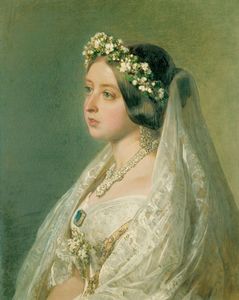
The portrait of Queen Victoria, at left, is by Winterhalter. It shows a rather wistful young bride at the time of her wedding to Prince Albert of Saxe-Coburg (nephew of the above-mentioned Leopold) on February 10, 1840 in the Chapel Royal of St. James Palace.
It was this gown and veil that supposedly has inspired generations of brides ever since to wear white for their ceremonies, though many brides had previously dressed in fashionable white as well as in a variety of other hues.

At right, an image of Queen Victoria’s dress on a mannequin in the collection of Kensington Palace. 

Left, the wedding gown of Alexandra of Denmark, who married Victoria’s son, eventually King Edward VII, on March 10, 1863 in St. George’s Chapel at Windsor Castle. She was Princess of Wales for almost forty years before becoming Queen in 1901. After her husband’s death in 1910, she was known as the Queen Mother until she died in 1925.

Like Charlotte’s mother, Caroline, Princess of Wales, and like the first wife of the present Prince of Wales, Diana (see below), Alexandra had to endure the infidelity of her husband.  But unlike the other two, she stuck with him to the end. We’ve all heard the possibly-apocryphal story about how Alexandra invited one of his mistresses, Alice Keppel, to comfort Edward VII on his deathbed.


Princess Mary of Teck wed Prince George, Duke of York on 6 July, 1893 in the Chapel Royal of St. James Palace. She had been engaged to Prince Albert Victor, eldest son of the Prince of Wales in 1891, but Albert Victor died in the great influenza epidemic of 1891-92.  Mary and George fell in love and were married with the approval of Queen Victoria as well as Edward and Alexandra, Prince and Princess of Wales.  George succeeded his father as George V in 1910.  Queen Mary, who was a godchild of Queen Victoria, had five sons and one daughter.
Her eldest son, known to all as David, was more than a disappointment. After inheriting the throne as Eward VIII in 1936, he abdicated less than a year later to marry Wallis Simpson.


After her husband’s death, Queen Mary chose to be addressed as Her Majesty, Queen Mary, rather than as Queen Mother.  She was very supportive of her second son, who became King George VI after his brother’s departure from the throne. According to several sources, she was the first dowager queen of Great Britain to ever attended the coronation ceremony of her husband’s successor.


As Duke of York, the second son of George V and Mary grew up in the  shadow of his dashing older brother.  He married Lady Elizabeth Bowes-Lyon  on 26 April 1923 in Westminster Abbey. At the time of the wedding, it was not expected that “Bertie” would take the throne. Lady Elizabeth’s gown, perhaps for that reason, was not as elaborate as some of her predecessors. It was certainly in the style of the day, a rather loose gown,  slightly less than floor length.  Below is the dress on a mannequin in a Kensington Palace exhibition of several years ago, along with a detail of the veil and bodice.

On 20 November, 1947,  Princess Elizabeth (later Queen Elizabeth II) married Prince Philip of Greece (later Duke of Edinburgh) in Westminster Abbey. The designer was Norman Hartnell and the fabric is silk spun at Lullingstone Castle in Kent. She wore a diamond and pearl tiara and a filmy veil. The long train was decorated with traditional symbols, such as Tudor roses and wheat.  All the details of the royal romance, the wedding, the gown and the ceremony were eagerly read around the world. It is said the happy event was like a tonic to the war-weary Britons still enduring shortages of goods and rationing.


The Gown on a mannequin


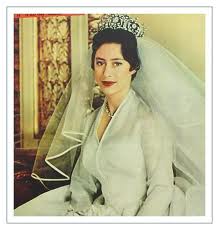
Princess Margaret, second daughter of King George VI, married Antony Armstrong-Jones (later Earl of Snowdon) on  May 6, 1960, at Westminster Abbey. Television cameras covered the event and the broadcast was seen worldwide. Like her sister, Margaret chose Norman Hartnell to design her bridal gown.The couple had two children: David, Viscount Linley in 1961 and Lady Sarah Armstrong-Jones in 1964. The Snowdons were divorced in 1978 and Princess Margaret died in 2002.

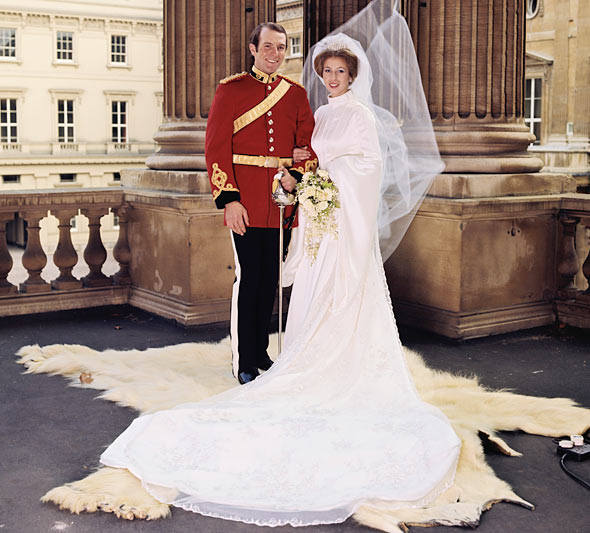
14 November 1973  – Anne, Princess Royal, married Captain Mark Phillips in Westminster Abbey. Born in 1950, she is Queen Elizabeth II’s only daughter.  Anne and Phillips have two children, Peter Phillips born in 1977 and Zara Phillips born in 1981. After divorcing Phillips in 1992, Anne married Timothy Laurence, in Scotland on December 12, 1992.


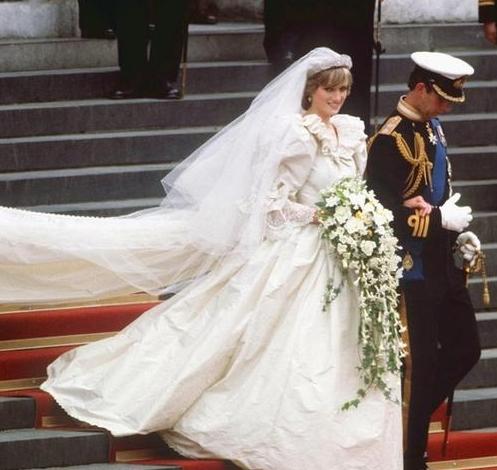
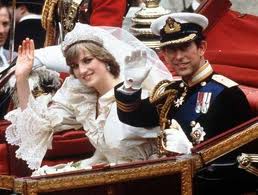
On 29 July 1981, Lady Diana Spencer and Charles, Prince of Wales, were married in St Paul’s Cathedral. Her dress was controversial — and still is. The designers, David and Elizabeth Emmanuel, immediately shot to the top echelon of British fashion. Like many of Diana’s fashions, the gown (or a replica) travels around the world for popular exhibition.


Charles and Diana had two sons, Prince William, born in 1982, and Prince Harry, born in 1984, before separating
 in the late 1980s, the Prince living in Highgrove and the Princess at Kensington Palace.  Formal separation came in 1992 and the marriage of Charles and Diana ended in divorce on 28 August 1996. On 31 August 1997, a year after the Prince and Princess divorced, Diana died in a car crash in Paris.

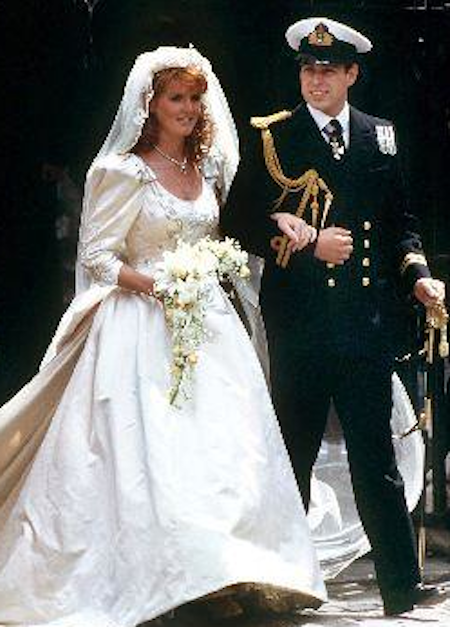
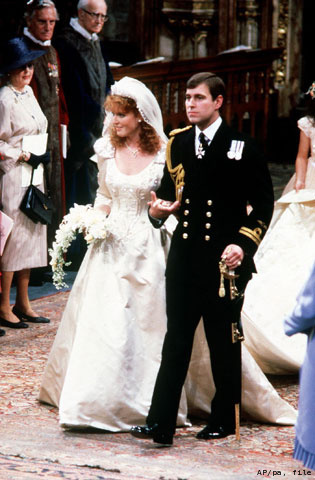
Sarah Ferguson and Prince Andrew, the Duke of York, married at Westminster Abbey on 23 July 1986. The Duke and Duchess of York had two children during their marriage: Princess Beatrice of York (born 1988) and Princess Eugenie of York (born 1990). They separated in 1992 and divorced in 1996, though they are often together for vacations and family events. 


Of all the gowns shown above, I think I like Sarah’s best, as designed by Lindka Cierach.  It is beautiful, flattering to her and has no gimmicks.  Princess Elizabeth’s was lovely too, but I like Sarah’s veil better.  All in all this one is the winner in the gown category, if perhaps not in the list of “most suitable royal brides.”


If like us, you can’t get enough of this wedding stuff, here is a wonderful exhibition from the Royal Collection you will enjoy. 

EARTHQUAKE!

On the 8th of February, 1750, an earthquake was felt in London, followed exactly a month afterwards by a second and severer one, when the bells of the church clocks struck against the chiming-hammers, dogs howled, and fish jumped high out of the water. Horace Walpole, in a letter to Sir Horace Mann, draws a lively picture of the effect created by the event, and we cannot do better than borrow his narration:

“. . . . . as far as earthquakes go towards lowering the price of wonderful commodities, to be sure we are over-stocked. We have had a second, much more violent than the first; and you must not be surprised if, by next post, you hear of a burning mountain springing up in Smithfield. In the night between Wednesday and Thursday last, the earth had a shivering fit between one and two; but so slight that, if no more had followed, I don’t believe it would have been noticed. I had been awake, and had scarce dozed again,—on a sudden I felt my bolster lift my head. I thought somebody was getting from under my bed, but soon found it was a strong earthquake that lasted nearly half a minute, with a violent vibration and great roaring. I got up and found people running into the streets, but saw no mischief done. There has been some; two old houses flung down, several chimnies, and much earthenware. The bells rang in several houses. Admiral Knowles, who has lived long in Jamaica, and felt seven there, says this was more violent than any of them. The wise say, that if we have not rain soon we shall certainly have more. Several people are going out of town, for it has nowhere reached above ten miles from London: they say they are not frightened, but that it is such fine weather, “Lord, one can’t help going into the country!” The only visible effect it has had was in the Ridotto, at which, being the following morning, there were but 400 people.

“A parson who came into White’s the morning after earthquake the first, and heard bets laid on whether it was an earthquake or the blowing up of powder mills, went away exceedingly scandalised, and said, “I protest they are such an impious set of people, that I believe, if the last trumpet was to sound, they would bet puppet-show against judgment!” The excitement grew intense: following the example of Bishops Seeker and Sherlock, the clergy showered down sermons and exhortations, and a country quack sold pills “as good against an earthquake.” (Walpole himself advised anyone who would listen to “take bark”). A crazy Life-guardsman predicted a third and more fatal earthquake at the end of four weeks after the second, and a frantic terror prevailed among all classes as the time drew near.”

Horace Walpole

On the evening preceding the 5th of April, the roads out of London were crowded with vehicles, spite of an advertisement in the papers threatening the publication “of an exact list of all the nobility and gentry who have left or shall leave this place through fear of another earthquake.” “Earth-quake gowns “—warm gowns to wear while sitting out of doors all night—were in great request with women. Many people sat in coaches all night in Hyde Park, passing away the time with the aid of cards and candles; and Walpole asks his correspondent, ‘What will you think of Lady Catherine Pelham, Lady Frances Arundel, and Lord and Lady Galway, who go this evening to an inn ten miles out of town, where they are to play brag till four o’clock in the morning, and then come back, I suppose, to look for the bones of their husbands and families under the rubbish?’

On the 18th of March in the same year an earthquake was felt at Portsmouth, Southampton, and the Isle of Wight. In April, Cheshire, Flintshire, and Yorkshire were startled in like manner: this was followed by an earthquake in Dorsetshire in May, by another in Somersetshire in July, and in Lincoln-shire in August, the catalogue being completed on the 30th. of September by an earthquake ex-tending through the counties of Suffolk, Leicester, and Northampton.

N.B. The feared third London earthquake did not occur.

THE ROYAL WEDDING

If you were reading this blog back in 2011, you may remember our coverage of the marriage of William and Kate on 29 April, 2011. Number One London certainly got into the spirit of things, bringing you all the news and speculation in posts during the months leading up to the wedding on subjects including wedding plans, the order of ceremony, the dress, wedding guests, photos, etc.

In fact, some of our posts regarding the Royal Wedding were among the most viewed on this blog and you can be sure we’ll be repeating the effort in the lead up to the wedding of Harry and Meghan on 19 May.

To see what’s in store, click here to see a round-up of our coverage of William and Kate’s wedding.

And click here to see our round-up of the wedding day itself.  Scroll down to see the comments received in response to our commentary.

Once again, we’ll be posting weekly with all the news surrounding the upcoming wedding and we will again be posting in real time on the day, this time using Facebook as our platform.

 We hope you’re as thrilled as we are about the upcoming nuptials and we can’t wait to share it all with you – again. It’s going to be another fun ride – Our first “Royal Wedding: Harry and Meghan” post will appear soon!