BOXING DAY — WHAT IN THE WORLD?

In Britain, the day after Christmas is known as Boxing Day.  Every December 26 I wonder what in the world that means — and I never find out for sure.  Maybe someone can tell me, Victoria, what it is. Definitively!

This Cartoon has the right spirit IMHO

Here’s what Wikipedia says: “The exact etymology of the term “boxing day” is unclear. There are several competing theories, none of which is definitive.”  This comes after they have already defined Boxing Day as a time when servants get their gifts.

So I turned to Snopes — which says the claim that Boxing Day means it is time to get rid of Christmas boxes is false… so where besides Nordstrom’s do stores have boxes any more?

Snopes goes on: “The holiday’s roots can be traced to Britain, where Boxing Day is also known as St. Stephen’s Day. Reduced to the simplest essence, its origins are found in a long-ago practice of giving cash or durable goods to those of the lower classes. Gifts among equals were exchanged on or before Christmas Day, but beneficences to those less fortunate were bestowed the day after. And that’s about as much as anyone can definitively say about its origin because once you step beyond that point, it’s straight into the quagmire of debated claims and dueling folklorists.”

I was amazed to find how many images Google has for Boxing Day, though they hardly solve the mystery.
As far as I can tell around here (midwest US), it’s the day to run around and buy next year’s decorations and wrappings at half price. Perhaps the cats should have the last word on the subject!

MERRY CHRISTMAS!

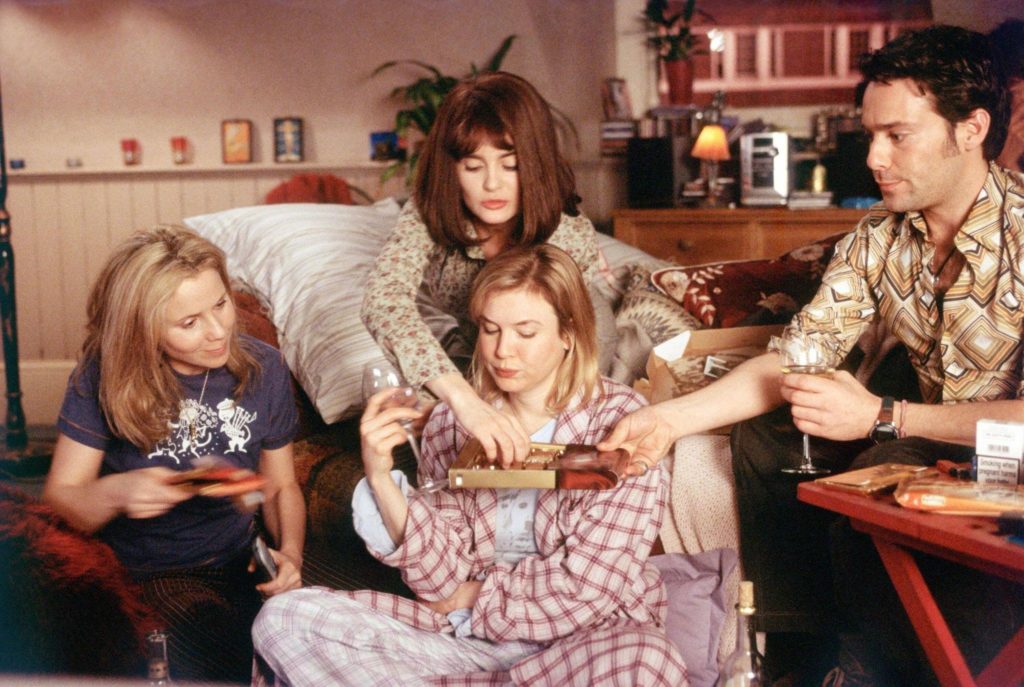
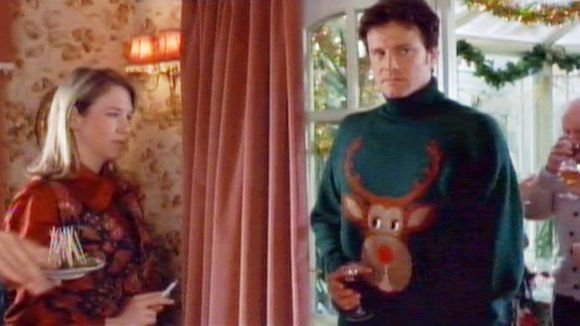
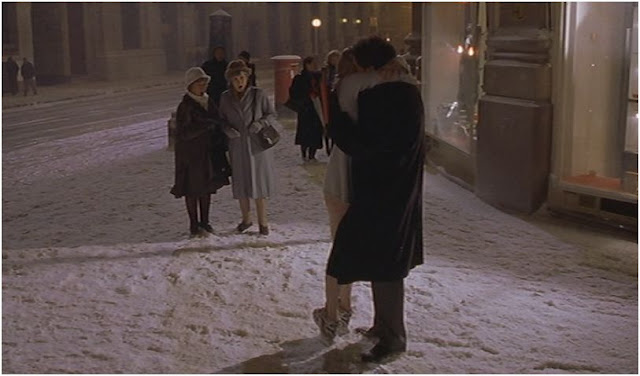
One of our favourite Christmas movies of all time at Number One London is Bridget Jones’s Diary. Taking our inspiration from the film, here are our Christmas wishes to you . . . . .


May you always be surrounded by good friends


May you always find the perfect thing to wear


May you always find joy in singing out loud


May you never run out of a supply of emergency ice cream


May you use your gift cards wisely


May you never run out of good books to read


May you always be up for new challenges


May you experience good will towards men


May all your recipes turn out perfectly


May you always have good hair days


May you never be forced to wear an ugly Christmas sweater

and . . . . .

may you always realize your heart’s desire

  Merry Christmas!

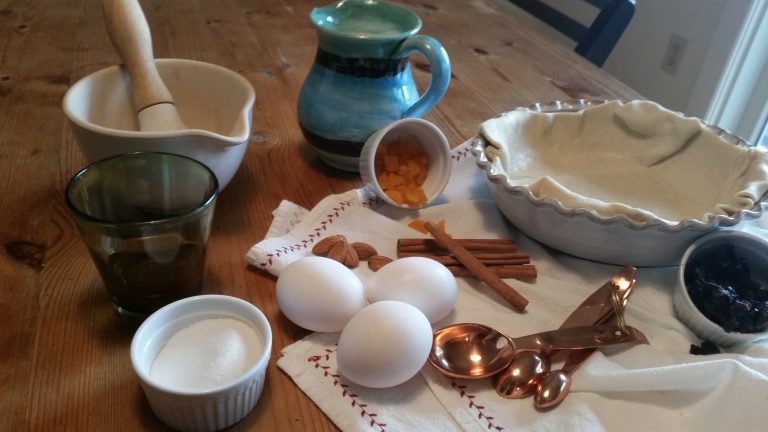
GEORGIAN CHRISTMAS PUDDING by Guest Blogger Gina Conkle
by Guest Blogger Gina Conkle

Does pudding make you think sex? Probably not. When someone says “pudding” most people think of the dessert easily made from a box. Its popularity has fallen in favor of cakes, pies, and ice cream.

But once upon a time, pudding was polarizing. Political factions rose up over the food. Laws were debated in England’s Parliament. Citizens clashed (and yes, even rioted!) over the right to feast as they saw fit. Pudding was surprisingly a contentious issue in England’s history. For a time, the dish was on the outs.

Georgian England, thank goodness, recovered their decorum. King George I was served pudding at Christmas dinner and he thought the dish divine. Pudding was back.

But, why all the hubbub over…pudding? Let me explain.

A funny thing happened during Christmas

Medieval England was largely Catholic. Christmas Day was generally somber with Epiphany (the twelve days following Christmas) the time to party big—in many cases with Mardi Gras-esque debauchery. Historically speaking, Mardi Gras actually begins on January 6th (Twelfth Night).

In modern times, that kind of revelry stays in New Orleans. But, imagine what would happen if it cropped up all over? Some would denounce the excess. In early 17th century, many did.

Naughty, sexy pudding

When Oliver Cromwell came to power, Parliament demanded change in England’s Christmas festivities. Pudding was an often-discussed dish. Lawmakers (many of them Puritans) called pudding “lewd” and “unfit for God-fearing people.” Puritans weren’t the only pudding-bashing group. Quakers claimed pudding was “the invention of the scarlet whore of Babylon.”
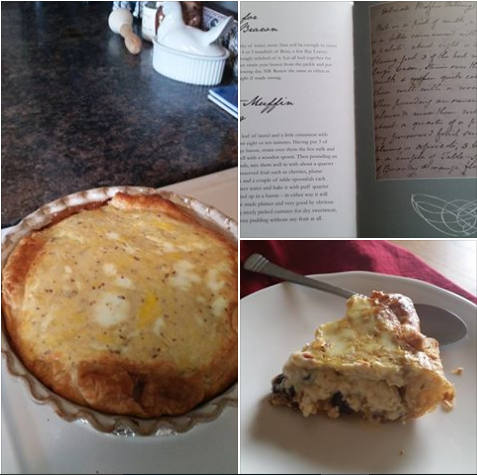
These groups objected to what went into dessert puddings, brandy being a chief ingredient. Those opposed to pudding felt the food added to drunken, licentious behavior. Of course, we know today high temperatures cook the alcohol, leaving only the flavor. You won’t get drunk on pudding.

But, Cromwellian leadership took the excesses to heart. They banned Christmas. They ordered shops to stay open on Christmas Day. Soldiers patrolled the streets and seized “Christmas feast food” which especially meant sinful pudding!

To be fair, the Scottish Kirk (church) had outlawed Christmas decades earlier. People north and south of the River Tweed were sickened by the gluttony of sins. When Cromwell’s reign ended, Charles II was restored to the English throne. Yet, Christmas and its famed pudding didn’t come roaring back. Citizens worn out from in-fighting didn’t rush to reinstate the old way of celebrating the holiday.

The Complaint of Christmas

It took satirist John Taylor to bring people to their senses. In his pamphlet, The Complaint of Christmas, Taylor decried the “harmless sports” of the holiday which “are now extinct and put out of use… as if they had never been.” He rightfully pointed out “the merry lords of misrule [are] suppressed by the mad lords of bad rule at Westminster.”

Christmas crept back…more like a lamb than a lion, but it was back. In moderation.

It took George I enjoying his first Christmas dinner as England’s monarch to bring pudding again into holiday popularity. The tasty dish was de rigueur!

Here’s to your Christmas feast (with pudding or without).

Gina Conkle writes lush Viking romance and sensual Georgian romance. Her books always offer a fresh, addictive spin on the genre with the witty banter and sexual tension that readers crave. She grew up in southern California and despite all that sunshine, Gina loves books over beaches and stone castles over sand castles. Now she lives in Michigan with her favorite alpha male, Brian, and their two sons where she enjoys recreating recipes from the past.

Gina’s website can be found here and you can also find her on Twitter, Facebook, Pinterest and BookBub. You can also subscribe to Gina’s newsletter for Bonus Reads.


ALL I WANT FOR XMAS IS A BIT OF OXFORD A CAPPELLA


Holiday Spirit?       Check!
Christmas Carols?   Check!
Gorgeous men?  Check!
It must be a bit of Oxford A Cappella Out of the Blue, Oxford’s all-male a cappella group looked dapper while dancing and caroling along to the 1994 hit single, which turned 20 years old last month.


Filmed entirely on the Oxford campus, Harry Potter movie fans will recognize the background scenery as the primary filming locations for the Hogwarts School of Witchcraft and Wizardry. The a cappella group even got special permission to film inside the world renown Bodleian Library of Oxford, including the beautiful Old Schools’ Quad and the Divinity School.

Out of the Blue put together the arrangement and the music video to promote the Helen and Douglas House charity. The charity provides support for families requiring children hospice care in the U.K.

Click here to start your Christmas Season off right with this fun and fabulous video.

A TOUR GUIDE IN ENGLAND – CAVERSHAM

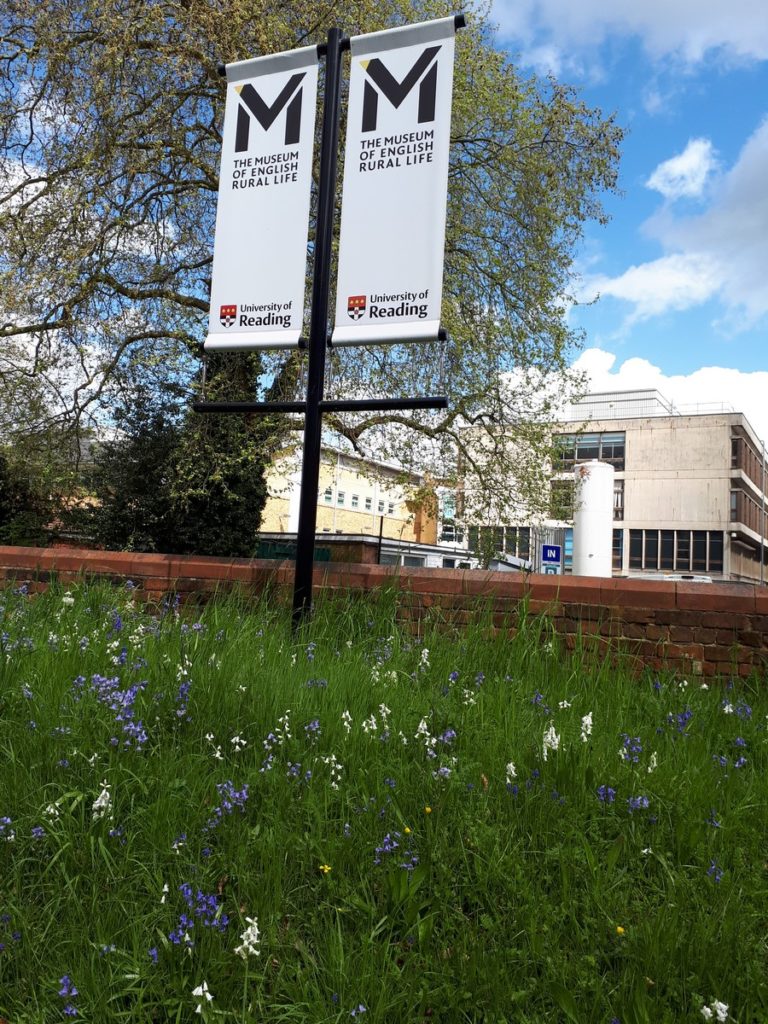
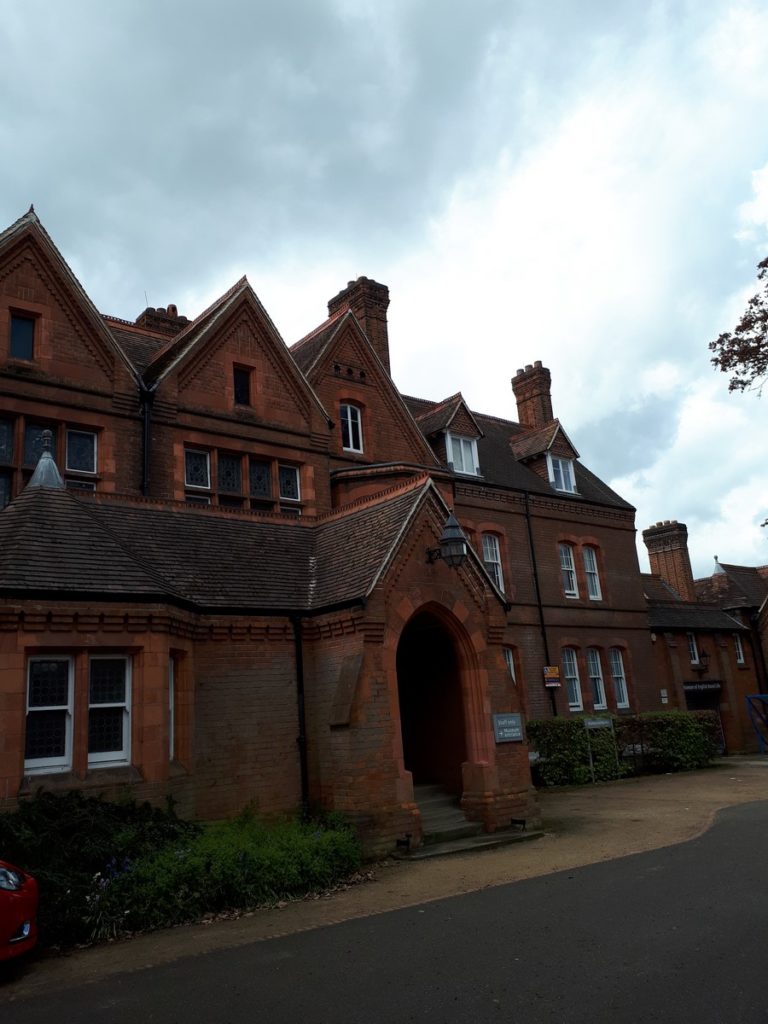
Following the Number One London Georgian Tour, Vicky flew in and met me in London for a night before we headed off on our epic research journey, visiting three Archives that hold documents related to the Duke of Wellington. Our first stop was the Museum of English Rural Life in Reading. We had booked a hotel in nearby Caversham and our good friend, author Beth Elliott was kind enough to pick us up at the station.

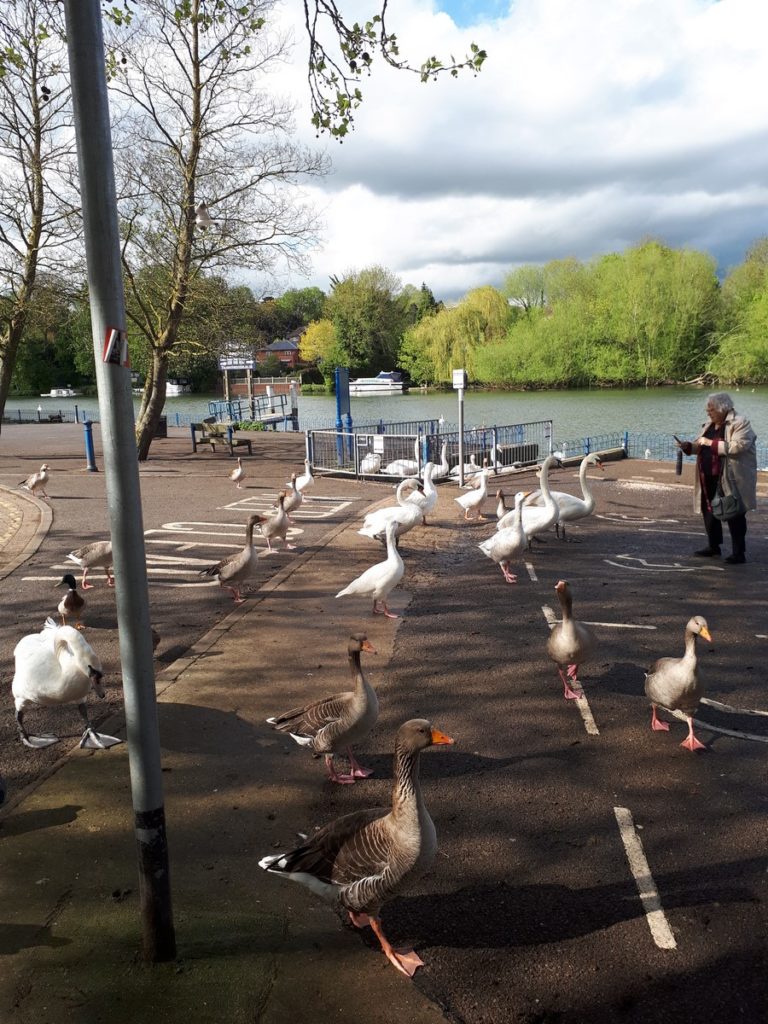
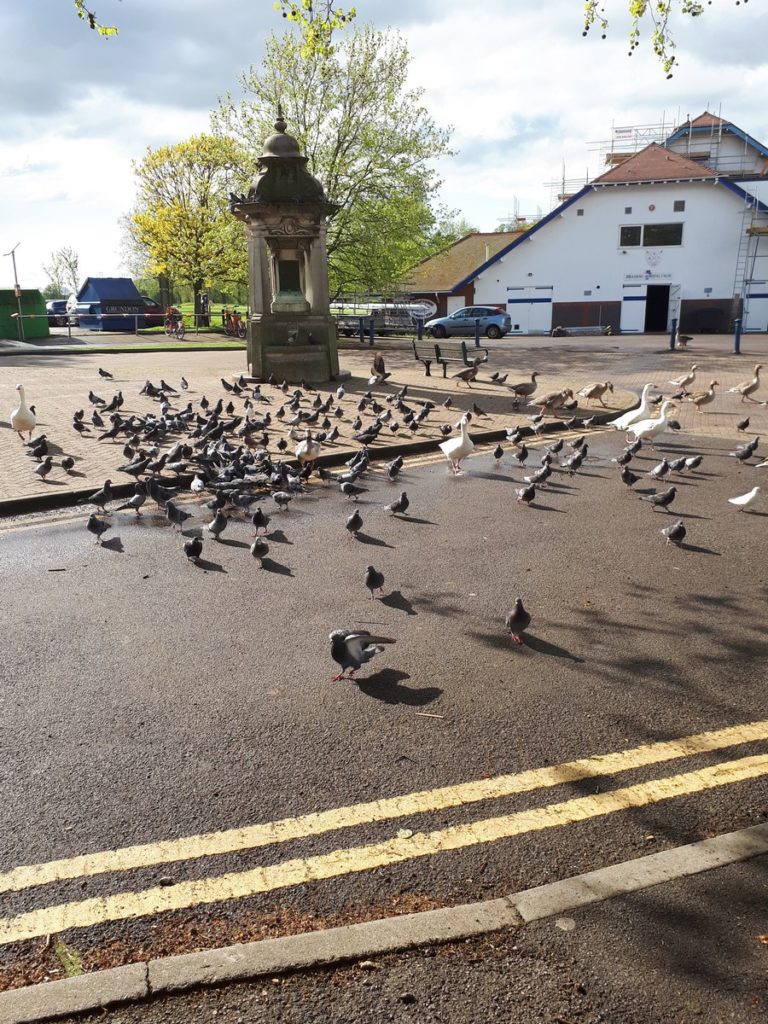
You’ve heard me speak of Beth here on the blog before. She’s the sort of friend who is a comfort, a joy and who also happens to be very funny. In an understated English way. So, Beth collected us at the train station and drove Vicky and me to our riverside hotel, where we met a gaggle of other local residents.

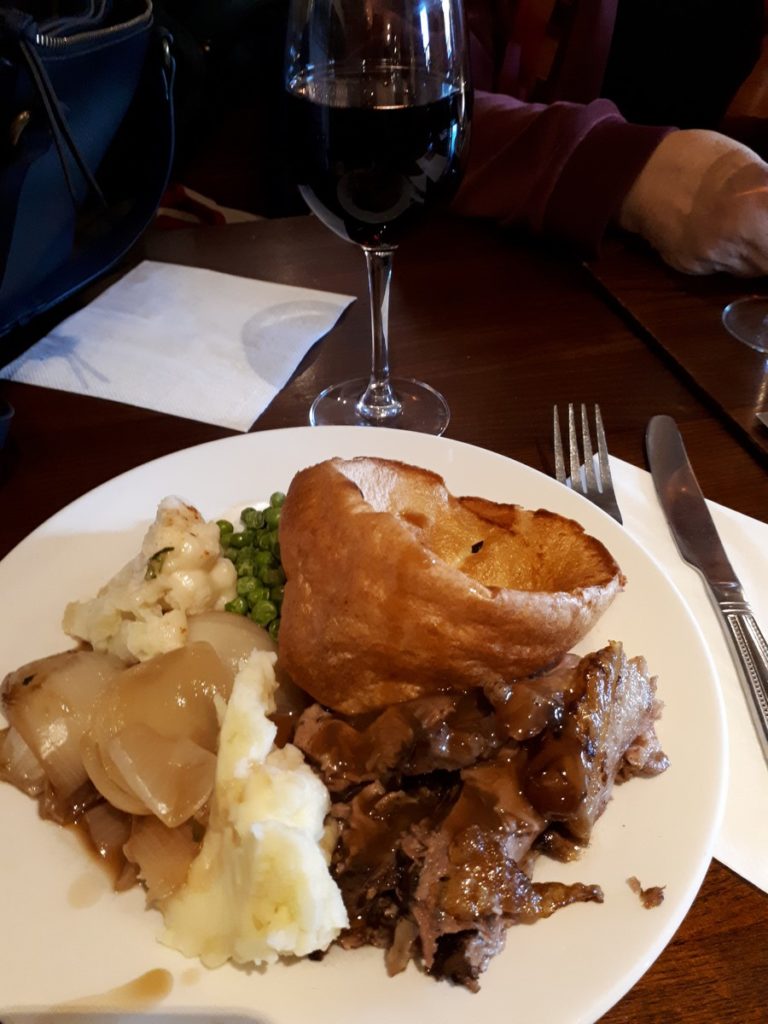
Later that evening, we all went out to the nearby carvery and indulged in that most comforting of British food, the Sunday Roast, even though it was actually a Wednesday.

Next day, Vicky and I headed off to the Museum of English Rural Life.

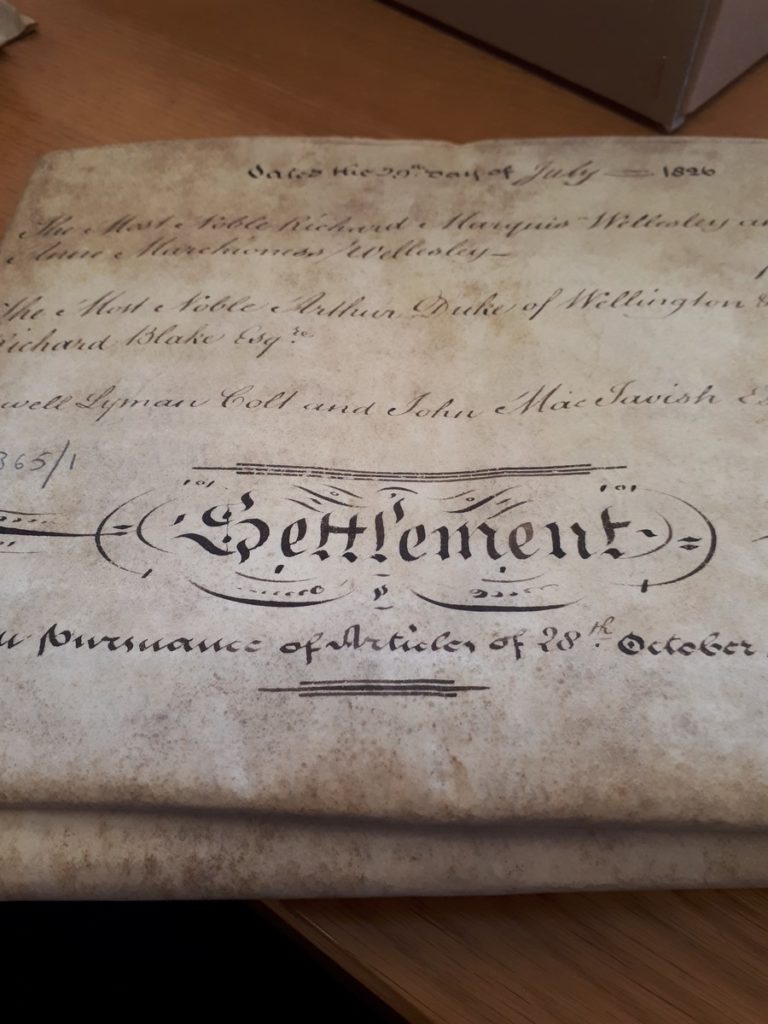
We had ordered the documents we wished to see in advance, one of which was the Marriage Settlement between Richard, Marquis Wellesley and Maryanne Patterson, below. You’ll see that the Duke of Wellington was one of the executors of the Settlement. Between his brother and his former mistress. Yes, you read that correctly.

We spent the entire day reading historic documents and attempting to read Wellington’s handwriting. Boxes and boxes of letters and documents. Naturally, by the end of the day, Vicky and I were ready for a drink. And when we met up with Beth later that evening, we told her we’d love to have a plate of roast beef for dinner. Again. So we did.

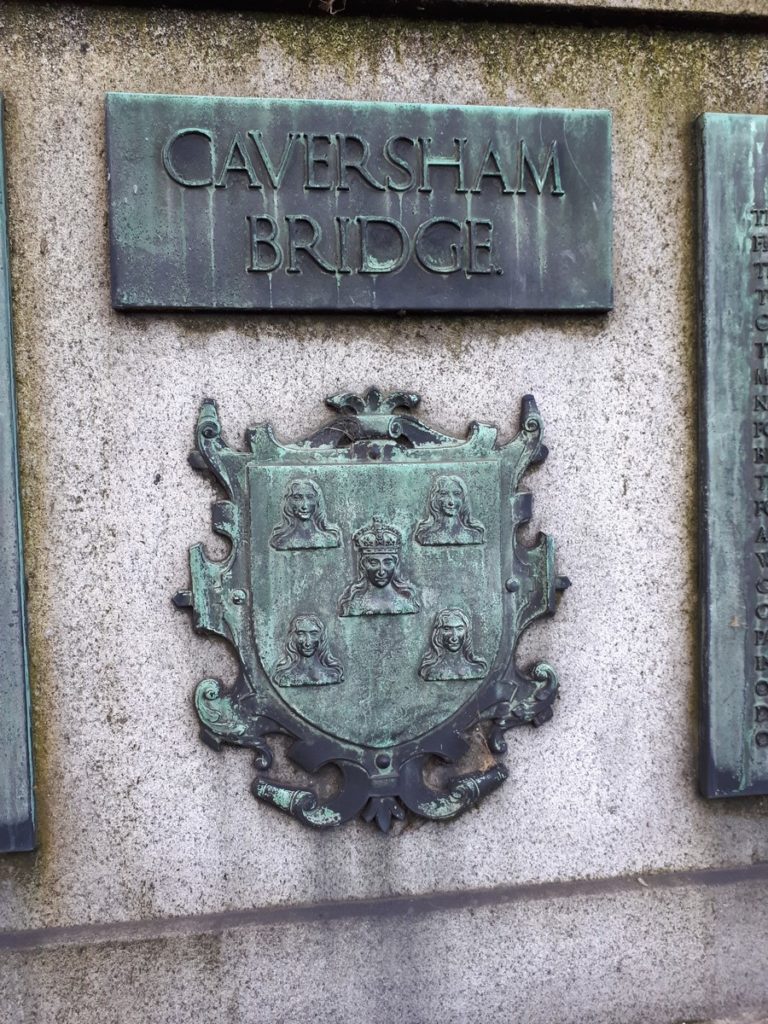
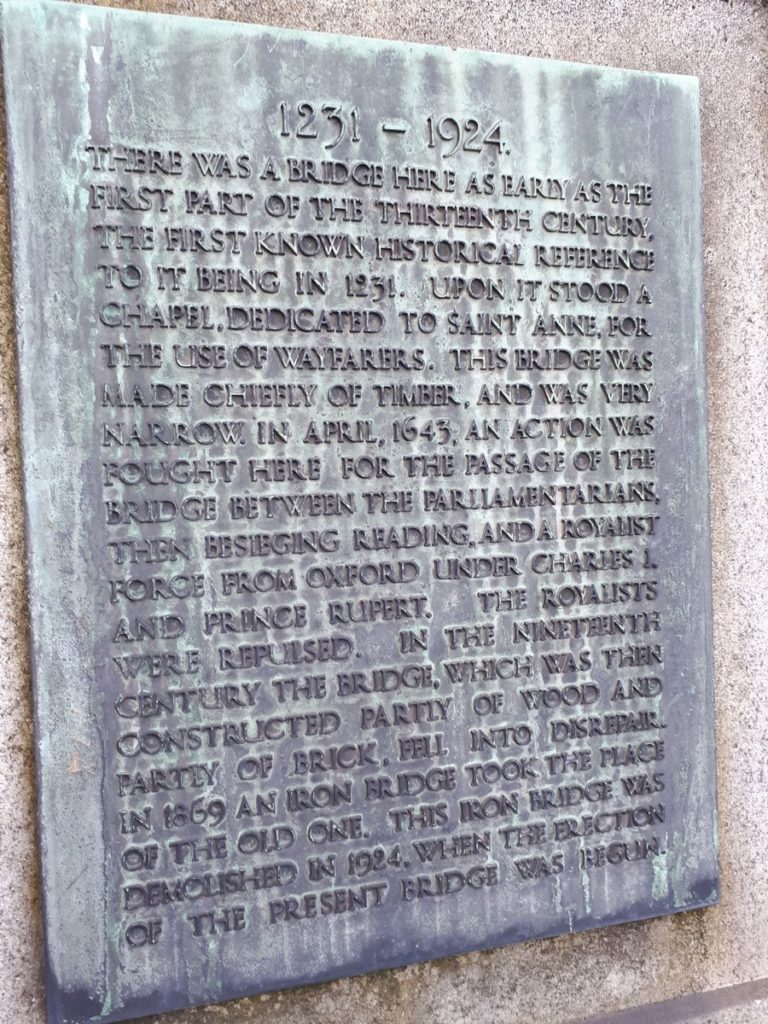
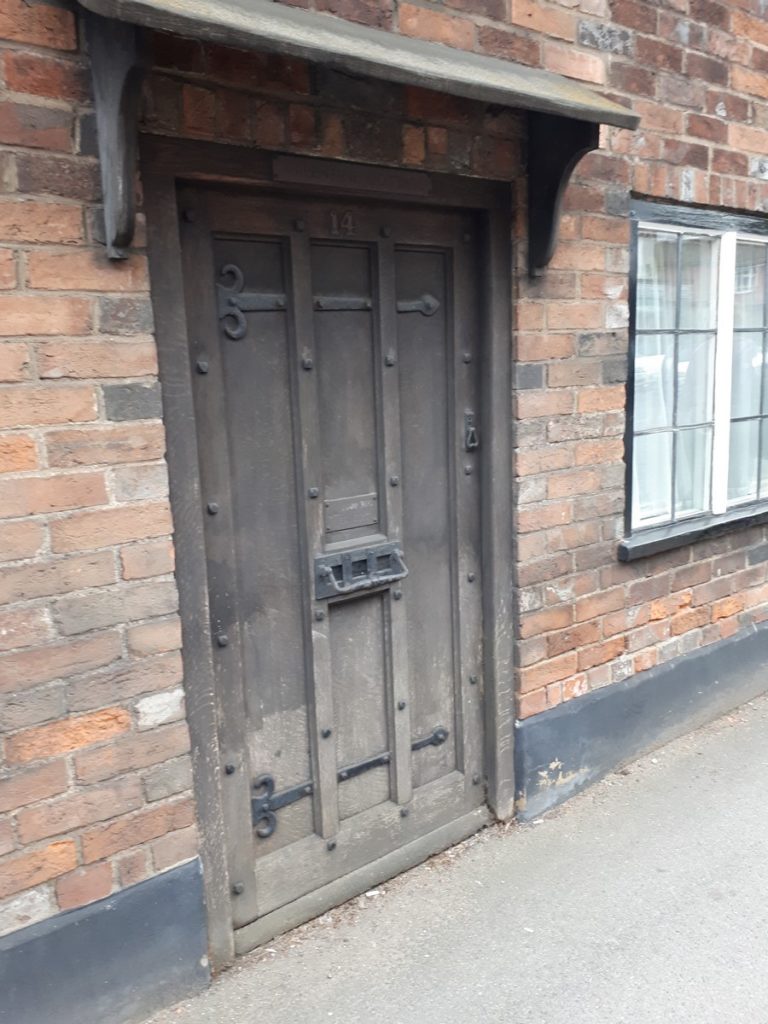
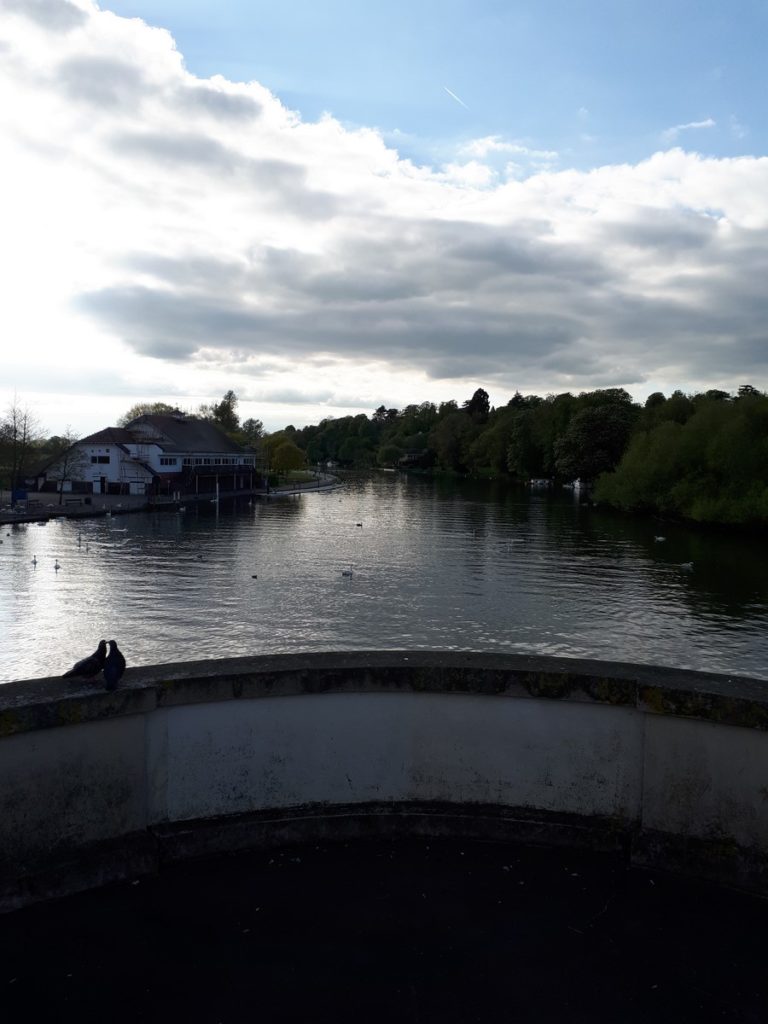
Afterwards, we strolled through historic Caversham, which, as Cavesham, was mentioned in the Domesday Book and which sits on the north bank of the Thames.

Good friends, good food and good Wellington documents. As you can imagine, it was a wonderfully satisfying day. And one I’ll always remember. More to come . . . .