DO YOU KNOW ABOUT – POSTILION BOOTS?

by Kristine Hughes Patrone
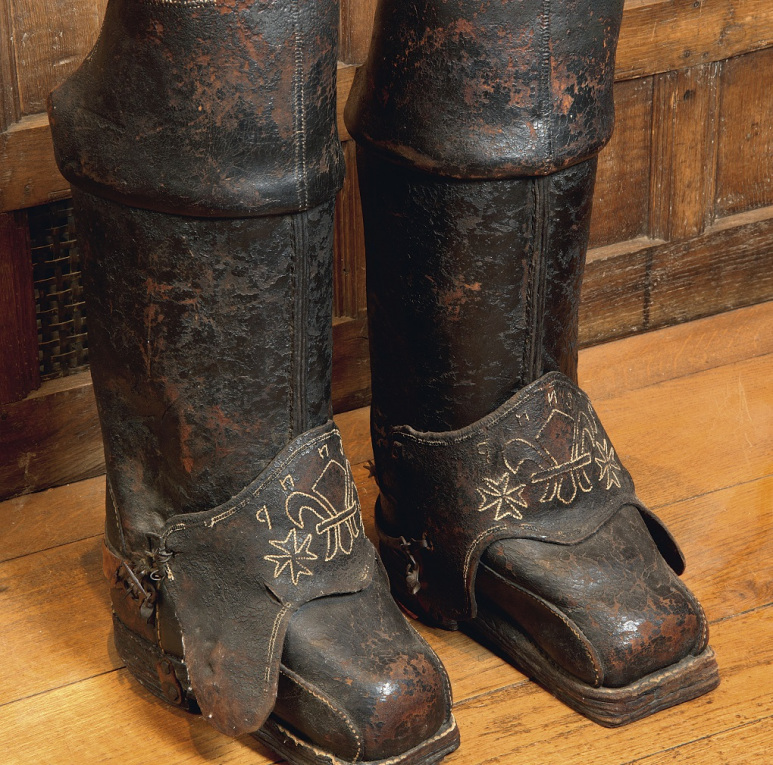
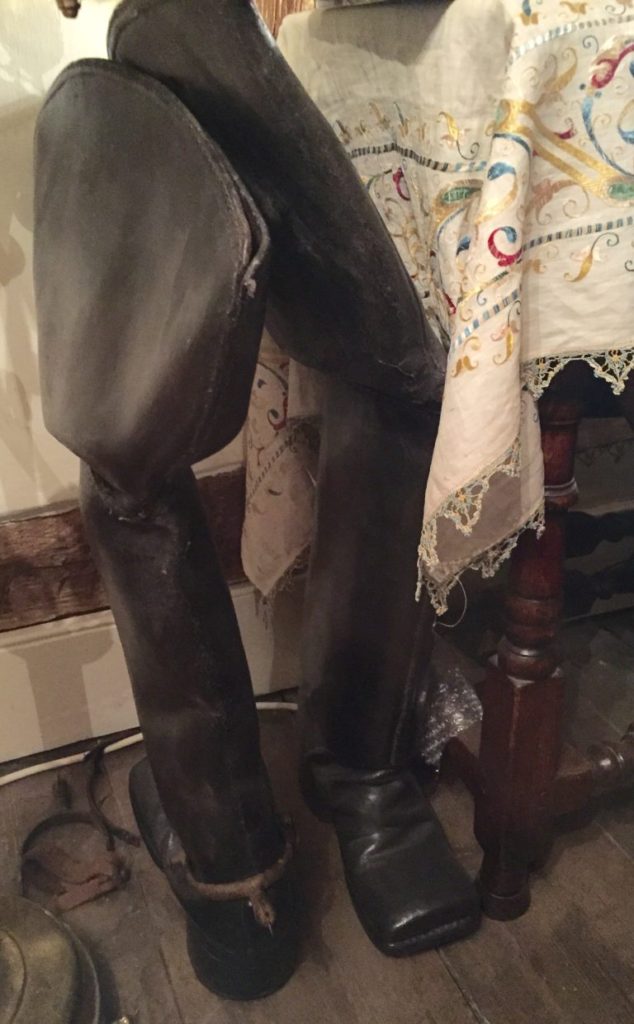
On a recent visit to Hever Castle, I met with this formidable pair of “postilion boots” and decided that I had to find out more about the history of this footwear. Here, I share with you what I learned. First, from the Hever Castle website:

“The large leather and iron postilion’s boots date from 1690. A postilion was a man who rode one of a pair of horses that pulled a coach. It could be very dangerous if a leg became caught between the two horses, so each postilion wore one boot on that leg to protect himself from injury.

“Postilion riders usually rode the left horse of a pair and this style of travel was known as ‘posting’. Before the days of railways posting was the best method of travelling in England and on the Continent. Travellers would hire a private carriage from a postmaster. In England the postmasters were usually hotel keepers, and not employed by the Government. The carriage would travel from one posthouse to the next, where the postilions and/or horses could be replaced if necessary. Ordinarily a carriage was only taken on the main road, from one station to another. However, arrangements could be made to go off of the main road to a country house.”

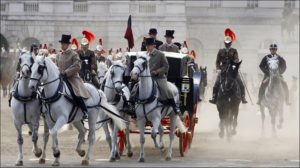
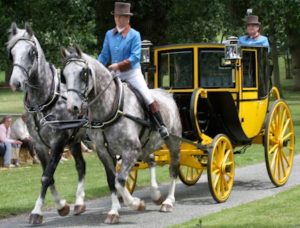
Here are examples of postilion riders escorting carriages of various styles –
 

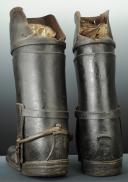
Above is the rear view of a pair of French postilion boots from the second half of the 18th century that I found on the website of military antiquarian Bertrand Malvaux. The description reads – “Black oiled leather with reinforced knees. Foot decorated with a cotton seam representing scrolls. One of these boots has still got its steel spur. Height: 56 cm; foot length : 32 cm.Very good condition (minor damage in the top part of boots). These surprising boots were used for postilions to protect their calves and knees from the shocks caused by the shaft of the coaches they drove. The wooden or leather sole was fixed onto the upper by pegs. It was curved so as to hold the stirrup on which it stood. These boots were called ‘the seven-league boots’. Indeed, at first, an average distance of seven leagues separated two staging posts.”

Finally, here is a bit on the distinction between postilion boots and the similar Marlborough jackboots, with further historical detail as to both, as found on Past Pleasures Ltd – Bringing History to Life:
“Here are a pair of my so-called ‘Marlborough’ jackboots, made somewhere between 1670 and 1712, according to the authority Miss June Swan of the Northampton Shoe Museum, which conserved them. (As my readers doubtless know, the midlands town was famous for its footwear. My family hail from there and for awhile owned a shoemaking factory; one of the regular customers was WG Grace for his cricket boots!).
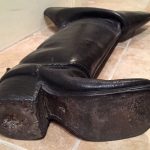
“The massive cuffs at the knee would protect the wearer’s knees from an enemy on foot in a battle, as well as from thorns etc whilst out hunting. The high stacked leather heels not only follow the fashion of the period but also help to keep the feet firmly in the stirrups. On the underside you can see the leather pegs and hand-sewn details. The Square toes are a fashion that came about in about 1630 and died out about a hundred years later (thereafter the term ‘Old Square Toes’ was a derogatory remark).

“Unfortunately, although I have a pair of spurs of the period (not associated with the boots) I don’t have the distinctive ‘butterfly spur leathers’, the decorative shaped leather pieces worn at the instep.

“These boots are so stiff, heavy and strong they feel like they’re made of wood! They aren’t remotely supple and must’ve been hell to wear on foot –although the original owner would’ve changed into high-heeled buckled shoes as soon as he dismounted. And they would have been bespoke, so more comfortable. But heavy, and heavy-looking, as they are, they are not to be confused with ‘postilion boots’, those massive black leather boots you see in museums which were actually attached to the saddle, into which the post boy and/or postilion, riding one of the outside horses in a coach and four, would thrust his own booted legs.”
A TOUR GUIDE IN ENGLAND – THE AUDLEY END KITCHEN GARDENS

by Kristine Hughes Patrone

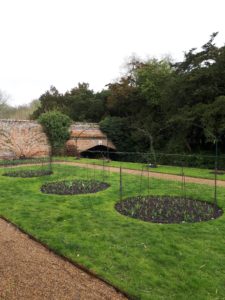
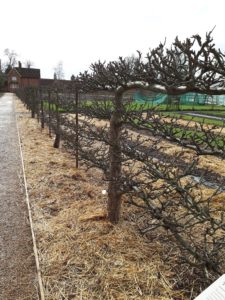
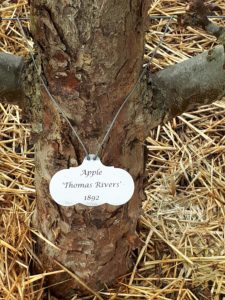
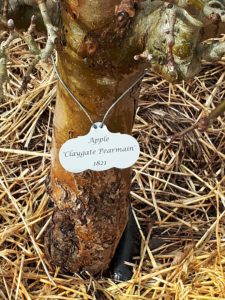
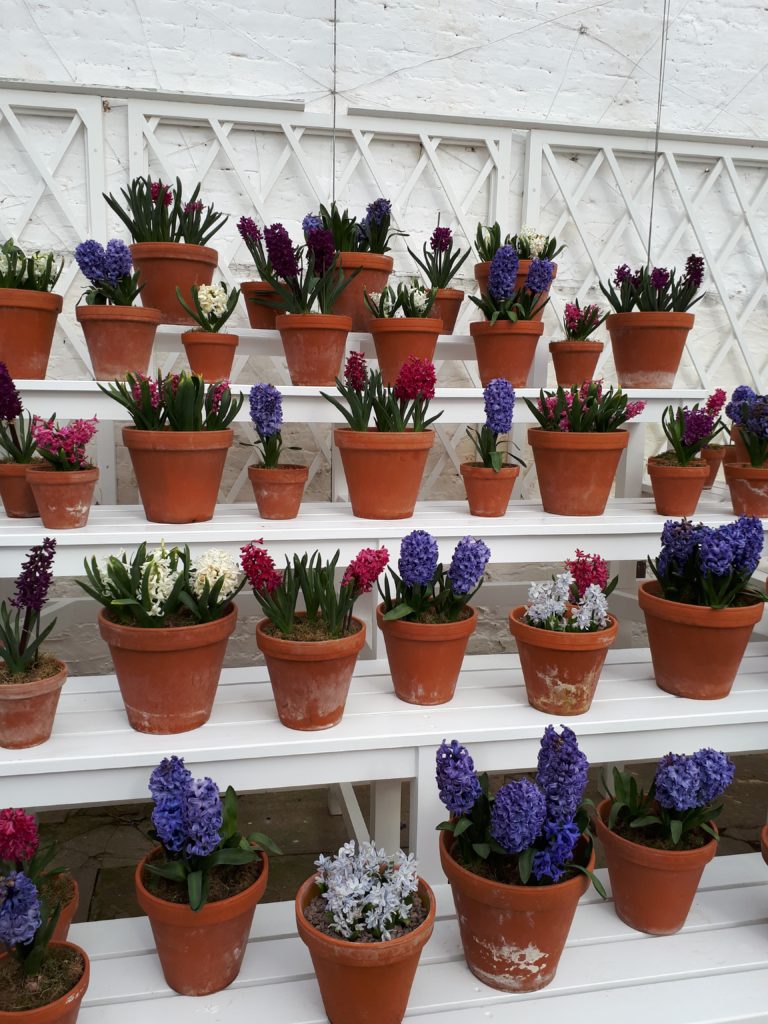
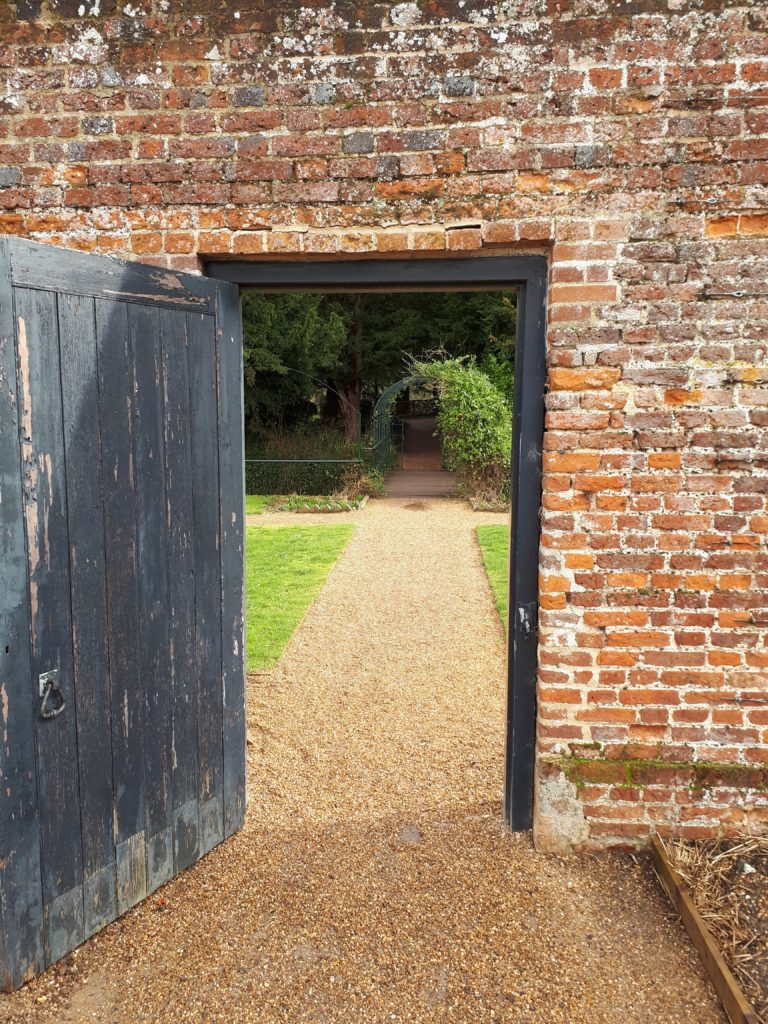
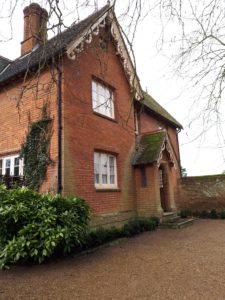
When I left you in the last post, our group had made our way to the Audley End Kitchen Garden for a tour with the gardener. The Kitchen Garden offers over 120 varieties of apples, 40 types of pears, 60 kinds of tomatoes plus many more fruits and vegetables. It also has an Orchard House where peaches and figs are grown in pots, in the same way that they were in Victorian times.

Instead of my going on about our tour, I’ll let you experience it for yourself. Click here for Part One (5:57) of our tour. You’ll find the link to Part Two below.

Click here for Part Two (6:54) of the garden tour.


DO YOU KNOW ABOUT – LADIES OF LETTERS?

by Kristine Hughes Patrone

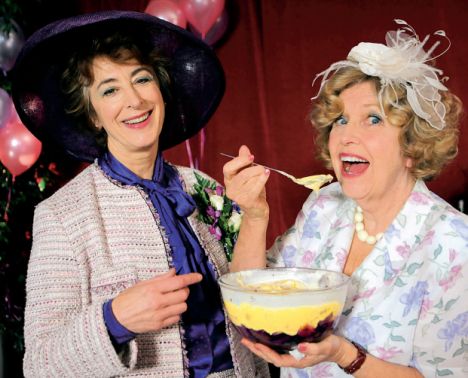
Two British widows who met at a wedding trade letters in which they attempt to one-up each other with stories and events from their lives. Based on the iconic BBC radio show, this 10-part series stars Maureen Lipman (The Pianist) and Anne Reid (Last Tango In Halifax).

The wedding of Irene’s daughter Leslie was a great success, but Irene later learns that guest Vera is not a relative at all-just helping with the catering-but she’s very nicely written to say thank you, so Irene replies to Vera, thanking her for her thank you letter.

Vera and Irene reveal their exploits and adventures to each other in their letters and e-mails, but sometimes their correspondence becomes fractious when one accuses the other of being an alcoholic or engages in too much one-upmanship. Nevertheless, when the chips are down and the going gets tough, each is instantly there for the other, like a charge of the cavalry but with a more sarcastic bugle call.

As stated above, the series was originally a BBC Radio 4 comedy starring Patricia Routledge and Prunella Scales and there’s very much a “Mapp and Lucia” quality to Vera and Irene’s relationship – with humour, pathos and a soupcon of malice occasionally thrown in for good measure. The series is lots of fun and available on Acorn TV.


A TOUR GUIDE IN ENGLAND – TOURING LEEDS CASTLE

by Kristine Hughes Patrone

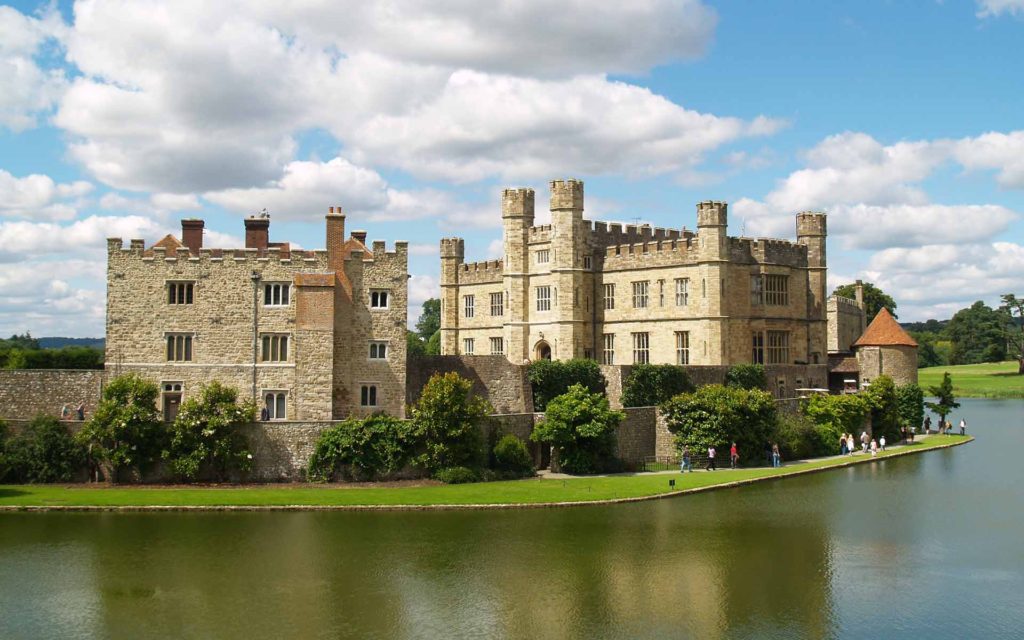
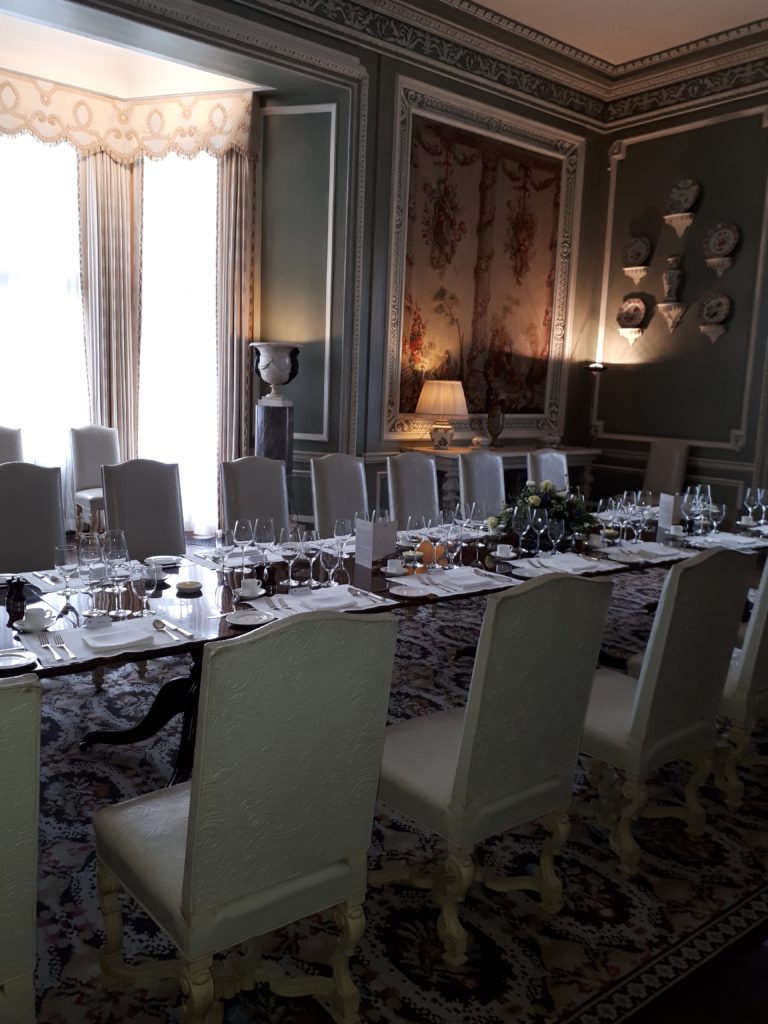
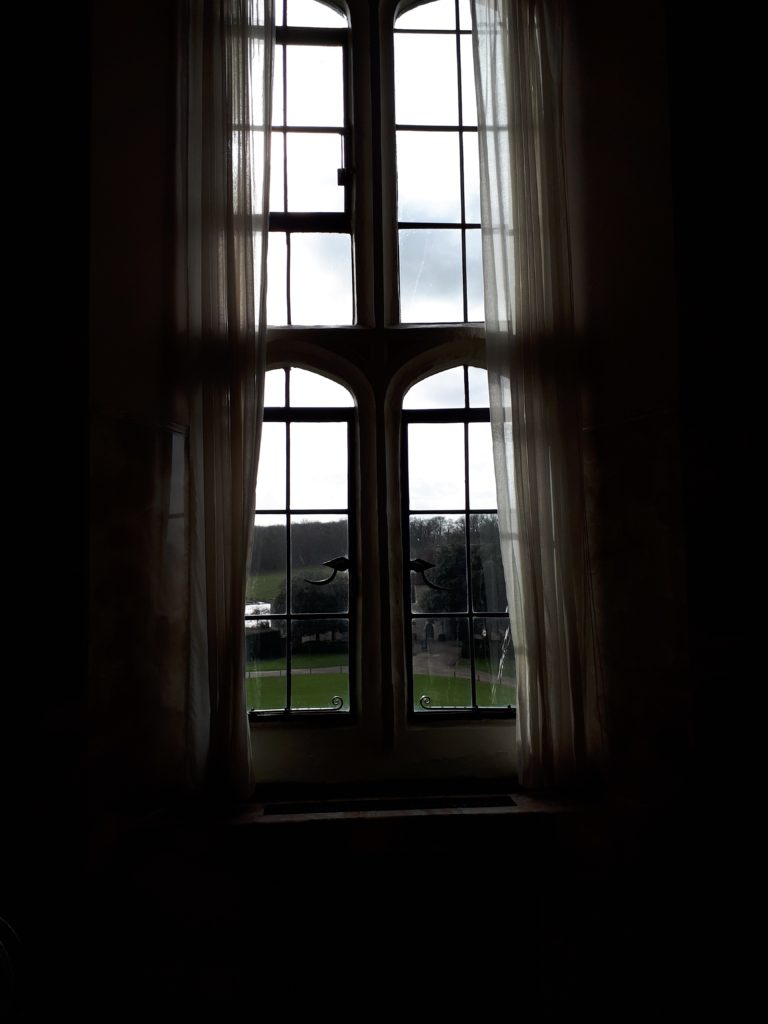
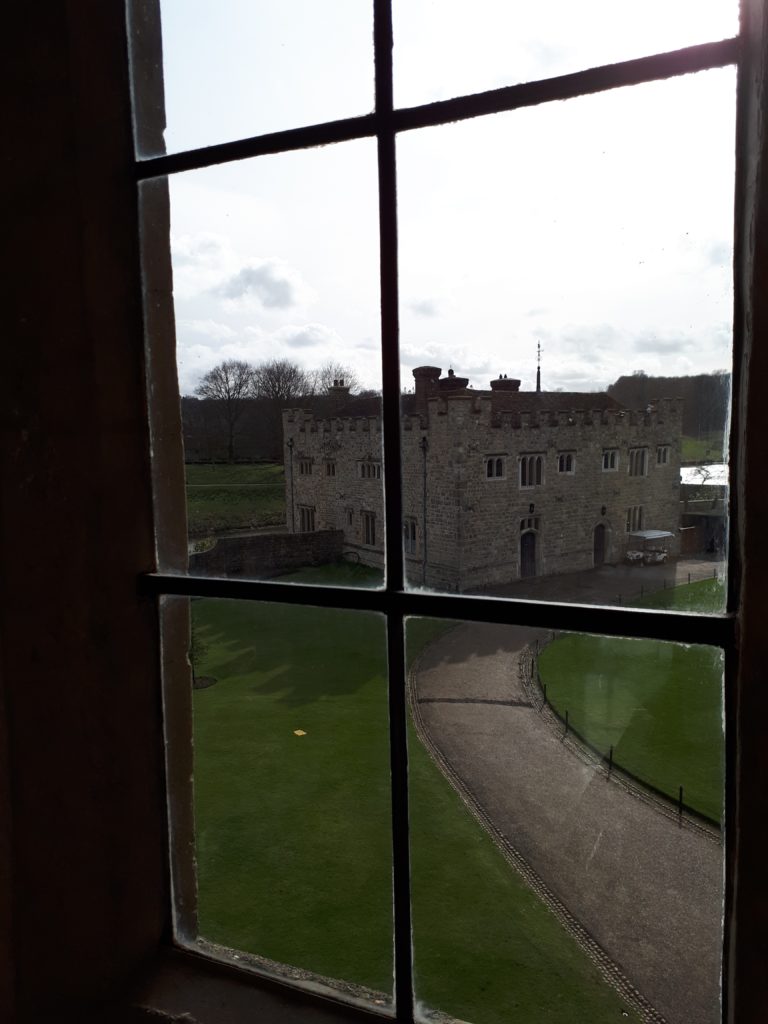
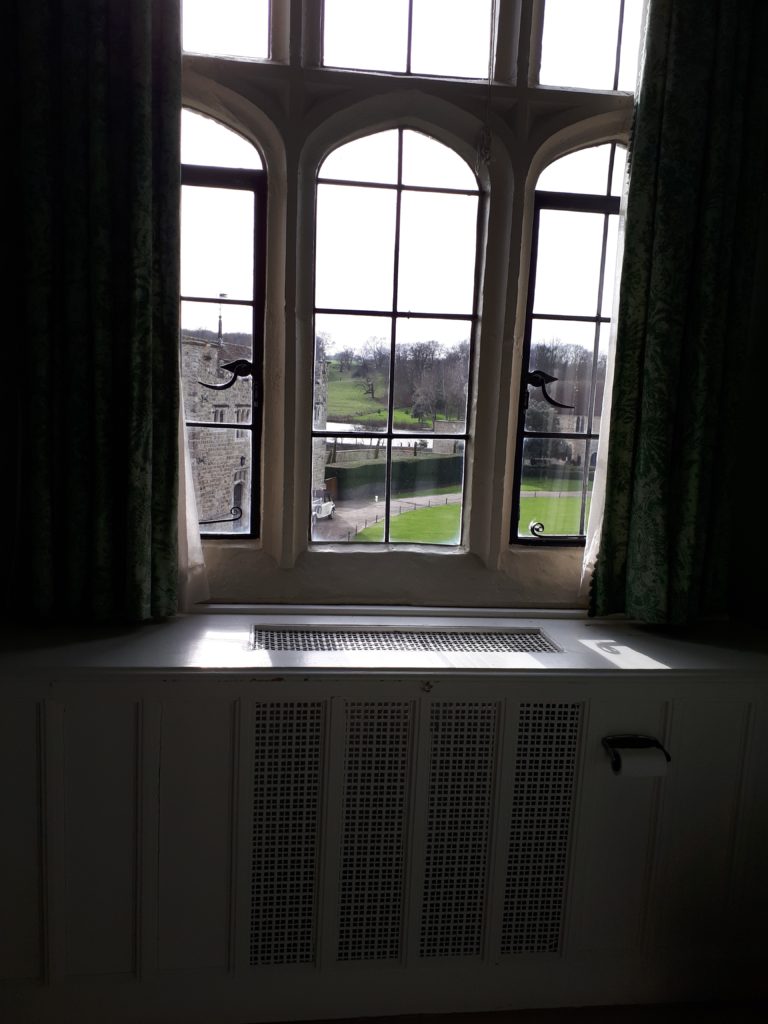
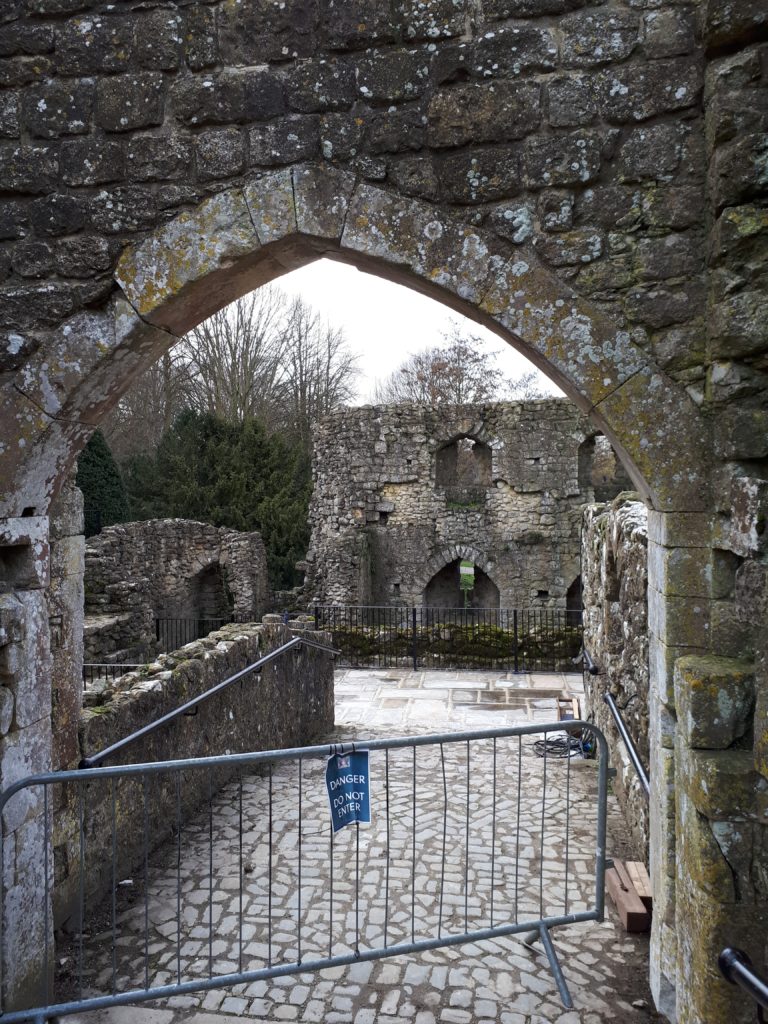
Following upon my last post, the video of our walk up to Leeds Castle and the welcome our travel trade group from Visit Britain received, this post contains photos representing just a bit of what we saw at the Castle.

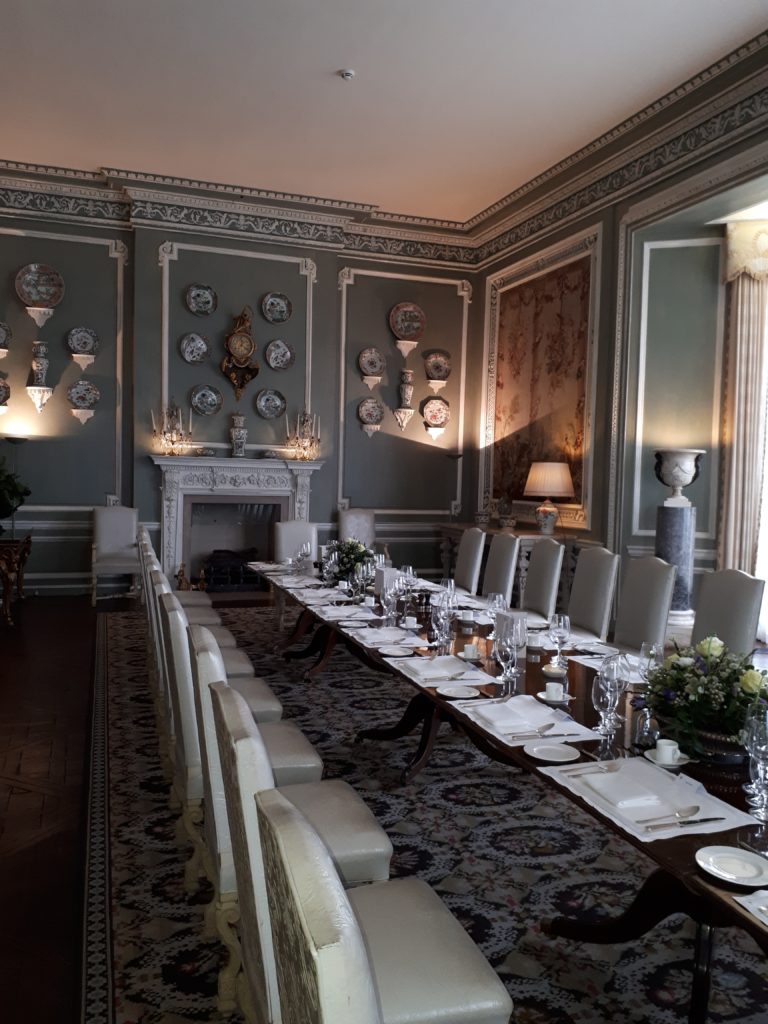
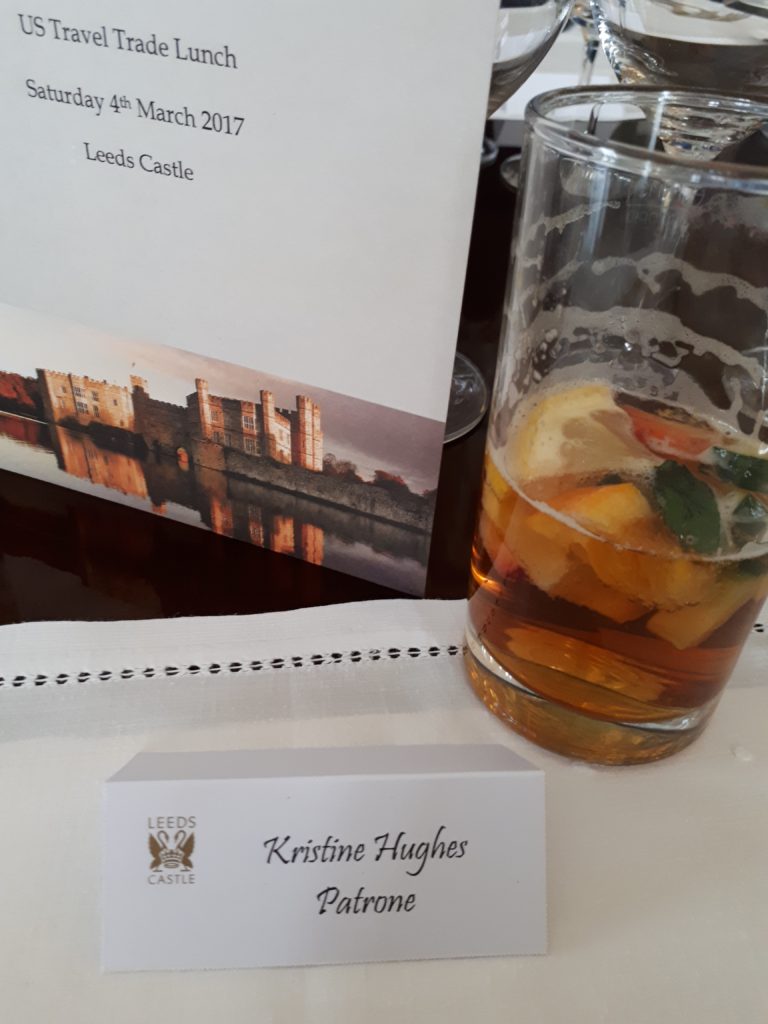
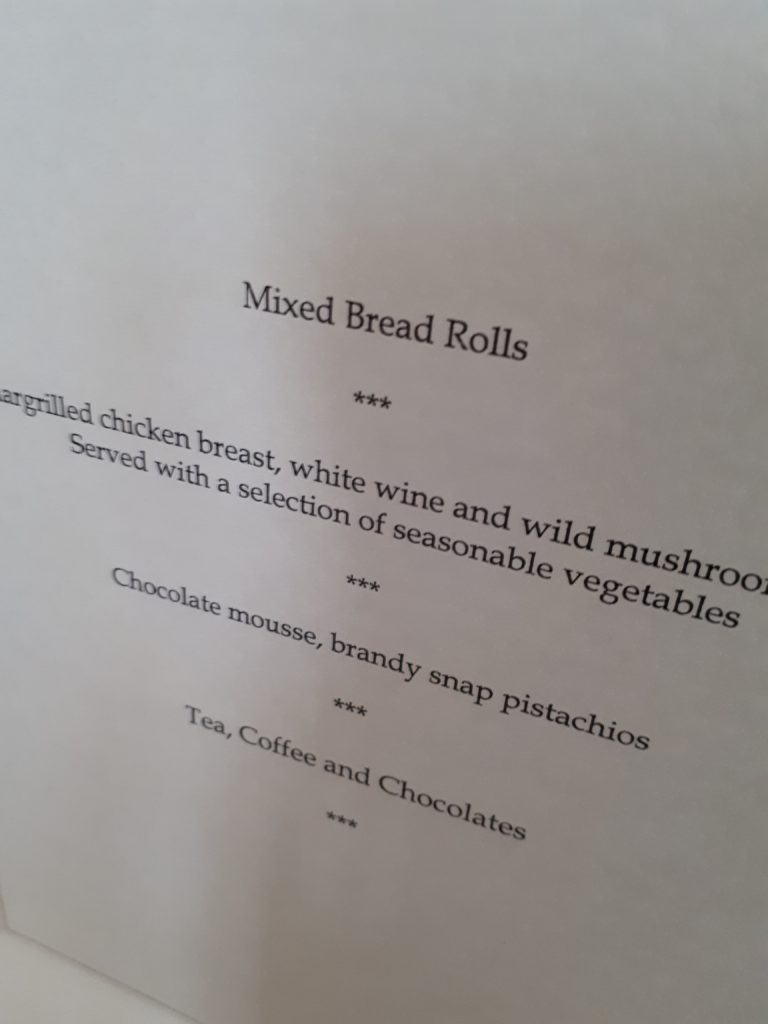
After being served Pimm’s Cups in the library upon our arrival, our group proceeded into the dining room for lunch.

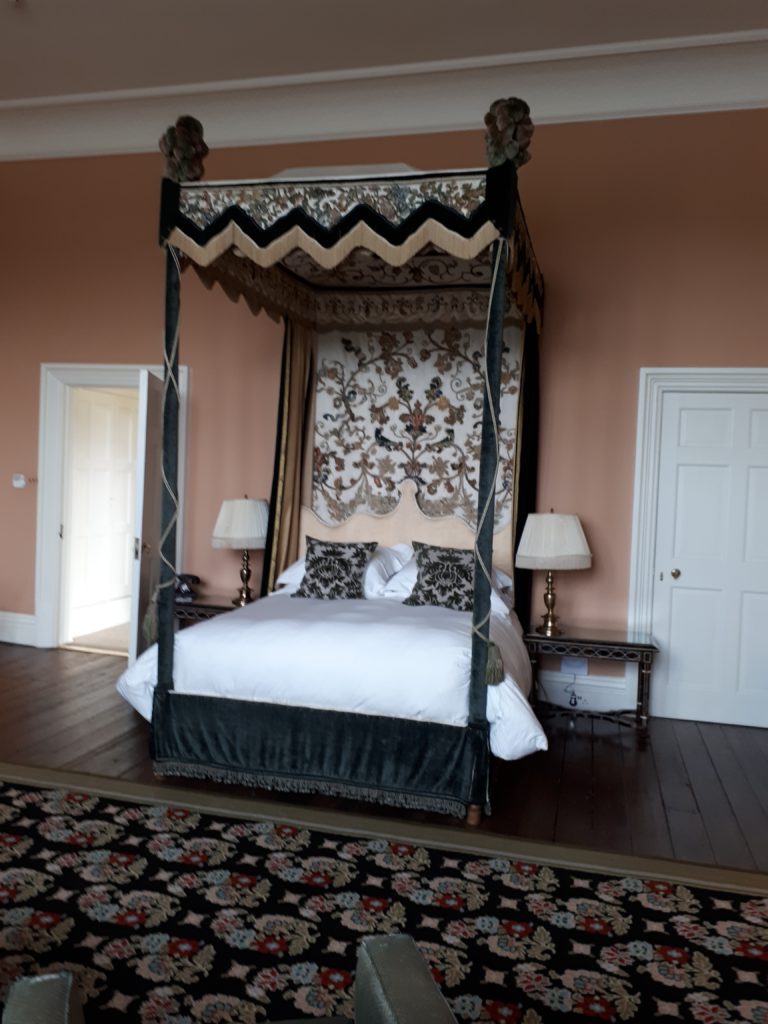
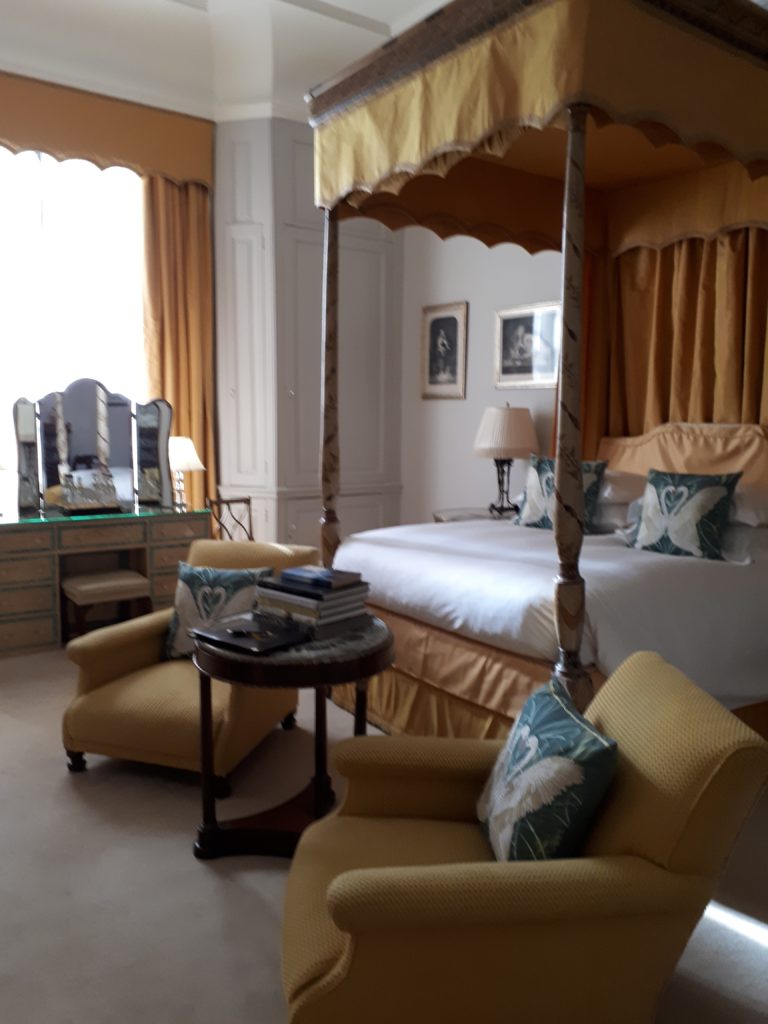
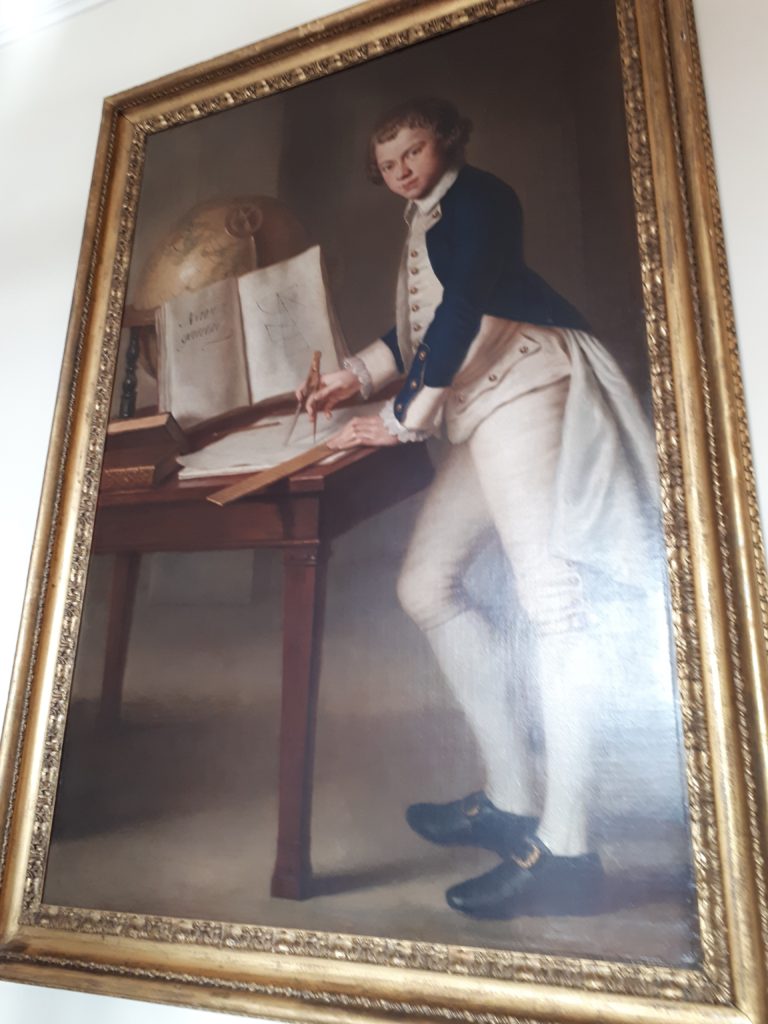
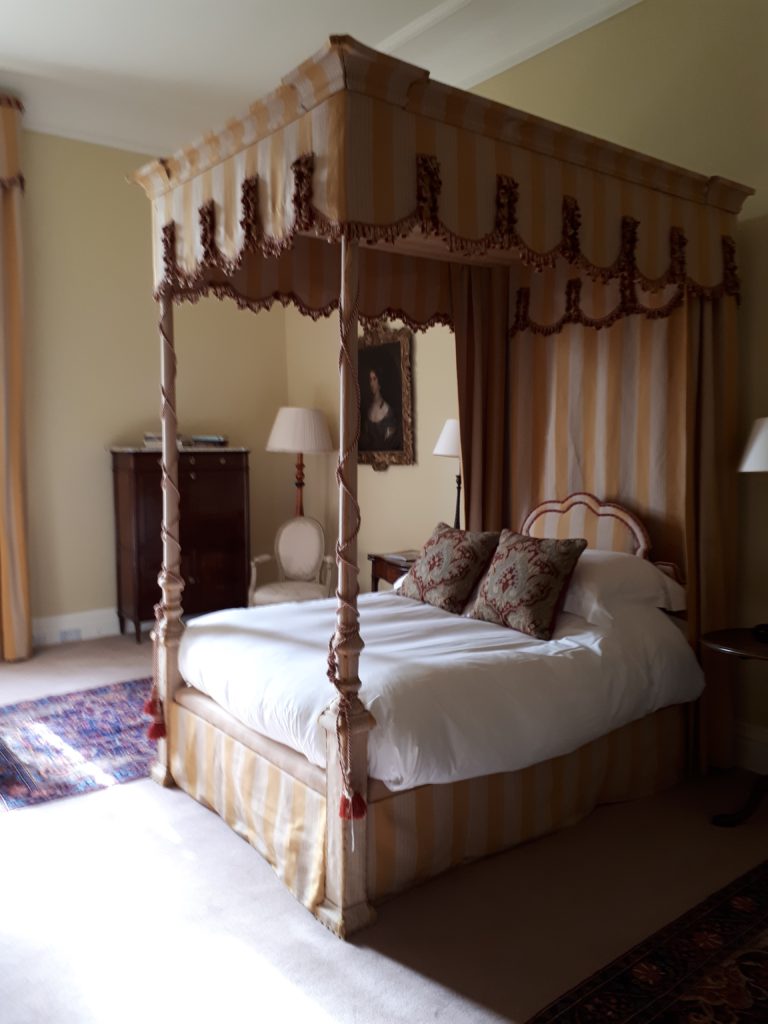
After a fabulous lunch, we were given a tour of the Castle’s bedrooms, all of which are available as guestrooms. Each room is unique and each and every room would lift the heart of even the most finicky guest. To be fair, I’ve heard comments denigrating the Castle over the years, with some people insisting that the Castle is “fake,” a modern day re-invention of what a Castle should be. That’s unfair, in my opinion, as history proves that any alterations or remodeling by subsequent owners was undertaken to save or restore the Castle. Parts of the present structure hark back to when the property was a Royal Castle, others to its time as a Tudor Palace and still others to its incarnation as a Georgian Mansion, when King George III and Queen Charlotte visited.

After the 7th Lord Fairfax’s death in 1793, the Castle was passed onto various distant relatives until in 1821 Fiennes Wykeham Martin inherited and commissioned architect William Baskett to survey the castle, much of which had fallen into disrepair, parts of which could not be salvaged. A new house, in the Tudor style, was erected and finished by 1823.

By the time Lady Baillie took up ownership of the Castle in the 1920’s, more work was required in order to transform Leeds Castle into a stately home. Working with the top architects and interior designers of the day, Lady Baillie oversaw the creation of the Castle as we see it today and I, for one, applaud her efforts. The overall effect is seamless and, after all, Leeds Castle is known as “the loveliest Castle in the world.”

Just an hour from London, a day trip to Leeds Castle is an easy outing and in addition to the Castle itself, there are over 500 acres of formal gardens and parkland to explore. You can download a map of the estate here.

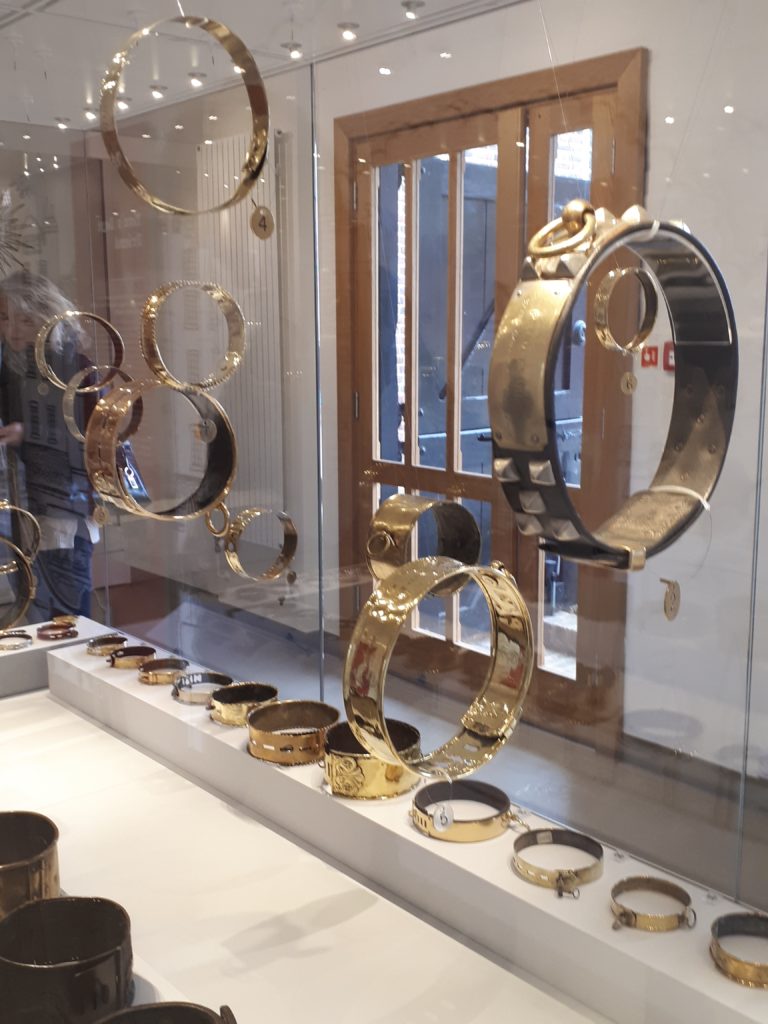
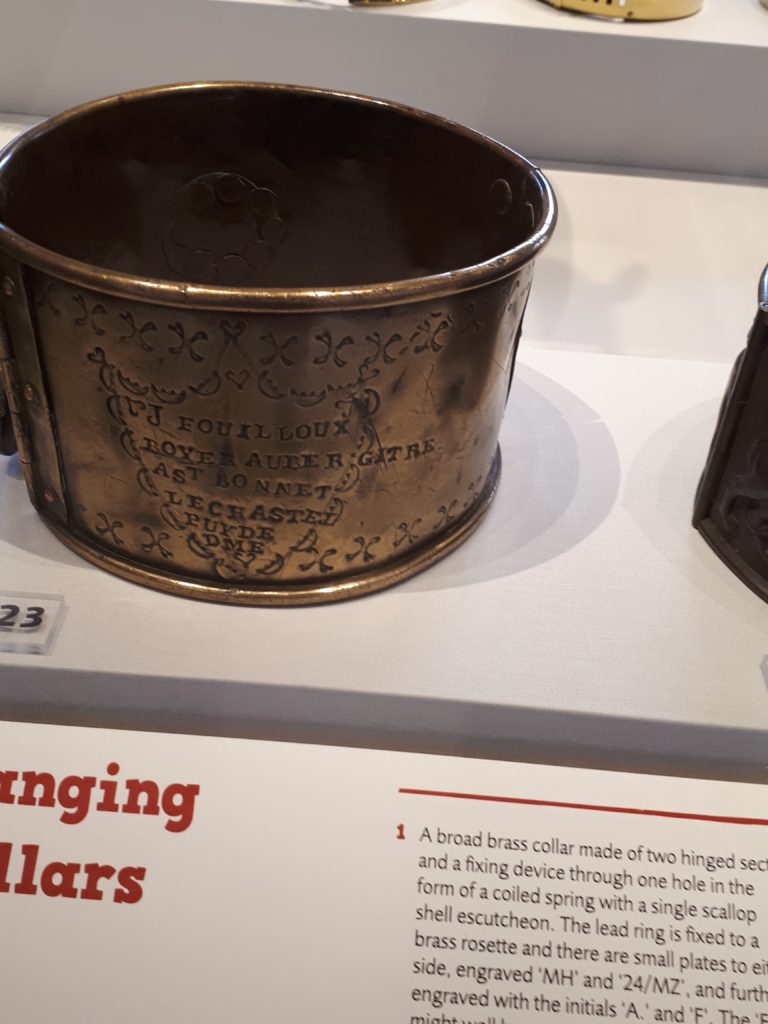
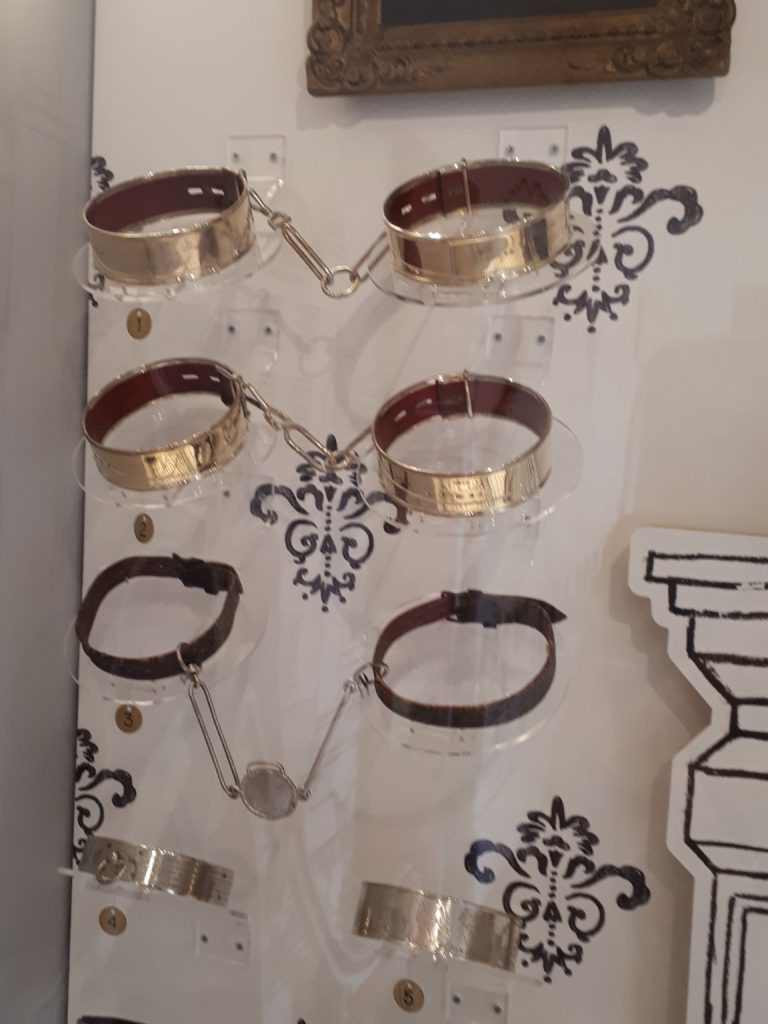
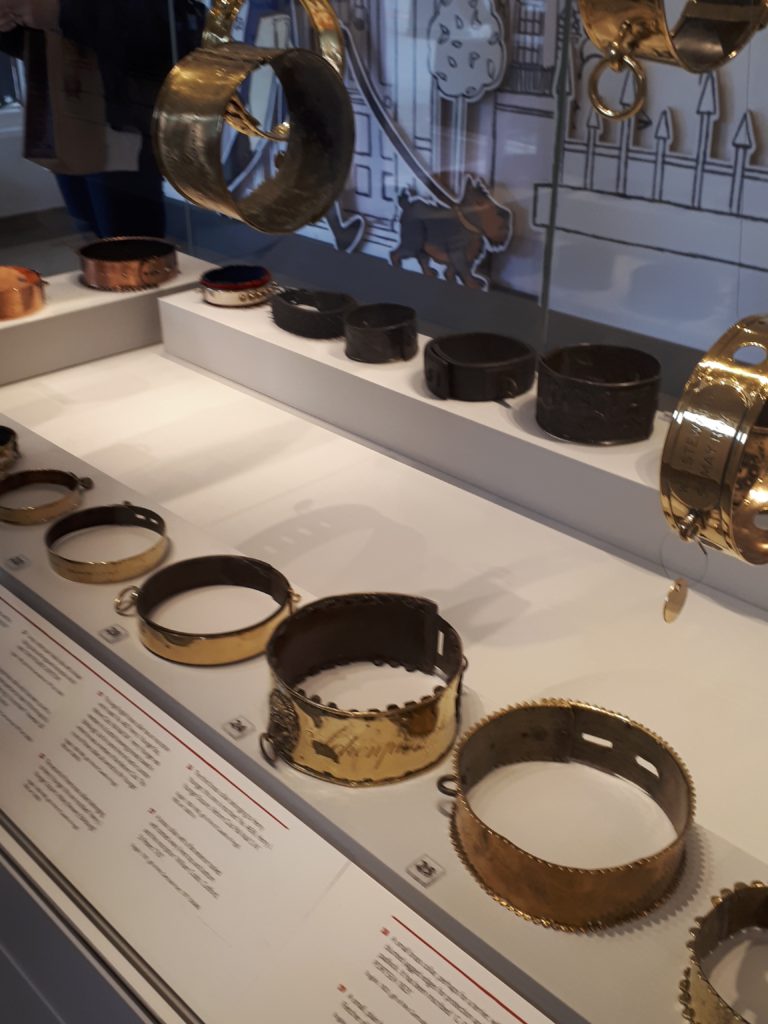
When you visit, do leave yourself time to tour the Castle’s Dog Collar Museum. In 1977 Mrs Gertrude Hunt presented the collection of dog collars to the Leeds Castle Foundation in memory of her husband, the historian John Hunt. Mr and Mrs Hunt were both avid collectors and amassed a large collection of art and antiquities, but the dog collars were Mrs Hunt’s particular passion.

There are over 130 rare and valuable collars including 30 collars, which were discovered in storage and have never been on public display before are now on show.

The earliest in the collection, dates back to the late 15th century and is a Spanish iron herd mastiff’s collar, which would have been worn for protection against wolves and bears roaming Europe at the time.

Other collars range from sixteenth-century German iron collars with fearsome spikes and ornate gilt collars of the Baroque period, through to finely-chased nineteenth century silver collars and twentieth century examples fashioned from tyres, beads and plastic.

A TOUR GUIDE IN ENGLAND – THE WALK TO LEEDS CASTLE

by Kristine Hughes Patrone

Our next stop on Visit Britain’s Familiarization Trip for members of the travel trade was Leeds Castle, which bills itself as “the loveliest Castle in the world.” There’s no denying that it answers every little girl’s requirements for a fairy tale castle, although on the day we visited Prince Charming was not in evidence. Lunch was, however, as well as a tray of very welcome Pimm’s Cups and as warm a welcome as one could wish for at a fortified castle.

Do click on this link to watch a video of our walk up to the Castle and our arrival within. There’s a bit where the video goes all green – I had to put the camera down in order to remove my coat, but do hang in there, it all gets going again before too long.