Visiting the Geffreye Museum by Guest Blogger Jo Manning

THE GEFFRYE MUSEUM, HISTORIC ALMSHOUSES * ON KINGSLAND ROAD, SHOREDITCH, A GEM IN THE HEART OF LONDON’S EAST END!
Geffrye Museum frontage, showing extensive lawns…a serene place of an afternoon to wander about or just to sit on a bench and contemplate life…

Blogger  Margarita  Lorenzo (her blog is here) writes:  

“13 years I have been in London, and never have visited the Geffrye Museum before, that is bad!! considering it is a bus ride away from home, free to visit and about a subject I adore, interiors.  [I] decided to venture to East London to discover a bit more about this area and the Museum. The venue is the right size, have gorgeous gardens, entrance, and rooms exploring each period of the English Middle Class houses and their decorations, different styles, ways of living etc. … “ 

Main entrance to Geffrey Museum, with statue of Sir Robert Geffrye, who was a Lord Mayor of London and Master of the Ironmongers Company, over the door


Ms. Lorenzo’s remarks are what one hears over and over again when the Geffrye Museum is mentioned in conversation… Yes, people have heard the name, but, no, they’ve never visited, and, gee, it’s so accessible using public transportation! 

And the exhibitions are always worthwhile.  In keeping with the dedicated educational purpose of the Geffrye, there are excellent demonstrations and talks.  Their holiday celebrations are not to be missed! (Though be warned that the herb gardens may not be open to the public at that time.) Click here for upcoming events. 
So, yes, if one has the time, walk…but take a good map.  There are some challenging blocks from the tube station to the Geffrye, many windings and turnings. (And some excellent Vietnamese restaurants, though I’d recommend eating in the brand-new, very nice restaurant at the Geffrye.)  This used to be the seat of the furniture trade and a Jewish area.  It was also home to Huguenot weavers. The little houses where the weavers lived and wove are now selling in the millions of pounds.

 Before lottery money, the Geffrye was these old almshouses bequeathed by a wealthy 17th century London merchant, a charming but rather modest low-key and free museum that was a must on school visit lists.  Its raison d’etre was the glimpse of the many rooms, by ce
ntury and decade, depicting life in London. 
Since my initial visit some dozen or so years ago, the Geffrye has blossomed.  Yes, that lottery money!  It enabled the museum to put in more extensive herb gardens (a joy!), expand the educational nature of the museum with gallery space and a large room for crafts and other activities, add additional period rooms, exhibition space, and, last though certainly not least, to install a gorgeous restaurant where once there was only a modest café.

(See wwww.geffryemuseum.org.uk for a virtual tour, or, using the search term Geffryre Museum, click on to Google Images. The new website is amazing!)

Below is a good aerial view of the 1998 extension to the Geffrye. You are seeing the windows of the restaurant that look out onto the new herb gardens.  If you could see further, there’s a wall and beyond that, the new tube station. The church spire is St Leonard’s, I believe, and you can just make out some of the tall office buildings (the famed Gherkin is one of them) in the environs of Liverpool Street.  Directly across from the museum is well-maintained council housing. The architectural firm responsible for the extension done in 1998 was Branson Coates Architecture.
The Branson Coates extension to the Geffrye almshouse, above.

In May of this year, the Heritage Lottery Fund awarded £518,500 to the firm of renowned architect David Chipperfield for a new, major development.  The resulting museum will be renamed Museum of the Home. (Surely not! Will they really eliminate the name of the benefactor Geffrye from the museum’s name? Methinks it will be along the lines of:  The Geffrye, Museum of the Home.)

schematic of the design

According to the Geffrye Museum website: “The total project cost is an estimated £13.2m and is due for completion in April 2015.”


Masterplan by David Chipperfield Architects, 2010

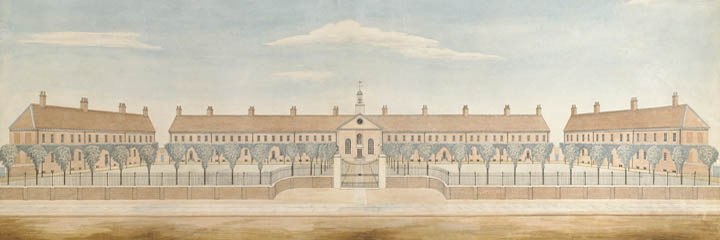
A view of Sir Robert Geffrye’s almhouses, 1805

It was apparently owing to influential members of the Arts and Crafts movement in England, circa 1914, that the old almshouses became a museum.  One of the main ideas behind it was to honor the local furniture industry in the Shoreditch/Spitalfields area and “to educate and inspire the local workforce”.  The major consumers of such furniture were London’s middle-class, so the period rooms reflect middle-class taste and furniture affordable to them.  


1906 watercolour 


According to the Geffrye website:
   “The museum’s collections are presented in the context of period      rooms…Their purpose is to show the changing styles and tastes of this  urban middle class at different periods of history. They represent liv
ing rooms, known in the past as parlours, and later, drawing rooms, and  show examples of the furniture, textiles and decorative styles…in a particular period. Clearly there were always a number of designs, colours  and patterns to choose from, and these displays can only show a limited  selection.”

1790 Parlour
Again from the Geffrye website:
            “The use of the parlour remained much the same as earlier in the  century… the room where the family … gathered, received guests and taken meals. However, the way it was decorated and furnished had  changed considerably.
            “In diaries, journals and letters of the time people often referred to rooms and furnishings that they liked as ‘neat’, which meant bright and stylish as  well as clean and tidy. This taste required lighter colours and more delicate decoration. Wallpapered walls were particularly useful for achieving this effect, replacing heavily moulded panelling.  
            “In the museum’s room the wallpaper is a modern replica copied from a  fragment dating to around 1780. The plaster frieze is copied from a house in Cross Street, Islington. Interest in classical design and decoration was increasingly widespread towards the end of the century.”
Keep in mind that the primary visitors to the Geffrye are school groups.  I think that this description is clear but does not make the mistake of talking down to students. The rooms are accessible, the descriptions brief, and every child can surely relate to the concept of a living room.

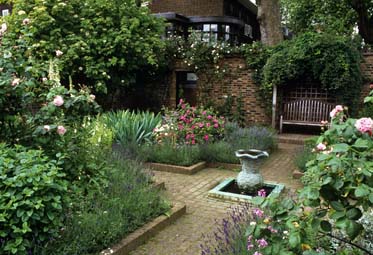
And the gardens!  These are my favorite part of the Geffrye, to be honest. (A word of caution:  they are not open all year around, so check before visiting if this is would be an important reason for your visit.) When I first found my way to the Geffrye, there was only this (below).  When more funds became available to the museum, period gardens were put in place, and they are brilliant.
Entering the first (and original) herb garden

 And here is the 18th Century Period Garden:


This is rose “De Meux” with a box hedge

 “Town gardens were increasingly seen as an extension of the house, a place for recreation and entertainment … The evidence indicates that the prevailing taste was for simplicity and tidiness, with ornamental gardens featuring paved and/or rolled gravel paths, geometric beds with box edging and the use of evergreen shrubs, often clipped and kept distinct from  one another.”

Last year at the Geffrye  —  I am in the Period Gardens   over my left shoulder is the restaurant  — to my right and behind the brick wall, is  the brand-new and spiffy Hoxton Station, on the spur line coming from Liverpool Street Station
  
What else is there to do at the Geffrye?  And you will have to dedicate at least 2 hours to the galleries and gardens; 3 hours if you decide to have lunch. (Wish they’d post the menus online! It’s great English fo
od, the best.)

Well, there is a very fine shop.  (I’d recommend buying the beeswax polish, for starters, great for antique furniture!)  Nice ceramics and fun stuff for children like the Regency paper doll.  There are inexpensive and handy cutaways of period houses that can be very useful for writers of historical fiction, too.  Check here for items made exclusively for the museum.


 Above is a schematic map showing how to get there from Liverpool Street Station. The Geffrye stop is Hoxton Station. You won’t have to walk if you don’t want to do so. (Or, you could walk there, through that intriguing old East London area, and return to Liverpool Street by tube…)
I would also recommend walking around that Liverpool Street area, checking out all the (expensive!) trendy shops and restaurants, and don’t forget to take a photo under the famous Brick Lane sign.  You’ll be happy you did  — Jo

* I assume everyone reading this knows what almshouses were…but, just in case, here is the definition, from the online Cambridge Dictionary:

“A private house built in the past where old or poor people could live without having to pay rent.”  

It’s as good a definition as any, but I would add that both private individuals and local towns, villages, etc., would erect such houses.  Their distinctive style of architecture can be seen all over England and many have been converted to senior citizen subsidized housing.


Travels with Victoria: The Windsor Museum

I was delighted to spend my last full day in England, June 15, 2011, with Hester Davenport in Windsor.

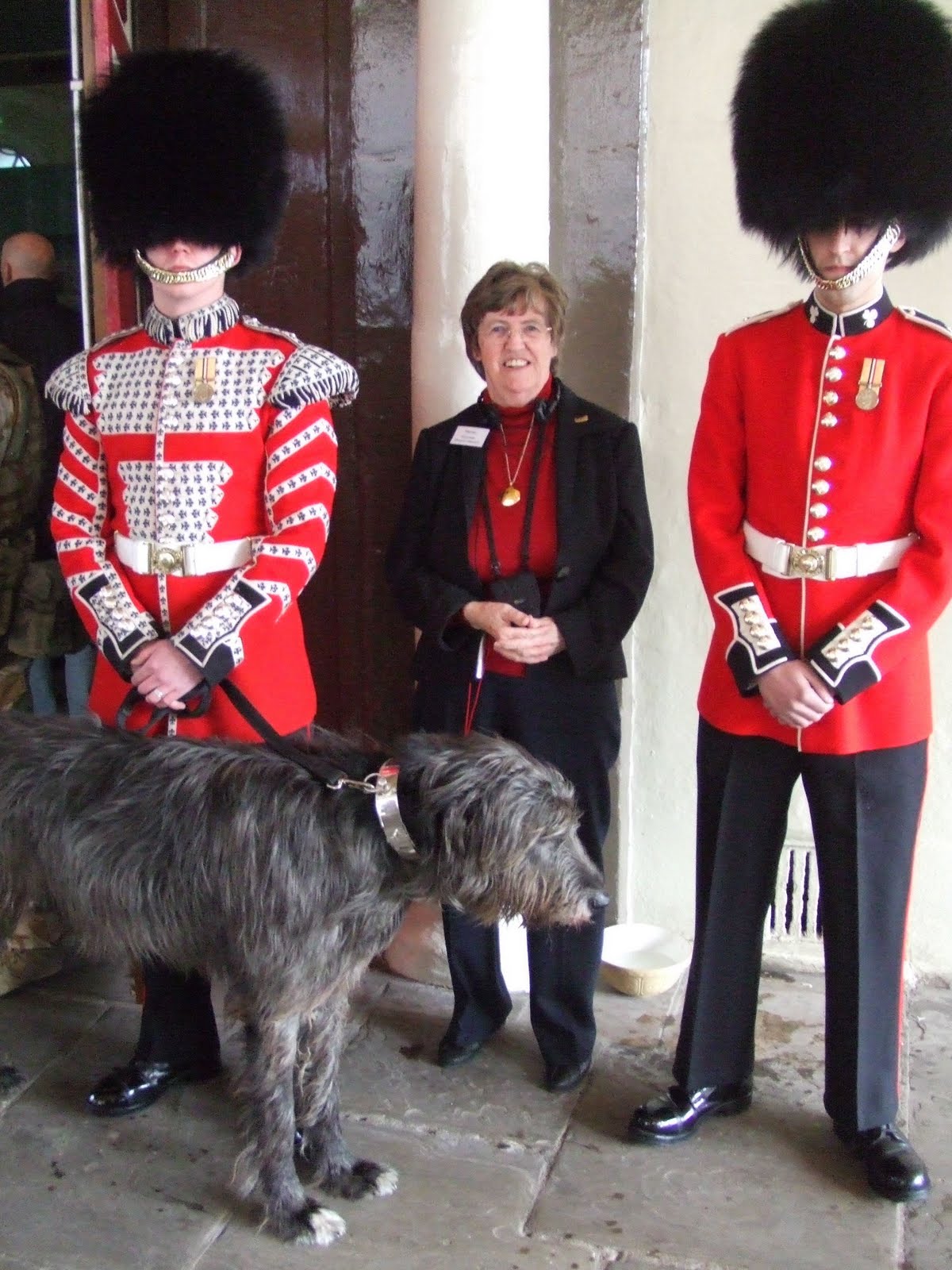
Here is Hester with members of the Irish guard with their canine mascot at the opening of the museum.
 

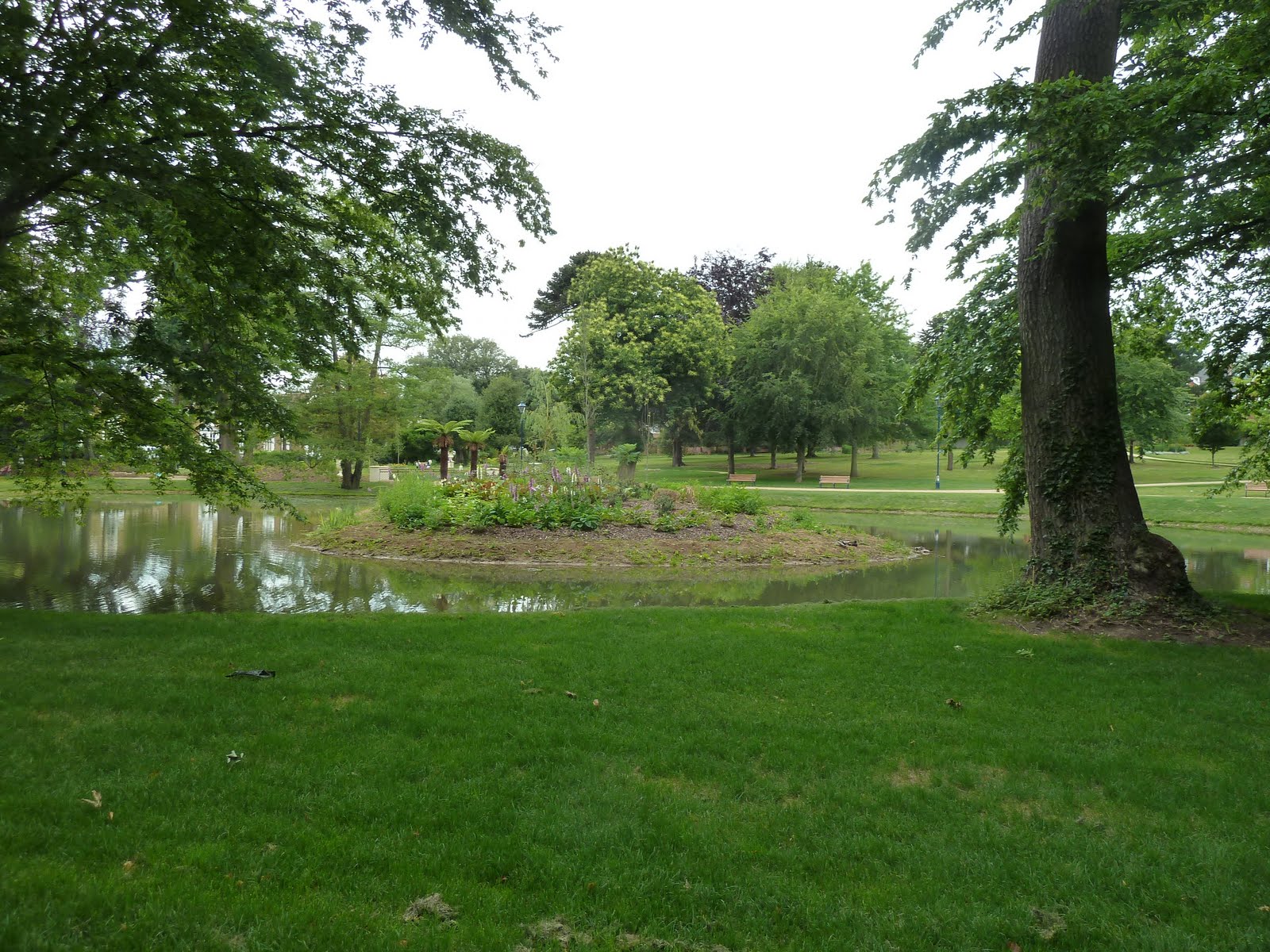
Hester generously planned our day beginning by meeting me at the train station in Slough, pronounced I believe to rhyme with plow (or plough).  Our first stop was a new park, formed from an old one which had fallen into disrepair. 
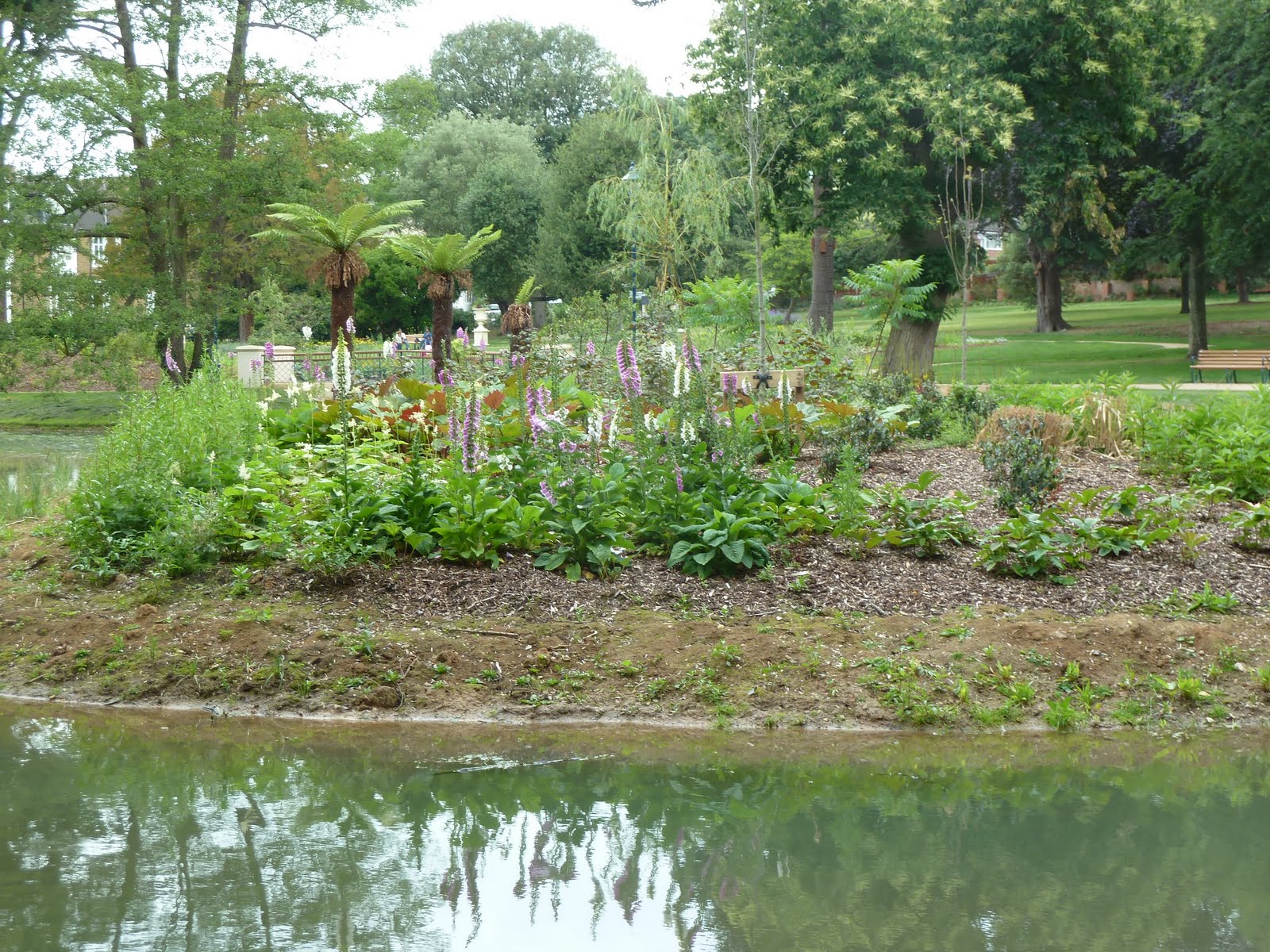
 The Herschel Park, 2011
The park is named after the famed German-born astronomer and musician-composer Sir William Herschel (1738-1822) who died in Slough after a distinguished career in which he discovered the planet Uranus and its moons, invented a number of telescopes, named the “asteroids”, and composed more than twenty symphonies. His sister Caroline was a significant partner in many of his scientific studies.

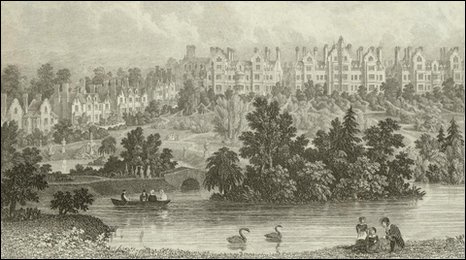
In the mid-nineteenth century, this area was part of a housing development which included large open spaces, and was known as Upton Park. It borders the M-4 and most of it was badly in need of renewal when a group, with money partially from the Heritage Lottery Fund, redesigned the park with nature trails and a Victorian band shell, a real asset for the neighborhood.Below, an old view of the Victorian park.

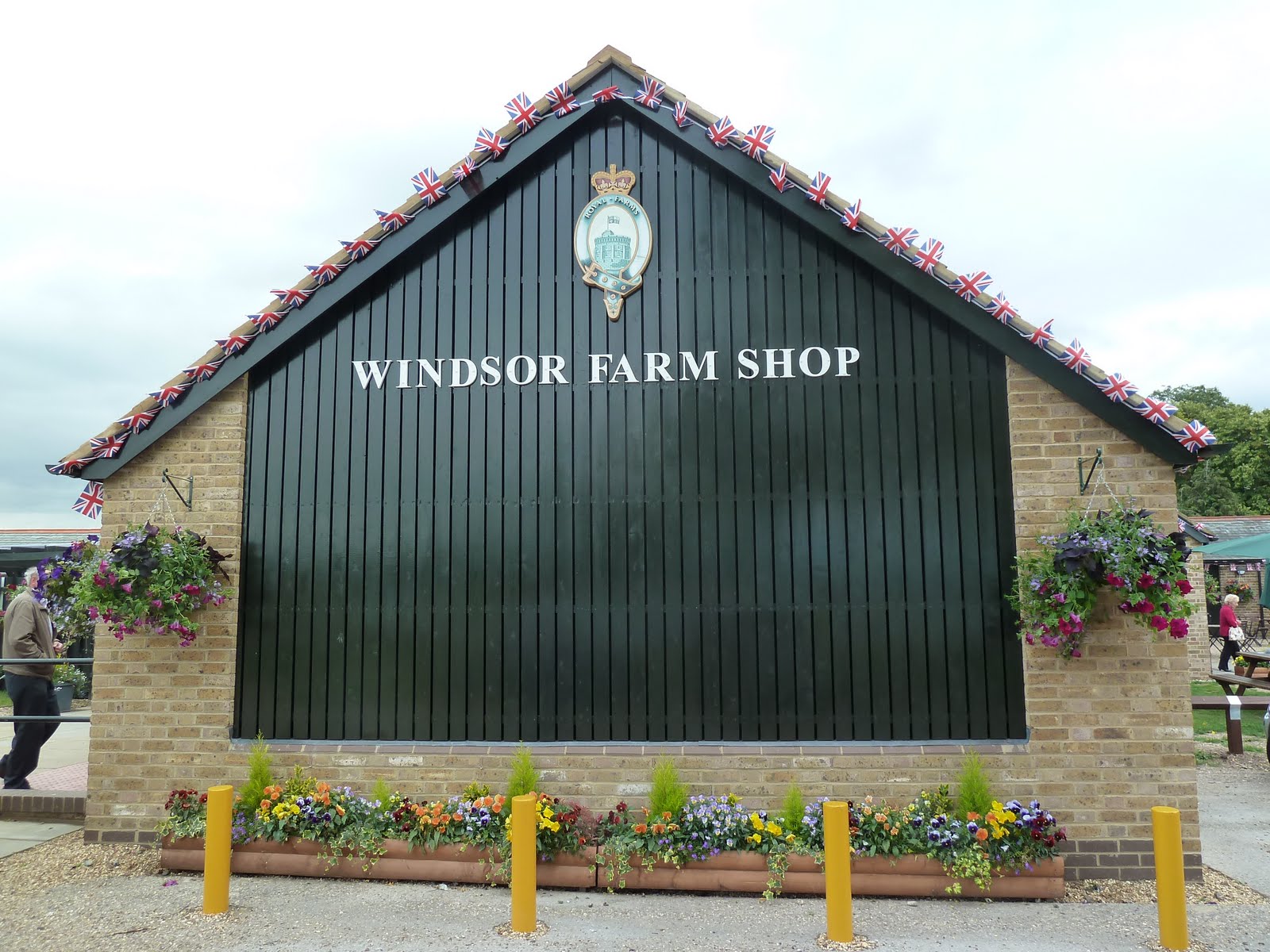
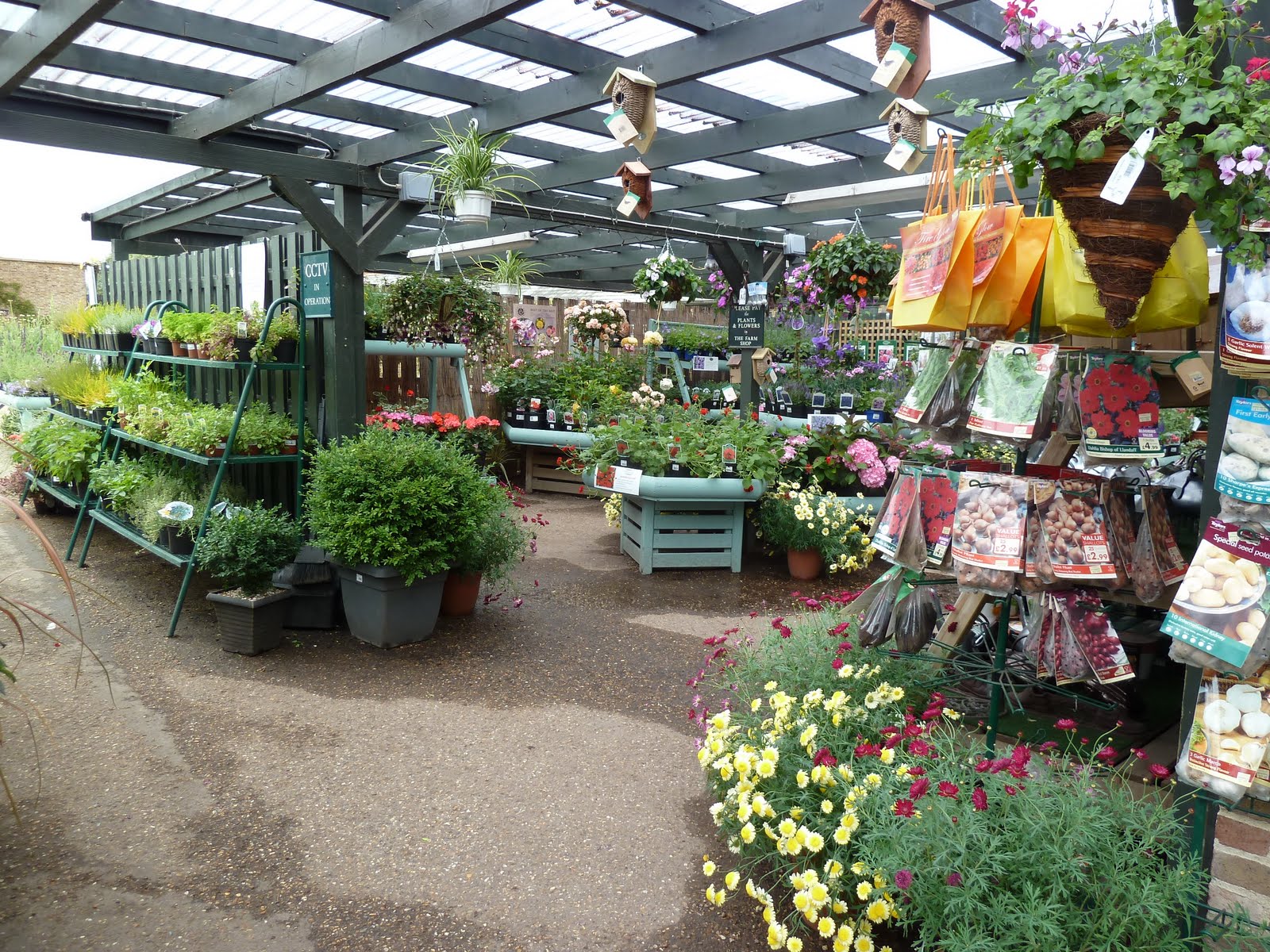
Our next stop was the Windsor Farm Shop where one can buy the Queen’s own beef, poultry and vegetables, straight from the Royal Estates. The goods were very enticing, I must say.

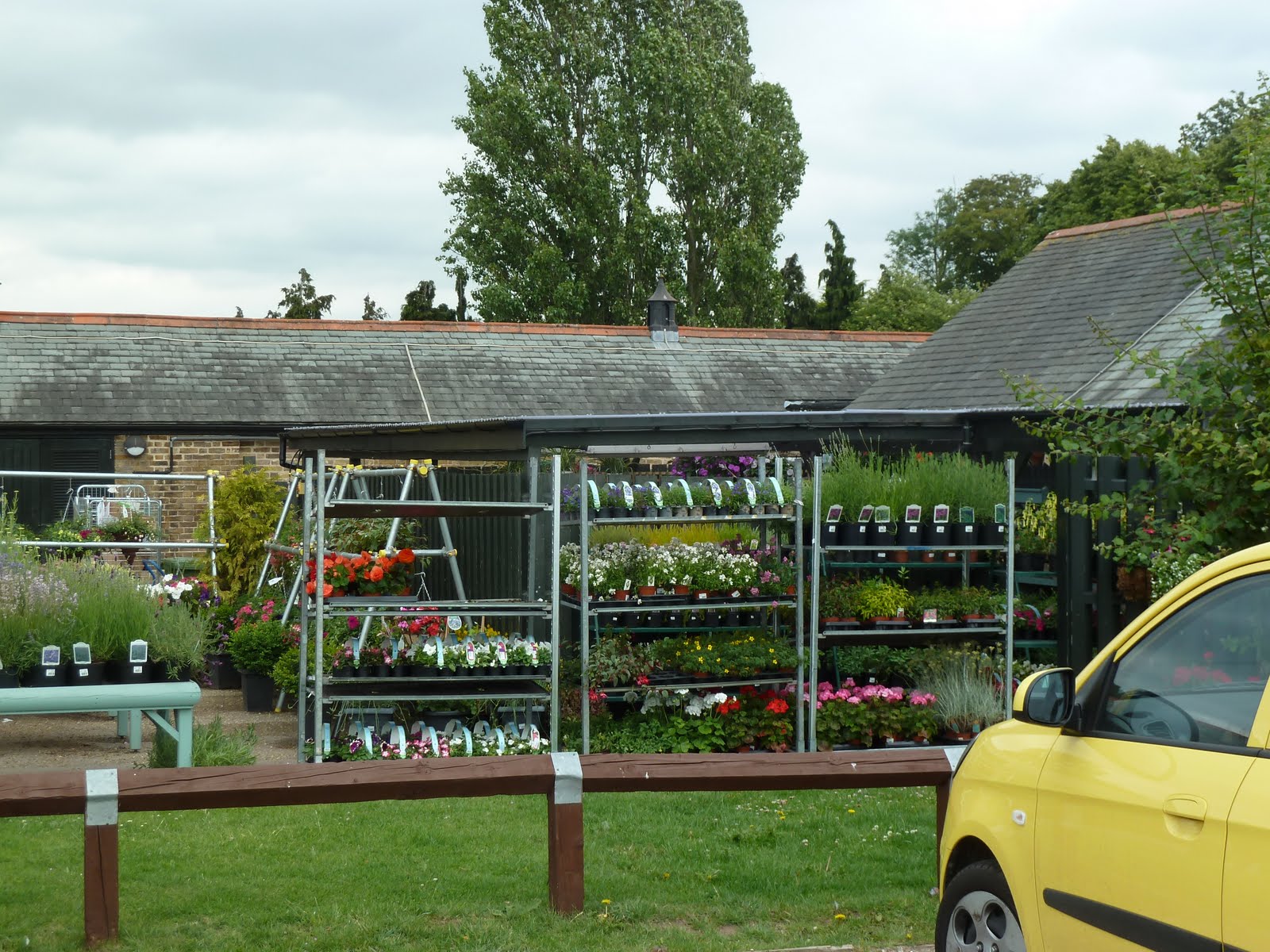
 Outside, there was a wide array of herbs, vegetables and flowers for one’s own gardens.  But I couldn’t quite figure out how I would get them home across the pond!

After a quick sandwich, we walked over to the Windsor Great Park to see the Queen and the royal family pass by on their way to the Ascot Races. I completely failed to get a photo here, but I found one in a newspaper that shows the Queen in what I believe is her loveliest hat. We got a very good glimpse of her and I was so impressed, I forgot my camera altogether.  Isn’t this the prettiest chapeau EVER?


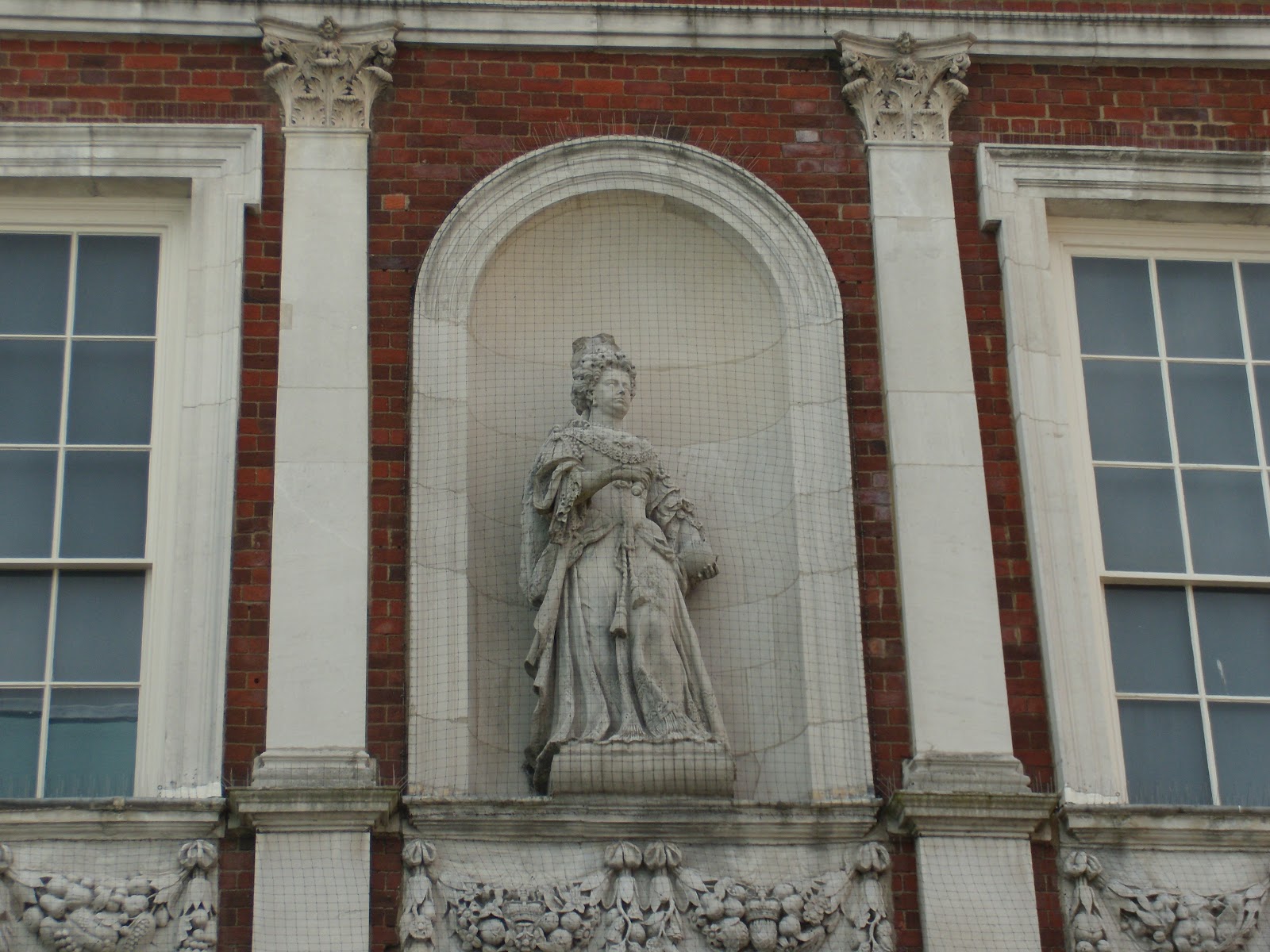
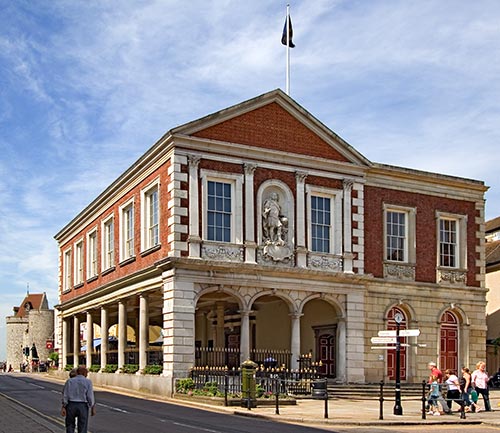
Above, Queen Anne on the Windsor Guildhall,  home of the new museum.

View of the Guildhall from the south, showing the original Wren building completed in 1689 and the extension at the rear, constructed about 1829.

In March of 2011, the Windsor and Royal Borough Museum opened on the ground floor of the Guildhall. The doll above is one of thousands of artifacts to be exhibited, covering prehistoric to recent days.

Hester Davenport blogged here about some of the most fascinating items in the collection, the miniature d
ioramas created in the 1950’s by Judith Ackland and Mary Stella Edwards.  Below, a detail of Windsor during George II’s Golden Jubilee in 1809, showing the princesses dancing at the local celebration.

 Since the town council was not in session, I had the opportunity to go upstairs and view the council chamber, the mayor’s office and  the Ascot Room up close.

 You will be pleased to know that I did not dissolve the town while I sat in the mayor’s chair under the portraits of Edward VII and Queen Alexandra.

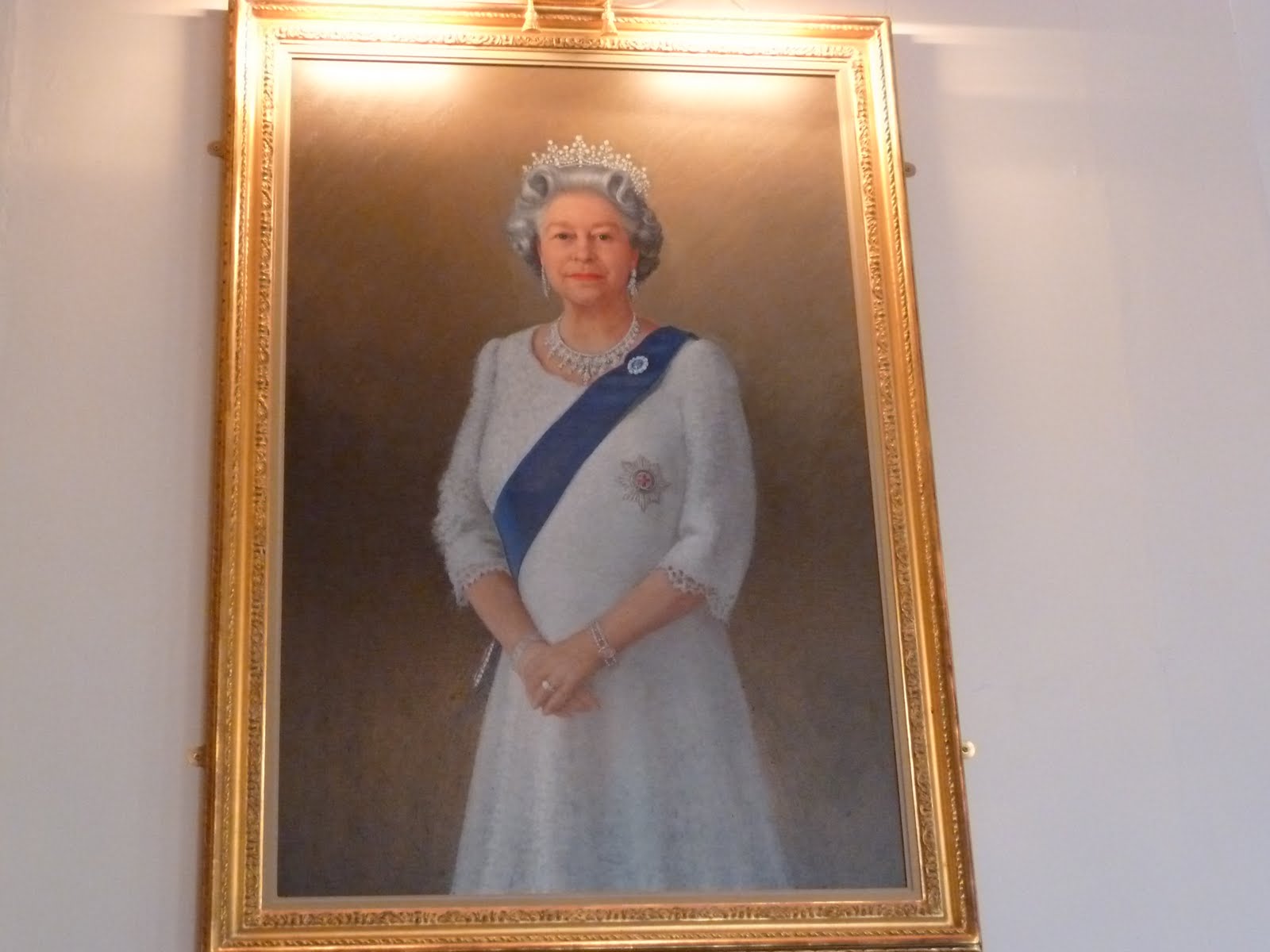
This recent picture of Queen Elizabeth II hangs in the Council Chamber, but I have to admit I preferred the earlier one below, which is not currently hanging but can be seen in the Ascot Room underneath a portrait of Queen Victoria, her great-great grandmother.

The Ascot Room, next to the Council Chamber, is often used for wedding ceremonies, most notably the 2005 marriage of Prince Charles and Camilla Parker Bowles, and later that year, the civil partnership of Sir Elton John and David Furnish.

Hester and I finished with a delicious dinner.  I thank her ever so much for showing my around.   Hester is a very busy lady, with many boards and committees having to do with local history and the 18th /19th C. history. She is currently, for example, the chariman of The Burney Society and is a frequent speaker and writer on literary figures.  Thank you, Hester!!!

The next day I was off to Heathrow for the return trip, already planning for my next visit.

Travels with Victoria for 2011 concludes with this post. I hope you have enjoyed vicariously accompanying me on my jaunts.  And I hope you did not catch my pesky cold — which followed me back home but is now, thankfully, only a memory.

Travels with Victoria: British Museum, Part Two

The King’s Library in the British Museum has a new function. The oldest room in the museum, it was built in 1827 to house the collection of books amassed by King George III. This collection of 60,000 volumes was moved to the new British Library, St. Pancras, in 1997.

In the British Library

George IV donated his father’s book collection to the British people in 1823, necessitating a new building on the site of the original British Museum in Montagu House, Bloomsbury, one of many expansions and re-modelings over the years. Since George III’s book collection was moved a few years ago, the King’s Library Gallery has been restored, conserved and adapted for a new purpose: a permanent exhibition devoted to The Enlightenment.

ancient statues in front of cases filled with books on loan from the House of Commons Library

From the introduction to the exhibition:  “The Enlightenment is the name given to the age of reason, discovery and learning that flourished from about 1680 to 1820 and changed the way that people viewed the world. Enlightened men and women believed that the key to unlocking the past and the mysteries of the universe lay in directly observing and studying the natural and the man-made world. Their passion for collecting objects, from fossils and flints to Greek vases and ancient scripts, was matched by their desire to impose order on them, to catalogue and to classify.”

Bust of Hercules: Roman copy of  original by Greek sculptor Lysippos,
said to have been found at the foot of Mount Vesuvius and
presented to the British Museum by Sir William Hamilton in 1776. 

Continuing with the introduction: “The objects displayed in this room were collected during the early years of the British Museum, which was founded in 1753. They help us explore the passions and ideas of collectors and scholars at this time. When the British Museum was founded, it was a place not only of learning but also of wonder. This gallery focuses on the Museum’s early collectors, recreating that first sense of amazement and exploring some of the ways that people in Britain viewed their world and its past.”

Sir Joseph Banks, 1743-1820, Botanist, Trustee and benefactor of the British Museum; bust by the Hon. Anne Seymour Damer, 1813.

After spending quite a bit of time wandering in this fascinating room — much larger than it appears in these pictures — I decided to take another quick look at some of the other British Museums earliest treasures. 

The Elgin Marbles were collected by the 7th Earl of Elgin from the ruins of the Parthenon in Athens between 1799 and 1812.  He had them shipped to London and after considerable Parliamentary controversy, the nation purchased them and placed them in the British Museum in 1816.  It’s a long, convoluted story, interesting on many levels from the personal travails of Lord and Lady Elgin to the continuing arguments over their ownership. I don’t  have the time or space to condense any of these stories at the moment.  I just enjoyed joining the hundreds of people studying the brilliant examples of ancient sculpture.

The Rosetta Stone was taken from its original location in Egypt by French troops in 1799; British troops defeated the French and took the stone in 1801. It was brought to London and has been in the British Museum since 1802.  On the surface of the stone, a government decree is inscribed in three languages: ancient Egyptian hieroglyphics, demotic script and ancient Greek.  Thus it was possible to translate and read hieroglyphs for the first time.  Though almost all the above photographs are mine, I literally could not get close enough to the Rosetta Stone to take a photo on Sunday, June 12, 2011.  There were constant crowds around it, exclaiming in a multitude of languages about this great treasure of civilization — I thought that was a good thing!!

And now, another of those absurd wrenches from the sublime to the ridiculous.  Having had enough exploring in the British Museum, I started walking back to my hotel. When what should appear but another version of the world naked
bike ride. In June of 2010, Kristine and I were surprised to stand in the doorway of Apsley House in front of a street full of hundreds of nude riders. All we could do was wonder what the 1st Duke of  Wellington would have thought?

And here I was, almost a year to the day later, again confronted by the same spectacle. This time, however, I had my camera handy.  The most amusing part of it was to watch the reactions of drivers, bus riders and passers-by as the huge number of bikes (accompanied by a police escort) rode down Kingsway.  Believe me, dear readers, it was not easy to take a non-X-rated snapshot.  I assume that these riders — who can be found in similar events around the world — have a mission of some kind.  But for me, it was again such a peculiar juxtaposition of the enlightenment and “not a pretty sight” that the point of it all (so to speak) was lost on me.

But it is certainly another confirmation of the idea that in London, you can find a little of almost everything! And maybe even too much of some things?

The last stop on Travels with Victoria will be Windsor, where I had a lovely day’s visit with Hester Davenport, coming soon.

A Letter Concerning the Origin of Sir Walter Scott's "Bride of Lammermoor"

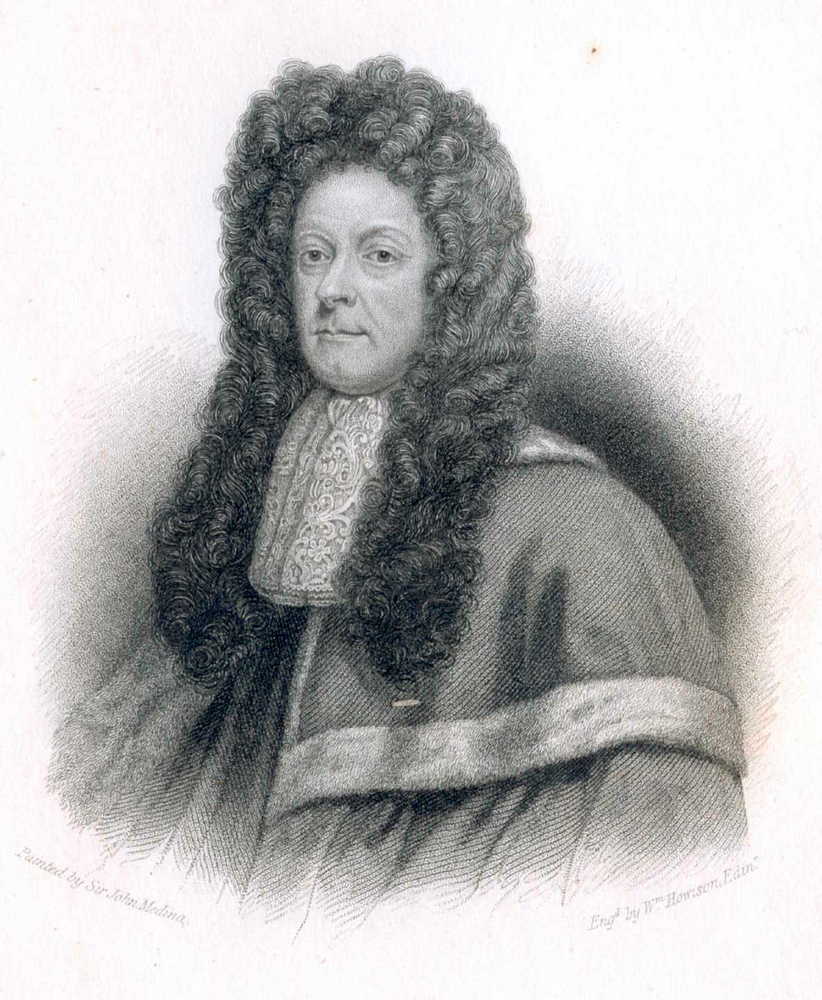
Viscount Stair

From Sir James Stuart Dalrymple Elphinstone to Sir John Shelley 

September 5, 1823.

My Dear Sir John,

“… The bride of Baldoon (for such has always been her designation in our family) was the Hon. Janet Dalrymple, eldest daughter of our greatgreat-grandfather James, Viscount Stair, who was Lord President of the Court of Session in the reign of William and Mary. Janet Dalrymple was sister to the first Earl of Stair, and to our great-grandfather, the Lord President Sir Hugh Dalrymple of North Berwick. She was therefore our great-grand-aunt.

“Janet Dalrymple was deeply attached to Lord Rutherford, to whom she had plighted her troth unknown to her parents. Under the auspices of her mother, a less amiable but far richer suitor appeared in the person of David Dunbar, eldest son of Sir David Dunbar of Baldoon. It was in vain that the young lady not only showed her aversion to his addresses, but also told David Dunbar of her attachment to another, and of the solemn engagement she had made. The new suitor was warmly supported by Janet’s mother, and would take no refusal. In these circumstances the poor girl was forced into a marriage which she cordially detested.

“The result of this cruel and unnatural sacrifice was nearly, if not exactly, as related by Sir Walter Scott. On the marriage night, soon after the young couple had been left alone, violent and continuous screams were heard proceeding from the bridal chamber. The door was found to be locked, and, upon being forced open, the bridegroom was found lying on the floor, stabbed and weltering in his blood. In the corner of the large fireplace sat the bride in a state of uncontrollable phrensy. This condition of mind continued, without intermission, until the hour of her death. She did not long survive, and with the exception of the few words, ‘Ye hae taen up your bonnie bridegroom,’ mentioned by Sir Walter Scott, she never spoke again.
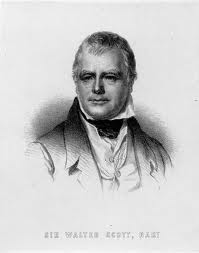
Sir Walter Scott

“The natural conclusion drawn from these tragic events—a conclusion which seems to have been assumed by Sir Walter—was that the unhappy and distracted victim, seeing no other means of escape from a fate which she held in abhorrence, had in a fit of desperation inflicted the fatal wound upon her selfish and unfeeling husband. But in justice to the memory of our unhappy relative we may be permitted to regret that Sir Walter Scott had not been informed of a tradition long current in that part of the country where this tragic event took place. From the circumstance that the window of the bridal chamber had been found wide open it is conjectured that her lover, Lord Rutherford, had during the bustle and confusion incidental to the preparation of the marriage feast— perhaps with the connivance of some servant—contrived to conceal himself in the bridal chamber. That he had fought with and severely wounded his rival, and had escaped through the window which overlooked the garden.

“This is the more probable owing to the fact that young Baldoon—to the last moment of his life— absolutely refused to make any statement whatever. It is more than probable that he was actuated by a desire to conceal the particulars of a rencontre the cause and consequence of which he might well consider as discreditable to himself.

“Lord Rutherford is said to have disappeared immediately after the event took place in a mysterious manner; but that part of the story has escaped my recollection.

“While on this subject I cannot help offering some observations relative to the principal characters introduced in ‘The Bride of Lammermoor.’ They are all more or less interesting to us both.

“The portrait of Sir William Ashton cannot be regarded as a fair representation of our eminent ancestor, Lord Stair, to whom he bears little resemblance. Sir Walter would seem wishful to avoid any comparison between them when he says that, on acquiring the ancient seat of the Lords of Ravenswood, Sir William had removed certain old family portraits and replaced them by those of King William and Queen Mary, and of Sir Thomas Hope and Lord Stair. . . . Having in the character of Lucy Ashton so closely delineated that of the daughter, the author should, in fairness, have been at more pains to prevent the description of the Lord Keeper from being regarded as an equally fair representation of the father. This is an omission of which the descendants of Lord Stair have, I think, some reason to complain.

“In Lady Ashton the portrait of our ancestress seems to be more faithfully drawn, or at least less misrepresented. She was an ambitious and designing woman, of a masculine character and understanding. It was her fixed determination that her daughter should make that fatal marriage.

“The description of young Ravenswood bears a marked resemblance to that of Lord Rutherford, who was an amiable and high-spirited young man, nobly born, but destitute of fortune. He was certainly well cut out for a hero of romance.

“As to young Baldoon, of whom very little is known, beyond what I have already stated, he seems to have cut a better figure than he deserved in the person of’ Bucklaw.’ . . .

“So far as Sir Walter Scott’s information went— beyond changing the scene of action from the west coast to the east—he seems to have kept to facts as closely as was consistent with a work of fiction. But, if a record of a distressing family incident was to be handed down to posterity in a manner so affecting, and by so renowned an author, it would have been well if the author of’ The Bride of Lammermoor’ had been made acquainted with a tradition which puts quite a different complexion on the affair.

“I am of opinion that with judicious management the interest of the story would have been increased, and would certainly have left a less painful impression regarding our unhappy and unfortunate relative, the Bride of Baldoon.

“With best regards from all here to you and Lady Shelley, I remain, my dear Sir John,
Ever most truly yours,
James Dalrymple Elphinstone
Travels with Victoria: The British Museum, Part One

Saturday 4 June 2011

According the September 2011 British Heritage magazine, the British Museum is the leader of all London attractions, with more than 5,840,000 visitors in 2010. And it is free. Yes, they ask for a contribution and special exhibitions carry an admission fee.  But I suspect that many people enjoy hours and hours of browsing without paying a penny. Like most frequent London visitors, I have been many times, but I love to go back because there is always more to see.  And I always leave a contribution.

On this particular visit, I was interested in seeing some of the Regency-era acquisitions on display.  I have a copy of Louise Allen’s Walks Through Regency London guide book. She points out that many of treasures from the late 18th and early 19th centuries can be seen in a few rooms on the upper level. For more information on Louise, her novels and her guidebook, click here. While I had seen — many times — the most famous of the British Museum early treasures such as the Rosetta Stone and Elgin Marbles, I realized I really hadn’t spent much time looking over the less obvious items.

The display cases on the upper level were well worth close examination. Information comes from the museum’s labels. Above, four pedestals in Jasperware by Josiah Wedgwood, 1787, showing Mars, Jupiter, Cupid and Venus. Behind them, a vase with a relief of Aurora in her Chariot in Jasperware by John Turner, about 1790; Turner was the most successful of many imitators of Wedgwood’s jasperware.

Coadestone bust of John Flaxman, RA (1755-1826), English, London, late 18th century; in 1769, Eleanor Coade (1752-1821) ran a factory making a durable stoneware for outdoor use.

The Pegasus Vase, Jasperware, thrown, with applied reliefs, England, Staffordshire. Josiah Wedgwood, 1786;  The main scene designed in 1778 by John Flaxman (above) is the Apotheosis of Homer, copied from a Greek vase bought by the museum in 1763 from the Hamilton Collection.

Sir William Hamilton in Jasperware with gild wood frame; England, Staffordshire, Wedgwood, 1779; Hamilton is shown in the guise of a Roman.

An aside: Sir William Hamilton  (1730-1803) was a British diplomat who served as British Ambassador to the Kingdom of Naples between 1764 and 1800; he was a scientific observer of Vesuvius, and a collector of antiquities, many of which he shipped home to England and sold to the British Museum in 1772.

Sir William Hamilton by Reynolds, 1776-77, National Portrait Gallery

In 1791, at age 60, Hamilton married Emma Hart, age 26. She accompanied him back to Naples where she met and began a famous liaison with Admiral Horatio Nelson.

Emma, Lady Hamilton by George Romney, c. 1785, National Portrait Gallery

Copy of the Portland Vase; Jasperware, thrown, applied reliefs; England, Staffordshire, Wedgwood, c.1791; between 1786-95, Josiah Wedgwood painstakingly reproduced in black Jasperware the roman glass vase brought to England by Sir William Hamilton and lent to the potter by its owner, the Duke of Portland.

The Portland Vase, made of cameo glass, probably in

Rome 15 BC to 25 AD.

The Portland Vase is one of the finest surviving pieces of Roman glass; it is named for the Duke of Portland who owned it 1785-1945. Cameo glass is made in two layers; the outer (usually white) layer is carved away from the underlying dark layer to create decorative scenes and patterns.
The vase was deliberately smashed in 1845; it was carefully restored by museum conservator John Doubleday; subsequently it has been re-assembled to insure its stability by using new adhesives.  It is considered one of the museum’s great treasures.

Jasperware Wine Cooler, England, Staffordshire, Etruria c. 1783, Wedgwood; applied relief designed by Lady Diana Beauclerk (1724-1808).

In a second British Museum post, we will look at a few of the recent developments in the museum itself, as well as a quick visit to the Elgin Marbles.