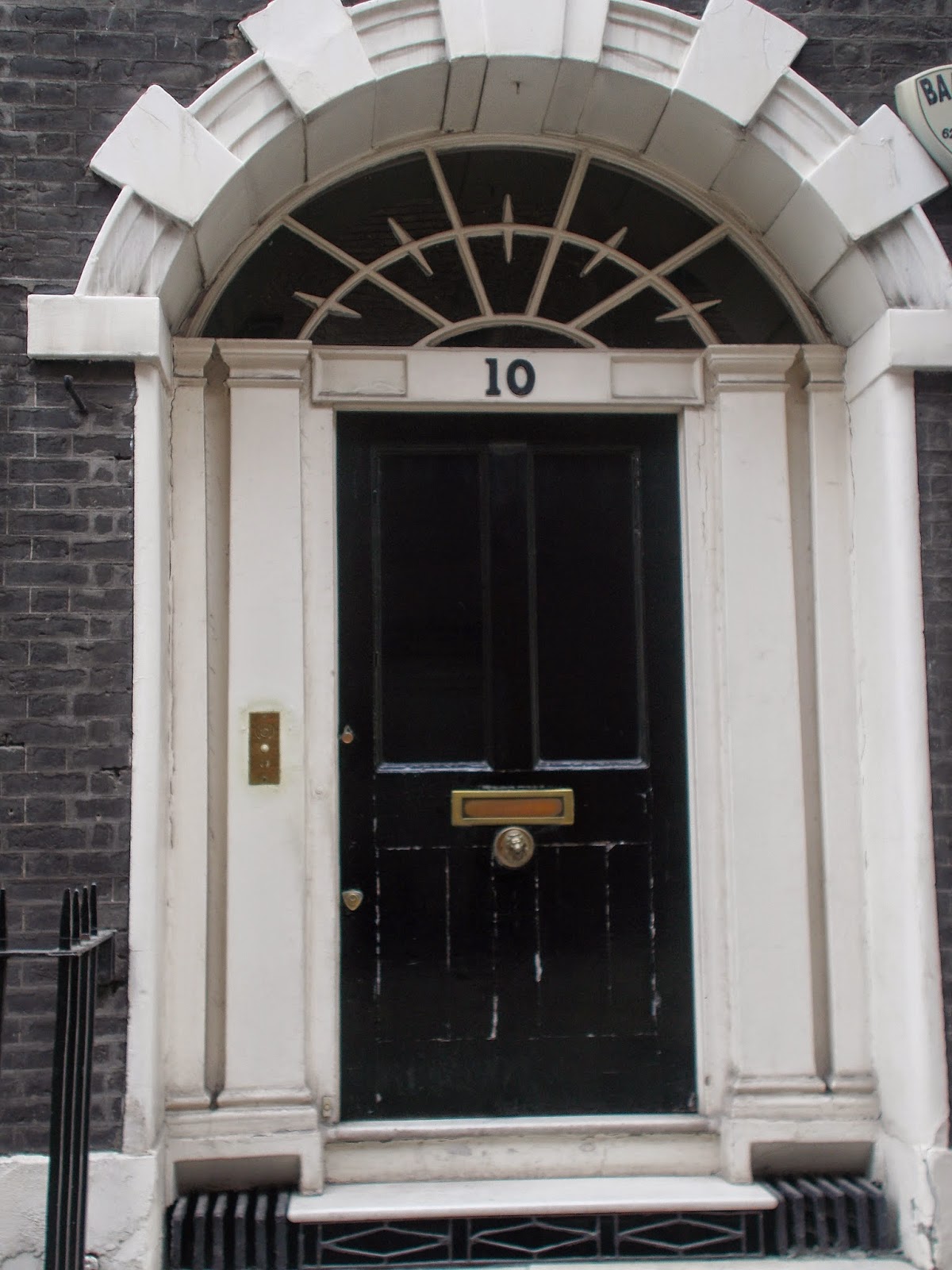
White’s Club
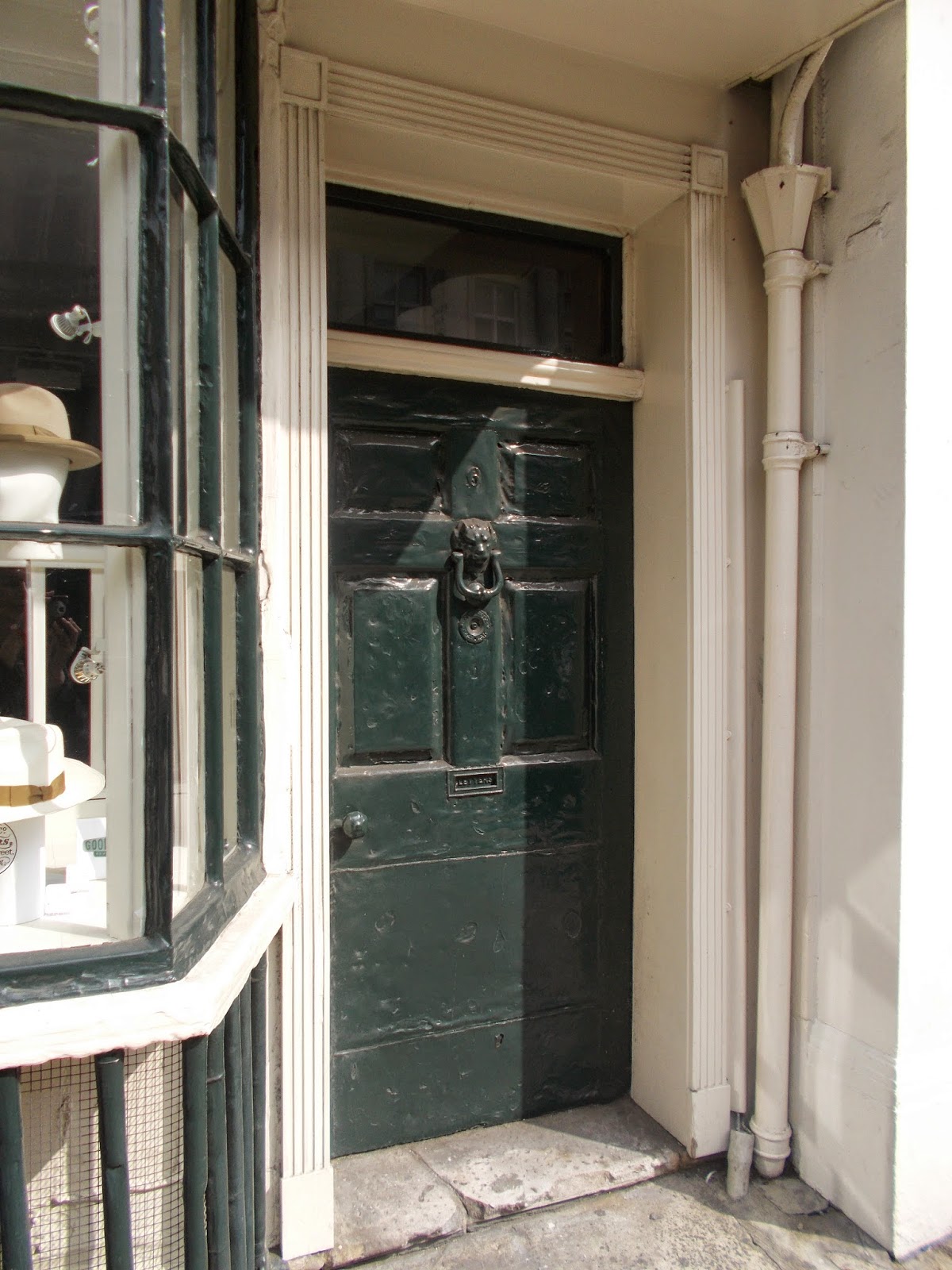
Lock’s Hatters
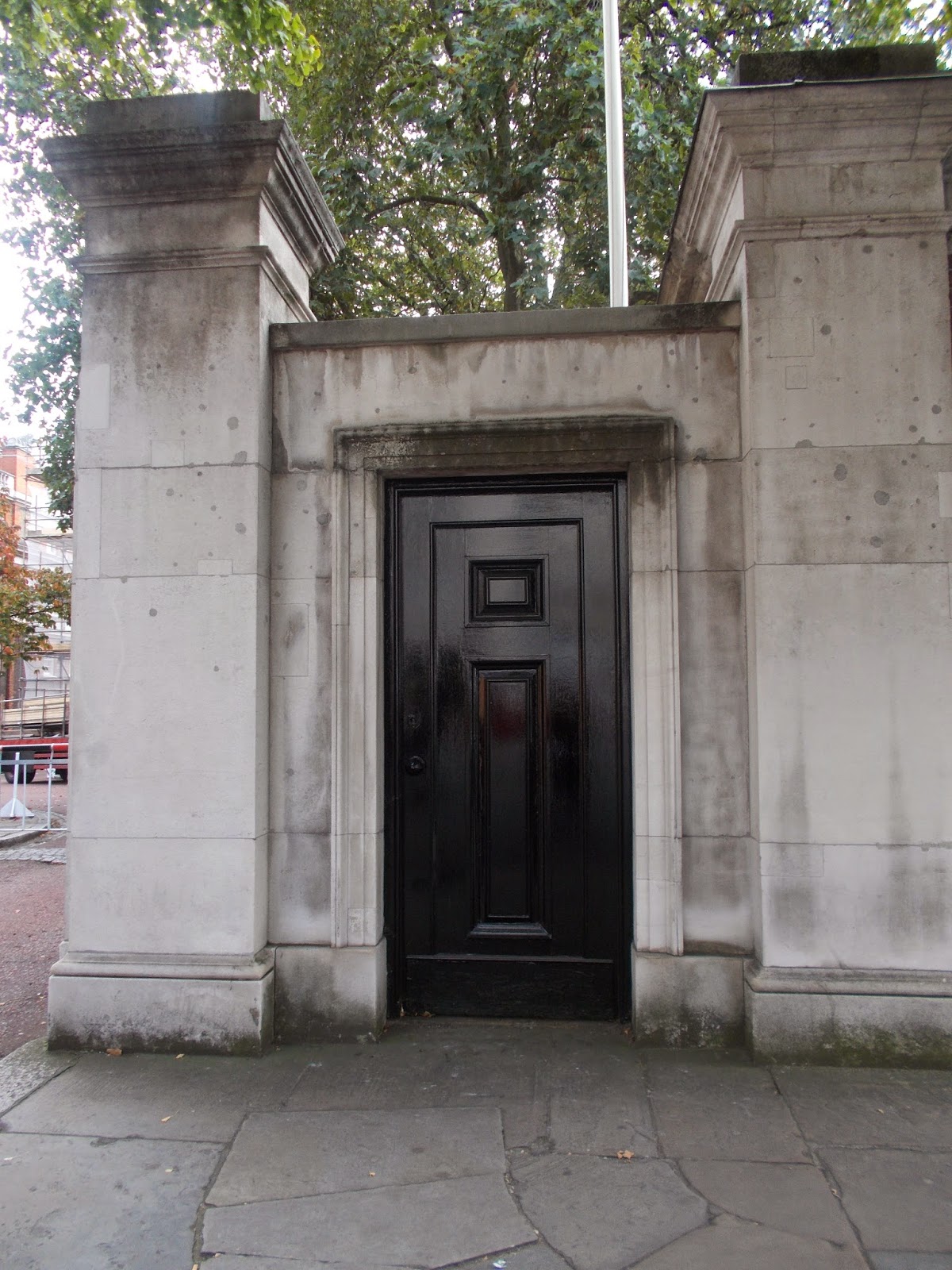
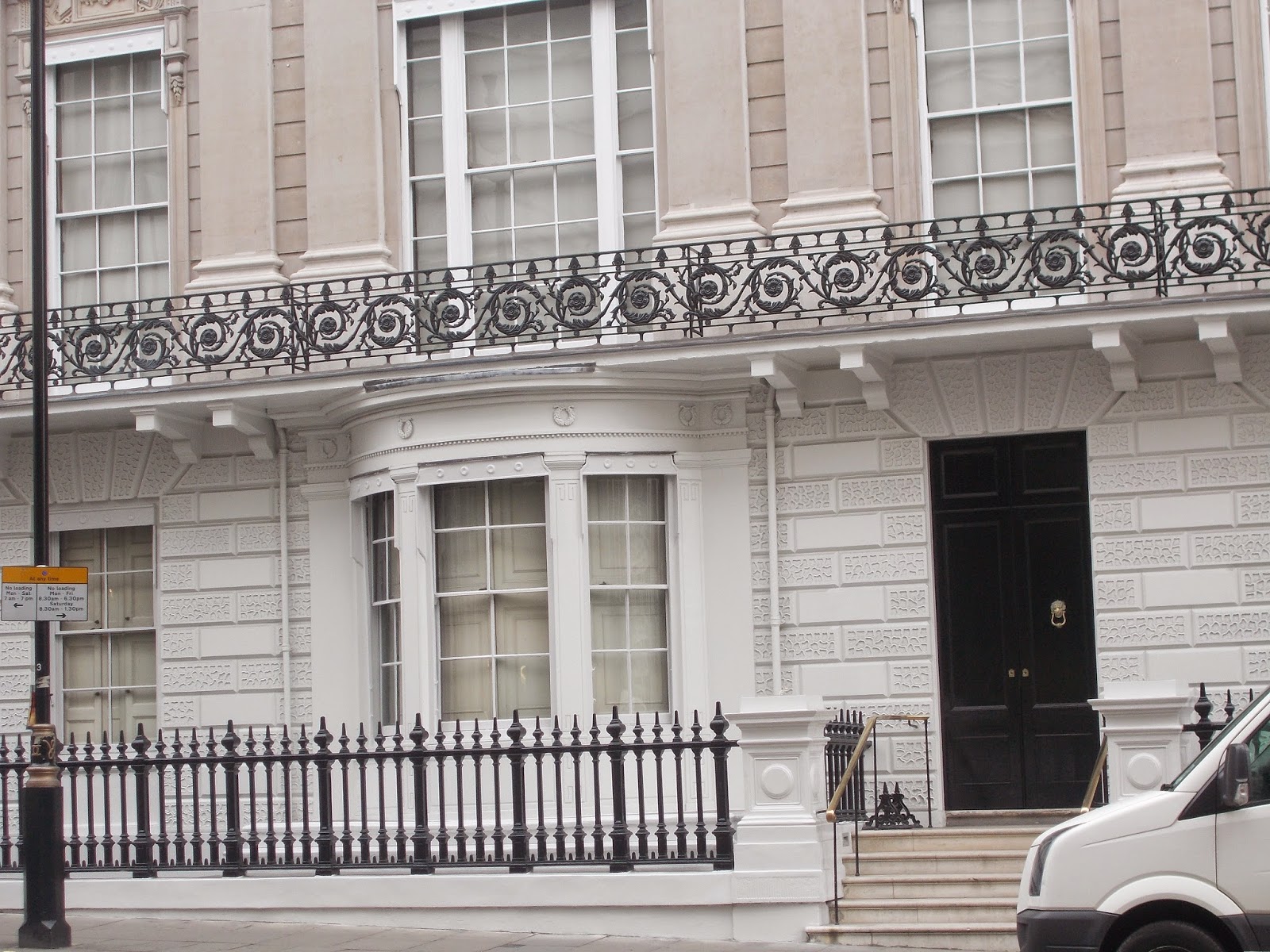
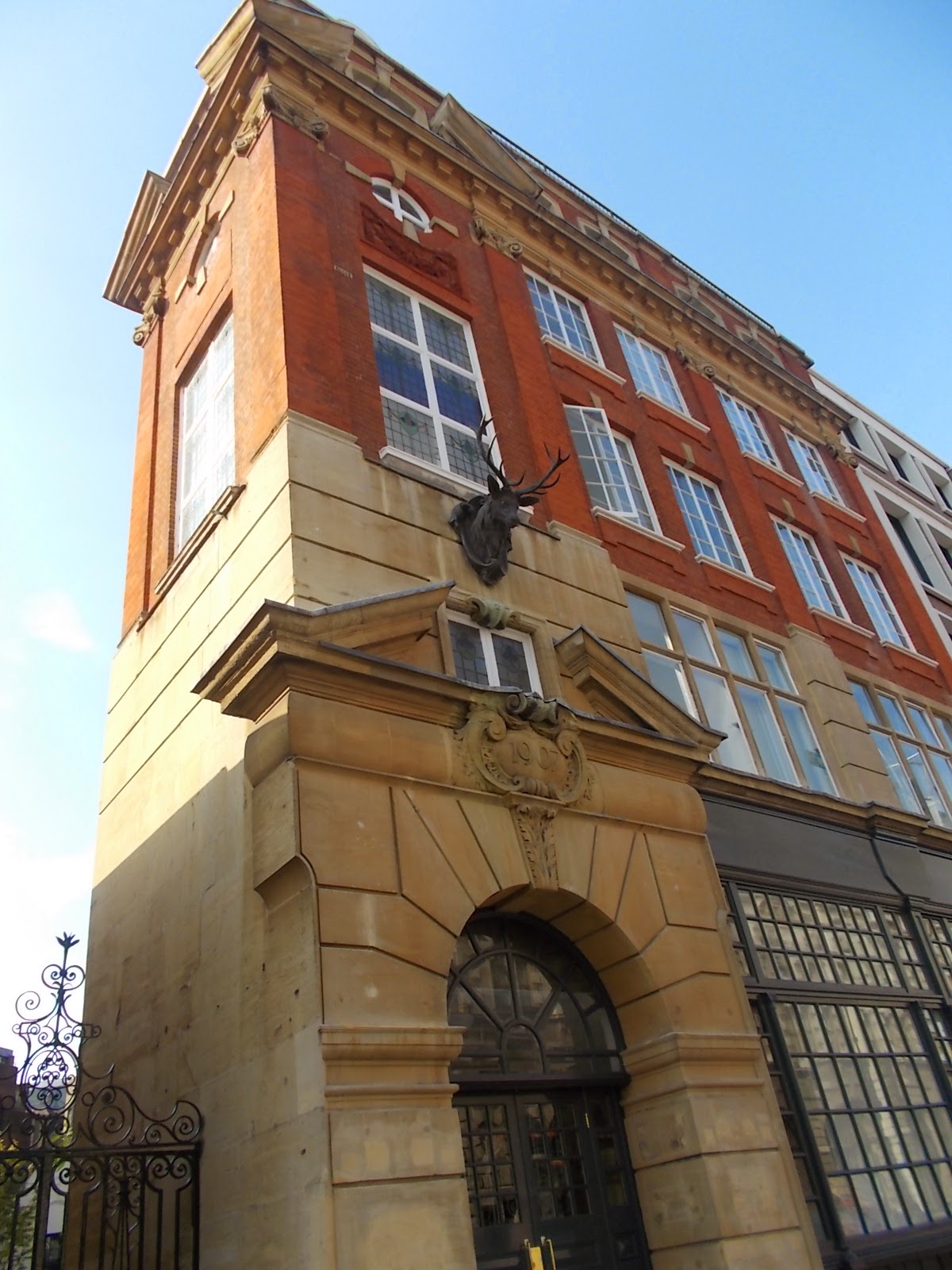
Marlborough House gatehouse
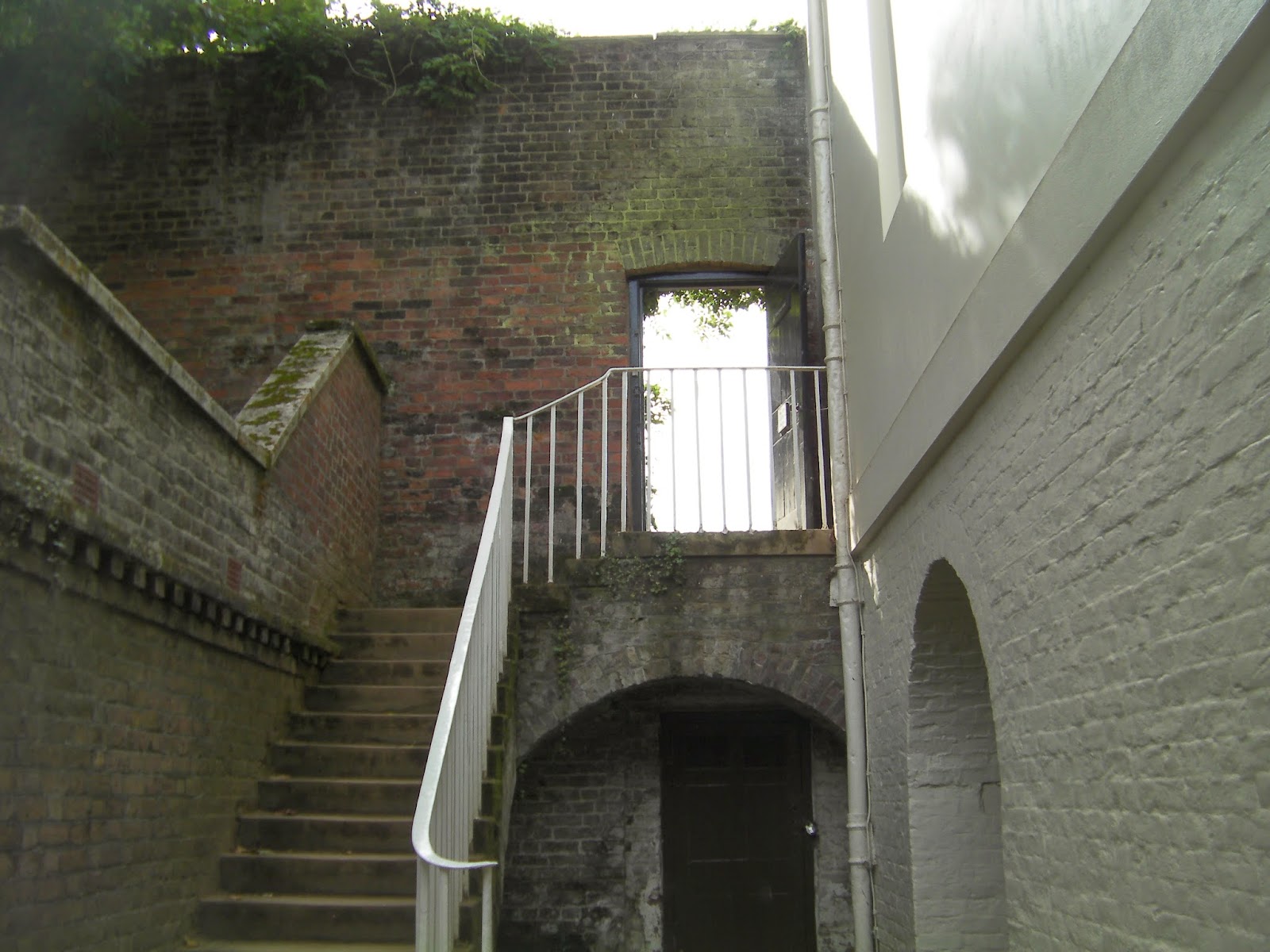
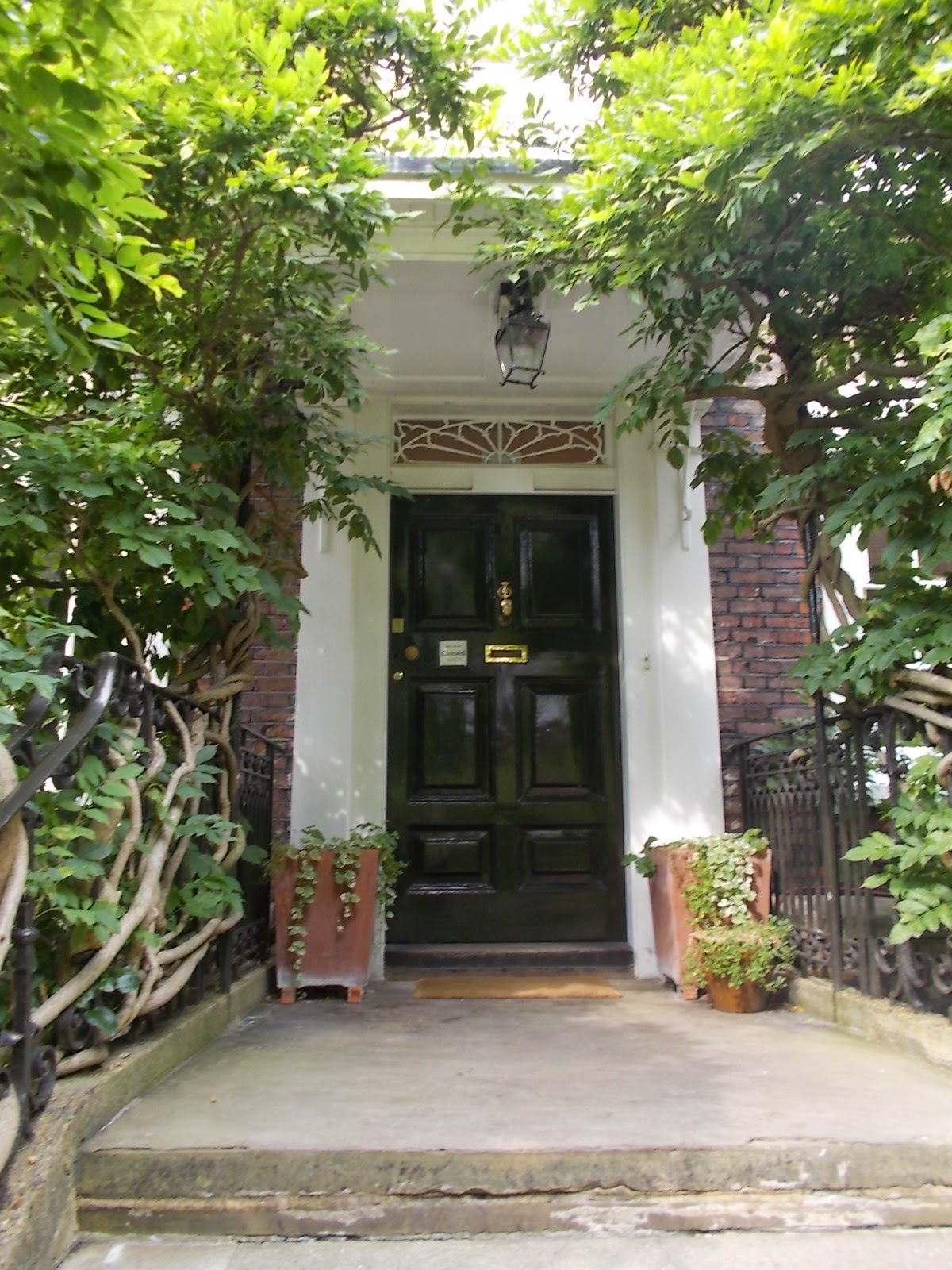
Kenwood House
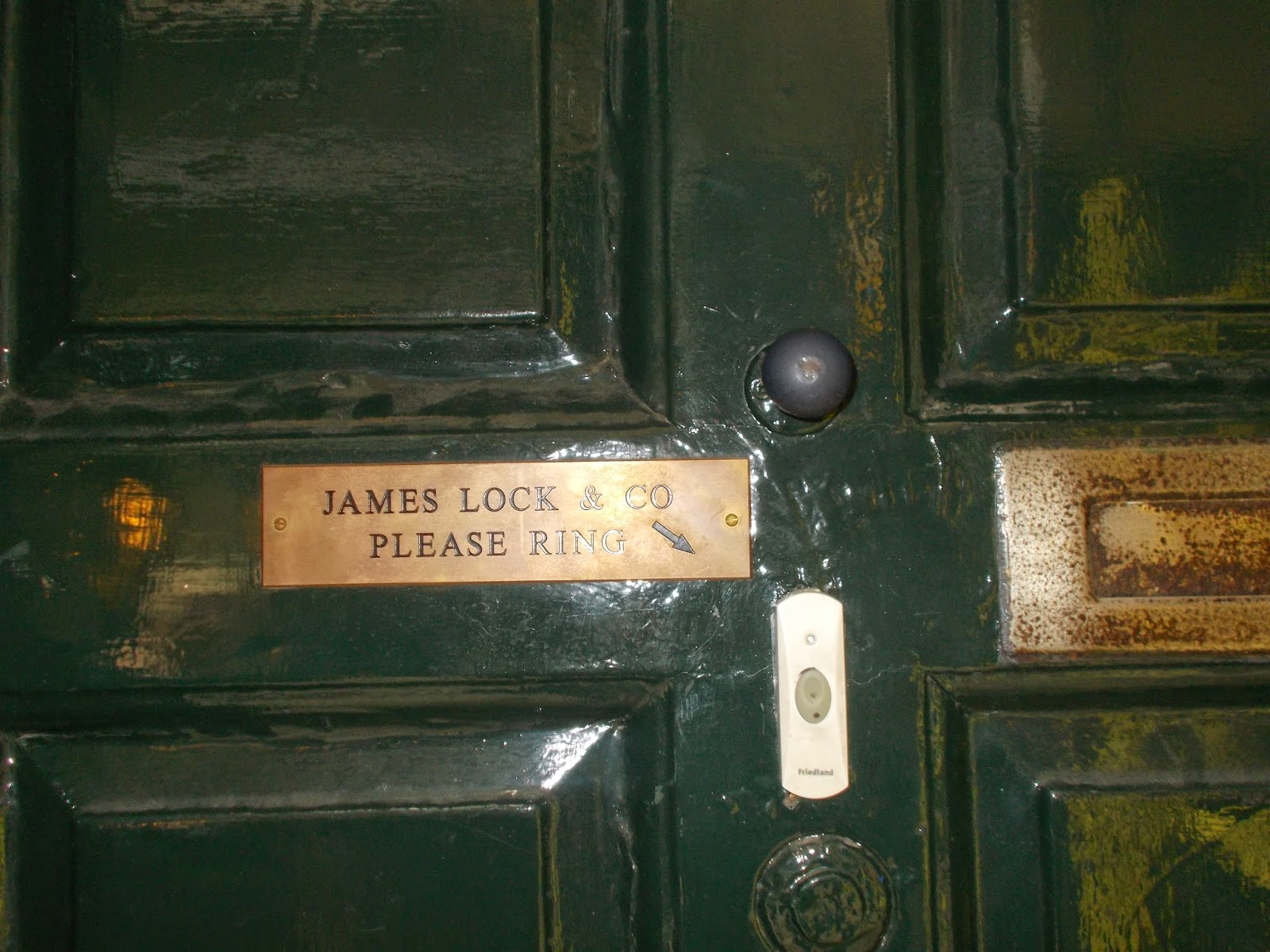
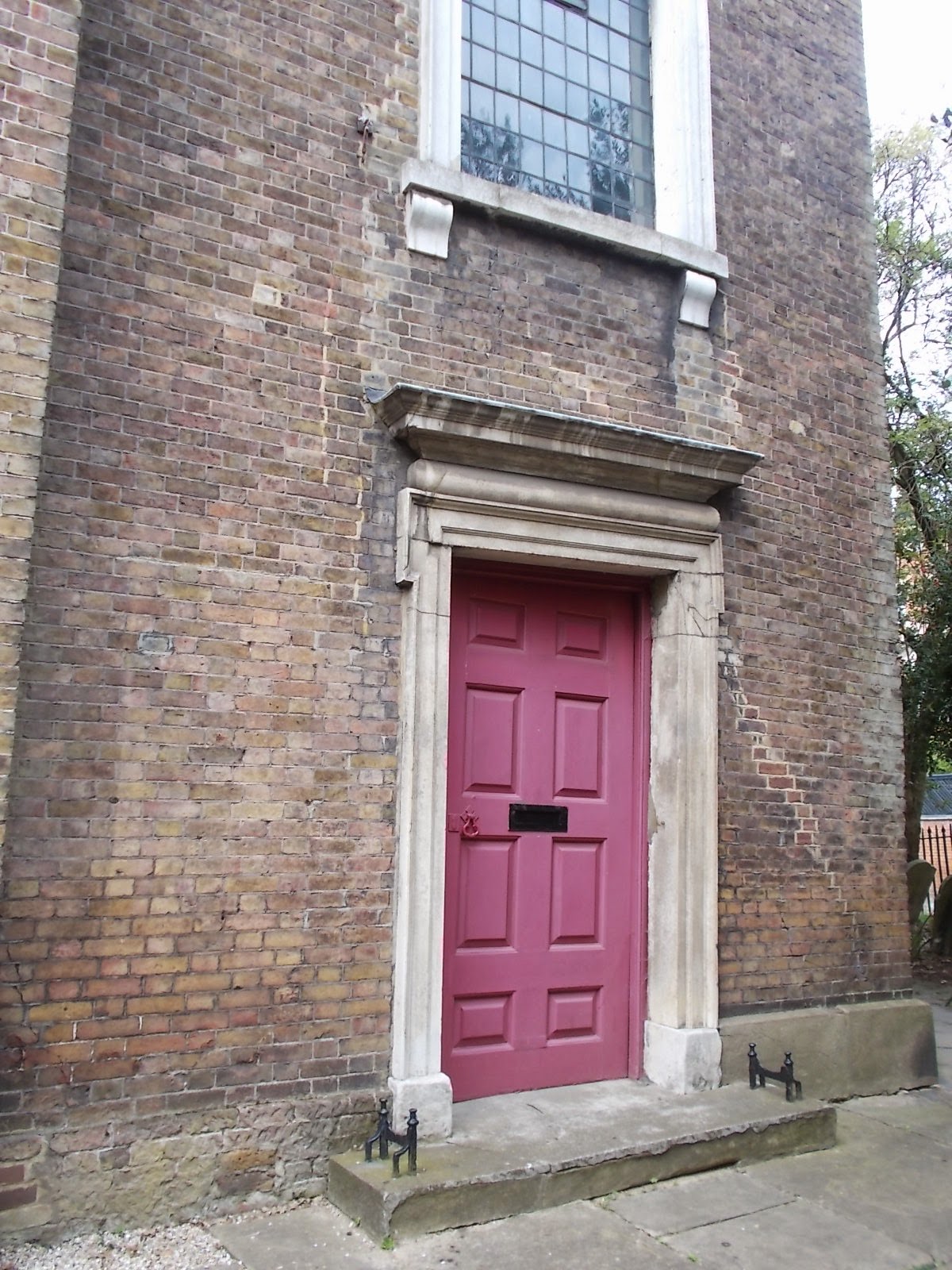
Lock’s Hatters, rear door


.JPG)
Scotland Office (Dover House), Whitehall
.JPG)
.JPG)
.JPG)
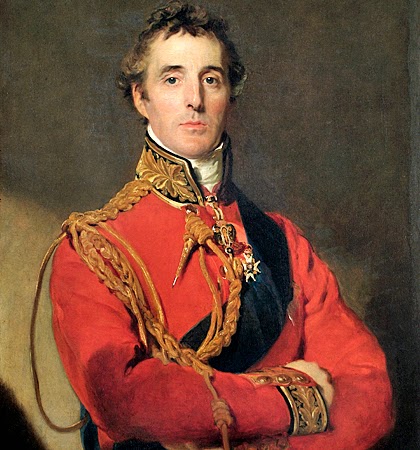
Marking the 200th anniversary of the Battle of Waterloo, the display of 59 portraits aims to reveal how the art world took on the political, military and personal life of the Duke, including Goya’s view of Wellington entering Madrid, started in 1812 but modified twice to reflect his later honours and awards.
Thomas Lawrence’s portrait was painted in the year of the Battle of Waterloo, becoming the basis for the British £5 note for 20 years from 1971.
A work by John Hoppner, of the Duke as a youthful soldier, will be one of several rarely-seen loans from the family of the Marquess of Douro, as well as the Claudet portrait, from Wellington’s 75th birthday, in 1844, and a drawing of his wife, Kitty, made by Lawrence and described as “beautiful” by curators.
A key concern of the exhibition will fall upon the soldiers who fought in Wellington’s armies, represented by eyewitness accounts and prints based on sketches by servicemen. Several satirical prints published during the Duke’s two spells as Prime Minister will also appear.
“The Duke of Wellington’s victory over Napoleon at Waterloo is well known,” observed Paul Cox, an Associate Curator at the gallery.
“This exhibition provides the opportunity to examine less familiar aspects of his life, including the long political career during which he saw through important forward-looking legislation, but suffered a dramatic loss of popularity.
“I hope that visitors to the exhibition will gain a fuller picture of Wellington as a man, rather than simply as a hero. ’”
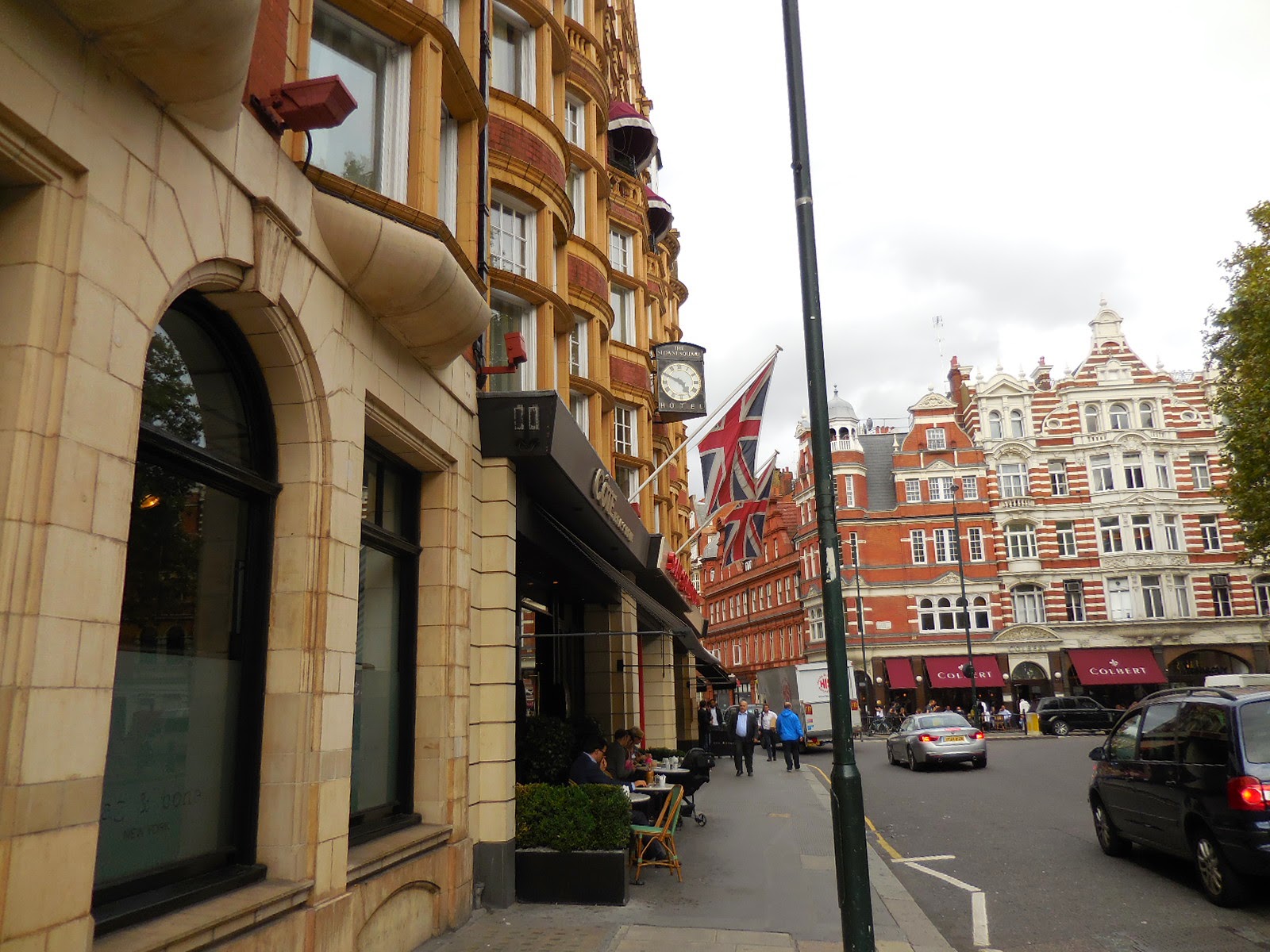
Victoria arrives!
.JPG)
Now a strange thing happened. As you may recall, I had been dreaming of a stiff rum and Coke all day long, but now that we stood before the beer taps, I suddenly wanted nothing more than a cold pint. Unfortunately, the pub had many micro brews and specialty ales. Not a recognizable brand in sight. The infant barman was kind enough to allow Victoria and I to taste a few before we ordered.
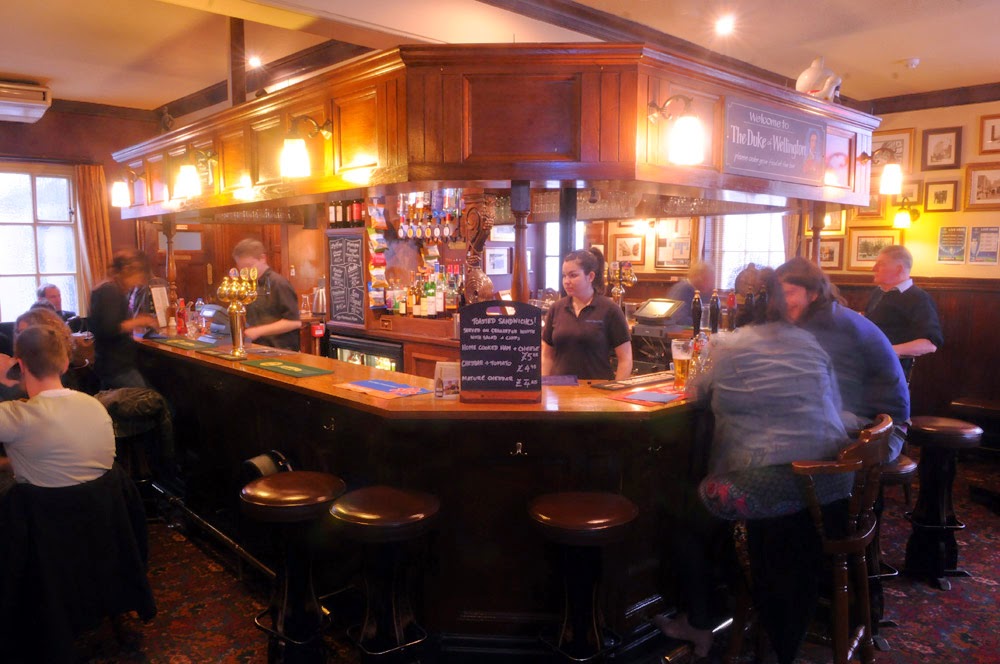
In the end, Victoria and both opted for the Oranjeboom which was fabulous. Here’s how it’s described:
‘Quirkily Continental’, Oranjeboom is a Dutch classic and was judged the ‘best draught lager in the world’ at the Brewing Industry International Awards. A delicious, easy-drinking Dutch drop with a hay-like hue and a herbaceous, grassy and fruity fragrance. Citrus notes on the palate speak softly of orange, kiwi and lemongrass buttressed with a hint of caramel sweetness and a gentle, drifting finish.
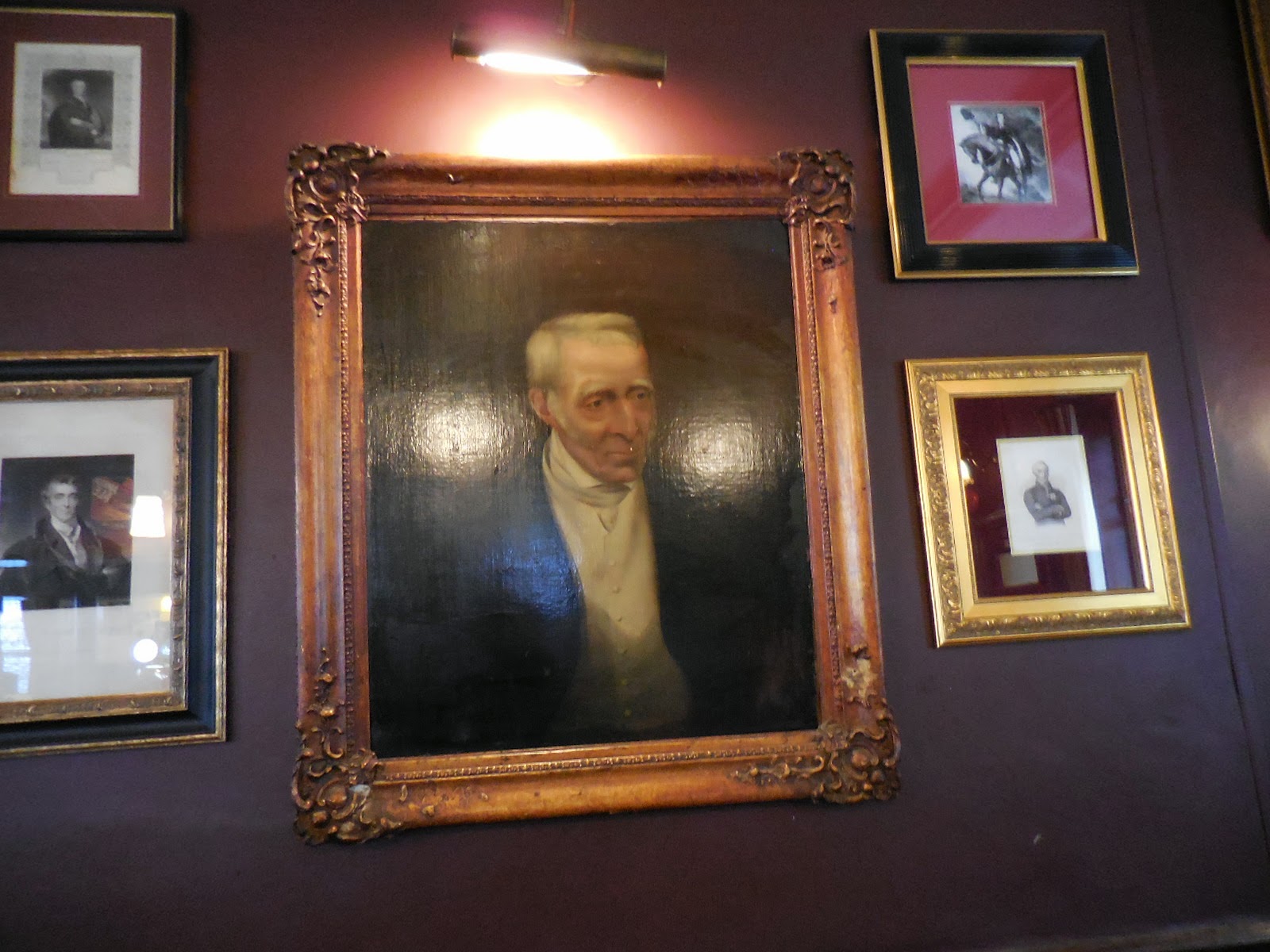
After our first sips, we took up our glasses and spent a good few minutes examining and photographing all of the Wellington memorabilia ranged around the walls. They even had a copy of one of my favourite Wellington portraits, which I fondly refer to as the Grandpa Artie image.
.JPG)
Finally, we found an empty table and took a load off. Victoria told me about her two weeks in France, whilst I regaled her with tales of my poor feet. And the Royal Hospital.
“I still can’t believe that no on there knows where the painting is hung,” I said, relating the story of my search for the painting entitled The Chelsea Pensioners Reading the Waterloo Despatch.
“Or what the painting is,” Victoria added.
“Yeah. I mean where else would it be but at the Royal Hospital?”
“Come to think of it, I could swear I’ve seen it somewhere before,” Victoria mused.
“At the Royal Hospital?”
“I can’t recall, but somewhere. You know, there were probably a few copies made when it was commissioned by the Duke of Wellington. It was a fairly common practice. There are at least three copies of the Lawrence portrait of Artie.”
“I know. I think I’ve seen the Chelsea Pensioners before, too, come to think of it.”
“Where? You haven’t been to the Royal Hospital before today.”
“Damned if I know.”
“Do you think we saw it when we went to the National Army Museum?” Victoria asked.
I took a sip of beer. “Could be. It seems to me that I saw it someplace in London. Someplace connected to Artie.”
“Where else in London could it be?” Victoria asked. “Horse Guards?”
“Haven’t the foggiest, but I’m going to go back to the Royal Hospital when we get back to London in a few weeks time to see if they find out where it is. This mystery is driving me crazy.”
Eventually, we moved on to discussing other things and ordering dinner, after which I was truly ready for bed. As I fell asleep, I thought about our agenda for the next day – the newly renovated Kenwood House and Highgate Cemetery. Life was good. Even when your feet hurt.
Next installment coming soon!
From the Journal of Mrs. Arbuthnot, November 8, 1823
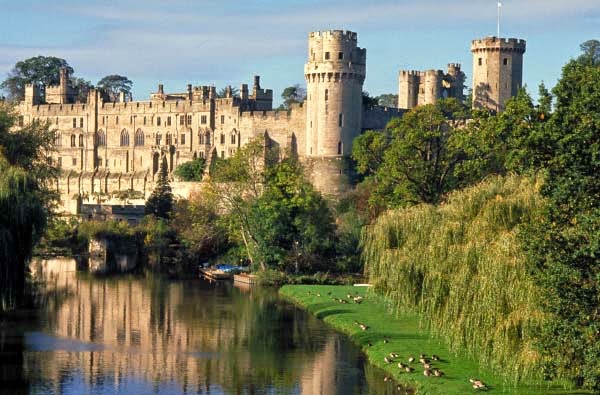
We returned home on the 4th to receive the Duke of Wellington, who staid with us till the 7th, yesterday, when we came to Warwick Castle to a ball given last night by Lady W. It was very magnificent. The old Towers were lighted up, but unfortunately there was such a fog it was hardly visible. We have spent the morning in walking round the walls and shewing the Castle to the Duke, who has never been here before. It is quite provoking to see the little interest the owners of this fine old relique of Baronial splendour and power take in it. The Castle is full of fine old family pictures, and they don’t know one of them; they scarcely know their way about the walls; and Lord Warwick, instead of shewing it to the Duke, told Mr. Arbuthnot he should wait till every body was gone out and then go and poke about by himself!