LOOSE IN LONDON: A VISIT TO CLARENCE HOUSE

Victoria here, inviting you to our take on Clarence House, London,.  Kristine and I  booked our tour while the current residents, the Prince of Wales and his wife, Camilla, Duchess of Cornwall, were off on vacation.

Poster advertising the summer opening of Clarence House

This was not the greeting we received when we arrived.  Oh, well.

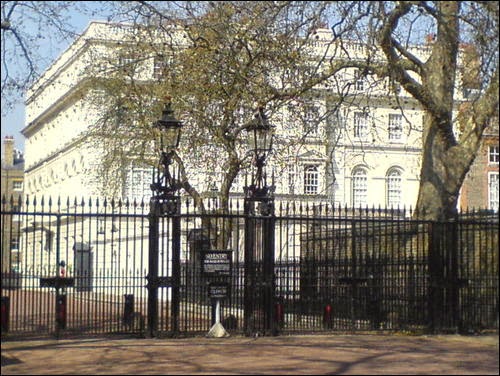
Clarence House is located adjacent to St. James’s Palace (redbrick, on the far right) and next to Lancaster House, on the left.


1874 engraving of Clarence House

Clarence House , designed by John Nash,was built for the Duke of Clarence between 1825 and 1827. After the death of his elder brother, George IV, the duke became King William IV in 1830.  He and his wife, Queen Adelaide, continued to live in Clarence House until his death in 1837.

George IV’s extensive plans with Nash for remodeling Buckingham Palace were not finished at the king’s death.  According to Wikipedia, “Unlike his elder brother George IV, the Duke of Clarence was not a connoisseur of art and fine furnishings. The interior of Clarence House was plainly decorated and furnished in comparison to Buckingham Palace and York House.”

Queen Elizabeth, The Queen Mother, lived at Clarence House from 1953 until 
her death in 2002 at age 101.
The Morning Room
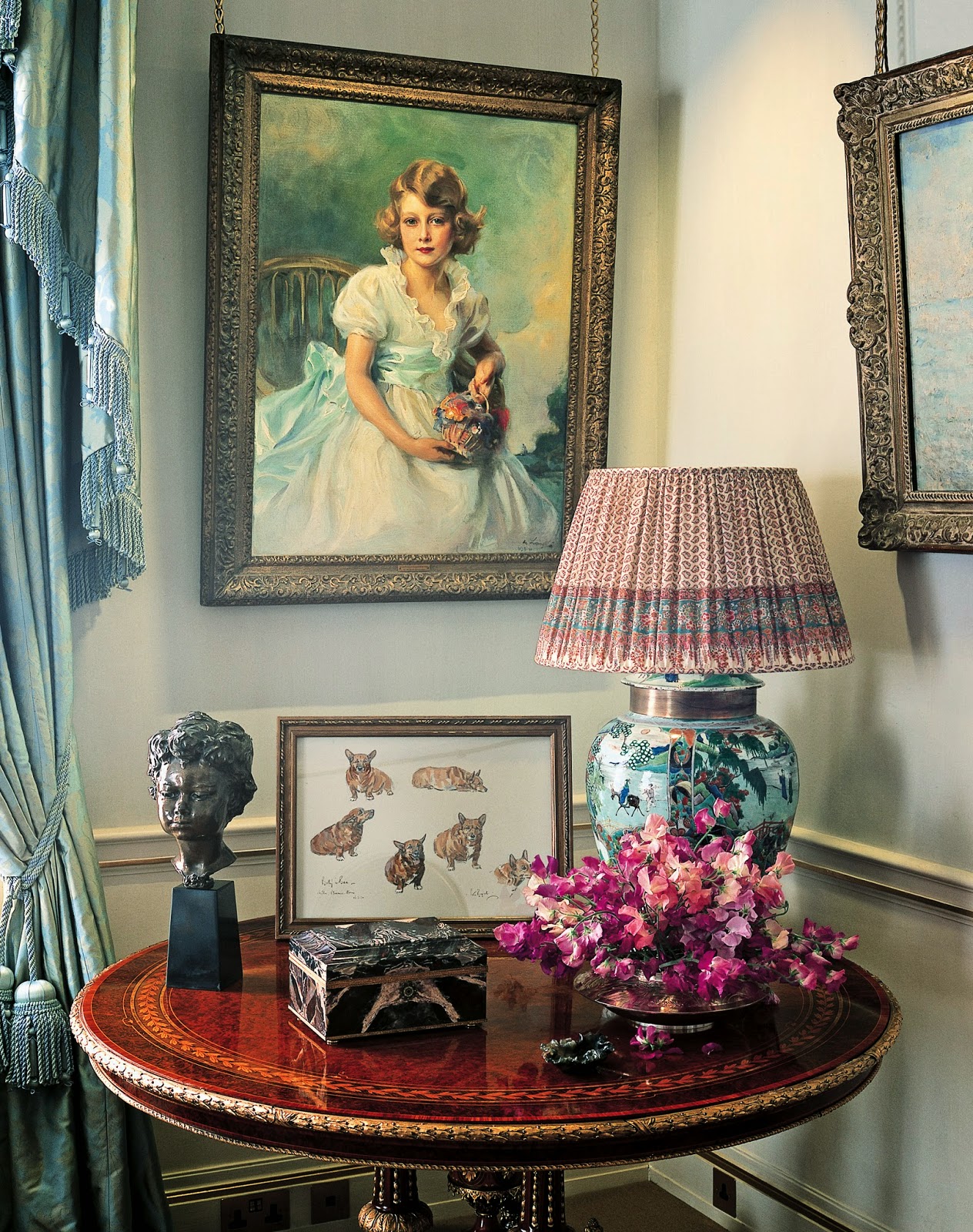
Portrait of Princess Elizabeth, 1933 by Philip de Laszlo
The Morning Room, current photo
The Morning Room 1870’s; photo by Horatio N. King
Royal Collection Trust/© Her Majesty Queen Elizabeth II 2014
The Morning Room is pretty in blue,
The tour of Clarence House takes in only a few rooms on the ground floor. The Morning Room was the most attractive, and very feminine, as if a cloud of little princesses would materialize in their billowy organza gowns at any moment.
The Mystery Portrait?  Seems obvious to us: it is Queen Elizabeth, the Queen Mother
But both Kristine and I are positive the guide told a story about it being a portrait of Princess Elizabeth by artist Augustus Strong who was in such awe of the sitter that he made her look awkward. When I was surfing the web for more info, I found another blog post on a visit to Clarence House that told the same story about the painting.  Must have been the same guide, the same misinformed guide,  
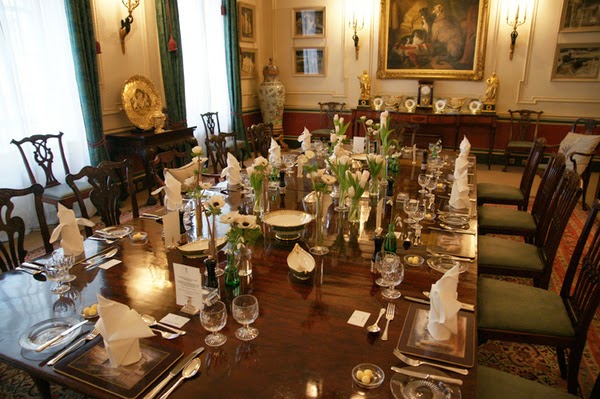
Dining Room
The Lancaster Room
I’m sorry to say I found this room almost claustrophobic with its crowded feeling and  myriad designs. ‘Less is more’ was not the byword for the creator of this decor!

The Horse Corridor
We know the Queen Mother was a horse lover and owner of a fine racing stable. This handsome corridor was a treasure trove for us horse-crazy types. For others, not so much.
The Library
No pictures are allowed on the grounds or within Clarence House. These pictures come from official sources, but I feel quite sure that I could not have taken any more attractive. Which led us to the question: is this the place that royal artwork comes to die?  While one would not exactly say it is shabby, it’s not very elegant (other than the Morning Room).  Yet it seems too formal for the residents to lounge around in their bathrobes and slippers. We did not get upstairs, however, which is where they probably relax. 

The Garden Room

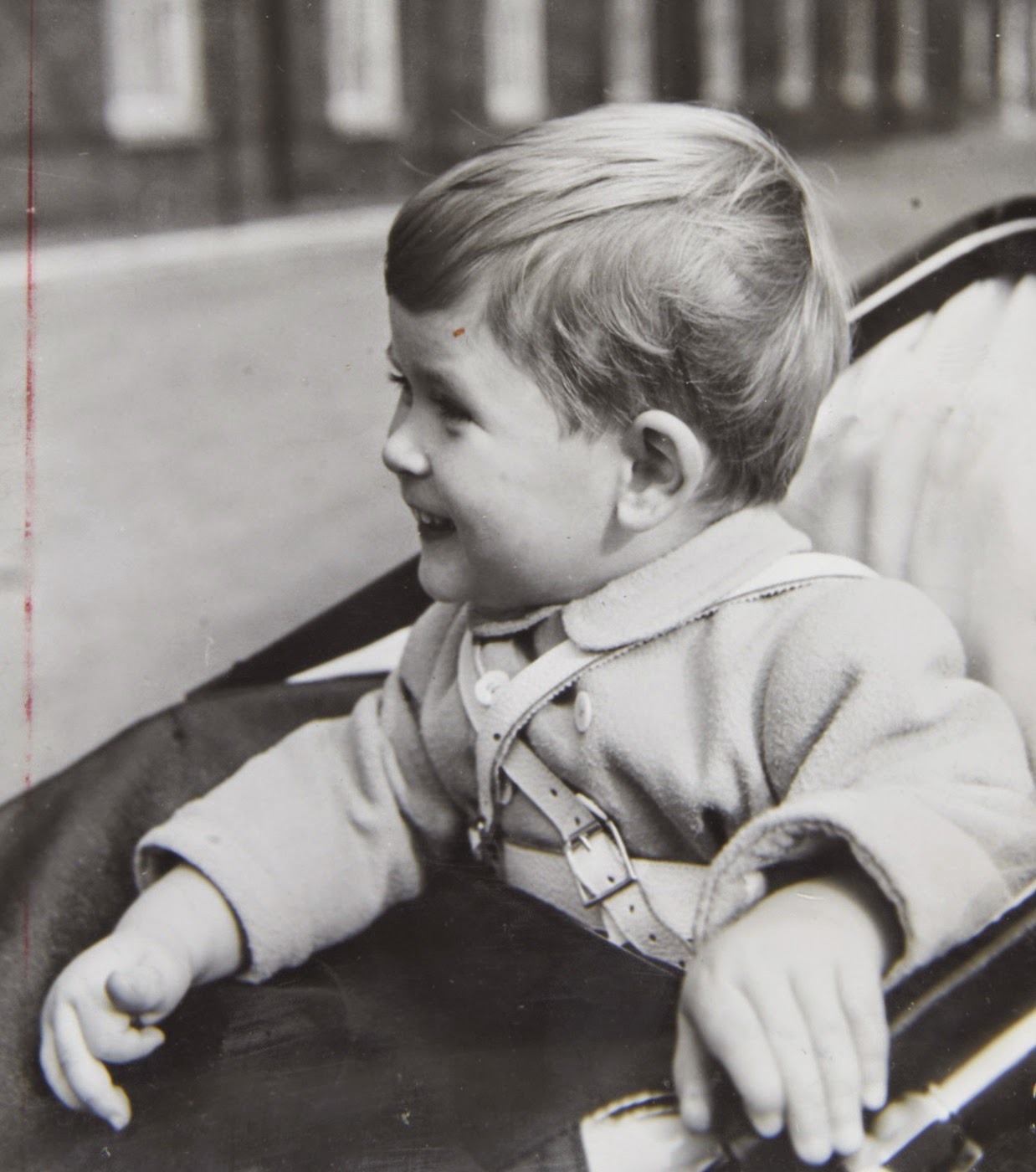
Prince Charles in his pram at Clarence House, 1950
Royal Collection Trust/© Her Majesty Queen Elizabeth II 2014

Many members of the Royal Family have lived at Clarence House in its nearly 200-year history.  Princess Elizabeth and Prince Philip, Duke of Edinburgh, lived here from 1949 until they moved to Buckingham Palace in 1952 when she became Queen.  The Prince of Wales moved back to Clarence House in 2003 with his wife, Camilla, Duchess of Cornwall.

Prince Charles inspired a lovely garden, which seemed to have yielded considerable produce. Gardening and land use are among the Prince’s favorite interests.

 In this view from the entrance,  the adjacent St. James’s Palace is clearly evident.

The View from the Mall
For more information on Clarence House, click here.
For Kristine and me, the visit only whetted our appetites for our visit to Buckingham Palace, coming soon.

WATERLOO WEDNESDAY: GREYS AND GLORY

FROM THE BRITISH WEEKLY –
THIS YEAR marks the 200th anniversary of the Battle of Waterloo, the epic climax to the Napoleonic war on Belgian soil that finally banished the spectre of French domination of the Continent and enshrined The Duke of Wellington’s place in history. Waterloo also ushered in a period of relative peace and prosperity among the major European nations that was not completely broken until the outbreak of World War One almost a century later.
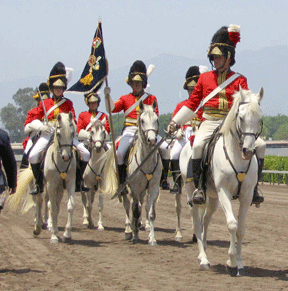
Not surprisingly there are countless events planned to mark the anniversary of this pivotal battle during the week of June 15-22nd. But one group with a local connection hoping to participate is the charity Greys & Glory, which is composed of active and former members of the Royal Scots Dragoon Guards and civilian members of the War Horse Foundation from Los Angeles.
The War Horse Foundation has been presenting the 1815 Royal Scots Greys since 2002 at events including the Tournament of Roses Parade and numerous Scottish festivals

The War Horse Foundation has been presenting the 1815 Royal Scots Greys since 2002 at events including the Tournament of Roses Parade and numerous Scottish festivals
The organizers of the charity hope to recreate the troupe of the Royal Scots Greys, a cavalry brigade sadly now defunct but whose name will be forever linked with many of the most famous chapters in British military history. The troupe was finally disbanded in 1971 after an illustrious history spanning almost three hundred years. It was the Greys who led a pivotal cavalry charge in support of the infantry during Waterloo and captured the French eagle standard from the formidable French 45th infantry division. An act immortalized in Lady Elizabeth Butler’s famous painting of the event.
The War Horse Foundation has been presenting the 1815 Royal Scots Greys since 2002 at numerous events, Scottish Festivals and the Tournament of Roses Parade. And this summer the Greys and Glory troupe will be at Waterloo presenting to an anticipated 300,000 spectators and countless millions more watching around the world. During the ceremonies they plan to hold a separate event for the veterans and active service and public to attend, commemorating the Scots Greys by reading the names of the fallen riders.
But the organization need to equip, refit, manufacture uniforms, gear and accoutrements for rider and horse. They also have to procure proper grey horses, suitable for presentation and the stimulus of guns and cannon fire. Getting the horses to Waterlool and maintaining their care is the biggest expense. They need help and donations. They are launching a crowfunding venture this month and will hold several fundraising events during the spring. To see how you can help, visitgreysandglory.org or warhorsefoundation.com. They can also be found on Facebook and can be reached at: 818 694-9277.
Fritz Bronner, the Director of the War Horse & Militaria Heritage Foundation told the British Weekly this week: “As an American, (with Scottish, English and Welsh heritage)…. it is a great opportunity for all Americans to recognize the heritage of the Greys as well as say thank you to the current British Regiment and say “thank-you” to our closest, ally and friends; Great Britain. For the many British and Scottish ex-pats , it is a chance to share their heritage and patriotism to remember and commemorate British Soldiers past and present.”

LOOSE IN LONDON: FROM THE RIVER TO CLARENCE HOUSE

As you’ll recall, Victoria and I lucked out with gorgeous weather for our mudlarking adventure.

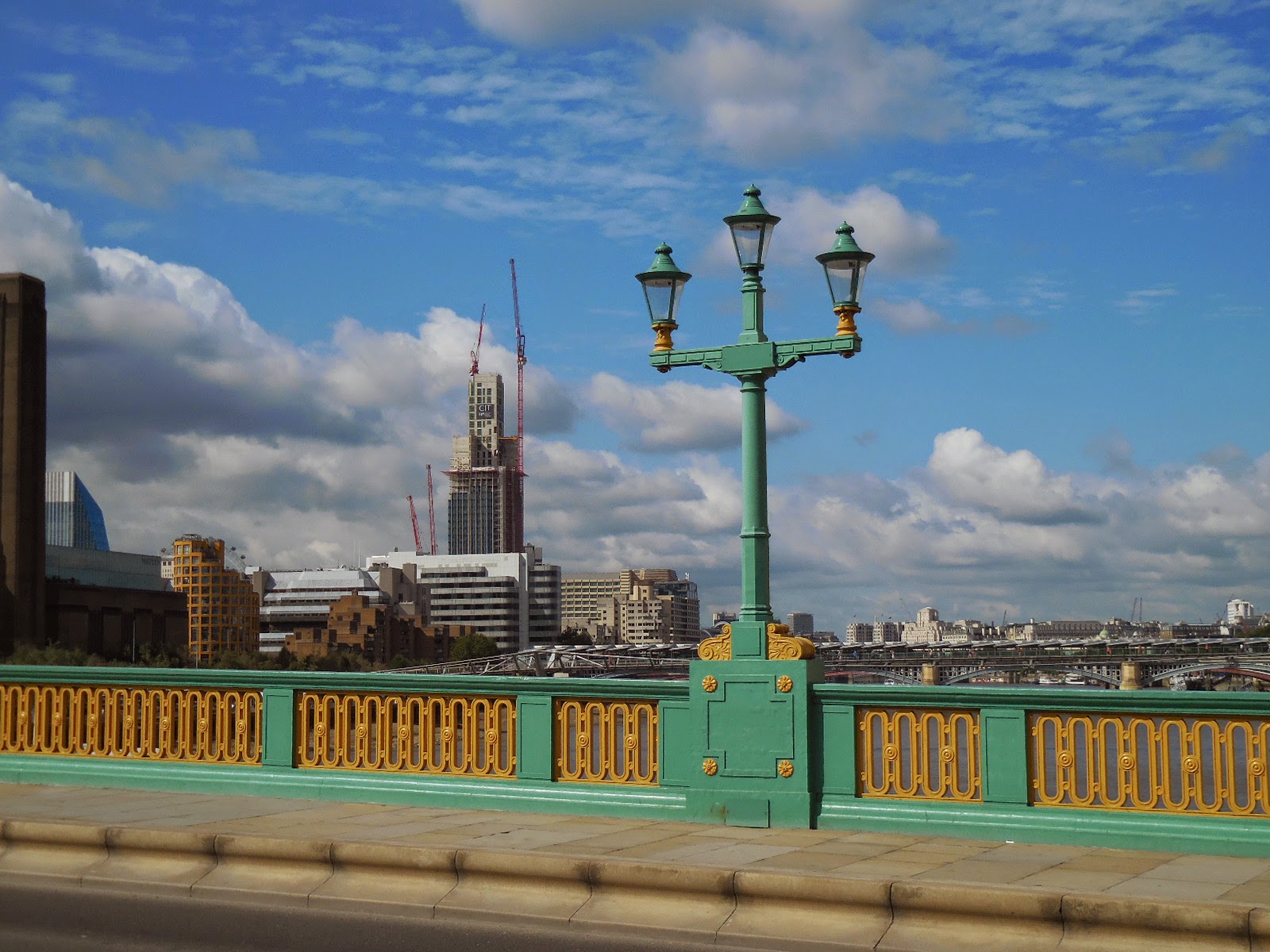
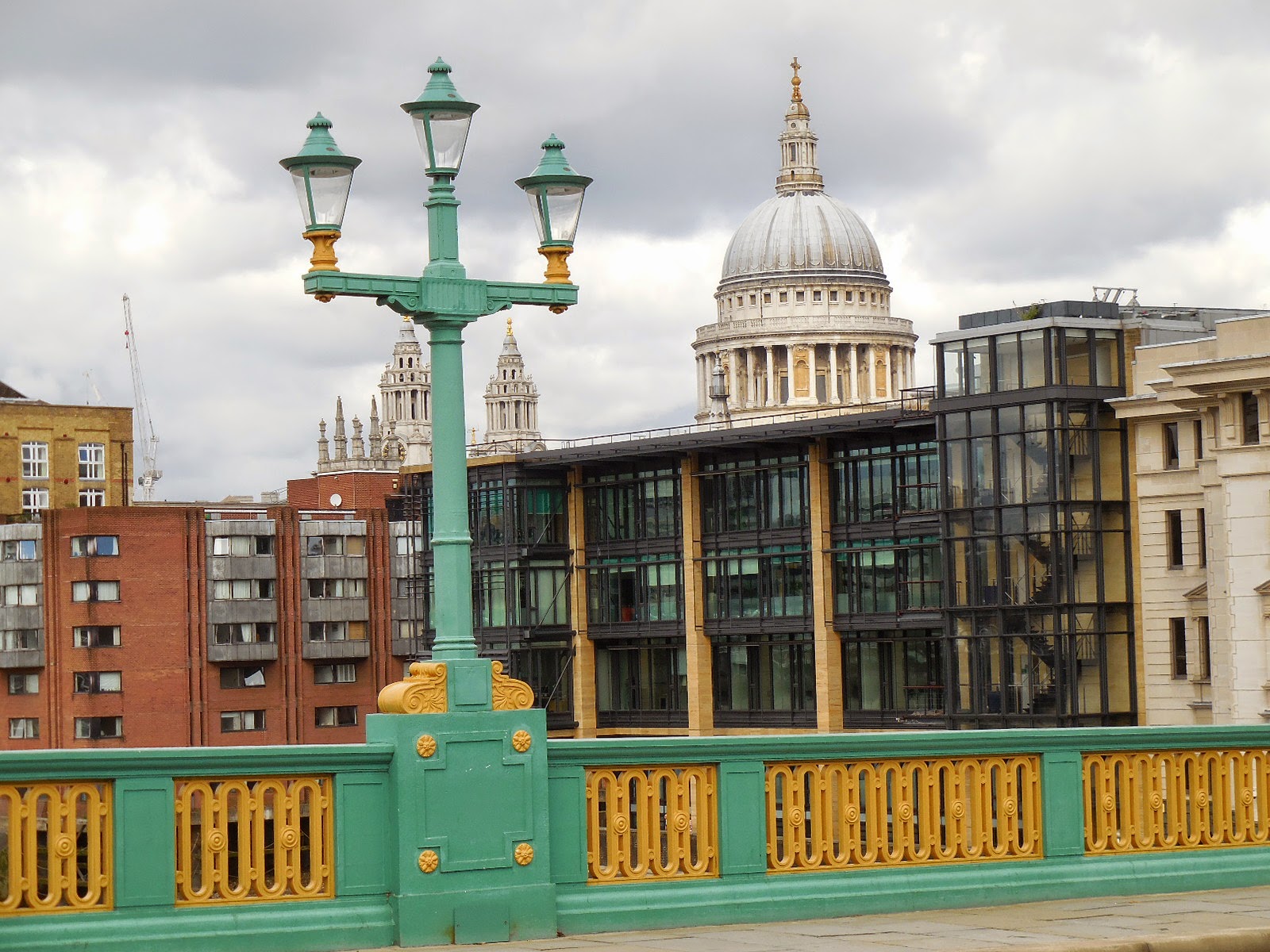
Looking in both directions from the Southwark Bridge

We decided to up towards Gabriel Wharf for a bite of lunch and on our way we passed a few landmarks you may recognize.

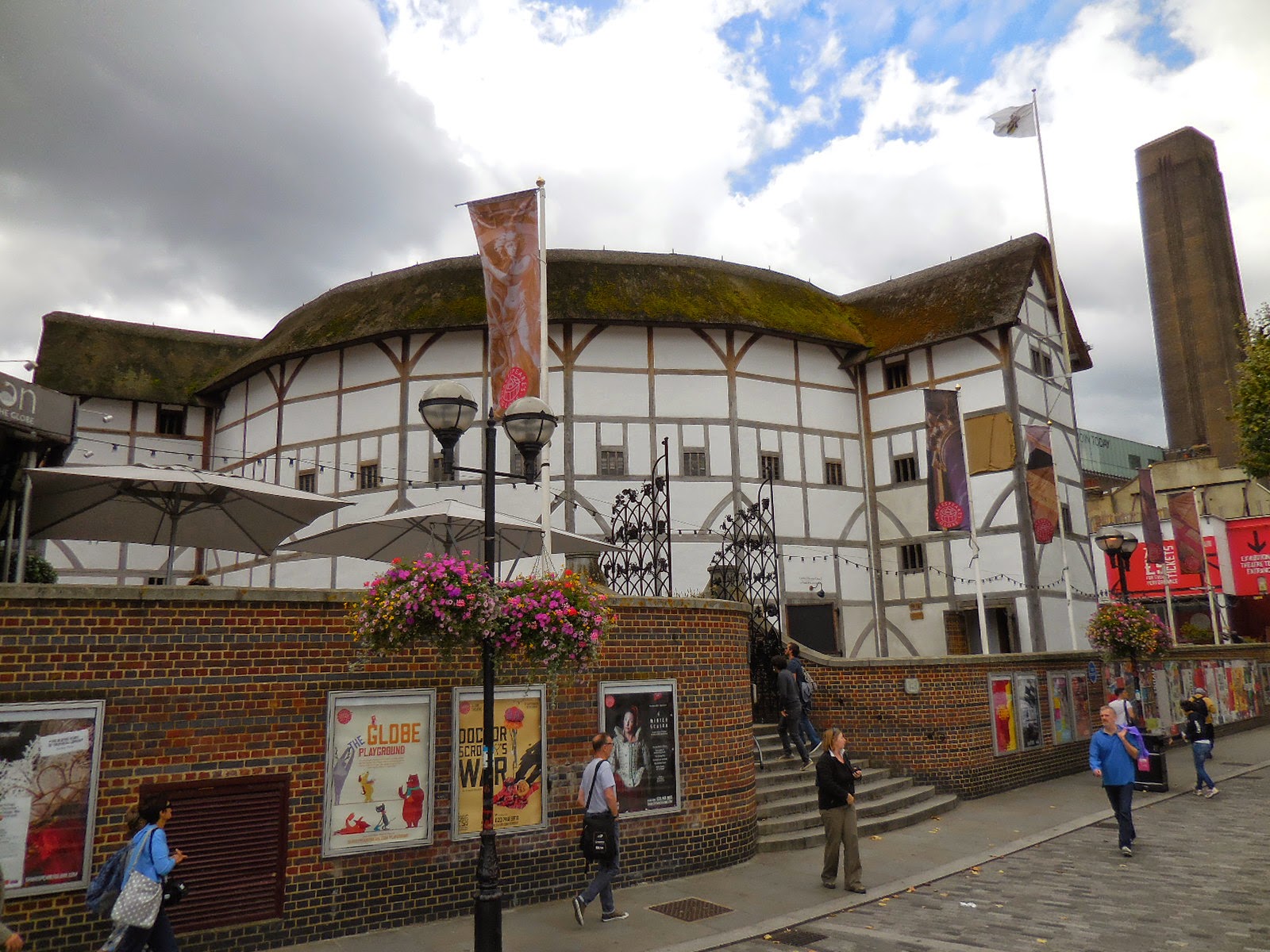
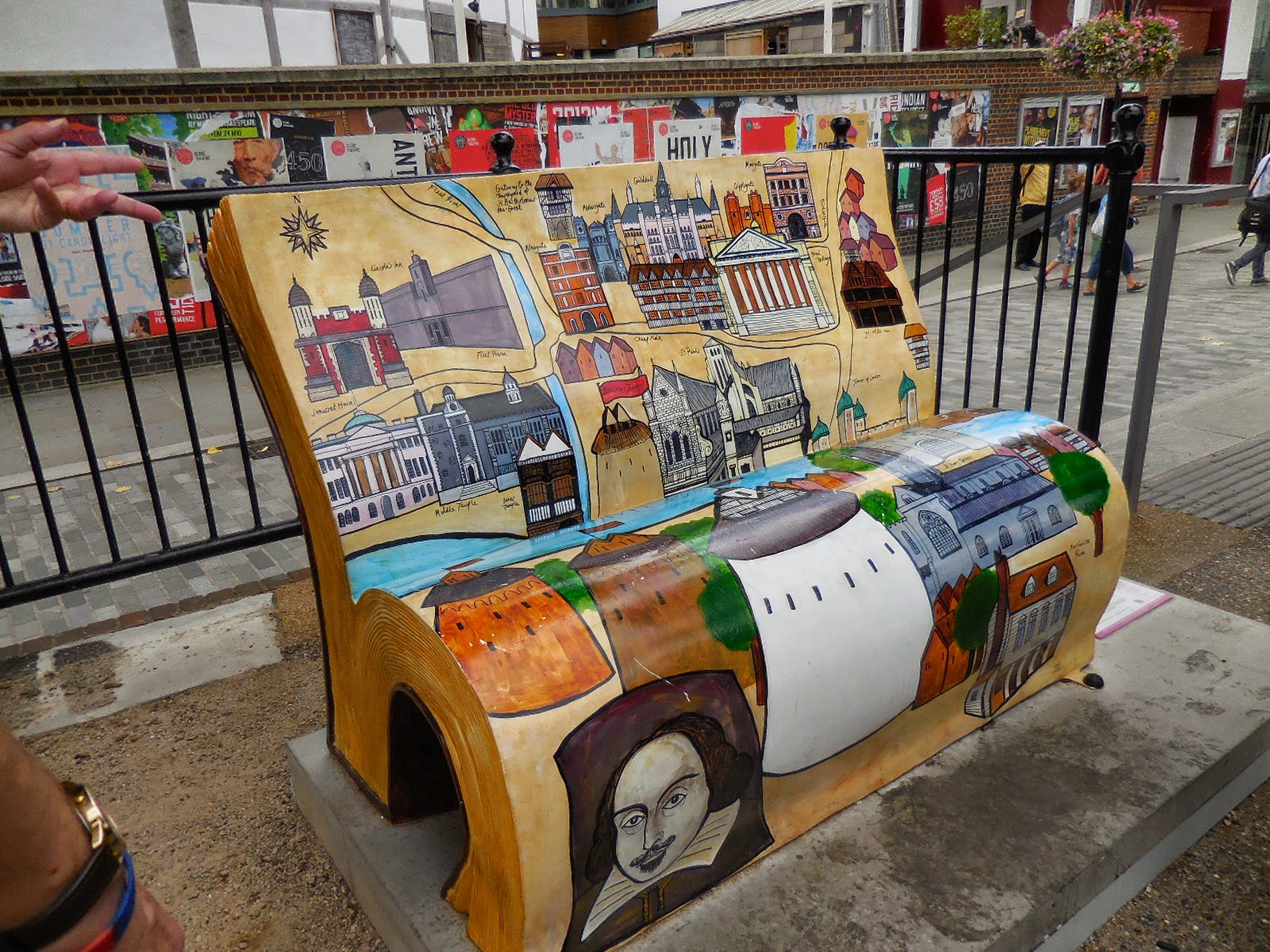
The Globe Theatre
with Shakespeare’s bench on the pavement out front.

As usual, Gabriel’s Wharf, a shopping and dining destination, was doing a brisk business. We settled upon the Wharf Restaurant
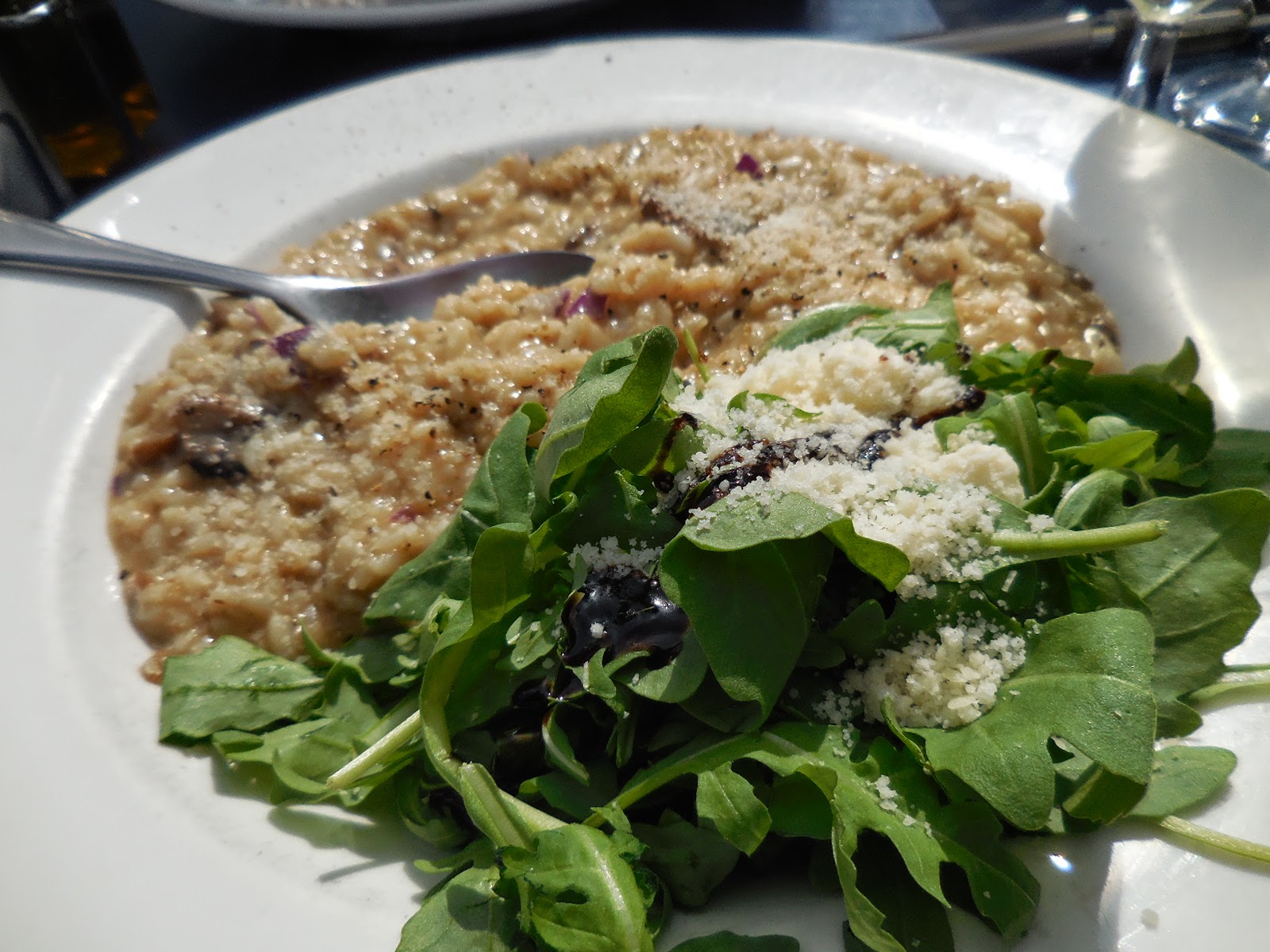
And it wasn’t long before we were tucking in to a plate of mushroom risotto accompanied by glasses of crisp, cold prosecco.

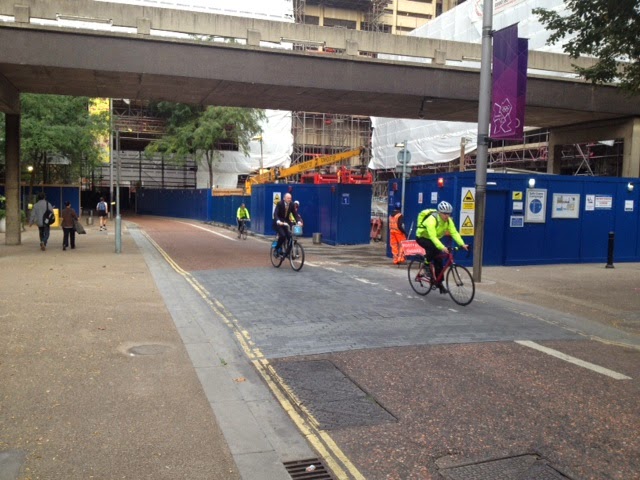
After lunch, we needed to get back across the River, so we walked out the back of the Wharf to a street known as the Upper Ground. This is where the docks once stood where, once upon a time, the streets teemed with a decidedly rough and ready trade – sailors who had just docked after months at sea and who were looking to let loose, ladies of the night (or day) looking to make a bit of coin, foreigners of all sorts seeking to sell or buy cargoes of exotic goods, street hawkers, cab men, coster mongers, fishermen, boatmen, etc. etc. The ships drove the neighborhood and the streets would have been awash in people of all stripes. Today, however, these were the sights we were met with.

ITV Studios

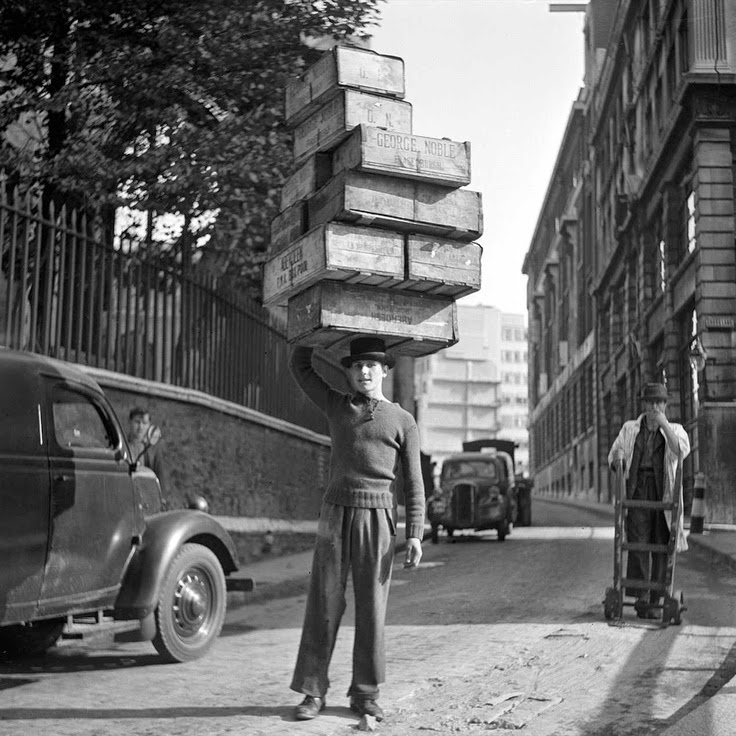
Of course, this is more the way I was picturing it in my mind

“Where are we going?” Victoria finally asked.

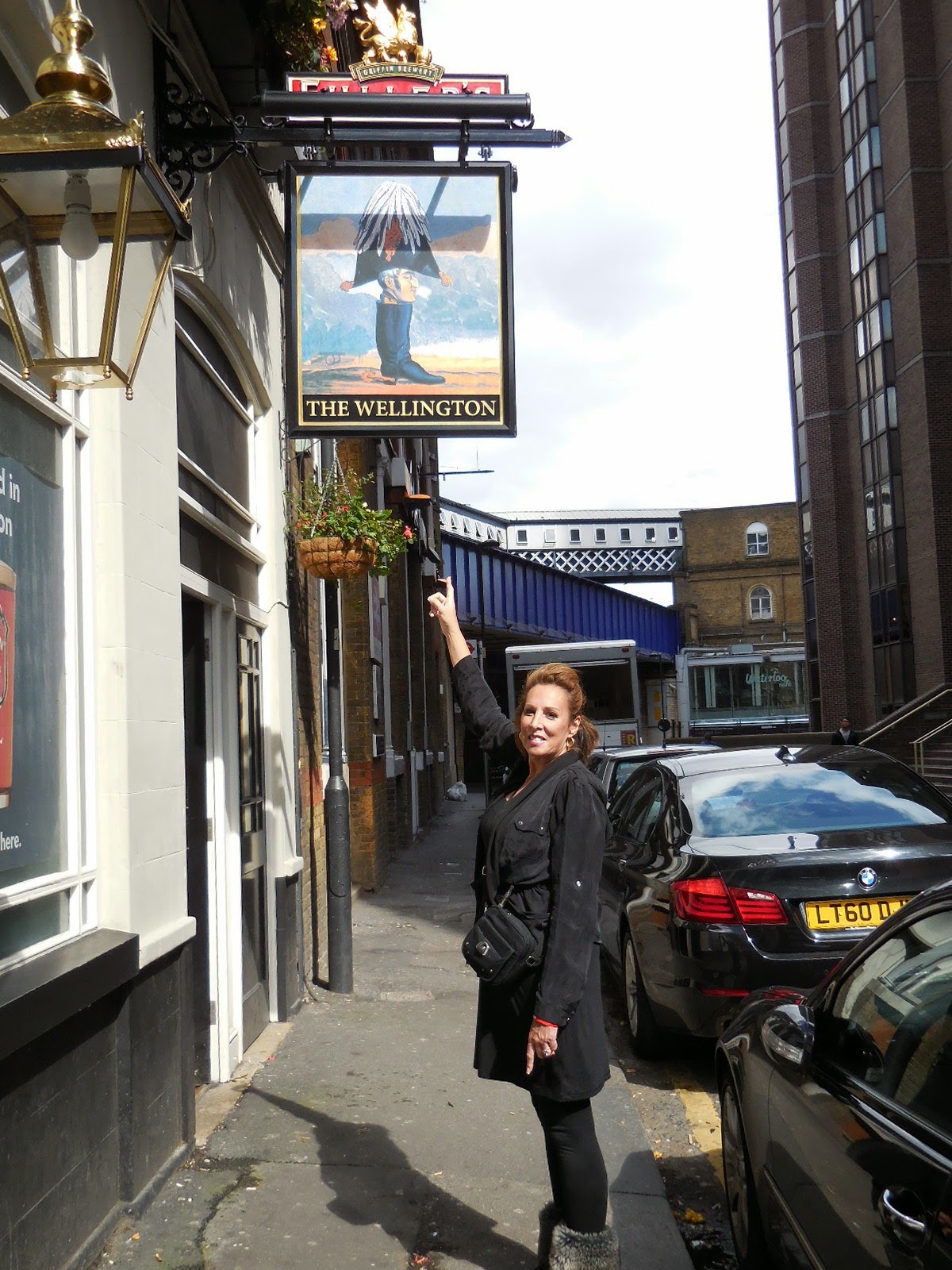
“Waterloo. Station. And the Duke of Wellington Pub.”

“Do you know the story about Churchill and Waterloo Station?” Victoria asked me.

“I don’t think so.”

“Before he died, Churchill  worked on the plans for his own funeral. He was going to be buried at St. Martin’s Church in Bladon, in Oxfordshire, where many members of the Spencer Churchill family had been buried.”

“So,” Victoria went on, “Churchill’s fune
ral cortege would have traveled to Oxford by train. And trains to Oxford leave from which London station?”

“Paddington,” I answered.

“Exactly. But Churchill asked if it would be possible for his funeral train to depart from Waterloo Station, instead. Certainly, and official told him. It would mean diverting tracks and re-route thousands of daily tube passengers, it would involve redirecting signals and a host of other alterations, but in theory it could be done. Looking pleased, Churchill told him to arrange it when the time came. But why, asked official. What did Churchill have against Paddington Station? Nothing, he replied, but no doubt other countries would send heads of state to attend the funeral. France would no doubt send a representative, to which the official agreed. “Well,” Churchill said, “I don’t want to pass up the opportunity to force French President de Gaulle to have to walk through Waterloo Station.”

“Are you making this up?”

“No,” Victoria laughed, “If it isn’t true, it should be. Where are we going? Are you sure Waterloo Station down this way? It doesn’t look right.”

“The last time I walked this way, I wound up at Waterloo. It’s just down here,” I said, pointing.

Two girls were passing and Victoria asked them if this were the way to Waterloo Station. They told that indeed it was, and pointed in the direction I’d just indicated.

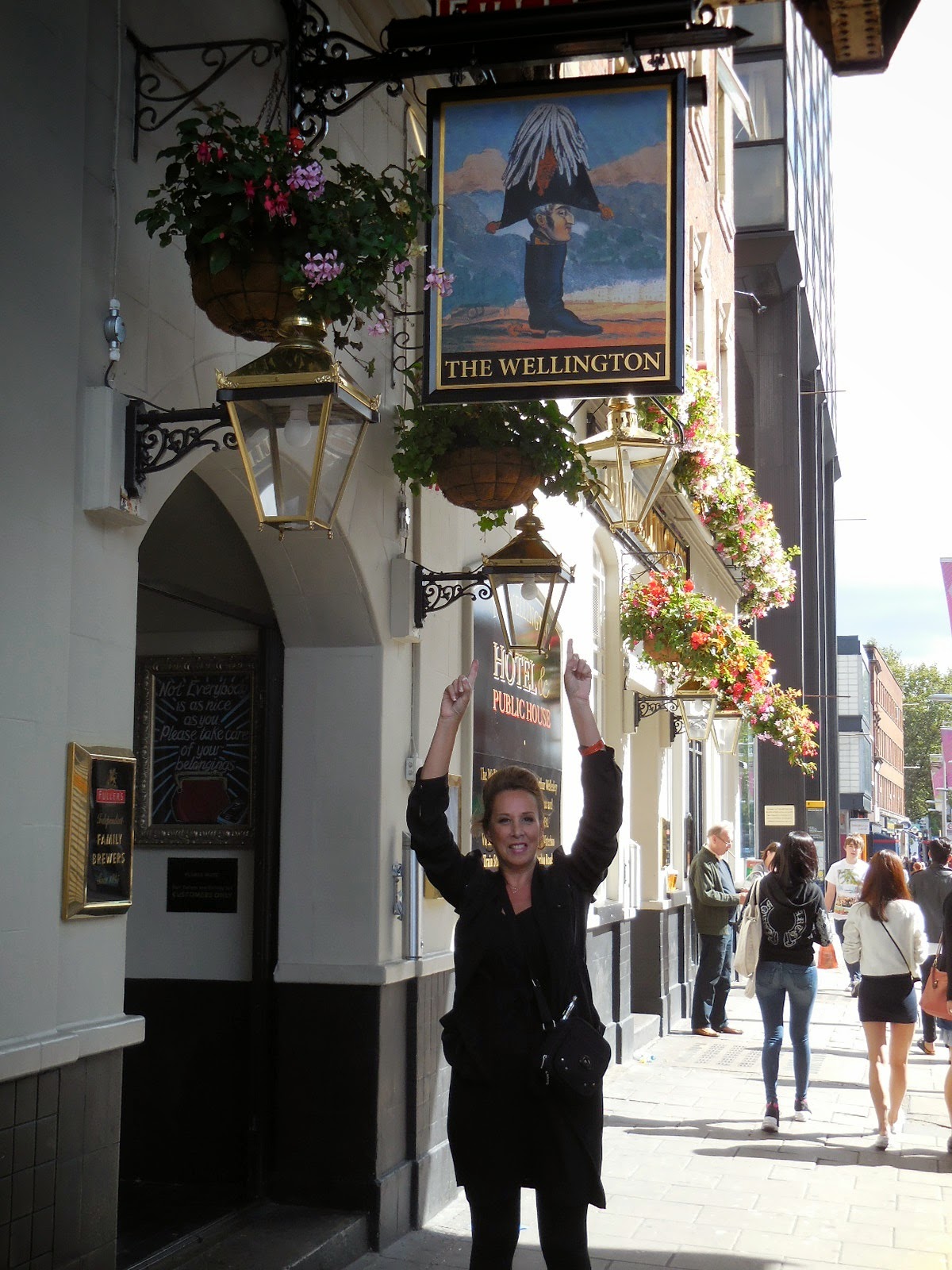
“Oh, ye of little faith,” I said. “And look, there’s the Wellington Pub. They haven’t moved that, either.”

Of course, this was the perfect opportunity for a photo op. Note the people in summer wear in the background.

And then take note of my fur lined boots!

Another summery sign seen outside of Waterloo Station

And believe it or not, this is the poster we were met with inside the station, advertising the Wellington Exhibit we’d planned to see at the Tower. Nice to know I had unconsciously dressed to match Wellington’s uniform. He had Wellies, I have fur lined boots.

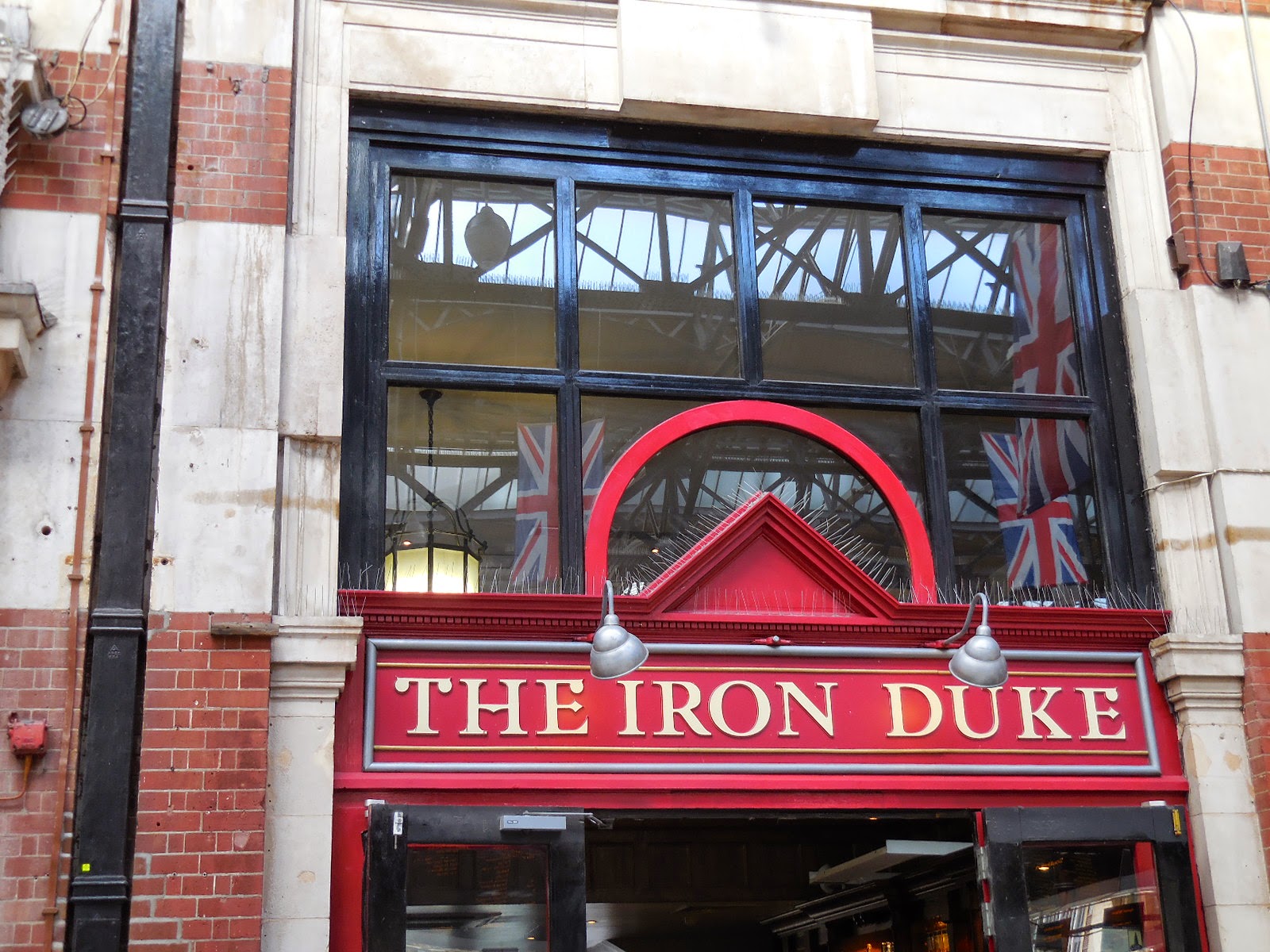
Getting off of the tube at Victoria Station, Victoria and I were met with this pub, located inside the Station. We popped our heads inside, but it was sadly uninspiring and without much period charm. We walked through the Station and found the entrance to the Grosvenor Hotel, where we’d all be staying for the first leg of the Duke of Wellington Tour. 
As you’ll see by the photo above, we were quite satisfied after inspecting the room in which we’d be holding our Welcome afternoon tea for our tour participants. 

With still more on the day’s schedule ahead, we headed out onto Buckingham Palace Road and headed towards Buckingham Palace, passing one of our old haunts, the Bag O’ Nails pub, along the way.
Before long, we’d reached the Queen’s Gallery, where Victoria and I have attended many an exhibition. There’s another old haunt of ours just outside the Gallery – a long, low wall just perfect for resting upon, so we decided to take a short sit before going on.

After our break, we carried on, finally reaching the front of the Palace.

It was here that Victoria realized she’d left her camera back at the stone wall. I volunteered to go back for it and fast walked back the way we’d come, only to find the camera gone! A man saw me looking for something and volunteered that if it was a camera, he’d handed it in at the front desk inside the Queen’s Gallery – thank goodness!
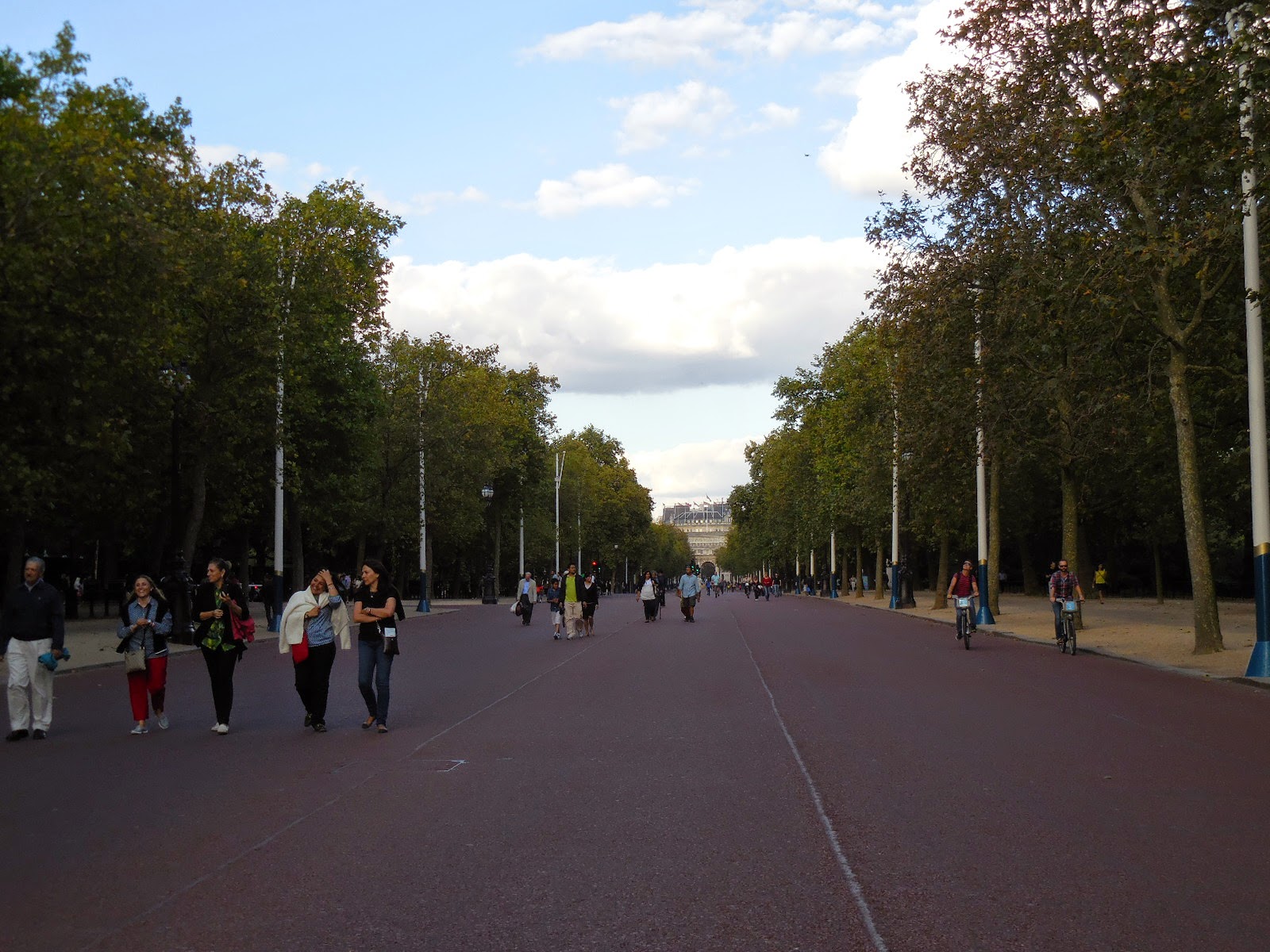
Returning both the camera and myself to Victoria, we turned and started up the Mall, which was free of vehicle traffic as this was a Sunday. 

The Mall on Sunday

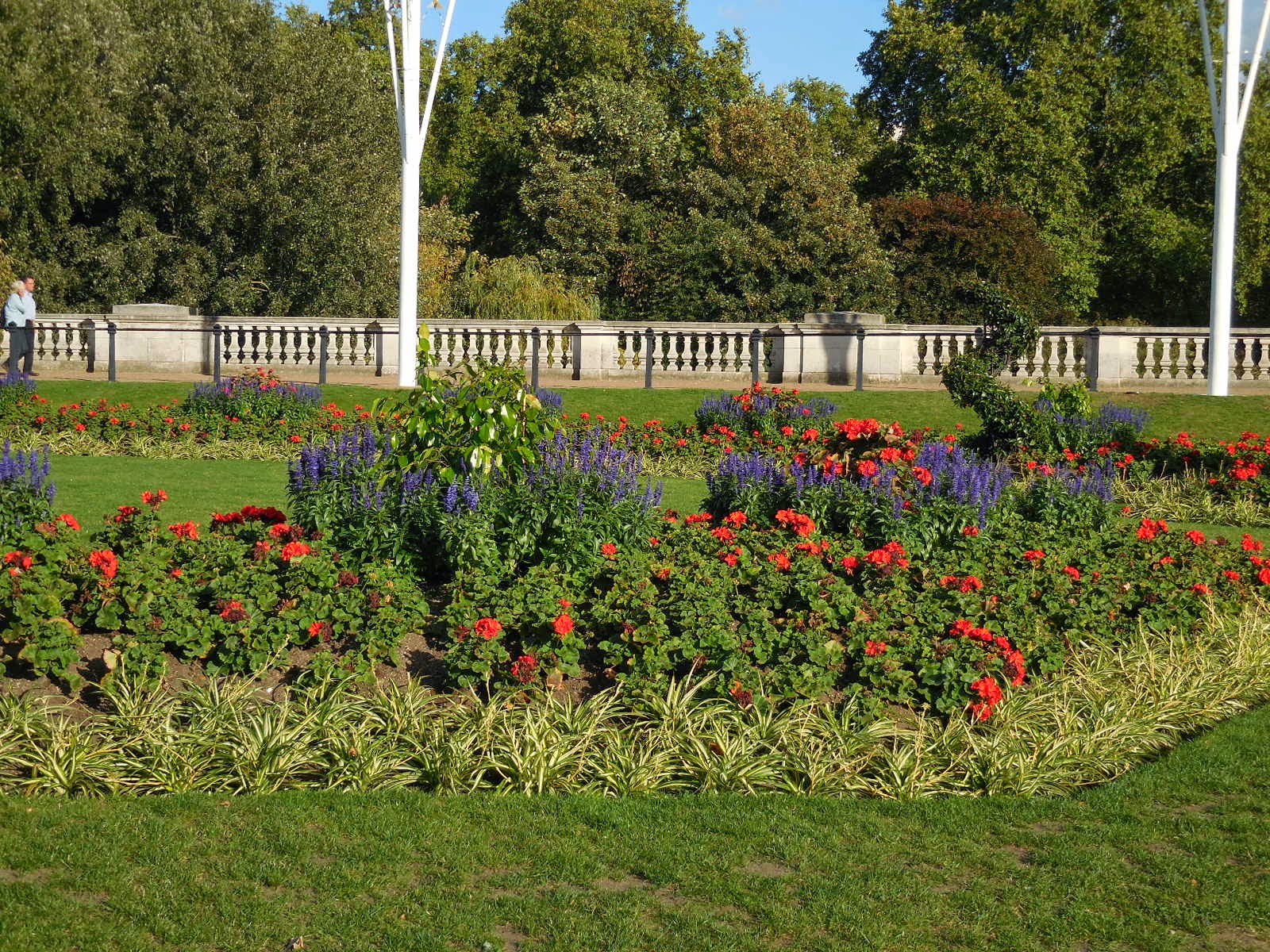
Flowers in the gardens bordering the mall

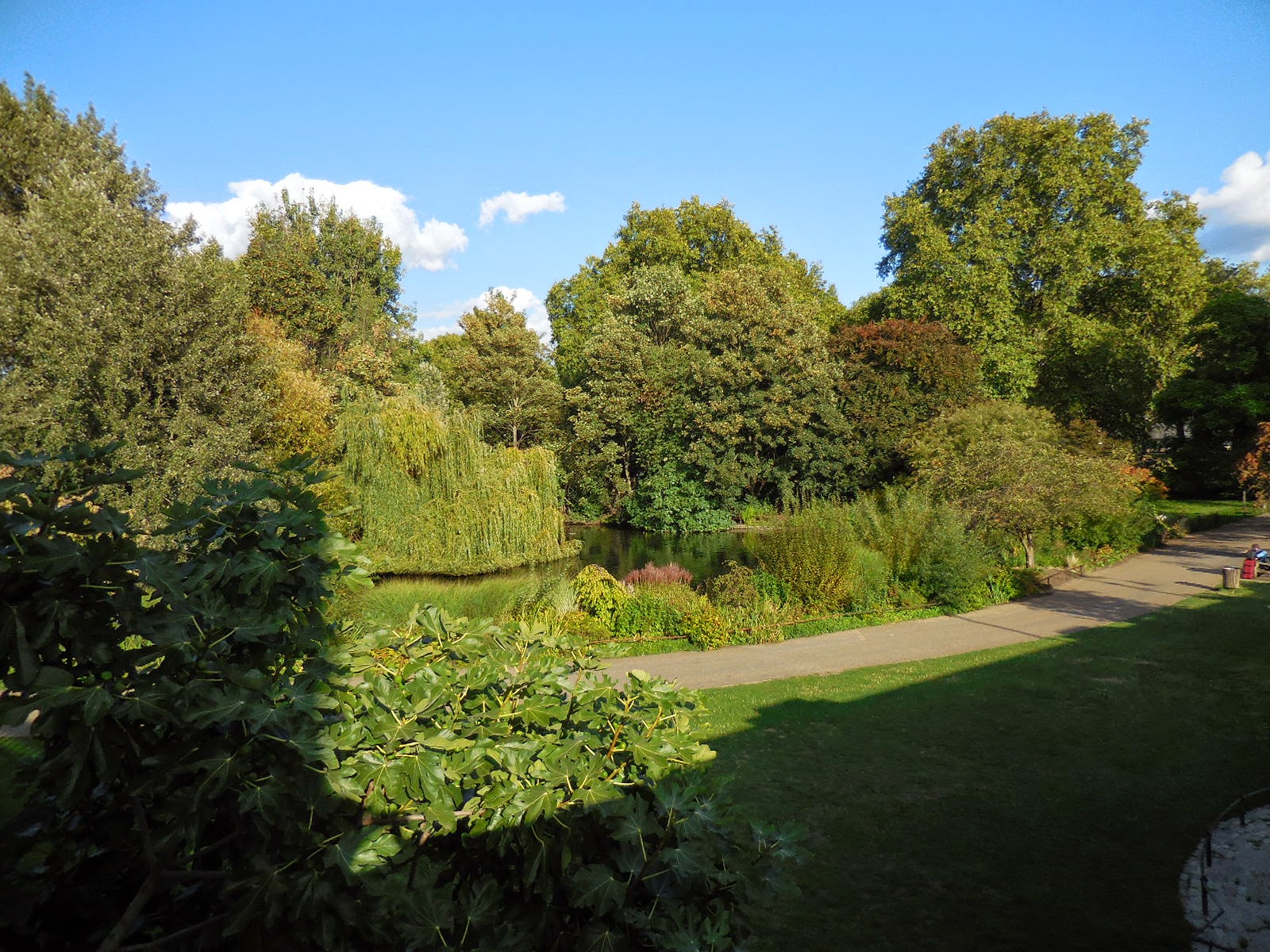
the pond along the Mall
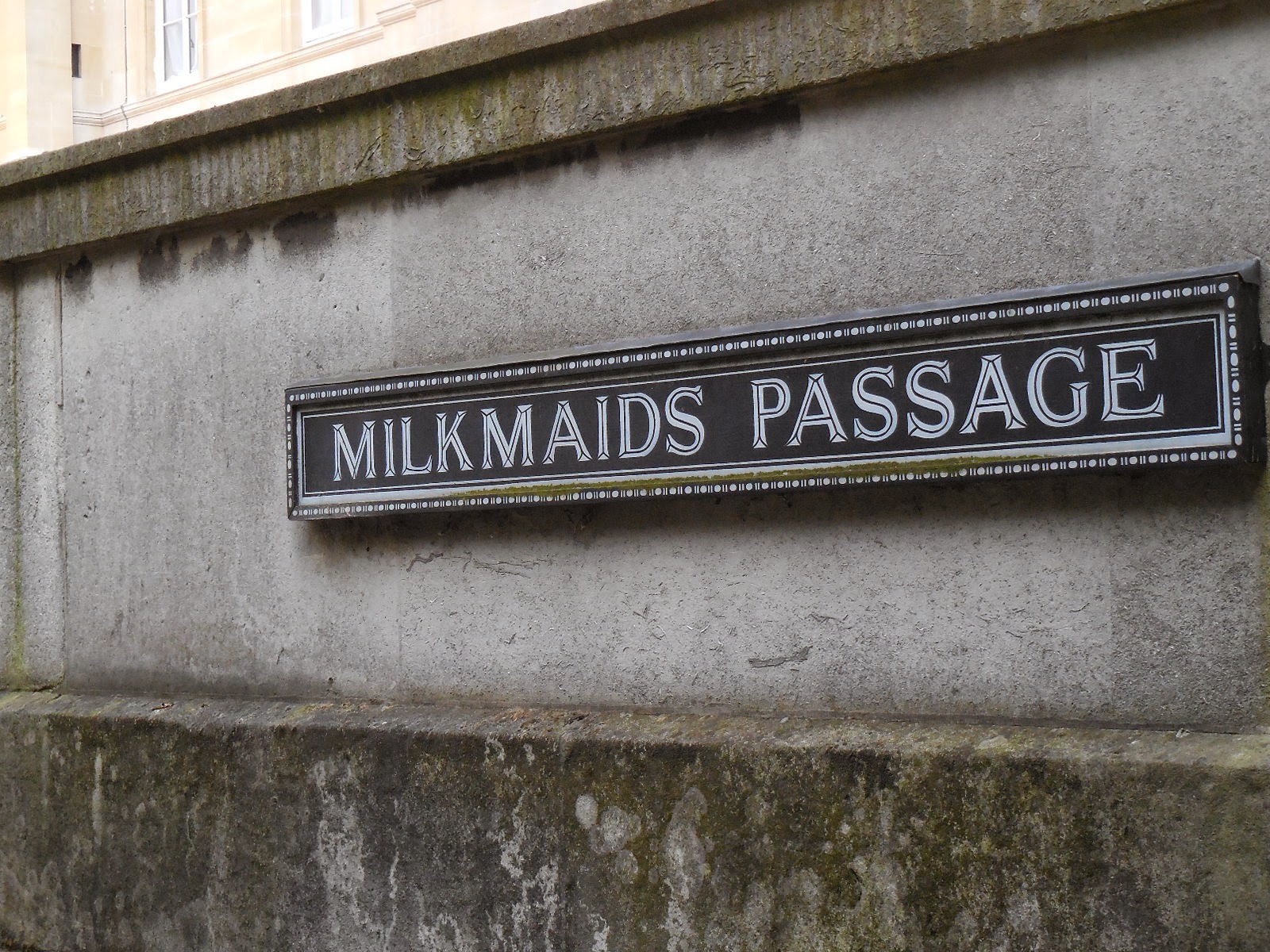
Eventually, we reached Green Park, where we turned left and walked up to Milkmaid’s Passage, which brought us out near Spencer House and across from Duke’s Hotel. 
This is the lane, or alleyway, that servants from the aristocratic houses in St. James’s used in order to cut across to Green Park in order to buy milk from the cow keepers who sold milk by the pailful. 
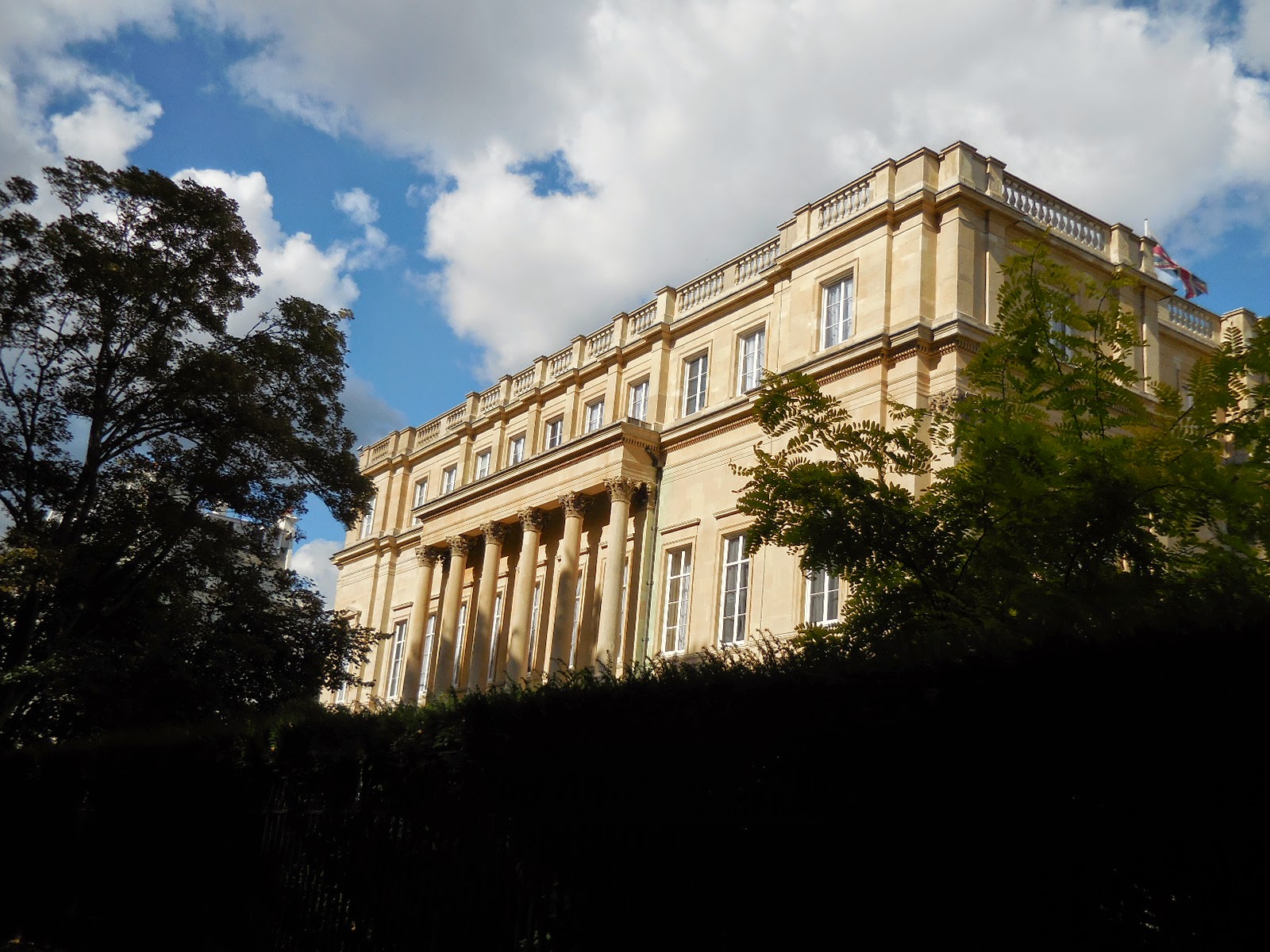
Just behind Milkmaids Passage stands Lancaster House, above, where, in 1848, Chopin entertained Queen Victoria, Prince Albert and the Duke of Wellington. You’ll find more on the history of Lancaster House here
Before long, Victoria and I arrived at Clarence House, below, in time for our 4 p.m. guided tour. 
Clarence House
More Loose in London Coming Soon!

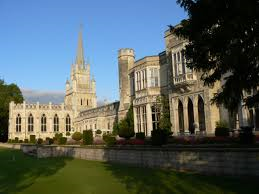
THE WELLINGTON CONNECTION: LORD BRIDGEWATER

Ashridge Lord Bridgewater

From the Journal of Mrs. Arbuthnot – January 23, 1822:    We went to Ashridge (Lord Bridgewater’s in Hertfordshire) to meet the Duke of York and a large shooting party. The house has been totally built by Lord Bridgewater; it is modern Gothic, which I do not admire, but altogether it is certainly very fine; the rooms are magnificent, very finely proportioned and beautifully finished, the staircase is very fine indeed and highly ornamented. . . . The flower gardens and conservatories are beautiful and the whole establishment worthy of a great nobleman and an excellent good man. Lord Bridgewater employs 500 men all the year round upon his estate and makes it a rule never to refuse work to any who apply for it, and he frequently has 800 men in his pay. The shooting was excellent; Lord Londonderry was generally at the head and one day killed 107 head. The Duke of Wellington killed above 80 one of the days. I played whist in the evening with the Duke of York against the Duke of Wellington, whose luck at cards is quite extraordinary. It seems as if his good genius accompanied him in every, the most trivial concerns of life. Lady Bridgewater, one of the mornings, took Lady Londonderry and me all over the work shops where they were carving wood and stone ornaments for the chapel, which is certainly the chef-d’oeuvre of the house.