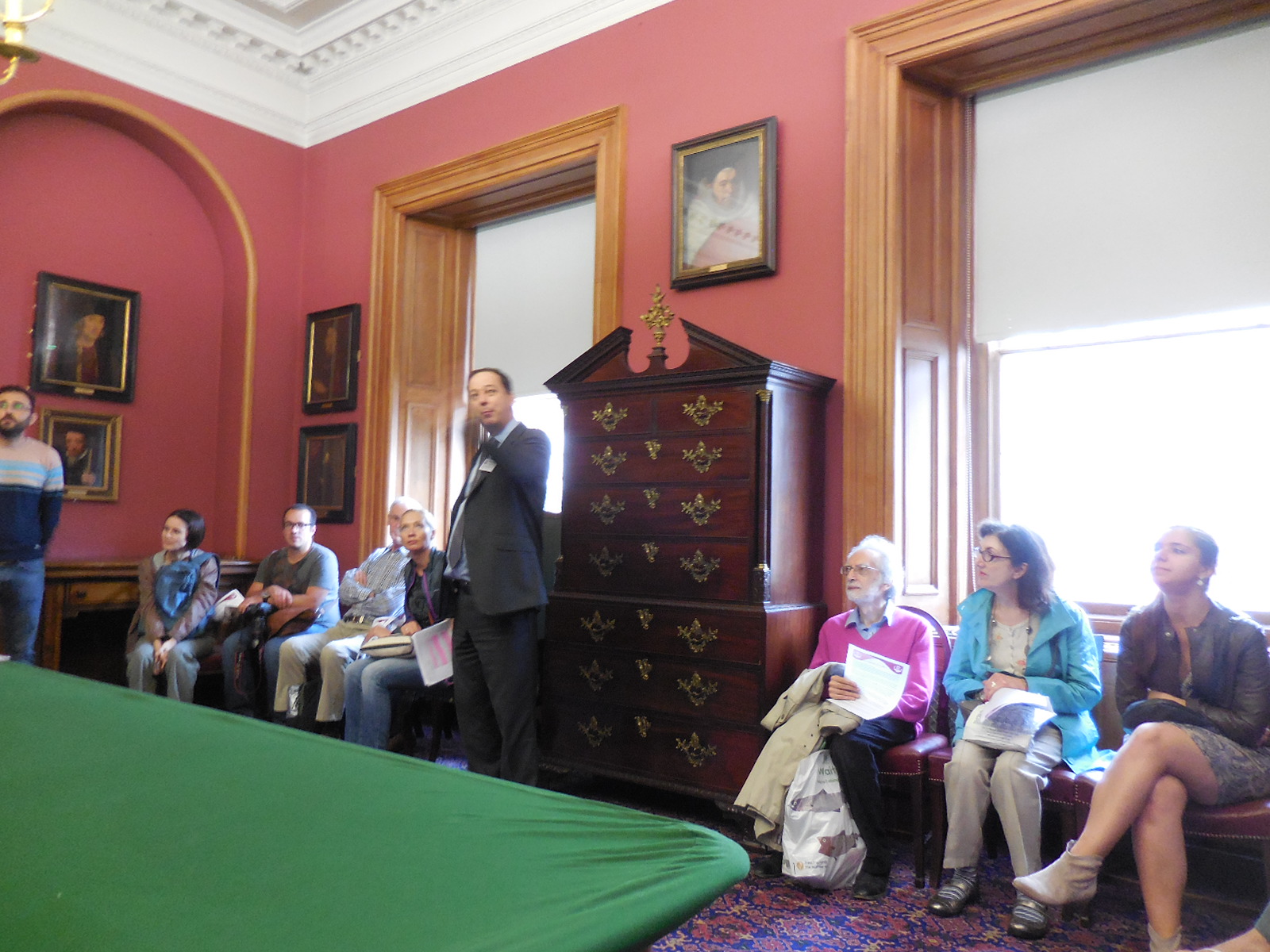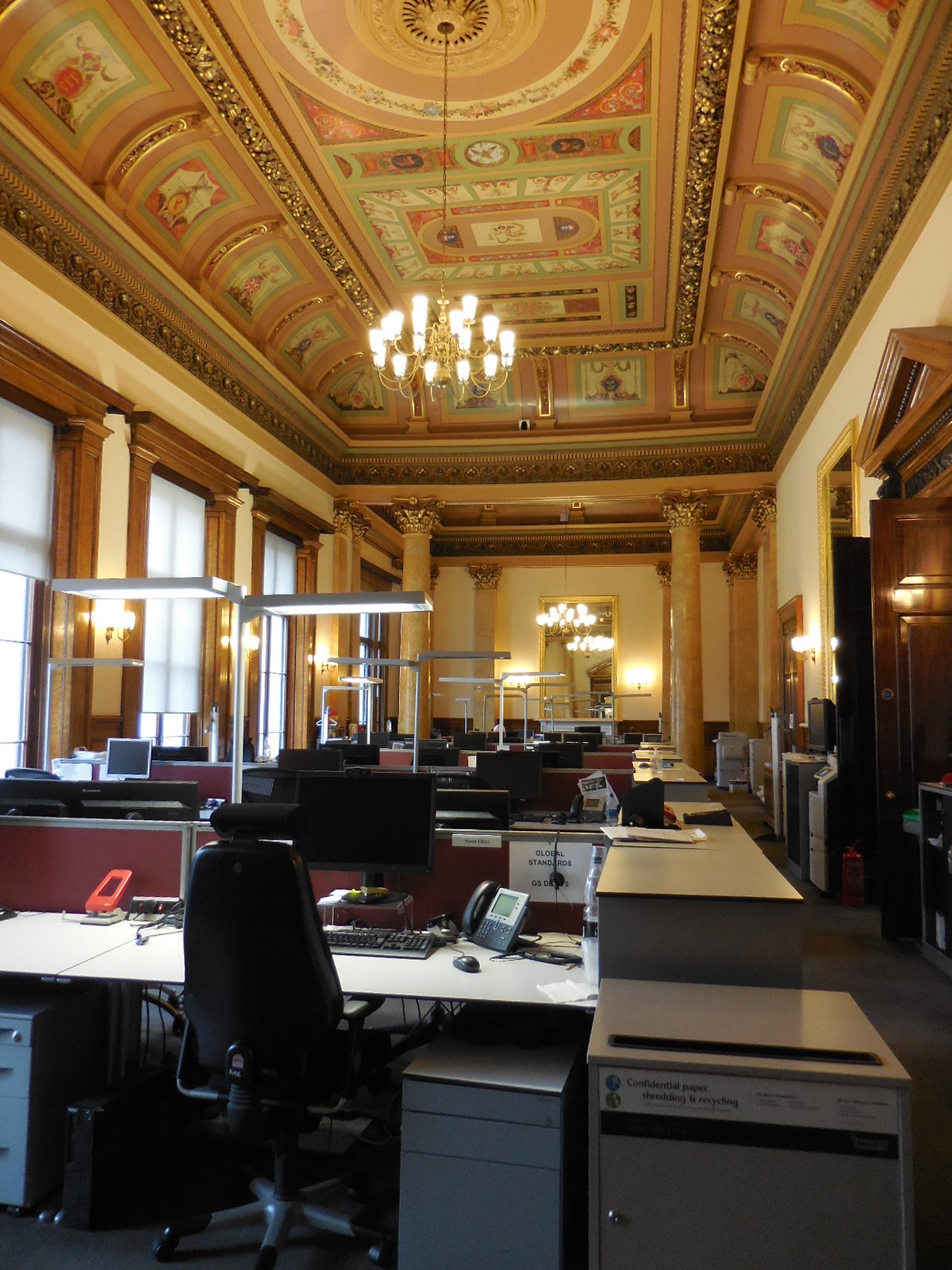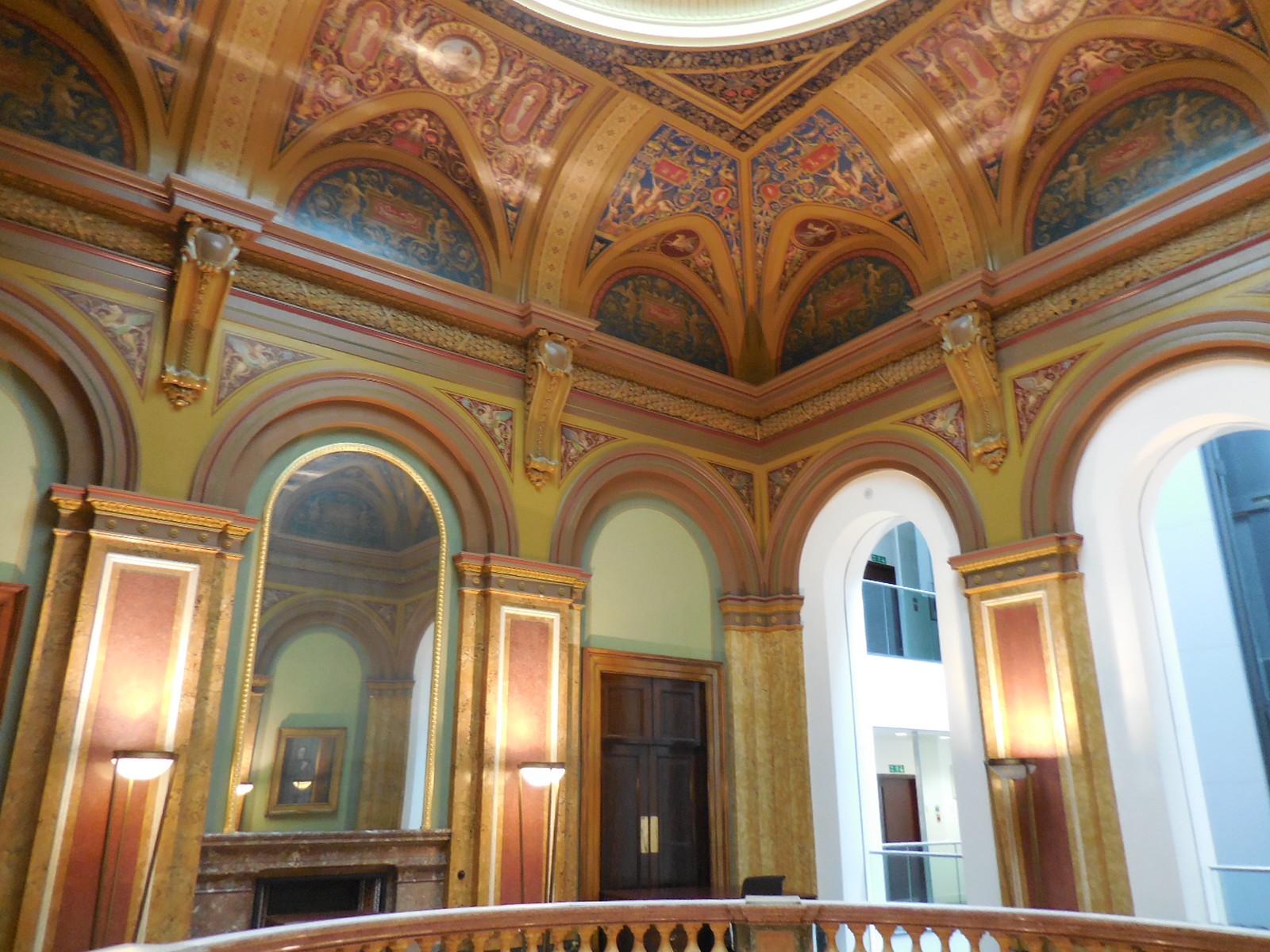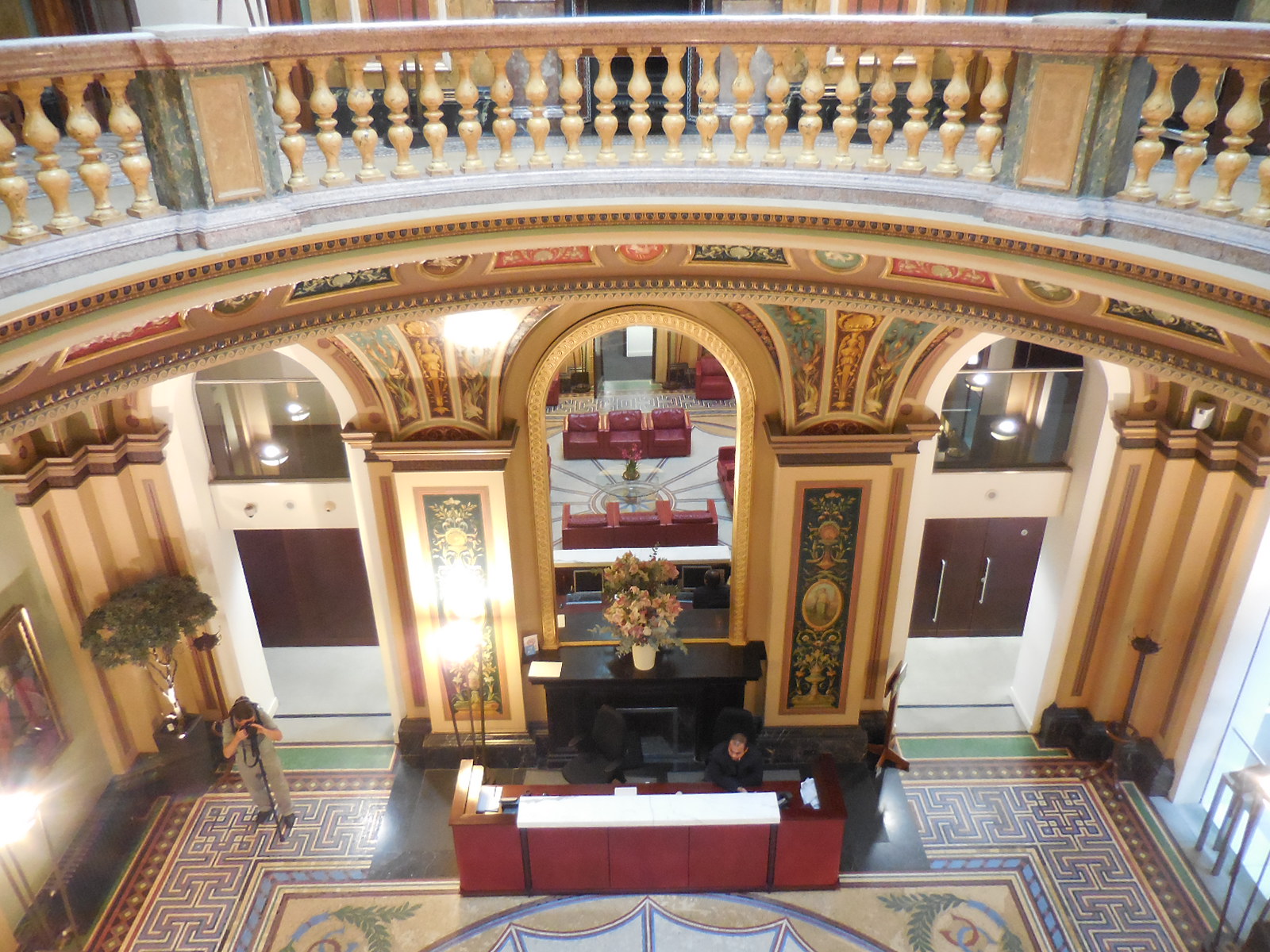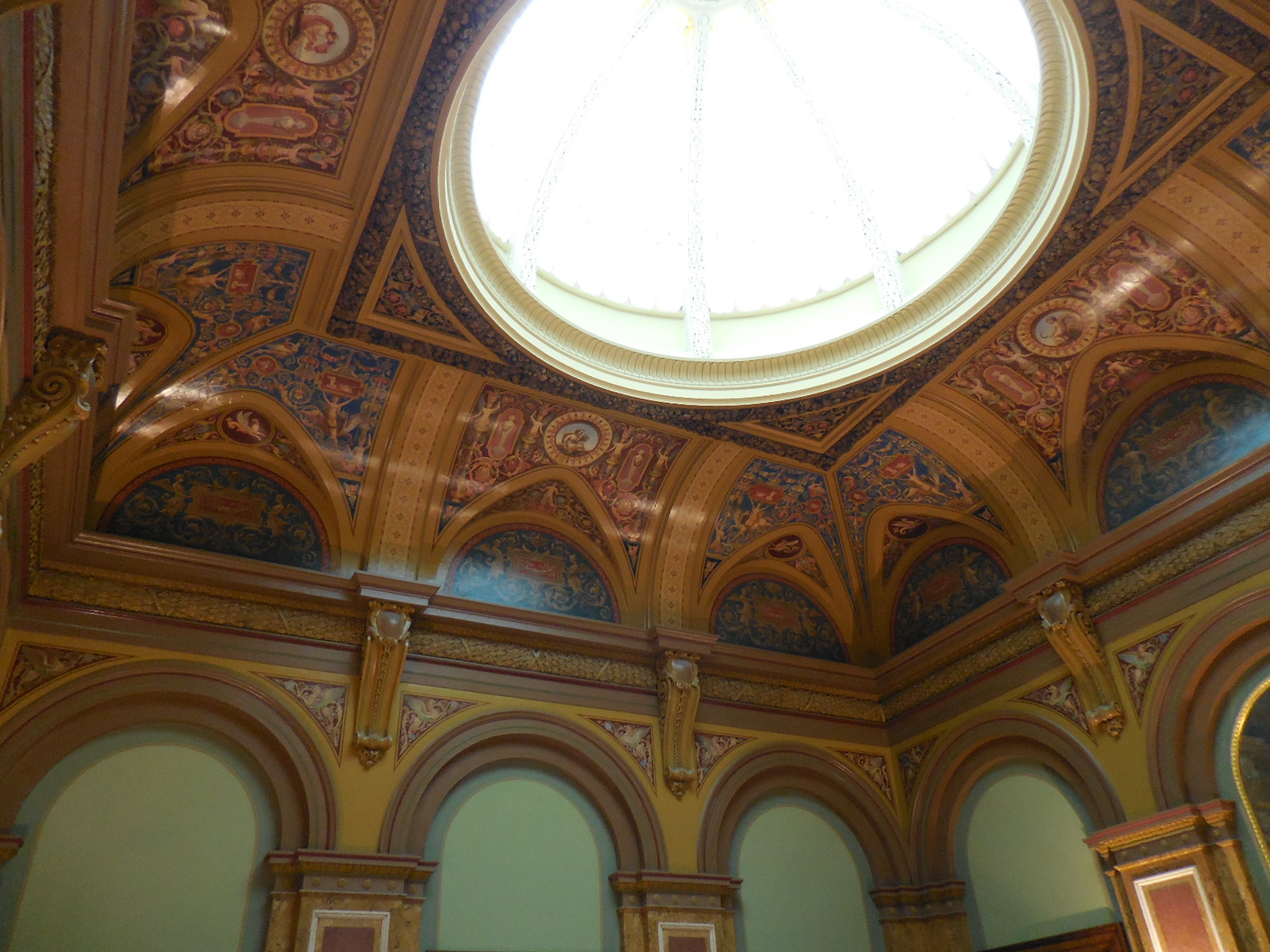

OPEN CITY DAYS: ROYAL SOCIETY OF ANTIQUARIES

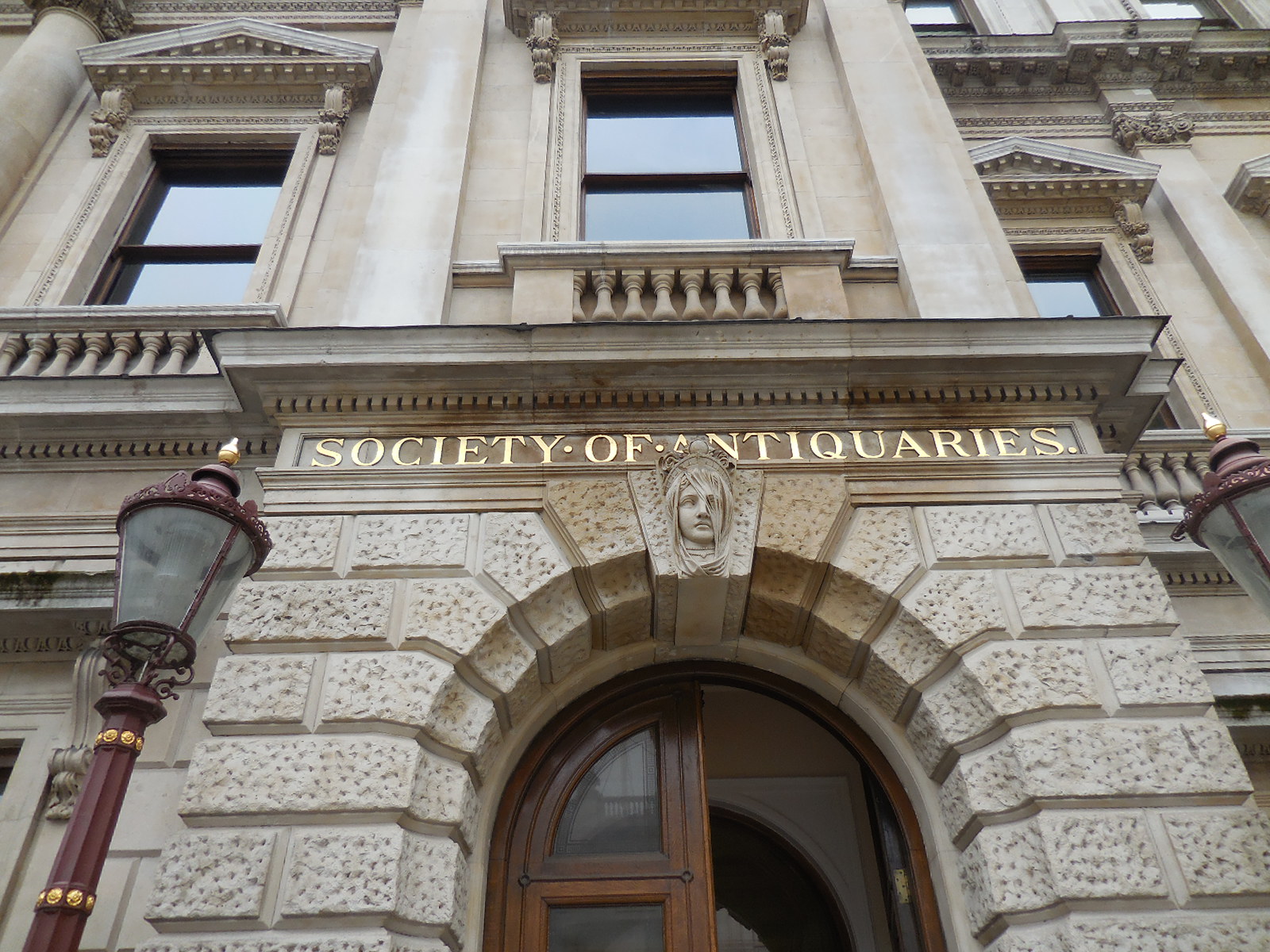
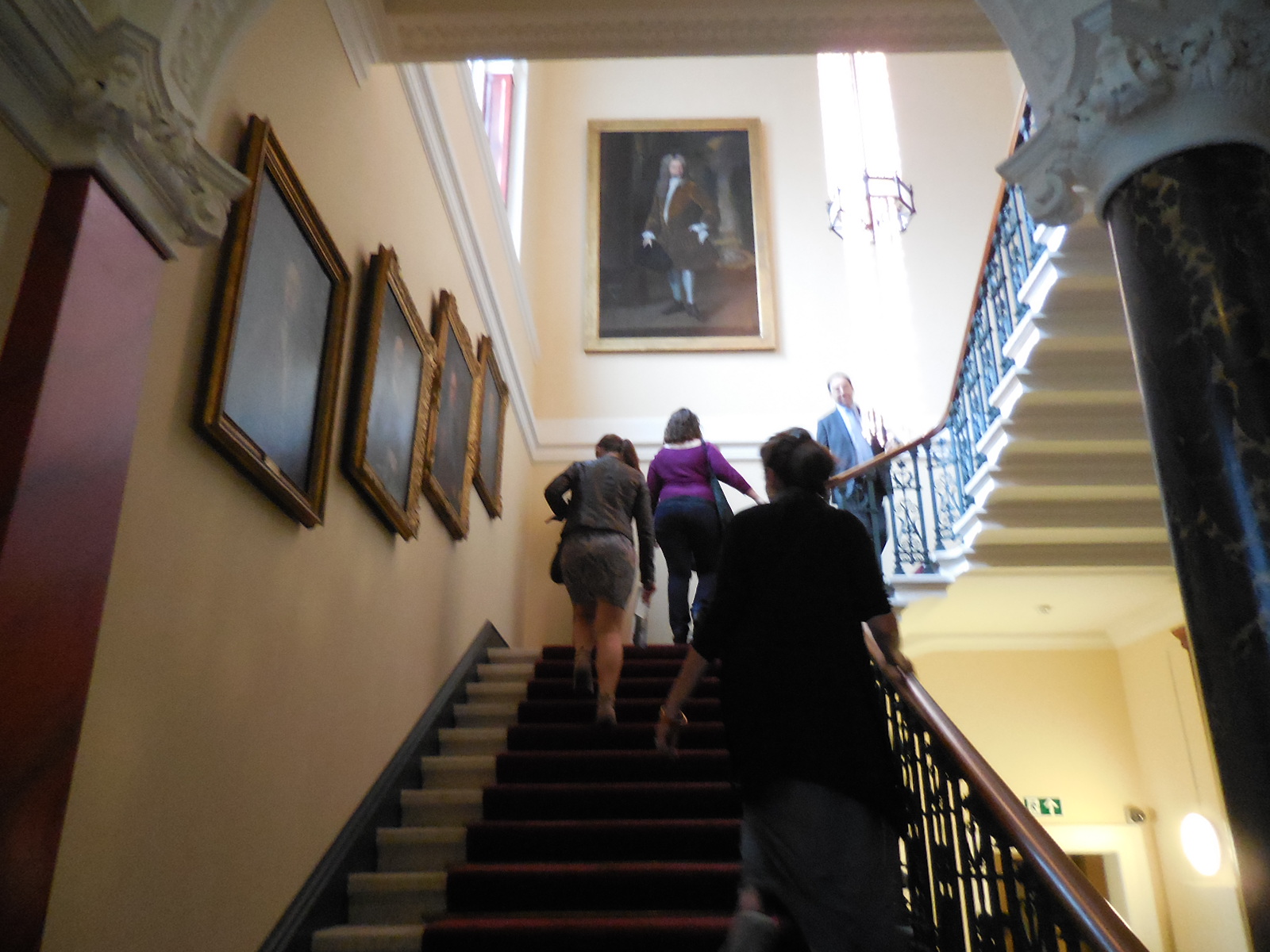
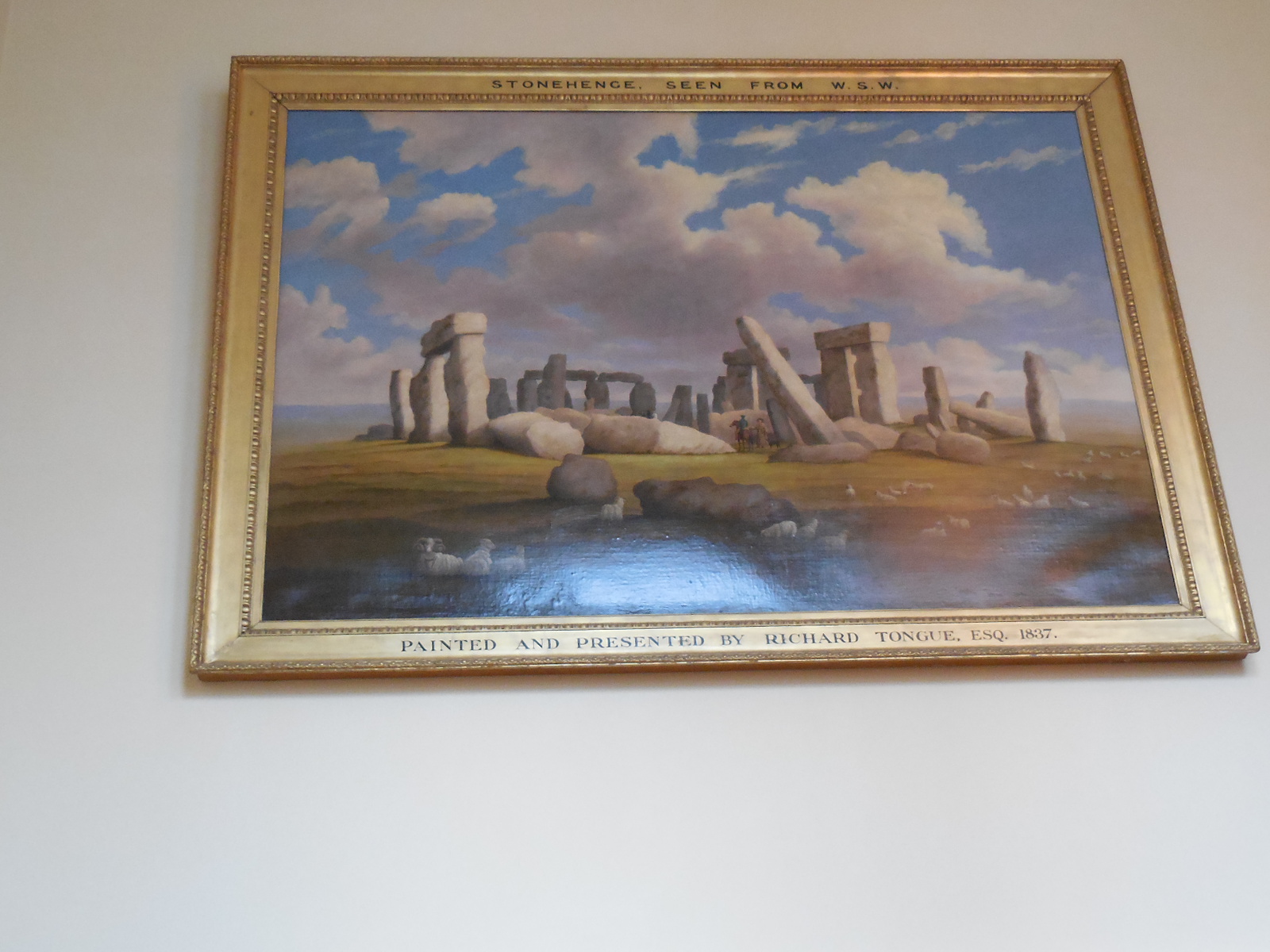
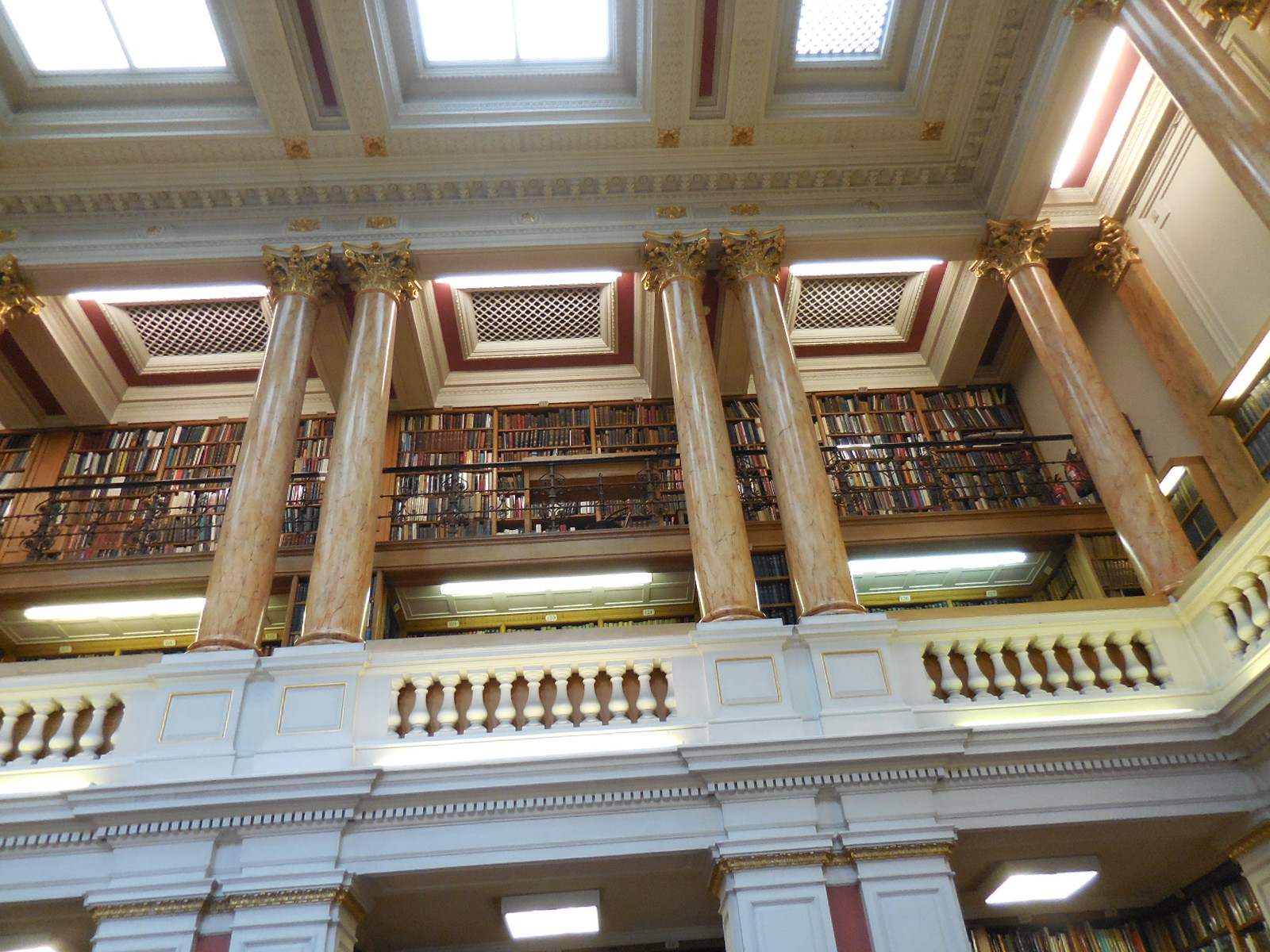
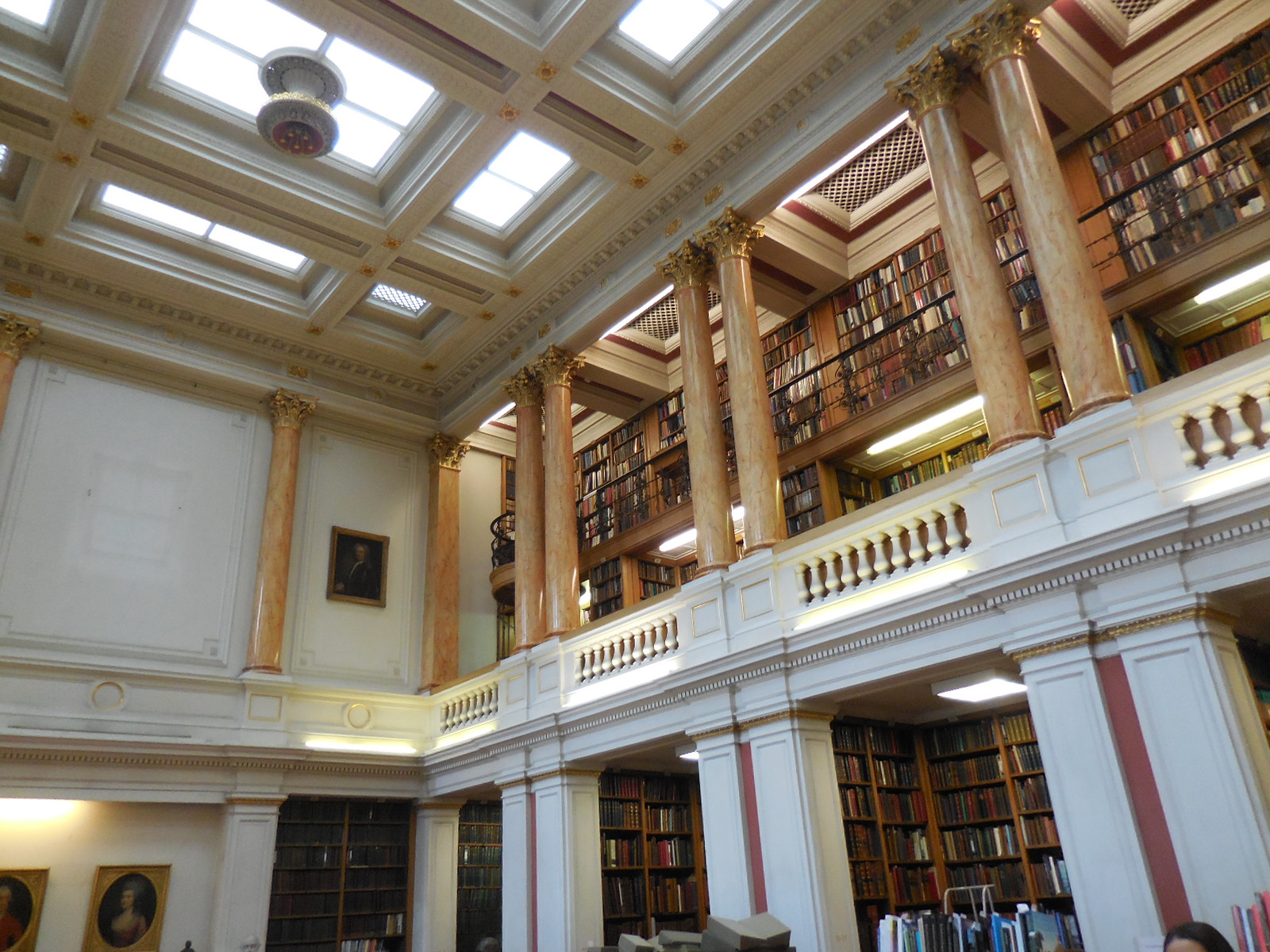
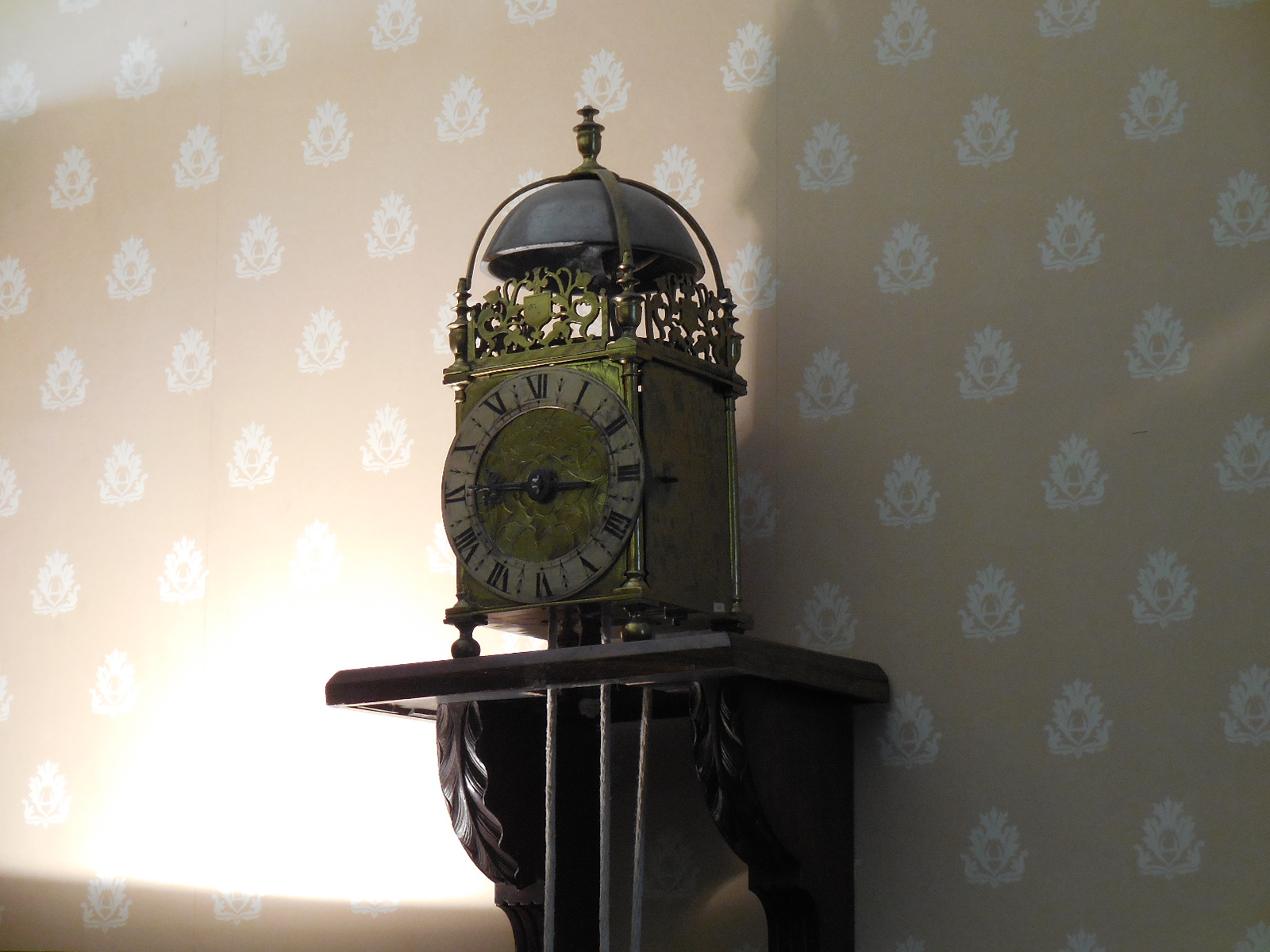
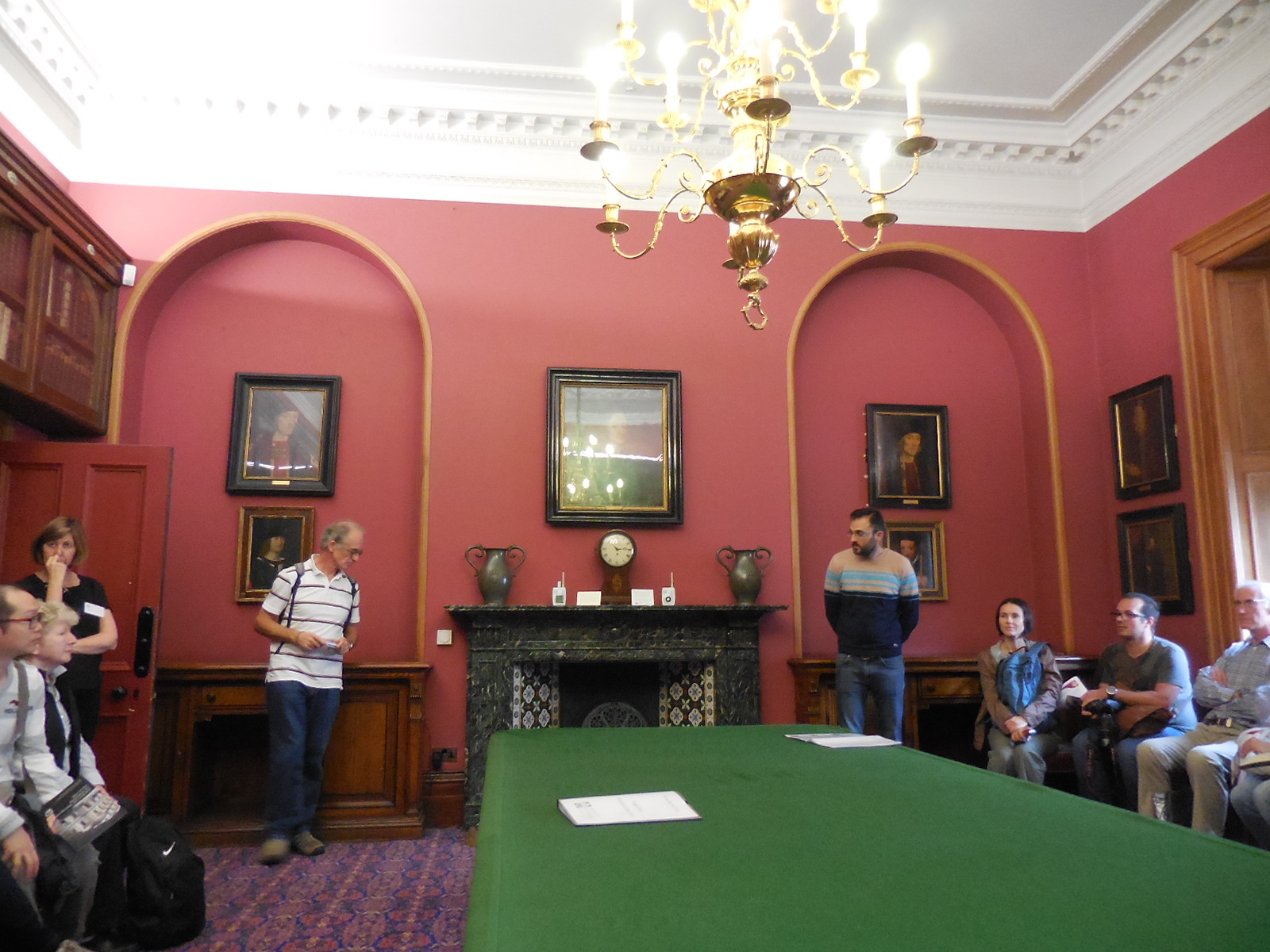
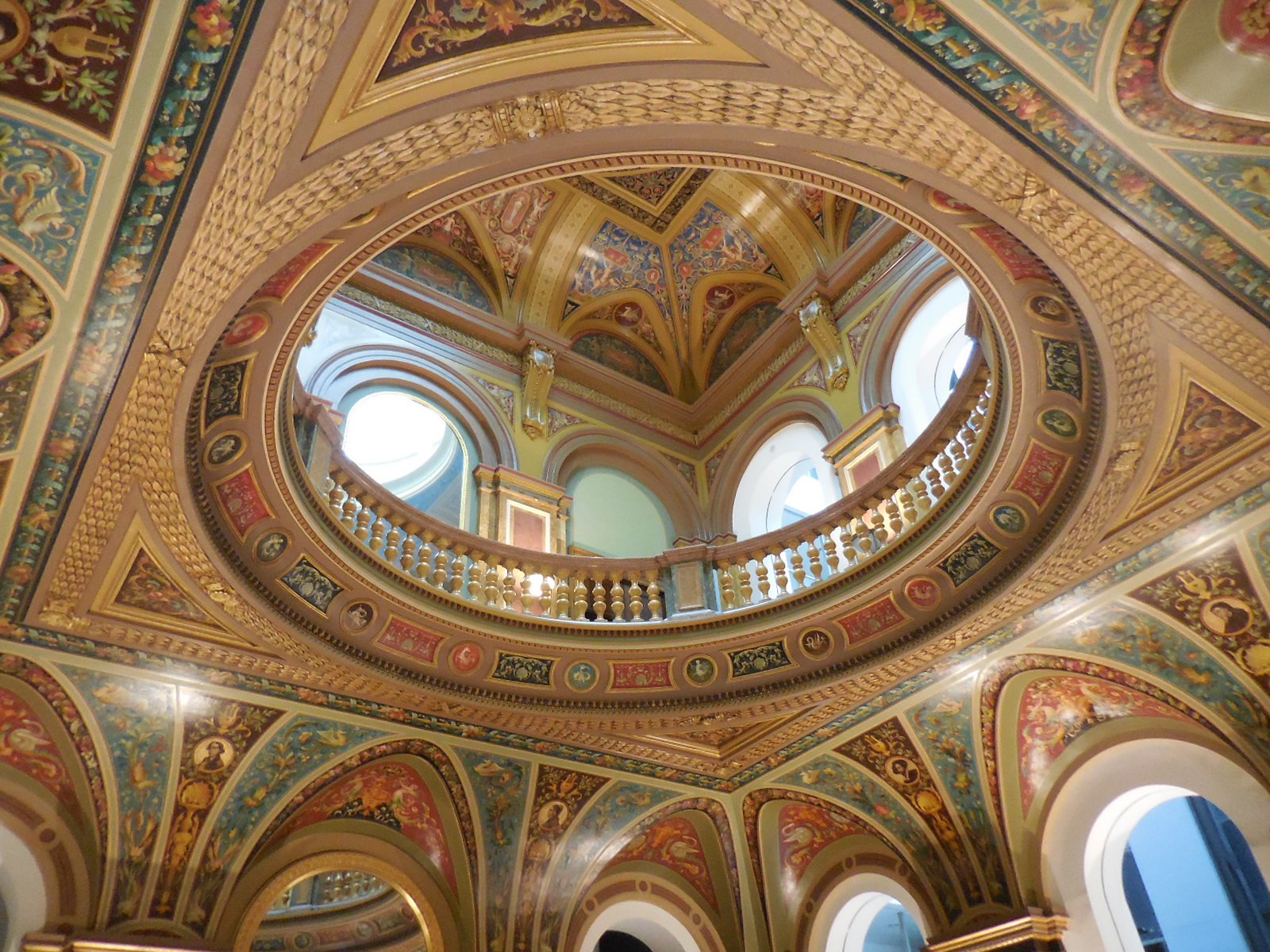
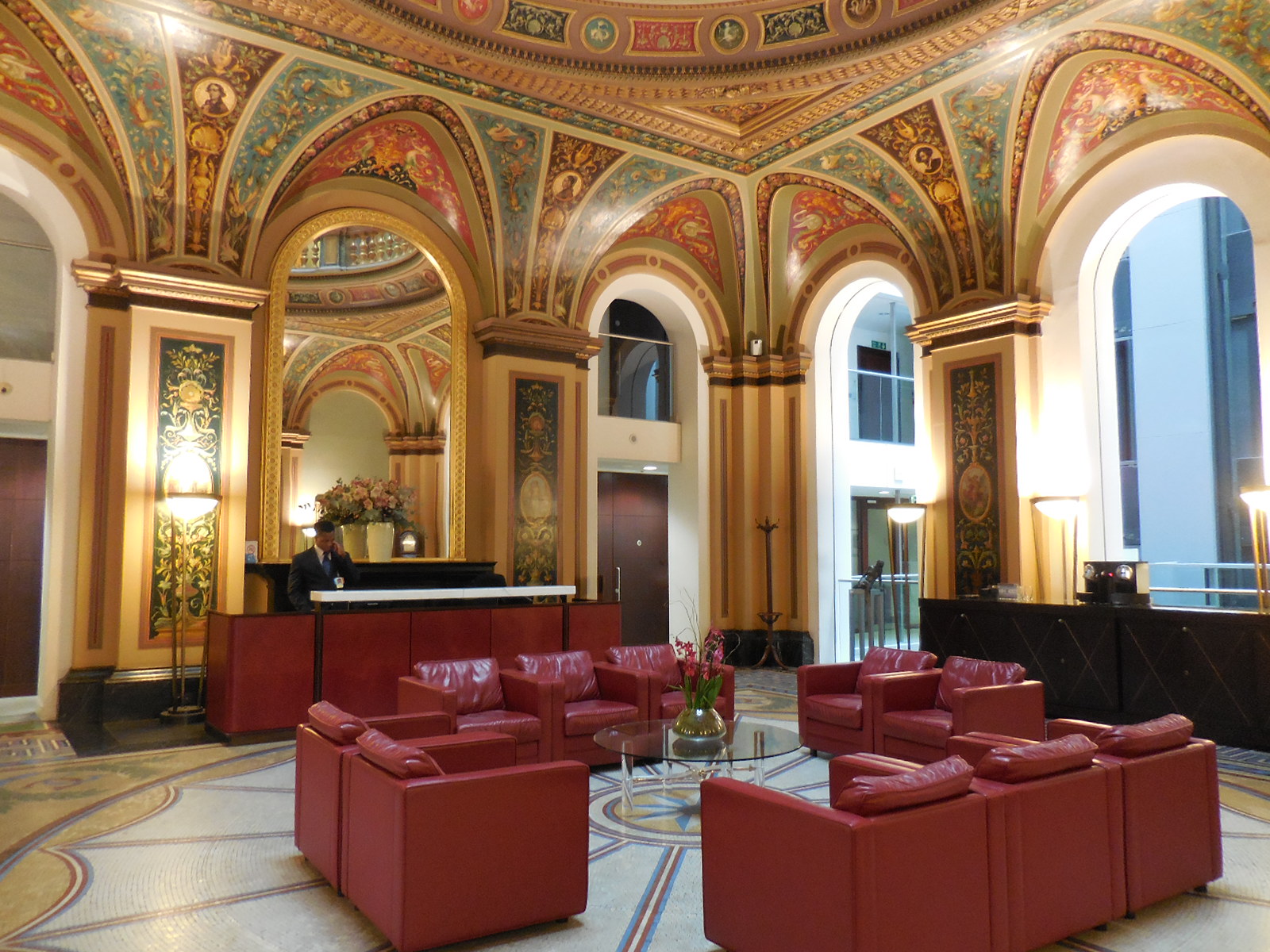
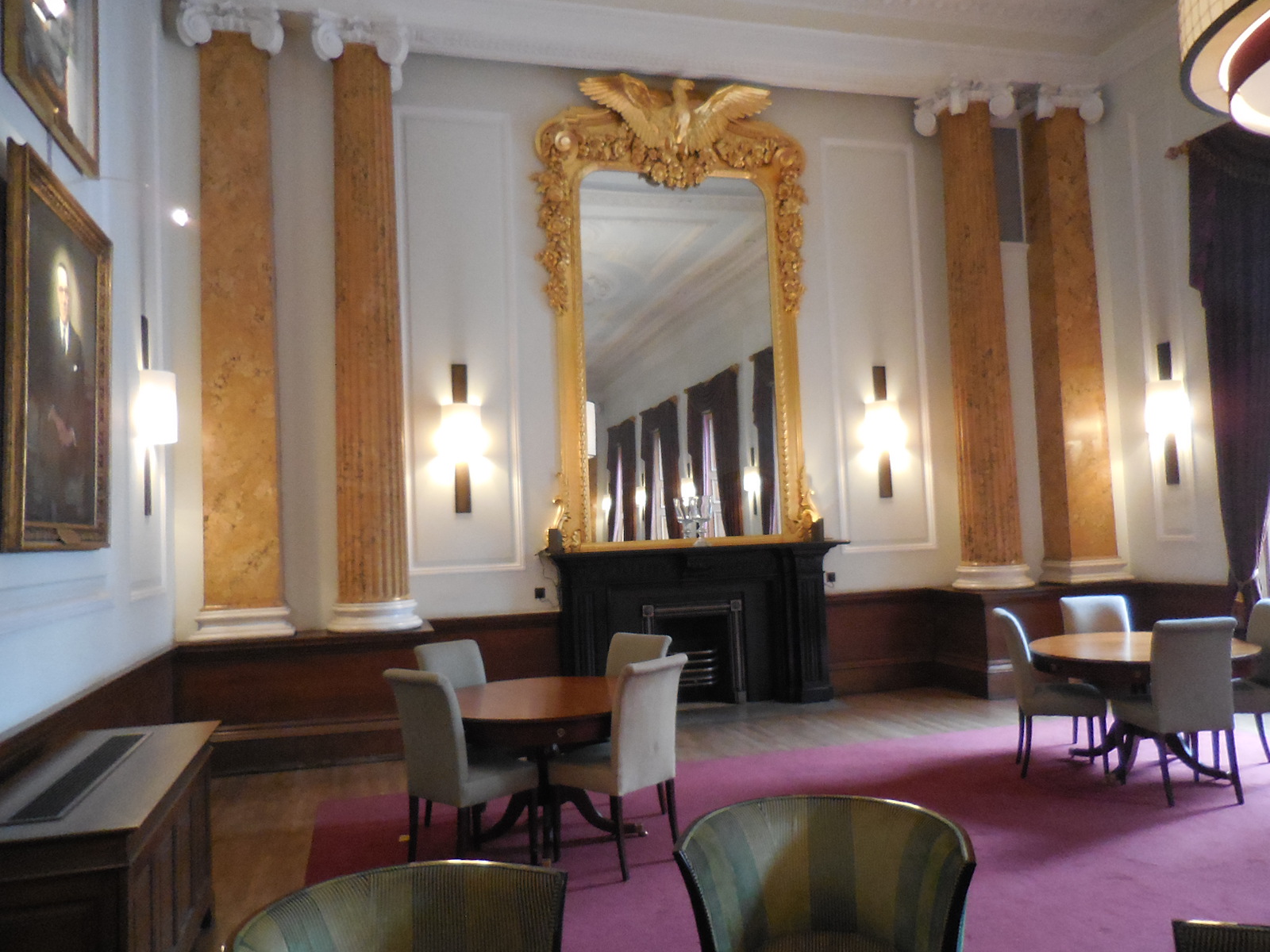
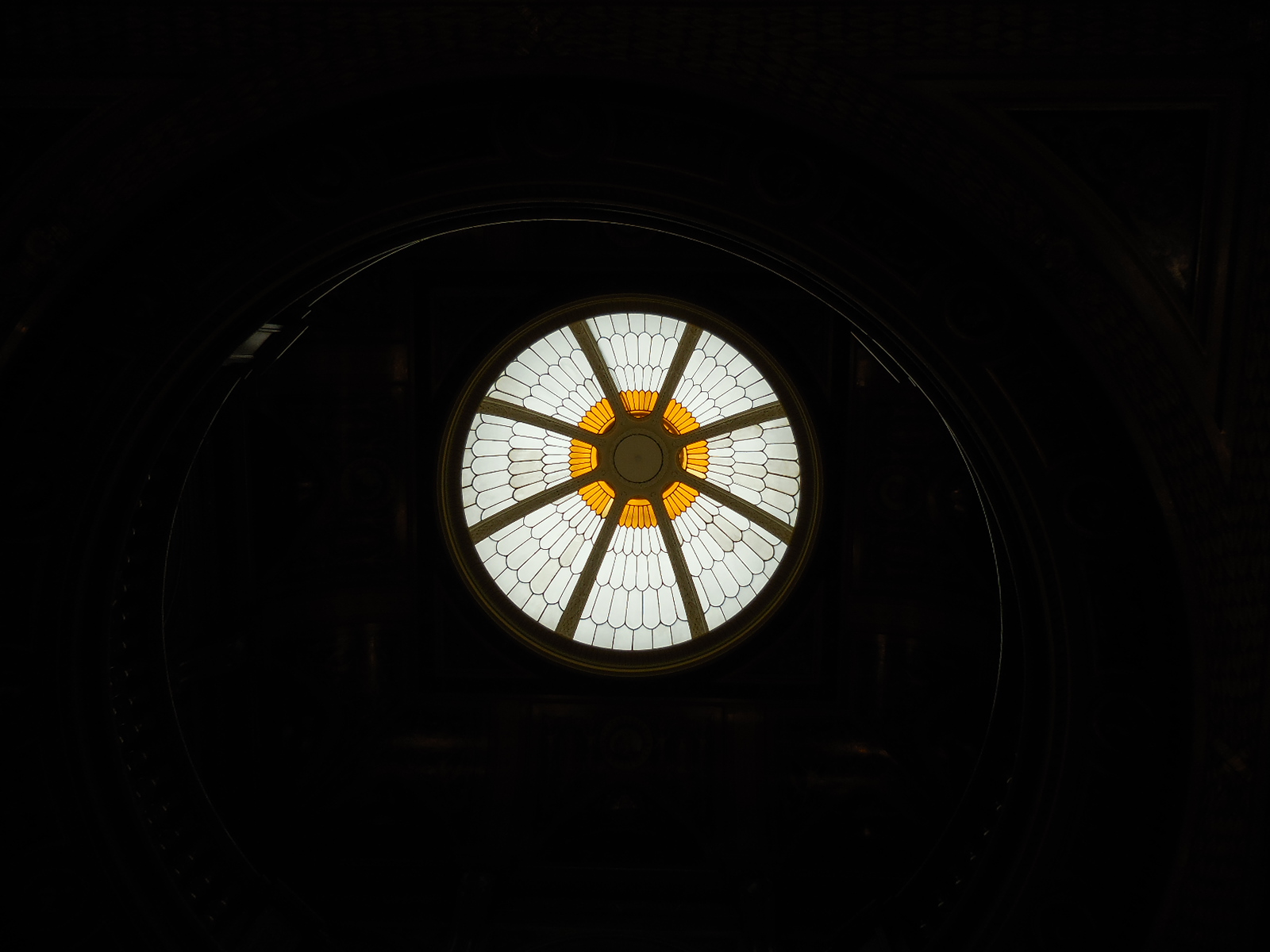
Our next stop along our Open Houses Day route was the Royal Society of Antiquaries, founded in 1707. Today, their 3,000 Fellows include many distinguished archaeologists and art and architectural historians holding positions of responsibility across the cultural heritage. The Fellowship is international in its reach and its interests are inclusive of all aspects of the material past. The Society previously had offices in Somerset House before moving in 1874 to a suite of purpose built apartments in the courtyard of Burlington House, Piccadilly, which offered the Society substantially larger rooms. The Society is also responsible for their Library and Museum collections (at Burlington House and at Kelmscott Manor) and offers conservation and research grant awards, a varied programme of events (lectures and seminars), communications such as publications, a website and e-newsletter.

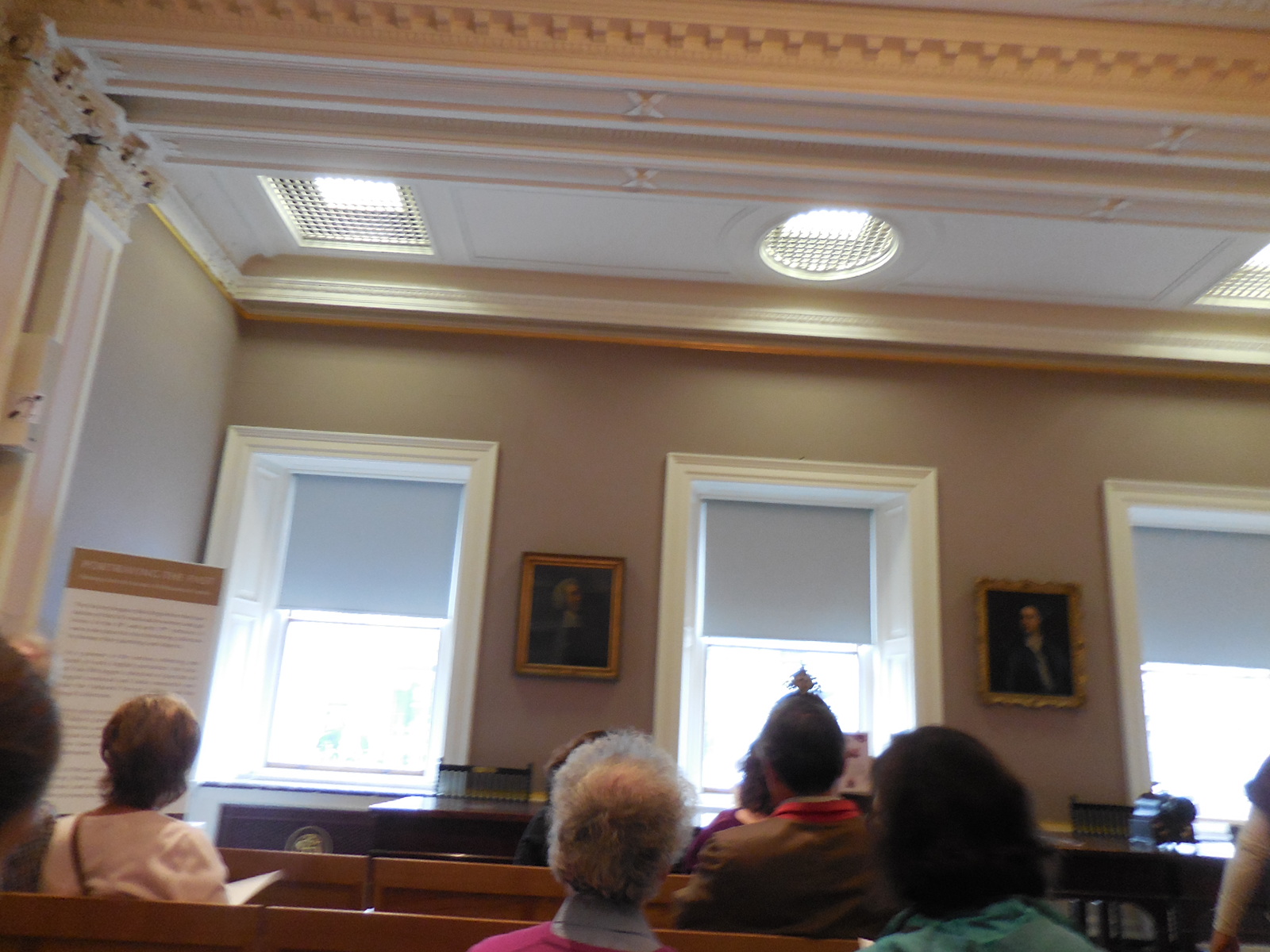
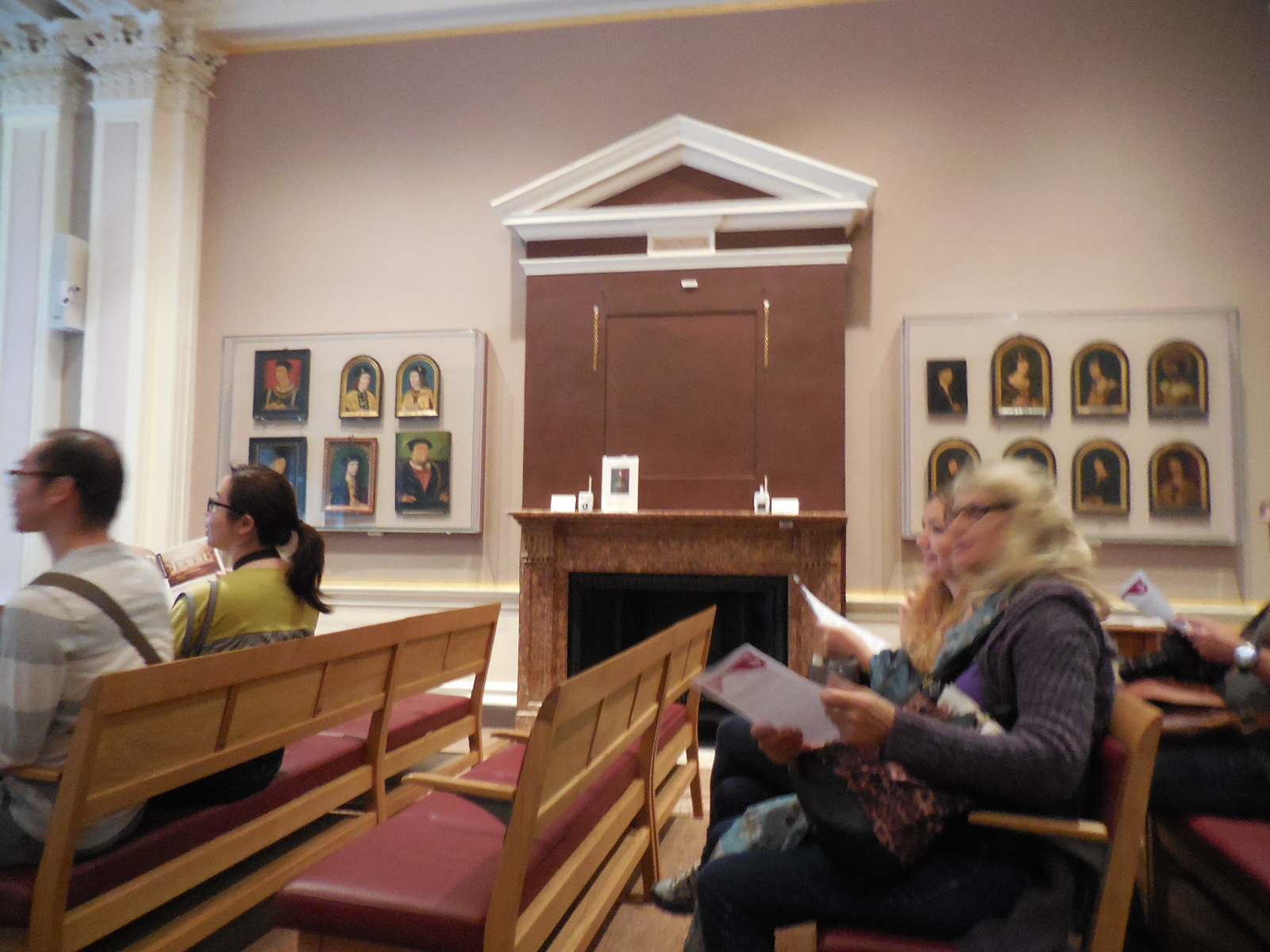
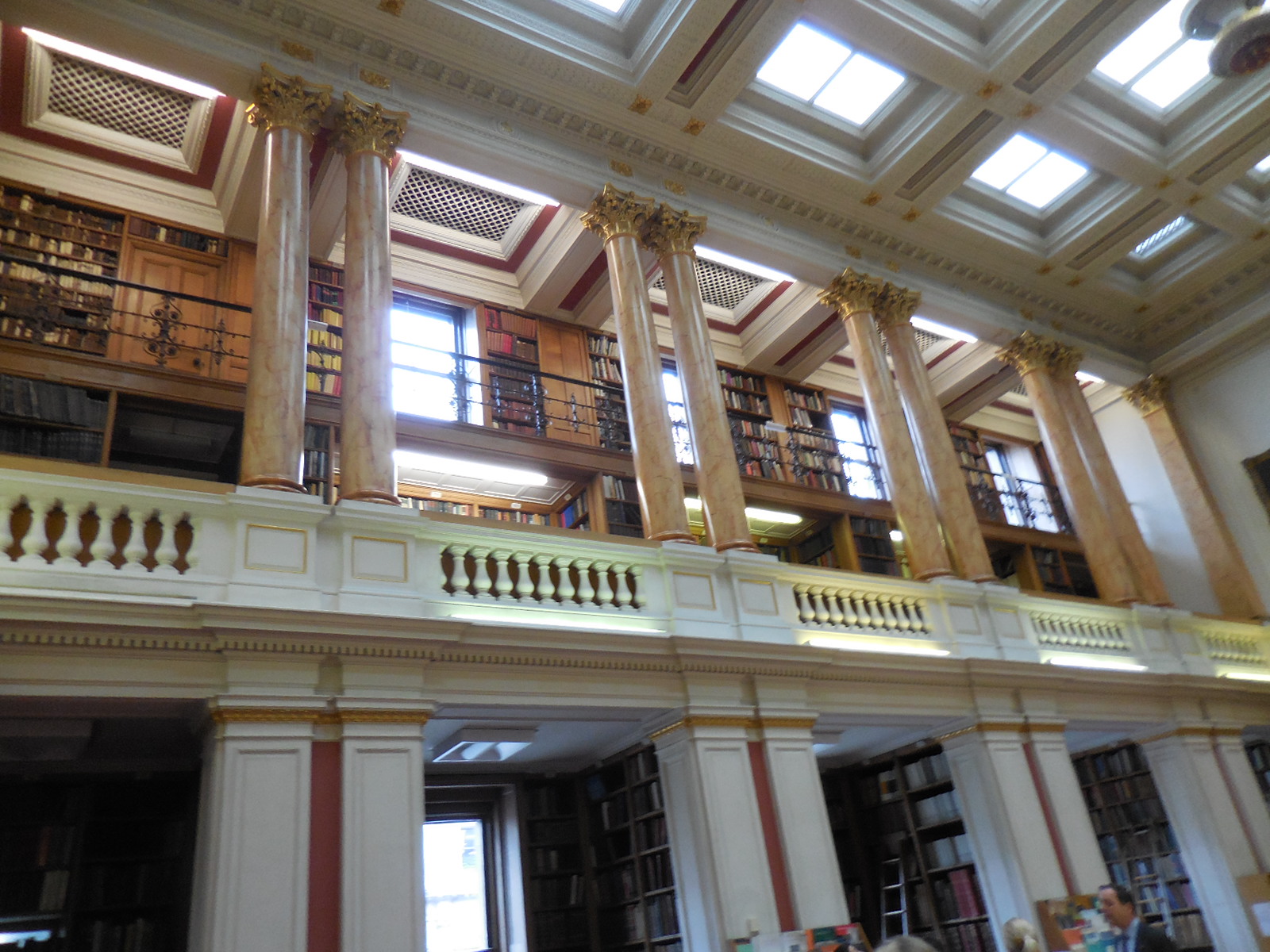
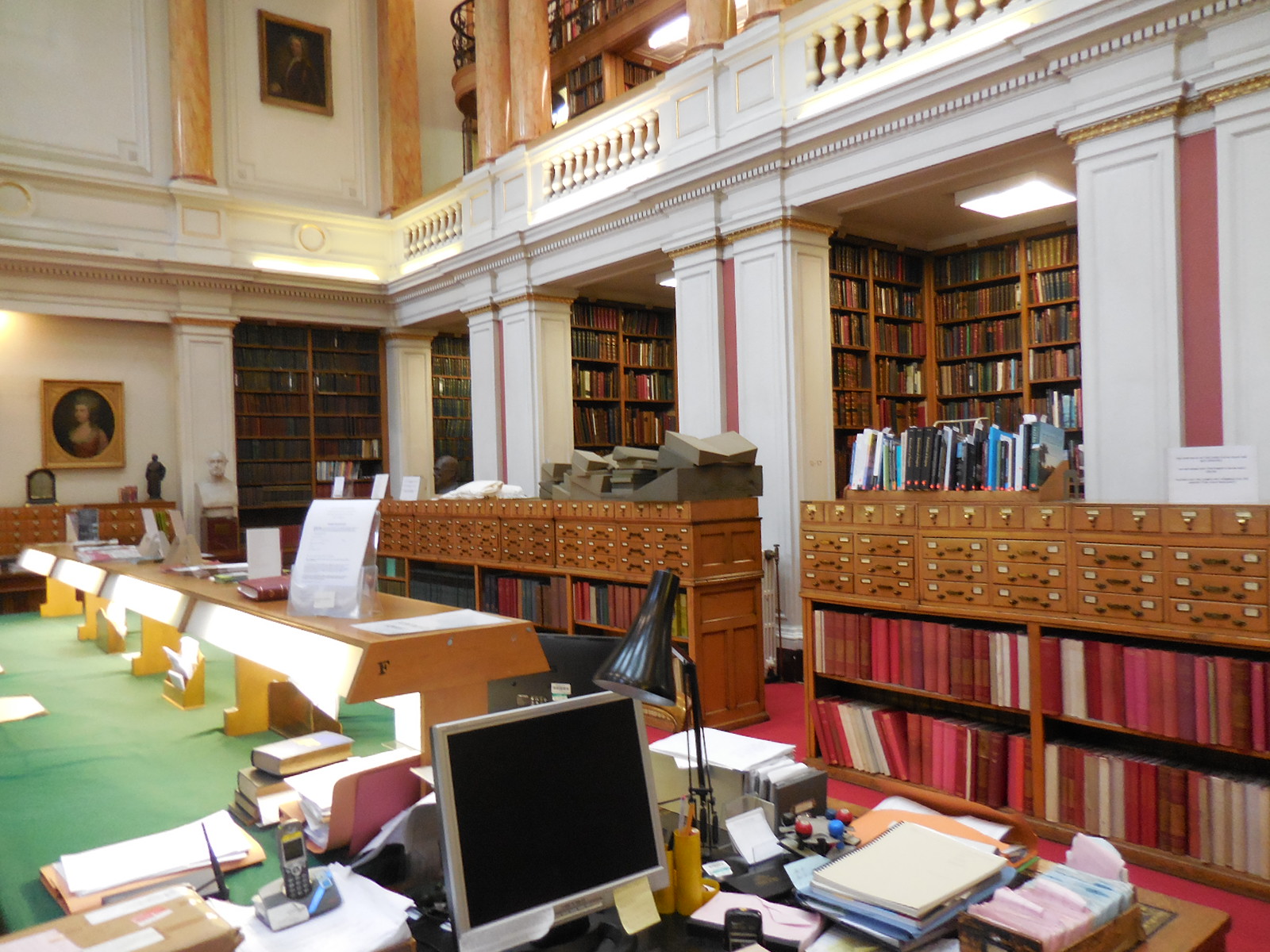
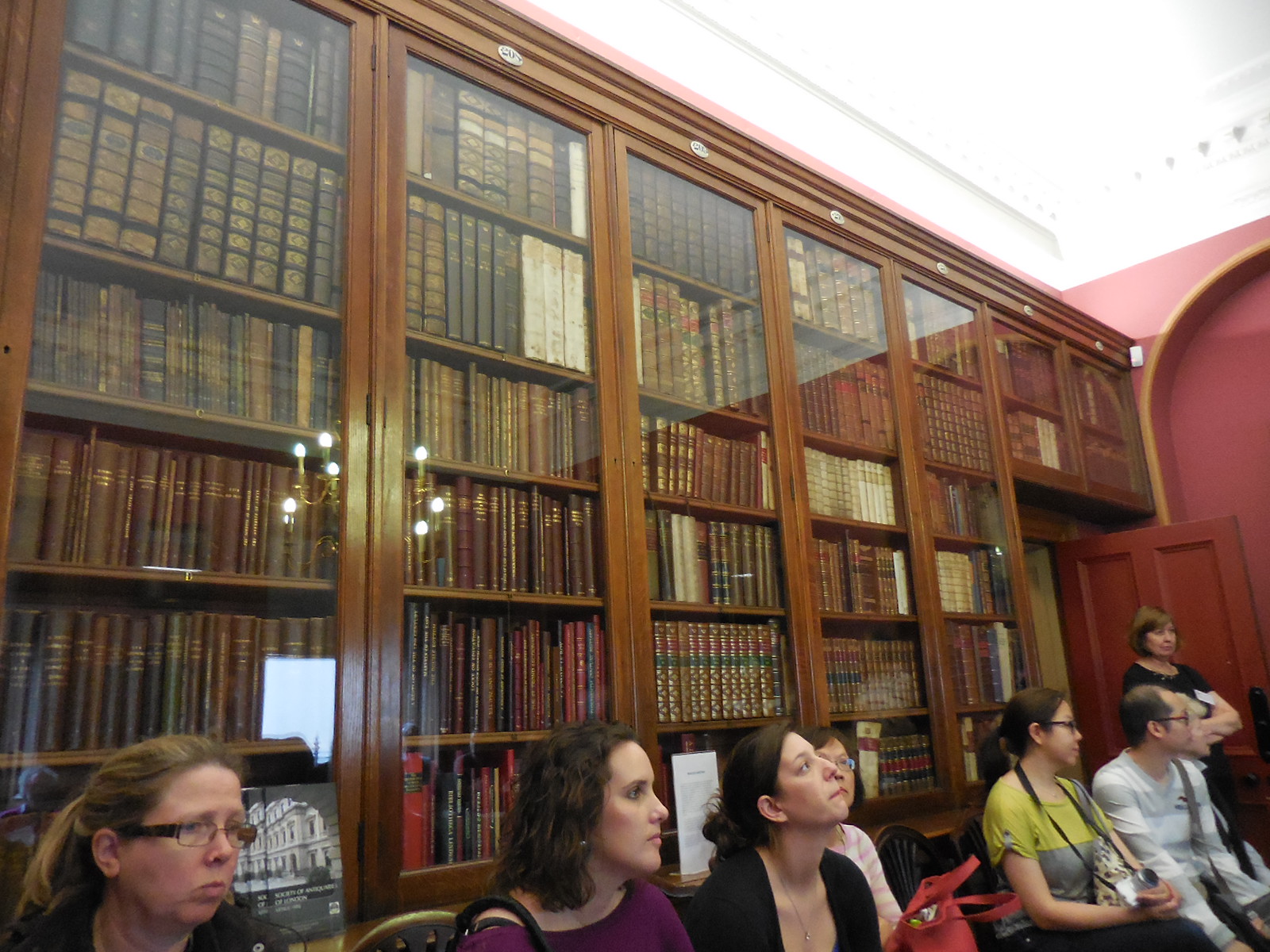
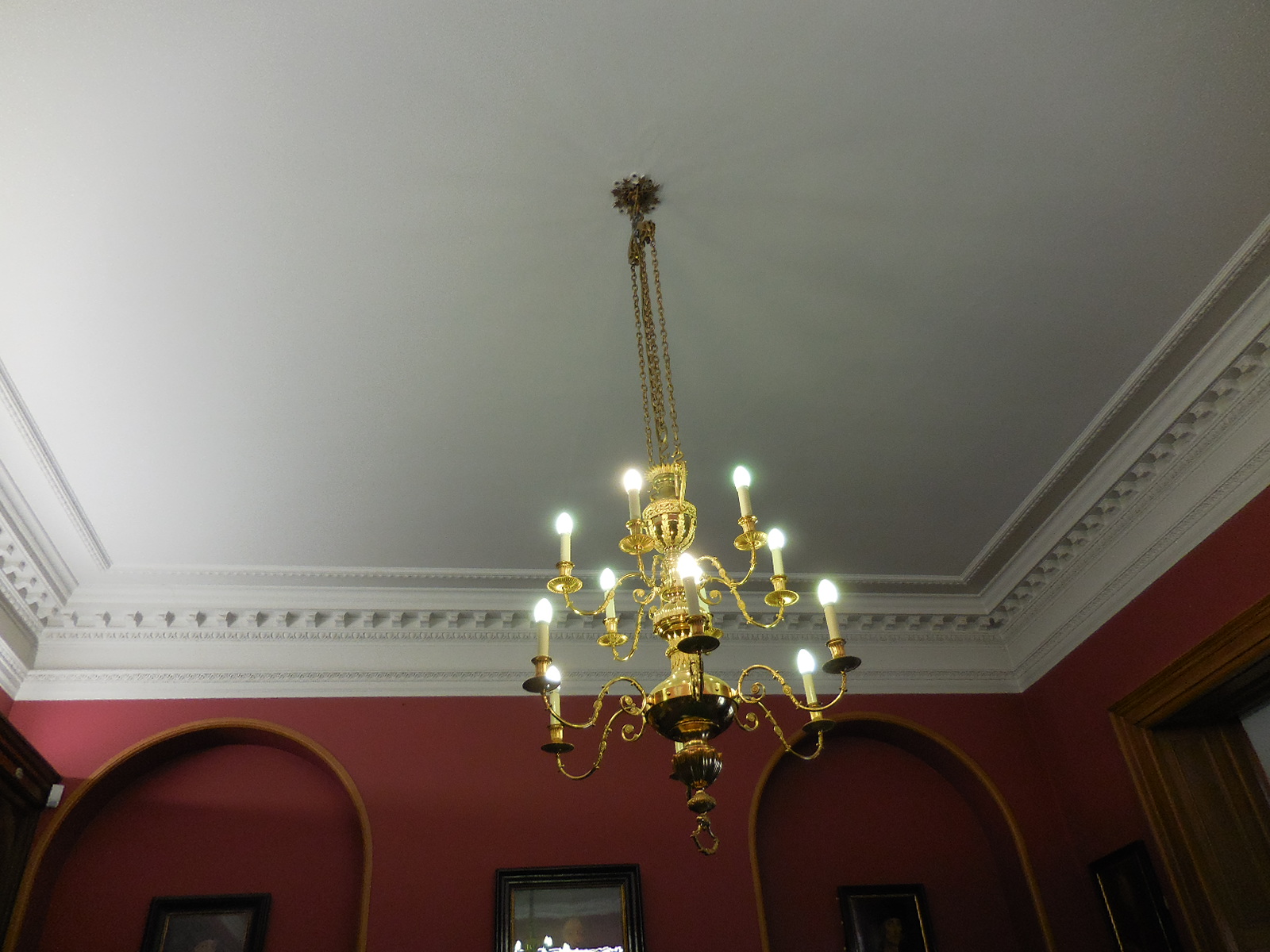
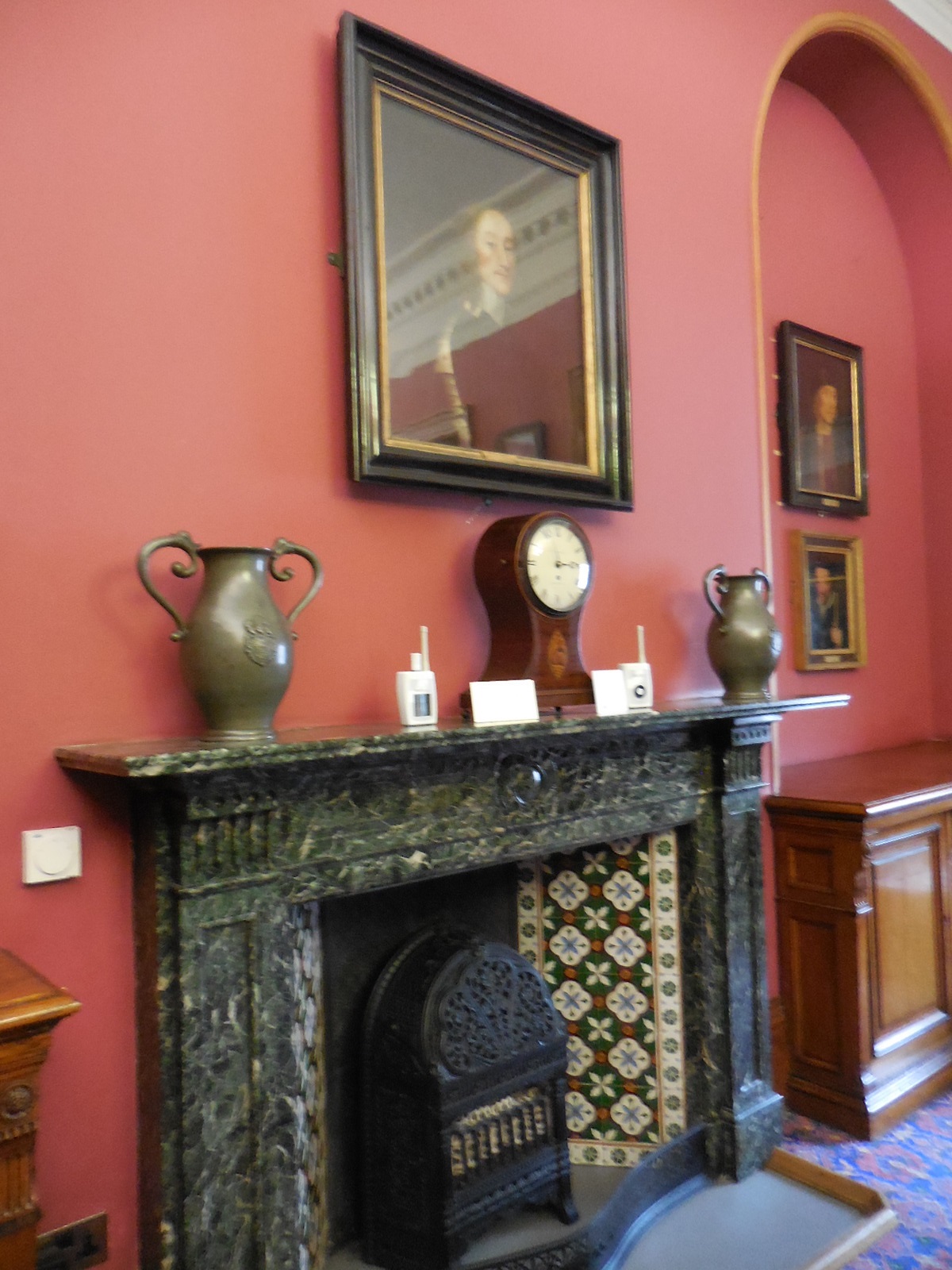
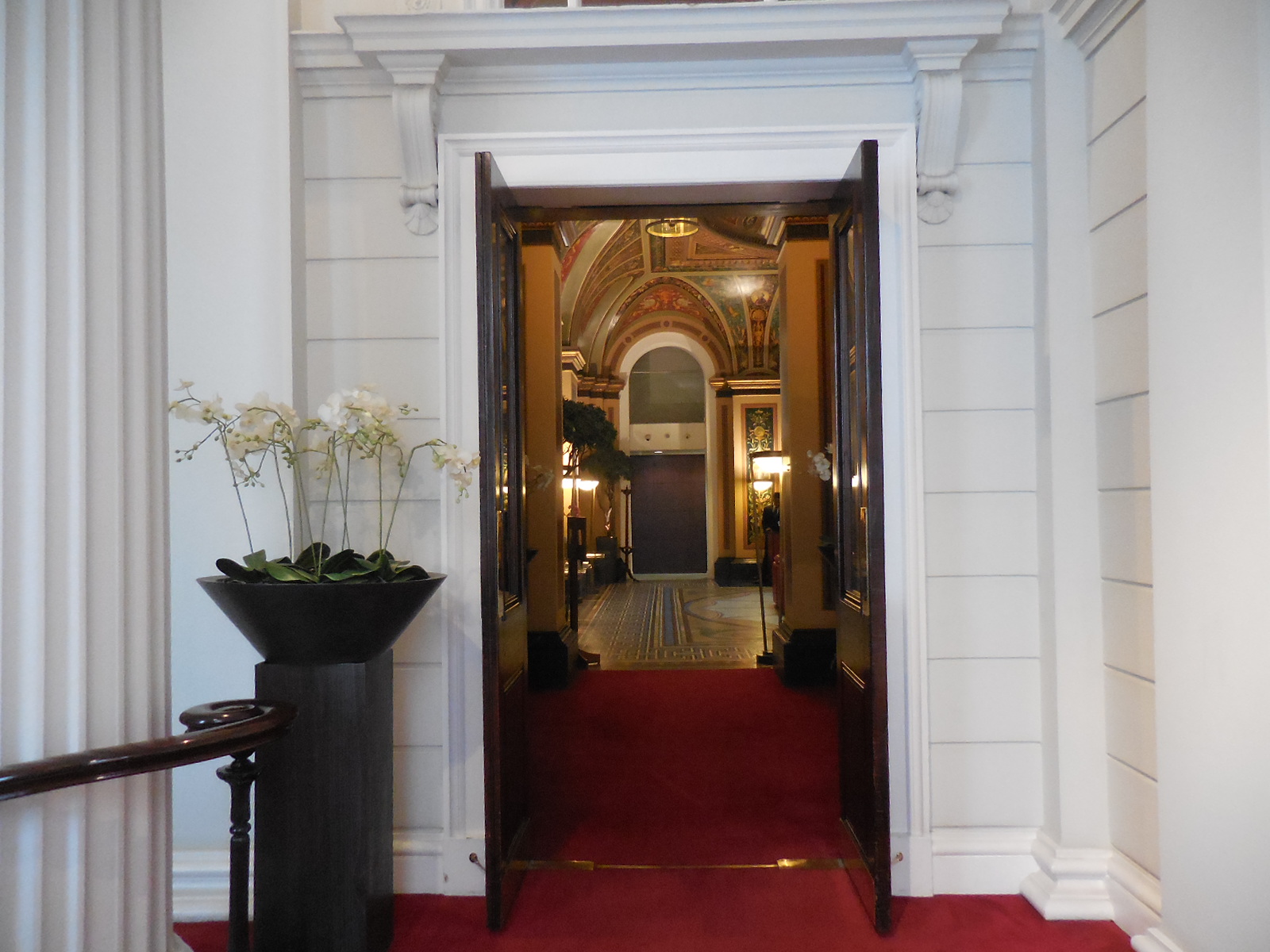
The entire building was filled with fabulous architecture, but you will understand that Victoria and I were both especially interested in the Library.

From the Society’s website: For 300 years the Library has been at the heart of the Society, helping to shape our understanding of the past. The Library is the largest antiquarian library in the country, with an outstanding collection of more than 130,000 books dating from the fifteenth century to the present day, holdings of historic journals and over 500 current subscriptions, manuscripts and archives, and prints and drawings. It covers British and European archaeology, architectural history, art history and the decorative arts (especially medieval), the historic environment, and British local history. Its collection of county historical and archaeological publications is one of the most comprehensive in the country, as its collection of European journals. Our special collections include 2,000 proclamations from 1464 to the mid-nineteenth century, 1,000 broadsides including a printed indulgence from 1513, the Lowther collection of Civil War tracts, the Fairholt Collection on pageantry, the Prattinton Collection on Worcestershire, the Jackson Collection on Wiltshire, the Willson Collection on Lincolnshire, the archives of the Society of Dilettanti and the Roxburghe Club Library. 

LUNCHEON IN PICKERING PLACE AND A VISIT TO LOCK'S HATTERS

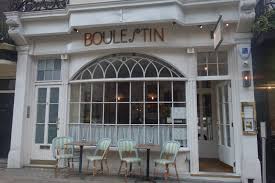
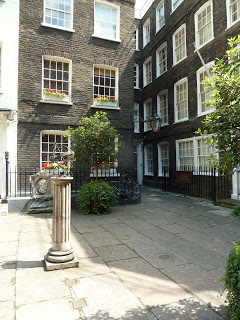
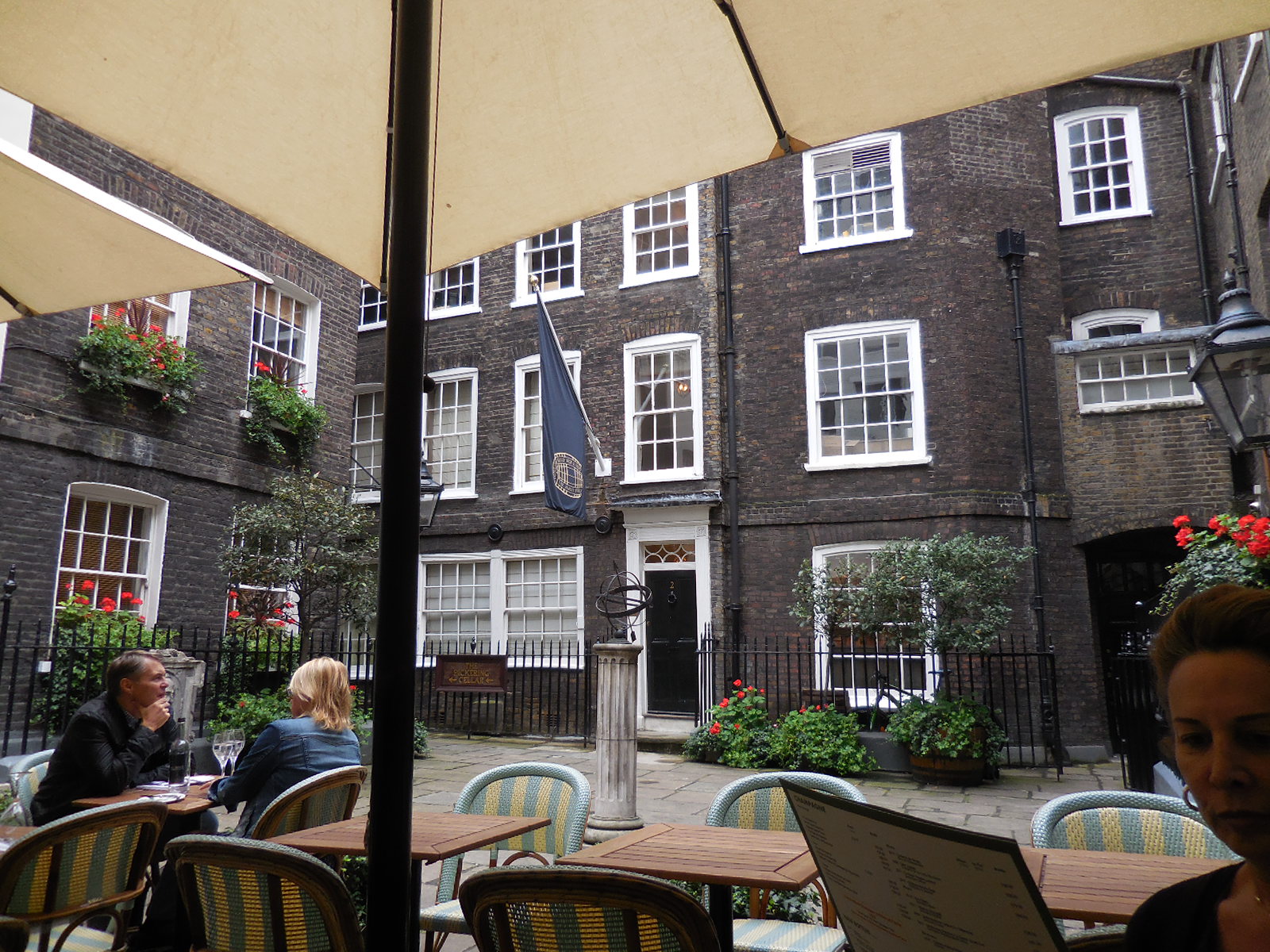
After a busy morning of poking our noses into various London venues, Victoria and I decided to take a much needed pause for lunch at Boulestin in St. James’s Street. Boulestin offers an intimate and elegant setting in which to enjoy modern French cuisine. The food is fabulous and the location even better – the site was once occupied by Overton’s Restaurant and Oyster Bar and its’ outdoor dining tables are in Pickering Place. Yes, that Pickering Place.

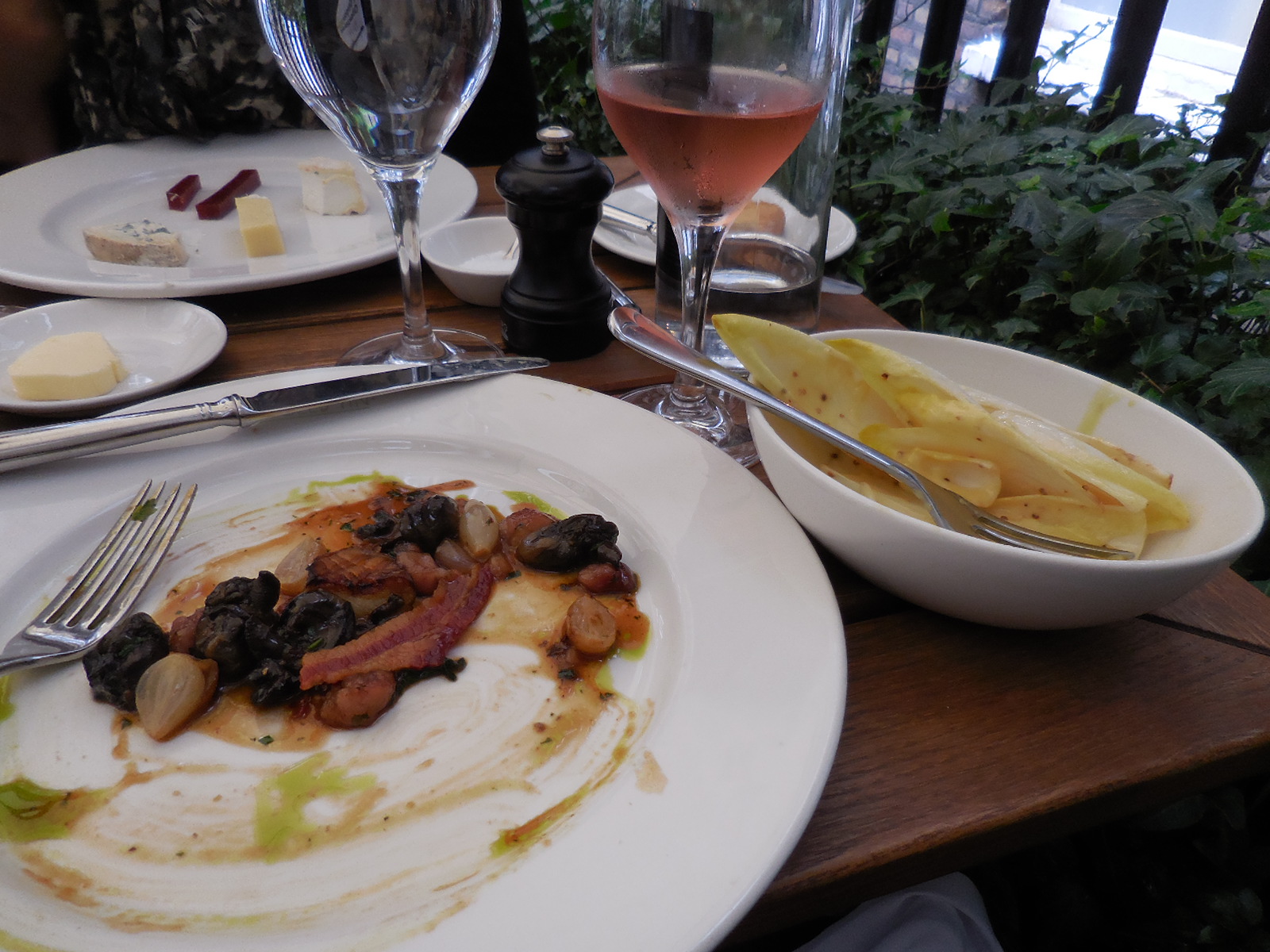
Once our food had been delivered and the wine poured I looked at Victoria and said, “We’re eating in Pickering Place.”

“I know.”

“How cool is this?” I asked.

“Tres.”

“Pickering Place.”

“Yup. Duels, even.”

“Have you heard the story about how the Duke of Wellington came back from Paris incognito in 1816 and thrashed the Hell out of Brummell for being such an idiot and getting himself into debt and insulting Prinny? It happened right here. The Duke was punching the crap out of Brummell when an old woman opened a window on the second floor, right there, and yelled `Begone, ye hooligans!’`And Brummell yelled back, `It’s not a hooligan, it’s the Duke of Wellington!’ And the old woman replied, `And I’m Queen Caroline. Now get away with ye before I call out the Watch.’

“Nope,’ Victoria said, “never heard that. Probably because you just made it up. I like it though.”

“Yeah, not bad. Do you want to go next door to Lock’s and look at the Duke’s hat when we’re done?”

“Sure. Do you want any of this brie?”

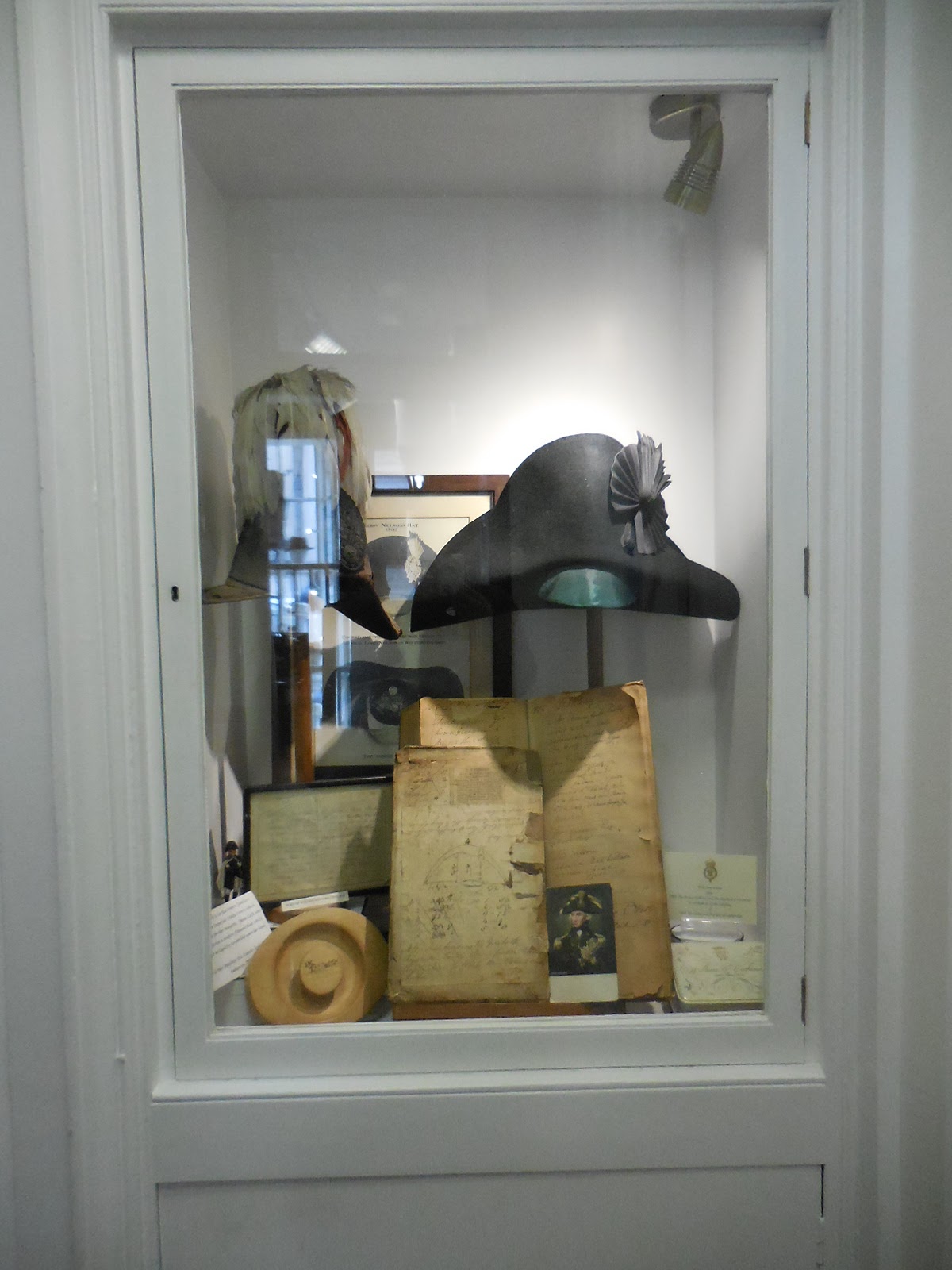
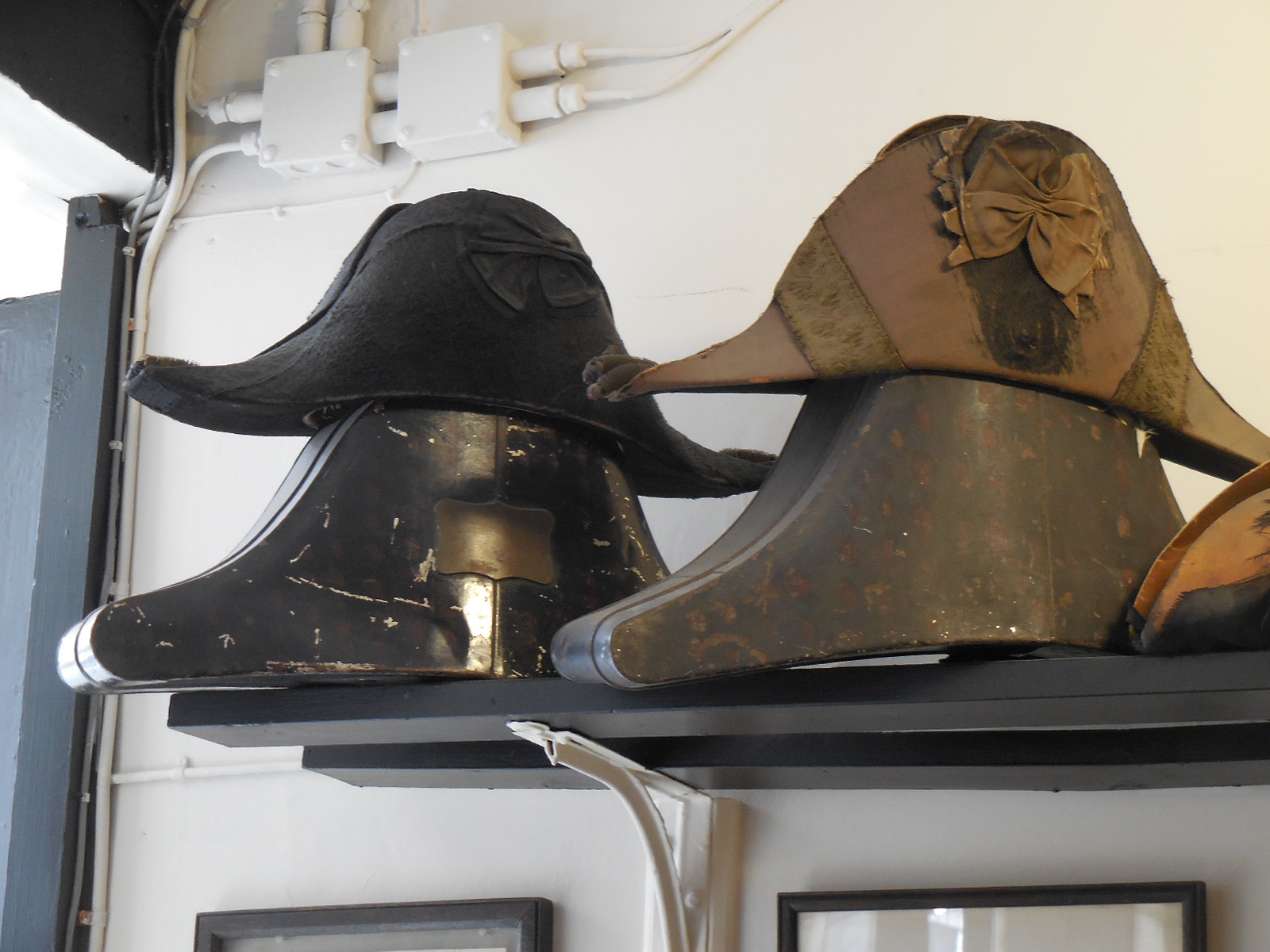
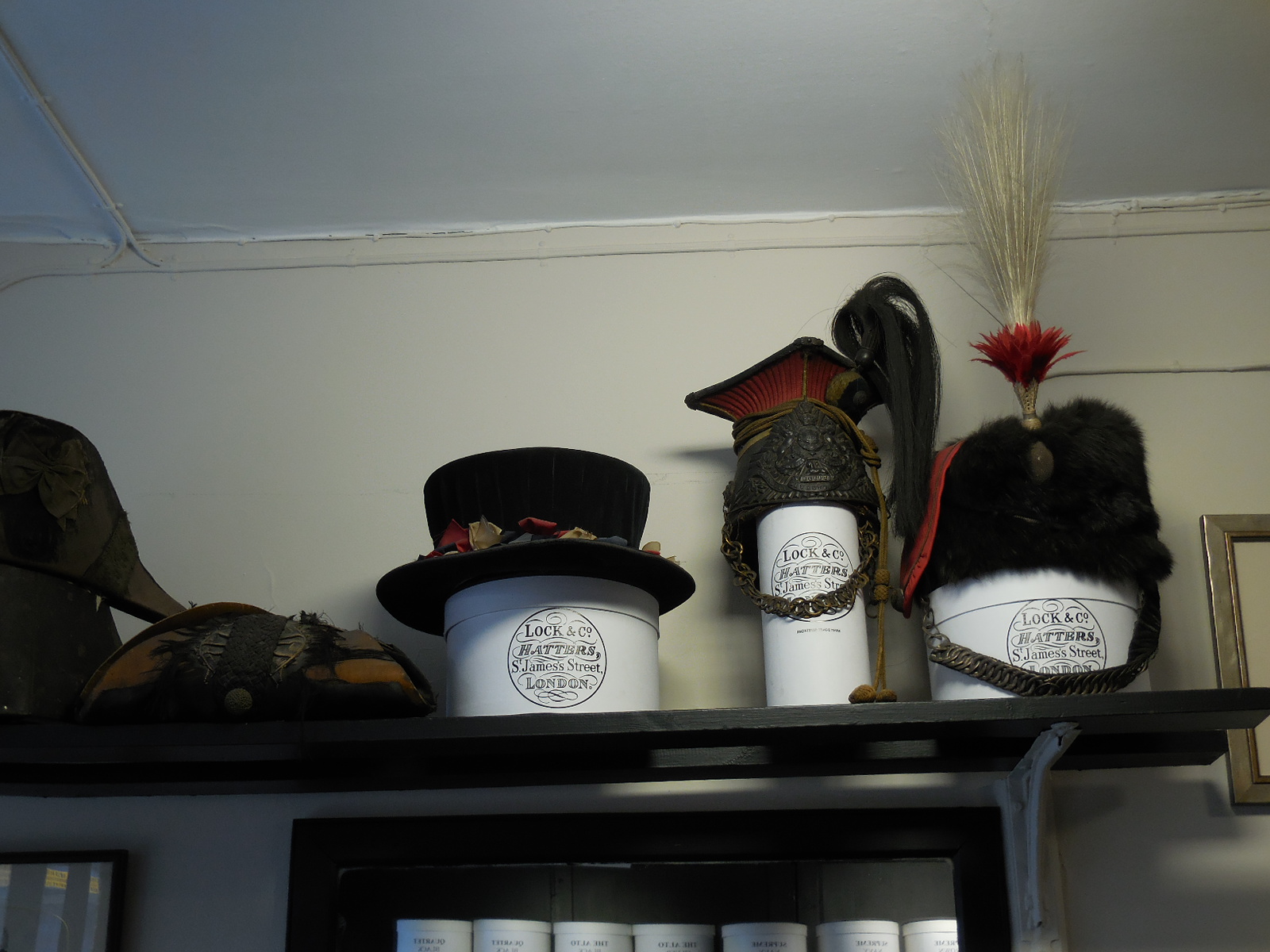
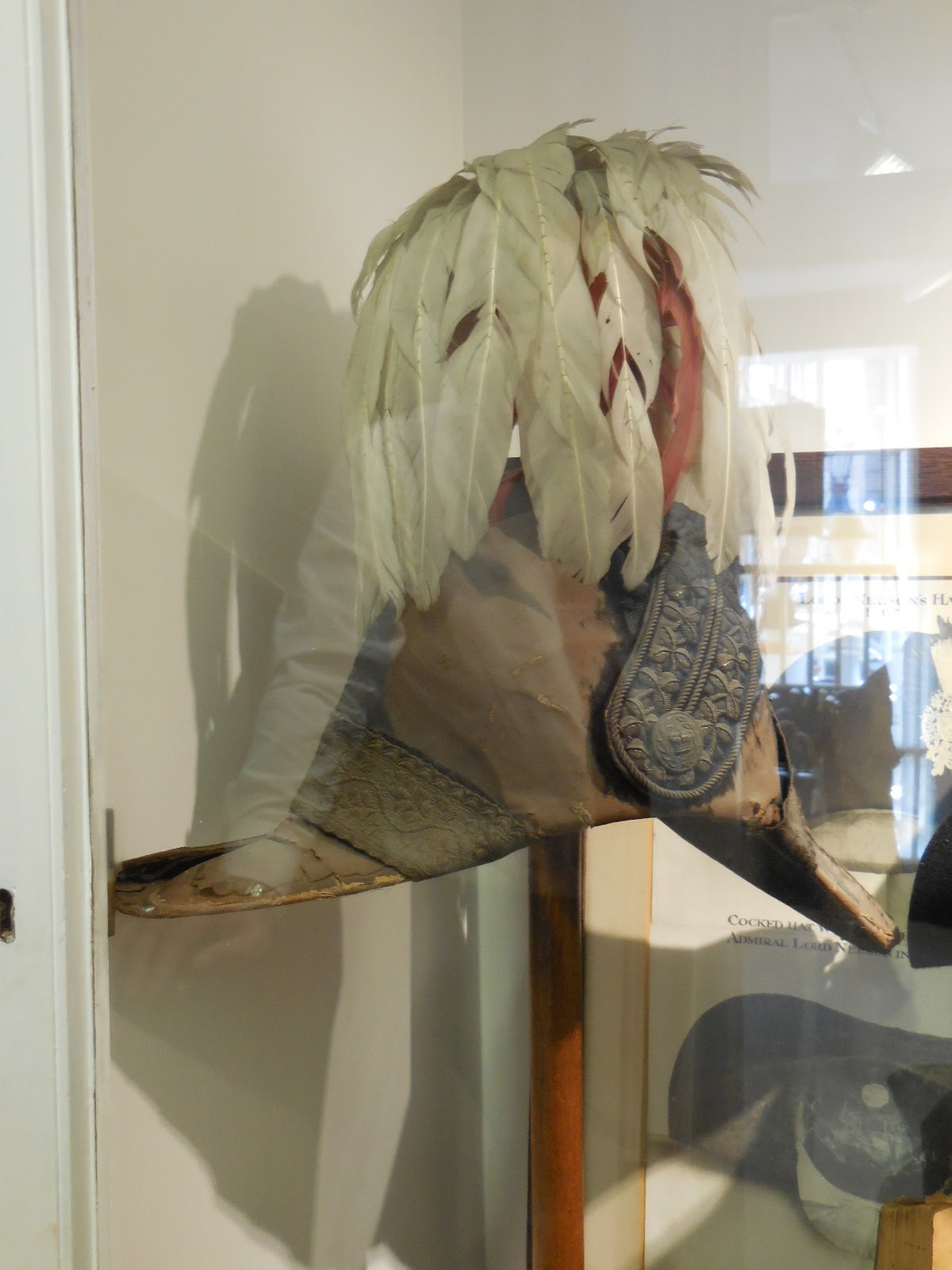
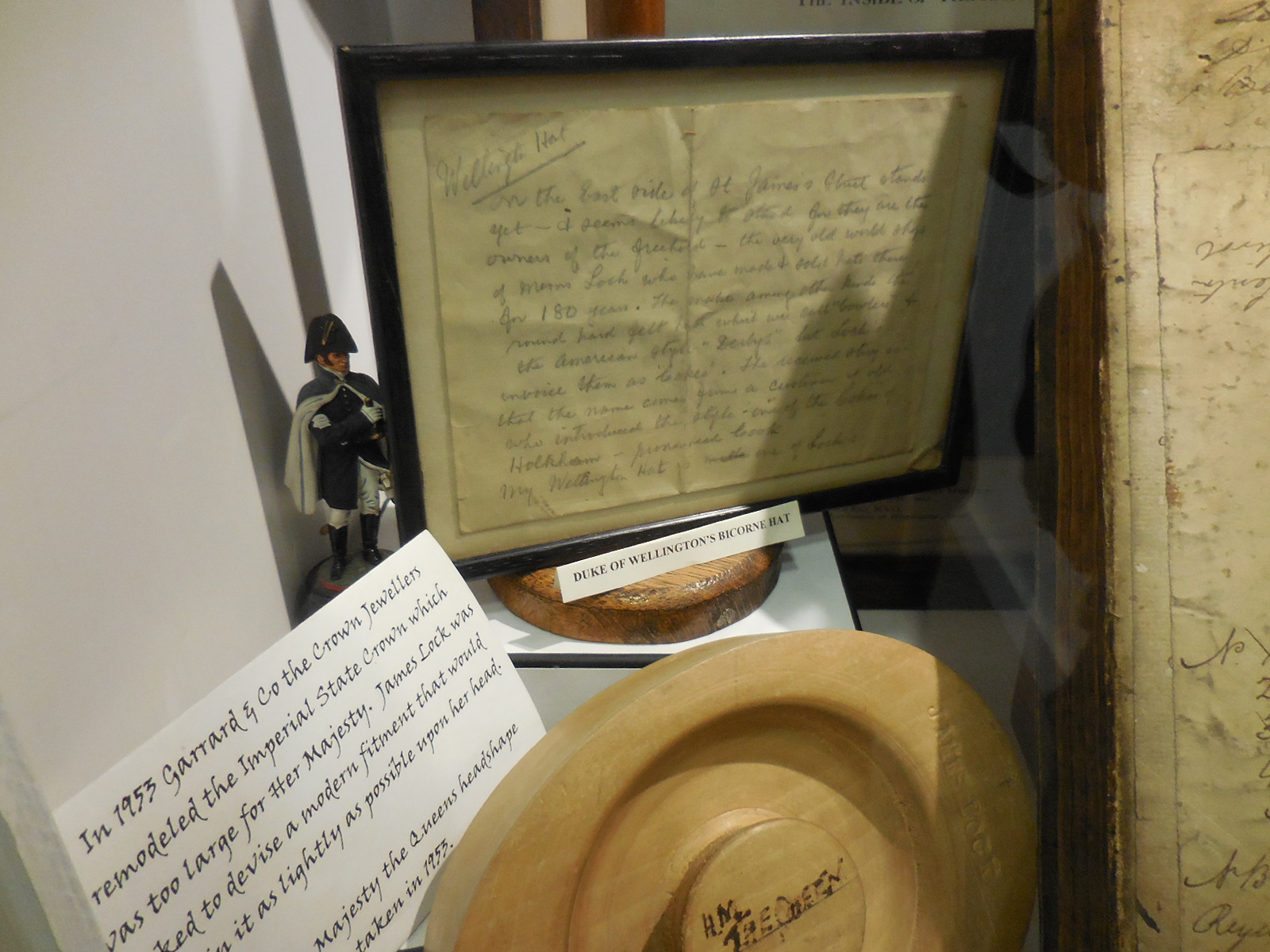
And so we made our way two doors down to Lock’s Hatters, where Wellington’s bicorn and Nelson’s hat, complete with eye patch, are both on display, as are hat forms, order books, letters from famous customers and all other manner of interesting memorabilia.

Above, the Duke of Wellington’s hat. 

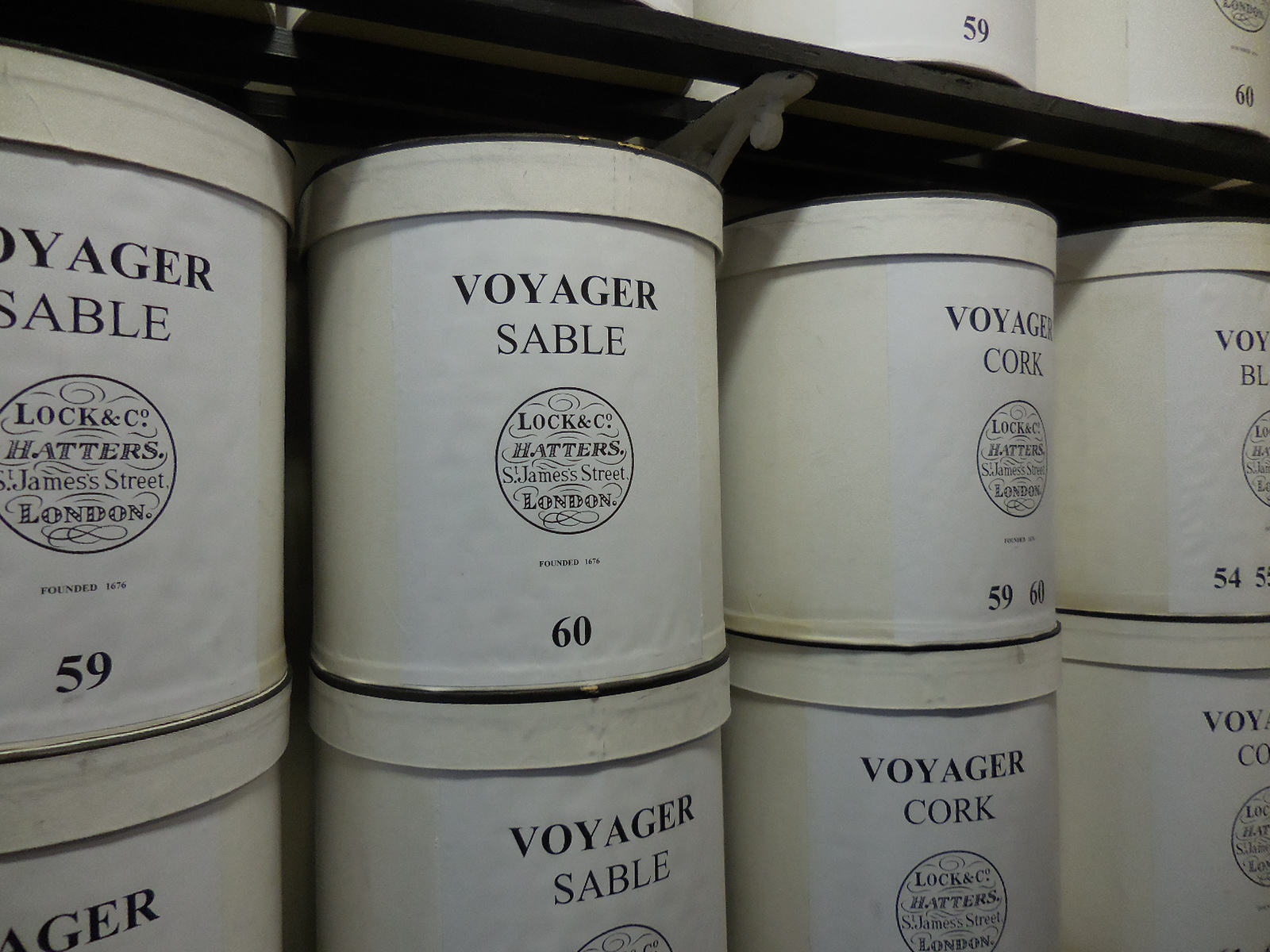
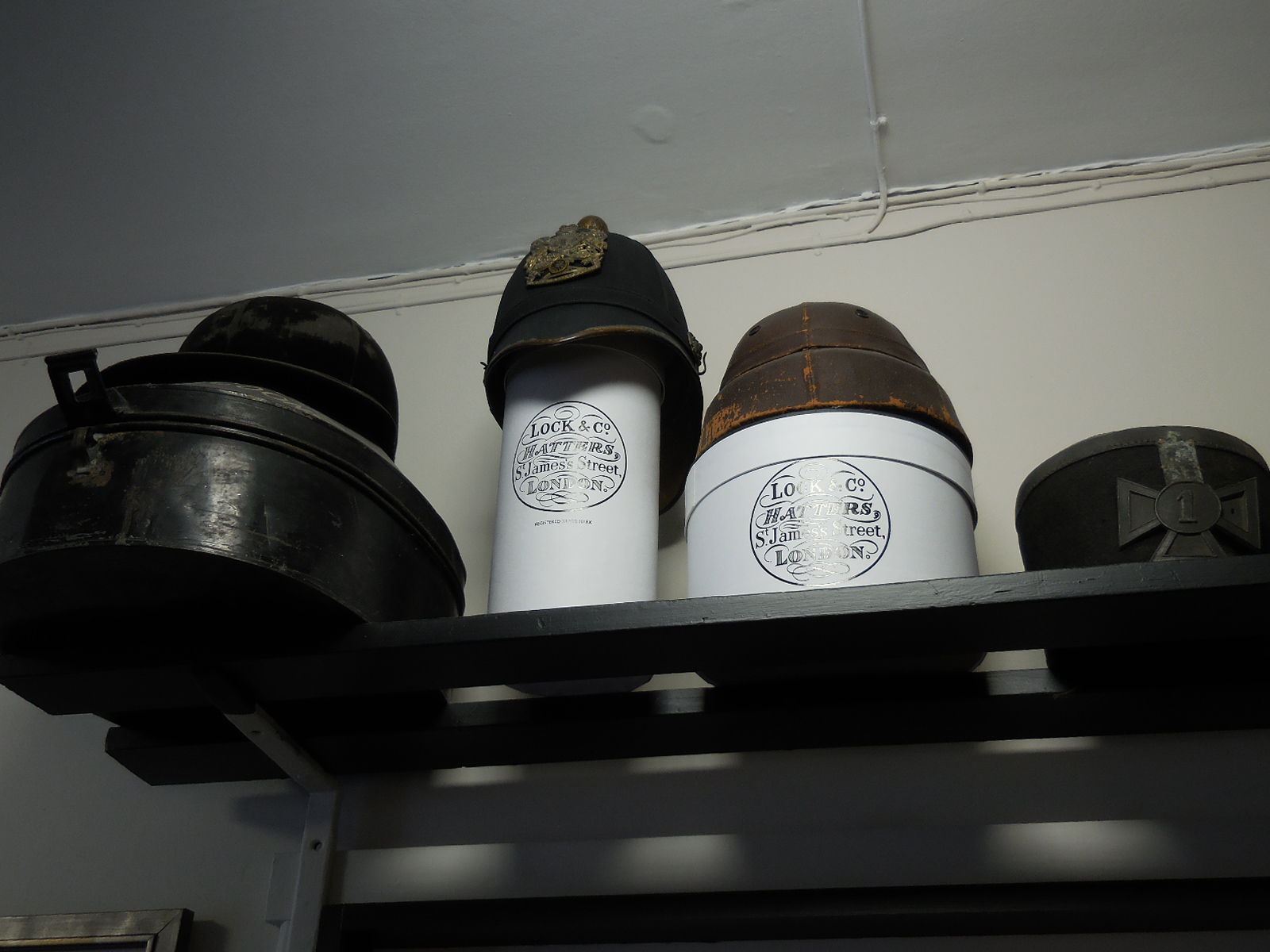
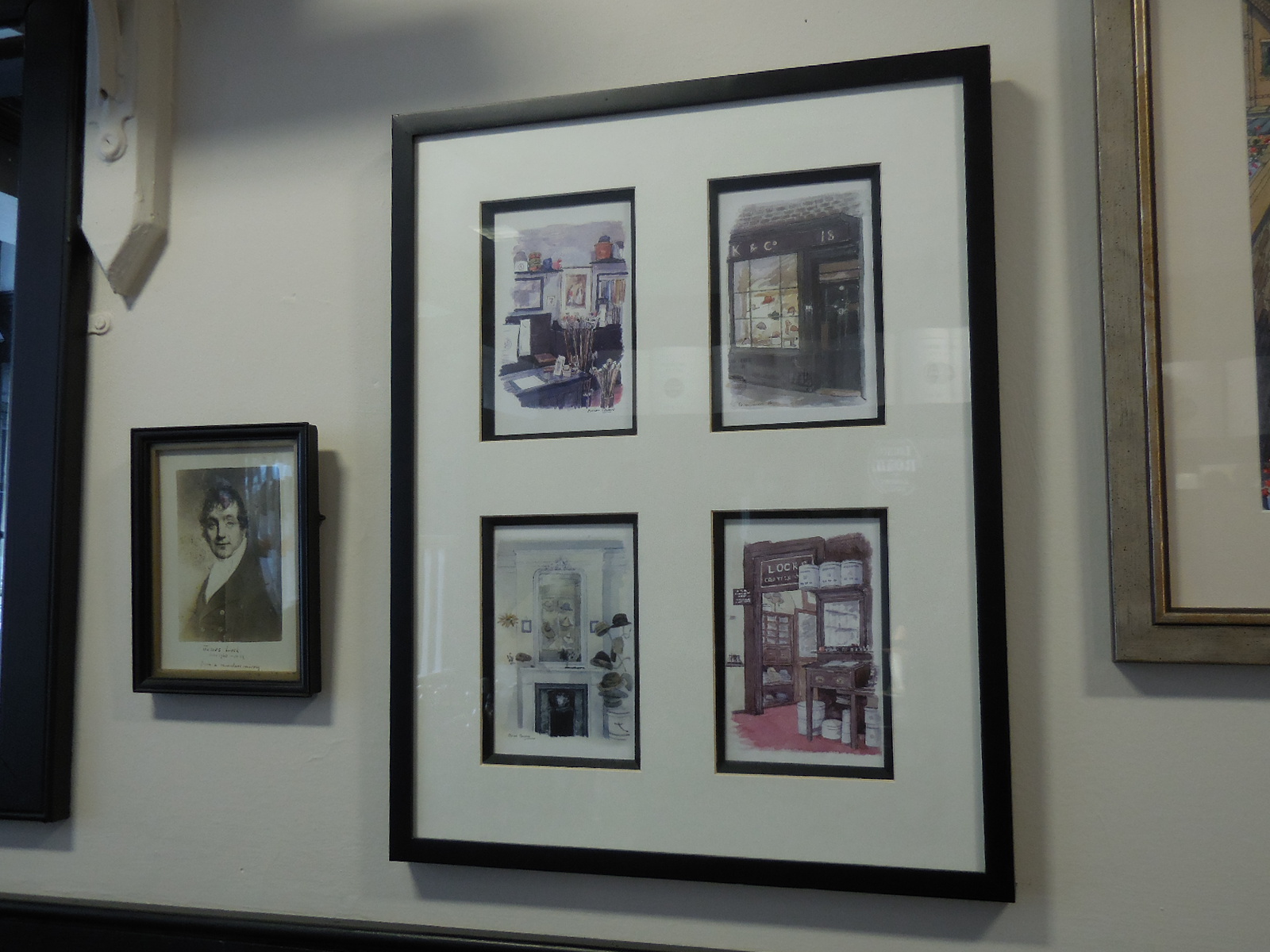
Lock’s is the oldest hat shop in the world – founded in 1676 – and has been at it’s current St. James’s Street location since 1765. Anyone and everyone of note had hats made at Lock’s, especially those gentlemen in the military, who hunted or who appeared at Court. Lock’s records are a veritible who’s who of English society from the Georgian period through to the present day. And whilst Lock’s is most associated with gentlemen’s hats, they also supply millinery services for ladies, as you can see in this video.

Having just visited Lock’s Hatters earlier this month and meeting with current staff, I’m pleased to be able to announce that a visit to the shop will be a feature of several of Number One London’s upcoming tours for 2017.


In fact, most of St. James’s Street will feature on our tours, where we’ll step back in time in order to Research the Regency. In the meantime, stay tuned here for more of Kristine and Victoria’s Open House visits.

JASNA CHICAGO CELEBRATES SPRING

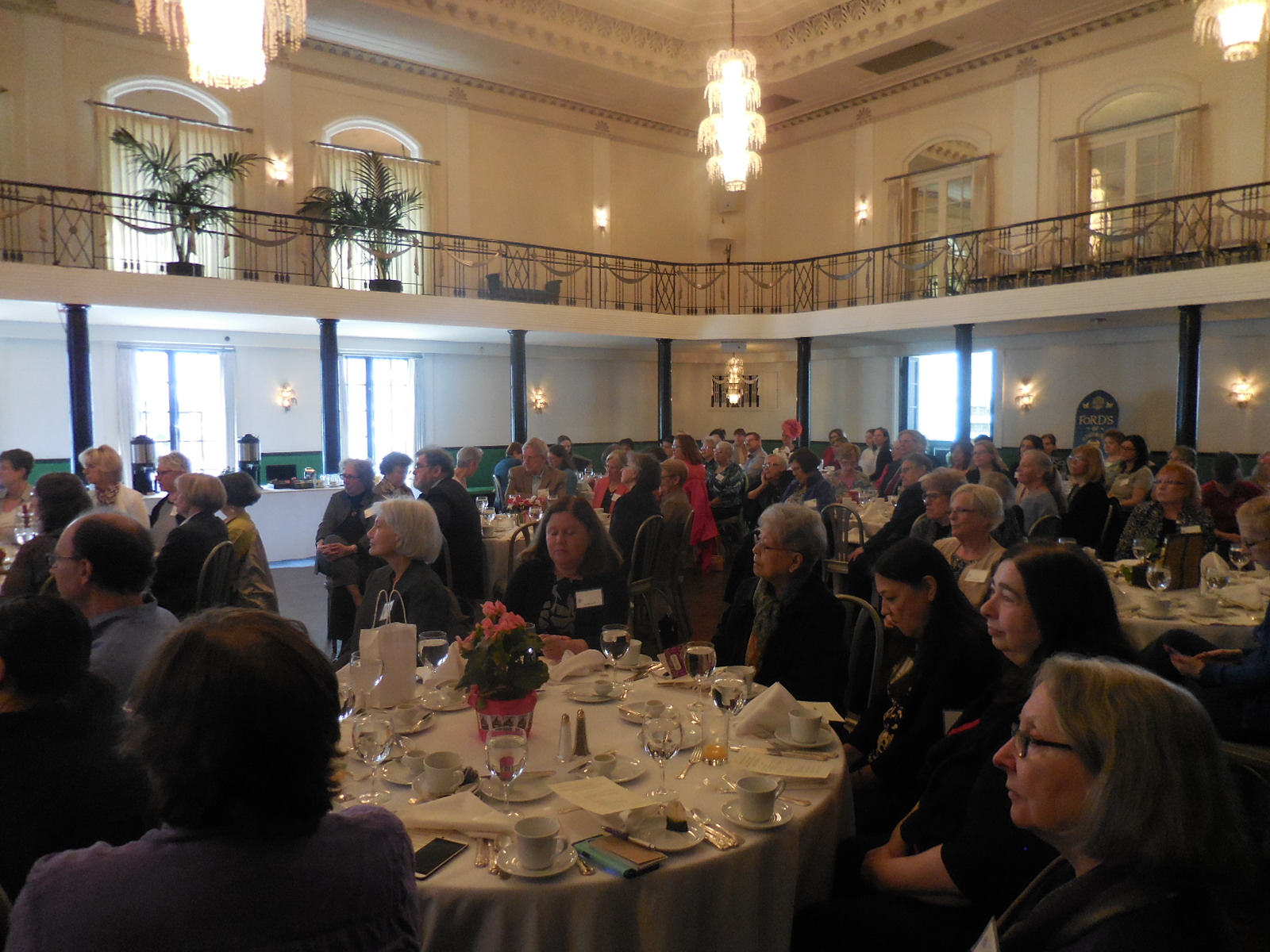
The morning rain heralded a beautiful Spring day as about 100 JASNA members gathered at the Woman’s Athletic Club for the Greater Chicago Region’s Spring Gala on Saturday, May 7, 2016.

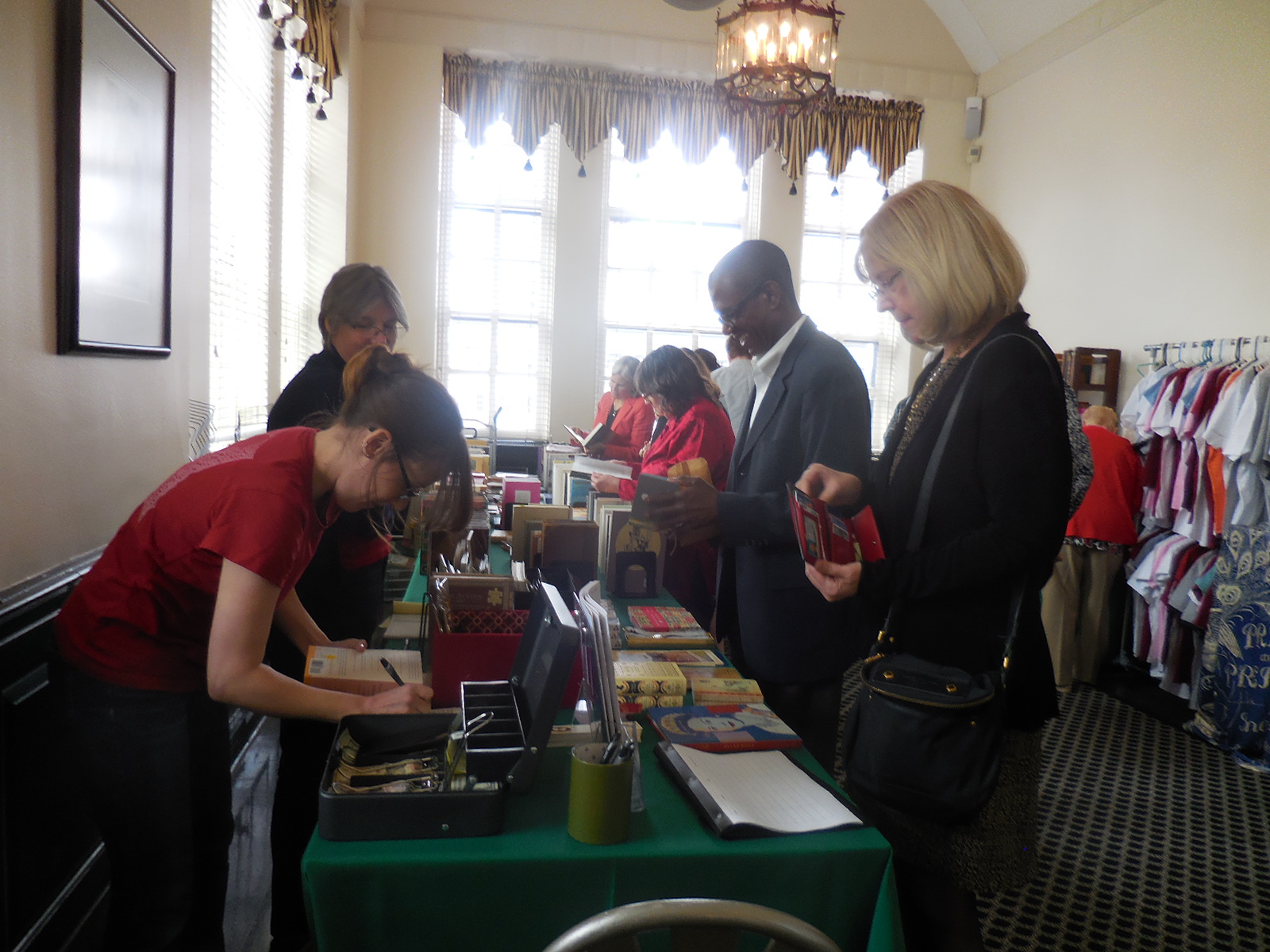
The Emporium was a busy place with Jane Austen Books and other dealers tempting all of us.
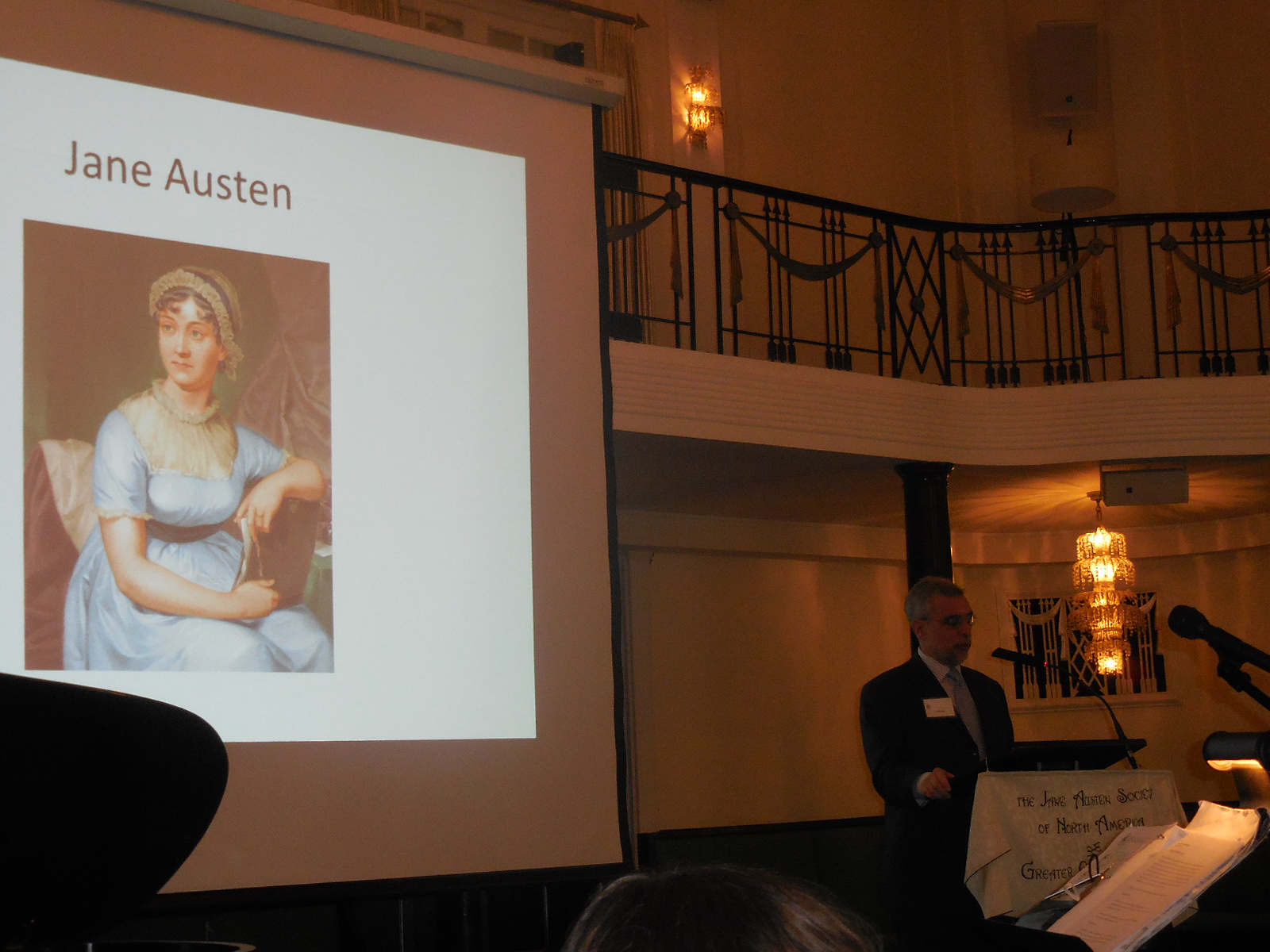
Regional Coordinator Jeffrey Nigro welcomed all of us and introduced the program.
Northwestern University Pianist and Lecturer, Stephen Alltop
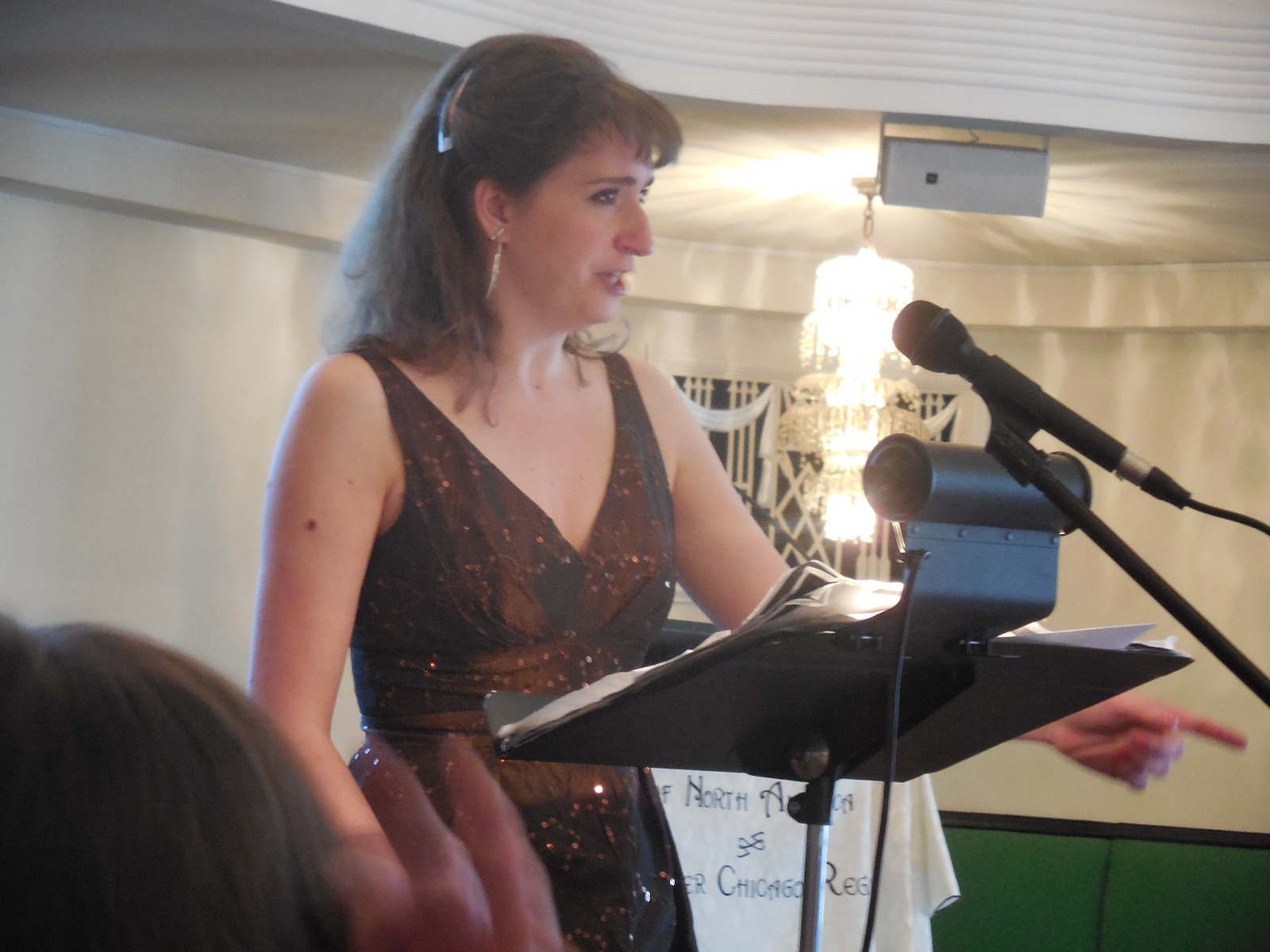
The morning program was Jane and Emma — A Celebration of  Music and Words by Stephen Alltrop and Josefien Stoppelenburg. They performed selections from music known to have been played by Jane Austen, many from the books of music she herself copied.
Stephen performed on the elegant Steinway, but due to my corner seat, I couldn’t catch him in the act!
Soprano Ms. Stoppelenburg sang a variety of Austen’s favorites, from Italian arias to English folk tunes.
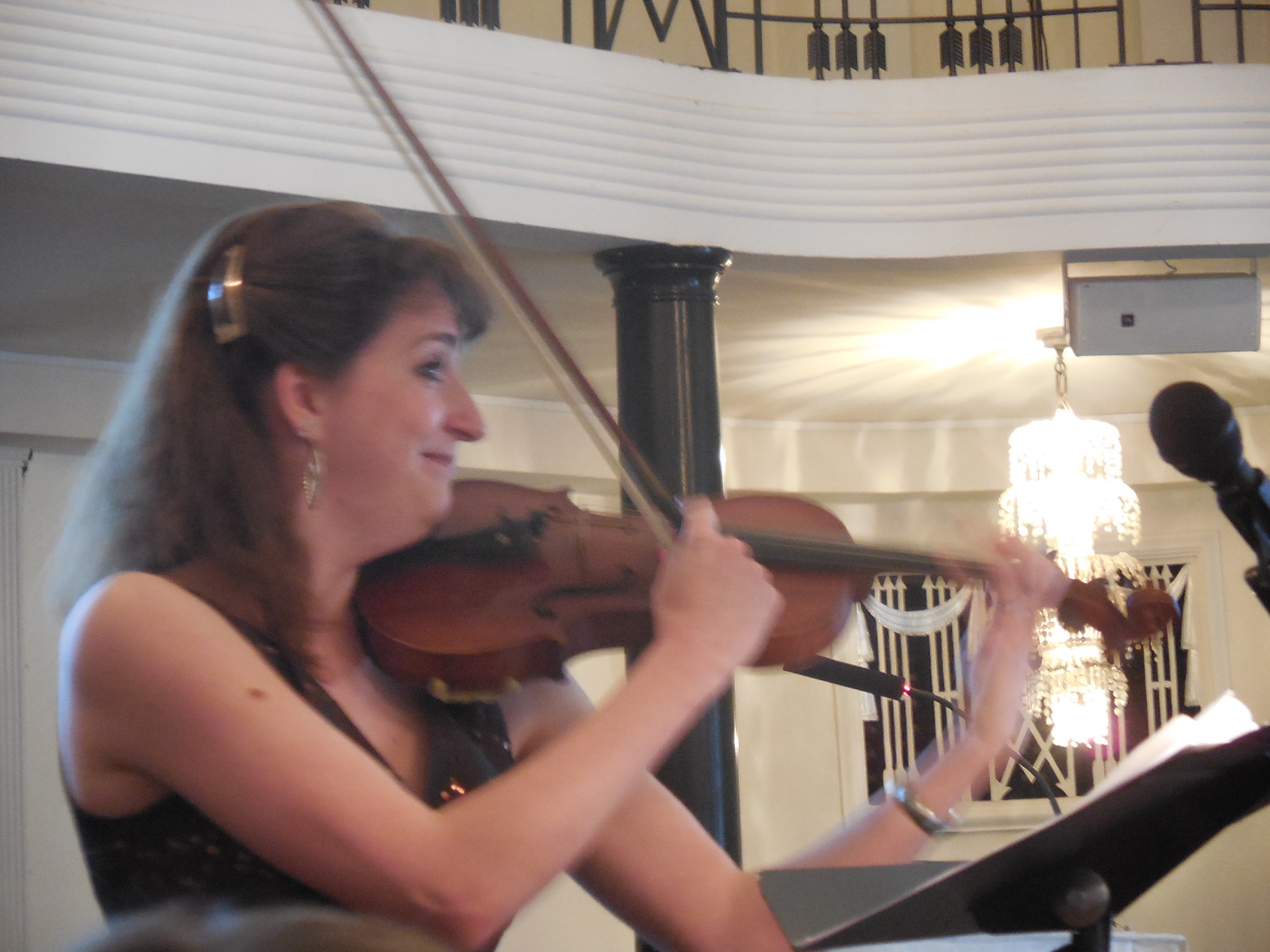
The accomplished soprano also entertained us with her violin.
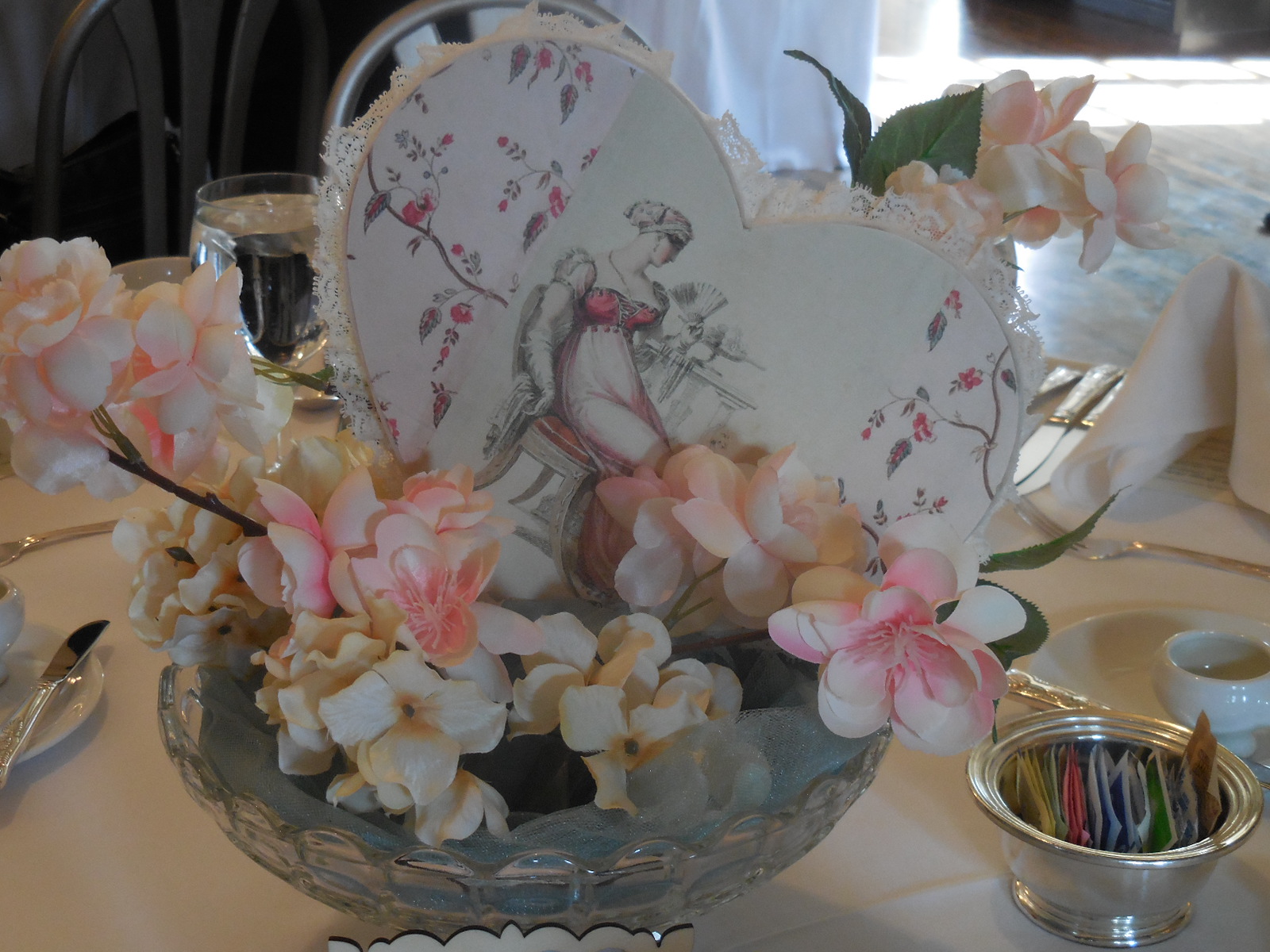
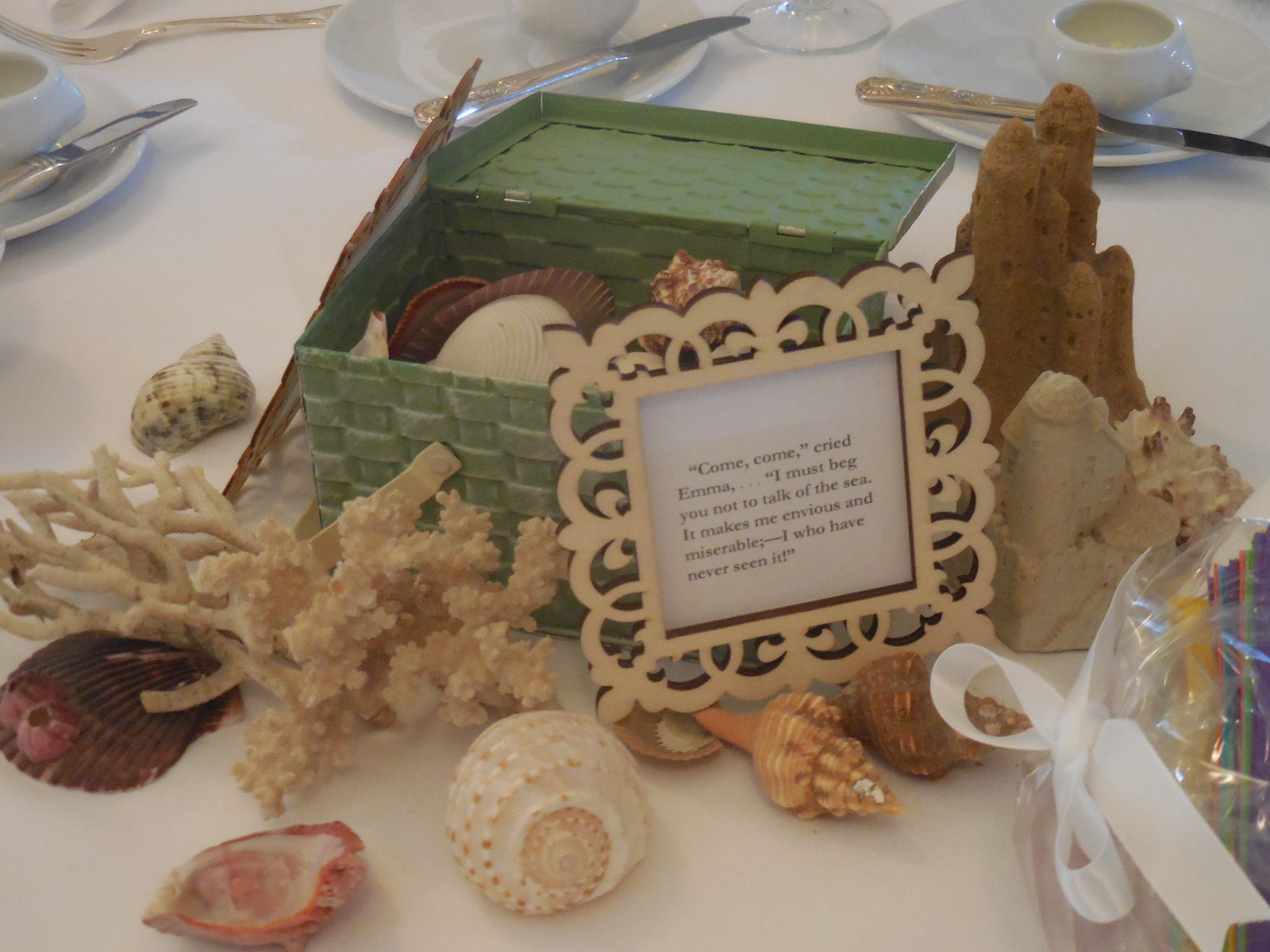
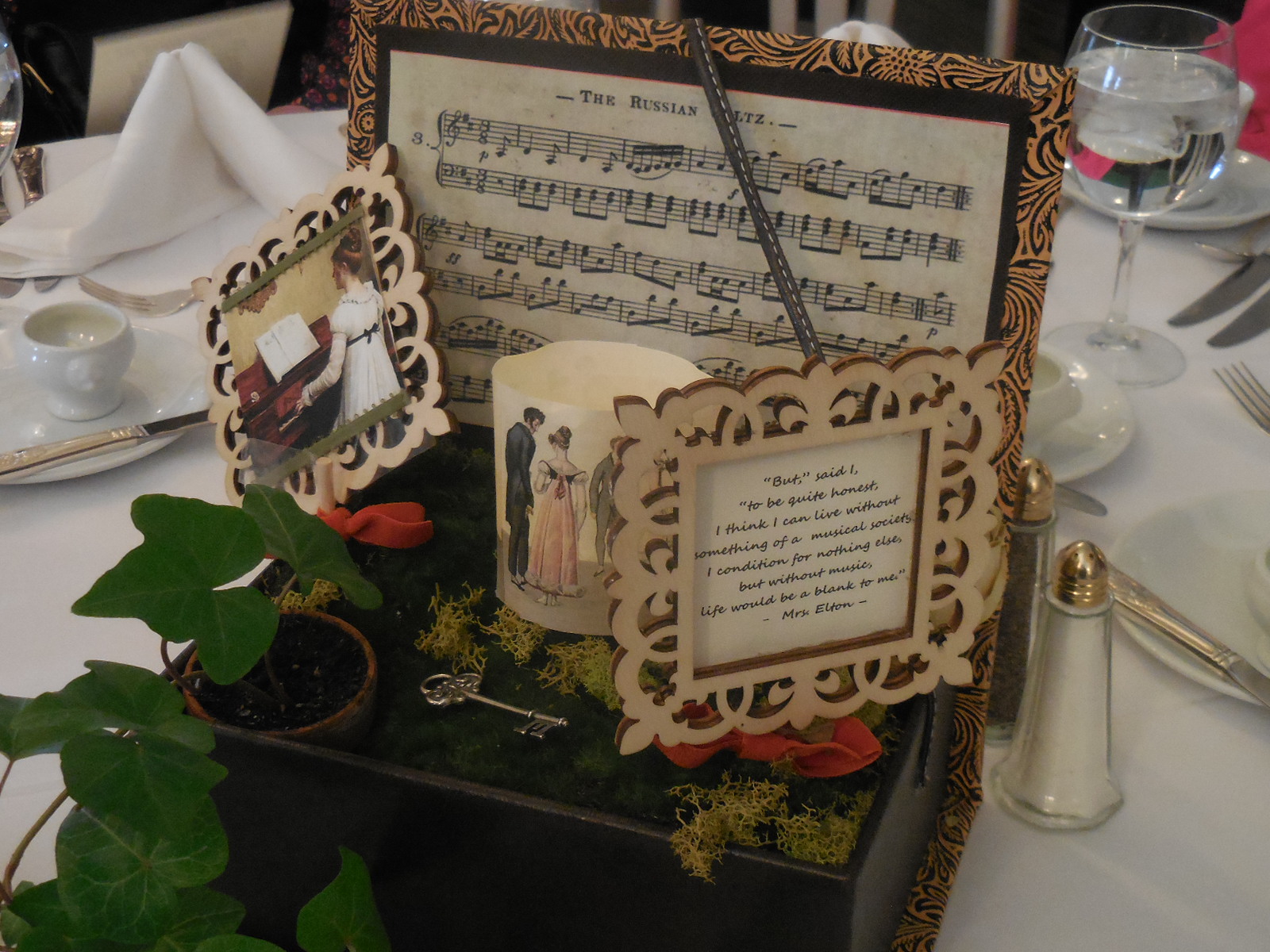
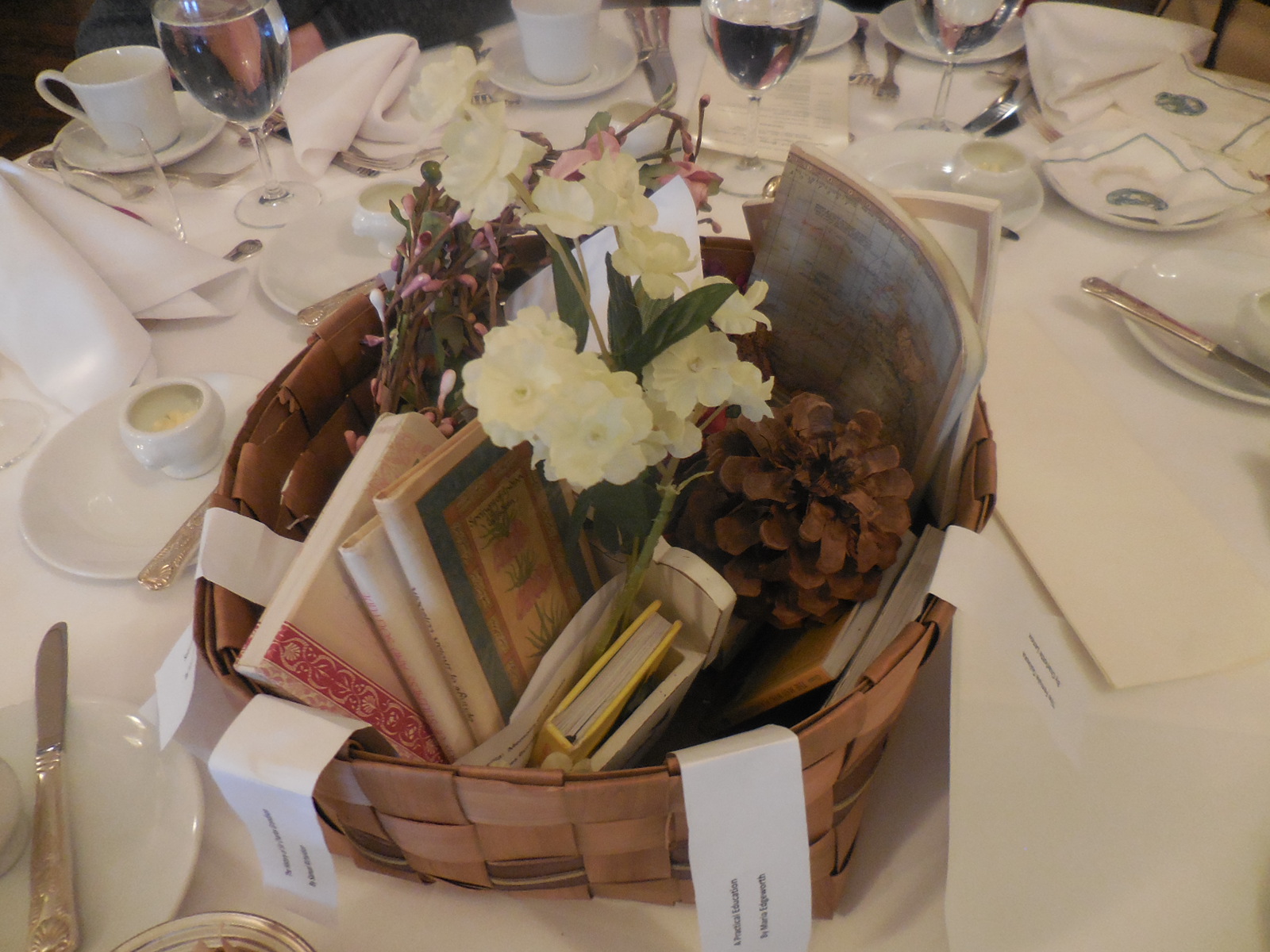
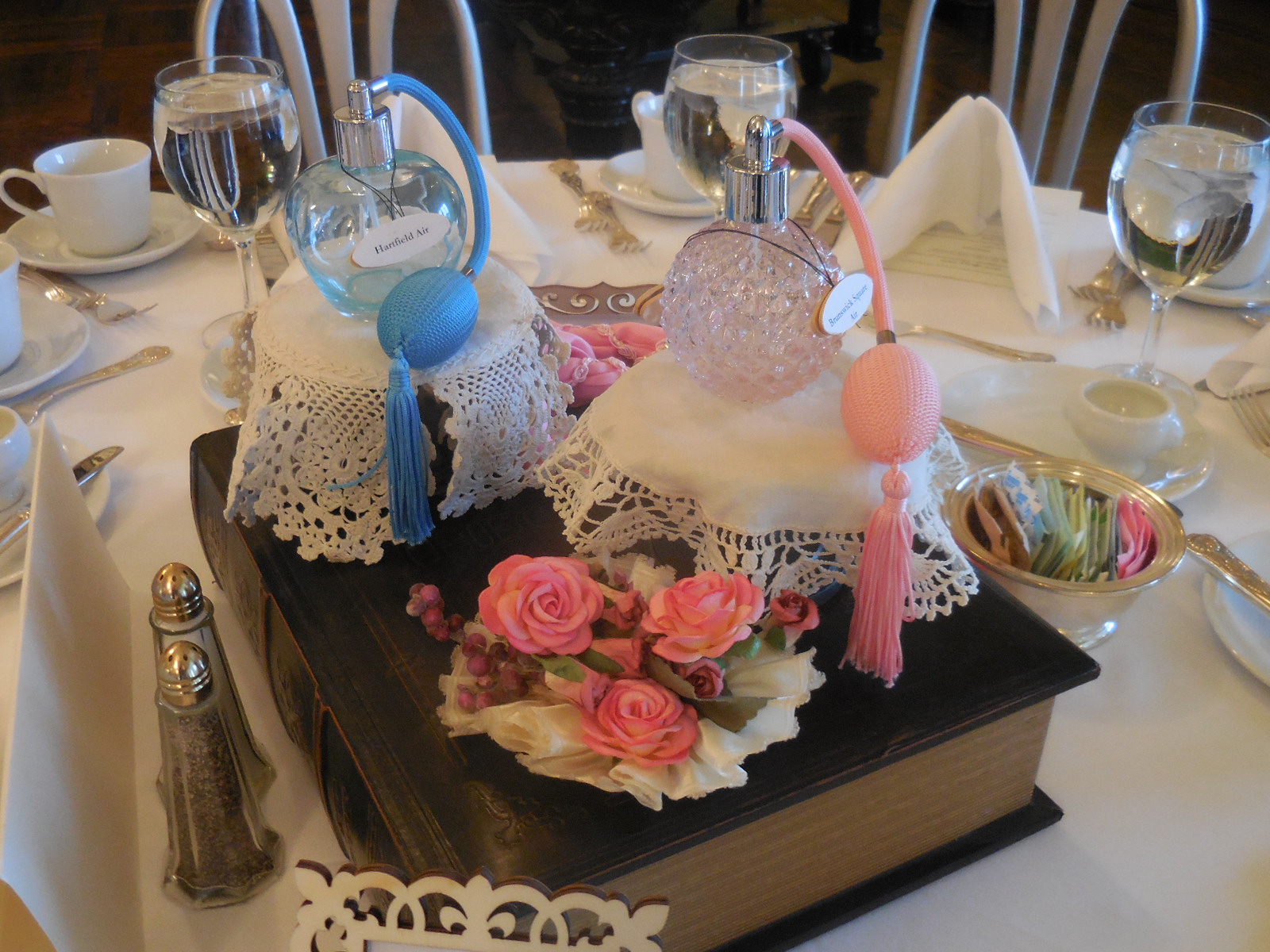
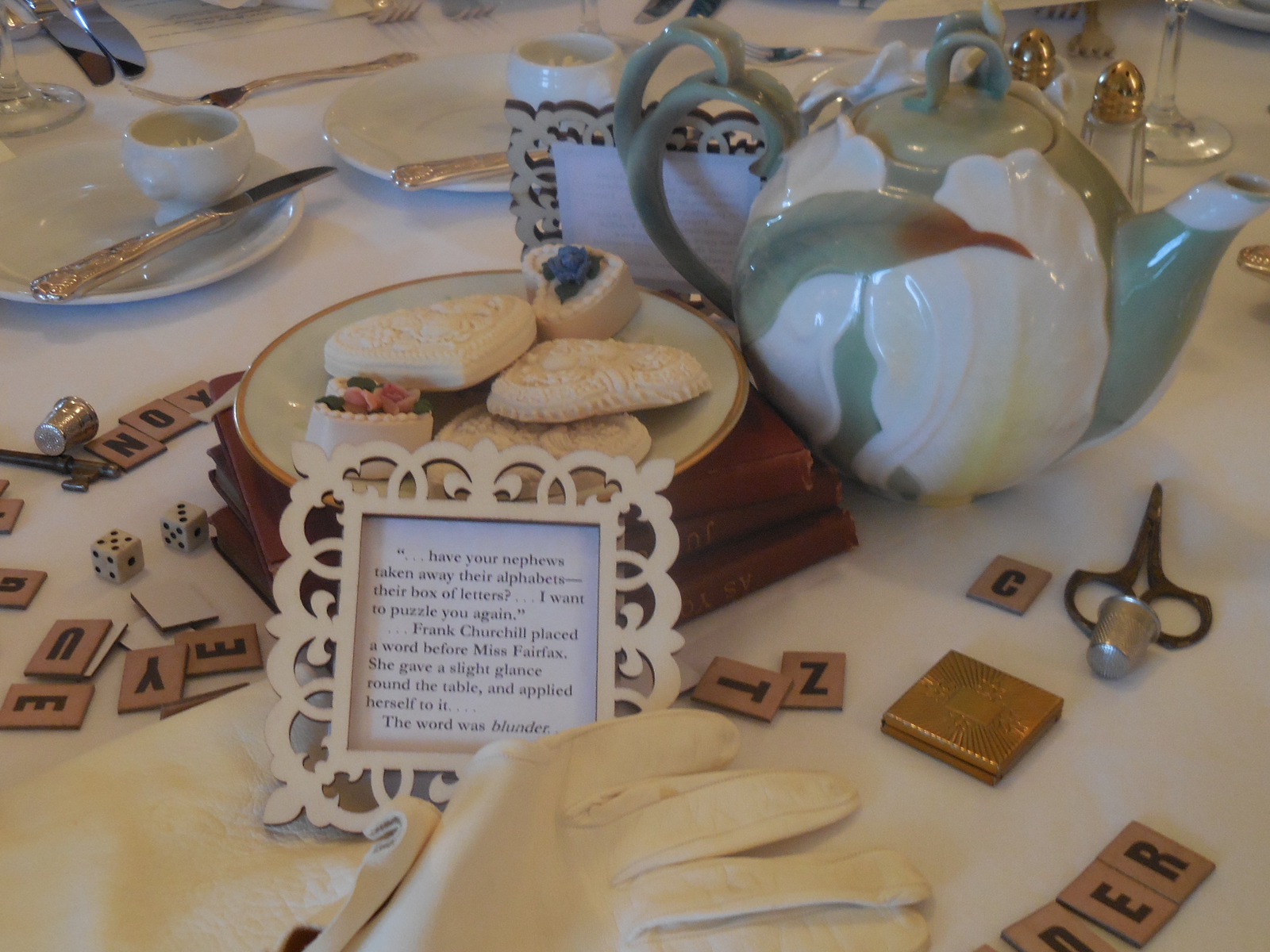
Before luncheon, we all had the opportunity to enjoy the varied and delightful centerpieces on the tables, each representing a scene from Emma and creatively assembled by volunteers. Here is a sampling:
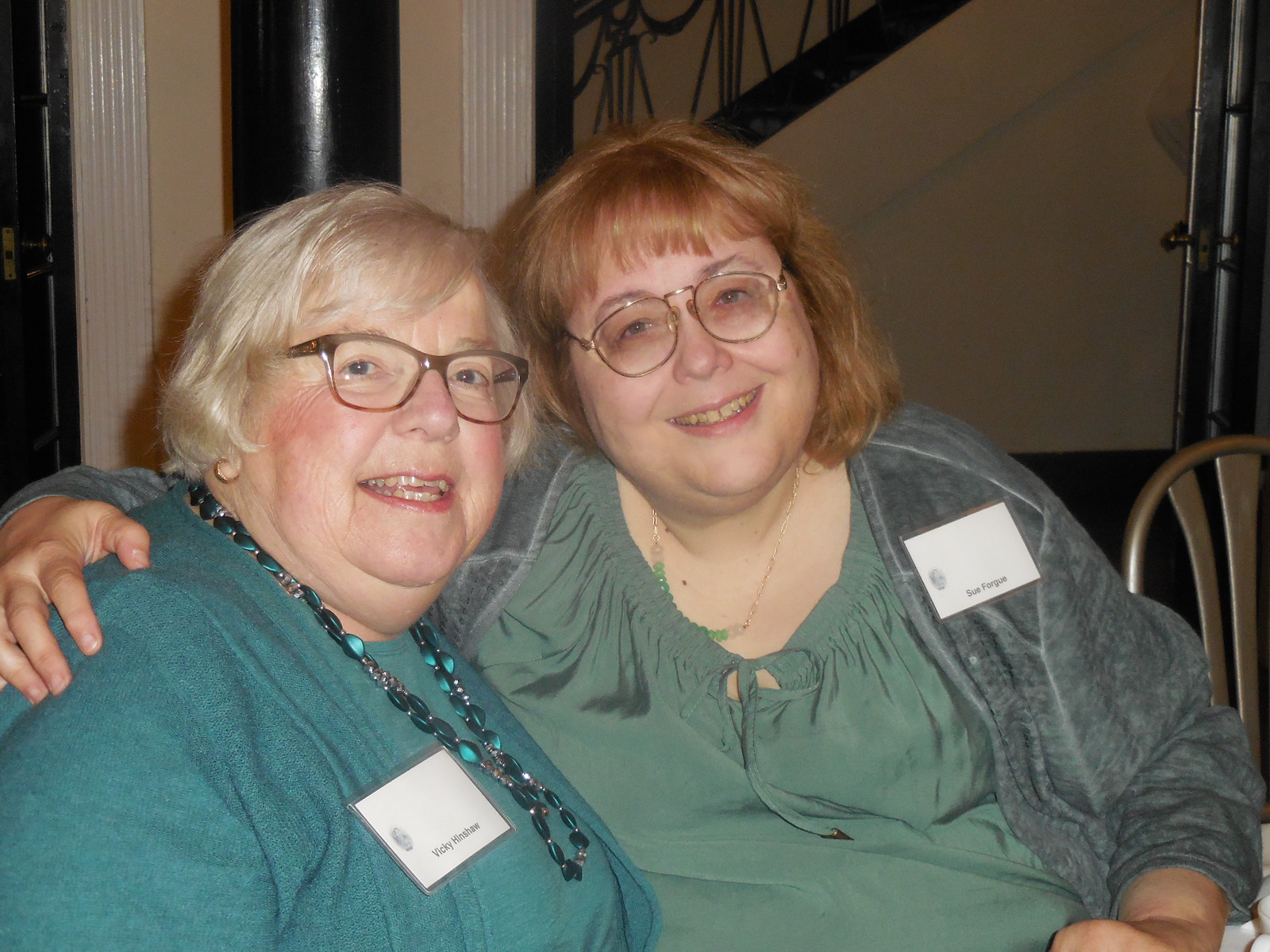
Victoria Hinshaw and Susan Forgue
After luncheon, Susan Forgue and Victoria Hinshaw presented London High Society in Austen’s Novels, including Sue’s beautifully made Almack’s vouchers.
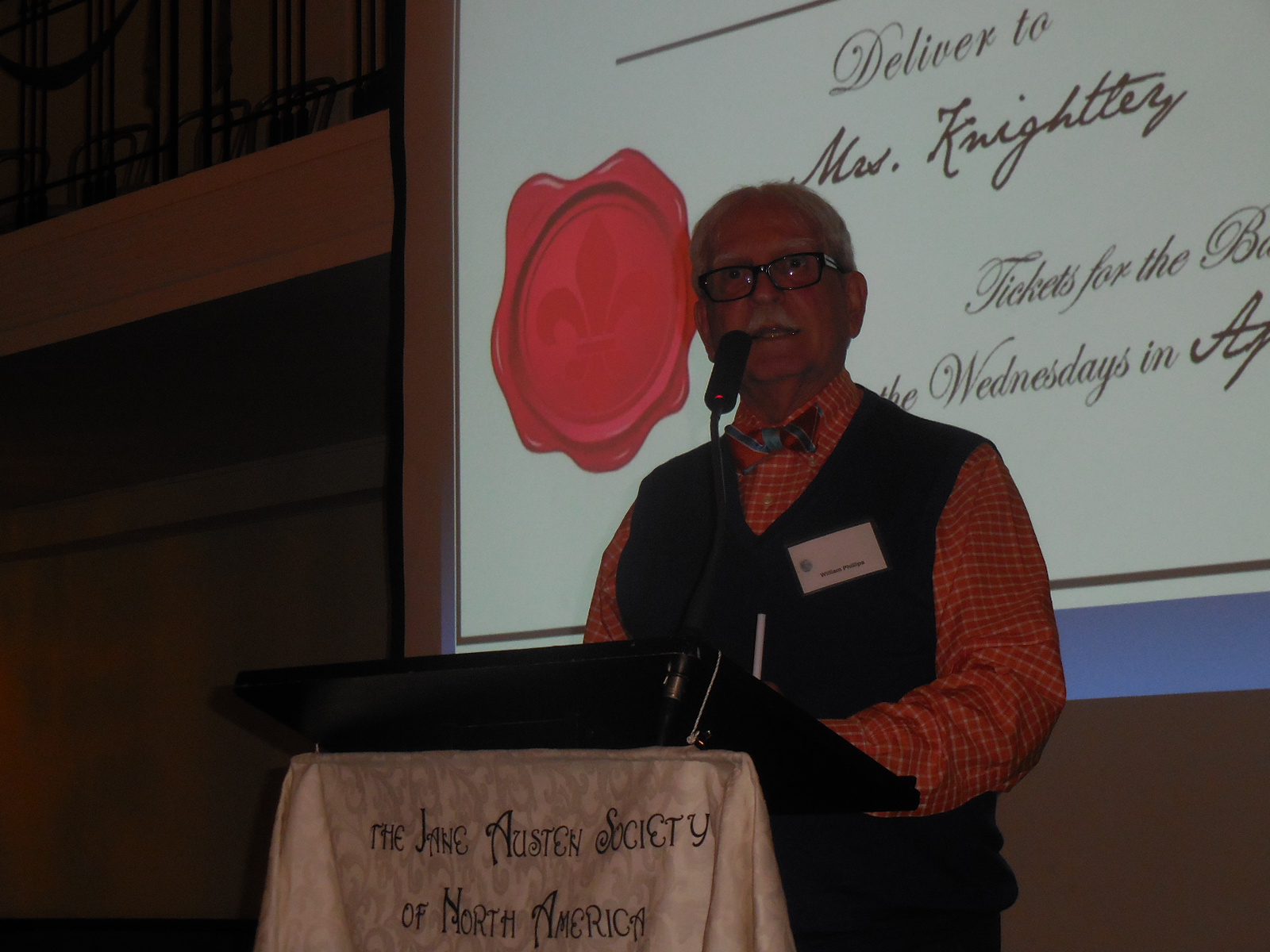
William Phillips in front of the voucher slide!
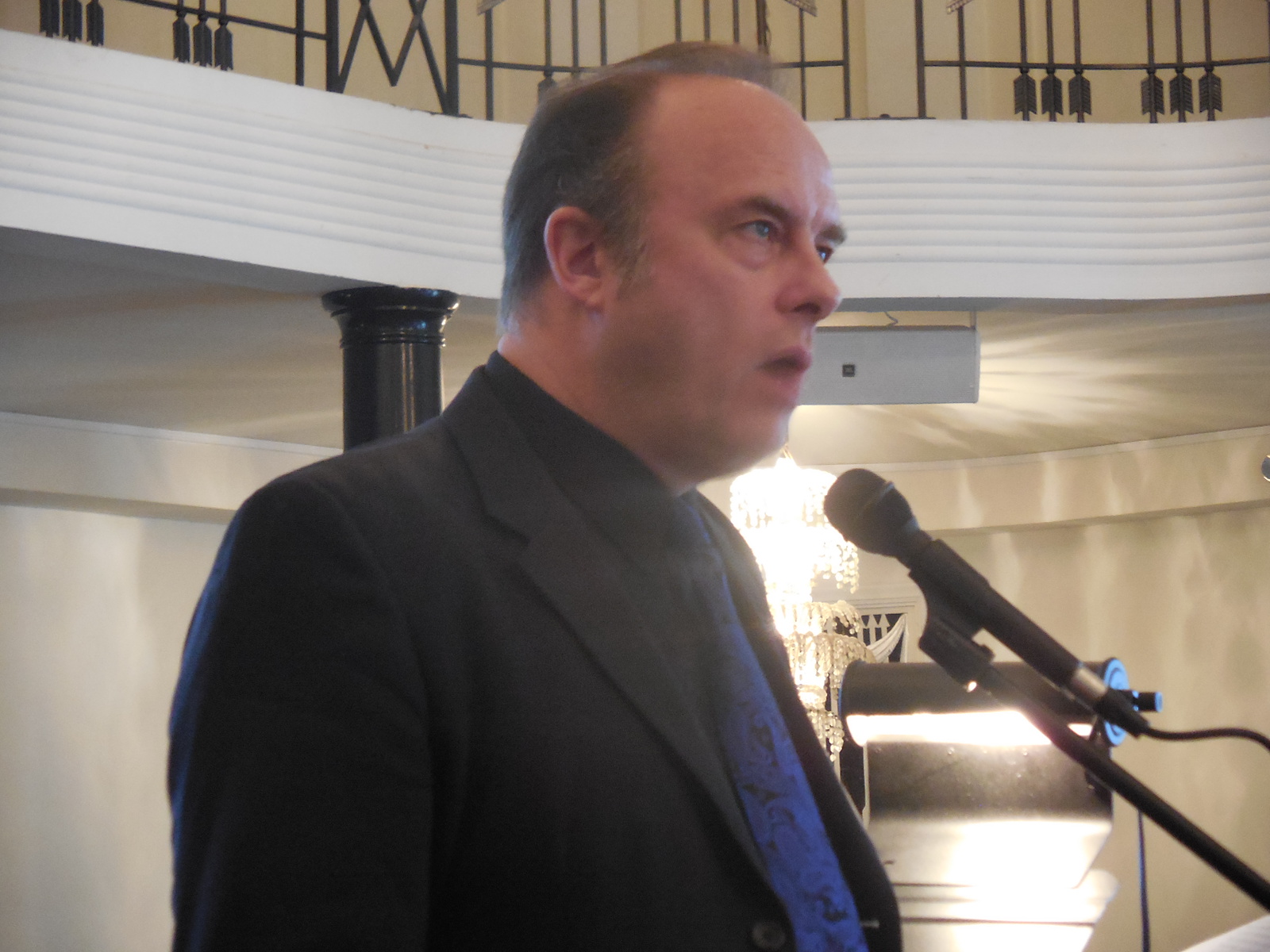
The only snag in this delightful day (just kidding of course!) was Quizmaster William Phillips’s diabolically difficult questions!  Even those of us who thought we KNEW Emma backwards and forwards were often stumped by the obscure facts he found to challenge us!  I have to admit we should have been forewarned as this is not the first time William has teased us so mercilessly.  Just for that, William, I am showing your picture almost unintelligibly — also since that is the way it turned out!! Sorry.
Many thanks to Jeffrey Nigro and Program Chair Debra Miller, the Emporium dealers, and all who attended!

LOOSE IN LONDON: OPEN HOUSE WEEKEND 74 ST. JAMES'S STREET

74 St. James Street is an amazing building, now part of a international bank which has preserved the colorful interior.  Victoria here, telling you that Kristine and I could hardly believe our eyes after already visiting three lavish mansions during the 2014 Open City London days…in 2016, the Open weekend will be Saturday and Sunday, September 17 and 18.

74 St. James Street


74 St. James’s Street was the site of the old Conservative Club, now dissolved. Construction started in 1843,  In 1950 it merged with the Bath Club, and was disbanded in 1981. From 1845 until 1959, the club occupied a building at 74 St James’s Street.and although the club moved out a century later, the building went on to be home to McKinsey and Co. in the early 1970s, and now houses the London office of HSBC Private Bank. 

Prior to the Conservative Club’s occupation of the site, there stood on that corner a range of low buildings derived from the country estate of Sir William Pulteney. The original complex had been converted during the 18th century into shops, taverns and pieds-a-terre. The principal establishment on the site was the Thatched House Tavern, located in the upper stories of the shops lining St. James’s Street and set back from the building line so that the roof of the one-story shops formed a balcony overlooking St. James’s for the drinkers and as a vantage point for watching special events, such as the Duke of York’s funeral procession. 


The tavern was much frequented by clubs and societies: the Society of Dilettanti, the Noblemen and Gentlemen’s Catch Club and the Royal Yacht Squadron, to name a few. A narrow lane at right angles to St. James’s, running through the middle of the site, gave access by a side door to the tavern and led on through to a small court (Thatched House Court) behind it. The Court was of small by pretty houses providing London apartments for people of fashion such as Edward Gibbon, who lived there until his death in 1894. 

The new building built on the site by the Conservative Club at a cost of twenty nine thousand pounds was completed in 1845. The proportions of the saloon were injured in 1951 by the removal of the grand staircase, which led out of the middle door 


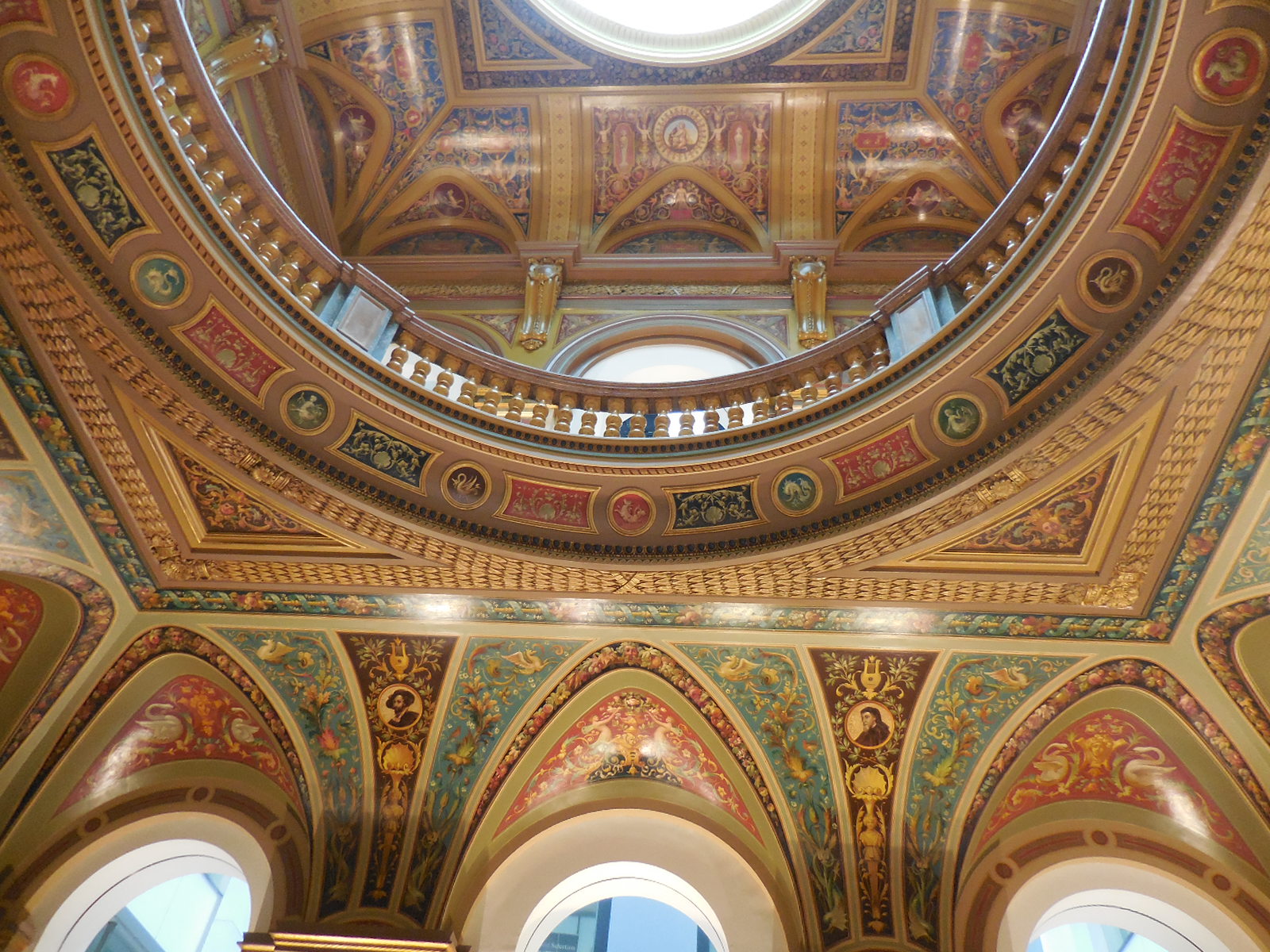
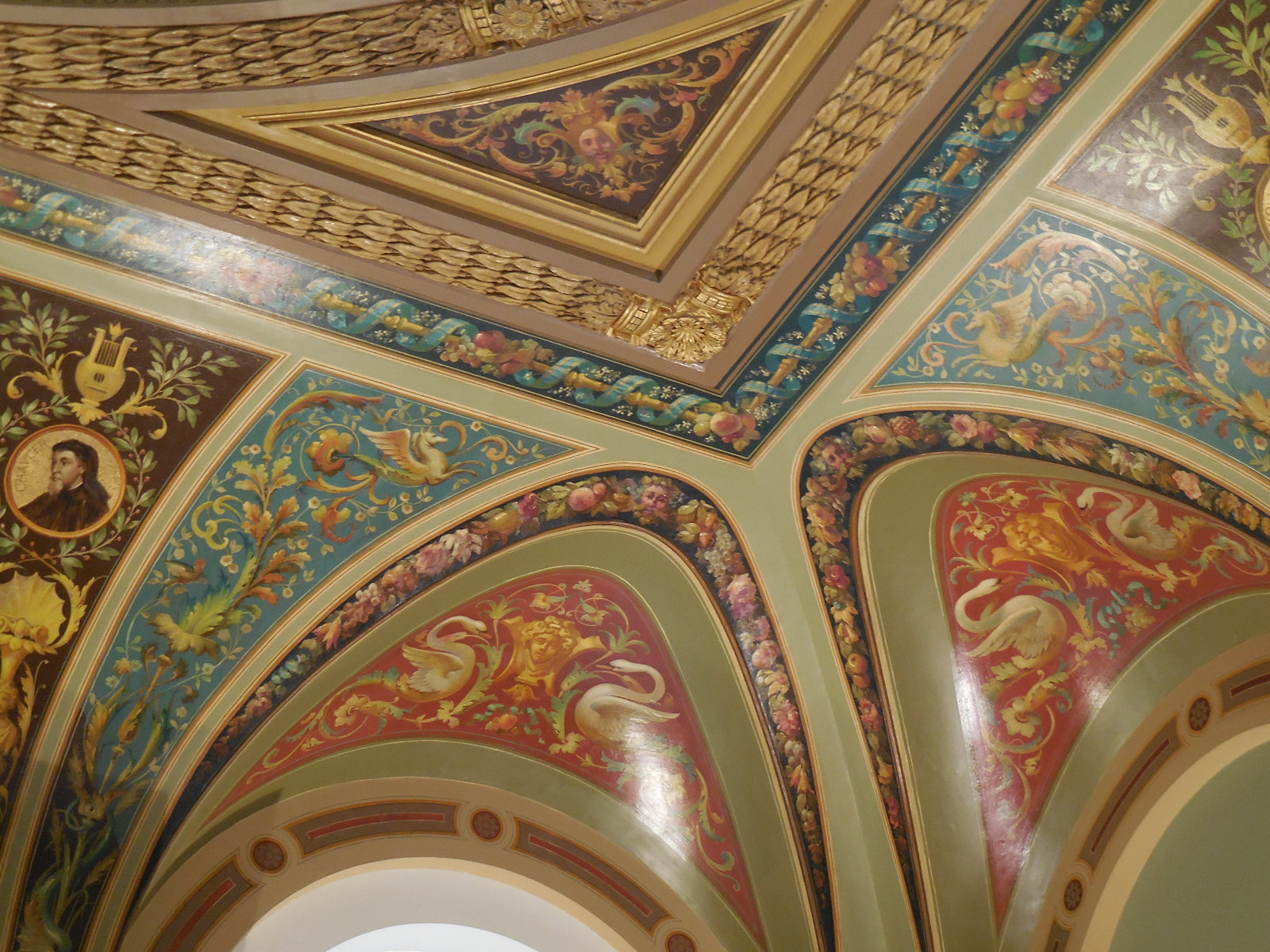
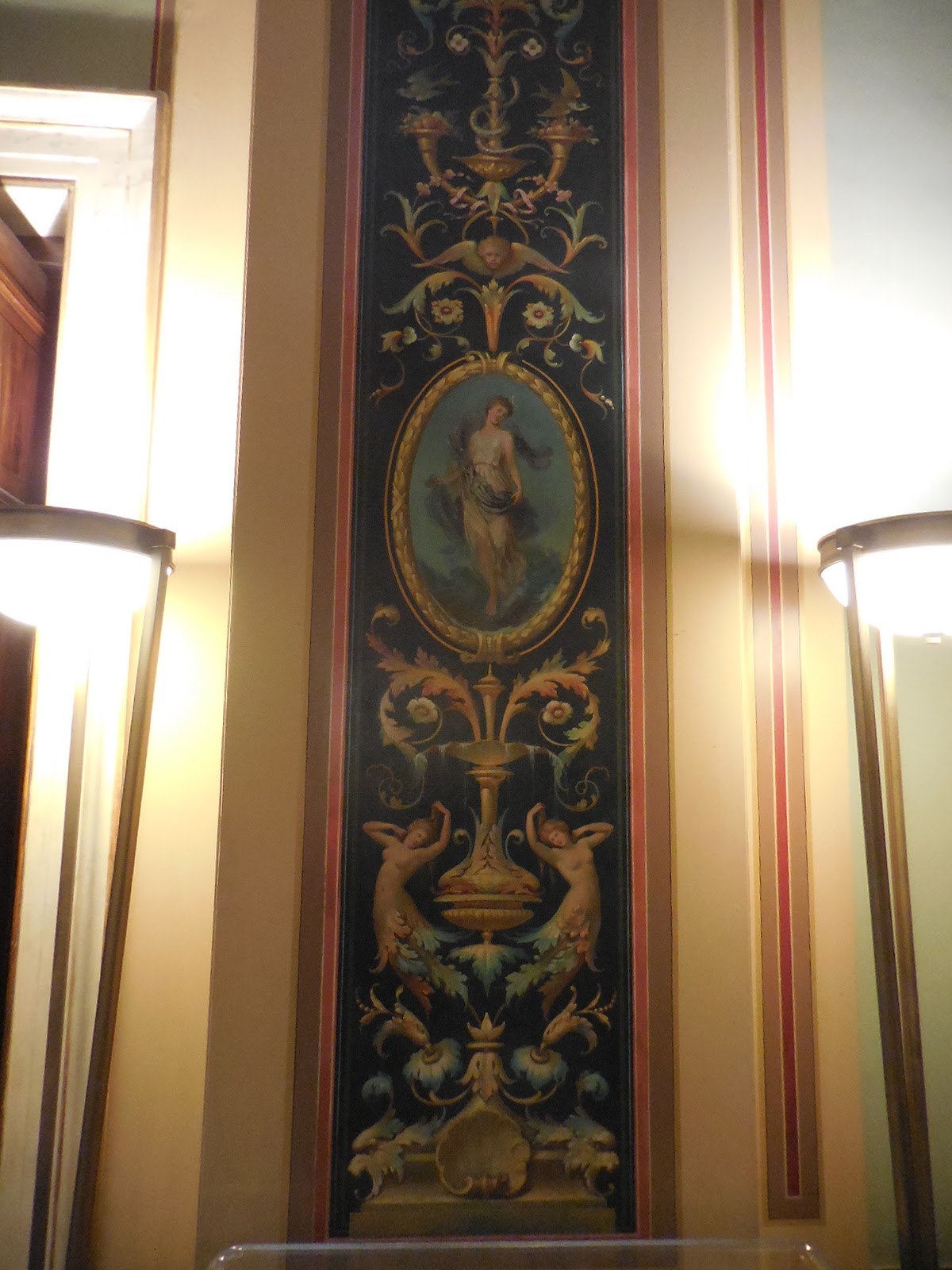
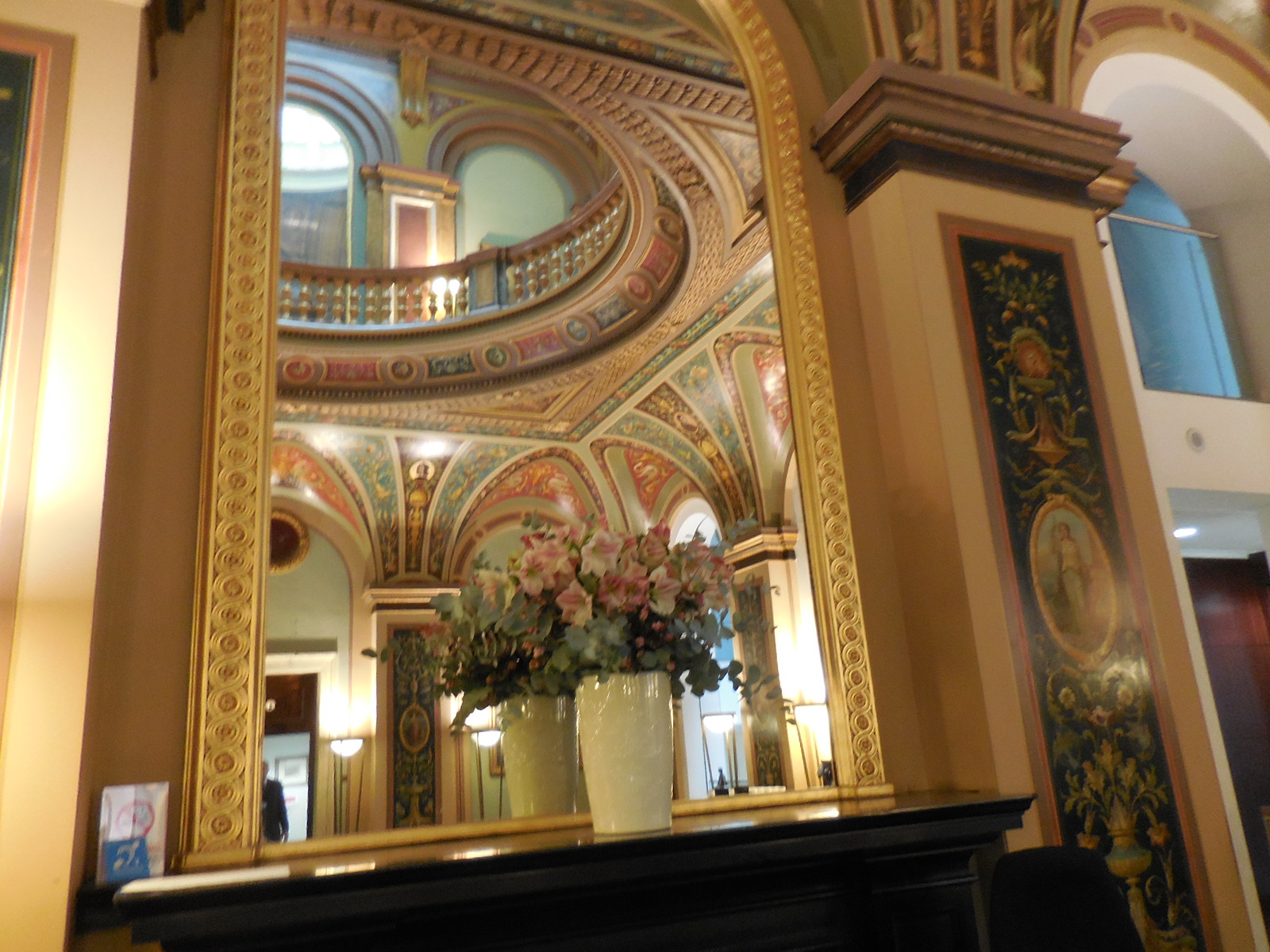
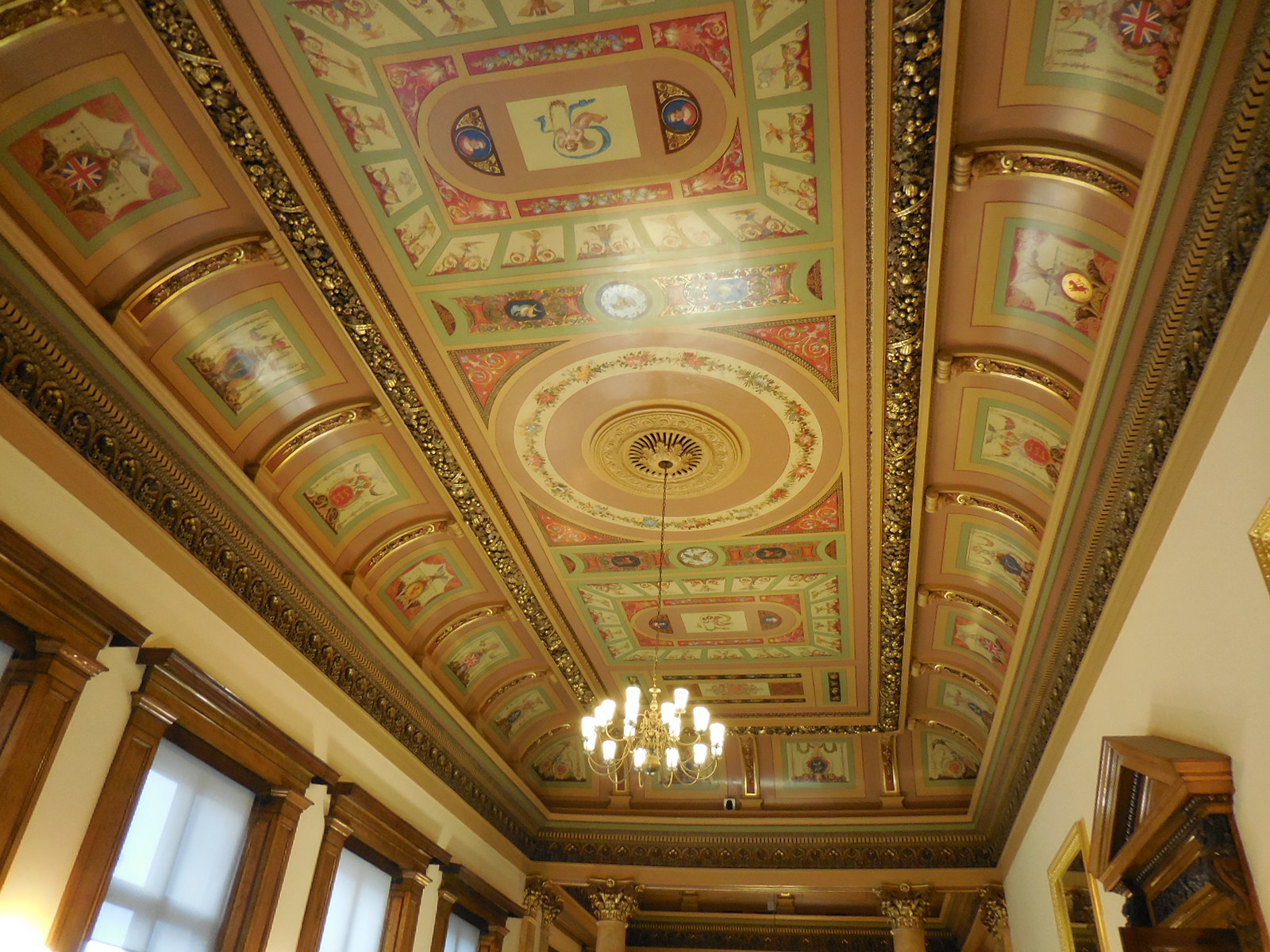
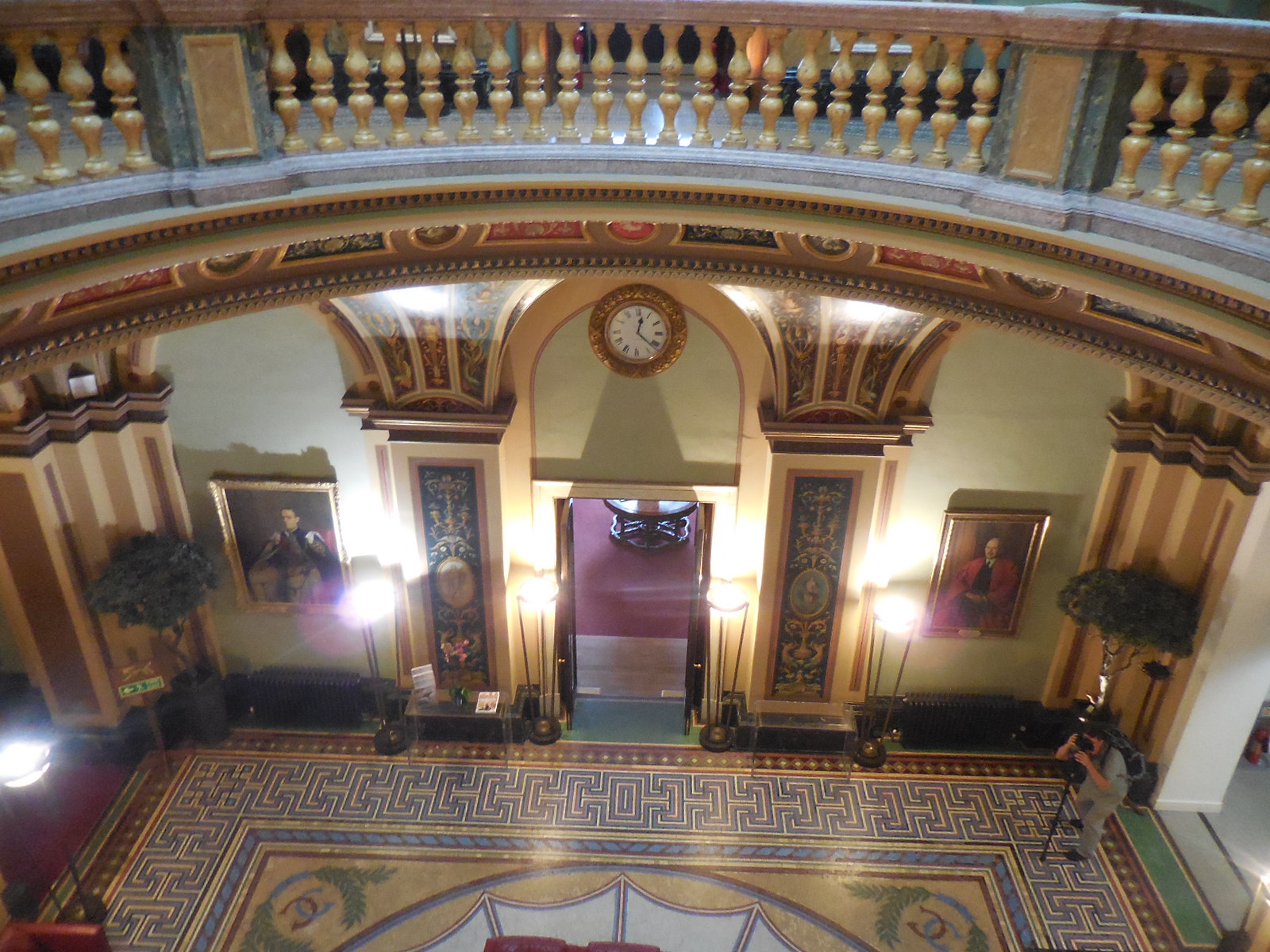
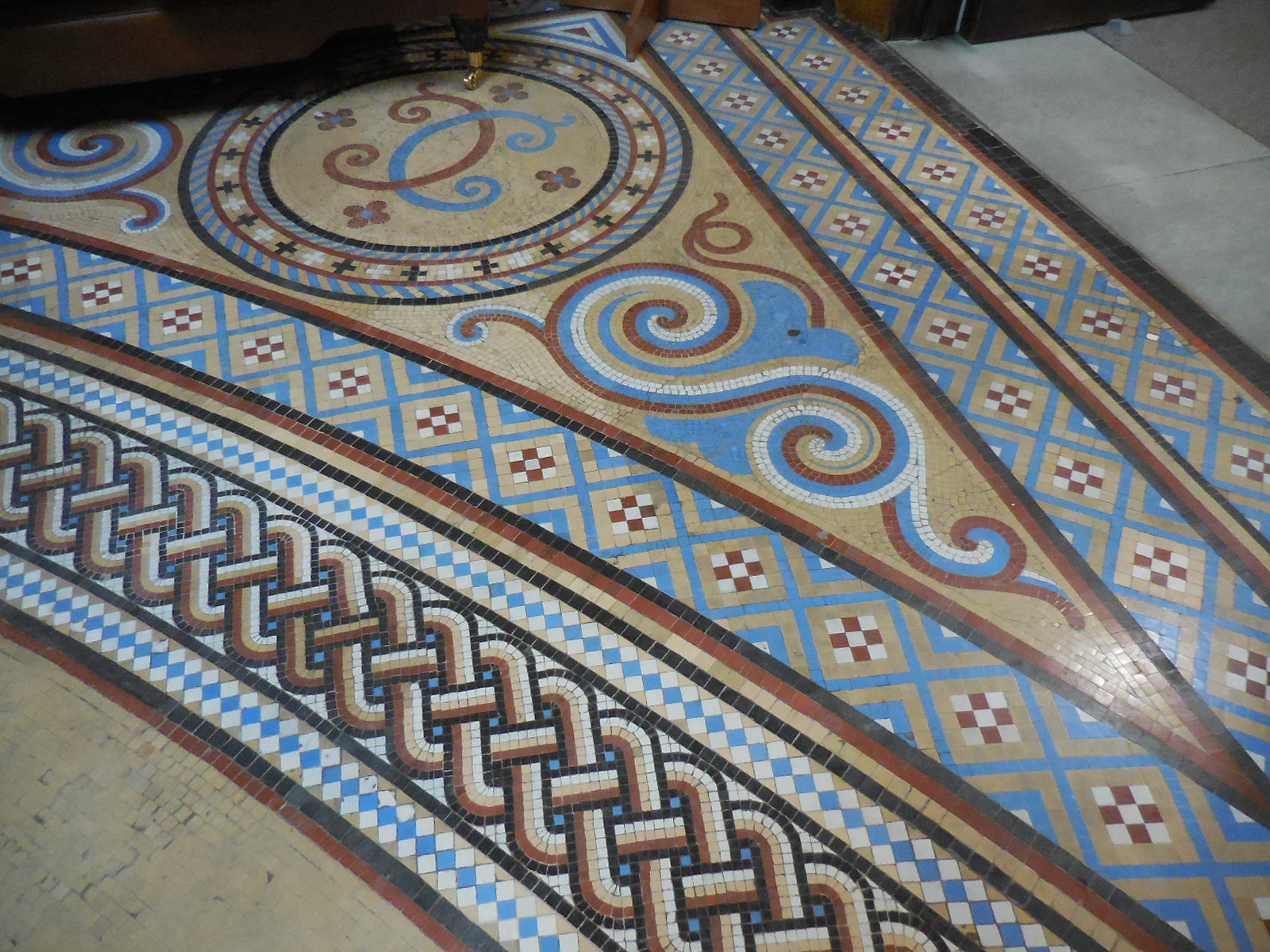
The approach hardly prepared us for the colorful and amazing craftsmanship of the interior.

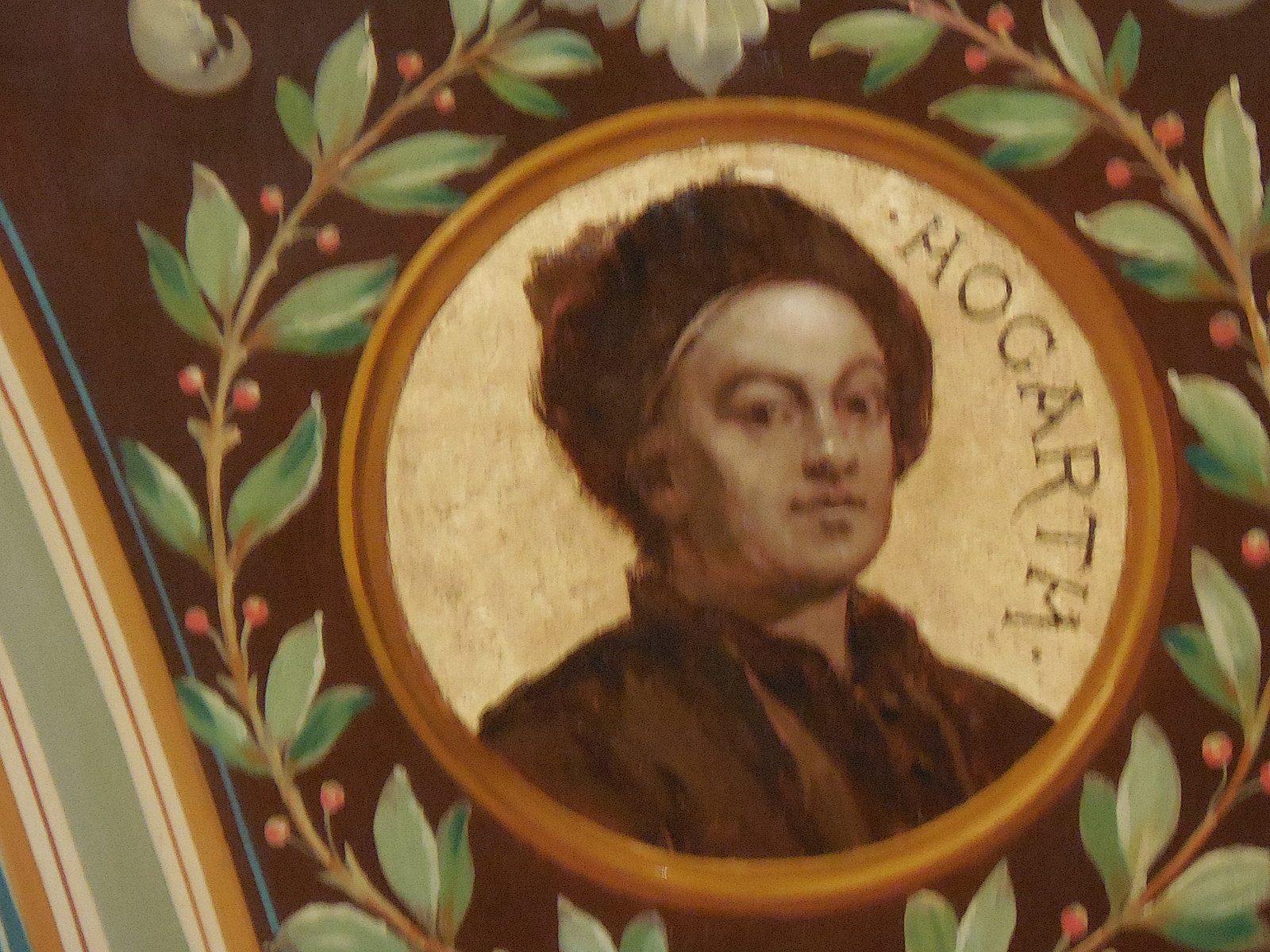
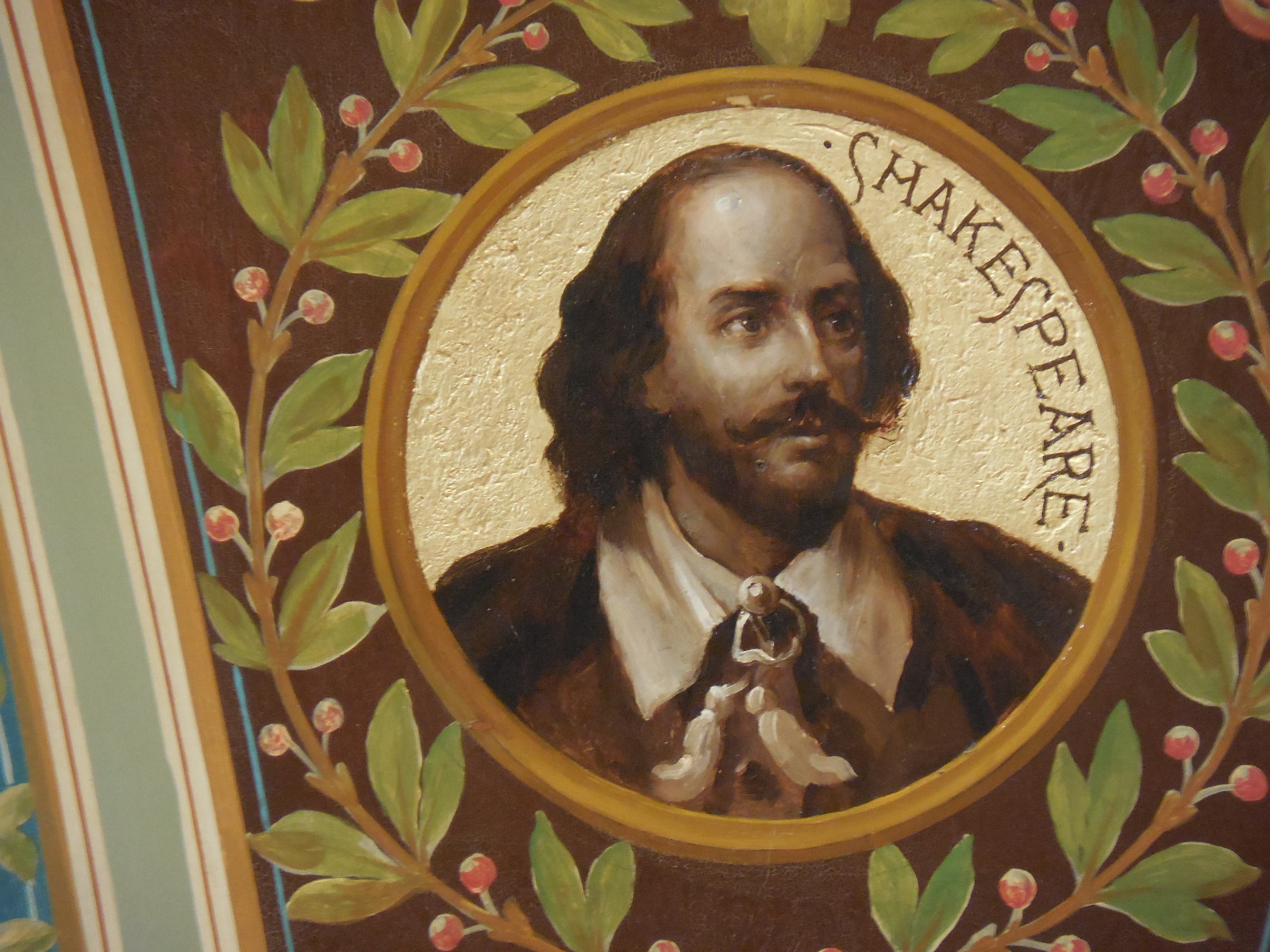
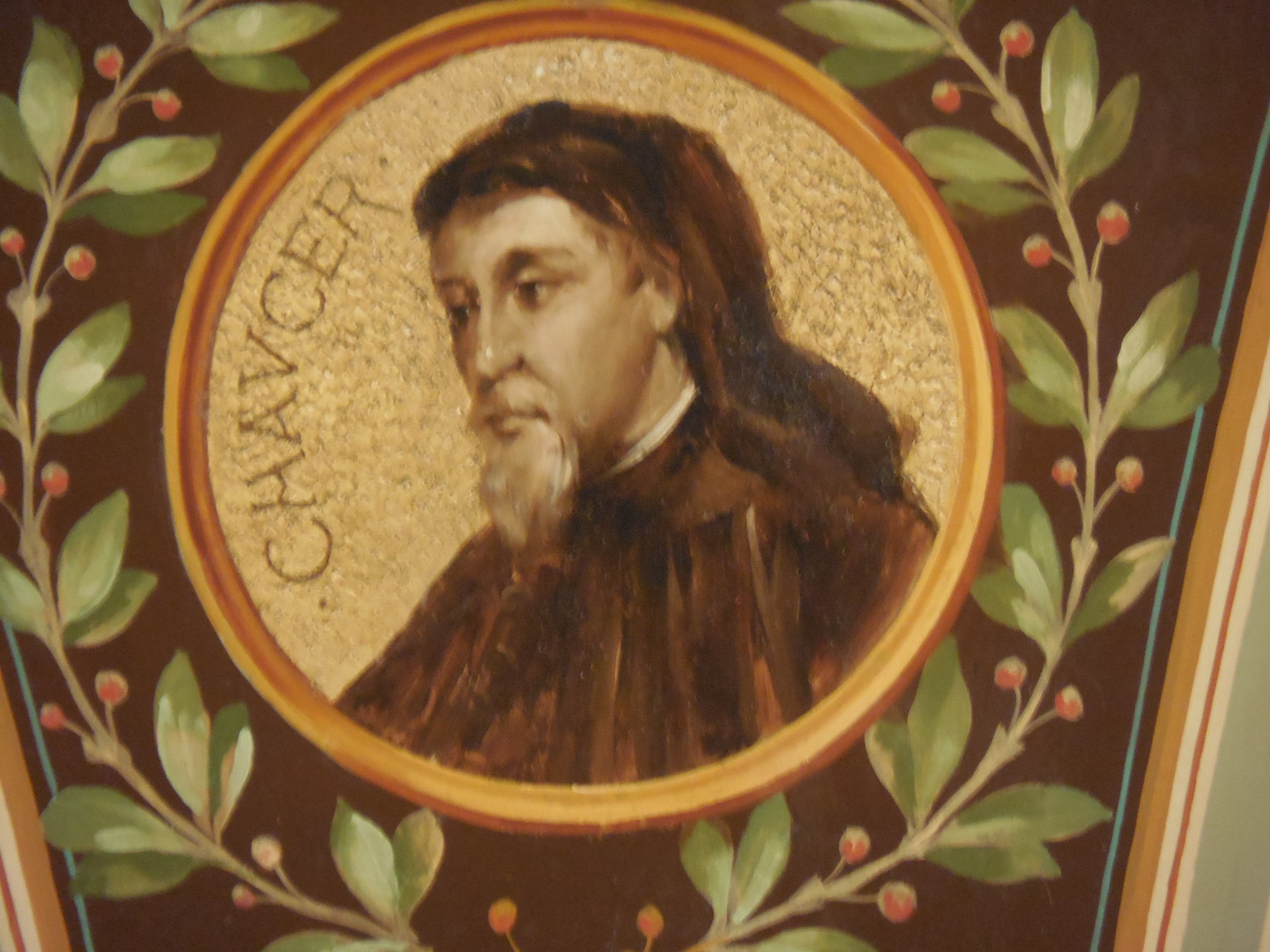
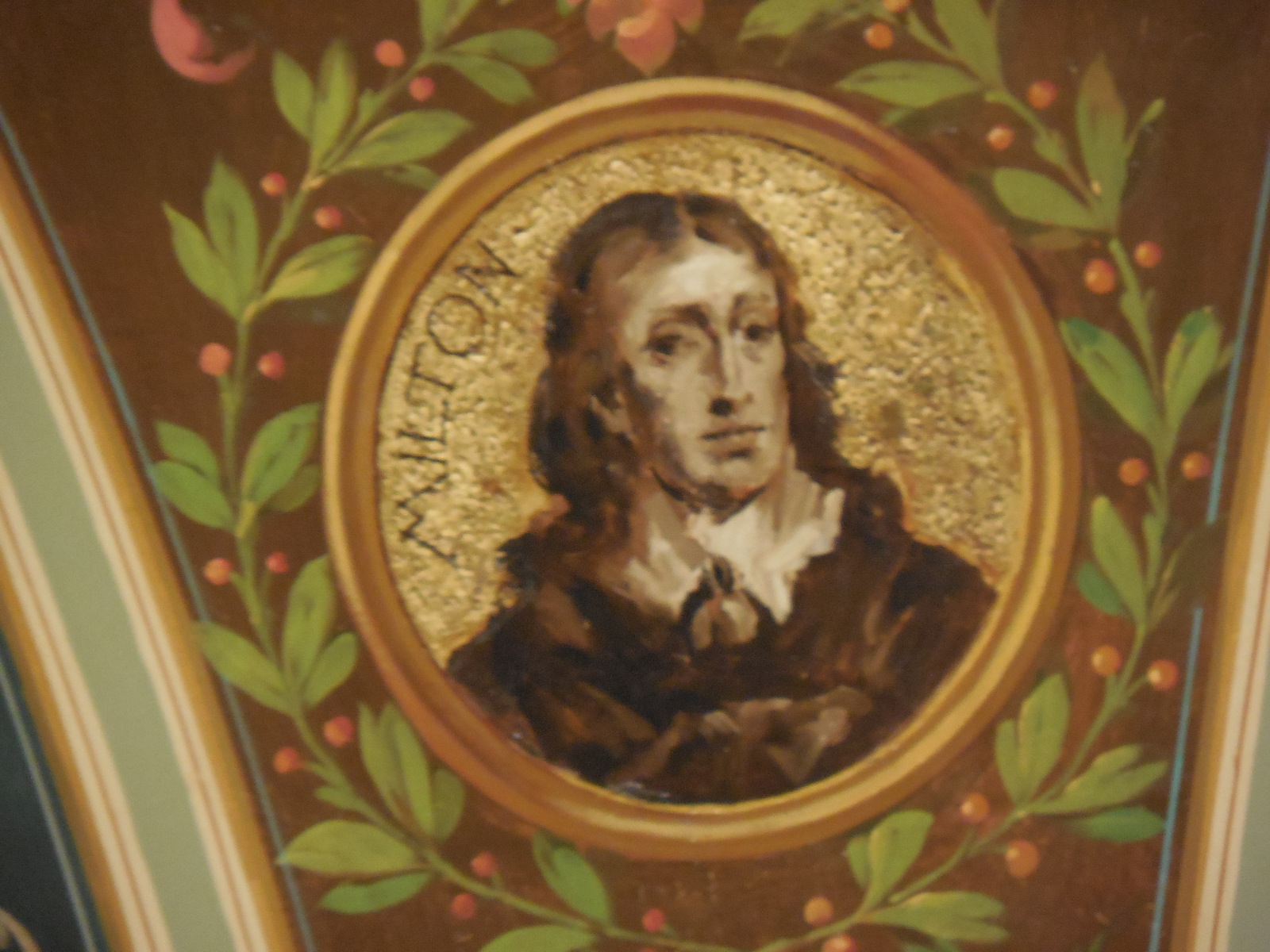
The series of portrait medallions honor the great artists and writers of Britain.

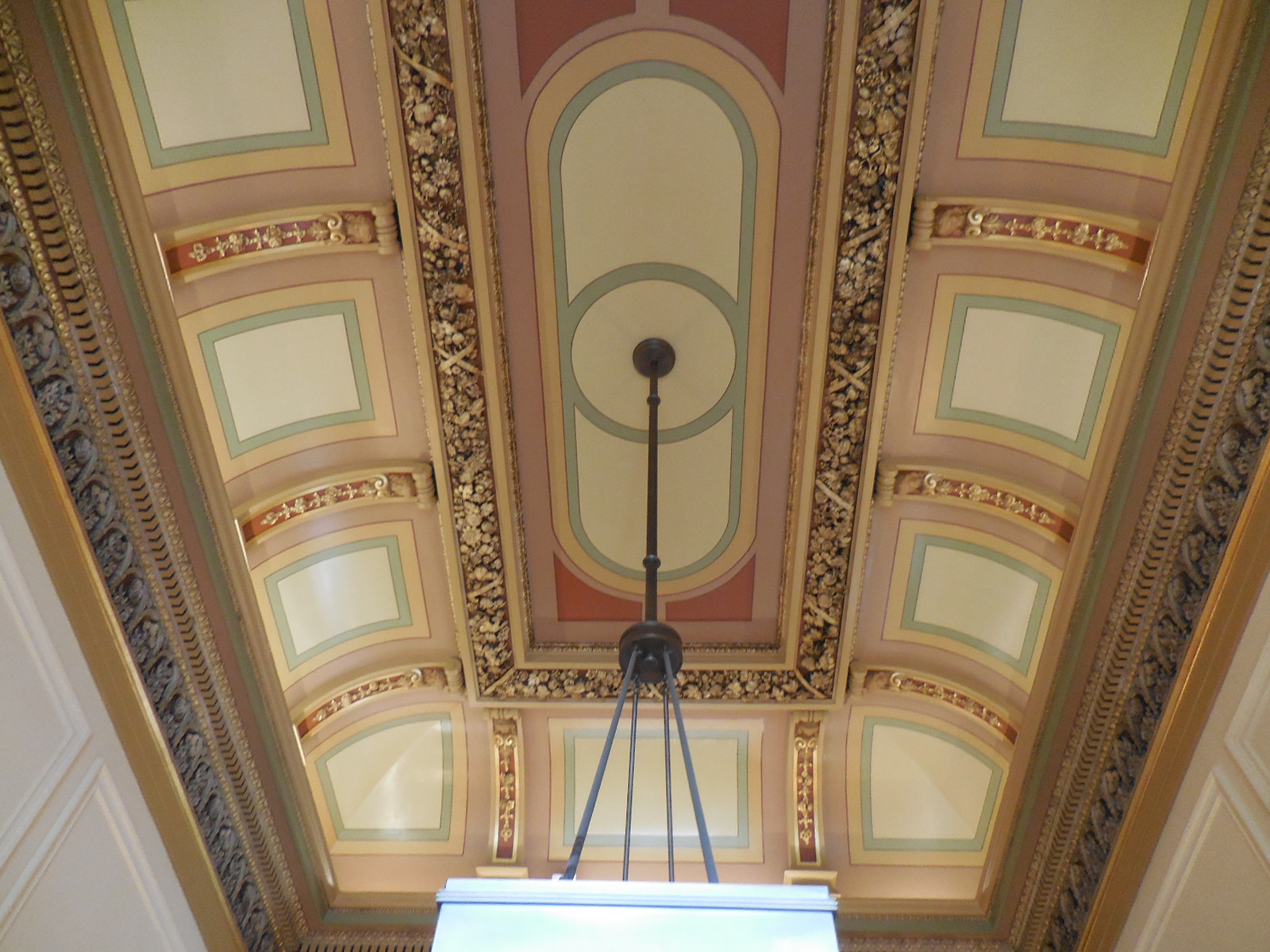
Could you get any work done under this ceiling? I 
think I would spend my time admiring the workmanship.

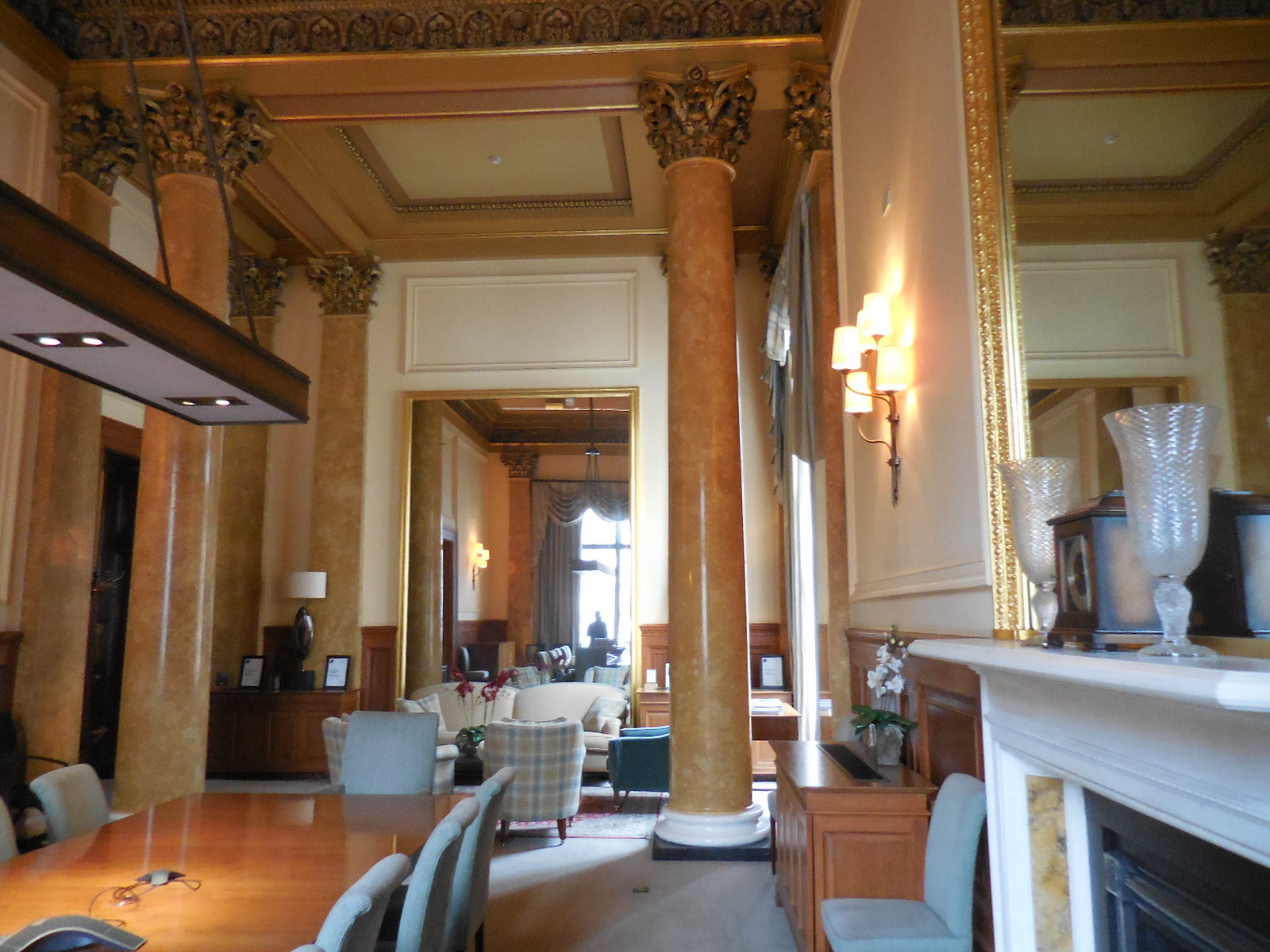
The inevitable mix of modern work areas with Victorian surroundings.

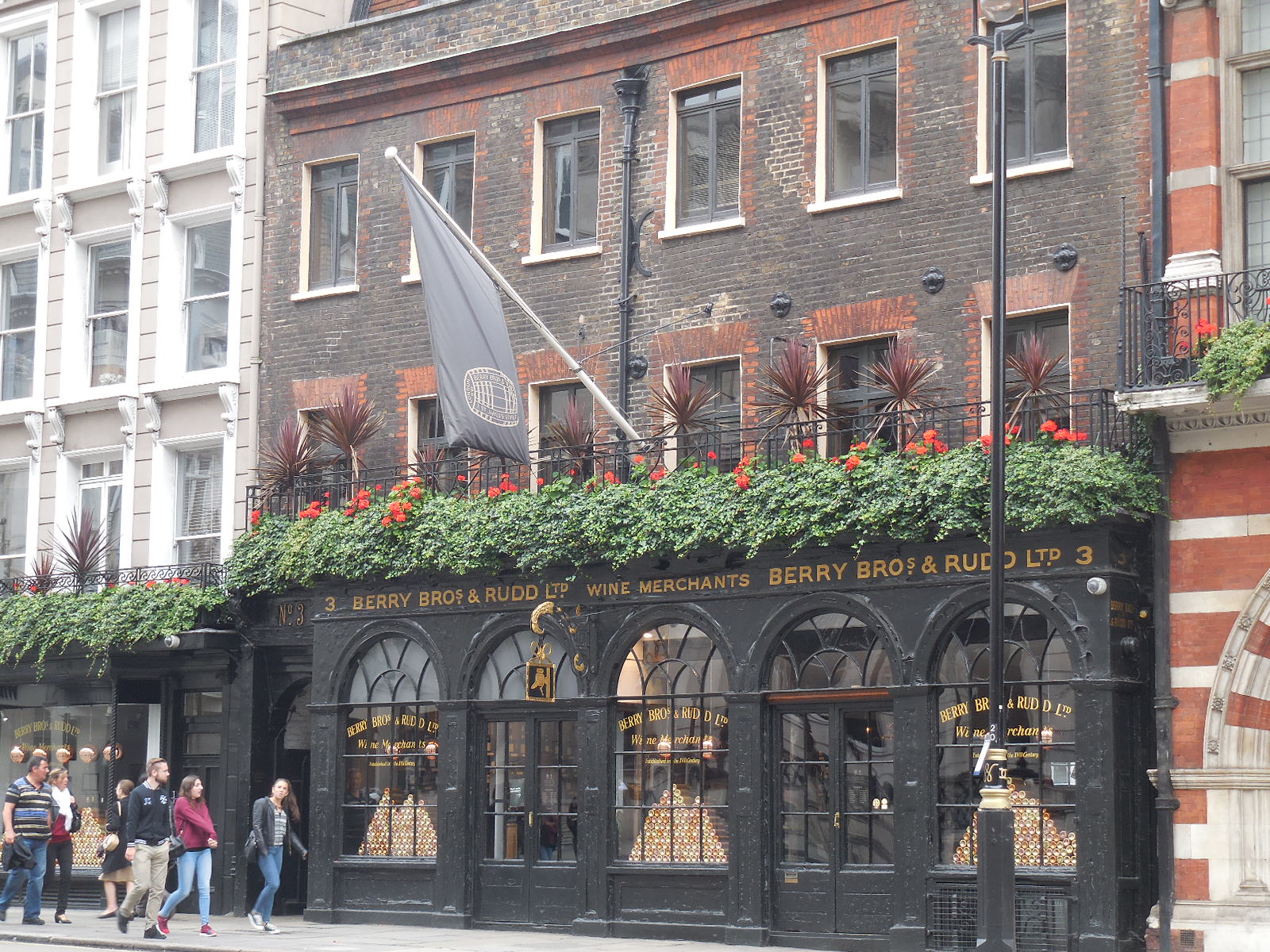
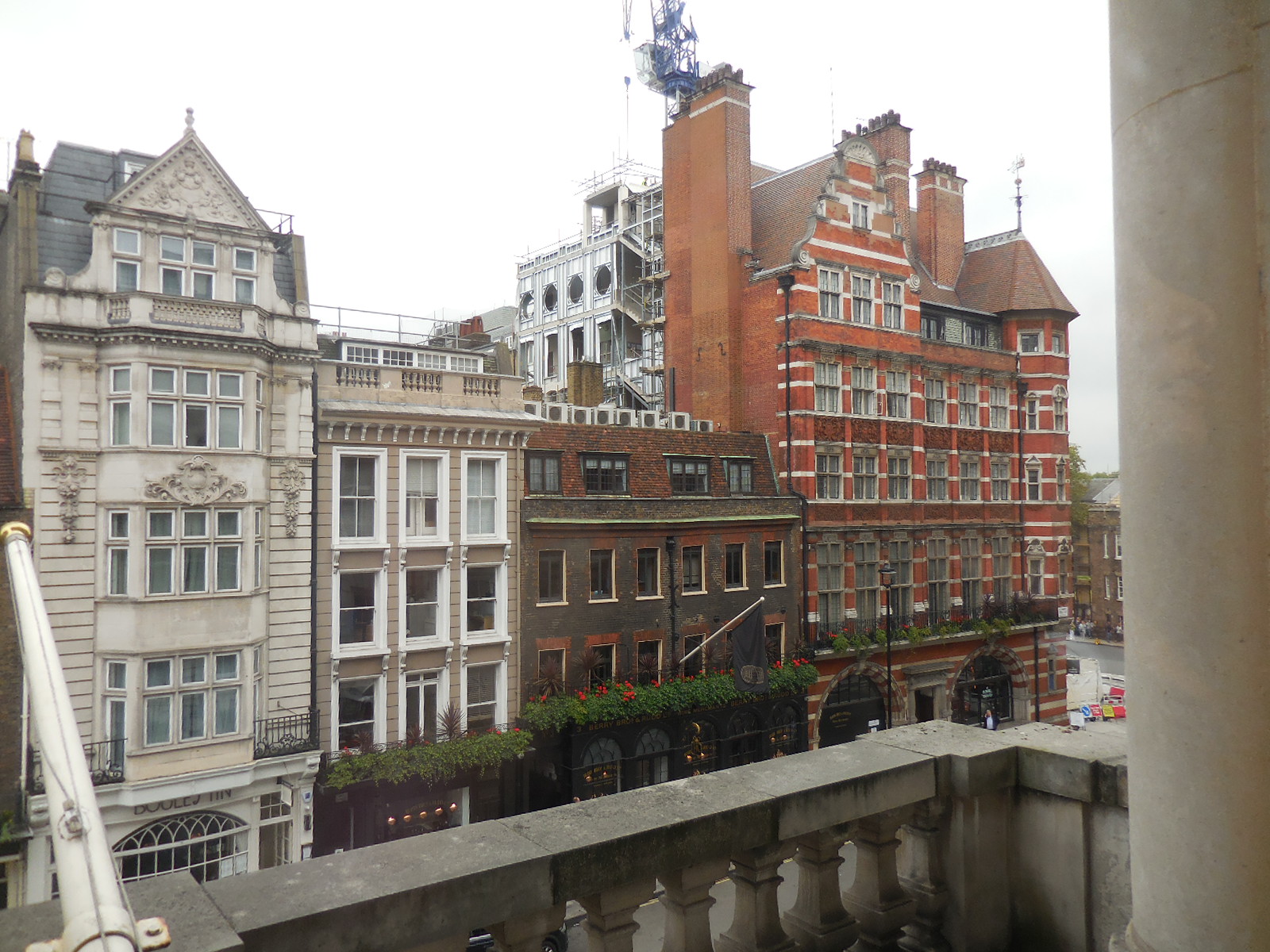
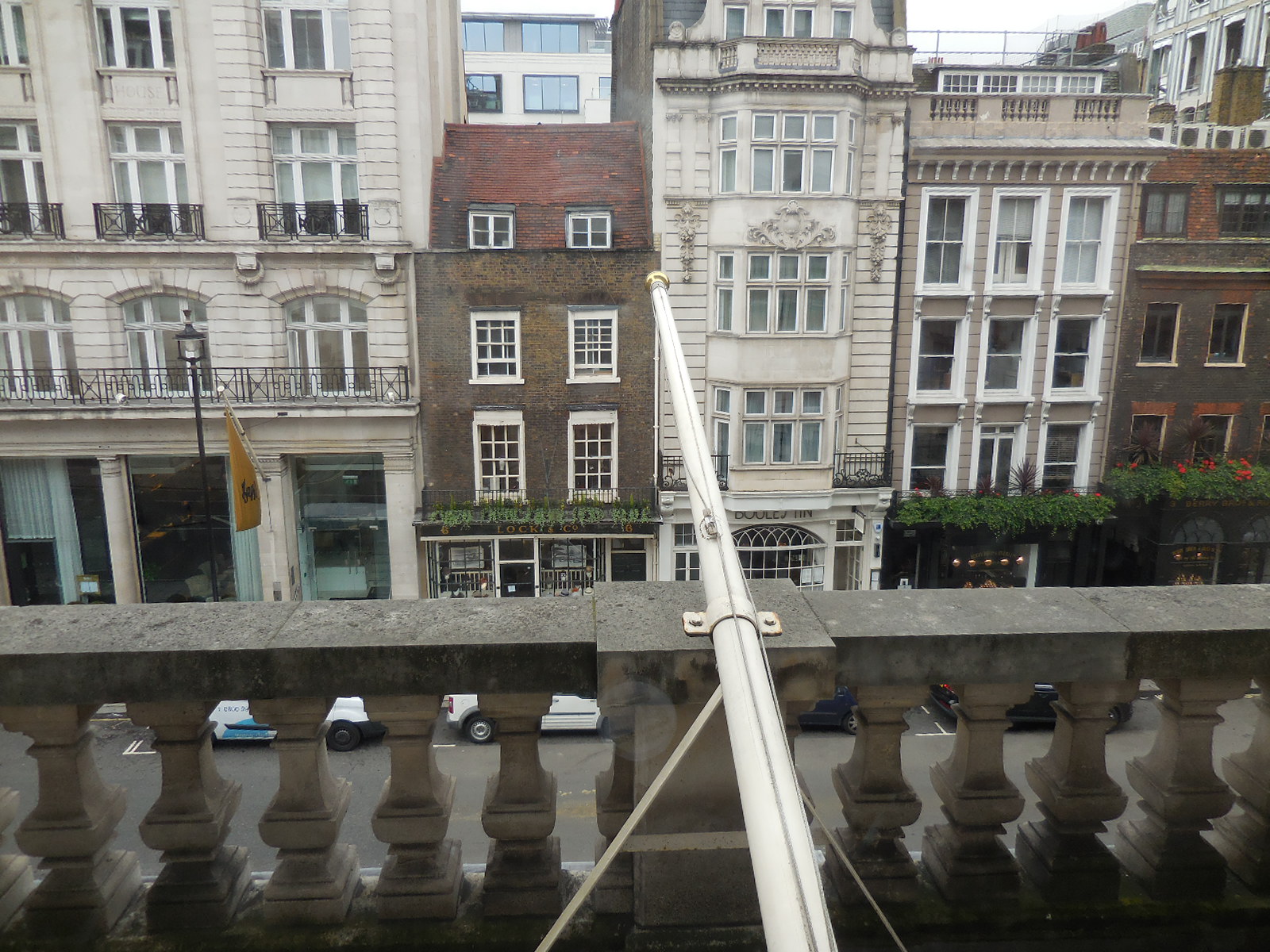
 We stood on the balcony and looked across St. James Street to the famous wine dealer, Berry Brothers and Rudd.
A wider view. To the far right would be St. James Palace.

Thank you, HSBC Bank for preserving this wonderful building in St James Street.
Following our feast for the eyes, we were ready for luncheon! So we went right across the street. coming next! Eating in Pickering Place – yummaaaay.

LOOSE IN LONDON: QUEEN ALEXANDRA'S PET CEMETERY

During Open House Weekend, Victoria and I visited Marlborough House.

For the history of Marlborough House, see Victoria’s post about her visit there in 2011 and our post from Monday, May 9, 2016.

from London Gardens Online:

Marlborough House is a former ‘town mansion and genuine `hotel particulier’ of 1707-11′ built to a design of Sir Christopher Wren, which still possesses much of the extent of its original garden. It was commissioned by the first Duke of Marlborough but the idea for a town house was his Duchess Sarah’s. She secured the lease of the site from Queen Anne and chose Wren in preference to Sir John Vanbrugh as architect, although she fell out with Wren during construction and supervised the completion of the house herself. She laid the foundation stone in 1709 and it was completed in 1711, the actual design probably drawn by Wren’s son under his father’s supervision. Sarah died here in 1744, and the Dukes of Marlborough had the house until 1817, after which it was given as the London home to Princess Charlotte and Prince Leopold of Saxe-Coburg-Saalfeld. After Charlotte’s death Prince Leopold continued to use Marlborough House until he became King of the Belgians in 1831, the same year of William IV’s accession to the throne, whose consort Queen Adelaide was granted the house for life in the event of widowhood.

The Queen Dowager continued to spend time here after the King’s death and gave a wedding banquet for Queen Victoria and Prince Albert. After Queen Adelaide’s death it was settled on the Prince of Wales, later Edward VII as his residence from the age of 18. At that time it was substantially altered by Sir James Pennethorne, chief architect at the Office of Works. It continued in royal occupation into the 1950s, by the Duke of York later George V, Edward VII’s widow Queen Alexandra, and finally Queen Mary on the death of George V came to Marlborough House in 1936 and died here in 1953. In 1959 Elizabeth II placed it at the disposal of the Government as a Commonwealth Centre, which it became in 1962, becoming the headquarters of the Commonwealth Secretariat in 1965.

The House was wonderful, but the thing I really wanted to see was Queen Alexandra’s pet cemetery. Regular readers of this blog may recall that on a previous trip to England I’d gone to Oatlands near Windsor in order to view the pet cemetery of Frederica, Duchess of York.

At Marlborough House, a leafy pedestrian lane leads one to the pet cemetery. 
That Queen Alexandra loved her pets is beyond doubt, but there’s also photographic proof of the fact to be seen on several of the markers in the cemetery. 

Whilst not all the graves are adorned with photographs, all are evidence of grief over the loss of a beloved friend. 

Kristine gets a closer look.

Even the bunnies were given dignified burials. 
But perhaps the most famous of those buried here is Ceasar, owned by Queen Alexandra’s husband, King Edward VII.

From The College of St. George website:

At the foot of the tomb of Edward VII in St George’s Chapel can be seen the curled up figure of Caesar, a wire-haired fox terrier and the King’s favourite dog.
Caesar was Edward VII’s constant companion, following him everywhere and travelling the world with him. His collar read “I am Caesar. I belong to the King”. Such was Edward’s love of his scruffy sidekick that he had Faberge make a trinket of Caesar, which was given to Queen Alexandra. Caesar might not have been popular with everyone, but Edward loved him.


On Edward VII’s death in 1910, Caesar is reported to have been heartbroken, barely eating or drinking, searching the rooms for his missing master. 


The world was moved by photographs of the little dog, accompanied by Edward’s favourite horse, trotting faithfully behind his master through the streets of London in the funeral procession, together at the last as they had always been. Caesar even preceded the crowned heads of Europe, including Kaiser Wilhelm, an insult which it has been claimed helped fuel the animosity which led to the First World War.
Caesar went to live with Queen Alexandra, and continued his travels with her before eventually dying in 1914. She wrote for his epitaph “Our beloved Caesar who was the King’s Faithful and Constant Companion until Death and My Greatest Comforter in my Loneliness and Sorrow for Four Years after. Died April 18th 1914.″
If you’ve enjoyed this post, you may be interested in the Libby Hall Collection, an online gallery of historic photos of London dogs from all walks of life – a truly fascinating site. 
The actress Ellen Terry with her canine companions.