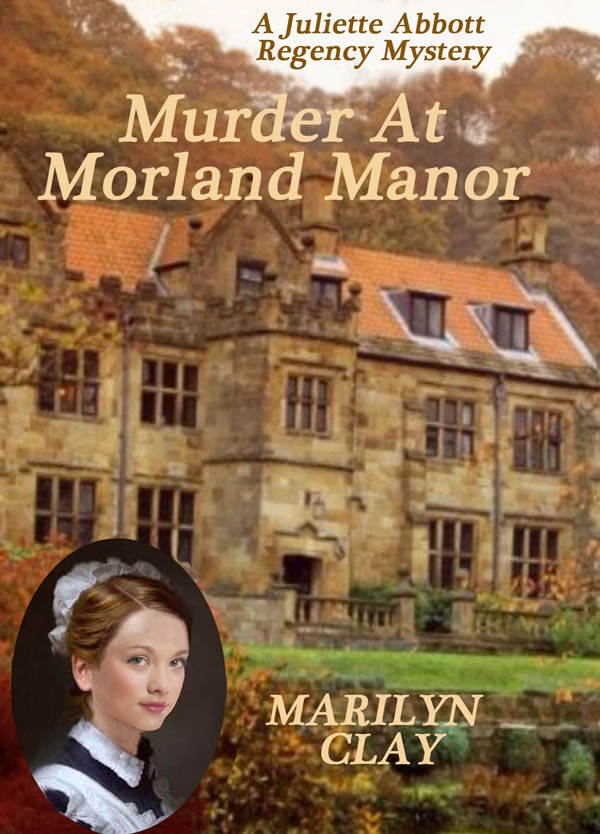
GUEST POST BY AUTHOR ABIGAIL DANE, PART ONE

From Victoria:  Abigail Dane has undertaken an ambitious project, a trilogy, of which the first book is now available.  Welcome, Abigail!

Author Abigail Dane


My books are  set during the English Civil War.  I have immersed myself in the history of the period, and I can make the case that this conflict changed England forever and set the stage for all that followed—in England and in the colonies of the Indies and America, as well.  In brief, as much as Henry VIII’s war against Catholicism and as much as Luther’s calls for reformation of the church, Charles’ claims of  “the divine right of kings” and Cromwell’s radical Puritanism forged the times, creating the spurt in colonization of the New World and fueling calls for religious freedom and independence that followed.  Basically, WITHOUT THIS, NEVER THAT.

The Battle of Worcester (September 3, 1651) ended the third phase of the long and costly English Civil War conflict (1642-1651). The exiled Charles II (then the crowned King of Scotland and son of the beheaded Charles I) invaded England with 16,000 troops, mostly Scotsmen. They originally intended to storm London and retake the throne, but Cromwell learned of the invasion and sent a superior troop (2:1) to meet them. The armies met at Worcester and the fight ended with a mere 200 of Cromwell’s troops dead, compared to 3,000 dead and 10,000 taken prisoner from Charles’ forces.  In the aftermath, Cromwell spent six frantic weeks scouring the countryside for the fugitive king, and Charles spent six perilous weeks evading capture in a bid to make his way to France.


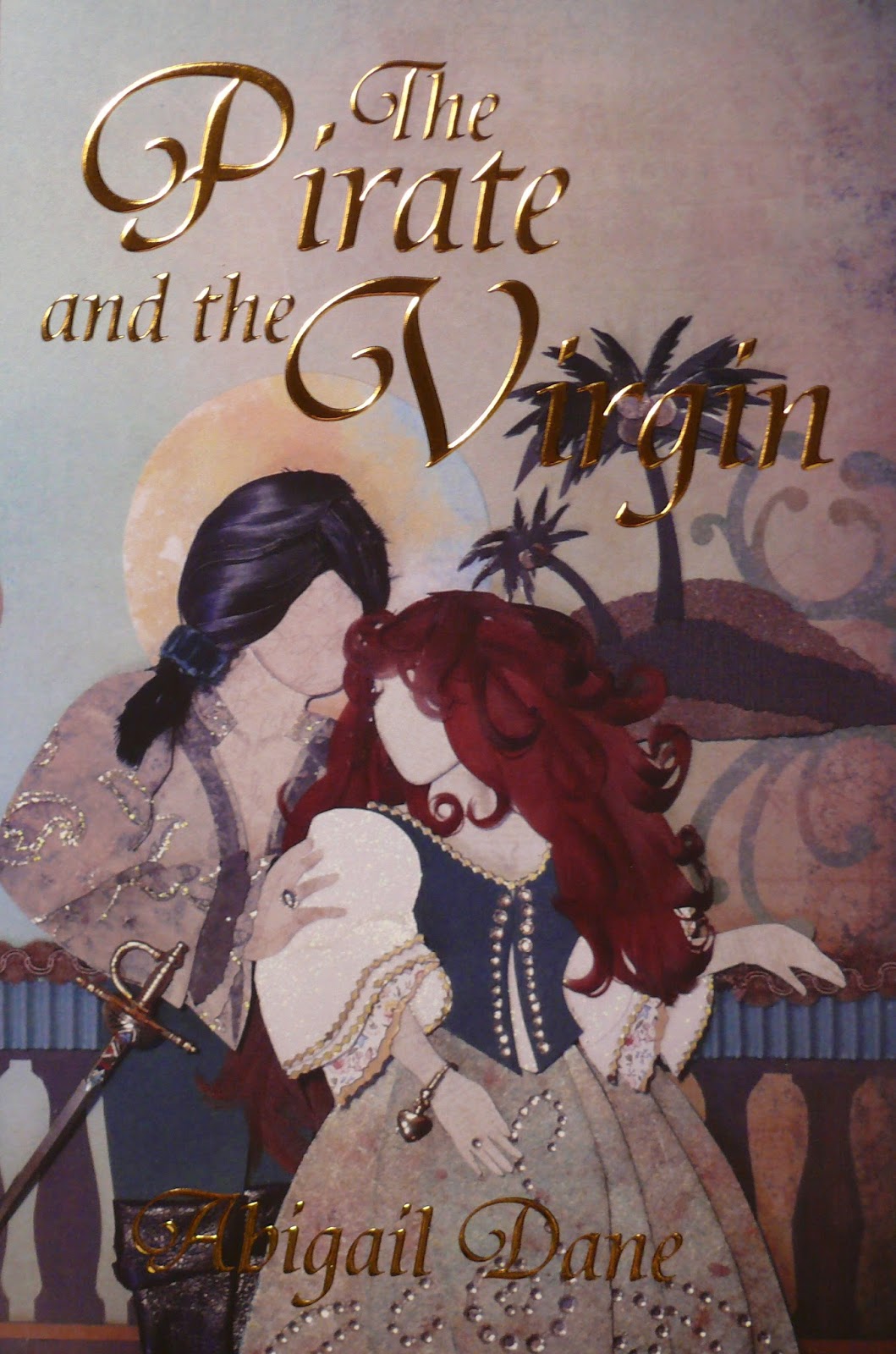
 I believe the following paragraph, from the “Prologue” of my first novel in the series, The Pirate and the Virgin, captures the spirit of the conflict between Charles I and Cromwell:
To the bloody end in 1649, Charles held to his claim of divine appointment and divine right to rule as he willed. No need to consult Parliament or the people since he, the Sovereign appointed by God, was responsible only to God for his actions. Charles’ stubbornness about this was outmatched only by Cromwell’s implacable belief that kings served the people and, thus, served at the will of the people. In the end, the king submitted to the axe rather than concede his principles, and Cromwell laid the king to the axe rather than concede his.
Battle of Worcester and its Aftermath
Part 1 of 3
The people in the neighborhood appeared so ignorant and careless at Worcester that I was provoked and asked “And do Englishmen so soon forget the ground where liberty was fought for?” Tell your neighbors and your children that this is holy ground, much holier than that on which your churches stand. All England should come in pilgrimage to this hill, once a year.   —John Adams, April 1786
     This admonition was written by John Adams on the occasion of his visit, in company of Thomas Jefferson, to Fort Royal Hill—scene of the Battle of Worcester, which ended the English Civil War. Adams was deeply moved by the place, and deeply disappointed that locals knew so little about the battle and its significance. If Adams’ words sound a bit like a lecture, that may be because he intended them to be just that. One assumes he might have been thinking of the recently-concluded American Revolution, which ended at another bit of “holy ground” and pilgrimage site: namely Yorktown, scene of Cornwallis’ surrender to the Americans on October 19, 1781.
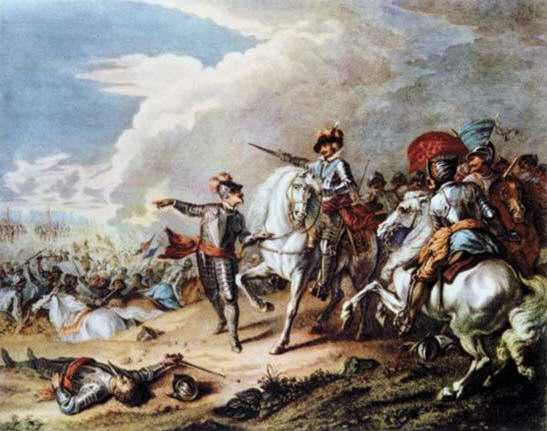
     The Second English Civil War—or perhaps more accurately the second phase of the English Civil War—ended with the execution of King Charles I at Whitehall, London, on a cold and blustery January 30th 1649. Two years later, on September 3rd, 1651, the third and final phase of this “war without an enemy” ended when Cromwell’s army routed Charles II and his forces at Fort Royal Hill in Worcester.
The Battle of Worcester, 3 September 1651
by Thomas Woodward (1801-1852)
Worcester City Museum
     Charles, while in exile as King of Scotland, had rounded up a force of 16,000 men—mostly Scots—and raced toward London to retake the British throne. His had army trekked 150 miles in a week, finally earning a bit of rest on August 8th. Charles had decided against a direct march on London, instead detouring to the Severn Valley in hopes of recruiting greater numbers for his army from this area where support for his father had been so strong. Perhaps because his was mostly a foreign army, and likely because peo
ple were simply tired of war after so long, the level of support fell far short of his expectations. Pressing on despite this, Charles II arrived in Worcester on August 22nd, prepared for battle after five days of rest.
     That delay would prove fatal.
Source: “Historical Notes: Battle of Worcester and its Aftermath,” in The Baron and the Lady, book two in the “Whitleigh series” by Abigail Dane.  http://TransitionsUnlimited.biz, AbigailDaneRomance@gmail.org.
Abigail Dane’s post continues next week.

SCOTLAND BOUND

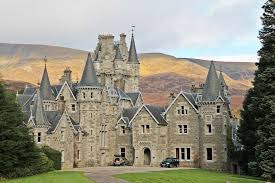
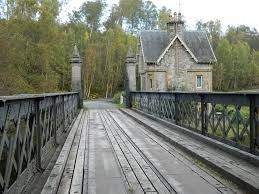
I loathe telling “lay” people that I know anything about British history. Invariably, they’ll enthuse about Henry VIII or the medieval period and I then have to explain that my interest is confined to roughly the time period from 1750-1950. I freely admit that I know very little, almost nothing, about anything that transpired prior to that. I don’t mind in the least admitting what I don’t know. Take Scotland, for instance. I know nothing about Scotland other than it’s where they drink whiskey, which I hate, and eat shortbread, which I love. To be honest, almost all I know about Scotland is that which involves Queen Victoria. Which is why I have enlisted the help of my old pal, Sue Ellen Welfonder, to help me plan Number One London’s Scottish Castles and Palaces Tour. She has been a gold mine of information and suggestions and will be joining me on my trip to Scotland in September to scout out locations for the tour. Knowing my great affection for Queen Victoria, Sue Ellen suggested that we go to the Ardverikie Estate.

“Since we’ll be in the area and passing right by, we can stop and see the Ardverikie Estate when we’re in Scotland,” Sue Ellen proposed.

“Yeah. Whatever you want to do. Scotland is all you.”

“It’s really pretty. It sits on the shores of Loch Laggan.”

“Ah.”

“It should interest you. Queen Victoria considered it when she was looking for a place in Scotland, but decided on Balmoral instead,” Sue Ellen elaborated in an effort to garner a bit more enthusiasm from me.

“Oh. Right.”

“There were too many midges about when she visited and they put her off the property.”

“Uh huh.”

“So now, instead of being a Royal residence, Ardverikie has to settle for being Glenbogle.”

“Wait . . . What?”

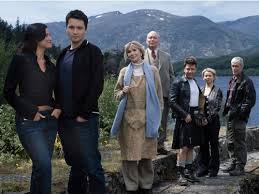
“There’s this Scottish television show called Monarch of the Glen and . . . “

“Are you kidding me? Glenbogle? We’re actually going to Glenbogle?”


“You mean you know Monarch of the Glen?”

“Know it? I love Monarch of the Glen. I’ve seen every episode. Hector, Archie, Julian Fellowes! Can we go inside? Can we?”

“No! It’s a private house now, but we can walk over the bridge by the gate house and follow a trail that will bring us up fairly close to the house.”


“Oh, I can hardly stand it!”

“Well, who knew you’d be so excited to see something Scottish,” Sue Ellen said.

Who knew, indeed. It appears I know more about Scotland than I’d first thought. Hoot man, I cannae wait to get there! We’re UK bound on September 18th, stopping in London for a few days before flying on to Edinburgh. You can stay up to date with all of our travels on my Facebook Page.

Do you have a favourite place in Scotland? Somewhere that speaks to your heart? Somewhere you long to visit? Let us know by leaving a comment here.


A TOUR GUIDE IN ENGLAND: DAY 4 – PART TWO

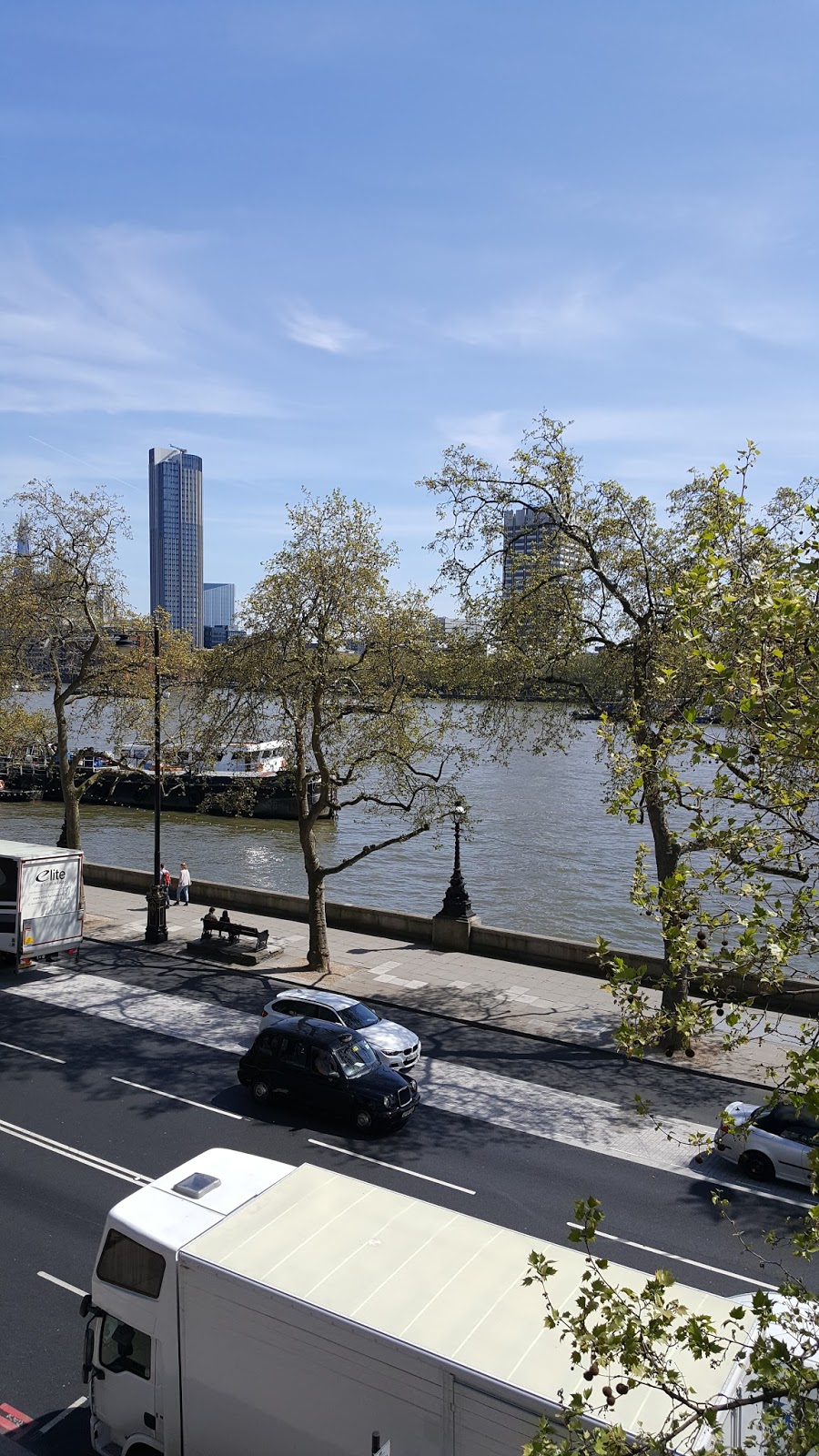
Saying goodbye to Jo Manning after our lunch at the Duke of Wellington pub, Diane and I walked down the Strand to Somerset House, where we walked out to the terrace at the back and gazed for a while upon the Thames. 

Leaving Somerset House, Diane and I undertook another aimless walk round 
London – our favourite activity. 

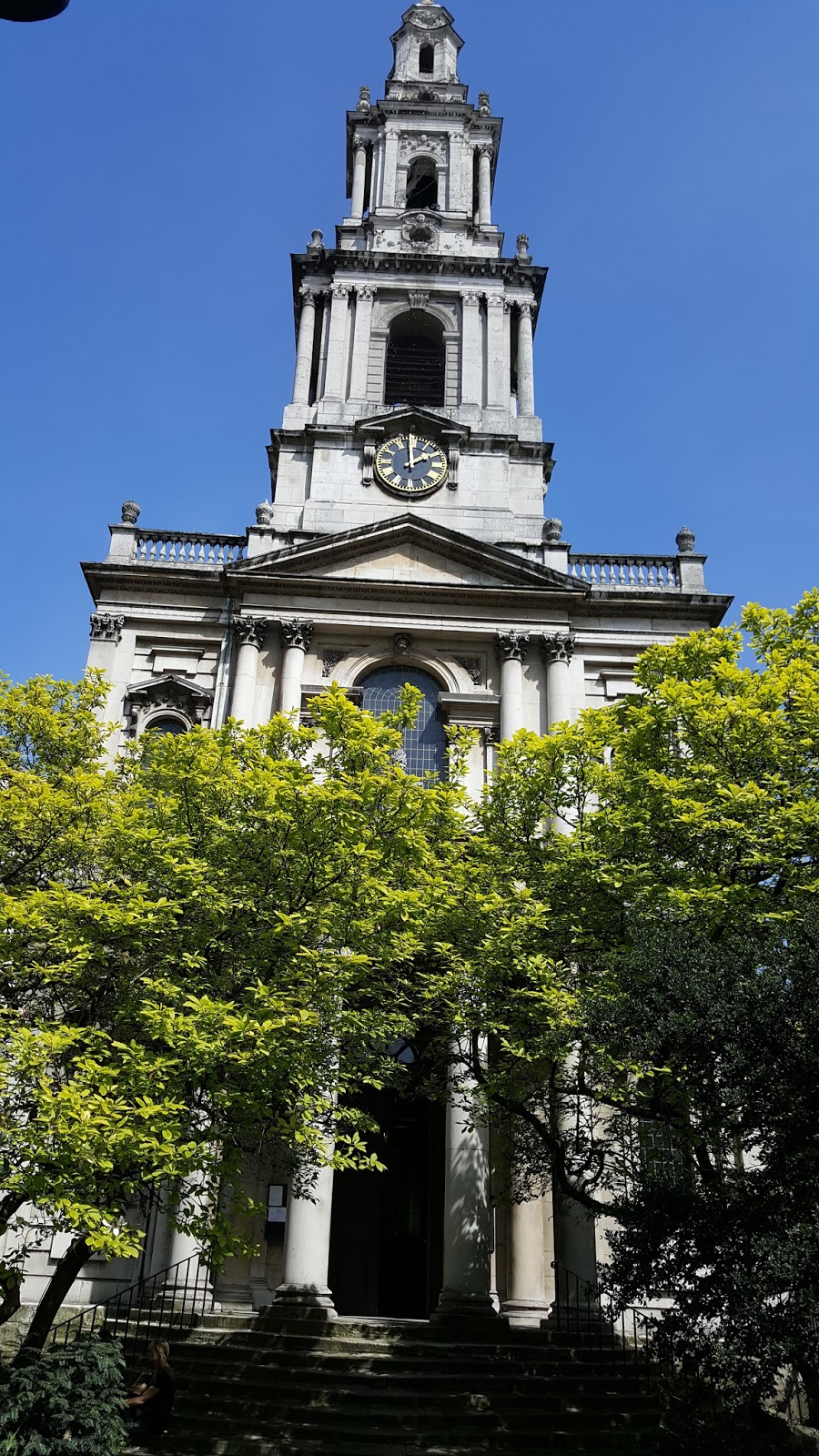
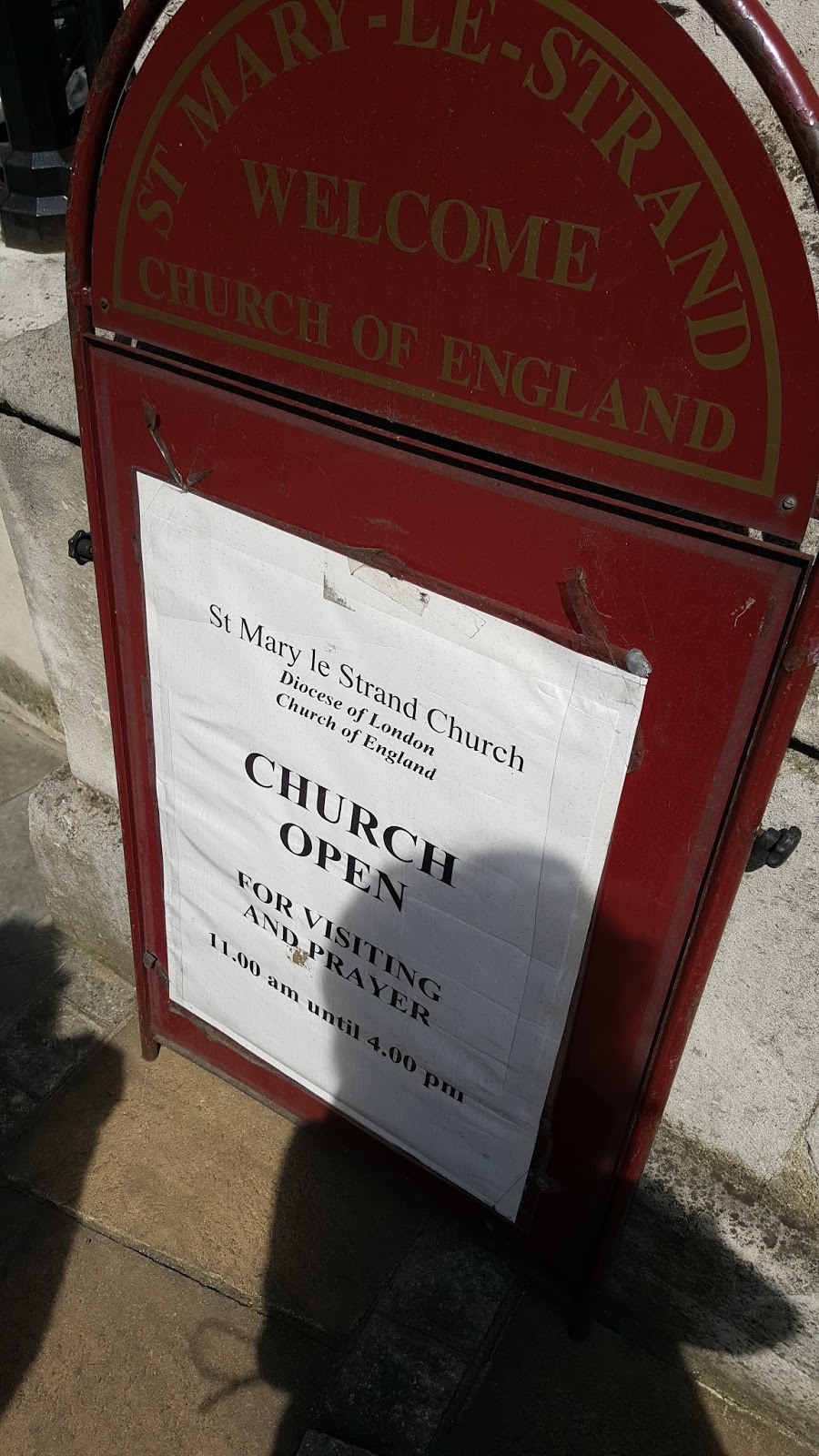
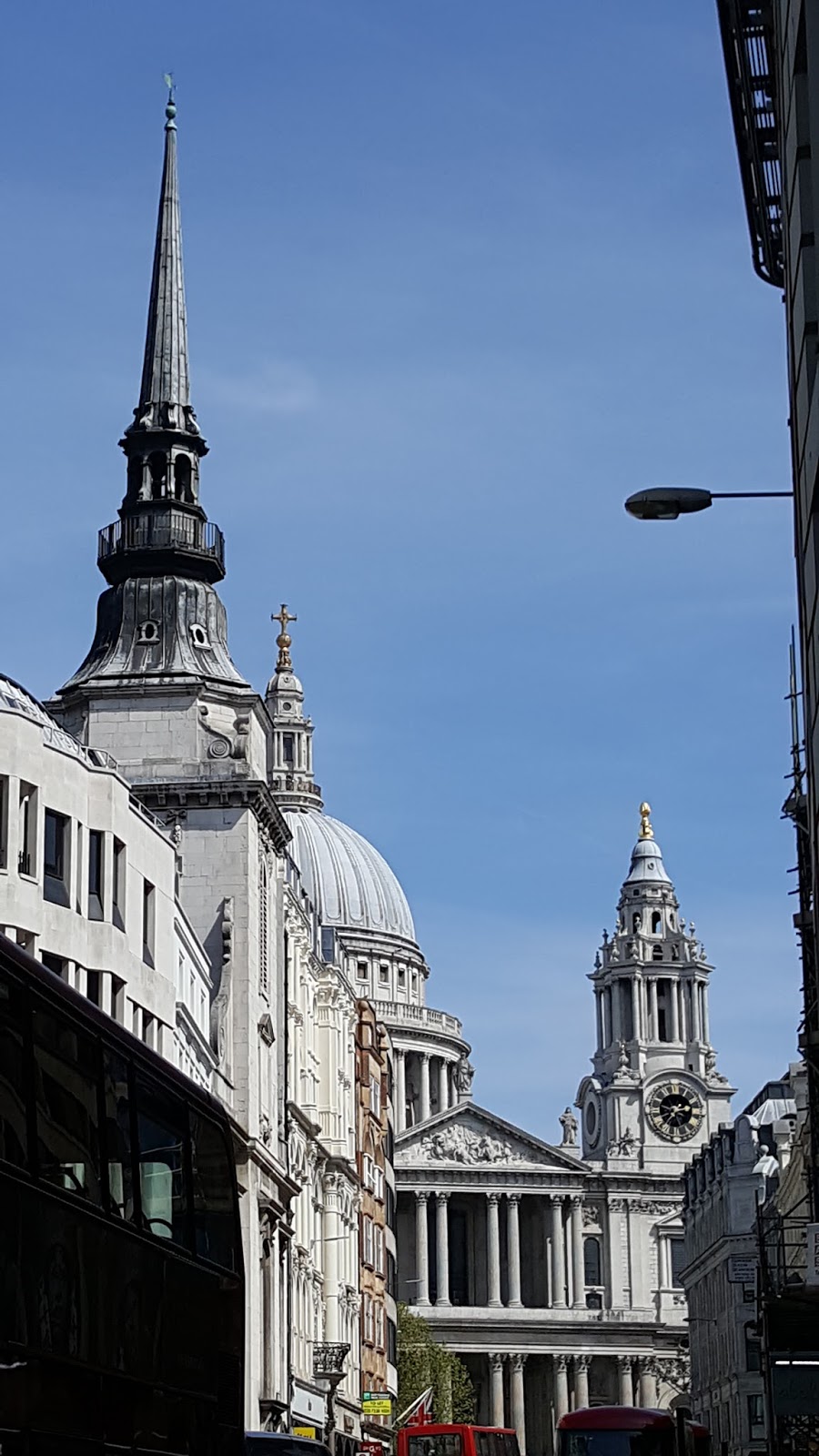
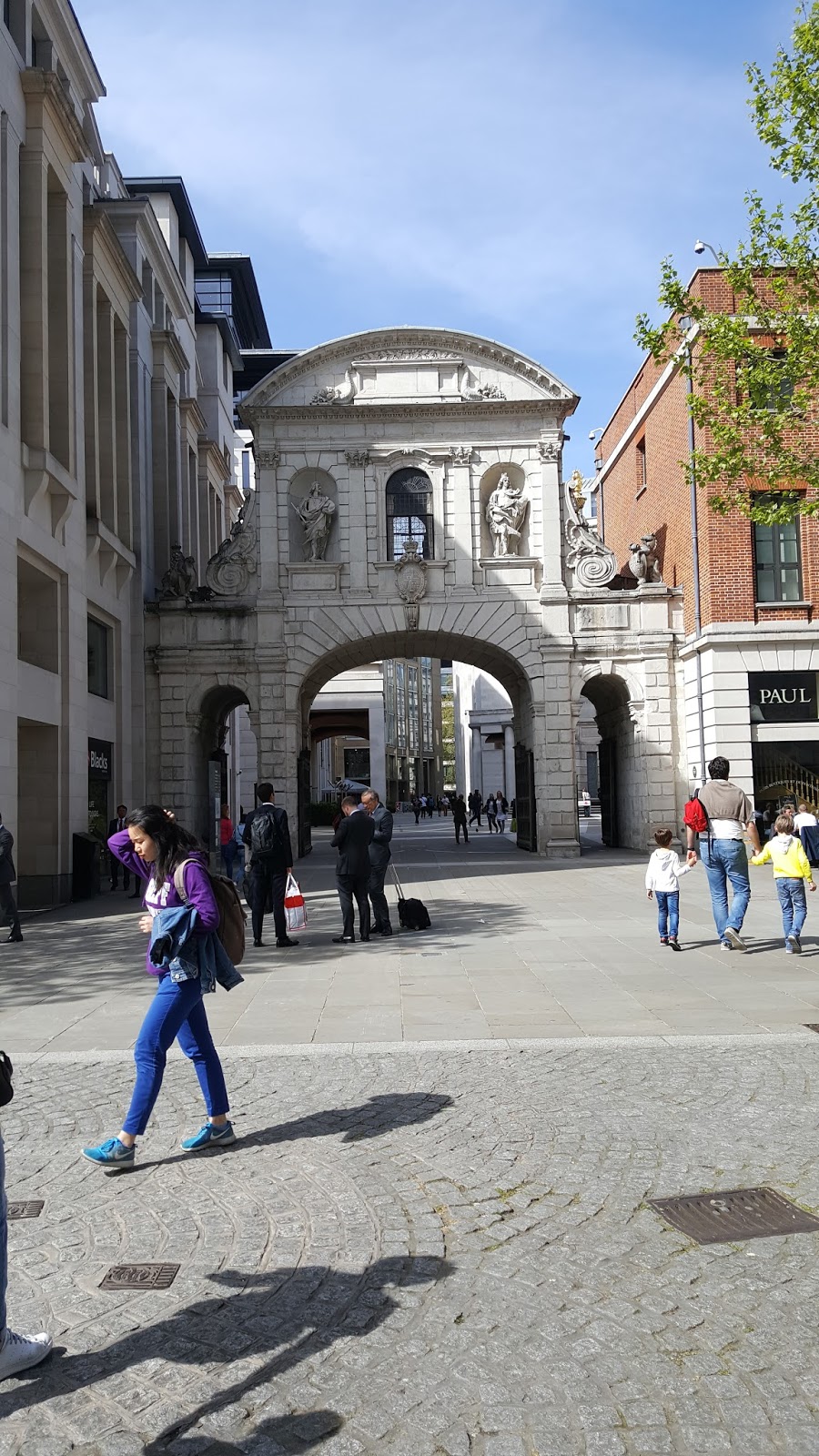
“What’s that church up ahead?” Diane asked after a while.

I looked at the church as we approached. “No idea.”

“No idea?” she asked, sounding surprised.

“Nope. Afraid not. I really don’t know this part of London like the back of my hand, as I dare say I do in Mayfair and the West End. This is all pretty much virgin territory for me, except for Twinings. I know where Twinings is. But I do know how we can figure out what church this is.”

“How?”

“We’ll read the sign.”

After stopping in to Twinings to buy copious amount of Lapsang Souchong tea, we 
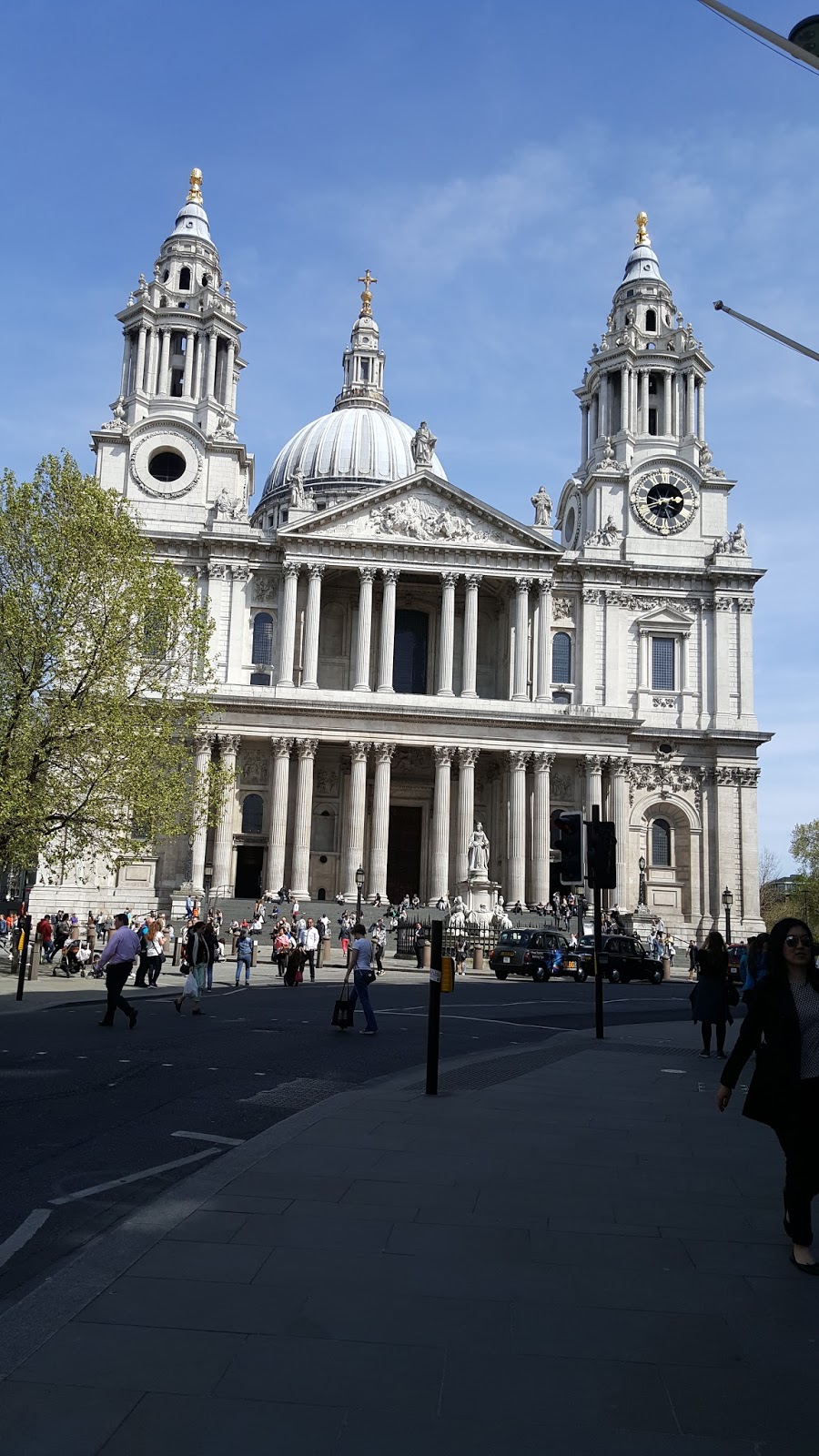
headed towards St. Paul’s Cathedral. 

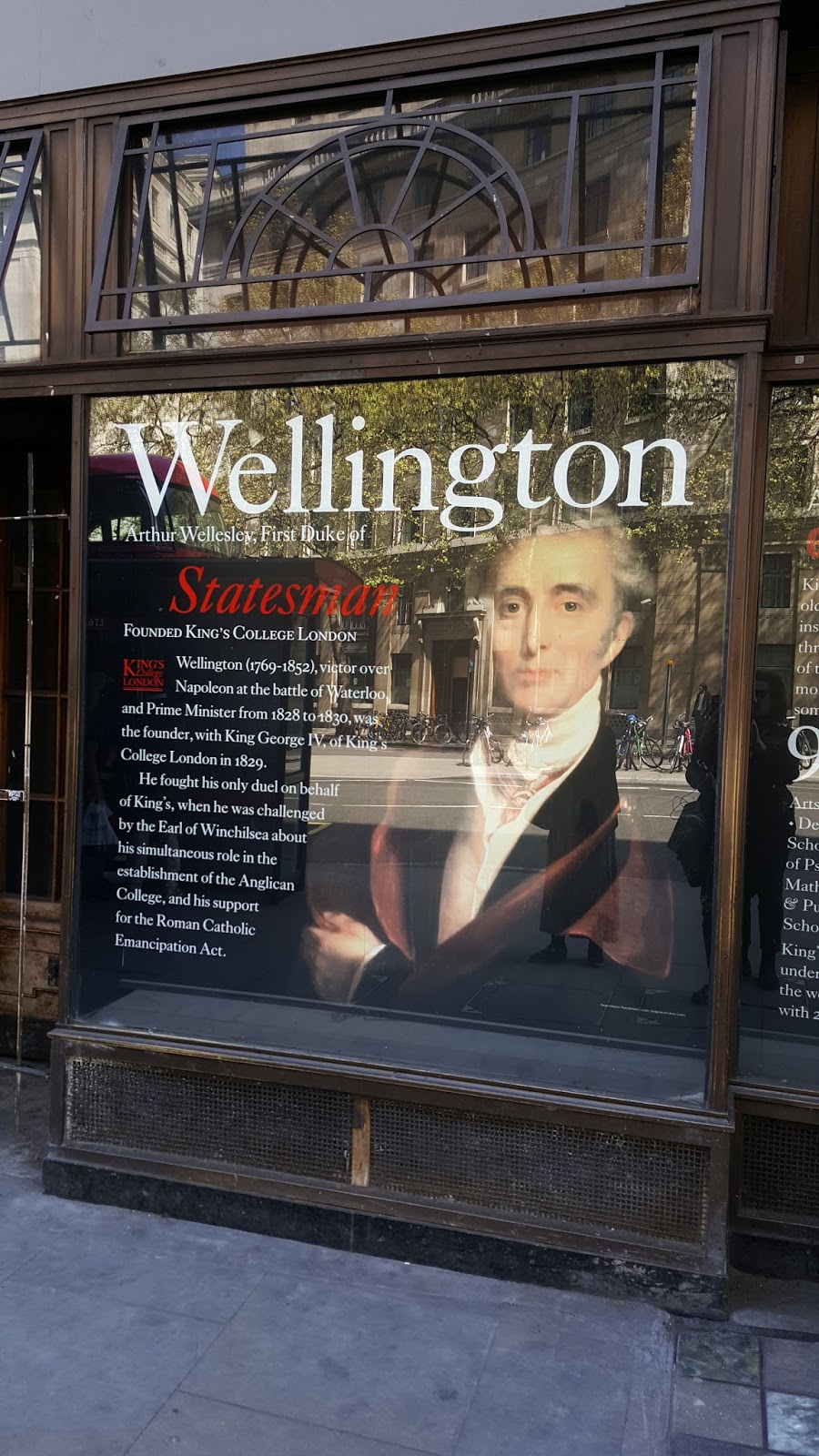
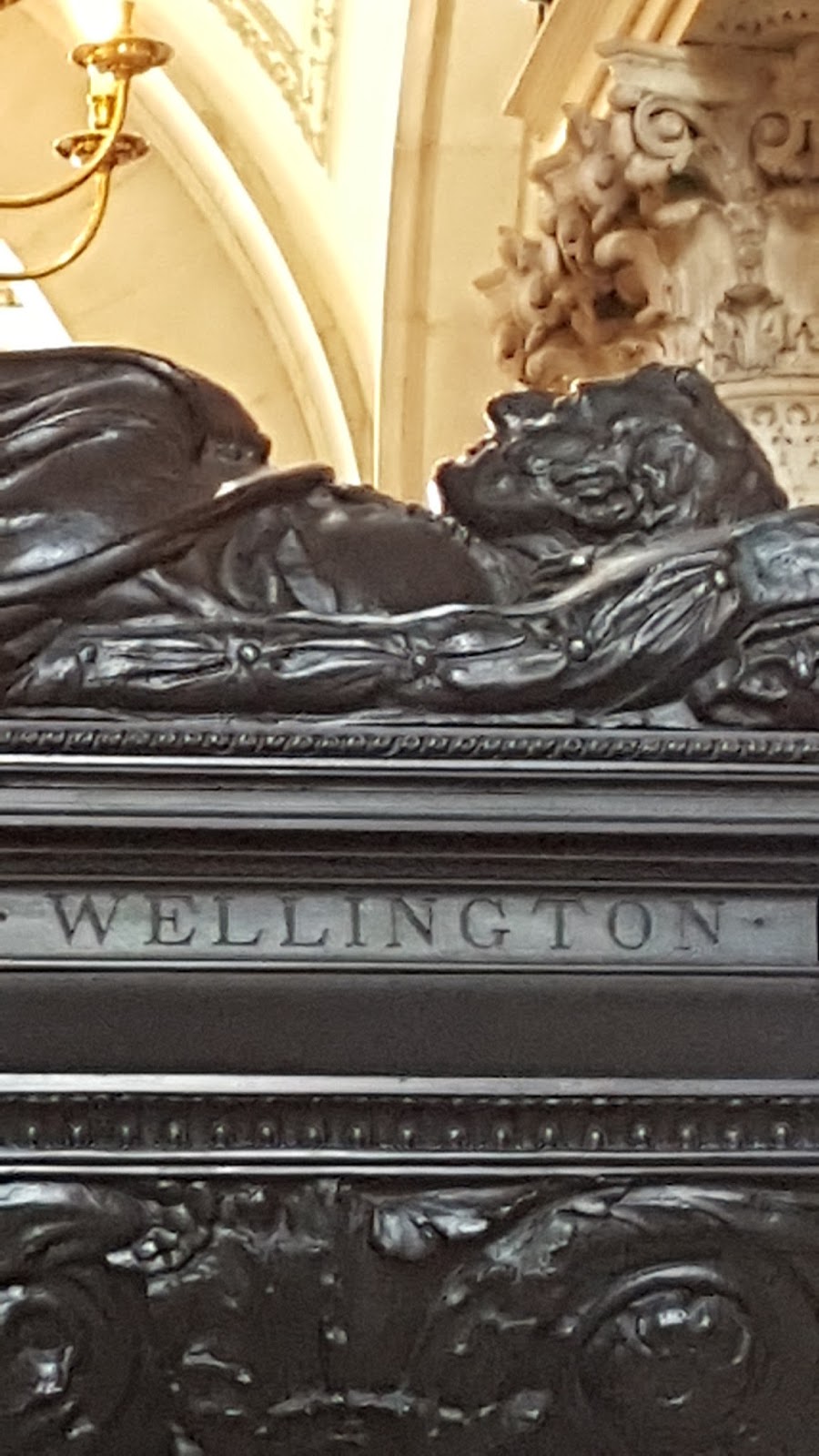
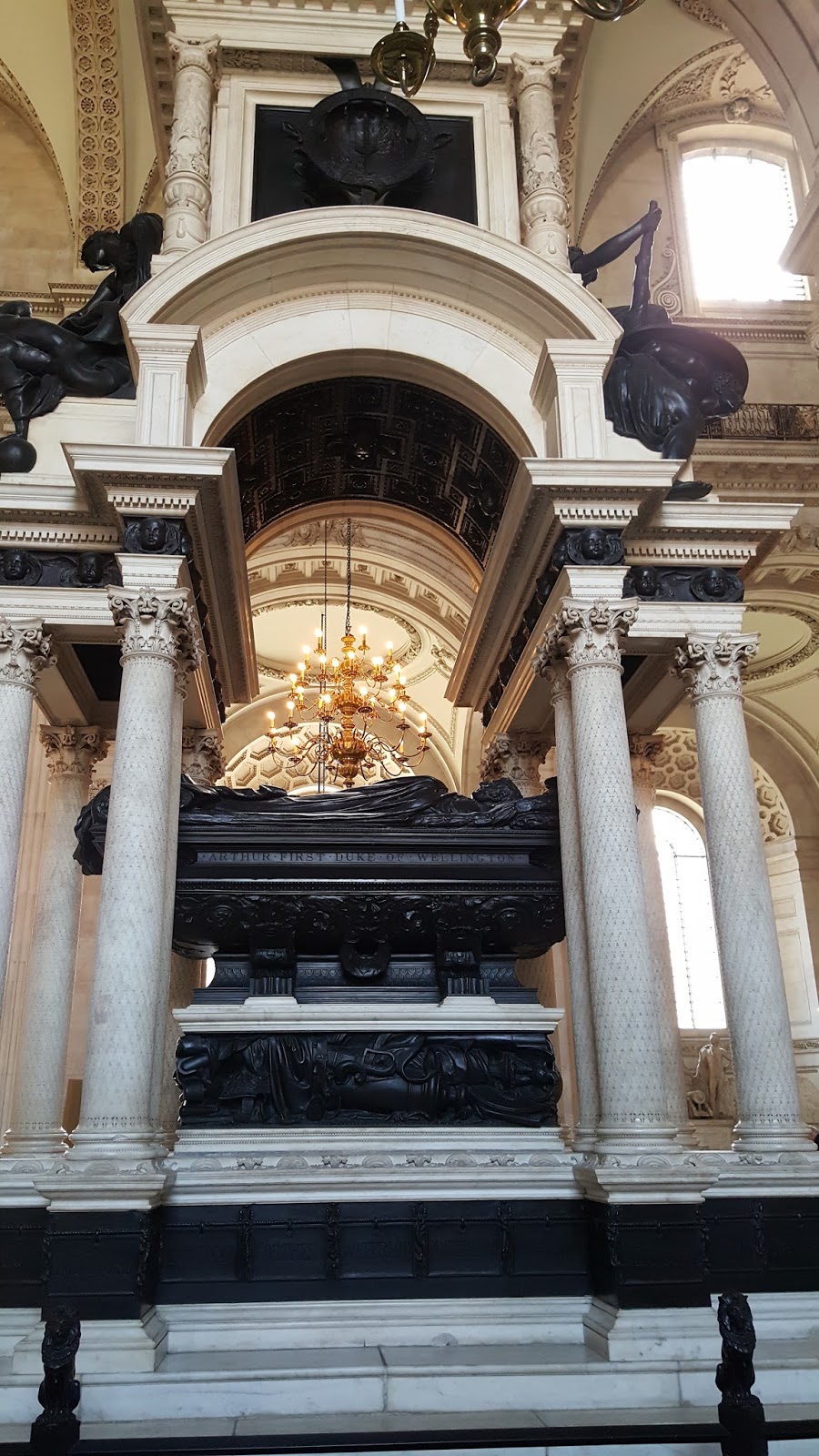
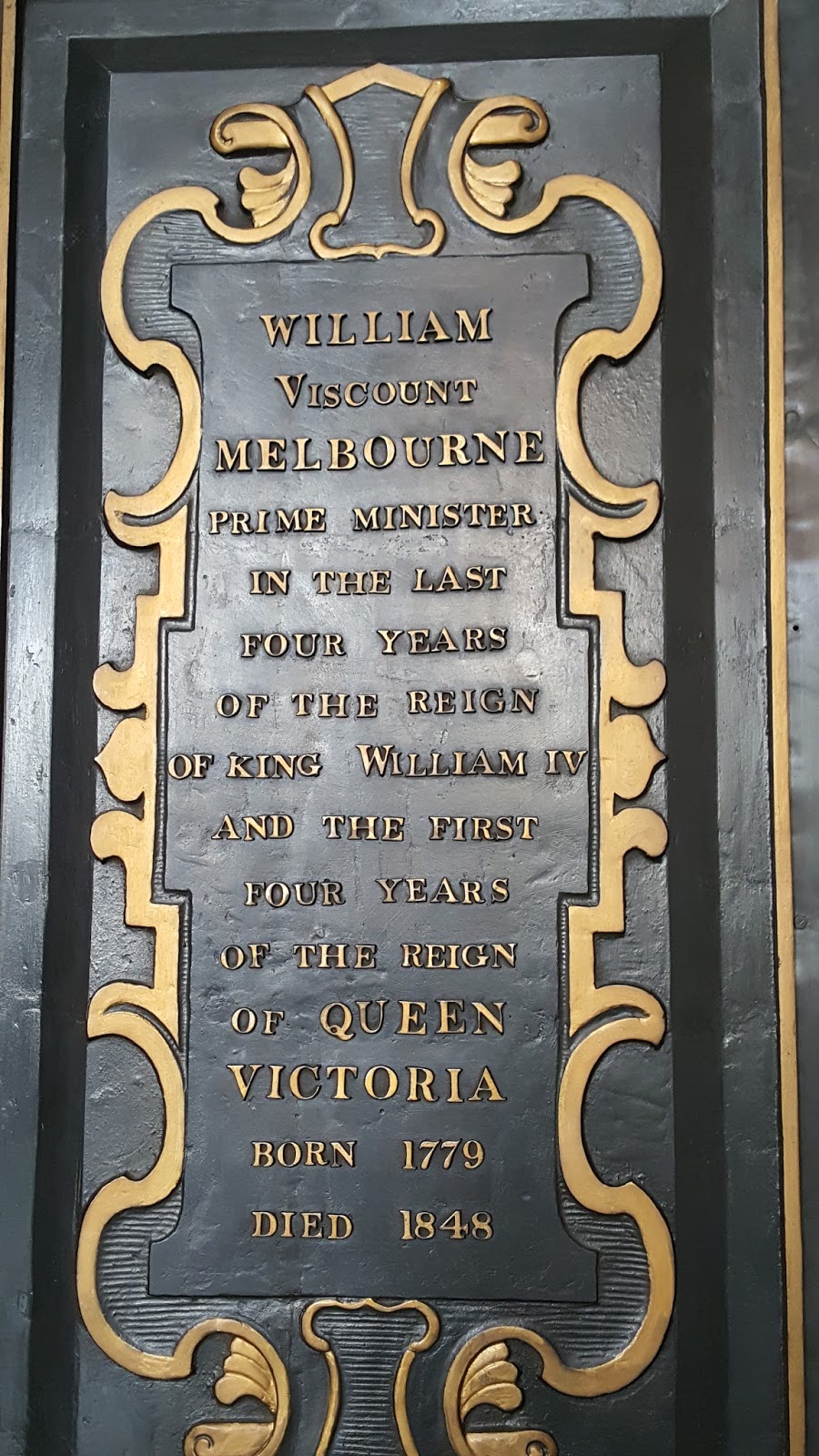
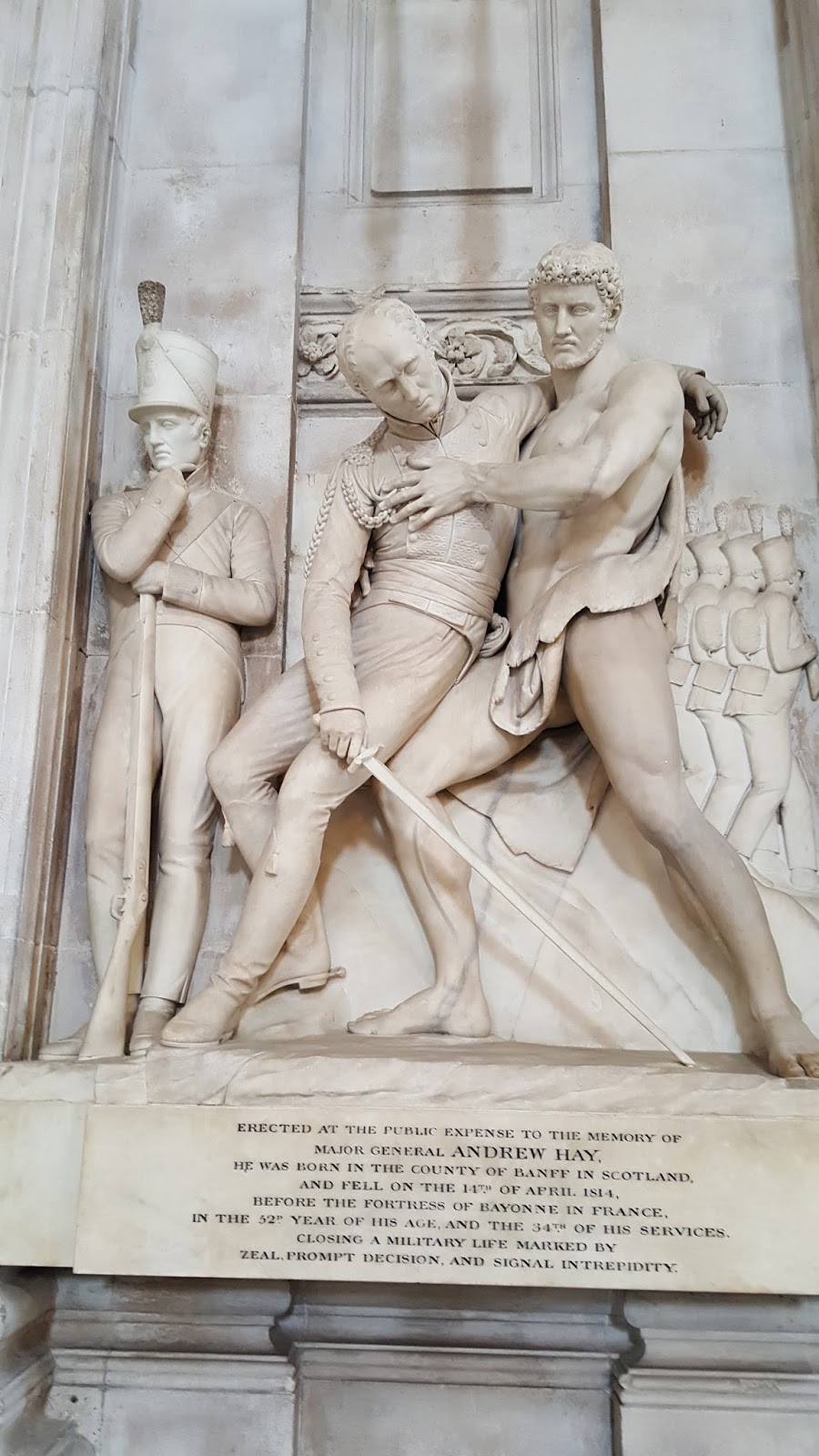
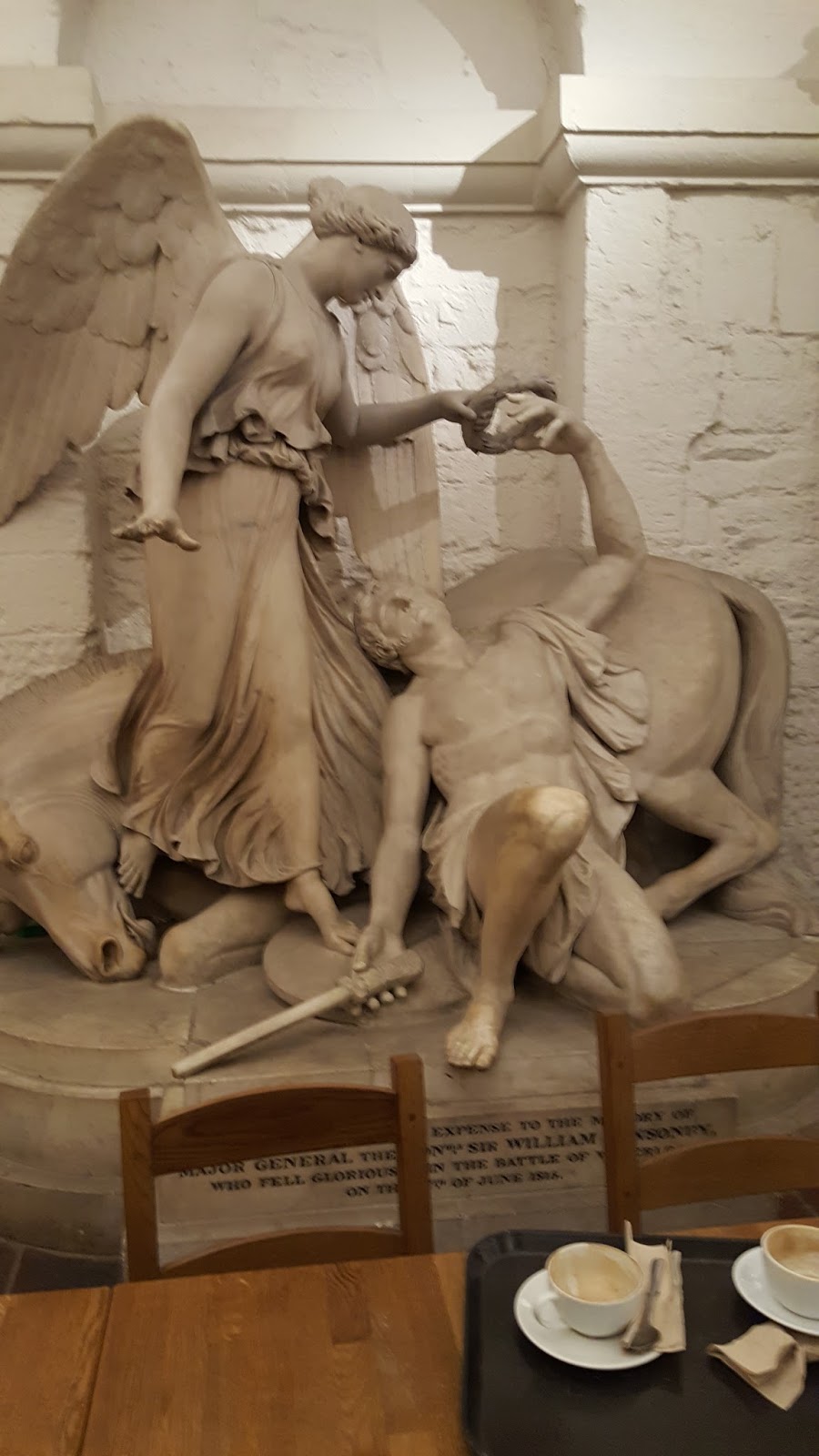
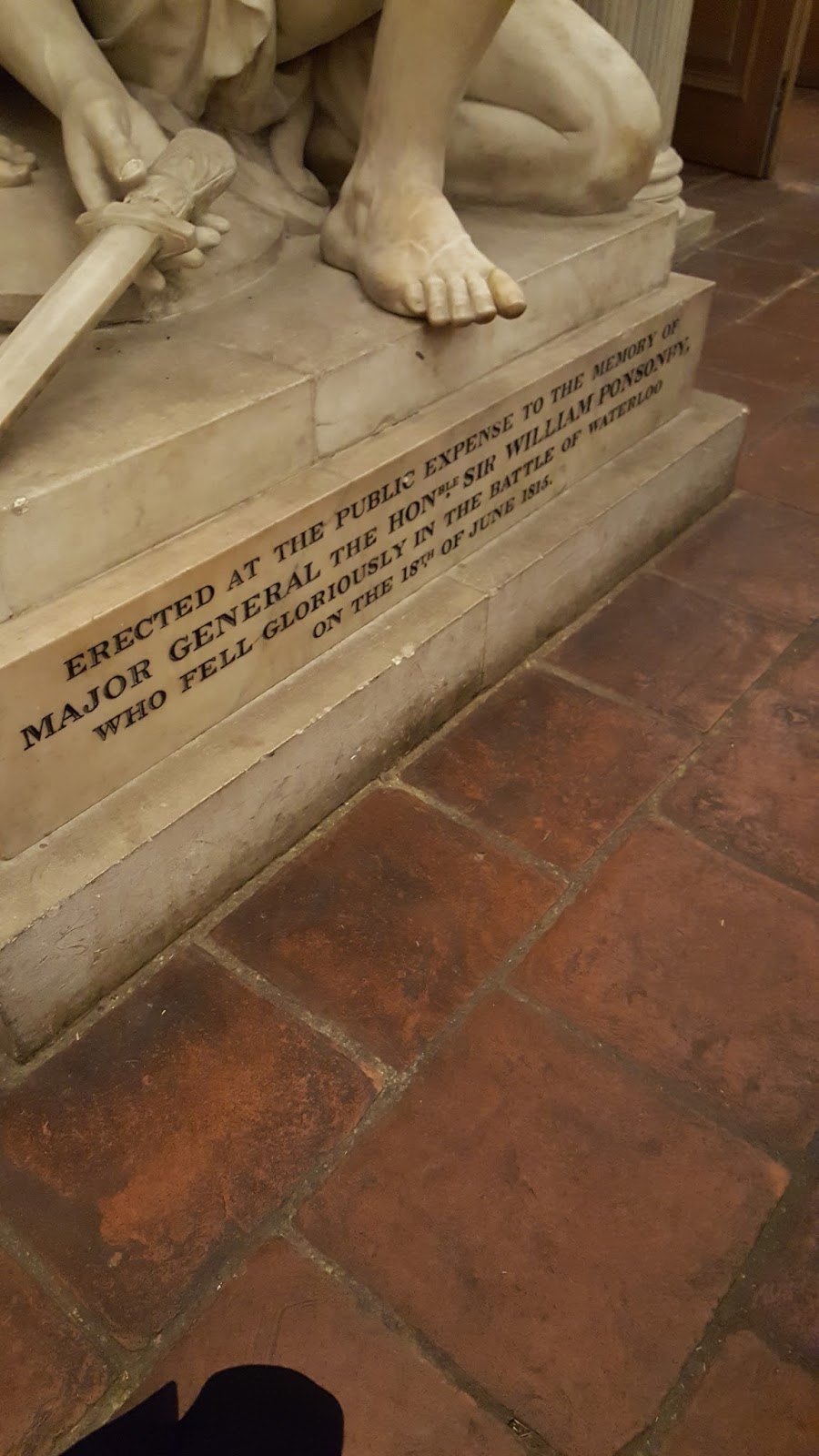
In case there was any doubt, our main reason for visiting St. Paul’s was to pay our 
respects to the Duke of Wellington, but we took the time to visit most of the other war 
graves, as well.

Once we’d had our fill, we once more headed outside into the breach and soon found 
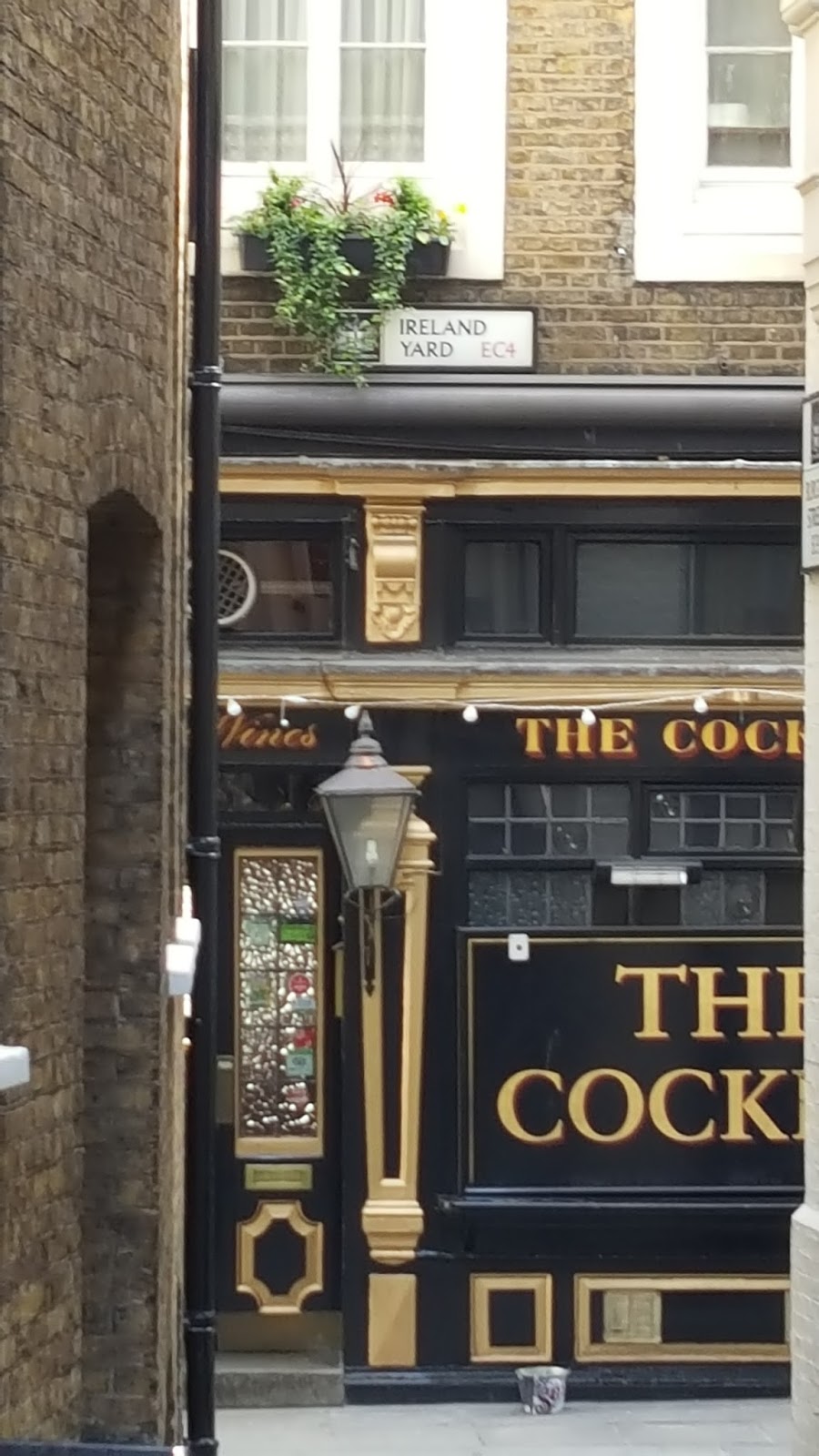
ourselves before the Cockpit Tavern in Blackfriars. 
“Where are we?” asked Diane.
“Well, as luck would have it, we’re at the Cockpit. Let’s have a drink.”
“Okay, but where are we?”
“We’re in London. More than that I can’t tell you.”
“You mean you don’t know where we are?”
“We’re in London and the River is that way. I kinda know where we are. Ish. I do know that the bar has to be this way,” I said, pulling her after me through the front door. 

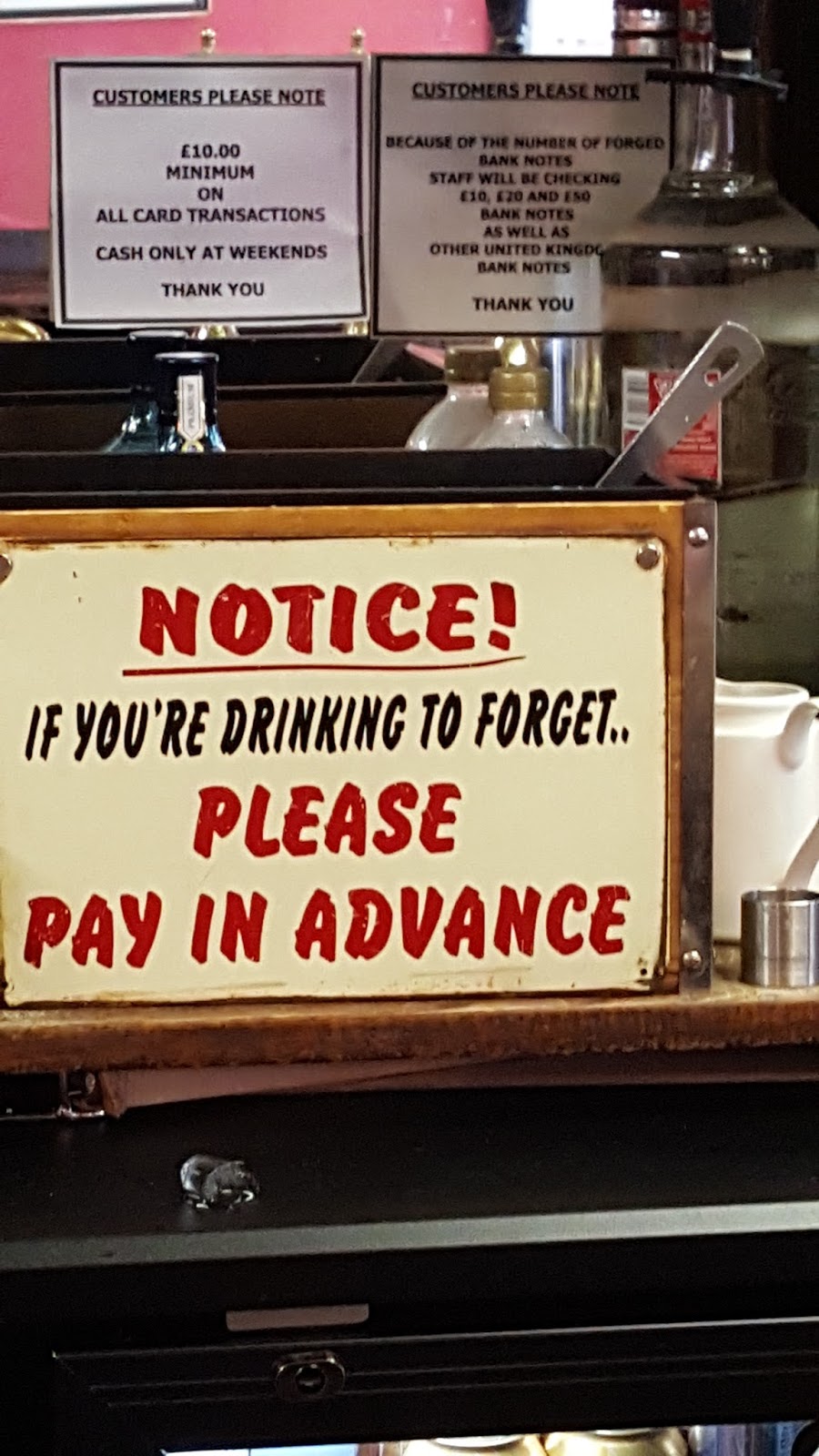
Not only did the Cockpit have liquor, they also had a sense of humour. 

Once again, a good time was had by all. 
Part Three Coming Soon!

SOMETHING I'VE NEVER DONE BEFORE BY GUEST BLOGGER MARILYN CLAY

Actually, with my new Regency Mystery release, Murder at Morland Manor, there are two “somethings” I have never done before. One, even though I’ve written more than twenty books, I had never before written an entire novel using first person viewpoint and two, I had never before written a Regency-set mystery. Not sure “why” I wanted to write a mystery set in the Regency period, it was just an idea that had been churning around in my mind for a while.
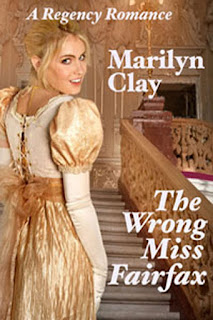
So, when I finished writing The Wrong Miss Fairfax, a traditional Regency Romance released in print and e-book in January 2016, which I also wrote in first person although I switched back and forth from the heroine to the hero and found it a lot of fun, I was already in that mind-set so I began my Morland Manor mystery the same way except that I stayed exclusively in the heroine’s viewpoint. Partly because there is no hero, per se, although Juliette, being young and attractive, does notice the gentlemen in the story and she does find one more appealing than the others, still there is no real hero in this Regency-set murder mystery.
Back when I first started writing, I remember it helped me to “get into my character’s head” if I first wrote out her internal dialog in first person and then when I felt comfortable with her (or his) feelings and emotions I would rewrite everything in third person. Now that I’ve completed two books in first person, I find I like the discipline. With first person your main character must be in every scene and you cannot “show” or “reveal” anything to the reader that your character isn’t looking at, or thinking about. To maintain that degree of focus as a writer can sometimes be a challenge since you have to figure out ways that she can “learn” something that did not happen while she was right there on the premises. With third person, and certainly with omniscient viewpoint, you (the author) can take your readers all over the place. With first person, the viewpoint is by definition limited. However, a pitfall for the writer is to think it’s okay to reveal every little thing she is thinking about, but you have to remember to sift through her random thoughts and choose only those that apply to the situation at hand and that move the story forward.
My next choice as I began to set up my Regency-set mystery was to decide “when”, as in exactly what year, the story would take place. Because I knew that this plot, meaning the murder and solving the crime, would happen within a scant fortnight, I did not want to choose a year in which a lot was happening in England politically. I did not want political events, such as the war, or the death of a royal, to overshadow the heightened drama and emotional angst that the murder itself would create for my characters, i.e. I did not want anything to distract anyone, so I chose a two-week period in the fall of 1820.
To be certain that this was the exact time period I wanted to go with, I consulted my stack of back issues of The Regency Plume Newsletter, which I must say still come in handy even though the publisher (oh wait, that’s me!) is no longer publishing. I re-read every Regency Plume article containing information that would add details and authenticity to my story, such as how the Bow Street Runners operated, the English judicial system, who was sent to what prison and exactly where it was located, and more. I needed to know what happened when one merely suspecteda person of having committed a crime, how to go about having them arrested and what happened to the criminal afterward such as, where was a suspect held over for trial? Exactly who made the arrest? In a small village in the English countryside was there a great difference between a constable and a magistrate? Would there even be a magistrate in, or nearby, a small village? And what about a medical examiner? Would one of them also be called in, and what did he do?
I also went on-line and looked up a period calendar for October 1820 so when I noted the date at the beginning of a chapter, I would be putting in the correct day, such as Saturday 14 October and so on. In some cases, little details like these don’t stump a writer until she comes face-to-face with them while she’s writing the book, but then, you have to abandon your story while you go in search of the answer. I like to anticipate what sort of information I’ll need and have the answers at my fingertips before I even start writing. Of course, I never think of everything, but I do my best. And, having all those little notes I write to myself scattered here and there amid back issues of The Regency Plume, which are generally strewn across several thick books open to a particular page containing information I anticipate needing, does make for a pretty messy desk, but . . . I live with it. And when I finish the book, I sort through everything so at least when I’m ready to start another book, I begin with fresh notes that apply only to the new story.
For this particular book, Murder at Morland Manor, I knew I would have at least five young ladies at the house party at Morland Manor who would be from aristocratic families, so I wanted to be certain that I got their titles correct and also those of their parents. You’d think that by now, this would not be an issue, but hey, I’m an American and much about the British title system is still Greek to me, so I also dug out those Regency Plume articles written by the late Jo Beverley and other fabulous Regency authors on English titles and made my choices. In the list of characters that I put at the beginning of my book, I included little notes for readers on English titles and why different ranks were addressed in the manner they are.
I also chose personalities and physical characteristics for each of the young ladies and attempted to give them and their lady’s maids enough differences that it would not be difficult for readers to keep the characters straight. So, that meant no two names that began with the same letter; not all of the girls are blonde with blue eyes, or all petite, or even all pretty. I admit I was half way through writing the book before I quit consulting my cheat sheet on the characters and remembered who was who.
The next thing I had to decide was the age of my lead character Juliette Abbott. Since I intend this to be an on-going series, I knew Juliette would be solving a number of murders so I decided to have her start out young and age as each story unfolds, rather than have her be in her twenties in the first book and “on the shelf” by book three or four. At the end of Murder at Morland Manor Juliette is on her way . . . oh, I guess I shouldn’t give away the ending of the story. Anyhow . . . the next book in the series picks up right where this one leav
es off. I hope you’ll want to follow along and find out what crime Miss Juliette Abbott is obliged to solve next.
I will tell you this much, the next story in the Juliette Abbott Regency Mystery Series takes place in London. In the meantime, you can become acquainted with Juliette Abbott in Murder at Morland Manor available from most online e-book sites and also in print here or from Amazon.  
If you’d like to read more about my other Regency romance novels, or my Colonial American historical suspense novels, DANGEROUS DECEPTIONS or DANGEROUS SECRETS, both published a few years ago in hardcover, or about my BETSY ROSS: ACCIDENTAL SPYstory, please visit my author website here. Of course, all these titles and more are also available on Amazon and other online e-book sites.

Happy Reading everyone!

Marilyn Clay

A TOUR GUIDE IN ENGLAND: DAY 4 – PART ONE

On day four, Diane and I met our pal author Jo Manning in Covent Garden and went along on a London Walk of the area. I adore London Walks, the company has engaging guides and enough walks on a variety of topics so wide ranging that absolutely everyone who visits London can find a walk that will not only interest, but also delight. Because the Covent Garden area will feature on a few upcoming Number One London Tours, I wanted to make sure that my knowledge of the area was up to snuff. 

Covent Garden has a fascinating history, spanning centuries, and there is so much to see, if one knows where to look, point in fact the surviving herbalist’s sign below. From flower markets a la My Fair Lady to Harris’s List of Covent Garden Ladies, the mind boggles at all who have trod here. 

If you’re in the area, do make time to explore the garden behind St. Paul’s Church, 
also known as The Actor’s Church

The tour included areas outside of Covent Garden, including the Strand, where we saw the Coal Hole.  I was first introduced to the Coal Hole decades ago by Dr. David Parker, then curator of the Dicken’s House Museum. Tip – don’t visit right at five o’clock as the place is packed then with City types wanting their well earned cocktail at the end of the day. The place is packed with atmosphere, like something right out of a Dicken’s novel, so it really is worth a visit. 

We also passed The Savoy Hotel, which has been on my “to do” list for the past five or six trips to London, but which I still haven’t found the time to visit. I’m dying to suss out the place and to have at least one cocktail at their bar. 

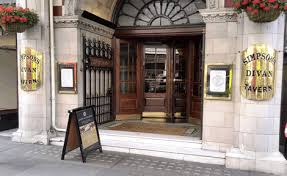
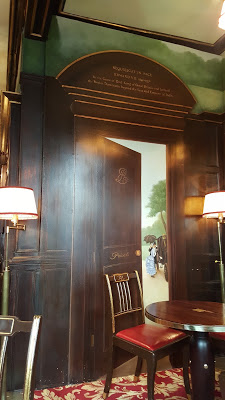
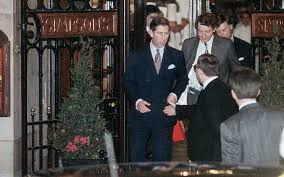
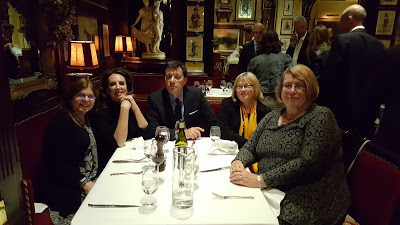
The tour also included a stop into Simpson’s in the Strand, the venerable restaurant venue which has figured large in both London and Royal history. But more on that later . . . . . 

The tour did provide me with a new shortcut from the Strand through to Covent Garden, 
so that’s alright. If only I remember where it is. 

We took in the Oscar Wilde memorial beside St. Martin’s in the Field on our walk. The statue is entitled A Conversation With Oscar Wilde. You can read about it here

When the walking tour ended, Jo, Diane and I went for lunch to the Duke of Wellington Pub in the Strand. You may recall that Victoria and I had lunch there during the Duke of Wellington Tour with Marilyn, Diane’s sister. And I’ve posted about my meal there with with Hubby – delicious lamb shanks. I realize that it all sounds rather incestuous, but the important bit is that the food is wonderful. 

A grand time was had by all!