A ROOM BY ANY OTHER NAME – Those Regency Ladies Are At It Again!

It is a truth universally acknowledged, that a Regency era lady with a penchant for making and collecting music must have a designated room for doing so.
 If one studies the floor plans of most stately homes as they appear today, one will find a room designated the music room, even if said room only houses a single instrument. This became common practice in the late nineteenth century, but most of these rooms were once used as parlors or drawing rooms. They were not designed specifically as music rooms.
A drawing room or morning room was often used to display a household’s instruments.
As strange as it seems, with the emphasis on musical accomplishment expected of young ladies beginning in the eighteenth-century and becoming nearly a mania during the Regency era, before the middle of the eighteenth-century the inclusion of a specifically designed and designated music room in house plans for both stately homes and town mansions was rare. Beginning in the 1760’s, the inclusion of this room in plans for new homes and renovations for existing homes became increasingly more common. This indicates a major shift in the role of music in the domestic and social lives of the residents of these homes.

Perhaps one of the first set of house plans which recorded a specific room dedicated to music was drawn by no less a designer than Robert Adam himself. In 1760, as lead architect for the creation of Sir Nathaniel Curzon’s showplace – Kedleston Hall – Adam drew plans for a neoclassical Temple of Art which encompassed an enfilade on one entire side of the entrance hall. It consisted of a music room, a drawing room, and a library. These rooms were so labelled in a catalogue printed in 1769, which was used to guide tourists around the house. This catalogue was reprinted at least four times by 1800 and would have been well-known to any wealthy landowner and / or peer looking to build or renovate a home.

 
The Music Room at Kedleston Hall
An impetus of Adam’s design of this arrangement of rooms was the ability to make available a large audience chamber by opening the three rooms into each other by a series of folding doors. (If you look at the right hand edge of the photo above you will see the door frame leading into the next room.) This arrangement enabled the entire area to be used in featuring a talented family musician or even a professional for a large gathering of people. One must remember Kedleston Hall was primarily a place to house the Curzon family’s extensive collections of art and to entertain on a grand scale. Music, especially that provided by the talented daughters of a household, began to play a great part in these entertainments. (It wasn’t the Miss America Pageant, but it came close. And was so much more refined than auctioning one’s daughter off at Tattersall’s.)
Adam was exceedingly interested in music and went on to design music rooms and even keyboard instrument cases for both town and country homes for a wide range of clients.
Stop by this blog    squarepianos.com/blog.html    to see two posts on the piano and harpsichord cases he designed for Catherine the Great. Yes, that Catherine the Great.
This business of designing a music room which could be closed off for private tutoring and practice and then opened up to other rooms by way of a series of folding doors carried over into Adam’s designs for houses in London as well. Whilst in Town the impetus was partly due to the availability of professional singers and musicians to hire in addition to those entertainments provided by wealthy amateurs; more often it was to show off the musical accomplishments of the women in the household – the male patrons’ wives or daughters. It also provided a place to house the instruments and music collections of these ladies. There can be no doubt the ladies of the house had a great deal to say about the addition of music rooms to the plans for their homes both in the country and in Town.
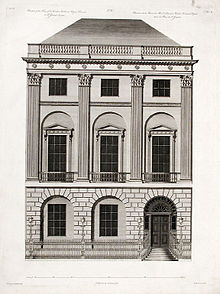
Adam expanded this practice in the design of the townhouse of Sir Watkin Williams-Wynn at Number 20 St. James Square in 1774. In addition to being the sion of the wealthiest family in Wales (a position this family maintained for 200 years,) Sir Watkin was a great patron of the arts, particularly music. He sponsored so many musical events in his London home he was even the subject of a caricature depicting himself and members of the nobility attending one of the Concerts of Ancient Music, a long running series of concerts he sponsored in London.
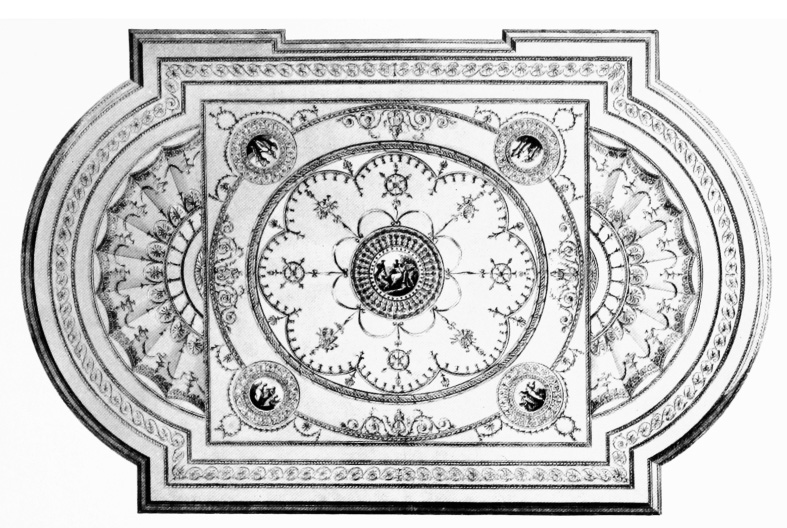
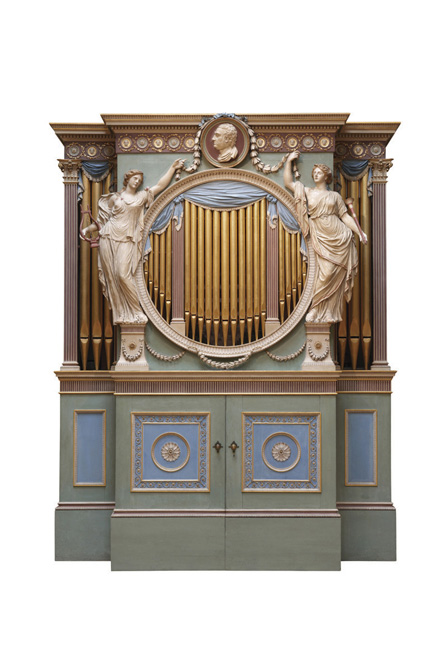
The design for Sir Watkin’s townhouse provided a formal dining room on the first floor which opened by way of two-leaf doors leading into the music room. In addition to an exquisite ceiling and music-themed plaster work throughout the music room, Adam also designed the case for the organ gifted to by Sir Watkin to his first wife.
Robert Adam’s design for the front facade of No. 20 St. James Square.
Robert Adam’s design for the Music Room ceiling at No.20 St. James Square
  

This organ was made for the music room of Sir Watkin Williams-Wynn’s house in St James’s Square. The case was designed by Robert Adam in 1773 and made by the carver Robert Ansell. It is the only one of a small group of monumental Adam organ cases to survive. It is crowned by a portrait of Sir Watkin’s favourite composer, Handel. The life-size plaster figures represent Terpsichore, the muse of dance and song, with a lyre, and Euterpe, the muse of lyric poetry and music, with a flute. The organ itself was made at a cost of £250 by John Snetzler, the principal builder of the day. It was altered in 1783, and rebuilt and enlarged in 1864, when it was moved to Wynnstay, the Williams-Wynn house near Wrexham. The colour-scheme, also of 1864, added blue to the original green, white and purple.
It is currently housed in the National Museum of Wales.

Meanwhile, back at Tatton Park and Sledmere, homes to the Sykeses and Egertons, Samuel Wyatt was engaged to work on renovations and additions to both homes. As both masters of these homes sought to please the musical ladies of their households, their hire of Wyatt was a deliberate one. He served as Adam’s assistant at Kedleston Hall. His vision for both Sledmere and Tatton Park included a Music Room with access to larger spaces by way of folding doors, just as Adam had done. After Wyatt’s death in 1806, the projects were taken over by his nephew, Lewis Williams Wyatt. Also during this time, the grandiose, formal styles of Kedleston Hall and even the completed work at Sledmere gave way to a more domestic floor plan. Libraries, drawing rooms, and music rooms were arranged more and more often as a gracious suite of rooms divided by large folding doors to create a sort of large living area. The master of the house in his library was still in sight and sound of the mistress of the house in the drawing room at her embroidery and also within hearing distance of the musical members of the family practicing or playing for the family’s enjoyment. These designs, greatly influenced by those arts thought exclusive to women, were the beginning of a more domestic view of the designs of stately homes. They were still showcases, statements of wealth, but they were becoming, for lack of a better word – homes.
 

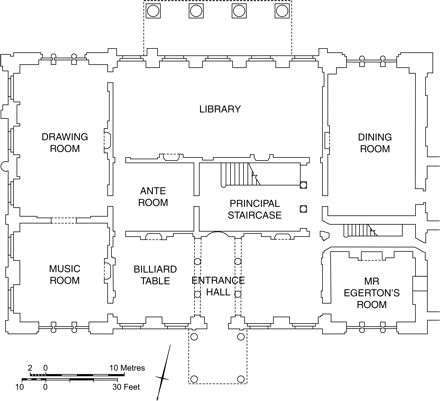
Ground plan of the executed design for Tatton Park. Final plans by Lewis William Wyatt, January 1808.

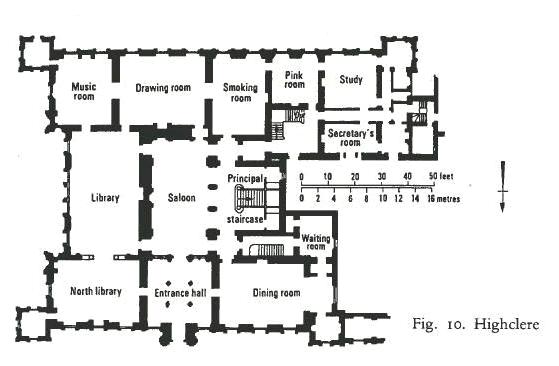
 If you look at the plans above, you will see broken lines in some of the doorways. These are an indication of places where folding doors might be placed to open the various rooms into one large space. A similar arrangement was probably in place at Highclere Castle.

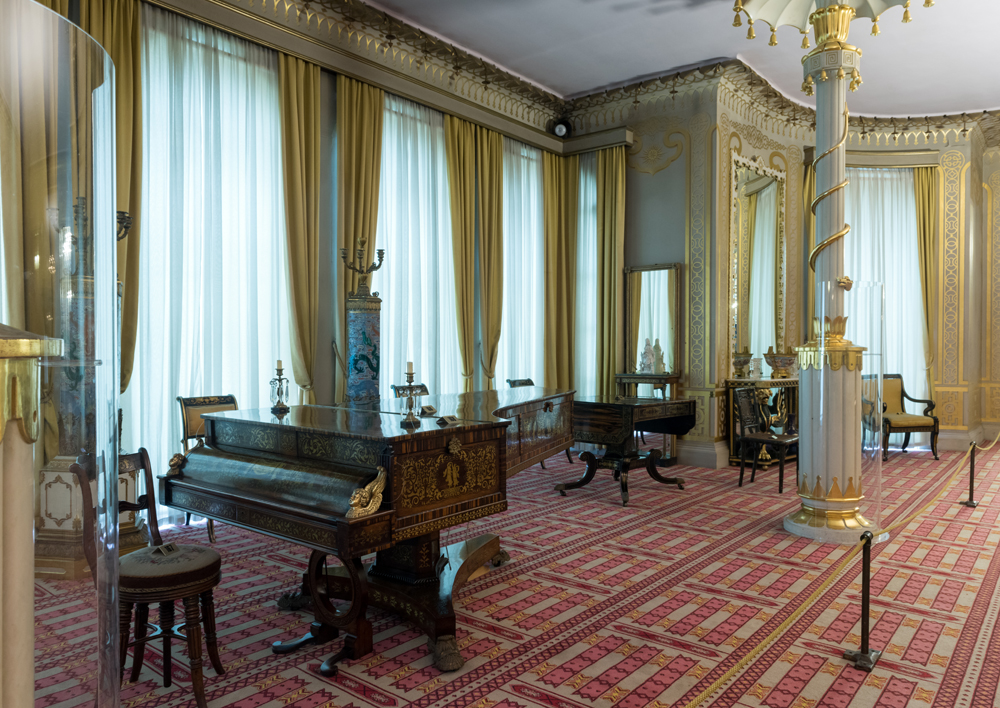
Music Room Highclere Castle. Notice the double doors to the left.
Floor plan of Highclere Castle. Notice the position of the music room as anchor to the drawing room and library.


What does it all mean? Through the collection of music and the subtle need for a pla
ce to display and practice it, women shaped the way music became viewed during the Georgian and Regency eras. Their collections were important enough to be bound and saved and made available to each other. Their musical accomplishments went from a way to keep them occupied, to a badge of distinction, to an art to be admired, to a heritage to be preserved, and finally to an architectural necessity. Not bad for a segment of the population primarily seen as ornamental breeders with little to no say in the way their lives were conducted.


The key to changing a man’s mind is to make it appear to be his idea all along.

More important, music became a large part of the every day life of families during these eras. It grew to be a point of commonality, a source of entertainment and domesticity, all wrapped up in the days and nights and places these families lived their lives.

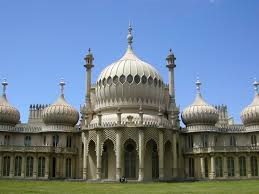
The Music Room – Brighton Pavilion

 Whether in the splendor of a monument to a king’s excesses or in the manifestation of a superior amateur musician’s desire to make music a part of her family’s lives and legacy…


The far end of the music room at Tatton Park. The bookcase at the end of the room houses a great deal of Elizabeth Sykes Egerton’s music collection.


England and the musical world owes a great debt to those accomplished young ladies of the Georgian and Regency eras whose collections and music rooms are still being explored and studied today. Who knows when or where another great musical treasure will be uncovered next.


WATERLOO'S AFTERMATH, PART TWO

DISPOSING OF NAPOLEON

Napoleon and the Garde

After the Battle on the 18th of June, Napoleon tried  unsuccessfully to re-group. Unable to sort out the demoralized and scattered sildiers, he turned over command of his armies to General Soult and fled to Paris. The armies had about 150,000 troops stationed around France, including General Grouchy’s 60,000, who returned to Laon by June 26. Another 175,000 (?) conscripts were in training. There were also General Rapp’s Armee of the Rhine and General Lamarque’s Armee of La Vendee, still in place waiting for the Austrians and Russians. Napoleon wanted to continue the war, but he needed political and financial support. 


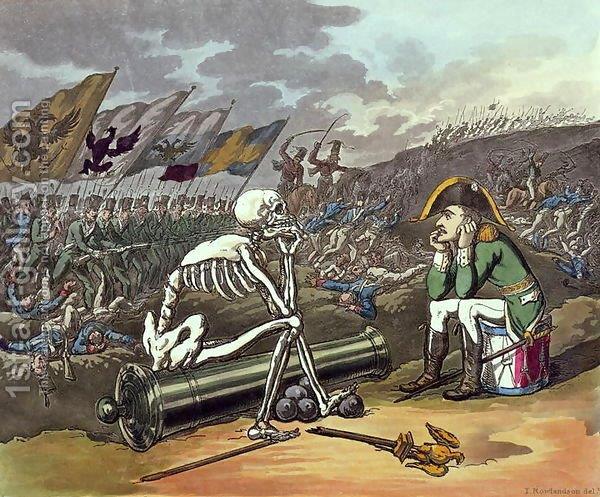
Rowlandson on Napoleon’s Legacy


Napoleon was unsuccessful in getting the Chamber of Deputies  — or anybody else except his closest confidantes — to agree to renew the war. 


Marquis de Lafayette, 1790
Lafayette, 1825


The hero of the American Revolution, the Marquis de Lafayette (1757-1834) spoke against Napoleon in the Chamber, in answer to pleas of the disgraced emperor by his brother Lucien Bonaparte.  Lafayette said:

“By what right do you dare accuse the nation of…want of perseverance in the emperor’s interest? The nation has followed him on the fields of Italy, across the sands of Egypt and the plains of Germany, across the frozen deserts of Russia. … The nation has followed him in fifty battles, in his defeats and his victories, and in doing so we have to mourn the blood of three million Frenchmen.”

Lafayette’s views prevailed and Napoleon was rejected.  His attempted abdication in favor of his four-year-old son on June 22 (and by some reports, a failed suicide) was ignored by the Allies.

Marie Louise had fled to Austria with her son.


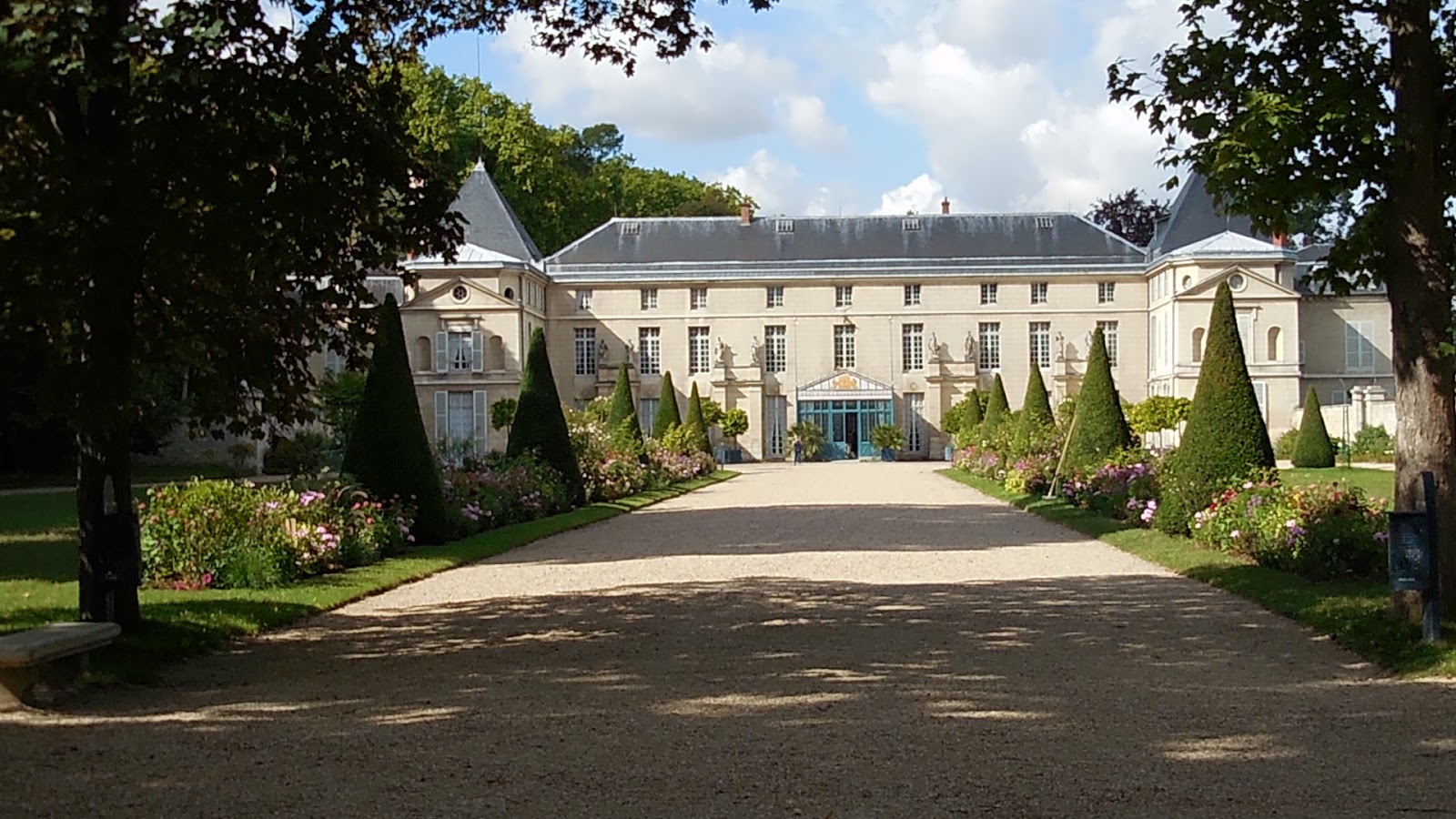
Fouché, president of the new provisional government, sent word Napoleon should leave Paris. Napoleon stayed for a few days at his late first wife’s chateau, Malmaison, just west of Paris. Here he and Josephine(who died in 1814) had enjoyed happiness and success. How he must have yearned for those days to return.


Malmaison, 2014


The Prussians were approaching by June 29, and he did not want to be captured. When he got word from the provisional government that he was not be issued any safe conduct by Blücher or Wellington, Napoleon decided to travel to the Atlantic coast and find a ship to take him to the United States, where he hoped to find refuge; he arrived in Rochefort on July 3. However, the British blockade, in effect again since his escape from Elba, made that impossible. Instead, he negotiated his surrender to Captain Frederick Maitland aboard the HMS Bellerophon on July 15.

An amusing aside:  Upon boarding the HMS Bellerophon, Napoleon took over the cabin of the Captain and invited him and others to breakfast with him.  Captain Humphrey Senhouse, captain of another ship in the fleet, later wrote to his wife: “I have just returned from dining with Napoleon Bonaparte. Can it be possible?”

Napoleon Aboard the Bellerophon, by Sir Charles Lock Eastlake

Napoleon appealed to the Prince Regent: “the most powerful, the most constant, and the most generous of my foes.” But the Government of Lord Liverpool was not inclined to make any allowances, and Prinny had enough troubles of his own.

Napoleon Aboard the Bellerophon 
by Sir William Quiller Orchardson (1832-1910)


In the meantime, the Allies had entered Paris on July 7, 1815, and successfully arranged for Louis XVIII to take the throne, which he did on July 8.

The Bellerophon sailed to Torbay arriving July 24 and on to Plymouth where Napoleon became a sort of tourist attraction as people hired boats to go out and see him aboard the Bellerophon where he was kept.

Tourists seeking Napoleon aboard the Bellerophon
painting by John James Chalon, 1817  

On August 7, he was transferred to the HMS Northumberland for the voyage to his imprisonment on the Island of St. Helena in the South Atlantic, arriving August 17.

Remoteness of St. Helena in the South Atlantic

St. Helena is more than 1,200 miles from the nearest landmass.  He lived there, until his death on May 5, 1821.

Napoleon on St Helena
The island was small, wind-blown and not particularly pleasant.  The ex-emperor was accompanied by a few companions. The British governor of the island, Sir Hudson Lowe, was determined there would be no second escape from captivity.
Longwood, Napoleon’s residence on St Helena
On St Helena, Napoleon composed his self-congratulatory memoirs. He found excuses in the mistakes of his generals and others for all his defeats and shortcomings. But however shallow these justifications, many of his observations are applauded by the devotees of the cult which has grown around his memory.  He never stopped complaining about the conditions of his captivity, but none of the far-fetched schemes for his rescue ever materialized in the face of the British navy and the remote position of St. Helena.

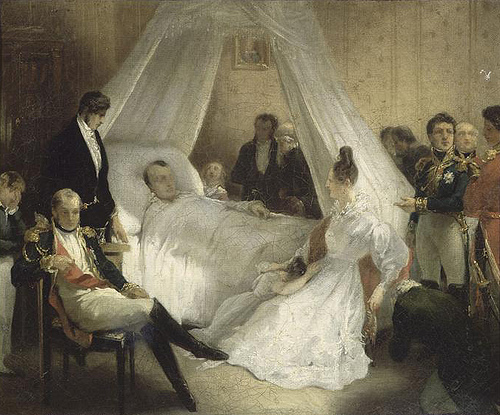
Death of Napoleon by Carl von Steuben


Napoleon died in 1821 of a stomach ailment, probably cancer.  He was 51 years of age. A similar disease had caused his father’s death at the early age of 40. Napoleon in middle age often complained of stomach problems. Many believe he was poisoned, as large amounts of arsenic were found in his remains. Nothing can be disproven about the poison as arsenic was often found in various ointments and lotions of the day, as well as in the formula for the green inks and dyes in the wallpaper of his living quarters.
He was buried on St. Helena until his remains were returned to France in 1840.
,


Number One London Tours selected by VisitBritain

We’re thrilled to be able to share the news that VisitBritain (The British Tourist Authority) has invited Number One London Tours to be one of the selected international travel buyers at the ExploreGB ConferenceVisitBritain’s flagship annual event, beginning on March 1 in Brighton. The event offers invitees an invaluable opportunity to meet and network with Great British and Irish tourism suppliers and destinations across the UK. VisitBritain is the Official Tourism Website for UK Travel and we are humbled by the recognition extended to Number One London Tours and look forward to networking with destination representatives and travel suppliers who will no doubt add immensely to our Tour itineraries through 2018 and beyond.

We are already working on our 2018 Tours

April 2018 – The Georgian Tour
Explore Georgian England on a truly immersive tour that begins with four days in London and includes a four night stay in a period townhouse in Bath.

May 2018 – The Upstairs, Downstairs Country House Tour
Visit magnificent stately homes offering authentic examples of how both halves of the social spectrum would have lived and worked within their walls. See the servants quarters and stables at Audley End, join us for a living history tour at Ickworth, while Petworth and Uppark House both offer period examples of kitchens, housekeepers rooms, dairies and various other domestic spaces.

September 2018 – The Western Scottish Tour
Spend ten days with your guide, author Sue Ellen Welfonder, on a tour through the wild and romantic Western Isles, including the Isle of Mull, Iona, Skye and the Isle of Lewis.

September 2018 – The Ireland Tour
An eight day tour that includes stops in Killarny, Bunratty, Connemara, the Cliffs of Moher, Inishmore in the Aran Islands and Galway. Highlights include castles, gardens, stately homes, prehistoric hill forts, Irish music and stunning scenic drives. Time for shopping, too!

Be sure to sign up for our newsletter to receive the latest news regarding future tours!

Number One London will be attending these upcoming events

  • Barbara Vey Reader Appreciation Luncheon – Milwaukee, April 28 – 30, 2017
  • The Romantic Times Booklovers Convention – Atlanta, May 3 – 8, 2017
  • The Beau Monde Conference – Orlando, July 26, 2017
  • The Romance Writers of America Conference – Orlando, July 26 – 30, 2017

A RETURN TO REGENCY ENGLAND

What, or who, epitomizes the Regency Period for you?

Is it the Prince Regent, afterwards King George IV?

Brighton’s Royal Pavilion? 
Almack’s Assembly Rooms? 

Or perhaps Regency fashions?
Whatever it is that your mind’s eye conjures up when you think of “Regency England,” chances are that you’ll find it on the itinerary for Number One London’s Regency Tour in June. This immersive experience will bring you up close and personal with the people and places that define the Regency era.

Author Louise Allen

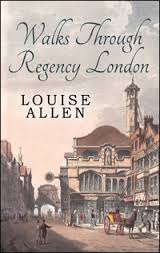
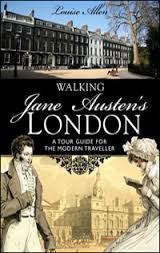
Beginning the Tour in London, we’ll walk the same streets that would have been familiar territory to the Prince Regent, Beau Brummell and Jane Austen.  Our guide for the day will be Louise Allen, author of Walks Through Regency London and Walking Jane Austen’s London.

Along the way, we’ll visit many of the sites associated with Regency London, whether they be well known buildings and locations or hidden gems, including White’s Club, Almack’s, the Burlington Arcade, St. James’s Square and the Red Lion pub.

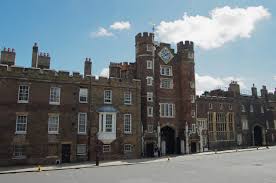
St. James’s Palace

Fortnum & Mason

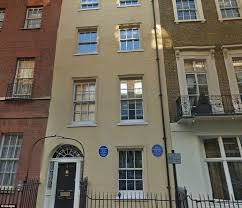
Beau Brummell’s London townhouse

Also on our London itinerary is a trip to the V & A, the Victoria and Albert Museum, where our group will attend a Specialist Talk on the fashions, social life, royals and other aspects of the Regency period. After dinner, Louise Allen will provide us with background on Brighton’s role during the Regency before we head there ourselves the next day, stopping en route to visit Grade I listed Petworth House, complete with an extensive number of preserved servants quarters. 

,
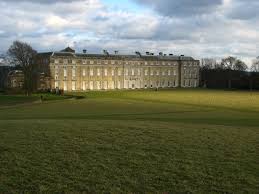
Petworth House
In Brighton, we’ll be staying at The Old Ship, a Georgian seafront hotel that still retains the Regency Assembly Rooms where the Prince Regent himself opened many fashionable entertainments. While in Brighton, we’ll be given a private tou
r of George IV’s “Marine Palace,” the Royal Pavilion, scene of so many events associated with 19th Century England. We’ll embark on a walking tour of Brighton with local guide Jackie Marsh Hobbs and we’ll tour the Regency Townhouse in Hove, where we shall also attend a Regency Soiree complete with our guests and servants in period costume. 
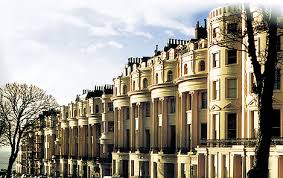
The Regency Townhouse, Brunswick Square
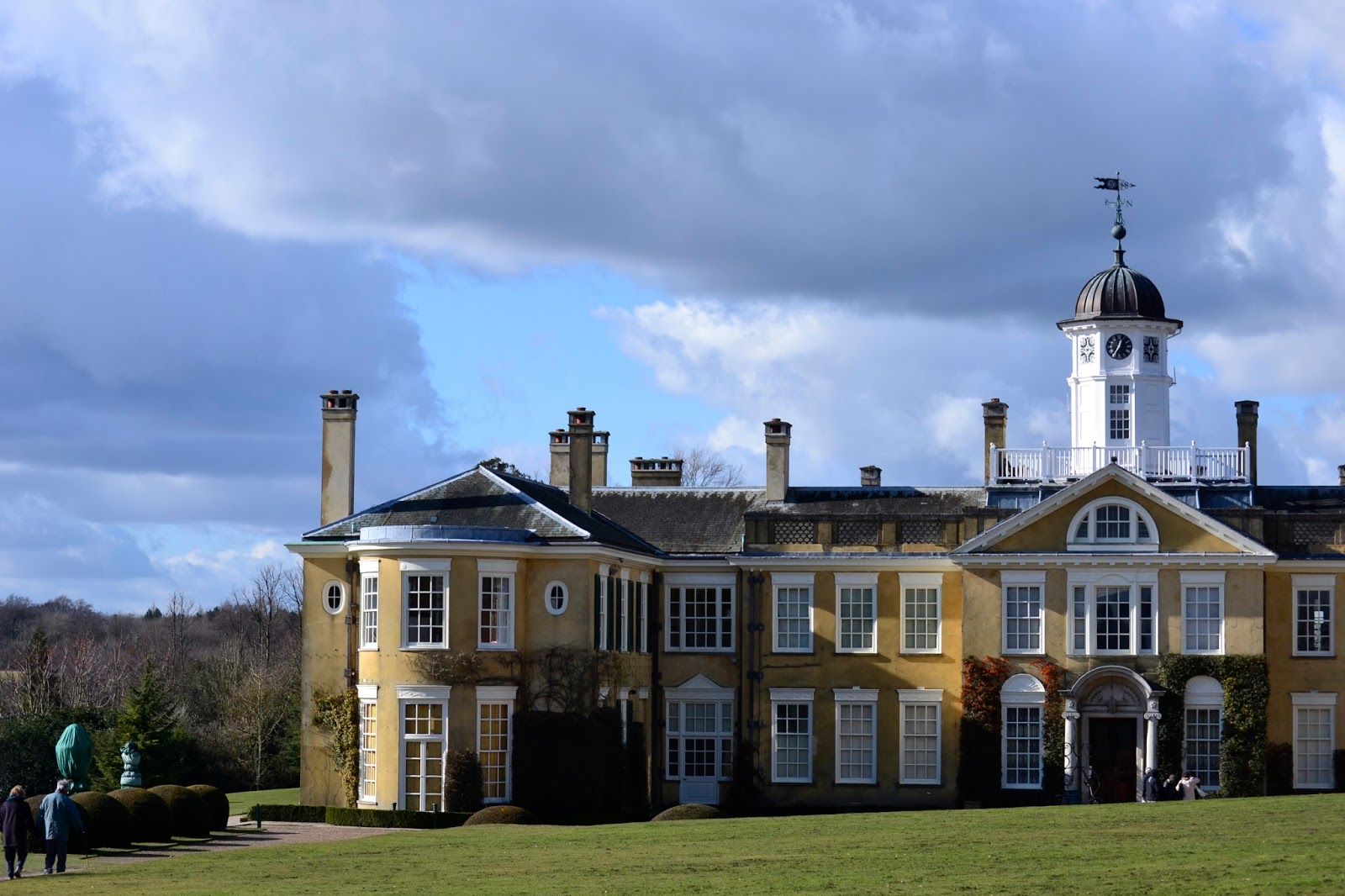
Our return journey to London includes a tour of Polesden Lacey, the Regency house purchased by million-heiress Margaret Greville, who famously said, “Most people leave their money to the poor. I intend to leave mine to the rich.” And she did, leaving her fabulous collection of diamonds to the Queen Mother and her house to the National Trust.

Polesden Lacey

Our final stop on the Tour is Buckingham Palace, where the majority of the rooms reflect the taste of George IV, who commissioned John Nash to transform Buckingham House into a palace. Many of the furnishings we’ll see were purchased or made specifically for Carlton House, George IV’s London home when still Prince of Wales. Our visit includes a guided tour of Her Majesty’s gardens, where we’ll find the Waterloo Vase commemorating the Duke of Wellington’s victory at Waterloo in 1815. 
    Perhaps the highlight of the Tour is that it will bring together a group of people with at least one thing in common – their love for the Regency period. Along the way, we’ll be discussing our particular subjects of interest and all of the social, political and royal aspects of early 19th century history, all while creating new memories and making new friends. 

      Complete itinerary and full details regarding

      WATERLOO'S AFTERMATH, PART ONE

      THE BATTLE OF WATERLOO’S AFTERMATH

      As evening approached on June 18, 1815, the Allied forces were repelling the attack of the French Imperial Garde in the center and the Prussian forces had arrived from the east.


      The Prussians attack Plancenoit by German painter Adolph Northen (1828-1876)


      The arrival of the Prussians was timely indeed.  The Prussians took the hamlet of Plancenoit and soon, the French forces were fleeing in disarray, leaving equipment and wounded behind in their haste. 

      Napoleon at Waterloo
      by Charles de Steuben, (1788-1856)


      Meeting of Wellington and Blücher
      detail of mural in Palace of Westminster (Houses of Parliament) 
      by Irish Artist Daniel Maclise (1806-1870), completed 1858


      Late in the evening after the battle, Blücher and Wellington met at the inn La Belle Alliance and shook hands. In a great ironic twist, the two victorious generals spoke in the language of their enemy – the only language they both knew was French, though Blücher supposedly only knew a few words:  “Mon Dieu, quelle affaire!”


      Royal Gallery, Palace of Westminster, London


      They decided Wellington’s troops should rest up, bury the dead, and then come toward France. The Prussians, relatively fresh, would pursue the French army.The two victorious generals met and agreed the Prussians woould continue to pursue the French troops south toward France. The Allied troops would bury the dead, treat the wounded, rest up and catch up soon. Neither man probably realized that for the most part, Napoleon was finished and they would be taking over Paris in weeks.

      Prussians Capture Napoleon’s Carriage

      In the evening of the 18th, Prussian troops captured Napoleon’s carriage which he had to abandon and flee on horseback. Later the carriage was displayed in London where it was a famous attraction; it later was part of Madame Tussaud’s wax museum, but was destroyed in a fire there in 1925.


      Thomas Rowlandson’s 1816 version of the display at Bullock’s Museum

      Though the battle had been won and the Prussian troops were chasing the remnants of Napoleon’s armies south toward France, more battles were expected in the coming days.
       
      Perhaps no one would have predicted it was, for all practical purposes, over – or would be in a couple of weeks. There was resistance and further fighting, but it was minimal, on a Napoleonic scale, that is.

      Wellington crosses the battlefield


      The Duke of Wellington rode through the carnage back to his headquarters in the village of Waterloo where he would write his despatch to Lord Bathurst in London declaring victory. Later the Duke of Wellington said,  “I hope to God I have fought my last battle…I am wretched even at the moment of victory, and I always say that next to a battle lost, the greatest misery is a battle gained.”

      Waterloo by Joseph Mallord William Turner (1775 – 1851)


      This painting by Turner was created after he toured the battlefield and sketched the scene. It emphasizes the tragedy of so many deaths, so many lost forever. It was the first battle in which Napoleon faced Wellington, and for both men, indeed their last military battle. The Battle of Waterloo left 9,500 dead; 32,000 wounded.


      Battle of Waterloo by Irish painter William Sadler II (1782-1839)


      The Morning After the Battle by John Heaviside Clark
      On the battlefield, there were tens of thousands of dead and dying men and horses. Thieves crept among the bodies, robbing them of anything valuable.  Parties of soldiers collected the wounded and took them to field hospitals. The dead were buried, sometimes in mass graves. The army surgeons were exhausted having spent the battle  and the night tending the injured.

      Fitzroy Somerset, later 1st Baron Raglan, by William Salter


      One of Wellington’s ADCs, Fitzroy Somerset (1788-1855), had his right arm amputated.  Before they carried off the arm, he demanded to have the ring his wife (one of the Duke’s nieces) had given him removed from the lost hand. He learned to write with his left hand and was a secretary to Wellington for many years. He was named 1st Baron Raglan in 1852 and led the British Army in the Crimean War. He died before the Allied victory at Sevastopol was complete, partly of depression over criticism of his conduct of the war.


      General Henry Paget, 1st Marquess of Anglesey, 1815
      by artist Peter Edward Stroehling (1768-1826)


      Another famous Waterloo amputation was Paget’s leg.  Henry Paget, Earl of Uxbridge (soon to be Marquess of Anglesey), commanded the cavalry at Waterloo. He was seated on his horse talking to Wellington near the conclusion of the battle when his leg was shattered by a cannon shot. He said, “By God, sir, I’ve lost my leg.  The Duke said, “By God, sir, so you have!” 


      Surgical Saw and bloodied glove from Waterloo

      Surgical Instruments

      Artificial leg of Marquess of Anglesey
      Waterloo Teeth 

      for more relics from Waterloo 200, click here

      One of the gruesome aspects was the collection of the teeth. It was done after every battle in those days, as the teeth were valuable and much better than most false teeth – for many years, dentists advertised Waterloo Teeth.

       Wounded arriving in Brussels; 
      Excerpt from Sir Walter Scott’s  Poem The Field of Waterloo
      The wounded shew’d their mangled plight
      In token of the unfinish’d fight,
      And from each anguish-laden wain
      The blood-drops laid the dust like rain!
      Many of the wounded were carried in carts (aka wains) into Brussels where thousands were nursed in makeshift hospitals and homes. Some of these men were luckier than those carried directly into field hospitals, as in the open air they were much less exposed to infection than in the crowded piles of dying in the hospitals.


      After meeting with Blücher, the Duke returned to the village of Waterloo and wrote his despatches to Lord Bathurst and the Prince Regent. When the despatches were ready, on June 19, Wellington asked Major Henry Percy, either (according to which account you believe) the only unwounded ADC or the least-wounded of the eight ADCs Wellington had on June 18, to take the despatches and the captured Eagle standards and flags to London. 


      Jacket worm by Henry Percy when on the battlefield and delivering the despatch to London


      Percy got a chaise to the port of Ostend and embarked on the brig HMS Peruvian.  Some accounts tell of the becalmed ship and the completion of the voyage by rowing – the Captain James White RN and Percy, with several other sailors, taking the oars themselves.  From their landing at Broadstairs, Kent, about 3 pm on June 21, Percy hurried to London, changing horses at Canterbury, Sittingbourne, and Rochester.  At first he could not find Lord Bathurst or Prime Minister Lord Liverpool.  But with the French Eagles of the 45th and 105th sticking out of the windows of the carriage, they soon attracted a crowd, following them and cheering.


      A French Eagle as on the top of the battle flags


      Eventually he found the officials  and together they carried the news and the Eagles to #14 (or #16 in some accounts)  St. James’s Square, the home of Mr. and Mrs. Boehm who were hosting a grand party for the Prince Regent and his brother the Duke of York, C-in-C of the Army.

      The Boehm residence, St. James Square, today the East India United Service Club 


      According to most accounts, the excited crowds following Percy’s mad dash around London were heard by those at the party. When the disheveled Percy, still in blood-stained uniform, came inside and laid the Eagles at the Regent’s feet, the Prince immediately promoted him to Colonel Percy. The Prince Regent withdrew to read the despatches and returned in tears at the carnage, but elated at the victory.

      An artist’s version of Presenting the Eagles; actually there were only two

      As the party dispersed without the planned dancing or supper, Mrs. Boehm was said to have observed that it would have been much better to have waited until after the party to present the despatches.  No one else agreed of course.  Mr. Boehm later died bankrupt.  Mrs. Boehm lived out her life in a Grace and Favor apartment at Hampton Court.

      Major Henry Percy (1785-1825)

      Major, now Colonel Percy, retired in 1821, and became a member of the House of Commons in 1823; however, he died only a year later, age 40.

      Nathan Rothschild (1777-1836)


      Among the many legends that have grown around the Battle of Waterloo, perhaps none is more controversial and even inflammatory than the story of the Rothschild fortune – or lack of it.  Some versions say that banker Nathan Rothschild, who had been providing gold to the British government through his network of relatives in banking houses on the continent, learned about the Waterloo victory before anyone else in London and made a killing in stocks and/or bonds by buying low when hopes were dim and selling high when victory had been secured.  Various versions of the story have him gaining the knowledge from his company spies at the exiled entourage of Louis XVIII, another that he communicated with the continent by carrier pigeon. Many other researchers claim all such stories are bunk, inspired by jealousy and anti-Semitism, even fueled by Nazi propaganda during WWII.  A careful study of the variable rates in British markets of the immediate period around Waterloo would prove no one made a killing in stocks, consols, or bonds of any kind, many conclude.

      Whatever the arguments, the Rothschild brothers had long proved their ability to handle financial matters on behalf of business, government and their own interests.  Perhaps no special circumstances are needed to account for their wealth.


      Chelsea Pensioners by Sir David Wilkie


      A happier story is the arrival of the Waterloo despatch at Chelsea Hospital where copies were read by retired soldiers. This famous painting, commissioned from artist David Wilkie by the Duke of Wellington, completed in 1822, hangs in Apsley House.

      An excerpt from the Waterloo Despatch in Wellington’s hand
      From The Morning Post, 22 June, 1915


      To read the official publication of the Despatch in the London Gazette, click here.


      Re-enactment of despatch delivery. 2015
      For an account of the reenactment of the delivery of the Wellington despatch, click here.

      IN WATERLOO’S AFTERMATH, PART TWO, WE WILL DEAL WITH 
      THE DISPOSAL OF NAPOLEON, NEXT WEEK.