Category: Uncategorized
A VISIT TO DOWNTON ABBEY

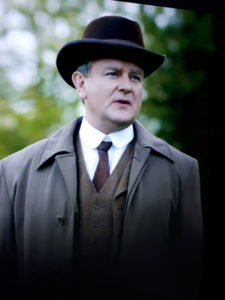
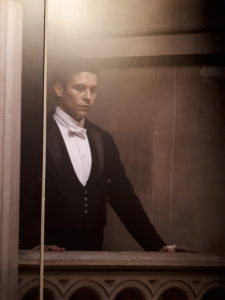
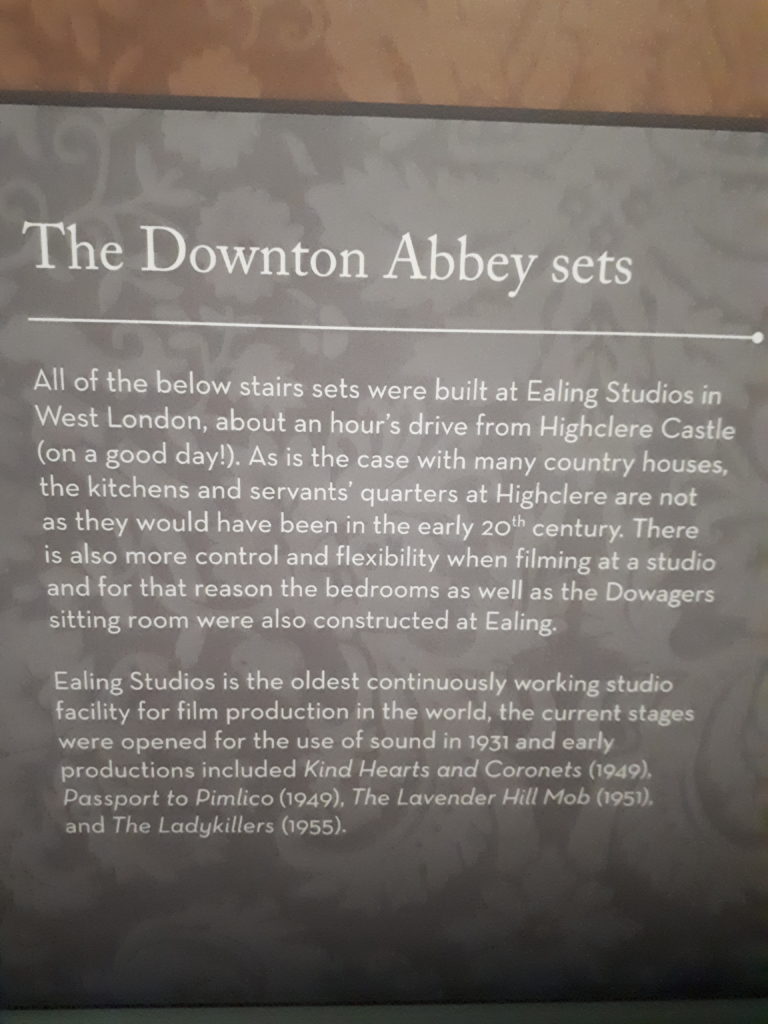
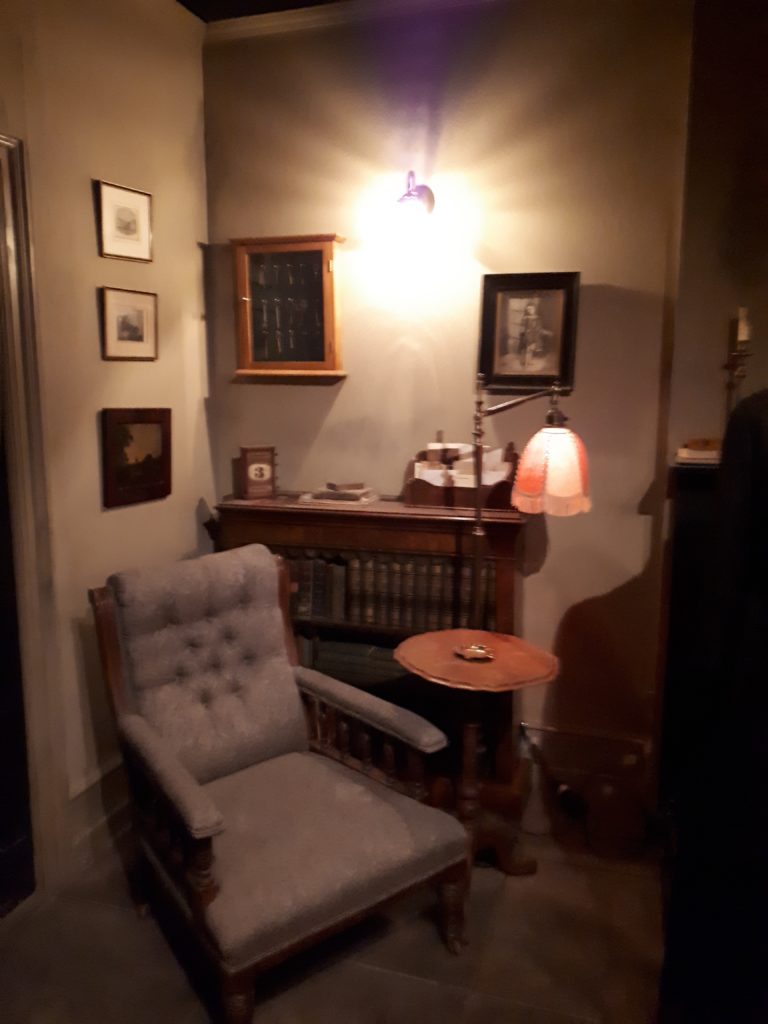
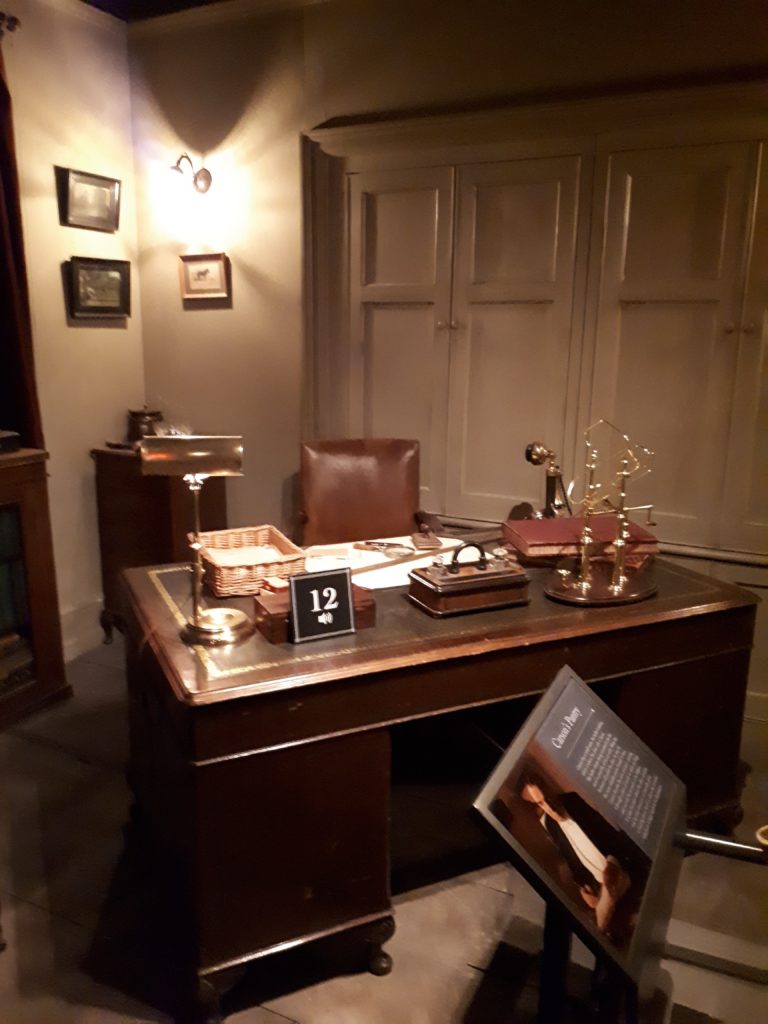
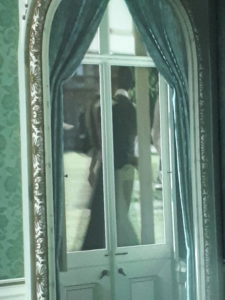
Back in March, Victoria and I traveled to see the Downton Abbey Exhibition in West Palm Beach, Florida. It was a multi-media extravaganza, using film, projection, interactive displays, props, sets and costumes from the original to bring the series to life. Right off the bat, we were greeted by two familiar faces.

Do take a moment to watch the introductory trailer below to familiarize yourself with the Exhibition –

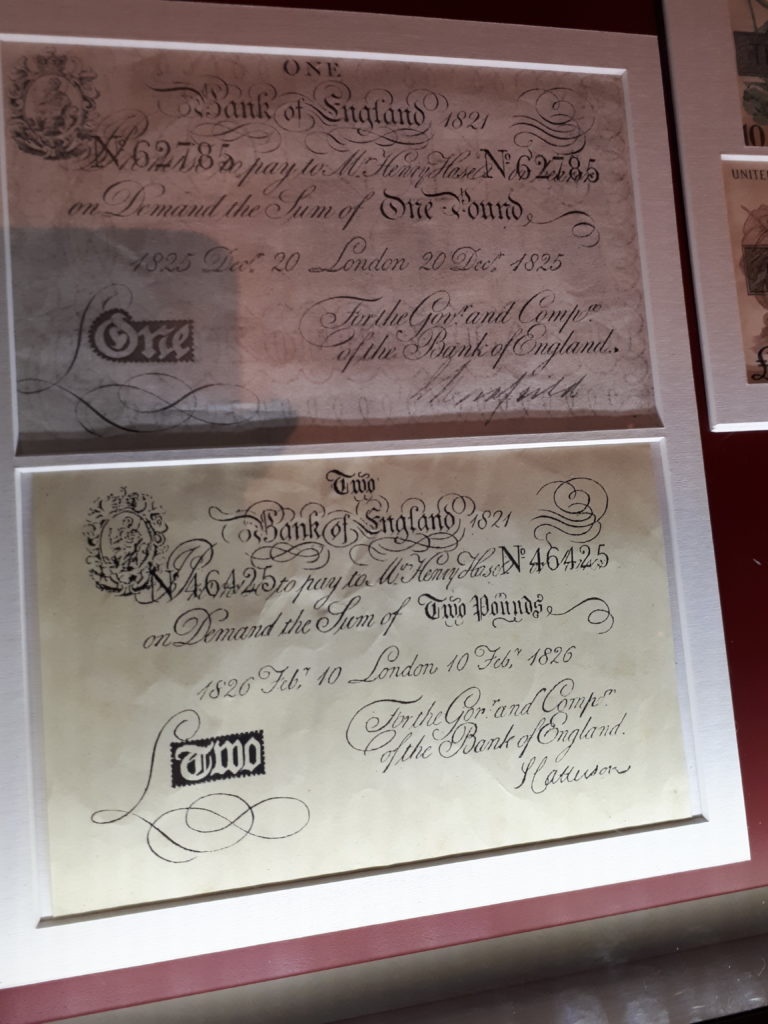
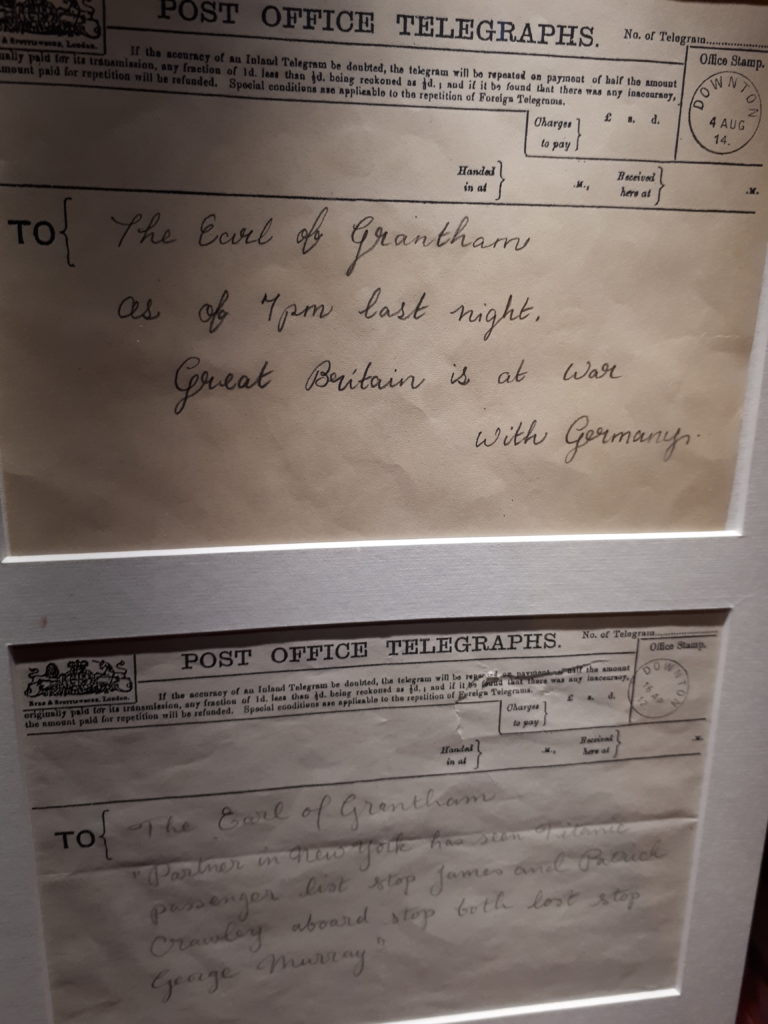
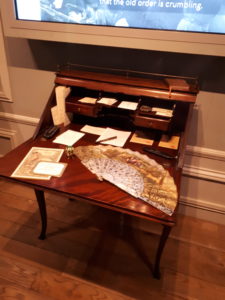
Props on display, used to impart authenticity to the Downtown sets, even if viewers will never actually see them, include the bank notes above and, below, the telegrams that had such an impact on the plot lines –

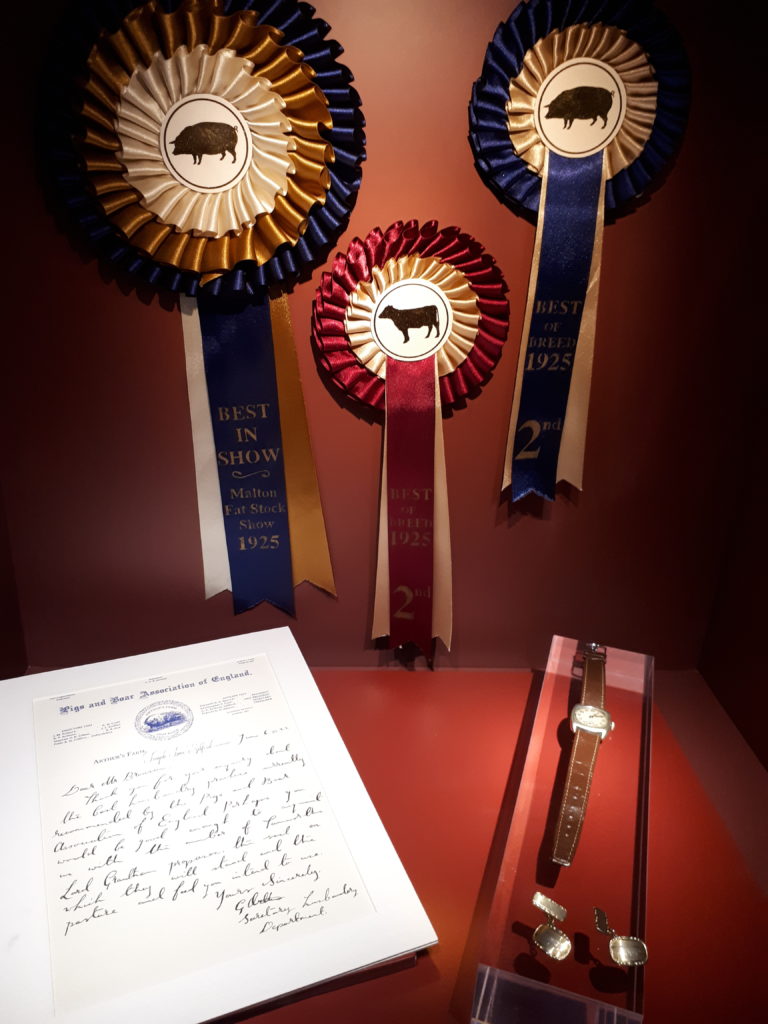
Below, items belonging to Tom Branson, including his wristwatch and ribbons won at the local agricultural fair.

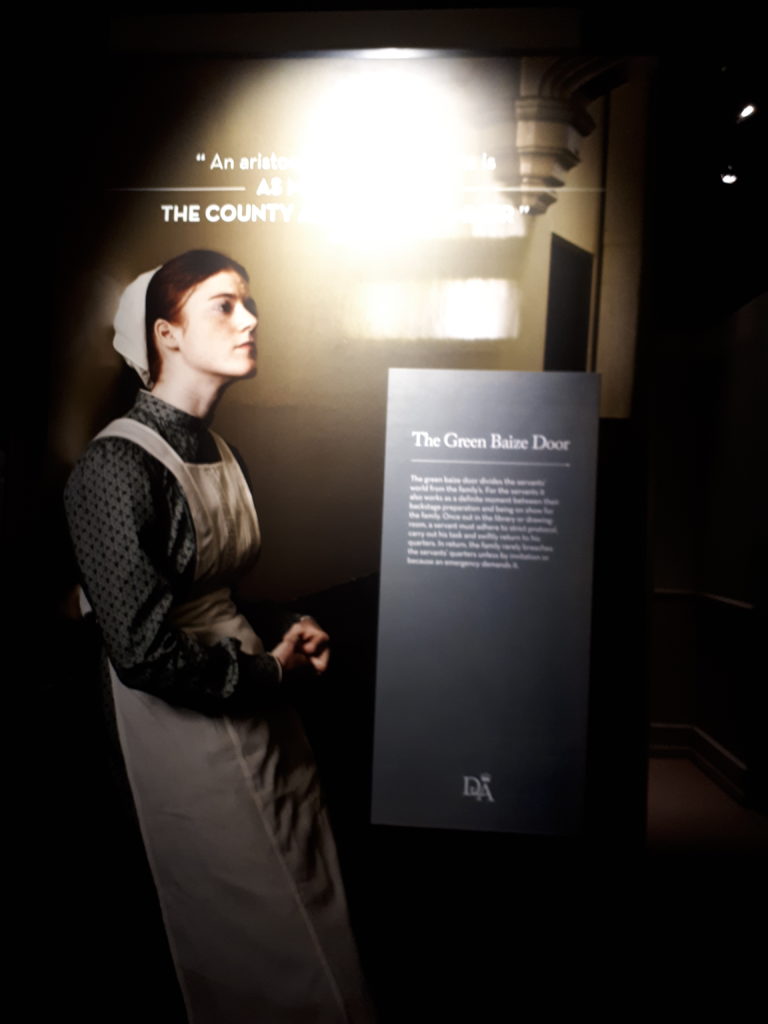
Of course, the servants were well represented, as well –


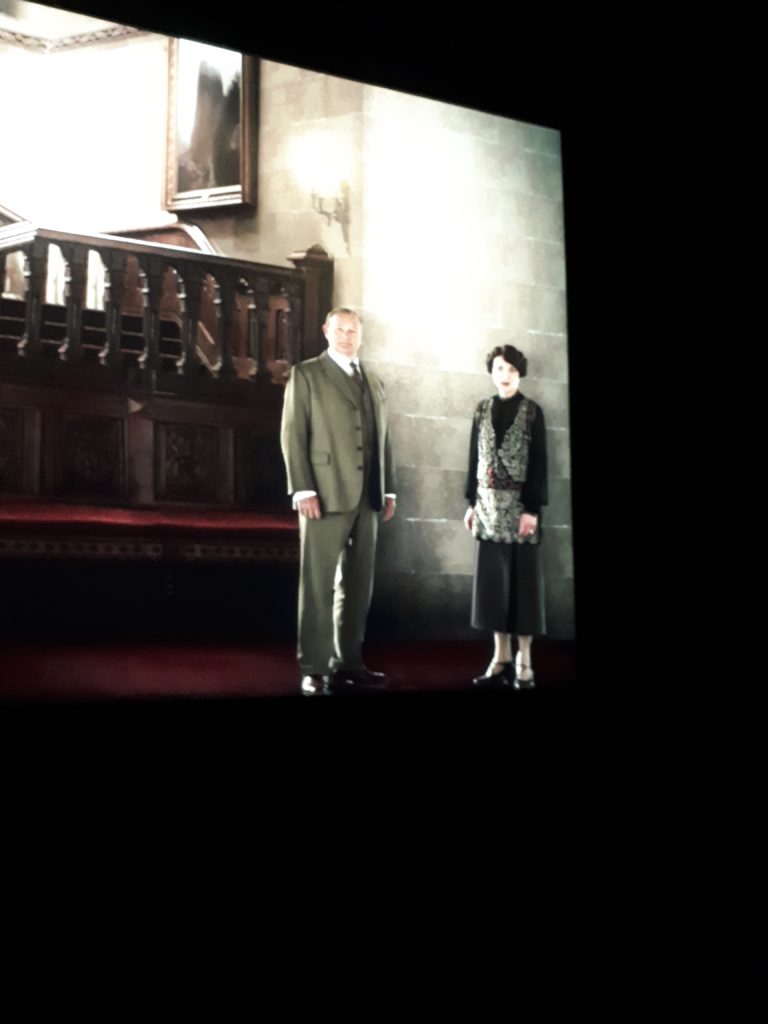
Once through the green baize door, we were greeted by life sized holograms of Mrs. Hughes and Mr. Carson.


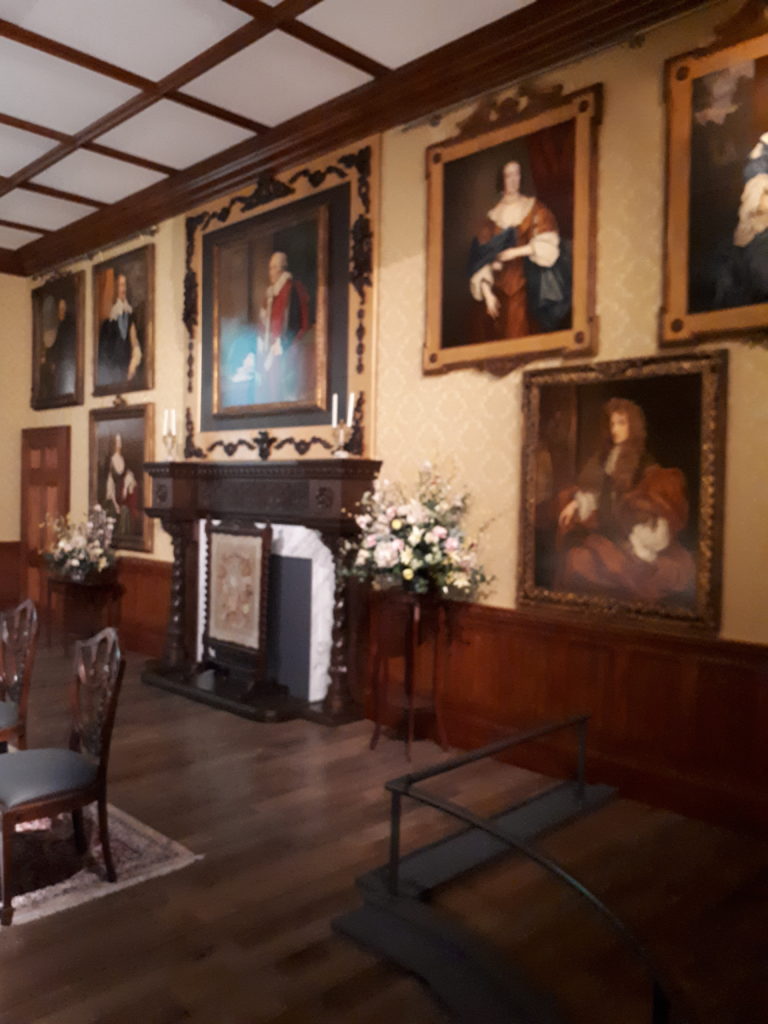
In “The Library” visitors are treated to an ever changing array of moving scenes which are projected onto the walls, making you feel as though you are part of the action.


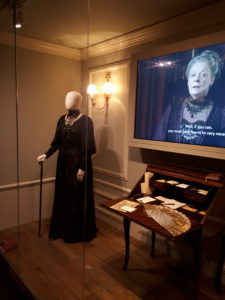
Violet, Dowager Lady Grantham, was a particular of the show for us.


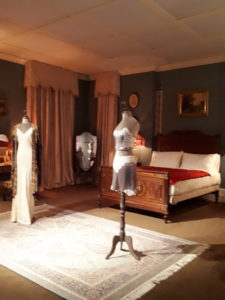
Then it was on to Lady Mary’s bedroom –

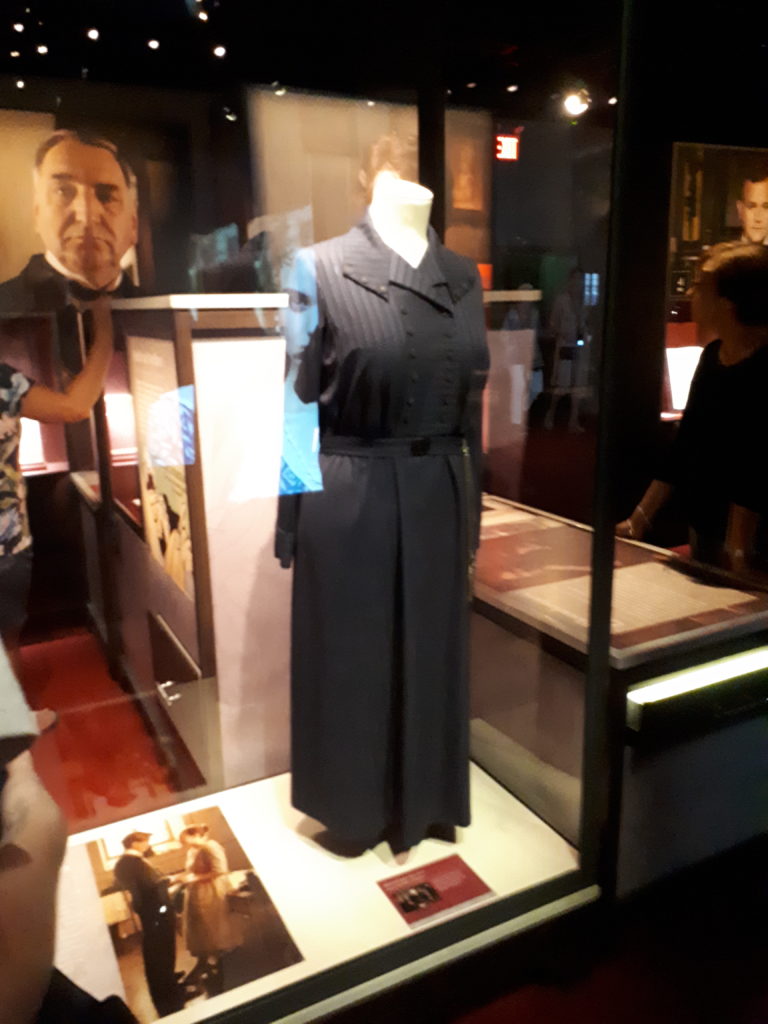
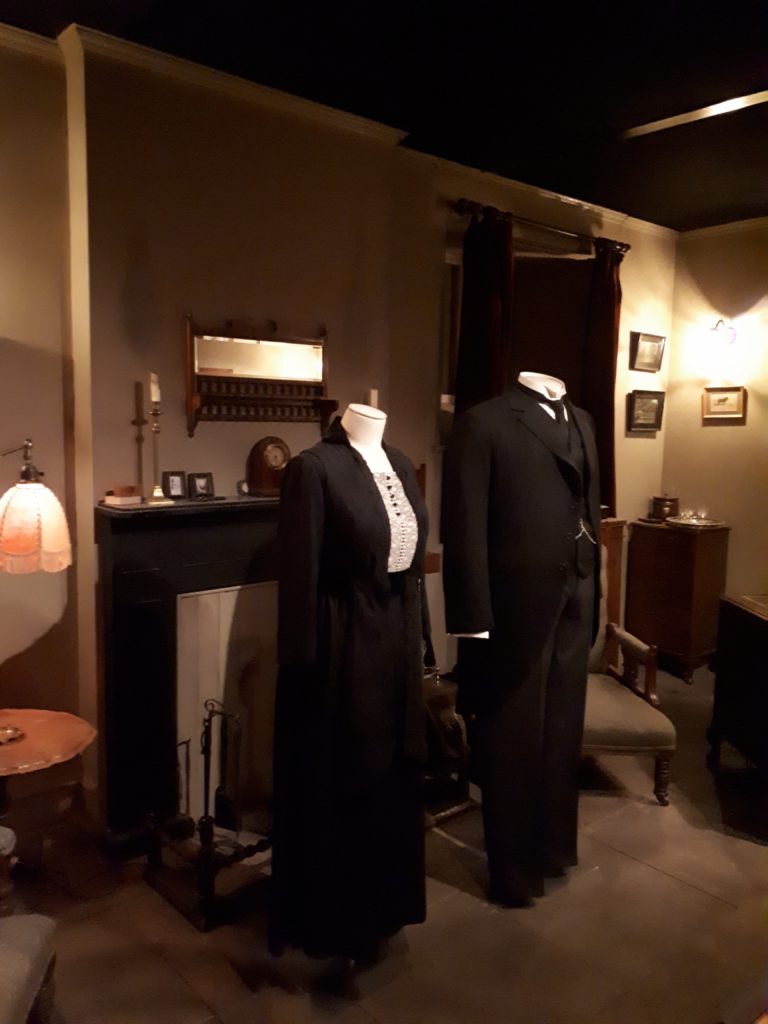
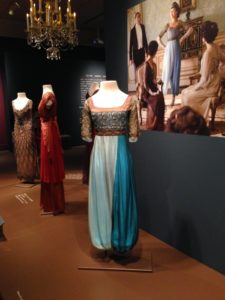
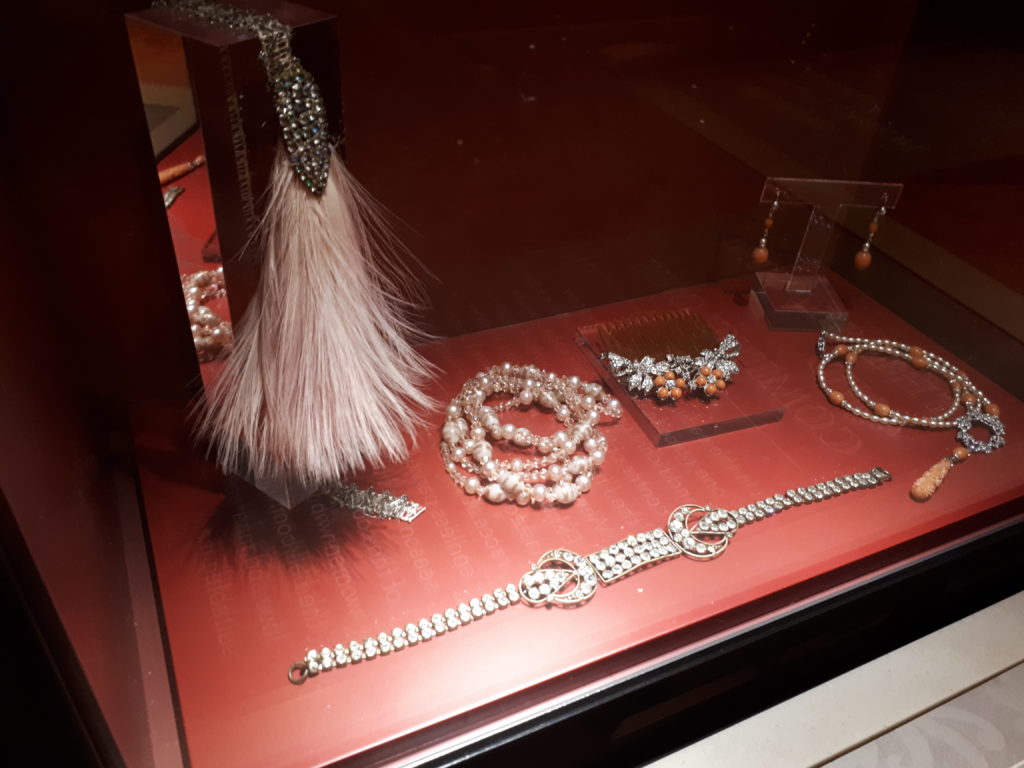
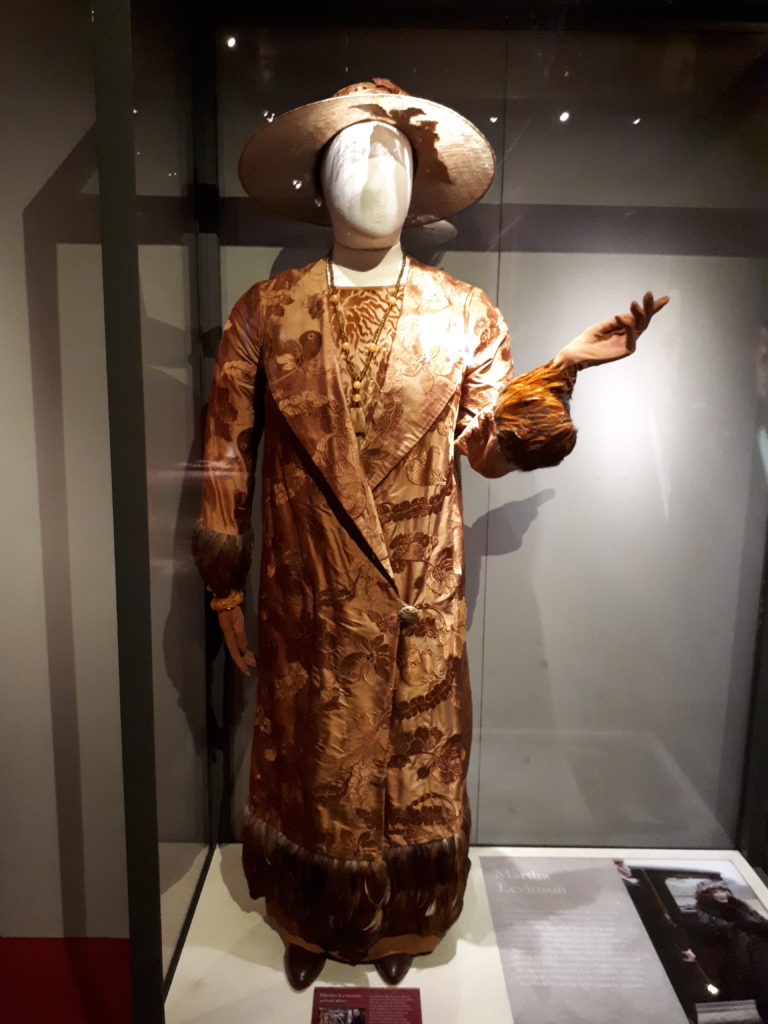
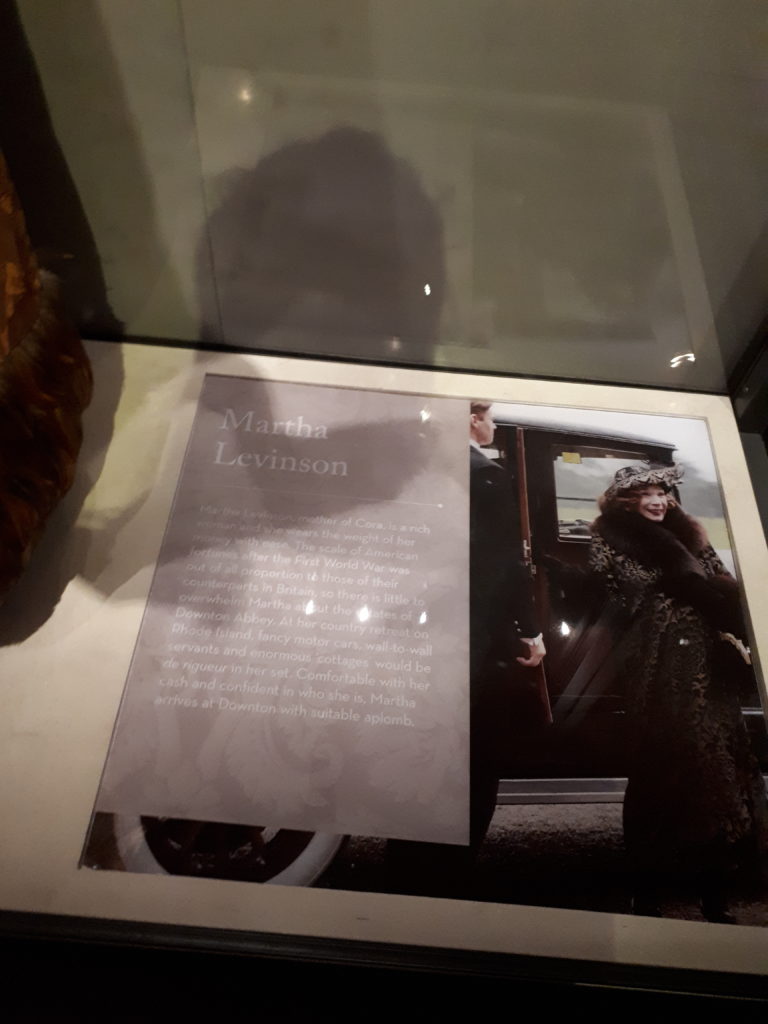
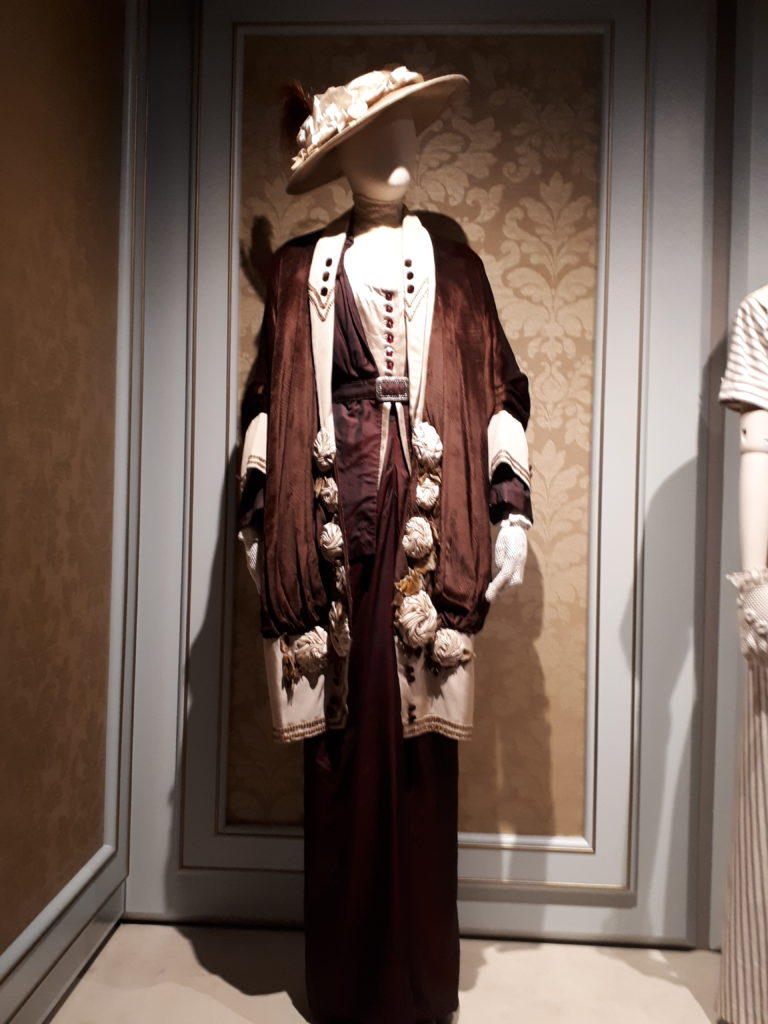
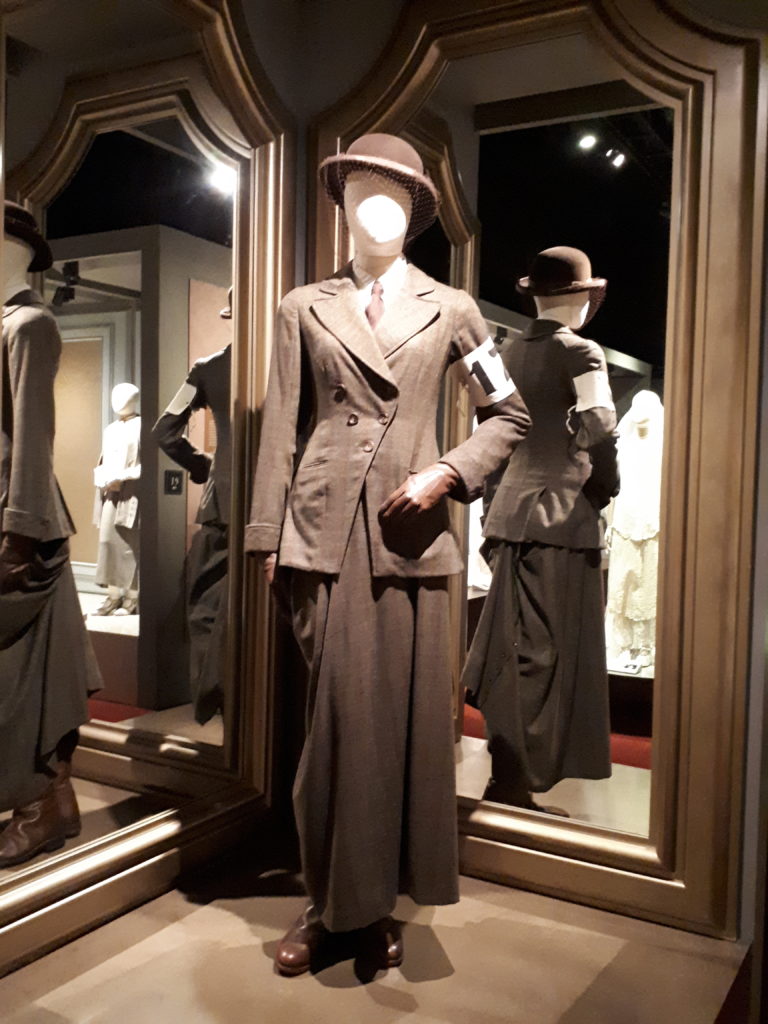
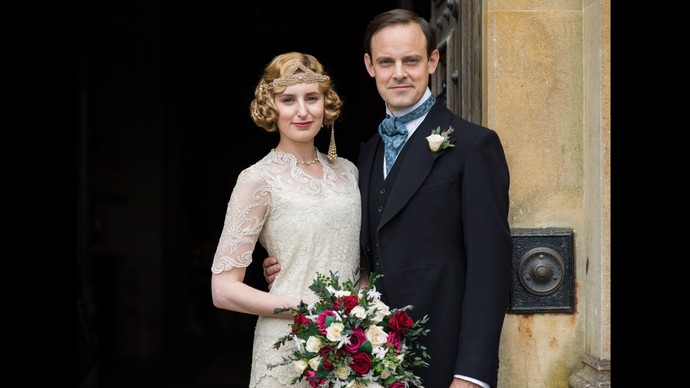
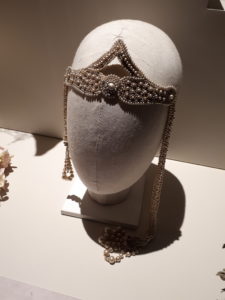
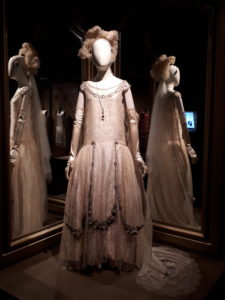
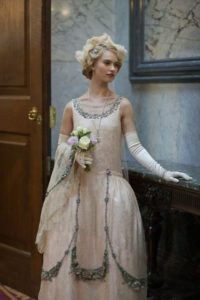
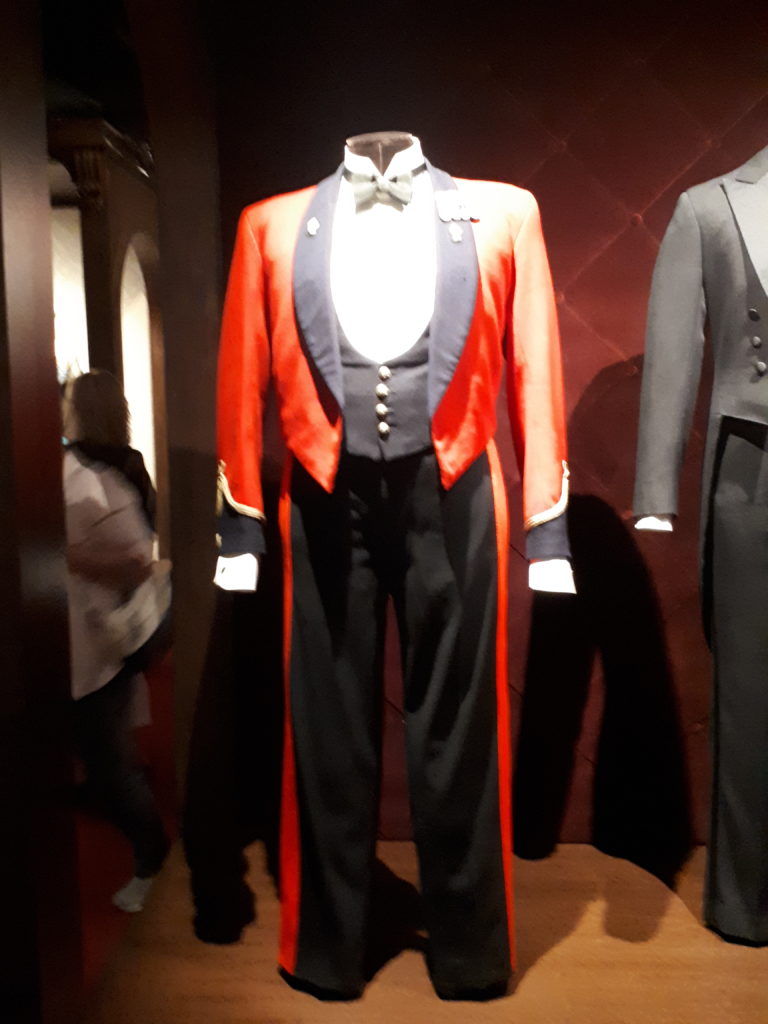
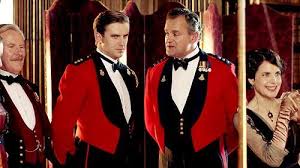
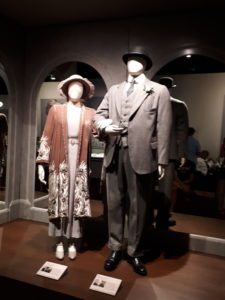
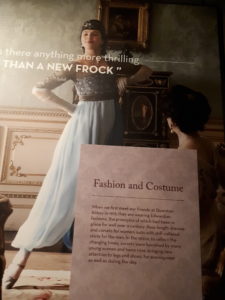
And finally, the costumes –


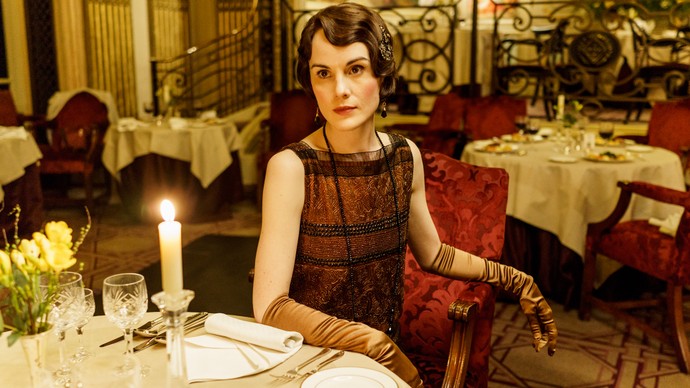
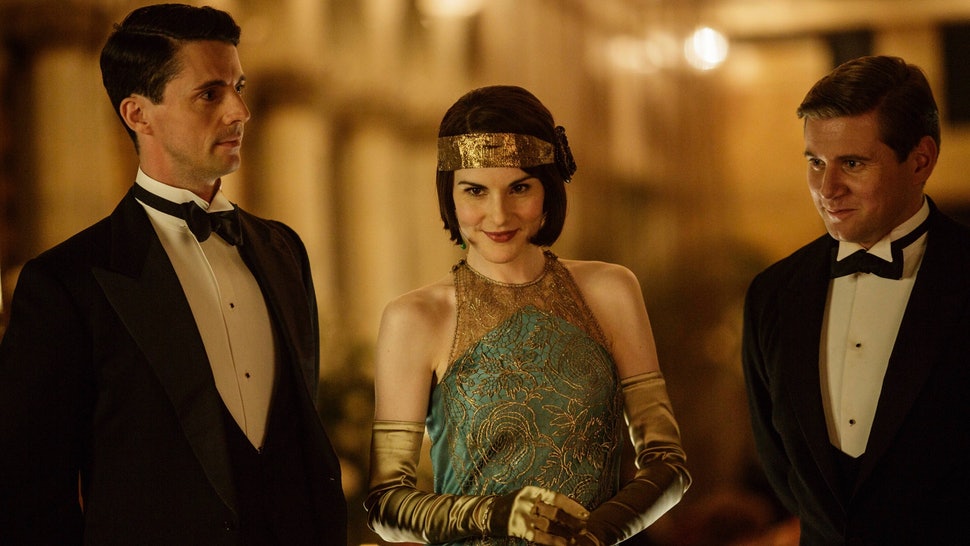
The Ladies of Downton were well represented –


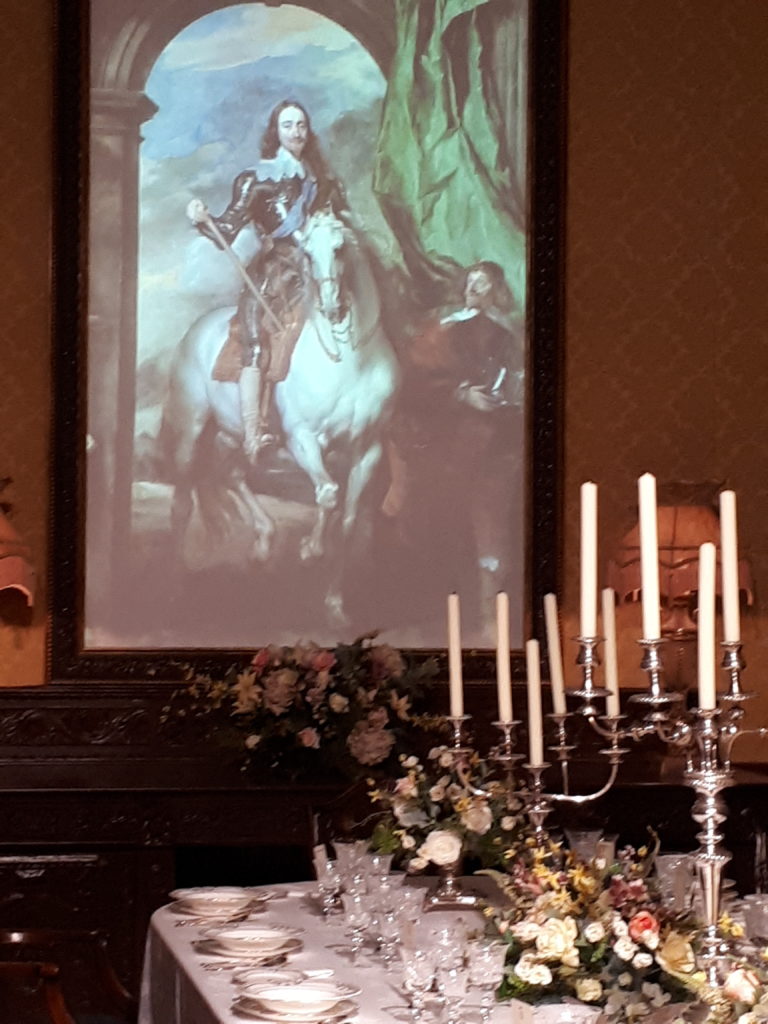
The final exhibit was a representation of the dining room –


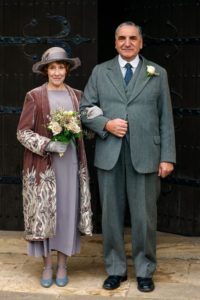
And lastly, Lord and Lady Grantham bid us adieu and thanked us for visiting Downton Abbey.

The Downton Abbey Exhibition in West Palm Beach, Florida was scheduled to close on April 22nd and, at the time Vicky and I visited, there were no plans for it to move on to a new location. Click here to see if that’s changed.
In the meantime, here’s a teaser for the forthcoming Downton Abbey movie, set to be released in September 2019.
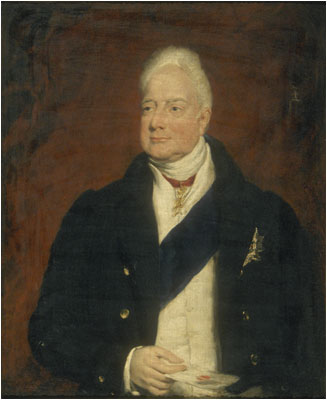
THE DEATH OF WILLIAM IV
William IV, the Sailor King, died on 20 June 1837. He was the third son of George III and younger brother and successor to George IV and was the last king and penultimate monarch of the House of Hanover. While William’s reign was much more sedate than that of his brother, George IV, with less scandal and spending and more attention being paid the business of running the country, William IV did have one bane to his existence – his sister-in-law the Duchess of Kent, mother to Princess Victoria.
King William’s problems with the Duchess began early in his reign – in fact, at his coronation, as related in a book called When William IV was King By John Ashton:
During the procession to the Abbey (for the Coronation of William IV) the weather was fine, and the sight a brilliant one; but, soon after one o’clock, a very heavy rain descended ; the wind, too, blew with great violence, and occasioned rattling and tearing among the canvas canopies of the newly erected stands. It ceased for a short time, between two and three, when it broke out afresh, and was particularly lively when the ceremony was over, at half-past three. It quite spoilt the return procession, some of the carriages driving straight away, and those that fell into rank had their windows up.
In spite of the weather, London was brilliantly illuminated, and the theatres and Vauxhall Gardens were thrown open free. There was a display of fireworks in Hyde Park, at which many were more or less hurt by the falling rocket-sticks, six so seriously as to have to be taken to St. George’s Hospital. Throughout the country the festivity was universal. One little thing marred the universality. The Duchess of Kent was not present at the coronation, neither was the Princess Victoria. It was an open secret that the King and the Duchess were not on friendly terms, but it was thought very bad taste on her part not to be present.
Though more contretemps between the King and the Duchess were to come (as will be shown in future posts), for the time being, all was well in the land. In his Memoirs, Charles Greville included the following entry for July 18th.— King George had not been dead three days before everybody discovered that he was no loss, and King William a great gain. Certainly nobody ever was less regretted than the late King, and the breath was hardly out of his body before the press burst forth in full cry against him, and raked up all his vices, follies, and misdeeds, which were numerous and glaring enough.
The new King began very well. Everybody expected he would keep the Ministers in office, but he threw himself into the arms of the Duke of Wellington with the strongest expressions of confidence and esteem. He proposed to all the Household, as well as to the members of Government, to keep their places, which they all did except Lord Conyngham and the Duke of Montrose. He soon after, however, dismissed most of the equerries, that he might fill their places with the members of his own family. Of course such a King wanted not due praise, and plenty of anecdotes were raked up of his former generosities and kindnesses. His first speech to the. Council was well enough given, but his burlesque character began even then to show itself. Nobody expected from him much real grief, and he does not seem to know how to act it consistently; he spoke of his brother with all the semblance of feeling, and in a tone of voice properly softened and subdued, but just afterward, when they gave him the pen to sign the declaration, he said, in his usual tone, “This is a damned bad pen you have given me.” My worthy colleague, Mr. James Buller, began to swear Privy Councillors in the name of “King George IV.—William, I mean,” to the great diversion of the Council.
A few days after my return I was sworn in, all the Ministers and some others being present. His Majesty presided very decently, and looked like a respectable old admiral. The Duke [of Wellington] told me he was delighted with him— “If I had been able to deal with my late master as I do with my present, I should have got on much better”—that he was so reasonable and tractable, and that he had done more business with him in ten minutes than with the other in as many days.”
VIDEO – BATTLE OF WATERLOO EXPLAINED
One of the best and most concise Waterloo videos we’ve come across –
A FIGHT WITH THE GENTLEMAN
By Guest Blogger Regina Scott
Once more we return to the boxing square! If you missed part one of this series, you can find it here. And part two is here.
As you can imagine, there were a great many gentlemen in the Regency period, but only one man known as The Gentleman. Gentleman John Jackson was born in 1769 to a Worcestershire family of builders. He decided at age 19 to become a boxer, much against his parents’ wishes. With the awe he ultimately inspired in just about every fellow of substance, including the Prince Regent, it’s surprising to find that he only fought professionally three times, and one of those he lost. However, as the other two times he fought men who were considered top champions, he was known in his time as the heavy-weight champion of England. He held that title for one year, in 1795, after beating Daniel Mendoza—nicknamed The Jew—who had held the title the previous two years.

When Jackson retired, Thomas Owen beat all comers to gain the title in 1796, followed by Jack Bartholomew (1797 to 1800), Jem Belcher (1800 to 1803), and “Hen” Henry Pearce the Game Chicken (1803 to 1806). After Hen retired, John Gully beat all comers and reined for two years before opening his own school in London. Belcher was also known for taking on pupils.

So why was John Jackson held as the “best”?
For one thing, he appears to have been a splendid specimen of masculinity. At 5 feet 11 inches tall and 195 pounds, his body was said to be so perfectly developed (with the Regency idea of “perfection” being the statues of the Greek gods), that artists and sculptors came from all around to use him as a model. For another, he dressed well (although he favored bright colors) and spoke in cultured tones, making him the darling of the ton. His two flaws in looks were that he had a sloping forehead and ears that stuck straight out from the sides of his head. Presumably, the sculptors and artists used someone else to model the head.
Besides being the man to whom every gentleman, including Lord Byron, went for lessons, Jackson is credited with keeping the sport honest in a time when bouts were often fixed. He developed the equivalent of the Boxing Commission in the Pugilistic Club, which collected subscriptions from wealthy patrons and sponsored fights several times a year. For each fight, a Banker was appointed to hold the purse as well as many side bets that might be made. Jackson was often nominated for this position.
So great was his prestige that Jackson was called on to arrange pugilistic demonstrations for the aristocracy, including fights before the Emperor of Russia, King of Prussia, Prince of Wales, and Prince of Mecklenburg. At the 1821 coronation of George IV, Jackson furnished a group of pugilists to act as guards to keep lesser mortals at bay.
The Gentleman bowed out of this world on October 7, 1845. But he left a legacy that endures to this day.


Regina Scott is the award-winning author of more than 40 works of sweet historical romance, several of which feature Regency gentlemen who box. In her recent release, Never Kneel to a Knight, a boxer being knighted for saving the prince’s life must prove to a Society lady who is miles out of his league that their love is meant to be.
You’ll find more on Regina online at her website, on her blog, or on Facebook.