A Couple In England – Day 9

Next day, we met Hester in the car park. When I introduced her to Hubby, all she said was, “Oh dear.”

I opened the rear door of Hester’s car and Hubby dropped onto the back seat. We pulled out of the car park and were soon on our way to Oatlands Park, home of Frederica, Duchess of York, or Freddy, as she’s affectionately known by my circle of friends.

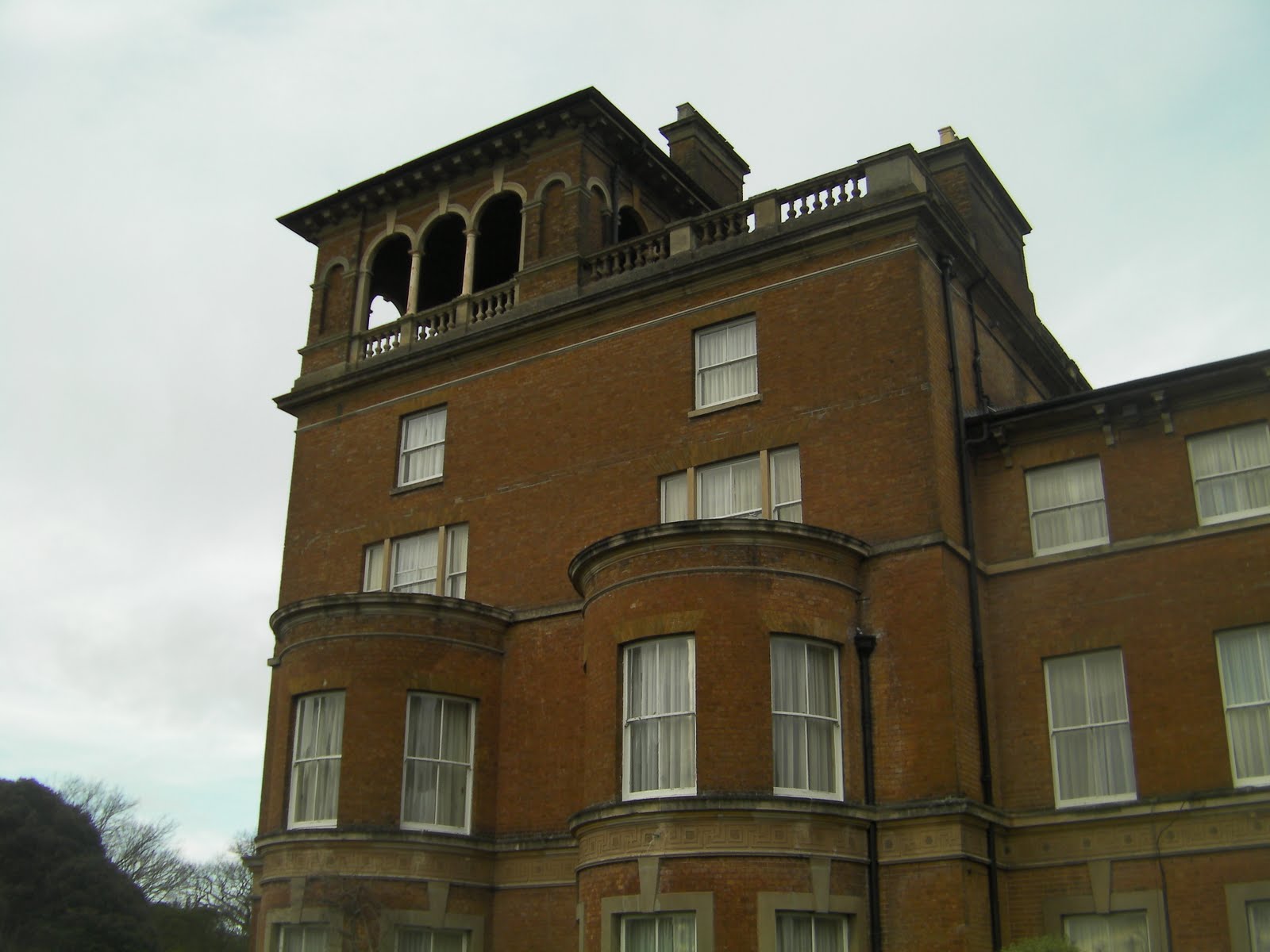
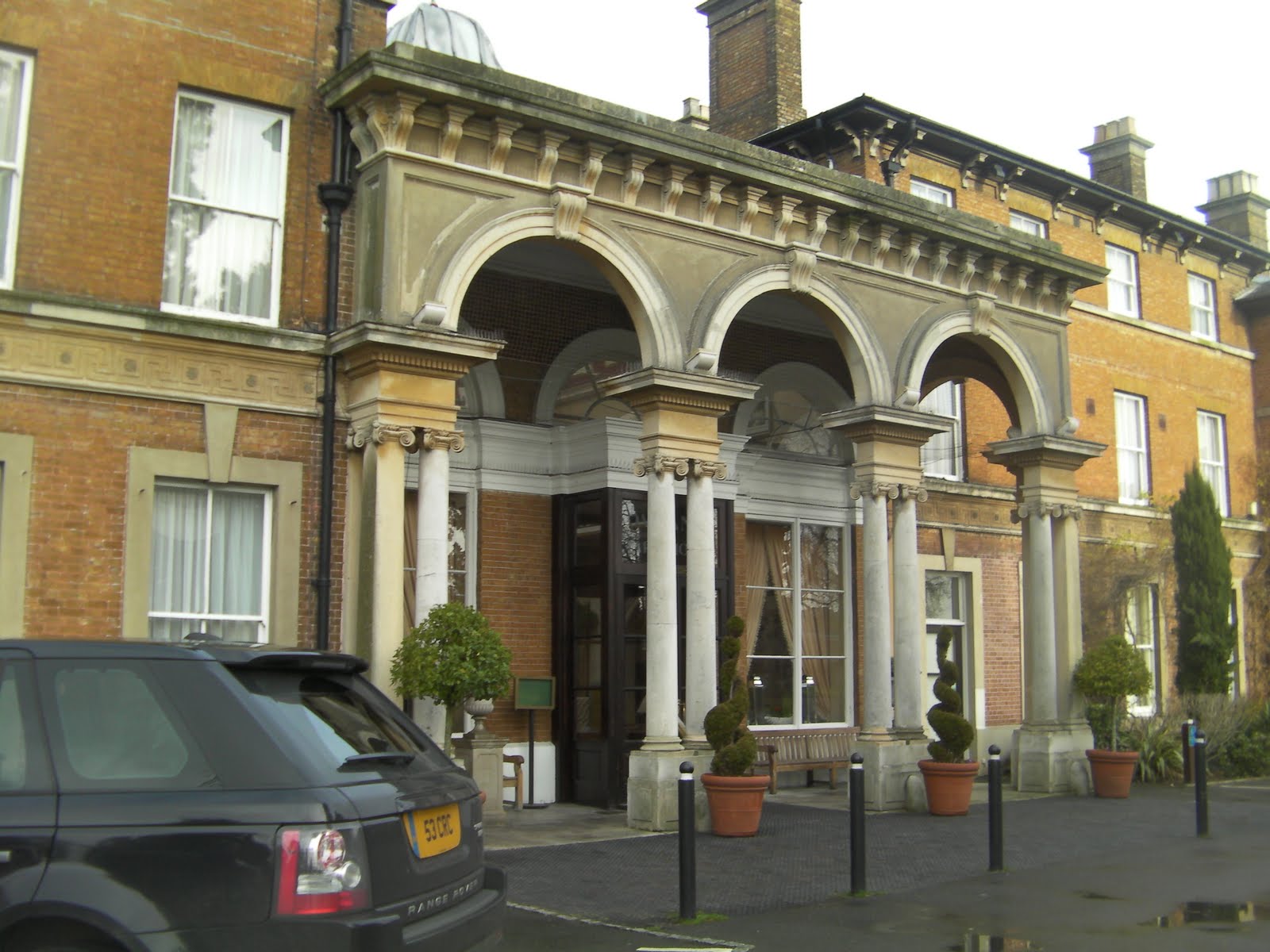
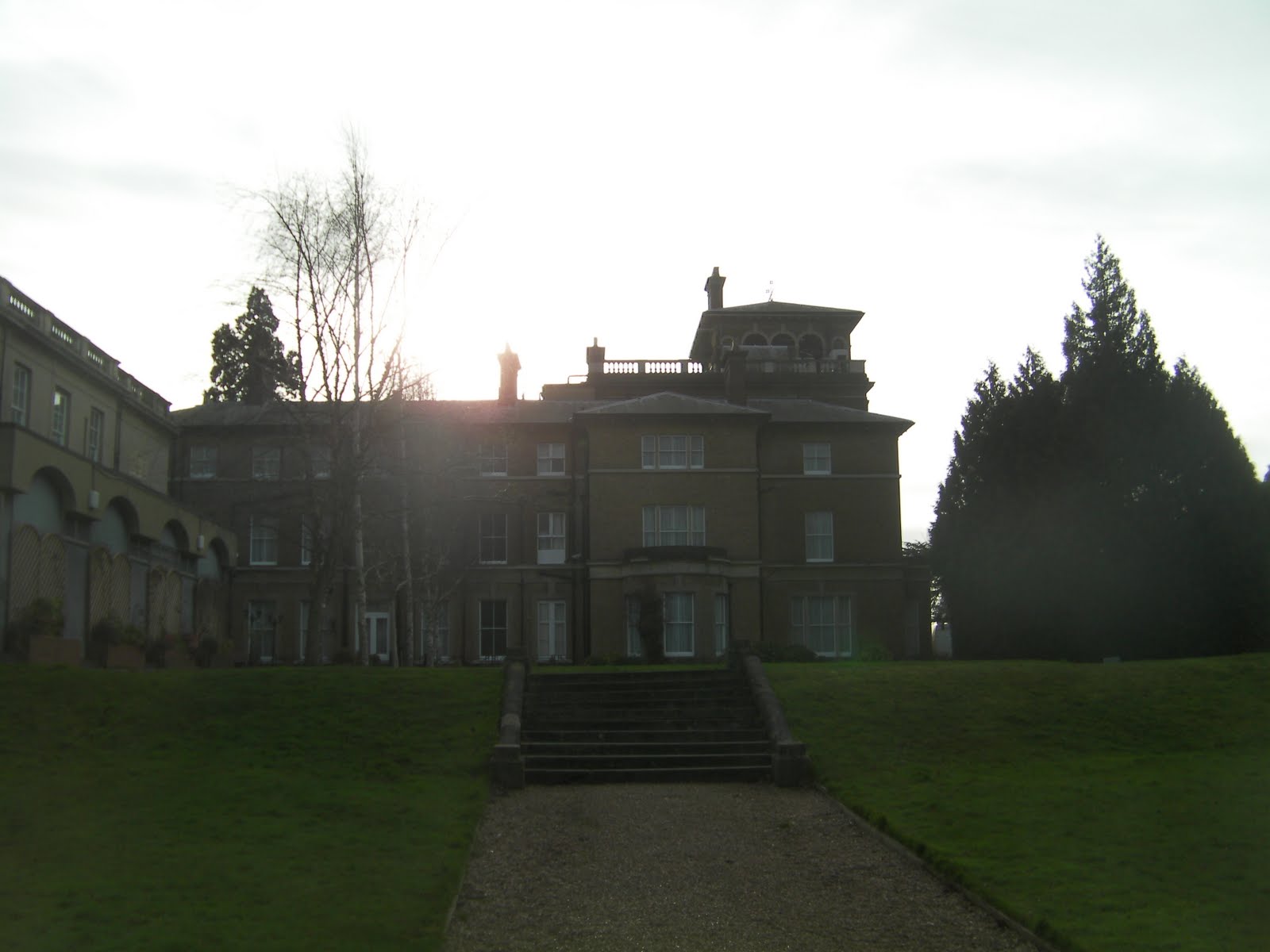
I’ve been wanting to see Oatlands Park, Freddy’s home, for ages and so I was thrilled when Hester agreed to accompany there. Today, Oatlands is a hotel that stands on the footprint of a large mansion which burned down in the late 1700s, but had dated back to the 15th Century. A Parliamentary Survey of the period mentions a house which sat in the grounds of a great royal palace, on the Oatlands Estate. Henry VIII erected the palace for his new Queen, Anne of Cleves. Although a worthy rival to his other riverside house at Hampton Court, the imposing red brick building with its gateways, octagonal towers and open courts, Oatlands was only visited occasionally by the King. And the intended resident, Anne, probably never lived there during the short time she was his wife, but it is thought Henry secretly married his next Queen, Anne’s young Lady-in-Waiting, Catherine Howard, in the Palace chapel.

Over the next 150 years, the house and grounds were remodelled by a string of wealthy tenants. You can still see the coat of arms of one, the Duke of Newcastle, on the main gates at the entrance to the Hotel.

Upon entering the building, we found ourselves in a bright and airy lounge and settled ourselves upon the sofas, where we ordered coffees.

“Well, Kristine, you’re finally at Oatlands,” said Hester.

“And soon we’ll be at the famous cemetery,” I said.

“There’s a cemetery here?” asked Hubby.

“A pet cemetery. Freddy loved pets of every description and created a cemetery where she buried them all. She was eccentric, but popular with the Regency set.”

“Didn’t Princess Charlotte honeymoon here,” asked Hester.

“Yes, and Prince Leopold stayed here after Charlotte’s death. And of course Brummell was a frequent visitor.”

“Ah, Brummell and the decoupage screen that was never finished,” sighed Hester.

“So sad,” I agreed.

“The what screen?” asked Hubby.

“Decoupage,” Hester and I replied in unison. Hubby declined to pursue the matter further.

The diarist Charles Greville has left us a picture of his visits to Oatlands in his Memoirs. Here is an extract:

“The week end parties were often large, and one of the principal amusements of the guests was to sit up playing whist till four o’clock in the morning. On Sundays,” he continues, ” we amused ourselves with eating fruit in the garden, and shooting at a mark with pistols, and playing with the monkeys. I bathed in the cold bath in the grotto, which is as clear as crystal and as cold as ice. Oatlands is the worst managed establishment in England: there are a great many servants, and nobody waits on you; a vast number of horses, and none to ride or drive.”

“The Duchess seldom goes to bed, or, if she does, only for an hour or two; she sleeps dressed upon a couch, sometimes in one room, sometimes in another. She frequently walks out very late at nights, or rather early in the morning, and she always sleeps with open windows. She dresses and breakfasts at three o’clock, afterwards walks out with all her dogs, and seldom appears before dinner-time. At night, when she cannot sleep, she has women to read to her. The Duchess of York is clever and well informed; she likes society, and dislikes all form and ceremony; but in the midst of the most familiar intercourse she always preserves a certain dignity of manner. Those who are in the habit of going to Oatlands are perfectly at their ease with her, and talk with as much freedom as they would to any other woman, but always with great respect. Her mind is not perhaps the most delicate; she shows no dislike to coarseness of sentiment or language, and I have often seen her very much amused with jokes, stories, and allusions which would shock a very nice person. But her own conversation is never polluted with anything the least indelicate or unbecoming. She is very sensible to little attentions, and is annoyed if anybody appears to keep aloof from her or to shun conversing with her. Her dogs are her greatest interest and amusement, and she has at least forty of various kinds. She is delighted when anybody gives her a dog, or a monkey, or a parrot, of all of which she has vast numbers; it is impossible to offend or annoy her more than by ill using any of her dogs, and if she were to see anybody beat or kick any one of them she would never forgive it.”

The room in which the three of us sat sipping our coffee would be unrecognizable to Freddy. After the house burnt down in 1794, it was rebuilt in the Gothic style by her husband, the Duke of York, who went on to acquire the Estate Freehold. Freddy died in 1820 and when the Duke died in 1827, the property was sold to a young Regency dandy and gambler called Edward Hughes Ball Hughes, who was popularly known as ‘The Golden Ball.’ He spent his honeymoon at Oatlands, before pulling down large parts of the existing building and making many alterations to what was left.

“Ready to find the cemetery?” Hester asked.

“Yes. I can’t wait to read the little head stones. Freddy had their names put on the stones and dates and often noted what sort of animal they were.”

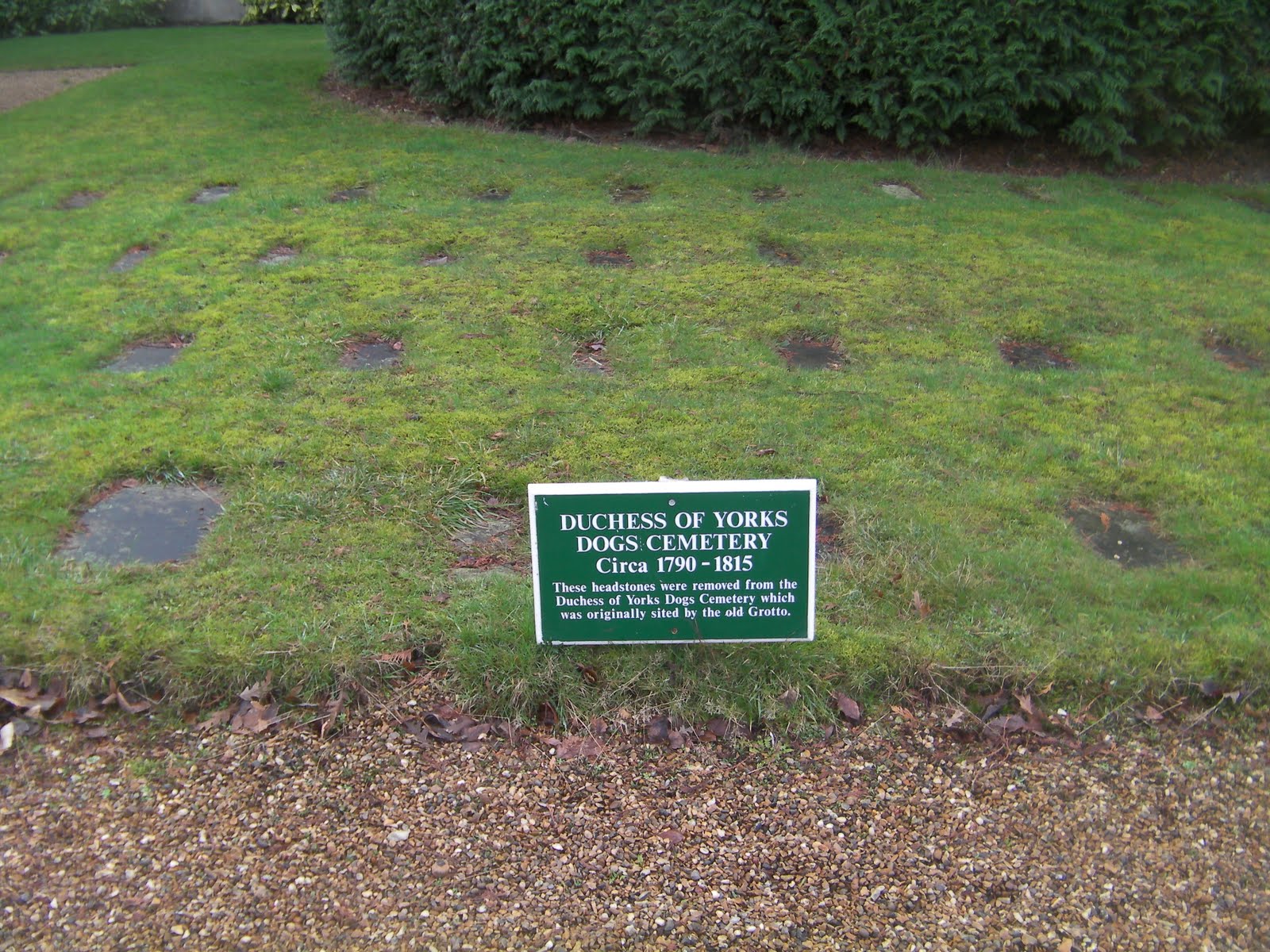
Originally, the cemetery was located near the old Grotto, where Greville bathed and where George IV held a dinner in celebration of Wellington’s victory at Waterloo. The stones were moved closer to the house at some point and so were relatively easy to find as they are located right beside a gravel path.

I was a bit taken aback at first glance, as I had thought that the grave markers would look more like traditional head stones. Hester and I drew closer until we were standing over the stones.

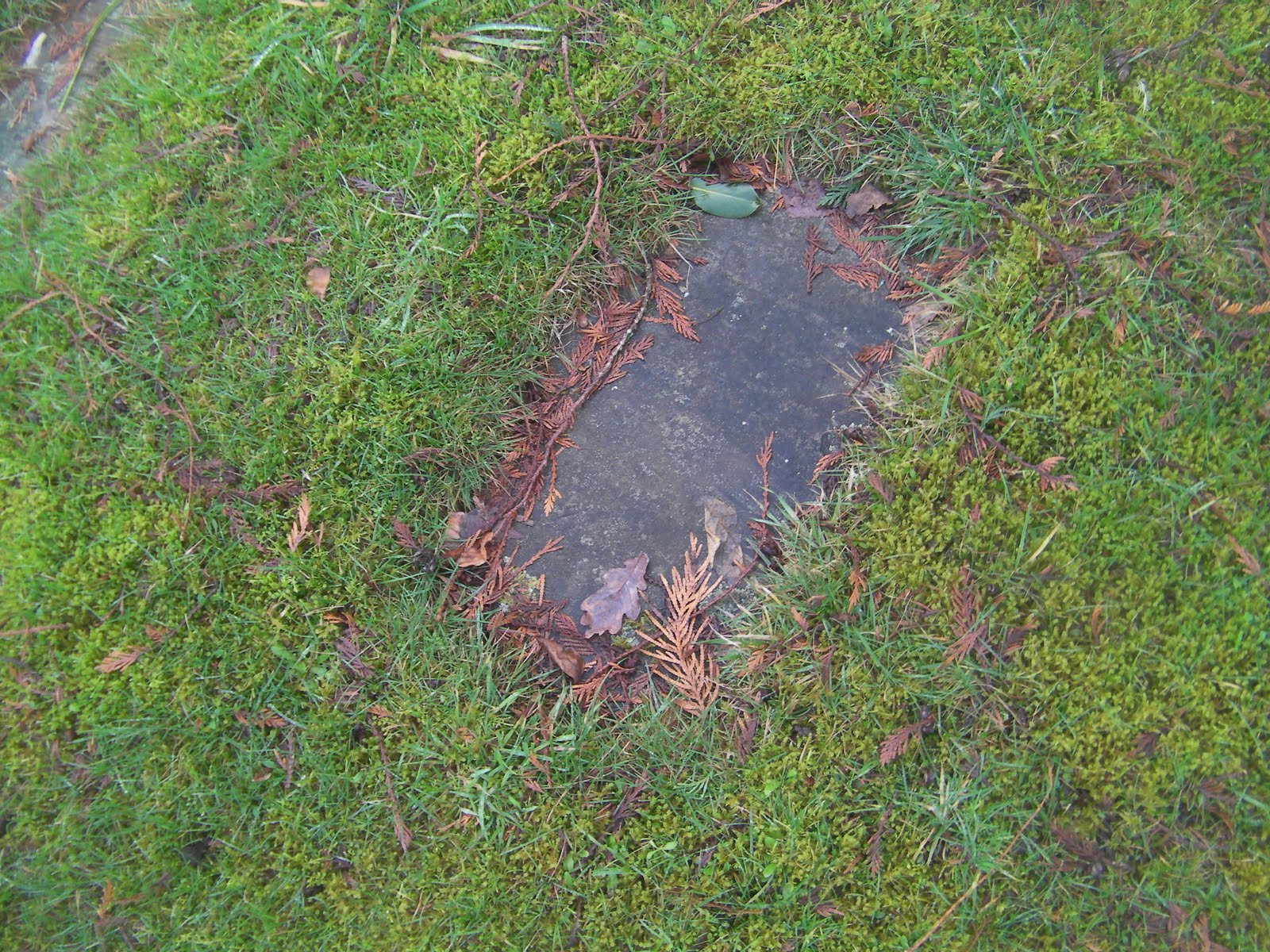
“Oh dear,” Hester said. Age and weather had worked ill upon the stones, which were now all completely smooth – whatever had once been written upon them had been forever erased.

“I wanted to read them,” I lamented.

“I know. Me, too,” said Hester, whose face showed sympath
y for my disappointment. “But look, we can still walk where Freddy and Brummell walked. That’s something, what?”

I smiled at her. “It’s something, indeed,” I said. “And  something wonderful at that.”

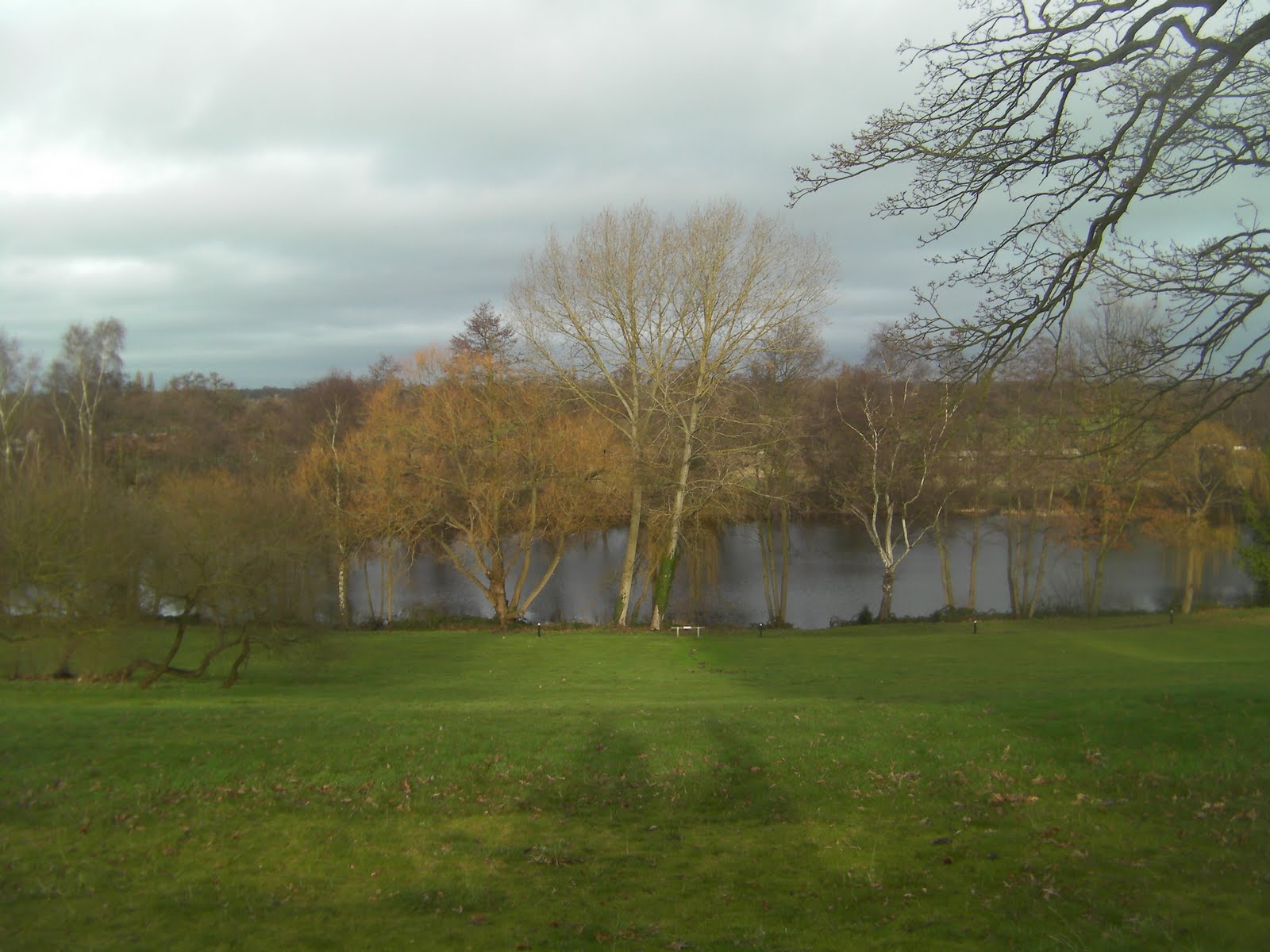
So off the three of us strolled, down the gravel paths and over to the ornamental lake.

Surprise! Finally, a picture of me and Hubby!

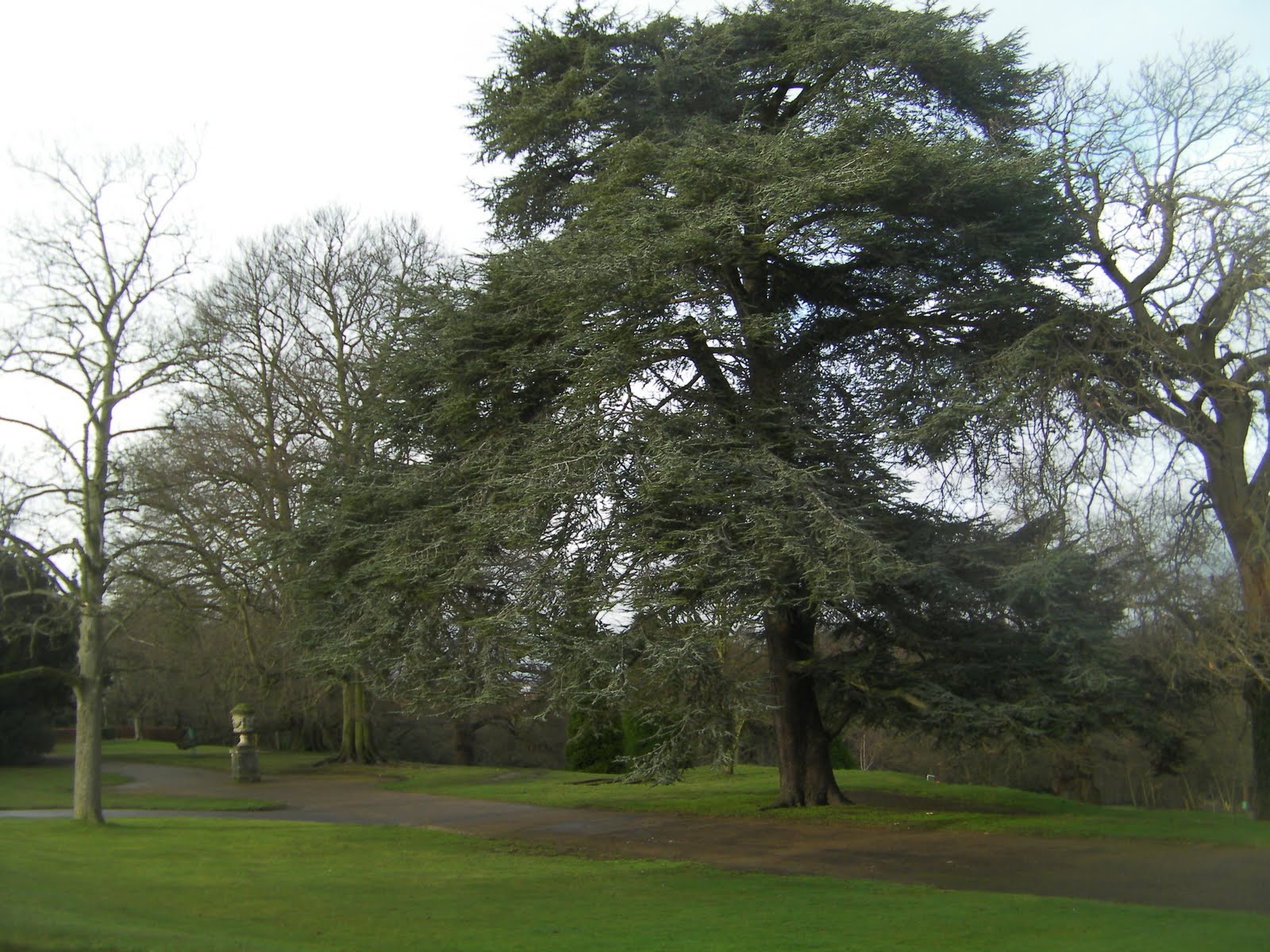
On our way back to the Hotel, Hester pointed out the cedar trees on the property. “Edward Lear used these trees as models for his painting The Cedars of Lebanon.”

In her biography of Lear called The Life of a Wanderer, Vivien Noakes wrote “He needed some cedar trees that were within easy reach of London, and he found them at the Oatlands Park Hotel at Walton-on-Thames. Whilst he was working on his nine foot long picture of the ‘Cedars of the Lebanon’, he penned letters to his friends including Emily Tennyson, Sir George Grove and Chichester Fortescue, to whom he wrote in 1860 saying “The Hotel then is a large and sumptuously commodious place… I have a large light bedroom and wanting for naught.”

Edward Lear’s The Cedars of Lebanon

Taking a long, last look at Oatlands, we made for the car park and set off on the second part of today’s journey – Hampton Court Palace.

Part Two Coming Soon!

Happy Birthday to Dame Helen Mirren

By Guest Blogger Spencer Blohm

The incomparable Dame Helen Mirren is turning 68 years old today, but you wouldn’t know it from her spunky attitude or unique fashion choices – she was spotted in clear platform heels at the Red 2 premiere in Hollywood a few weeks ago on July 11. She has portrayed the Queen of England, Alfred Hitchcock’s wife, and Linda Kenney Baden, but her roles don’t just include famously imposing females – Mirren played Prospero (changed to Prospera) in Shakespeare’s epic screen adaptation of The Tempest, just to cite one unexpected example. The following year, Mirren also appeared as Hobson in the 2011 remake of the 1981 comedy Arthur– coincidentally, both roles were previously played by British actor Sir John Gielgud, certainly a far cry from Mirren in terms of, well, everything.

           At 68, Dame Mirren is basically a one-woman powerhouse. She has won an Academy Award, 3 Golden Globes, 4 Emmy’s, and 4 SAG Awards, just to name the most recognizable of her many trophies, and she continues to dazzle both on and off screen. Like many of her fellow British actors, Mirren worked with the Royal Shakespeare Company throughout the late 1960s, made her West End stage debut in the 1970s and recently returned again to the stage, portraying Queen Elizabeth II for the second time in her career in the play The Audience. Earlier this year, in January, Mirren was awarded her very own star on the Hollywood Walk of Fame, a well-deserved honor for an actress rapidly becoming something of an icon.


           In November of this year, the long-running British sci-fi show Doctor Whowill be celebrating its 50th anniversary, and just a month later, the show says goodbye to the eleventh regeneration of the Doctor when Matt Smith leaves the role. Smith’s announcement has opened up the door to speculation and predictions about possible actors to play the twelfth incarnation of Dr. Who, and Mirren’s name has repeatedly come up among fans, amongst whom the cry for there to finally be a female Doctor has grown louder and louder. Dame Helen Mirren herself has said publicly that she believes it is time for a female Doctor – but not her. So far, she has stuck with her assertion that she would never even contemplate the role, but since Mirren has successfully portrayed previously male characters before, and because her presence might bring a new audience to the cult show that Dr. Who has always been, it has to be said that if anyone could be the first female Doctor it would be Dame Helen Mirren.

           Despite her 68 years, Dame Helen Mirren continues to work both in front of the camera and on stage, and it doesn’t look like she plans on retiring from acting in the next few years or any time soon. The bold actress continues to entertain us with her art as well as her fiery, unapologetically honest and fun personality, and we hope she doesn’t go anywhere for a long, long time.


Author Bio: Spencer Blohm is a freelance film, entertainment, and culture blogger for DirectTVcomparison.com. When he’s not working he can usually be found in bed watching movies with his less than enthusiastic cat. He lives and works in Chicago, despite the winters.

The Adventures of Dr. Syntax in Search of the Picturesque, Part Eleven

Part Eleven includes excerpts from Cantos XXI, XXII, XXIII
We left Dr. Syntax nearly at the end of his Adventures…

Selections from Canto 21:

Dr. Syntax is about to set out for the day when his horse Grizzle is brought around and he is delighted to find his mare’s lack of ears and tail have been “replaced.”

 Of painted canvass were her ears;
Upon her stump a tail appears;
So chang’d she was, so gay, so smart,
Deck’d out with so much curious art,
That even Syntax hardly dare
To claim his metamorphos’d mare.
He said no more — but kenn’d the joke
Was not the sport of vulgar folk;
So trotted off—-and kindly lent
His smile to aid the merriment. …


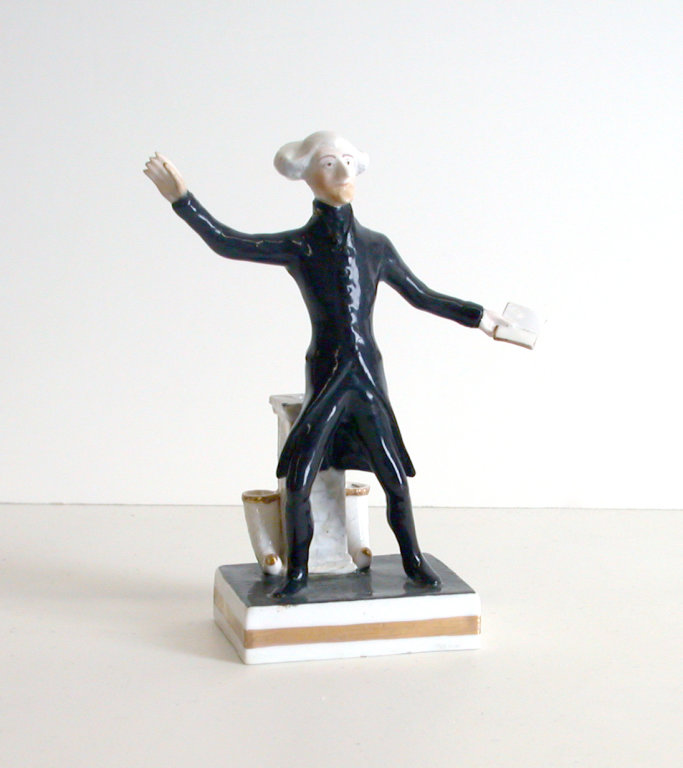
Dr. Syntax Preaching, c. 1790, Art Institute of Chicago
Derby Porcelain Manufactory, soft-paste porcelain with polychrome enamel decoration


He soon decides to stop and attend church…

To the first church I will repair.
And pay my solemn duties there.
Thus as he spoke, a village chime
Denoted it was service time:
And soon a ruddy Curate came,
To whom he gravely told his name,
His rank and literary fame;
And said, as he’d been us’d to teaching,
He’d give him half an hour’s preaching.
This was accepted with a smile.
And they both strutted up the aisle;
When, in due time, and with due grace,
Syntax display’d his preaching face.
And in grave tones, though somewhat hoarse,
He gave the following discourse…


Syntax preaching


Dr. Syntax preaches on for several hundred rhyming lines and concludes:
“Glory’s eternal crown to share.

Which Cherubs sing, and Angels wear:
Then is complete th’ amazing plan.
And Mortal is Immortal Man.” 
Here Syntax thought it fit to close;-
Th’ admiring congregation rose;
And after certain hems and ha’s,
The ‘Squire nodded his applause;
Nay, such attention he had given
To the sage Minister of Heaven,
That neither did he sleep nor snore —
A wonder never known before.
Then quickly issuing from his pew.
He came to thank the Doctor too.
“Sir, your discourse, so good and fine,
Proves you to be a great divine,
While I, alas! am but a sinner;
So you’ll go home with me to dinner.

Dr. Syntax has a good dinner, is invited to spend the night.

Selections from Canto 22

The next morning, Dr. Syntax and Grizzle head off toward home, and stop for a rest,

But now a trumpet’s warlike sound

‘Woke Syntax from his dream profound;
While Grizzle frisk’d, and mov’d on straight,
With many a prancing, to the gate,
Where, in a gorgeous cap of fur.
Stood the proclaiming Trumpeter ,
With face as the old Lion red,
Which dangling hung above his head.
“Oh!” he exclaim’d, “I now could swear
I see again the Grizzle mare;
I know her well by that same scar
Which she got with me in the war…  

Now Syntax sat and heard the story
The soldier told of England’s glory;
How British columns fought their way,
And drove the foe, and won the day:
How oft he did his breath enlarge.
To call to arms and sound the charge;
But, though he rous’d to many a feat,
He never sounded a retreat.
Still he declaim’d in modest tone,
For England’s glory was his own. … 

It has just come into my mind
To leave poor Grizzle here behind.
And let some stage or mail convey
My bags and me my onward way.
Perhaps, for old-acquaintance sake,
Of my poor beast the care you’ll take.”
“If so,” the Trumpeter replied,
“‘Twill be my honour and my pride.
God bless your Rev’rence, — never fear —
Your mare shall have protection here ;
When you return, her looks will tell.
That her old friend has us’d her well.”

 A horn now told the near approach
Of some convenient, rapid coach;
And soon a vehicle and four
Appear’d at the Red Lion door;
Into his place the Doctor pounc’d;
The coachman smack’d, and off they bounc’d. …


After a rather uncomfortable trip, Dr. Syntax arrives in London and wonders where to stay.
 He was resolved to try his fate
In knocking at his Lordship’s gate.
At that same gate he soon appear’d;
My Lord with smiles the Doctor cheer’d.
“You have done well, my learned friend.
Hither your early steps to bend;
Bus’ness has brought me up to town,
And thus you find me all alone:
Here pitch your tent and pass your hour
In working up your pleasant Tour;
And, when ’tis done, I’ll aid your scheme —
It shall not prove an idle dream.”
Syntax receiv’d his Lordship’s grace
With moisten’d eye, but smiling face,
And for ten days, at morn and night,
He toil’d to bring his book to light…
My Lord, by gen’rous friendship mov’d,
Now read his Volume, and approv’d,
“Think not,” said he, “I fondly give
Opinions, tending to deceive:
That I’m sincere, my friend, you’ll see.
When I declare that you are free
To dedicate your Book to me;
Nor is this all — I’ll recommend
My very pleasant, learned friend
To one who has as lib’ral feeling
As any in this kind of dealing;
And when my letter you present,
Hell take the work, and give content.
Thus, my good Sir, I’ve done my best:
You’ll see him and explain the rest.” …


 Dr. Syntax heads to Paternoster Row, site of the bookseller’s office. Eventually he meets the man:
 “My errand was to bid you look
With care and candour on this Book;
And tell me whether you think fit
To buy, or print, or publish it?
The subject which the work contains
Is Art and Nature’s fair domains;
‘Tis form’d the curious to allure; —
In short, good man, it is a Tour;
With drawings all from nature made.
And with no common skill displayed;:
Each house, each place, each lake, each tree,
These fingers drew — these eyes did see.”
 Though at first unwilling, a letter from Syntax’s mentor changes the bookseller’s mind:
 “His Lordship here expressly says
Your work transcends his utmost praise;
Desires the printing may commence,

And he’ll be bound for the expense.

The book will sell, I have no doubt,
I’ll spare no pains to bring it out:
A work like this must not be stinted.
Two thousand copies shall be printed.”
 …Thus (such are this world’s odds and ends)
Though foes they met — they parted friends.

Selections from Canto 23

…His little journey at an end.

The Doctor join’d his noble friend:
Together they in comfort dine.
Then munch’d their cakes, and sipp’d their wine
When Syntax, briefly, thus display’d
His parley with the man of trade.
“I owe unto your Lordship’s name
My future gains in gold and fame. … 

Syntax
“To your kind words I’ve nought to say,
But thank your Lordship, and obey.
And now, as twenty years have pass’d
Since I beheld fair London last,
I shall employ the present day
In strolling calmly to survey
What changes time and chance have made,
What wealth has done, and art essay’d.
What taste has, in its fancies, shown.
To give new splendour to the town;
That being done, I’11 take my way
To Covent Garden — to the play.”

 
Dr. Syntax at Covent Garden Theatre
 
 
…(Syntax) hasten’d to the playhouse door,
And took his place within the pit,
Beside a critic and a wit.
As wits and critics now are known,
Who hash up nonsense for the town;
And in the daily colunms show
How small the sum of all they know. …
 … as they the drama view’d,
The conversation was renew’d.
And lasted till the whole was o’er;
When, as they pass’d the playhouse door.
The Critic said, — “‘Twill wound my heart
If you and I so soon must part:
Oh, how I long to crack a bottle
With such a friend of Aristotle! “…
When fairly got into the street,
“Oh,” thought the Doctor, “what a treat
For my good Lord, when next we meet!”
 
End canto 23

Final Excerpts to come soon!