AN INTERRUPTION:
THE DUKE OF WELLINGTON TOUR REPORTS WILL RESUME SOON.
Next, our visit to the Regency Town House in Hove.
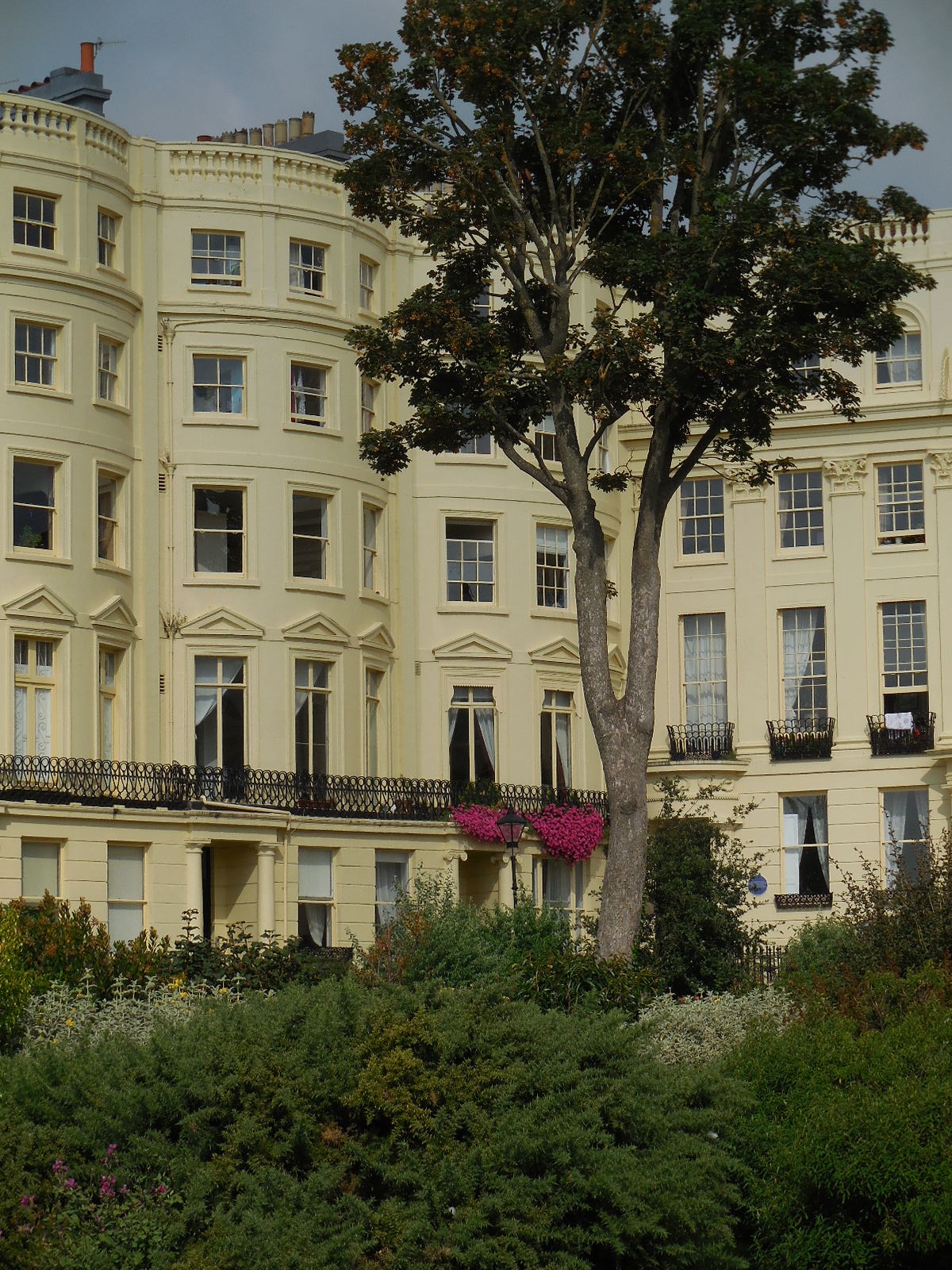
Brunswick Square, Hove

IN THE MEANTIME, ENJOY A REPORT ON TWO SHARP(E)S — WATERLOO IN FICTION FROM HISTORY TODAY: Click here
We boarded our ‘bus’ outside the Grosvenor Hotel and met our wonderful driver Graham. As we learned over the next few days, he was a diamond of the first water among coach drivers — remember not to call the vehicle a bus! We set off driving through London into Kent toward the Channel coast.
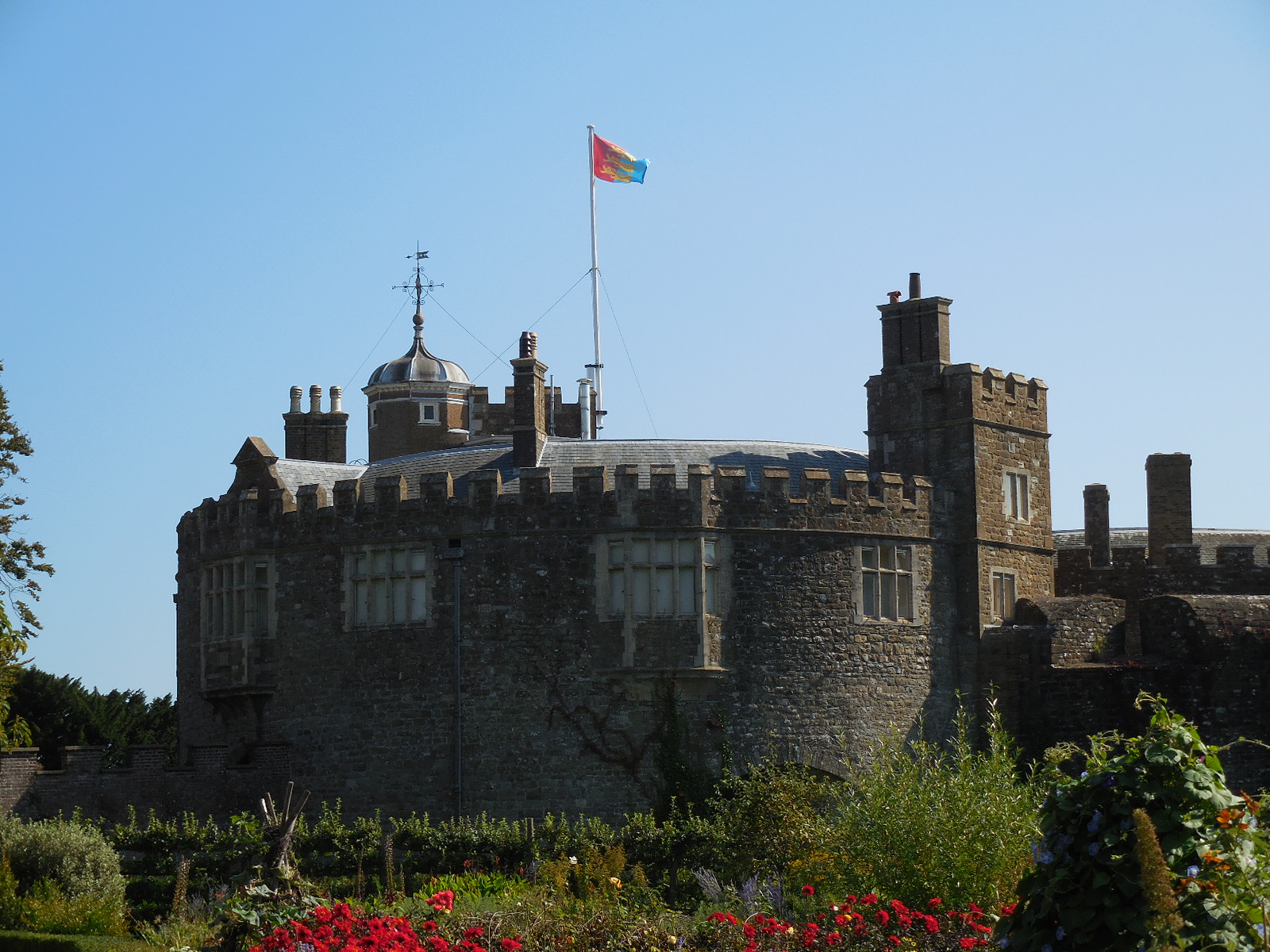


Denise an
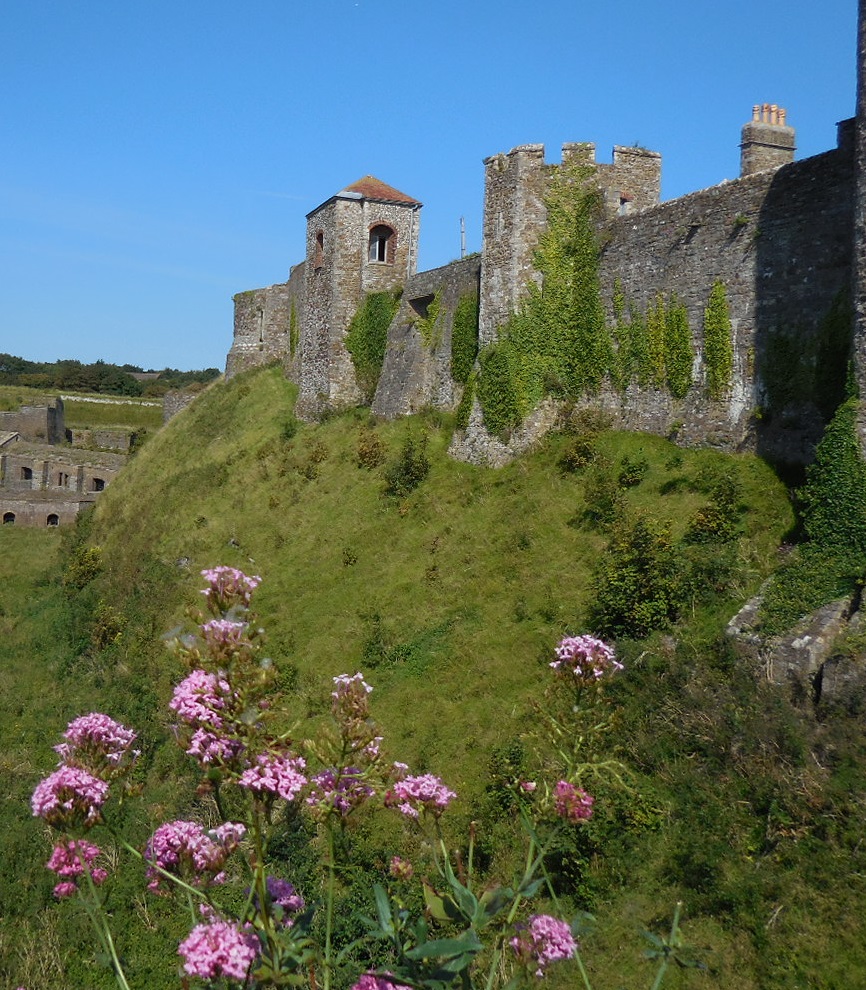
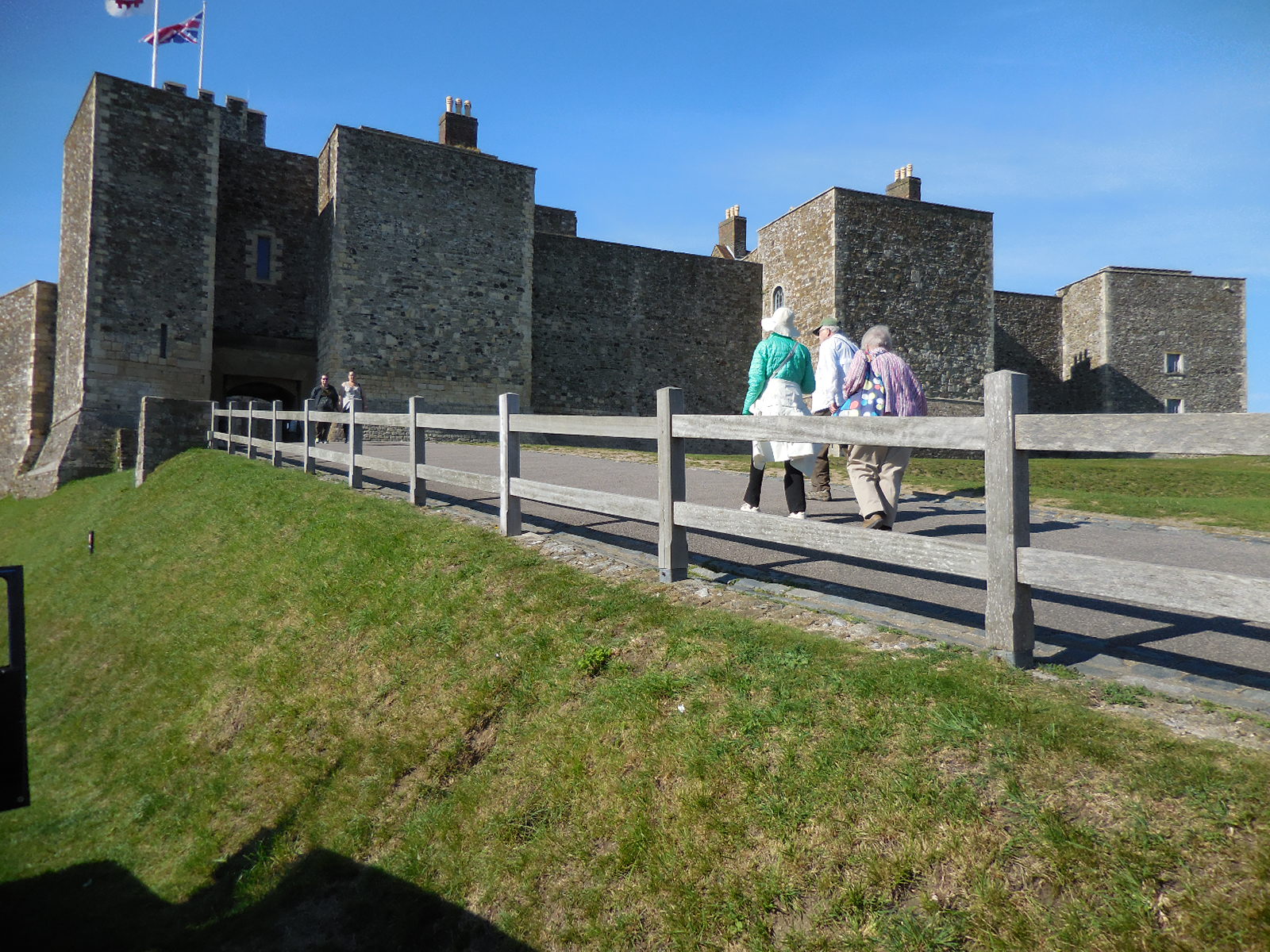
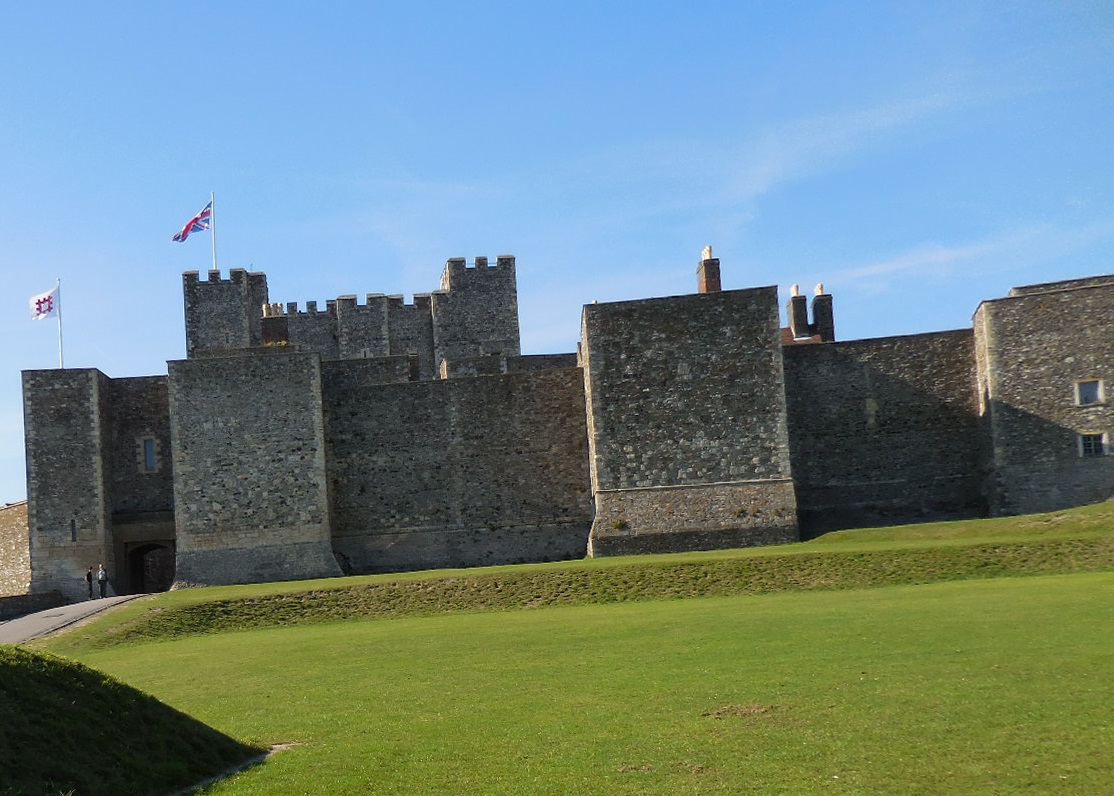
d I shot almost exactly the same picture as we approached the walls of Dover Castle.



Victoria here. In 2010, when Kristine and I visited the battlefield at Waterloo for the 195th anniversary, we were struck by how little observance at the site there was for the victorious Duke of Wellington. Indeed in the gift shop, for example, there were busts of Napoleon, books, key chains, pictures, etc. etc. and nothing about Wellington.

The one exception was a restaurant near the panorama building, and the advertisement for the beer. The logo for the beer is a reproduction of Lady Butler’s famous painting of the cavalry charge of the Scots Greys, “Scotland Forever.”
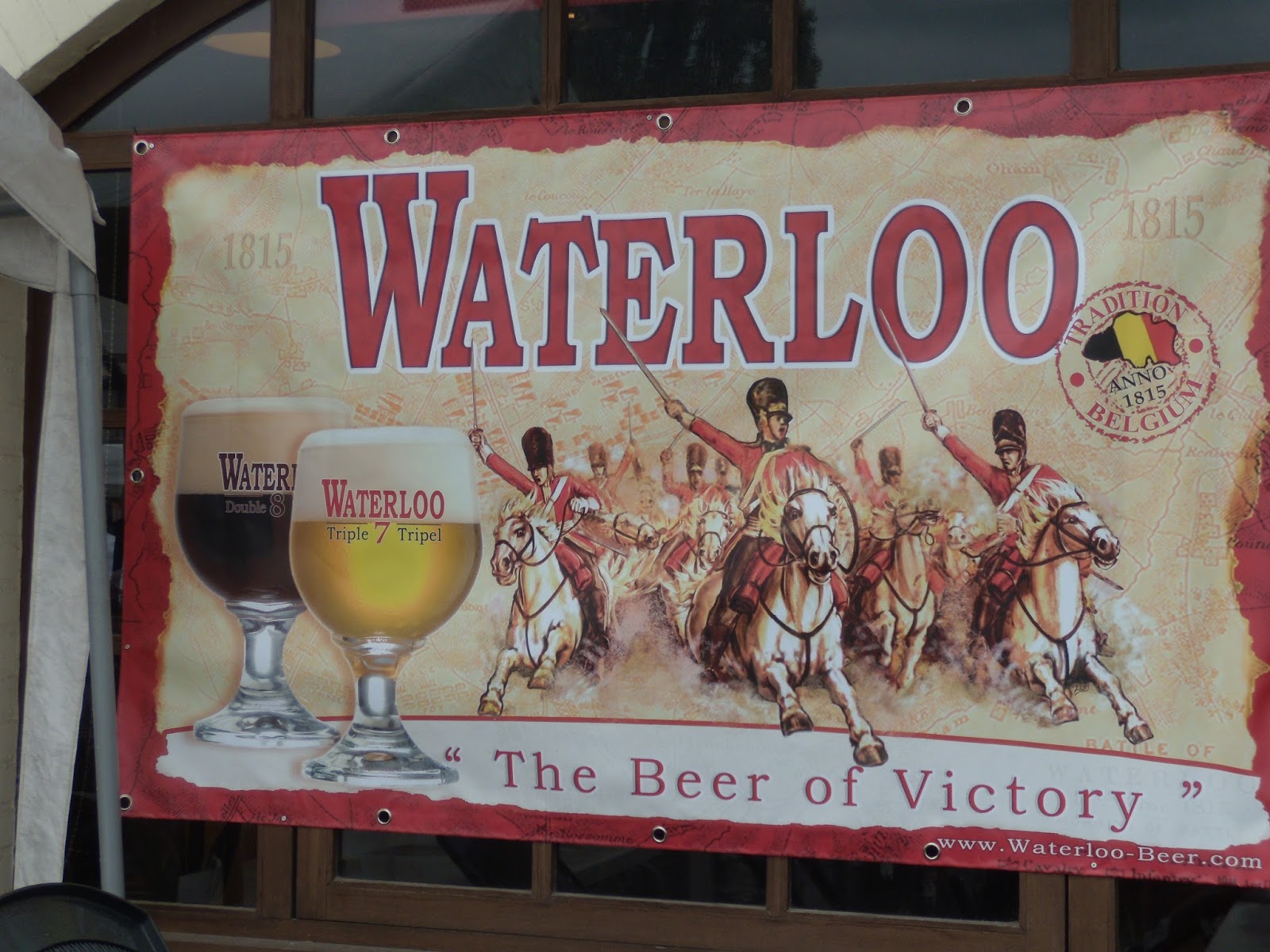

Even the text panels here and there on the Waterloo battlefield seemed almost apologetic that after the magnificent charges and maneuvers of the French troops, the British squares held and the Allies won. Friends attending the recent 2015 commemorations in Belgium reported that nothing had changed at the battleground or among the souvenirs. Such is the enduring myth — for just one or two minor points Napoleon would have won, and even that he deserved to win.
Well, from my point of view that is all hogwash. You can add up all the IFS and UNLESSES, and the result is still the same Napoleon and the French lost the battle and were unable in the next few weeks to re-group their forces effectively to counteract the inevitable arrival of the Allies in Paris and the re-exile of Napoleon.
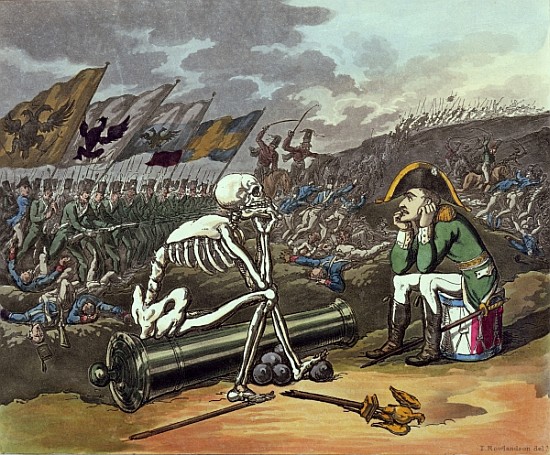

At the time of the battle and shortly there after, Napoleon had his rabid fans, even in England.
Many Whigs admired Napoleon, though some later changed their minds. Many members of the Whig Party in Great Britain had a pro-French position from the time of the 1789 Revolution right up to the re-burial of N
apoleon. The Holland House Circle always seemed to find apologies for the excesses of the Revolution, and when it was clear that Napoleon was no longer advocating the republican ideals of he is early days and had become a dictator as Emperor, many Whigs were still on his side. Part of that, of course was opposition to the government of Tory-leaning Lord Liverpool.

The first Whigs advocated the elimination of the Catholic Monarch James II and supported the Glorious Revolution that brought William II and Mary II to the throne. Throughout the monarchies of Anne and the first two Georges, the Whigs held governmental power. George III was more attuned to the Tory point of view which evolved under Prime Minister William Pitt the Younger. Whigs supported free trade, Catholic Emancipation, abolition of slavery, and some expansion of suffrage, though far from complete voting rights for all. Most Whigs believed that ownership of property should be required for voters.

The Whig opposition to Pitt combined under Charles James Fox, son (then uncle) of two Lord Hollands. Though both parties were led by very rich landowners, the Whigs tended to support more aristocratic policies and the Tories, the gentry and emerging middle class, if one is allowed a sweeping generalization. The Tories favored strong central government control and the Whigs, in general, favored less reliance on governmental authority.


In his concise volume The Napoleonic Wars: A Very Short Introduction published by Oxford University Press, Mike Rapport quotes Francois-René de Chateaubriand’s memoirs from 1839, expressing his frustration with his contemporaries for ignoring – or forgetting the destruction and thinking only of the Gloire:

Napoleon’s memoirs as told to his secretary on St. Helena, Emmanuel de Las Cases, published shortly after the Emperor’s death in 1821, presented his version of his life story, emphasizing his victories and his goal to spread the values – Liberté, Égalité, Fraternité, French for “Freedom, equality, brotherhood”, ofthe French Revolution – ignoring the fact he ruled as a tyrant and dictator. And caused the death of millions, from battle casualties, from the spread of disease, and from displacement and starvation.
Nevertheless, there is no shortage of apologists for Napoleon: Victor Hugo devoted a large section of Les Miserables to a recreation of his fanatsy victory at Waterloo. And Hugo has a monument at Waterloo!


To read more about Napoleon’s tomb and the museum, click here.
Napoleon scorned the re-reestablishment of the ancien regime in France and elsewhere, as decided by the Congress of Vienna. The Hapsburg Empire in Austrian eventually collapsed under its own weight, but the German-Prussian and Russian situations led to bloody war and excessive revolution,though not until many decades later.

Kent joined with Essex and there began a march towards London, reaching the gates of the city on the 13th of June. The Kentish rebels were led by a man named Jack Straw; the Essex contingent was led by an ex-soldier named Wat (Walter) Tyler. The rebel army met with the 14-year-old King Richard II, but before demands were heard, the Lord Mayor of London, a William Walworth, attacked and killed Wat Tyler. The rebels were in disarray when the king stepped forth and made a promise to the peasants that he would abolish serfdom. Satisfied that a major demand had been met, the rebels returned home…only to meet death by hanging by the government soldiers who followed them, giving no quarter to anyone who’d participated in the revolt.
(Put not your faith in princes…ah, always so true!)
Another important individual associated with the rebellion was a Lollard preacher named John Ball, who had been imprisoned by the Archbishop of Canterbury and freed by the rebels. He was a staunch believer in the equality of all men and is famous for a sermon he preached that asked, “When Adam delved and Eve span, who was then the gentleman?” That quote lived on after his execution and still lives today.


The plaque at Smithfield Market, where the confrontation between the rebels and the king took place, is considered long overdue, and welcomed by many who would rather deem it the English Rising than the Peasants’ Revolt and trace the beginnings of democracy in England to this important event.